Living Room Trends 2026: 12 Looks Defining the New Era of Comfort
If 2025 was the year of “warm minimalism”—where beige reigned supreme, textures were subtle, and clutter was the enemy—2026 is shaping up to be the year of bold personalization. In our experience tracking the industry’s shifts over the last 12 months, we have noticed a distinct move away from “safe” design. Homeowners are no longer asking, “Will this look good on Instagram?” but rather, “Does this make me feel something?”
The living room, traditionally the showpiece of the home, is undergoing an identity crisis in the best possible way. It is no longer just a static display of good taste; it is becoming an active participant in our well-being. We are seeing a rejection of the “showroom” aesthetic—where everything matches perfectly—in favor of spaces that tell a story.
As we look toward the 2026 horizon, three major pillars are emerging to define the living room landscape:
- Neo Deco: A moody, geometric luxury that balances nostalgia with modern edge.
- Biophilic Wellness: Nature is no longer just a plant in the corner; it is a functional, structural element.
- Tech Noir: A cinematic, deep-toned response to our digital lives, embracing darkness as a form of rest.
Whether you are planning a full renovation or just swapping out a coffee table, this guide breaks down the 12 essential looks that will define the new era of comfort. For a broader look at how these styles fit into the whole home, check out our guide on trendy interior design styles.
📋 Quick Take: The 2026 Living Room at a Glance
What are the top interior design trends for 2026?
As we move into 2026, living room design is shifting from the strict minimalism of the early 2020s to “Bold Personalization” and “Emotional Durability.” The key trends defining this era include:
In short: 2026 is about spaces that feel like a warm hug, but look like a cinematic set.
II. The Color Palette of 2026
Color is the quickest way to change the emotional temperature of a room. According to recent color forecasts from industry leaders like Pantone and WGSN, and validated by the buying patterns we see in the market, the gray-washing of the early 2020s is officially over.
1. Honeyed Neutrals & Butterscotch (The New Beige)
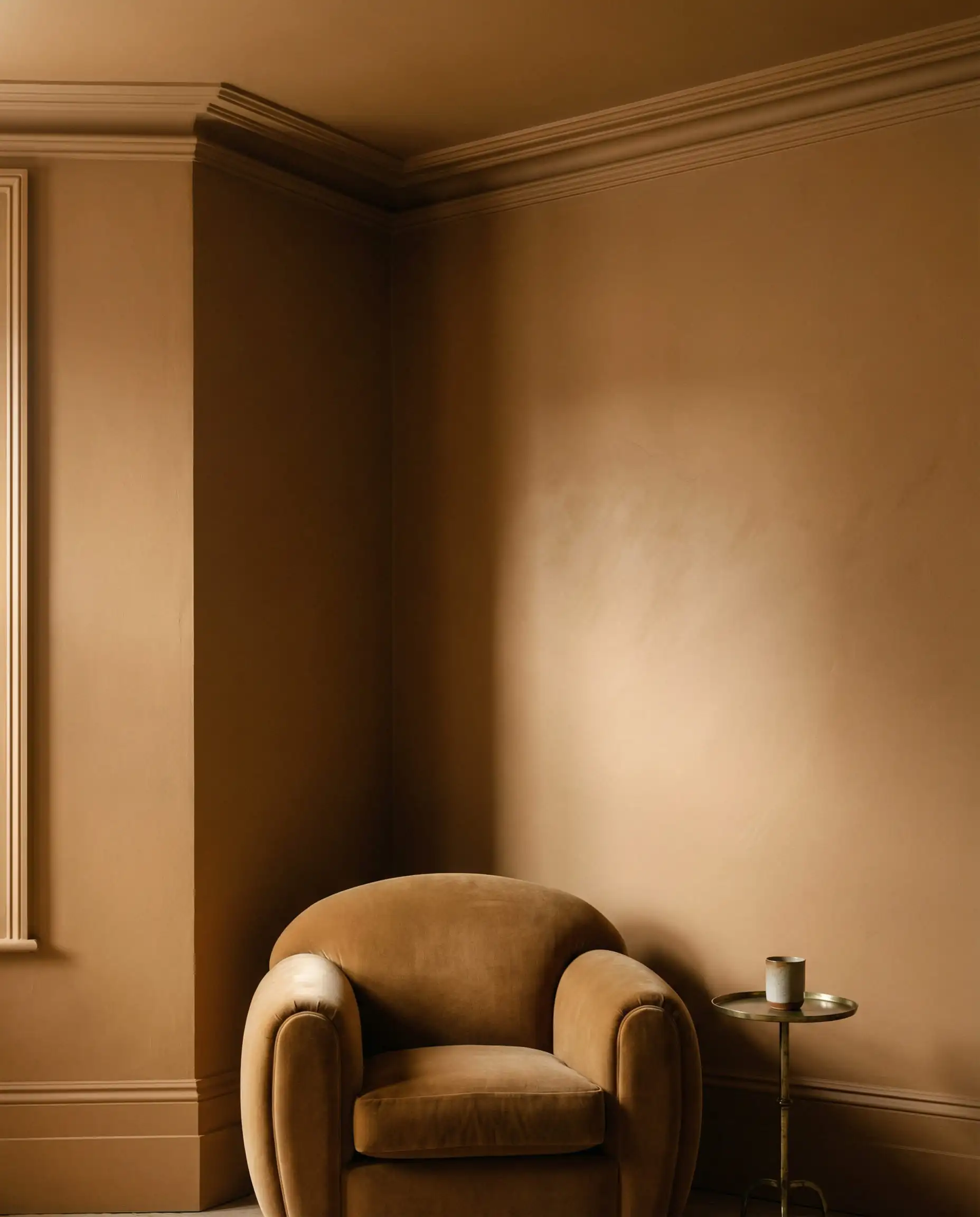
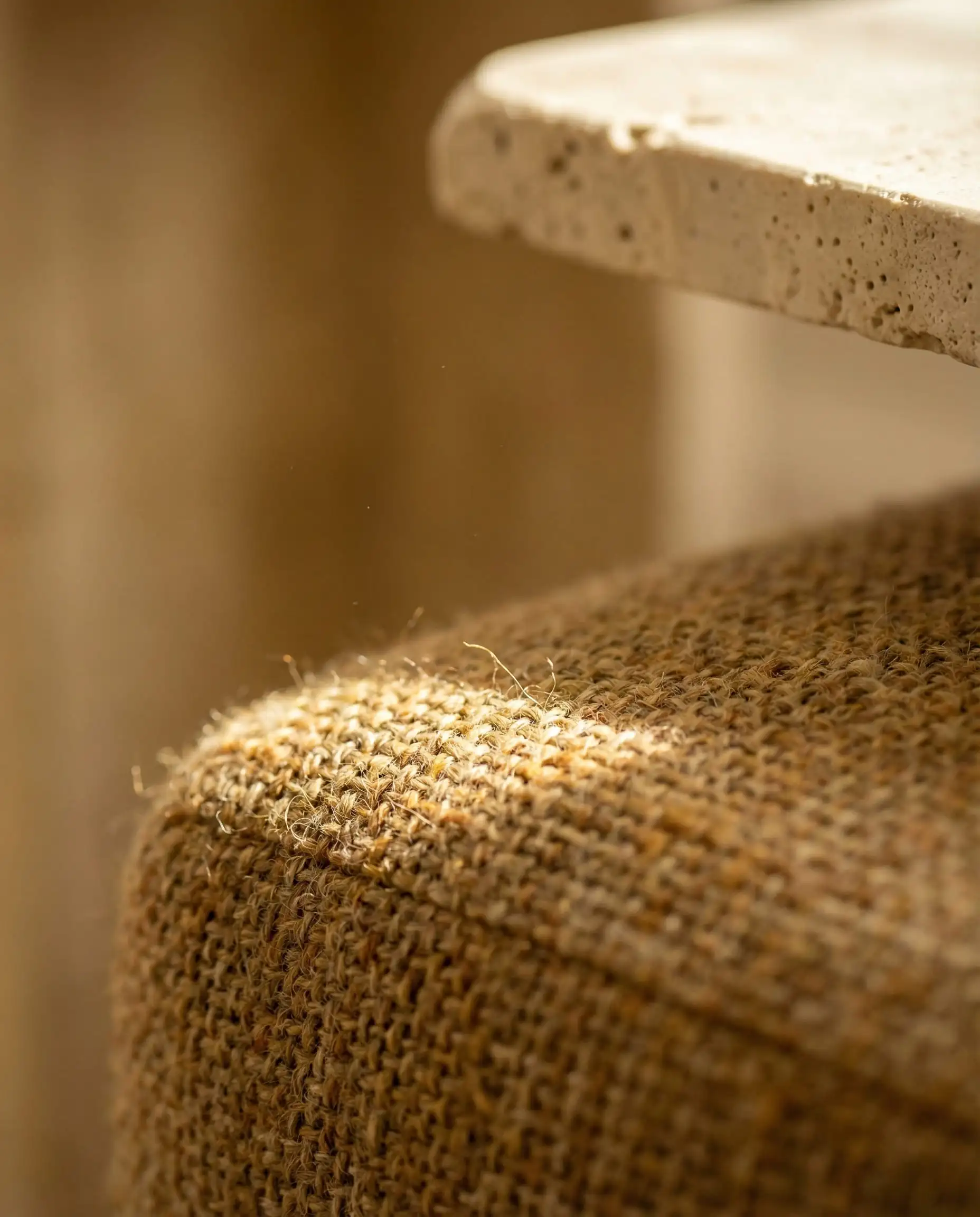
If gray is out, what is in? In our recent consultations, we are seeing a massive surge in “honeyed neutrals.” Think rich butterscotch, caramel, warm ochre, and unbleached canvas.
These aren’t the flat, yellow-based beiges of the 90s. The 2026 variations have a golden or reddish undertone that “glows” in natural light. This palette creates a “cocooning” effect that feels instantly welcoming. We recommend using these tones in “color drenching” applications—painting the walls, trim, and even the ceiling in the same warm hue. This blurs the boundaries of the room, making small living rooms feel larger and more cohesive.
2. Tech Noir Blues (The “Dark Mode” Aesthetic)
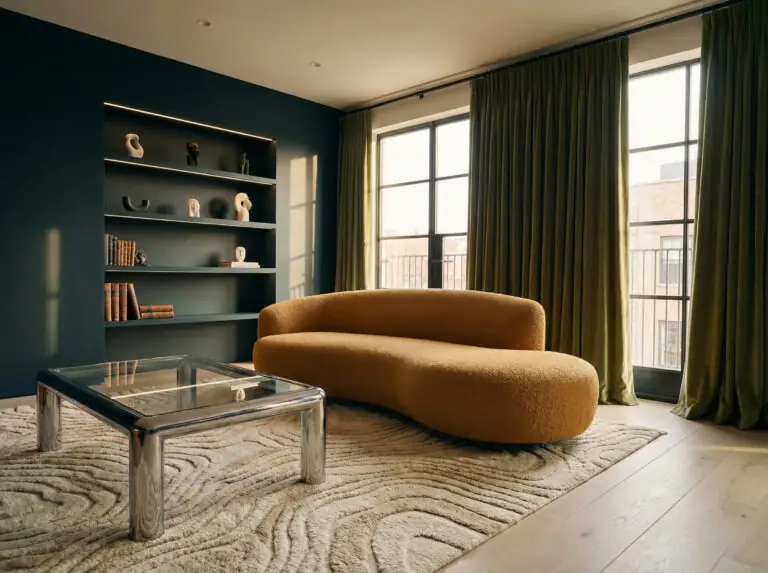
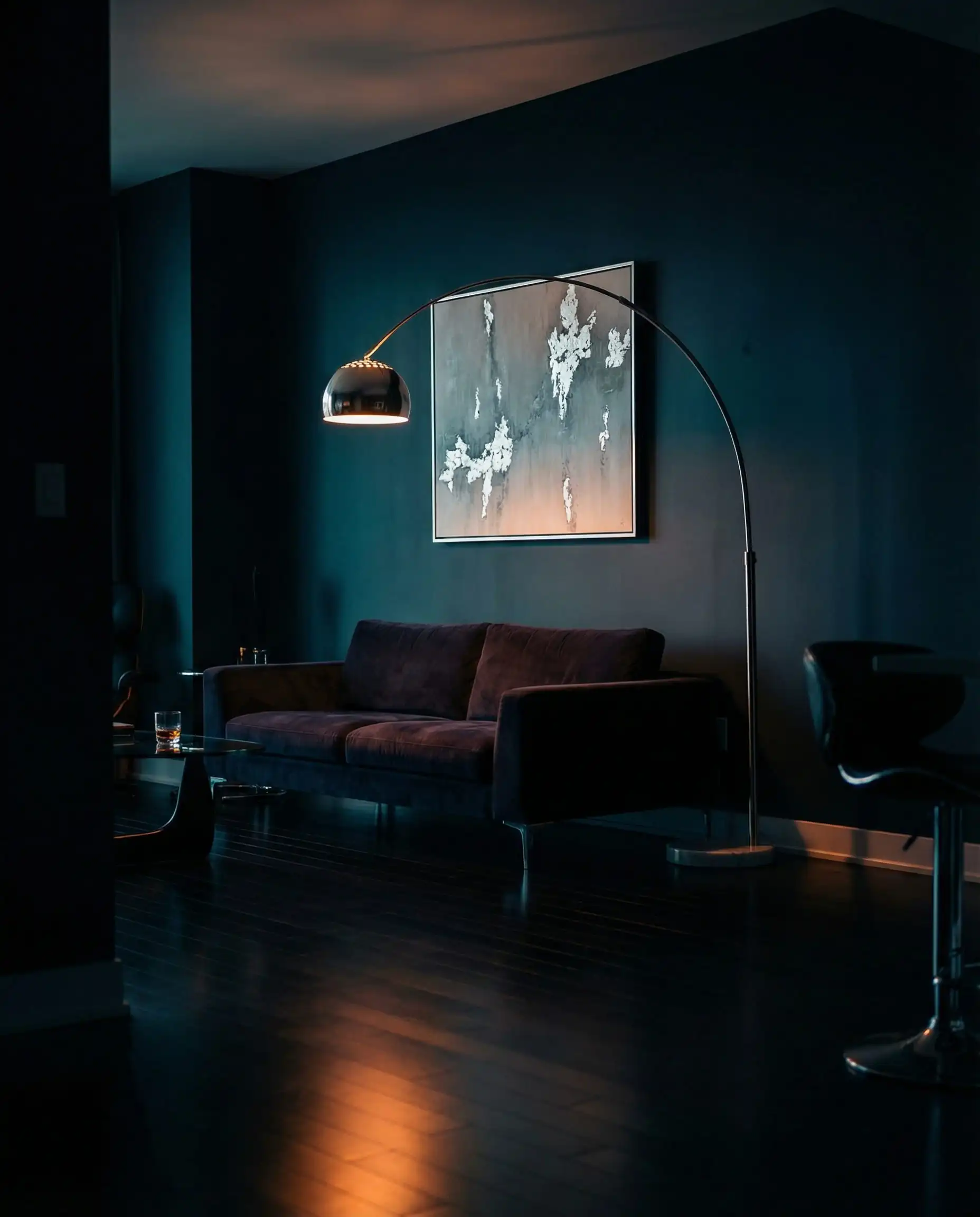
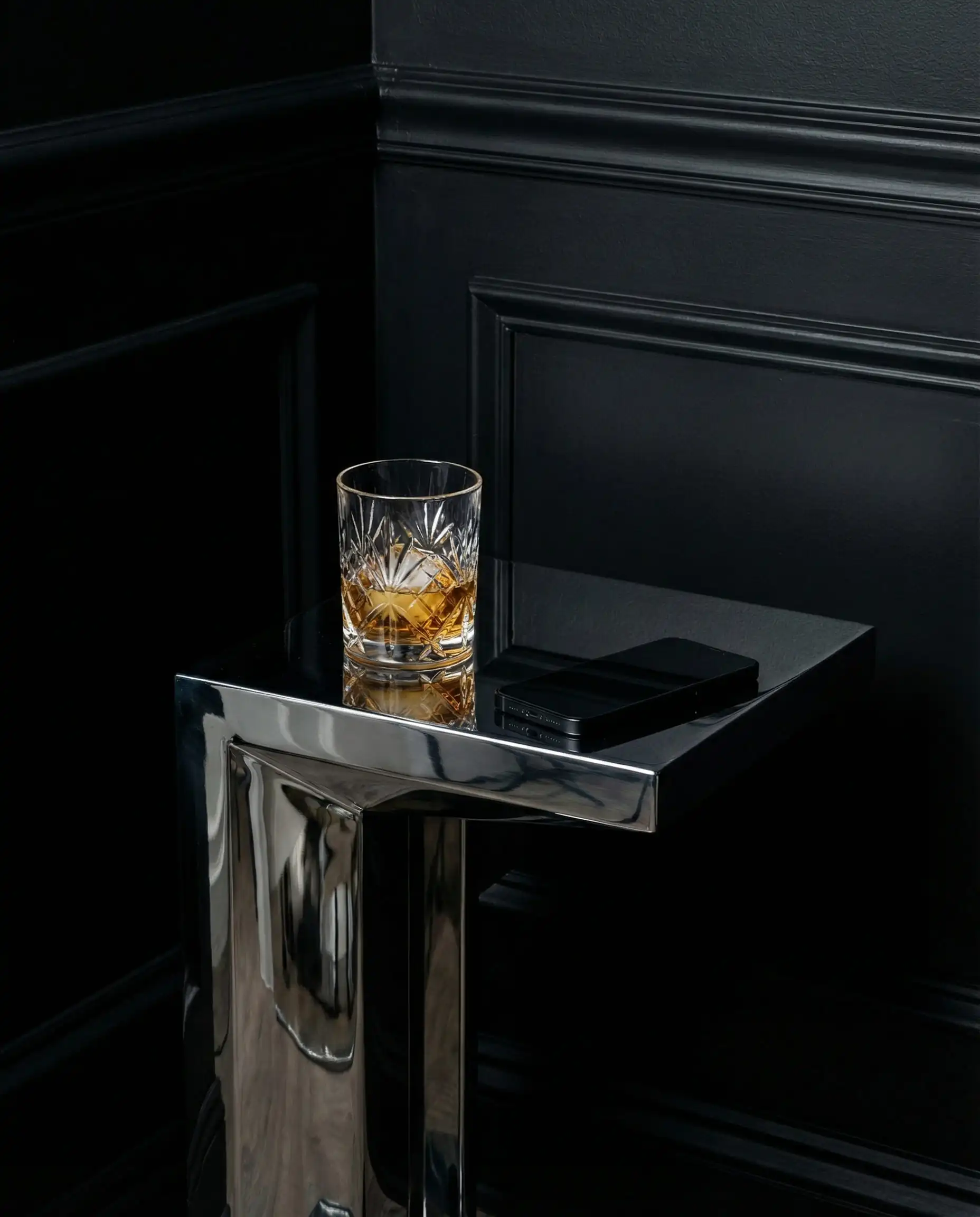
On the opposite end of the spectrum, we have “Tech Noir.” This trend pulls from a cinematic, almost Blade Runner-esque aesthetic. We are talking about deep, moody teals, midnight blues, eggplant, and charcoal tones that border on black.
Why this shift? In our opinion, it is a direct response to our screen-heavy lives. Just as we turn our phones to “Dark Mode” to rest our eyes, we are turning our living rooms into low-contrast, dark sanctuaries to rest our minds. These colors are often paired with metallic accents (see Trend #5) to catch the light and prevent the room from feeling like a cave.
3. Cloudy Pastels (The New Neutrals)
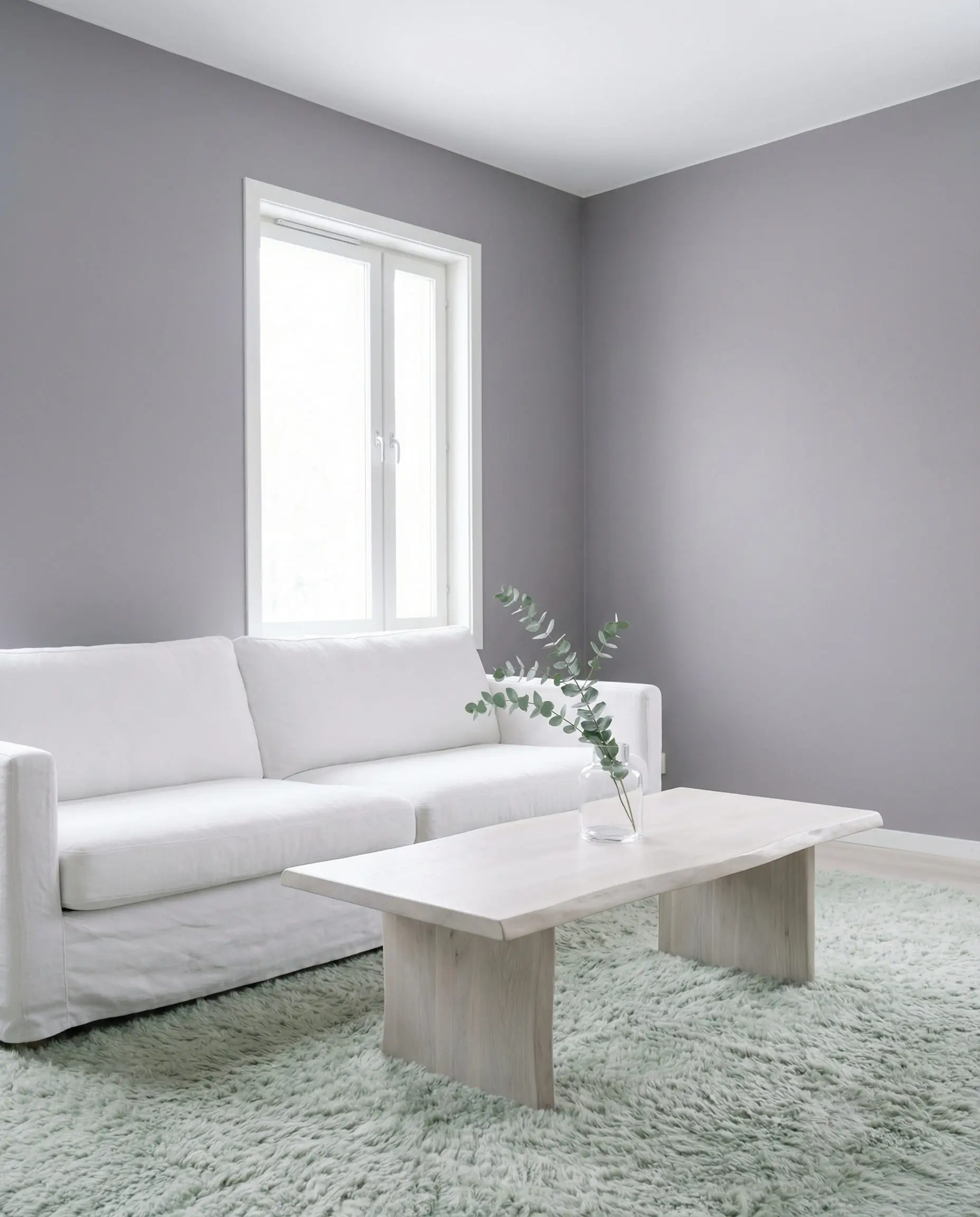
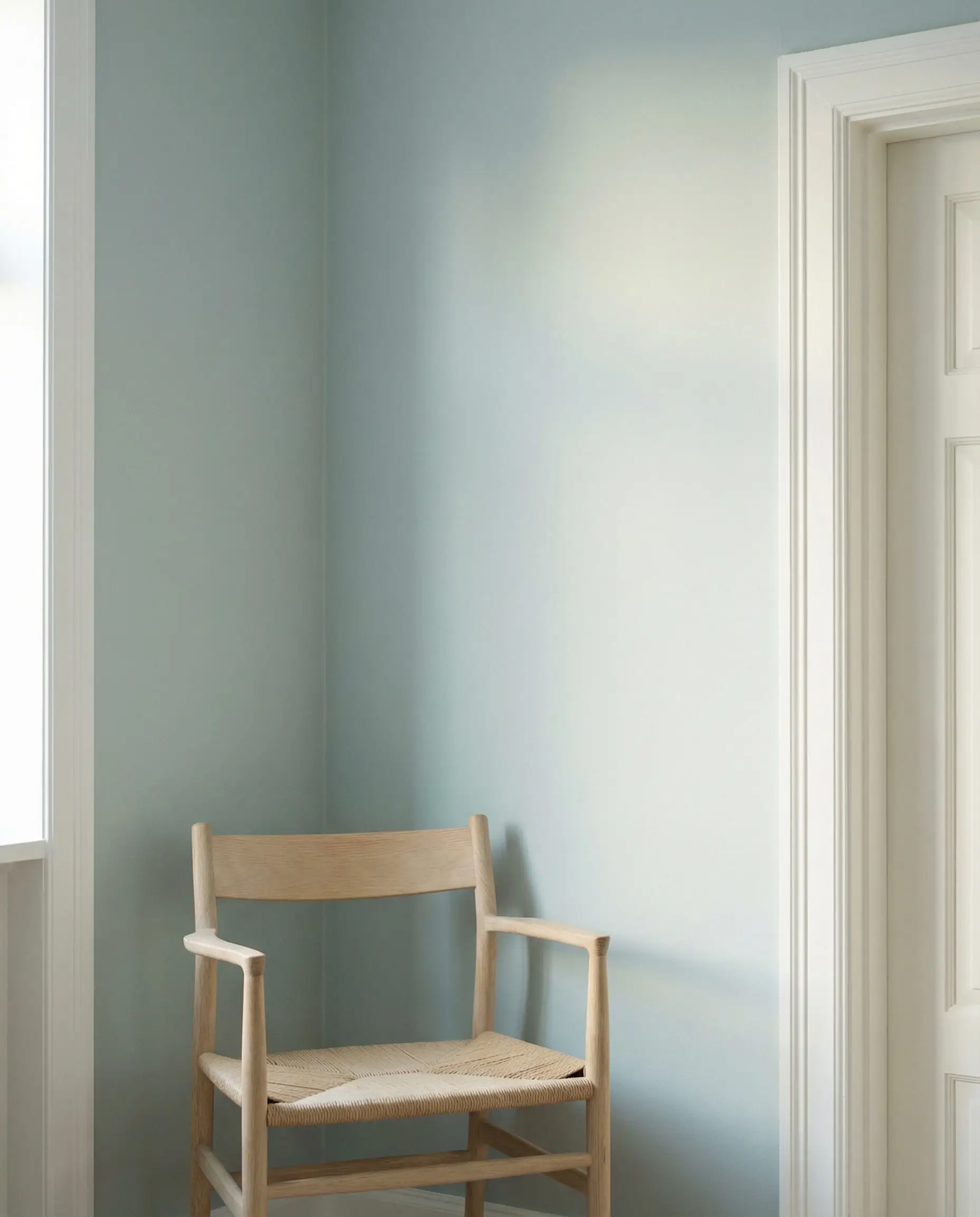
For those who find the dark tones too intense and the honey tones too warm, 2026 offers a compromise: cloudy pastels. Unlike the sugary sweet “Barbiecore” pinks of recent years, these shades—like misty lavender, sage gray, and powder blue—have a dusty, muted quality.
They act as “new neutrals.” For example, a “cloud blue” wall reads almost as white but adds a layer of serene complexity that pure white lacks. These shades provide a soft backdrop that allows bolder furniture pieces to pop without overwhelming the senses.
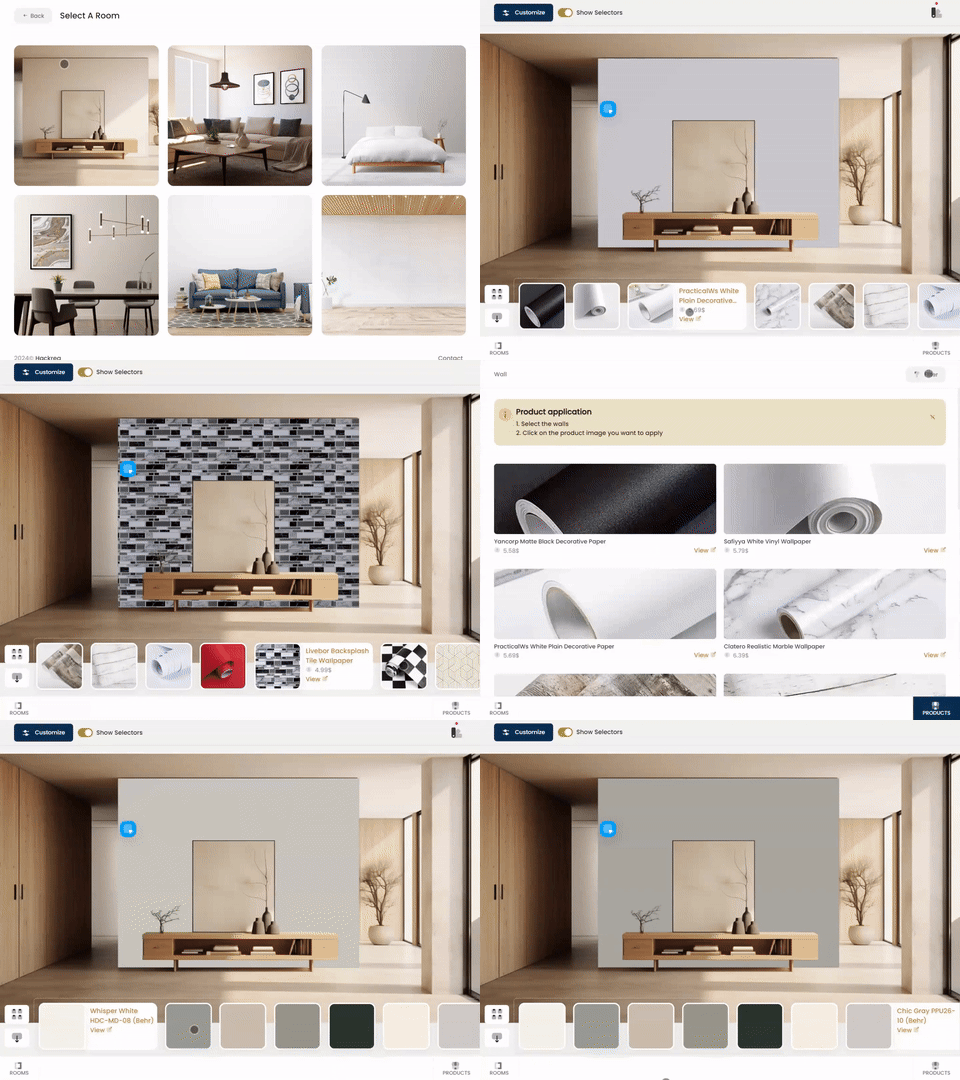
You can apply wallpapers, paints, etc. on walls and see how they look in various interiors.
III. Furniture Shapes & Silhouettes
The rigid lines of Mid-Century Modern are softening. The sofa trends we are tracking for 2026 prioritize one thing above all else: radical comfort.
4. Low-Profile & “Fat” Furniture
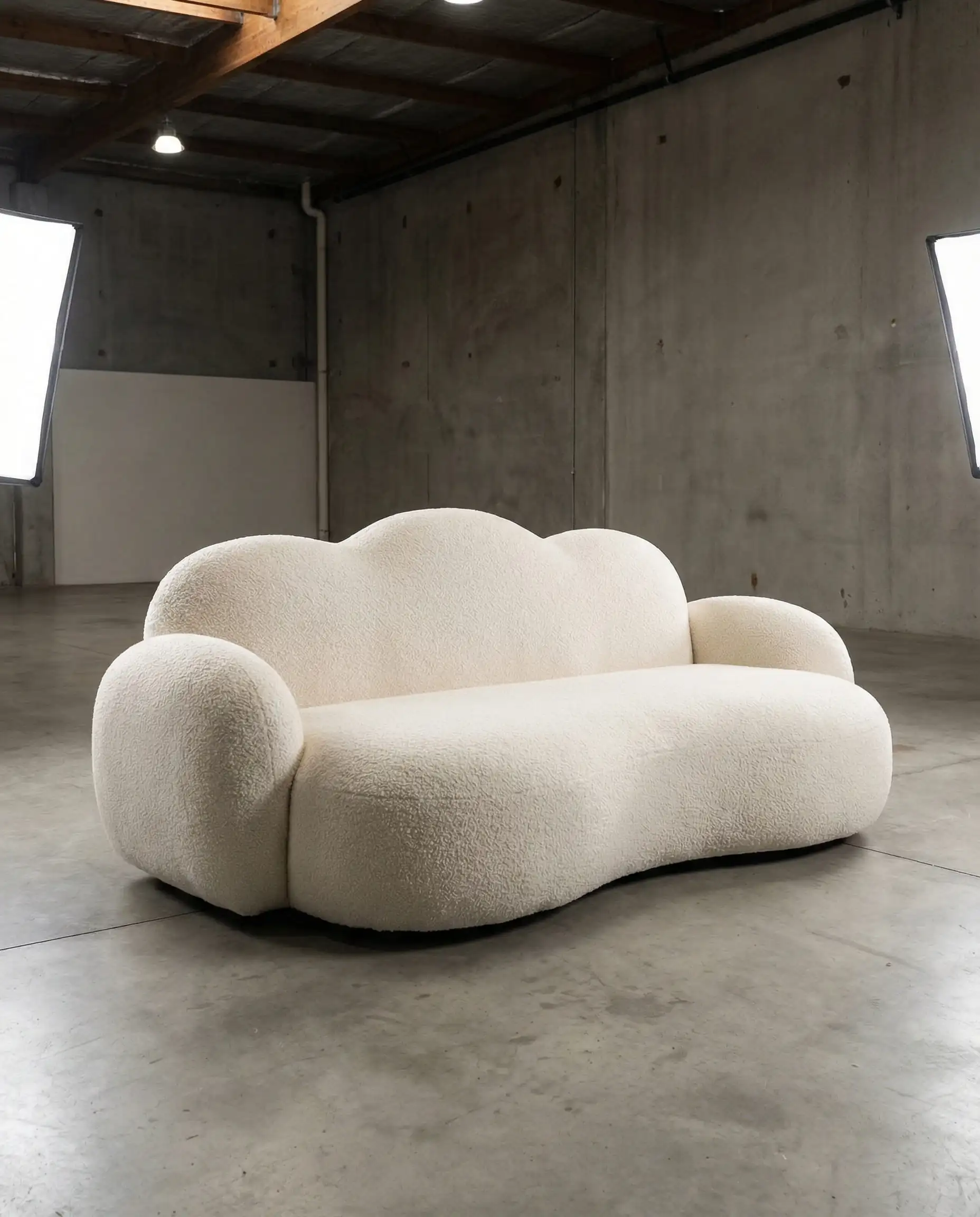
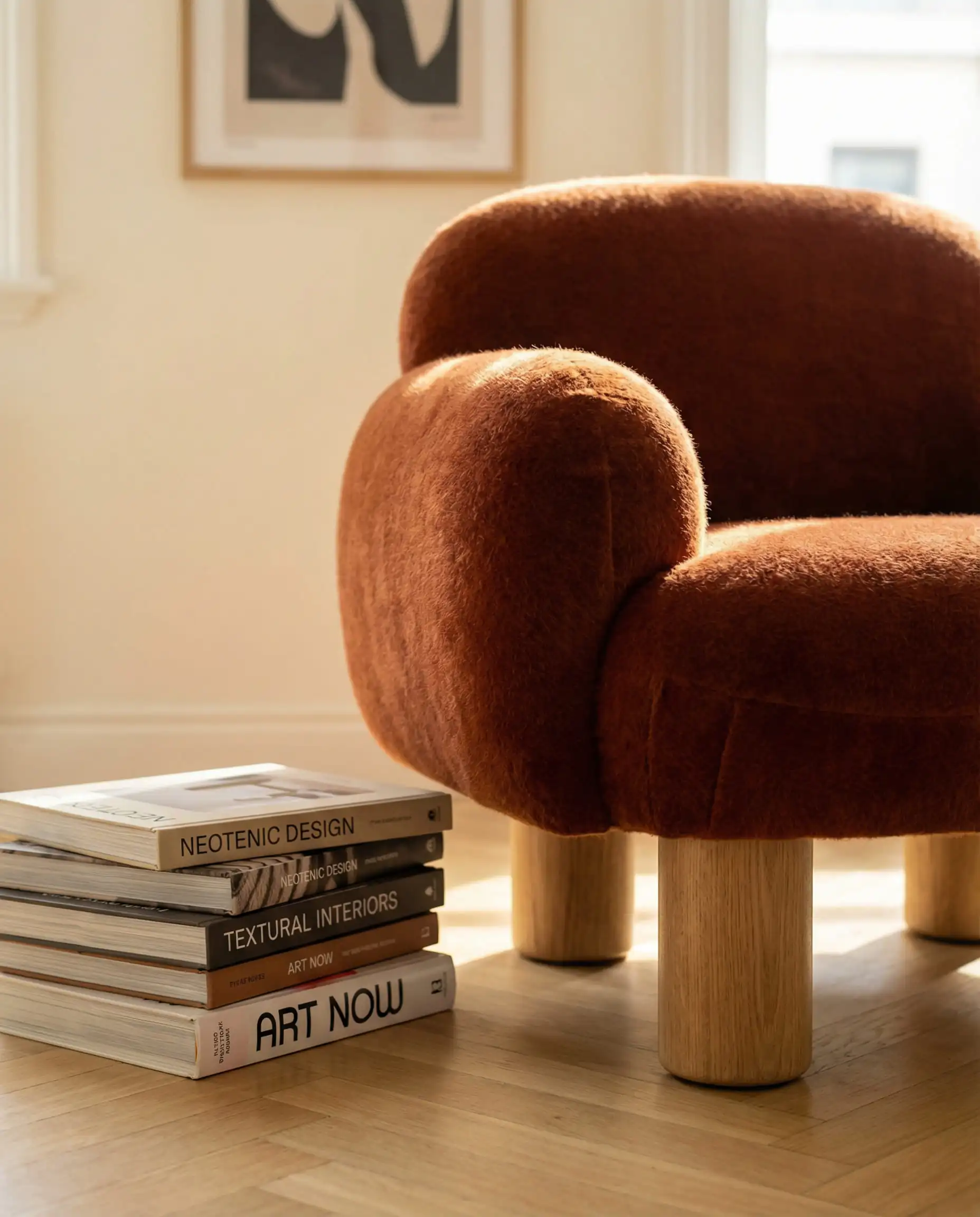
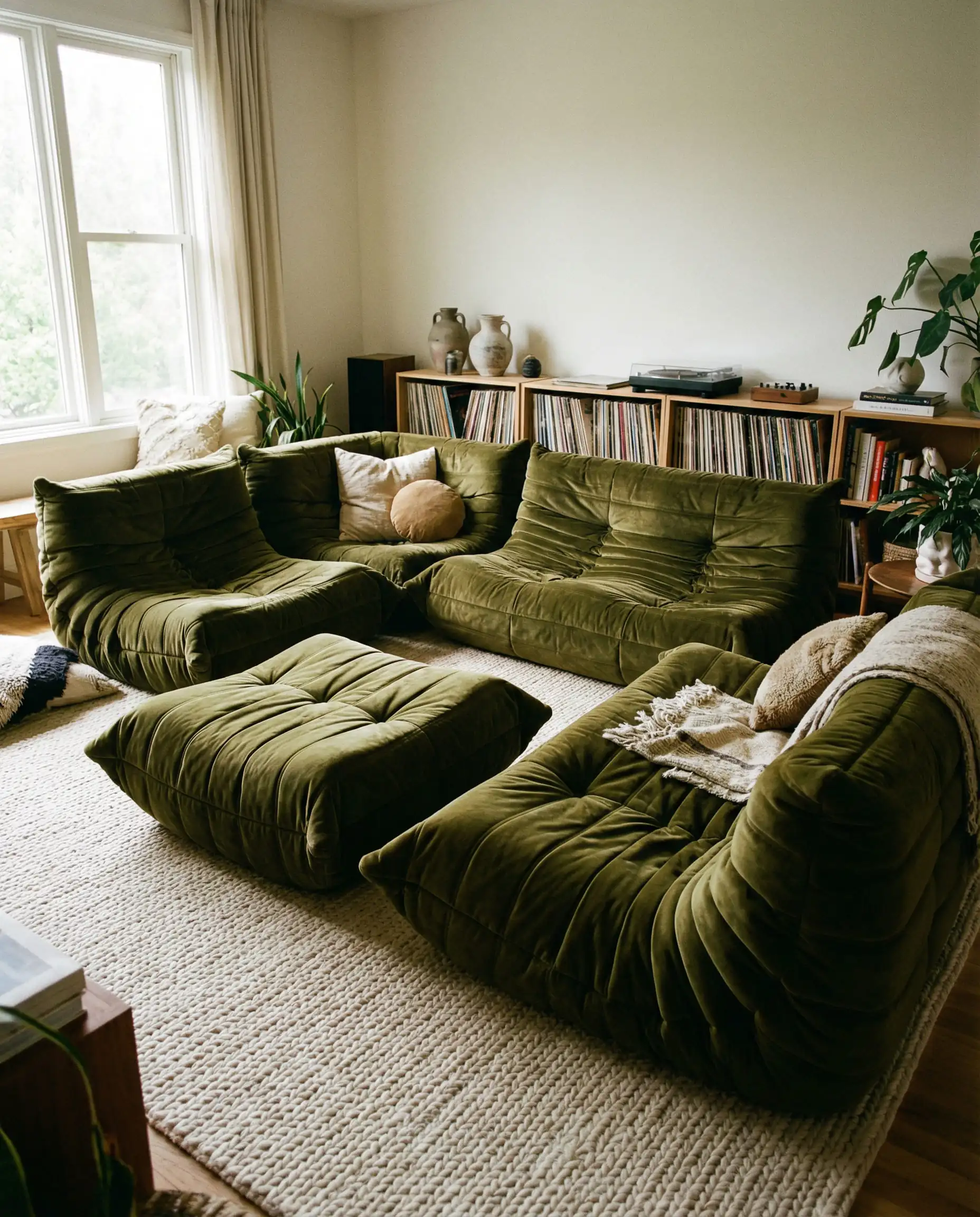
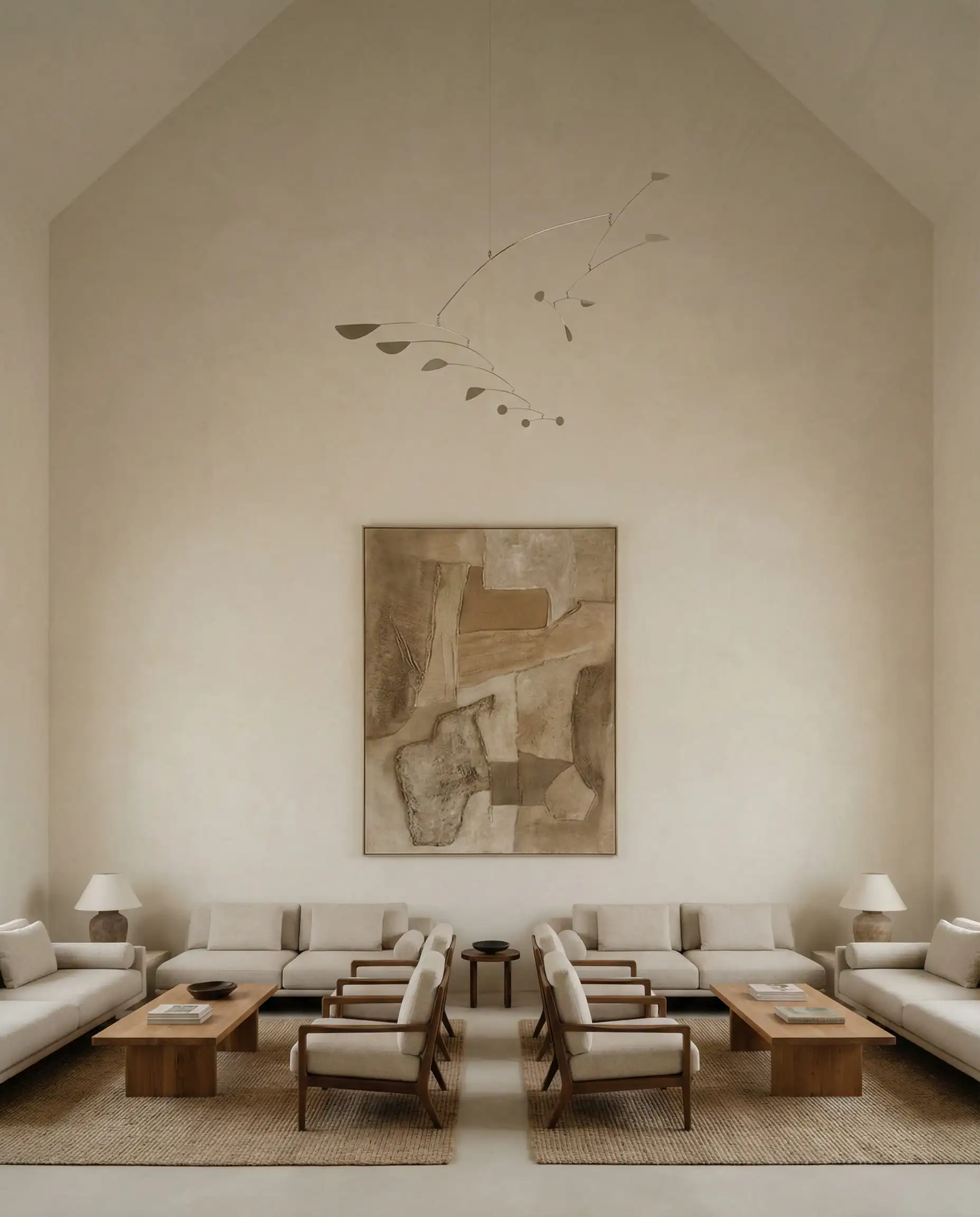
We are calling this the “lounge effect.” Furniture is getting lower to the ground and significantly “chunkier.” We are seeing sofas with exaggerated, overstuffed arms and deep seats that practically beg you to lie down.
This trend is often referred to as “Neotenic Design”—shapes that are soft, rounded, and childlike. If you are shopping for seating, look for pieces that eliminate sharp corners entirely in favor of organic, marshmallow-like shapes.
Fabrics to Watch: High-texture fabrics like heavy bouclé, wide-wale corduroy, and fuzzy mohair are essential here. They emphasize the tactile nature of the “fat” furniture.
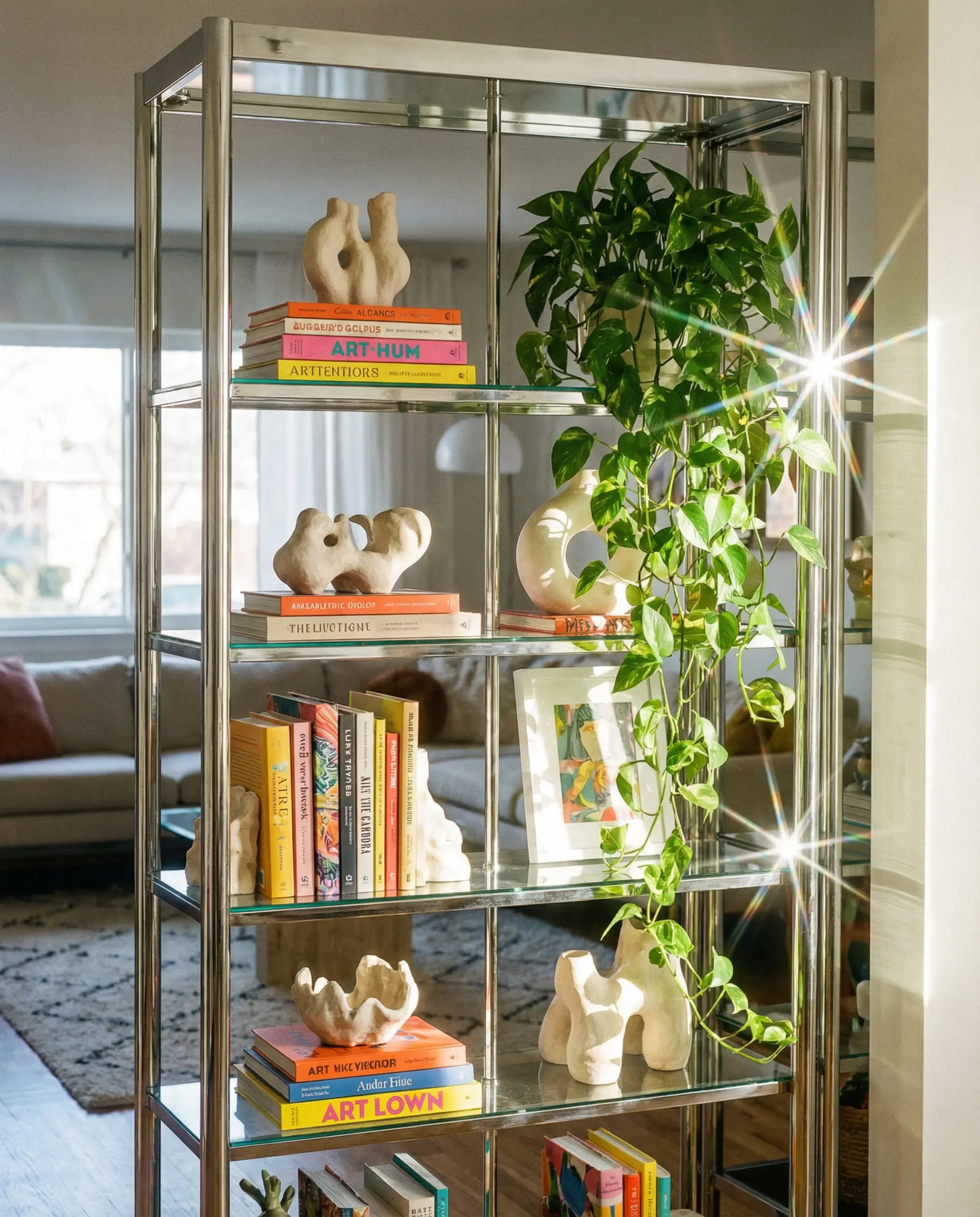
5. The Return of Glass & Chrome
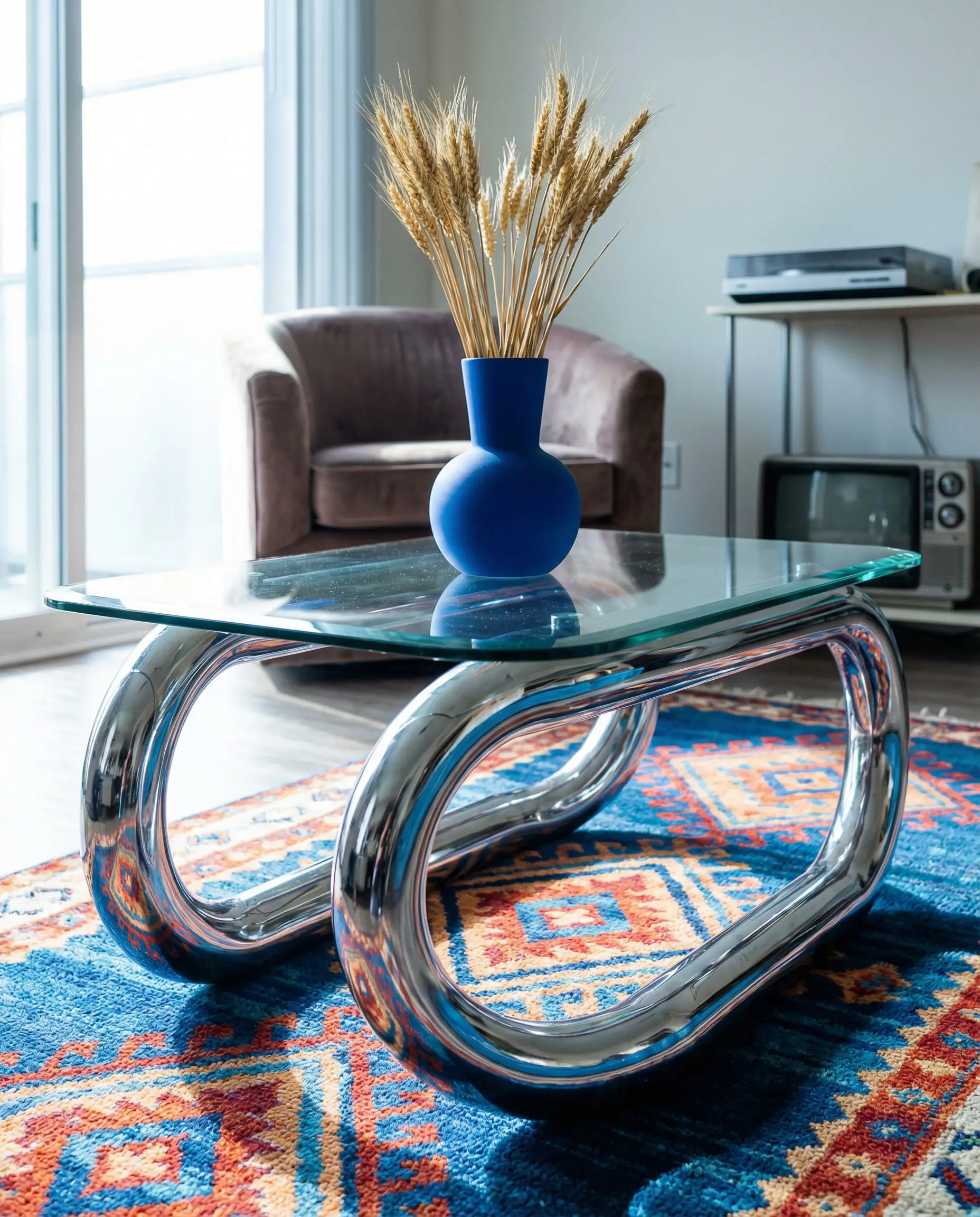
This is perhaps the most surprising comeback. After years of matte black hardware and brushed gold, high-shine chrome and glass are returning with a vengeance.
We are seeing this heavily in modern coffee table trends, where glass tops and tubular chrome legs invoke a nostalgic 1980s-meets-future vibe.
Why it works: It adds a necessary crispness to the soft, “fat” furniture mentioned above. A room full of soft velvet and round shapes needs a “sharp” element to provide visual structure. Chrome provides that edge without the visual weight of black metal.
6. Modular “Conversation Pits”
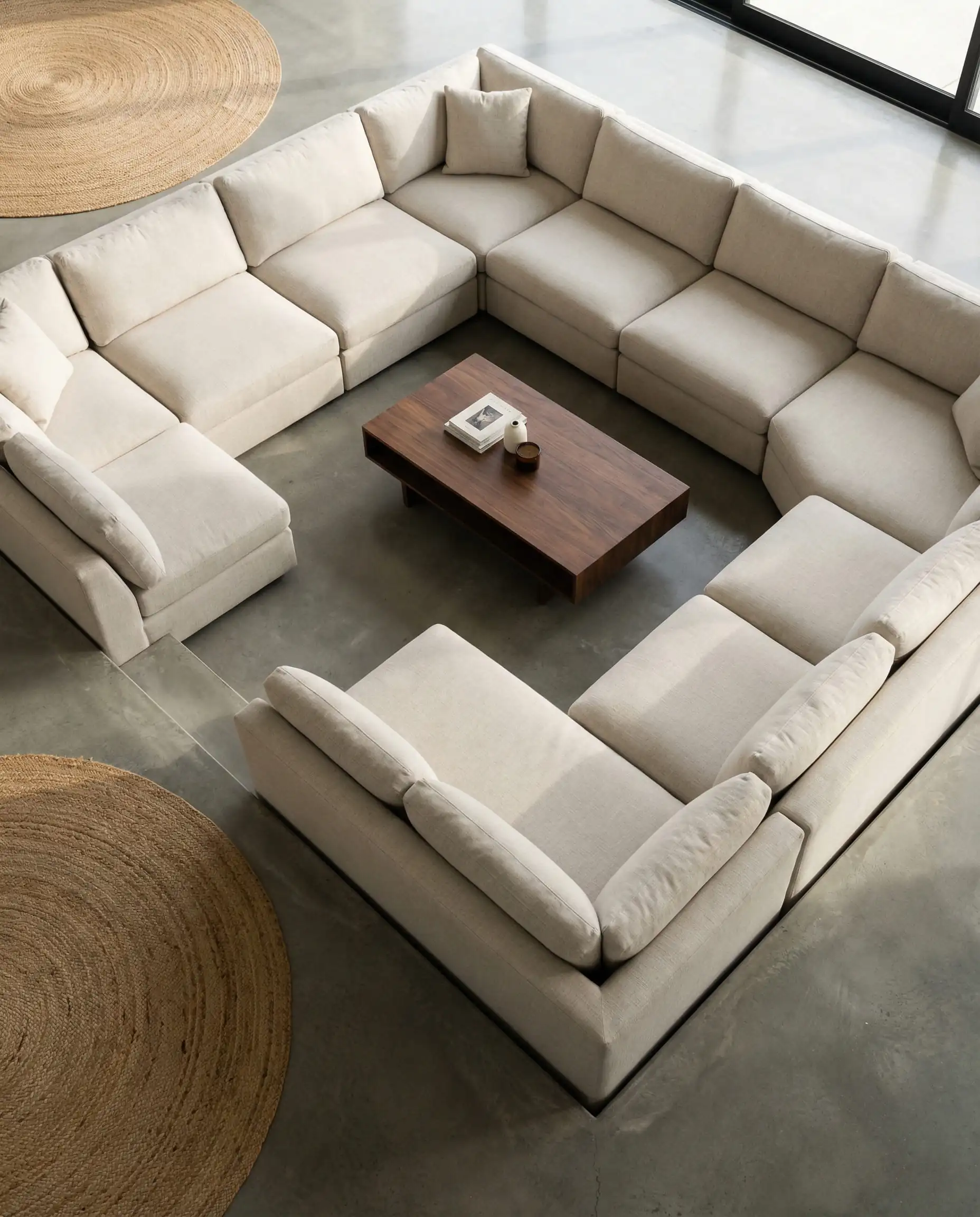
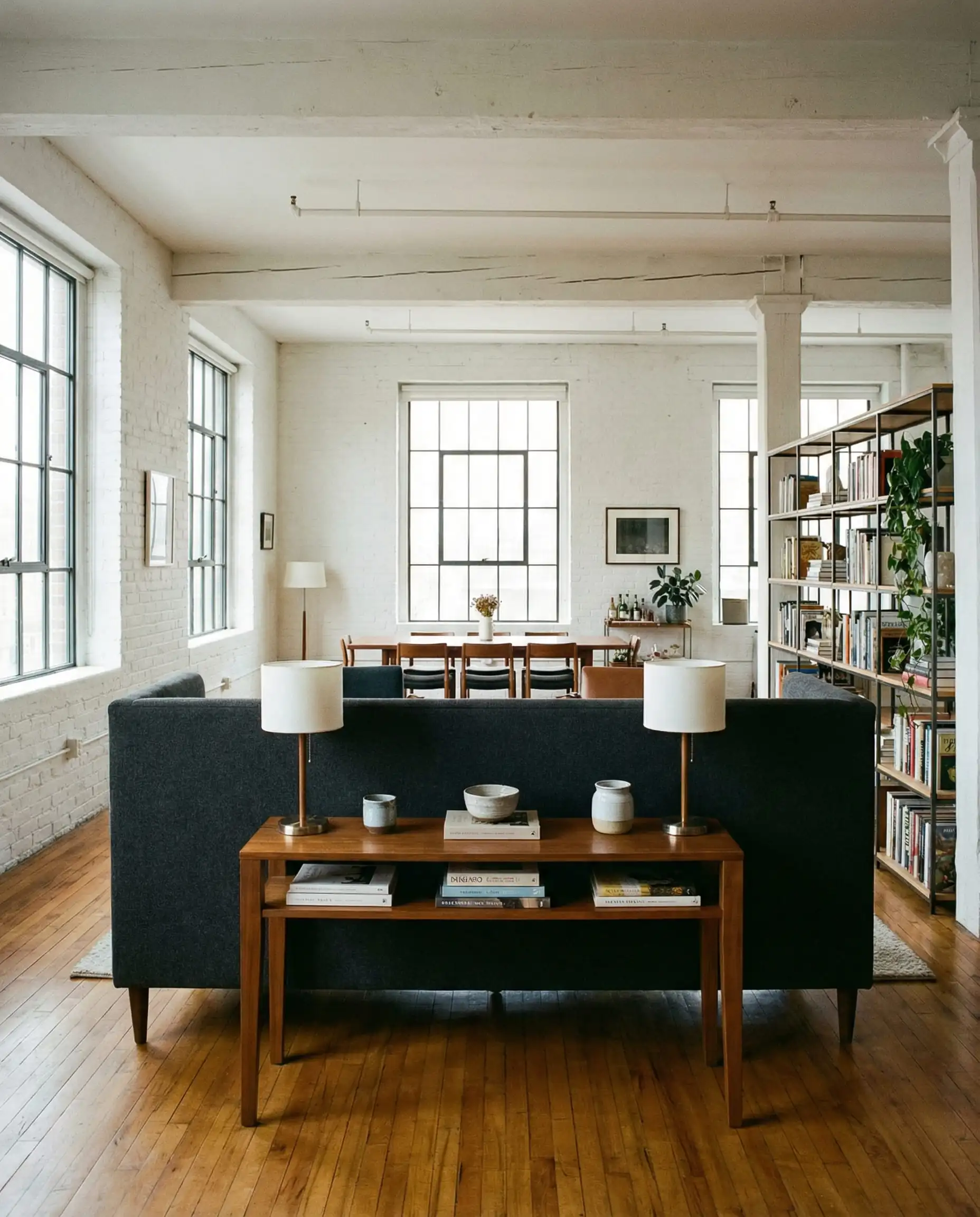
The layout of the living room is shifting. For decades, the living room was oriented entirely around the television. While screens aren’t going away, we are noticing a rise in modular sectionals arranged in U-shapes or facing pairs—reminiscent of the 70s “conversation pit.”
It’s about creating a circle of connection. Homeowners are asking for “broken-plan” layouts where the furniture itself creates zones, rather than walls. A large U-shaped sectional defines the living space clearly without cutting off flow to the dining area.
IV. Materials & Textures
Texture is where a room comes alive. In 2026, the tactile experience (how a room feels to the touch) is just as important as the visual one.
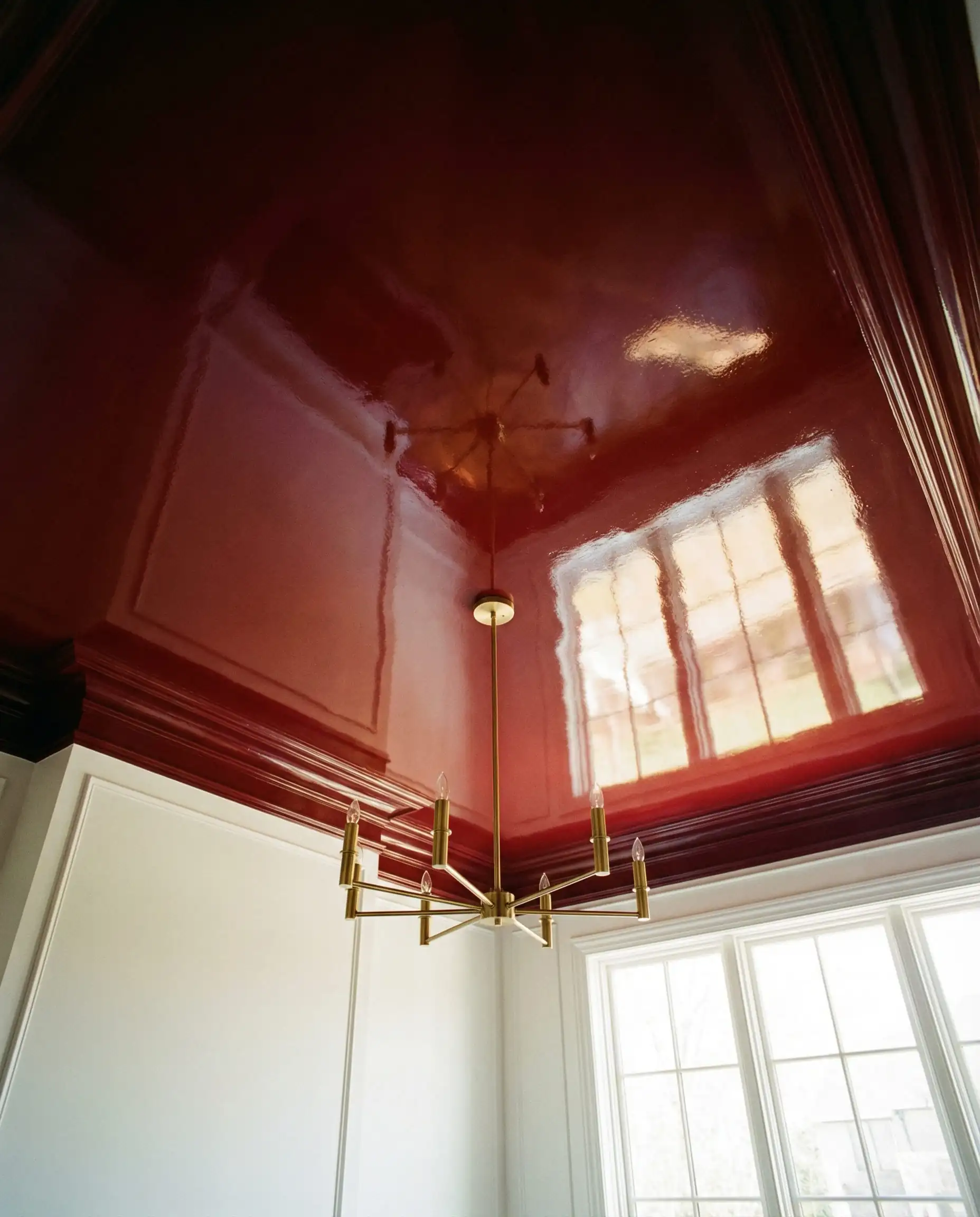
7. High-Gloss Lacquer
To balance the softness of the fabrics, high-gloss surfaces are making a statement. We are seeing lacquered sideboards, glossy ceilings, and shiny ceramic stools.
This finish reflects light beautifully, adding depth and a touch of liquid luxury to the space.
Designer Tip: If you are afraid to commit to a full lacquered wall (which requires perfect drywall preparation), try adding a high-gloss tray to your coffee table or choosing a lacquered media console. It captures the modern tv stand trends of mixing matte screens with shiny cabinetry.
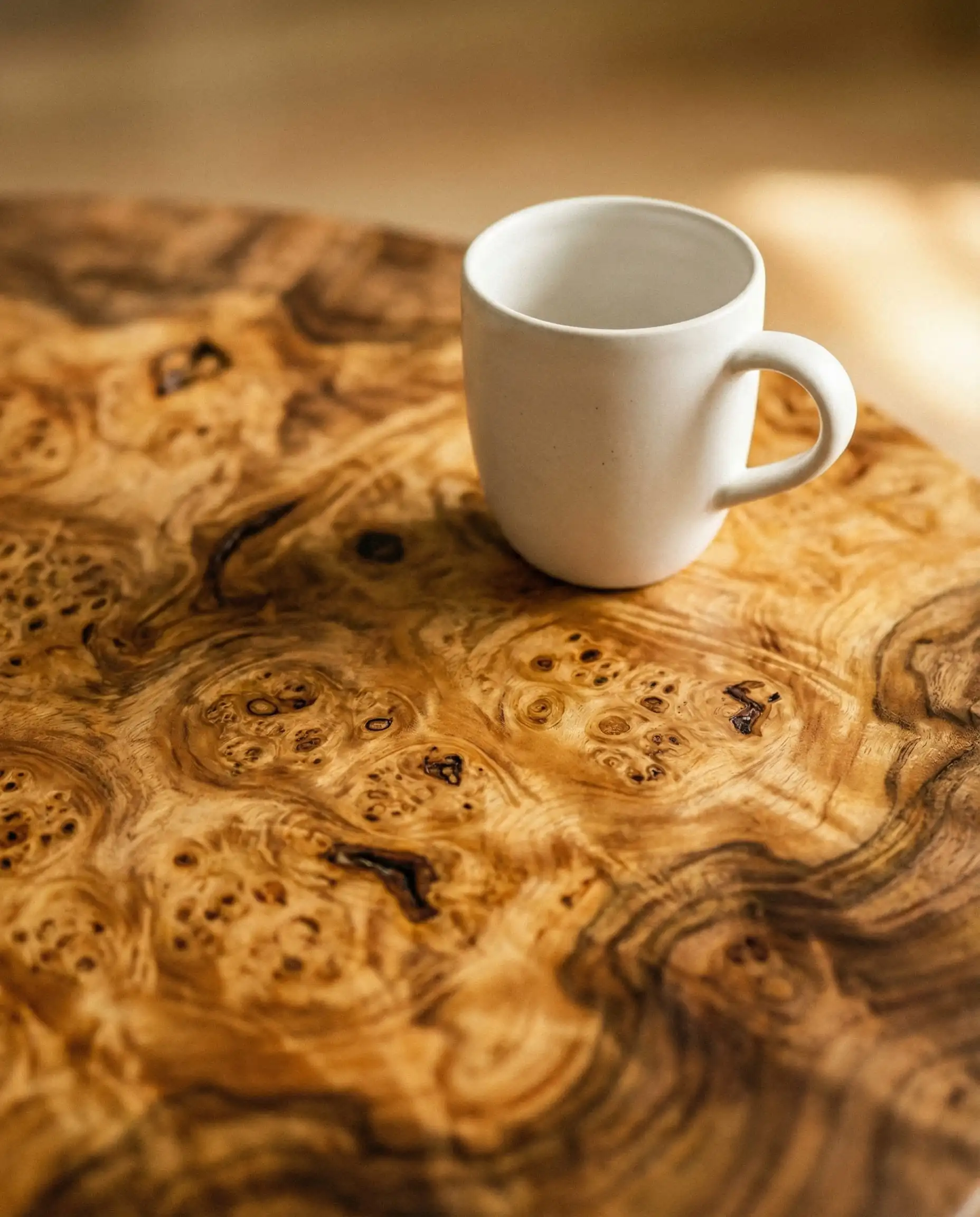
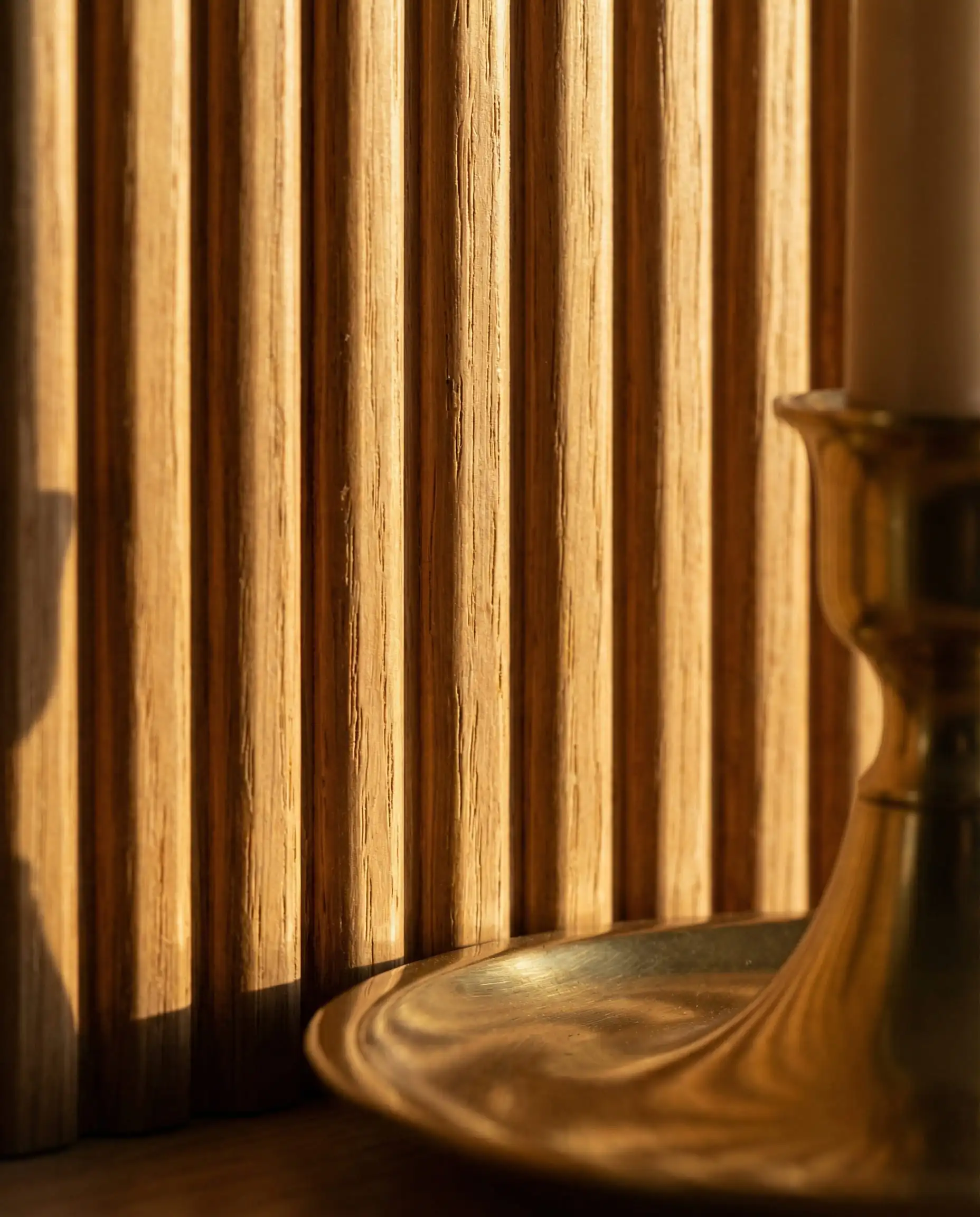
8. Raw & Irregular Nature
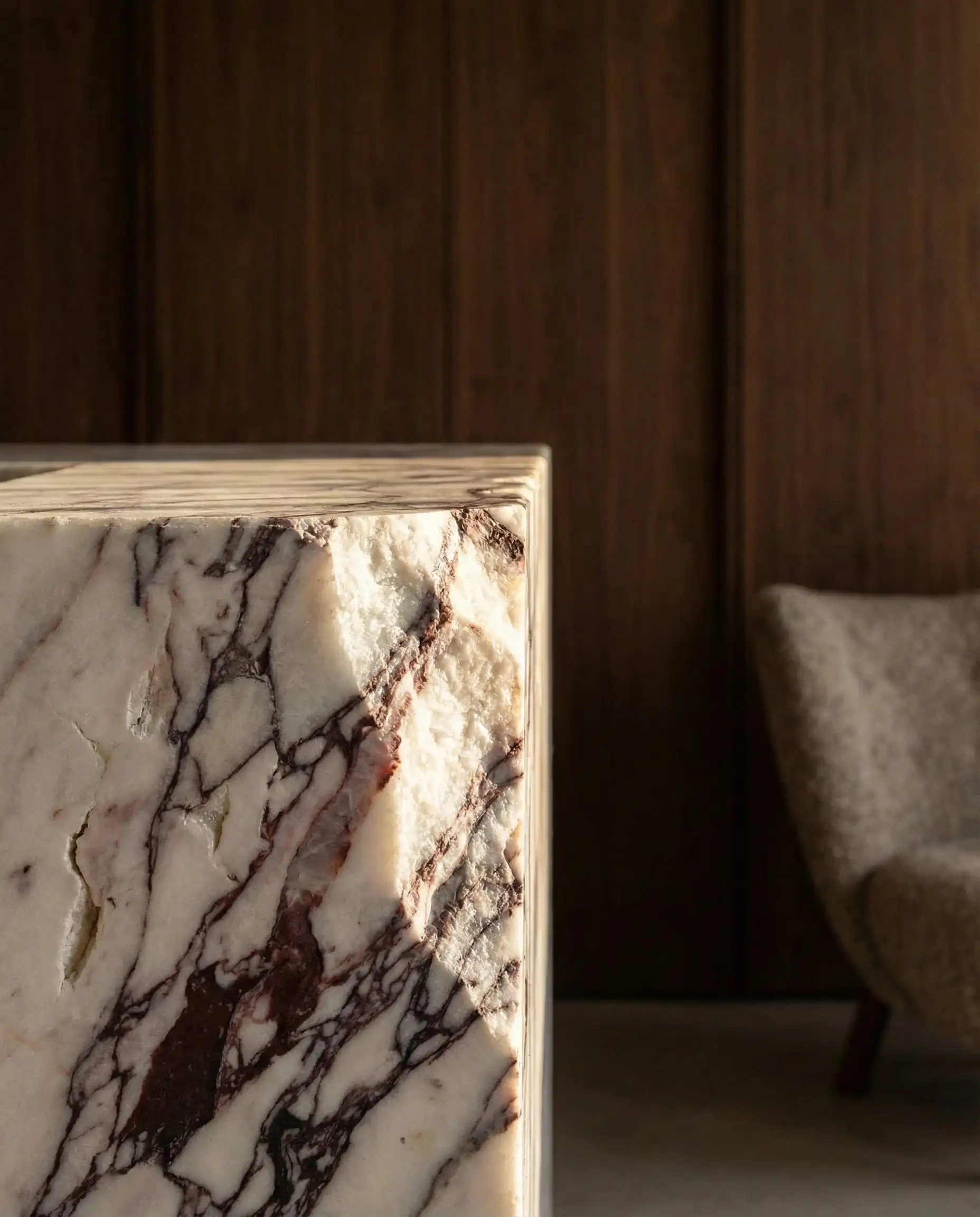
While high-gloss adds polish, raw materials add soul. Current furniture trends highlight “perfectly imperfect” natural materials.
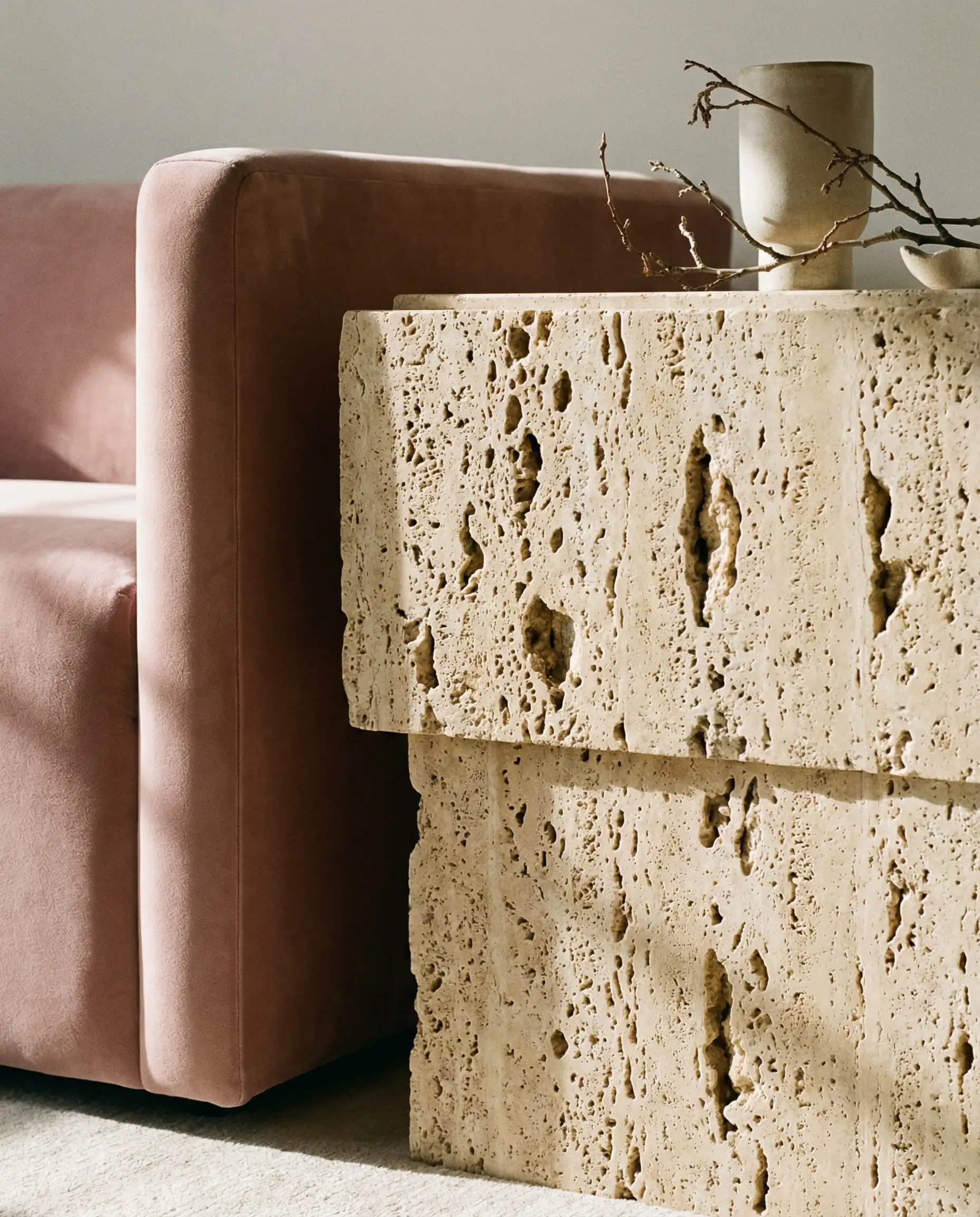
V. Styles & Decor: The “Vibe” Shift
How do you pull these elements together? Three distinct “vibes” are dominating the forecast for 2026.
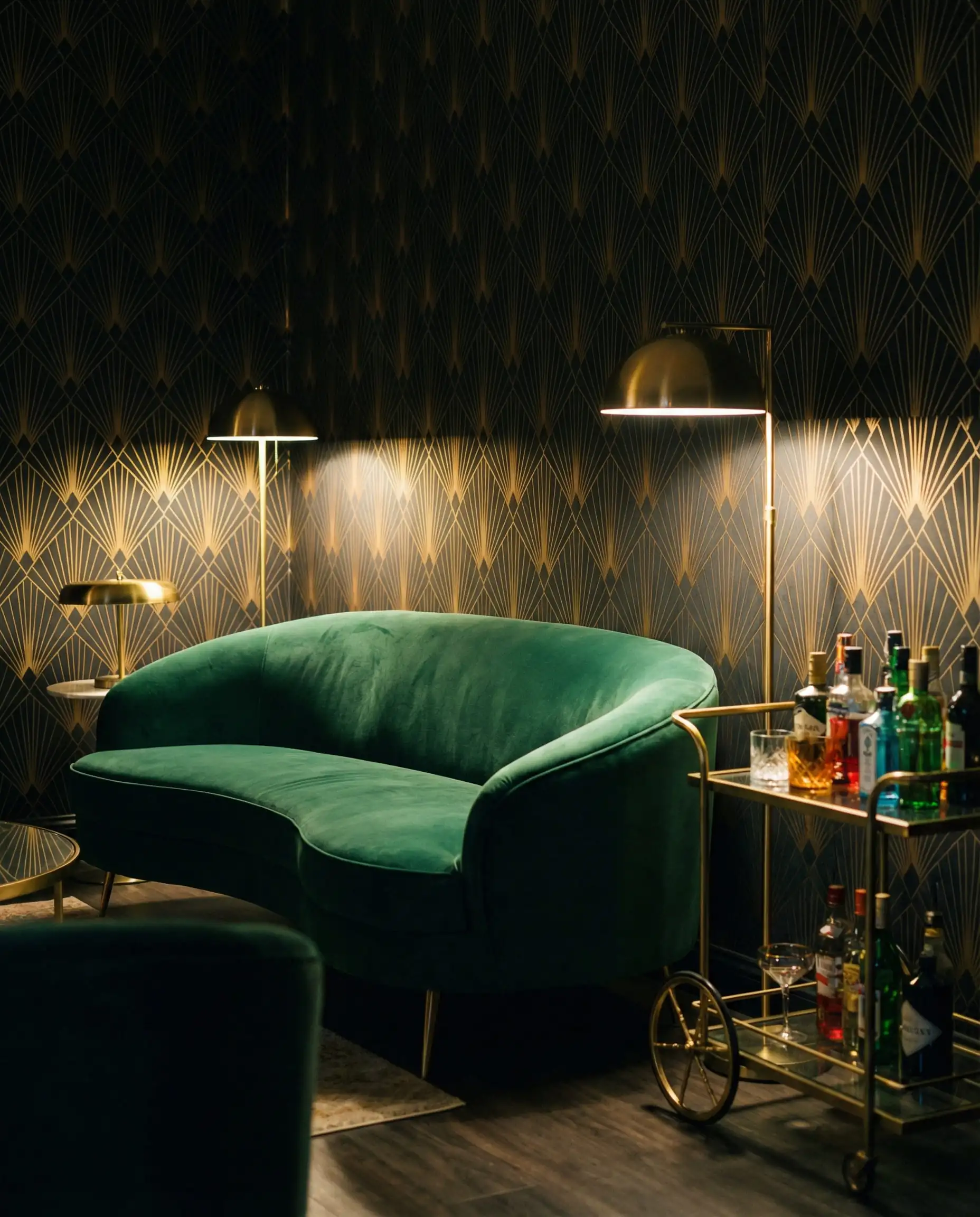
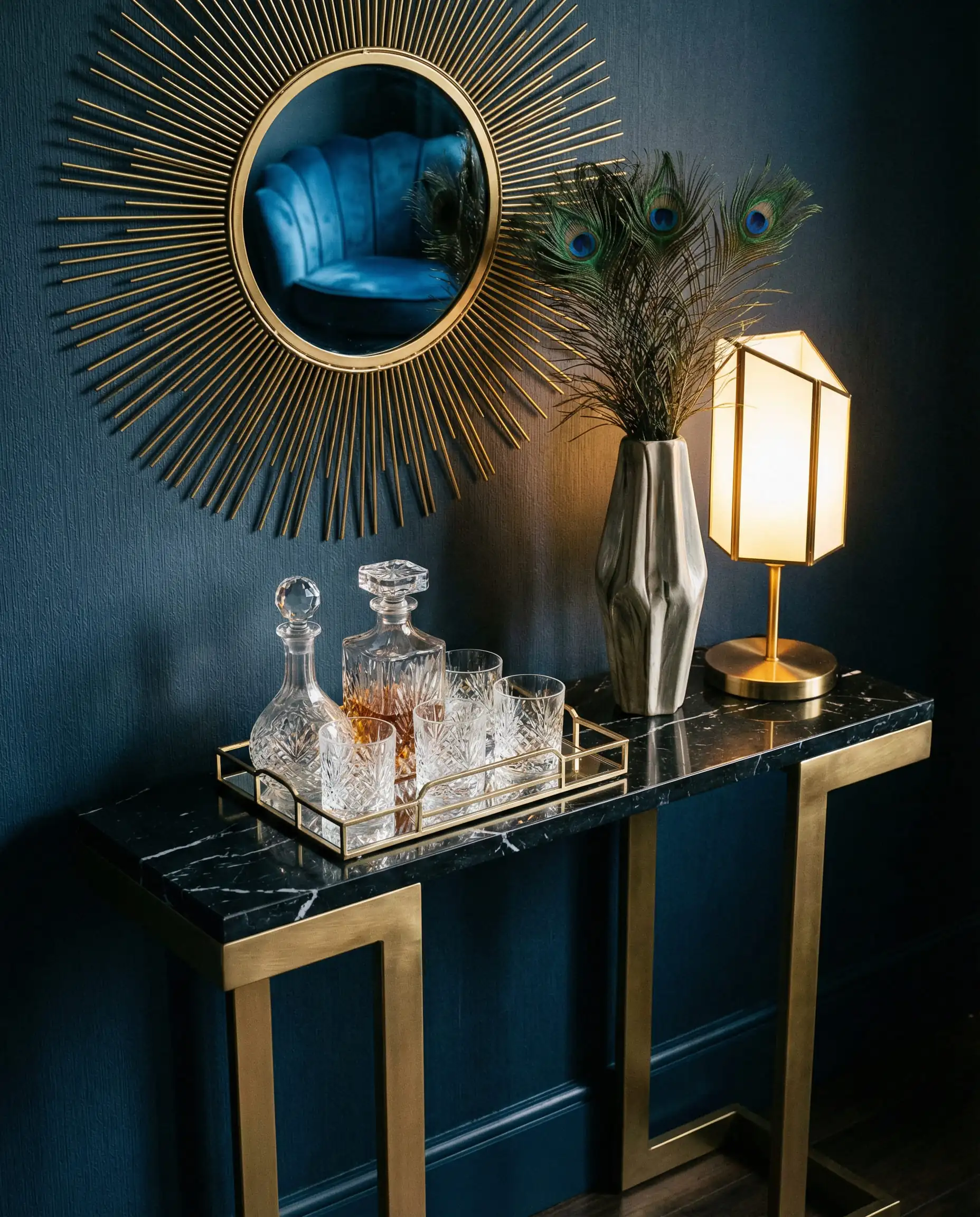
9. Neo Deco
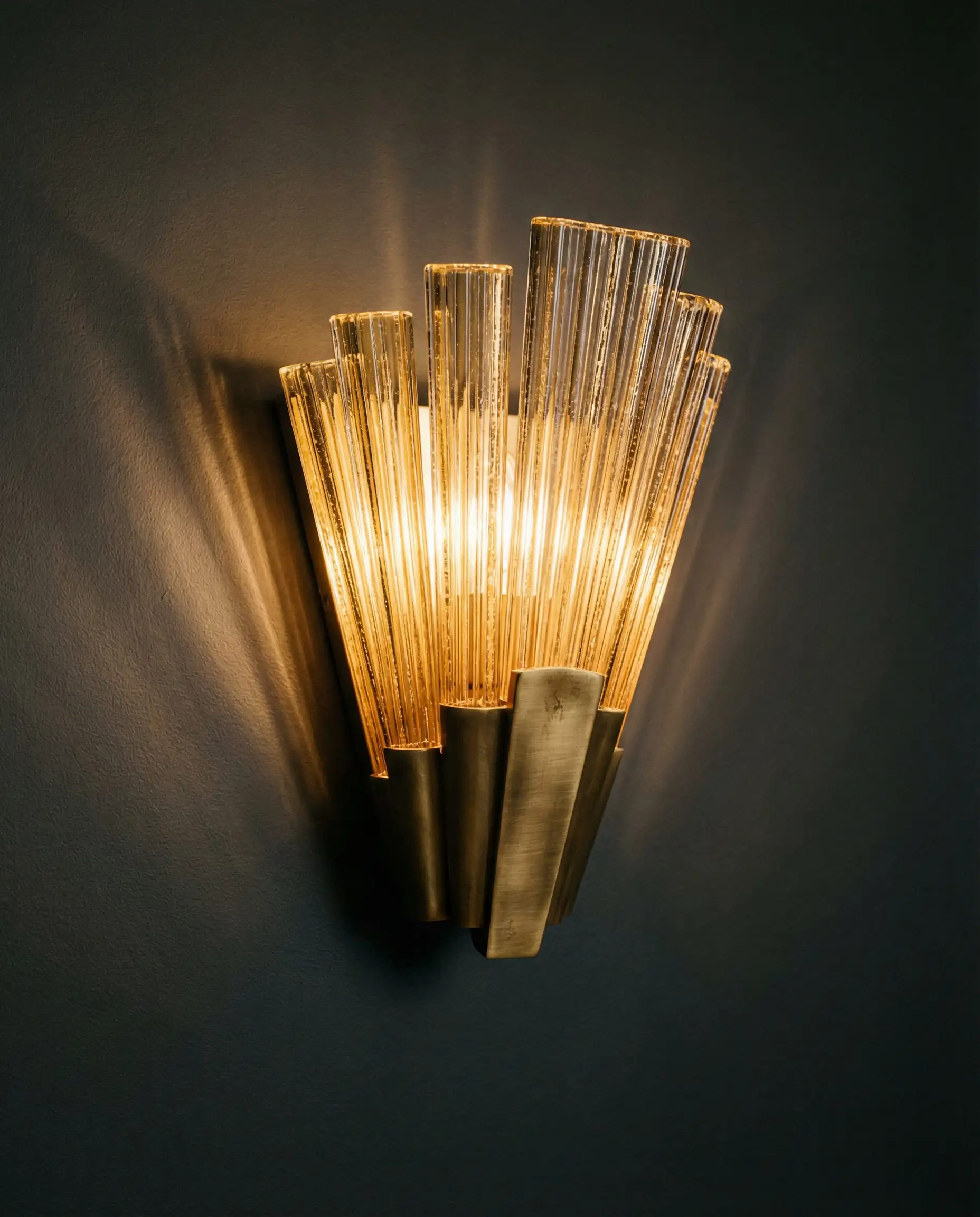
This is 1920s glamour reimagined for the digital age. It combines the geometric patterns and luxe materials of Art Deco (velvet, brass, marble) with a moodier, modern color palette. It is less “Great Gatsby” party and more “speakeasy lounge.”
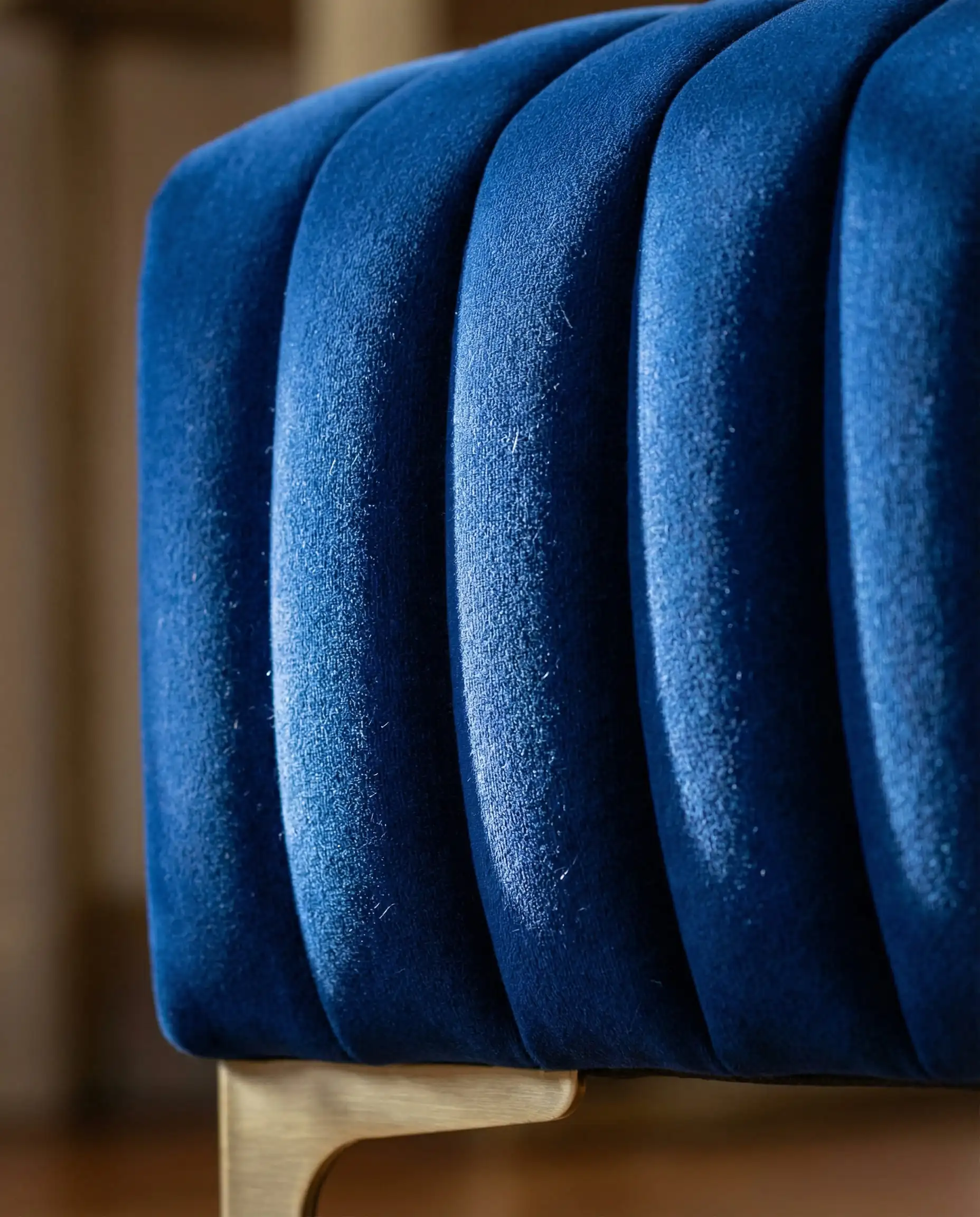
To nail this look, consider adding modern chairs and armchairs in rich jewel tones with channel tufting. The key difference between old Art Deco and Neo Deco is the restraint—Neo Deco uses one or two statement pieces rather than filling the room with gold.
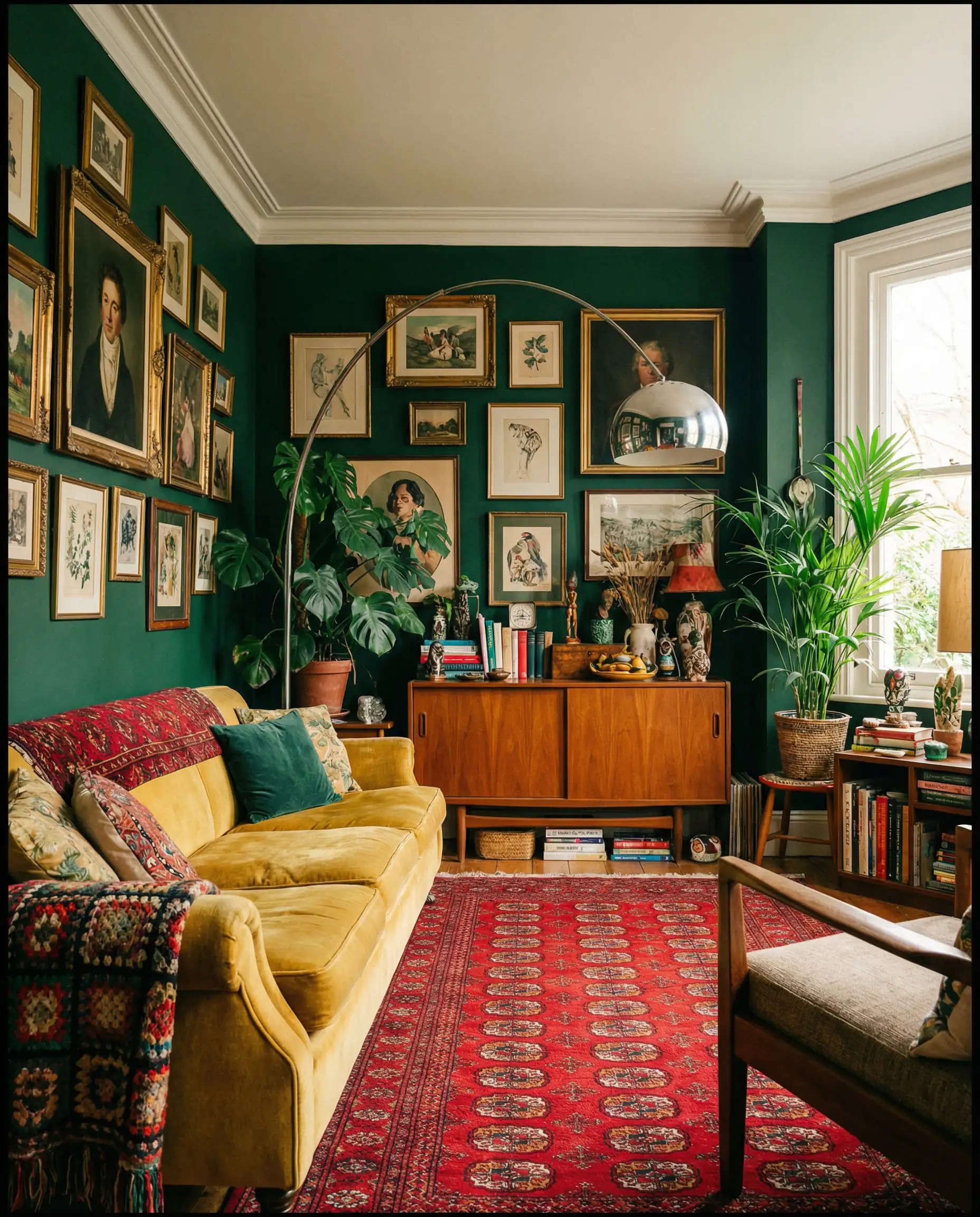
10. Curated Maximalism (“Dopamine Decor”)
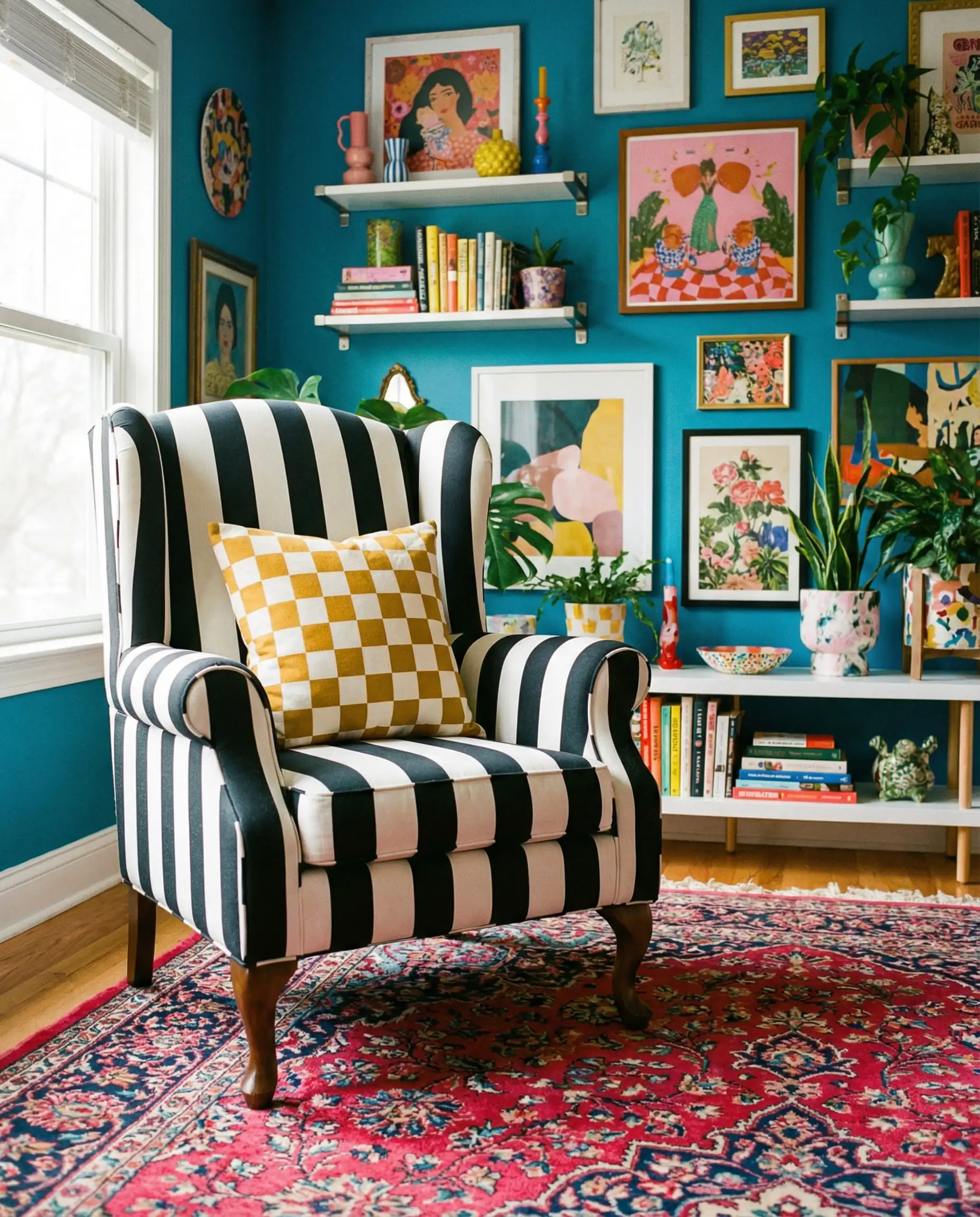
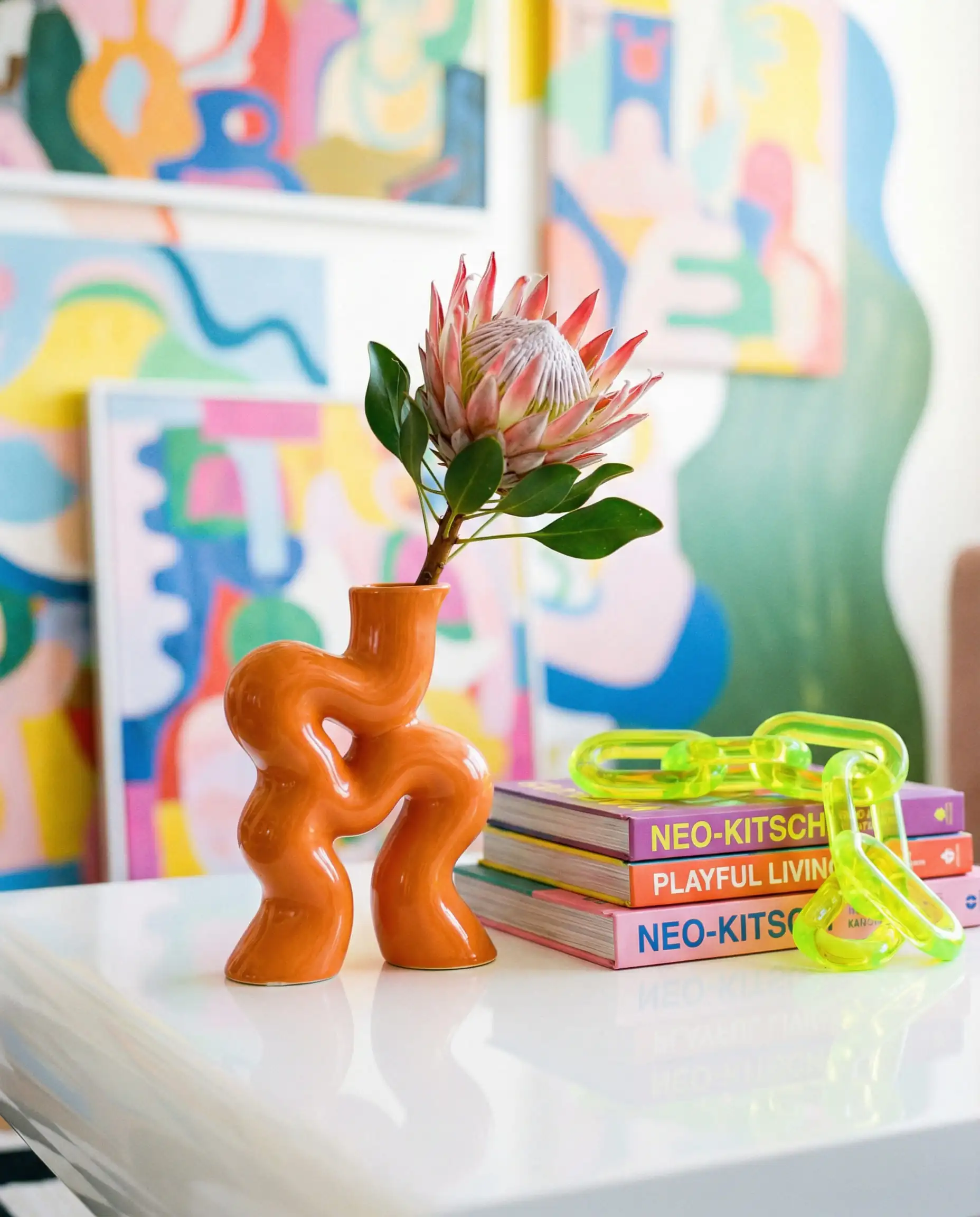
Gone is the “cluttercore” of recent years where every surface was covered in knick-knacks. 2026’s maximalism is curated and intentional. It is often called “Dopamine Decor” because it focuses on colors and objects that induce joy.
It’s about mixing eras—perhaps a chrome lamp on an antique wooden chest—and embracing bold patterns like wide stripes or checkerboards. A great way to experiment here is through modern decorative cushions and throw pillows that clash just enough to be interesting. The goal is a room that feels “collected,” not “decorated.”
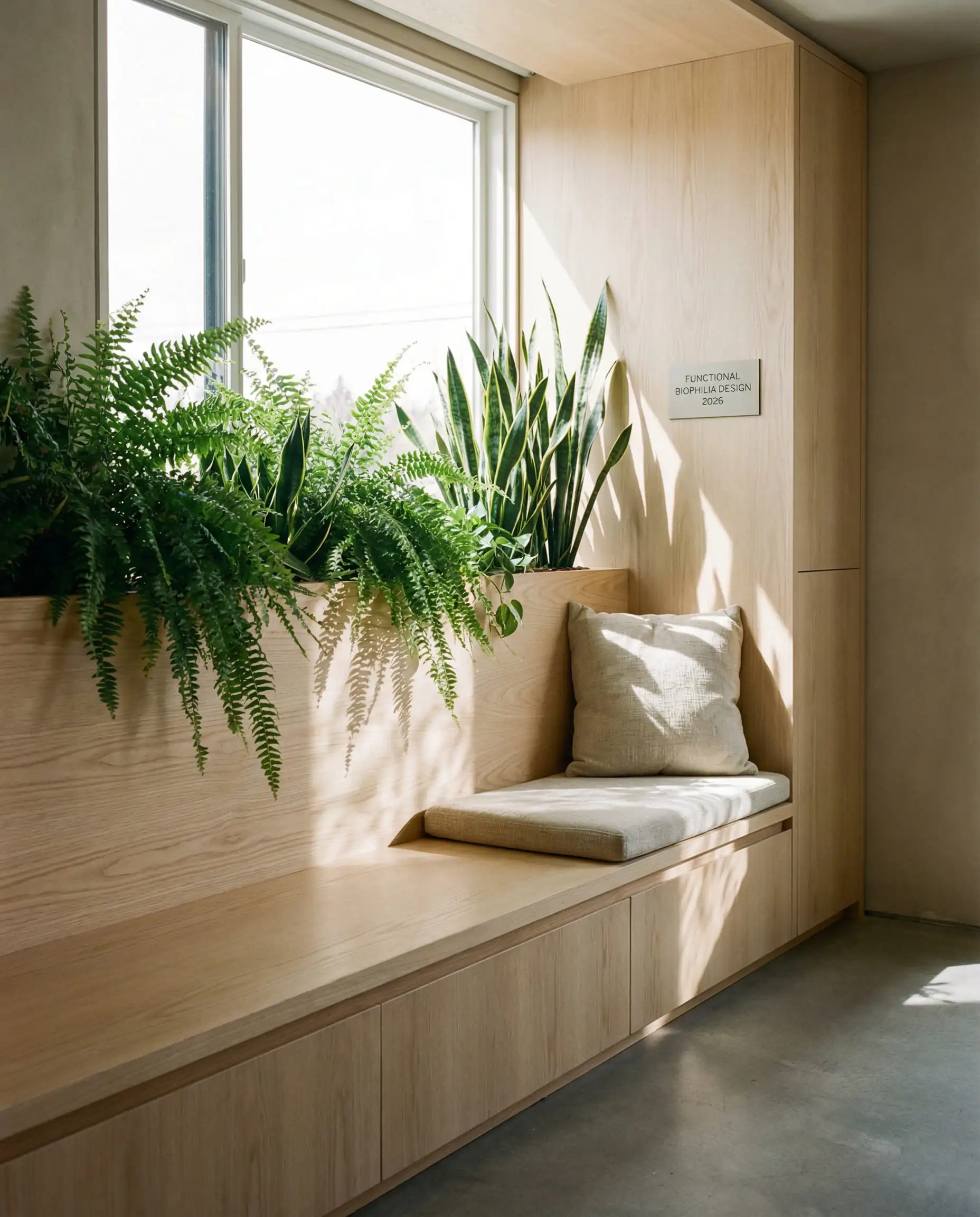
11. Functional Biophilia
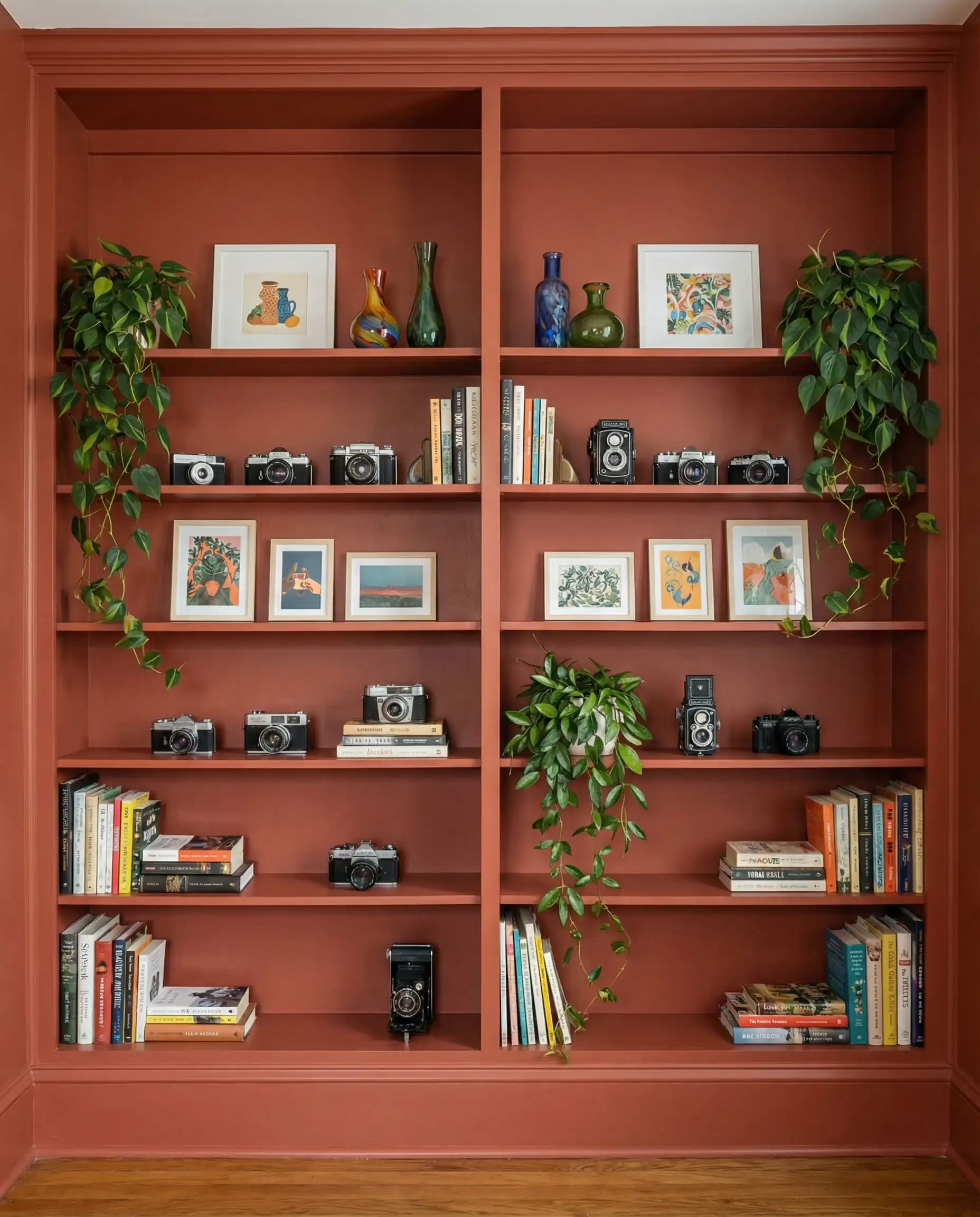
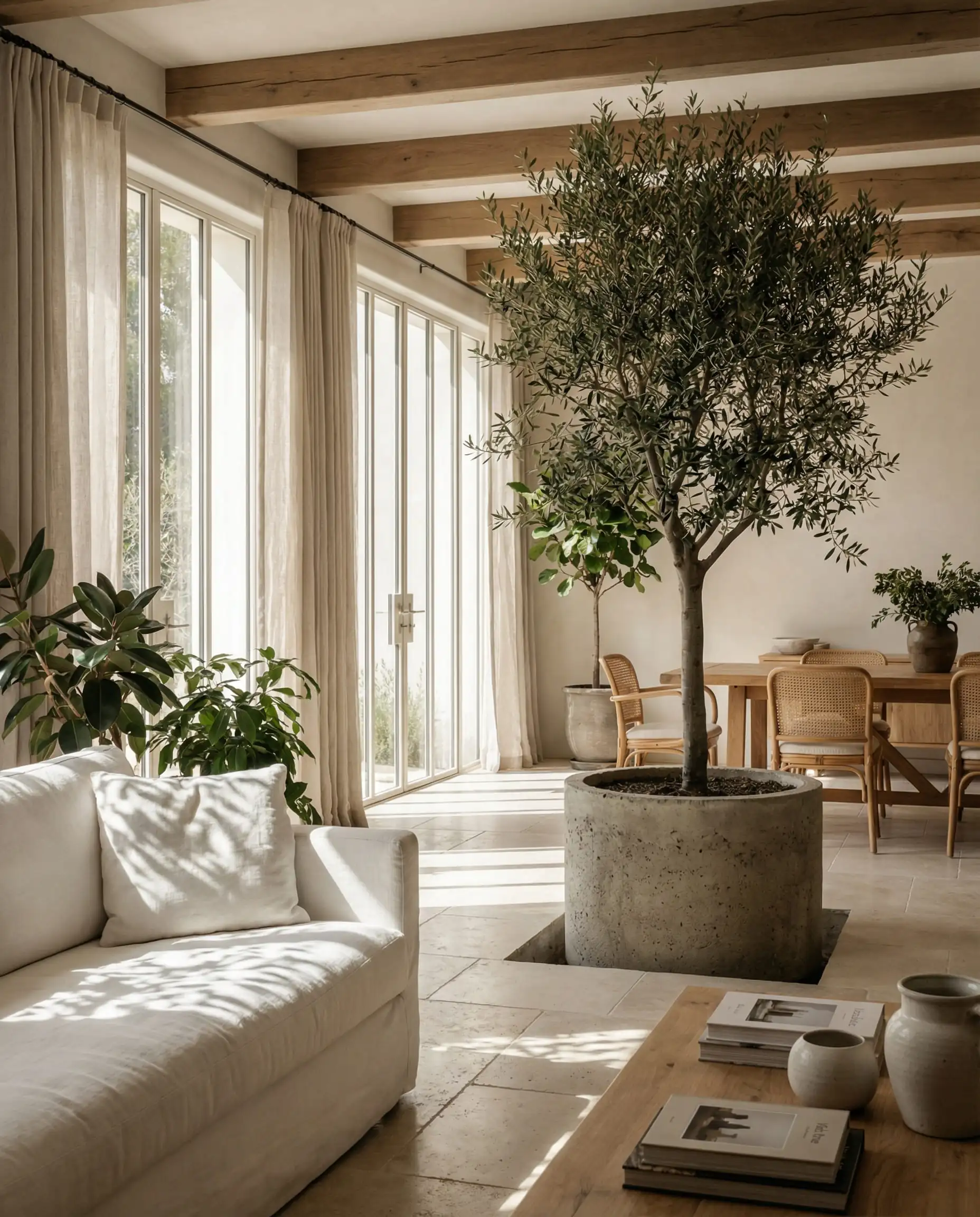
Biophilia is no longer just about having a potted plant in the corner. It is becoming structural. We are seeing “living walls” incorporated into built-in shelving and furniture designed with integrated planters.
This links directly to eco-sustainable interior design trends. Clients are increasingly asking for materials that improve indoor air quality, such as lime wash paints (which are naturally antibacterial) and untreated woods. The trend is moving from “looking like nature” to “functioning like nature.”
VI. Flooring and Rugs: The Foundation of Comfort
You cannot talk about living room comfort without addressing what is underfoot.
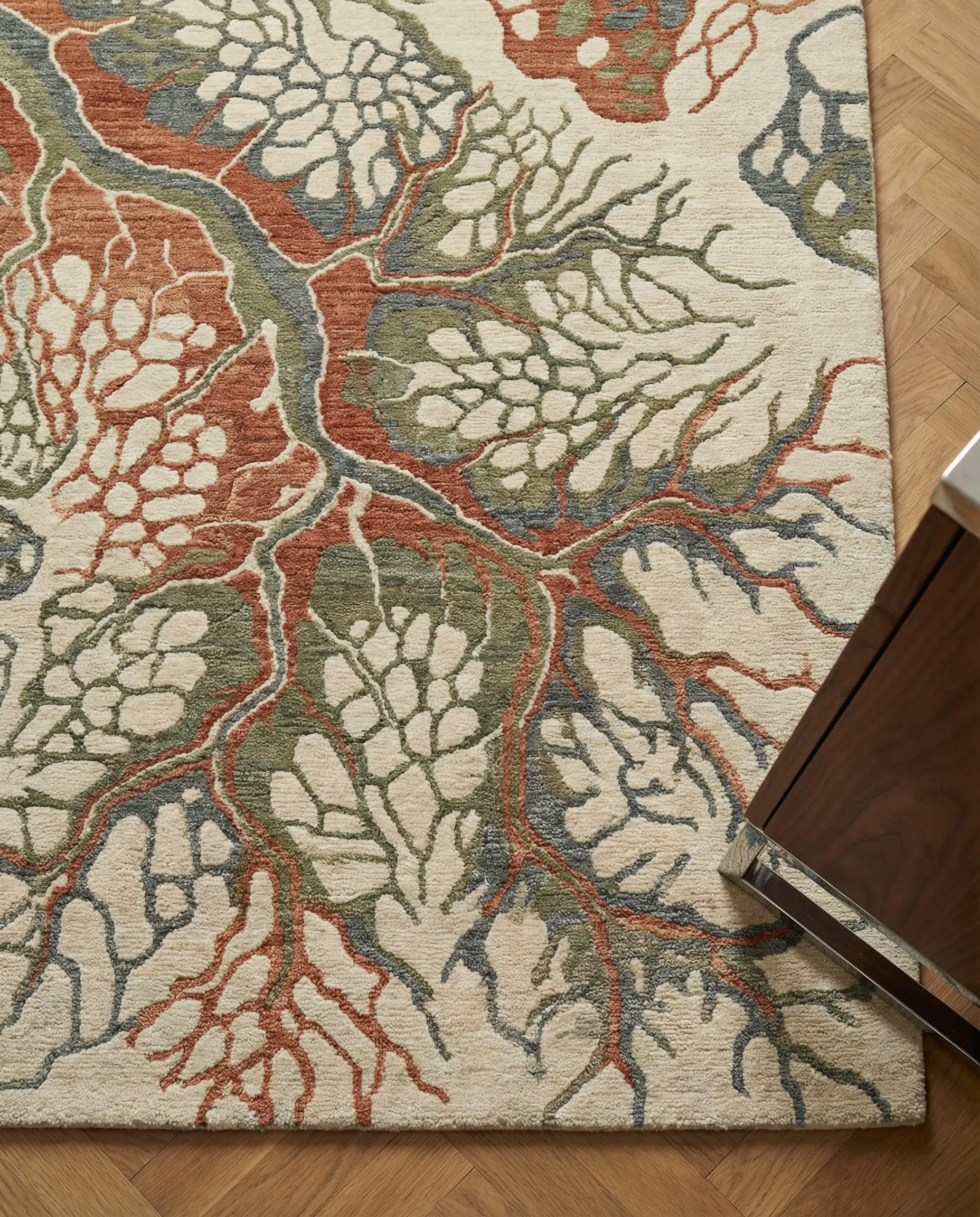
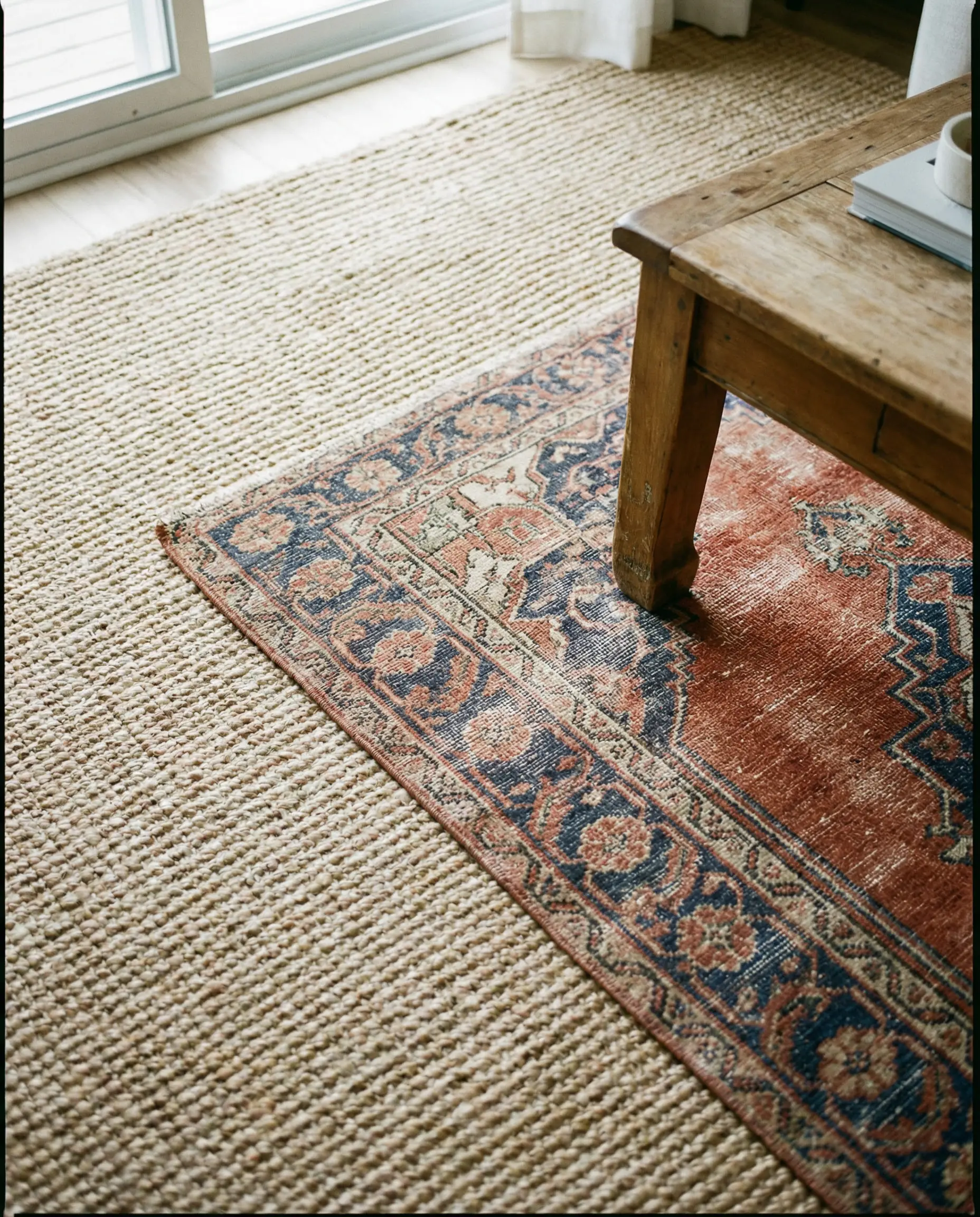
In 2026, the trend of “Rug Layering” is gaining momentum. This involves placing a smaller, patterned rug (often vintage or irregular in shape) over a larger, neutral sisal or jute rug. This adds instant texture and defines the seating area.
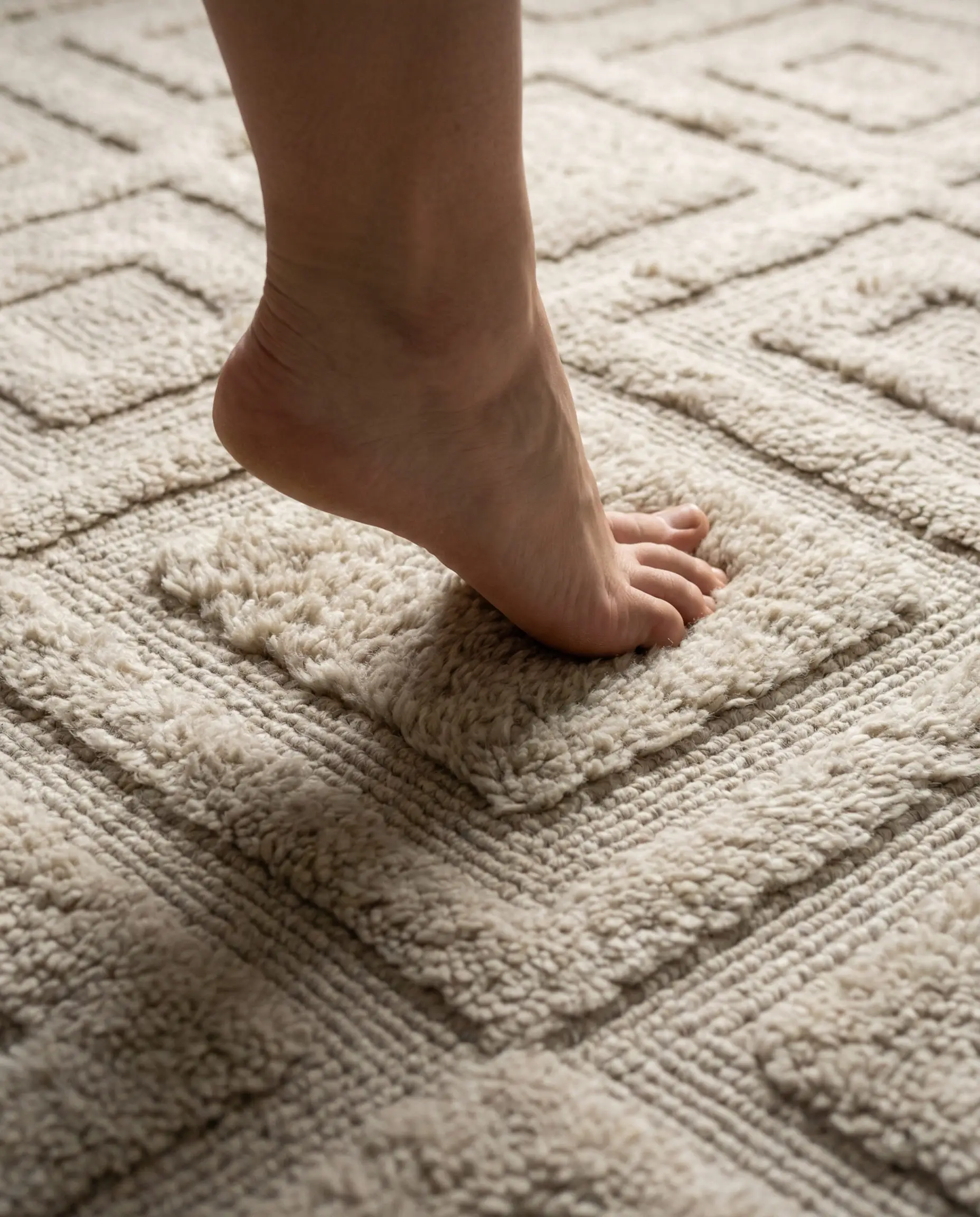
According to our analysis of 2026 carpet and rug trends, we are also seeing a shift toward “sculptural rugs.” These are floor coverings with varying pile heights that create a 3D effect—literally carving patterns into the wool. It turns the floor into a tactile landscape.
VII. Window Treatments: The Return of Drapery
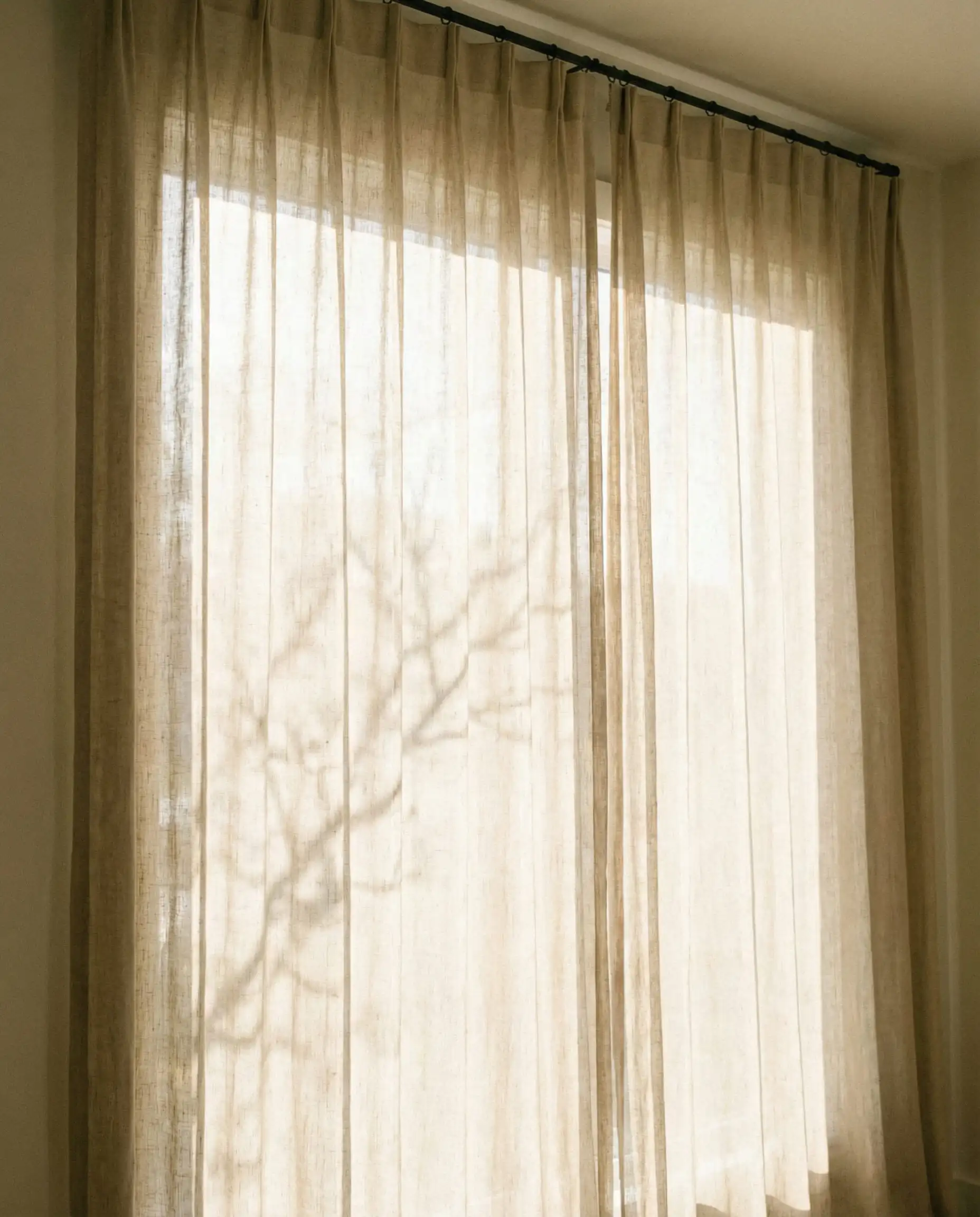
For a long time, minimalism dictated bare windows or simple roller shades. In 2026, drapery is back.
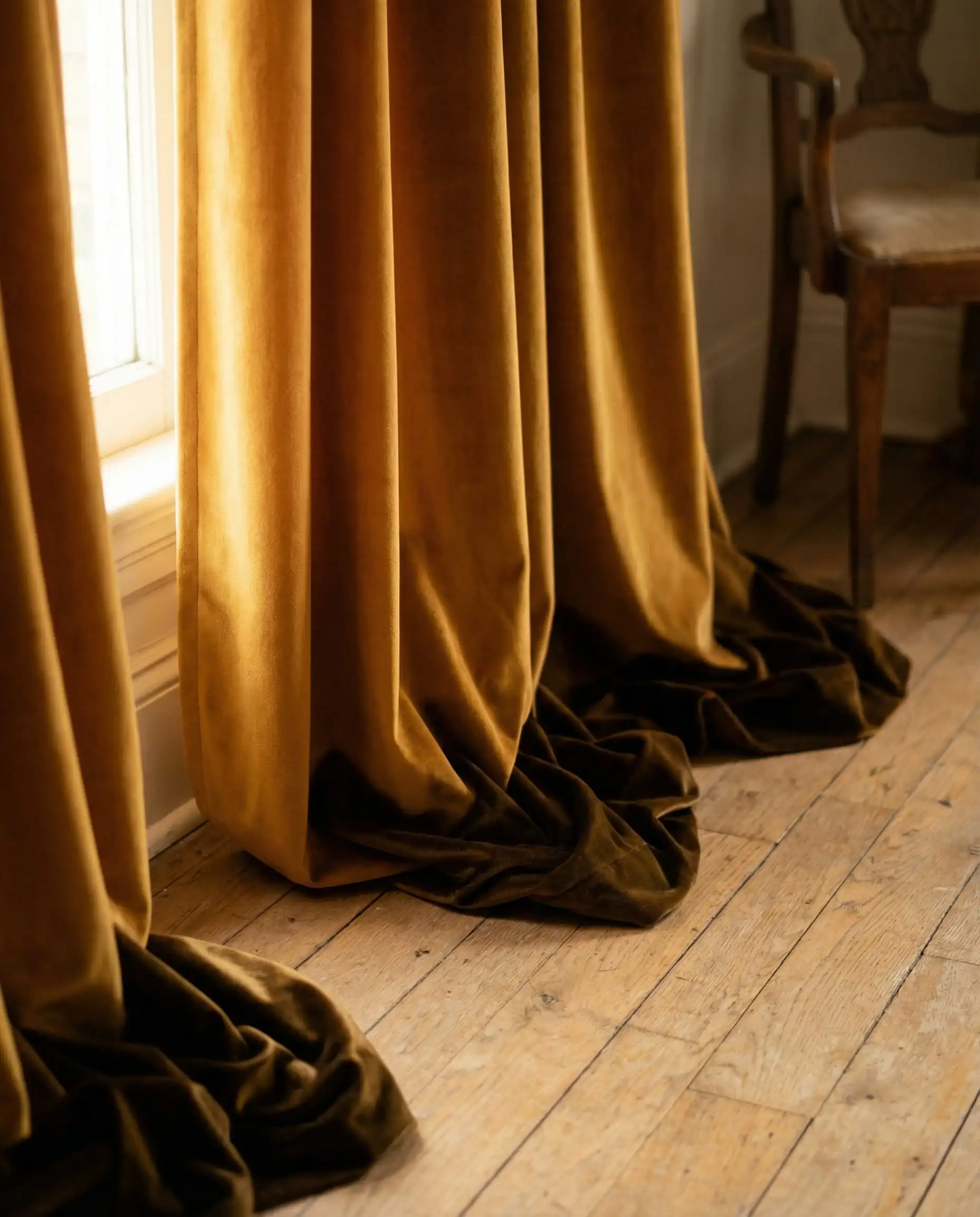
We are seeing a move toward heavy, floor-to-ceiling curtains that prioritize insulation and drama. The look is “puddling”—allowing the fabric to gather slightly on the floor for an appearance of effortless elegance.
VIII. Lighting & Technology
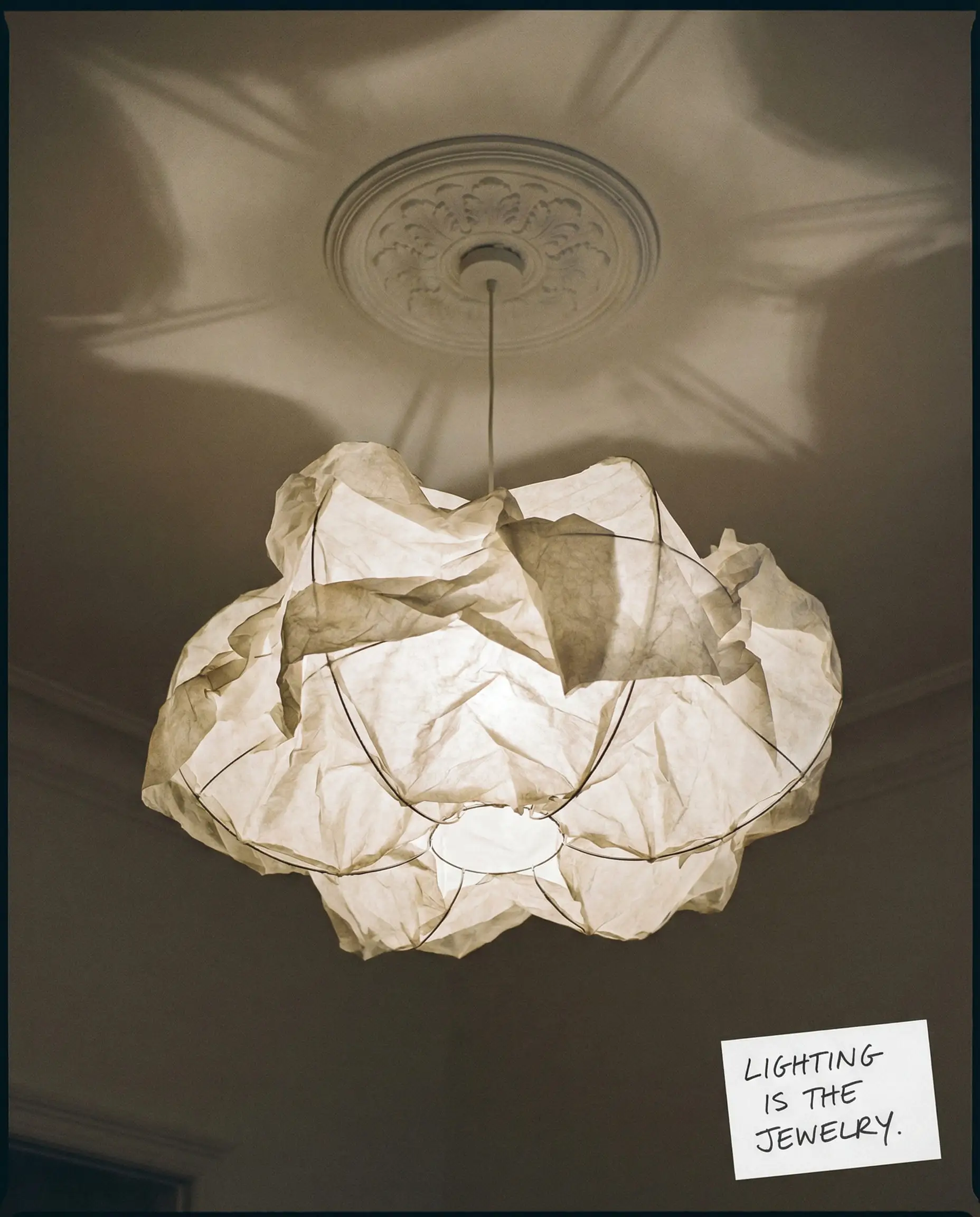
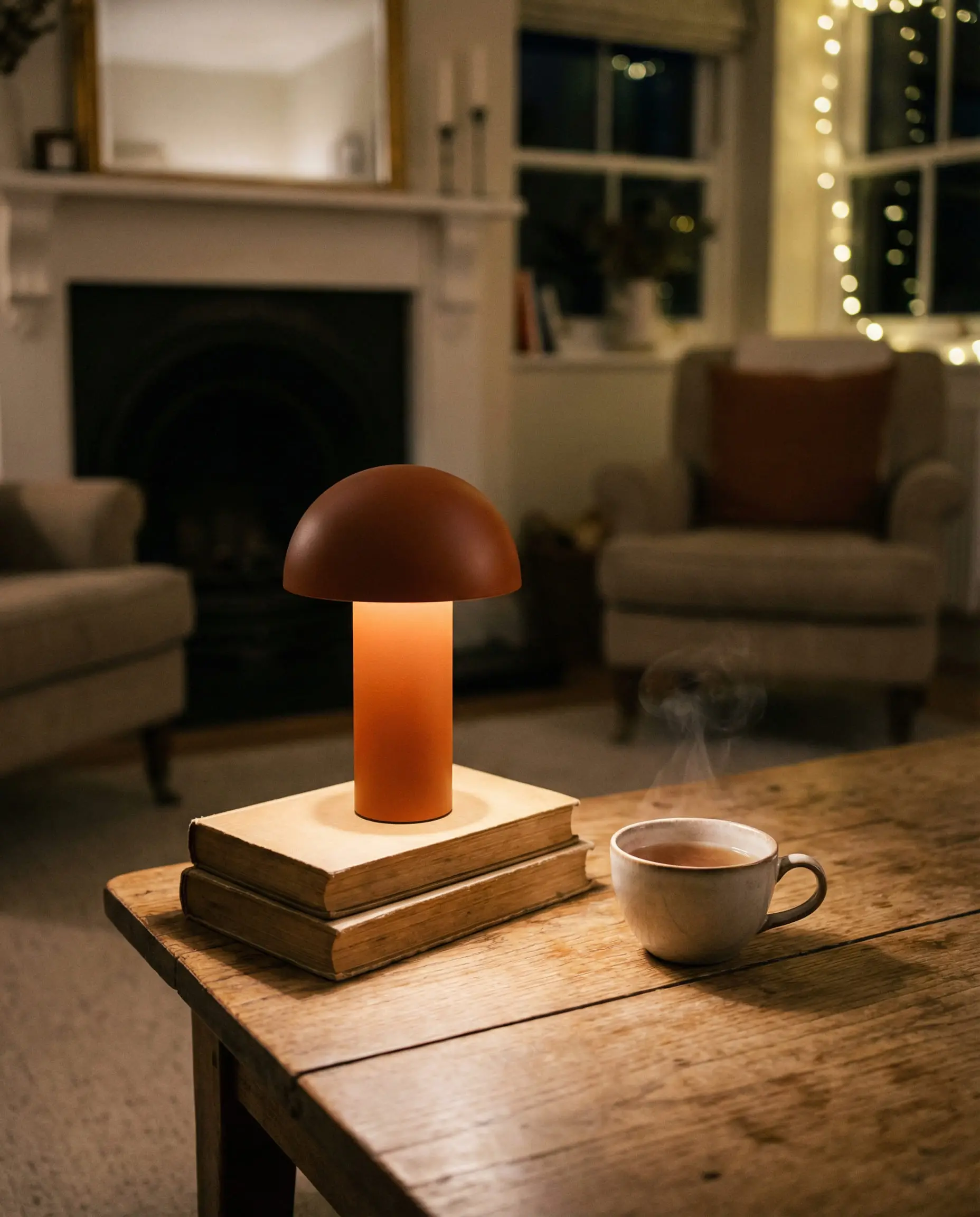
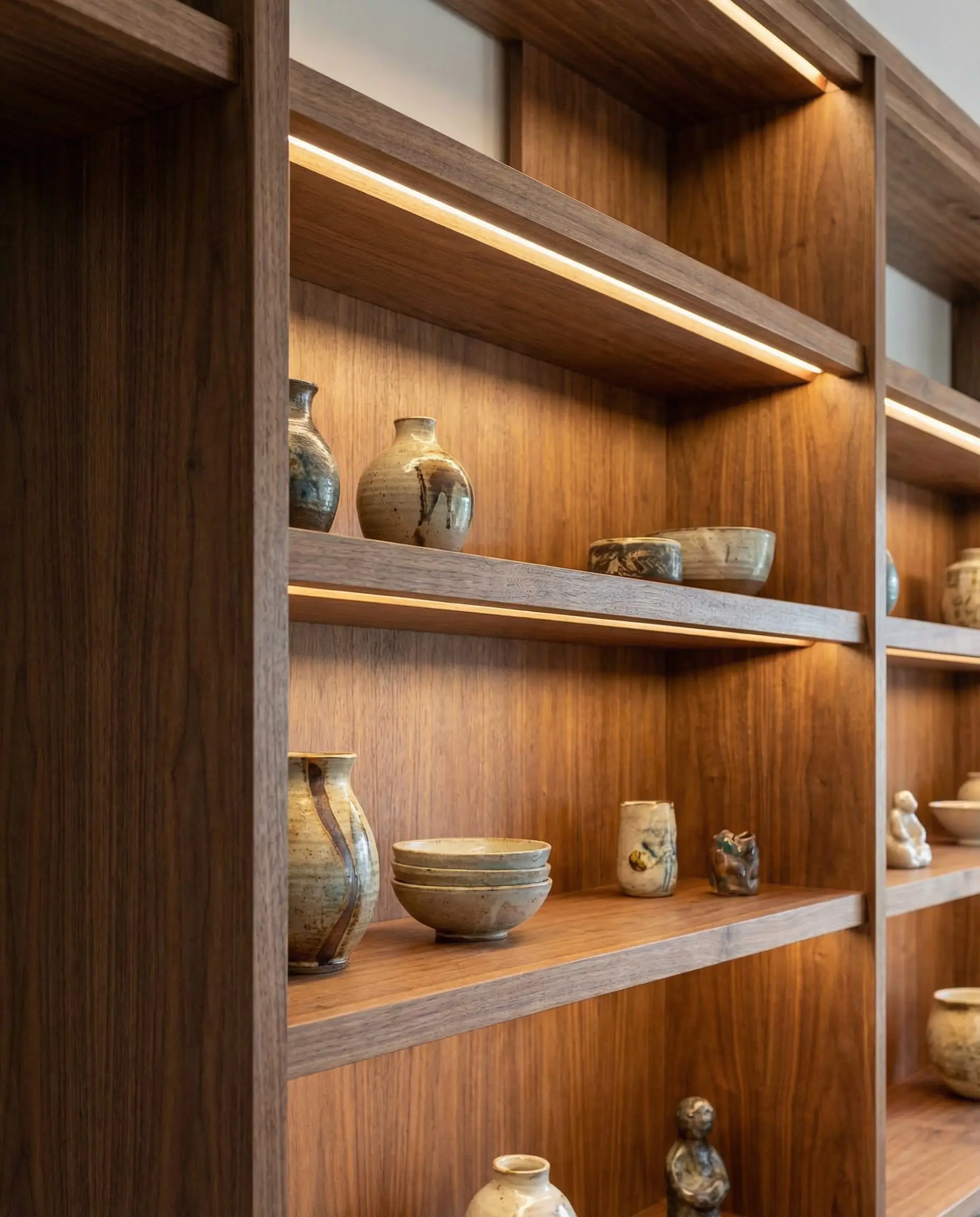
Lighting in 2026 is smarter and more sculptural than ever before. It is the jewelry that finishes the outfit.
12. Smart & Sculptural
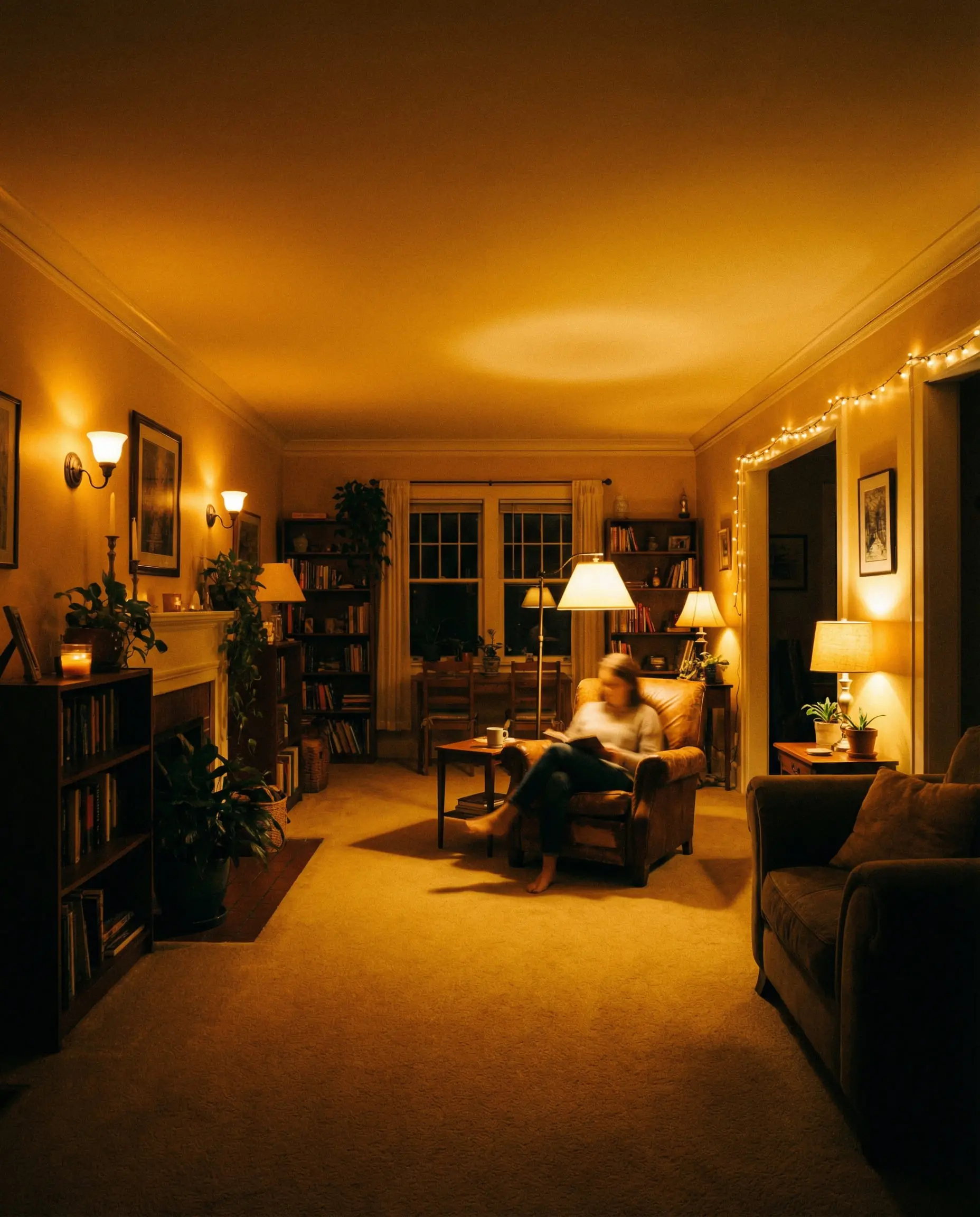
The “big light” (your main ceiling fixture) is officially the enemy of ambiance. The new standard is layered lighting.
IX. Sustainability: The “Anti-Trend”
We cannot discuss 2026 without mentioning the elephant in the room: environmental impact. The most significant shift in living room design is the move away from “Fast Furniture.”
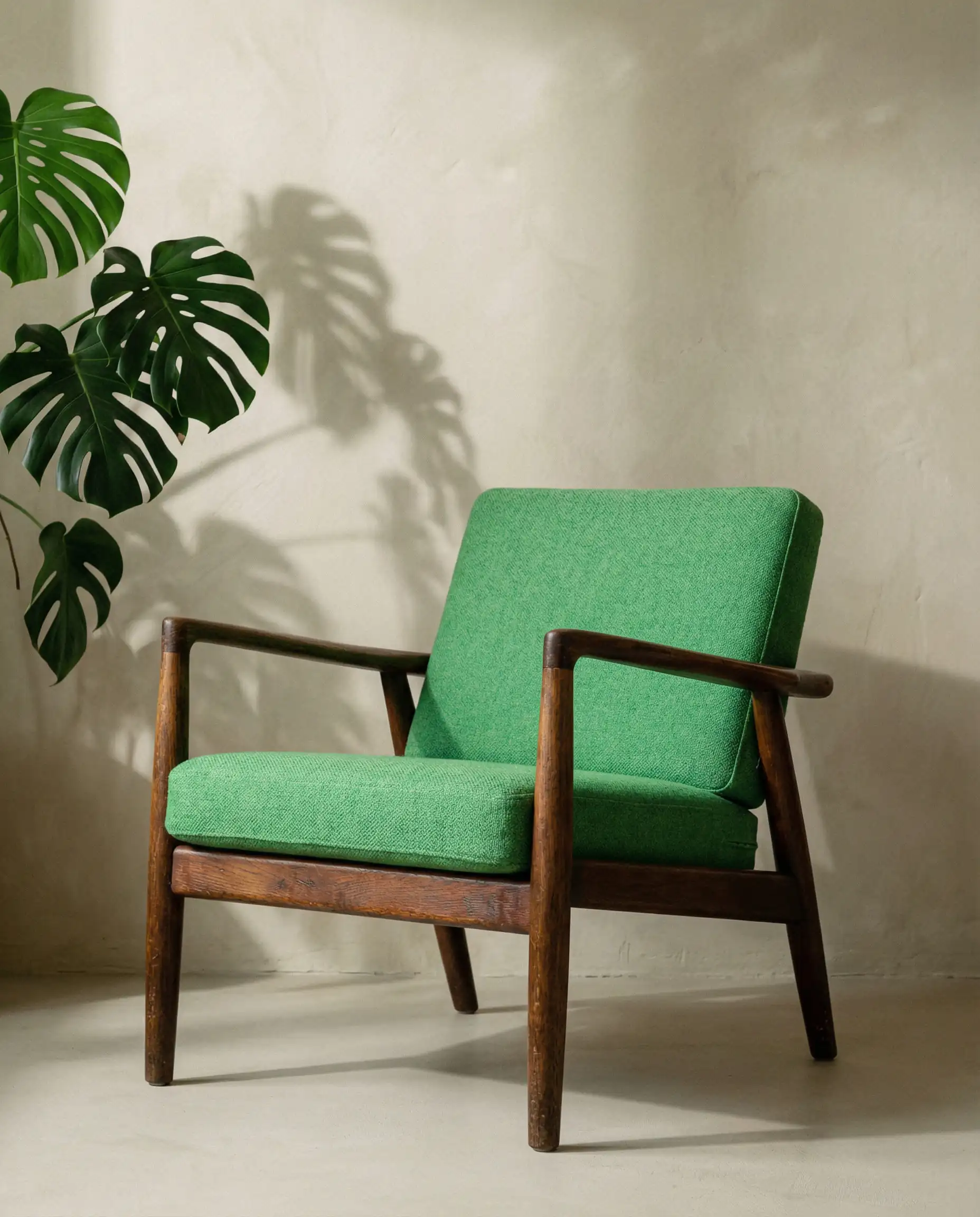
In our experience, clients are increasingly willing to wait longer and pay more for a single, high-quality sofa than to buy a cheap, temporary fix. There is a booming market for “Upcycled Vintage”—taking a quality mid-century chair and reupholstering it in a modern, sustainable fabric.
This aligns with the furniture trends we are seeing globally: a return to solid wood, joinery over glue, and materials that can be repaired. It is the ultimate luxury to own something that will last.
Frequently Asked Questions (FAQ)
While various companies release their own “Color of the Year,” the consensus for 2026 points toward Amethyst Shadow (a deep, dusty purple) and Honeyed Gold. These colors represent the balance between the moody “Tech Noir” trend and the desire for warmth
Cool, flat gray is definitely on the decline. In our experience, it can make a home feel dated and “flipped.” However, “greige” (gray-beige) and warm, stone-colored grays are still very popular as a base. If you love gray, try warming it up with textured fabrics or wood accents to avoid the clinical look.
You don’t need a renovation. Here are three high-impact, low-cost changes:
Paint: Try “drenching” a small reading nook or just your window trim in a deep blue or green.
Textiles: Swap out flat cushions for high-texture ones (bouclé, velvet, or faux fur).
Lighting: Add a sculptural table lamp or change your bulbs to “warm white” smart bulbs that can dim.
Art: Check out wall art decor trends for affordable ways to make a big visual impact, such as using oversized prints to fill a wall.
This is a layout trend inspired by 1970s architecture. It involves arranging furniture (usually low-profile sectionals) in a closed U-shape or circle to encourage face-to-face interaction, rather than pointing everything at a TV. It promotes “broken plan” living.
The traditional “one painted wall” is fading. It is being replaced by “Color Drenching” (painting all walls and trim) or by using texture as an accent—such as a wall of wood slats or modern bathroom wallpaper ideas adapted for living spaces (like murals).
Conclusion
If there is one takeaway for 2026, it is this: Your living room should be a destination, not a pass-through.
Whether you are drawn to the moody depths of Tech Noir or the sunny embrace of Honeyed Neutrals, the trend is ultimately about what feels good to you. The days of the sterile, “look but don’t touch” living room are behind us. The future is tactile, personal, and deeply comfortable.
Don’t feel pressured to adopt every single look. Pick the one that resonates with your lifestyle and start there.
Which of these trends are you daring enough to try?