For decades, lighting has been a design afterthought—a necessity tucked into the ceiling. But as we move into 2026, a massive shift is underway. Lighting is no longer just about function; it has evolved into the single most powerful design tool for creating atmosphere, expressing individuality, and blurring the lines between art and utility.
The year 2026 marks the official beginning of the Intentional Illumination era. Homeowners and designers are rejecting bland, fixed layouts in favor of fixtures that are sculptural, adaptable, and deeply connected to nature. We are witnessing a revolution in material science and digital control, leading to lighting that actively shapes our well-being and enhances the architectural soul of a space.
In this deep dive, we explore the five defining design trends that will dominate interiors, transforming mere fixtures into statement pieces, personal sanctuaries, and sophisticated kinetic art. Get ready to rethink everything you know about light.
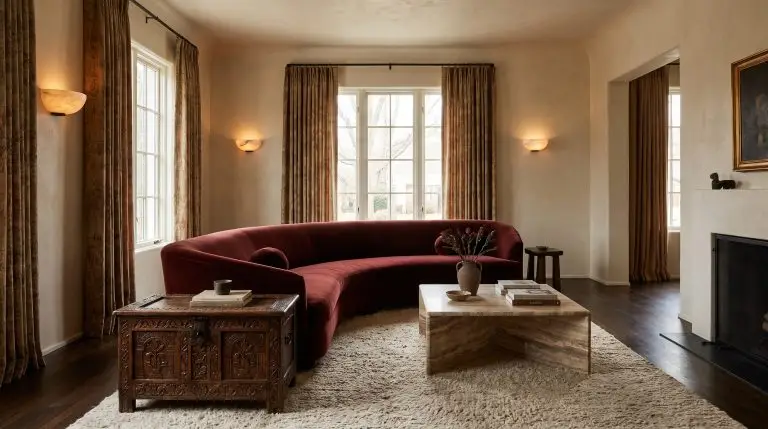
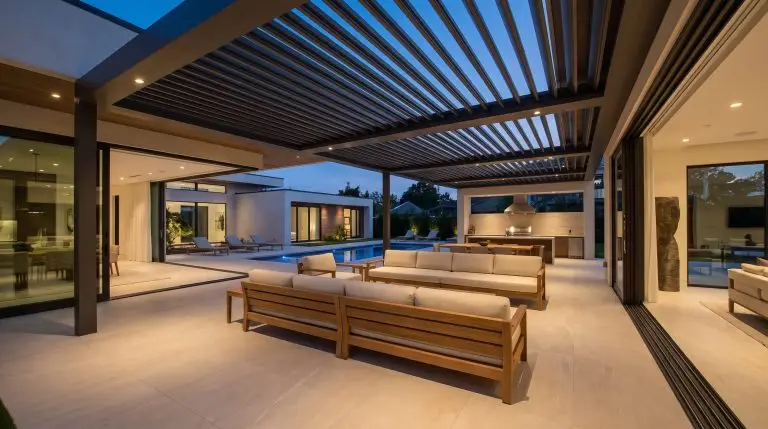
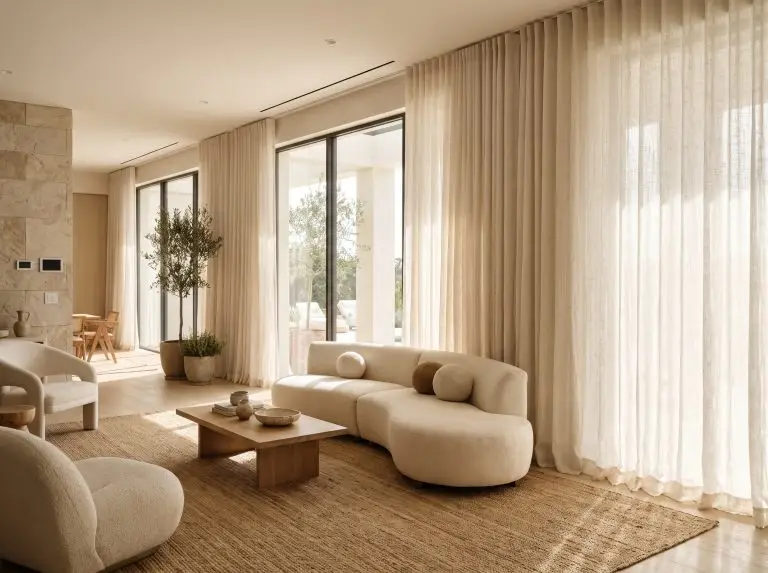
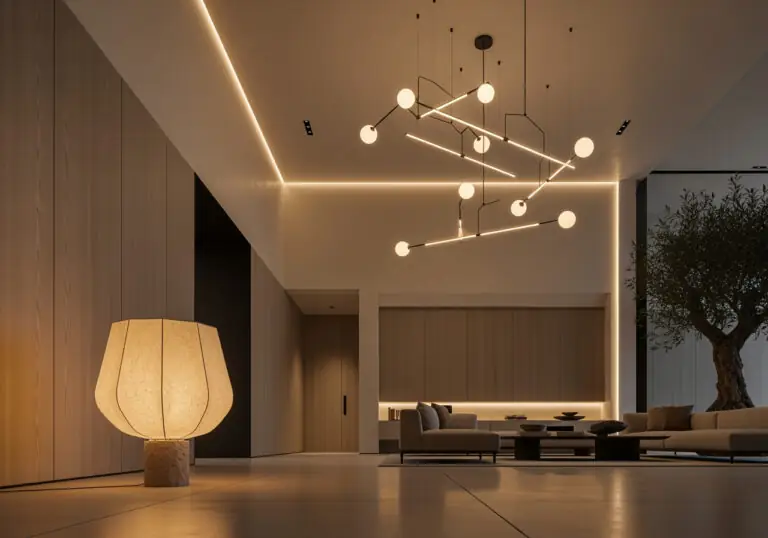
To fully grasp the aesthetic impact of these trends, we have included architectural visualizations and high-concept interior photography as inspiration throughout this article.
1. Lighting as Sculptural Art: When Fixtures Become Masterpieces
A light fixture is no longer just a functional necessity; those days are over. In 2026, lighting steps boldly into the spotlight as a sculptural art form, transforming from a utilitarian element into the undisputed centerpiece of a room. This trend redefines luxury, showcasing design prowess through unique forms, breathtaking scale, and intricate craftsmanship.
The Rise of the Statement Piece
The mantra for 2026 is clear: lighting should command attention. We’re witnessing a significant shift towards fixtures that are designed not only to illuminate, but also to inspire. These are grand statements, often large-scale and abstract, meant to evoke emotion and create a sense of awe.
This movement is evident in several exciting directions:
- ‘Napkin’ Lights & Fluid Forms: A particularly intriguing aesthetic involves fixtures that mimic the delicate, draped forms of soft fabric, yet are crafted from hard, unyielding materials, such as pleated ceramic or folded porcelain. This creates a fascinating interplay of perceived softness and actual solidity, adding a whimsical, almost organic texture to the space.
- Neo-Deco Glamour: We’re also seeing a sophisticated reinterpretation of Art Deco. Think bold geometric patterns, symmetrical elegance, and luxurious materials like polished brass or blackened steel, but stripped down to a more streamlined, contemporary silhouette.
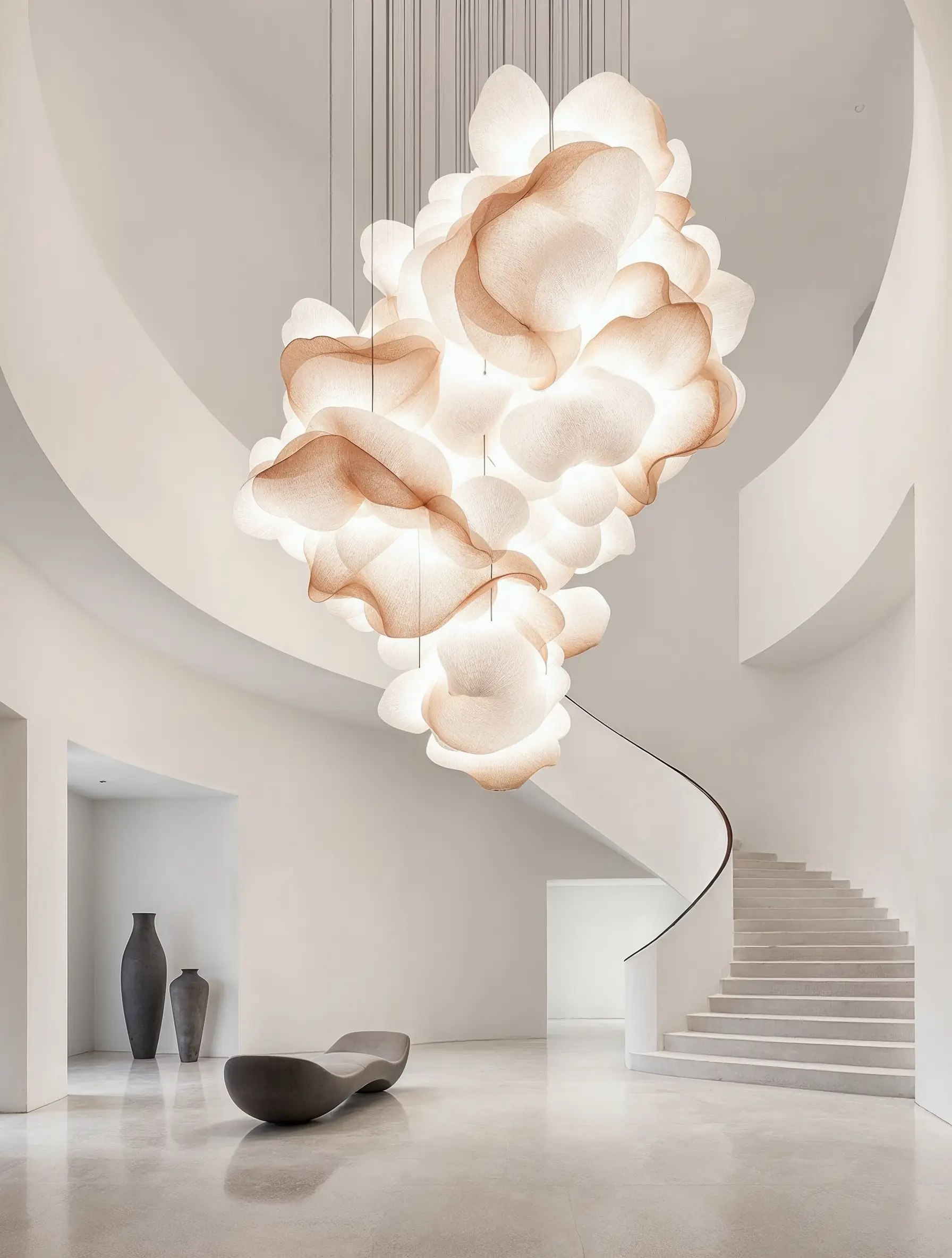
Sculptural Cloud Chandelier: 2026 Foyer Statement Lighting
Consider the dramatic effect of an installation like “The Cloud Cascade” in a grand foyer. Suspended from a double-height ceiling, this massive chandelier, composed of irregular, cloud-like forms in frosted glass and crumpled metallic mesh, transforms the entryway into an ethereal gallery. Its soft, diffused glow and blurred shadows enhance the architectural curves of a sweeping staircase, making the entire space feel like a curated experience. It’s not just a light source; it’s a celestial presence that greets you.
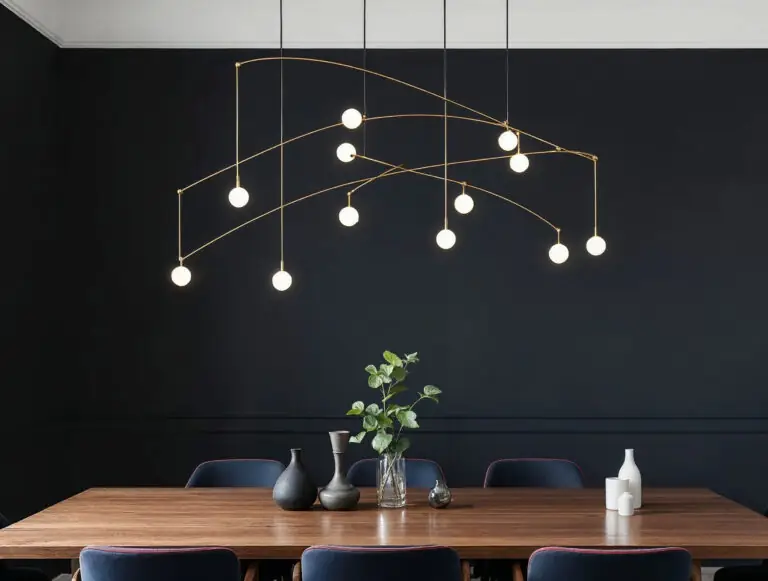
Kinetic Mobile Chandelier: Elegant Dining Room Art
Similarly, in a contemporary dining room, the “Kinetic Mobile” acts as a dynamic art installation above the table. Thin, interconnected brass rods balance delicate geometric light elements—frosted glass spheres, slender cylinders, polished discs—creating a composition that feels perpetually in motion. This piece doesn’t just light your meal; it adds an elegant, ever-changing sculptural element that makes every dining experience feel like a special occasion.
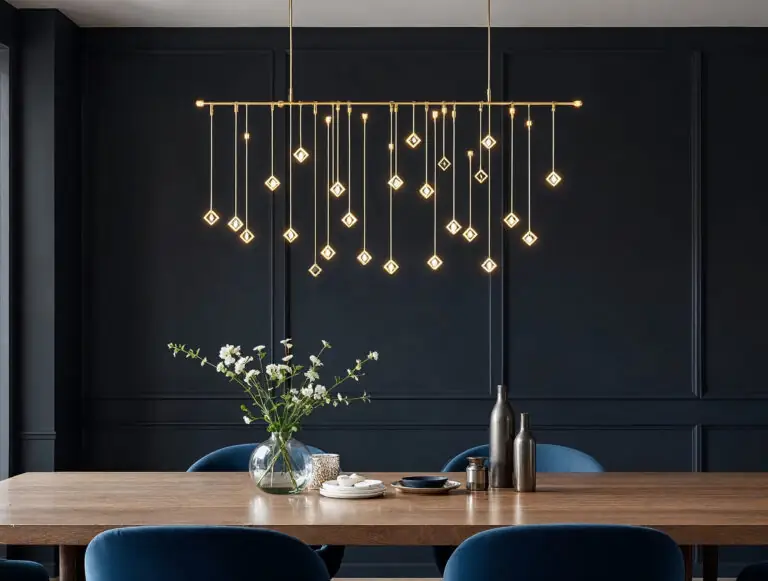
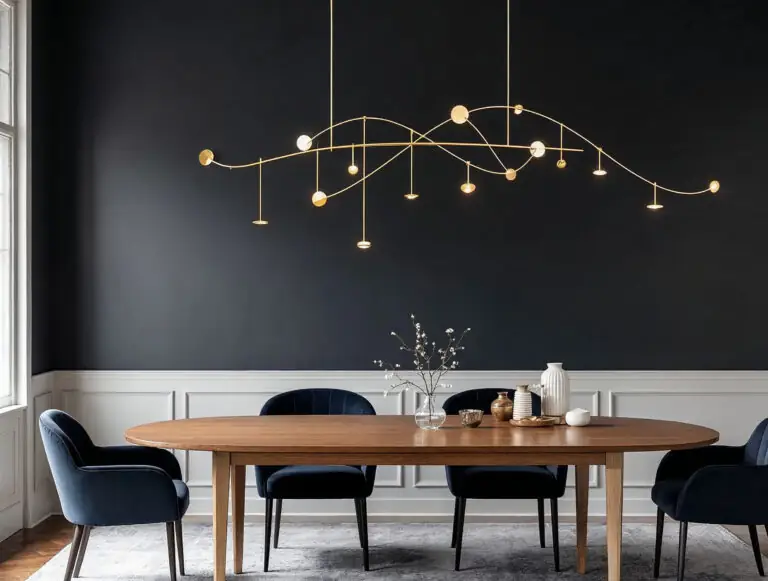
In 2026, the art of lighting is about bold choices, innovative materials, and a commitment to making every fixture a conversation starter, seamlessly blending illumination with high design.
2. Biomorphic & Organic Forms: Sanctuary Under Soft Light
As the push for well-being and sustainability intensifies, the Biophilic Design movement continues to grow, finding a stunning new expression in lighting. In 2026, lighting fixtures are becoming powerful conduits for connecting indoor living spaces with the calming, restorative qualities of the natural world. This trend is not merely about using natural materials; it’s about adopting the forms, textures, and ambiance found in nature.
Embracing Nature’s Vocabulary
This aesthetic uses the fixture itself to evoke a sense of the outdoors:
- Mimicking Natural Shapes: Fixtures feature fluid silhouettes and rounded forms that mirror elements like cascading vines, intricate seed pods, or the ripple of water.
- Earthy, Tactile Materials: The use of materials such as rattan, bamboo, unfinished wood, clay, and translucent stone (like alabaster) is paramount. These materials filter light beautifully, creating a warmth and texture that instantly grounds a space.
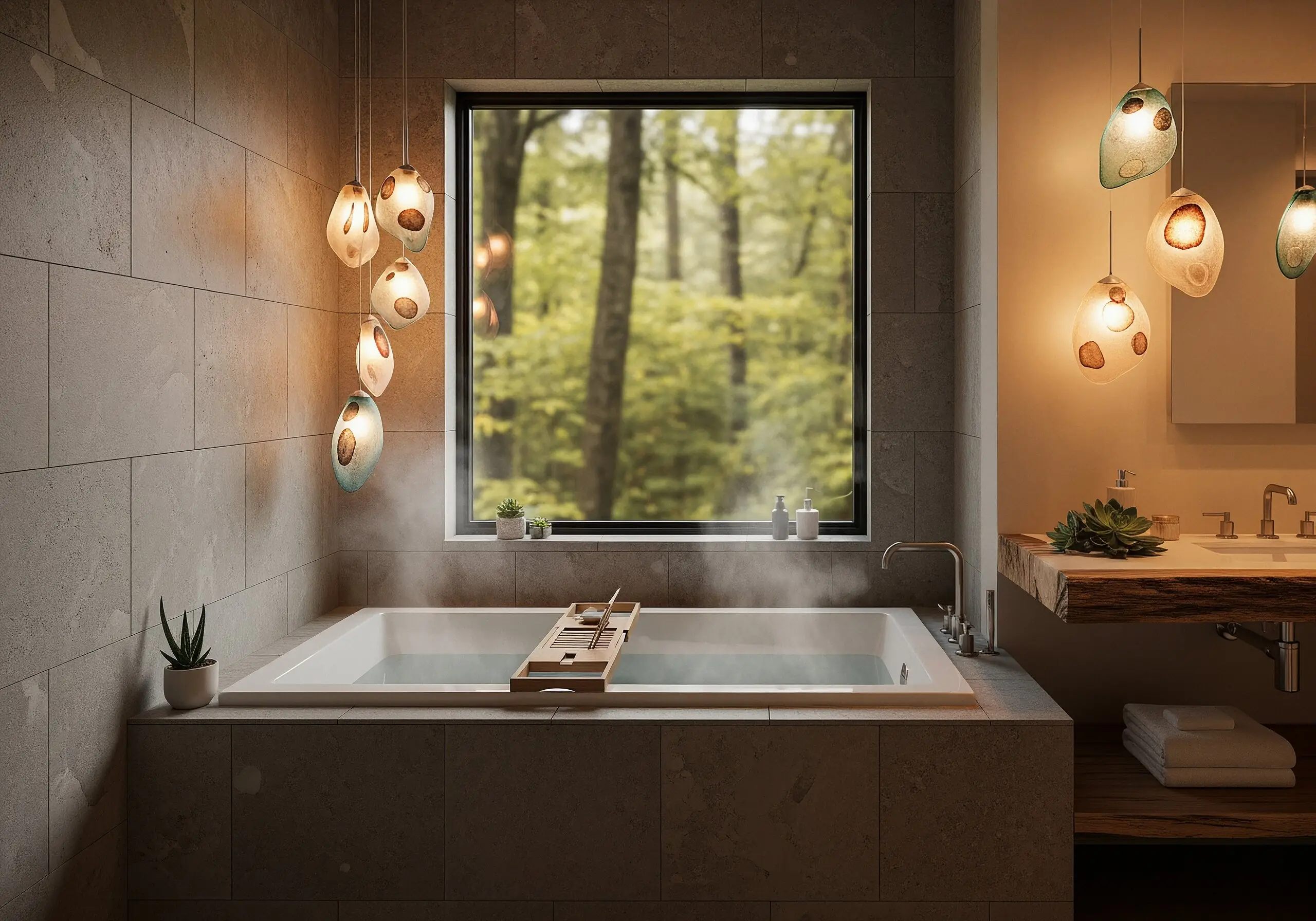
Biophilic Pendants: Organic Glass in Spa Bathroom
Imagine the peaceful retreat created by “The Forest Canopy” in a Zen bathroom. Above a soaking tub, a cluster of pendants crafted from hand-blown, subtly colored glass (moss green or frosted amber) are shaped like delicate, glowing seed pods. The light they emit is ultra-warm and deeply diffused, contributing to a serene, spa-like atmosphere. The lighting, paired with stone tiles and wood accents, creates a room that feels like a secluded, natural glade.
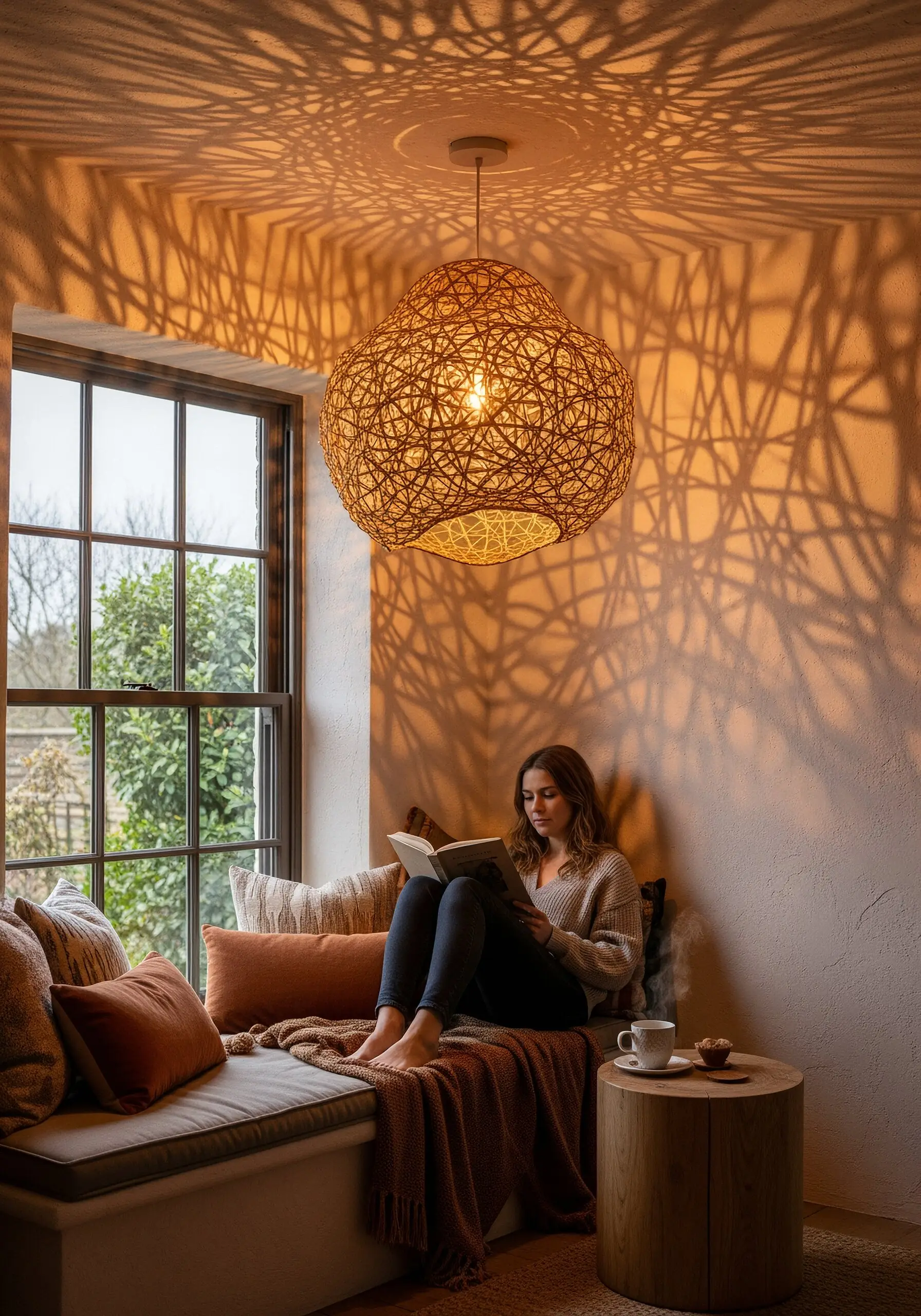
Woven Nest Pendant: Cozy Reading Nook Lighting
For a living area or reading nook, the “Woven Nest” pendant offers another expression of this trend. Its large, irregular shape is intricately hand-woven from natural fibers, allowing light to escape through the gaps gently. This technique casts beautiful, soft dappled shadows onto the surrounding walls and ceiling, imitating the light filtering through a dense tree canopy. The result is a cozy, sheltered, and deeply intimate atmosphere that fosters relaxation.
In 2026, biomorphic lighting proves that the most beautiful designs are often those inspired by the environment, turning our homes into true sanctuaries.
3. Fluid Customization & Multiplicity: The Flexible Future of Light
The modern home is inherently multi-functional, demanding lighting that is just as adaptable as the spaces it inhabits. This trend is driven by an intense desire for personalization and seamless architectural integration, moving past static, single-point fixtures to highly flexible systems.
Sculpting the Light
Flexibility is achieved through two key design pathways:
- Modular and Adjustable Systems: Designers are embracing systems that offer unprecedented control over placement and adjustment. Multi-point suspension systems allow users to literally “sculpt” the light, defining zones and solving complex architectural challenges like off-center junctions.
- The Multiplicity Principle: A unified design language is replacing strict matching. Collections now come as “families,” where the same material, form, or motif is translated across different fixture types. This creates a calm, cohesive flow across open-concept living areas.
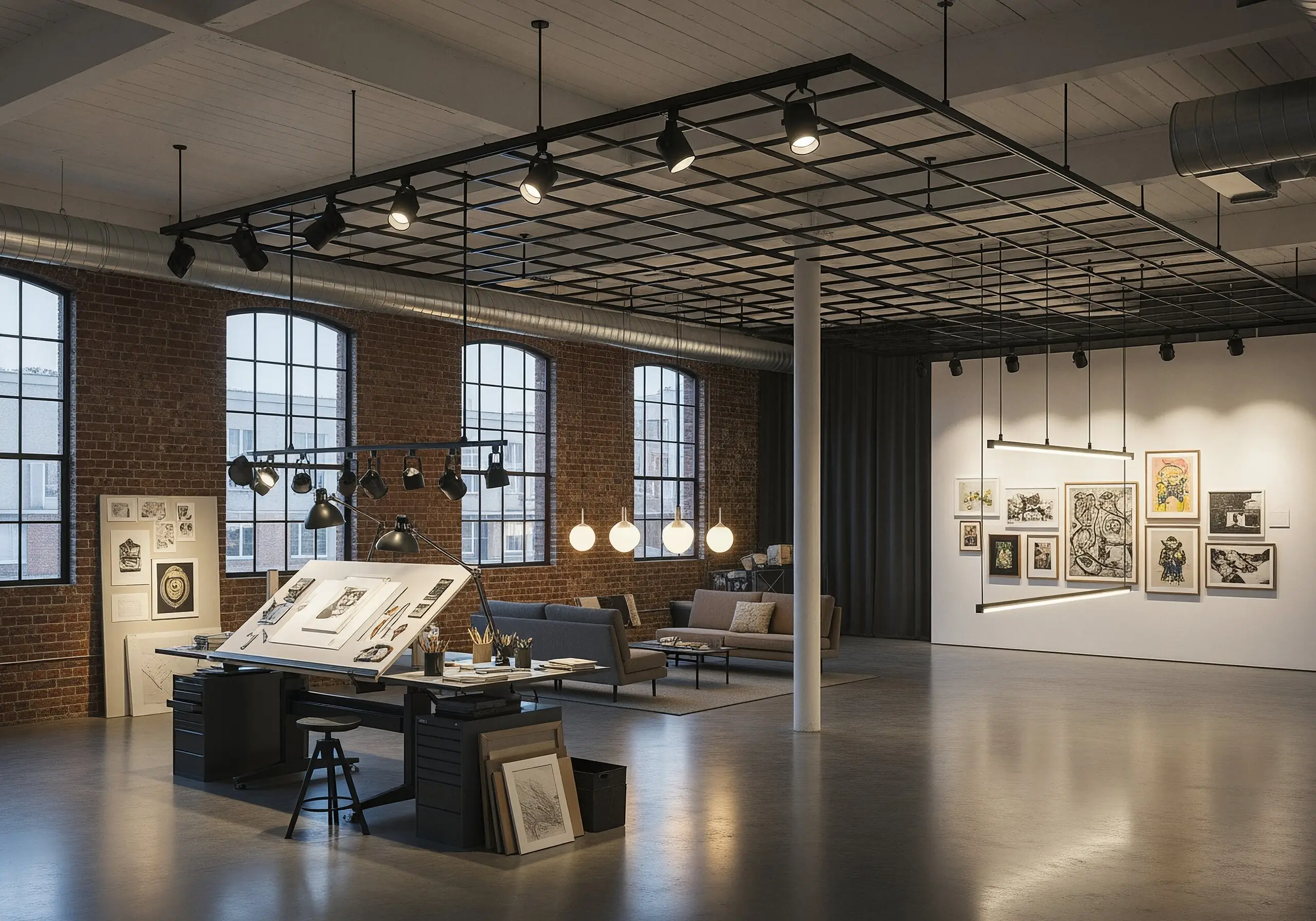
Adaptive Grid System: Creative Loft Task Lighting
The “Adaptive Grid” demonstrates this principle perfectly in a modern creative studio. Instead of standard track lighting, a sophisticated, matte-black grid covers the high ceiling. Various modules—focused spotlights, minimalist globe pendants, and linear wash bars—are suspended from and positioned along the grid. This showcases a dynamic blend of task and ambient light, where the fixtures can be easily reconfigured as the function of the space changes, highlighting innovation and utility.
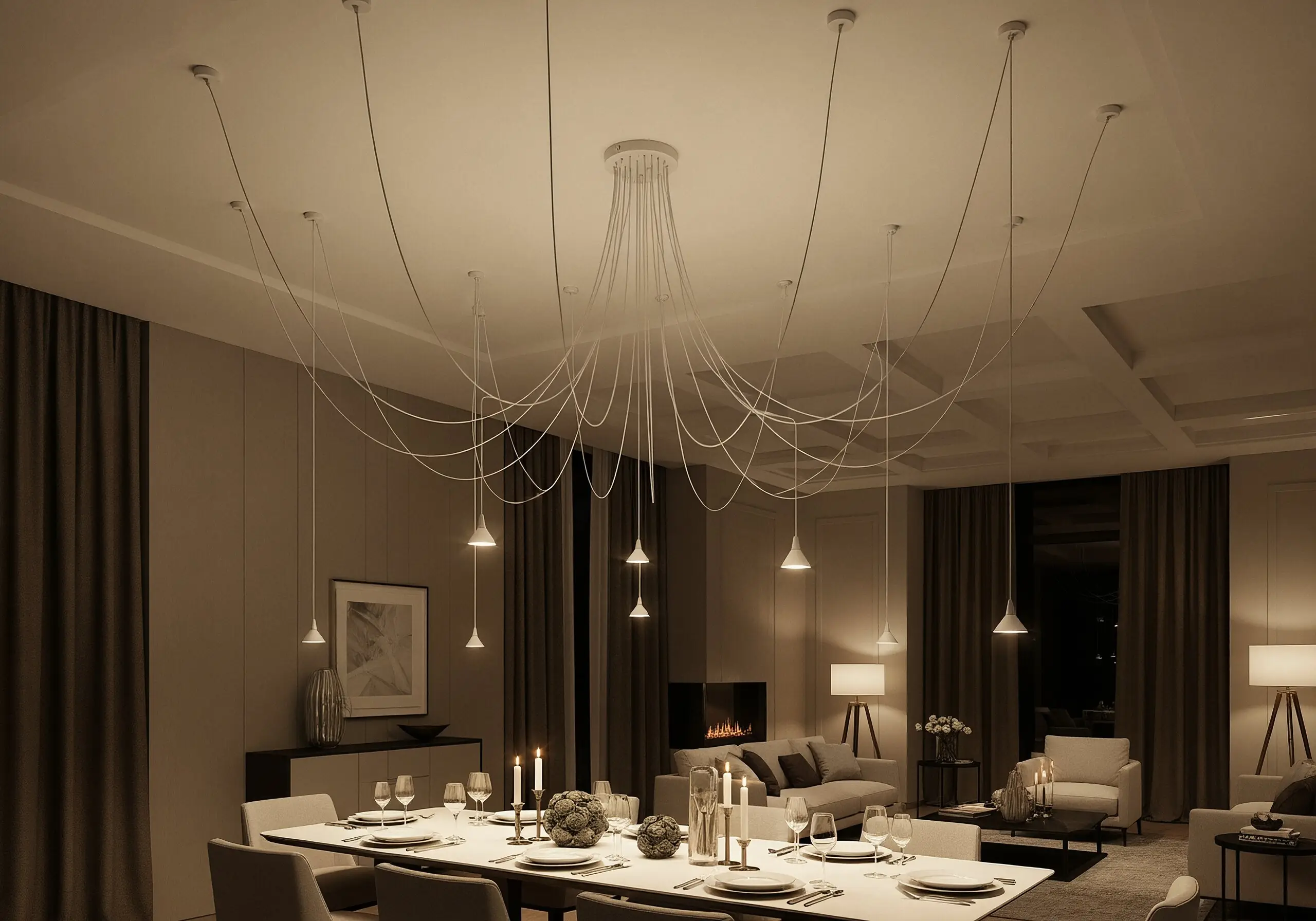
Suspended Constellation: Multi-Point Cable Lighting
A more elegant application is the “Suspended Constellation” in an open-plan dining and living area. From a central point, numerous thin, fabric-covered cables extend outwards at varying lengths and angles. Each cable terminates in an identical, small, minimalist light source, strategically illuminating both the dining table and a nearby lounge area. This method of fluid customization unites the different zones with a continuous, ambient glow, proving that adaptability can also be inherently elegant.
In 2026, the freedom to adapt light to our changing lives is non-negotiable, positioning lighting as the architectural element that makes a space truly personal and responsive.
4. Material Play & Gentle Glow: The Era of Warm Minimalism
The days of cold, stark interiors and glaring overhead lights are fading. In 2026, the demand for comfort and texture has led to the emergence of Warm Minimalism, and lighting is its primary expression. This trend focuses entirely on tactility, material contrast, and the quality of light itself, prioritizing a soft, welcoming ambiance over harsh illumination.
Texture, Contrast, and Comfort
This aesthetic achieves sophisticated warmth through two core strategies:
- Elevated Material Play: The focus is on combining unexpected textures, juxtaposing raw, porous elements like unpolished stone or clay with refined metals such as brushed brass or matte black steel. Shades are utilizing layered textiles, pleated papers, or thick, hand-loomed linens.
- The Gentle Glow: The goal is to eliminate glare. Light sources are heavily diffused, often using opaque or heavily frosted glass. The color temperature is decidedly warm (often below 2700K), creating a soft, enveloping halo of light that flatters surfaces and people alike.
Textured Hearth Lamps: Sophisticated Lounge Lighting
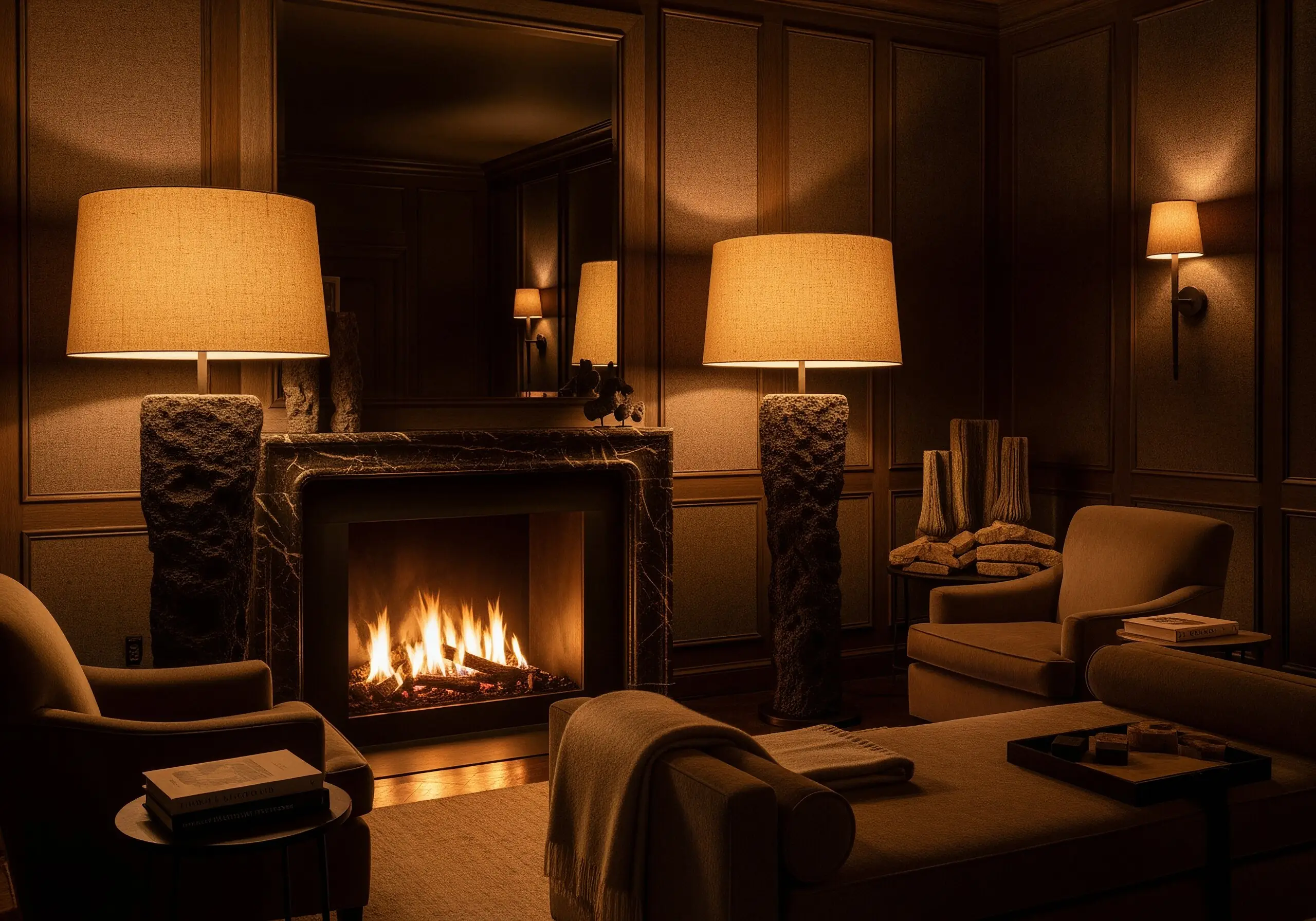
The “Textured Hearth” exemplifies this cozy luxury. In a sophisticated lounge, a pair of imposing floor lamps flank a fireplace. Their bases are heavy, sculptural dark marble, providing a grounding, raw element. This is beautifully contrasted by the tall, cylindrical shades crafted from a thick, natural linen. The resulting illumination is an exceptionally warm, deeply diffused glow, turning the lounge into an intimate, luxurious retreat where comfort is paramount.
Sculpted Radiance Lamp: Warm Minimalist Bedroom
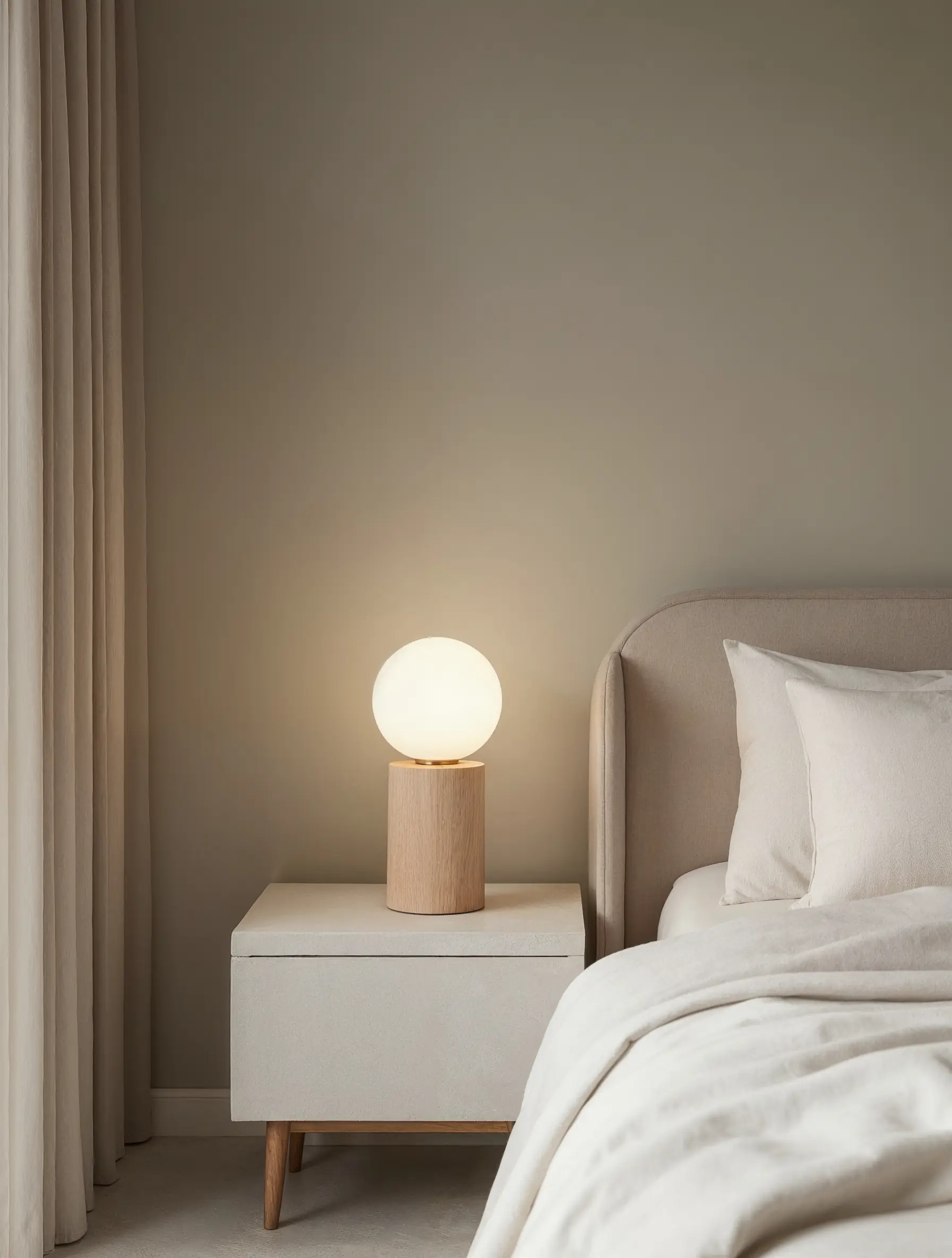
Similarly, the “Sculpted Radiance” lamp brings this trend to the bedroom. Bedside fixtures feature a base made from smoothly carved light wood or matte ceramic, paired with a simple, elegant sphere of sandblasted, frosted glass. The focus here is on understated luxury—the soft, warm light emanates evenly, avoiding harsh shadows and contributing to a deeply peaceful and restorative sleep environment. Every material choice, from the wood grain to the matte glass, is intended to soothe and enrich the space.
The Gentle Glow is more than just a lighting effect; it is a philosophy that elevates comfort and authentic material expression above all else, marking a pivotal moment in design for 2026.
5. Trend Combinations: The Synergy of 2026 Design
The most innovative designs for 2026 don’t follow a single trend; they artfully combine two or more aesthetics to achieve a personalized, high-impact result. This synergy creates fixtures that are deeply versatile, technically advanced, and visually stunning.
Blending Art, Nature, and Function
These combinations showcase the next level of design thinking:
- Biomorphic Customization: This pairing marries the fluid, nature-inspired shapes of the biophilic movement with the technical flexibility of modular systems. It allows designers to create adaptable installations that feel organic, dynamic, and perfectly scaled to the architecture.
- Architectural Layering: This combination focuses on the strategic deployment of both concealed and sculptural lighting. It uses invisible light sources (like integrated LEDs) for ambient washing. Then it pairs them with dramatic, geometric fixtures to create sharp contrasts and strong, deliberate patterns of light and shadow, transforming transitional spaces into gallery-like experiences.
Biomorphic Track Lighting: Gallery Entryway Pendants
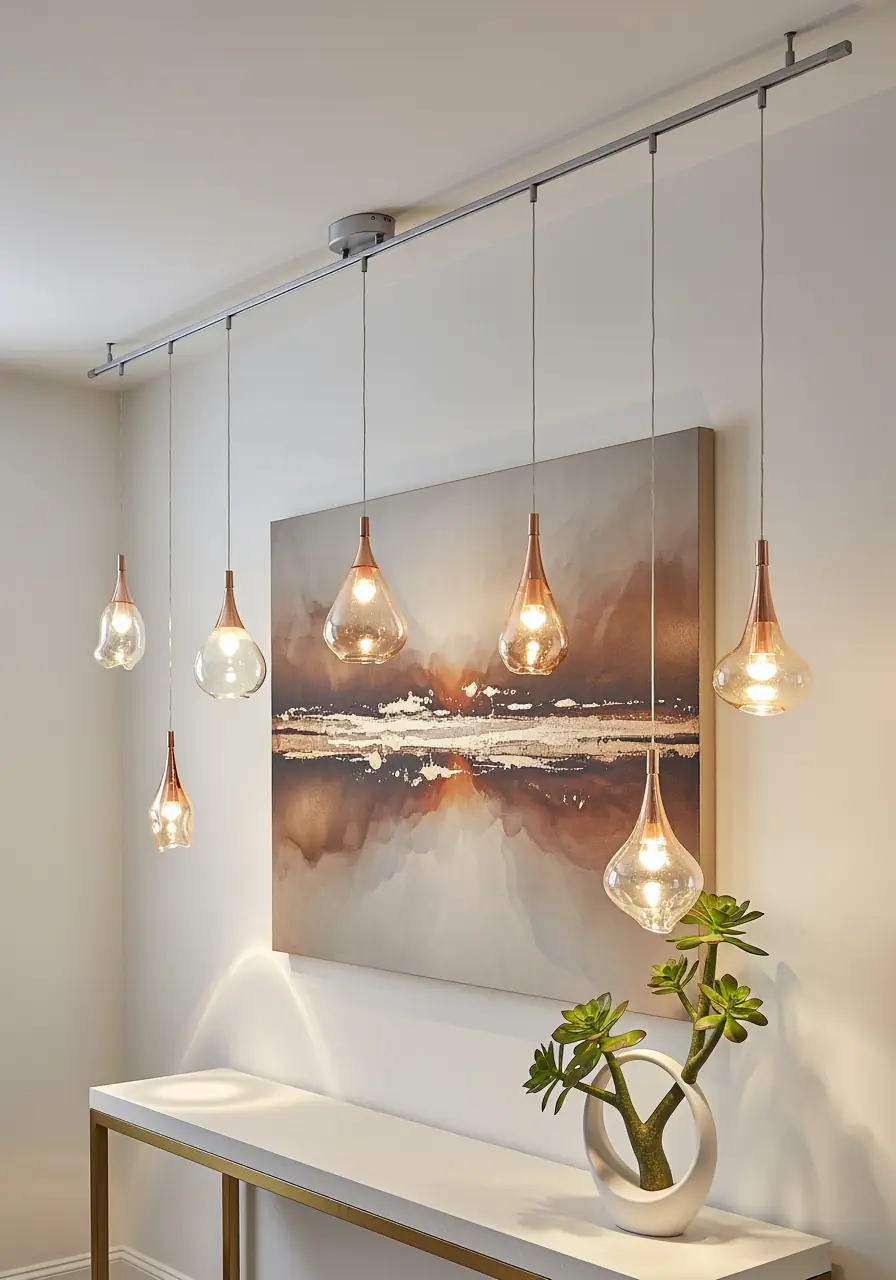
In an entryway, the concept of Biomorphic Customization is brought to life. A flexible track system is used not for traditional spotlights, but to suspend a cluster of hand-blown glass pendants that resemble organic teardrops or dewdrops. These fixtures can be individually adjusted along the track to perfectly highlight an abstract painting or a console vignette, combining the adaptability of modern technology with a beautiful natural aesthetic.
Architectural Layering: Geometric Corridor Lighting
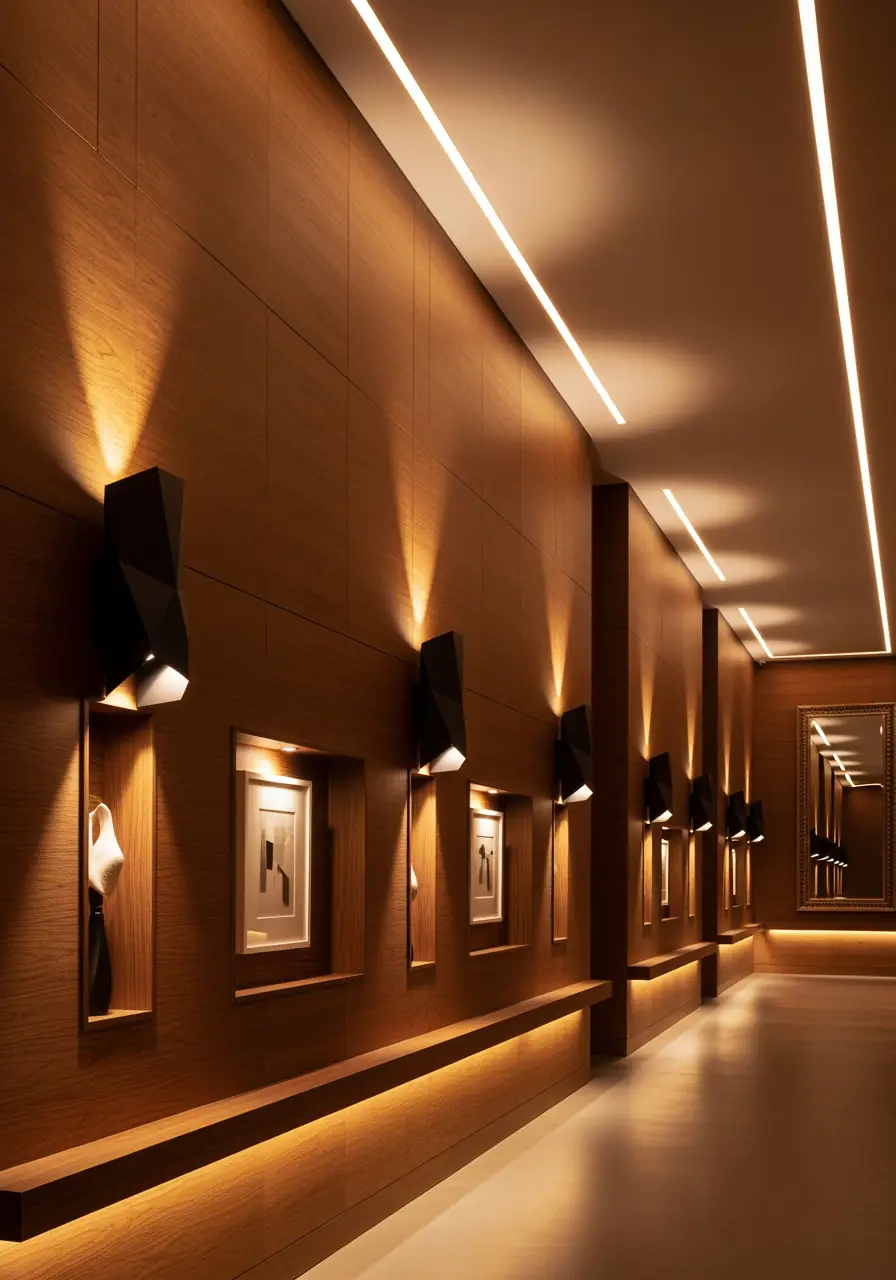
Similarly, the “Architectural Layers” concept is key to defining a sophisticated corridor. Here, concealed linear LED lighting provides a soft, warm ambient wash along the ceiling line or baseboards. This foundational light is then punctuated by rhythmic, matte black geometric wall sconces that cast strong, dramatic light patterns both up and down the textured wood-paneled walls. The lighting itself becomes a tool for creating architectural drama and visual rhythm.
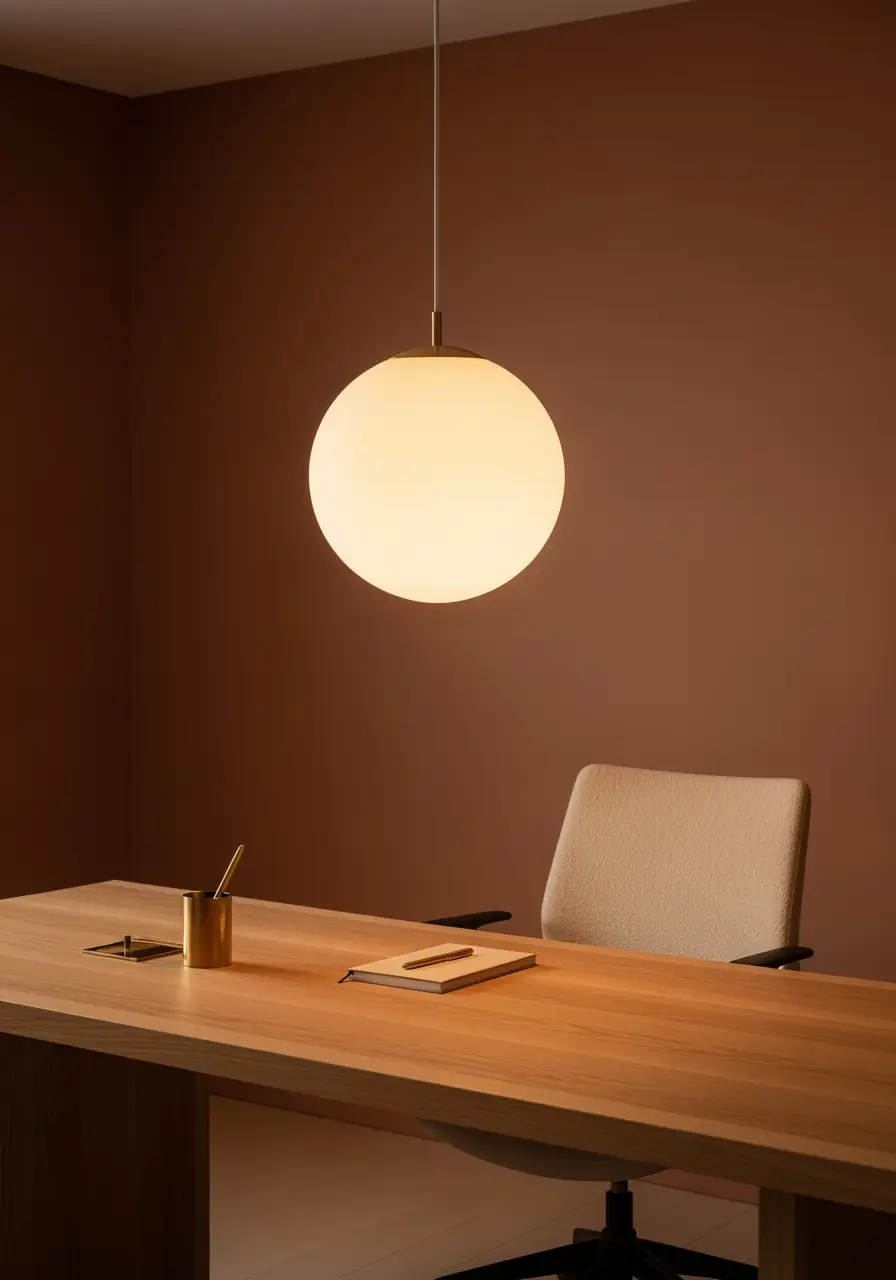
Warm Minimal Office with Globe Pendant Light
The Warm Minimalist Statement finds its perfect application in the modern home office, where the need for productivity must coexist with a demand for tranquility. This design concept leverages lighting to curate a space that is both highly functional and deeply serene, minimizing visual noise while maximizing sophistication.
Imagine the smooth, unblemished surface of the fixture glowing with a steady, gentle radiance above a clean desk. The soft light highlights the simple, high-quality office essentials—a leather notebook, an elegant pen, a single piece of stone desk art—turning them into curated objects. The Warm Minimalist Statement proves that bold design choices can still foster a sense of peace and order.
By strategically mixing and matching these design currents, 2026 lighting empowers designers to create truly bespoke, multi-sensory experiences that are greater than the sum of their parts.
🌟 The Lighting Revolution: Designing for Tomorrow
As we look toward 2026, the message from the world of interior design is clear: lighting is now the architecture of emotion. The era of viewing fixtures purely as utility is over. Every pendant, sconce, and lamp now carries the responsibility of expressing personality, enhancing well-being, and integrating seamlessly with the structure of a space.
The five dominant design trends—from the dramatic artistry of Sculptural Statements to the sophisticated layers of Architectural Layering—all share a common thread: a focus on intentionality. The revolution is fueled by both aesthetics and technology, ensuring that every light we choose not only looks stunning but is also capable of adapting its warmth and intensity to support our daily rhythms.
The time to update your lighting blueprint is now.