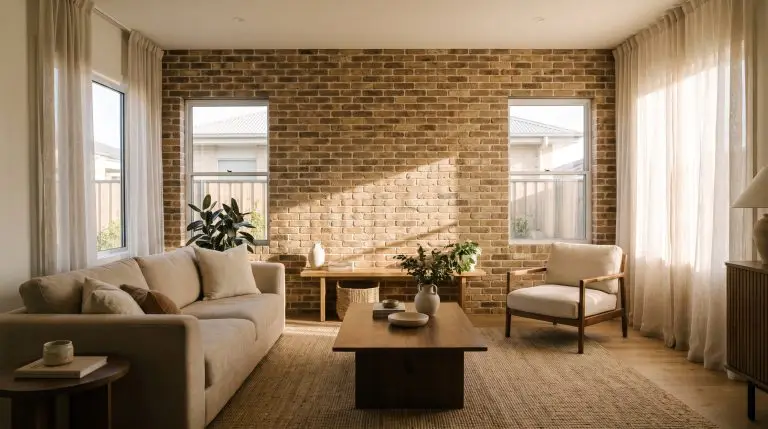
If your walls could talk, what would they say about you in 2026?
For years, we’ve leaned on safe gallery walls, generic botanical prints, and minimalist line drawings to fill our vertical spaces. But as we move further into the decade, the interior design world is collectively exhaling. The sterile, “don’t touch” museum vibe is officially out. In its place enters a new era of grounded earthiness, hyper-tactility, and bold, singular statements.
2026 is the year we stop just looking at our walls and start feeling them. After years of digital saturation, we are craving environments that feel solid, warm, and deeply personal—a “quiet counterpoint” to the noise of our daily lives. We are moving away from “fast decor” (cheap prints that look the same in every home) toward pieces that carry weight, texture, and history.
Whether you are looking to refresh a tired living room, add soul to a new home office, or simply understand where design is heading, this comprehensive guide covers everything you need to know about the wall art trends defining 2026.
📋 Key Takeaways: Top Wall Art Trends for 2026
The Anchor Piece: Cluttered gallery walls are being replaced by single, oversized statement canvases (XXL Art).
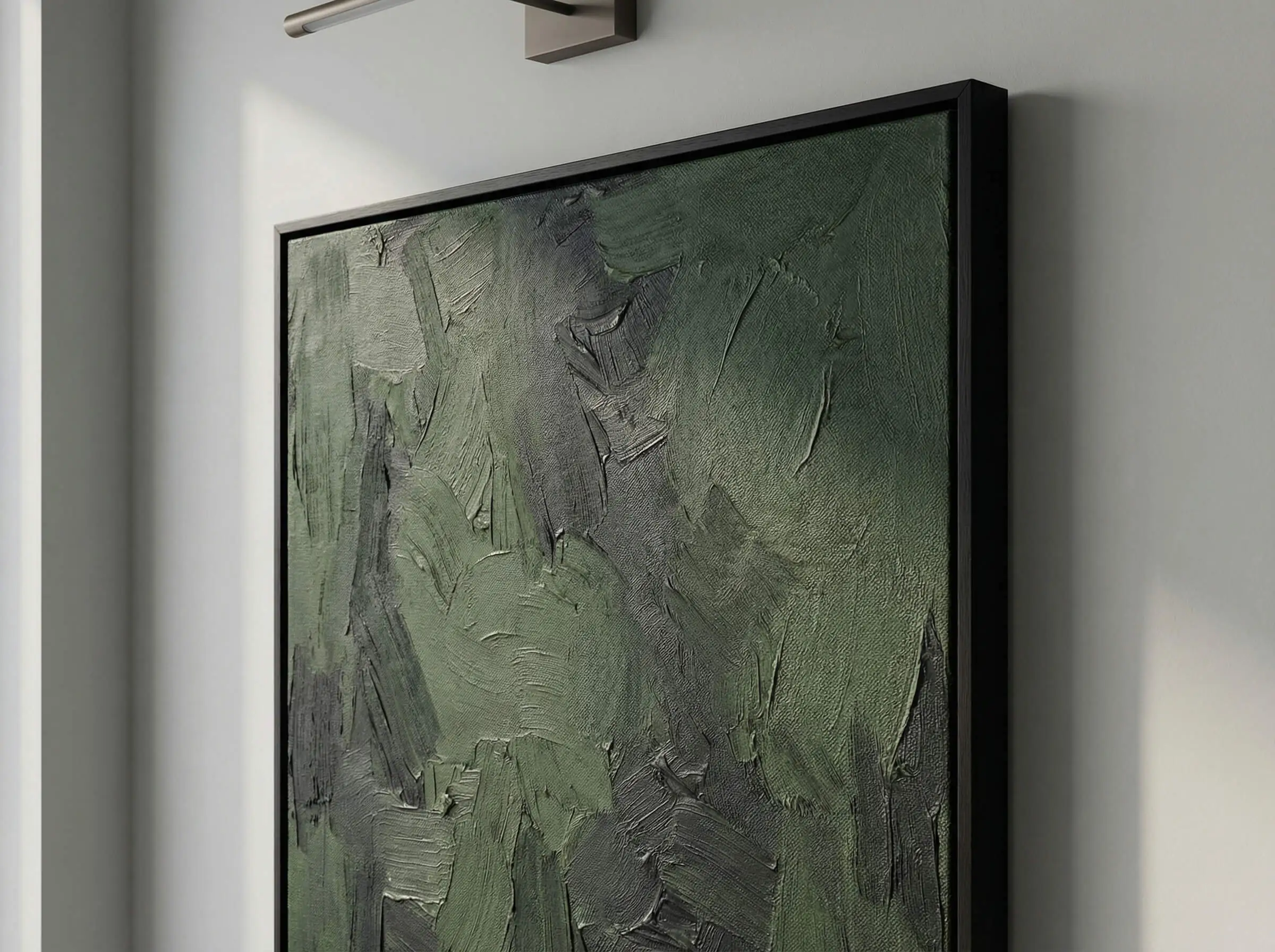
Texture is King: 3D plaster art, woven textiles, and heavy impasto painting are trending over flat prints.
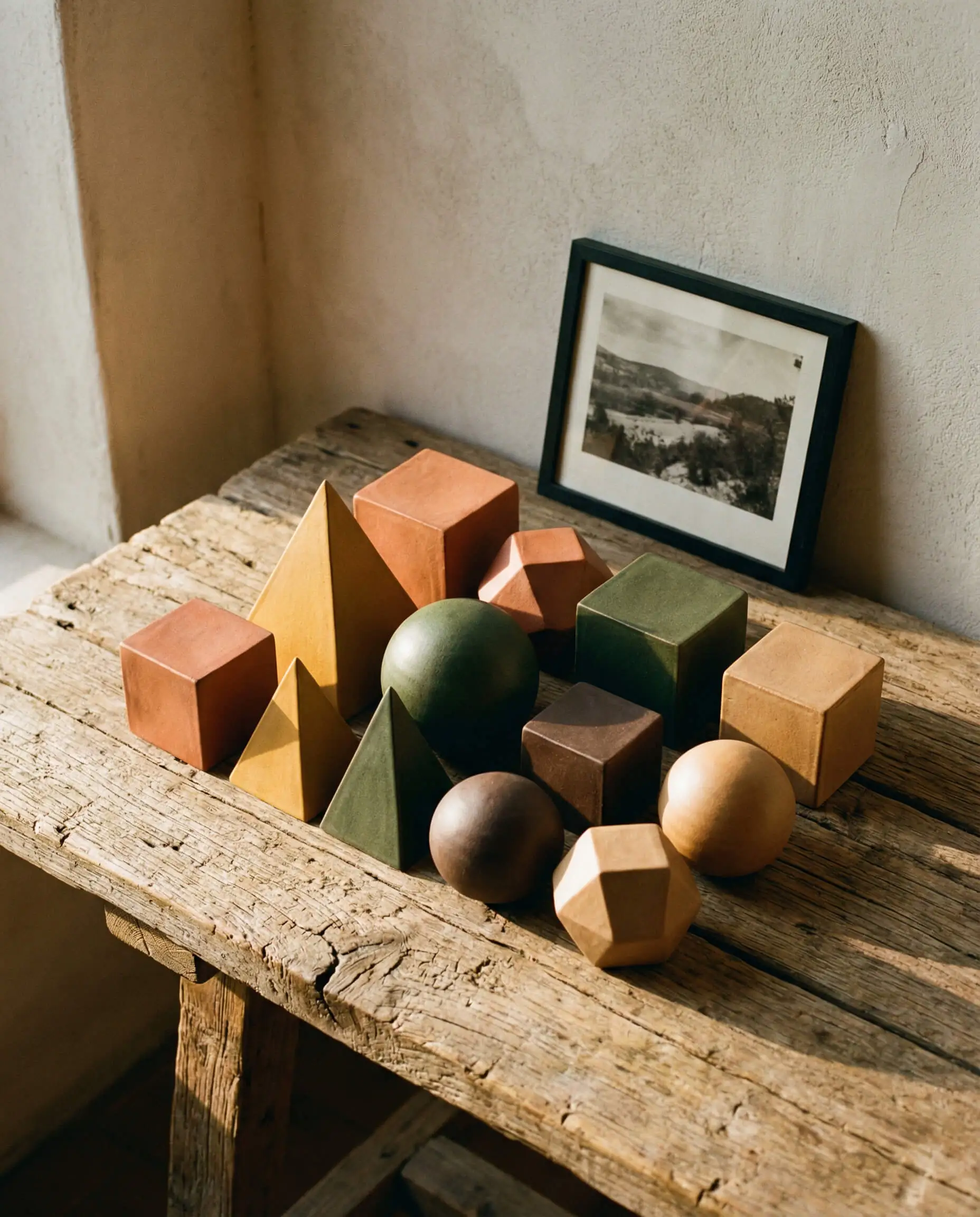
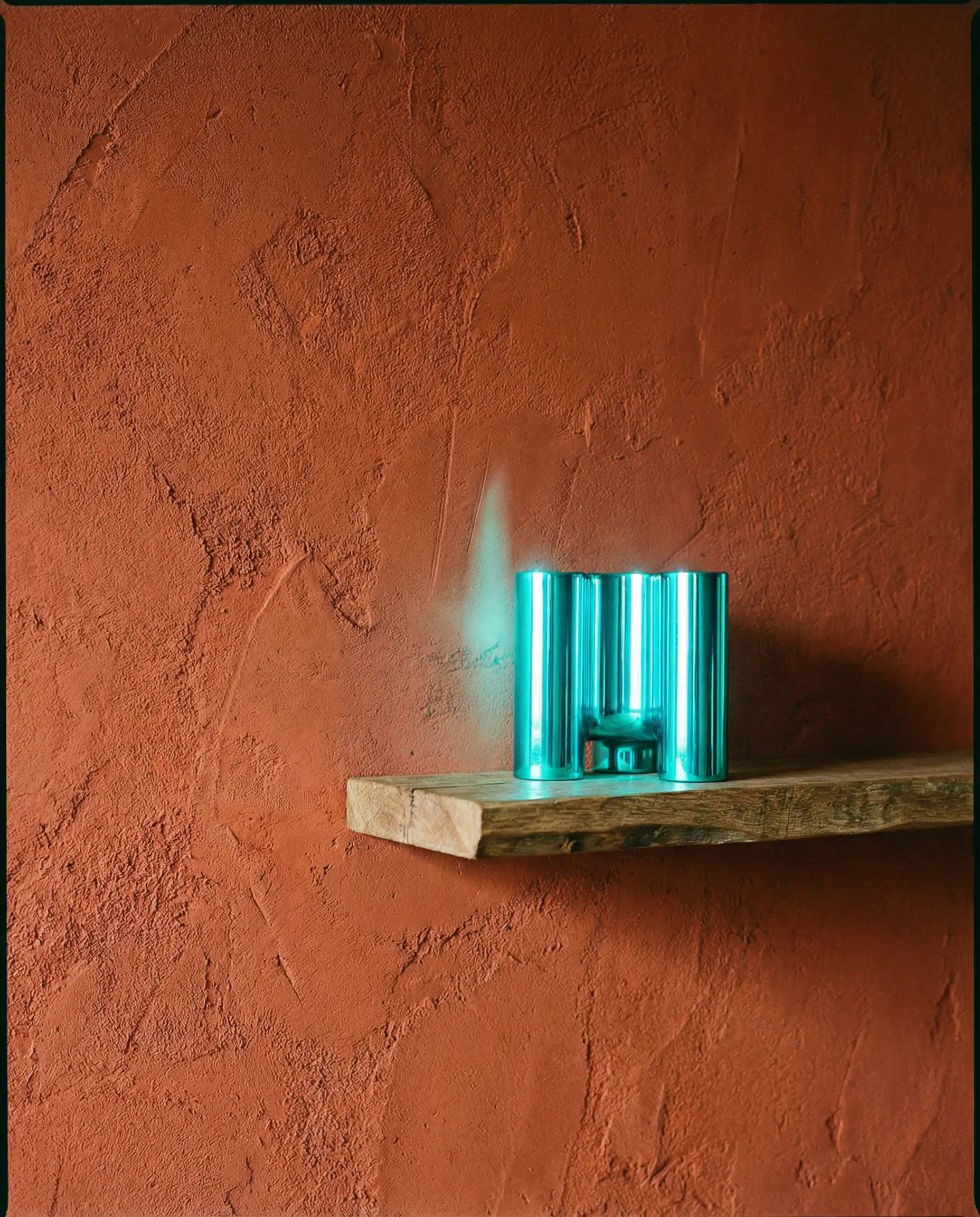
Earth Tones 2.0: Move over beige; the new palette features deep terracotta, moss green, and warm ochre.
Modern Heritage: A shift toward “Grandpa Chic”—vintage oil paintings and moody landscapes mixed with modern furniture.
The Big Shift: From Visual Clutter to “The Anchor”
If there is one headline for 2026 wall decor, it is this: Quality over Quantity.
For the past decade, the “eclectic gallery wall”—a puzzle of 10 to 15 small frames—was the go-to solution for blank spaces. It was an easy way to fill space without committing to a single expensive piece. While a well-curated gallery never truly goes out of style, the trend cycle is shifting drastically away from visual clutter.
In 2026, we are seeing the rise of The Anchor Piece.
The Rise of XXL Art
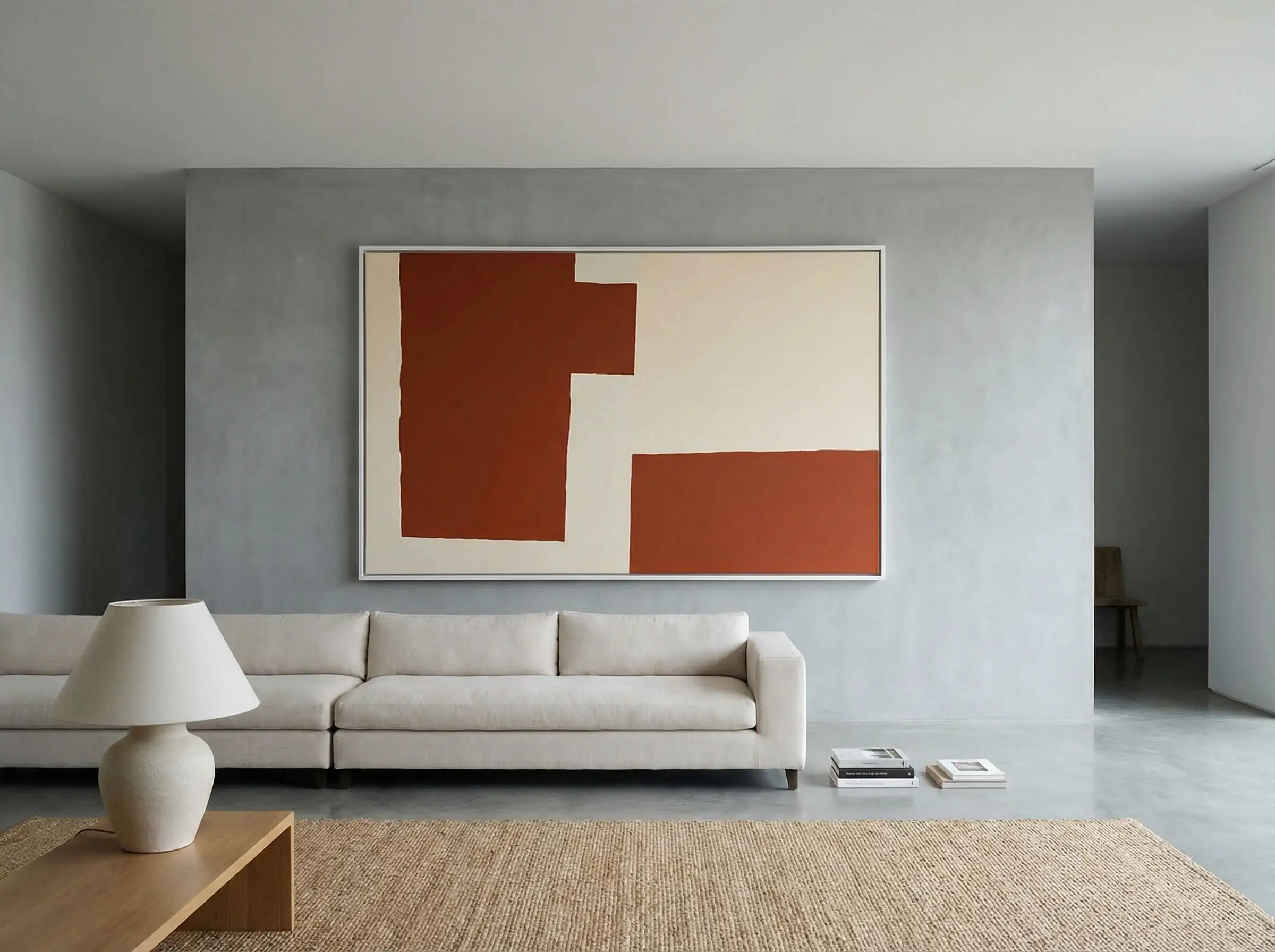
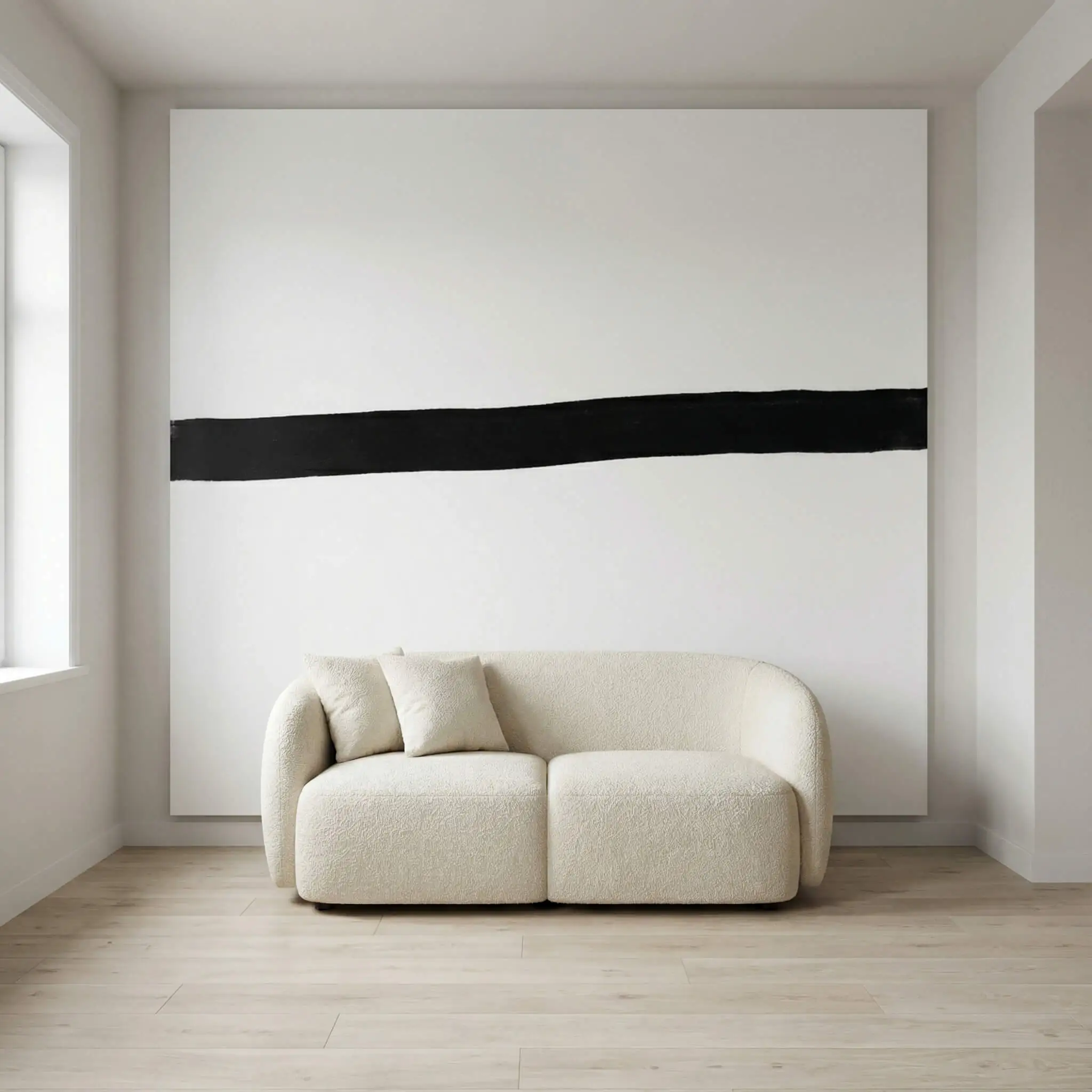
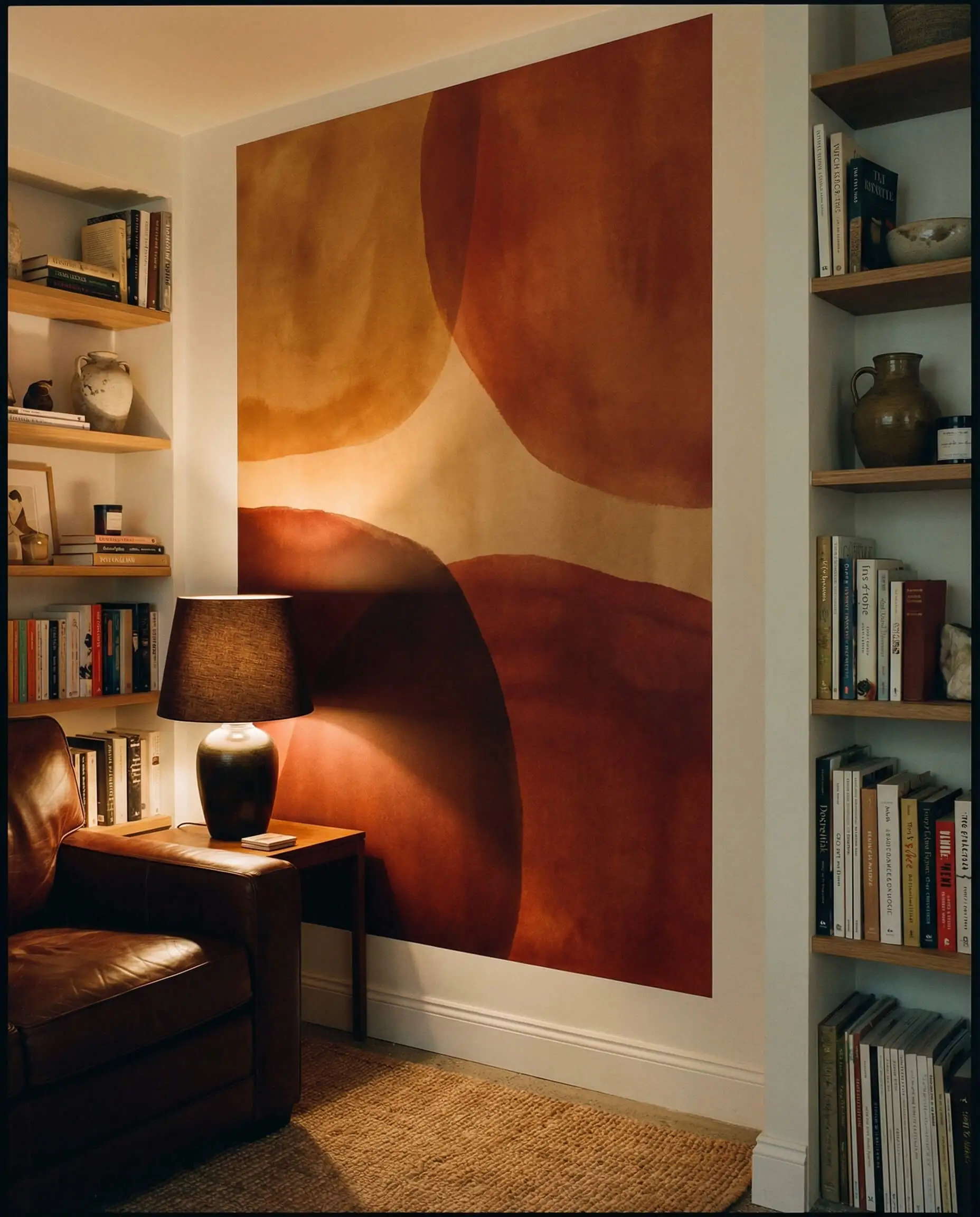
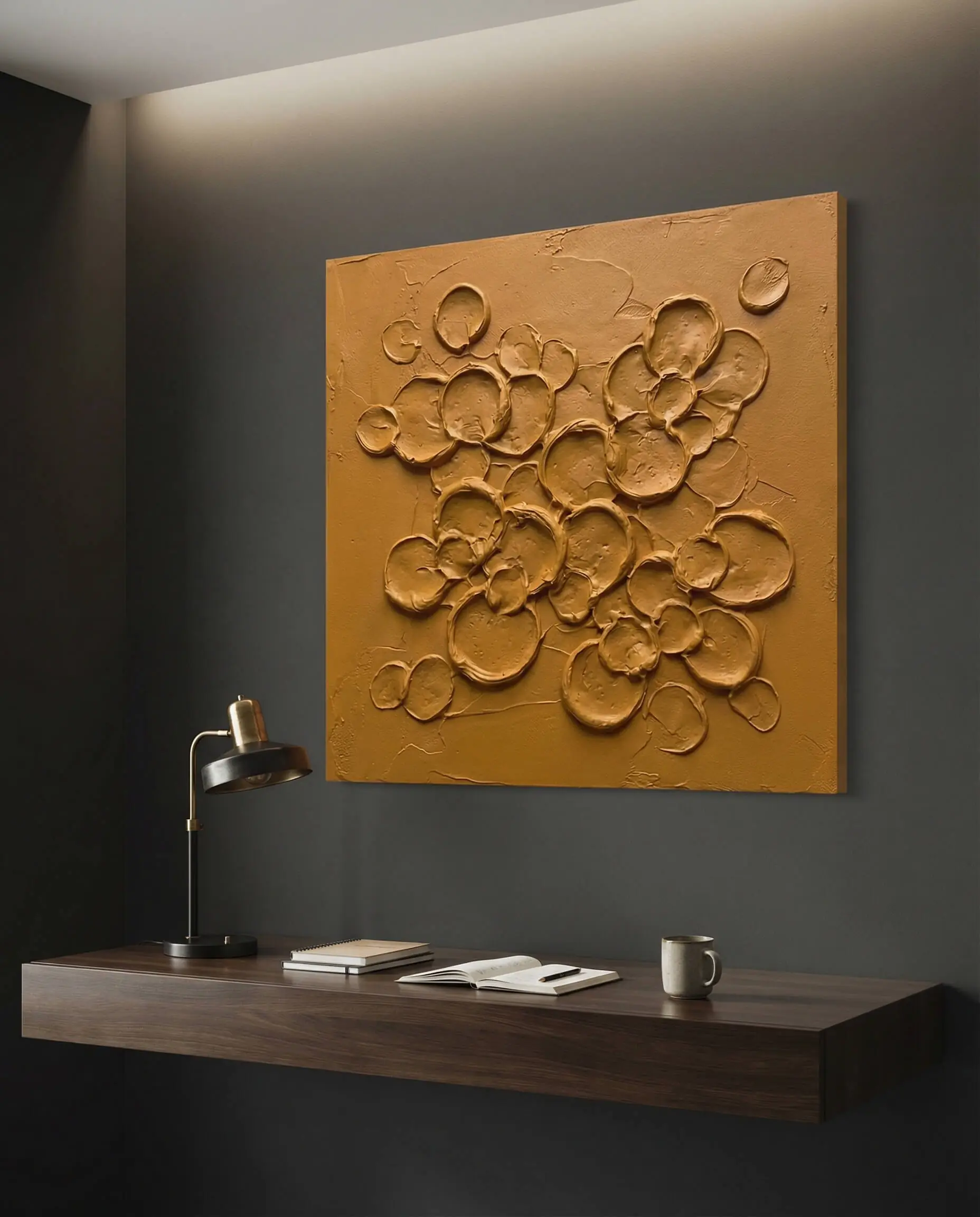
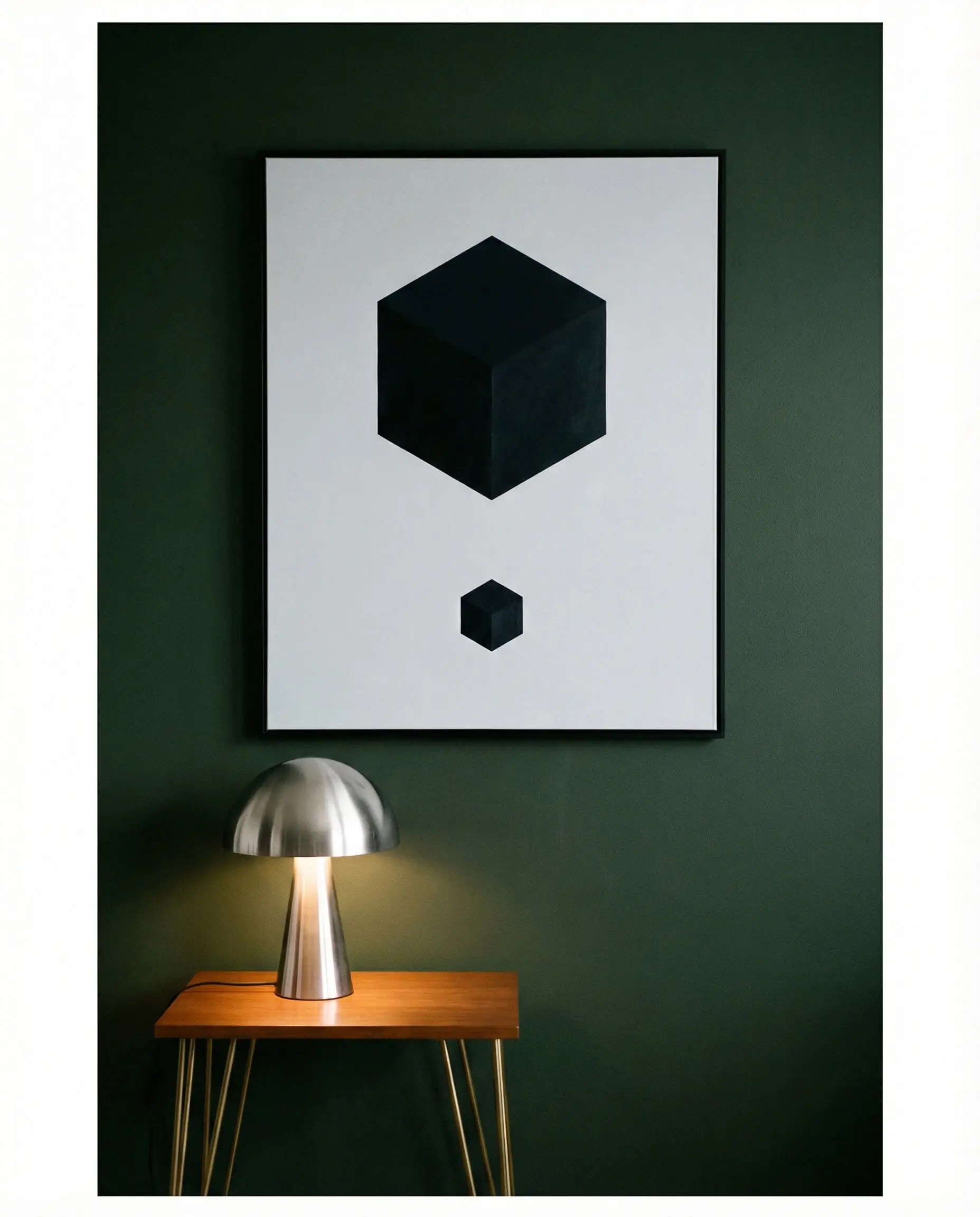
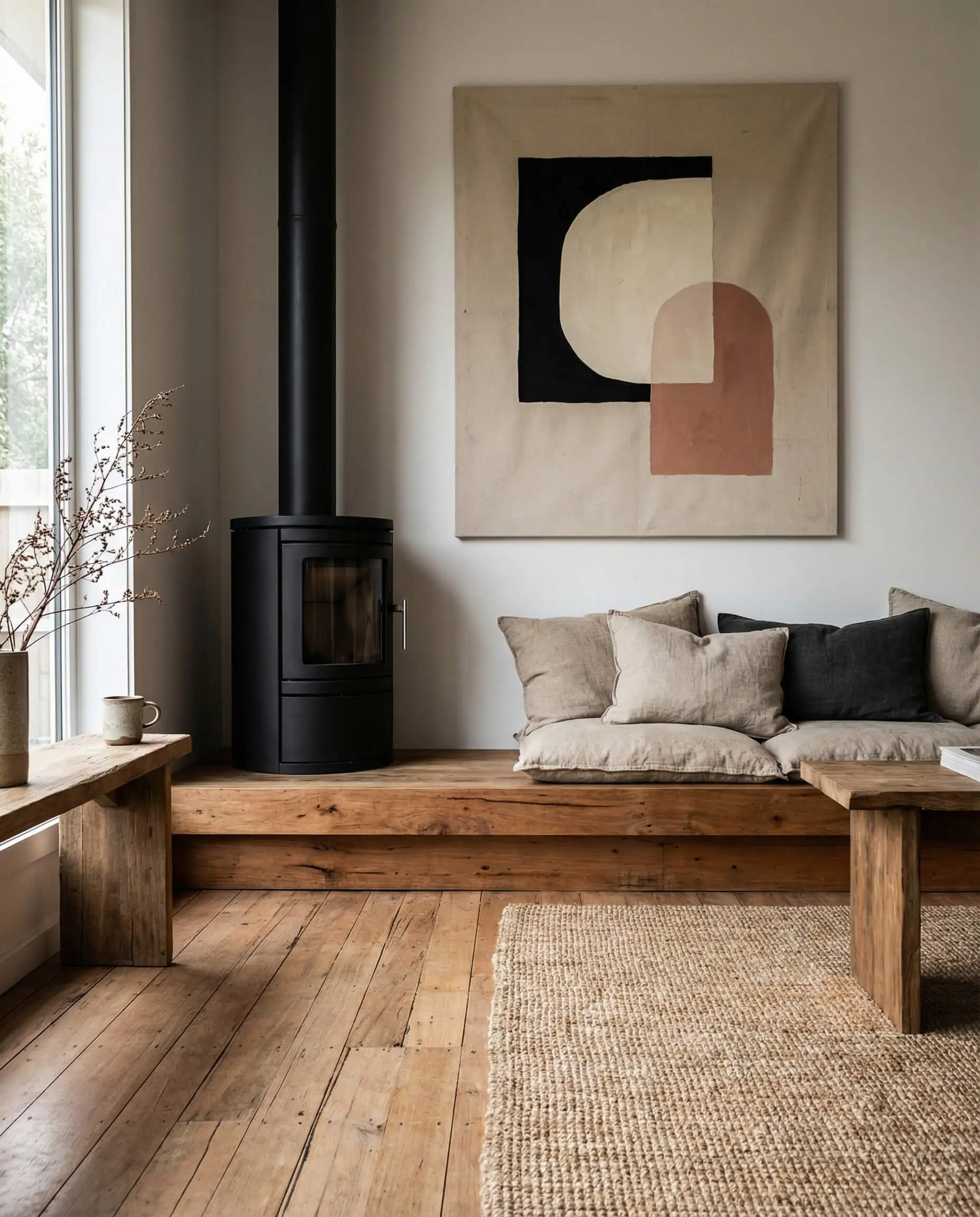
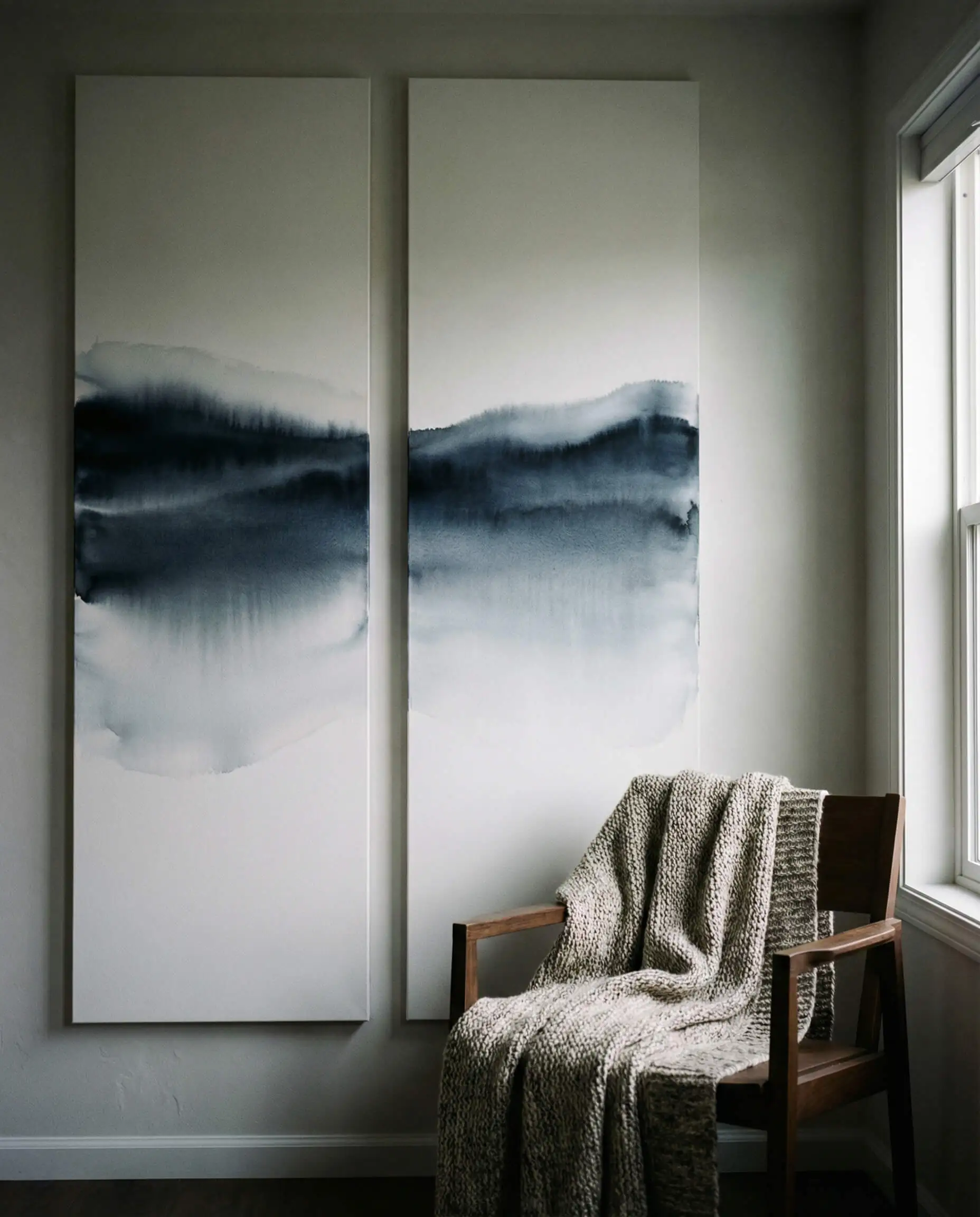
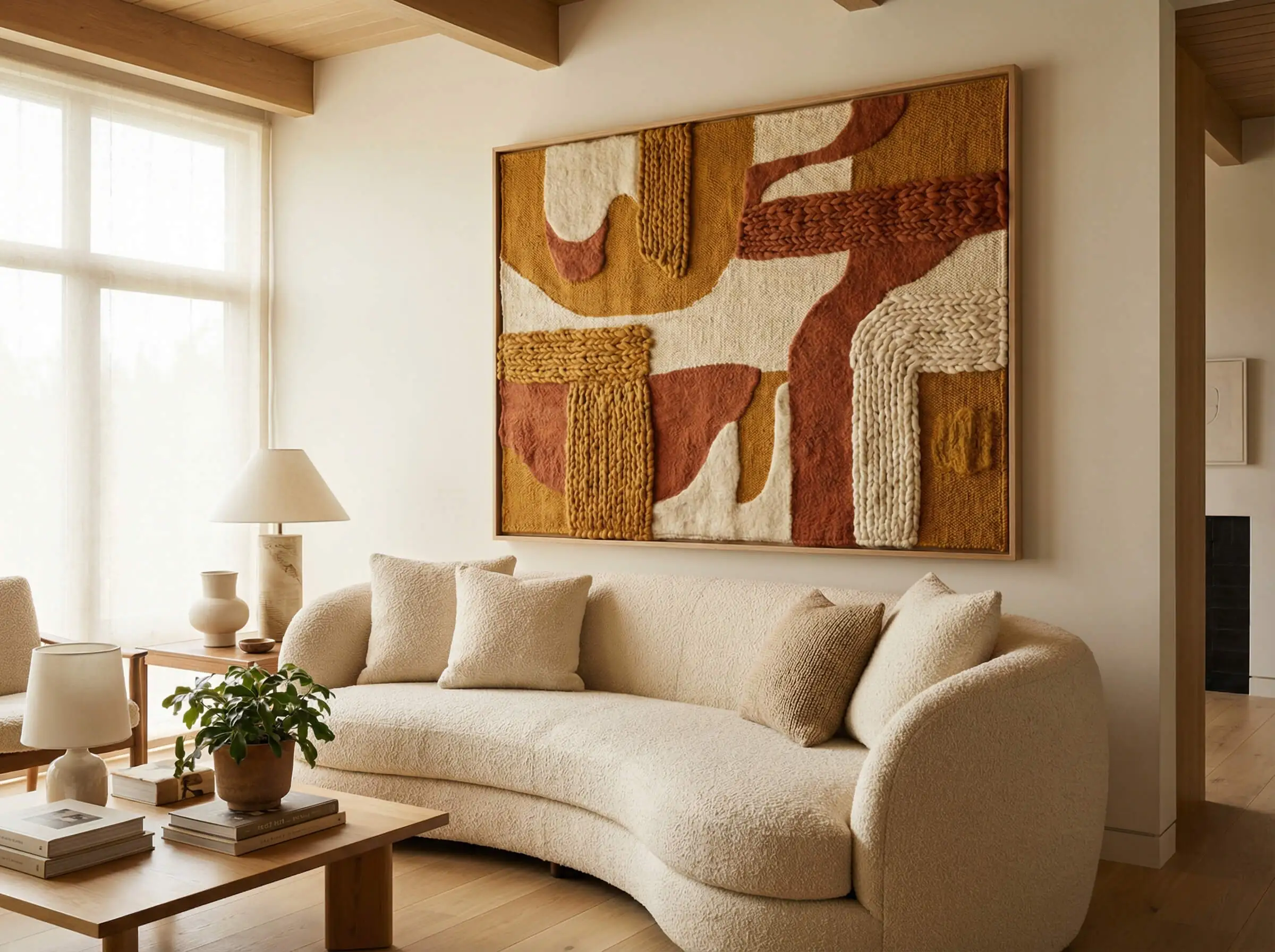
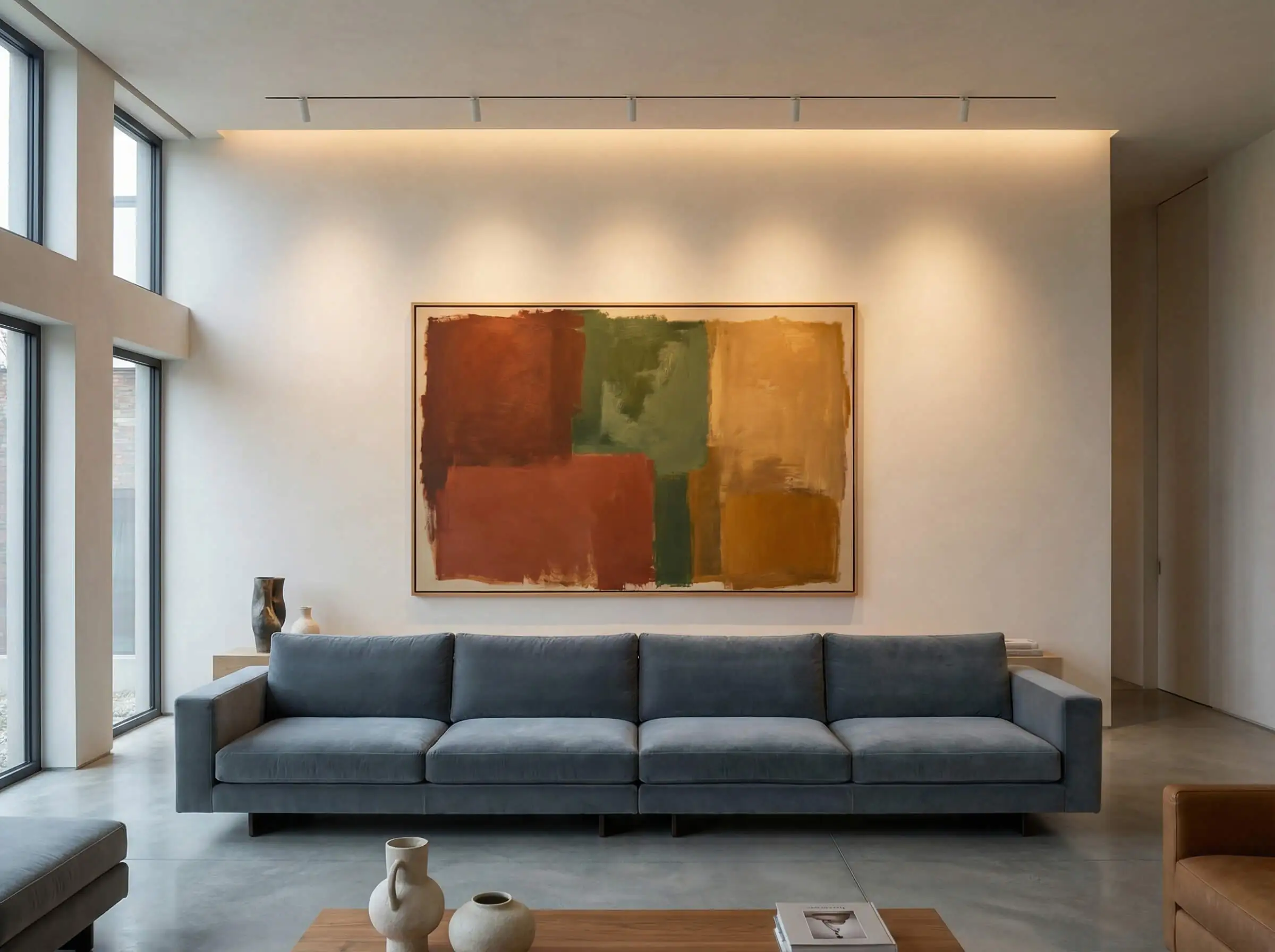
The gallery wall is fading. 📉 Enter: The Anchor Piece. One wall, one massive statement. This year, it's about confidence and visual calm. #TheAnchorPiece #MinimalistHome #StatementArt #TerracottaDecor
The concept is simple: One wall, one piece. This is a move toward massive canvases or prints that dominate a room. Why the shift?
Visual Calm: A large, singular artwork creates an immediate focal point and provides a sense of serenity that a dozen small frames often struggle to achieve.
Confidence: A single large piece feels curated and intentional. It elevates a room from “decorated” to “designed.”
Space Expansion: Counter-intuitively, one huge piece of art can make a small room feel larger than many small pieces, which can chop up the visual field.
How to Style It:
The Size Rule: For an XXL piece to work, it shouldn’t look like it was squeezed in. Aim for the artwork to cover about 60% to 75% of the available wall space (or the width of the furniture below it).
Breathing Room: Leave ample white space around the art. The emptiness around the frame is just as important as the art itself—it allows the piece to “breathe.”
Designer Tip: If you have a large wall in your living room, resist the urge to add sconces or shelves next to an XXL canvas. Let the art stand alone.
The 2026 Color Palette: Earth Tones 2.0 & Digital Lavender
Gone are the days of monochrome grey or stark black-and-white. 2026 is warming up. The color trends for wall art this year are heavily influenced by the natural world, but with a moody, saturated twist that feels much more sophisticated than the “boho beige” of the early 2020s.
1. Grounded Earth
We aren’t just talking about sand tones. We are talking about the colors of the deep earth.
Burnt Terracotta: Adds heat and energy without the aggression of bright red.
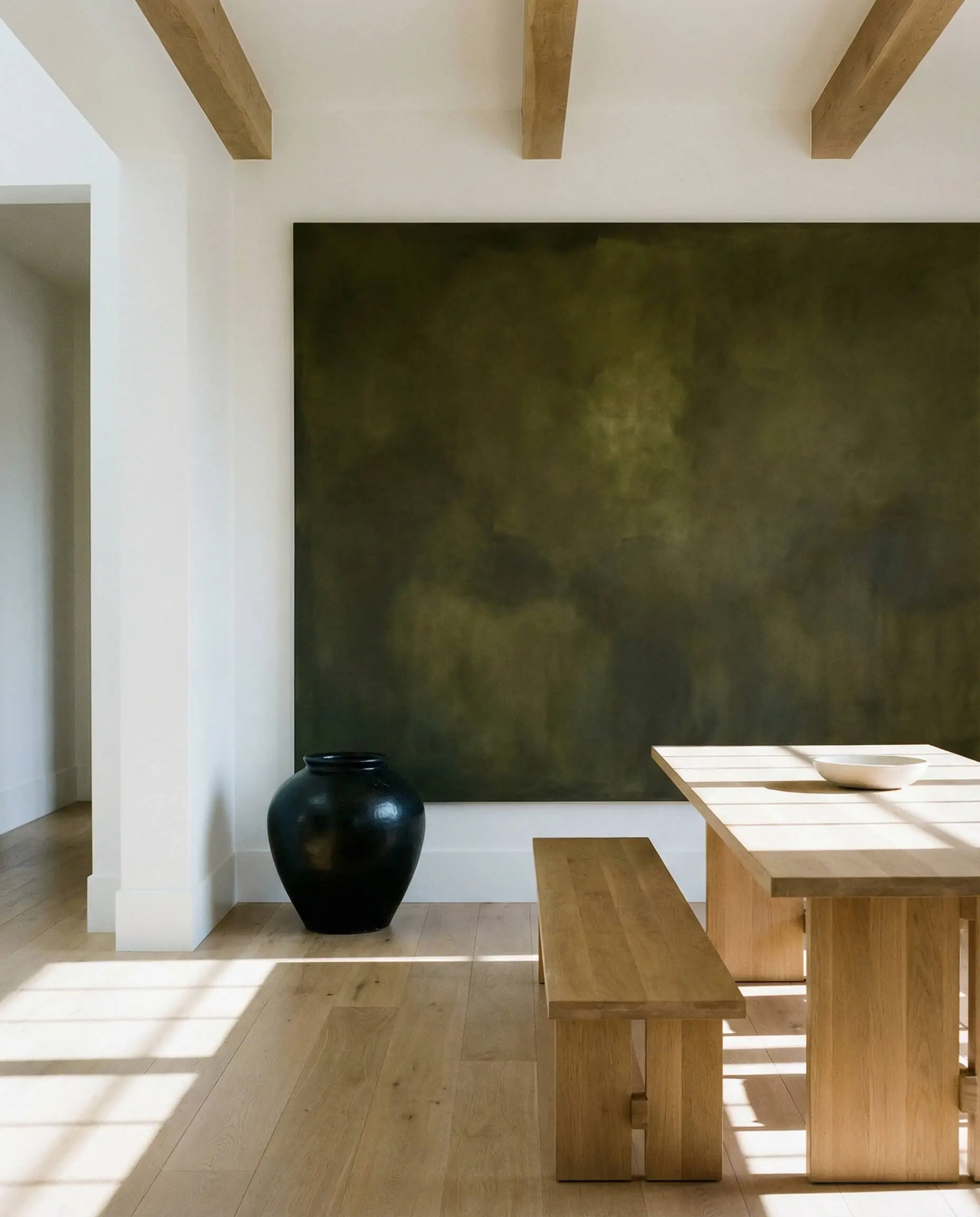
Moss & Olive Green: A neutral that feels alive. These greens are muddier and darker than the bright tropical greens of the past.
Warm Ochre & Clay: These shades are replacing cool greys as the background color of choice for abstract art. They wrap the room in a “hug.”
2. Electric Pastels
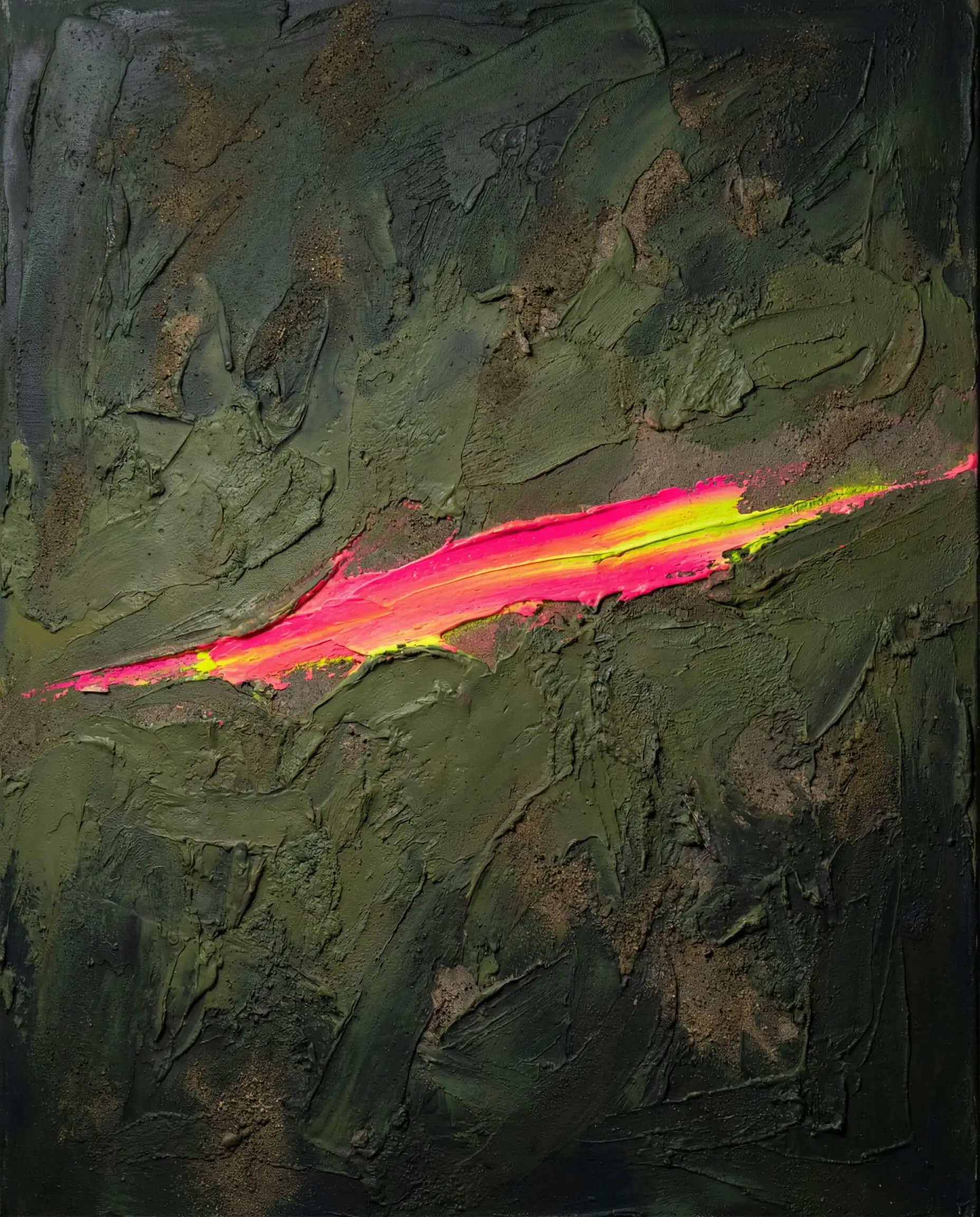
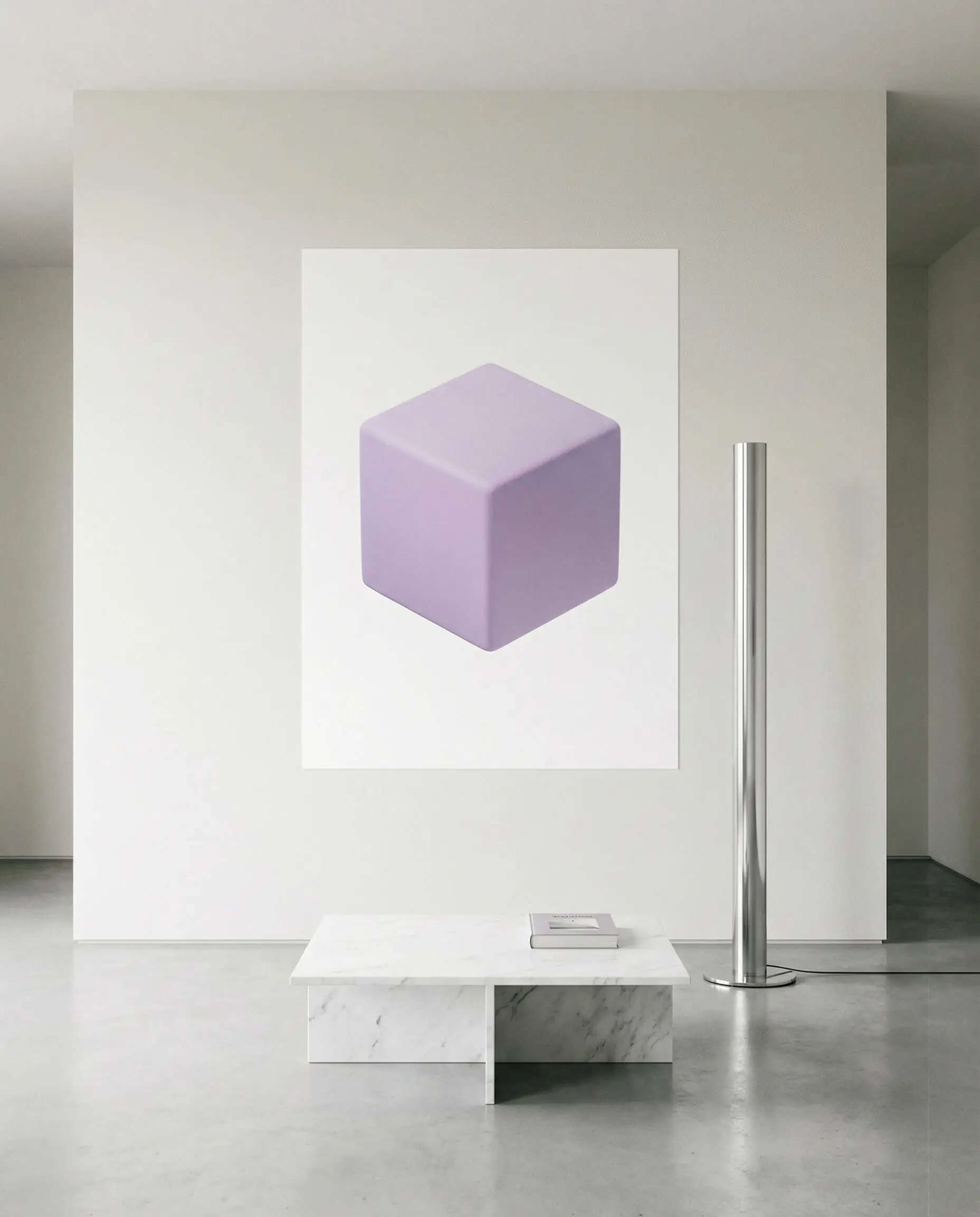
On the flip side, we are seeing a “Digital Lavender” influence. To prevent earthy rooms from feeling too heavy or “muddy,” designers are mixing in shocks of neon aqua, citron yellow, or glowing lilac within abstract art.
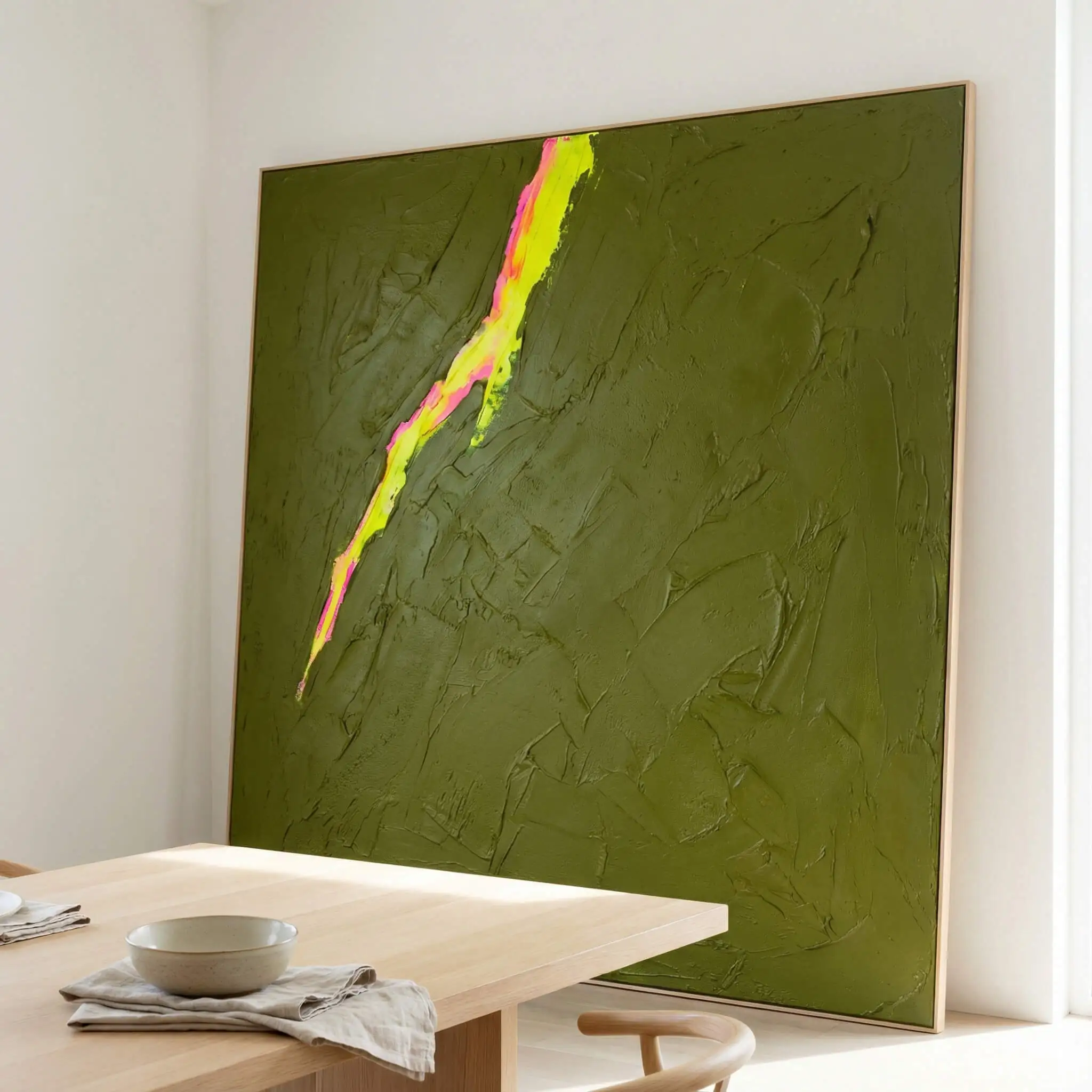
Why it works: It creates a friction between the ancient (earth tones) and the modern (digital neons). A canvas that is 90% moss green with a single stroke of neon pink is incredibly stylish and signals that the space is contemporary.
Top 8 Wall Art Trends for 2026
We analyzed the shifts in interior design to bring you the definitive list of what’s in. Say goodbye to generic “Face Line Art” and hello to these eight movements.
1. Textured Plaster & 3D Art (Hyper-Tactility)
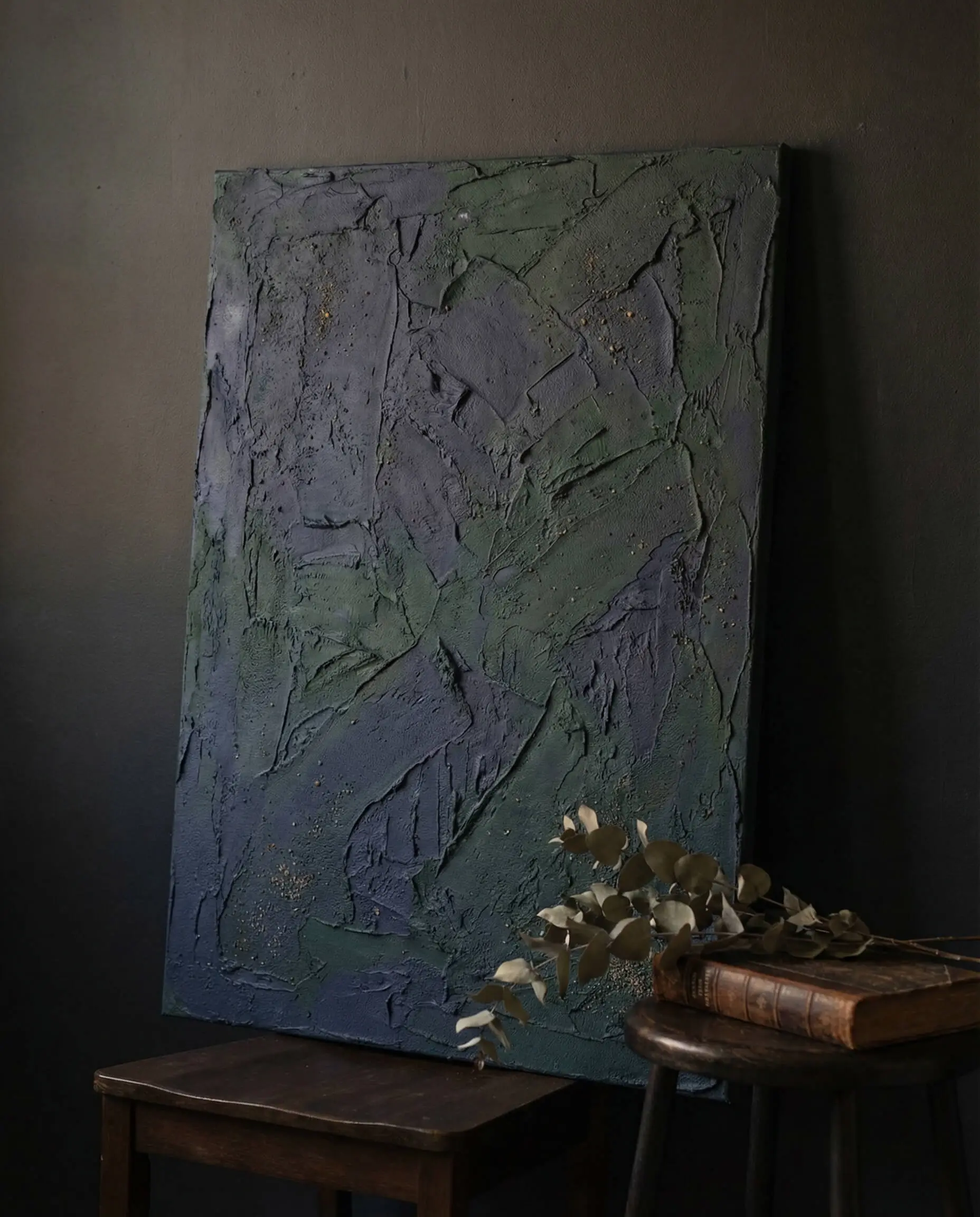
This is arguably the biggest trend of the year. Art is no longer flat. In 2026, wall decor is popping off the surface—literally.
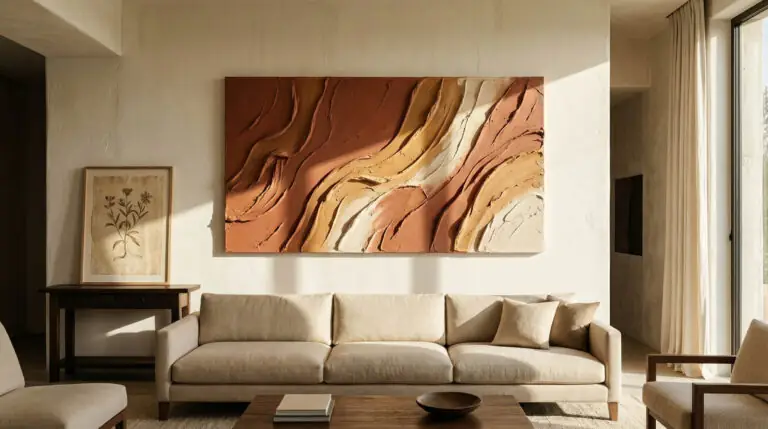
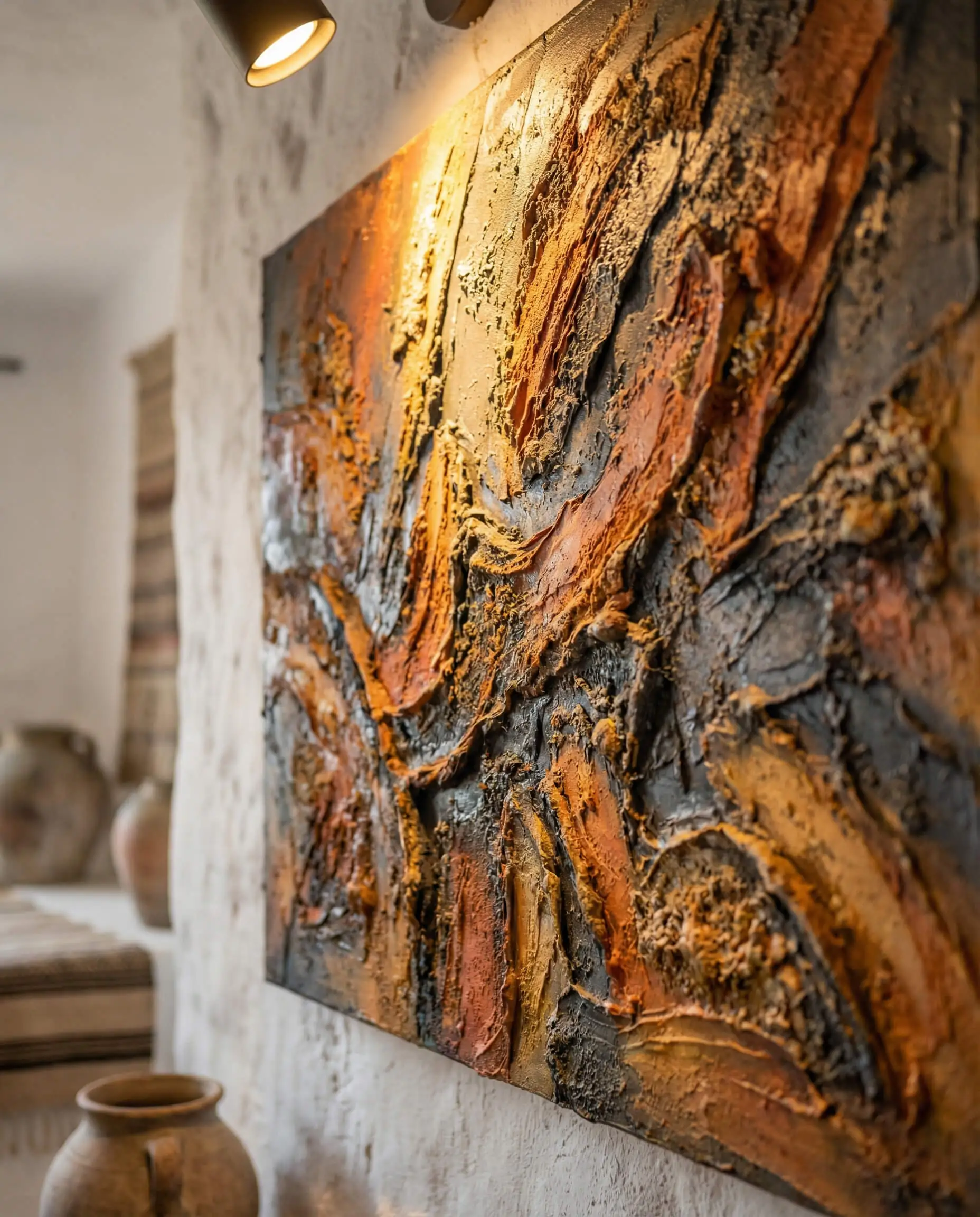
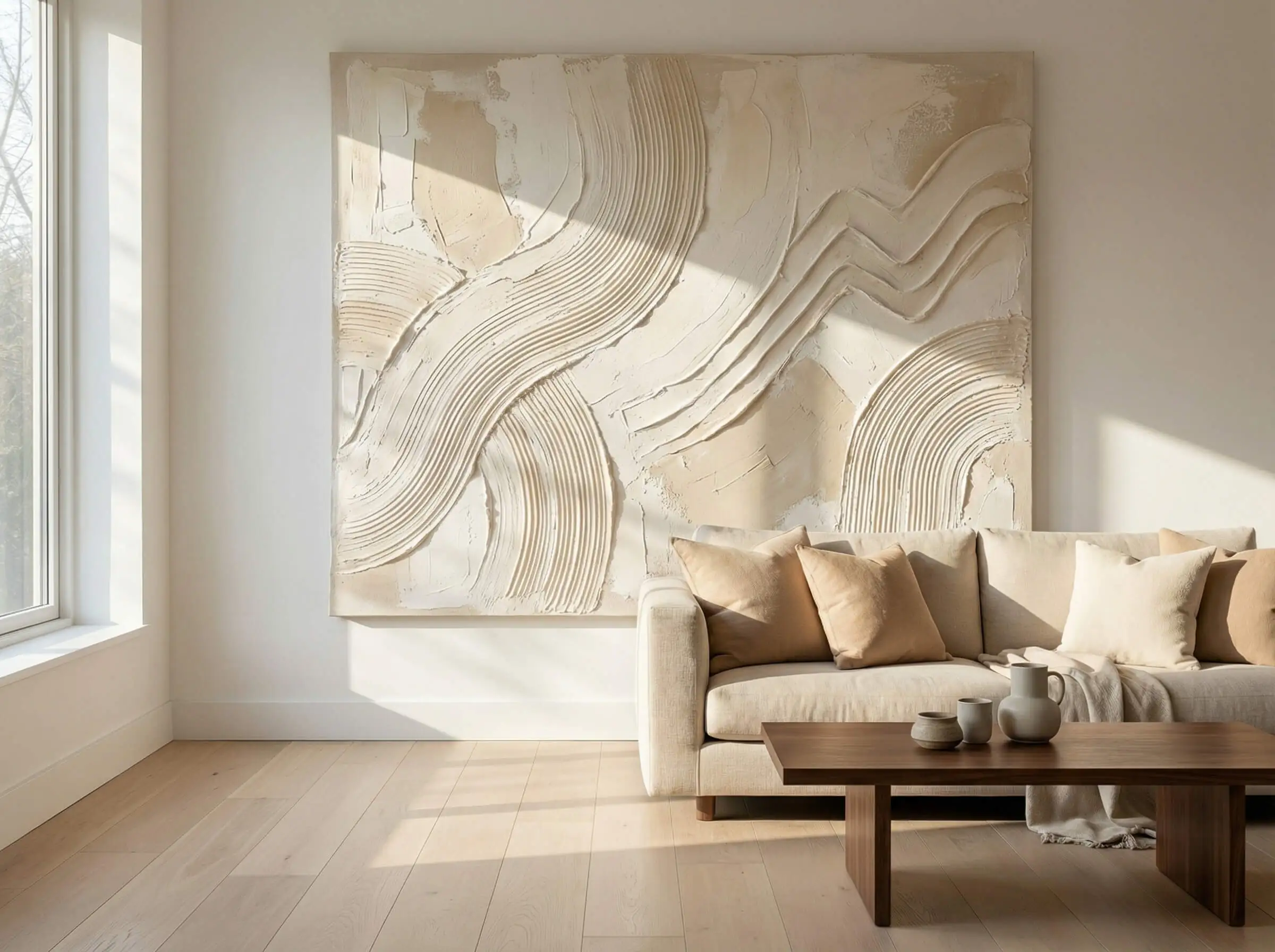
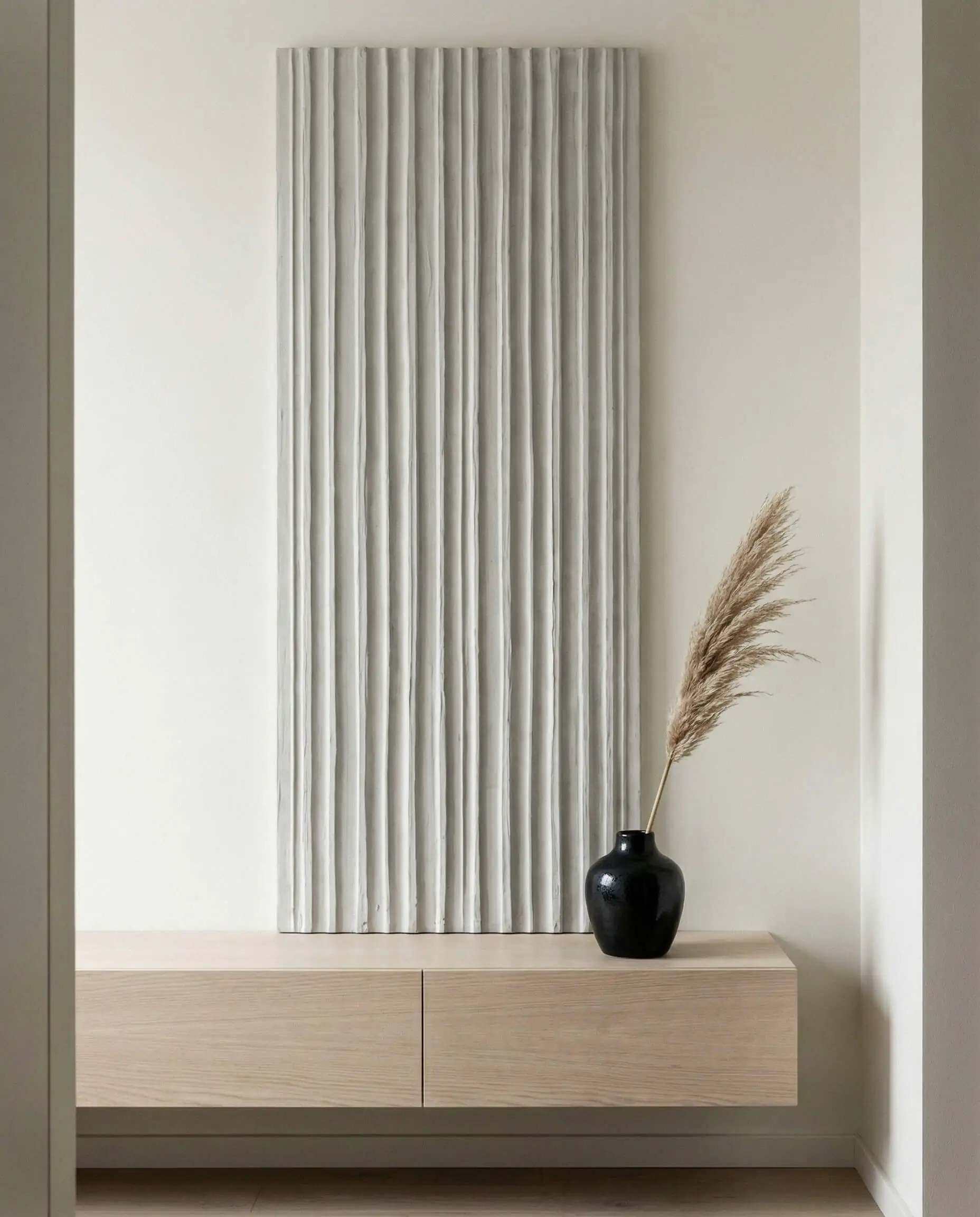
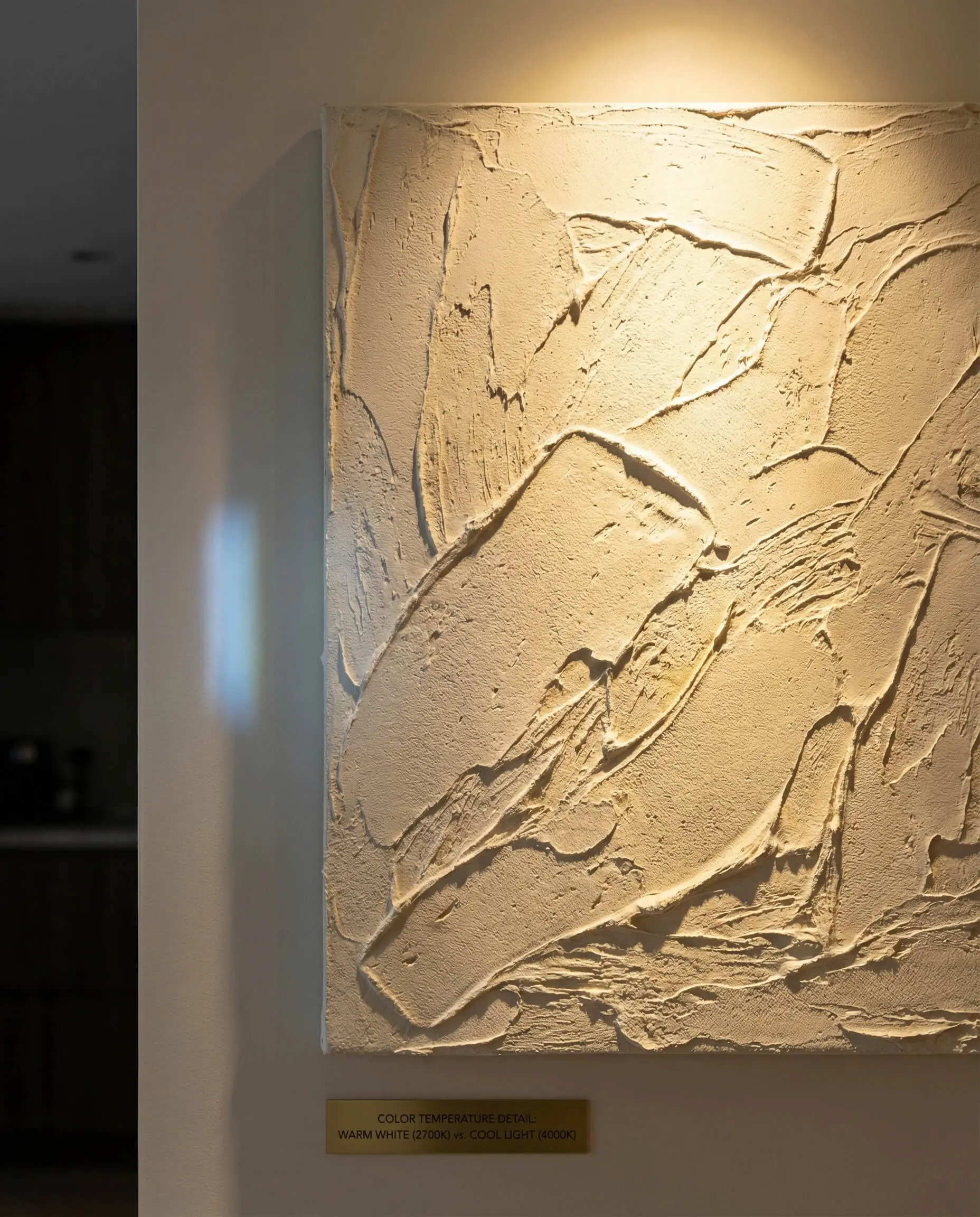
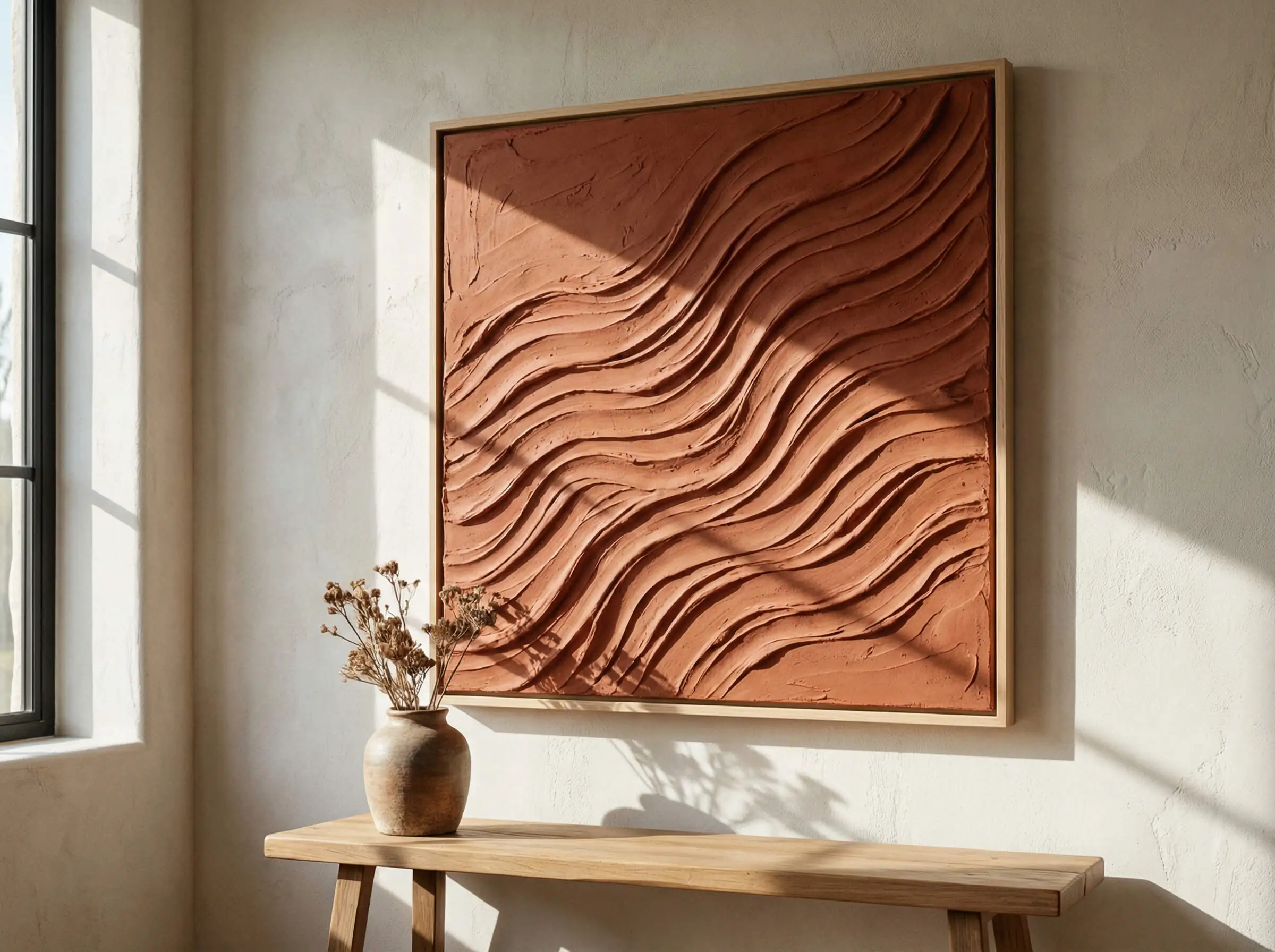
2026 is the year of Hyper-Tactility. ☁️ Walls are popping off the surface with 3D plaster art. It changes with the sun, catching shadows and light all day long. #TexturedPlaster #3DArt #Japandi #TactileDesign
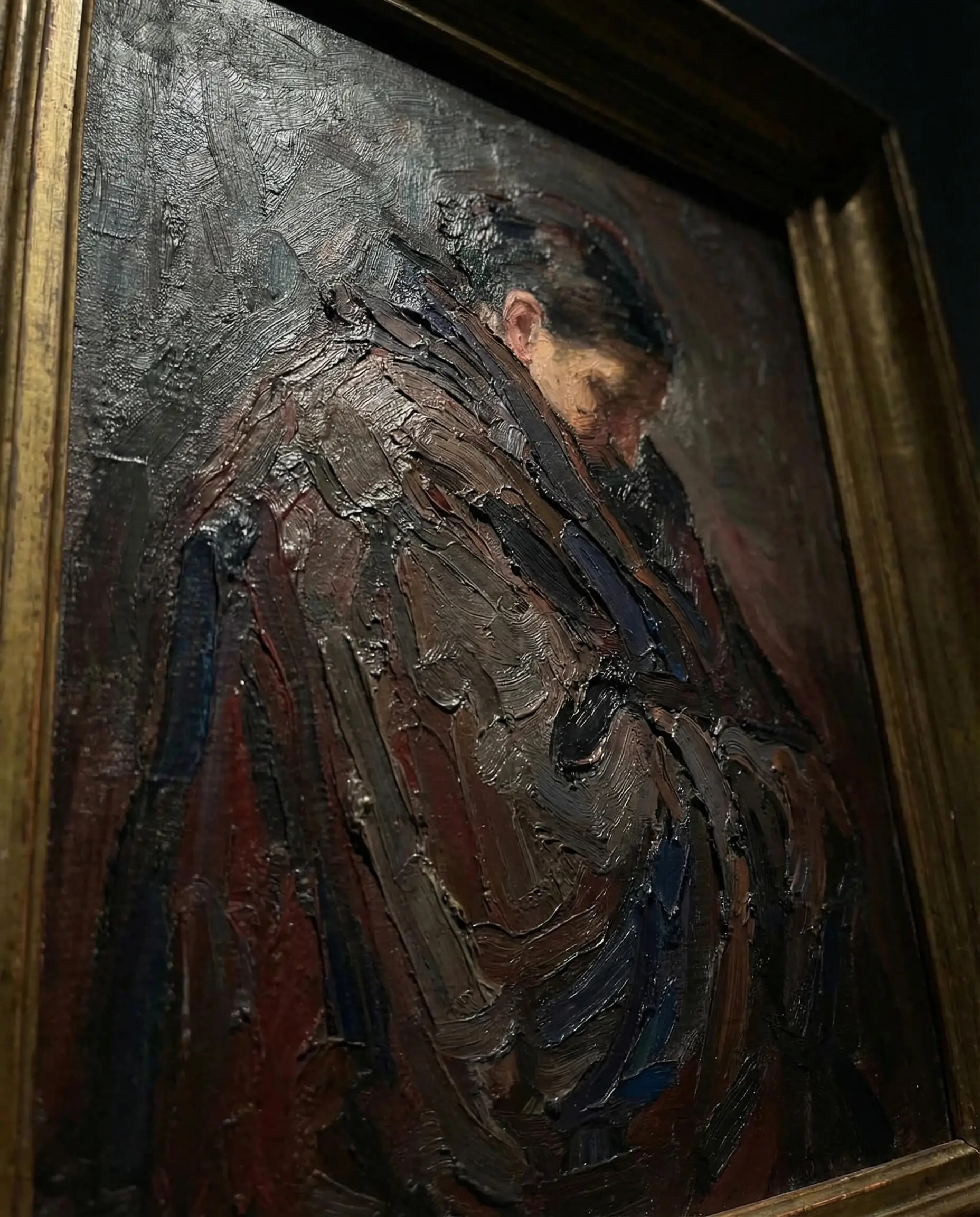
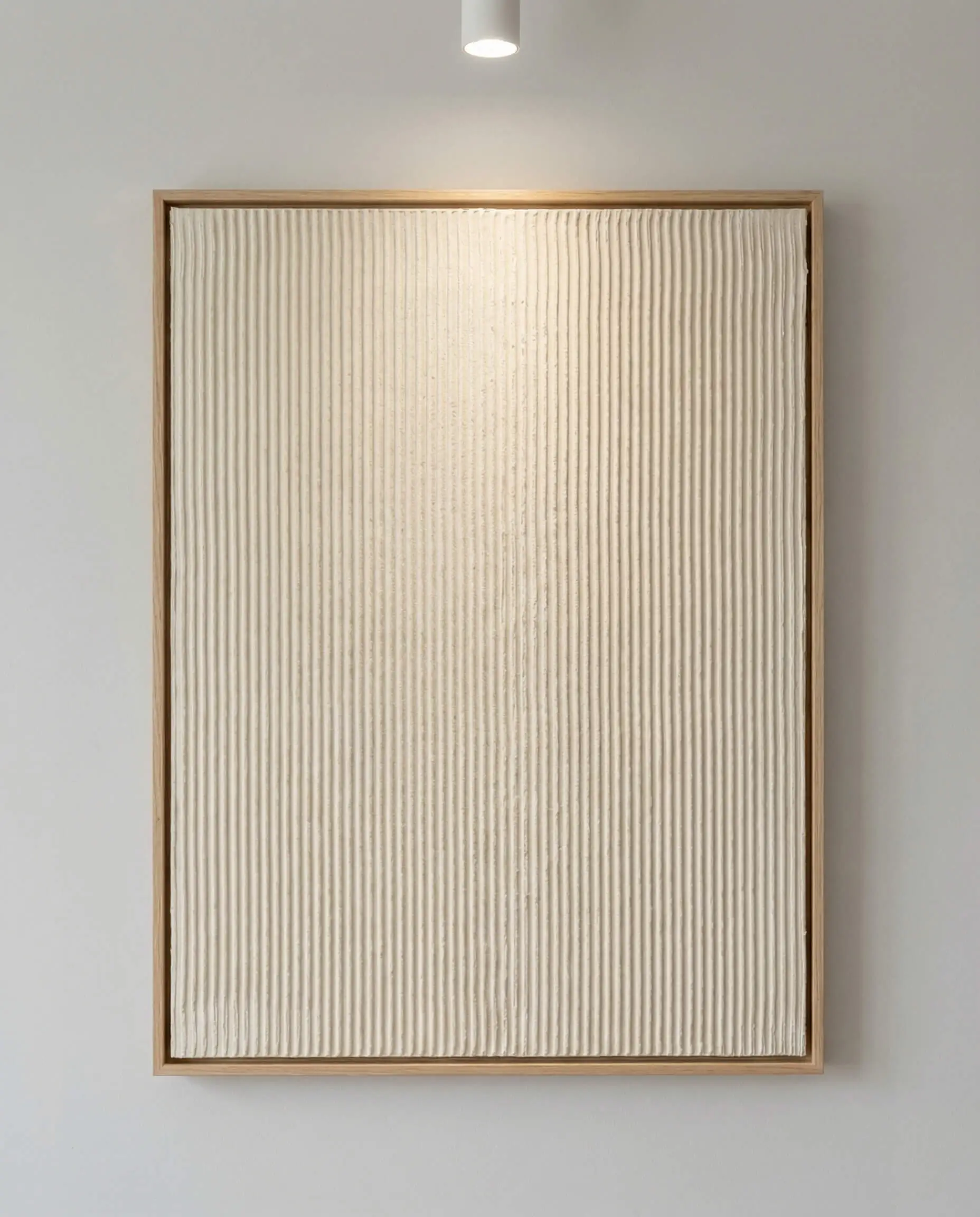
Textured plaster art, often white-on-white or cream-on-beige, uses heavy impasto techniques to create ridges, waves, and geometric shapes that catch the light.
The Appeal: It adds depth to a room without adding chaotic color. It changes throughout the day as the sun moves and shadows shift across the ridges.
Best For: The Japandi style lover who wants visual interest but hates clutter.
DIY Potential: This is highly accessible. Many homeowners are creating their own masterpieces using canvas, spackle, and a trowel.
2. Surreal Minimalism
Minimalism isn’t dead; it’s just getting weirder.
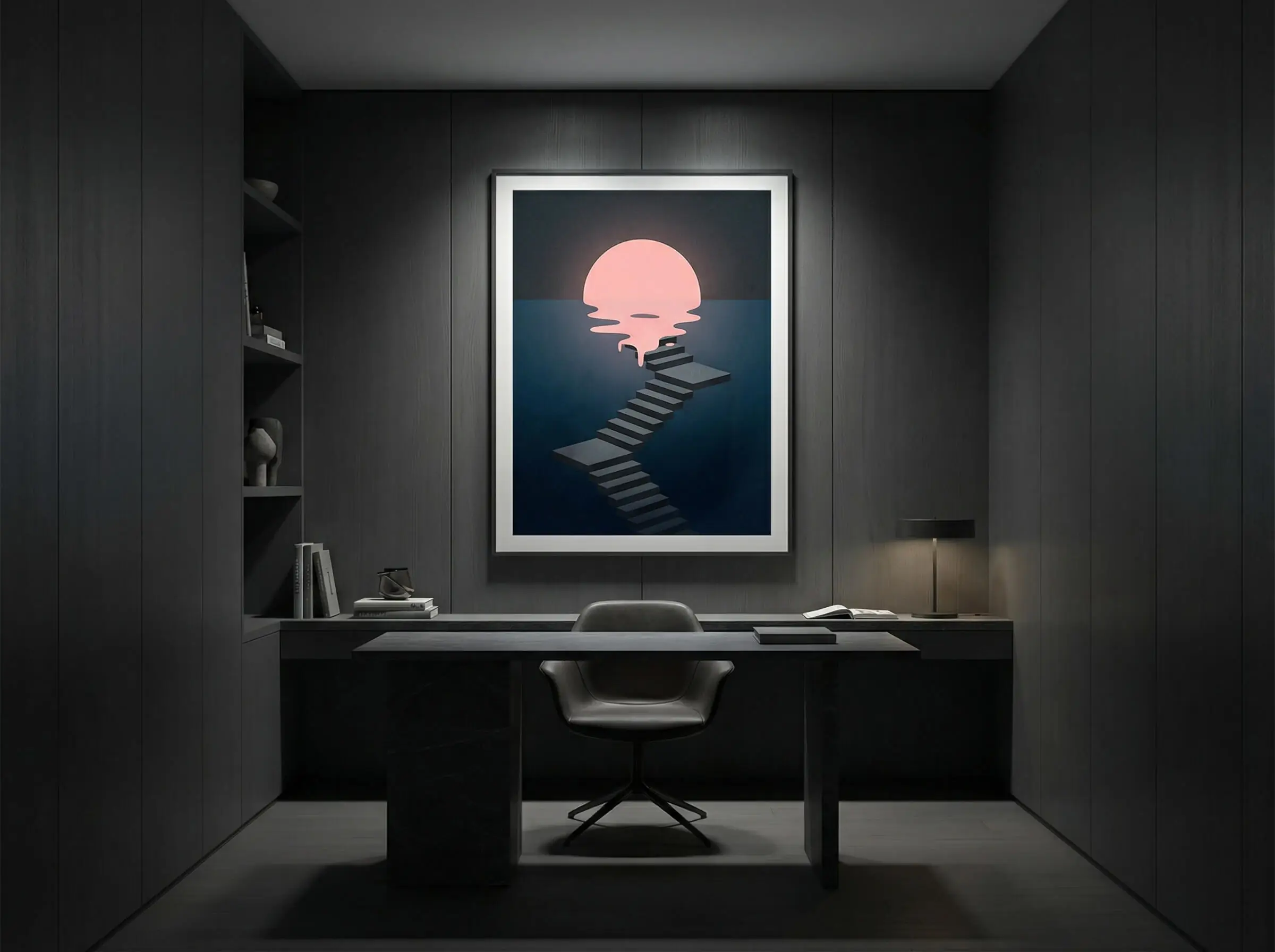
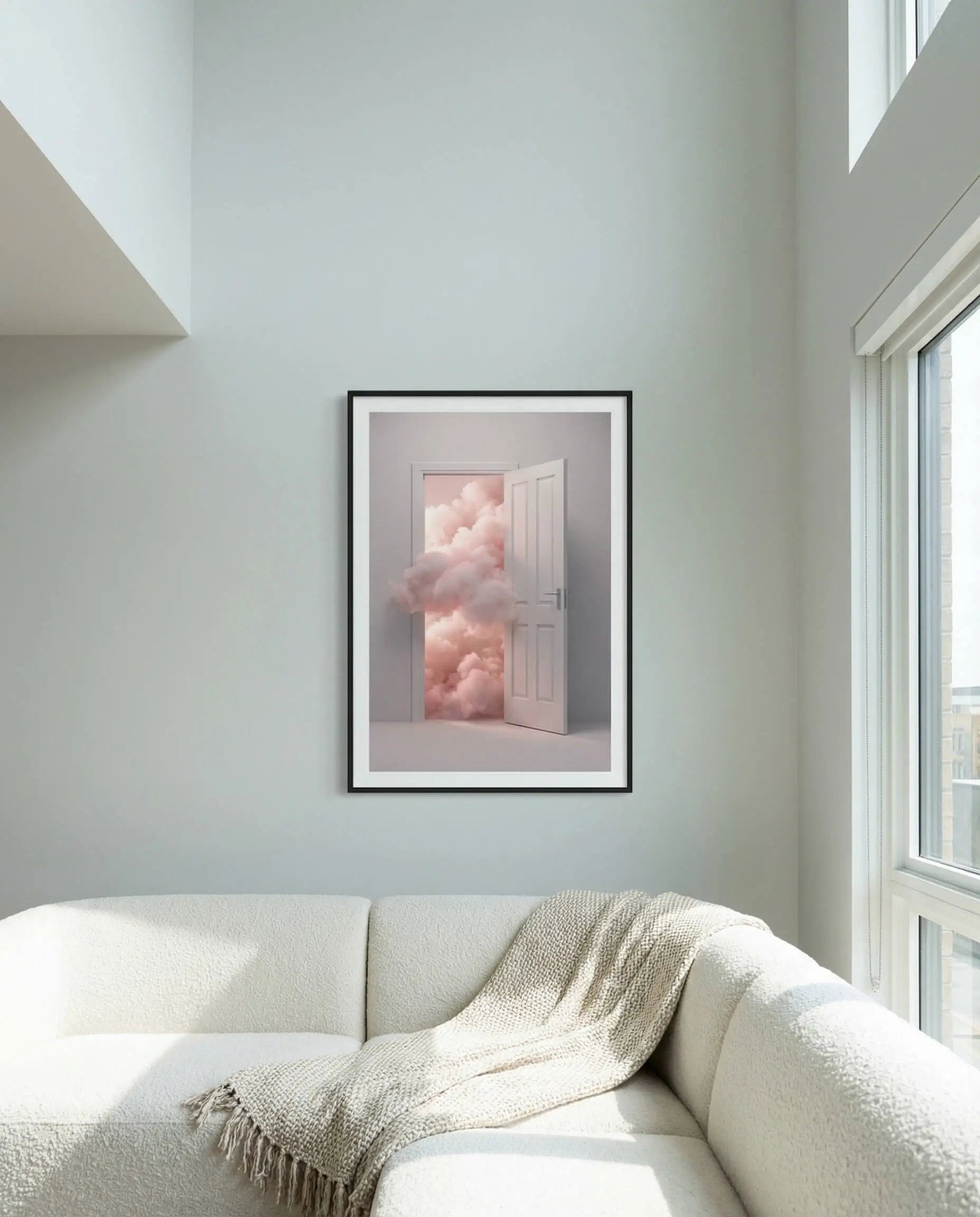
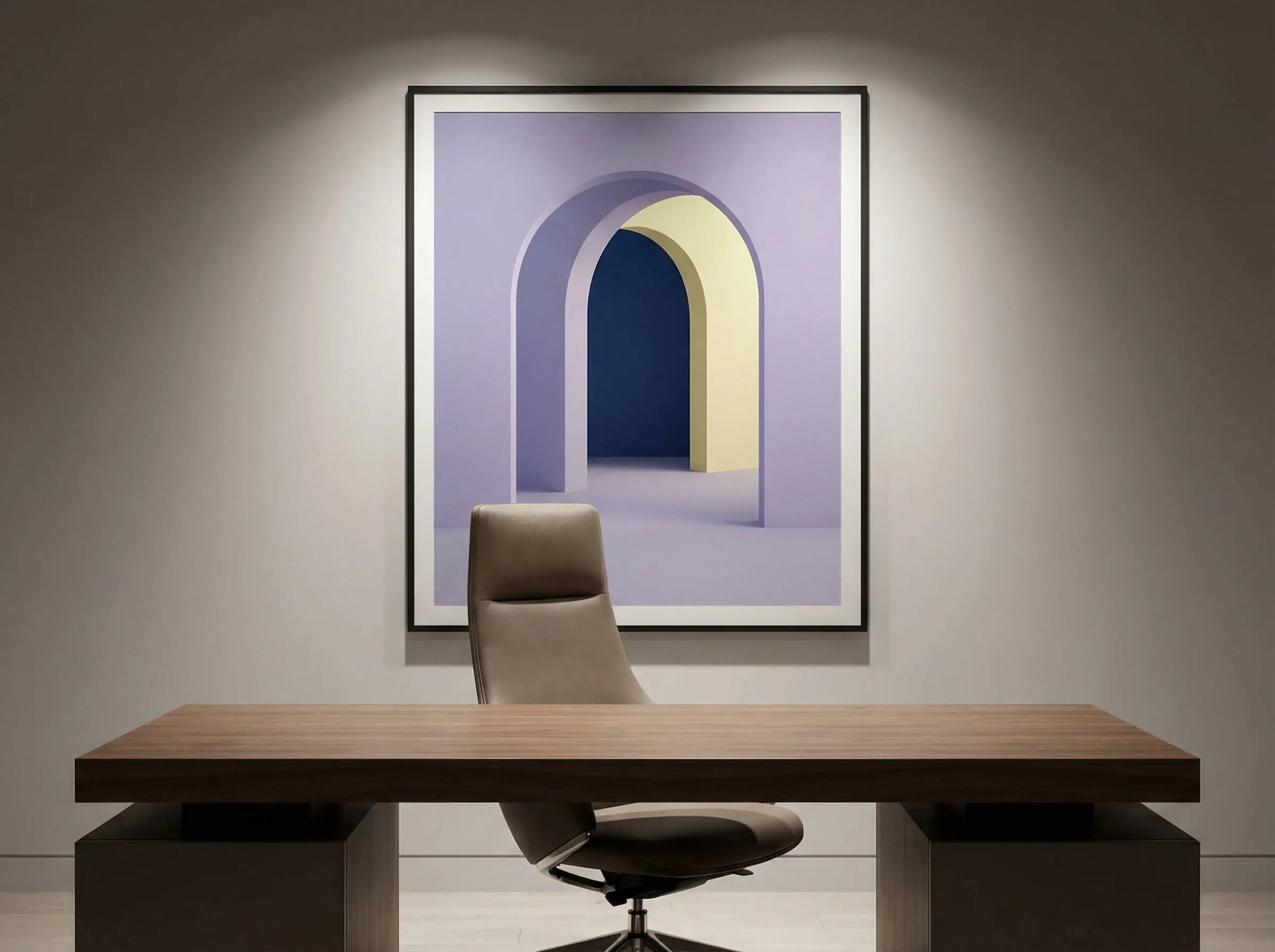
Minimalism just got weird. 🫠 "Surreal Minimalism" combines clean lines with dreamlike elements. Escape reality without leaving your desk. #Surrealism #HomeOfficeDecor #DigitalArt #Escapism
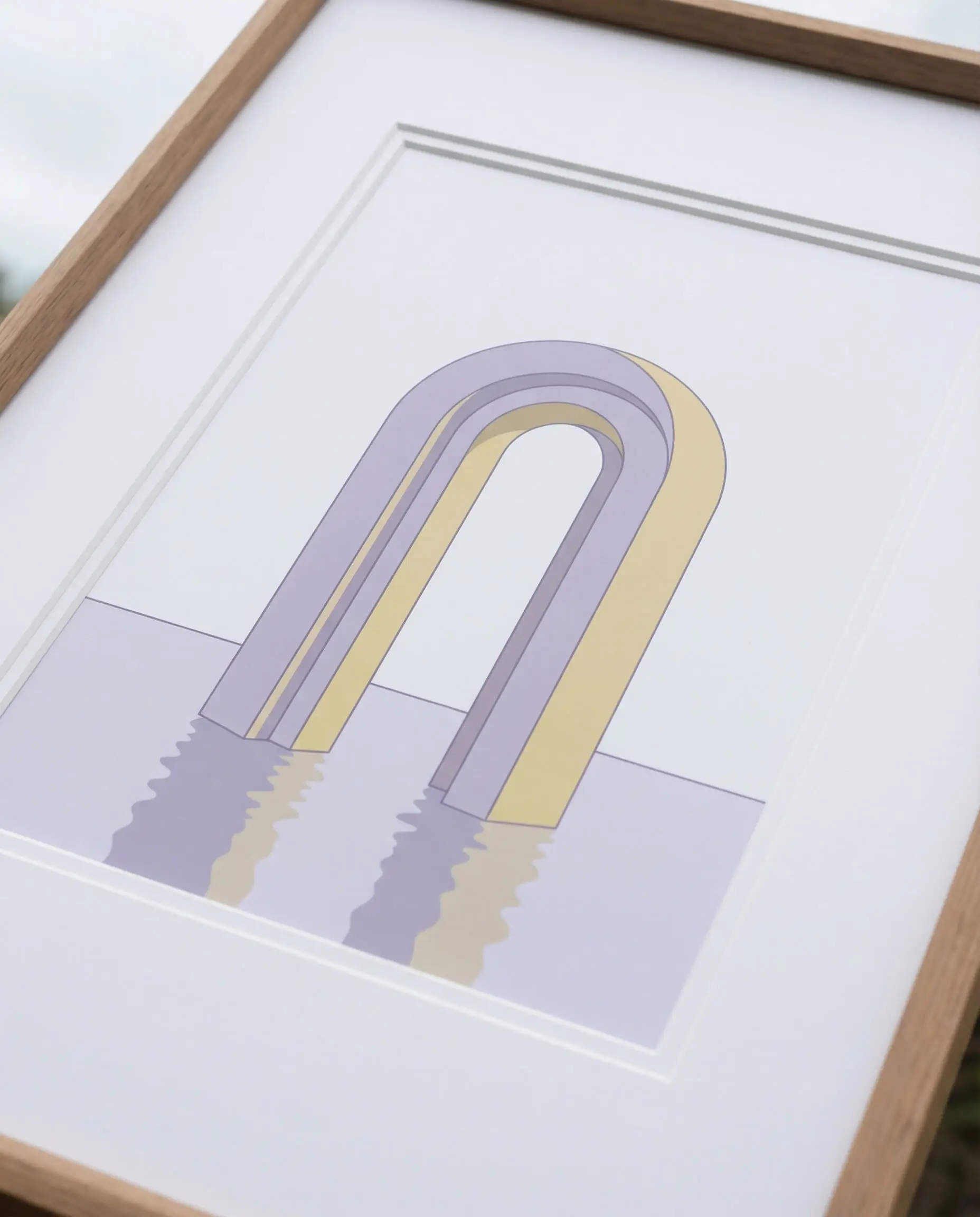
Instead of simple geometric shapes (circles and squares), 2026 minimalism incorporates dreamlike, surreal elements. Think Salvador Dalí meets modern graphic design.
Look for: Floating staircases that lead nowhere, melting suns, impossible architectural arches rendered in soft, matte colors, or doors opening into clouds.
The Vibe: These pieces serve as escapism. They are intellectual and playful, turning your home office into a place of imagination rather than just productivity.
3. “Modern Heritage” & Vintage Oils
As we crave more “soul” in our homes, generic prints are being swapped for pieces that look inherited. This is the “Grandpa Chic” or “Old Money” aesthetic.
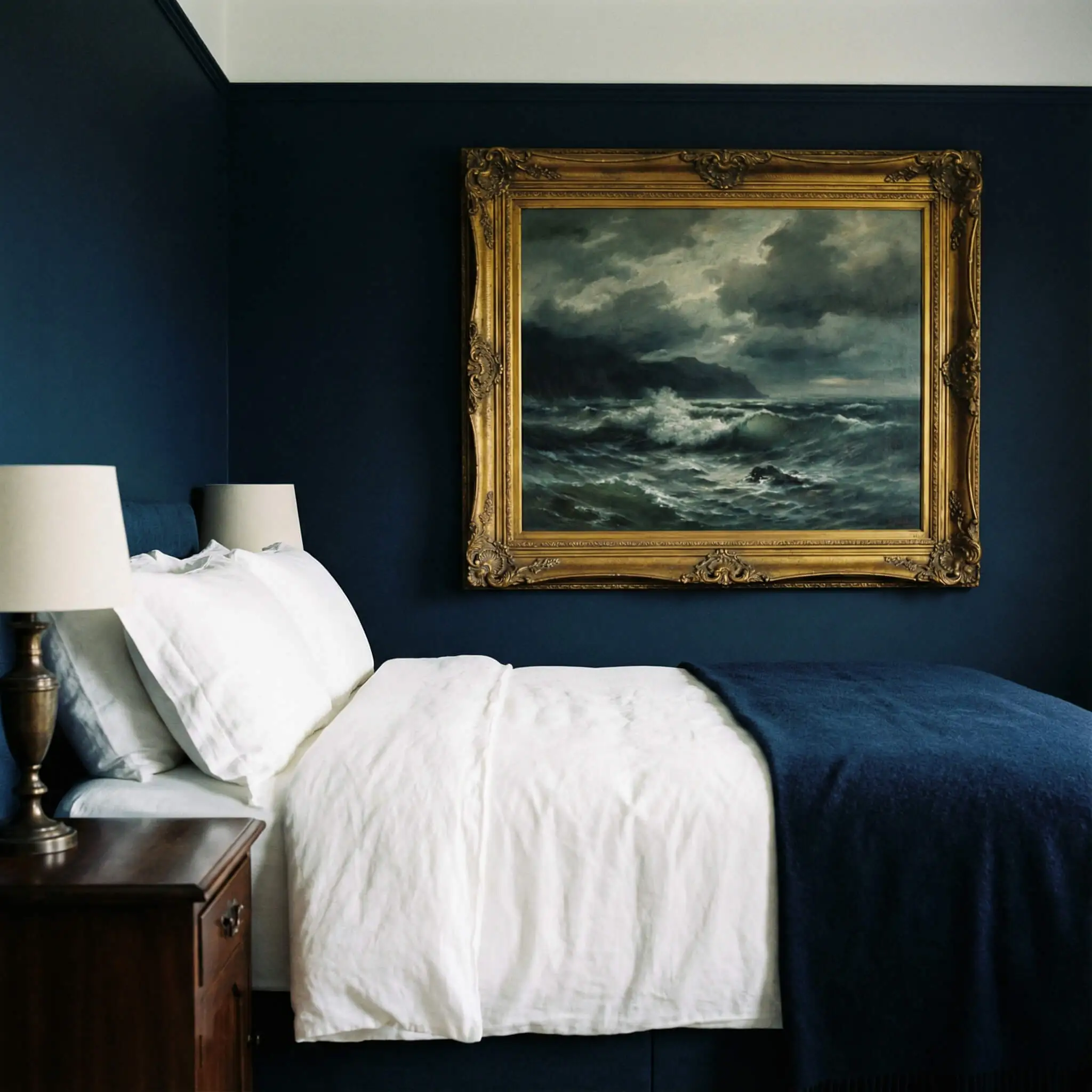
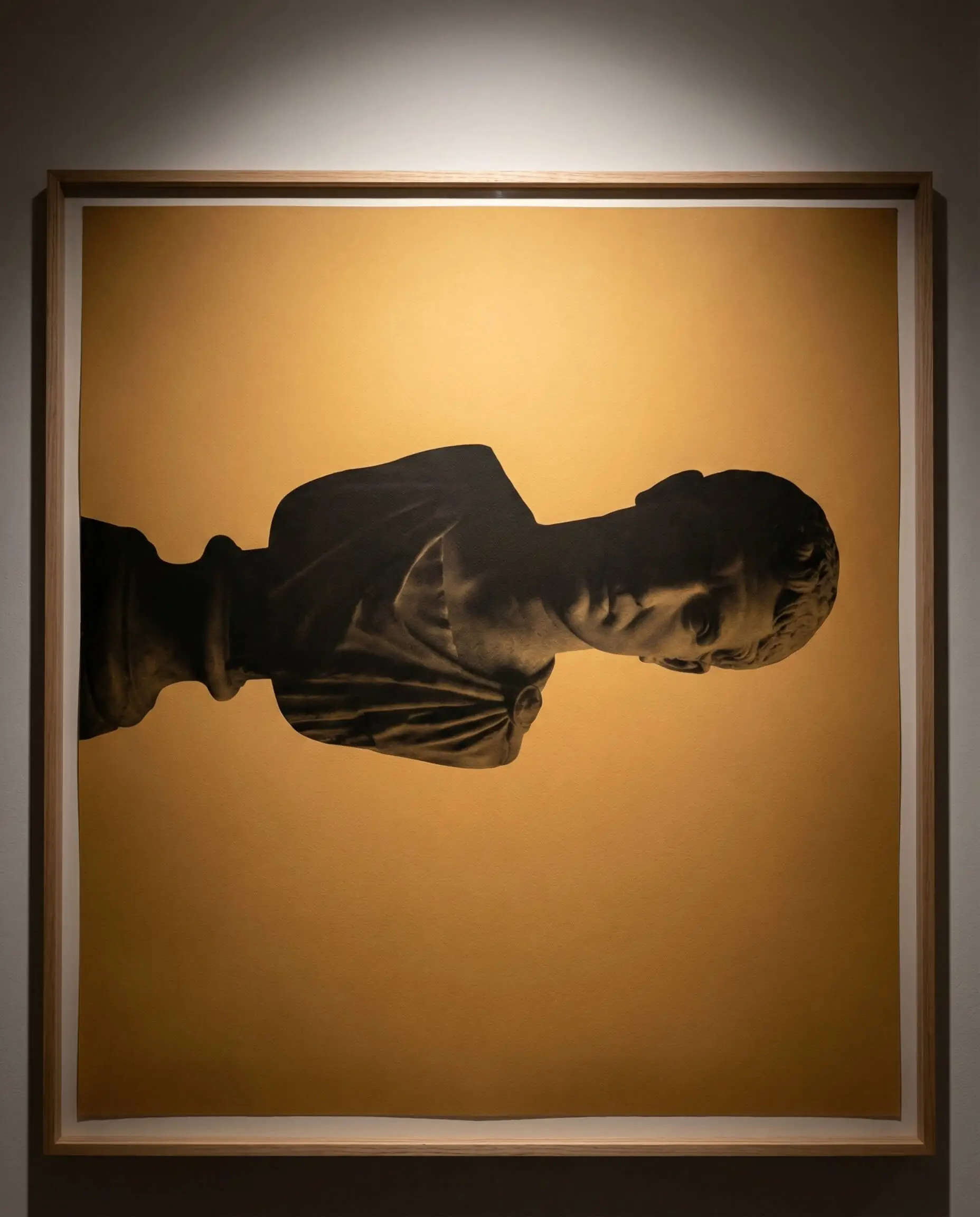
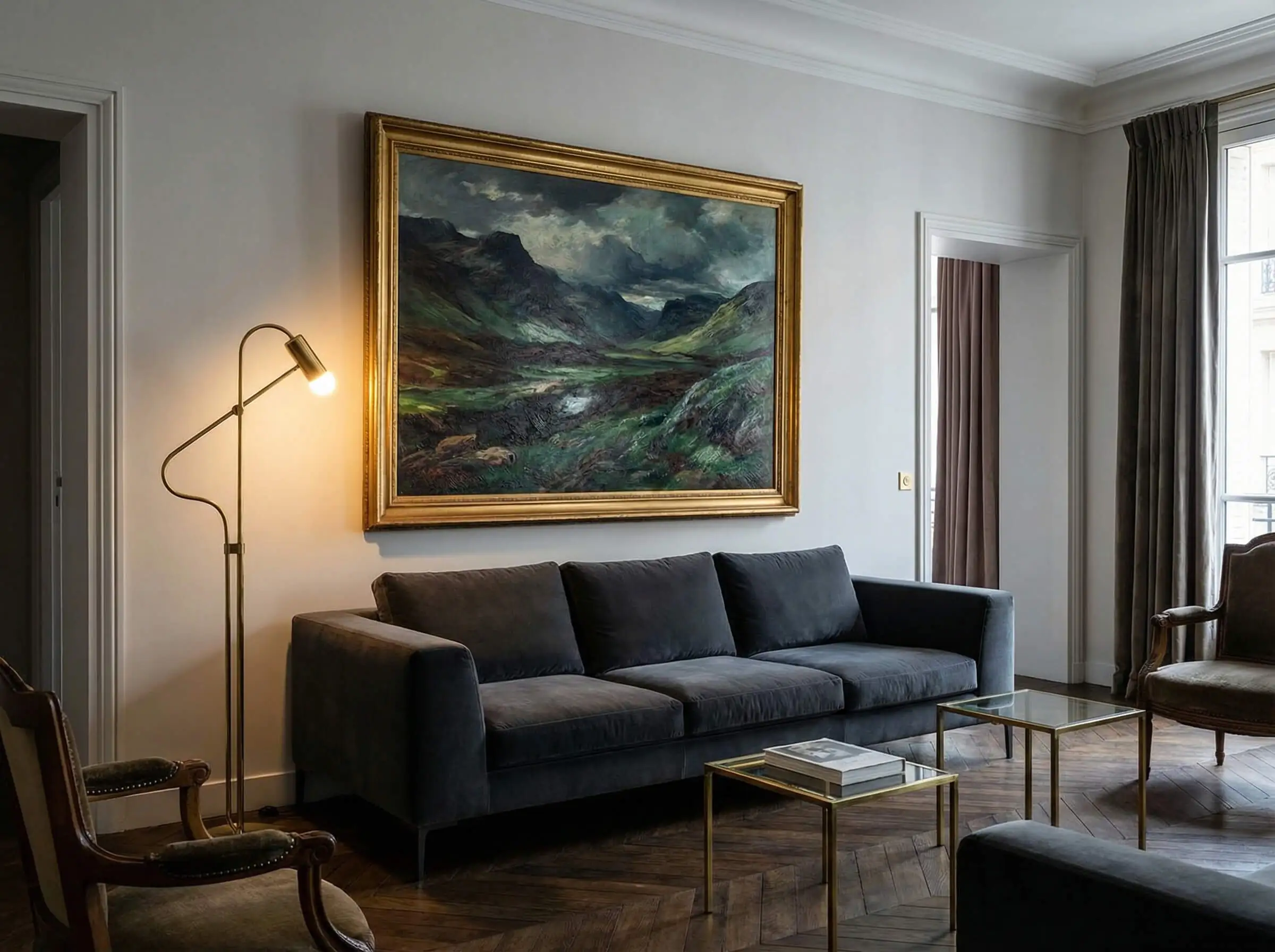
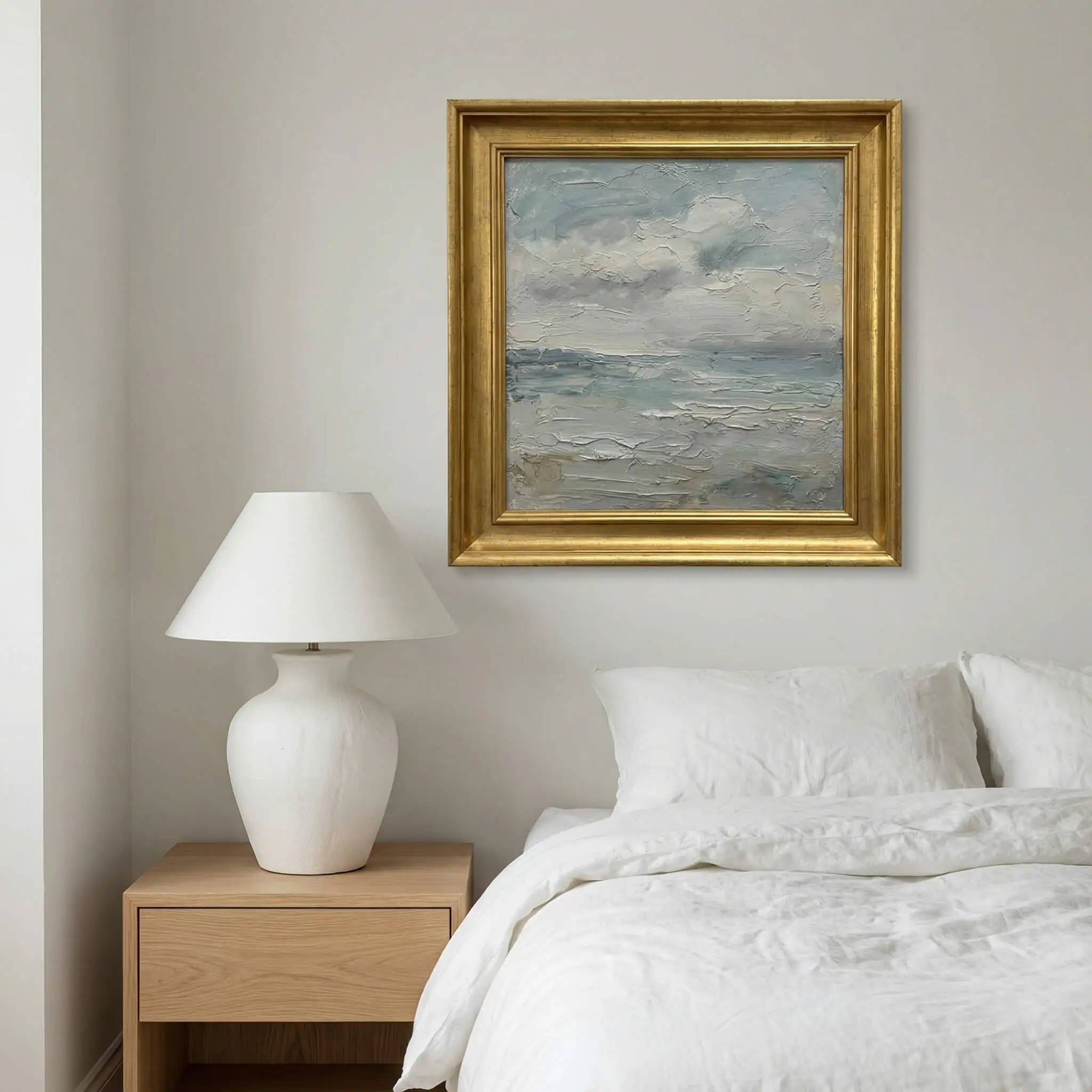
"Grandpa Chic" but make it fashion. 🌲 Pair moody, vintage oil landscapes with ultra-modern furniture for the ultimate "Modern Heritage" look. #ModernHeritage #VintageOilPainting #MoodyInteriors #ParisianStyle
You don’t need to spend thousands at an auction house. The look is achieved through:
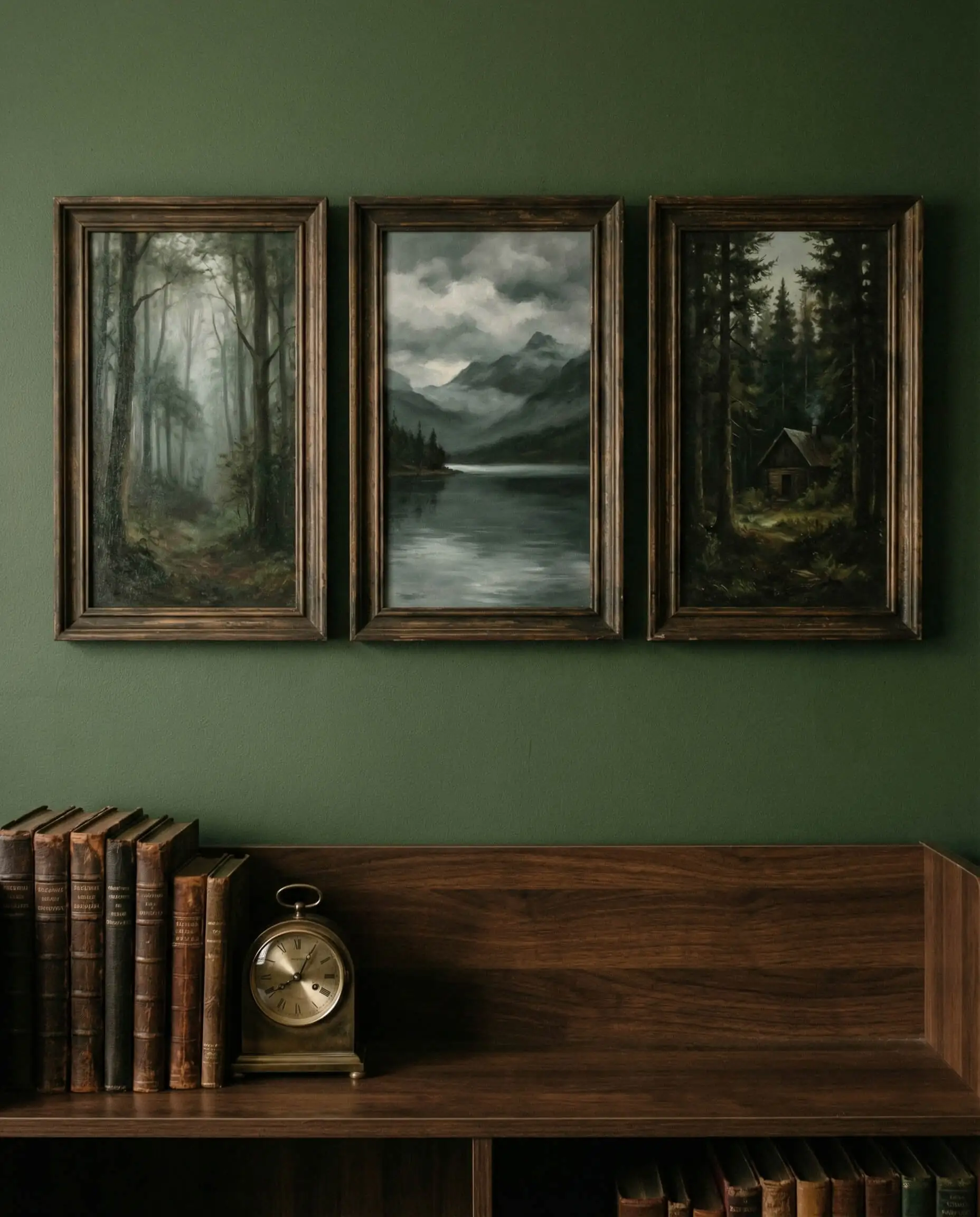
Subject Matter: Moody, dark landscape paintings (think stormy seas, Scottish highlands, or misty forests).
Portraits: Vintage-style portraits where the subject looks away, adding a sense of mystery.
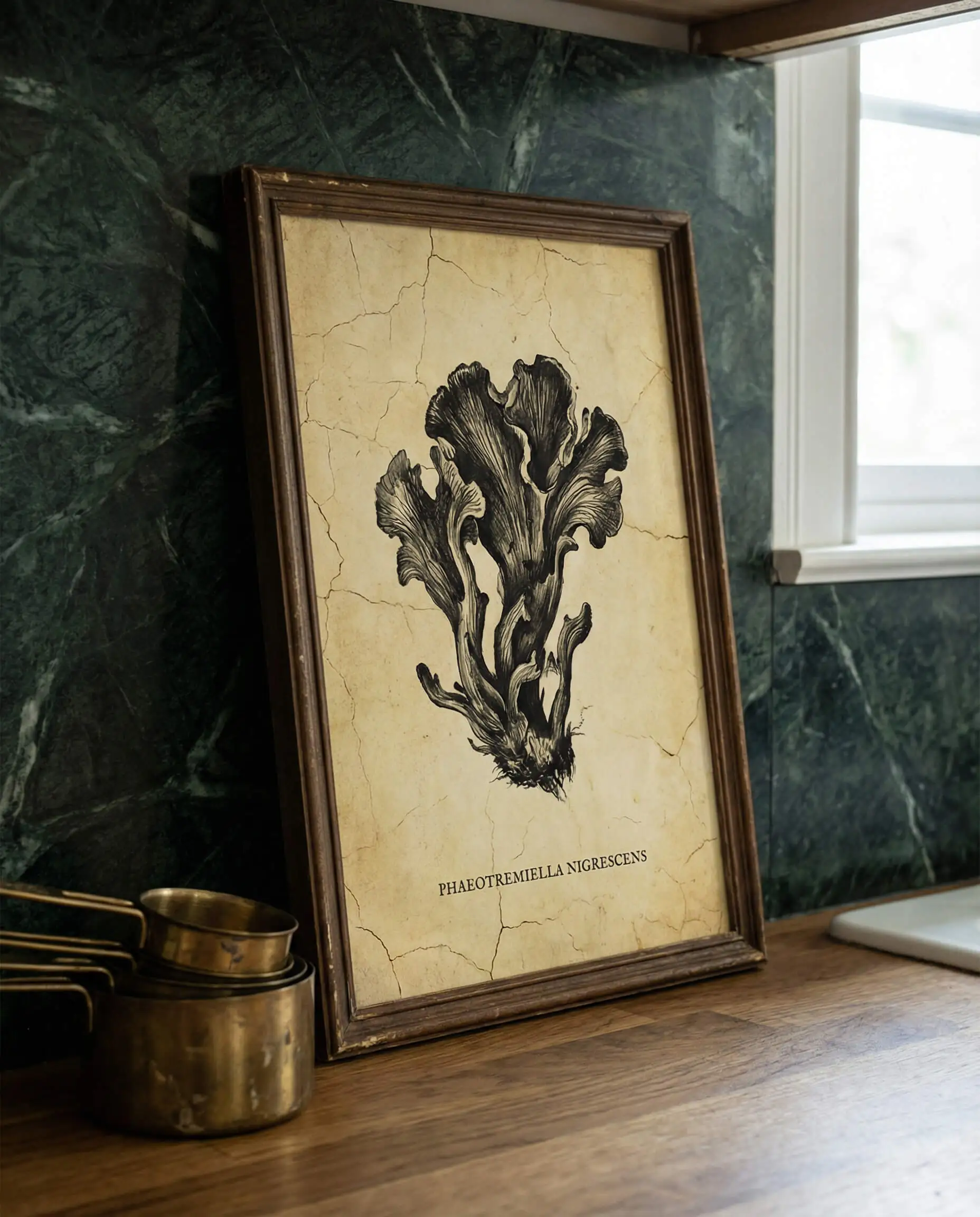
Botanicals: Not the bright green tropical leaves of 2020, but faded, scientific illustrations on parchment backgrounds.
Styling Tip: Pair these traditional images with ultra-modern furniture. The contrast between a vintage oil painting and a sleek, low-profile sofa is pure 2026.
4. The Japandi Evolution
Japandi (the blend of Japanese rustic minimalism and Scandinavian functionality) is evolving. In 2026, it is shedding its cool grey skin and embracing warm wood, linen, and soft curves.
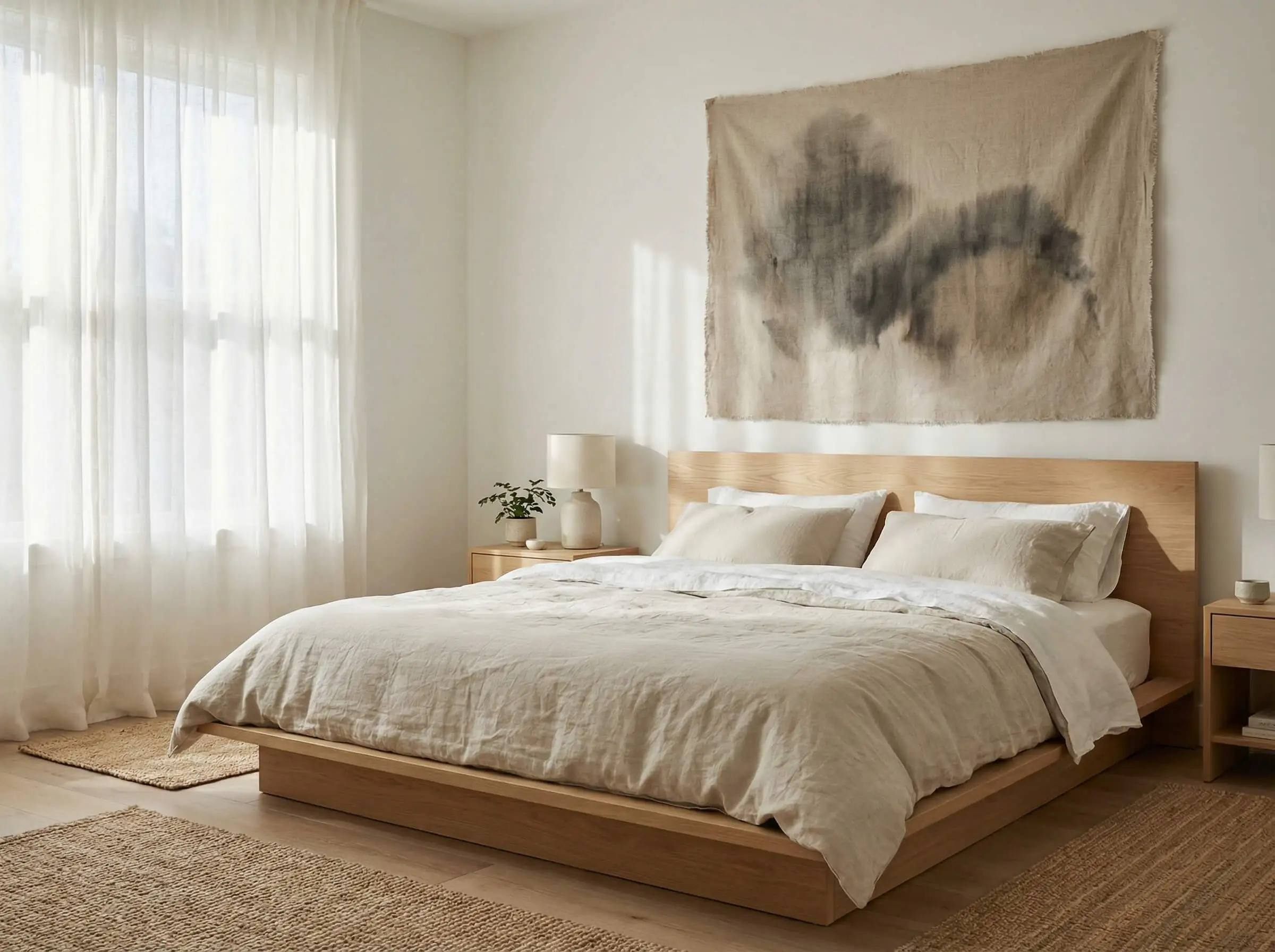
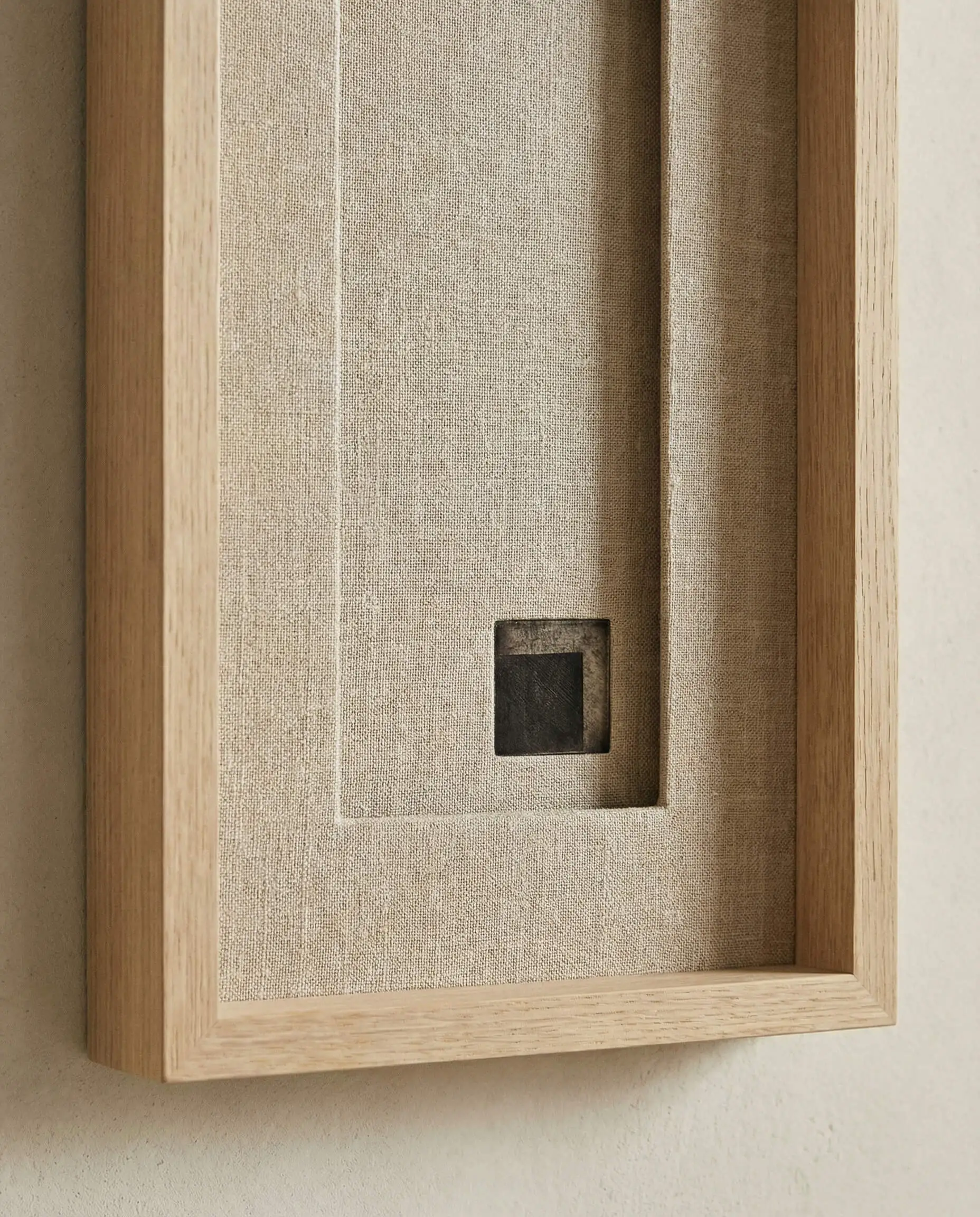
Japandi is warming up. 🍂 Say goodbye to cold grey and hello to raw linen, warm wood, and "wabi-sabi" imperfections. #Japandi #LinenLove #WabiSabi #BedroomInspo
Wall art in this category focuses on organic imperfections, known as Wabi-Sabi.
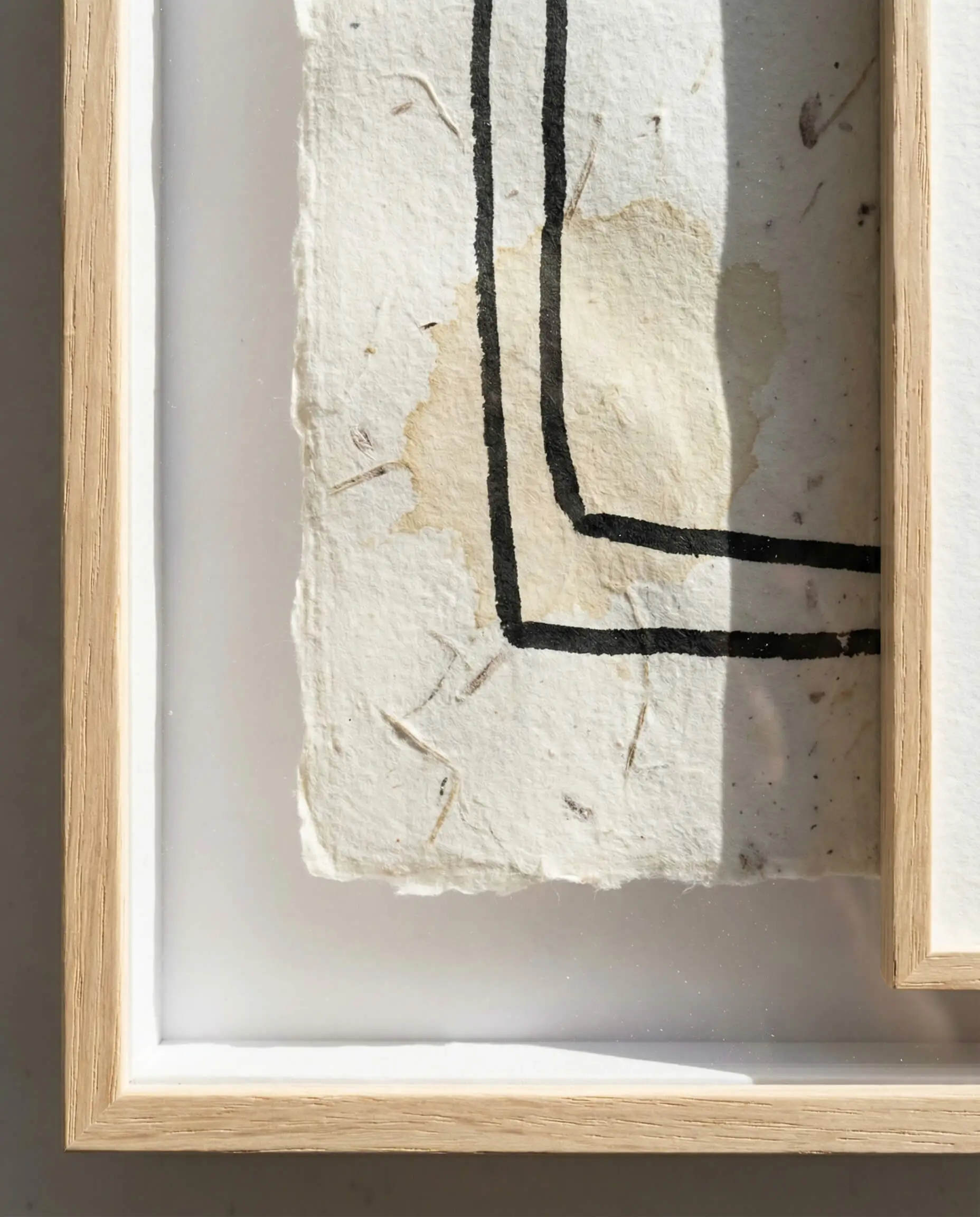
Materials: Raw canvas edges, unbleached linen, and handmade paper.
Technique: Ink washes that look hand-painted, watercolor bleeds, and uneven lines. The art should look like a human made it, not a printer.
5. Biophilic Atmospheres
Nature remains a muse, but the presentation has changed. We are moving away from high-definition, literal photos of palm trees or beaches.
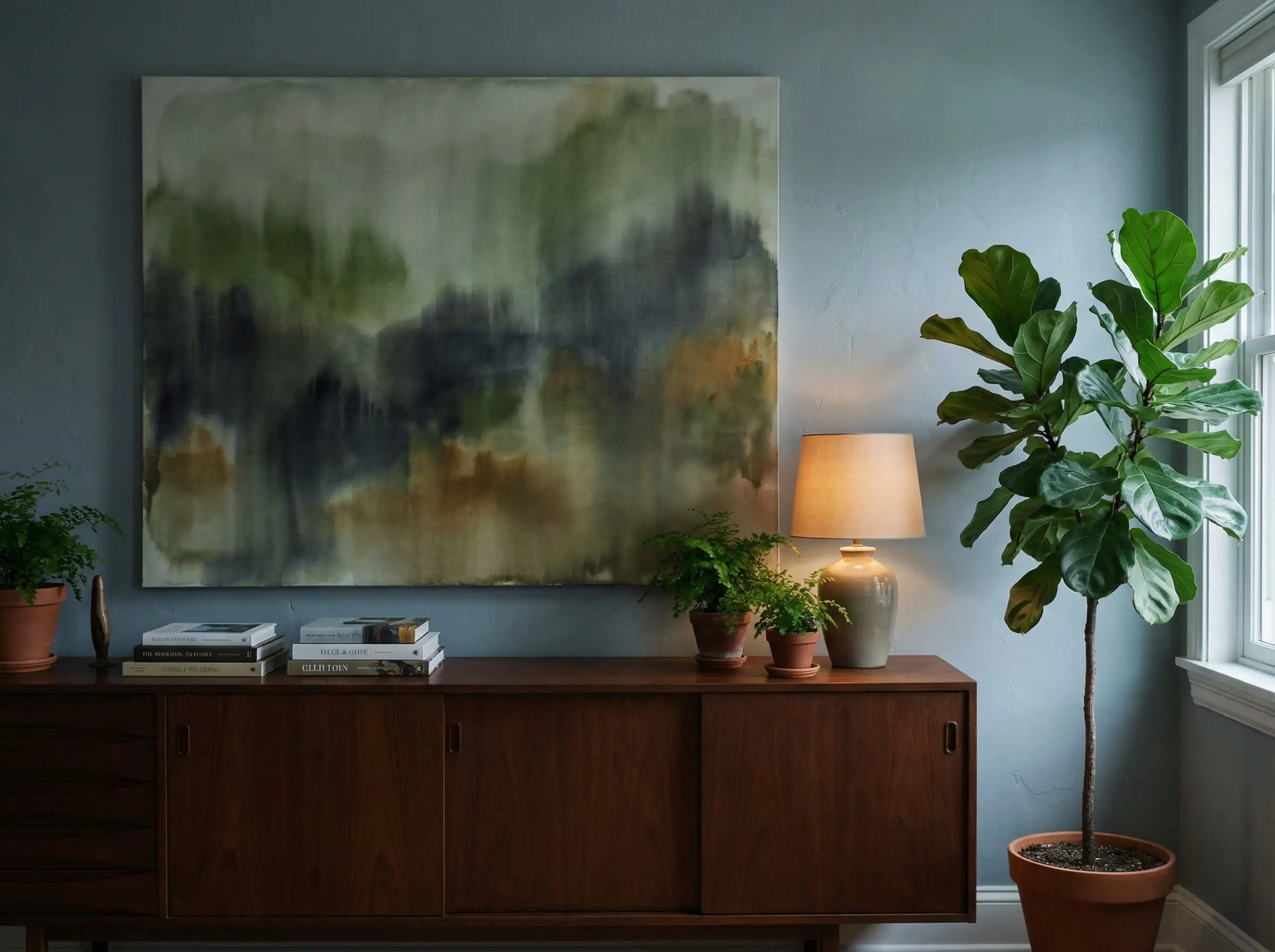
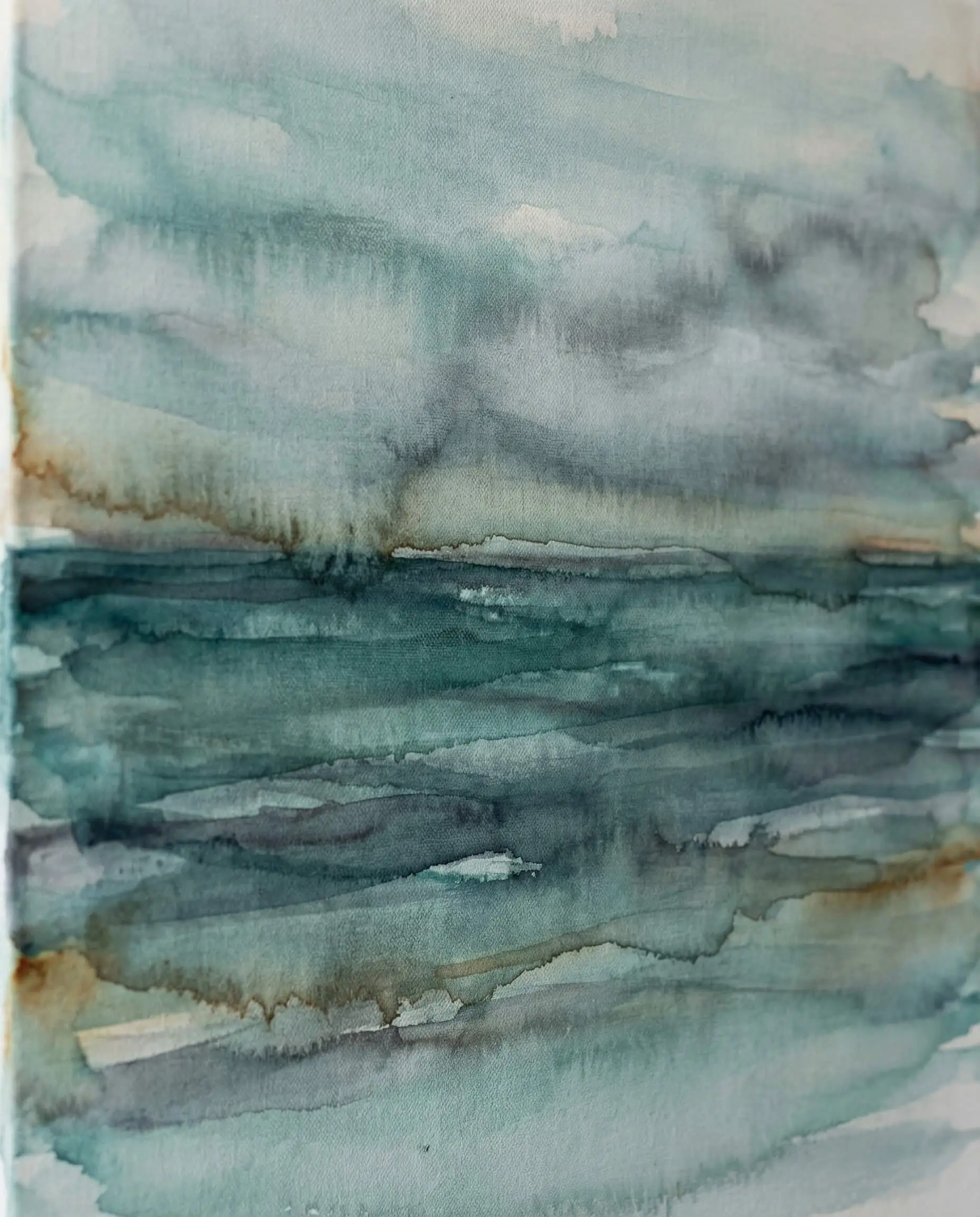
Not a forest, but the feeling of a forest. 🌲 Biophilic art in 2026 is atmospheric and abstract, creating a deep psychological connection to nature. #BiophilicDesign #AbstractLandscape #GreenLiving #PlantLover
The 2026 approach to eco-sustainable design in art is atmospheric.
The Shift: Instead of a picture of a forest, we want art that feels like a forest. Think abstract washes of green and grey, misty horizons, or blurred photography that captures the mood of a rainy day.
Why: It creates a psychological connection to nature that is calming rather than stimulating.
6. Metal Wall Decor (Matte & Handcrafted)
Forget the shiny, mass-produced metal scrolls you saw in big-box stores in the early 2000s. The new wave of metal art is sculptural, heavy, and sophisticated.
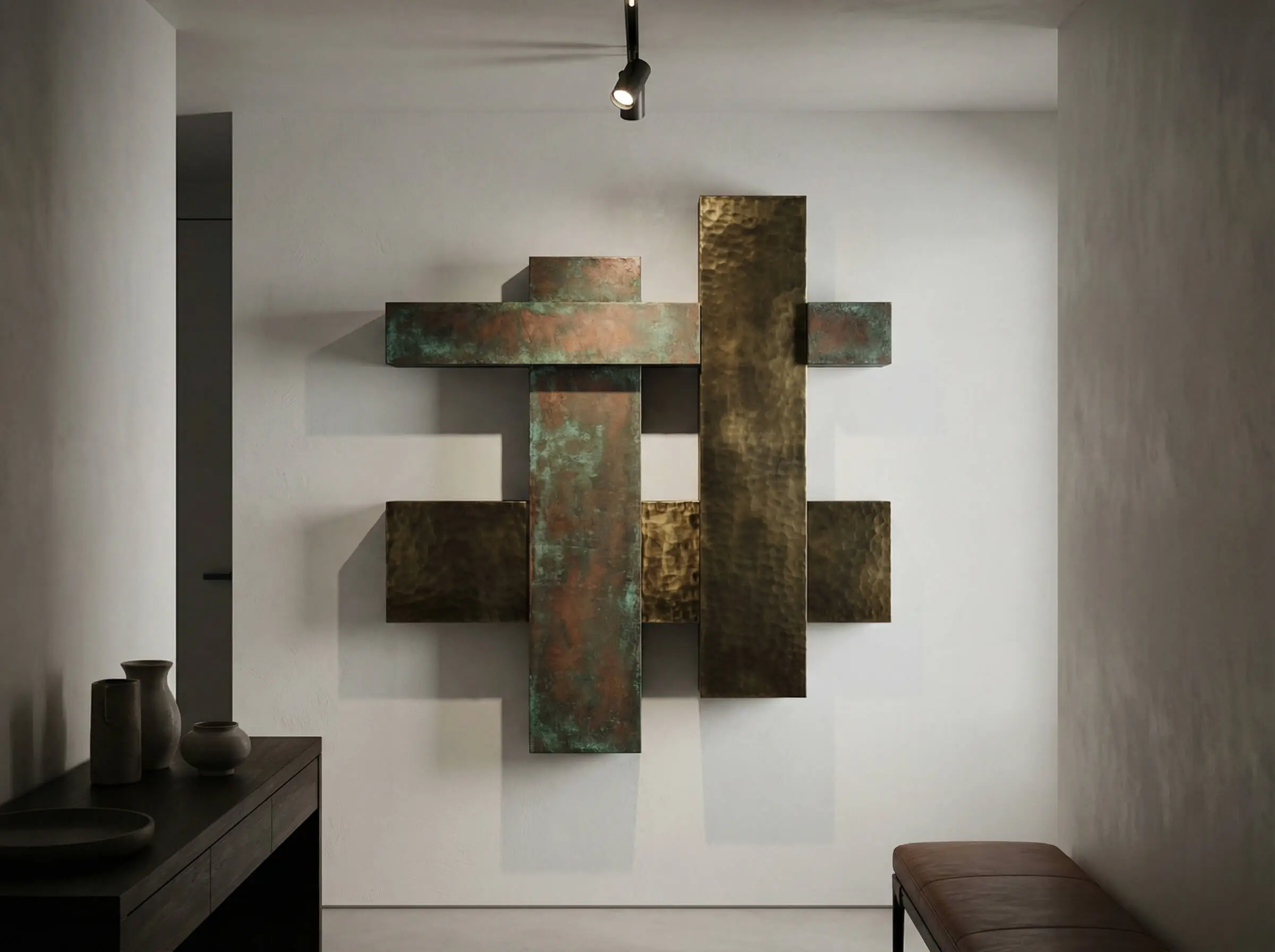
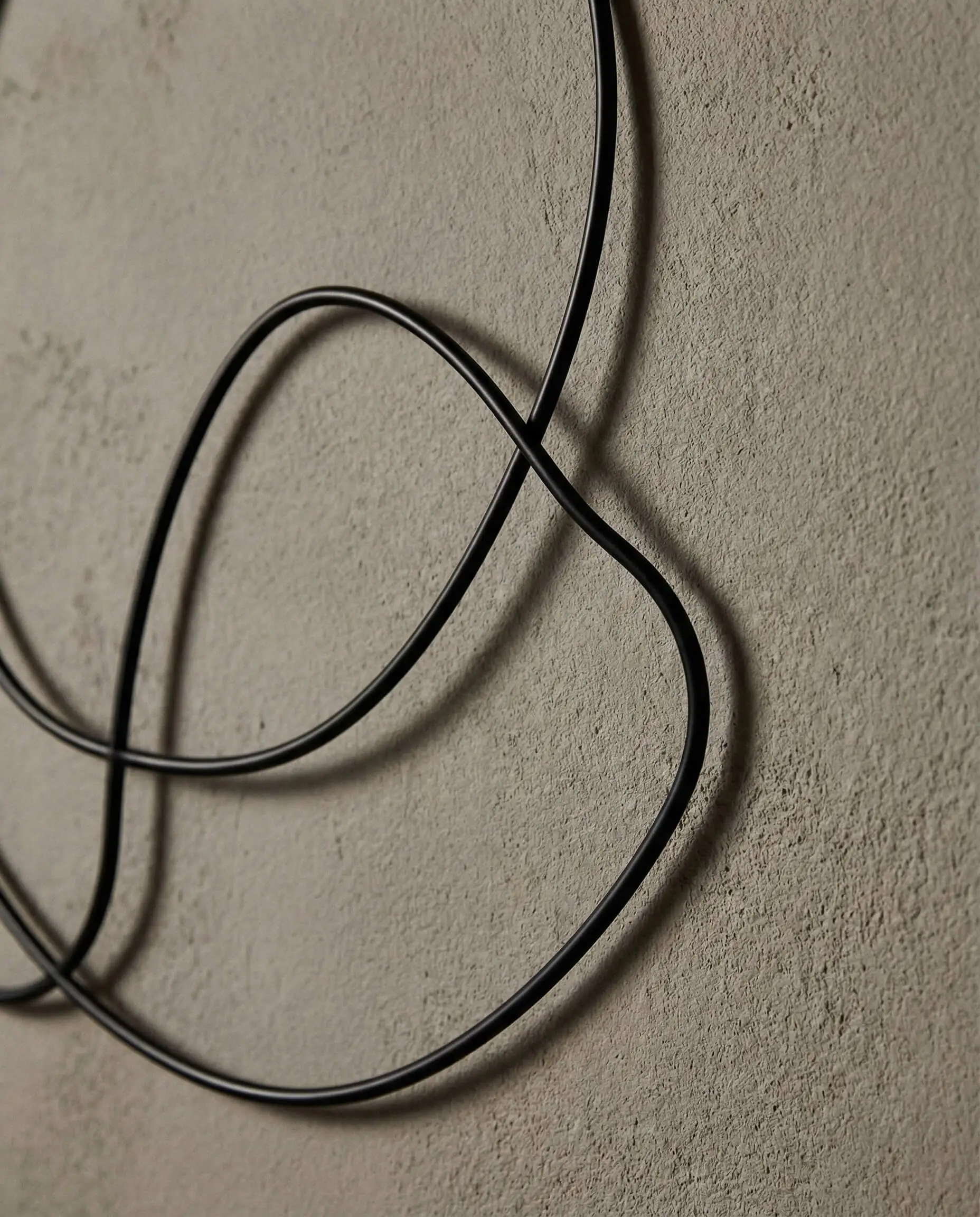
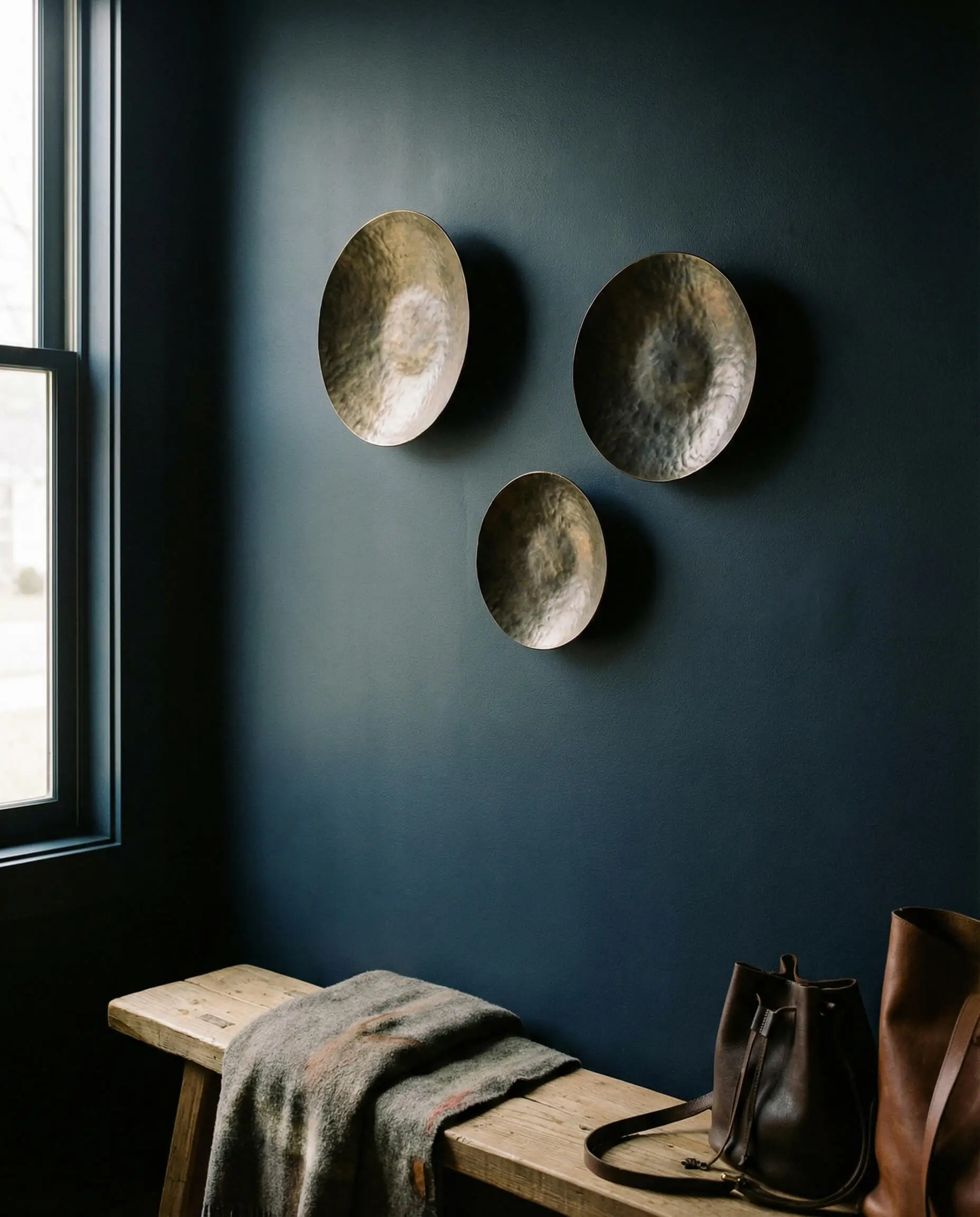
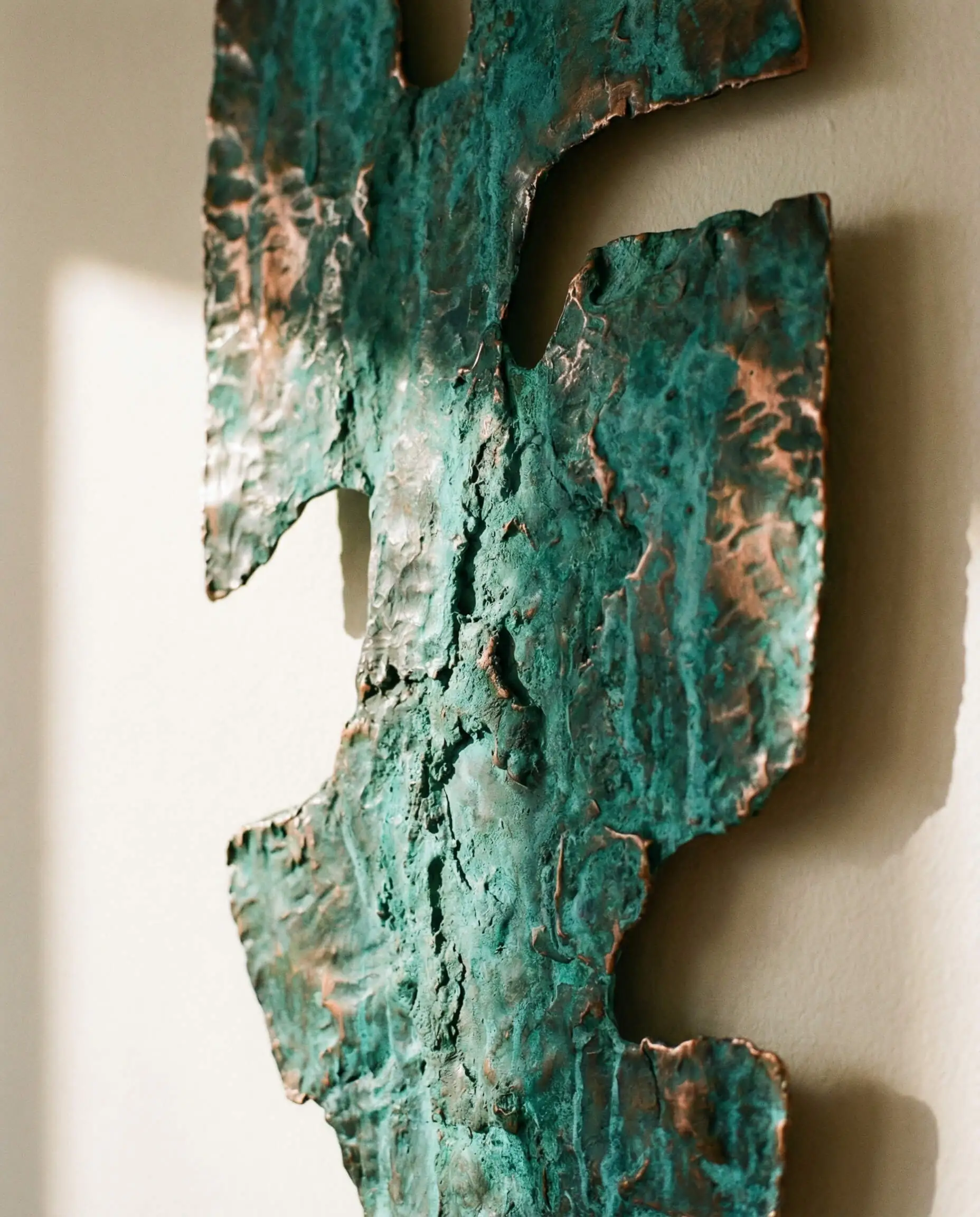
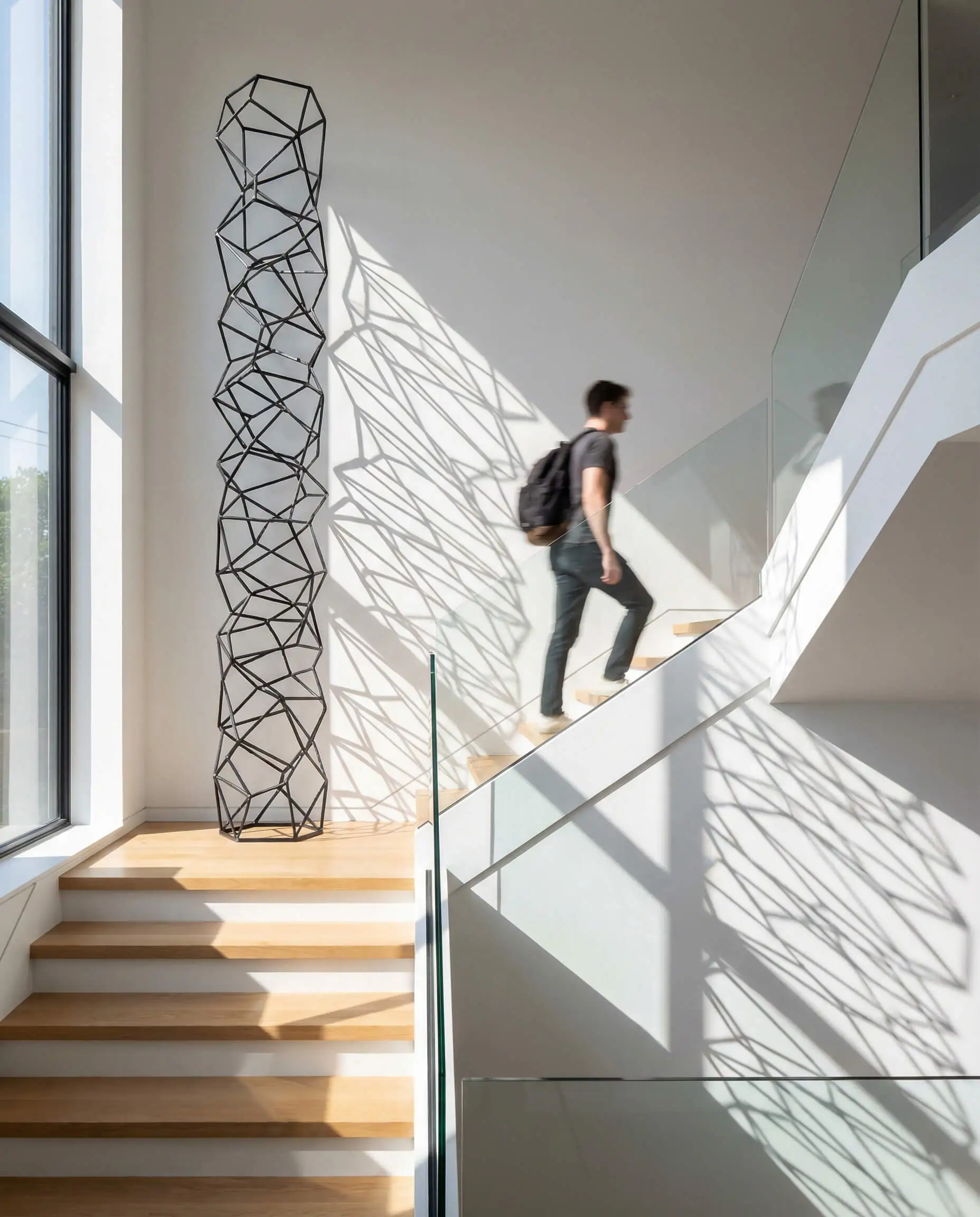
Heavy metal. 🤘 The new wave of metal decor is matte, sculptural, and sophisticated. Think oxidized copper and hammered brass, not shiny chrome. #MetalArt #WallSculpture #IndustrialChic #EntrywayDecor
Finishes: Hammered brass, matte black wire, and oxidized copper. Avoid high-gloss chrome.
Forms: Abstract geometric sculptures that sit off the wall, creating shadow play.
Placement: These are excellent for high-traffic areas like hallways where you might worry about knocking a glass frame.
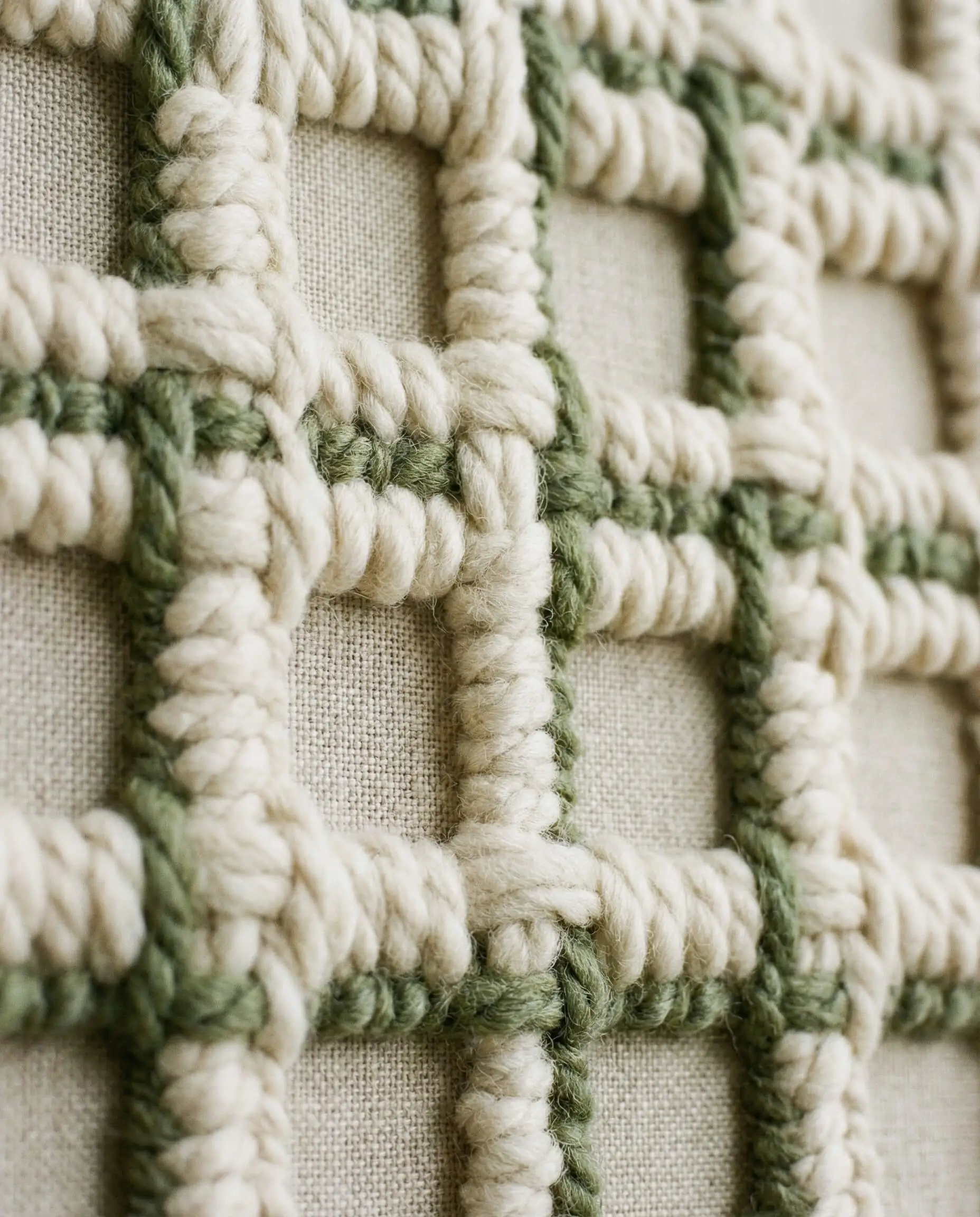
7. Textile & Fiber Art
Softness is a luxury. As our fabric trends lean toward bouclé and velvet, our walls are following suit to dampen the acoustics of our open-plan homes.
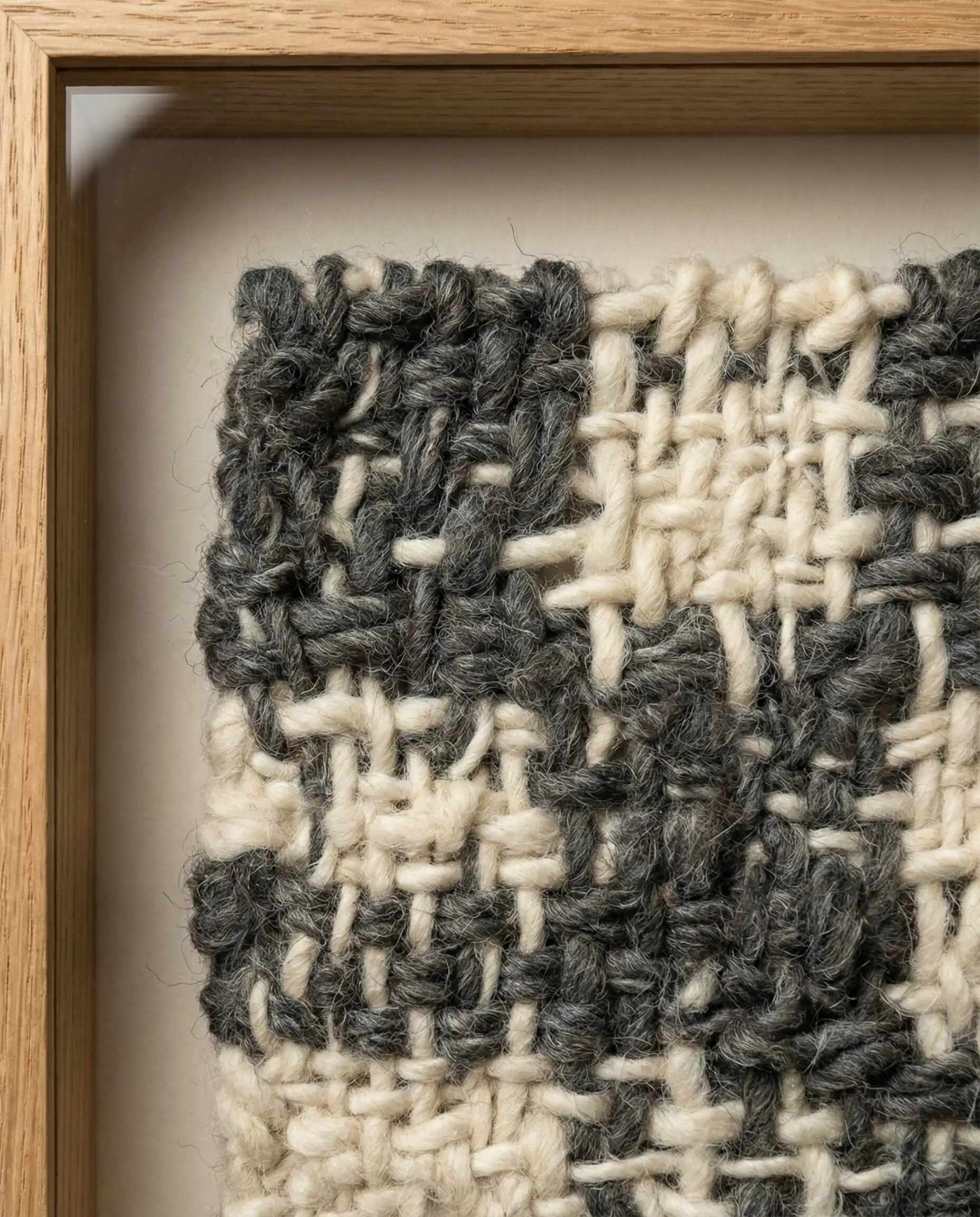
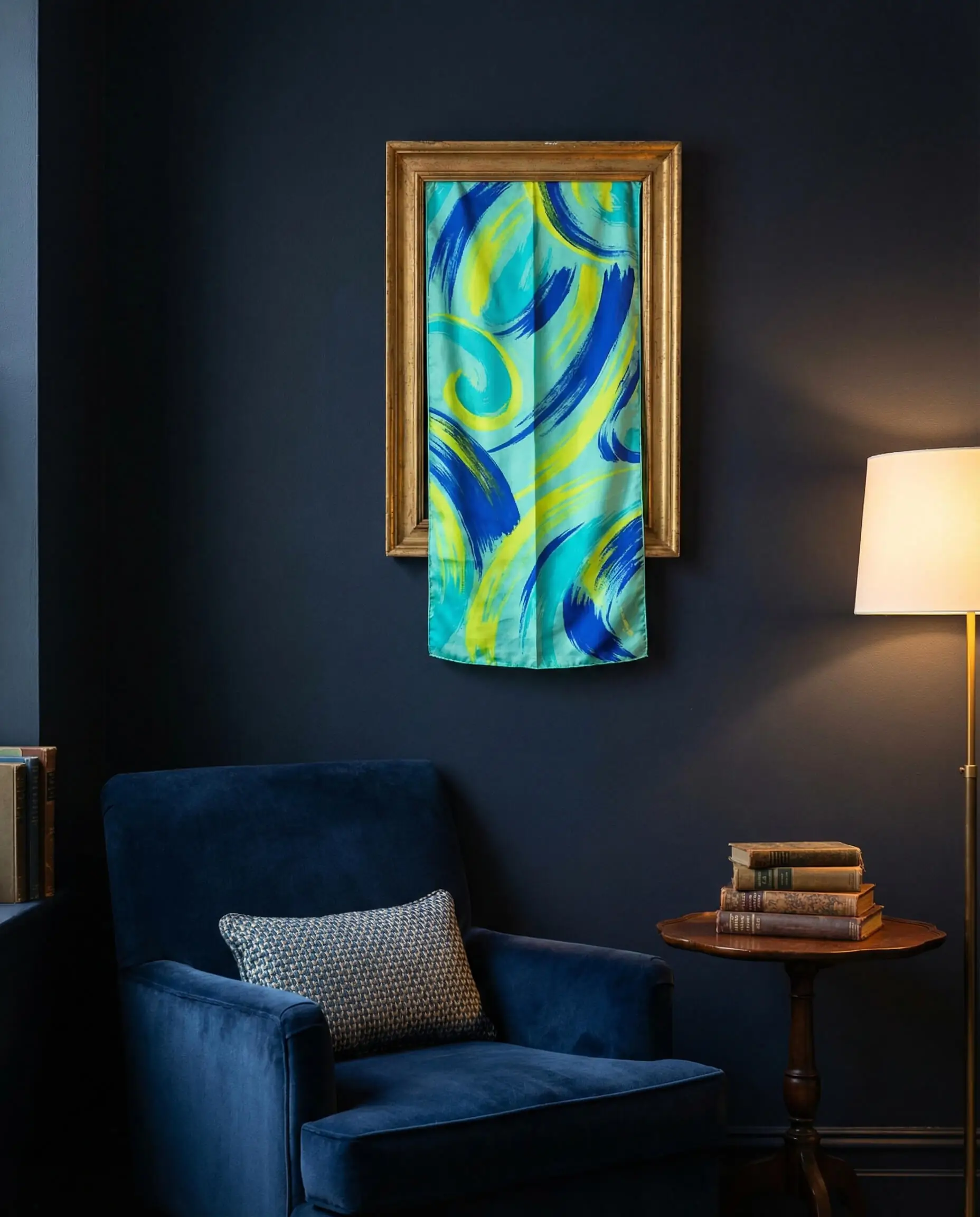
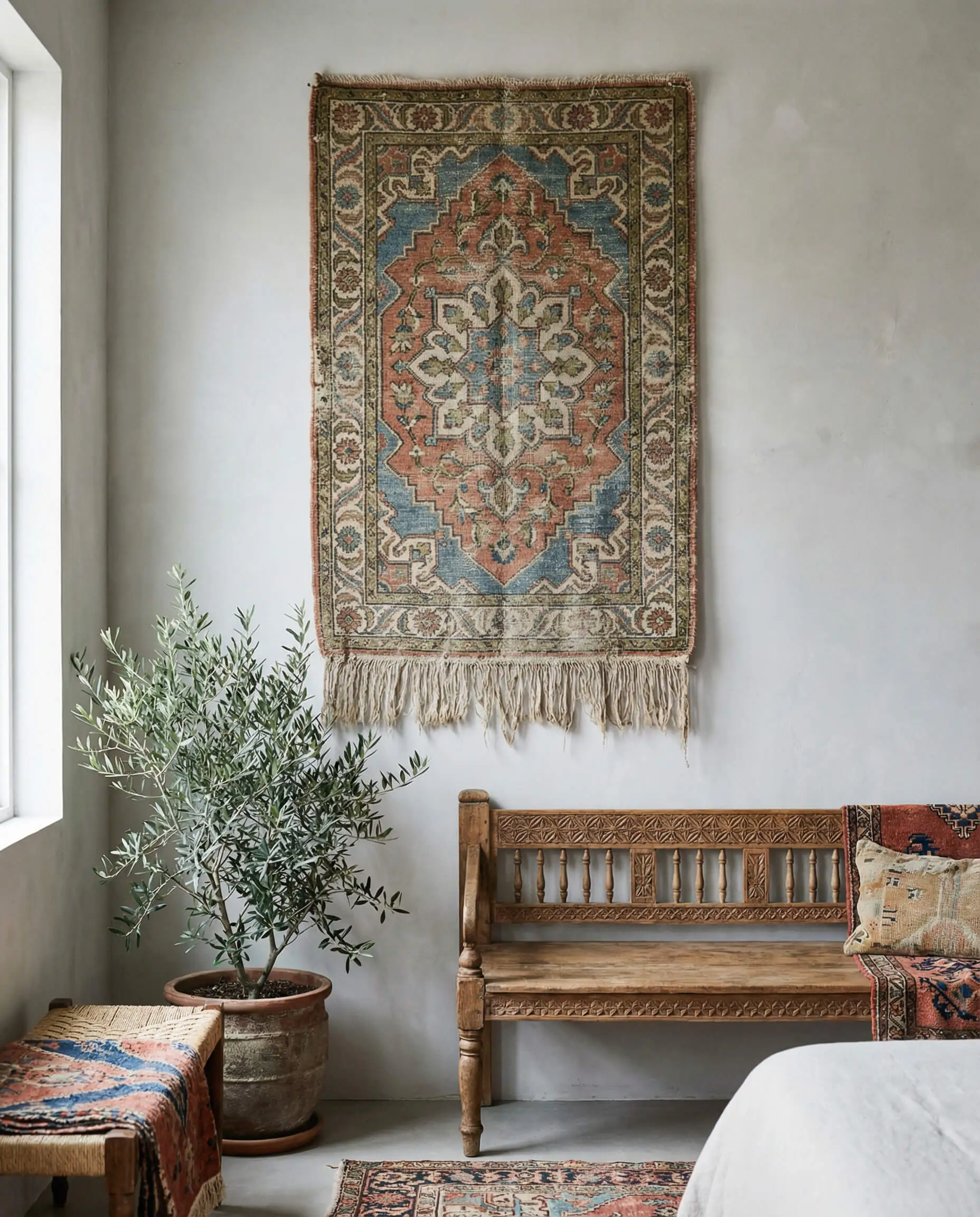
Soften the sound. 🤫 Large-scale textile art isn't just beautiful; it dampens acoustics in open-plan homes. Cozy and functional. #TextileArt #Tapestry #AcousticDesign #CozyHome
The Update: Large-scale macramé is out. It is being replaced by framed textiles and modern tapestry.
Ideas: A vintage rug hung as a tapestry, framed silk scarves, or heavy woven wool pieces stretched over canvas.
Function: Beyond looking cozy, these pieces serve a functional purpose: they are excellent for sound dampening.
8. Functional Art: Mirrors as Masterpieces
Mirrors are no longer just for checking your reflection; they are art installations.
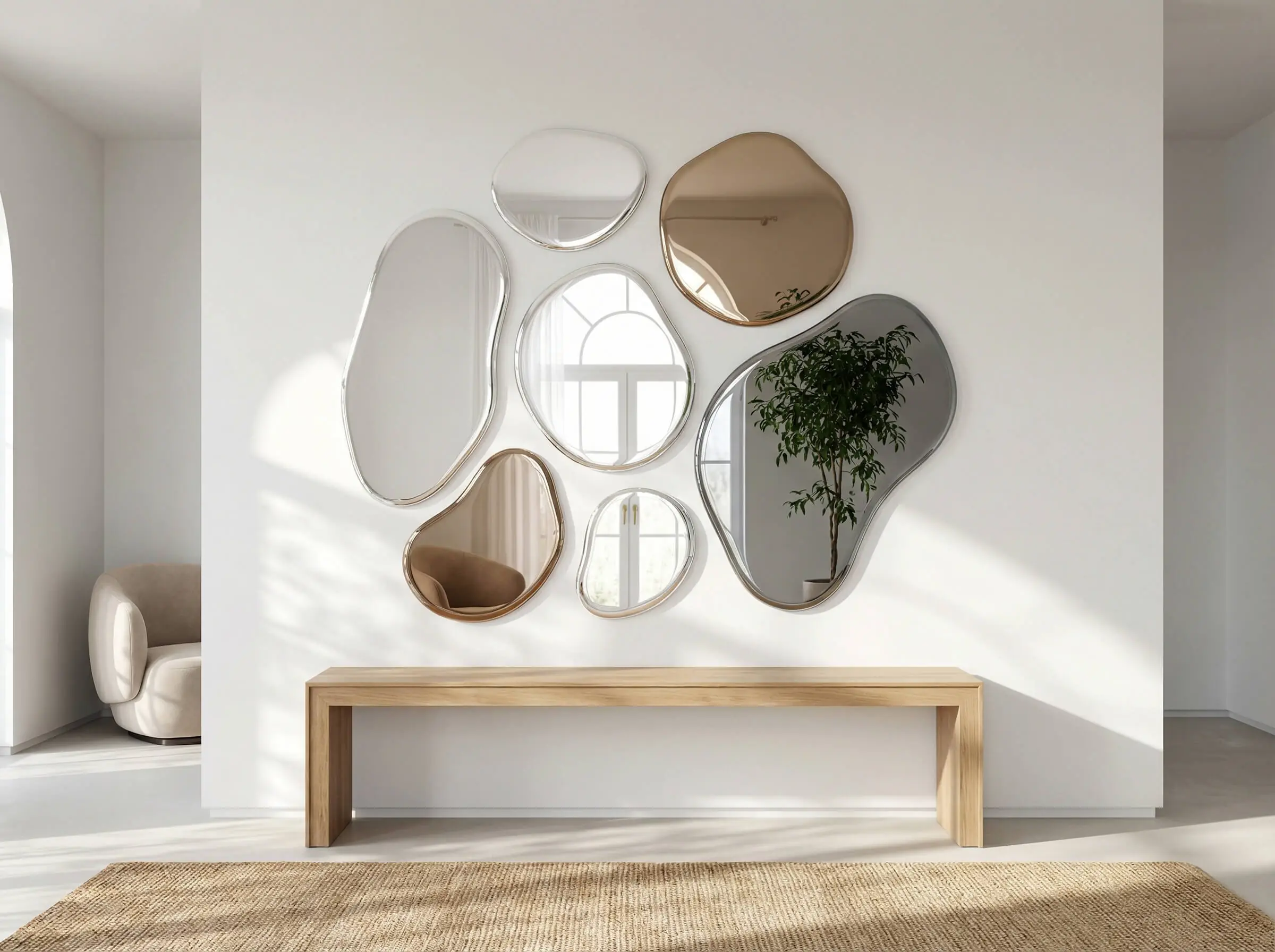
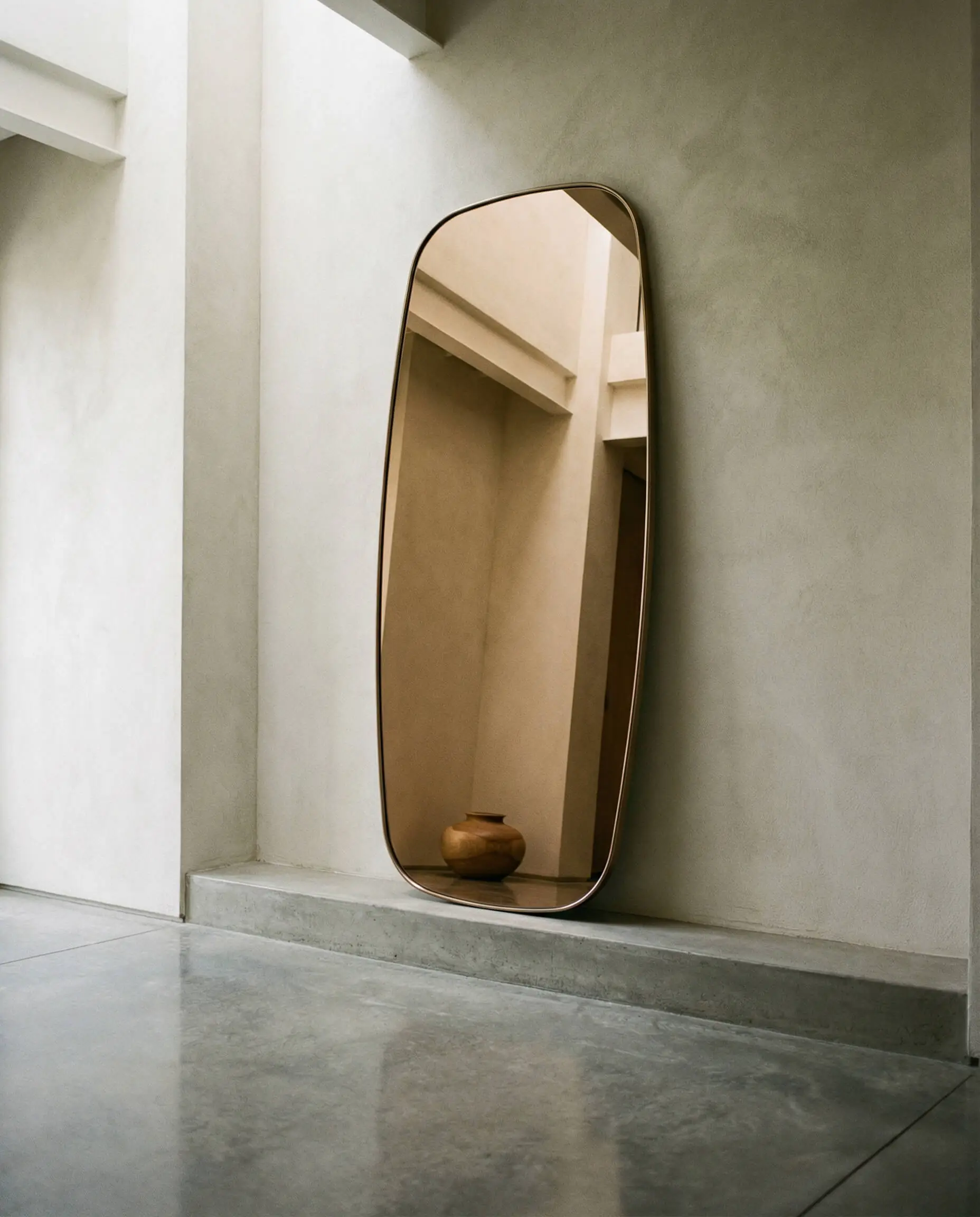
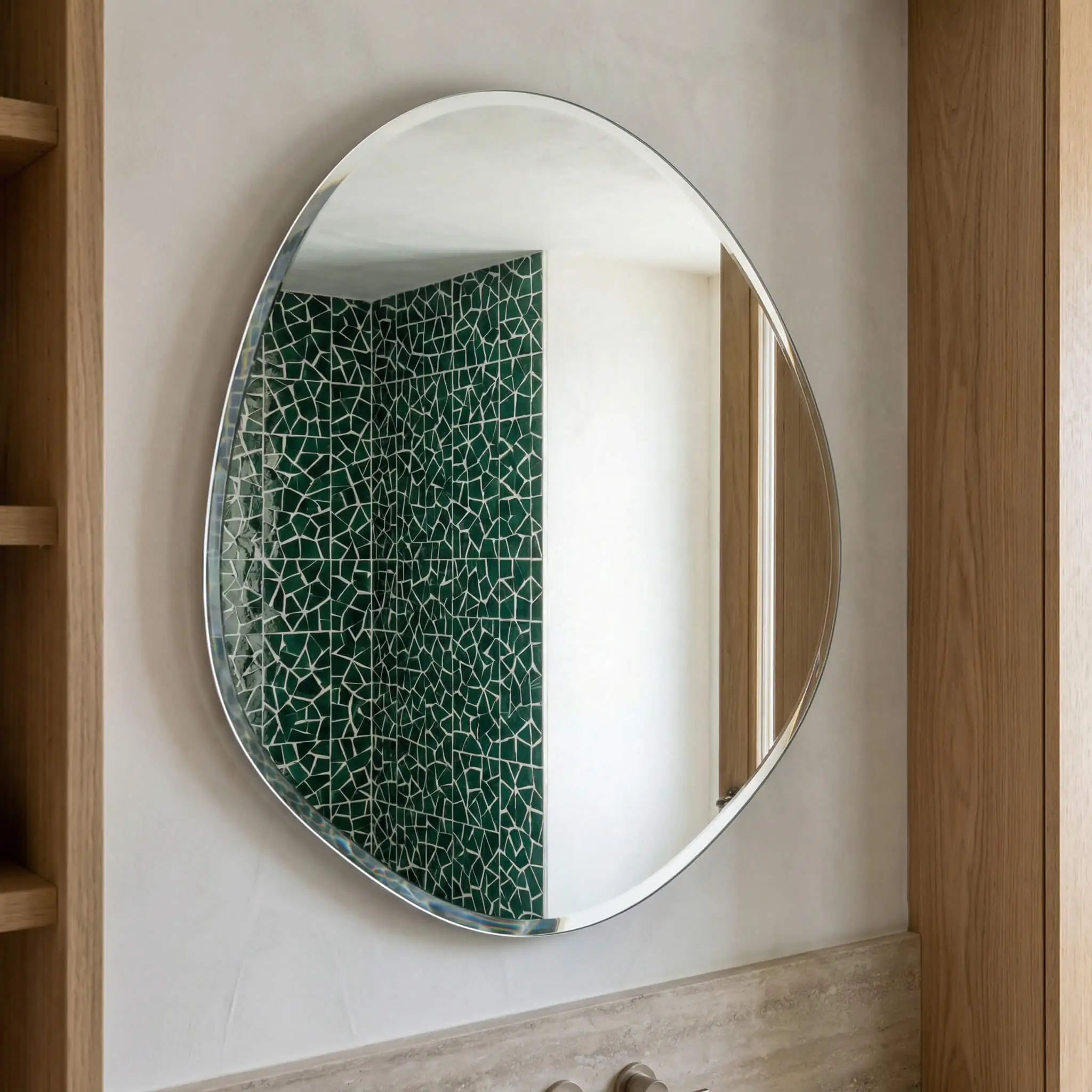
Mirrors as masterpieces. 💧 Replace the canvas with a cluster of organic "puddle" mirrors for a look that feels like liquid art. #MirrorDecor #OrganicShapes #EntrywayStyle #FunctionalArt
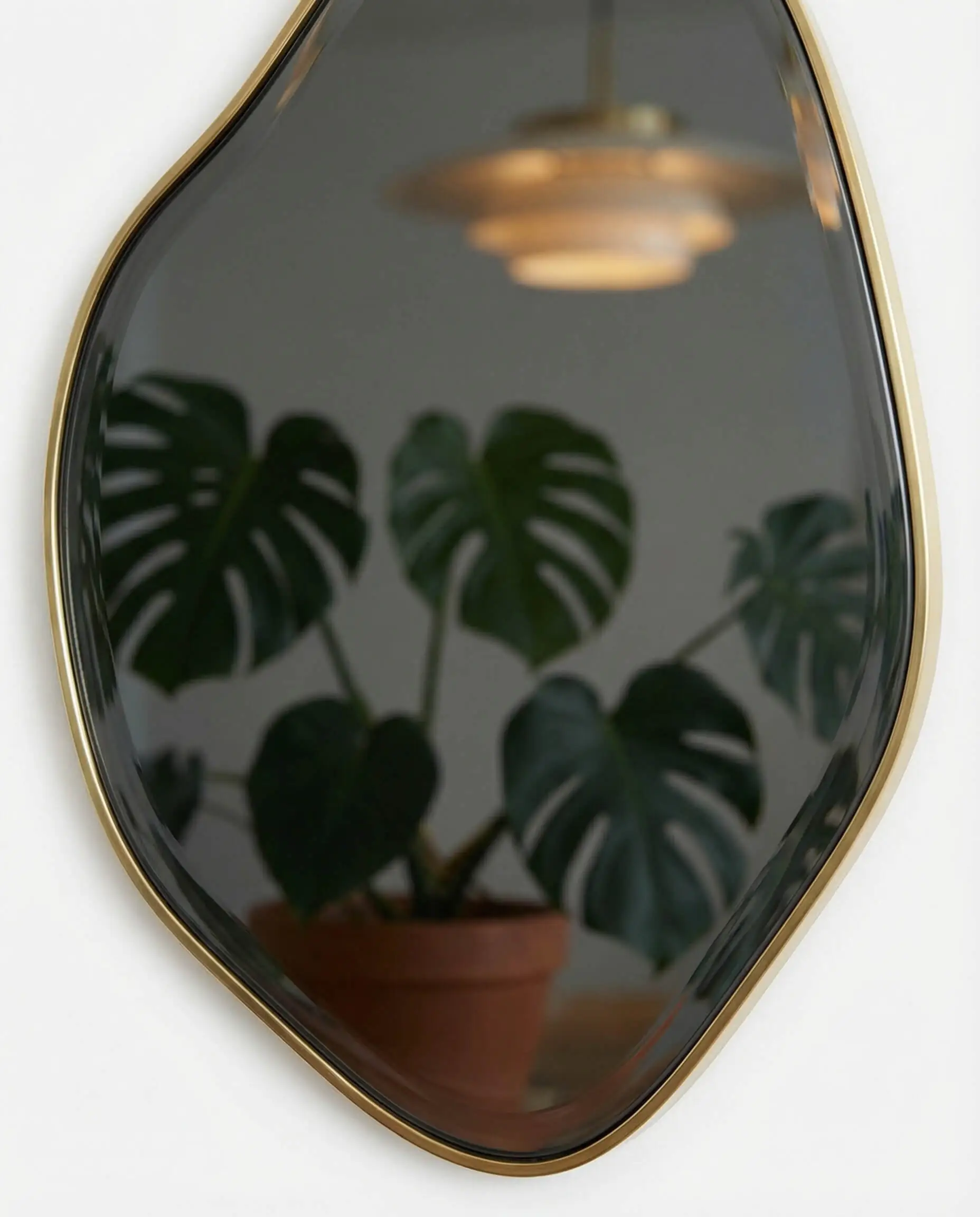
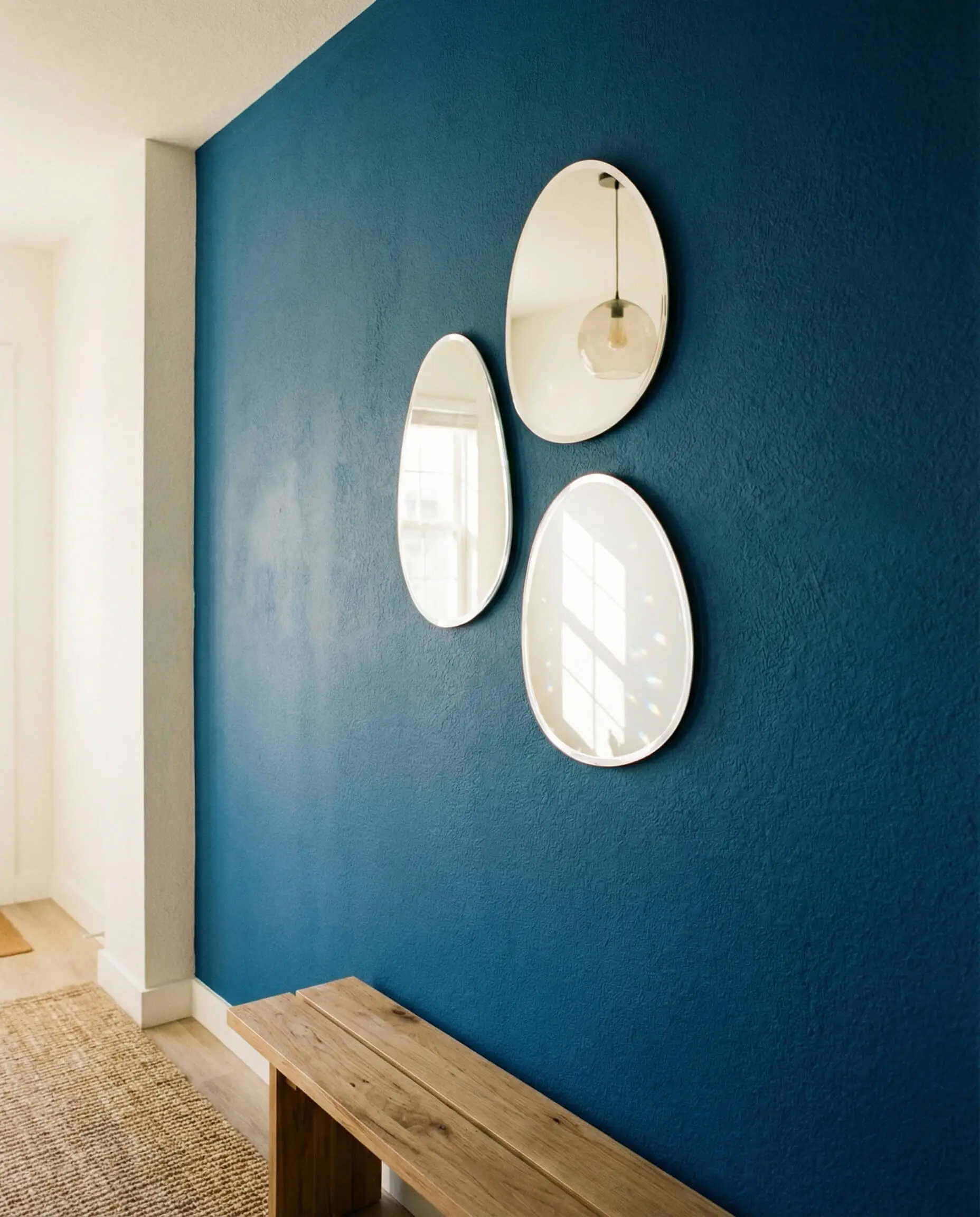
In 2026, mirror trends favor organic, “puddle” shapes and tinted glass (bronze or smoke grey).
Installation: Grouping a cluster of 3-4 pebble-shaped mirrors can replace a traditional painting.
Effect: They reflect light and make small spaces feel expansive, but the organic shapes make them feel like liquid art.
Room-by-Room Guide: How to Style 2026 Trends
Knowing the trends is one thing; applying them is another. The context of the room dictates the art. Here is how to execute these looks in the key rooms of your home.
The Living Room: The Conversation Starter
This is the place for your XXL Statement Piece.
The Strategy: Choose the wall behind the sofa. Hang one large abstract piece (canvas or textured plaster) that spans roughly two-thirds the width of the sofa.
Height: The center of the artwork should be at eye level, which is usually 57 to 60 inches from the floor.
Complement: Ensure the colors in the art pick up at least one accent color from your rug or throw pillows to tie the room together.
The conversation starter. 🗣️ One wall, one piece. Bold color-blocking in earth tones makes the living room feel "designed," not just decorated. #LivingRoomDesign #ColorBlock #XXLArt #StatementPiece
The Bedroom: Serenity First
Your bedroom should be a sanctuary. Avoid high-contrast colors, jarring neon, or busy patterns here.
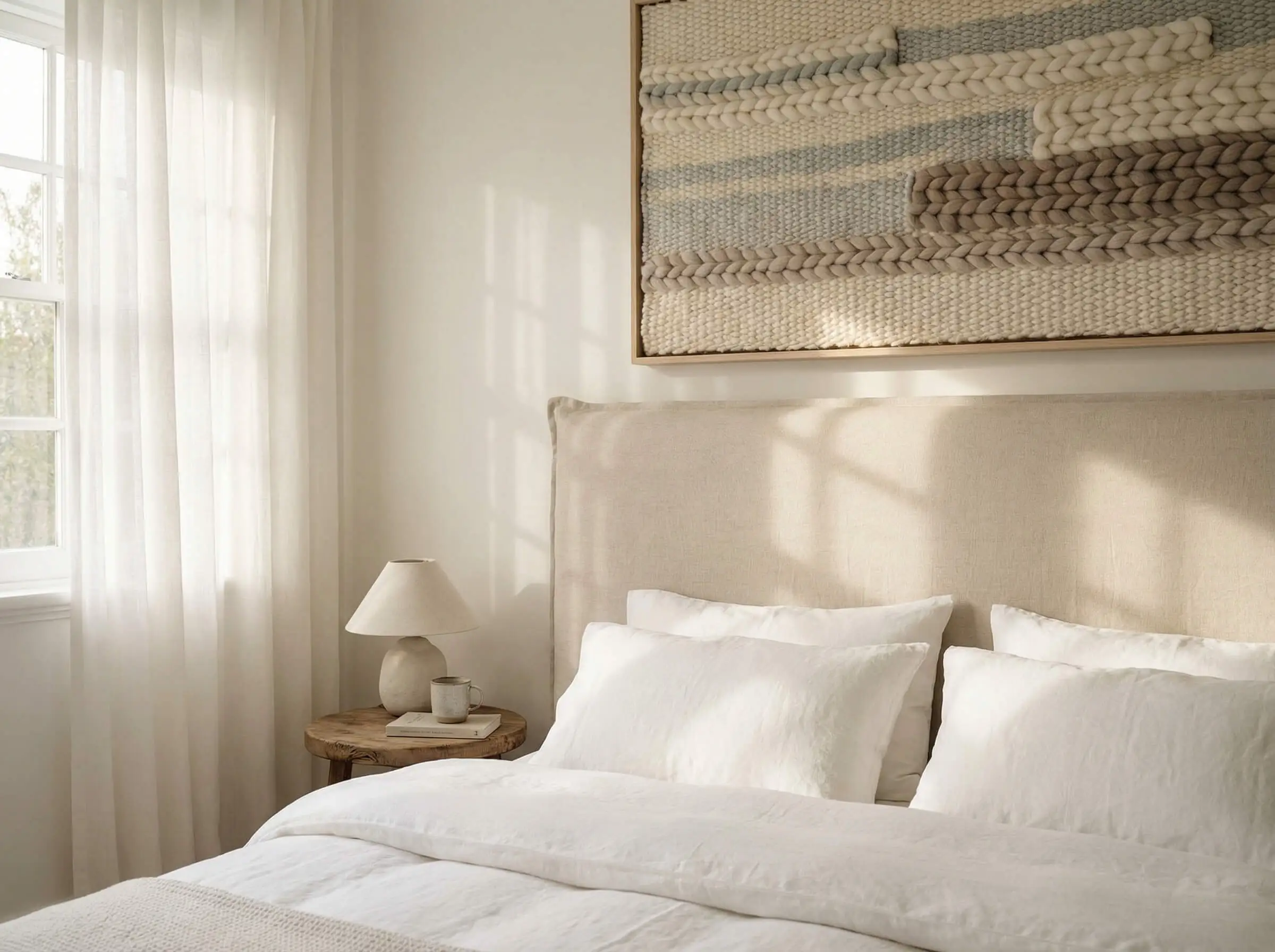
The Strategy: Opt for Textile Art or Japandi Ink Washes. A soft, woven tapestry above the headboard adds physical warmth and prevents the room from feeling echoey.
Scale: If you don’t want one large piece, try a “diptych” (two matching panels) hung closely together to create a sense of order and balance.
See also: Our bedroom trends for more on creating a restful retreat.
Quiet luxury. 🛌 Textile art above the bed adds physical warmth and dampens sound for the ultimate sanctuary. #BedroomGoals #TextileArt #SereneSleep #NeutralDecor
The Home Office: Energized Focus
The Strategy: This is the perfect spot for Surreal Minimalism. Art that is slightly abstract can stimulate creativity without being distracting during video calls.
Placement: Consider the “Zoom Background.” Ensure the art is visible behind you when you are seated at your desk. It serves as a personal branding statement.
Curate your background. 📹 Your home office art is your personal branding. Choose something stimulating yet professional. #HomeOfficeDesign #ZoomBackground #SurrealArt #Workspace
The Kitchen: The Unexpected Gallery
Kitchens are often neglected when it comes to art, but 2026 changes that.
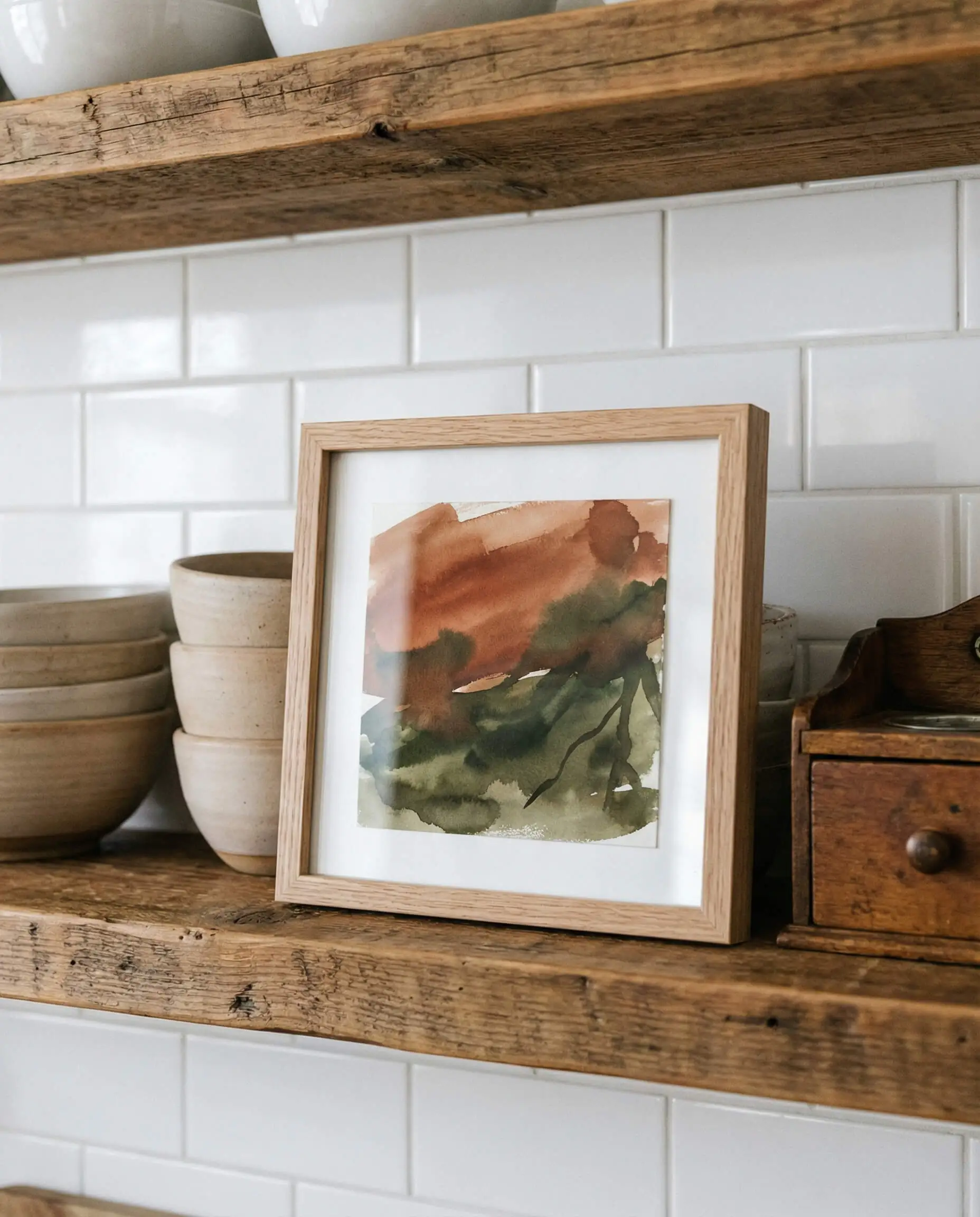
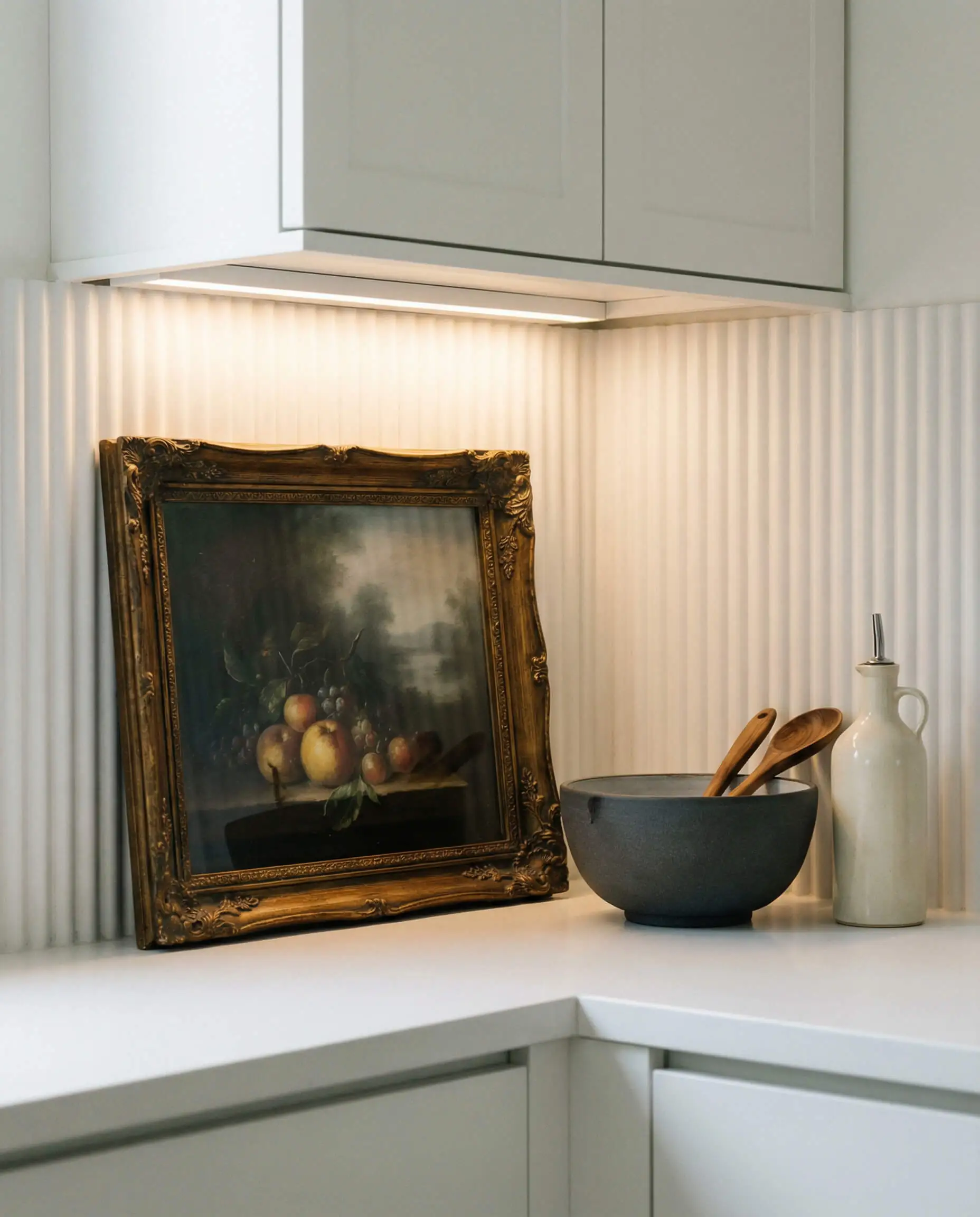
The Strategy: Lean small, framed vintage oil paintings (landscapes or still life) against the backsplash or on open shelving.
Practicality: Use glass-framed art to protect against grease and steam. Avoid canvas or textiles here.
The Look: It brings warmth to a space dominated by hard surfaces like cabinets and countertops.
Kitchens deserve art too. 🍳 Lean a glass-framed vintage oil painting on your counter to warm up the hard surfaces. #KitchenArt #VintageDecor #StylingTips #CountertopDecor
The Hallway & Staircase: The Journey
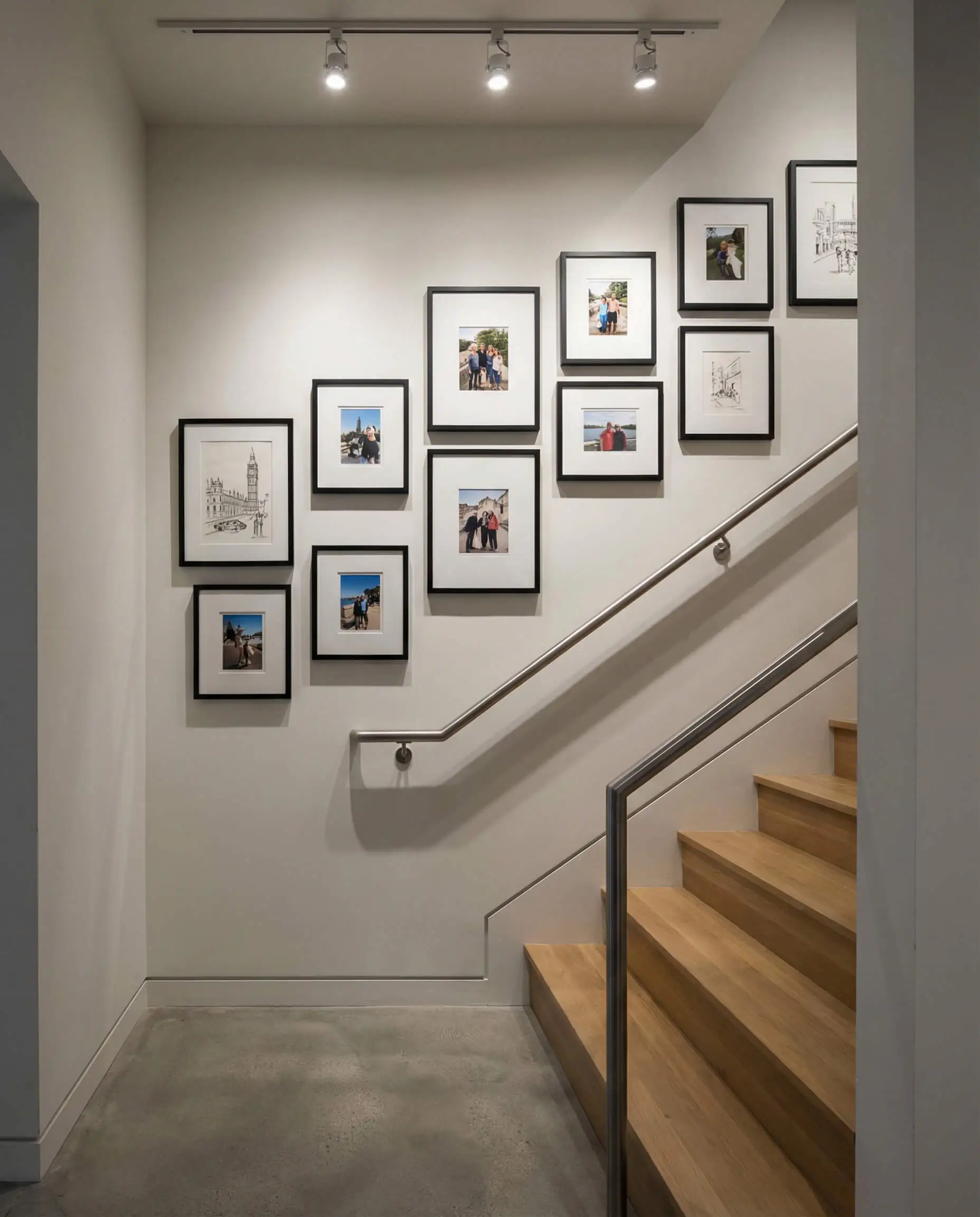
The Strategy: This is where the “Gallery Wall” still lives, but keep it cohesive. Use matching frames (e.g., all thin black wood) to unify a collection of personal photos or travel sketches.
Flow: Use the art to guide the eye up the stairs or down the hall.
The gallery wall lives on… in the hallway. 🖼️ Keep it cohesive with matching frames and mats to guide the eye up the stairs. #GalleryWall #StaircaseDecor #PhotoWall #InteriorFlow
Technical Details: Framing & Lighting
Even the most beautiful 2026 art trend can look cheap if framed or lit poorly.
Framing Trends 2026
The frame is part of the art.
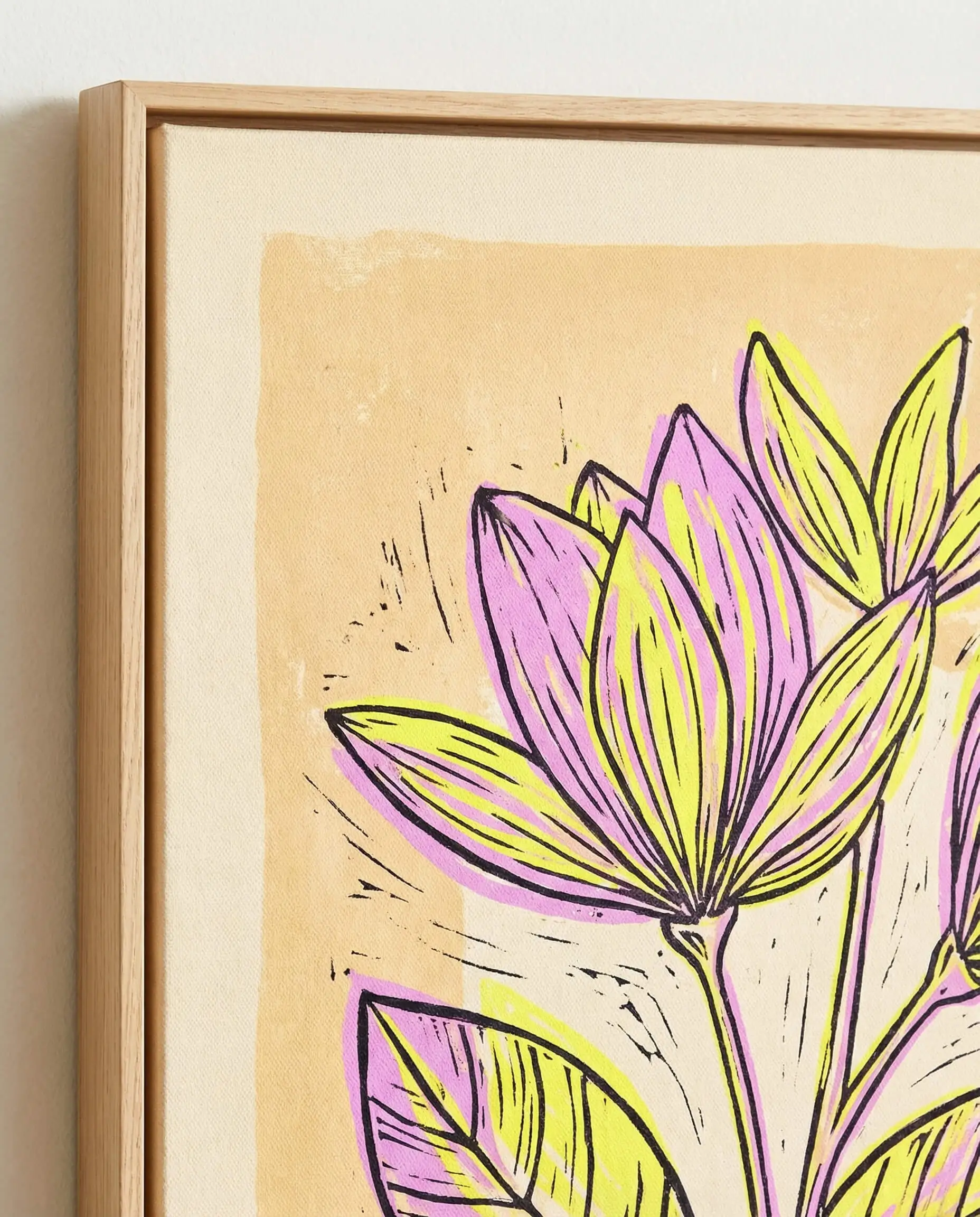
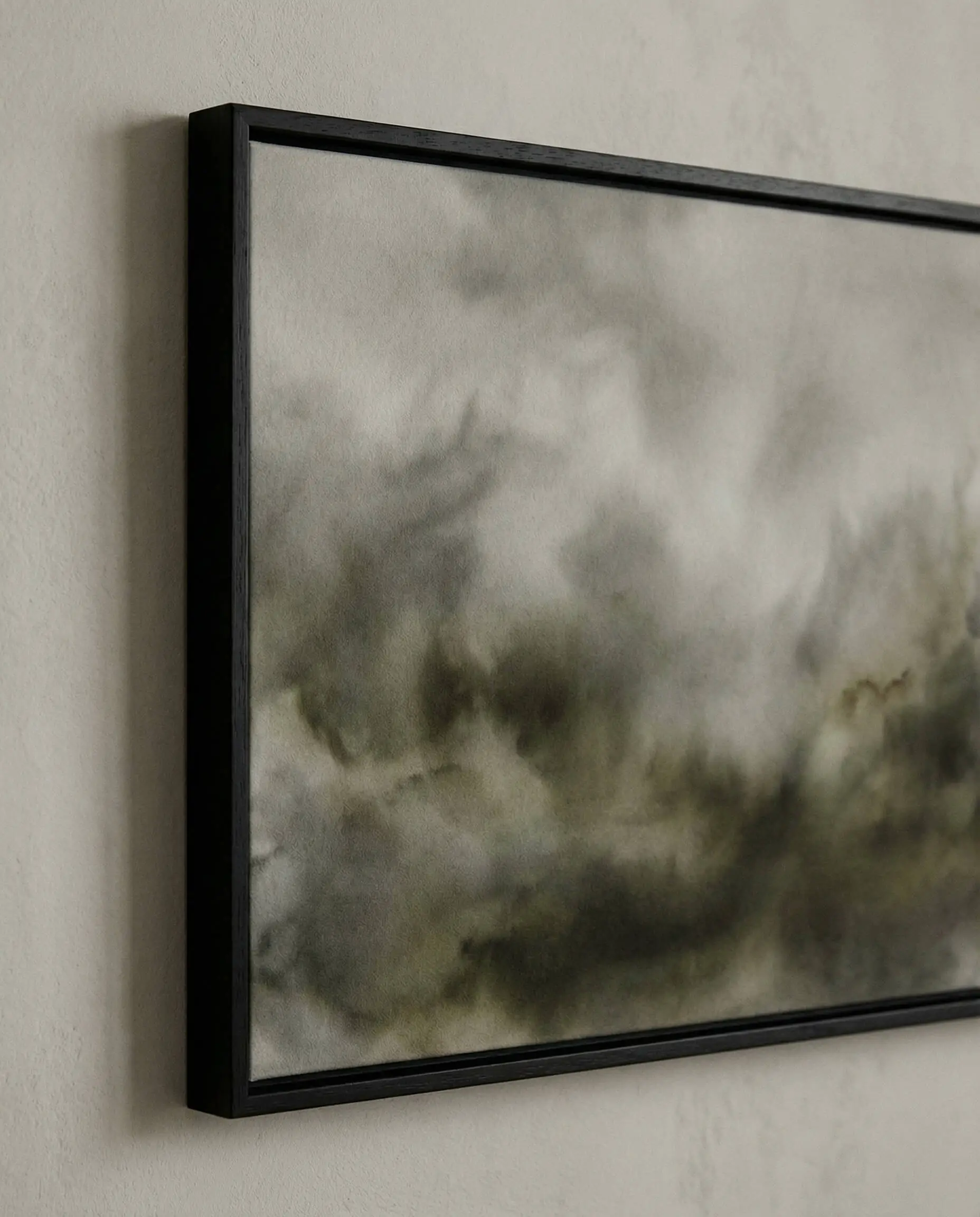
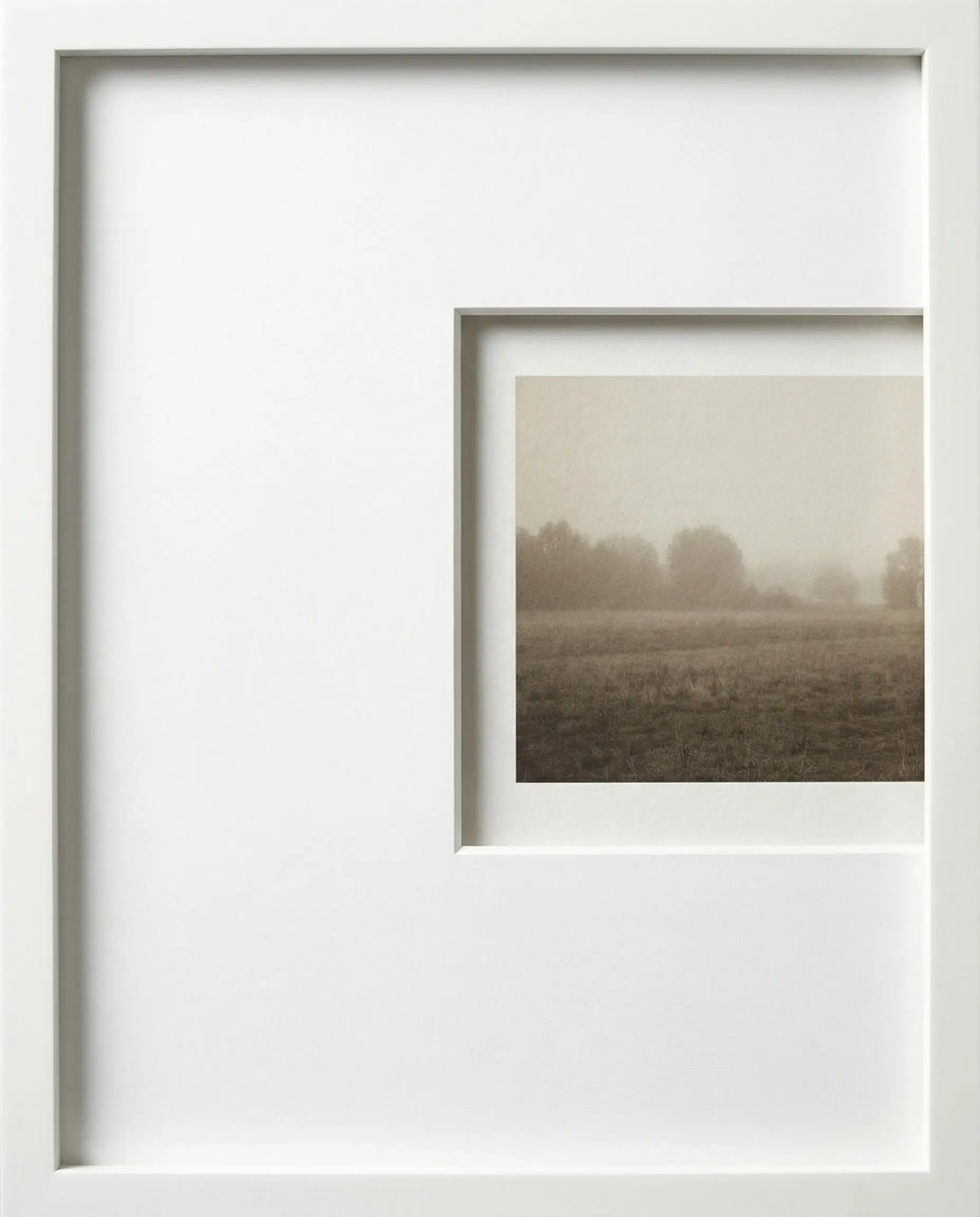
It's all in the gap. 📏 A "float frame" gives canvas art a high-end, gallery-quality finish. #FramingTrends #FloatingFrame #ArtTips #GalleryQuality
Floating Frames: For canvas art, the “float frame” (where there is a small gap between the canvas and the wood frame) is the standard for high-end decor.
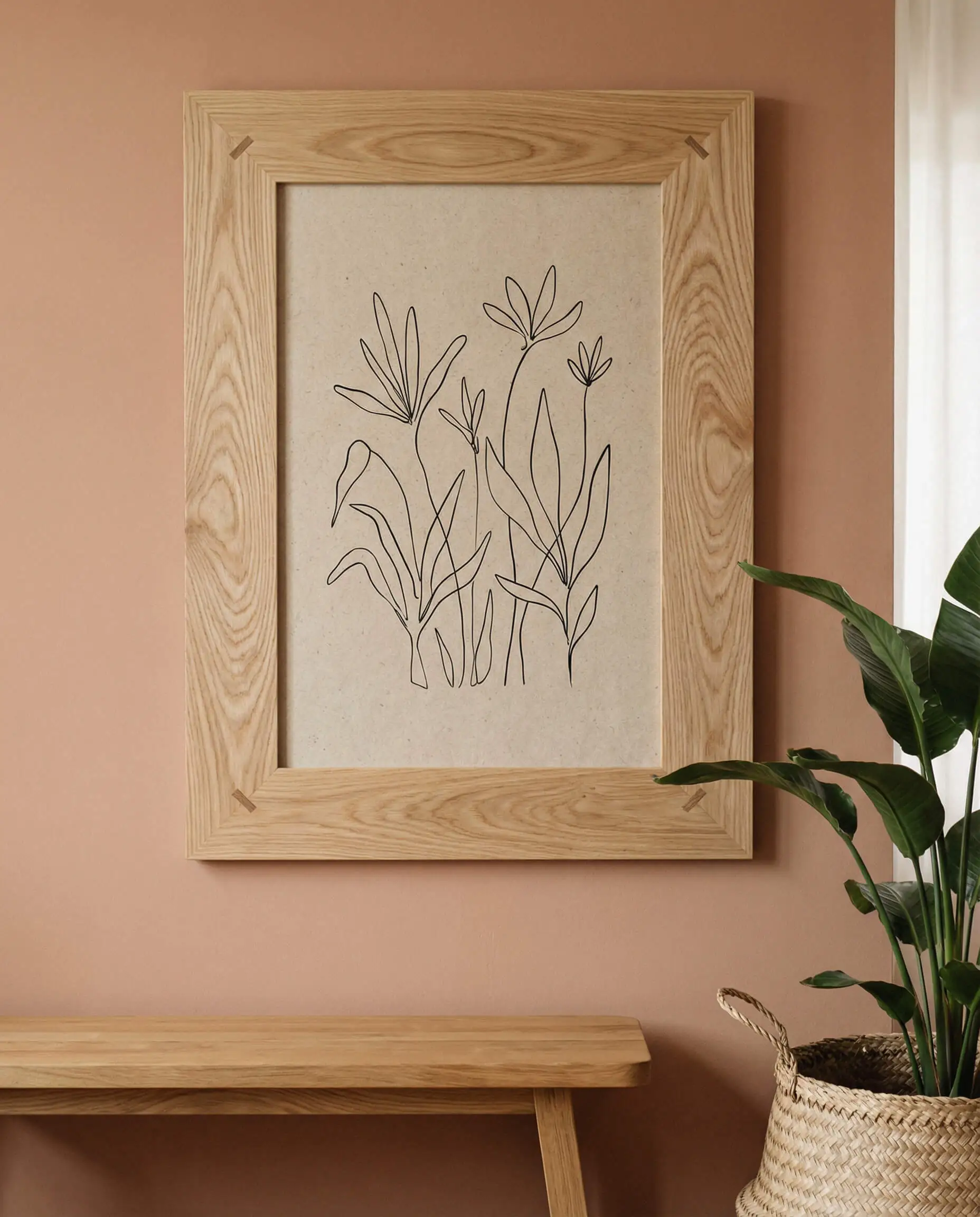
Light Wood: Blonde oak and ash wood frames are essential for the Japandi and Scandi looks. They feel lighter and more organic than heavy black frames.
Matting: Deep, oversized mats are in. A small 8×10 print inside a massive 20×24 frame with a thick white mat looks incredibly expensive and museum-quality.
Lighting Your Art
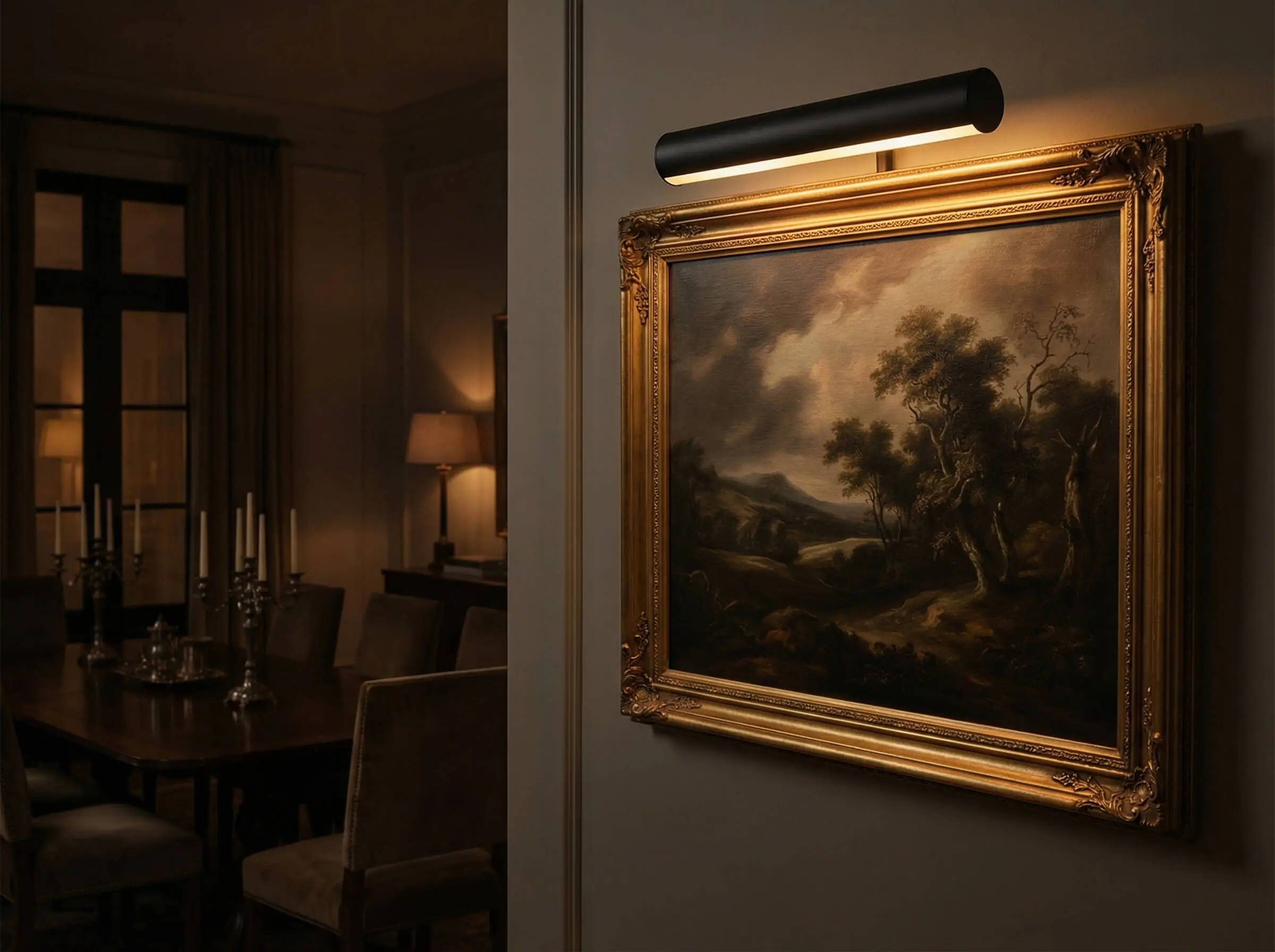
Dark art is a trend, but you need to see it.
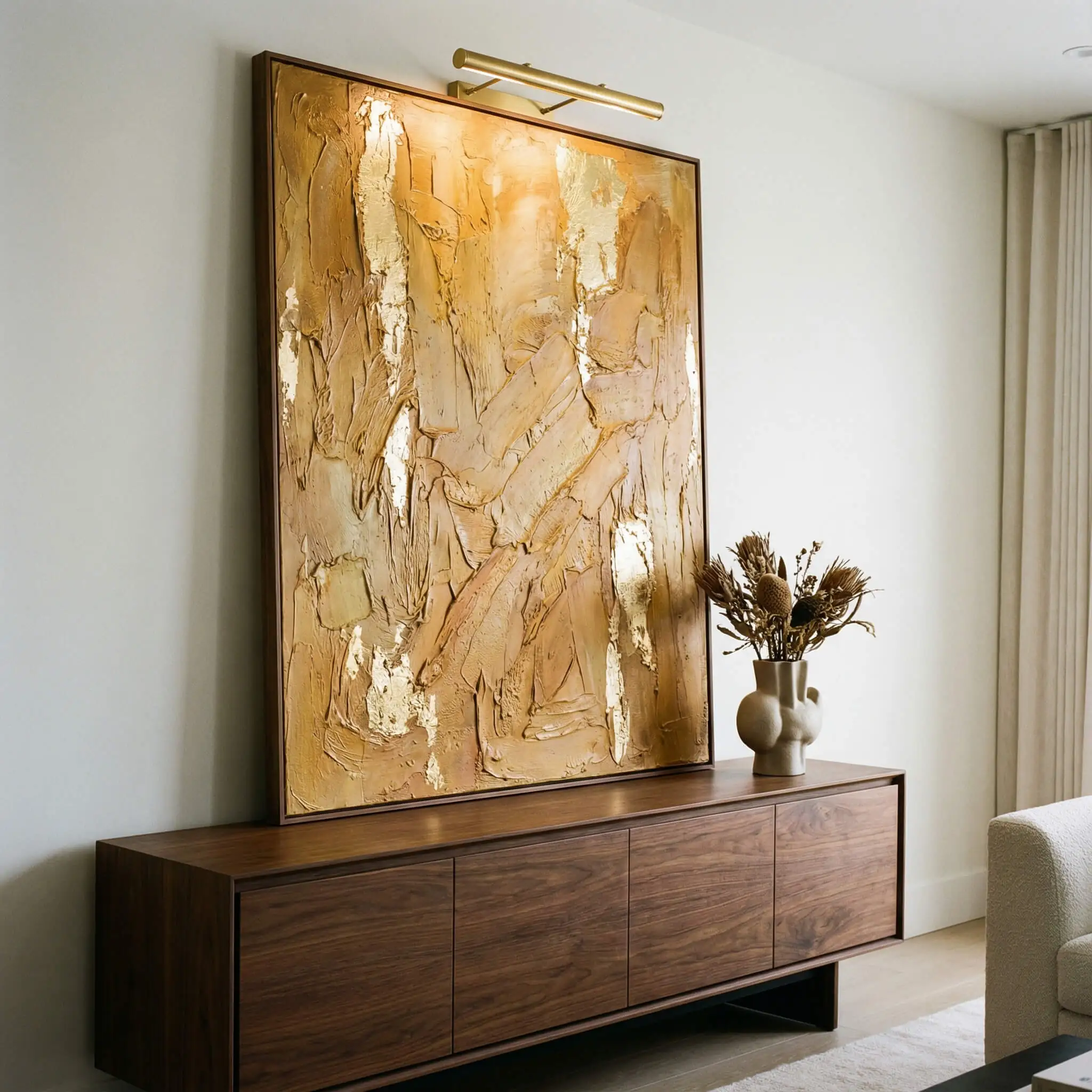
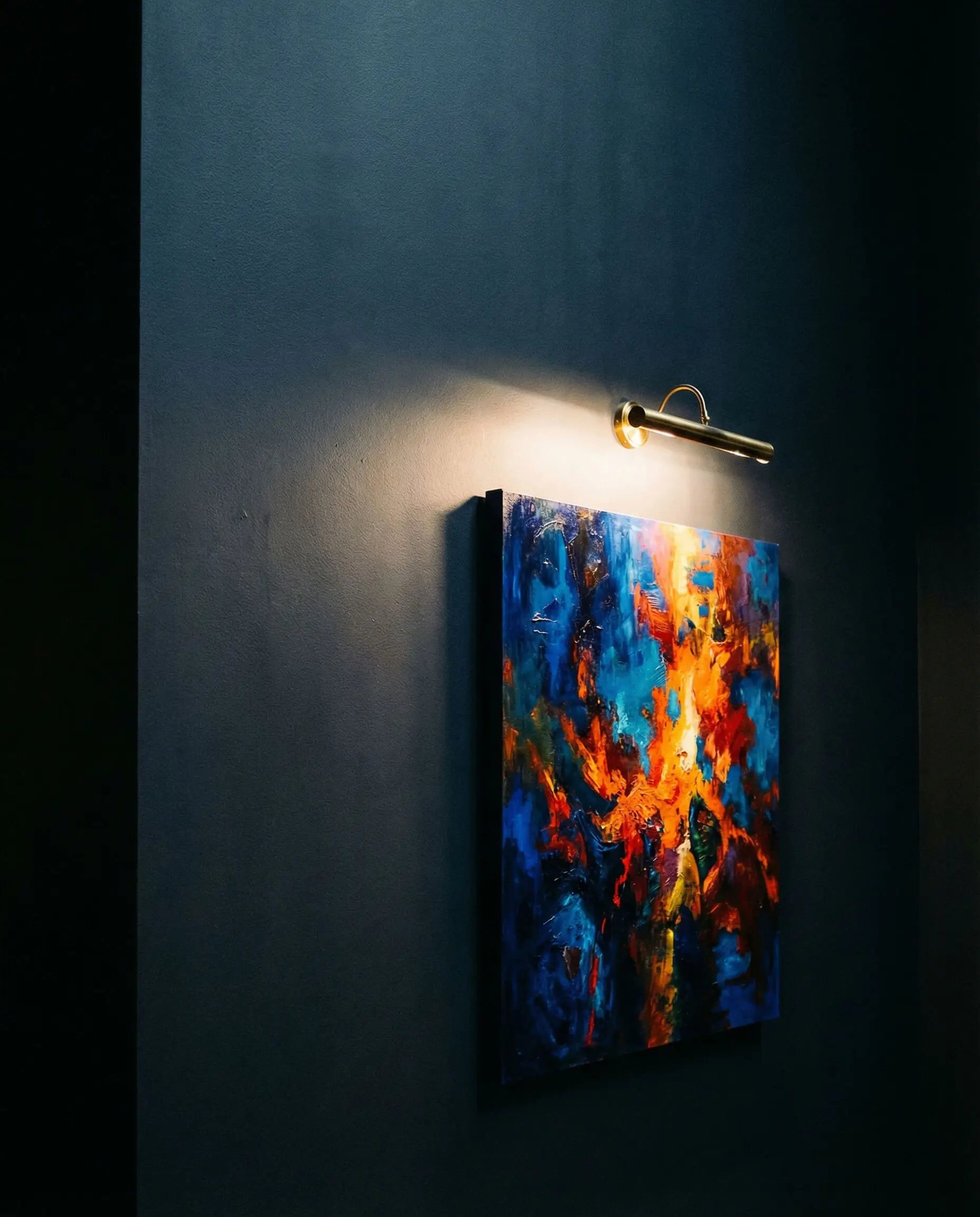
No electrician needed. 💡 Wireless picture lights add instant library-esque sophistication and drama to your art. #ArtLighting #PictureLight #InteriorHacks #DiningRoomDecor
Picture Lights: Wireless, battery-operated picture lights that attach to the top of the frame are a massive trend. They add a library-esque sophistication without the need for an electrician.
Color Temperature: Ensure your lighting is 2700K to 3000K (warm white). Cool blue light (4000K+) will make earthy 2026 colors look flat and gray. See our lighting trends for more on layering light.
What to Avoid: Trends Fading Out
To truly update your space, you need to know what to retire.
Generic “Word Art”: Signs that say “Gather,” “EAT,” or “Live Laugh Love” are fully out. The 2026 aesthetic is about showing, not telling.
Mass-Produced Face Line Art: The simple one-line face drawings that dominated 2022-2024 are now feeling overexposed.
Cluttered Boho Collages: Walls covered in 20 tiny, unmatched items (baskets, postcards, feathers) are being replaced by cleaner, simpler statements.
DIY Trend: The “Spackle Art” Phenomenon
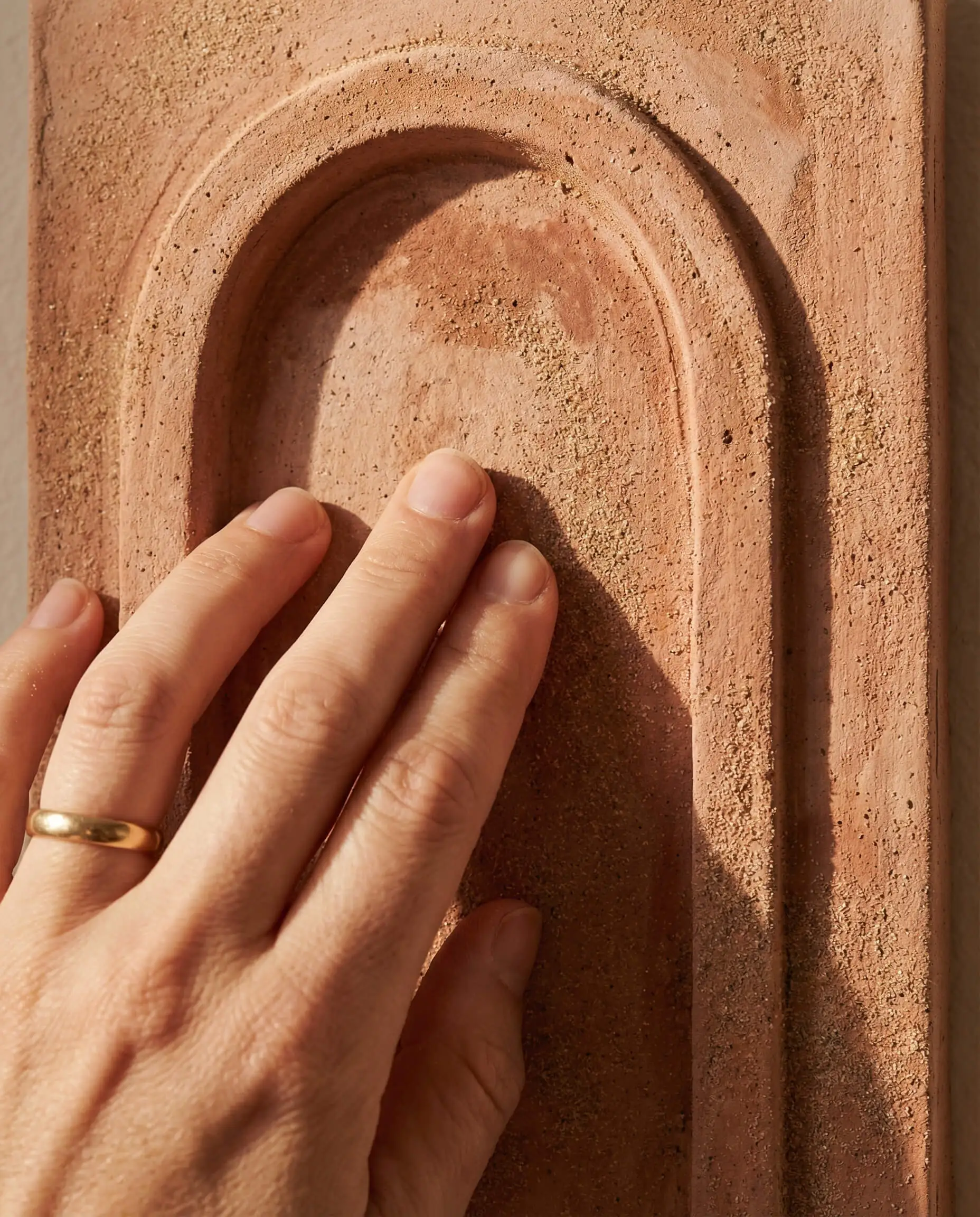
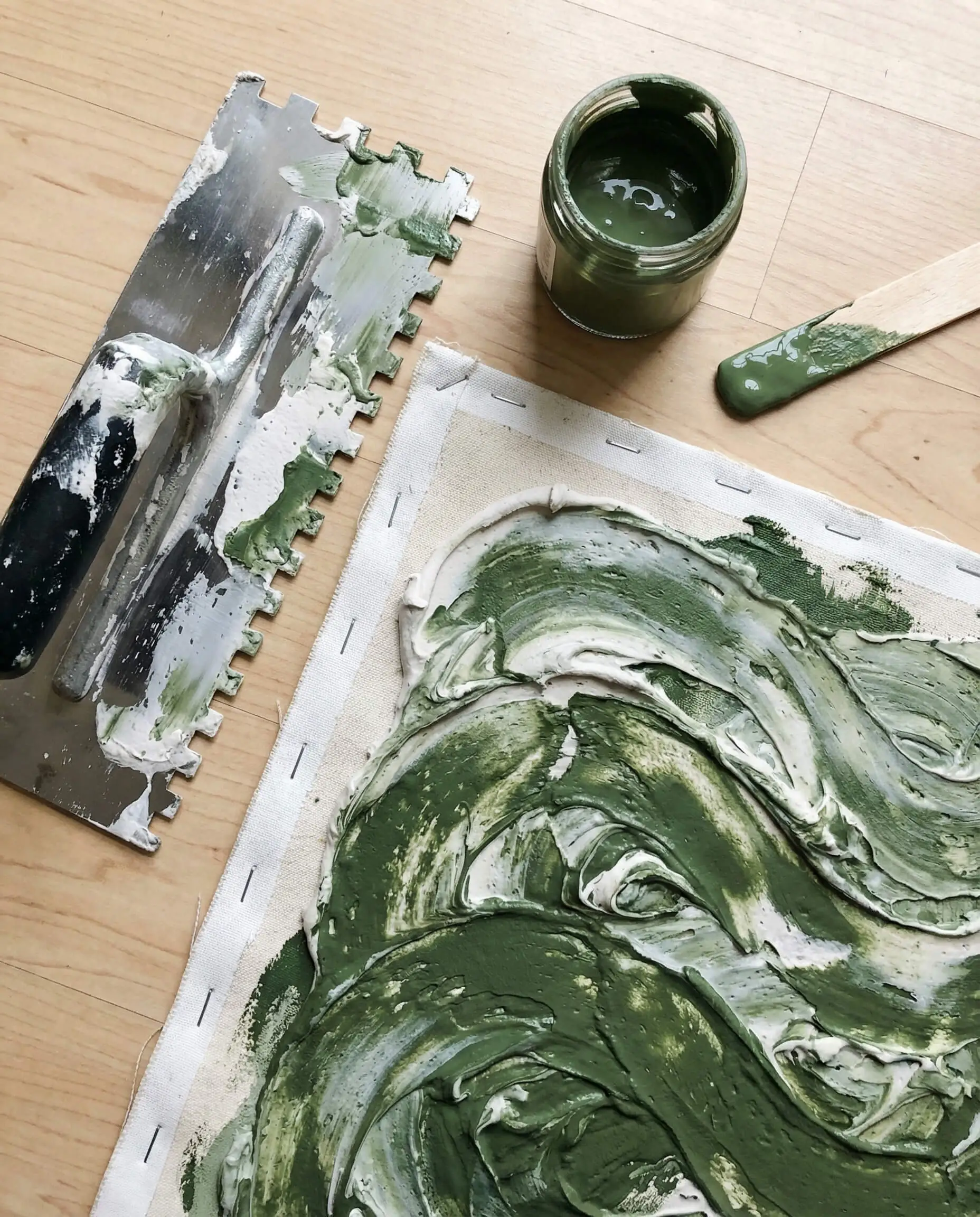
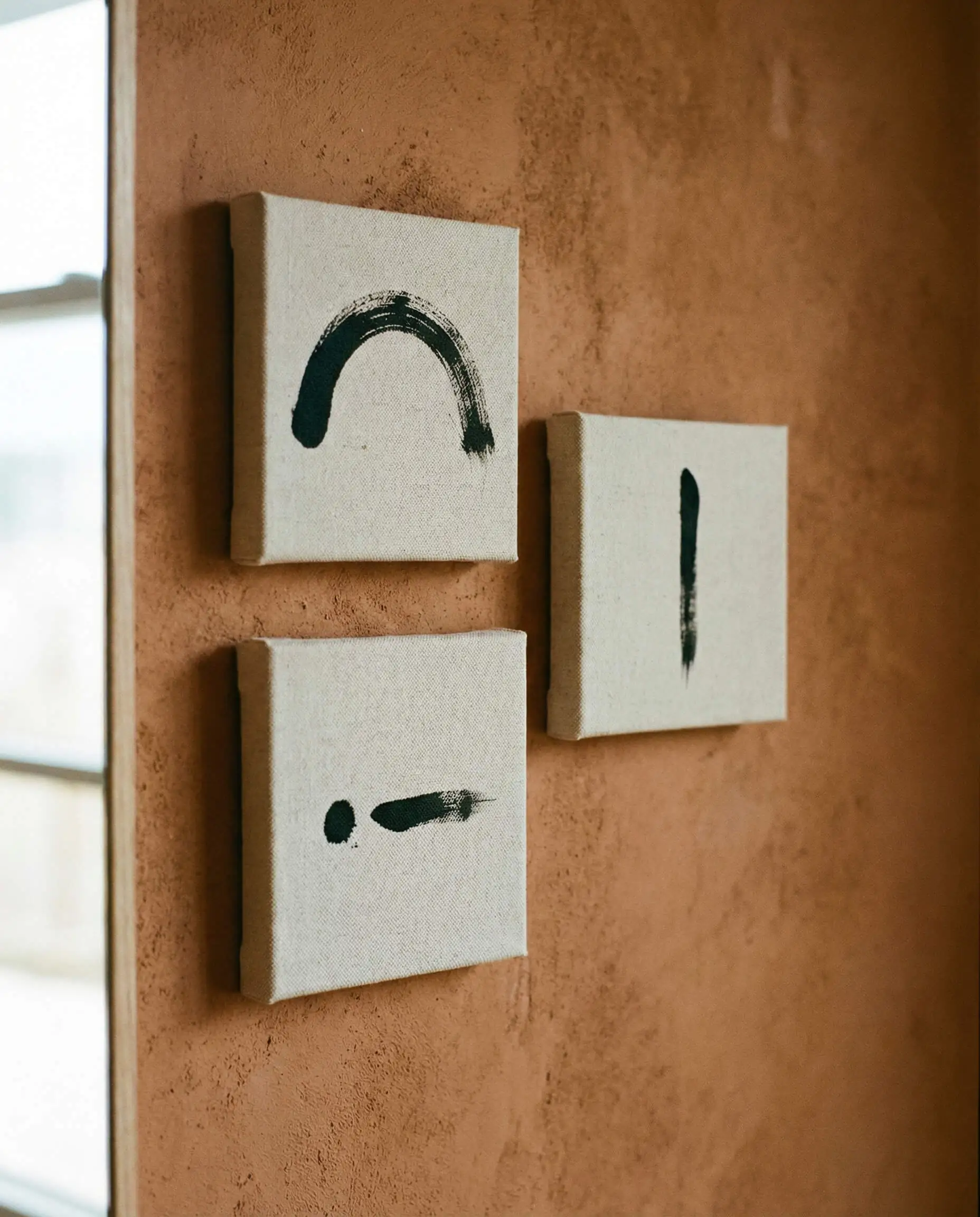
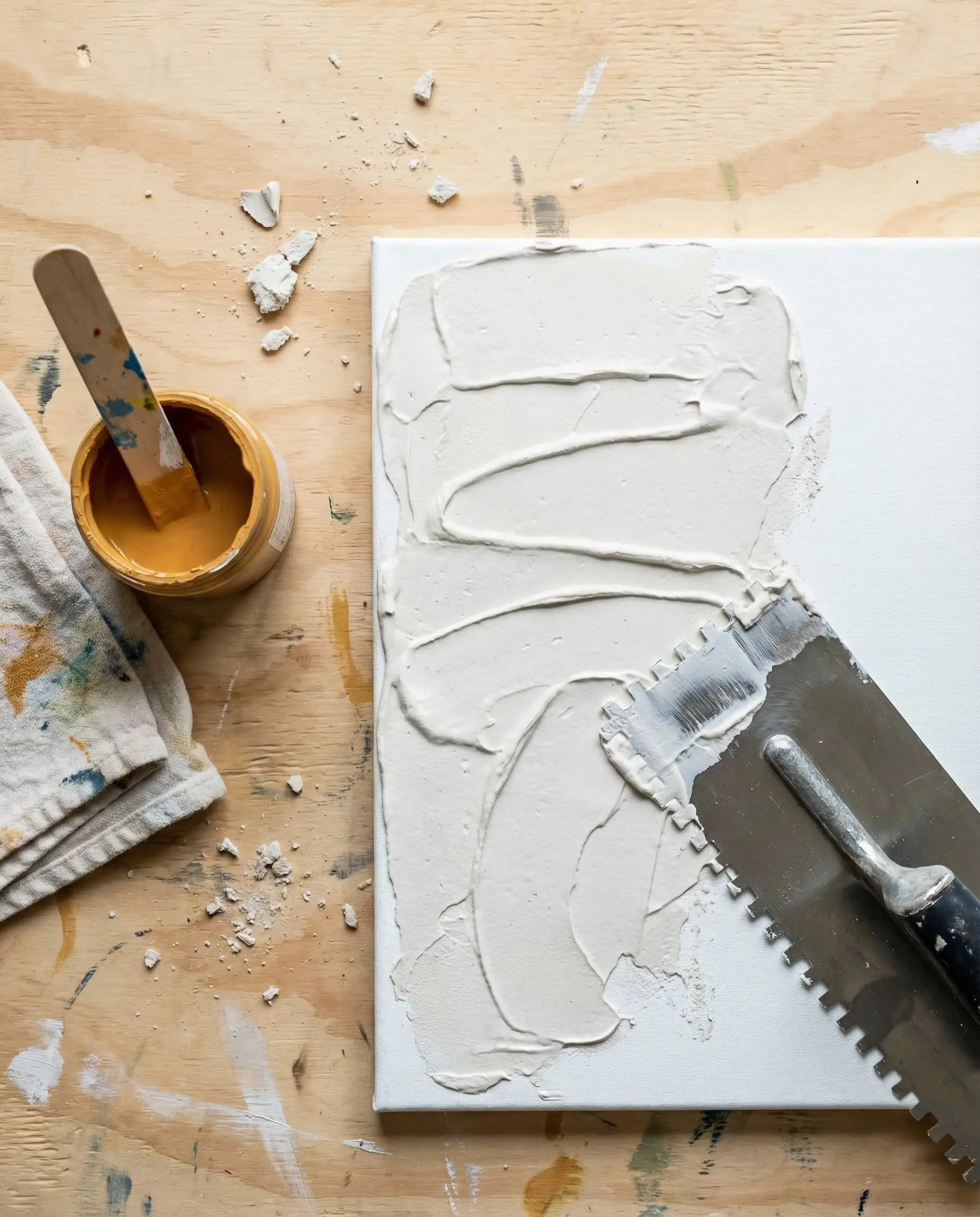
Made by you, looks like a million. 🎨 Mixing paint directly into spackle creates a rich, matte, stone-like finish. #DIYArt #Terracotta #TexturedPainting #HomeDecorDIY
You don’t need a gallery budget to get the 2026 look. One of the biggest search trends in DIY home decor right now is DIY Textured Canvas Art.
How to do it:
The Base: Buy a large, inexpensive canvas (or thrift an old painting to paint over).
The Mix: Mix joint compound (spackle) with a little acrylic paint (beige, ochre, or terracotta).
The Application: Use a notched trowel (used for tiling) or a palette knife to spread the mixture over the canvas.
The Design: Create arches, straight lines, or organic waves. Imperfection is the point.
The Finish: Let it dry for 24 hours. The result is a matte, high-end 3D relief look that costs less than $50 but looks custom-commissioned.
Conclusion: Make It Yours
While 2026 offers exciting new directions—from the tactile depth of plaster art to the moody elegance of vintage oils—the most important rule of wall decor remains unchanged: It has to speak to you.
Trends are a compass, not a map. Use these ideas to find what resonates with your style. Whether you embrace the quiet calm of Japandi or the bold drama of an XXL abstract canvas, the goal is to create a home that feels unmistakably yours.
If you enjoyed this article,
you'll want to be the very first to see our next one.
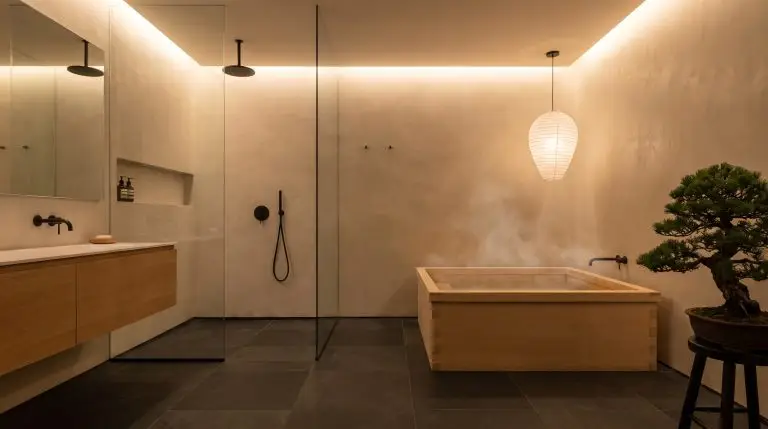
Ditch the sterile tile. Learn how to design a modern Japanese bathroom that perfectly balances deep soaking tubs, organic materials, and true Zen tranquility.
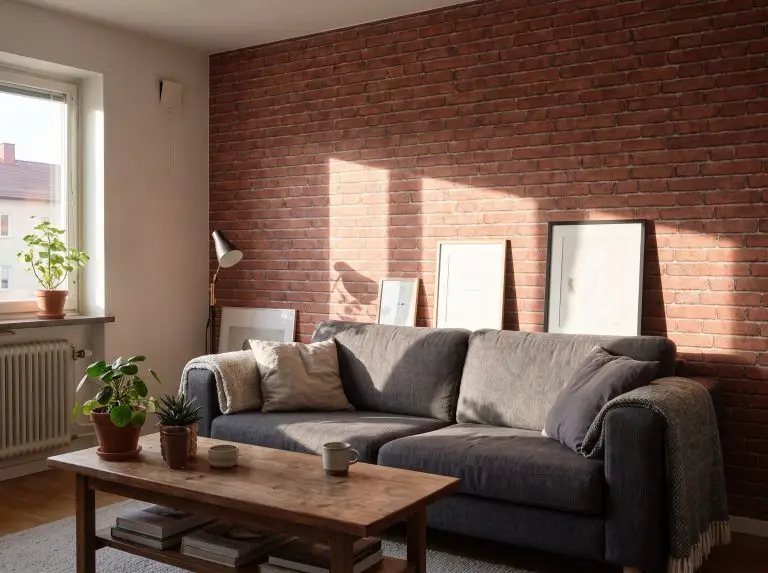
Ditch the dorm-room stigma. Here is how to use textured, matte-finish brick wallpaper to create rich, architectural character on a renter-friendly budget.
A brick wall shouldn’t feel like a relic. Discover how to use authentic limewashes, over-grouted joints, and tactile pairings to modernize exposed masonry.