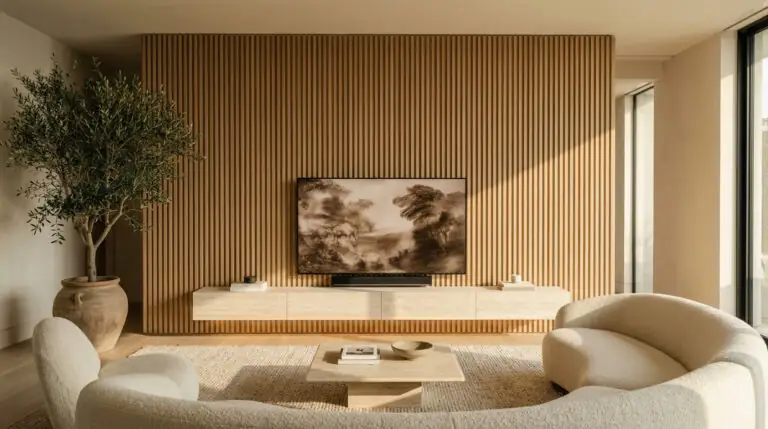
For years, the TV stand was an afterthought—a practical black box pushed against a wall. But as we move into 2026, that narrative has completely flipped. In the era of Quiet Luxury and Biophilic Design, the media console has graduated from a mere utility to the undisputed “anchor” of the living room.
The living room trends of 2026 are no longer about hiding functionality; they are about wrapping technology in warmth, texture, and architectural intent. The “ultra-minimalist white box” is out. In its place, we are seeing soulful materials, floor-to-ceiling “media walls,” and sculptural forms that look beautiful whether the TV is on or off.
If you are renovating your space or simply upgrading your setup, here is your definitive guide to the TV stand trends defining 2026.
🚀 Quick Summary: Modern TV Stand Trends 2026
The era of the “white box” is over. In 2026, TV stands are evolving into architectural focal points that prioritize warmth and texture.
The Shift: Why 2026 feels “Different”
Before we dive into specific styles, it’s important to understand the vibe of 2026. This year, interior design is rebelling against the “fast furniture” of the past decade. We are craving permanence and tactile experiences.
The 7 Core TV Stand Trends of 2026
1. The Architectural Media Wall
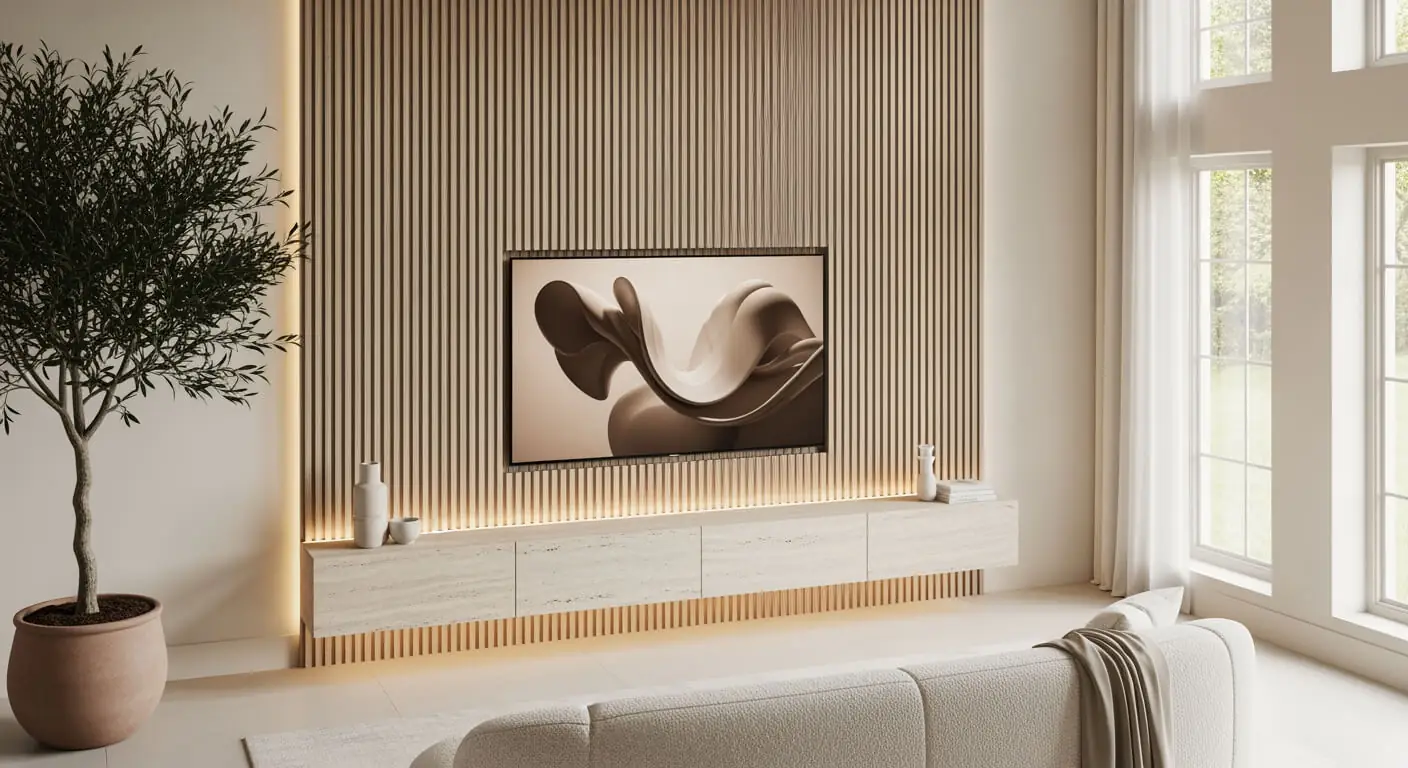
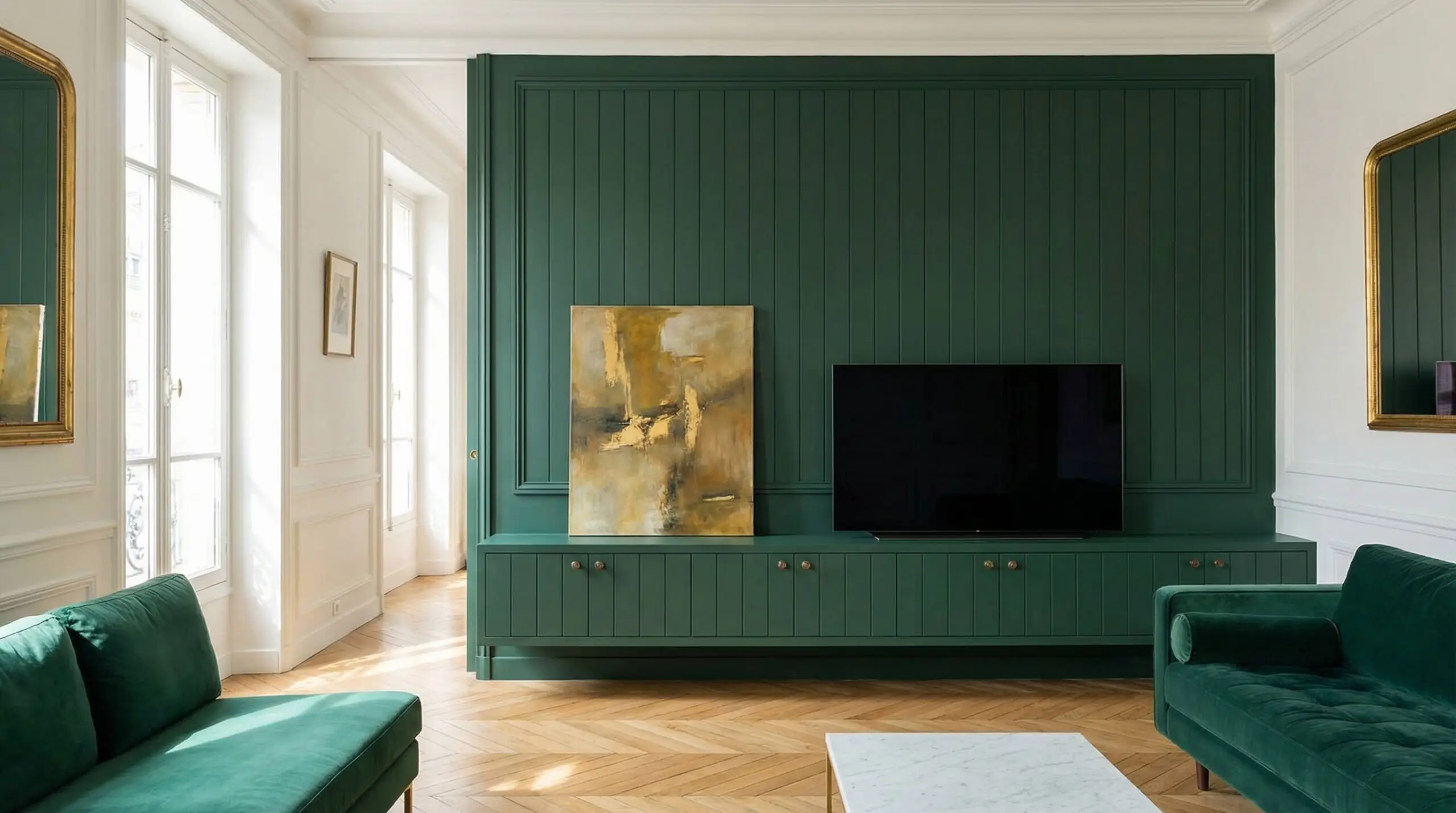
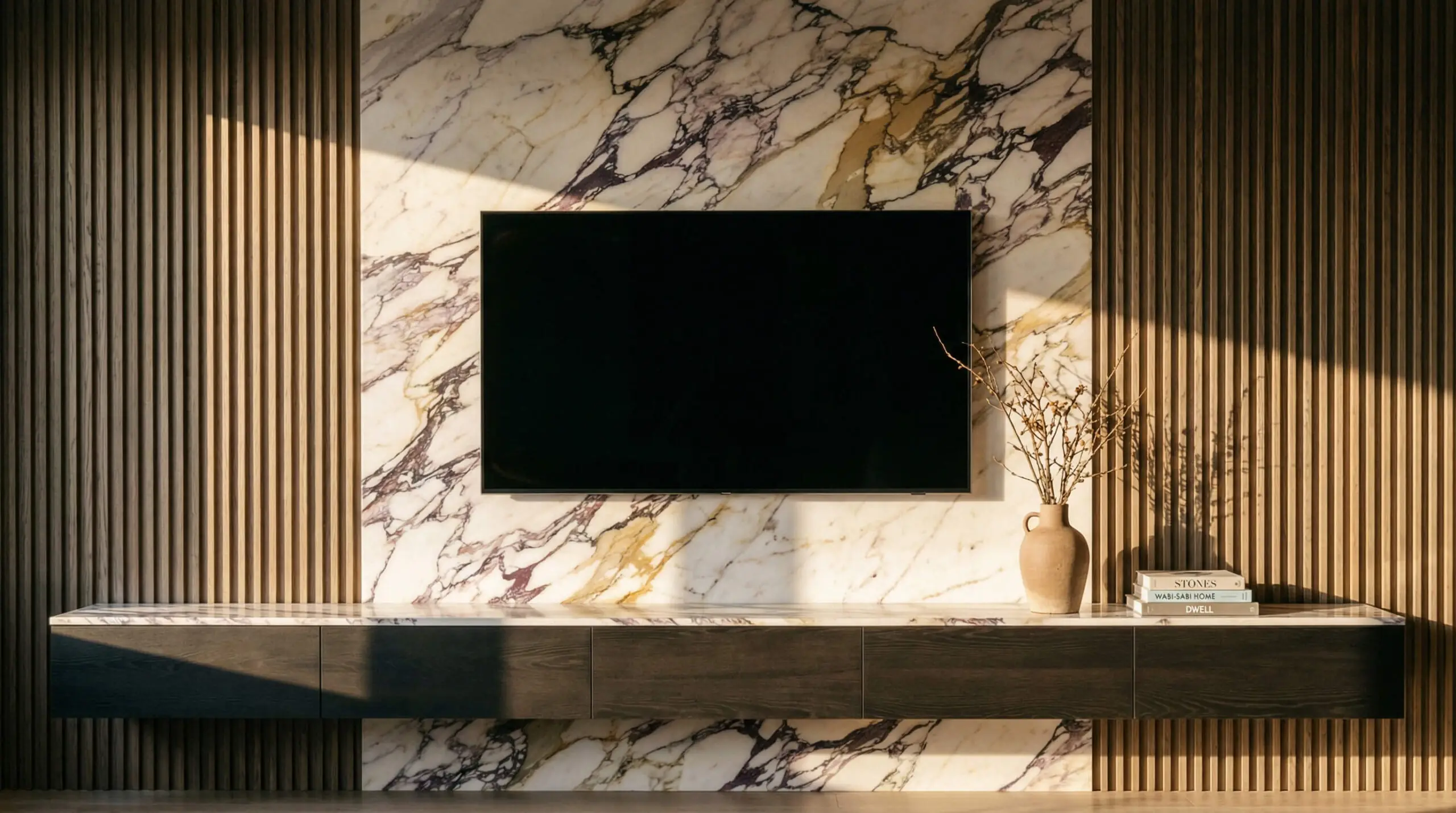
The biggest shift in 2026 is the move from a standalone cabinet to a full floor-to-ceiling treatment. This isn’t the bulky entertainment center of the 90s; it is a sleek, custom-look feature that adds depth and acoustic dampening to the room.
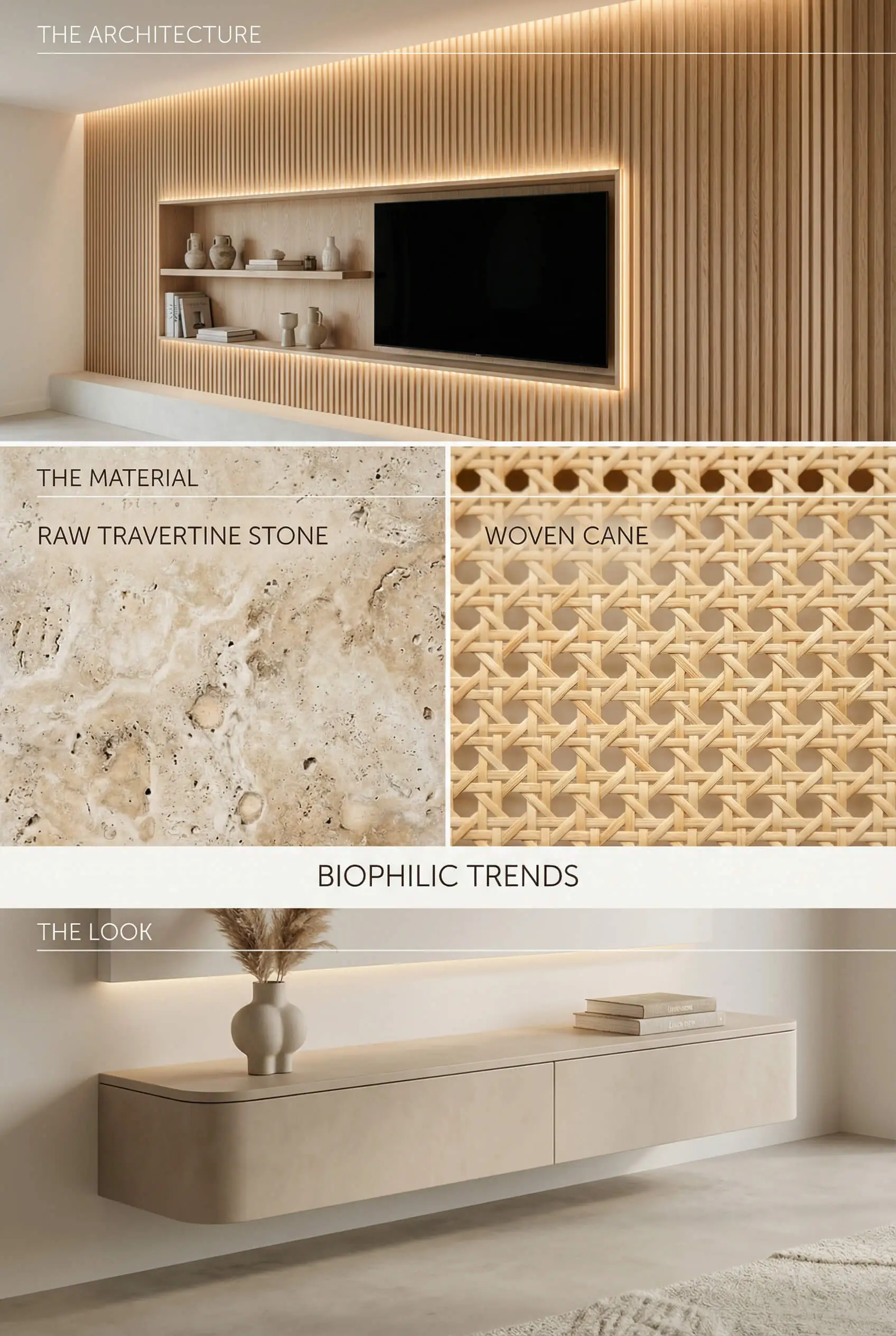
The Look: Vertical wood slats (fluted panels) that run behind the TV, often concealing cables and blending seamlessly into a low-slung console at the bottom.
Why It Works: It draws the eye upward, making ceilings feel higher, and turns the “black hole” of the TV screen into an intentional part of a gallery wall.
Pair It With: This look is stunning when combined with modern wall covering materials like acoustic felt or ribbed timber.
2. The “Floating” Sculptural Console
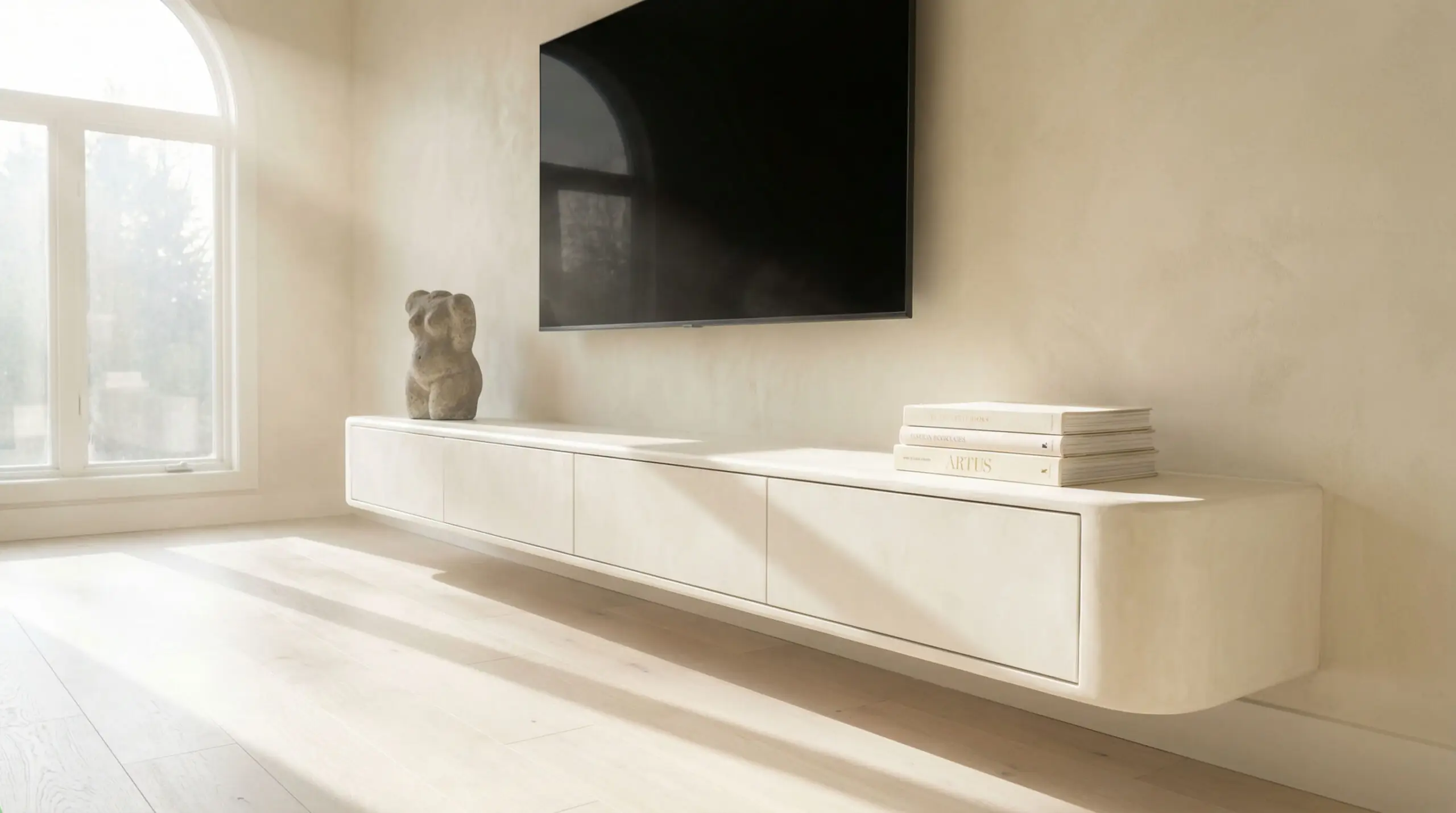
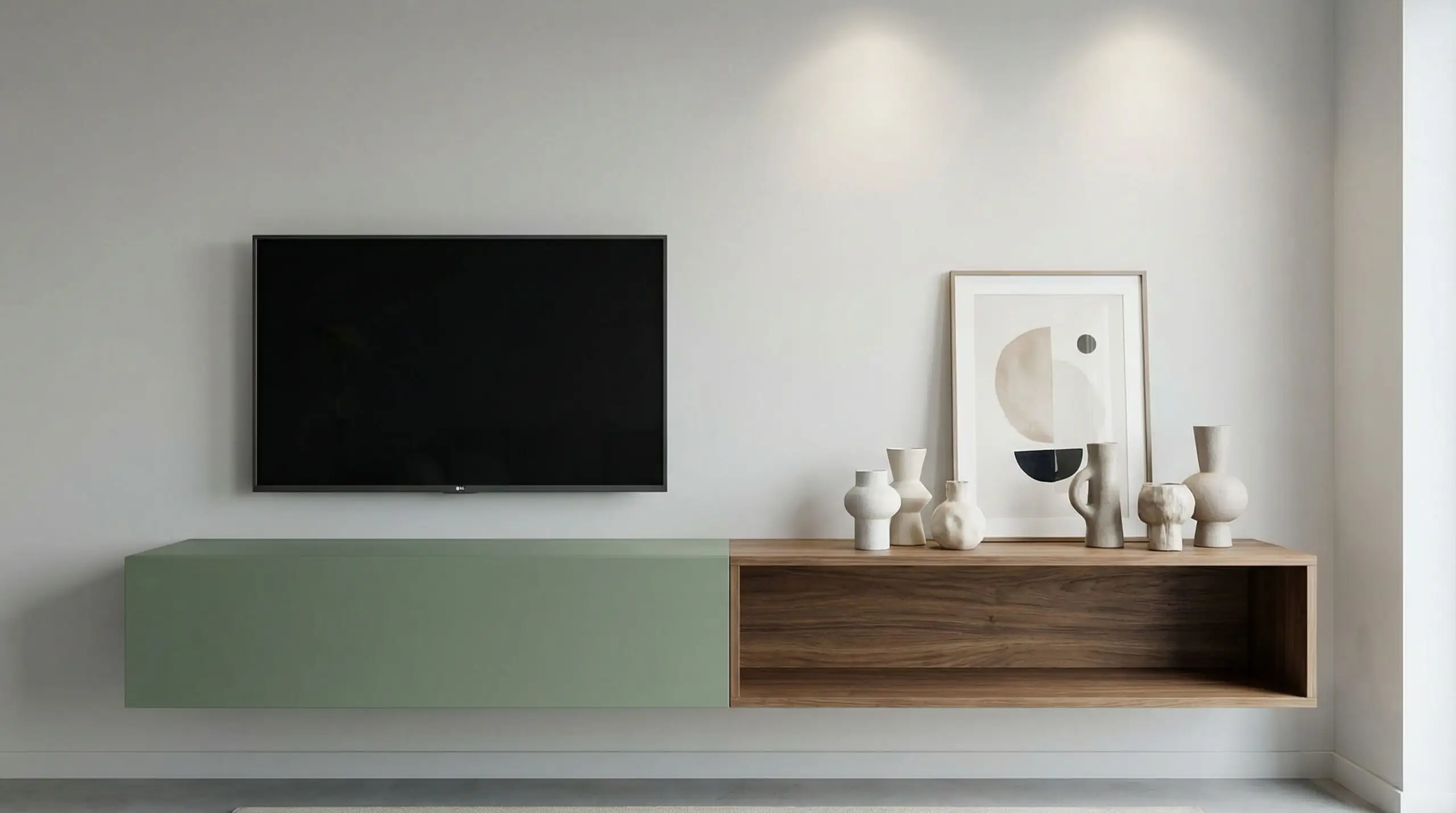
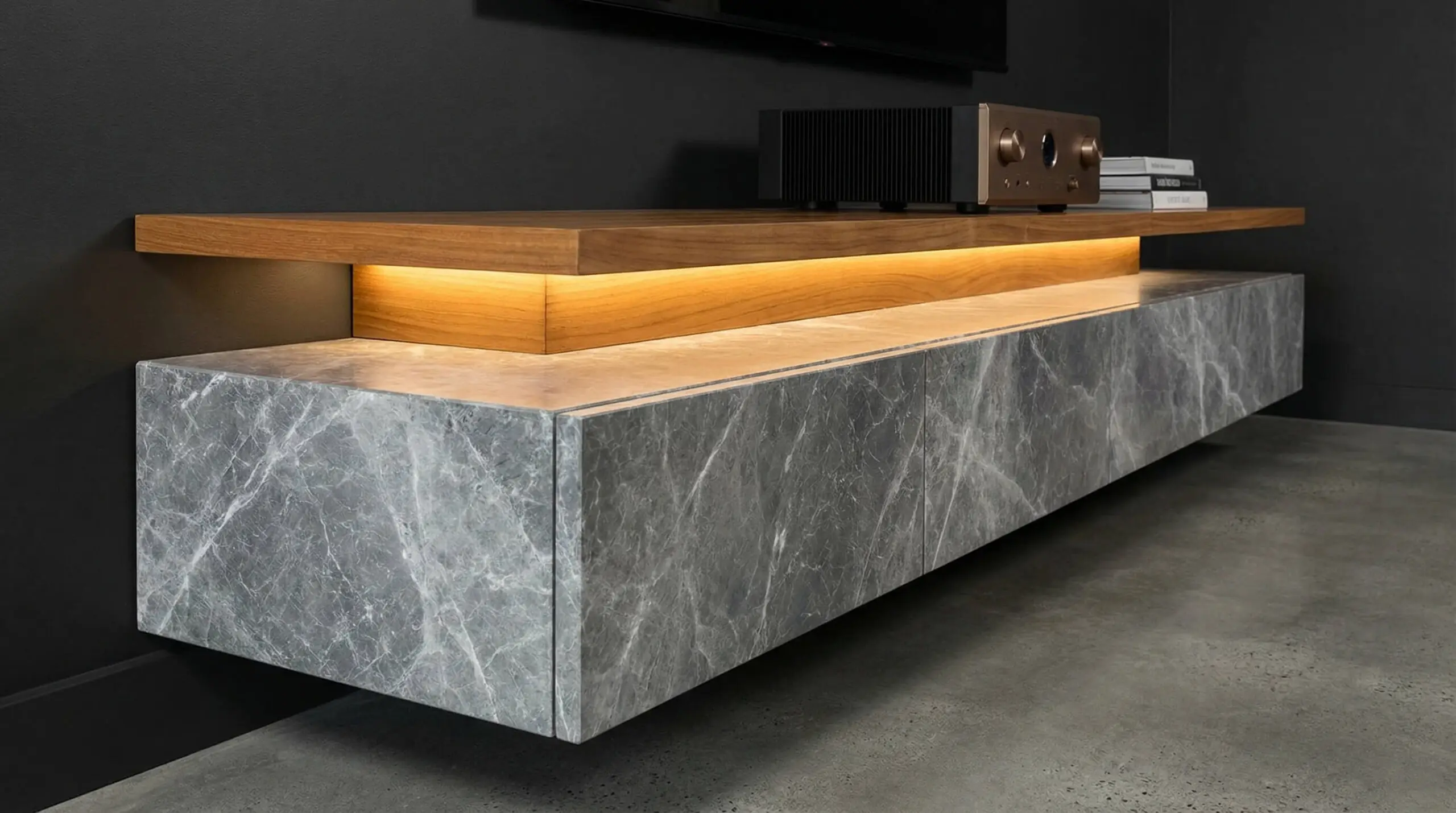
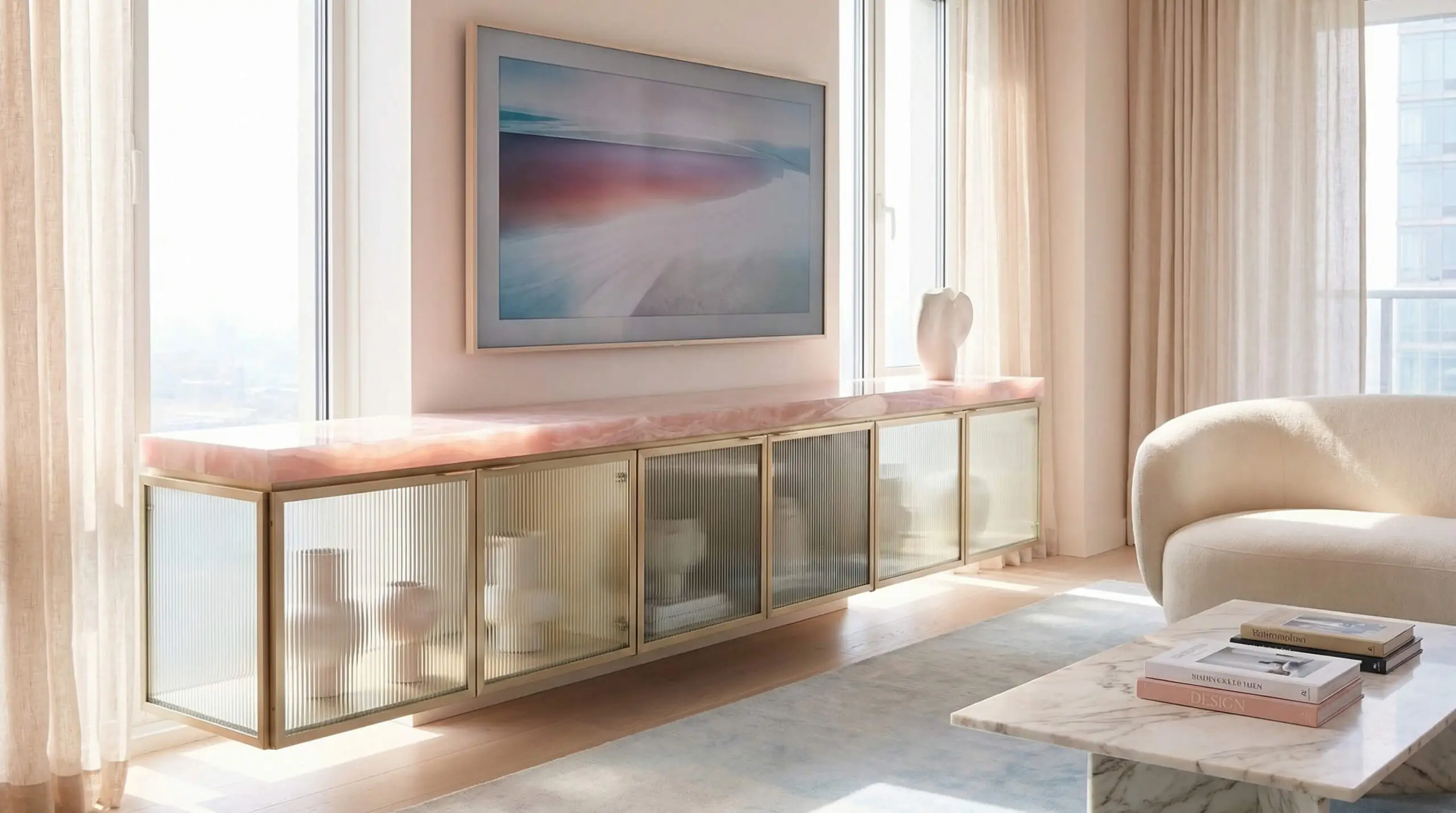
Gravity-defying furniture continues to dominate, but with a twist. The sharp, boxy floating shelves of previous years are softening. For 2026, look for curved edges, rounded corners, and asymmetrical designs.
The Look: A wall-mounted console that appears to hover 8-10 inches off the floor. The corners are radiused (rounded) to soften the room’s energy, fitting perfectly with the “curved furniture” movement.
Best For: Smaller spaces. Because you can see the floor beneath the unit, it tricks the brain into thinking the room is larger than it is.
Trend Alert: Look for “layered” designs where a wood shelf overlaps a stone base, creating a sense of movement.
3. Japandi & The Low-Profile Stance
Japandi style (the blend of Japanese minimalism and Scandinavian functionality) is evolving into a deeper, moodier aesthetic for 2026.
The Look: Extremely low TV stands (often just 12-15 inches high) that keep the sightlines open. These units feature matte finishes, slatted doors, and simple, handle-less facades.
Material Focus: Light white oak is still popular, but 2026 introduces “roasted” woods and darker stains that feel more grounded.
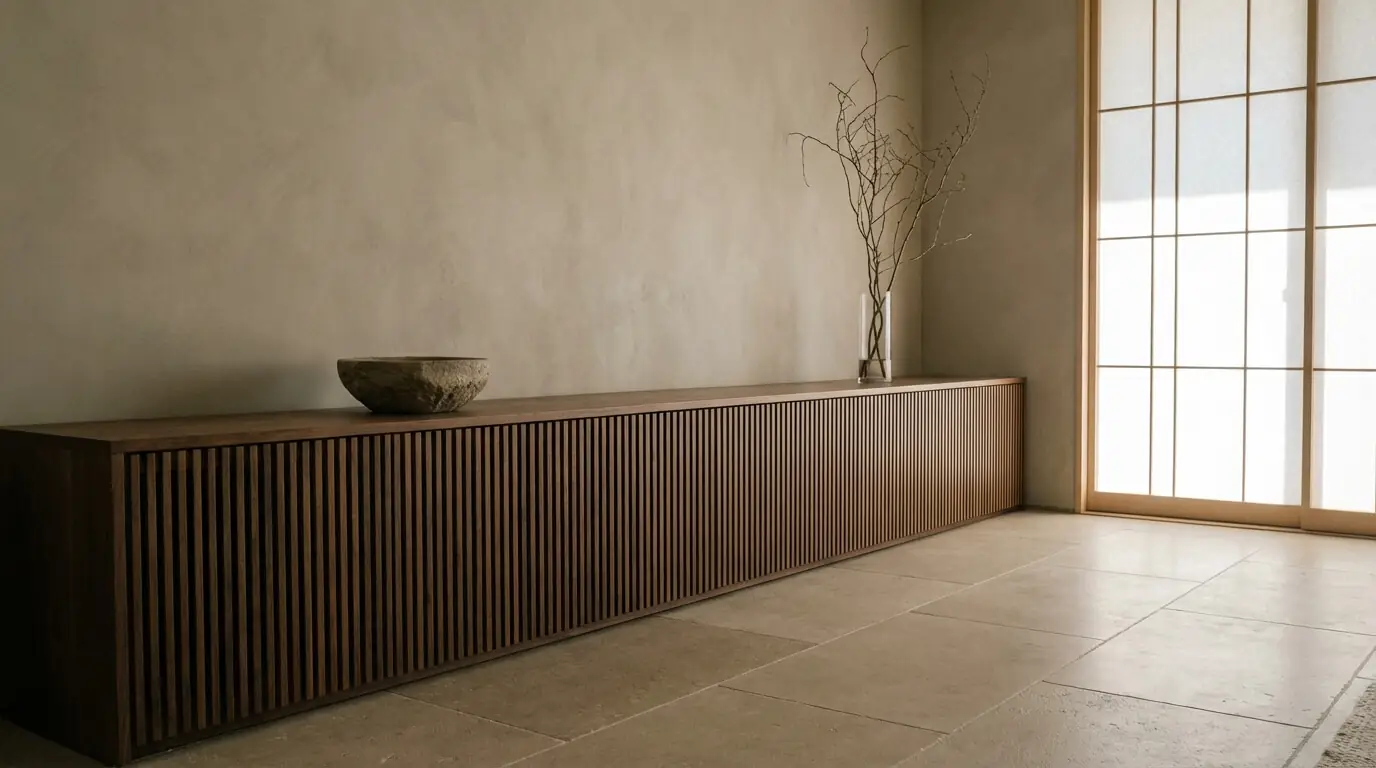
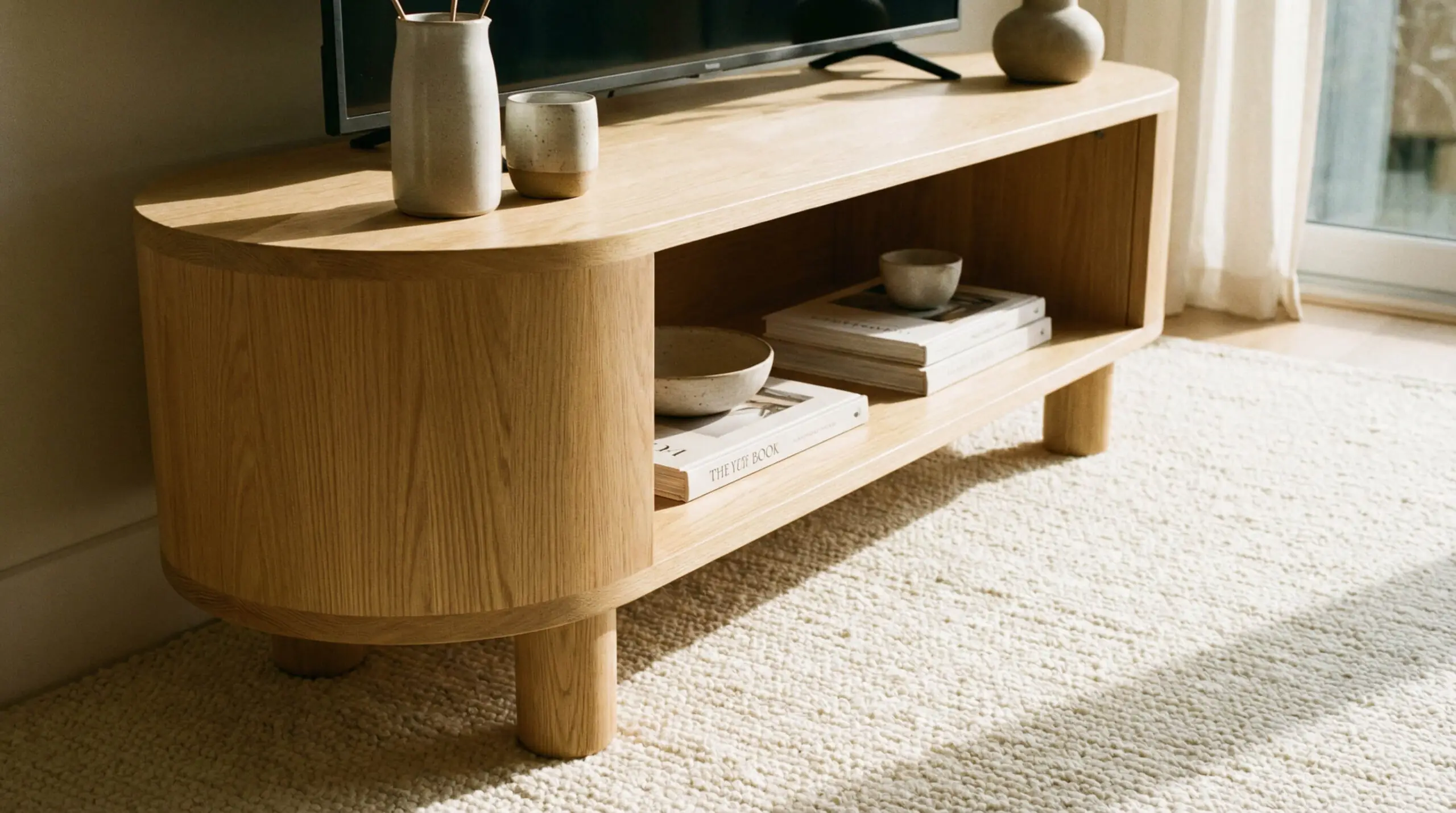
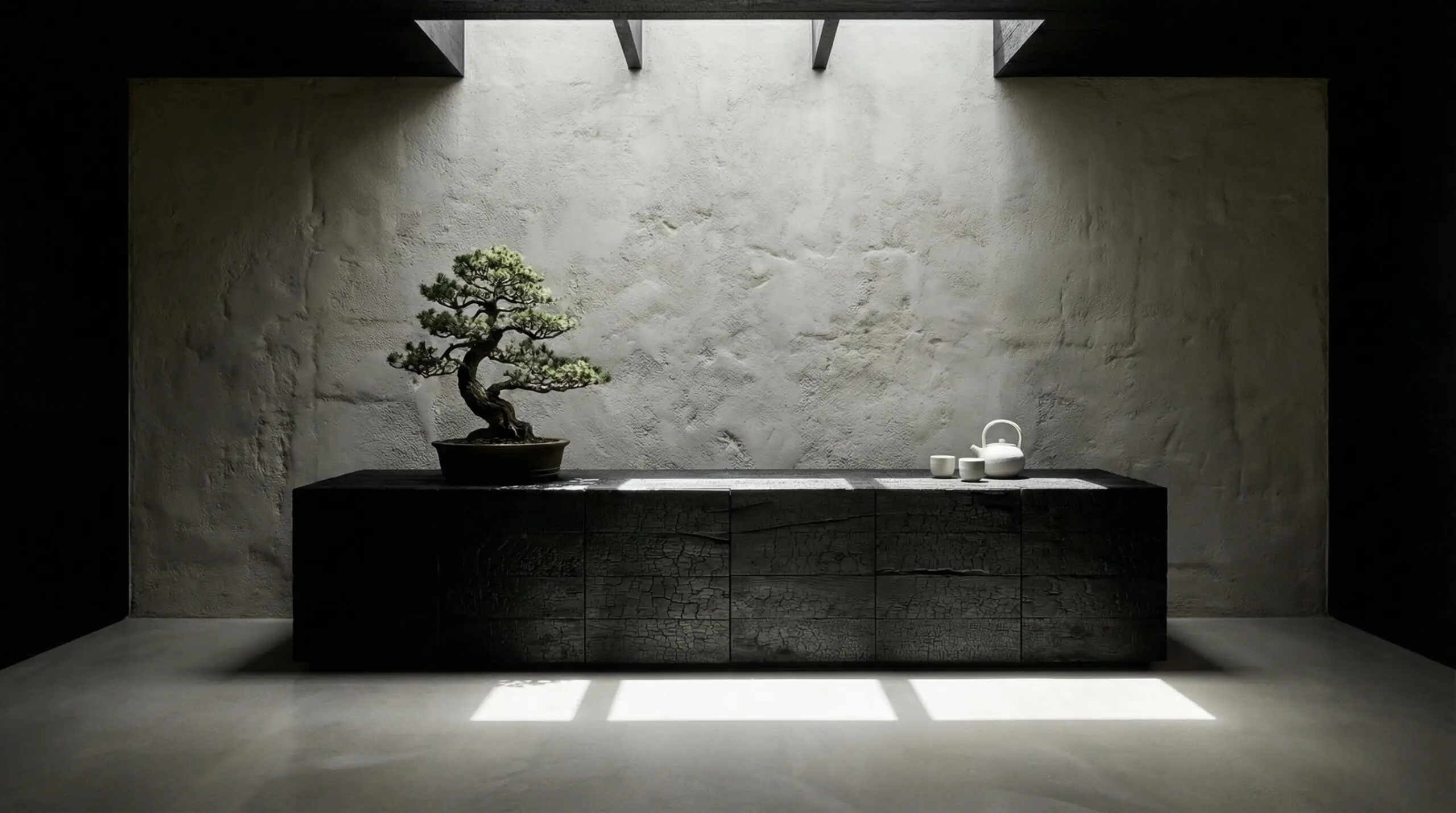
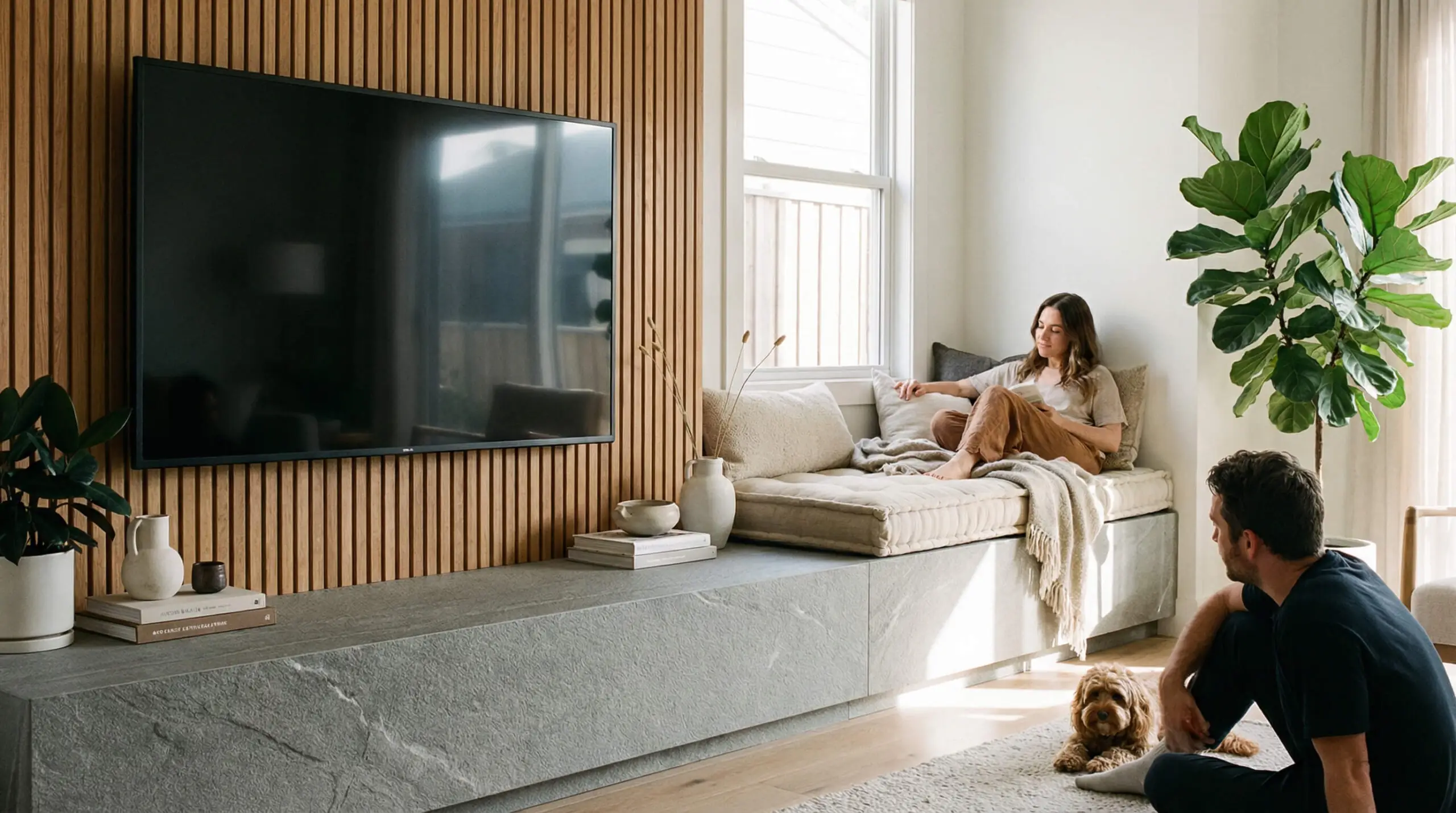
Because the stand is so low, you must balance the height. Place a tall ceramic vase with dried branches or a floor lamp on one side to re-establish vertical balance.
Styling Tip
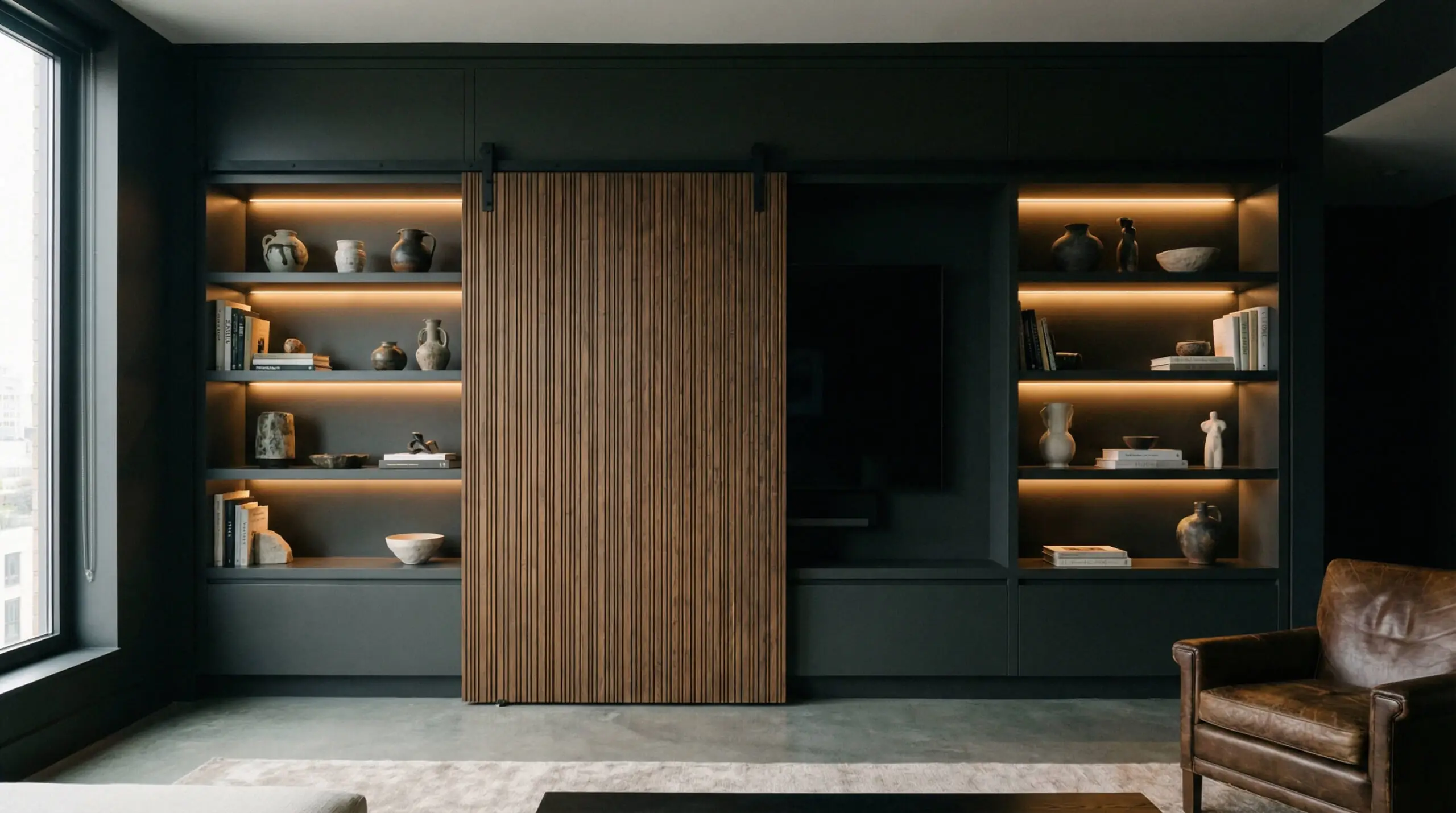
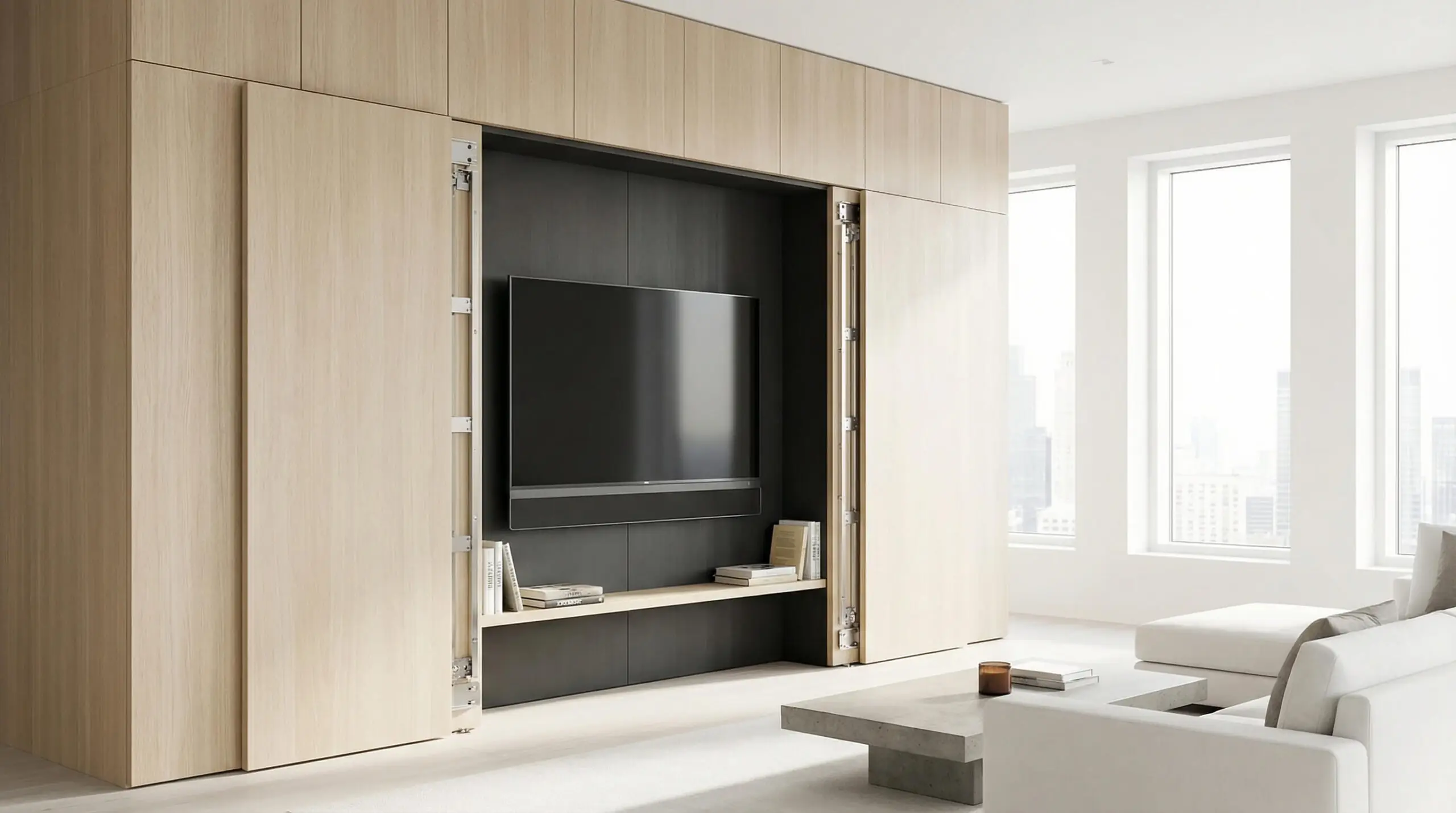
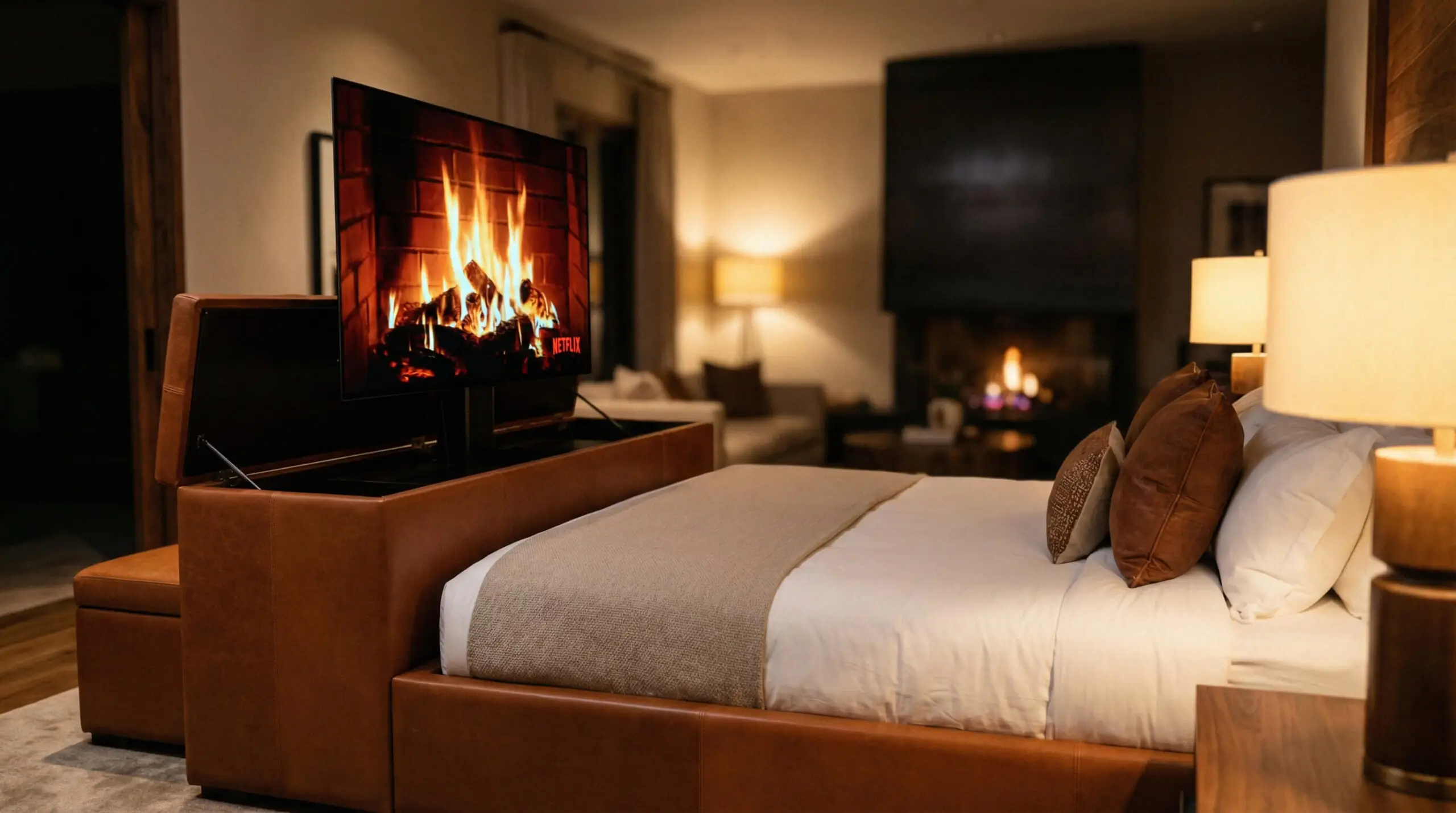
4. The “Hidden Tech” Aesthetic
Let’s be honest: nobody actually likes looking at a black screen. A massive trend for 2026 is invisible technology. This appeals to the “Quiet Luxury” crowd who want a living room that focuses on conversation, not content consumption.
The Look:
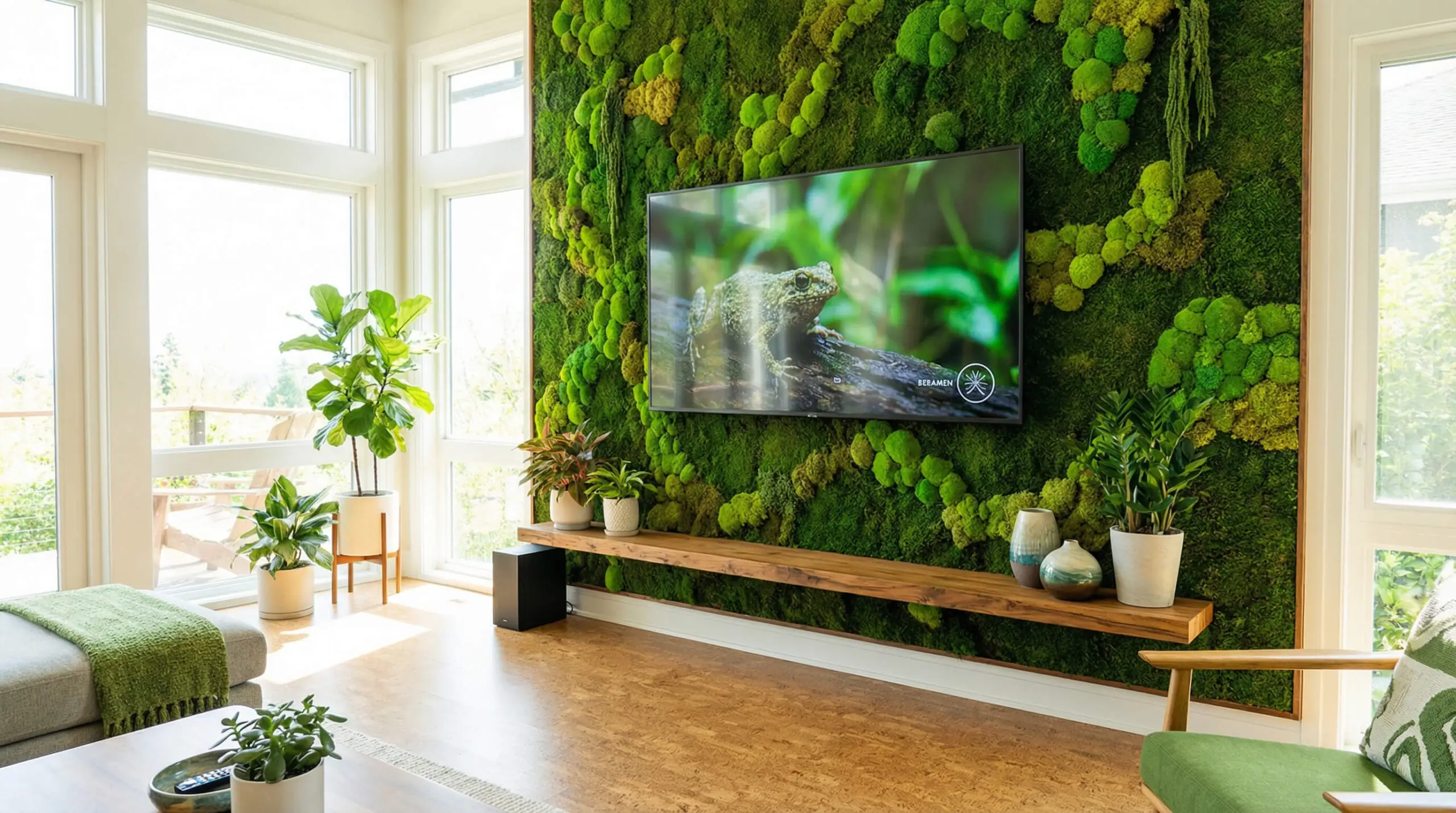
5. Biophilic & Raw Materials
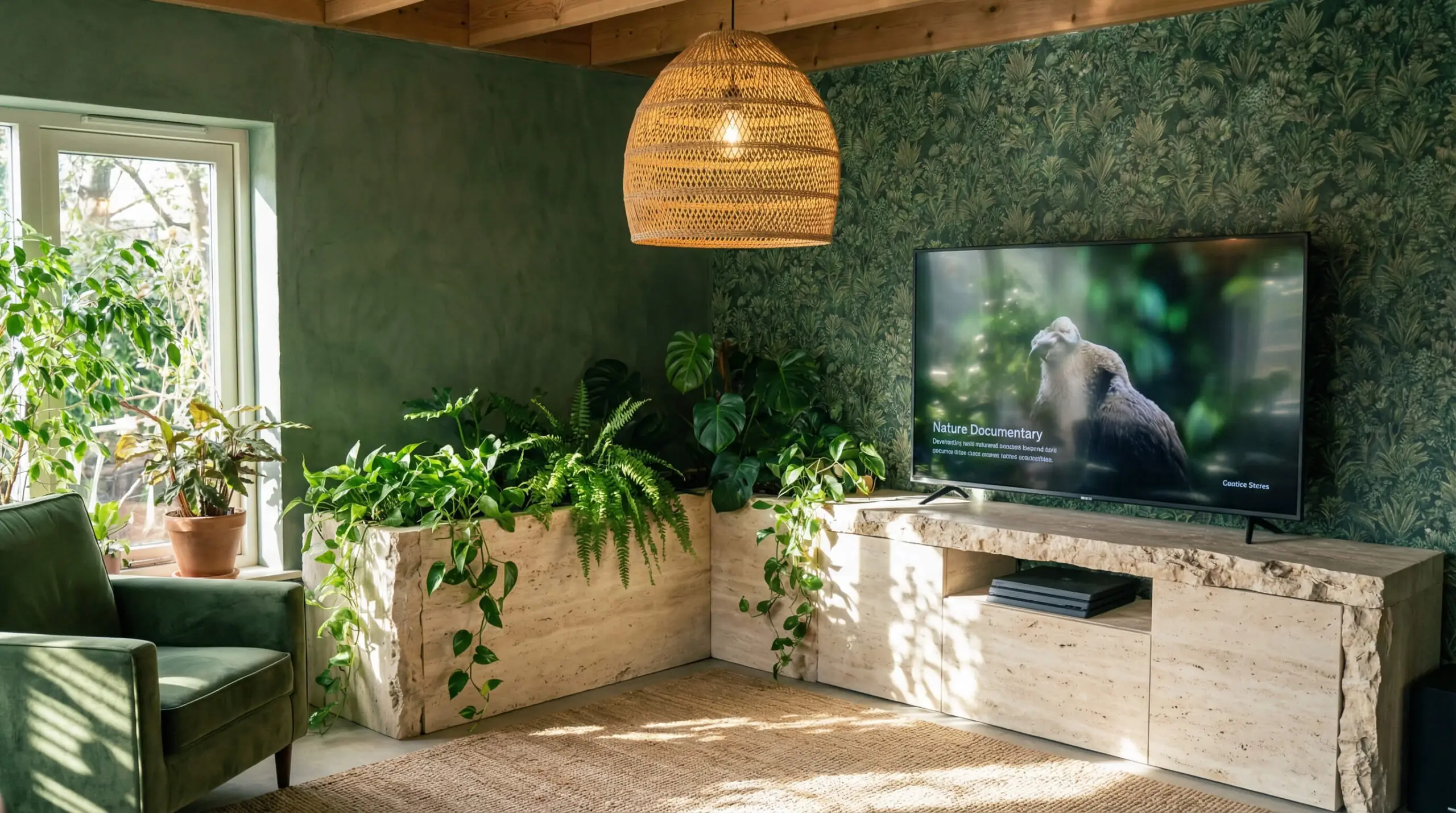
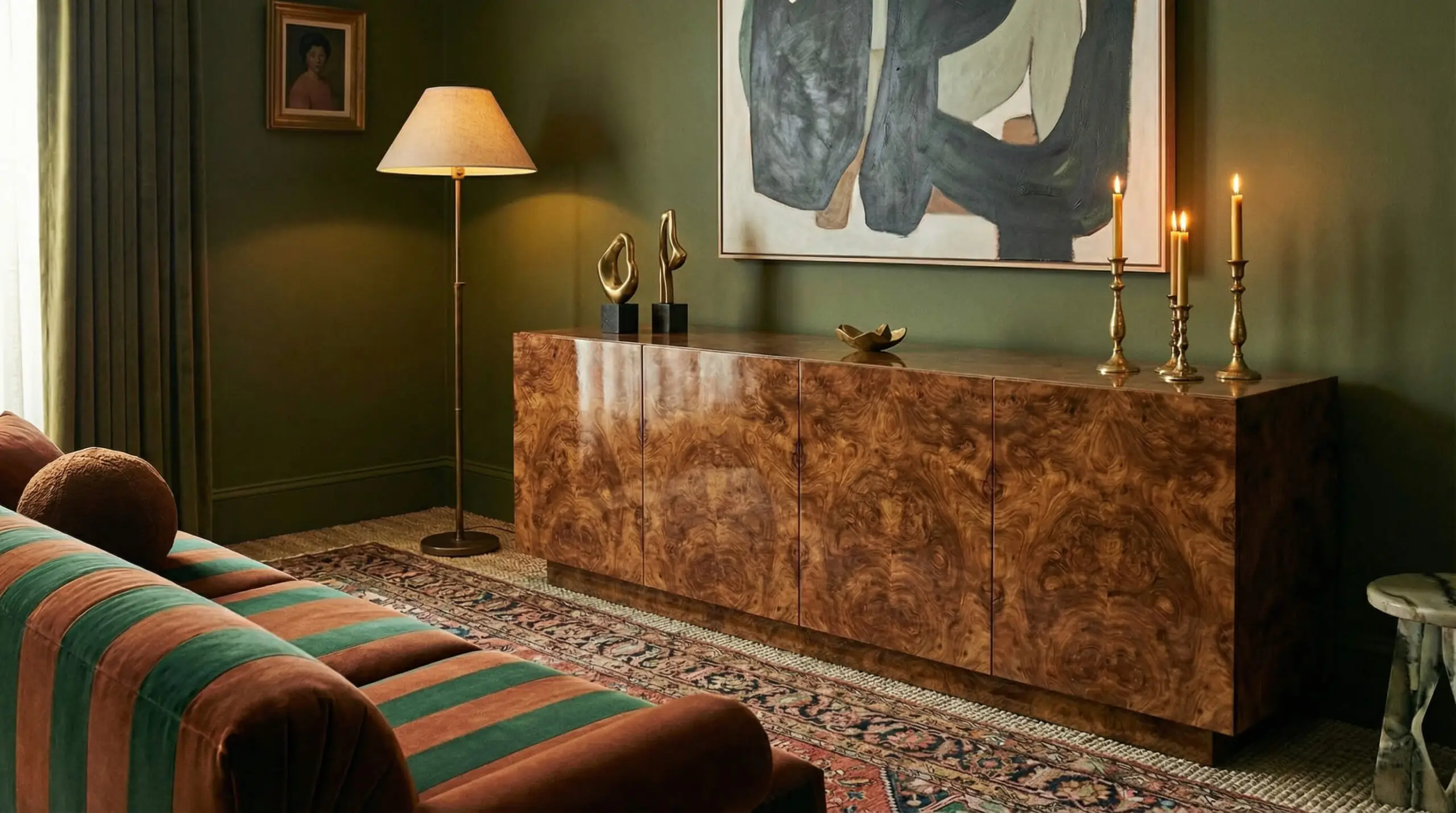
As we see in eco-sustainable design trends, “perfect” finishes are out. 2026 is about embracing the raw imperfections of nature.
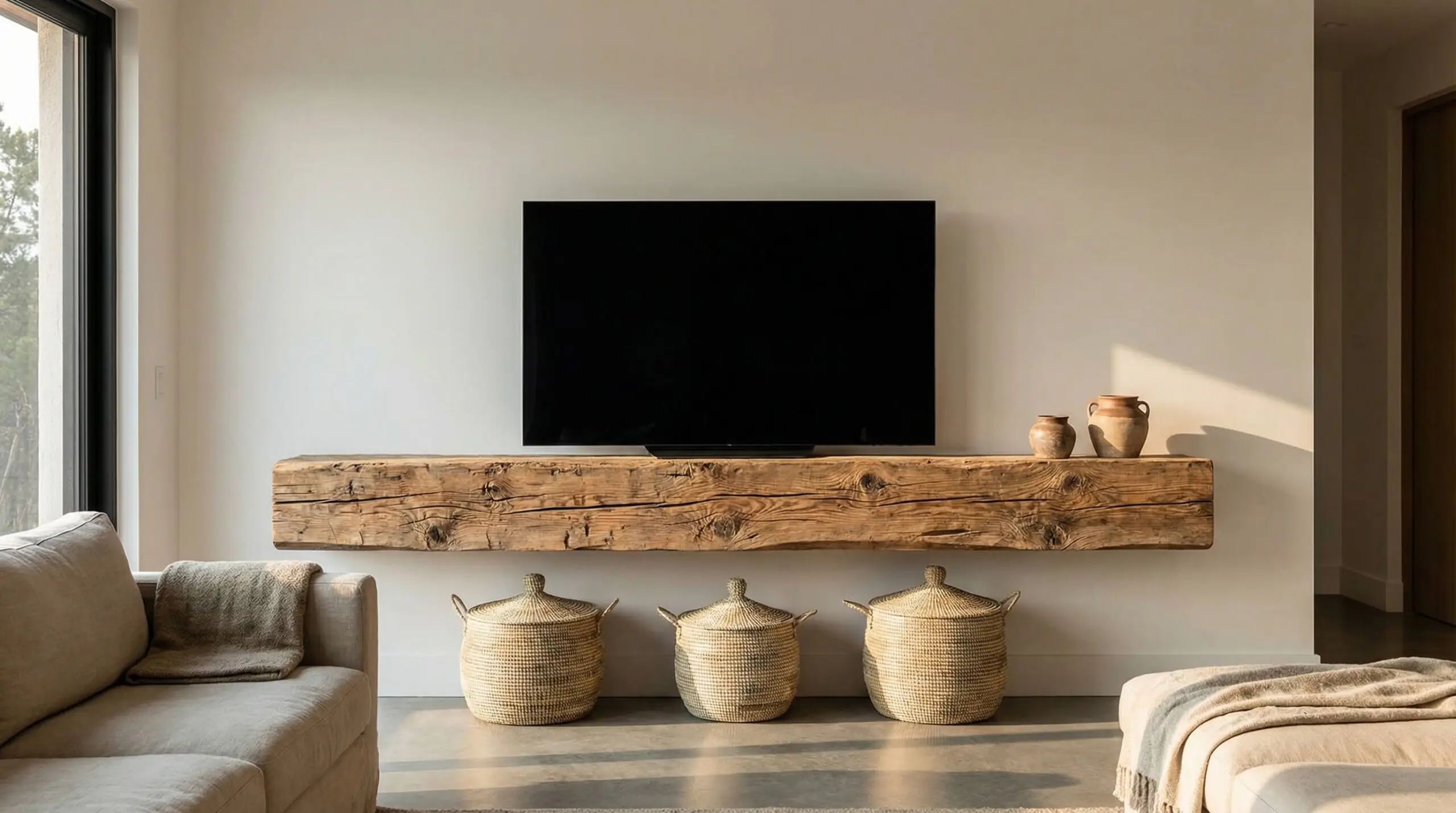
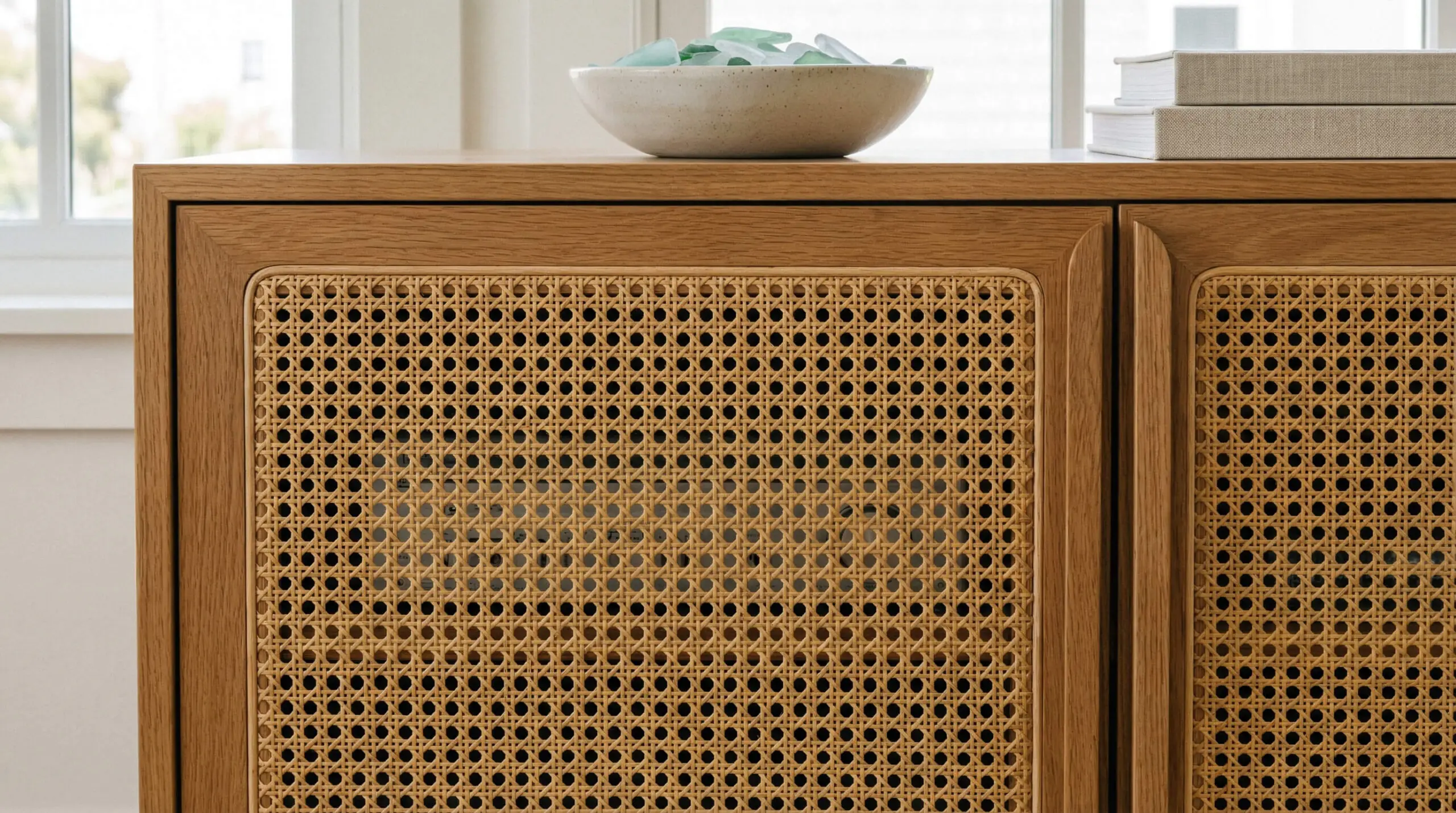
The Look: Live-edge wood slabs used as media consoles, rattan or cane door inserts that allow remote signals to pass through while hiding boxes, and heavy stone bases.
Key Materials:
6. The Fireplace Fusion
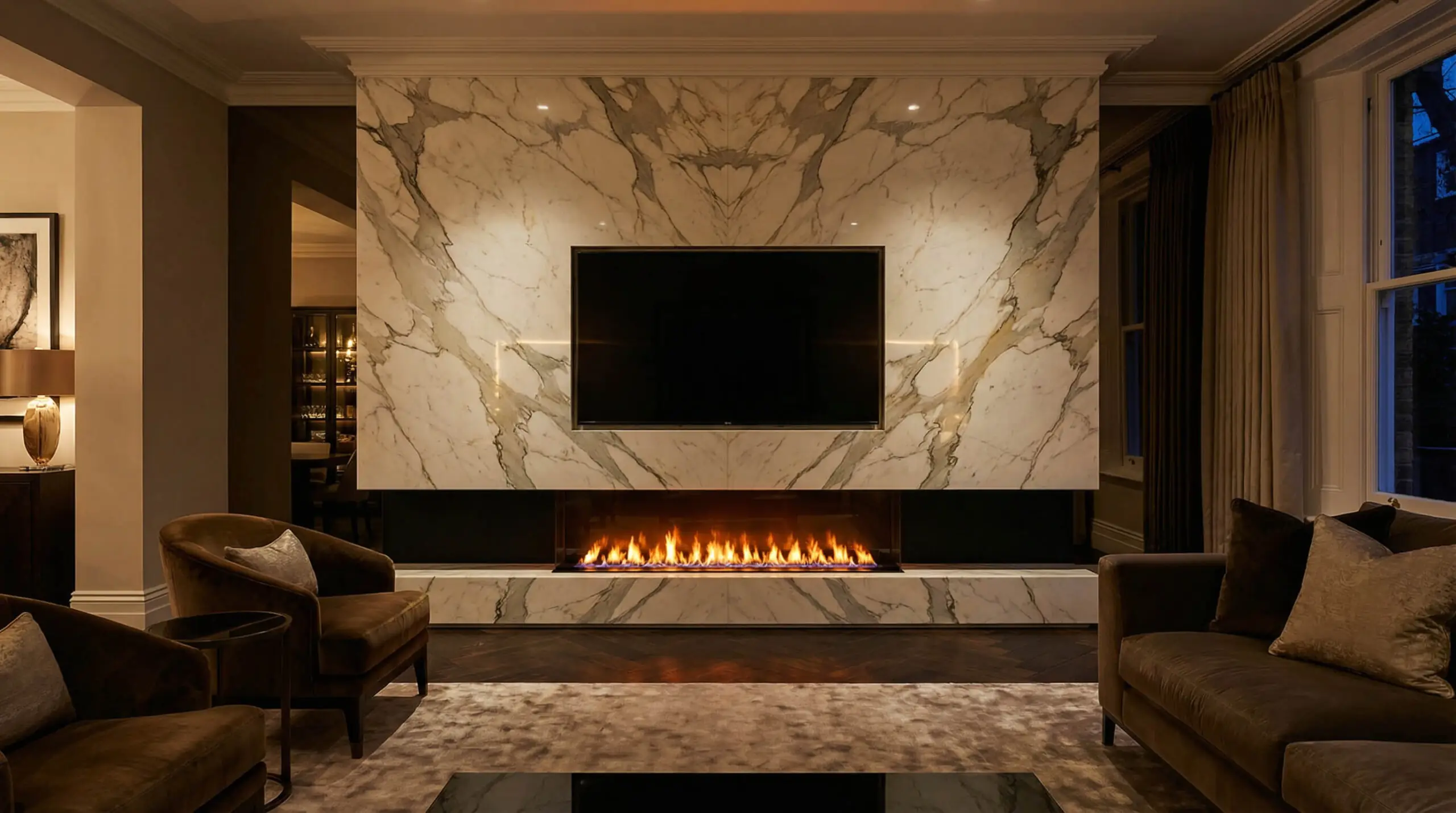
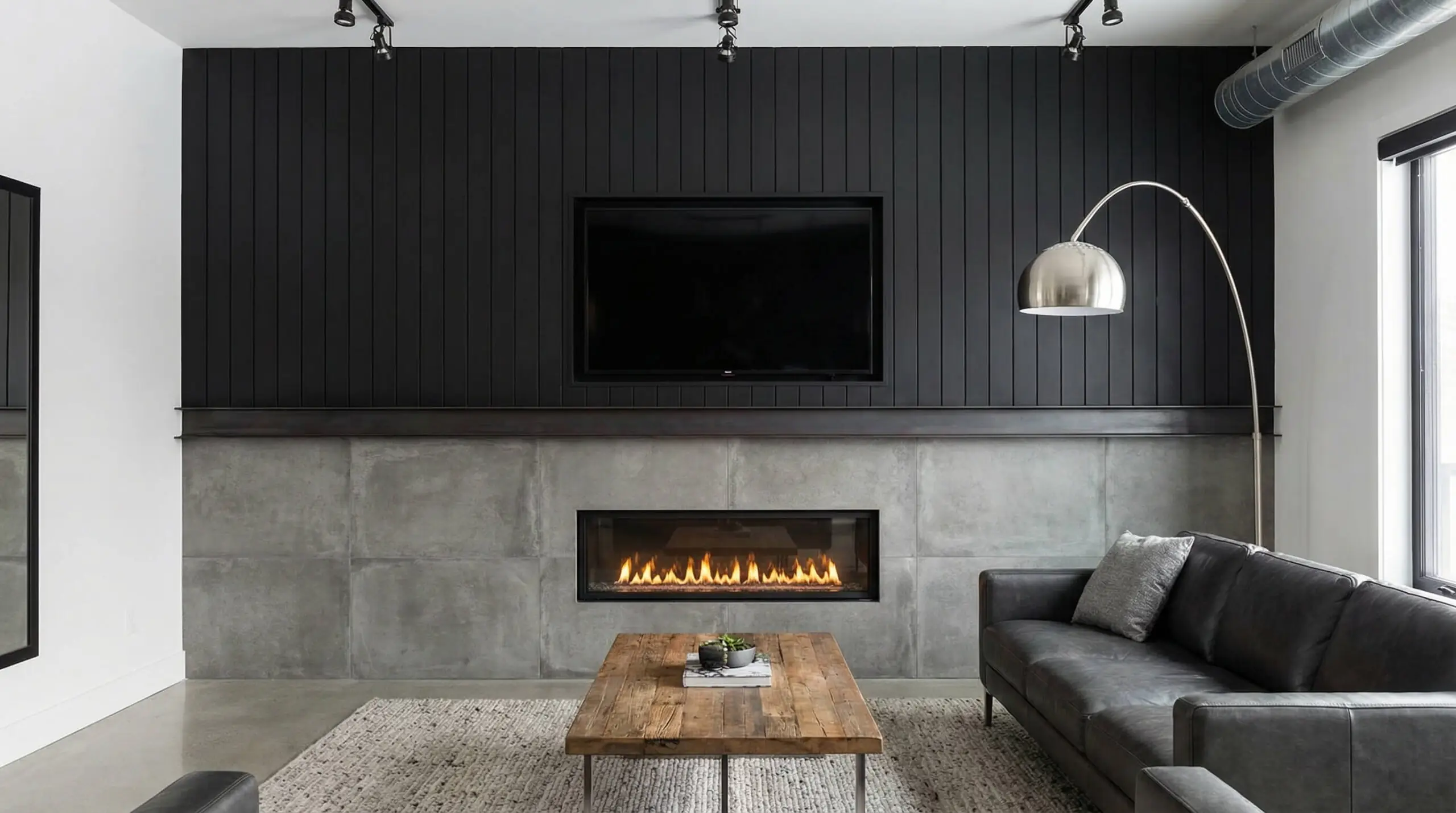
With open floor plans, the “TV wall” and the “Fireplace wall” are often fighting for dominance. In 2026, they have declared a truce.
The Look: A linear electric or bio-ethanol fireplace installed directly below the TV, unified by a single cladding material (like large-format porcelain or plaster).
Why It Works: It consolidates the focal points of the room. You no longer have to choose between facing the fire or facing the screen.
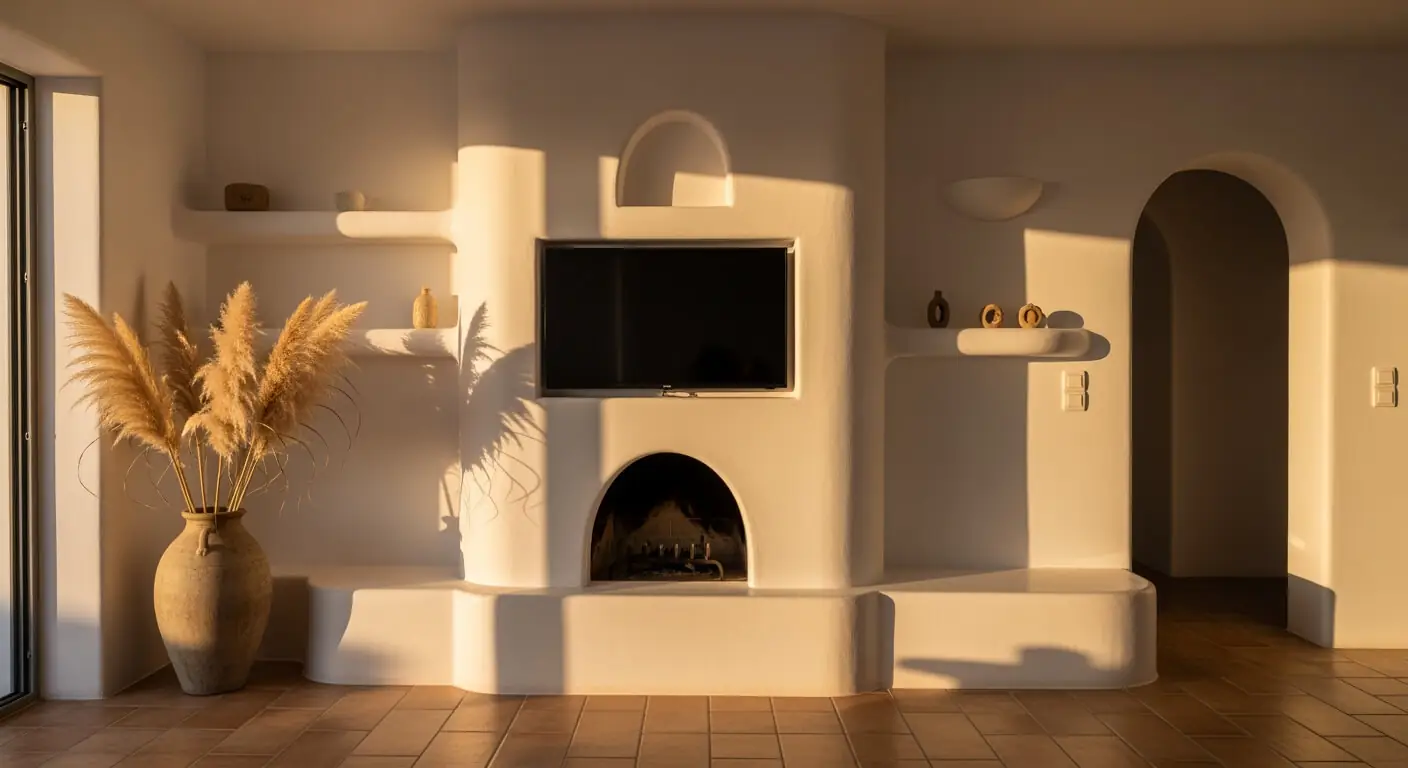
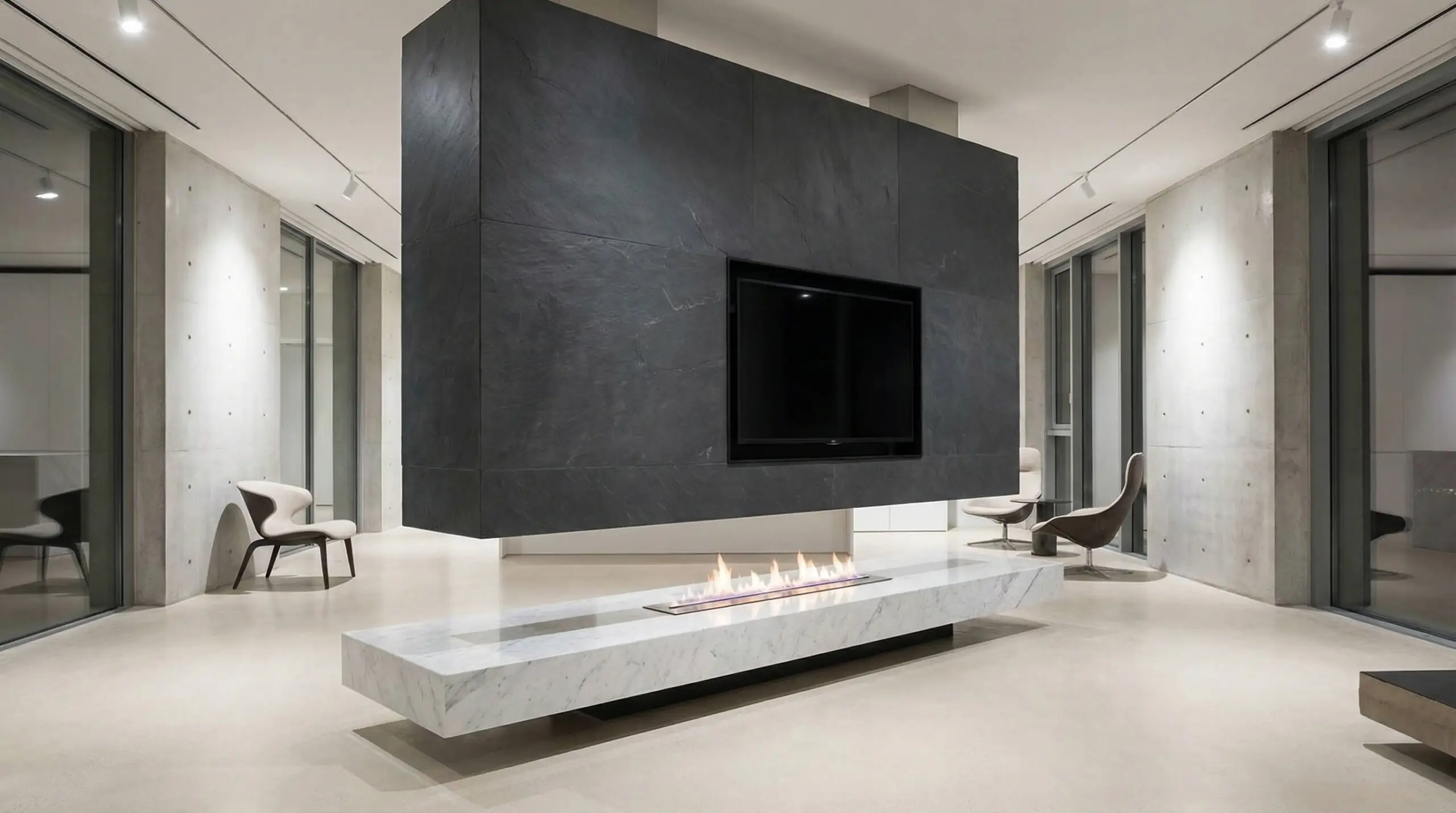
Read More: Check out our guide on Fireplace Trends to see how to execute this safely and stylishly.
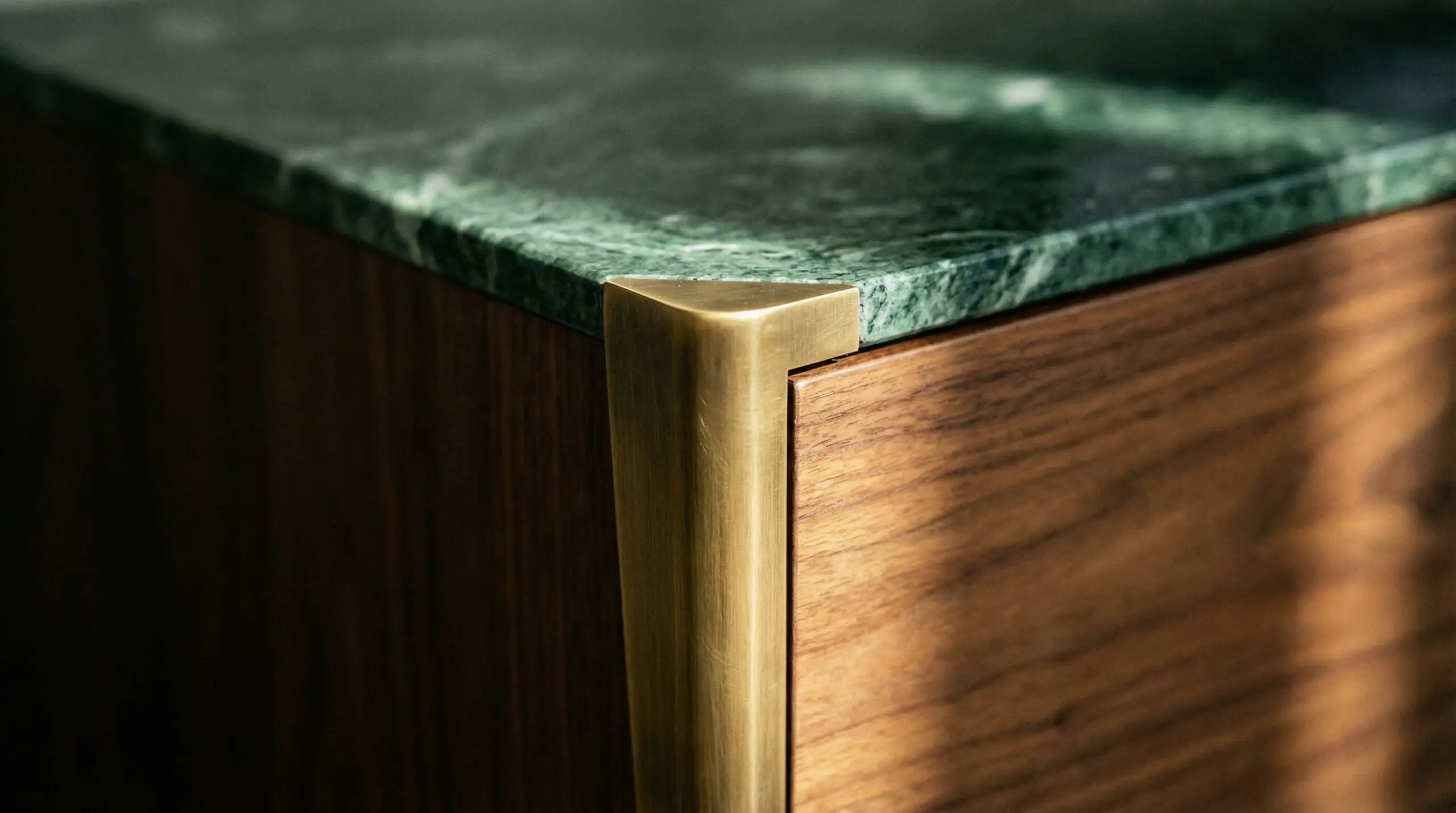
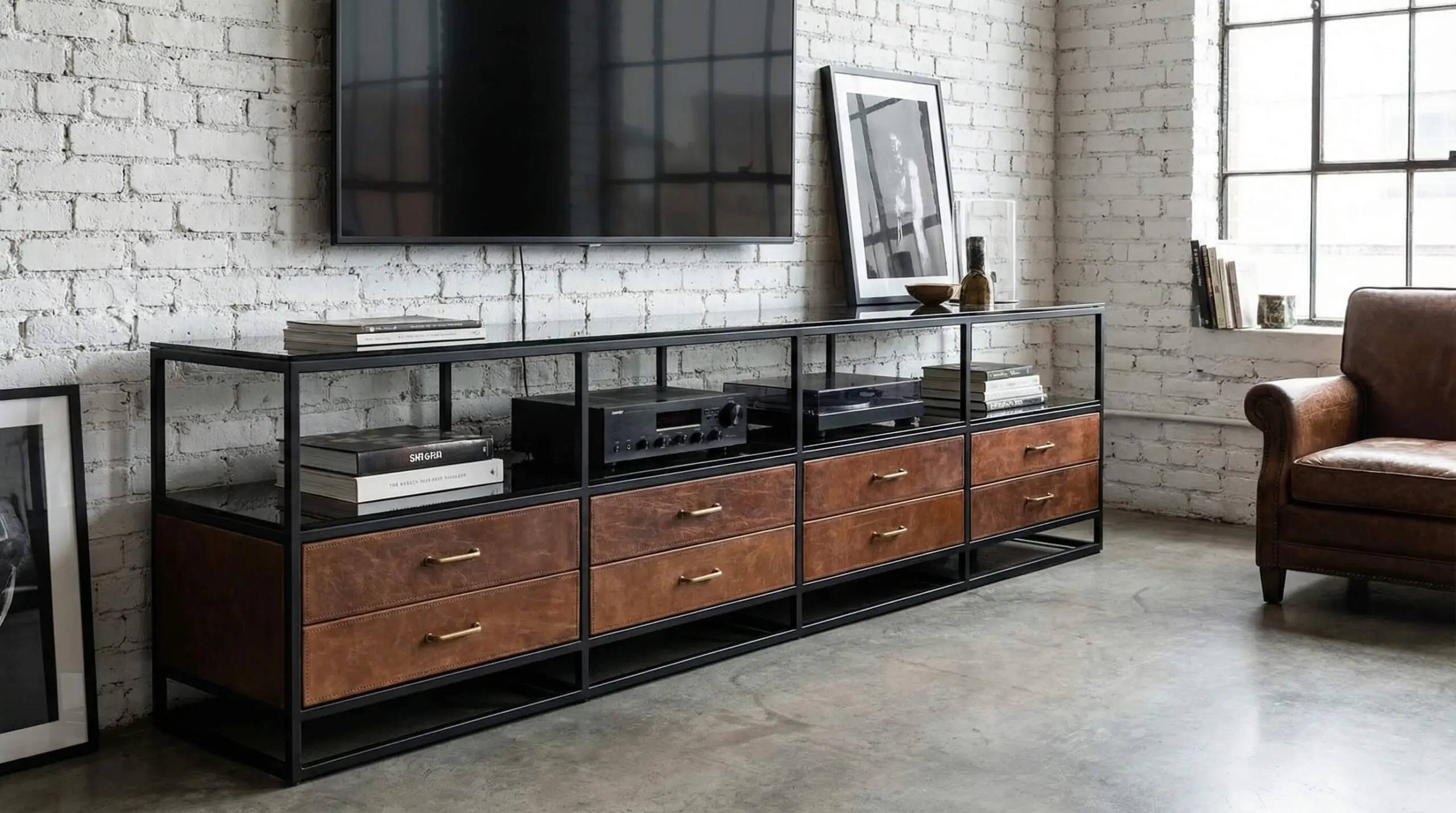
7. Mixed Material Glamour
For those who find minimalism too boring, “Mixed Material” designs offer a sophisticated alternative. This trend treats the TV stand like a piece of jewelry.
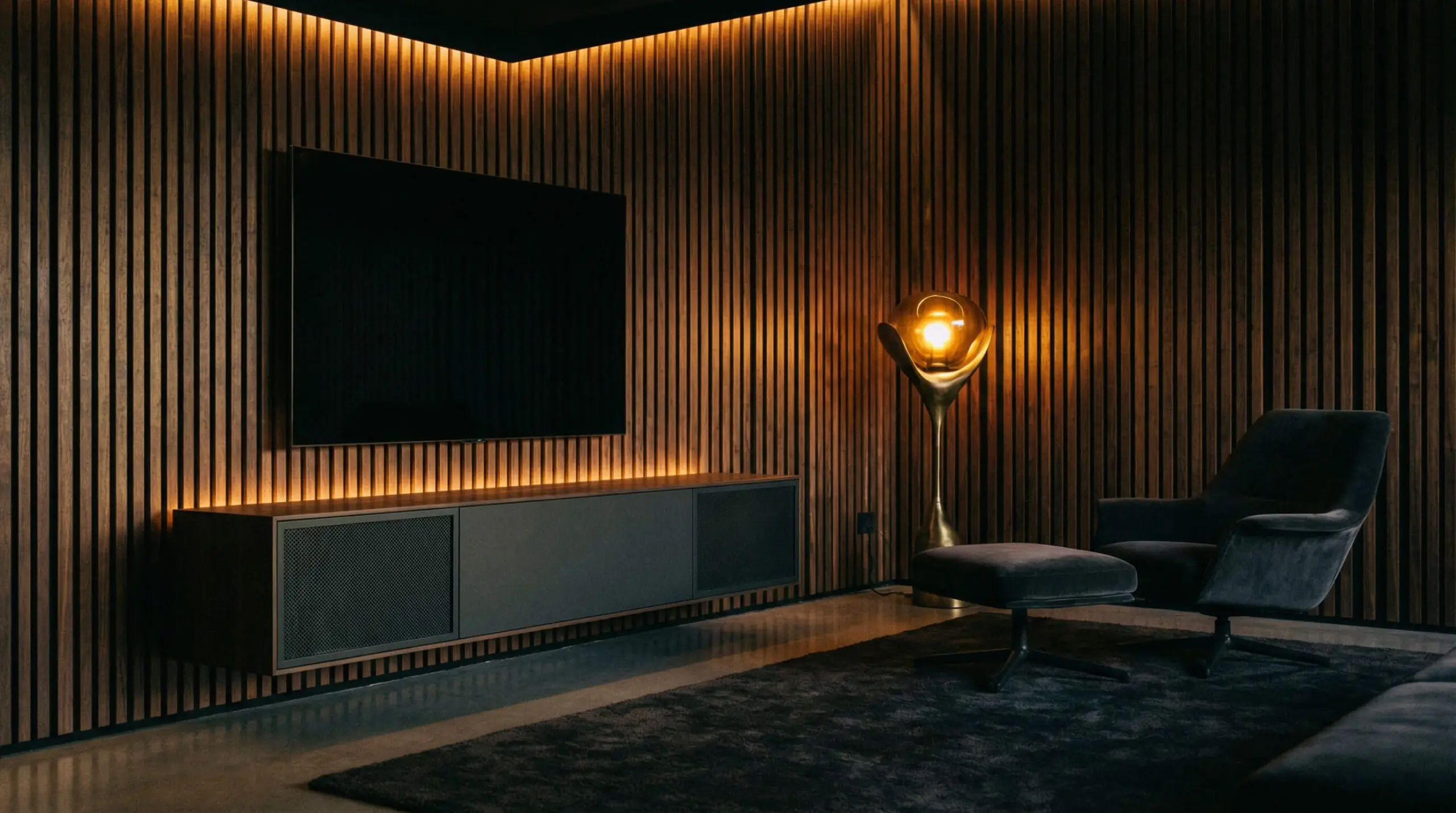
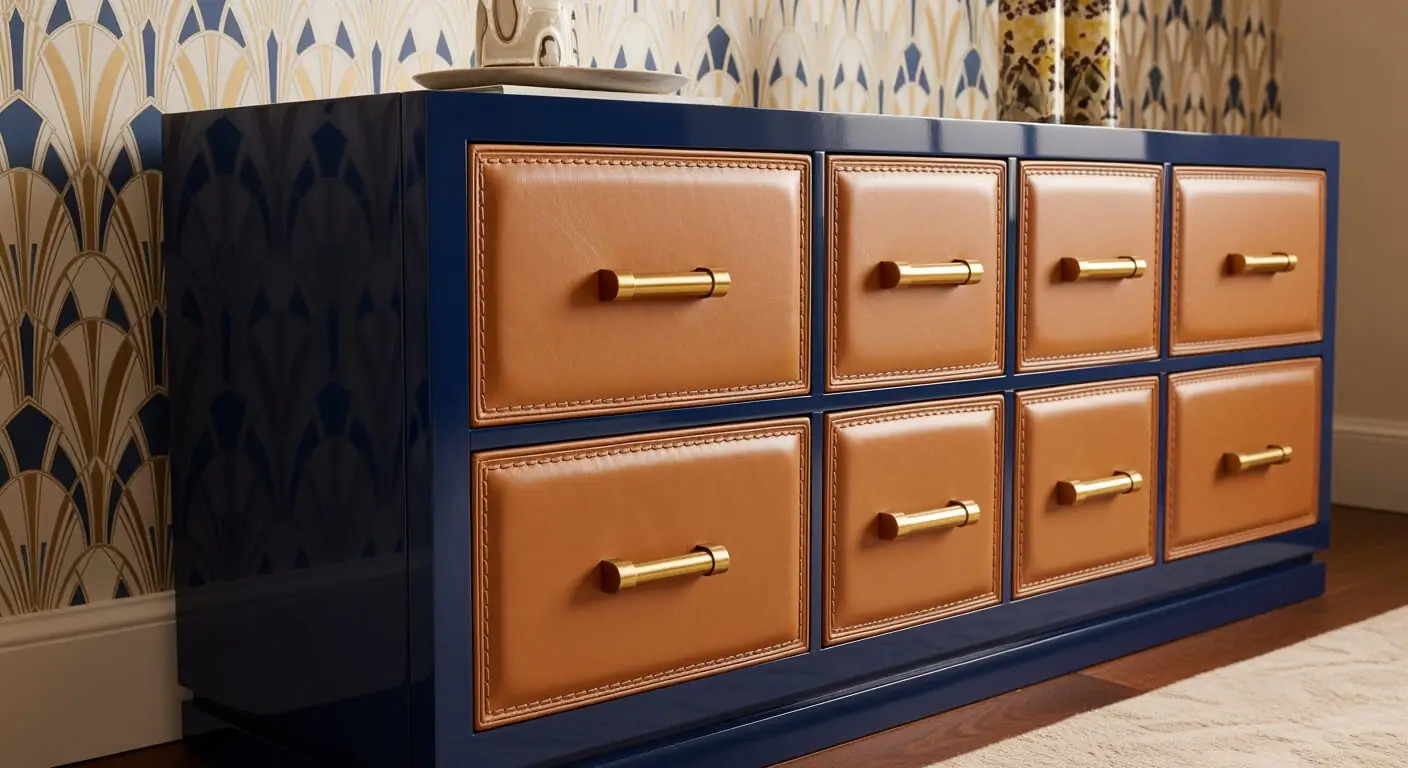
The Look: A walnut cabinet with a marble top and antique brass legs. Or, a matte black unit with smoked glass doors and leather pulls.
The Palette: We are seeing a move away from bright chrome. The metals of 2026 are warm—burnished bronze, champagne gold, and brushed copper. This pairs beautifully with the new wave of coffee table trends which are also mixing stone and metal.
The Devil is in the Details: What to Look For
As we move into 2026, the difference between a “cheap” look and a “luxury” look often has nothing to do with the price tag—it is all about the finish details. The “fast furniture” era of flat-pack boxes is fading. Today, we look for thoughtful engineering that makes life easier and the furniture more beautiful.
Here are the four specific details that separate a basic stand from a trend-forward investment piece.
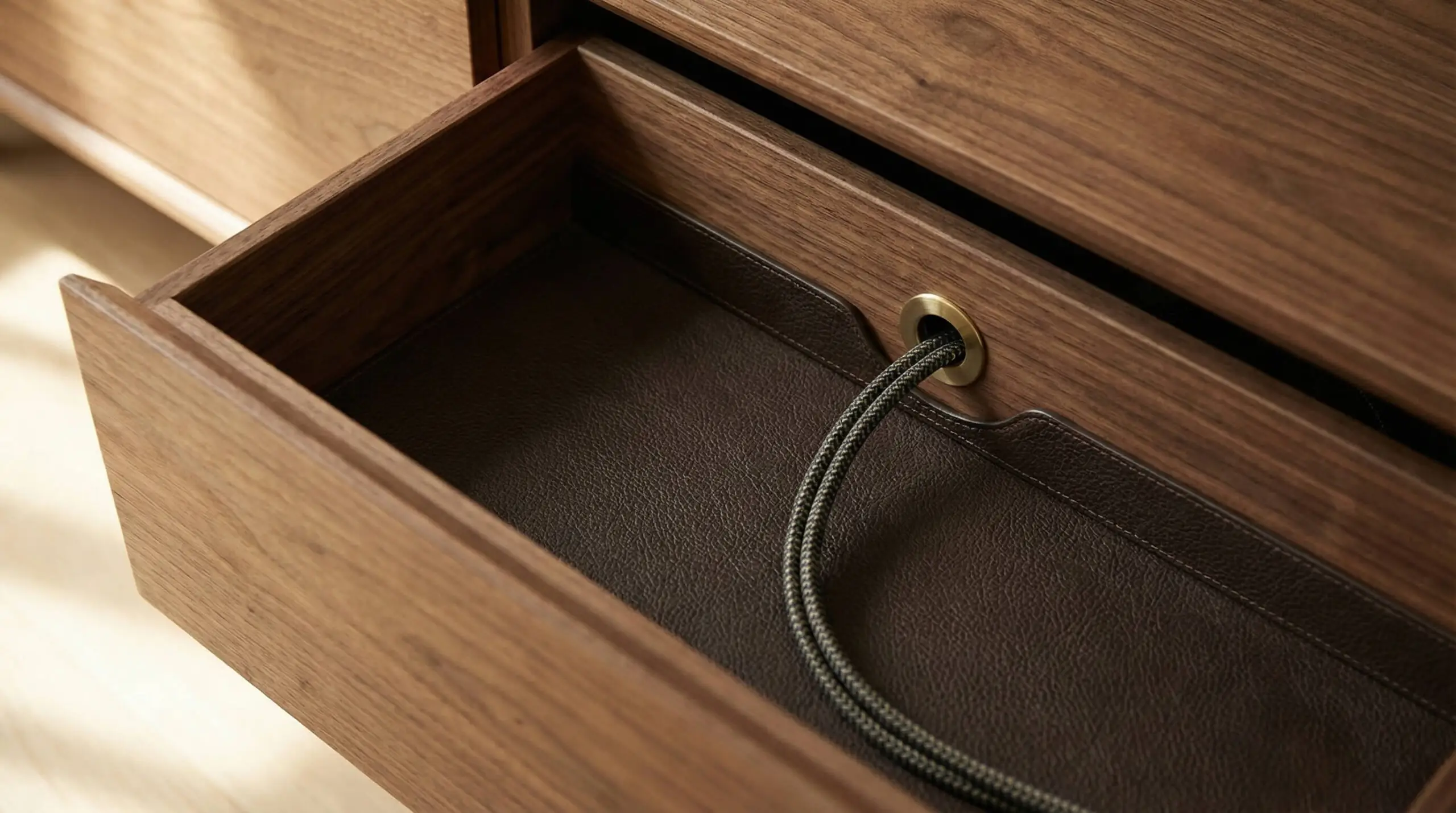
1. The “Invisible” Cable Management
In 2026, seeing wires is the ultimate design sin. A standard hole in the back panel is no longer enough. Look for units with dedicated internal cable channels or hollow legs that route power cords all the way to the floor. The goal is a “floating” look where the technology works, but the mess is gone.
2. Tactile Hardware & Knurling
If you choose a unit with handles, pay attention to the texture. Smooth chrome is out. The trend is “knurling”—a diamond-cut texture on brass or bronze handles that adds grip and catches the light. It brings a touch of industrial jewelry to an otherwise simple cabinet.
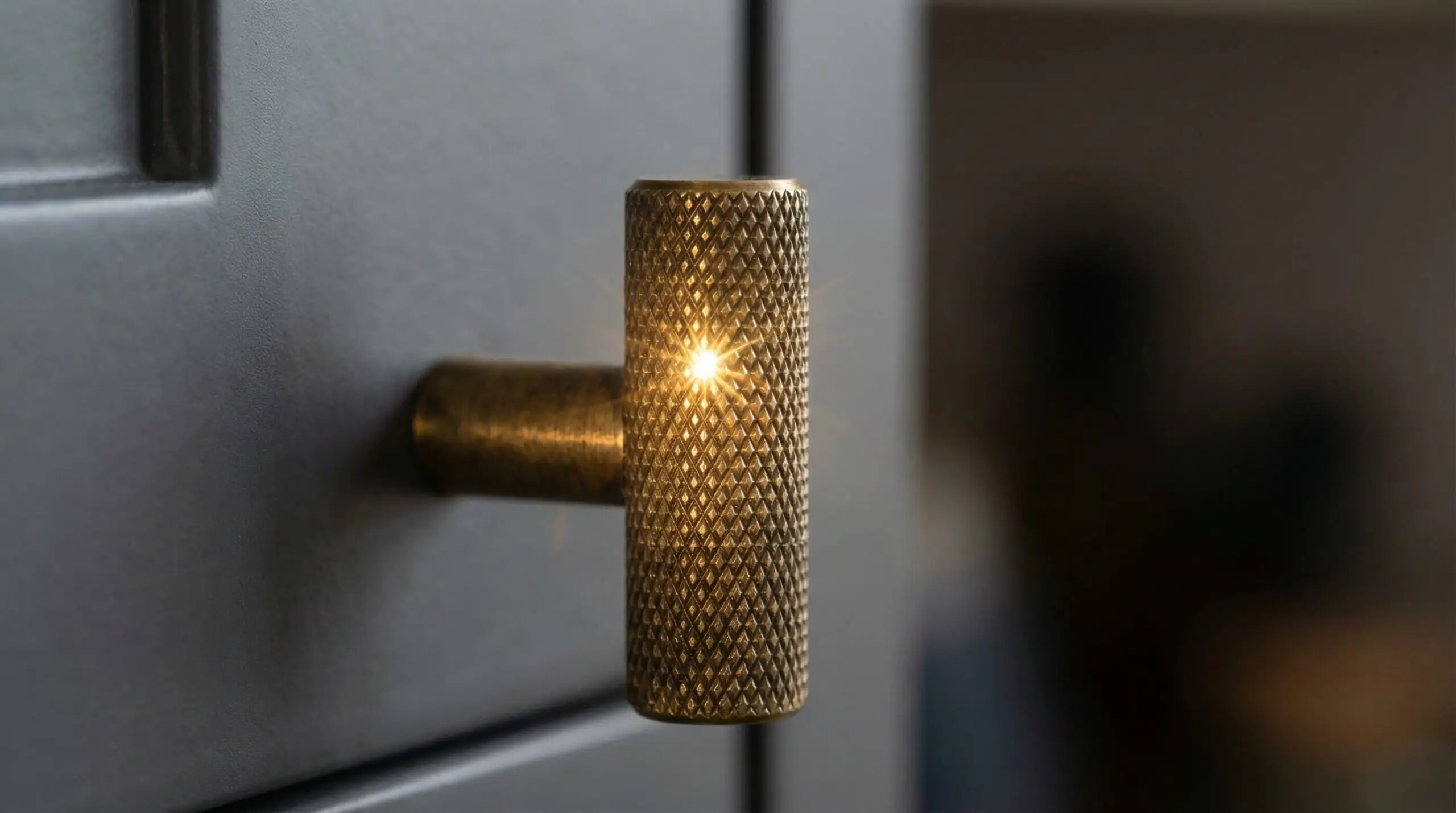
(For more on this finish, check out our guide on Kitchen Cabinet Hardware Trends, where this texture is also dominating).
3. Integrated Ambient “Glow”
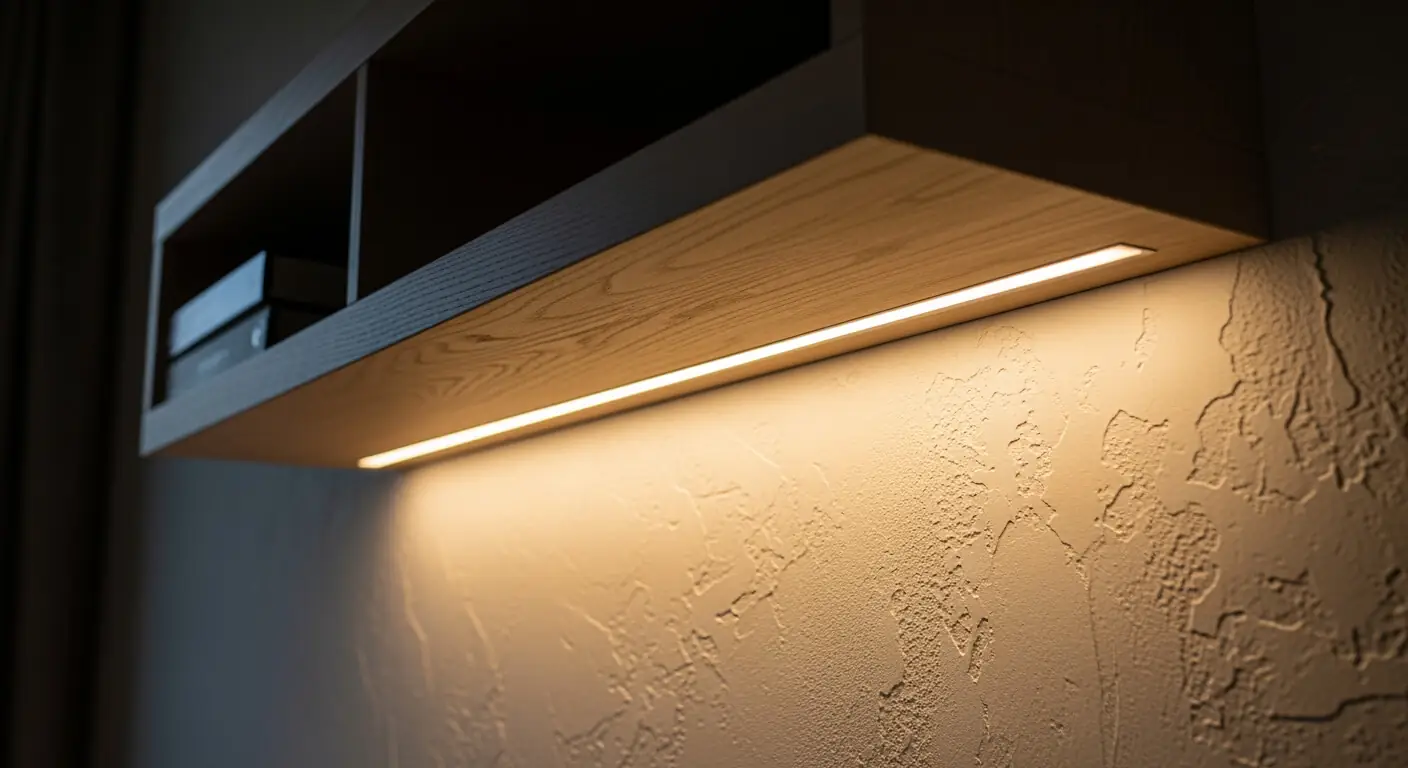
Lighting is no longer just for gaming setups. We are seeing a massive rise in “Cinematic Ambient Lighting.” Look for floating consoles that come with a routed channel underneath for warm LED strips (3000K). This creates a soft wash of light against the floor or wall, making the heavy furniture appear weightless and reducing eye strain during movie nights.
4. Acoustic-Friendly Doors
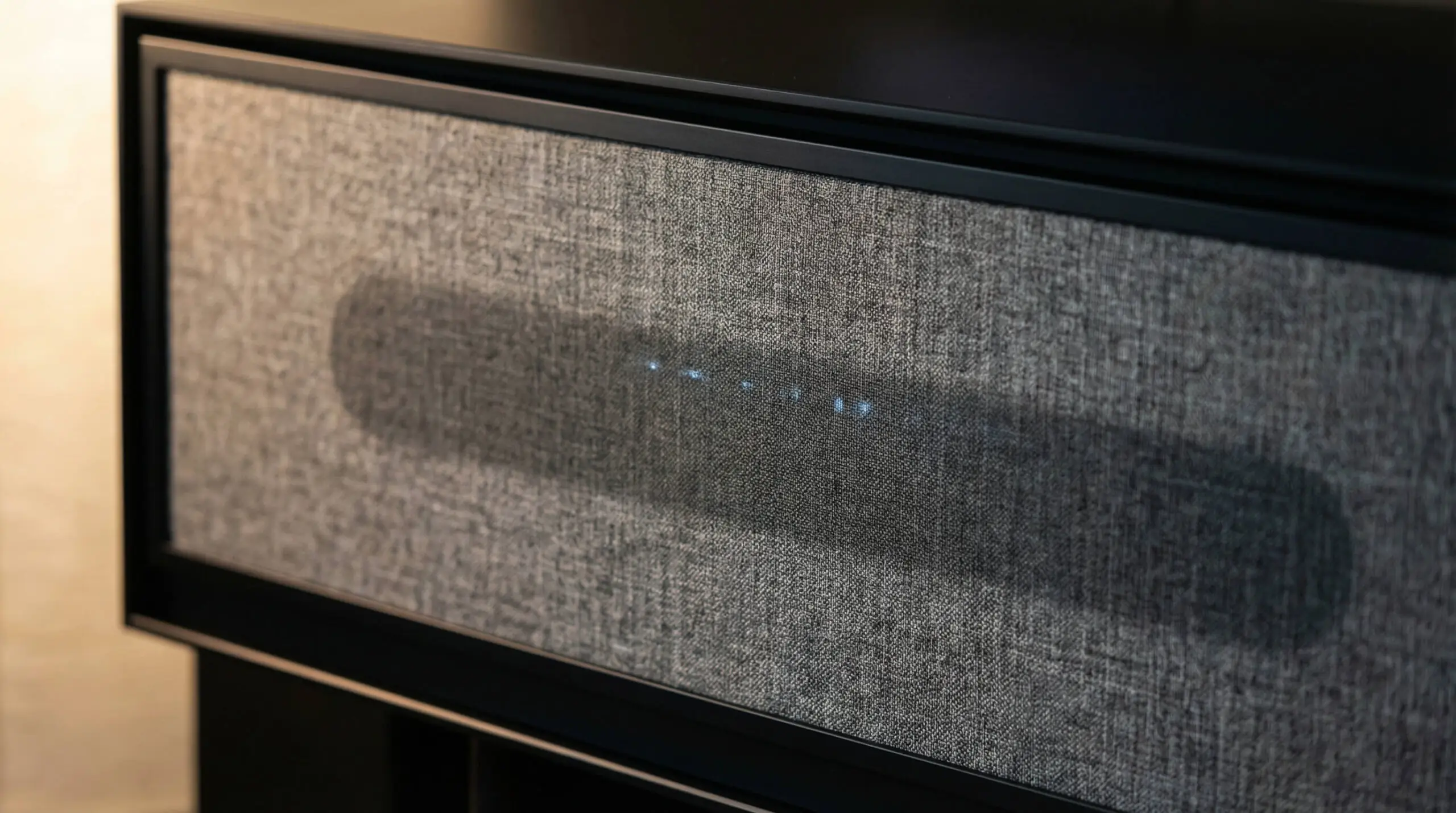
For the audiophiles who refuse to use tiny TV speakers, the “Soundbar Dilemma” is real. You don’t want to see the speaker, but you need to hear it. The 2026 solution is acoustic fabric or perforated metal doors. These materials hide your audio equipment while allowing sound waves and remote control signals to pass through uninterrupted.
5. The Softened Edge (Curved Fluting)
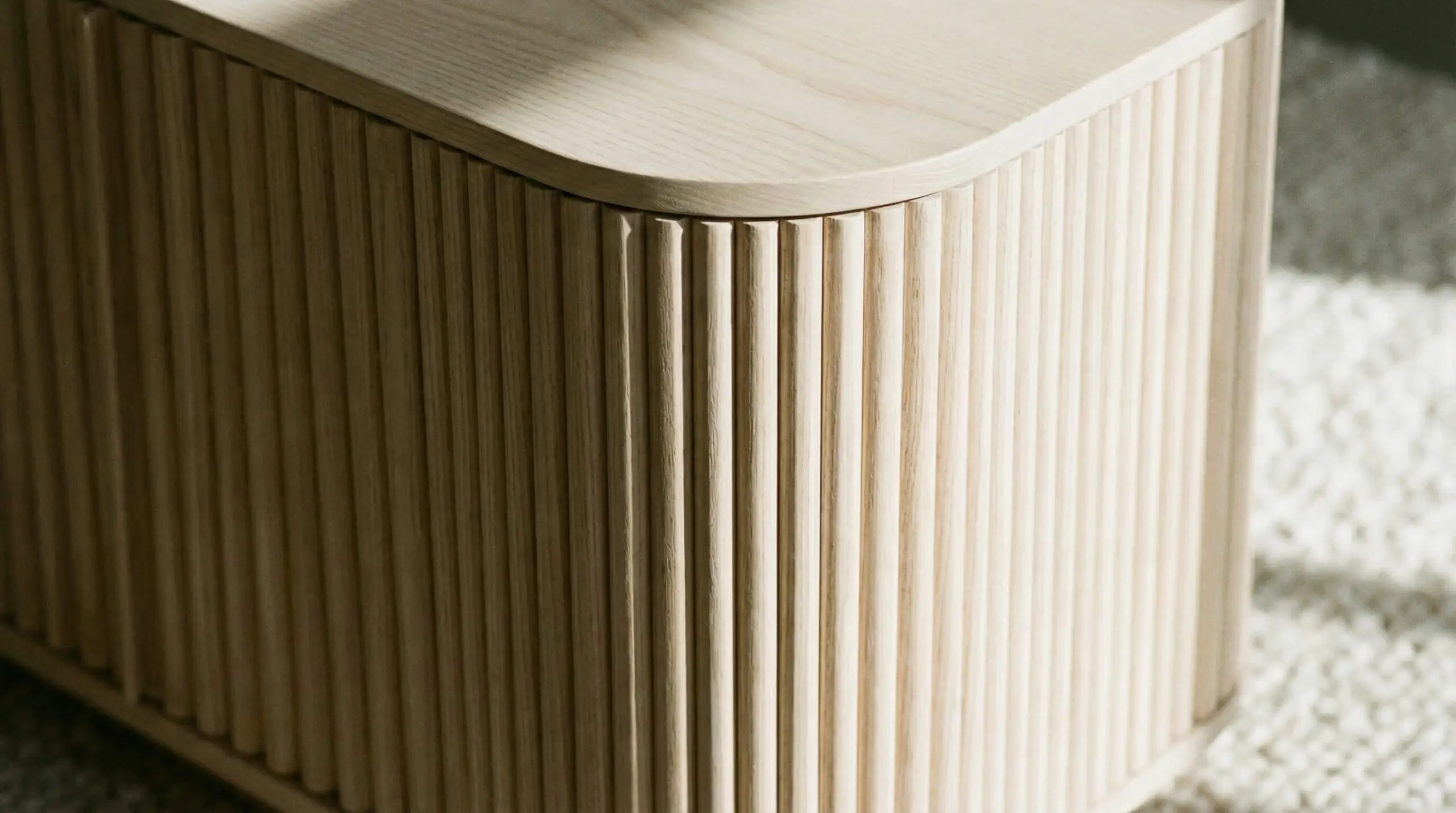
Sharp 90-degree corners are disappearing in 2026. The most sophisticated units now feature “radius” edges, where the vertical wood slats (fluting) don’t stop at the side but wrap seamlessly around the curve. This “waterfall” effect softens the visual impact of a large cabinet, making it feel less like a box and more like a sculpture. (Bonus: It is much safer for households with active kids).
2026 Forecast: Colors & Finishes
If you are painting your media wall or choosing a cabinet color, here is the 2026 palette:
| Palette Trend | Description | Best Used For |
| Deep Moody | Charcoal, Forest Green, Navy, “Iron Ore” | Creating a “cinema” feel; helps the TV blend in. |
| Warm Neutrals | Taupe, Mushroom, “Cremèle” (Creamy Vanilla) | Scandi and Japandi styles; keeps the room airy. |
| Earth Tones | Terracotta, Clay, Rust | Adding a pop of color that still feels grounded/natural. |
| Dark Woods | Walnut, Stained Oak, Espresso | Adding richness and a “luxury hotel” vibe. |
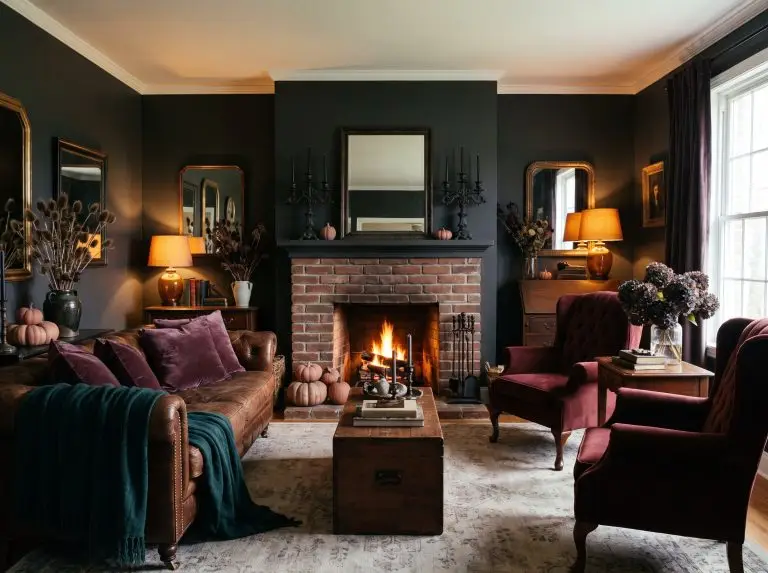
If you choose a dark paint color for the wall behind your TV, the screen will visually disappear when turned off, reducing visual clutter.
Pro Tip
Practical Guide: Size & Scale
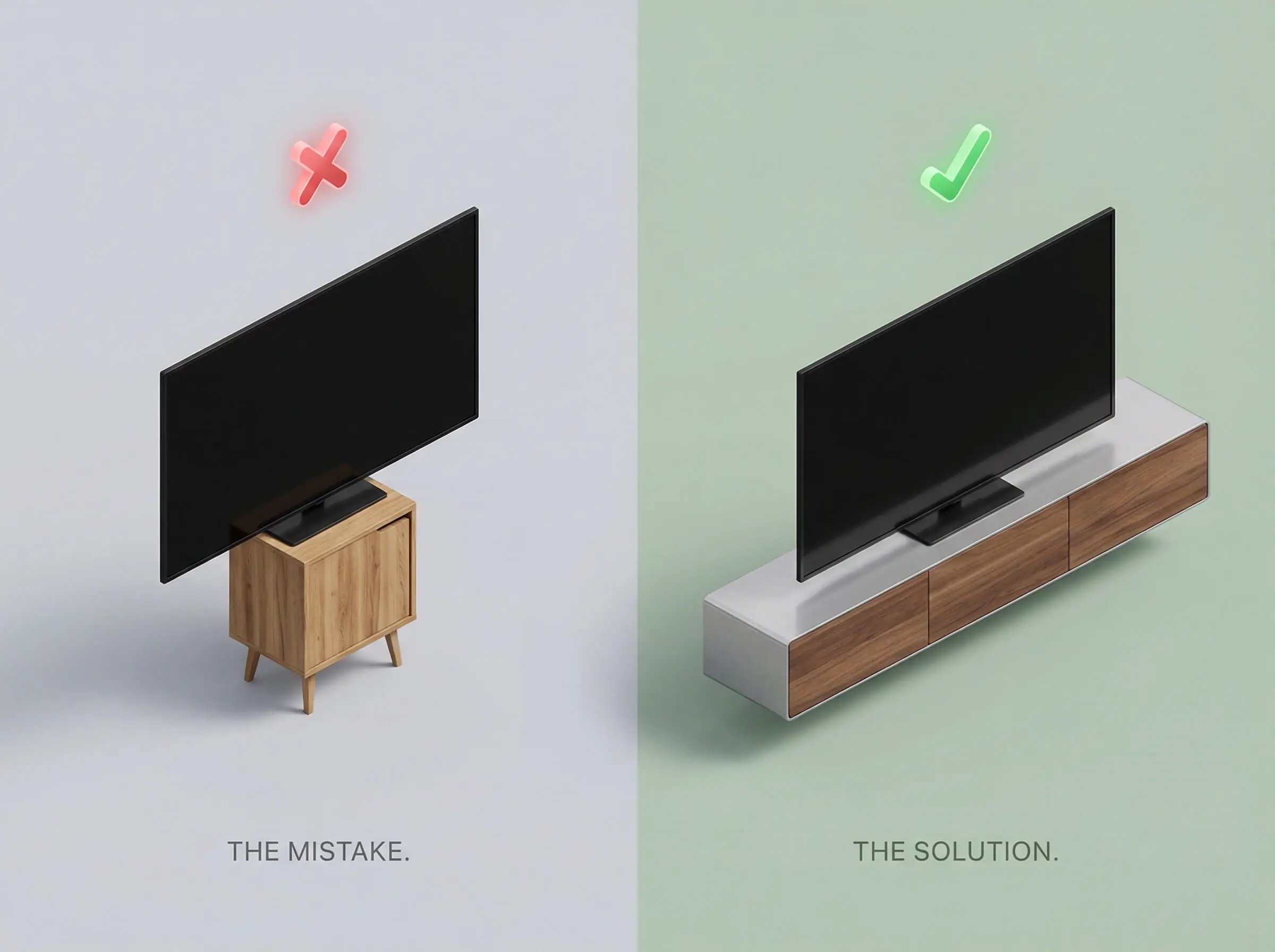
One of the most common design mistakes is buying a stand that is too small for the TV. In 2026, the rule is “The Wider, The Better.” A stand that is barely wider than the TV looks top-heavy and cheap.
Use this simple cheat sheet to get the proportions right:
| TV Screen Size (Diagonal) | Minimum Stand Width | Ideal Aesthetic Width (2026 Standard) |
| 55-inch | 50 inches | 65 – 70 inches |
| 65-inch | 60 inches | 75 – 85 inches |
| 75-inch | 68 inches | 85 – 100 inches |
| 85-inch | 76 inches | 100+ inches (or Wall-to-Wall) |
In 2026, “Wall-to-Wall” floating shelves are trending heavily, as they eliminate the sizing issue entirely and create a custom architectural look.
Note
Styling Your TV Stand: The “Rule of Three”
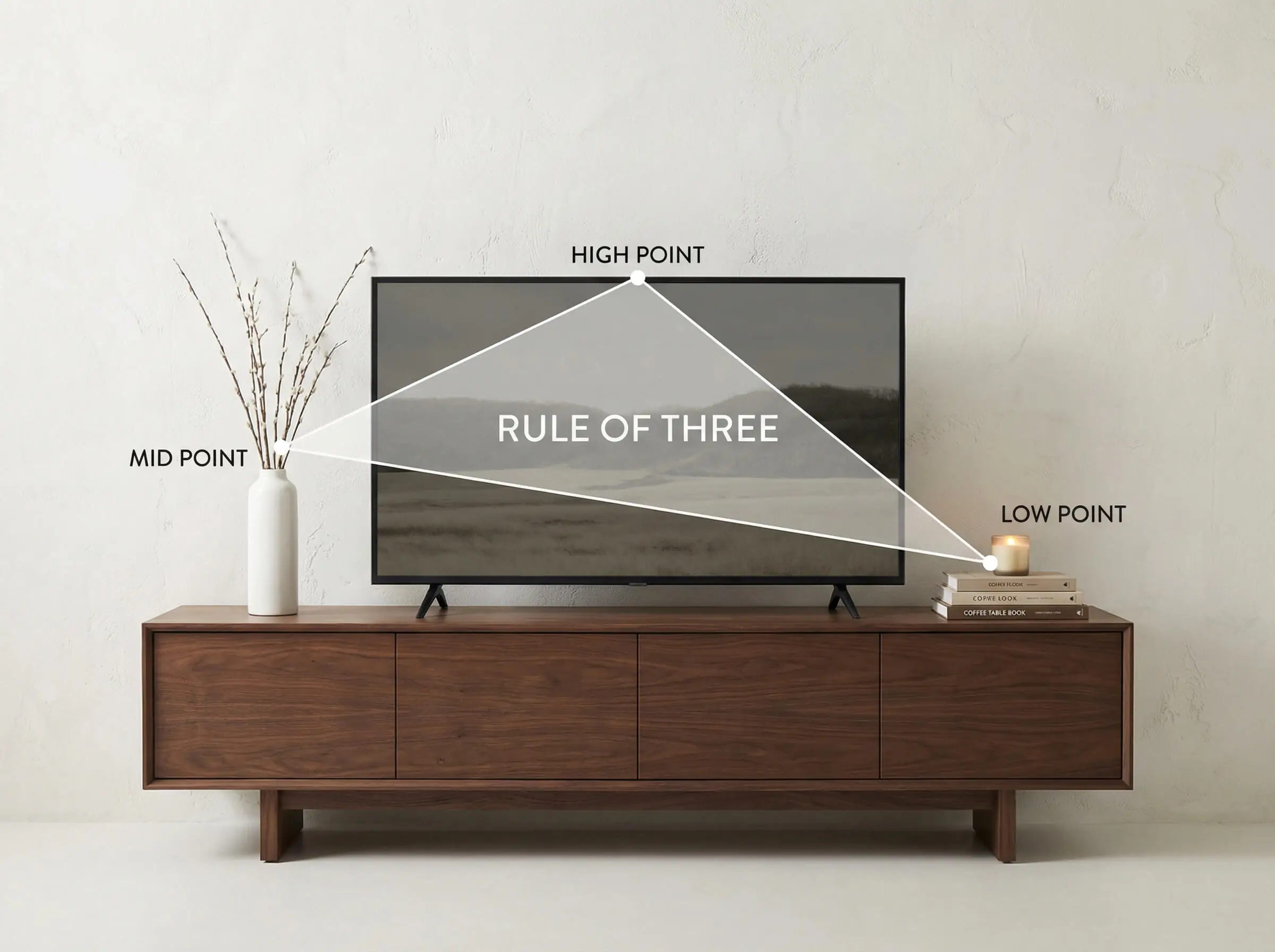
Once you have the stand, how do you style it without it looking cluttered?
- The Triangle Method: Imagine a triangle over your TV console. The TV is the highest point. You need lower items on the left and right to step the eye down.
- Layering Art: Yes, you can lean art next to a TV! A small framed print leaning against the wall adds personality and breaks up the “tech” vibe. (See Wall Art Trends).
- Greenery is Mandatory: A trailing plant (like a Pothos) softens the hard rectangular edges of the TV screen.
- Hide the Peripherals: Use decorative boxes or woven baskets on open shelves to hide remotes and game controllers.
FAQ: Common Questions for 2026
A: Absolutely. However, they have evolved. The trend is moving away from high-gloss white floating boxes toward textured wood, curved edges, and units that are integrated into a larger wall panel system.
A: Solid wood (or high-quality veneer) remains the gold standard for longevity. For 2026, mixing wood with a stone top (marble, travertine, or ceramic) is the ultimate luxury choice because it is durable and scratch-resistant.
A: No, “matchy-matchy” furniture sets are outdated. Instead, they should coordinate. If your TV stand is walnut, choose a coffee table in a complementary stone or a metal finish. Aim for a “cousin, not twin” relationship.
A: The center of your TV screen should be at eye level when seated (usually roughly 42 inches from the floor). This means your floating stand should be mounted roughly 8-12 inches off the floor to allow for proper spacing.
Conclusion & Next Steps
The TV stand of 2026 is a masterclass in balance. It balances technology with nature, function with form, and openness with storage. Whether you opt for a dramatic floor-to-ceiling media wall or a subtle, low-slung Japandi console, the goal is to create a space that feels intentional.
Ready to upgrade your living space?