Japandi Style in 2026: The Evolution from Minimalist to Moody & Organic
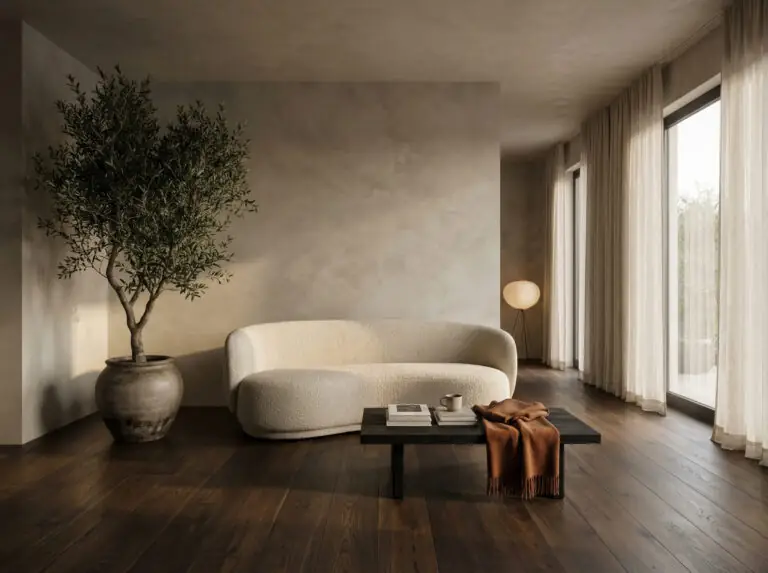
Why the beige era is ending and “Dark Japandi” is taking over.
Japandi style has been the darling of the design world for years, loved for its ability to blend Scandinavian functionality with Japanese rustic minimalism. But if you think Japandi in 2026 is just about white walls and light oak, think again.
As we move into 2026, the style is maturing. It is shifting away from the “perfectly sterile” look toward something deeper, richer, and far more sensory. Designers are calling this evolution “Quiet Luxury with Purpose.” It’s no longer just about how a room looks in a photo; it’s about how it feels to live in it.
📋 Key Takeaways: The 5 Biggest Japandi Shifts for 2026
The Rise of “Dark Japandi”
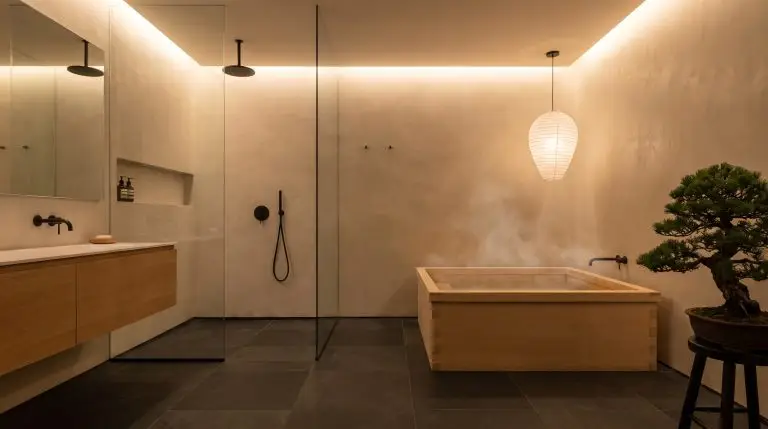
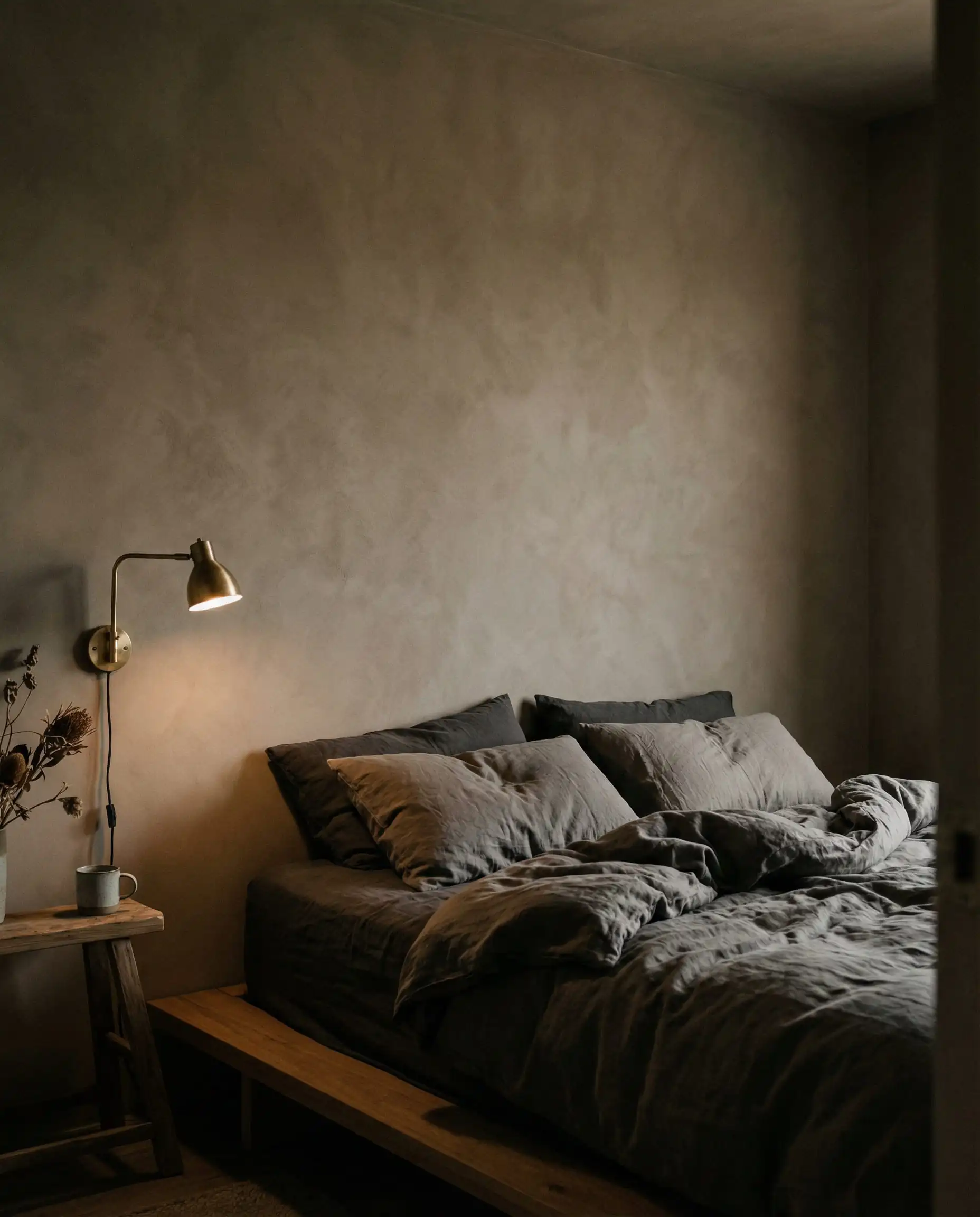
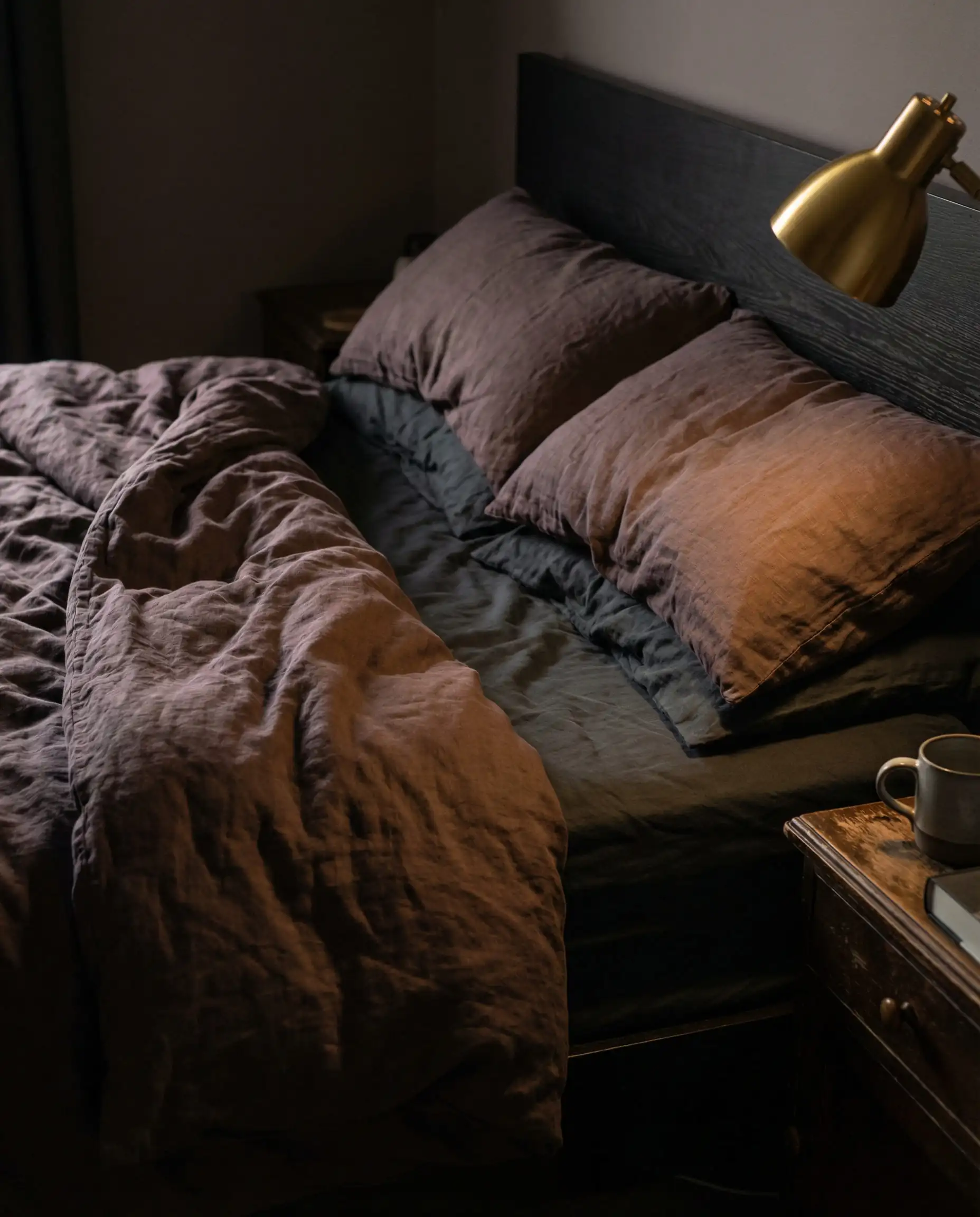
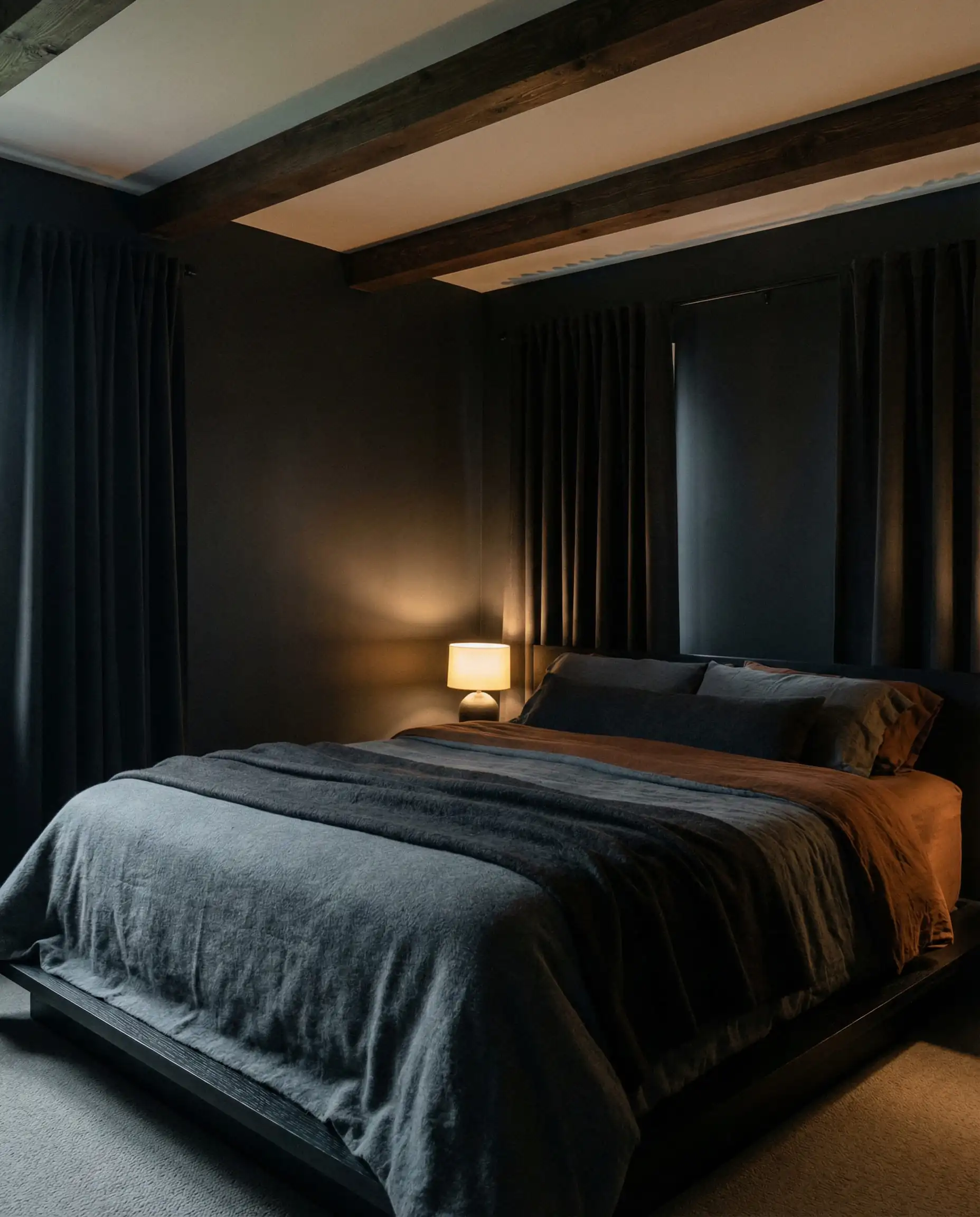
The most significant twist in 2026 is the emergence of Dark Japandi. For years, this style was synonymous with airy, light-filled spaces. Now, we are seeing a pivot toward grounded, moody interiors that offer a sense of protection and calm—often described as a “cave-like” sanctuary. This shift mirrors a broader psychological need for homes to feel like fortresses of comfort in a busy world.
Moving Beyond Blonde Woods
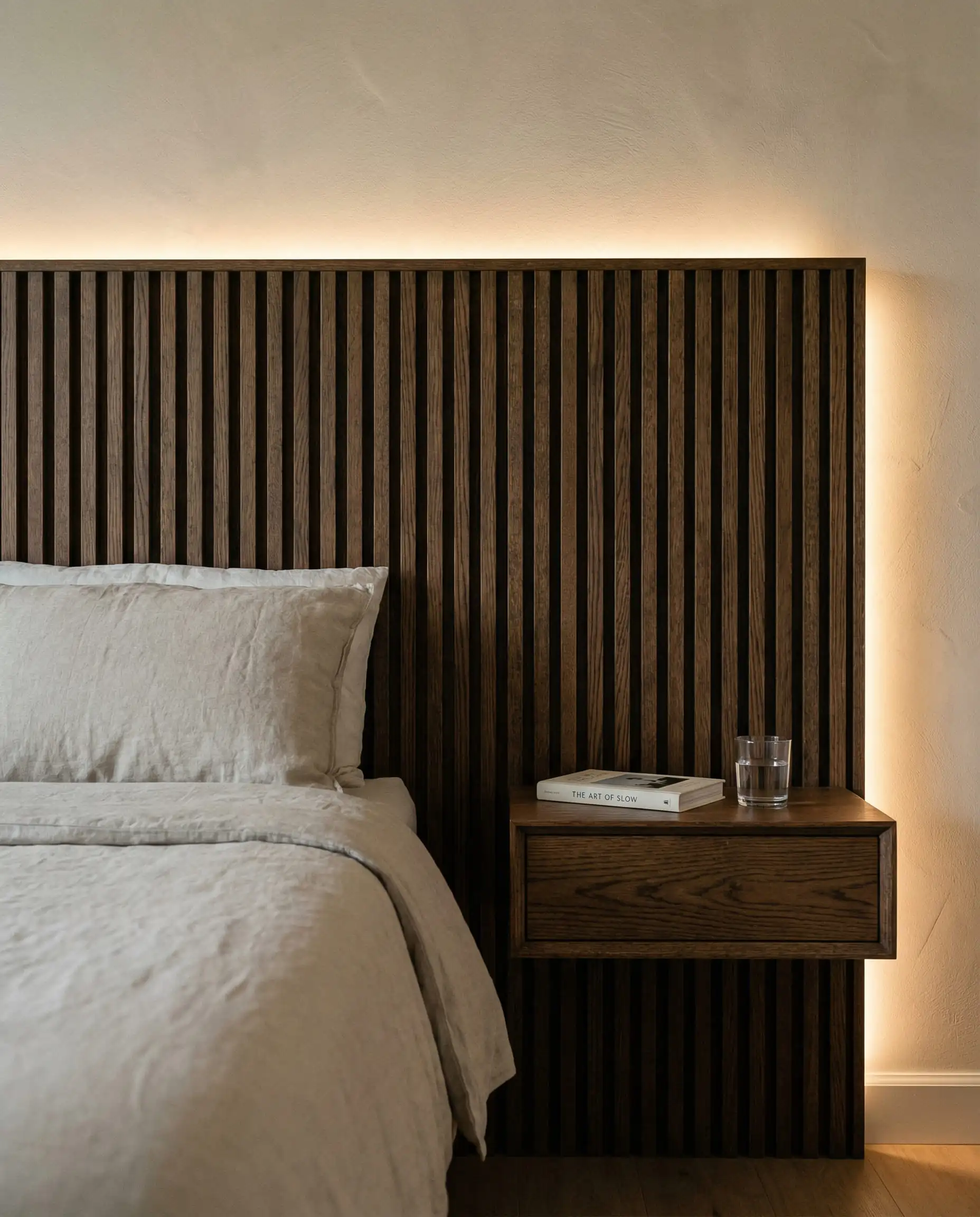
While light ash and birch will always have a place in traditional Scandi design, 2026 Japandi embraces darker timber with enthusiasm. Walnut, smoked oak, and espresso tones are becoming the standard for flooring, cabinetry, and statement furniture.
This is not just an aesthetic choice; it is about “grounding.” Darker woods provide a visual weight that light woods lack. A walnut dining table in a room with limestone walls creates a sense of permanence and history that feels more luxurious than the younger, lighter woods of the past.
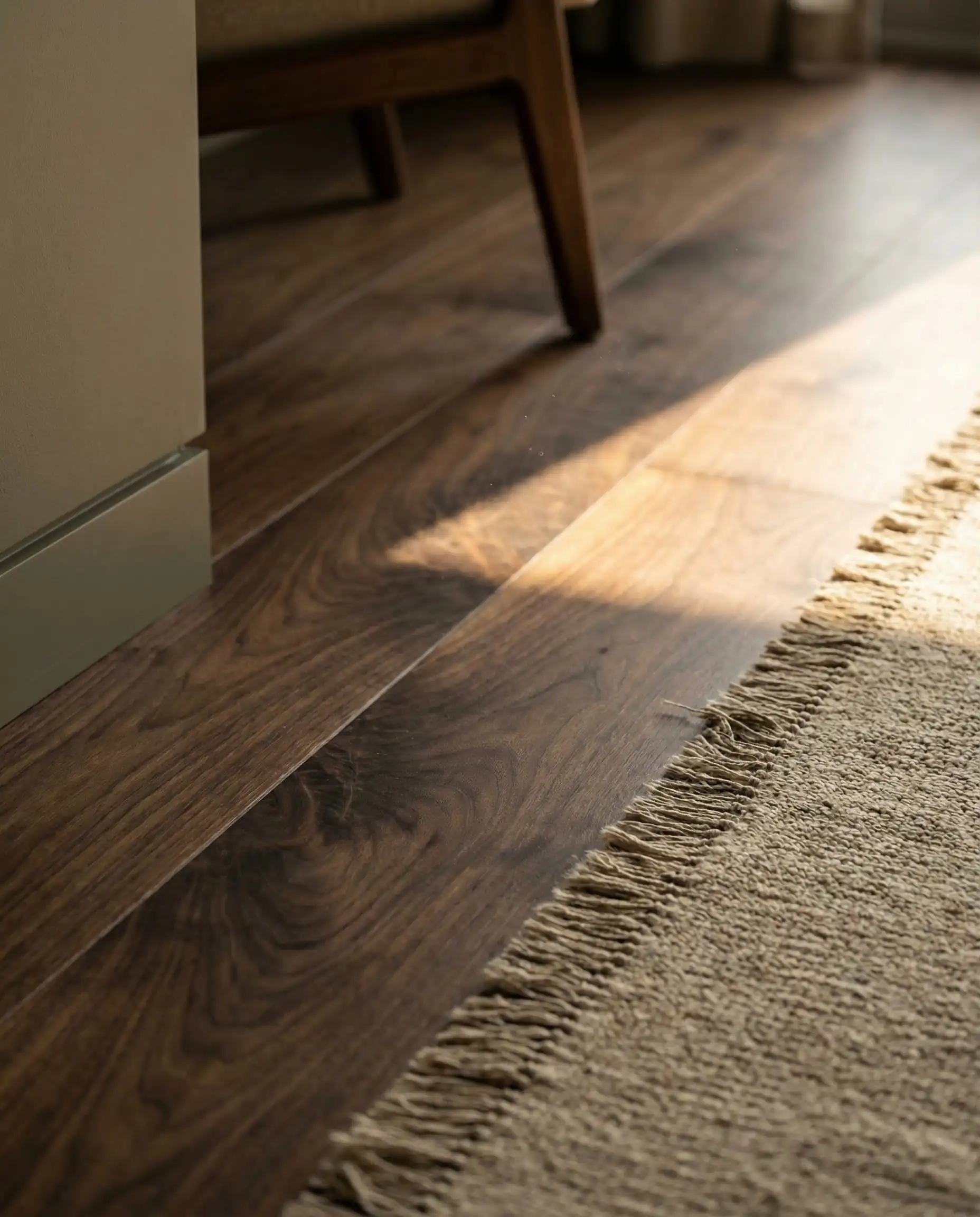
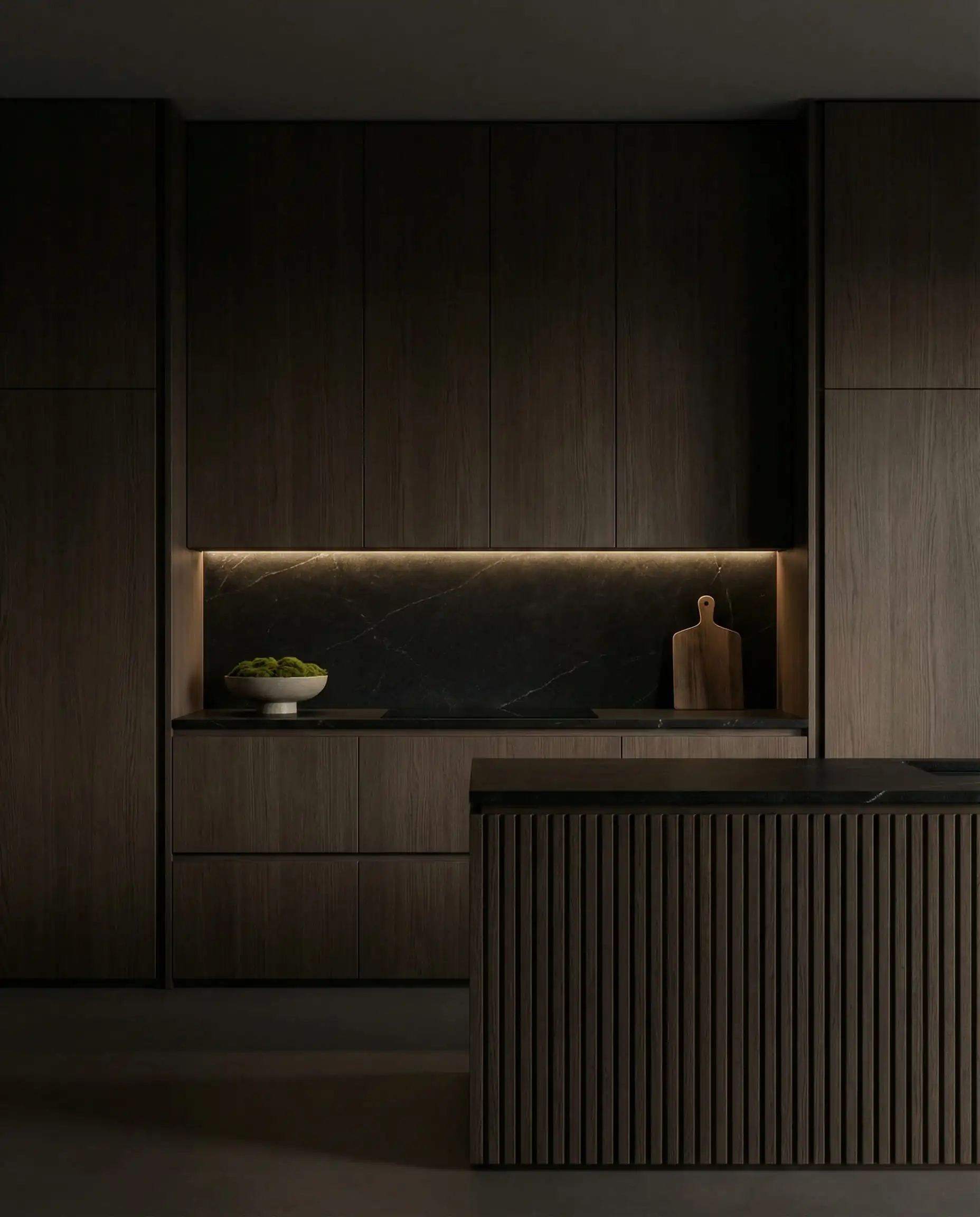
If you are updating your floors, consider wider planks in these darker tones. As noted in our Flooring Trends 2026, the trend is moving away from yellow-undertone woods toward rich browns and cool, desaturated mochas.
Design Tip
Contrast is Key
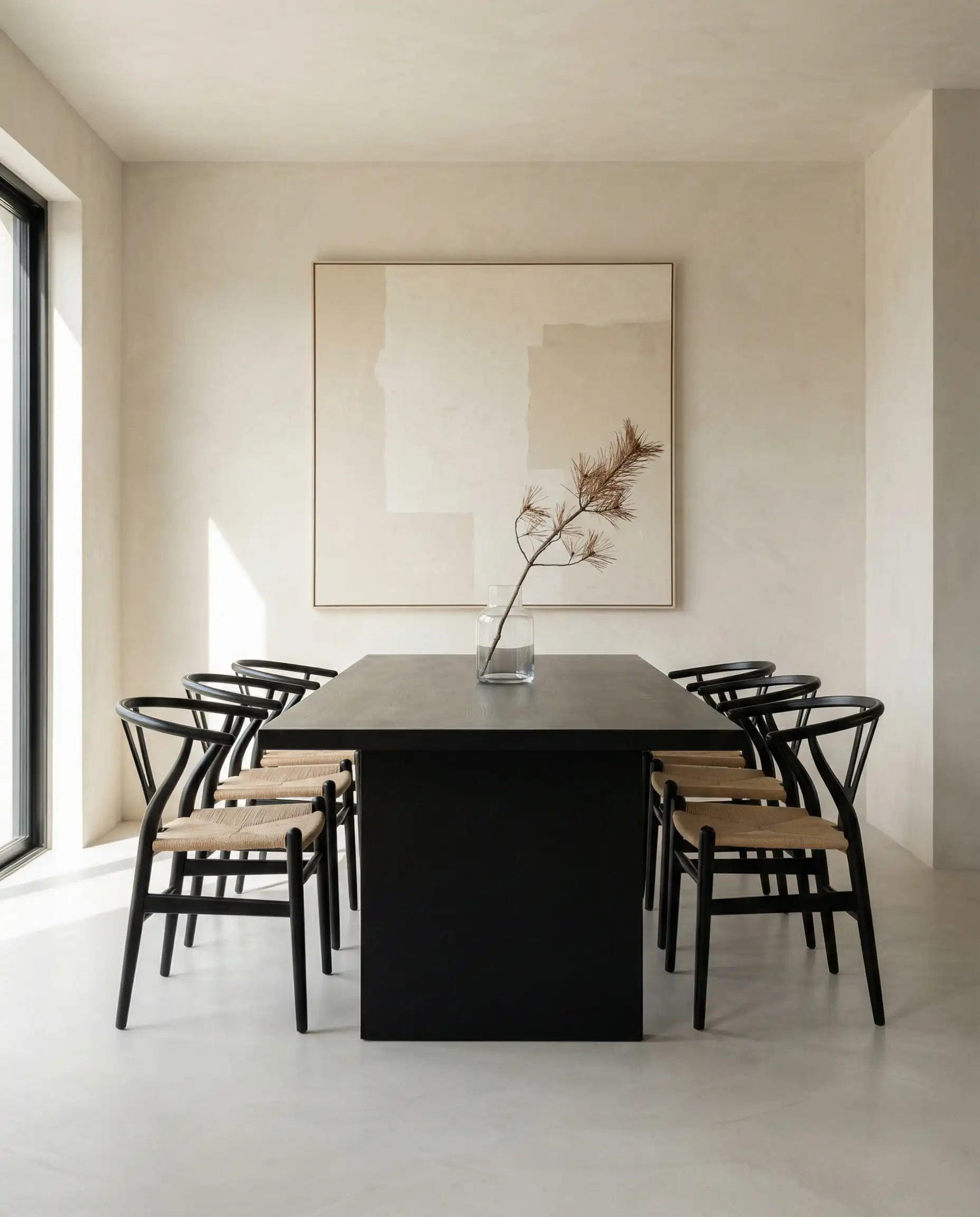
Dark Japandi isn’t about making the room pitch black; it’s about high-contrast grounding. The magic lies in the interplay between light and shadow (a concept known in Japanese aesthetics as shadow praise).
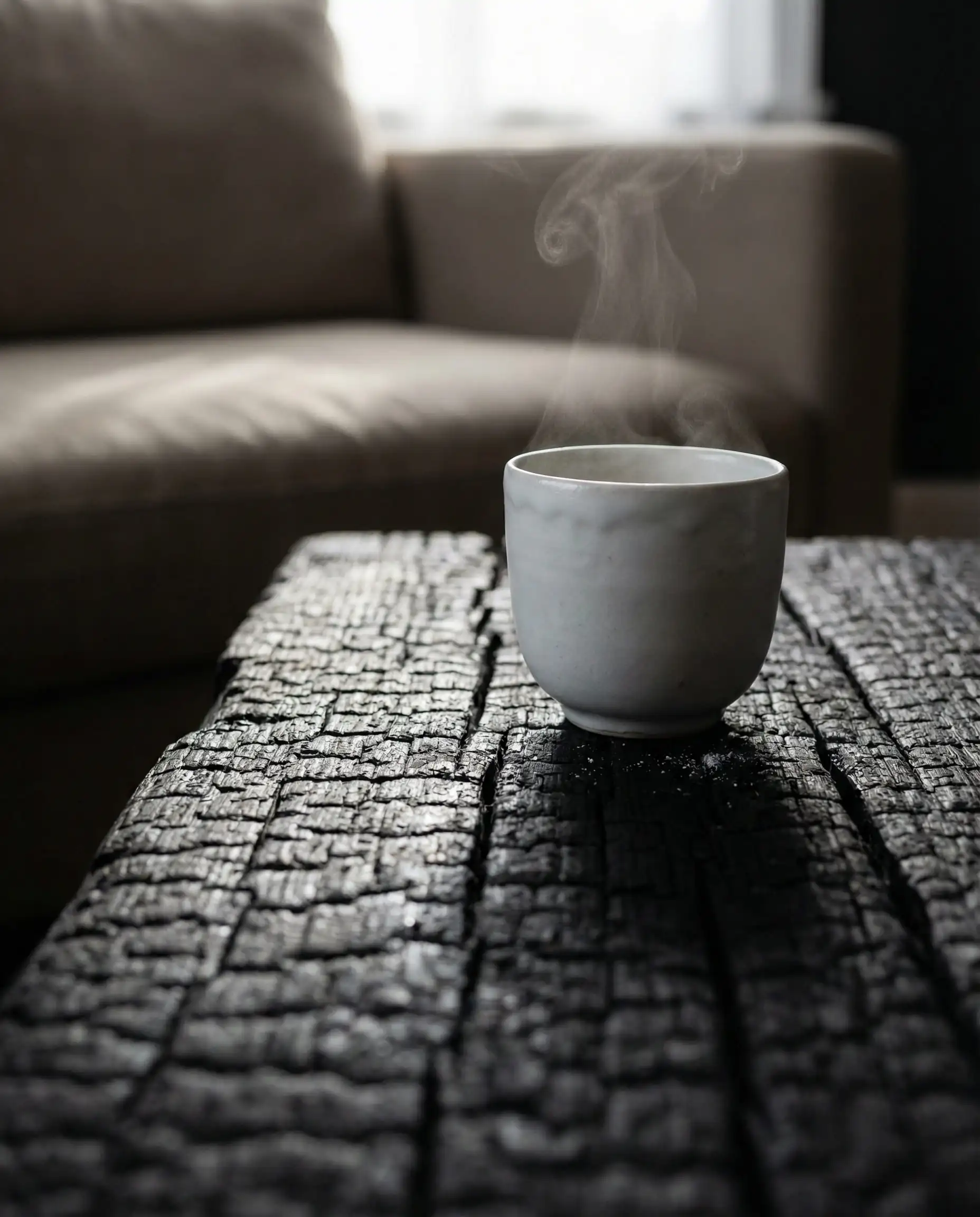
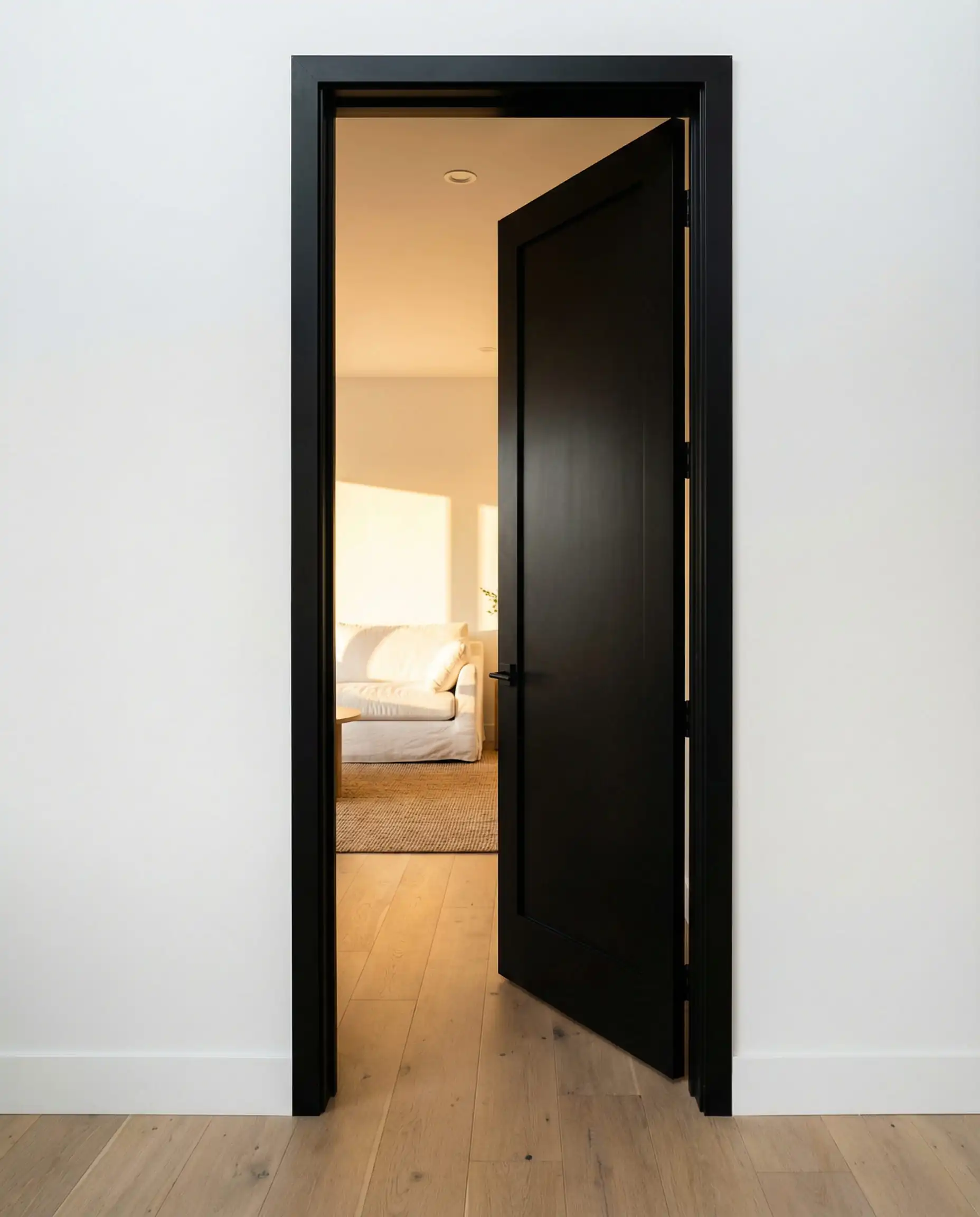
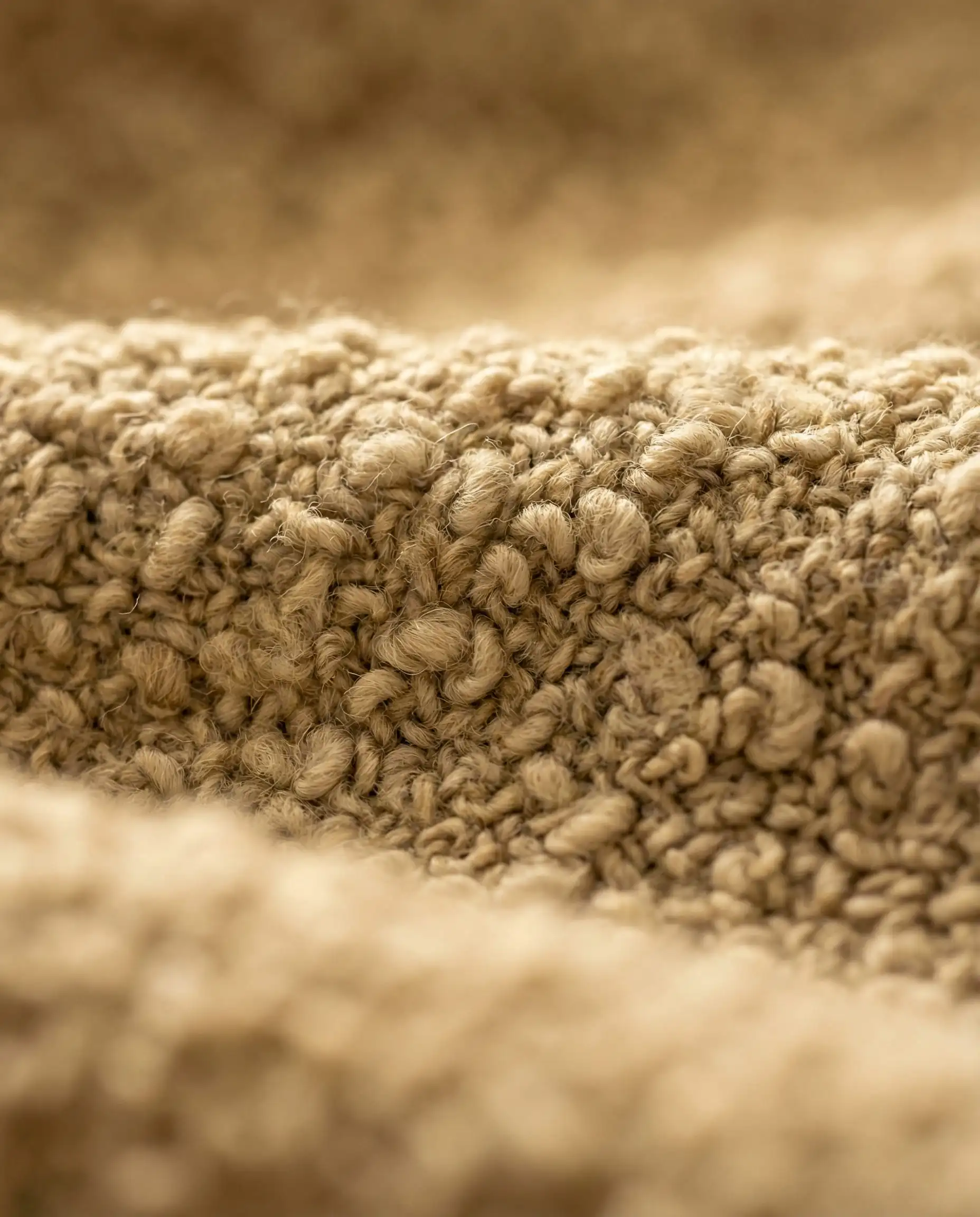
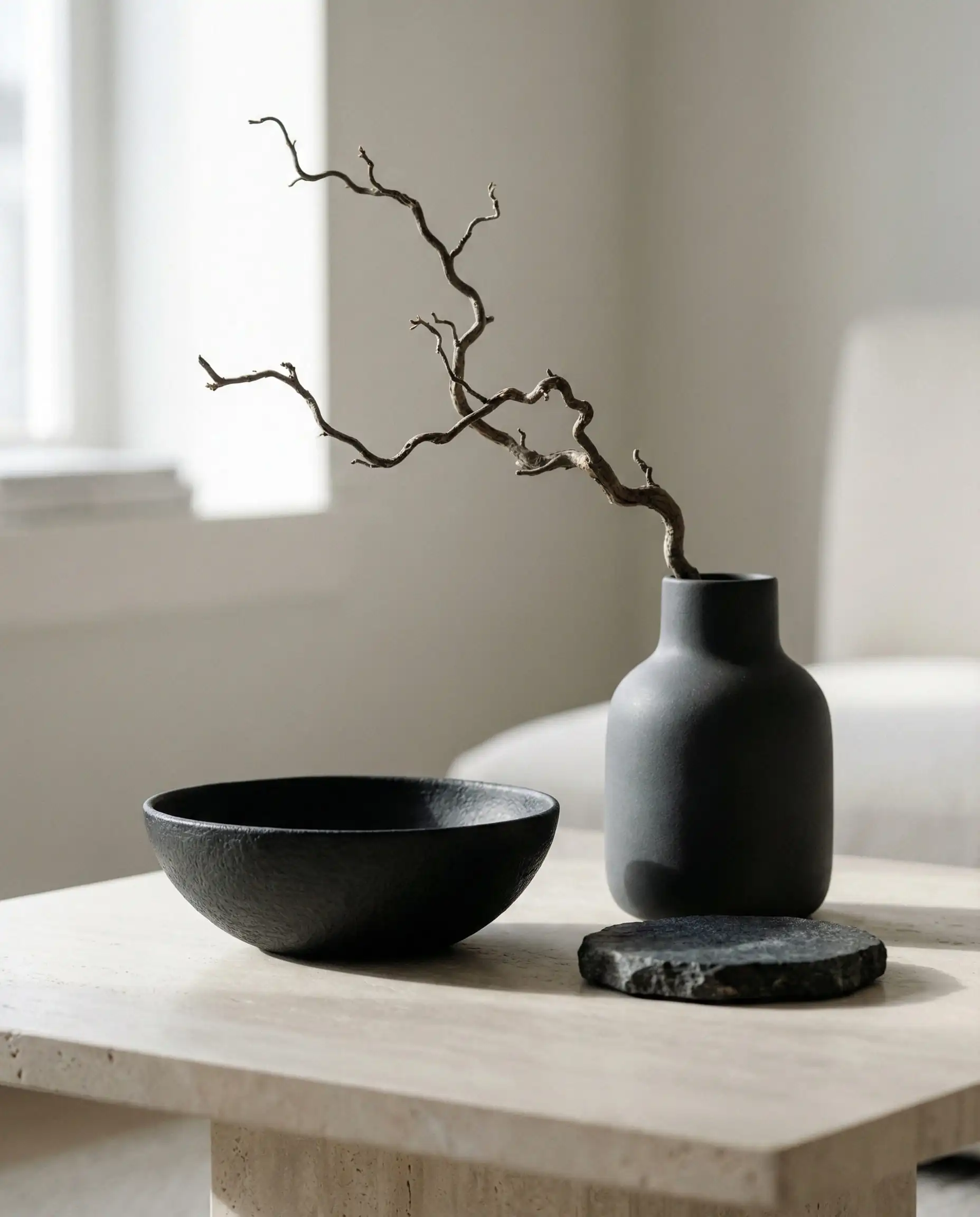
Think of a charcoal-stained coffee table sitting on a sand-colored jute rug, or matte black interior doors framing a view of a sunlit garden. This contrast creates visual anchors that stop the eye and calm the mind. The goal is to avoid the “washed out” look where everything blends into a single shade of beige.
Texture Over Perfection: The Wabi-Sabi Influence
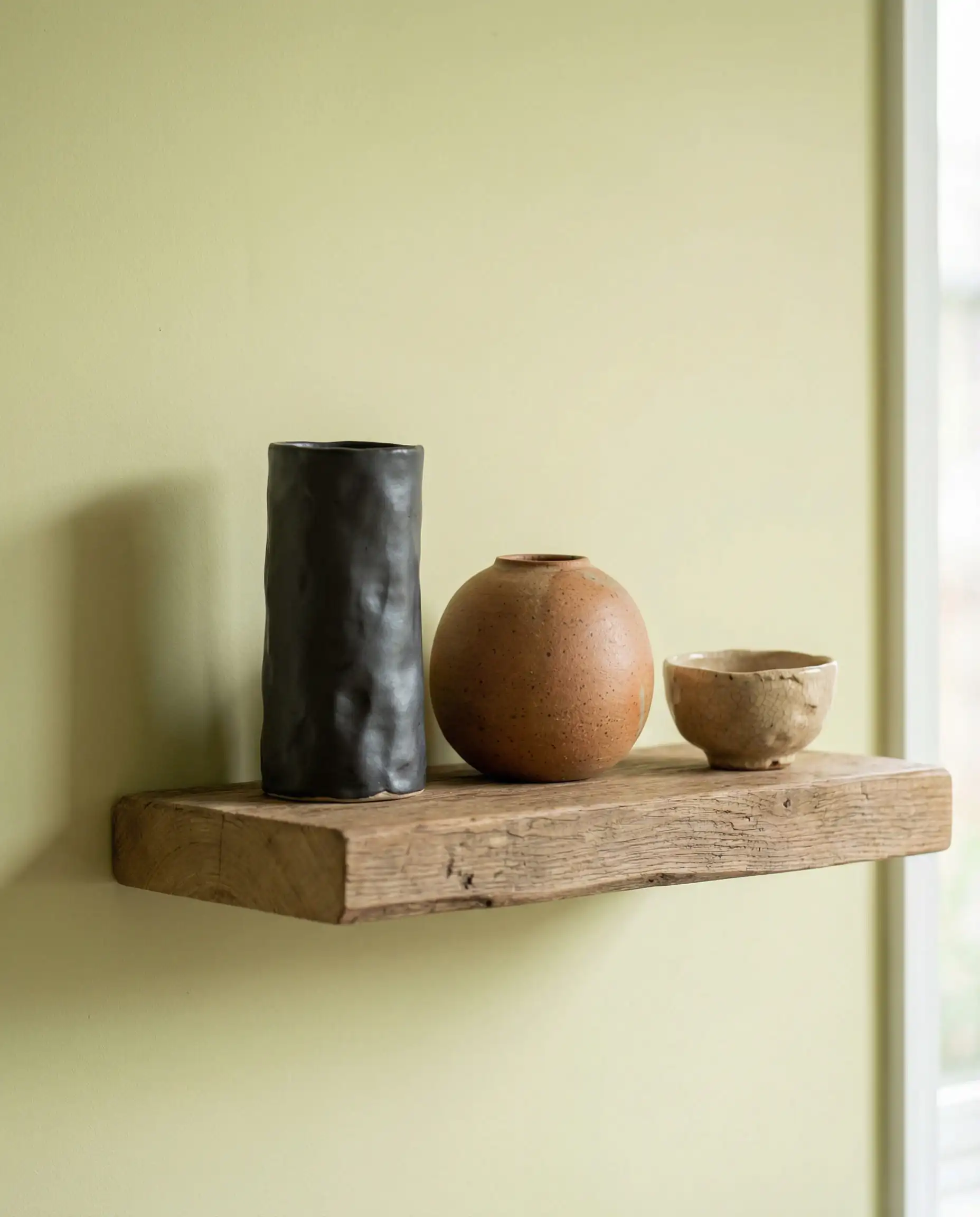
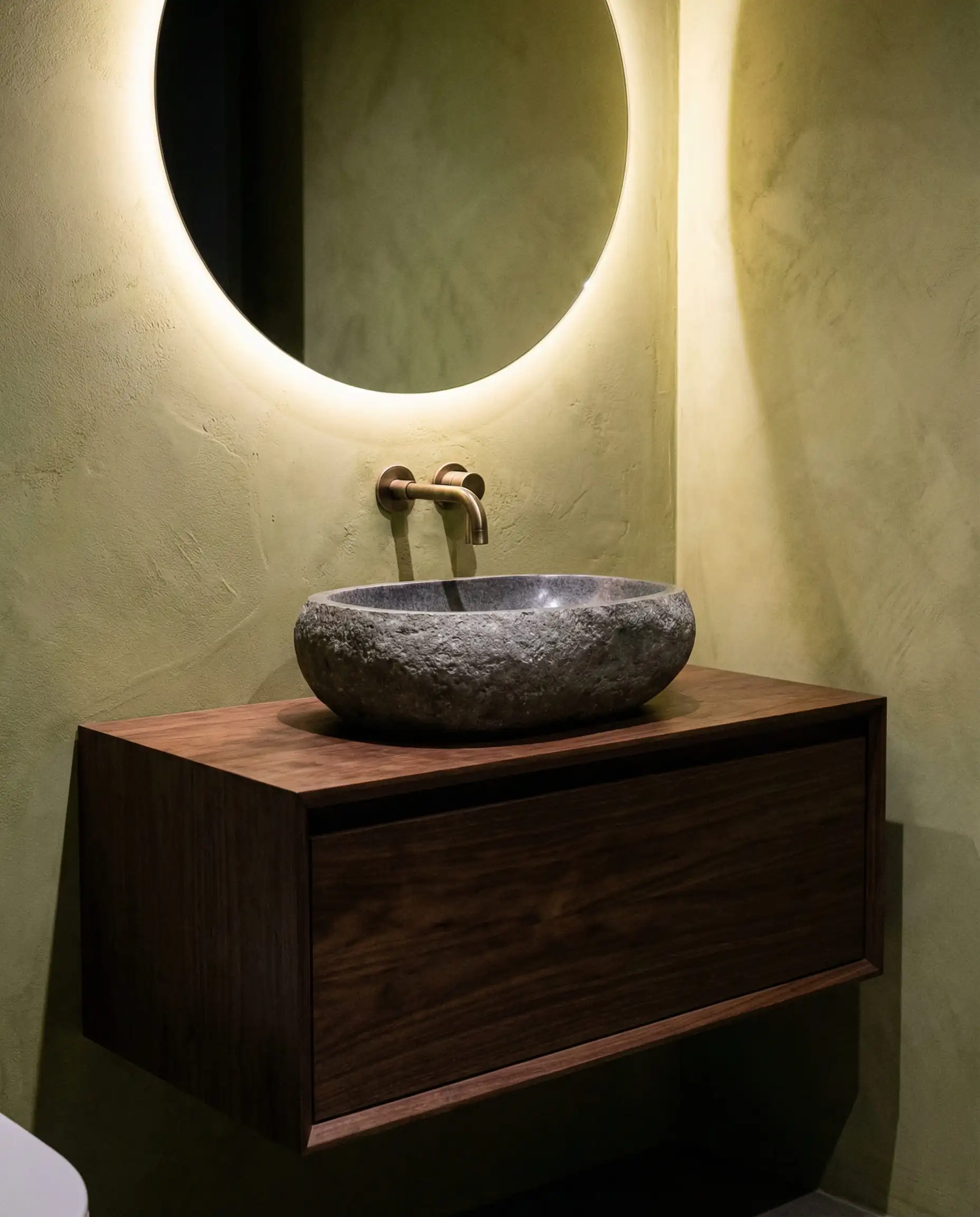
In 2026, the Japanese concept of Wabi-Sabi—finding beauty in imperfection and transience—is being taken literally. The “new” Japandi rejects the plastic-like smoothness of modern drywall and mass-produced furniture. If a surface looks too perfect, it feels artificial.
Walls that Breathe
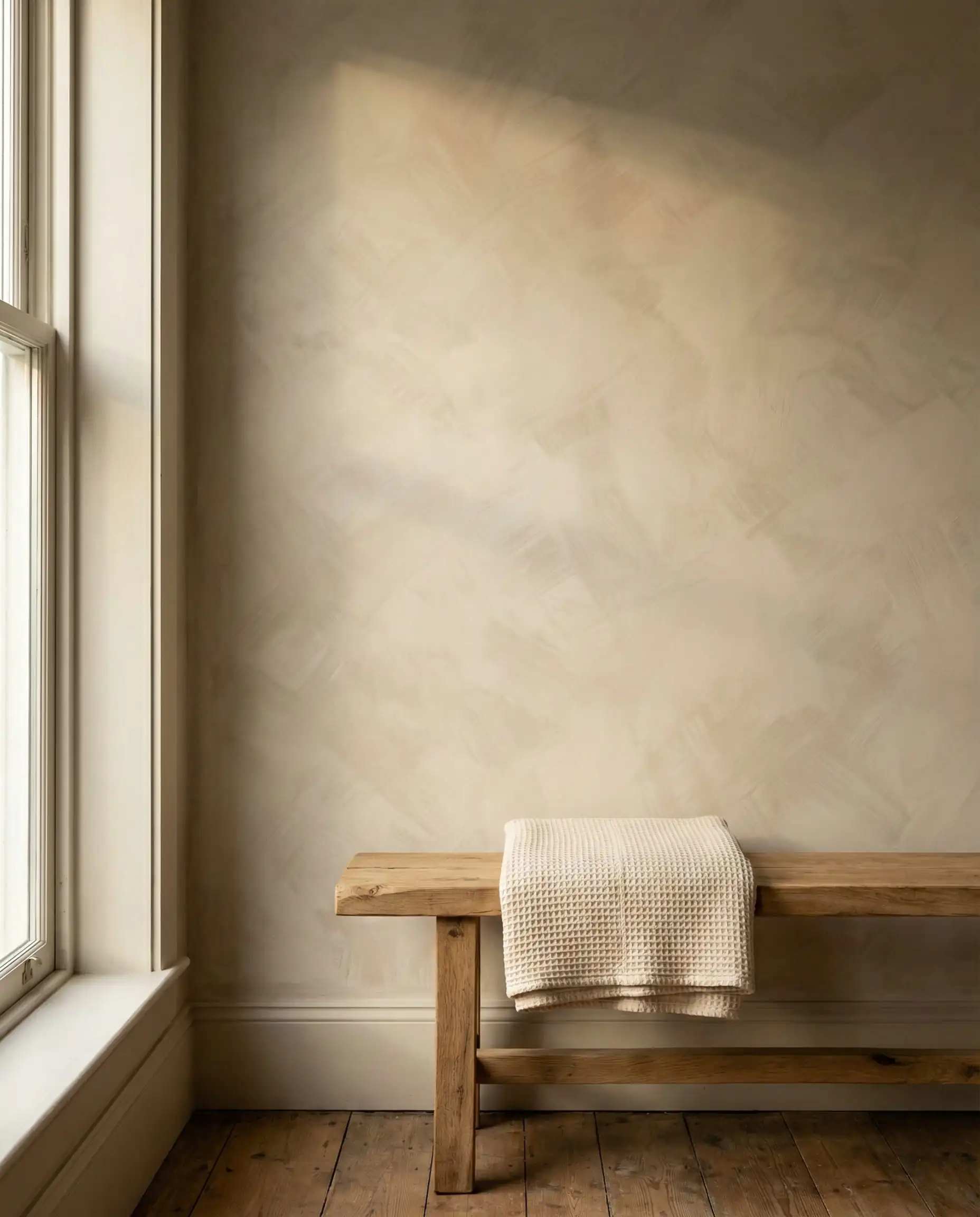
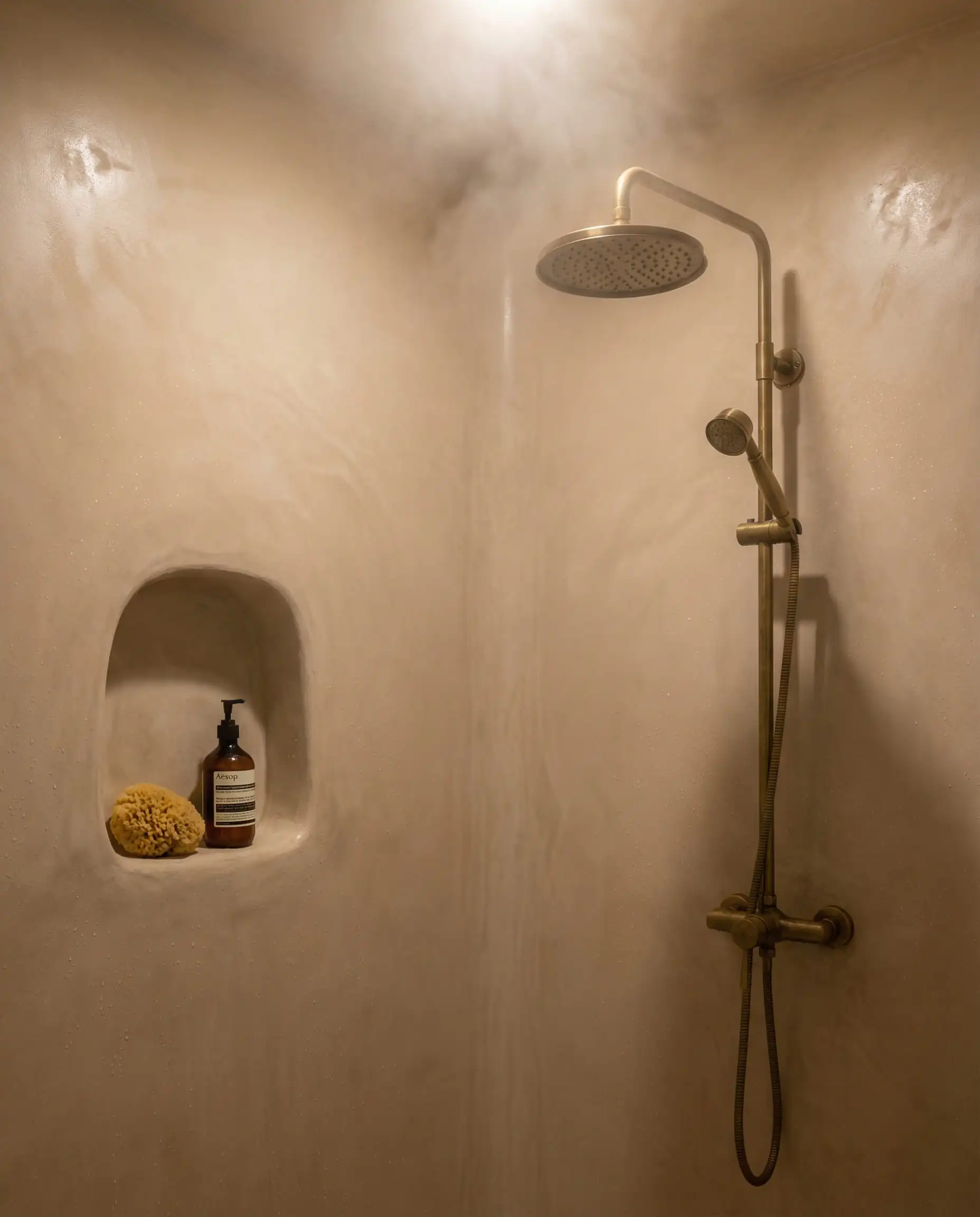
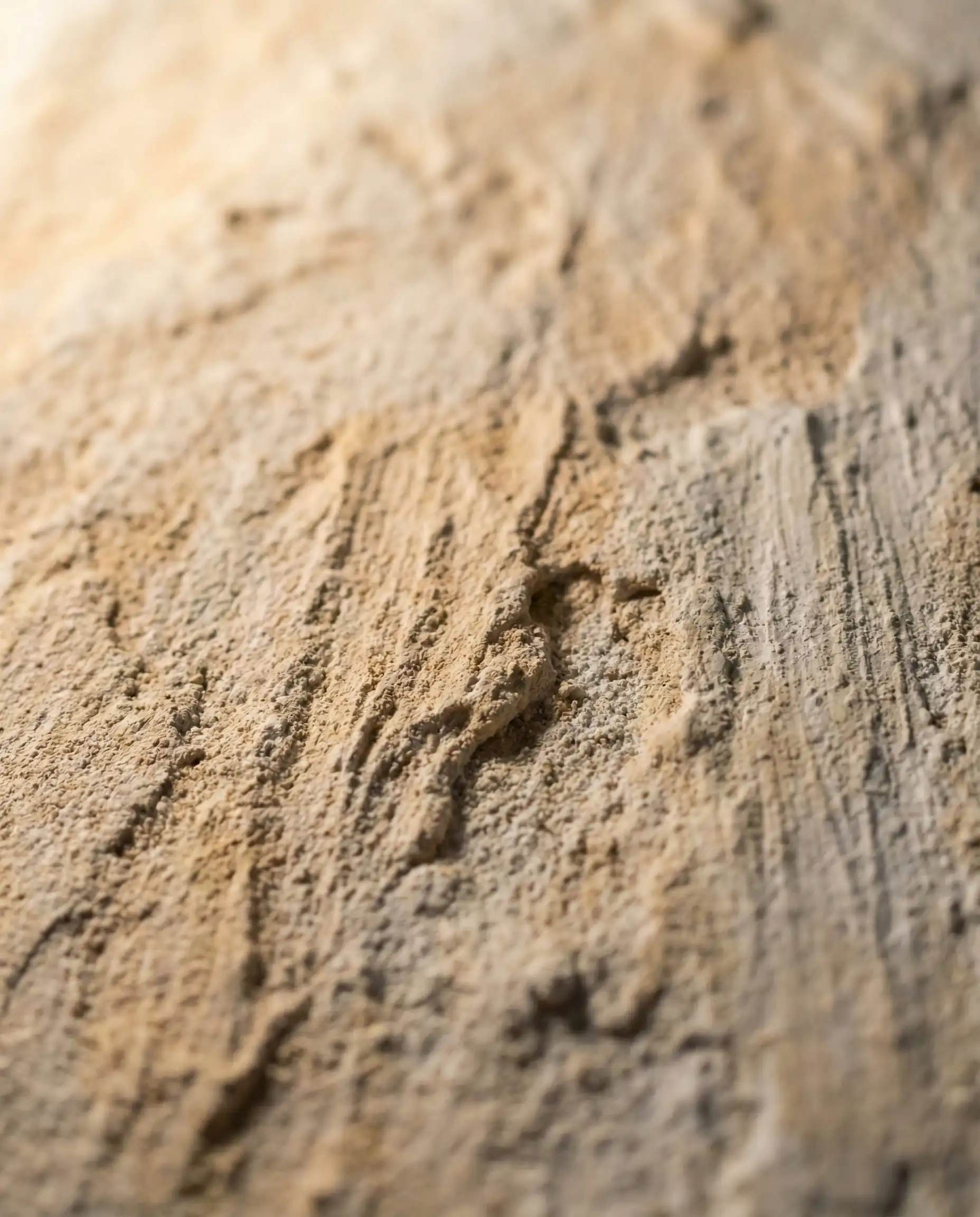
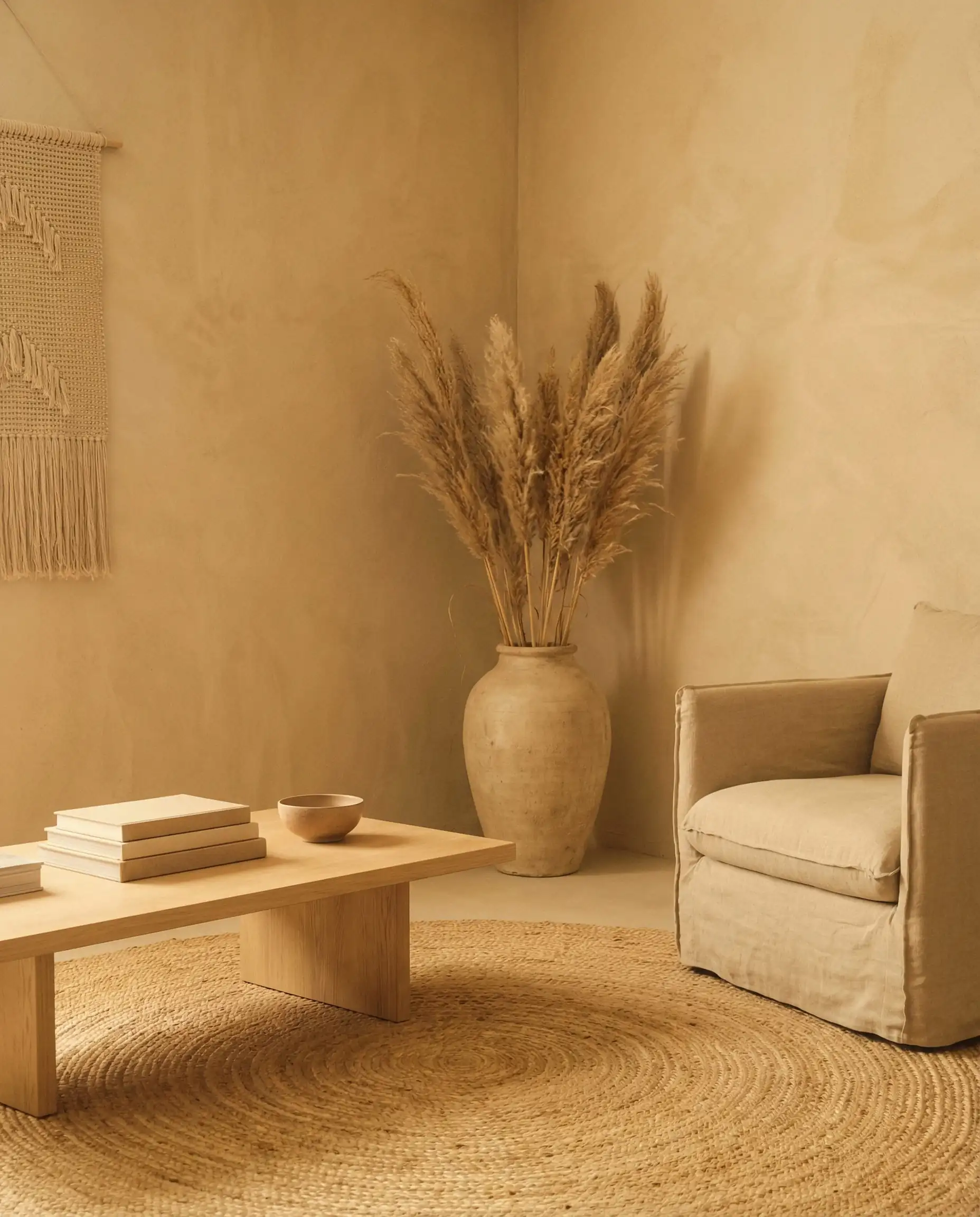
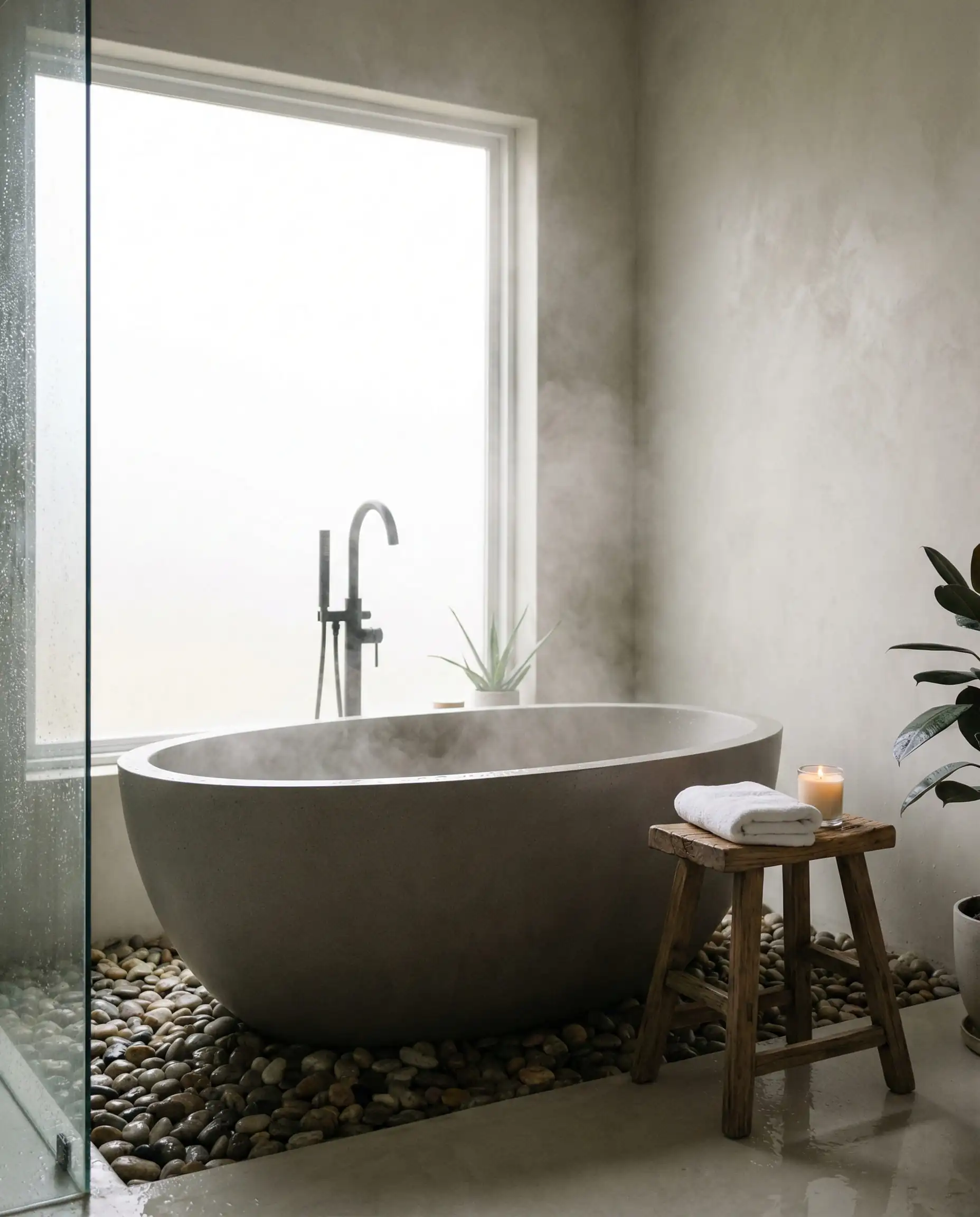
The era of the flat, semi-gloss white wall is fading. Lime wash paints, clay plaster, and micro-cement are the wall coverings of choice for 2026. These materials add depth, movement, and shadow that flat paint simply cannot achieve.
Raw & Honest Materials
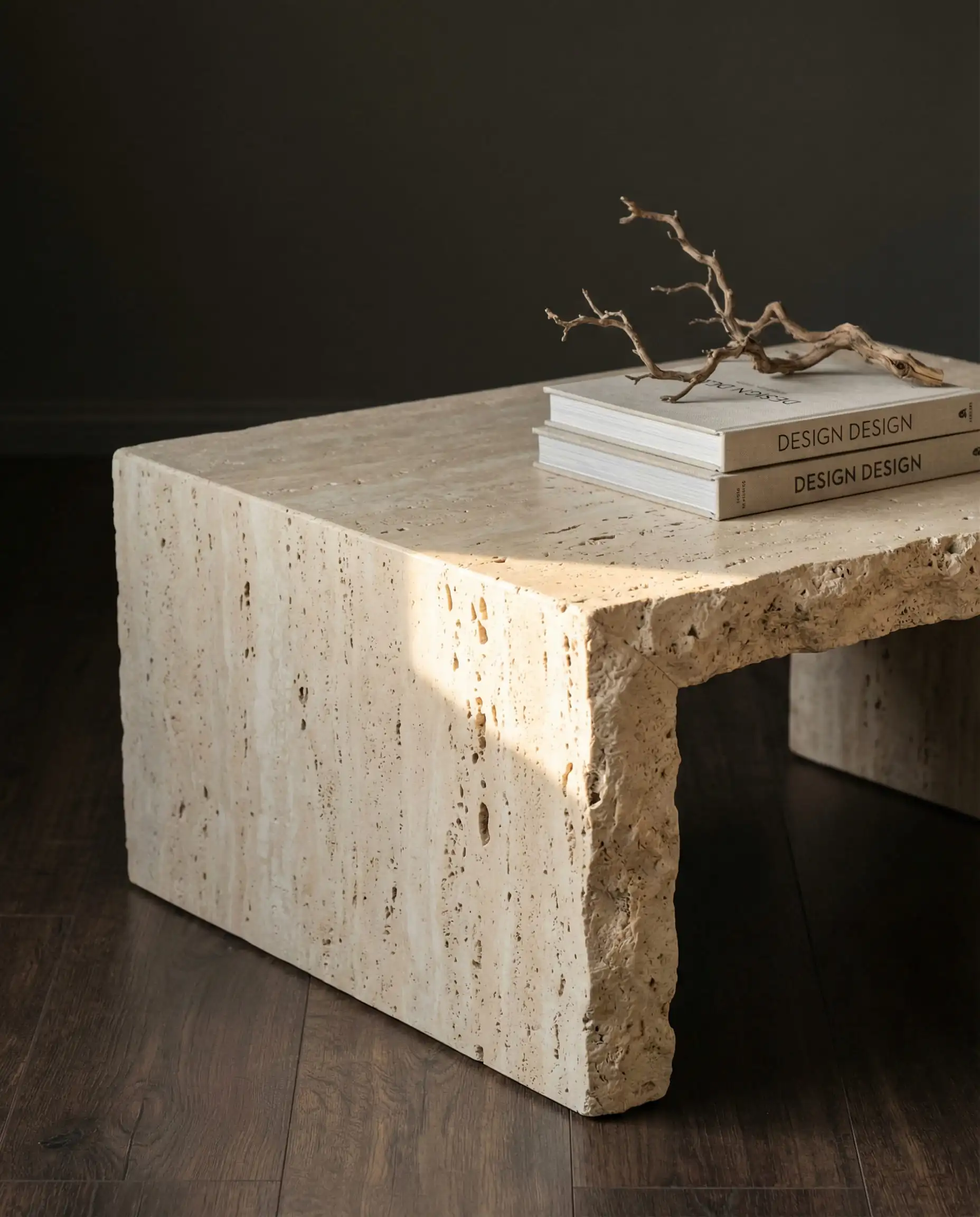
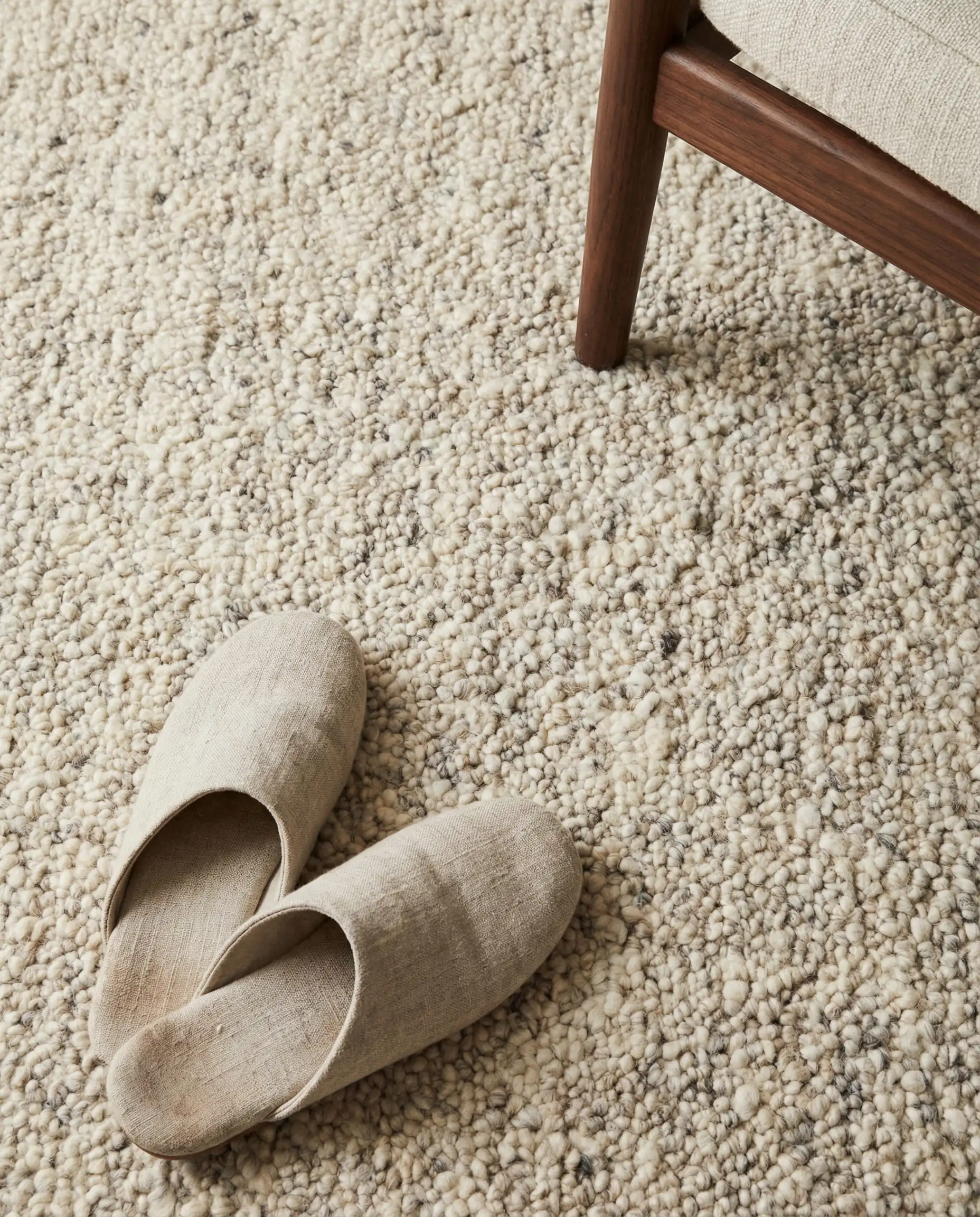
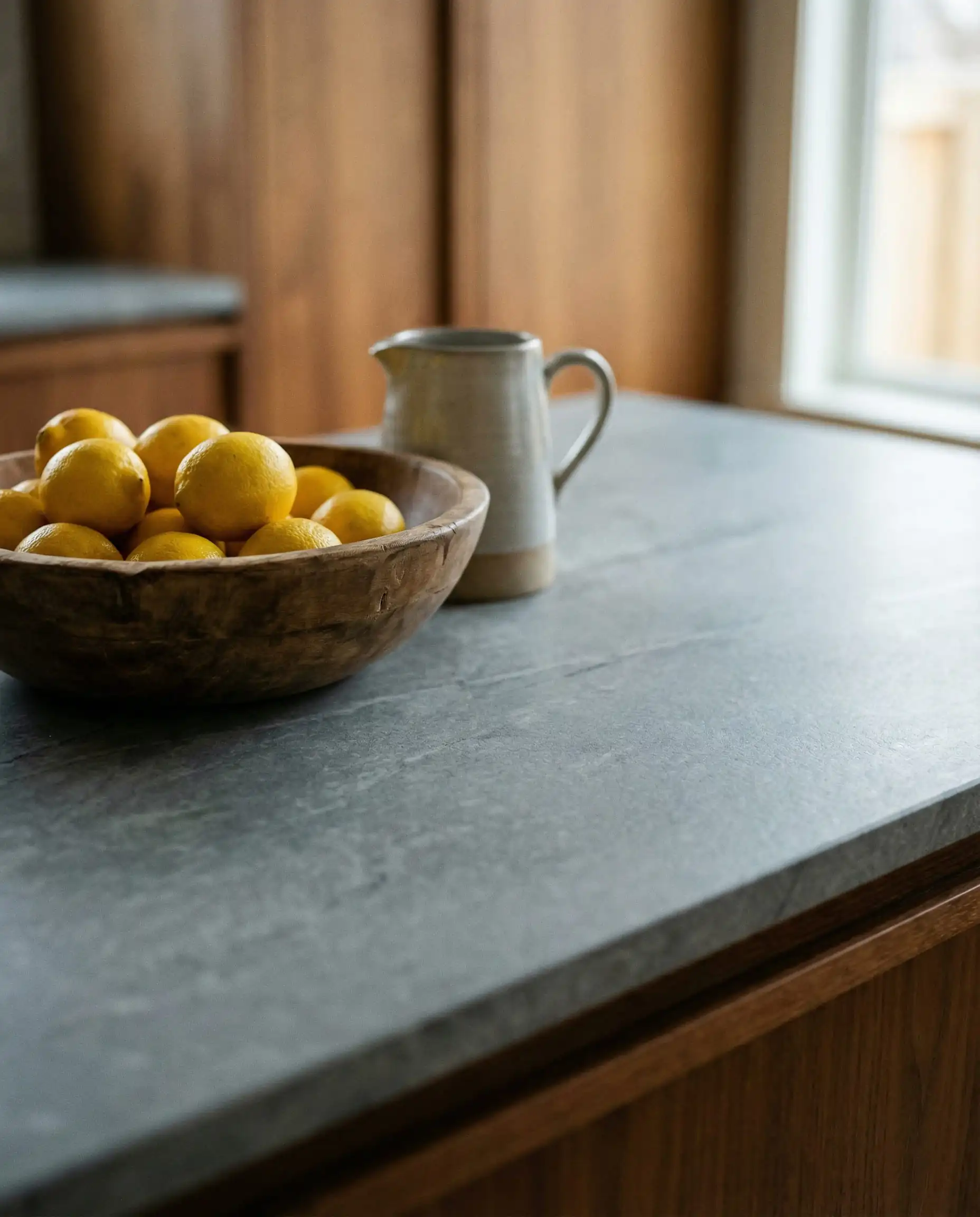
The 2026 aesthetic demands “honest” materials. This means materials should look like what they are.
Biophilic Design 2.0: Blurring the Lines
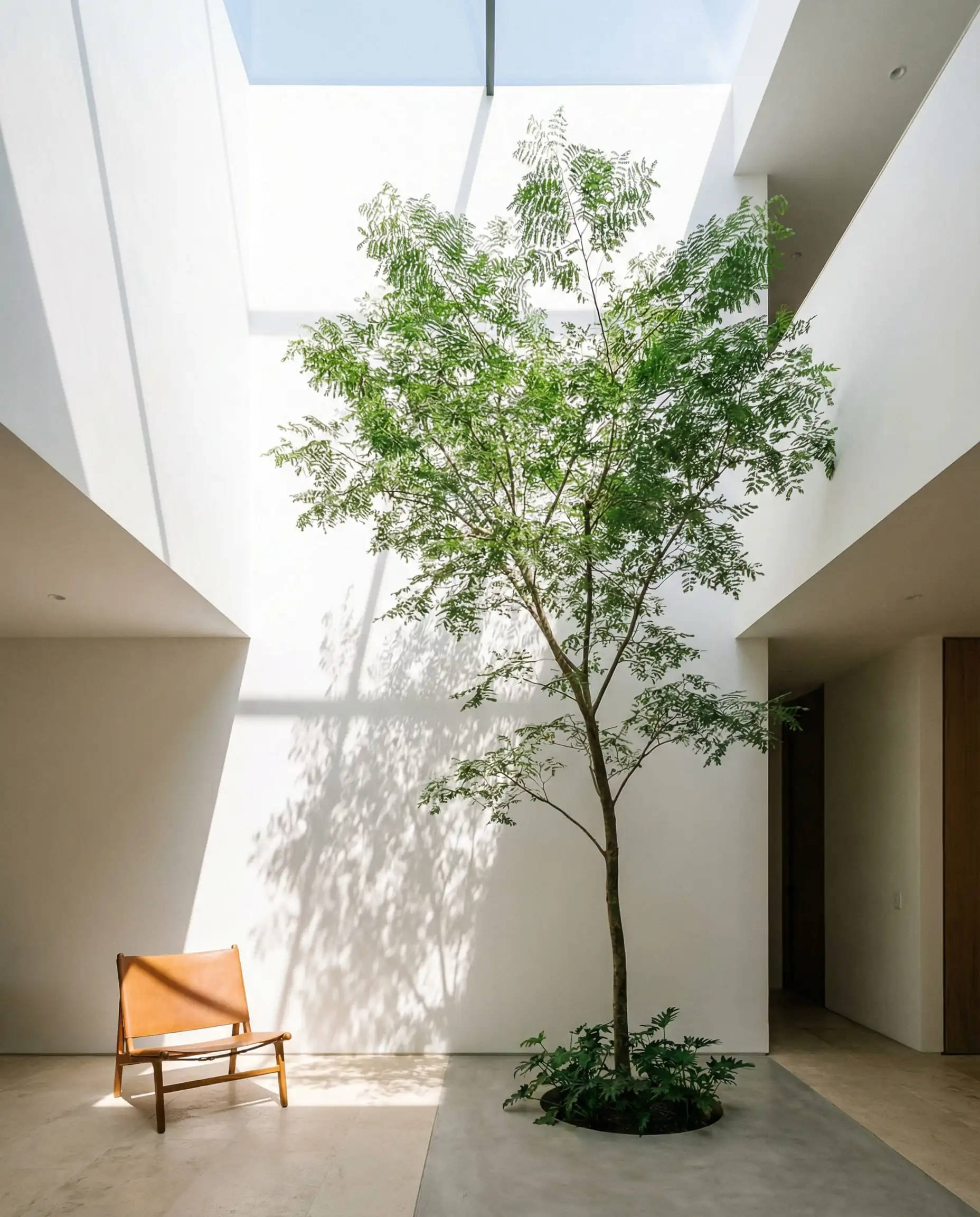
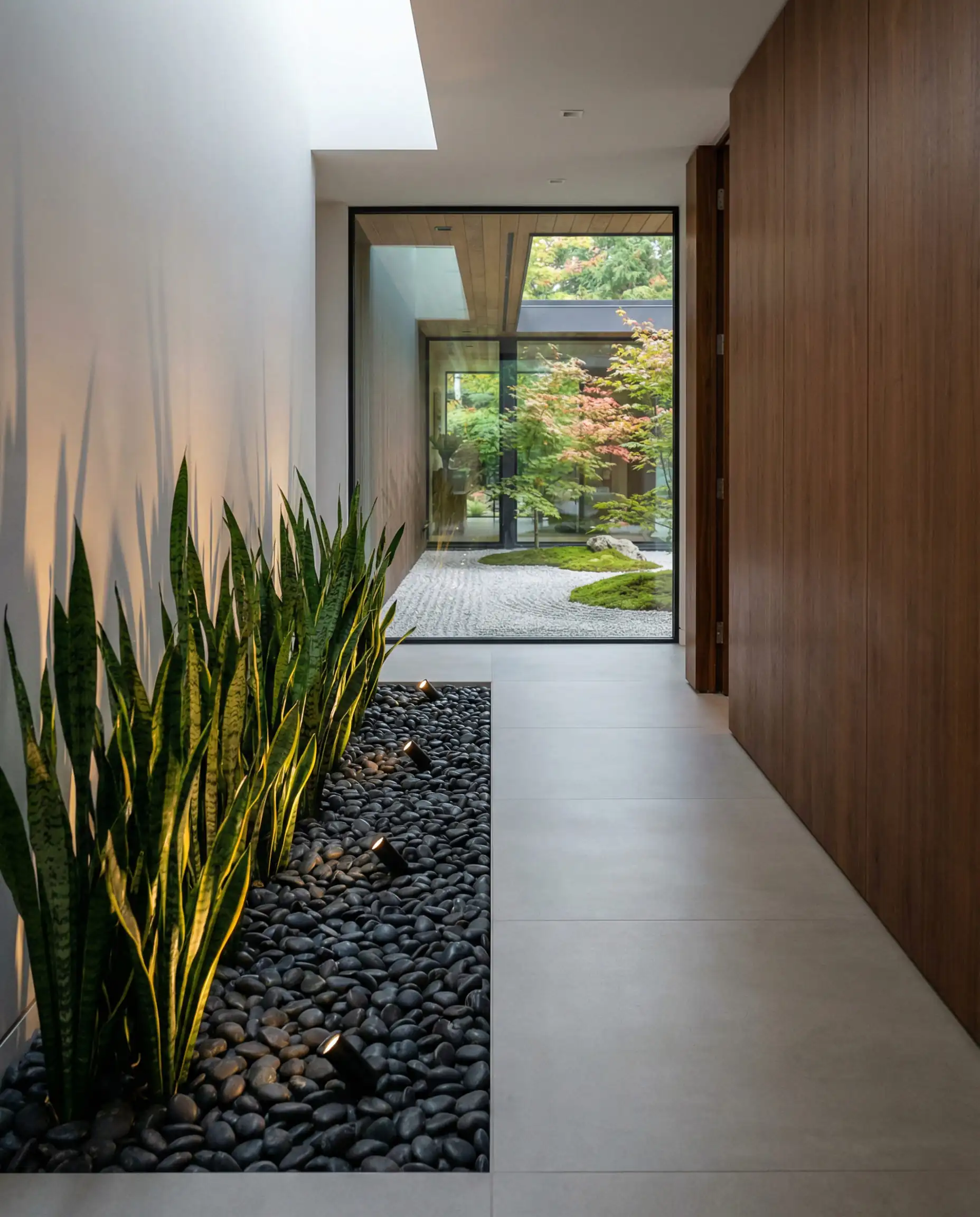
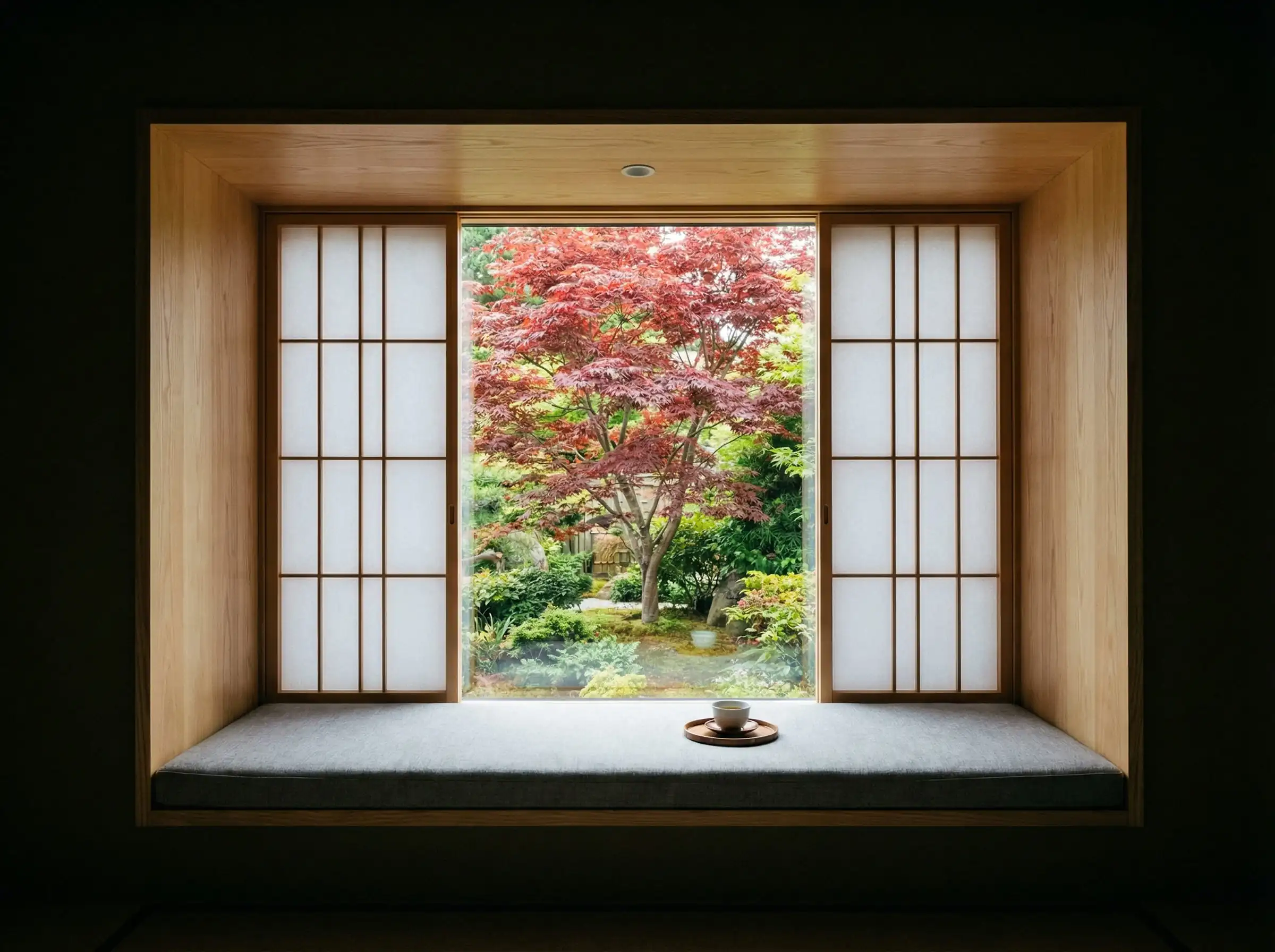
We are moving past the “plant in the corner” phase. In 2026, Biophilic design is about architectural integration. The goal is to blur the boundary between indoors and outdoors so thoroughly that you feel connected to nature even when the windows are closed.
Indoor Trees & Vertical Gardens
Instead of small succulents on a shelf, designers are incorporating large indoor trees (like Black Olive, Ficus Audrey, or Japanese Maple) planted directly into floor beds or massive artisan pots. This scale is crucial—it makes nature a structural element of the room rather than just a decoration.
Framing Views (Shakkei)
The Japanese concept of Shakkei (“borrowed scenery”) is a major trend for 2026 renovations. Windows are treated as picture frames that capture specific views of the outdoors.
Window Treatments: Heavy drapes are disappearing in common areas. Window treatment trends for Japandi spaces now favor recessed roller blinds or Shoji-screen inspired panels that allow diffused light to enter while maintaining privacy, without blocking the connection to the outside.
The 2026 Japandi Color Palette
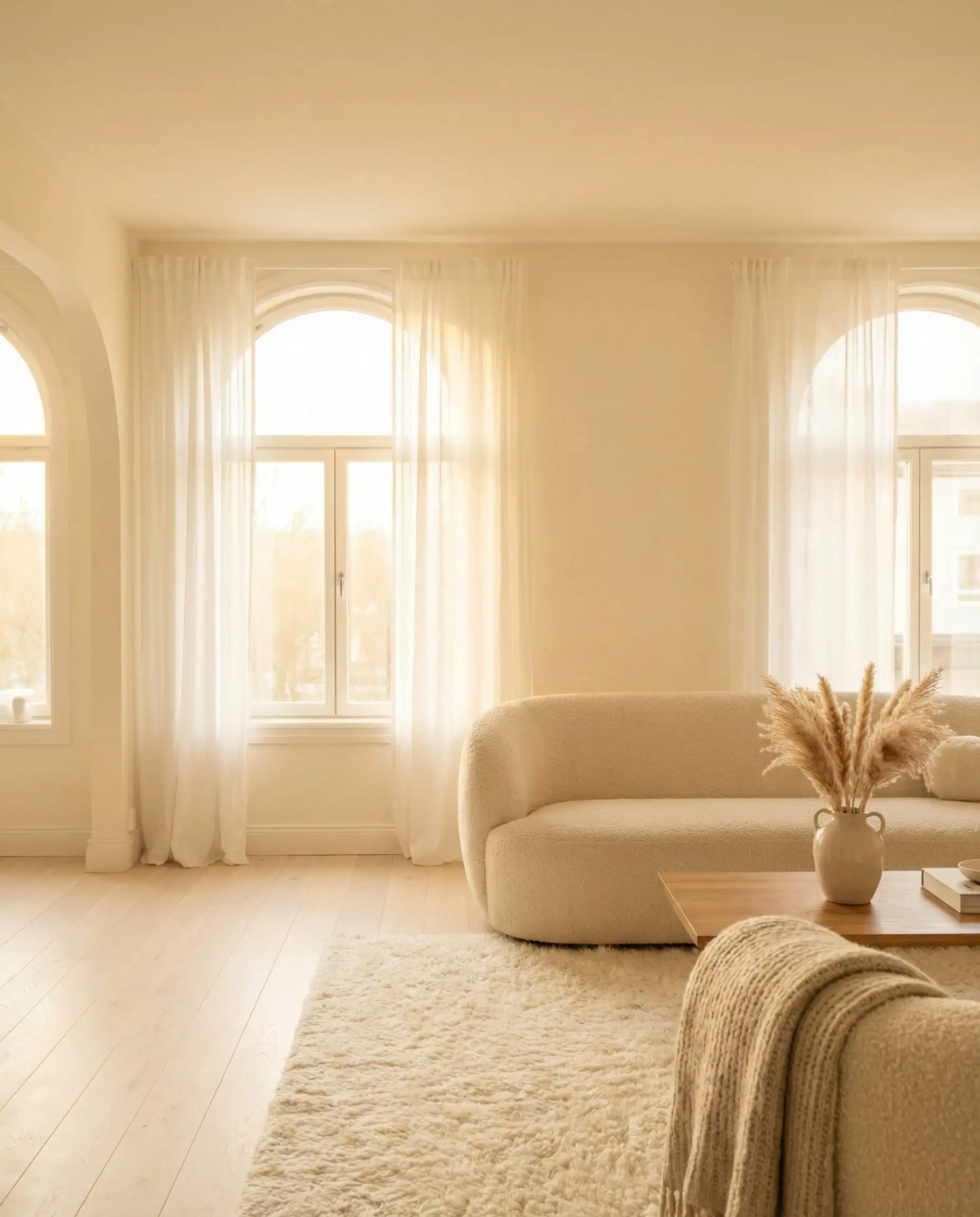
Goodbye, sterile white. Hello, “Warm Oatmeal” and “Mushroom.”
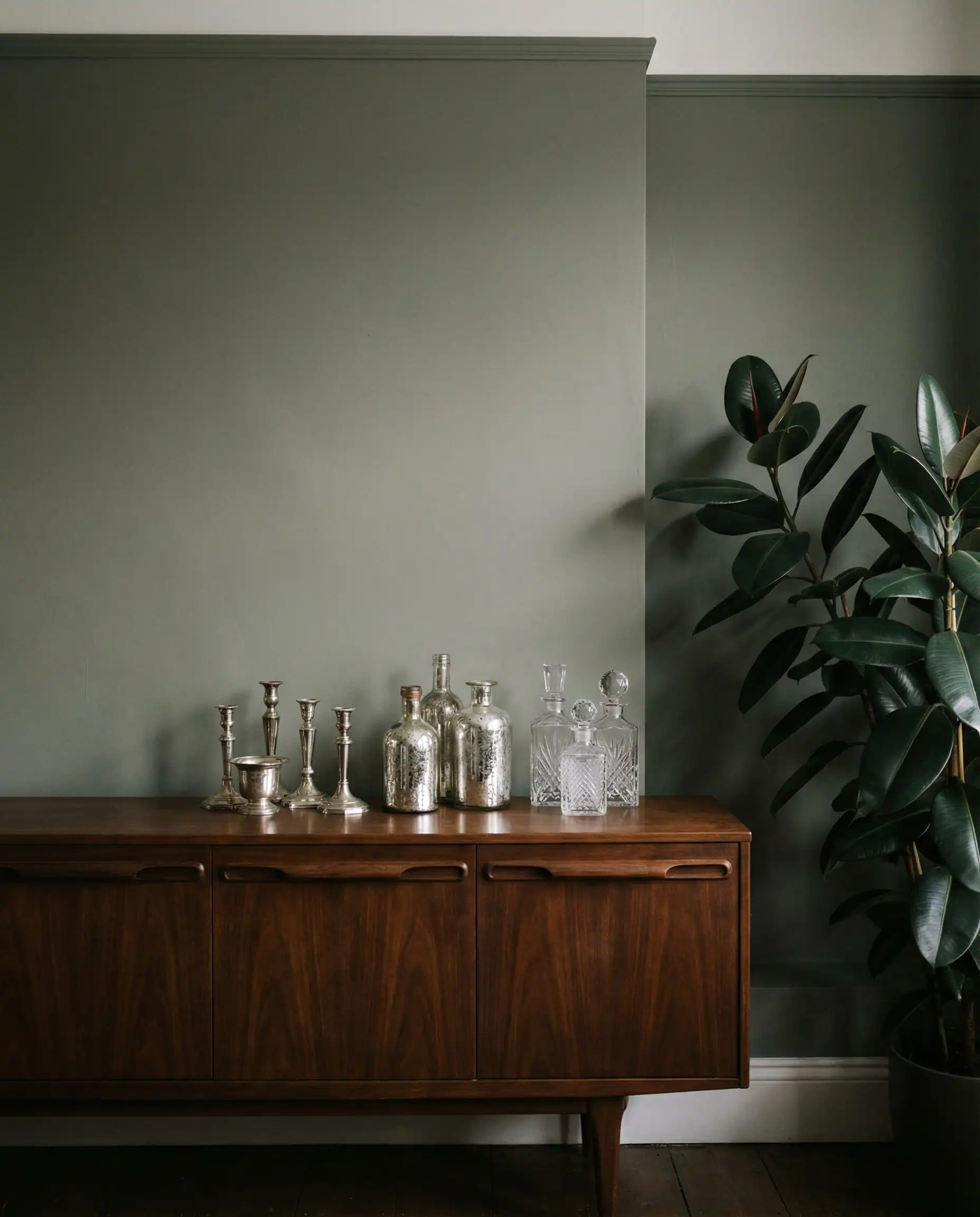
The 2026 palette is inspired by the earth, but it’s moodier and more saturated than before. It moves away from the “cool greys” of the 2010s into “warm greiges” and earthy depths.
The Base Tones
The New Accents
Technique Tip: Colour Drenching
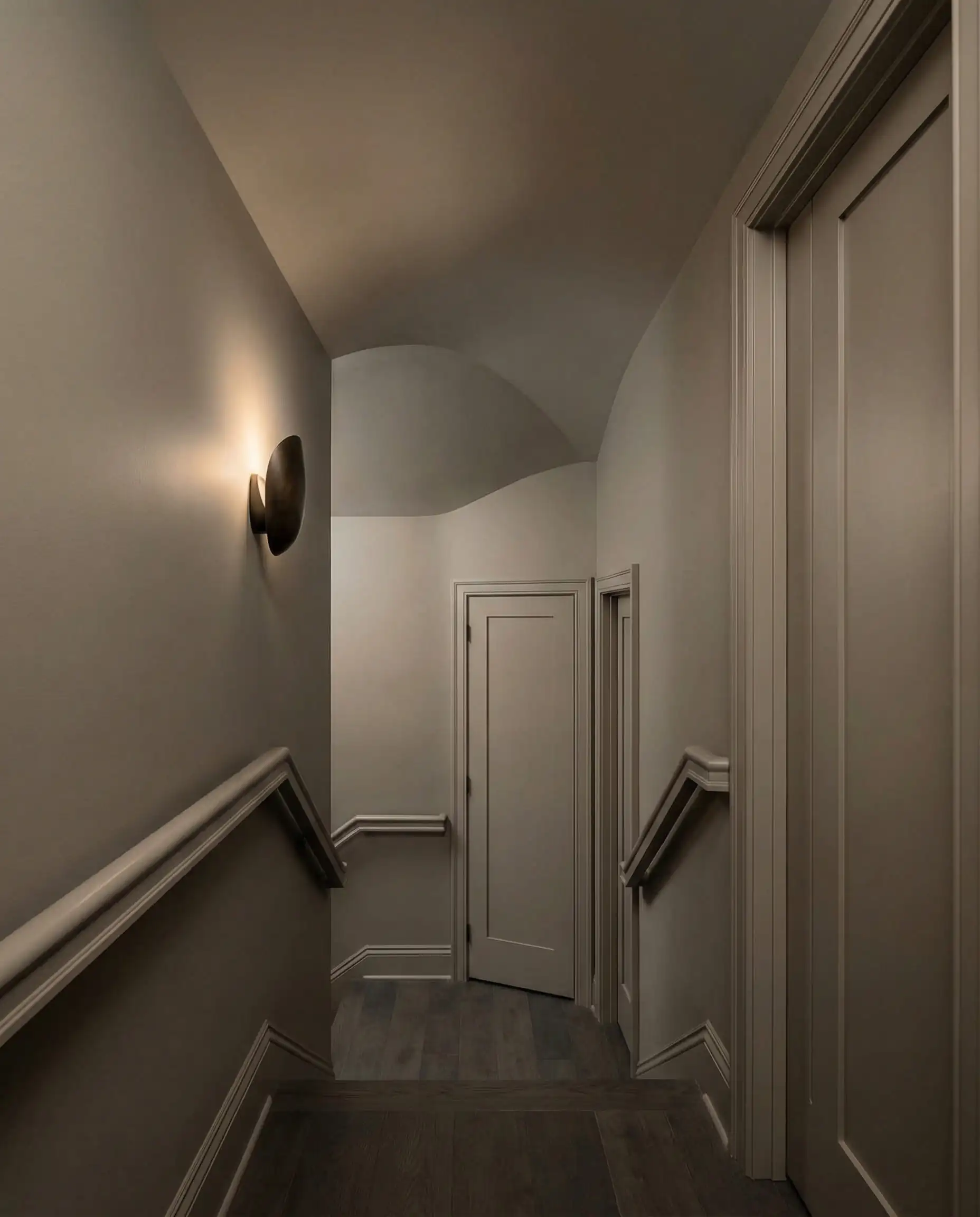
A massive trend for 2026 is Colour Drenching. This involves painting your skirting boards, walls, door frames, and even the ceiling the same color.
The Effect: This eliminates harsh visual lines and expands the sense of space. It creates a seamless “cocoon” effect that is quintessentially Japandi, making ceilings feel higher and rooms feel more cohesive.
Furniture & Form: Softening the Edges
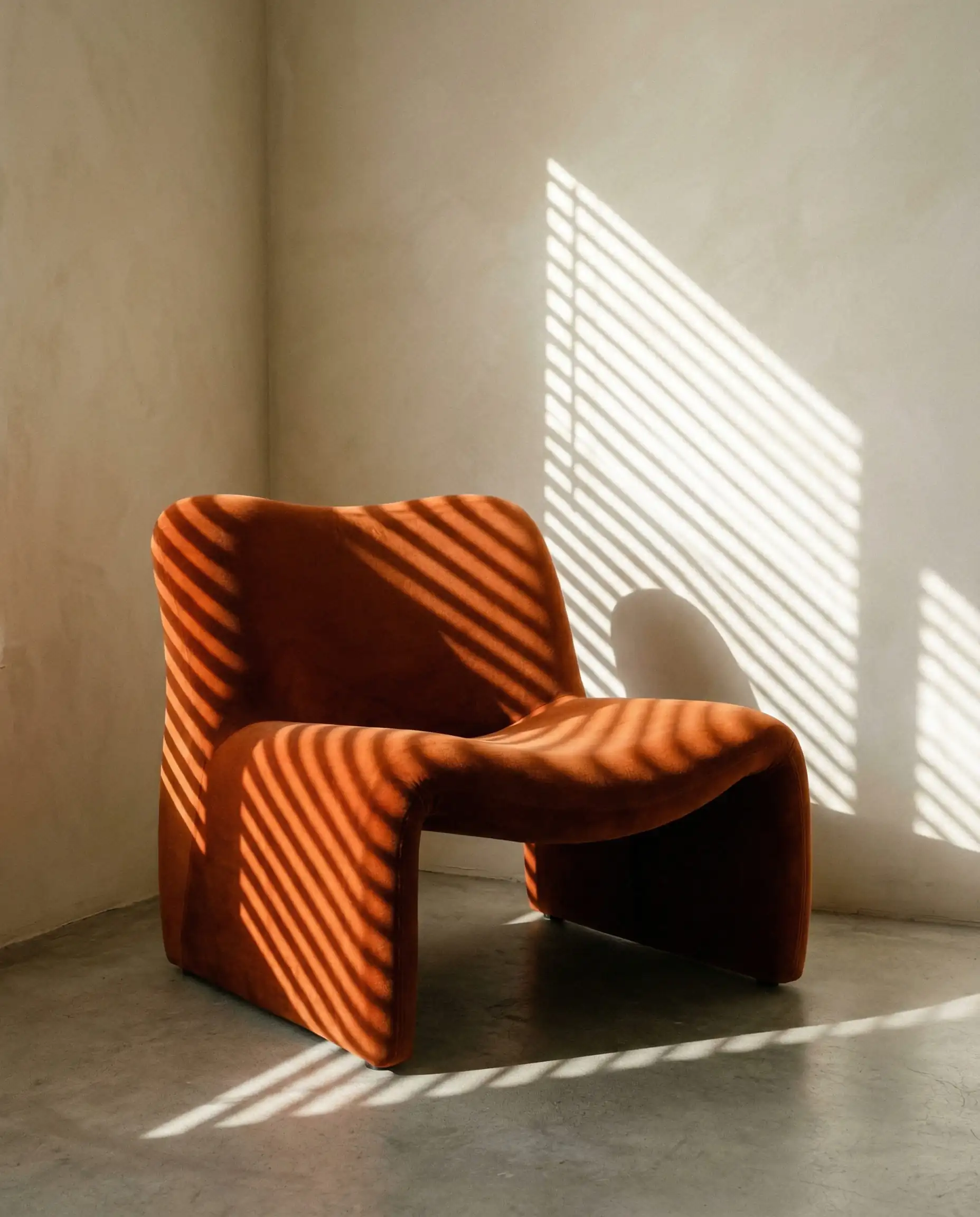
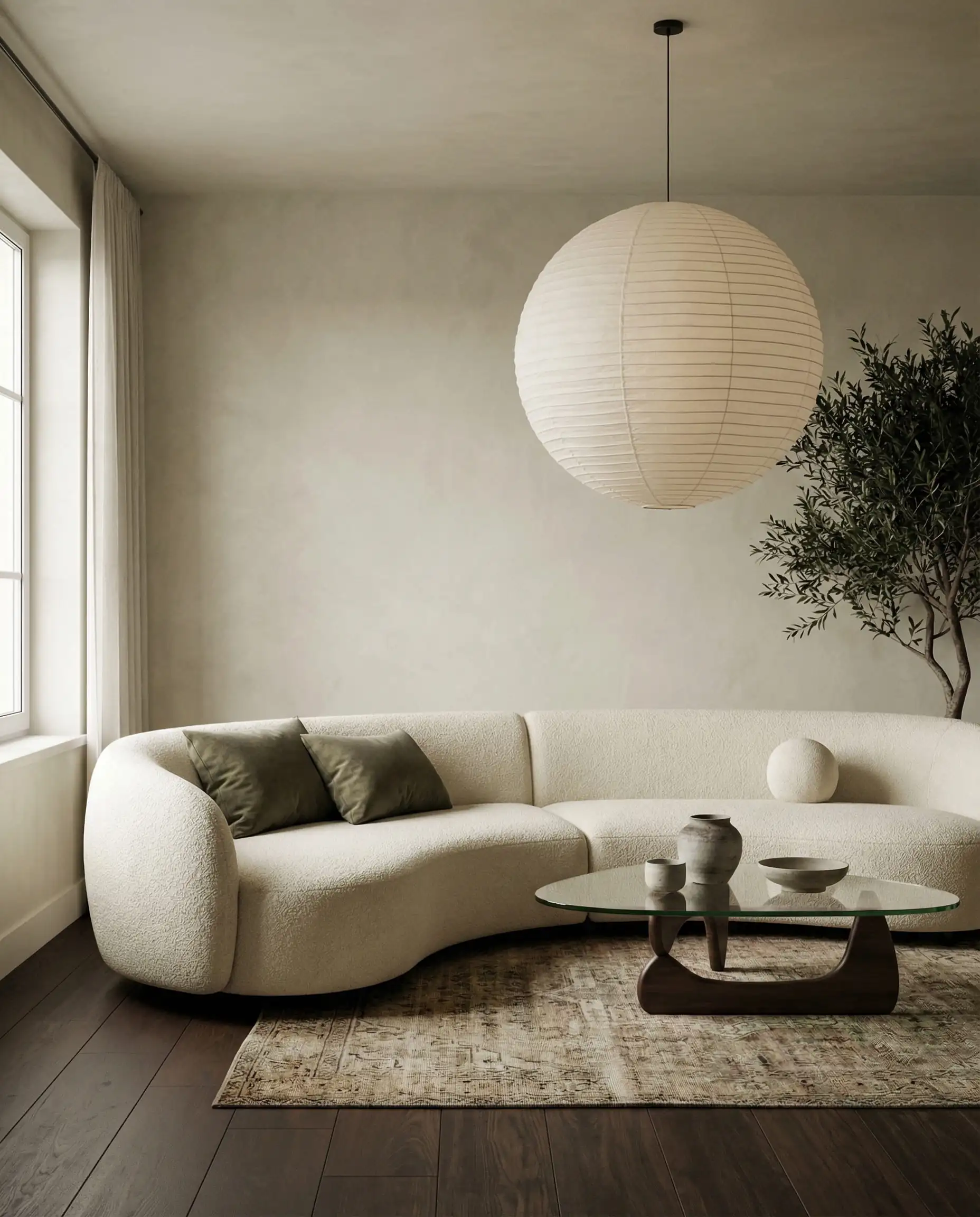
Furniture in 2026 is getting lower and softer. The sharp, mid-century modern lines are softening into organic curves that mimic forms found in nature.
Low-Profile Living
Sofas are sitting lower to the ground. This low-profile design is a direct nod to traditional Japanese living (tatami culture).
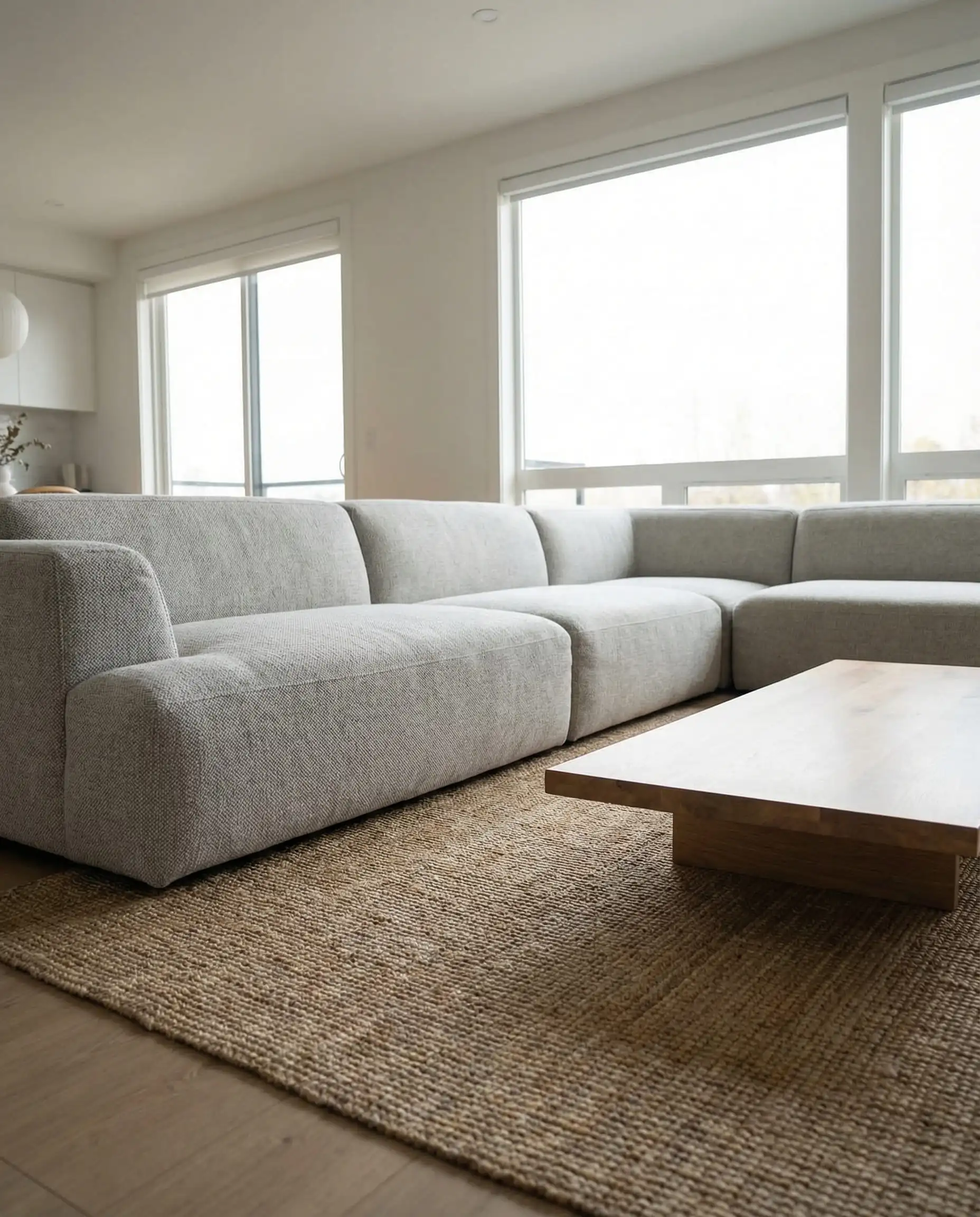
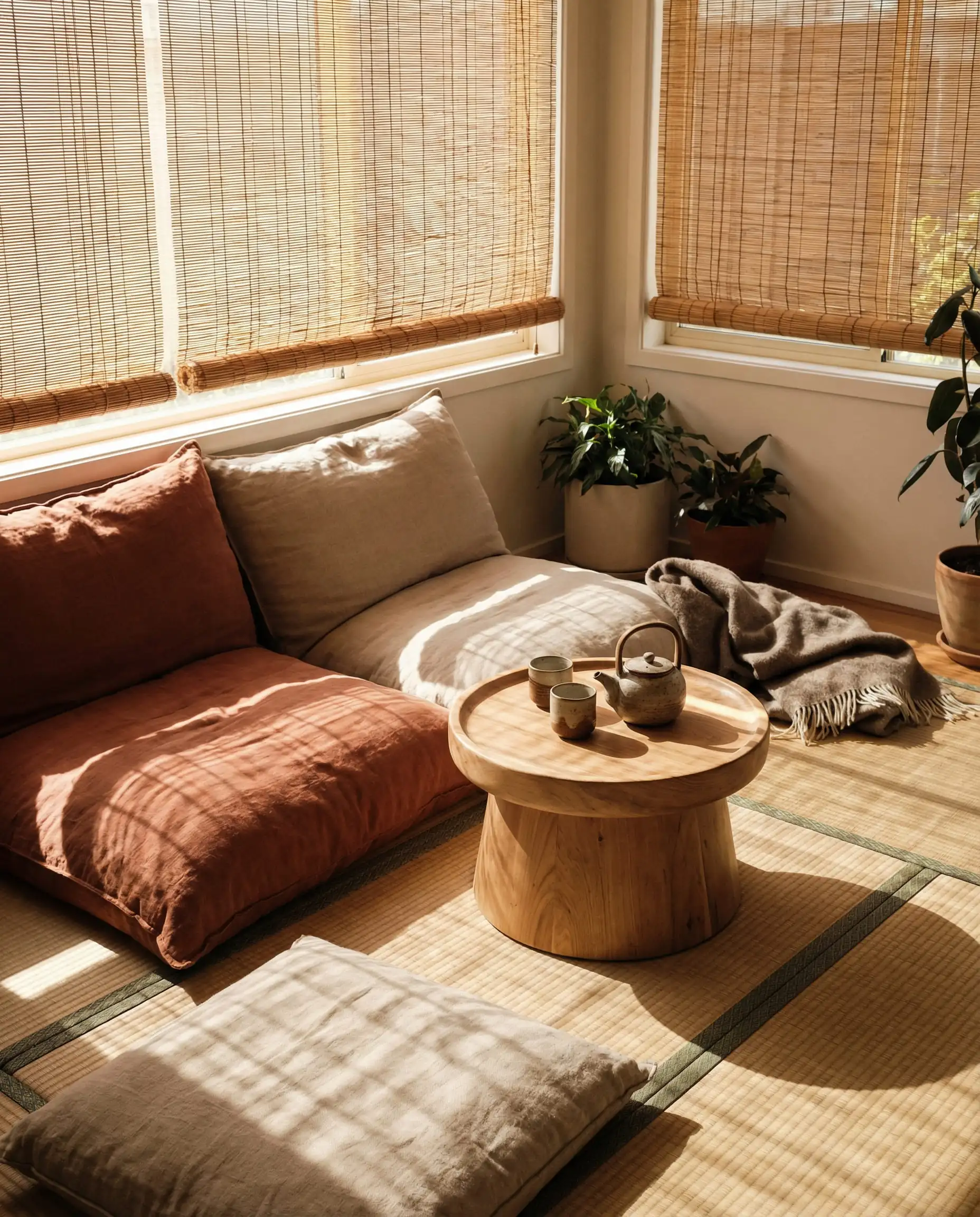
Lower furniture physically grounds you. It forces a change in perspective and creates a more relaxed, lounge-like atmosphere that encourages sprawling rather than upright sitting.
Psychological Impact
Curved Silhouettes
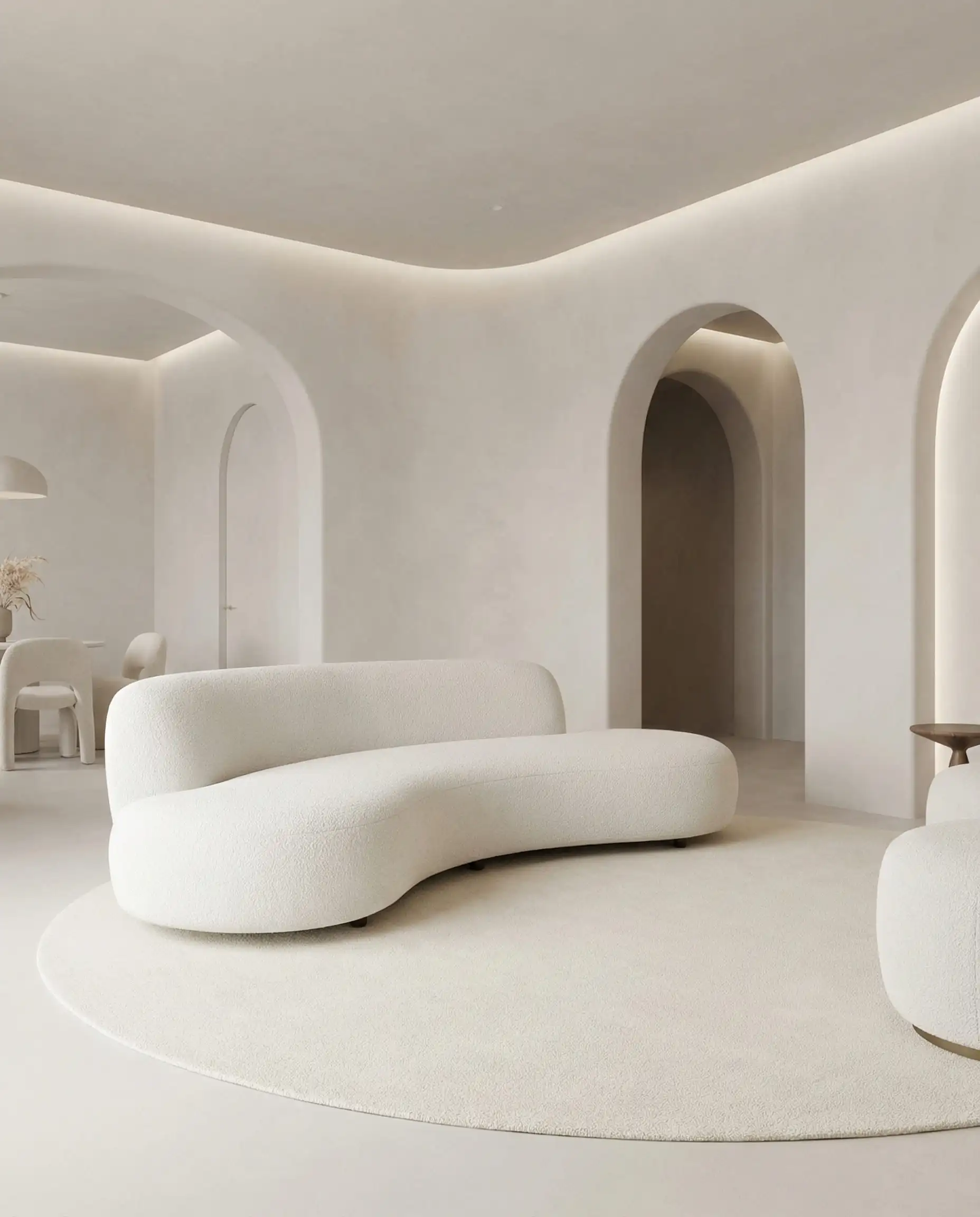
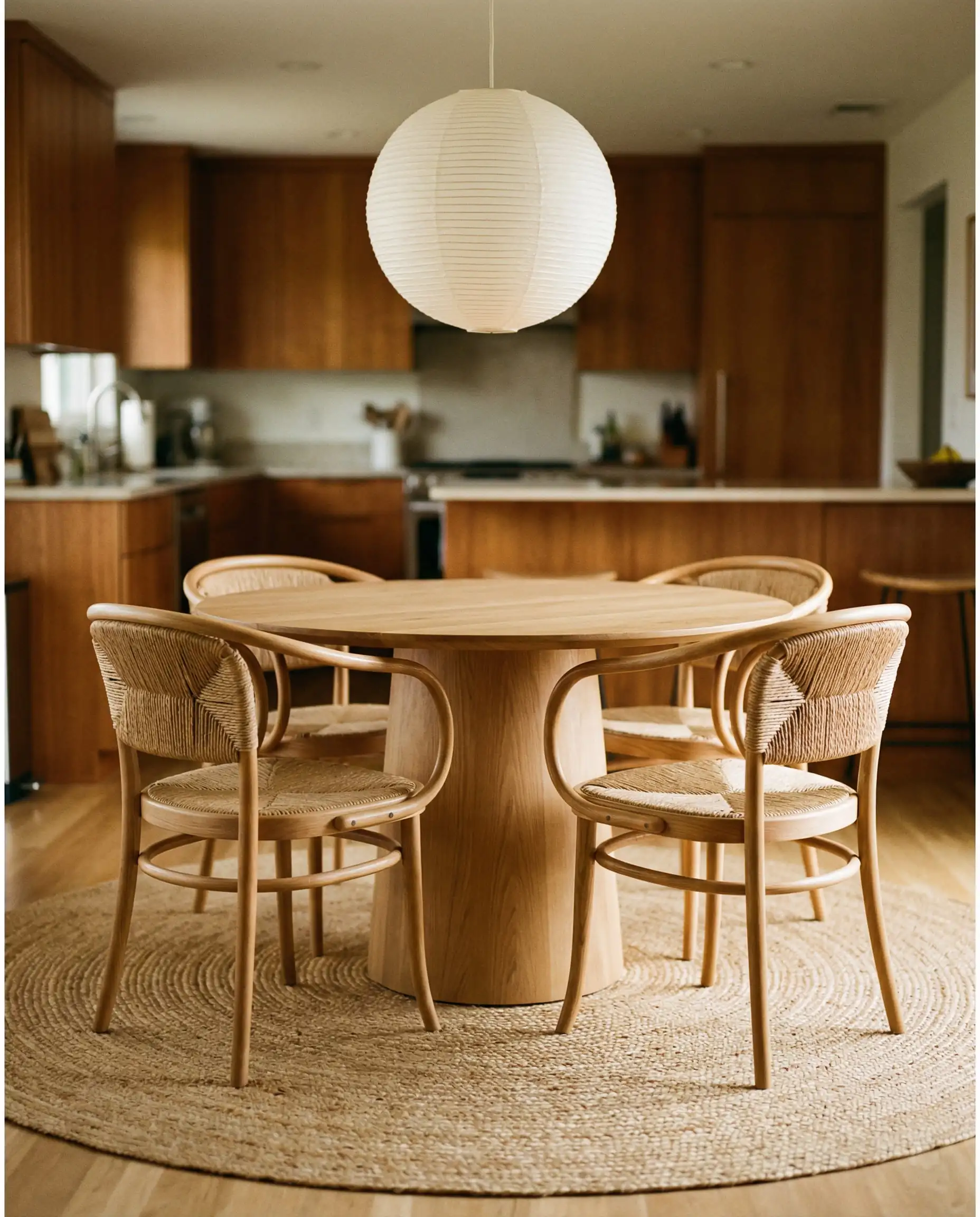
Coffee tables and armchairs are ditching sharp corners for kidney shapes, ovals, and rounded edges.
Flow: In a minimalist room, curves help the eye travel smoothly through the space. A curved sofa in the center of a room allows energy (and people) to flow around it easily, promoting psychological safety.
Sustainable Soul
Furniture is no longer just about aesthetics; it’s about ethics. Pieces made from reclaimed wood, FSC-certified timber, or recycled materials are essential. The “fast furniture” era is the enemy of Japandi. A key part of the 2026 philosophy is investing in fewer, higher-quality pieces that will last a lifetime (read more on Eco-Sustainable Trends).
Lighting: The Atmosphere Maker
Lighting in 2026 Japandi design is never an afterthought—it is the primary mood setter. The “Big Light” (single central ceiling fixture) is officially dead.
Layered Lighting
The goal is to create pools of warm light that highlight textures.
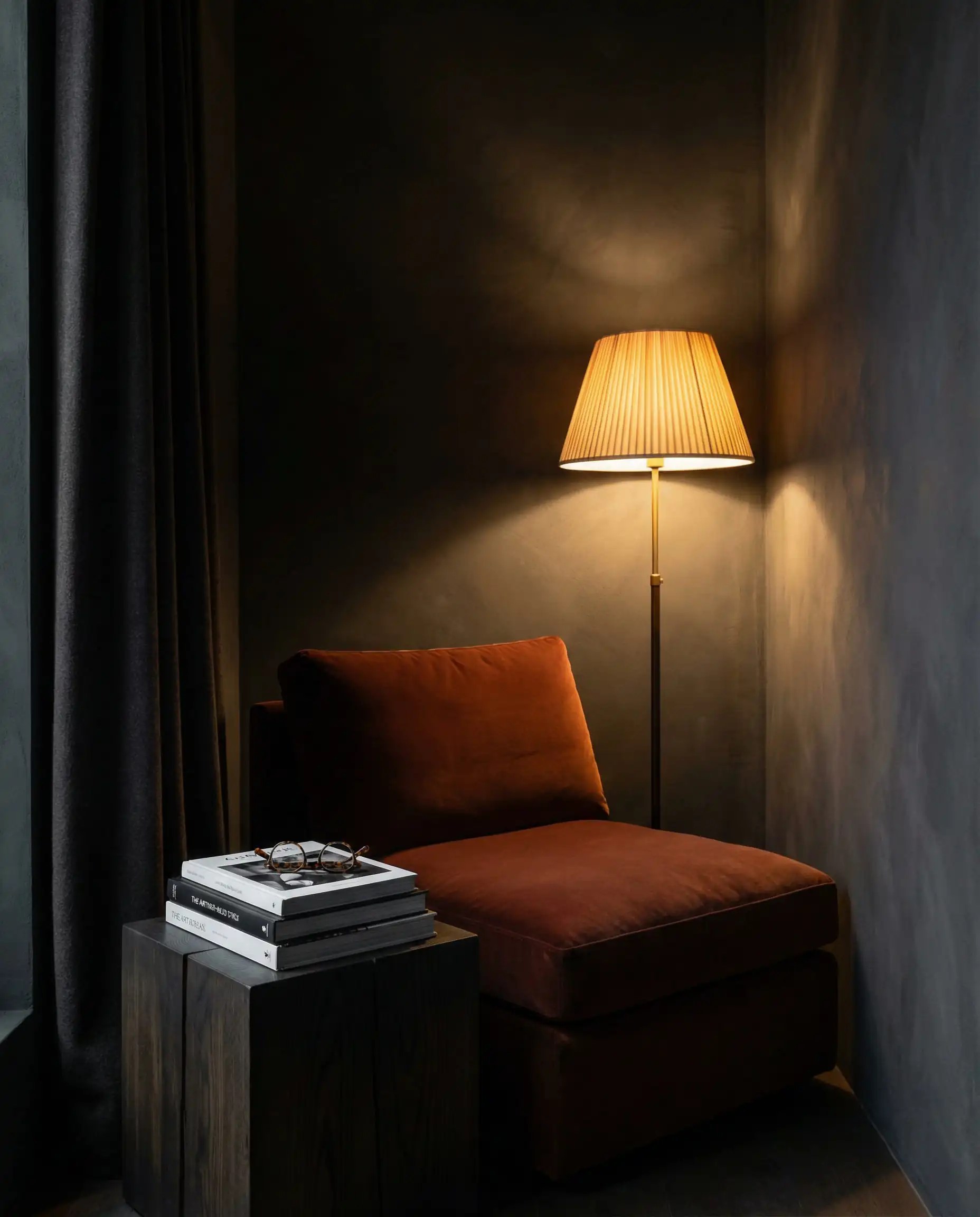
- Low Level: Floor lamps with paper or fabric shades (inspired by Akari lanterns) placed in corners to soften shadows.
- Mid Level: Wall sconces made of clay, brass, or alabaster that wash the walls with light, emphasizing the lime wash texture.
- Task Level: Focused, minimal beams for reading or cooking, often hidden or sleek matte black fixtures.
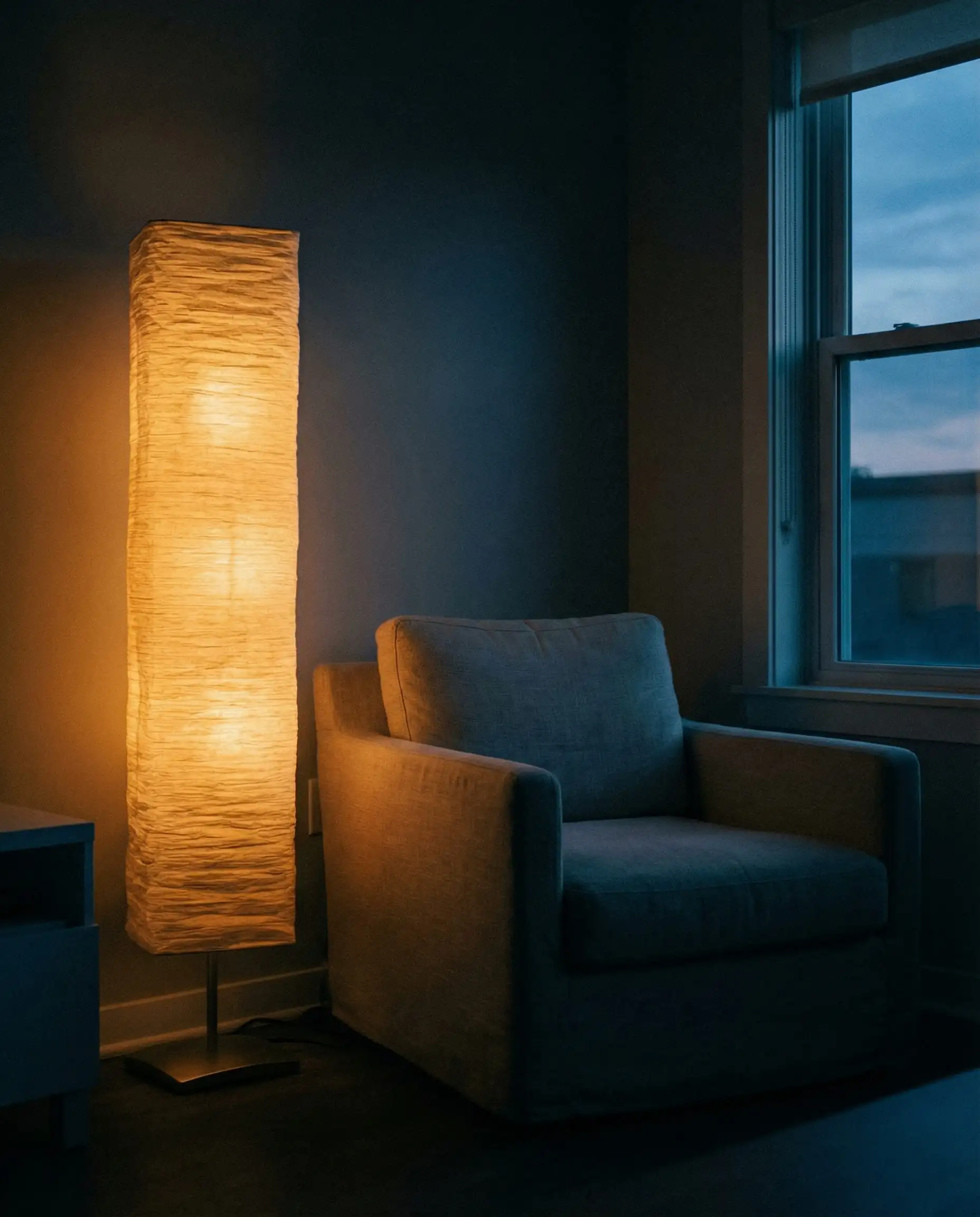
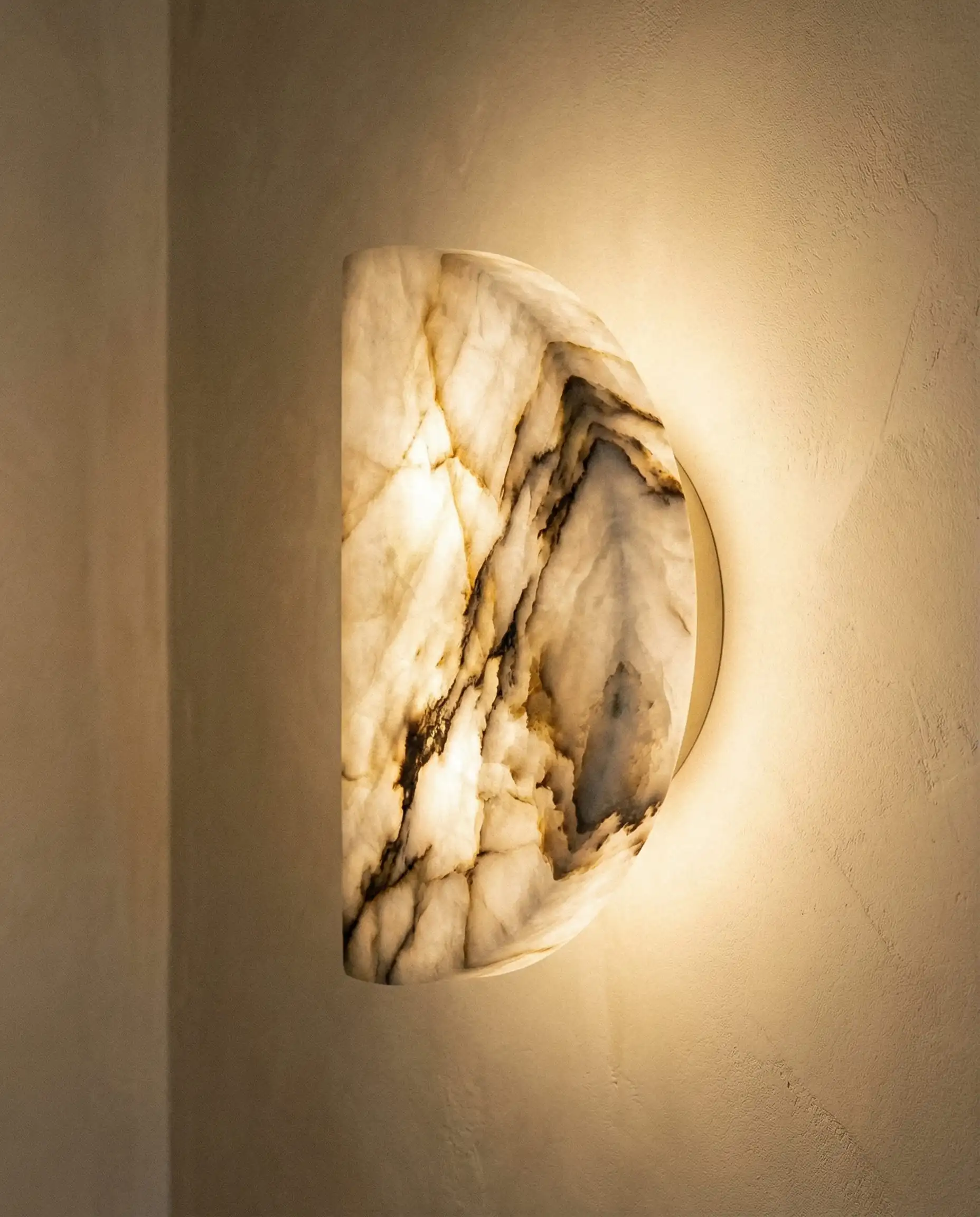
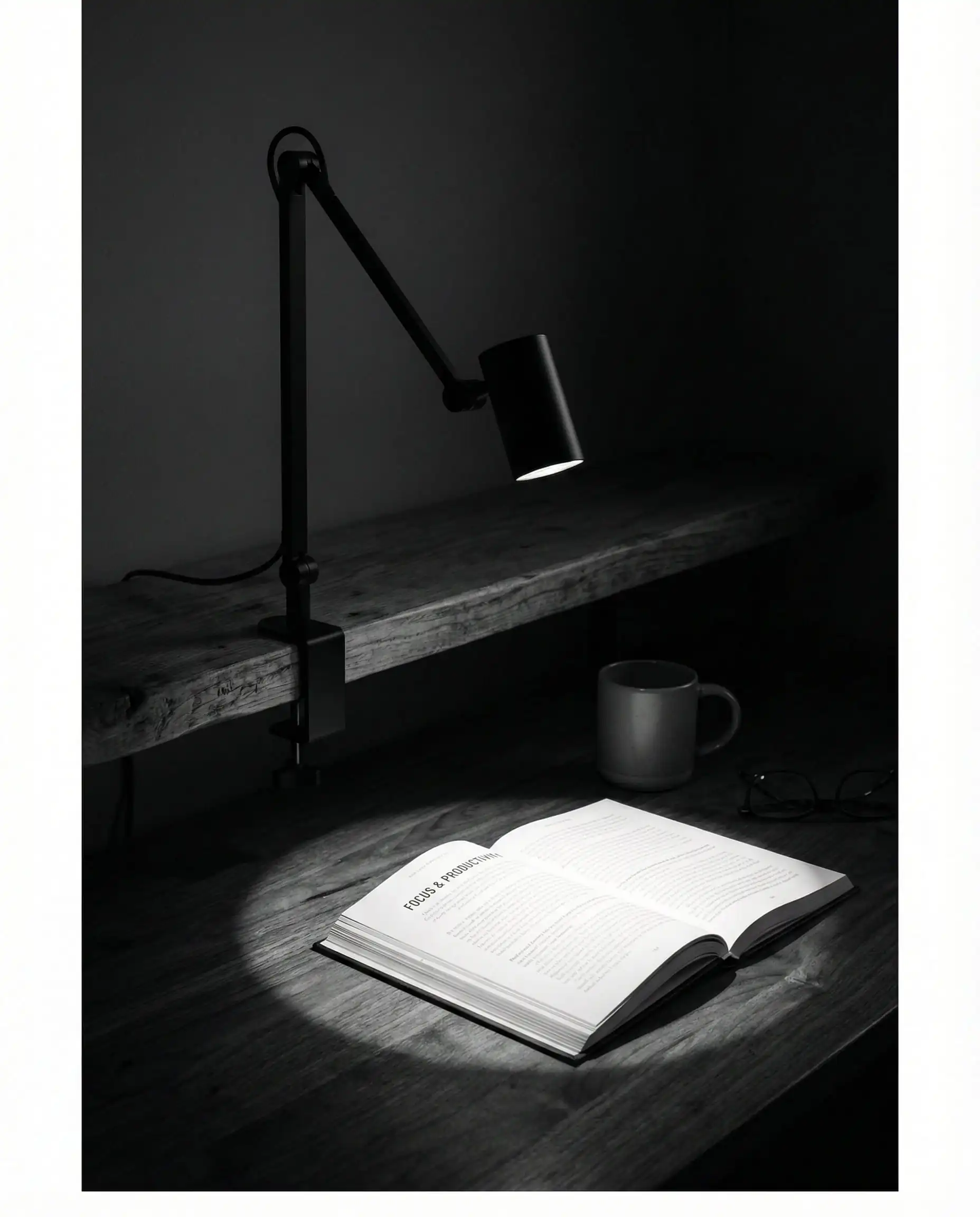
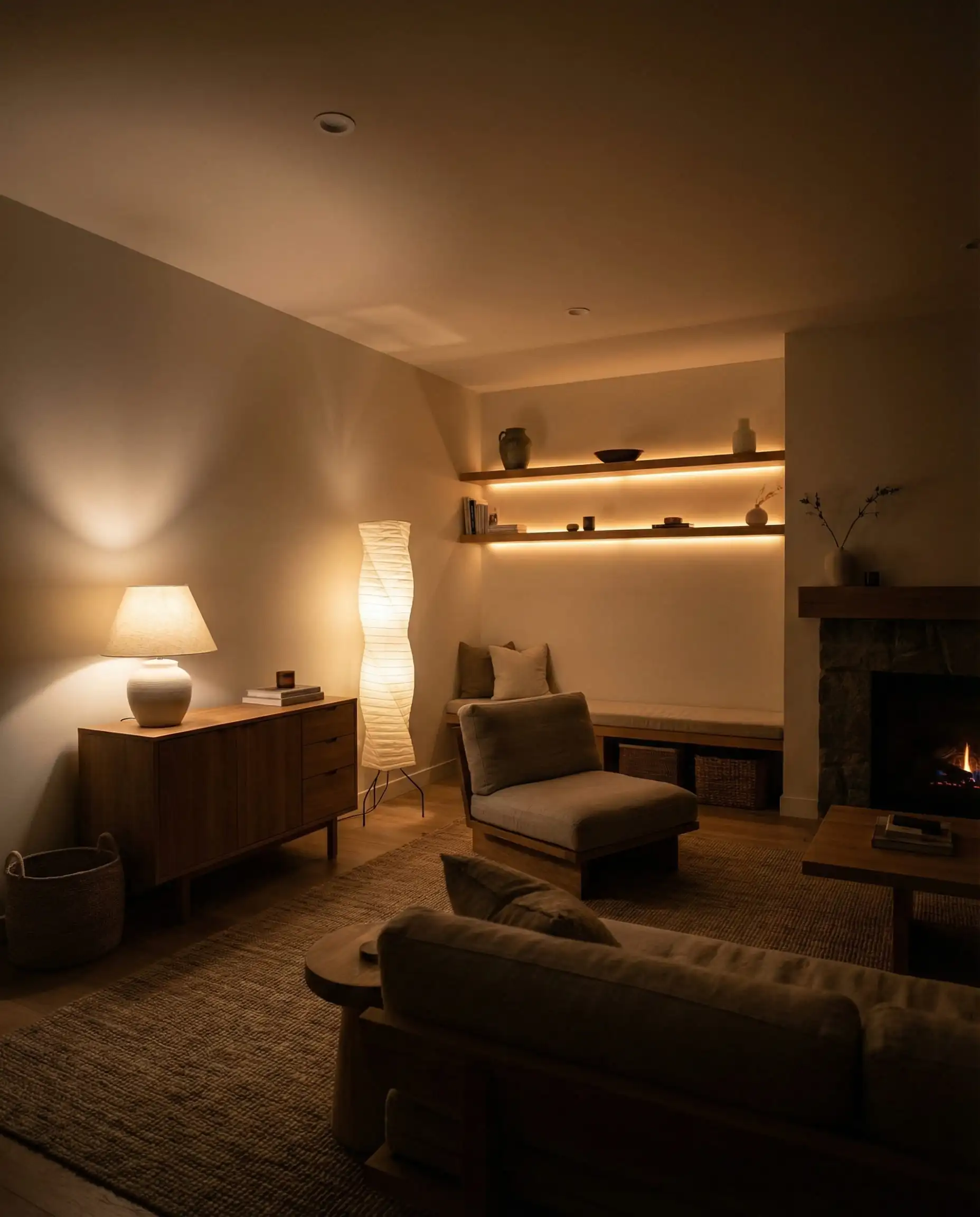
Paper & Natural Materials
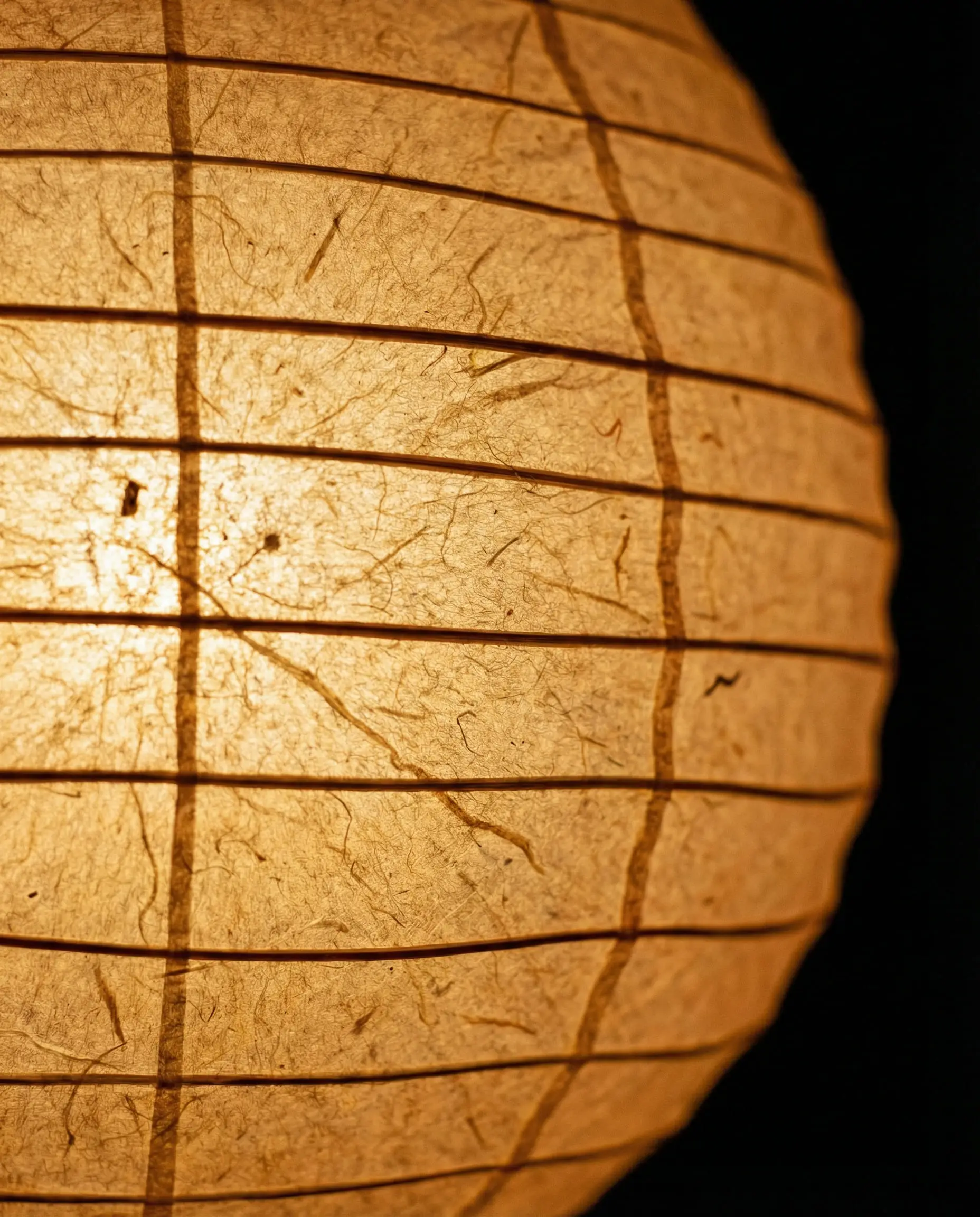
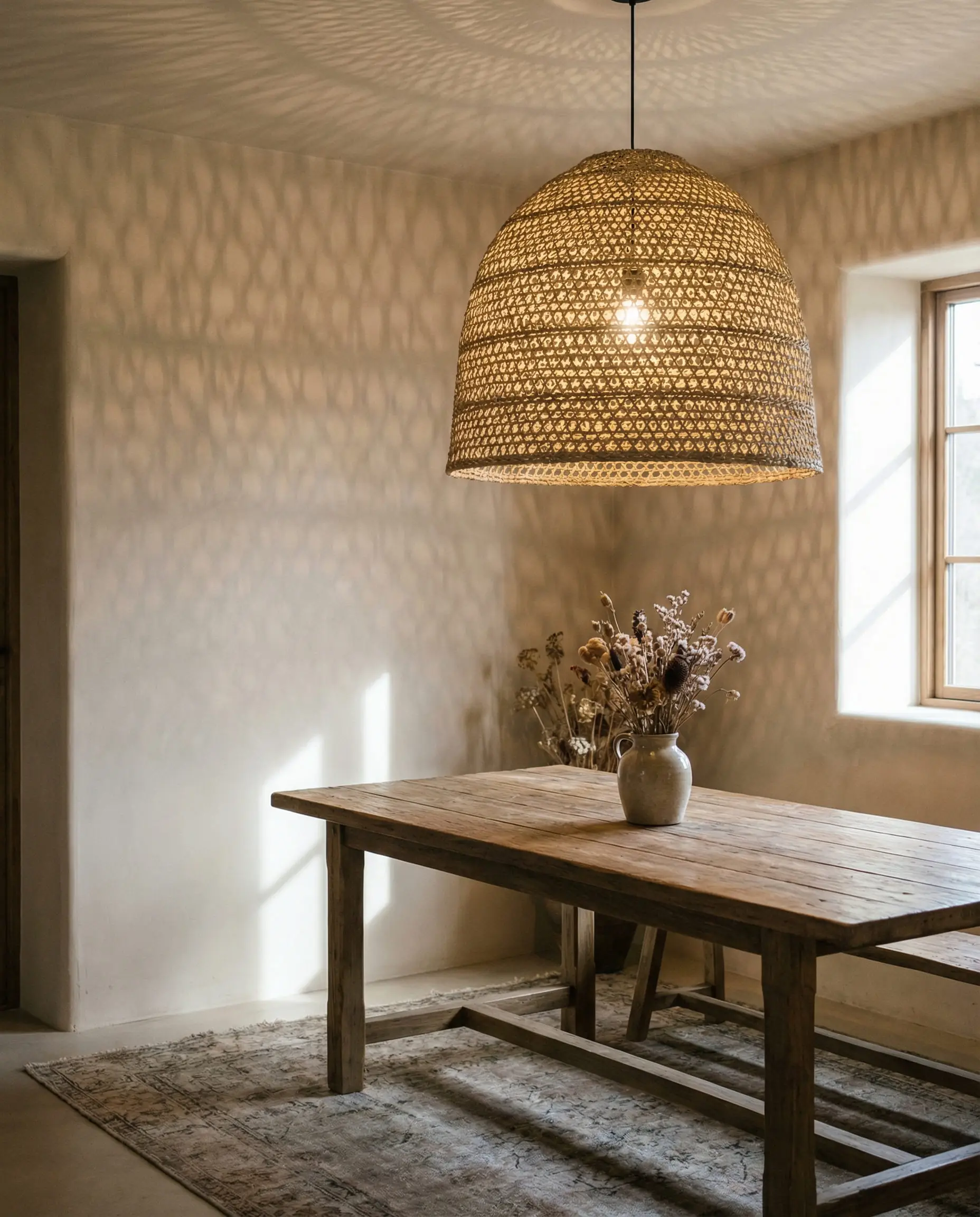
Paper lanterns are seeing a huge resurgence, but in updated, asymmetrical shapes. The diffusion of light through paper creates a softness that glass cannot mimic. Browse our Lighting Trends for more on organic fixture shapes.
How to Update Your Home to Japandi 2026 (Room by Room)
The Living Room
The Bedroom
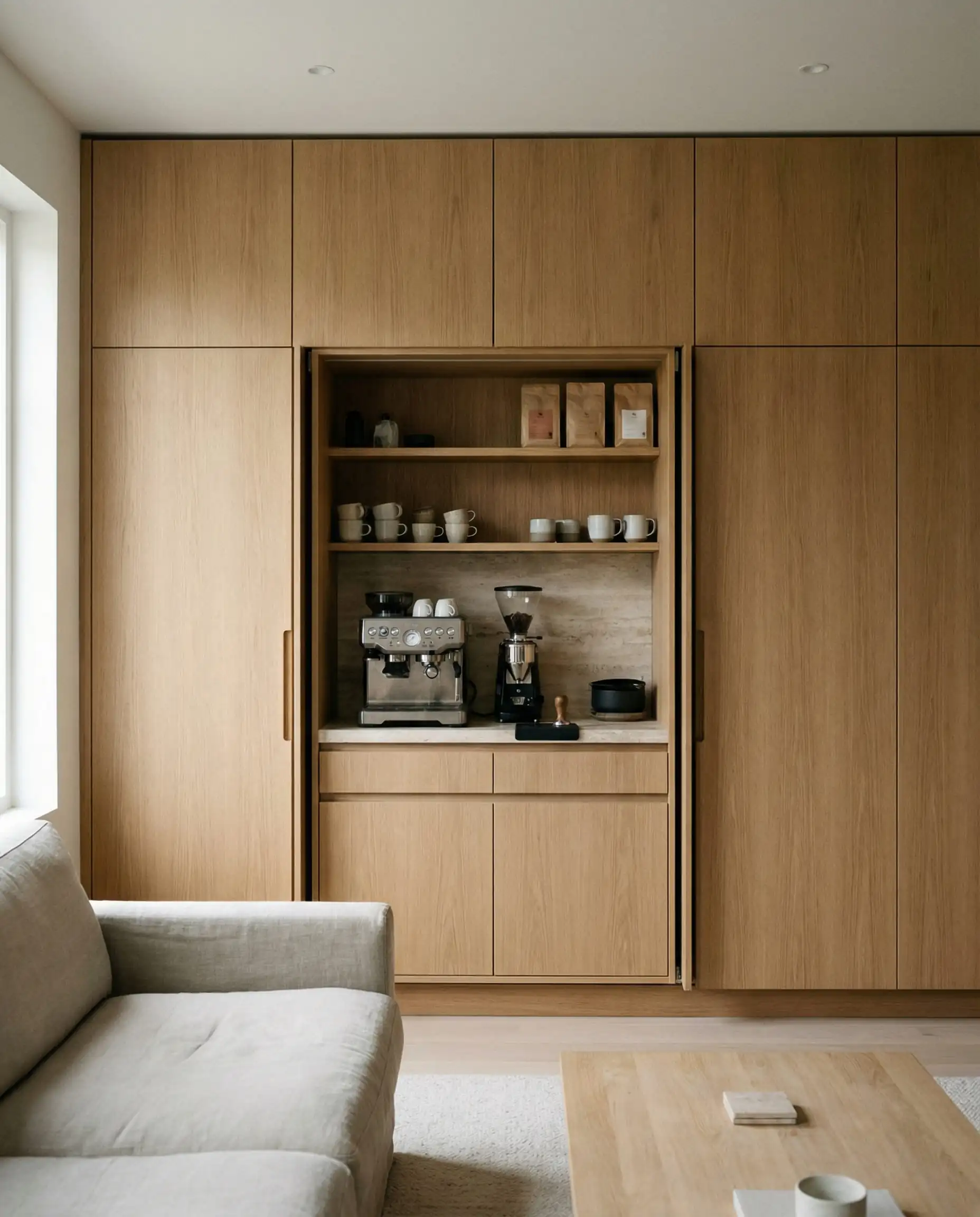
The Kitchen
The Bathroom
Common Japandi Mistakes to Avoid in 2026
Frequently Asked Questions about Japandi Style
No, but it is evolving. The “catalog look” of cheap light wood and white walls is fading, replaced by a high-end, custom feel that prioritizes craftsmanship, darker materials, and deeper colors. It is becoming a classic design philosophy rather than just a fleeting trend.
Scandi leans cooler (blues, whites, bright greys) and focuses on “hygge” (coziness and conviviality). Japanese design leans warmer (browns, creams, blacks) and focuses on “wabi-sabi” (imperfection and nature). Japandi blends the warmth and elegance of Japan with the functionality and comfort of Scandinavia.
Absolutely. This is the main trend for 2026. “Dark Japandi” uses charcoal, black, and walnut to create spaces that feel intimate and sophisticated rather than just airy. It works particularly well in bedrooms and media rooms.
Texture is the secret. Layer a jute rug with a soft wool rug. Use linen curtains that pool slightly on the floor. Add soft lighting at eye level rather than overhead. Ensure you have “soft landing spots”—places where you can sit and feel enveloped.
Ready to transform your space?
Japandi in 2026 is an invitation to slow down. By incorporating darker woods, raw textures, and mindful layouts, you can create a home that doesn’t just look trendy, but heals and restores you every day.
For more inspiration on the structural changes shaping homes this year, check out our guide on Interior Door Trends 2026.