In 2026, sustainable interior design has graduated. It is no longer a niche interest defined by upcycled pallets and hemp sheets. It has evolved into the defining characteristic of modern luxury and intelligent living.
This year, the shift is profound. We are moving from “Green Design” (doing less harm) to “Regenerative Living” (doing more good). The homes of 2026 are designed to be living ecosystems—spaces that don’t just minimize their carbon footprint but actively improve the well-being of their inhabitants and the environment surrounding them.
Whether you are planning a full-scale renovation or simply looking to update your decor with intention, this comprehensive guide explores the materials, philosophies, and room-by-room strategies shaping the eco-conscious homes of the future.
📋 Quick Summary: Top 5 Sustainable Trends of 2026
I. The Philosophy of 2026
From Sustainability to “Neuroarchitecture”
Why do we feel instantly calmer in a forest than in a fluorescent-lit office? In 2026, designers are using Neuroarchitecture—the science of how our environment modifies our brain chemistry—to drive sustainable choices.
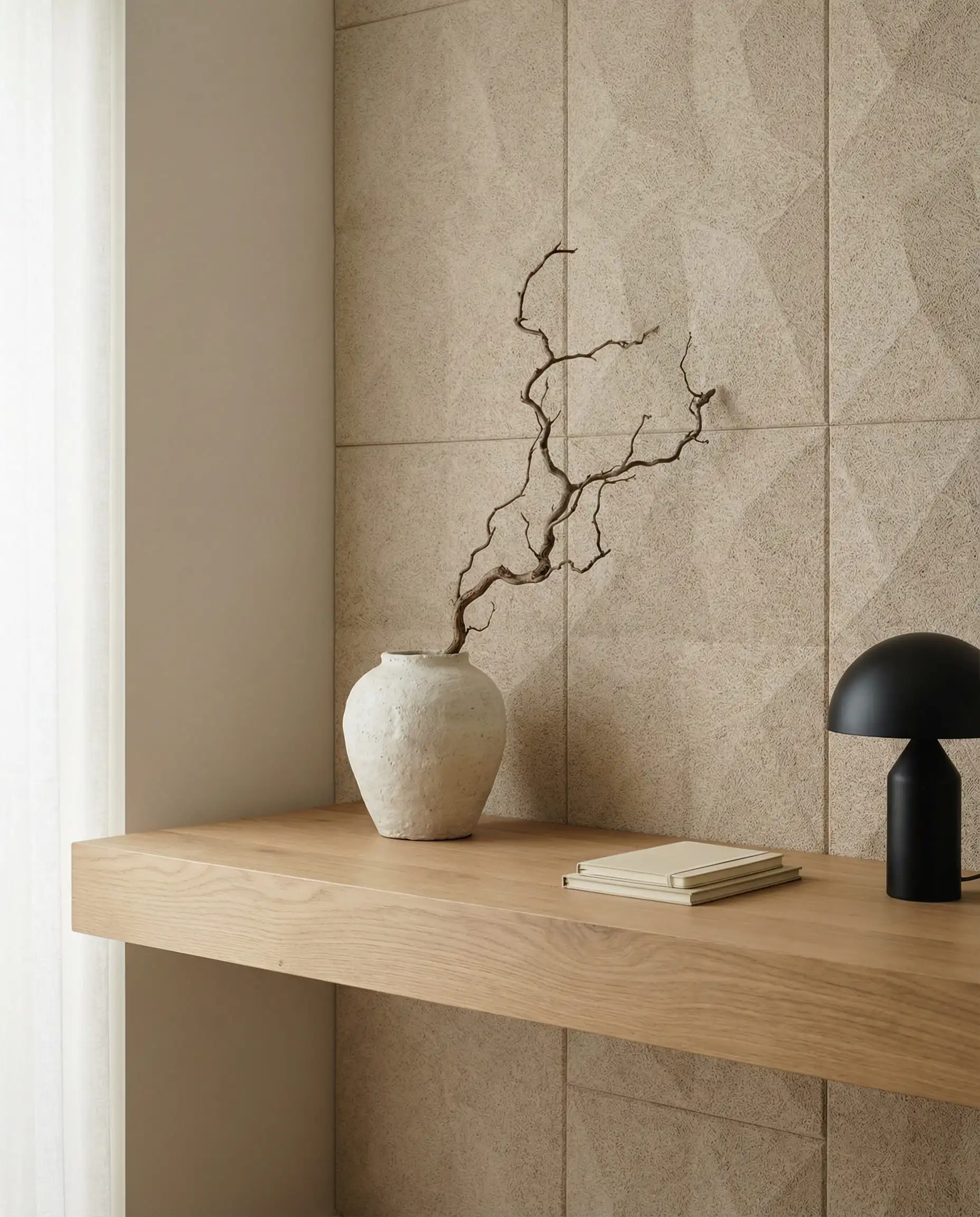
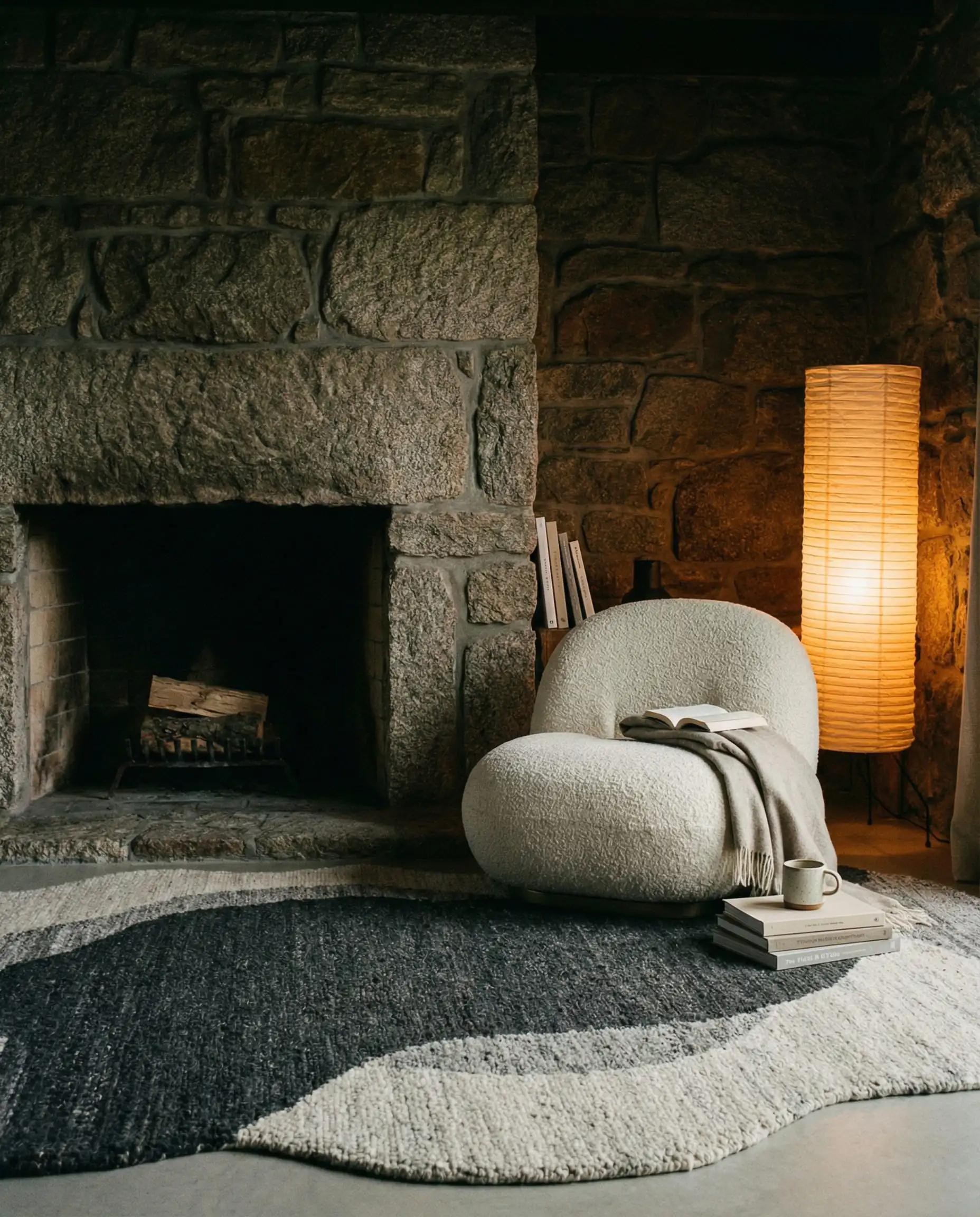
It turns out that what is good for the planet is usually good for the brain. Natural materials like unsealed wood, stone, and wool possess “fractal fluency” (patterns that mimic nature), which has been proven to lower cortisol levels.
The Rise of the “Circular Home”
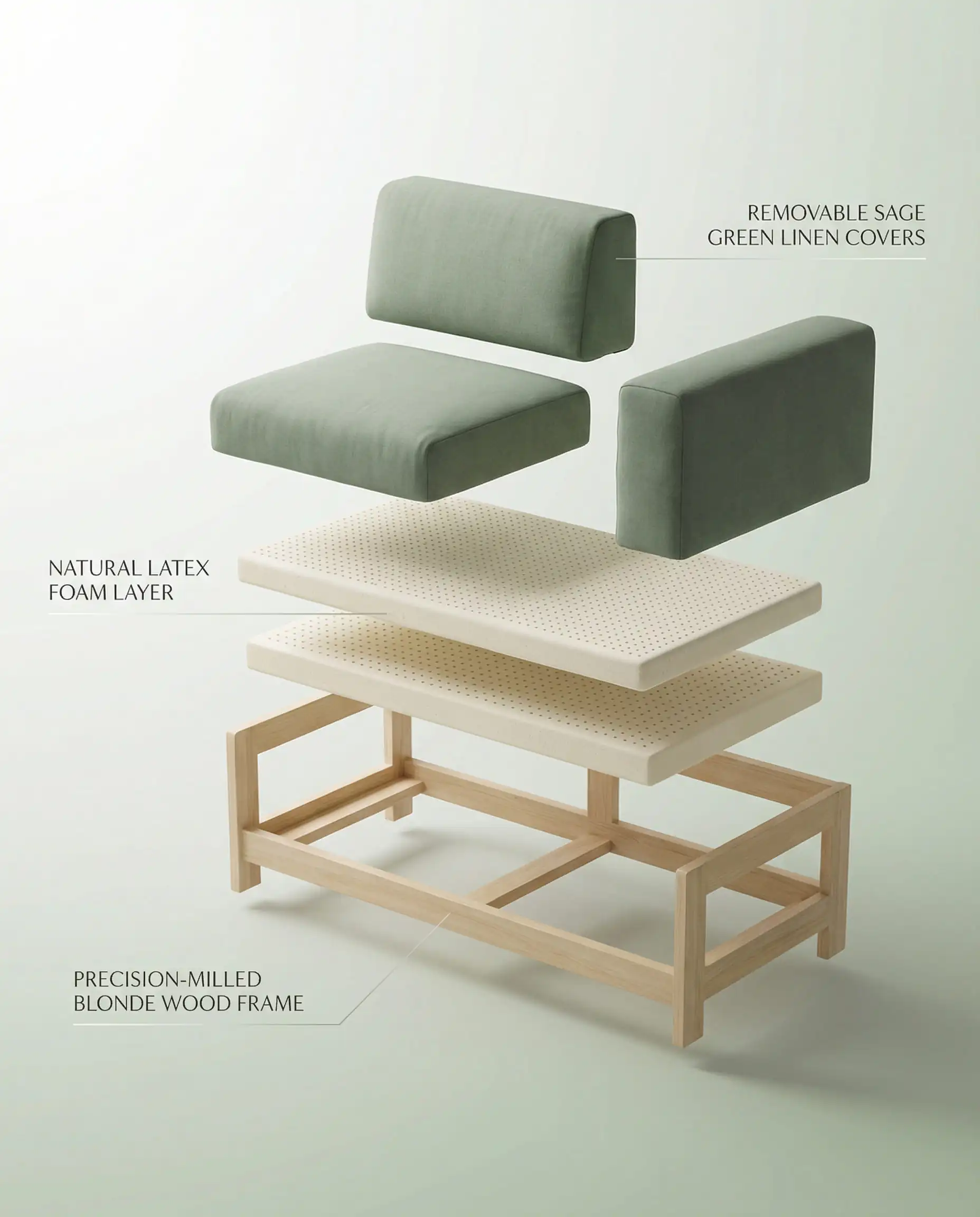
The linear model of “buy, use, throw away” is being replaced by the Circular Economy. In 2026, furniture is designed for disassembly.
II. The Evolution of Style
Warm Minimalism & “Japandi 2.0”
The cool, sterile greys that defined the minimalism of the 2010s are officially “out.” In 2026, we welcome Warm Minimalism, a style deeply rooted in the maturation of the Japandi aesthetic.
Japandi 2.0 retains the clean lines of its predecessor but trades starkness for warmth. It is less about emptiness and more about intentionality.
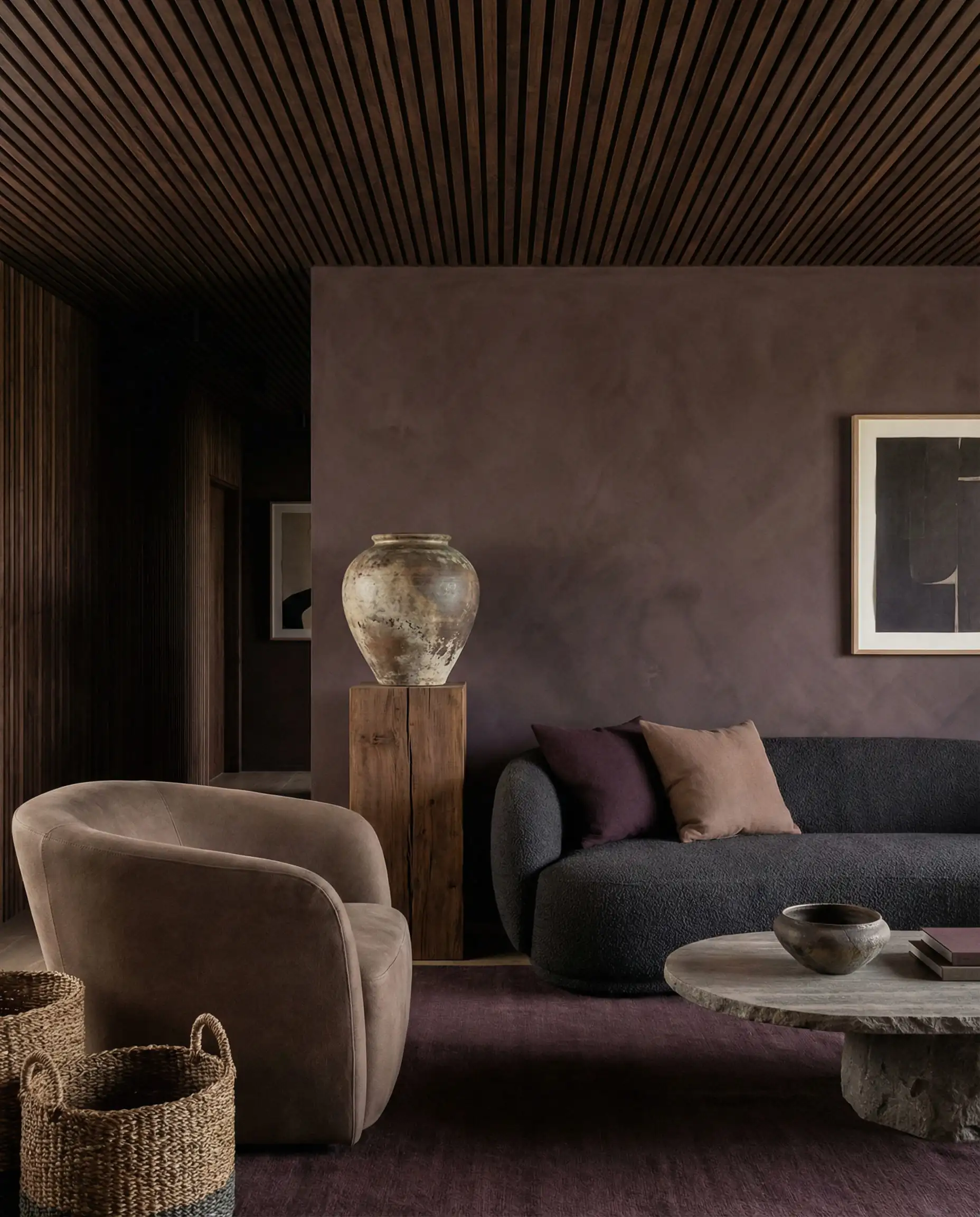
- The New Palette: We are seeing a move toward “baked” earth tones. Terracotta, Clay, Warm Eucalyptus, and Divine Damson (a moody, brownish-purple) are replacing bright accents. These colors ground the space, making it feel permanent and safe.
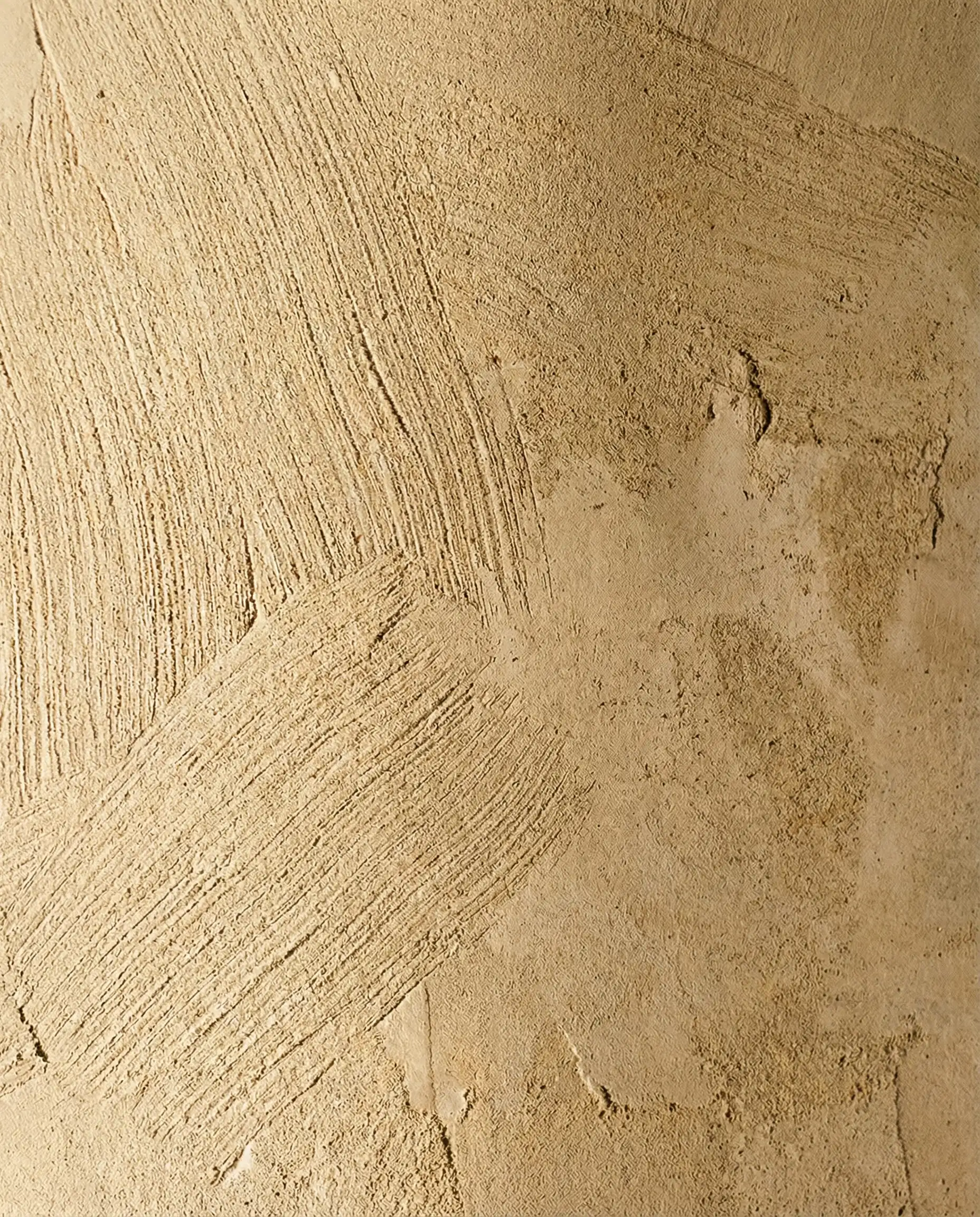
- Wabi-Sabi Walls: Perfectly smooth drywall is being covered with lime wash, clay plaster, and Roman clay. These natural finishes allow walls to “breathe” (regulating humidity) and add a depth of texture that paint simply cannot achieve.
- Tip: Check out our guide on Wall Covering Materials Trends to see how lime plaster compares to traditional wallpaper.
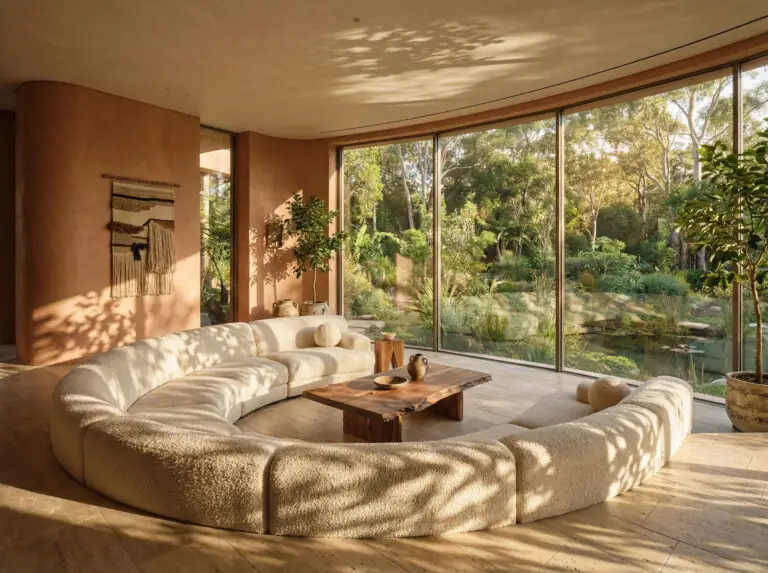
Biophilic Design 3.0: Nature Integrated Living
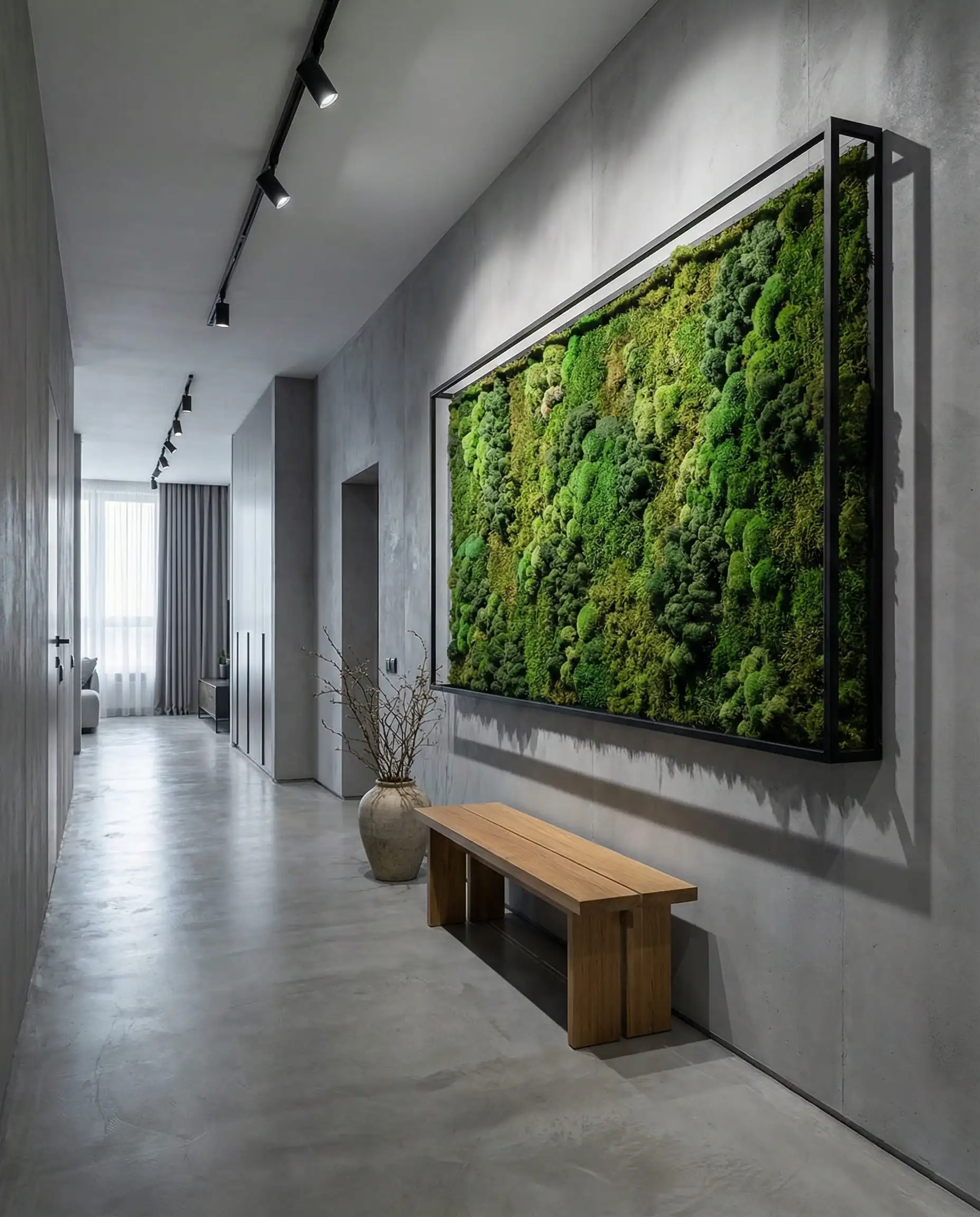
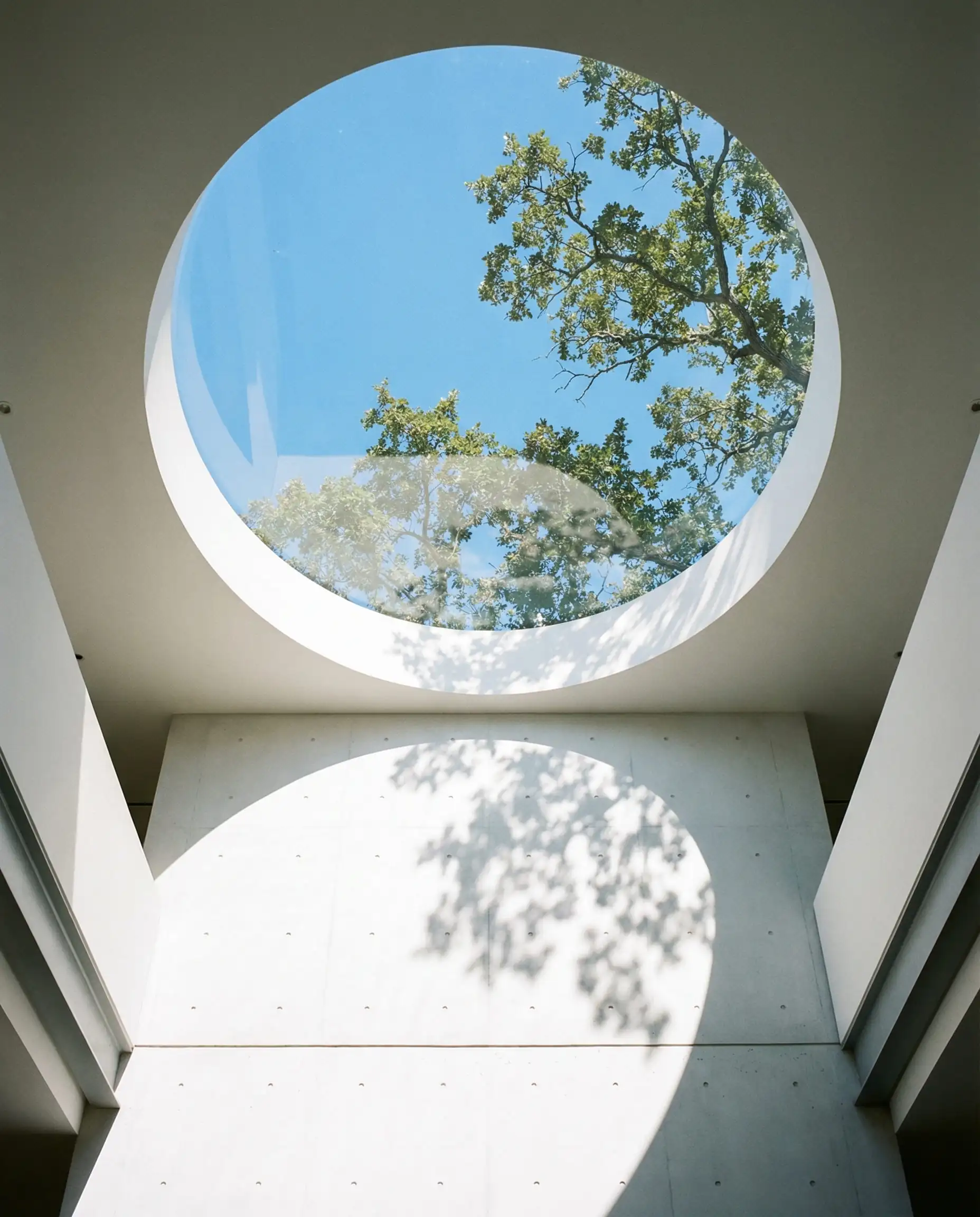
Biophilic design has grown up. We’ve moved past the “potted plant” phase into structural integration. In 2026, the boundary between indoors and outdoors is intentionally blurred.
III. Material Innovation Deep Dive
This is where 2026 truly distinguishes itself. We are seeing a surge in bio-fabricated materials that sound like science fiction but are available today.
1. Mycelium (Mushroom) Composites
Fungi are the future of fabrication. Mycelium (the root structure of mushrooms) is grown into molds to create lightweight, durable, and fire-resistant forms.
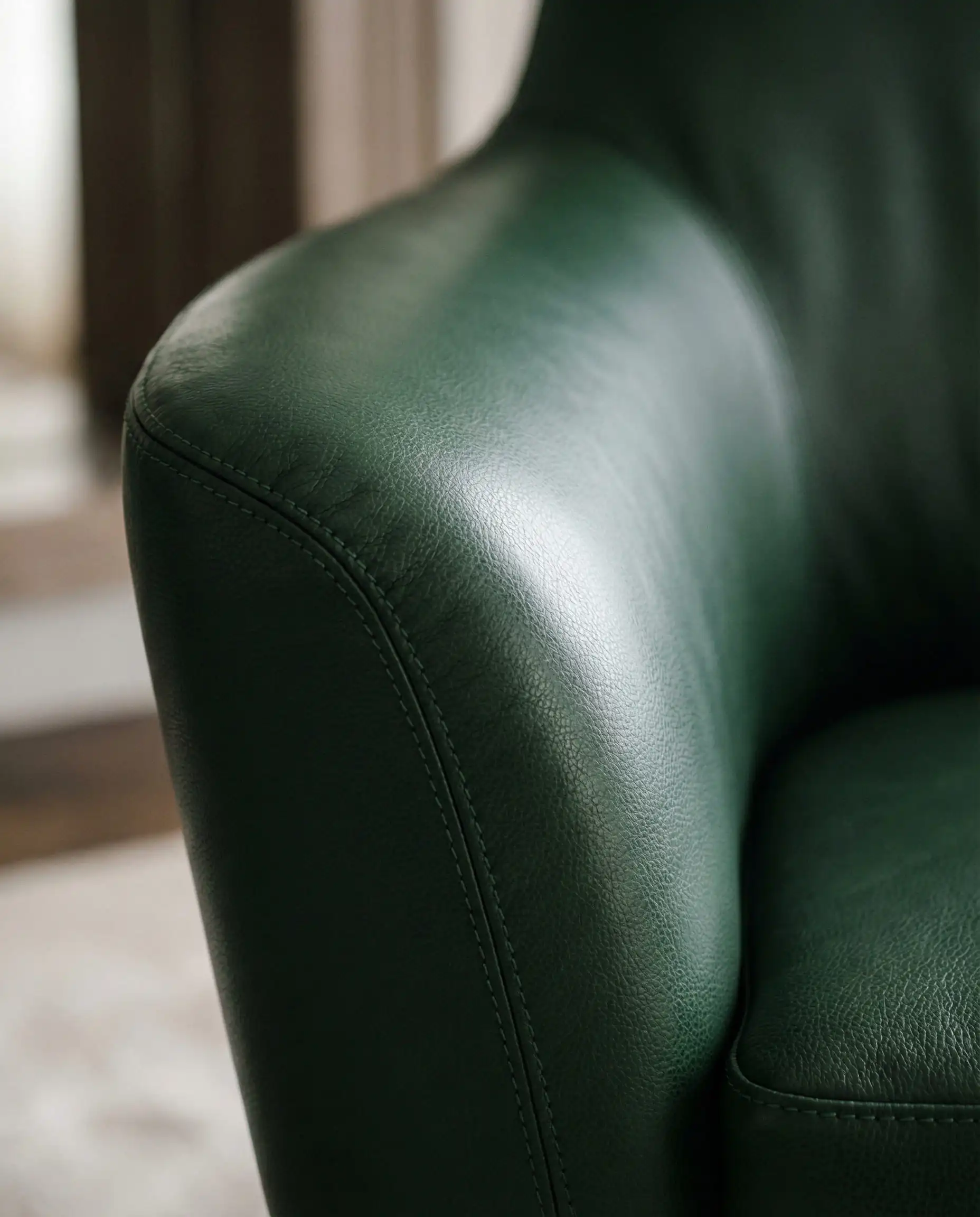
2. The New Vegan Leathers
Early vegan leathers were often just PVC (plastic), which peels and doesn’t biodegrade. The 2026 generation is derived from agricultural waste:
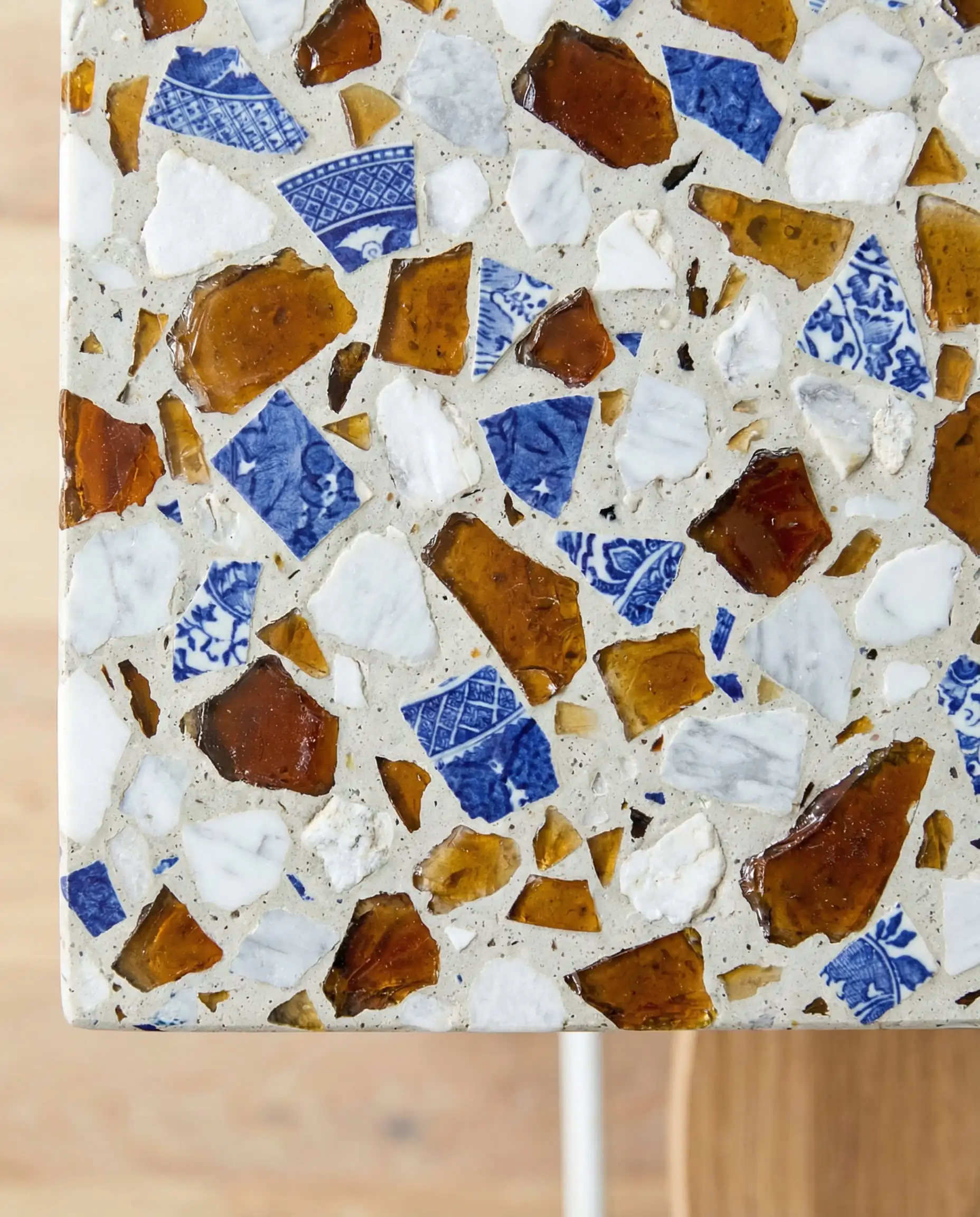
3. Recycled Aggregates & “Green Concrete”
Floors and countertops are getting a “scrappy” makeover.
IV. Room-by-Room Guide to Sustainable 2026
How do these trends translate to your actual home? Here is a practical breakdown.
The Regenerative Kitchen
The kitchen is the biggest waste-generator in the home, but also the biggest opportunity for sustainability.
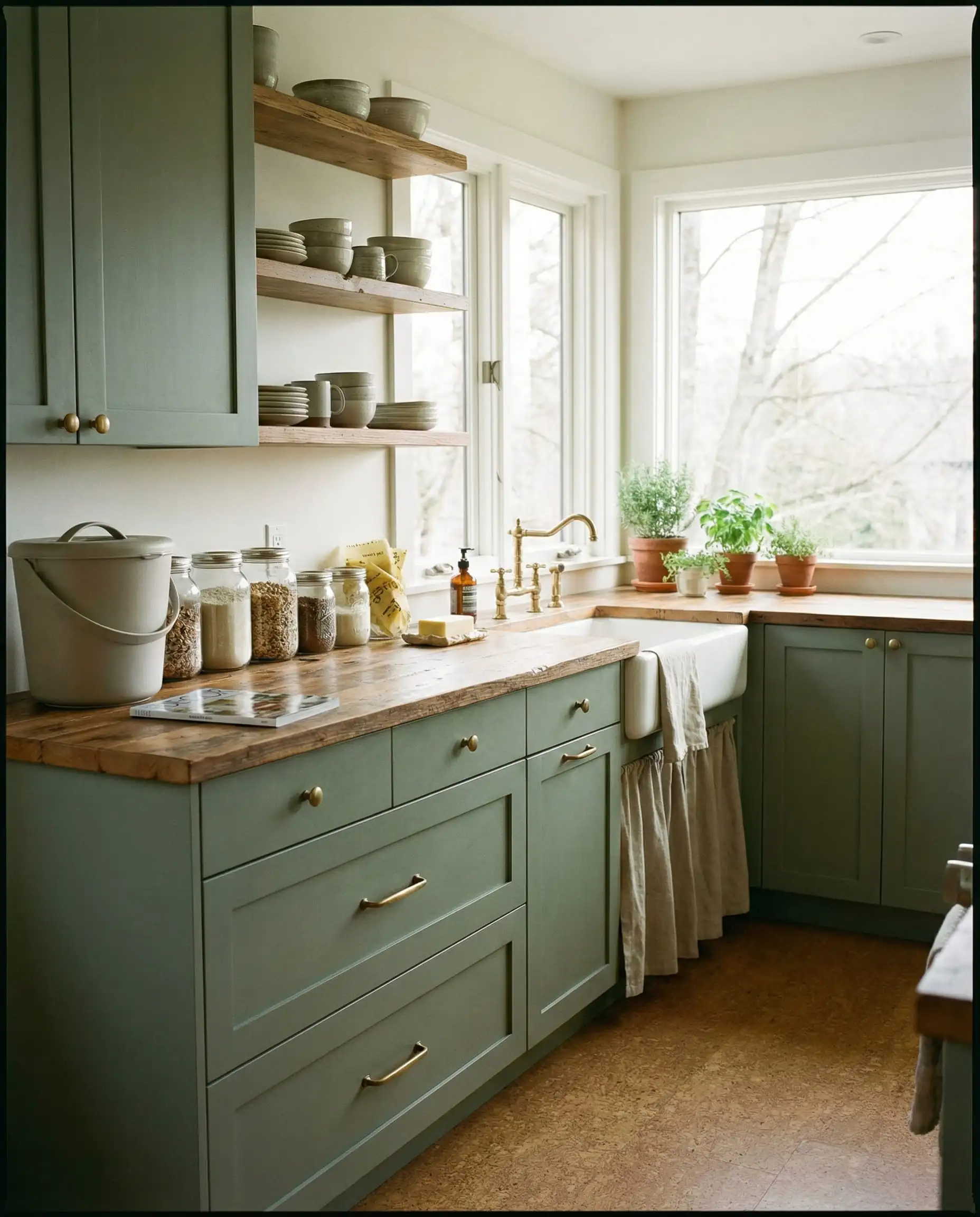
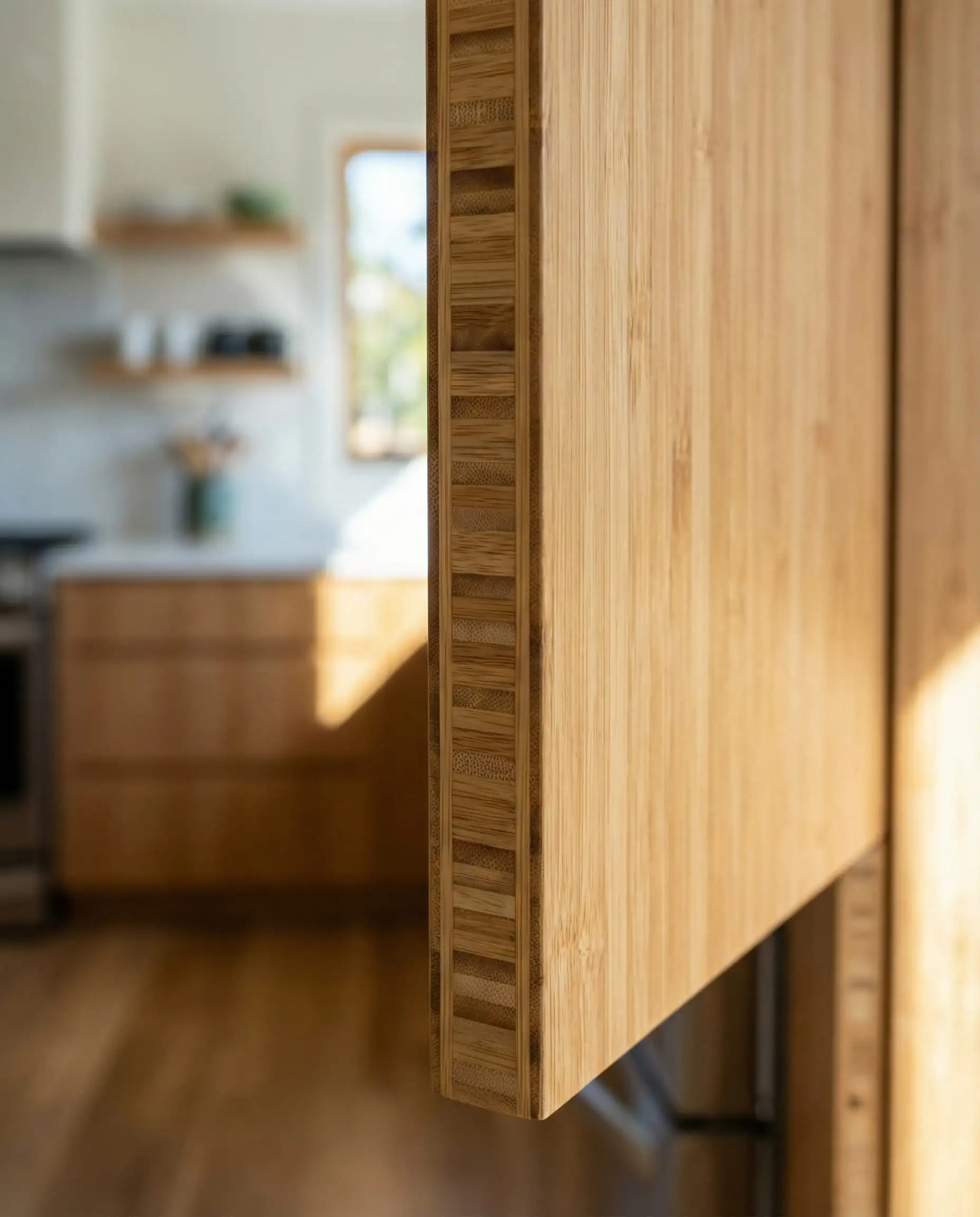
- Cabinetry: Instead of ripping out old boxes, 2026 trends favor “refacing”—replacing just the doors and veneers. If buying new, look for formaldehyde-free plywood and bamboo.
- Color Trend: Kitchen Cabinet Color Trends are shifting toward sage greens and warm taupes that hide fingerprints and feel organic.
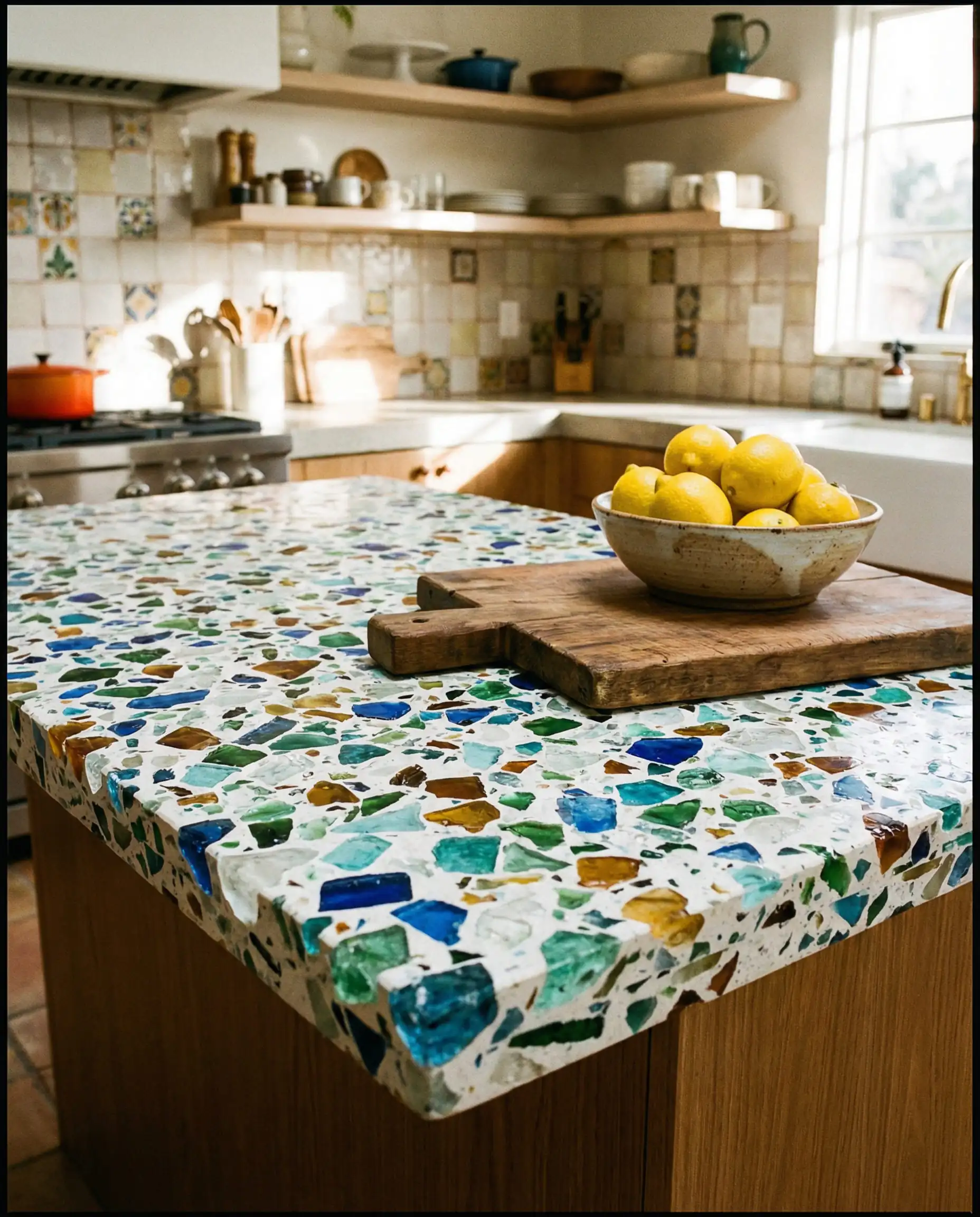
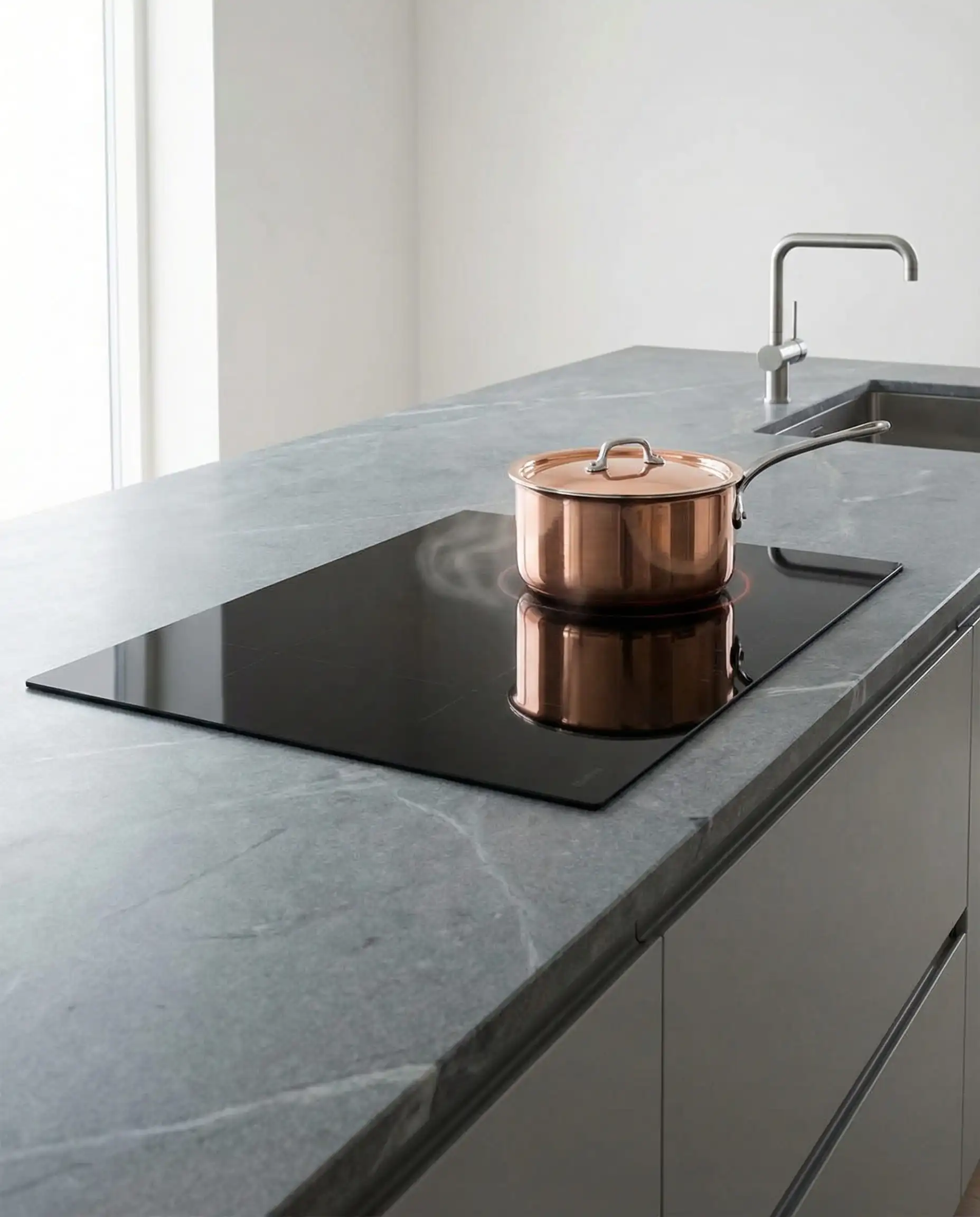
- Countertops: Sintered stone and recycled glass surfaces are outpacing quartz (which contains resin). They are heat resistant, stain-resistant, and fully recyclable.
- The Induction Revolution: Gas is being phased out for health and environmental reasons. Modern induction cooktops are faster, safer, and powered by electricity (which can be renewable).
Read more: Kitchen Appliance Trends.
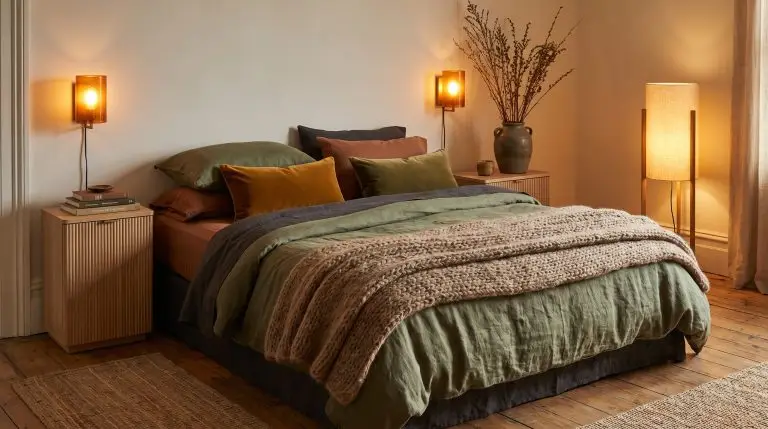
The Non-Toxic Bedroom
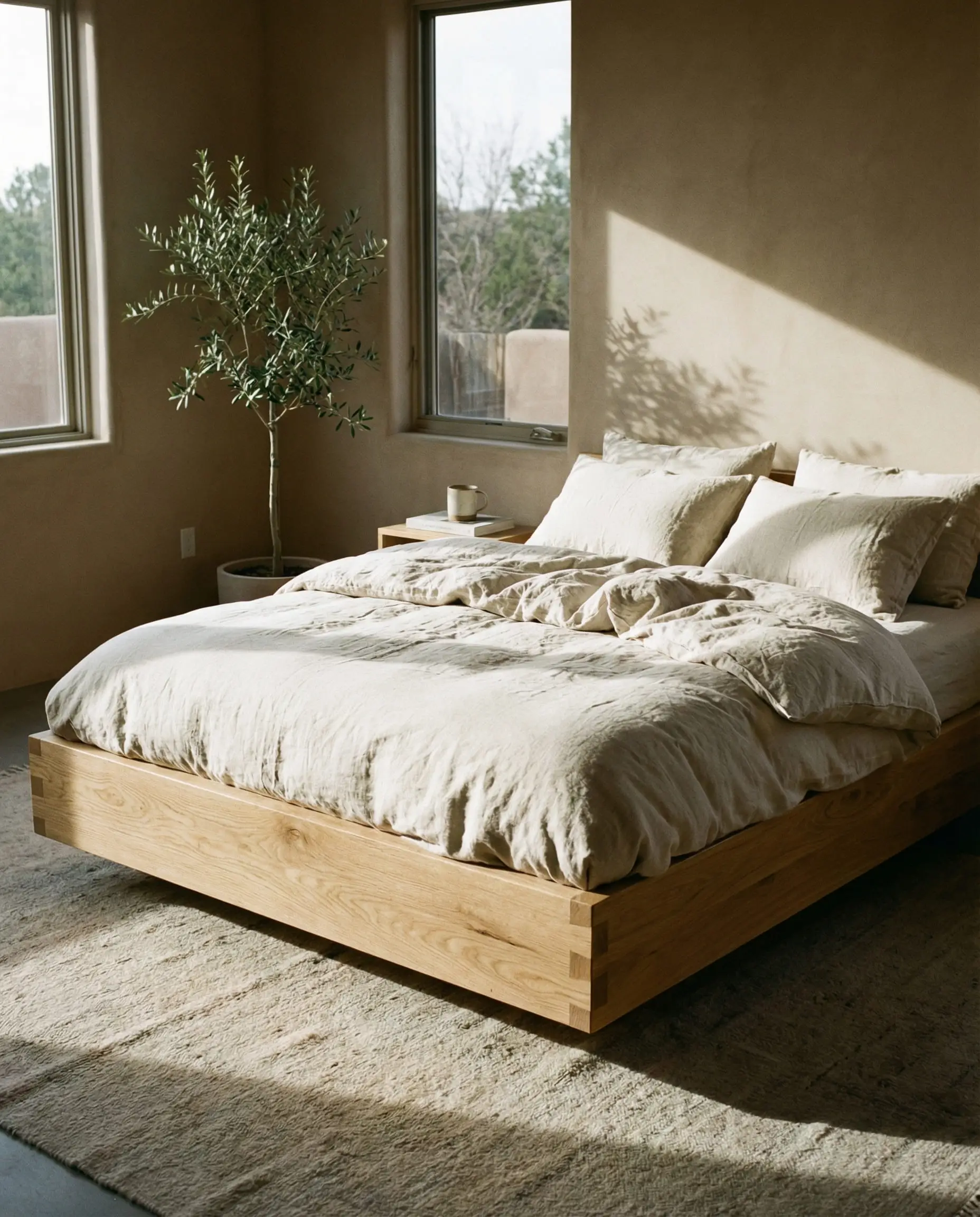
We spend a third of our lives here; it should be the healthiest room in the house.
Related: Master Bedroom Wallpaper Trends.
The Eco-Spa Bathroom
Water conservation meets luxury spa vibes.
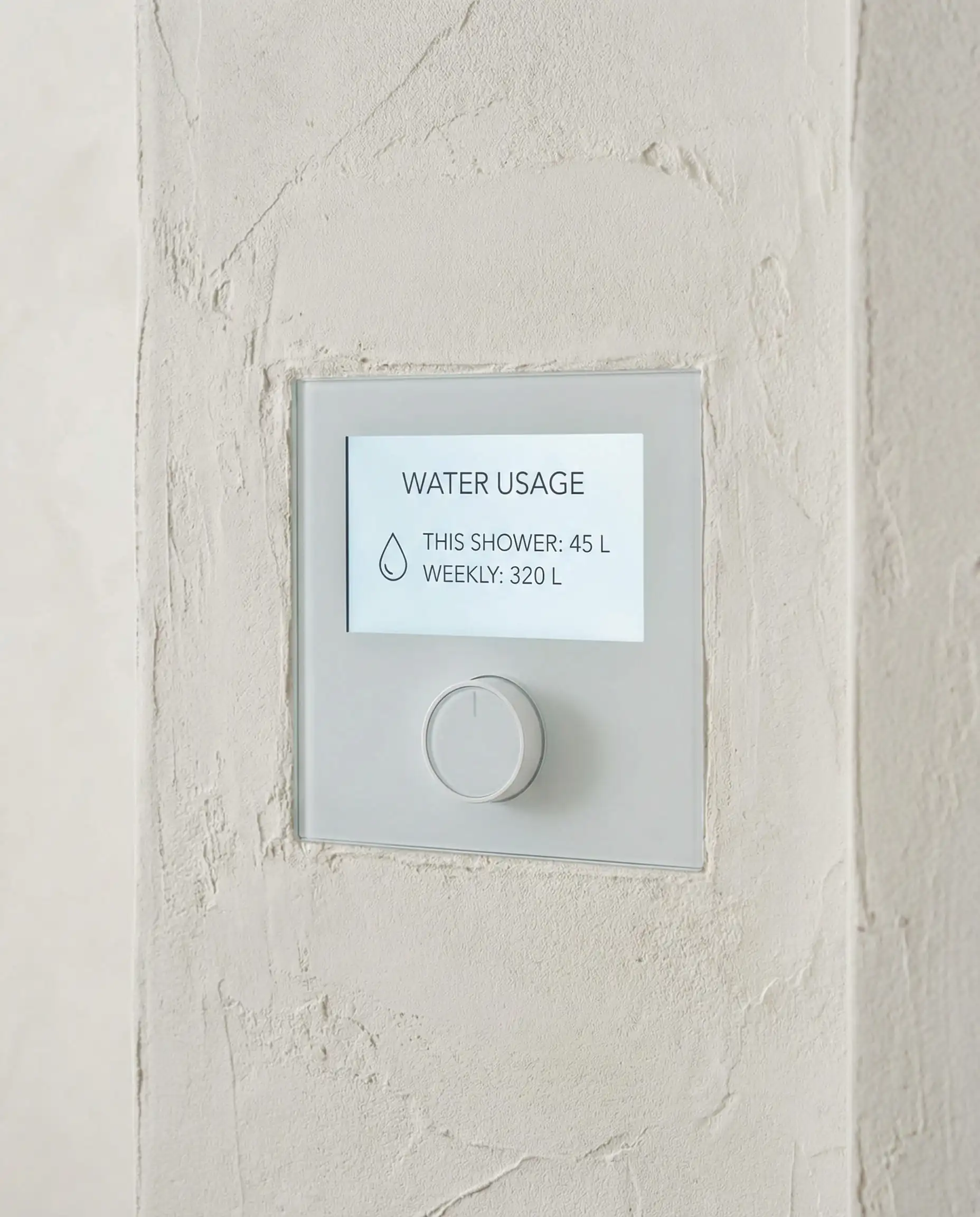
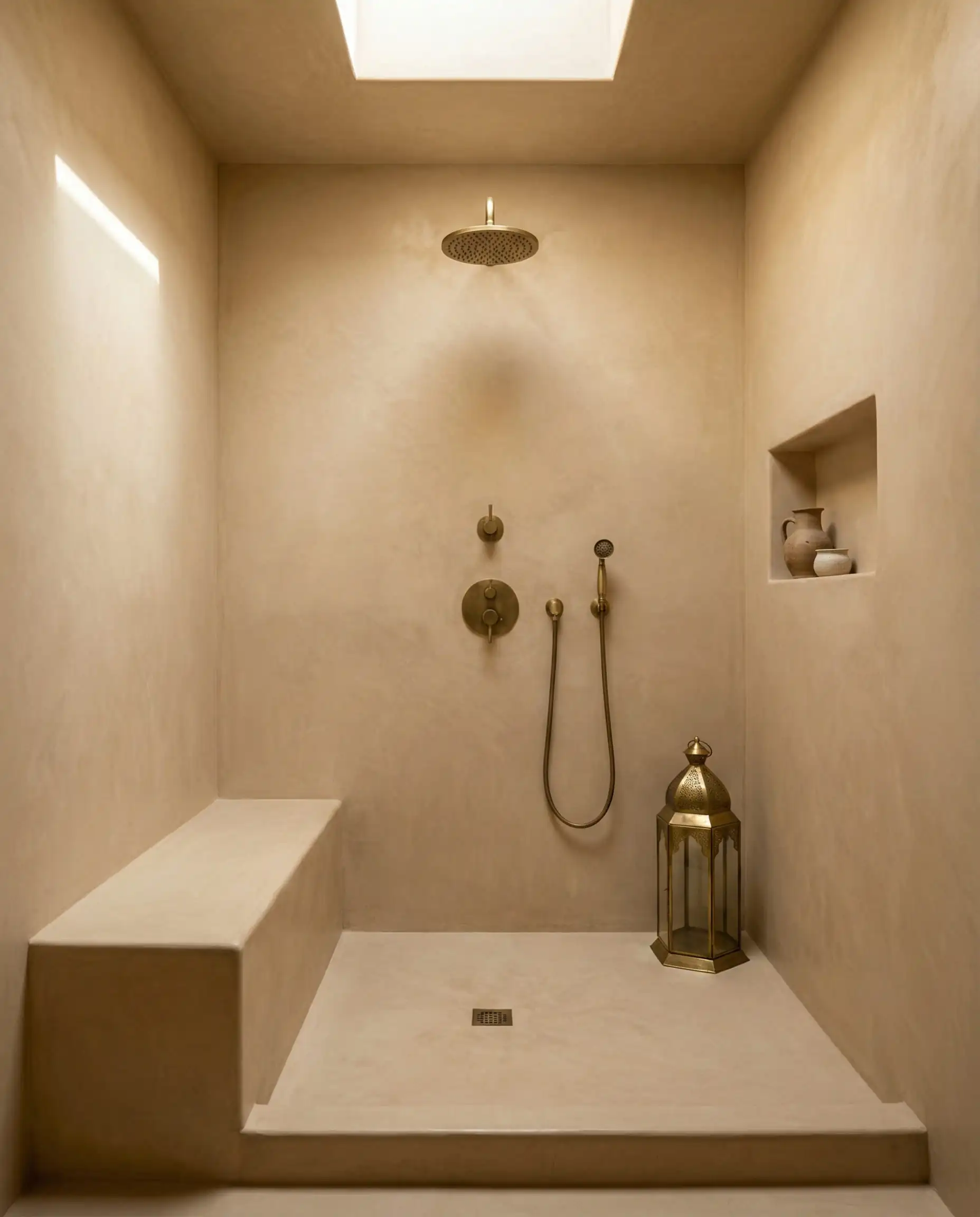
Inspiration: 2026 Bathroom Trends.
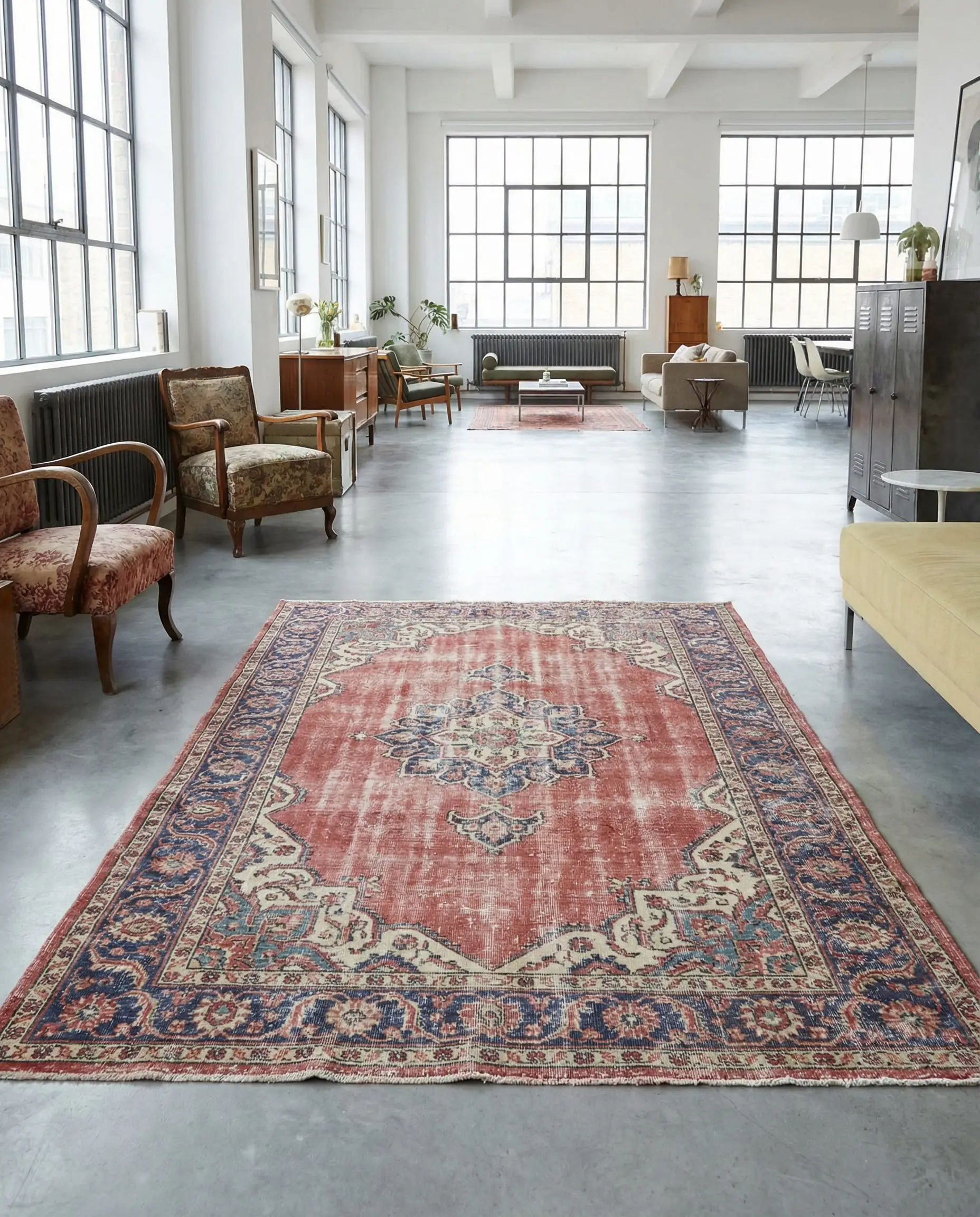
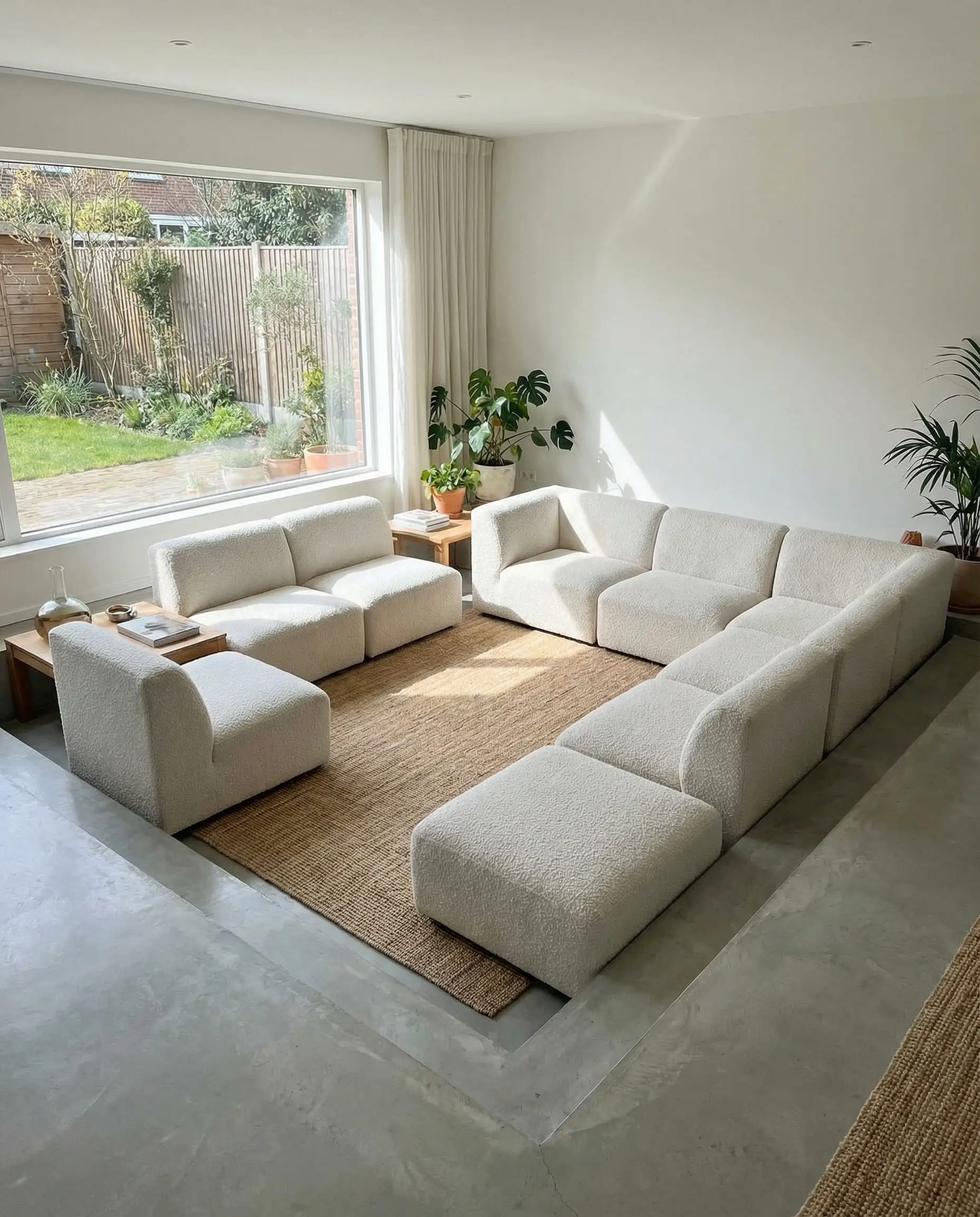
The Flexible Living Room
V. Tech & Wellness (“Invisible Tech”)
Sustainability in 2026 isn’t just about rustic wood; it’s about high-tech efficiency hidden behind beautiful design.
Energy Monitoring
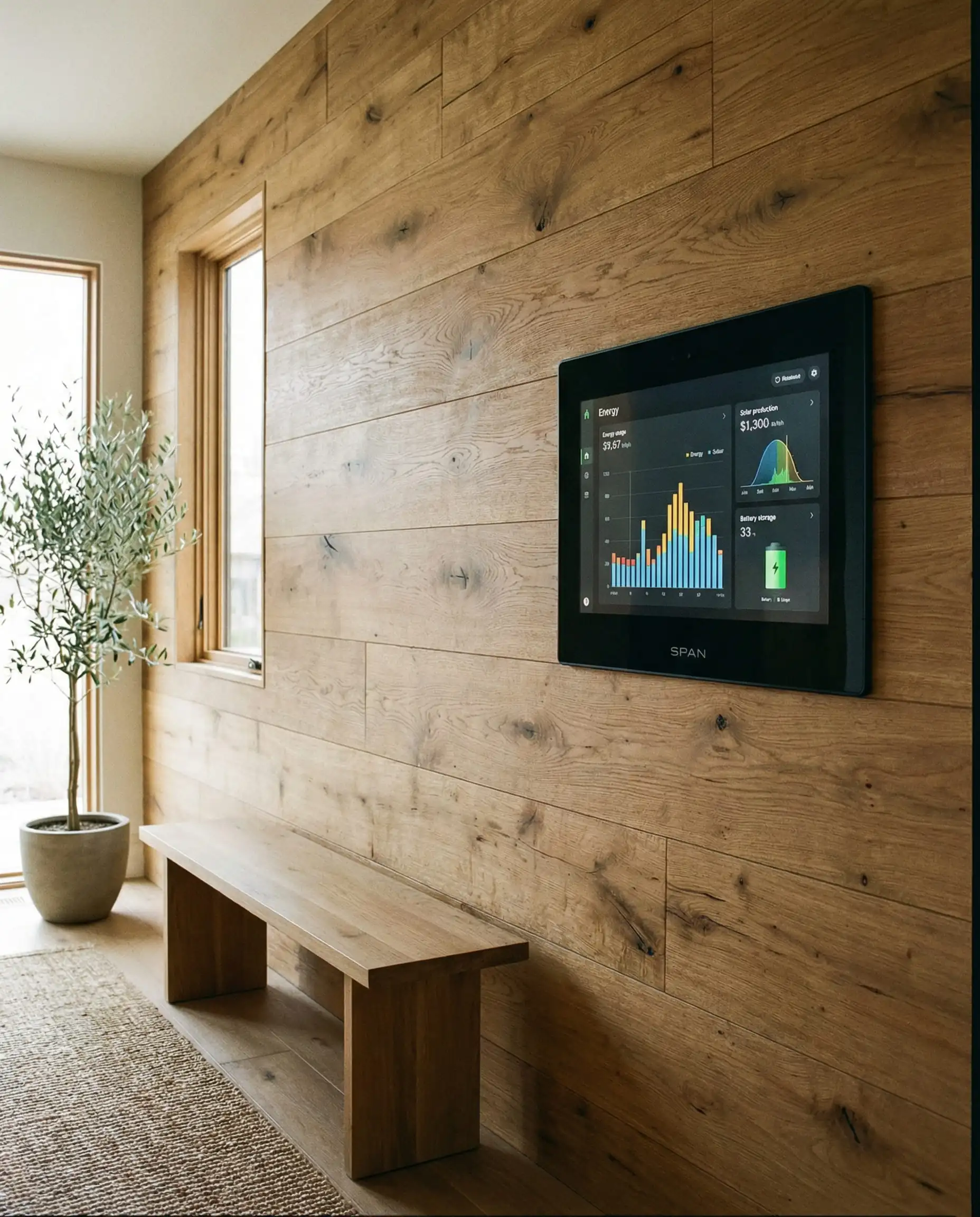
Smart panels (like SPAN) are replacing old breaker boxes, allowing homeowners to control energy usage circuit-by-circuit from their phone. This pairs with the Smart Home Trends of automated blinds that close during the hottest part of the day to reduce AC load.
Water Intelligence
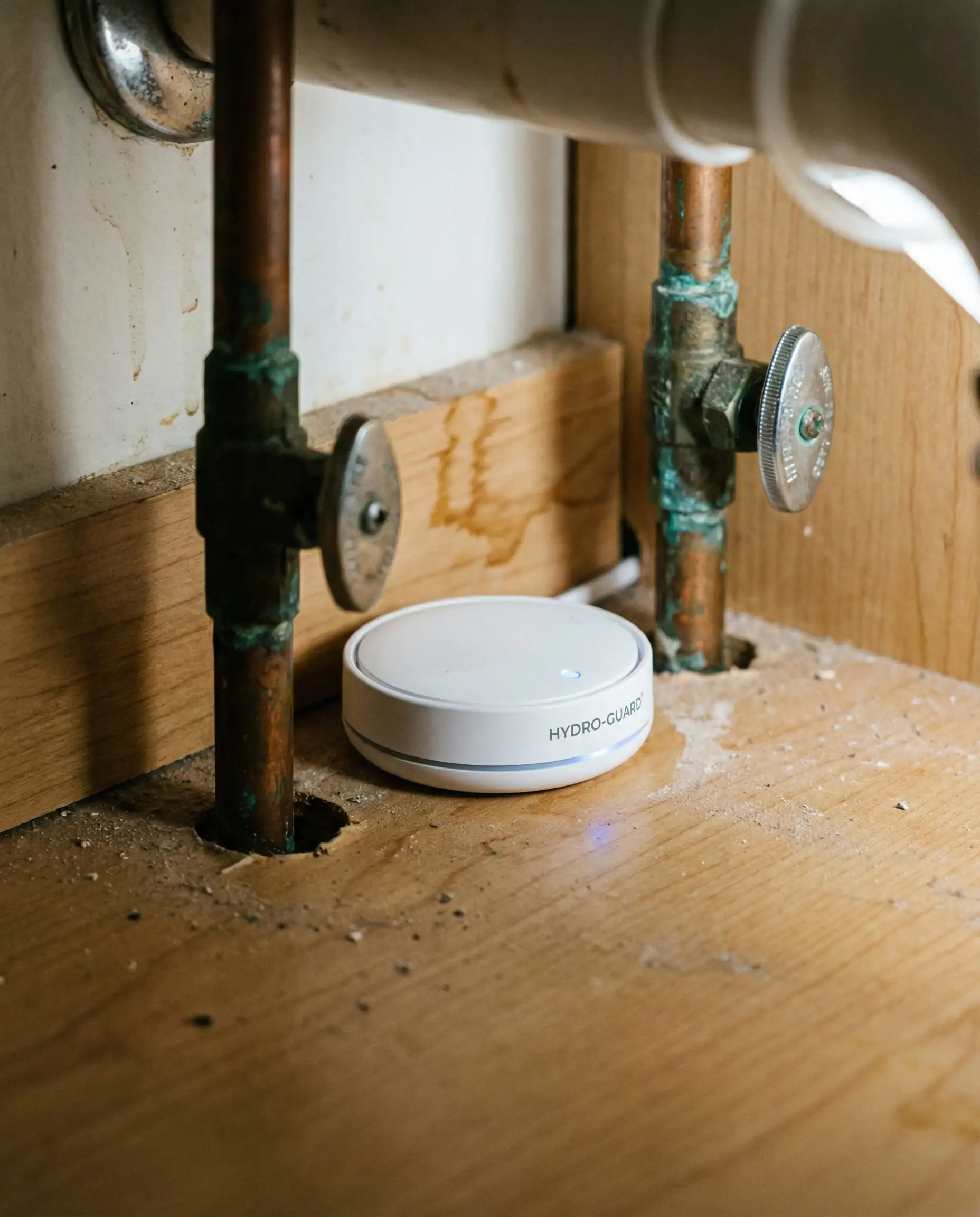
Leak detectors that shut off the water main automatically when a pipe bursts are becoming an insurance requirement in some areas. Smart irrigation systems that check local weather reports before watering the lawn are also standard.
VI. How to Source & Budget for 2026
“Eco-friendly” often carries a reputation for being expensive. Here is how to navigate the market.
The “Antiques of the Future” Strategy
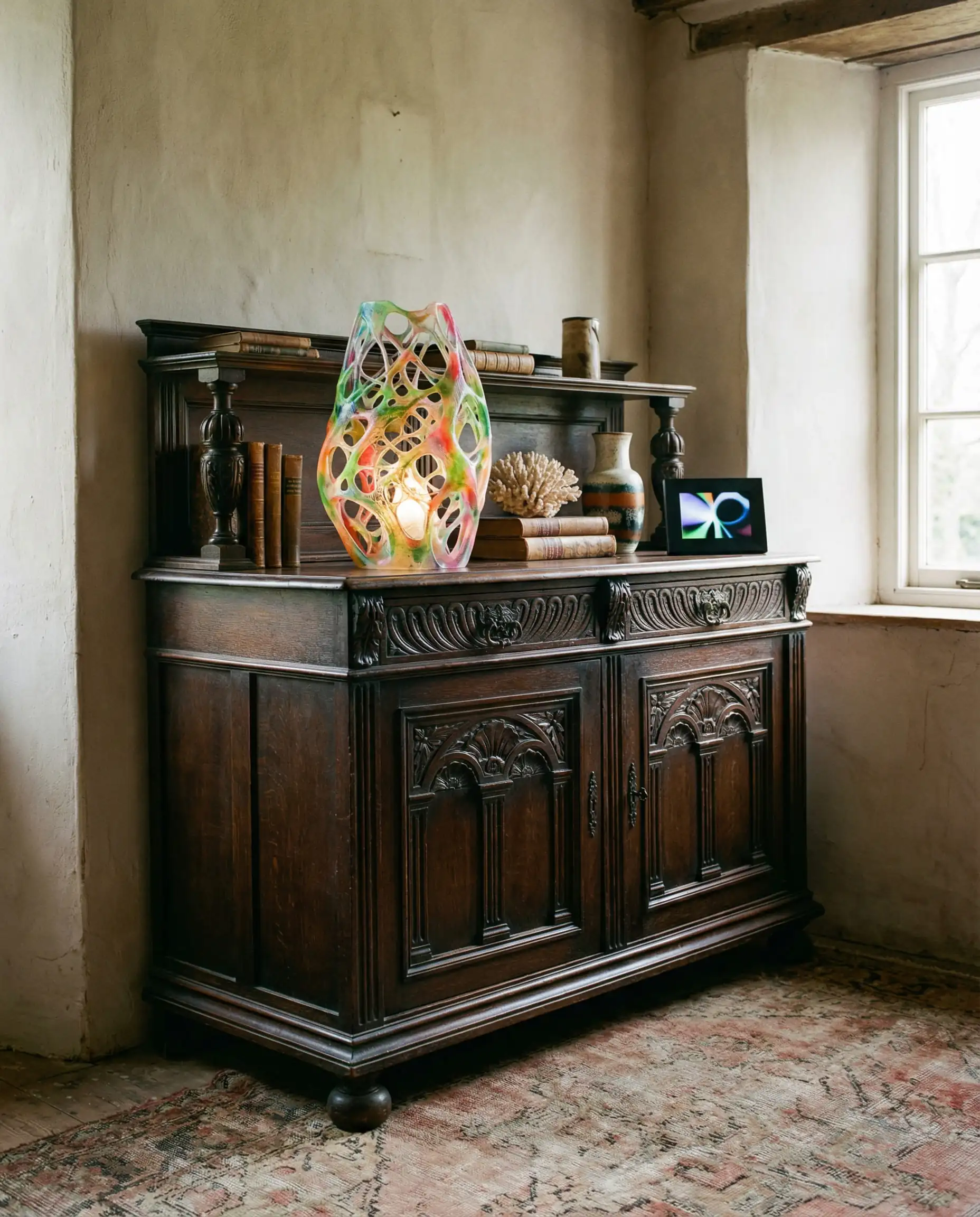
The most sustainable item is the one that already exists. Vintage shopping is seeing a massive resurgence, particularly for “brown furniture” (heavy, wood pieces from the 19th and 20th centuries).
Certifications to Trust
Greenwashing is rampant. When buying new, look for these labels:
- FSC (Forest Stewardship Council): The wood comes from responsibly managed forests.
- OEKO-TEX Standard 100: Textiles tested for harmful substances.
- Cradle to Cradle: The gold standard—certifying the product is safe for humans and can be recycled/composted.
- Greenguard Gold: Essential for Nursery Design Trends, ensuring low chemical emissions.
DIY & Upcycling
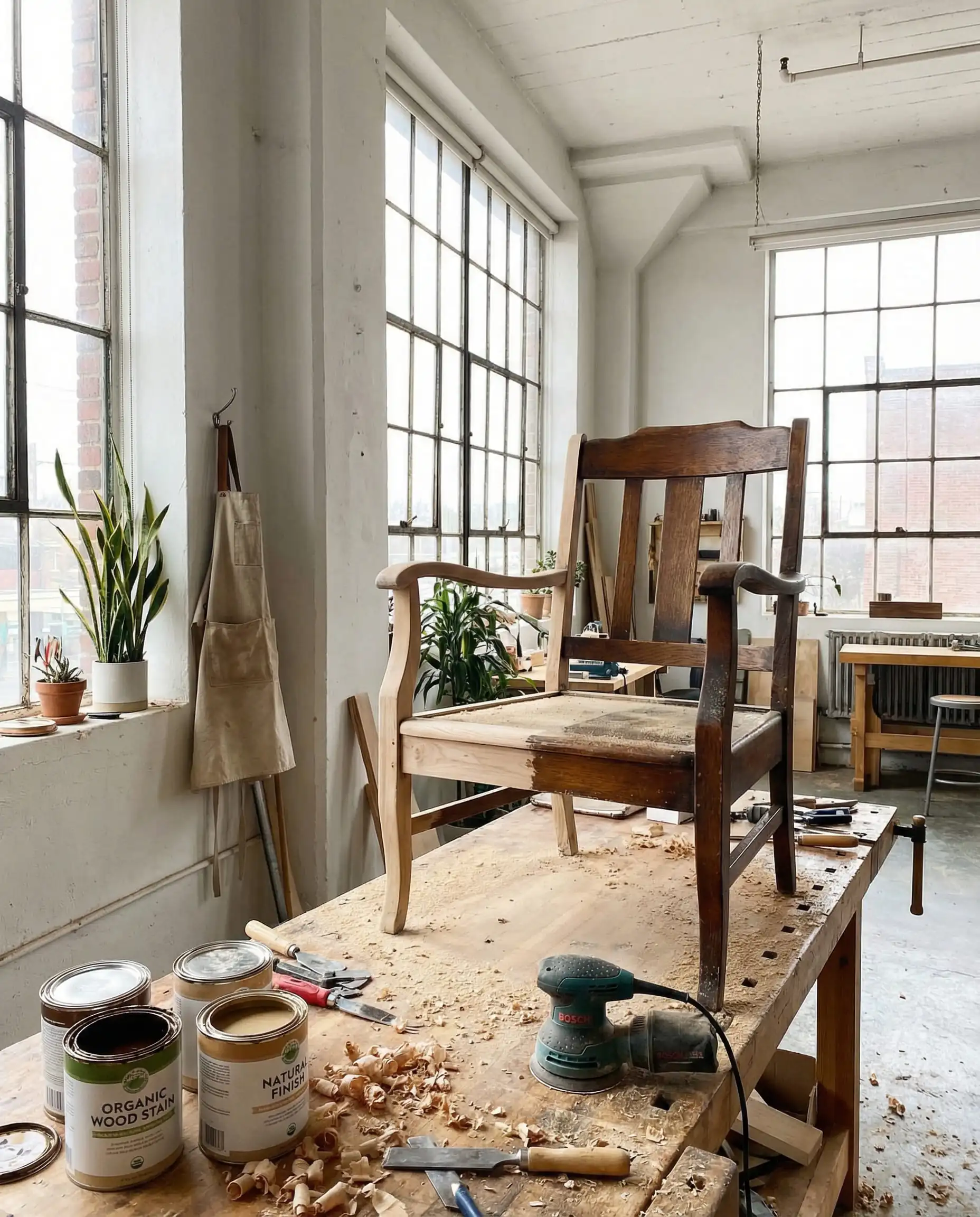
Sustainability is also about skill. 2026 sees a rise in homeowners learning to sand, stain, and reupholster.
Trend: “IKEA Hacking” with custom fronts made from recycled bottles or bamboo is a massive sub-trend for budget-conscious renovators.
Get started: DIY Home Decor Trends.
VII. What to Avoid (The “Anti-Trends”)
To truly embrace the 2026 ethos, you must know what to leave behind.
- Fast Furniture: Particleboard covered in plastic veneer that chips in six months. It cannot be repaired, only landfilled.
- Grey Wood Laminate: The ubiquitous “flipper grey” flooring is out. It looks artificial and often contains high levels of PVC.
- Epoxy Rivers: While popular for a moment, heavy epoxy resin usage is essentially pouring liquid plastic over wood. It is not sustainable or recyclable.
- Open Plan “Barns”: We are seeing a move away from vast, echoing open plans toward “Broken Plan” living—using bookshelves or glass partitions to create cozy, heat-efficient zones.
Frequently Asked Questions (FAQ)
Cork and Linoleum (Marmoleum) are top contenders. True Linoleum is made from linseed oil, wood flour, and jute—it is naturally anti-bacterial and biodegradable. Cork is harvested from the bark of the oak tree without killing it. Both are softer and warmer than tile. See more in Flooring Trends 2026.
Yes, but it has evolved. The Japandi Style of 2026 is richer, darker, and more textured. It’s less “showroom” and more “lived-in,” incorporating vintage pieces and darker woods like walnut.
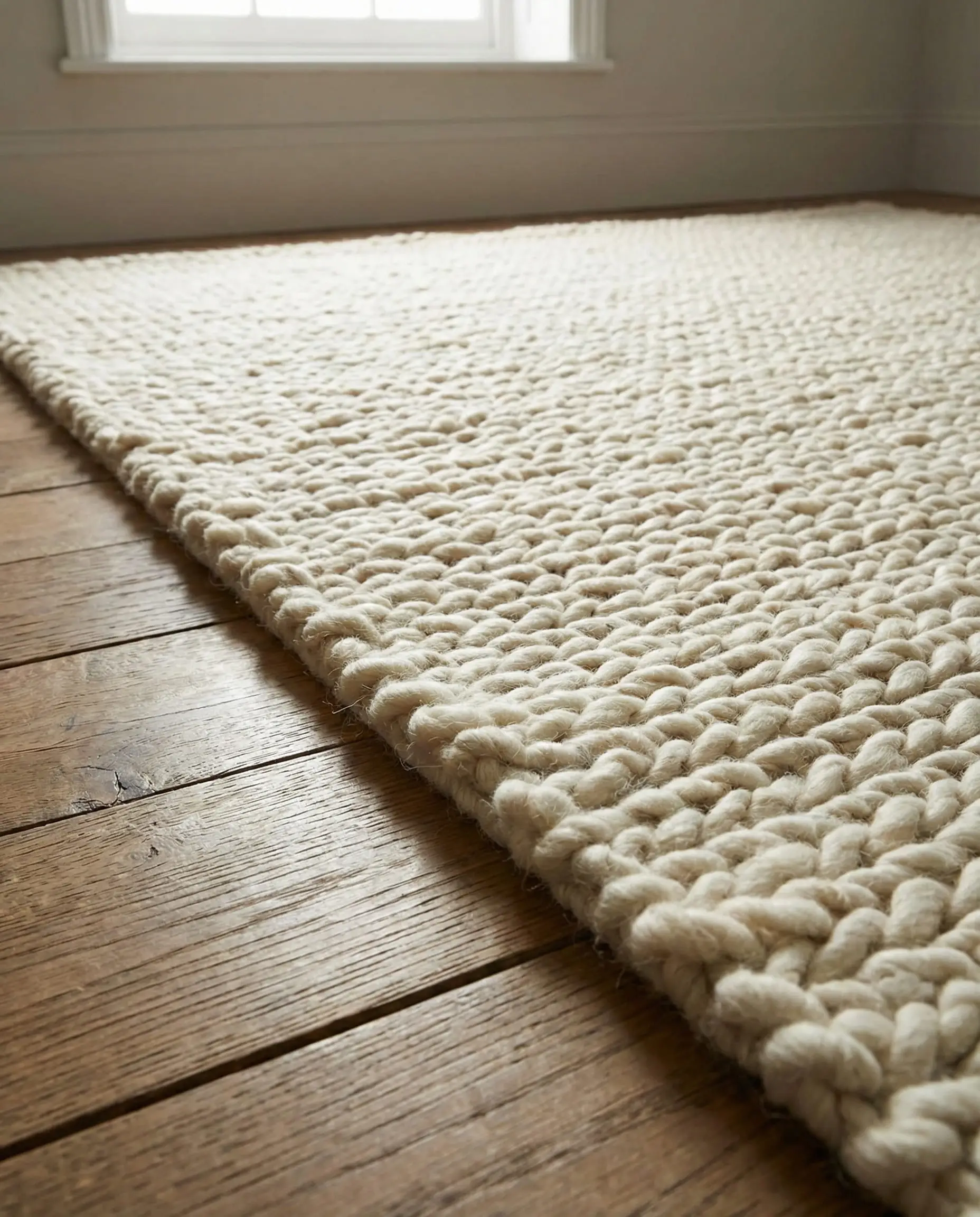
Focus on what you can take with you. Invest in organic bedding, high-quality rugs, and portable smart lighting. Use non-toxic cleaning products and add air-purifying plants like Snake Plants or Pothos.
Living walls with plumbing systems are expensive. However, “preserved moss walls” provide the same visual and acoustic benefits with zero maintenance (no water or light needed) and are much more affordable.
Final Thoughts
The Sustainable Interior Design Trends of 2026 are not about deprivation; they are about better quality. It is about drinking coffee from a handmade ceramic mug rather than a paper cup. It is about the feeling of solid wood under your feet and air that feels fresh to breathe.
As you plan your updates for the coming year, remember: The most eco-friendly choice is the one you only have to make once. Design for longevity, choose materials that age gracefully, and create a home that supports your life.
Ready to start your specific project? Dive into our specialized guides on Interior Door Trends 2026 or explore the future of comfort in Curtain Trends 2026.