The office isn’t dead; it’s just finished its “identity crisis.”
If 2024 and 2025 were about frantic adaptation to hybrid models, 2026 is the year the dust settles. We are moving away from the sterile “rows of desks” mentality toward a new philosophy: The Regenerative Workplace.
In 2026, the office is no longer just a container for employees; it is a destination designed to give back—restoring energy, fostering genuine connection, and supporting neurodiverse needs in ways a home office simply cannot. It’s equal parts boutique hotel, social club, and high-tech library.
📋 Key Takeaways: Office Design Trends 2026
For those in a hurry, here are the 7 defining pillars of the 2026 workspace:
- Neuro-Inclusive Zoning: Offices are moving beyond “open plan” to distinct sensory zones (High-Stimulus for collab, Low-Stimulus for focus).
- The Regenerative Office: Sustainability that goes beyond “neutral” to “positive”—using air-purifying walls and biodegradable mycelium furniture.
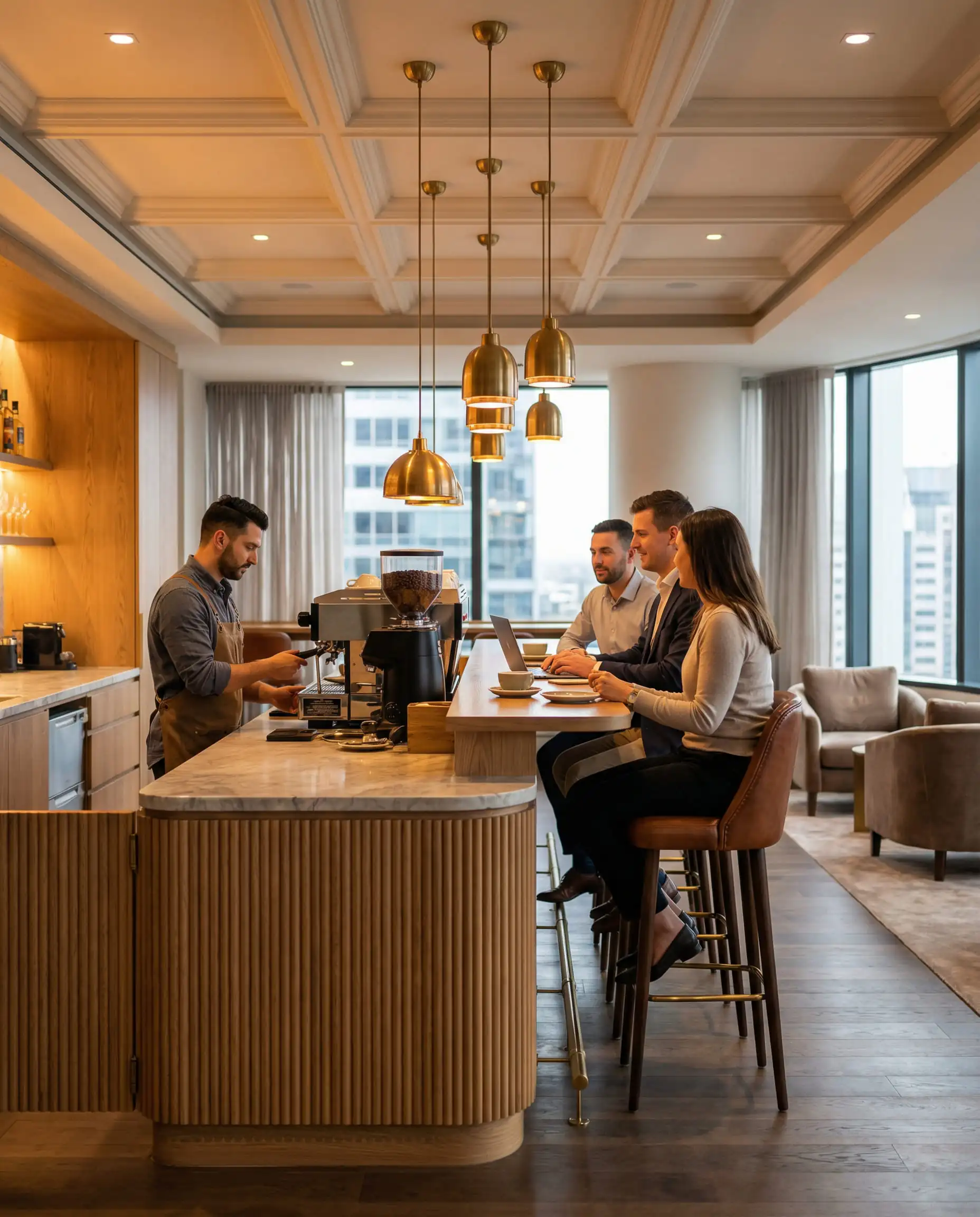
- “Workspitality”: The office now rivals boutique hotels with concierge services, barista bars, and “resimercial” aesthetics.
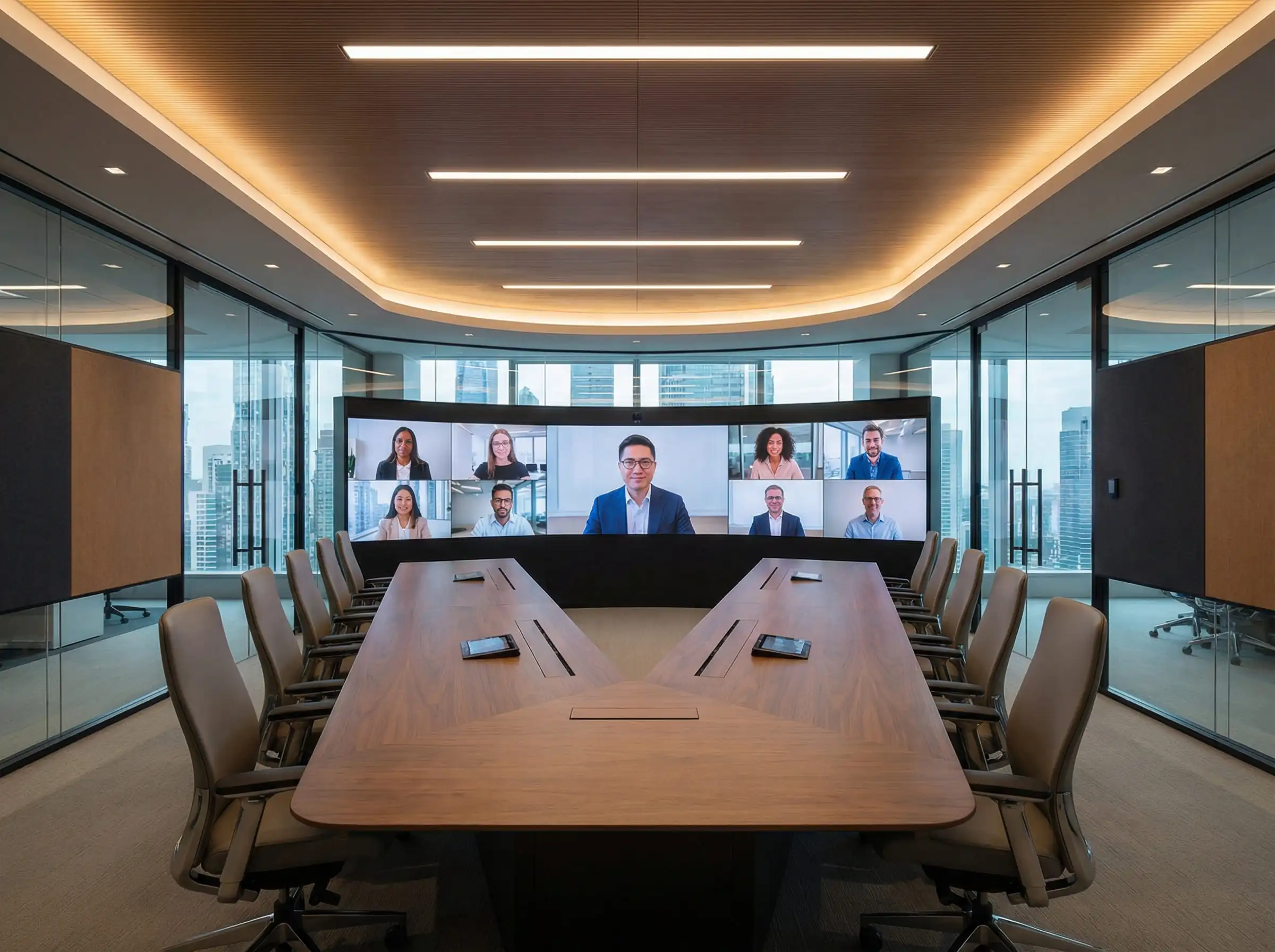
- Tech Equity: Meeting rooms designed for “presence equity,” ensuring remote workers have the same visual weight as in-person attendees.
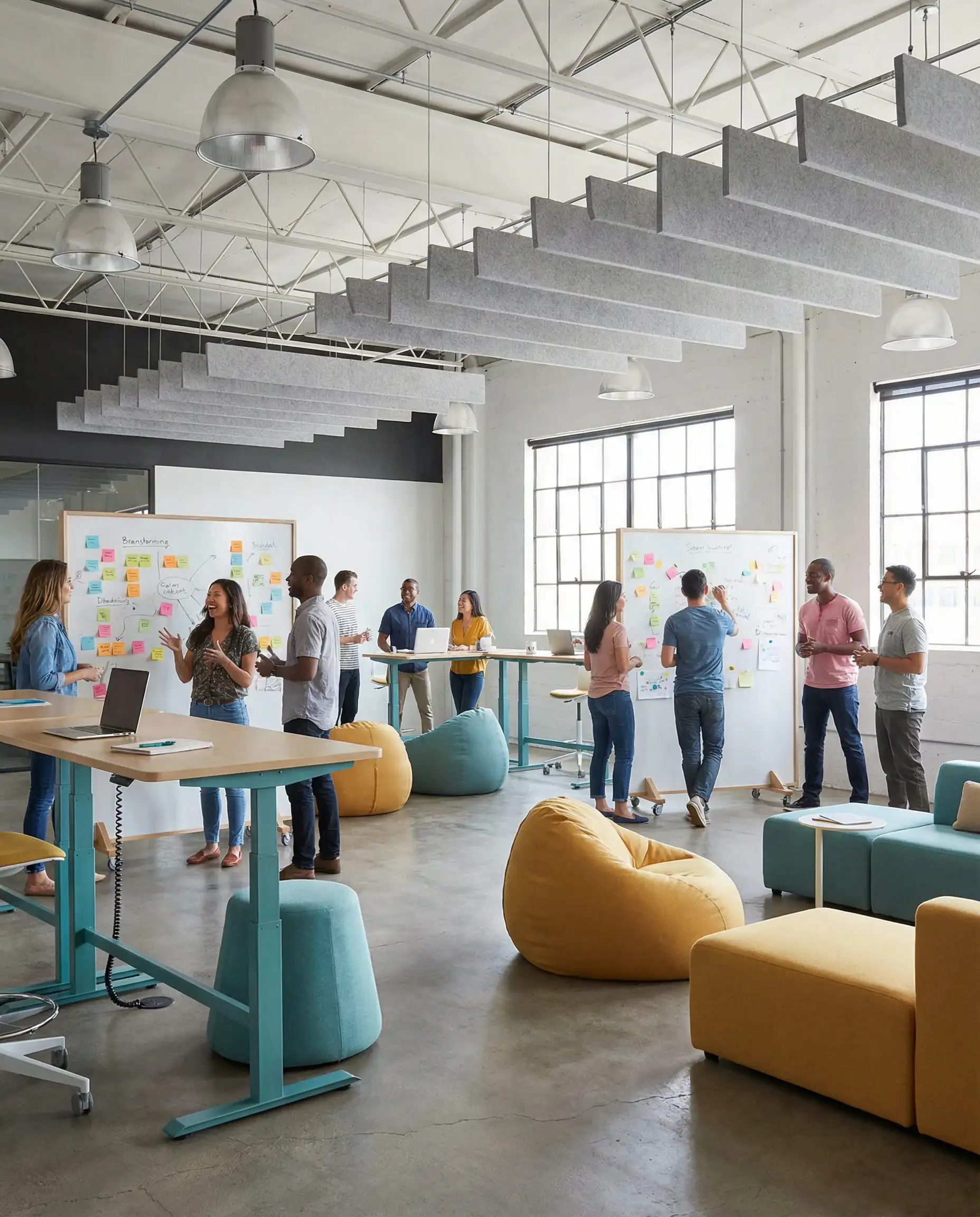
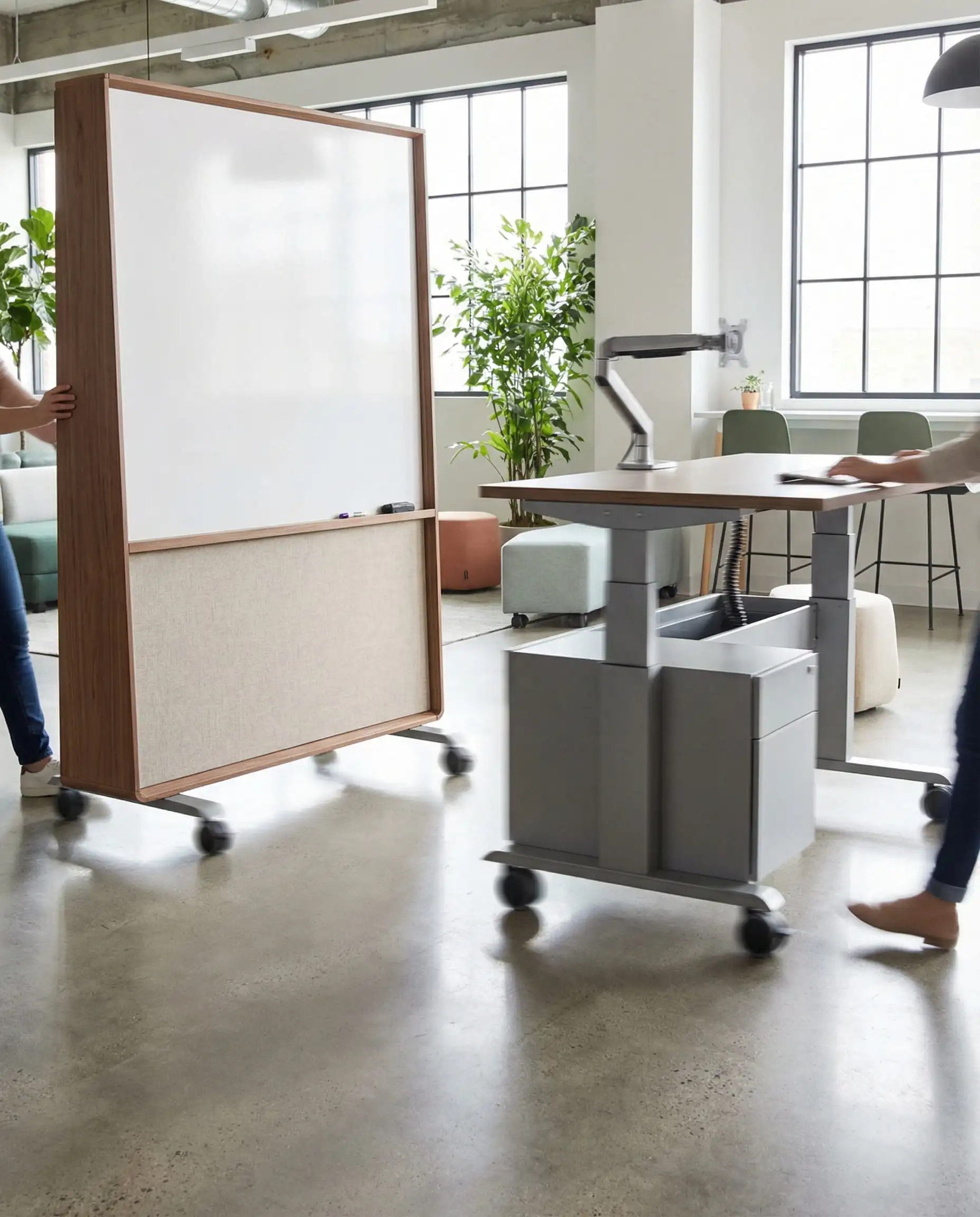
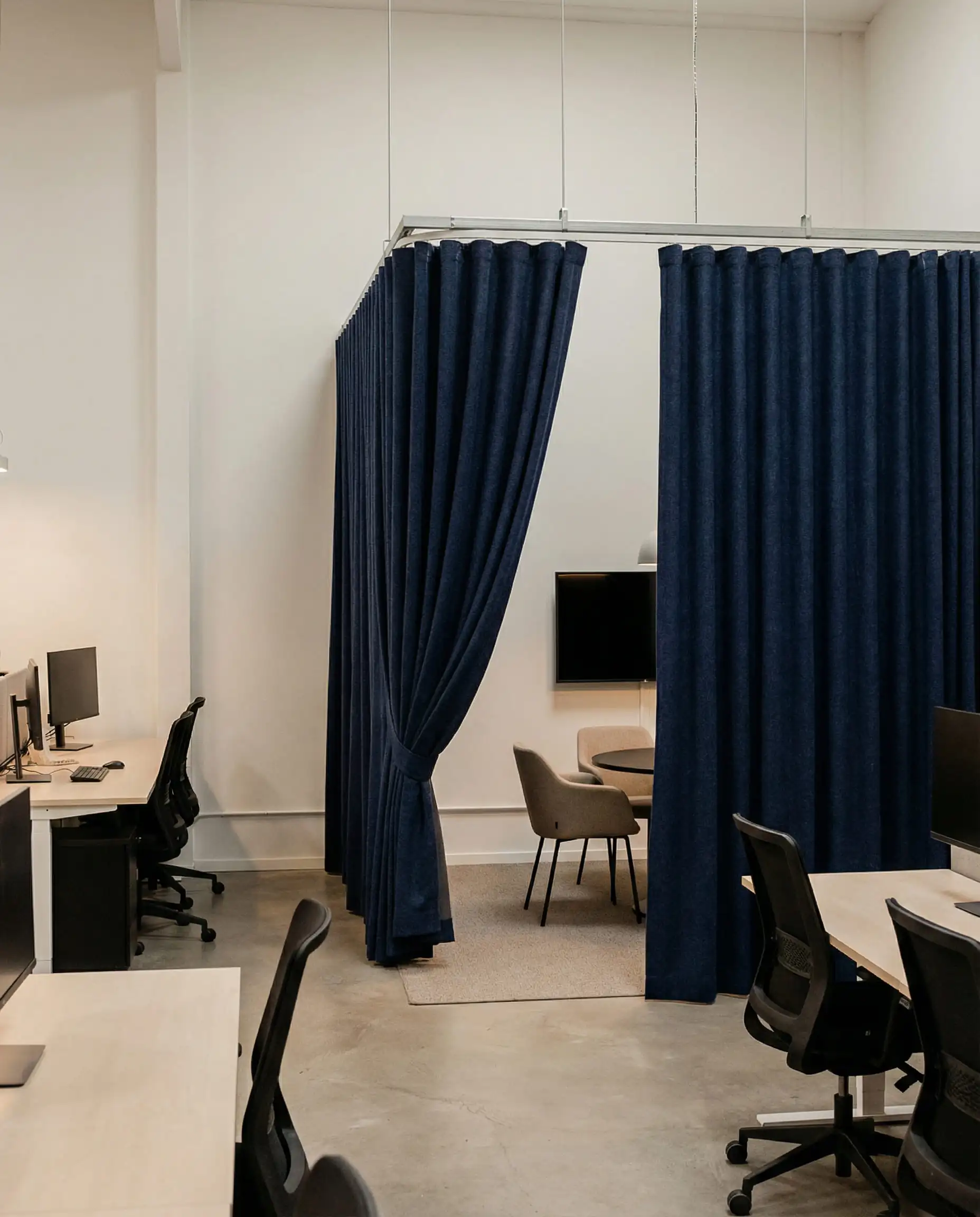
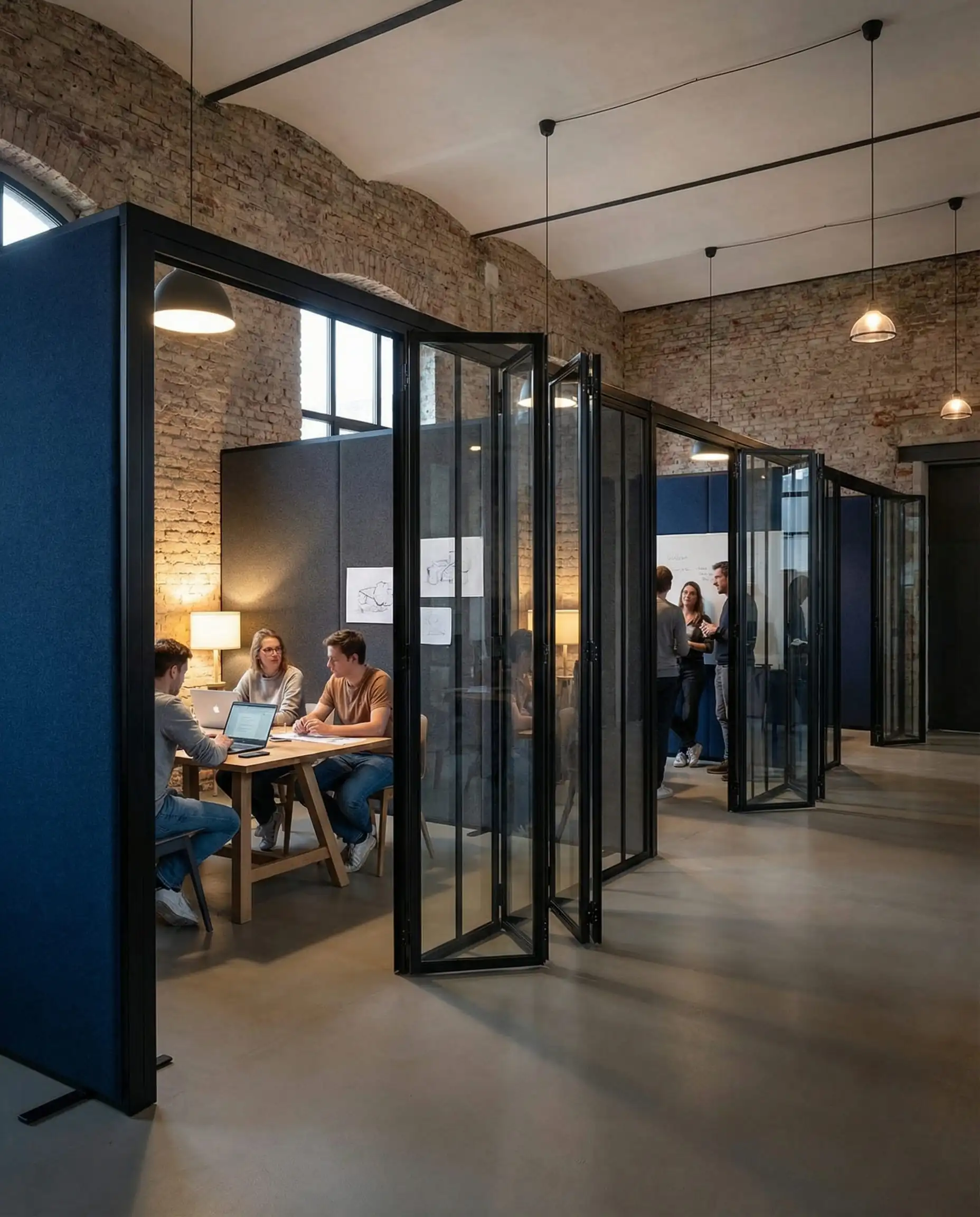
- Modular “Hacking”: Fixed walls are out; movable acoustic curtains and furniture on wheels allow teams to reshape rooms in minutes.
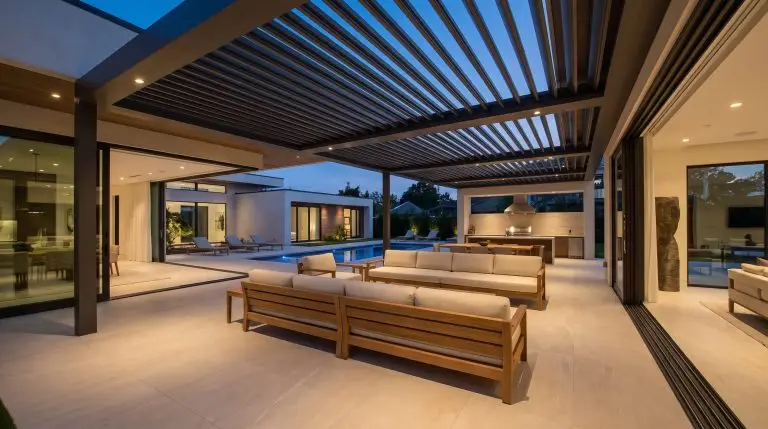
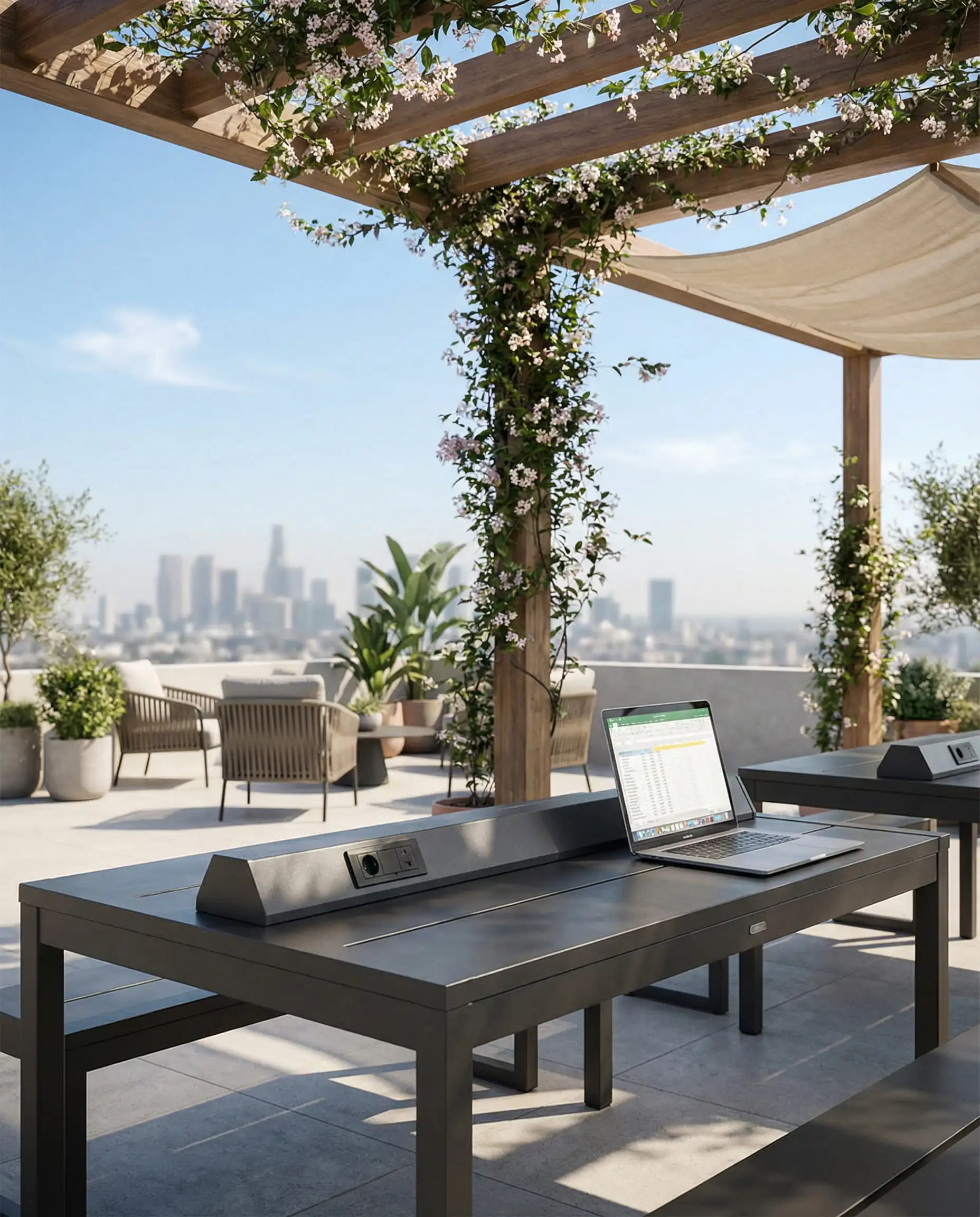
- Biophilia 2.0: Moving past potted plants to circadian lighting systems and outdoor “fresh air” work patios.
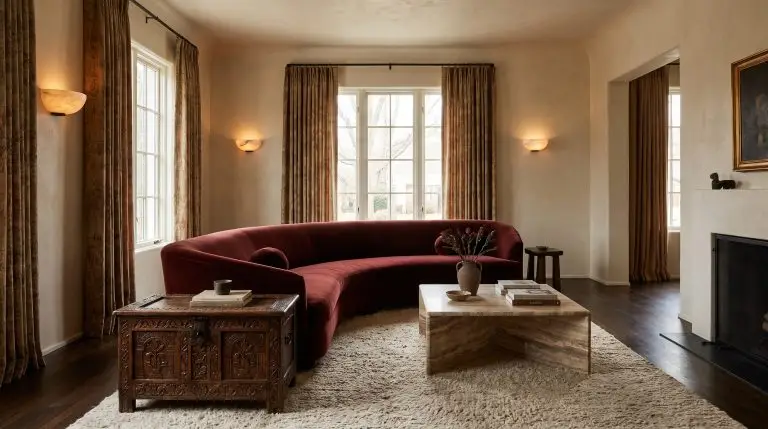
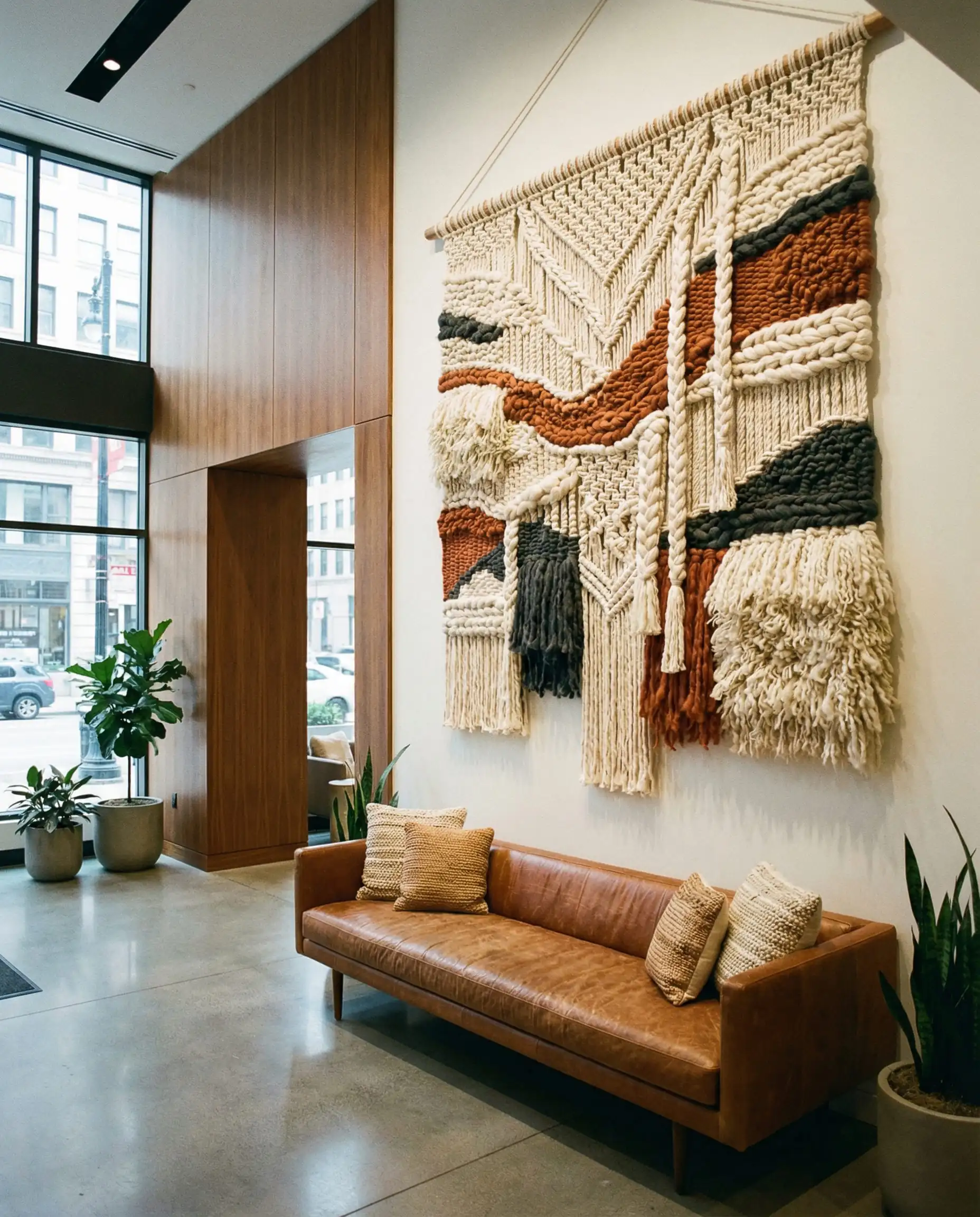
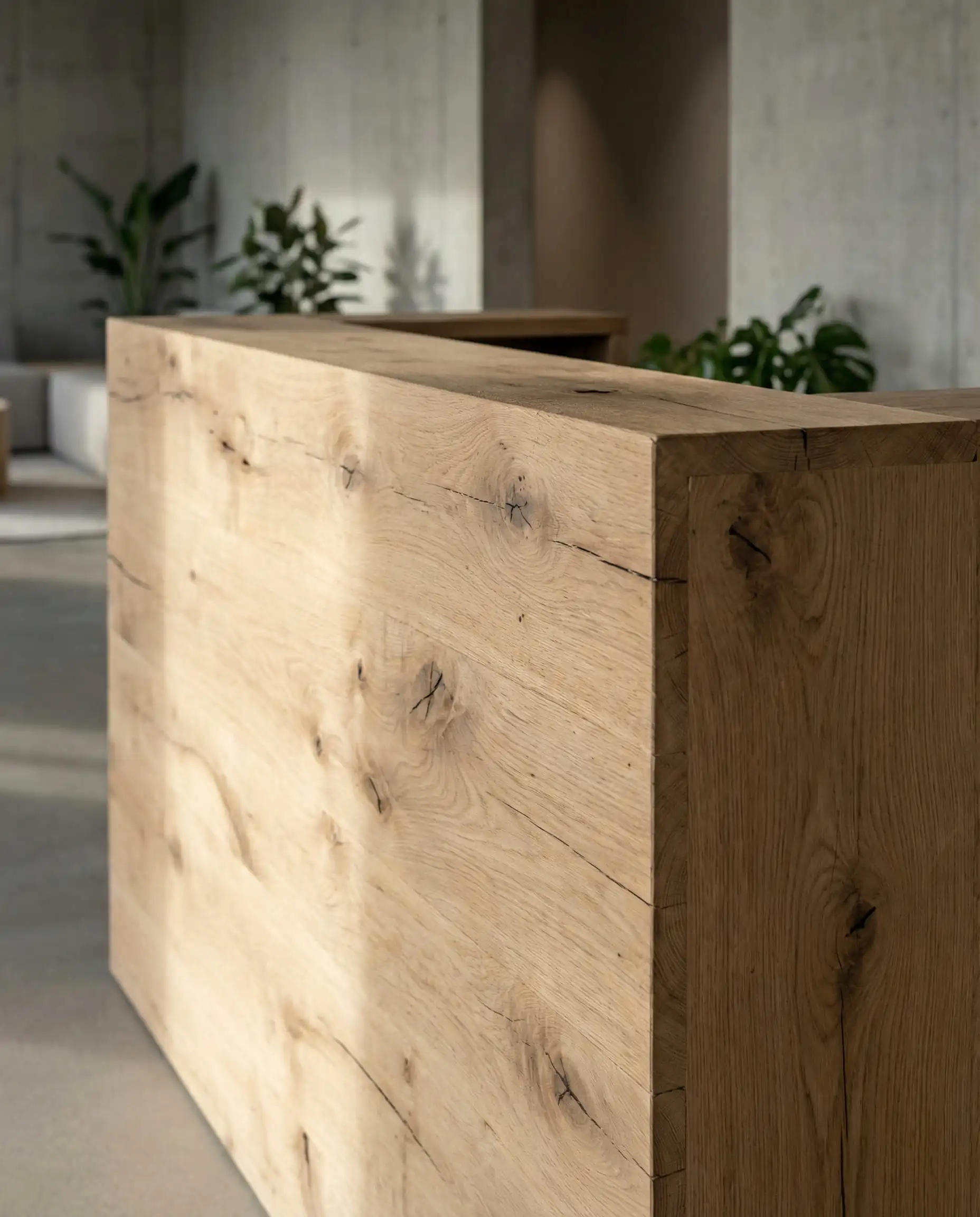
- Warmth & Craft: A rejection of sterile minimalism in favor of deep earth tones (terracotta, sage), textured fabrics, and artisanal details.
Whether you are planning a full renovation or just looking for meaningful updates, here is your definitive, deep-dive guide to the office design trends defining 2026.
The Big Shift: From “Place to Work” to “Place to Connect”
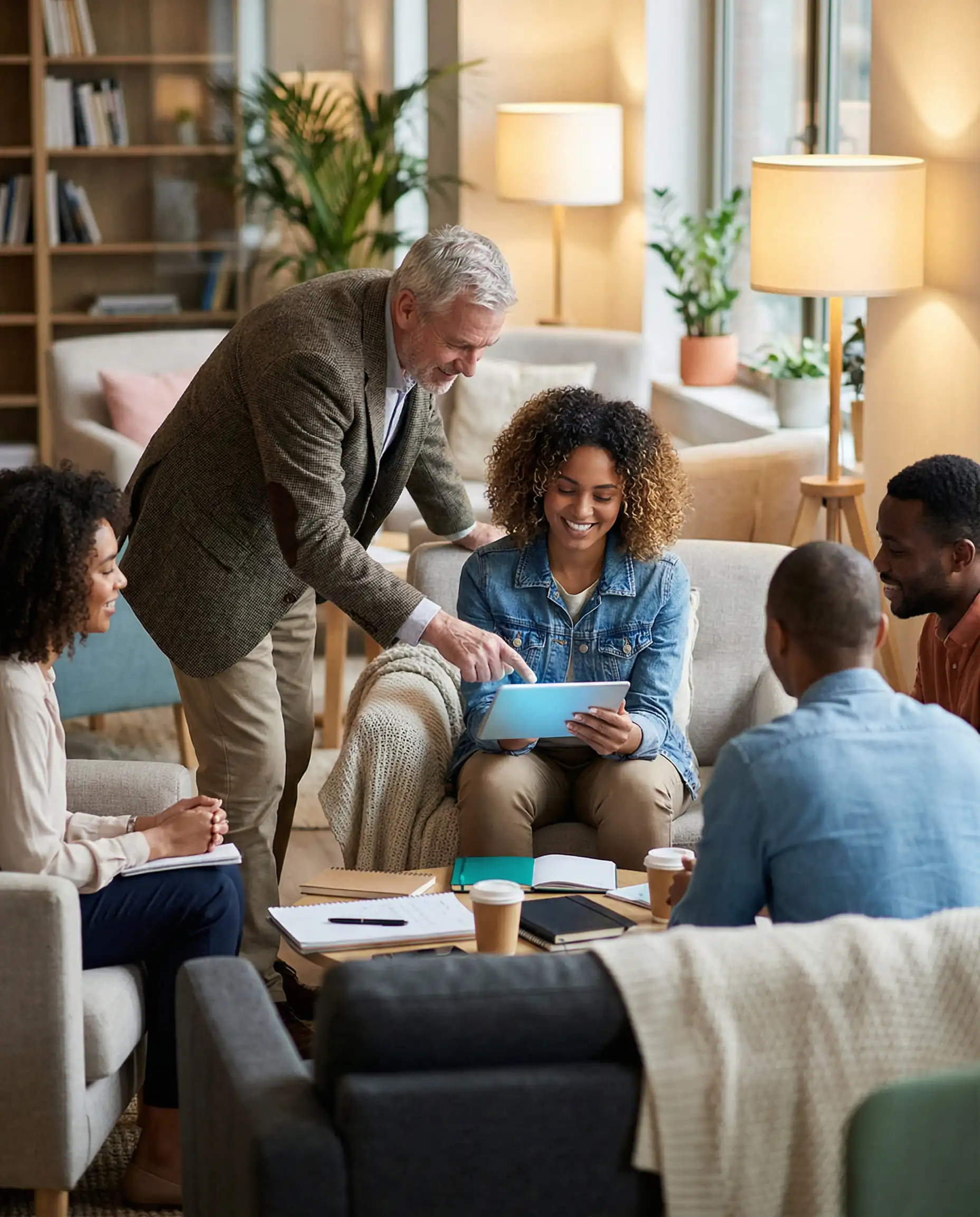
The biggest headline for 2026 is the “Clubhouse” concept. Employees have proven they can do deep, focused work at home. So, when they commute, they are looking for what they can’t get on Zoom: mentorship, spontaneous collaboration, and a sense of belonging.
The 2026 office is designed to be a “magnet, not a mandate.” It pulls people in with sensory richness, seamless technology, and spaces that feel more like a favorite coffee shop than a corporate headquarters. Companies are realizing that if the office isn’t better than the employee’s living room, the commute isn’t worth it.
This shift impacts everything from the floor plan to the furniture. We are seeing a reduction in individual desks (often by 30-40%) and a massive increase in “social square footage”—lounges, cafes, and breakout areas.
Trend 1: Neuro-Inclusive Zoning (Design Equity)
In 2026, “Design Equity” is the buzzword. Companies are realizing that the open-plan office of the 2010s was a disaster for neurodivergent employees (and frankly, for introverts, too). The new standard is Sensory Mapping.
Instead of a one-size-fits-all layout, offices are being zoned by energy levels. This allows employees to choose the environment that matches their brain state at that moment.
The Three Critical Zones
- High-Stimulus Zones (The “Buzz”): These are the town squares of the office. Expect higher ceilings, brighter lighting, and energetic color palettes. Acoustic control here is “lively” rather than “dead,” allowing for the hum of conversation.
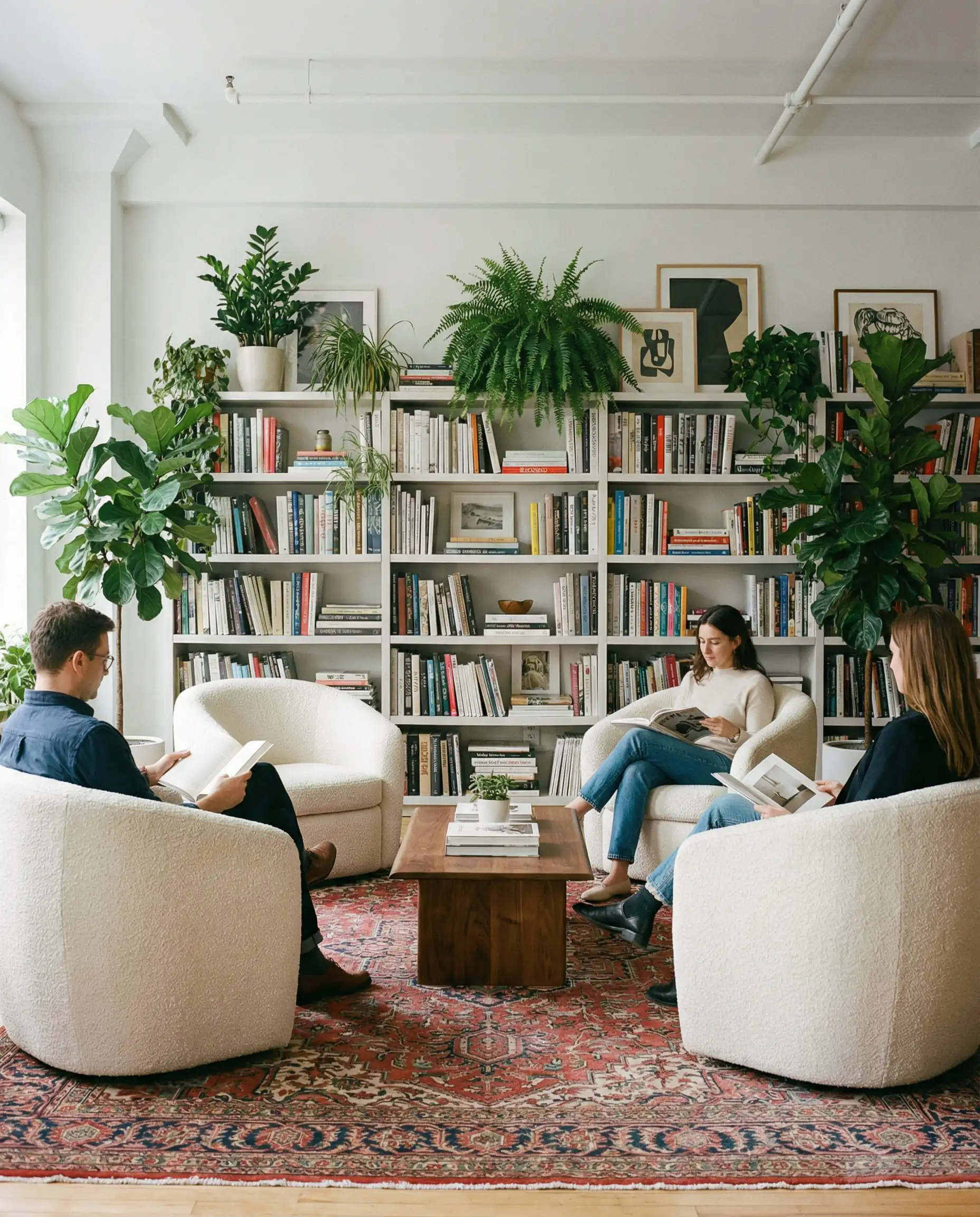
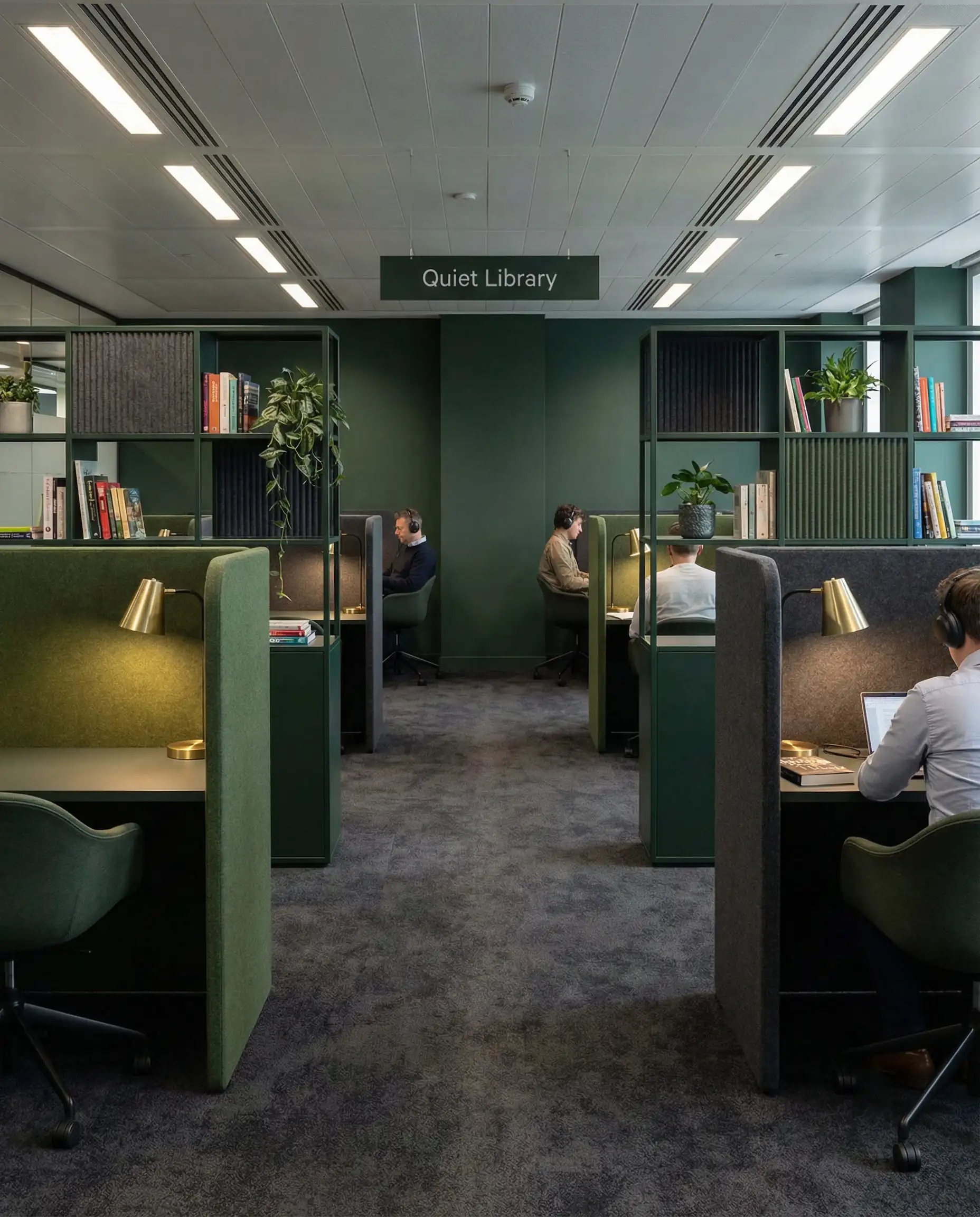
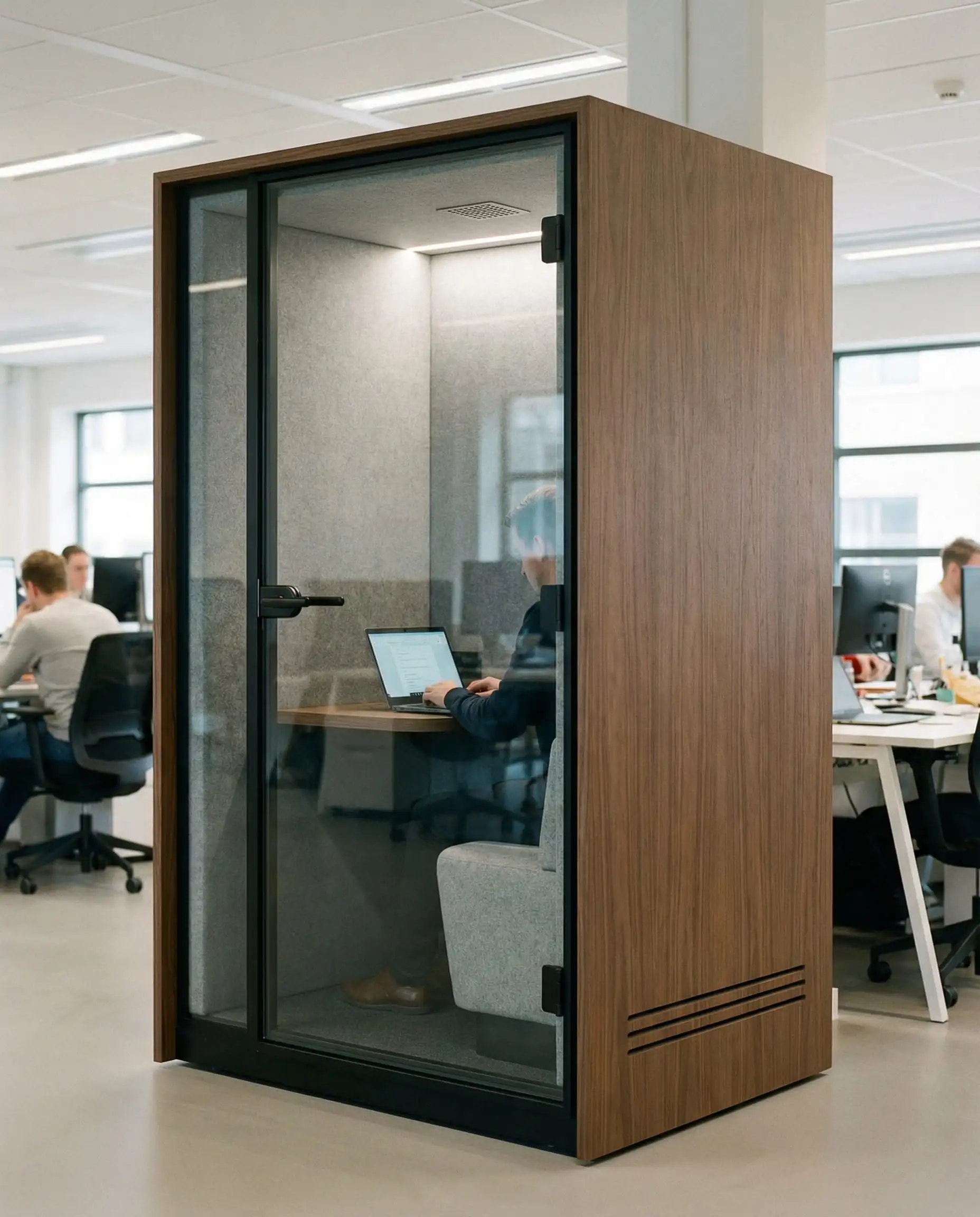
- Low-Stimulus Zones (The “Library”): These are strictly quiet zones. We are seeing a rise in “sensory-friendly” design here: dimmable lighting, visual privacy (no glass fishbowls), and heavy acoustic dampening.
- Design Tip: Use softer carpet and rug trends in these zones to dampen footfall. The tactile sensation of soft flooring signals to the brain that this is a place of rest or focus.
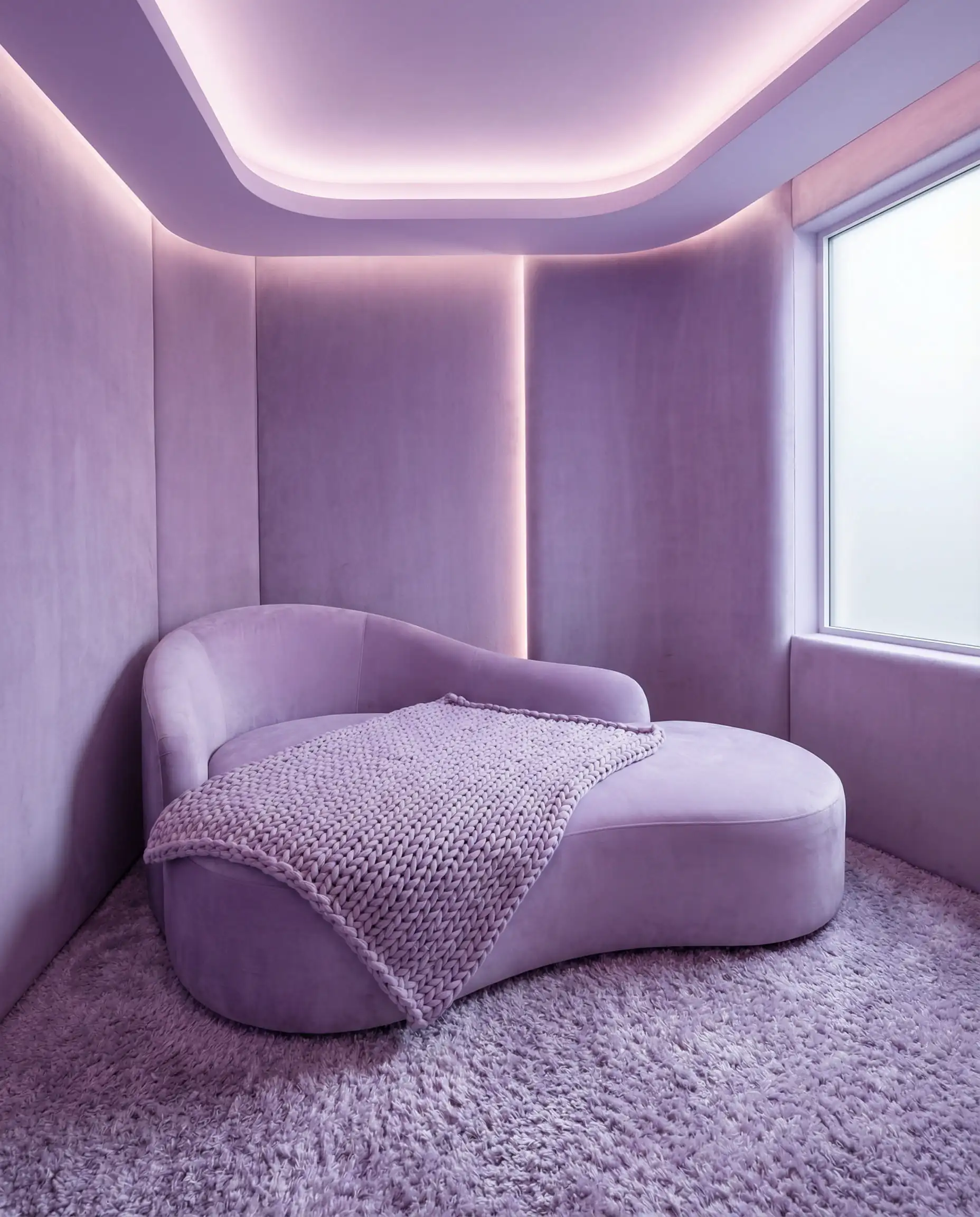
- Reset Rooms (The “Cocoon”): These are small, tech-free pods designed for sensory decompressing. They often feature deep, calming colors (like the trending “Digital Lavender”) and soft, enveloping textures. They aren’t for working; they are for regulating the nervous system after a stressful meeting.
Trend 2: The Circular Office (Sustainability 2.0)
“Eco-friendly” is no longer enough. The 2026 standard is Circular Design. This moves beyond buying a few recycling bins to a “retrofit-first” mentality. The construction industry is a massive contributor to waste, and office design is finally taking responsibility.
Materials of the Future
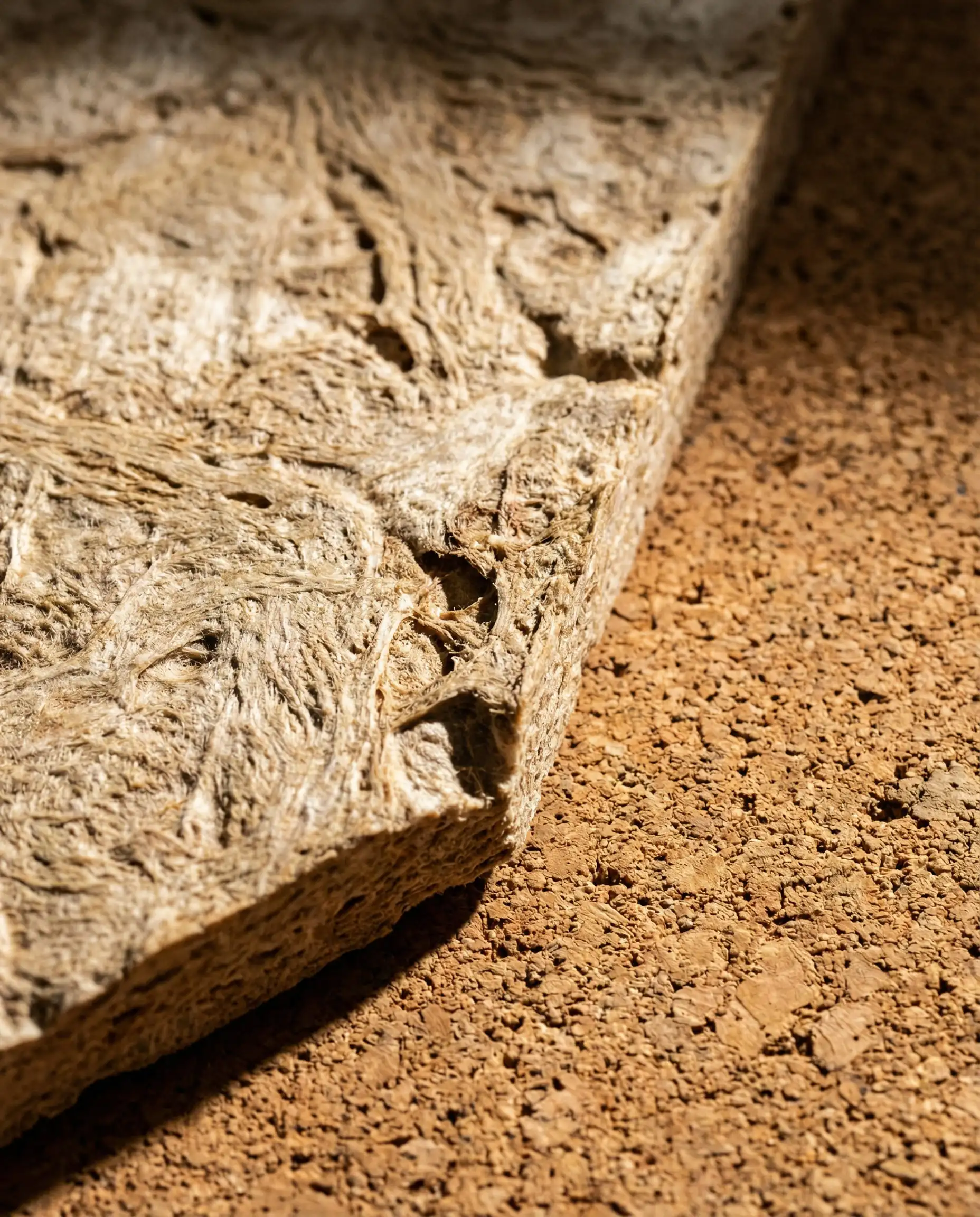
We are seeing a surge in “grown” materials rather than manufactured ones:
The “Furniture-as-a-Service” Model
A major shift in 2026 is how companies acquire furniture. Instead of buying assets that depreciate and end up in landfills, companies are leasing high-quality items or buying from “buy-back” programs. Manufacturers are designing chairs and desks that can be easily disassembled, repaired, and reupholstered, extending their lifecycle by decades.
For a deeper dive into green materials and how to implement them, check out our guide on eco-sustainable interior design trends.
Trend 3: “Workspitality” (The Hotelification of the Office)
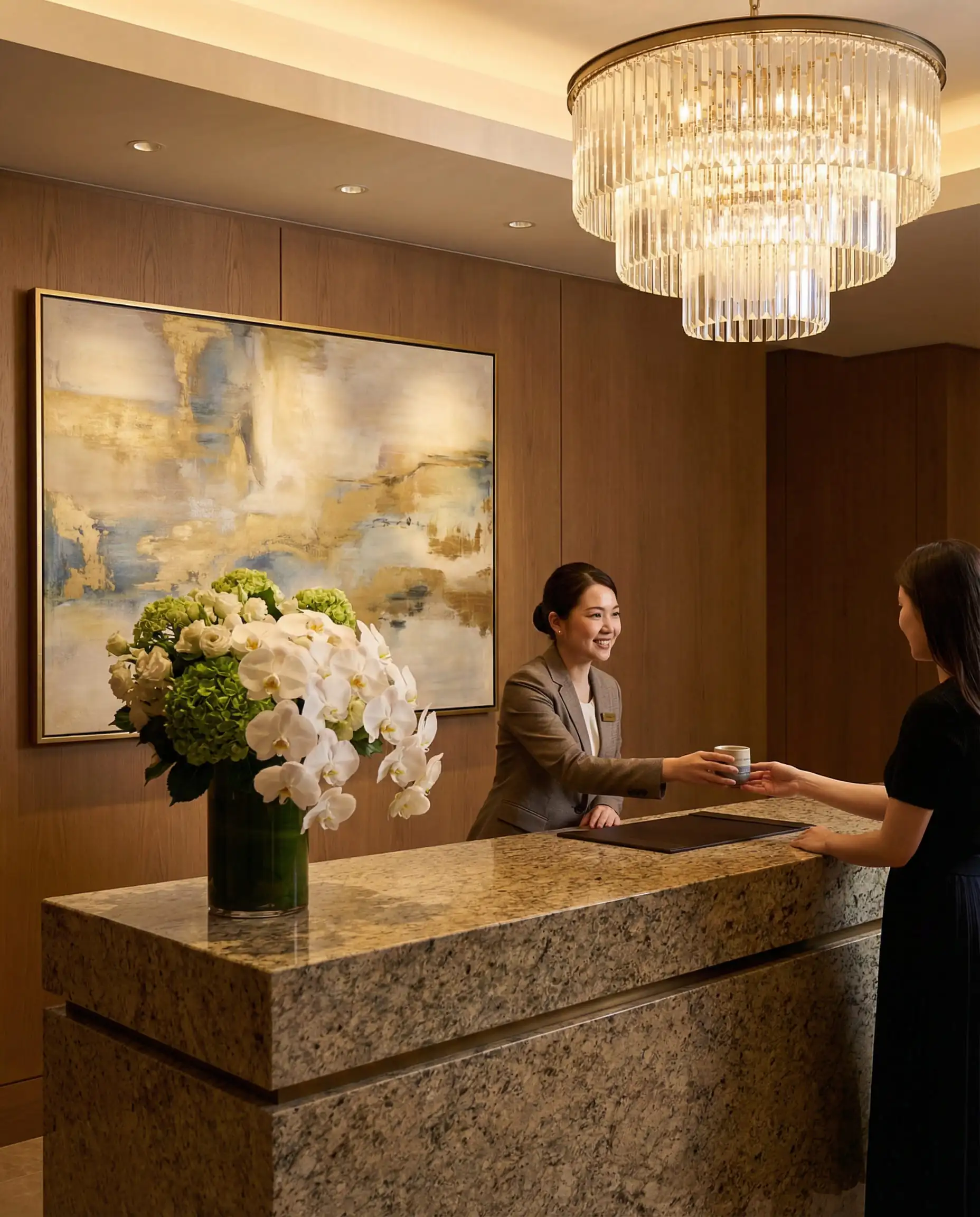
The sterile Apple-store look is out. “Workspitality” (Work + Hospitality) is in. The goal is to make the office feel as welcoming as a high-end hotel lobby.
The Concierge Experience
The front desk is no longer guarded by security personnel; it is staffed by a “Community Manager” or Concierge. This person handles everything from tech support to dry-cleaning pickup for employees. The entry experience is crucial—it sets the tone for the day.
Resimercial Aesthetics
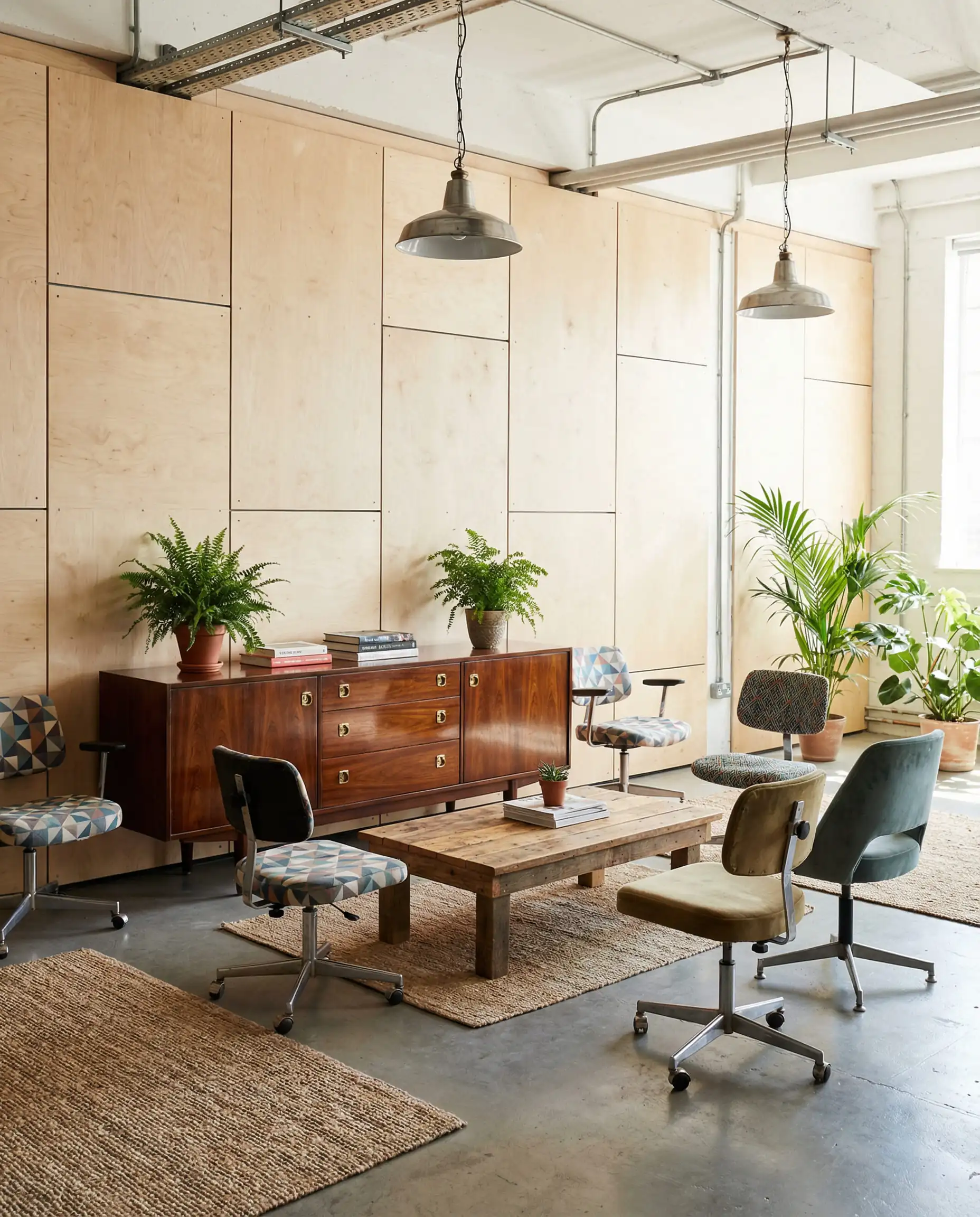
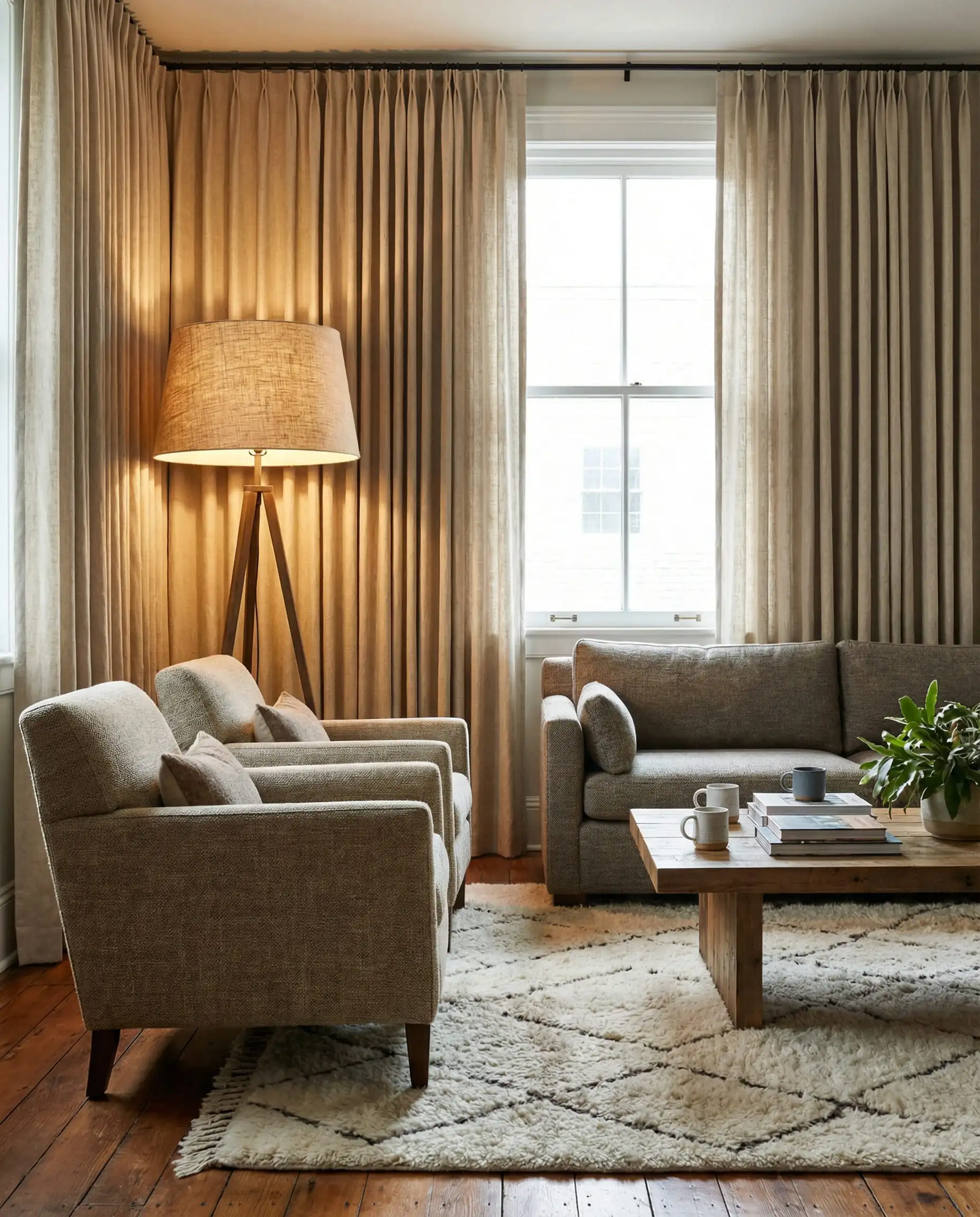
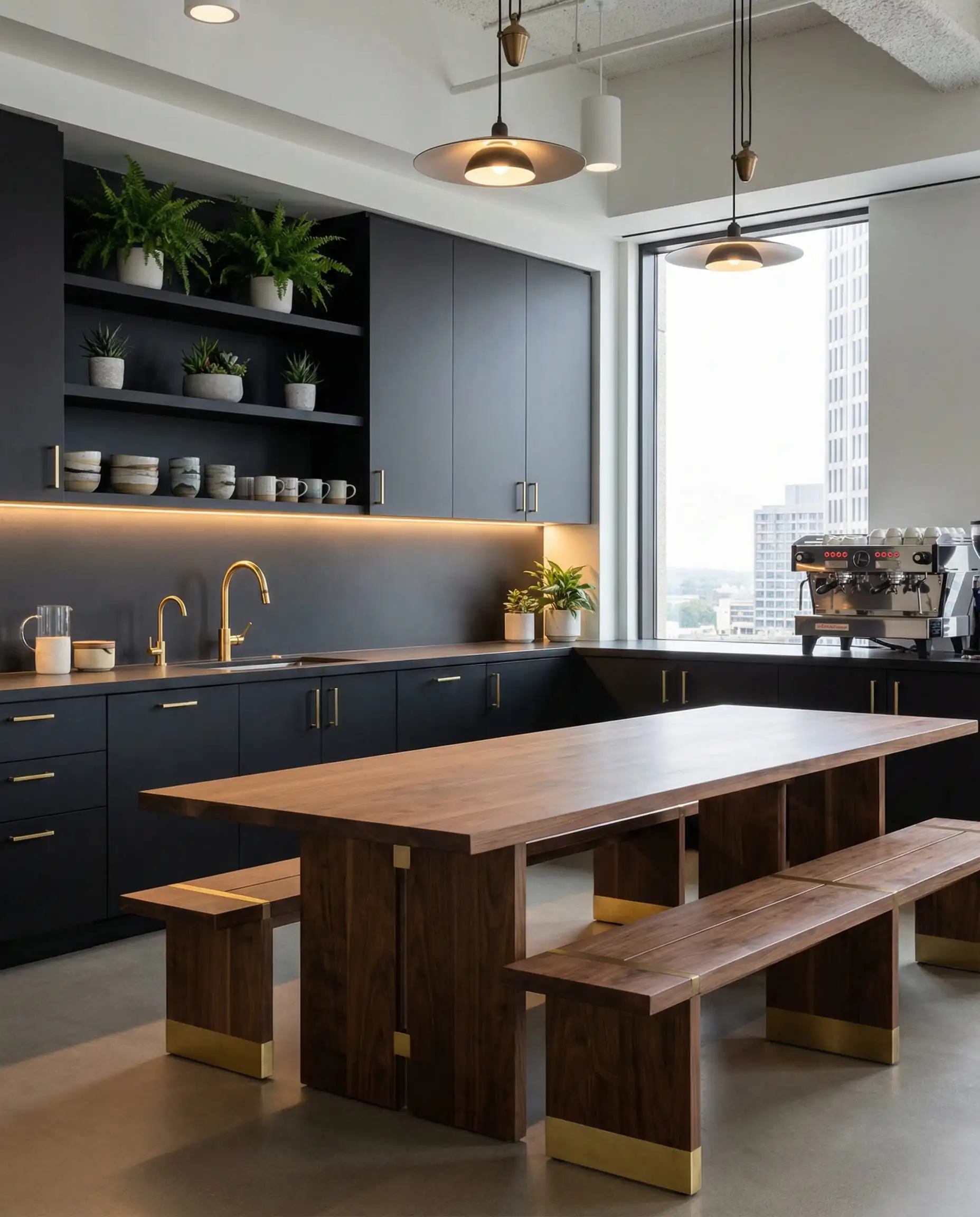
We are seeing a surge in “resimercial” design—a blend of residential comfort and commercial durability.
Trend 4: Tech for Equity (The Immersive Meeting Room)
Hybrid meetings in 2024 were often awkward—remote participants felt like observers rather than participants (the “fly on the wall” problem). 2026 solves this with Immersive Meeting Rooms.
Solving “Presence Disparity”
The Smart Building Ecosystem
Technology in 2026 is invisible but omnipresent. IoT (Internet of Things) sensors are now standard.
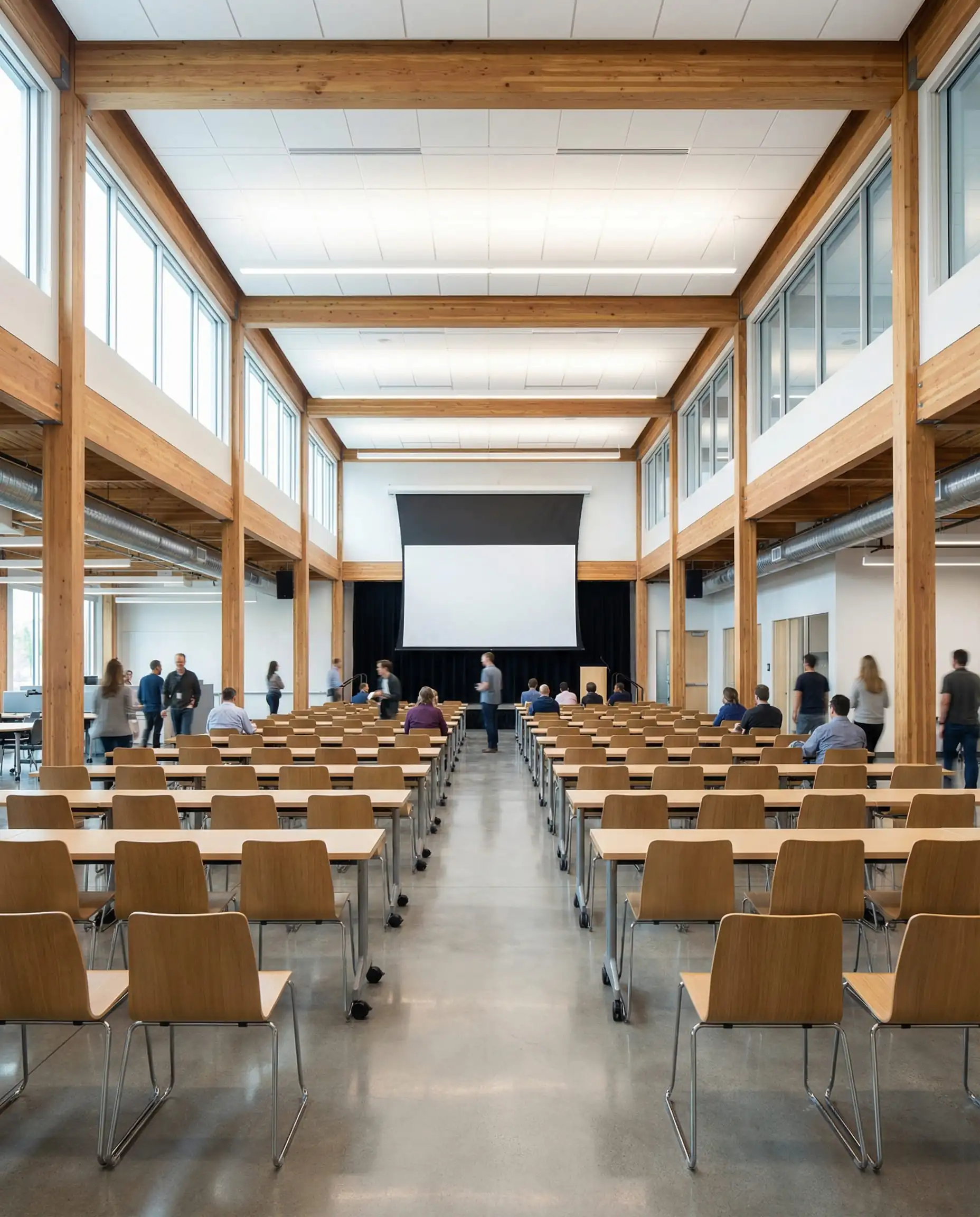
Trend 5: Modular “Hackability”
The uncertainty of the future means offices need to change shape in minutes, not months. The era of drywall is ending; the era of the “Hackable Office” is here.
The Agile Environment
Trend 6: Biophilia 2.0 (Regenerative Biophilia)
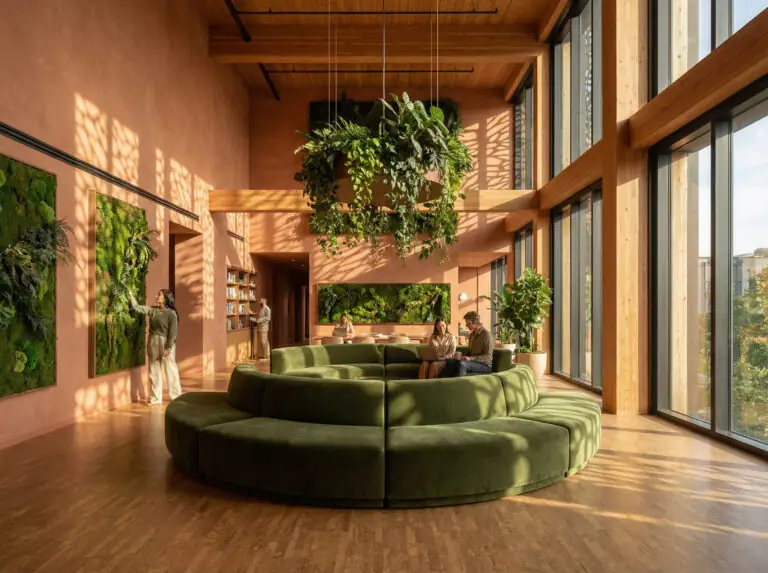
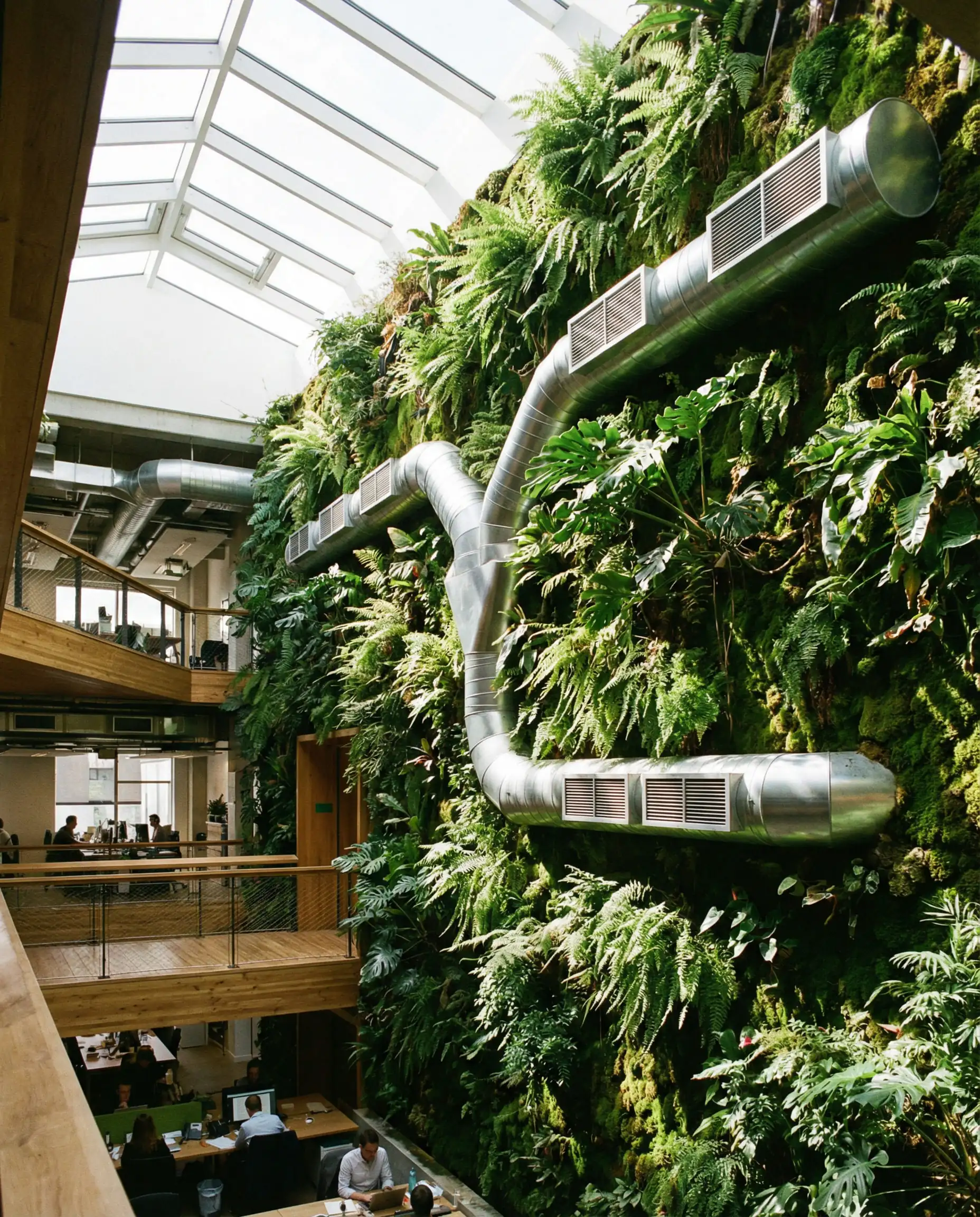
Putting a succulent on a desk is not biophilic design. In 2026, the trend is Regenerative Biophilia. It is about mimicking the experience of being outdoors, not just the look of it.
Beyond the Green Wall
Trend 7: The Return of Color & Craft (“Soulful Spaces”)
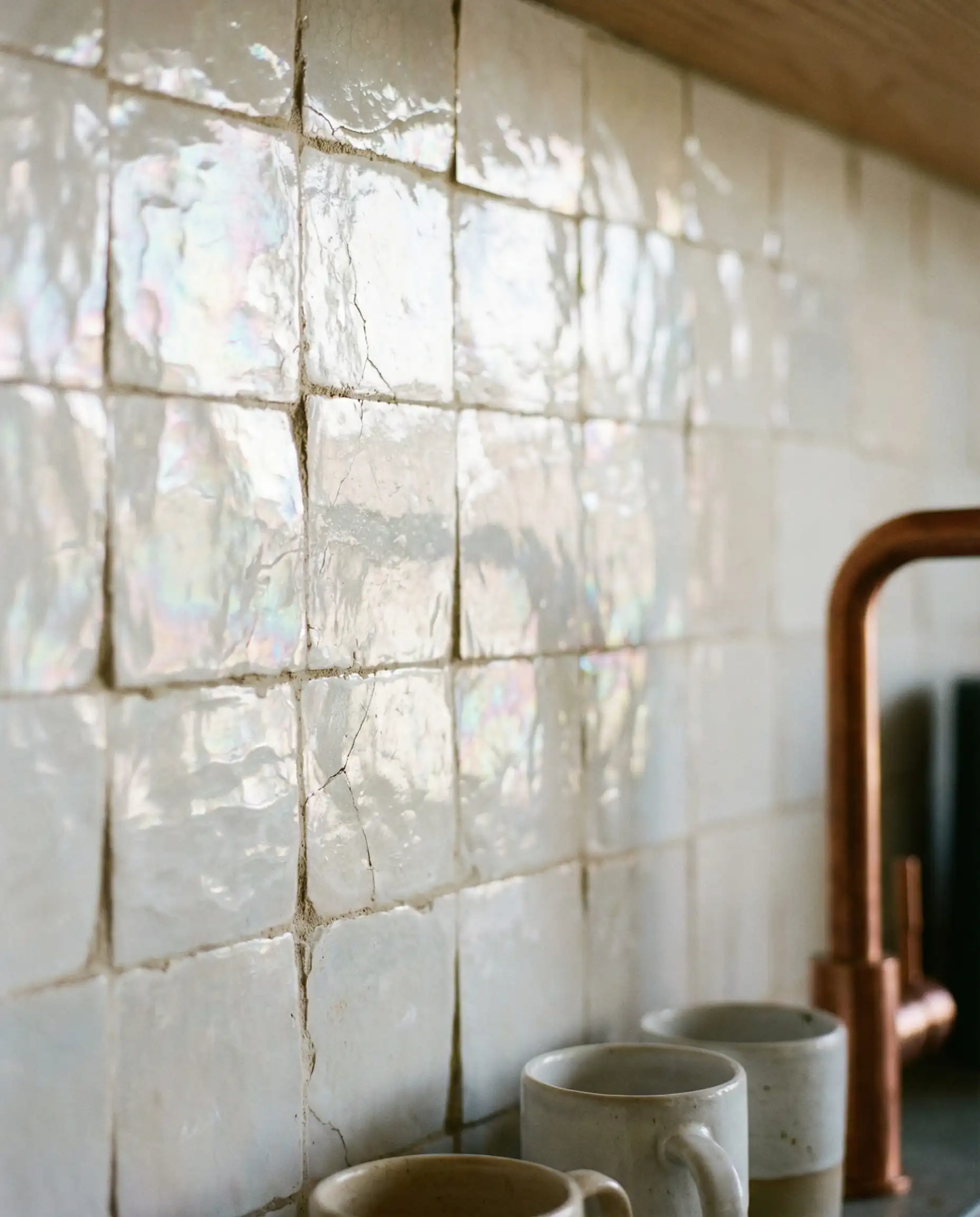
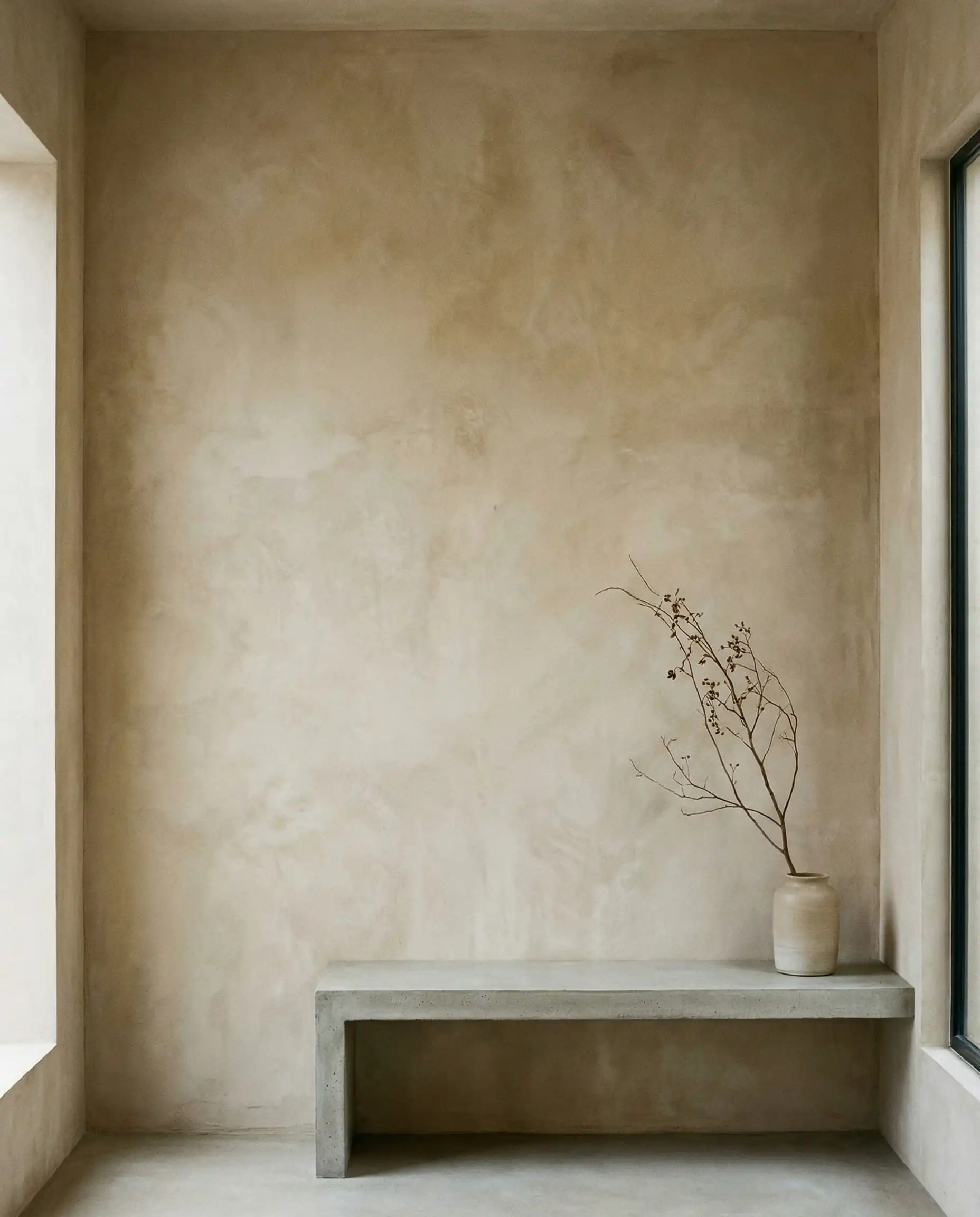
Minimalism in 2026 is warm, not cold. There is a “Craft Revival” happening, celebrating artisanal imperfections over mass-produced uniformity. We are tired of the “perfect” render; we want spaces that feel lived-in and human.
The “Handmade” Touch
2026 Office Color Palettes: Warmth and Earth
The color psychology for 2026 is about grounding and restoration. The cool grays and stark whites of the tech boom are being painted over with deeper, richer hues.
- Deep Earth Tones: Think Espresso Brown, Warm Terracotta, and Deep Ochre. These colors provide a sense of stability and “grounding” in a fast-paced world.
- Restorative Greens: Moving away from bright “tech green” to softer Sage, Olive, and Deep Moss. These shades are directly linked to lowering heart rates.
- Digital Lavender & Lilac: These are often used in “Reset Rooms” and quiet zones for their calming, anxiety-reducing properties.
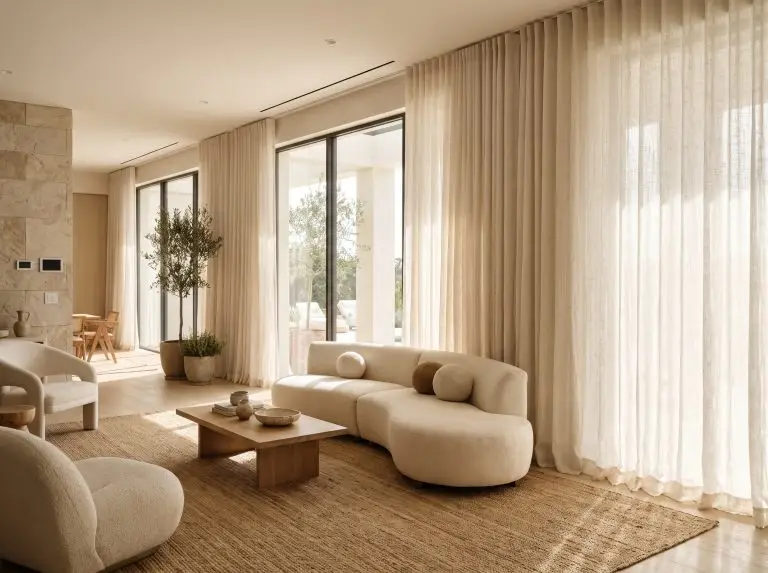
- “Cremele” Neutrals: Warm beiges, oatmeal, and unbleached cotton shades that replace clinical white. They provide a clean backdrop but reflect a warmer, more flattering light.
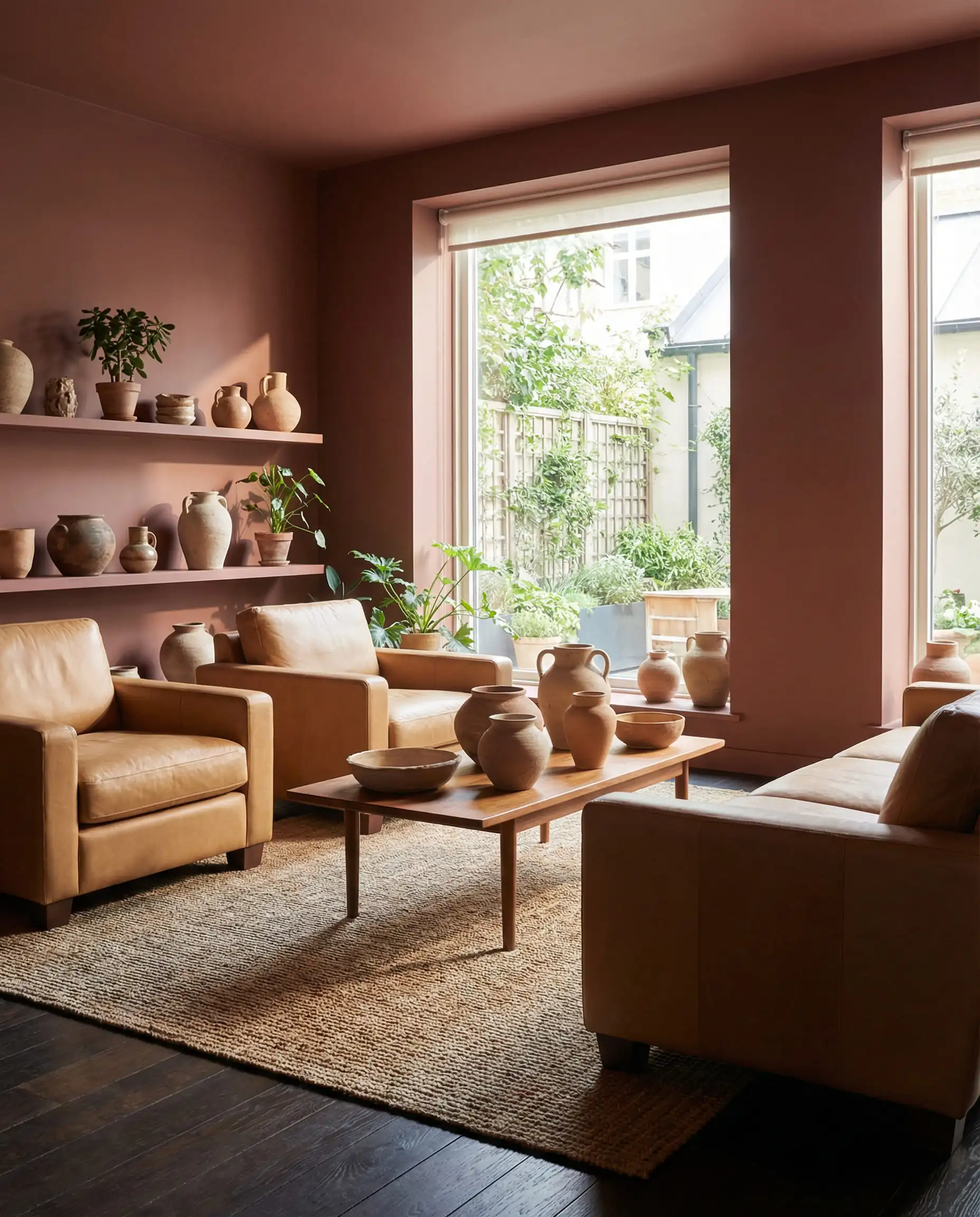
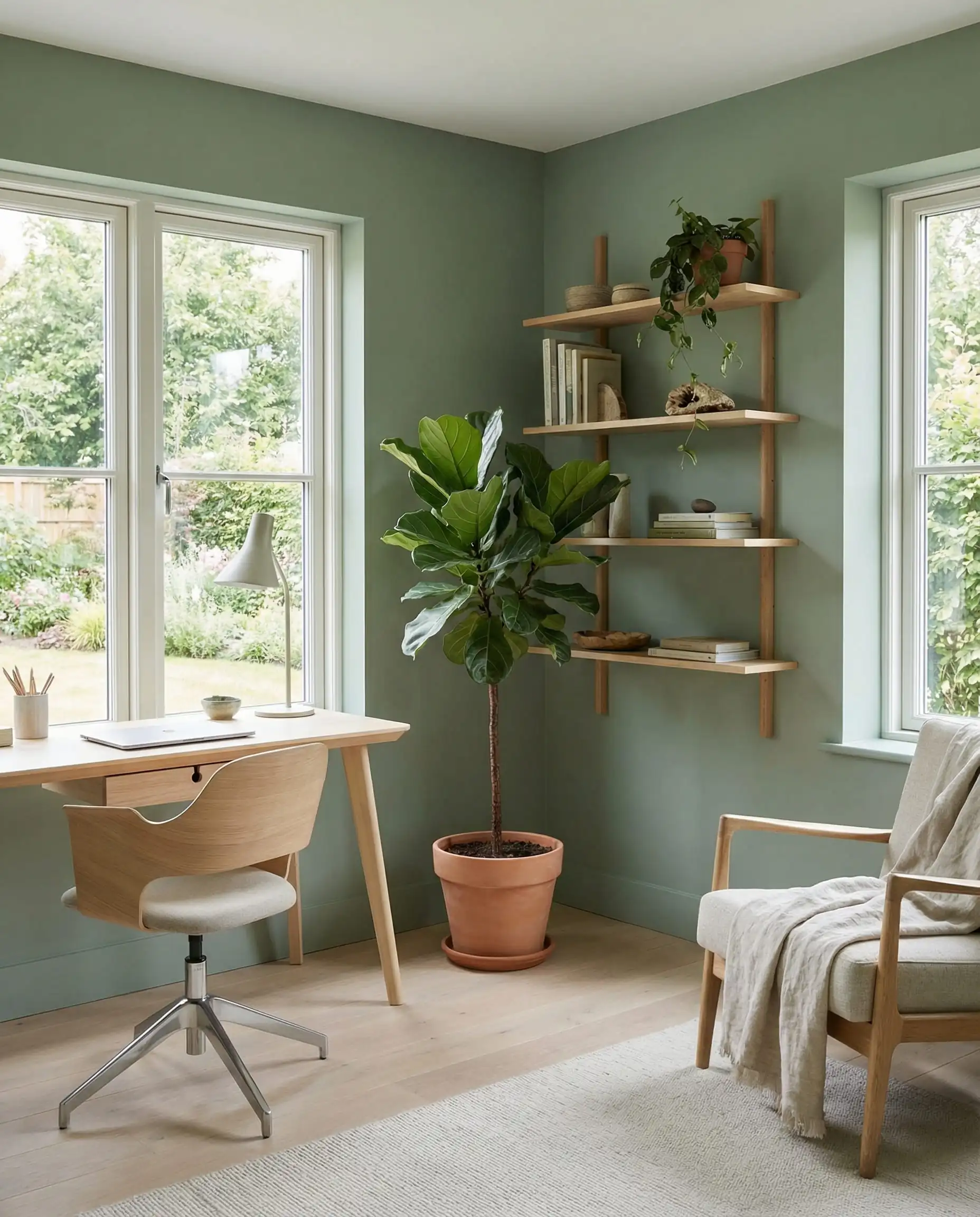
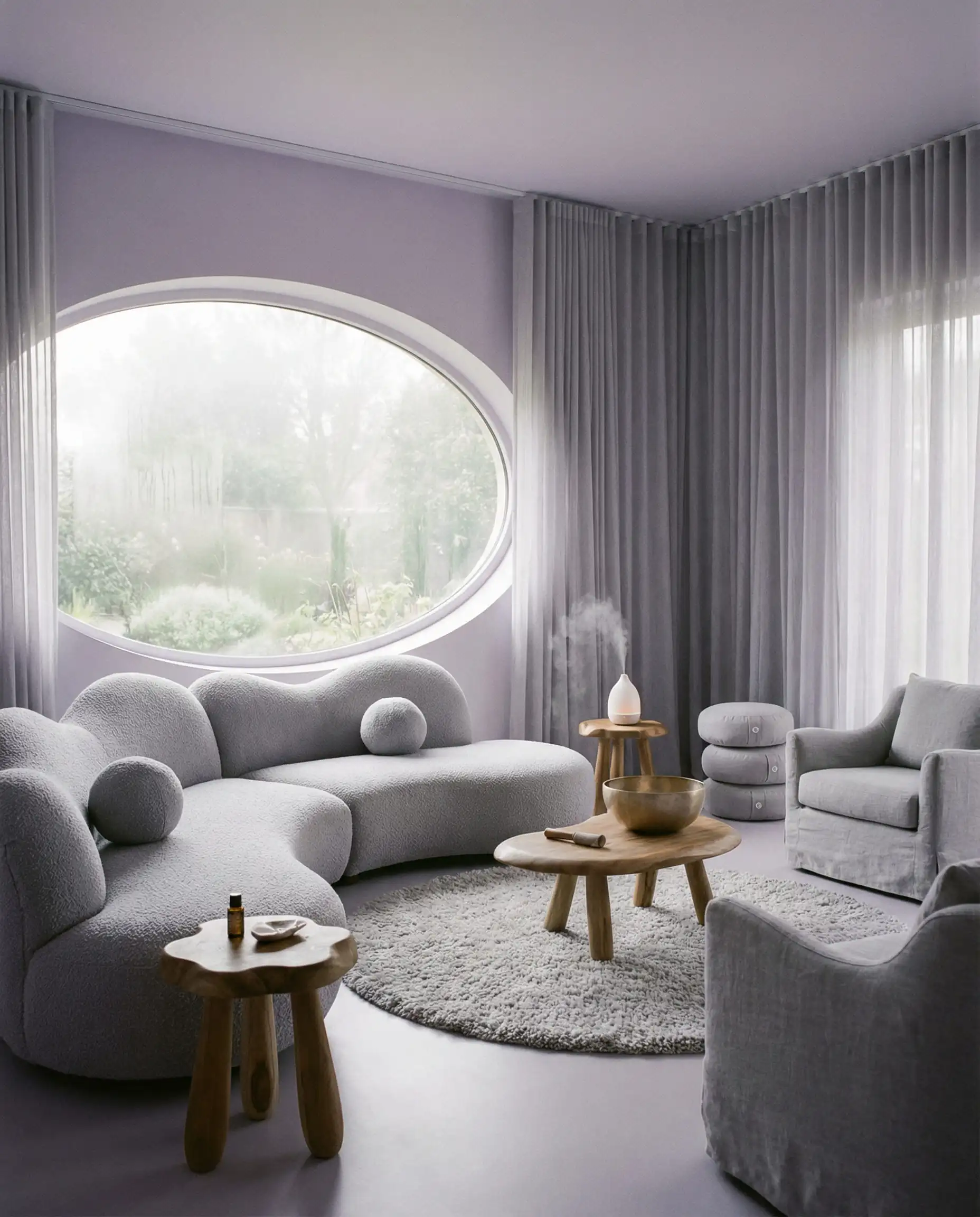
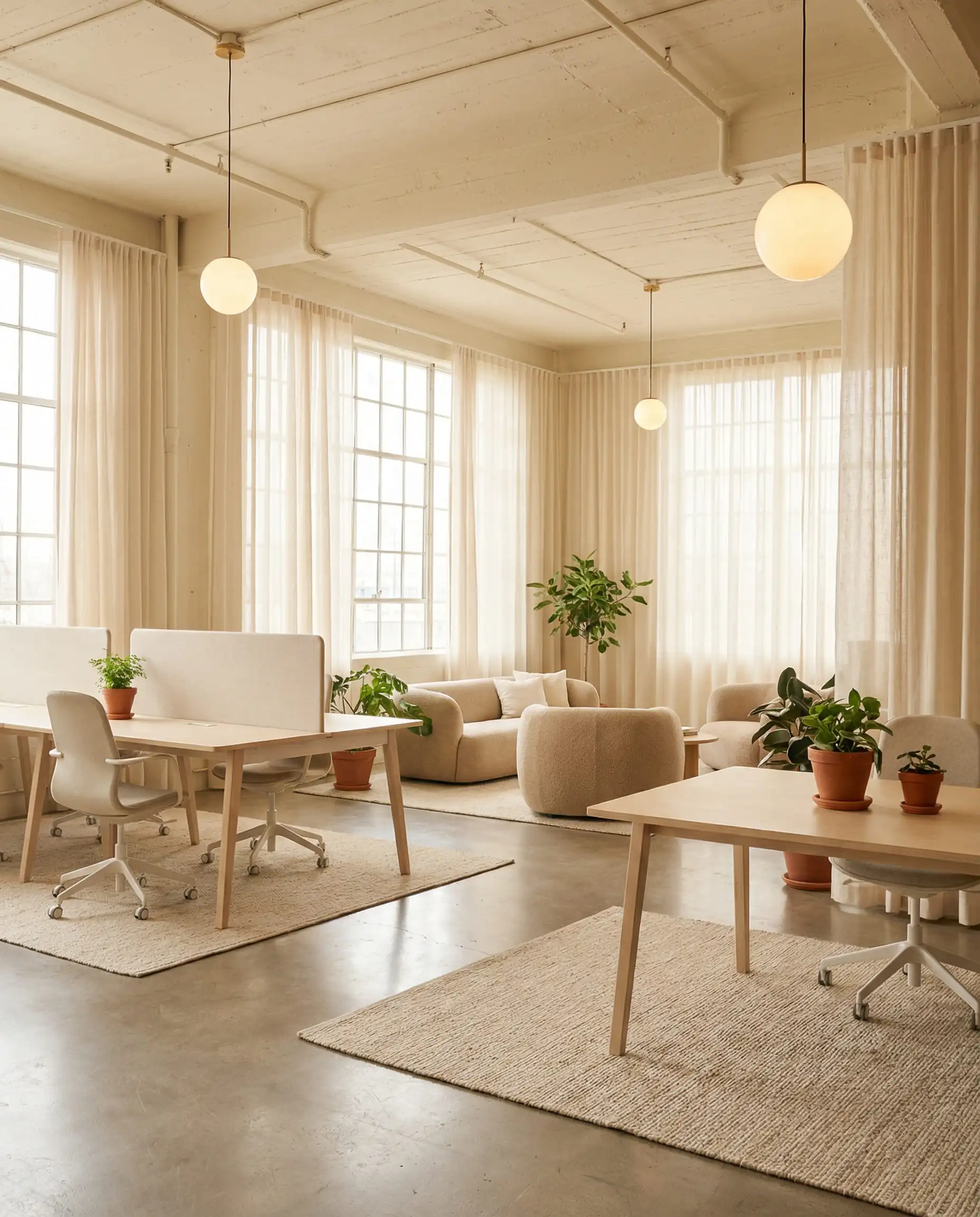
Visual Tip: If you are updating your walls, consider looking at wallpaper trends that incorporate these earthy textures. A grasscloth wallpaper or a mural with soft, watercolor edges can add depth without the clutter of physical decor.
The Rise of the “Micro-Office” & Hub-and-Spoke
A significant structural trend for 2026 is the decentralization of the headquarters.
Many companies are adopting a Hub-and-Spoke model.
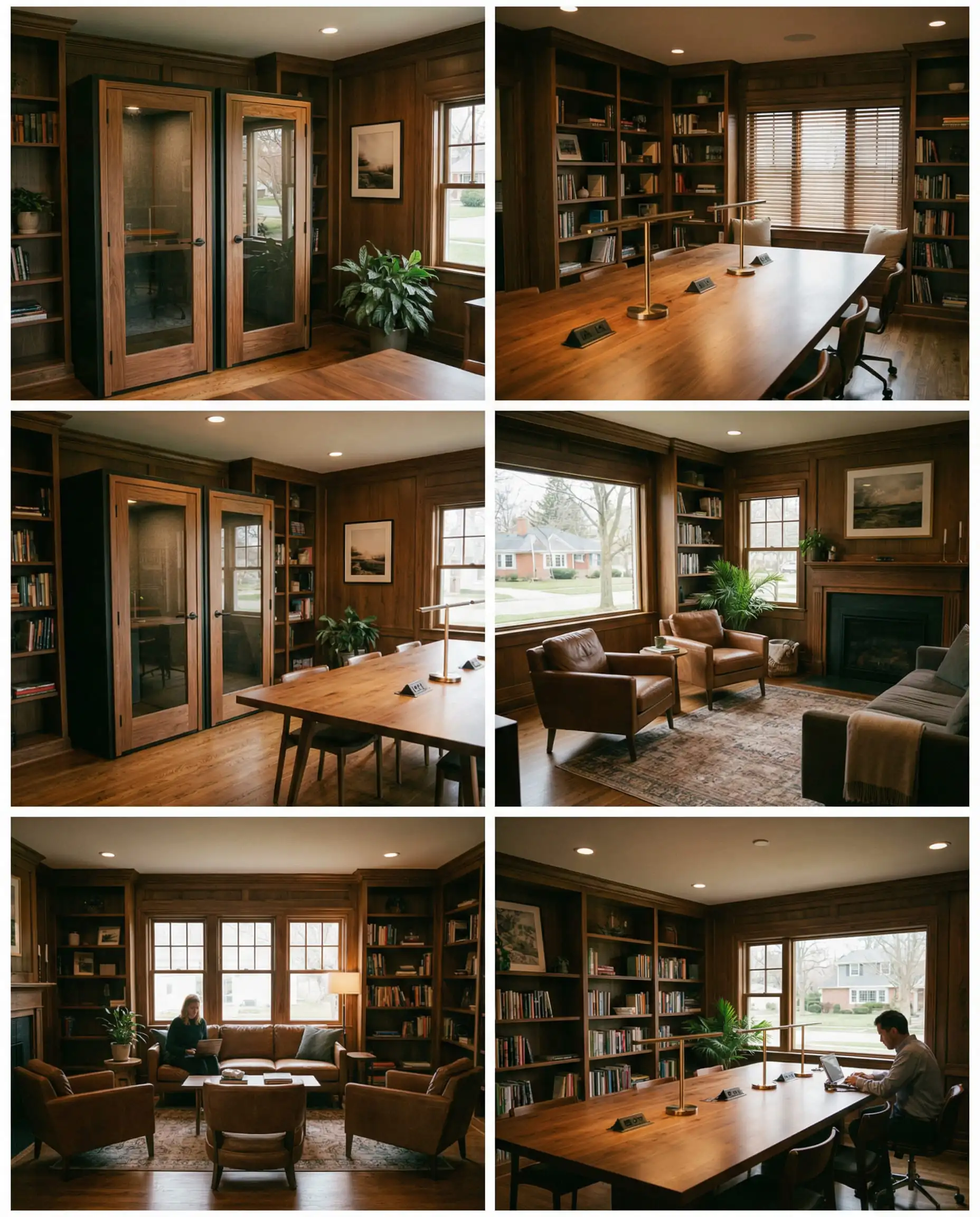
These micro-offices often resemble high-end co-working spaces or lounges. They prioritize modern coffee table trends and lounge seating over rows of desks, as they are primarily drop-in locations.
Generational Design: Boomers vs. Gen Z
In 2026, the office must serve four distinct generations, each with different work styles.
Successful design in 2026 doesn’t pick a side; it offers variety.
Actionable Tips: How to Future-Proof Your Office Today
You don’t need a multi-million dollar budget to embrace 2026 trends. If you are a facility manager or business owner, here is how to start small:
- Audit Your Acoustics: Noise is the #1 complaint in open offices. You don’t need to rebuild walls. Add acoustic panels, suspended baffles, or even heavy window treatments to dampen sound.
- Create a “No-Tech” Zone: Designate one corner of the office as a phone-free, laptop-free zone for reading or thinking. Furnish it with comfortable armchairs and soft lighting.
- Upgrade the “Third Place”: Invest in your breakroom. It’s the heart of the office. Better coffee, comfortable seating, and real crockery (no paper cups!) can transform it into a social hub.
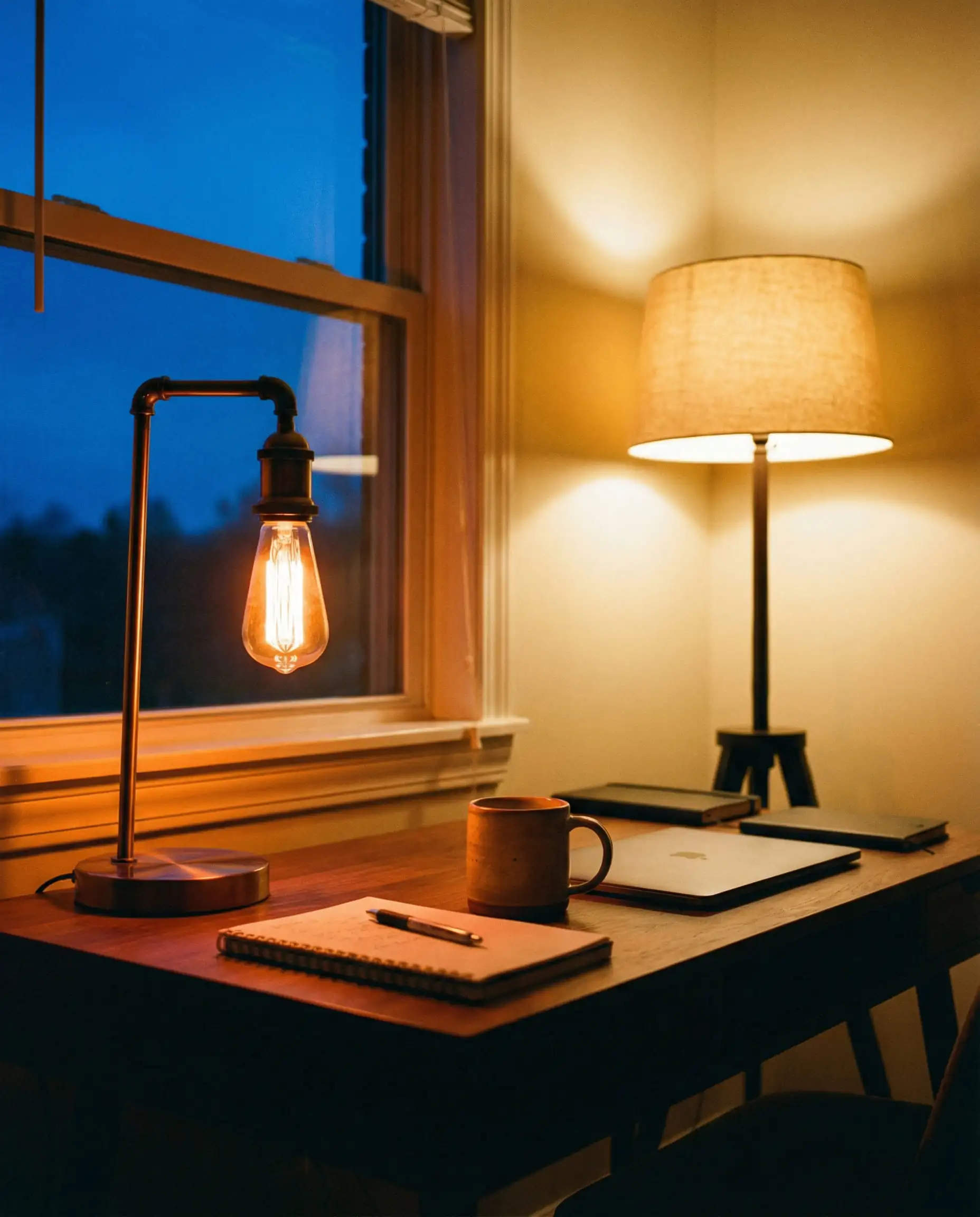
- Hack Your Lighting: If you can’t change the ceiling lights, add floor lamps with warm bulbs (3000K) to corners. This creates a “campfire” effect that draws people together.
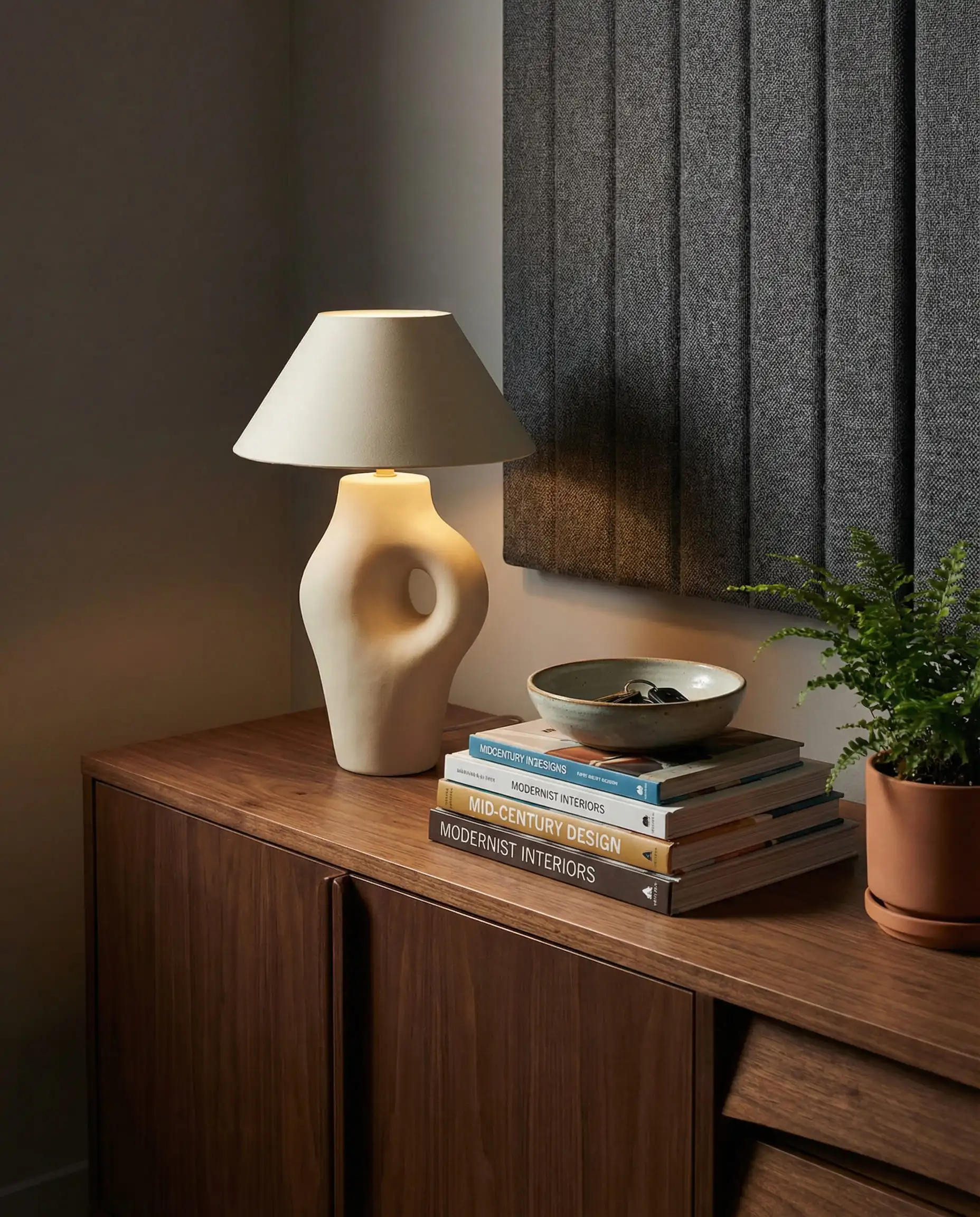
- Bring in the “Resimercial”: Swap out a few utilitarian tables for modern buffet sideboards to hold supplies or coffee stations. It instantly makes the space feel more furnished and less industrial.
Frequently Asked Questions (FAQ)
The move toward “Regenerative Workplaces” is the top trend. This means designing spaces that actively restore employee wellbeing through neuro-inclusive zones, biophilic elements, and “hotel-like” amenities that encourage social connection.
Not dead, but evolved. The “sea of desks” is gone. It is being replaced by “Neighborhoods”—smaller, zoned open areas broken up by acoustic partitions, plants, and breakout spaces to reduce noise and visual overwhelm.
Focus on Circular Design. Choose refurbished or upcycled furniture, opt for modular construction that minimizes waste during renovations, and select materials (like flooring and acoustic panels) made from biodegradable or recycled content.
Warm, earthy tones are dominant. Look for Terracotta, Sage Green, Espresso Brown, and warm Beiges. These colors create a grounding, comforting atmosphere that contrasts with the high-stress nature of modern work.
Design Equity means creating spaces that are accessible and comfortable for everyone, including neurodivergent individuals. It involves creating distinct zones for different sensory needs, such as quiet, low-light areas for focus and active, buzzing areas for collaboration.
Conclusion: The Office as a Resource
The office of 2026 isn’t trying to compete with the comfort of home; it’s trying to offer something home can’t—a vibrant, regenerative community.
By focusing on neuro-inclusion, sustainability, and flexibility, you can create a workspace that doesn’t just house employees, but actually fuels them. The goal is simple: when an employee leaves the office at 5 PM, they should feel better than when they arrived at 9 AM.