Modern Bar, Cafe & Restaurant Design Trends for 2026: The Ultimate Guide
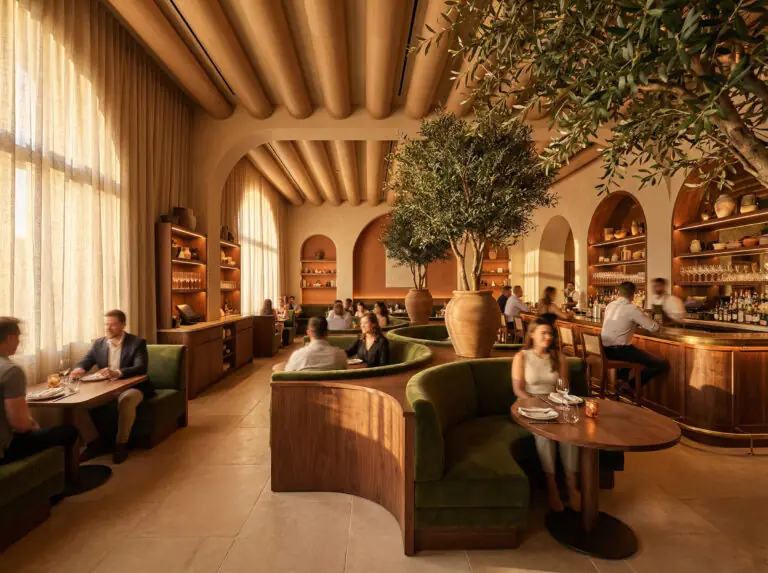
If the last few years were about survival and adaptation, 2026 is the year of connection.
The era of the “sterile industrial” coffee shop—with its cold concrete floors, exposed ductwork, and uncomfortable metal stools—is officially behind us. As we move through 2026, hospitality design is undergoing a massive shift toward what industry experts are calling “Emotional Architecture.” It is no longer enough for a space to look good on a screen; it has to feel good to the human body and spirit.
Whether you are launching a new bistro, a high-volume cafe, or refreshing a tired neighborhood bar, the trends for 2026 are defined by warmth, hyper-personalization, and a seamless blend of invisible technology.
Here is your comprehensive, deep-dive guide to the bar, cafe, and restaurant design trends defining 2026.
📋 Key Takeaways: The 2026 Hospitality Snapshot
1. The Aesthetic Shift: From “Cool Industrial” to “Warm Minimalism”
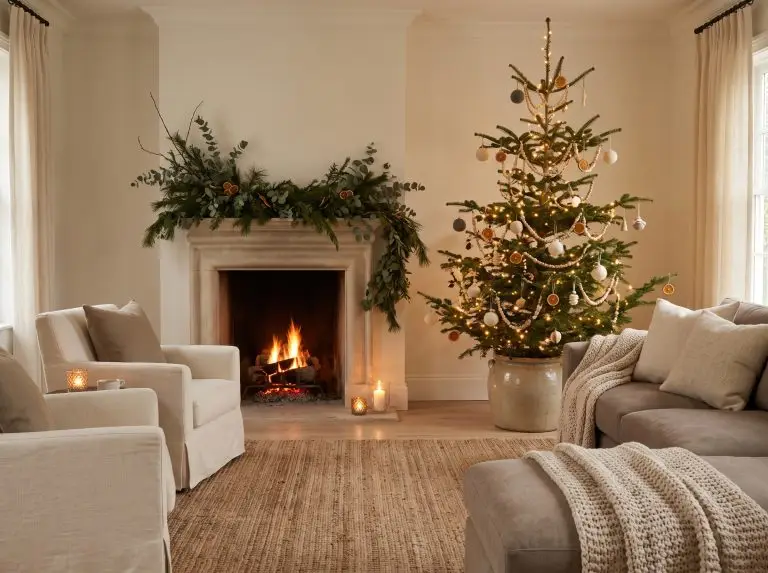
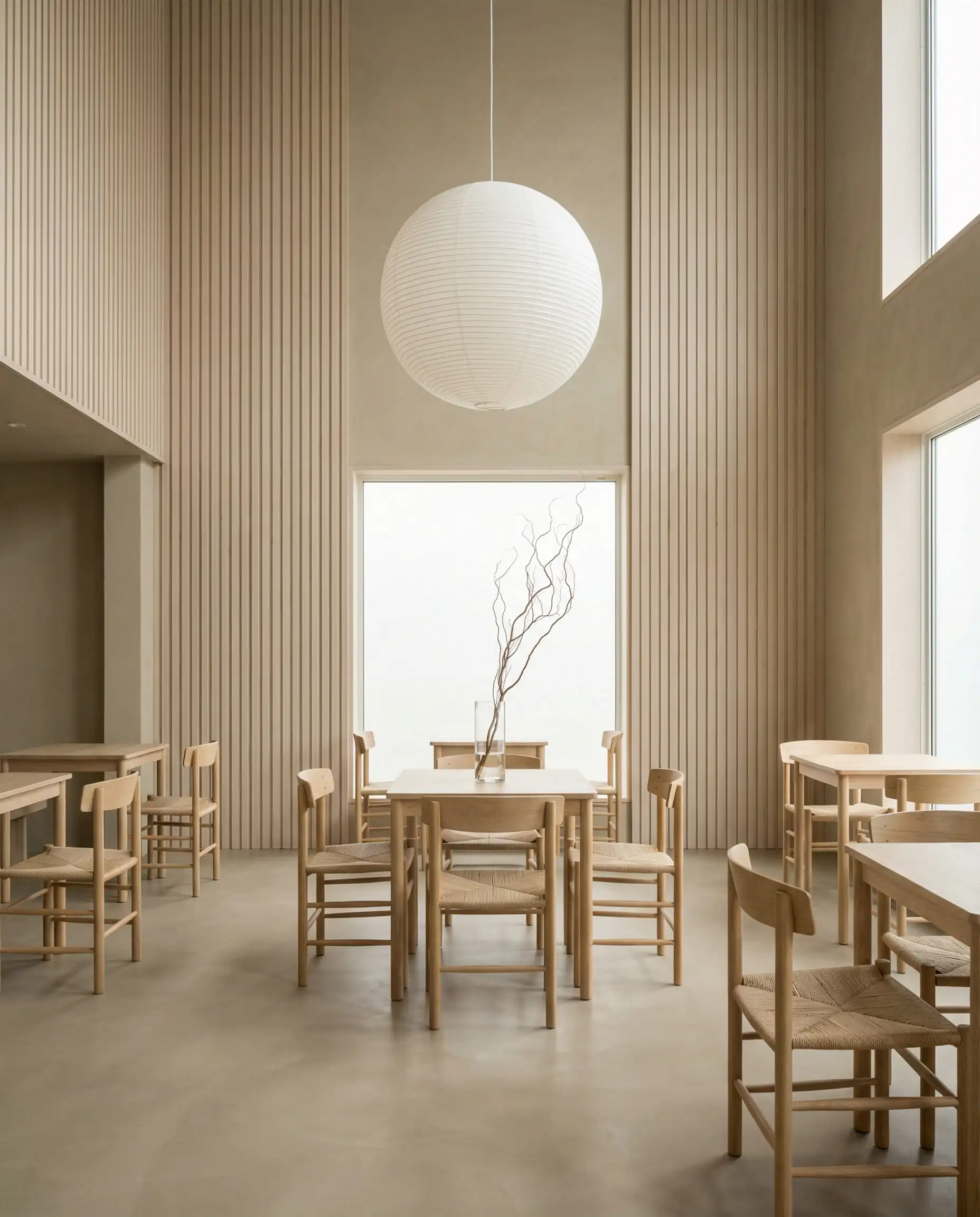
The most immediate change guests will notice in 2026 is the visual temperature of the room. We are seeing a decisive move away from the stark whites, subway tiles, and cool grays of the early 2020s toward a style we call Warm Minimalism.
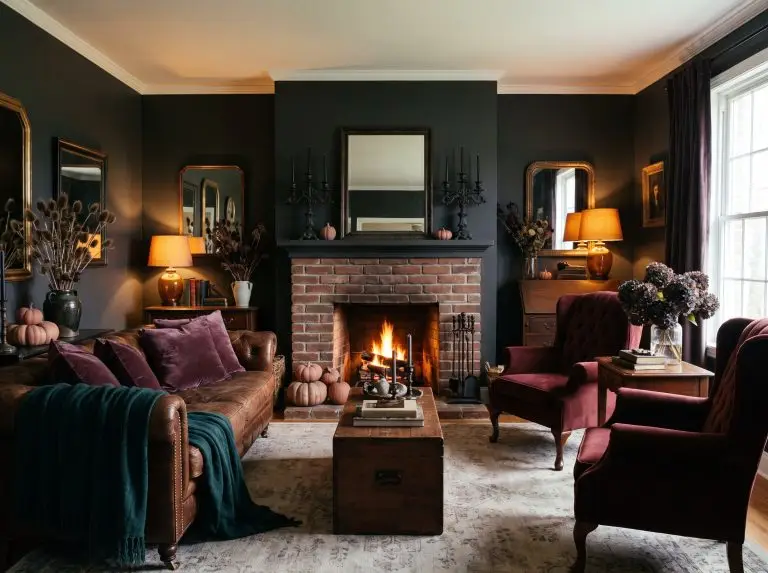
The “Truffle” and “Midnight” Palette
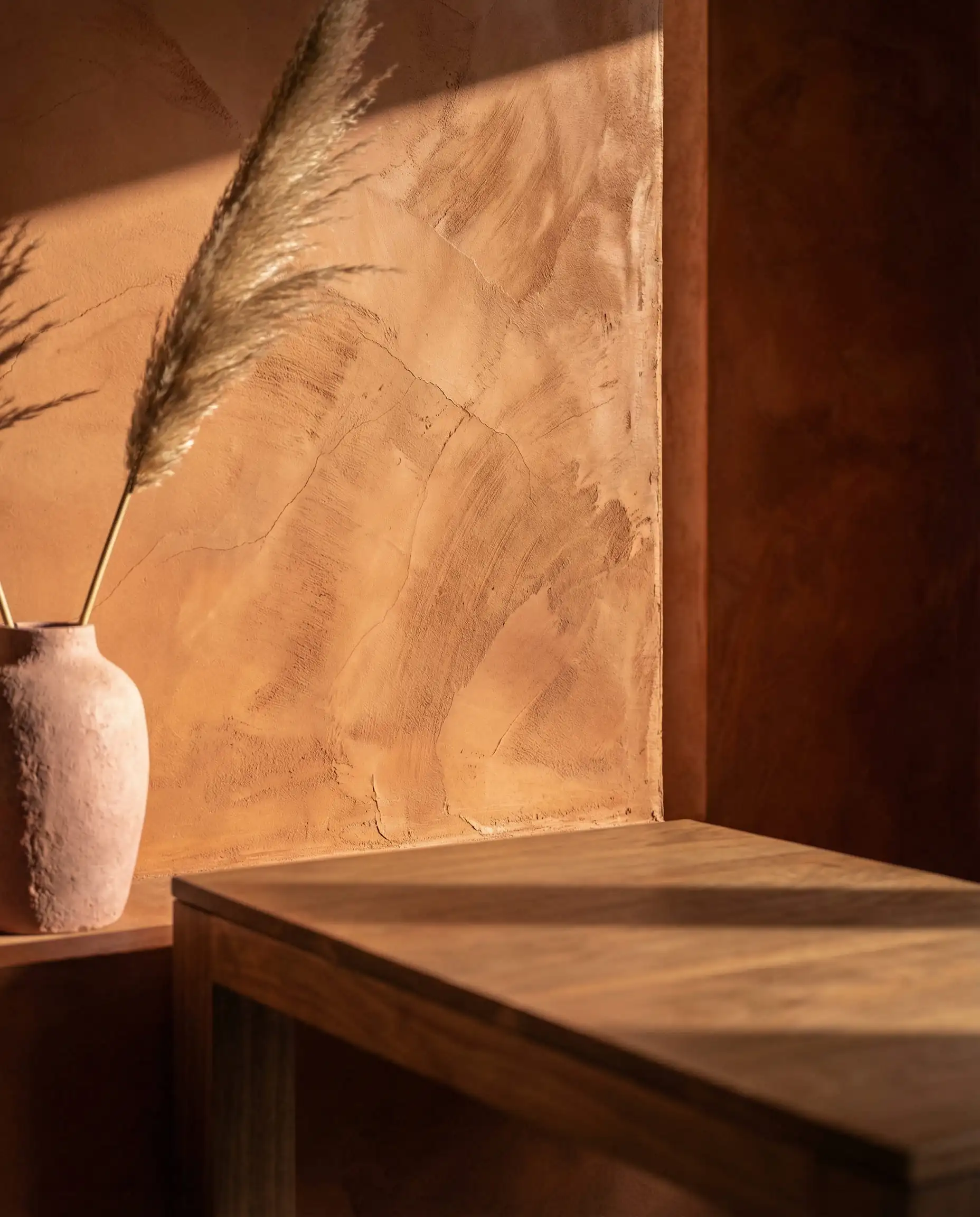
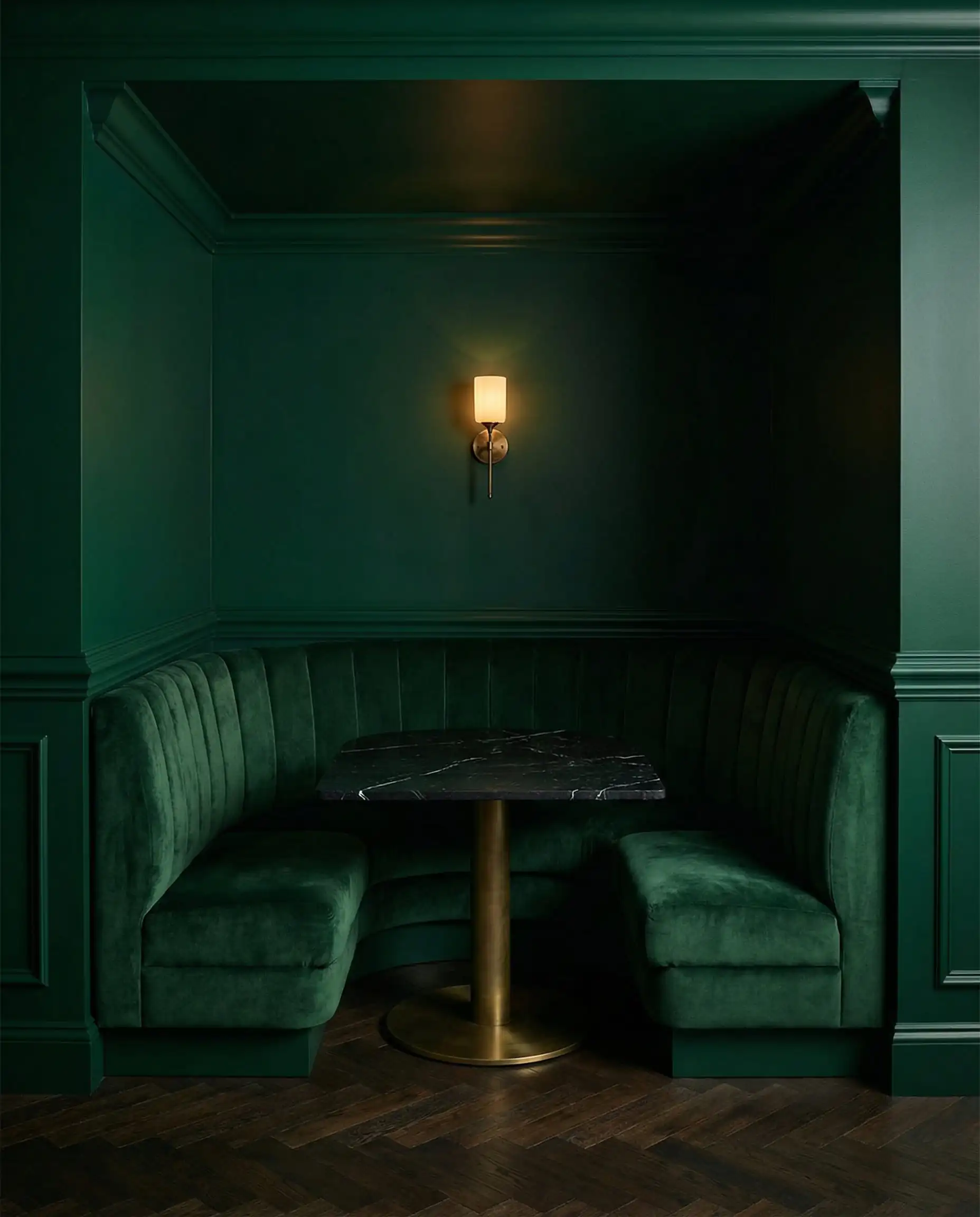
Guests are craving grounding environments. Design is responding with a resurgence of organic, clay-based, and deep-earth colors. The “Truffle” palette—variations of rich browns and warm taupes—is becoming the new neutral.
Tactile over Visual
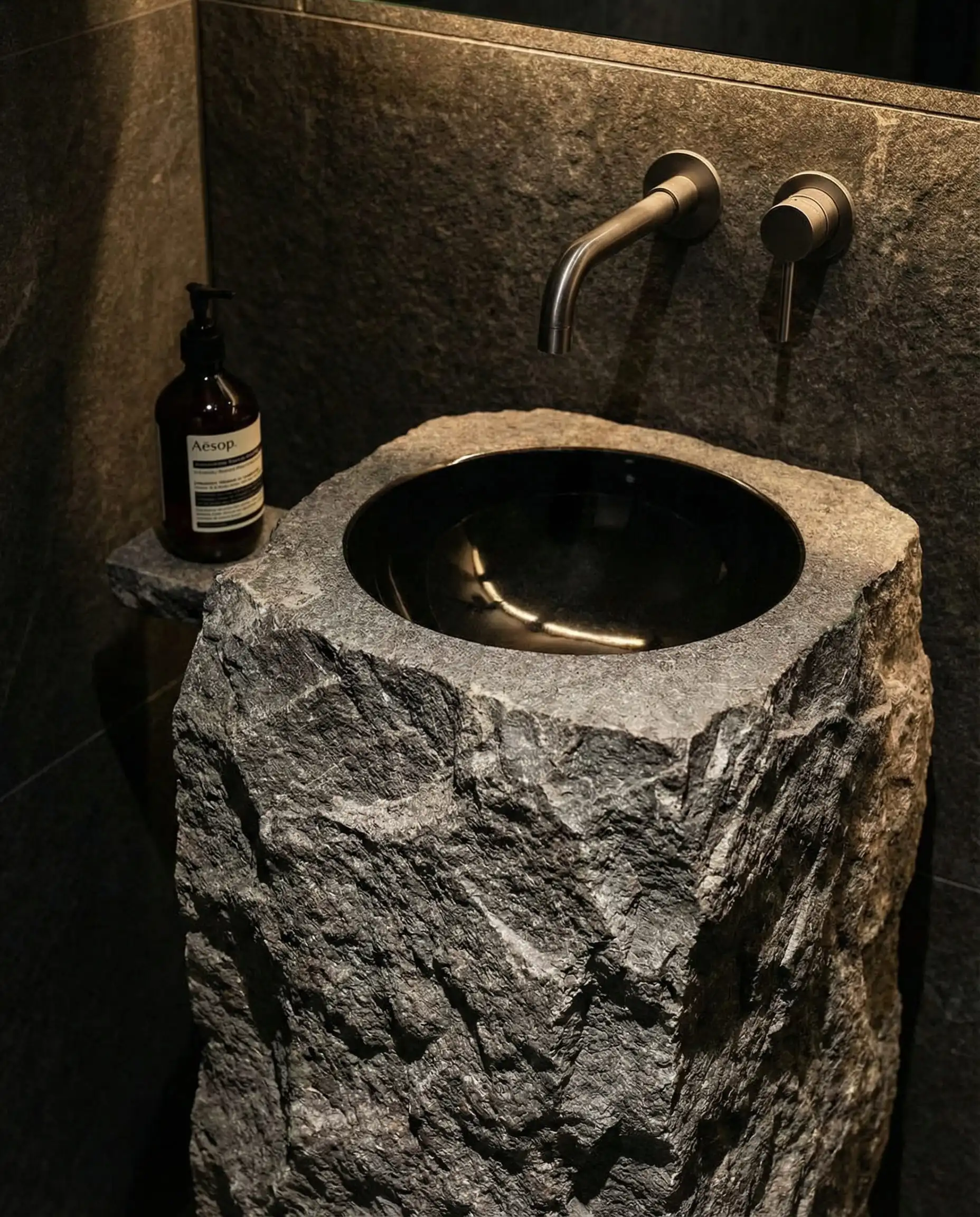
In 2026, texture is just as important as color. Since guests can order high-quality food delivery to their couch, the primary competitive advantage of a physical restaurant is the sensory experience. If a guest touches a surface, it should feel premium and natural.
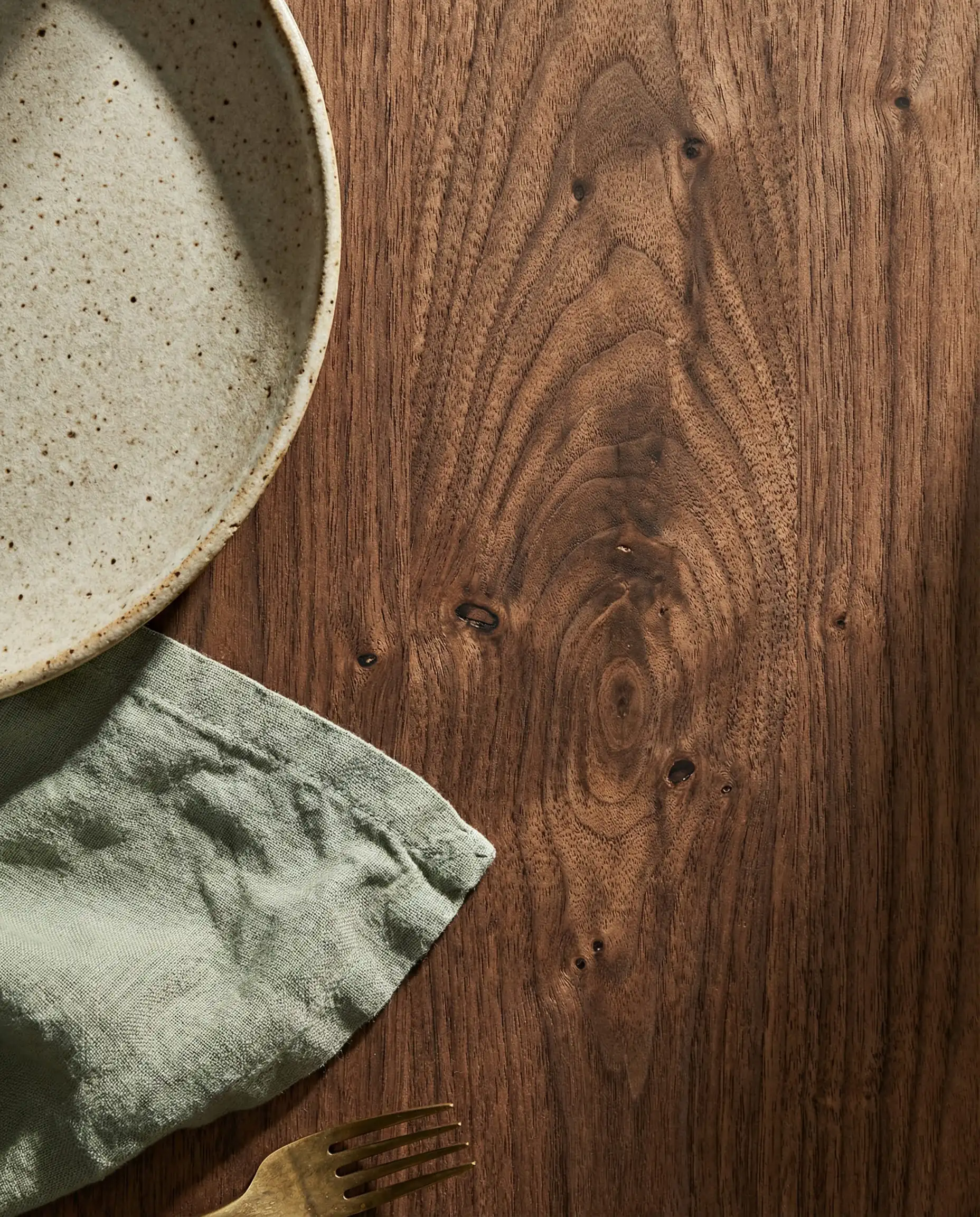
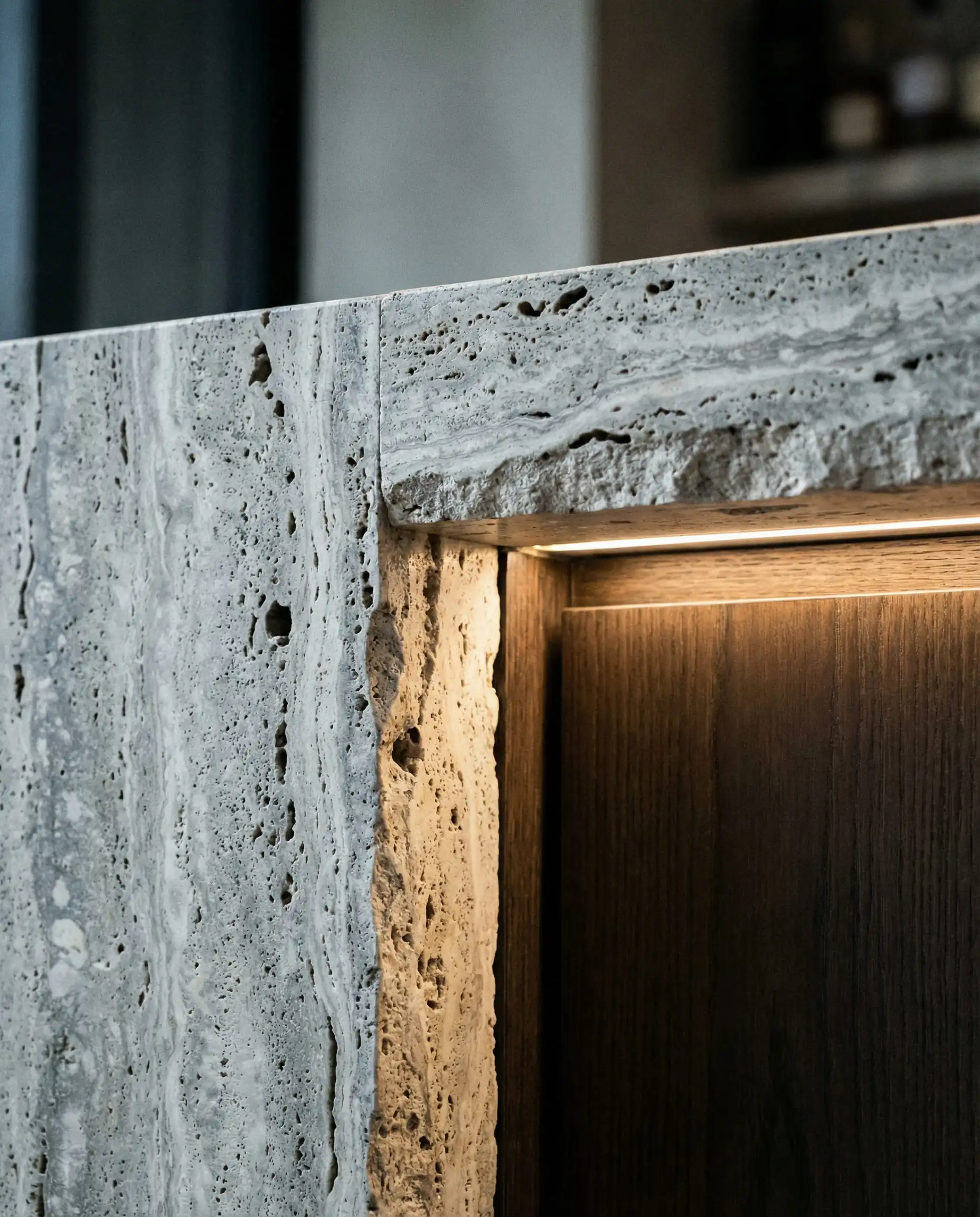
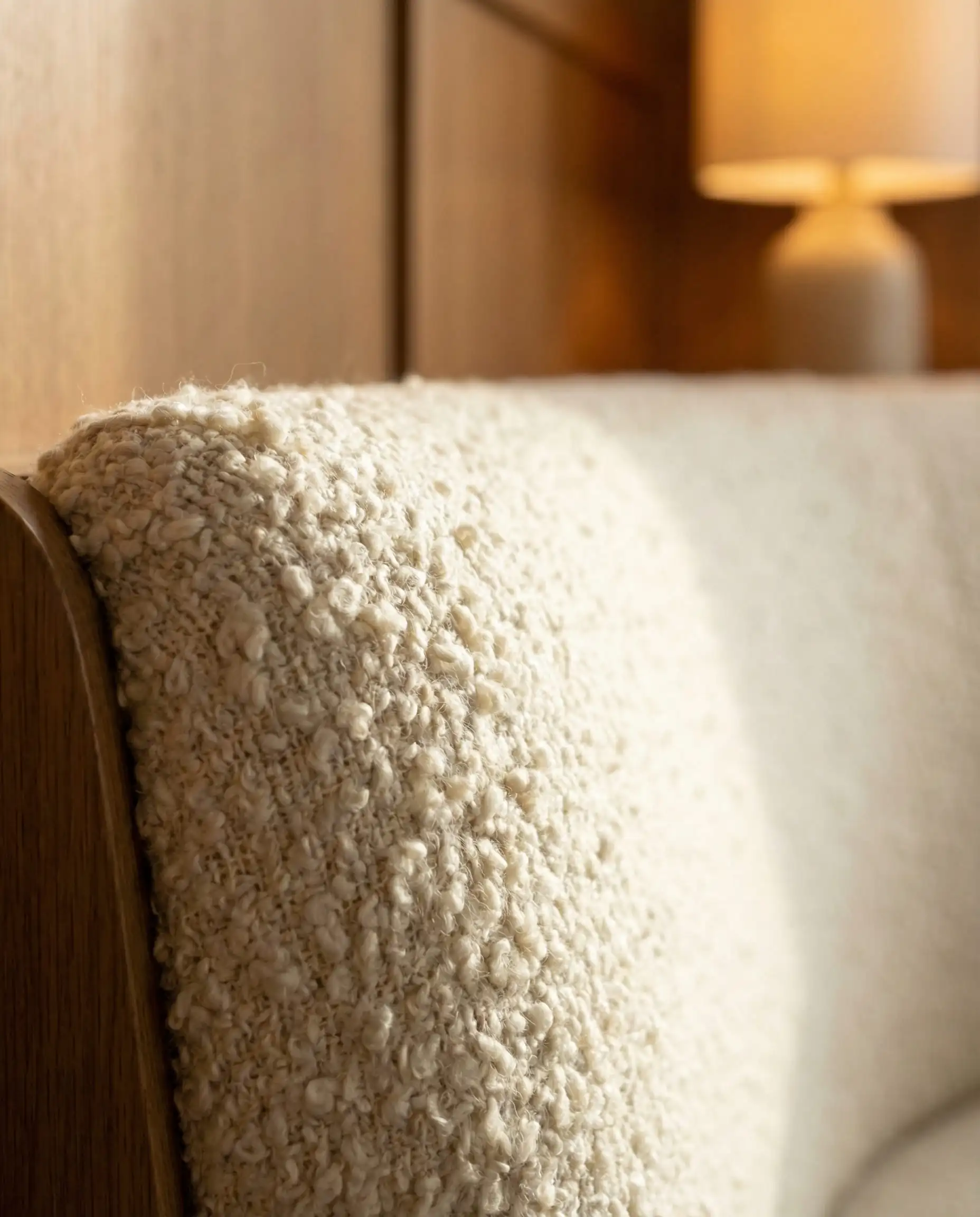
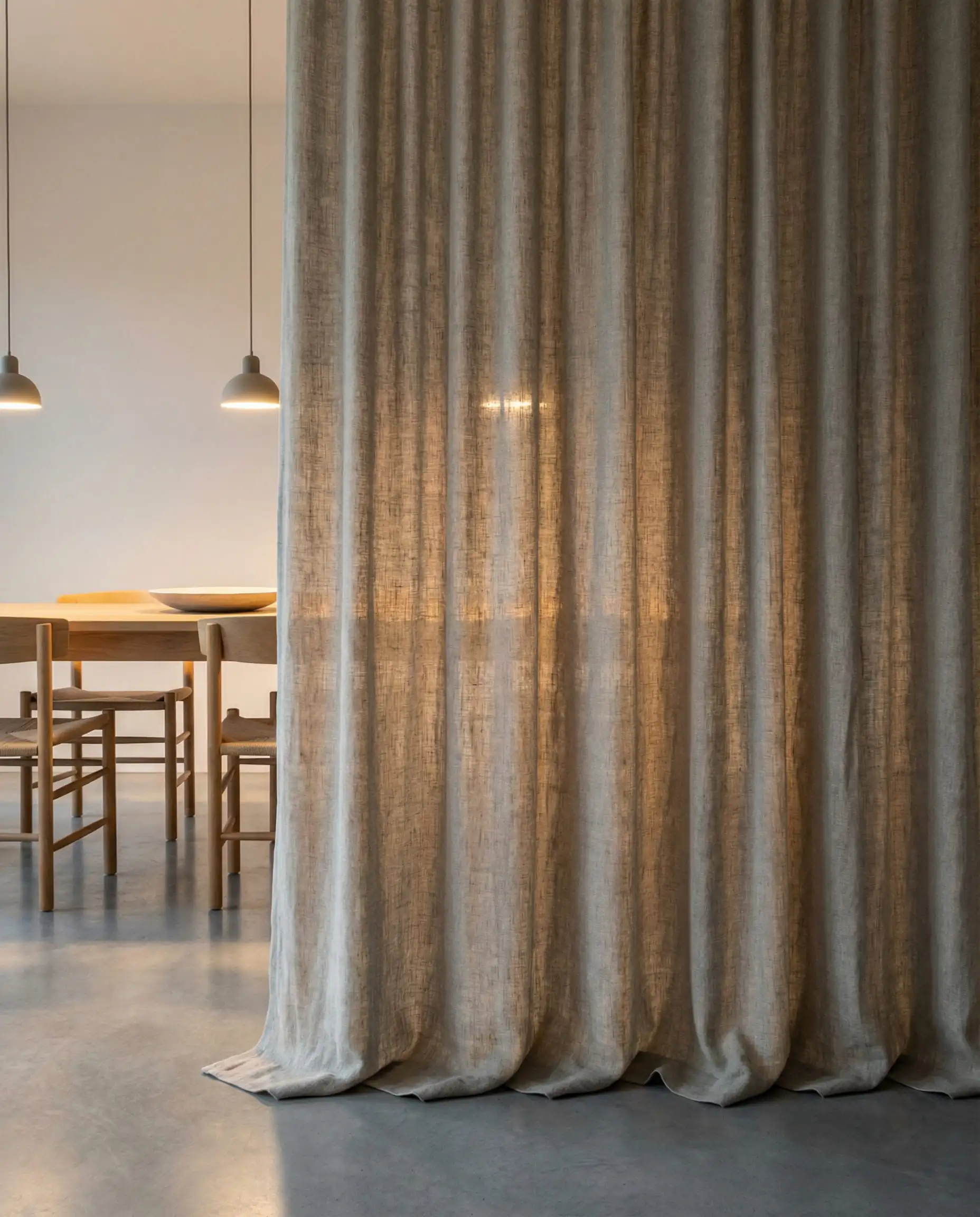
If you are updating your flooring, consider moving away from polished concrete. Engineered hardwood or large-format terracotta tiles will instantly warm up the acoustics and visual temperature of the room.
Design Tip
2. The “Third Place” Evolution: Cafes as Micro-Hubs
The “Third Place” concept (a place that is neither home nor work) has evolved. In 2026, cafes are no longer just pit stops for caffeine; they are flexible hybrid hubs that must cater to two distinct tribes: the “Digital Nomad” and the “Express Commuter.”
Zoning for the Digital Nomad
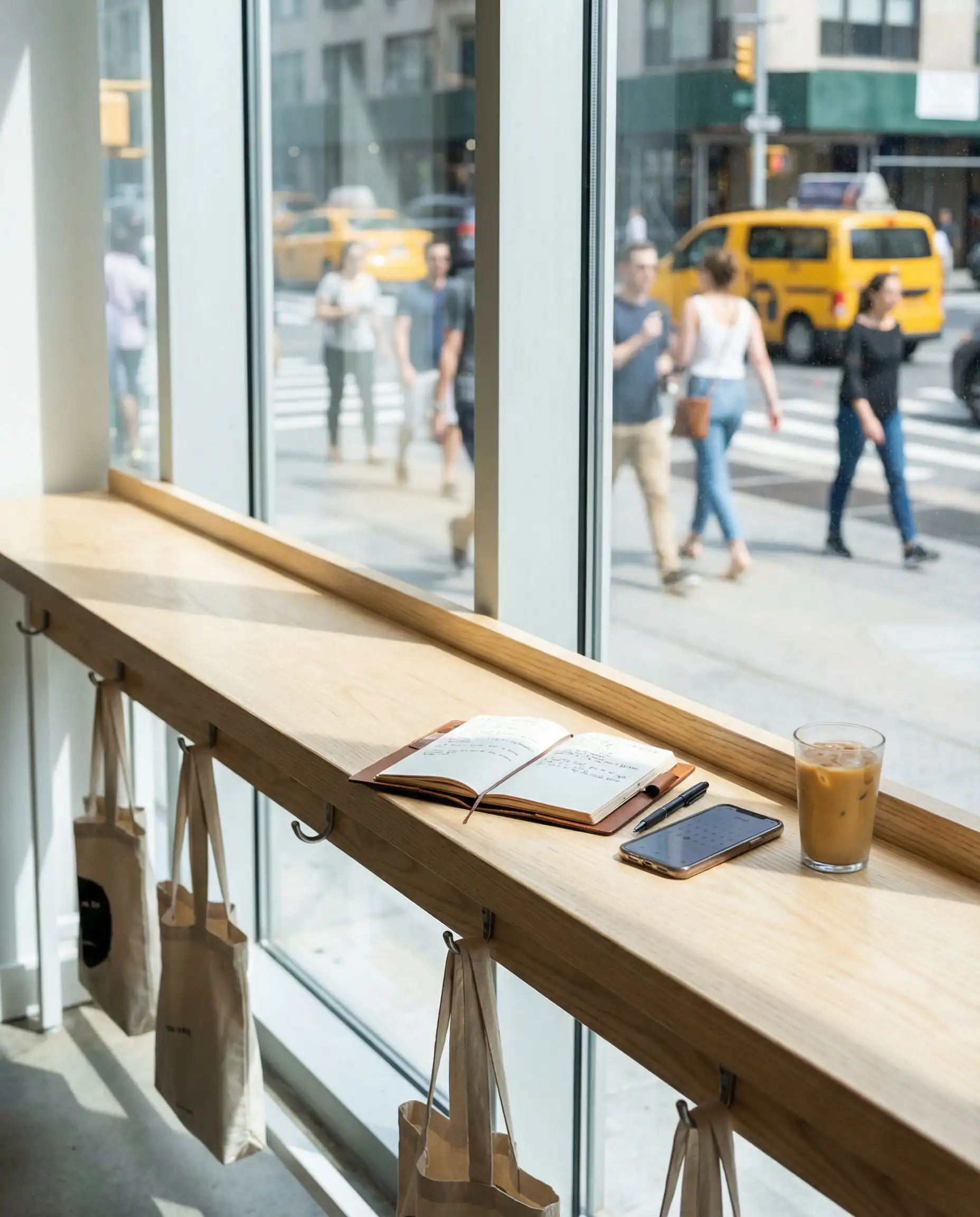
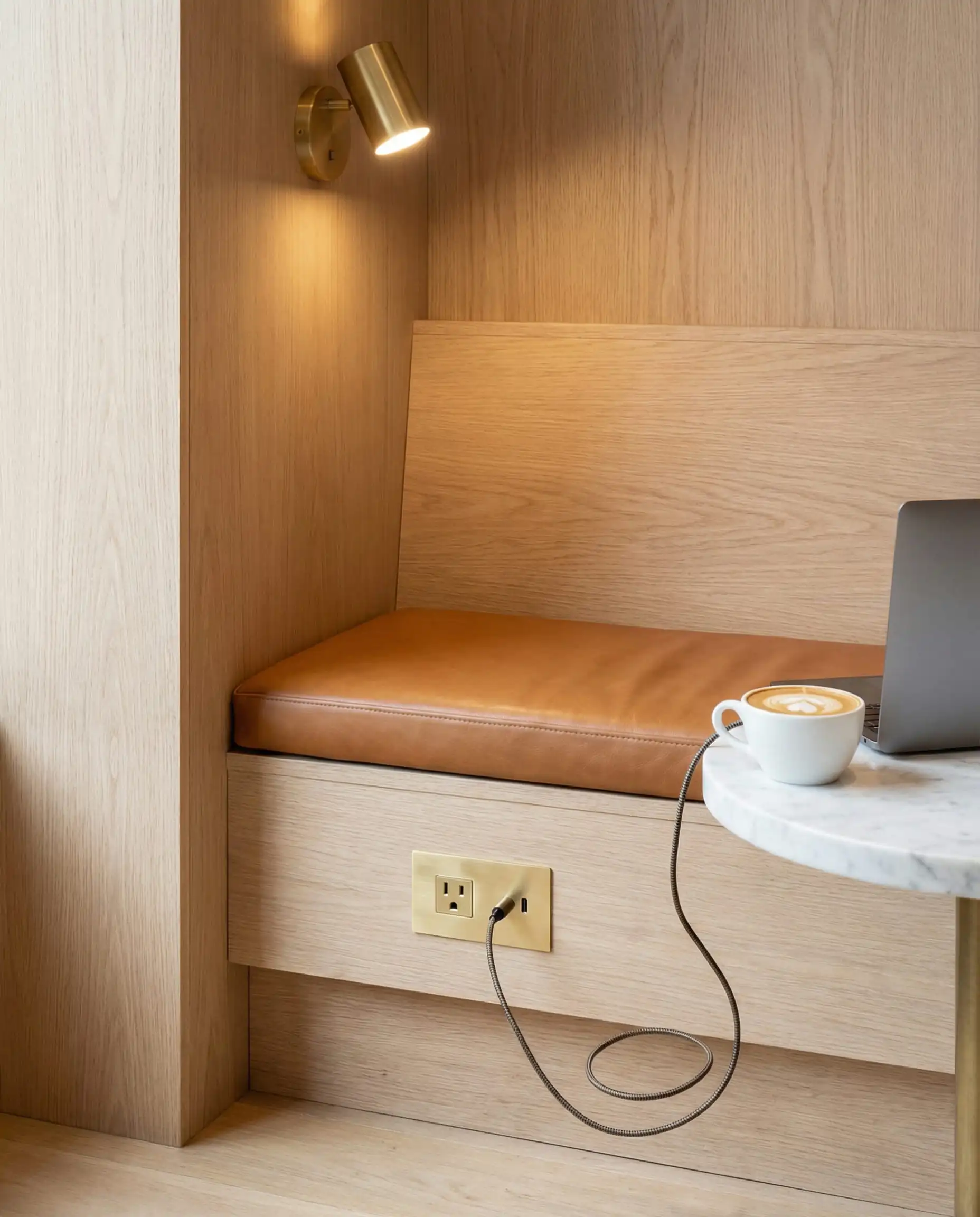
The war against laptops is over. Successful cafes are now embracing the remote worker by designing specific “Deep Work Zones” distinct from social areas.
The “Grab-and-Go” Lane
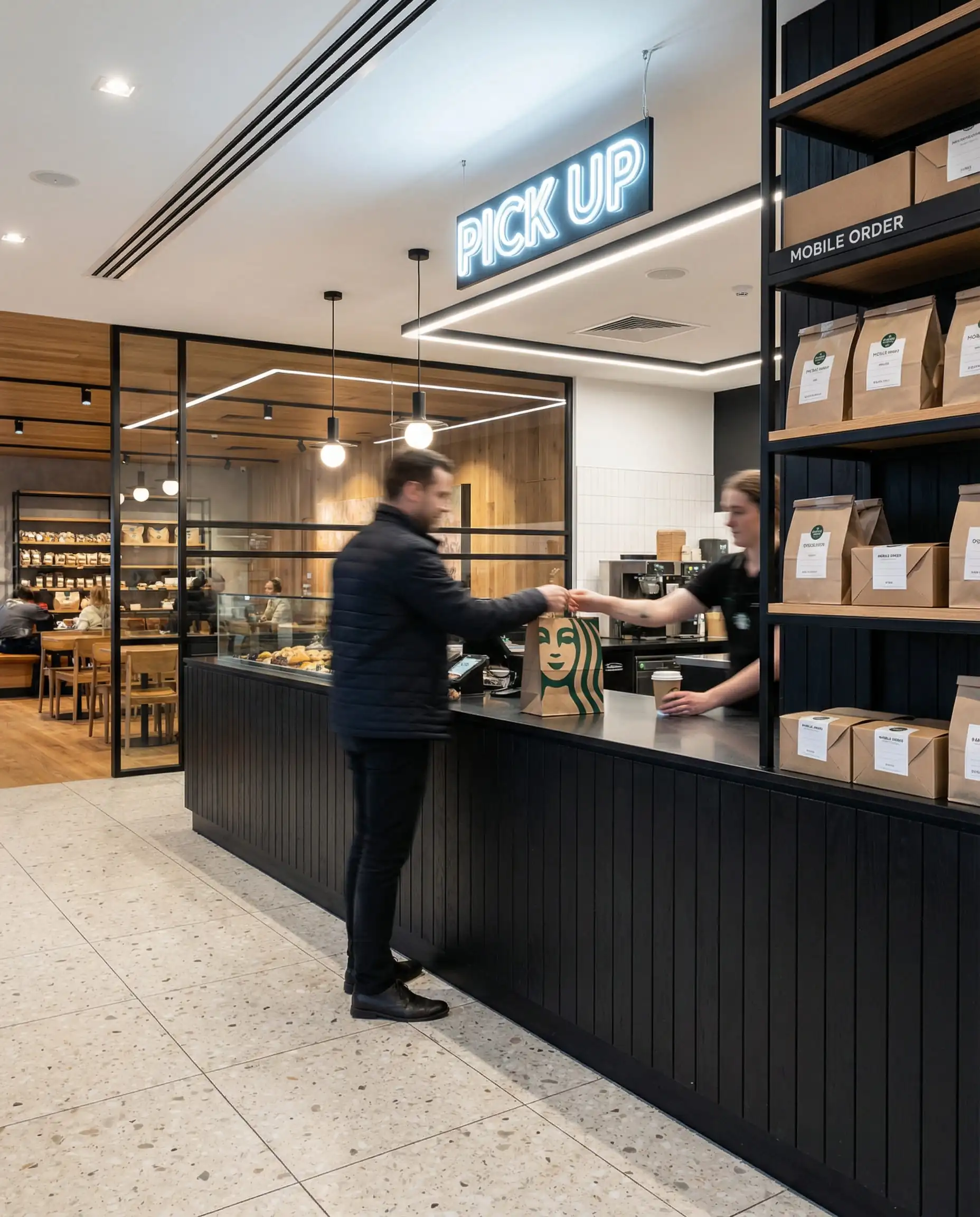
To prevent the “laptop army” from clogging the flow for quick customers, 2026 layouts often feature a dedicated express lane or a pickup window. This “Ghost Lane” allows mobile orders to be picked up without the customer ever having to navigate the main dining floor, preserving the relaxed vibe for seated guests.
3. The Restaurant as Theater: Immersion & Layout
Dining out in 2026 is a form of entertainment. With the cost of dining rising, guests demand a “show.” The barrier between the “Back of House” (kitchen) and “Front of House” (dining room) is dissolving completely.
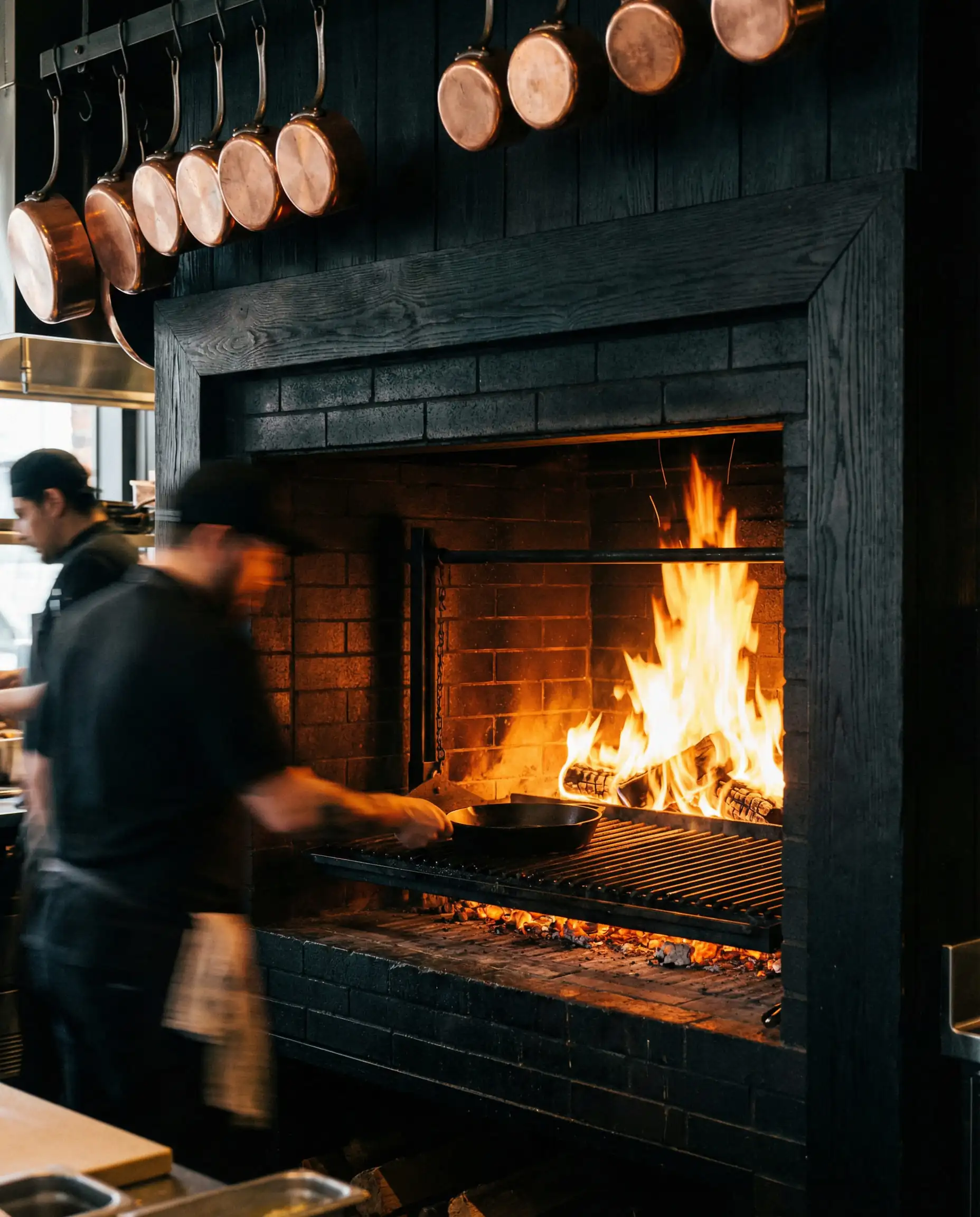
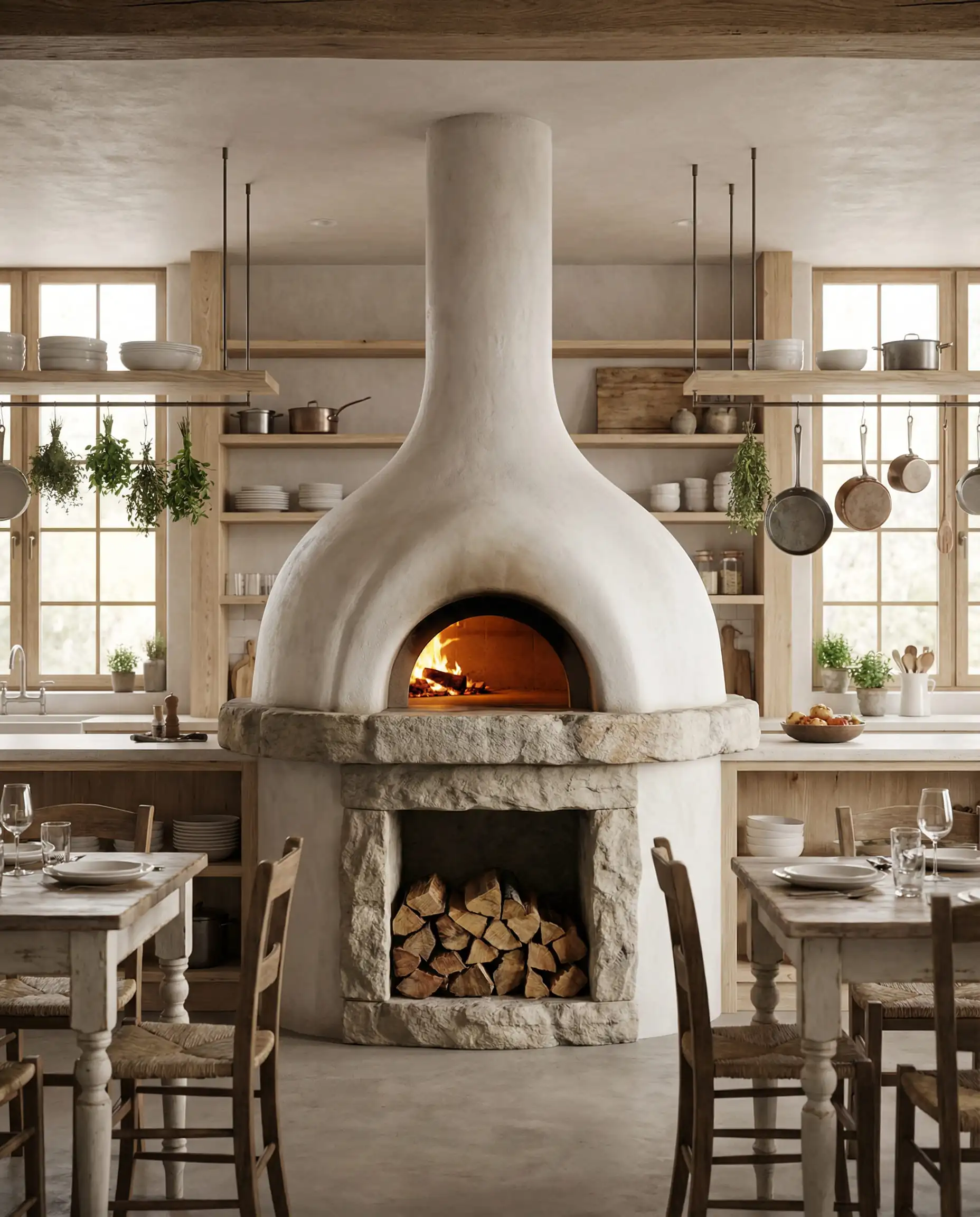
The Open Fire Kitchen
Open kitchens are standard, but the trend is moving toward primitive cooking methods on display. Wood-fired grills, rotisseries, and clay ovens are placed front and center. This taps into a primal desire for warmth and fire, acting as a natural focal point (and heating source) for the room. It transforms the waiting time into an engaging visual experience.
When outfitting these open kitchen setups, operators frequently rely on leading commercial catering equipment brands to ensure both aesthetic integration and heavy-duty performance under display.
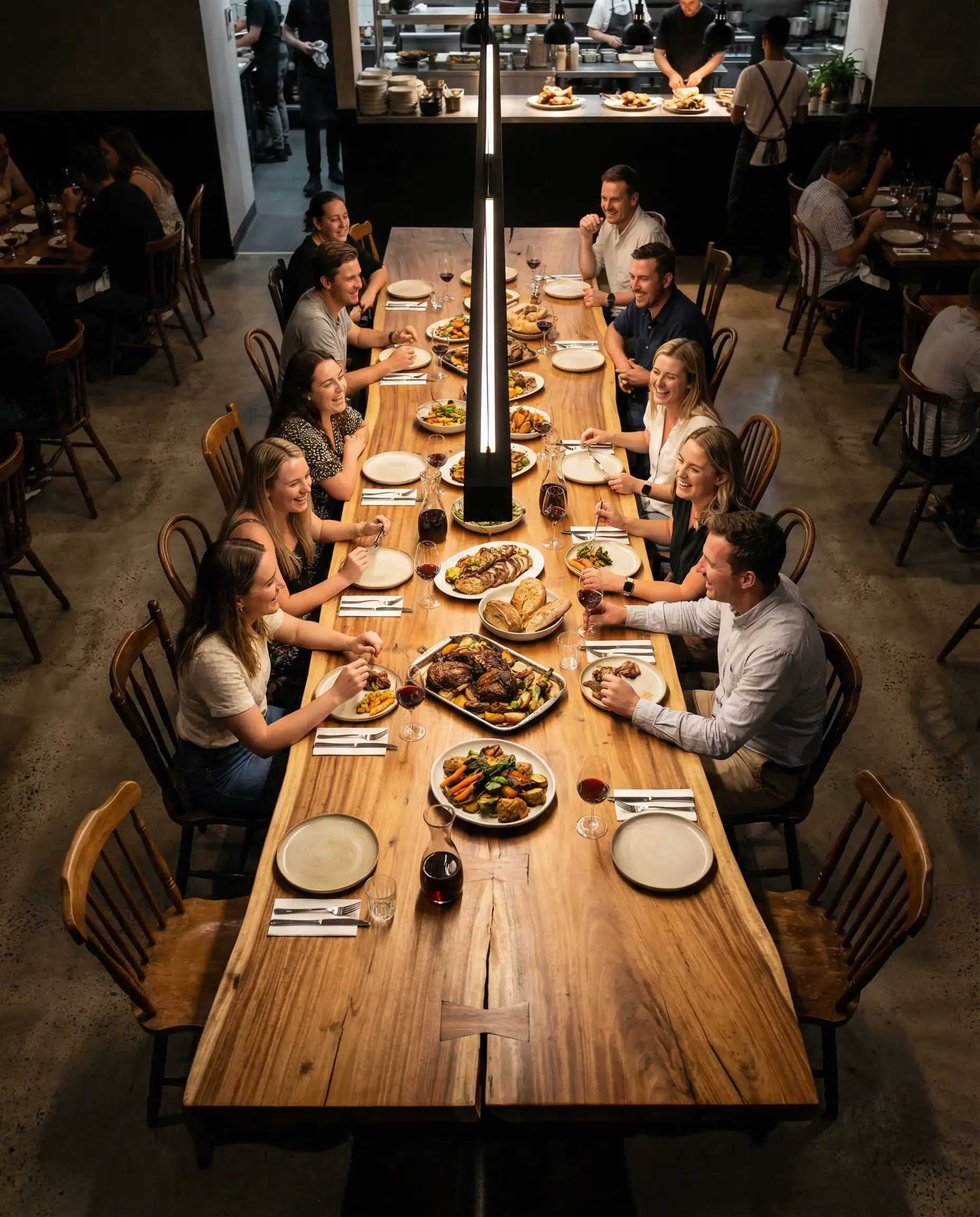
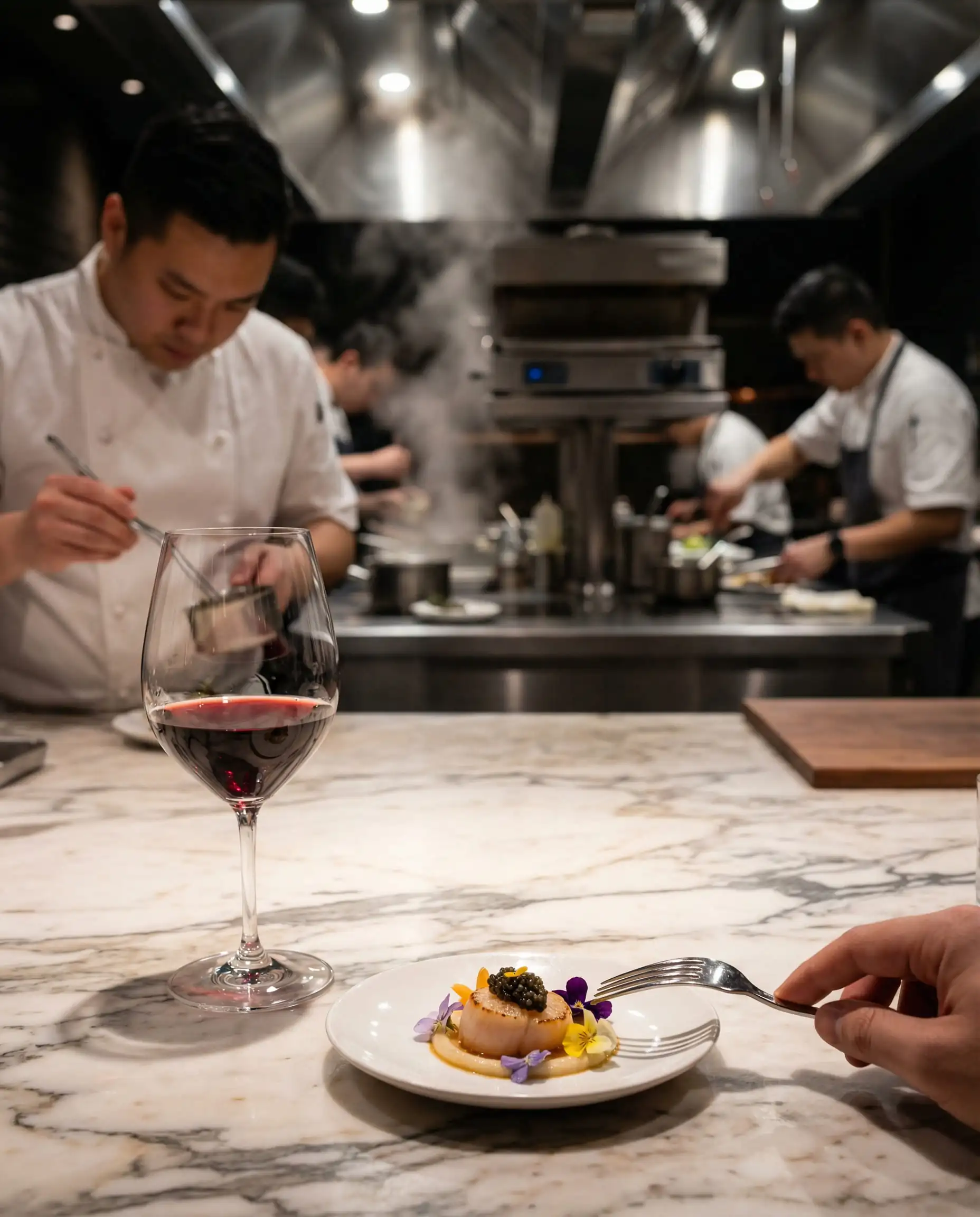
Flexible Seating & “The Chef’s Counter”
Rigid rows of two-tops are disappearing. They are being replaced by dynamic seating arrangements that encourage social friction (the good kind).
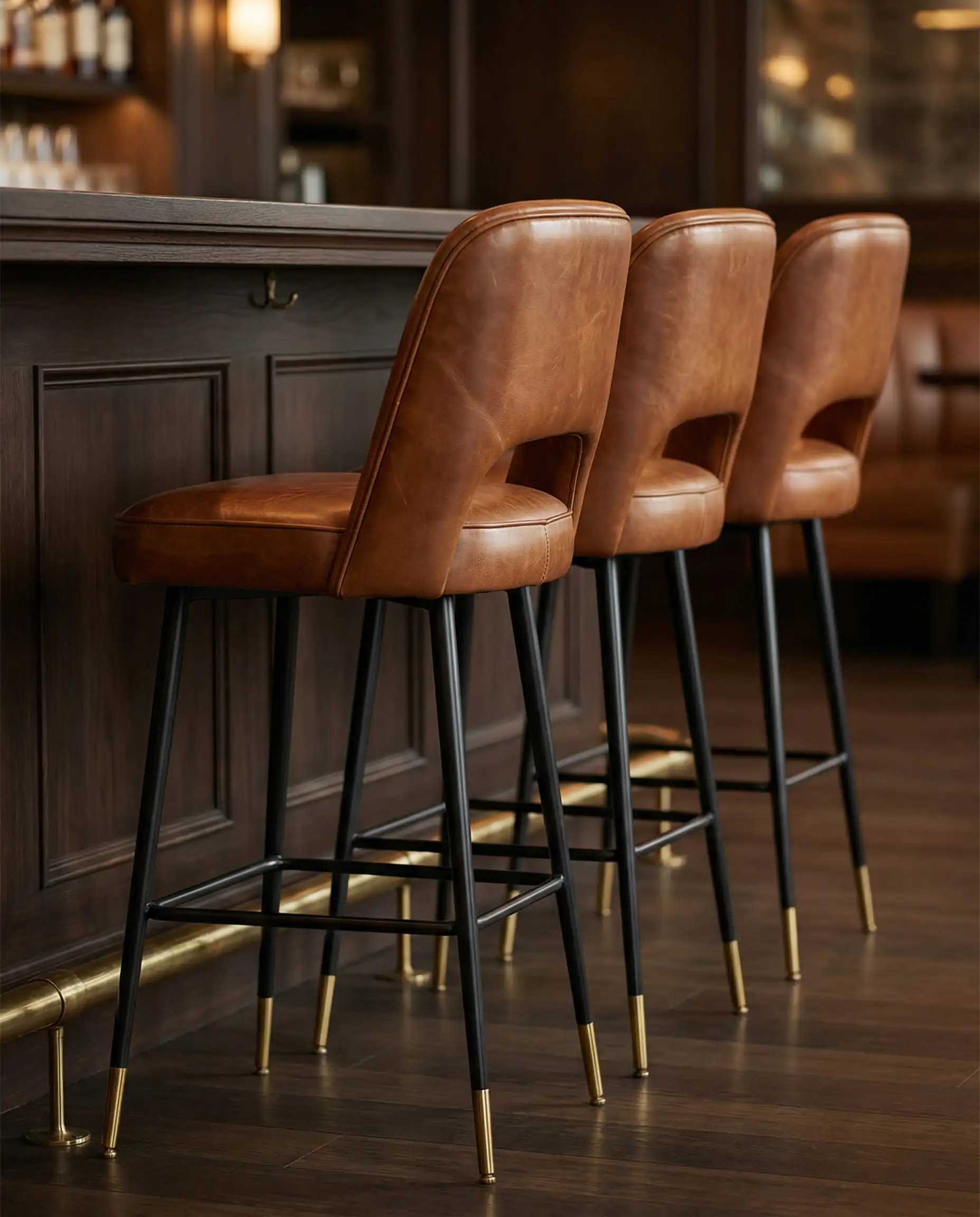
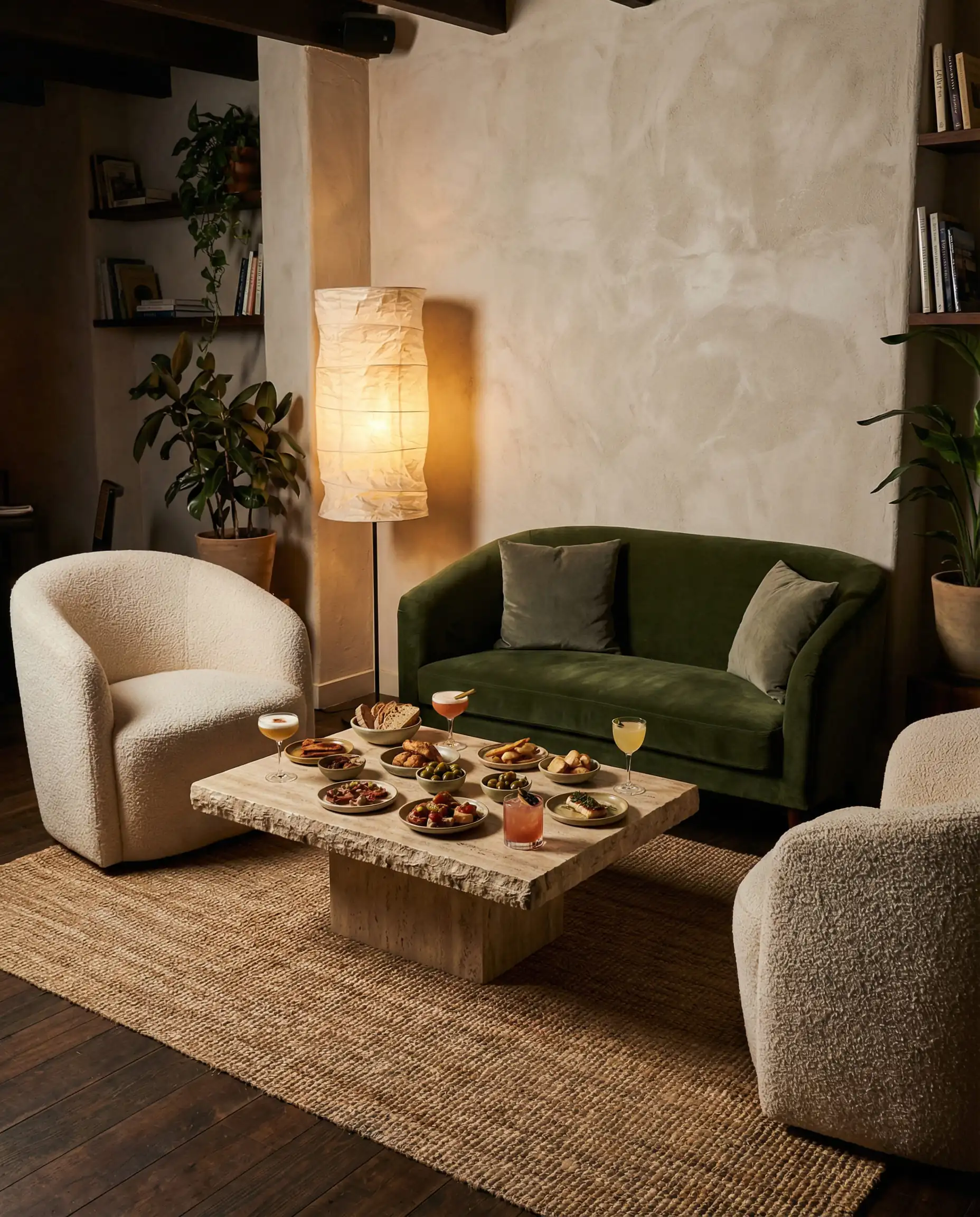
Looking for the perfect seat? Check out our guide on Modern Chairs and Armchairs Trends to see what shapes are dominating this year.
4. The “Showpiece” Bar & The Sober-Curious Movement
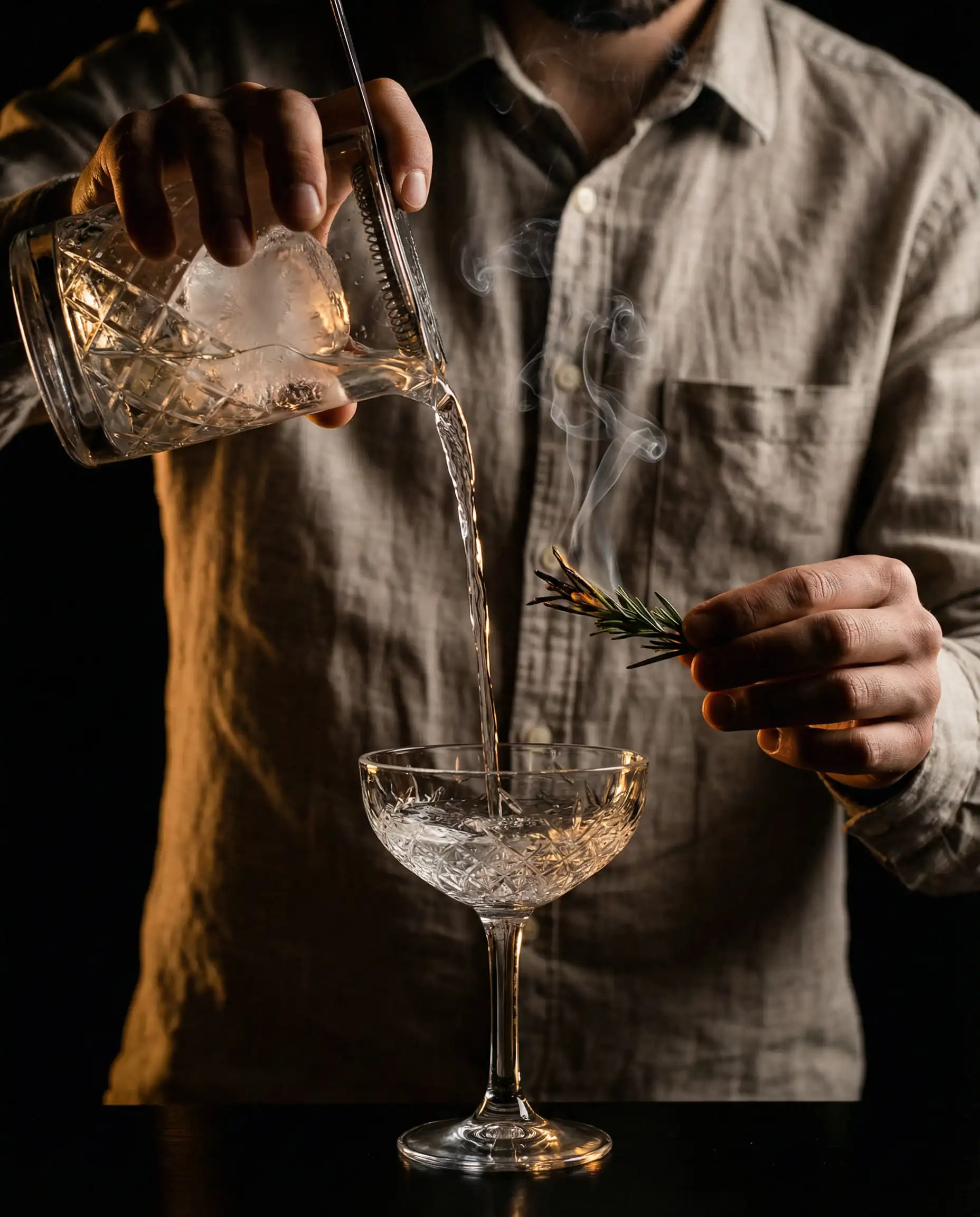
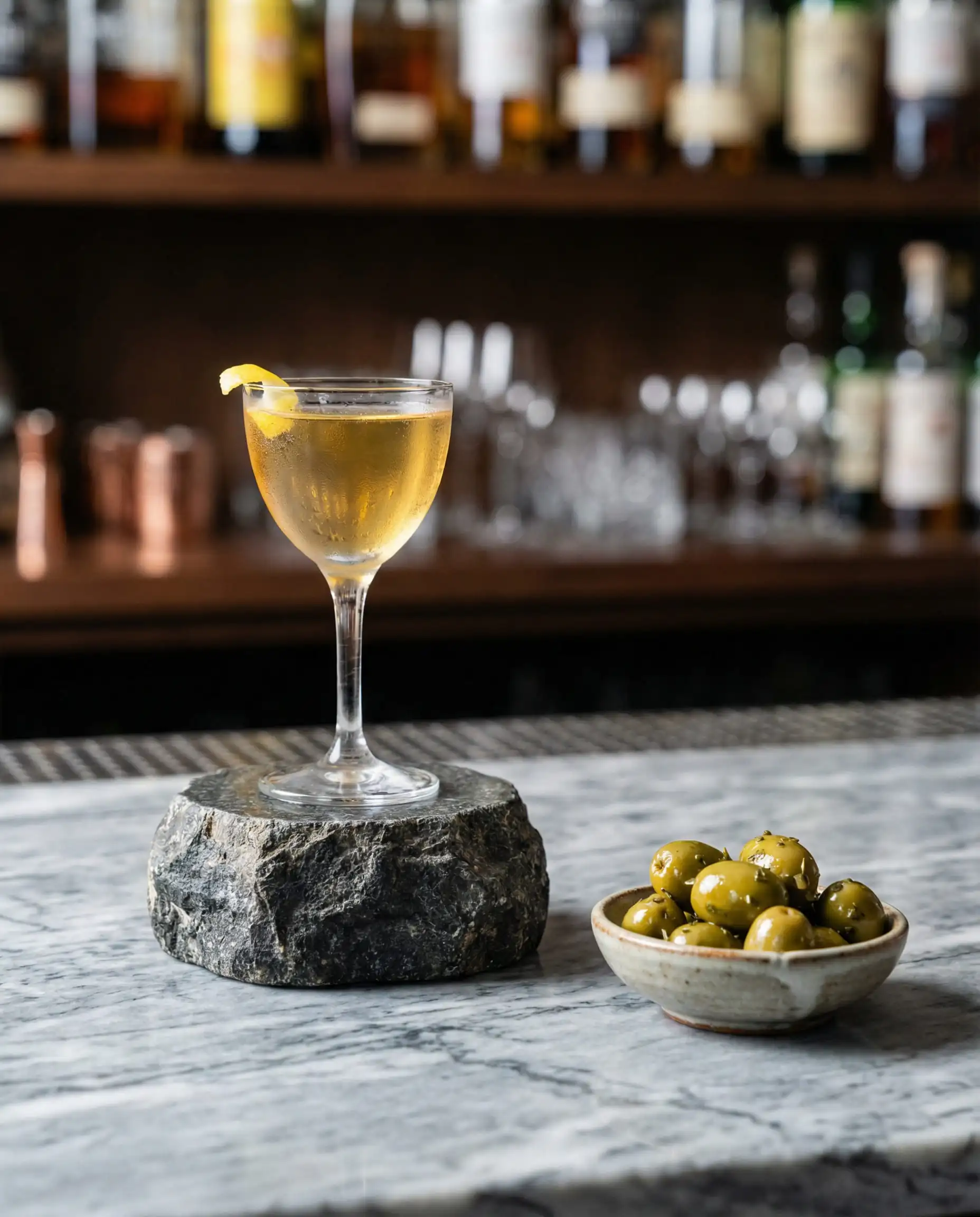
Bar design is seeing a divergence based on the changing drinking habits of 2026. With the rise of the “Sober Curious” movement, bars are no longer just about displaying liquor bottles; they are about displaying alchemy.
The Alchemy Counter
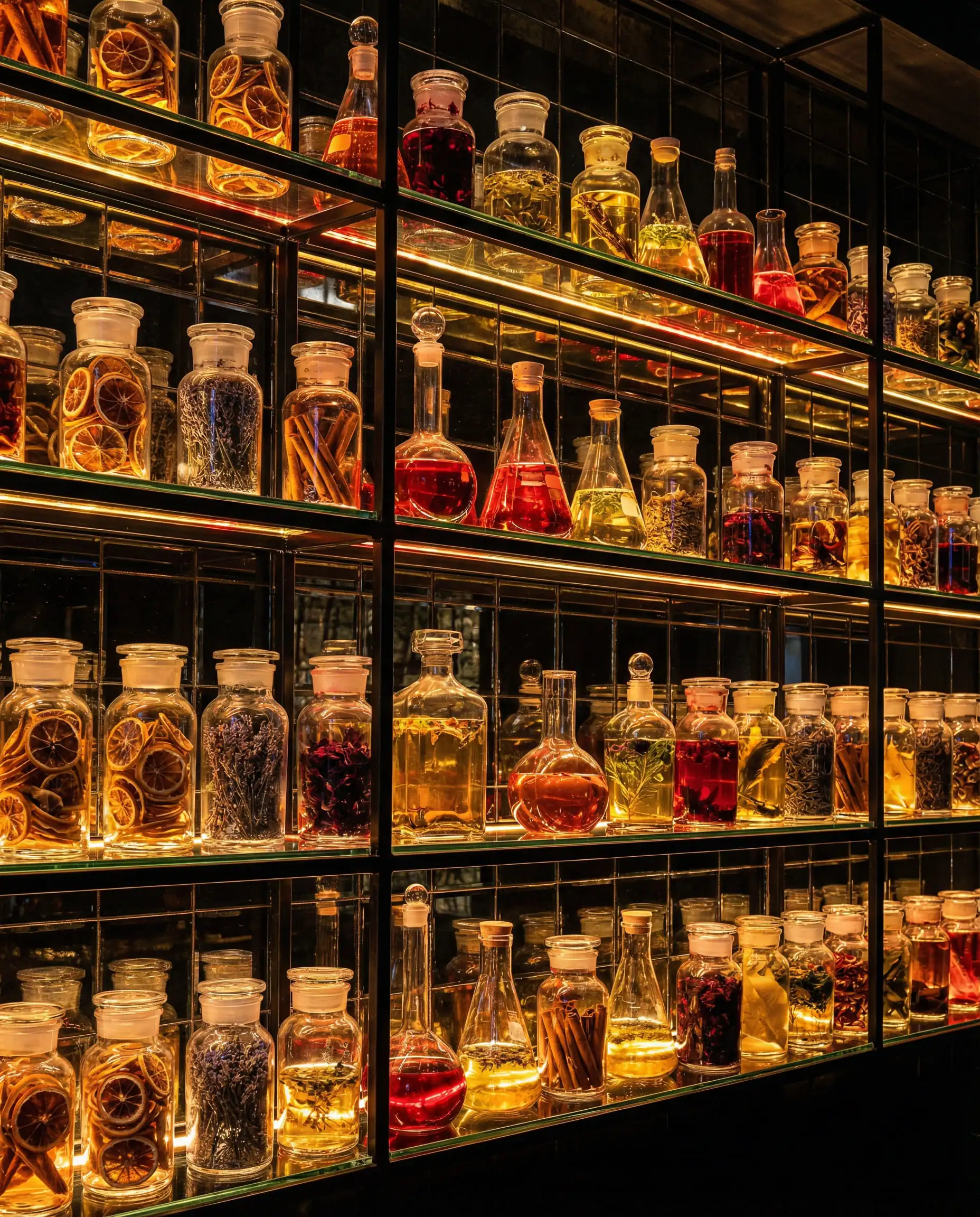
The back bar is changing. Instead of rows of branded vodka bottles (which can feel like a billboard), shelves are filled with house-made infusions in unbranded glass jars, fermentation vessels, and fresh herbs. The design feels more like an apothecary or a laboratory than a liquor store. This signals to the guest that the craft is the focus, whether the drink contains alcohol or not.
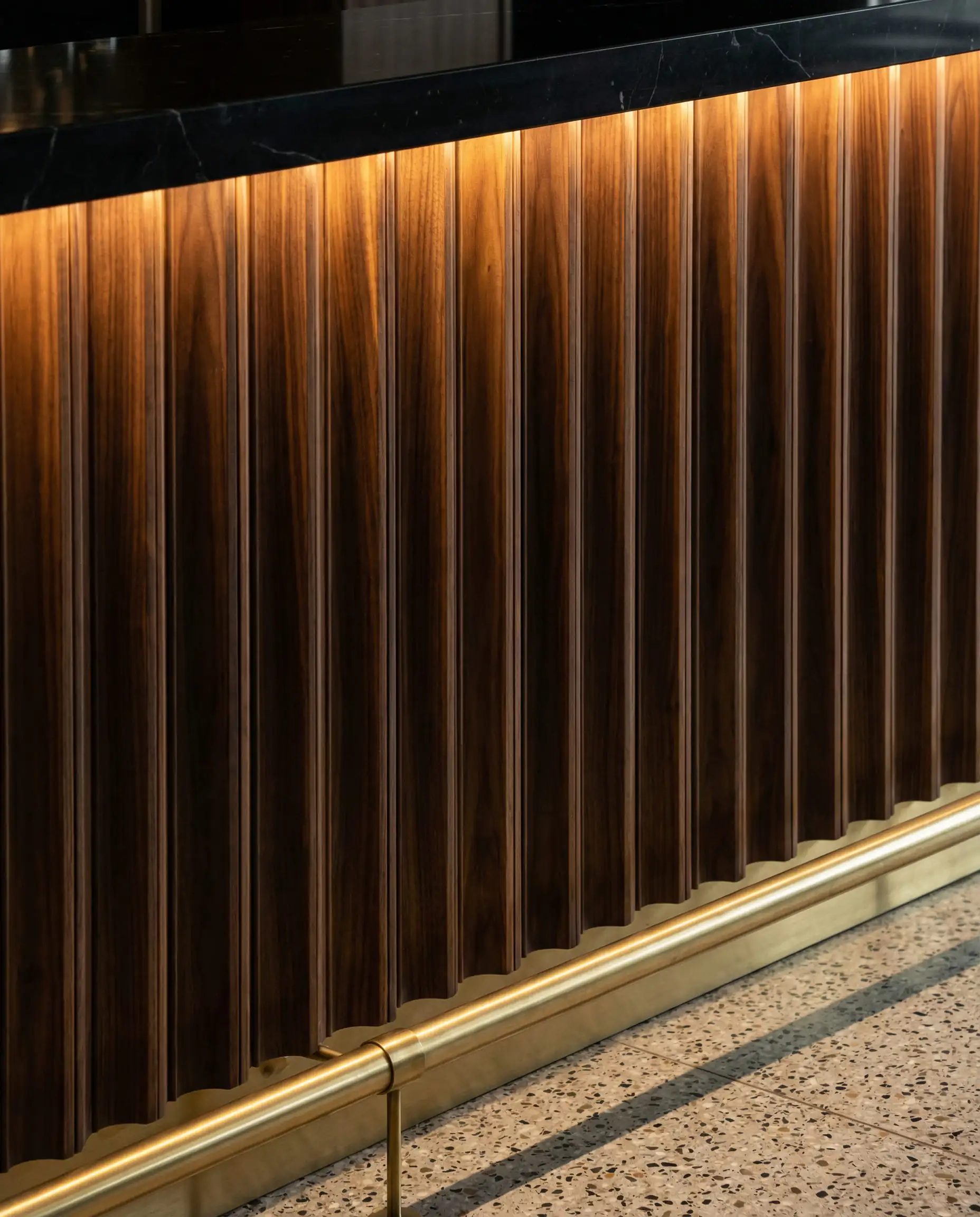
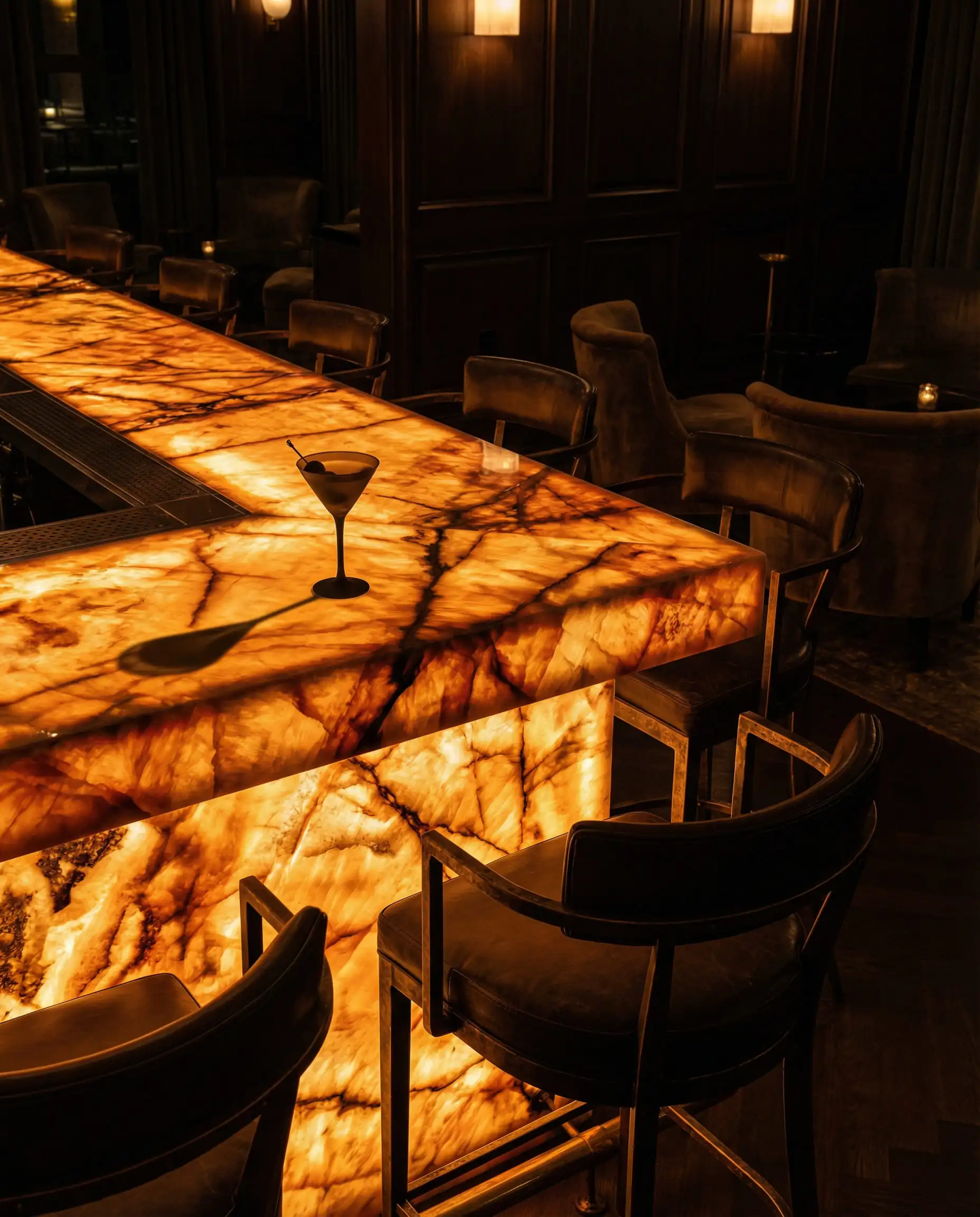
The Statement Bar Front
The front of the bar is the single most photographed element in hospitality projects right now.
Moody, Low-Level Lighting
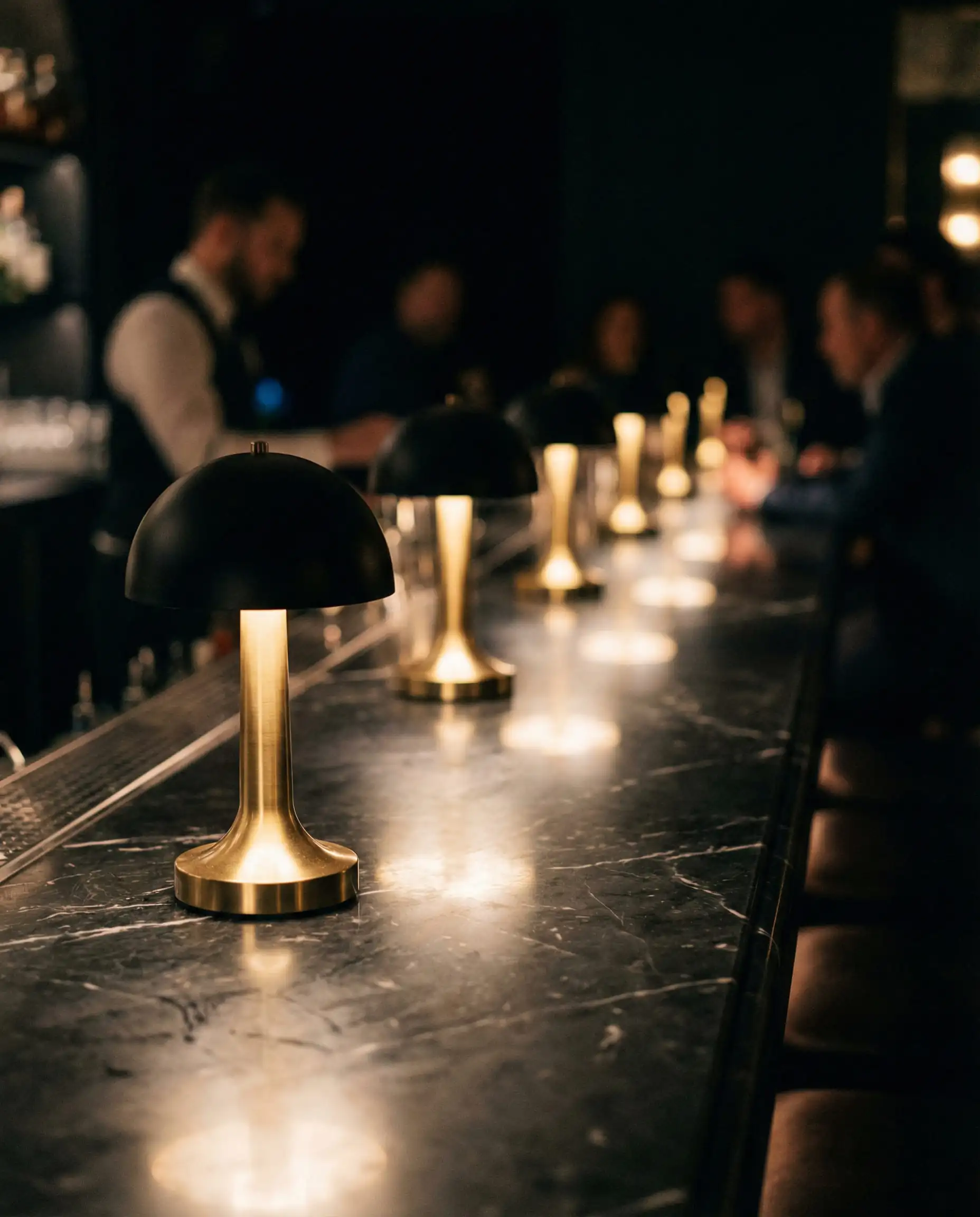
Lighting is lower and moodier than ever. Wireless table lamps are now standard, replacing overhead pendants to create intimacy. This allows the ceiling to be cleaner and the focus to remain on the people and the drinks.
(See more on how to light these spaces in our Lighting Trends article).
5. Technology: Invisible and Seamless
In 2026, technology in hospitality is omnipresent but invisible. The goal is to remove friction without removing the human element. We are moving away from “tech for tech’s sake” (like clunky tableside tablets) toward “Ambient Intelligence.”
Circadian Lighting Systems
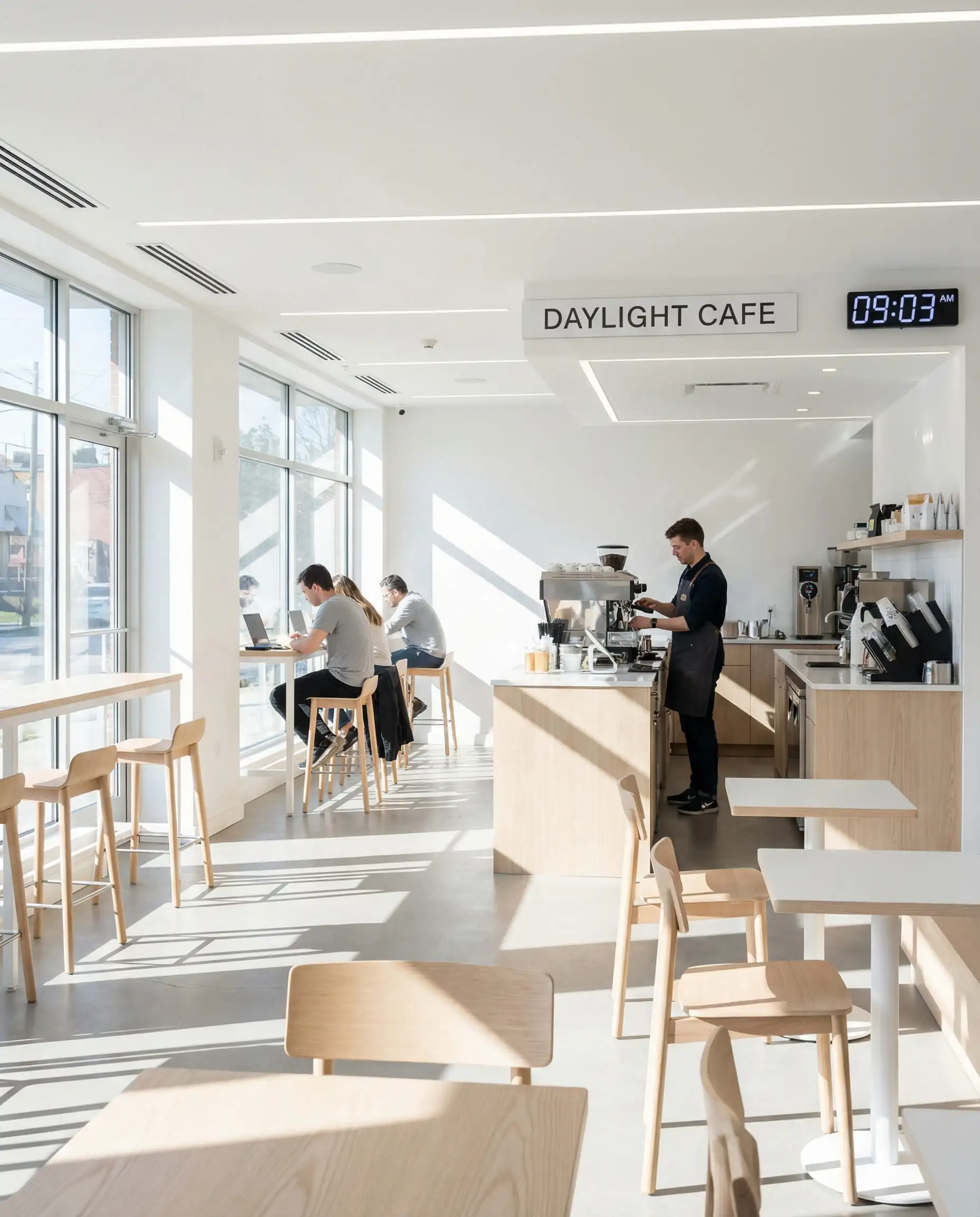
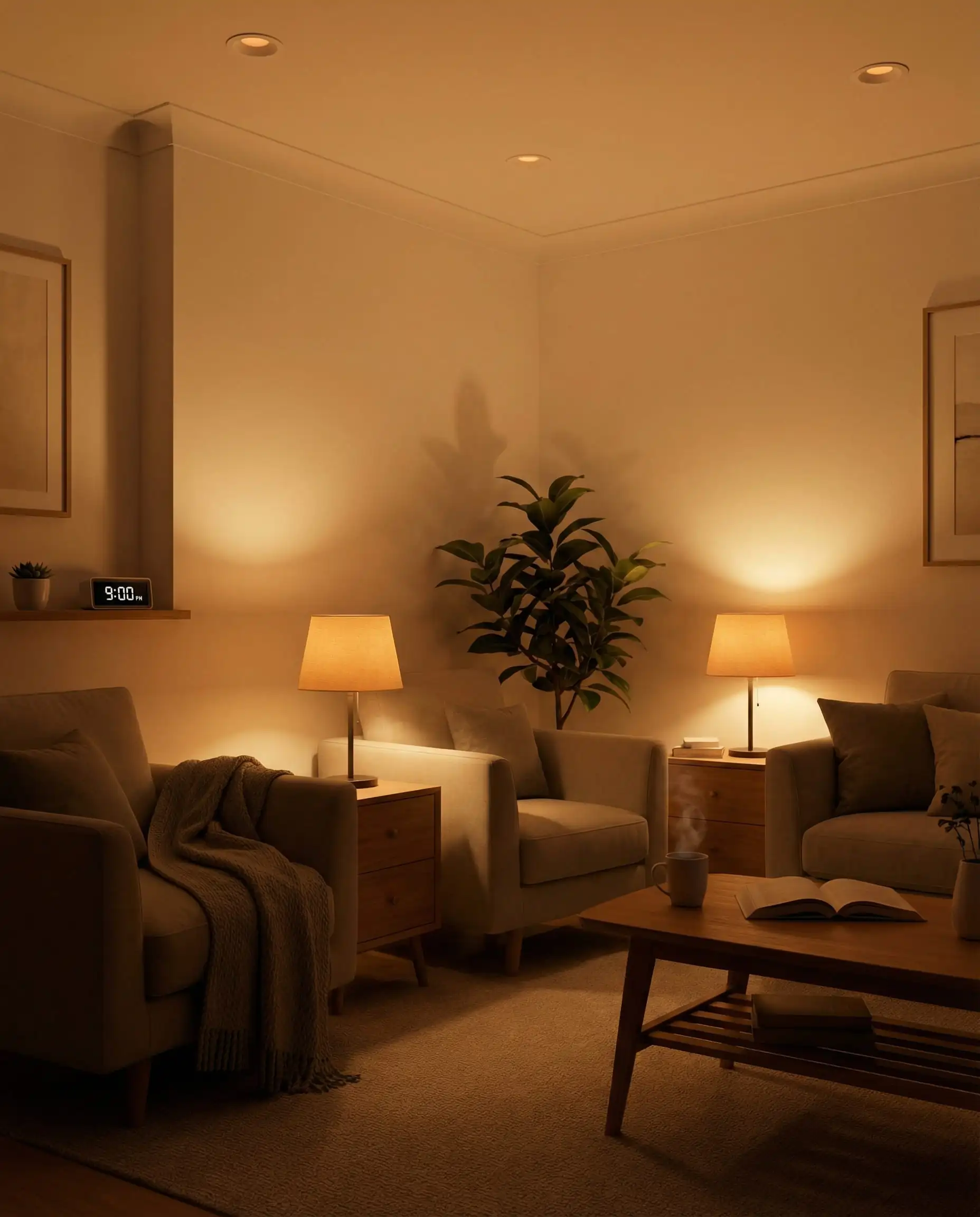
Smart lighting is the unsung hero of 2026 design. Systems now automatically adjust the color temperature of the room based on the time of day—mimicking the sun’s natural progression.
Acoustic Intelligence
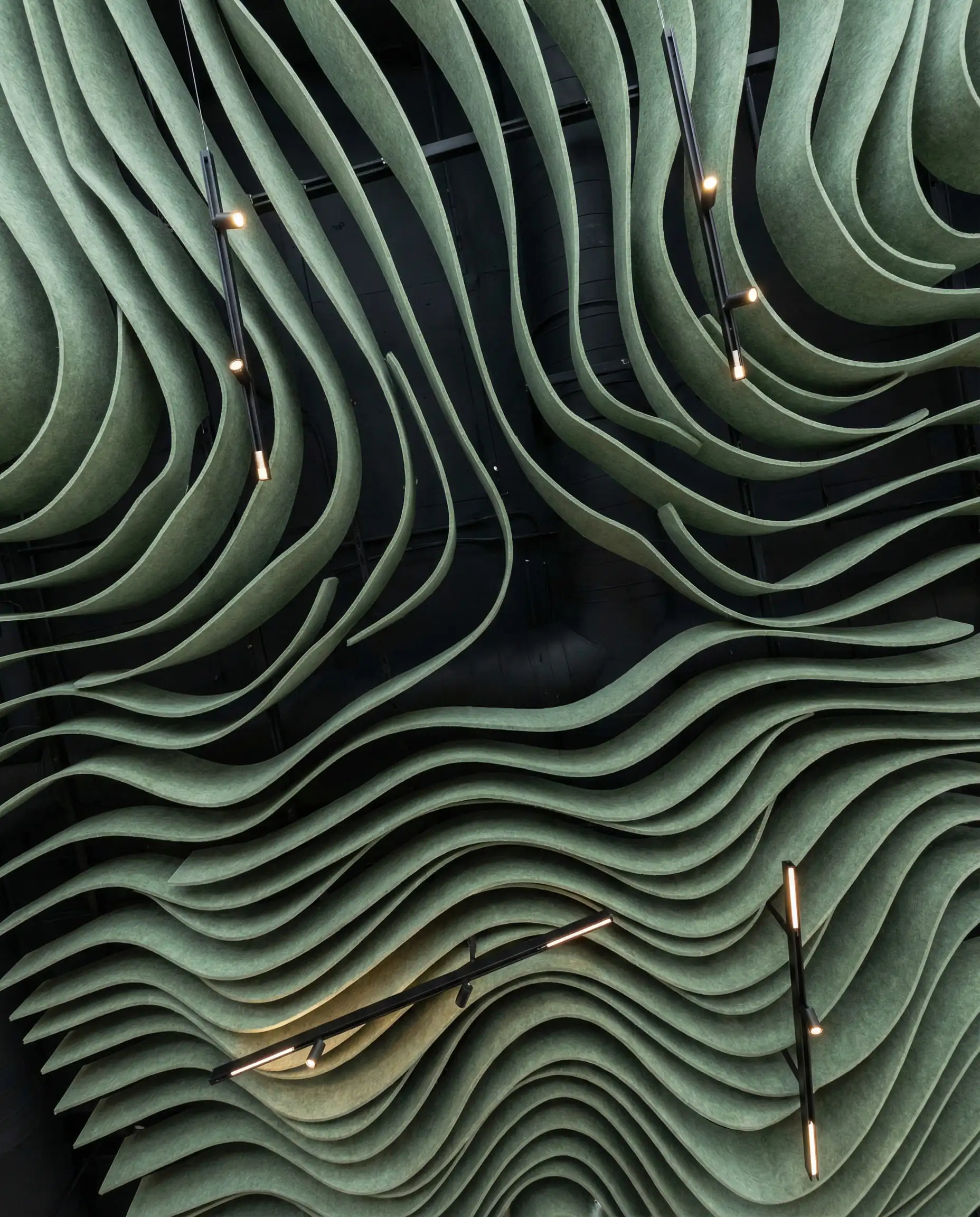
Sound systems are becoming smarter, using sensors to detect the decibel level of the crowd. As the room fills up and gets louder, the system subtly adjusts the volume and equalization (boosting bass, cutting treble) to ensure conversation is always possible but privacy is maintained.
AI-Integrated Layouts
Restaurants are using AI modeling during the design phase to simulate foot traffic. This ensures that the path from the kitchen to table #4 doesn’t cross the path of the guest walking to the restroom, reducing collisions and service delays before the restaurant even opens.
6. Sustainability: Radical Localization & Bio-Design
Greenwashing is out. In 2026, sustainability in design means Radical Localization and circularity. It is about the narrative of the materials.
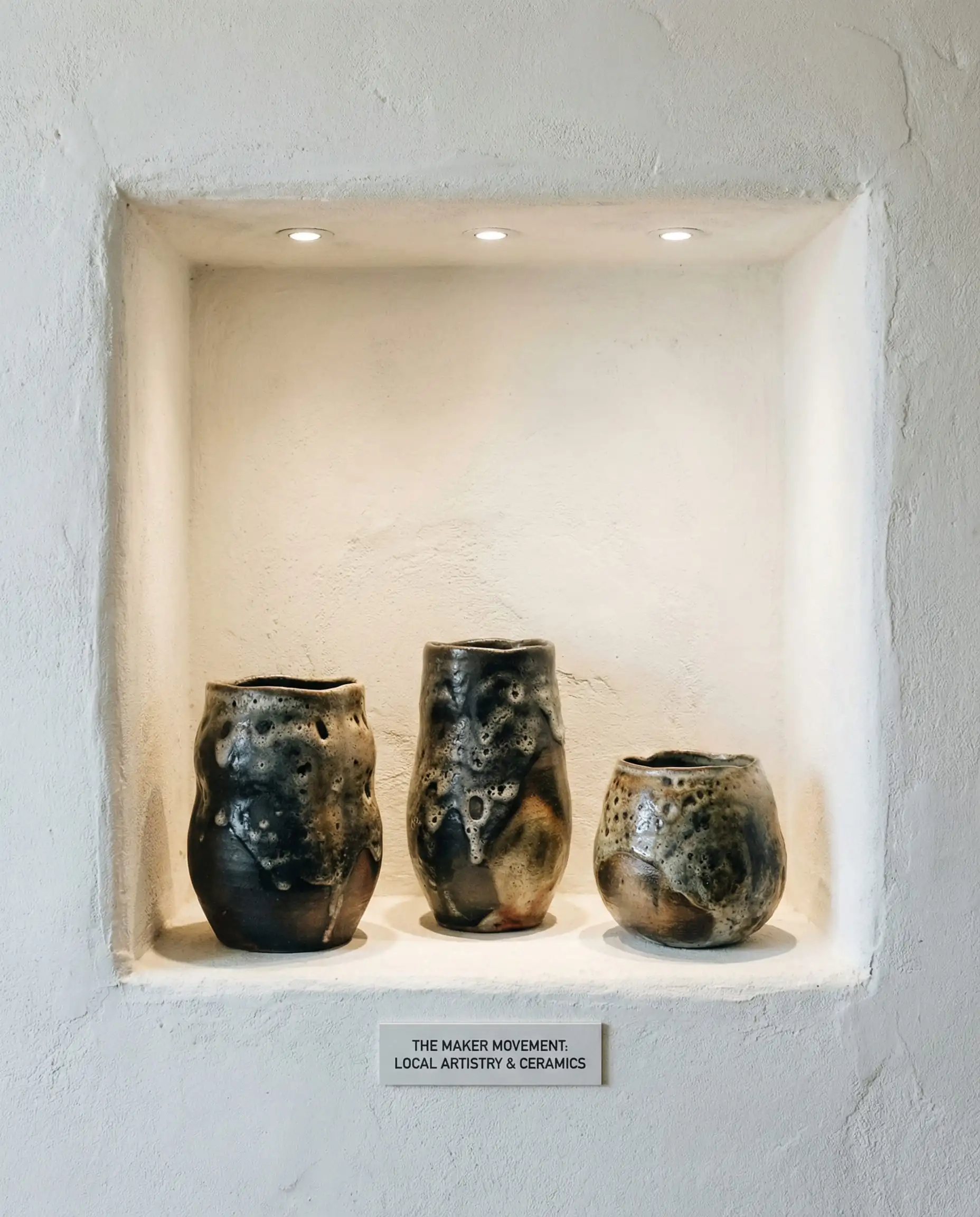
Hyper-Local Sourcing
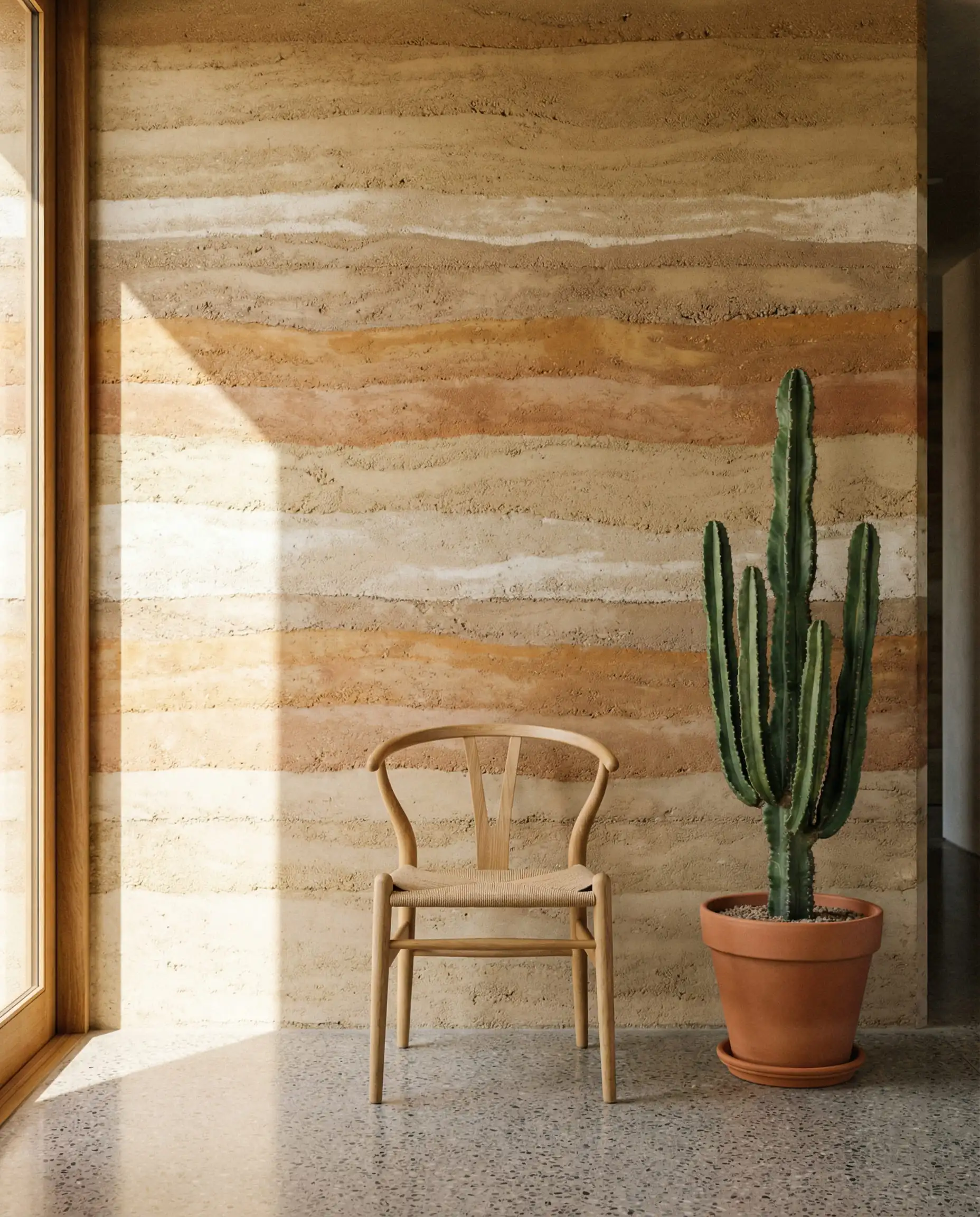
Designers are rejecting the “Global Generic” look (that same subway tile and Edison bulb look you used to find in Brooklyn, Berlin, and Bangkok).
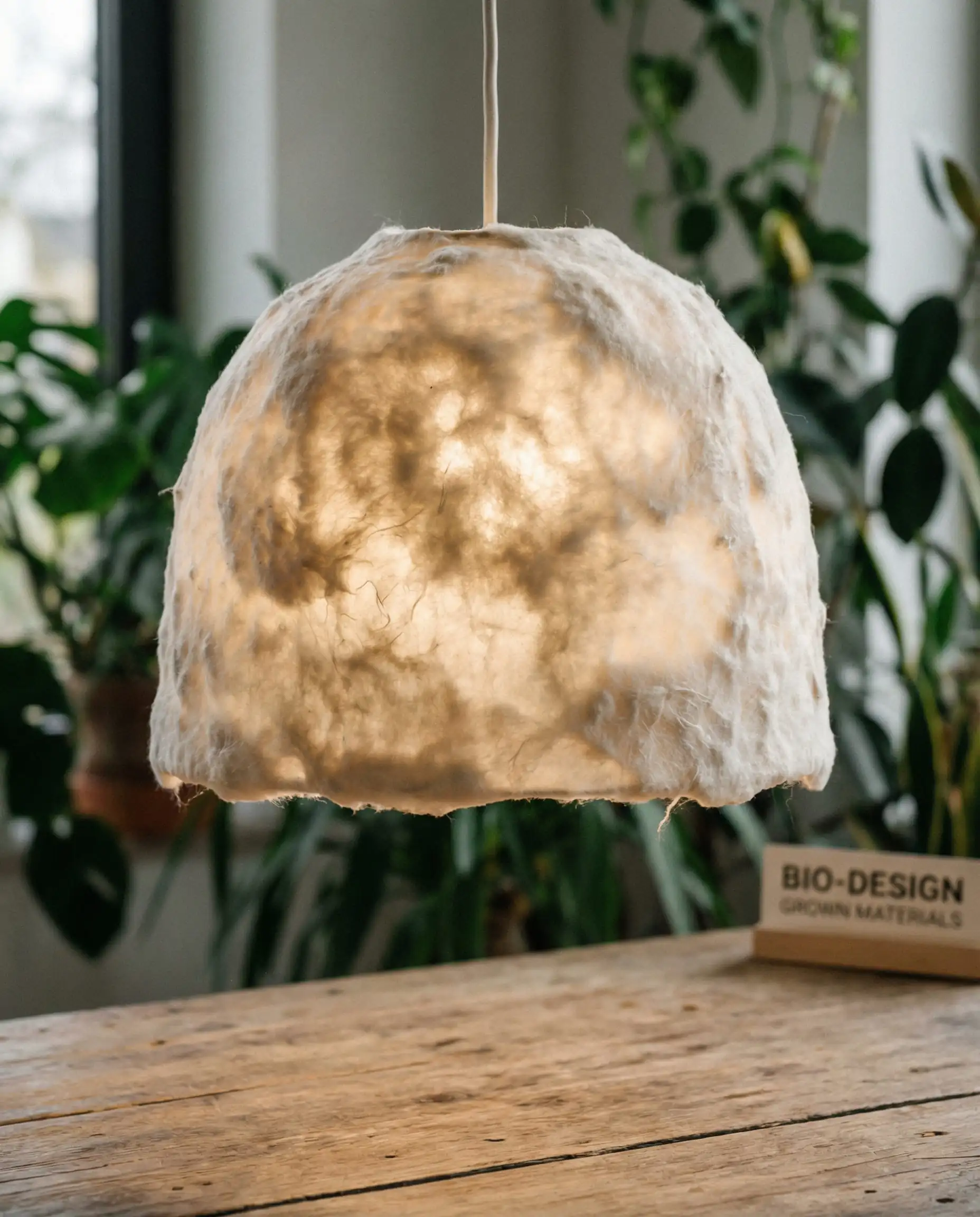
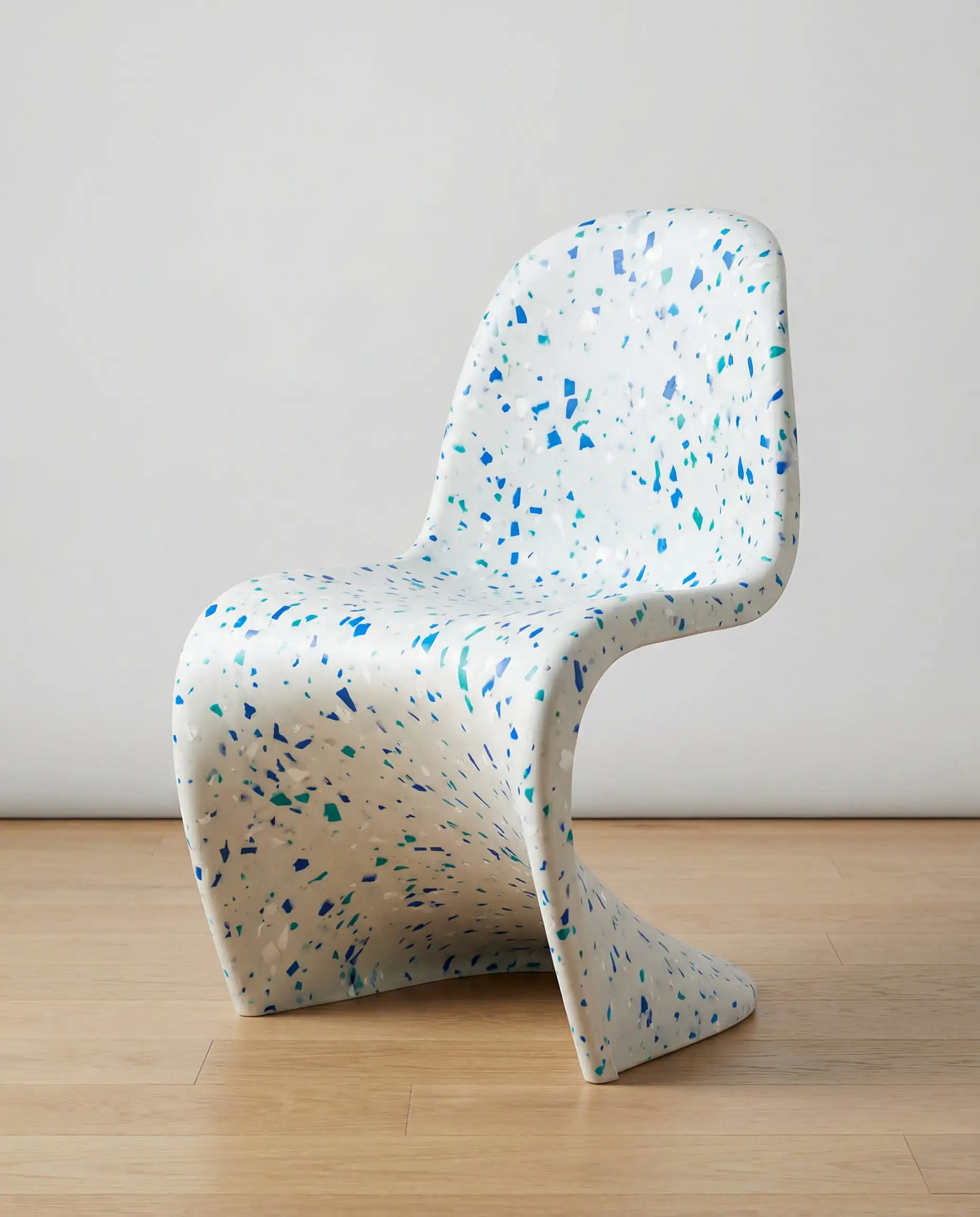
Bio-Lighting & Circular Furniture
We are seeing a massive rise in “Bio-Design.”
(For a deeper dive into green materials, read our Eco-Sustainable Interior Design Trends).
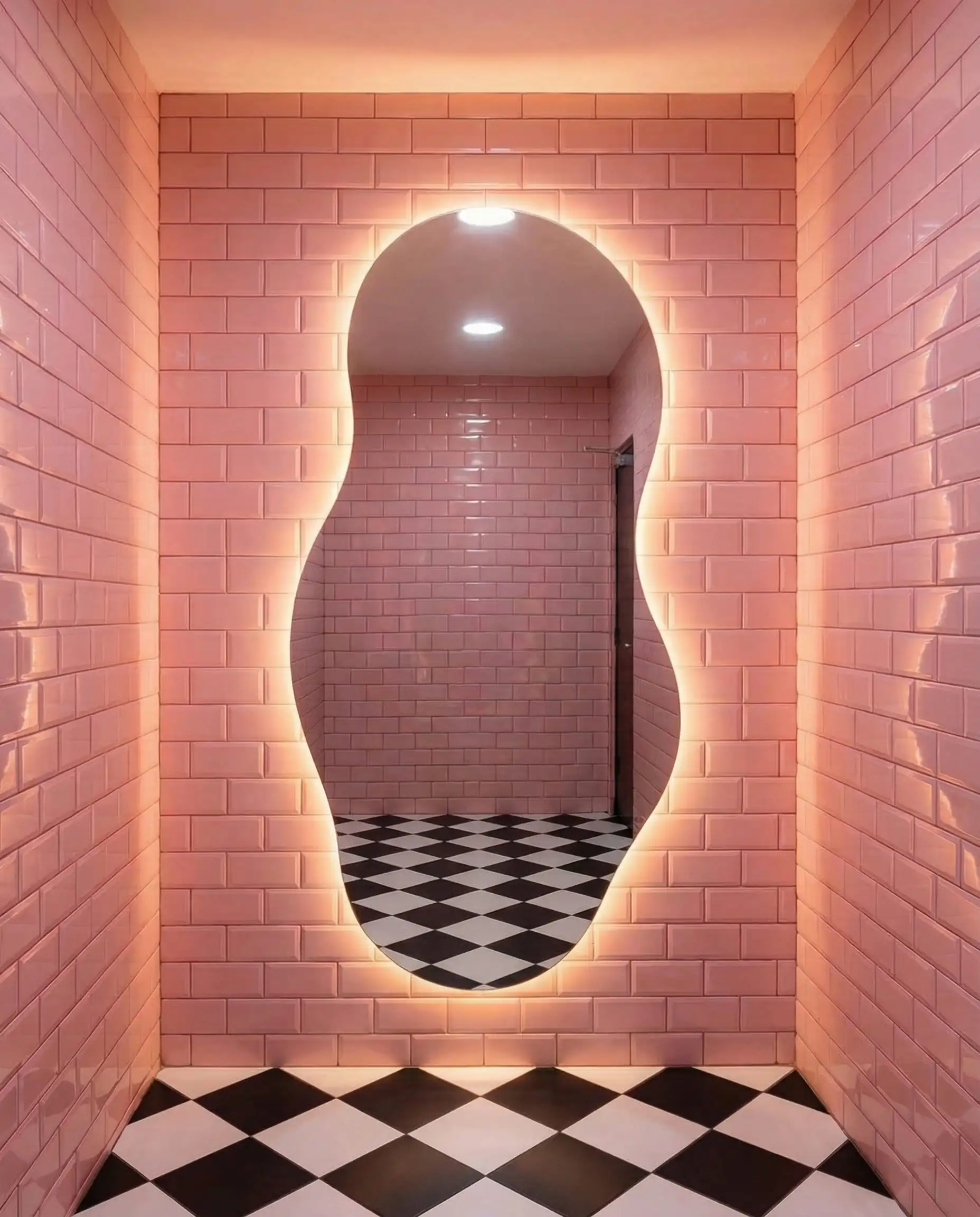
7. The “Insta-Moment” is now the “Restroom Moment”
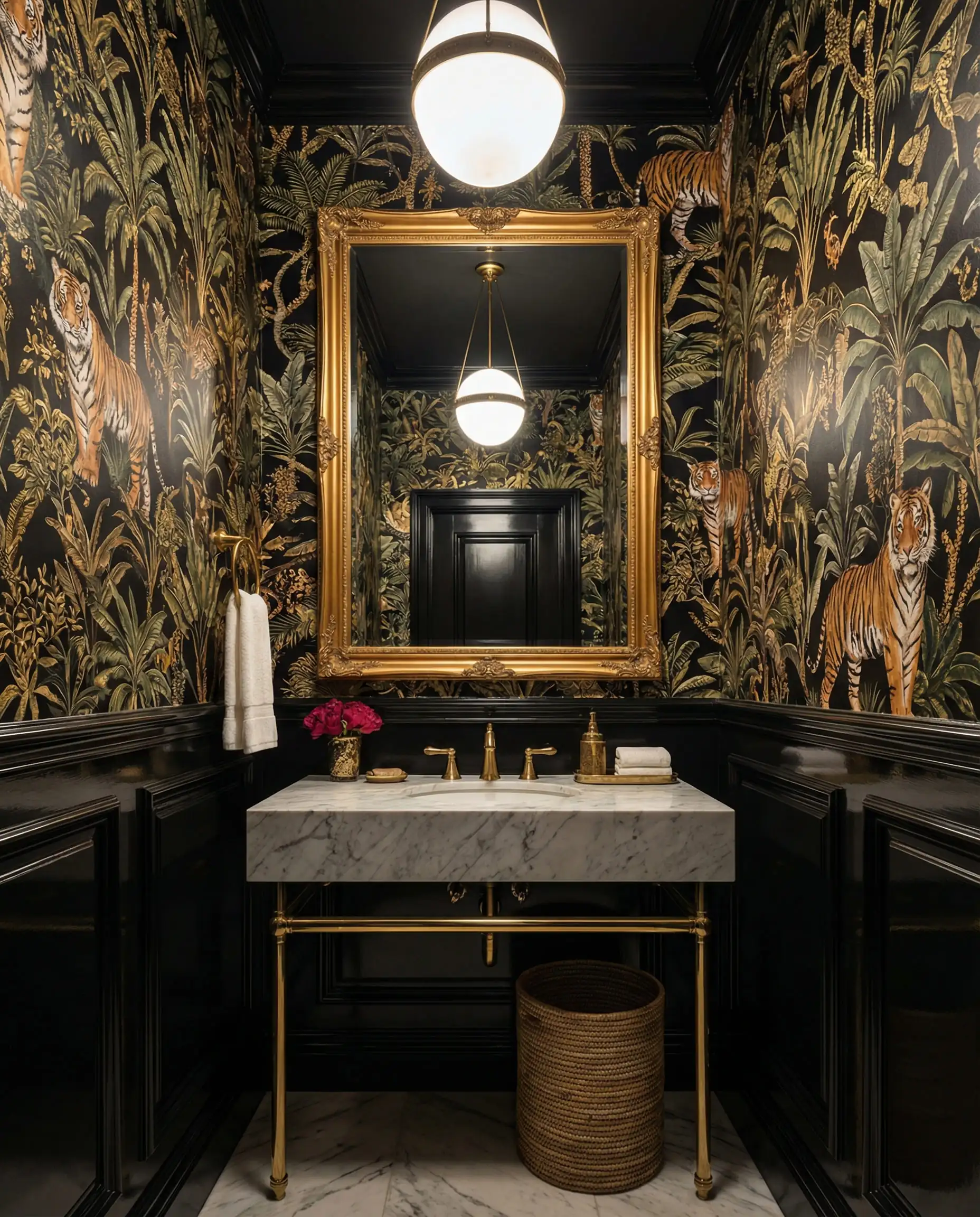
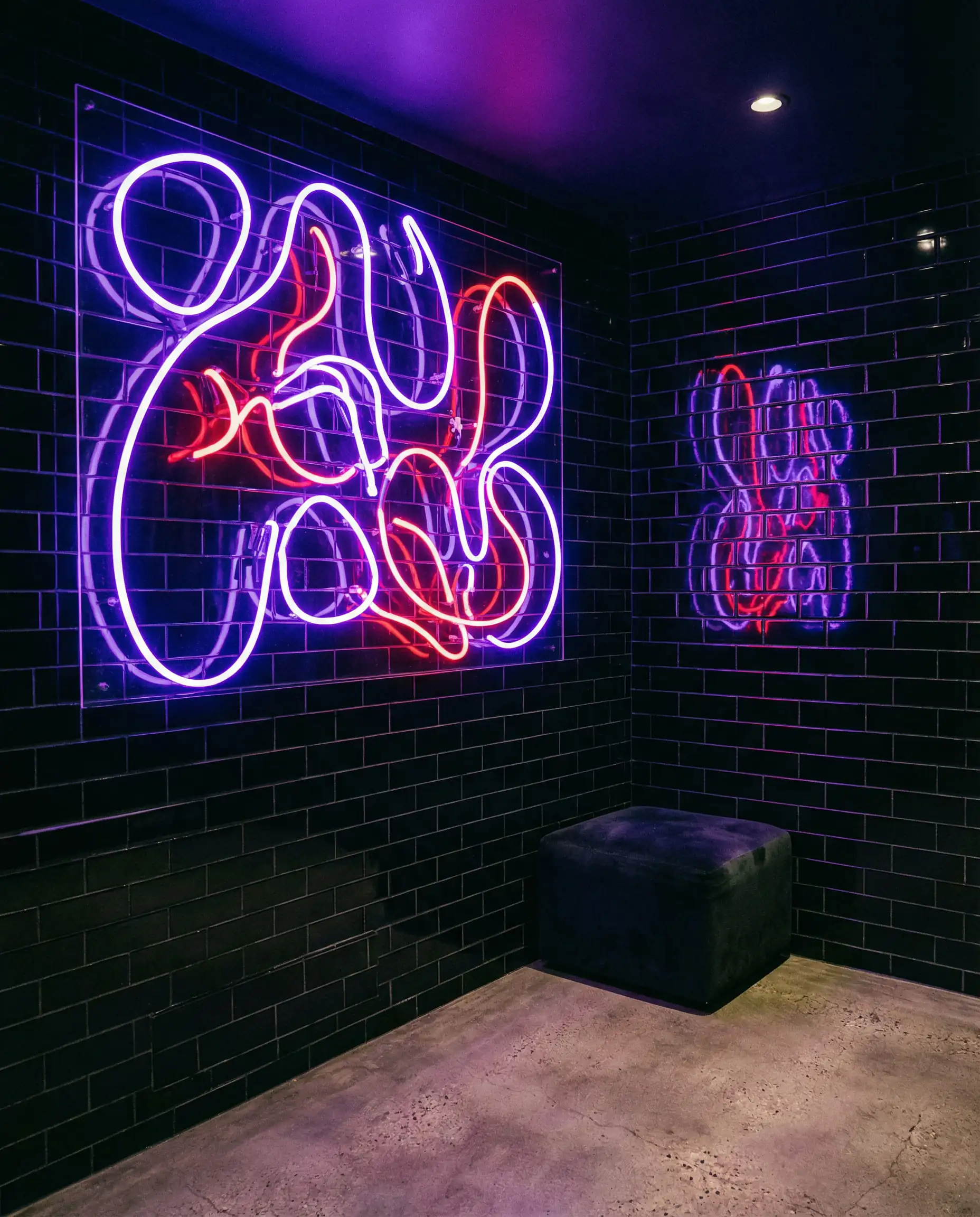
It sounds strange, but the restroom has become the primary marketing tool for many venues. In 2026, restaurant restrooms are designed as “Surprise Portals”—spaces that look completely different from the main dining room.
While the dining room might be “warm minimalist” and serene, the restroom is often a riot of pattern, color, and sound.
5 Actionable Tips to Update Your Space for 2026
(Without a Full Renovation)
If you aren’t ready for a complete gut renovation, here are five high-impact, lower-cost changes you can make to align with 2026 trends:
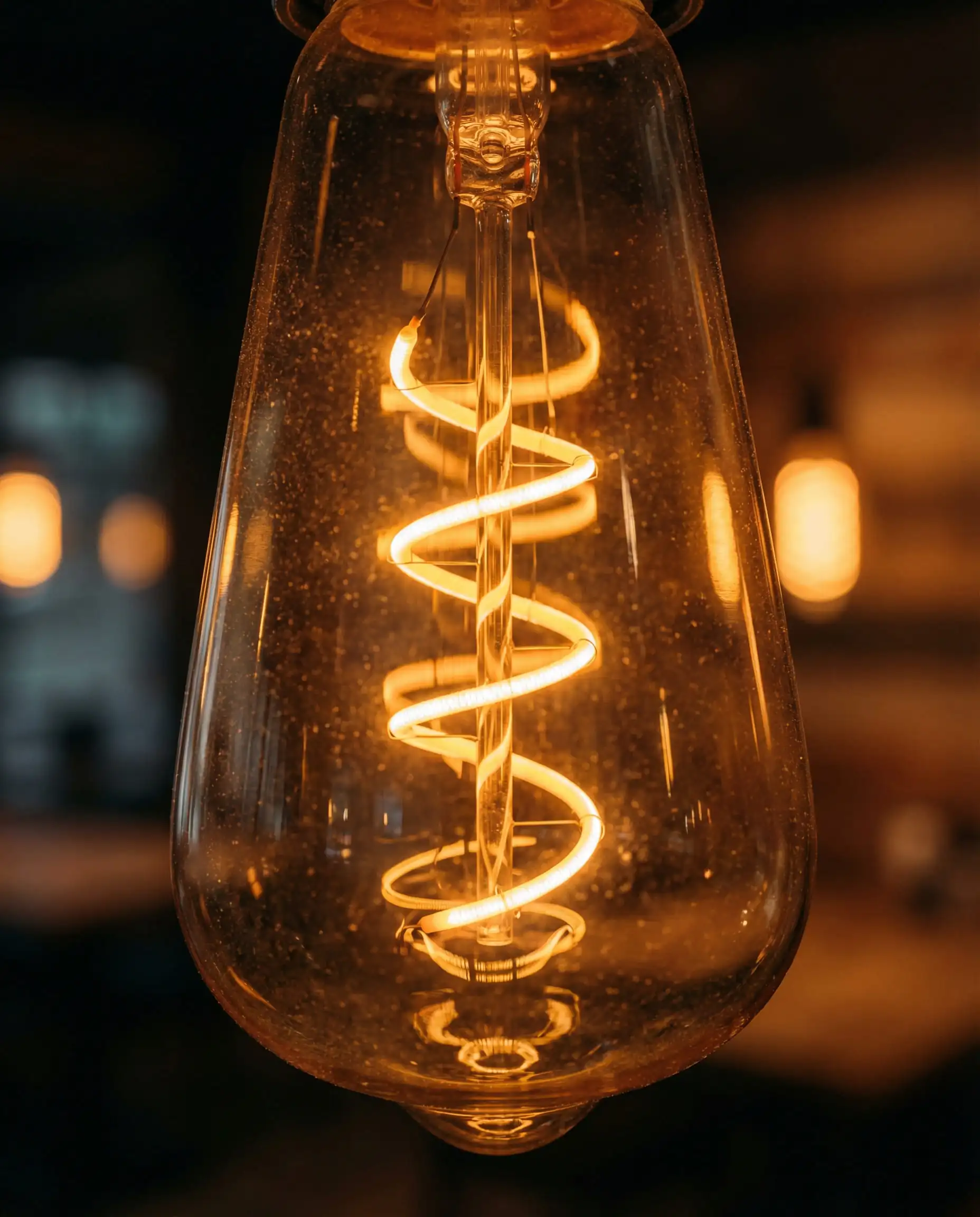
- Change Your Bulbs: This is the cheapest upgrade with the highest ROI. Swap out any lightbulbs over 3000K. Aim for 2700K (Warm White) for day use and 2400K for evening venues. Install dimmers on everything.
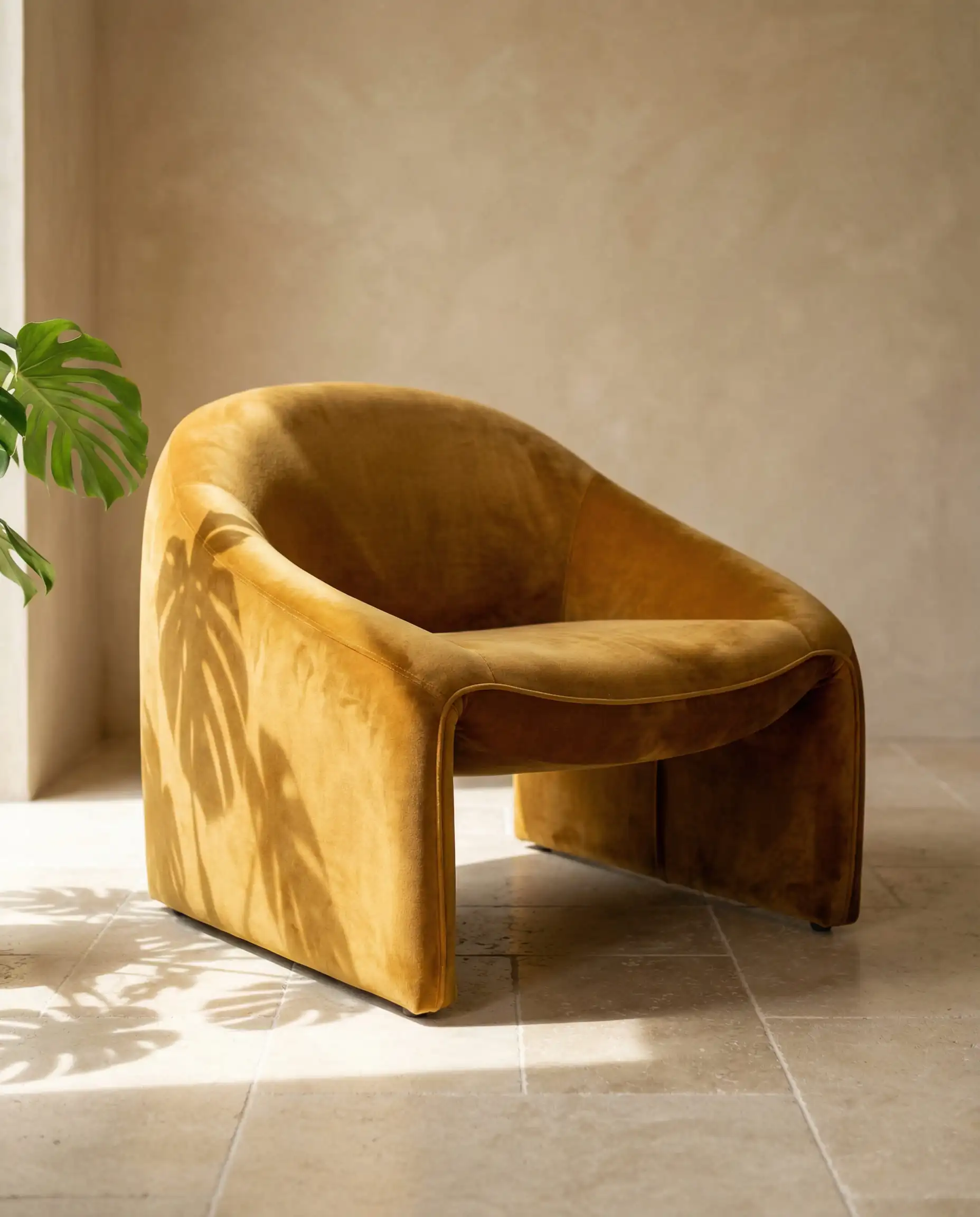
- Add Tactile Textiles: The “hard surface” era is over. Replace vinyl seat cushions with commercial-grade velvet or heavy woven fabrics. Add throws or sheepskins to outdoor patio chairs to extend the season.
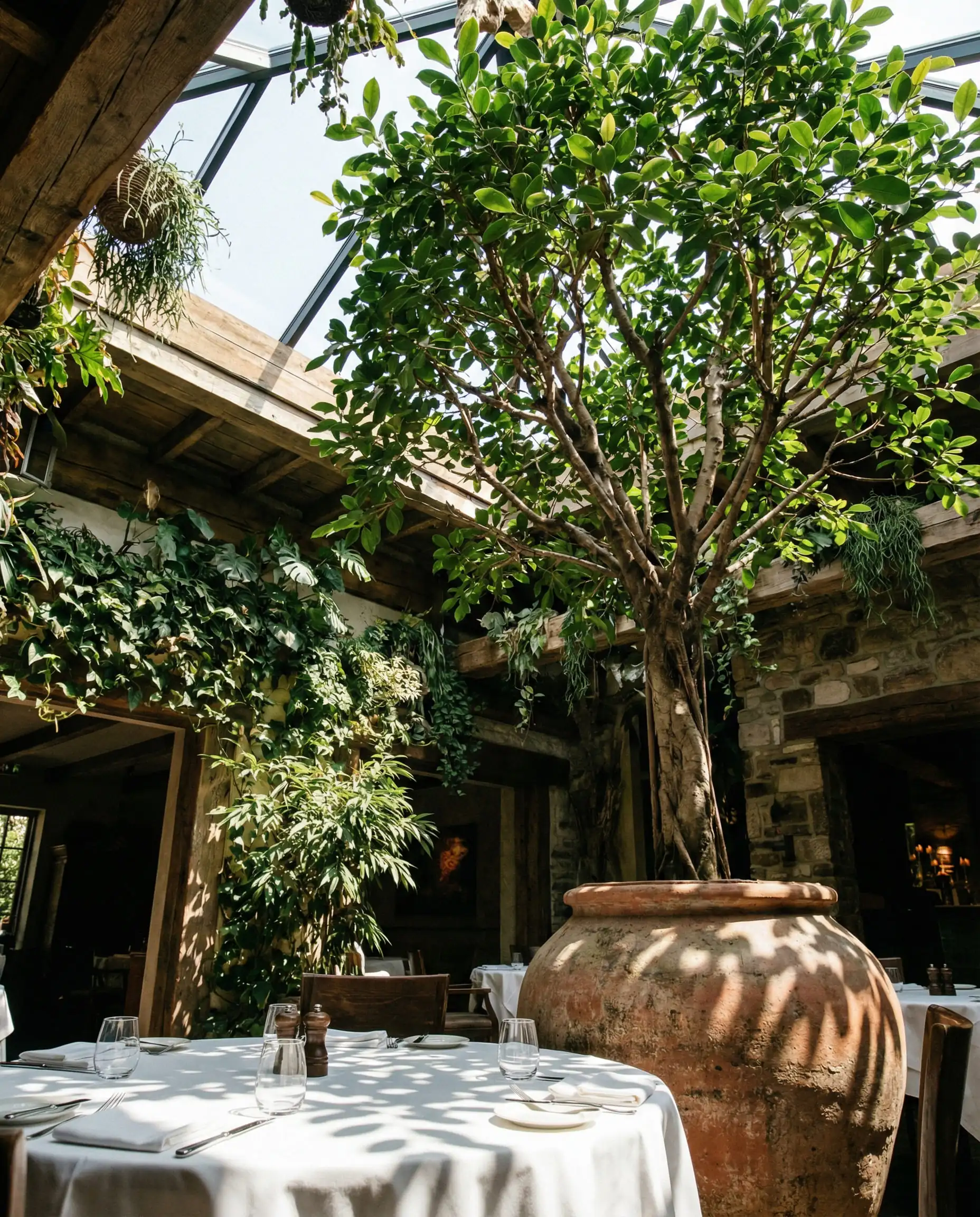
- Bring in “Big” Nature: Remove the small succulents on tables. Invest in one or two large statement trees (like a Ficus Amstel King or Black Olive tree) to create a canopy effect indoors.
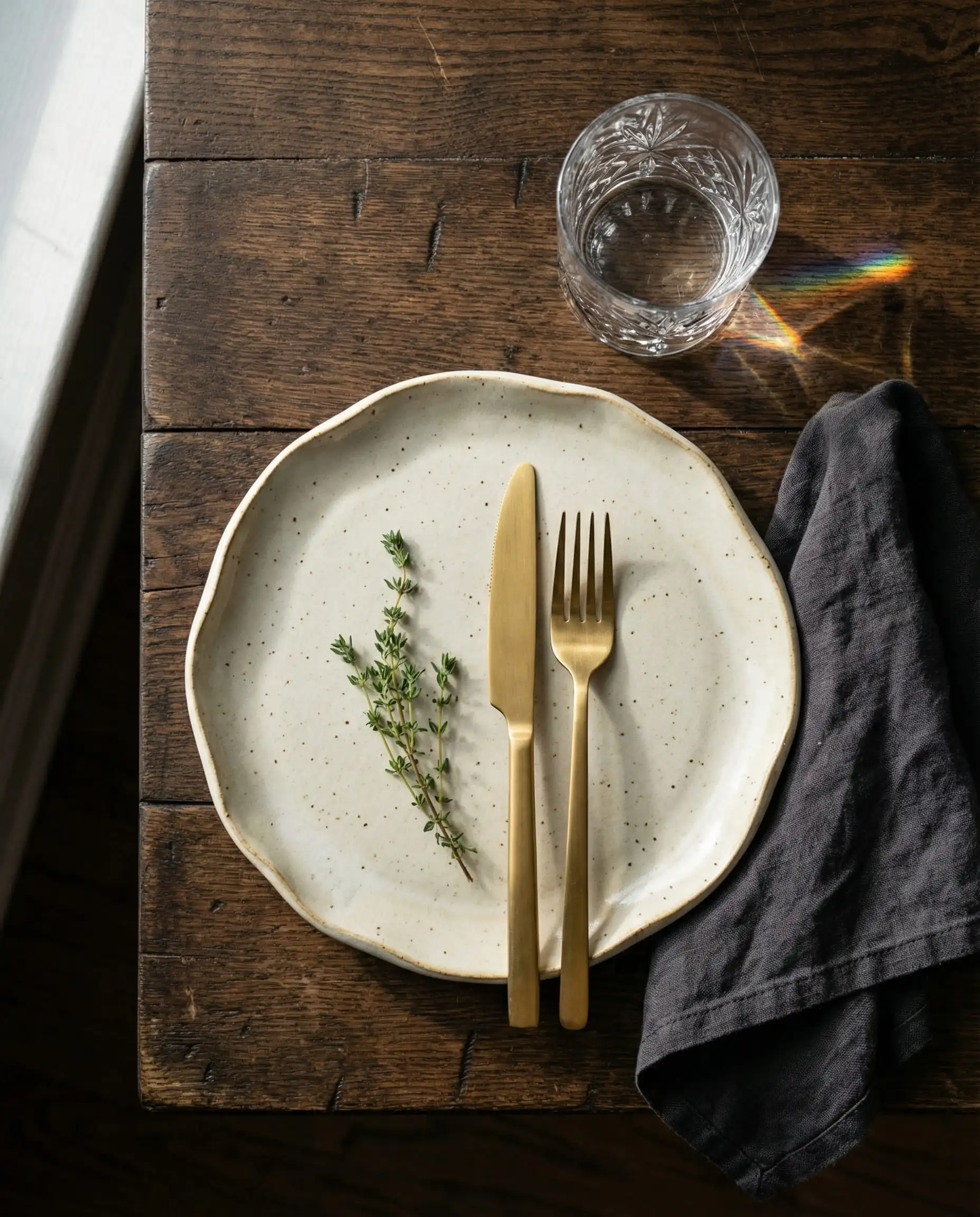
- Update Tableware: The plate is the canvas. Get rid of bright white, perfectly round industrial plates. Switch to organic-shaped, matte-finish ceramics in earth tones (Speckled cream, moss, slate). (Check our Tableware Trends for inspiration).
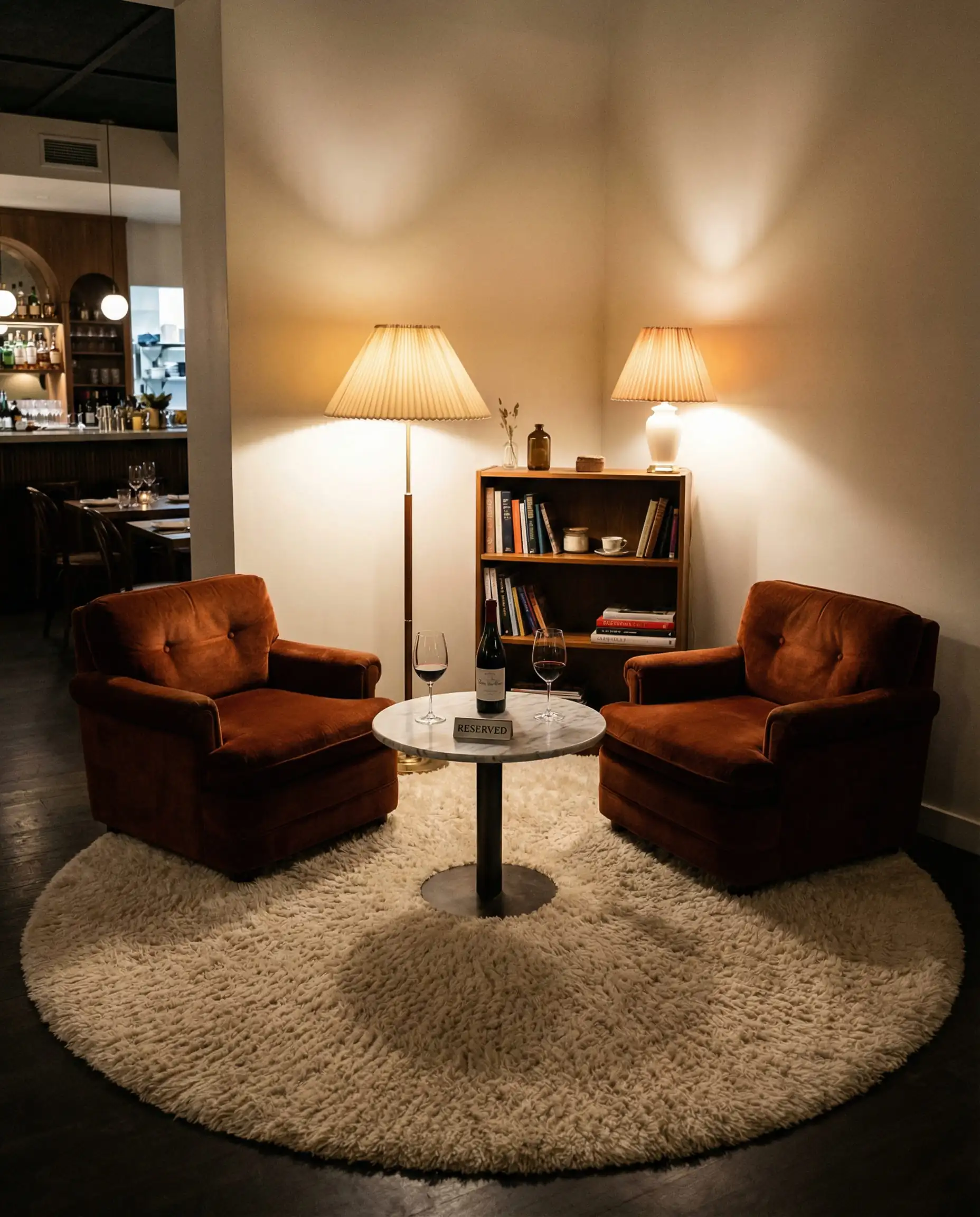
- Create a “Nook”: If you have a dead corner, turn it into a semi-private lounge area. Add a rug, a low coffee table, and two lounge chairs. This becomes the most coveted seat in the house for coffee dates.
FAQ: Common Questions on Hospitality Design in 2026
A: The cold industrial style (shiny metal, unfinished concrete, grey tones) is declining. However, “Soft Industrial” is still viable. This involves keeping the exposed brick or pipes but painting them in warm creams or terracottas and pairing them with soft woods and plants to de-sterilize the look.
A: Avoid “Instagram Walls” (walls with neon wings or slogans). In 2026, guests prefer “authentic moments.” Design a beautiful corner with great lighting, a unique chair, and a nice plant. Let the guests find the photo op; don’t force it. The restroom is also a great place for bold design risks.
A: Large-format porcelain tiles that mimic natural stone (like travertine) are trending. They offer the durability of tile but the warm, organic look of stone. Terrazzo is also still popular but in warmer, earthier color mixes rather than the bright confetti looks of previous years.
A: Ideally, create a separate entrance or at least a dedicated waiting zone near the door that is visually shielded from the diners. In 2026, the best designs ensure that a dine-in guest never has a delivery bag brushed past their face.
The Bottom Line
The hospitality industry in 2026 is prioritizing longevity over hype. The designs that are winning right now are those that feel authentic, welcoming, and specific to their location. Whether it’s a high-tech cafe or a low-tech wine bar, the goal is the same: to create a space where people want to linger, connect, and return.
Ready to dive deeper into specific design elements to complete your vision? Explore our detailed guides on Wall Covering Materials, Outdoor Living Trends, and Modern Lighting Ideas.