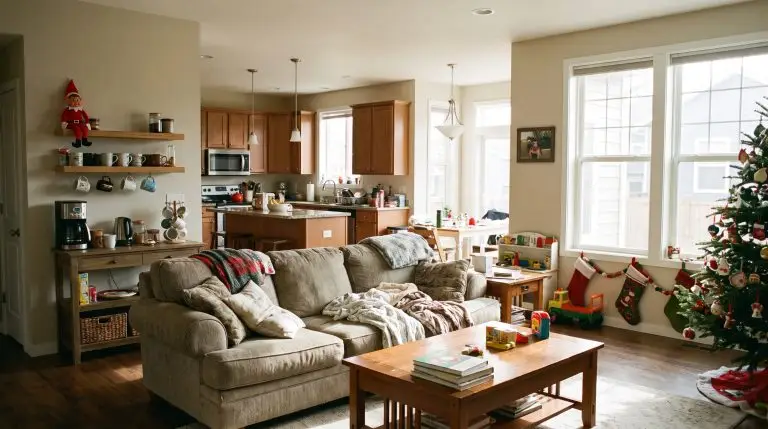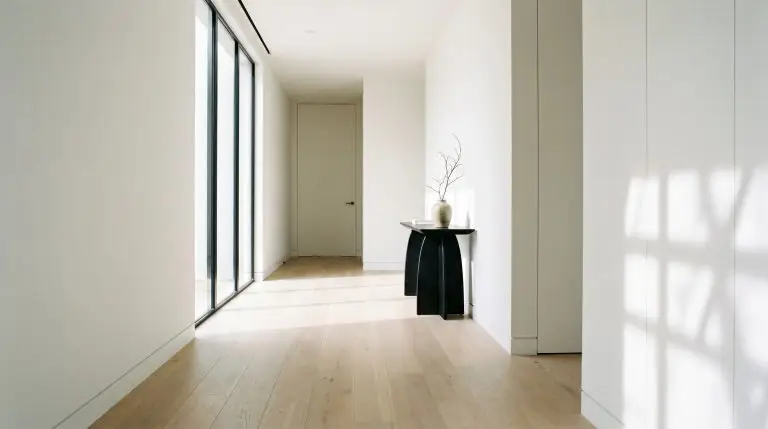
If you are staring at the curved, dust-collecting clamshell baseboards in your hallway, you already understand the harsh reality: builder-grade millwork is an architectural afterthought. We are aggressively stripping away ornate Victorian-inspired crowns and standard quarter-rounds to focus on what actually matters—clean geometry, flush transitions, and highly intentional shadow lines. The 2026 standard for modern baseboard and trim styles relies on integrating the millwork into the wall substrate rather than simply nailing it over the surface.
A rigorously executed minimalist interior requires the most complex, precise framing and drywall work. The sharpest rooms do not hide structural mistakes behind thick molding; they engineer absolute perfection from the studs outward.
Detailer’s Note
The Hierarchy of Modern Trim Before selecting a specific profile, you must understand the logistical reality of your execution phase:
- Budget/DIY (Surface-Mounted): Flat stock profiles applied directly over finished drywall, ideal for rapid cosmetic renovations.
- Accessible Luxury (Micro-Bevels & High-End Finishes): Upgraded surface-mounted materials utilizing specialized paint techniques and eased edges for a refined, durable finish.
- High-End Bespoke (Integrated & Flush): Recessed reglets and trimless details built directly into the framing phase, requiring Level 5 drywall finishes and specialized tradespeople.
The Architectural Shift: Integrated & Flush Trim (High-End & Bespoke)
True modern trim represents a radical shift in construction sequencing, demanding that your millwork is finalized long before the framing inspection. These integrated profiles require precise blocking installed before the drywall is even hung, resulting in a monolithic plane where the wall and baseboard share a single, unbroken surface.
1. The 1/2-Inch Shadow Gap (Reveal Baseboards)
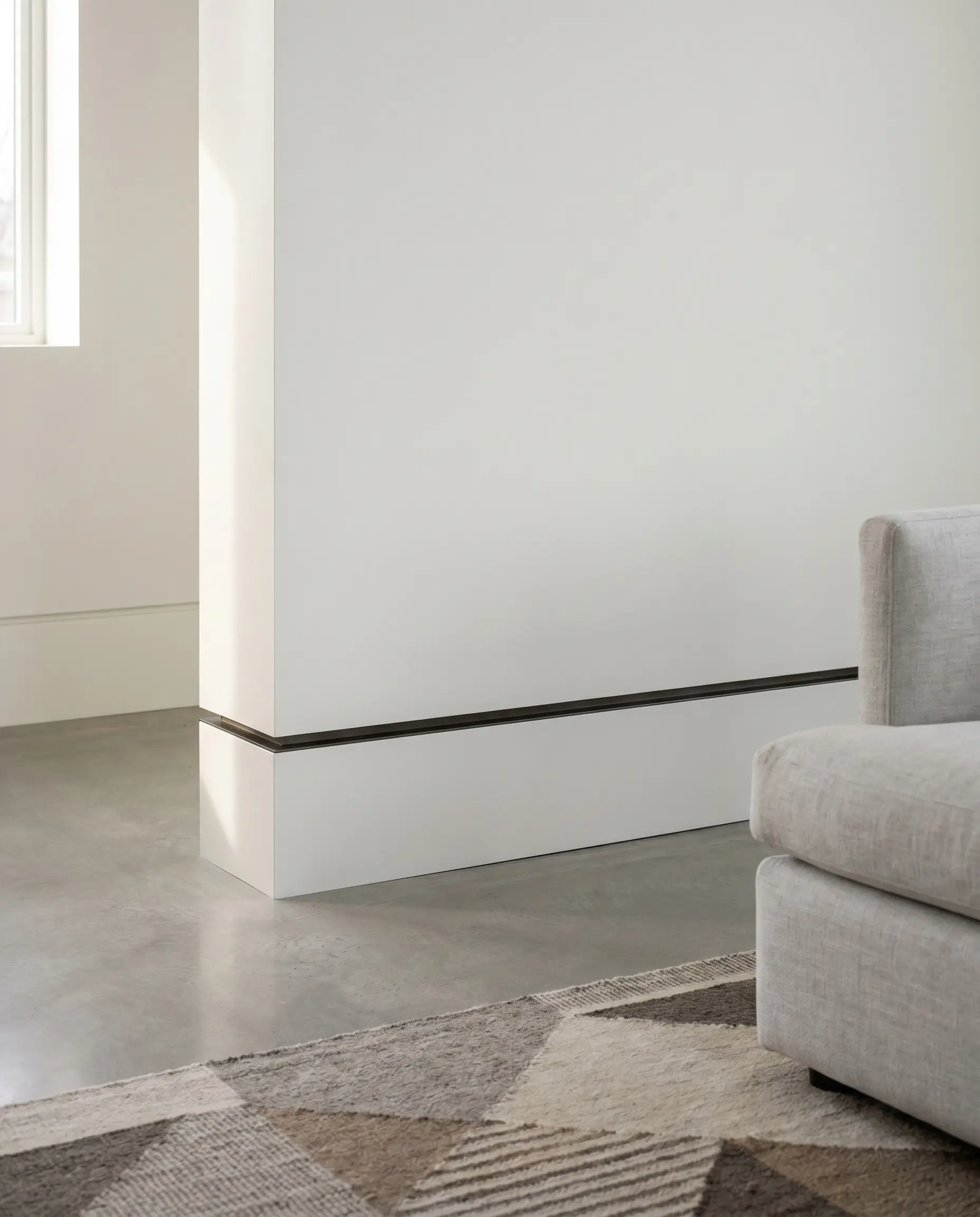
By utilizing an aluminum reglet like those from Fry Reglet or a specialized Z-Shadow Bead, you create a crisp, perfect channel that visually detaches the wall from the floor. This half-inch shadow line creates the illusion of a floating wall, establishing an incredibly precise, architectural aesthetic.
- Vibe: Ultra-Minimalist, Museum-Quality
- Key Materials: Aluminum Reglet, Z-Shadow Bead, MDF Base
- Paint Recommendation: Benjamin Moore Chantilly Lace (Satin on base, Matte on wall)
- Drywall Standard: Level 5 Finish Required
Your drywaller needs to know this on day one. The sheetrock must sit directly on structural blocking installed before the boards go up, allowing the metal reveal bead to sit perfectly flush against the framing.
Execution Secret
2. The True Flush Baseboard (Trimless Aesthetic)
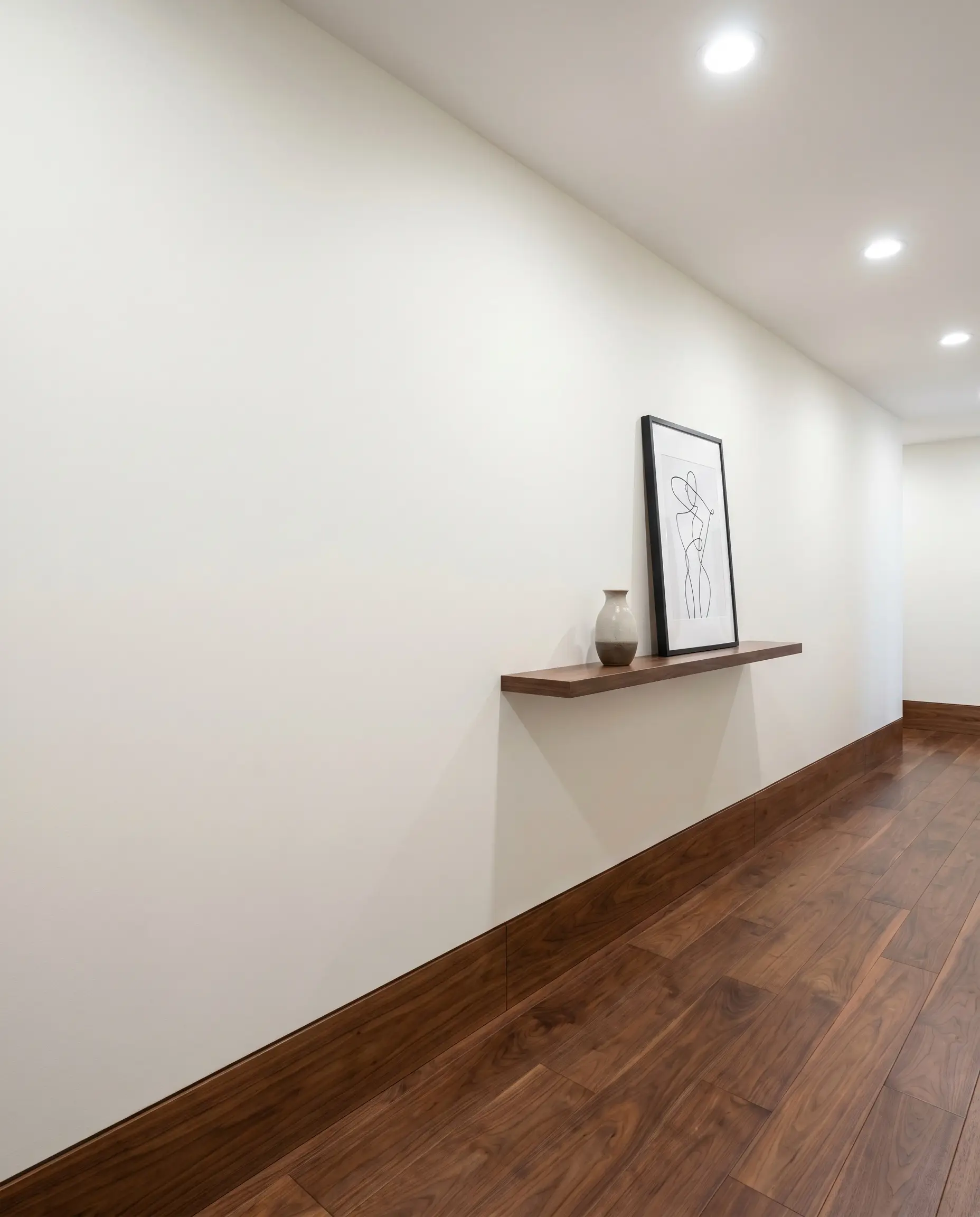
This trimless approach forces the baseboard and the drywall to share the exact same vertical plane, offering absolute visual continuity. Utilizing ready-made systems like Dorsis Linus ensures the transition is durable while providing a primary functional benefit: zero ledges for dust to settle on.
- Vibe: Stark Contemporary, Functionalist
- Key Materials: Dorsis Linus flush system, 5/8″ Drywall, Poplar or MDF base insert
- Paint Recommendation: Sherwin-Williams High Reflective White
- Styling Pro-Tip: Match the baseboard insert material exactly to your hardwood flooring for a continuous plane that sweeps up the wall.
3. Integrated Plaster-In LED Channels
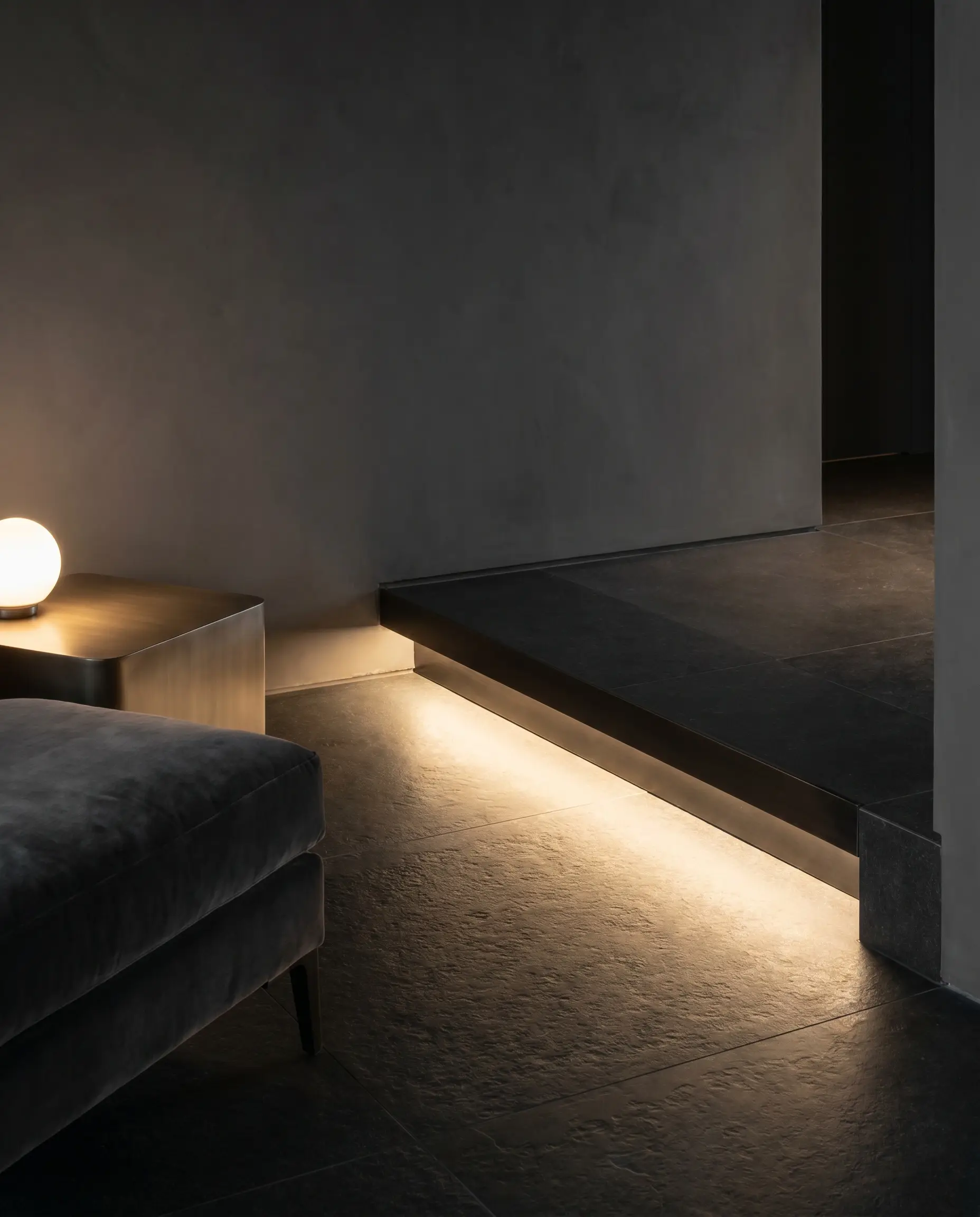
Pushing the reglet concept further, we integrate aluminum LED channels directly into the shadow gap, casting a soft, architectural wash of light across the floor. This detail provides highly functional wayfinding while establishing a futuristic, moody atmosphere in low-light spaces like home theaters or transitional hallways.
- Vibe: Moody, High-Tech Luxury
- Key Materials: Plaster-in LED extrusion, 24V COB LED tape (2700K temperature)
- Wall Finish: Dark Roman Clay or Level 5 Matte Paint
- Paint Recommendation: Farrow & Ball Down Pipe
Always specify COB (Chip on Board) LED strips inside the channel. This ensures a continuous, dot-free line of light that bounces smoothly off the floor surface.
Hackrea Detailer Tip
4. Flush Kerfed Door Jambs
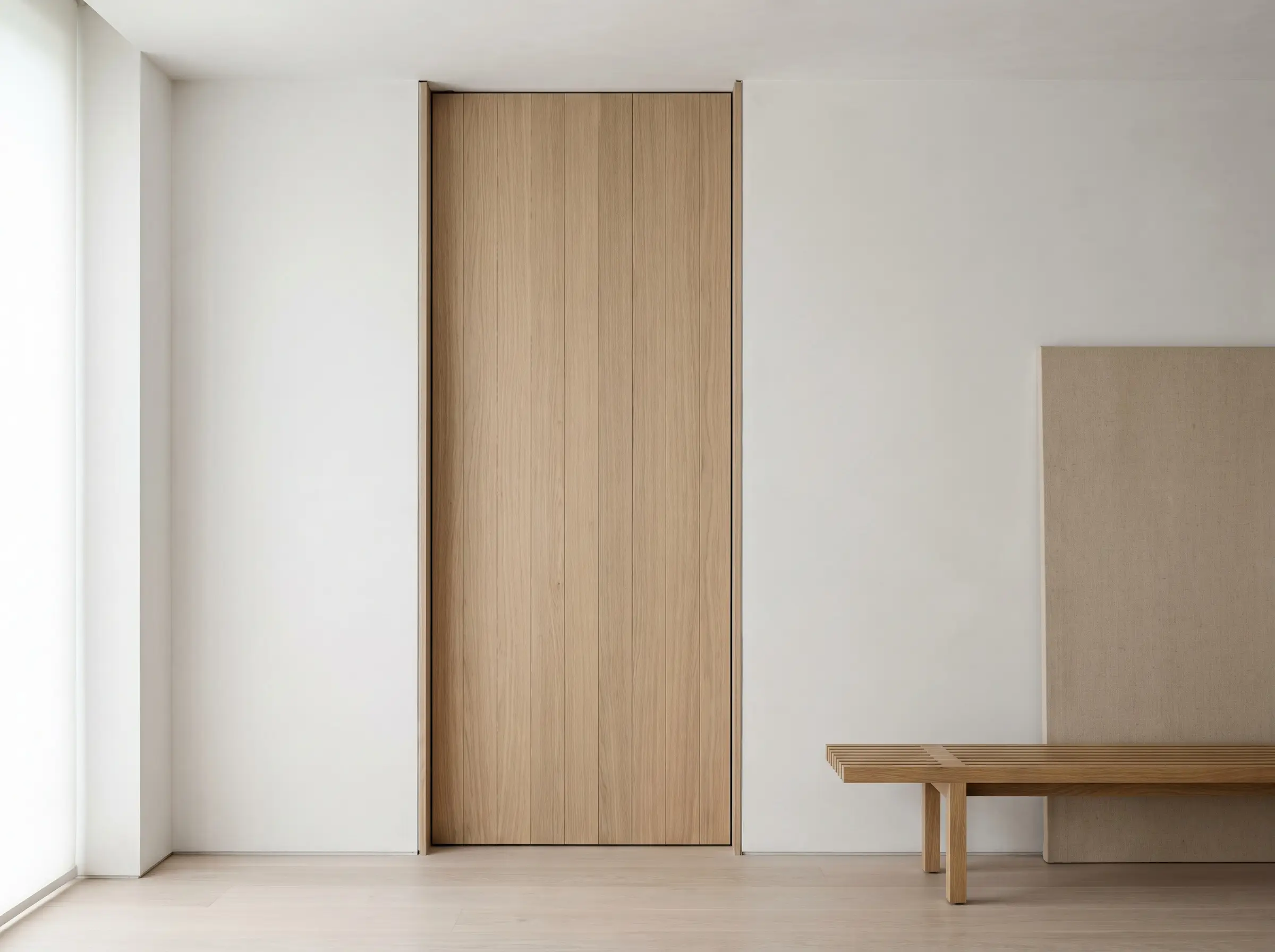
Upgrading to a flush baseboard immediately renders standard door casings visually obsolete. Implementing a kerfed door jamb—where the drywall wraps directly into a slotted frame—eliminates traditional door trim entirely, maintaining the stark, minimalist envelope of the room.
- Vibe: Uninterrupted, Architectural
- Key Materials: EzyJamb flush door frames, Kerfed wood jambs, Tear-away L-bead
- Wall Match: Ensure the wall plane accurately hits the door reveal
- Internal Link Prompt: For a deeper dive into specifying these exact transitions, review our guide on Modern Interior Door Styles (Trimless & Flush).
Modern Geometry: Surface-Mounted Profiles (Accessible Renovations)
Tearing out drywall and engineering recessed channels simply is not feasible for every retrofit project. You can still achieve a highly modern aesthetic by applying crisp, surface-mounted profiles directly over your existing drywall to replace dated, ornate trim.
5. Crisp 1×4 or 1×6 Flat Stock (The Modern Standard)
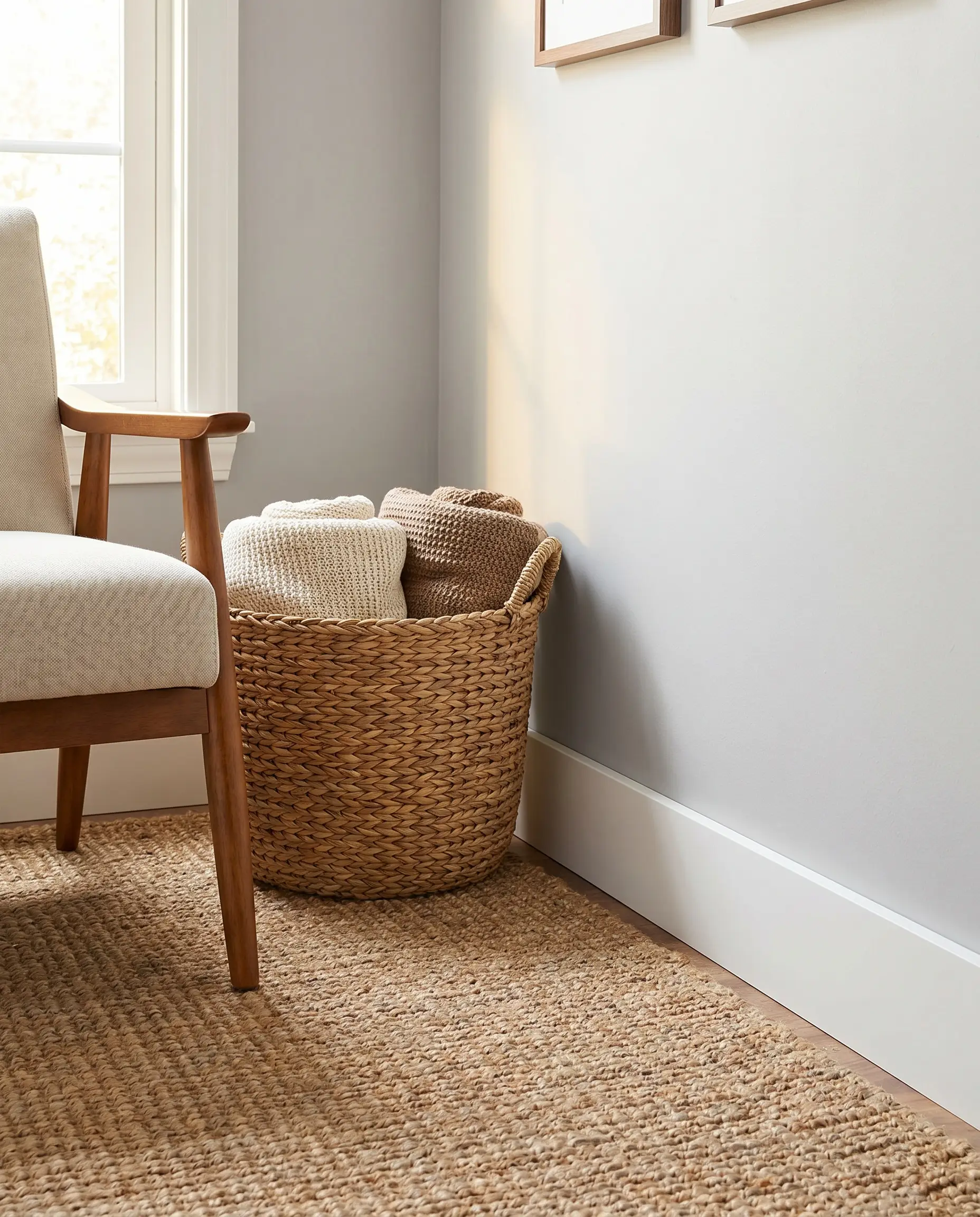
A simple rectangular profile with squared-off edges instantly strips away traditional fussiness and modernizes a room. The success of this surface-mounted upgrade relies entirely on proper scale and sharp, 90-degree geometry.
- Vibe: Clean, Accessible Modern
- Key Materials: Primed MDF or Pine Flat Stock
- Standard Ceiling (8-foot): Use 1×4 dimensional lumber (actual height 3.5 inches)
- Tall Ceiling (9-foot+): Use 1×6 or 1×8 dimensional lumber (actual height 5.5 to 7.25 inches)
6. The Micro-Bevel Edge
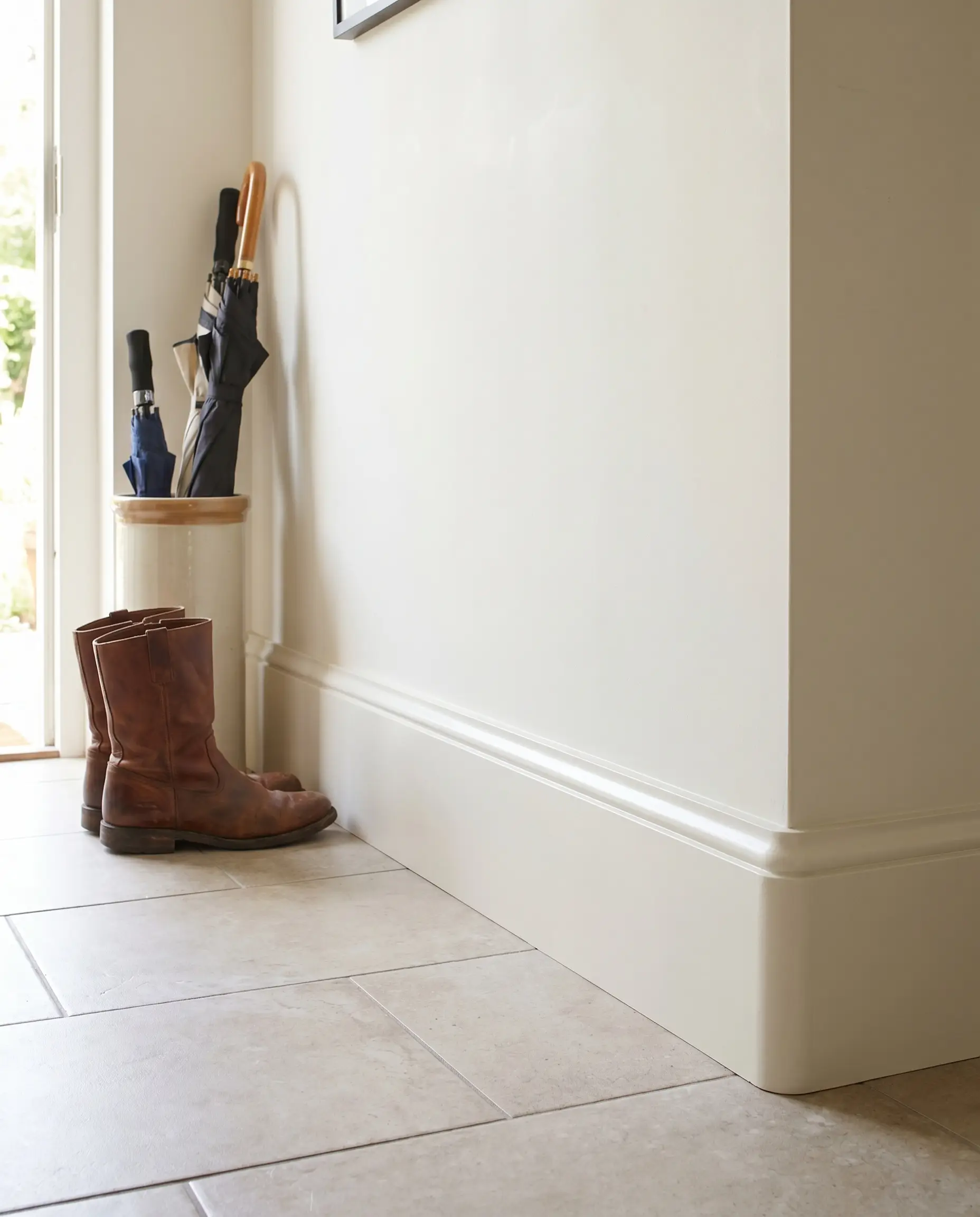
While a pure 90-degree square edge looks striking, it chips incredibly easily from vacuum cleaners and daily foot traffic. A micro-bevel takes just a fraction of a millimeter off the sharp outer corner, preserving the modern flat look while engineering practical longevity into the substrate.
- Vibe: Refined Practicality
- Key Materials: Custom-milled MDF or Hardwood with a 1/16″ eased edge
- Paint Recommendation: Sherwin-Williams Pure White (Semi-Gloss for durability)
If you are renovating a high-traffic home or have active children, the micro-bevel is non-negotiable. It deflects impacts that would otherwise shatter the paint film on a razor-sharp square edge.
Detailer’s Pro-Tip
7. The Stepped Reveal Baseboard
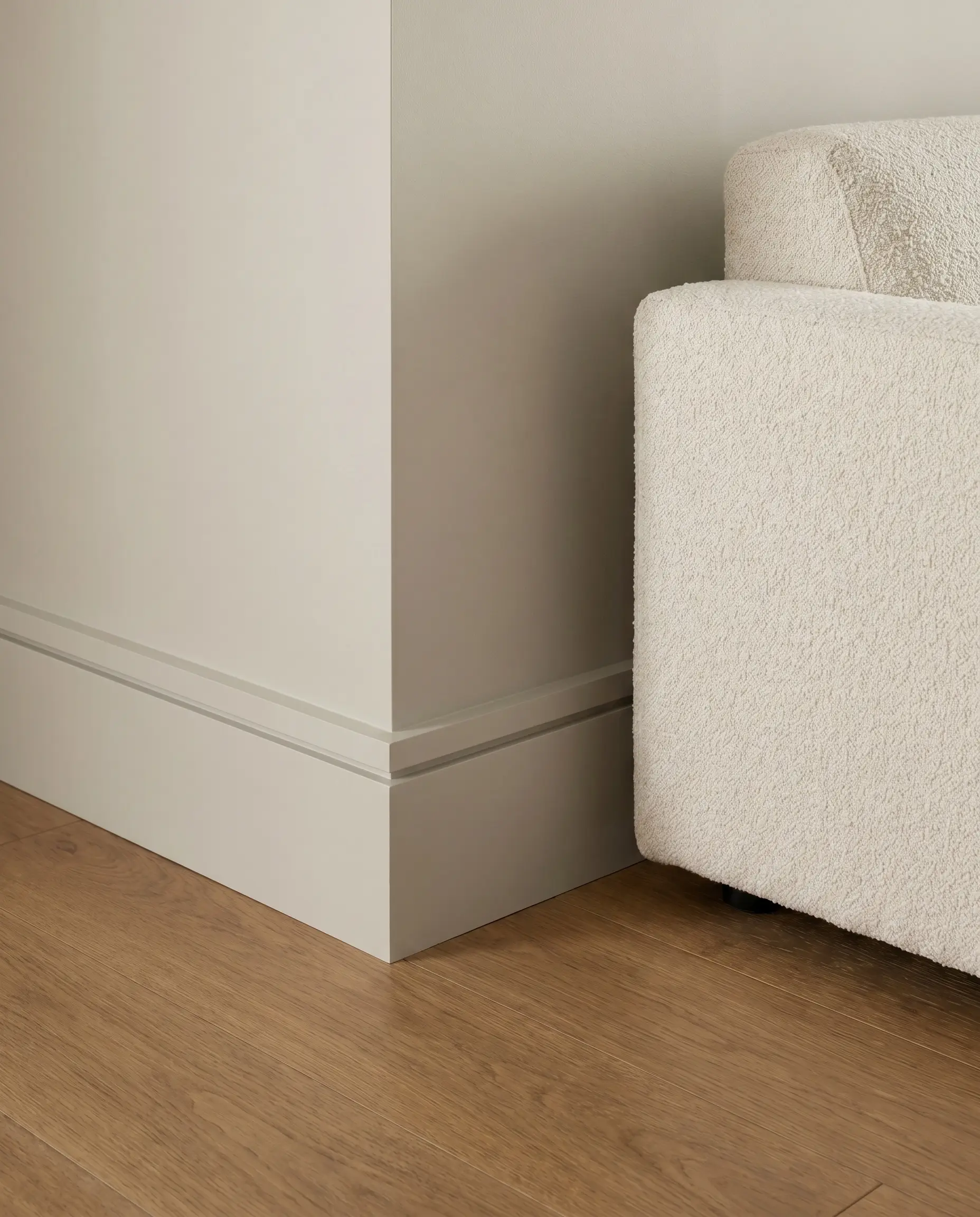
For Transitional or Contemporary Craftsman interiors where pure flat stock feels too cold, a stepped profile offers necessary dimensional depth. The sharp geometric lines of a flat baseboard topped with one or two squared-off steps catch the ambient light beautifully without relying on the heavy curves of traditional molding.
- Vibe: Transitional, Tailored
- Key Materials: Two-piece flat stock build-up (e.g., 1×6 base with a 1×2 cap)
- Paint Recommendation: Farrow & Ball Shaded White
- Styling Pro-Tip: Keep the steps shallow (1/4 inch or less) to maintain a tailored, modern shadow line rather than a bulky, traditional ledge.
8. The Erasure of the Quarter-Round
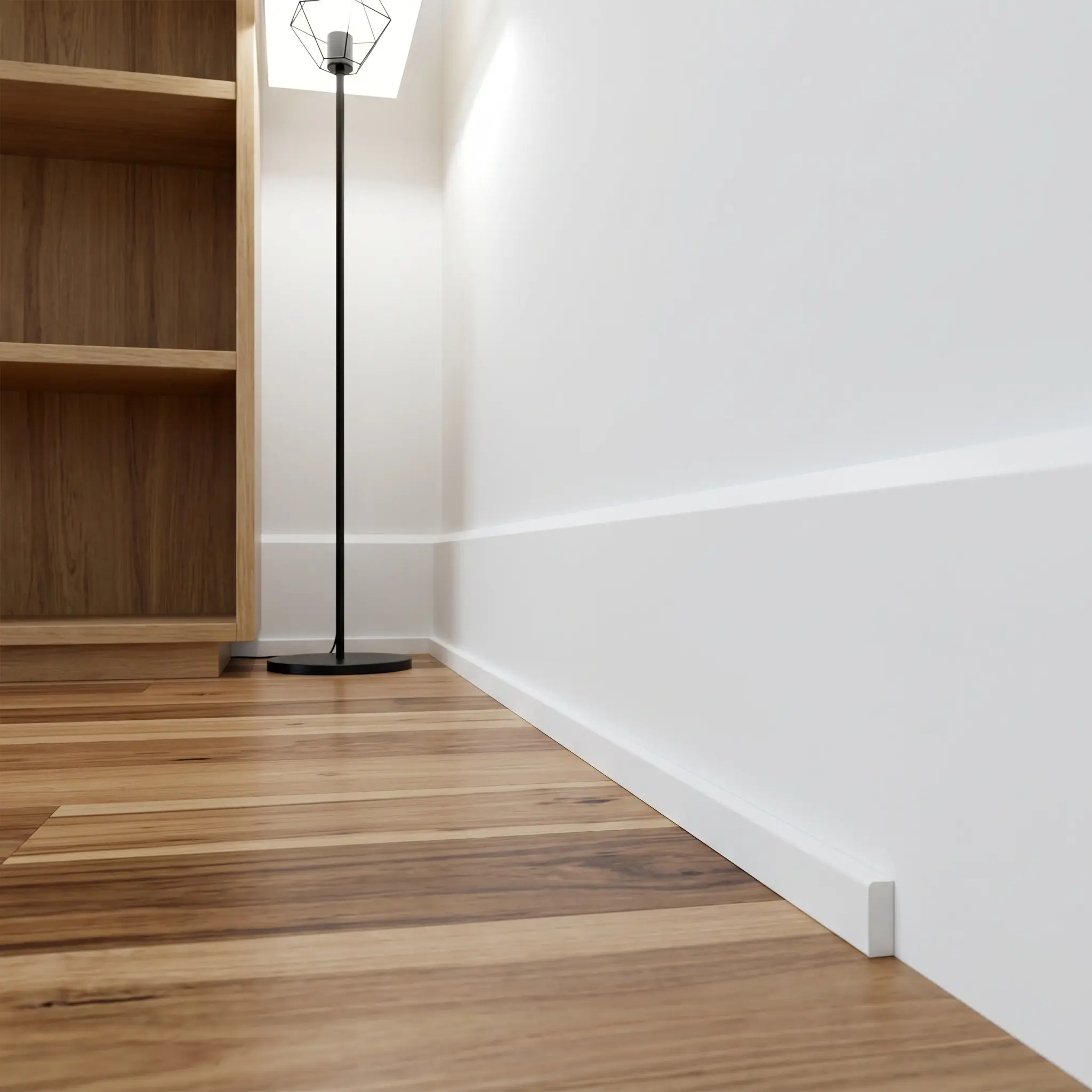
The curved quarter-round or traditional shoe molding is the enemy of modern floor-to-wall transitions. If your flooring installation leaves an expansion gap that your flat stock cannot cover, you must specify a squared-off shoe profile to maintain the room’s strict 90-degree geometric language.
- Vibe: Strict, Intentional
- Key Materials: 1/2″ x 3/4″ Rectangular flat shoe molding
- Color Match: Always paint the shoe molding to match the baseboard, never the floor.
DO: Specify a rectangular, flat shoe molding if covering a flooring gap is absolutely necessary. DON’T: Ever allow a trim carpenter to install a curved quarter-round against a flat stock baseboard. It instantly ruins the architectural geometry.
Do / Don’t Rule Set
Materiality & Finish: Styling Your Millwork
The physical geometry of your trim is only half the execution; the way it absorbs light and integrates with the room’s palette dictates the final aesthetic. Shifting our focus to materiality, finishes, and monolithic paint applications reveals how we style these modern profiles.
9. Color Drenching (Monolithic Painting)
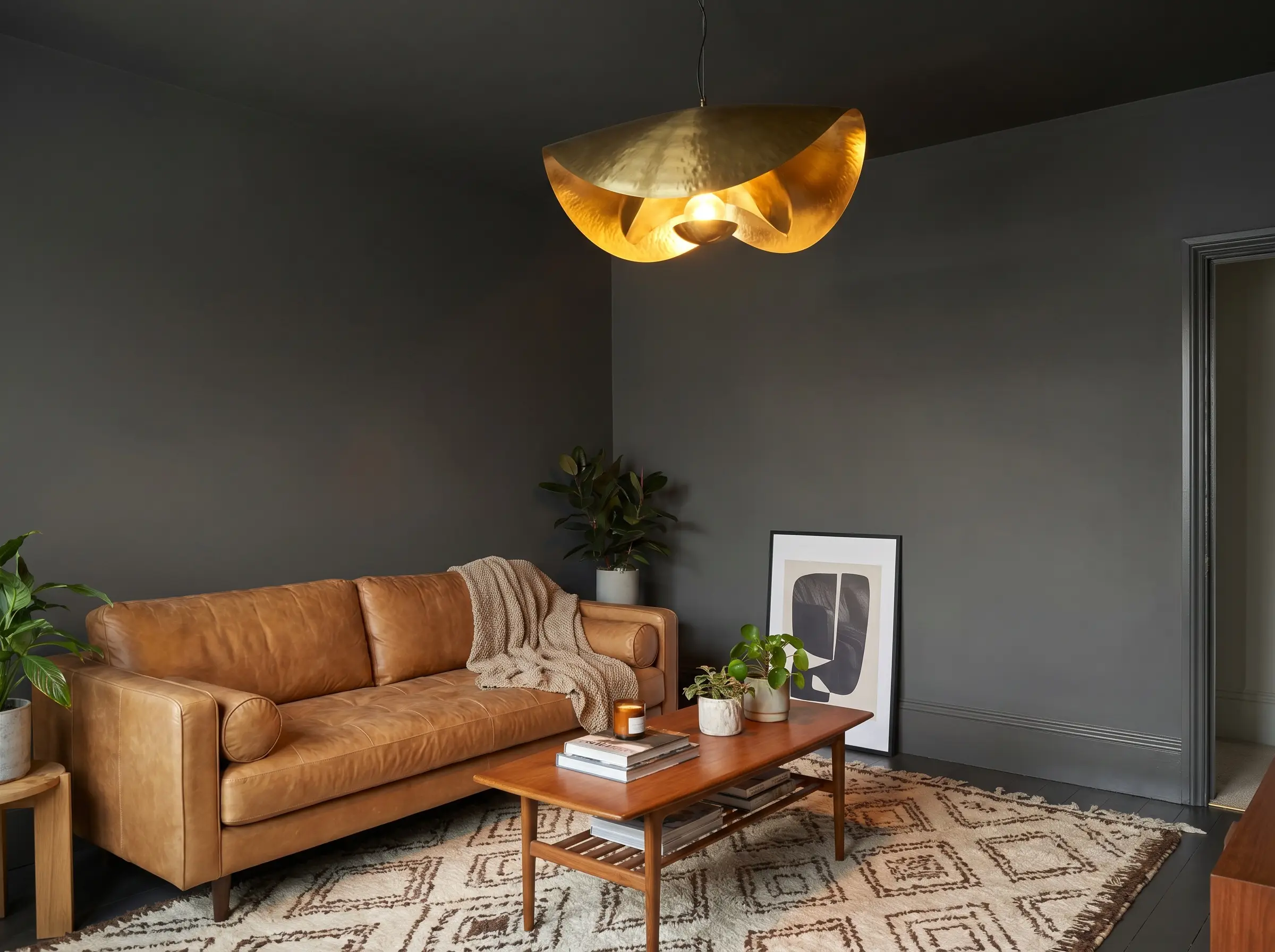
Painting the baseboards, walls, and ceiling the exact same color visually erases the physical trim, creating a continuous, monolithic plane. This high-impact, low-cost technique perfectly mimics the architectural continuity of high-end flush trim on a strict budget.
- Vibe: Enveloping, Budget-Friendly Modern
- Key Materials: Standard Flat Stock MDF
- Paint Recommendation: Benjamin Moore Kendall Charcoal
- Finish Contrast: Apply a Matte finish on the drywall and a Satin finish on the baseboard to engineer subtle, light-reflective contrast within the exact same color.
10. Natural Rift-Sawn White Oak
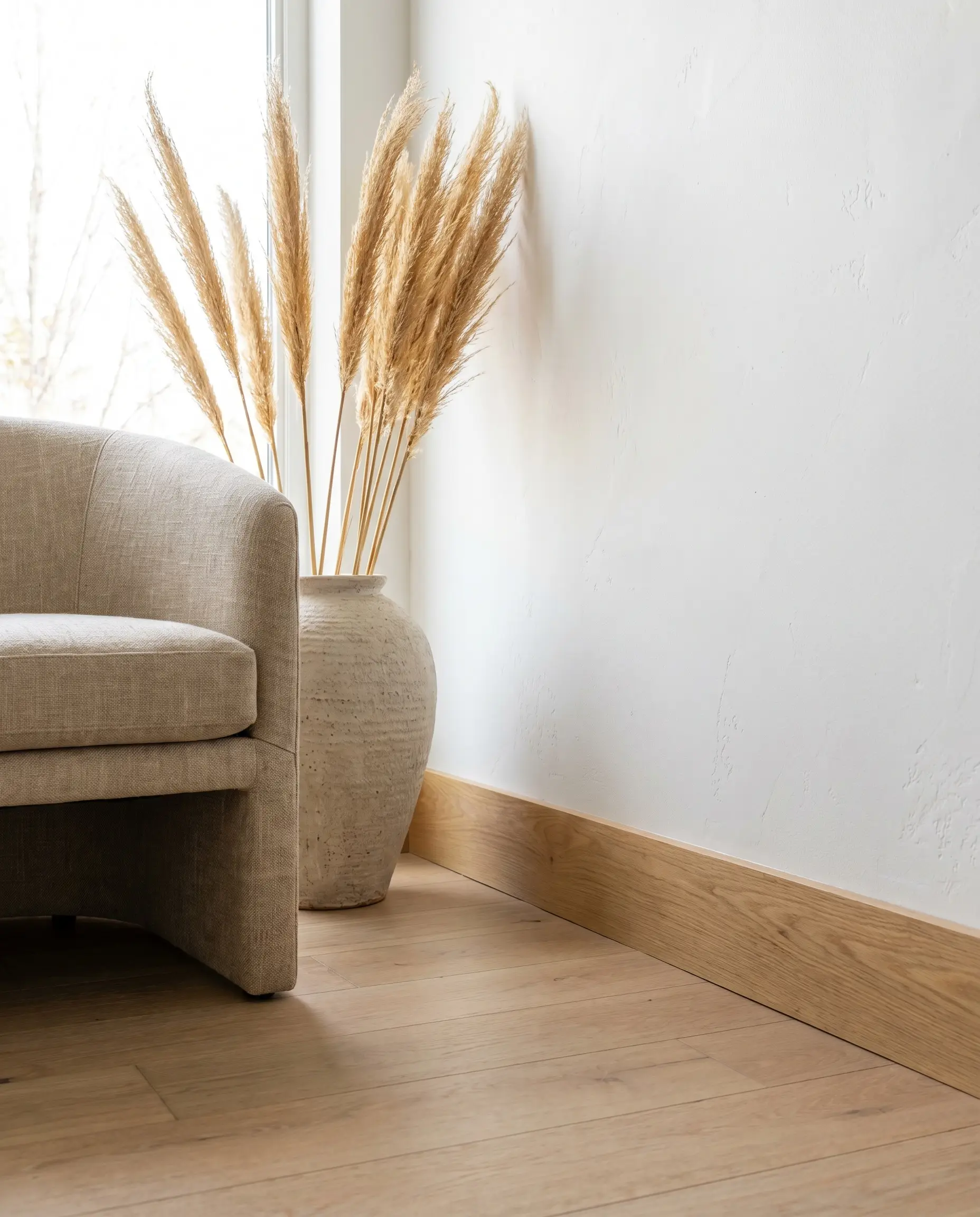
Stepping away from painted MDF, natural wood flat stock warms up stark minimalist architecture and anchors the Organic Modern aesthetic. By utilizing specific milling cuts and ultra-matte sealers, the wood grain remains rigorously straight, avoiding the heavy, dated look of traditional lumber.
- Vibe: Organic Modern, Tactile
- Key Materials: Solid White Oak Flat Stock
- Finish: Clear, water-based ultra-matte polyurethane
You must explicitly mandate “rift-sawn” or “quarter-sawn” cuts from your lumber yard. This ensures the grain runs in straight, modern lines. Glossy, plain-sliced red oak is strictly forbidden in this application.
Hackrea Detailer Tip
11. High-Contrast Matte Black Trim
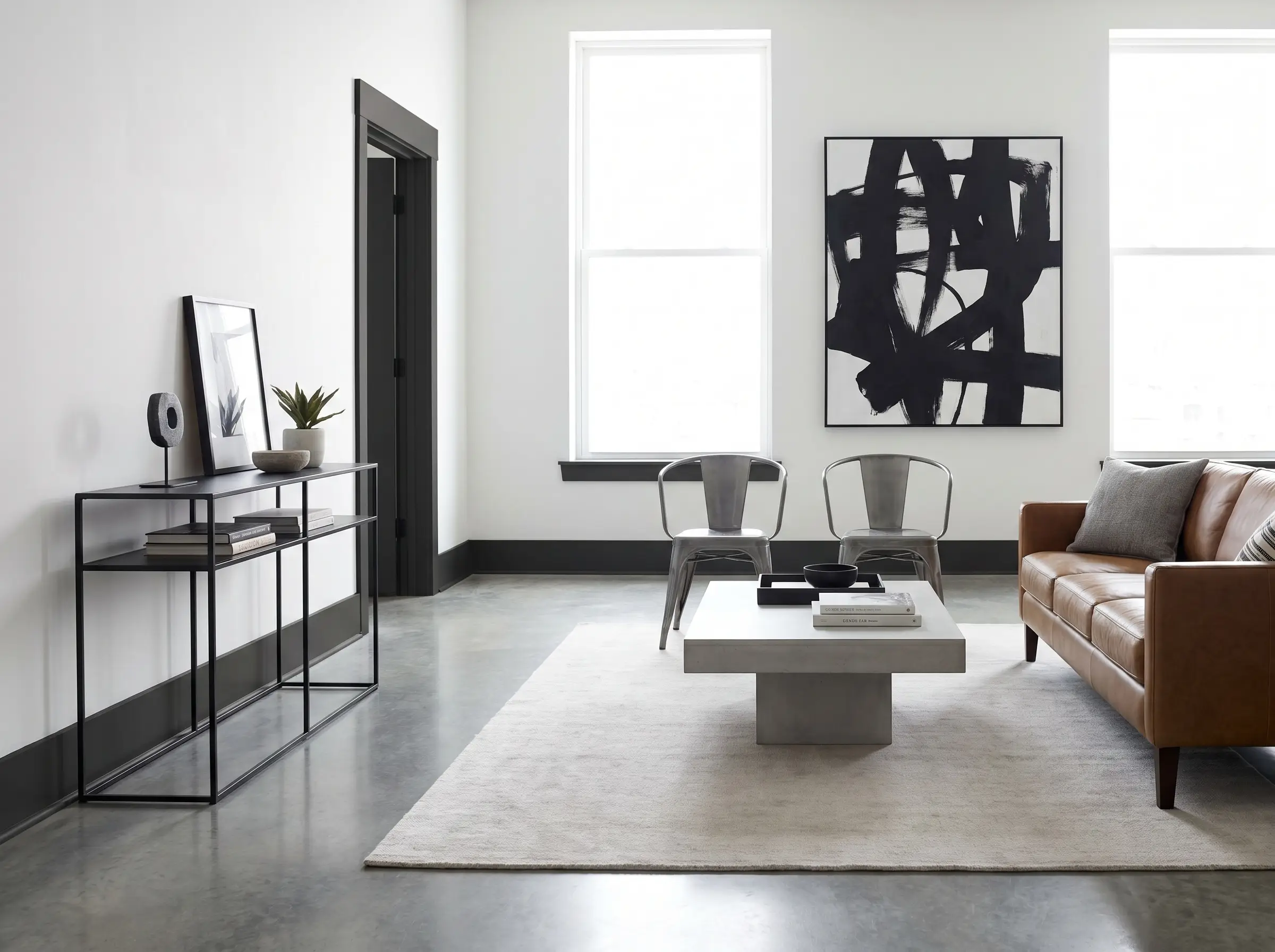
For a bold, industrial-leaning space, crisp matte black baseboards and door casings act as aggressive architectural framing against pure white walls. This high-contrast aesthetic demands brutally simple flat stock profiles, ensuring the dark lines trace the room’s geometry with absolute precision.
- Vibe: Industrial Contemporary, Graphic
- Key Materials: 1×4 Primed Pine or MDF
- Paint Recommendation: Sherwin-Williams Tricorn Black (Matte or Flat enamel)
- Wall Contrast: Pair with stark white Level 5 drywall or pale Roman clay for maximum graphic impact.
12. Plaster-Matched Baseboards
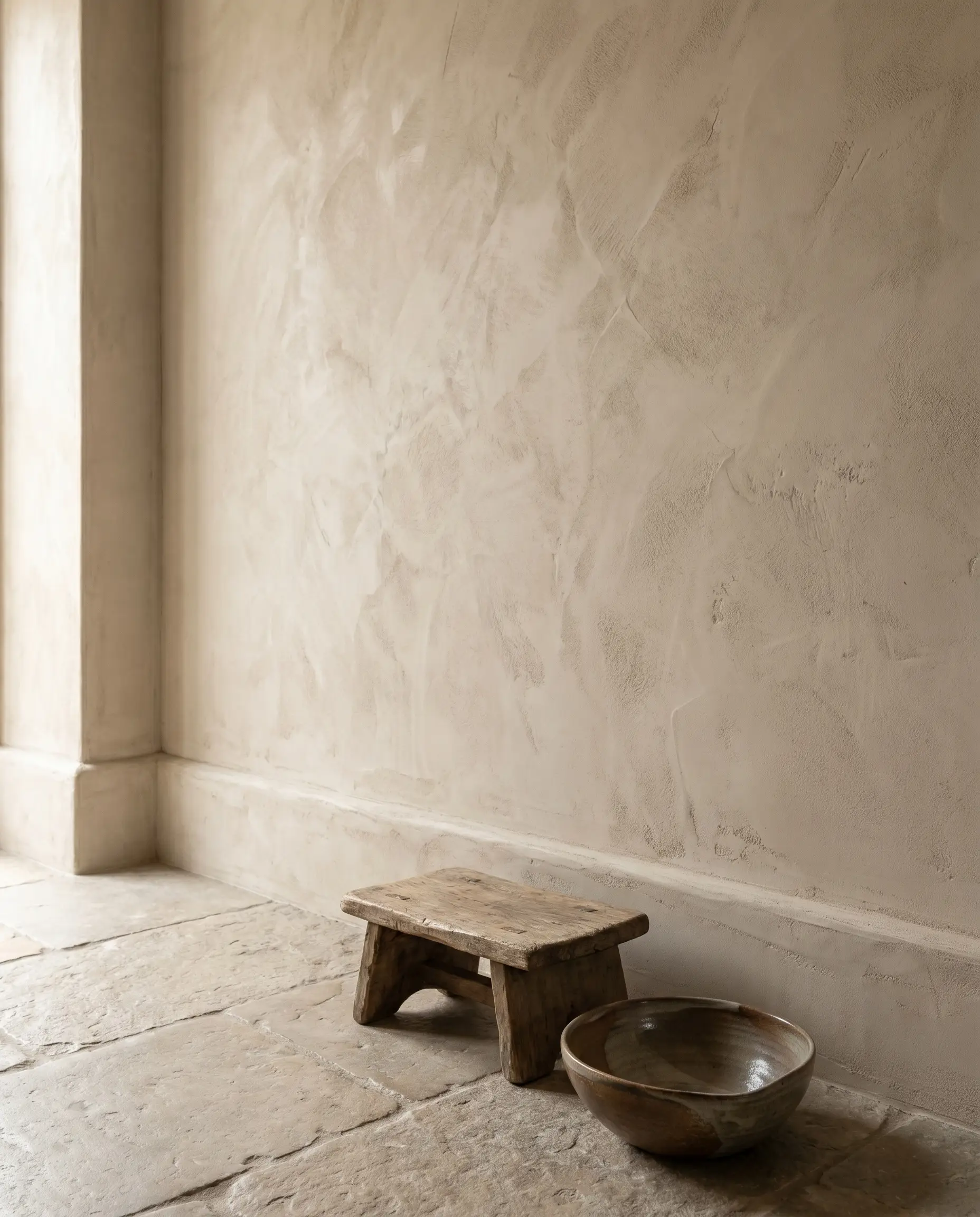
Catering to highly textural Mediterranean and Wabi-Sabi aesthetics, this technique involves applying a micro-cement or plaster finish directly over a flush baseboard substrate. The result integrates the tactile texture of the wall directly into the floor line, erasing the transition entirely.
- Vibe: Earthy, Textural
- Key Materials: Flush MDF baseboard substrate, Micro-cement or Roman clay
- Color Match: Portola Paints Roman Clay in ‘Patagonia’
- Execution Pro-Tip: The baseboard substrate must be perfectly flush and taped into the drywall before the plaster artisan begins, allowing them to trowel the finish in one continuous vertical sweep.
Millwork Budget & Execution Tier-List
| Trim Style | Relative Cost | Installation Phase | Best For |
|---|---|---|---|
| Surface-Mounted Flat Stock | $ (Low) | Post-Drywall / Finishing | Budget DIY & Rapid Renovations |
| Recessed / Shadow Gap | $$$ (High) | Pre-Drywall / Framing | High-End Bespoke & New Builds |
| Plaster-Matched Flush | $$$$ (Premium) | Pre-Drywall / Plastering | Textural, Mediterranean Aesthetics |
The Detailer’s Sign-Off
Modern architectural design is found entirely in the restraint of its details. A poorly planned, surface-mounted baseboard can instantly ruin the visual impact of a multi-thousand-dollar wall finish. From installing a simple flat stock to engineering a precise shadow gap, you must finalize your trim profiles before your framing inspection. Which detail are you bringing to your next build? Subscribe to Hackrea for more rigorous architectural breakdowns and execution guides.

The Aesthetics Desk curates the visual direction for Hackrea. Specializing in design history, global architectural movements, and interior styling, this desk focuses on the psychology of space and how to translate high-end, magazine-quality aesthetics into approachable residential design without falling into fleeting micro-trends.