Architectural Design Trends 2026: The Era of Regeneration and AI
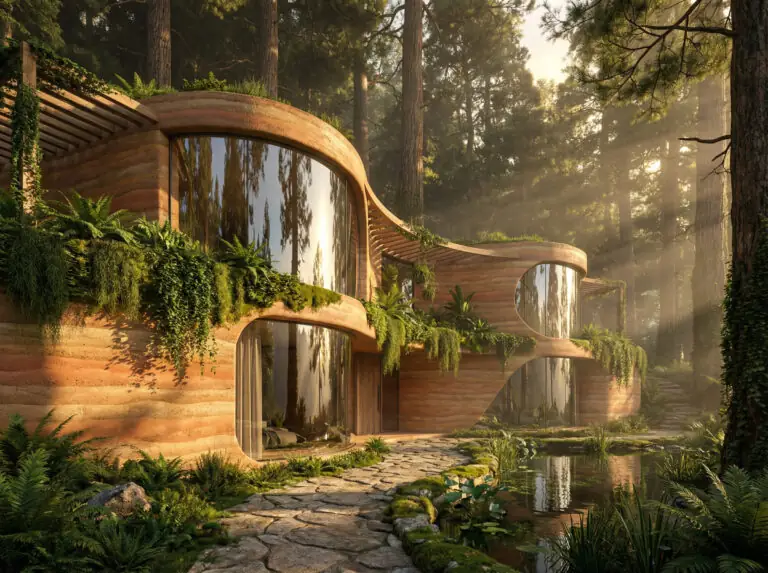
Architecture is no longer just about building walls; it is about creating living, breathing systems. If the last few years were defined by the buzzword “sustainability,” 2026 marks a profound pivot toward regeneration and cognitive spaces.
We are witnessing a fundamental shift in how we conceive our built environment. The static “smart home” of the early 2020s is evolving into an AI-integrated partner that actively anticipates your needs. Meanwhile, the drive for eco-friendliness has matured into a demand for buildings that actively heal the planet rather than just damaging it less. The era of “doing less harm” is over; the era of “doing good” has begun.
Whether you are an architect pushing the boundaries of design, a developer looking for the next market edge, or a homeowner dreaming of a renovation that will stand the test of time, these are the definitive architectural movements shaping the skylines and suburbs of 2026.
📋 2026 Trends at a Glance (Quick Summary)
For those in a hurry, here are the 6 defining shifts in architectural design for 2026:
1. The Evolution of Sustainability: Regenerative Design
For the past decade, the gold standard in green architecture was “Net-Zero”—buildings that consume only as much energy as they produce. In 2026, that bar has been raised significantly. The new benchmark is Net-Positive, or Regenerative Design. These are buildings that give back more than they take, acting like trees in a forest rather than inert concrete blocks.
Beyond Net-Zero: The Carbon-Positive Building
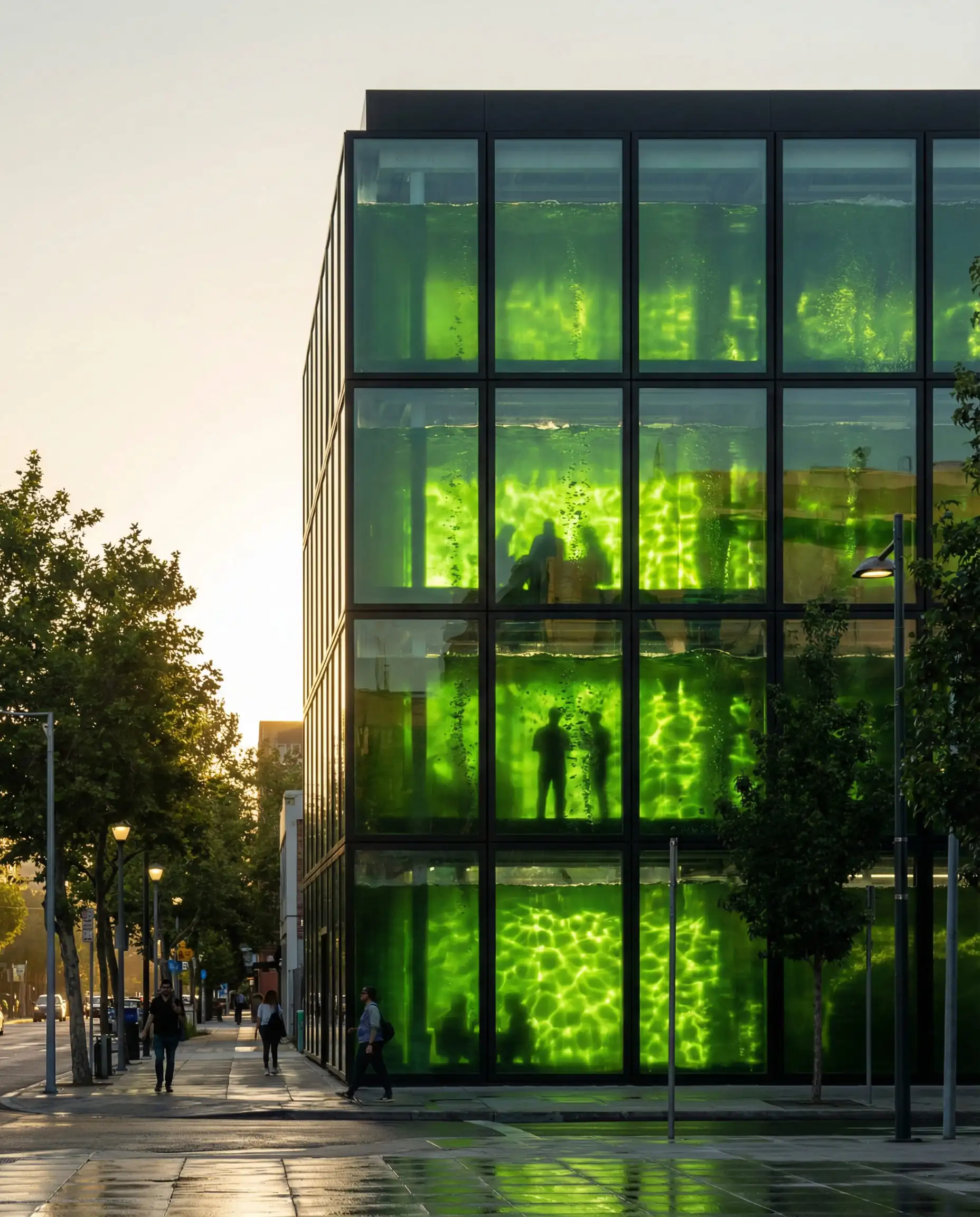
Future-forward architecture now focuses on structures that actively clean the air, sequester carbon, and replenish local water tables. We are moving away from the defensive posture of merely insulating against the climate and toward an offensive strategy of restoration.
The Bio-Materials Revolution
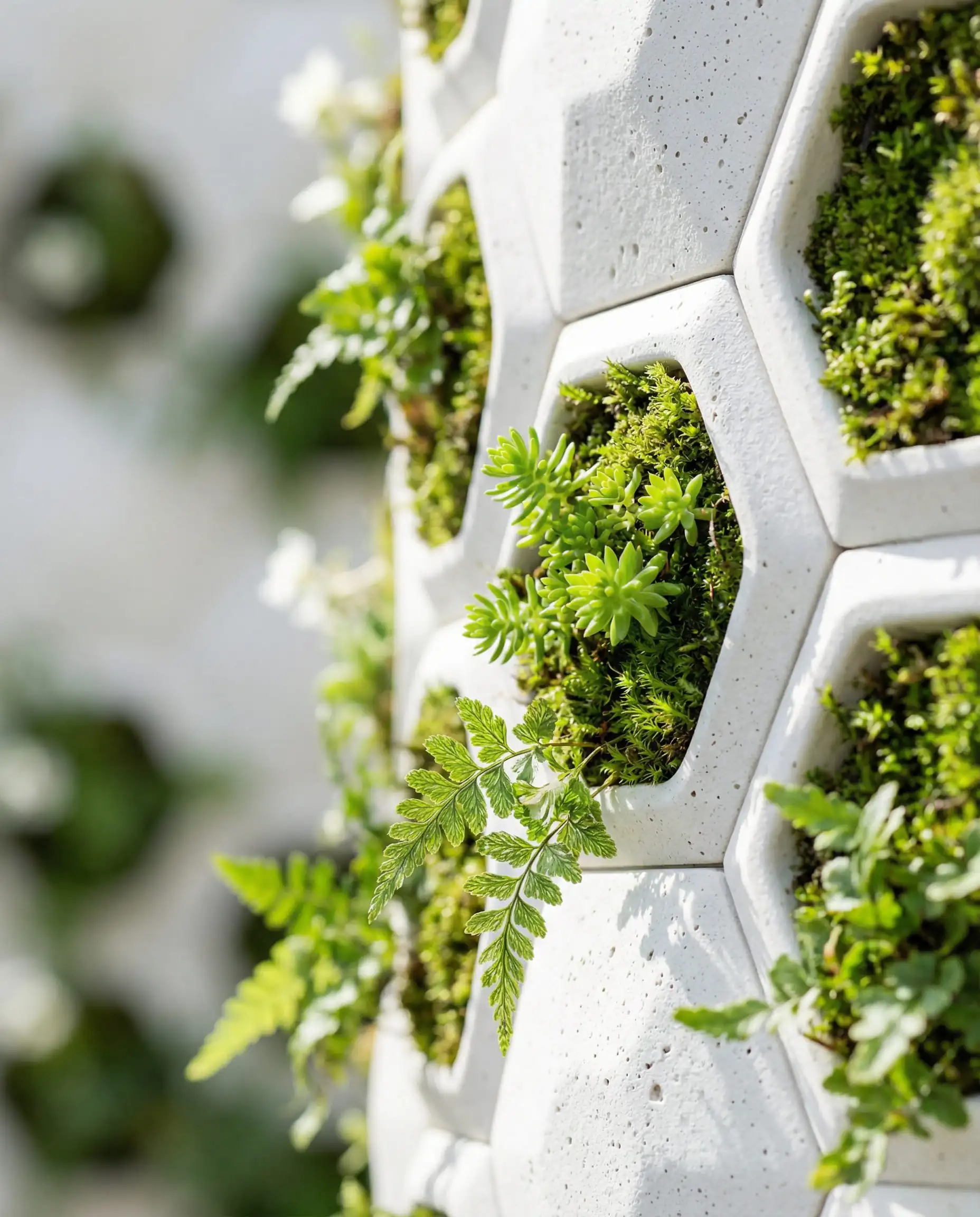
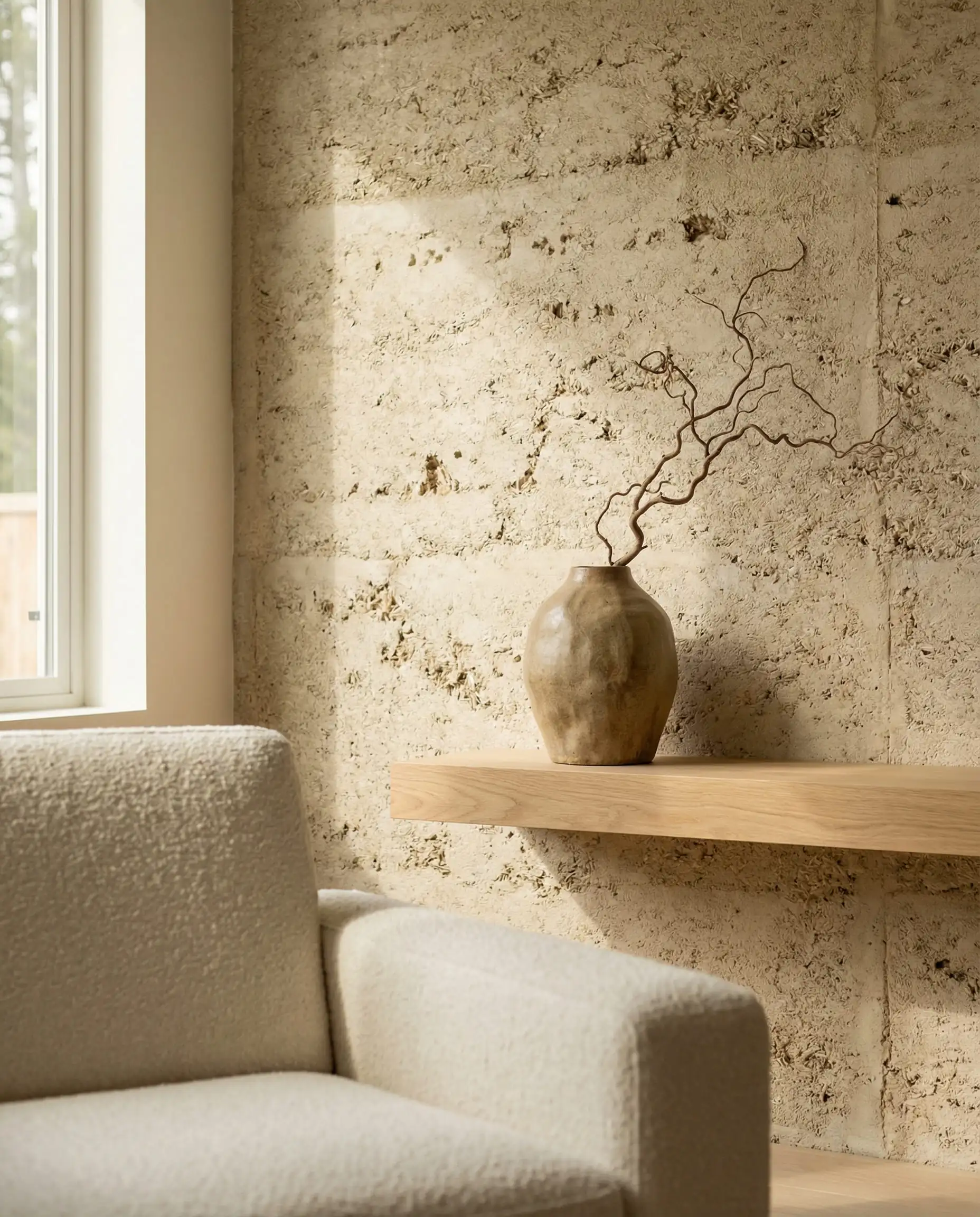
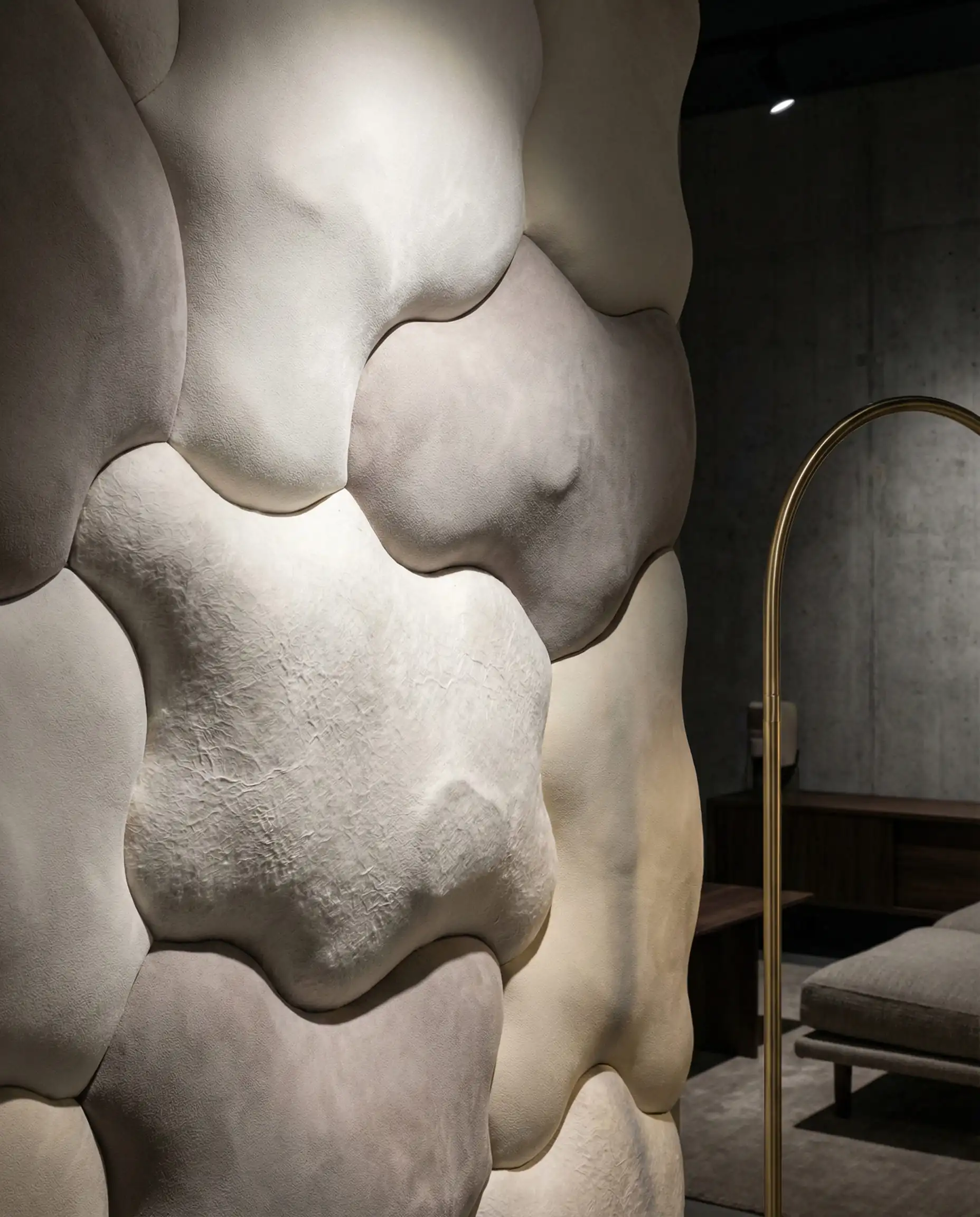
Say goodbye to the dominance of synthetic plastics and energy-intensive steel. 2026 is seeing a surge in bio-based materials that are grown rather than mined. This is not just an aesthetic choice; it is a necessity for reducing “embodied carbon.”
Related: For a deeper dive into how these materials are entering the home interior, check our guide on Eco-Sustainable Interior Design Trends.
Water Stewardship and Greywater Integration
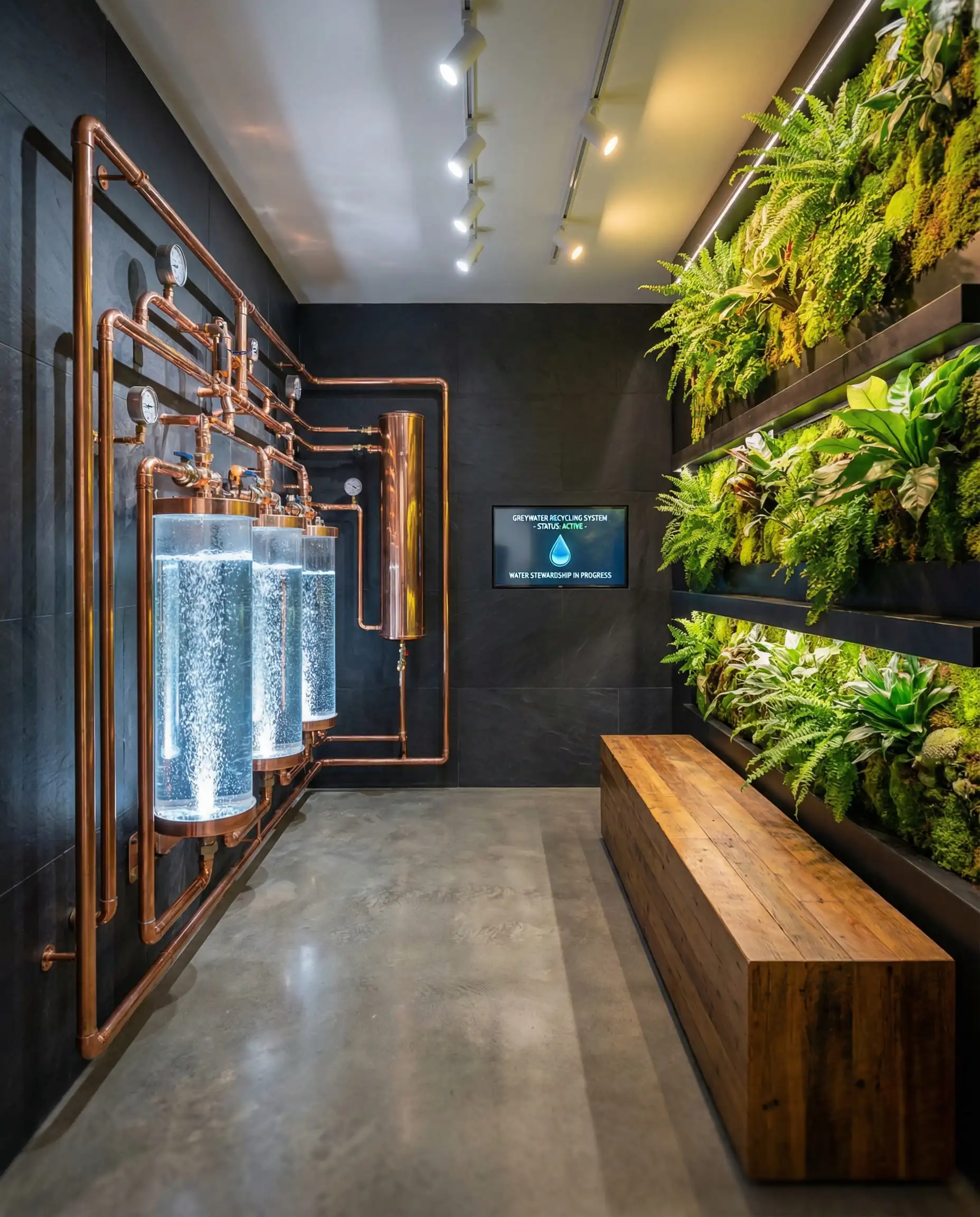
Water scarcity is influencing architectural form more than ever. 2026 designs treat water as a precious, cyclic resource. New residential builds are increasingly integrating greywater recycling systems as a standard feature, not an optional upgrade. These systems filter water from sinks and showers to flush toilets or irrigate garden walls.
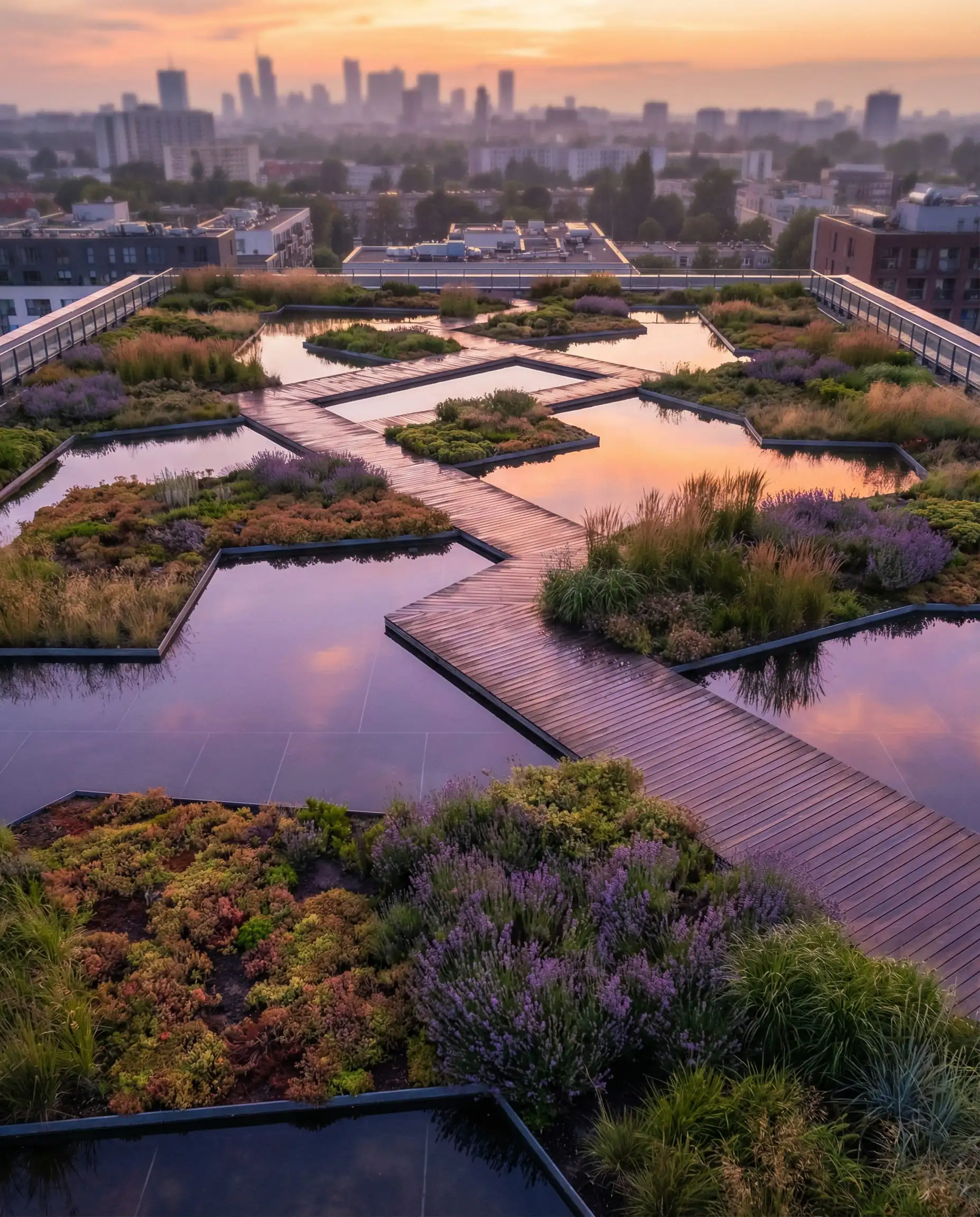
Blue-Green Roofs: An evolution of the green roof, these structures are designed specifically to retain stormwater, releasing it slowly to preventing urban flooding while cooling the building through evaporation.
The Circular Economy: Design for Disassembly
“Design for Disassembly” (DfD) is a key phrase for 2026. Architects are planning the end of a building’s life before the foundation is even poured. Instead of gluing and welding materials together—which makes recycling impossible—components are bolted and mechanically fixed.
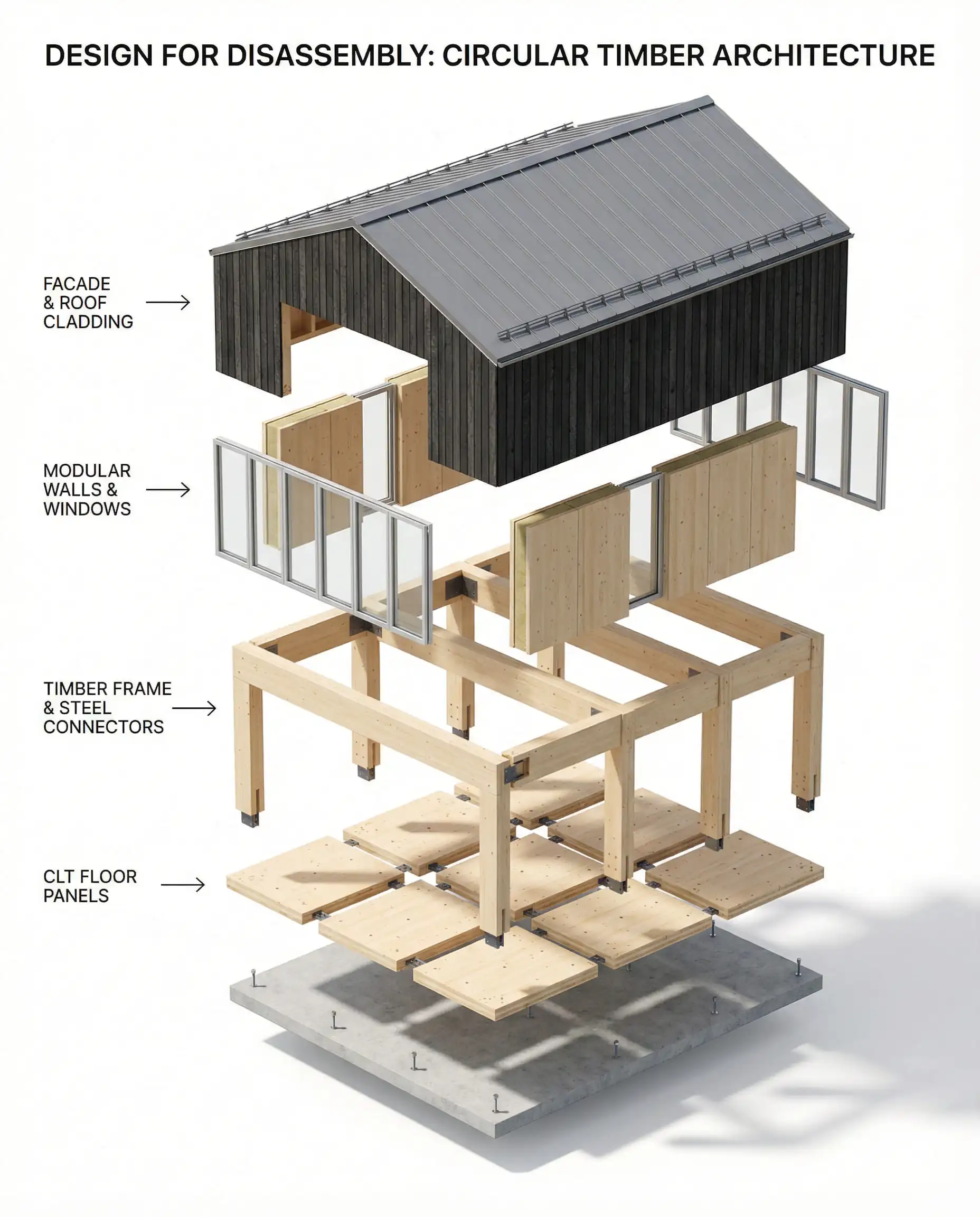
Material Passports: Buildings are now coming with digital “passports” that list every material used, its origin, and its lifespan. This ensures that in 50 years, the steel beams and timber frames can be easily reclaimed and reused in new projects, effectively eliminating demolition waste.
2. Technology & The Cognitive Building
We have moved past the era of the “Smart Home” where you simply command a speaker to turn on the lights. The Cognitive Building of 2026 doesn’t wait for commands—it anticipates them through deep learning and predictive analytics.
AI-Driven Adaptive Facades
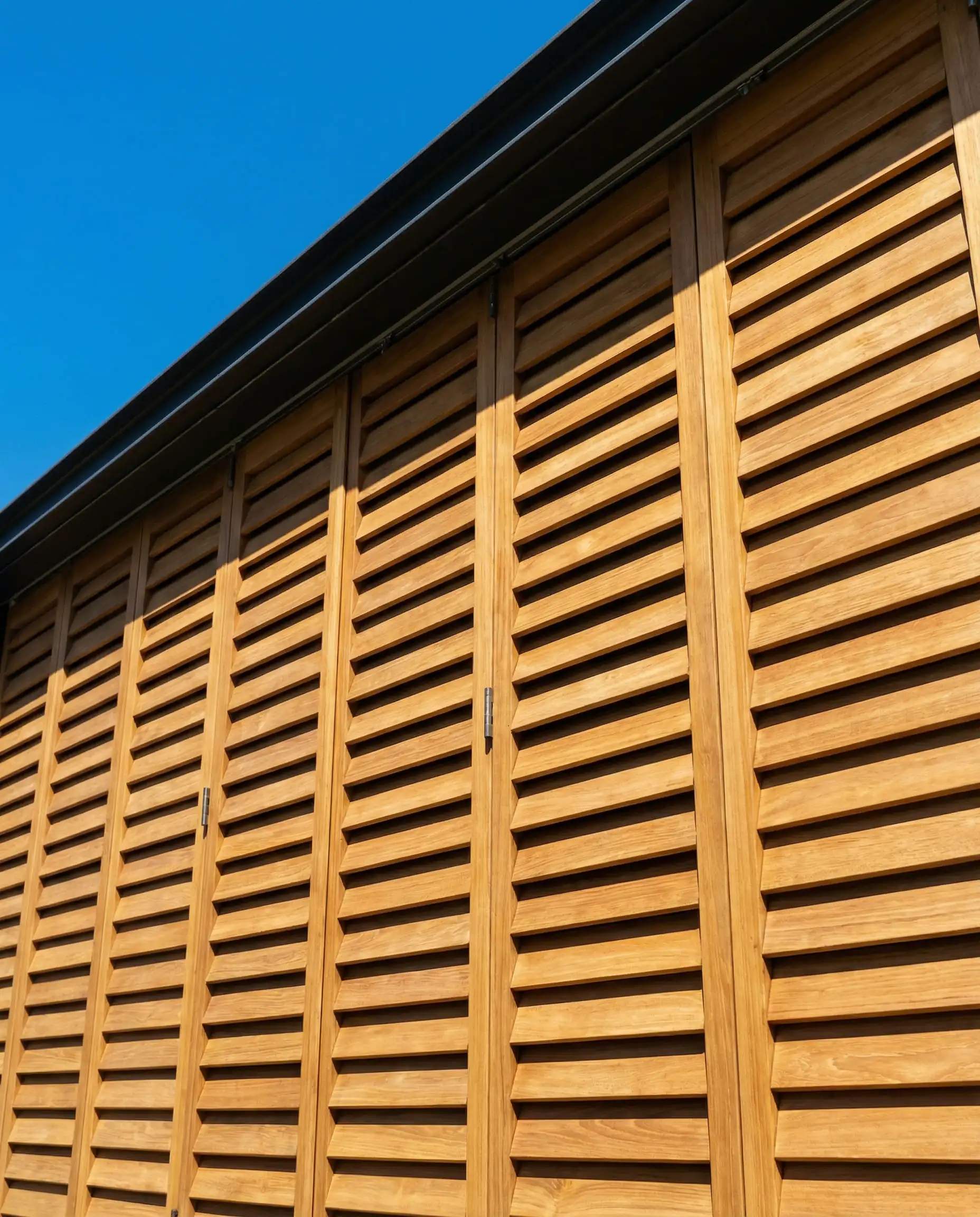
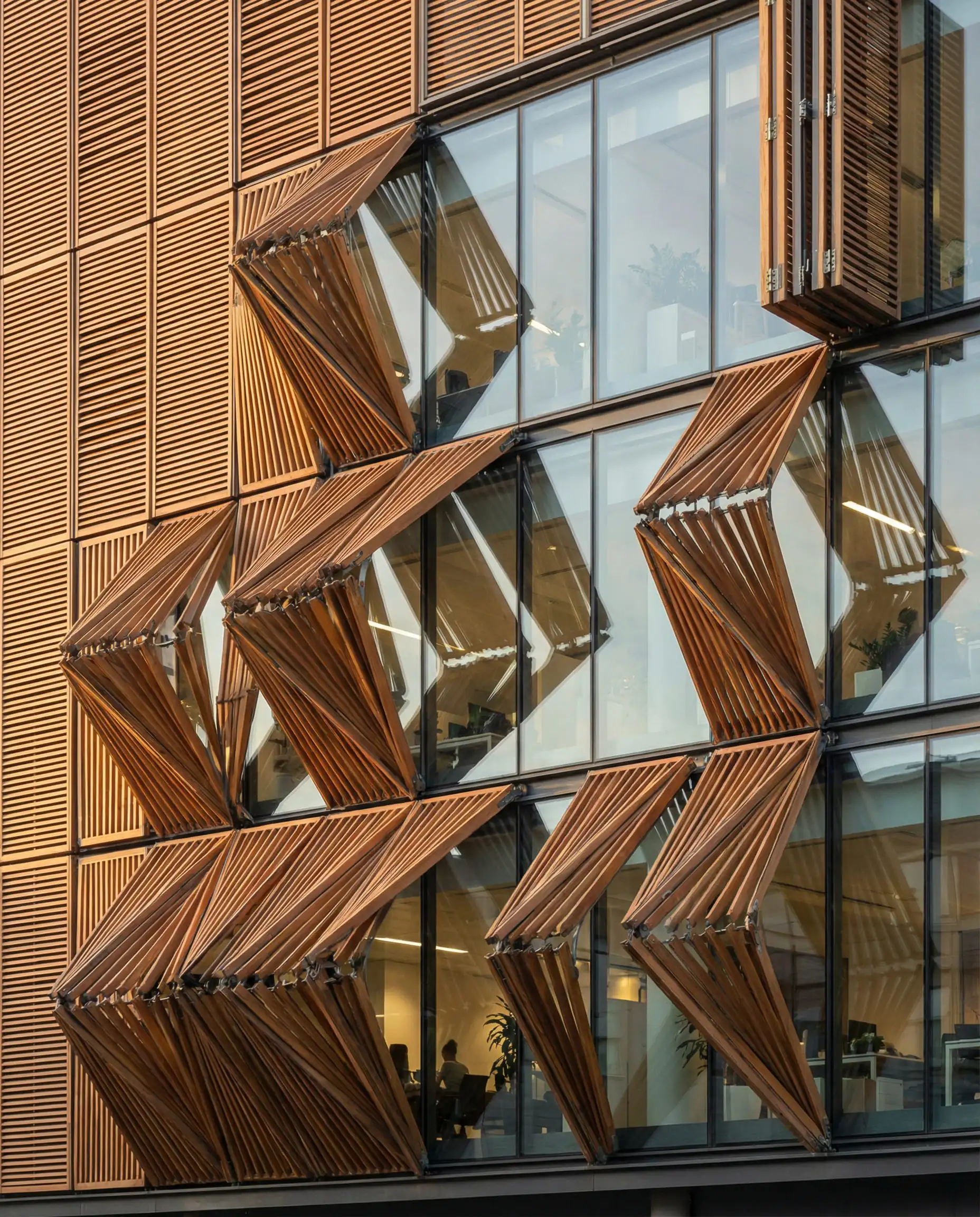
Imagine a home that “sweats” to cool down or “shivers” to warm up. 2026 architecture features kinetic facades driven by AI. These dynamic skins utilize sensors to monitor sun angles, wind speed, and internal occupancy.
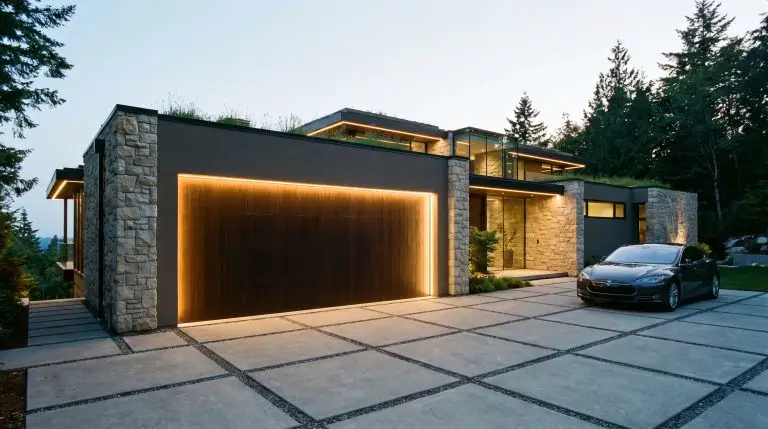
Trend Watch: Automation is also changing how we secure and access our homes. See how this integrates with Smart Home Trends and the latest Garage Door Trends.
Digital Twins & BIM
Before a single brick is laid, a “Digital Twin”—a perfect virtual replica of the building—is created. This allows architects to simulate decades of weather patterns, energy usage, and structural stress.
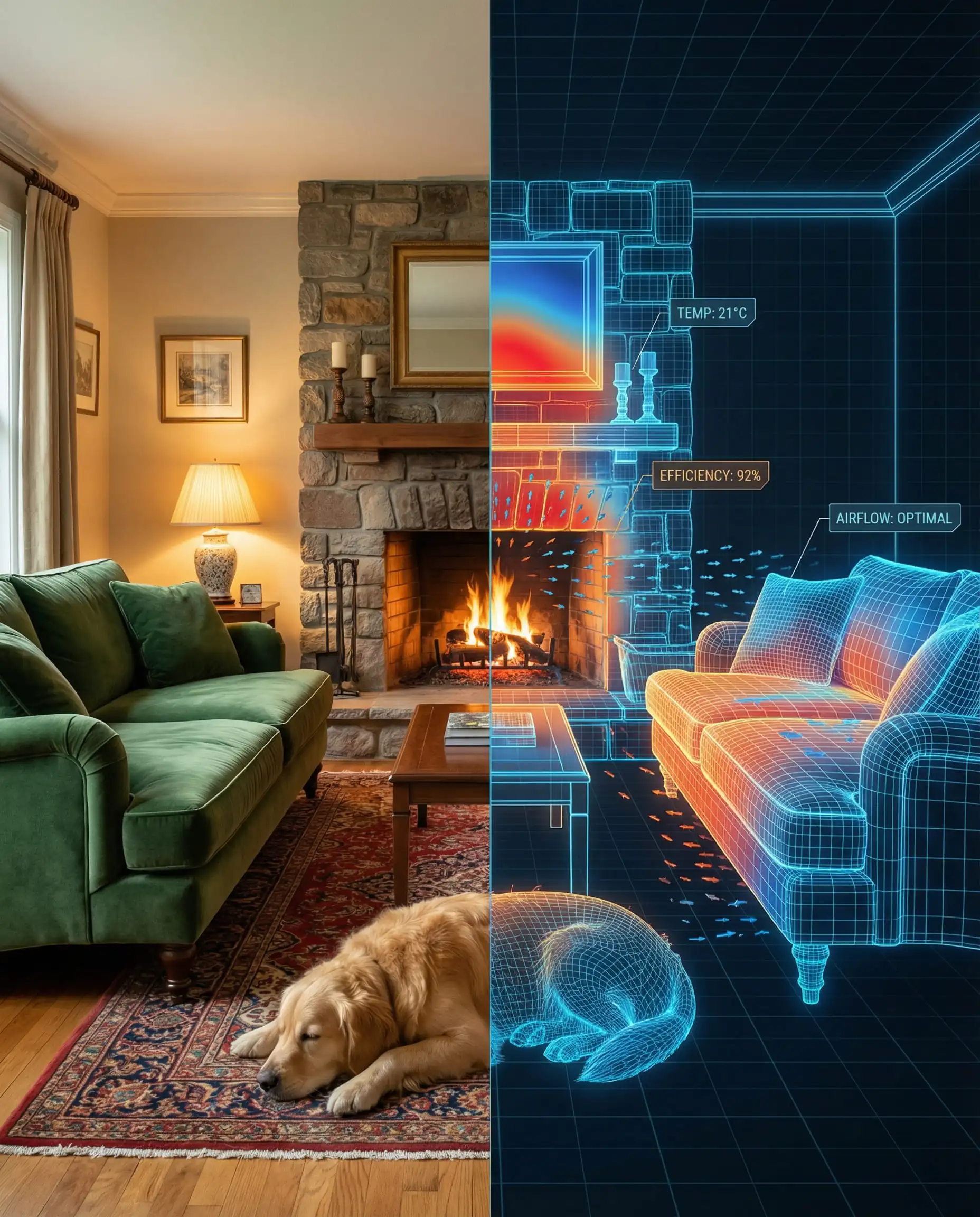
Predictive Maintenance: For homeowners, this means your house can alert you to a potential pipe leak or HVAC failure before it happens, scheduling its own repairs. It’s a trend that ensures your home is future-proofed against climate change and wear-and-tear from day one.
3D Printing & The Rise of “4D” Materials
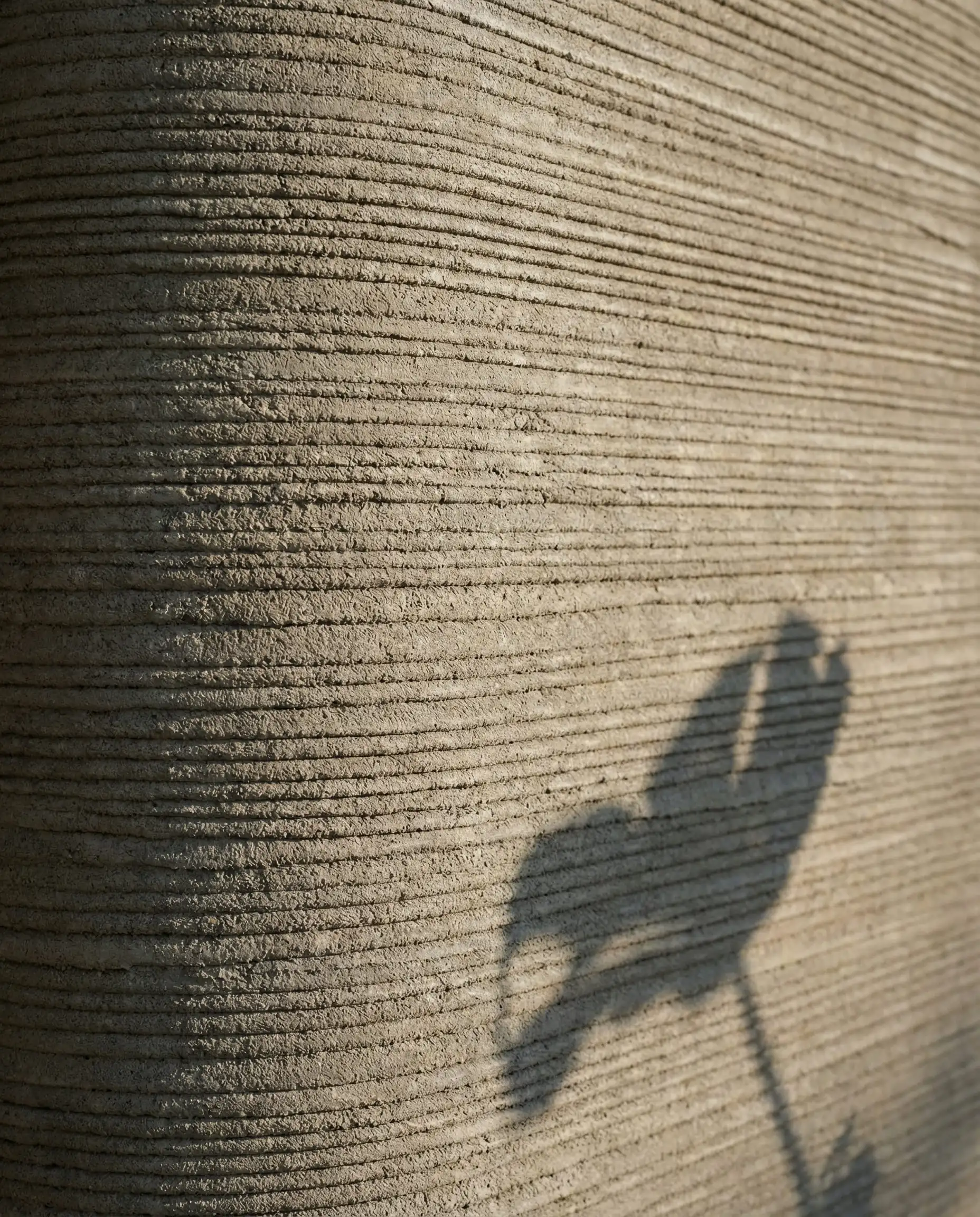
Speed and precision are driving the adoption of 3D printing for complex, organic shapes that were previously too expensive to build. But the frontier for 2026 is 4D Printing—where the printed materials are programmed to change shape over time in response to humidity or temperature.
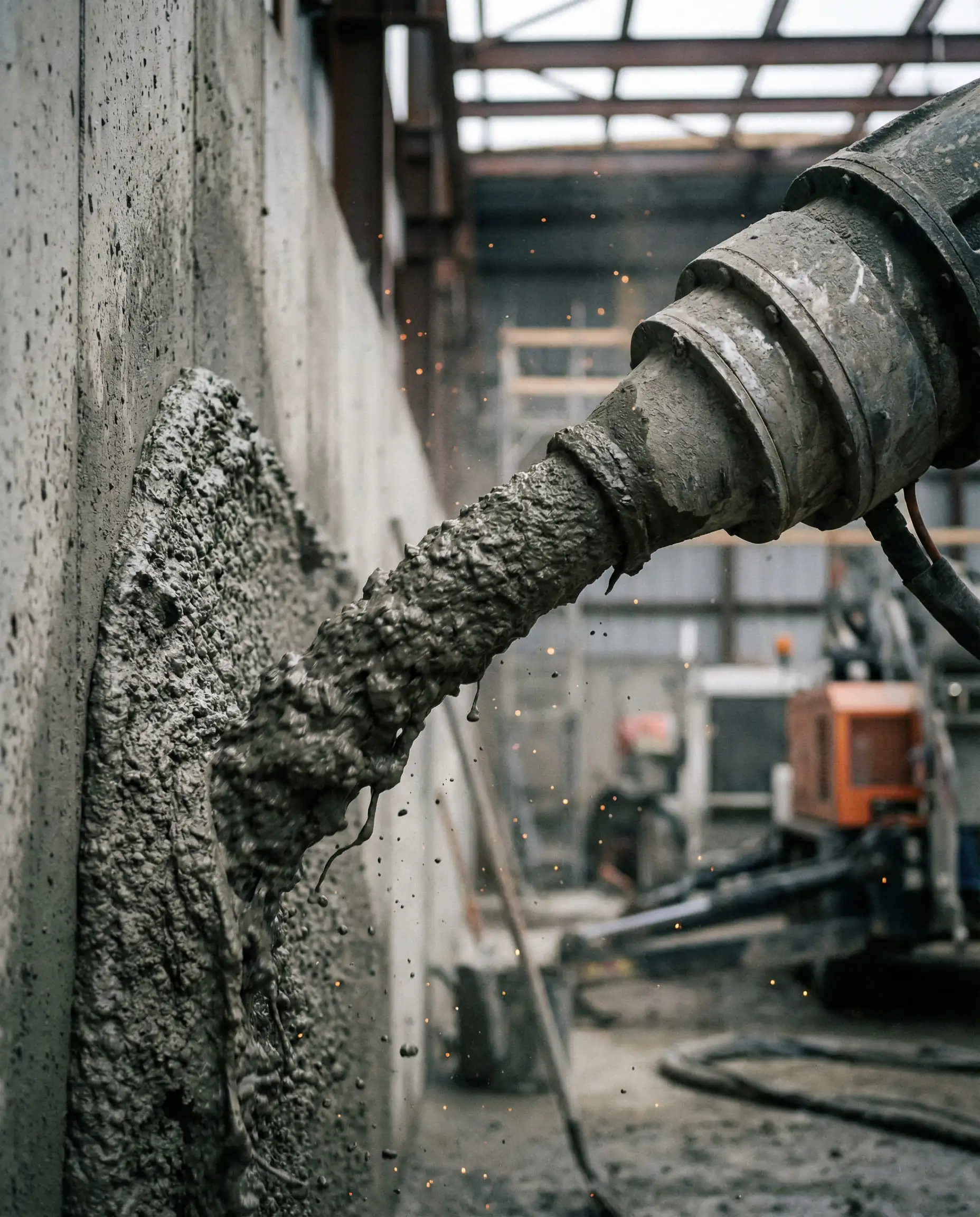
Self-Healing Walls: We are seeing experimental use of materials containing bacteria that produce limestone when exposed to water, effectively “healing” cracks in concrete automatically.
3. Human-Centric & Wellness Architecture
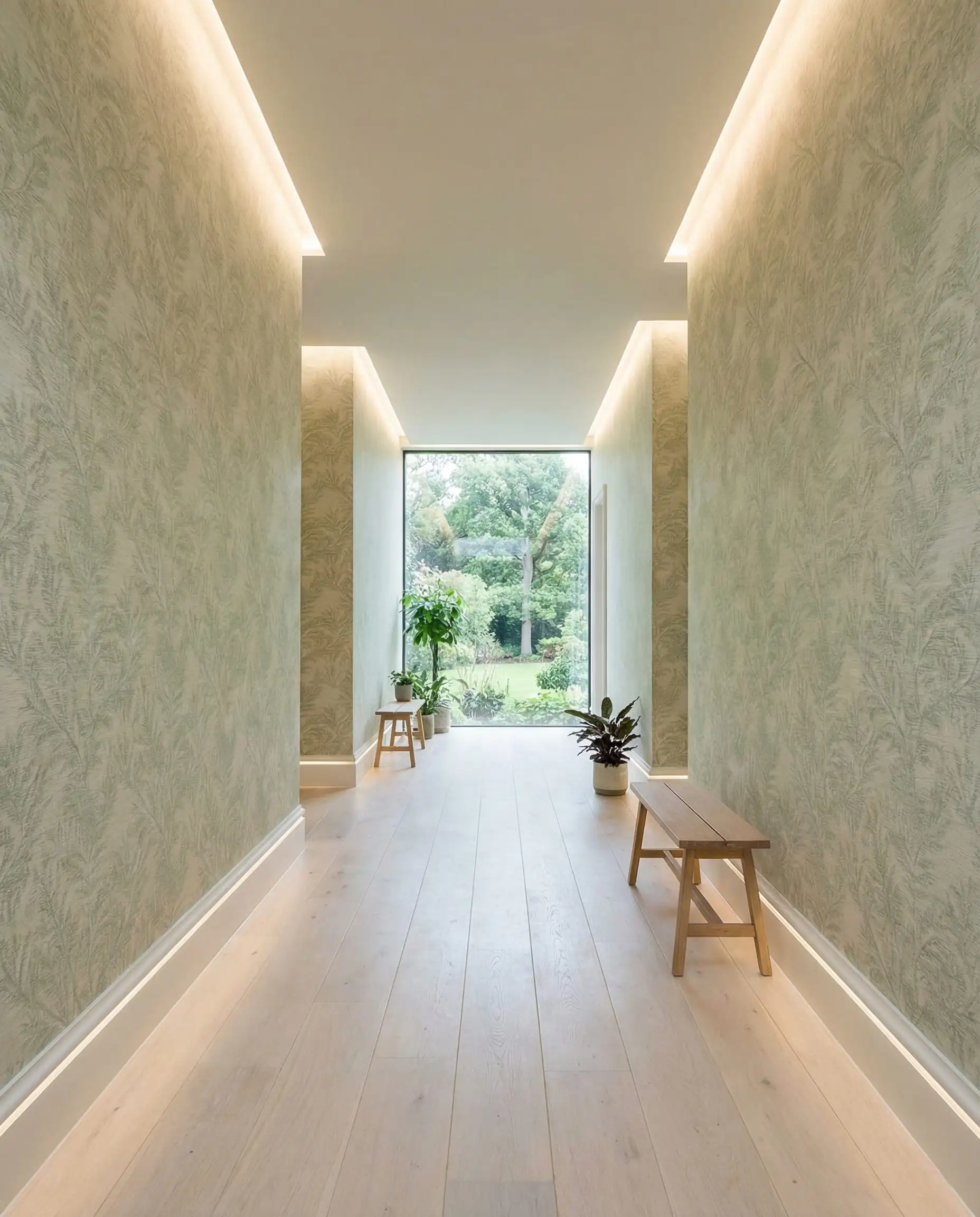
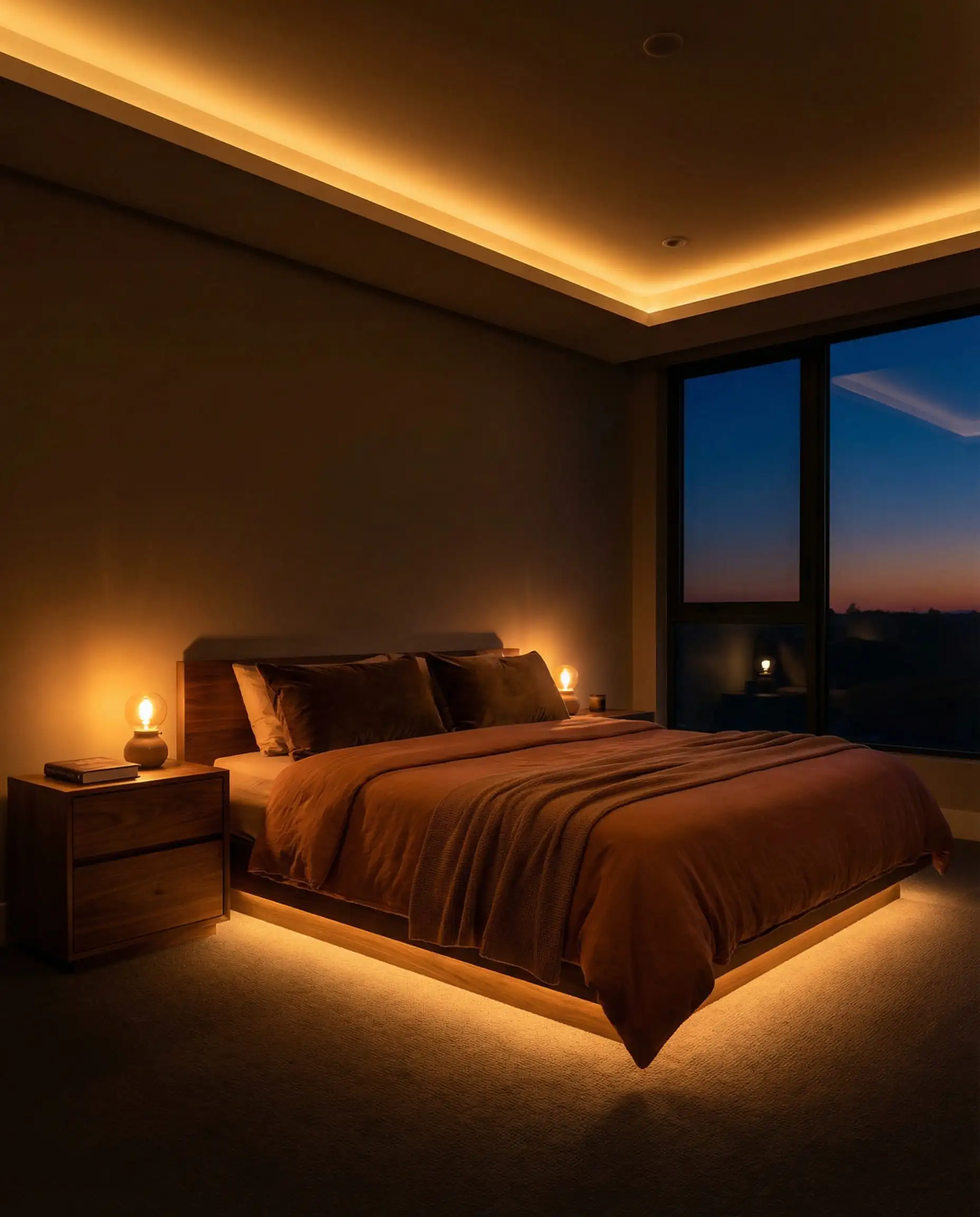
In the post-pandemic world, our tolerance for “sick buildings”—spaces with poor light, stale air, and toxic materials—has vanished. 2026 architecture prioritizes Neuro-Architecture, a design philosophy backed by neuroscience to lower cortisol levels and improve cognitive function.
Neuro-Architecture: Designing for the Mind
Architects are now consulting neuroscientists to create spaces that reduce stress. This goes beyond aesthetics into the realm of biology.
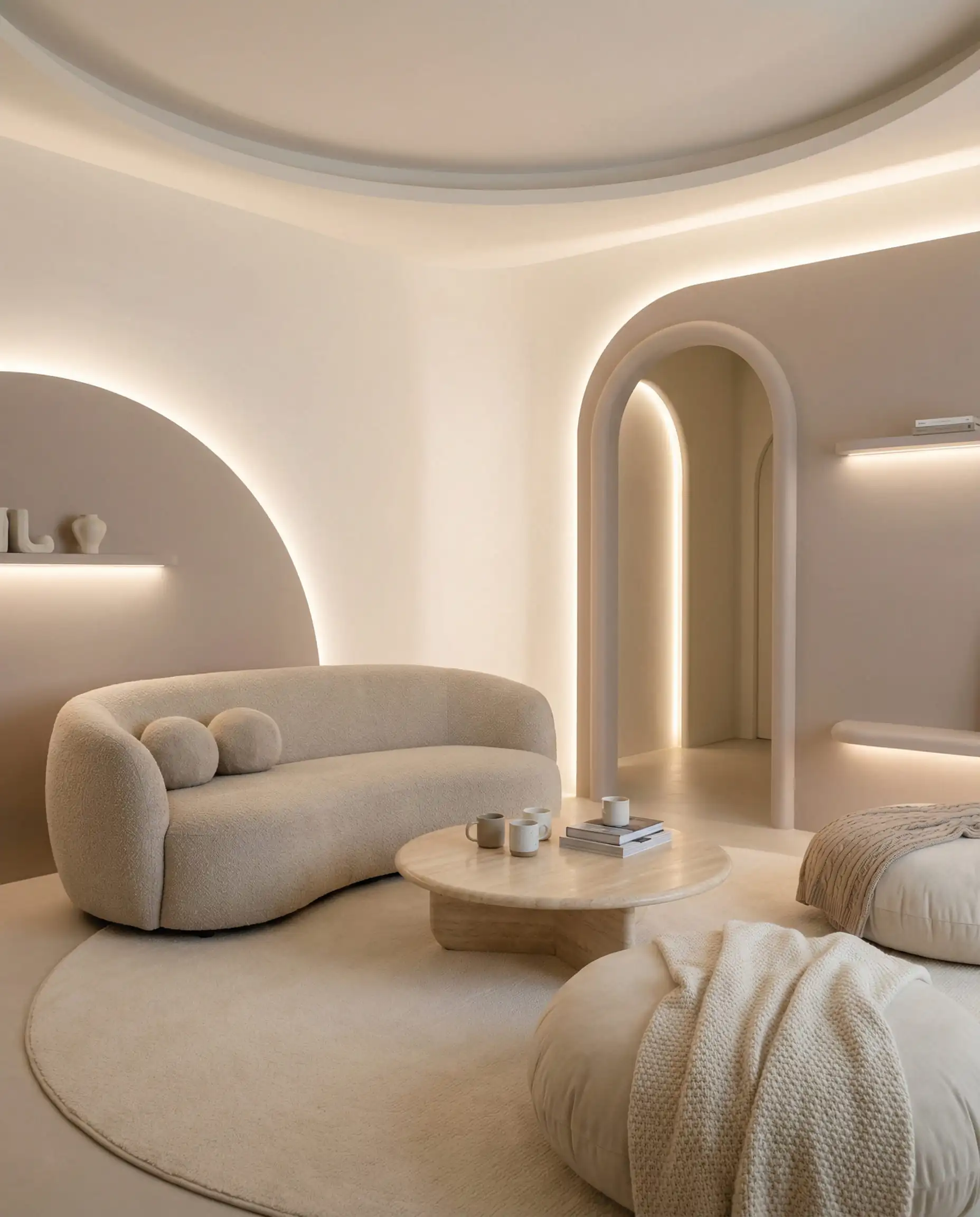
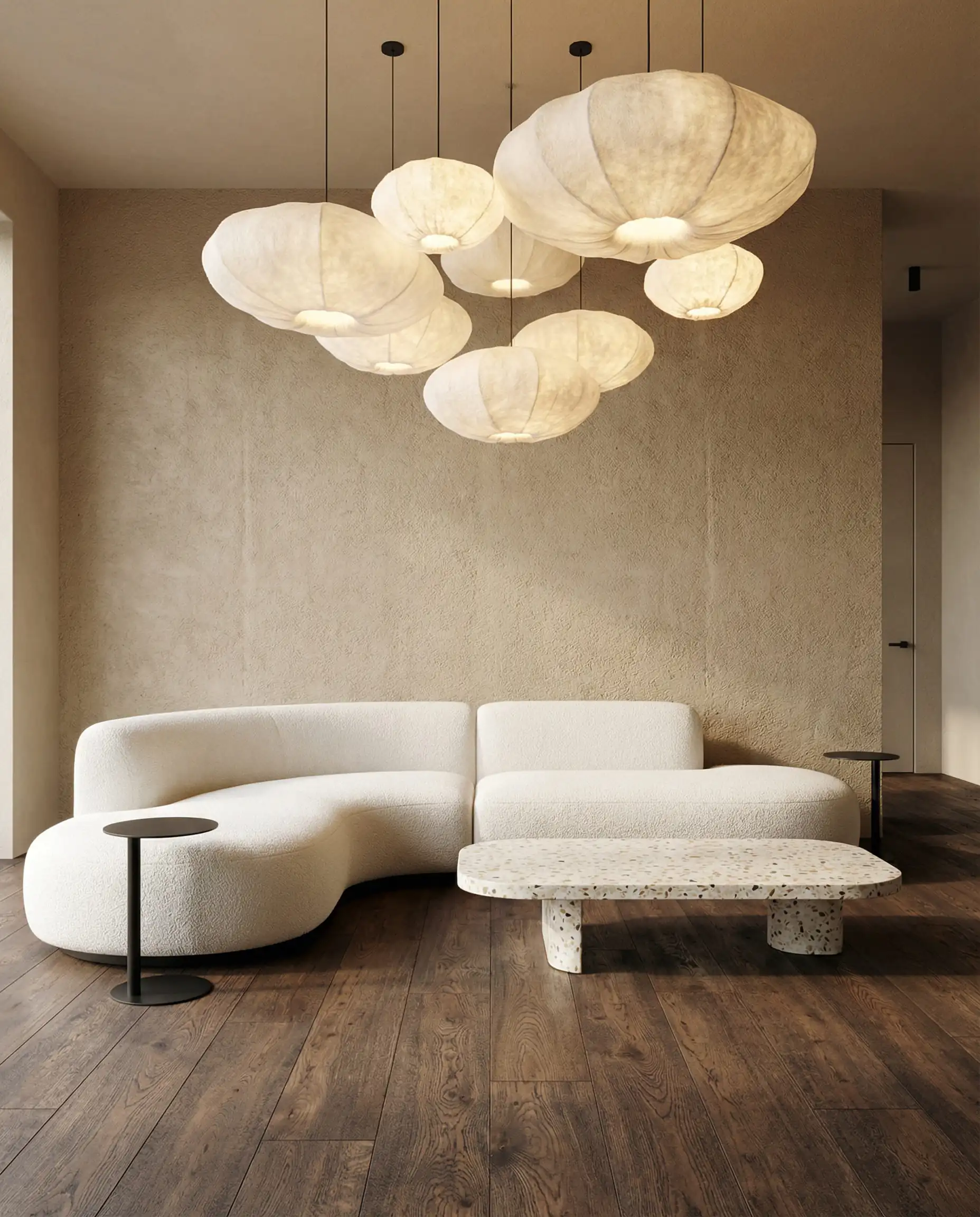
Interior Match: This trend is heavily influencing furniture shapes. Check out how curves are shaping Sofa Trends and Modern Coffee Table Trends.
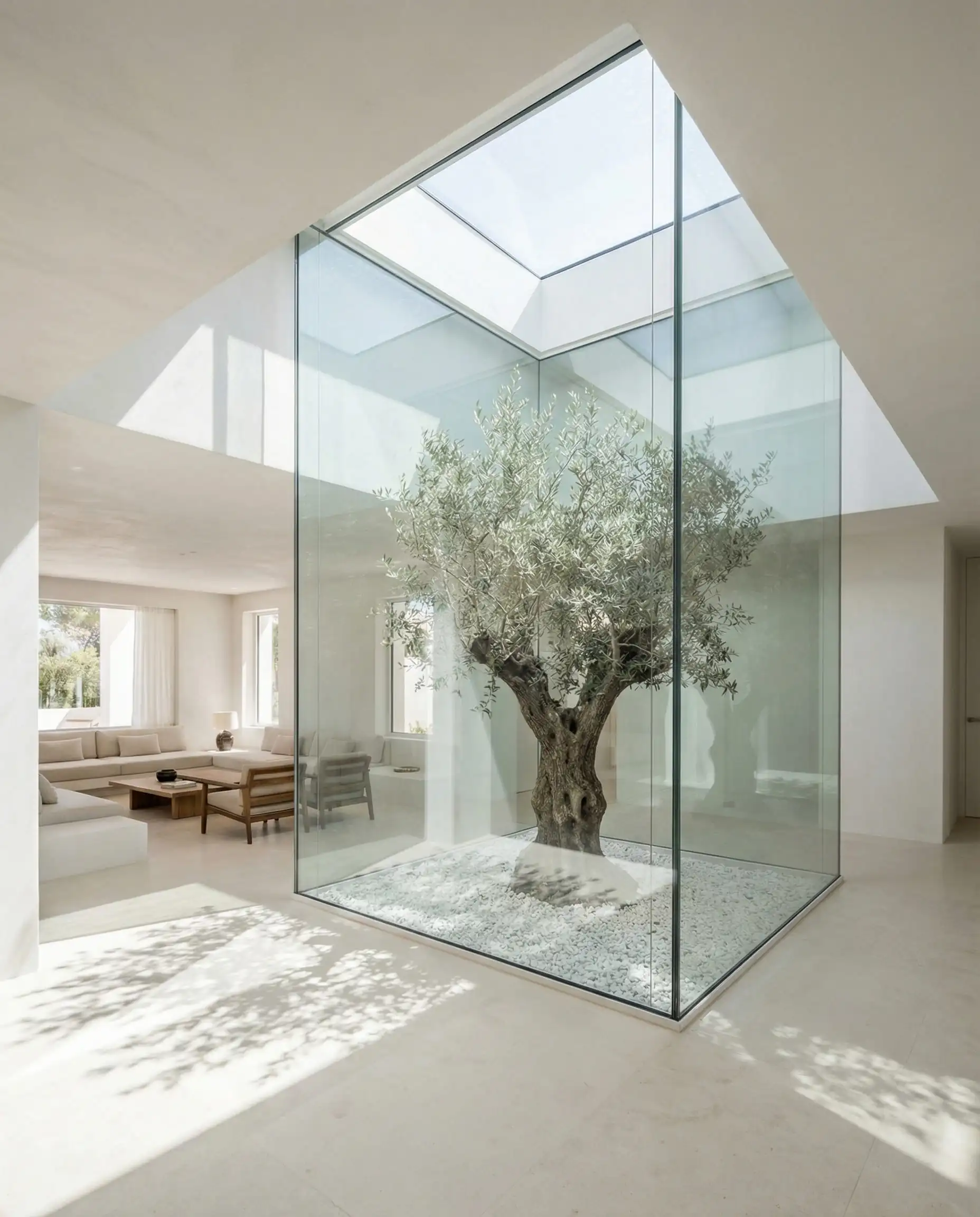
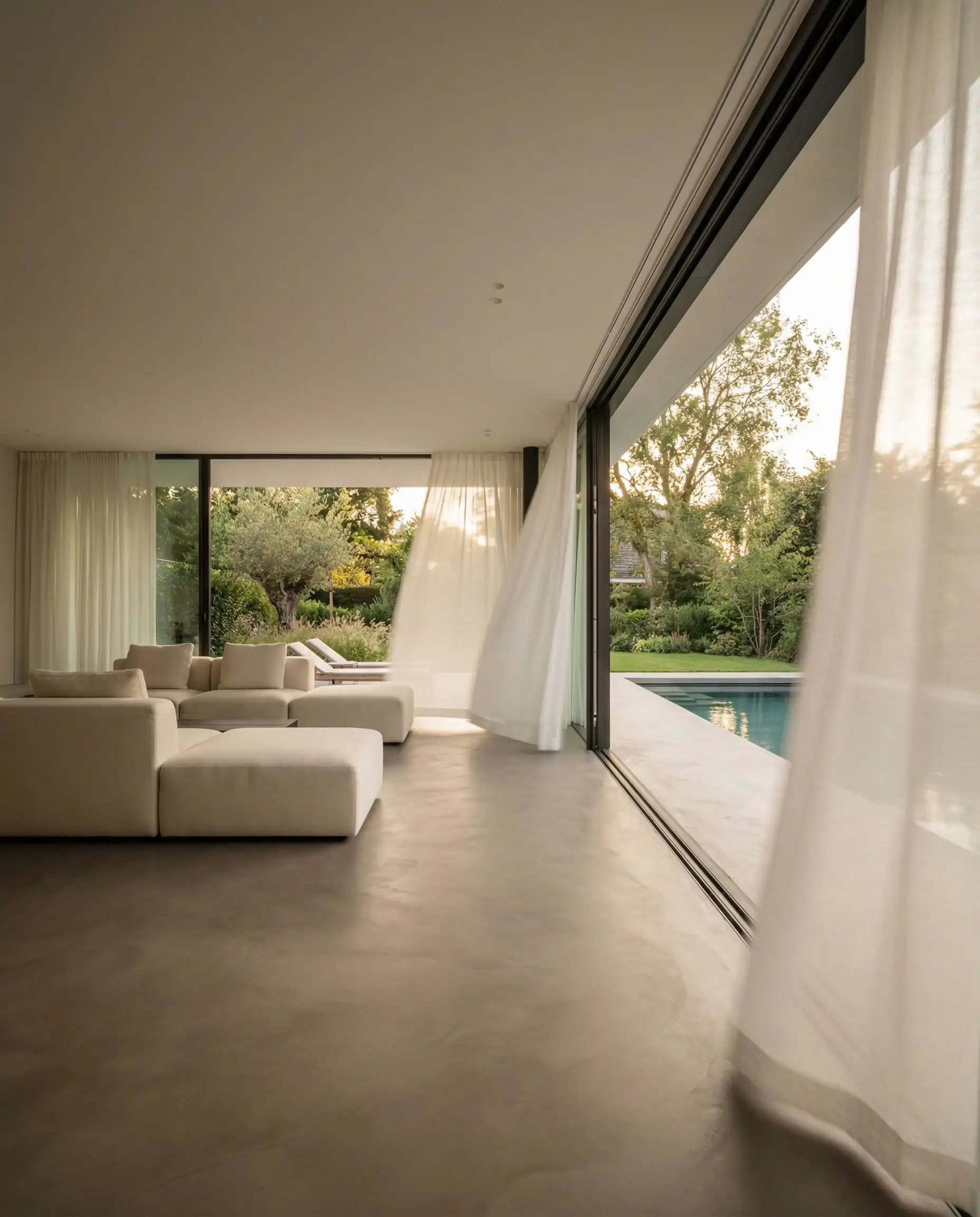
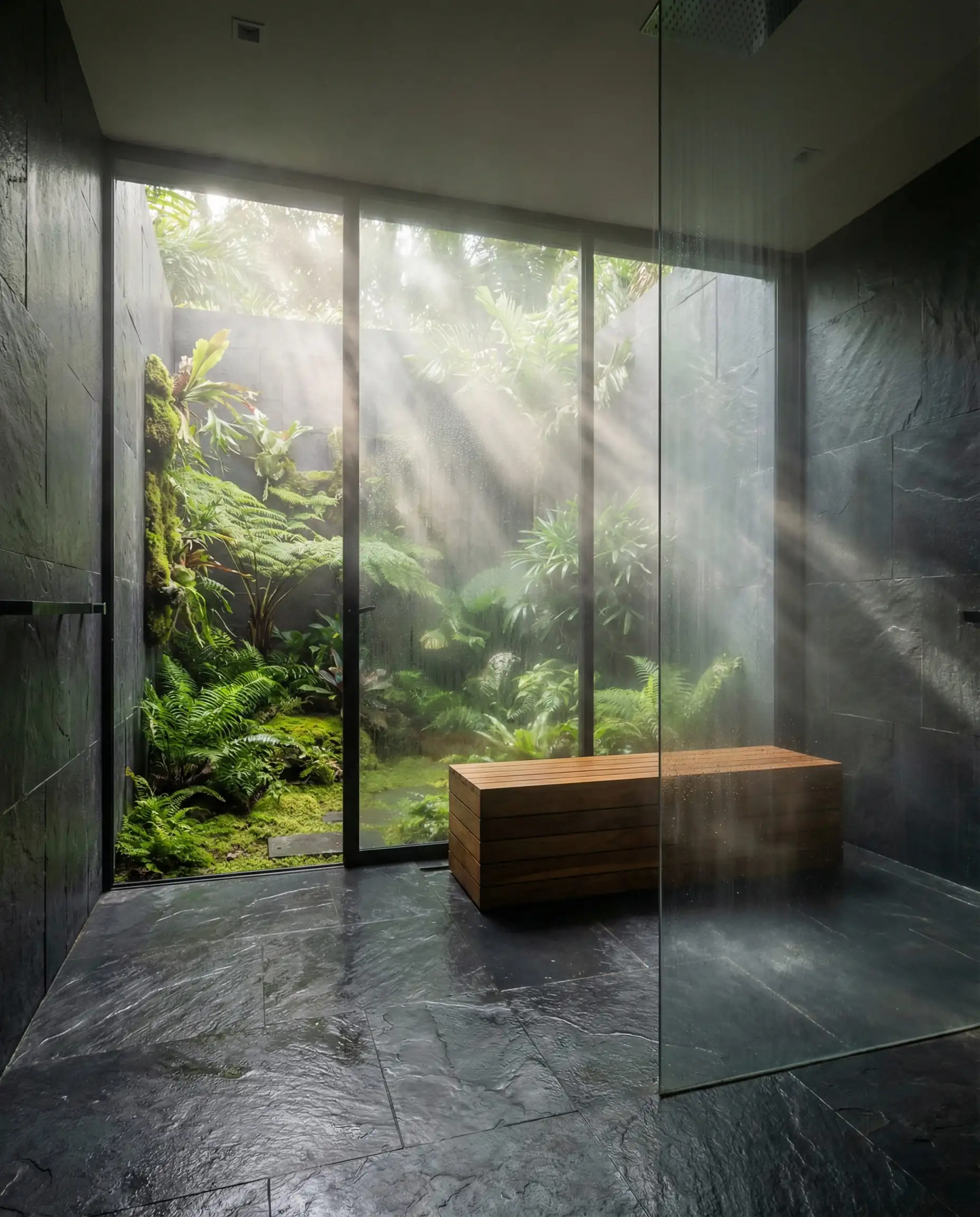
Biophilic Design 2.0: Total Immersion
Putting a potted plant in the corner is no longer enough. The new wave of Biophilic Design involves “immersion.”
Read More: Lighting plays a crucial role in wellness. Explore our Lighting Trends for ideas on fixtures that support circadian health.
Inclusive & Accessible Design
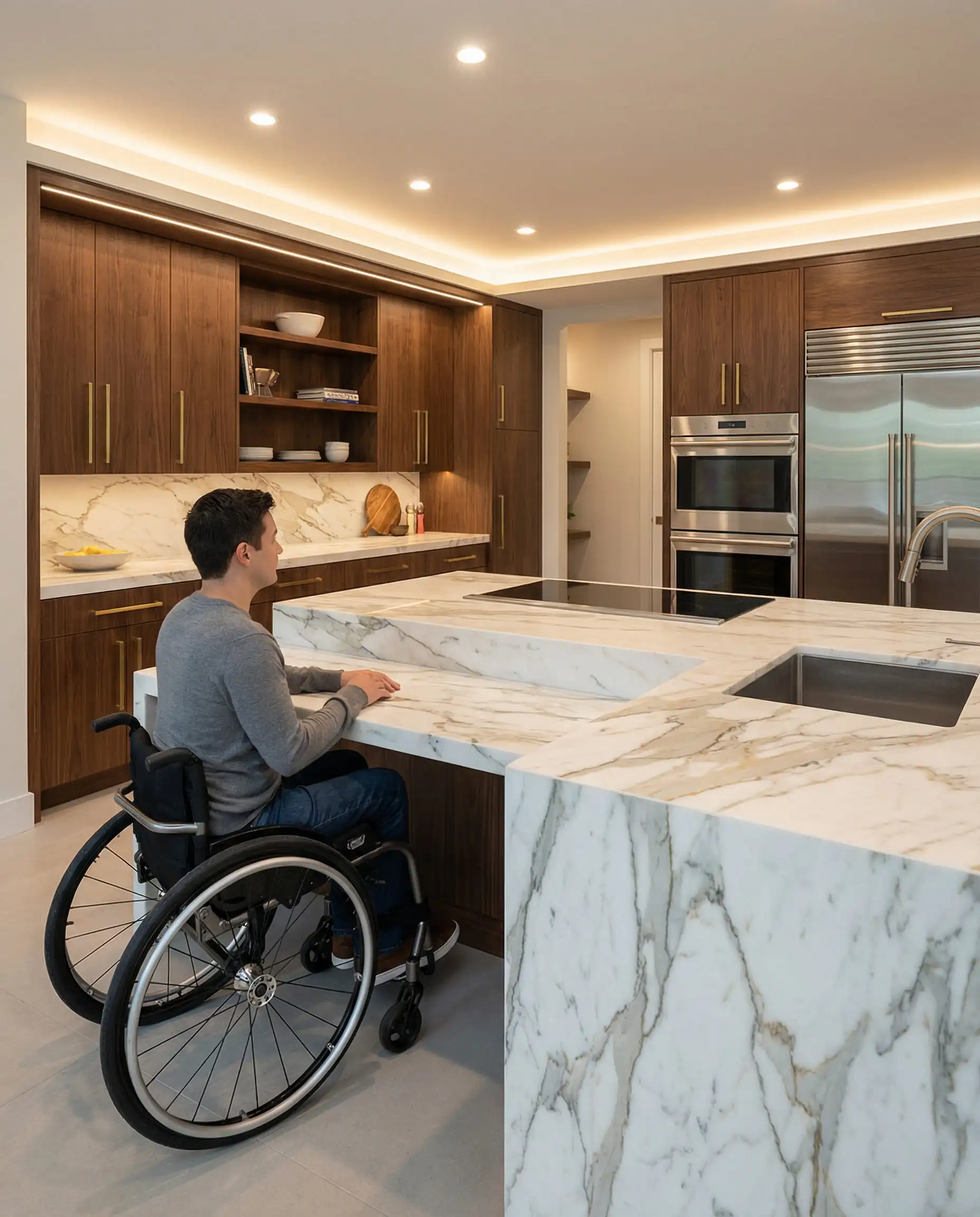
Universal design is becoming standard practice rather than a specialist niche. It is about creating spaces that work for everyone, regardless of age or ability.
Multi-Generational Living: With housing costs rising, more families are living together. Architects are designing homes with dual primary suites (one on the ground floor) and wider hallways to accommodate “aging in place” without sacrificing style.
4. Aesthetic Directions for 2026: “Warm Minimalism”
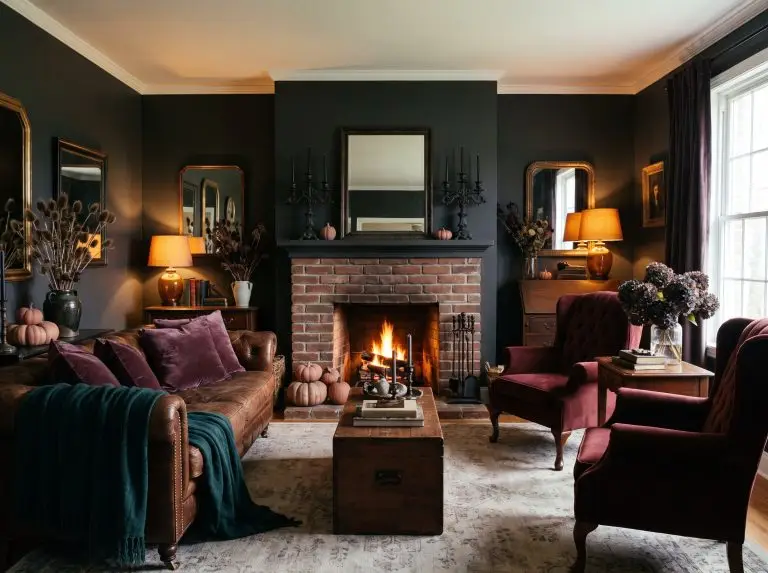
The stark, hospital-white minimalism of the 2010s is officially dead. In its place, Warm Minimalism and Slow Design have taken over. We crave spaces that feel like a hug, not a sterile laboratory.
The “New Neutrals” Palette
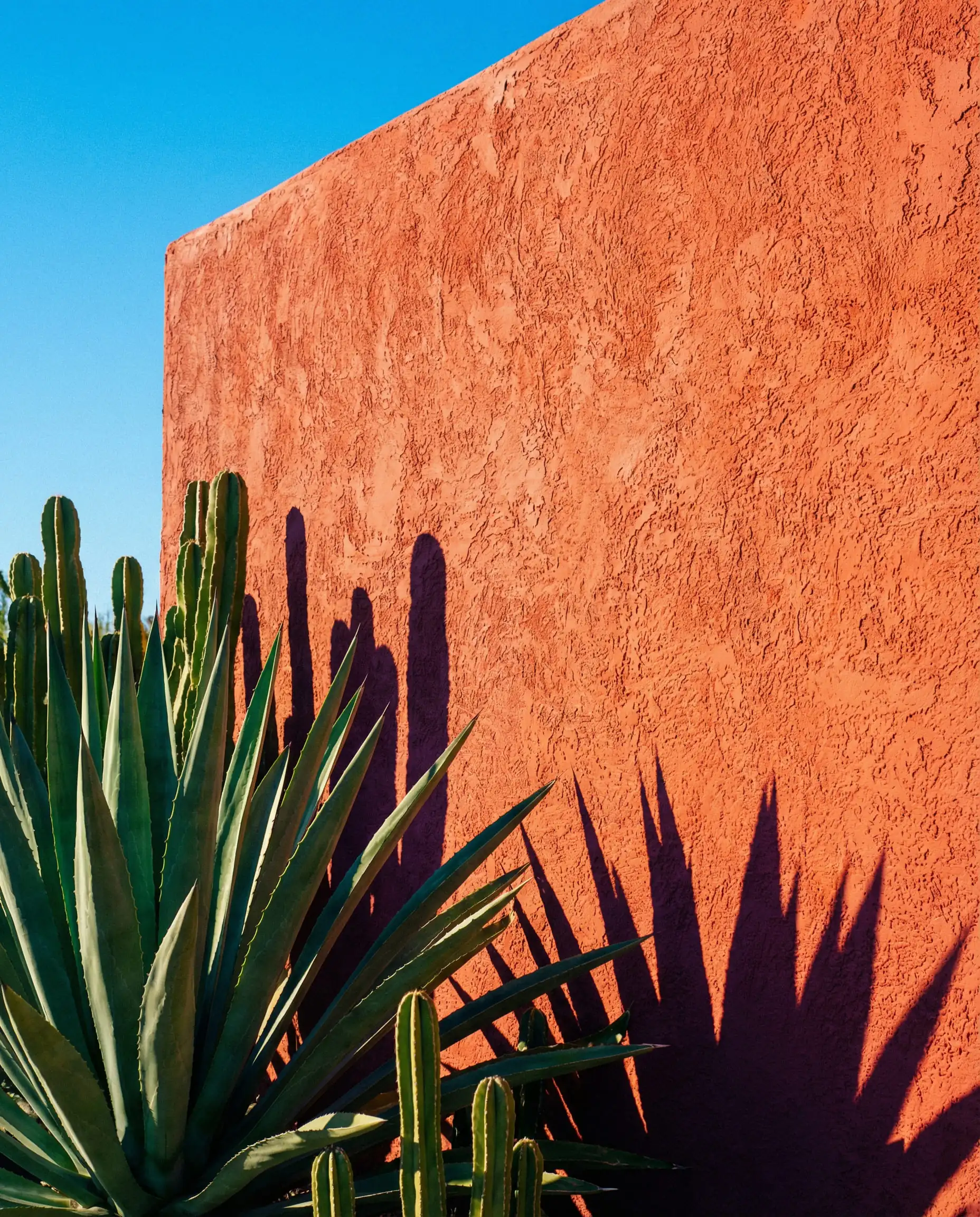
We are seeing a shift toward earthy, grounding tones. The exterior and interior palettes for 2026 are dominated by colors that feel extracted from the landscape:
If you are planning a facade update, these colors are replacing the ubiquitous cool grays of the last decade. The texture is just as important as color; flat paints are out, and limewash or Roman clay finishes are in.
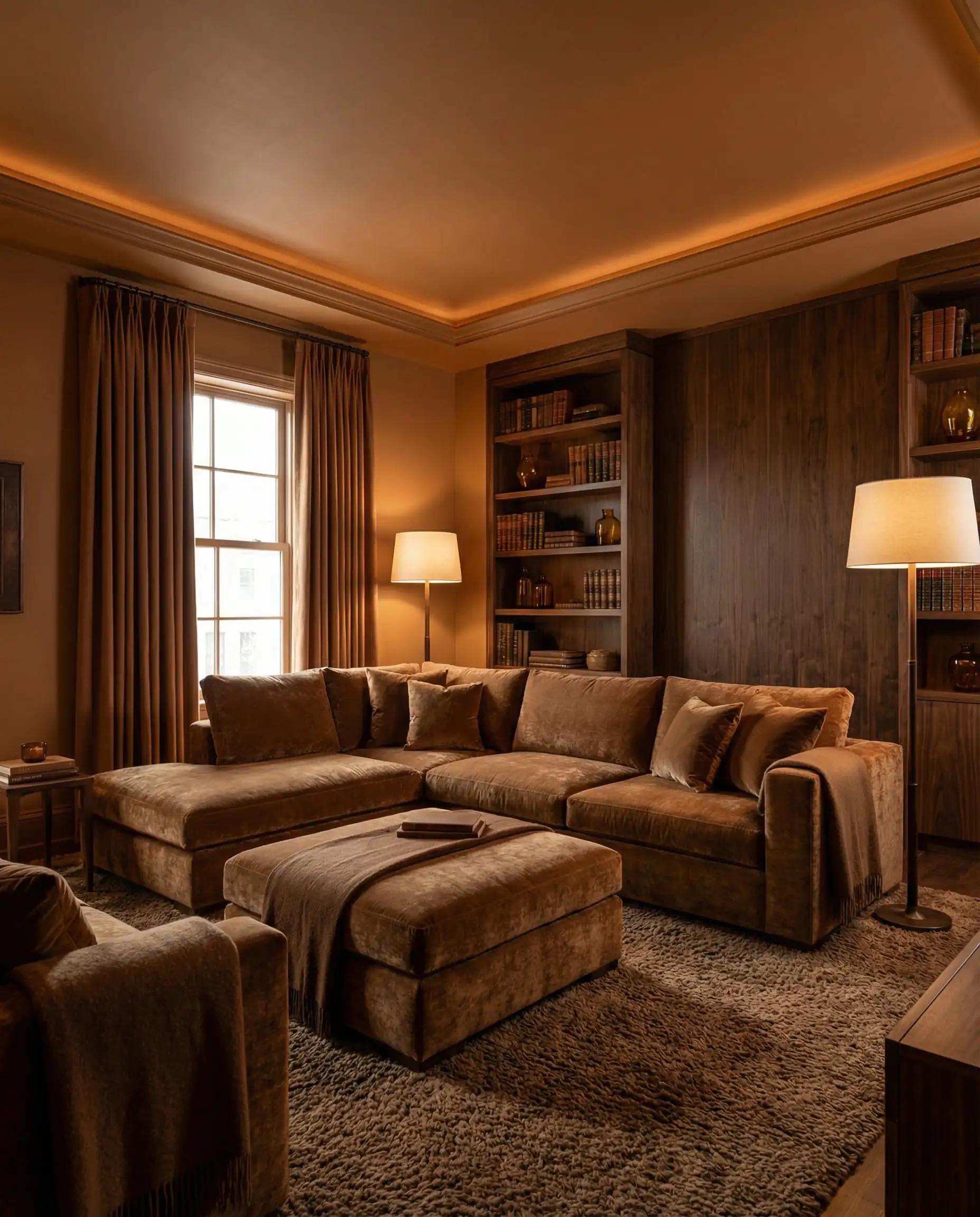
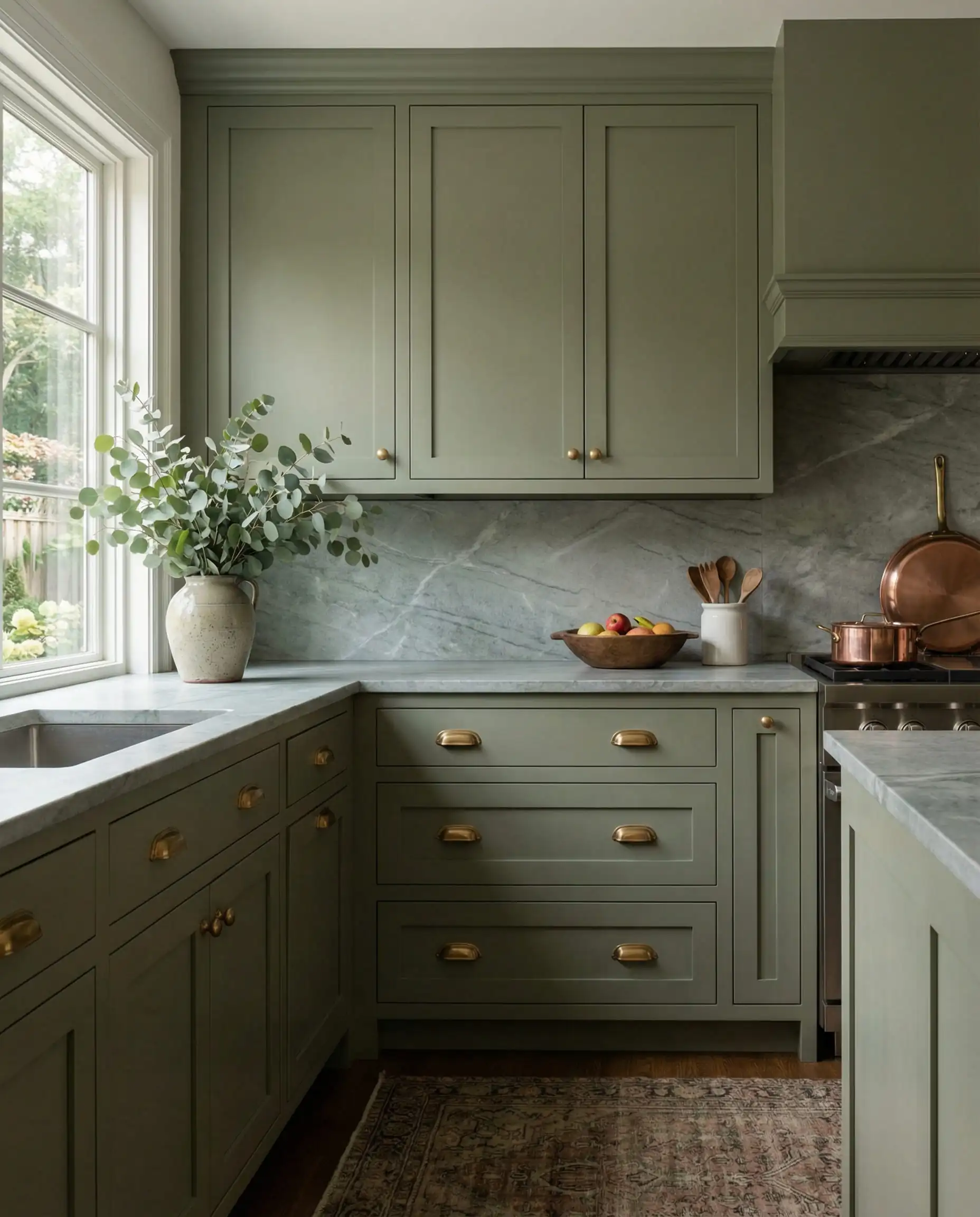
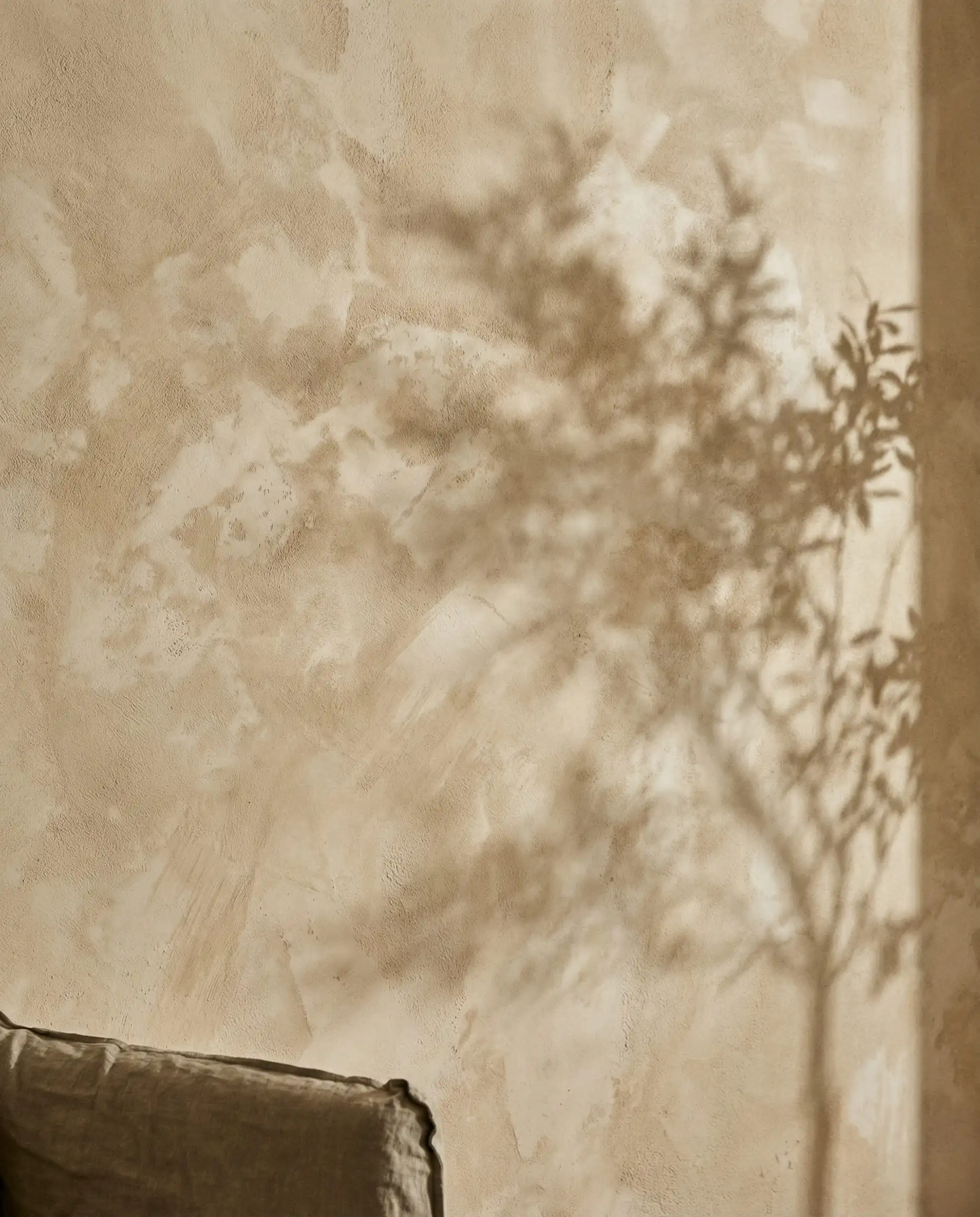
Color Inspiration: See how these earthy tones are being applied in our Exterior House Paint Colors guide.
“Slow Design” & Local Craftsmanship
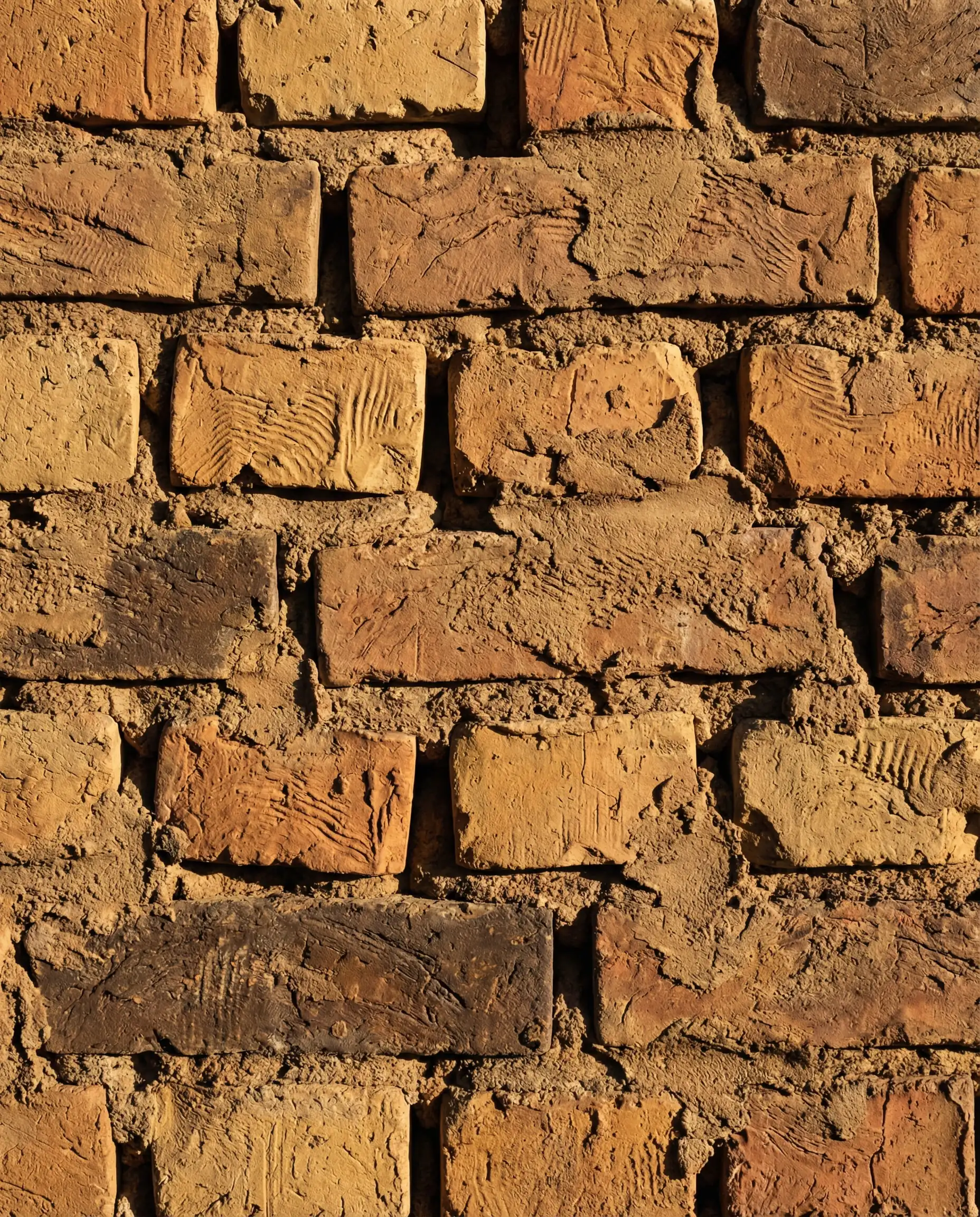
In reaction to mass production, there is a premium on the “hand of the maker.” 2026 architecture celebrates local imperfections—hand-laid brick, rough-hewn timber, and artisanal plaster finishes. It is about spaces that feel established and rooted in their specific location.
Wabi-Sabi Influence: This Japanese concept of finding beauty in imperfection is driving the trend for unpolished stone, exposed joinery, and materials that patina over time, such as copper and unsealed brass.

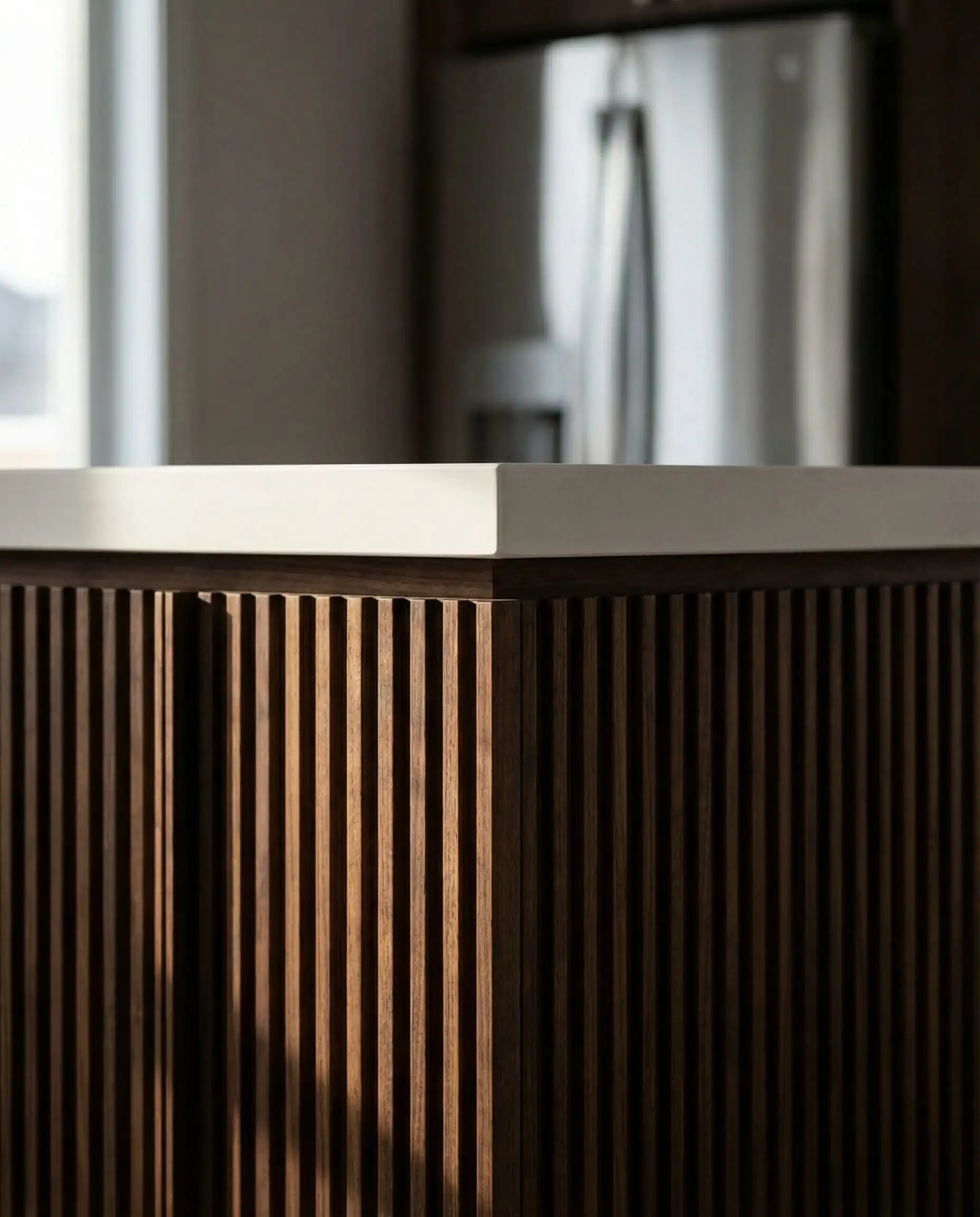
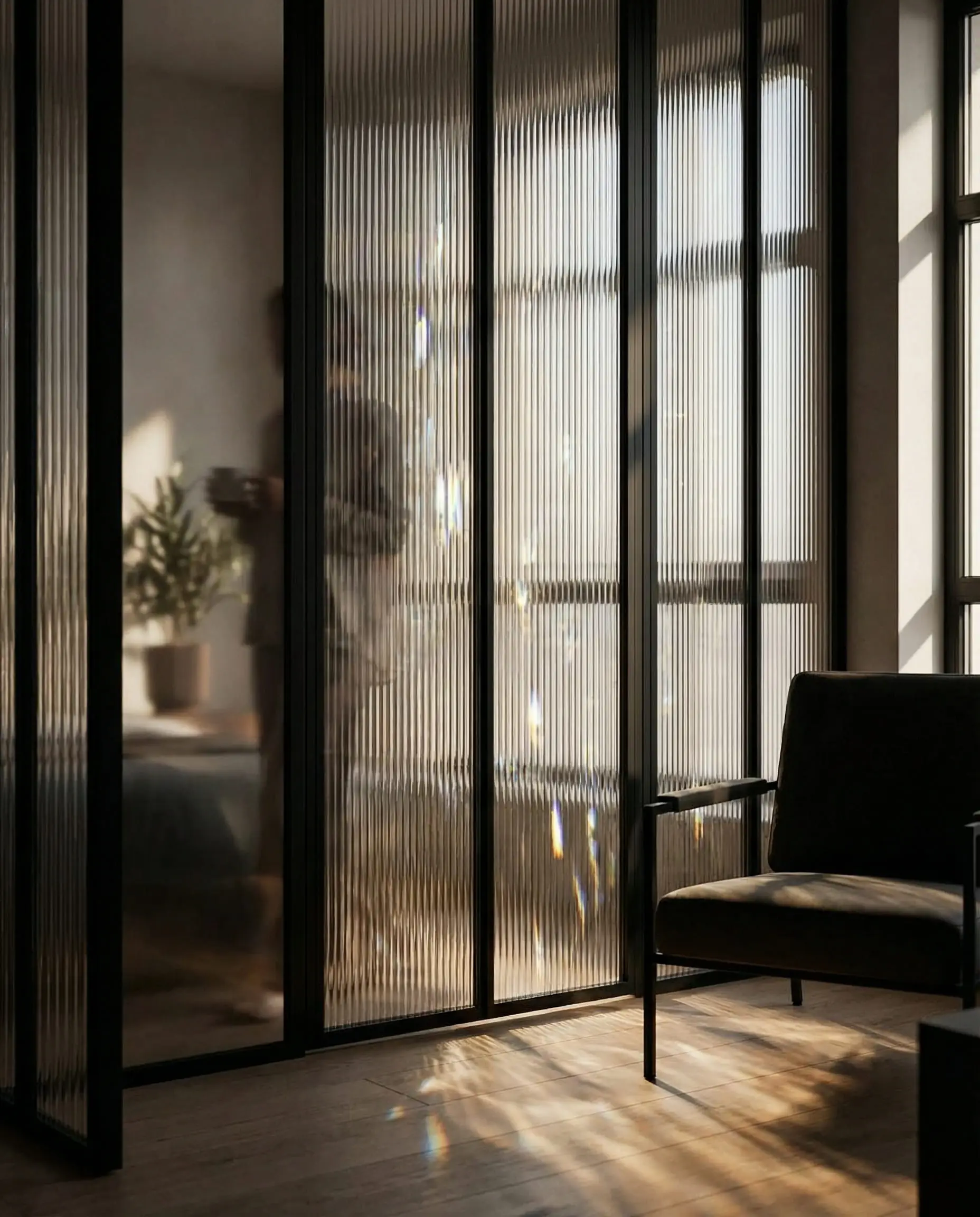
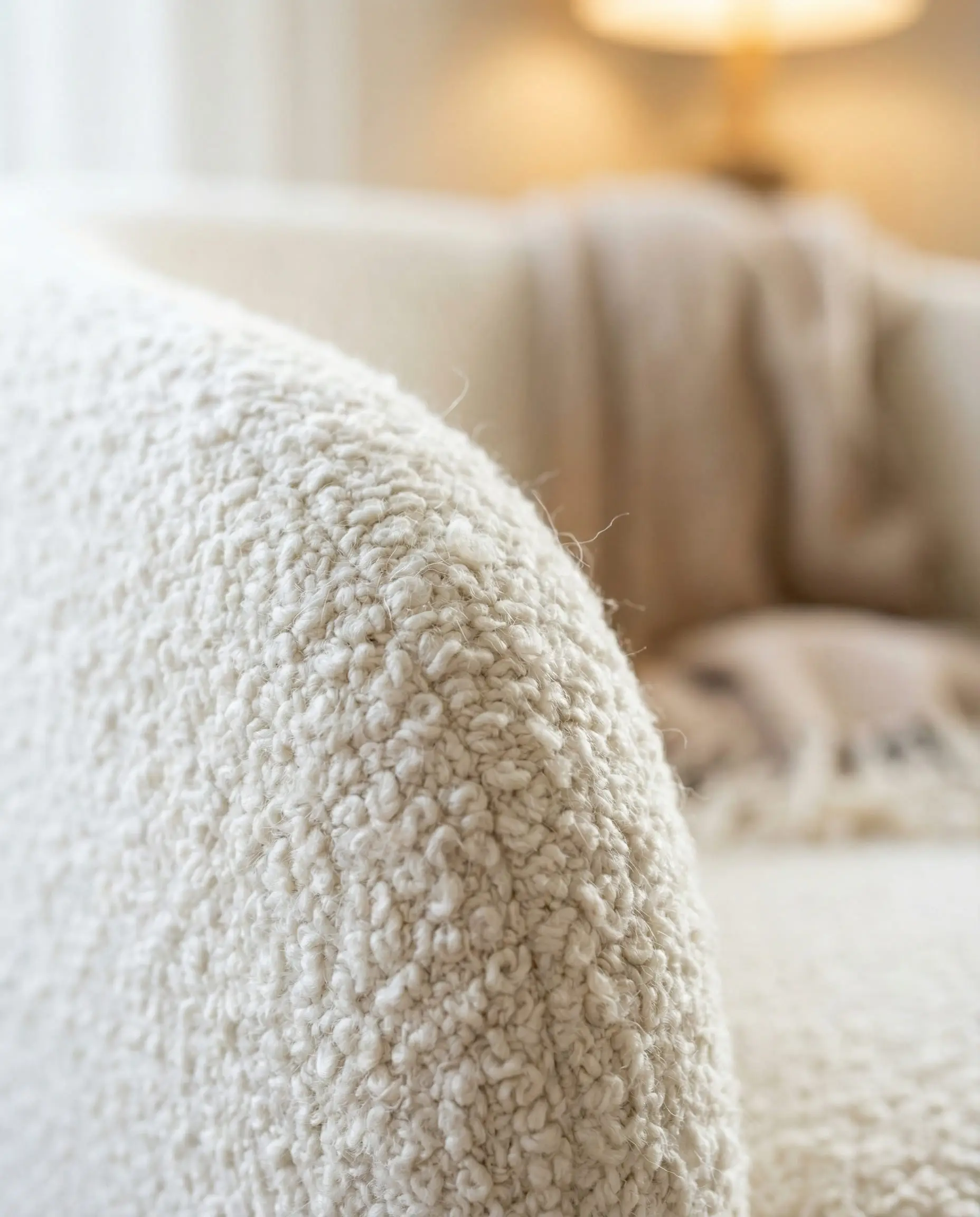
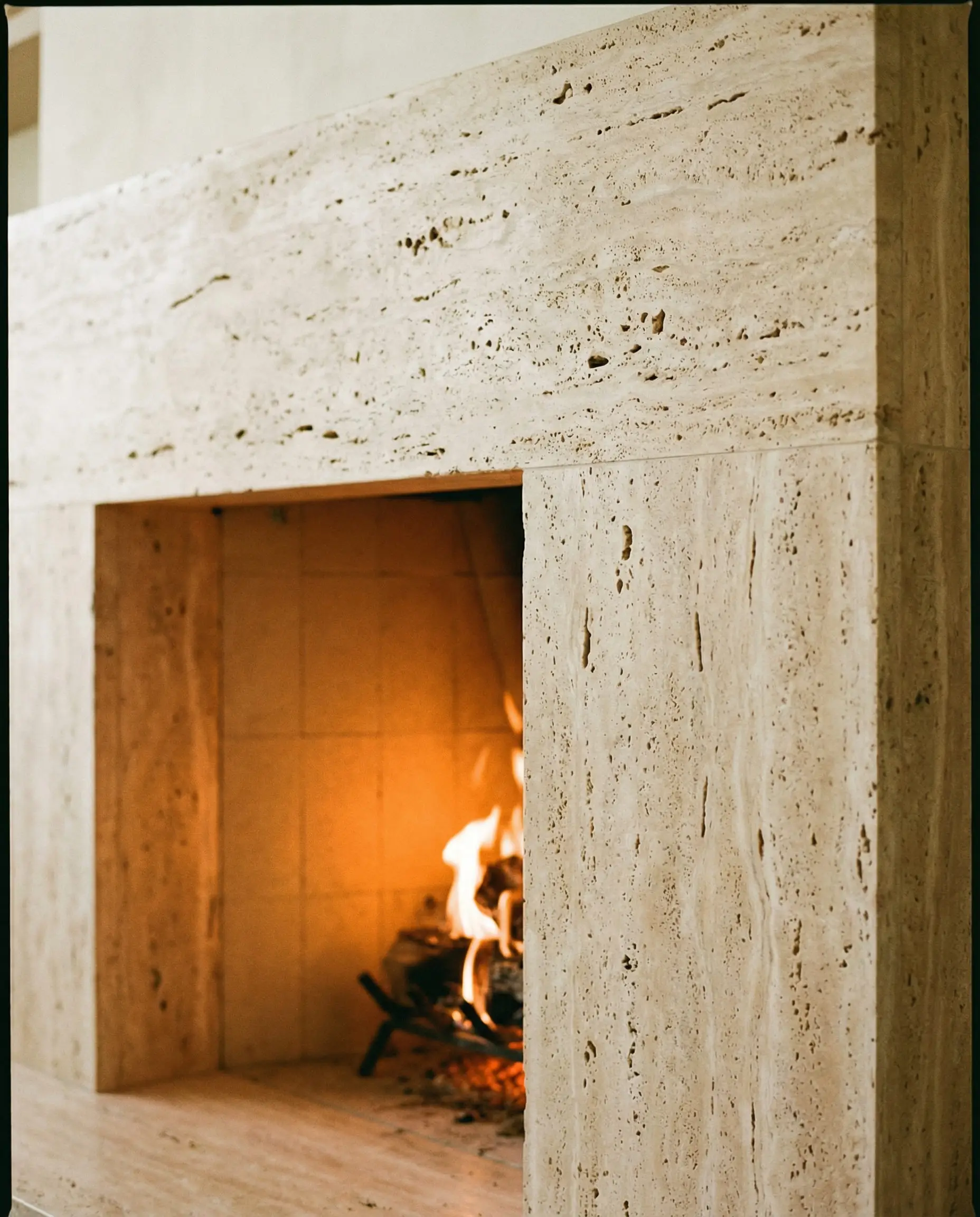
Textured Interiors
Texture is the new color. Because the color palettes are subdued, visual interest is created through tactile surfaces.
Related: Texture is key in wall treatments. Discover the latest in our Wallpaper Trends and Wall Covering Materials Trends.
5. Urban Planning: Adaptive Reuse & The 15-Minute Concept
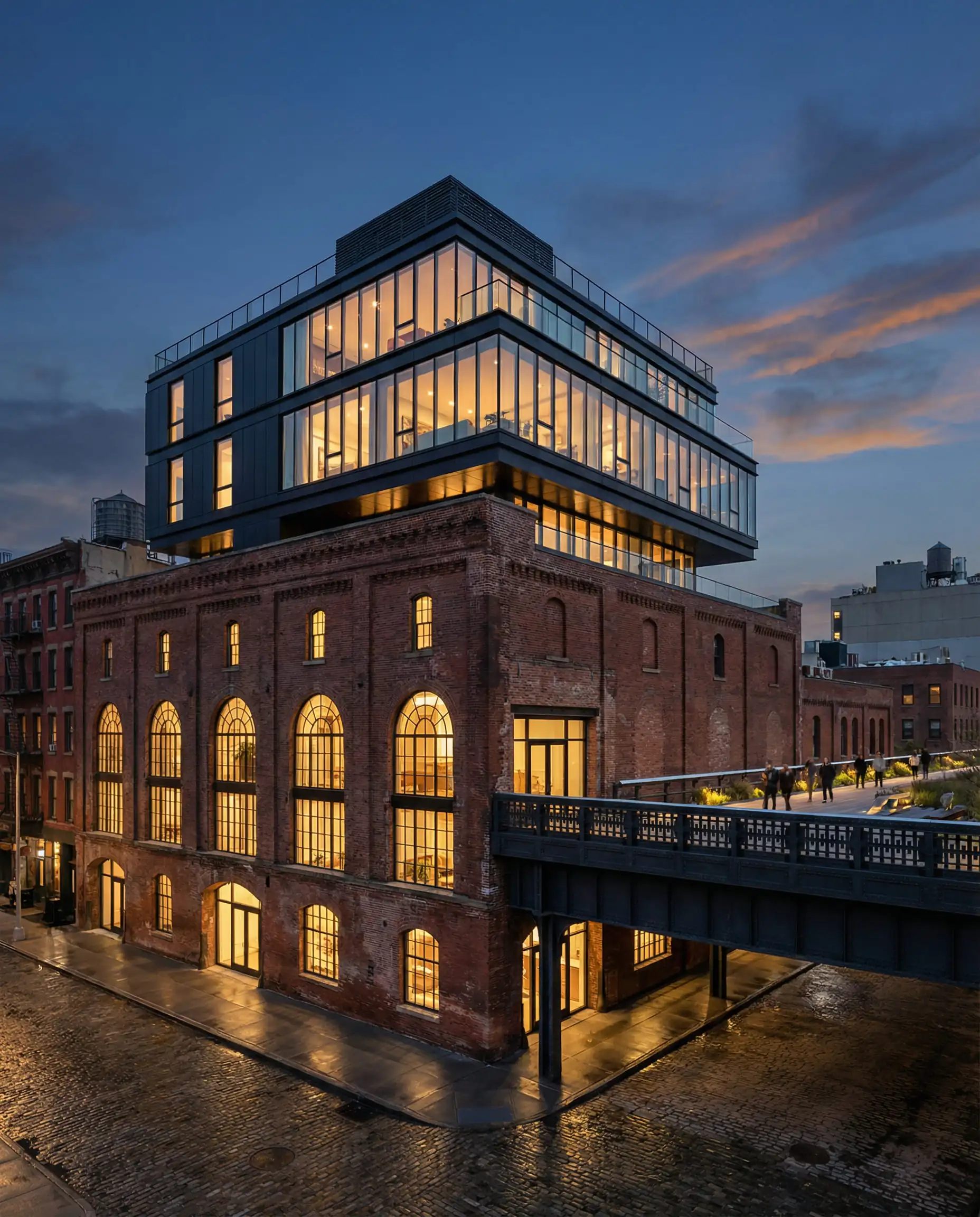
The most sustainable building is the one that already exists. A major architectural theme for 2026 is Adaptive Reuse—transforming old factories, warehouses, and even office towers into vibrant residential spaces.
Heritage Meets Future
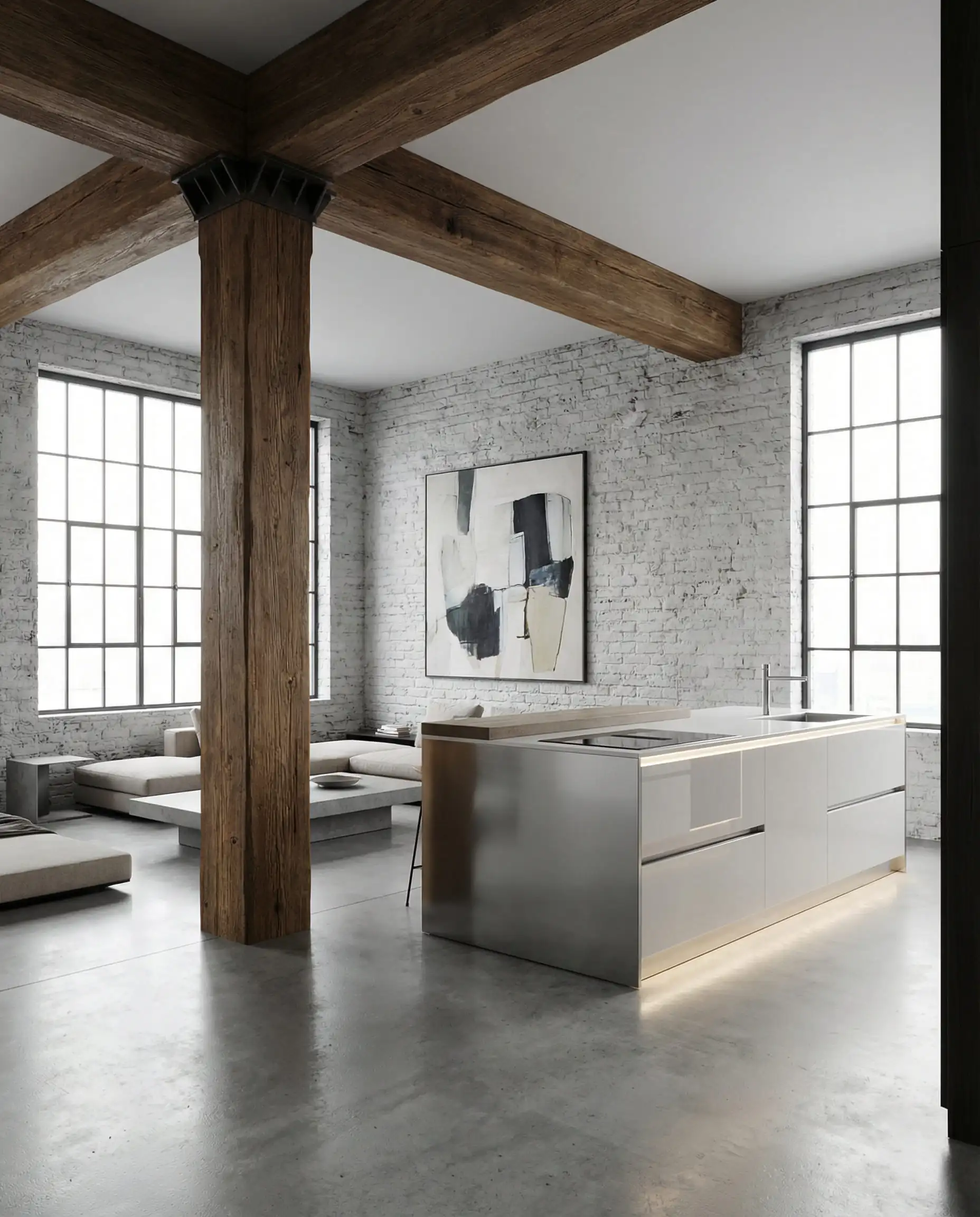
Instead of demolishing old structures, architects are “grafting” modern elements onto historic bones. This creates a unique aesthetic tension between the old (brick, steel beams) and the new (glass, bio-composites). It preserves the cultural memory of a city while updating its function.
Office-to-Residential Conversions: As remote work remains prevalent, vacant city-center offices are being retrofitted into apartments. This presents unique architectural challenges, such as plumbing deep floor plates, but offers incredible opportunities for high ceilings and industrial aesthetics.
The 15-Minute City Integration
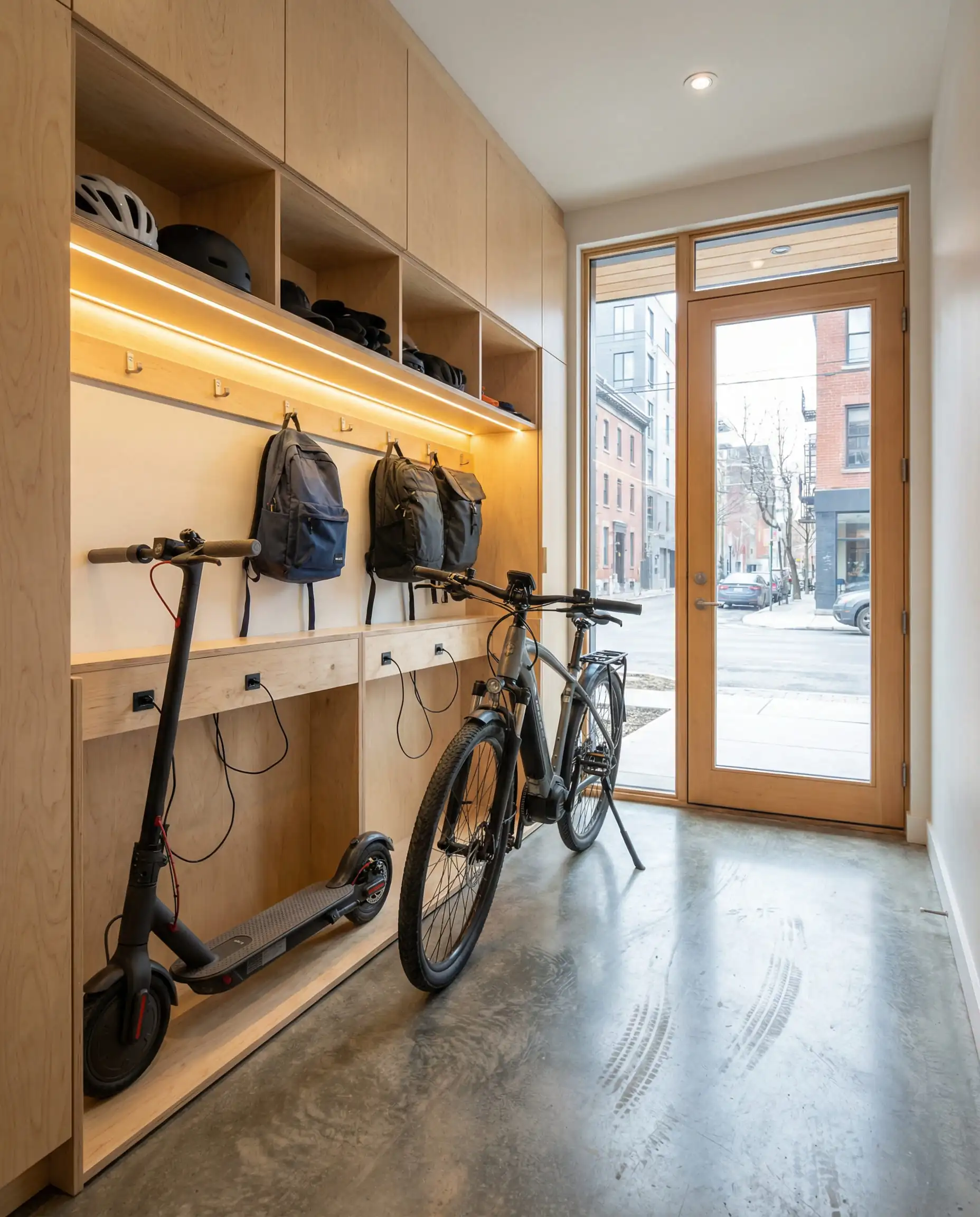
Homes are no longer isolated units; they are nodes in a community network. The “15-Minute City” concept—where all daily needs are within a short walk or bike ride—is influencing residential design.
Flexible “Co-Everything” Spaces
The rigid separation of rooms is disappearing. We are moving toward “programmable spaces” where movable walls can turn a home office into a guest room or a living area into a yoga studio instantly. This flexibility is crucial as homes continue to serve as hybrid workspaces.
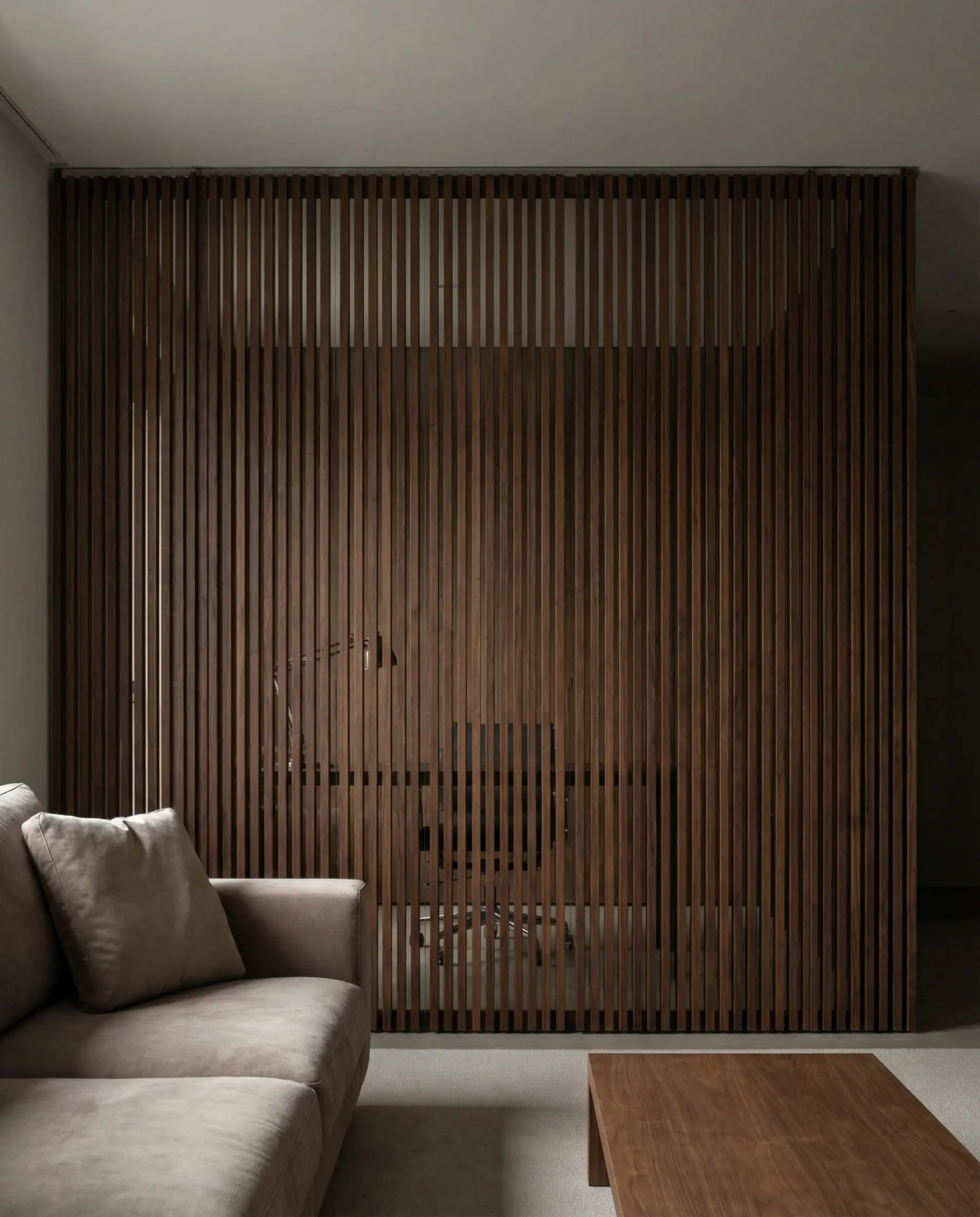
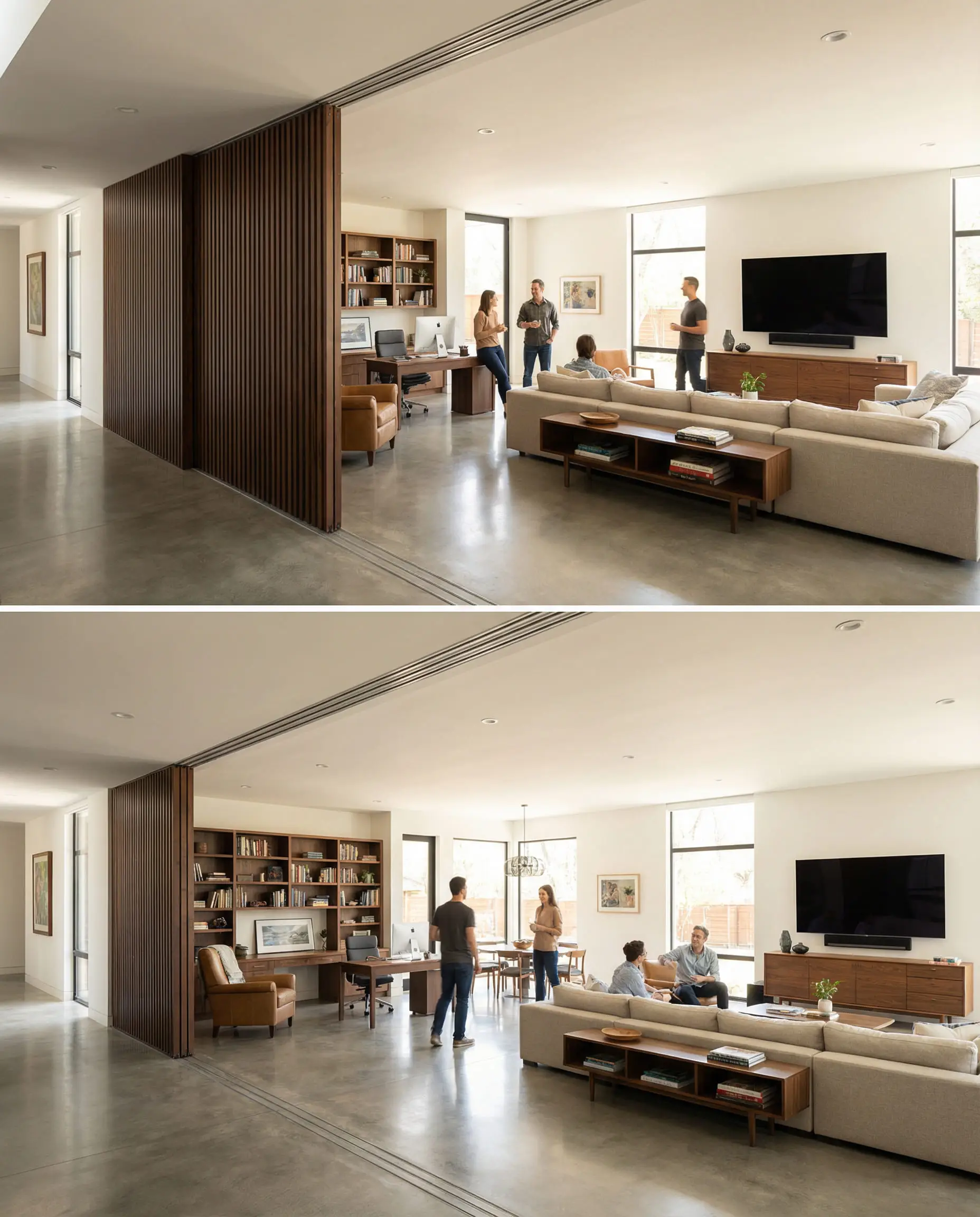
Planning a Renovation? If you are updating a multi-use space, don’t miss our insights on Flooring Trends 2026 and Interior Door Trends 2026 for flexible dividers.
6. The Future of Renovation: Retrofitting for Resilience
Not everyone is building from scratch. For the vast majority of homeowners, the 2026 trend is about Deep Retrofitting. This involves taking existing stock and upgrading it to meet modern regenerative and wellness standards.
The Thermal Envelope Upgrade
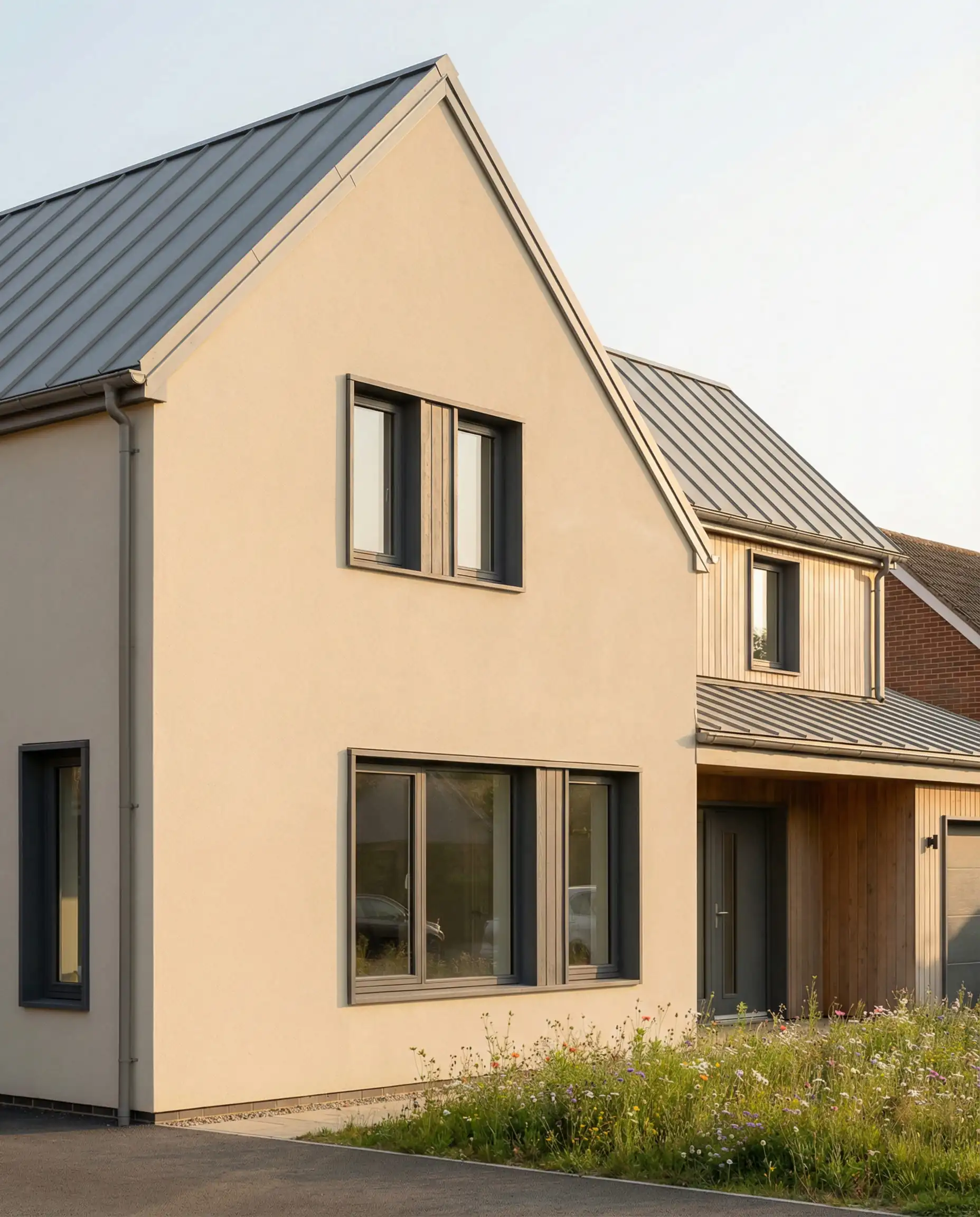
The first step in any modern renovation is sealing the box. External wall insulation (EWI) is being utilized to wrap older homes in a “tea cozy” of insulation, often finished with the trendy new render colors mentioned above. This instantly updates the curb appeal while slashing energy bills.
Electrification of the Home
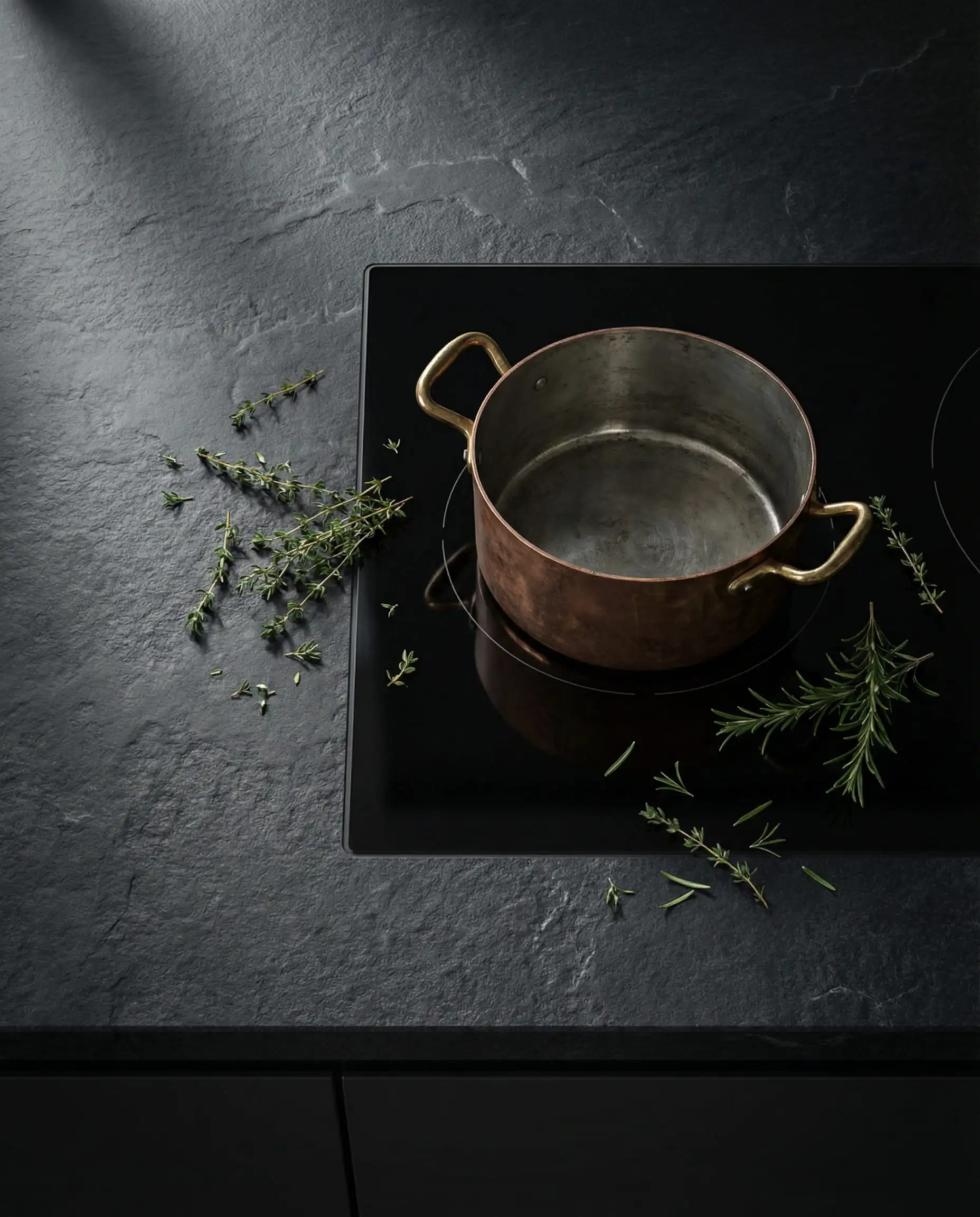
Gas boilers and cooktops are being phased out in favor of electric heat pumps and induction cooktops. This shift is not just environmental but aesthetic—induction cooktops offer sleek, glass surfaces that blend seamlessly into minimalist kitchen counters.
Kitchen Update: See what else is changing in the heart of the home with our Modern Kitchen Trends and Kitchen Appliance Trends.
Frequently Asked Questions (FAQ)
The biggest trend is Regenerative Design, which moves beyond sustainability to create buildings that actively restore the environment through carbon-capturing materials, biodiversity-friendly features, and energy-positive systems.
“New Neutrals” are trending, specifically warm earth tones like caramel, terracotta, warm beige, and olive green. Cool grays and stark whites are being replaced by these warmer, nature-inspired shades that blend better with the environment.
Neuro-architecture is a design method that uses neuroscience data to create spaces that positively impact mental health. It involves using specific lighting, spatial proportions, and fractal patterns to reduce stress and improve cognitive function.
The trend is shifting toward “Broken Plan” living. Instead of completely open warehouses, spaces are defined by flexible dividers, glass partitions, shelving units, and changes in floor levels (like sunken living rooms). This provides the necessary privacy for remote work without sacrificing light or a sense of openness.
AI is used to create “Digital Twins” of buildings to test efficiency before construction, to drive adaptive facades that change with the weather, and to optimize HVAC and lighting systems in real-time for maximum comfort and minimal energy waste.
Key Takeaways for Your Next Project
If you are planning to build, buy, or renovate in 2026, keep these three strategic pillars in mind to ensure your investment holds its value:
- Ask for “Regenerative”: Don’t just ask your architect for energy efficiency; ask how the building can improve the local environment. Can it capture rainwater? Can the facade clean the air?
- Prioritize Flexibility: Invest in layouts that can change as your family or work needs evolve over the next decade. Avoid load-bearing walls in the center of the floor plan where possible.
- Choose Health: Focus on the invisible elements—air quality, natural light, and acoustics. Use non-toxic, bio-based materials. Your home should be your primary health asset.
Ready to dive deeper into the specifics of 2026 design? To complete your vision, explore our dedicated guides on 2026 Bathroom Trends,Curtain Trends 2026, and the cozy aesthetic of Modern Farmhouse Trends.