The 2027 DIY Decor Forecast: Material Hacks and Architectural Illusions That Actually Look Expensive
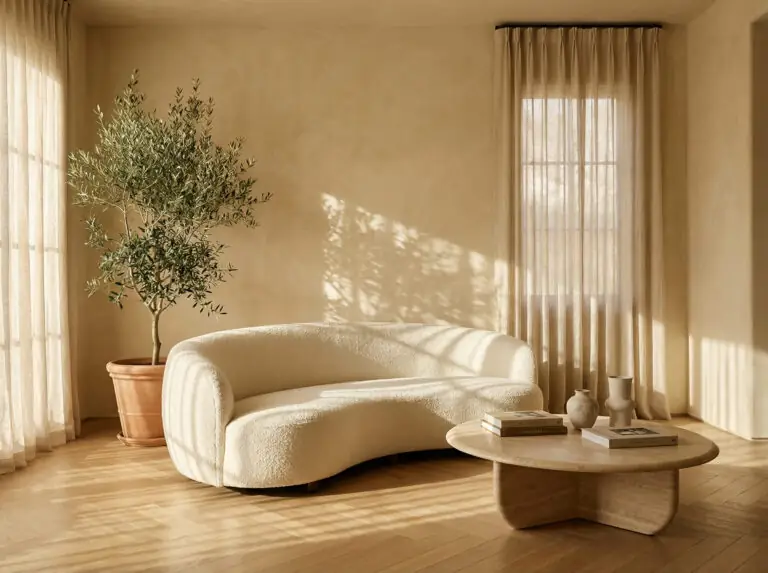
The era of slapping a coat of chalk paint on a pallet wood sign and calling it interior design is officially dead. Welcome to the age of Material Alchemy. Today’s most sophisticated weekend warriors aren’t just making crafts; they are acting as amateur architects and surface designers, manipulating raw materials to fake the aesthetics of a $50,000 custom renovation. We are trading generic, rustic upcycling for a hyper-focused approach to texture mimicry, architectural retrofits, and high-impact faux finishes.
If you want to democratize luxury design in your own home, the secret isn’t spending more money—it’s mastering the art of the bespoke illusion.
The 2027 Shift: From Basic Crafts to Architectural Alchemy
Inflation and a stagnant housing market have birthed a massive wave of “permanent renters” and budget-conscious homeowners who flat-out refuse to compromise on high-end aesthetics. Because structural renovations are financially out of reach for many, the 2027 decor landscape is mathematically weighted toward high-impact surface treatments. Walls, floors, and countertops are receiving the bulk of our DIY attention because manipulating these large planes offers the absolute highest visual return on investment.
Hackrea defines this as the strategic application of budget-friendly materials to replicate the exact tactile and visual qualities of luxury, custom-fabricated interior elements. It is the deliberate shift from “crafting” to “architectural mimicry.”
The Faux-Bespoke Movement
Trend Category 1: Material Mimicry & Tactile Finishes
Flat, matte painted walls and cheap, plastic-like laminates are out. This year is entirely about tricking the eye with rich, tactile, organic surfaces that mimic nature and the passage of time.
Microcement Overlays on Outdated Surfaces
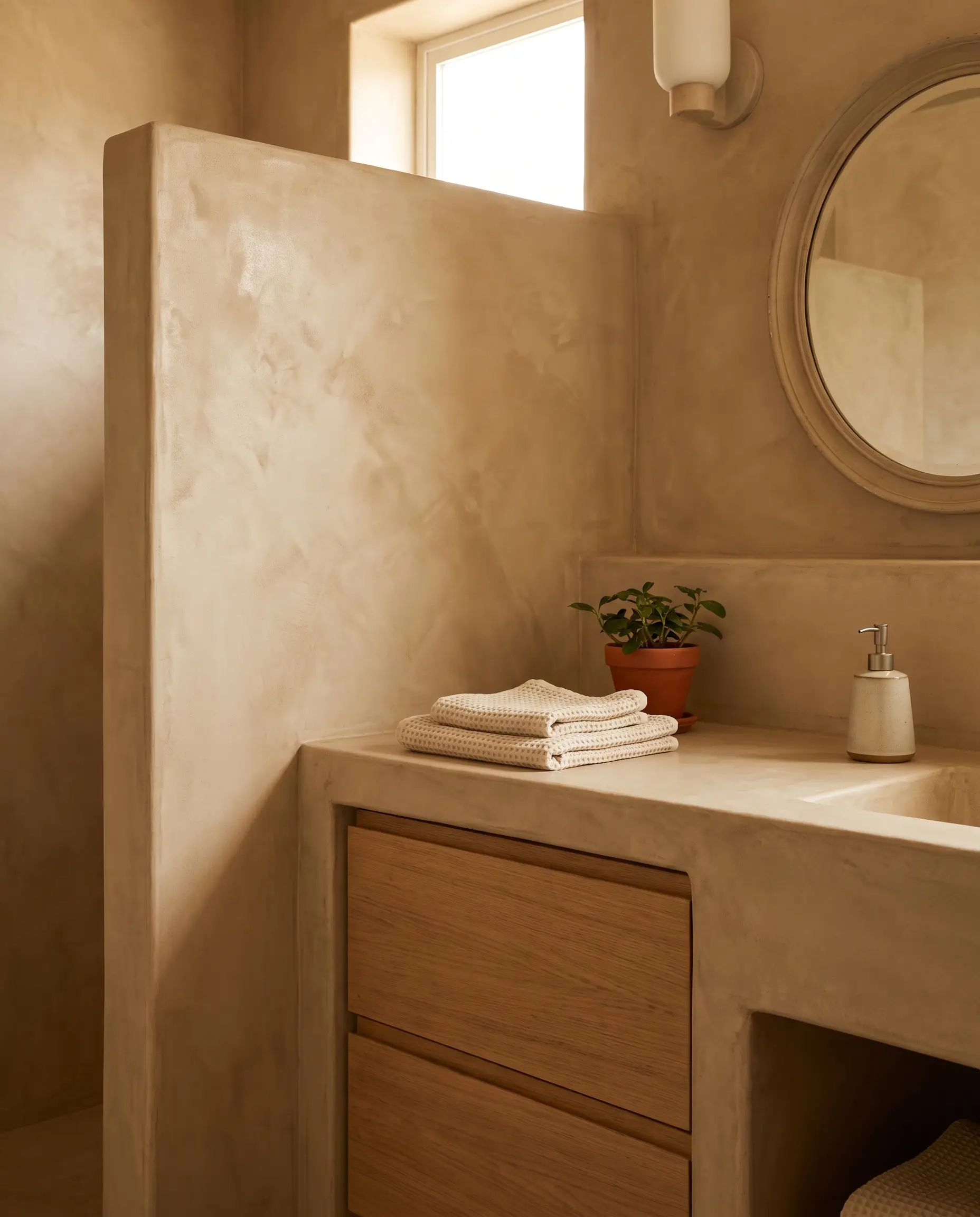
Ditching painted tile for the seamless, Organic Modern look of microcement is rapidly becoming the most coveted bathroom and kitchen retrofit. The rigorous multi-step application process of bonding primer, fiberglass mesh, and hand-troweling completely conceals the dated grout lines underneath, yielding a finish that mirrors high-end Mediterranean villas without the exorbitant demolition fees.
By eliminating grout lines and creating a continuous, troweled texture, the eye registers the surface as a solid, poured concrete slab rather than a cosmetic cover-up.
The DIY Illusion
- Skill Level: Intermediate
- Est. Cost: $150 – $300
- DIY vs. Retail Cost: A DIY microcement kit runs roughly $200, whereas tearing out tile and pouring custom concrete or installing new stone starts well over $4,000.
Don’t apply microcement directly over glossy tile without a heavy-duty bonding primer and fiberglass mesh, or the entire tactile surface will crack and peel within a month.
Burl Wood Veneer Wraps for Flat-Pack Furniture
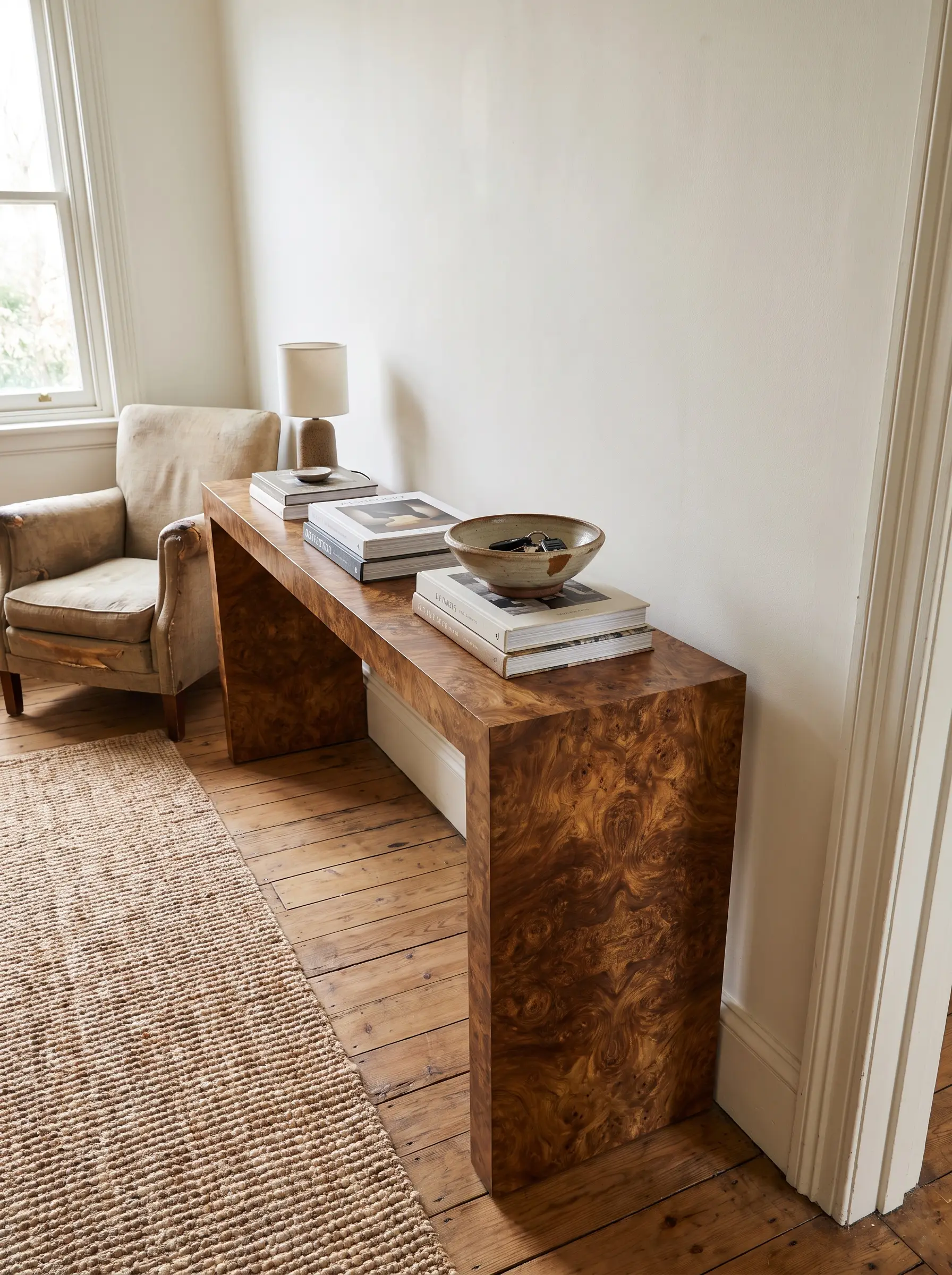
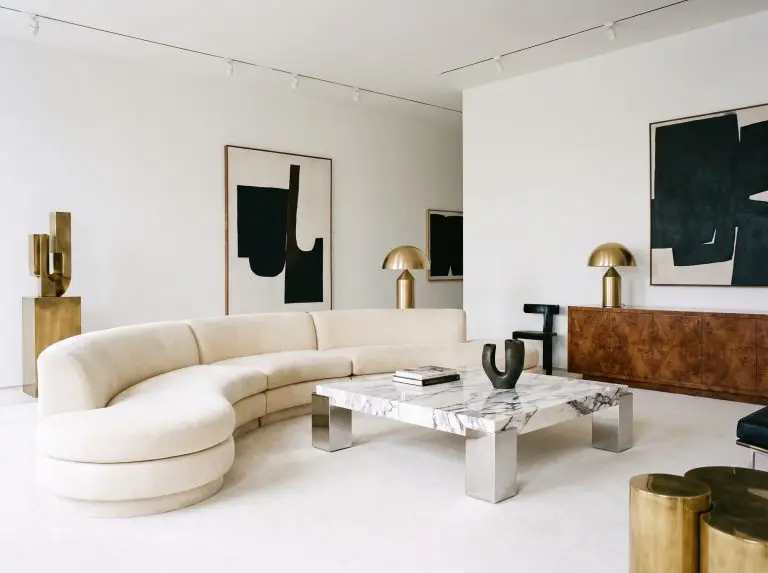
Solid burl wood is a massive macro-trend, but genuine solid pieces command astronomical atelier prices. You can bridge Postmodern design with a strict budget by using iron-on or contact-cement burl wood veneer to wrap cheap MDF dressers, consoles, and side tables.
Because the veneer is genuine wood featuring authentic, chaotic grain patterns, the brain assumes the entire heavy piece is solid, rare timber.
The DIY Illusion
- Skill Level: Intermediate
- Est. Cost: $80 – $150
- Sourcing Tip: Bypass craft stores and source raw, unbacked burl veneer sheets directly from specialty millwork suppliers online to get the highest grade figuring for less.
Do use a sharp veneer saw or a brand-new utility blade for trimming the edges; dull blades will splinter the delicate wood and ruin the bespoke finish.
Hand-Troweled Roman Clay Accent Walls
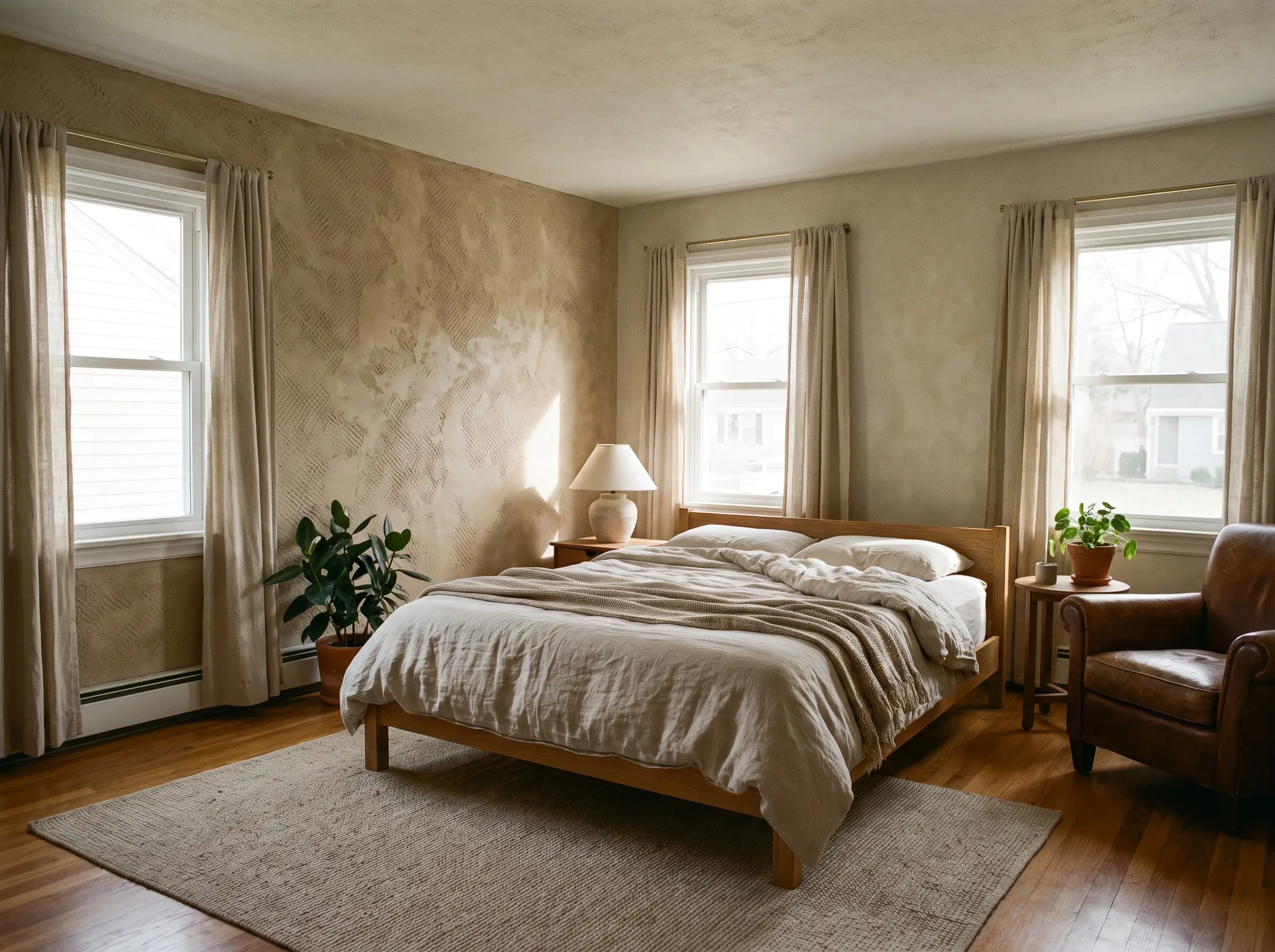
The standard accent wall has evolved past flat colors and basic limewash into highly dimensional Roman clay. Using a flexible putty knife in a tight, cross-hatch pattern yields a suede-like, mottled texture that interacts beautifully with natural light, providing a massive architectural upgrade to plain drywall.
Because the Roman clay reflects light unevenly across its peaks and valleys, the eye registers it as solid, historic plaster rather than a flat, painted board.
The DIY Illusion
- Skill Level: Beginner to Intermediate
- Est. Cost: $100
- Paint Recommendation: Portola Paints Roman Clay in “Patagonia” (a warm, earthy greige).
Do use the manufacturer-recommended primer before applying clay; standard latex wall paint will absorb the moisture too quickly, ruining the suede effect.
Faux Aged Brass & Antiqued Metals
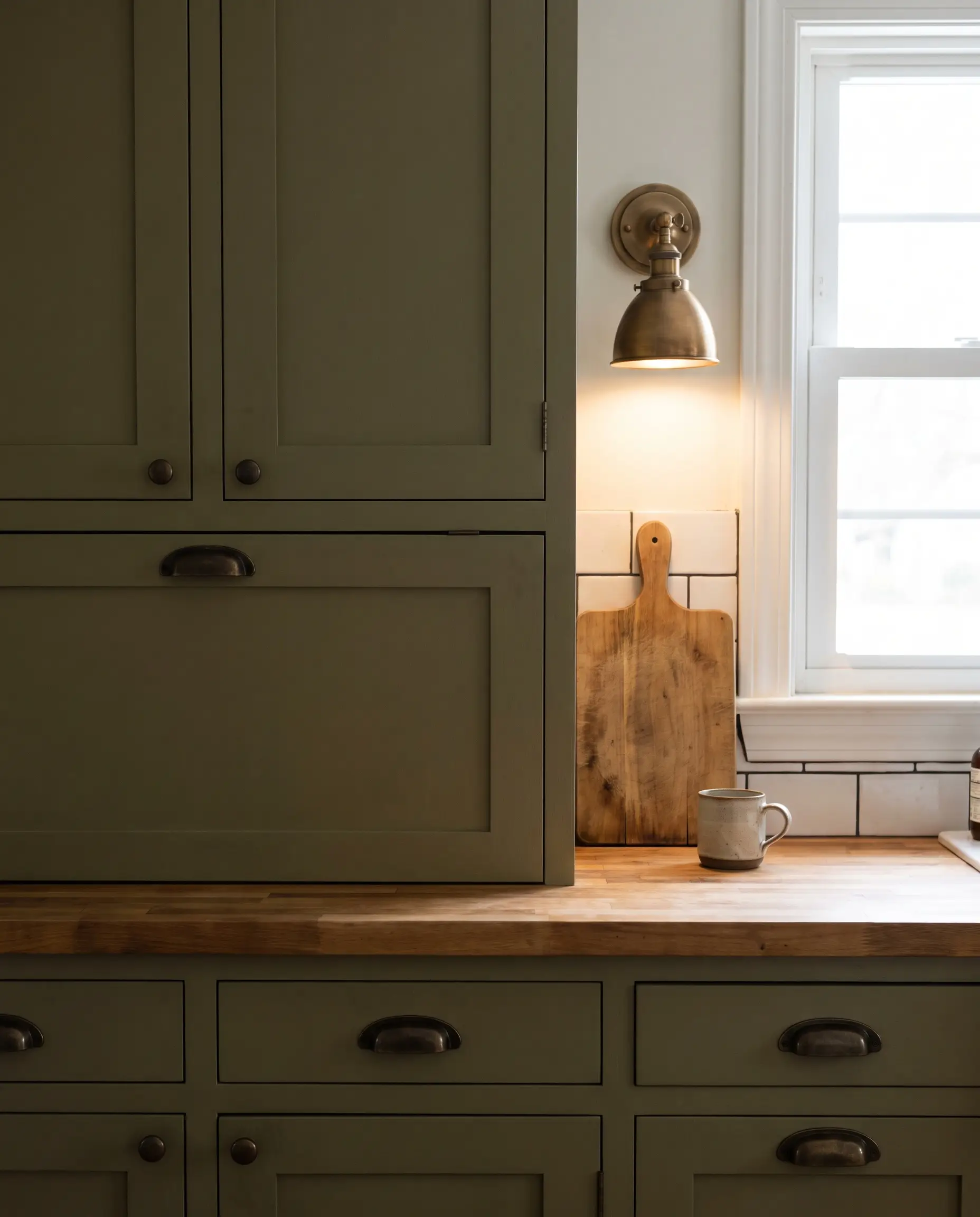
Bright, yellow fake gold hardware instantly cheapens a room’s aesthetic, but you don’t have to buy expensive unlacquered brass to get the look. You can retrofit cheap cabinet pulls, thrifted mirrors, and basic lighting fixtures by layering specific compounds to create a rich, living finish that boasts an authentic patina.
The strategic application of dark washes in the crevices replicates decades of natural oxidation, tricking the viewer into seeing heavy, antique cast metal.
The DIY Illusion
- Skill Level: Beginner
- Est. Cost: $25
Faux Patina Recipe:
- Lightly scuff the metal and apply a thin layer of Rub ‘n Buff in Antique Gold.
- Dab a heavily diluted black acrylic paint wash into the grooves, wiping away the excess immediately.
- Seal with a dead-flat matte finishing spray to kill the cheap shine.
Trend Category 2: Renter-Friendly Architectural Detailing
Renters and commitment-phobes are demanding serious architectural character in their spaces. We are seeing a surge in advanced, damage-free ways to add historical and structural depth to plain, builder-grade drywall boxes.
Peel-and-Stick Picture Molding & Wainscoting
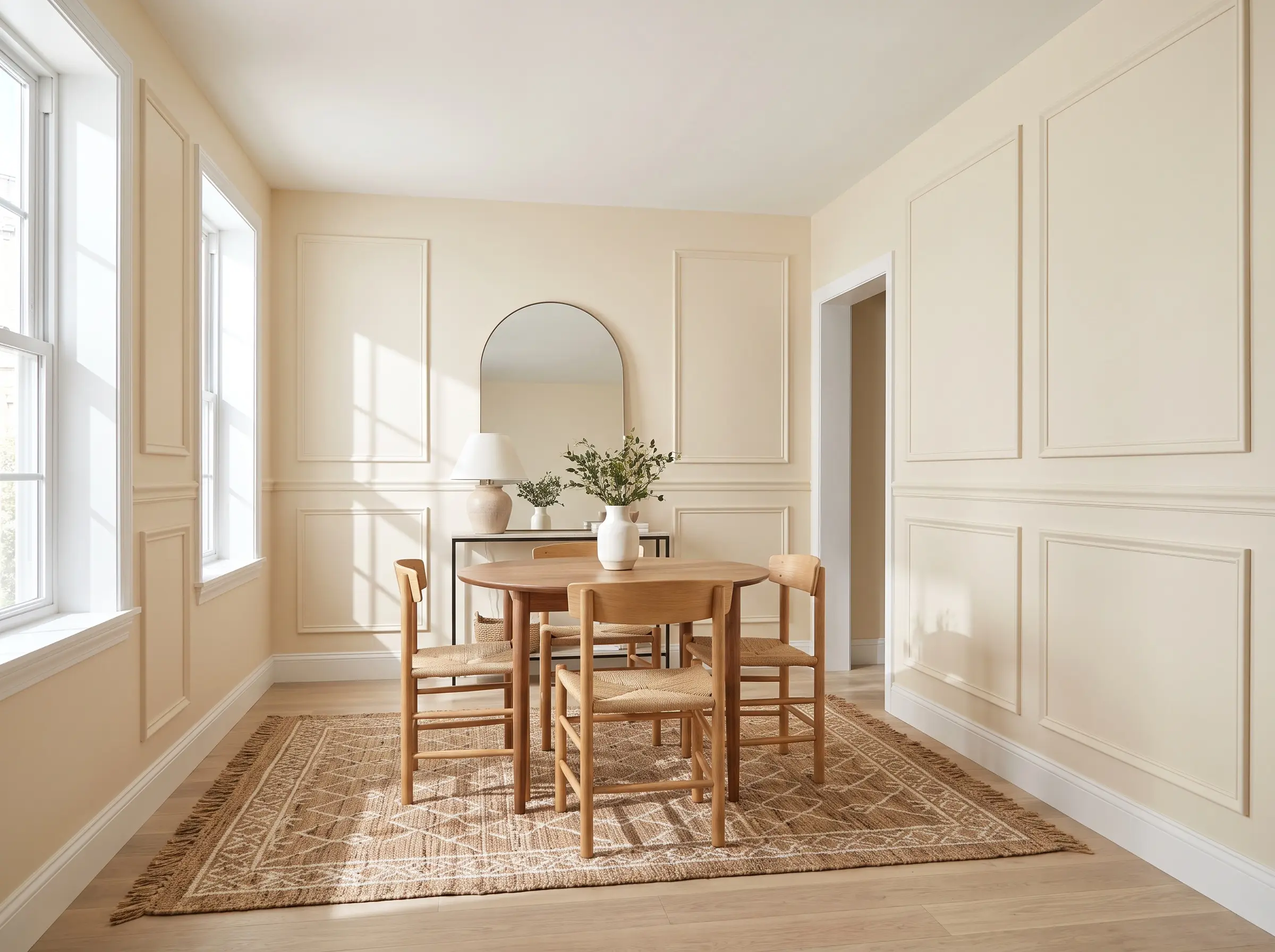
Faking traditional millwork no longer requires power saws, air nailers, or extensive drywall patching. Applying pre-cut, lightweight PVC or high-density foam molding with heavy-duty double-sided tape instantly injects Parisian apartment styling or Transitional elegance into basic rooms, perfectly complementing upgraded MDF baseboards.
When painted the exact same color as the wall in a high-quality finish, the lightweight peel-and-stick molding visually merges with the drywall, reading as permanent, custom carpentry.
The DIY Illusion
- Skill Level: Beginner
- Est. Cost: $60 – $120
- Key Materials: Pre-mitered PVC molding kits, heavy-duty mounting tape, and a precision laser level.
Never eyeball this. Use a laser level and map out your exact math with painter’s tape before sticking a single piece to the wall—crooked molding instantly shatters the luxury illusion.
Hackrea Pro Tip
Fluted Glass Window Films for Privacy & Texture
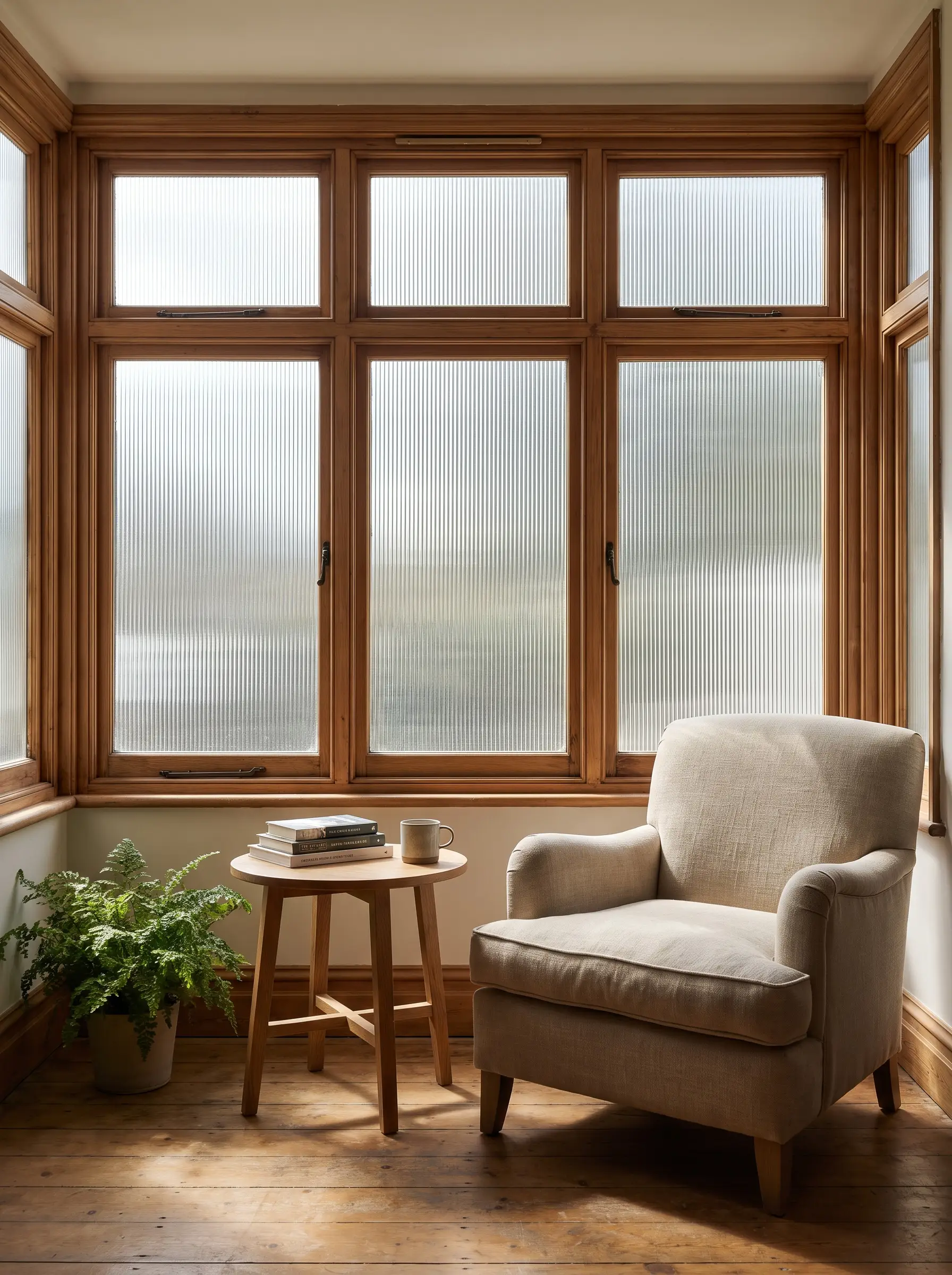
Reeded and fluted glass is a premium architectural detailing element often reserved for high-end custom cabinetry and luxury shower enclosures. You can mimic this expensive ribbed texture using inexpensive, static-cling fluted glass window film to diffuse light and provide privacy without the cost of custom glazing.
The deep, embossed ridges of high-quality static film refract light exactly like extruded glass, making basic flat panes look like bespoke architectural features.
The DIY Illusion
- Skill Level: Beginner
- Est. Cost: $20 – $40
- Vibe: Sophisticated Postmodern or streamlined Organic Modern, depending on the surrounding frame.
Do clean the glass meticulously with rubbing alcohol and use a generous amount of soapy water during application to easily squeegee out air bubbles for a flawless, factory-glass finish.
Wire-Free Sconce Retrofitting
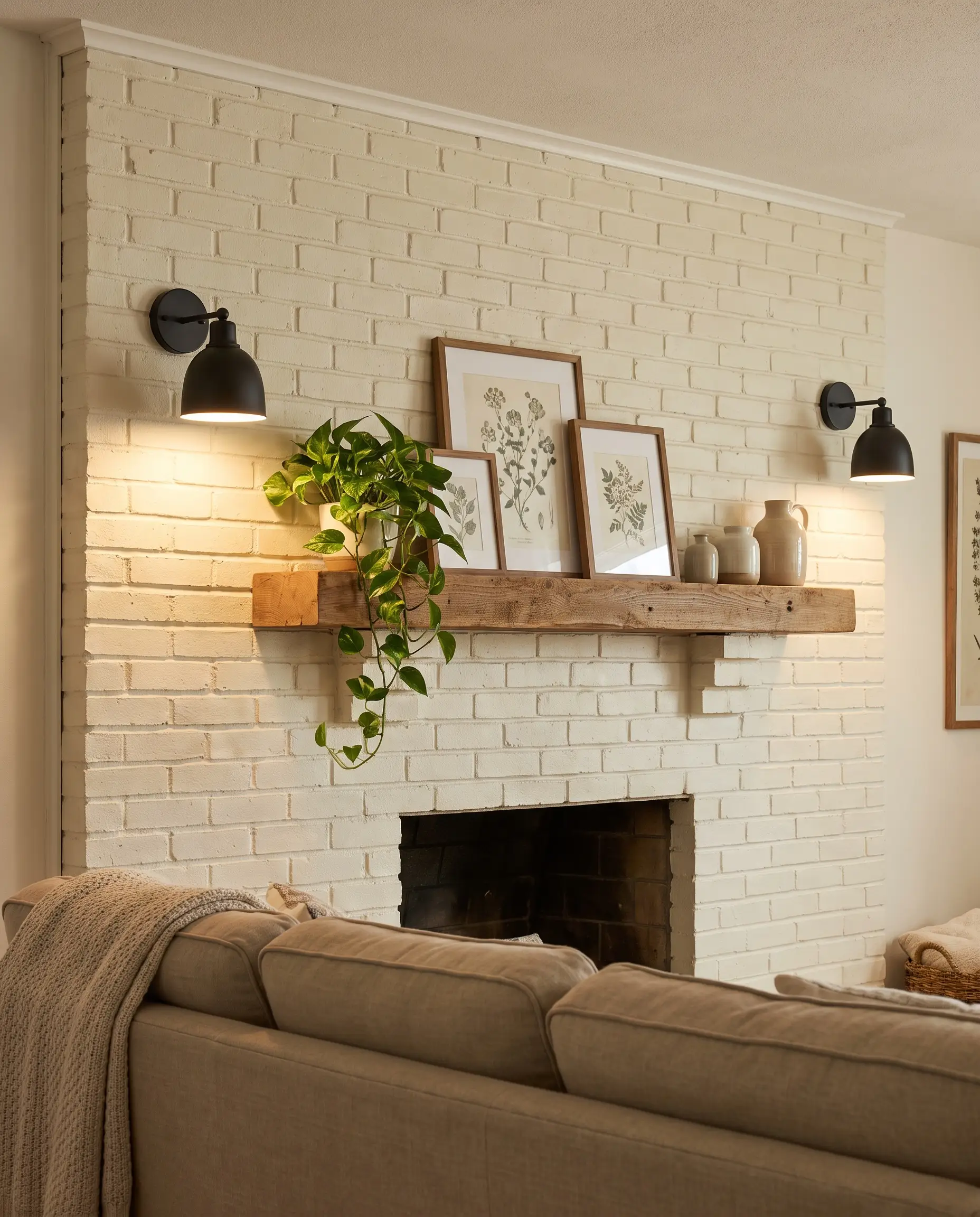
Layered, ambient lighting is critical for high-end design, but hiring an electrician to hardwire fixtures is incredibly expensive. Bypassing the electrical work entirely by mounting gorgeous brass or matte black sconces and dropping rechargeable LED puck lights into the sockets solves the primary lighting pain point for renters and tricky spots like brick fireplaces.
Because the physical fixture is a genuine, high-quality sconce mounted securely to the wall, nobody questions whether the bulb inside is hardwired or battery-operated.
The DIY Illusion
- Skill Level: Beginner (Requires zero electrical knowledge)
- Est. Cost: $50 – $100 per fixture
- Key Materials: Wall sconce of choice, rechargeable LED puck lights with remote control, and PVC adapters (if the puck doesn’t fit the socket).
Trend Category 3: Sustainable Sourcing & High-Contrast Flips
Fast furniture is out, and intentional upcycling is taking over. This year is all about rescuing vintage or basic pieces and applying high-contrast, bold, or highly textured transformations to create one-of-a-kind centerpieces.
High-Gloss Lacquer on Vintage Wood Pieces
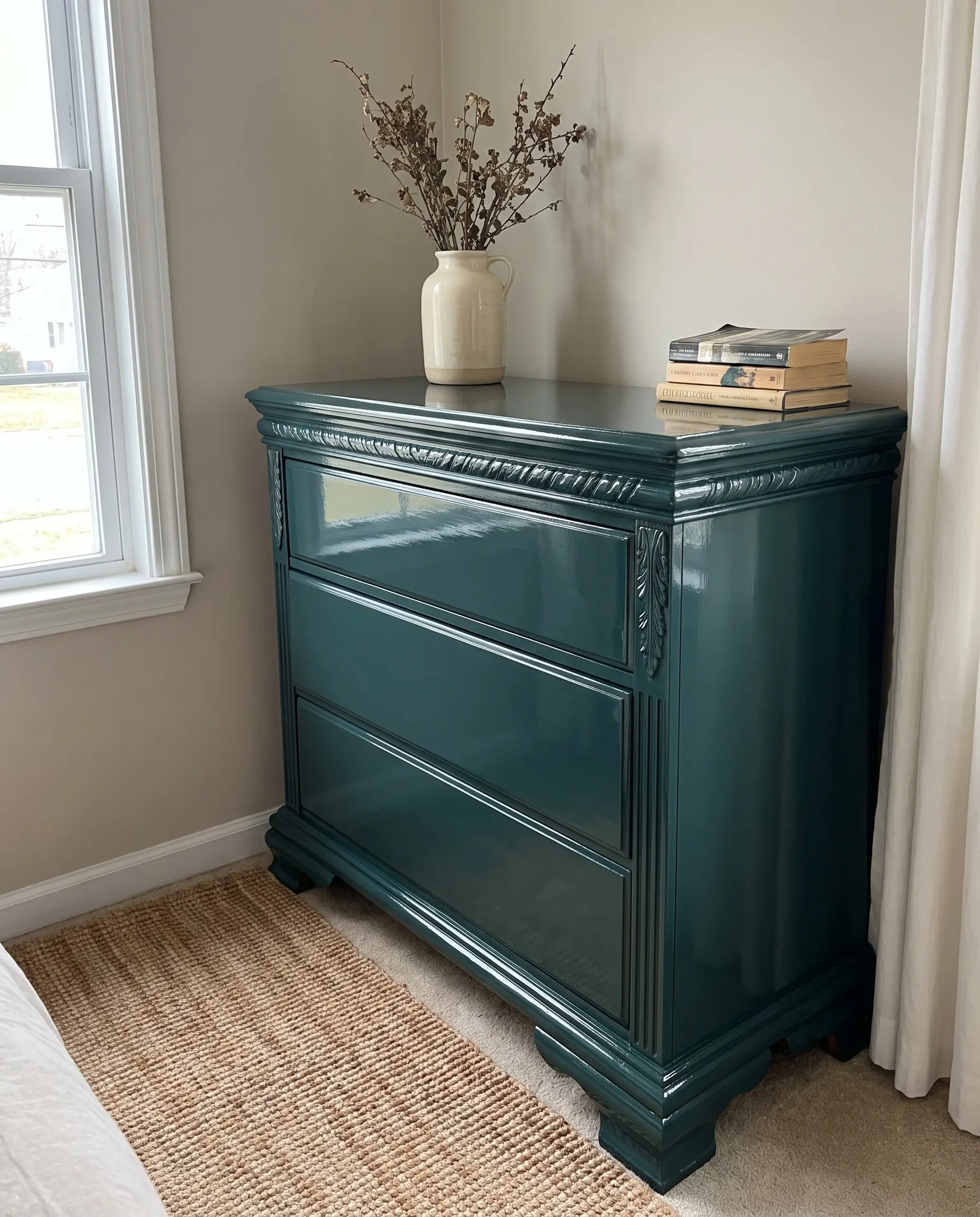
While the early 2020s worshipped raw, bleached wood, the current wave is all about rescuing heavy, traditional vintage sourcing finds with rich, high-gloss lacquers. The juxtaposition of a classic, ornate silhouette coated in a hyper-modern, reflective jewel tone creates a spectacular custom statement piece.
A flawless, mirror-like gloss finish is the hallmark of expensive professional spray booths, making the thrifted furniture look like a custom commission rather than a weekend project.
The DIY Illusion
- Skill Level: Advanced
- Est. Cost: $100 – $150
- Paint Recommendation: Sherwin-Williams Emerald Urethane Trim Enamel in “Cascades” (a deep, moody teal).
Do invest in intensive prep work; high-gloss paint magnifies every single scratch, so rigorous sanding, wood filling, and a self-leveling primer are non-negotiable.
Upholstered Headboards with Deadstock Fabrics
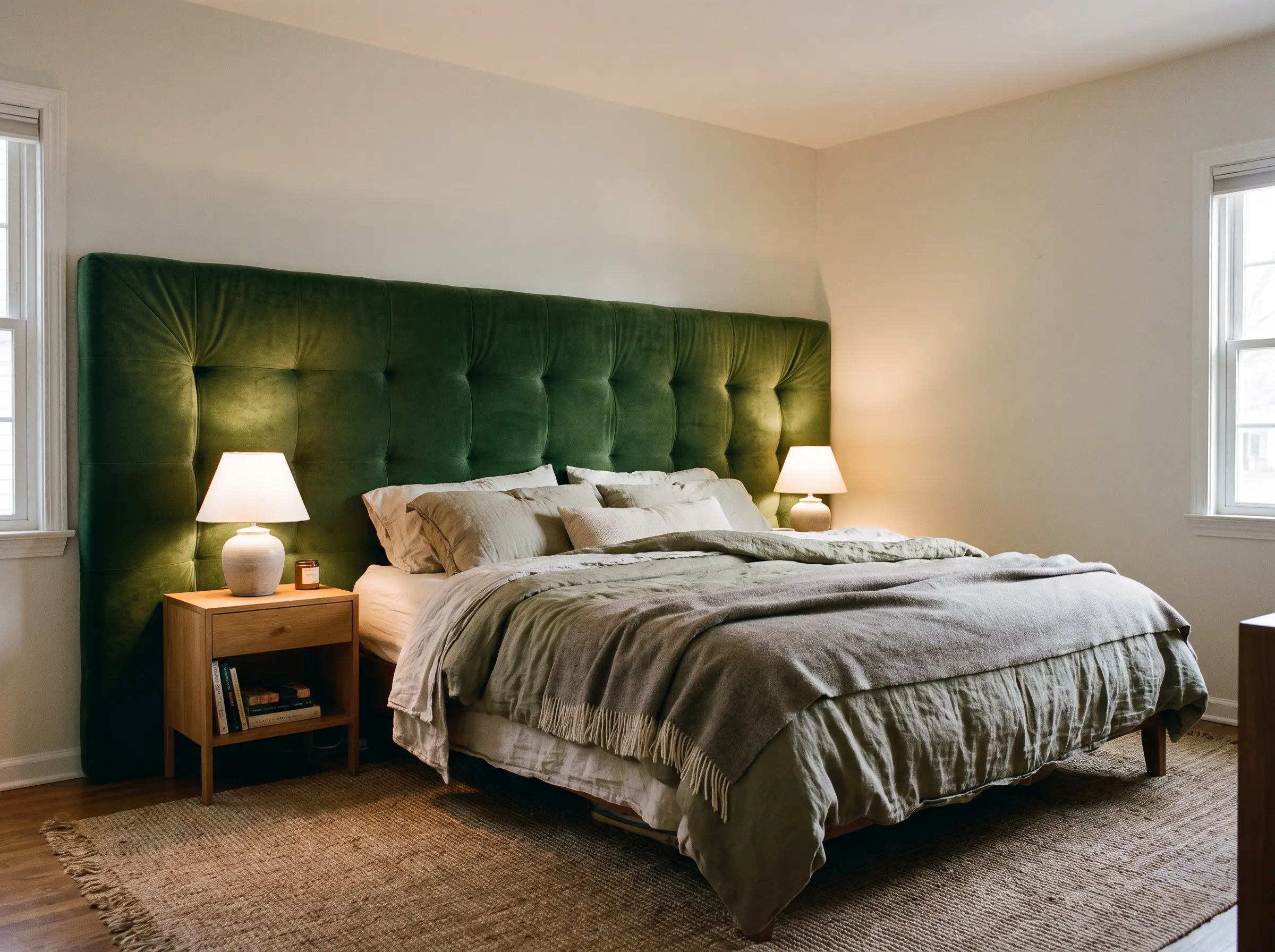
Basic wooden bed frames are being replaced by plush, oversized, wall-spanning headboards that anchor the bedroom. By wrapping foam batting and plywood in sustainably sourced deadstock fabrics—like heavy linens, vintage velvets, or bouclé—you can build a boutique hotel aesthetic for a fraction of retail.
The immense scale of a wall-to-wall upholstered piece reads as custom, built-in architecture rather than a standalone piece of furniture.
The DIY Illusion
- Skill Level: Intermediate
- Est. Cost: $150 – $250
- Materials Checklist: 1/2-inch plywood, 2-inch high-density upholstery foam, quilt batting, heavy-duty staple gun, French cleats for wall mounting, and 3-5 yards of deadstock fabric.
Don’t pull the fabric too tightly across the corners without folding it like a present; bulky, messy corners will immediately give away the DIY nature of the headboard.
Chunky Postmodern Leg Swaps on Sofas
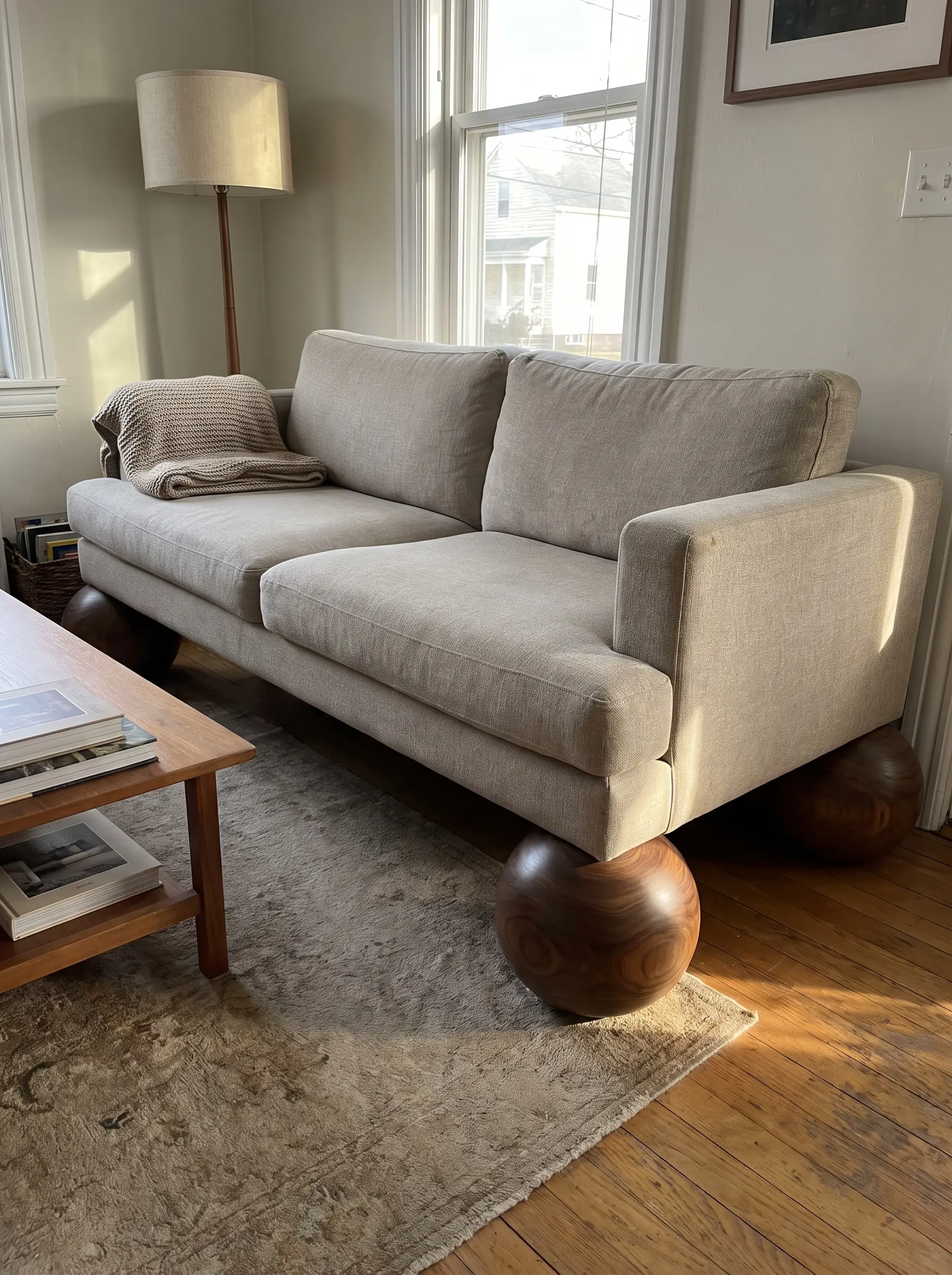
Standard mid-century peg legs instantly date a piece of furniture, making it look like a budget catalog buy. Swapping out the screw-in legs on a basic retail sofa for chunky, Postmodern spherical or cylindrical wooden feet dramatically shifts the proportion and visual weight of the entire piece.
Grounding the sofa with oversized, sculptural legs completely changes its geometry, transforming a generic profile into a designer Italian silhouette.
The DIY Illusion
- Skill Level: Beginner
- Est. Cost: $40 – $80
- Pro-Tip: Ensure the new legs have the standard 5/16″ hanger bolt to directly screw into most commercial sofa bases without needing new mounting plates.
Terracotta Staining for Basic Ceramics
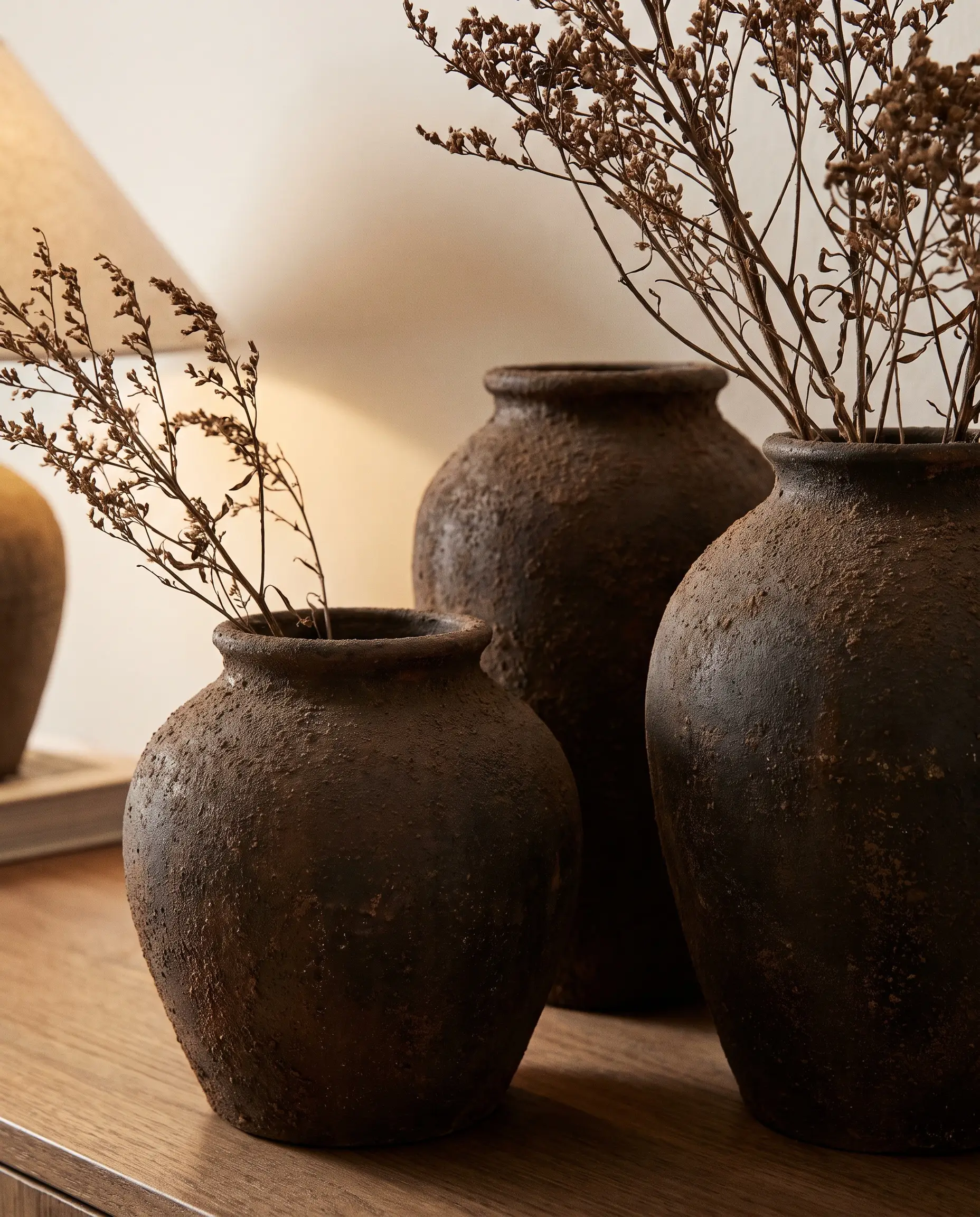
The older trend of painting thrifted glass vases with a baking soda mix often looked chalky and amateur. The modern upgrade involves using actual dirt, coffee grounds, and matte terracotta stains to age basic ceramics, creating highly textured vessels that look like ancient, excavated artifacts.
Incorporating authentic organic matter into the stain creates a gritty, unpredictable texture that mimics centuries of natural aging in the earth.
The DIY Illusion
- Skill Level: Beginner
- Est. Cost: $10 – $20
- Key Materials: Thrift store vessel, dark matte terracotta acrylic paint, dry coffee grounds, and a stiff bristle stippling brush.
Plaster-Coated Lampshades and Pendants
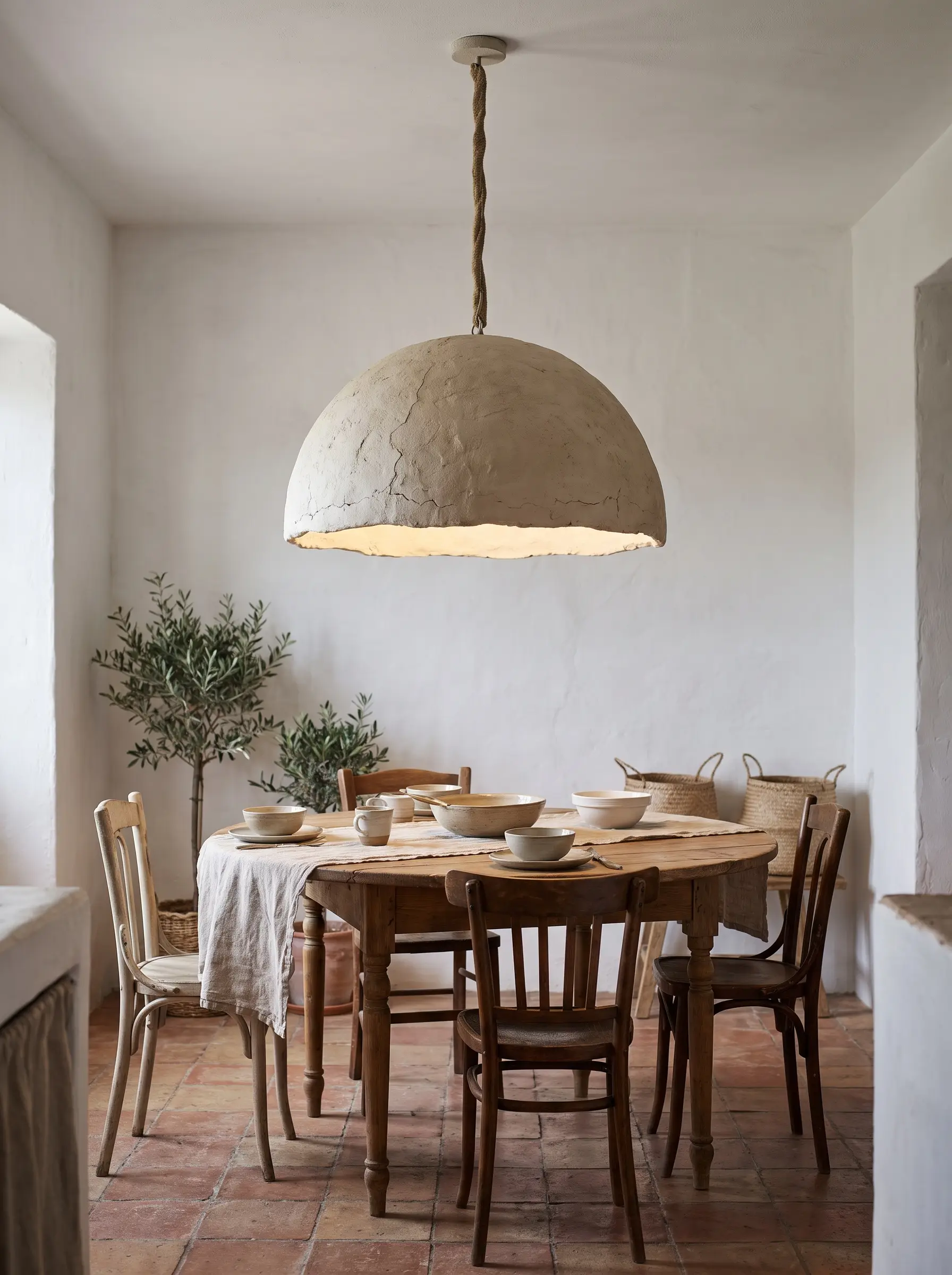
Rather than spending a fortune on heavy ceramic or plaster dome pendants, you can add organic architectural texture to your overhead lighting using basic hardware store supplies. Coating cheap, oversized paper lanterns or fabric shades in joint compound or plaster of Paris yields rigid, wabi-sabi inspired fixtures that beautifully anchor a room.
The thick, imperfect plaster shell completely masks the flimsy paper or fabric skeleton, convincing the eye that the fixture is cast from solid, heavy ceramic.
The DIY Illusion
- Skill Level: Intermediate
- Est. Cost: $30 – $60
- Vibe: Organic Modern, Wabi-Sabi, or Minimalist Mediterranean.
Wet plaster adds significant weight to a paper lantern. Ensure your ceiling hook and lighting cord are rated for the heavier load before hanging.
Safety Note
The 2027 Project Planner: Where to Invest Your DIY Budget
The entire ethos of 2027’s decor trends revolves around faking luxury through highly intentional material choices. If you are ready to tackle your first Faux-Bespoke project, start with low-risk, high-reward upgrades like wire-free sconce retrofitting or applying fluted glass films before graduating to a full microcement overlay. Remember, the goal isn’t just about saving money; it’s about executing these materials with such precision that nobody questions their authenticity. Grab your sandpaper, map out your budget, and start transforming your space.
| Project Type | Estimated Cost | Visual Impact Score (1-10) |
|---|---|---|
| Wire-Free Sconce Retrofitting | $50 – $100 | 8/10 |
| Fluted Glass Window Films | $20 – $40 | 7/10 |
| Terracotta Ceramic Staining | $10 – $20 | 6/10 |
| Postmodern Sofa Leg Swaps | $40 – $80 | 7/10 |
| Peel-and-Stick Picture Molding | $60 – $120 | 9/10 |
| Faux Aged Brass Hardware | $25 | 8/10 |
| Hand-Troweled Roman Clay | $100 | 9/10 |
| Burl Wood Veneer Wraps | $80 – $150 | 9/10 |
| Plaster-Coated Pendants | $30 – $60 | 8/10 |
| High-Gloss Vintage Lacquer | $100 – $150 | 10/10 |
| Upholstered Deadstock Headboards | $150 – $250 | 10/10 |
| Microcement Surface Overlays | $150 – $300 | 10/10 |
We want to see your architectural mimicry in action! Tag Hackrea in your weekend upcycling projects and show us how you are pulling off these high-impact illusions.