For years, the ceiling was the most ignored surface in interior design—often just a flat, white expanse dotted with the occasional light fixture. But in 2026, that narrative has completely flipped. Designers and homeowners alike are waking up to the potential of the “Fifth Wall.”
The shift this year is massive. We are moving away from the rigid, boxy drop ceilings of the early 2020s toward designs that feel organic, intelligent, and deeply connected to nature. It’s no longer just about hiding wires or lowering the ceiling height; it’s about sculpting space, managing acoustics, and integrating technology so seamlessly that it feels like magic.
If you are planning a renovation or building a new home, here is the curated forecast of the false ceiling trends defining 2026.
📋 At a Glance: Top 5 Ceiling Trends for 2026
The Core Trends of 2026: Nature, Curves, and Tech
The overarching theme for 2026 is “Soft Intelligence.” We want our homes to feel softer and more natural, but we also expect them to perform better technologically. Here is how that translates to your ceiling.
1. The Biophilic Canopy
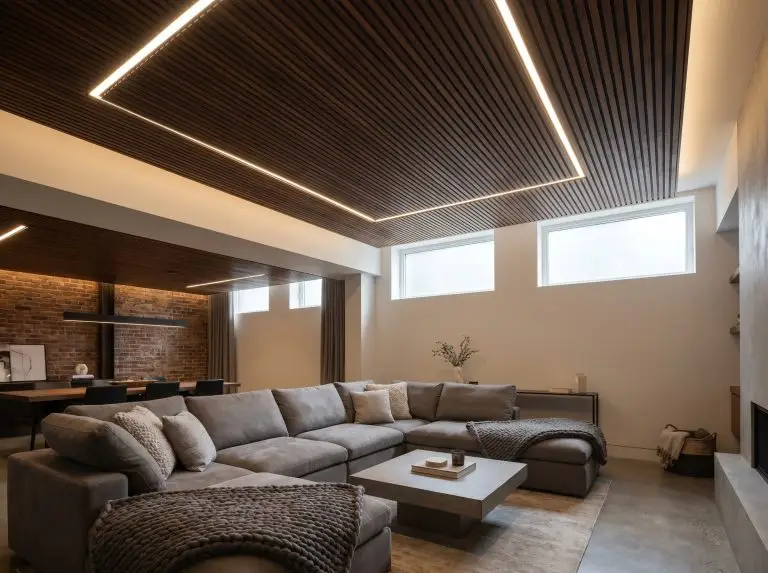
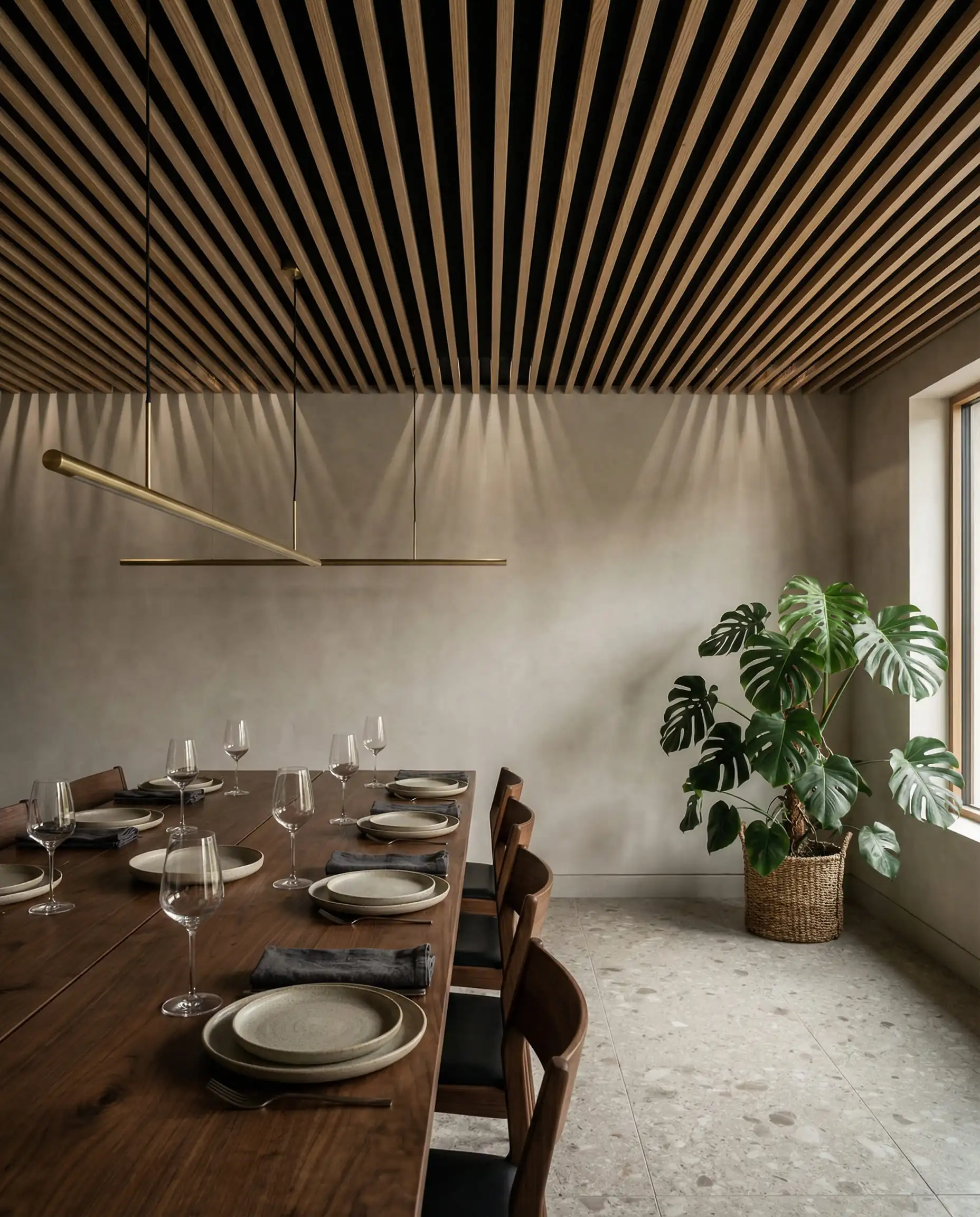
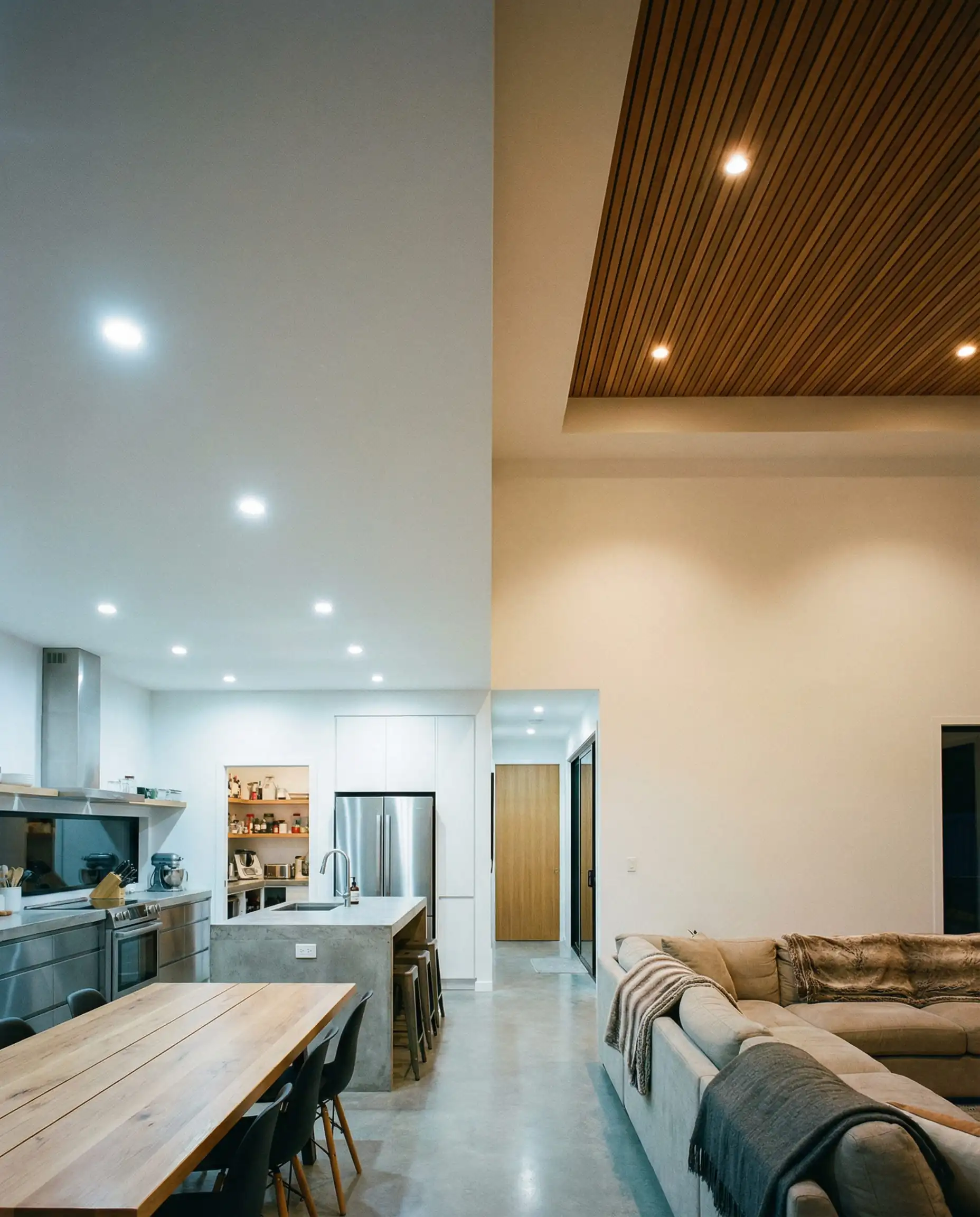
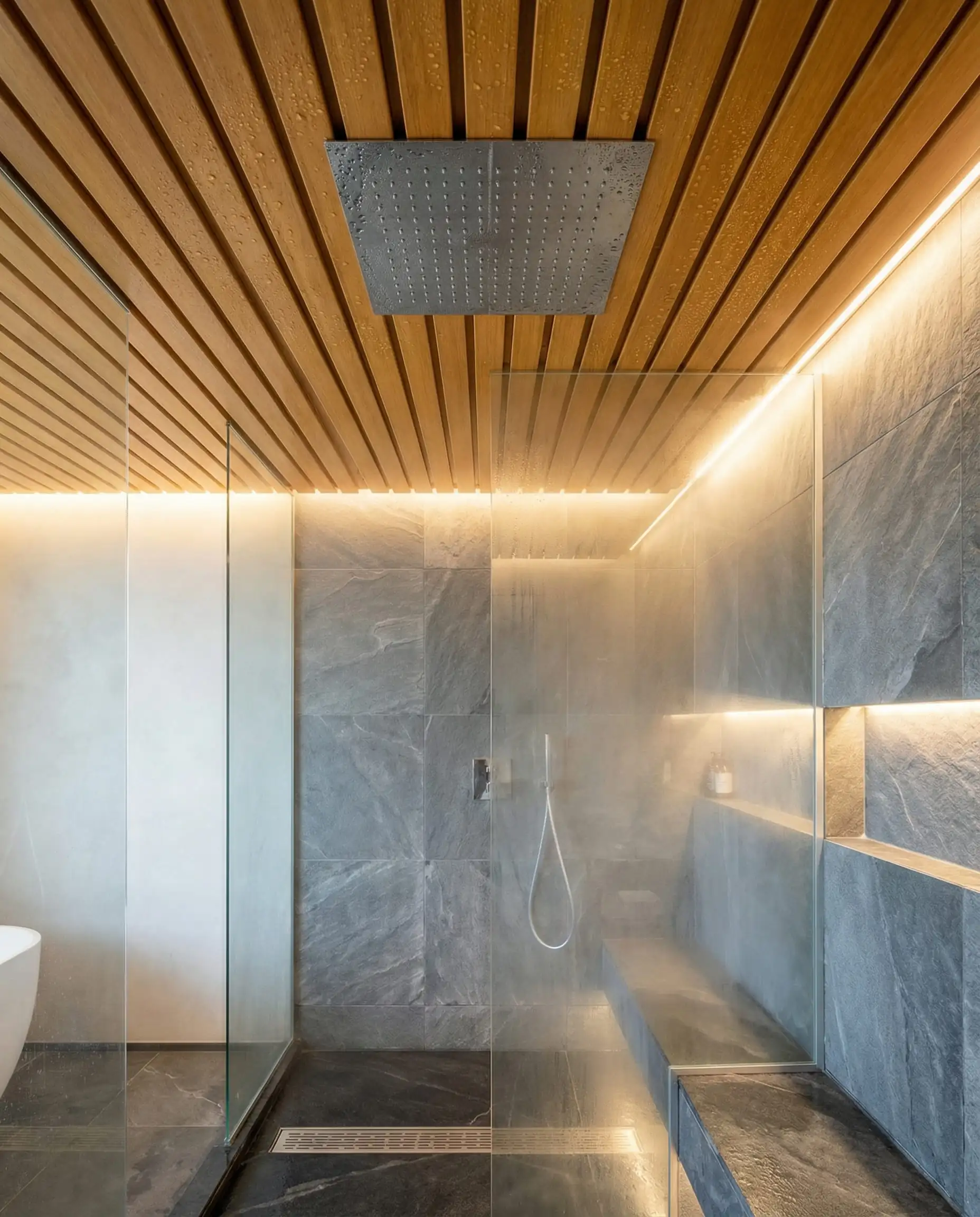
Biophilic design has been growing for years, but in 2026, it ascends to the ceiling. The goal is to create a sense of being sheltered by a tree canopy. This is achieved primarily through warm wood slats and bamboo baffles.
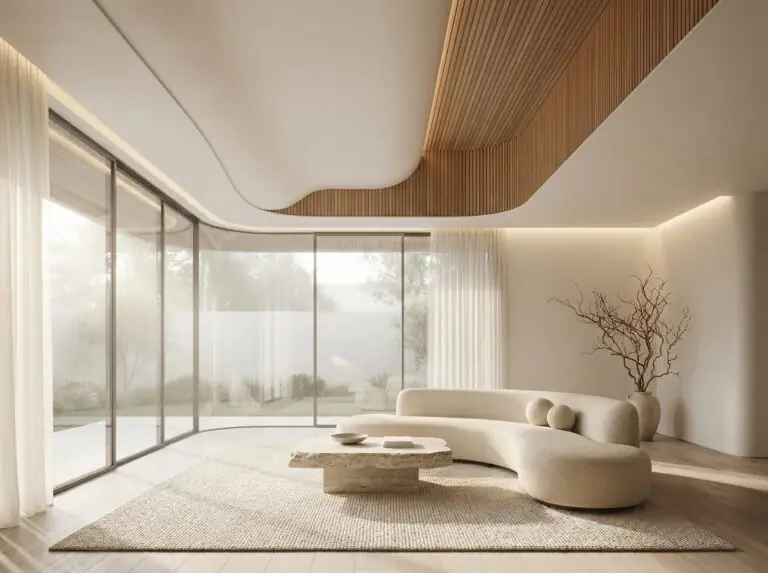
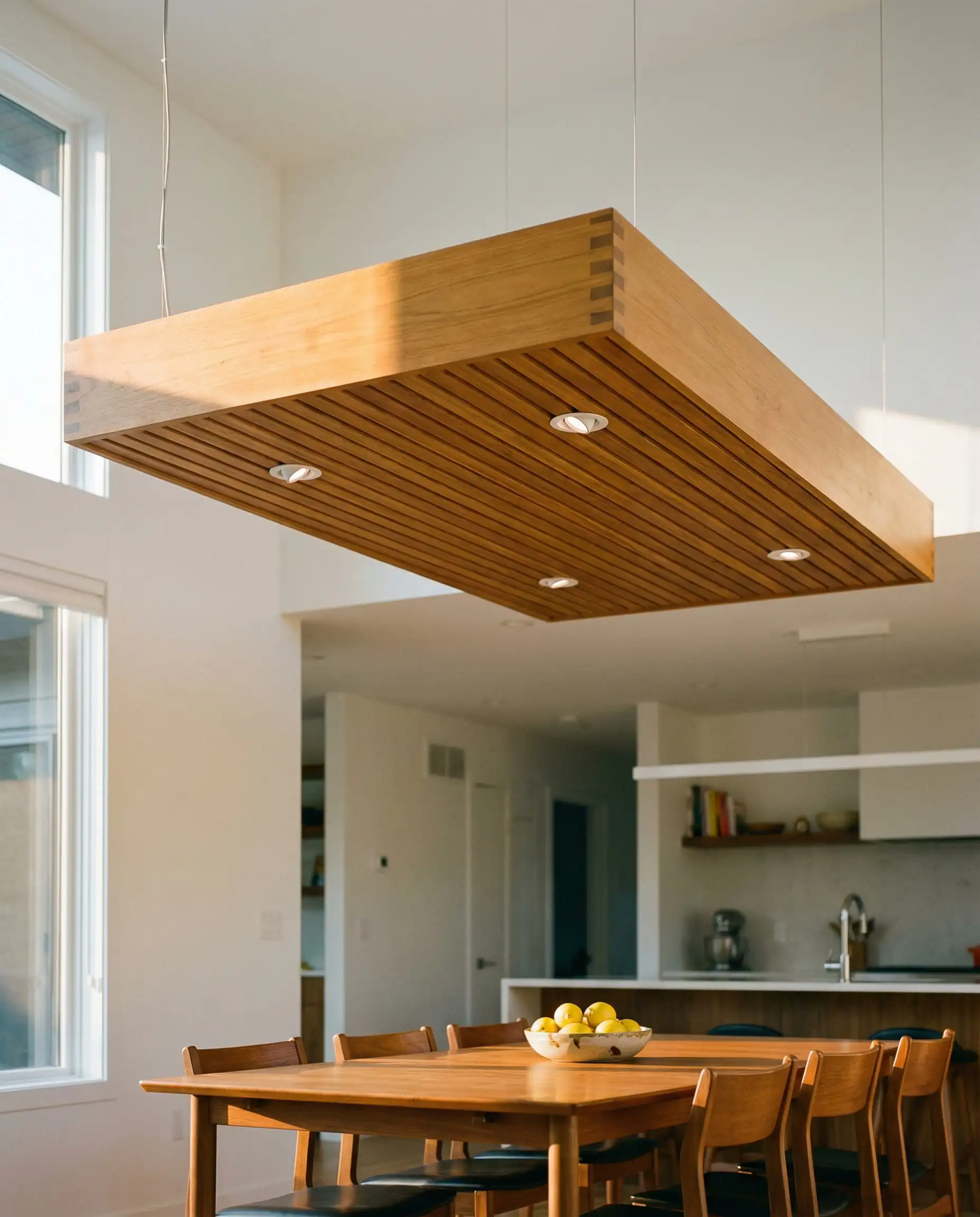
Unlike the heavy, dark beams of the farmhouse era, 2026 wood ceilings are light, airy, and linear. Slatted wood ceilings (often made of oak, ash, or sustainable bamboo) add rhythm to a room. They draw the eye upward and elongate the space.
Why it’s trending: It solves two problems at once. Visually, it adds warmth to modern, minimalist interiors (like the Japandi Style Interior Design Trends). Functionally, the gaps between slats allow for acoustic-dampening material to be hidden behind them, significantly reducing echo in open-concept homes.
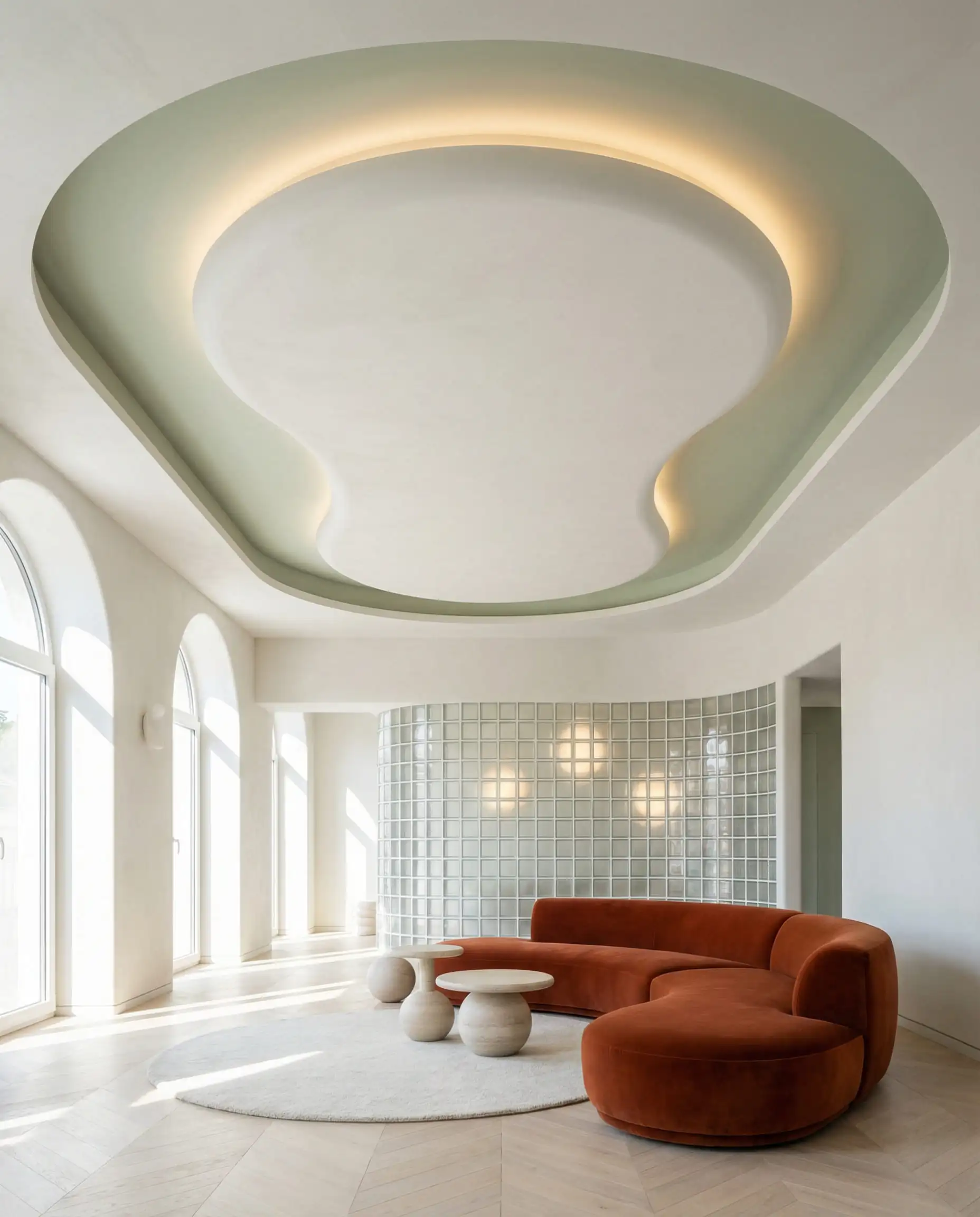
2. Soft Geometries (The Death of the Sharp Corner)
If you look at the Interior Design Trends for 2026, you will notice that sharp edges are disappearing. Furniture is curvy, walls are rounded, and now, false ceilings are following suit.
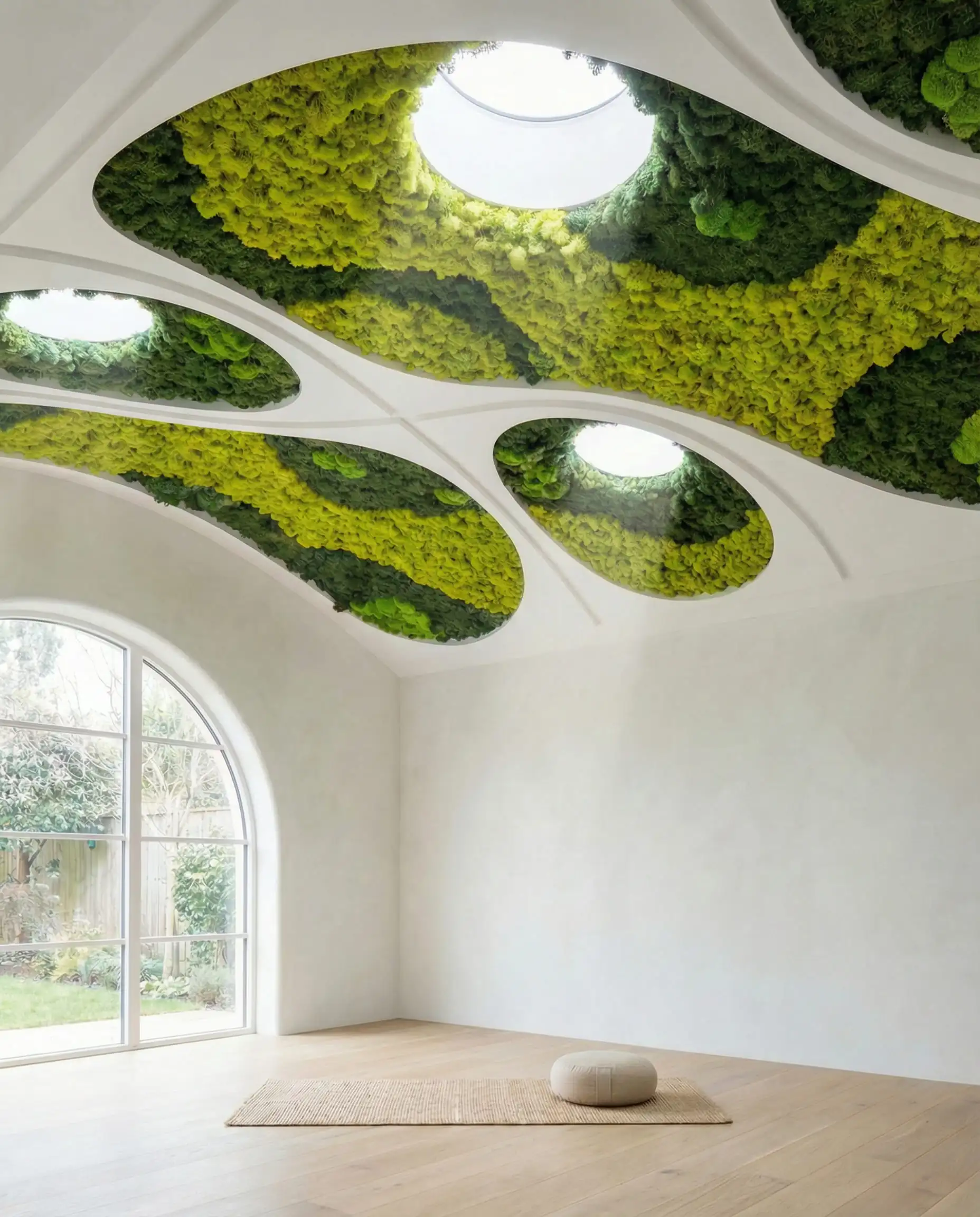
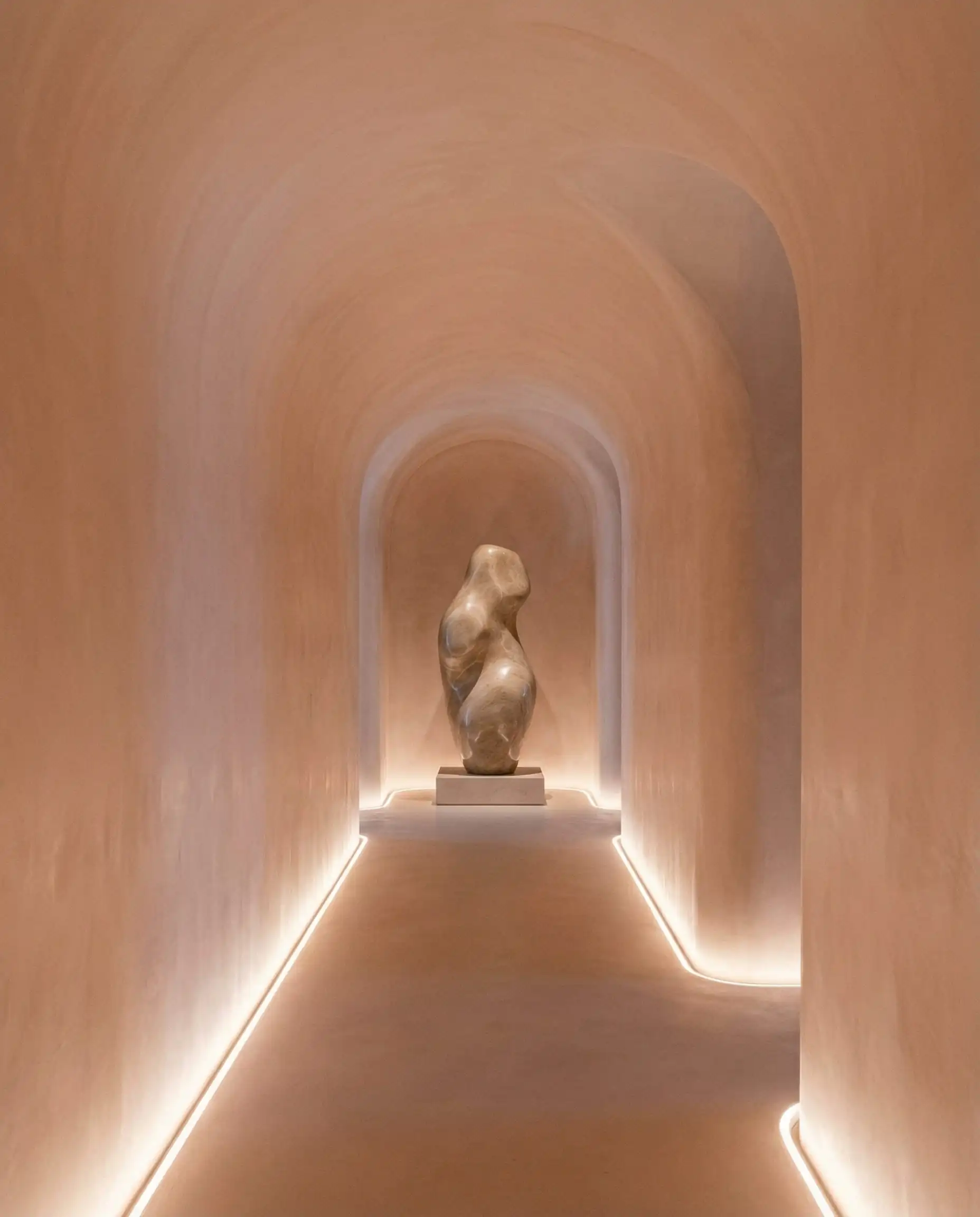
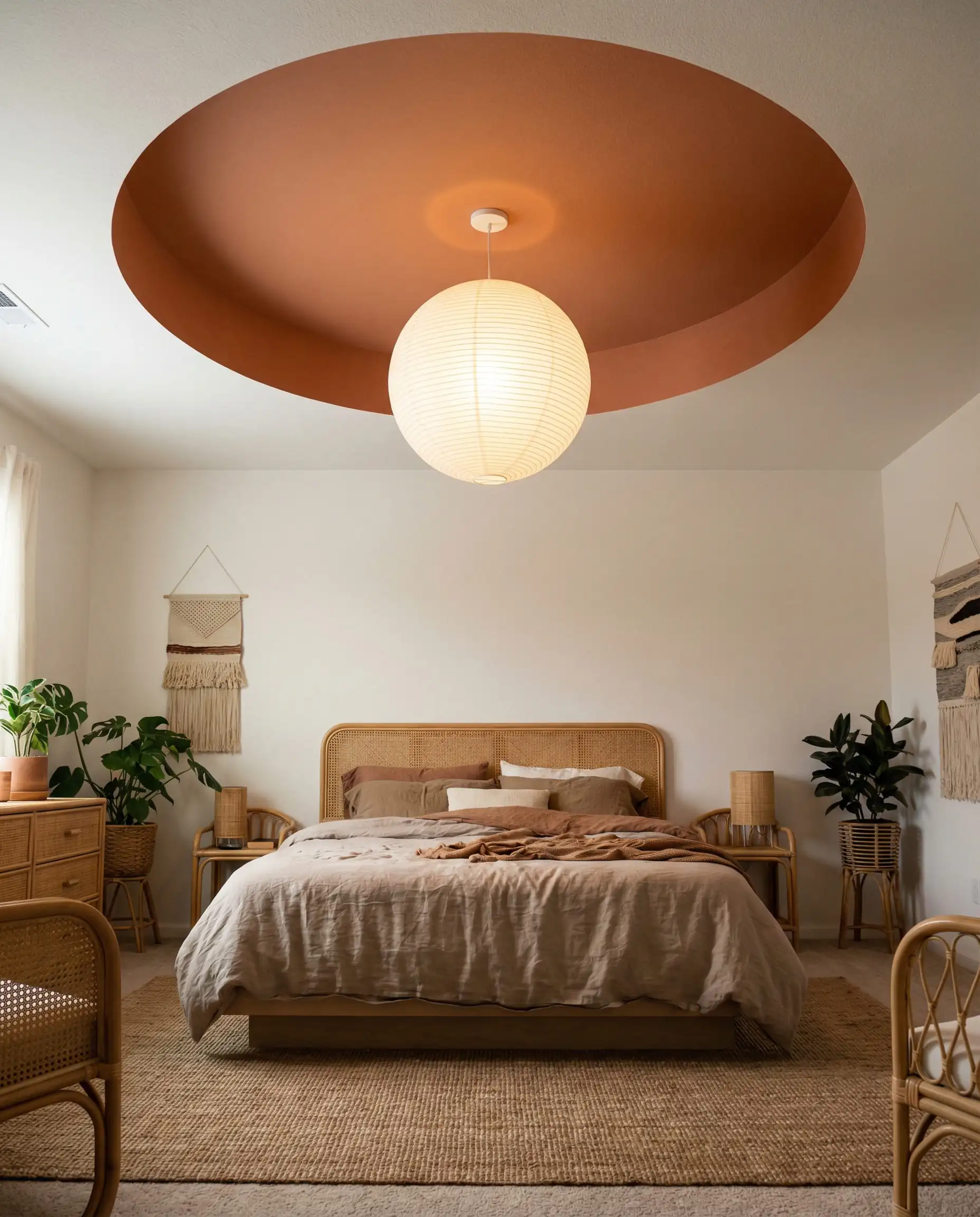
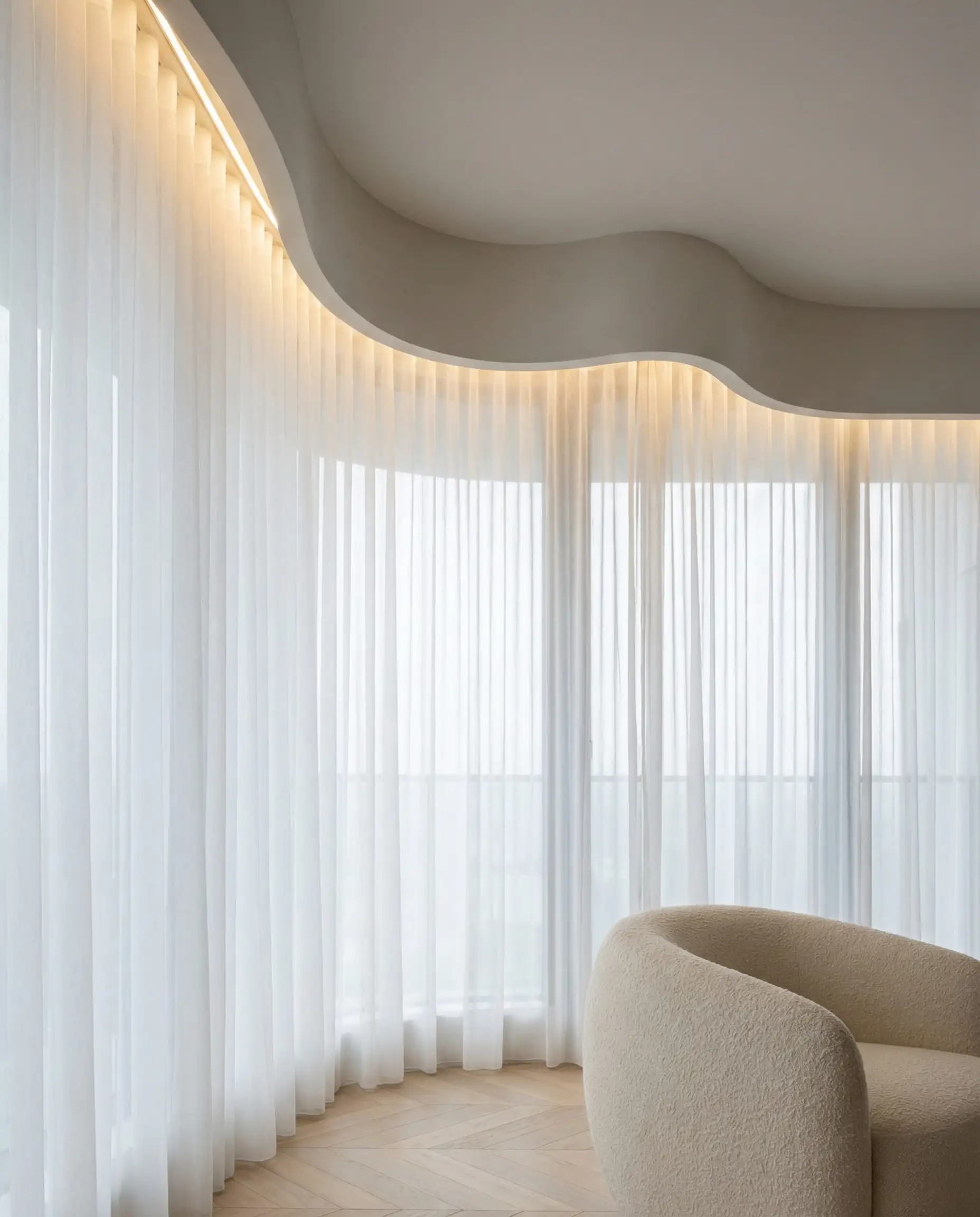
The “floating island” ceiling—a popular trend where a panel hangs in the center of the room—is being updated with rounded corners and organic, kidney-bean shapes. We are also seeing “coved” ceilings where the transition from wall to ceiling is a seamless curve rather than a harsh angle. This softens the shadows in the room and makes low ceilings feel higher by removing the visual “stop” line.
3. Smart & “Invisible” Tech Integration
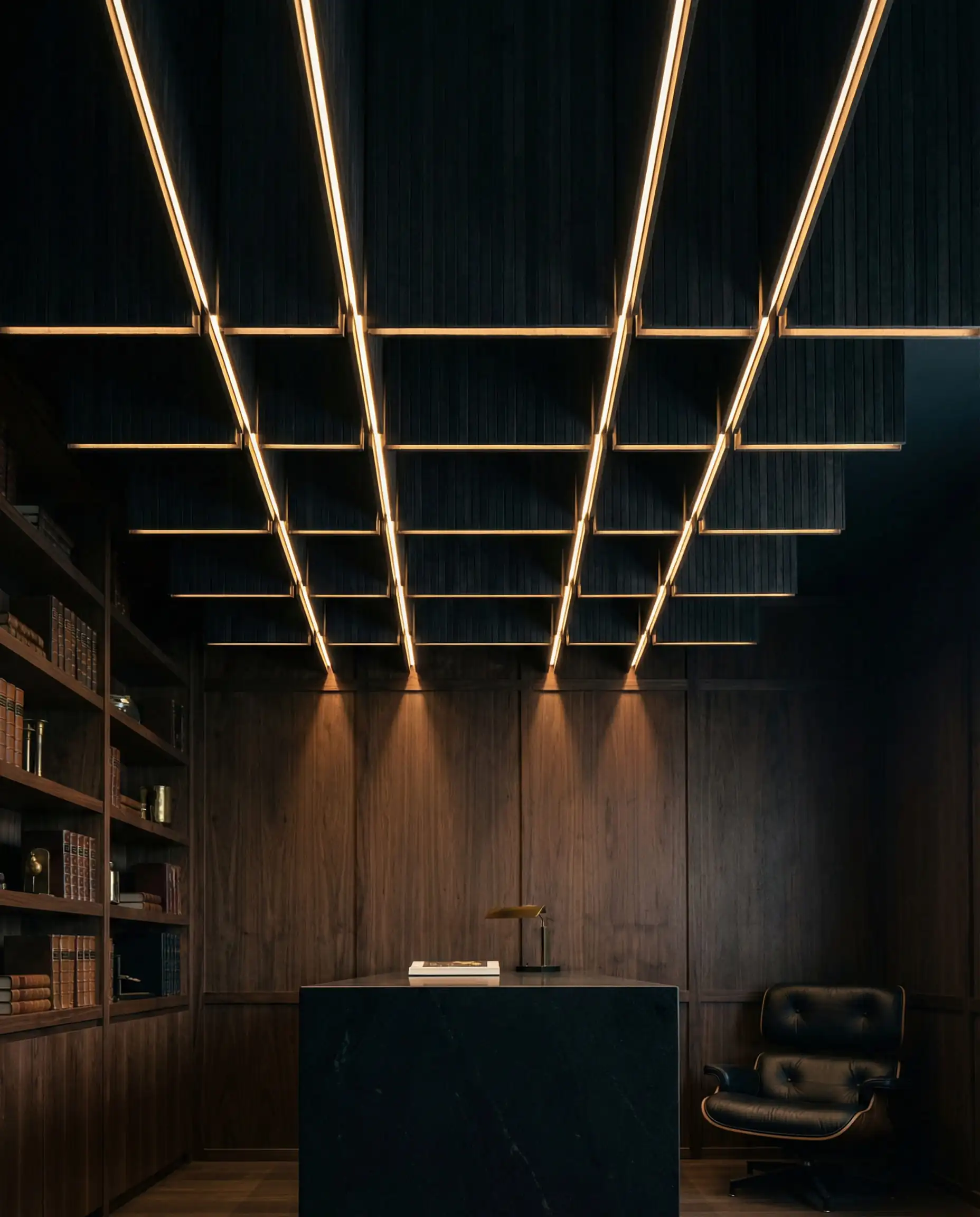
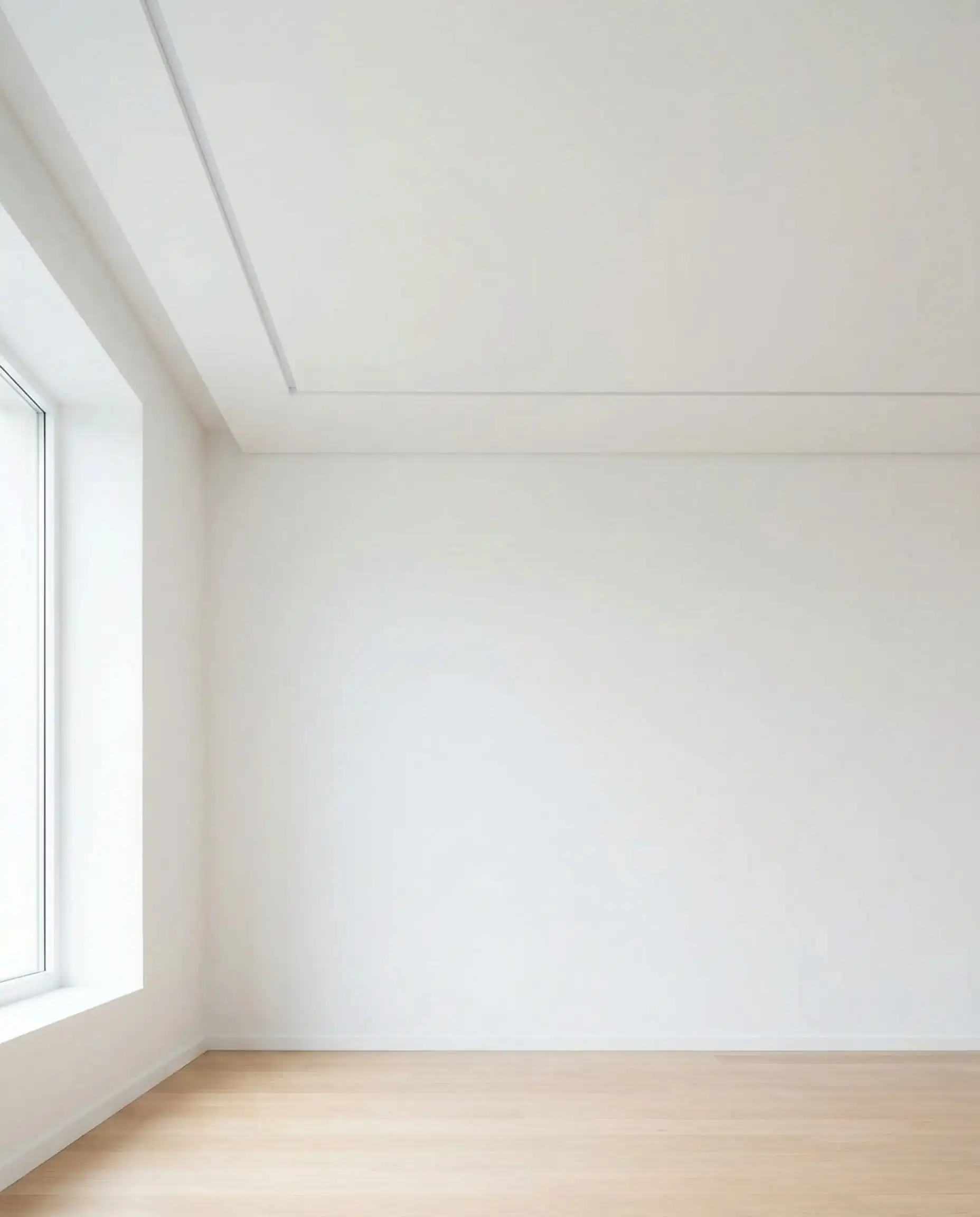
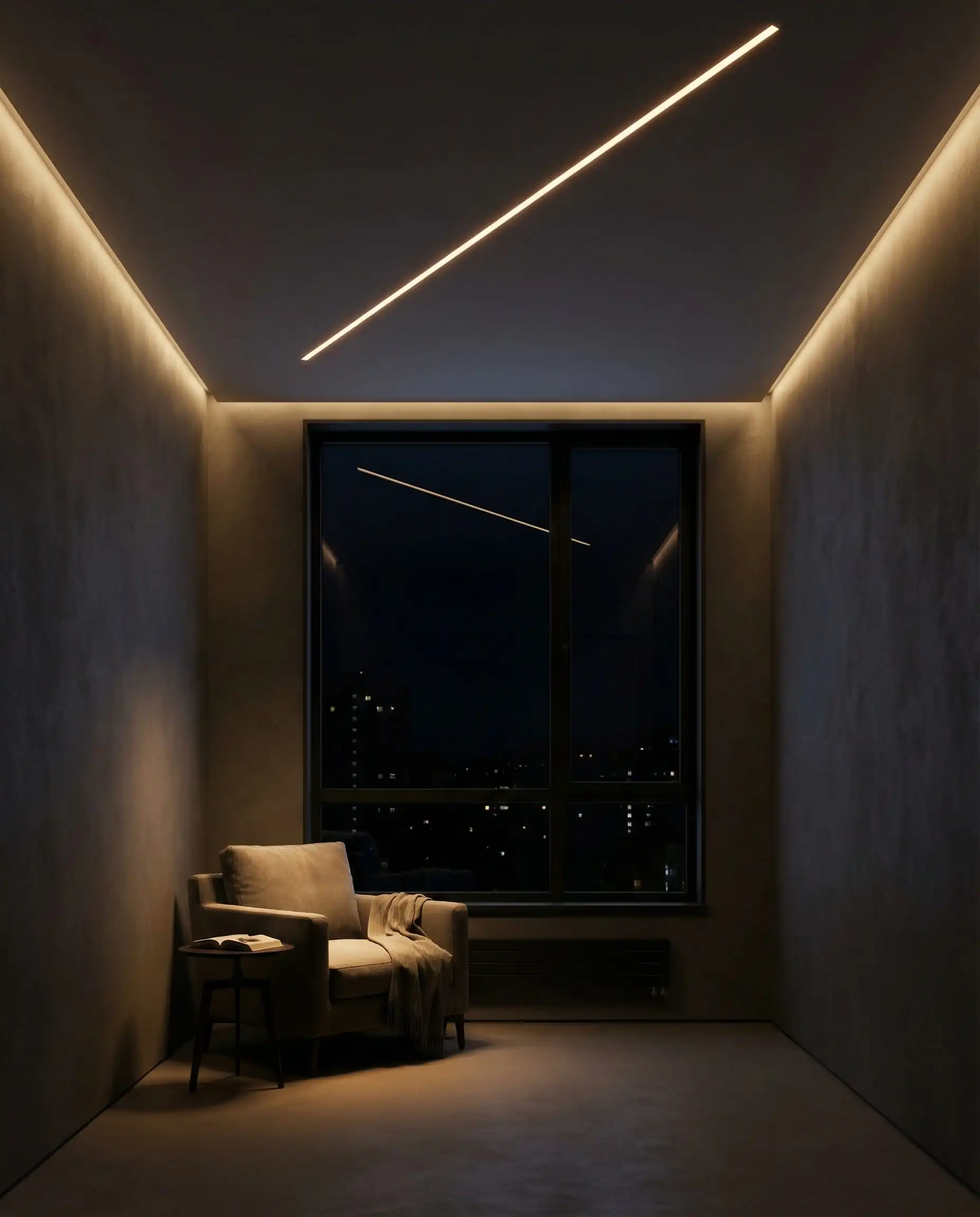
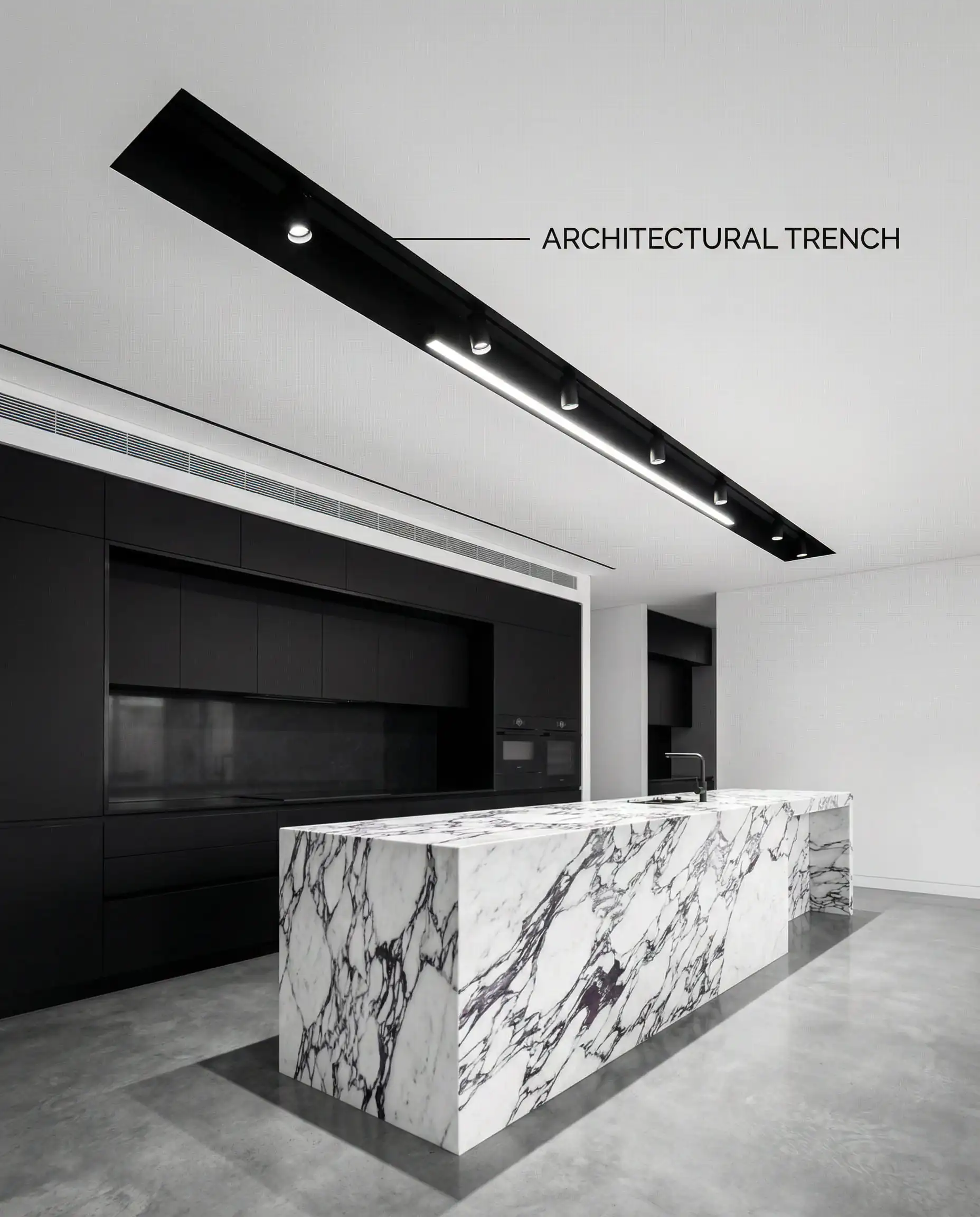
In 2026, luxury is defined by what you don’t see. The “Smart Ceiling” is a major leap forward. Instead of hanging bulky fixtures, technology is embedded directly into the false ceiling architecture.
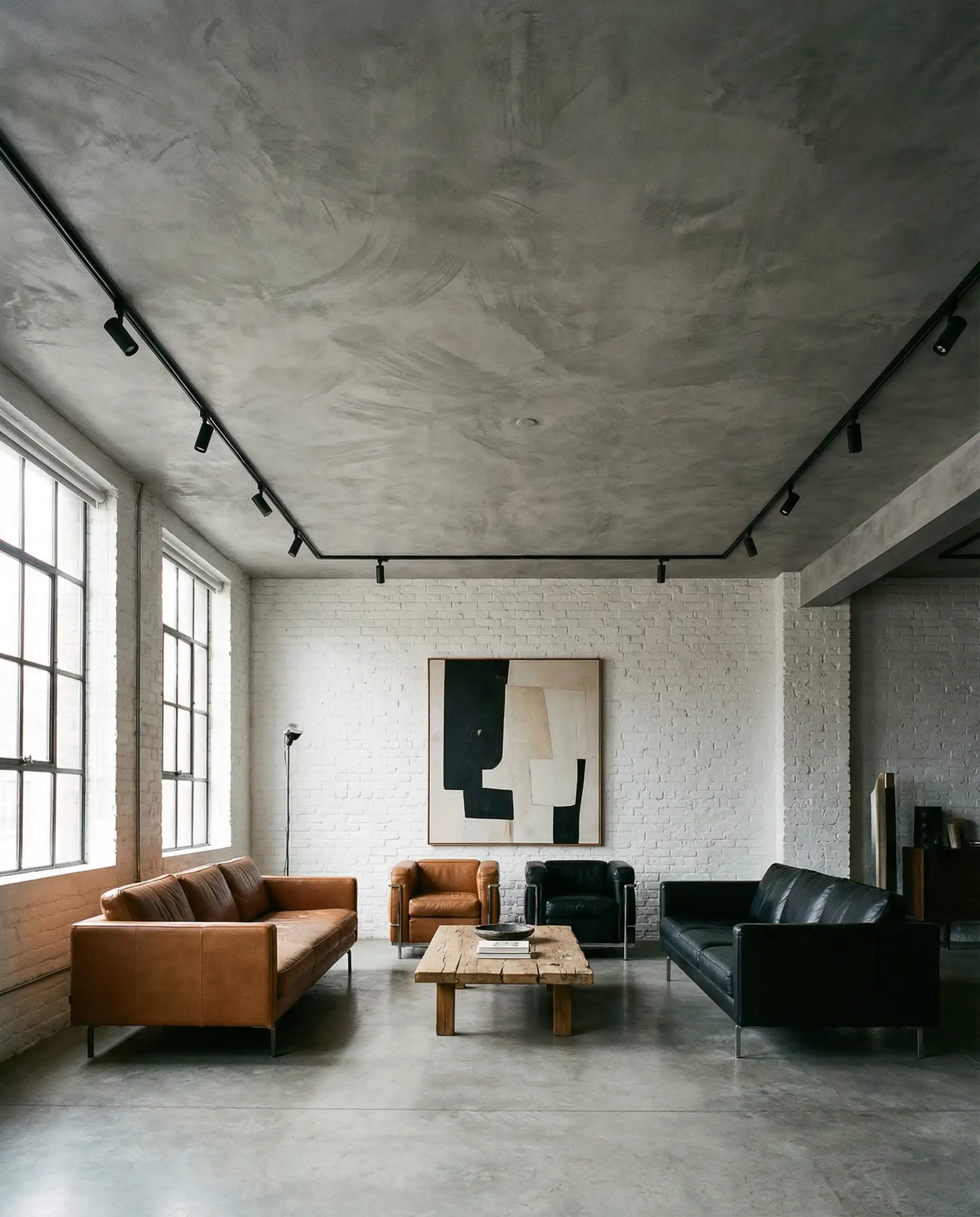
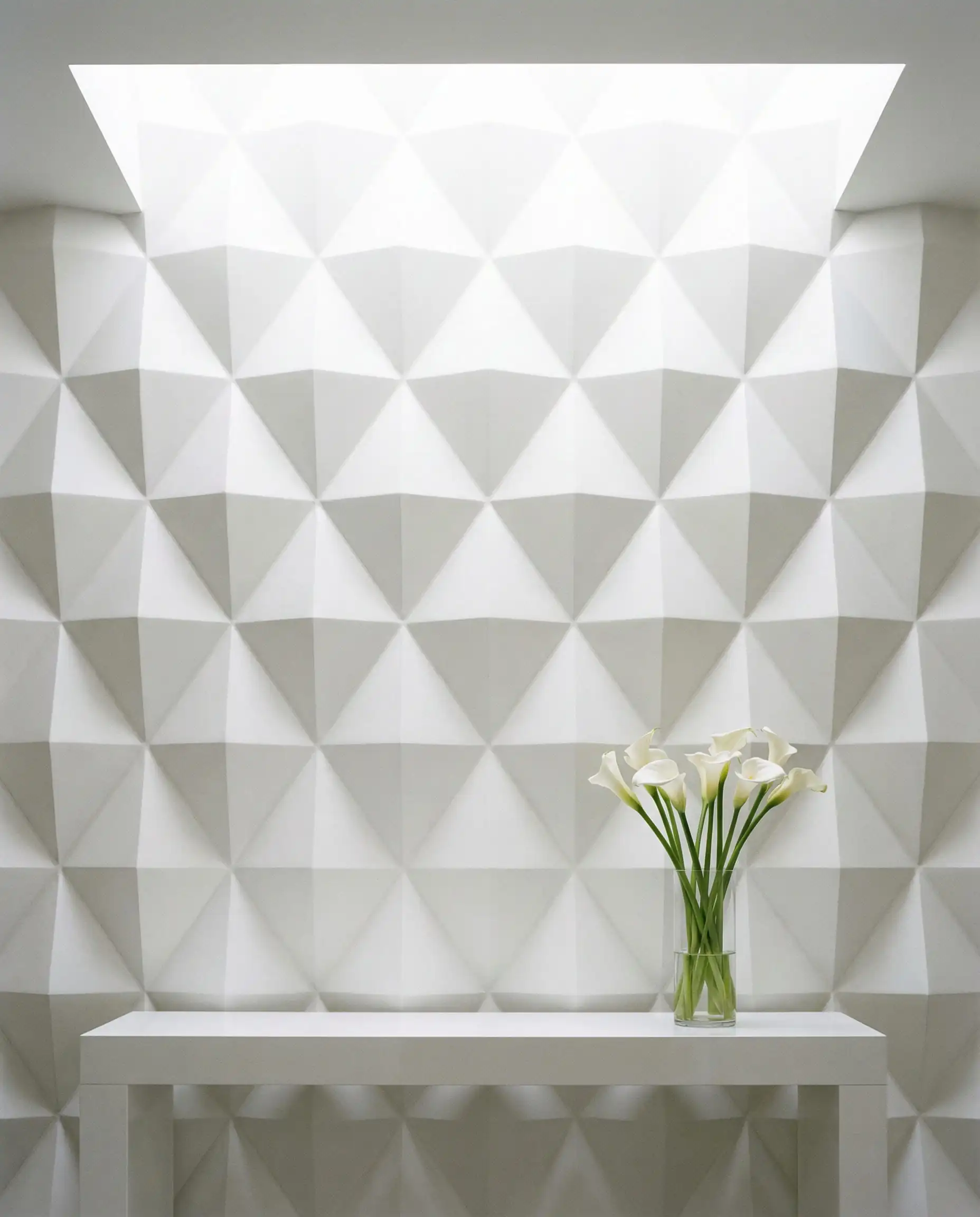
4. Textured & 3D Surfaces
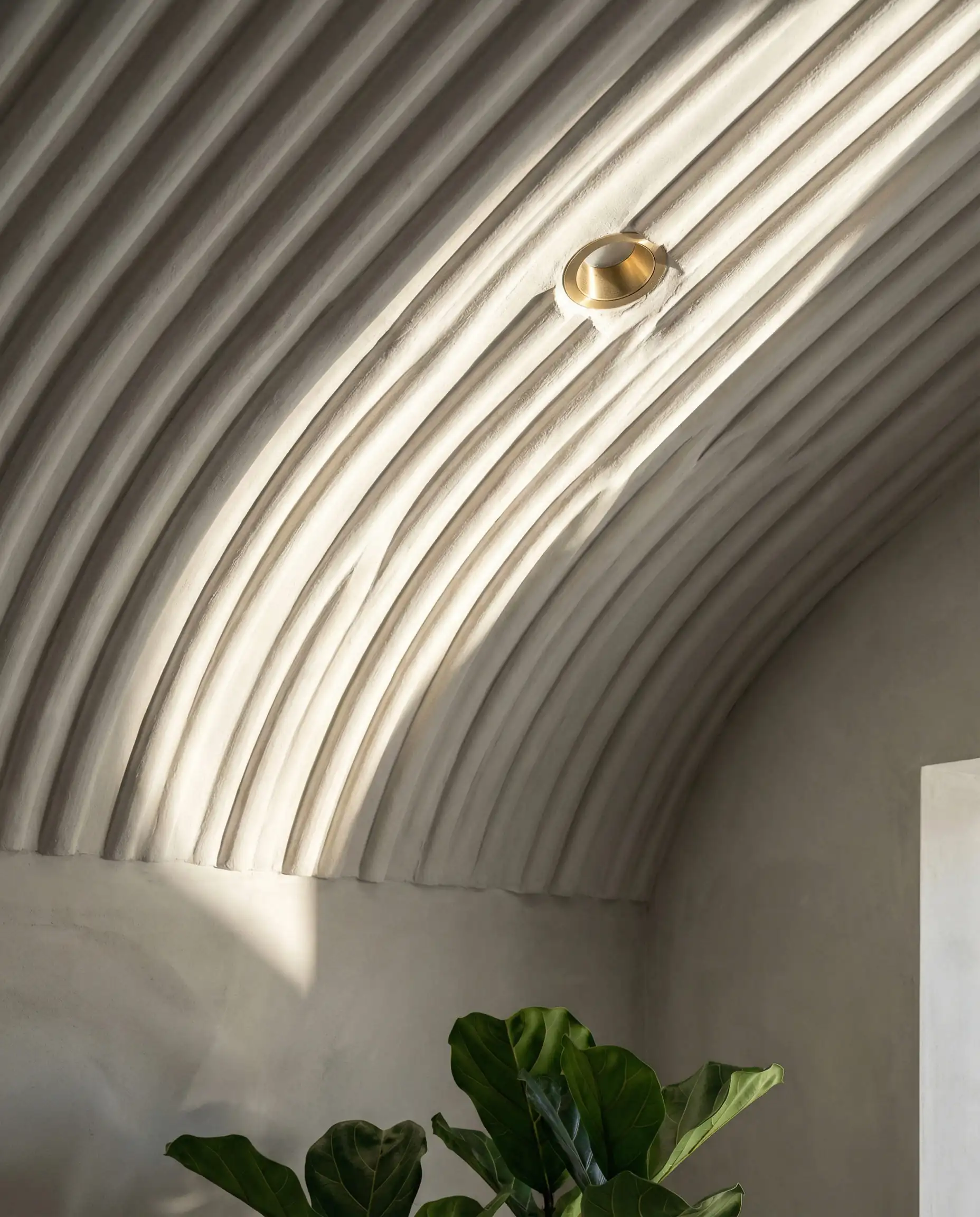
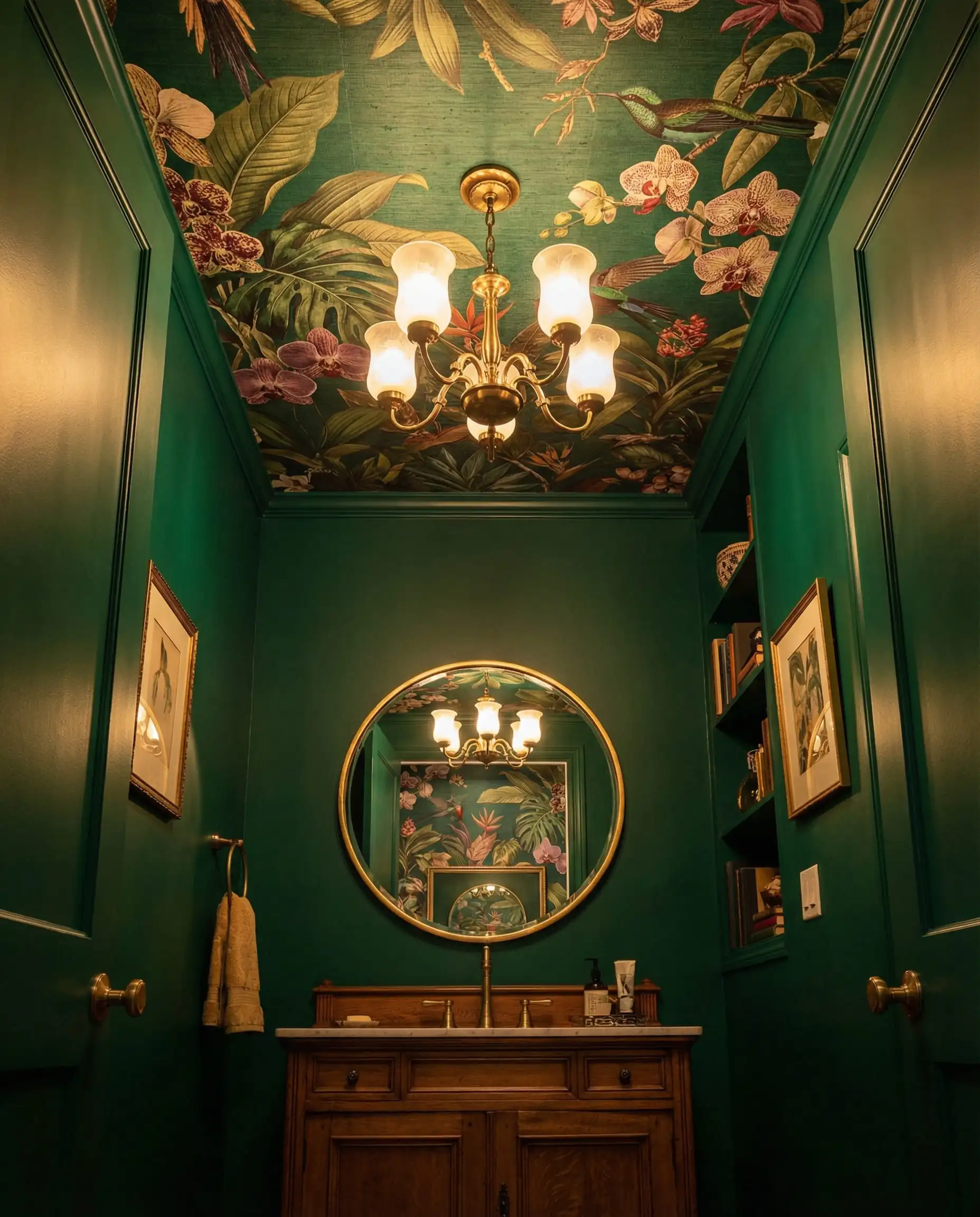
White paint is no longer the default. The 2026 ceiling has texture. This is part of the broader Wall Covering Materials Trends, where tactile surfaces are preferred over flat ones.
False Ceiling Trends by Room
A false ceiling isn’t a “one size fits all” solution. The requirements for a steamy bathroom are vastly different from a cozy bedroom. Here is how to apply the 2026 trends room by room.
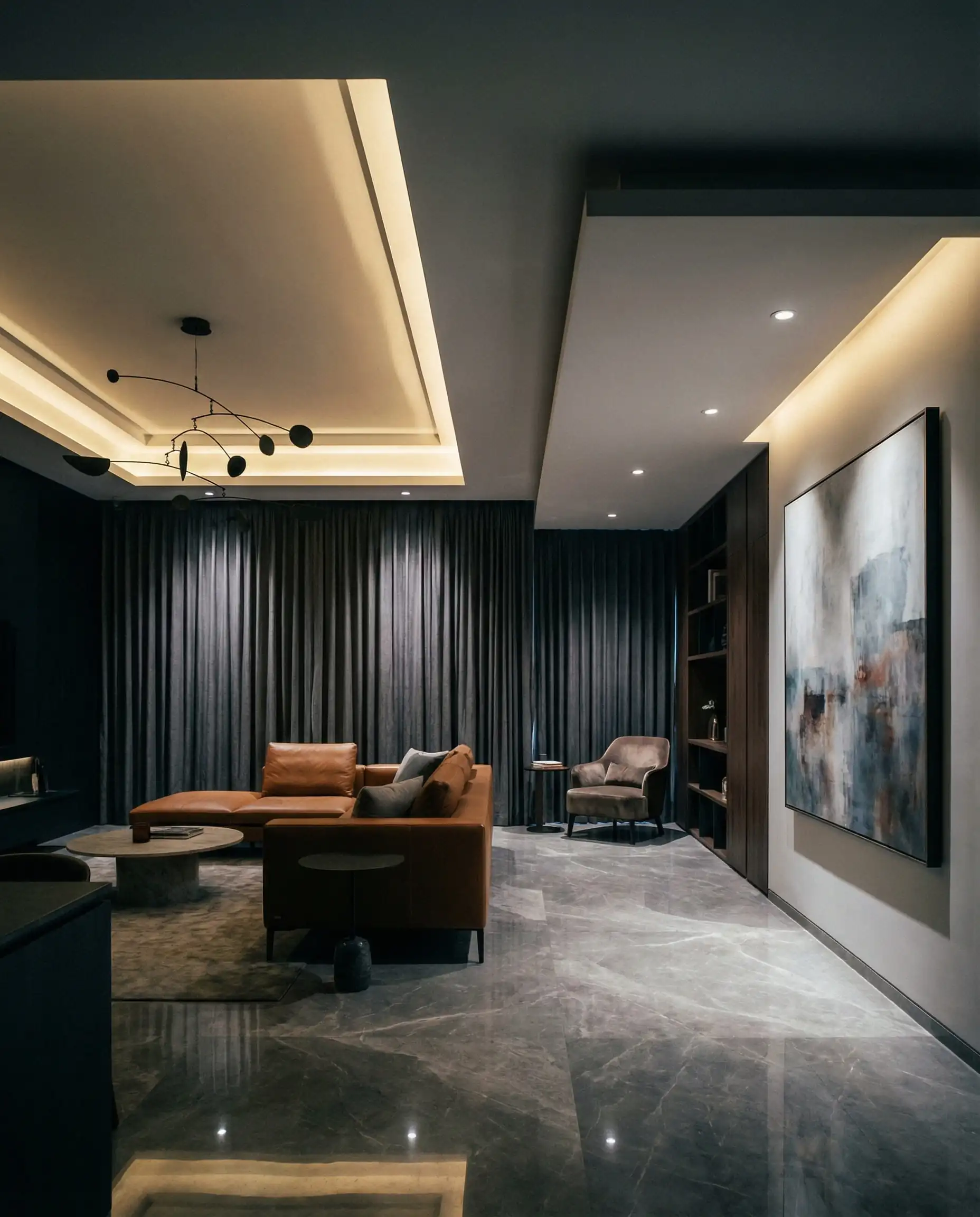
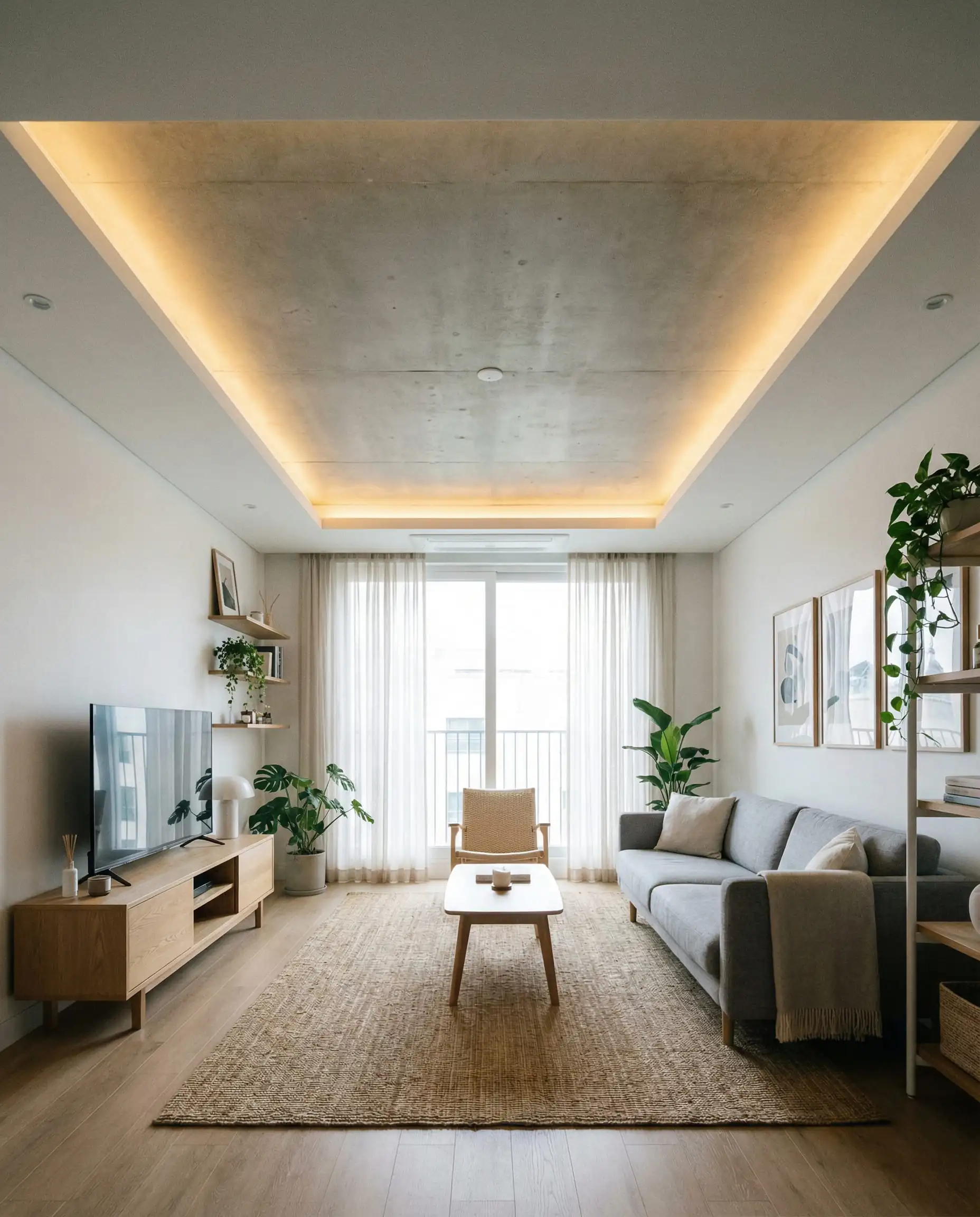
Living Room: The Conversation Starter
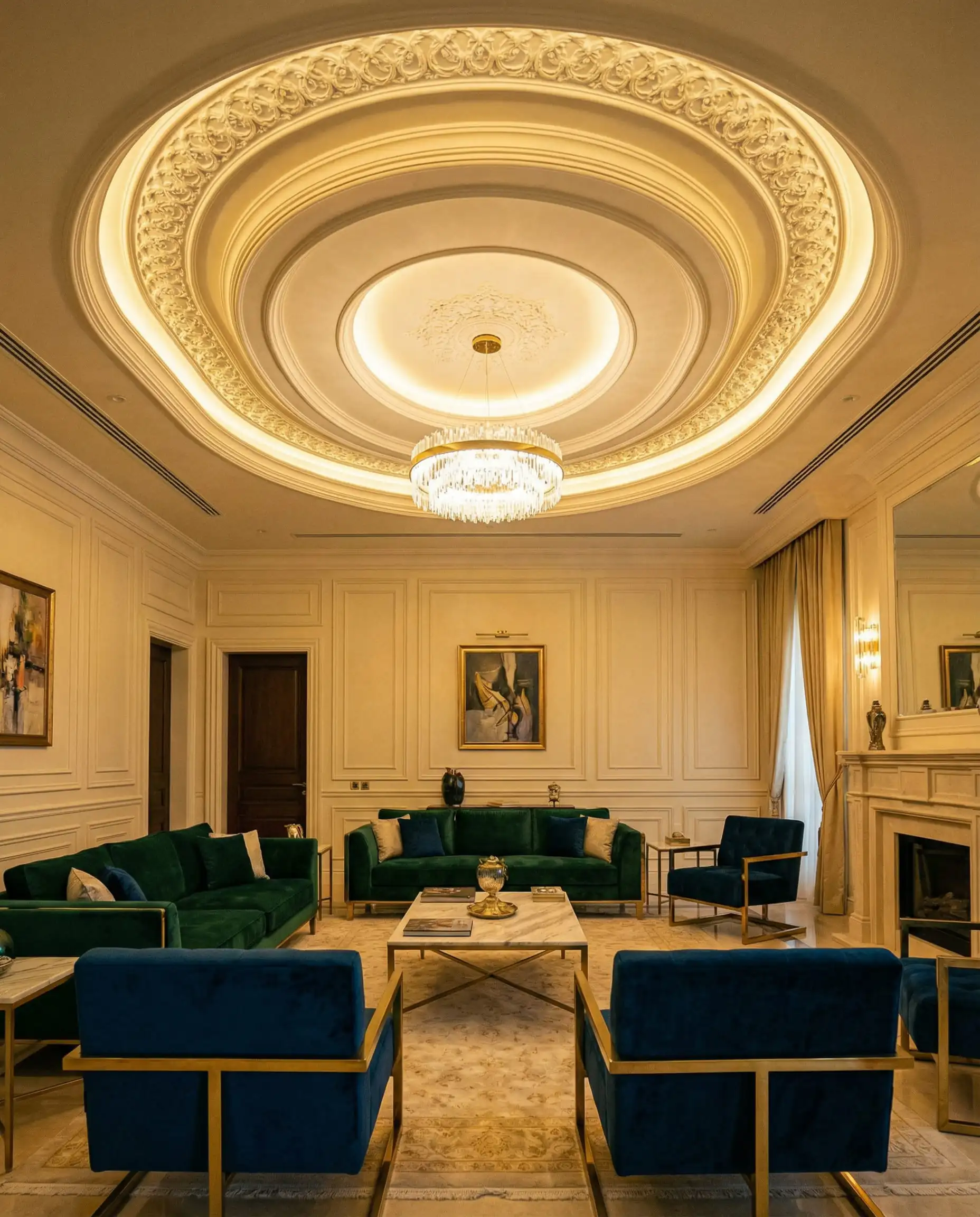
The living room is where you can take the biggest design risks. In 2026, the false ceiling here is often a “zoned” design. In open-plan homes, the ceiling design helps visually separate the lounge area from the dining space without using walls.
Bedroom: The Sanctuary of Silence
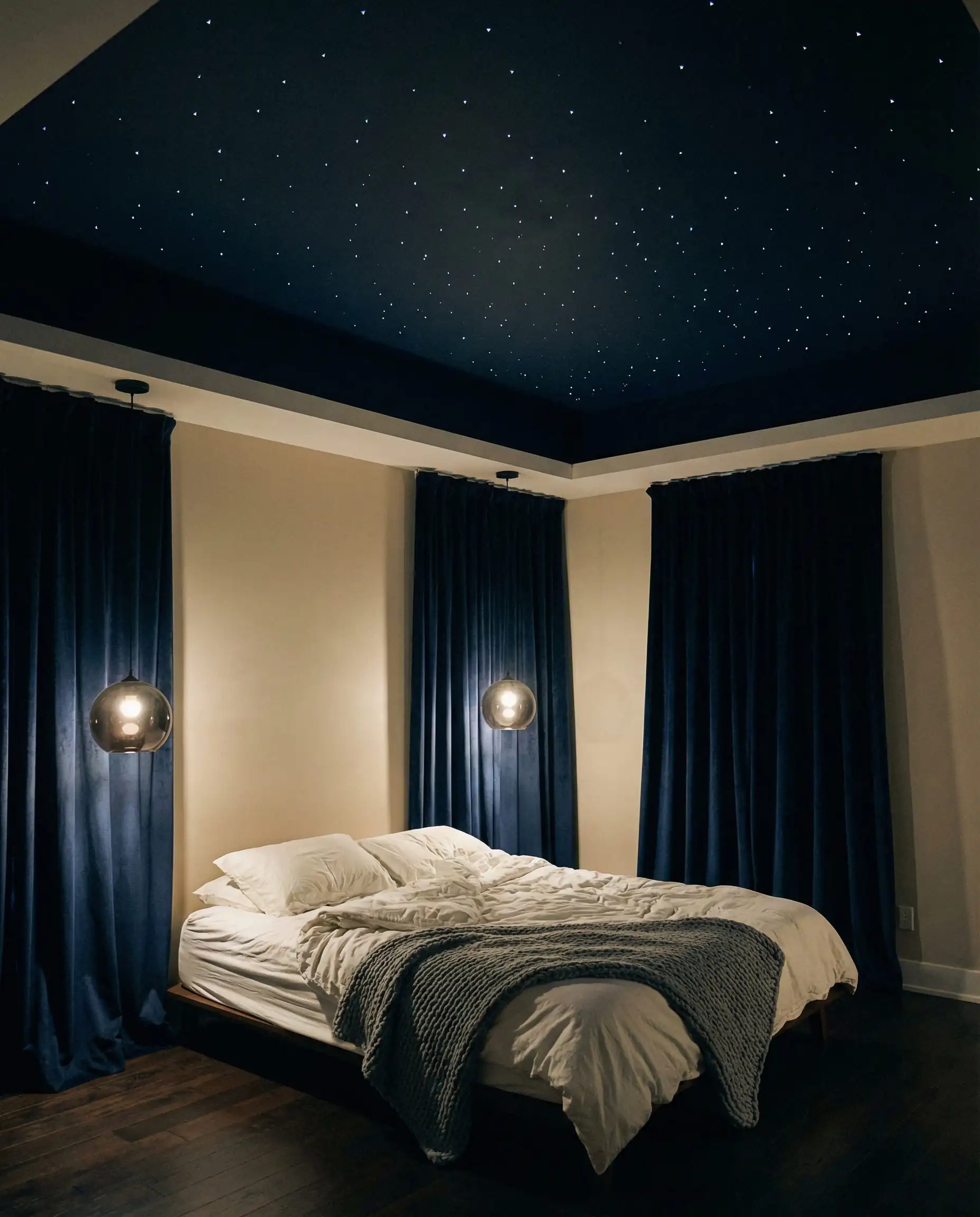
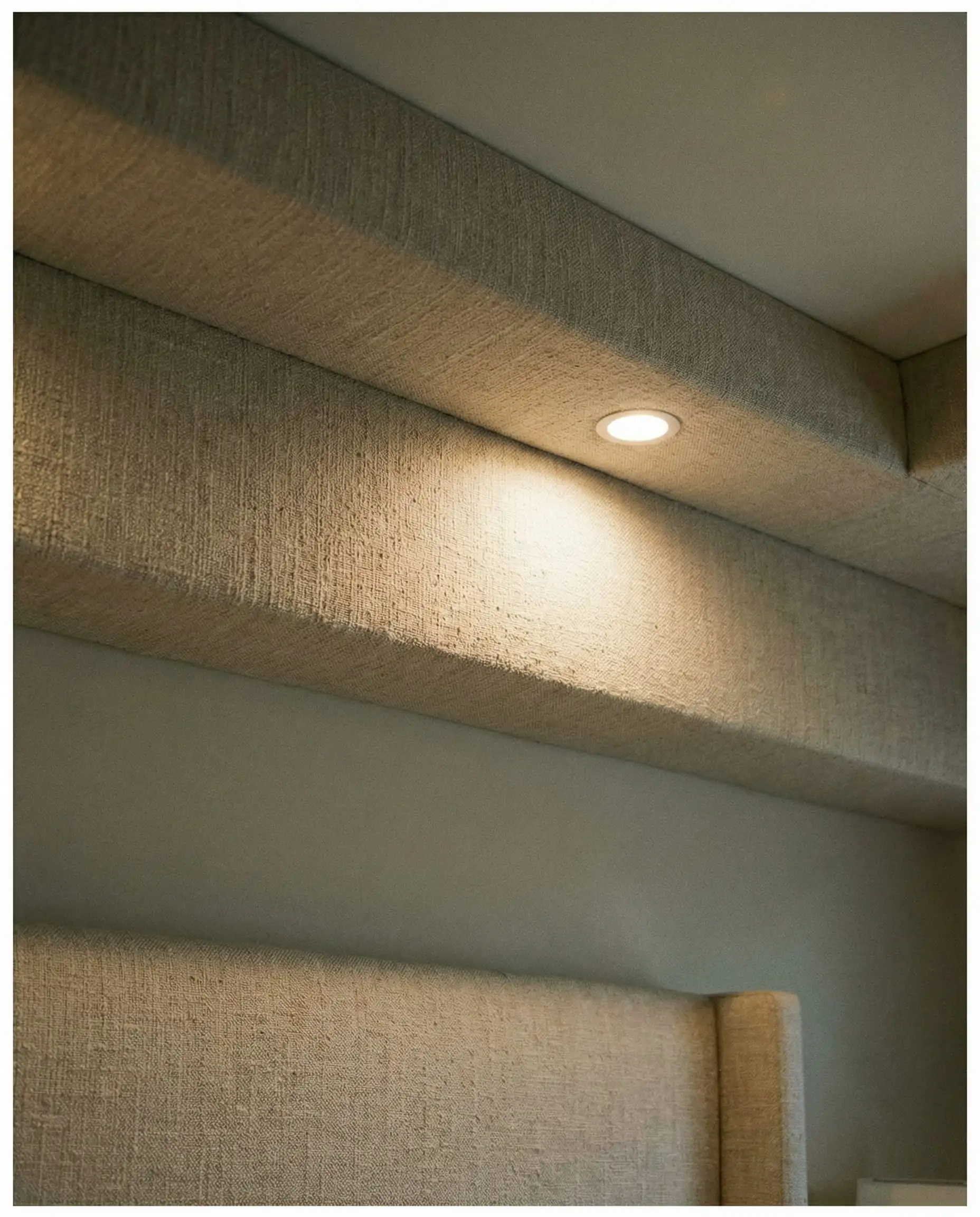
In the bedroom, the priority is mood and acoustics. You want a design that dampens noise and creates a cocoon-like effect.
Kitchen: Function Meets Hygiene
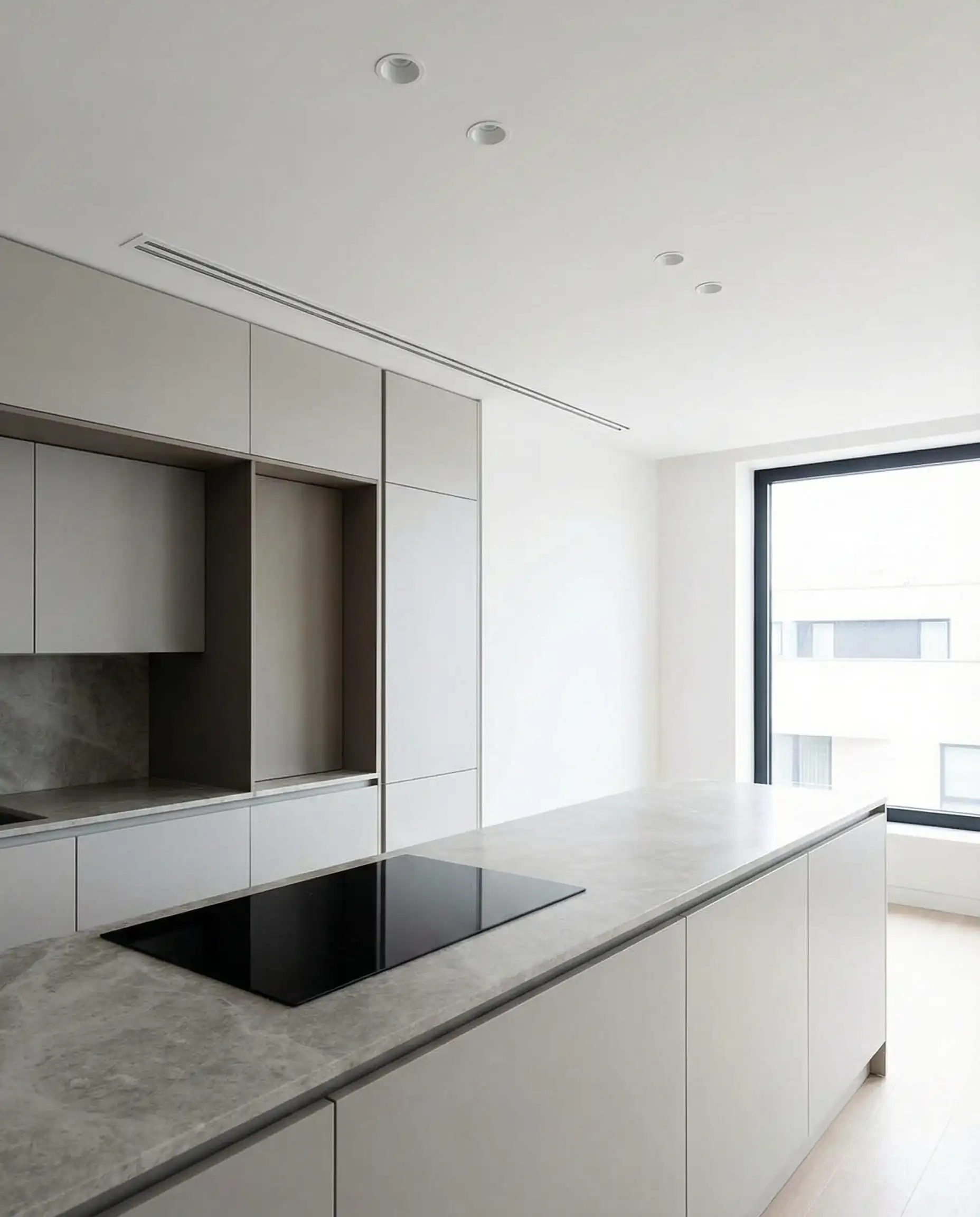
Kitchen ceilings work the hardest. They deal with heat, grease, and moisture.
Bathroom: The Spa Retreat
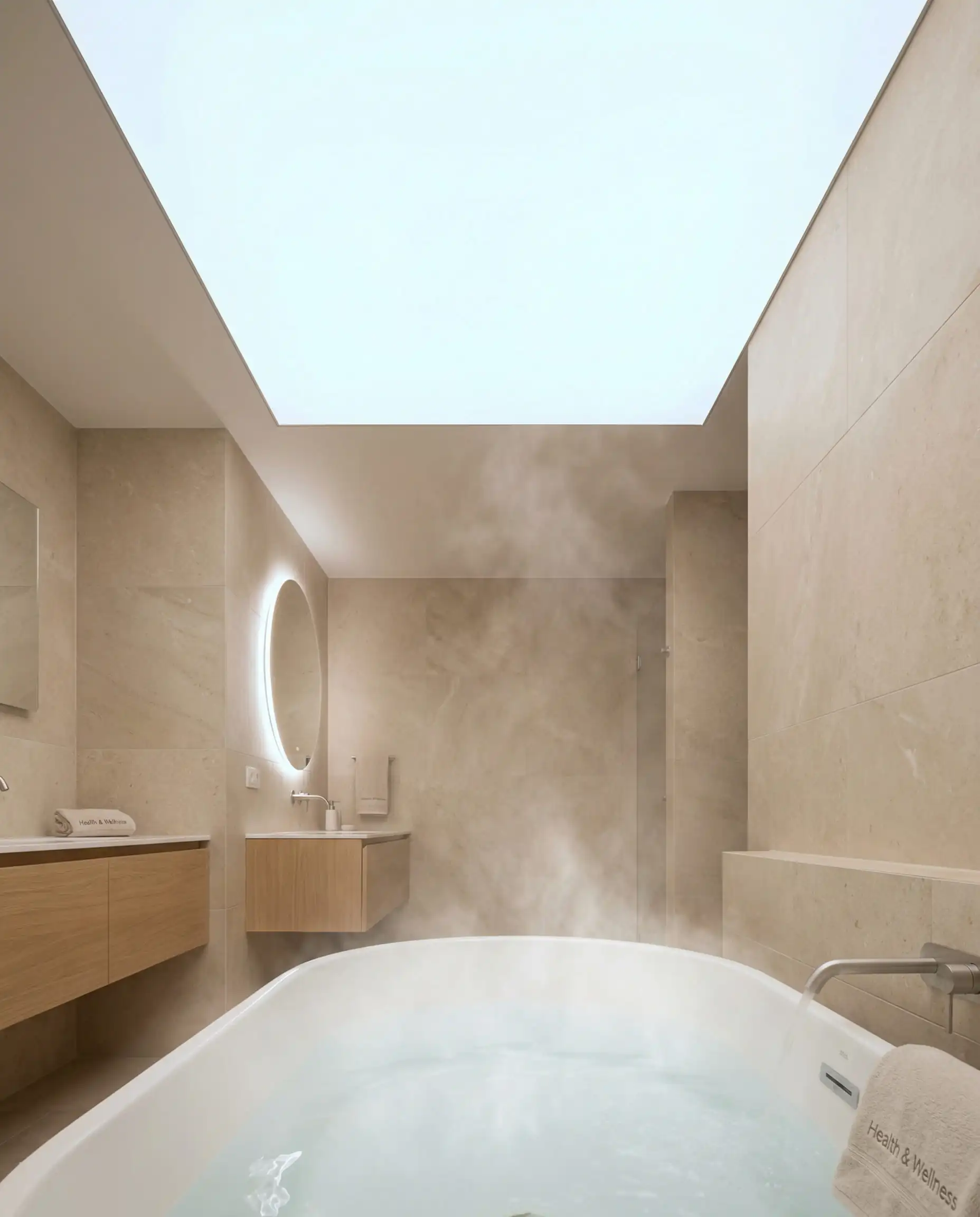
Bathrooms are becoming smaller, yet more luxurious. The false ceiling here must be moisture-resistant (using specific water-repellent gypsum boards).
The Trend: The Luminous Ceiling. Large, backlit stretch ceiling panels that mimic a skylight are huge in 2026. If you have a windowless bathroom, this creates the illusion of natural daylight pouring in from above.
Materials & Sustainability: Beyond Standard Gypsum
Sustainability is a non-negotiable in Eco-Sustainable Interior Design Trends. In 2026, homeowners are asking what their ceiling is made of.
| Material | Best For | 2026 Update |
| Gypsum Board | Living Rooms, Bedrooms | Now available in “Air-Purifying” versions that absorb formaldehyde from the air. |
| POP (Plaster of Paris) | Intricate Moldings | Being replaced by lighter, pre-cast polyurethane moldings that are easier to install. |
| Wood / Bamboo | Feature Areas | Focus on FSC-certified timber and reclaimed wood for a rustic-modern look. |
| Metal Tiles | Kitchens, Lofts | Recycled aluminum tiles are trending for that industrial edge; easy to clean and fire-resistant. |
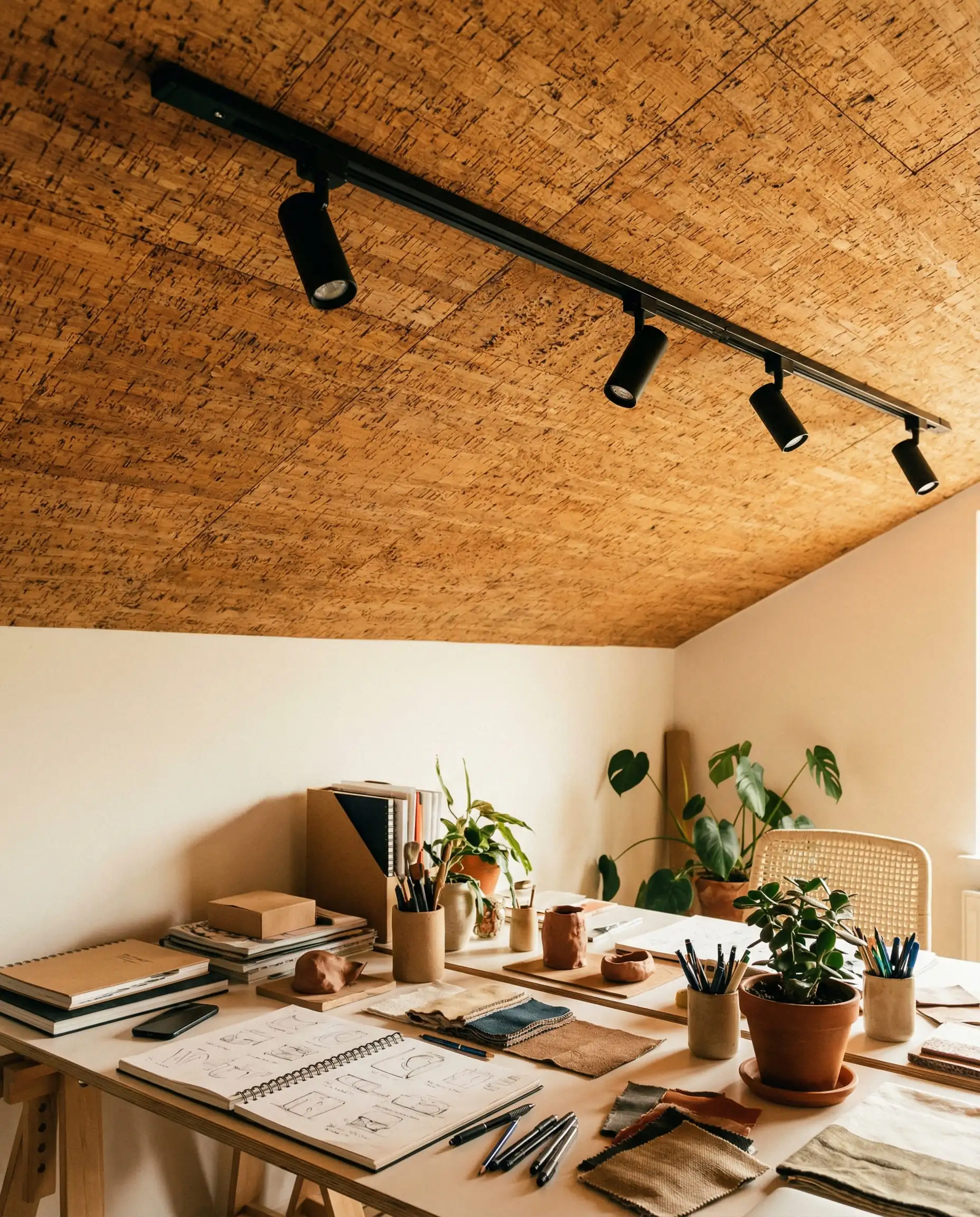
| Cork | Home Offices | A surprise comeback! Cork is naturally sound-absorbent and sustainable. Left raw, it adds incredible texture. |
The Rise of “Green” Ceilings
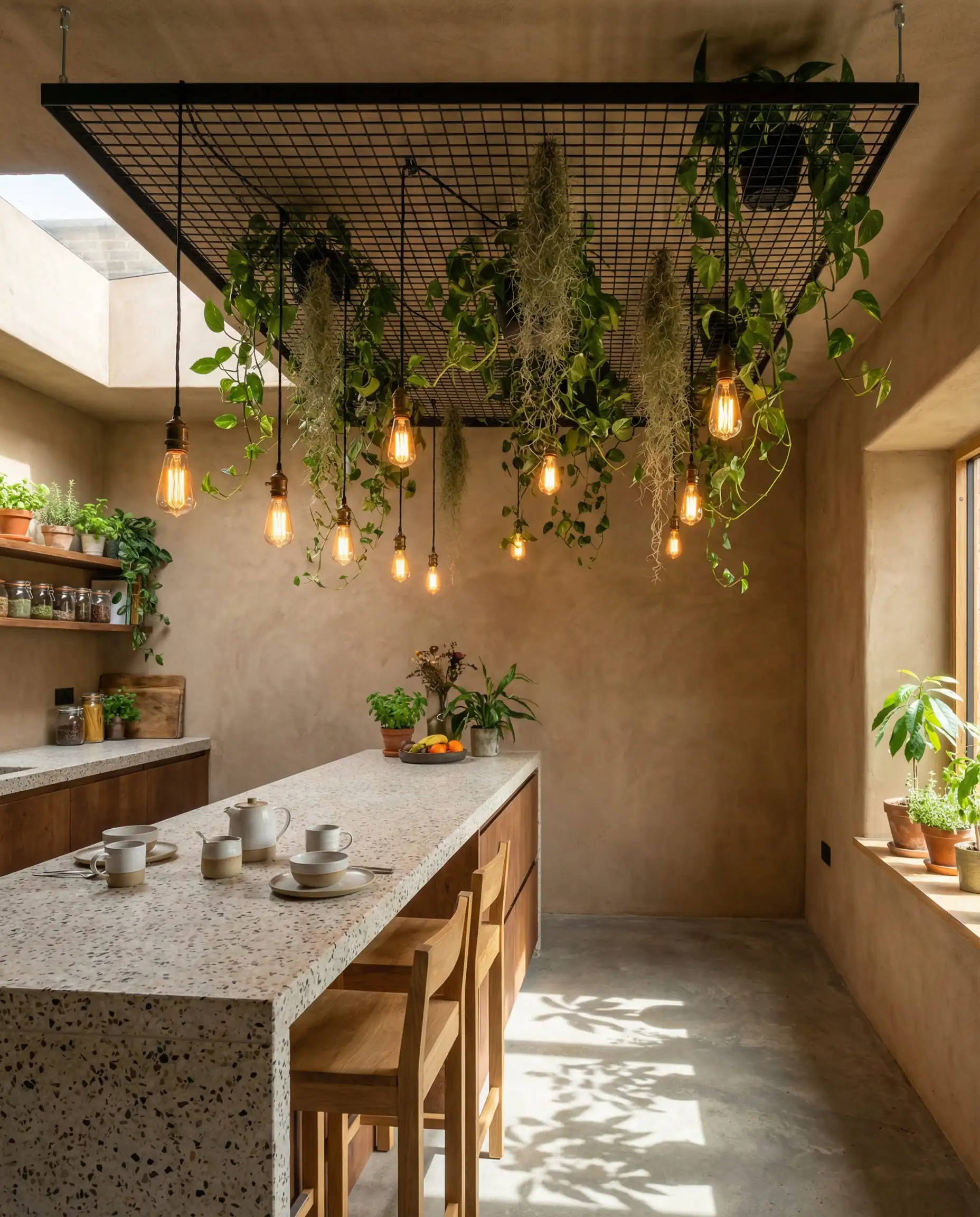
While still a niche luxury, some high-end eco-homes are incorporating “living ceilings”—grids of hanging air plants or preserved moss integrated into the false ceiling structure. This brings the Outdoor Living Trend indoors, literally filtering the air above your head.
Expert Tips for Installation & Planning
Before you commit to a design, consider these technical constraints. A beautiful design that feels oppressive is a failure.
1. The Height Rule
The Golden Rule of false ceilings: Do not sacrifice too much height.
2. Future-Proofing Access
One of the biggest mistakes is sealing everything up.
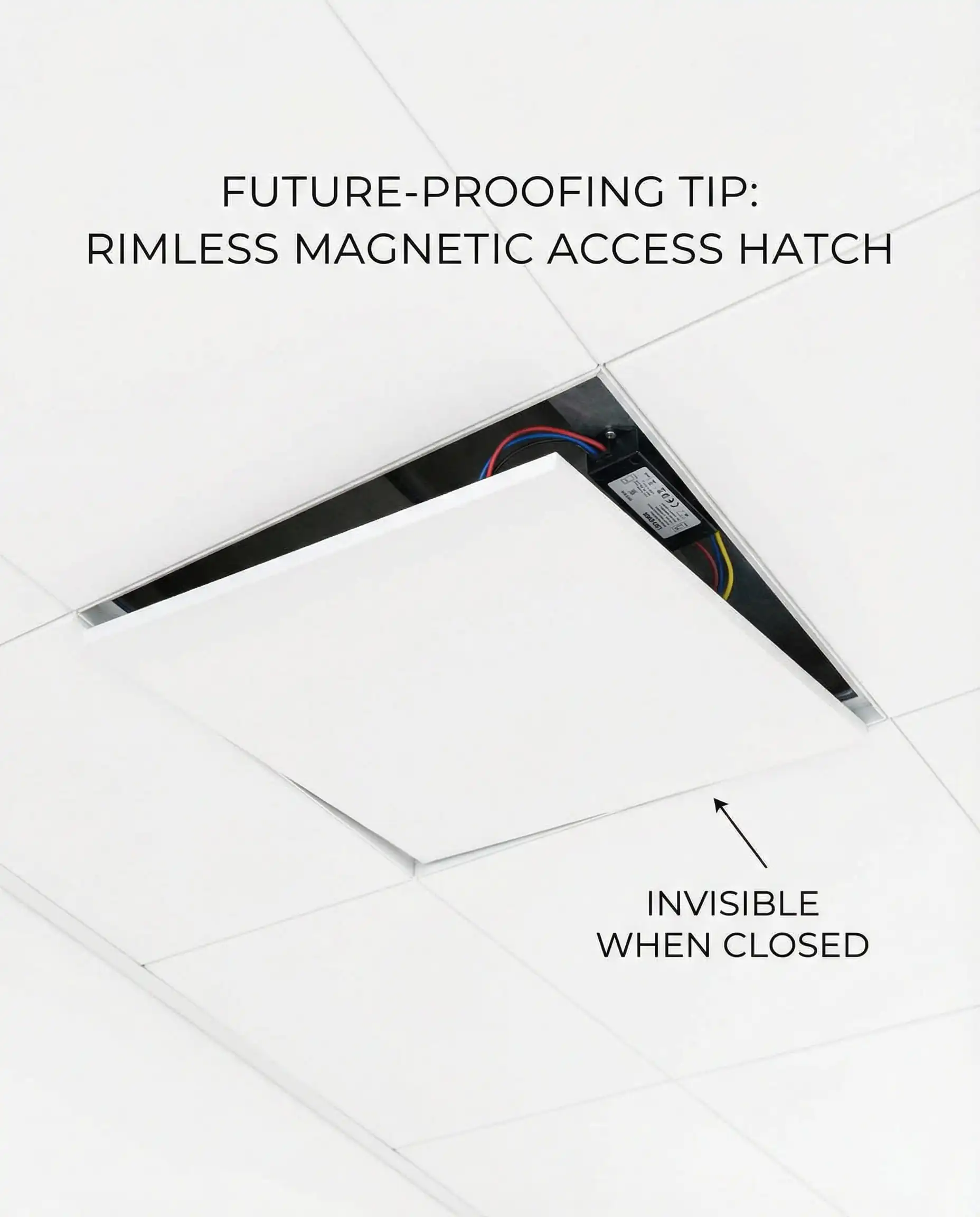
Tip: Ensure your contractor installs “invisible” access hatches (trap doors that match the ceiling finish). You will need to access the LED drivers or AC units eventually. In 2026, magnetic access panels are the standard—they pop off easily without damaging the paint.
3. The Fan Factor
In many regions, ceiling fans are a necessity.
Design Tip: Don’t let the fan be an afterthought. Plan a “recessed fan box” into the false ceiling design so the fan motor is hidden, and only the blades are visible. This looks significantly sleeker.
Frequently Asked Questions (FAQ)
A: Absolutely, but the style has changed. The heavy, over-complicated “palace style” ceilings are out. They have been replaced by sleek, minimal, and organic designs that focus on integrated lighting and better acoustics.
A: For small spaces, use a peripheral cove design. This is where the center of the ceiling is kept high (original height), and a small false ceiling border runs around the edges to hide lights. The hidden lights bouncing off the ceiling make the room feel taller and wider.
A: Yes, but you must use moisture-resistant (greenboard) gypsum or silicate calcium boards. Standard gypsum will absorb humidity, sag, and develop mold. Aluminum or PVC slat ceilings are also excellent waterproof options for modern bathrooms.
A: A standard false ceiling drops the height by about 4 to 8 inches. However, if you are installing ducted air conditioning, you may need to drop it by 10-12 inches to hide the ducts.
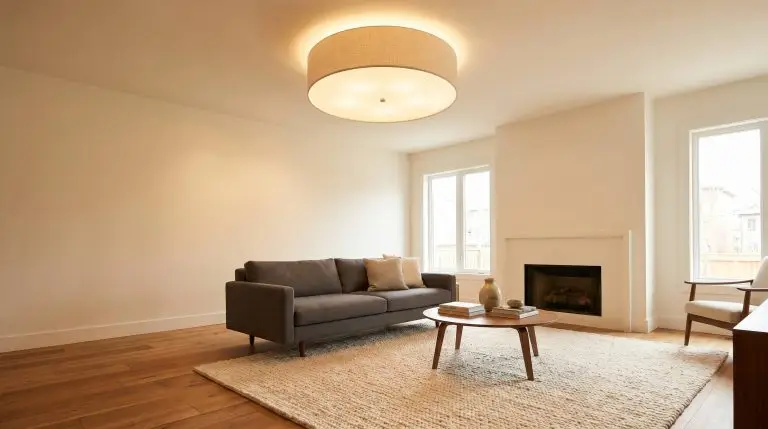
A: The trend is “lighting you feel, but don’t see.” Large center tubelights are out. They are replaced by magnetic track lights, recessed COB (Chip on Board) spotlights, and linear LED profiles that are flush with the ceiling surface. Check out our Lighting Trends for a deep dive.
Conclusion: Look Up
The days of the popcorn ceiling are long gone. In 2026, the false ceiling is a canvas for expression, a tool for wellness (through better lighting and acoustics), and a bridge to nature.
Whether you opt for the warmth of a wood-slatted biophilic canopy or the sleek minimalism of invisible tech, the key is intention. Don’t just cover the roof slab—design the experience of the room from the top down.
Ready to match your new ceiling with the perfect floor? Explore our guide on Flooring Trends 2026 to complete your home’s transformation.

The Aesthetics Desk curates the visual direction for Hackrea. Specializing in design history, global architectural movements, and interior styling, this desk focuses on the psychology of space and how to translate high-end, magazine-quality aesthetics into approachable residential design without falling into fleeting micro-trends.