Hotel & Hospitality Design Trends 2026: The Era of Restorative Luxury
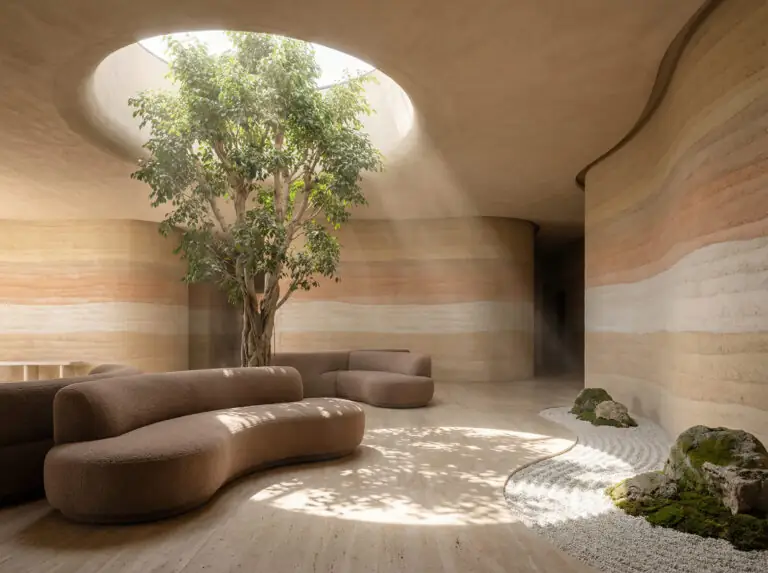
The definition of “luxury” in hospitality has fundamentally shifted. For the past decade, hotel design was dominated by the “Instagrammable moment”—bold visual spectacles designed primarily to be photographed and shared on social media. As we move into 2026, the pendulum is swinging back toward something deeper, quieter, and more human.

The traveler of 2026 is not just looking for a place to sleep; they are seeking a place to heal.

Welcome to the era of Restorative Luxury. This year’s design trends are driven by a collective desire for “digital detoxing,” neuro-aesthetic calm, and hyper-local authenticity. Hotels are transforming into sanctuaries where technology becomes invisible, nature is radically integrated, and the guest experience is centered on longevity and well-being.

Whether you are renovating a boutique property or designing a large-scale resort, this guide covers the defining hotel and hospitality design trends for 2026 that will drive guest satisfaction and ROI.

📋 At a Glance: Top 5 Hotel Design Trends for 2026

For those in a hurry: The hospitality landscape in 2026 is defined by “Restorative Luxury”—a shift from visual spectacle to physical well-being.

  • Neuro-Aesthetic Interiors: Soft curves, acoustic dampening, and “hushed” color palettes designed to lower cortisol.
  • Hyper-Localization: “100-mile” sourcing for art, furniture, and materials to combat “cookie-cutter” design.
  • Invisible Technology: Sensor-based climate control and lighting that adjusts automatically without complex interfaces.
  • The “Spa-ification” of the Bathroom: Cold plunges, steam showers, and vitamin-C infused water becoming standard in luxury suites.
  • Hybrid “Third Space” Lobbies: Modular furniture layouts that transform from morning co-working hubs to evening social lounges.

The Core Philosophy: From “Visually Loud” to “Neuro-Aesthetic”

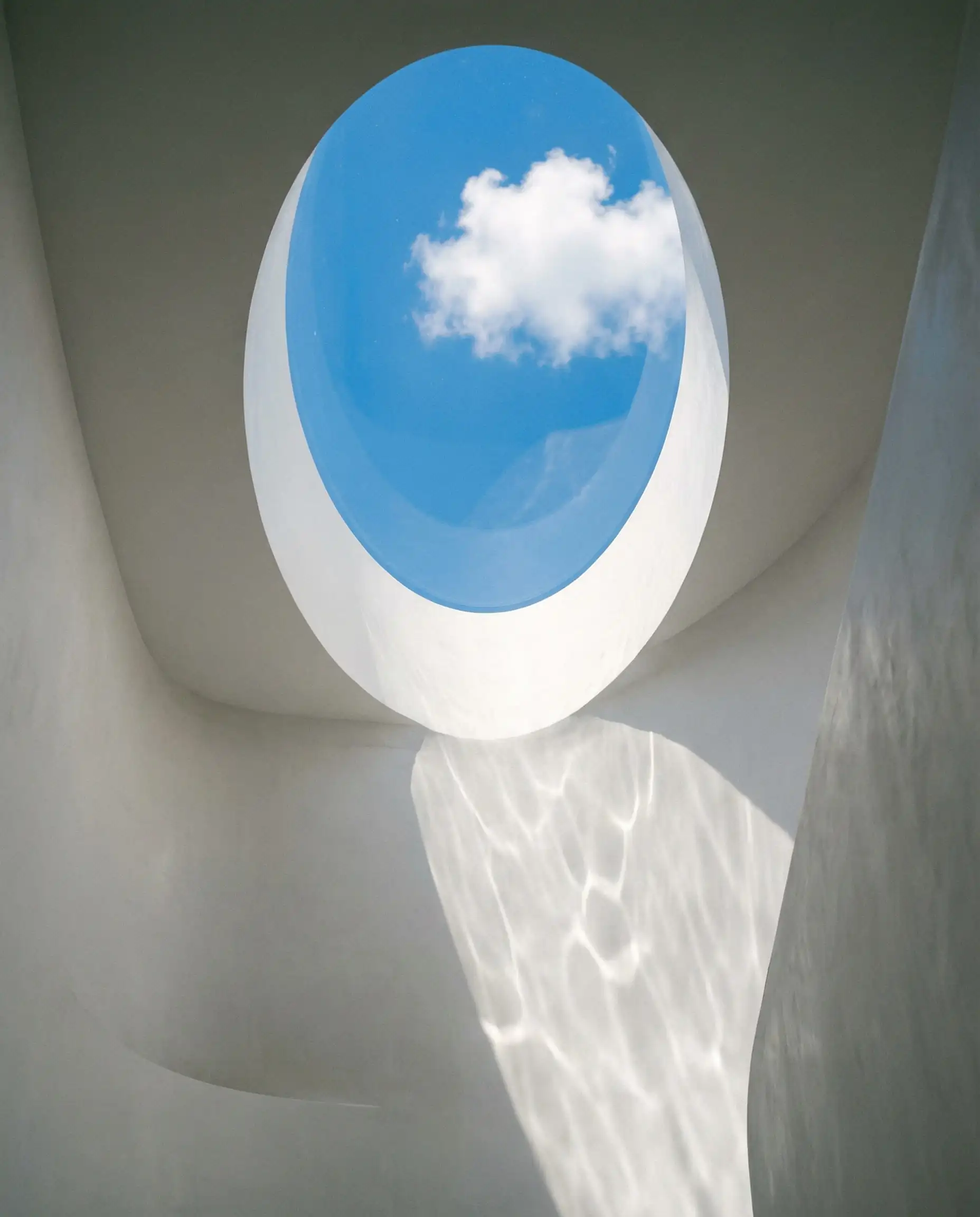
In 2026, the most competitive hotels are those that design for the nervous system. The concept of Neuro-Architecture—designing spaces that lower cortisol levels and promote mental clarity—is no longer a niche medical concept but a mainstream hospitality standard.

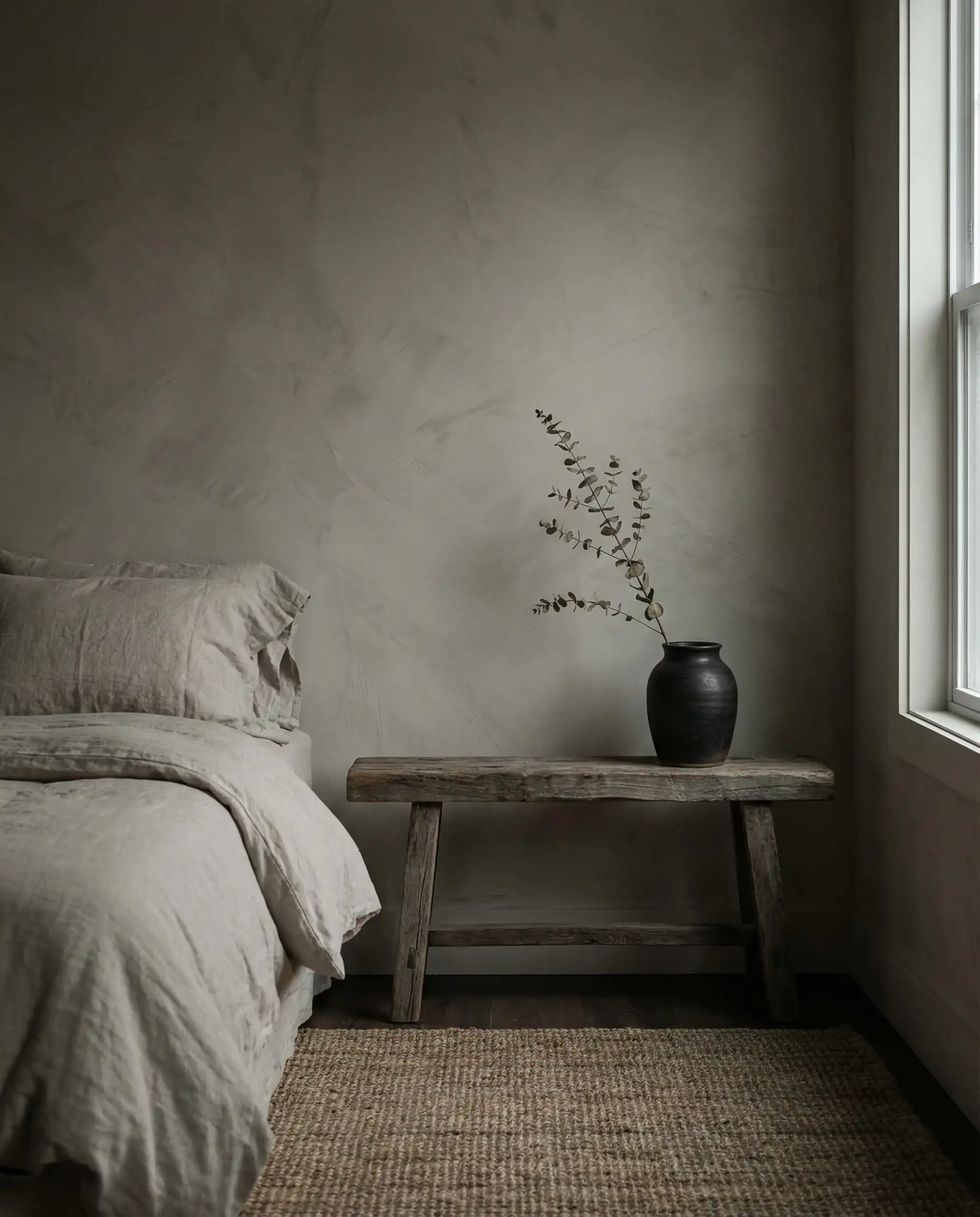
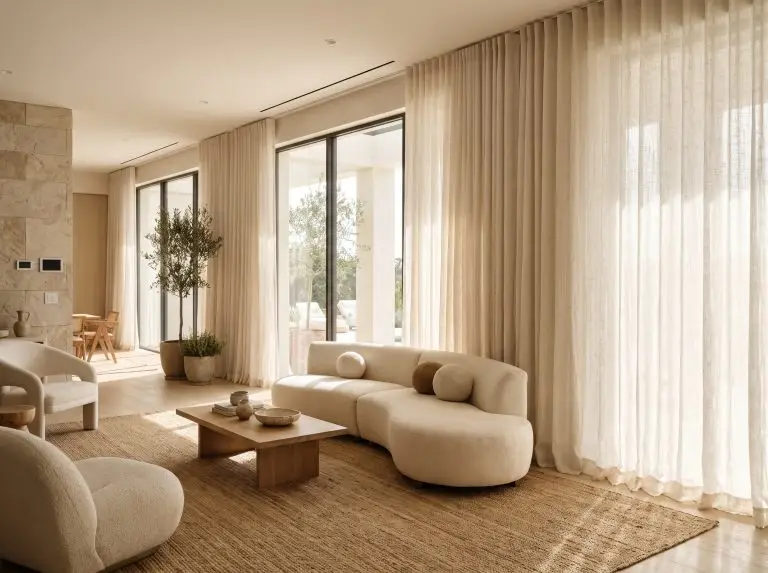
Designers are moving away from high-contrast, over-stimulating interiors. Instead, we are seeing a “softening” of the built environment. Sharp corners are being replaced by comforting curves (a trend we’re seeing heavily in furniture trends), and “loud” aesthetics are yielding to “hushed” luxury.

The “Digital Detox” Design

Perhaps the most counterintuitive trend of 2026 is the luxury of disconnection. High-end travelers are increasingly willing to pay a premium for spaces that help them unplug.
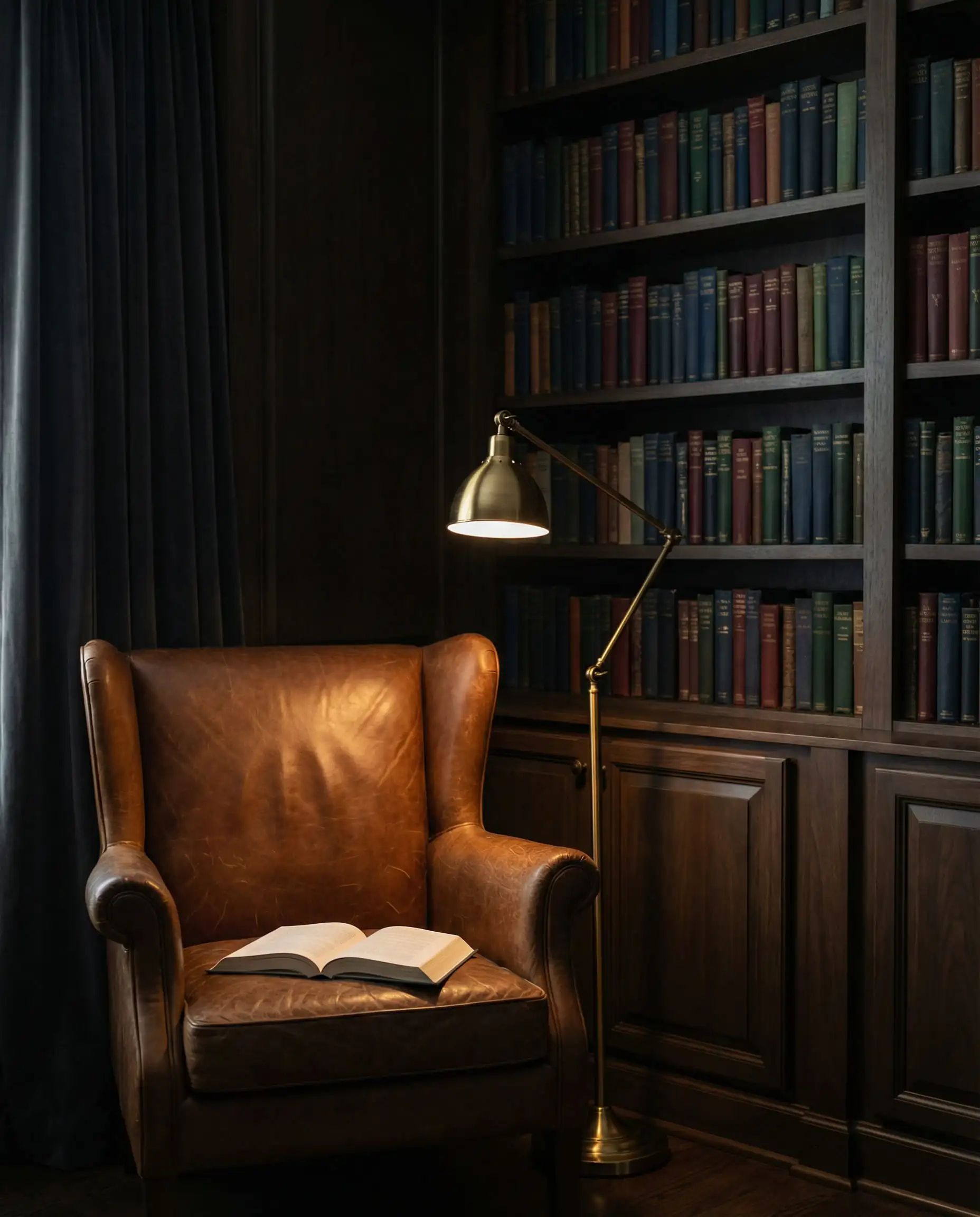
  • Signal-Free Zones: We are seeing the introduction of “shielded” lounges or libraries designed with materials that naturally block Wi-Fi and cell signals, forcing a true digital break.
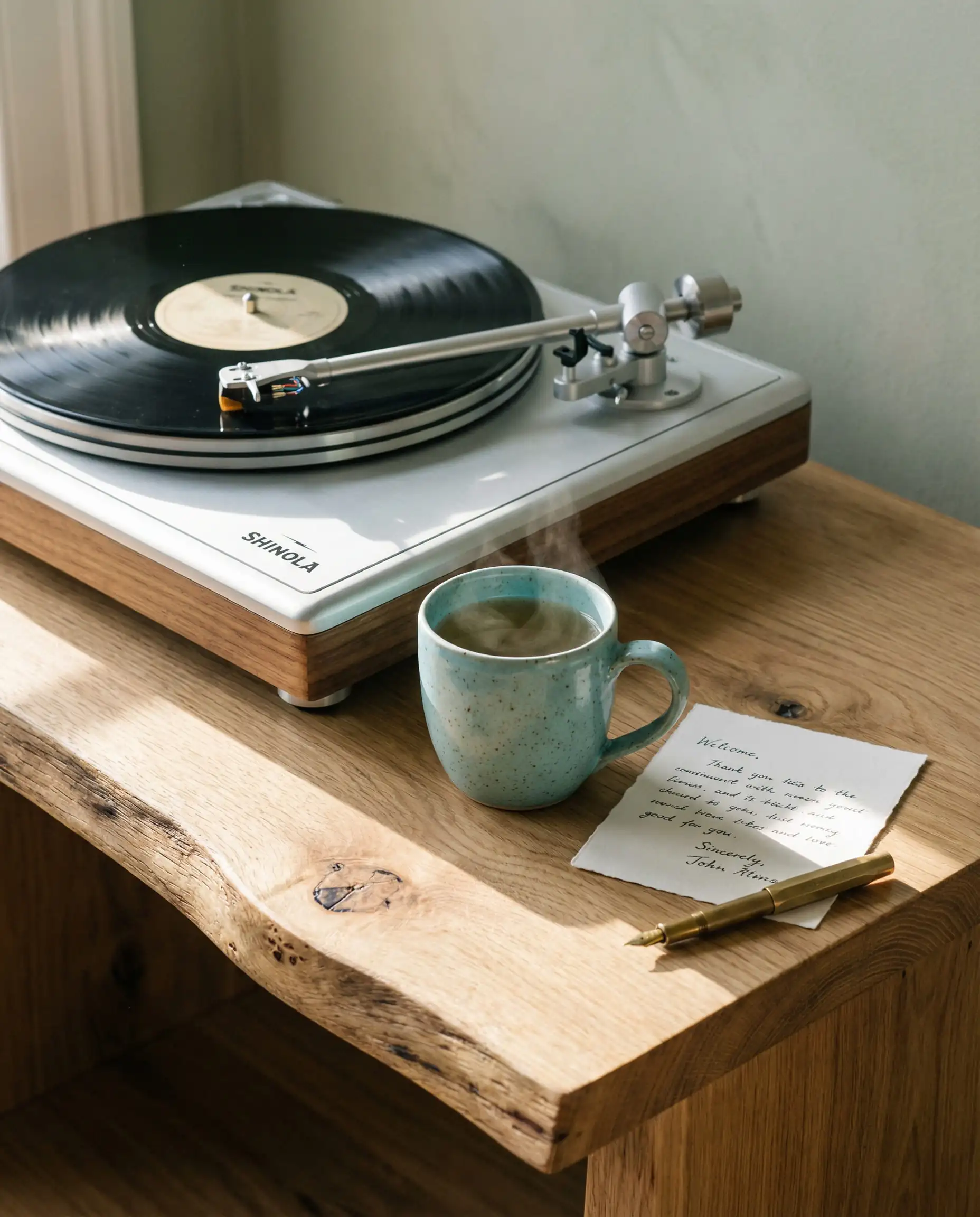
  • Analog Amenities: In-room tablets are being swapped for high-quality analog alternatives: vinyl record players, physical book libraries curated by local authors, and handwritten guides.
  • Acoustic Wellness: Silence is the new gold. Expect heavy investment in sound-absorbing materials, from acoustic wall coverings to cork underlays that dampen footfall.
New
Visualize 500+ products in different rooms!
You can apply wallpapers, paints, etc. on walls and see how they look in various interiors.
Hackrea Visualizer

Top 5 Hospitality Design Pillars for 2026

1. Radical Material Honesty

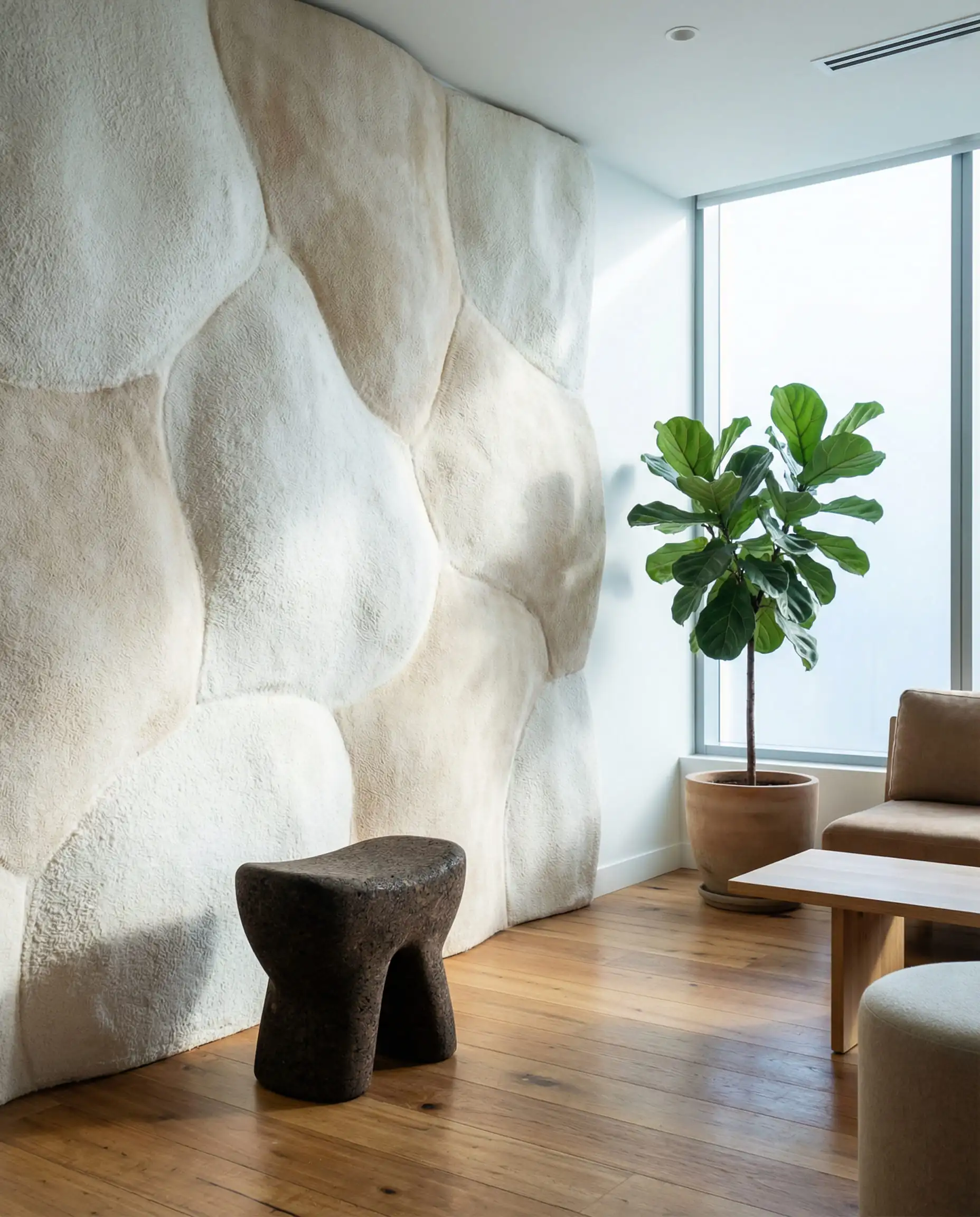
The “perfect,” glossy look of the 2010s is officially dead. 2026 is about wabi-sabi textures—surfaces that feel real, raw, and imperfect. This “material honesty” connects guests to the earth and creates a sense of grounding.
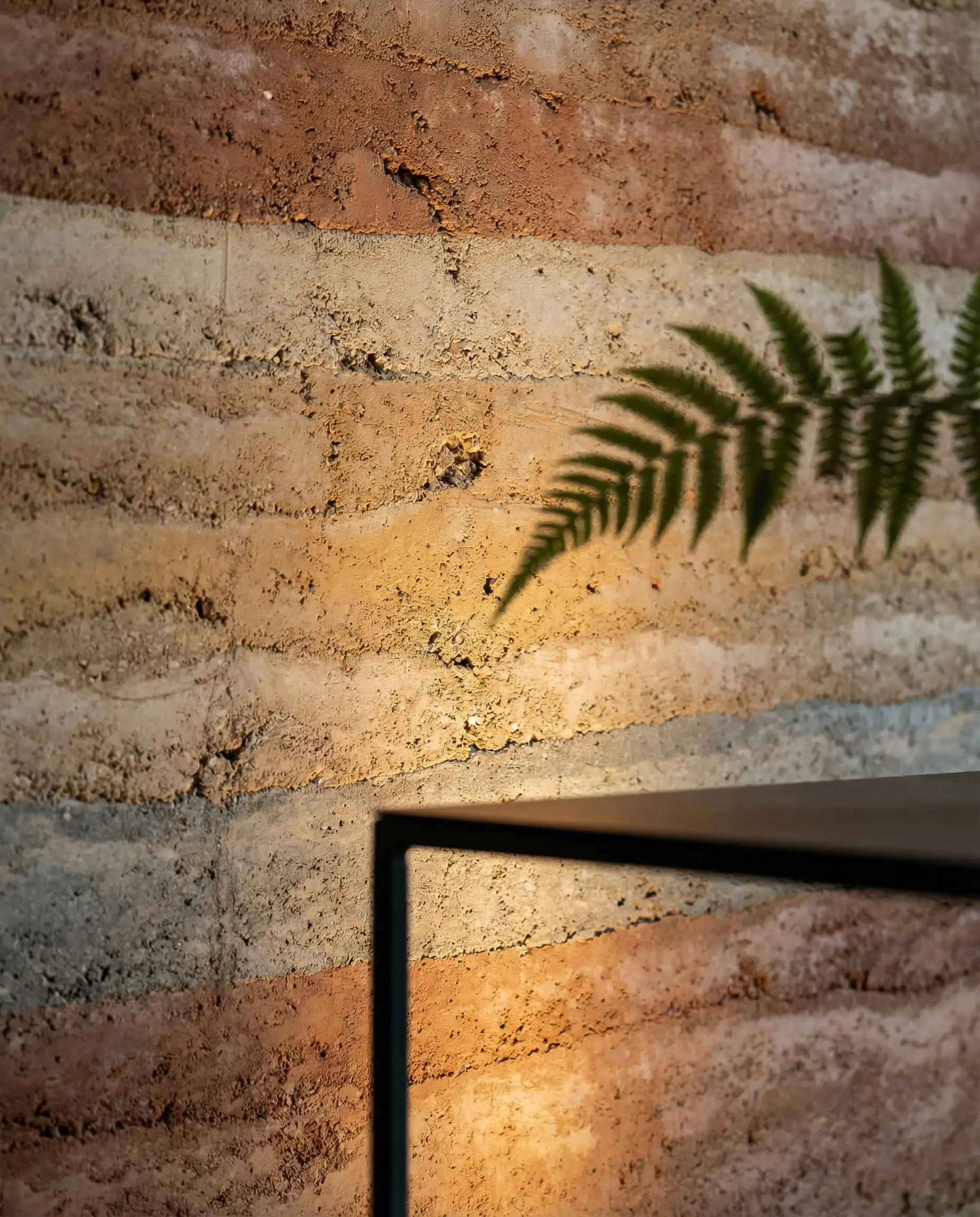
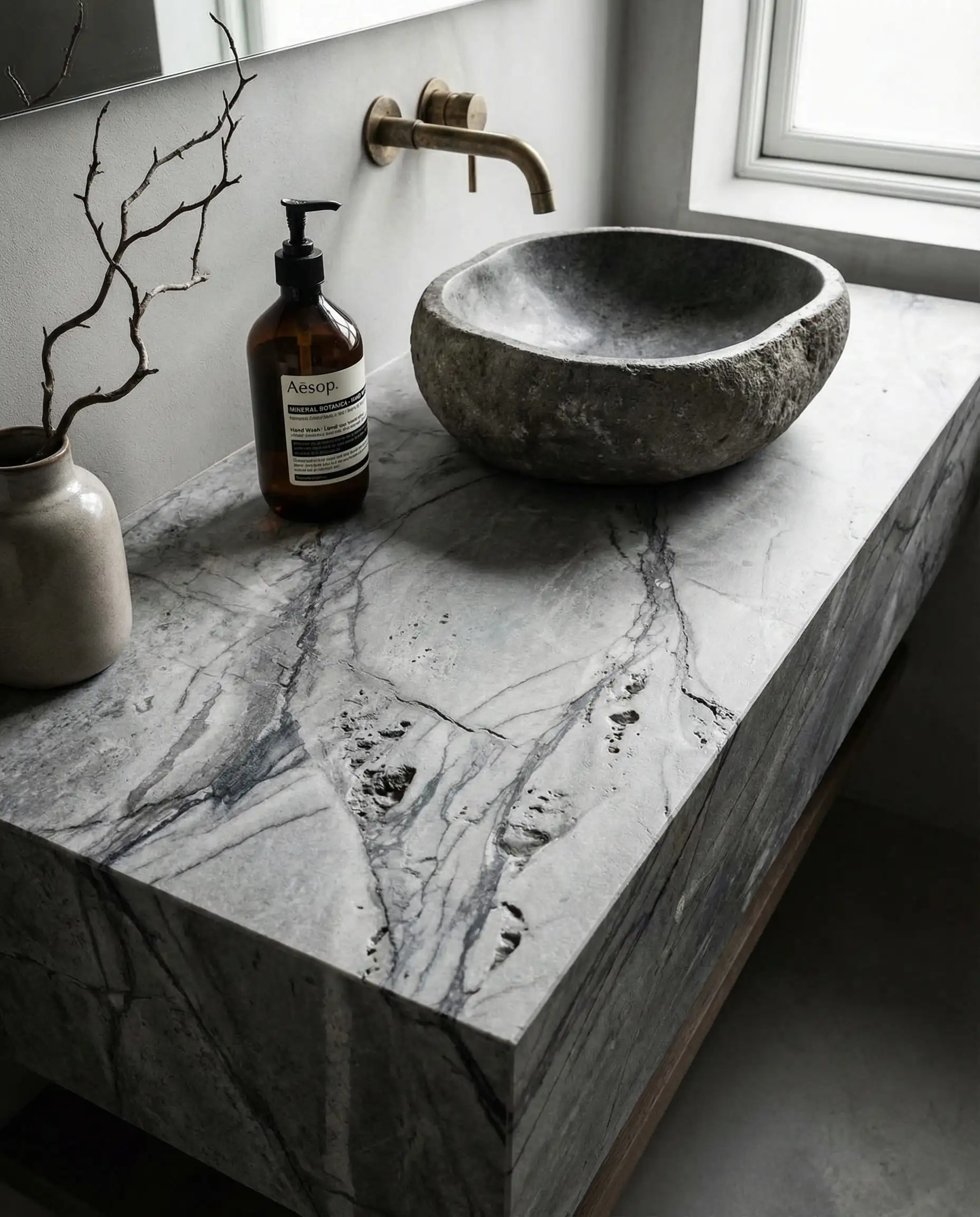
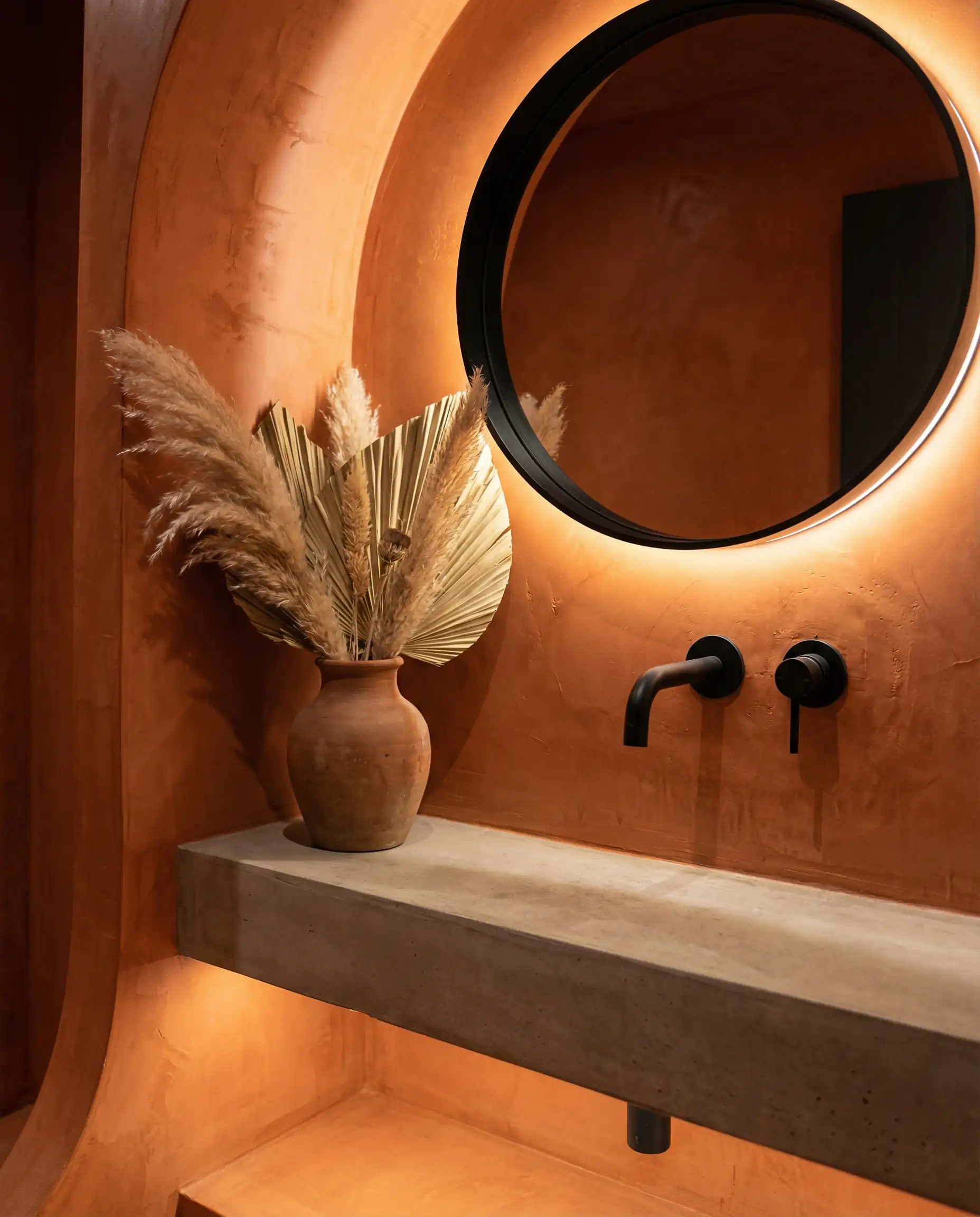
  • Raw Earth & Plaster: Lime plaster, rammed earth walls, and clay finishes are replacing standard drywall and paint. These materials breathe, regulate humidity, and offer a tactile warmth that synthetic materials cannot match.
  • Unfinished Stone: Instead of high-gloss marble, designers are choosing honed, brushed, or “leathered” stone finishes that invite touch.
  • Regenerative Materials: Sustainability is evolving into regeneration. Look for mycelium (mushroom) acoustic panels, algae-based bio-plastics, and flooring made from reclaimed agricultural waste.

Design Tip: Explore eco-sustainable interior design trends to see how these materials can be applied to reduce your carbon footprint while elevating aesthetics.

2. Hyper-Localization & “Embedded” Art

“Cookie-cutter” luxury is a major liability in 2026. Guests want to feel the specific DNA of the location. A hotel in Tokyo should not feel like a hotel in New York.
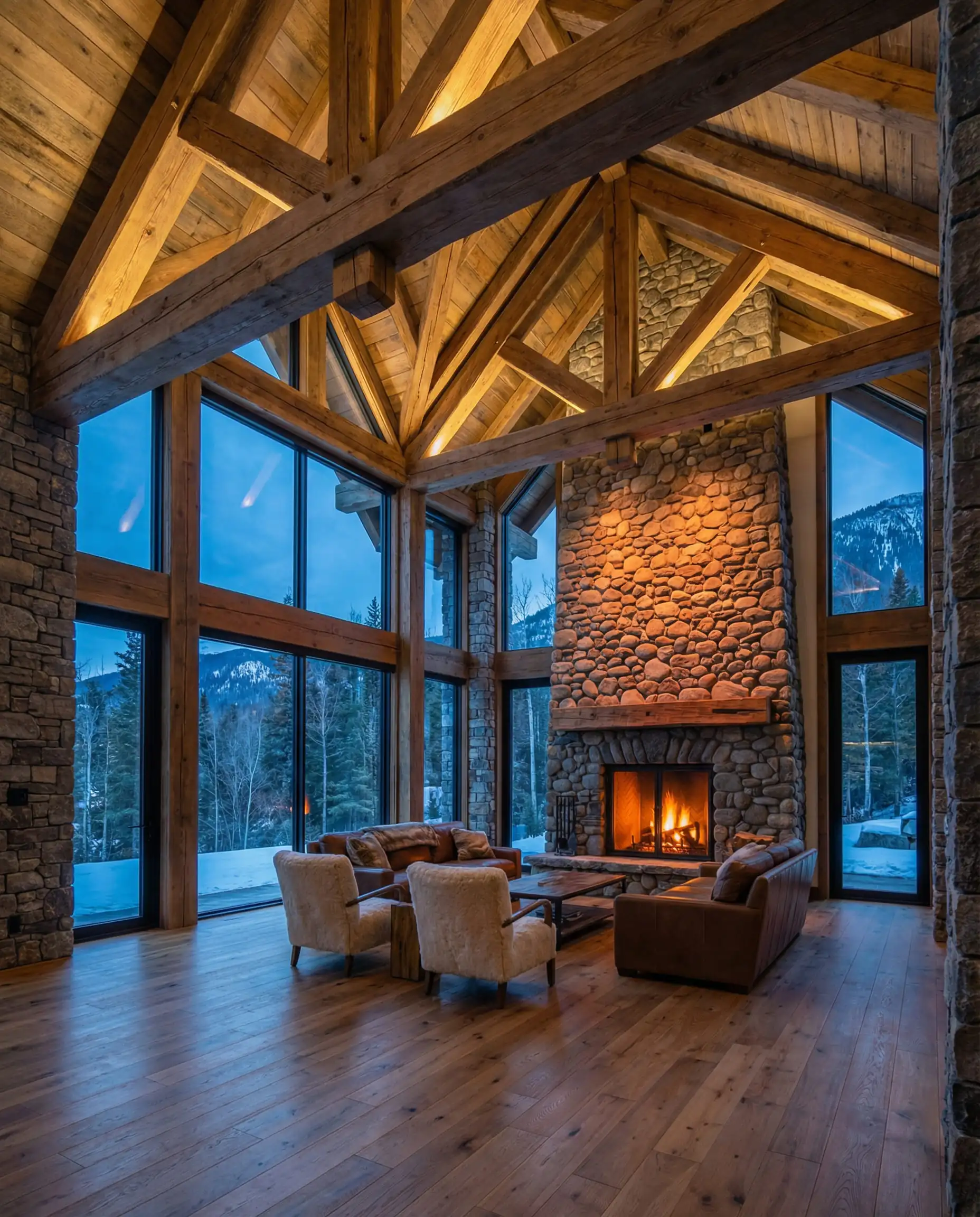
  • Vernacular Architecture: New builds are reinterpreting local building techniques—think thatched roofs in modern tropical resorts or exposed structural timber in alpine lodges.
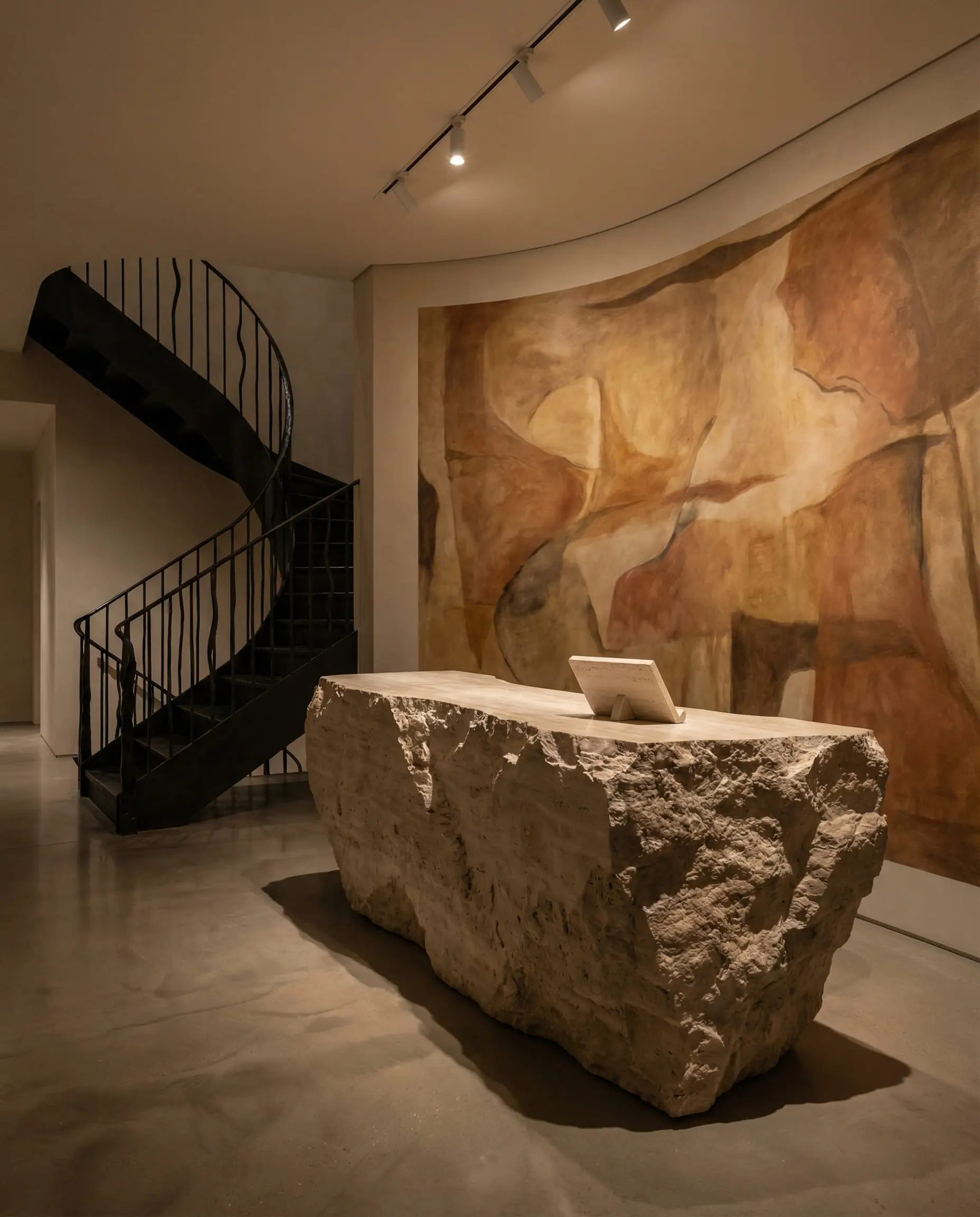
  • Embedded Art: Art is no longer just a framed picture hung on a wall. In 2026, art is architectural. It is a sculptural staircase commissioned from a local metalworker, a hand-carved reception desk, or a mural painted directly onto the plaster by a neighborhood artist.
  • The “100-Mile” Rule: Just as farm-to-table revolutionized dining, “forest-to-furniture” is revolutionizing design. Sourcing materials and craftsmanship within a 100-mile radius is becoming a badge of honor and a marketing pillar.

3. The “Invisible” Tech Integration

Technology in 2026 is ubiquitous but unseen. The clunky tablets, confusing remotes, and visible sensors of the past are gone. The goal is to remove friction, not add gadgets.
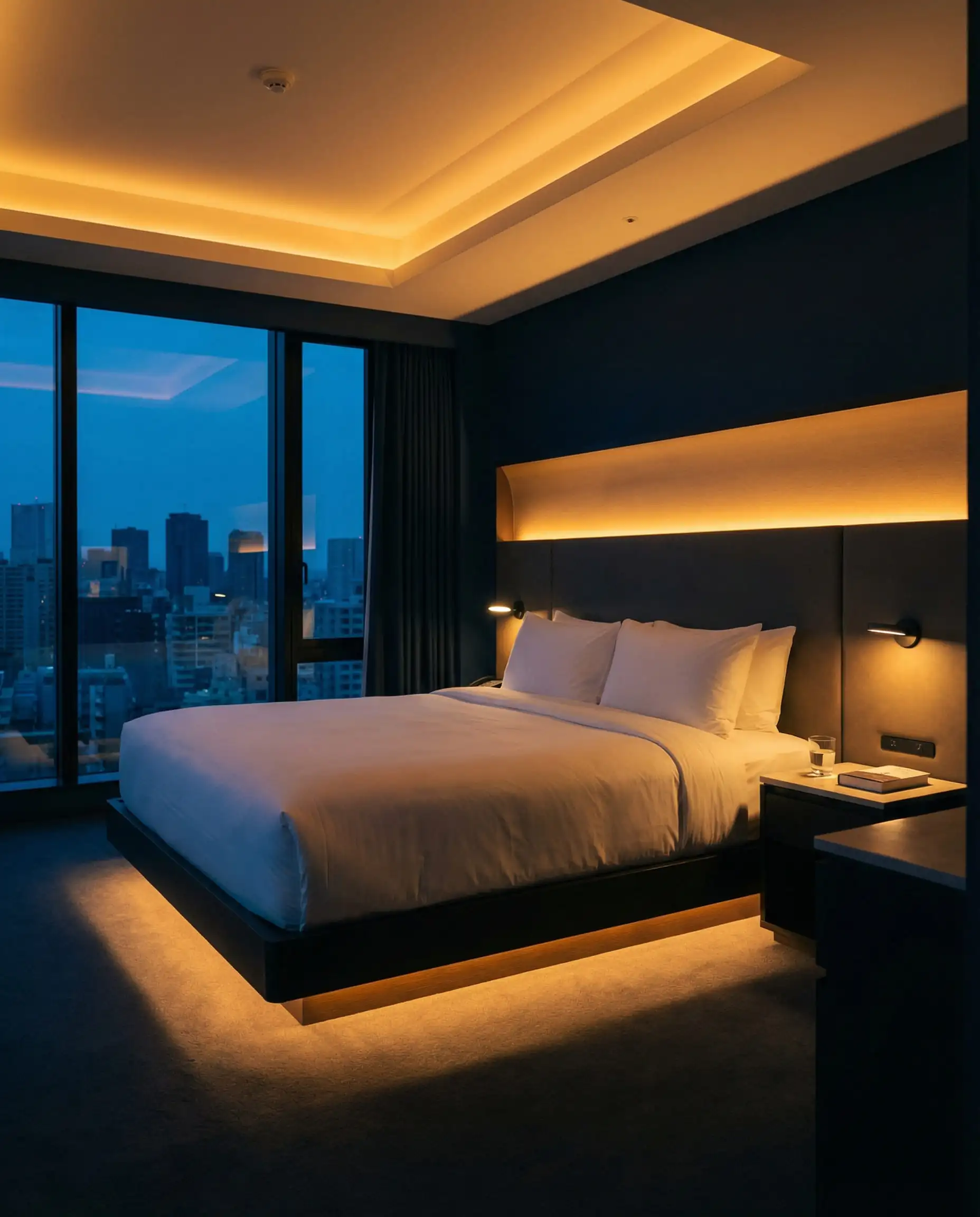
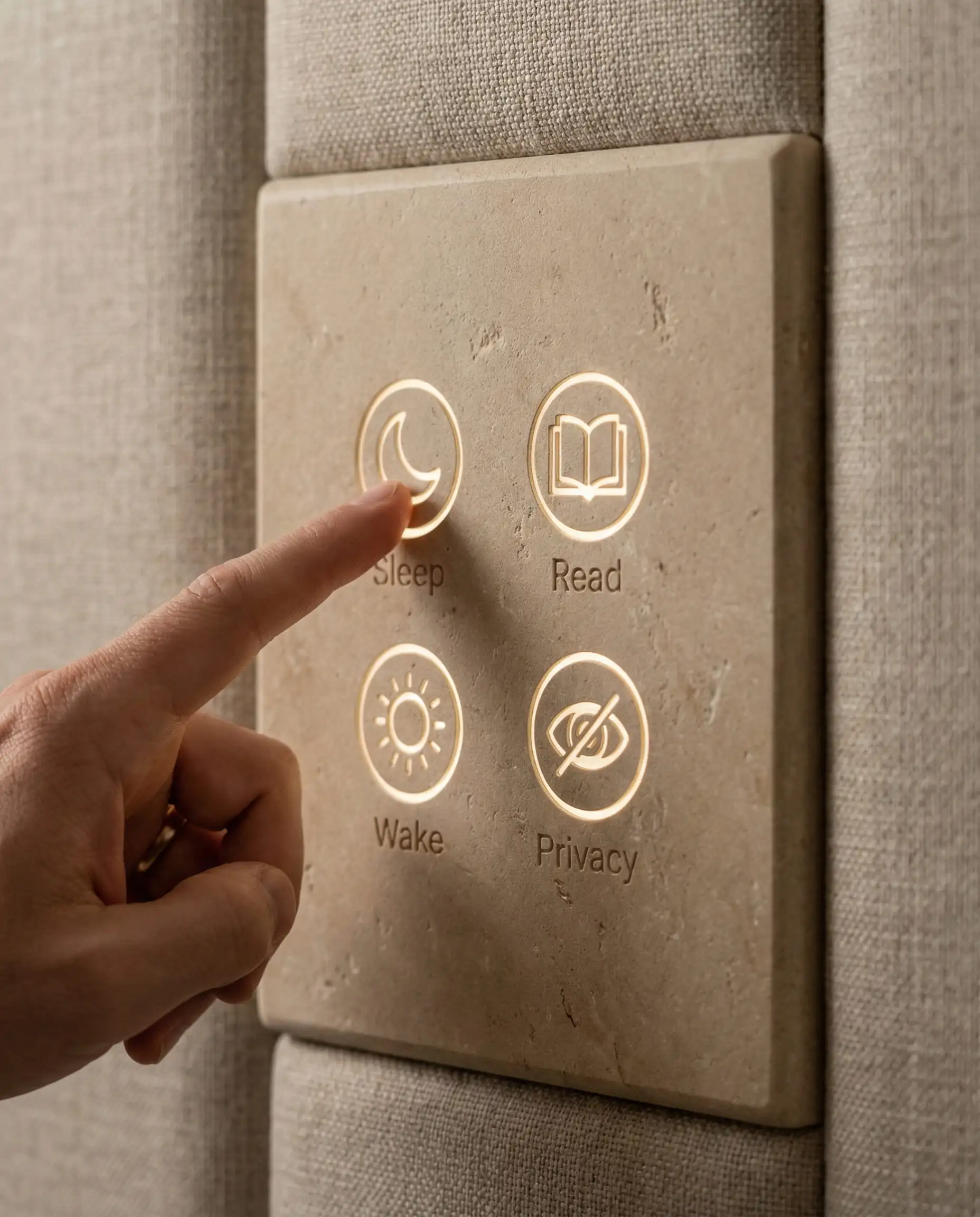
  • Predictive Comfort: AI-driven sensors monitor air quality, temperature, and occupancy to adjust the room environment automatically before the guest even notices discomfort.
  • Circadian Lighting: Lighting systems now automatically shift color temperature throughout the day—bright, cool white in the morning to wake you up, and warm, amber hues in the evening to stimulate melatonin production. This is a key feature in modern lighting trends.
  • Voice & Gesture: Physical switches are being reduced in favor of intuitive voice controls or gesture-based interactions, reducing high-touch surfaces—a lingering preference from the post-pandemic era that has become a hygiene standard.

4. The Hybrid “Third Space” Lobby

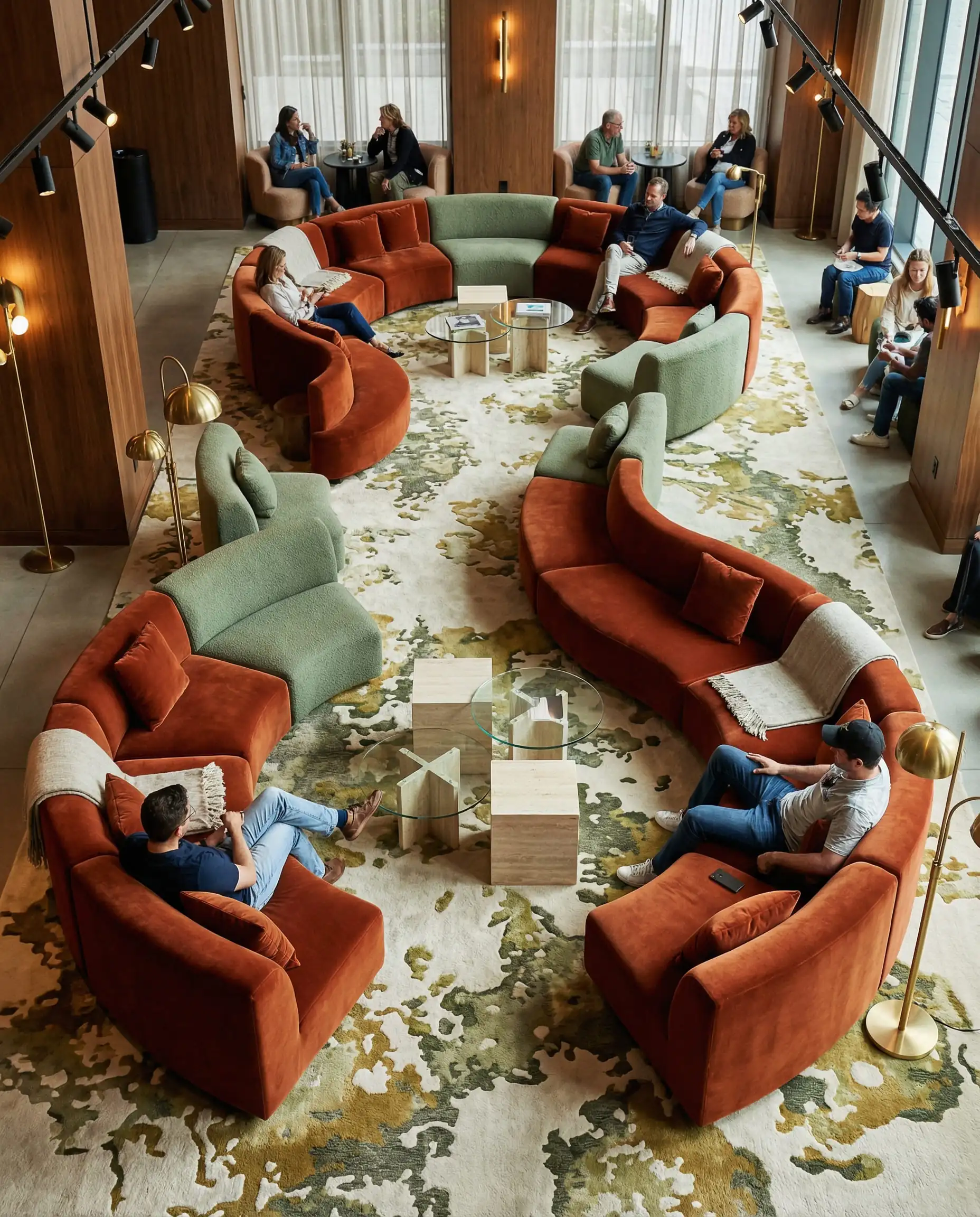
The hotel lobby has finally shed its identity as a mere waiting area. In 2026, it is a shapeshifting community hub that serves locals as much as guests.
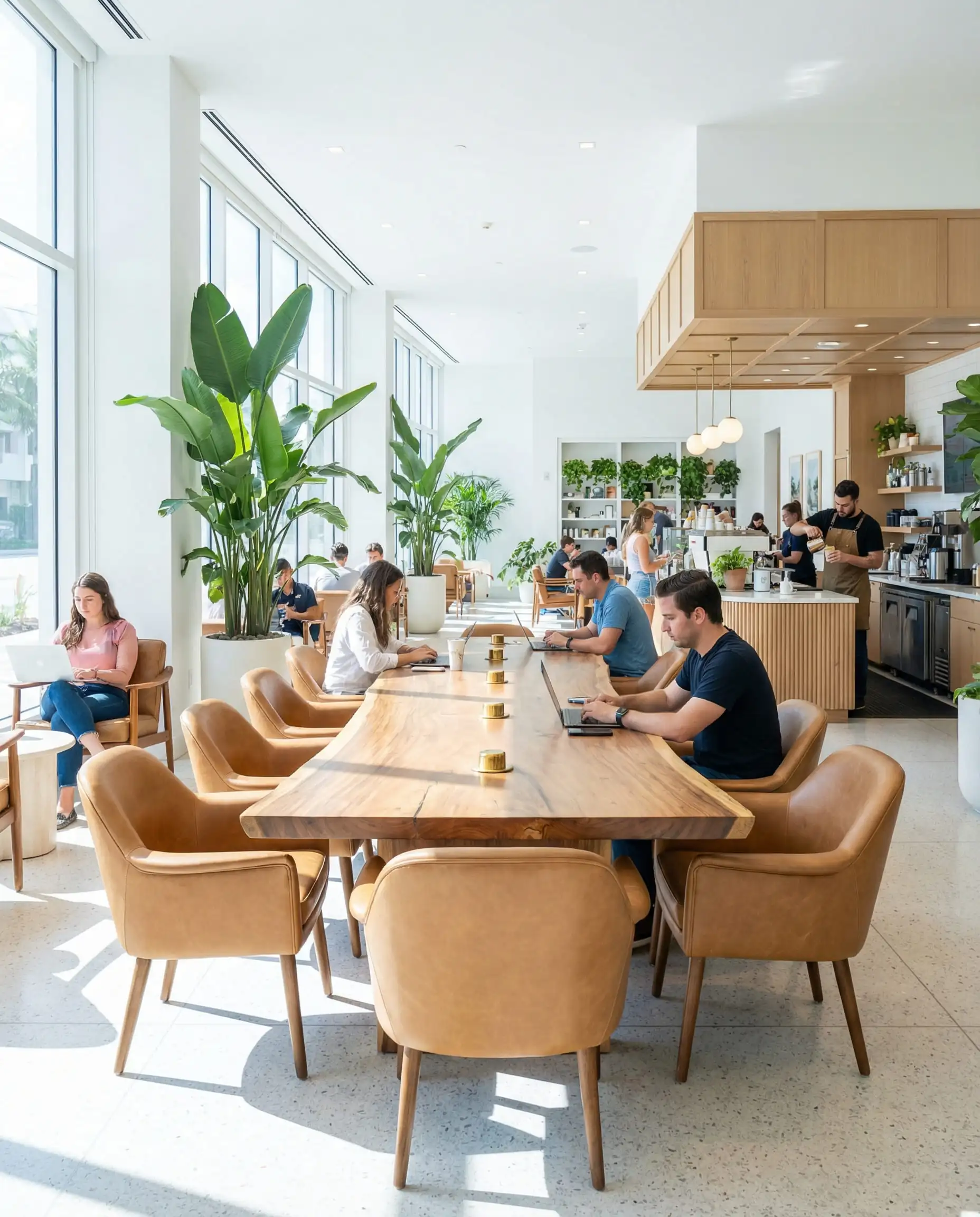
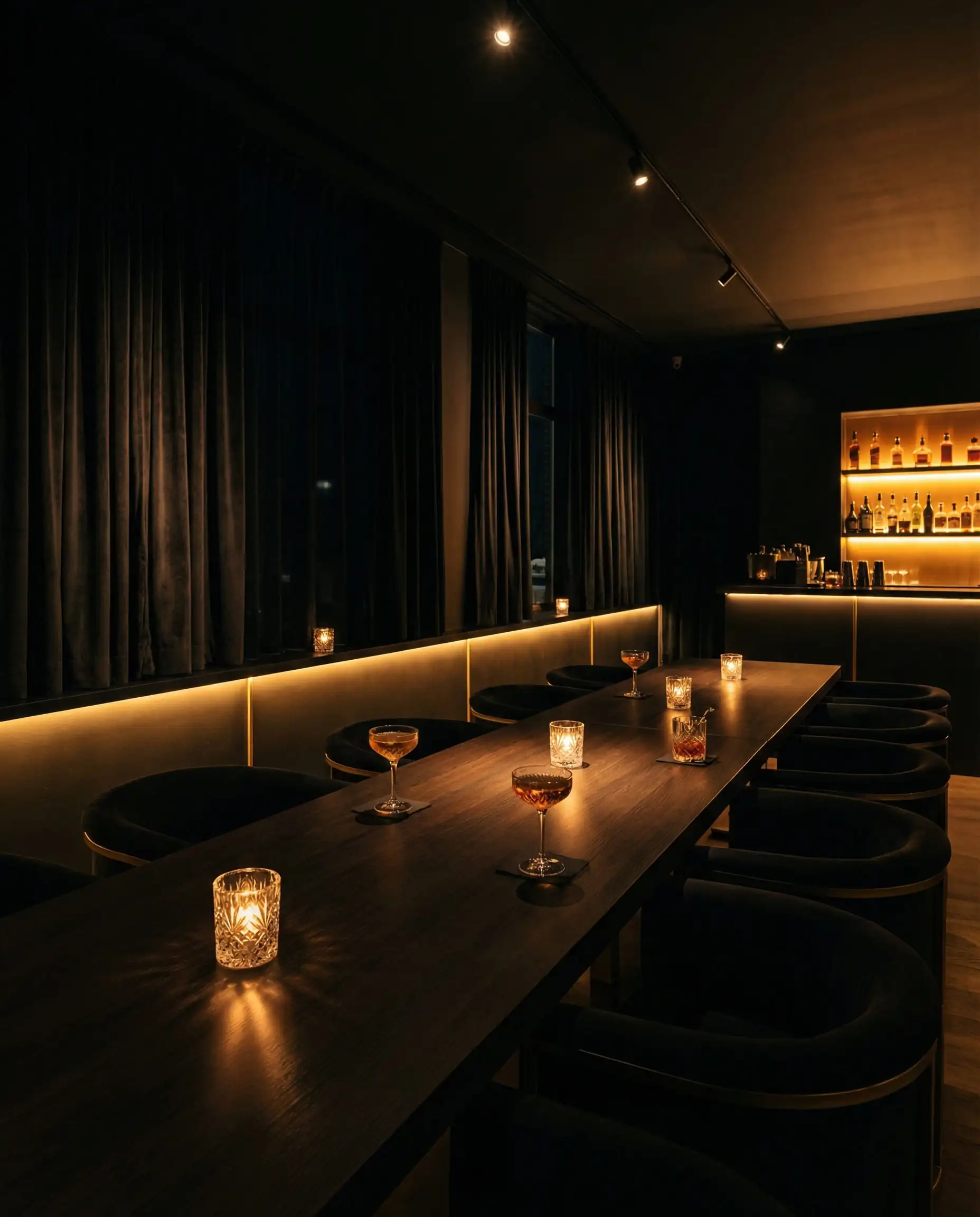
  • Modular Layouts: Furniture is designed to be moved. A lobby might be a co-working space with communal tables and power ports at 10:00 AM, but by 6:00 PM, partitions slide away, lighting dims, and it transforms into a social cocktail lounge.
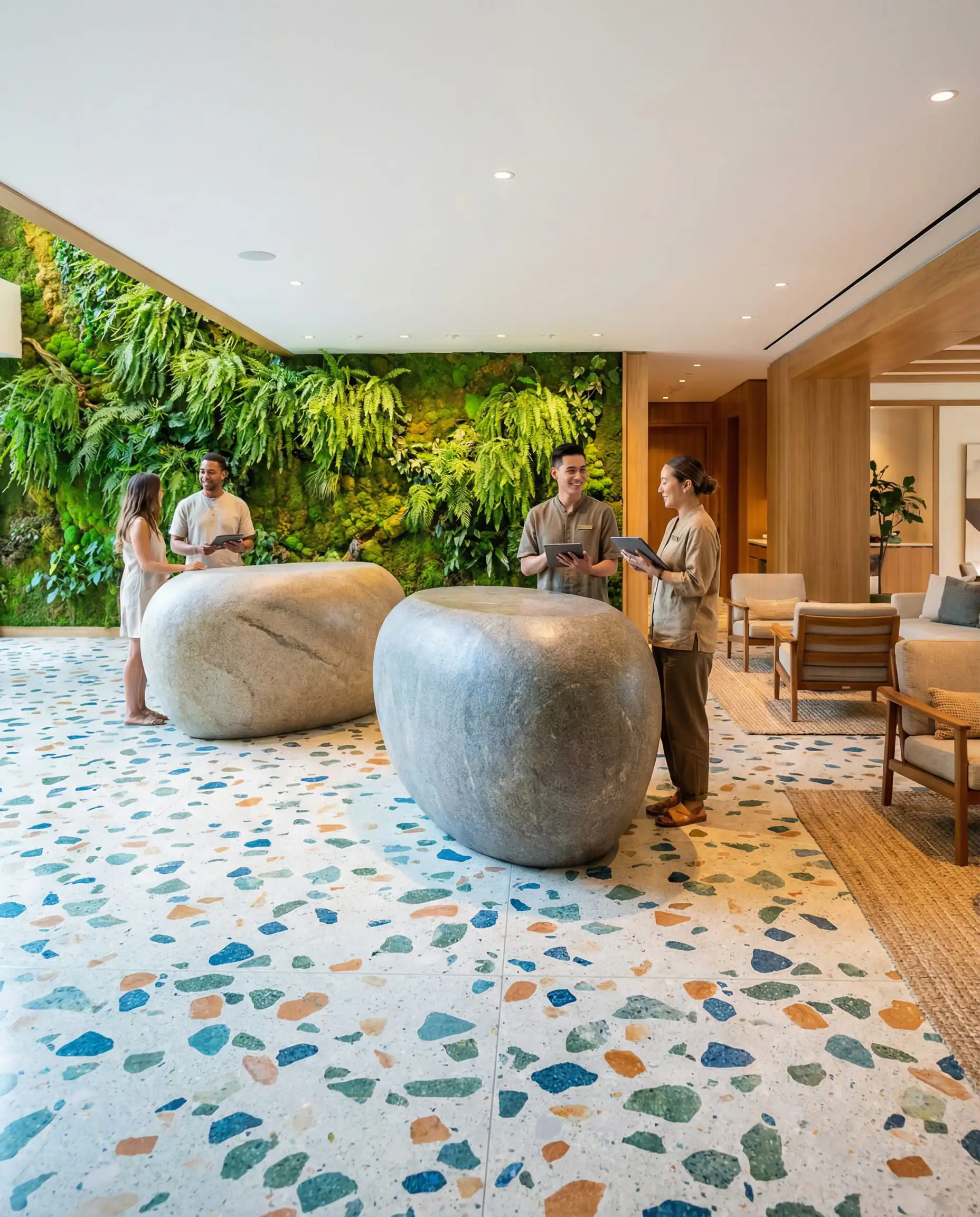
  • Deconstructed Front Desk: The imposing barrier of the check-in desk is vanishing. Staff now use mobile tablets to check guests in while seated on comfortable sofas or over a welcome drink, breaking down the hierarchy between “server” and “served.”

5. Biophilia 2.0: Indoor-Outdoor Blurring

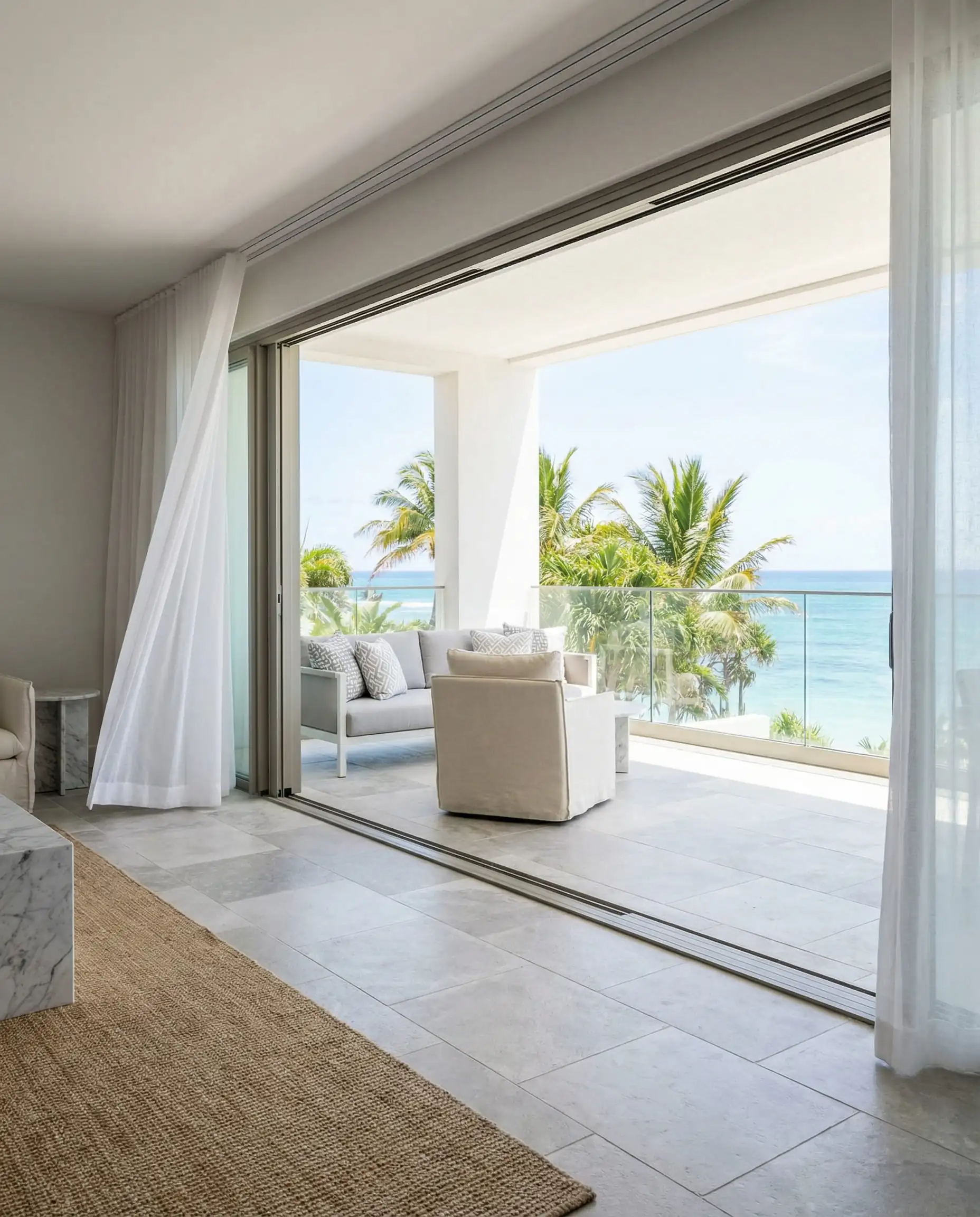
Potted plants are no longer enough. 2026 design demands a seamless dissolution of the barrier between inside and out.
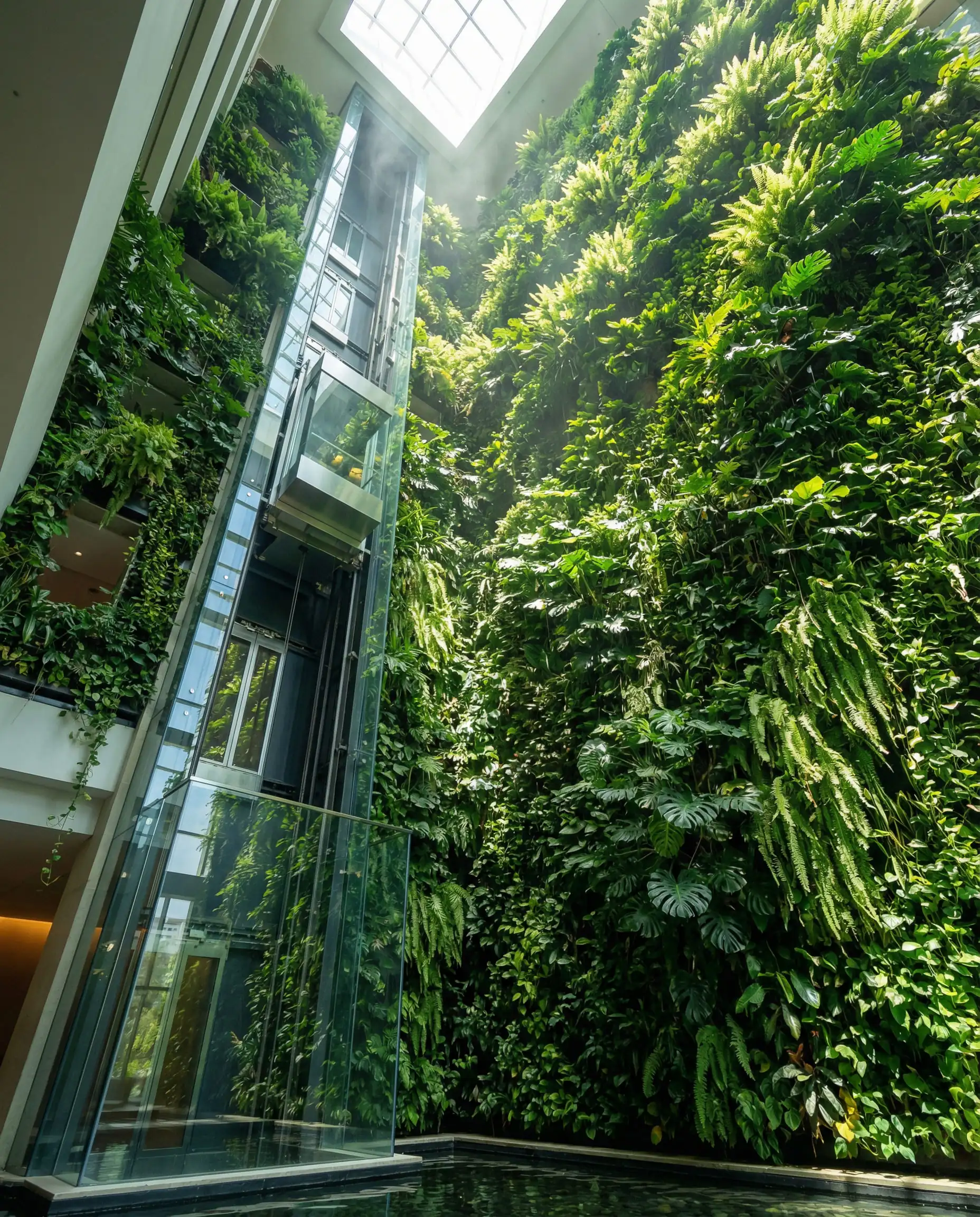
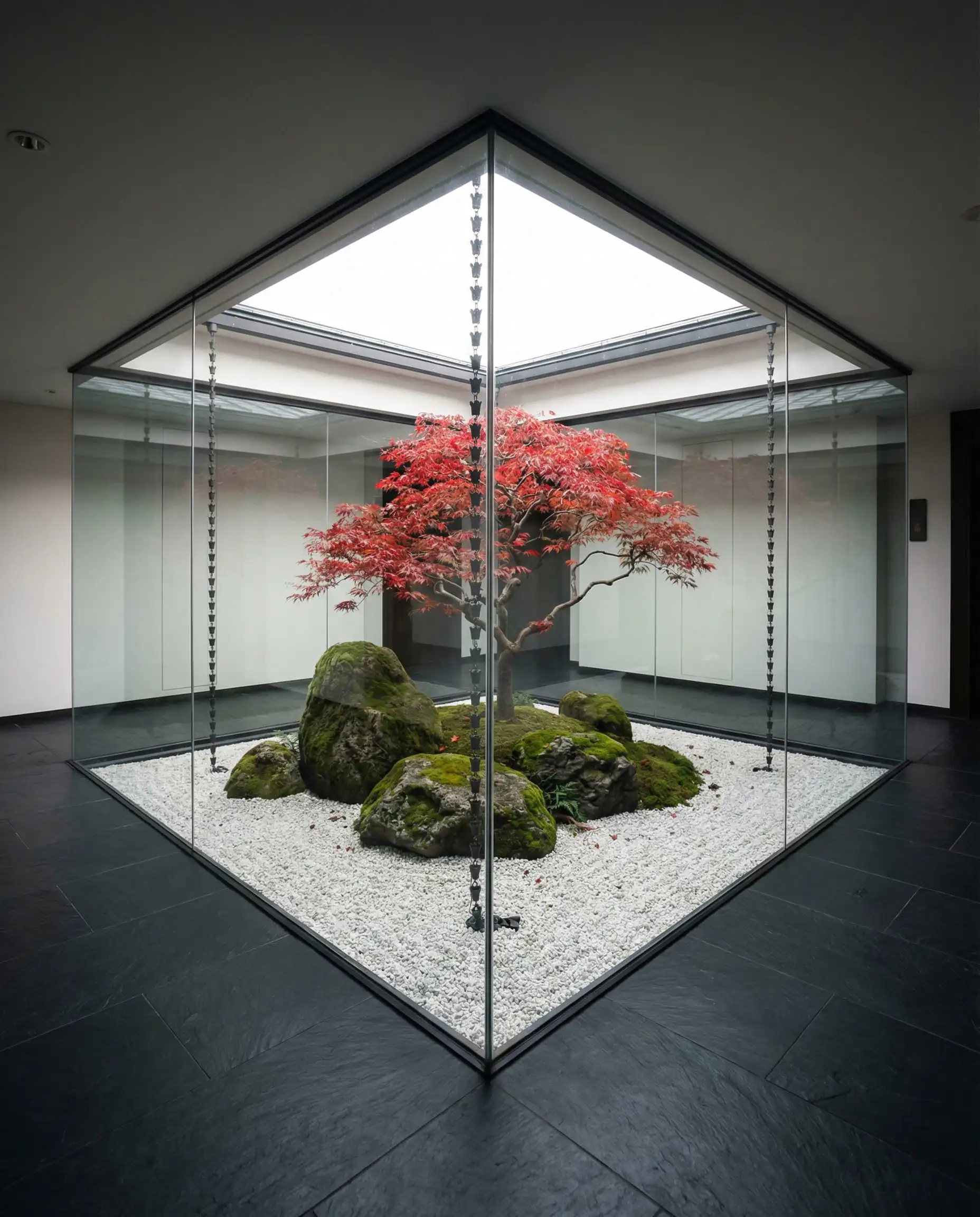
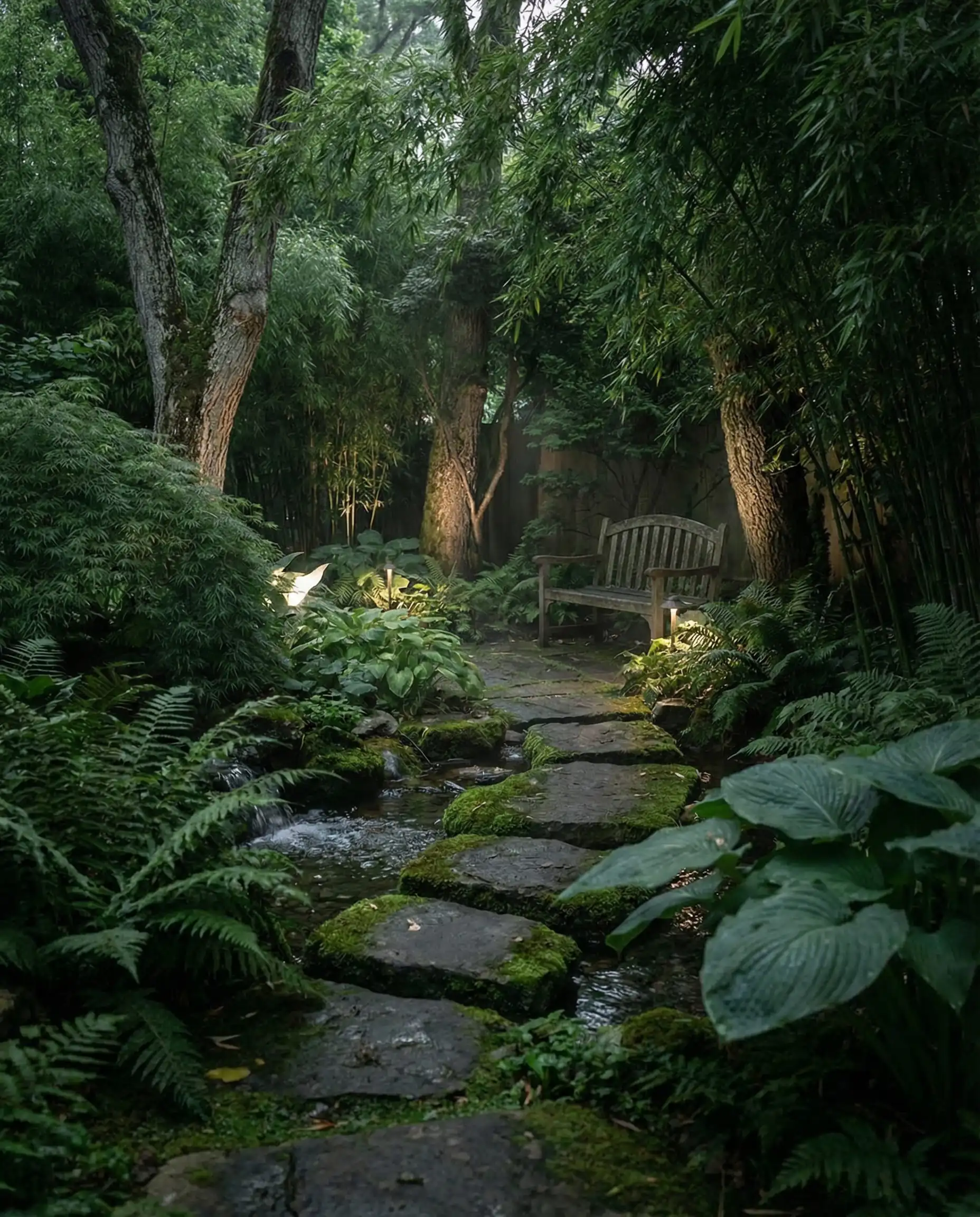
  • Living Architecture: We are seeing “living walls” that act as natural air filters and internal courtyards that bring rain and light into the center of the building.
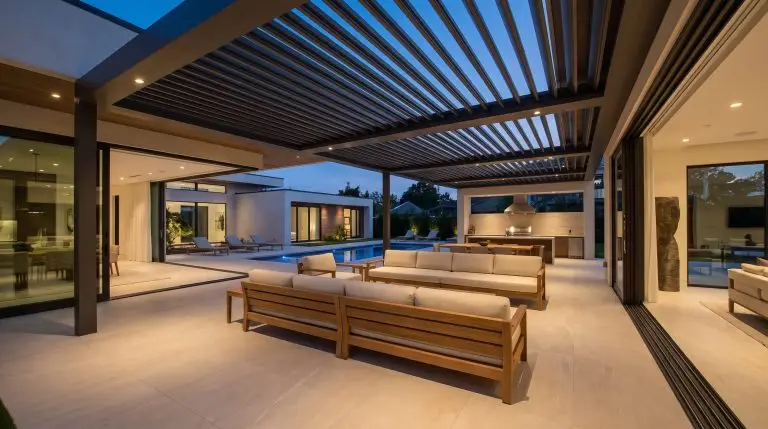
  • Seamless Transitions: Using the same continuous flooring material from the interior lobby to the outdoor terrace visually expands the space. Anti-slip porcelain that mimics natural stone is a top choice here (see our guide on flooring trends 2026 for specific material ratings).

Room-by-Room Design Guide: 2026 Edition

The Guest Room: The Sleep Sanctuary

The primary function of a hotel room is sleep, and 2026 designs are optimizing this relentlessly. This is the rise of Sleep Tourism.
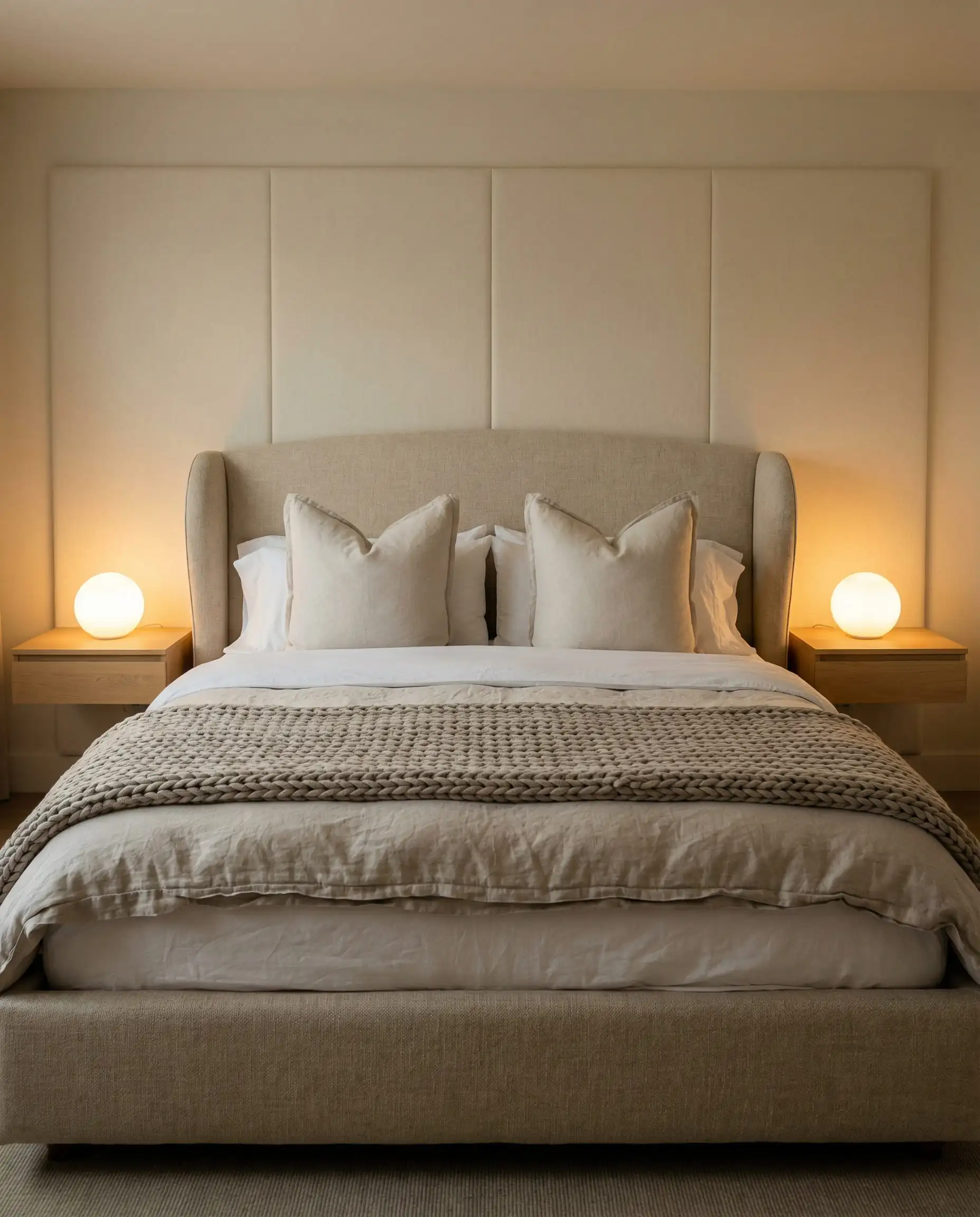
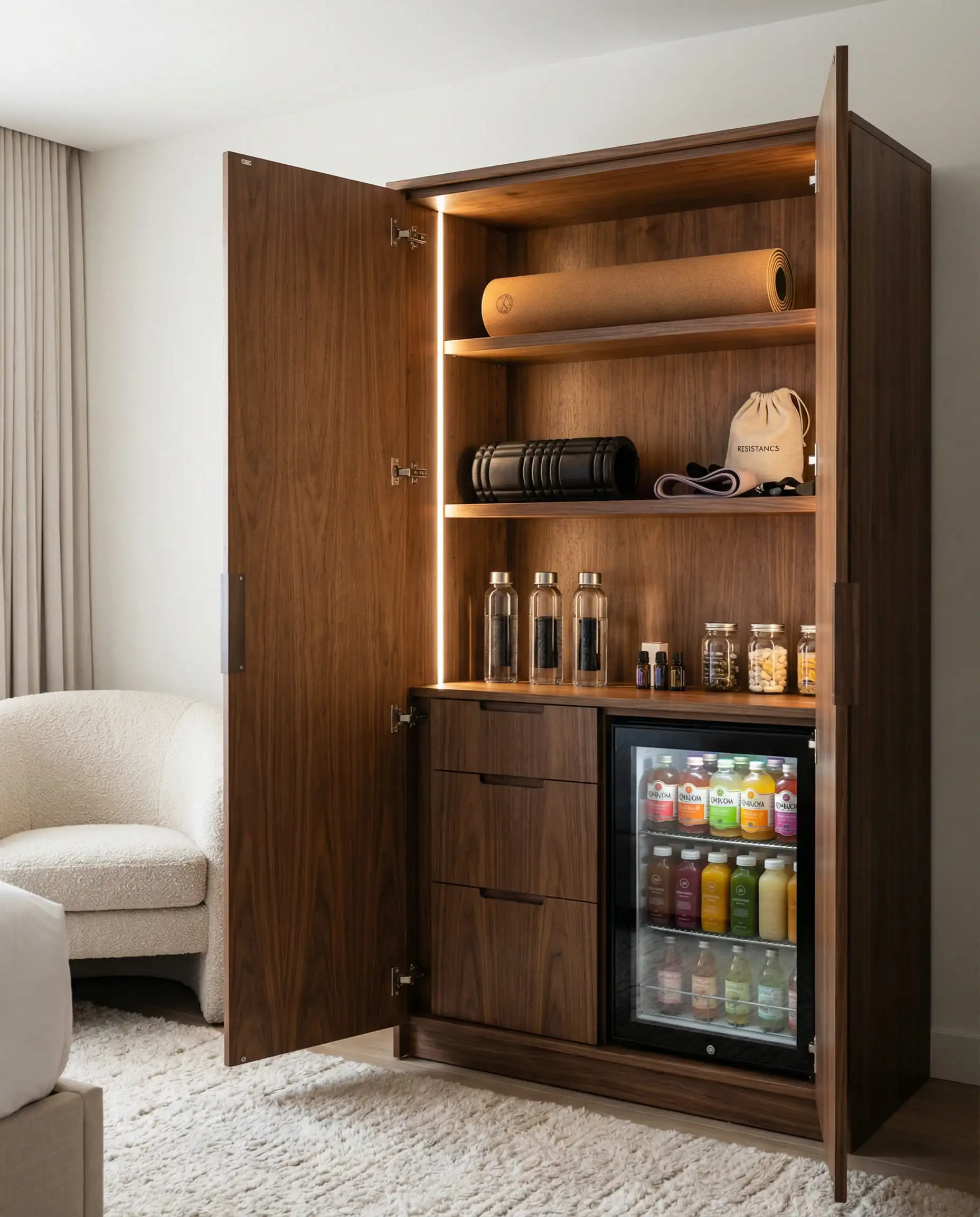
  • The “Recovery Cabinet”: The traditional minibar is being reimagined or supplemented by a wellness cabinet containing yoga mats, resistance bands, meditation headsets, and vitamin-infused hydration.
  • Smart Mattresses: Beds that allow guests to adjust firmness on their side or regulate temperature are becoming a standard expectation in luxury tiers.
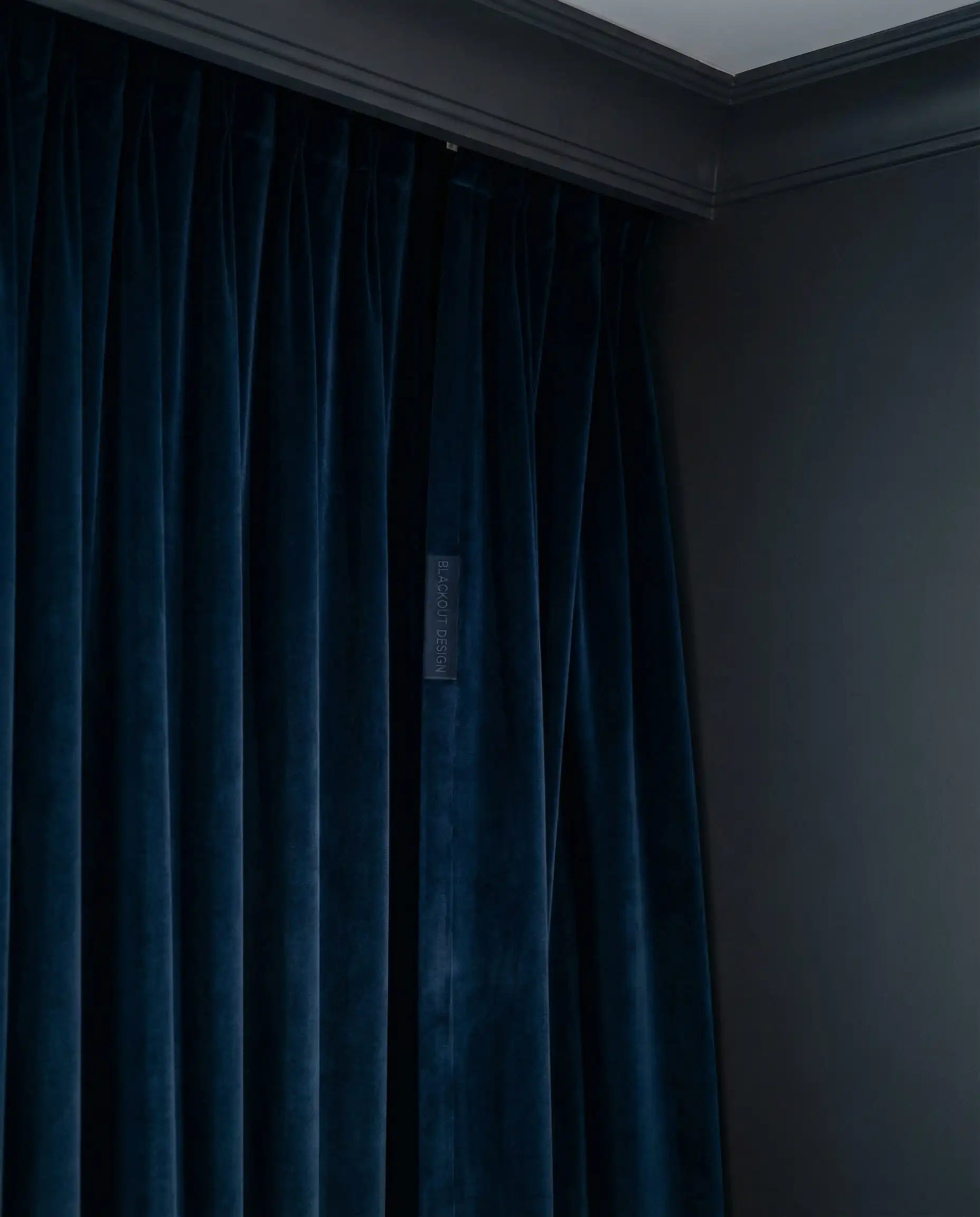
  • Darkness & Silence: Blackout curtains are being upgraded to “sealing” systems that block light bleed at the edges. Soundproofing is prioritized in interior door trends, with heavy, solid-core doors becoming essential to block corridor noise.
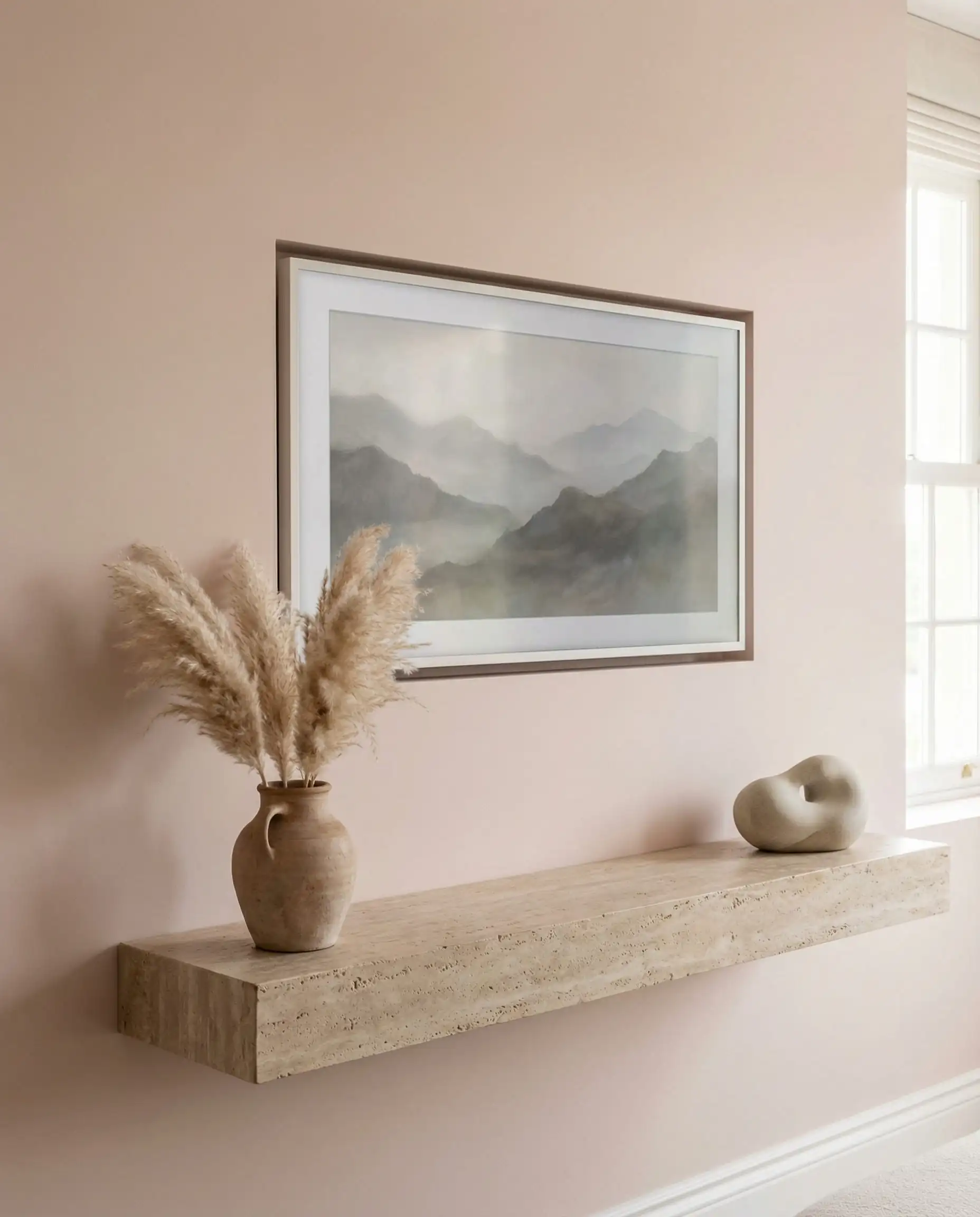
  • Softer Electronics: Even the TV is changing. Modern TV stand trends are moving toward units that hide screens when not in use, or promote “The Frame” style displays that look like art, preventing the “black hole” effect of a switched-off screen in a calm room.

The Bathroom: Private Spa & Hydrotherapy

The guest bathroom is now a private wellness spa. Guests expect amenities that rival professional facilities.
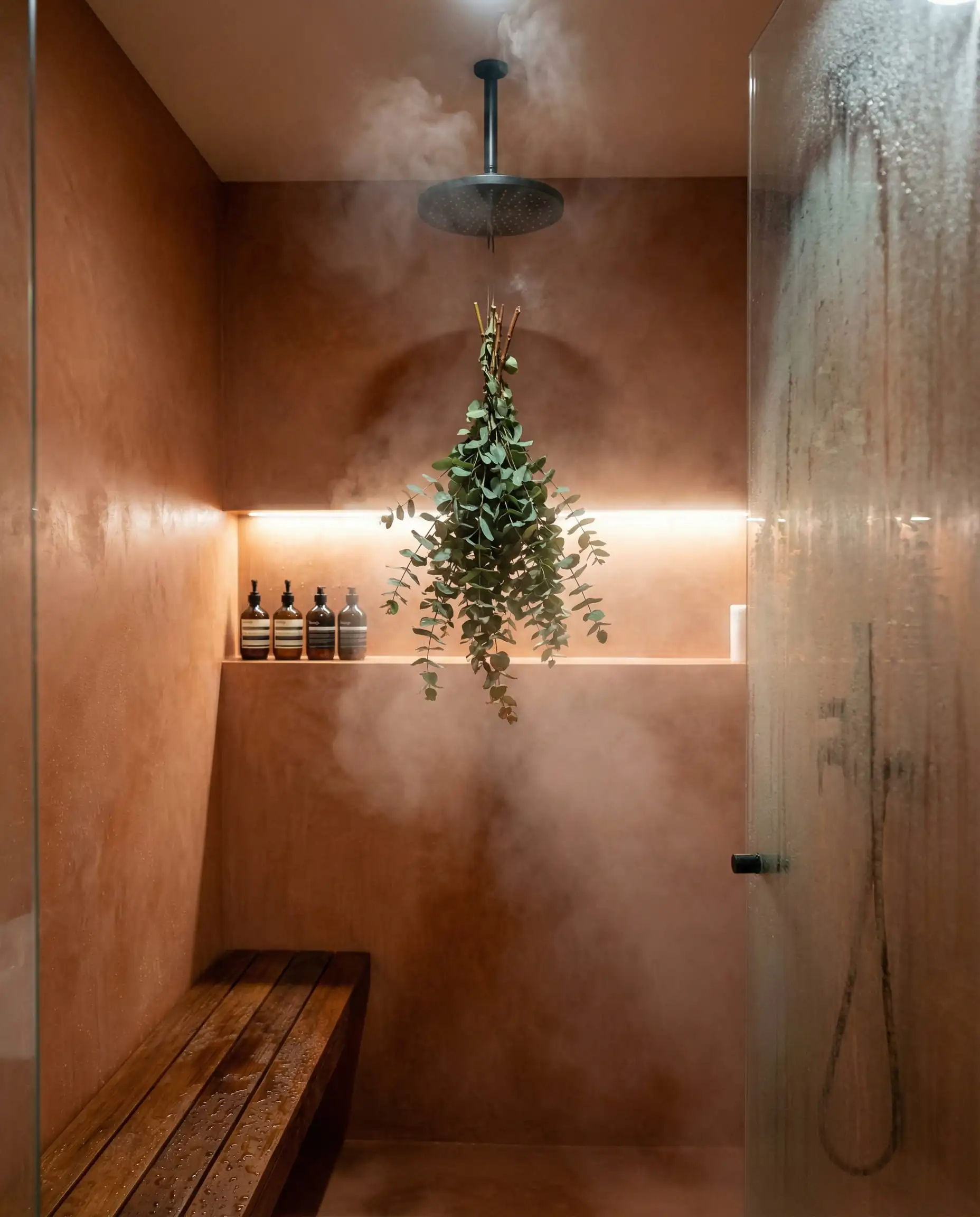
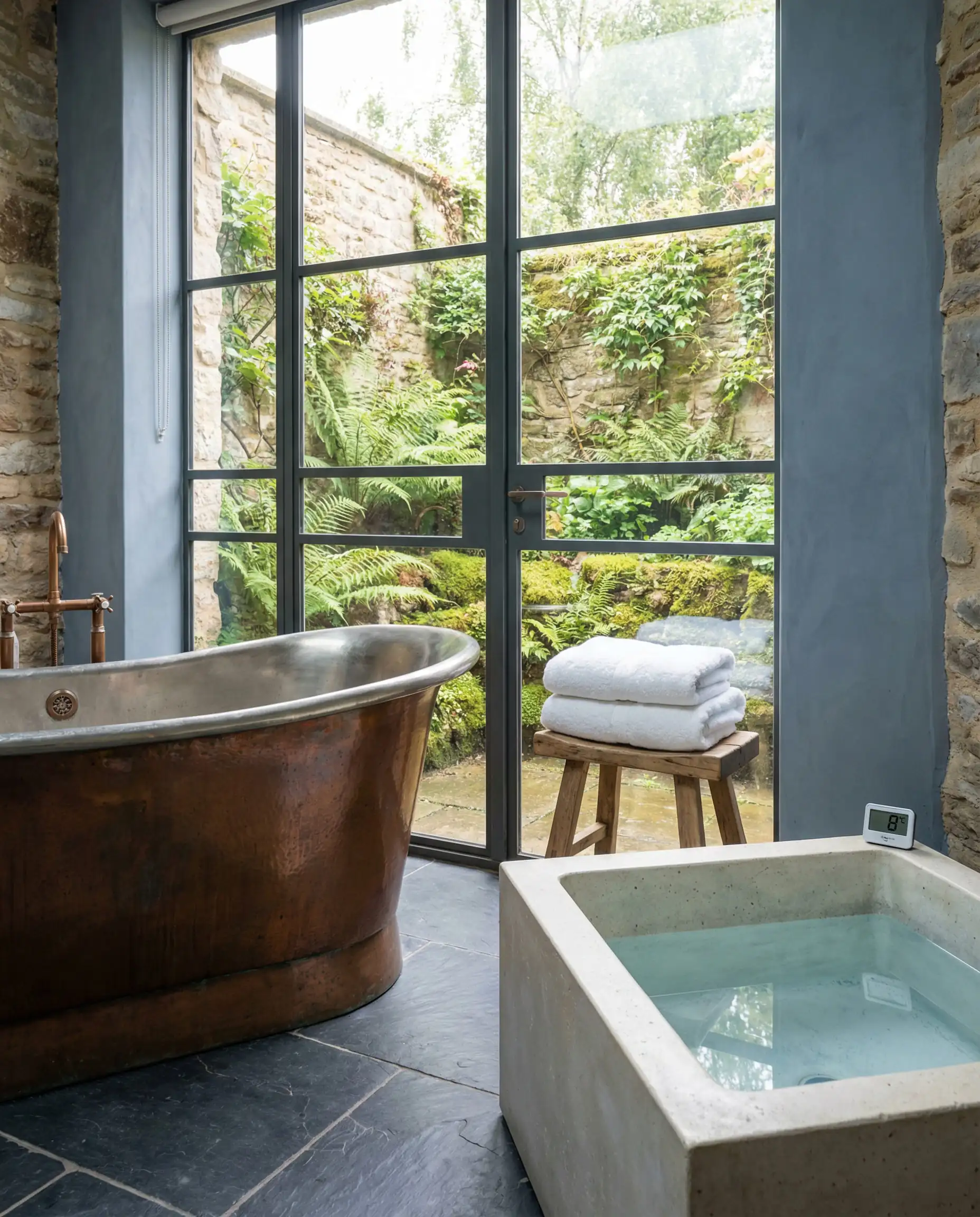
  • Cold Plunges & Steam: High-end suites are installing steam showers and even compact cold-plunge tubs, reflecting the massive “contrast therapy” wellness trend.
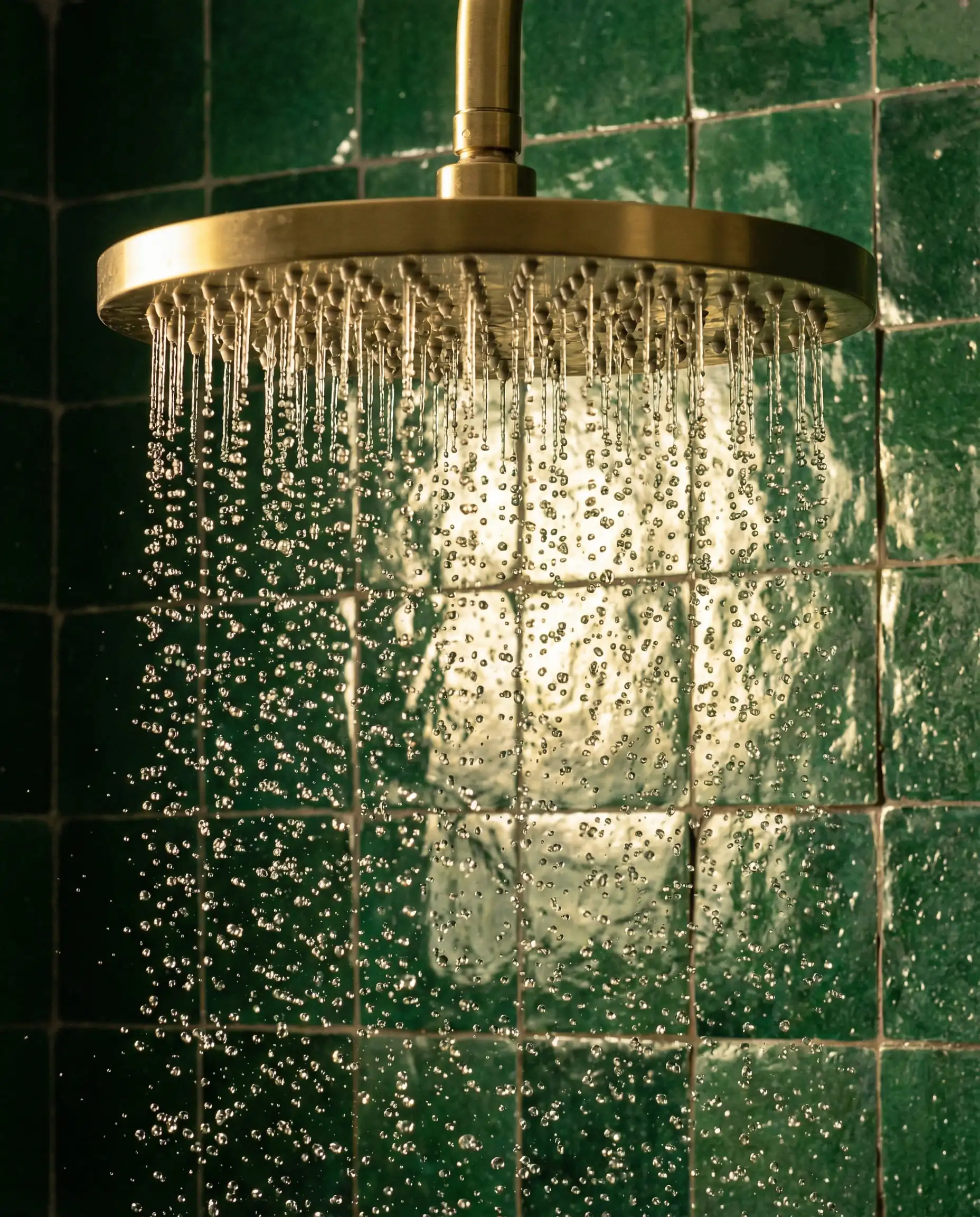
  • Vitamin C Showers: Showerheads that infuse water with Vitamin C and essential oils to neutralize chlorine and support skin health.
  • Heated Stone Floors: Radiant heating is no longer a luxury add-on; it is an expectation.
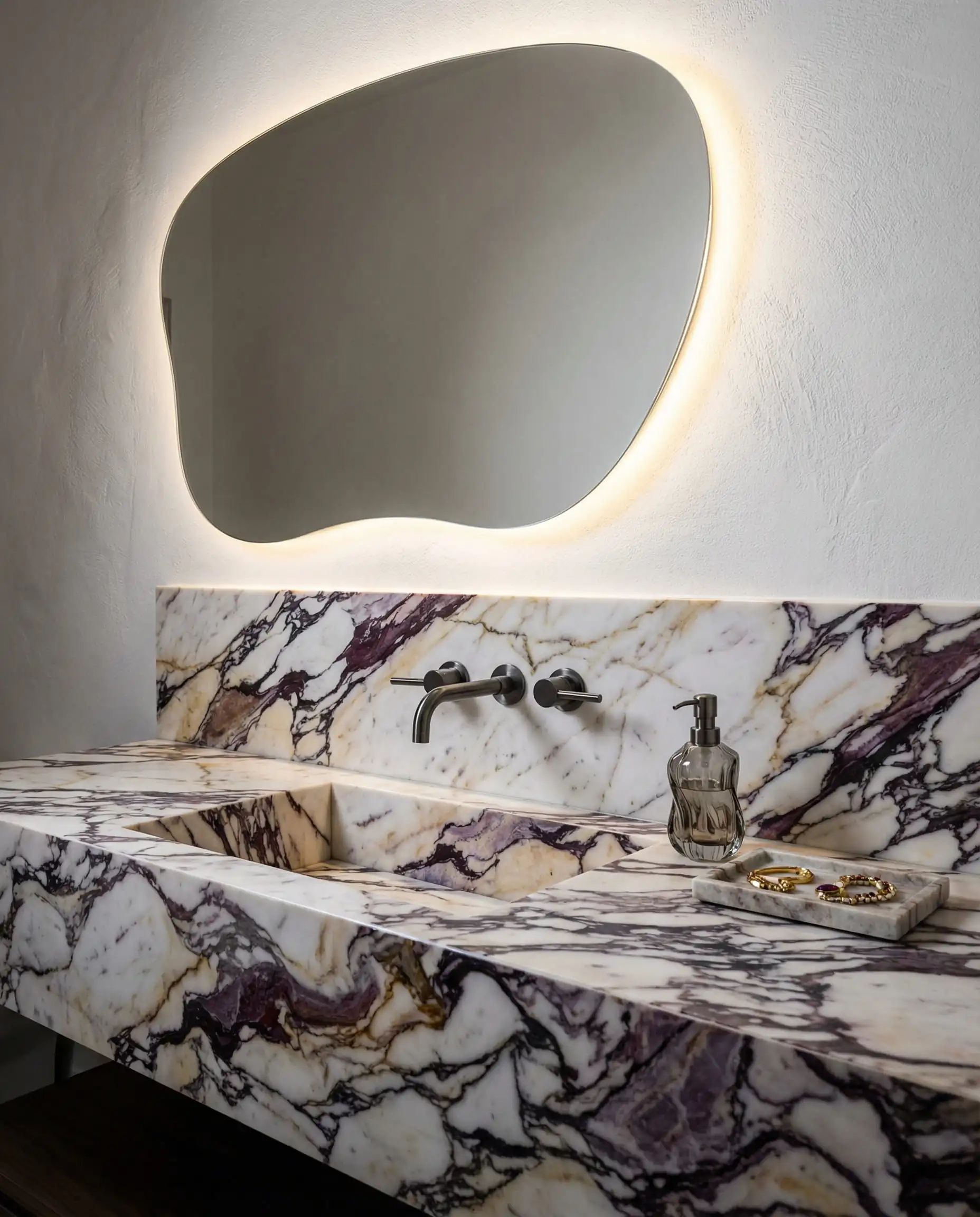
  • Statement Stone: We are seeing a move away from white subway tiles toward bold, dramatic stone with heavy veining—purple marbles, green onyx, and deep terracottas. For wall treatments, check out our report on bathroom wall covering trends.

Deep Dive: For more on fixtures and finishes, read our dedicated guide on 2026 bathroom trends.

F&B and Social Spaces: The Theater of Dining

Restaurants are becoming “Eatertainment” venues where the design is as active as the menu.
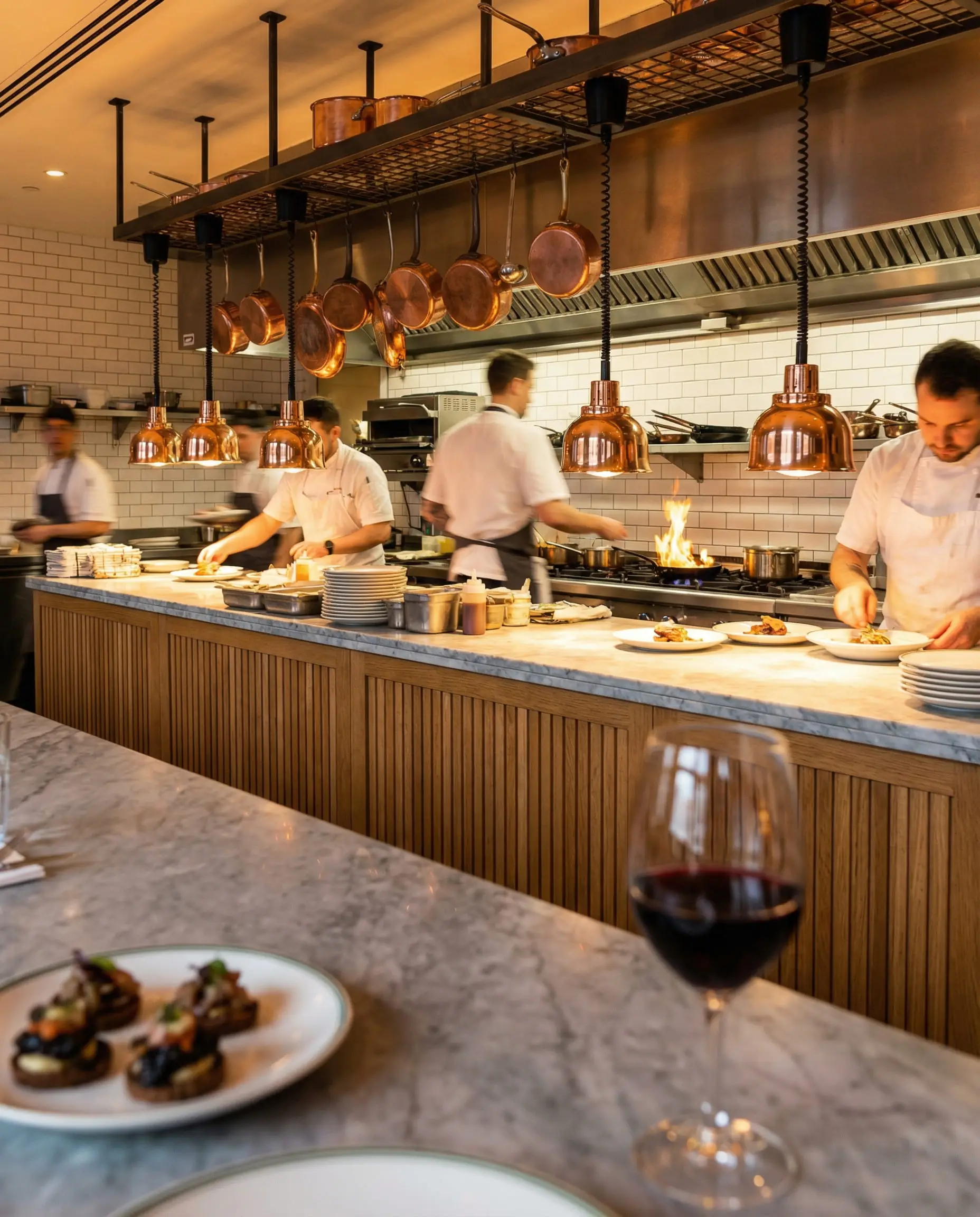
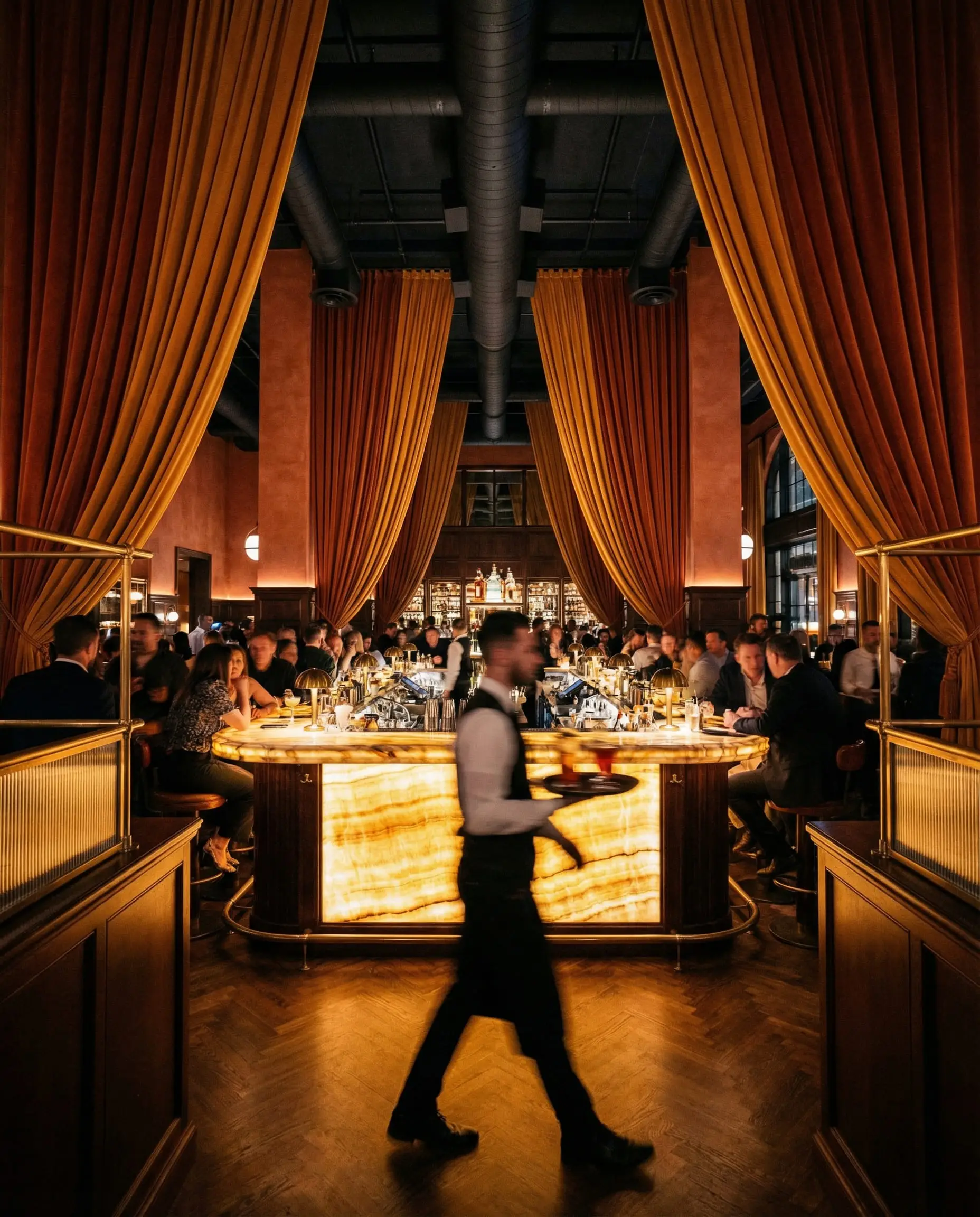
  • Open Kitchens as Stages: The barrier between chef and diner is removed completely. Counter dining is expanding, wrapping around the kitchen to offer a sensory experience of sight, sound, and smell.
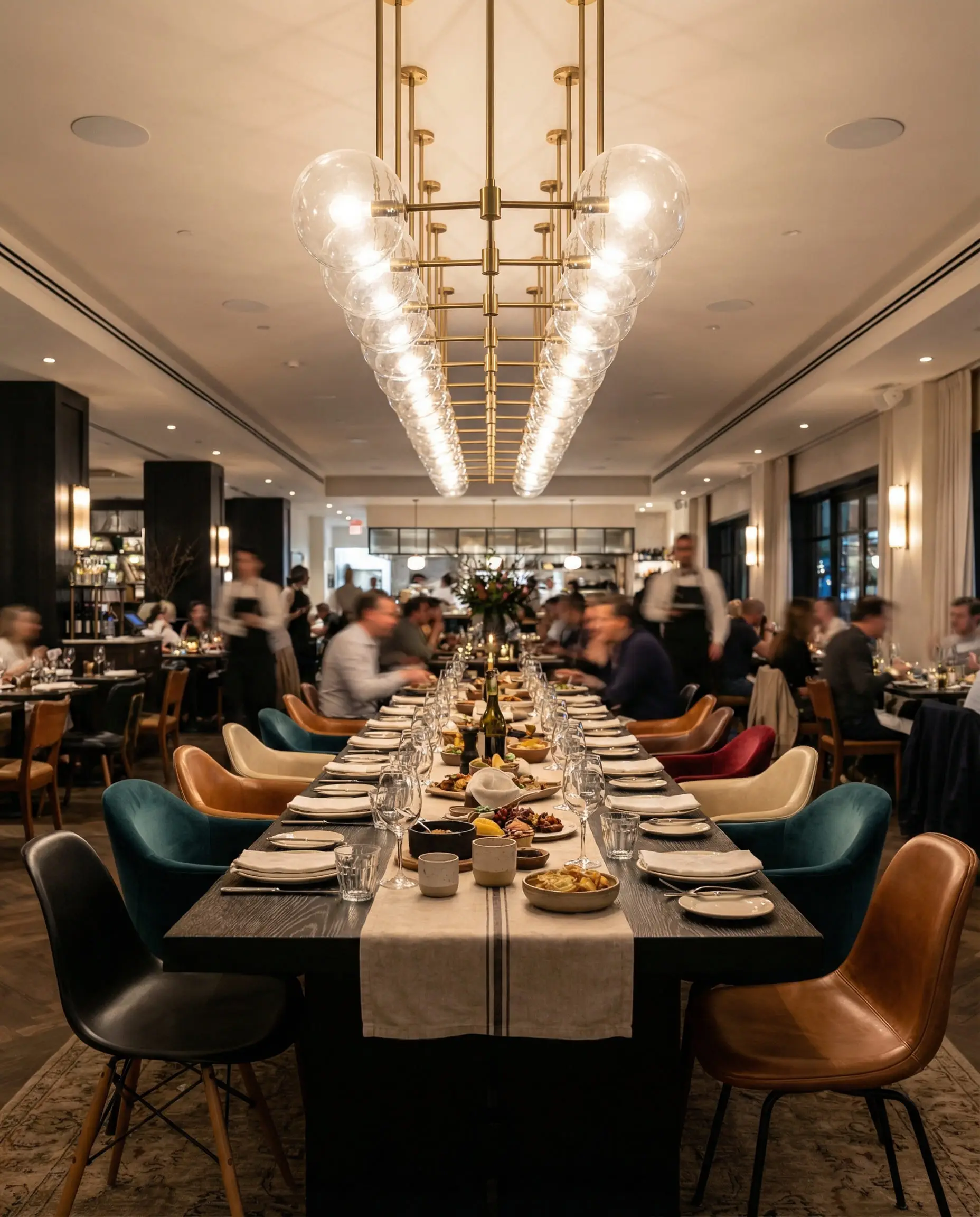
  • Communal “Zebra” Dining: To accommodate the “solo traveler” demographic, large communal tables are back.
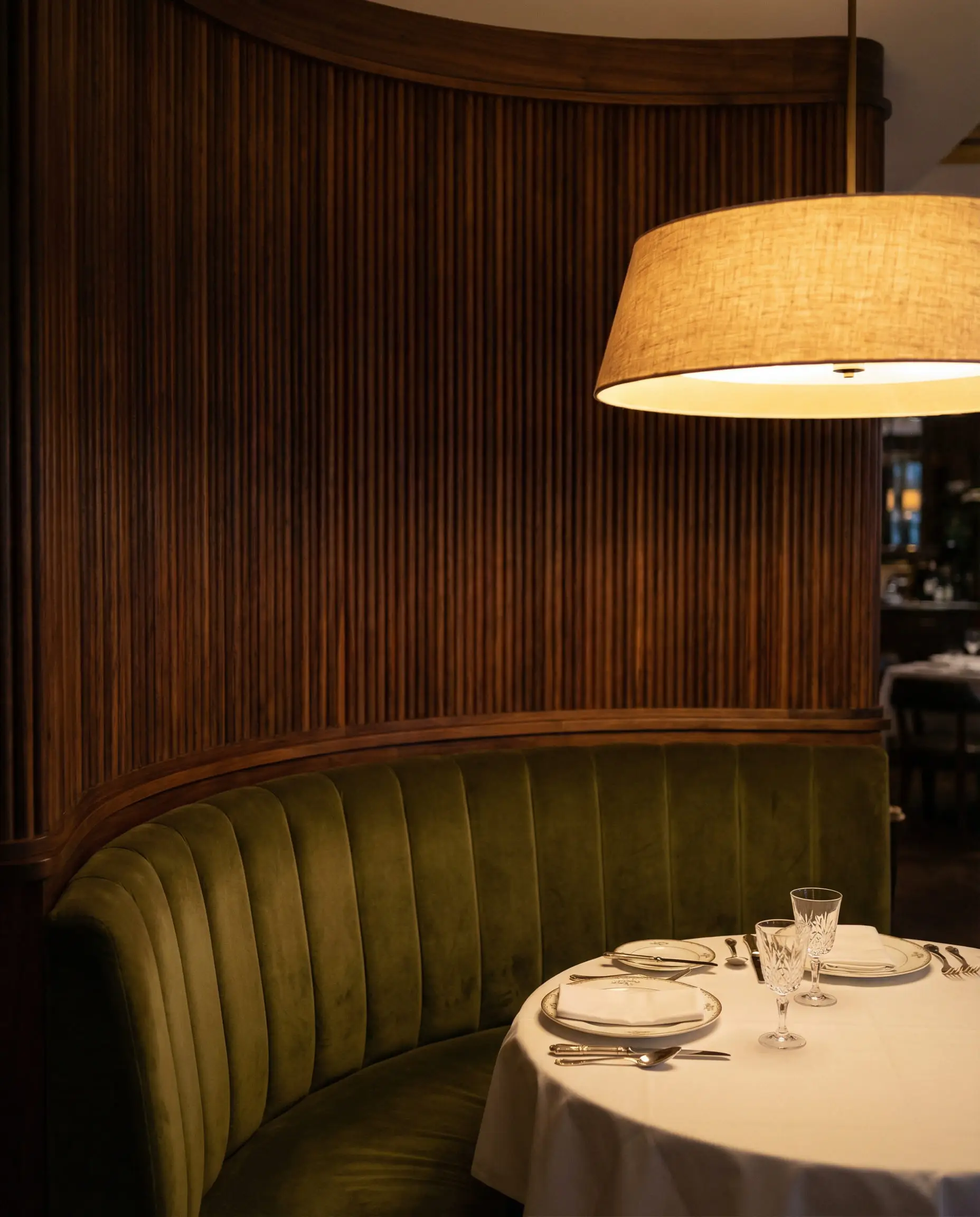
  • Acoustic Zoning: Clever design uses ceiling baffles and localized lighting to create “zones” of privacy within a large, noisy restaurant, allowing for intimate conversation even in a bustling space. (See modern bar and restaurant design trends).

Outdoor & Rooftop: The Urban Oasis
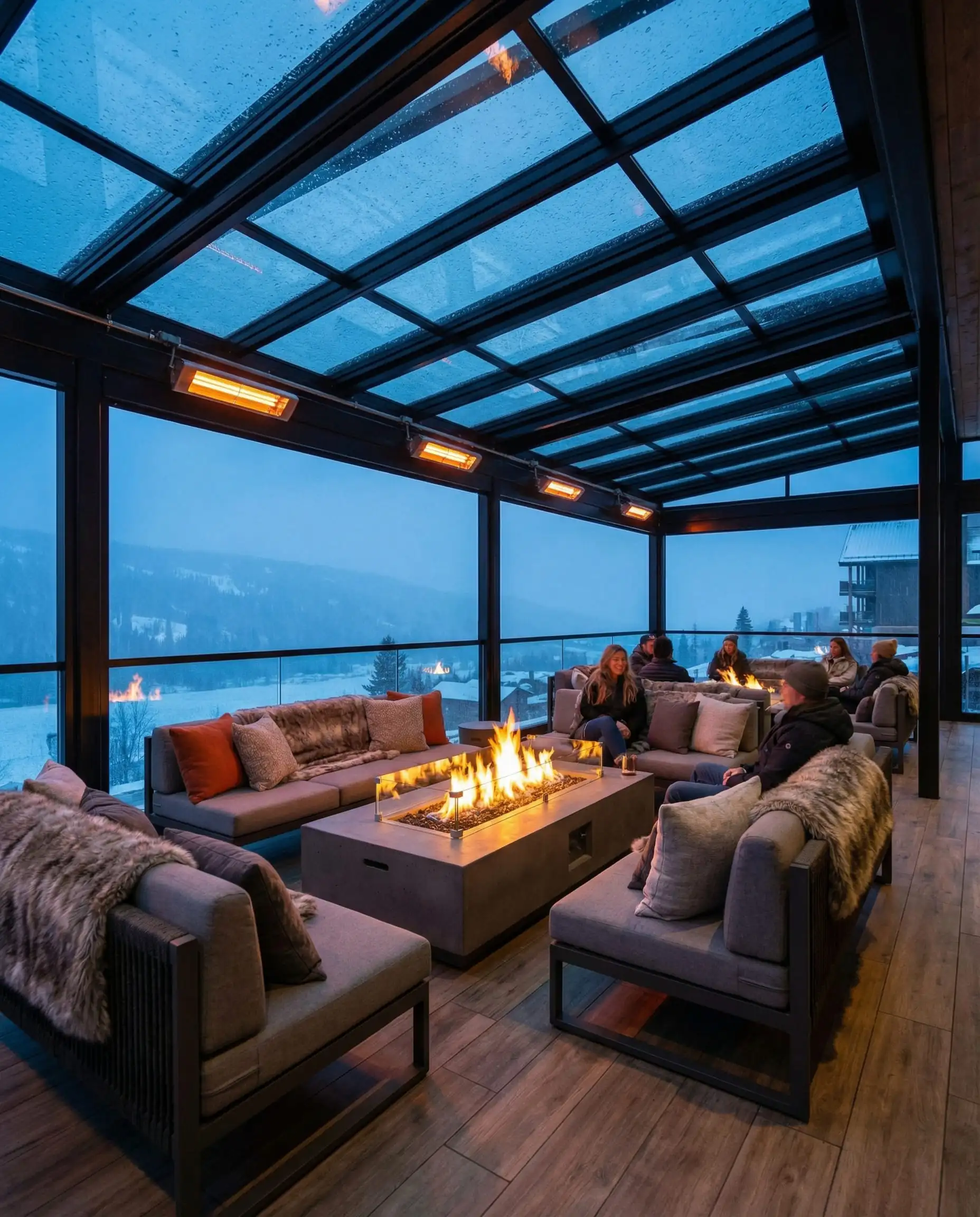
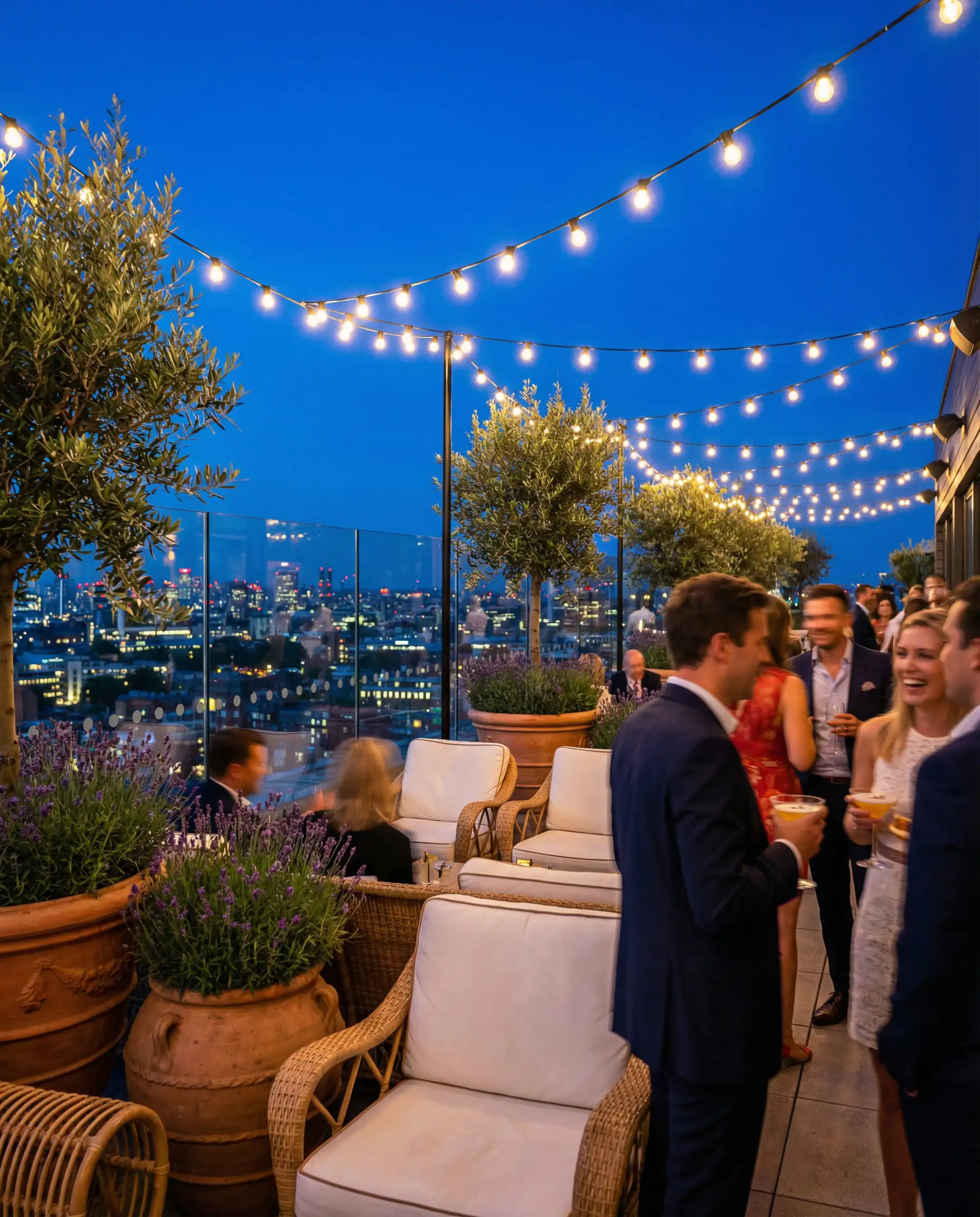
  • All-Season Terraces: Retractable glass roofs and heated flooring allow outdoor spaces to generate revenue year-round, not just in summer.
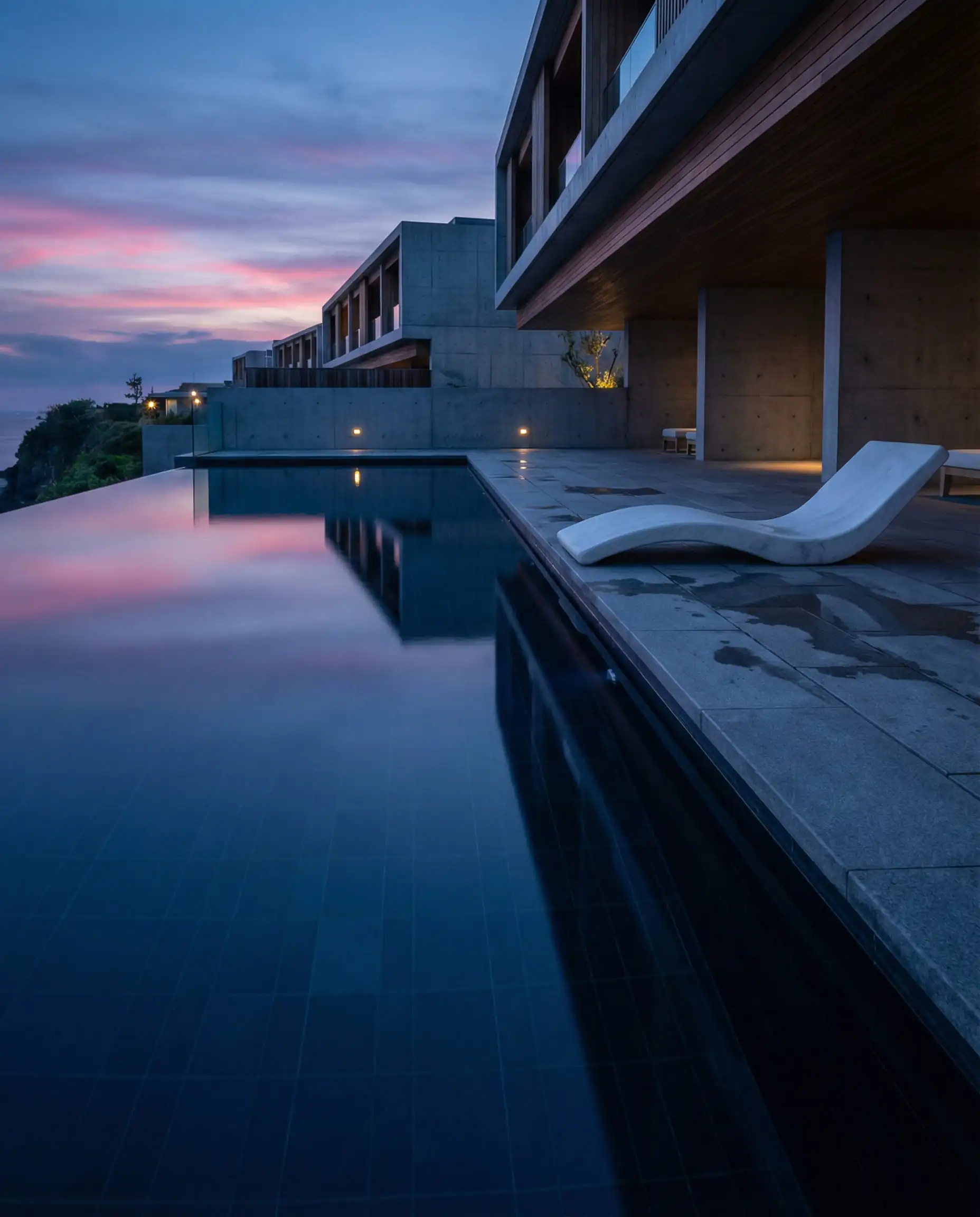
  • The “Mirror” Pool: Pools are being designed with dark tiles (deep greens, navy blues) to reflect the sky and architecture, creating a more natural, pond-like aesthetic compared to the artificial turquoise of the past.

Related: Discover how to style these spaces in our outdoor living trends guide.

Color Palette 2026: Grounded & Restorative

The color trends for 2026 hospitality mirror the need for calm. We are leaving behind the stark whites and cool grays.

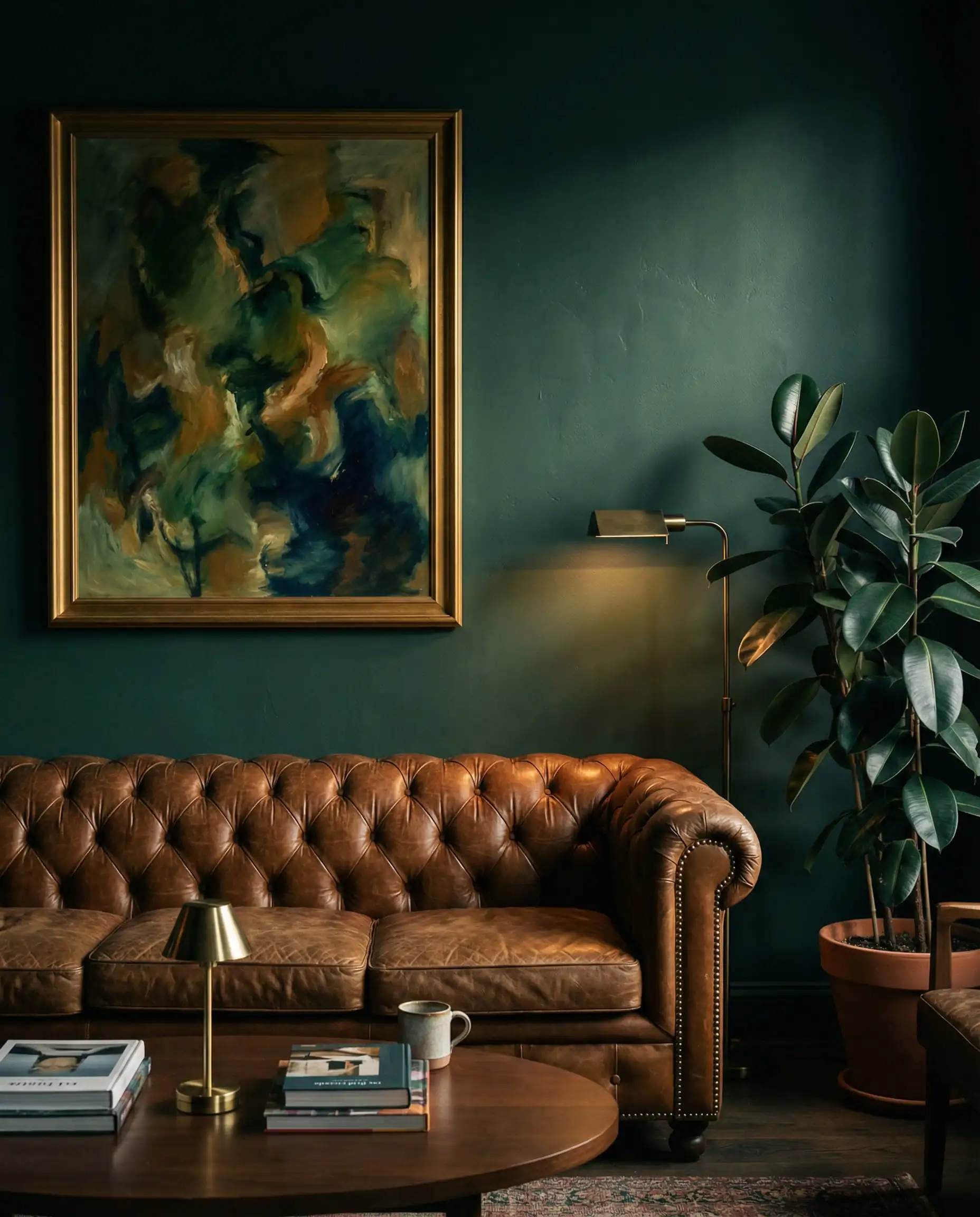
  1. Mineral Greens & Teals: Deep, soothing greens that connect to biophilic design.
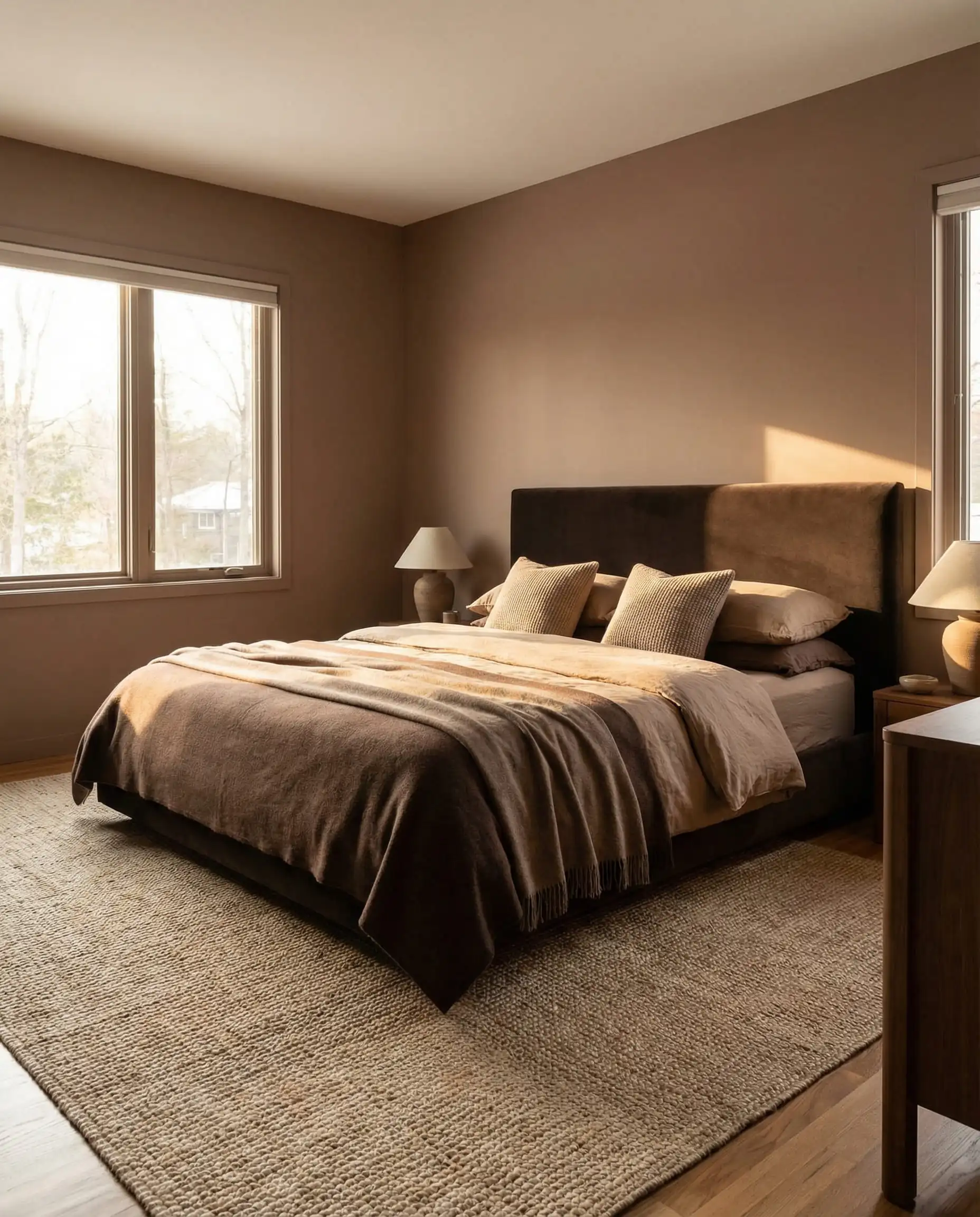
  2. “Mocha Mousse” & Warm Browns: Rich chocolate and coffee tones that offer a sense of stability and warmth.
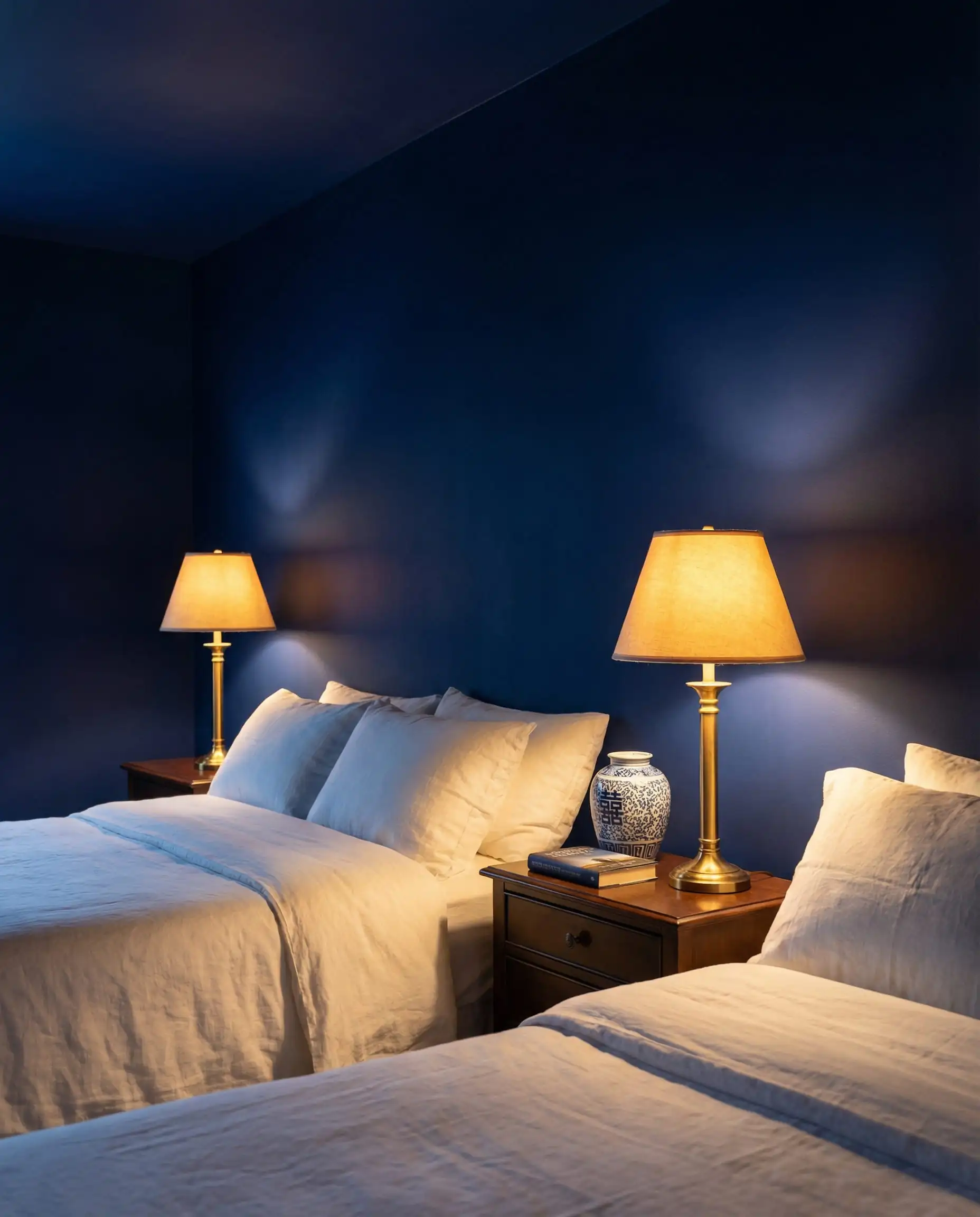
  3. Indigo & Deep Blues: Used in bedrooms to promote deep rest (the “Rhythm of Blues” trend).
  4. Terracotta & Clay: Earthy reds and oranges that bring heat and energy to social spaces like lobbies and bars.
Frequently Asked Questions (FAQ)

What is the biggest change in hotel design for 2026?

The biggest shift is “Restorative Luxury.” Guests no longer just want a place to stay; they want a space that actively improves their physical and mental well-being. This means better air quality, circadian lighting, acoustic privacy, and “digital detox” options are now more valuable than gold faucets or opulent decor.

Is “bleisure” travel still influencing design?

Yes, but it has evolved into “Slow Travel.” While guests still work from hotels, they are staying longer (2-4 weeks). This requires rooms to be designed like micro-apartments with designated workstations, kitchenettes, and ample storage, rather than just a bed and a desk.

How can small boutique hotels compete with big chains in 2026?

By leaning into Hyper-Localization. Chains often struggle to feel “authentic.” Small hotels can win by sourcing furniture from local carpenters, serving food from neighborhood farms, and offering unique, story-driven designs that a global brand cannot replicate.

Are open-concept bathrooms still in style?

The trend is reversing. While “peek-a-boo” bathrooms were popular for a while, 2026 sees a return to privacy and acoustic separation. Guests want the bathroom to be a sanctuary, which requires solid doors and soundproofing, not glass walls.

What are the best materials for high-traffic hotel flooring?

For 2026, Porcelain Tile that mimics natural stone and Luxury Vinyl Tile (LVT) with rigid cores remain top choices for durability. However, Terrazzo is making a huge comeback for lobbies due to its extreme durability and customizability. For a full breakdown, see our flooring trends 2026 article.

Conclusion: The ROI of Wellness

In 2026, investing in design is investing in the guest’s physical and mental health. The “Restorative Luxury” trend is not just an aesthetic choice; it is a business strategy. Guests stay longer, spend more on on-site wellness services, and return more frequently to hotels that make them feel better physically.

By integrating invisible technology, honoring local craftsmanship, and prioritizing the neuro-aesthetic experience, hoteliers can create spaces that are not only timeless but deeply profitable.

Ready to transform your space?

Start by addressing the foundational elements. Explore our detailed guides on Flooring Trends 2026 and Interior Door Trends 2026 to begin your renovation journey with the right materials.

If you enjoyed this article, you'll want to be the very first to see our next one.
The End of Builder-Grade: 12 Modern Baseboard & Trim Details Defining 2026
IdeasMillworkTrends
The End of Builder-Grade: 12 Modern Baseboard & Trim Details Defining 2026

Say goodbye to chunky, ornate molding. From flush shadow-gaps requiring Level 5 drywall to accessible flat-stock upgrades, discover the millwork details defining modern interiors.

The 2026 Biophilic Living Room: 22 Ways to Engineer a Natural Sanctuary
EcoIdeasLiving roomTrends
The 2026 Biophilic Living Room: 22 Ways to Engineer a Natural Sanctuary

Say goodbye to the cluttered ‘urban jungle.’ The 2026 approach to biophilic living rooms is rooted in sensory biomimicry, advanced eco-materials, and invisible wellness tech.

The Best Behr Paint Colors for 2026: Trends, Palettes, and How to Use Them
PaintTrendsWall paint
The Best Behr Paint Colors for 2026: Trends, Palettes, and How to Use Them

Say goodbye to sterile grays and hello to moody comfort. Behr’s 2026 Color Trends Palette features the stunning “Hidden Gem” and a shift toward warm earth tones. We break down the top colors, how to style them with the new “color drenching” trend, and the best pairings to help you confidently transform your home this year.