Modern Living Room Wallpaper Ideas: 2026 Trends & Styling Guide
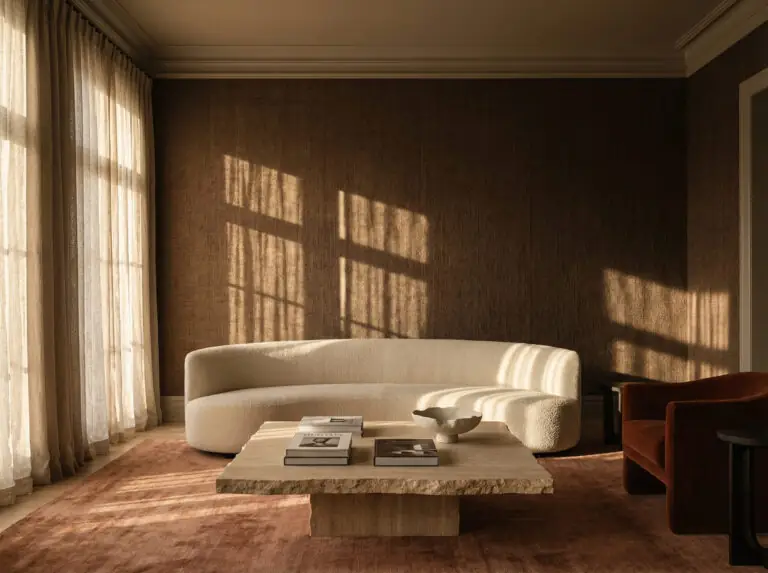
If the early 2020s were defined by cool greys, flat finishes, and safe minimalism, 2026 is the year our walls finally start talking back. We are witnessing a massive paradigm shift in interior design—moving away from the smooth, digital-friendly aesthetic of the “Zoom era” toward spaces that feel grounded, physical, and deeply comforting.
Living room wallpaper in 2026 isn’t just about covering a surface; it’s about adding a new architectural dimension to your home. We are seeing a surge in tactile materials, “grown-up” nature motifs, and a color palette that embraces the warmth of the earth. Whether you are looking to create a cozy reading nook or a dramatic entertainment area, this year’s trends offer something delightfully unexpected.
This guide goes beyond simple aesthetics. We will explore the psychological impact of these new patterns, how they interact with light, and the practicalities of living with textured walls, complete with insider tips from professional designers.
2026 Living Room Wallpaper Trends at a Glance
| Trend | Key Characteristic | Best Used For… | Practical Benefit |
| Tactile Texture | 3D surfaces (linen, faux-stone, ridges) | Adding warmth to minimalist spaces without clutter. | Hides minor wall imperfections/dents. |
| Moody Biophilia | Panoramic murals, dark forest tones | Creating depth in small rooms or behind a sofa. | Biophilic design reduces stress levels. |
| Warm Earth Tones | Cocoa, terracotta, warm umber | Replacing grey for a cozy, enveloping atmosphere. | Absorbs glare; creates a “cocoon” effect. |
| Soft Geometry | Arches, rounded squares, retro 70s vibes | Adding energy to mid-century modern living rooms. | Breaks up the rigidity of square rooms. |
| Acoustic Paper | Sound-dampening thick materials | Open-plan homes and media walls. | Reduces echo and improves audio clarity. |
Don’t rely on imagination alone. Start by using the Hackrea Visualizer to see how the pattern scales across your full wall—small swatches often fail to show the true impact of a large print or mural. Once you have found your perfect match digitally, validate it with the “24-Hour Test”: order an A4 physical sample, tape it up, and observe how the texture changes under morning sun versus evening lamps.
💡 Designer’s Tip: The Digital-Physical Hybrid Test
The Macro-Trend: The Rise of “Sensory Walls”
Why the sudden change? To understand the 2026 wallpaper market, we must look at the broader context of how we live. As our daily lives become increasingly dominated by smooth glass screens and virtual interactions, our craving for physical texture in our homes has skyrocketed.
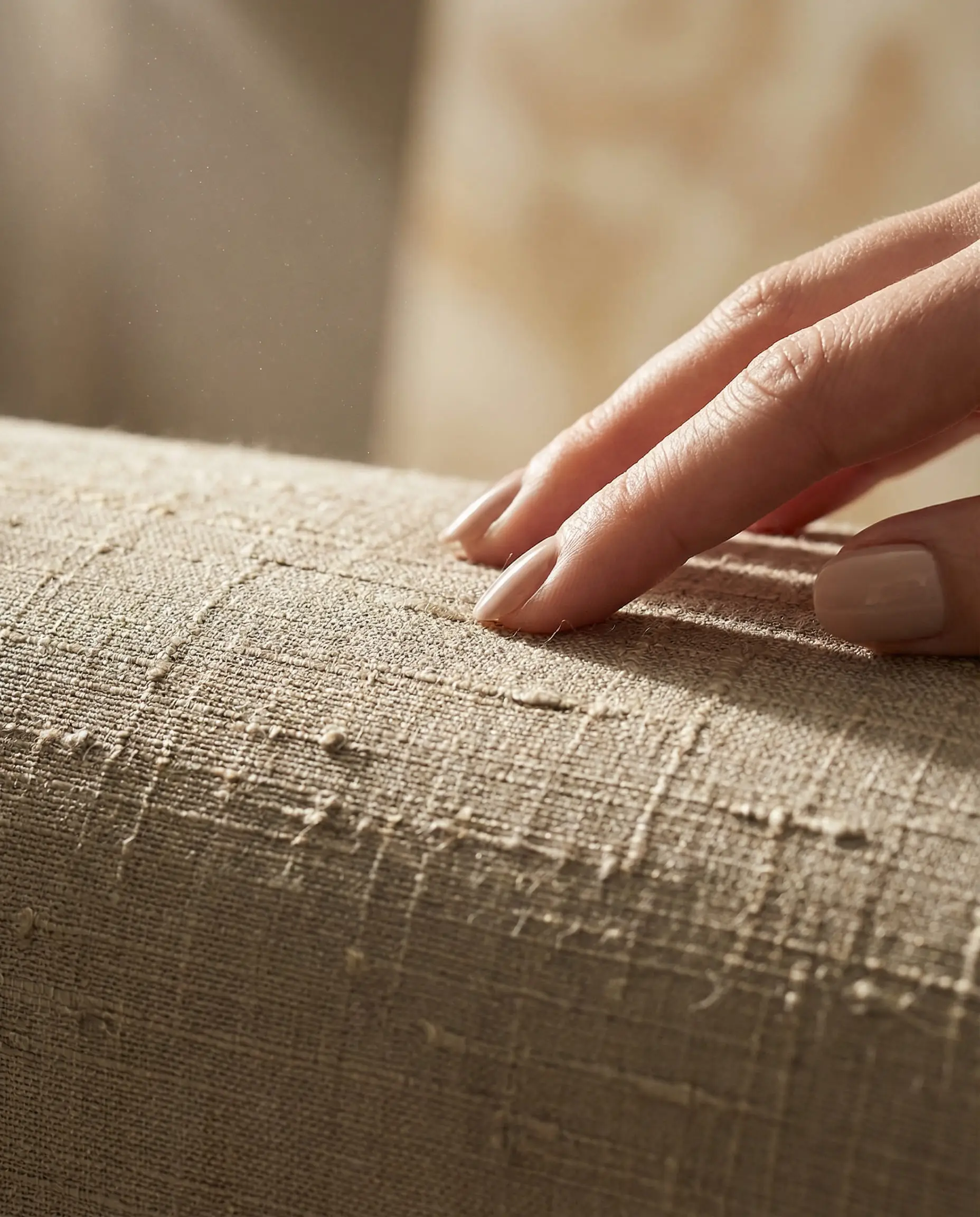
The most significant movement for 2026 is the “Sensory Wall.” Homeowners are no longer satisfied with wallpaper that just looks good; they want walls that feel good. This aligns with broader living room trends where furniture is getting curvier, fabrics are getting shaggier, and surfaces are becoming more organic.
In 2026, if your wallpaper looks completely flat, it is likely already outdated. The goal is to create a living room that feels like a warm embrace rather than a sterile showroom. This “haptic” approach to design means that when you brush against a wall, there should be resistance, warmth, or softness—never just cold plaster.
Deep Dive: Top Living Room Wallpaper Trends for 2026
1. Tactile Texture & 3D Effects
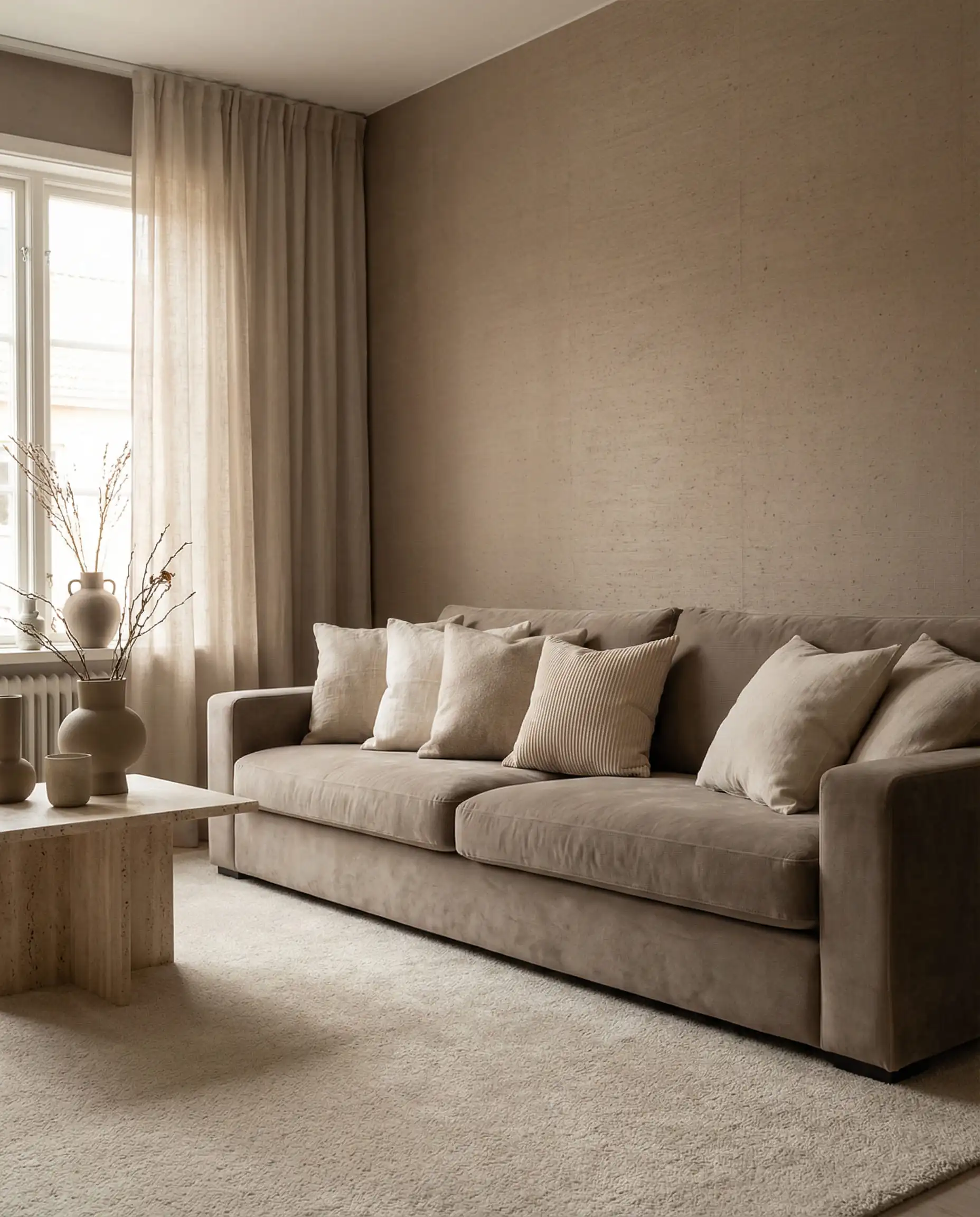
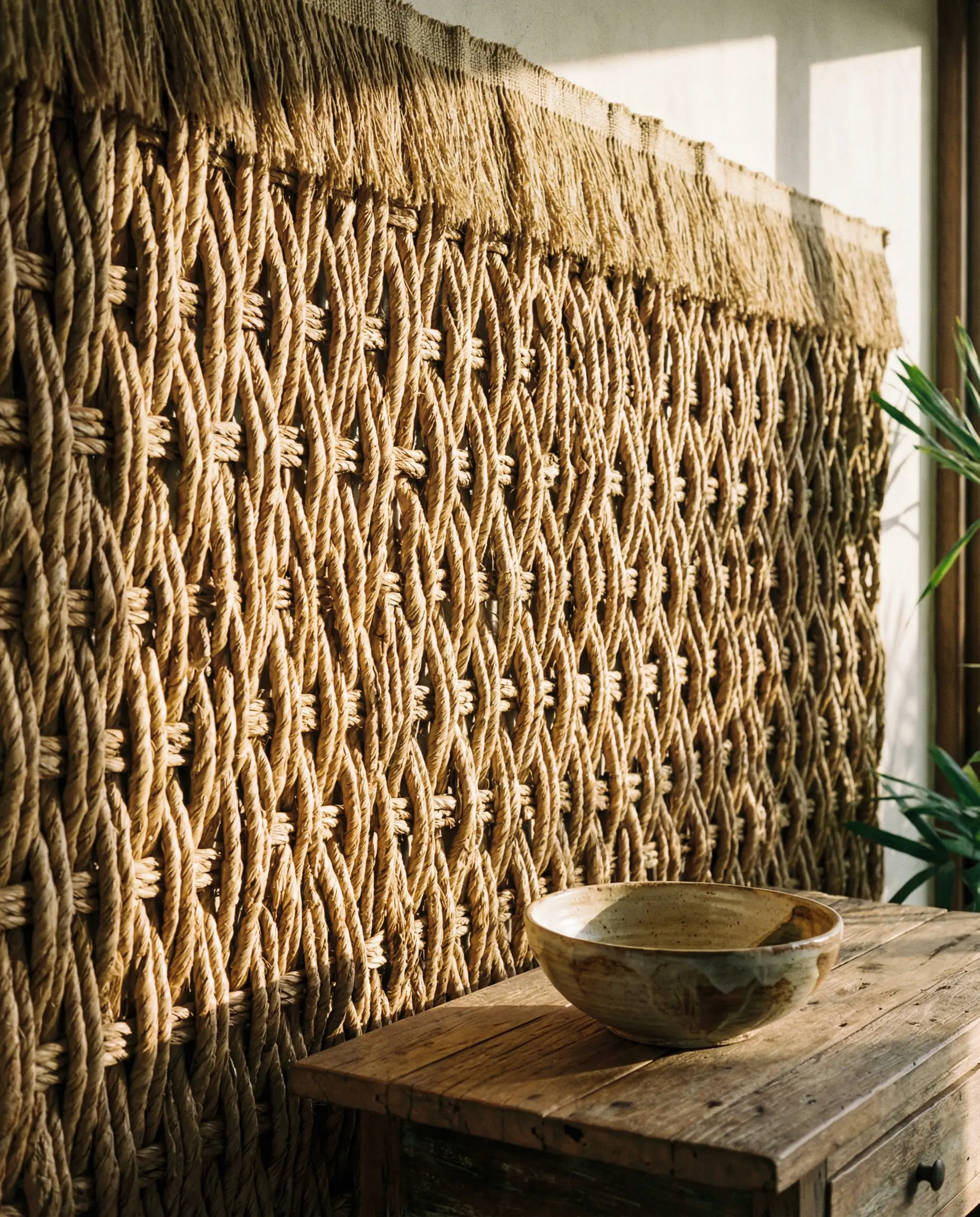
This is the year of the “touchable” wall. We are seeing a move away from printed textures (trompe-l’œil effects where the wall looks like brick but feels smooth) to genuine 3D surfaces.
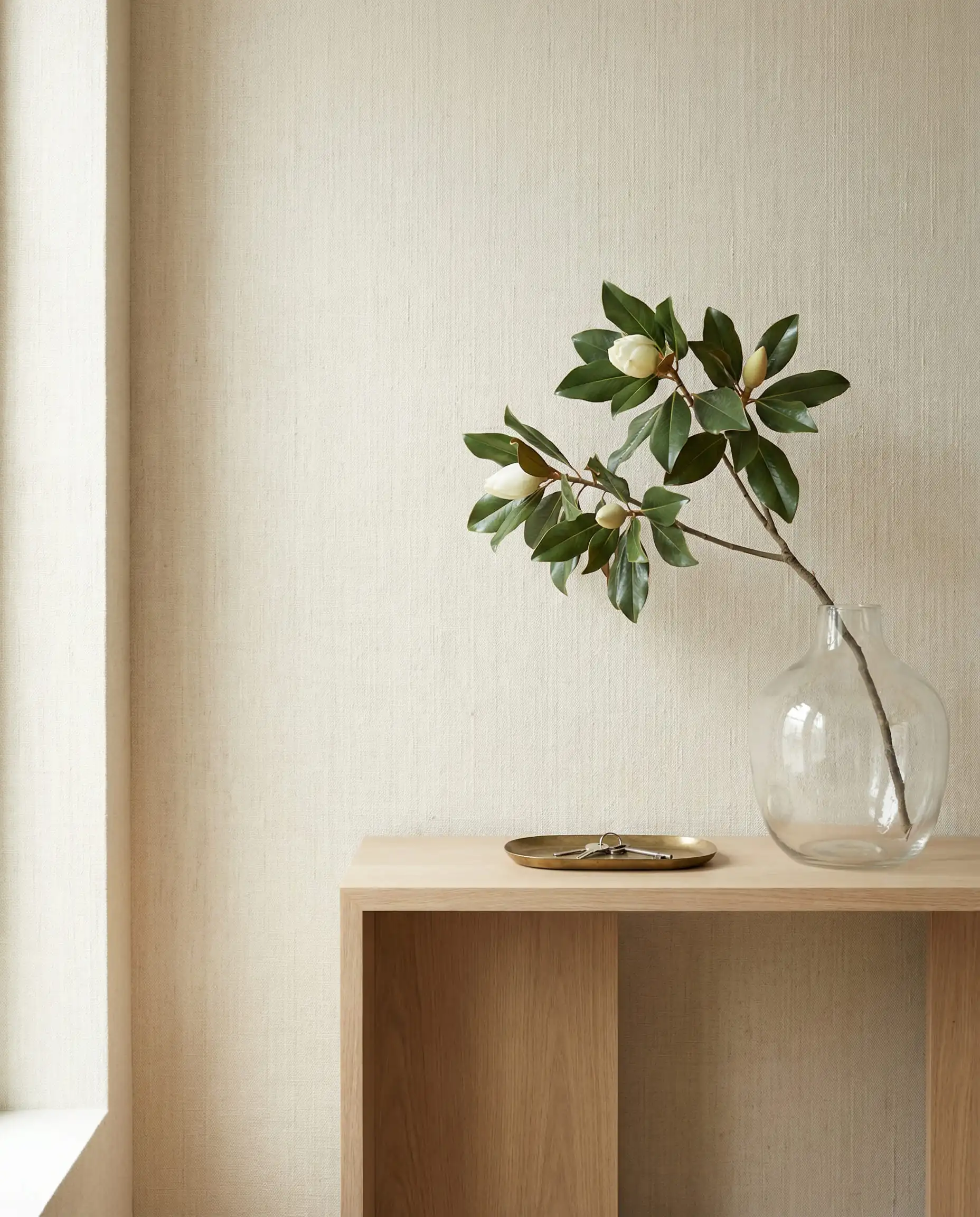
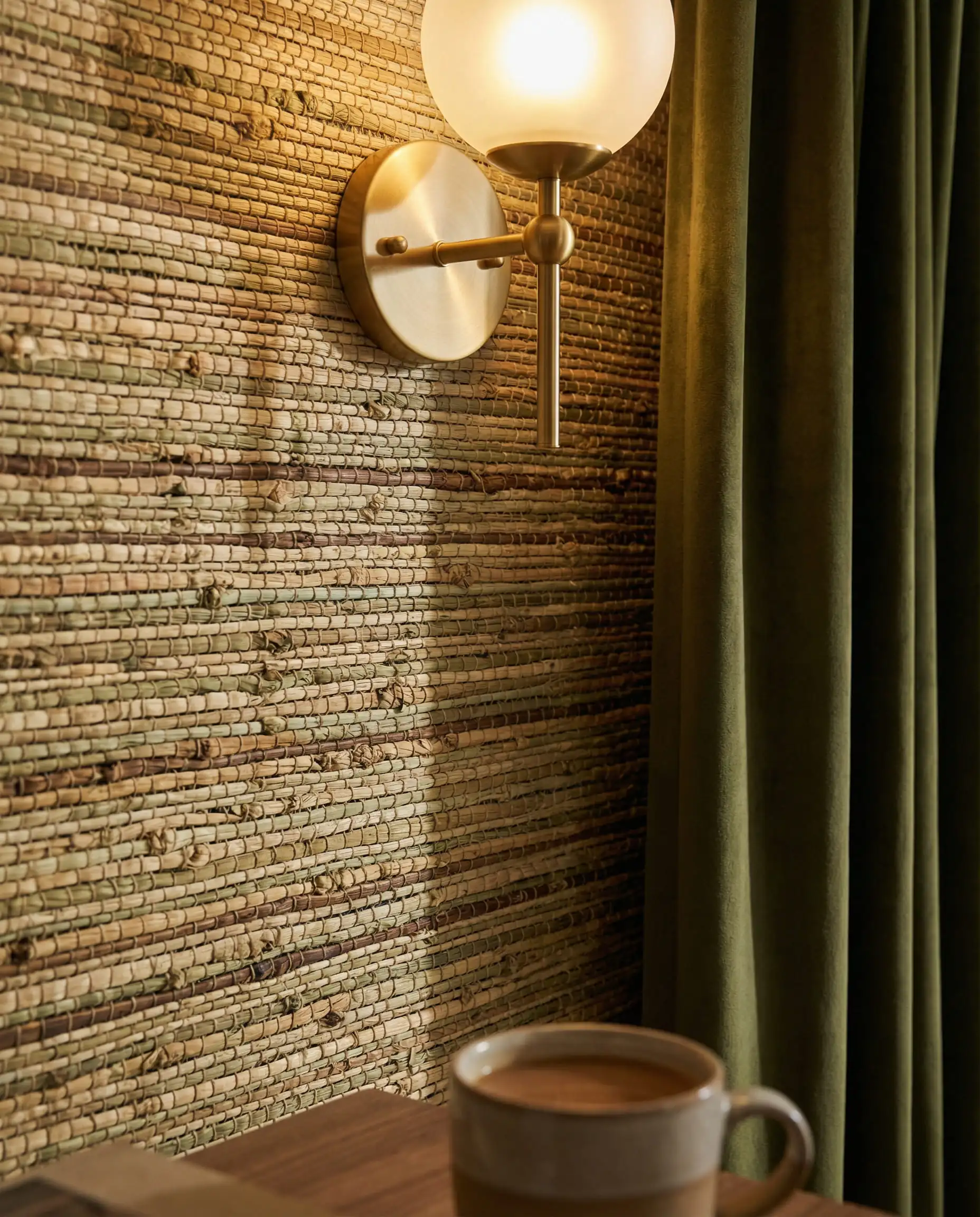
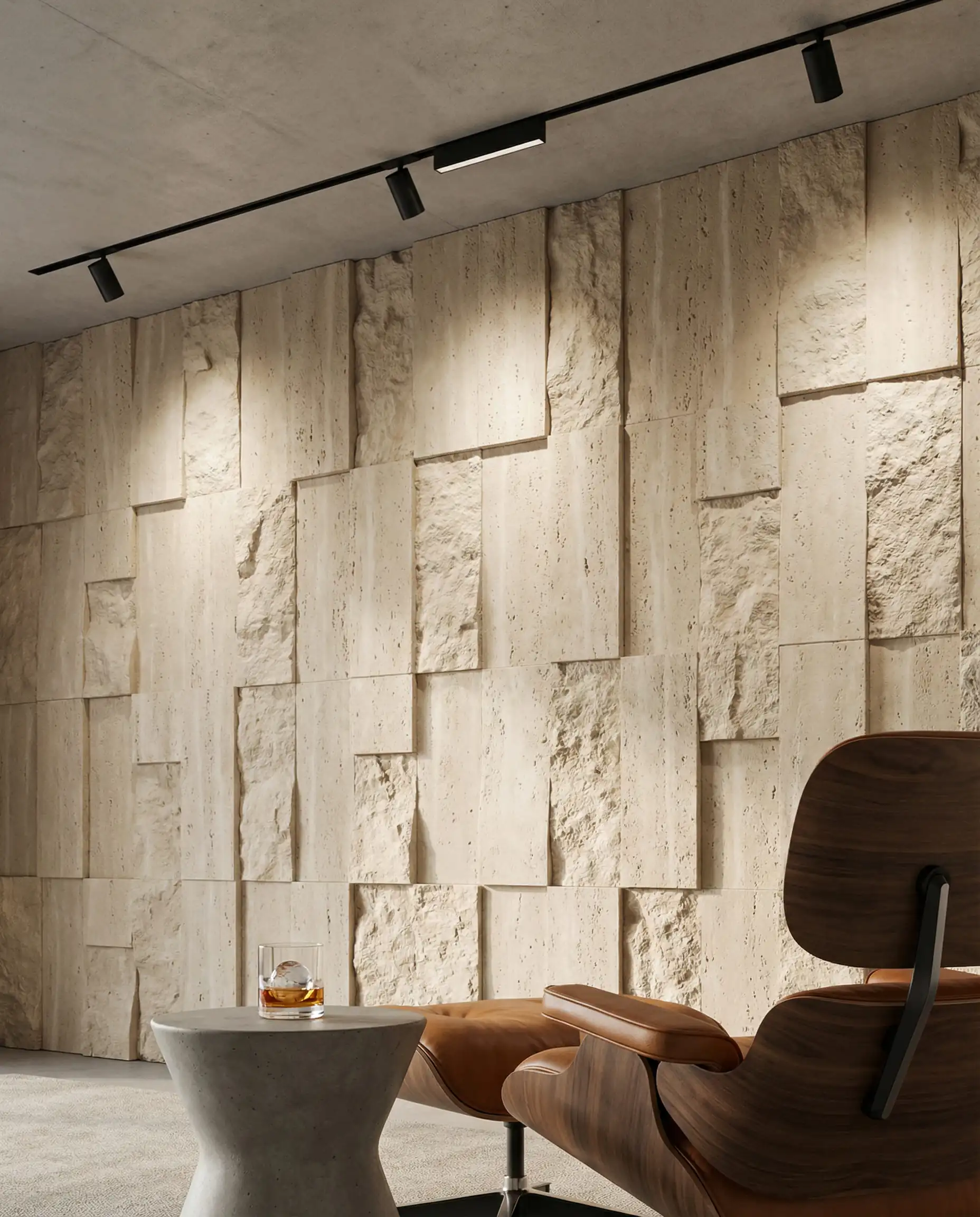
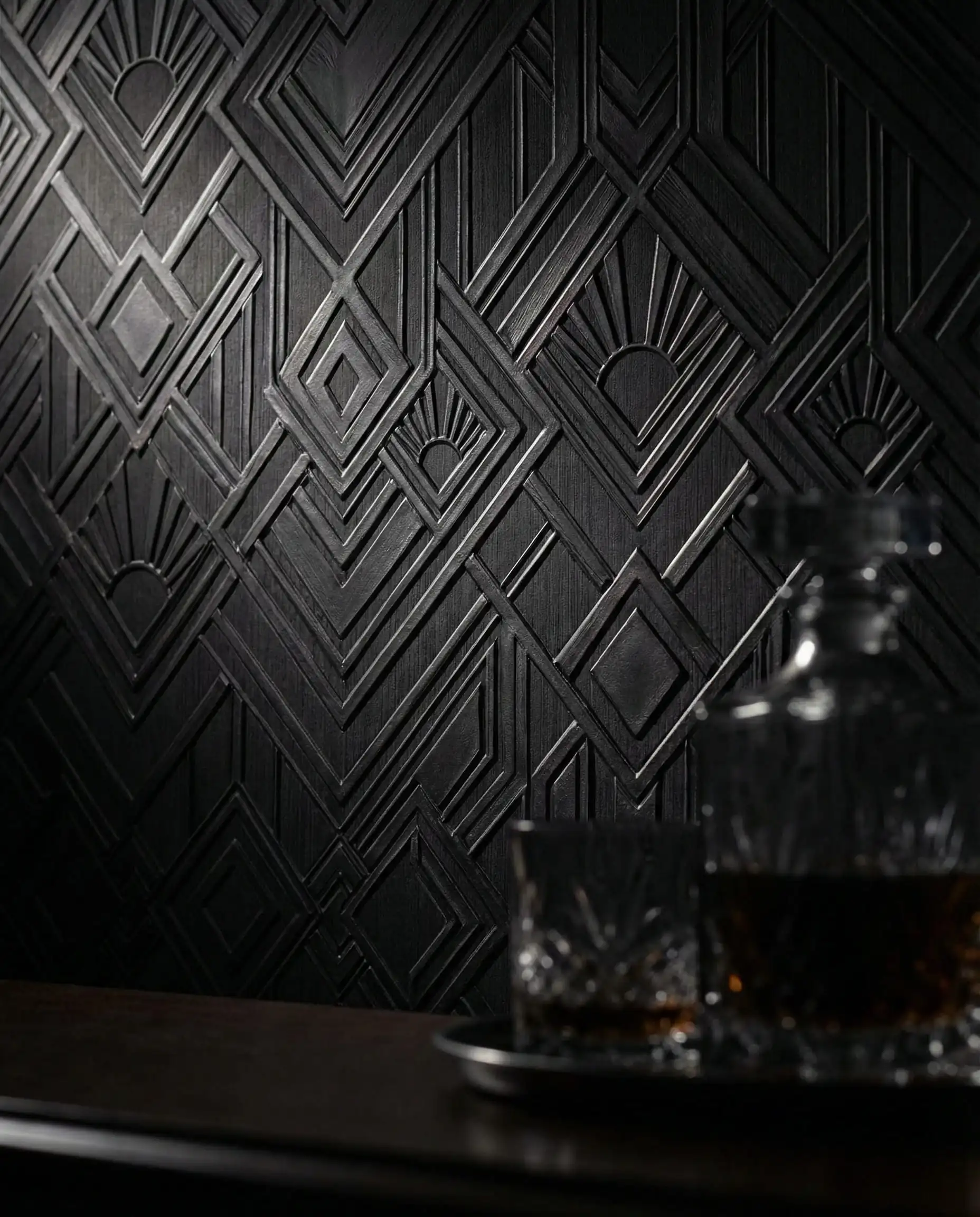
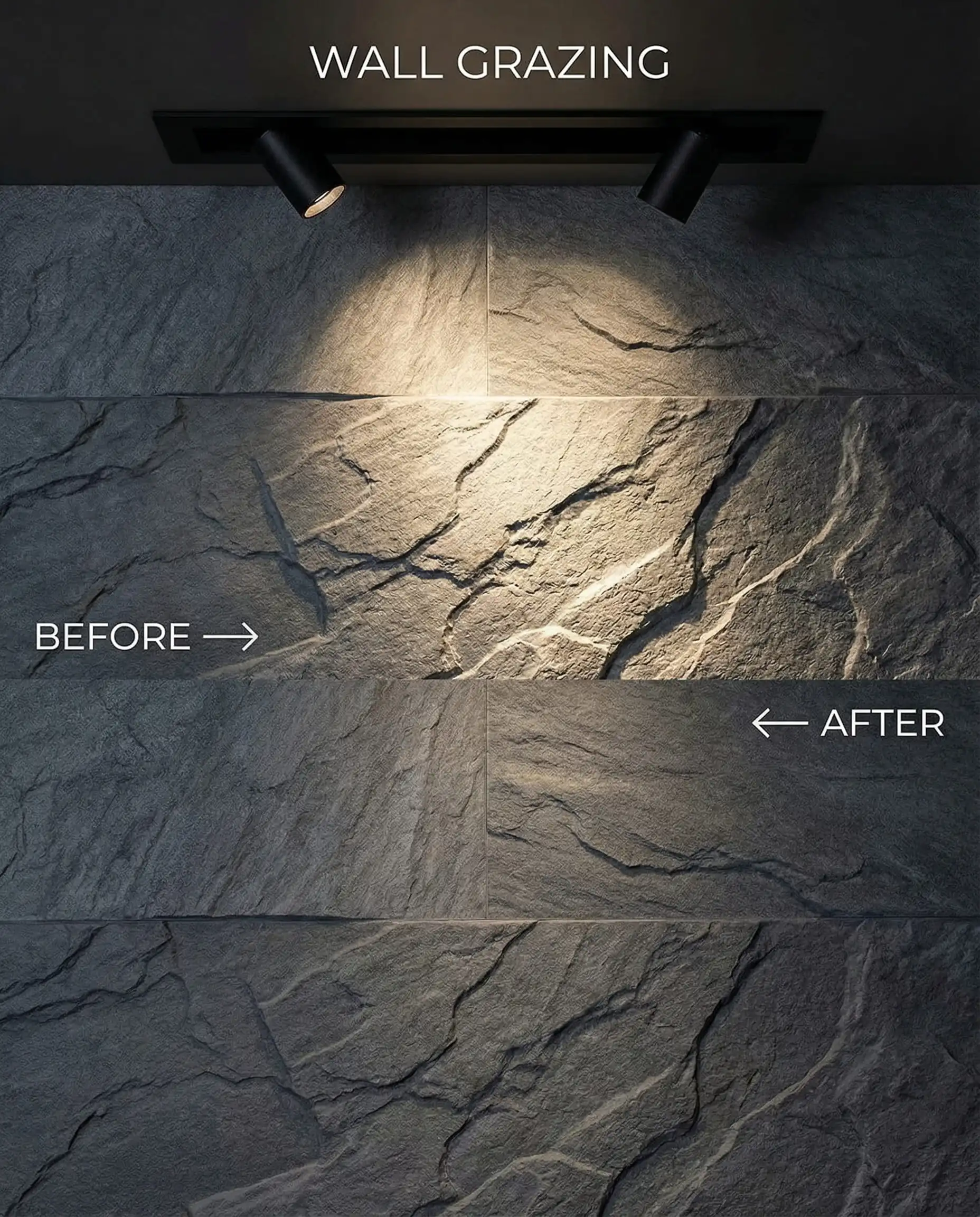
If you invest in textured wallpaper, you must adjust your lighting plan. Central ceiling lights tend to flatten texture. To truly make 3D wallpaper pop, use “grazing” light—install recessed downlights or track lights close to the wall (about 15-20cm away) and angle them downwards. This casts micro-shadows that highlight the texture of the linen or stone effect.
💡 Designer’s Tip: Lighting is Everything
2. The New Biophilia: Moody Murals
Biophilia (the love of nature) isn’t new, but its execution has matured significantly. We are saying goodbye to the bright, repetitive “palm leaf” prints of the past decade that often felt like a tropical hotel lobby.
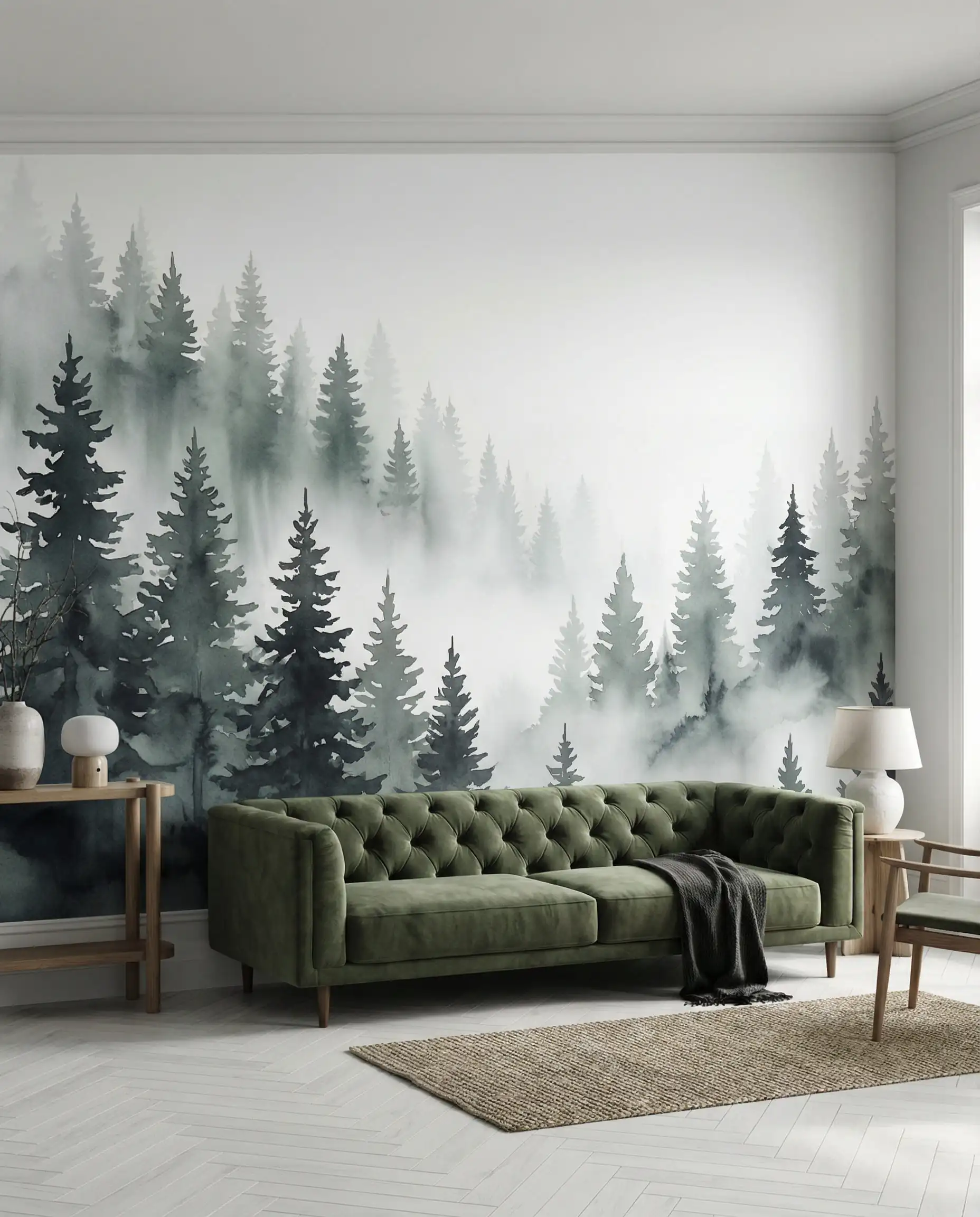
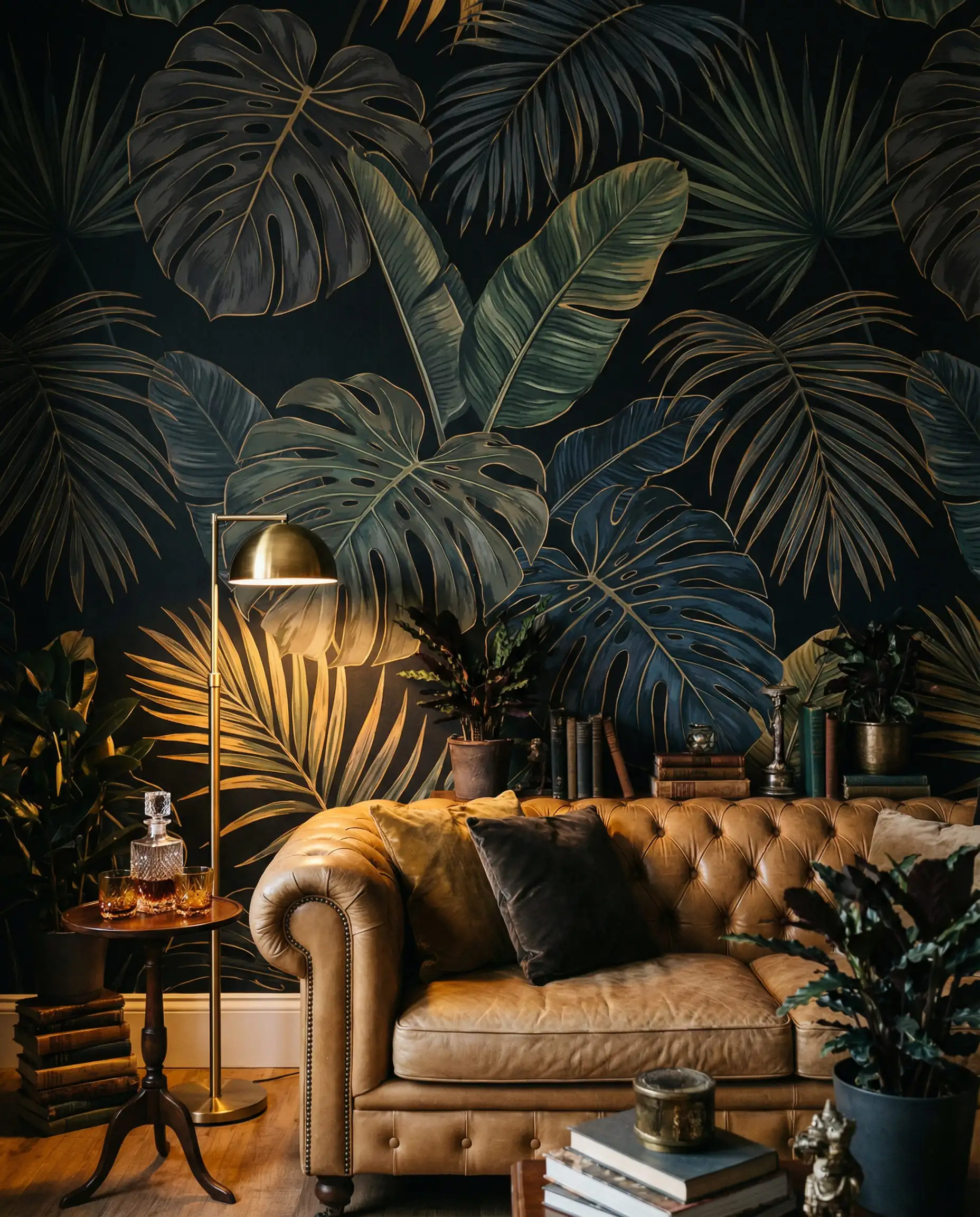
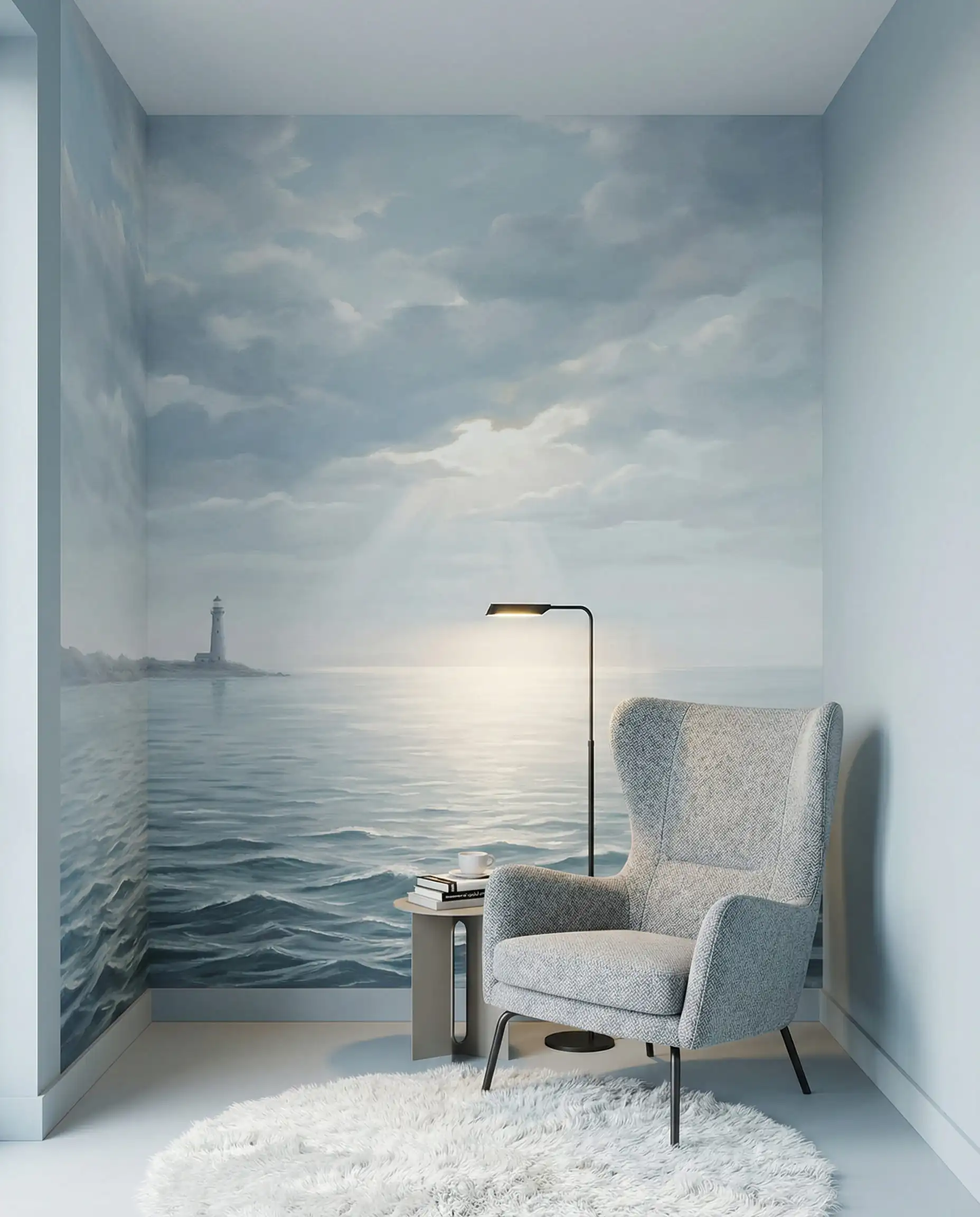
Treat a mural like a fine art painting. Before you paste it up, identify the “focal point” of the image (e.g., a specific tree or a break in the clouds). Ensure this point isn’t going to be blocked by your tall display cabinet or your TV. If necessary, you can often trim the less interesting edges of a mural to center the main feature perfectly behind your sofa.
💡 Designer’s Tip: Furniture Placement
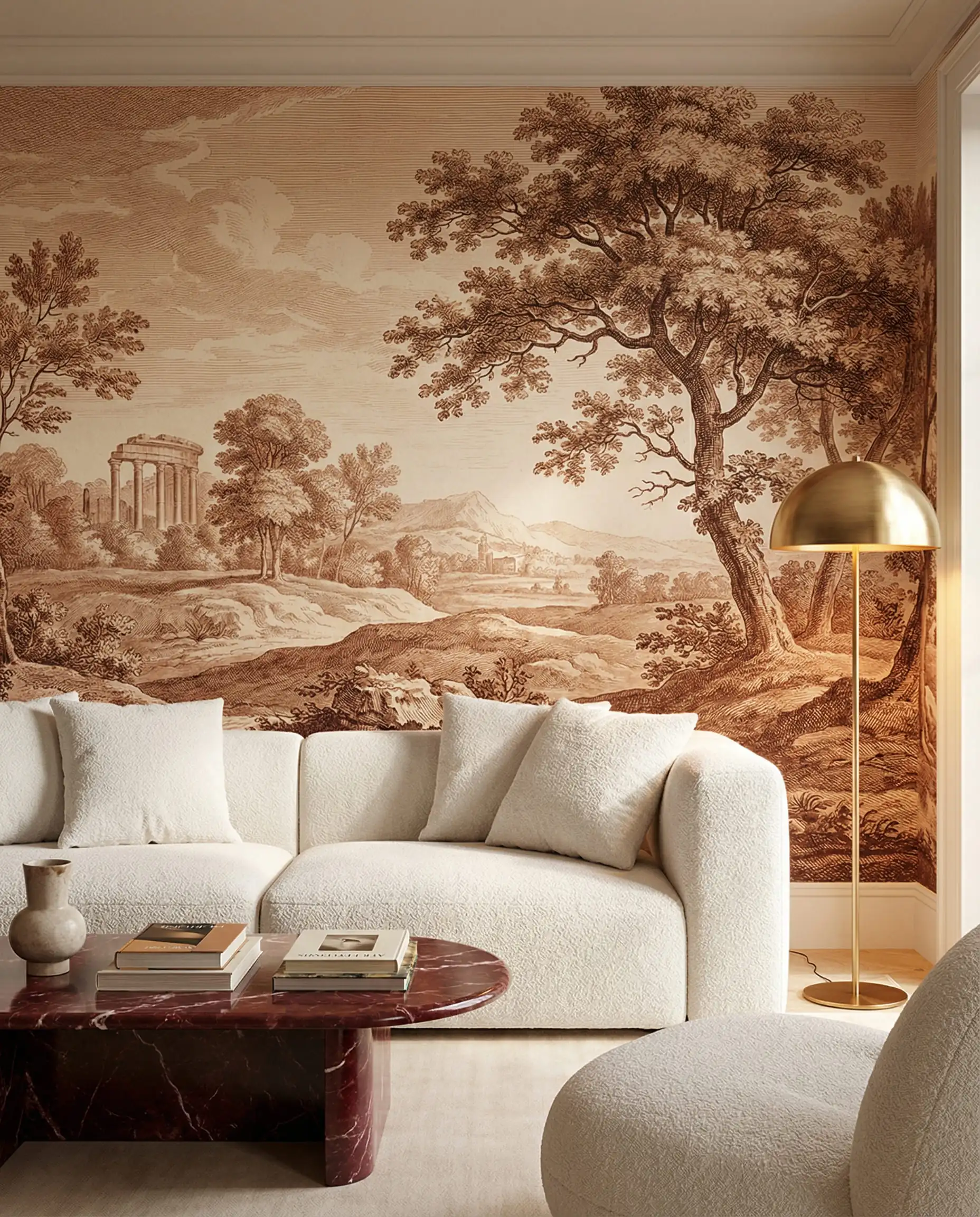
3. “Cocoa is the New Grey” (Warm Earth Tones)
If you haven’t heard yet, grey is officially taking a backseat. The neutral of choice for 2026 is brown, but not the drab brown of the 1990s.
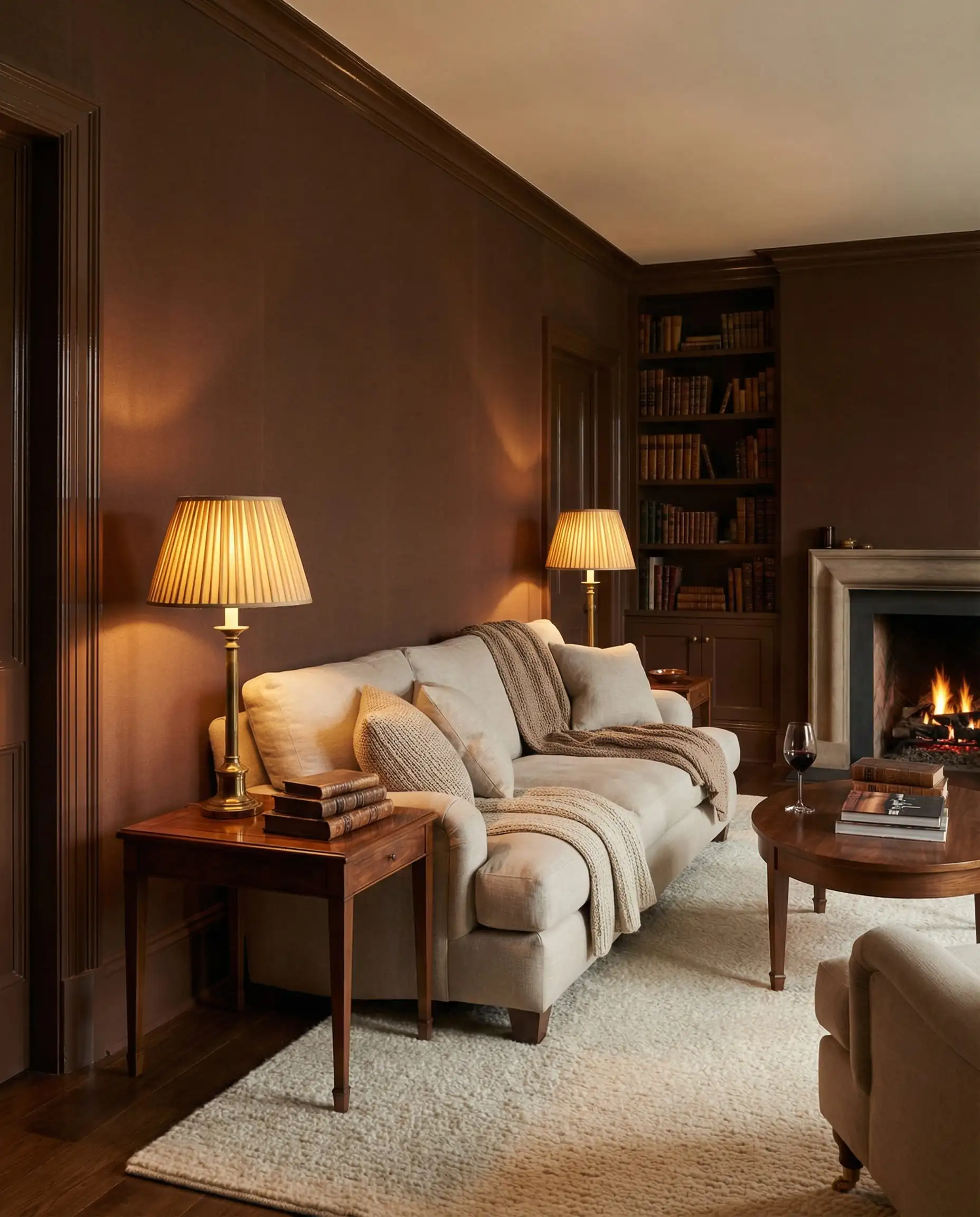
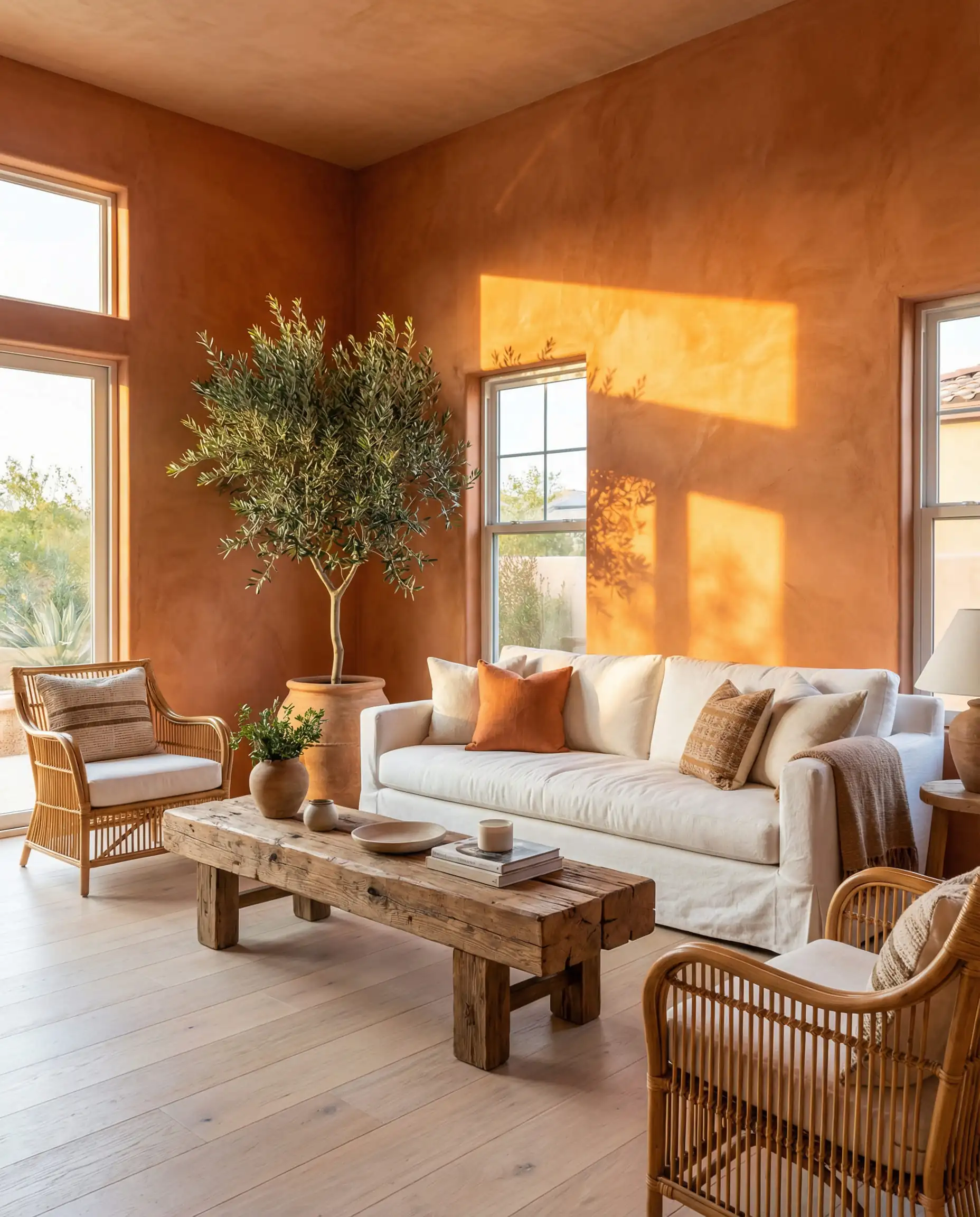
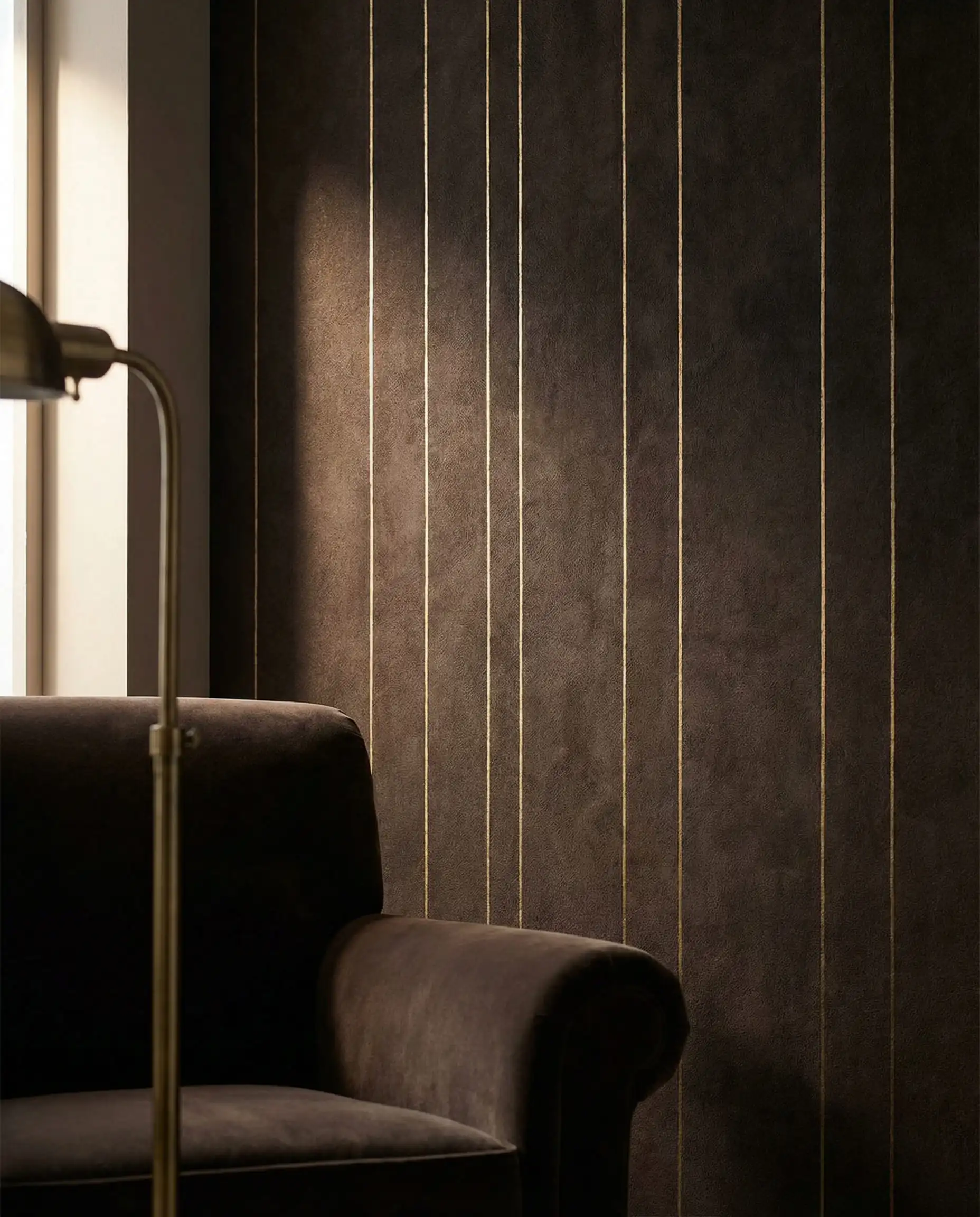
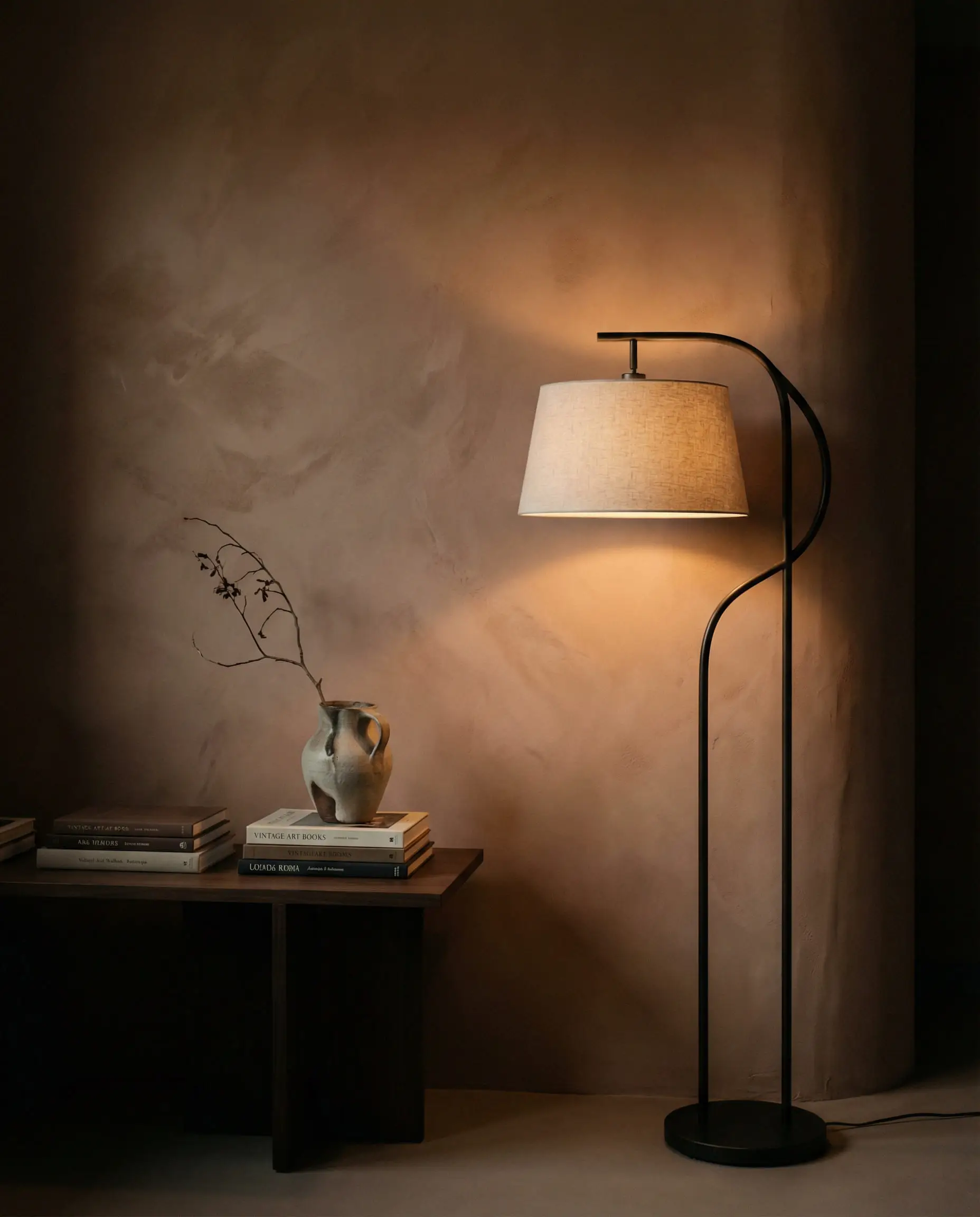
If you switch to brown or terracotta wallpaper, check your light bulbs. Cool white bulbs (4000K or higher) will make brown walls look muddy or greenish. Switch to warm white bulbs (2700K – 3000K) to enhance the rich, red undertones of the earth colors.
💡 Designer’s Tip: Bulb Temperature
4. Soft Geometry (The 70s Revival)
Geometric patterns are back, but the sharp, aggressive triangles and chevrons of the 2010s are gone.
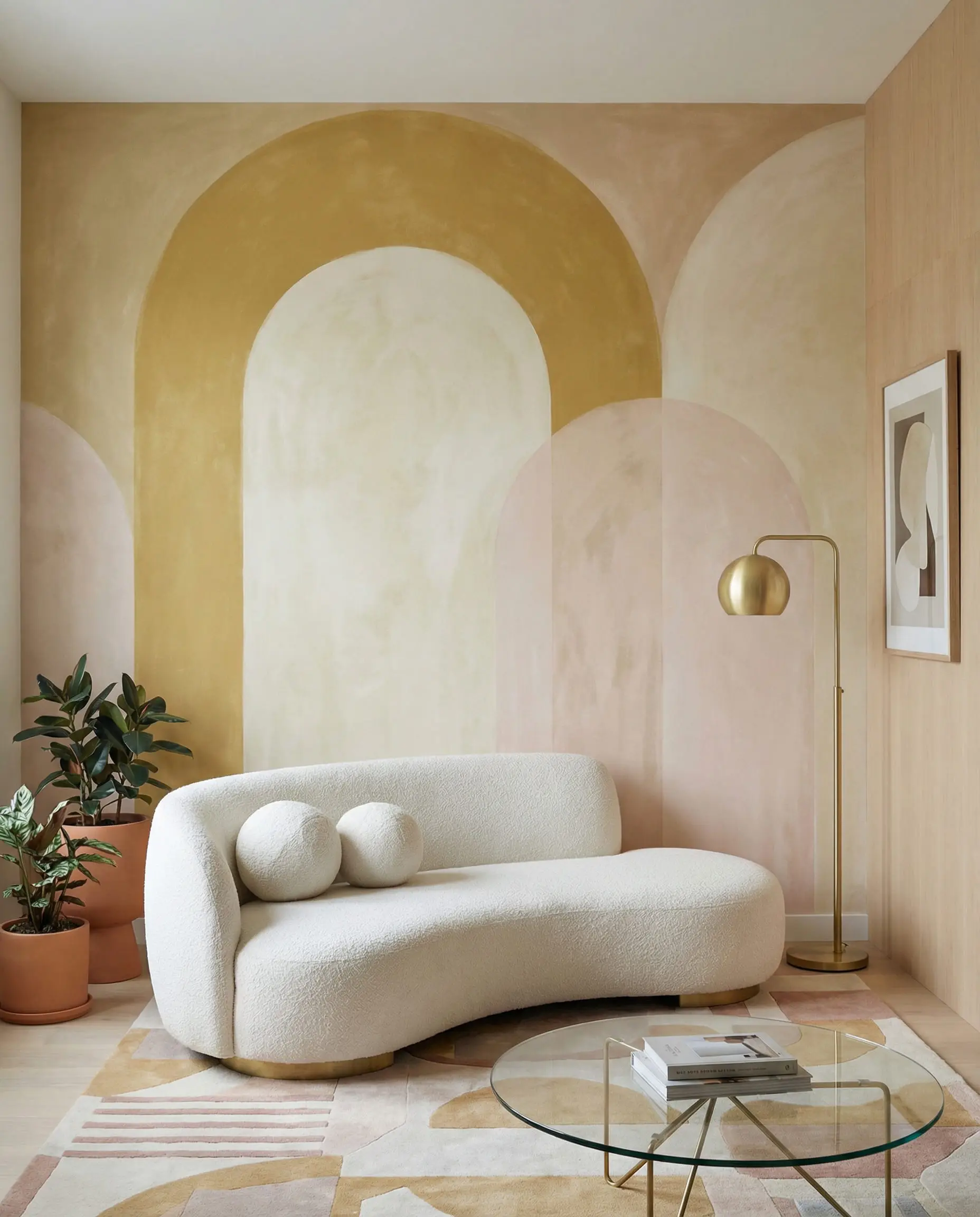
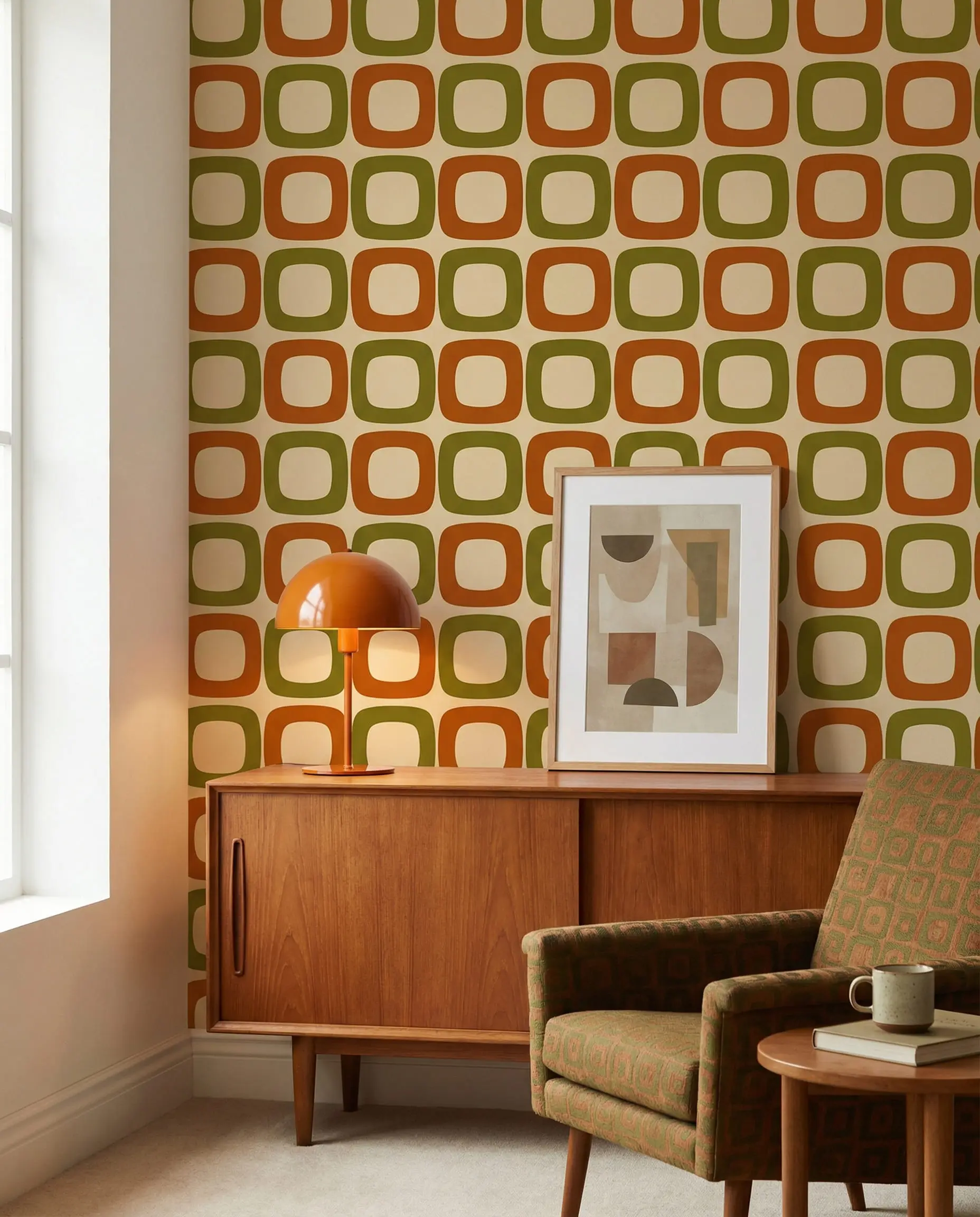
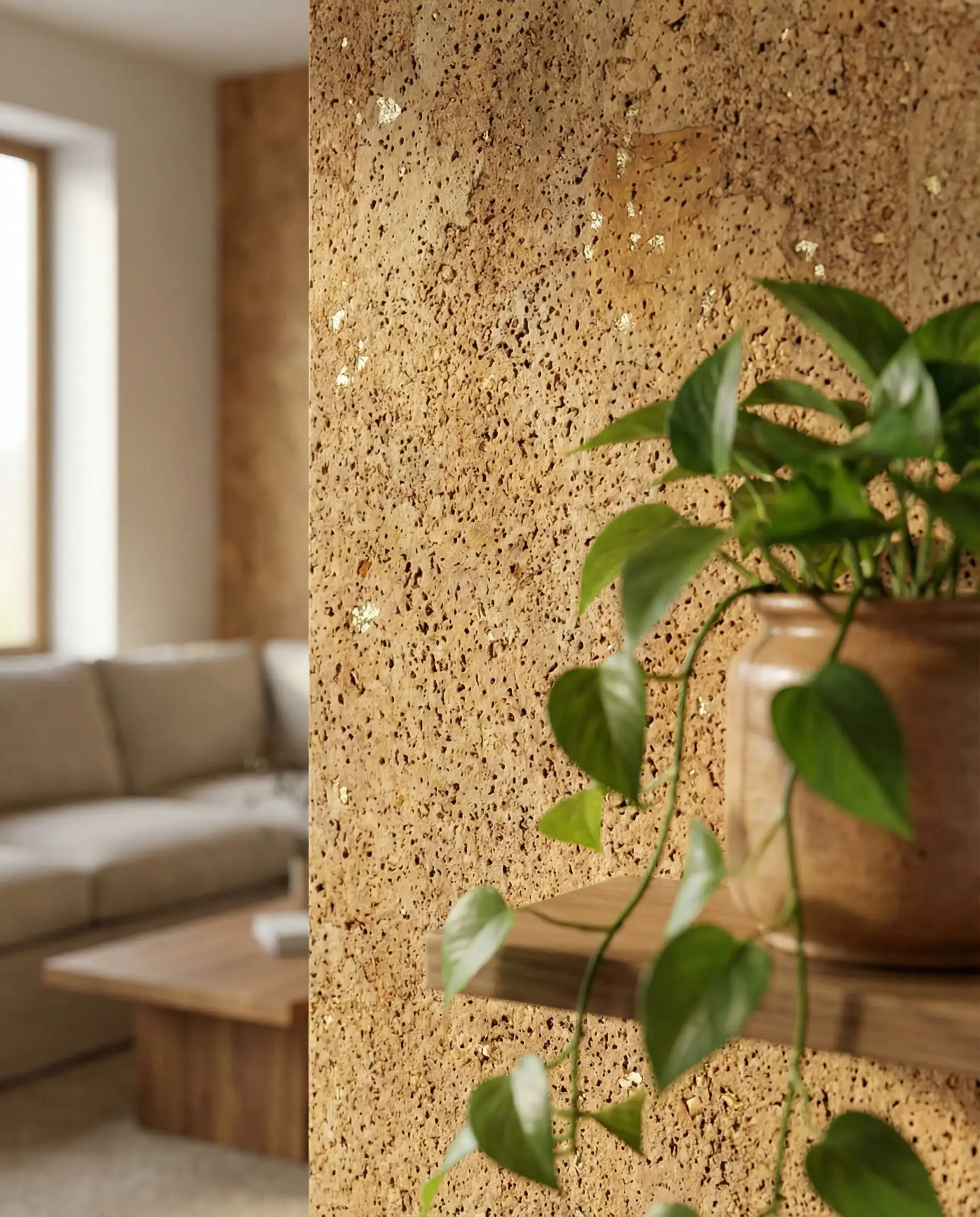
5. Eco-Conscious & Natural Materials
Sustainability is no longer a niche marketing term; it’s a standard requirement for the luxury market.
The Interaction of Light and Wallpaper
One crucial aspect often overlooked is how your wallpaper interacts with lighting. In 2026, the texture trend makes lighting design more critical than ever.
Lighting Textured Walls
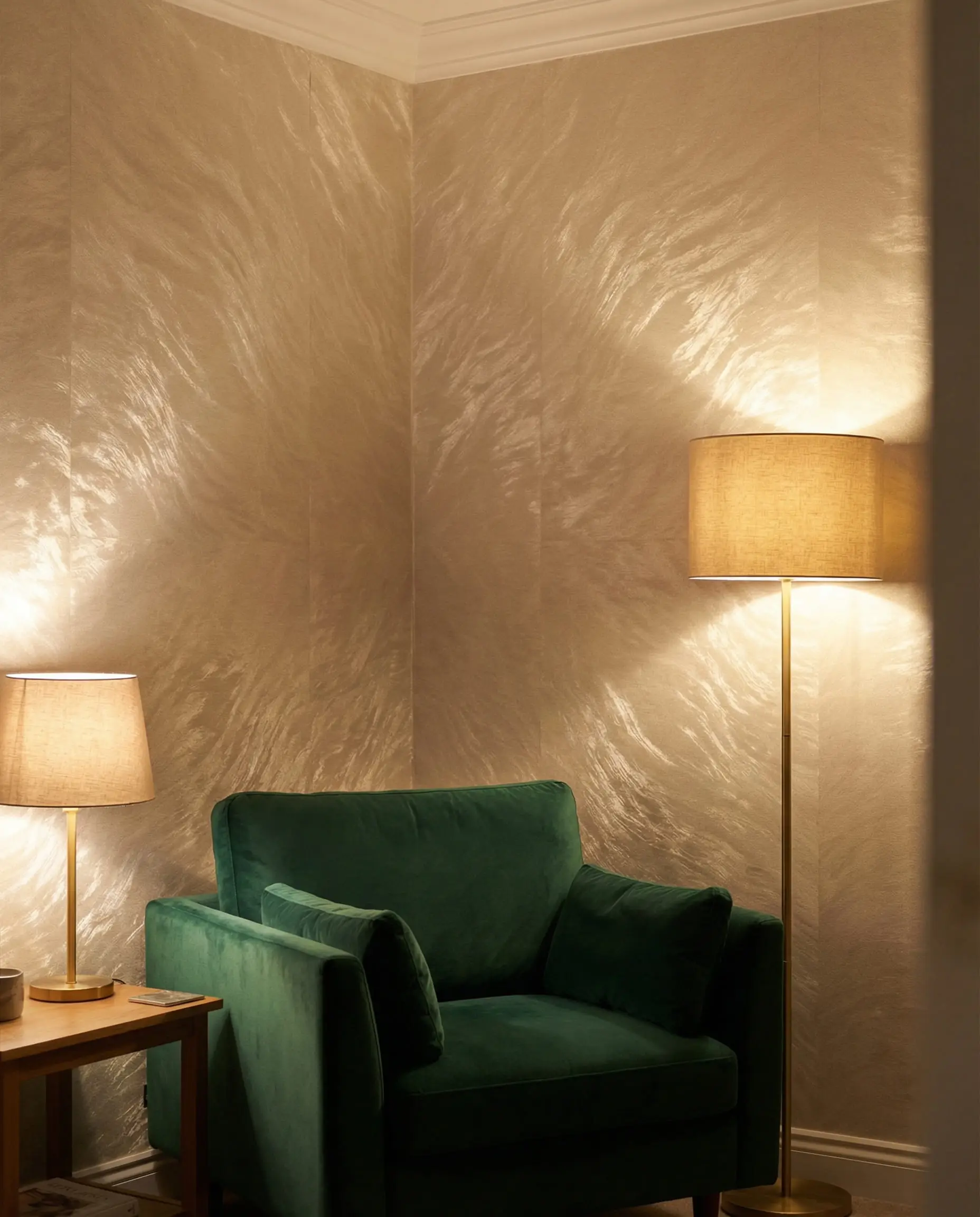
When you choose a 3D or textured wallpaper, “wall washing” becomes your best styling tool. The technique involves placing recessed lighting or track lights close to the wall, aiming the beam down the surface (grazing). This highlights the peaks and valleys of the texture, creating dramatic shadows and depth. A flat light source (like a central ceiling pendant) will flatten the texture, hiding the very feature you paid for.
Consider updating your fixtures. Check our guide on living room lighting trends to find adjustable sconces that can be angled to enhance your wall texture.
Managing Glare on Dark Walls
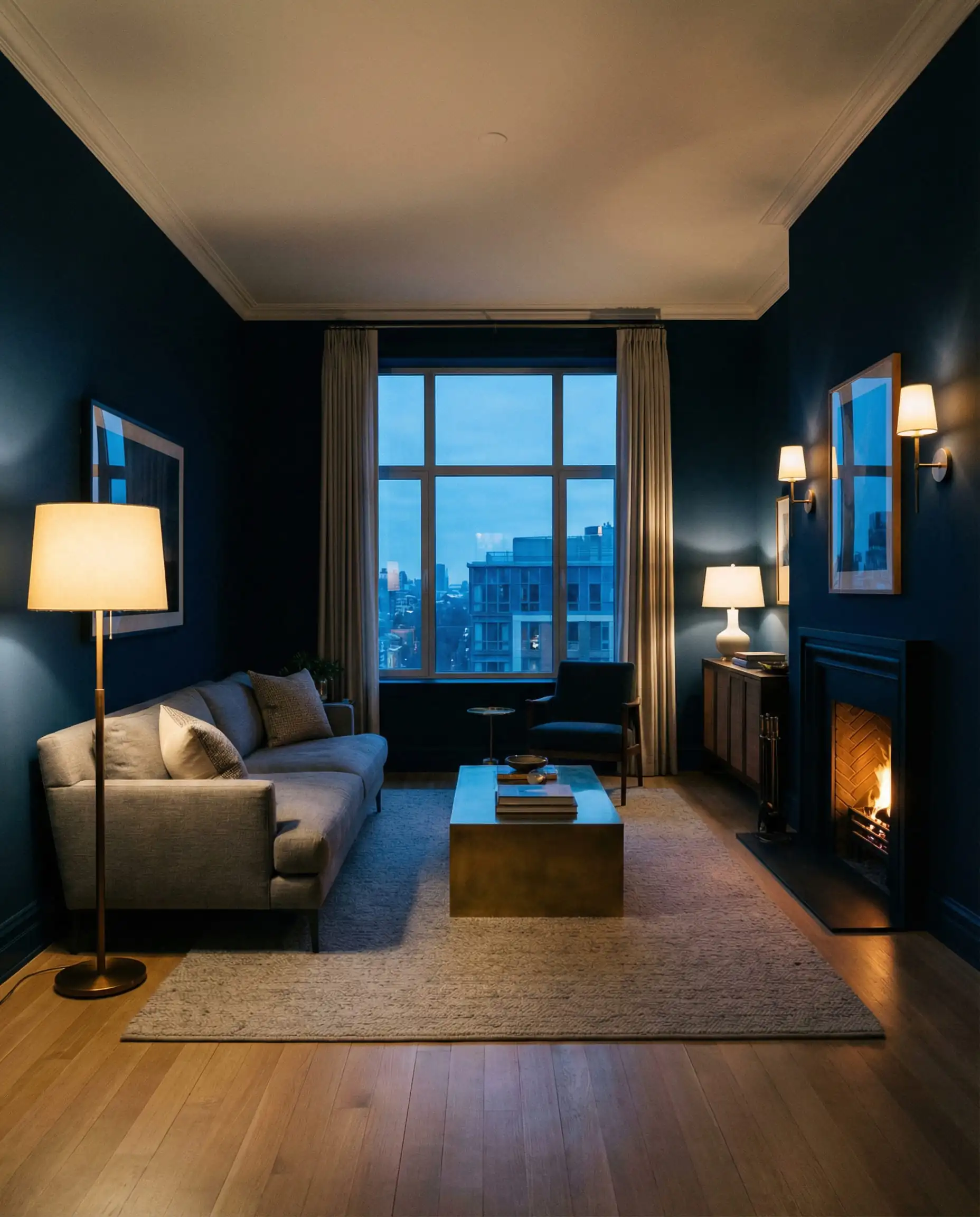
If you opt for the trendy “Cocoa” or dark forest tones, dark walls can sometimes feel oppressive if not lit correctly, or they can create harsh glare if the paper has a sheen. The solution is to use matte-finish papers to diffuse light. Layer your lighting with floor lamps and table lamp trends to create pools of warm light in the corners, which breaks up the darkness and adds coziness.
Advanced Styling: Mixing Patterns and Plains
Choosing a pattern is only half the battle. In 2026, how you style the wallpaper distinguishes a DIY job from a designer look.
The “Color Drench” Technique
For years, the standard advice was to paper one “accent wall” and paint the rest white. That rule is changing. A massive trend for 2026 is wrapping the entire room in wallpaper. This “more is more” approach creates a jewelry-box effect that is incredibly high-end.
If wrapping four walls feels too intense, pick a wallpaper for the focal wall, then color-match a paint for the remaining three walls, the baseboards, and even the ceiling. Do not use white trim; paint the trim the same color as the wallpaper background for a seamless, modern look.
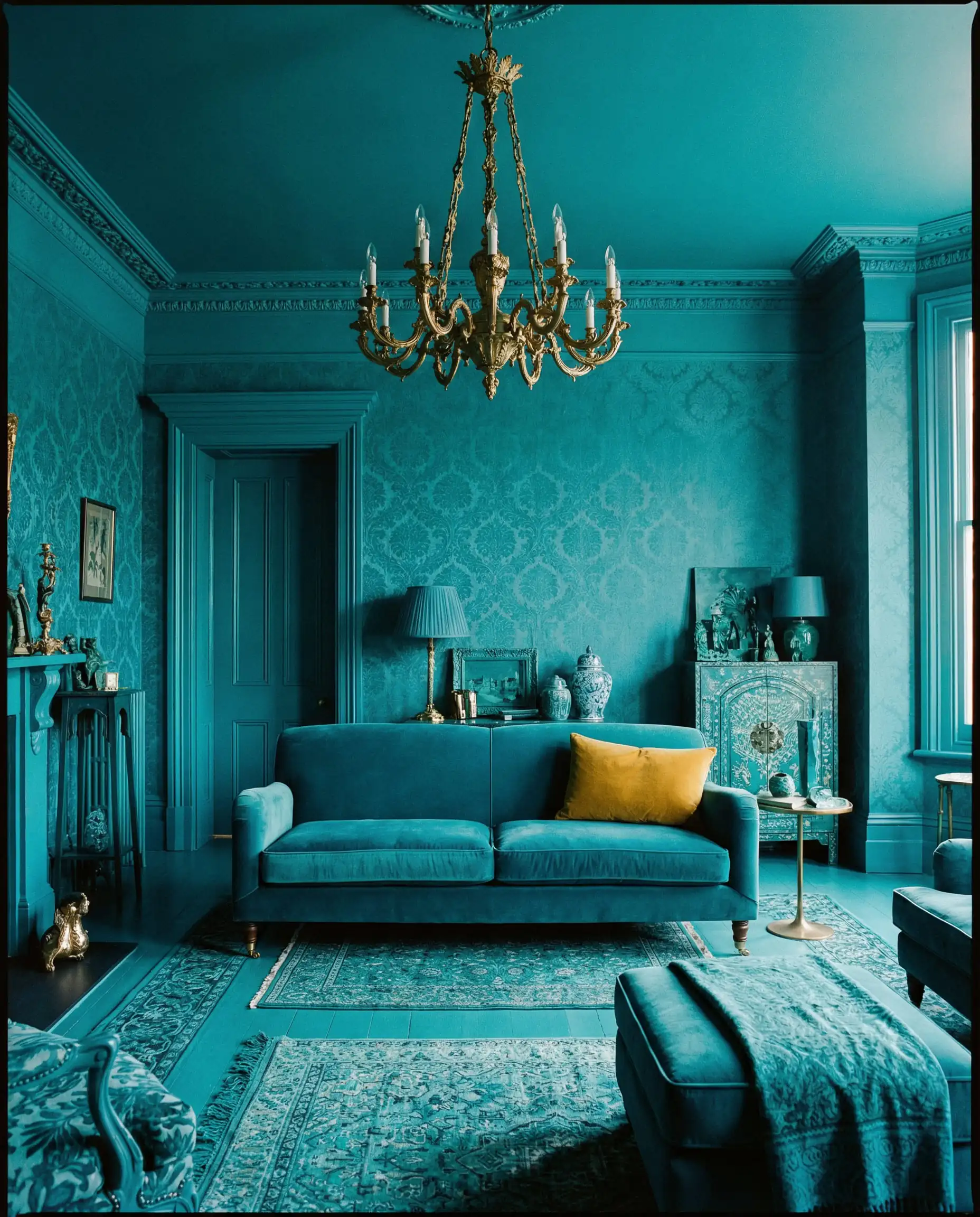
When using patterned wallpaper, adapt the classic 60-30-10 rule. Let your wallpaper be the “60” (the dominant background). Pull a secondary color from the print for your sofa or curtains (the “30”), and use a sharp, contrasting accent color for cushions or vases (the “10”). This ensures the wallpaper feels integrated into the room, not just stuck on.
💡 Designer’s Tip: The 60-30-10 Rule
Wallpaper and the TV Wall
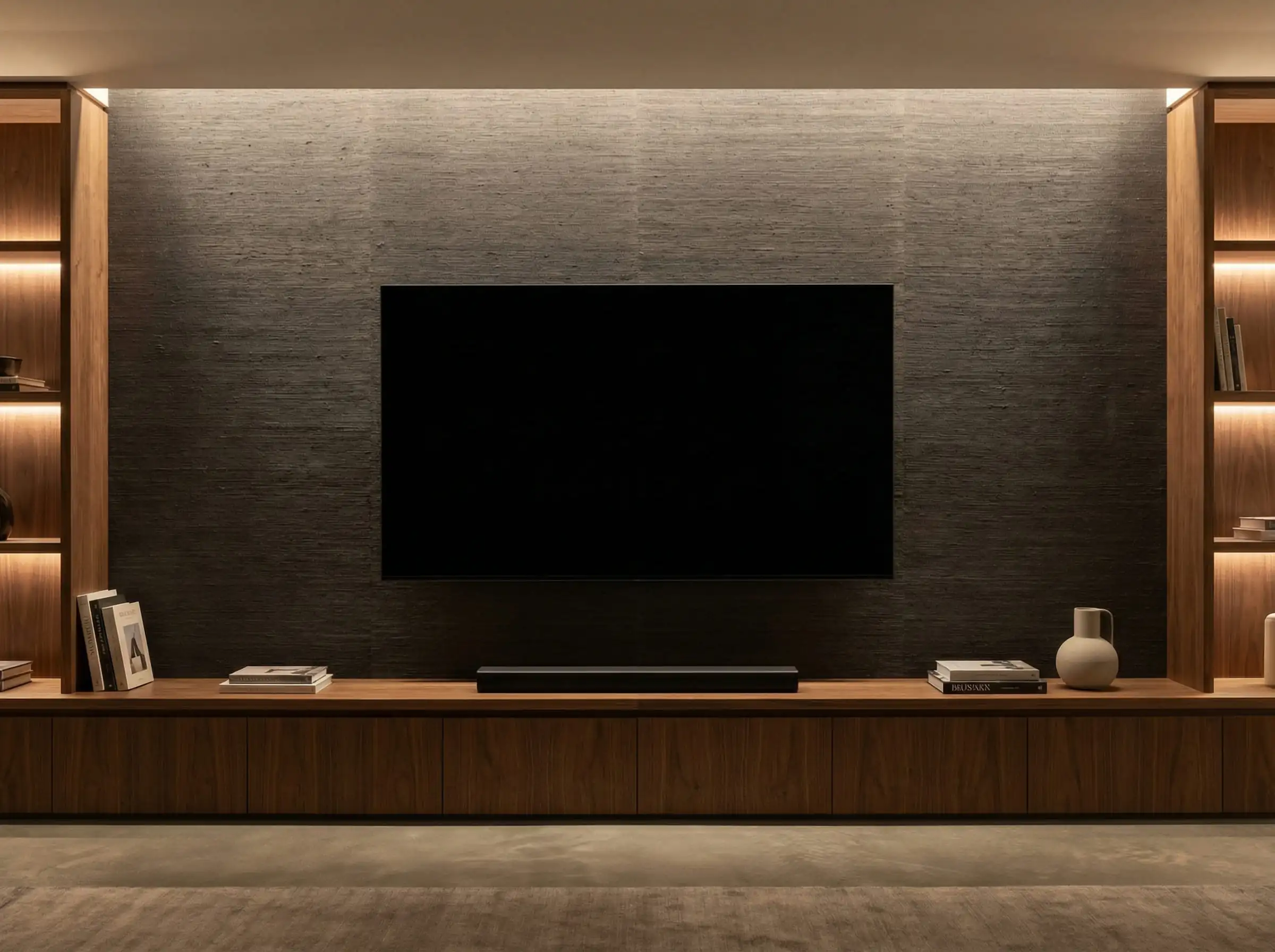
The TV wall is often the focal point of the modern living room, but a giant black rectangle can be an eyesore. Use a dark, textured wallpaper (charcoal, navy grasscloth, or deep espresso) behind your TV.
The dark background helps the TV blend in when it is turned off. When the TV is on, the dark surround improves the perceived contrast and color saturation of the screen (a trick used in movie theaters). Avoid high-gloss or metallic wallpapers behind a TV. The flickering light from the screen will reflect off the paper, causing distraction and eye strain. Matte textures are your best friend here. For more ideas on structuring this area, check our modern TV stand trends.
Small Living Room Solutions
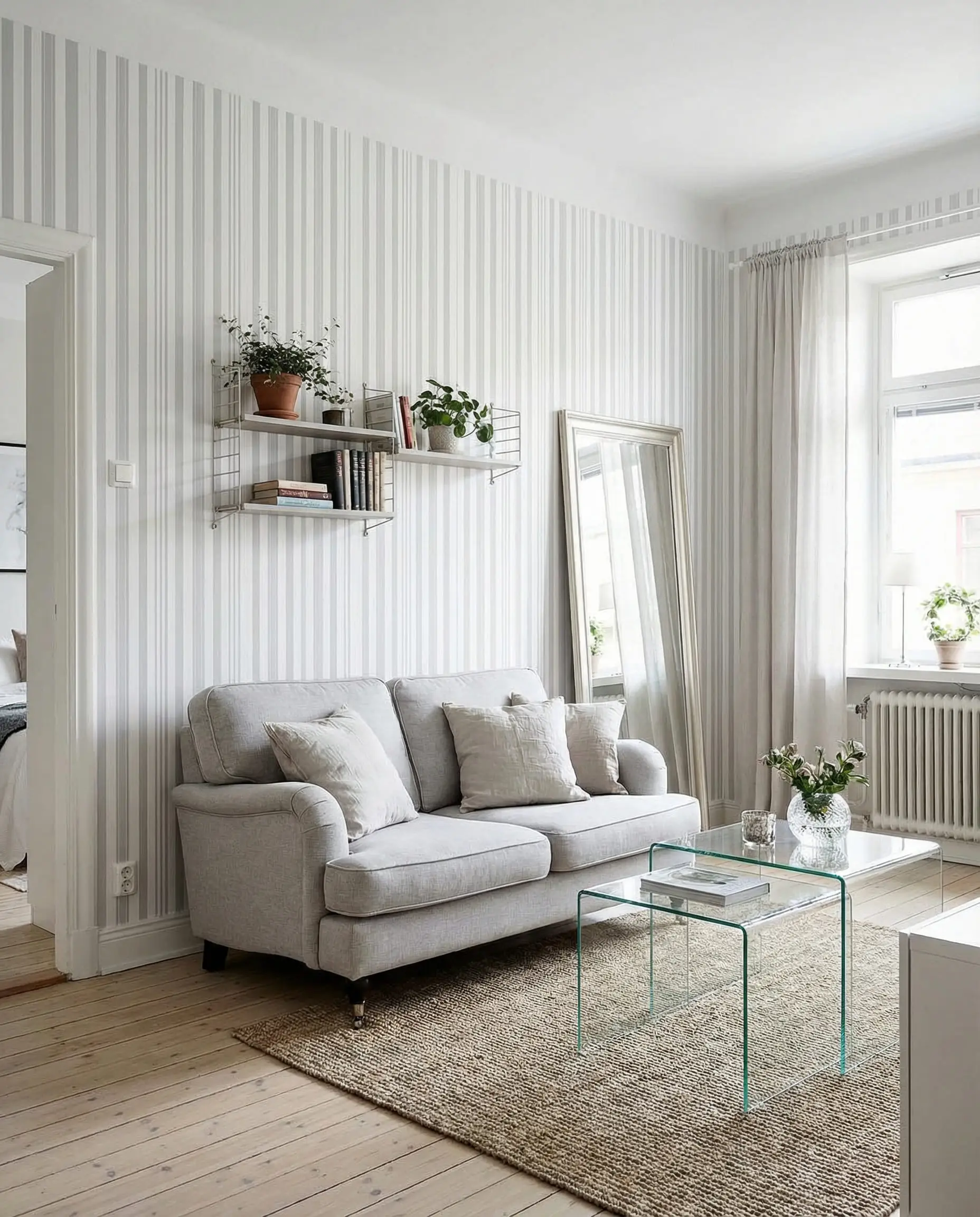
Don’t be afraid of wallpaper in small spaces. The right choice can actually make the room feel bigger.
Technical Considerations: Installation & Durability
Before you buy, you need to consider the practicalities of these 2026 materials.
Acoustic Wallpaper: Function Meets Form
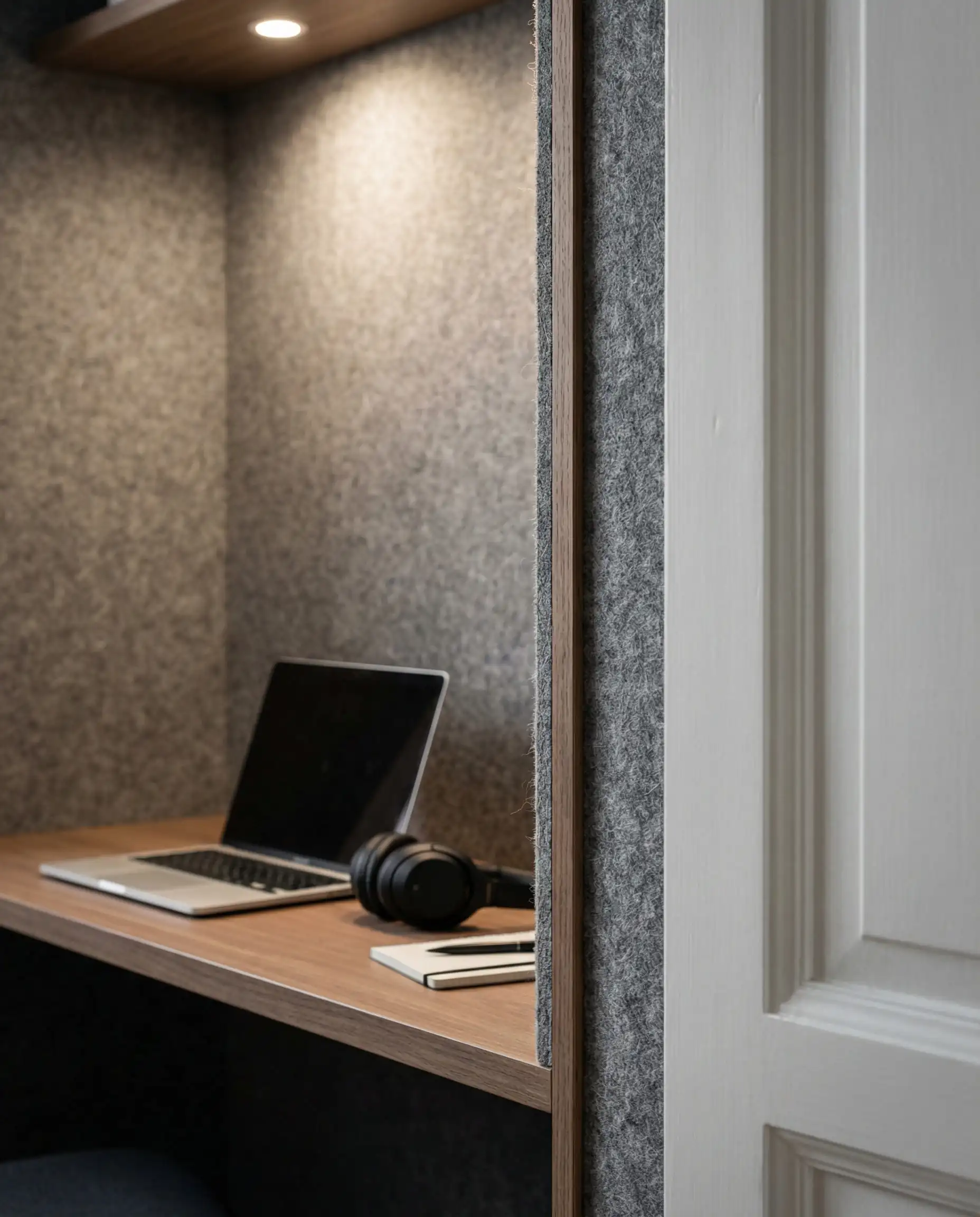
With the rise of open-plan living, noise pollution inside the house is a real issue. 2026 sees the mainstream adoption of acoustic wallpapers. These are layered with sound-dampening felt or foam backing. They are great for shared walls in semi-detached houses or for living rooms that double as workspaces. They can significantly reduce echo and improve the audio quality of your home theater system.
Paper Types: Know What You Are Buying
If you are living in an older property with uneven walls, do not skip “lining paper.” It is a thick, plain paper hung horizontally before your decorative wallpaper is hung vertically. It acts as a shock absorber, smoothing out bumps and preventing your expensive top layer from shrinking or peeling at the seams. It’s the difference between a DIY look and a professional finish.
💡 Designer’s Tip: The Secret of Lining Paper
Budgeting: Where to Splurge vs. Save
Wallpaper prices vary wildly. Here is how to allocate your budget in 2026.
Frequently Asked Questions
Absolutely. In fact, wallpaper is currently outpacing paint as the preferred method for adding character to a living room. The trend has shifted from “accent” to “atmosphere,” with texture playing a huge role in defining the quality of the space.
Brown and warm earth tones are dominating. Shades like cocoa, terracotta, and warm beige are replacing the cool greys of the last decade. These colors align with the modern farmhouse trends which are evolving into a warmer, moodier aesthetic.
Yes! The “Fifth Wall” trend is huge in 2026. Applying a geometric or sky-themed wallpaper to the ceiling draws the eye up and can make a room feel cozy and complete. You can pair this with ceiling paint color trends for a layered look.
It depends on the mood you want to create. 2026 encourages “moody” interiors, so don’t be afraid of dark wallpapers (navy, forest green, charcoal) to create a cozy, intimate evening space. Light wallpapers are best for maximizing the feeling of space in smaller rooms or areas with limited natural light.
For the new 3D and grasscloth trends, avoid water. Use the brush attachment on your vacuum cleaner to gently remove dust from the crevices. For vinyl textures, a damp sponge is usually safe, but always test a hidden corner first.
Conclusion
The living room wallpaper trends of 2026 invite us to step away from the sterile and the flat, urging us to embrace warmth, texture, and personality. Whether you choose a quiet, tactile linen wallpaper or a dramatic panoramic mural, the goal is to create a space that feels good to be in—a sanctuary from the digital world.
The walls of your home are the largest canvas you own—don’t leave them blank.
Ready to transform your space?
Now that your walls are sorted, complete the look by exploring our guide to flooring trends to ground your space, or find the perfect curtain trends to complement your new wallpaper.