10 Landscape & Garden Design Trends for 2026: Sustainable, Sensory, and Smart
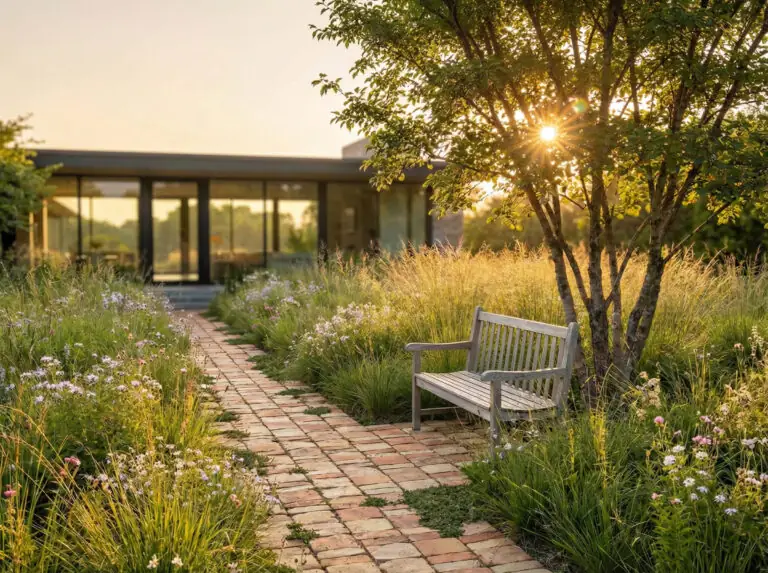
In 2026, the garden is no longer just a pretty backdrop for your Saturday barbecue; it is an active participant in your wellness and the planet’s health. If the last few years were about “bringing the indoors out,” this year is about letting the outdoors be wild, resilient, and deeply personal.
The forecast for 2026 shifts away from the high-maintenance, manicured look of the past decade. Instead, we are seeing a move toward designs that engage all five senses and adapt to our changing climate. Whether you have a sprawling backyard or a modest urban balcony, these trends offer actionable ways to transform your outdoor space into a sanctuary that looks good and does good.
📋 Quick Summary: What are the landscape trends for 2026?
The top garden design trends for 2026 focus on resilience, biodiversity, and wellness. Key movements include:
Here is the comprehensive guide to the landscape and garden design trends for 2026 that you need to know.
I. The “Climate-First” Garden: Adaptation is Key
Sustainability is no longer a buzzword; it is the foundation of modern design. In 2026, the most stylish gardens are also the most resilient. This shift is driven by the necessity to adapt to hotter summers and wetter winters, resulting in landscapes that can “heal” themselves.
1. The Rise of “Mini-Meadows” (Rewilding)
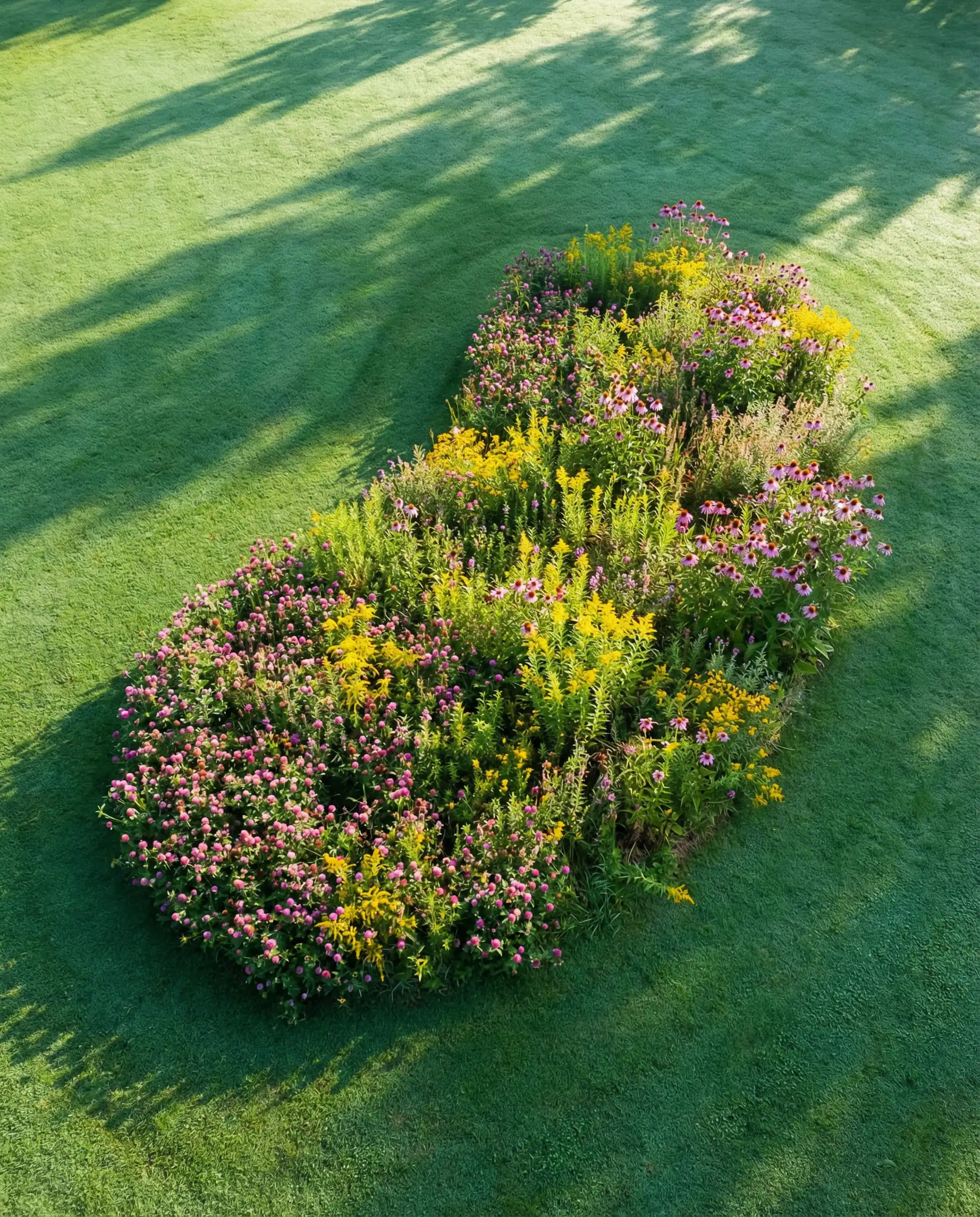
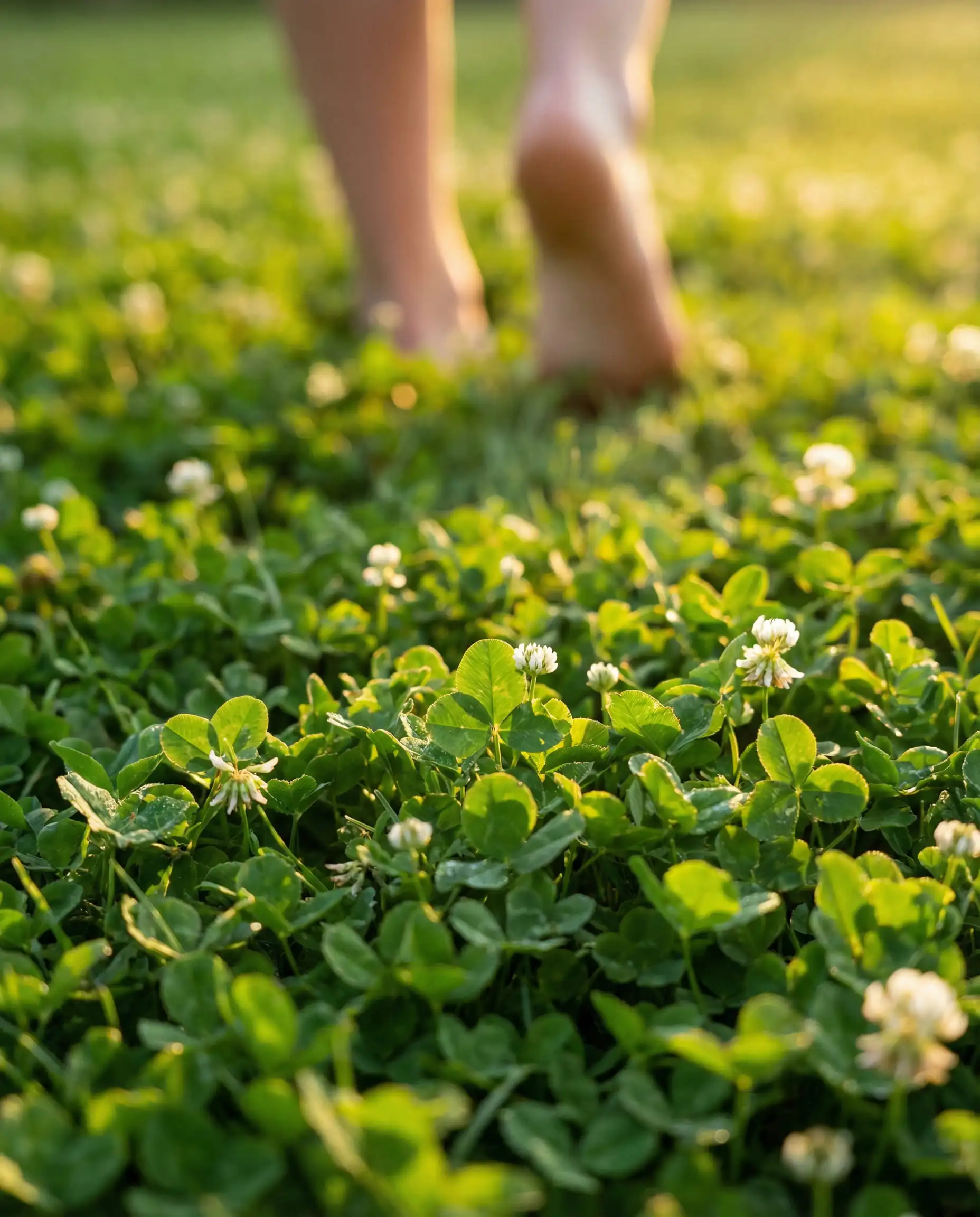
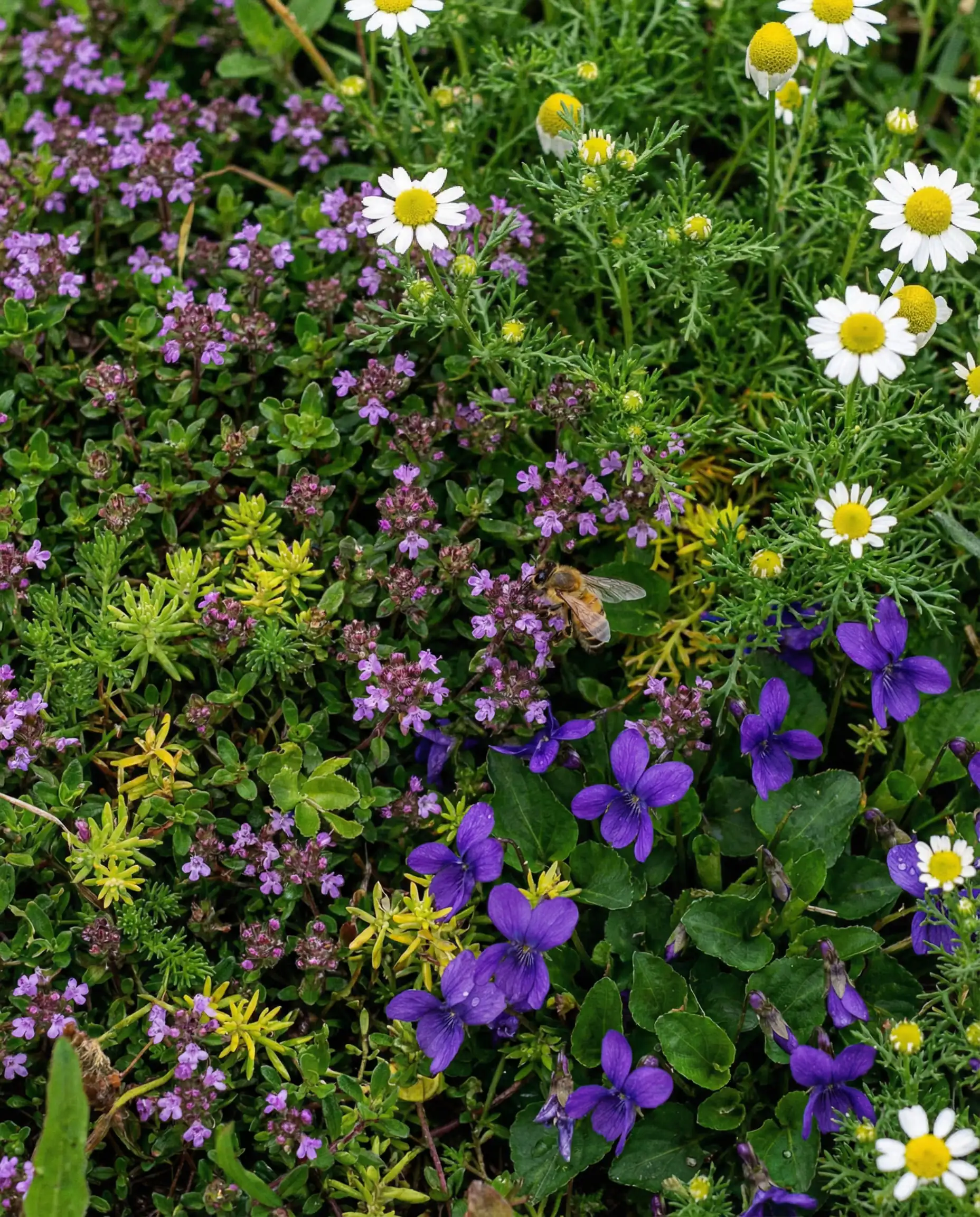
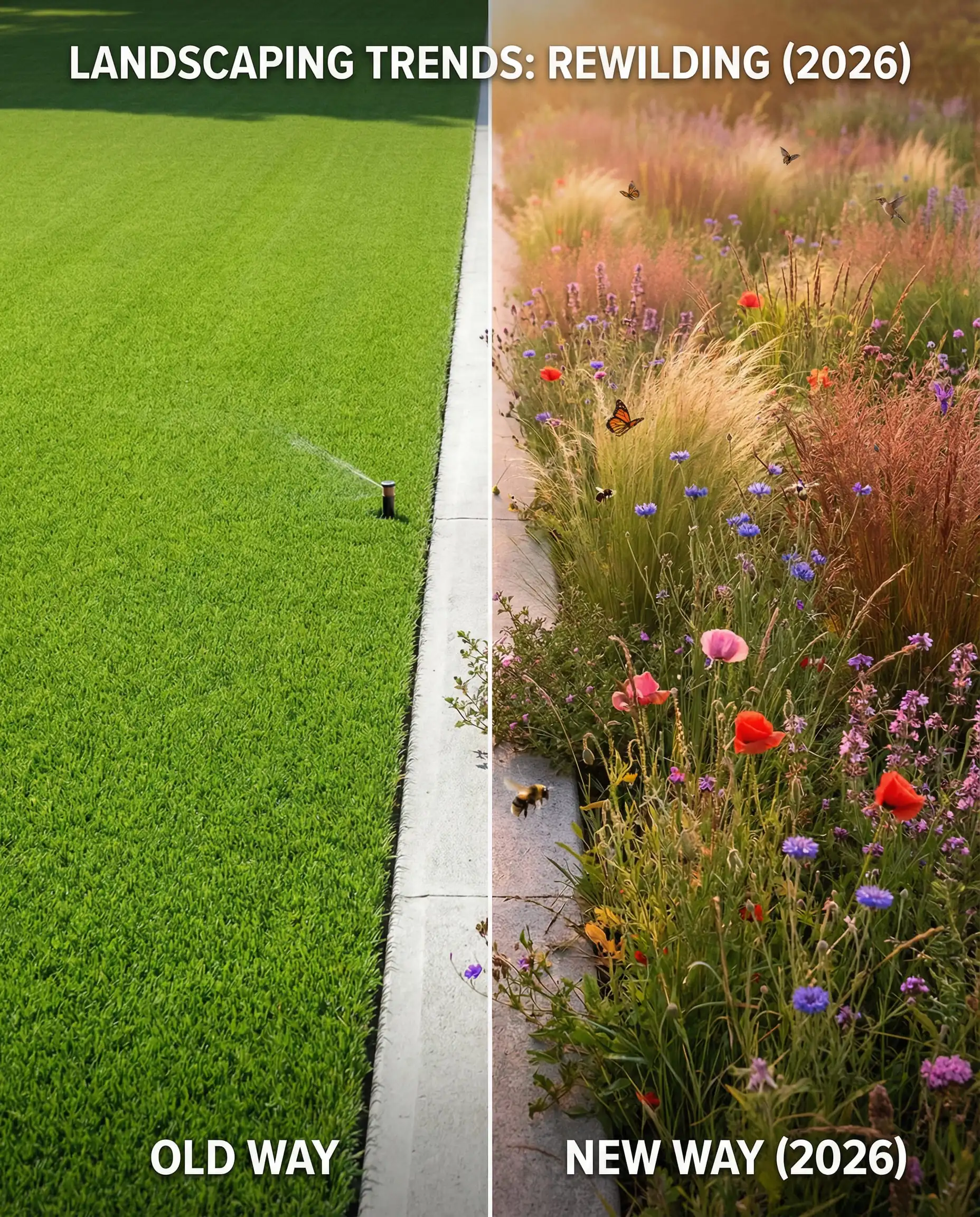
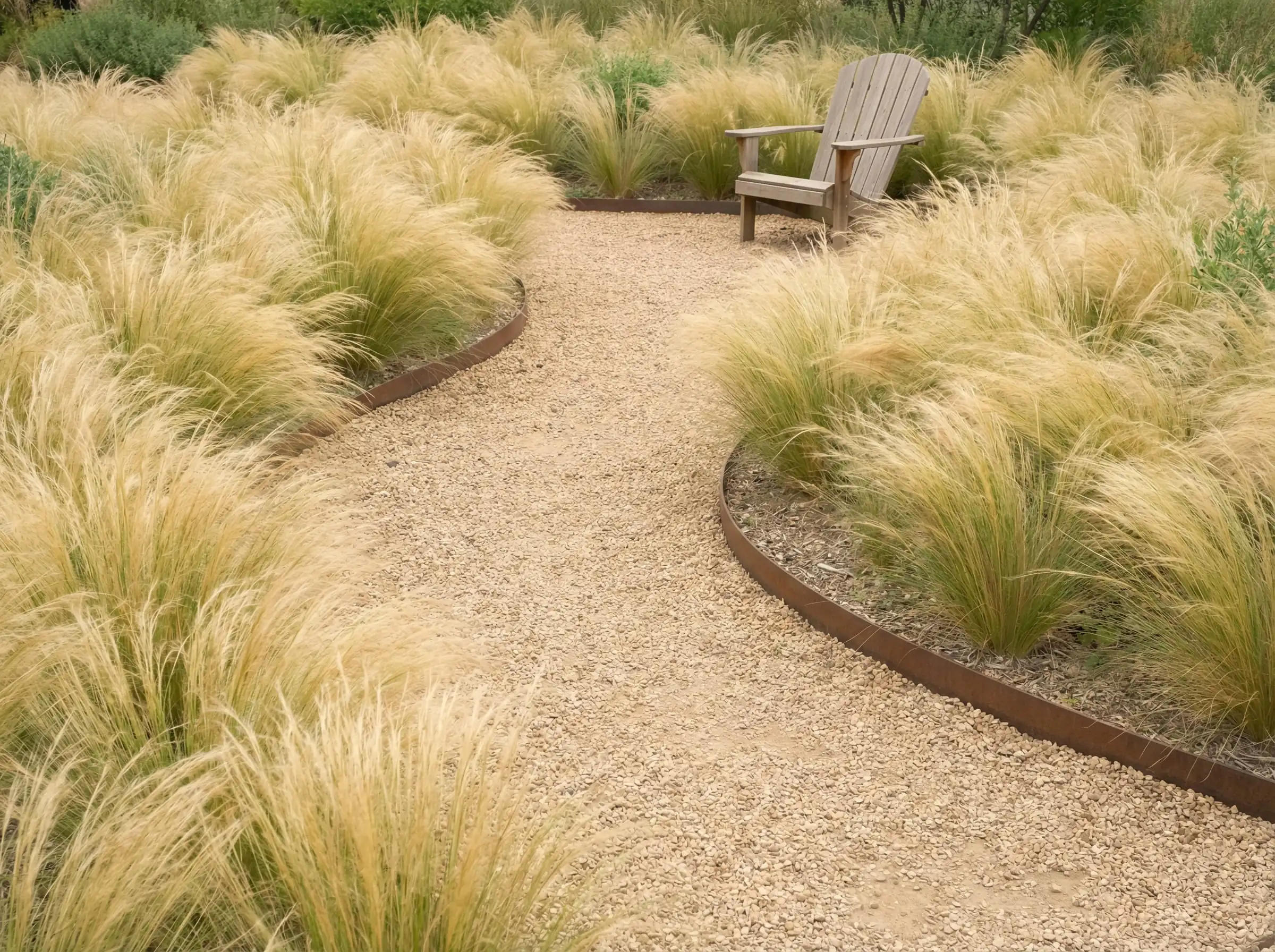
The era of the pristine, putting-green lawn is fading. In its place, we are seeing the rise of the “mini-meadow.” Homeowners are replacing large sections of turf with clover, wildflowers, and native grasses. This isn’t just about aesthetics; it’s about biodiversity. These “tapestry lawns” require less mowing, zero fertilizers, and provide essential habitats for pollinators.
How to Implement This:
Related: For more on eco-friendly choices, check out our guide to Eco-Sustainable Interior Design Trends, which explores how these principles transfer seamlessly from outdoors to in.
2. Water-Wise & Rain Gardens
As weather patterns become more unpredictable, water management is becoming a key design feature.
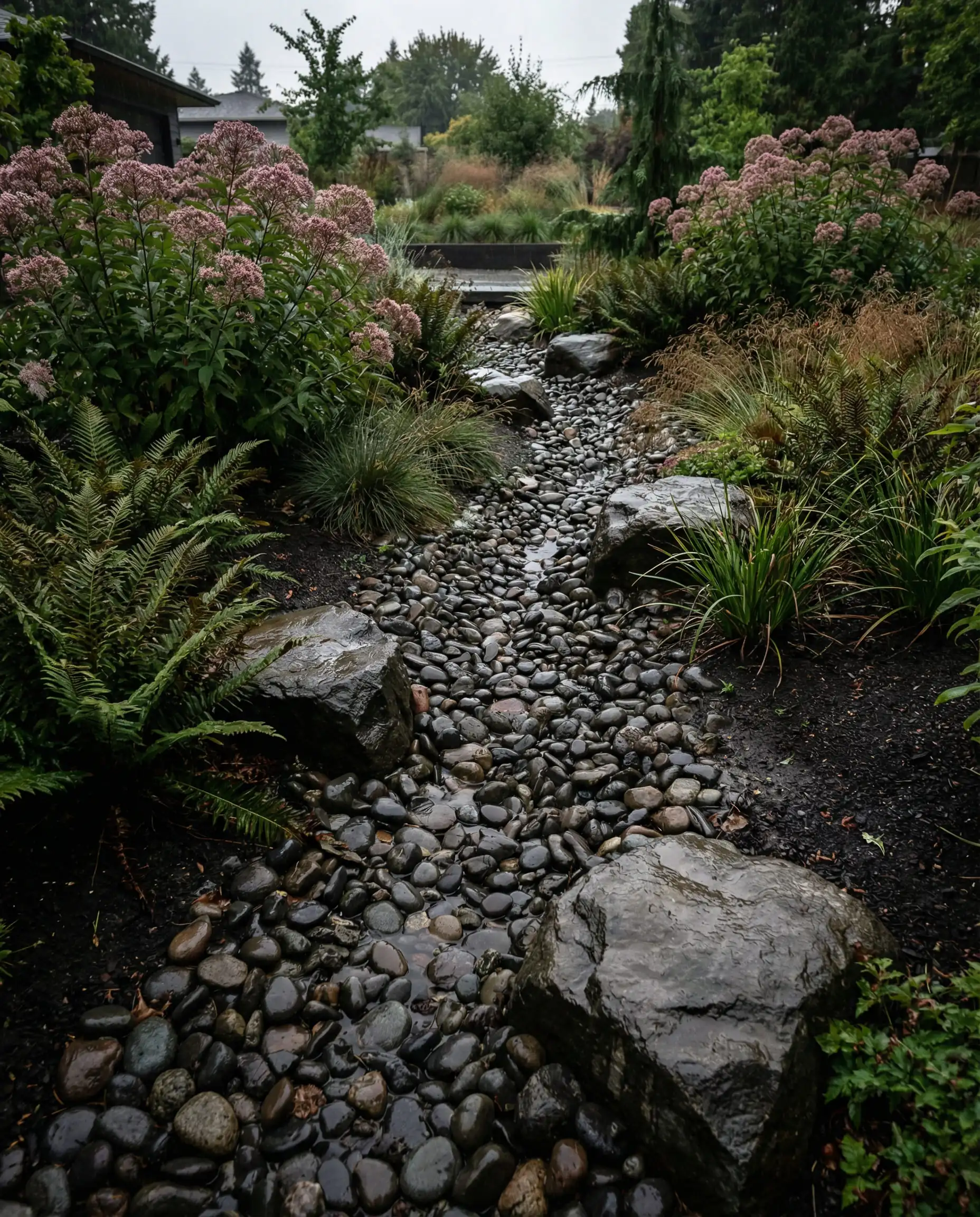
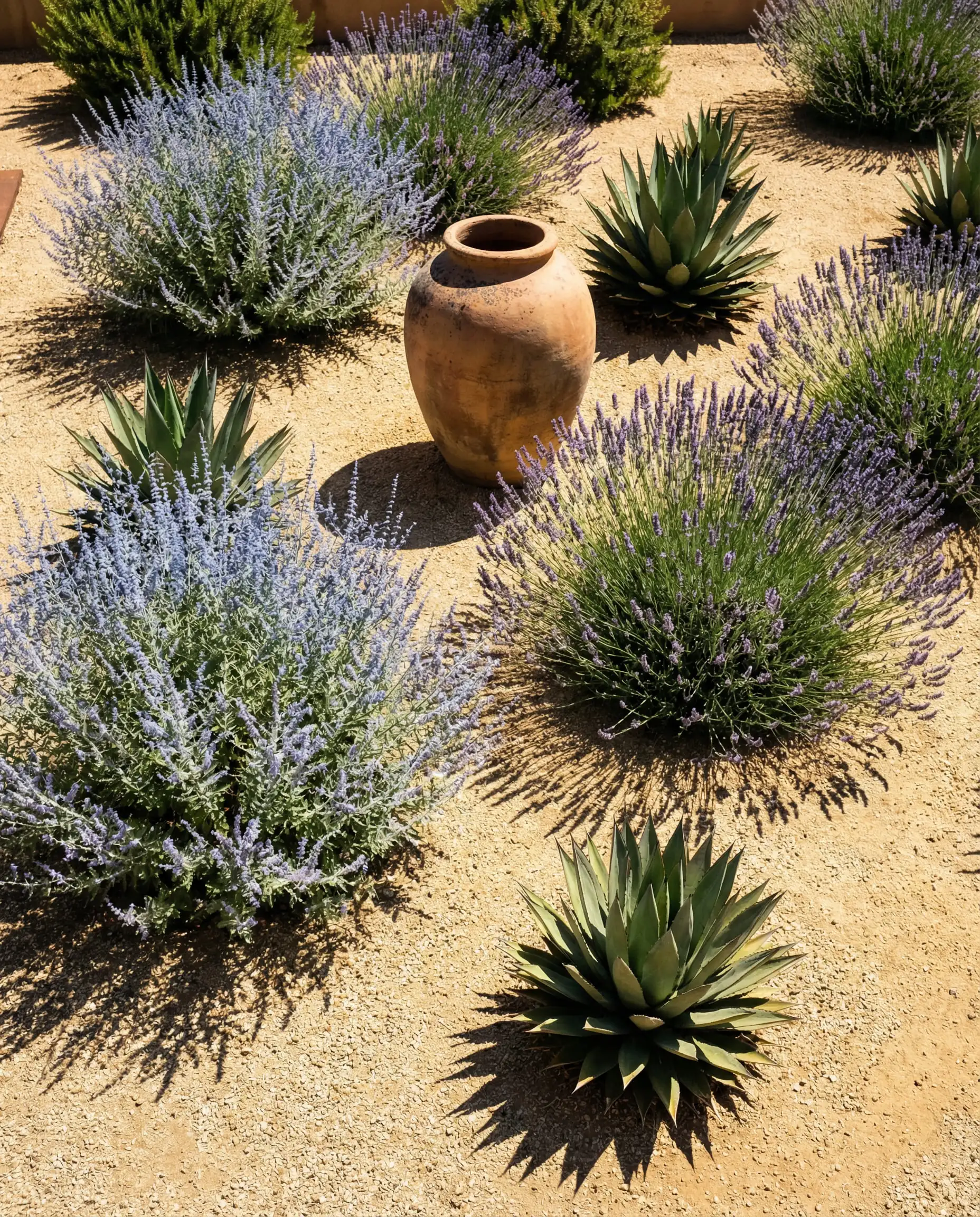
Before planting, identify the “Hydro-Zones” in your garden. Group plants with similar water needs together. Put thirsty plants near the house (where you can water them easily) and drought-tolerant plants at the perimeter.
📐 Pro Tip for Zoning
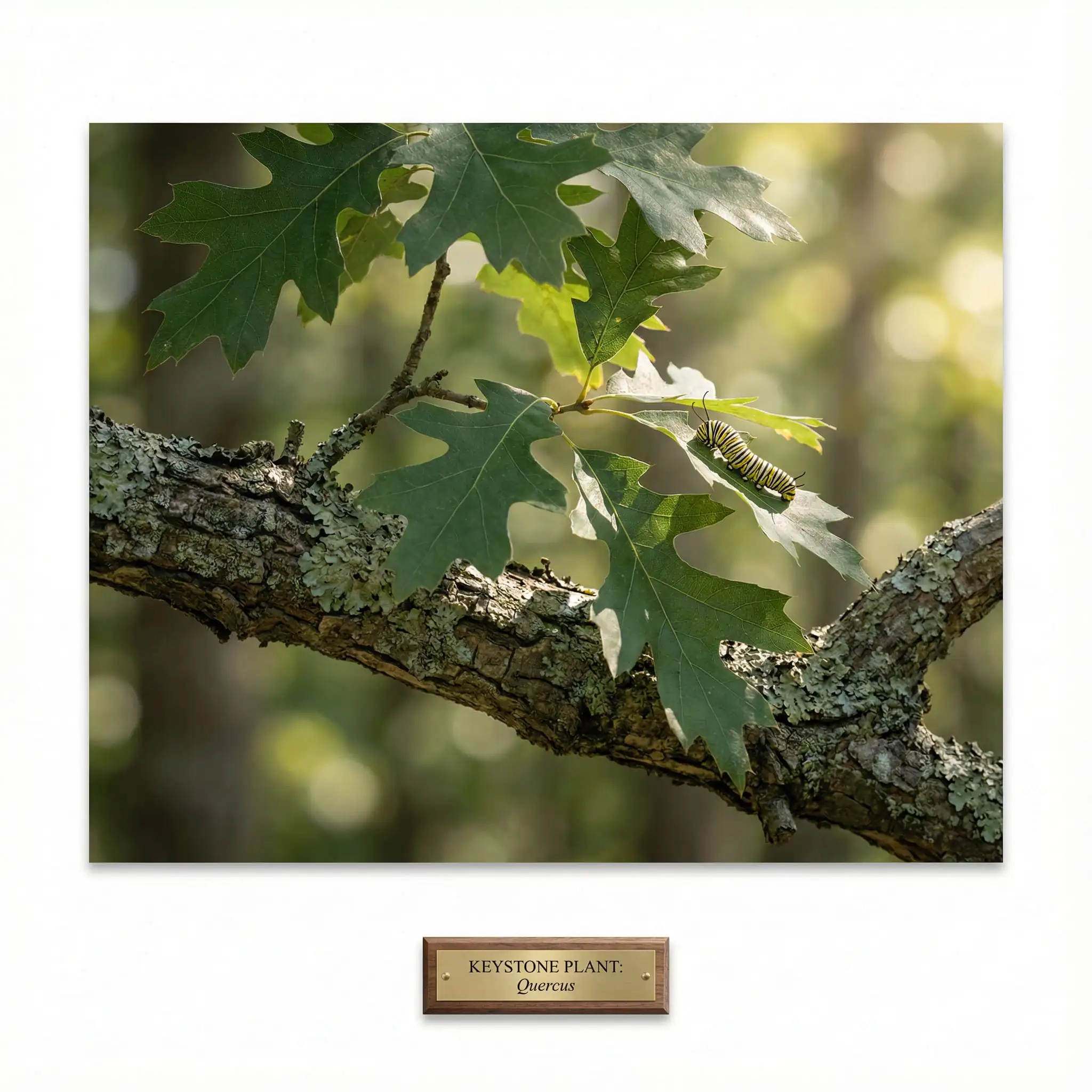
3. Keystone Planting
A major buzzword for 2026 is “Keystone Plants.” These are specific native species that support the vast majority of local wildlife caterpillars and bees.
II. Materials & Aesthetics: The “Perfectly Imperfect”
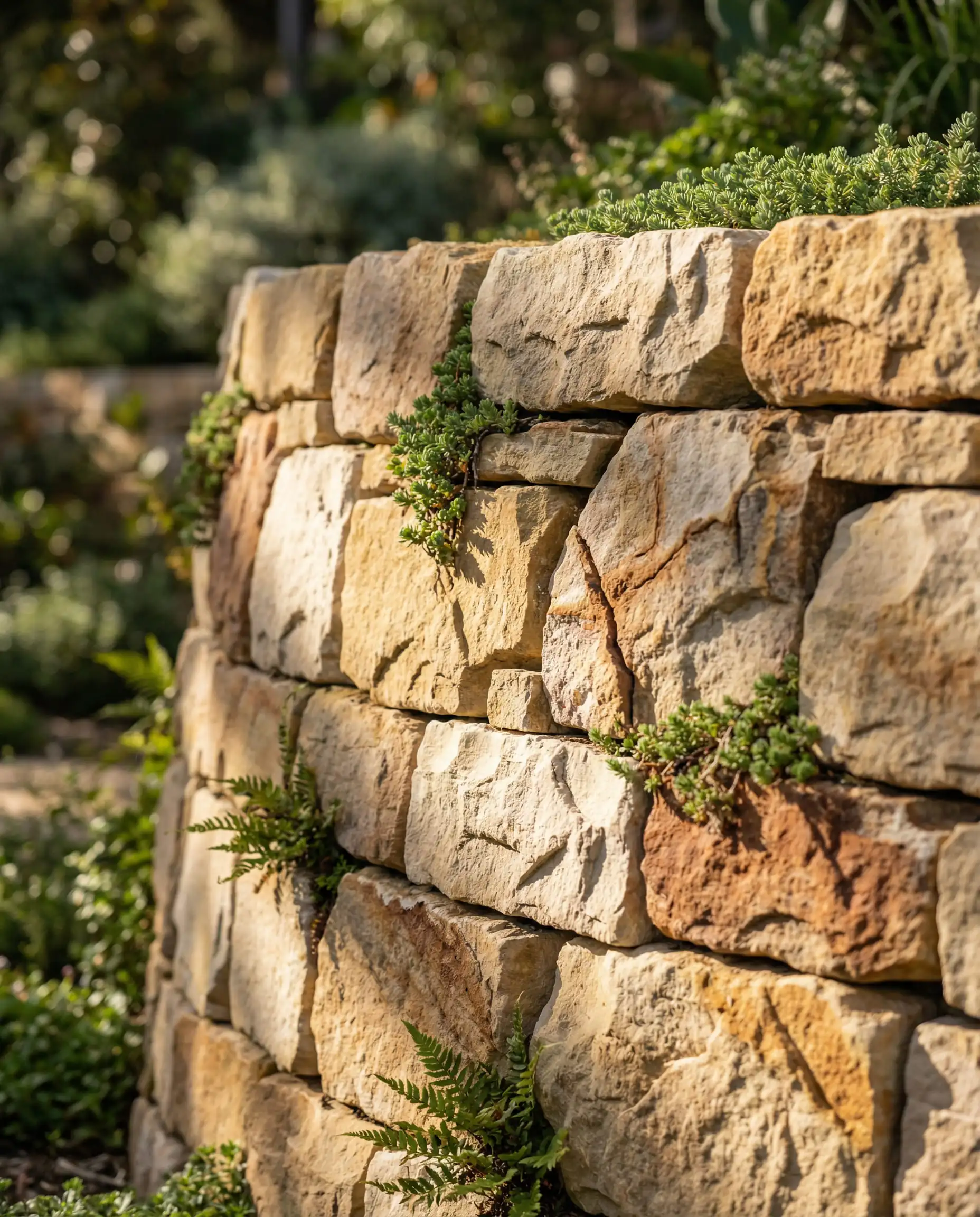
Sleek, polished porcelain and cool grays are on their way out. 2026 favors materials that feel grounded, warm, and tactile. This is a rejection of the “sterile” modern look in favor of something that feels established and timeless.
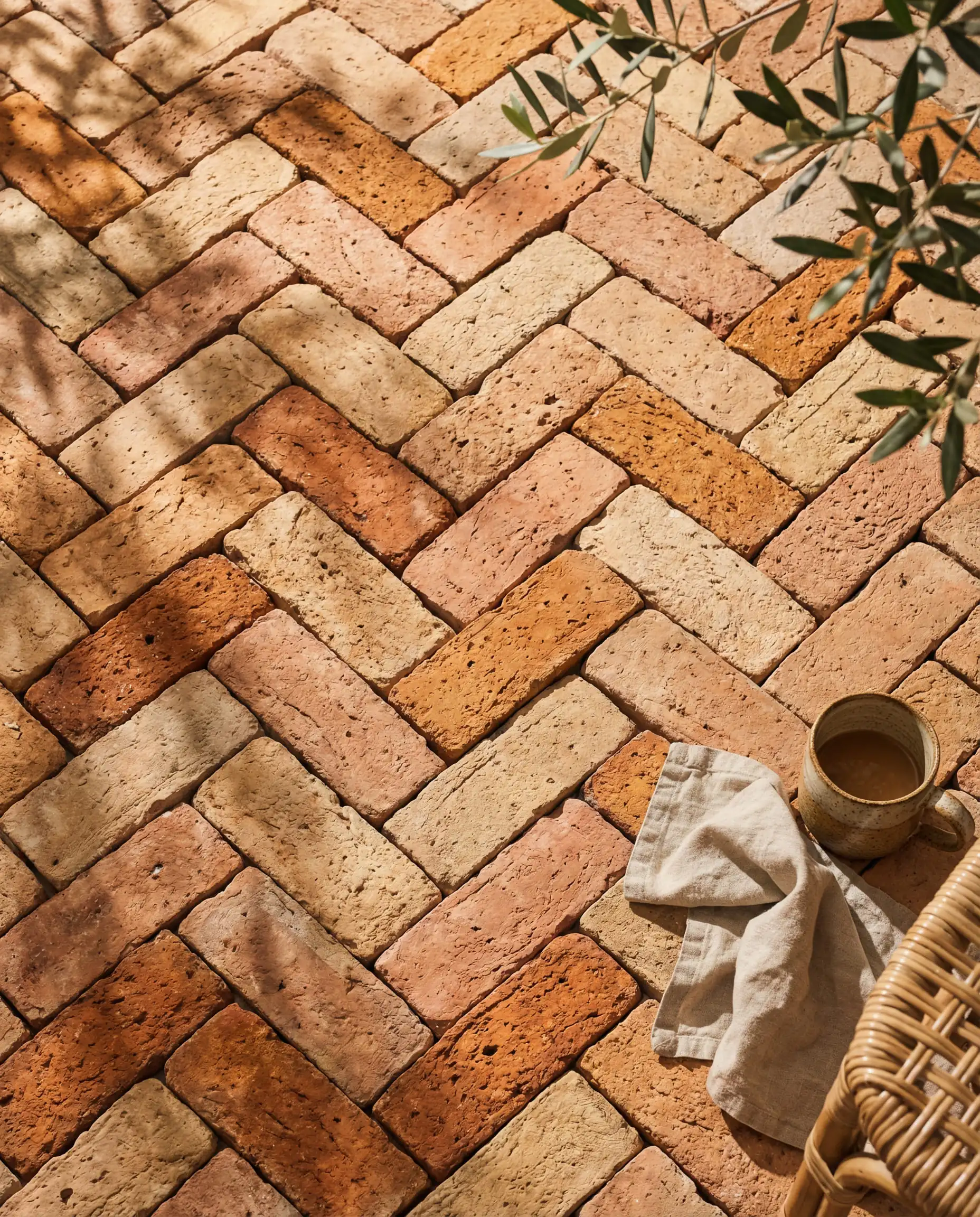
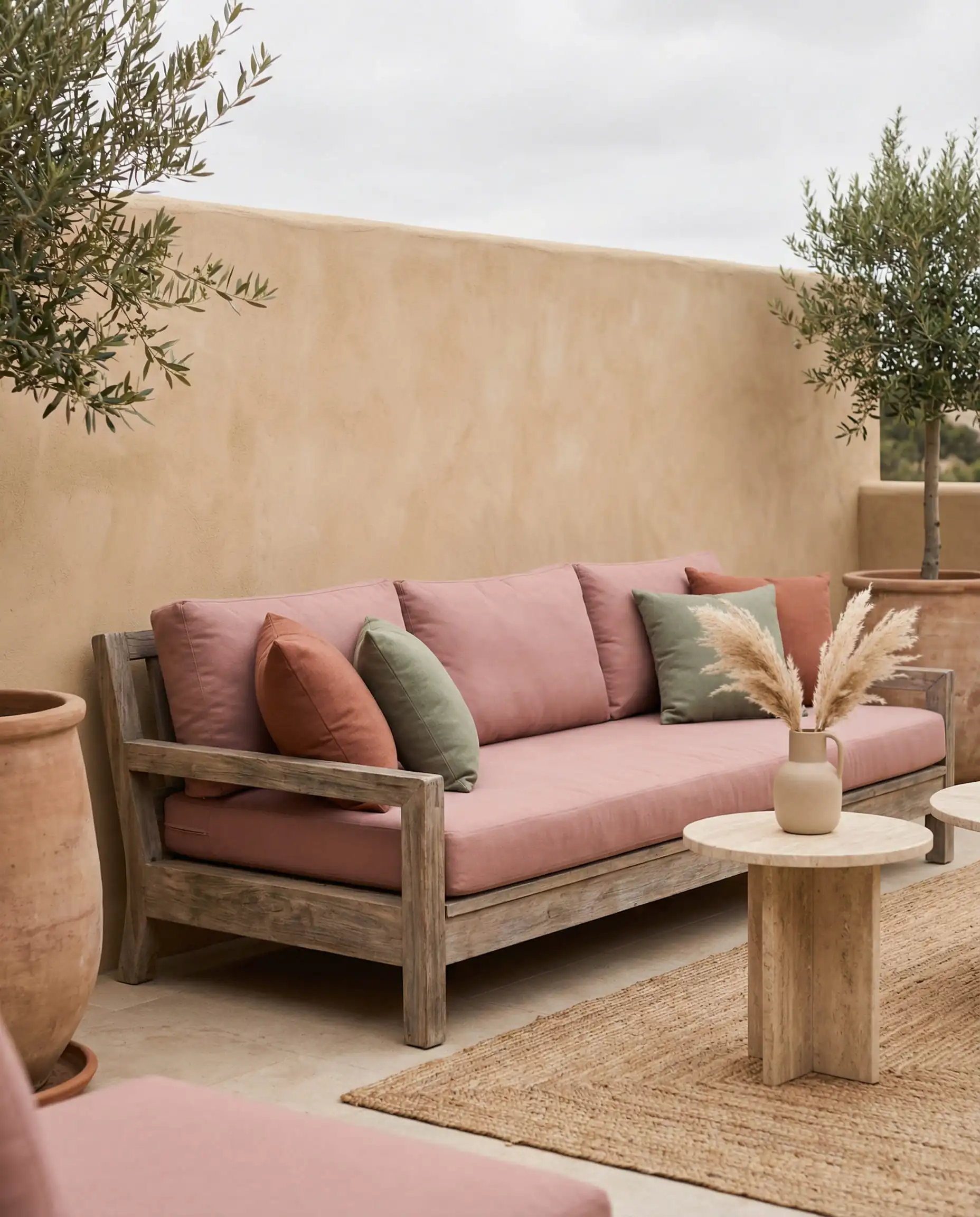
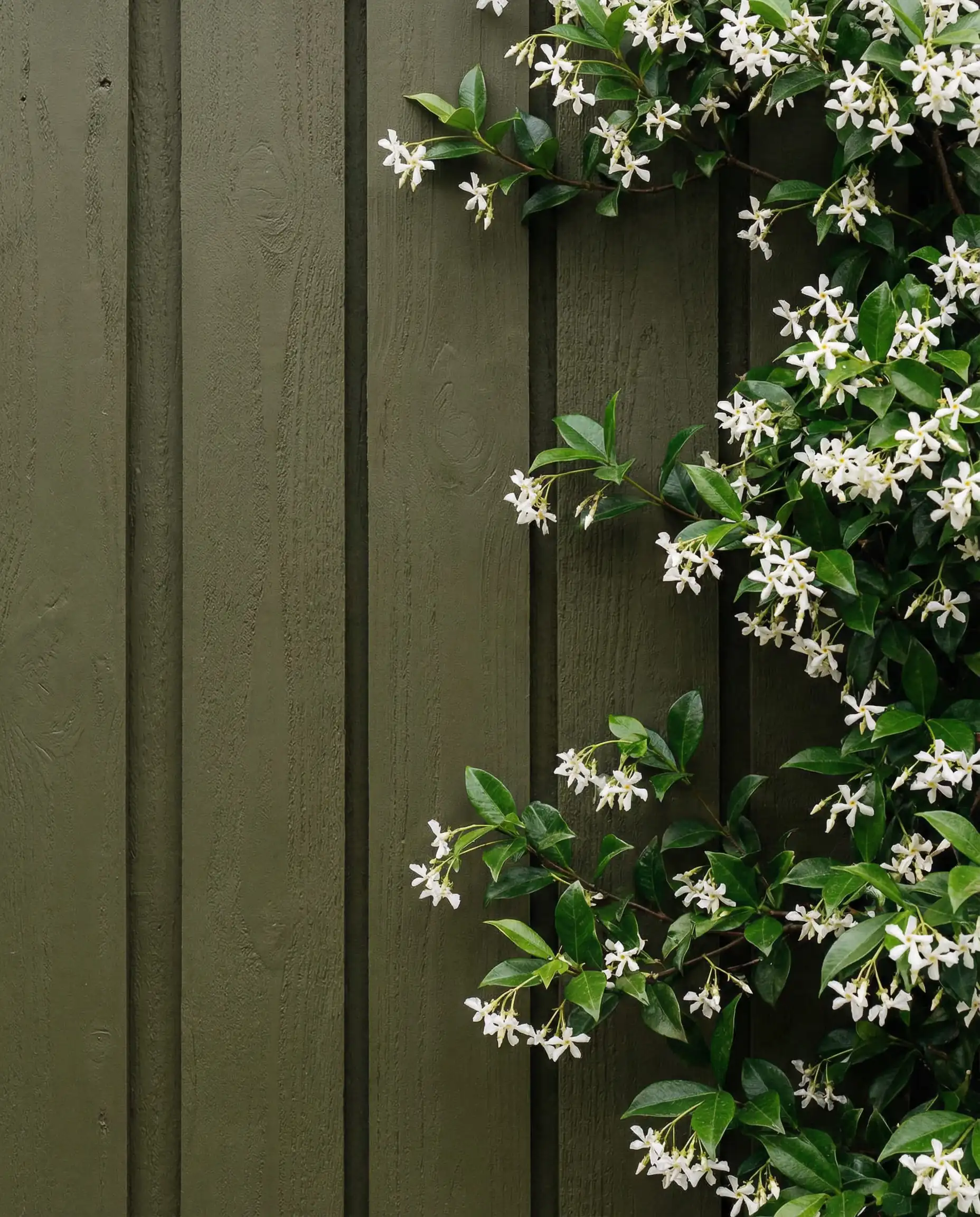
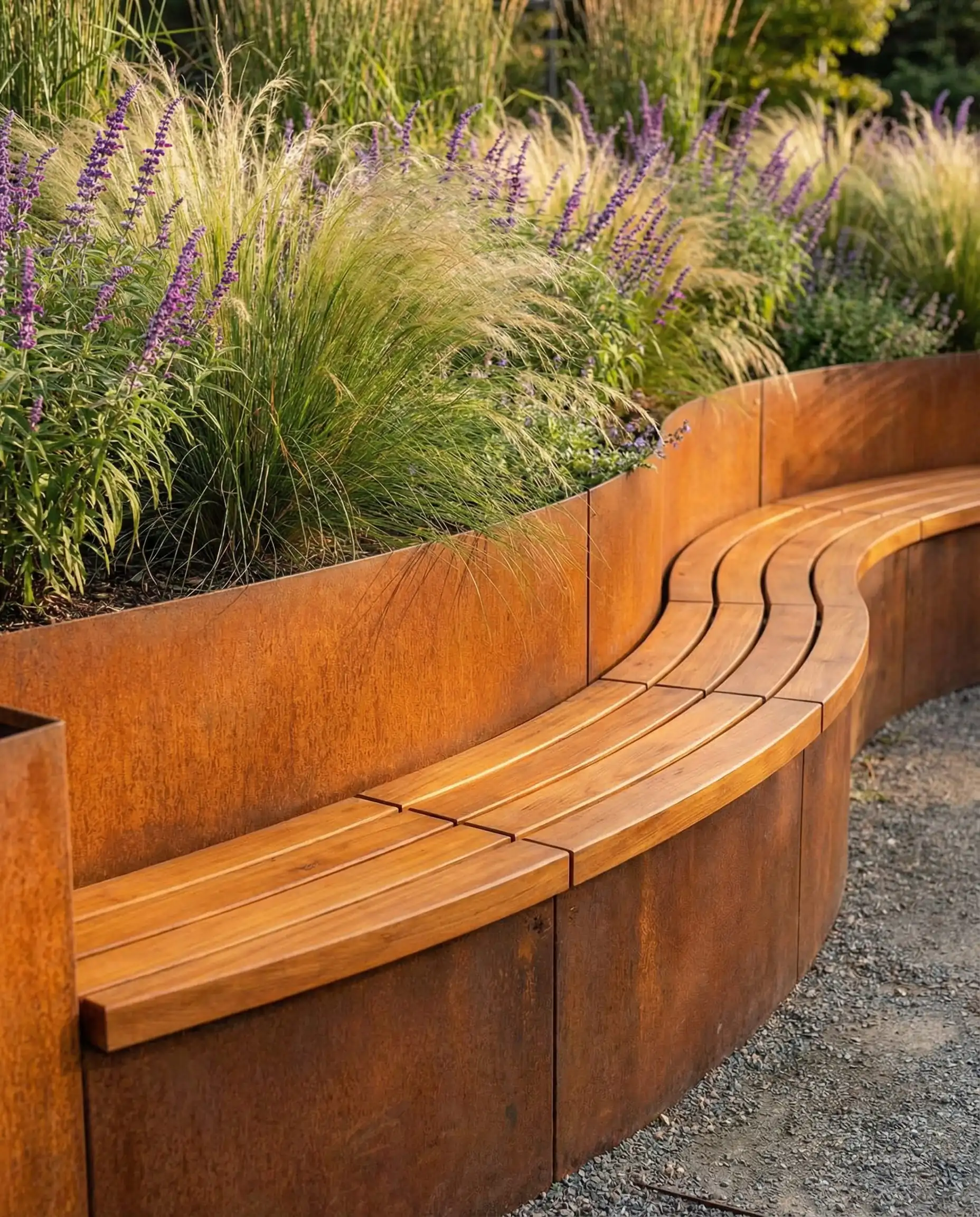
4. Warm Earth Tones & “Faded Petal”
The color palette for hardscaping is warming up significantly. We are saying goodbye to “ageless grey” and hello to sand, rust, terracotta, and olive.
Related: This shift toward warmth is mirrored on home facades. See our analysis of Exterior House Paint Colors to coordinate your hardscaping with your home’s siding.
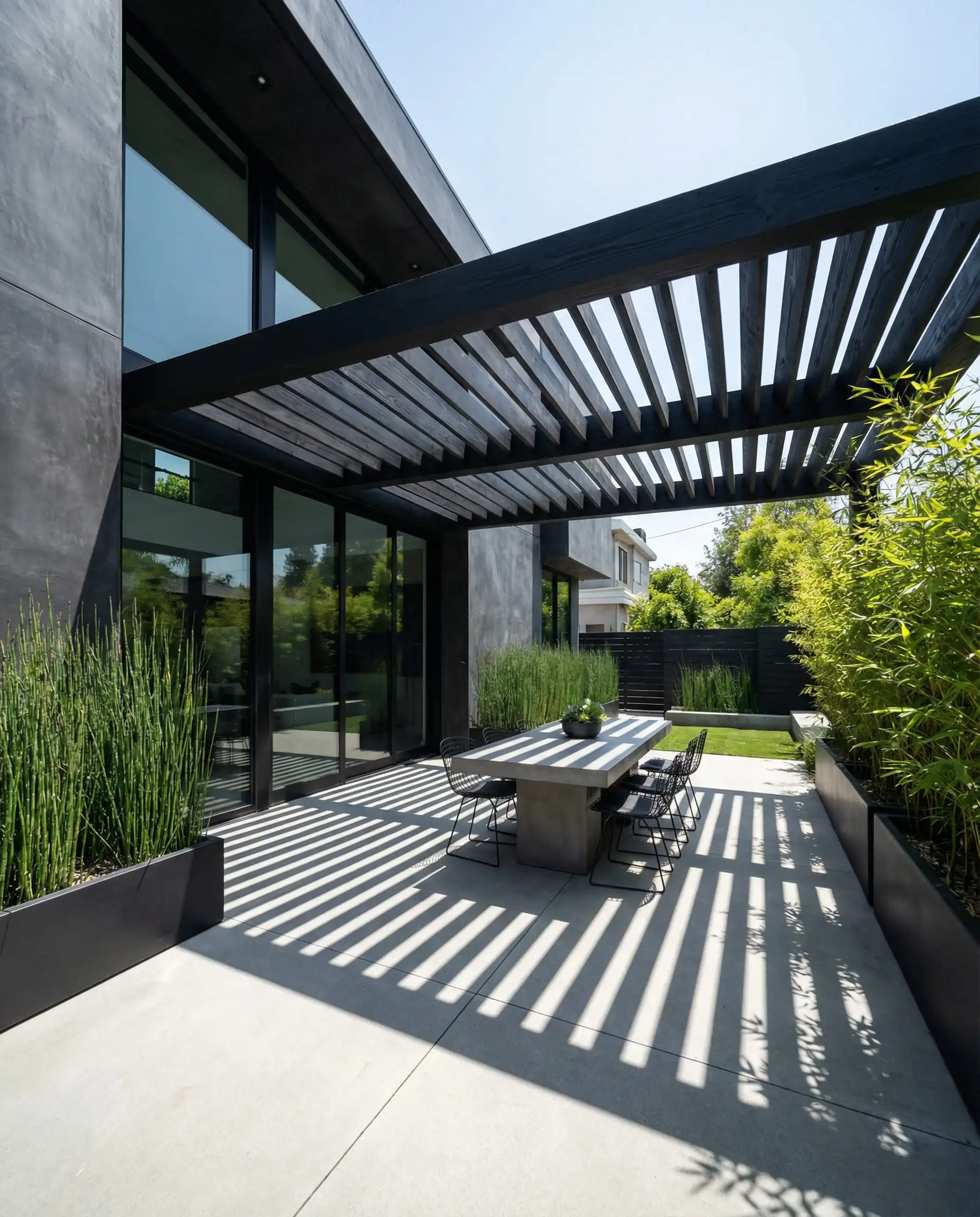
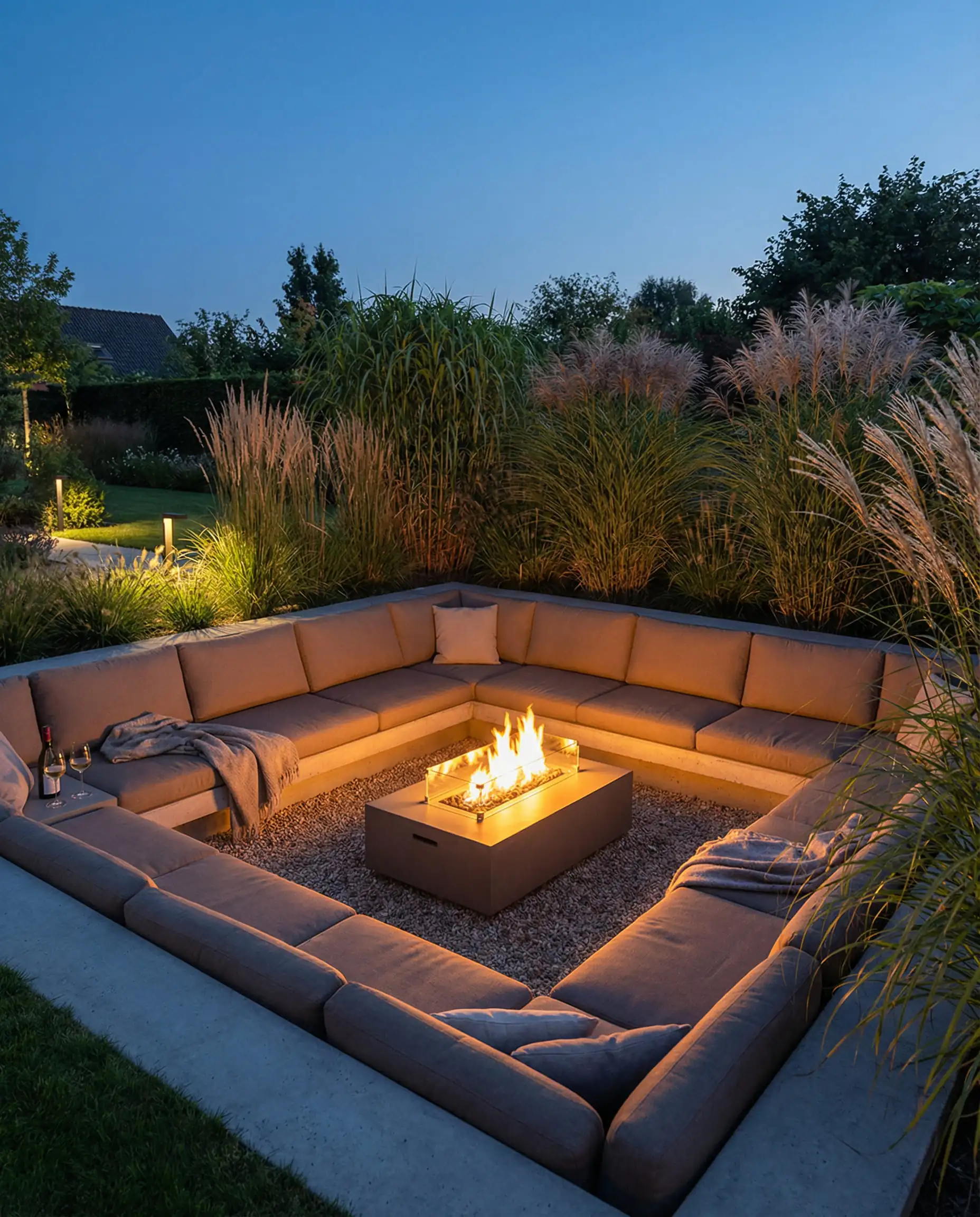
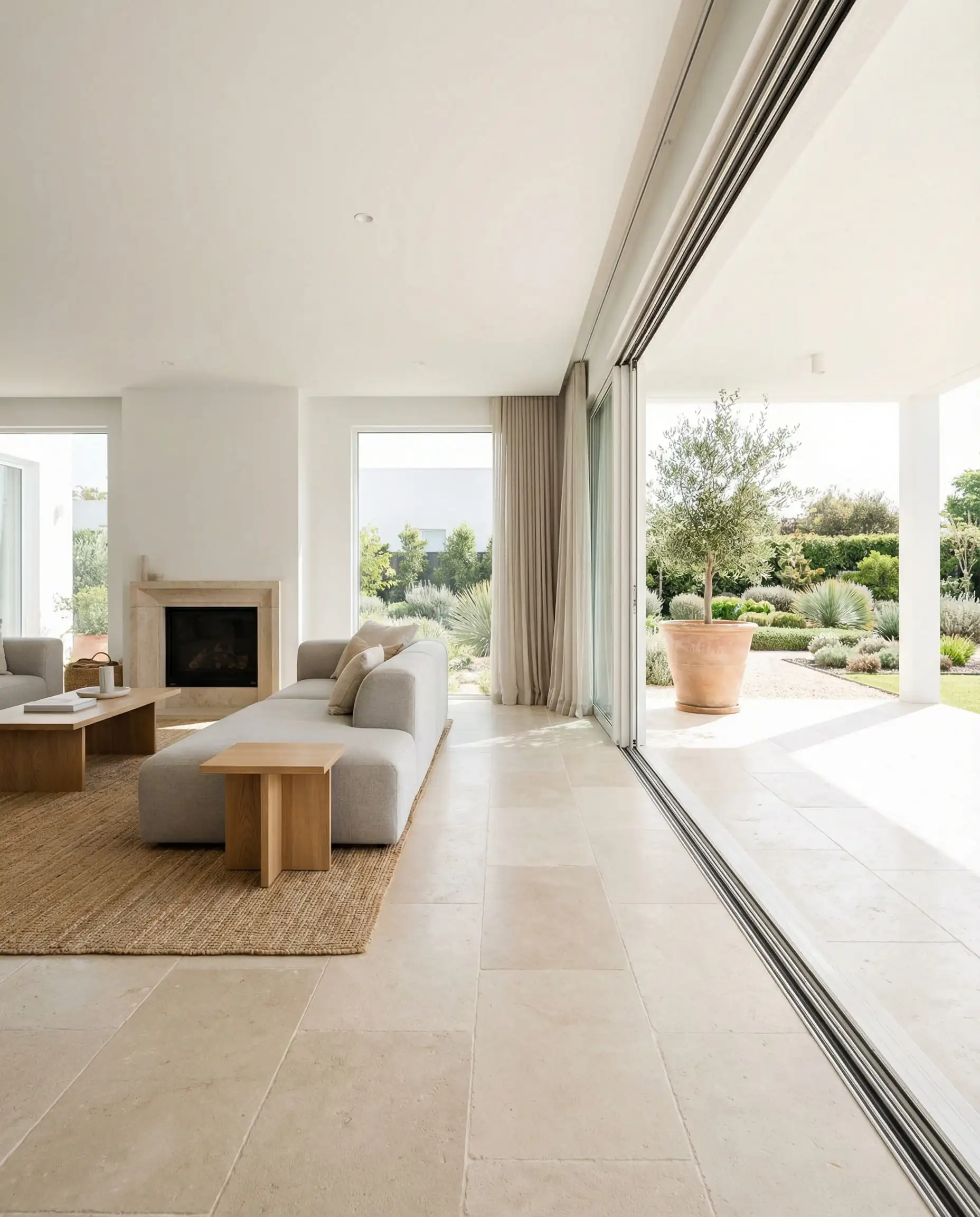
5. Architectural Extensions
The concept of the “outdoor room” is evolving into “Architectural Gardens.” This trend involves using hardscaping structures—pergolas, sunken seating areas, and retaining walls—that mimic the architectural lines of the main house. It creates a seamless flow where the garden feels like a wing of the home without a roof.
Design Strategy:
Related: If you are planning a renovation, our Modern Architectural Design Trends article dives deeper into blending structure with nature.
III. Lifestyle & Function: How We Live Outdoors
Gardens in 2026 are designed to be used, not just viewed. The focus is on creating “destinations” within the yard that serve specific purposes, from mental health to socialization.
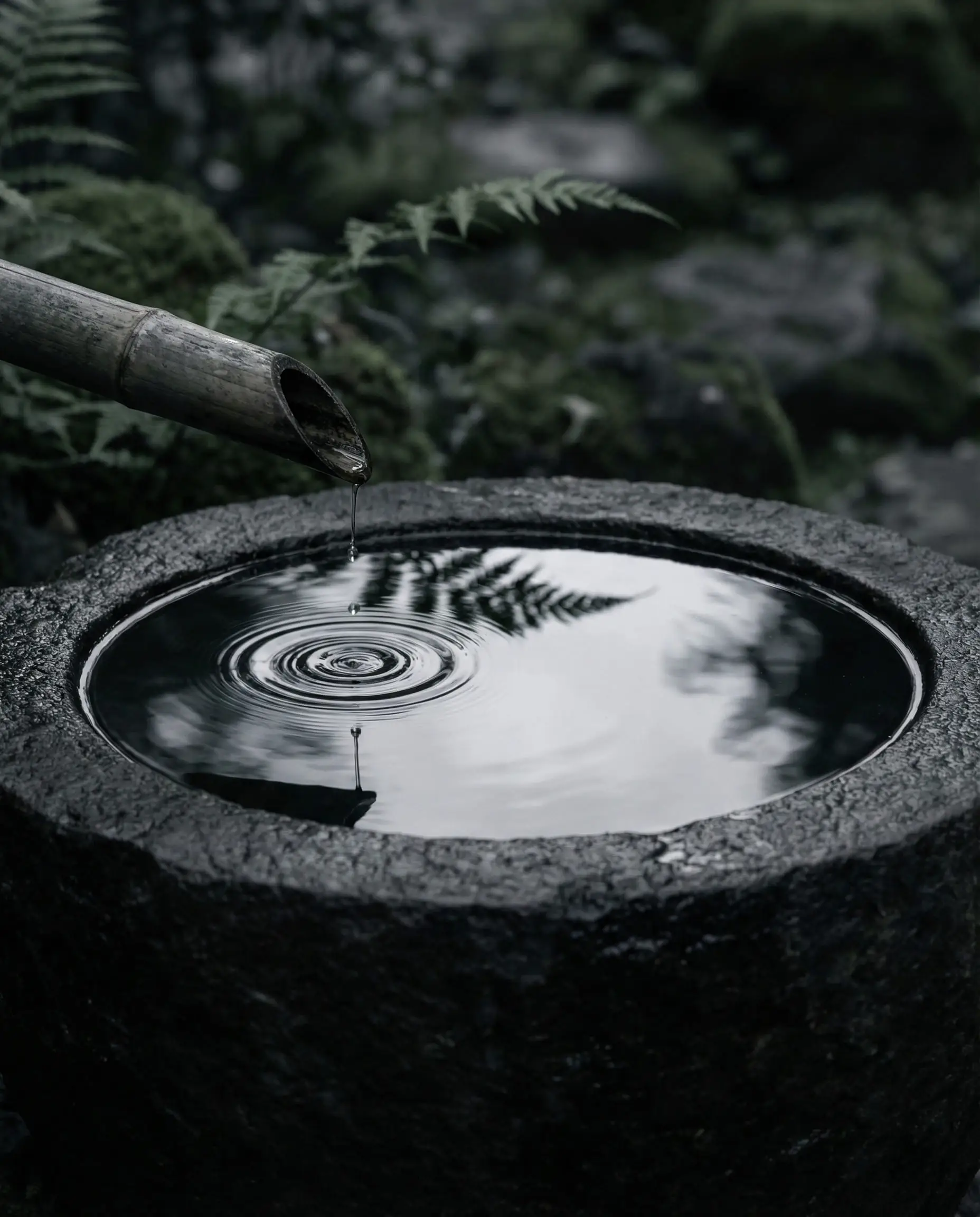
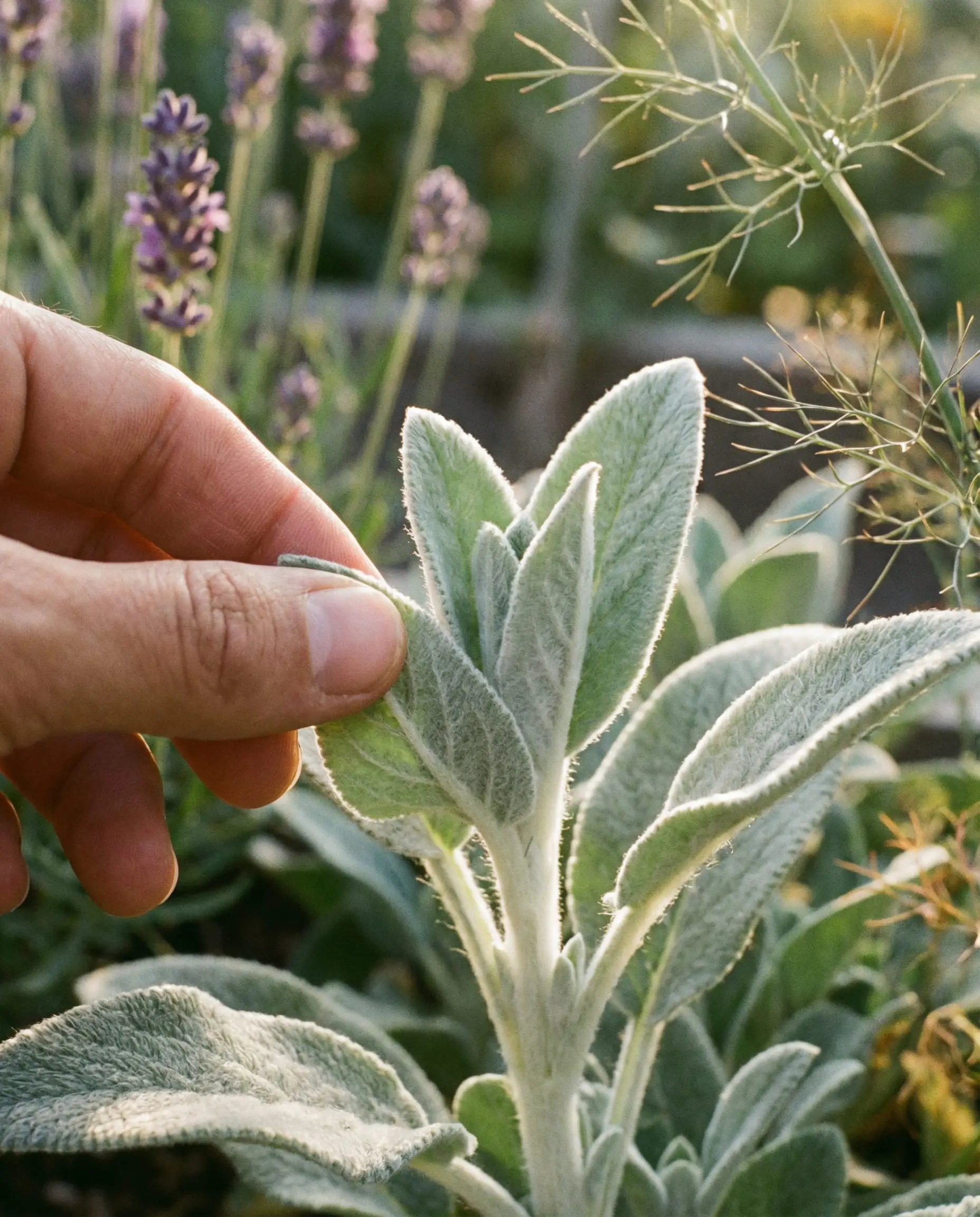
6. The Sensory Sanctuary
Mental health is a primary driver for garden design this year. Designers are creating designated “Sensory Zones” intended for decompression. This goes beyond visual appeal to engage the other senses:
Related: Complete your sanctuary with the right seating. Check out our Furniture Trends to find weather-resistant pieces that don’t sacrifice comfort.
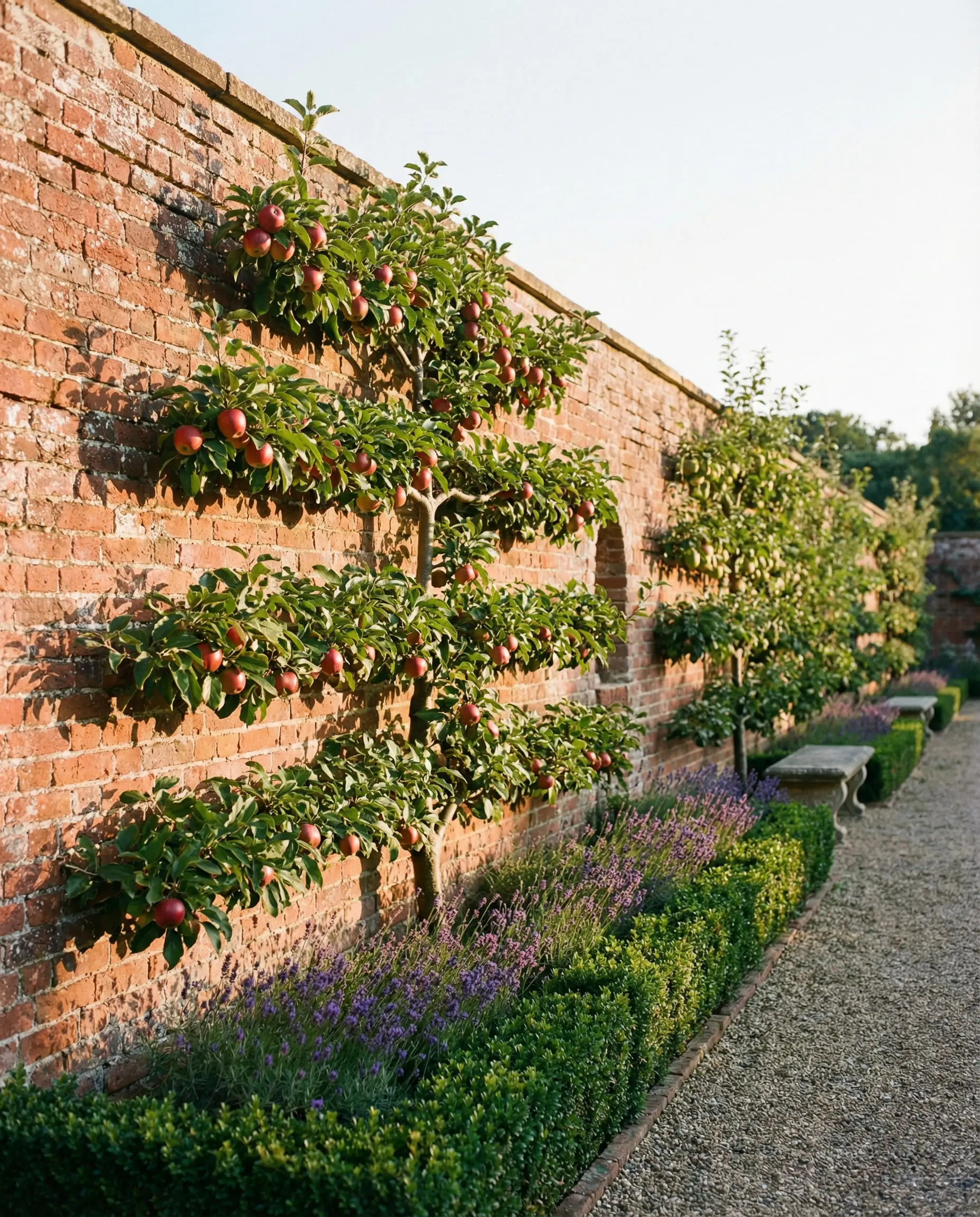
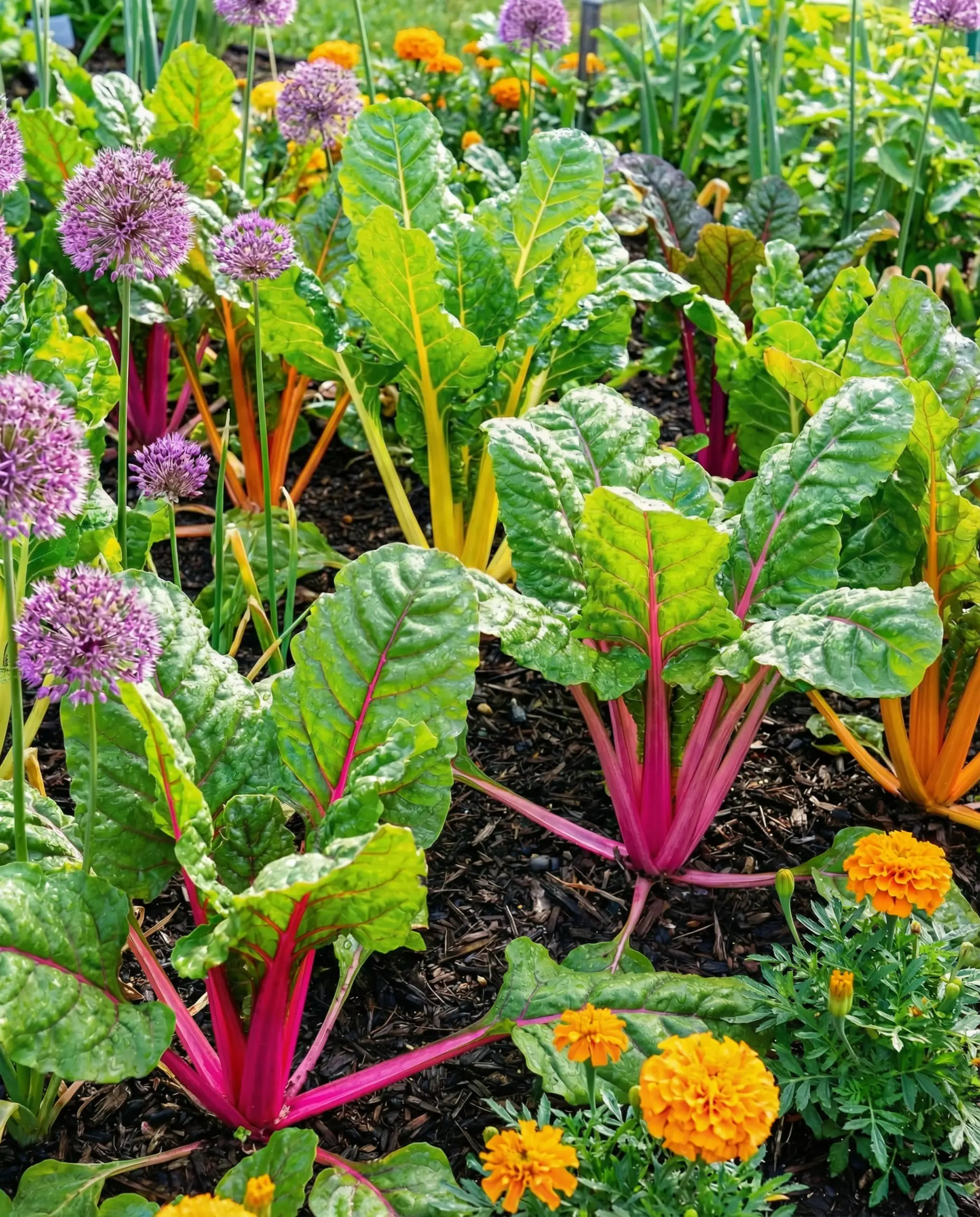
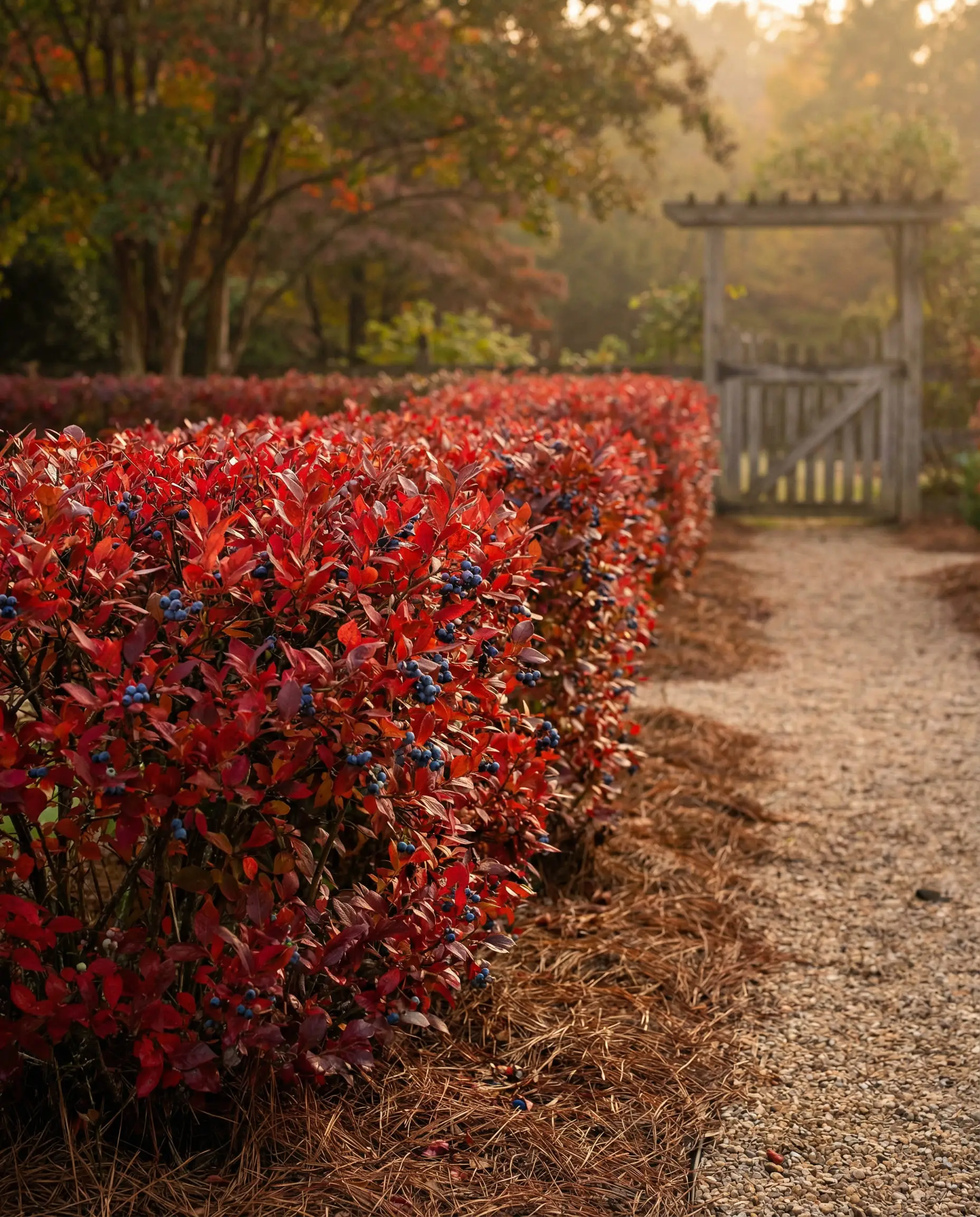
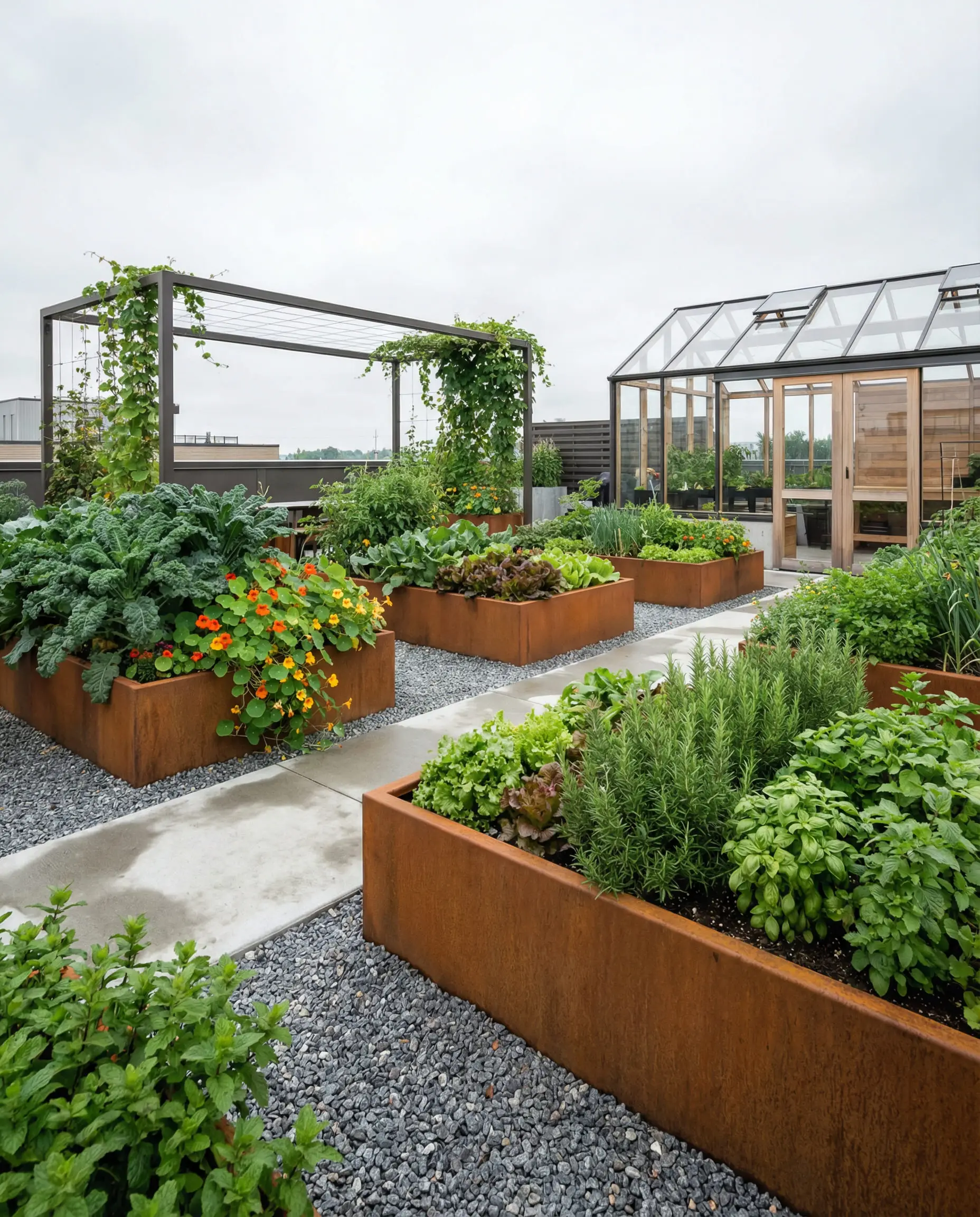
7. Edible Landscaping (Foodscaping)
The vegetable patch is no longer hidden in the back corner behind a trellis. “Foodscaping” integrates edible plants directly into ornamental beds. It is the ultimate blend of form and function.
Related: This “garden-to-table” lifestyle pairs perfectly with an updated cooking space. See our Modern Kitchen Trends for inspiration on bringing your harvest inside.
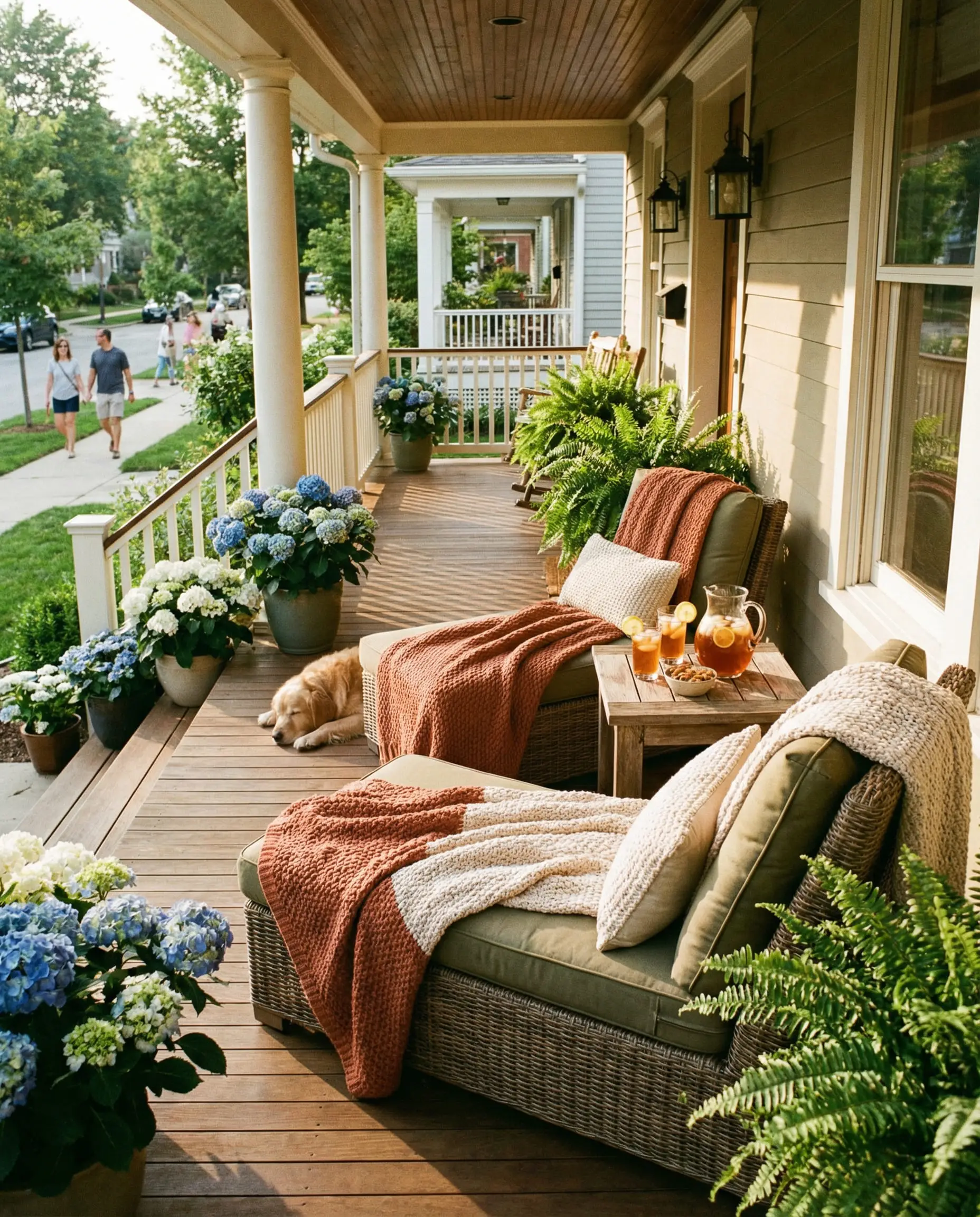
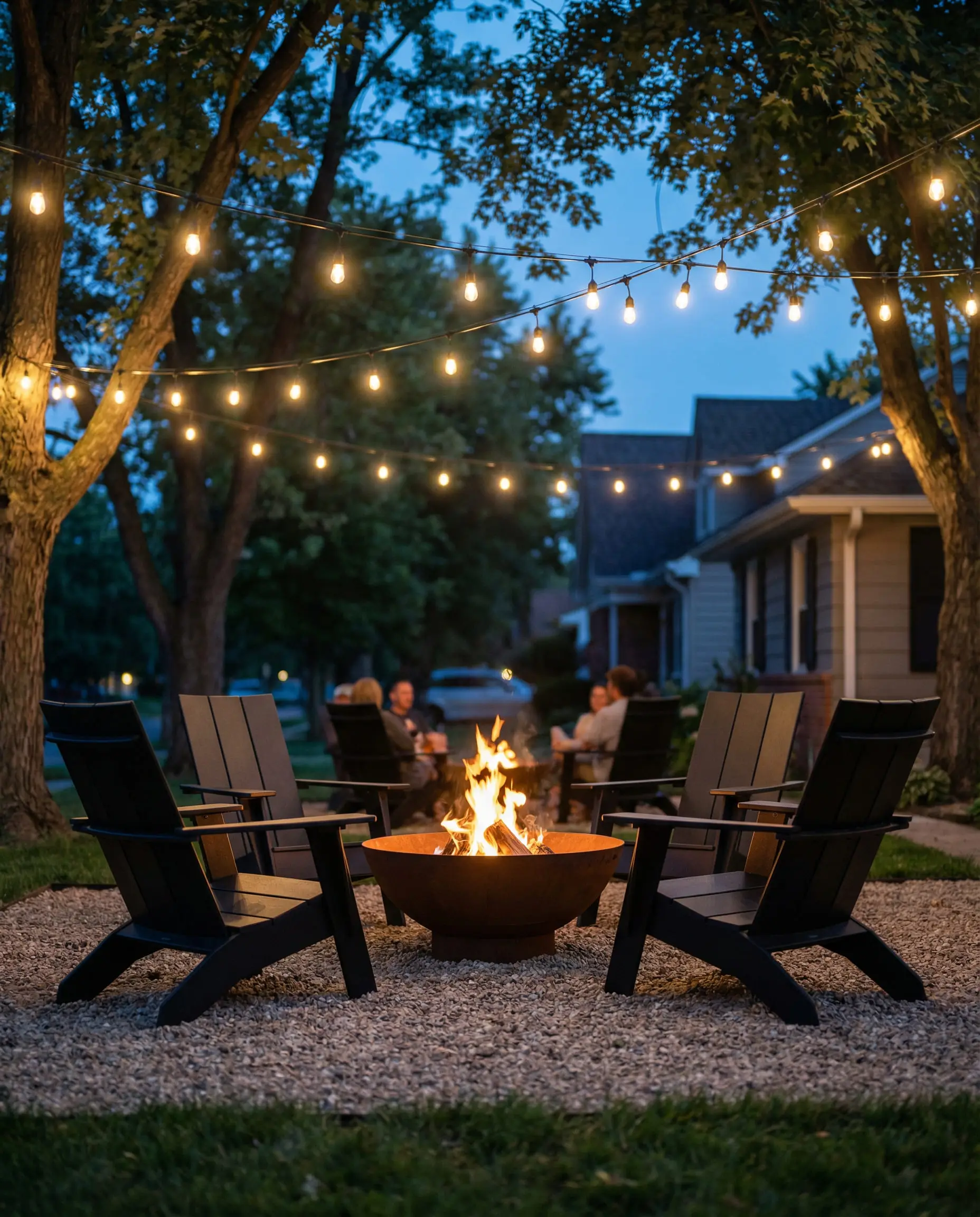
8. The Social Front Yard
We are seeing a sociological shift where the front yard is being reclaimed as a social space. “Curb appeal” is shifting from purely decorative to functional.
Related: Make your front entrance inviting with the latest Modern Front Door Trends and Colors.
IV. Technology in Nature
In 2026, technology is present but invisible. It works in the background to make garden care easier and more eco-friendly.
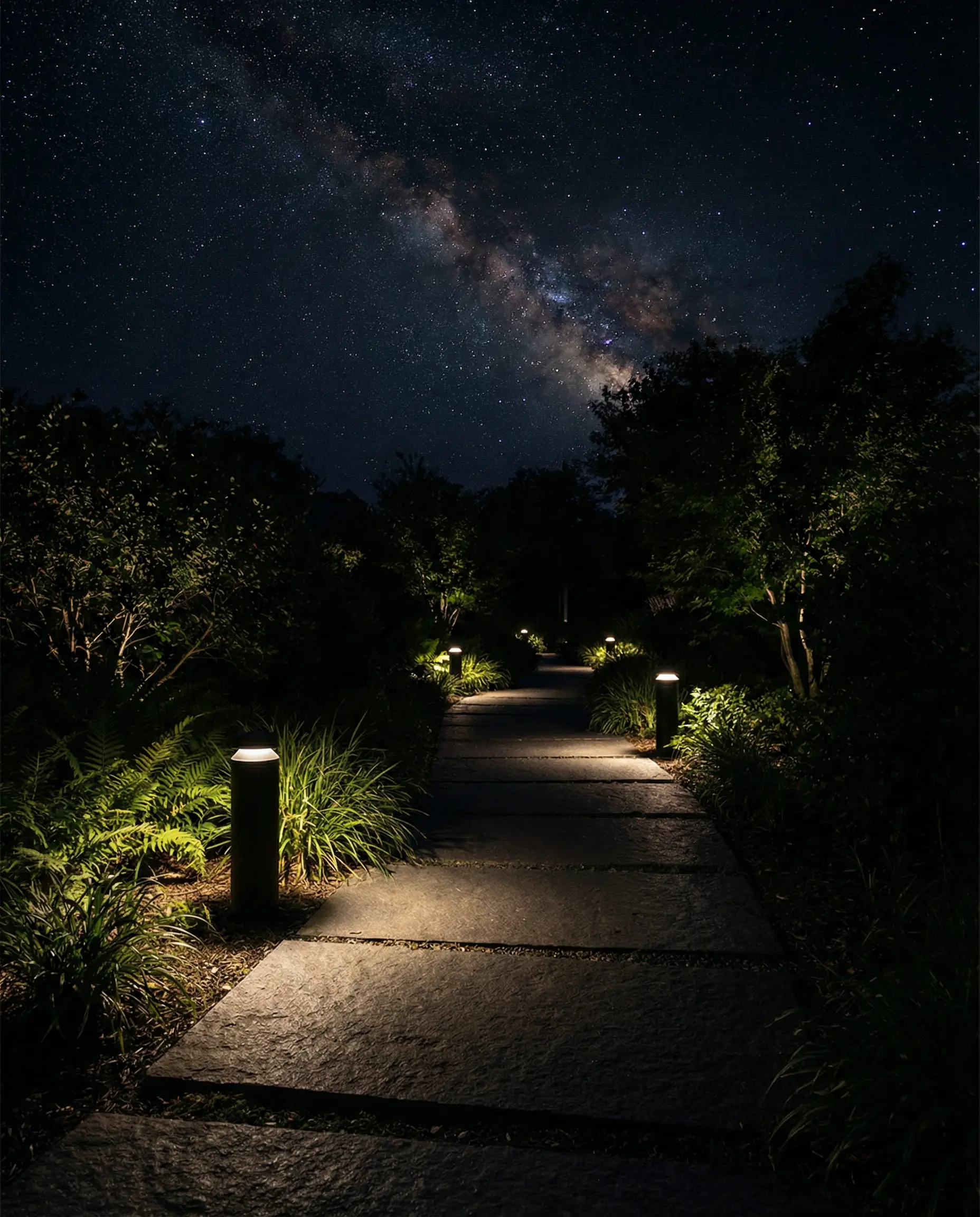
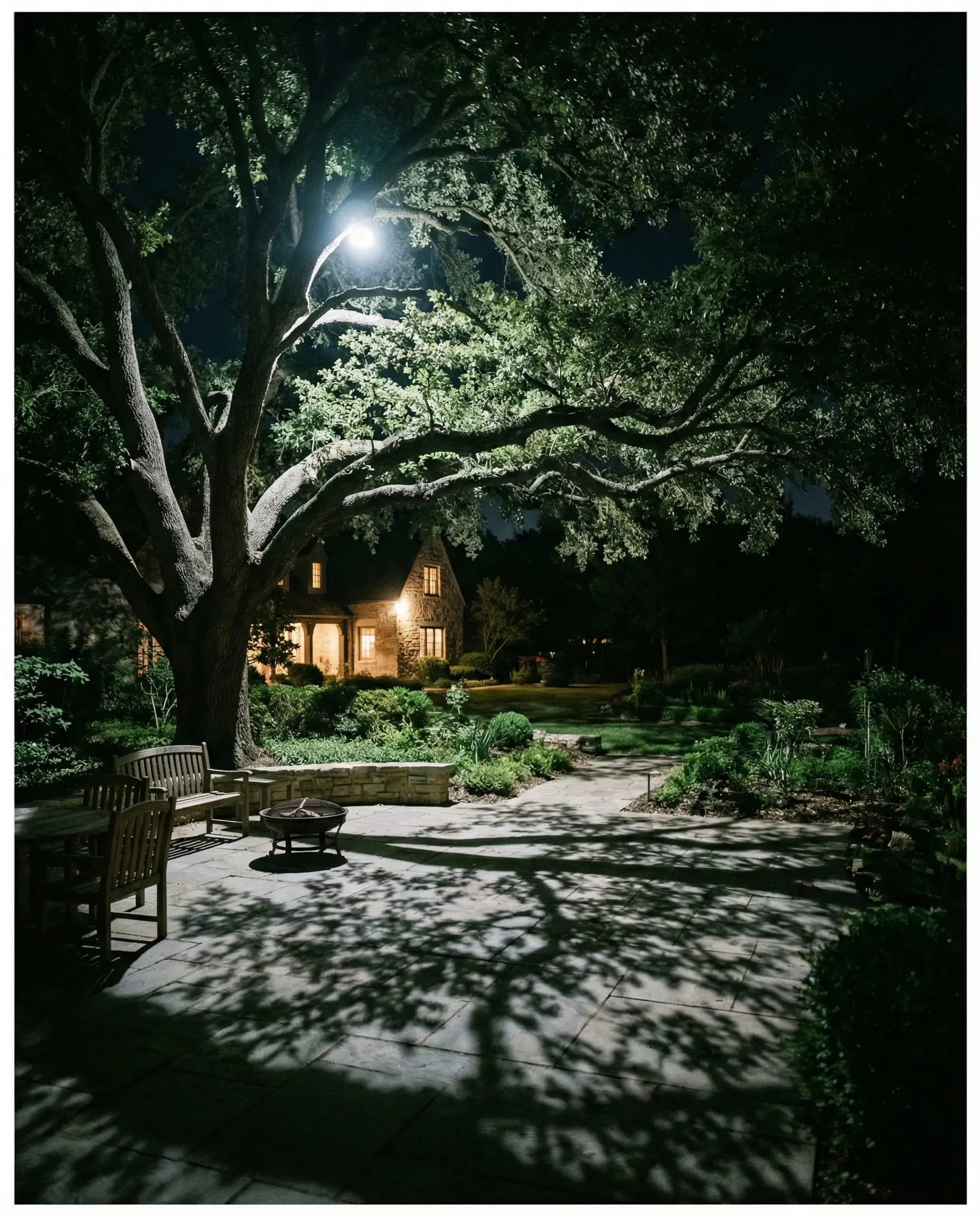
9. Dark-Sky Friendly Lighting
Light pollution is a growing concern for insect populations (it disrupts breeding cycles) and human circadian rhythms. The trend for 2026 is “Dark-Sky” lighting.
Related: Lighting is just as crucial indoors. See our Lighting Trends guide to ensure your indoor and outdoor lighting schemes complement each other.
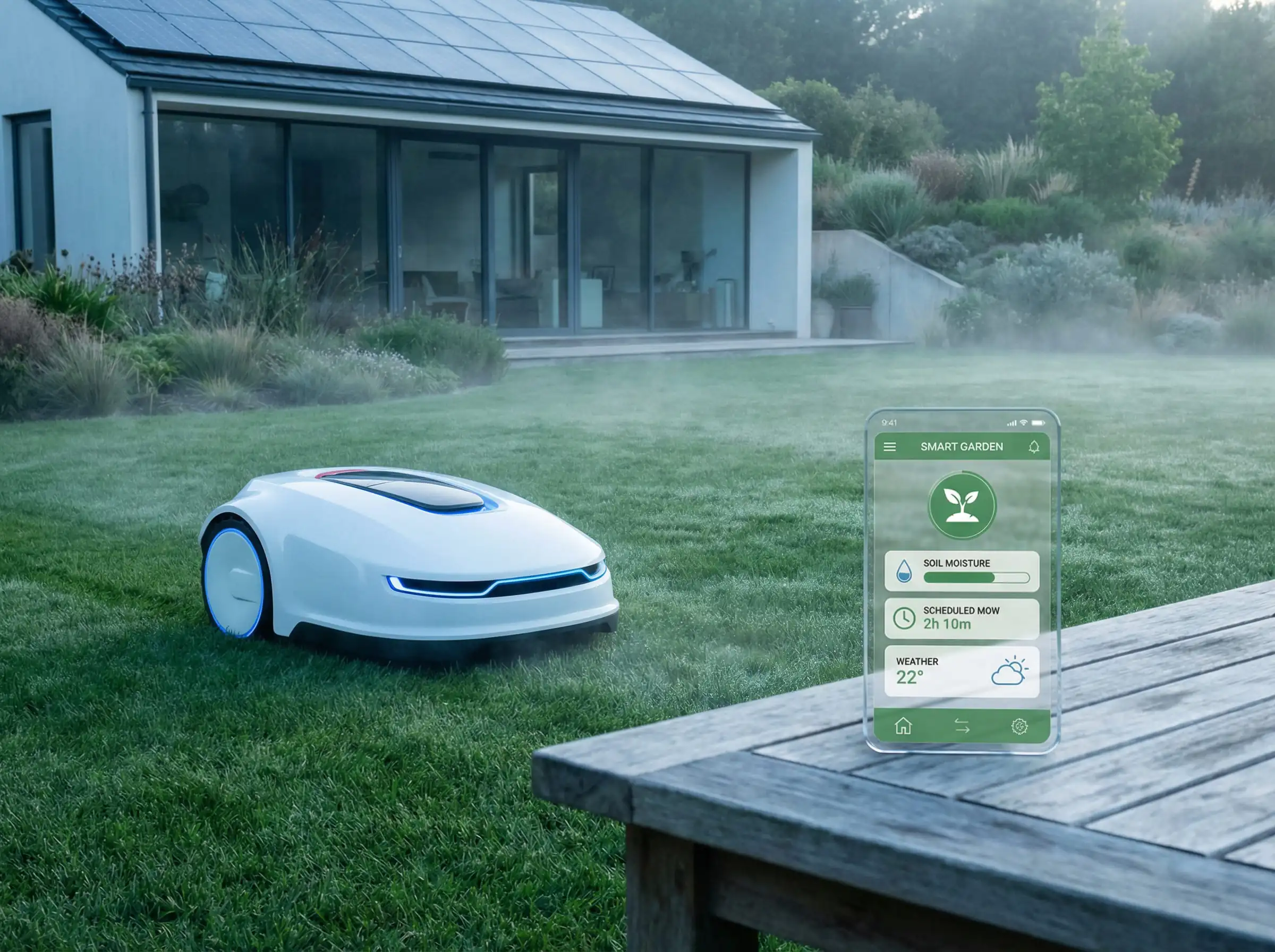
10. Smart Garden Automation
2026 is the year of the Smart Garden. These tools allow you to maintain a lush landscape with a fraction of the effort and water usage.
Related: Automating your outdoors? Don’t forget the indoors. Our Smart Home Trends article covers the latest in home automation.
V. Practical Application: How to Start & ROI
You don’t need a professional landscape architect to embrace these trends. Here is how to get started, whether you are looking to increase your property value or just enjoy your weekend.
Does Landscaping Add Value? (The ROI Question)
Yes. In 2026, a well-designed garden is considered a tangible asset. Real estate data suggests that a “functional outdoor living space” (like the Architectural Gardens mentioned above) can increase property value by 10-12%.
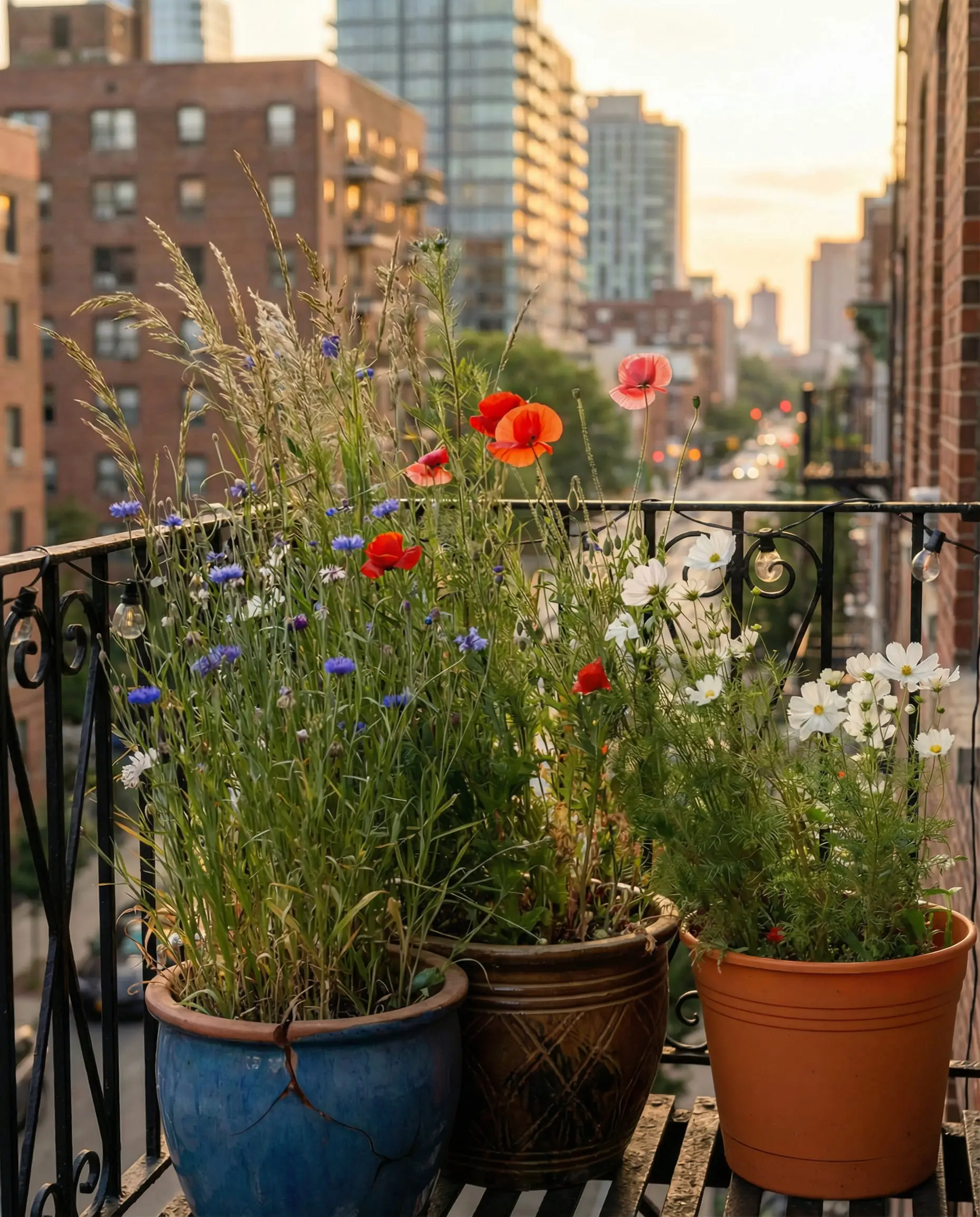
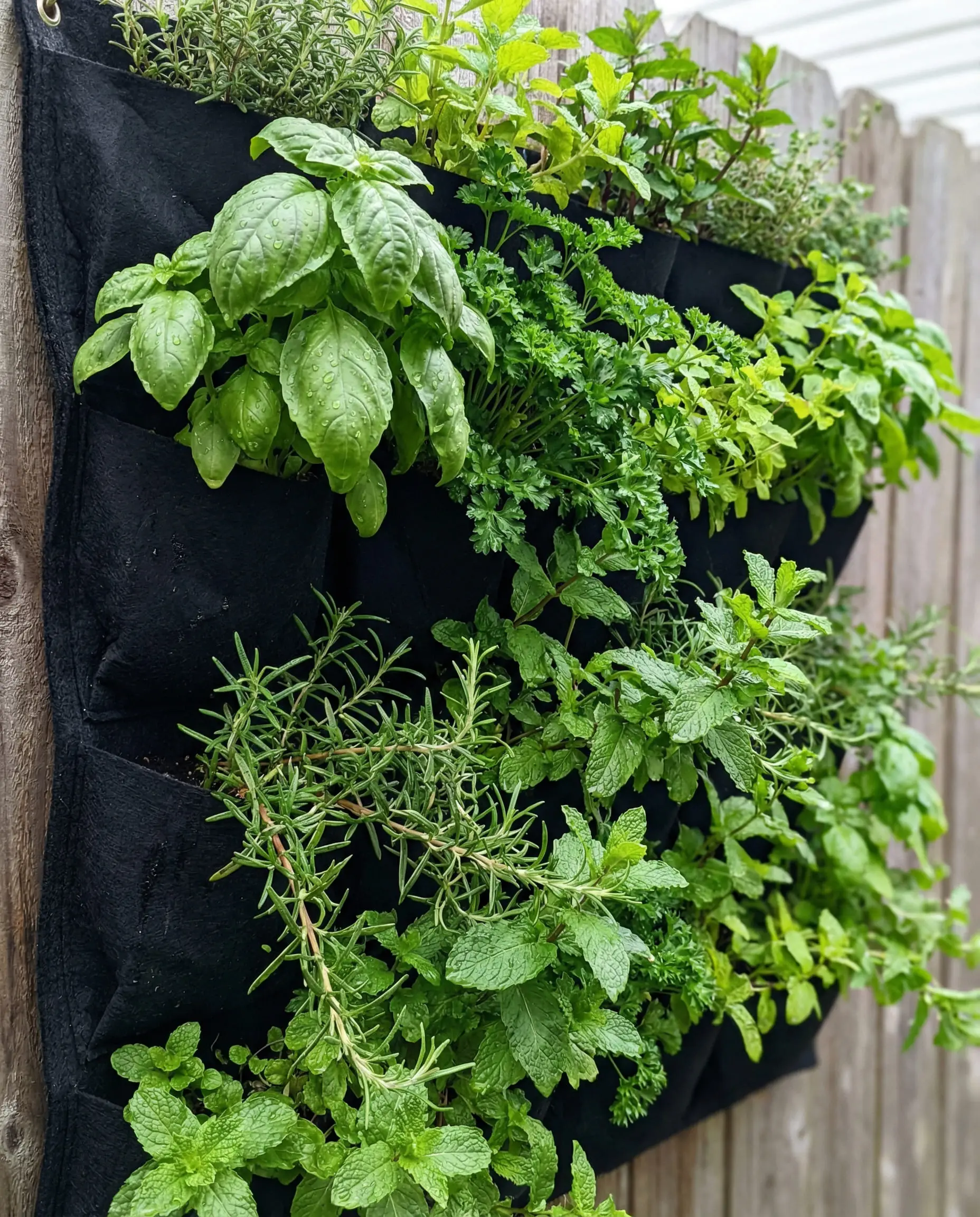
Small Space Adaptations
If you have a balcony or small patio, you can still embrace the “wild” look.
Related: Small spaces require smart decor. Our DIY Home Decor Trends offer great ideas for upcycling containers and creating unique planters.
Budget-Friendly Upgrades
Frequently Asked Questions
A: While there isn’t one single color, the trend is heavily leaning toward “Faded Petal” (a dusty, weathered pink) and warm earth tones like terracotta, ochre, and sage green. These colors ground the garden and provide a soothing contrast to green foliage.
A: Generally, no. The trend has shifted sharply away from plastic grass due to environmental concerns (microplastics, heat retention, and lack of biodiversity). Natural, low-mow options like clover lawns or creeping thyme are the preferred modern alternative.
A: Focus on “Keystone Plants” (natives that support local wildlife) which are often cheaper and hardier than exotic imports. Composting your kitchen waste to create free fertilizer is another high-impact, zero-cost step.
A: This refers to garden designs that use hardscaping (structures, paths, walls) to mimic the lines and style of the home, creating a strong visual connection between indoors and outdoors. It treats the garden as a “room” with walls (hedges), floors (pavers), and ceilings (pergolas/trees).
A: Ornamental grasses are the kings of low maintenance. Varieties like Miscanthus, Panicum (Switchgrass), or Pennisetum (Fountain Grass) require cutting back only once a year (in late winter) and generally need very little water or fertilizer once established.
Conclusion
The landscape and garden design trends for 2026 invite us to step back and let nature take the lead. By embracing imperfection, prioritizing resilience, and creating spaces that feed our senses, we can build gardens that are not only beautiful to look at but delightful to live in.
The shift towards “Climate-First” gardening and “Sensory Sanctuaries” proves that we are moving towards a deeper relationship with our outdoor spaces. We aren’t just looking at our gardens anymore; we are living in them.
Ready to transform your space? Whether you are painting your fence in a warm terracotta, installing a smart irrigation controller, or planting your first “mini-meadow,” the best time to start is now.
For more inspiration on upgrading your living spaces, explore our full list of Outdoor Living Trends and prepare your home for the year ahead.