Let’s be honest: for decades, the ceiling has been the most ignored surface in our homes. We spend weeks agonizing over wall swatches, testing samples in different lights, and debating undertones. But when it comes to the ceiling? We instinctively grab the nearest can of “Ceiling White” and call it a day.
In 2026, that default setting is officially turned off.
Interior designers and color experts are finally giving the “Fifth Wall” the main character energy it deserves. The trends for 2026 aren’t just about slapping a bold color up top for the sake of it; they are about atmosphere. This year, ceiling paint is being used to alter the perceived shape of a room, create “cocoons” of comfort, or bring the calming influence of nature indoors.
📋 Quick Summary: Top Ceiling Trends for 2026
In a hurry? Here is the cheat sheet for this year’s “Fifth Wall” trends:
1. The “New” White: Warm, Creamy, and Aged
The Vibe: Soft, Historical, and Inviting.
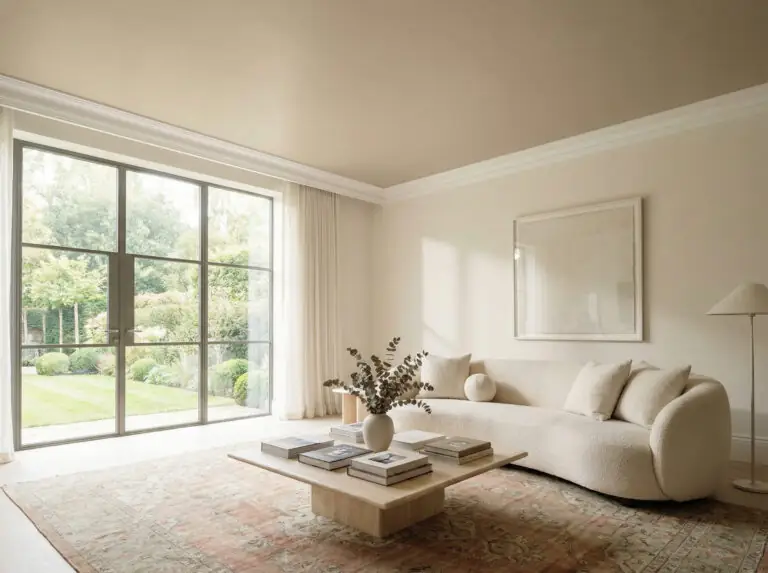
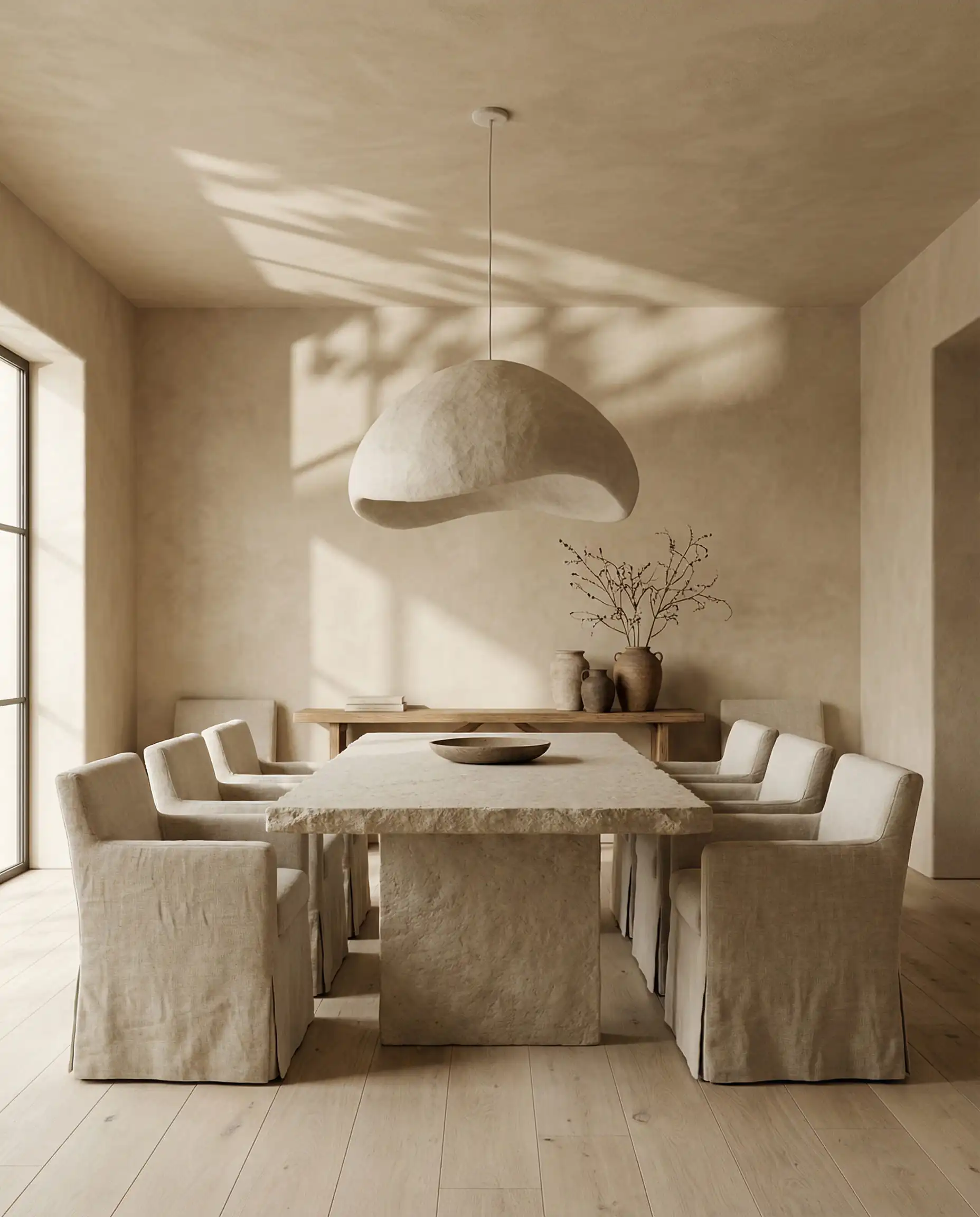
If you aren’t ready to commit to a bold color, don’t worry—you don’t have to. However, the icy, clinical “Builder’s White” that has dominated homes since the early 2000s is on its way out. In its place, we are seeing a massive resurgence of warm whites, creams, and “putty” tones.
Why the shift? Stark white can often feel unfinished or cold, especially in North-facing rooms that lack warm natural light. By choosing a white with yellow, beige, or red undertones, you soften the transition between the walls and the ceiling. This creates a space that feels lived-in and comfortable, rather than like a sterile showroom.
Top Colors to Watch
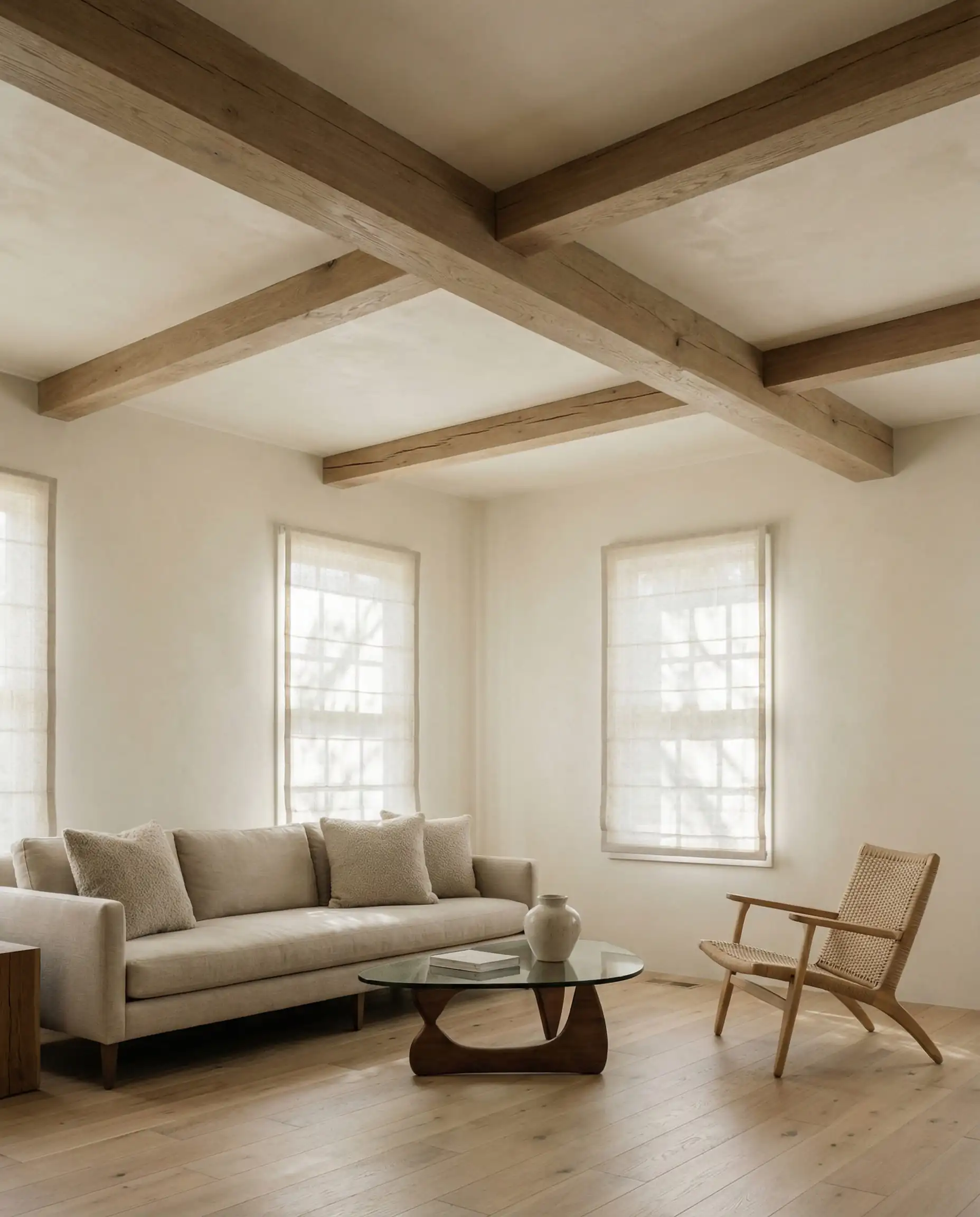
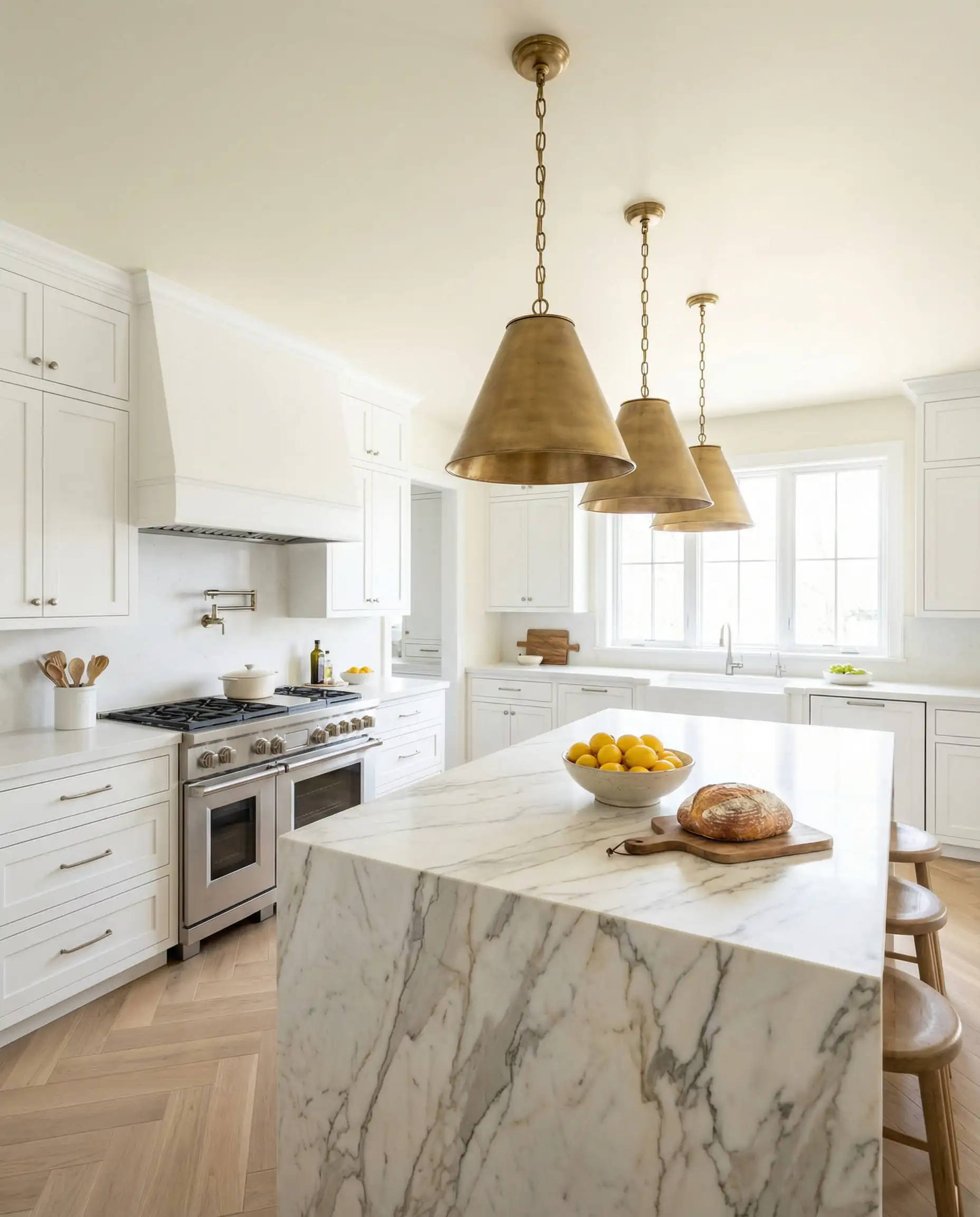
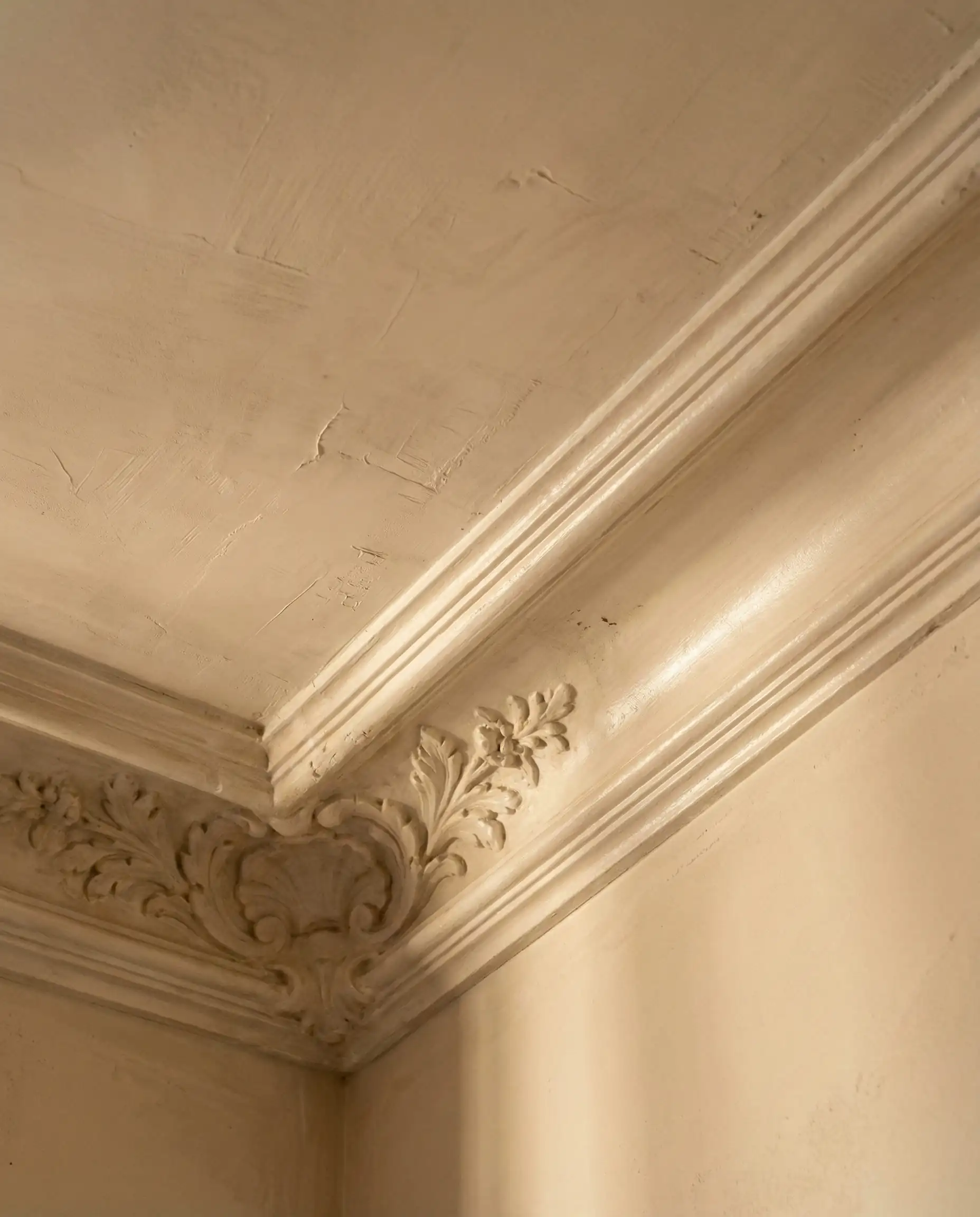
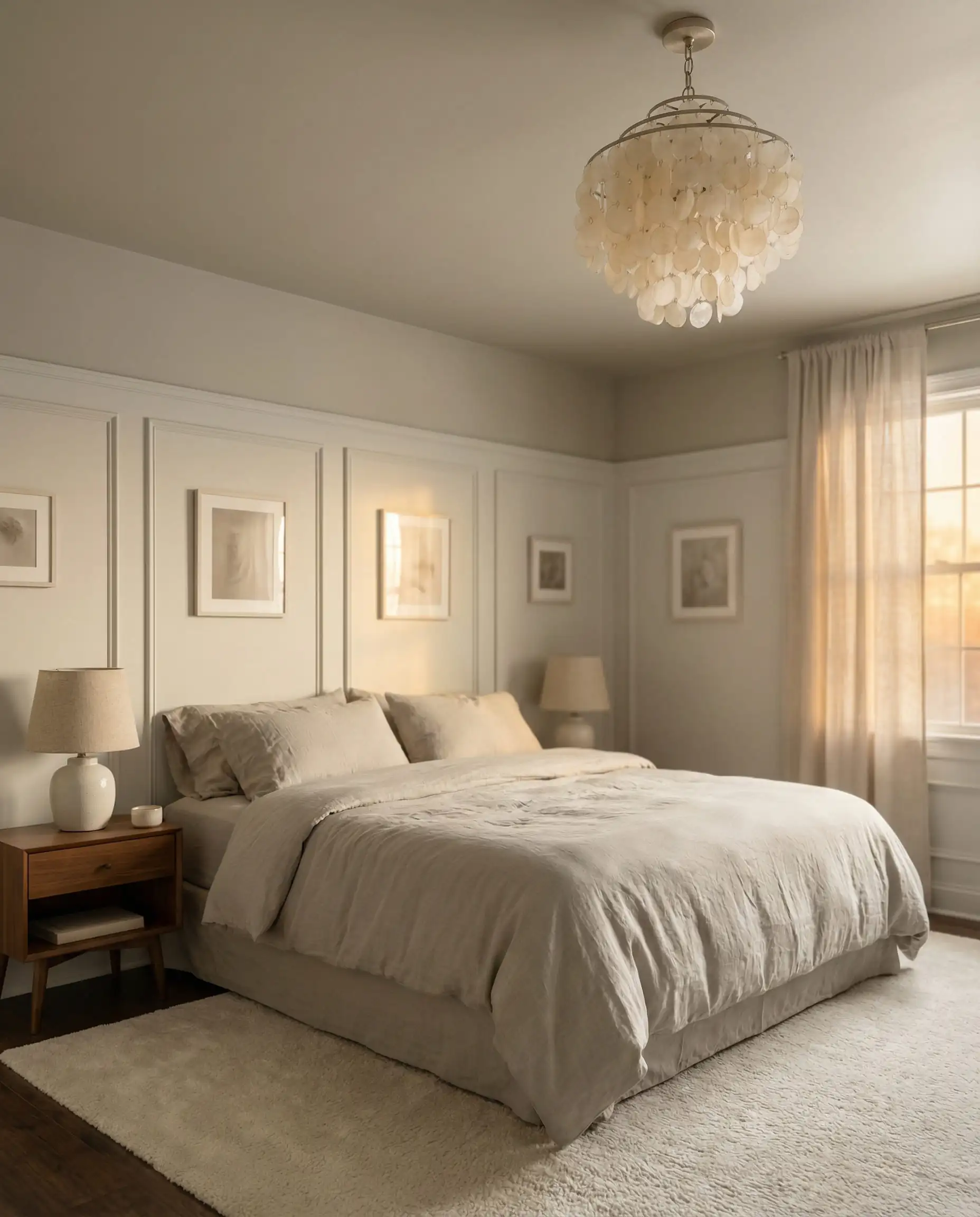
Never test white paint flat on a table. Gravity matters! Paint a large sample board and tape it overhead onto your ceiling. The light hits a horizontal ceiling differently than a vertical wall, often making whites appear greyer or darker than they look on the chip.
🎨 Designer’s Tip
If you love the Modern Farmhouse trend, these creamy ceilings are essential. They bridge the gap between rustic wood beams and modern drywall, adding that necessary layer of coziness.
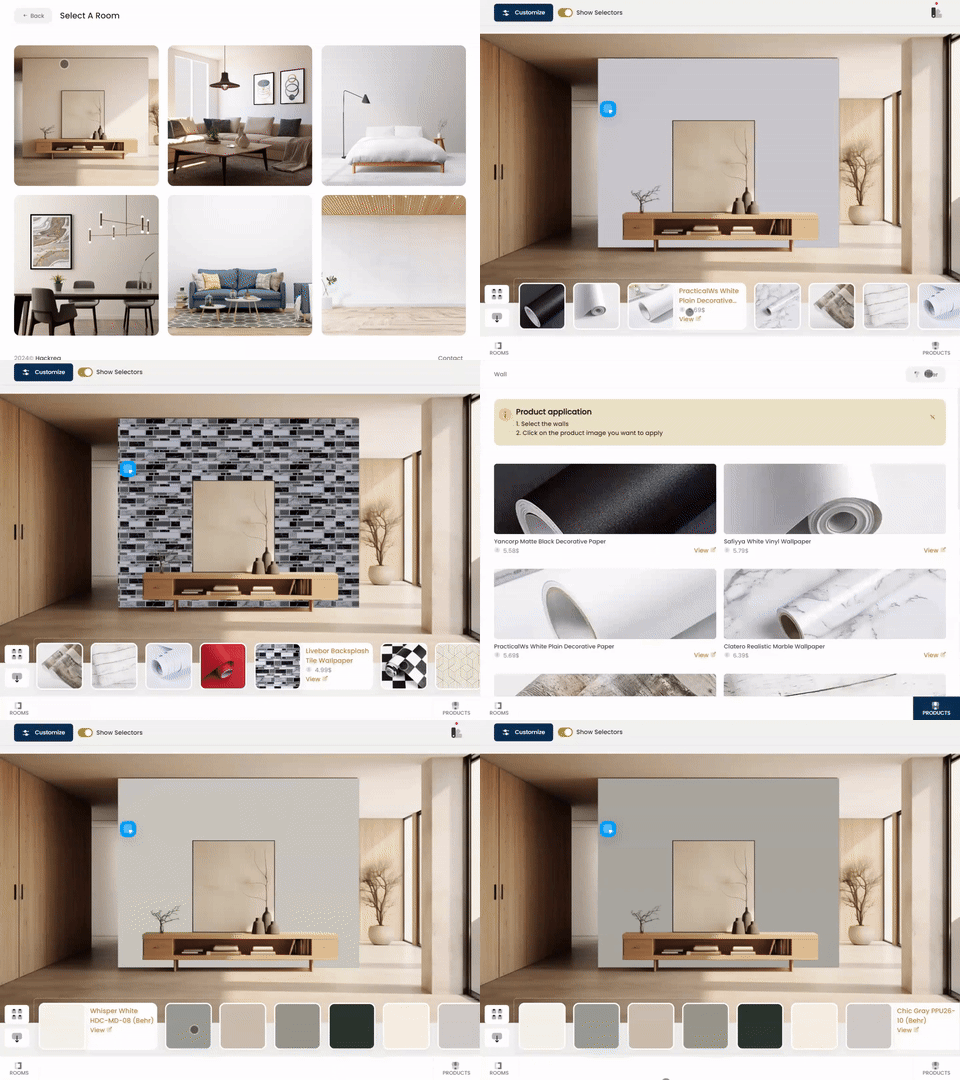
You can apply wallpapers, paints, etc. on walls and see how they look in various interiors.
2. Color Drenching: The Monochromatic Look
The Vibe: Seamless, Infinite, and Enveloping.
If there is one trend that defines 2026, it is Color Drenching. This technique involves painting your baseboards, walls, crown molding, and ceiling the exact same color.
For years, we were taught that a white ceiling “opens up” a room. While true in some cases, a white ceiling also creates a sharp horizontal line that visually chops the room in half. When you color drench, you blur those boundaries. The eye doesn’t know where the wall ends and the ceiling begins, which paradoxically can make a small room feel larger and more infinite.
Best Colors for Drenching
This technique works best with mid-tone colors that have a bit of dustiness to them:
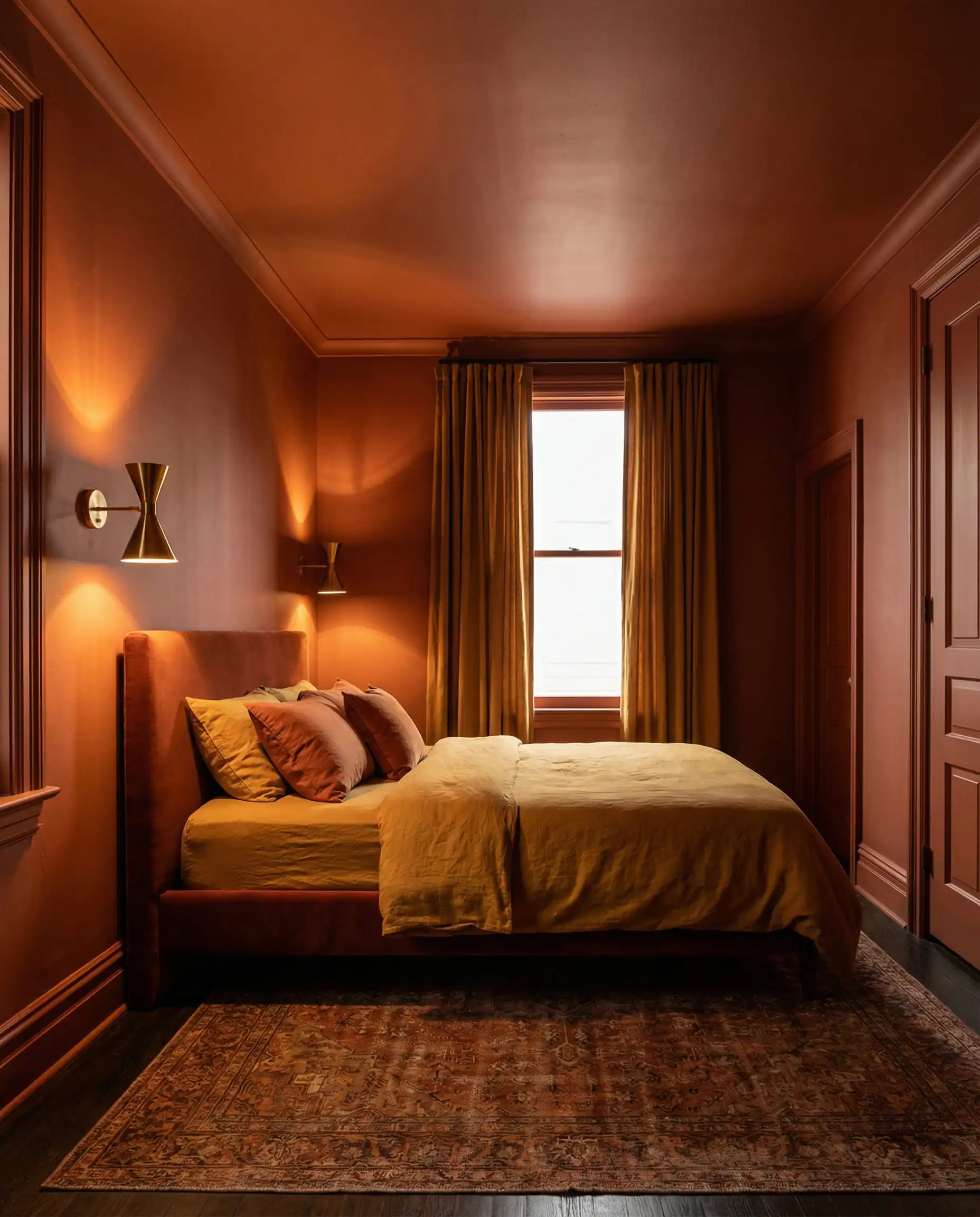
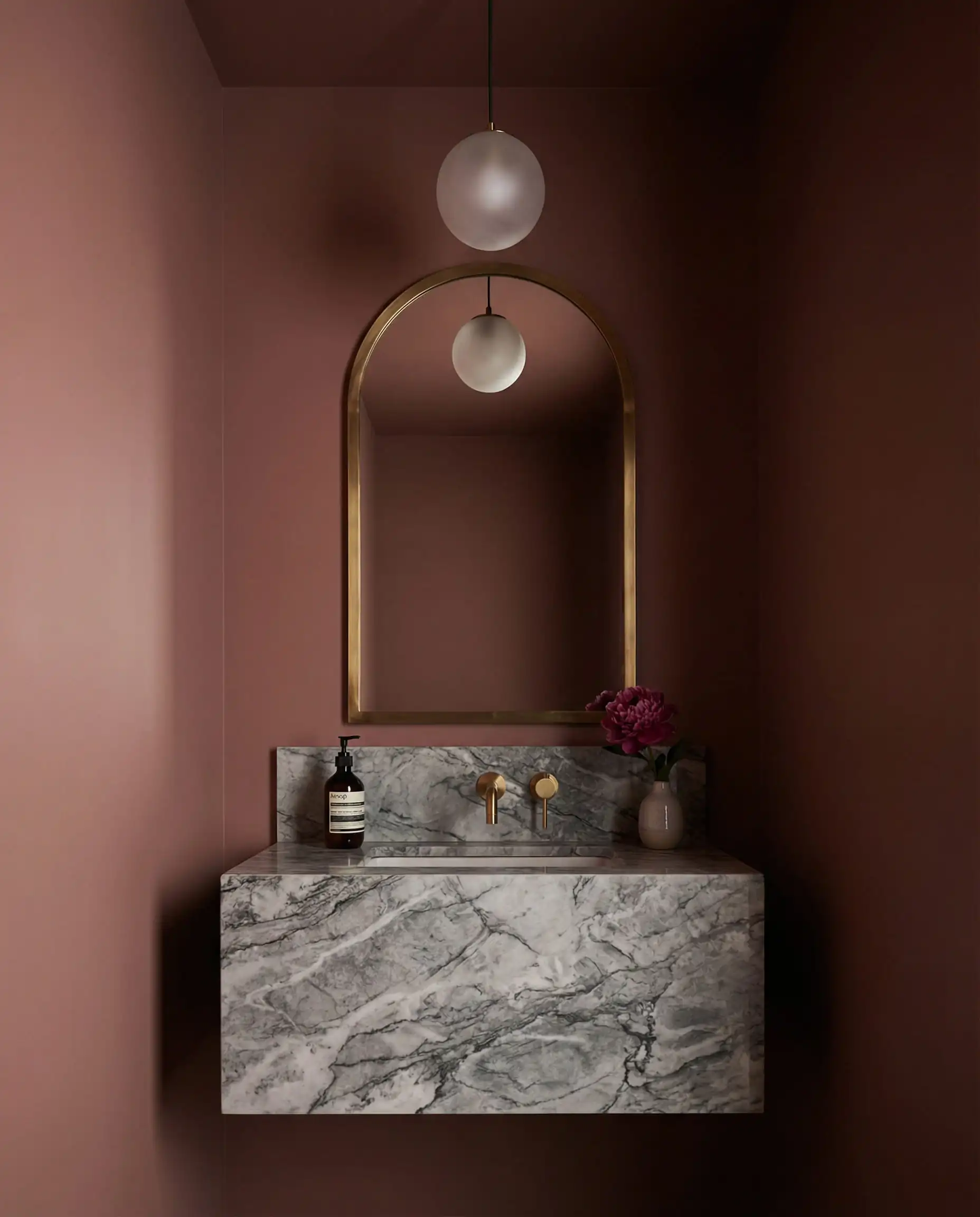
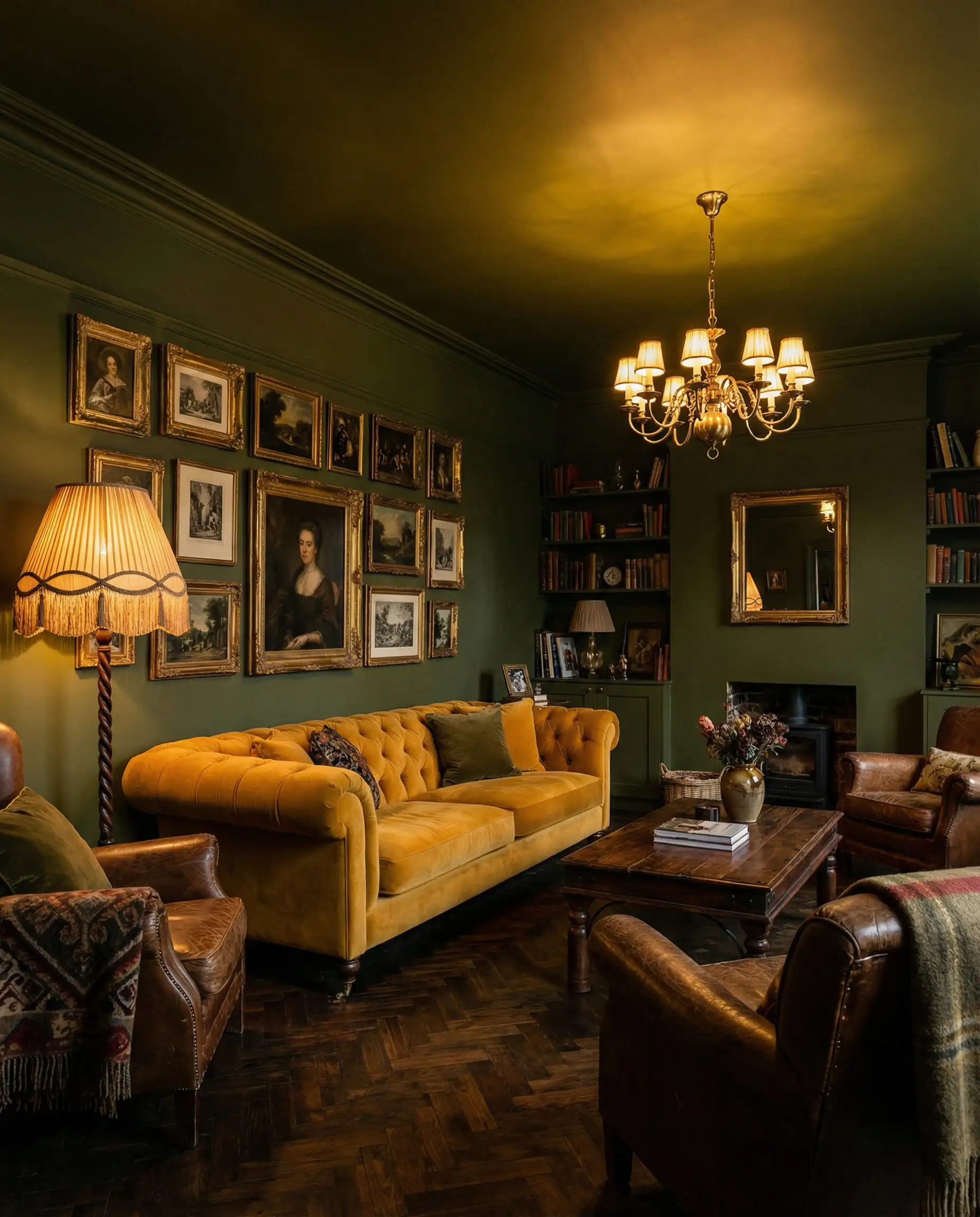
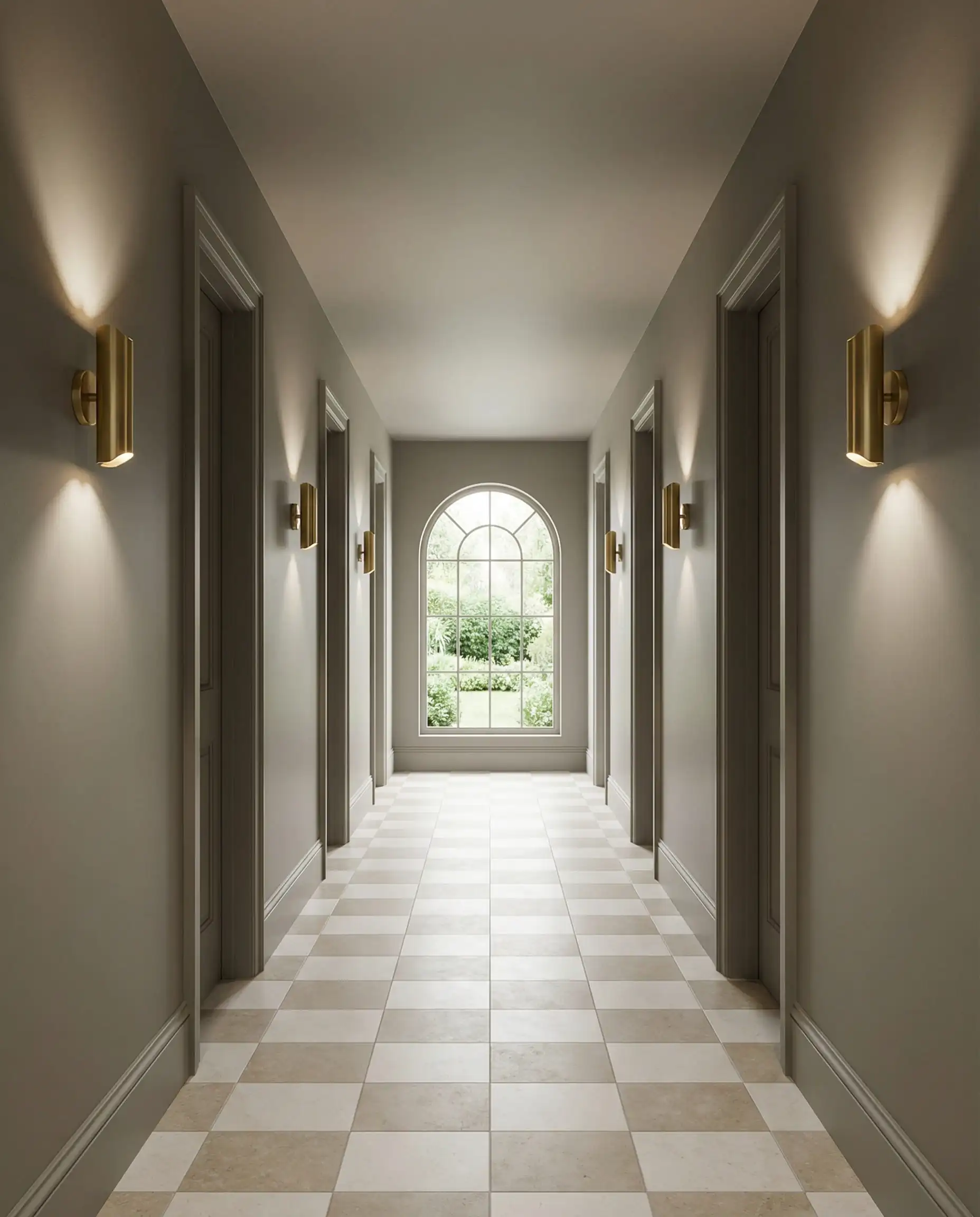
When color drenching, play with sheen to keep the room from looking flat. Use Eggshell/Matte on the walls and ceiling, but switch to a Semi-Gloss in the exact same color for the trim and crown molding. This adds a subtle architectural detail without breaking the color flow.
🎨 Designer’s Tip
This look is particularly effective in spaces designed for rest. We are seeing a huge uptake in monochromatic bedroom trends, where the goal is to reduce visual noise and promote deep sleep.
3. Moody & Dramatic: The “Library” Aesthetic
The Vibe: Sophisticated, Cozy, and Bold.
Do you have a room that doesn’t get much natural light? A powder room, a study, or a media room? The instinct is often to paint it white to “brighten it up.” Don’t fight the darkness—embrace it.
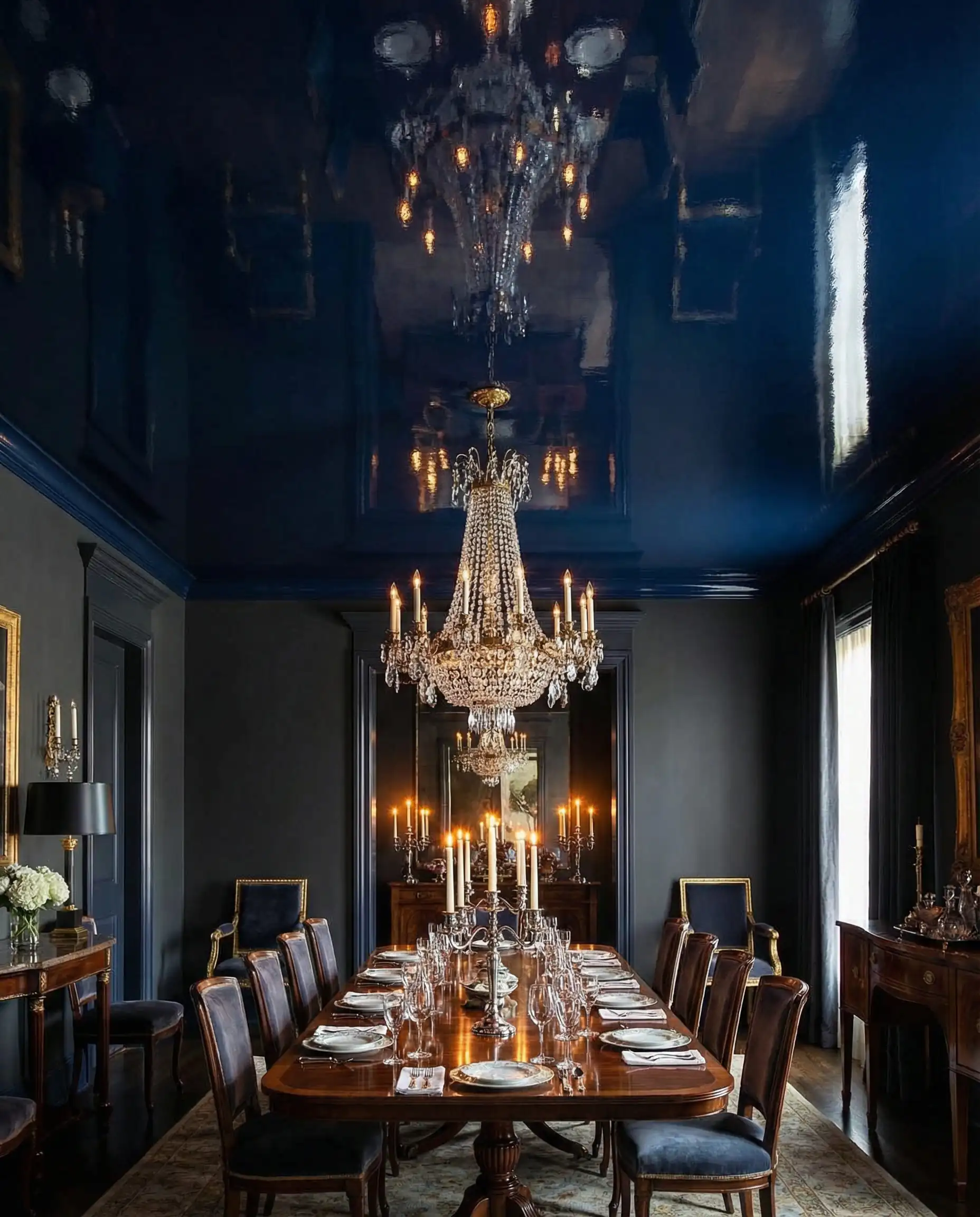
In 2026, dark ceilings are a hallmark of the “Dark Academia” and “Moody Lounge” aesthetics. By painting the ceiling a deep, rich color—charcoal, navy, or even black—you essentially delete the ceiling. In a dim room, a dark ceiling recedes into the shadows, creating a starry-night effect that feels incredibly high-end.
Top Colors for Drama
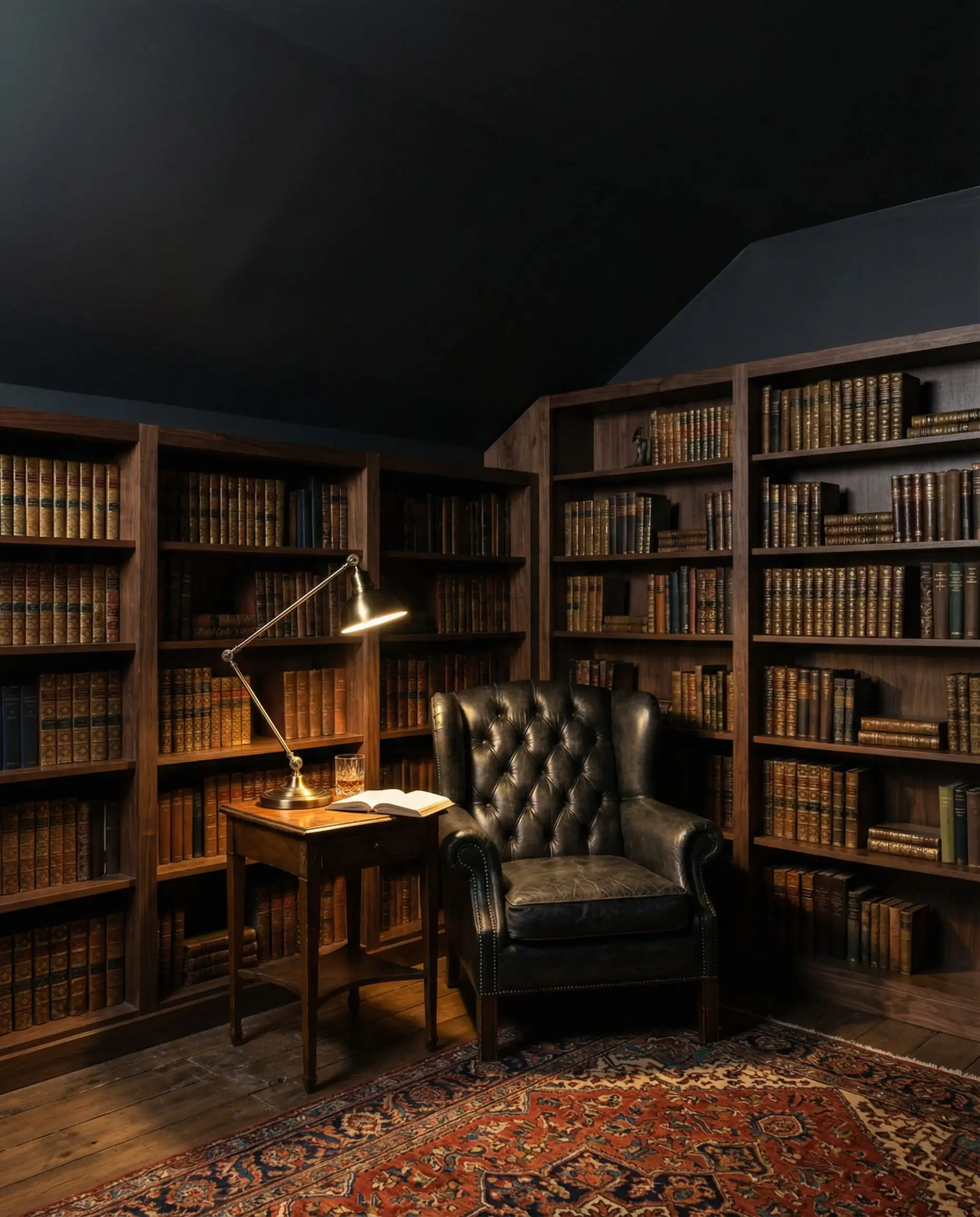
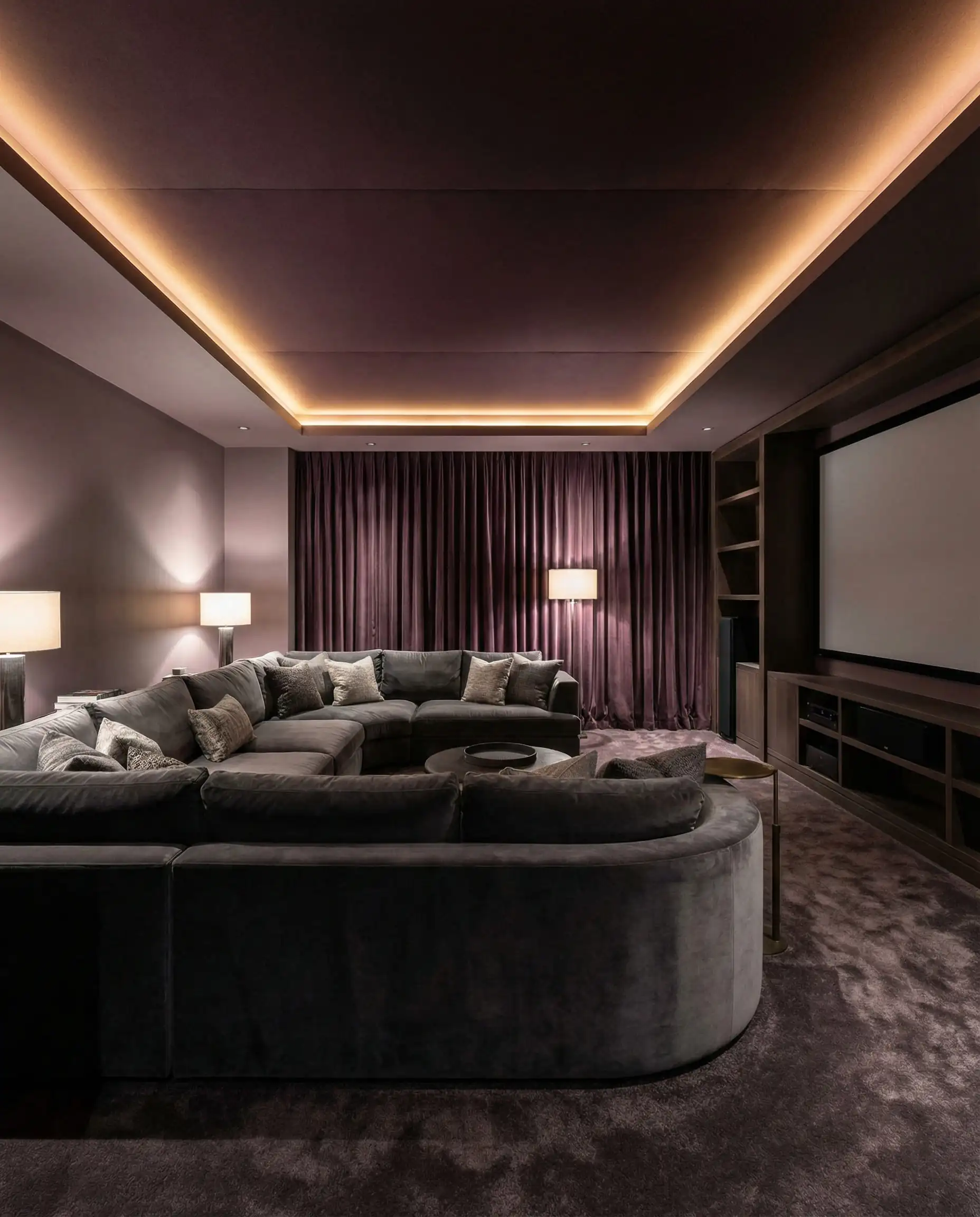
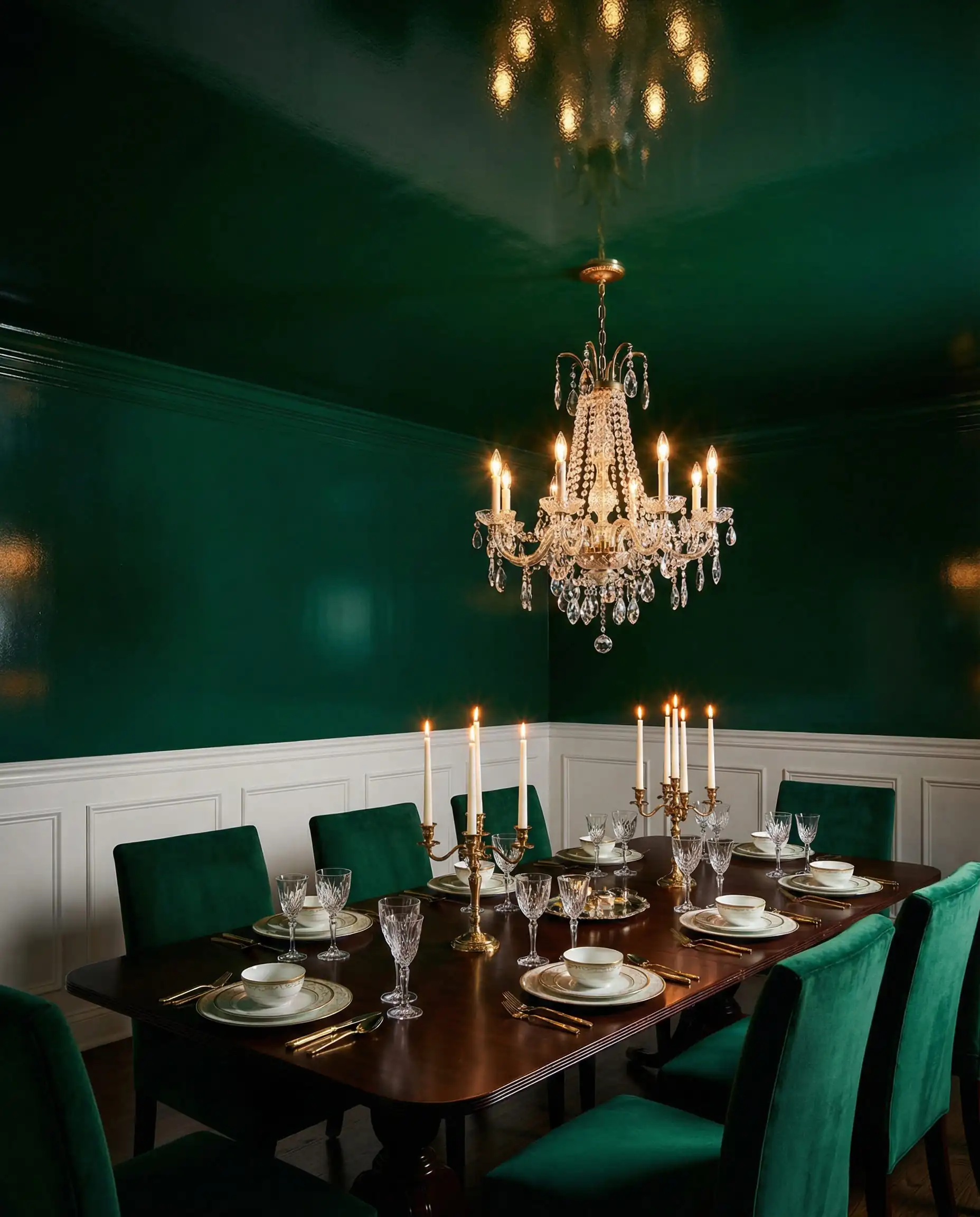
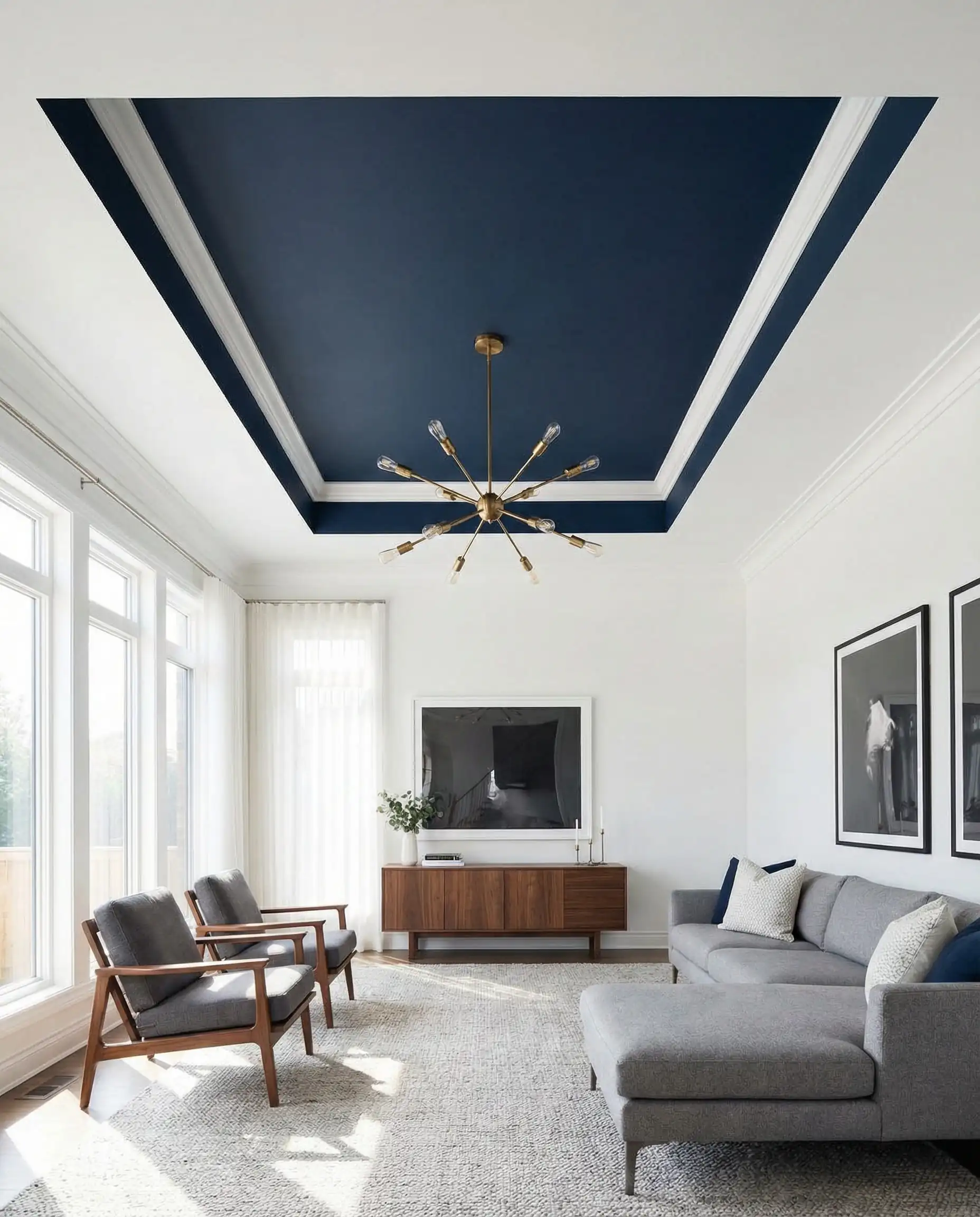
If you are considering updating your false ceiling design, painting the recessed areas dark while keeping the borders light is a fantastic way to add depth and architectural interest without darkening the whole room.
4. Biophilic Ceilings: Bringing the Sky Inside
The Vibe: Fresh, Airy, and Grounded.
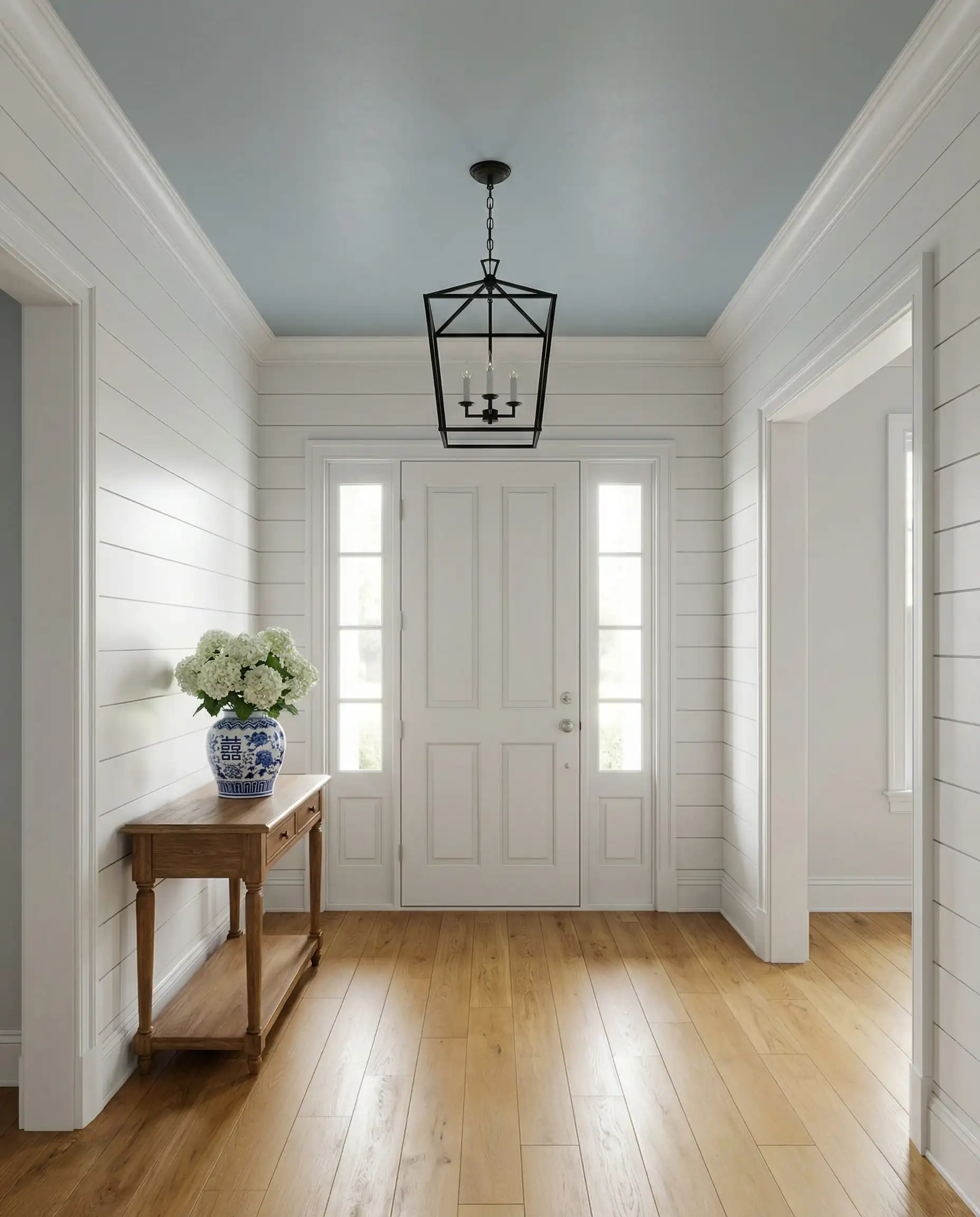
Biophilic design (design that connects us to nature) isn’t going anywhere. In 2026, we are literally painting the sky onto our ceilings. This trend is split into two distinct directions: the “Haint Blue” revival and the “Canopy” effect.
The “Haint Blue” Revival
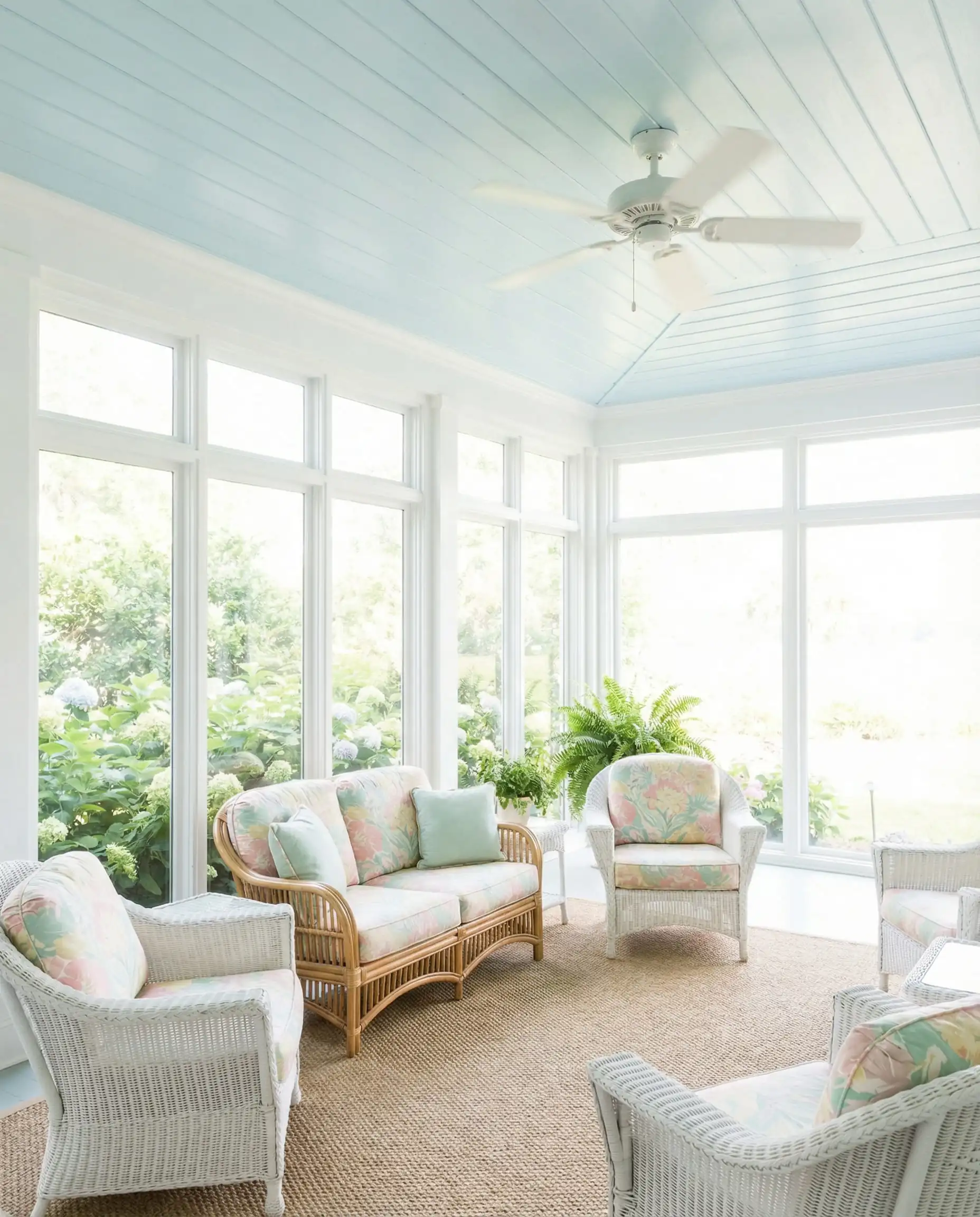
Historically used on porch ceilings in the Southern US to ward off spirits (and insects), pale blue is moving indoors. A soft, watery blue ceiling in a kitchen or sunroom mimics the sky, making the room feel open and breezy even on a rainy day.
Try: Benjamin Moore Breath of Fresh Air.
The “Canopy” Effect
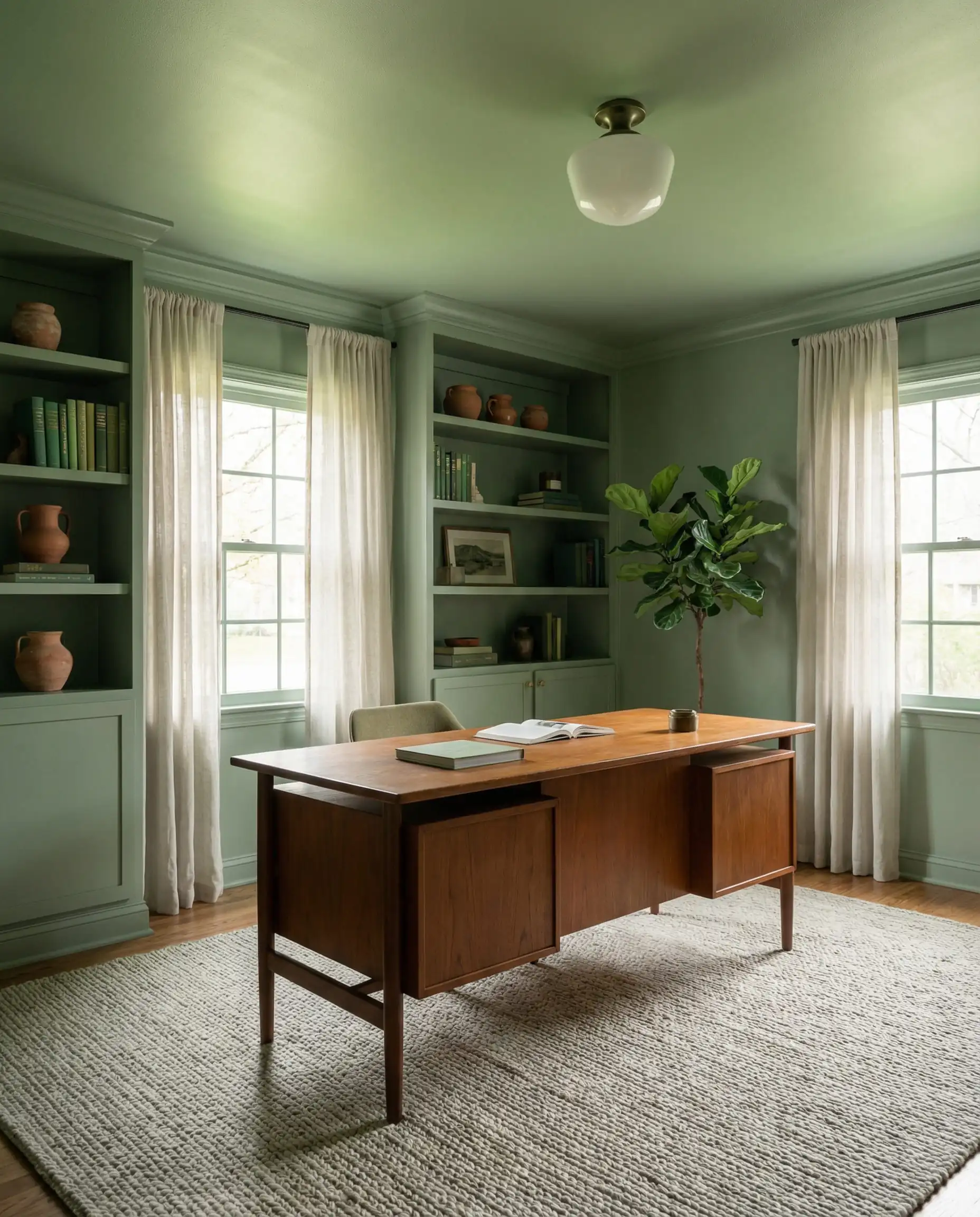
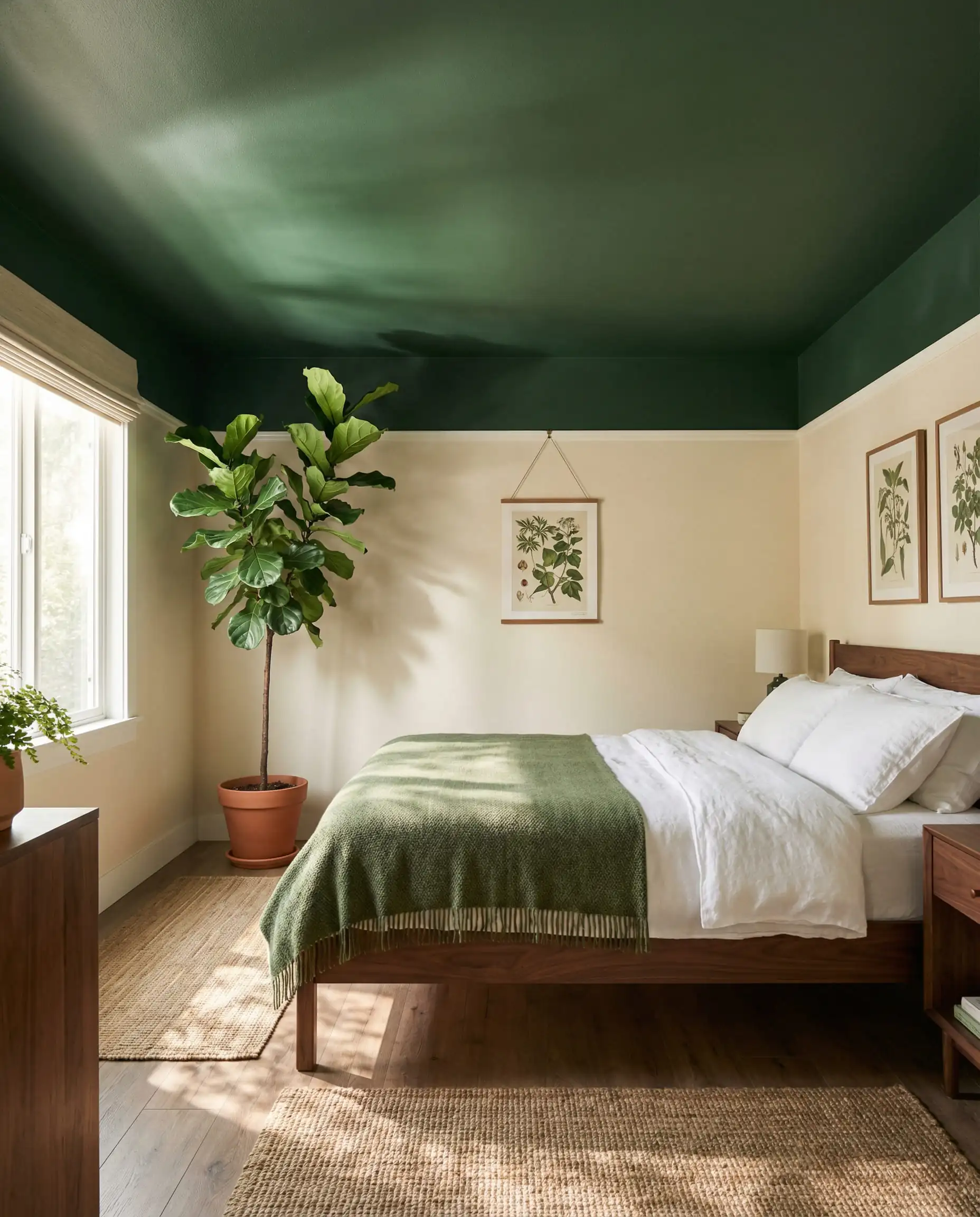
This involves using rich, leafy greens on the ceiling to mimic the feeling of standing under a tree canopy. It is surprisingly grounding and works exceptionally well in home offices to reduce stress.
Try: Valspar Warm Eucalyptus.
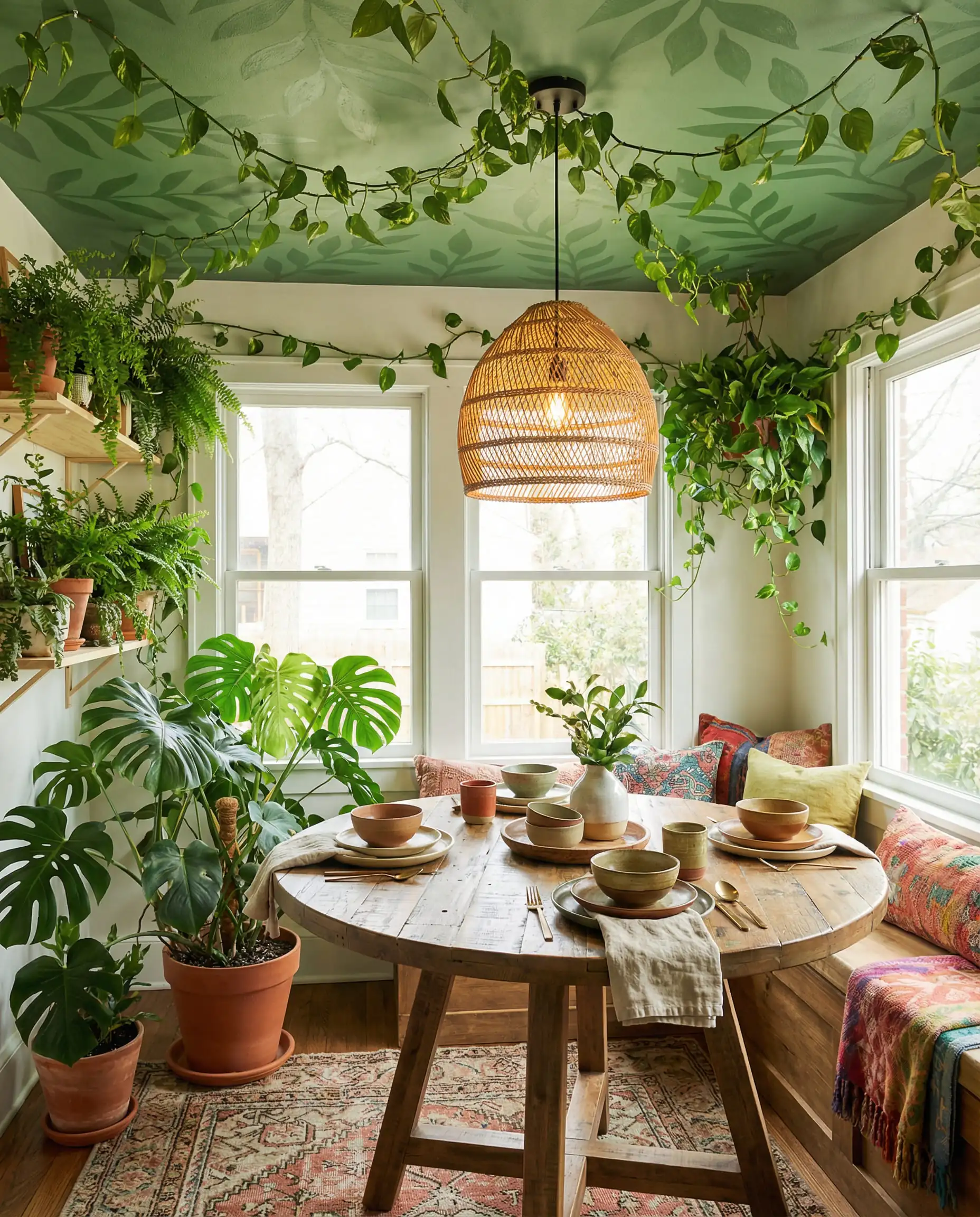
Integrating these natural tones aligns perfectly with broader eco-sustainable interior design trends, where the goal is to create environments that actively lower our heart rates and improve well-being.
5. Practical Guide: Choosing the Right Sheen
The color is only half the battle. The finish (or sheen) you choose for your ceiling can make or break the final look.
Flat / Matte:The Forgiving Choice.
Satin / Eggshell:The “Drenched” Choice.
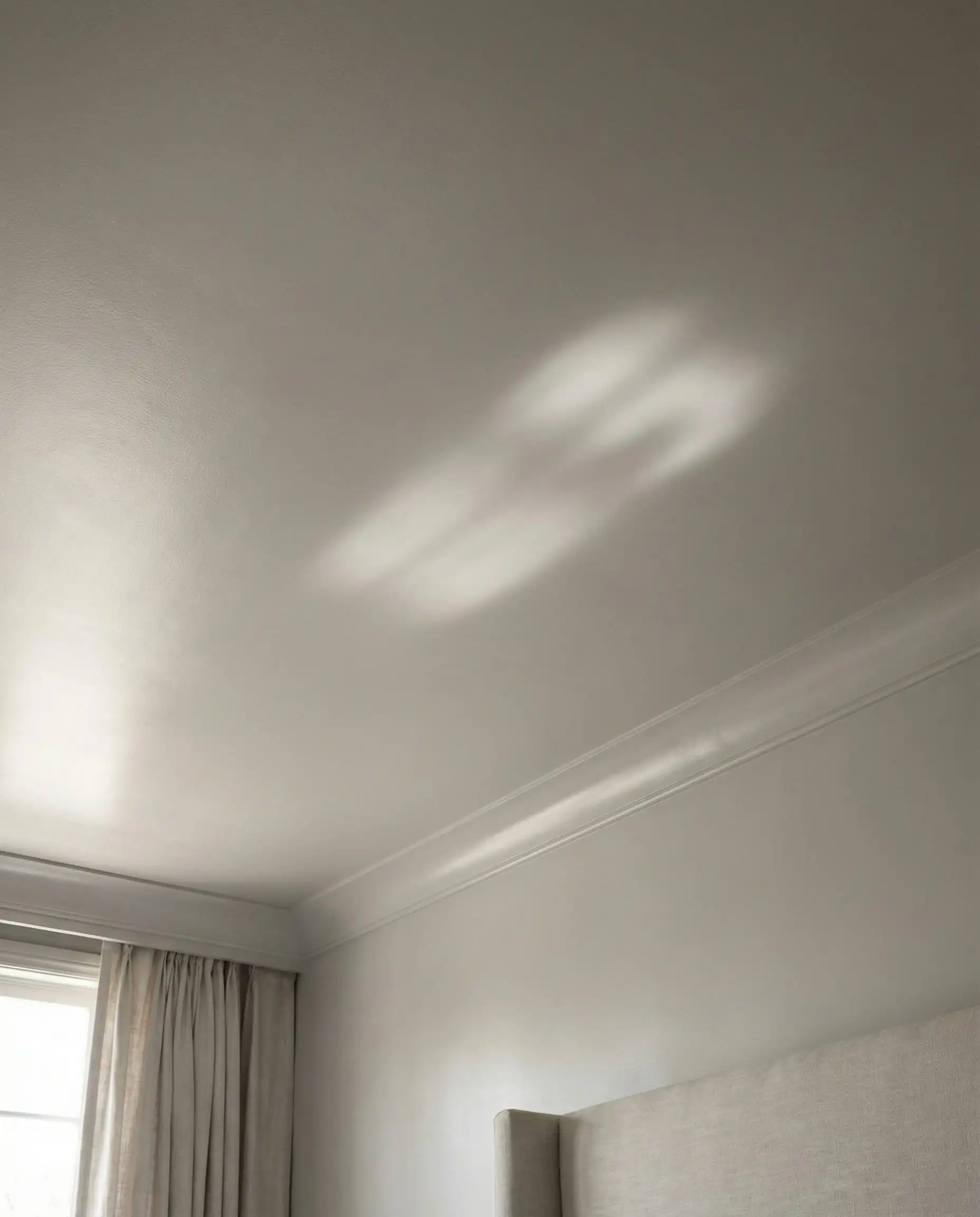
High Gloss / Lacquer:The Luxury Choice.
6. Solving Common Problems with Ceiling Paint
A fresh coat of paint is the cheapest renovation tool you have. Here is how to use ceiling color to solve architectural headaches.
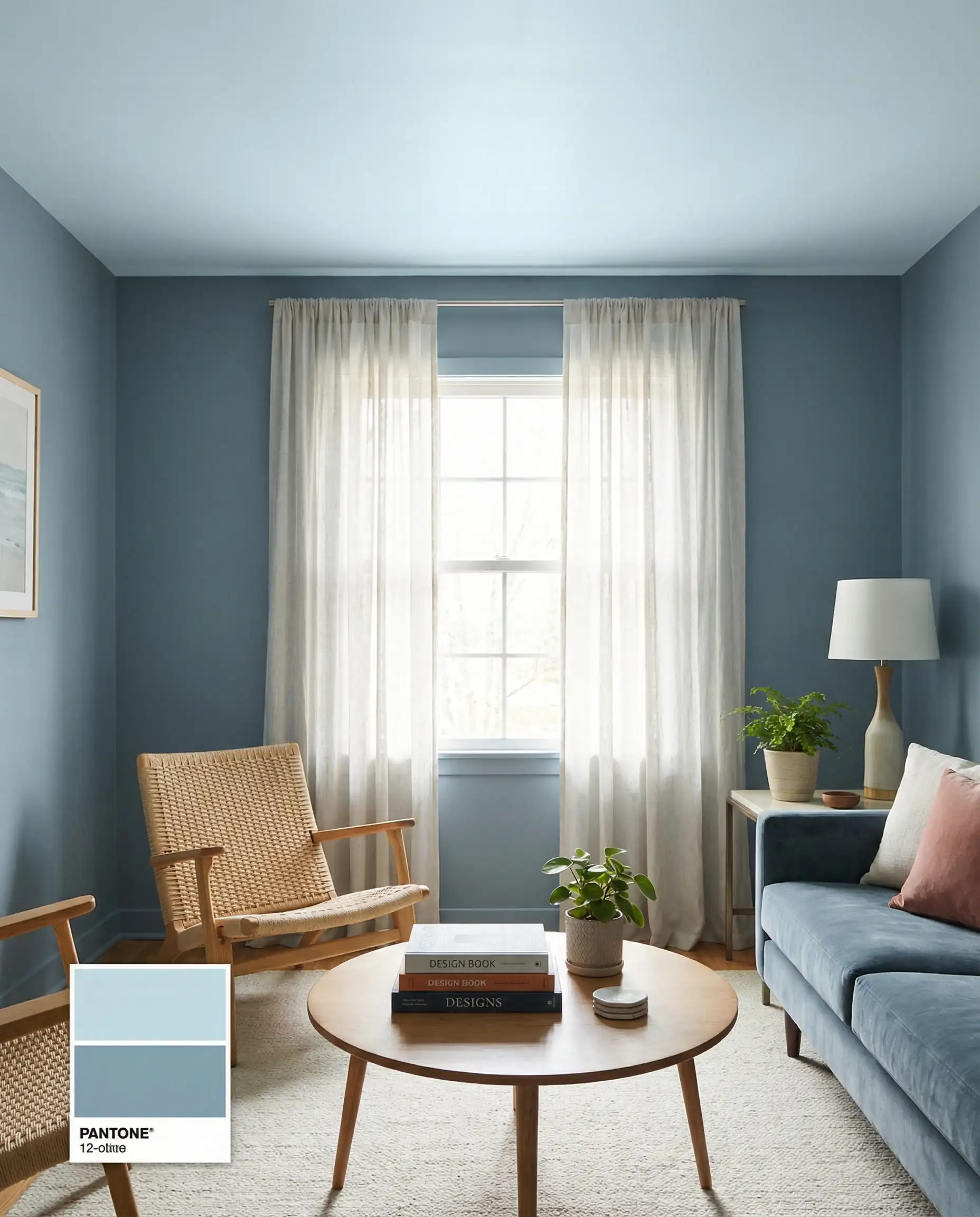
Problem: Low Ceilings
The Fix: You don’t always have to use bright white.
If you are painting your walls a color (say, a medium blue), paint the ceiling a pale version of that same blue (2-3 shades lighter on the color strip). This creates a gradient effect that draws the eye upward without the jarring “lid” effect of a stark white ceiling.
Problem: Poor Lighting
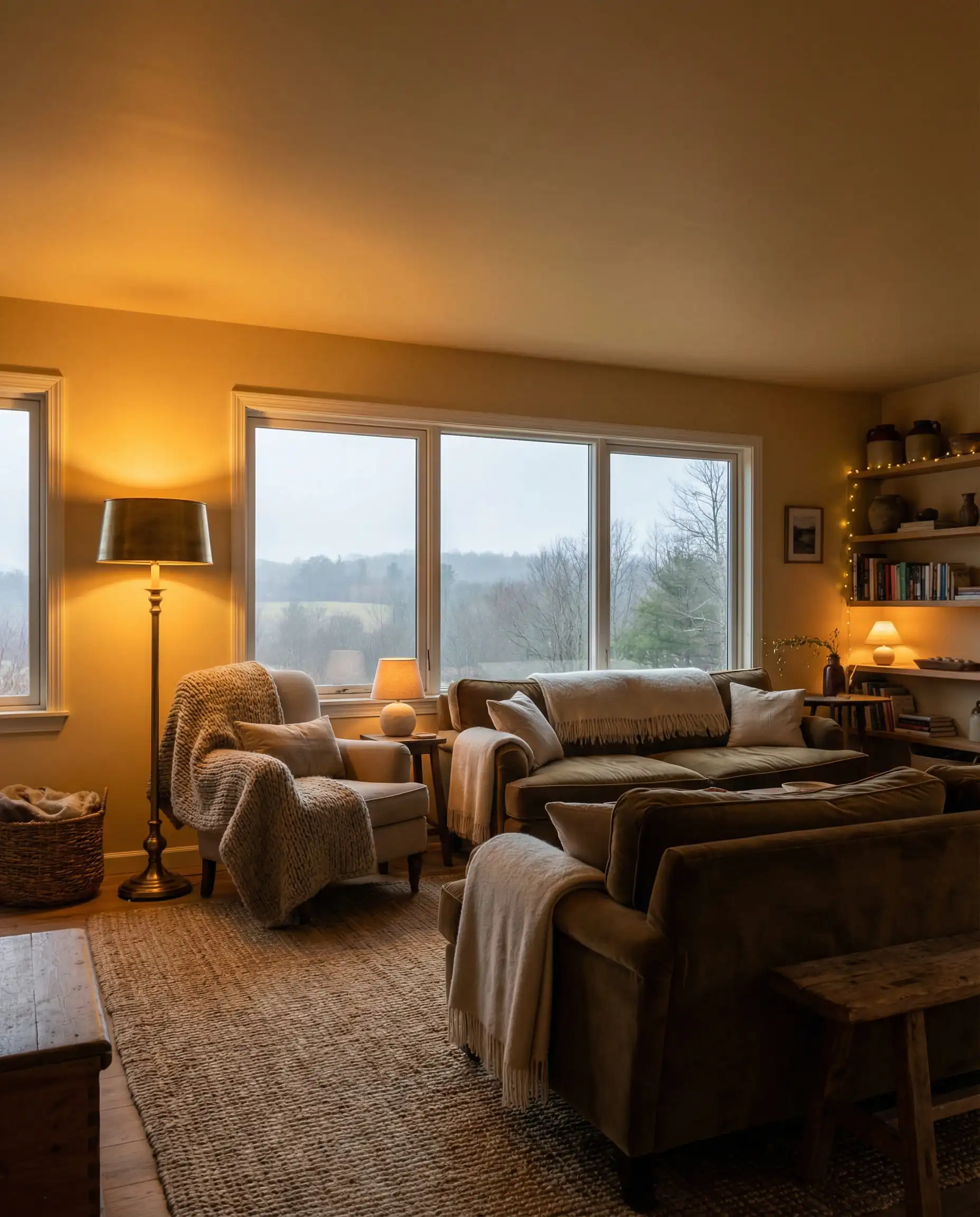
The Fix: Avoid cool-toned greys or whites, which can turn “muddy” in low light.
Opt for colors with a high LRV (Light Reflectance Value) and warm undertones. A pale peach or warm cream ceiling can act as a reflector, bouncing warm light from your lamps back down into the room. (Check out our lighting trends guide for more on how to pair fixtures with paint).
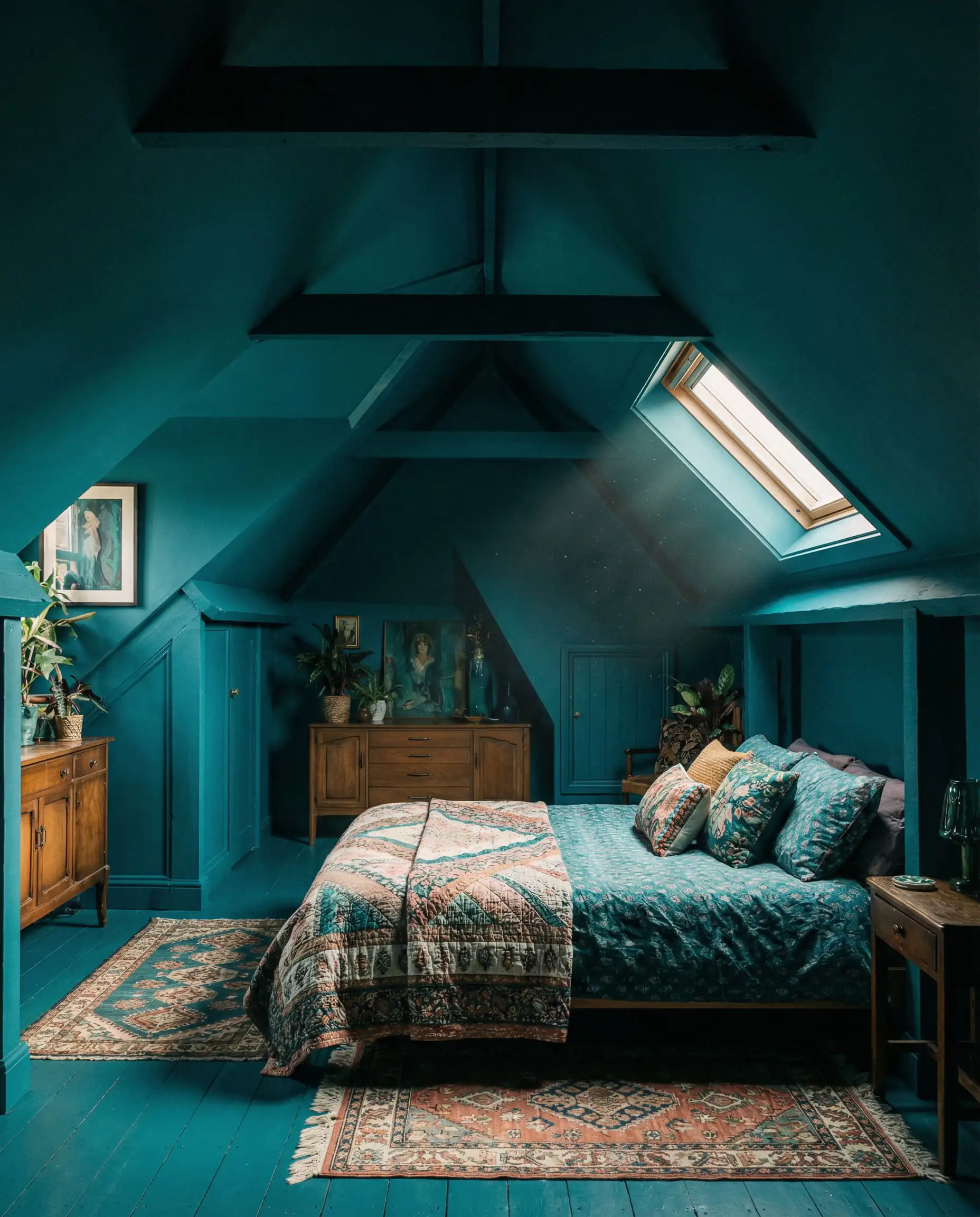
Problem: Awkward Angles (Attics & Lofts)
The Fix: Color Drenching is your best friend here.
In rooms with sloped ceilings, dormers, or weird bulkheads, painting everything one color hides the chaotic geometry. It turns the awkward angles into a cozy feature rather than an eyesore.
FAQ: Your Ceiling Paint Questions Answered
A: Sterile, cool white is out. However, complex whites (creams, off-whites, and warm beiges) are very much in style. The goal is warmth, not clinical cleanliness.
A:
Lighter: To make the room feel taller and airier.
Darker: To make the room feel cozier and more intimate.
Same Color: To modernize the space and blur boundaries.
A: Not necessarily. It makes a room feel cozier. In a room with high ceilings, black can visually lower the ceiling to a more comfortable human scale. In a room with no natural light, it creates a deliberate “infinity” void that can actually feel expansive.
Final Thoughts: Look Up and Visualize
The biggest takeaway for 2026? Don’t default. The ceiling is 1/6th of your room’s surface area—treating it as a blank void is a missed opportunity to add value, style, and comfort to your home.
Whether you are brave enough to try a “Cinnamon Slate” ceiling in your dining room or you just want to swap your stark white for a soft “Swiss Coffee,” the key is to test before you commit. Paint looks different on a horizontal surface above your head than it does on a vertical wall.
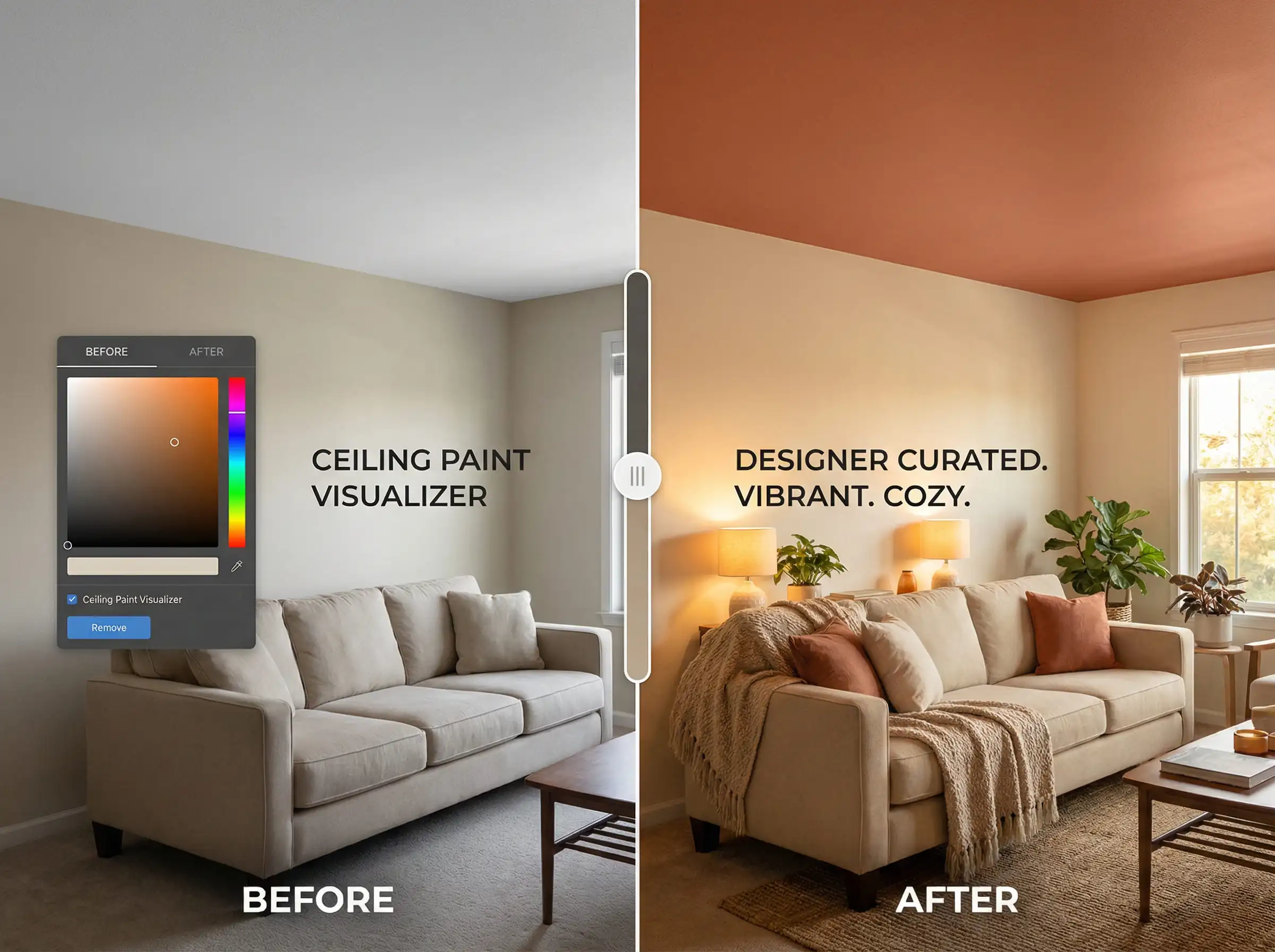
Ready to see these trends in your own home?
Don’t guess. Try the Hackrea Visualizer. Upload a photo of your room and experiment with 2026’s top ceiling colors instantly.
Once you have your ceiling sorted, don’t forget to look down! A beautiful ceiling needs a solid foundation. Check out our guide to Flooring Trends 2026 to complete your room’s transformation from top to bottom.