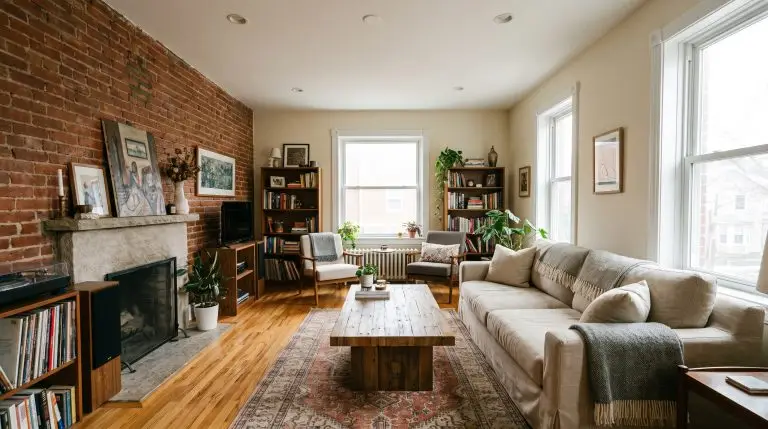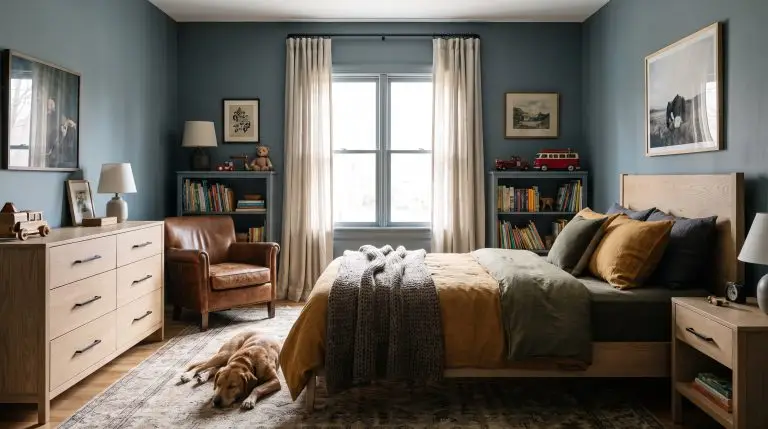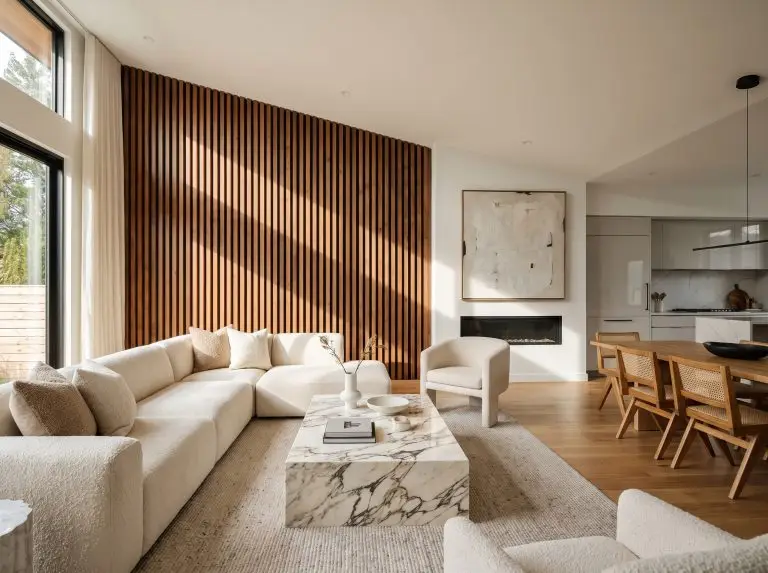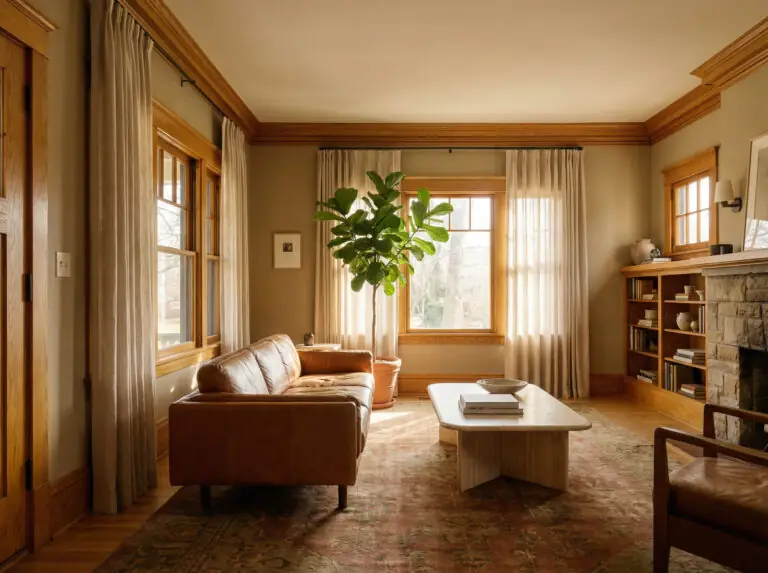
For nearly a decade, the internet’s advice for honey oak was unanimous: hide it. Paint it white, distract from it with cool grays, or rip it out entirely. Homeowners spent thousands fighting the architecture of their own homes, trying to force warm, organic wood into a cold, gray box.
But in 2026, the script has flipped.
As the “Modern Heritage” and “Organic Essentialism” trends dominate interior design, the warm, golden glow of honey oak is no longer a dated burden—it’s a coveted asset. The sterile “hospital greys” of the early 2020s are out, replaced by rich, grounding earth tones that make wood grain sing rather than fight against it.
If you have honey oak trim, cabinets, or floors, you are sitting on a goldmine of natural texture. You just need the right paint to unlock it.
This guide isn’t about hiding your wood. It’s about using the Sherwin-Williams 2026 Colormix Forecast to make your honey oak look intentional, expensive, and effortlessly current. We have analyzed undertones, lighting scenarios, and the latest color psychology to bring you the definitive guide to styling honey oak for the modern era.
Quick Answer: Best SW Colors for Honey Oak (2026)
The “Modern Heritage” Trend: Why Honey Oak is Back
Why the sudden shift? In 2026, we are seeing a massive move toward Biophilic Design—interiors that connect us to nature.
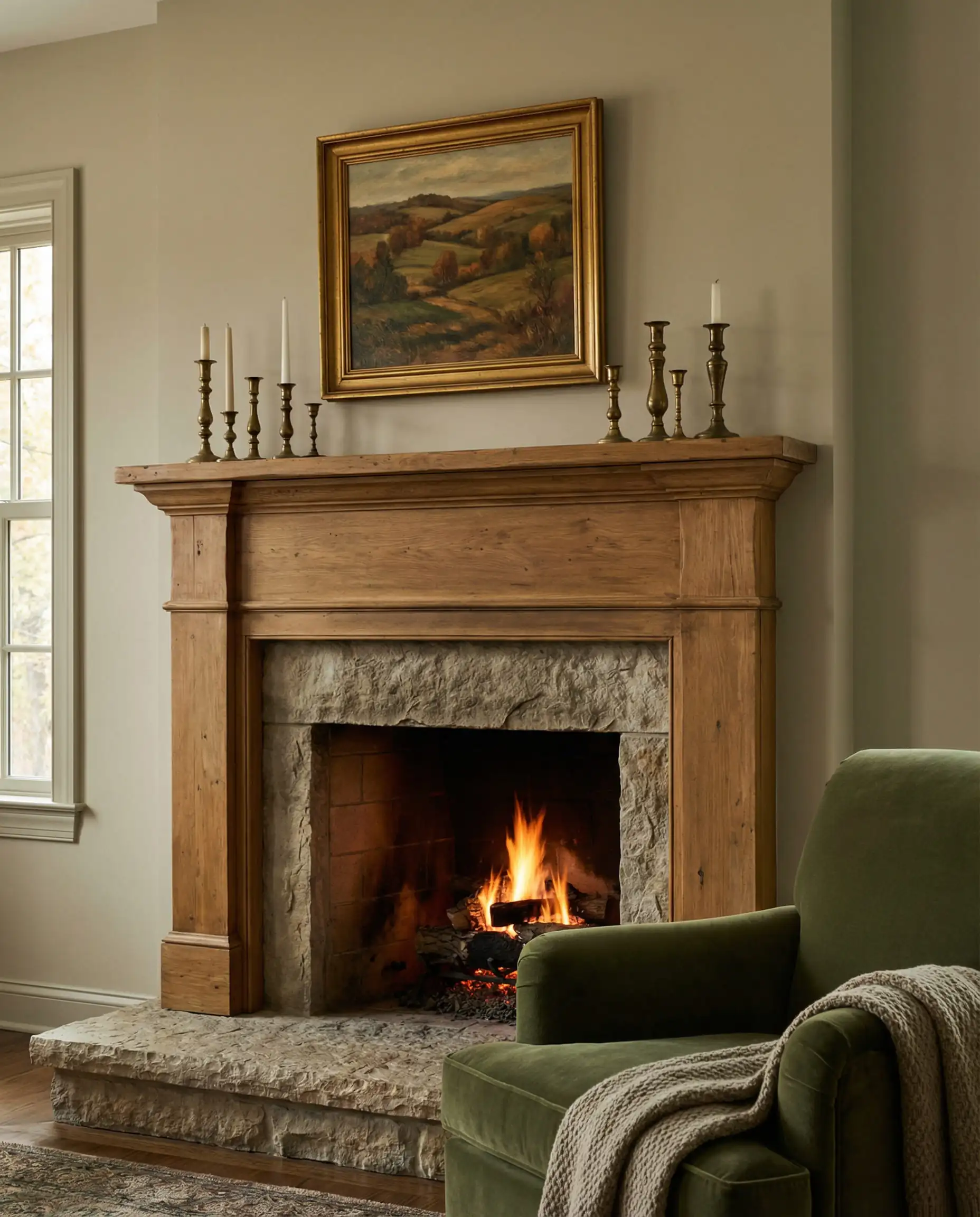
New builds today often feel cold, synthetic, and overly “perfect.” Older homes with original honey oak trim possess the one thing money can’t buy: character. The “Modern Heritage” aesthetic celebrates this by pairing vintage wood tones with colors that feel plucked from a forest floor, a desert canyon, or a stone quarry.
In this new design landscape, honey oak provides an anchor. It offers an instant visual temperature that makes a space feel lived-in and cozy. The key is to stop treating it like an orange mistake and start treating it like a raw material, similar to how we treat terracotta tiles or leather furniture.
The goal for 2026 is harmony, not camouflage. We are done trying to “cool down” warm wood with icy blues (which only makes the orange pop more). Instead, we are leaning into the warmth.
Hackrea Verdict
Color Theory 101: Harmony vs. Contrast
Before you grab a roller, you need to understand the physics of your wood. Honey oak is essentially Orange-Yellow. Understanding how this interacts with wall color is the difference between a room that feels “designed” and one that feels “clashed.”
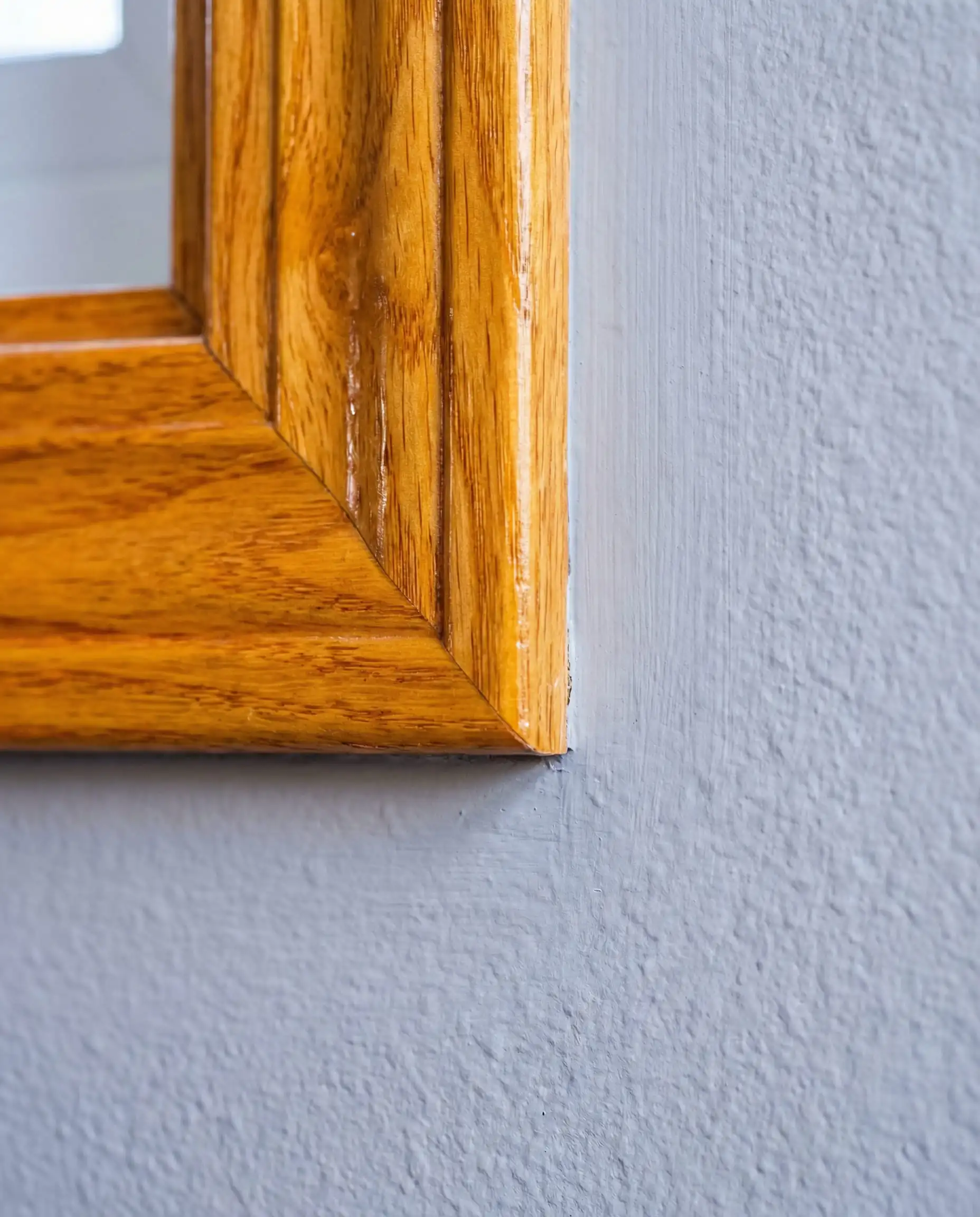
The Old Way (Contrast)
For years, the standard advice was to use cool blues and true grays to “balance” the orange.
The 2026 Way (Harmony)
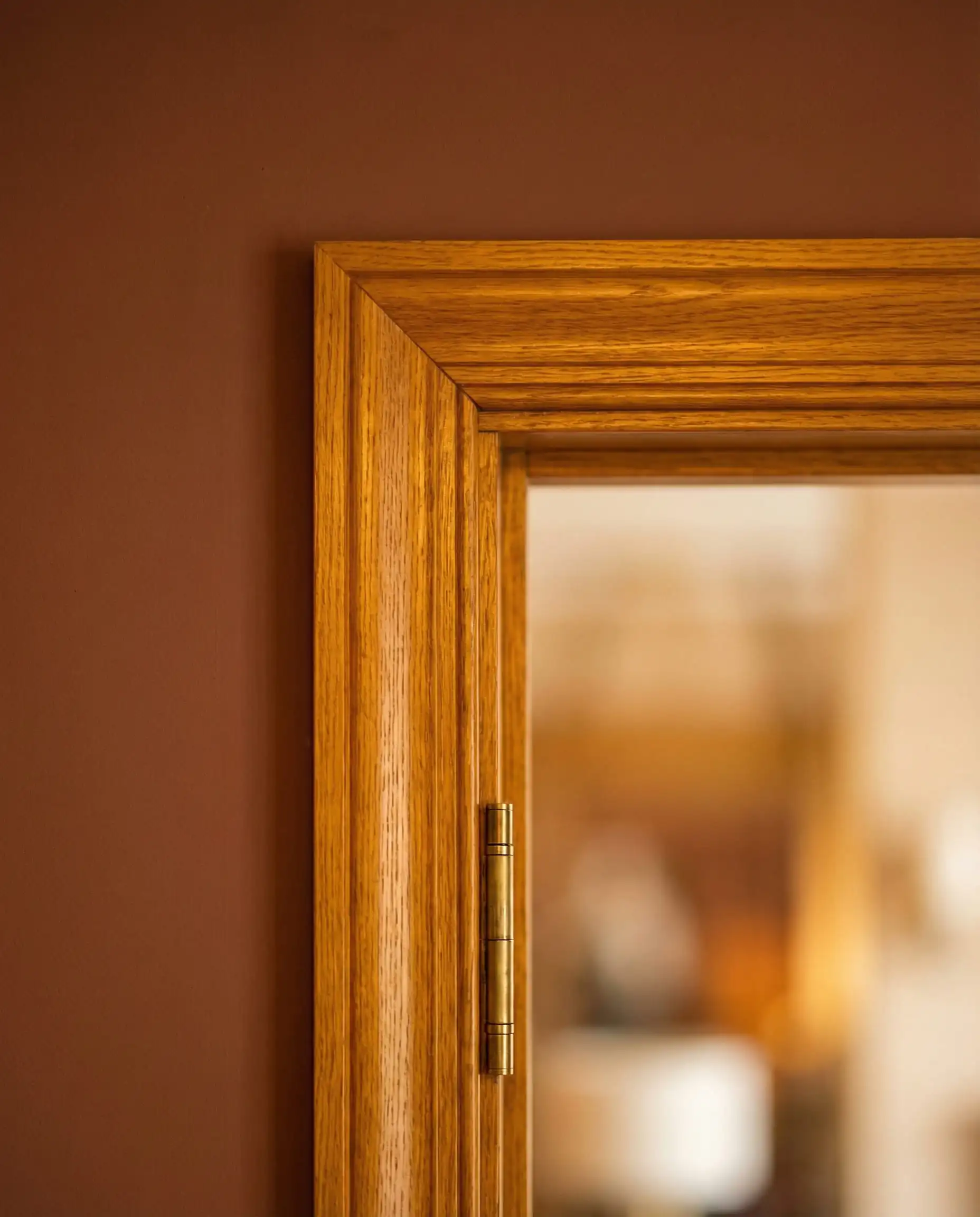
The new approach uses Analogous and Warm Neutral colors.
The Headline Star: 2026 Color of the Year
If you only test one color, make it this one. It is the backbone of the 2026 Sherwin-Williams palette and the absolute best friend honey oak has ever had.
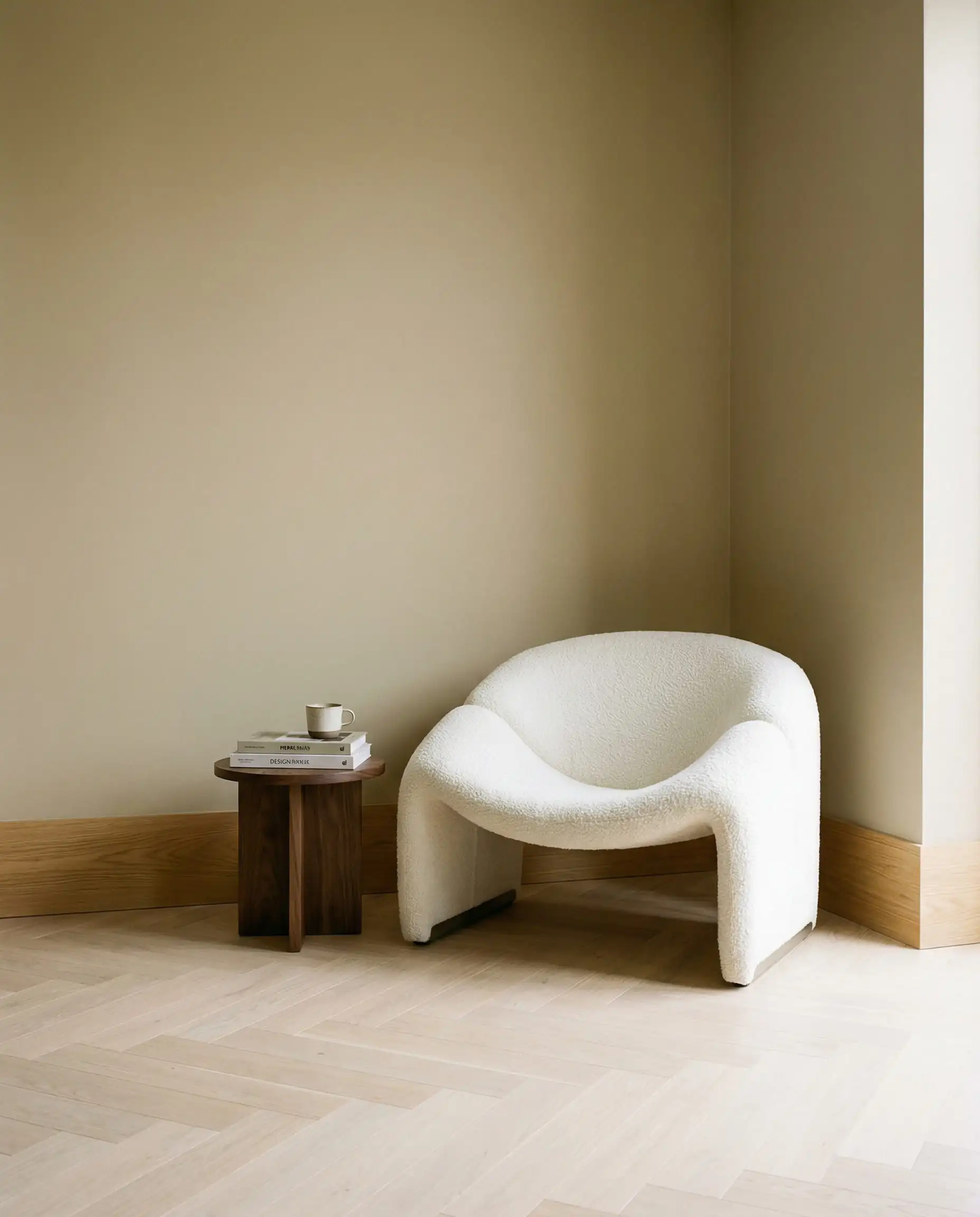
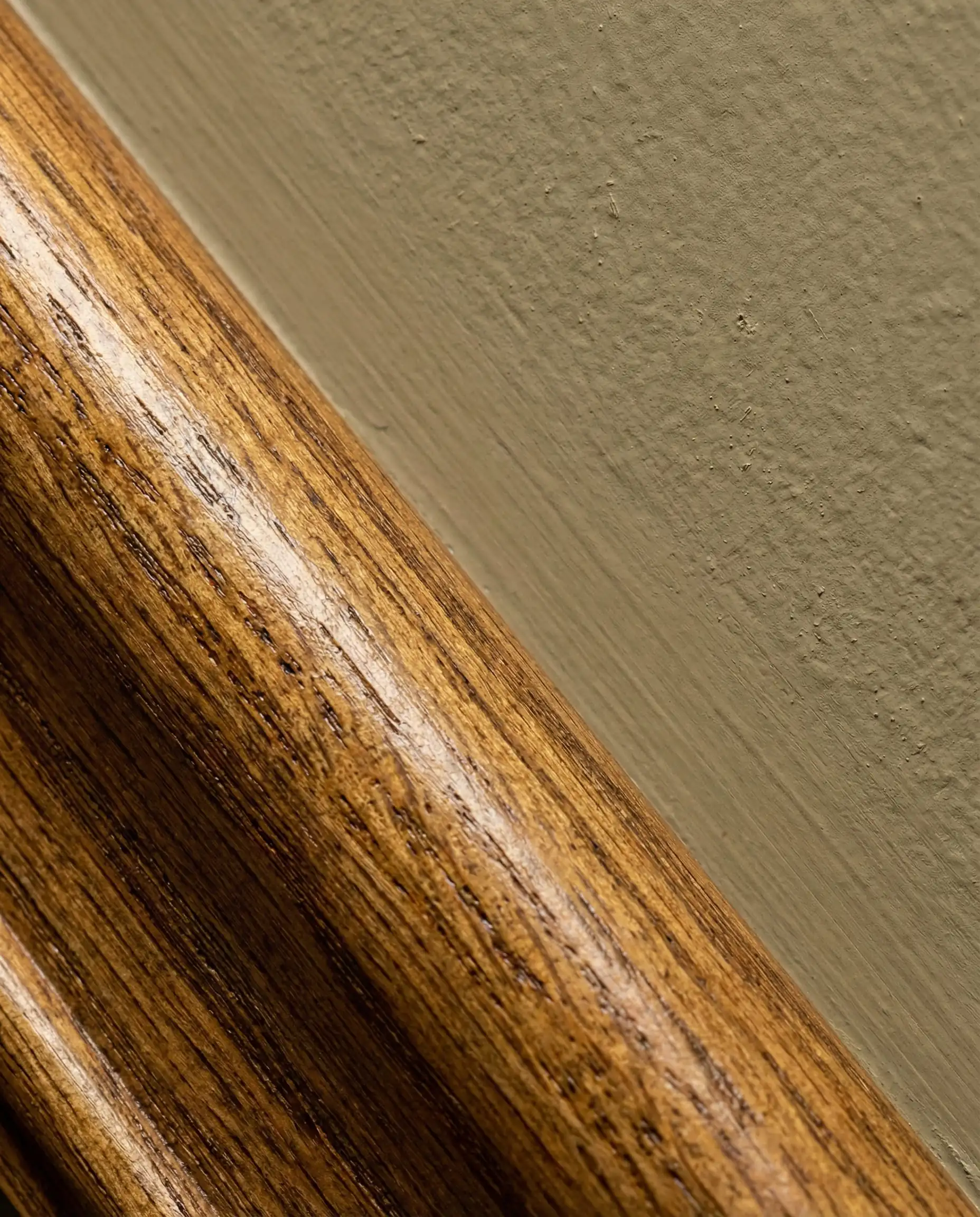
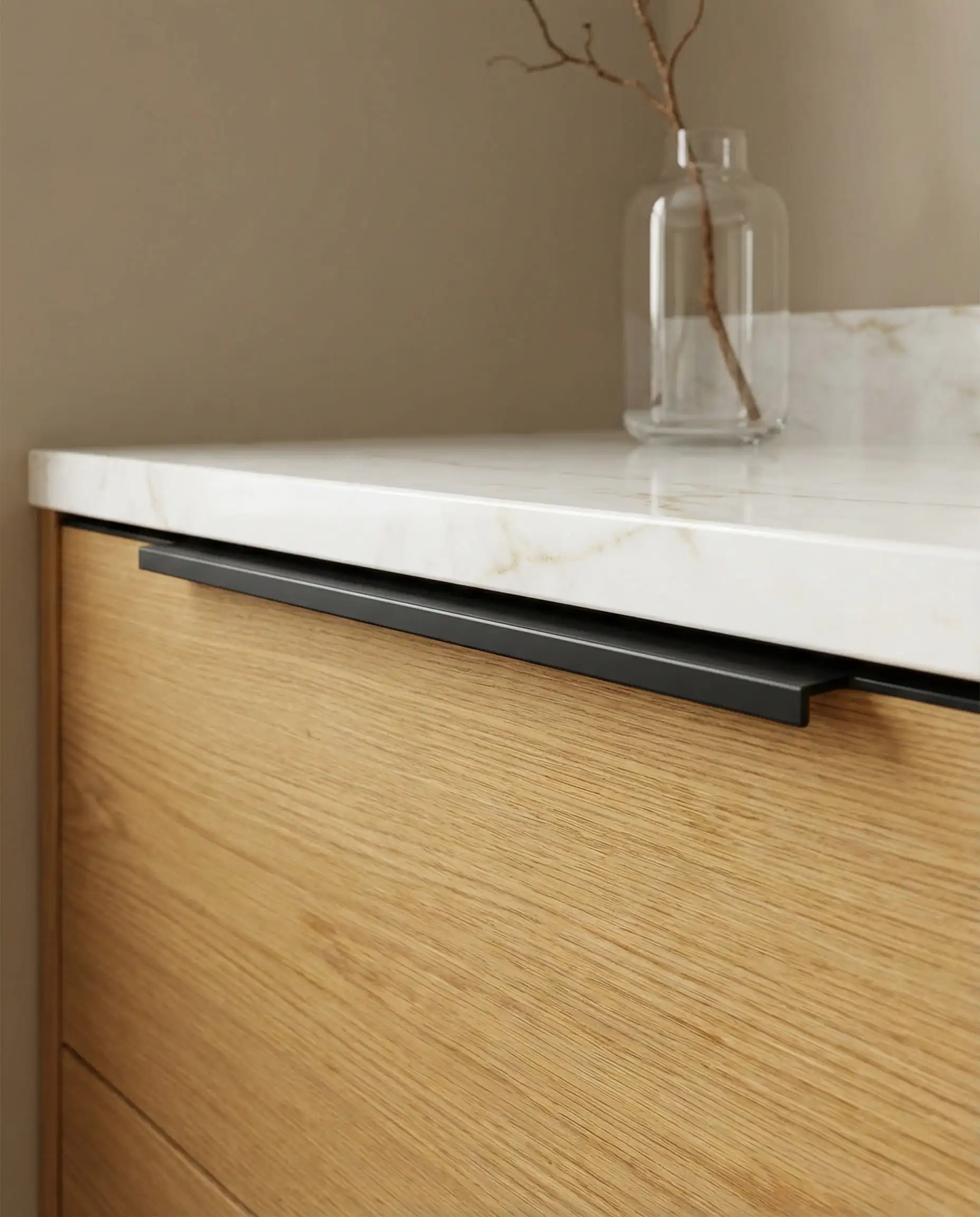
Universal Khaki (SW 6150)
Pairing Menu:
Will Universal Khaki work with your specific honey oak finish and lighting?
The Curated 2026 Palette for Honey Oak
We’ve analyzed the 2026 trends to find the specific shades that elevate honey oak. We have categorized them by “Vibe” so you can match the paint to the feeling you want to create.
1. The “New Neutrals” (Replacing Gray)
For those who want light and airy, but refuse to go sterile.
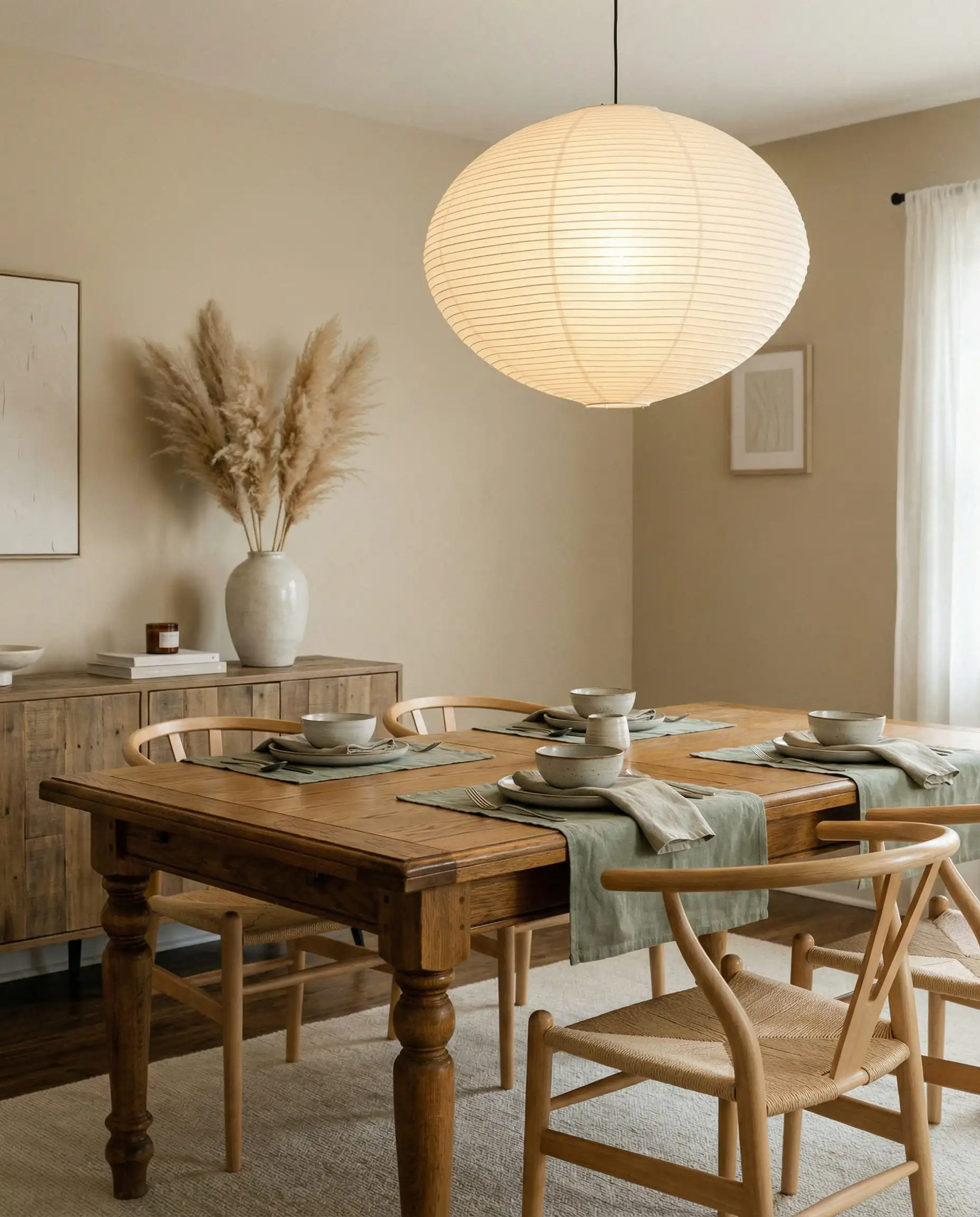
Creamy (SW 7012)
Will Creamy work with your specific honey oak finish and lighting?
Wool Skein (SW 6148)
Will Wool Skein prevent your honey oak from glowing neon orange?
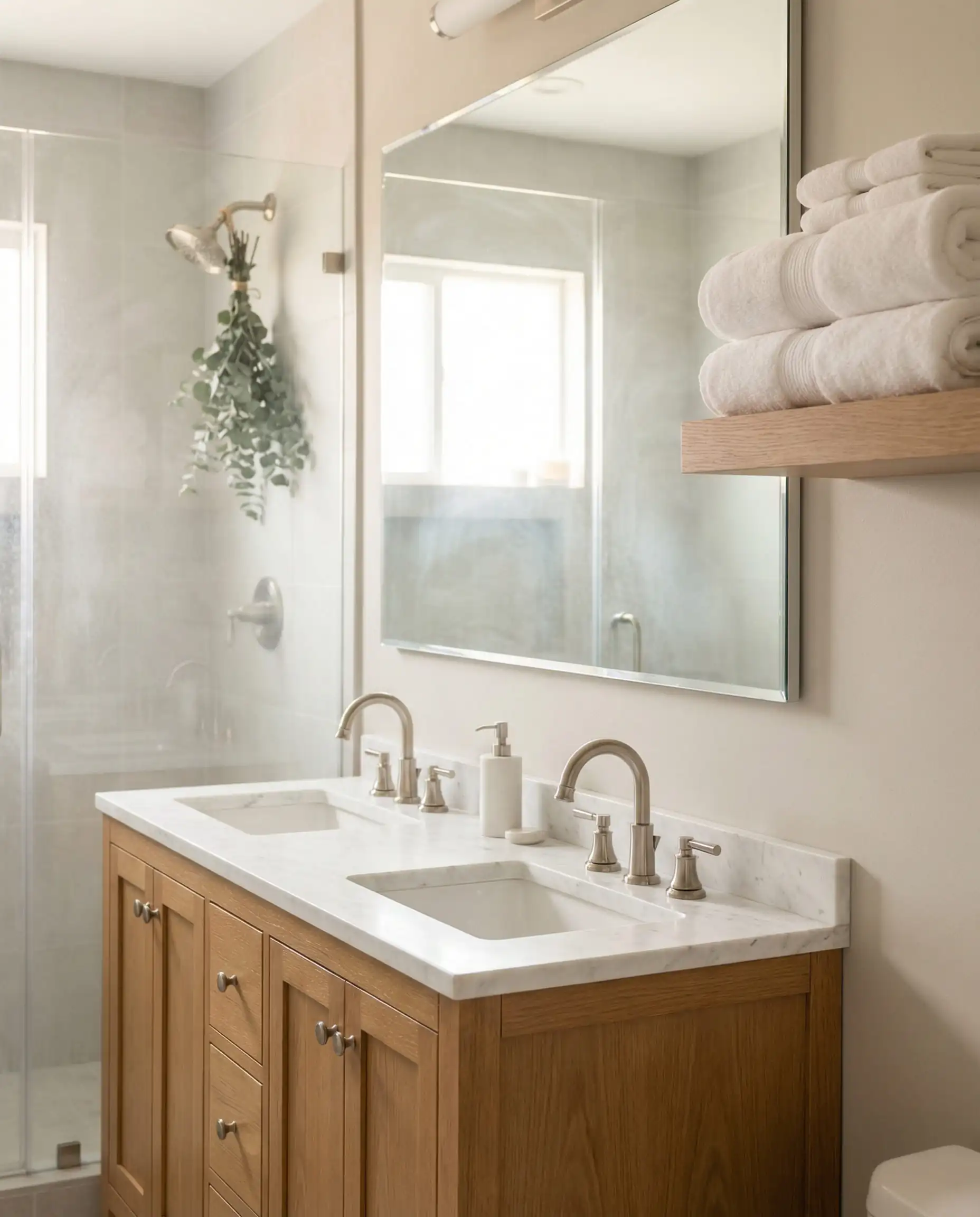
Drift of Mist (SW 9166)
Will Drift of Mist create a misty, spa-like vibe and not fight your wood?
2. The Earthy Greens (Nature-Inspired)
Green is the direct complement to red/orange on the color wheel, making it the perfect partner for oak—provided you choose the right shade.
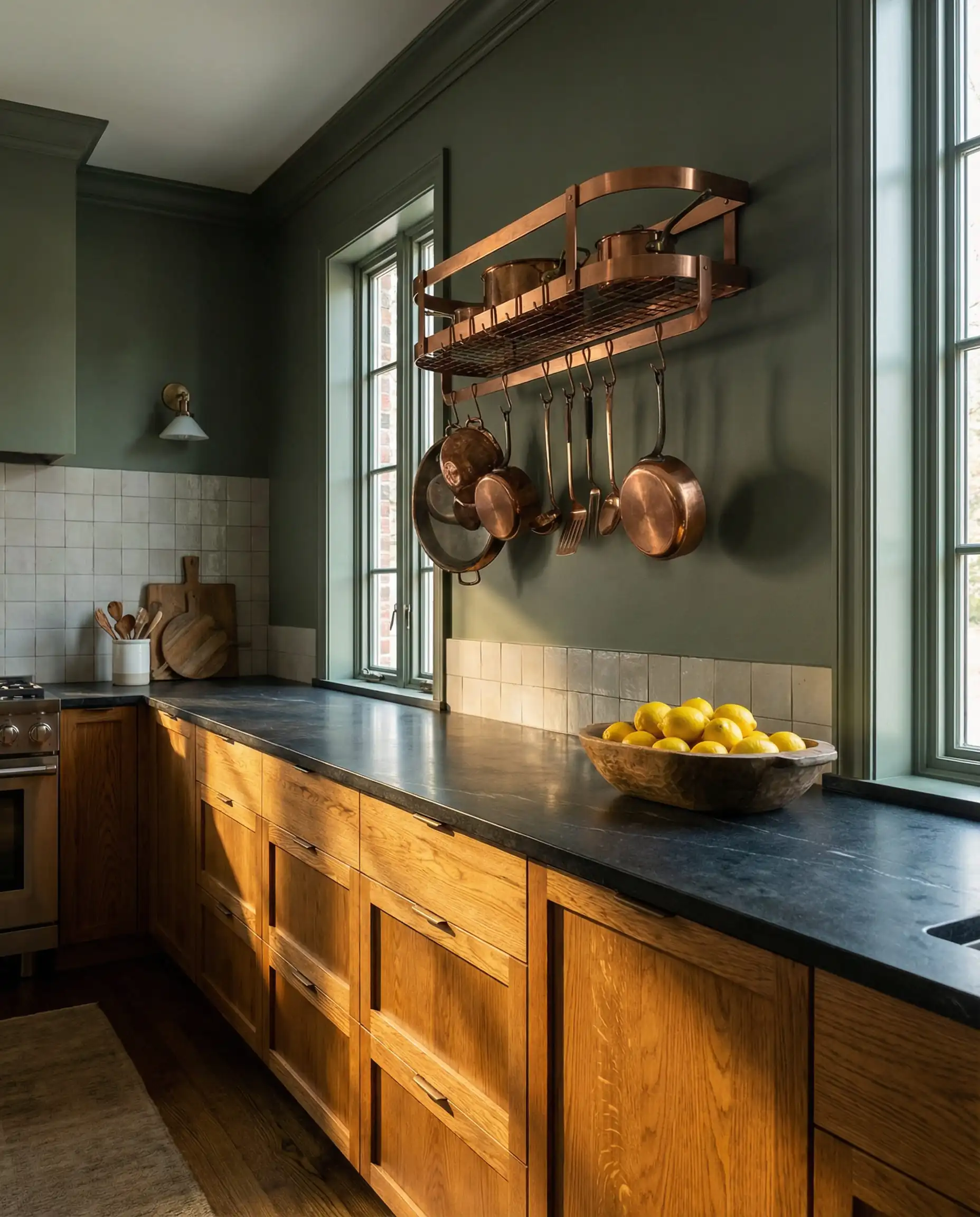
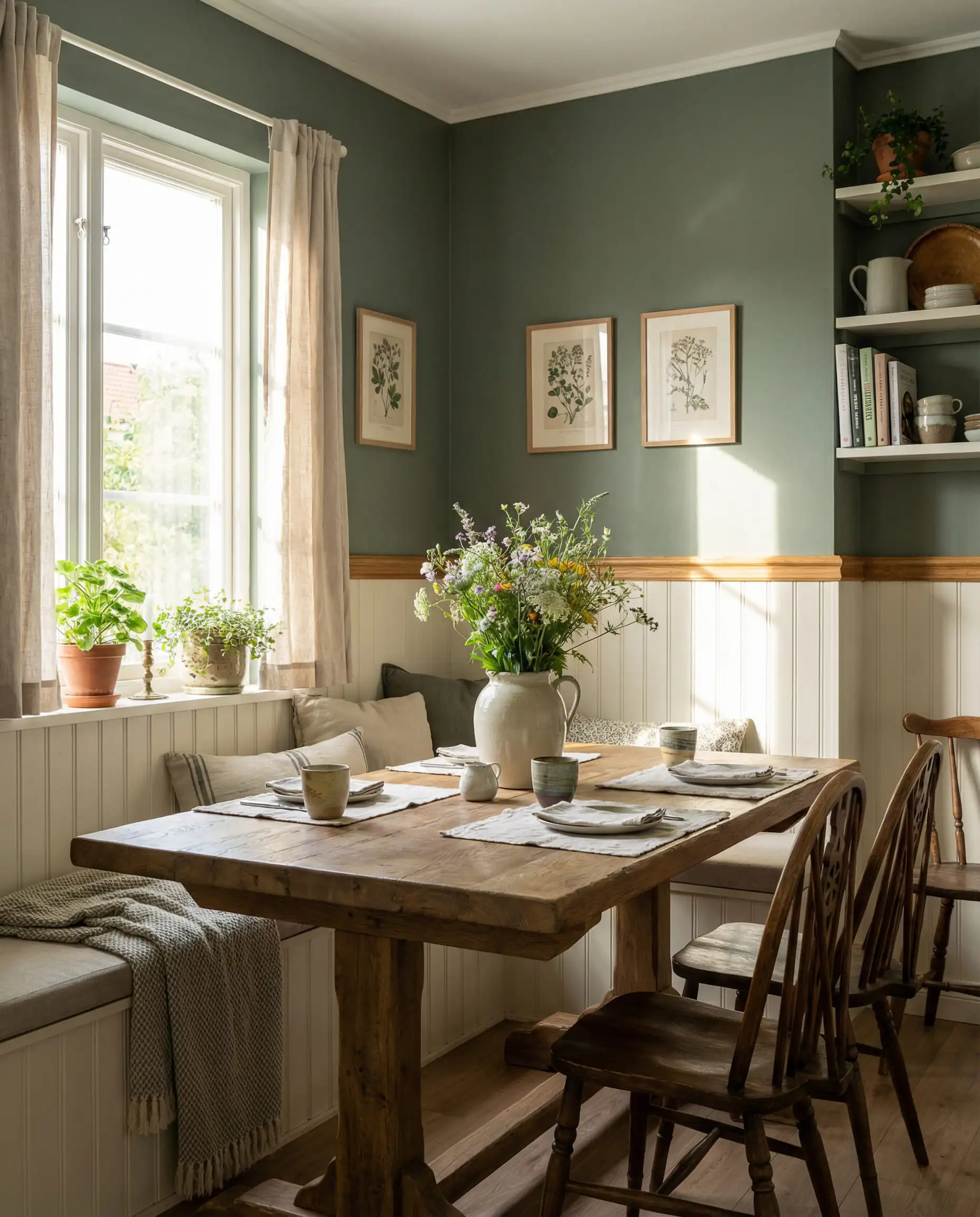
Basil (SW 6194)
Will Basil work with your specific honey oak finish and lighting?
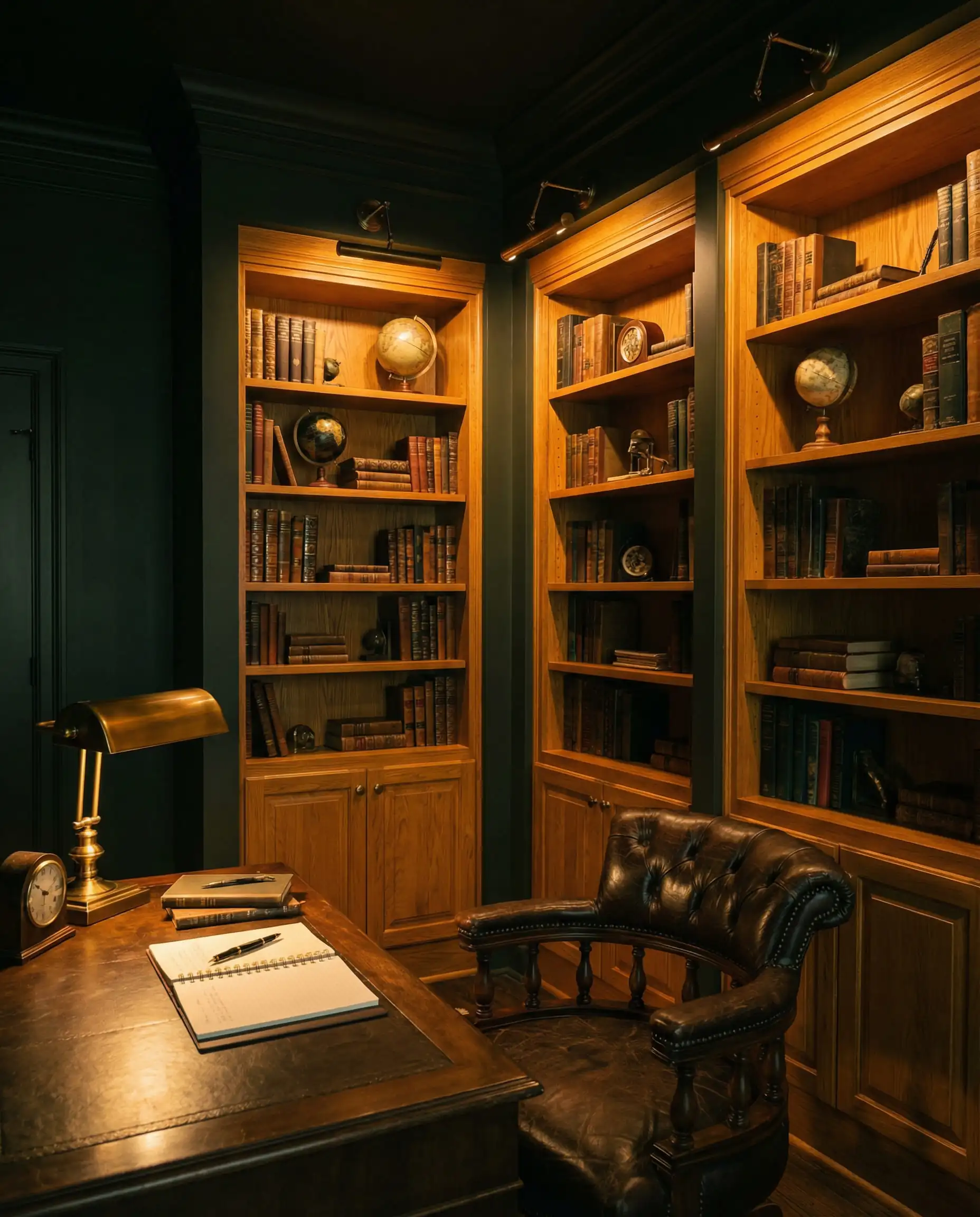
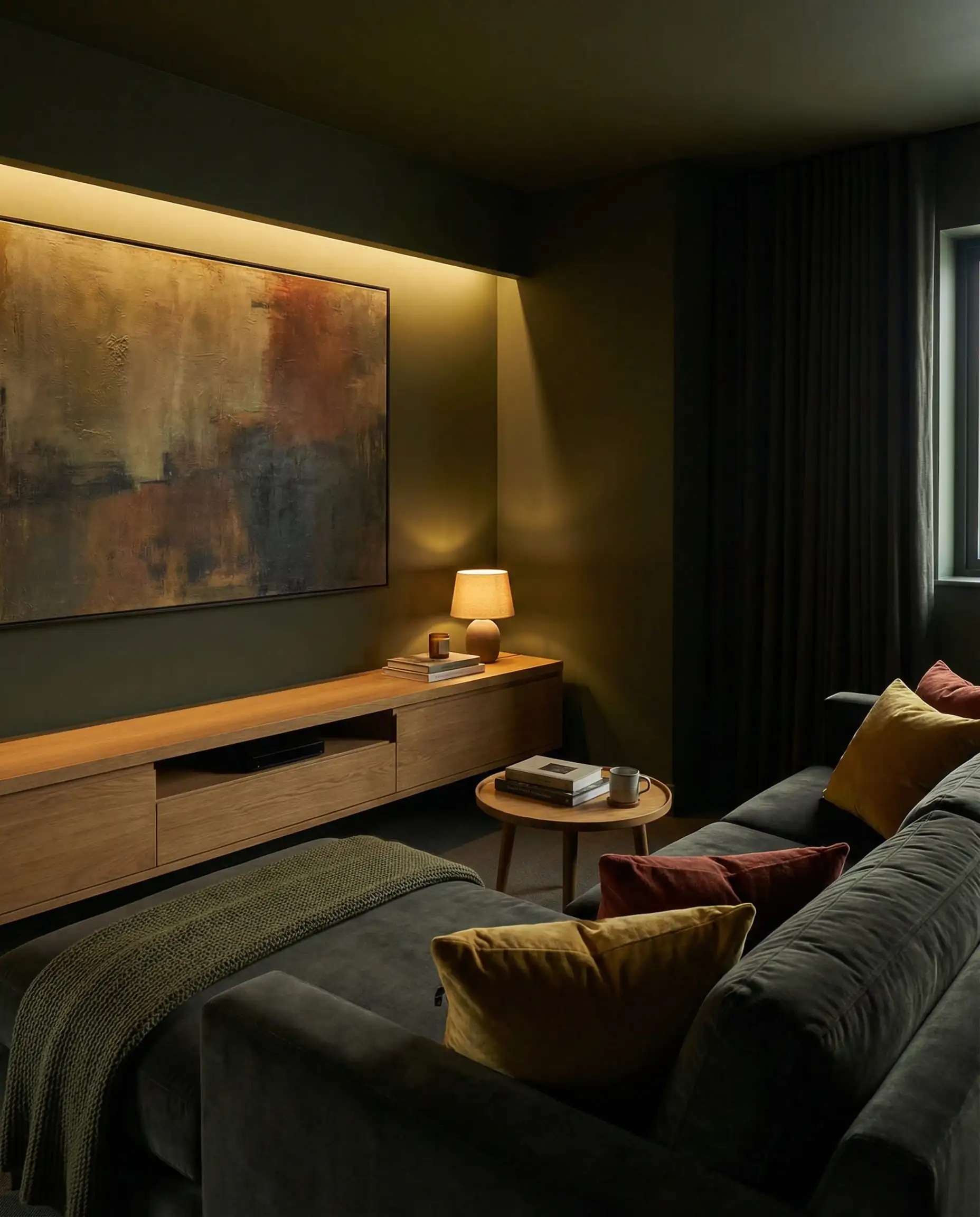
Secret Garden (SW 6181)
Will Secret Garden work with your specific honey oak finish and lighting?
3. The Moody & Deep (Dark Academia)
Dark colors are huge in 2026. High contrast makes honey oak look lighter and more modern.
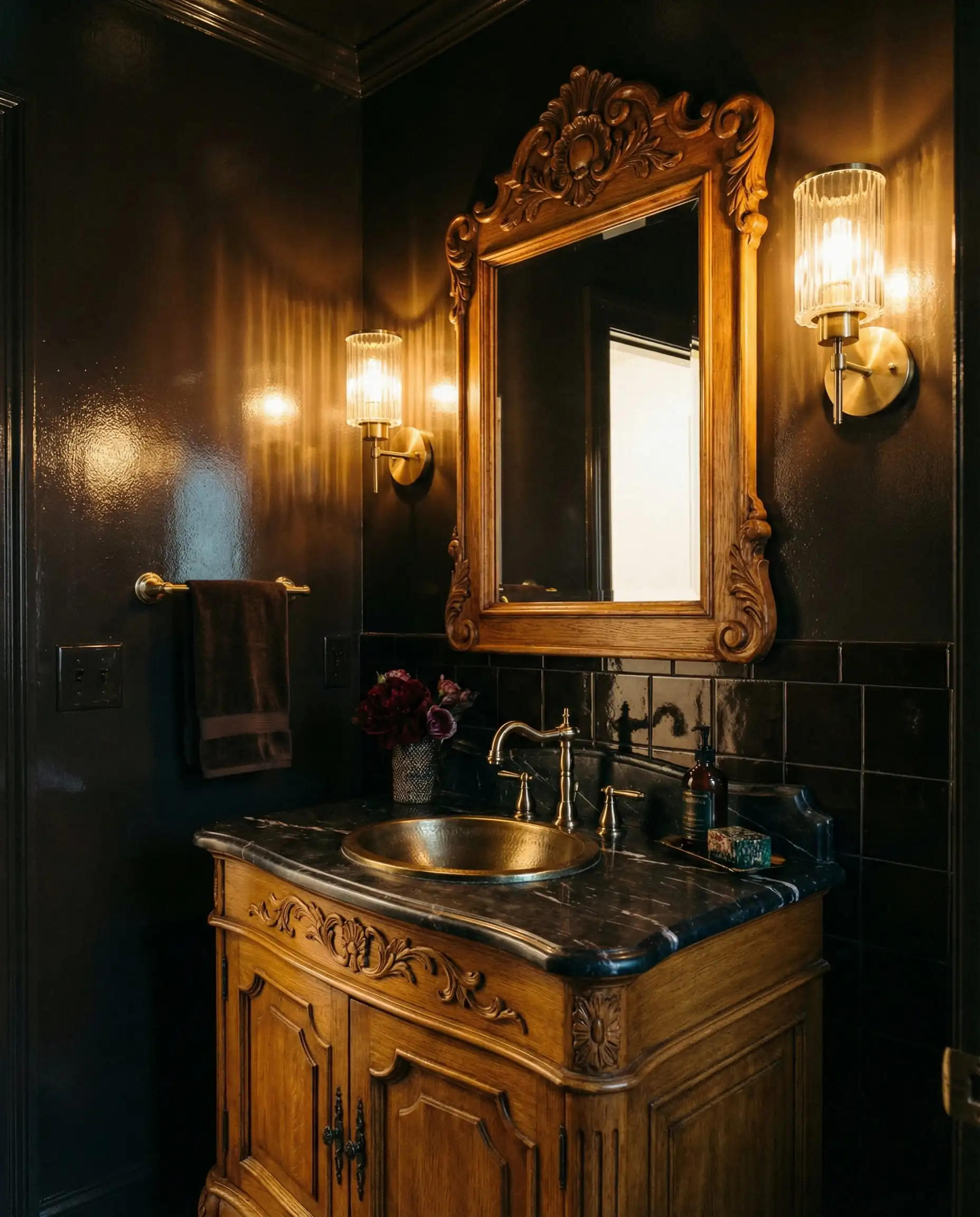
Clove (SW 9605)
Will Clove work with your specific honey oak finish and lighting?
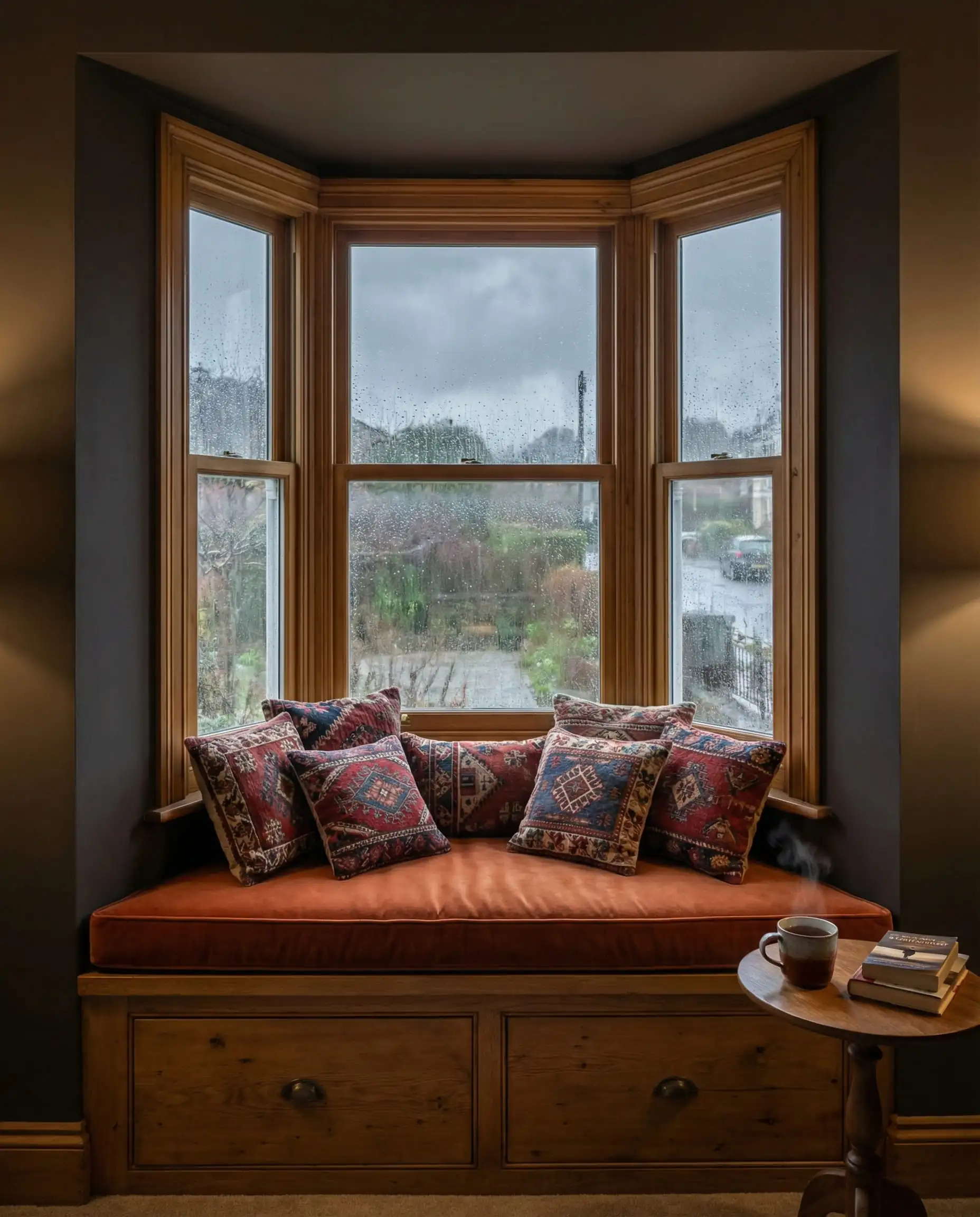
Reddened Earth (SW 6053)

Room-by-Room Cheat Sheet
Lighting and function change how colors perceive honey oak. Here is how to apply the 2026 palette across your home.
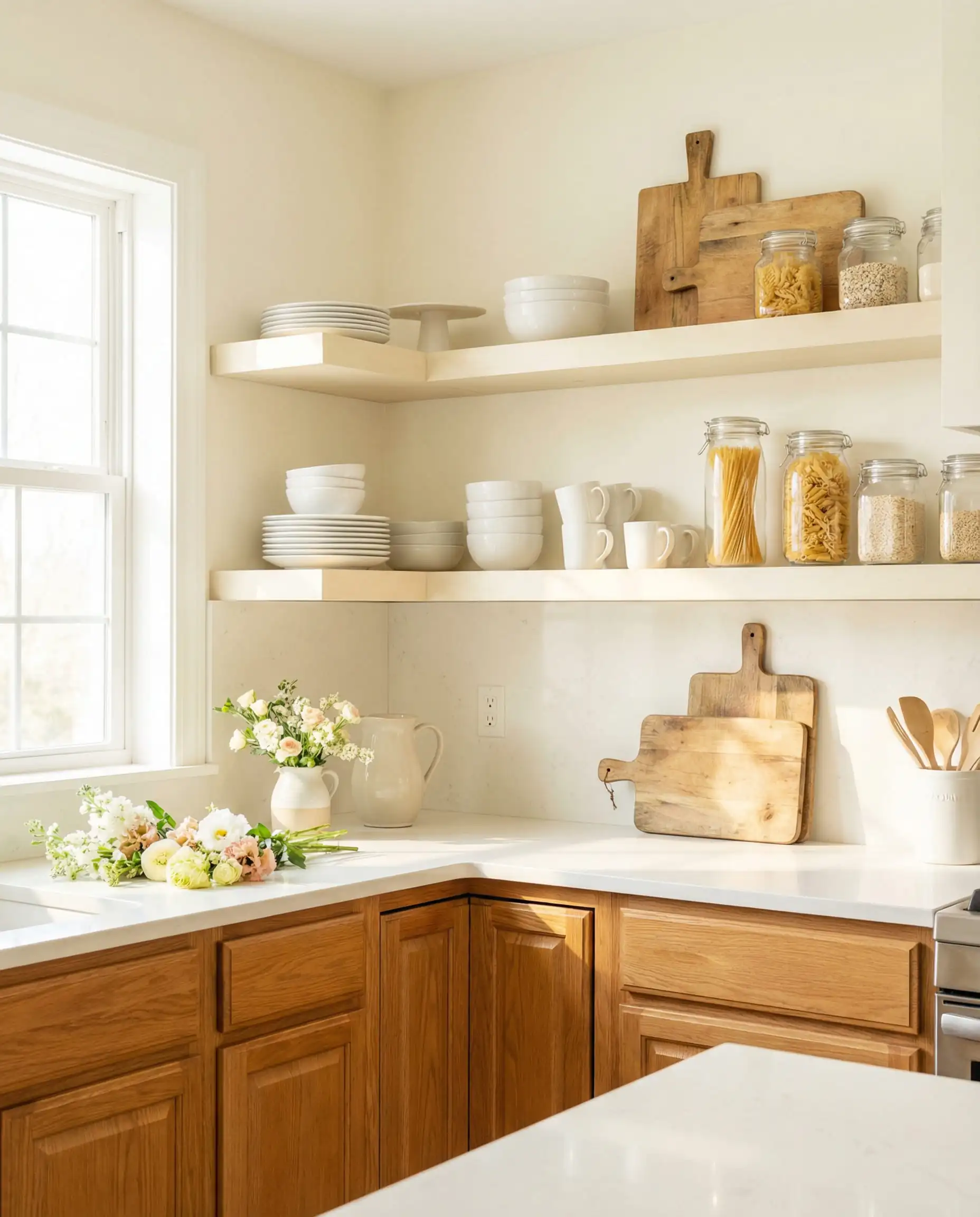
The Kitchen
The Challenge: Lots of cabinetry means a “wall of orange.”
The Solution: Break it up with Basil (SW 6194) or Wool Skein (SW 6148).
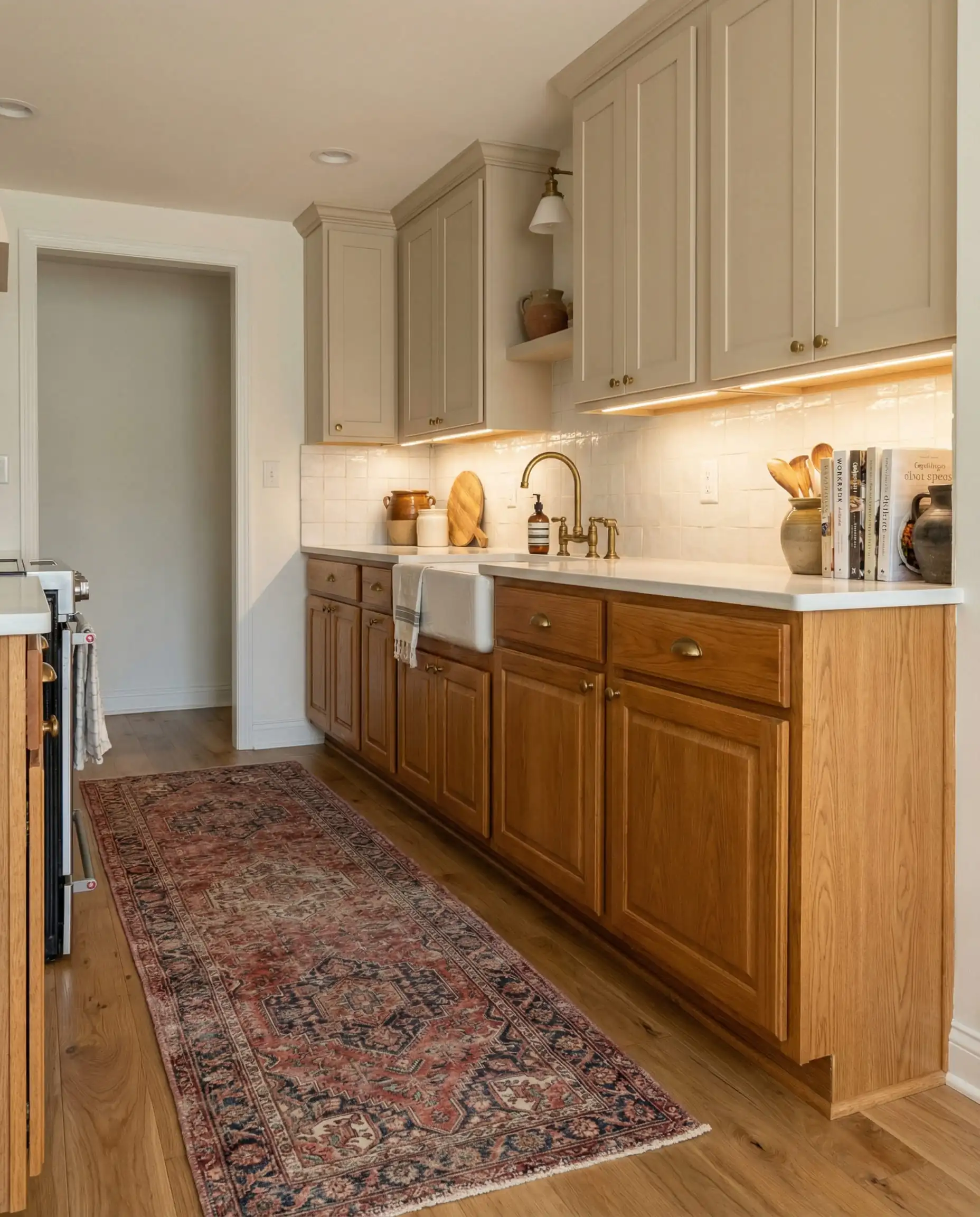
If you have oak cabinets and oak floors, you need a rug to break up the wood tones.
Pro Tip
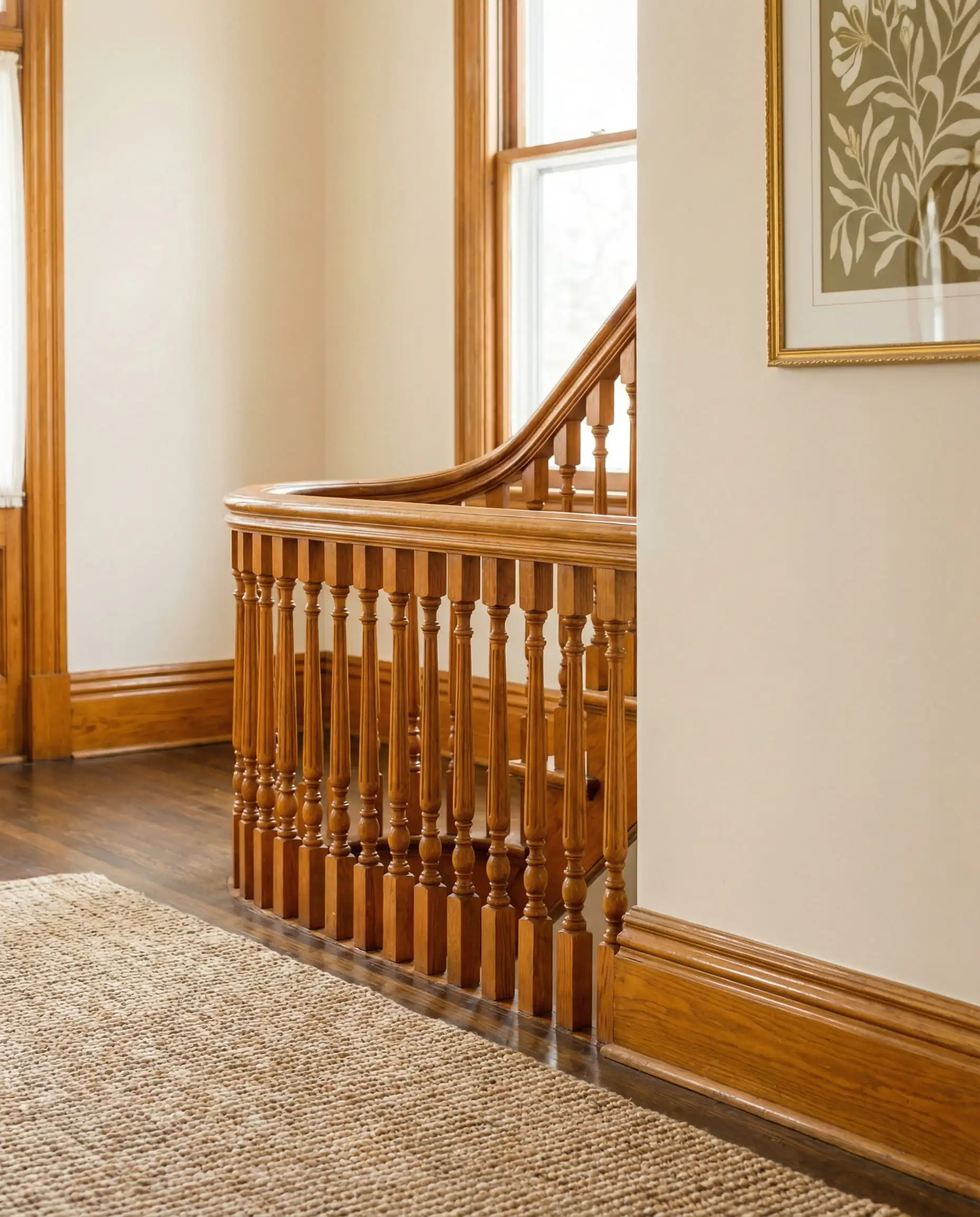
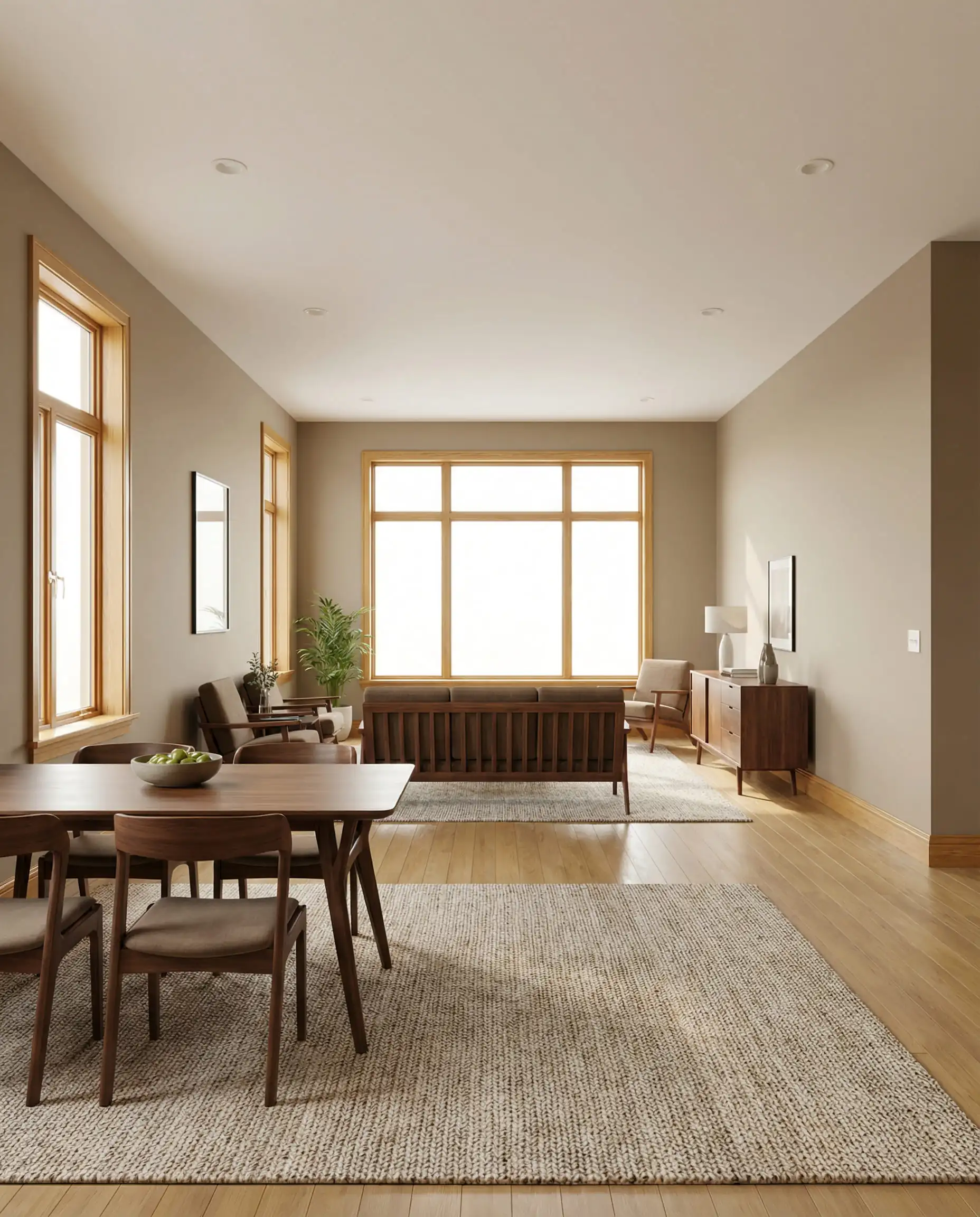
The Living Room
The Challenge: Baseboards and window casings framing the view.
The Solution: Universal Khaki (SW 6150).
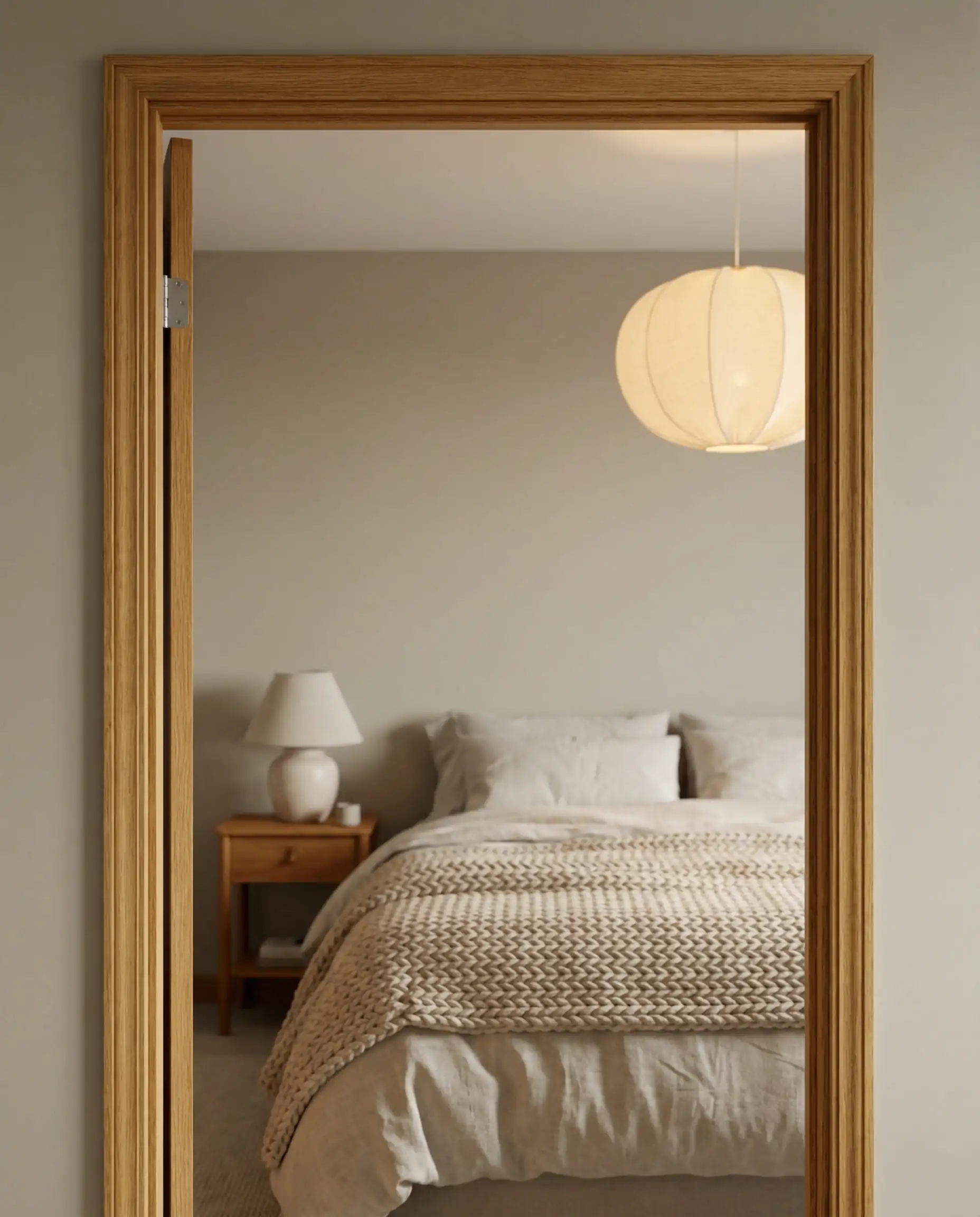
The Bedroom
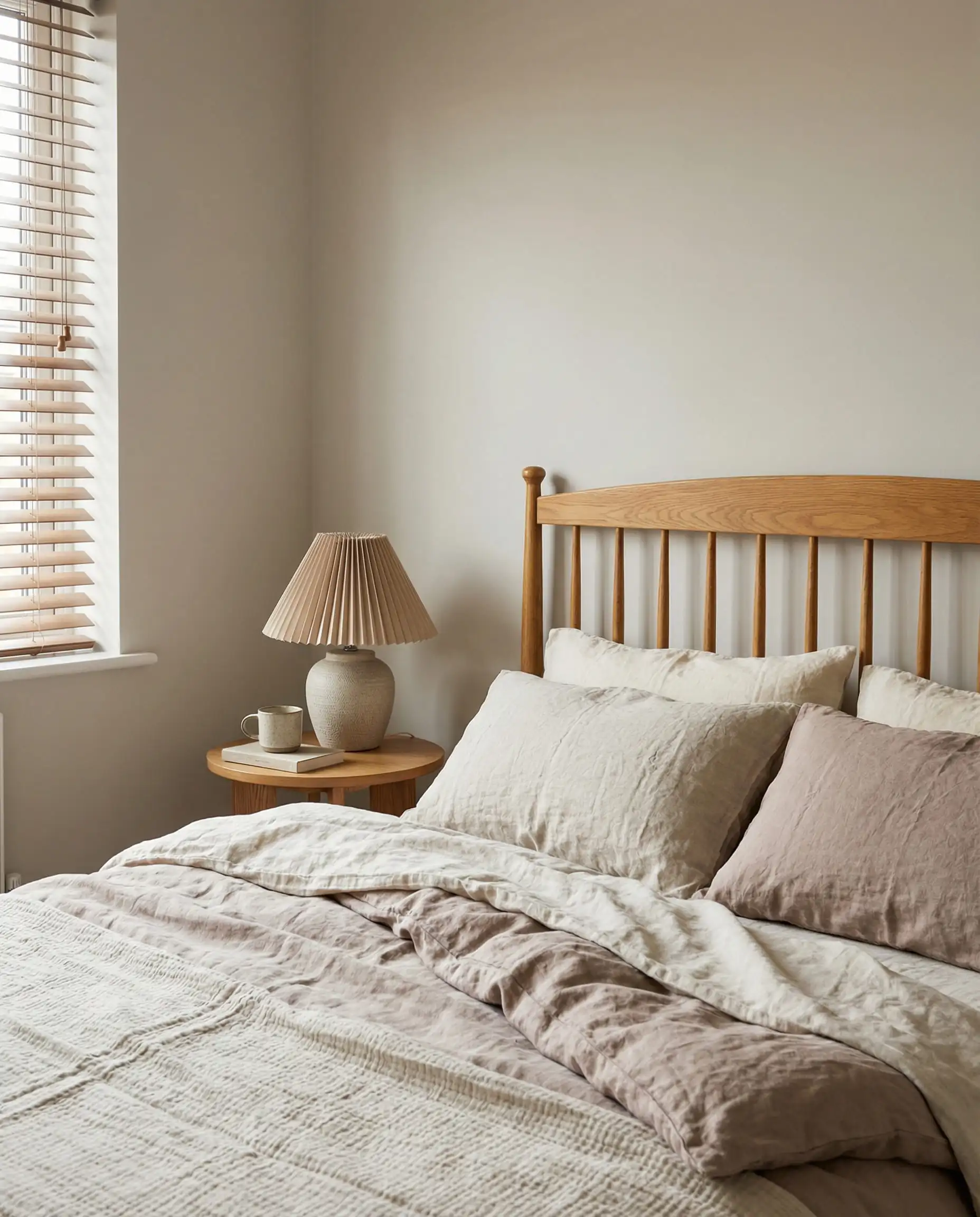
The Challenge: Creating a restful retreat without the “wood cabin” feel.
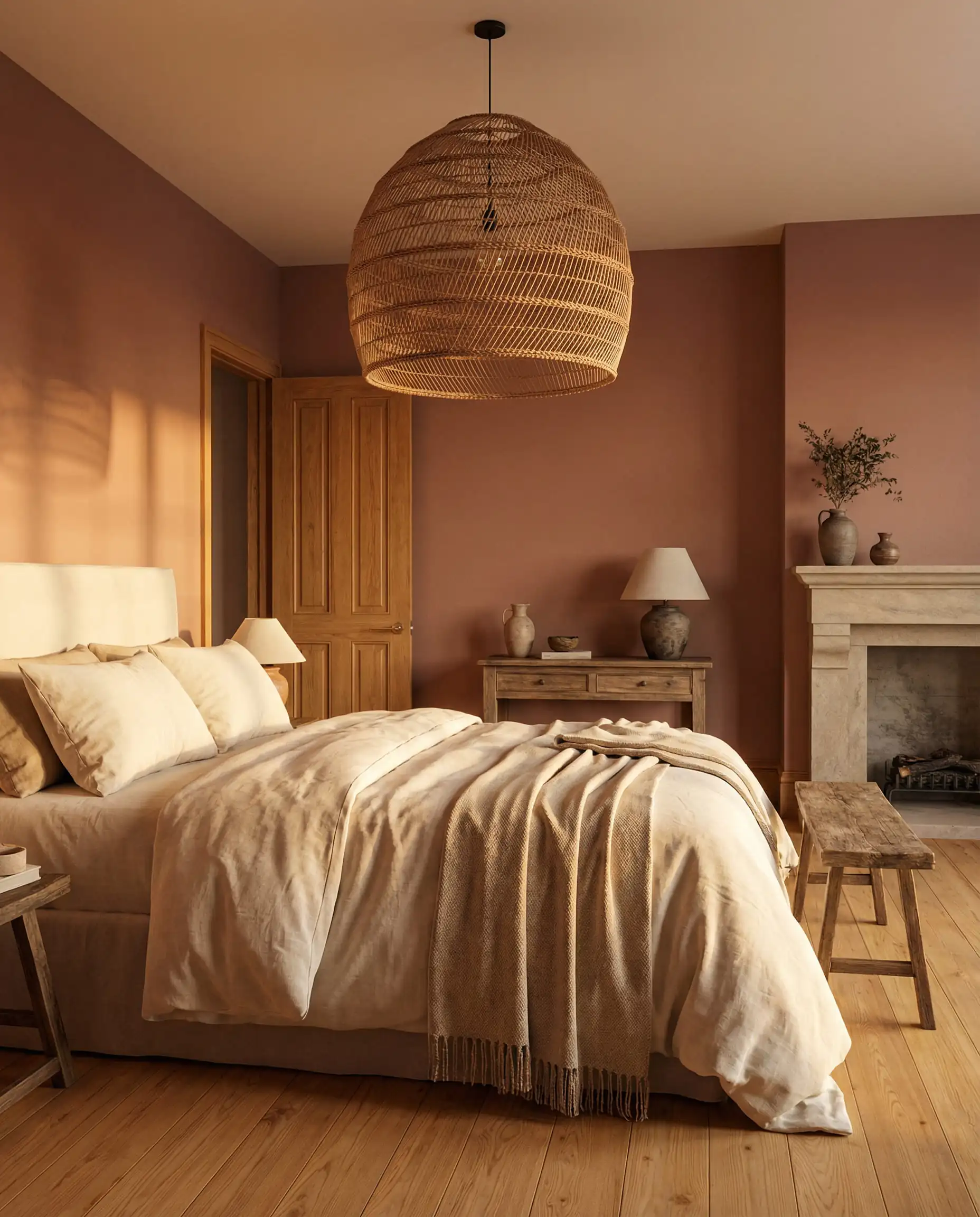
The Solution: Drift of Mist (SW 9166) or Reddened Earth (SW 6053).
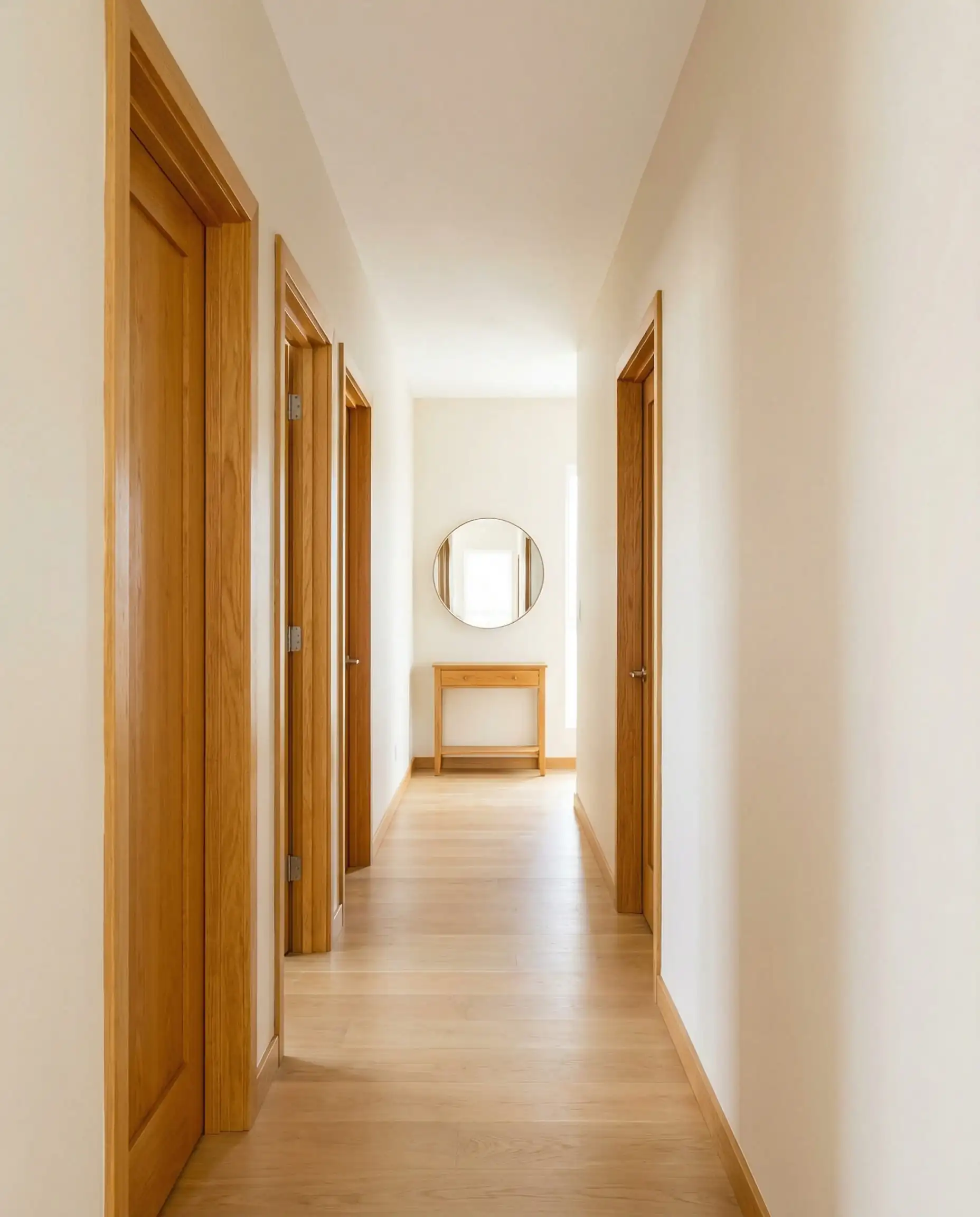
The Hallway / Entryway
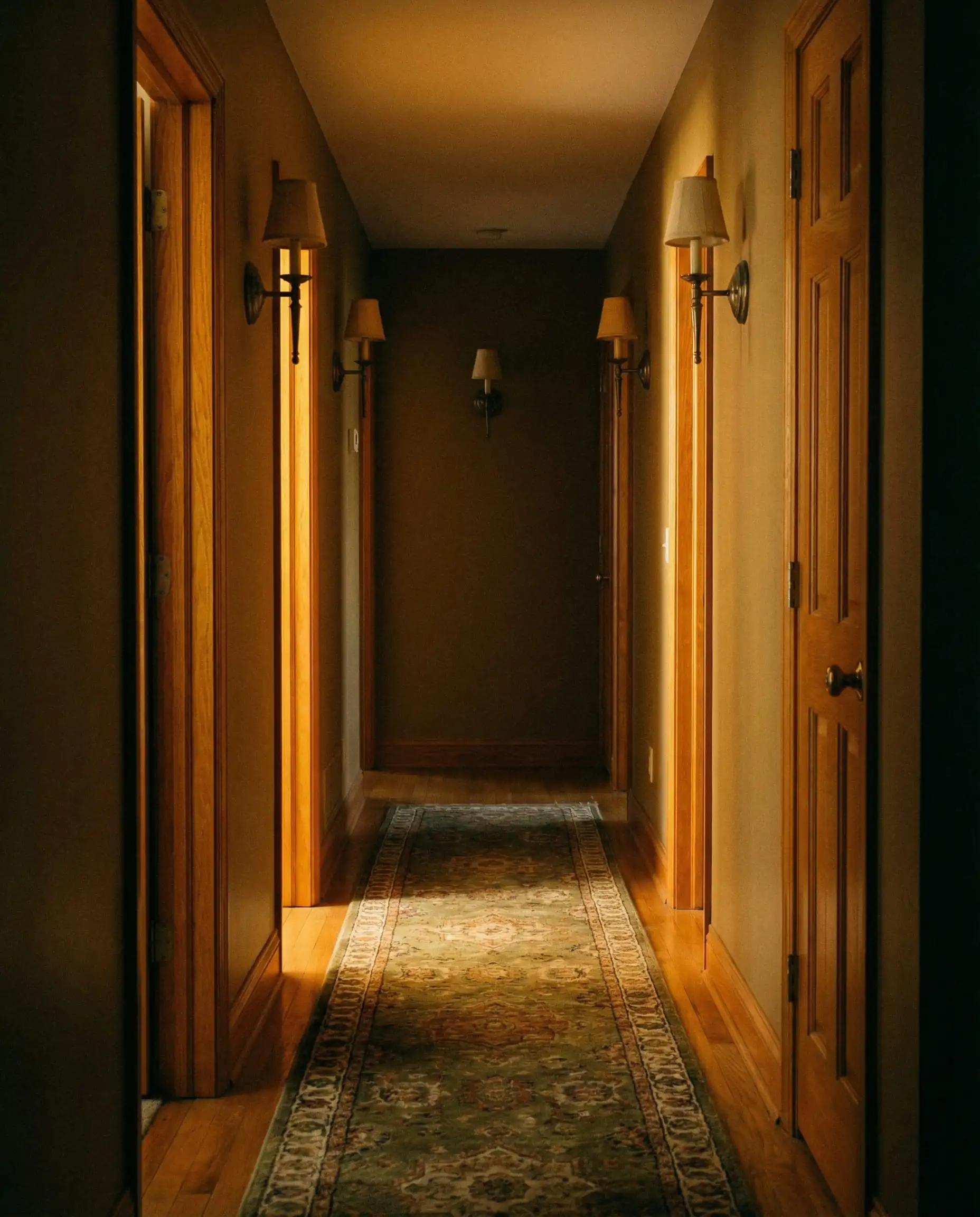
The Challenge: Usually narrow with lots of door frames (lots of orange).
The Solution: Creamy (SW 7012).
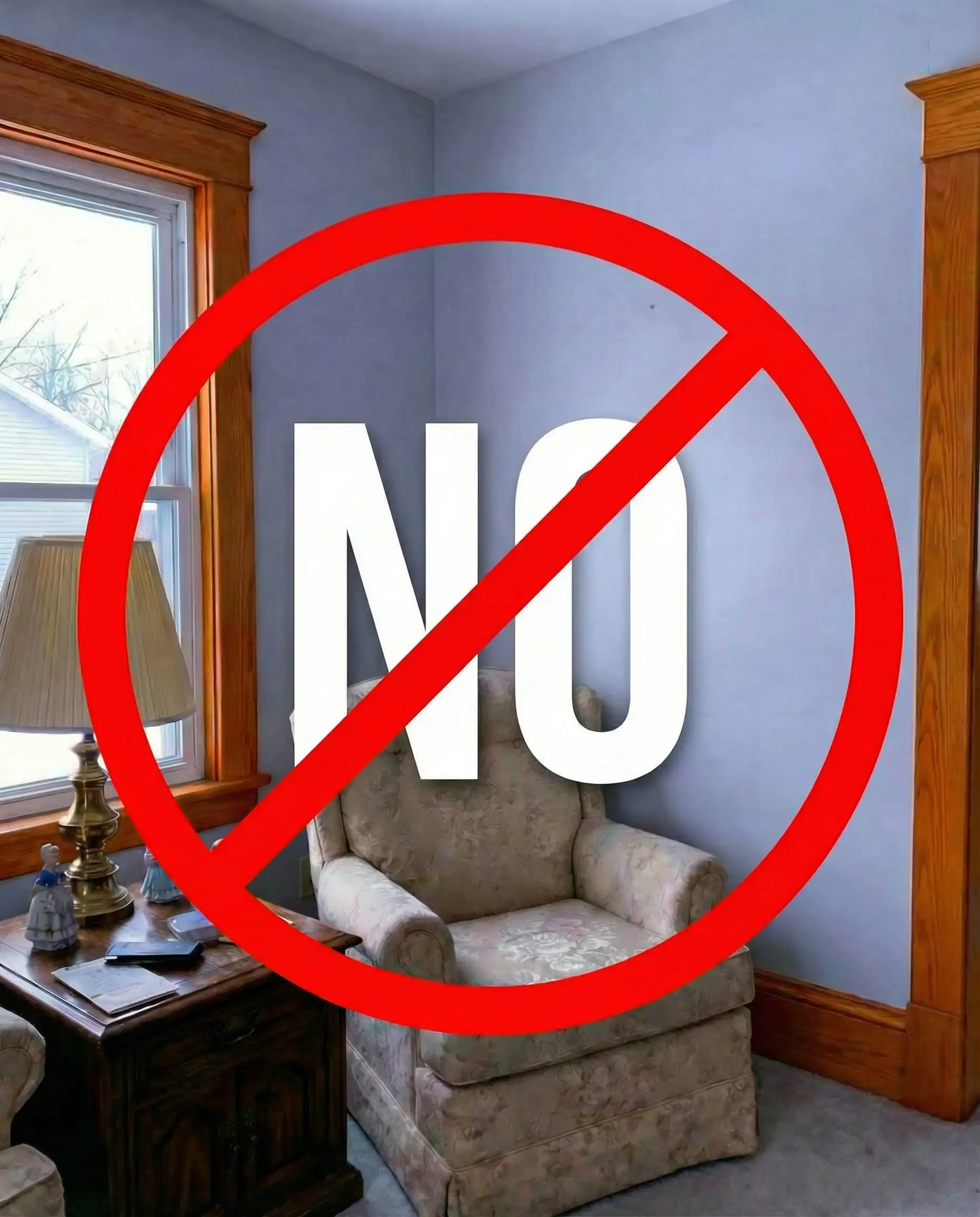
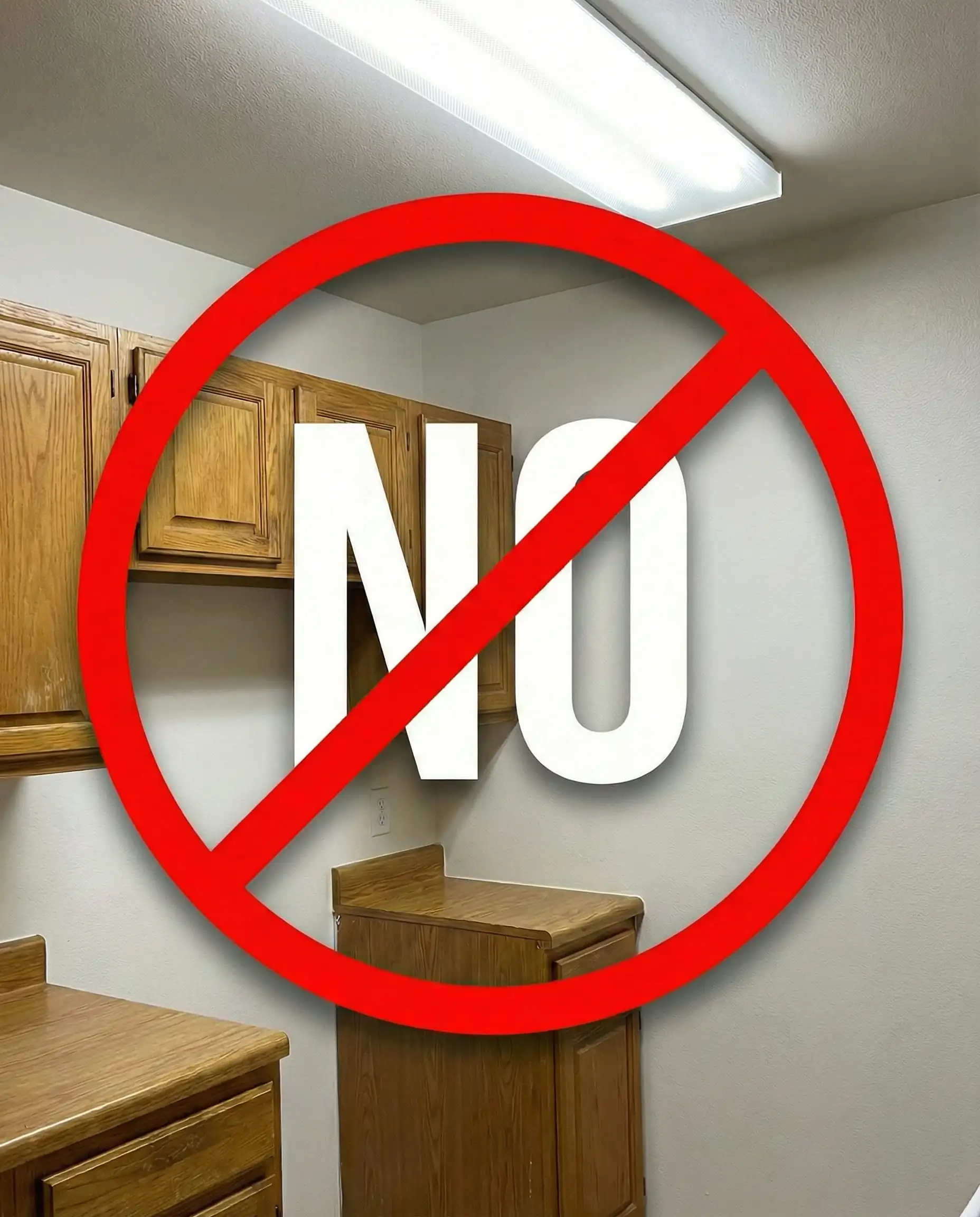
The “Do Not Paint” List: Colors to Avoid
To truly update your home for 2026, you must know what to avoid. These colors were popular in the past but will instantly date a home with honey oak.
- Cool Grays (e.g., Passive SW 7064):
- Why: They have blue/purple undertones. When placed next to honey oak, they turn the wood “orange-juice orange” and the walls look like unprimed concrete. It is a clash of temperatures that never resolves.
- Icy Blues (e.g., Icicle SW 6238):
- Why: While blue and orange are complementary, pastel blues lack the “weight” to anchor the wood. The result looks like a nursery or a beach house gone wrong.
- Stark Whites (e.g., Extra White SW 7006):
- Why: This is too harsh. The contrast is so high that it makes the wood grain look busy and the varnish look yellowed. Always opt for an off-white with a drop of cream or beige.
- Yellows (e.g., Friendly Yellow SW 6680):
- Why: Too much of a good thing. Painting yellow walls next to yellow wood washes out the entire room. You lose all definition, and the room feels sickly sweet.
Beyond Paint: Hardware & Decor to Modernize Oak
Paint is powerful, but it doesn’t work in a vacuum. To fully achieve the “Modern Heritage” look, you need to update the supporting actors in the room.
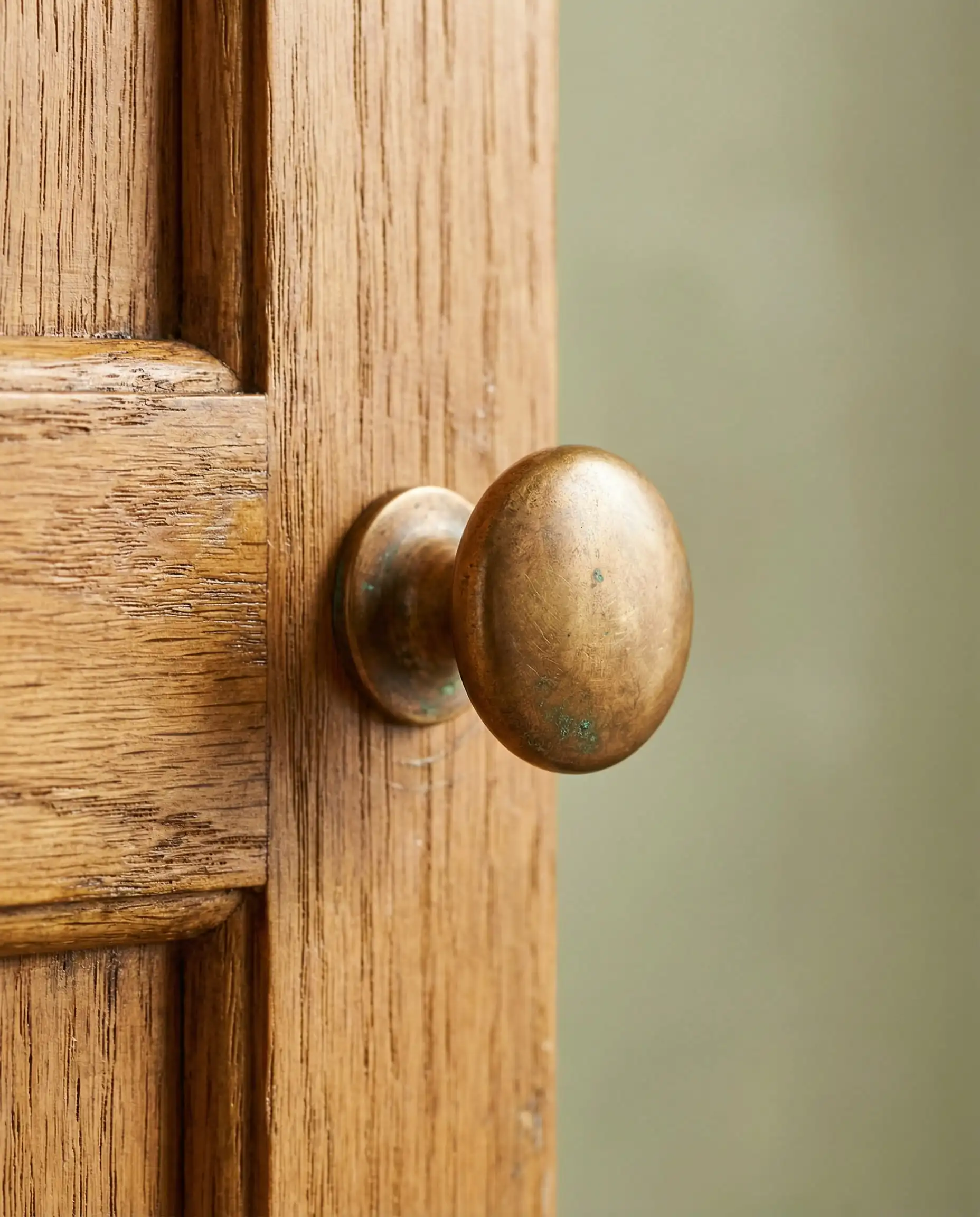
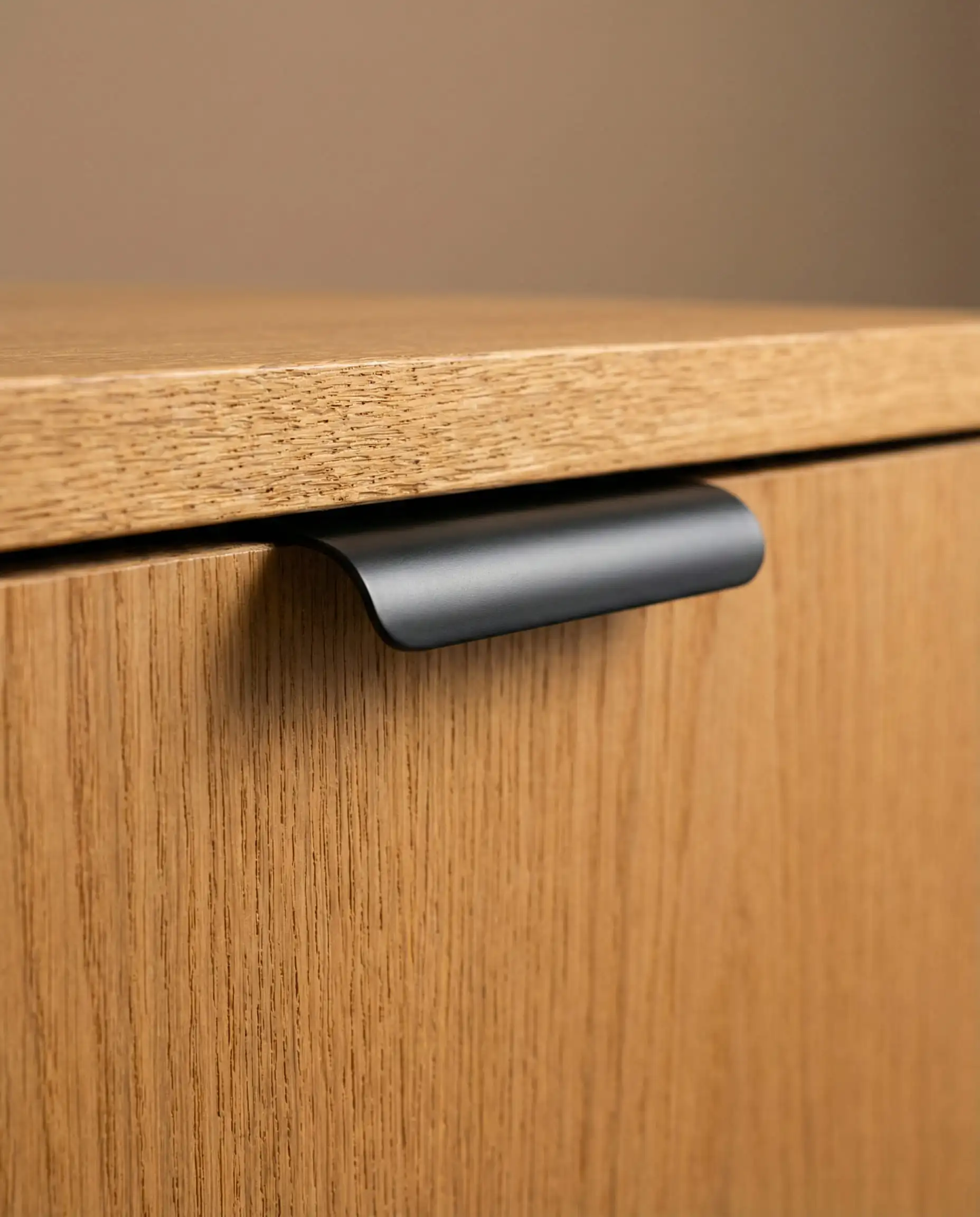
1. The Hardware Swap
If your honey oak cabinets still have the shiny brass knobs from 1996, swap them out immediately.
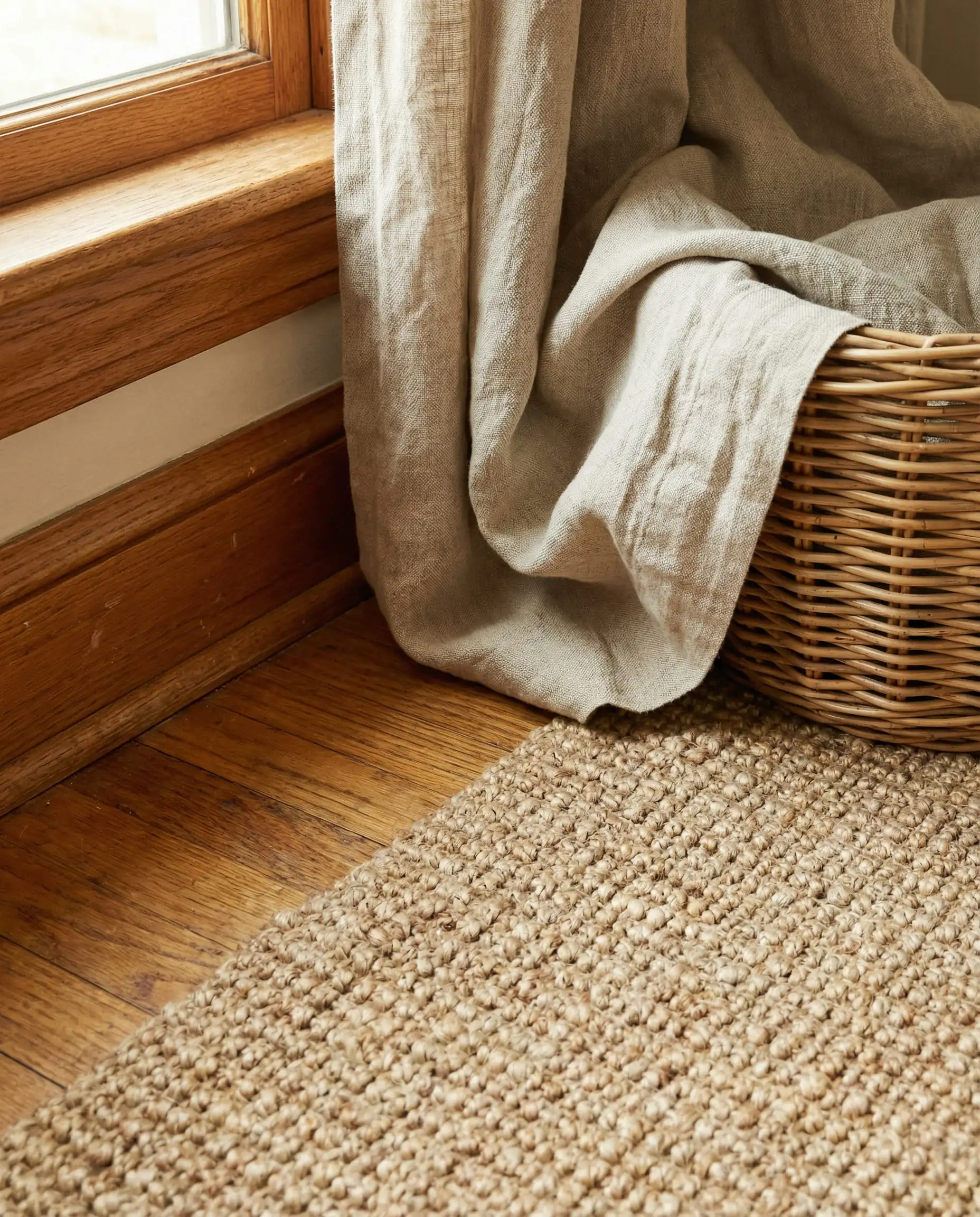
2. Texture Over Color
Since you are embracing a warmer, more monochromatic palette, you need texture to keep the room interesting.
3. The Power of Greenery
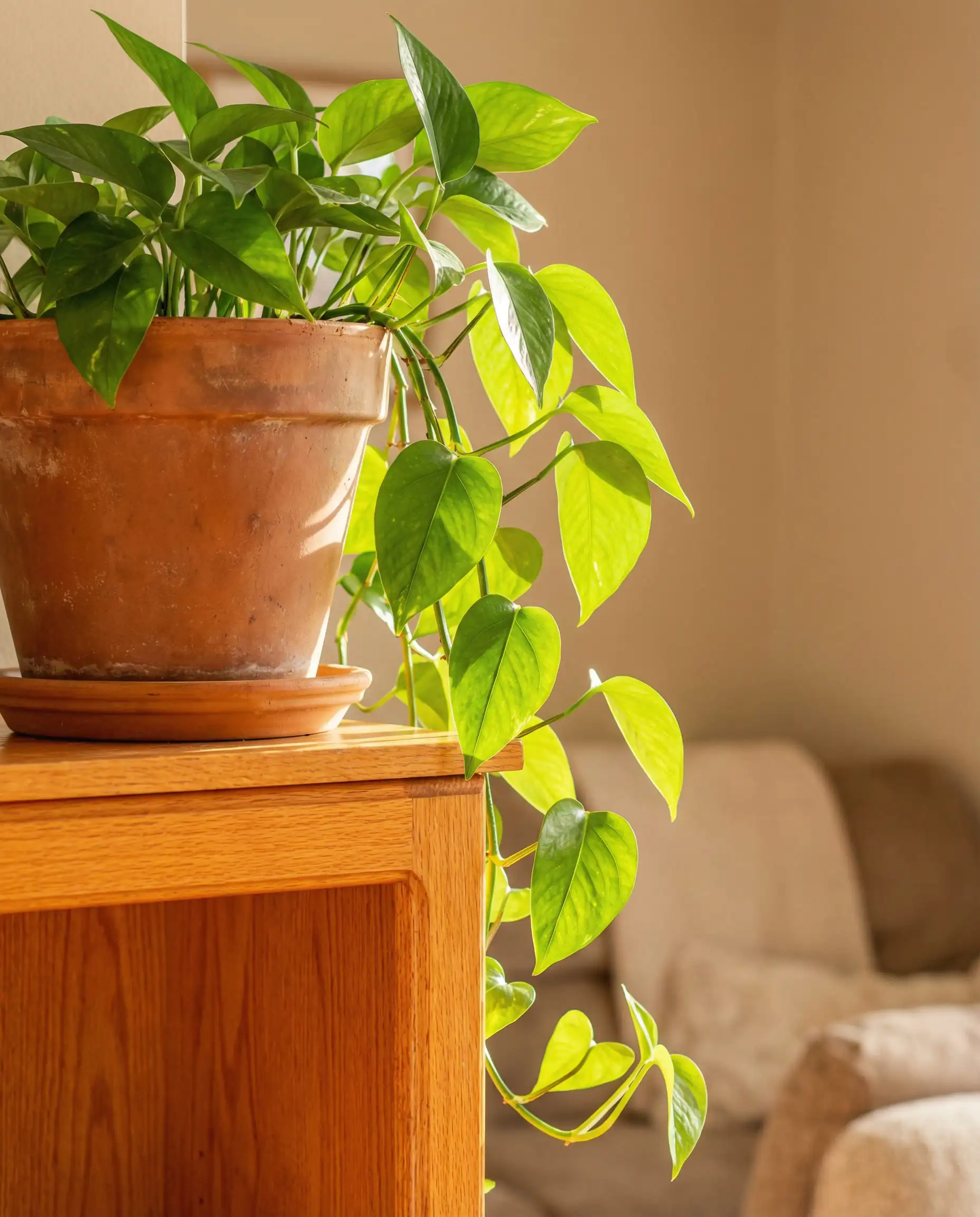
Plants are the ultimate bridge between wood and wall. A large Fiddle Leaf Fig or a trailing Pothos brings in the exact shade of organic green that naturally balances honey oak. It reinforces the idea that the wood is a natural element.
Application Guide: Trim, Ceilings, and Lighting
Picking the color is only half the battle. Here is how to apply it like a pro to ensure the finish looks intentional.
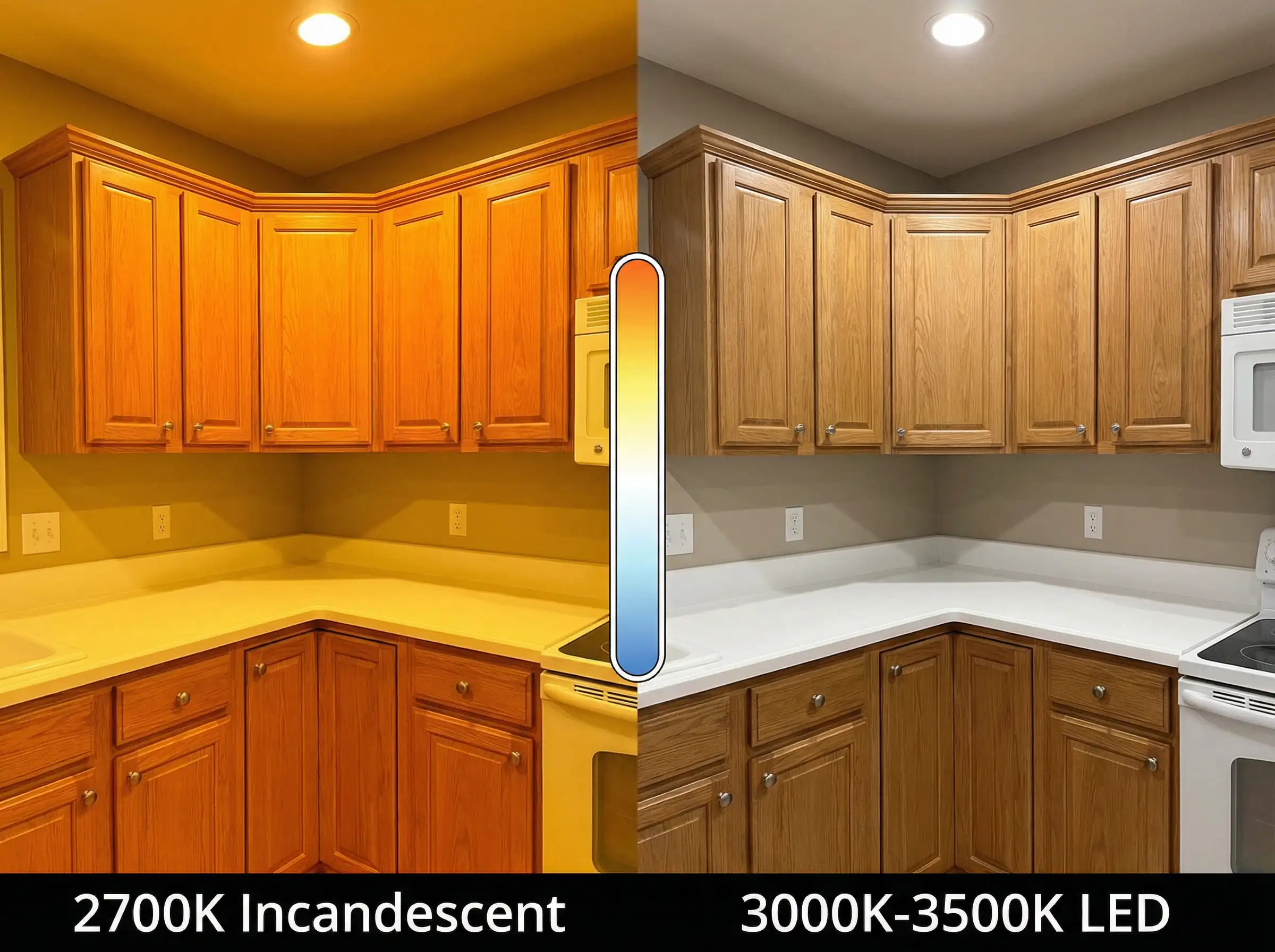
The Lighting Check
Honey oak changes color based on your light bulbs. This is non-negotiable.
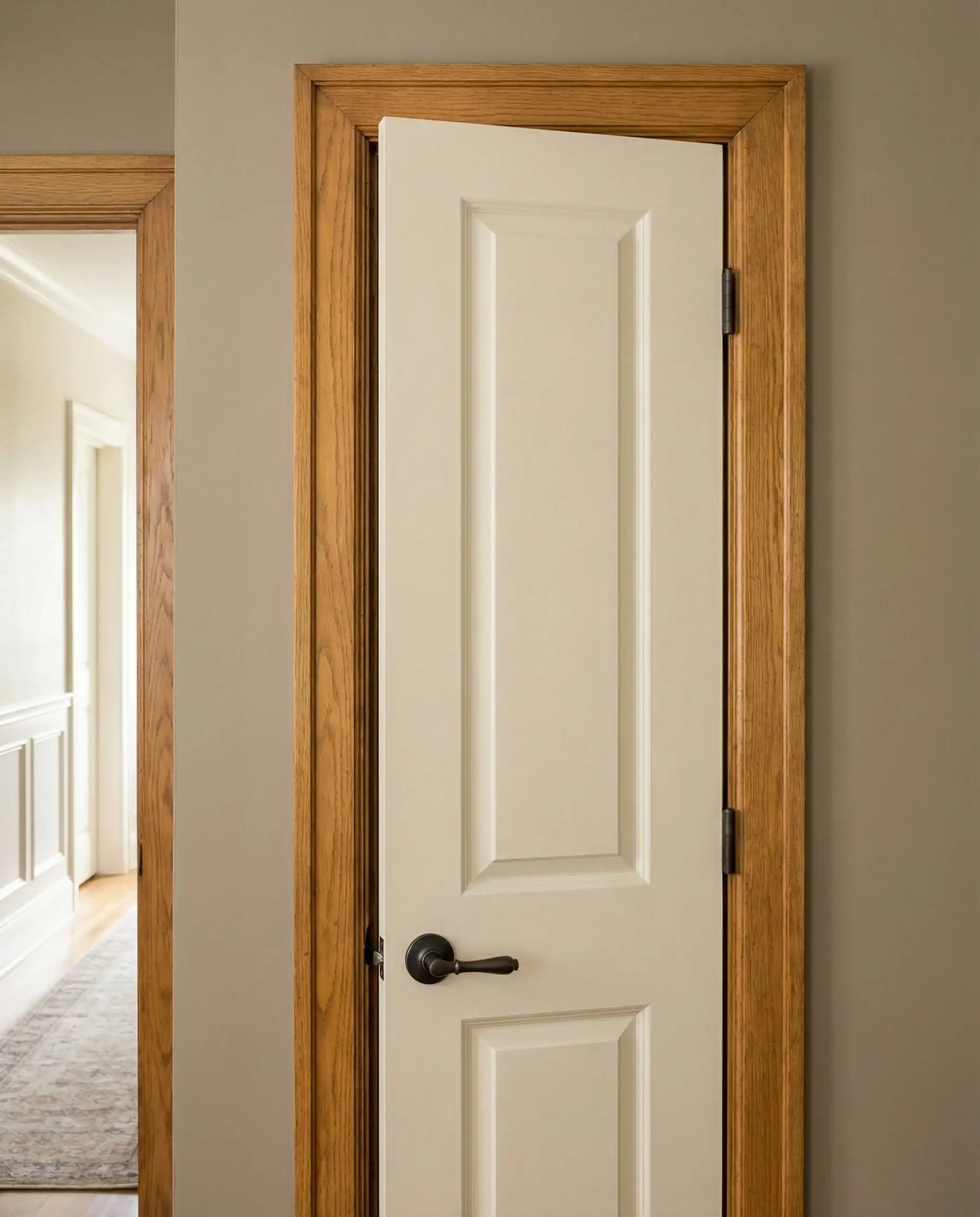
The Trim Dilemma
Sheen Matters
Honey oak from the 90s often has a glossy, polyurethane finish.
Contrast that shine with Matte or Flat paint on the walls. The difference in texture (shiny wood vs. velvet walls) makes the room feel curated and intentional. If you use a semi-gloss wall paint, the whole room will feel like a shiny plastic box.
Hackrea Tip
FAQ: Honey Oak in 2026
A: Yes. The “Modern Heritage” trend values authentic materials. While builders aren’t installing new honey oak (they prefer white oak or walnut), designers are preserving existing oak and styling it with warm, earthy palettes rather than painting over it. It is considered “vintage” now.
A: Avoid “cool” whites like Extra White or High Reflective White. Stick to Creamy (SW 7012) or Alabaster (SW 7008). These have creamy/greige undertones that blend softly with the wood.
A: True grays (blue-based) are out for 2026. They clash with the wood. Instead, opt for “warm greiges” like Drift of Mist (SW 9166) or Universal Khaki (SW 6150) which have brown/yellow bases. These bridge the gap between gray and beige.
A: If the wood is in good condition, we urge you to try painting the walls one of the dark colors on this list first (like Clove or Secret Garden). You might be surprised how much “richer” and more expensive the wood looks when it isn’t fighting against a beige-pink or cool-gray wall color. Painting trim is a massive, irreversible job; painting walls is easy.
Conclusion: Stop Apologizing for Your Wood
For too long, homeowners have been apologizing for their honey oak. In 2026, it’s time to own it.
Your wood trim adds warmth, history, and texture that a drywall box simply cannot replicate. By wrapping it in the warm, organic embrace of shades like Universal Khaki or Reddened Earth, you aren’t just updating your paint color—you are restoring the soul of your home. You are shifting the narrative from “outdated 90s house” to “custom warm-minimalist sanctuary.”
Next Step: Not sure how these colors will look in your specific lighting? Pick up a peel-and-stick sample of Universal Khaki and Basil today and stick them right on your baseboards. Watch how the colors change throughout the day—you’ll know the winner by sunset.

The Hackrea Style Desk treats interior decoration as an exact visual science. Rather than focusing on demolition or floor plans, this desk masters the art of color theory, undertone matching, material pairings, and spatial proportion. From balancing the visual weight of mixed metals to finding the perfect bridging tone between disparate wood species, this desk provides the rigorous aesthetic rules needed to achieve high-end, editorial-quality harmony in any space.