If you have felt that interiors have become a little too perfect, polished, and predictable lately, 2026 is the year that changes everything.
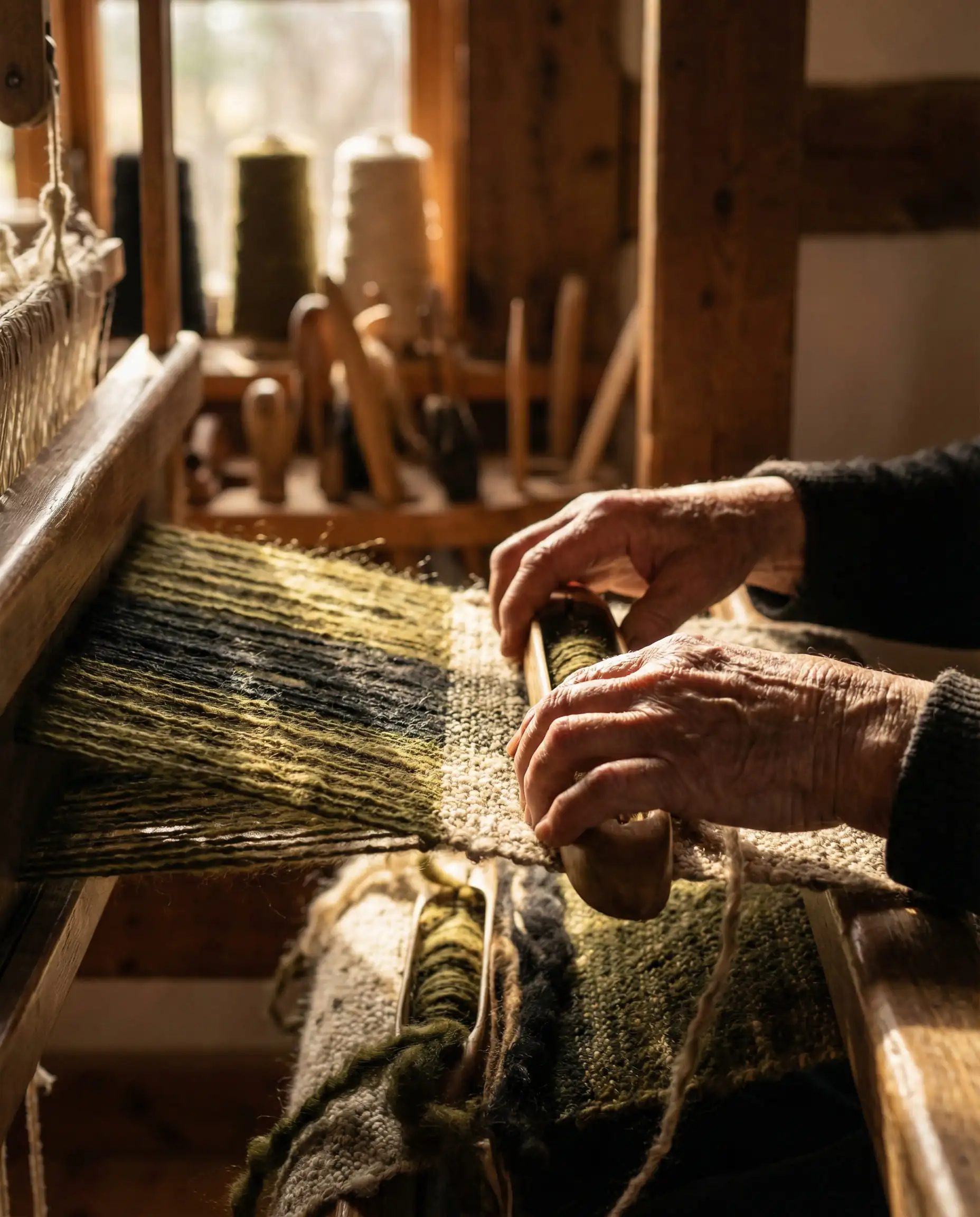
We are entering an era defined by a fascinating tension. On one side, we have the rapid advancement of AI and digital realities; on the other, a deep, human craving for touch, texture, and the “hand of the maker.” The result? A home decor landscape that is tactile, emotionally resonant, and delightfully imperfect.
According to the latest forecasts from Heimtextil—the world’s leading trade fair for home and contract textiles—the overarching theme for 2026 is “Craft is a Verb.” This isn’t just about how a fabric looks; it’s about how it’s made, how it feels under your fingertips, and the story it tells. From digital glitches woven into wool to bio-based textiles that decode nature, the fabrics of 2026 are high-tech meets high-touch.
Whether you are reupholstering a vintage armchair or simply looking for the perfect throw pillow, here is your ultimate guide to the textile trends defining 2026.
Quick Summary: The 6 Key Fabric Trends of 2026
If you are skimming for inspiration, these are the six pillars defining the new year:
- Re: Media: Glitch aesthetics, pixelated weaves, and optical illusions that mimic digital screens.
- Visible Co-work: A hybrid of AI-generated patterns finished by human hands (e.g., digital embroidery).
- Sensing Nature: Textures derived from natural data (like wave frequencies) rather than just floral prints.
- Crafted Irregularity: A celebration of flaws—think raw seams, knots, and asymmetrical drapes.
- The Uncanny Valley: Industrial beauty featuring exposed metallic threads, wires, and oil-slick sheens.
- A Playful Touch: Joyful maximalism with ruffles, tufting, and neon accents on natural fibers.
The Core Theme: “Craft is a Verb”
To understand the fabrics of 2026, we have to look past the surface. For years, the industry focused on “look”—is it modern? Is it traditional? But the “Craft is a Verb” movement shifts the focus to process.
This trend acknowledges that in a world of automated perfection, craftsmanship is the new luxury. However, it’s not rejecting technology. Instead, designers are using tools like AI to create complex, impossible-to-weave structures, then finishing them with traditional methods like hand-dyeing or manual tufting.
It creates a home environment that feels grounded and authentic. We are moving away from the sterile “showroom” look toward spaces that feel lived-in and layered. It connects deeply with the broader movement of eco-sustainable interior design trends, where the origin of the material is just as important as the aesthetic.
Trend Deep Dive: The 6 Styles Defining 2026
1. Re: Media (The Digital Glitch)
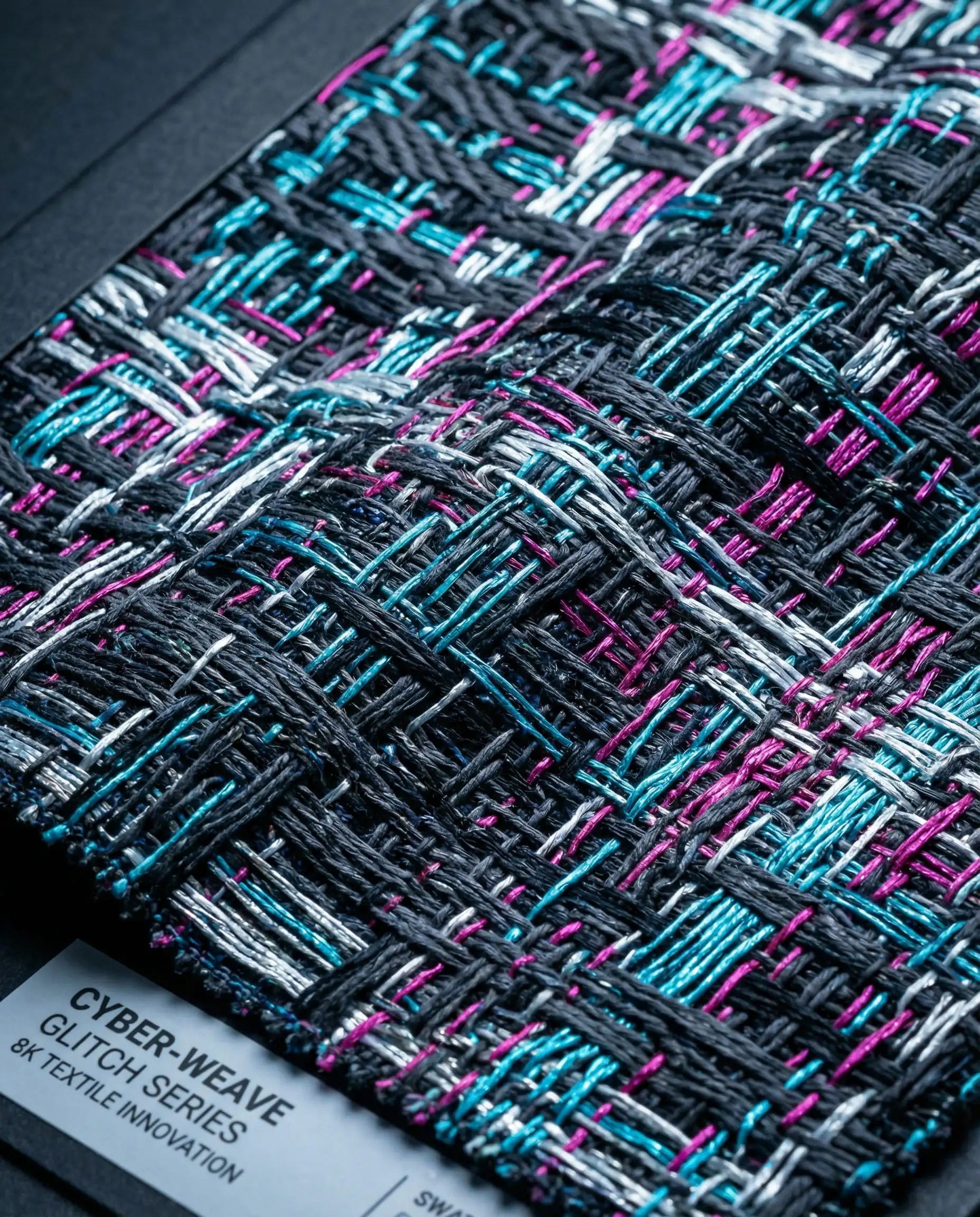
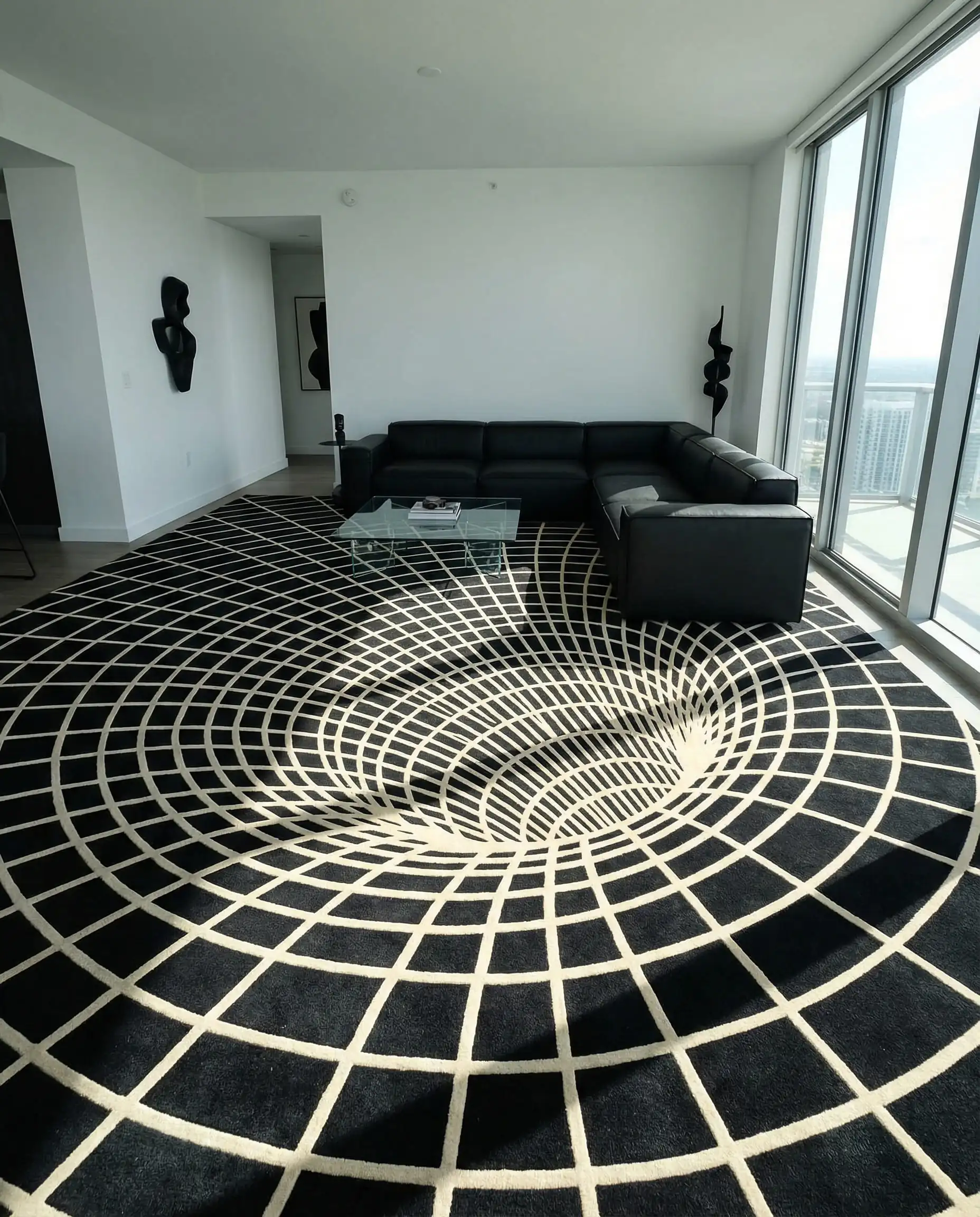
This trend is for the bold. As our lives become increasingly digital, screen culture is spilling over into physical spaces. But rather than crisp, high-definition prints, we are seeing the aesthetic of the “glitch.”
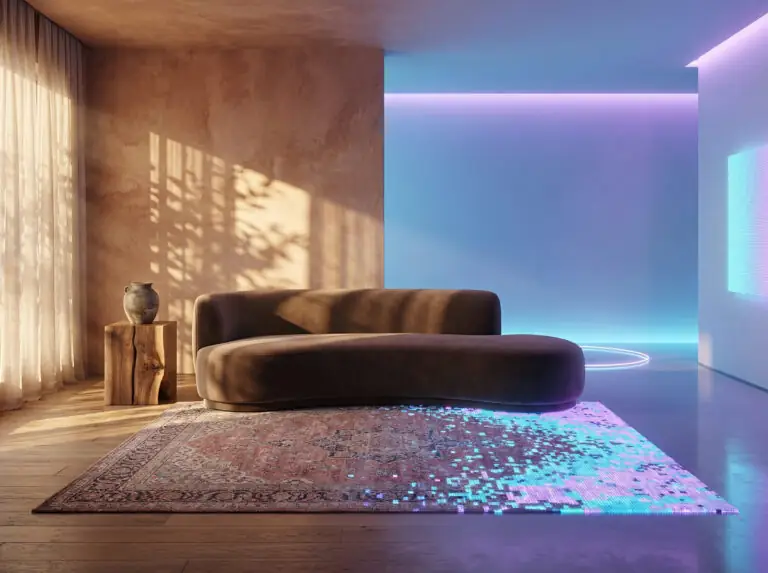
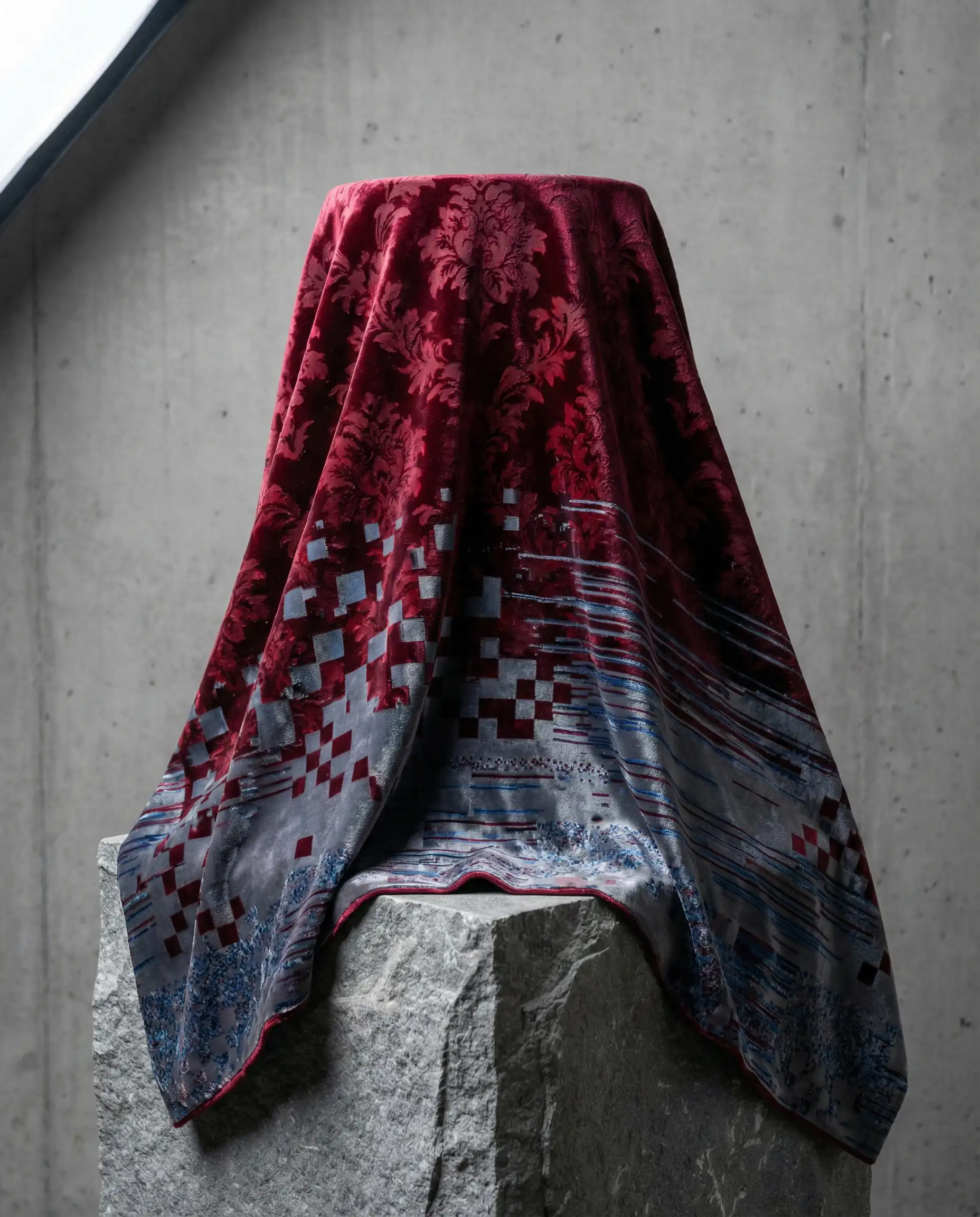
Imagine a classic jacquard weave that suddenly dissolves into pixels, or a velvet cushion where the color gradient looks like a corrupted image file. This style plays with optical illusions, using distinct color blocking and grids that mimic low-resolution screens. It’s a way of making the digital world tangible—a “retro-futurist” vibe that feels nostalgic for the early internet yet undeniably modern.
Look & Feel:
2. Visible Co-work (The AI Hybrid)
“Visible Co-work” answers the question: What happens when a robot and an artisan collaborate? This trend is characterized by precision meeting chaos. You might see a laser-cut fabric that has been hand-stitched together, or a 3D-knitted textile that features irregularities only a human could introduce.
It is a sophisticated look that bridges the gap between modern minimalism and bohemian warmth. The fabrics often feature complex, mathematical geometries that soften up upon closer inspection due to the use of organic yarns like wool or alpaca.
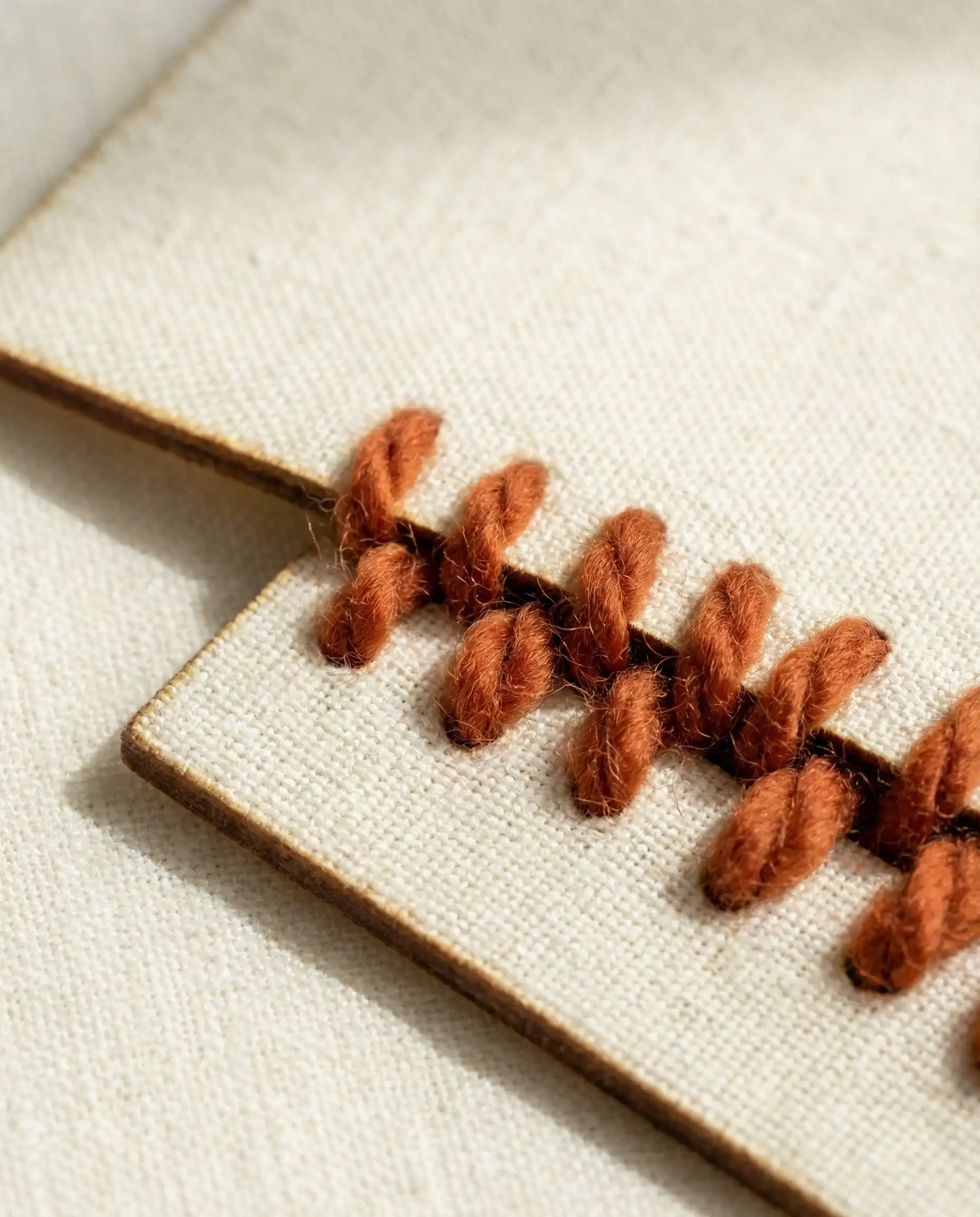
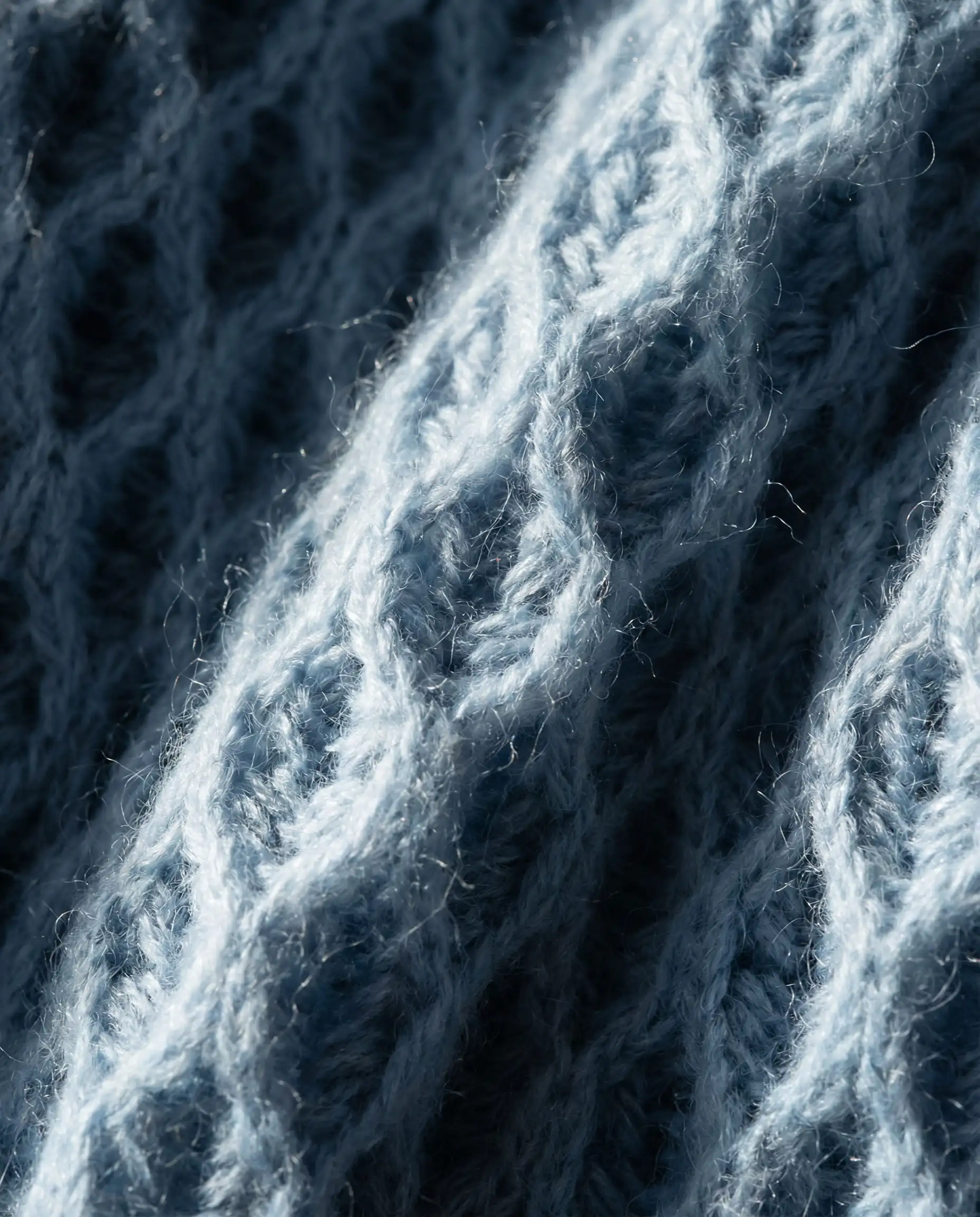
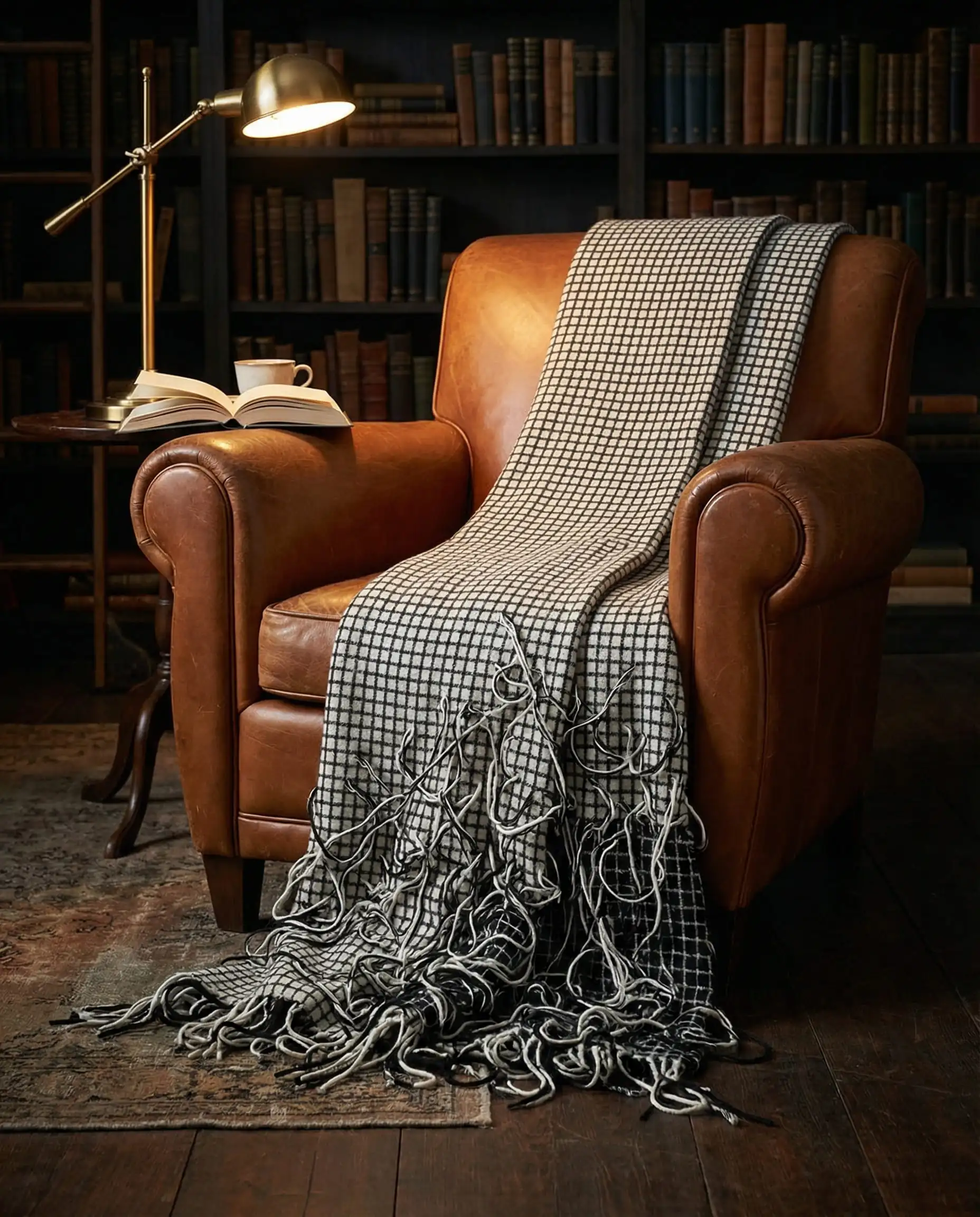
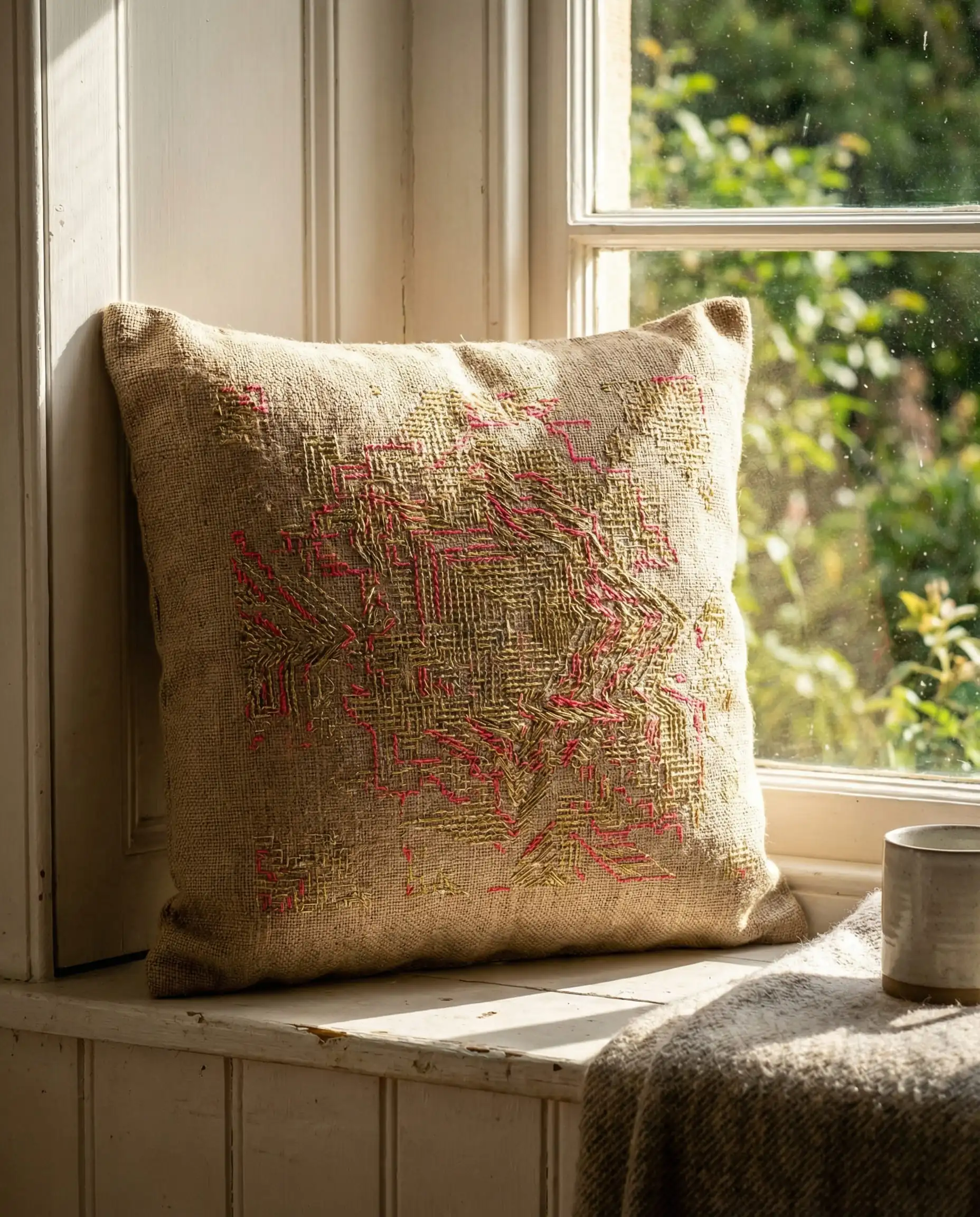
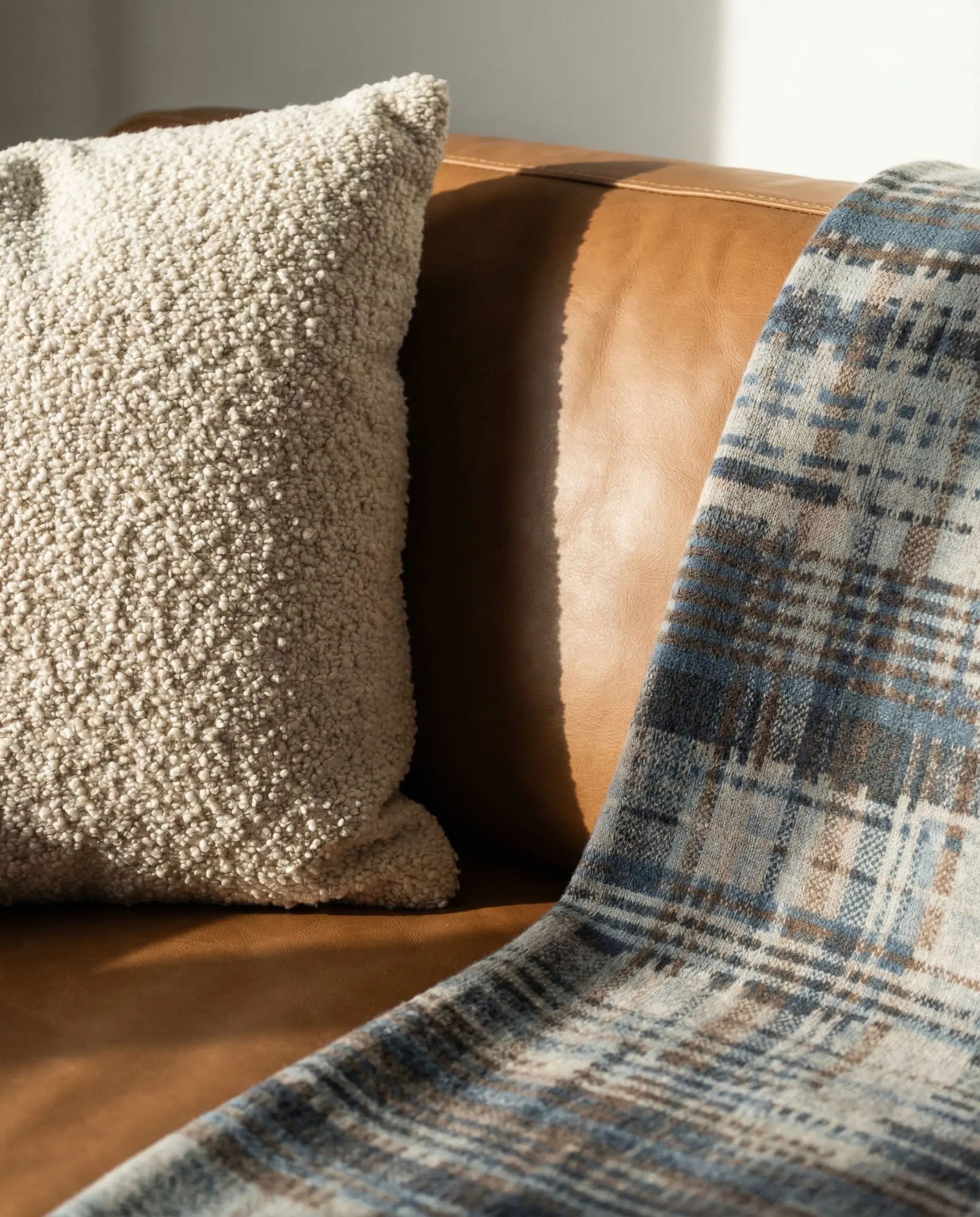
To keep this look grounded, mix these high-tech textures with solid, matte surfaces. A 3D-knitted throw looks incredible draped over a smooth leather sofa—it highlights the contrast between the “engineered” and the “natural.”
Designer Tip 💡
3. Sensing Nature (Bio-Data)
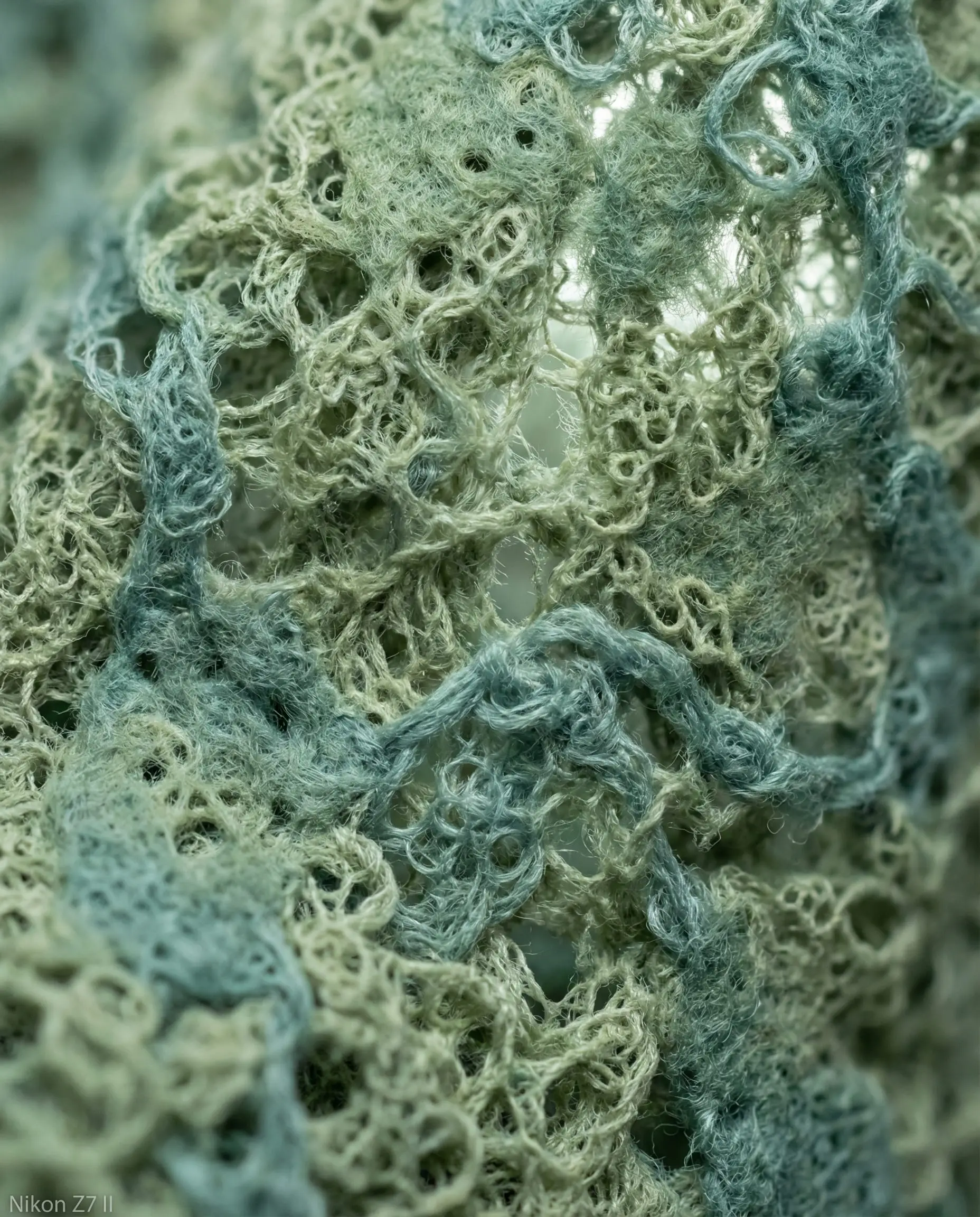
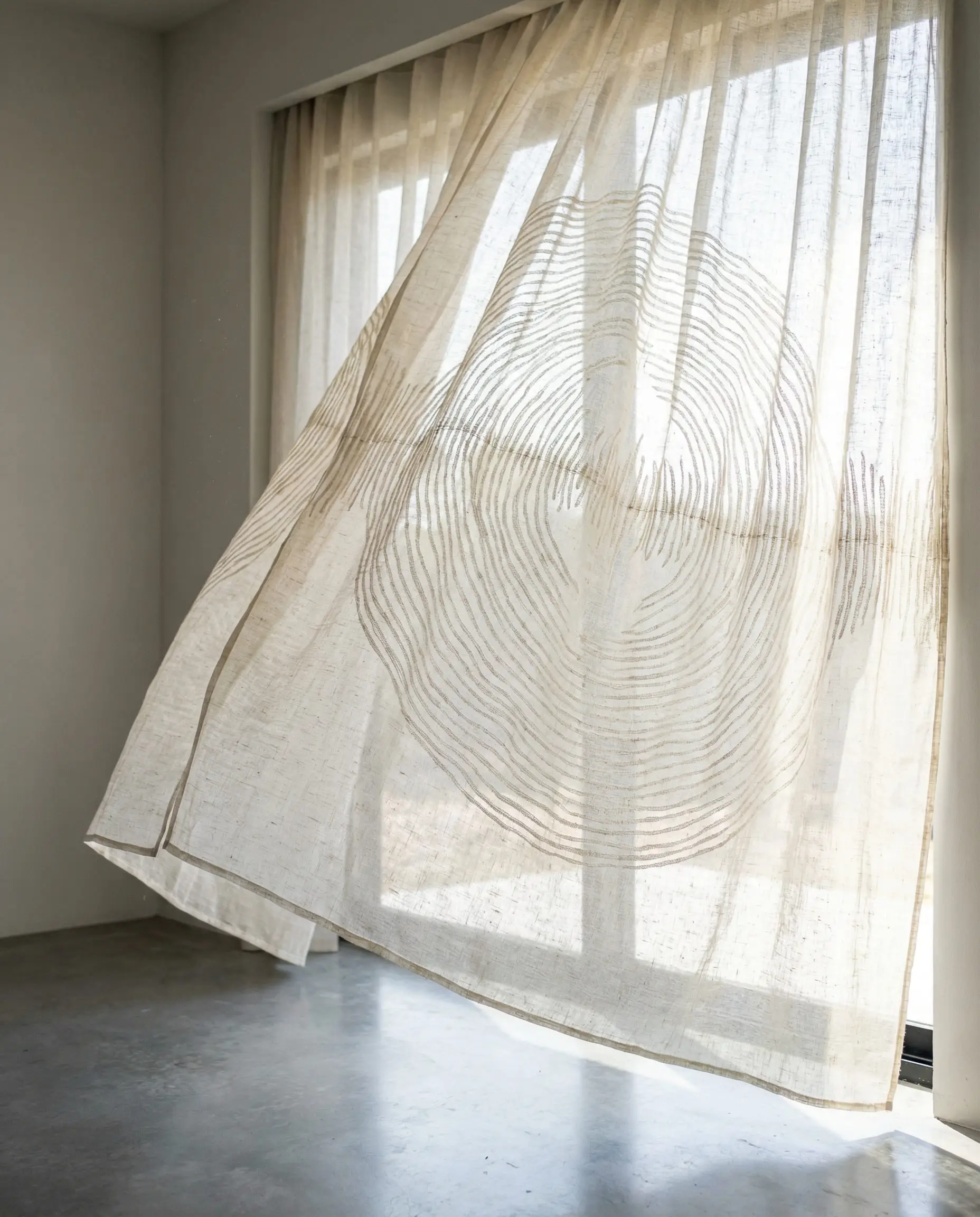
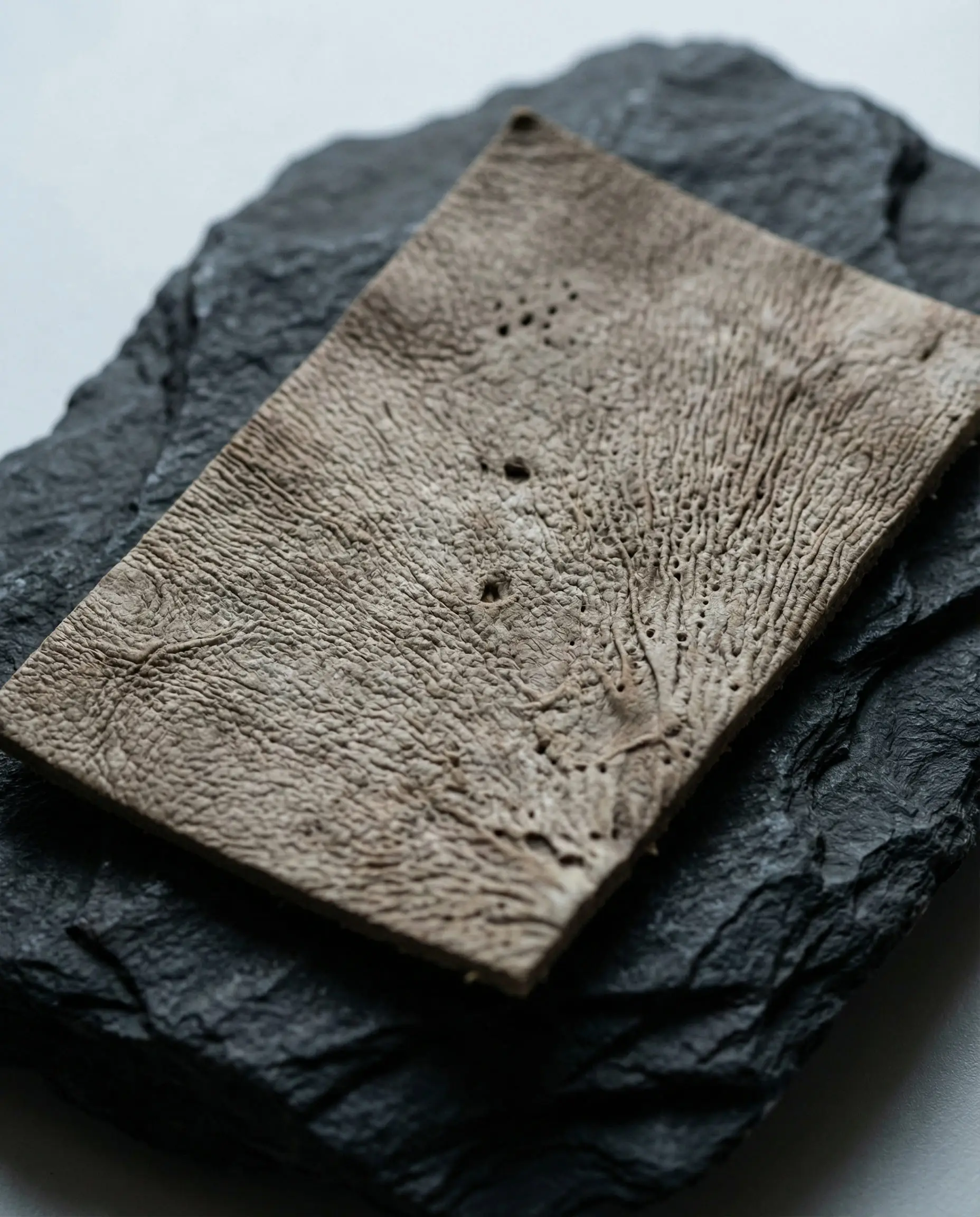
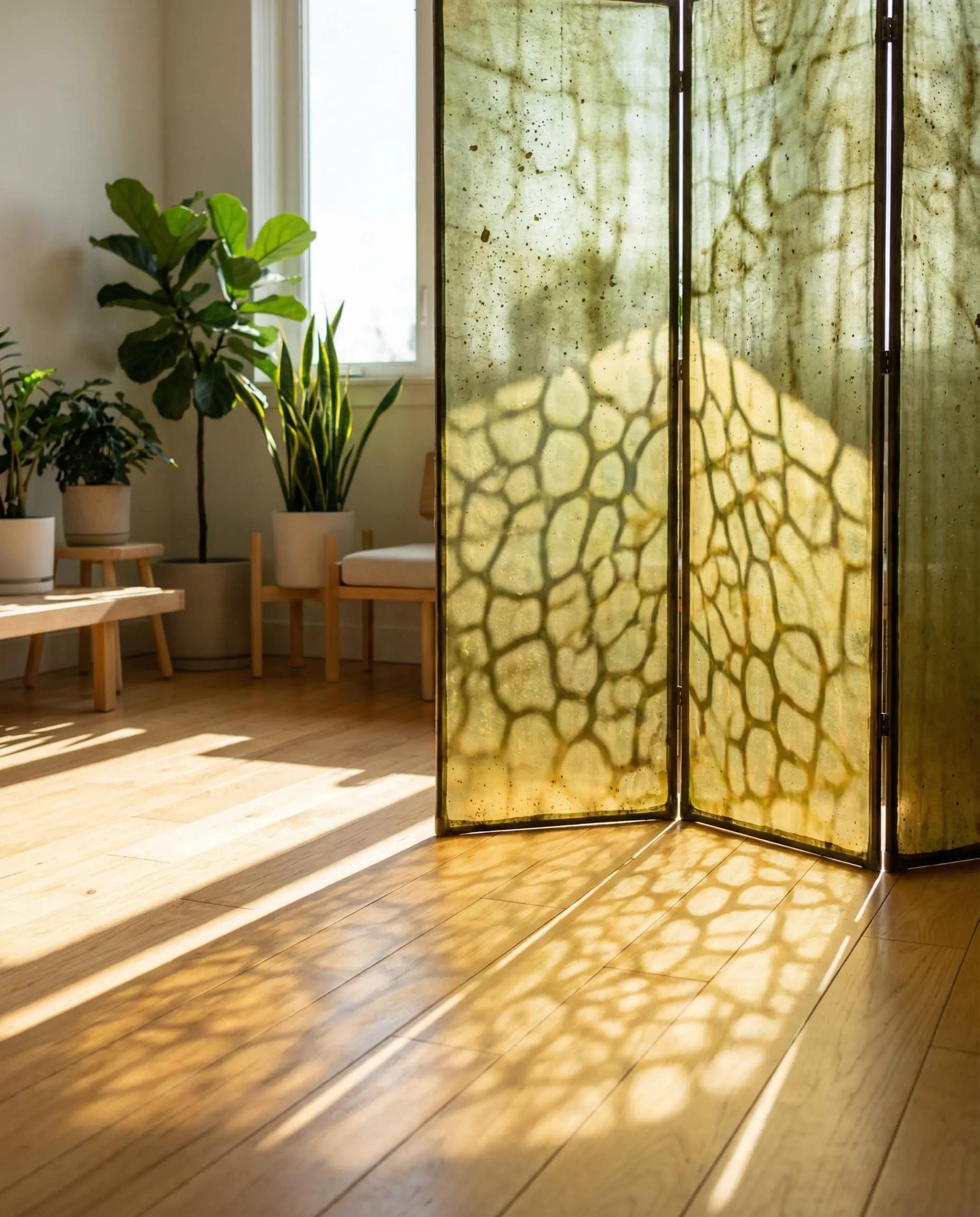
For decades, “nature-inspired” meant printing a leaf pattern on cotton. In 2026, we are going deeper. Designers are using data from the natural world—such as the rhythmic frequency of ocean waves, the crackling patterns of dry earth, or the cellular structure of mushrooms—to create weaves.
This results in “bio-textures.” These fabrics don’t necessarily look like a plant, but they mimic the randomness and flow of organic life. This is often where you will find the most innovative materials, such as mycelium (mushroom) leather or fabrics dyed with algae. If you follow our wallpaper trends, you’ll notice this shift from literal botanical prints to abstract, organic textures is happening on walls, too.
Look & Feel:
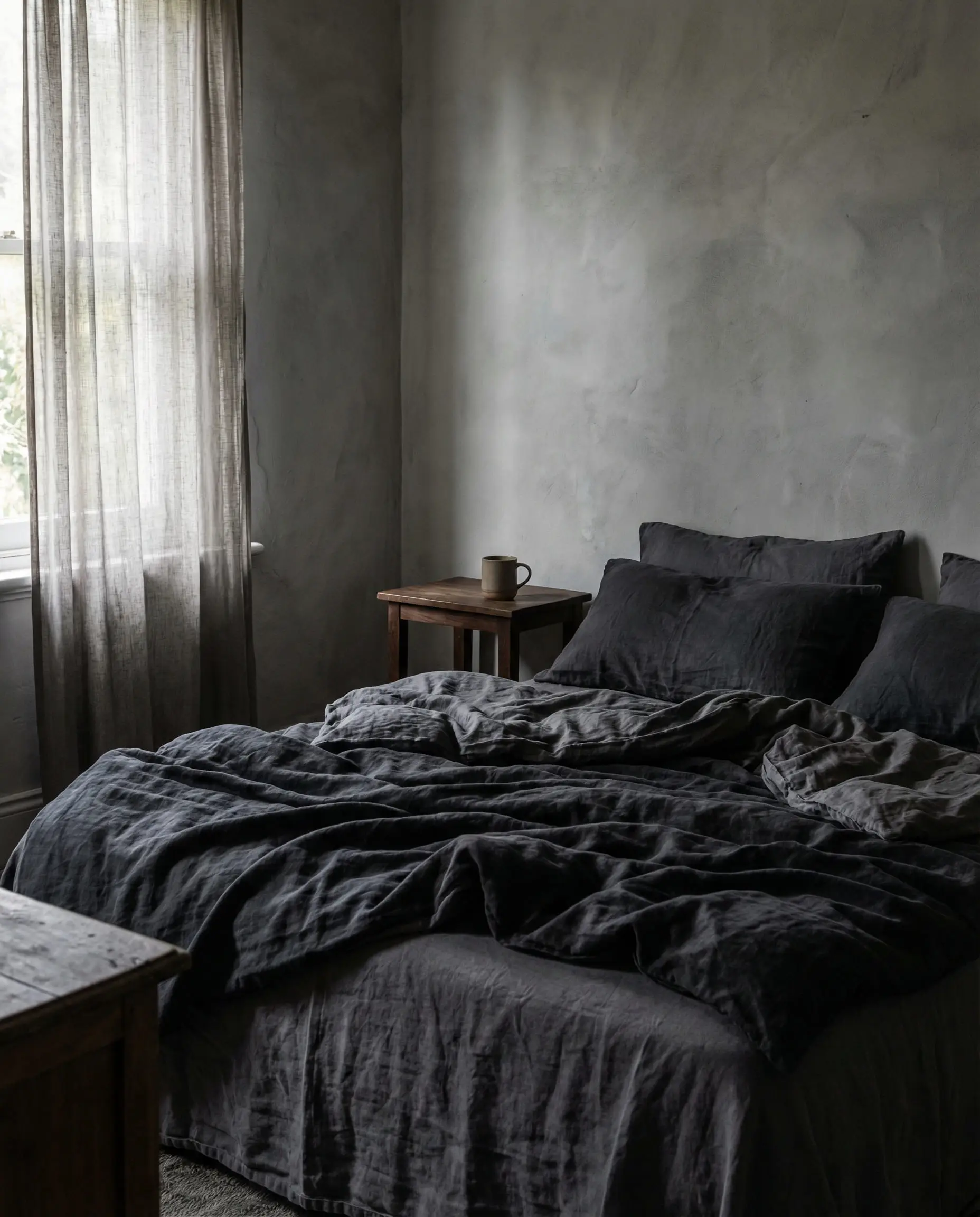
4. Crafted Irregularity
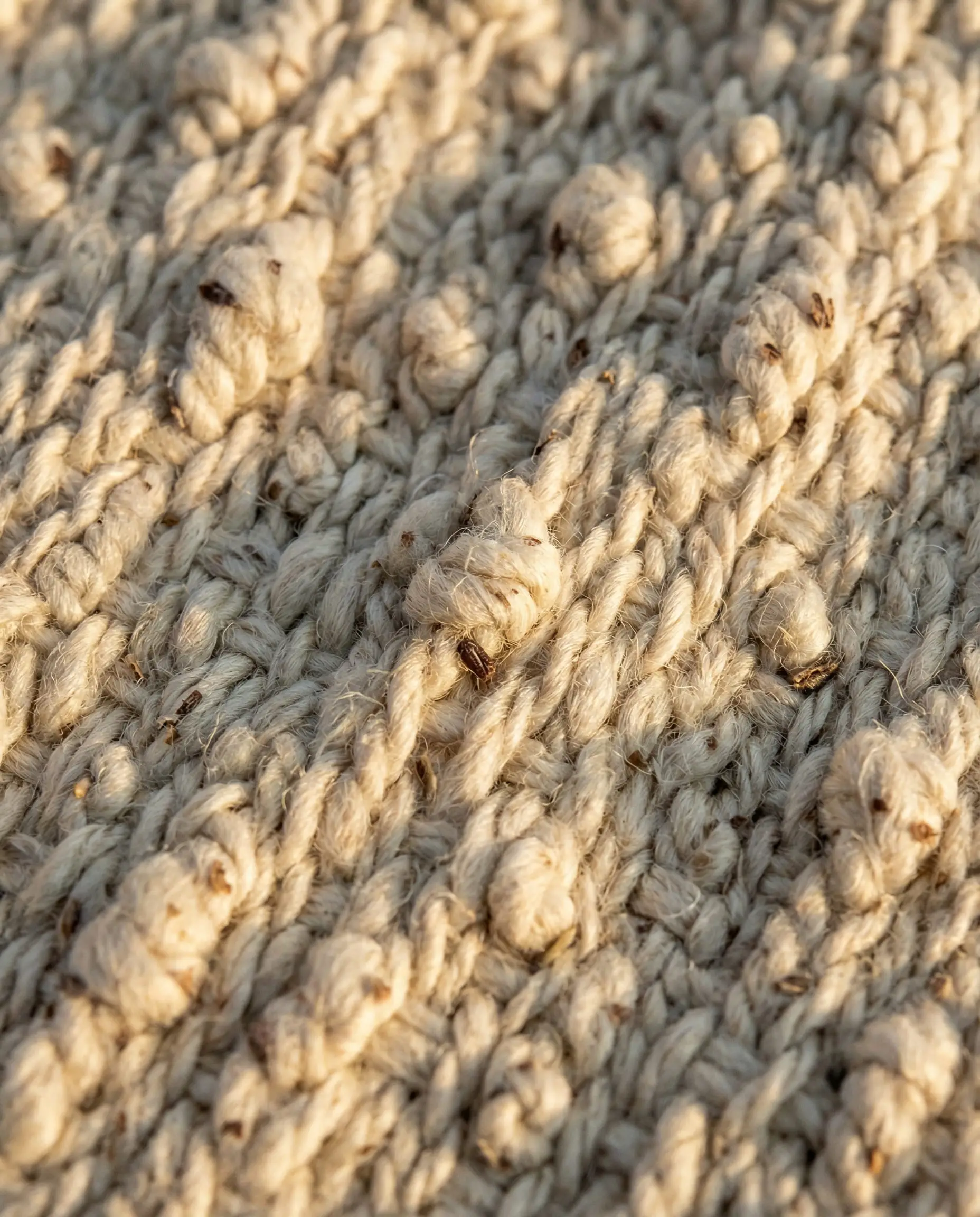
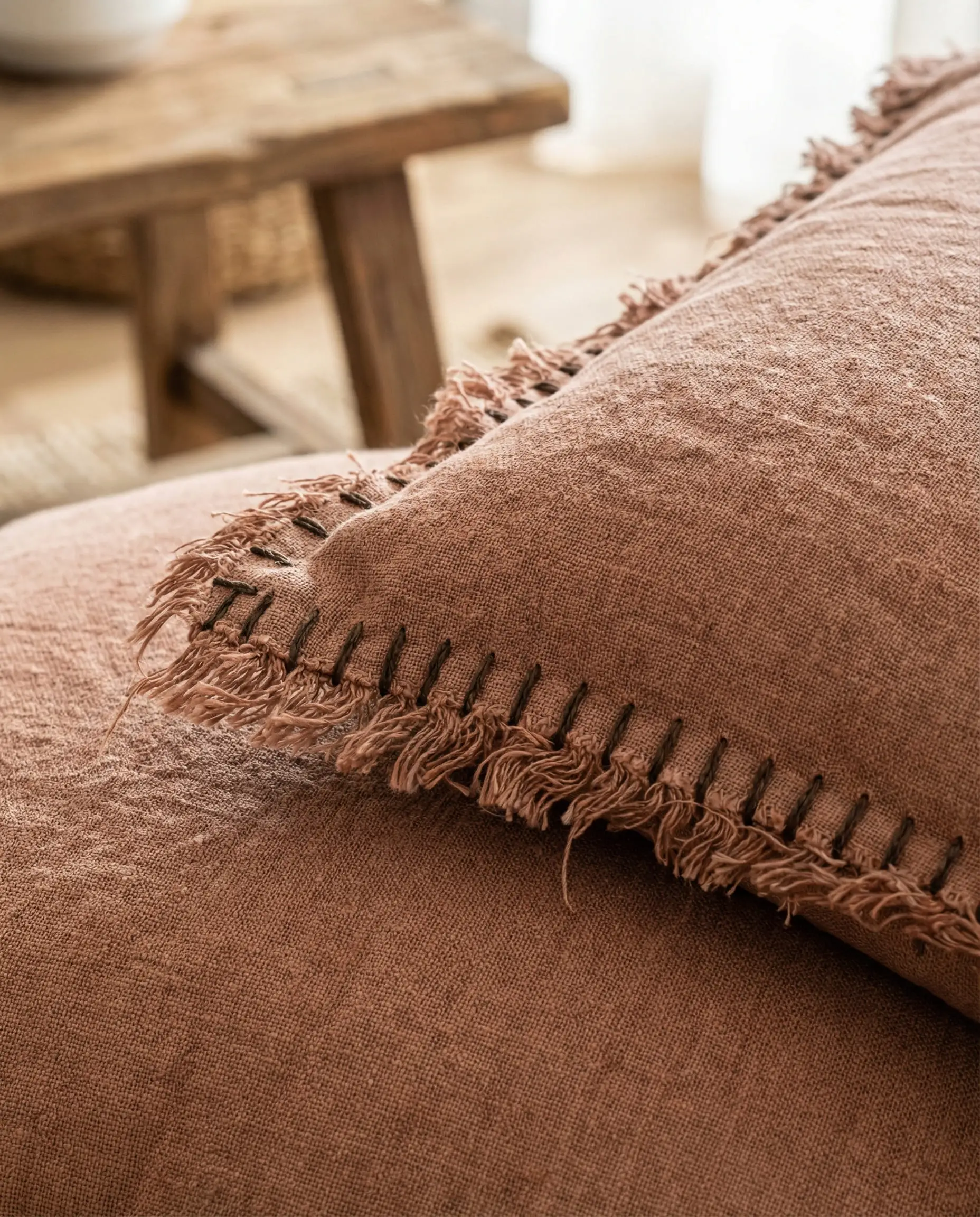
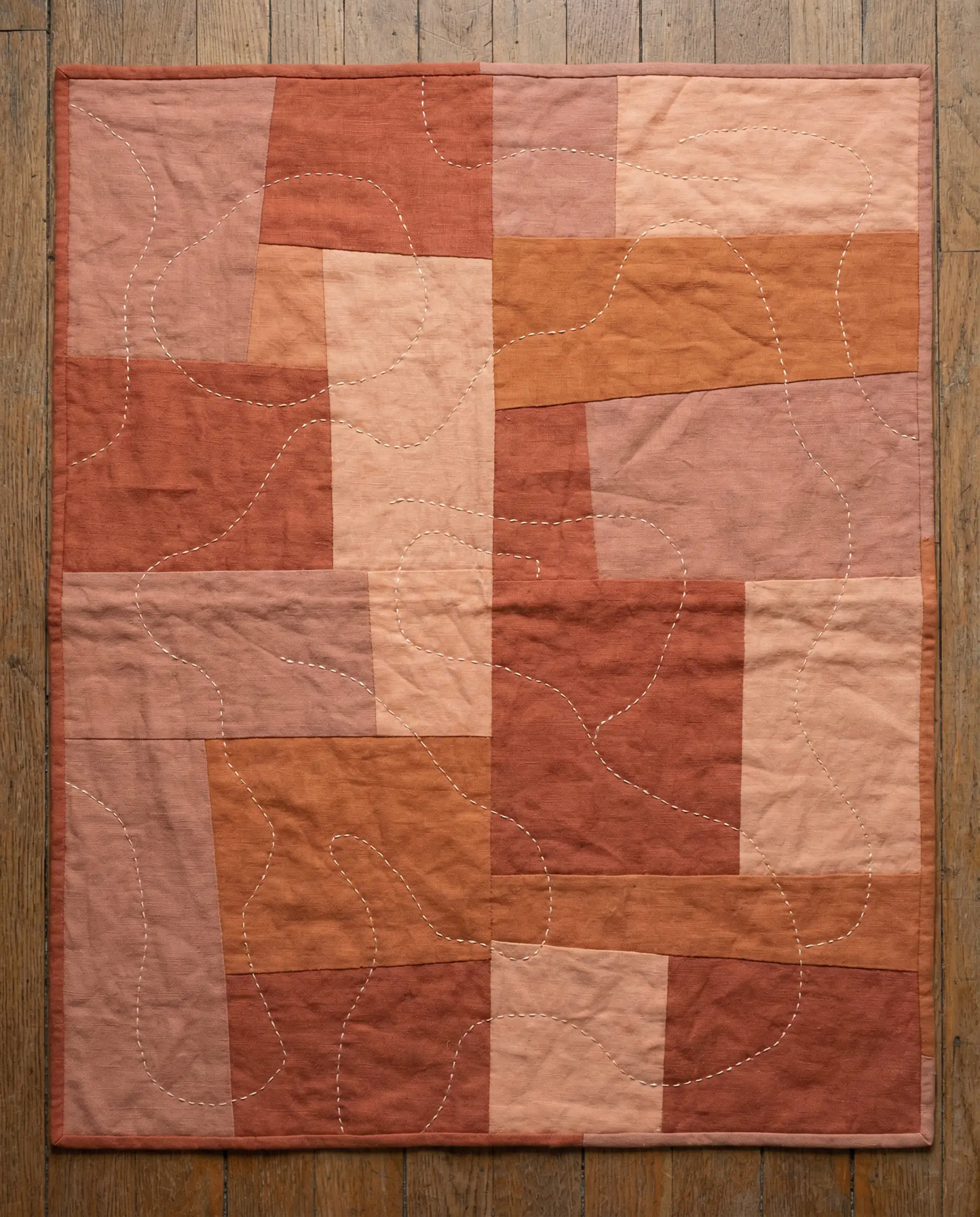
In a direct rebellion against mass production, this trend puts flaws front and center. It is the evolution of the Wabi-Sabi philosophy. We are seeing fabrics where the knots in the yarn are left visible, where seams are exposed rather than hidden, and where hems are left raw or frayed.
This aesthetic is heavily textural. It begs to be touched. It’s perfect for creating a cozy, sanctuary-like atmosphere in a bedroom or reading nook. It pairs beautifully with the Japandi style interior design trends that prioritize simplicity and rustic authenticity.
Look & Feel:
5. The Uncanny Valley
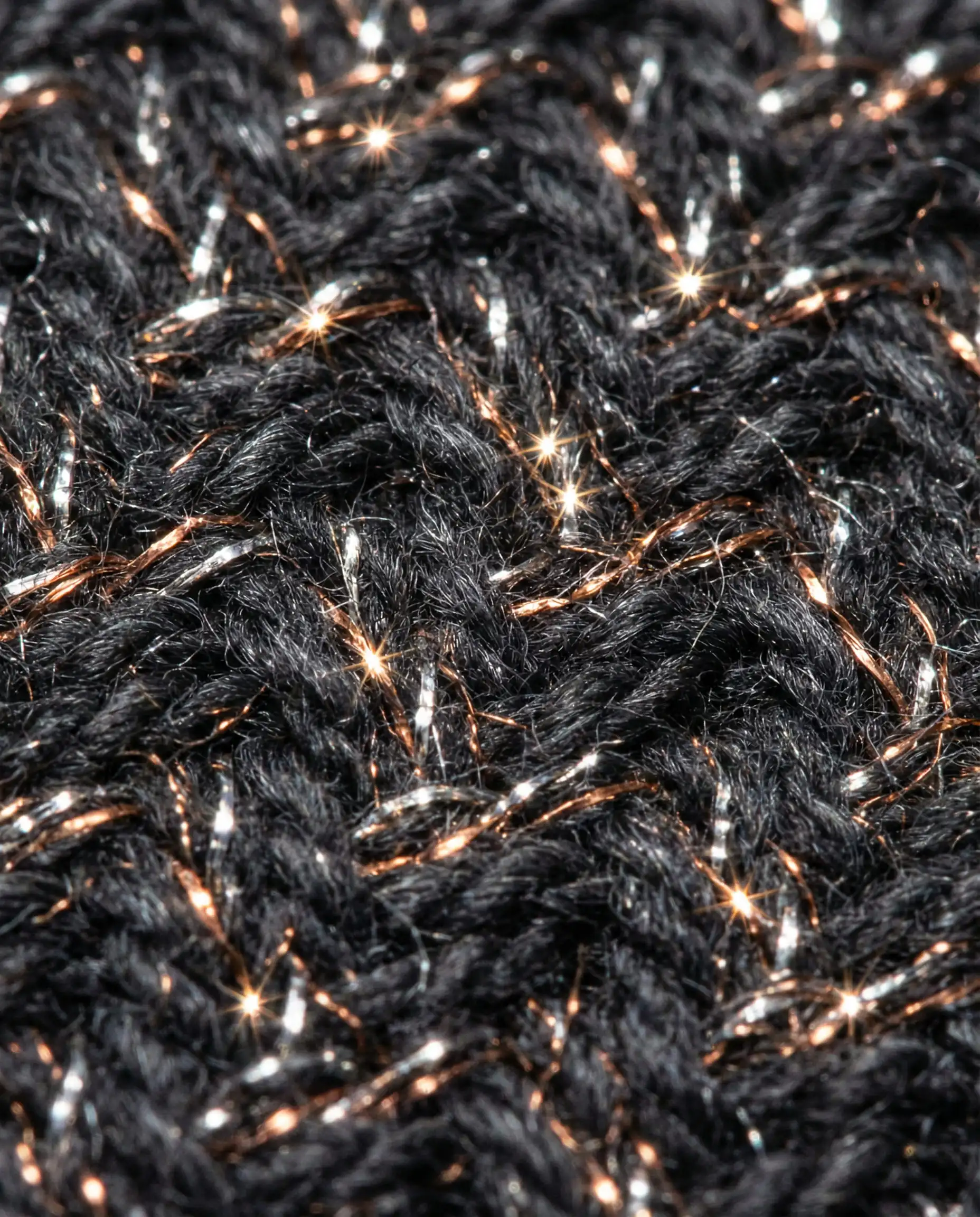
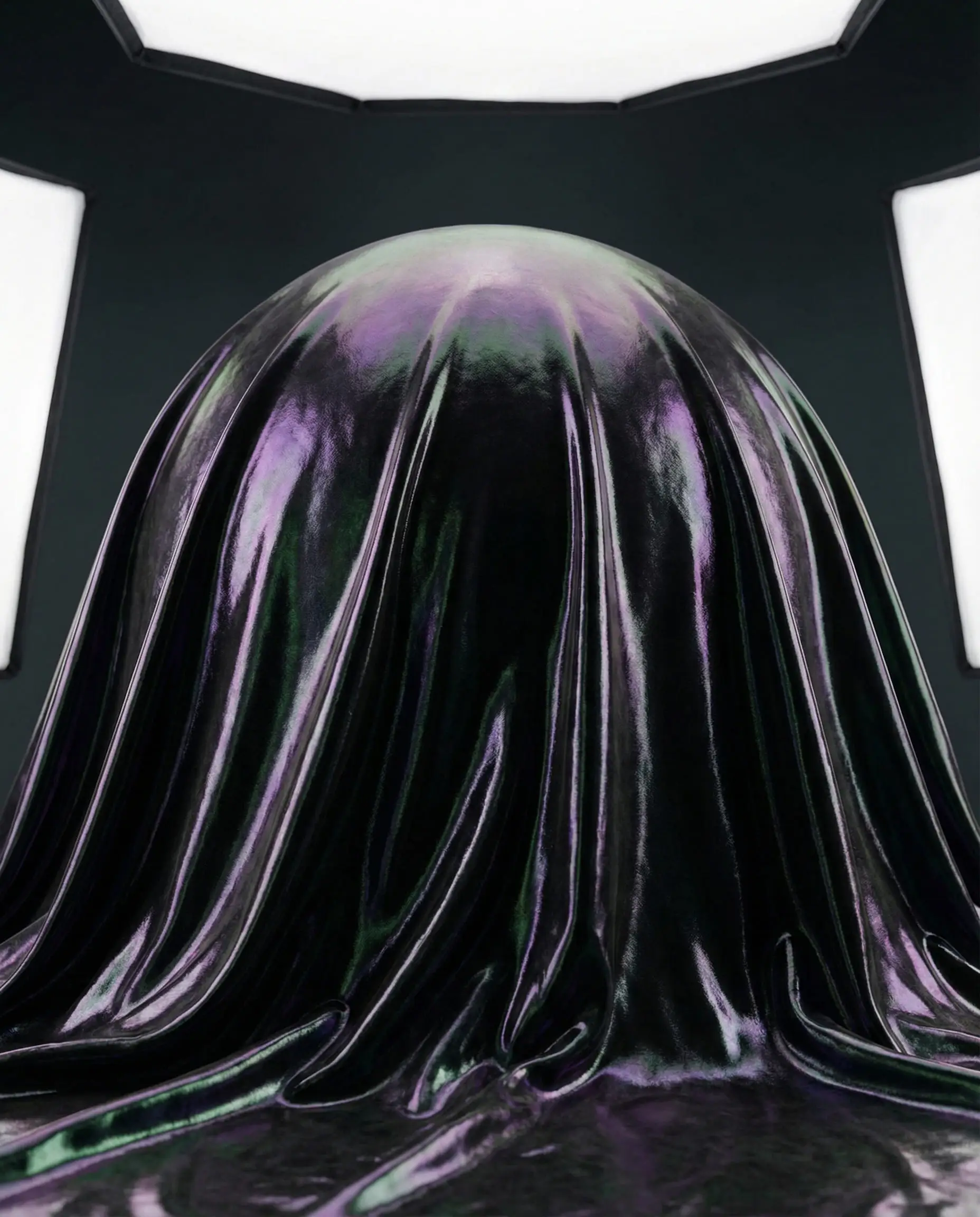
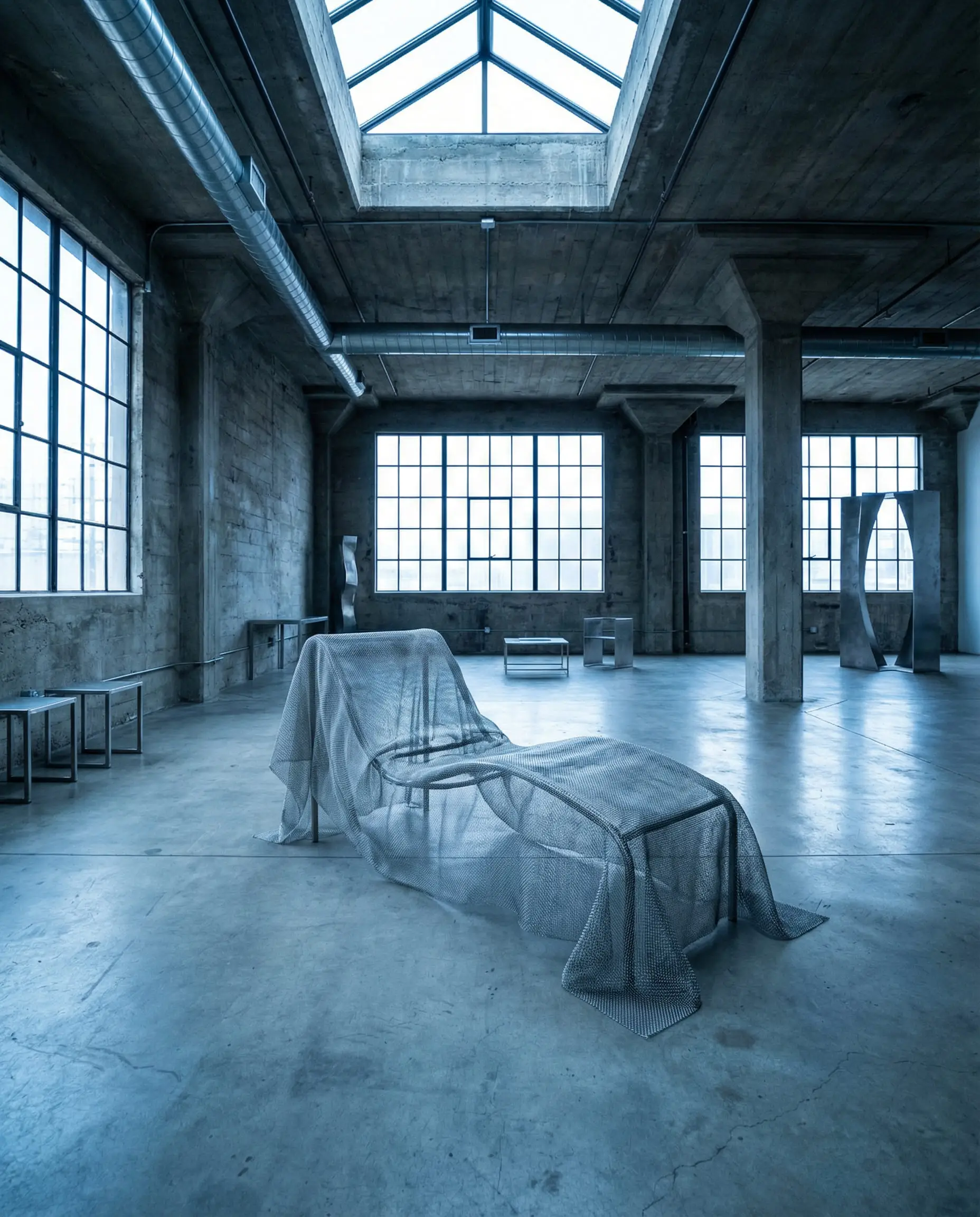
This trend finds beauty in the industrial and the strange. It takes elements usually hidden inside walls—copper wiring, metallic coils, insulation foil—and weaves them into luxury textiles.
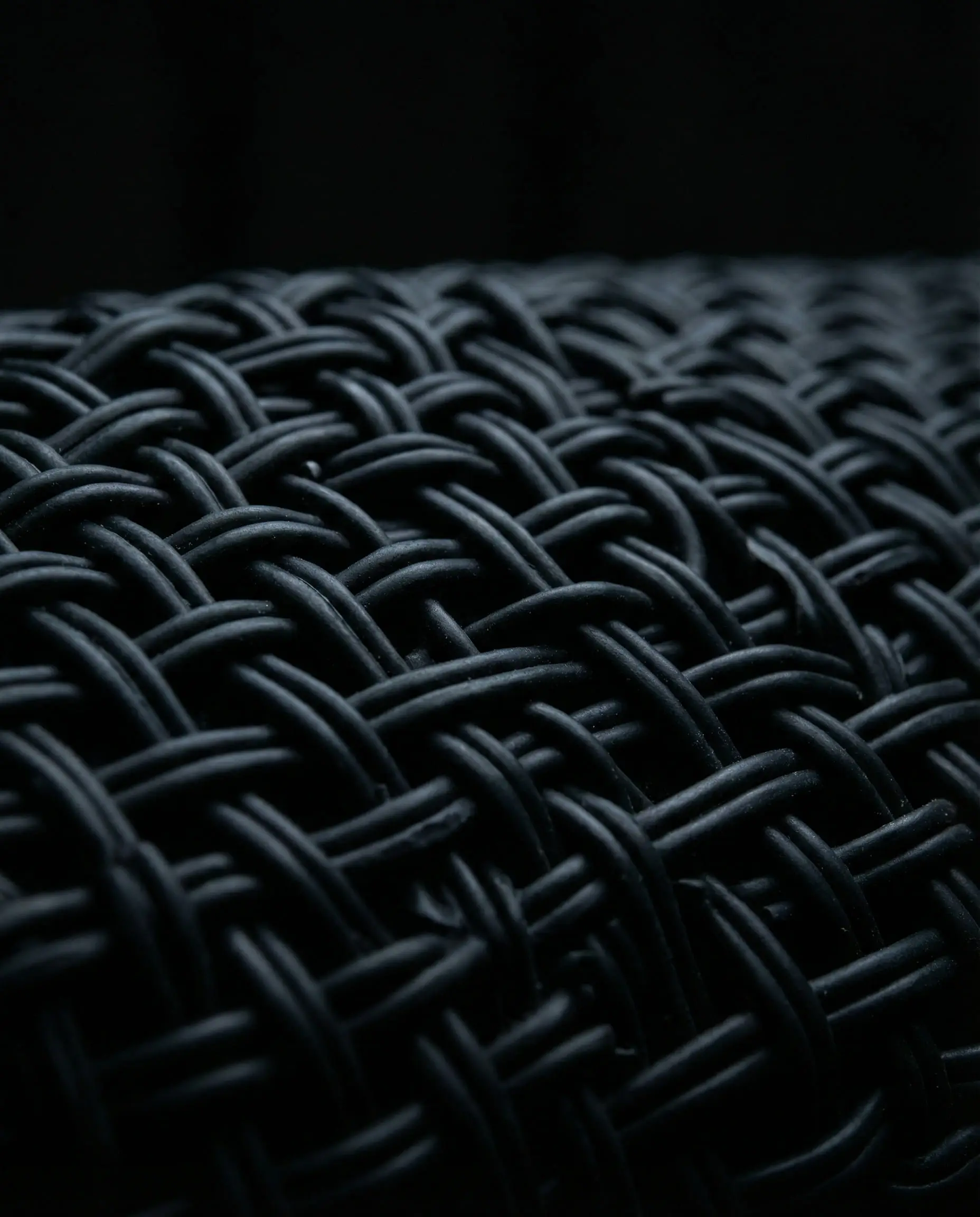
Expect to see sheer fabrics with metallic threads that catch the light like oil on water, or upholstery with a subtle, rubberized sheen. It’s moody, slightly futuristic, and incredibly chic. It transforms “ugly” industrial materials into something precious.
Look & Feel:
6. A Playful Touch (Dopamine Decor)
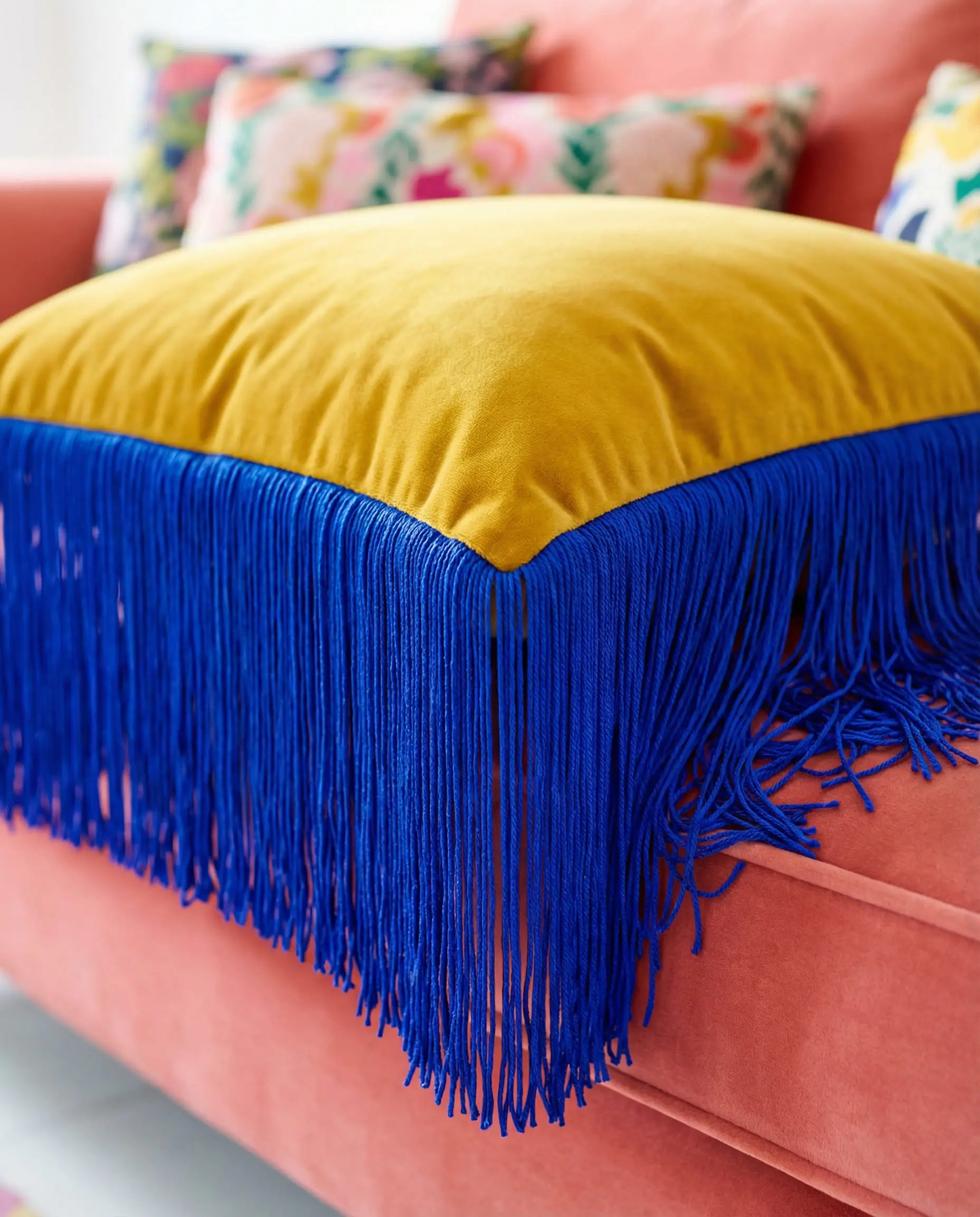
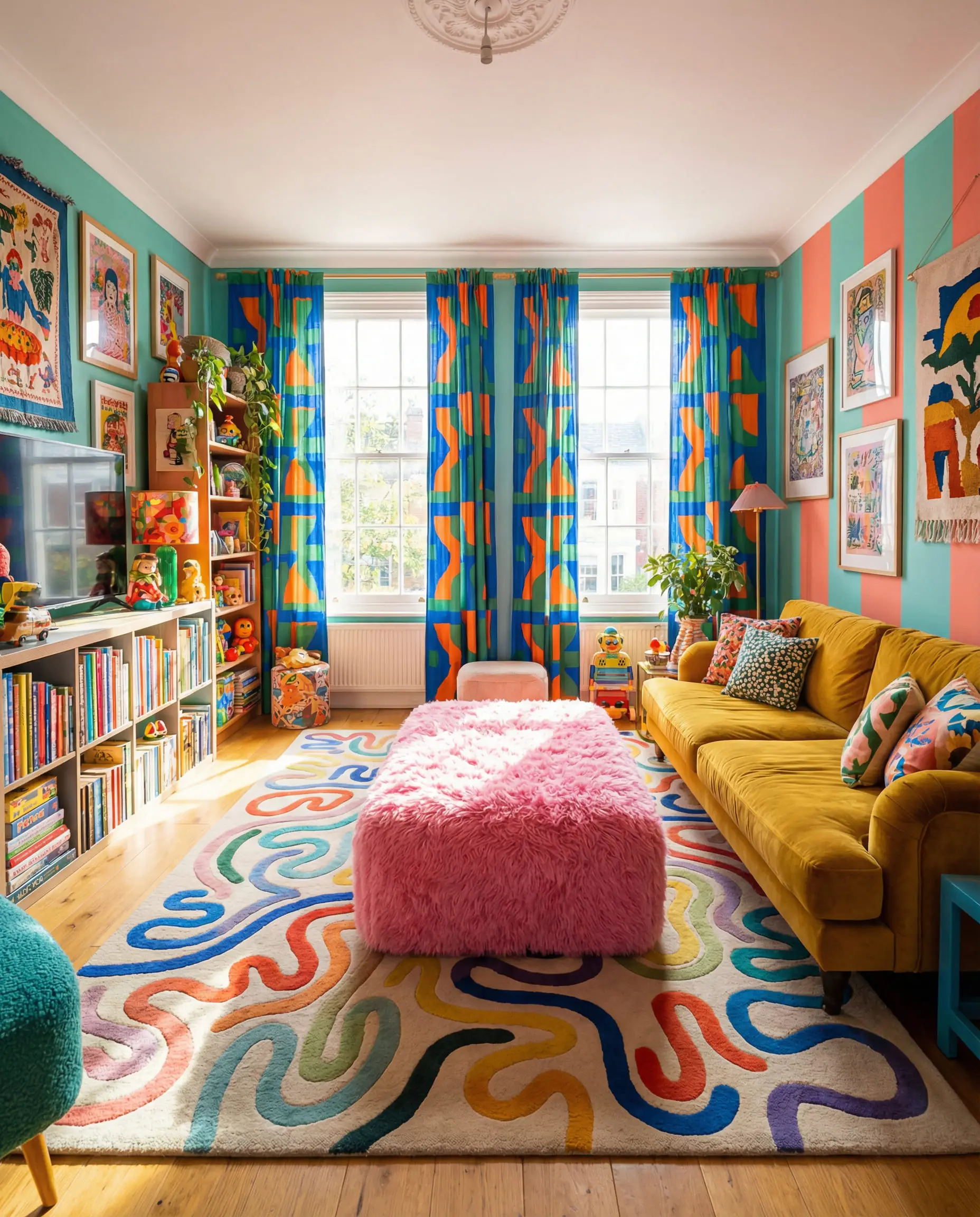
Finally, 2026 reminds us that home decor should be fun. Moving away from the beige-on-beige safety of previous years, this trend explodes with joy. It’s tactile maximalism.
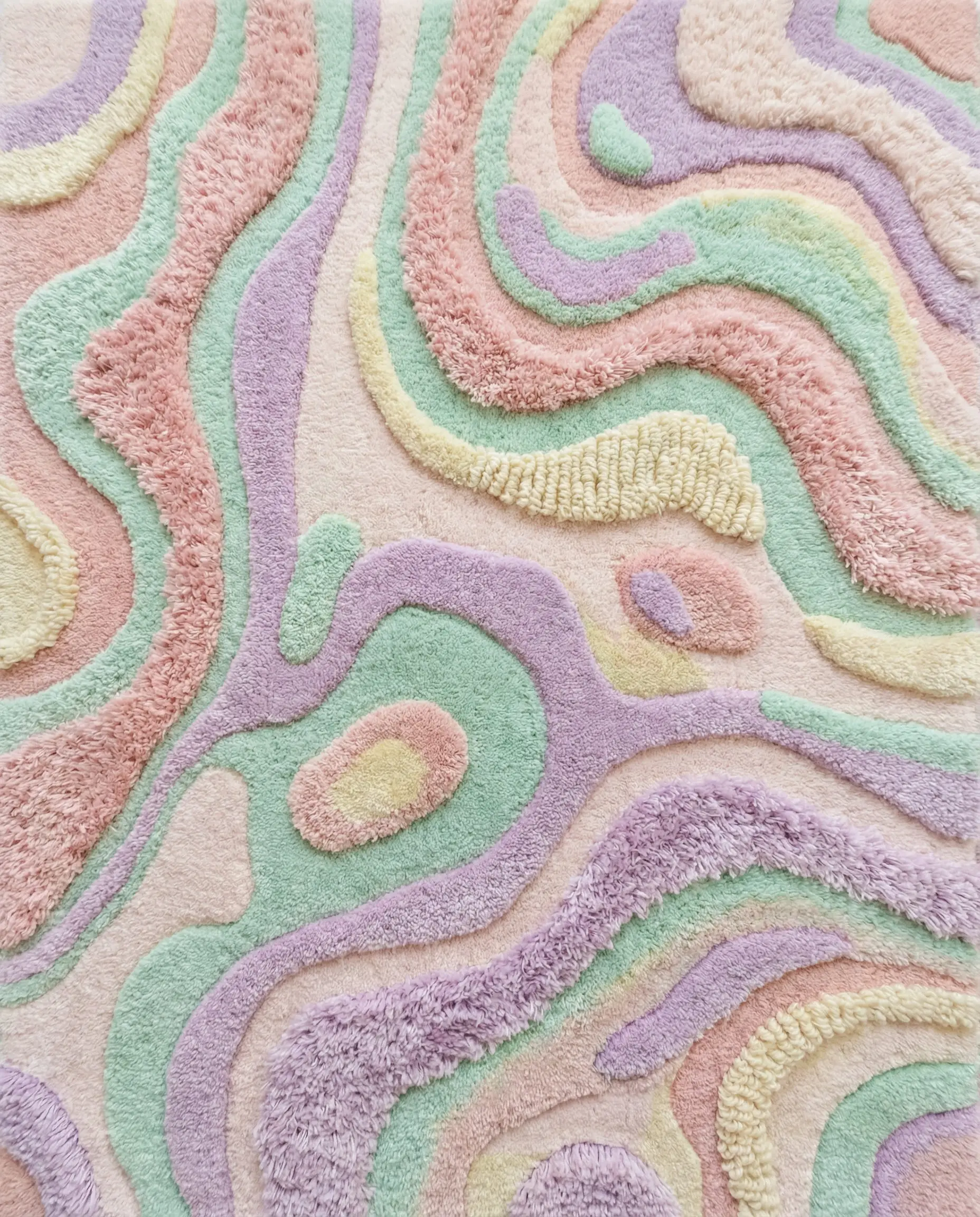
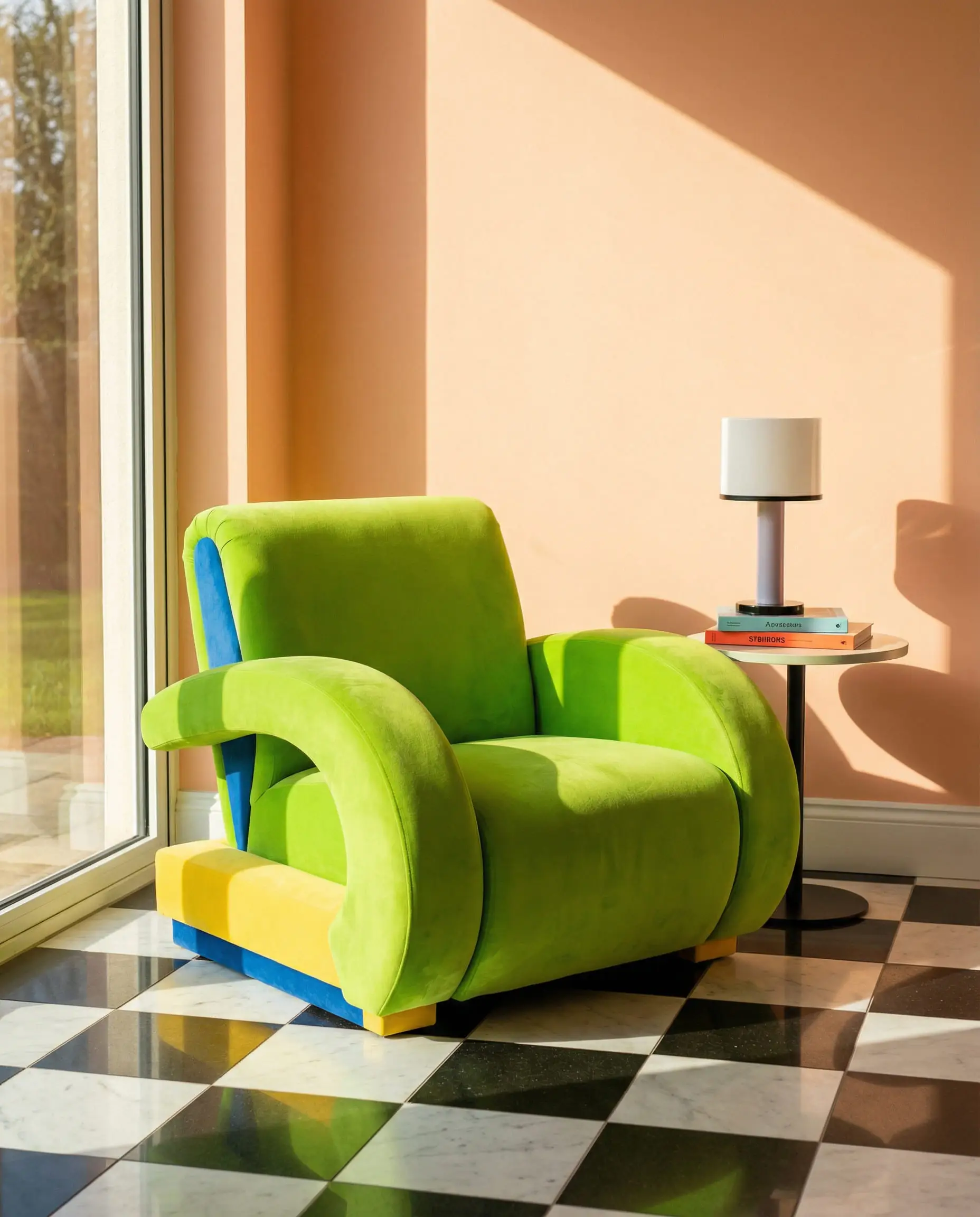
Think exaggerated fringes, tufted rugs that look like topographic maps, and velvets in electric colors. It’s about “dopamine decor”—filling your home with items that physically induce a smile. It perfectly complements the rise of modern decorative cushions and throw pillows trends, where mixing clashes and textures is highly encouraged.
The 2026 Color Spectrum
Color in 2026 is grounding yet disruptive. While we are seeing a return to earth tones, they are deeper and richer than the tans of the past, often punctuated by “digital” accents.
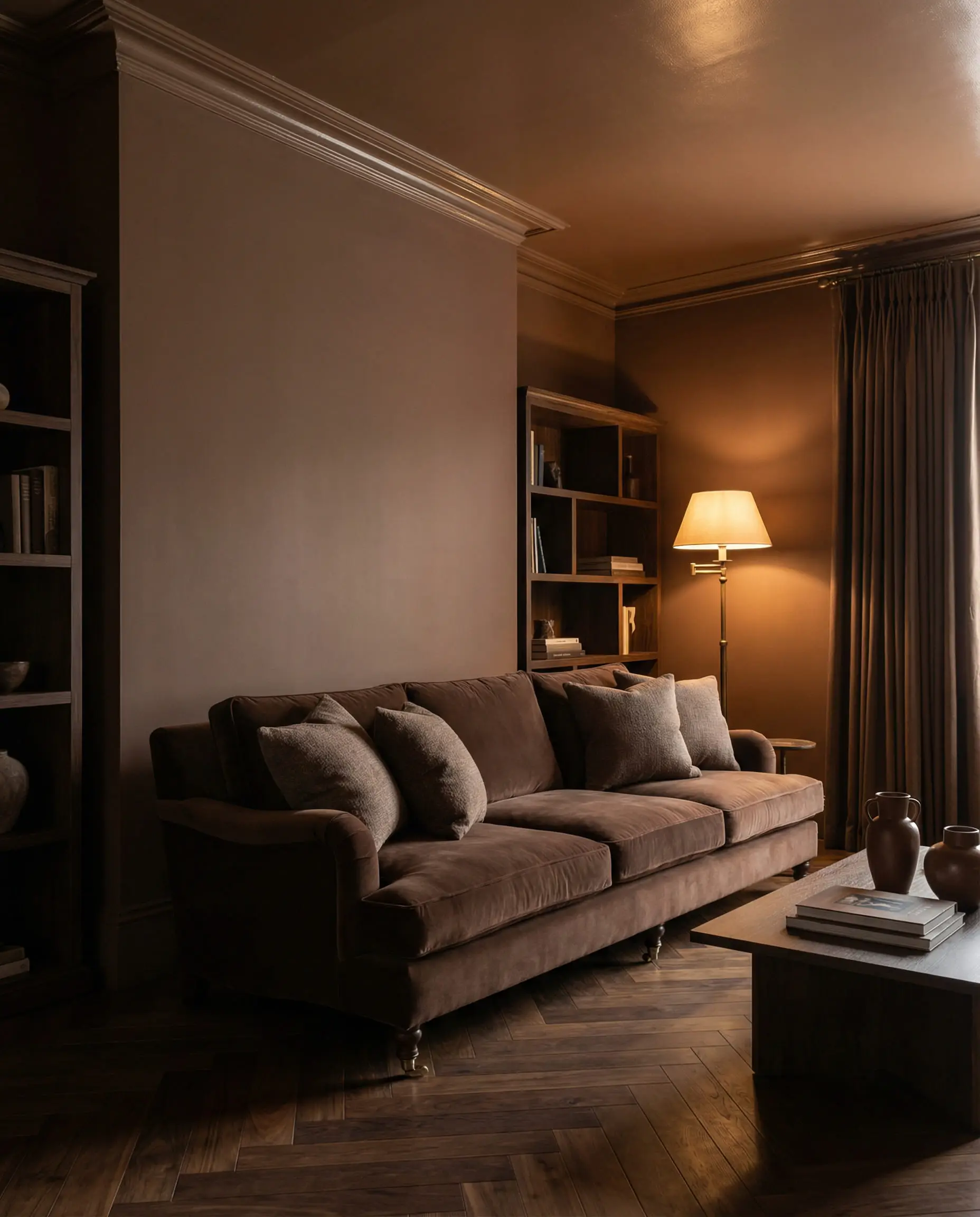
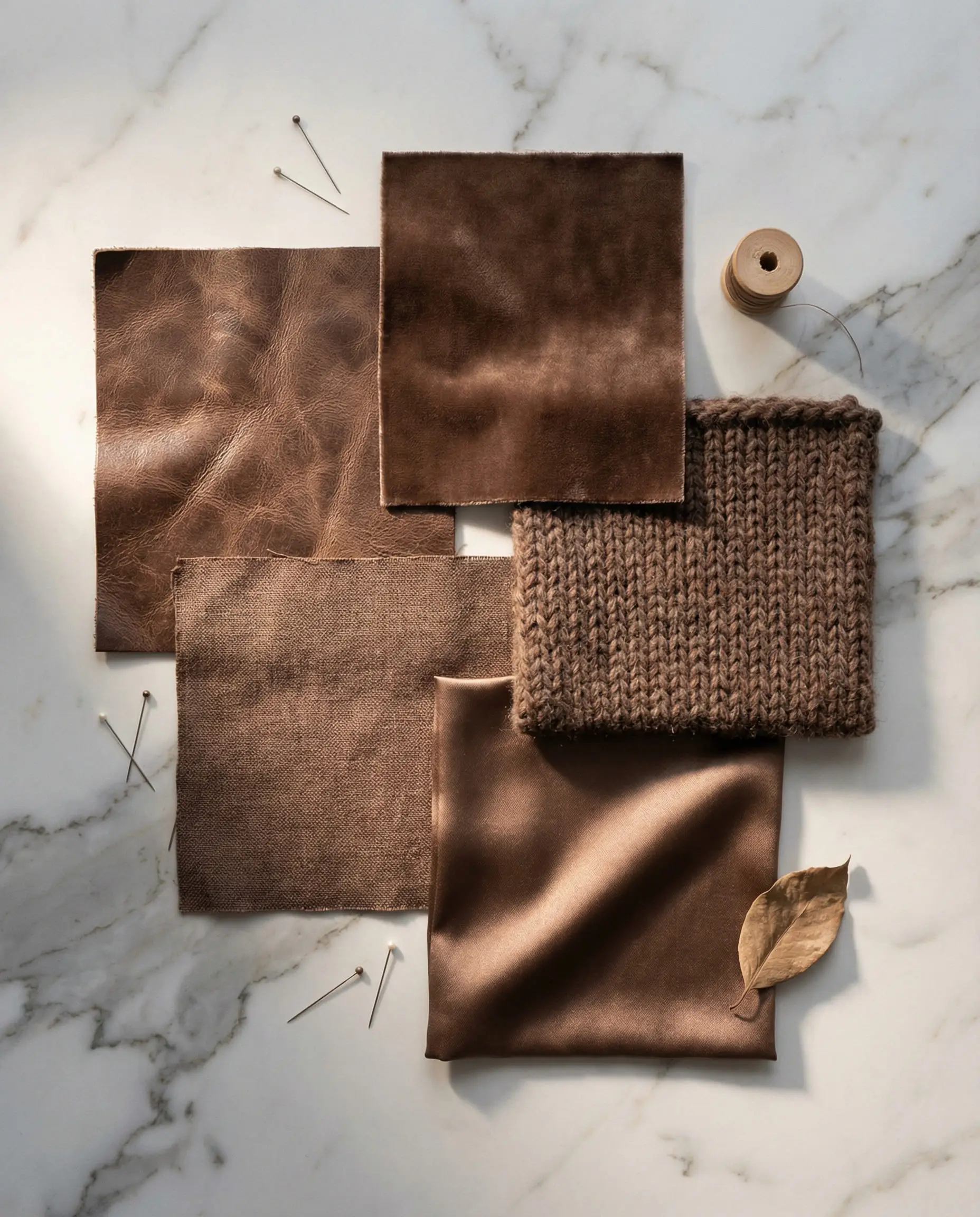
The New Neutral: Mocha Mousse
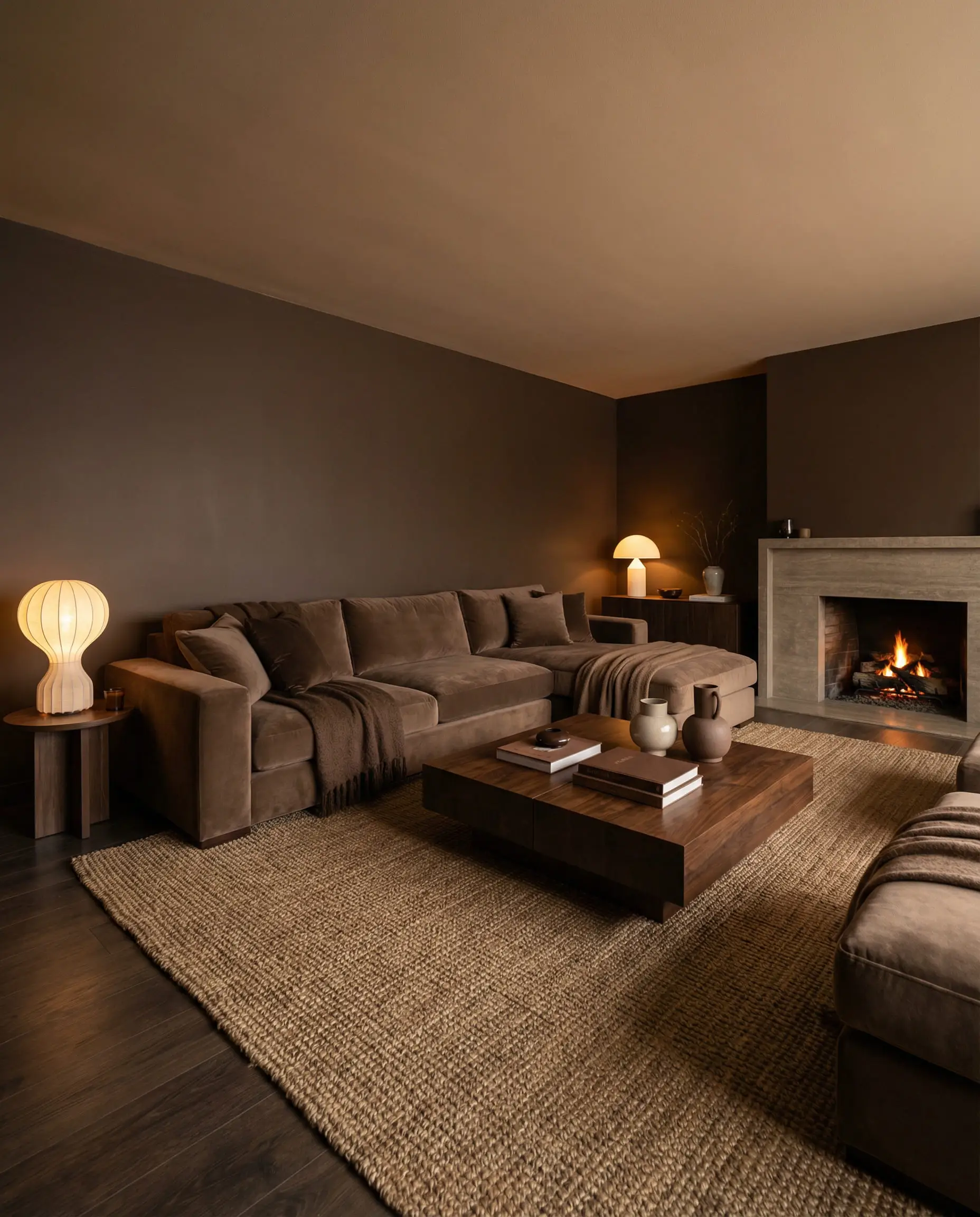
Grey is officially on pause. The new neutral anchoring living rooms worldwide is Mocha Mousse. This is a rich, whipped-chocolate brown that feels warmer and more luxurious than grey or white. It pairs effortlessly with wood, brass, and stone.
The Disrupters: Digital Lilac & Acid Green
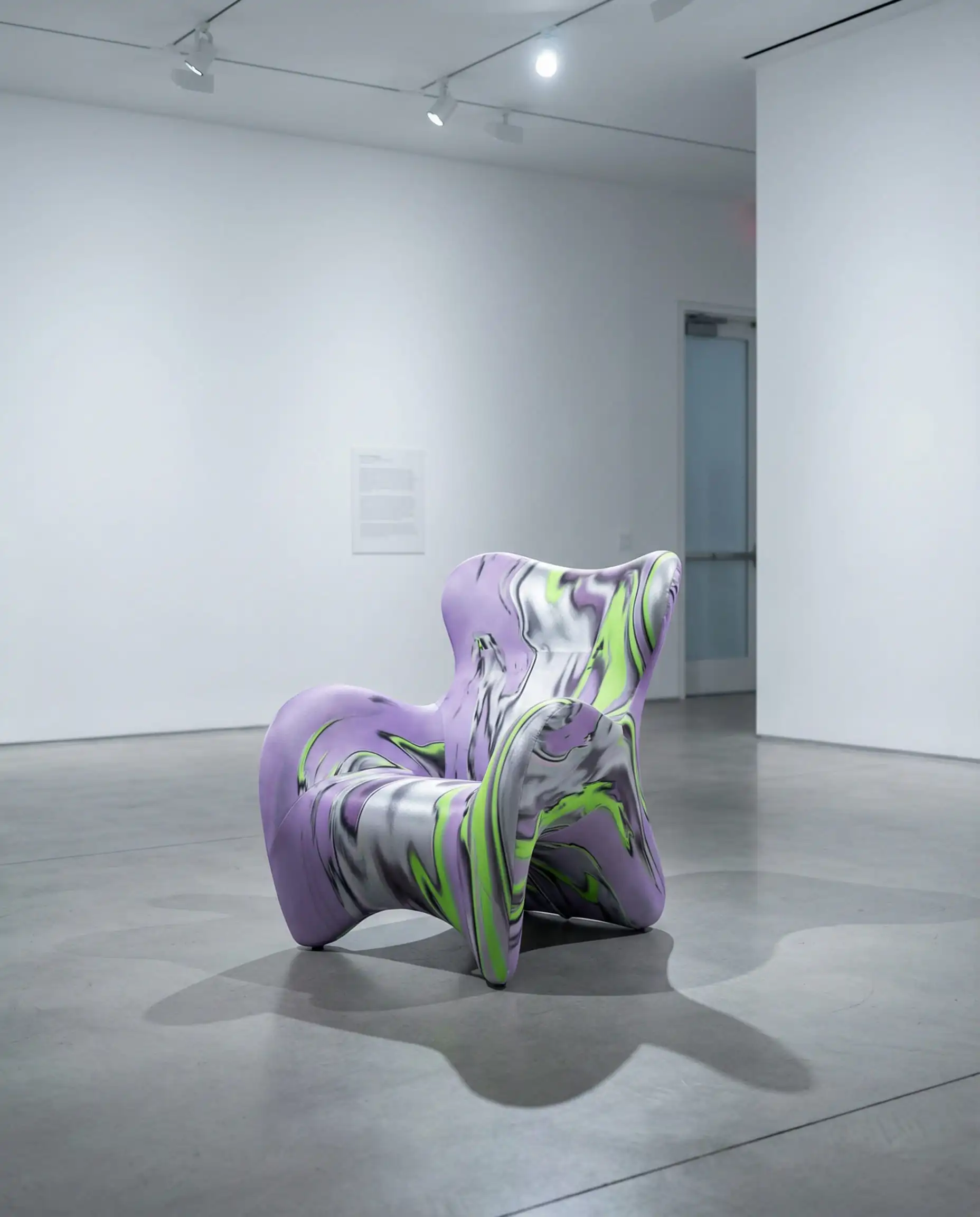
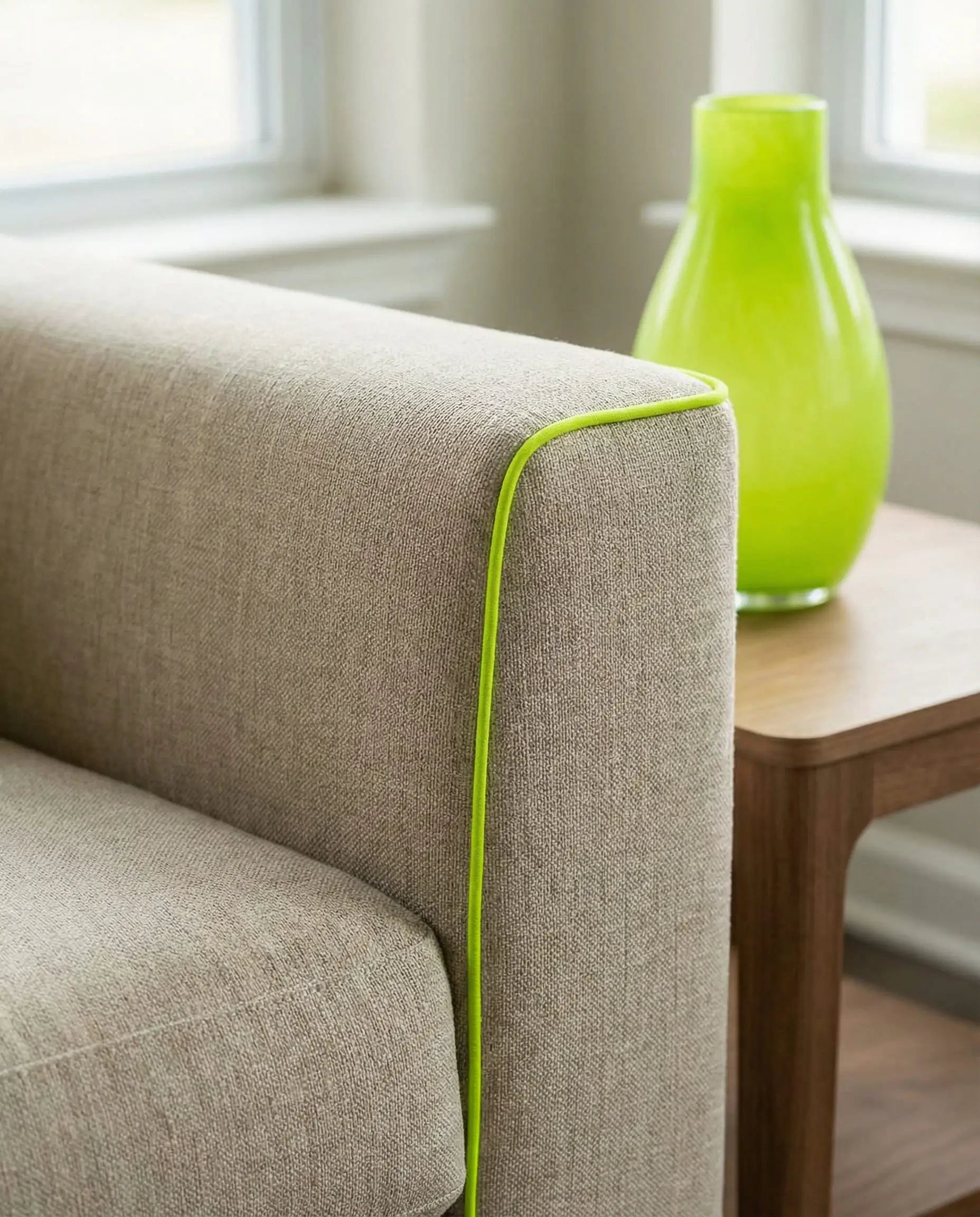
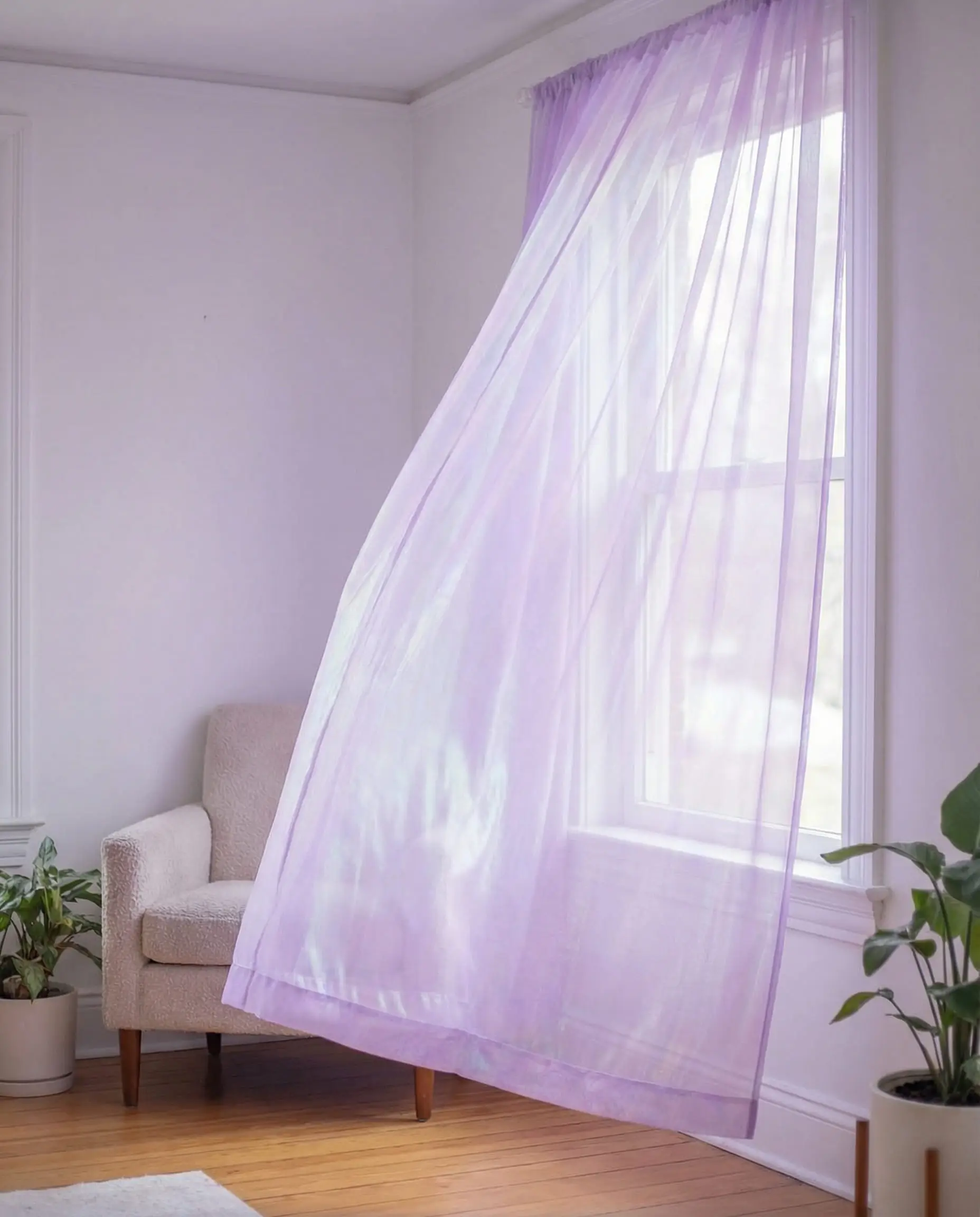
To prevent the earth tones from feeling too heavy, 2026 introduces “screen colors.” Digital Lilac (a pale, almost glowing purple) and Acid Green are used as piping on cushions, threads in a rug, or as a single statement armchair.
The Deep Tones: Divine Damson & Soot
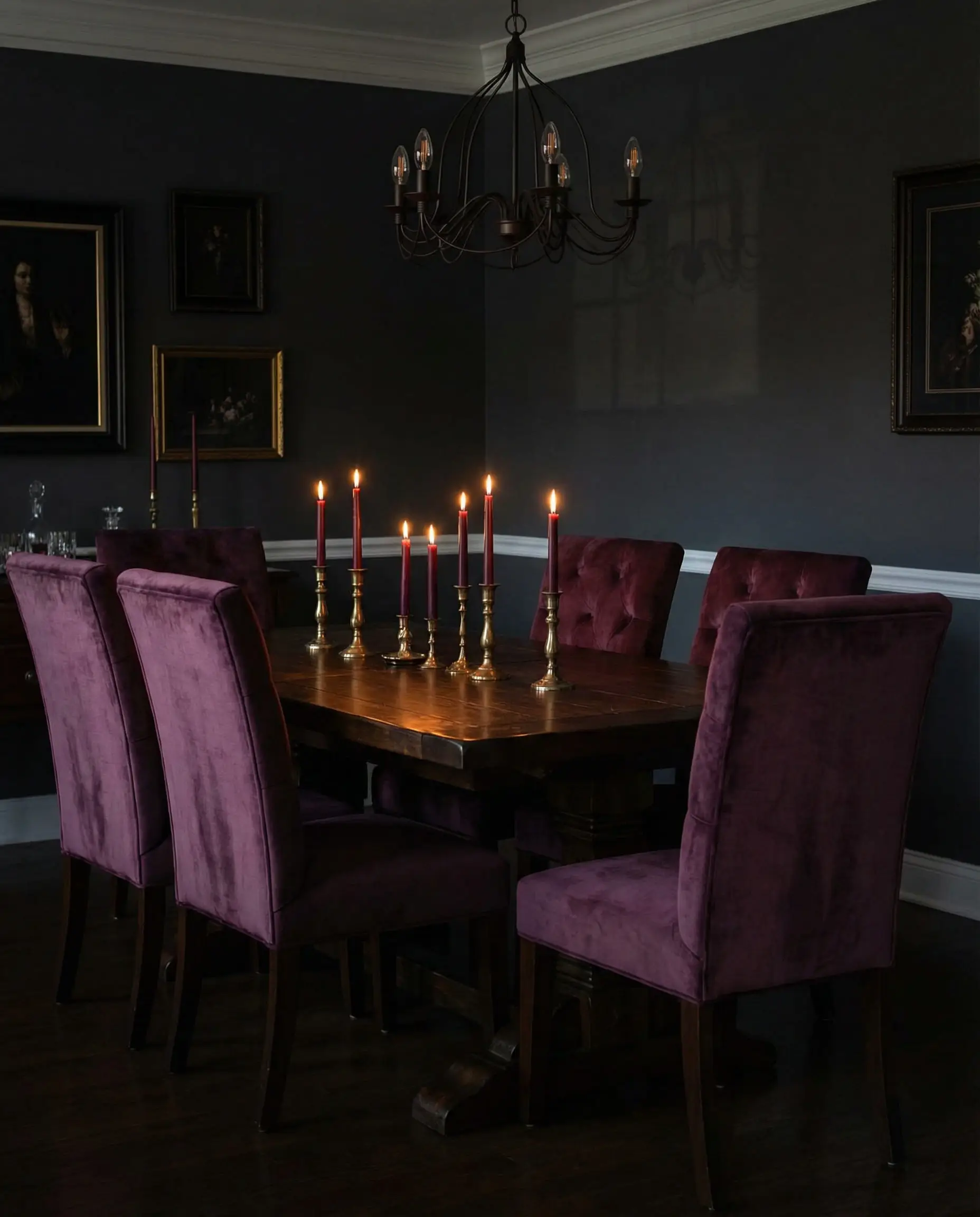
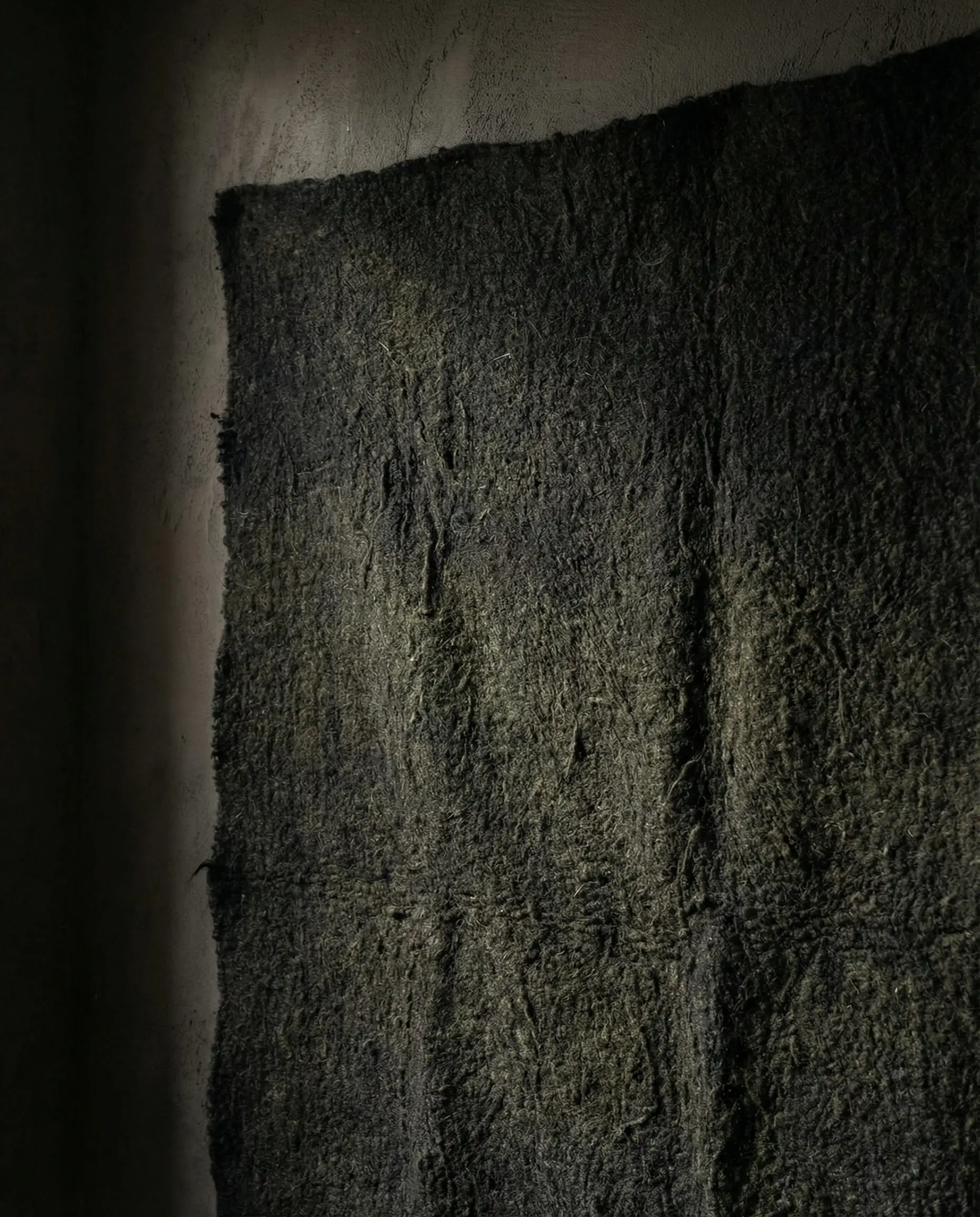
For drama, look to Divine Damson, a moody, reddish-purple that feels regal and introspective. It is joined by Soot, a complex off-black with undertones of olive or blue, replacing standard black for a softer, more dimensional dark hue.
For a broader look at how these colors are influencing walls and cabinetry, check our report on paint color trends 2026.
Beyond Aesthetics: The Rise of “Regenerative” Textiles
In 2026, sustainability is no longer a “trend”—it is the baseline requirement. However, the vocabulary is shifting from “sustainable” to “regenerative” and “circular.”
Mono-Materiality
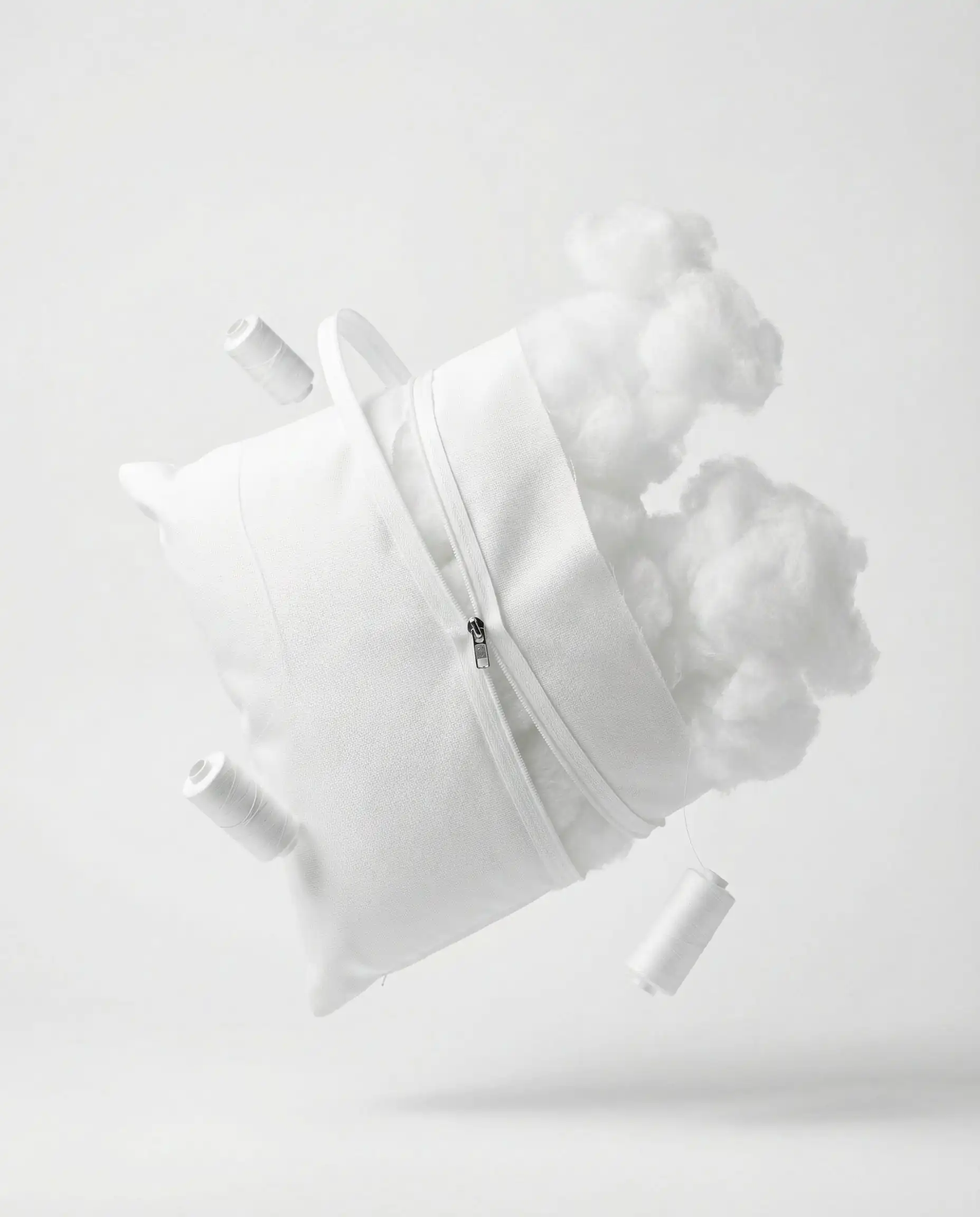
One of the biggest buzzwords from Heimtextil is Mono-materiality. This refers to fabrics made from 100% of a single fiber (e.g., 100% polyester, including the thread and zipper, or 100% cotton). Why? Because mixed blends (like cotton-polyester) are notoriously difficult to recycle. Mono-materials can be easily broken down and reborn as new fabric.
“Econogy”
You will hear the term “Econogy” (Economy + Ecology) often this year. It represents the marriage of eco-friendly practices with economic viability. Consumers are now checking fabric labels like nutrition facts, looking for certifications that prove the fabric is free from harmful chemicals and produced with minimal water usage.
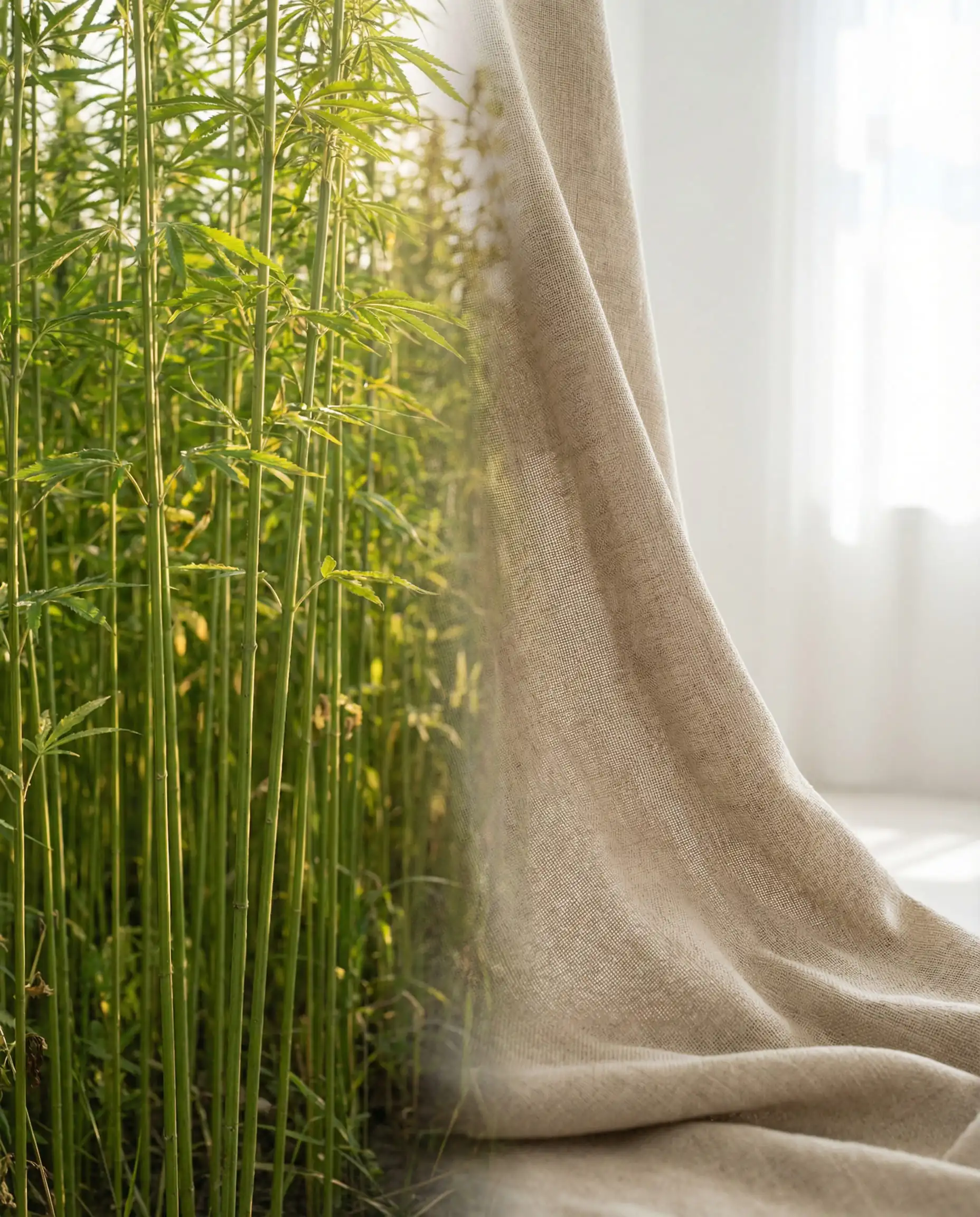
When shopping for a new sofa, ask about the “rub count” (durability) and the fiber content. A 100% recycled wool or PET (recycled plastic) fabric is often just as durable as virgin synthetic, but with a much lower carbon footprint.
Designer Tip 💡
How to Style These Trends in a Real Home
Knowing the trends is one thing; living with them is another. Here is how to apply these concepts to your existing decor without a total renovation.
In the Living Room
The easiest update is through texture layering. If you have a neutral sofa, add a “Crafted Irregularity” element—like a throw blanket with raw, frayed edges or a nubby bouclé pillow. If you are ready for a bigger change, consider reupholstering an ottoman in a “Digital Glitch” pattern to create a conversation piece.
Related: Sofa Trends
In the Bedroom
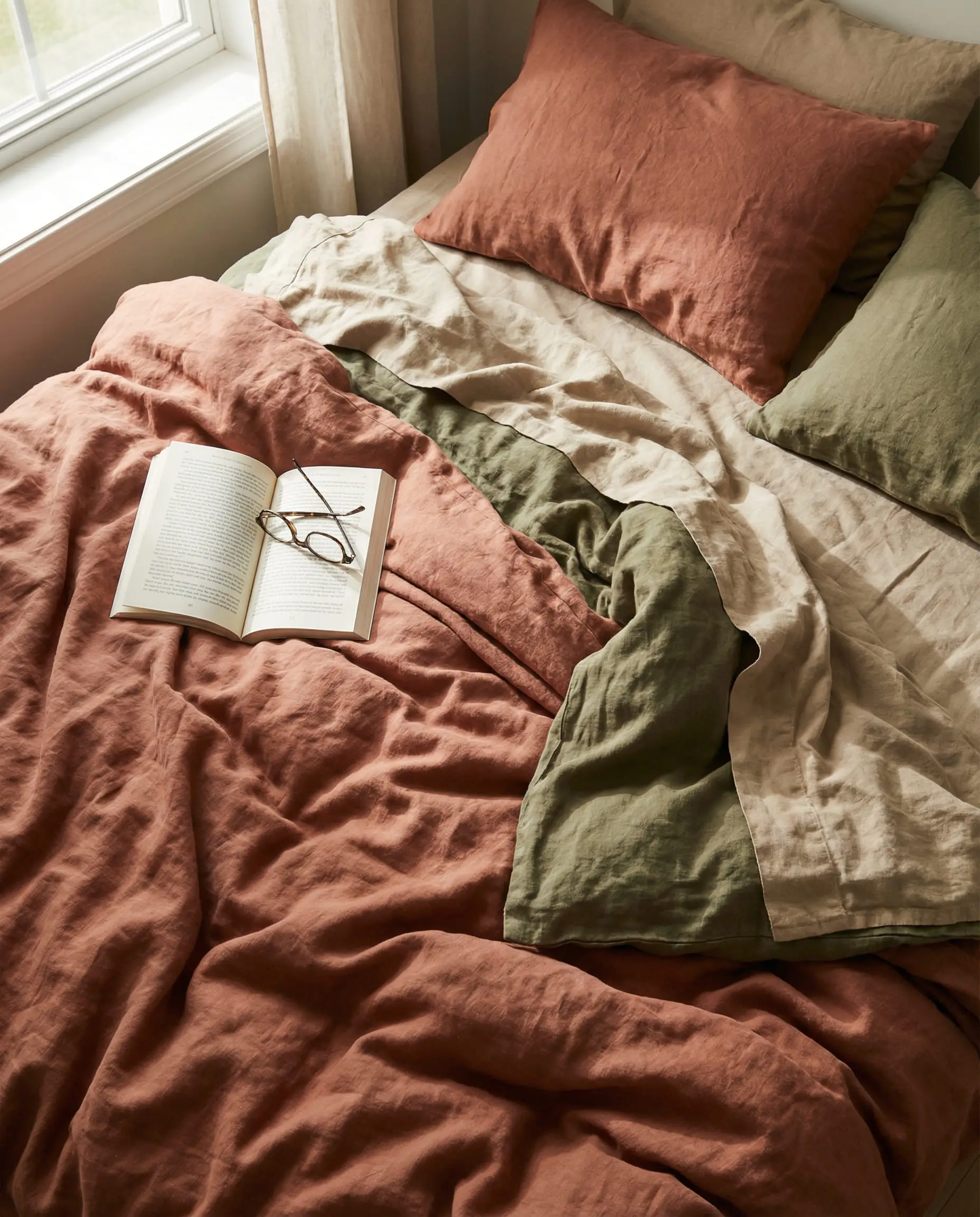
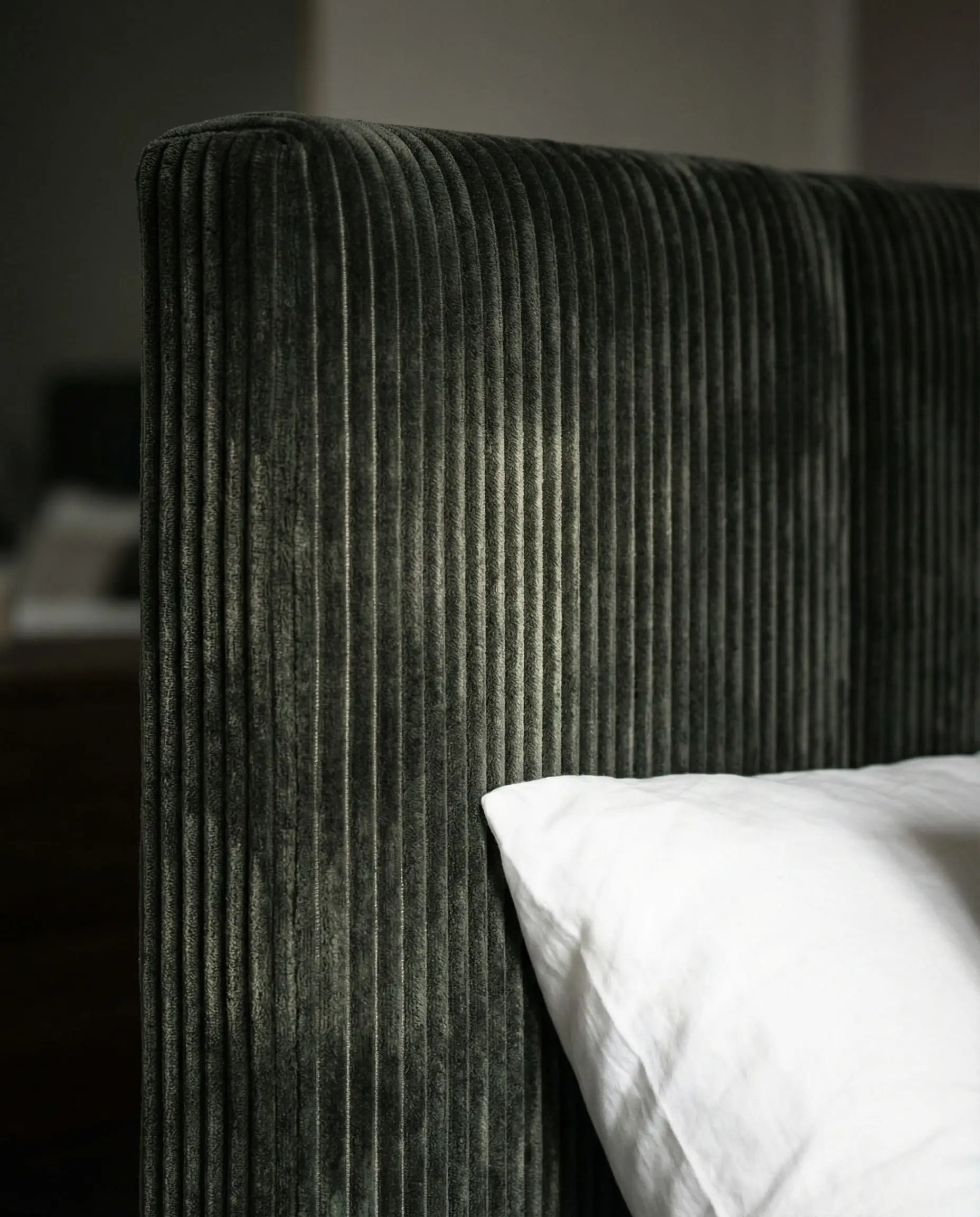
The bedroom should be a sanctuary, so lean into the Sensing Nature trend. Swap crisp percale sheets for washed hemp or linen in “Mocha Mousse” or deep olive tones. Look for a headboard upholstered in a soft, sponge-like velvet to add acoustic dampening and softness.
Related: Bedding Trends
Window Treatments
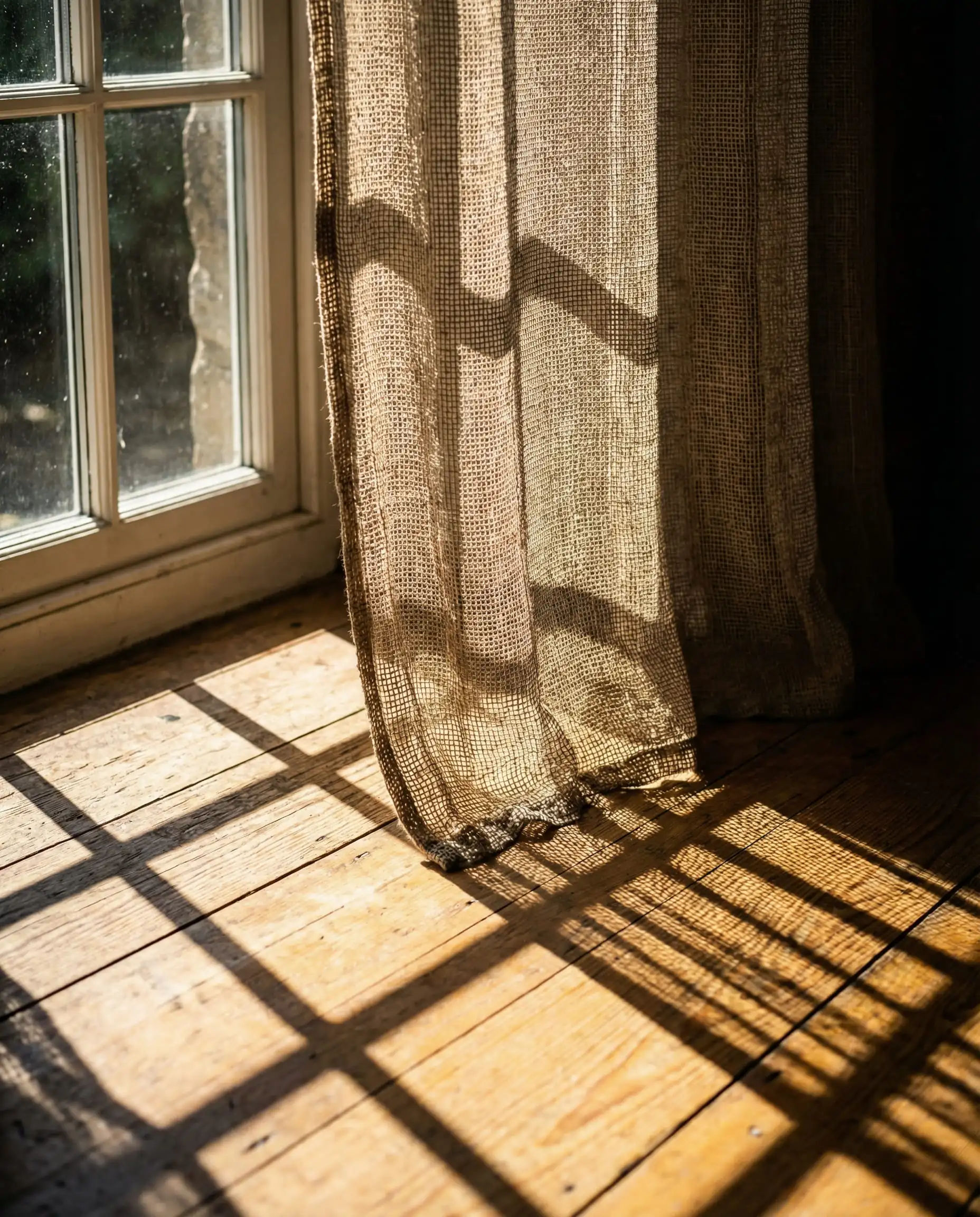
Curtains in 2026 are becoming more translucent and structural. Instead of heavy blackout drapes, look for semi-sheer fabrics with interesting weaves (like the bio-structures mentioned above) that cast beautiful shadows when the light hits them.
Related: Curtain Trends 2026
Flooring & Rugs
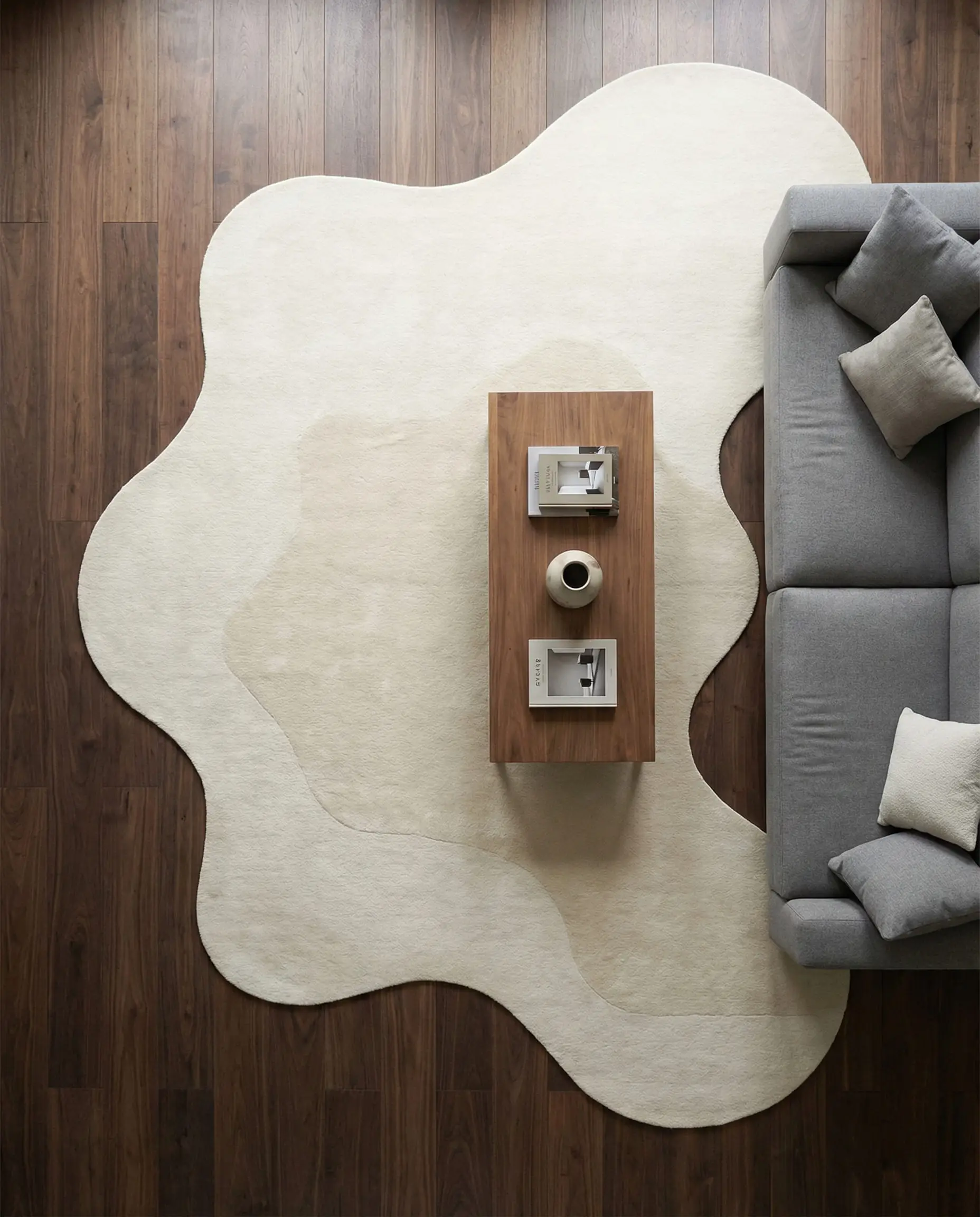
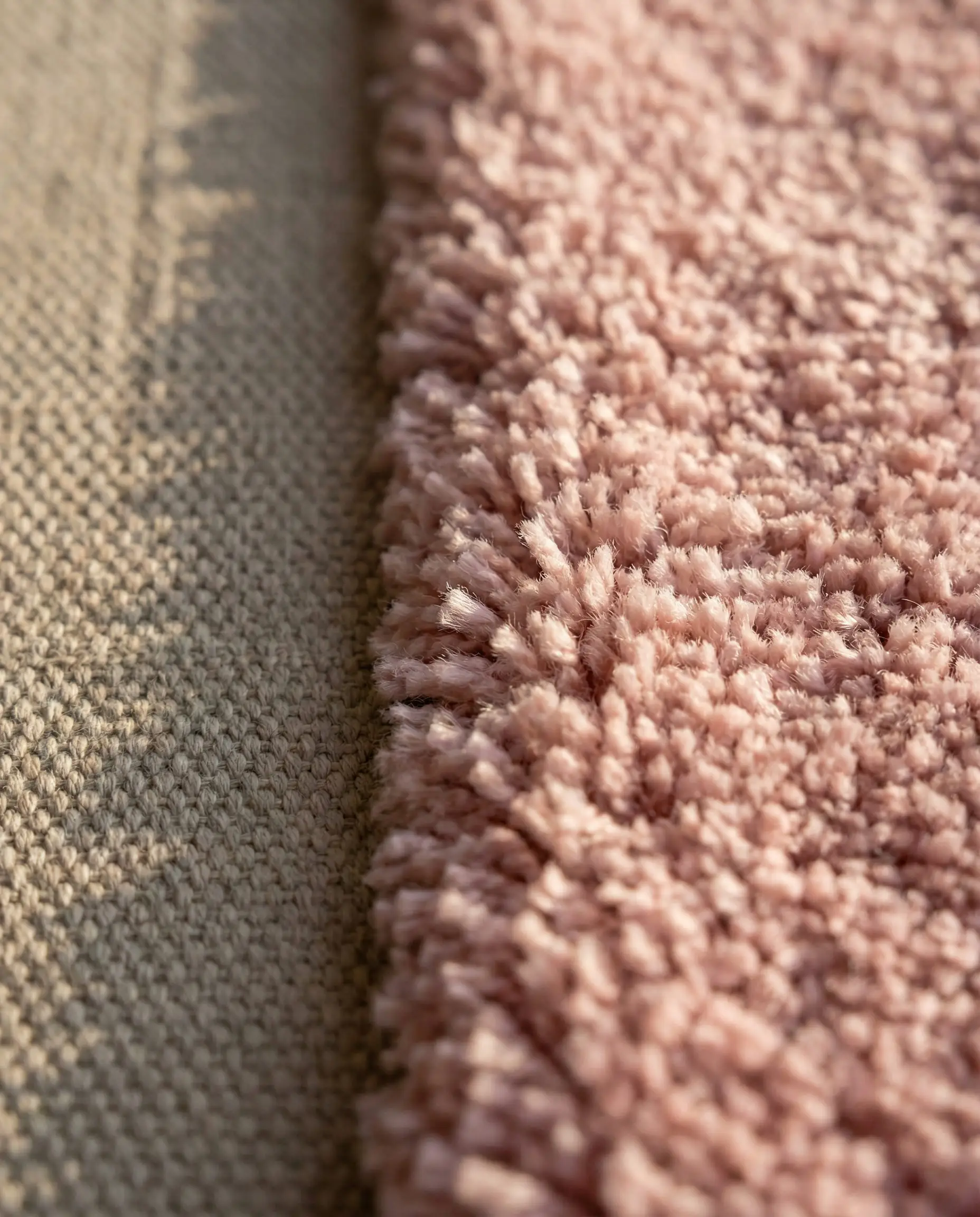
Floor textiles are where you can really play with the Playful Touch trend. Irregularly shaped rugs (organic amoeba shapes) are huge for 2026. Look for varying pile heights—where some parts of the rug are shaved low and others are tufted high—to create a 3D terrain on your floor.
Related: 2026 Carpet & Rug Trends
FAQ: Common Questions on 2026 Fabric Trends
A: Yes, but it has evolved. The tight, white “teddy bear” bouclé of 2023 is out. In 2026, look for “flattened” bouclé, colored bouclé (in browns and greens), or bouclé mixed with metallic threads for a more sophisticated, less cutesy look.
A: Brown is the new dominant neutral. From caramel to dark chocolate (Mocha Mousse), brown velvets, wools, and leathers are replacing the ubiquitous grey sectional.
A: Traditional, realistic floral prints are taking a backseat to “bio-data” textures and abstract, pixelated florals. If you love florals, look for patterns that appear slightly distorted or “glitched” for a contemporary edge.
A: These are fabrics made from renewable biological resources. Examples becoming popular in 2026 include leather made from mushroom roots (mycelium), silk alternatives made from orange peels, and fabrics dyed using algae or bacteria instead of toxic chemicals.
Conclusion
The home decor fabric trends of 2026 offer a refreshing invitation to slow down and feel. Whether you are drawn to the intellectual beauty of AI-generated patterns or the rustic honesty of raw linen, the goal is the same: to create a home that stimulates the senses.
We are leaving behind the era of “fast decor” and entering a time of thoughtful, tactile living. So, as you update your space this year, don’t just ask what it looks like. Close your eyes, run your hand over the swatch, and ask: How does it feel?
Ready to transform your home? Explore our deep dive into Modern Interior Design Styles to see how these fabrics fit into the bigger picture.