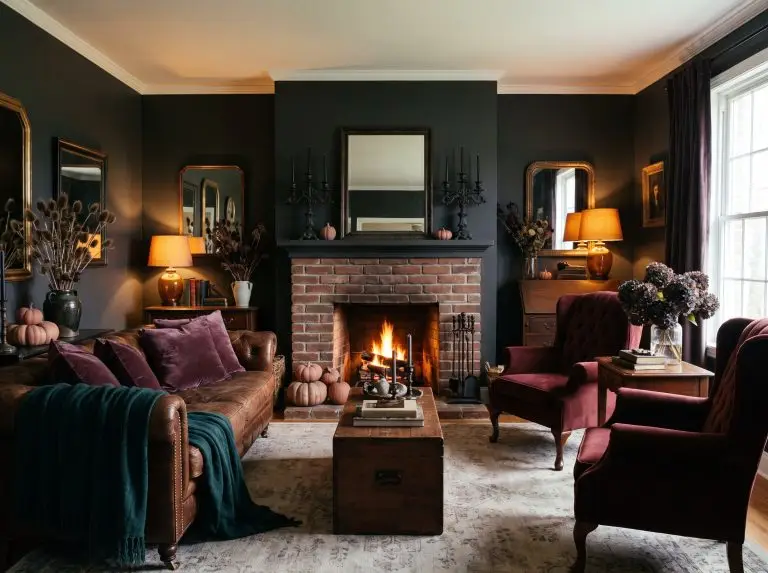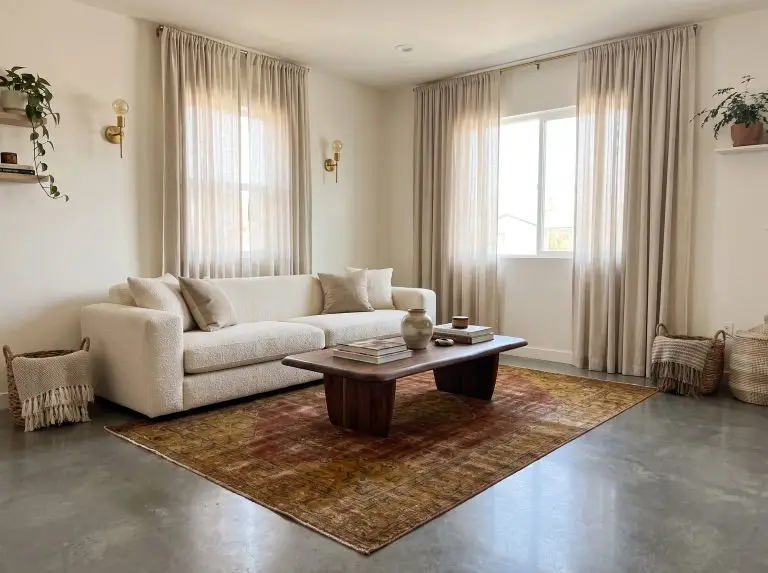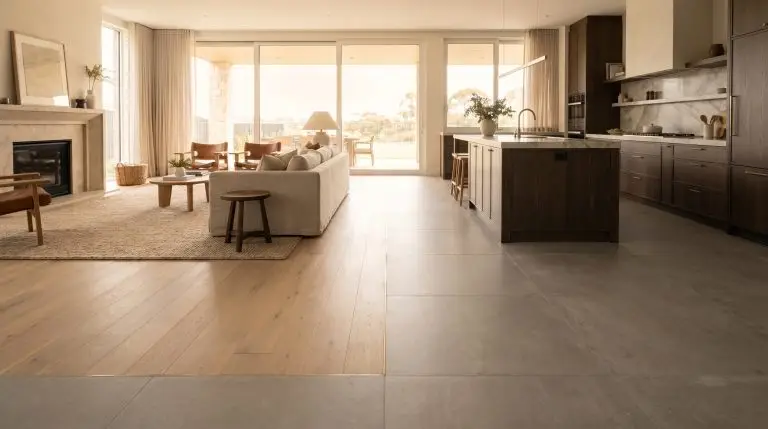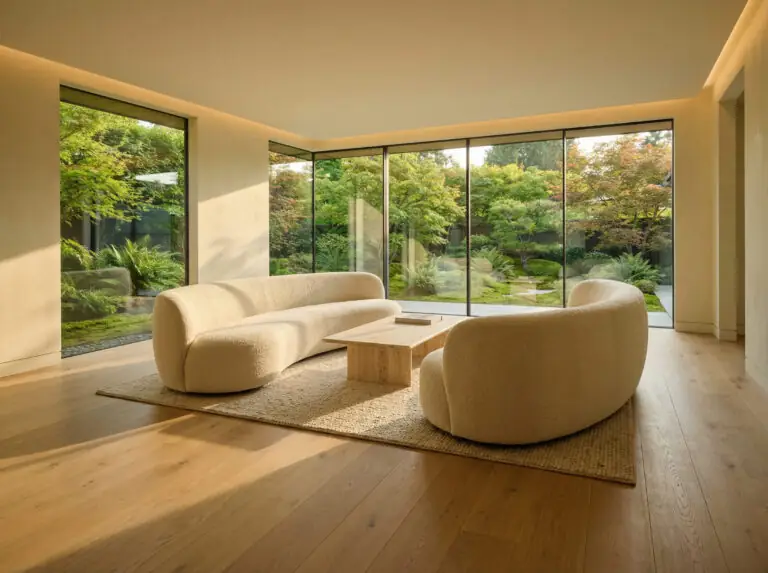
If there is one phrase that defines the interior design landscape of 2026, it is “Biophilic Warmth.”
For nearly a decade, we lived in the era of “Millennial Grey”—cool, desaturated, and often sterile environments that prioritized sleekness over comfort. But as we step further into 2026, the pendulum has swung aggressively in the opposite direction. The cool grays are officially out. In their place? A rich, grounded, and intensely cozy aesthetic known as “Quiet Luxury.”
Your floors are the largest surface in your home (aside from your walls), meaning they carry the heavy lifting when it comes to setting this new tone. The hardwood flooring trends for 2026 are no longer about showing off high-gloss perfection; they are about texture, authenticity, and materials that feel as good to the touch as they look to the eye.
Whether you are renovating a historic property or building a modern sanctuary, here is your comprehensive guide to the wood flooring trends dominating 2026.
📋 Key Hardwood Flooring Trends for 2026
The Top Color Palettes of 2026
The color story for 2026 is undeniably warm. We are seeing a shift away from the extremes—no more bleached-white Scandinavian floors that look clinical, and a move away from the almost-black espresso stains that show every speck of dust. The “Goldilocks” zone of mid-tones is where the industry is heading.
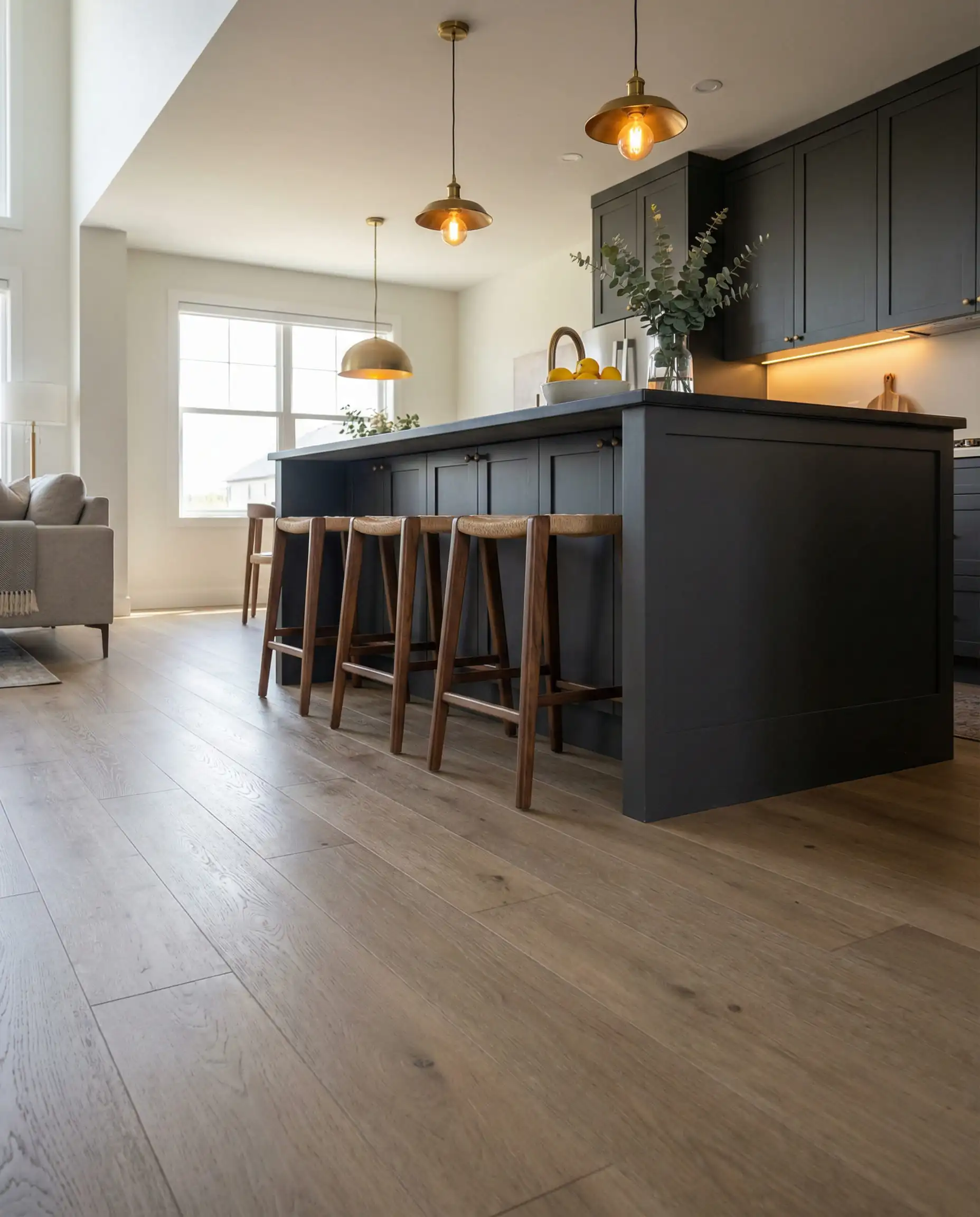
1. Honey and Caramel Blondes
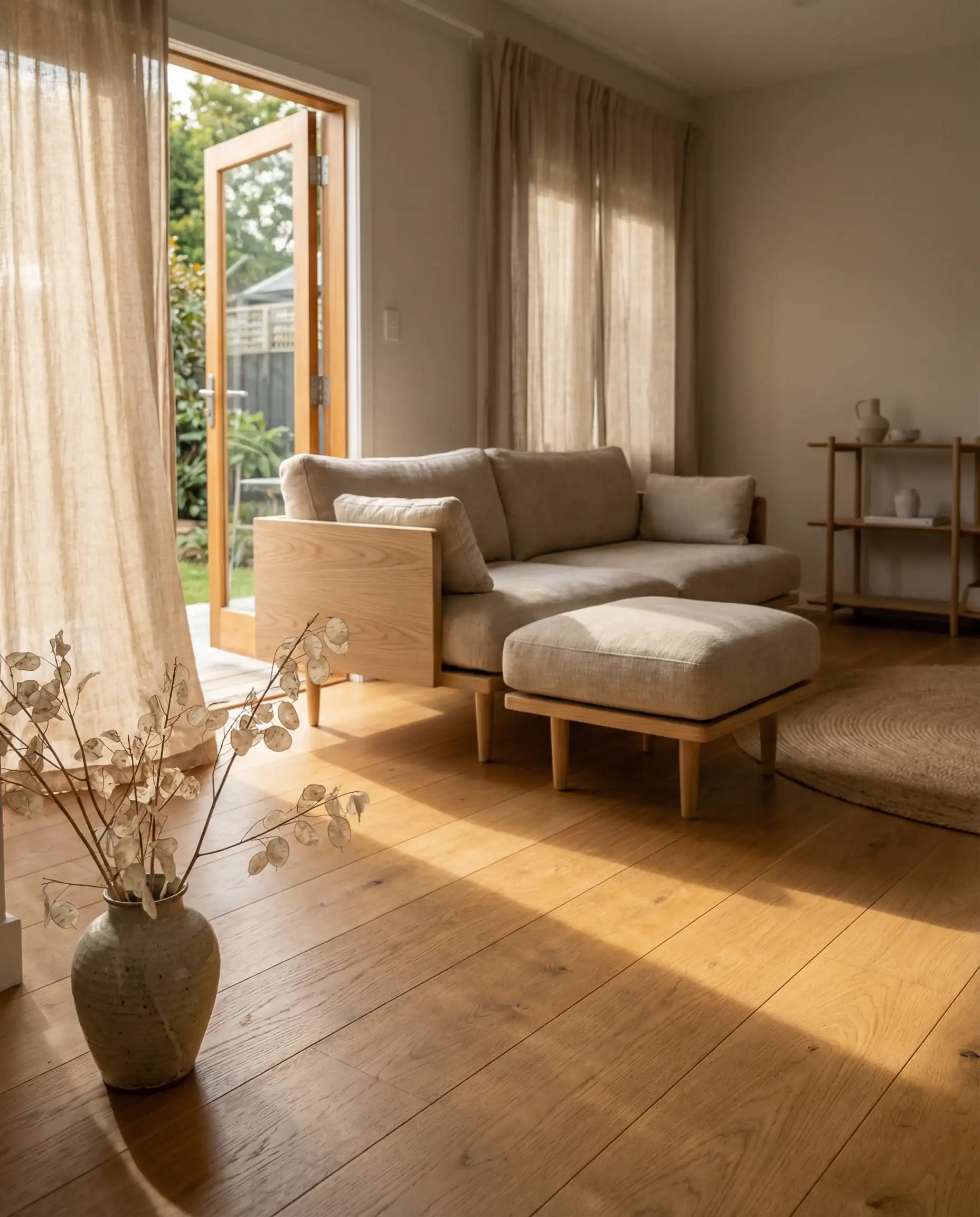
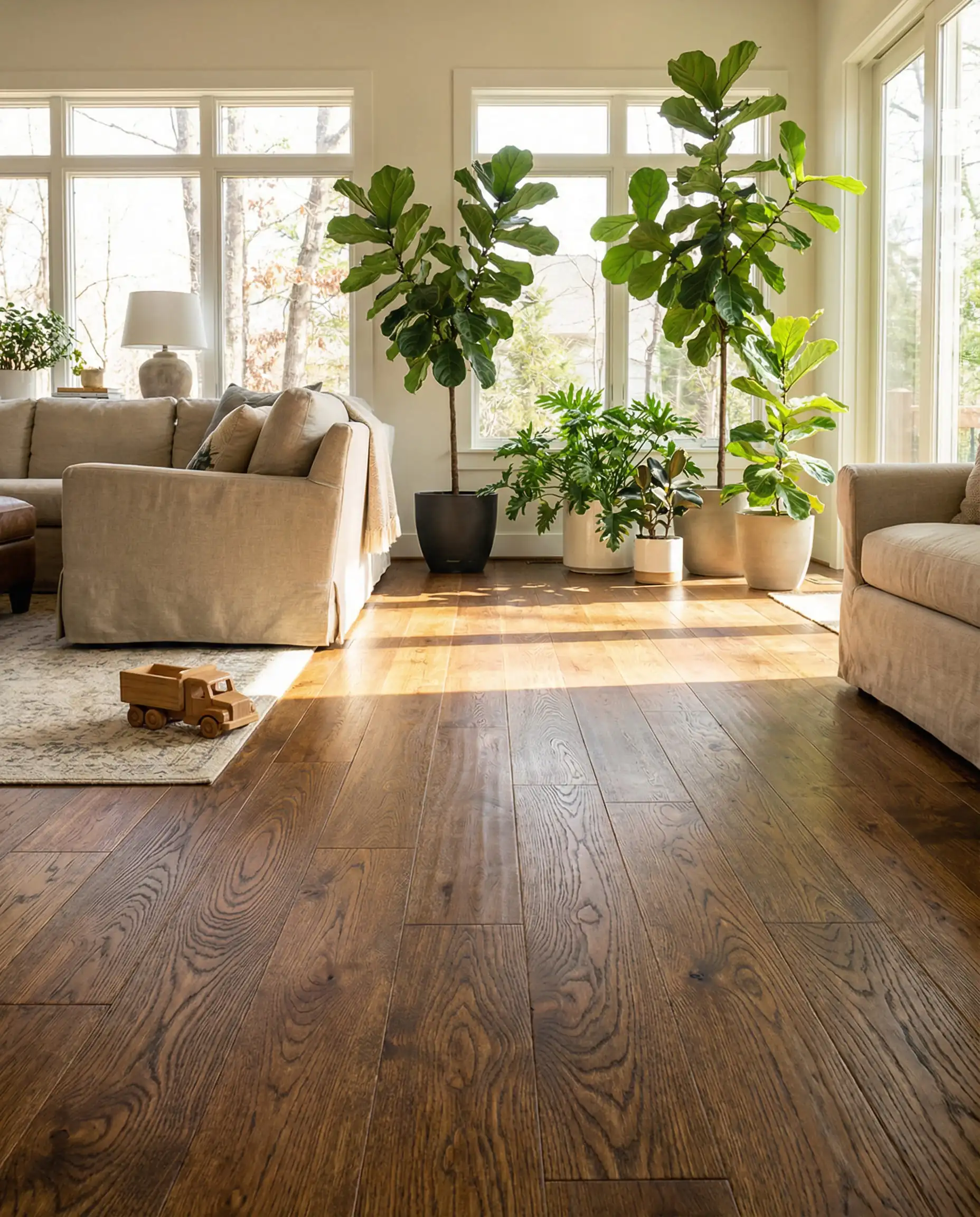
If you look at the top living room trends for this year, you will notice a common thread: golden hour lighting. Homeowners are trying to recreate that sunny, welcoming glow from the ground up.
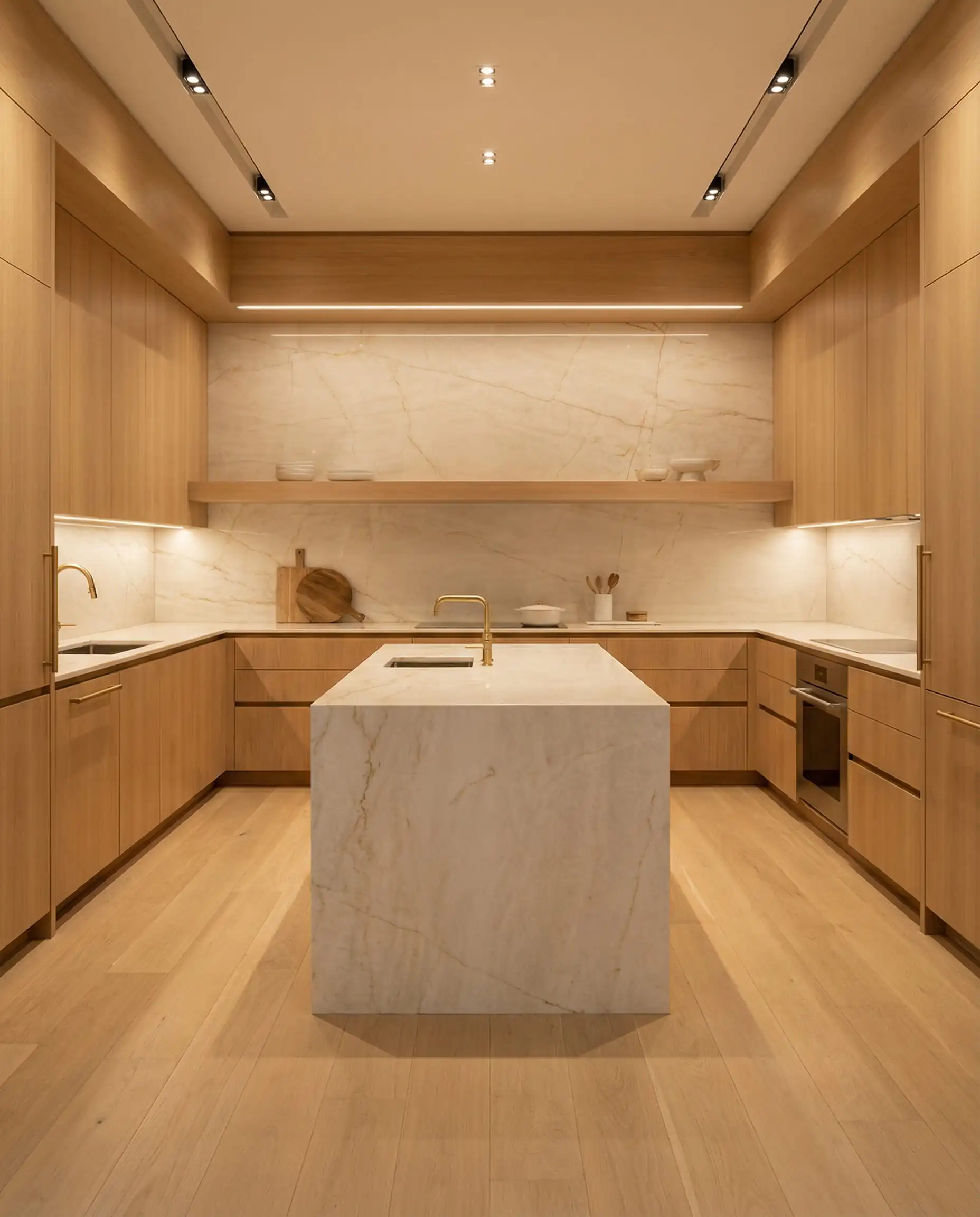
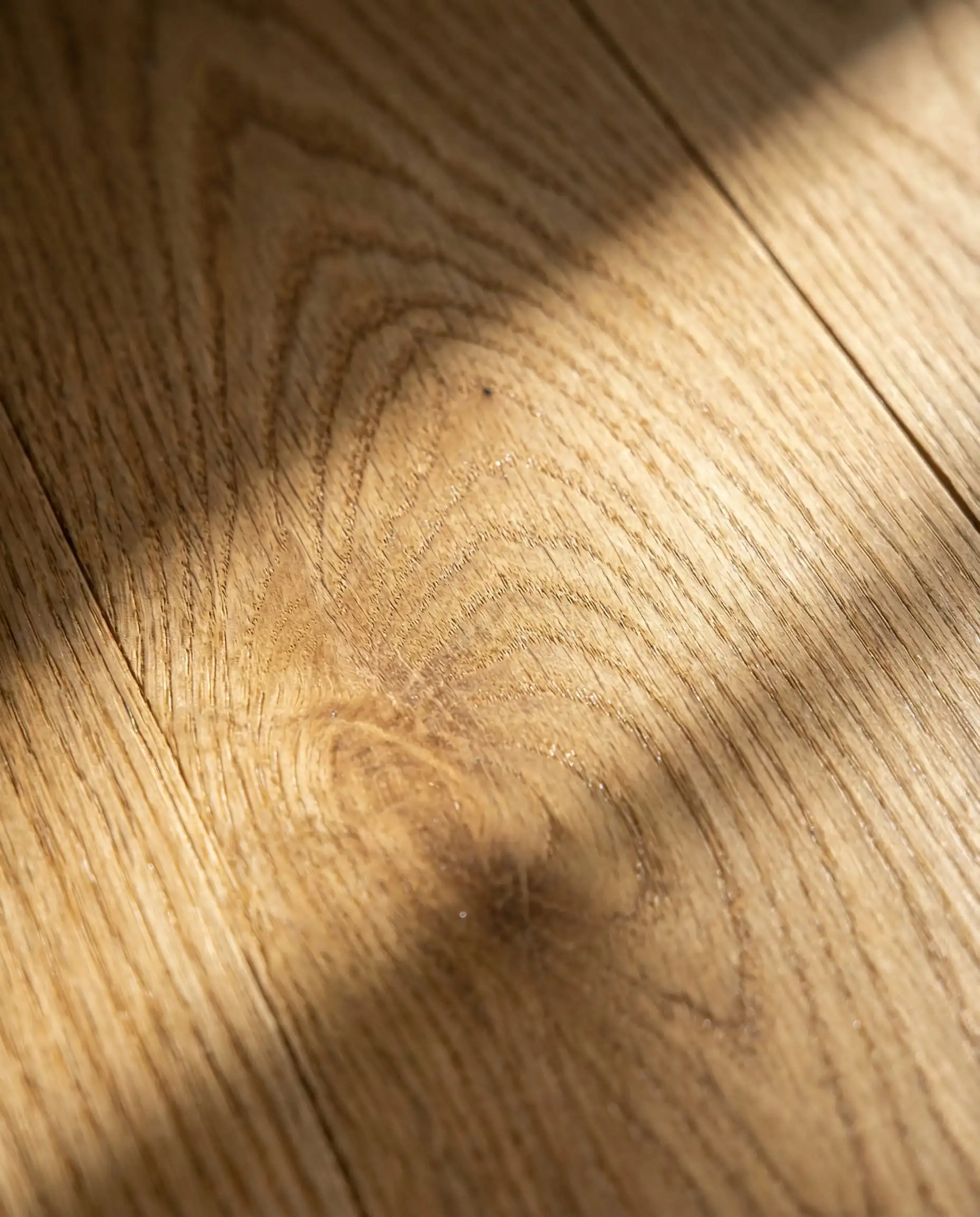
Honey and caramel-toned oak floors are arguably the biggest trend of 2026. Unlike the yellow-orange oaks of the 1990s (which many of us spent years sanding away), these modern blondes are deeper, richer, and more muted. They reflect natural light beautifully, making spaces feel larger and more inviting without the harsh glare of white floors.
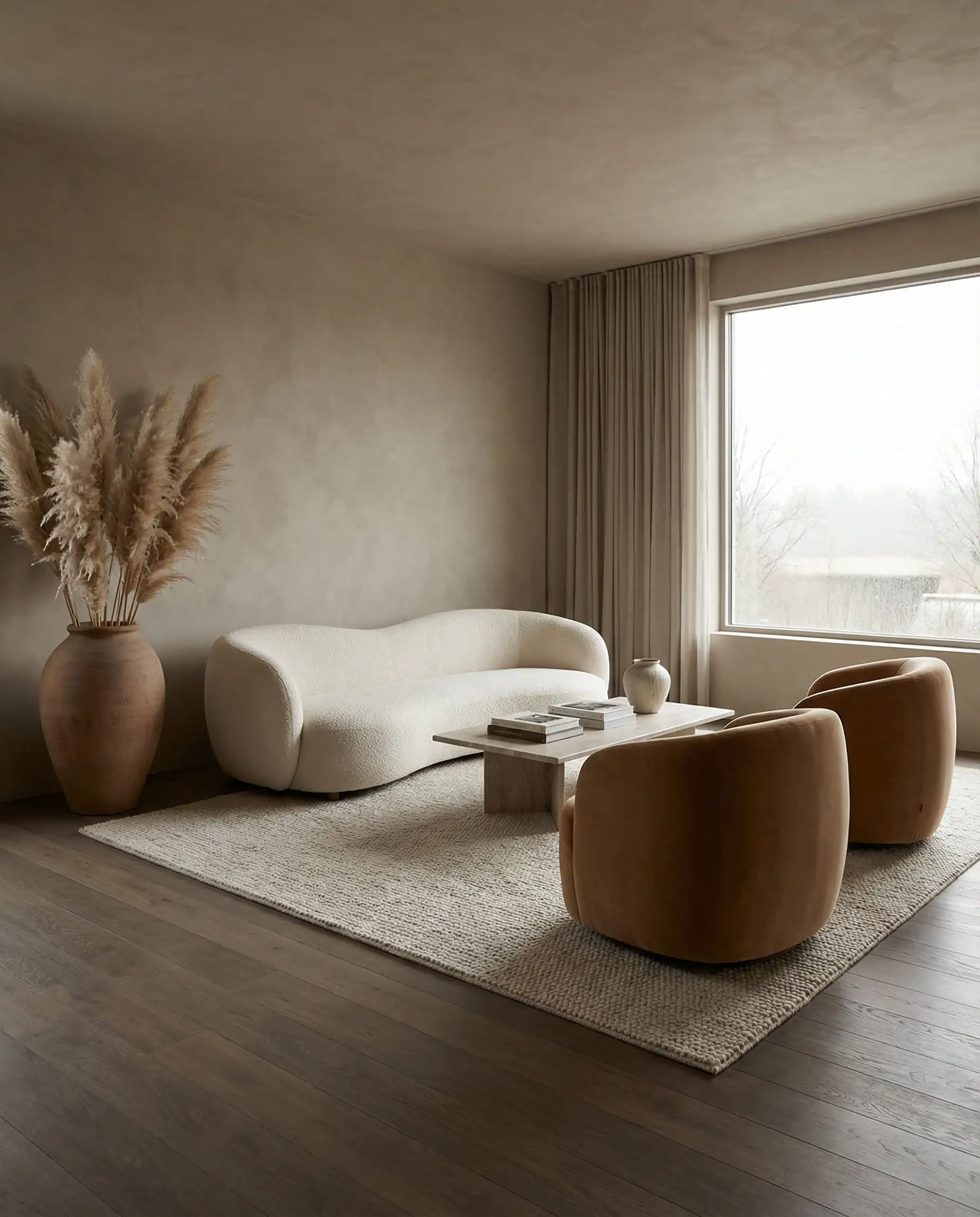
2. The “New Greige” (Warm Taupe)
Let’s be clear: Grey floors are one of the top kitchen trends to avoid in 2026. However, “Greige” is surviving by evolving.
The 2026 version of greige has zero blue or cool undertones. Instead, it is a blend of beige and mushroom—a warm, earthy taupe. This color offers the versatility of grey (it matches everything) but carries the warmth of wood. It is the perfect compromise for those who are afraid of wood tones turning “too orange” but want to avoid the dated look of “driftwood” grey.
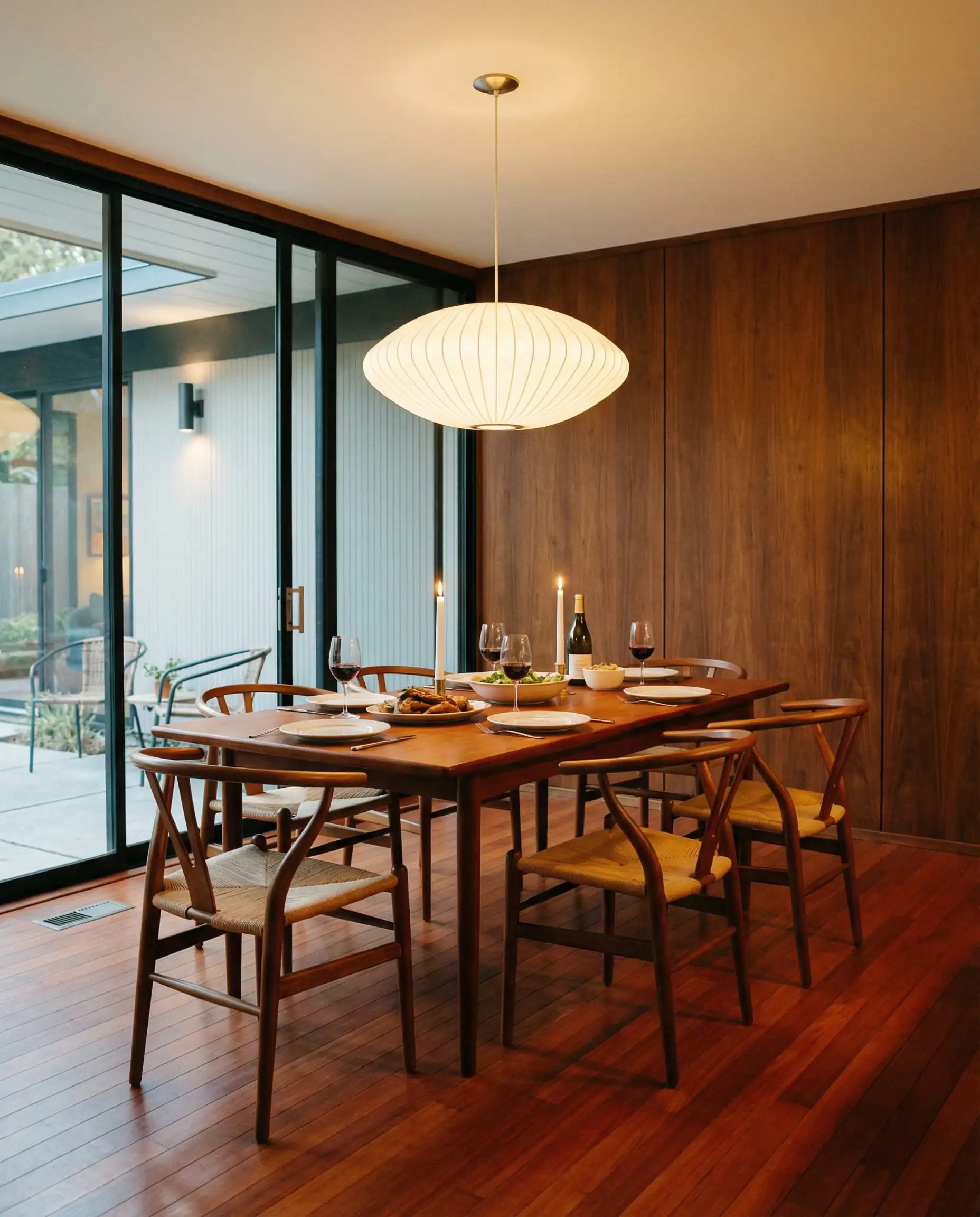
3. Moody Walnuts and Rich Browns
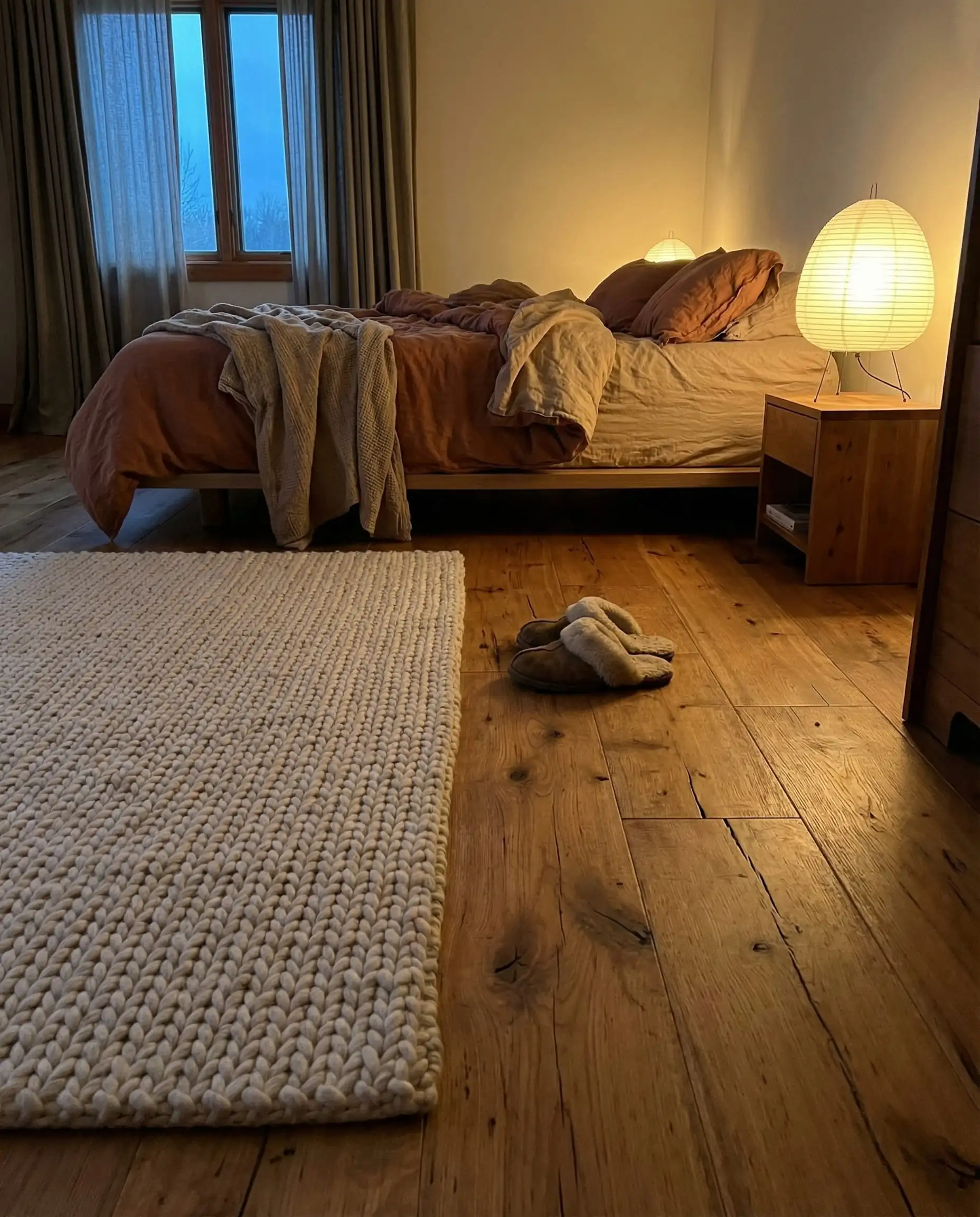
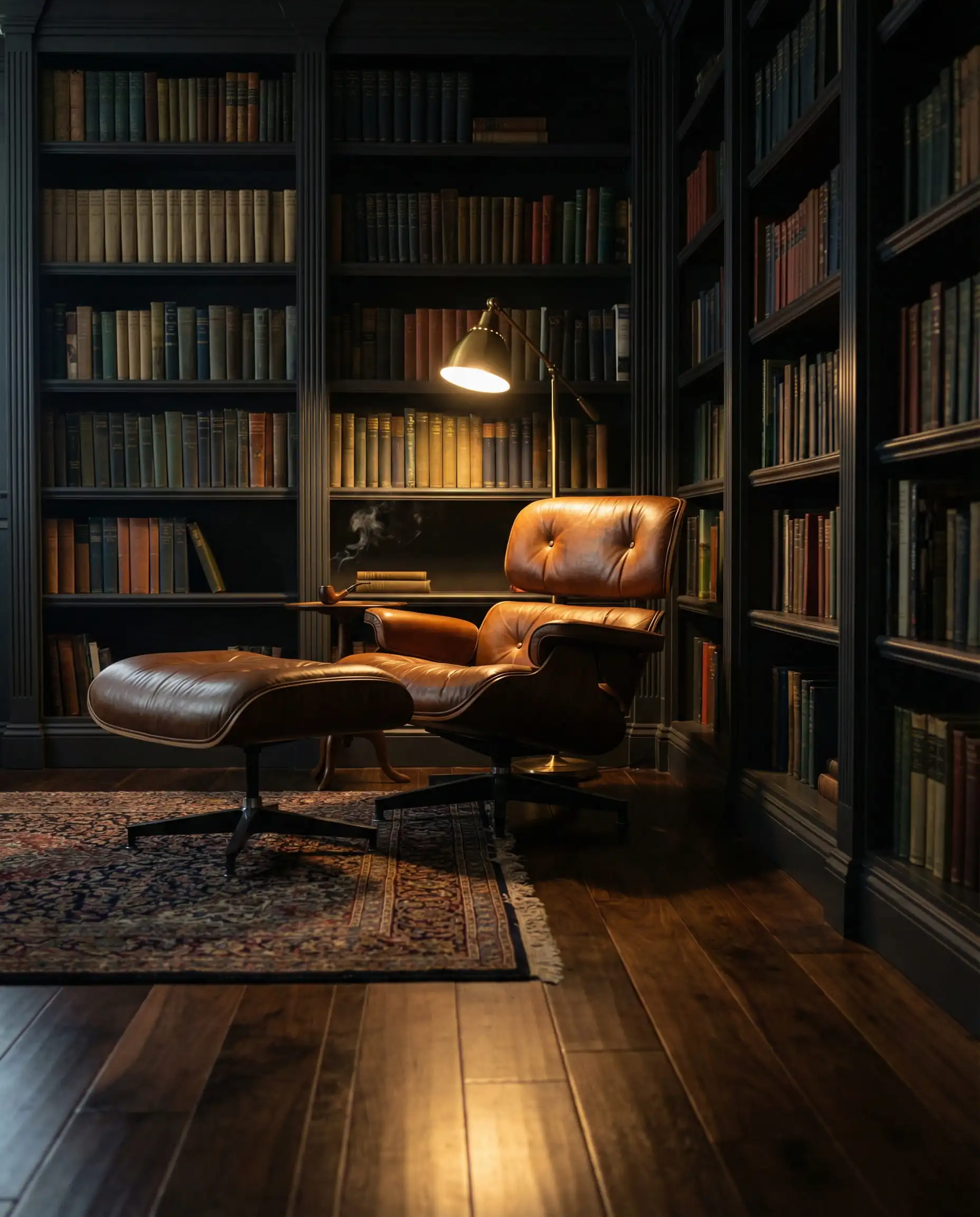
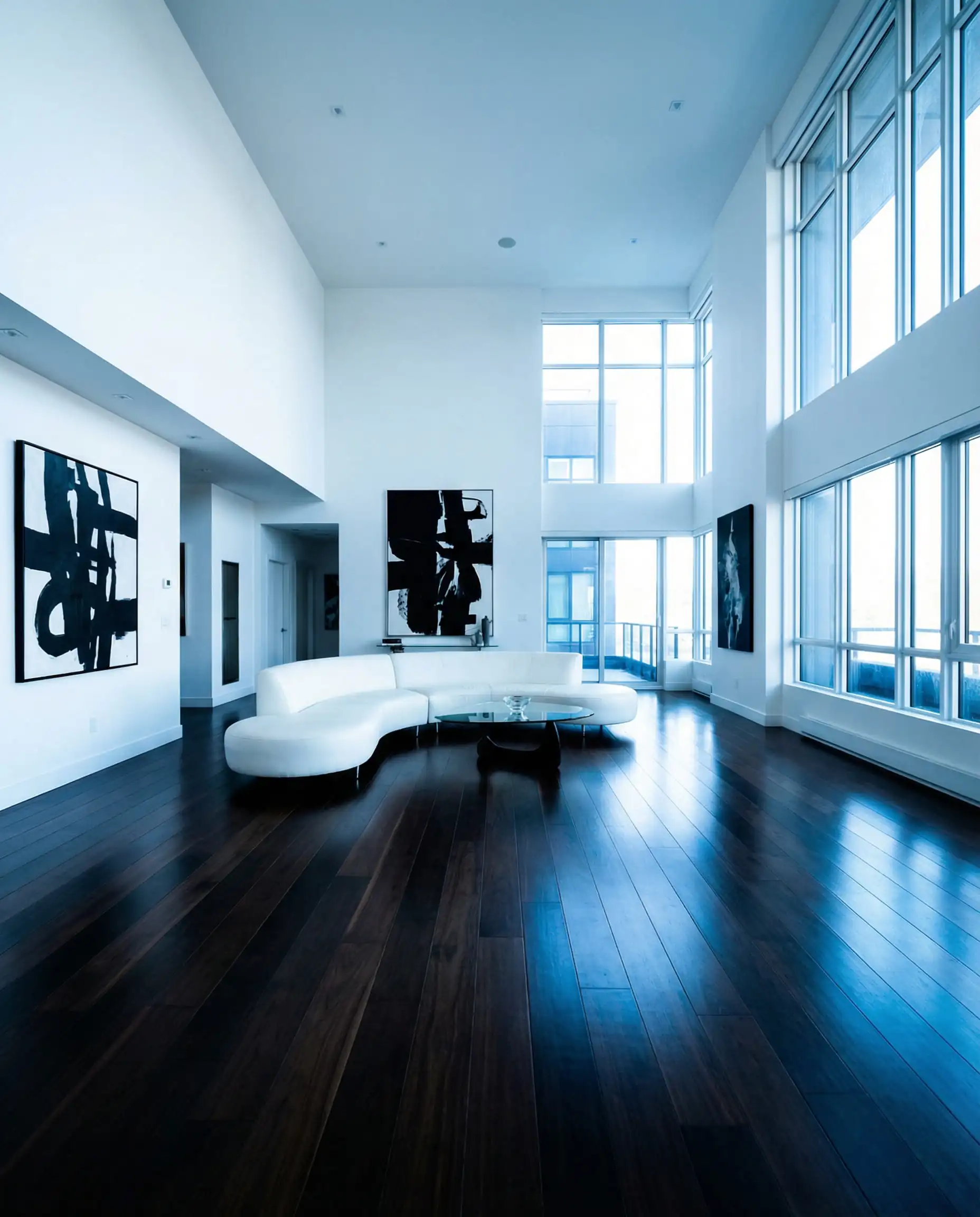
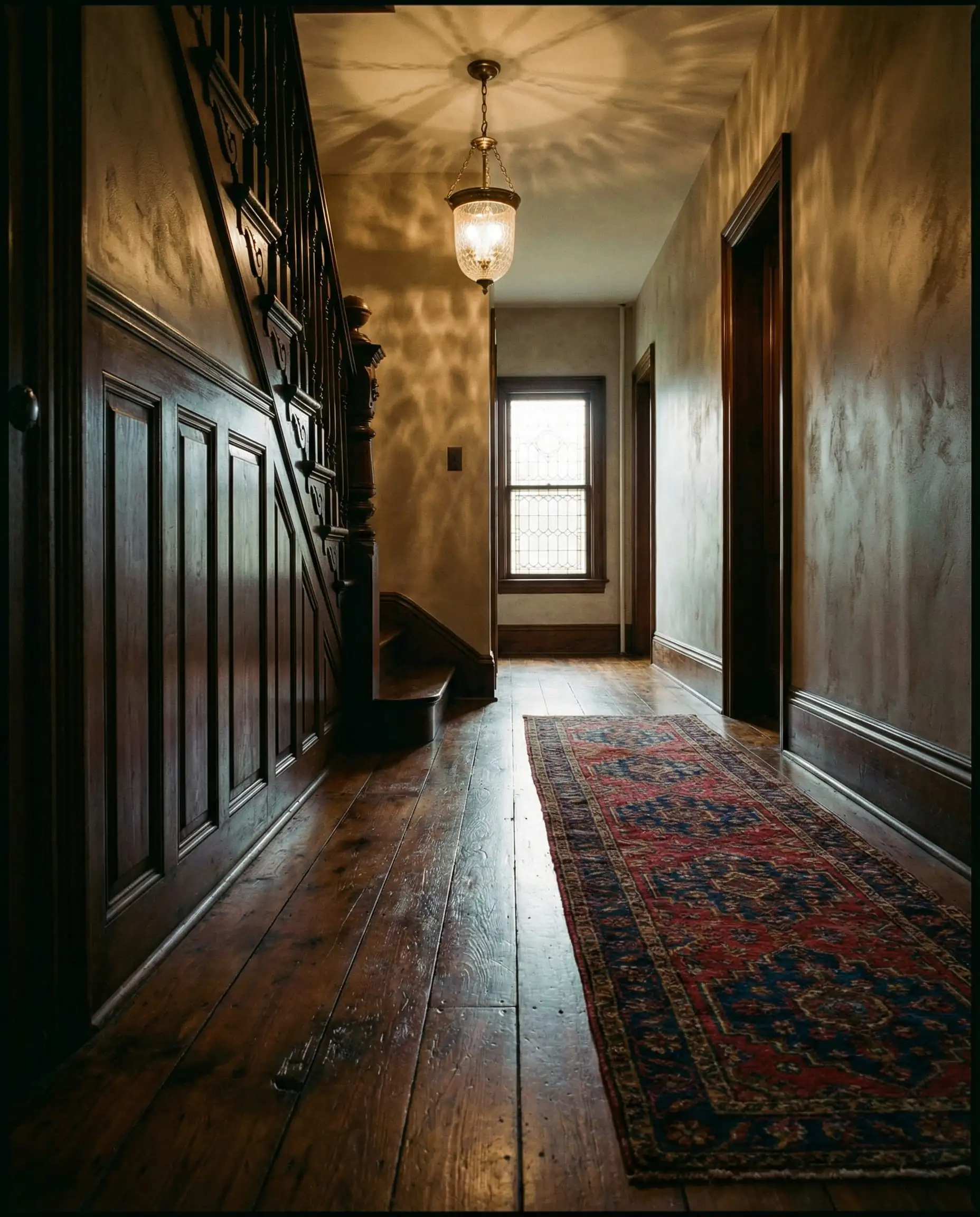
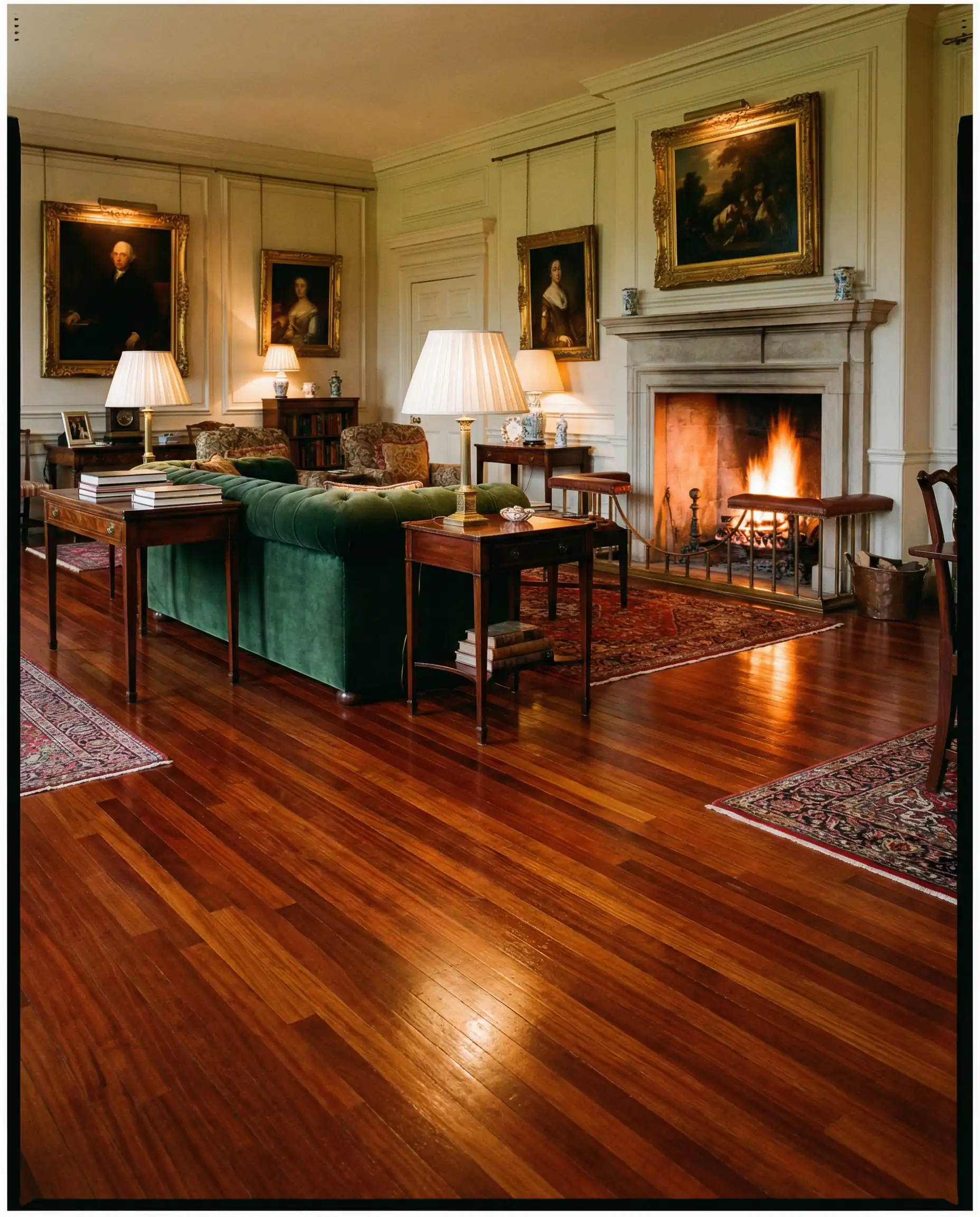
On the luxury end of the spectrum, deep brown is back. We aren’t talking about reddish cherries or mahoganies, but rather true, chocolatey browns and walnuts.
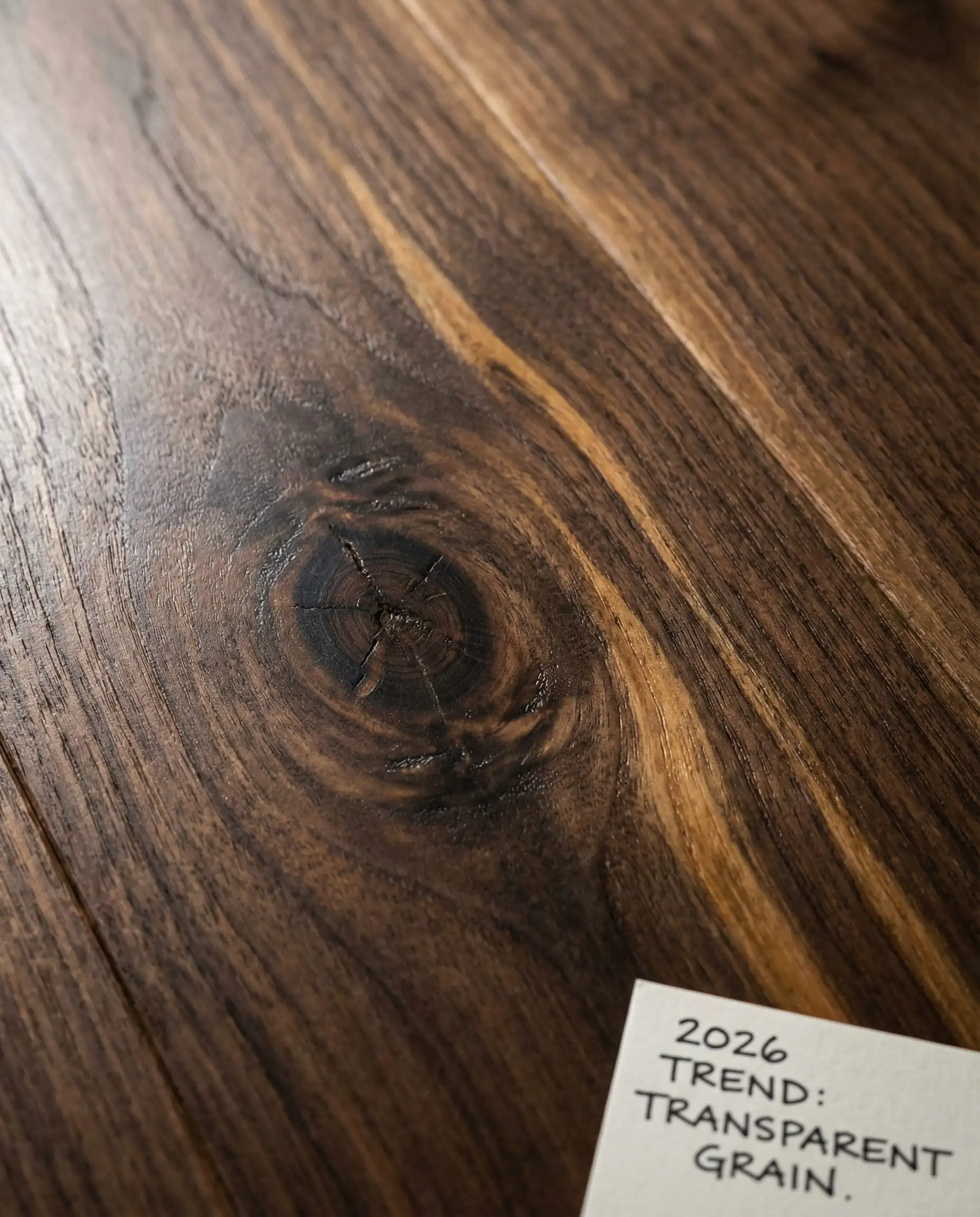
This trend is driven by the revival of traditionalism and maximalism. In a library, office, or formal dining room, a rich walnut floor grounds the space and feels expensive. Unlike the opaque dark stains of the past, 2026’s dark floors are transparent—you can clearly see the grain, knots, and natural variation of the wood.
4. Raw and Unstained (The “Naked” Look)
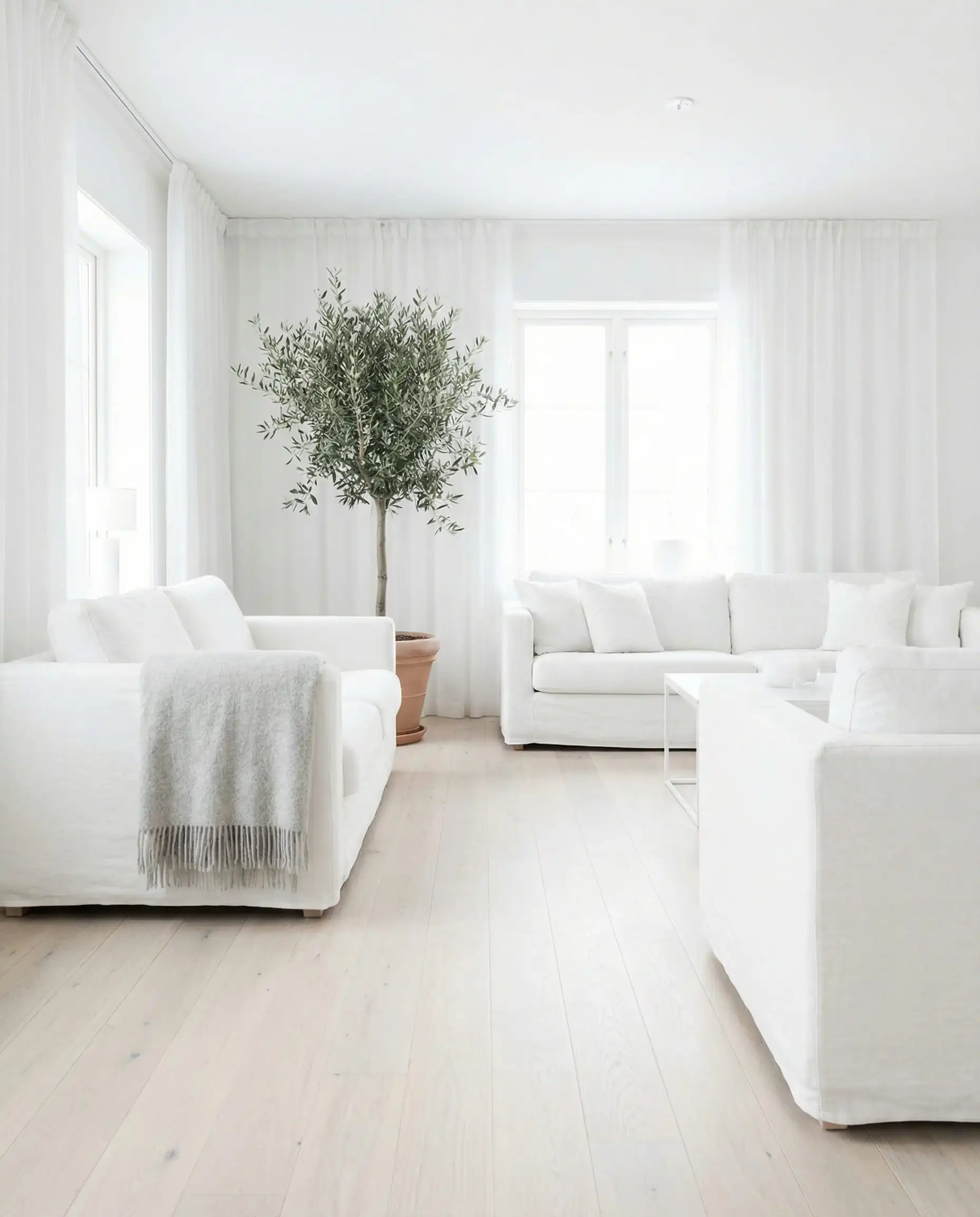
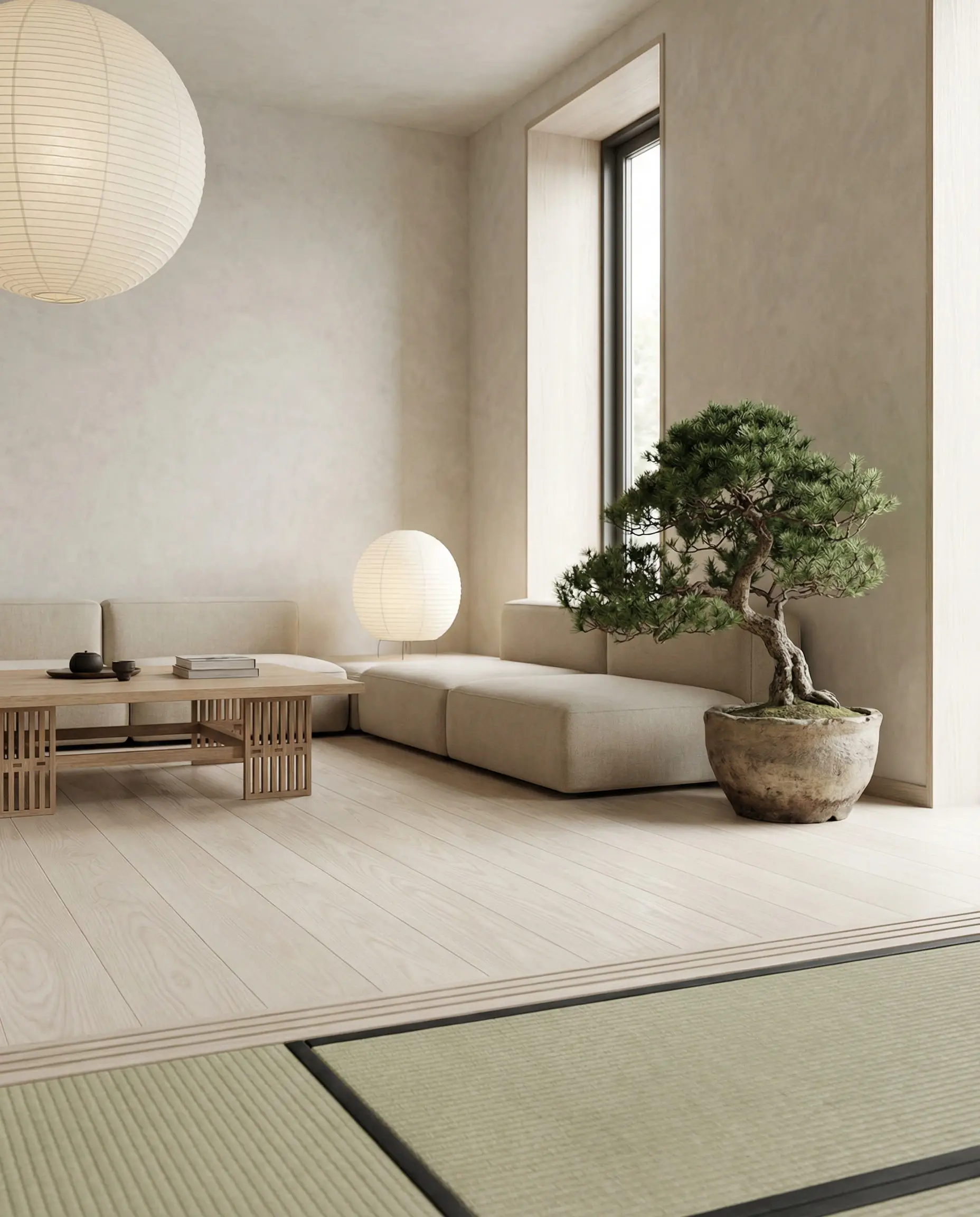
Perhaps the most sophisticated trend of all is the “no-floor” floor. This look involves using high-quality white oak with a clear, matte water-based sealant that creates the illusion of raw, unfinished timber.
This aesthetic is heavily influenced by Scandinavian design, where the goal is to celebrate the material in its purest form. It is less about changing the color of the wood and more about preserving its natural, pale beauty.
Trending Textures and Finishes
In 2026, the feel of the floor is just as important as the color. The days of high-gloss, “plastic-looking” polyurethane finishes are behind us.
The Reign of Matte and Ultra-Matte
Glossy finishes are struggling for relevance in 2026. Not only do they show scratches and dust relentlessly, but they also create a glare that feels artificial.
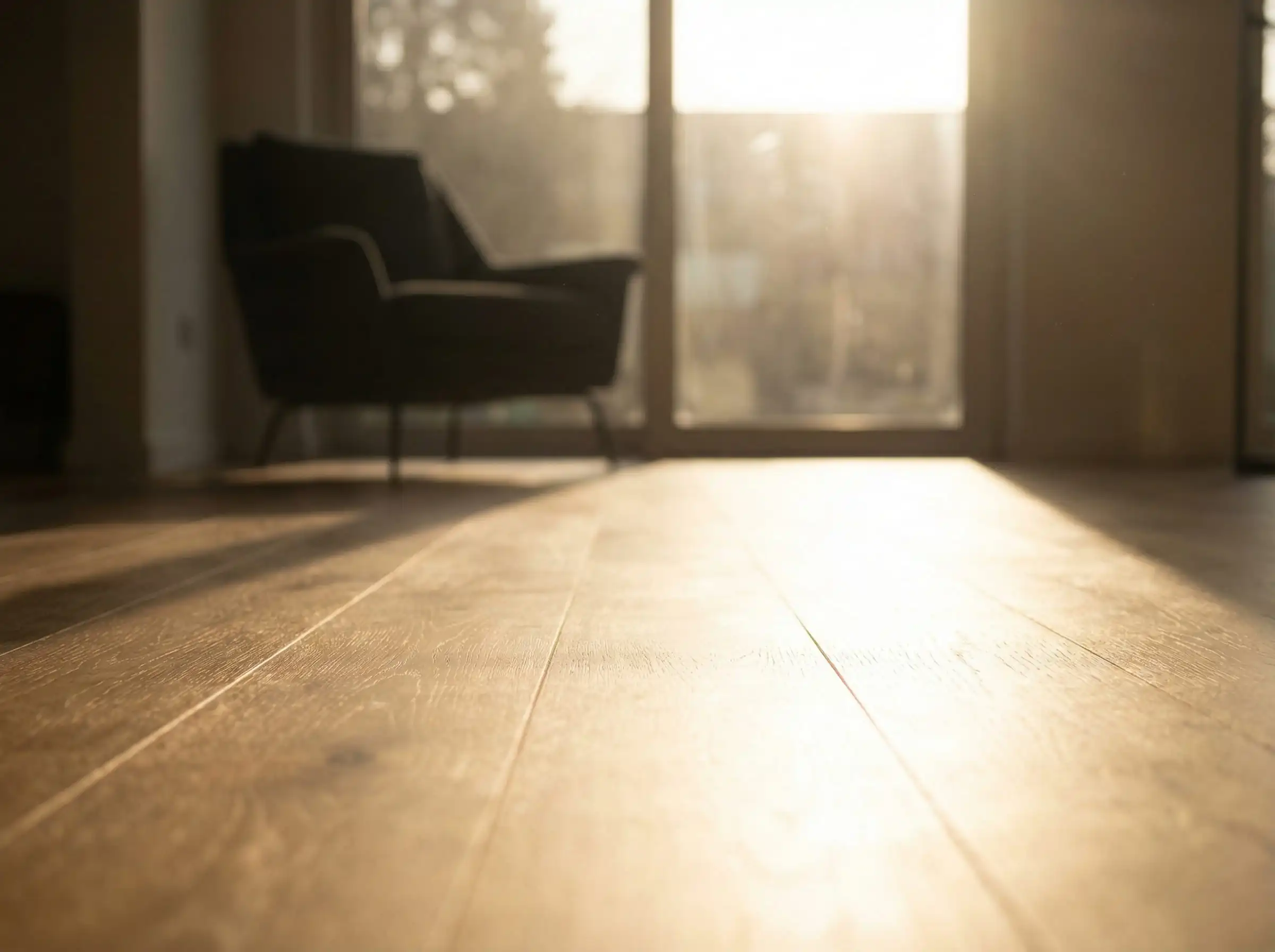
The standard for 2026 is Matte or Ultra-Matte (sometimes called “Invisible” finish). These low-sheen oils penetrate the wood rather than sitting on top of it. The result is a floor that looks soft and velvety. When sunlight hits a matte floor, it diffuses the light rather than reflecting it, contributing to that soft, “Quiet Luxury” atmosphere.
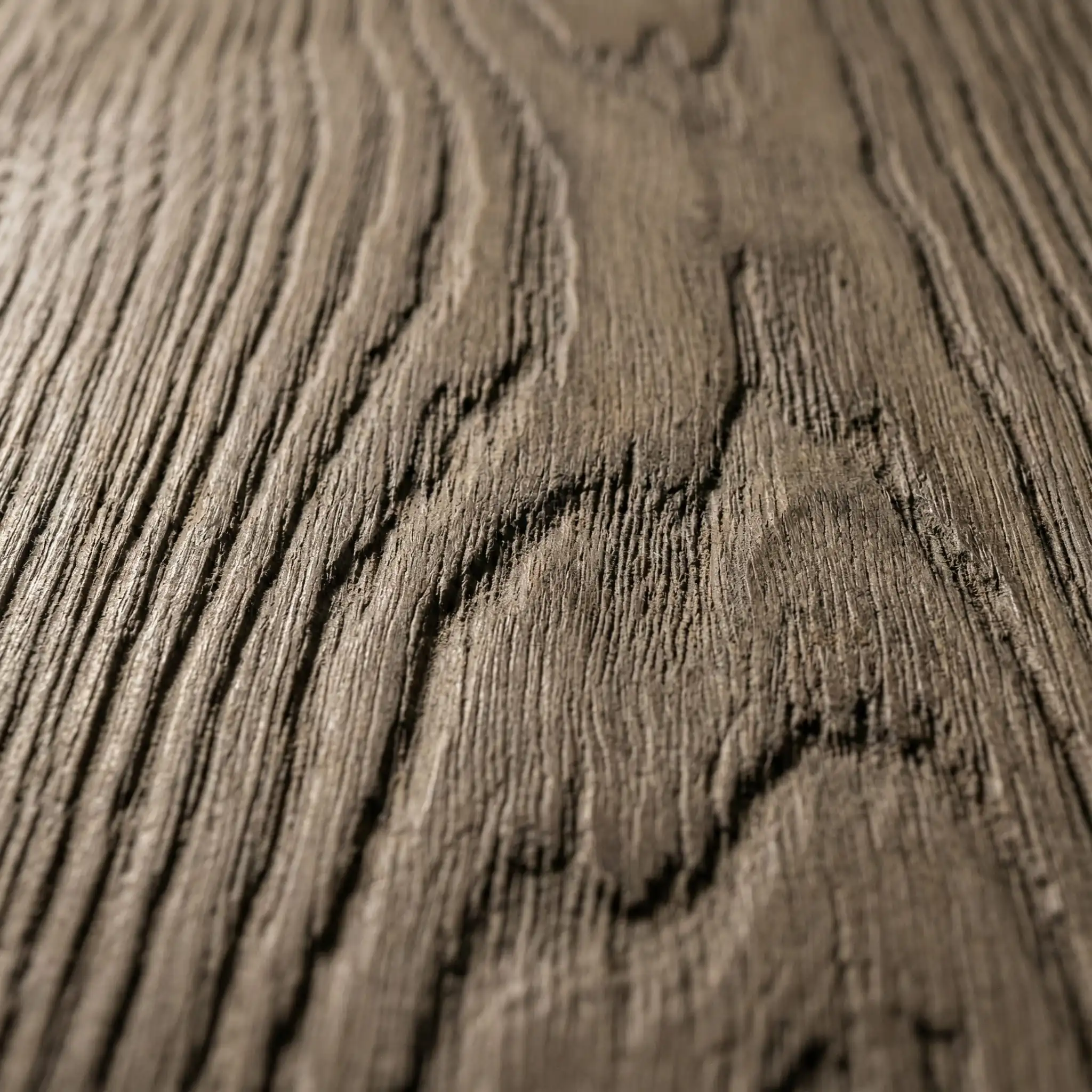
Wire-Brushed and Hand-Scraped
Because perfection is out, texture is in.
Layouts and Patterns: Breaking the Mold
For years, the standard straight lay was the only option most people considered. But as homeowners look to add character to new builds, creative layouts are surging in popularity.
Wide Planks: The Wider, The Better
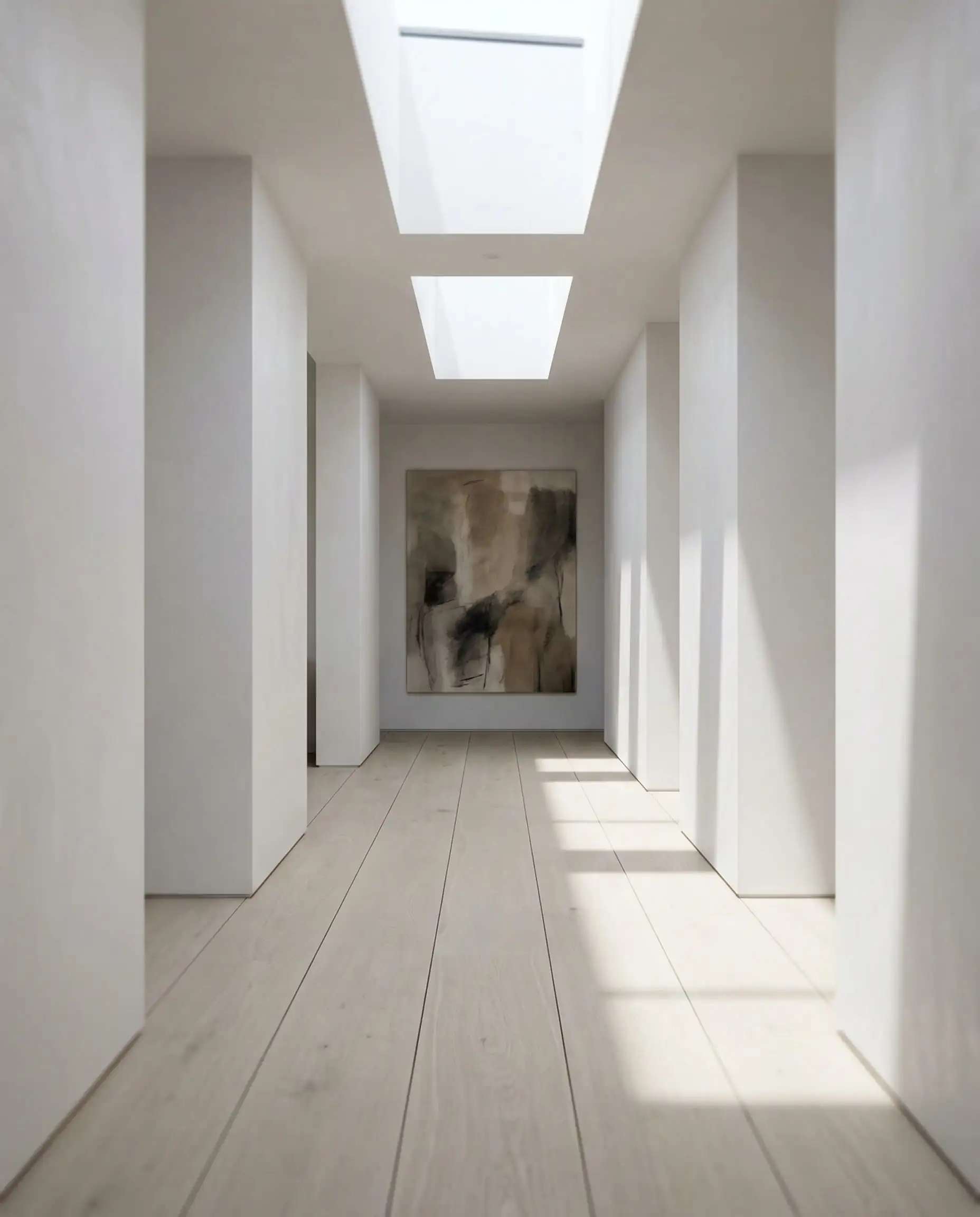
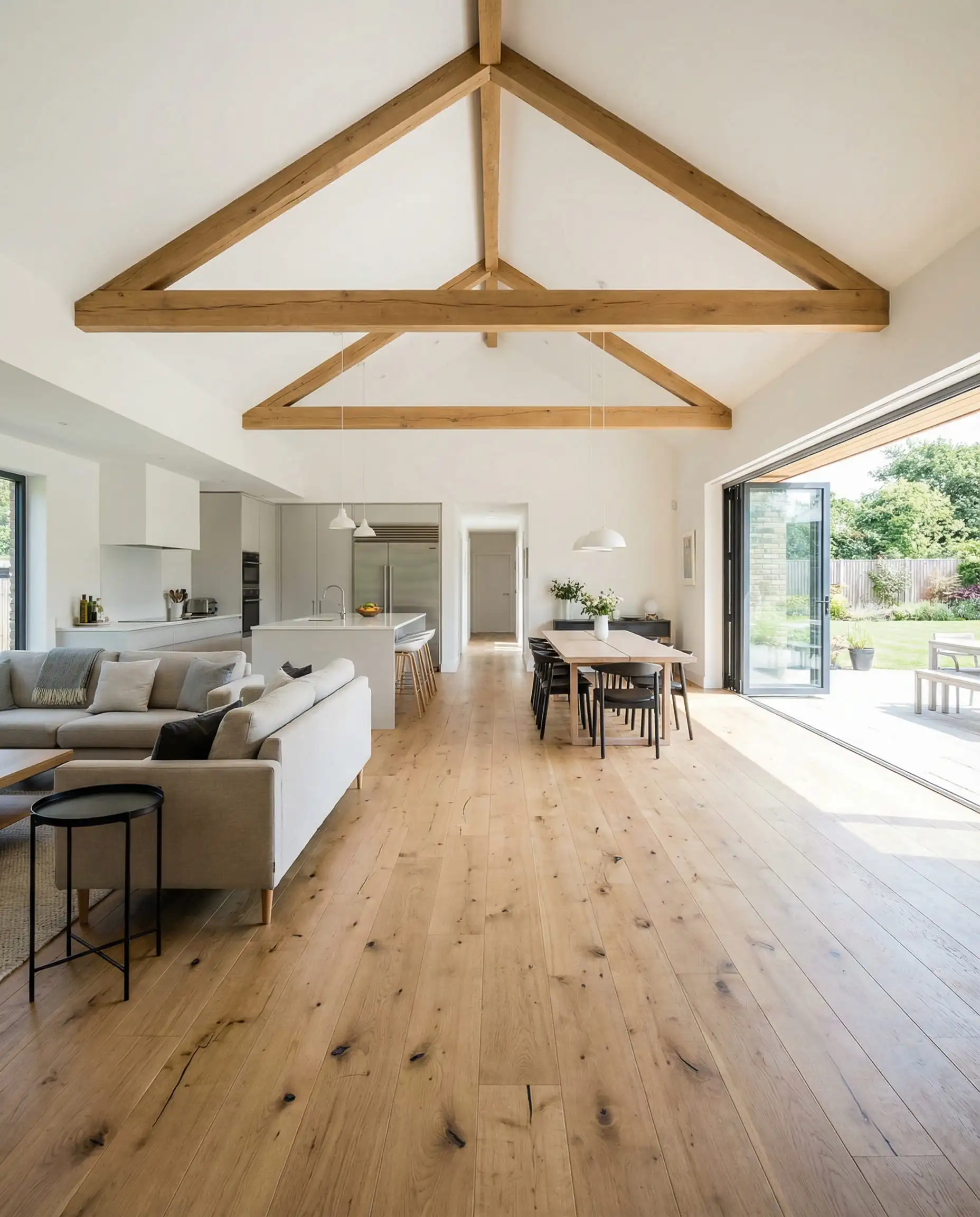
The most dominant format shift in 2026 is the move toward wide plank flooring.
Standard strips (2-3 inches wide) are being replaced by planks that are 7, 9, or even 12 inches wide.
The Visual Impact: Wide planks mean fewer seams across the floor. This optical illusion makes the floor look less busy and the room look significantly larger and less cluttered. It feels historic and substantial, reminiscent of old European estates.
Herringbone and Chevron
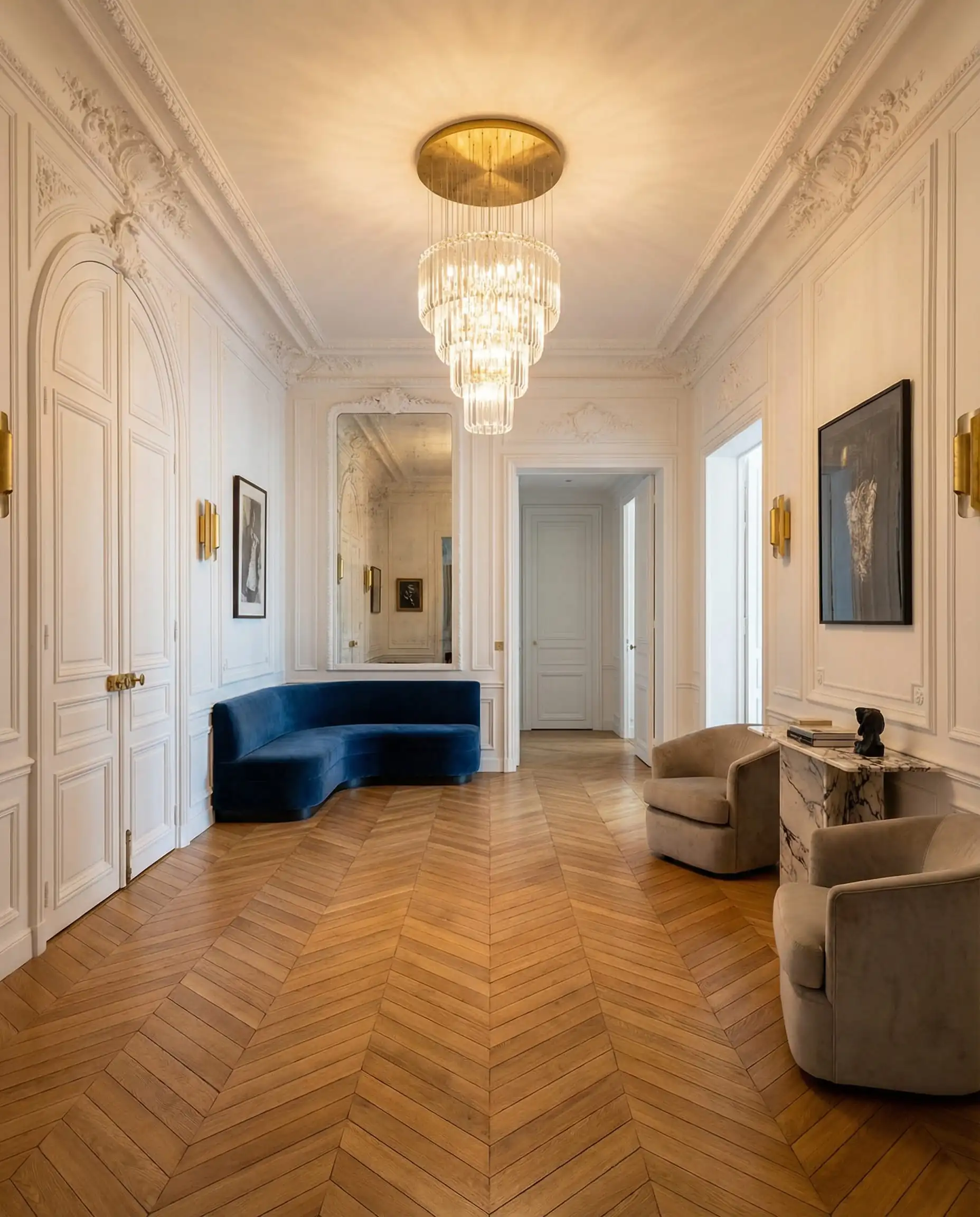
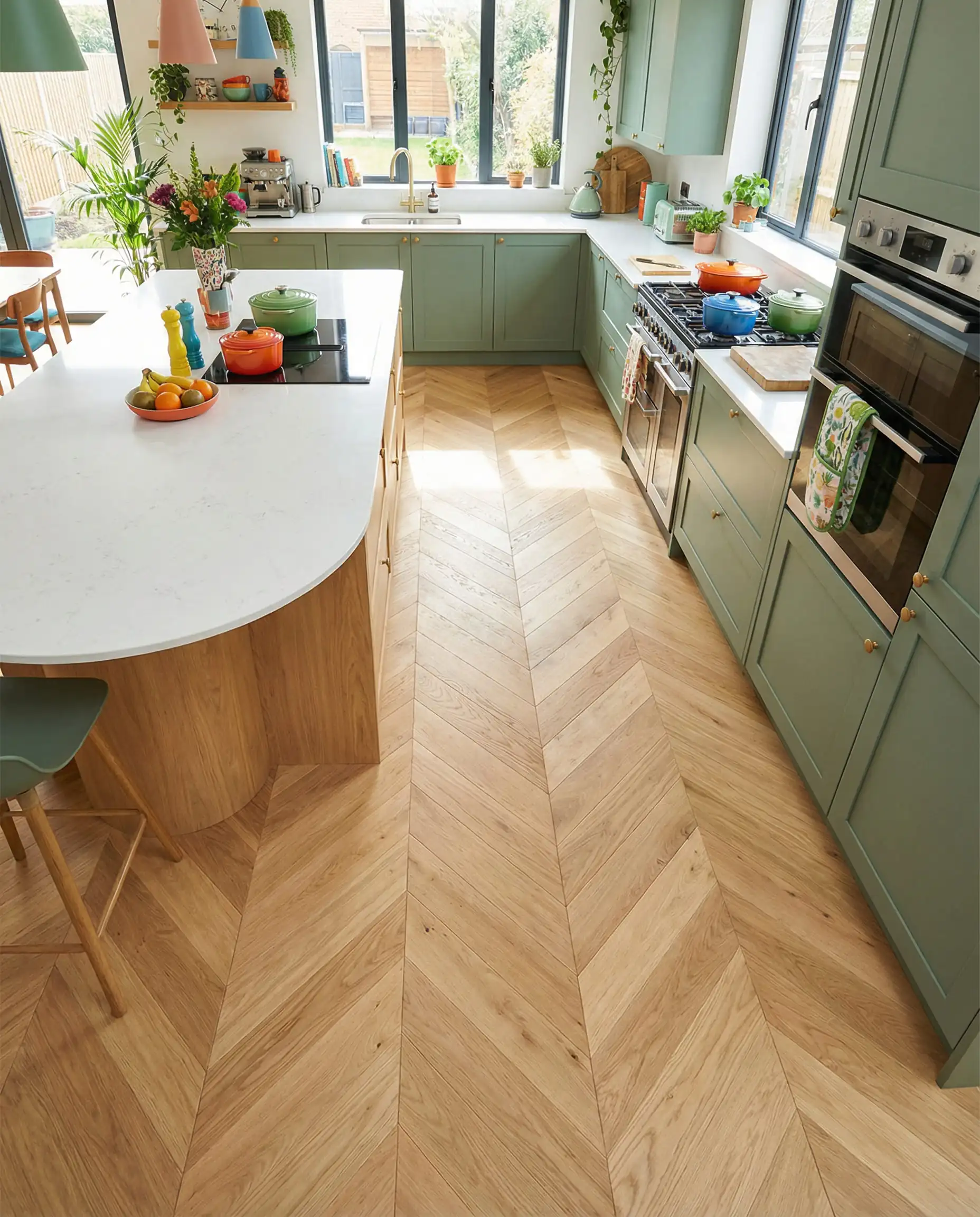
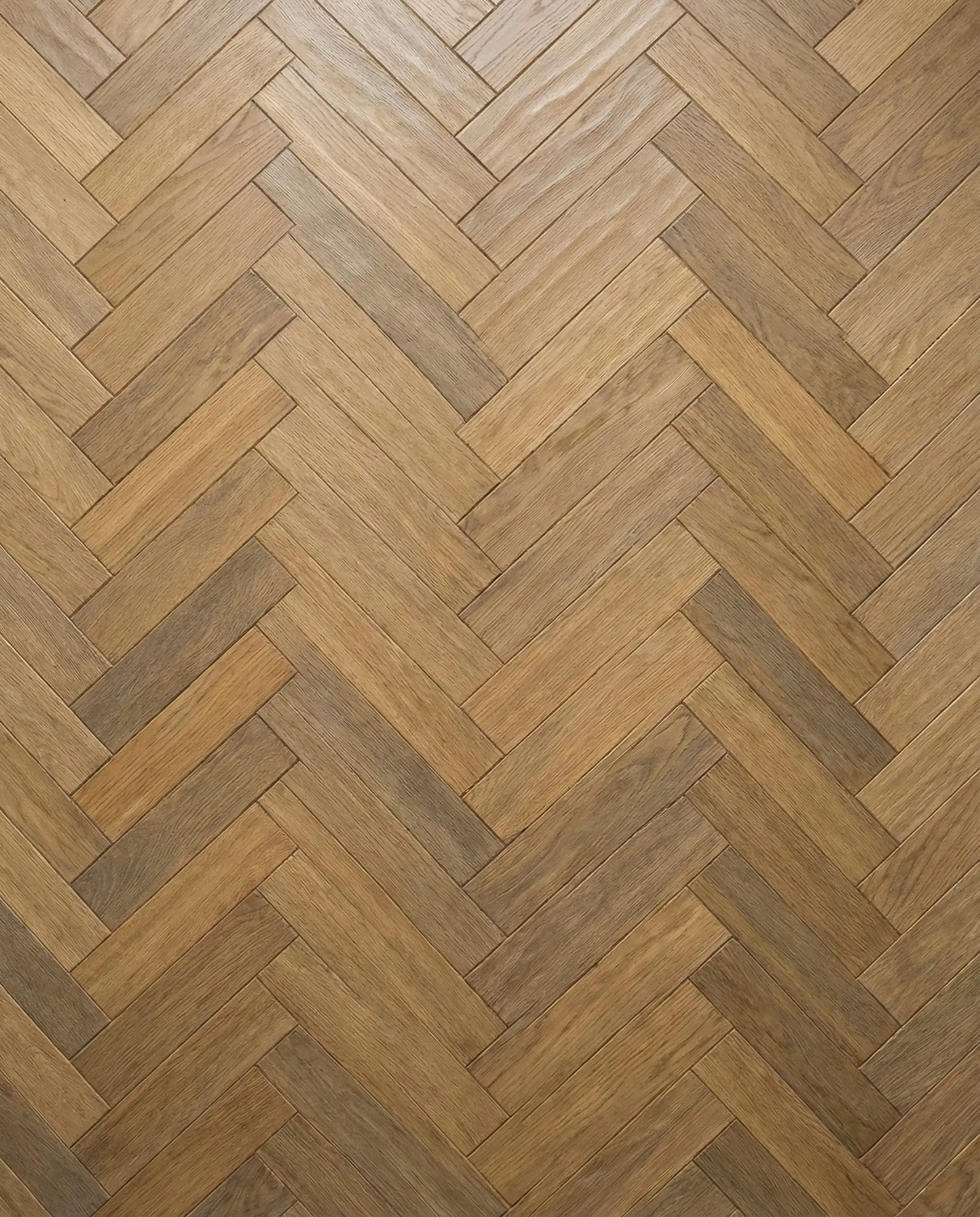
Once reserved for Parisian apartments, Herringbone and Chevron patterns have gone mainstream in the US and UK.
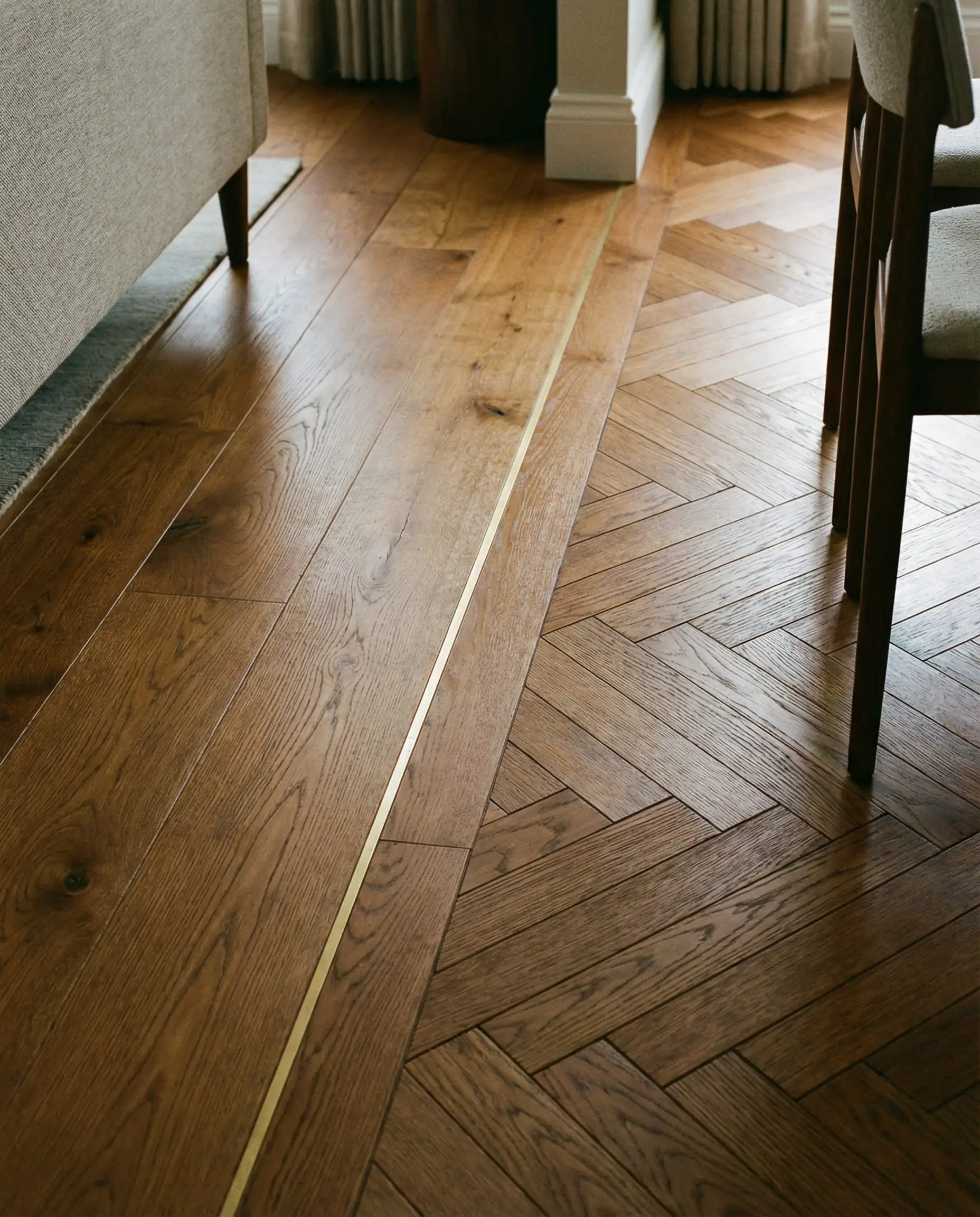
Where to use them: In 2026, we are seeing these patterned floors used strategically to define zones in open-concept homes. You might see wide planks in the living room transitioning into a herringbone pattern in the kitchen or entryway. It acts as a permanent rug, adding a layer of architectural interest that furniture simply can’t achieve.
Sustainable & Alternative Wood Options
Sustainability is no longer a buzzword; it is a baseline requirement for the 2026 consumer. As we discuss in our broader guide to flooring trends in 2026, eco-consciousness is driving material innovation.
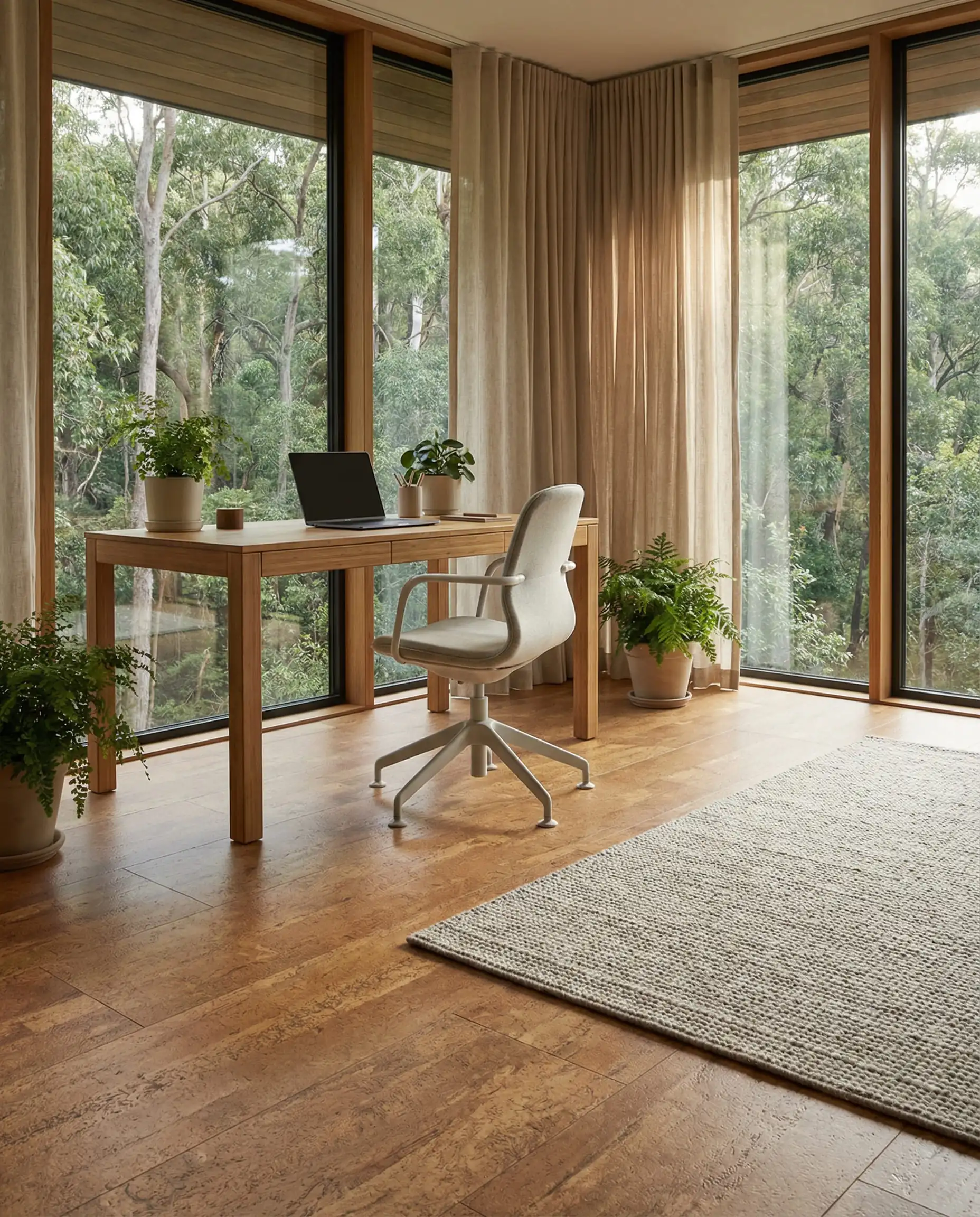
The Return of Cork and Bamboo
Technically not “hardwoods” (one is bark, the other grass), these materials are competing directly with oak and maple this year.
Reclaimed and Regenerative Wood
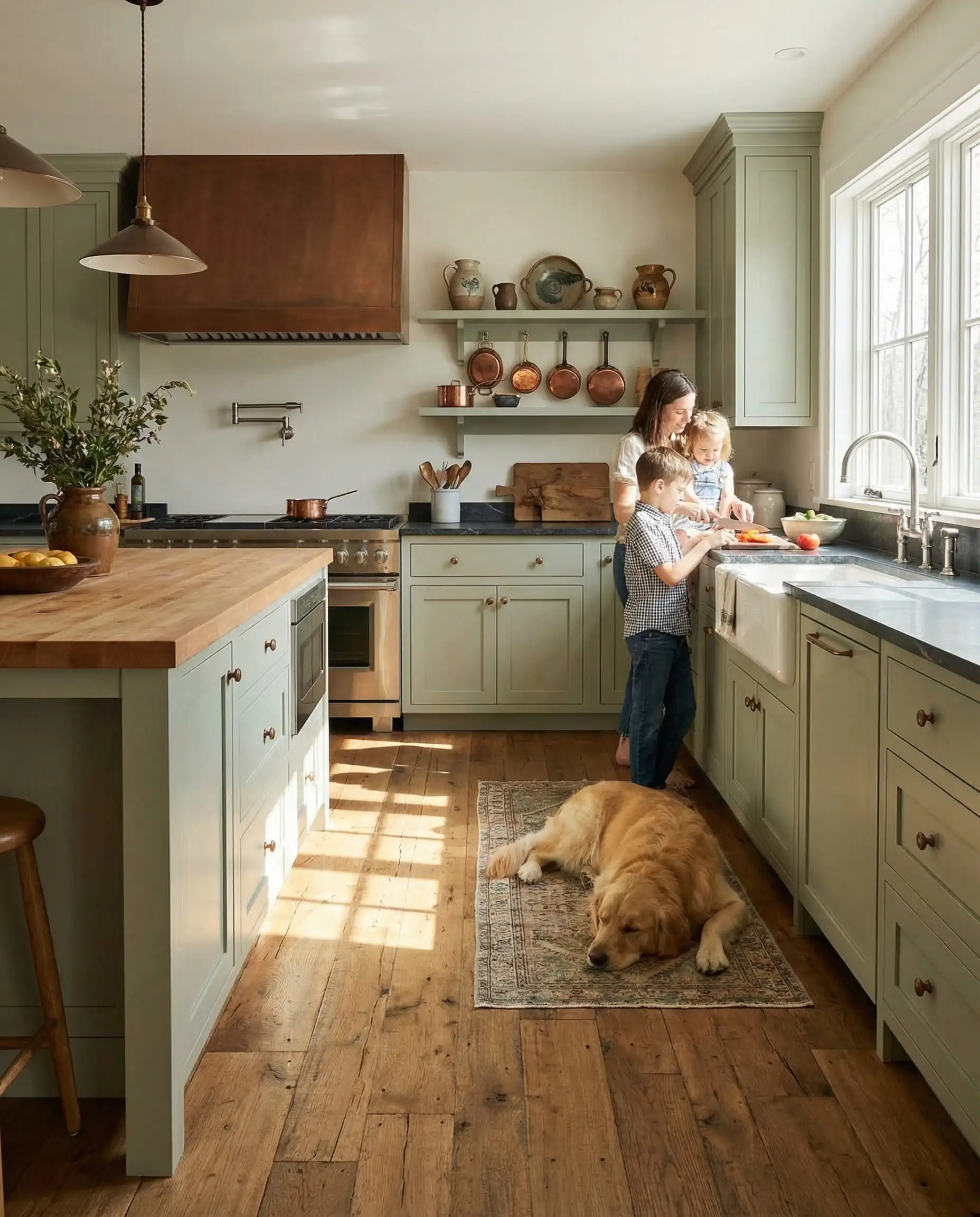
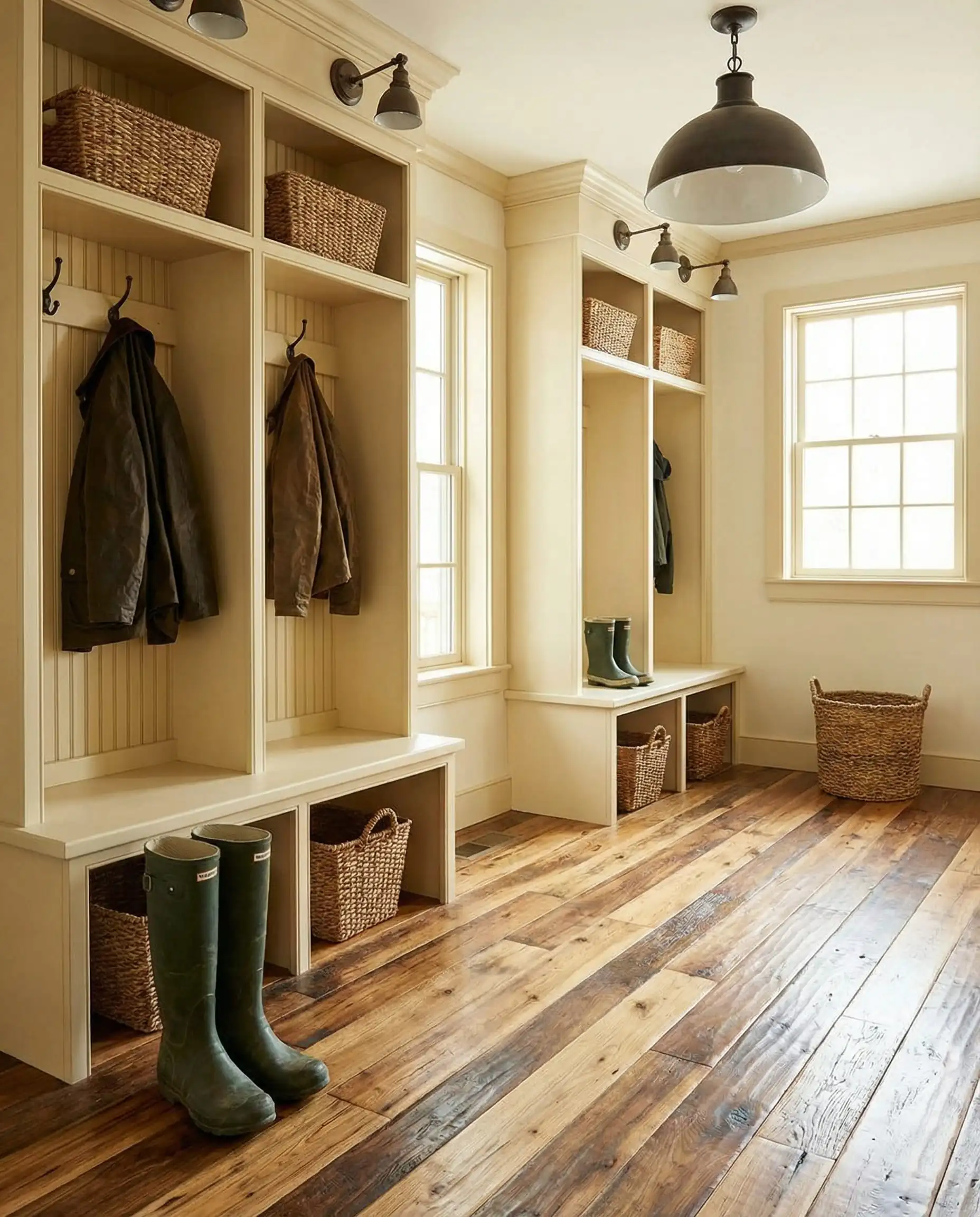
Sourcing wood from demolished barns or factories is highly desirable for the character it adds. Every nail hole and saw mark tells a story. Furthermore, many manufacturers are now offering “Regenerative Oak,” sourced from forests managed specifically to increase biodiversity rather than just replace cut trees.
Expert Tips: How to Choose the Right Floor for Your Home Era
One of the most common mistakes we see is homeowners choosing a trendy floor that clashes with the architecture of their house. Here is how to apply 2026 trends without fighting your home’s bones.
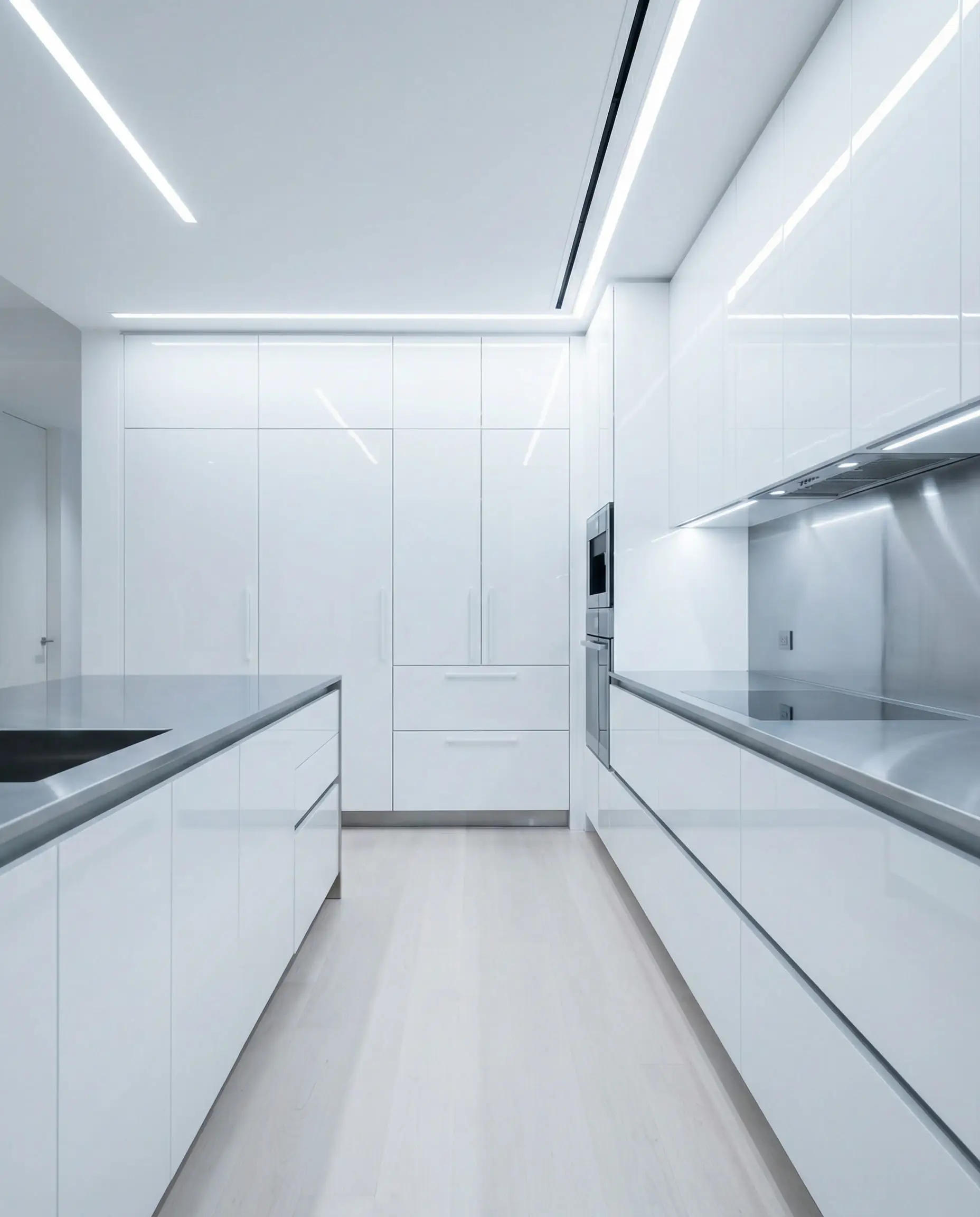
For Modern and Contemporary Homes
For Historic or Traditional Homes
For Farmhouse and Rustic Homes
FAQ: Navigating 2026 Flooring Choices
Yes, the cool, blue-grey “driftwood” look is considered dated. If you love grey, opt for a “warm greige” or taupe wood. It offers the neutrality of grey but with an earthy, organic undertone that fits the 2026 aesthetic.
“Honey Oak” and “Warm Camel” are the top sellers. They are versatile enough to work with both cool and warm wall colors and maximize the feeling of light in a room.
They are making a very specific comeback. We aren’t seeing the black painted floors of 2010, but rather rich, transparent Walnut tones that are used in luxury, heritage-style spaces.
A wire-brushed, matte finish is the best option for pet owners in 2026. The texture hides claw marks, and the low sheen prevents the “skating rink” look that glossy floors get after a few years of wear.
In open-concept homes, consistency is key—it makes the home feel bigger. However, 2026 trends encourage “zoning” by using the same wood species but changing the layout (e.g., switching to herringbone in the dining room) to create visual separation without changing the color.
Conclusion
The hardwood flooring trends of 2026 are a direct response to our desire for grounding and comfort. By moving away from the artificial cool tones of the past and embracing warm, textured, and natural wood, we are creating homes that feel more human.
Whether you opt for a luxurious wide-plank walnut or a cheerful honey oak, the goal is the same: to create a foundation that feels authentic.
Are you ready to transform your space? If you are looking for more inspiration on how to pair these floors with furniture, check out our guide on Japandi style interior design trends to see how light woods can create a serene sanctuary.