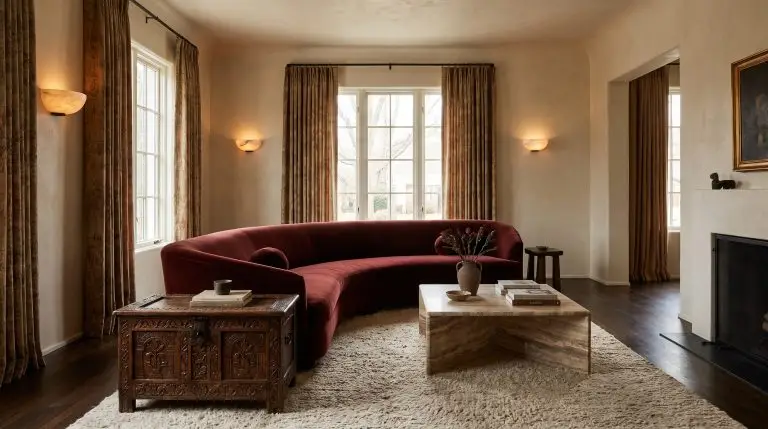
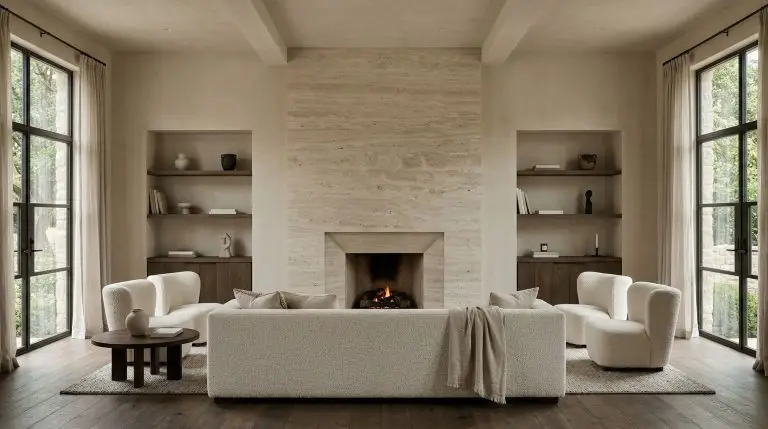
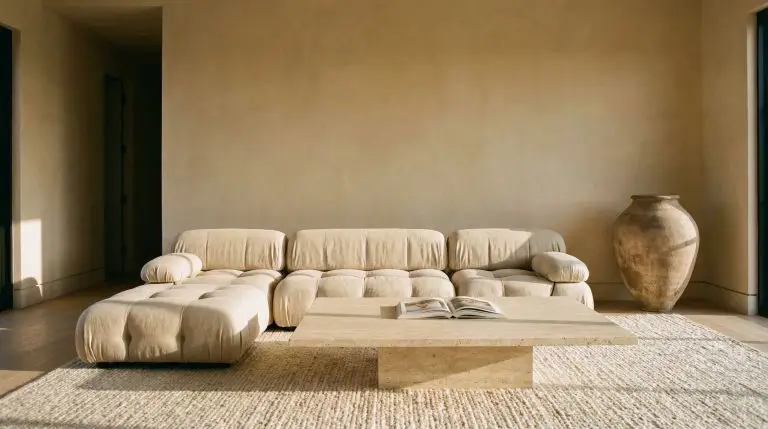
Modern Craftsman Interior Design: The Ultimate Guide for 2026
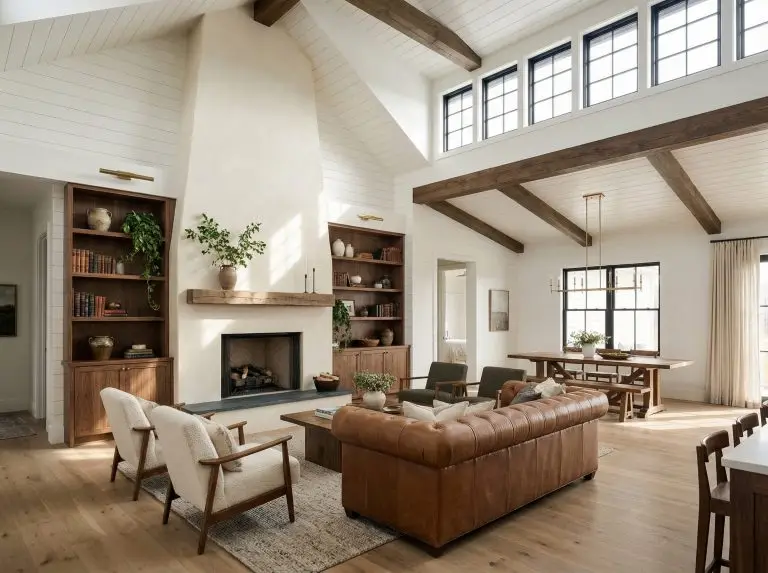
If you’ve been scrolling through social media lately, you might have noticed a shift. The stark, all-white minimalism that dominated the last decade is starting to feel a little… cold. And while the “Modern Farmhouse” era had its moment, there is a growing fatigue around shiplap and barn doors.
Enter Modern Craftsman.
This isn’t your great-grandfather’s bungalow (though he had the right idea). The 2026 iteration of Craftsman design is a sophisticated, moody, and deeply comfortable evolution. It retains the structural honesty and warmth of the original Arts & Crafts movement but cleans up the lines for a contemporary lifestyle. If you crave a home that feels curated rather than cluttered, and grounded rather than trendy, you’ve found your style.
What is Modern Craftsman Style?
Modern Craftsman interior design is a style that blends the structural honesty and hand-crafted details of the historic Arts & Crafts movement with the clean lines and open functionality of contemporary living. It prioritizes natural materials, built-in joinery, and a connection to nature.
Historically, the Craftsman style emerged in the late 19th century as a reaction against the mass-produced, ornate fussiness of the Victorian era. It was about honesty—wood should look like wood, stone should look like stone, and you should be able to see how the house was built.
Today, that philosophy is more relevant than ever. In a world of disposable “fast furniture,” Modern Craftsman is a return to quality. It’s about “quiet luxury”—spaces that feel expensive not because they are flashy, but because they are solid, well-proportioned, and tactile.
The Core Philosophy: “Beautiful Utility”
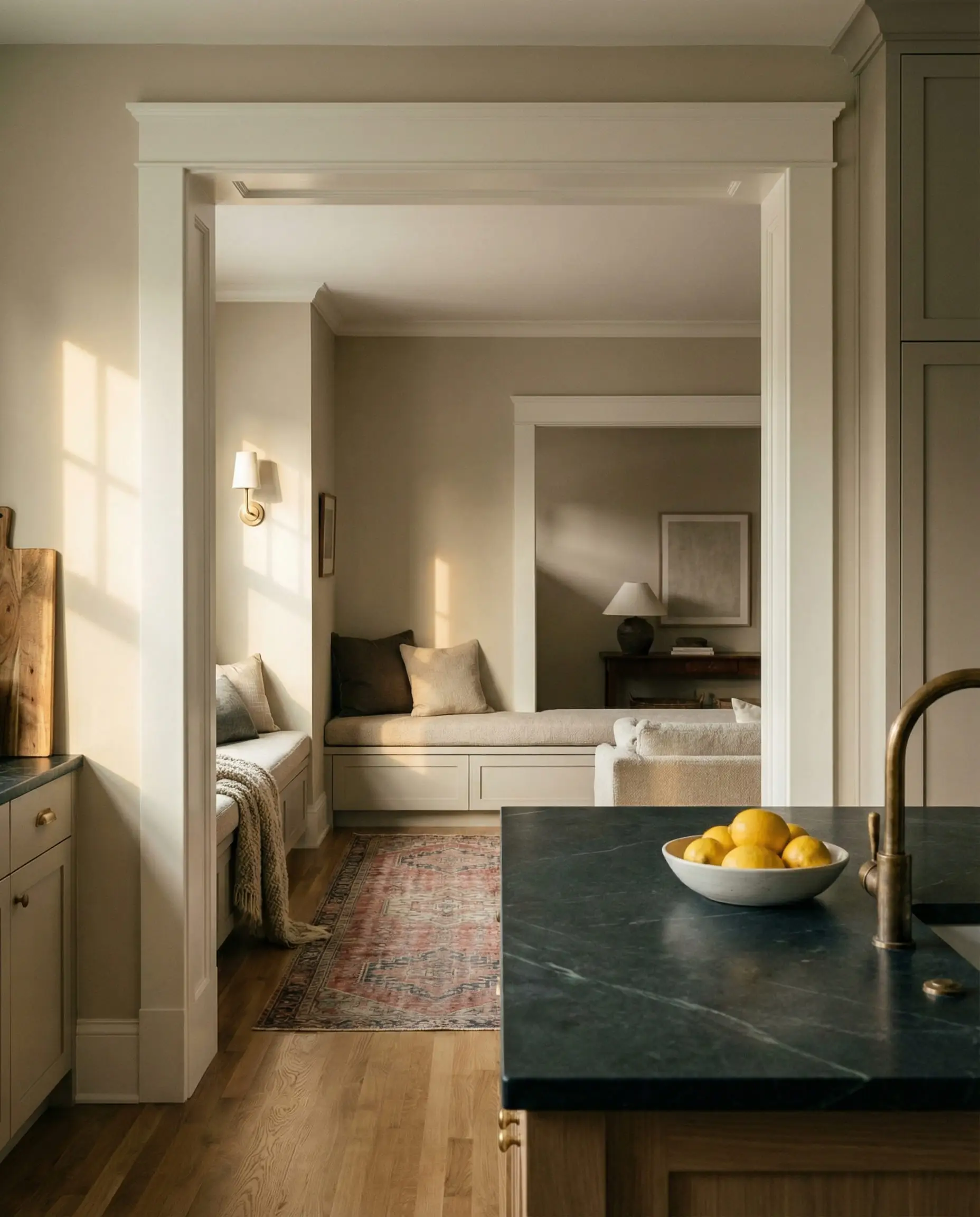
The driving force of this style is function. A Modern Craftsman home is designed to be lived in. It embraces “broken plan” living—where open spaces are subtly zoned by bookshelves, cased openings, or changes in ceiling height—creating cozy nooks within a larger flow.
The secret to this look is “intentional weight.” Modern Craftsman furniture and trim should feel substantial. Avoid spindly legs or thin veneers; opt for solid wood pieces that feel like they anchor the room.
Hackrea Tip 💡
The 5 Pillars of Modern Craftsman Design
To nail this aesthetic, you don’t need a degree in architecture. You just need to focus on these five foundational elements that define the look.
1. Woodwork & Joinery
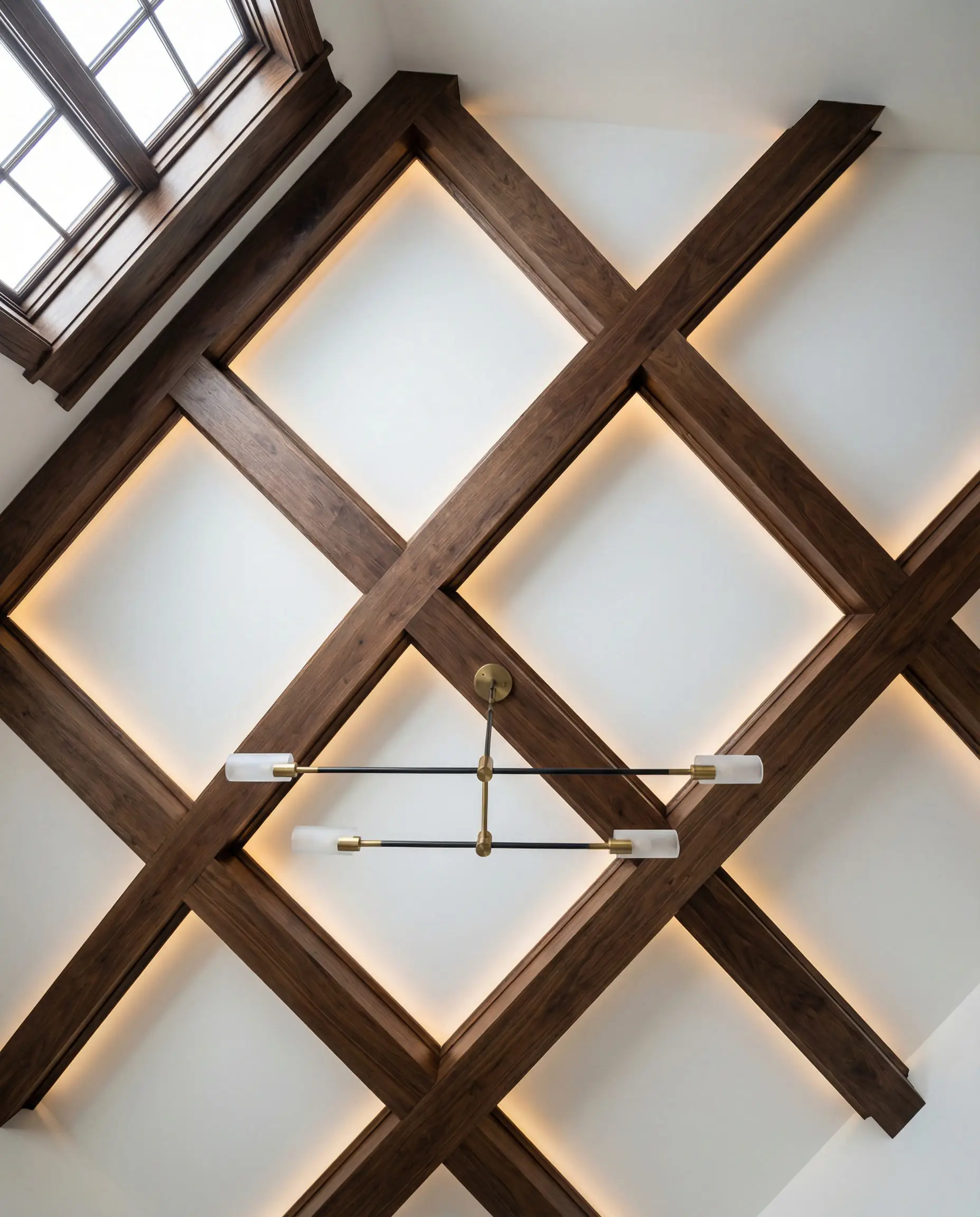
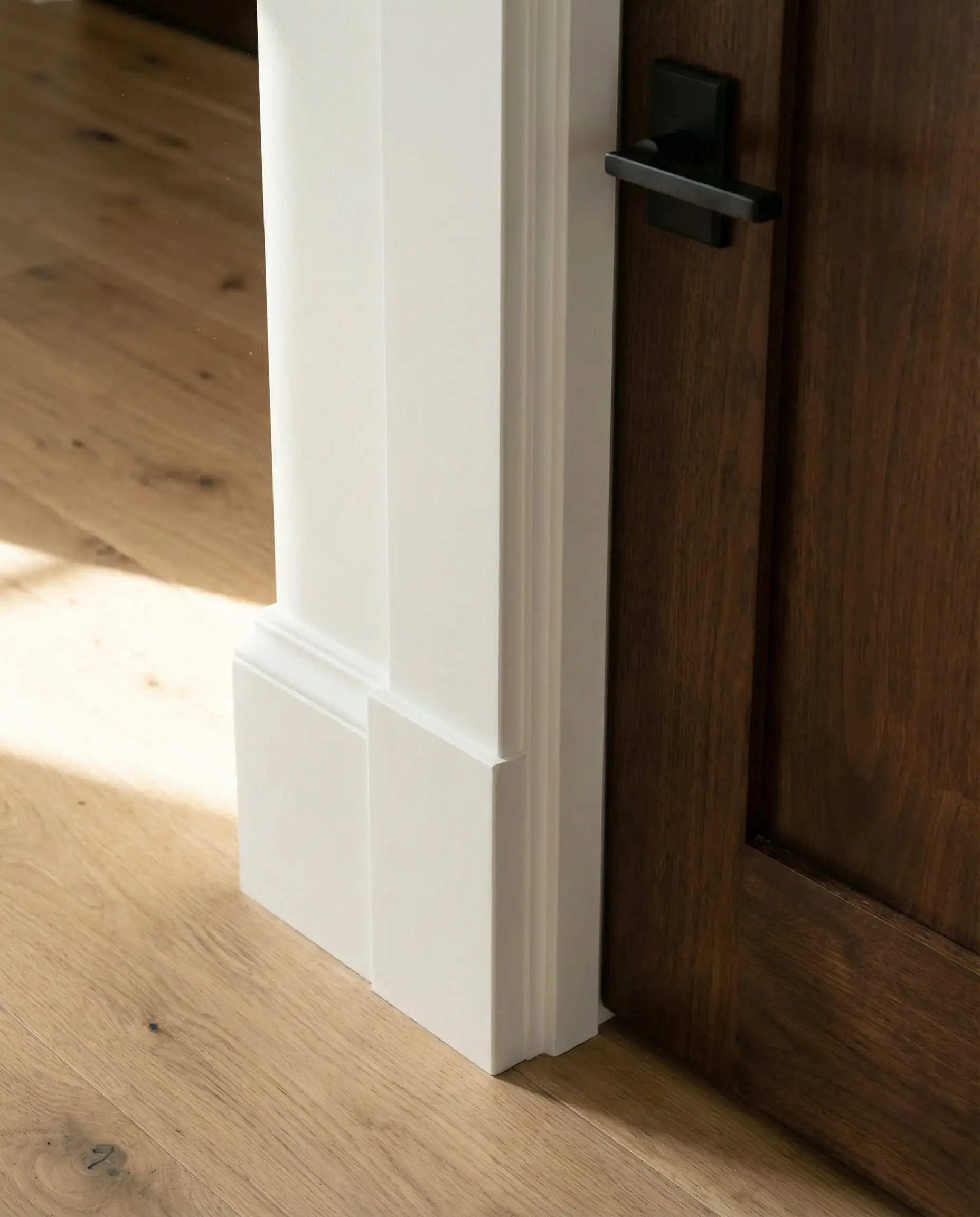
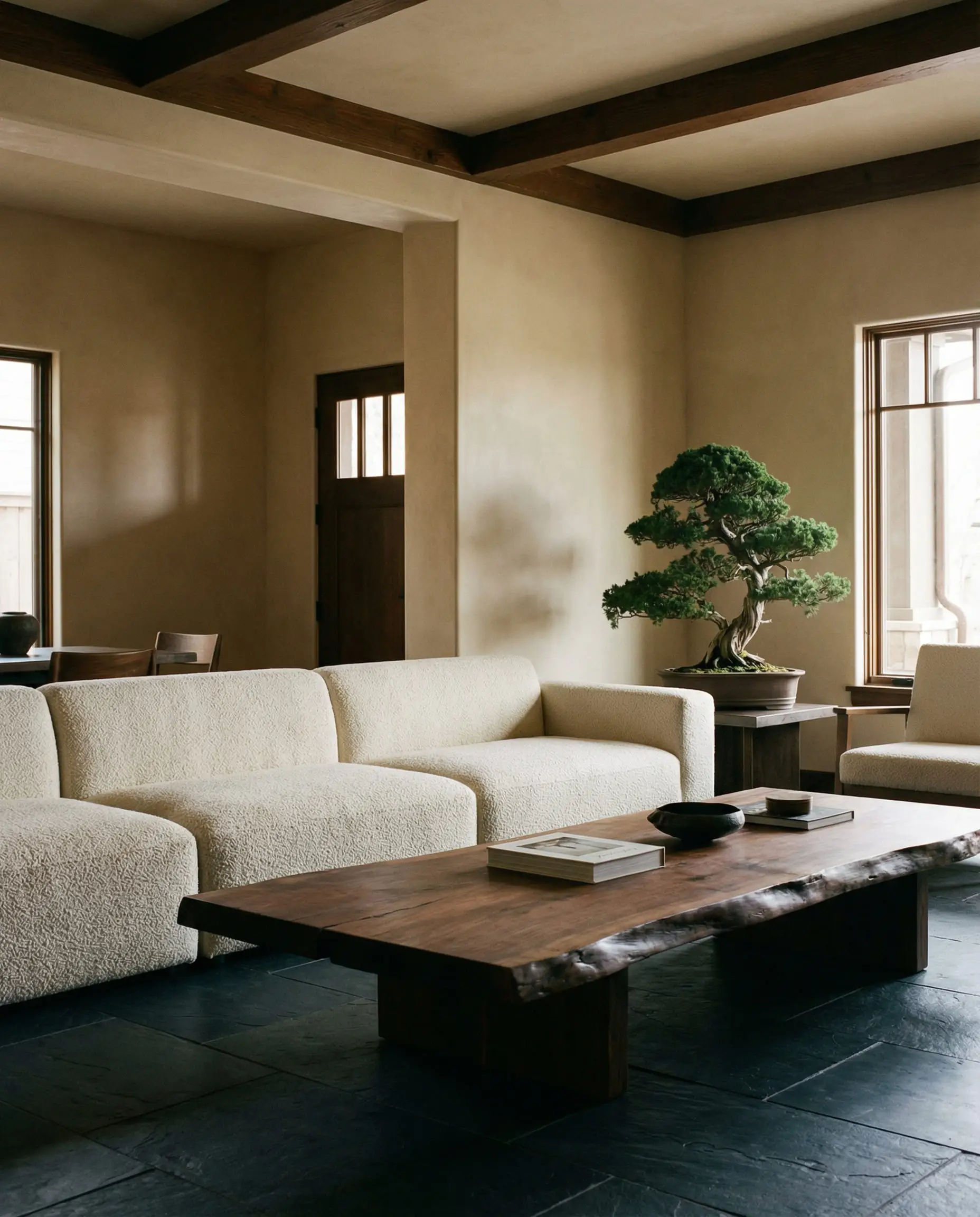
This is the heartbeat of the style. In a generic new build, trim is often an afterthought. In a Craftsman home, it’s the main event. We’re talking about box beam ceilings, substantial baseboards (at least 6 inches high), and window casings that frame the view like art. The goal isn’t just to cover gaps; it’s to add architectural interest to plain drywall.
2. A Natural, Evolved Palette
Forget the “agreeable grays” of the 2010s. The Modern Craftsman palette is pulled directly from the earth.
3. Statement Lighting
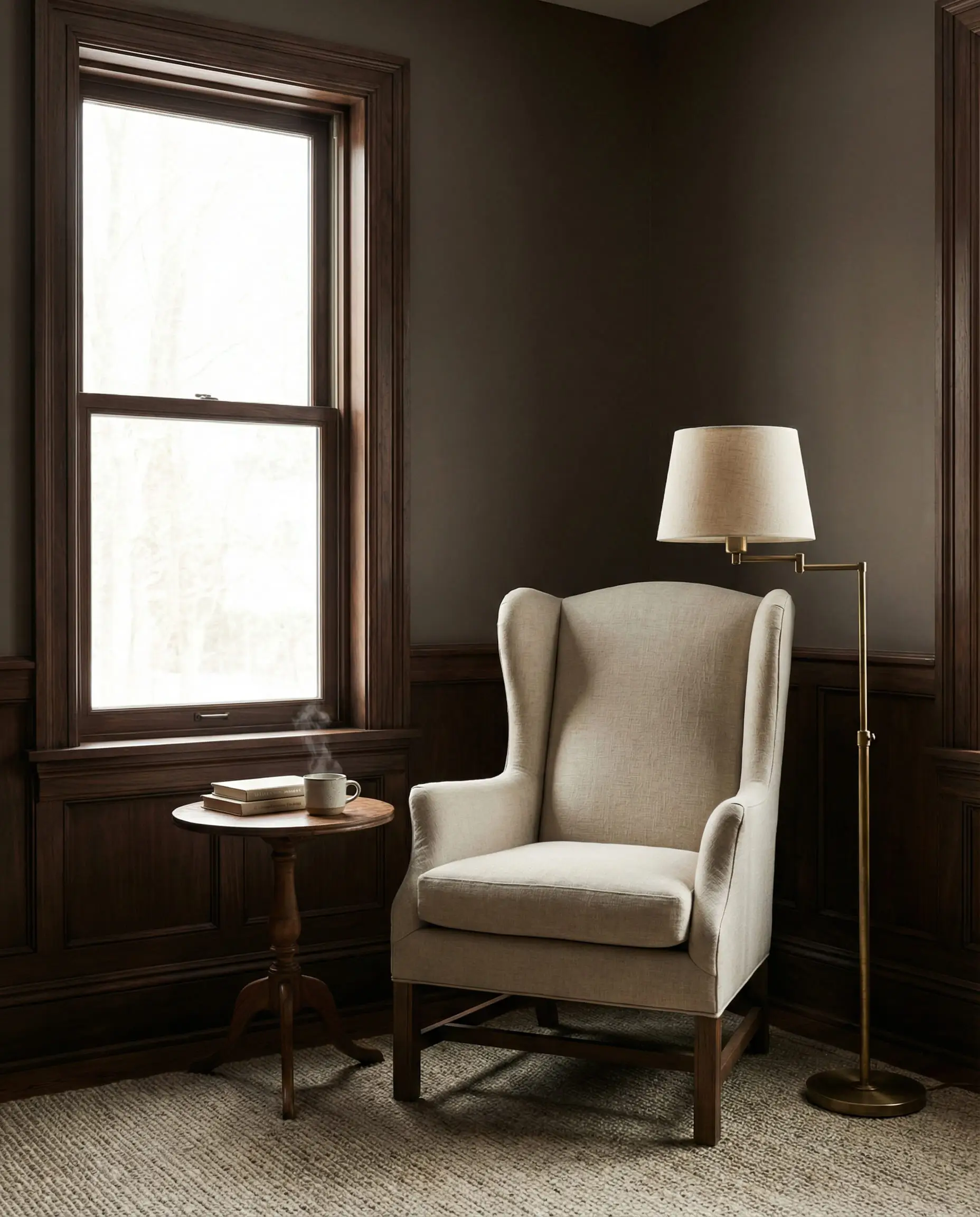
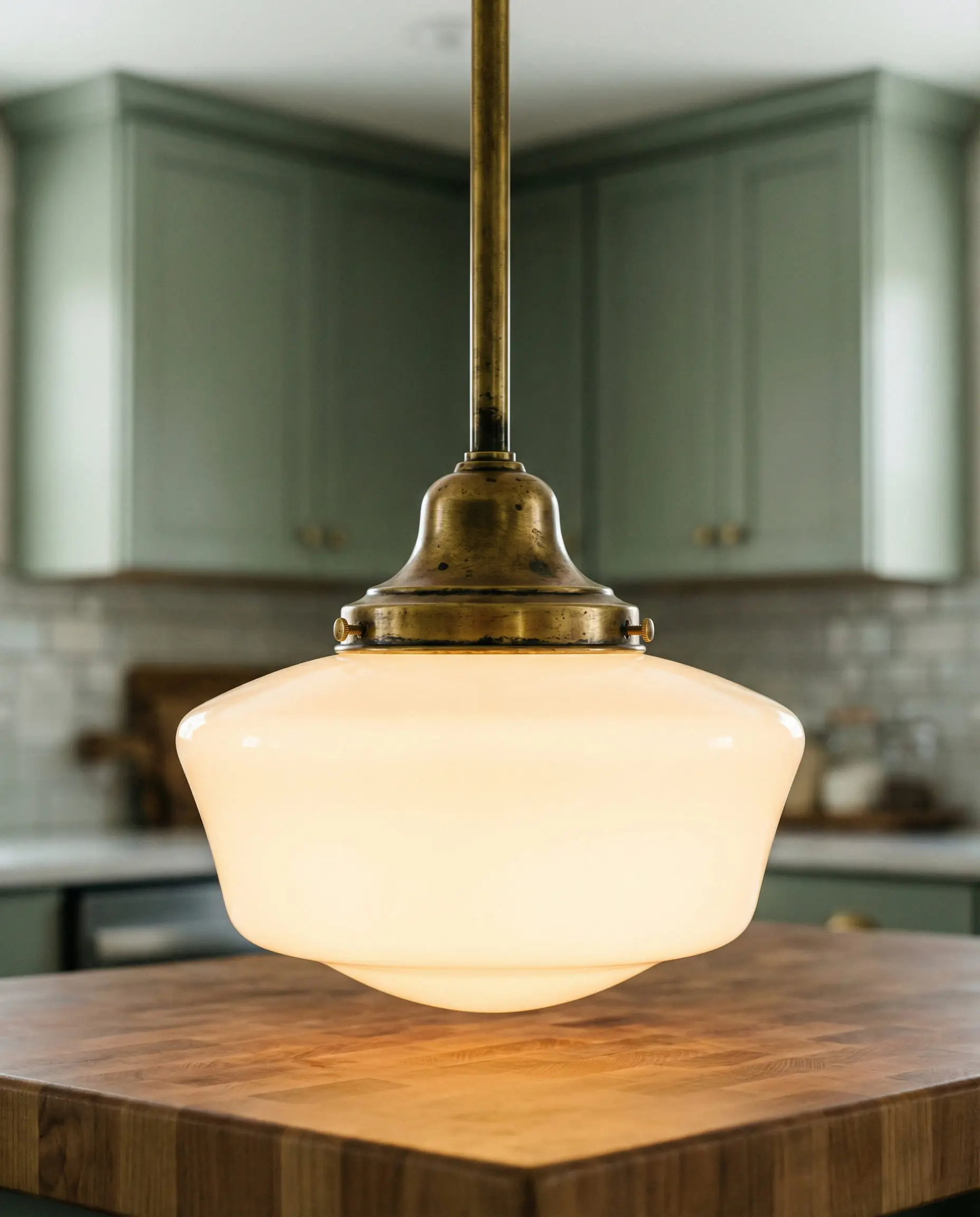
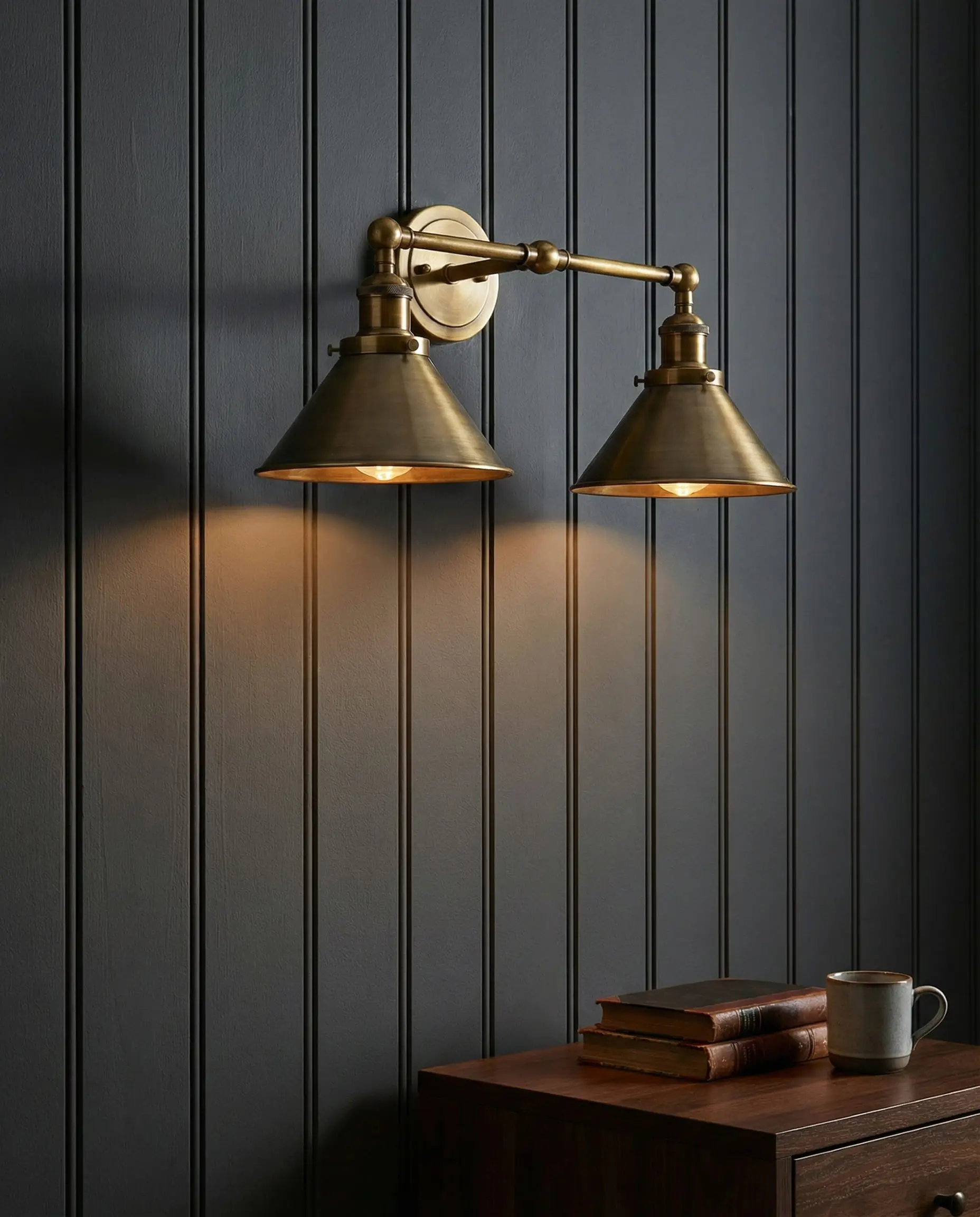
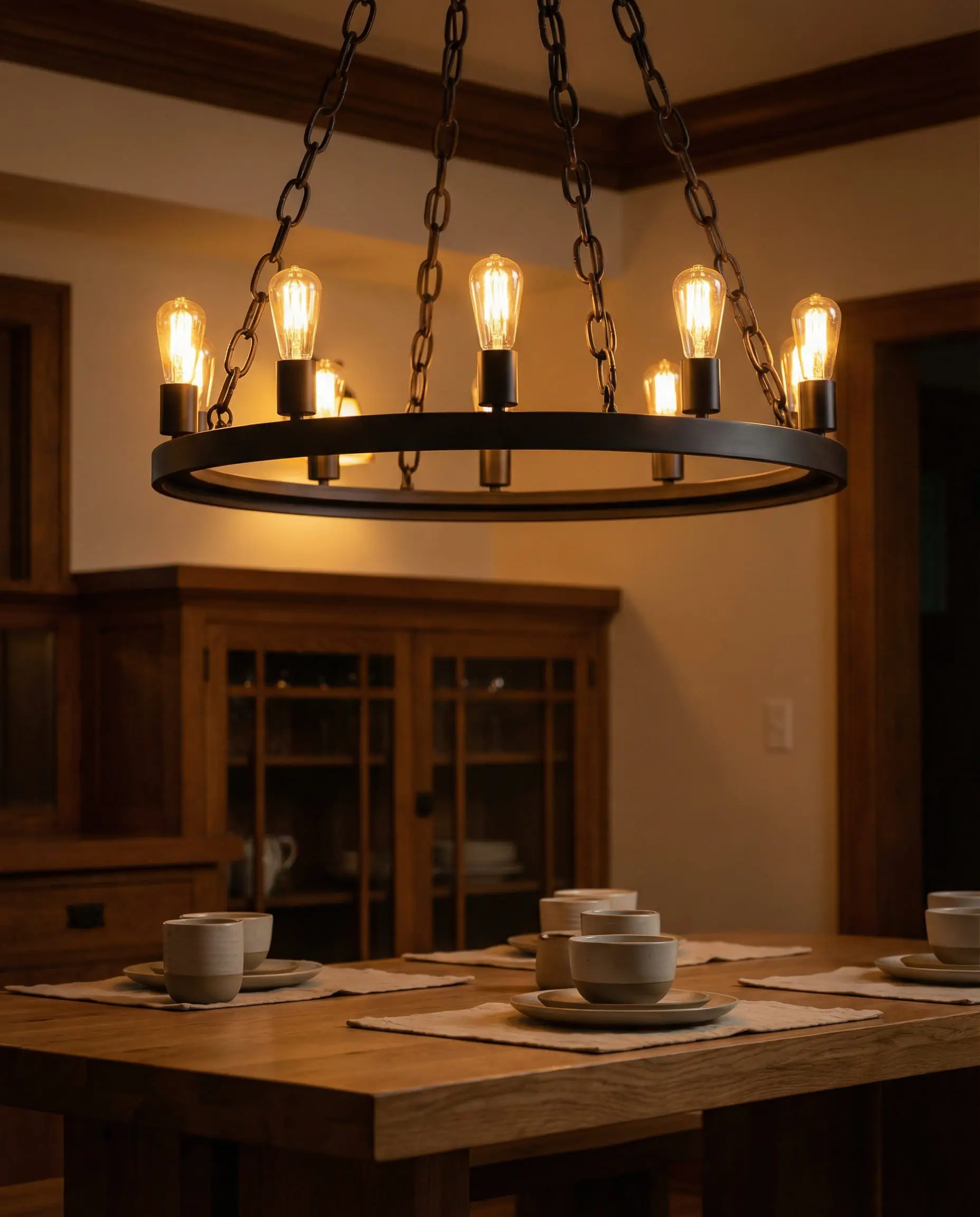
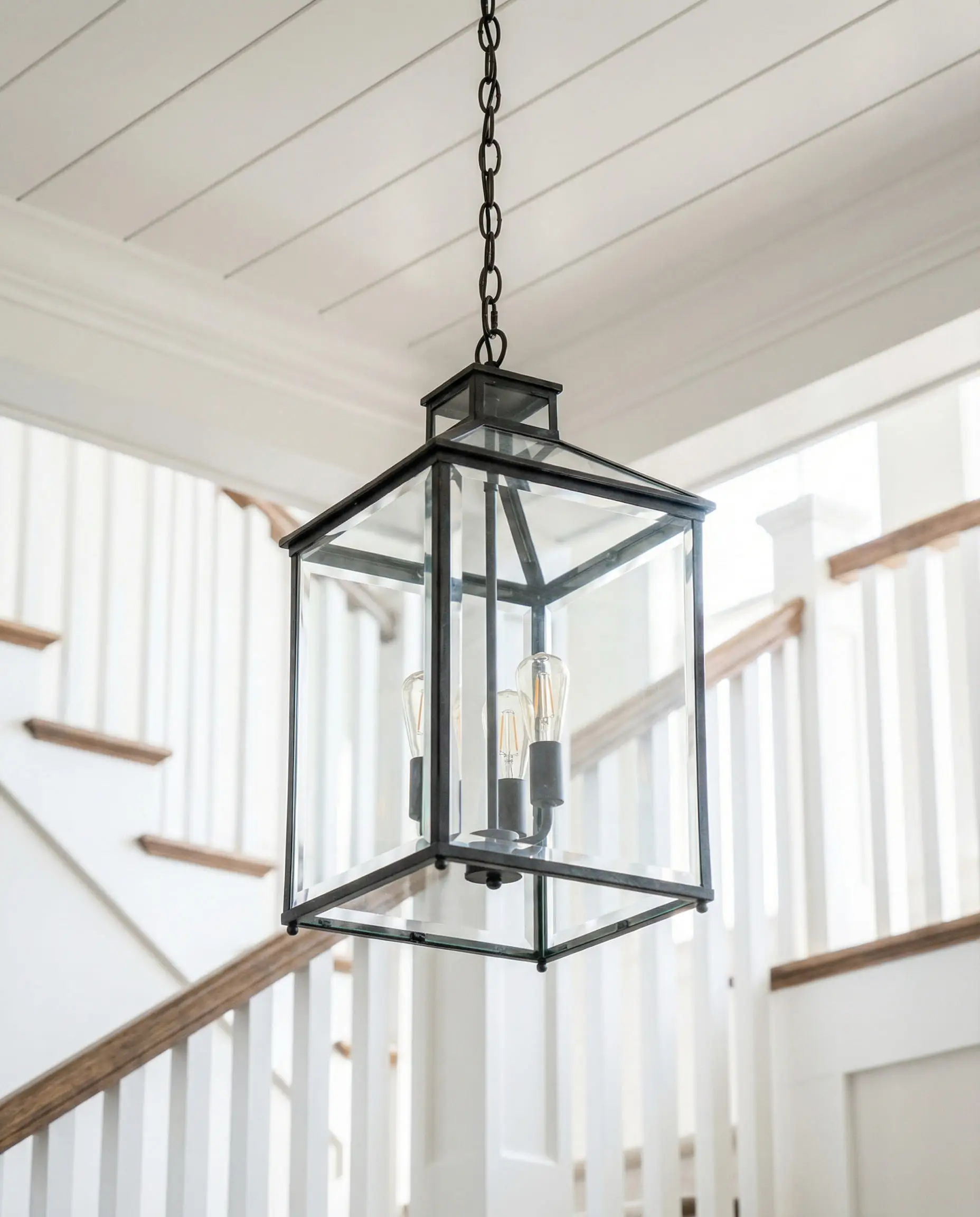
Lighting in this style is treated as “jewelry for the home.” It bridges the gap between industrial and vintage. Look for fixtures featuring schoolhouse glass, oil-rubbed bronze, unlacquered brass, and geometric lanterns. The lighting should feel engineered and mechanical, yet warm.
4. Built-Ins Everywhere
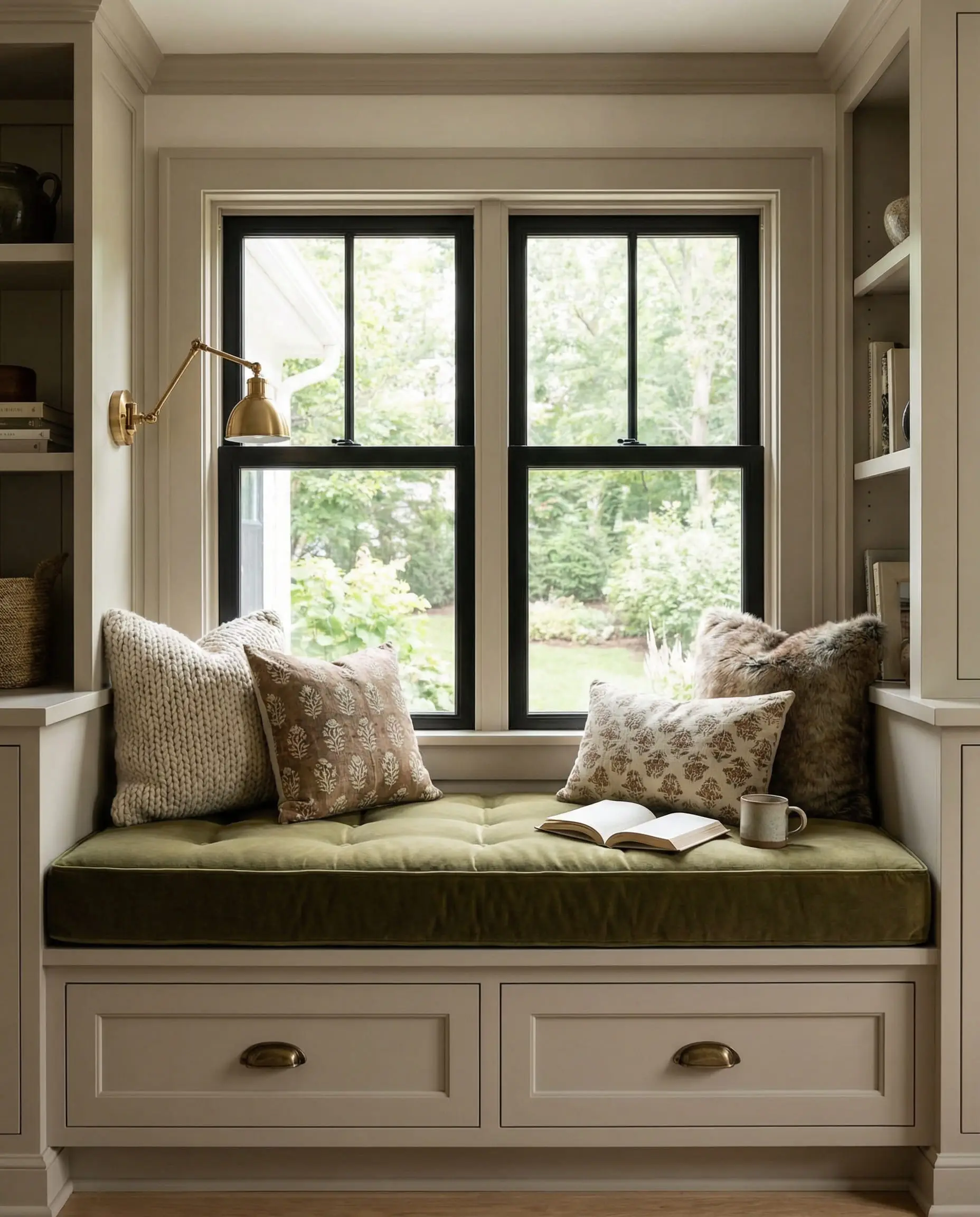
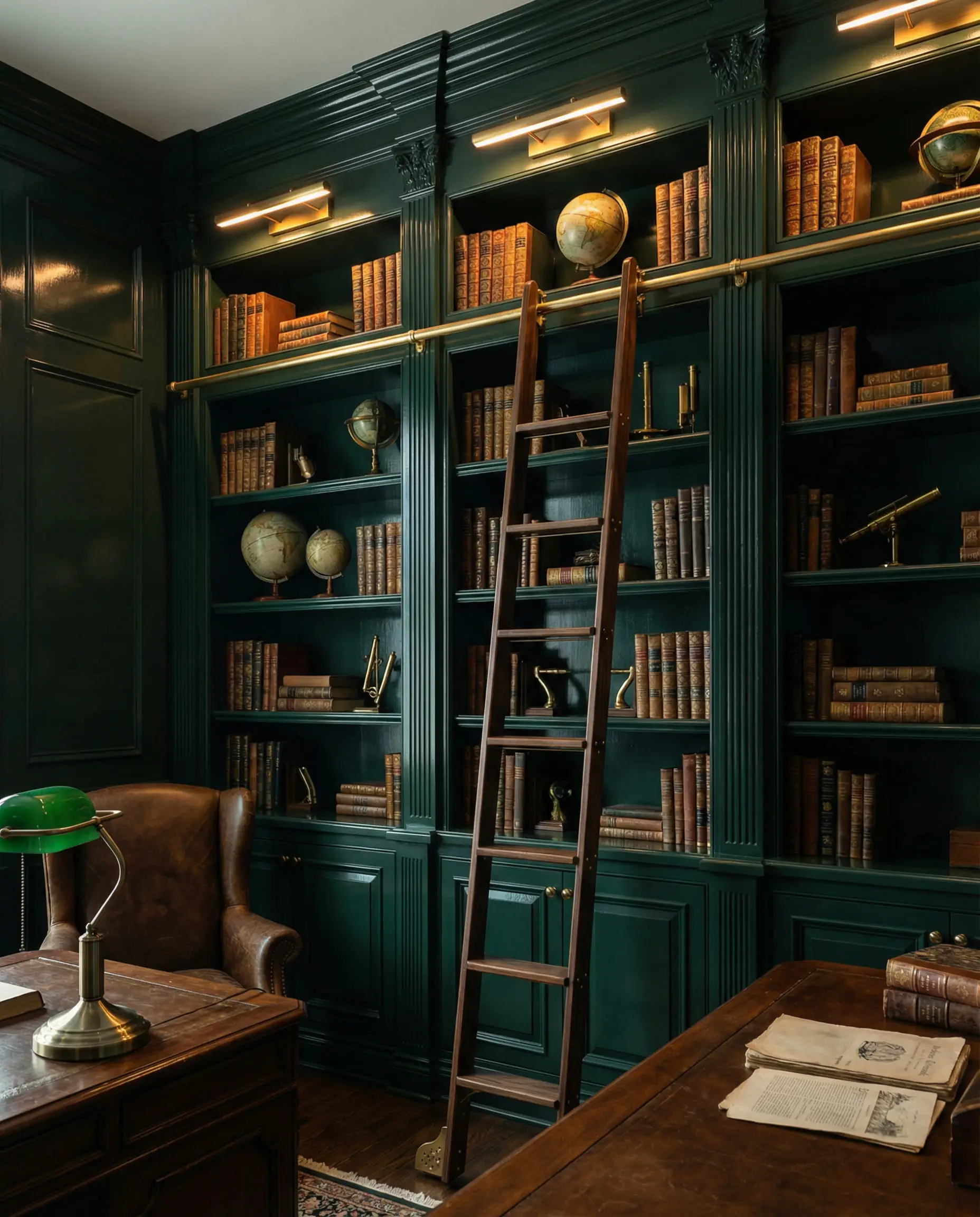
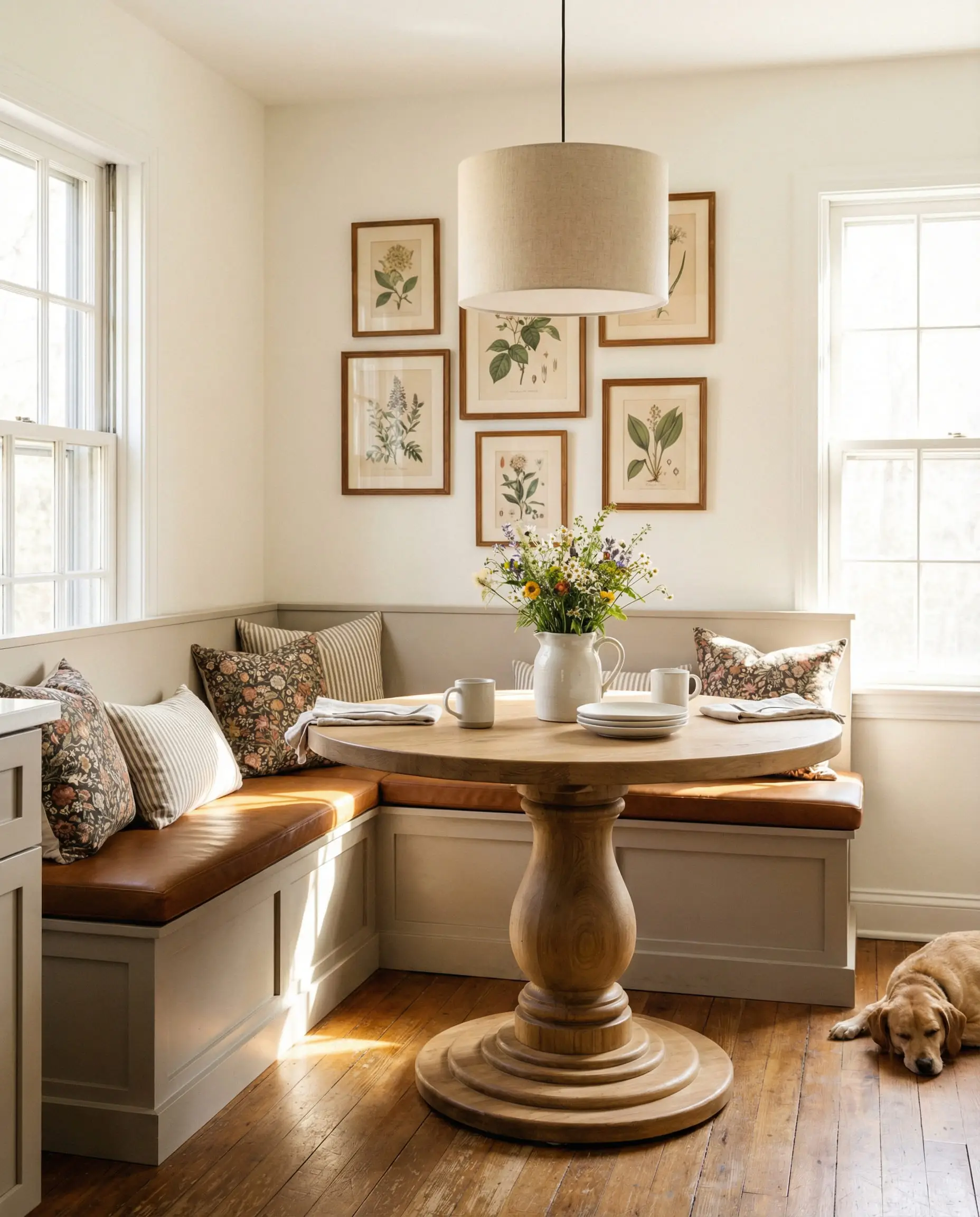
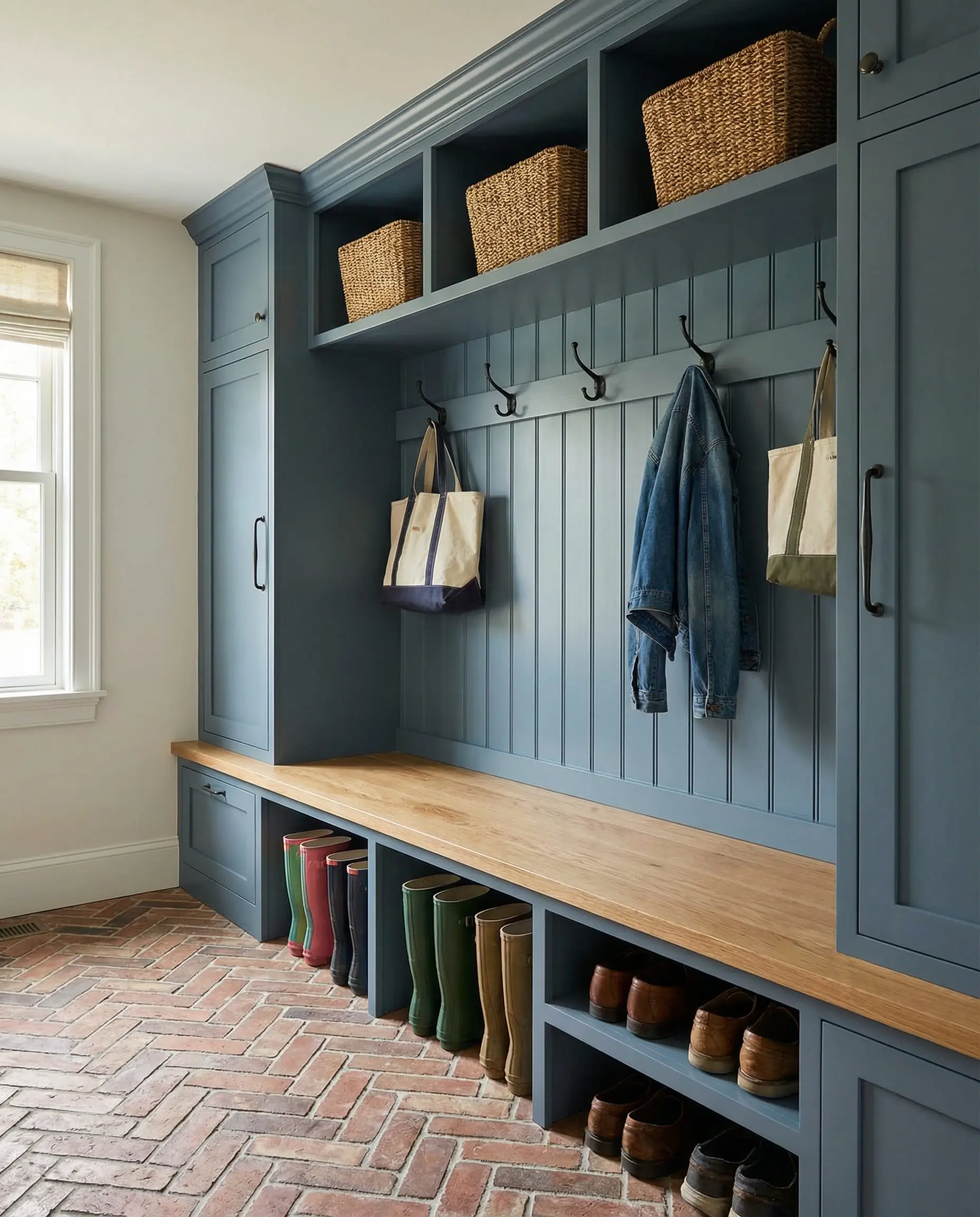
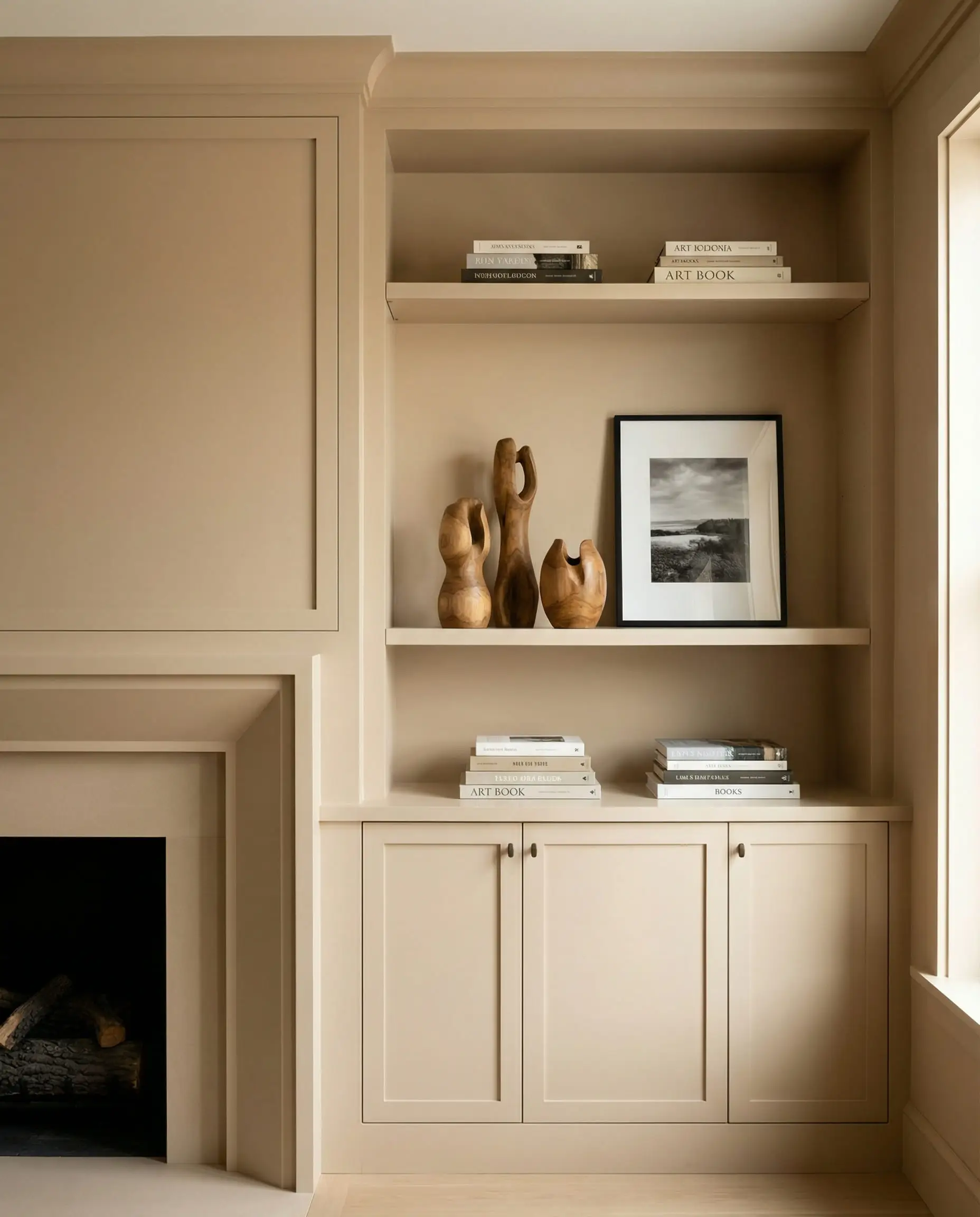
If there is a blank wall, a Modern Craftsman designer asks: “Can we put a bench or a bookshelf there?” Window seats, floor-to-ceiling libraries, and breakfast nooks are essential. They add character and solve storage problems simultaneously.
5. Handcrafted Decor
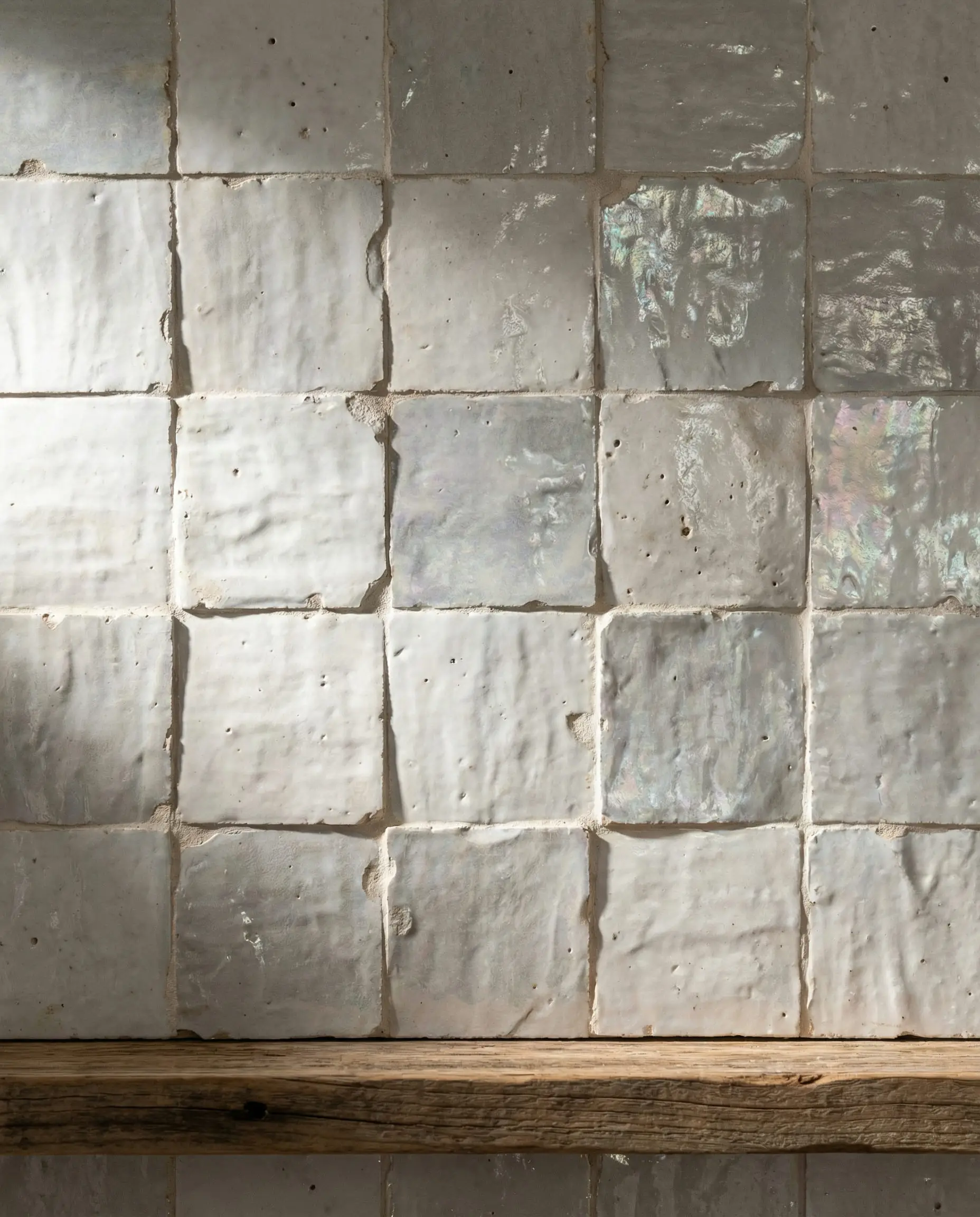
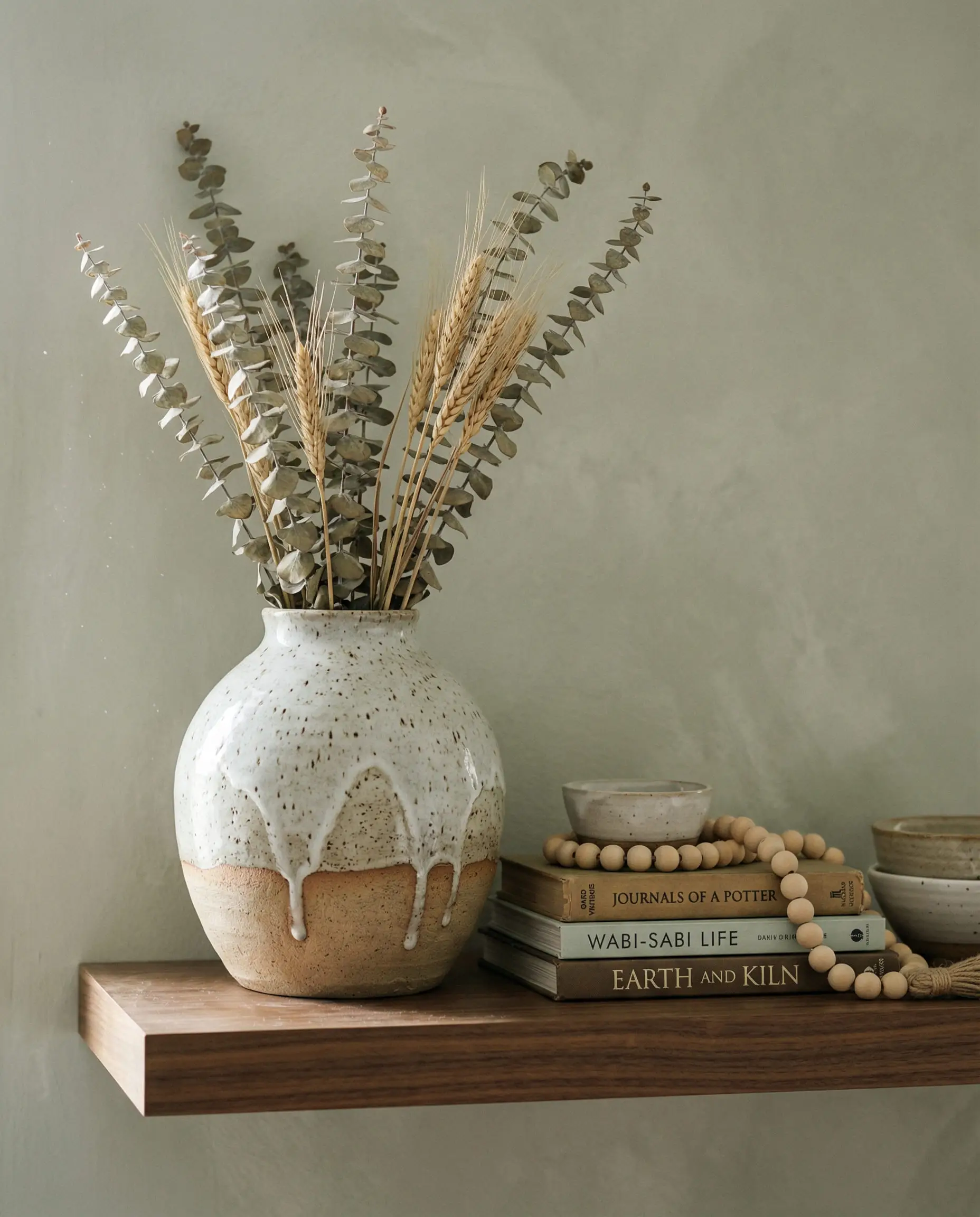
The “Craftsman” name implies human touch. Your decor should reflect that. Swap mass-produced prints for hand-thrown pottery, woven wool textiles, and artisan tiles. The imperfections are the point—they tell a story that factory-made items cannot.
2026 Trends: The Evolution to “Heritage Craftsman”
The style is evolving. As we move through 2026, we are seeing a shift toward a moodier, more Japanese-influenced aesthetic.
The “Dark Japandi” Influence
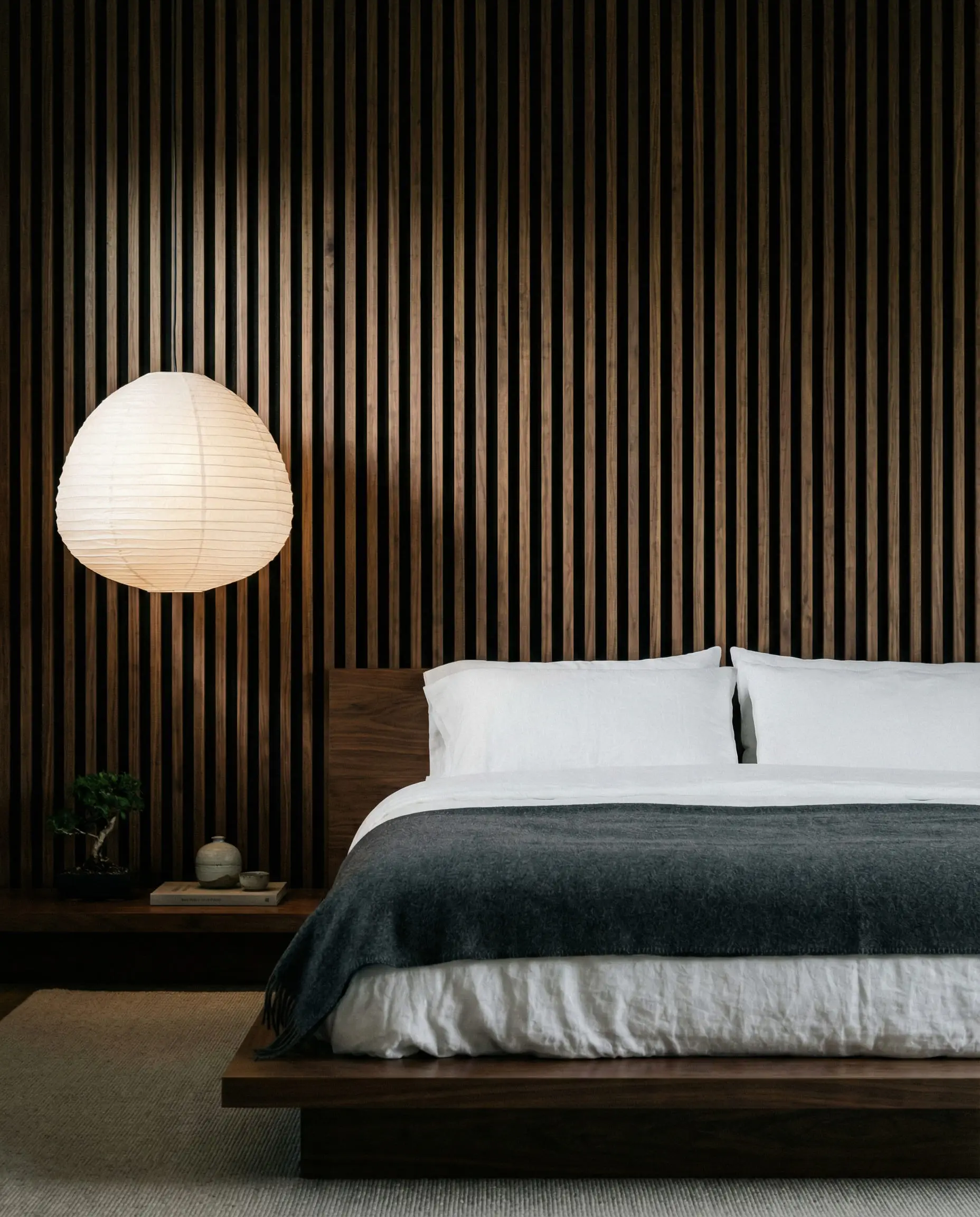
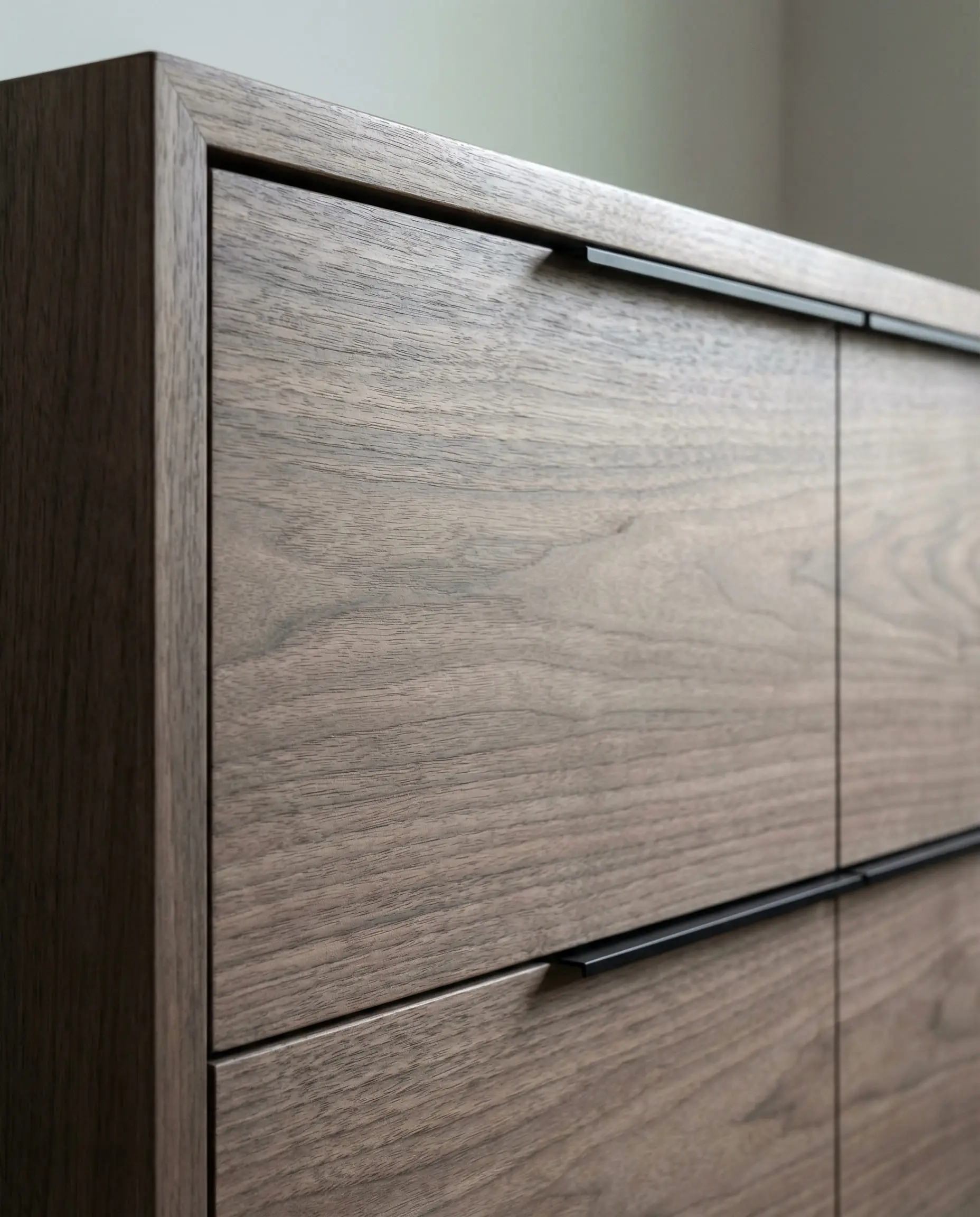
You might already be familiar with Japandi Style, which blends Scandinavian functionality with Japanese rustic minimalism. In the Modern Craftsman world, this manifests as “Dark Japandi.” Think vertically slatted wood detailing, lower furniture profiles, and a focus on negative space, but executed in darker, richer woods like walnut rather than light oak.
The New Color Palette: Specifics to Try
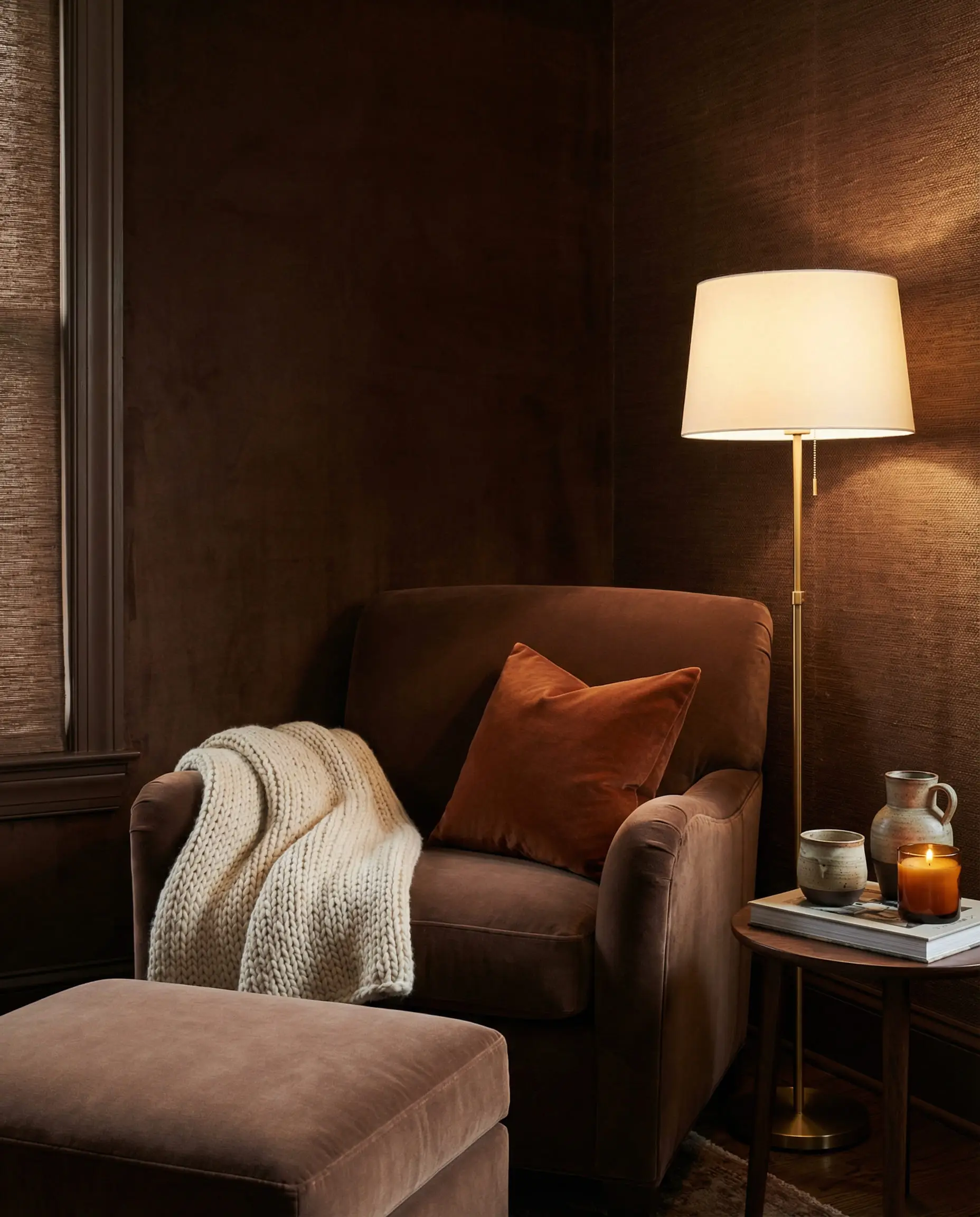
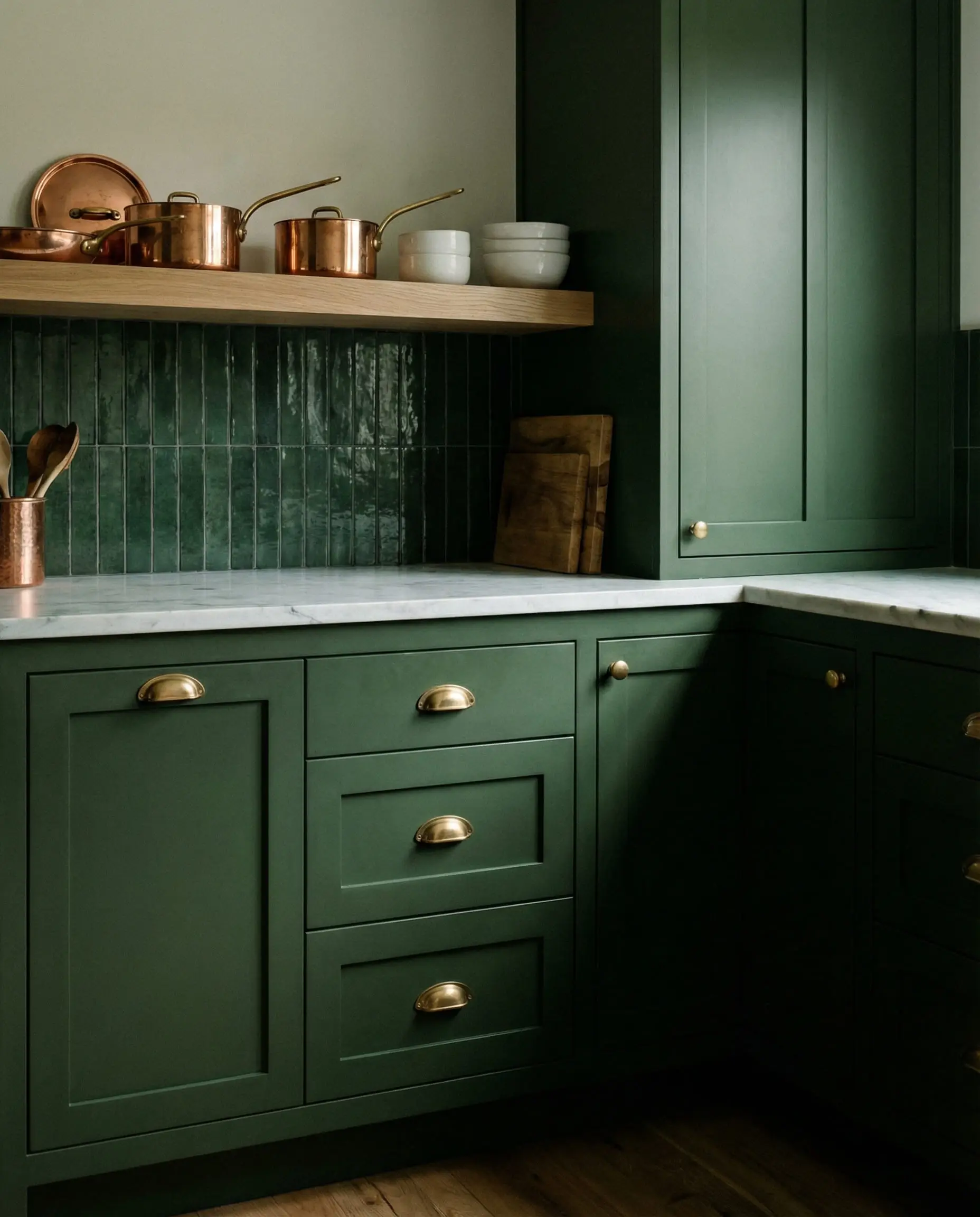
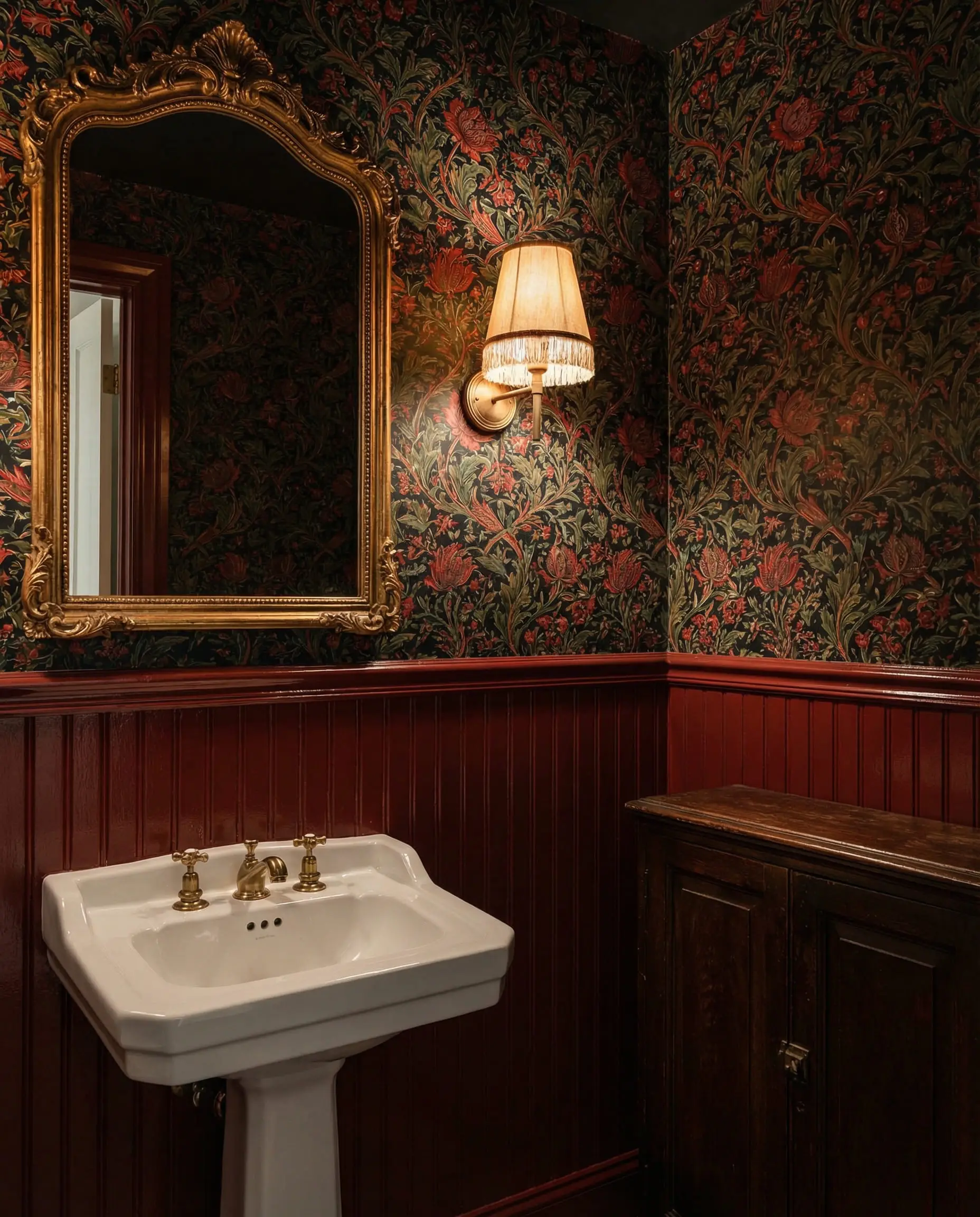
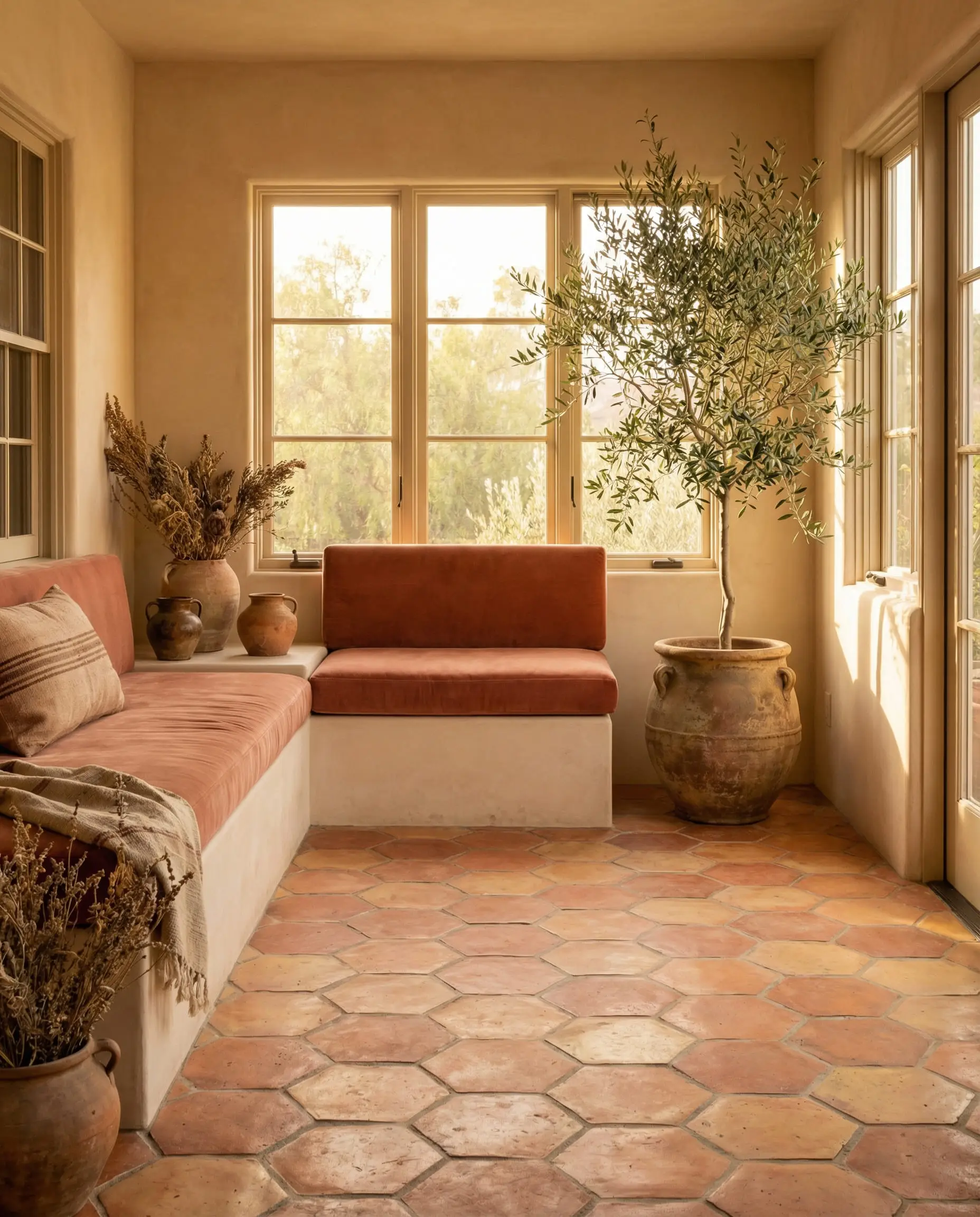
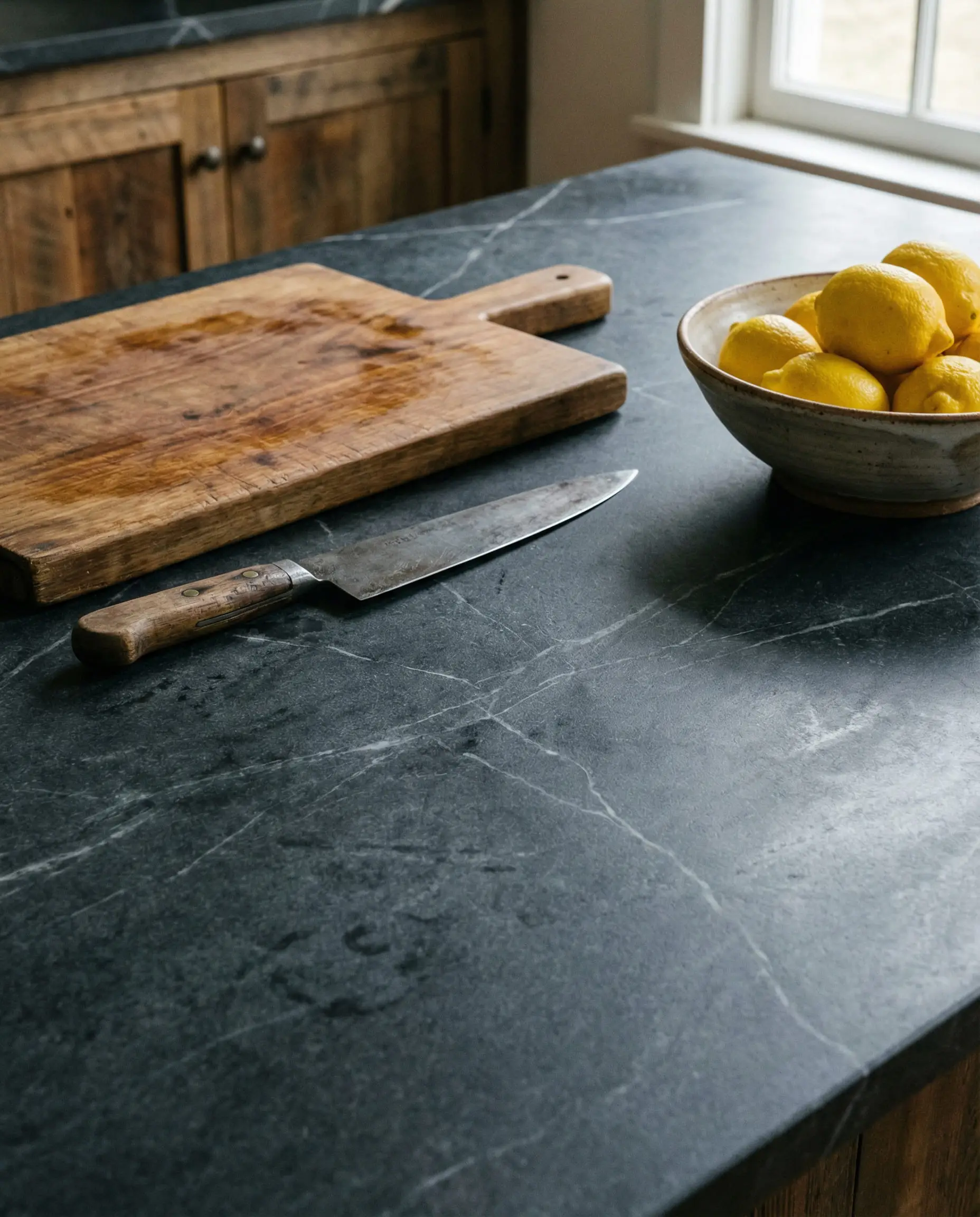
The biggest shift this year is the death of gray. It is being replaced by Brown.
Material Shifts
The Modern Craftsman Palette: Paint & Finishes Guide
Choosing the right paint is half the battle. Here are the specific shades designers are using in 2026 to achieve this look.
| Category | The Vibe | Top Paint Picks (2026) |
| The New Neutrals | Creamy, warm, and inviting. No cold undertones. | Sherwin Williams AlabasterBenjamin Moore Swiss CoffeeFarrow & Ball School House White |
| The Moody Darks | For libraries, islands, and accent walls. | Benjamin Moore Salamander (Dark Green/Black)Sherwin Williams Urbane Bronze (Brown/Grey)Farrow & Ball Hague Blue |
| The Earth Tones | Grounding colors for cabinetry or wainscoting. | Sherwin Williams Rosemary (Deep Herb Green)Benjamin Moore roasted Sesame Seed (Warm Ochre)Farrow & Ball Setting Plaster (Dusty Pink) |
| Wood Stains | Matte and natural. | Rubio Monocoat “Walnut”Minwax “Early American” (on White Oak)Bona “Natural” Seal |
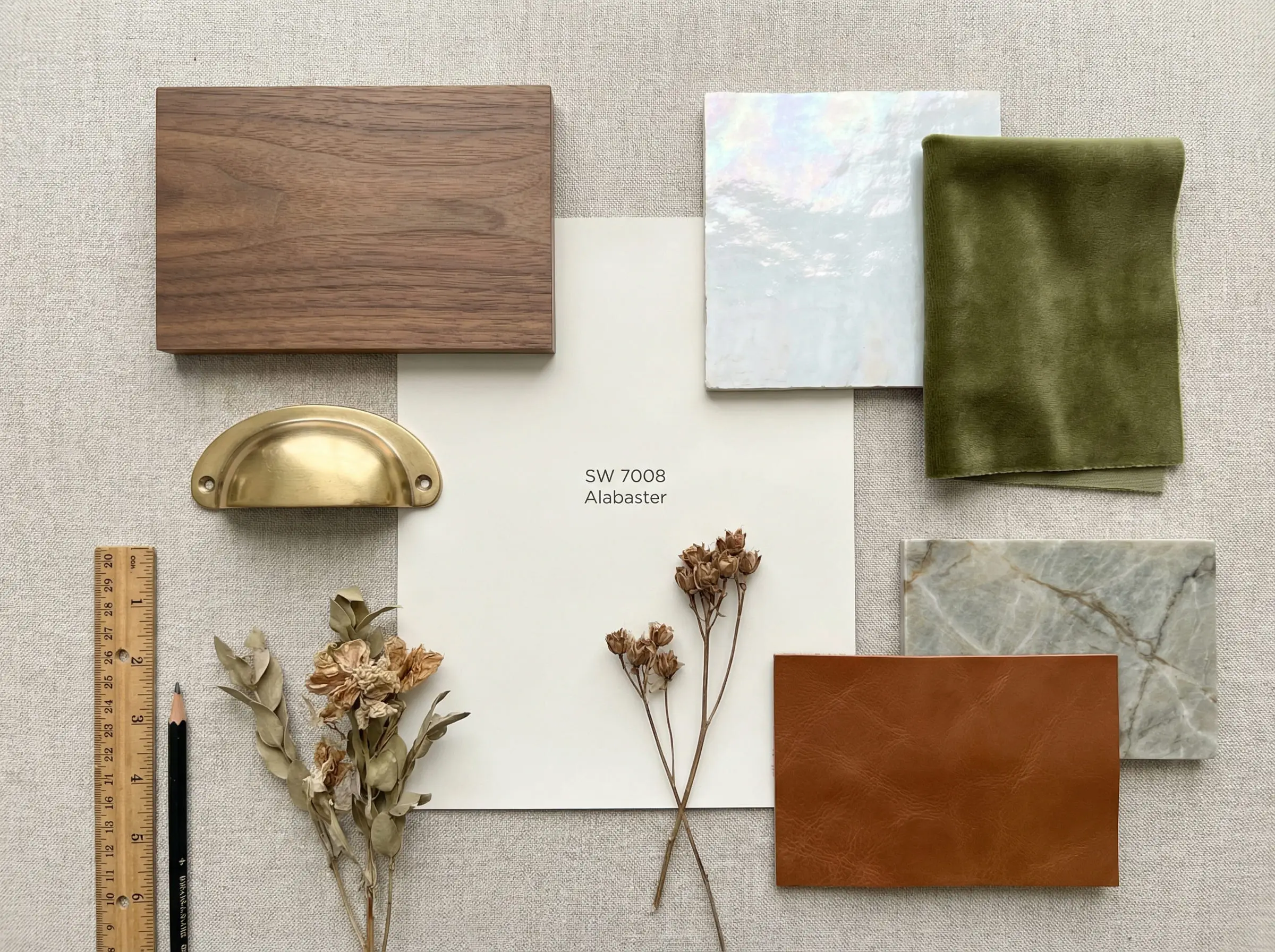
When testing white paints, always paint a large swatch on two walls—one that gets direct sunlight and one that is in shadow. Craftsman homes often rely on natural light, and “warm white” can turn yellow quickly if you aren’t careful. For more advice on navigating these choices, read our guide on choosing exterior and interior paint colors.
Hackrea Tip 💡
Traditional vs. Modern Craftsman: What’s the Difference?
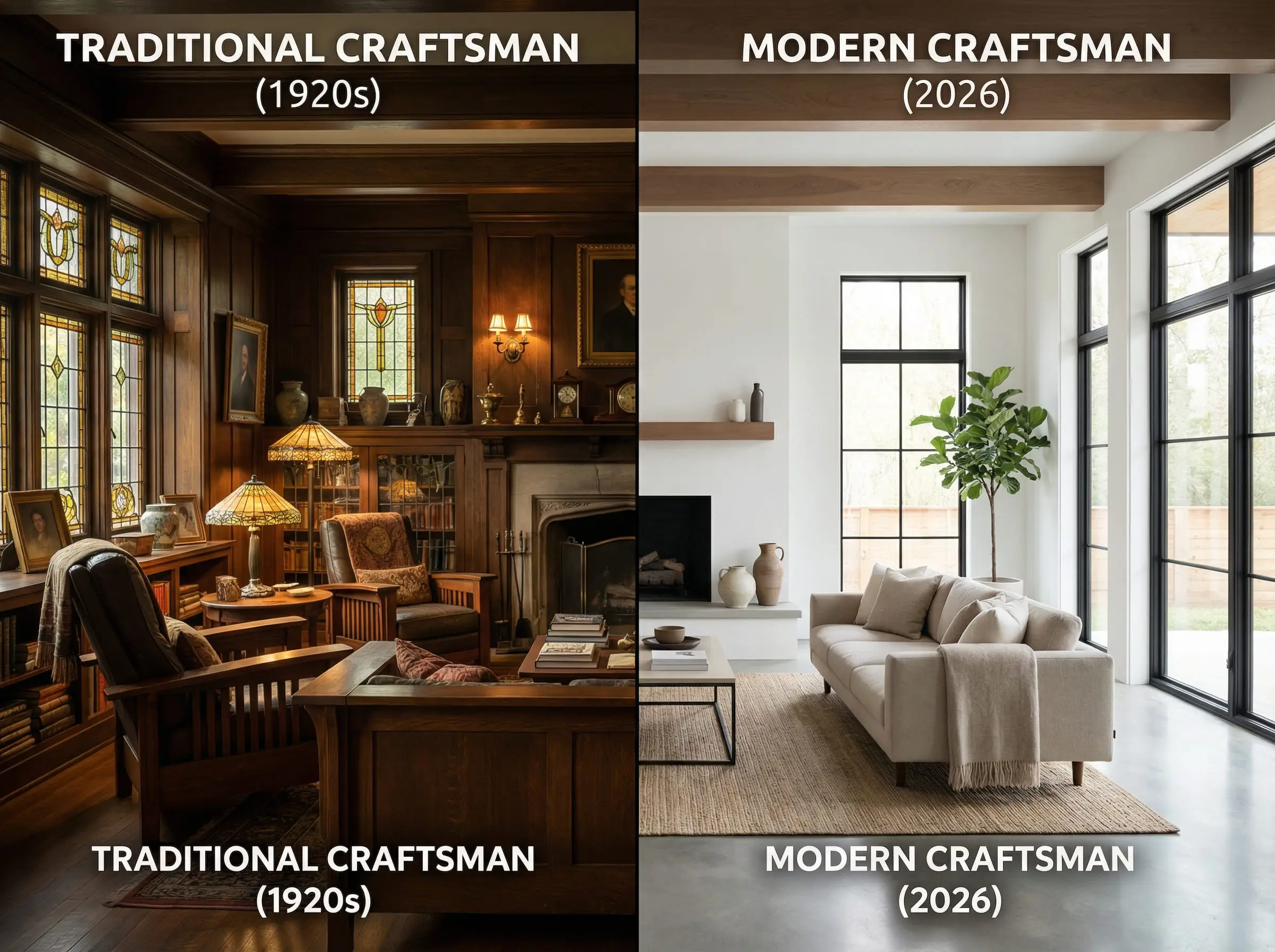
It’s easy to confuse the two. Here is a quick breakdown to help you stay on the “Modern” side of the line.
| Feature | Traditional Craftsman (Historic) | Modern Craftsman (2026) |
| Floor Plan | Compartmentalized, small cozy rooms. | Open or “Broken” plan; airy flow. |
| Wood Tones | Red/Orange stains, heavy varnish. | Natural, matte White Oak or Walnut. |
| Windows | Stained glass, heavy muntins. | Clear glass, black or wood sashes. |
| Lighting | Dim, amber-hued mica lamps. | Bright, layered LED, clear glass globes. |
| Vibe | Dark, heavy, masculine. | Bright, warm, curated. |
Room-by-Room Design Guide
Ready to transform your space? Here is how to apply these principles to the key rooms in your home.
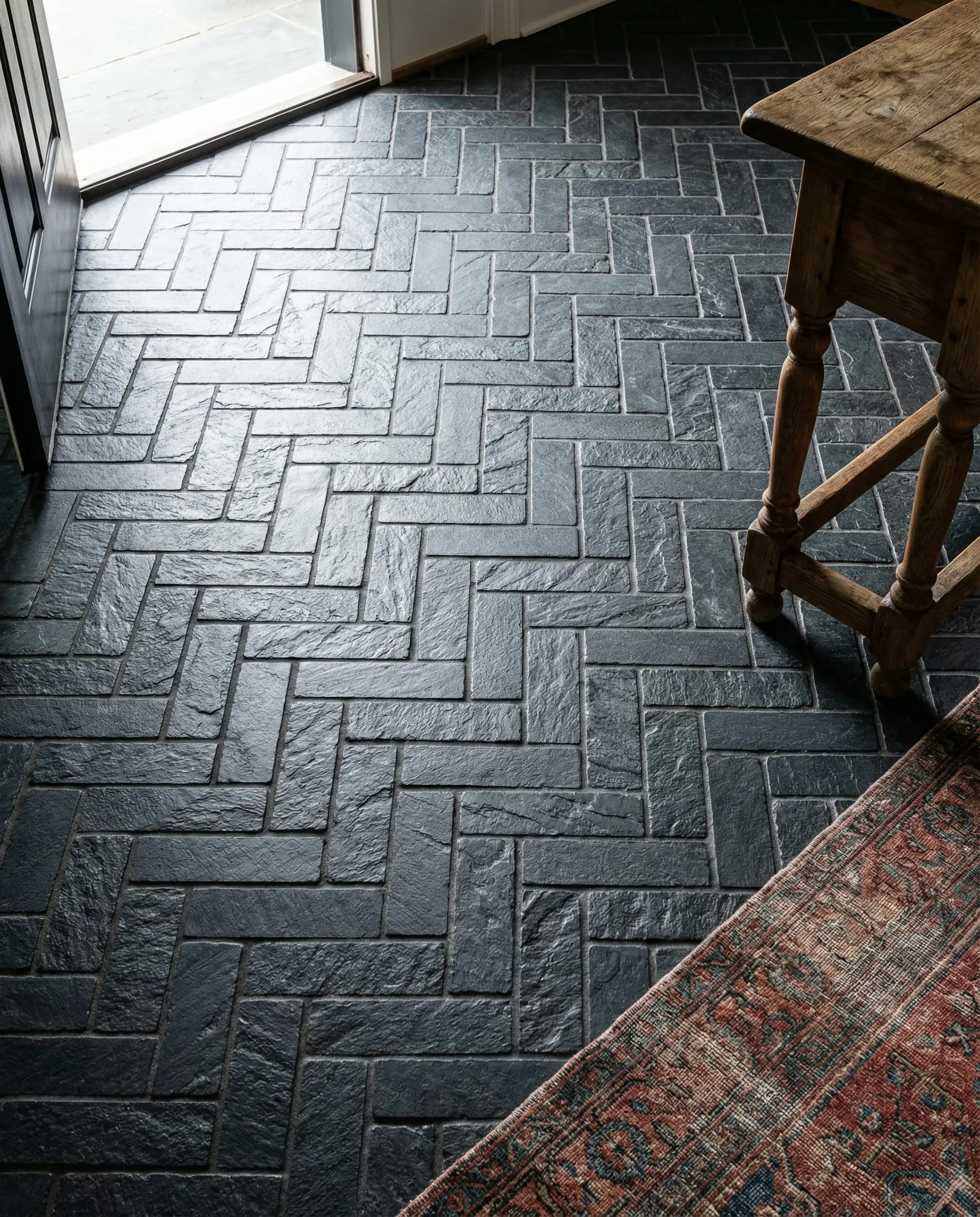
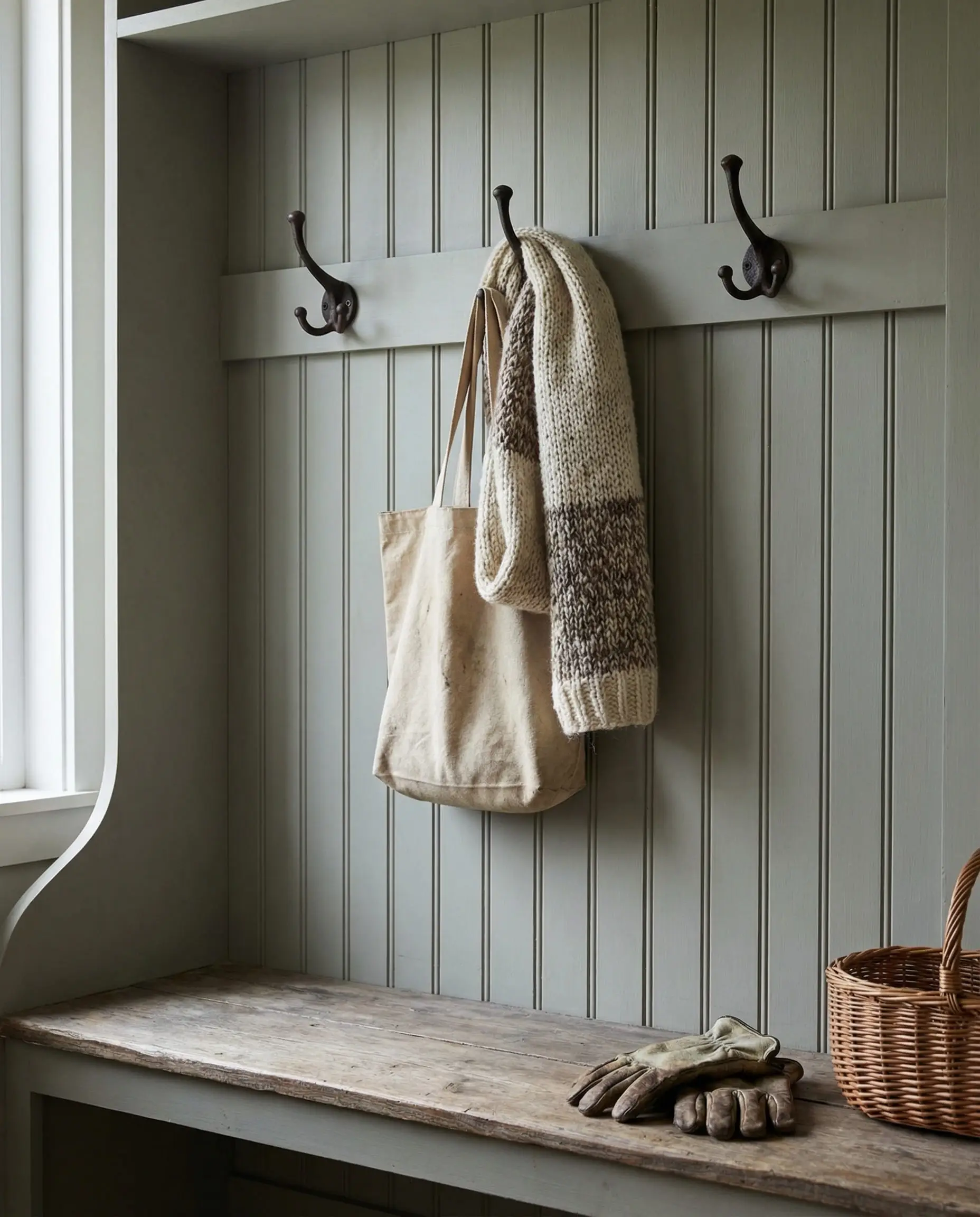
1. The Entryway & Mudroom
In a Craftsman home, the entry is more than a hallway—it’s the handshake of the house.
2. The Living Room: Anchored Warmth
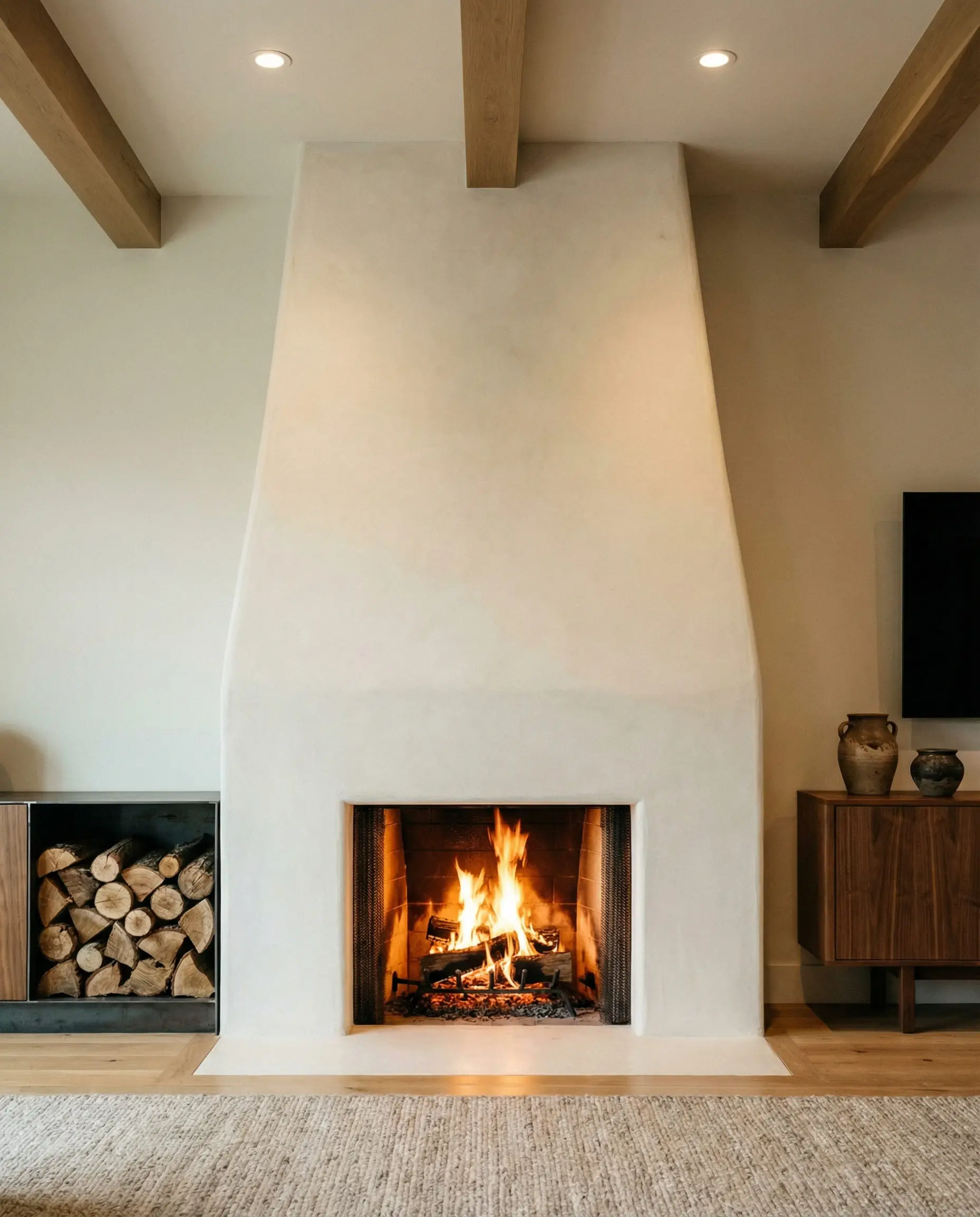
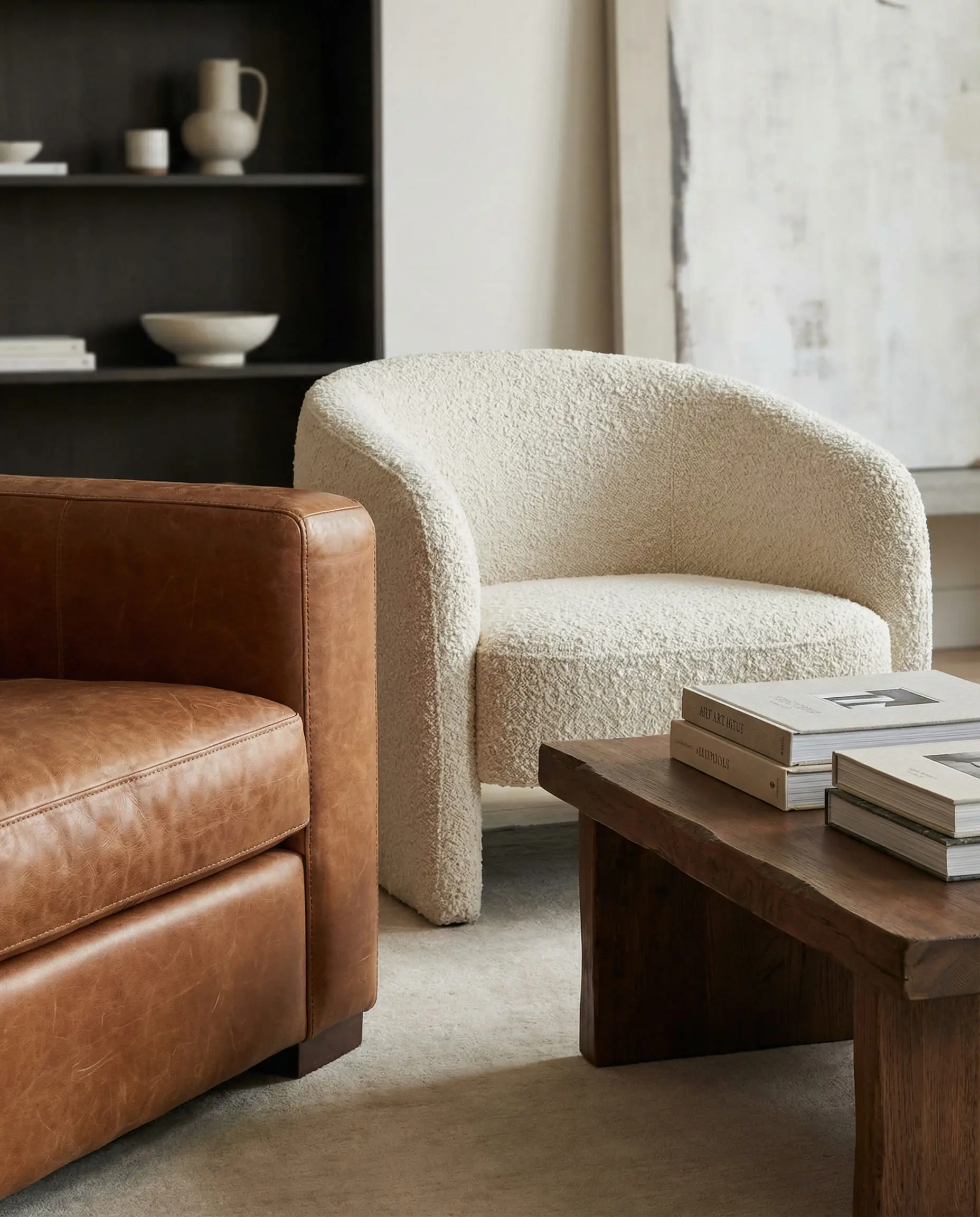
The focal point of a Craftsman living room is almost always the fireplace.
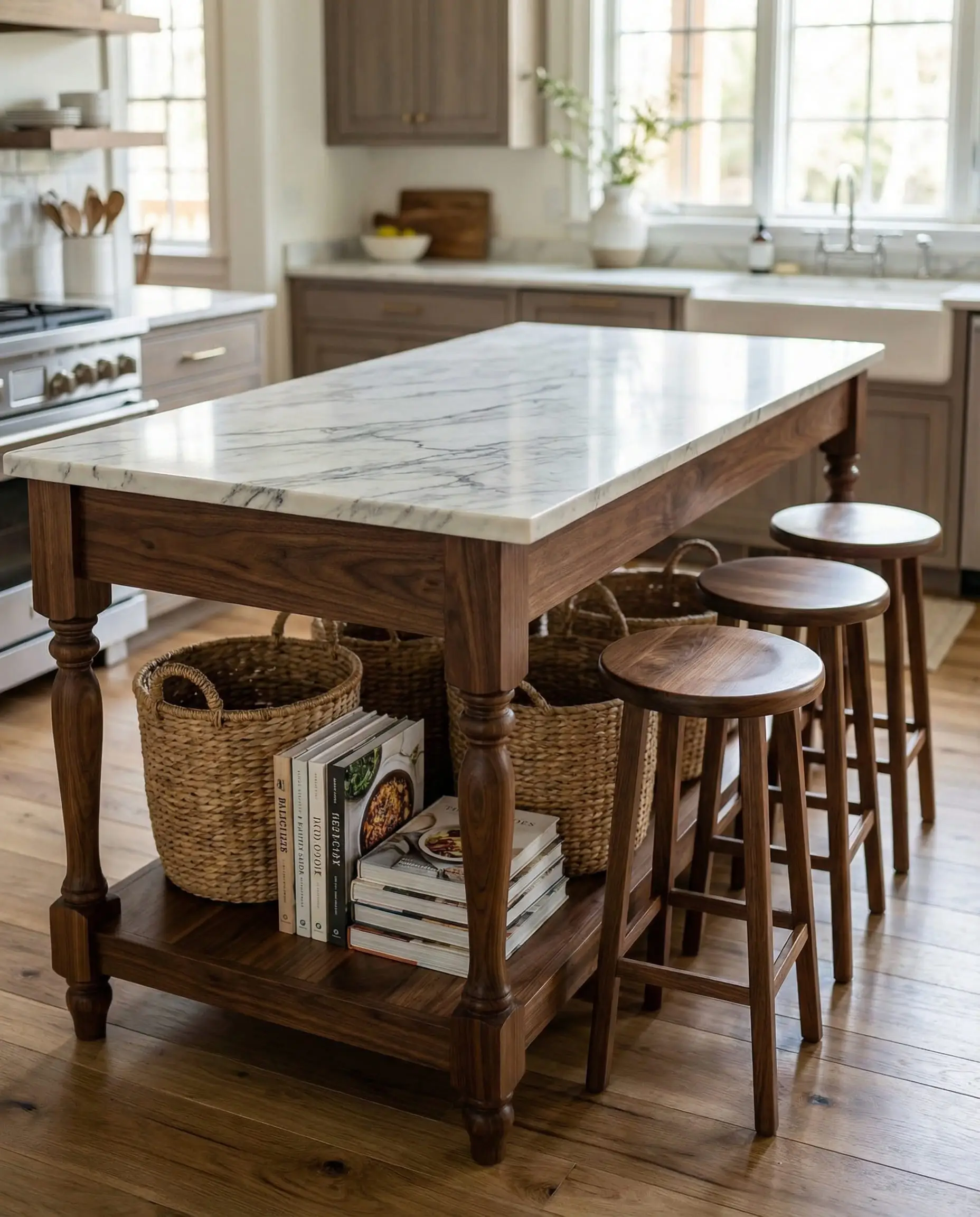
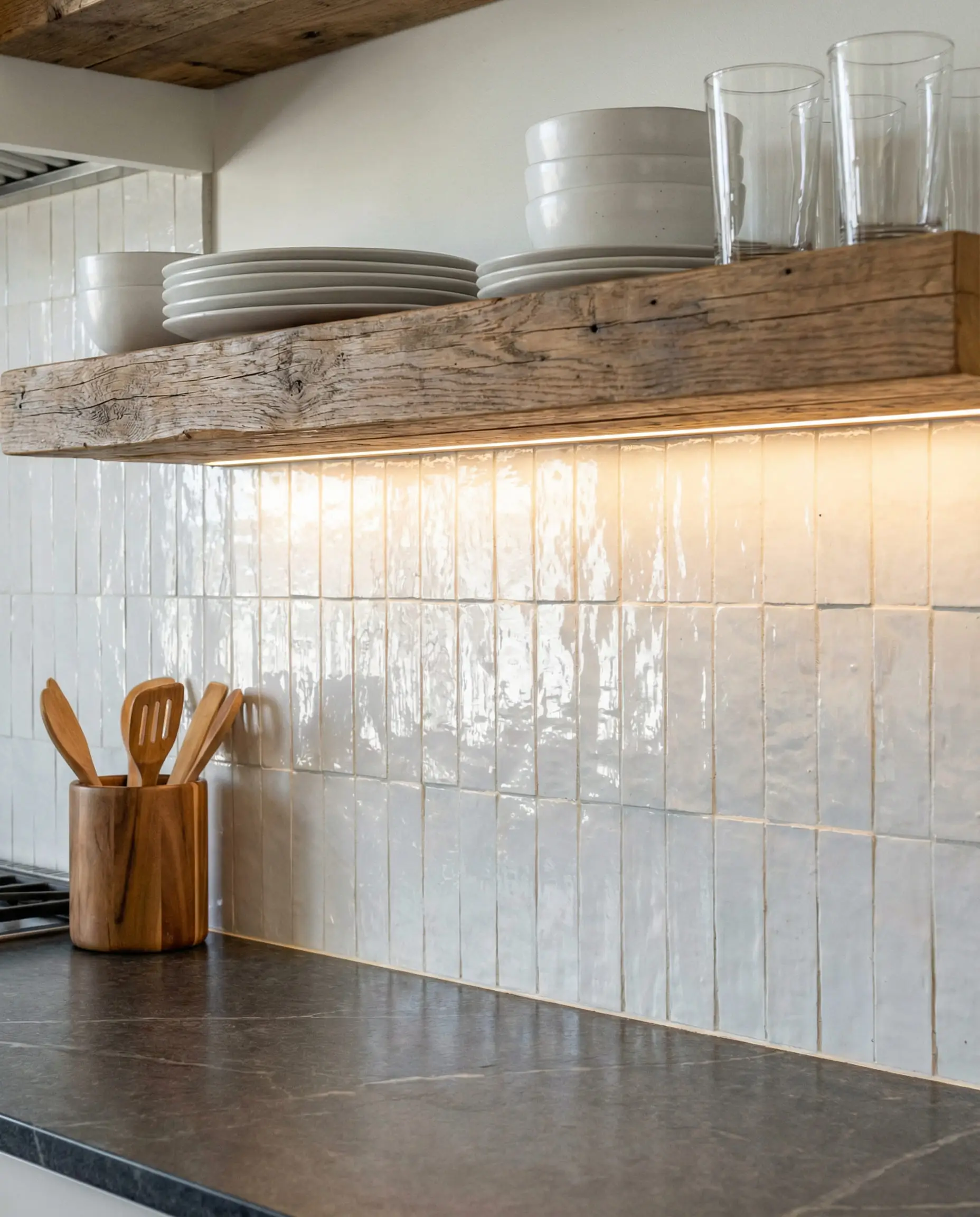
3. The Kitchen: The Heart of the Home
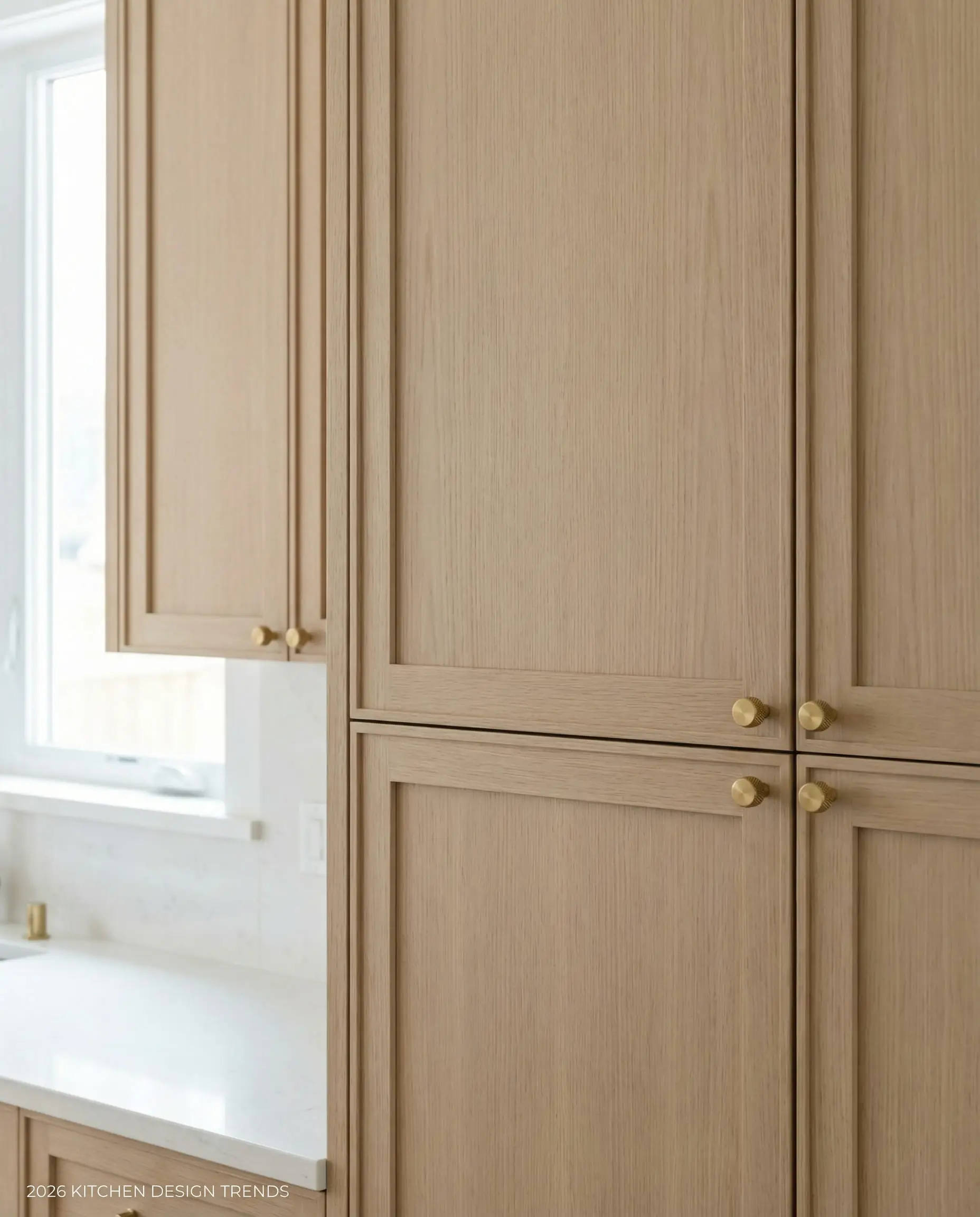
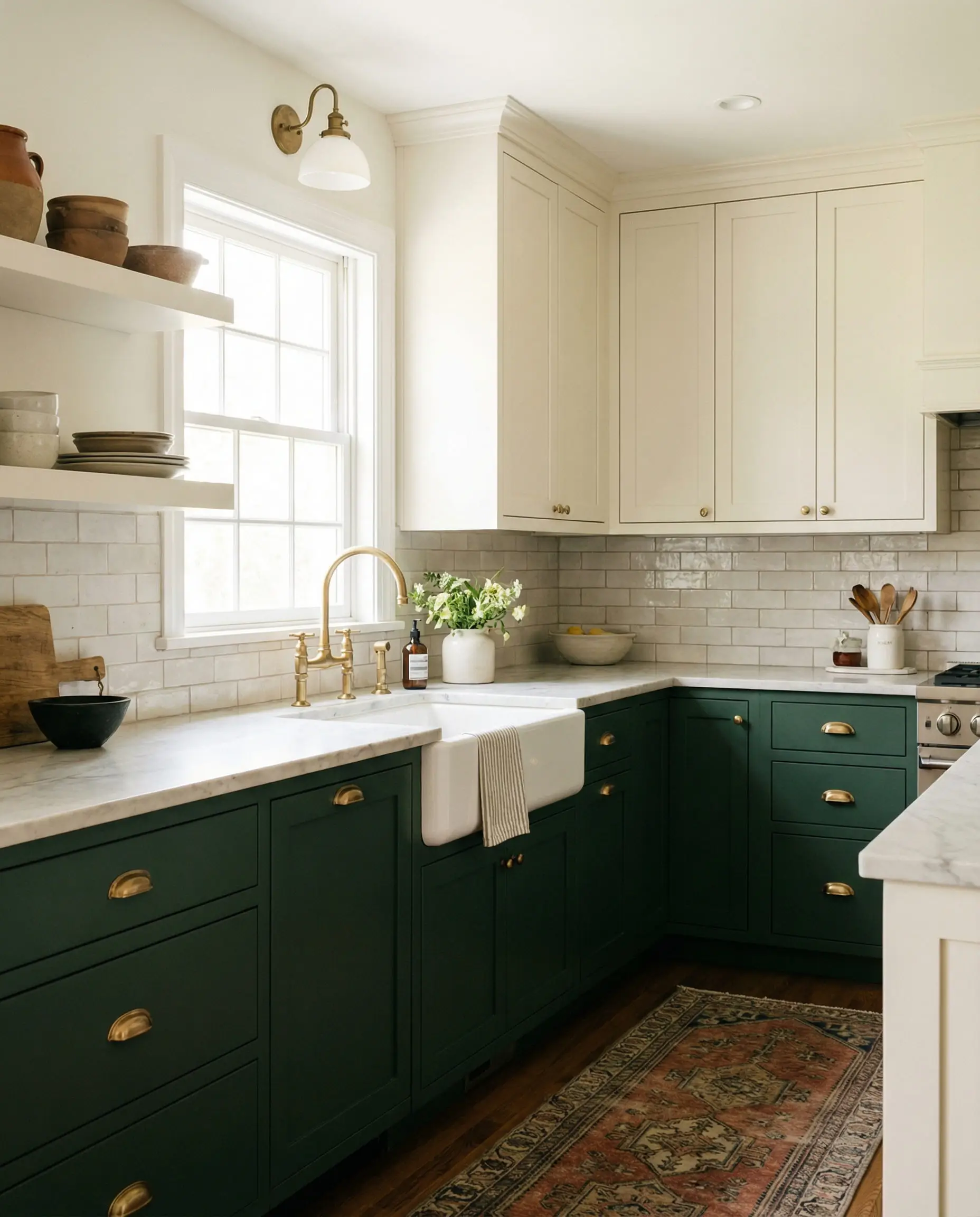
This is where the blend of modern and traditional shines brightest.
4. The Dining Room: Gather Round
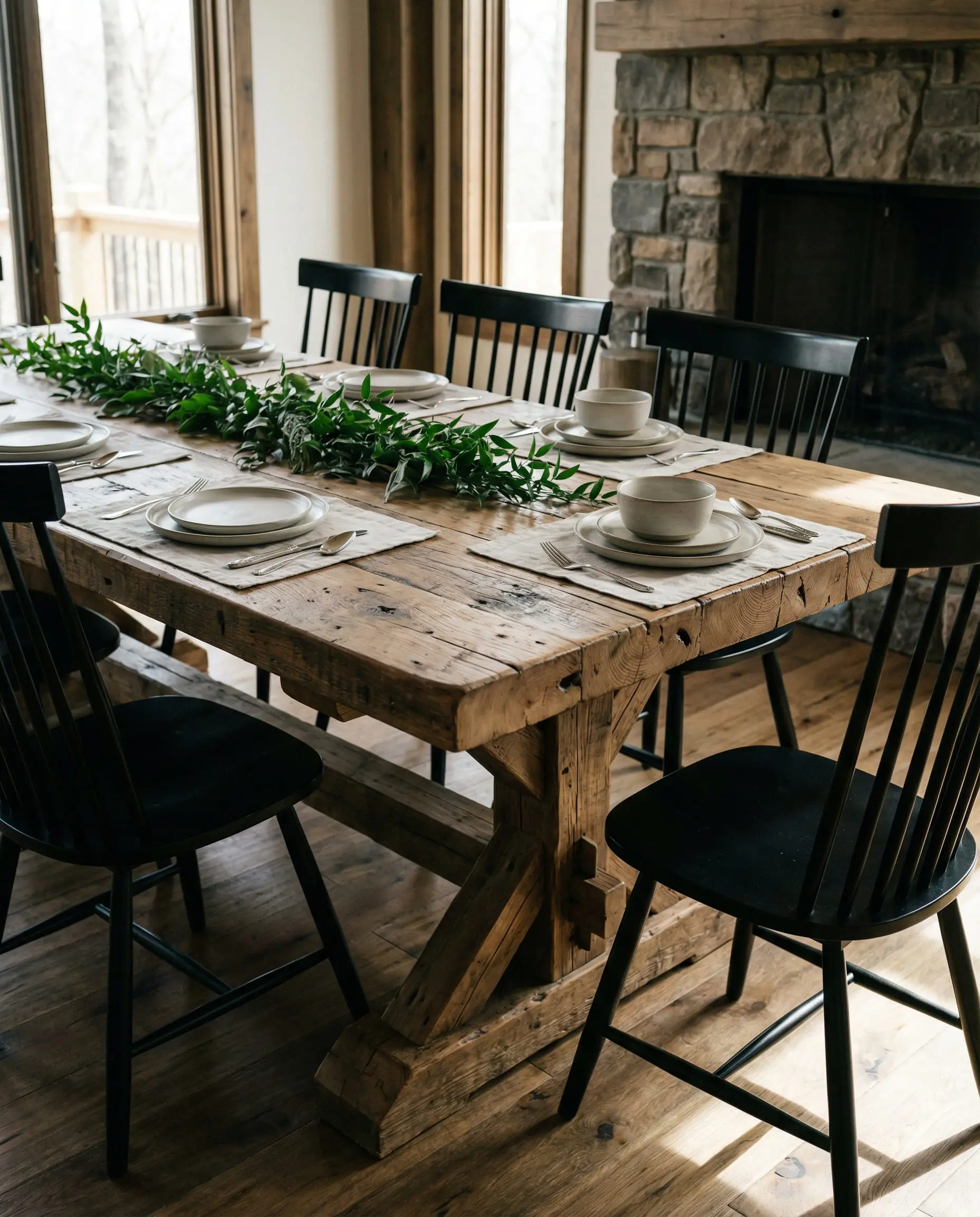
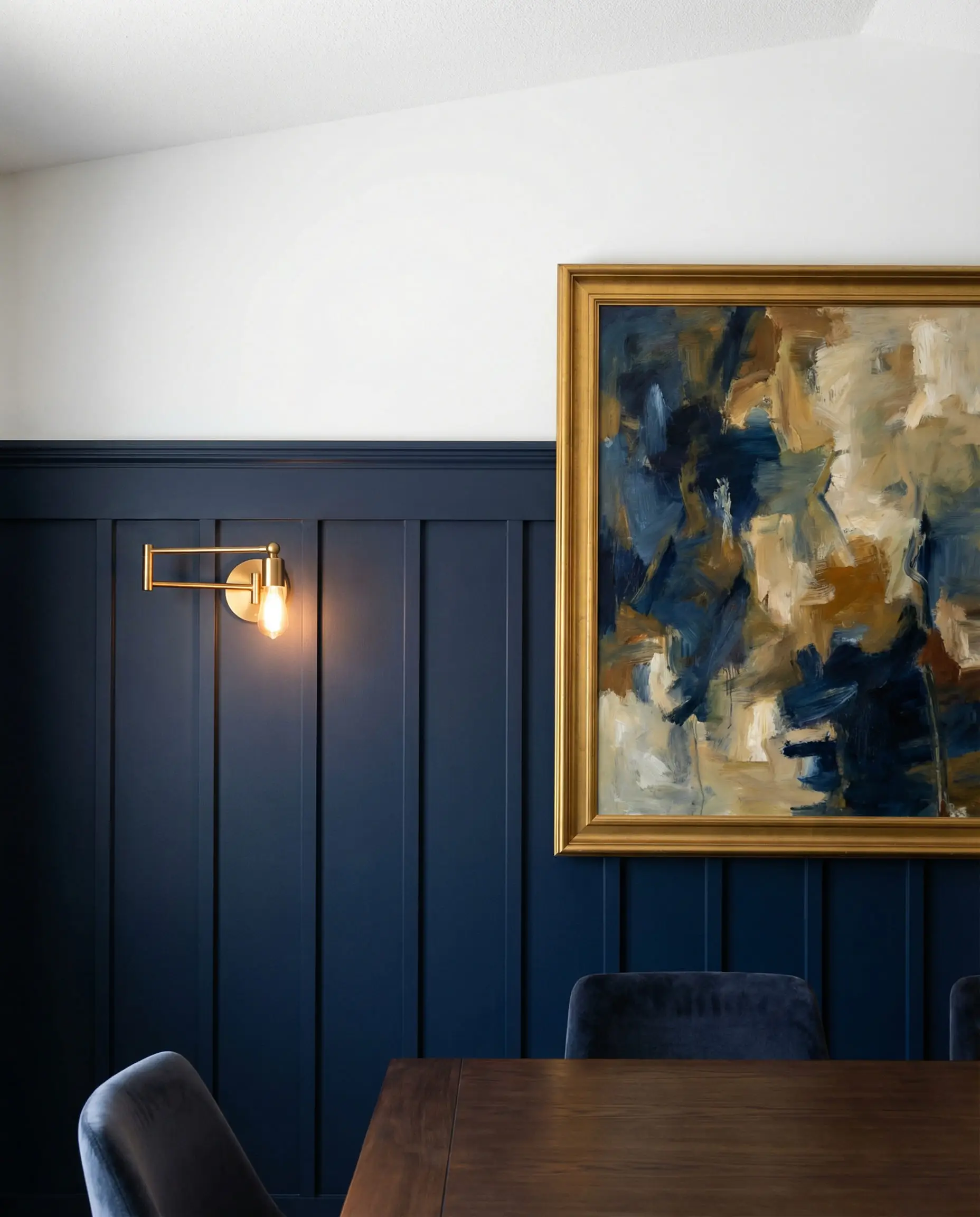
Modern Craftsman dining is less about formal stiffness and more about long, lingering dinners.
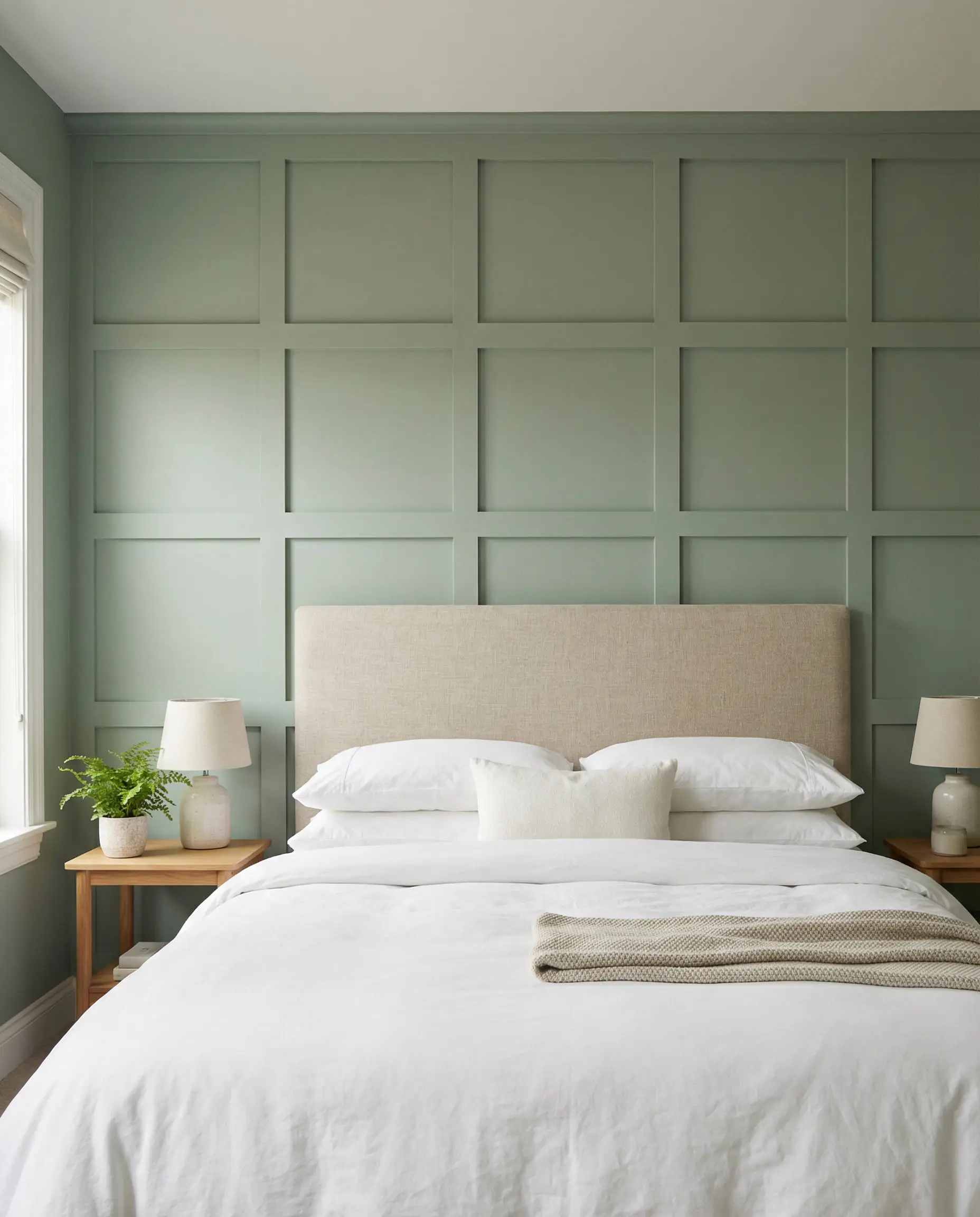
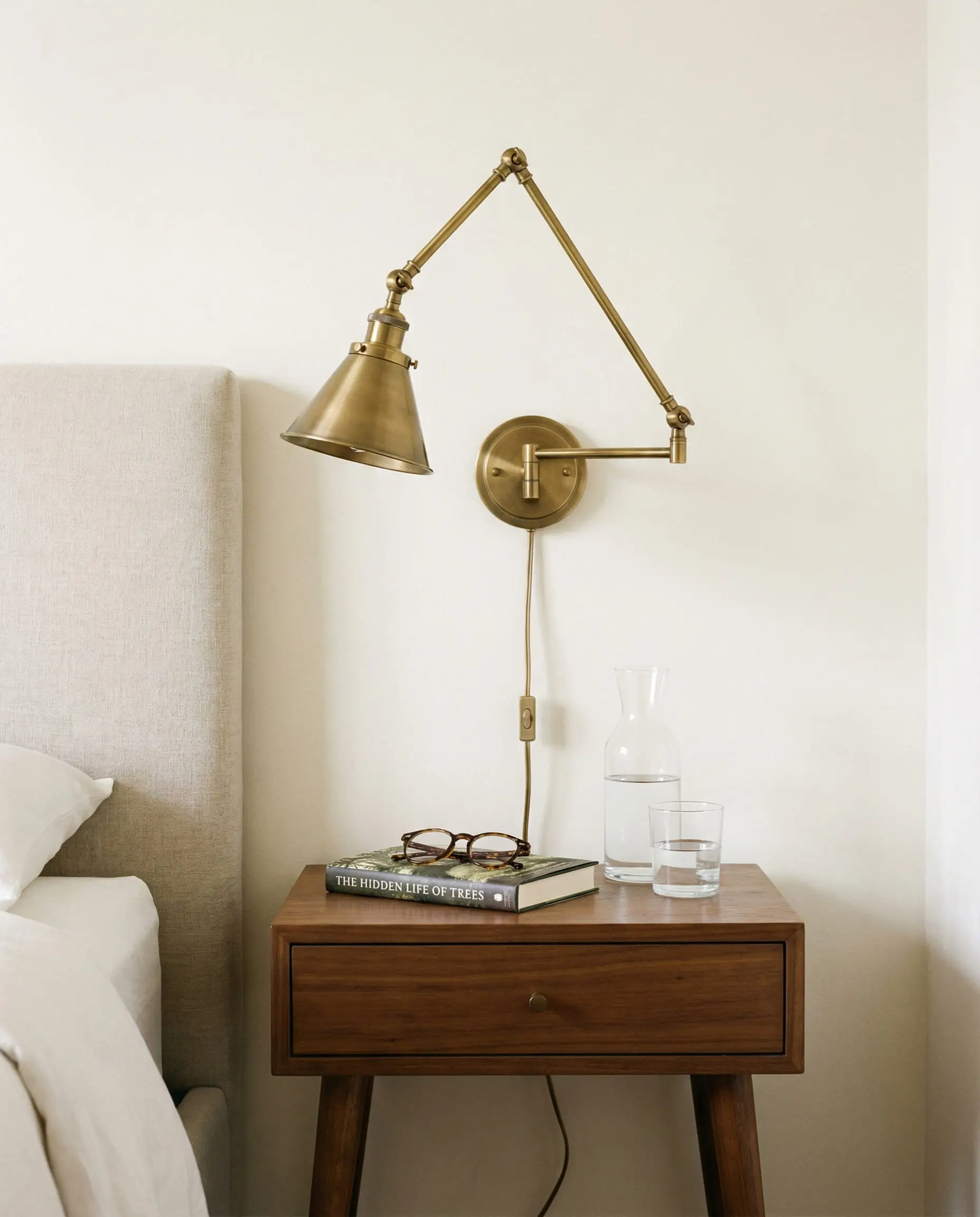
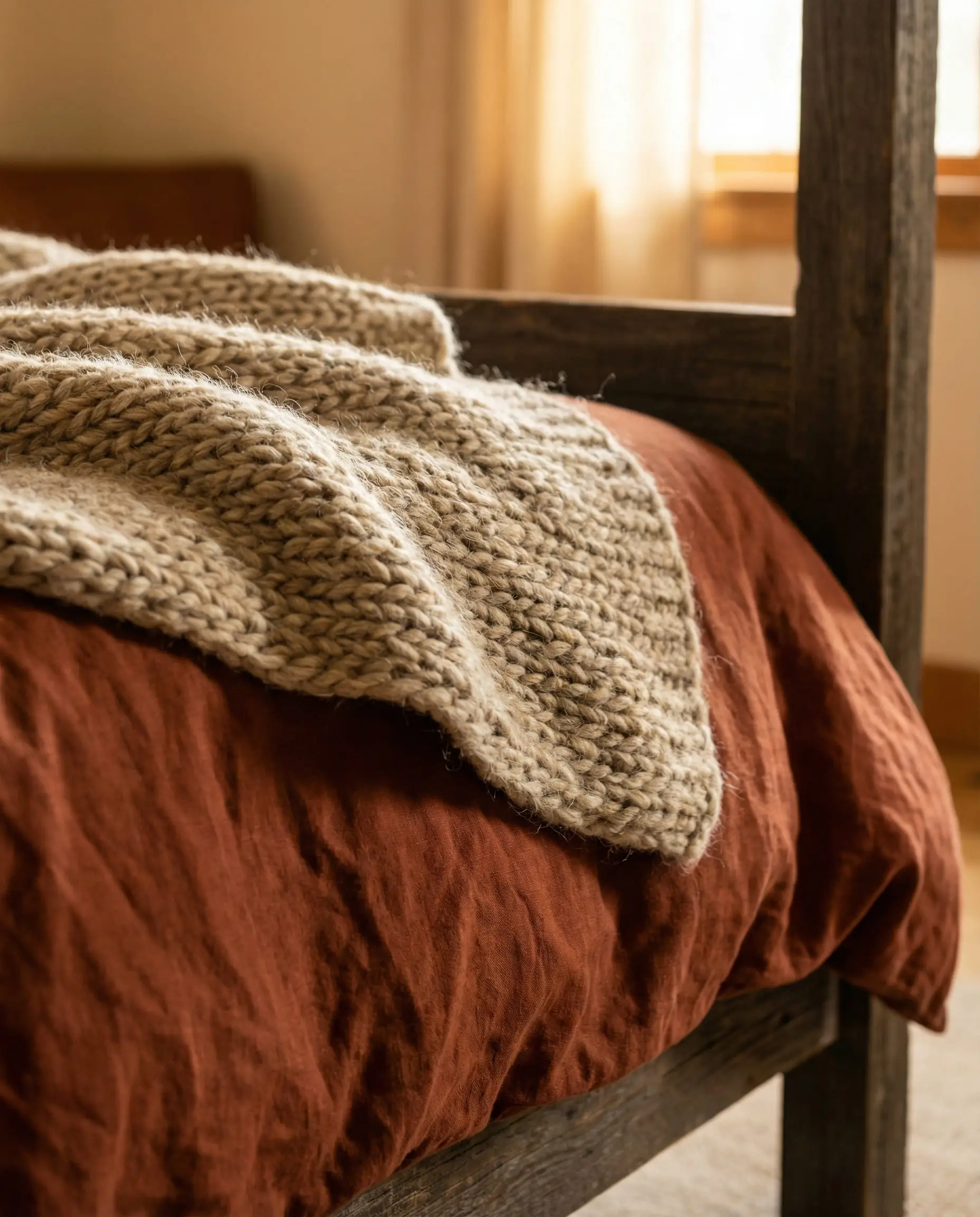
5. The Bedroom: A Cozy Retreat
Modern Craftsman bedrooms should feel like a boutique hotel in the mountains.
6. The Bathroom: Spa Meets History
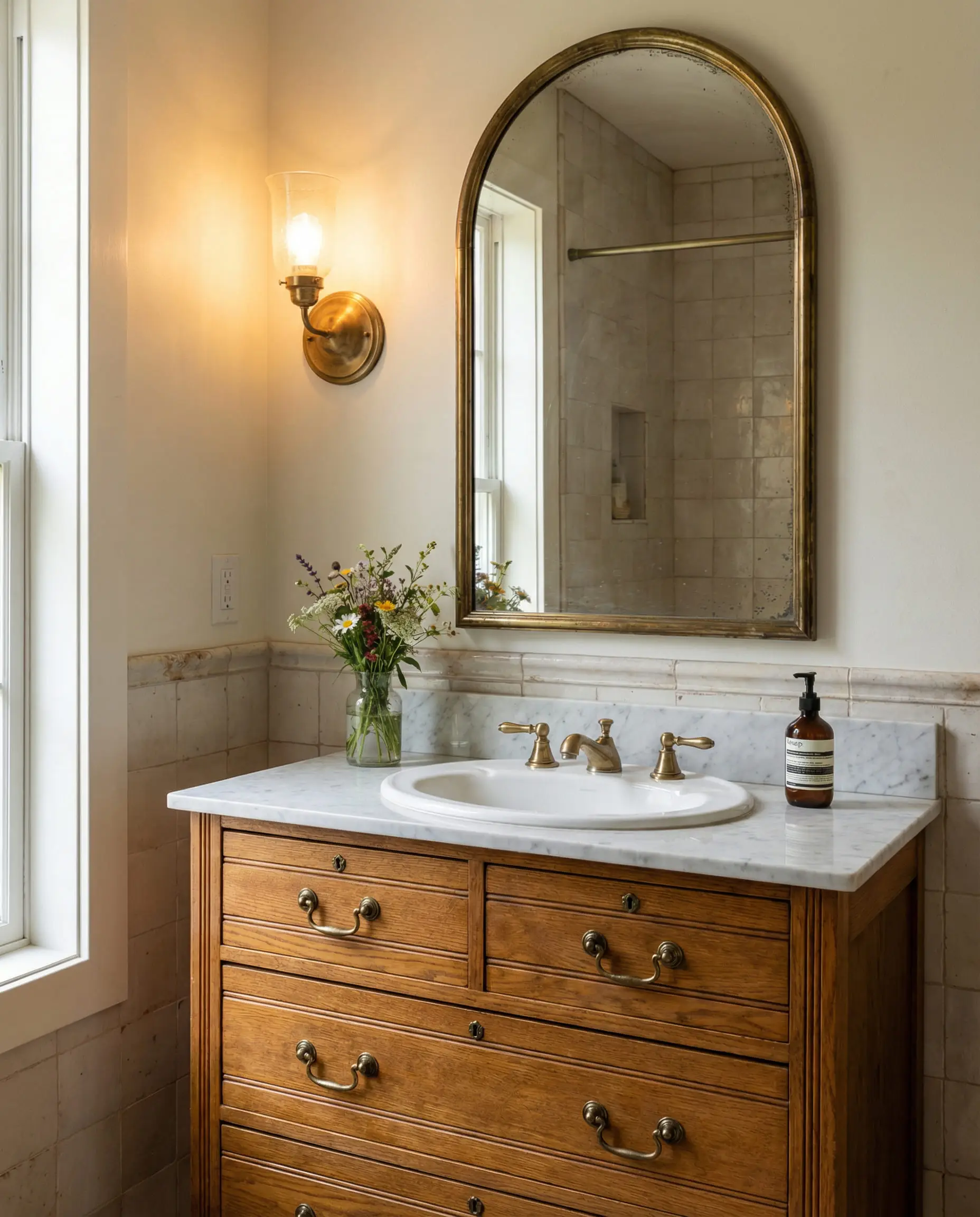
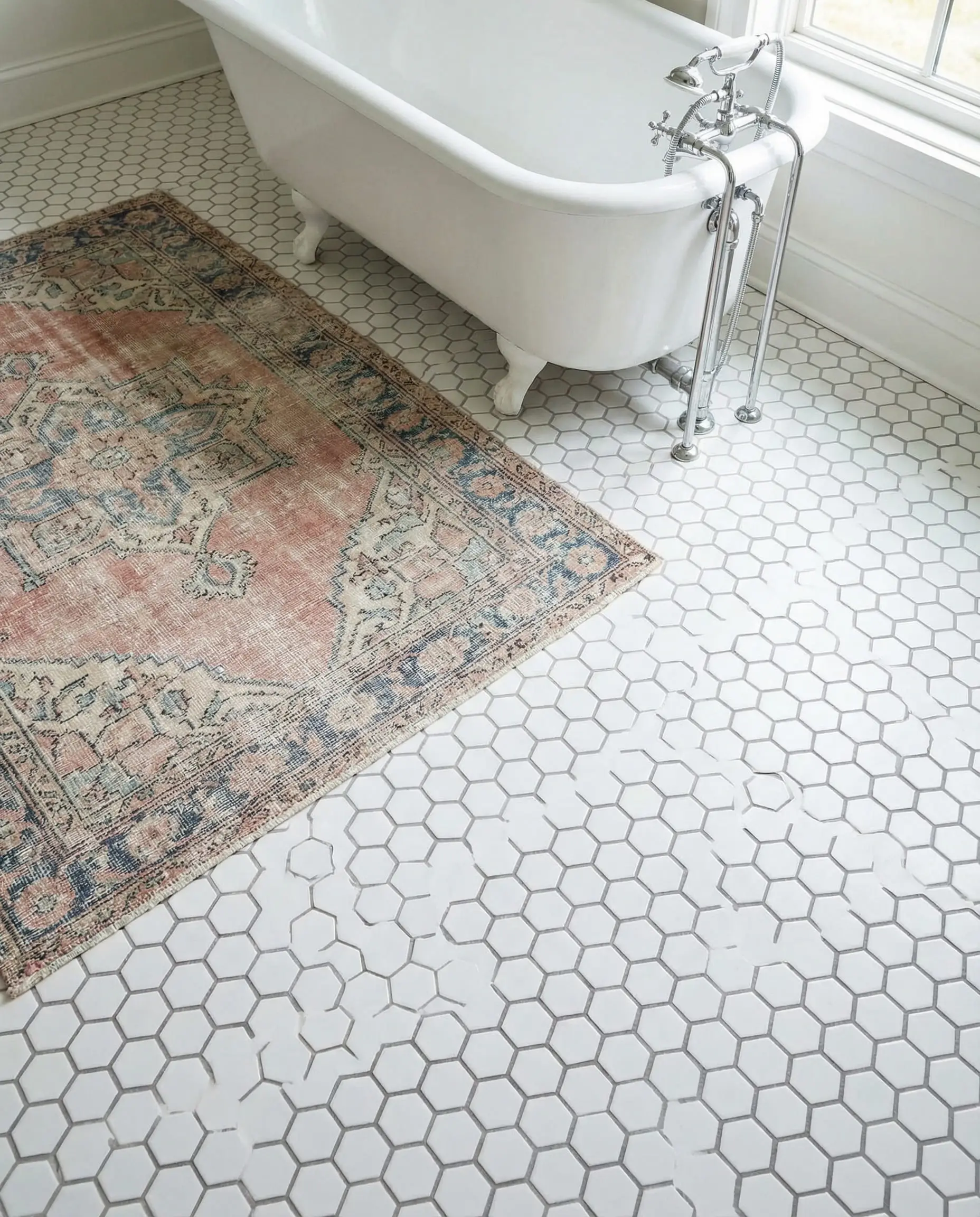
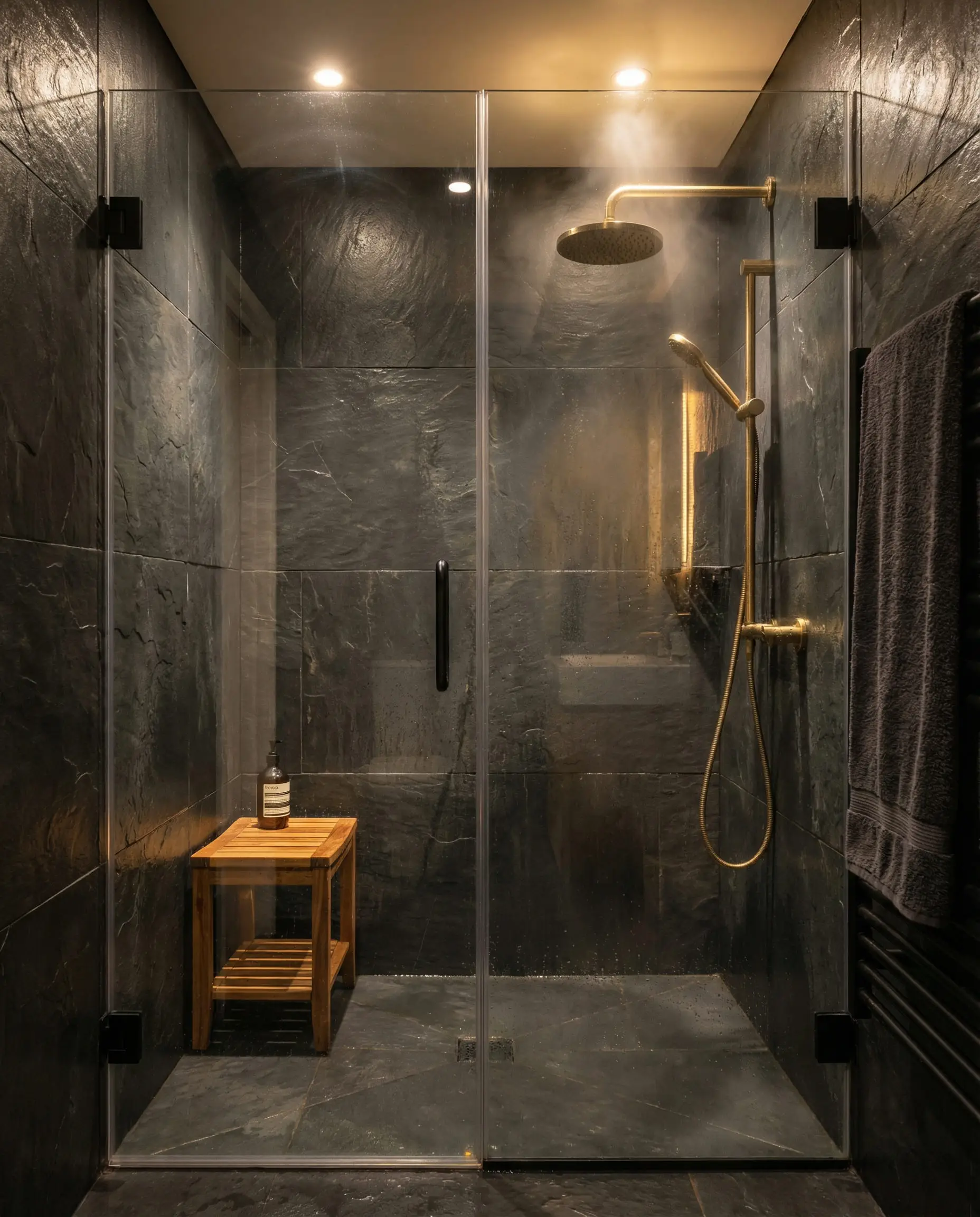
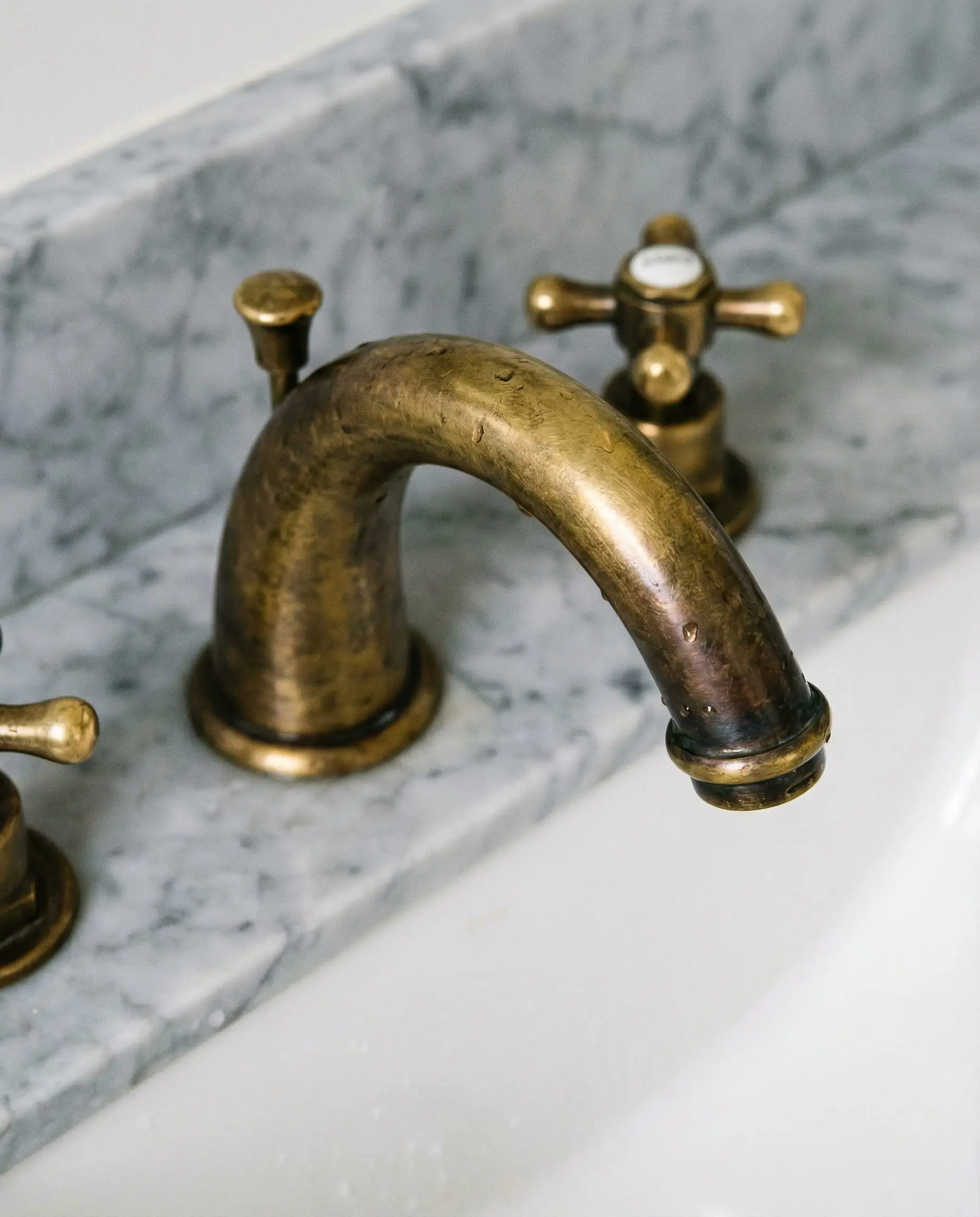
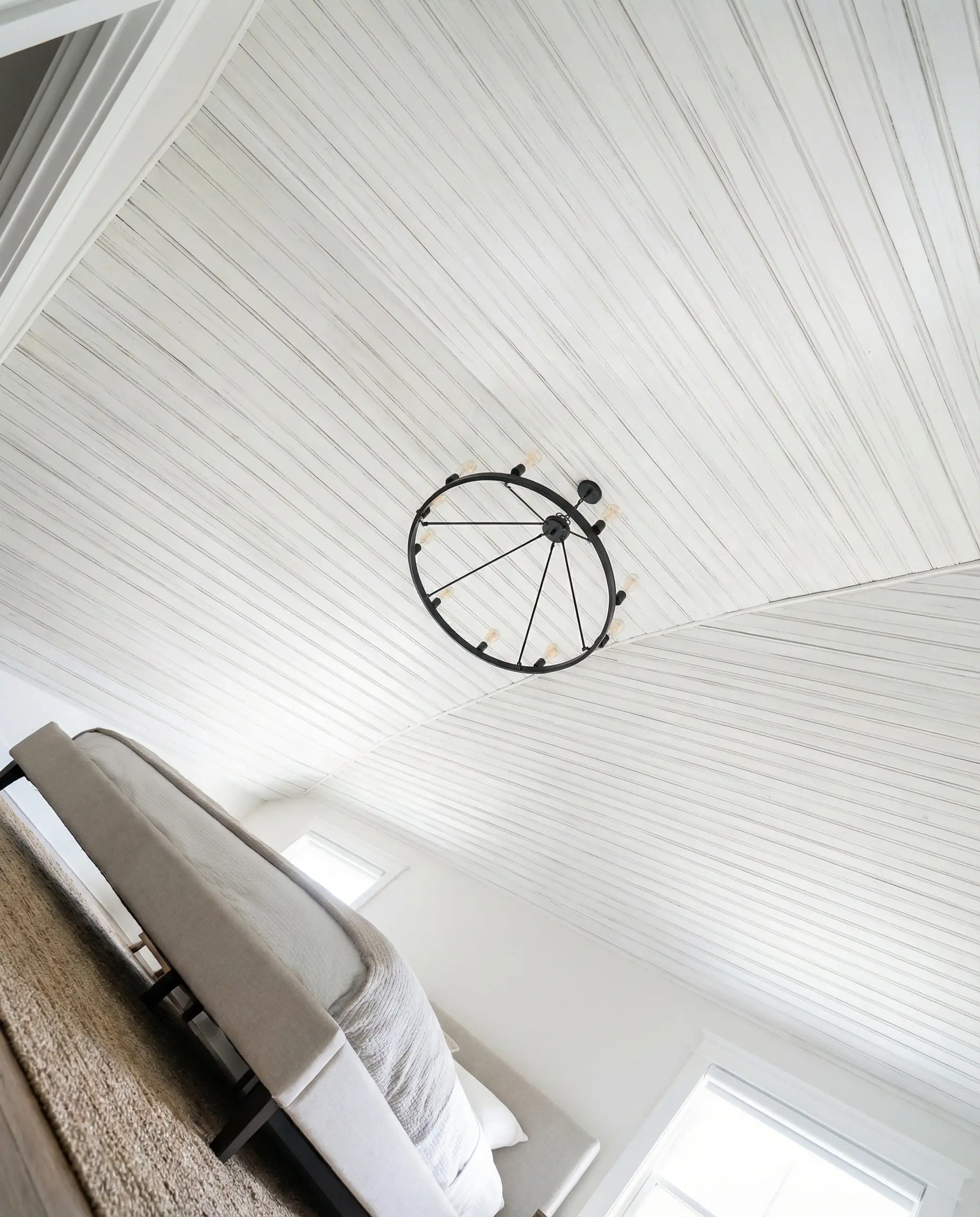
Don’t forget the ceiling! In a bathroom or bedroom, adding simple flat-stock beams or tongue-and-groove paneling to the ceiling draws the eye up and makes the room feel custom-built.
Designer Tip 🎨
Renovation Guide: Splurge vs. Save
Achieving this look can get expensive because it relies on “real” materials. If you are on a budget, here is where you should invest and where you can cut costs.
Where to SPLURGE ($$$)
- Windows & Doors: You touch these every day. Solid core interior doors and high-quality wood-clad windows make a massive difference in how the home “feels” and sounds.
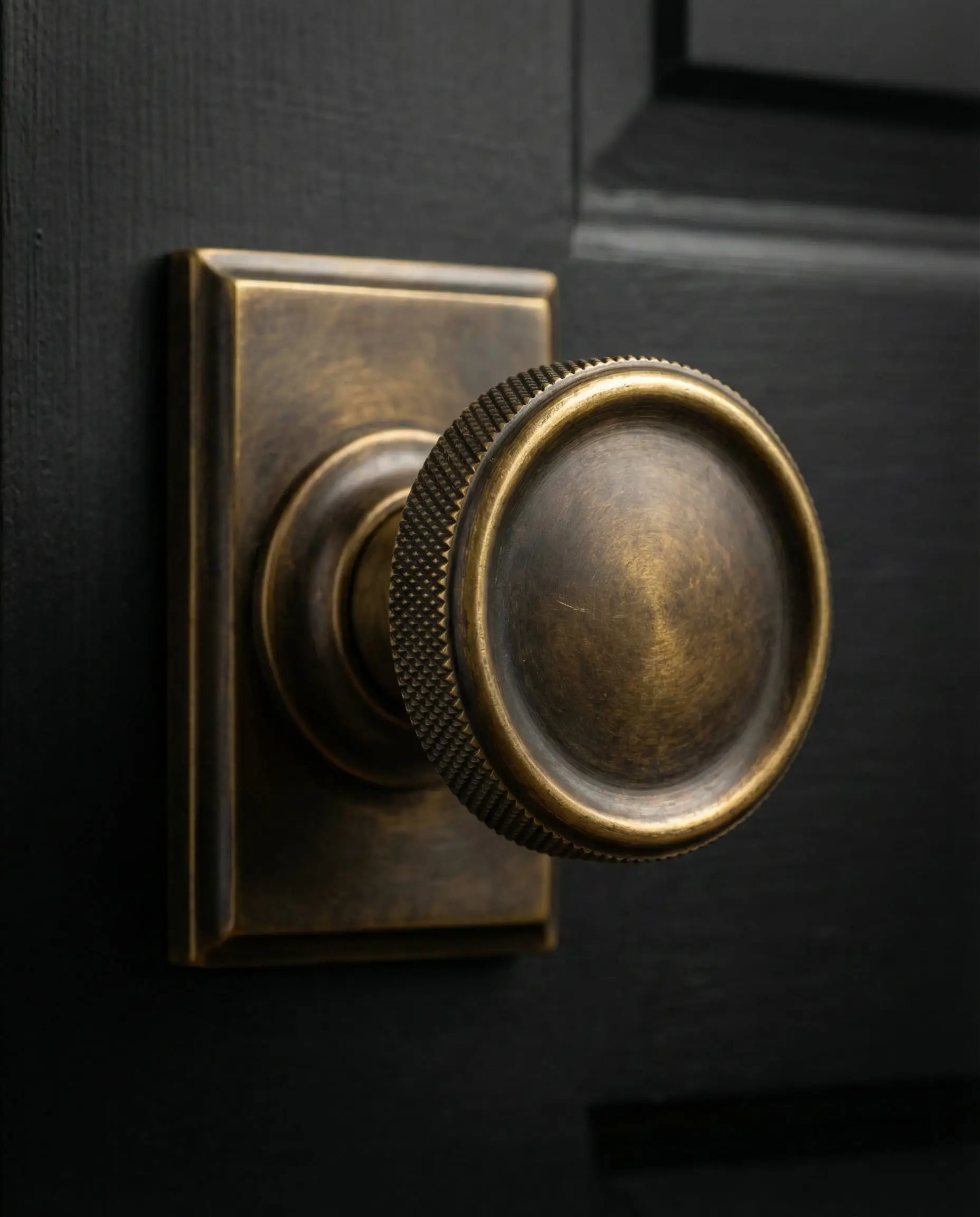
- Cabinetry Hardware: Cheap knobs ruin expensive cabinets. Invest in heavy, solid brass hardware. It’s jewelry for your kitchen.
- The Kitchen Sink: A real fireclay farmhouse sink or a soapstone integrated sink is a centerpiece. Don’t skimp here.
Where to SAVE ($)
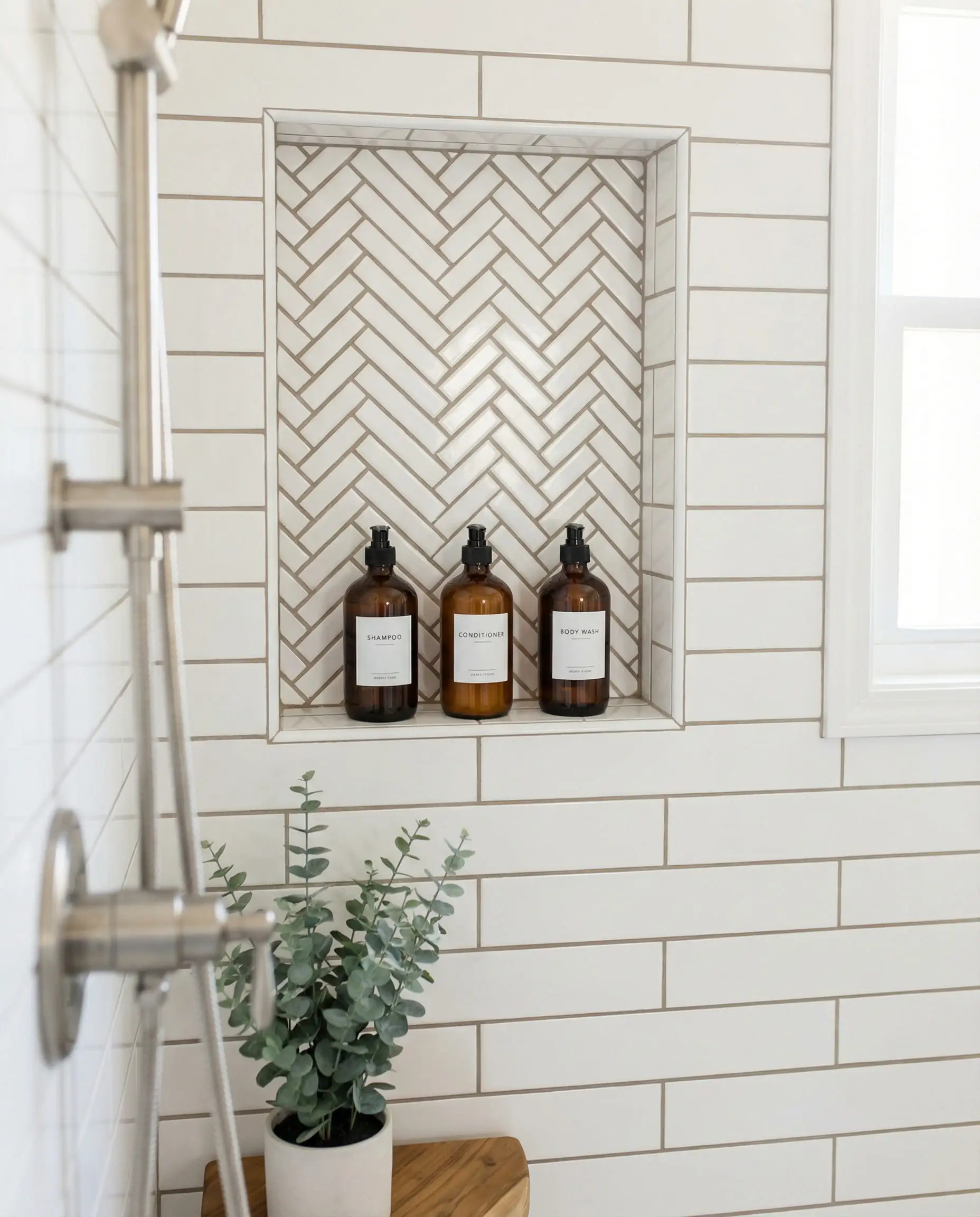
- Tile: You don’t need $40/sqft handmade tile everywhere. Use simple, inexpensive subway tile ($3/sqft) but lay it in a unique pattern (herringbone or vertical stack) to make it look custom.
- Lighting (Sort of): While statement lights matter, you can find incredible dupes for high-end designer fixtures online. Focus the budget on the dining chandelier and island pendants; save on the recessed cans and hallway lights.
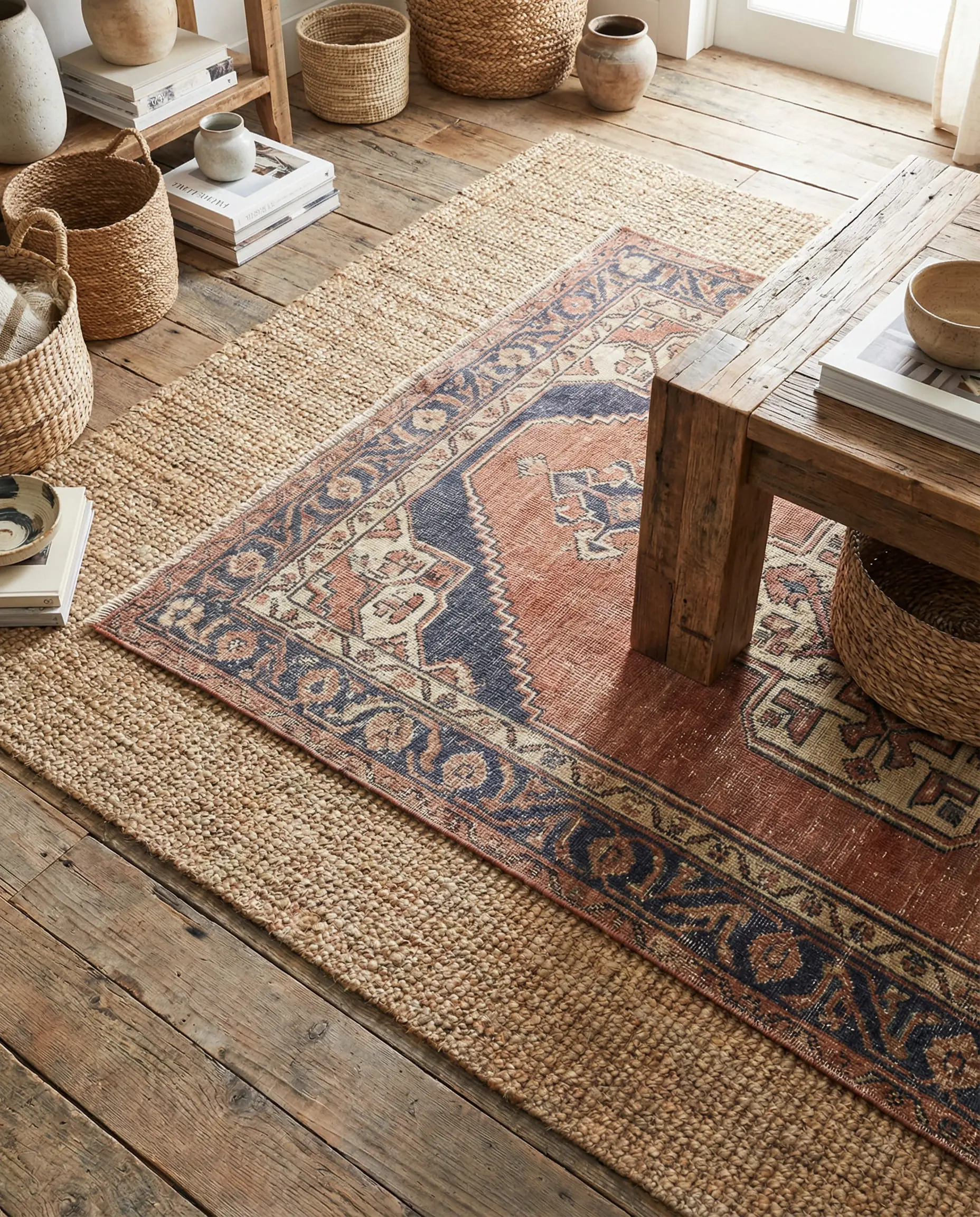
- Rugs: You don’t need an antique Persian rug. Many brands now make high-quality printed rugs that mimic the vintage look for a fraction of the price.
How to Get the Look (Without a Renovation)
Renovating is expensive. If you are renting or just want to refresh your decor, you can still achieve the Modern Craftsman vibe with savvy styling.
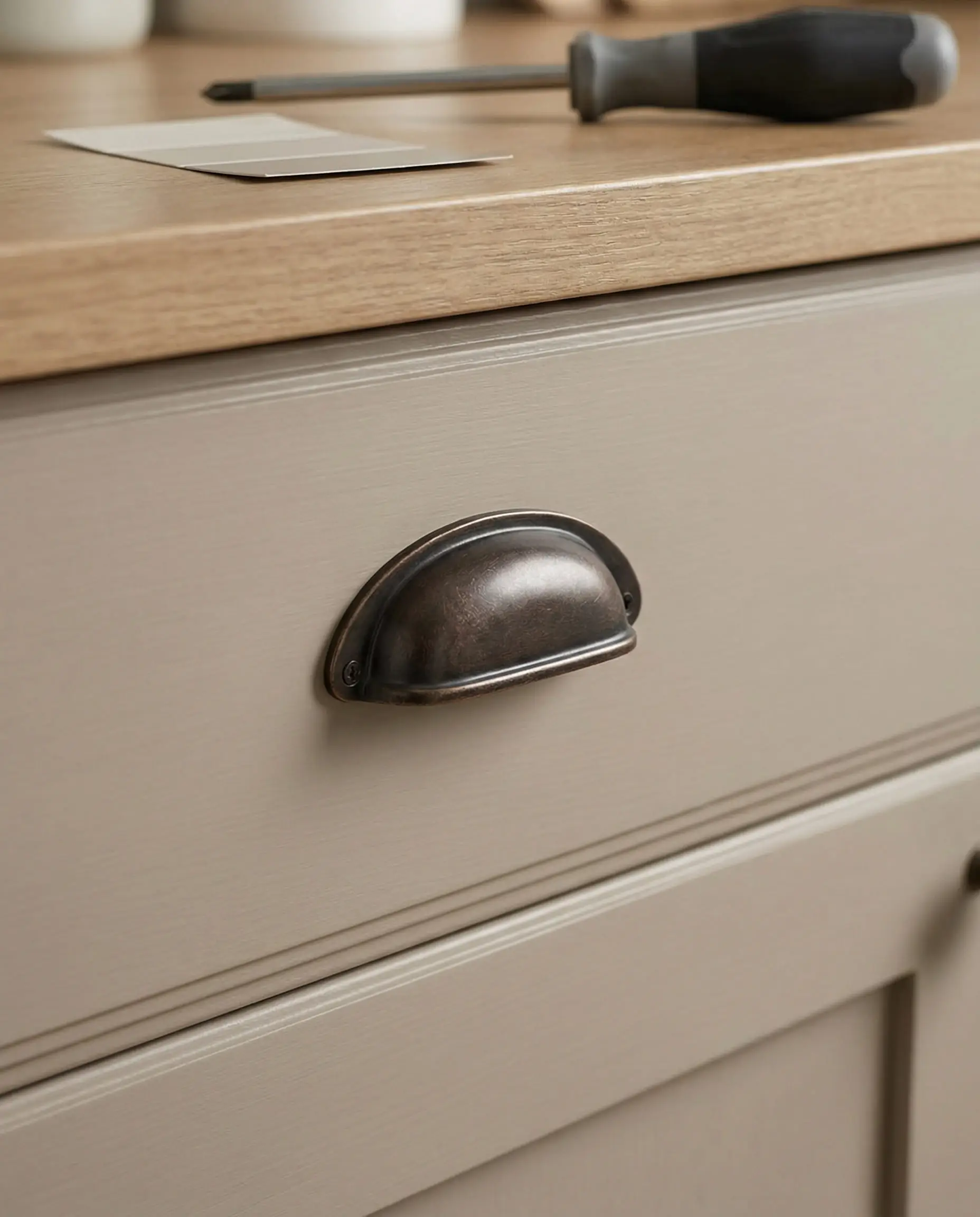
- Upgrade Your Hardware: Swap out generic cabinet knobs for oil-rubbed bronze cups or latches. It’s a $50 upgrade that changes the whole feel of a room.
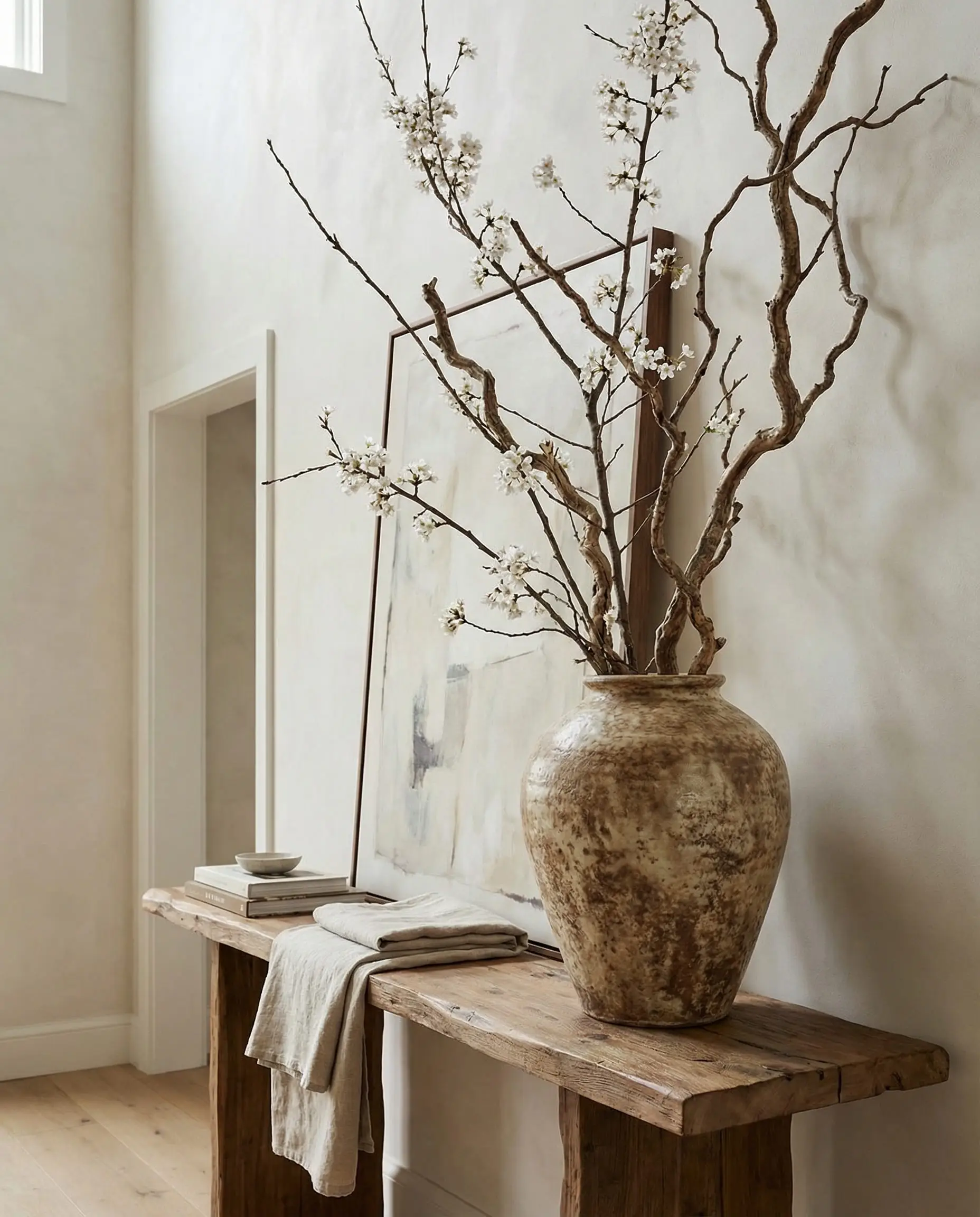
- Add “Weighty” Decor: Remove the clutter of small trinkets. Replace them with fewer, larger items—a large ceramic vase with dried branches, a heavy wooden bowl, or a substantial table lamp. (See our guide on decorating with vases).
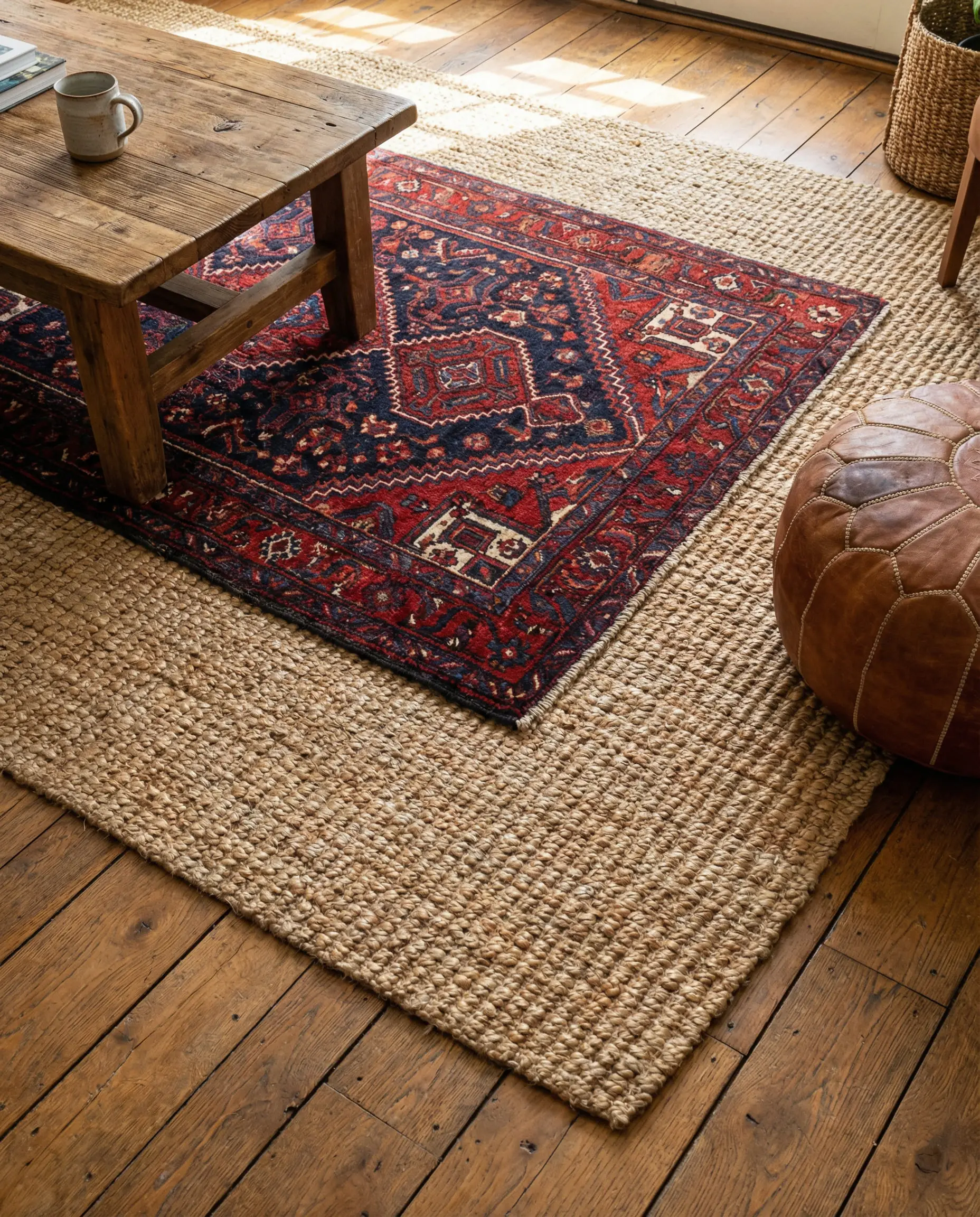
- Layer Rugs: Place a smaller vintage rug over a large natural fiber rug (like sisal). This adds instant warmth and history.
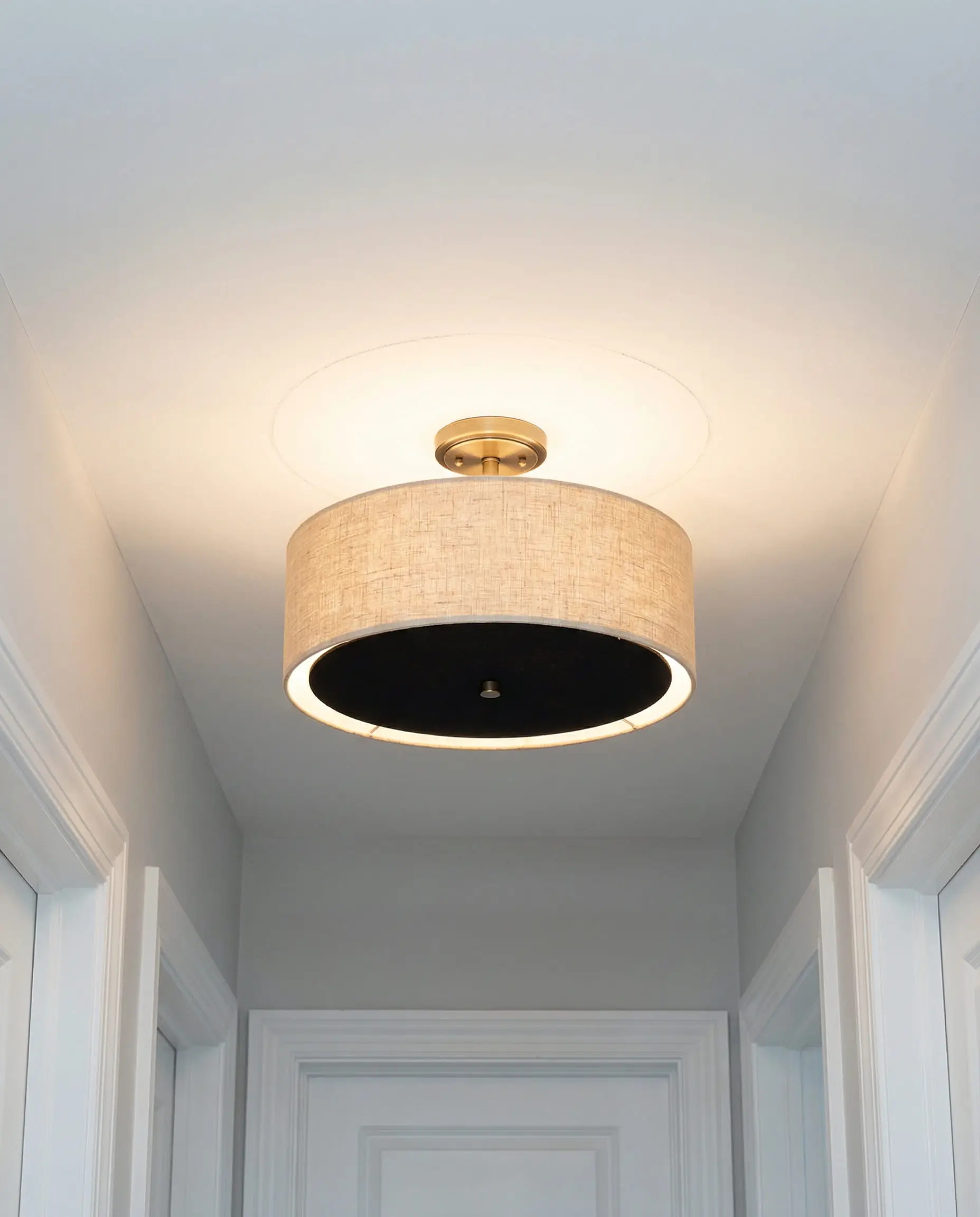
- Change the Lighting: Renters, this is for you. Swapping a boob light for a semi-flush drum shade or a geometric lantern instantly “Craftsman-ifies” a hallway.
Frequently Asked Questions (FAQ)
It can be, because it relies on quality materials like solid wood and stone. However, you can achieve the look on a budget by focusing on paint colors, upgrading hardware, and hunting for vintage solid-wood furniture at estate sales rather than buying new veneers.
Absolutely. In fact, they are cousins! Both styles value wood grain, functionality, and craftsmanship. A Mid-Century Eames chair looks right at home next to a Craftsman built-in bookcase. The key is to keep the color palette cohesive.
They are very similar, but Mission style (often associated with Gustav Stickley) is generally simpler, heavier, and more rectangular. Craftsman is a broader term that can include slightly more decorative elements. Modern Craftsman borrows from both but lightens the visual load.
No. Farmhouse is more rustic and often relies on “shabby chic” elements (distressed paint, chicken wire). Modern Craftsman is more structured, architectural, and polished. It feels more “town and country” than “barn.”
Conclusion
The enduring appeal of Modern Craftsman interior design lies in its ability to make a house feel like a home. It doesn’t scream for attention with wild colors or bizarre shapes. Instead, it wraps you in warmth, quality, and a sense of history.
Whether you are building from scratch or just looking to add some soul to a boxy apartment, embracing the Craftsman ethos—honesty, utility, and natural beauty—is a design decision you will never regret.
Ready to start your project?
Check out our deep dive on modern living room design trends to see how you can integrate these Craftsman elements into your main living space today.

The Aesthetics Desk curates the visual direction for Hackrea. Specializing in design history, global architectural movements, and interior styling, this desk focuses on the psychology of space and how to translate high-end, magazine-quality aesthetics into approachable residential design without falling into fleeting micro-trends.