Organic Modern Interior Design: How to Master the Look in 2026
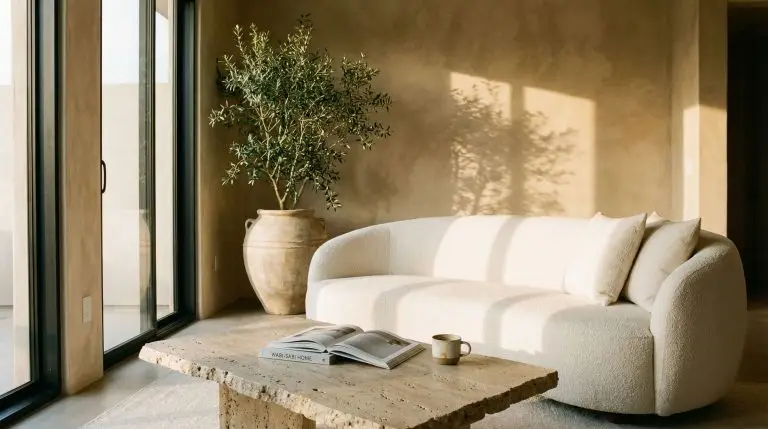
In an era defined by constant digital connection and screen fatigue, our homes must serve as the ultimate grounding sanctuary. We crave spaces that feel deeply human, inherently calming, and effortlessly sophisticated.
The most common problem readers submit to our platform is a living room that feels “too cold” or “like a sterile showroom.” This usually happens when modernism is applied without soul.
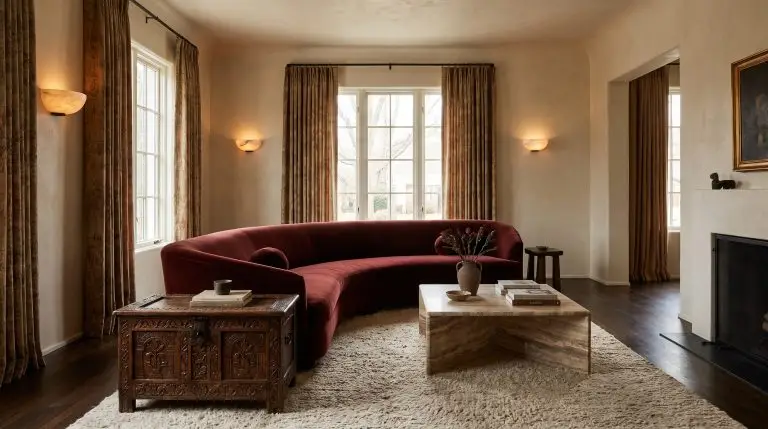
Thankfully, the 2026 evolution of the organic modern style completely rejects the “all-beige, sterile” look of the early 2020s. We are seeing a massive shift toward richer, moodier palettes, deeply textured architectural surfaces, and a celebration of natural imperfections.
By integrating biophilic design, you can transform a rigid house into a living, breathing retreat.
What is Organic Modern Interior Design? (History & Philosophy)
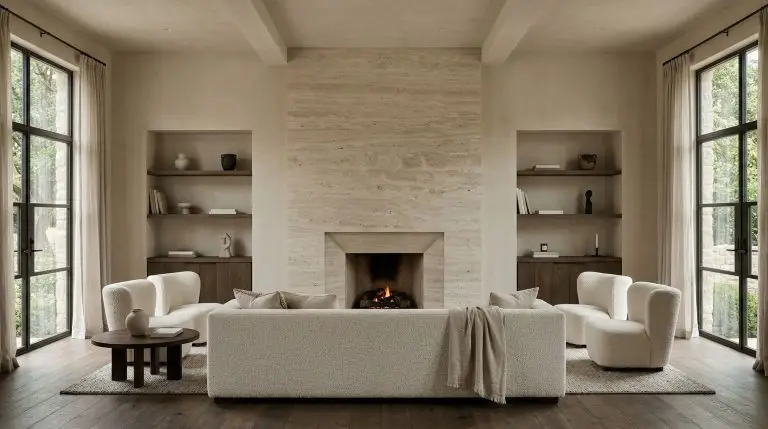
Organic modern interior design is an aesthetic that blends the sleek, functional lines of minimalism with the raw, textural beauty of nature. To master this look in 2026, prioritize tactile materials like honed stone, dark matte woods, and biophilic elements to create a warm, grounding, and sophisticated sanctuary.
To truly master this aesthetic, you have to understand its roots. Organic modernism is not a fleeting TikTok trend; it is a thoughtful marriage of Mid-Century Modern functionality, traditional Japanese Wabi-Sabi, and the innate human need for nature.
The core philosophy is simple: form follows nature. Instead of forcing materials into perfectly glossy, manufactured states, this style celebrates raw edges, visible wood grains, and the natural patina that develops over time.
Our studio partners are seeing a massive shift toward spaces that feel collected rather than decorated. This approach owes a massive debt to design pioneer Axel Vervoordt, who famously popularized the integration of ancient, wabi-sabi antiques with stark minimalist architecture.
Today, modern interpreters like Kelly Wearstler have pushed the boundary further, introducing a slightly edgy, highly sculptural take on organic shapes. It is about balancing the tension between the refined and the unrefined.
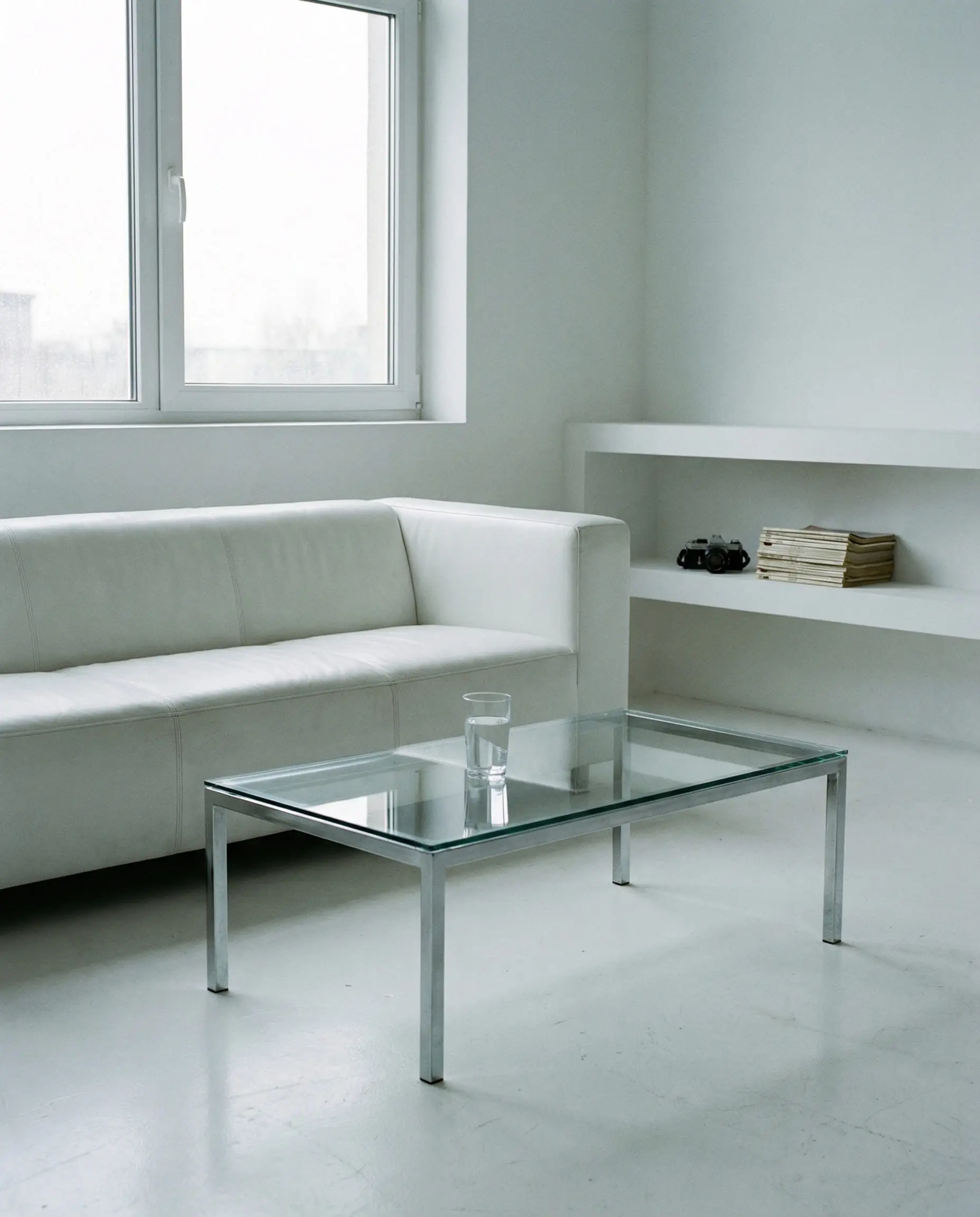
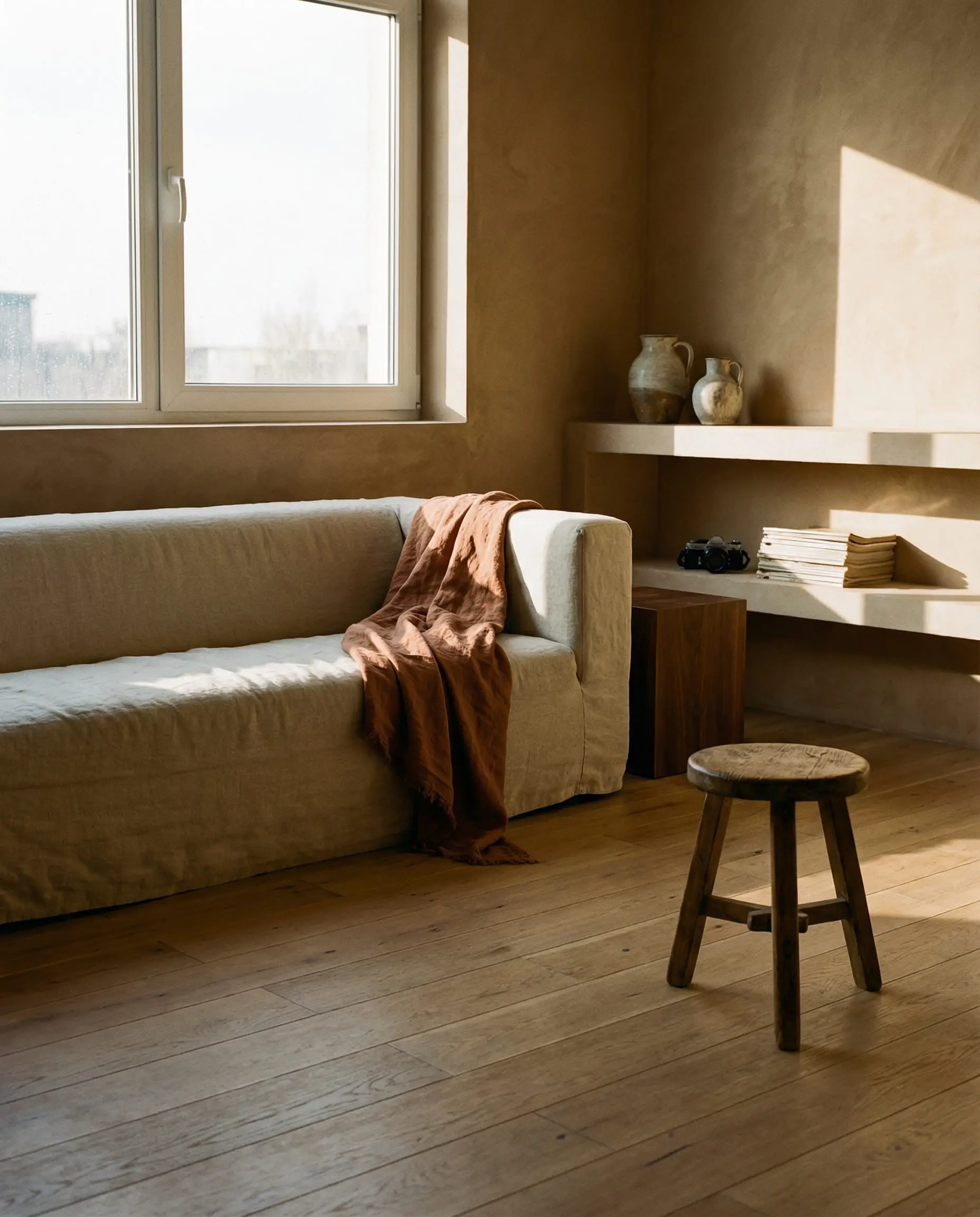
Never buy an entire room of furniture from the same catalog. The magic of organic modernism lies in the friction between a sleek, contemporary sofa and a rugged, 100-year-old wooden stool.
💡 Hackrea Designer Tip
The Core Elements of Modern Organic Style
Achieving this highly curated look requires a strict adherence to a specific set of design ingredients. Here is exactly how to build your foundation.
Earthy, Nature-Inspired Color Palettes
The 2026 color palette is leaving stark, hospital whites behind. Instead, we are building rooms on a foundation of complex, muddy neutrals that change beautifully as natural light shifts throughout the day.
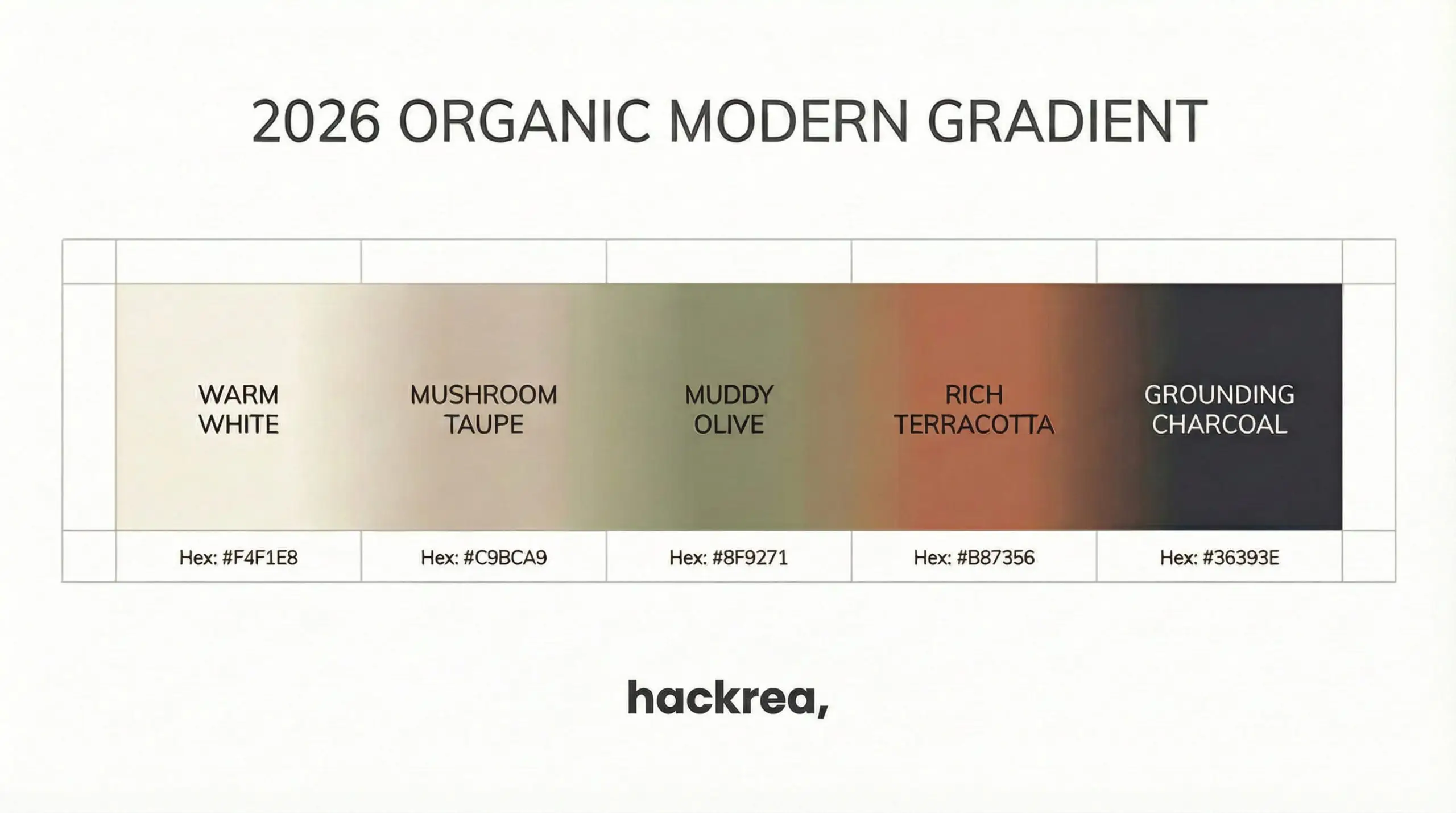
For your base, rely on warm whites, oatmeals, and mushroom taupes to keep the space feeling expansive but intimate.
To prevent the room from falling flat, you must introduce depth through earthy accent colors. Think muddy olive greens, baked rust, rich terracotta, and grounding charcoal.
For those looking to paint this weekend, here is our definitive warm neutral color palettes for living rooms cheat sheet:
Raw & Refined Materials (Wood, Stone, Plaster)
Materiality is the undisputed star of organic modern design. Because the color palette is restrained, your materials must do all the heavy lifting to provide visual interest.
When reviewing floor plan photos sent to our team, the number one missing element is usually tactile variety. You must mix these essential categories:

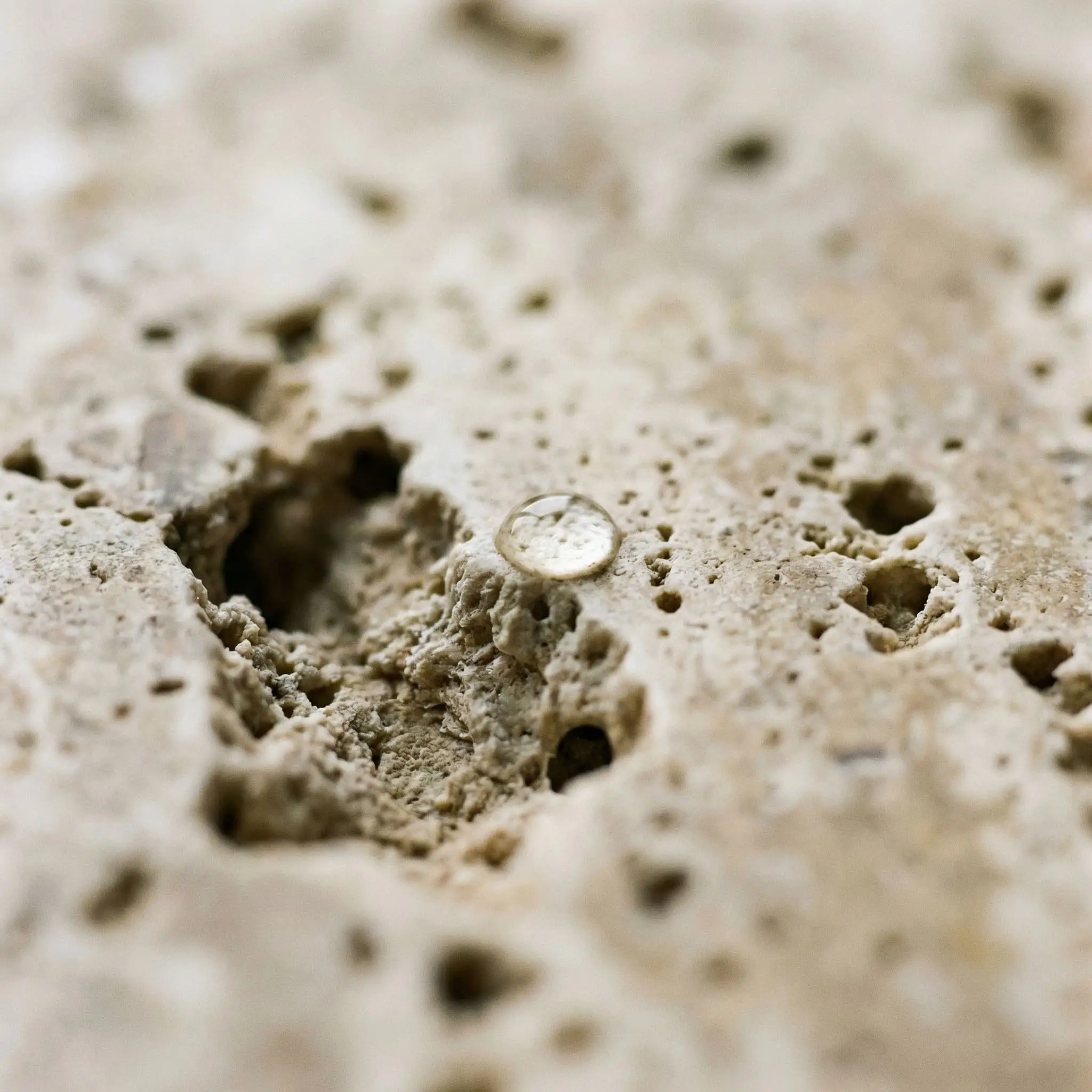
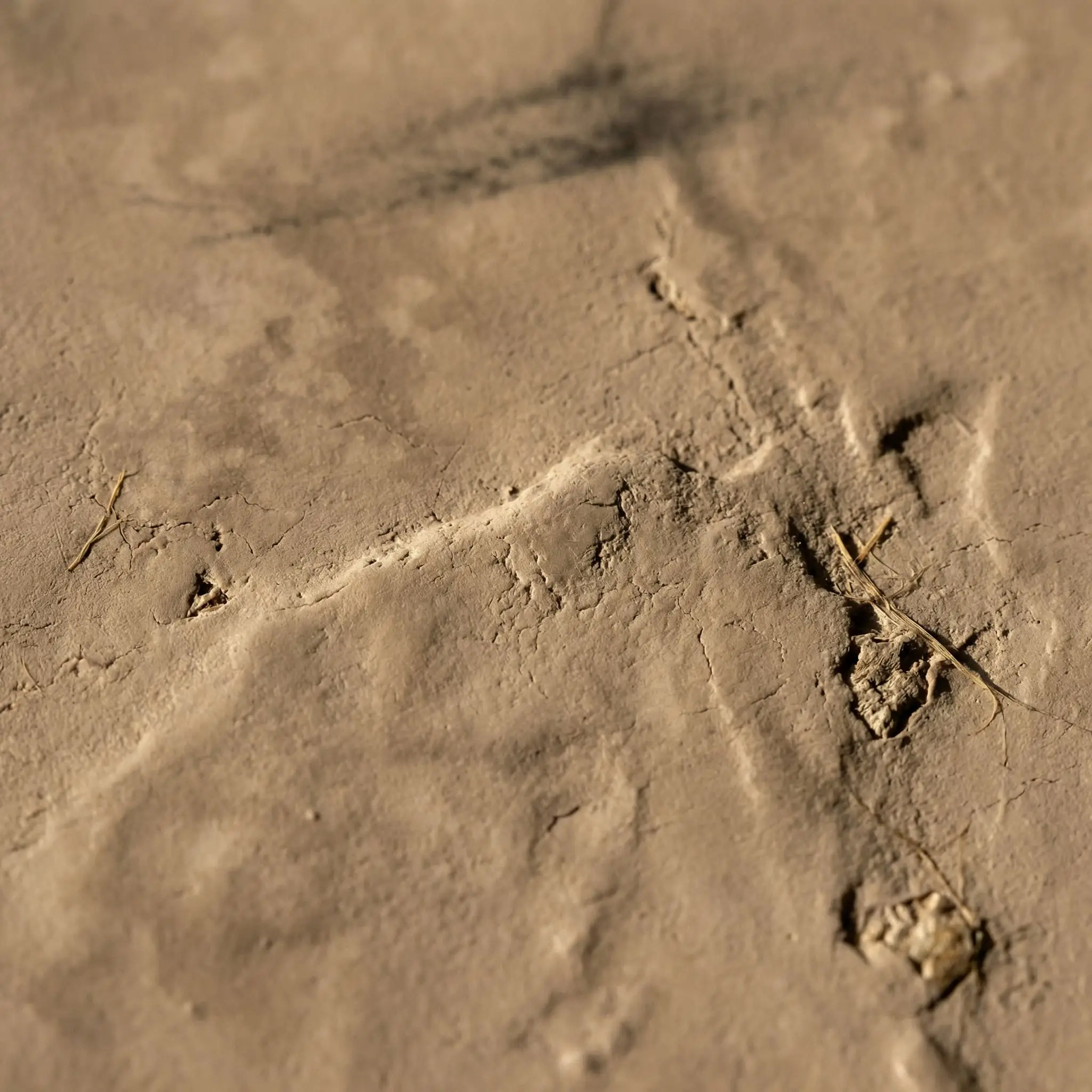
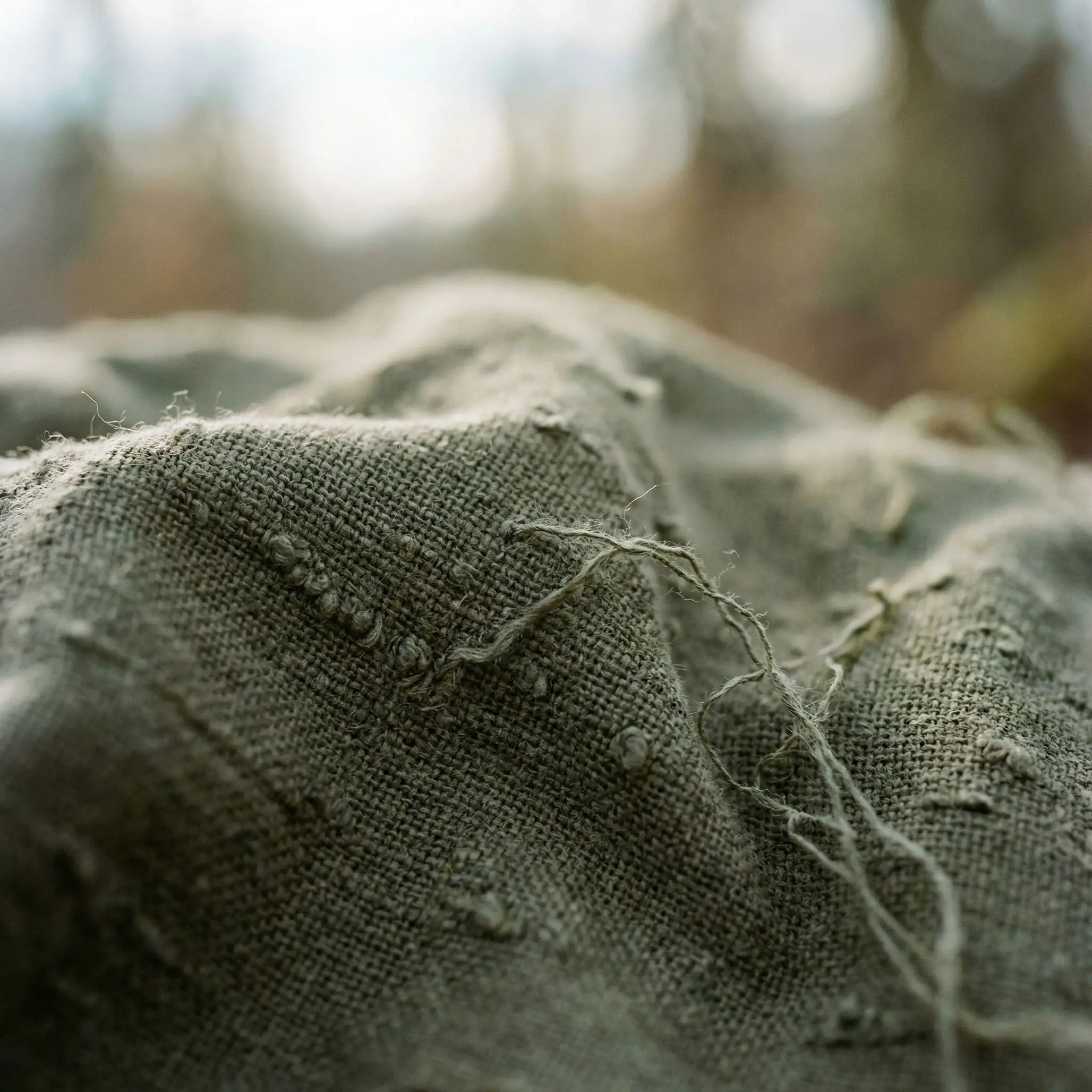
If you want to tackle textured walls yourself, check out our guide on how to apply limewash paint for a foolproof weekend project.
🛋️ Styling Tip
Curvilinear Furniture & Soft Geometry
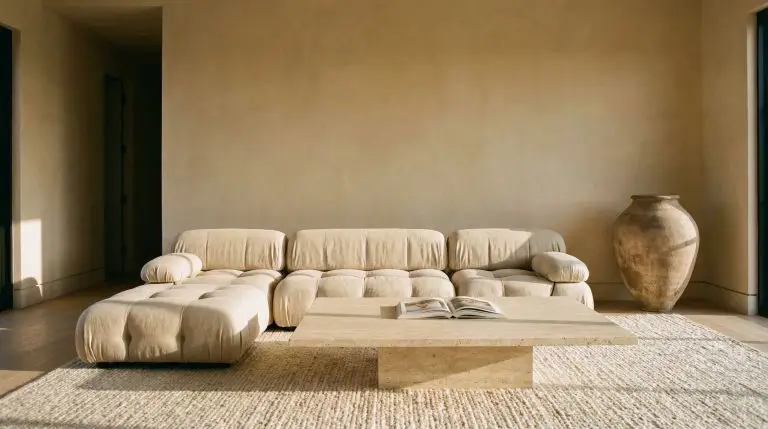
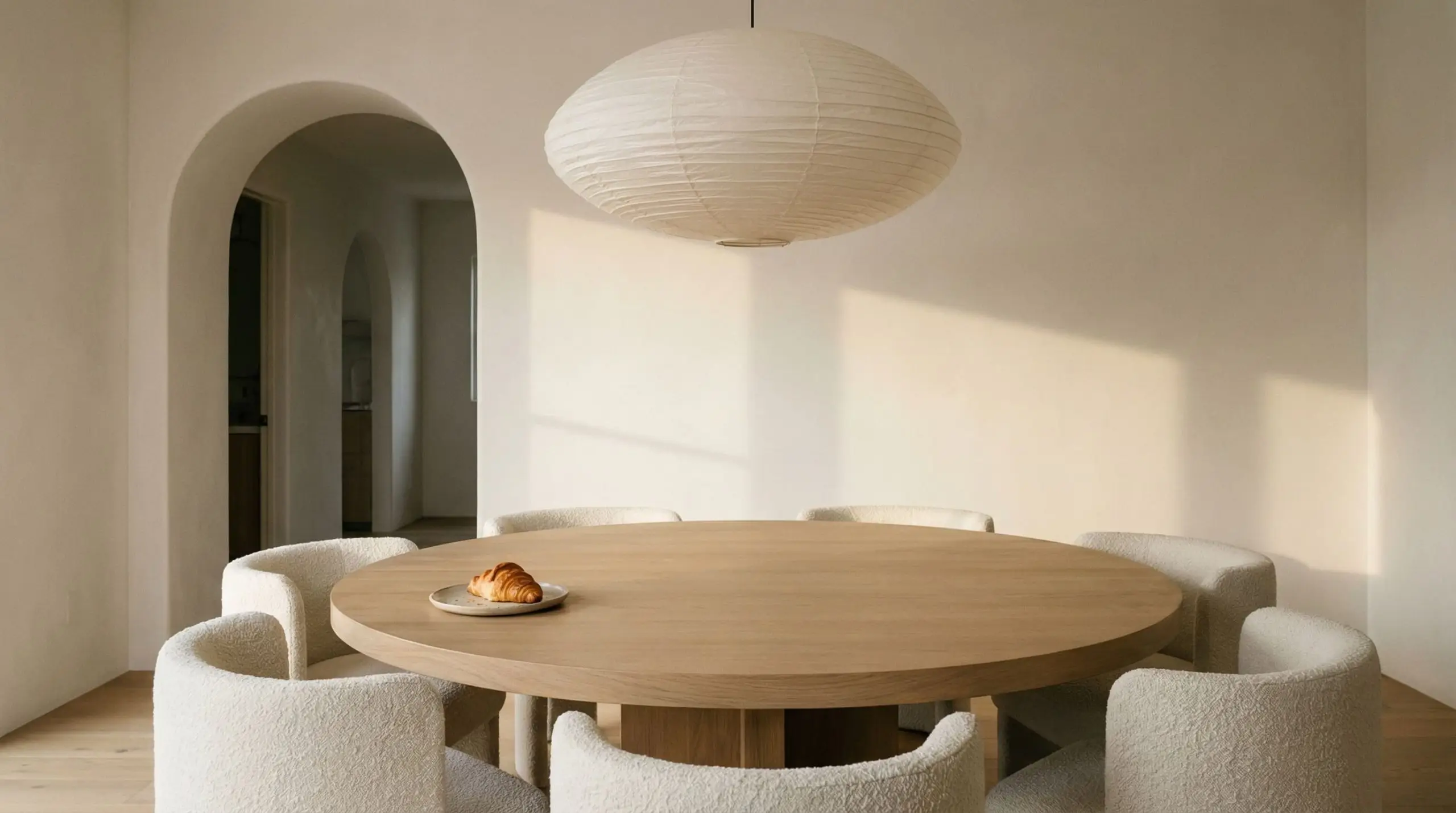
Straight lines and right angles represent human manufacturing; curves represent nature. Incorporating soft geometry is non-negotiable if you want to soften the harsh, boxy architecture of a standard modern home.
The Rule: For every three pieces of linear, straight-edged furniture in a room, you must introduce one distinctively curved element to break the visual grid.
Look for kidney-shaped sofas, round nesting coffee tables, and sculptural, asymmetrical lighting pendants. Even architectural updates, like adding arched doorways or curved plaster range hoods, instantly elevate the organic feel of the space.
Room-by-Room Guide to Organic Modern Styling
Taking the theory and applying it to your actual floor plan requires restraint and a focus on sensory details. Here is how to execute the look across your home.
The Living Room: Layered Textures & Grounded Comfort
Your living room should feel like a luxurious, tactile embrace. Start from the floor up by anchoring the seating arrangement with a massive, highly textured rug.
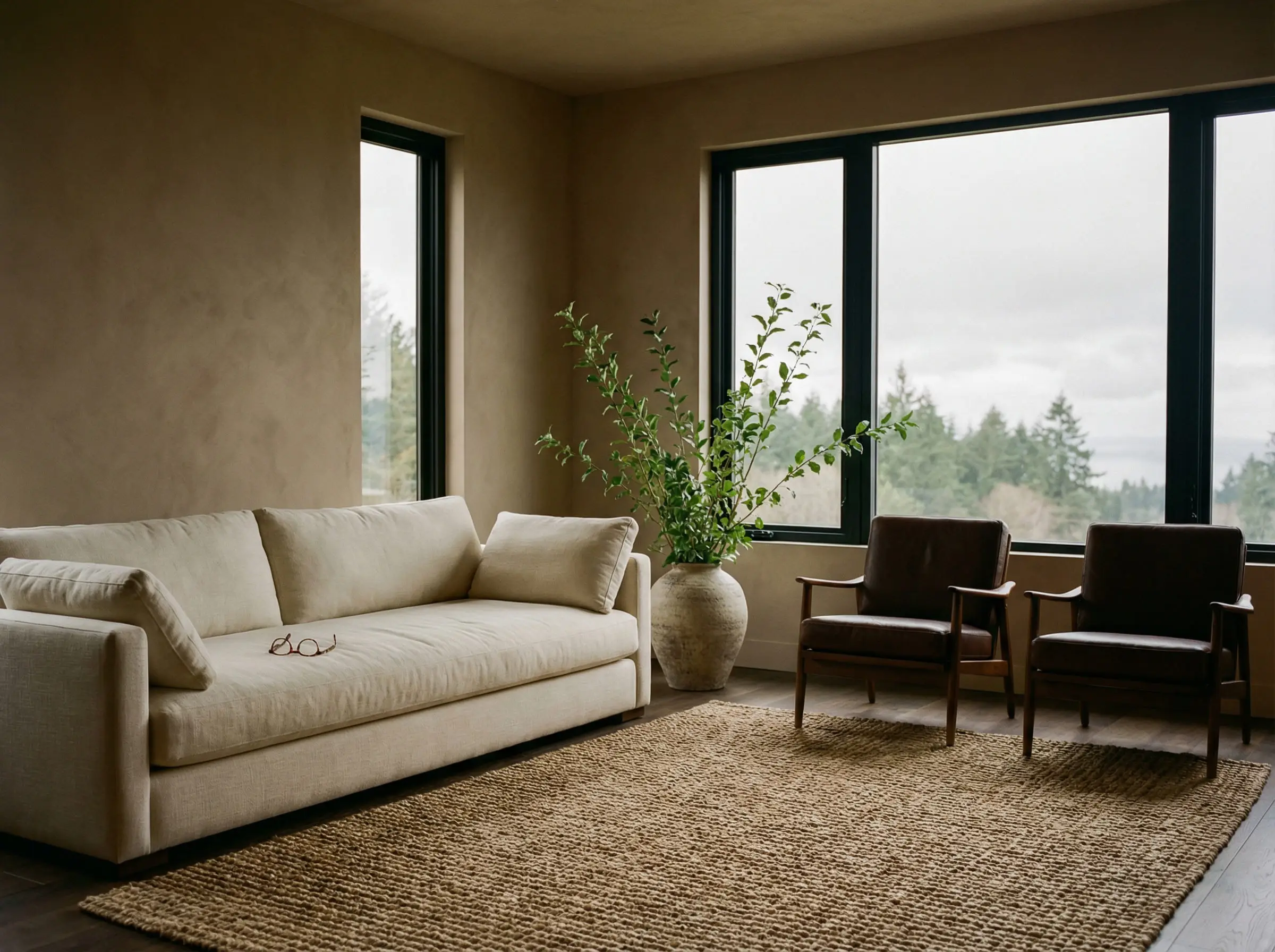
The Setup: Always opt for an 8×10 or 9×12 chunky wool or jute rug to ensure all front legs of your furniture sit comfortably on it.
Mix your upholstery to avoid a catalog look. Pair a low-slung, slipcovered linen sofa with a pair of sleek, mid-century leather accent chairs.
Finally, bring the outdoors in. Biophilia is crucial here; skip the tiny potted succulents and instead forage oversized, 4-foot leafy branches to display in a heavy ceramic floor vase.
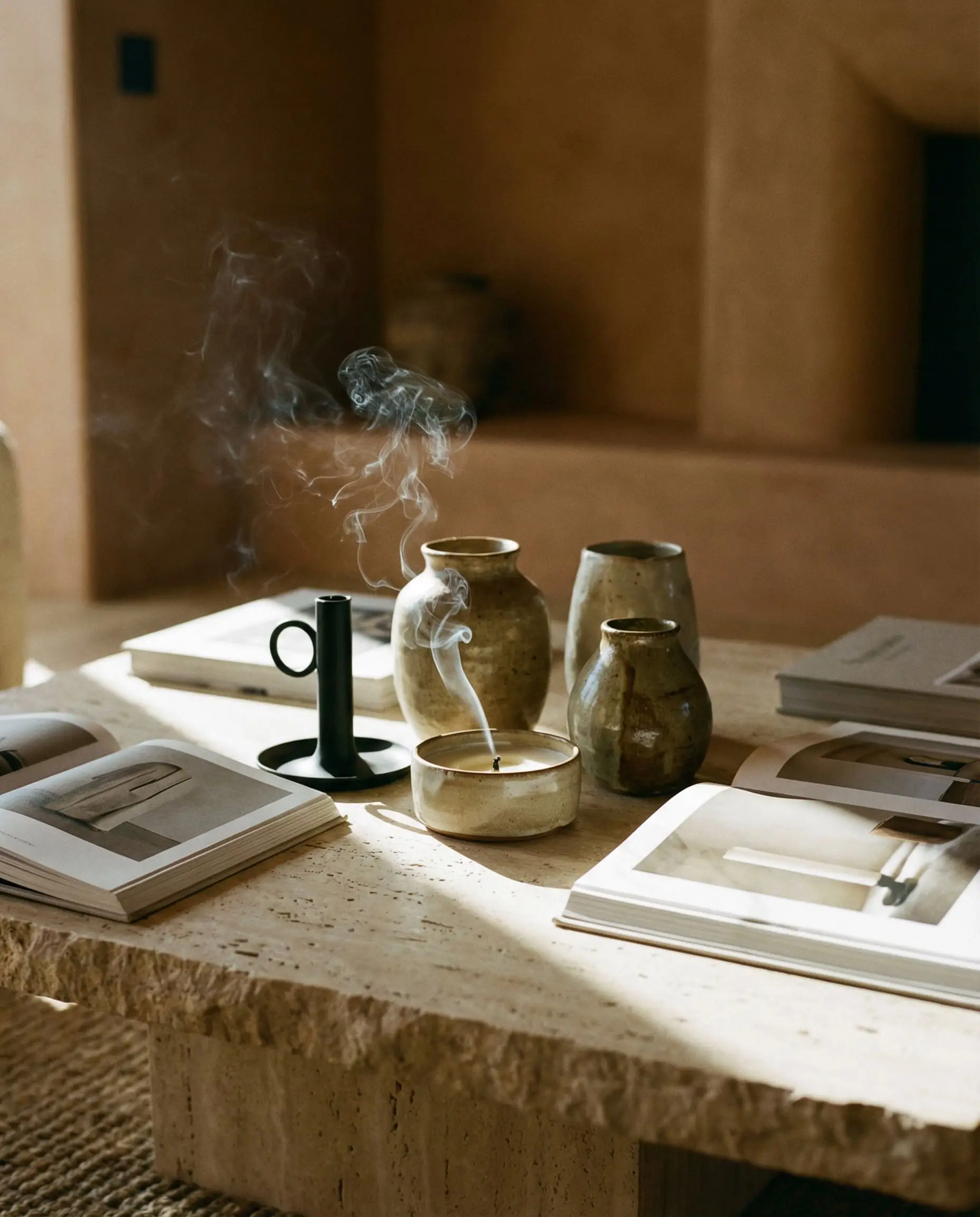
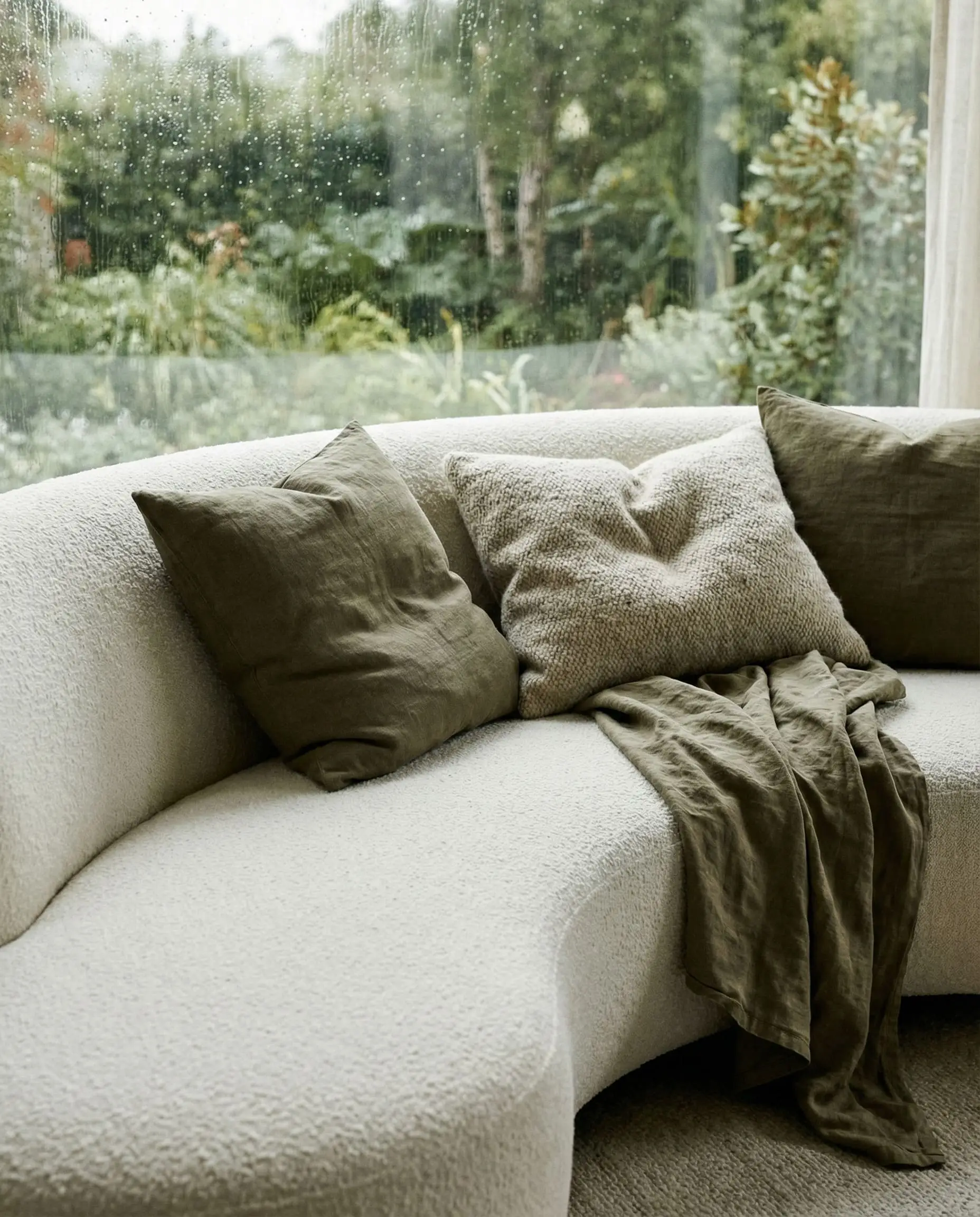
The Kitchen: Warm Woods & Honed Stone
The organic modern kitchen is a masterclass in hiding modern appliances behind beautifully raw, natural materials.
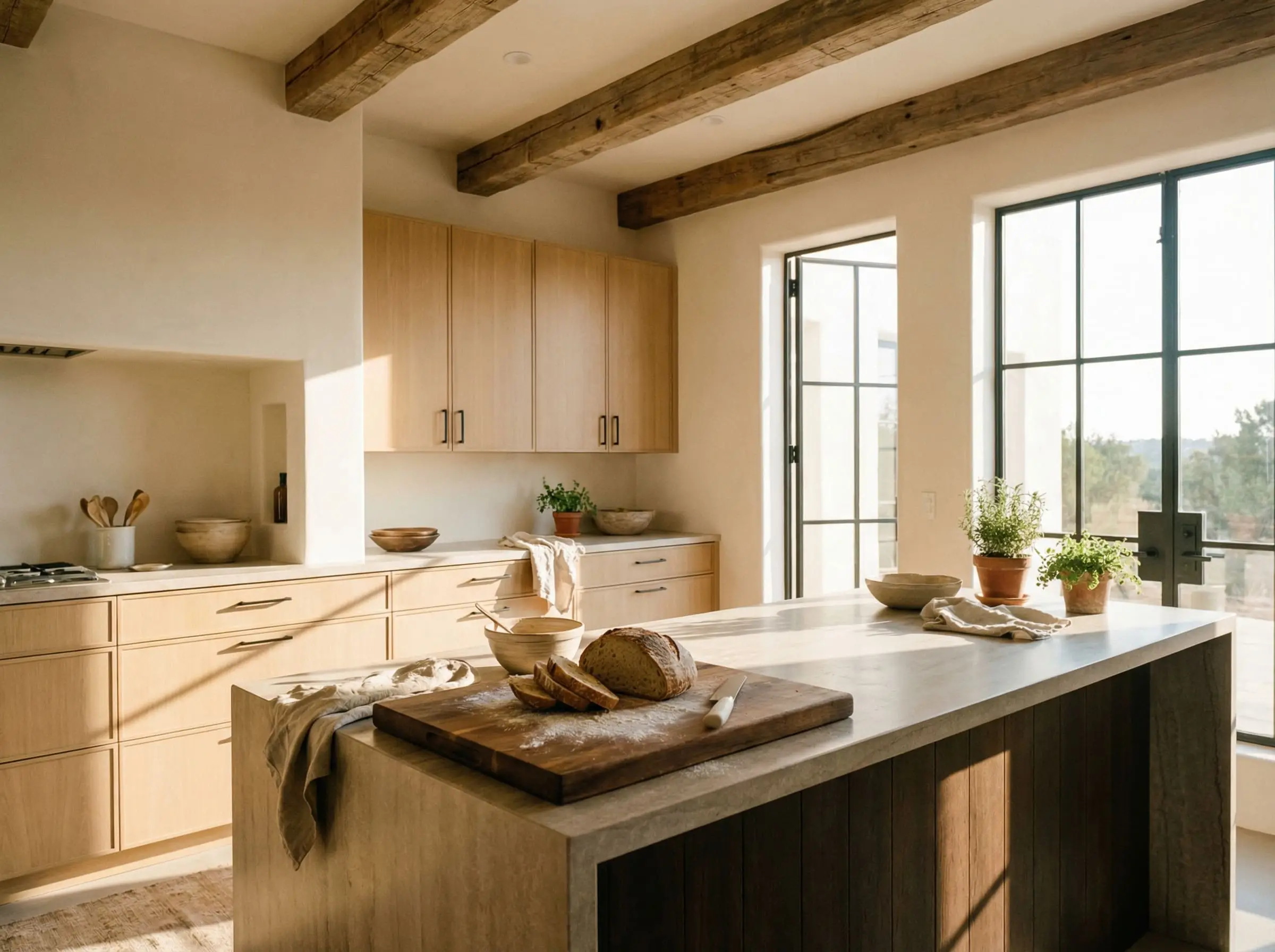
We are officially ditching high-gloss, sterile white cabinets. Instead, specify flat-panel white oak cabinetry or paint your millwork in matte, earthy tones like mushroom or muddy green.
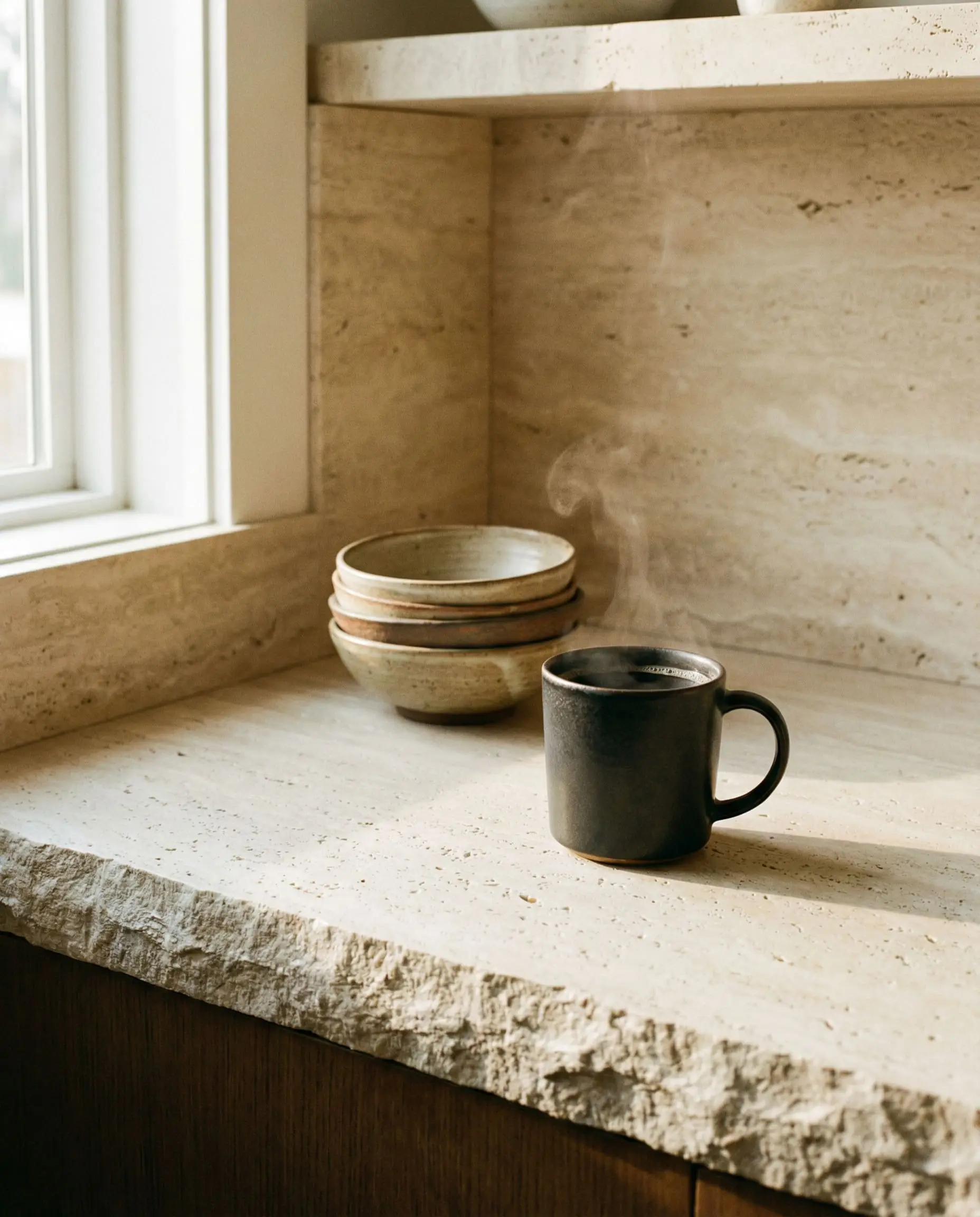
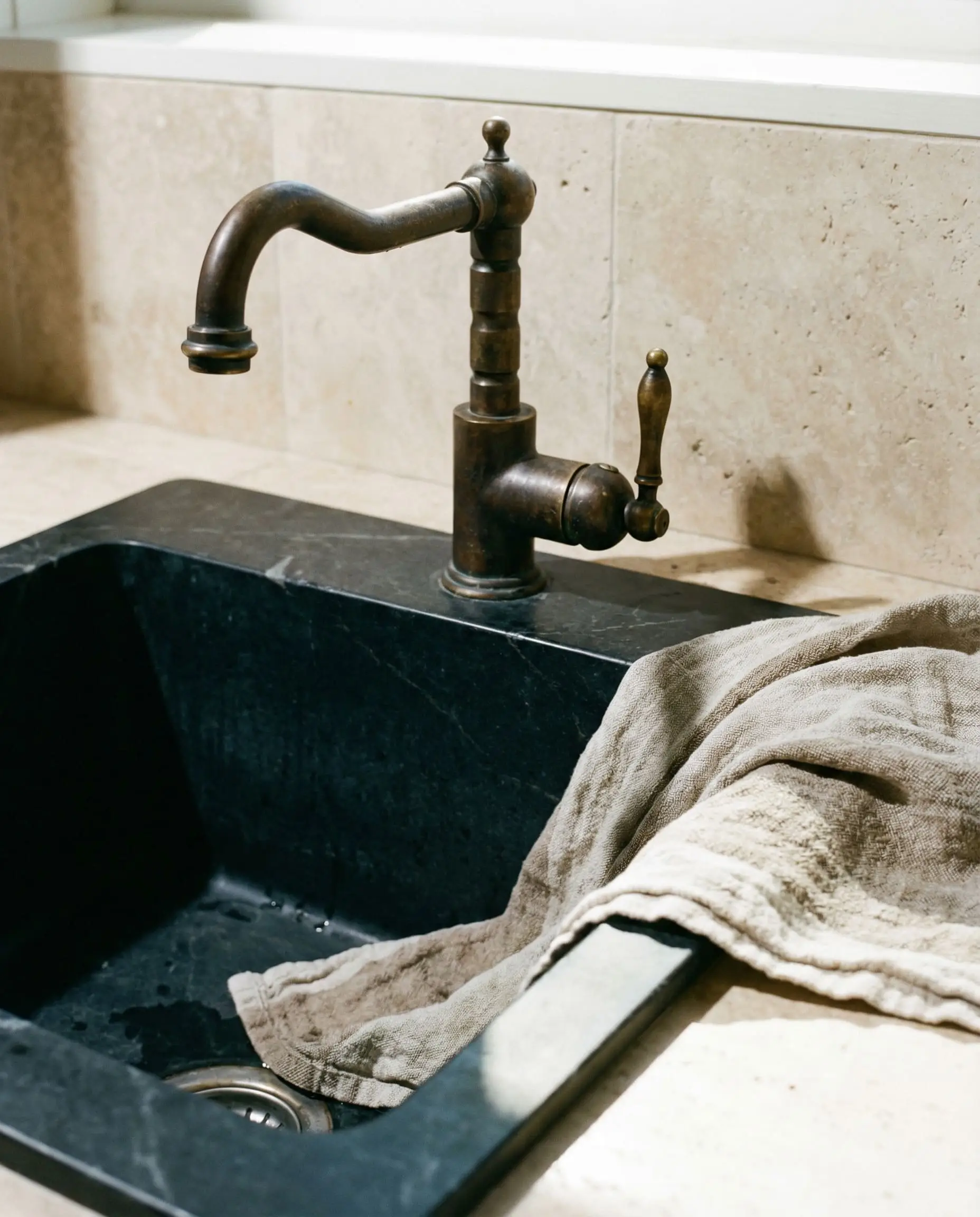
For your hardscapes, use continuous stone. Run a slab of honed travertine or soapstone across the countertops and take it seamlessly up the backsplash. If budget allows, a waterfall edge on the island creates a stunning, monolithic look.
Finish the space with living finishes. Unlacquered brass or matte black hardware will naturally patina over time, adding authentic character that polished chrome simply cannot replicate.
The Bedroom: A Calming, Tactile Sanctuary
A bedroom should trigger an immediate drop in cortisol. Focus entirely on low-profile furniture and sensory-rich textiles.
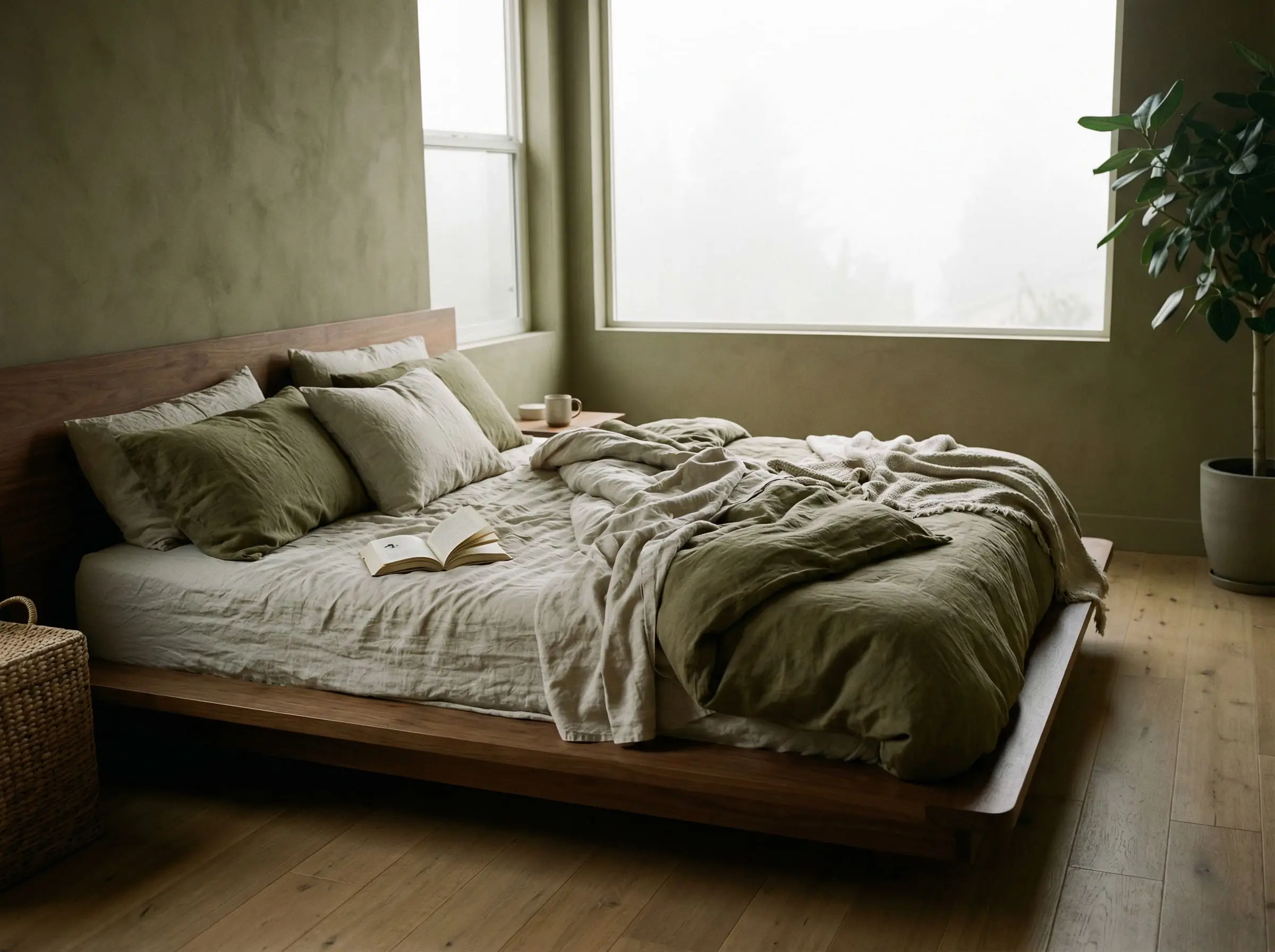
The Fix: Lower your center of gravity. Swap out towering, tufted headboards for a low-profile, platform bed made of solid walnut or upholstered in soft linen.
Embrace the beauty of imperfection when making the bed. Layer rumpled, 100% French flax linen bedding in tones of olive and oatmeal, intentionally leaving the wrinkles to invite a relaxed, lived-in vibe.
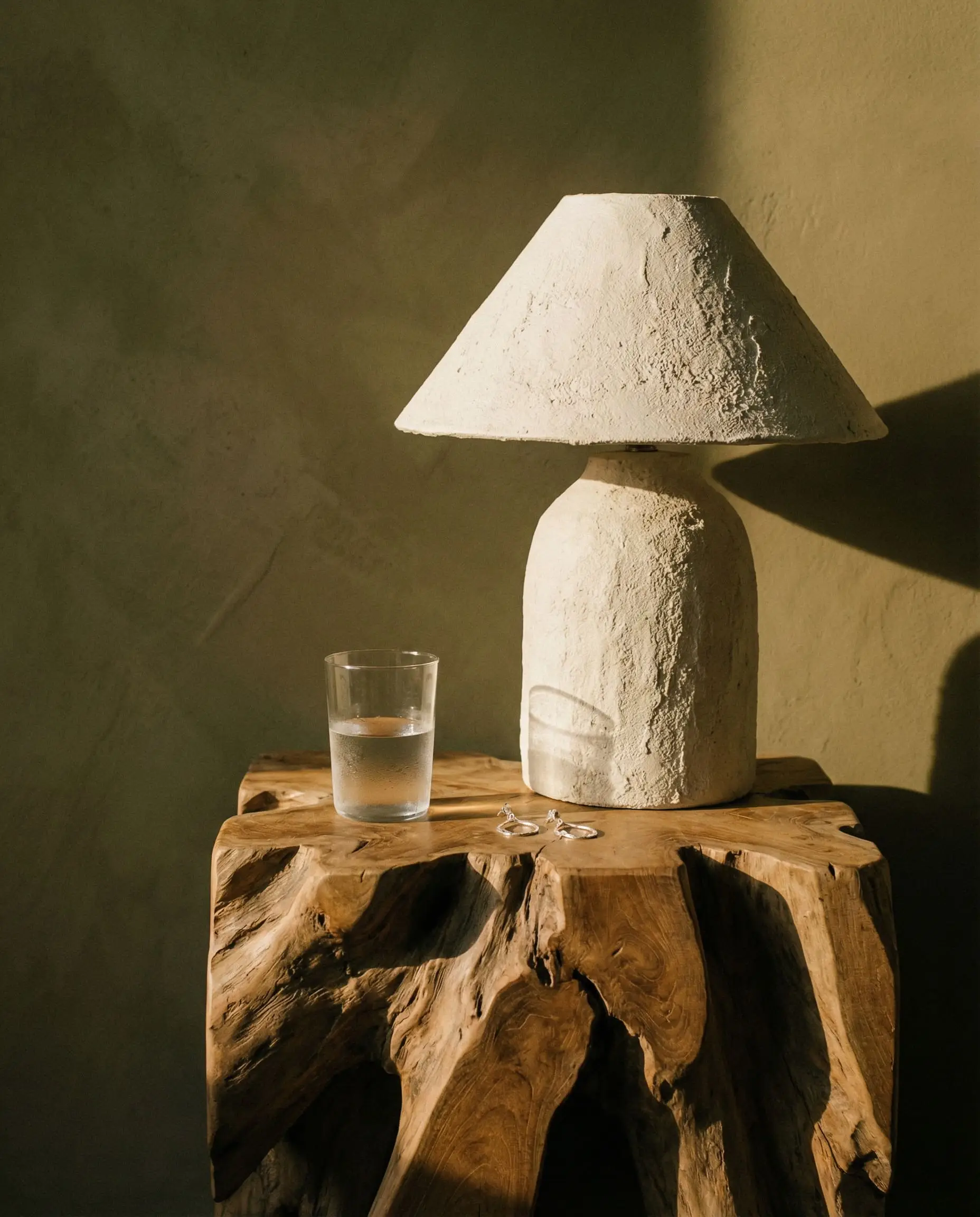
Flank the bed with asymmetrical, raw wood nightstands and top them with sculptural, wabi-sabi table lamps cast in plaster or ceramic.
The Bathroom: Spa-Like Serenity & Plaster Finishes
Transform your bathroom from a purely utilitarian space into a damp, earthy sanctuary.
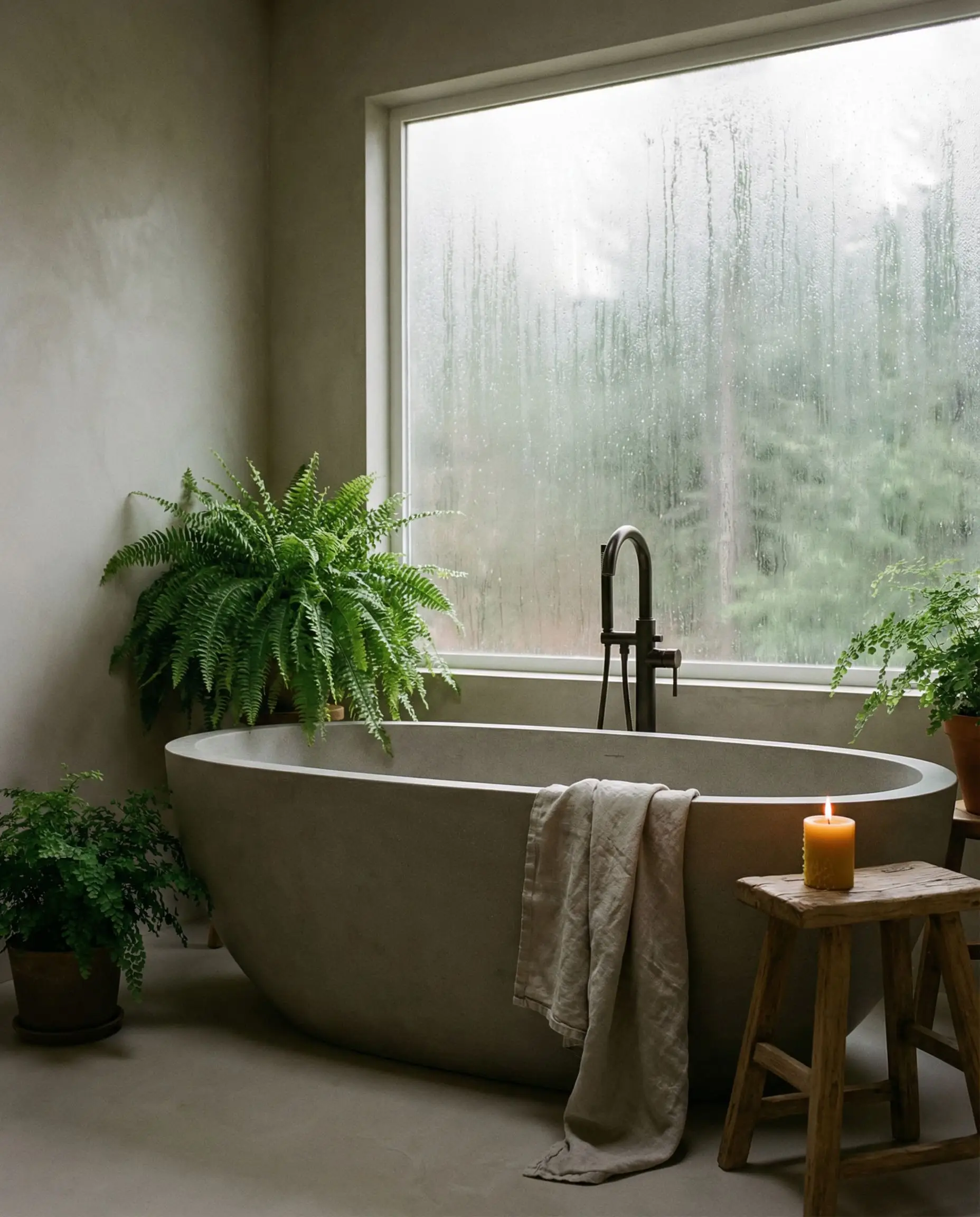
Anchor the room with a freestanding matte stone or resin soaking tub rather than glossy acrylic.
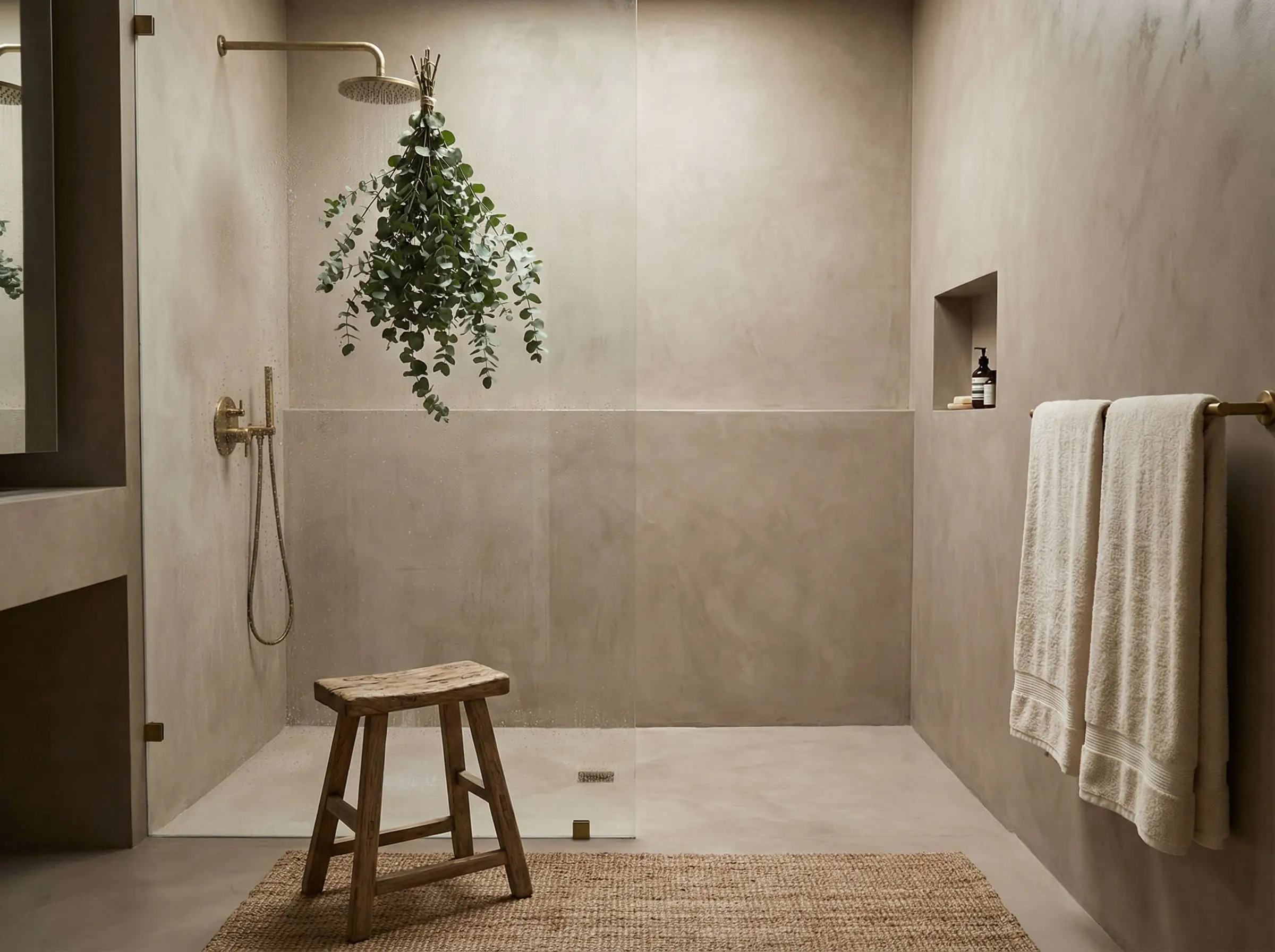
Replace standard subway tile with microcement or Tadelakt plaster. These seamless, waterproof finishes wrap the walls and shower enclosures in a continuous, earthy texture that feels like a high-end Moroccan spa.
Finally, integrate nature directly into the wet space. Hang fresh eucalyptus from the showerhead to release essential oils in the steam, and place moisture-loving privacy plants near frosted windows.
Organic Modern vs. Japandi vs. Boho: What’s the Difference?
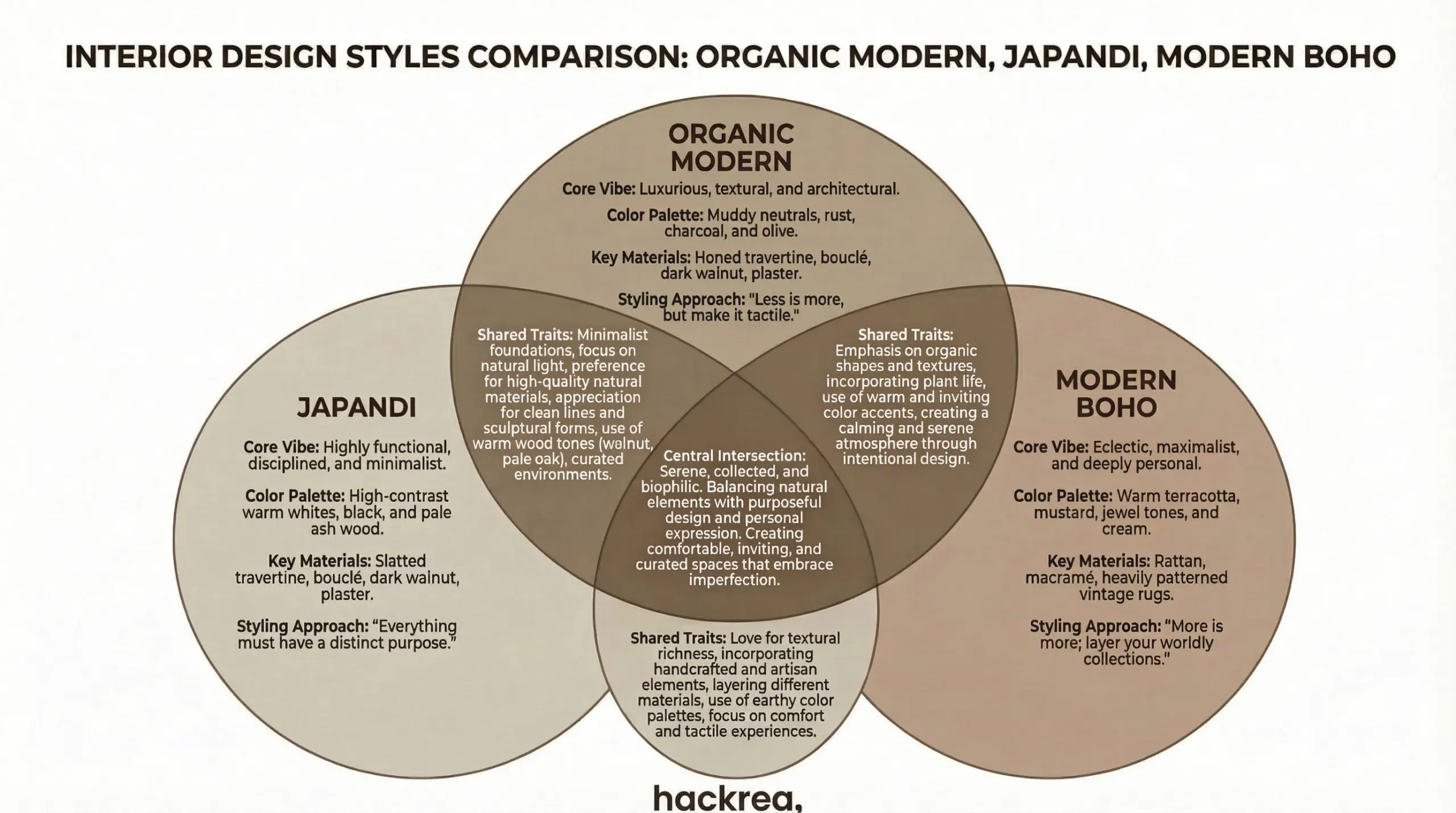
A collaborating interior designer recently told us that clients constantly confuse these three styles. While they all heavily feature natural materials and warm neutrals, their underlying philosophies and final executions are vastly different.
| Feature | Organic Modern | Japandi | Modern Boho |
|---|---|---|---|
| Core Vibe | Luxurious, textural, and architectural. | Highly functional, disciplined, and minimalist. | Eclectic, maximalist, and deeply personal. |
| Color Palette | Muddy neutrals, rust, charcoal, and olive. | High-contrast warm whites, black, and pale ash wood. | Warm terracotta, mustard, jewel tones, and cream. |
| Key Materials | Honed travertine, bouclé, dark walnut, plaster. | Slatted light oak, paper lanterns, bamboo. | Rattan, macramé, heavily patterned vintage rugs. |
| Styling Approach | “Less is more, but make it tactile.” | “Everything must have a distinct purpose.” | “More is more; layer your worldly collections.” |
If you are leaning toward a stricter, more functional approach, you may want to explore our japandi interior design guide.
5 Common Mistakes When Styling Organic Modern
Even with the best intentions, it is easy for this style to veer into dull or chaotic territory. Here is a strict list of do’s and don’ts to keep your space looking like a magazine editorial.
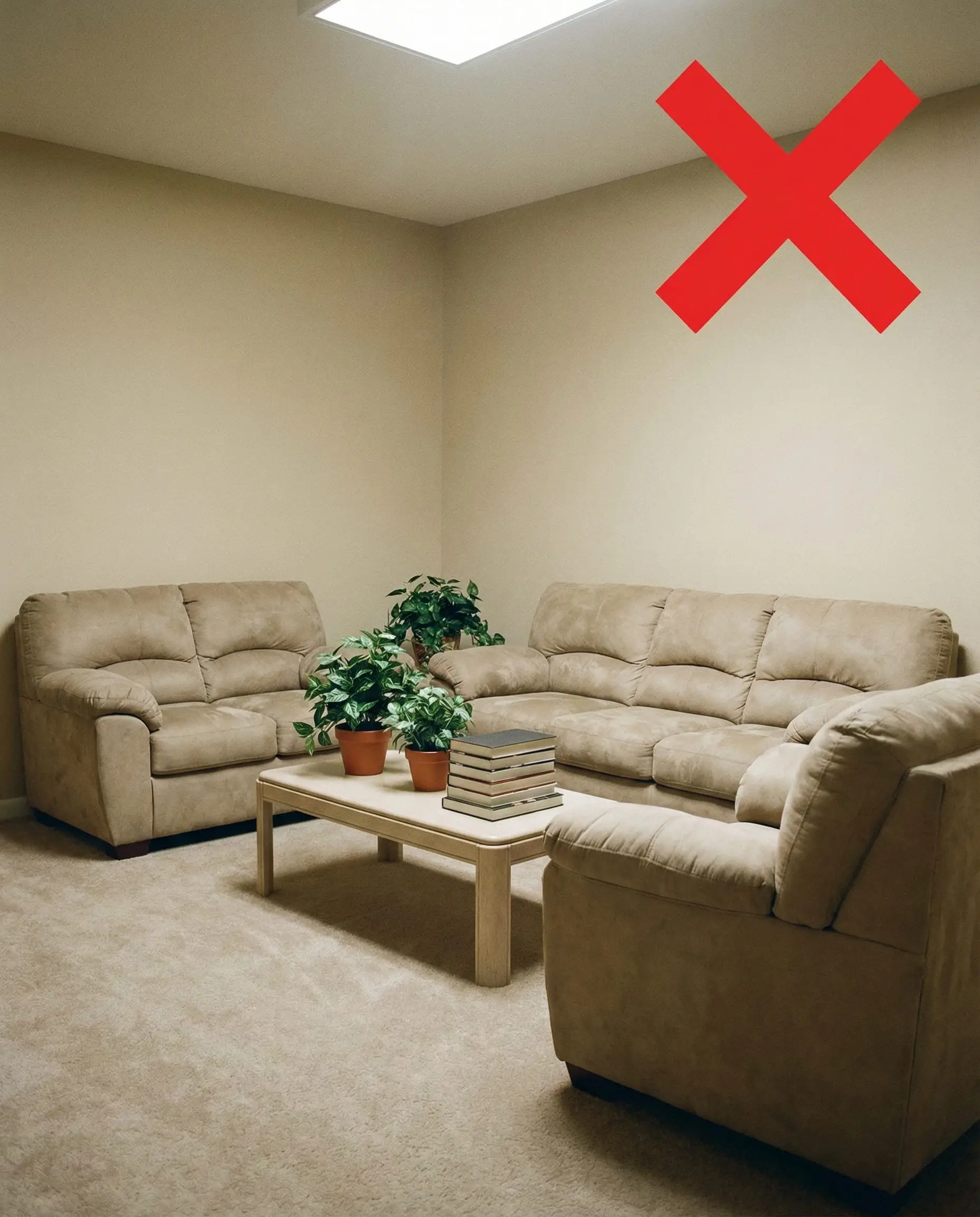
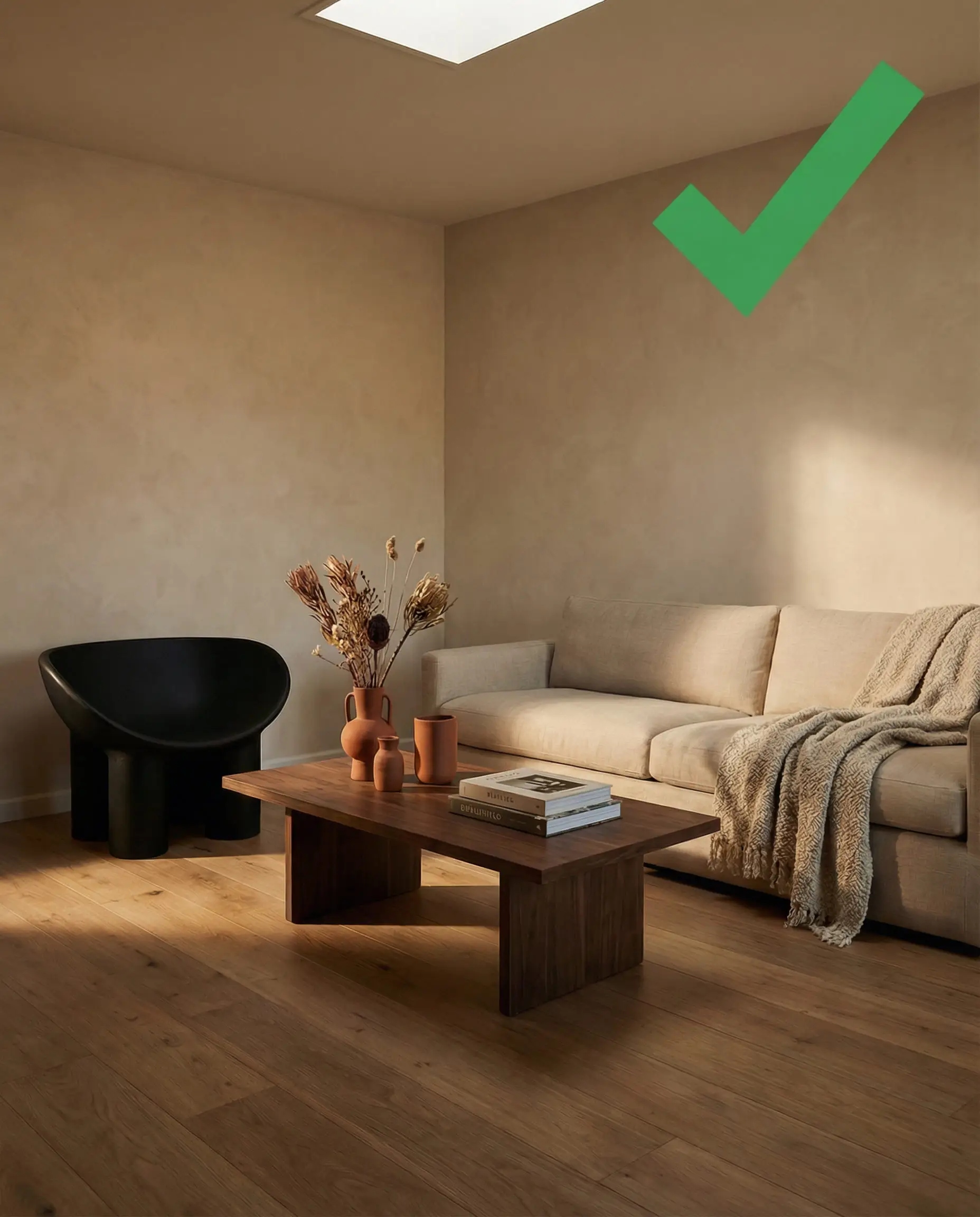
Key Takeaway: The success of organic modern design relies entirely on restraint. Edit your accessories ruthlessly, and let the high-quality materials speak for themselves.
Shop the Look: Top Brands for Organic Modern Decor
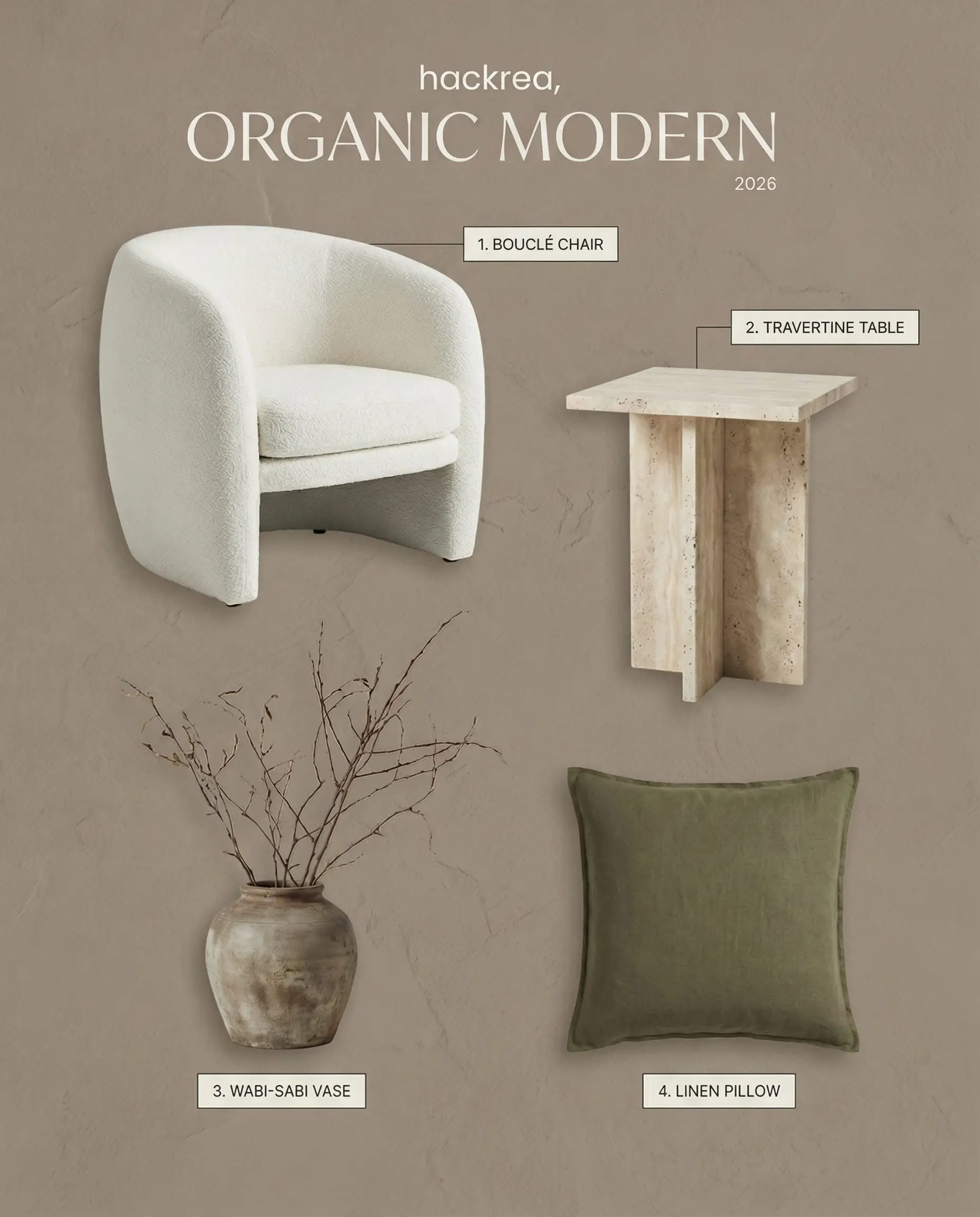
Sourcing the right pieces is half the battle. Whether you are doing a full renovation or just swapping out textiles, here are our go-to retailers for nailing the aesthetic at any price point.
- $$$ (High-End/Investment):
- Maiden Home: Unparalleled for custom, bench-made seating with exquisite modern tailoring.
- Lulu and Georgia: The ultimate destination for statement curvilinear furniture and heavy textural rugs.
- Soho Home: Perfect for sourcing dark, moody woods and vintage-inspired organic lighting.
- $$ (Mid-Tier/Accessible):
- CB2: The best source for edgy, Kelly Wearstler-inspired sculptural decor and travertine accent tables.
- Crate & Barrel: Their recent collections are heavily leaning into warm woods and soft geometry.
- West Elm: A reliable staple for mid-century silhouettes updated with organic fabrics.
- $ (Budget/Decor):
- H&M Home: Incredible for affordable, heavyweight linen pillow covers and raw ceramic vases.
- Zara Home: The secret weapon for wabi-sabi tableware and rustic wooden stools.
- Etsy: The absolute best place to source one-of-a-kind vintage pottery and handmade wooden accents.
Frequently Asked Questions (FAQ)
A: No, it is actually evolving into a timeless, sustainable approach to design. The 2026 shift has moved away from trendy “fast furniture” and toward investing in high-quality, natural materials that age beautifully and never feel dated.
A: Focus on high-impact, low-cost updates. Paint your walls a warm, muddy neutral, tackle a DIY limewash project, forage oversized branches from your yard for free sculptural art, and hunt for handmade, wabi-sabi ceramics at local thrift stores.
A: Yes, mixing metals is highly encouraged to avoid a “builder-grade” look. Unlacquered brass, which develops a gorgeous living patina, pairs exceptionally well with grounding matte black or dark bronze fixtures.
Final Thoughts & Next Steps
Mastering the organic modern aesthetic is about finding the perfect equilibrium. It is the delicate balance between the clean, functional lines of modernism and the wild, textural beauty of the natural world.
Do not feel pressured to overhaul your entire home in a single weekend. Start small: upgrade your throw pillows to heavyweight linen, swap a glossy side table for a raw wood stool, or paint a sterile white room in a warm, complex taupe.
The Aesthetics Desk curates the visual direction for Hackrea. Specializing in design history, global architectural movements, and interior styling, this desk focuses on the psychology of space and how to translate high-end, magazine-quality aesthetics into approachable residential design without falling into fleeting micro-trends.