35 Living Room Storage Ideas for a Clutter-Free Home (2026 Guide)
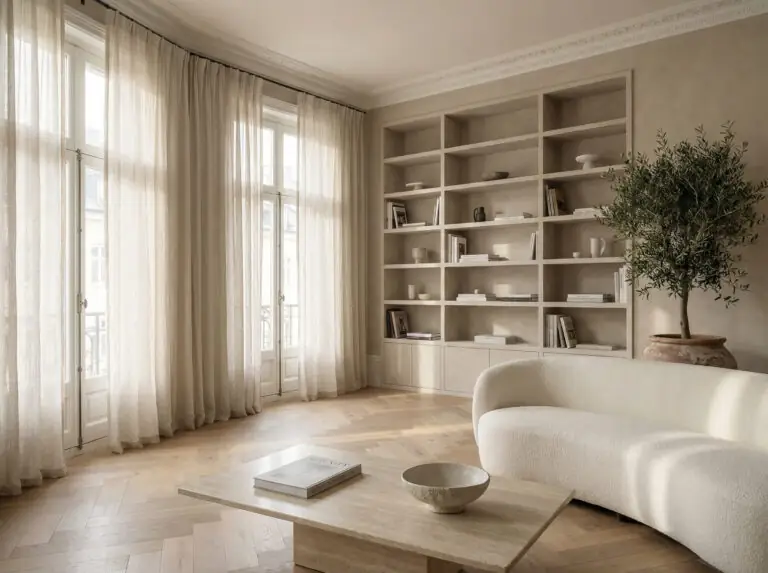
Let’s face it: the living room is the hardest working room in the house. In the last few years, it has evolved from a formal sitting area into a multitasking hub where we work, eat, play, and relax. But with all that activity comes the inevitable byproduct: clutter.
From remote controls and rogue charging cables to children’s toys and the “work-from-home” pile that never seems to leave the coffee table, visual noise can quickly kill the vibe of your sanctuary.
As we move through 2026, the interior design world is shifting away from the “open shelving” trend of the past decade toward “Quiet Luxury” and curated concealment. The goal isn’t just to store things; it’s to create a sense of calm by hiding the chaos behind beautiful, tactile materials.
Whether you are renovating a forever home or looking for renter-friendly hacks for a small apartment, we’ve curated the ultimate guide to living room storage. Here is how to reclaim your space without sacrificing style.
1. The “Hidden” Storage Trend: Architectural & Built-In Solutions
Best for: Homeowners looking to maximize value and minimize visual clutter.
If you are renovating or willing to invest, built-in storage is the gold standard. It allows you to utilize every inch of space while making the room feel larger, not smaller.
Floor-to-Ceiling Joinery
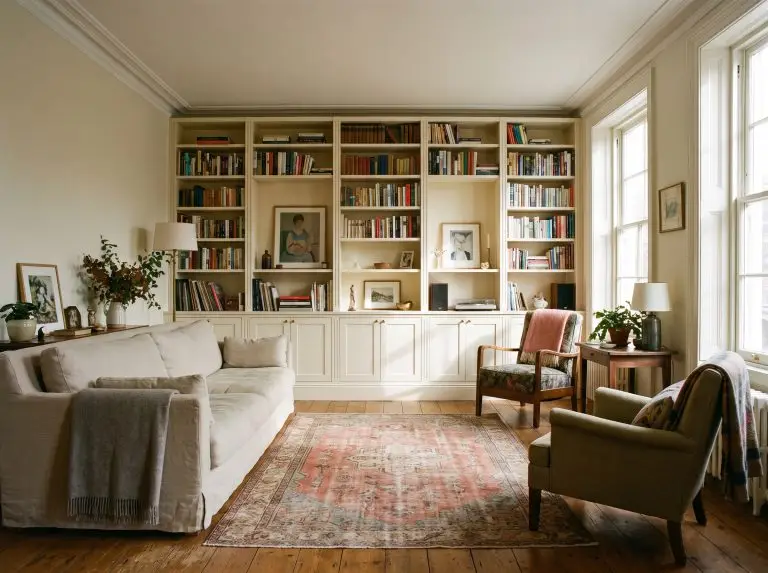
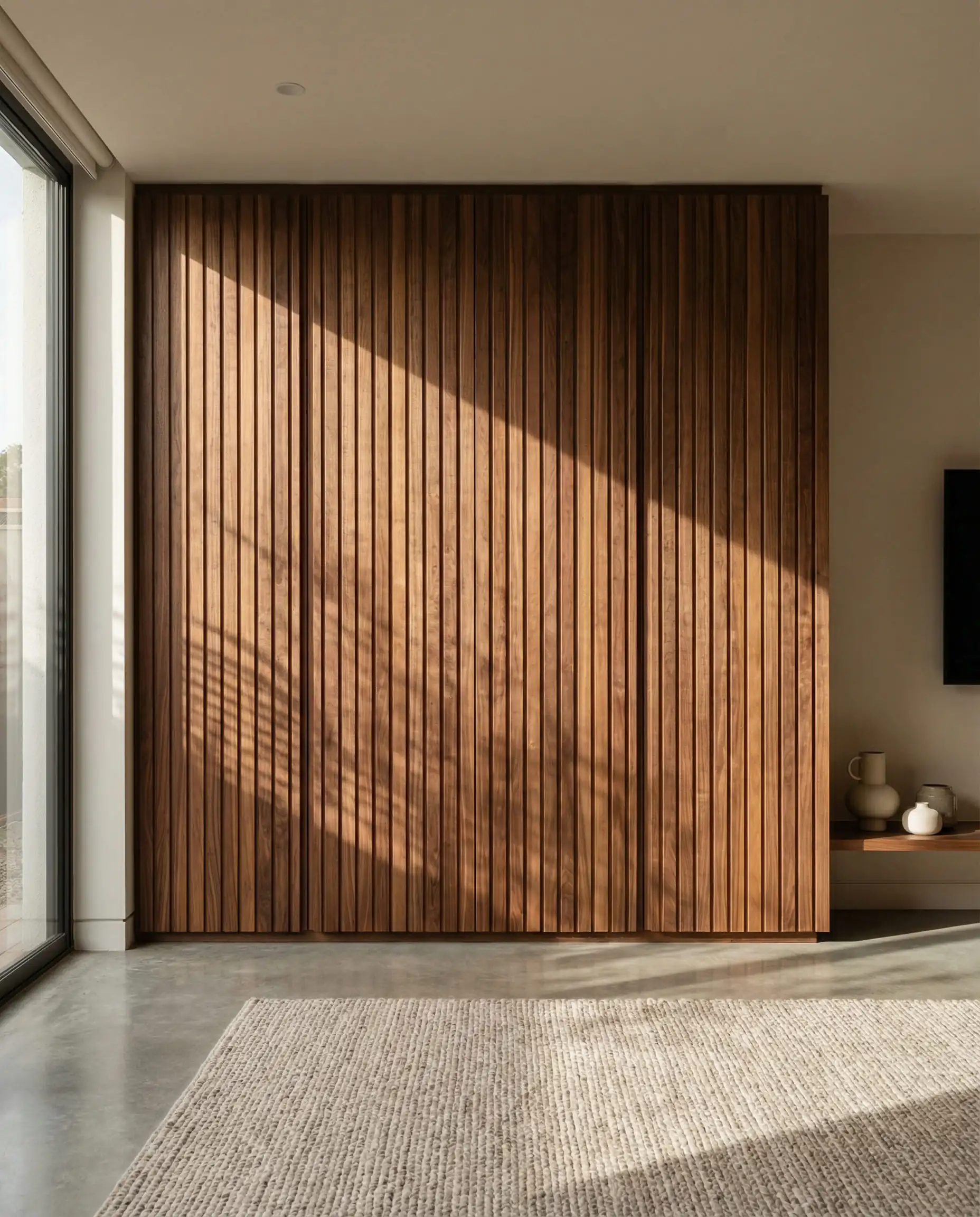
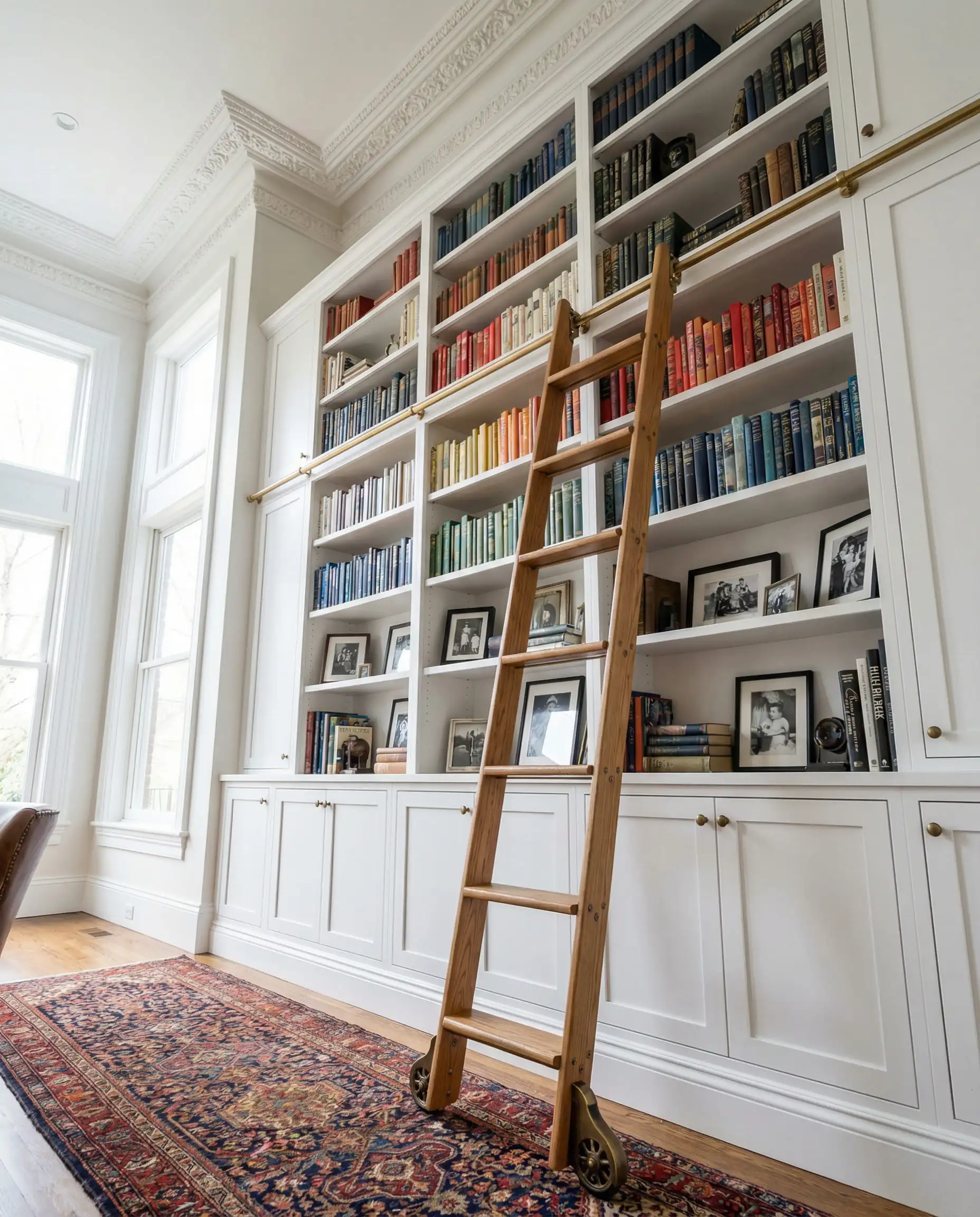
The most common mistake in living room storage is stopping cabinets halfway up the wall. This creates a “dust catcher” top and visually chops the room in half. In 2026, the trend is floor-to-ceiling cabinetry. By drawing the eye upward, you emphasize the height of the room, making it feel grander while doubling your storage capacity.
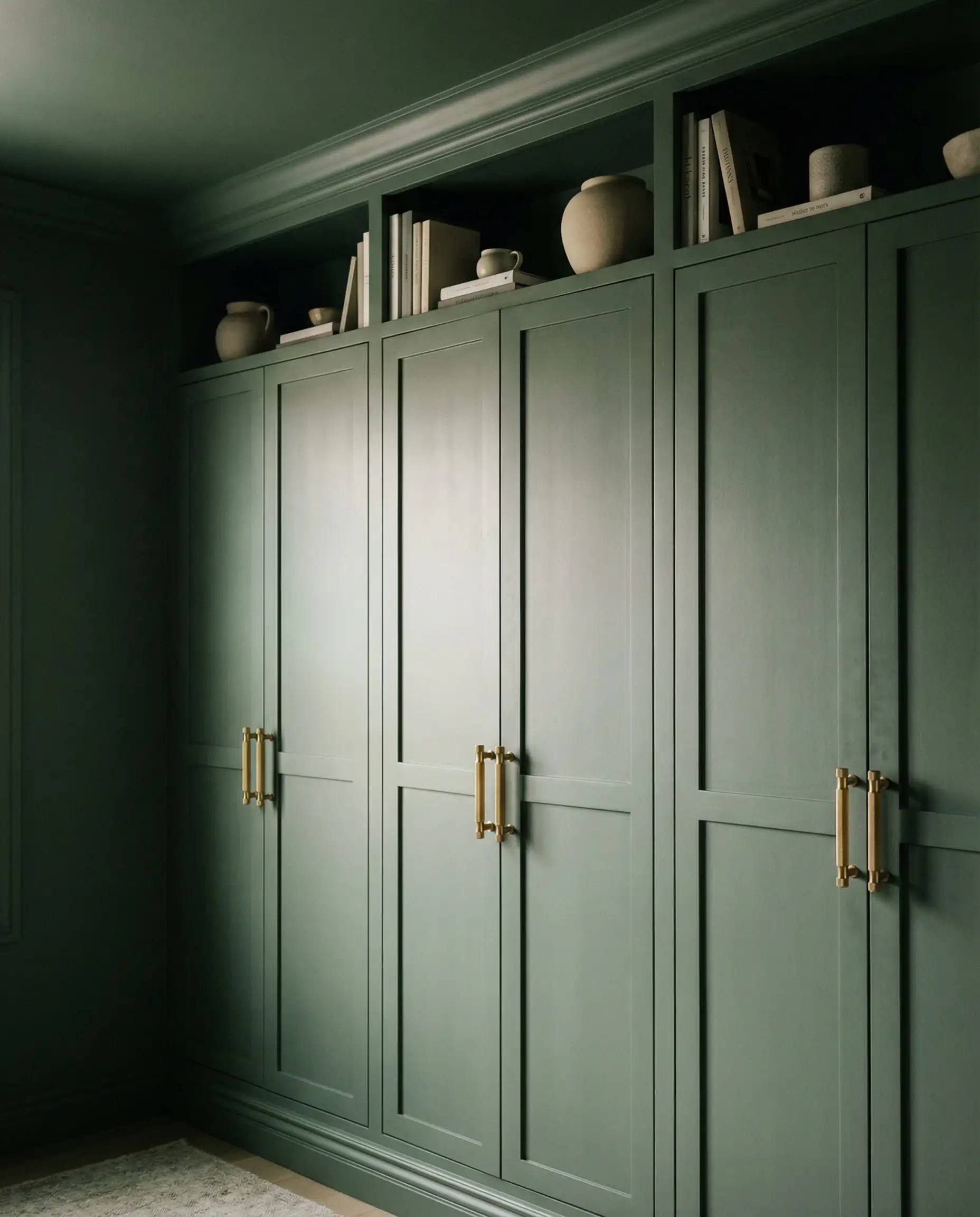
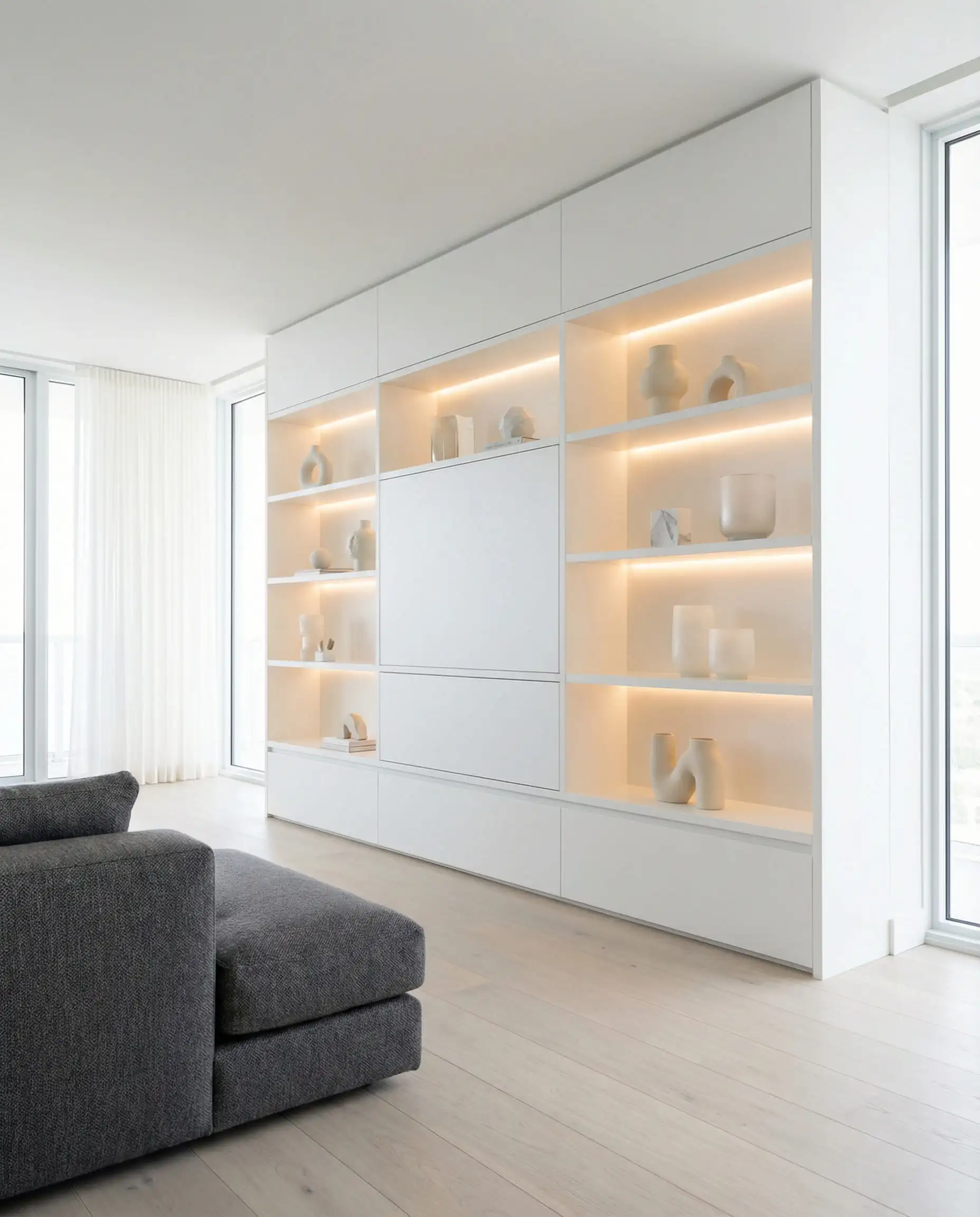
Paint your built-ins the same color as your walls and ceiling (known as “color drenching”). This makes bulky cabinets “disappear” into the architecture, making a small room feel significantly larger and less imposing.
🎨 Hackrea Designer Tip
The Modern Media Wall (Hiding the “Black Box”)
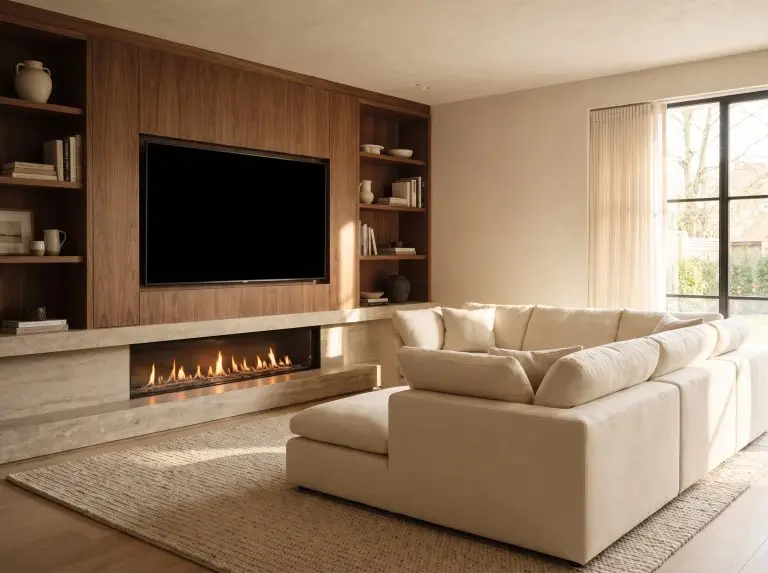
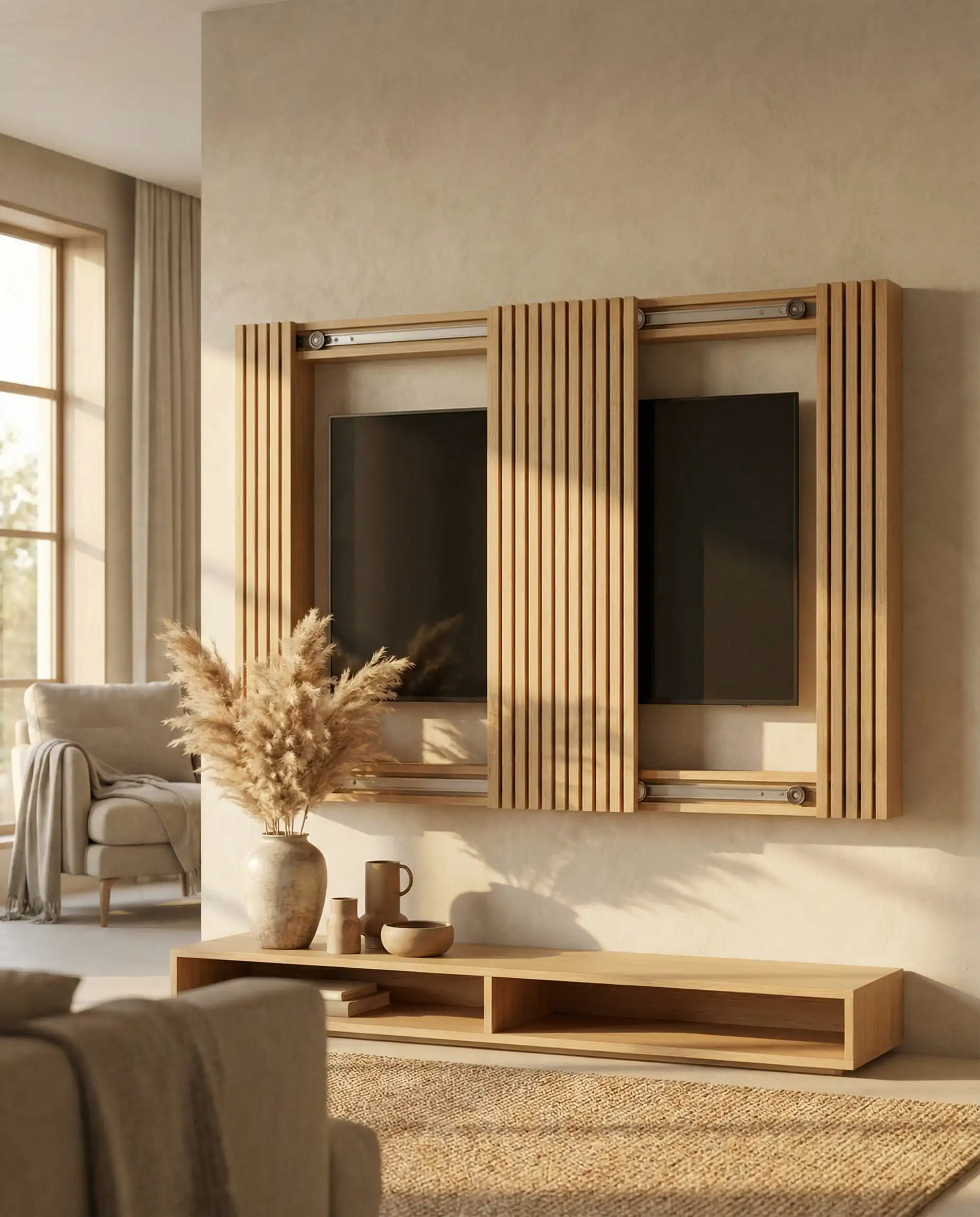
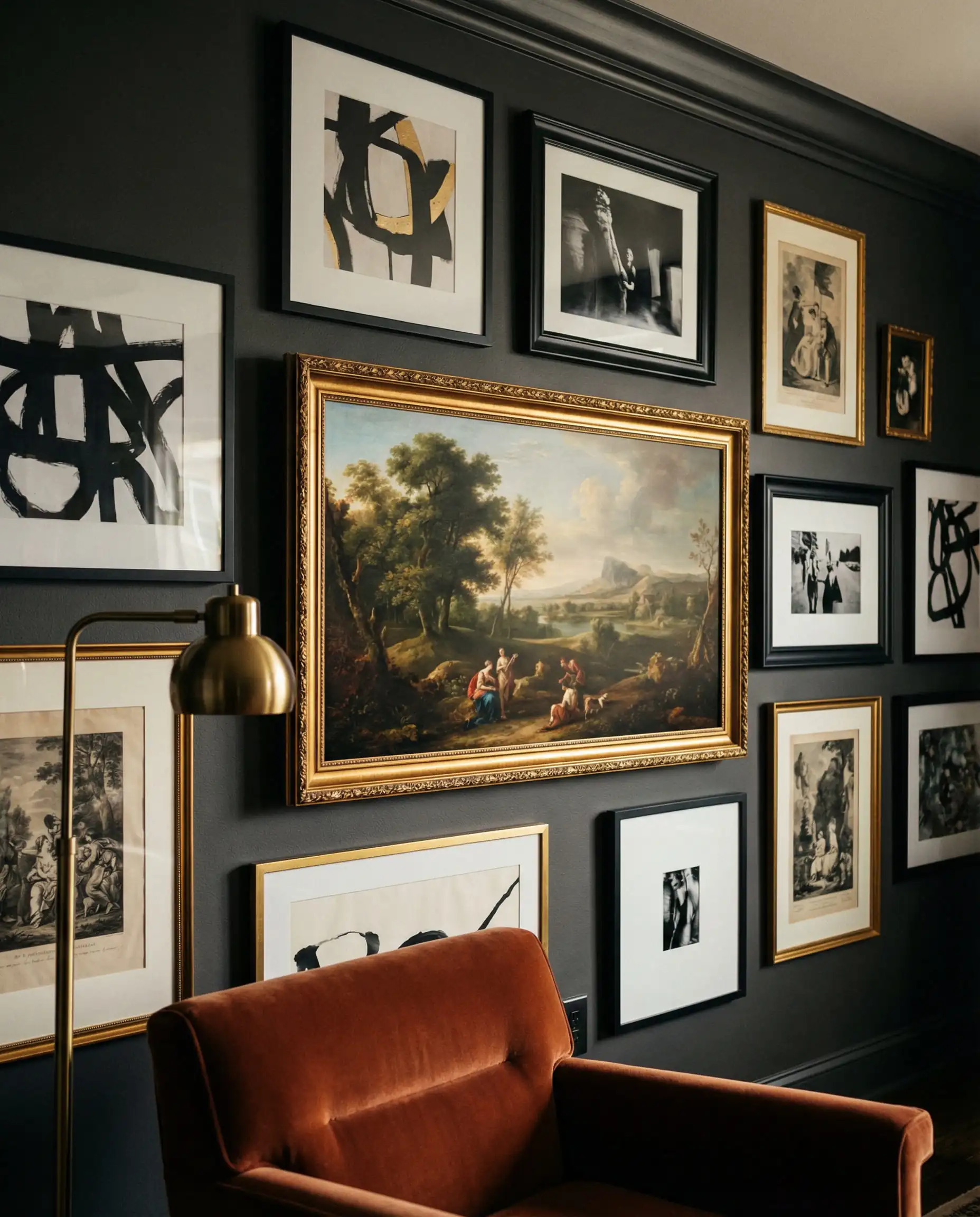
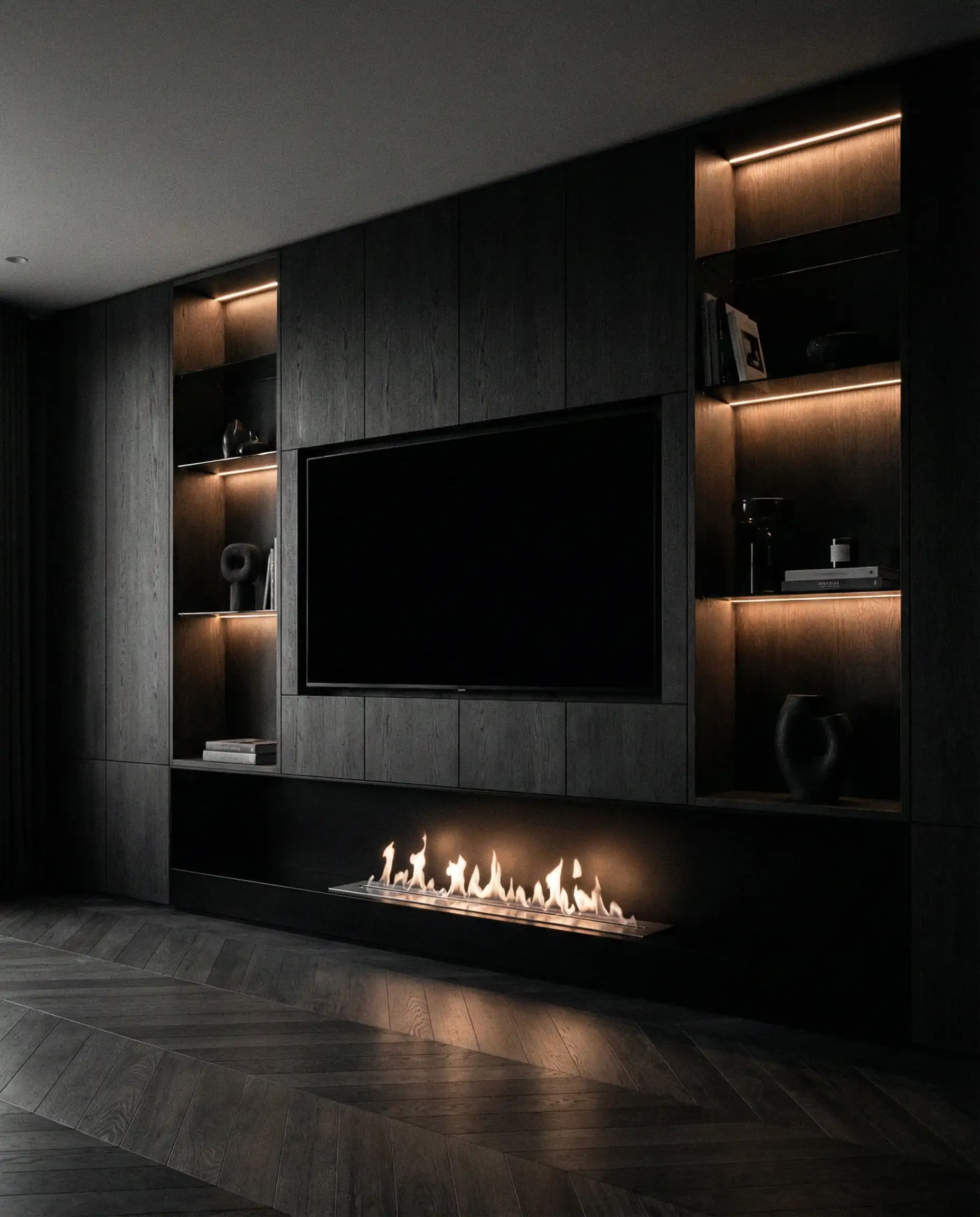
The TV is often the focal point of the living room, but it doesn’t have to be. Modern media walls are evolving to hide technology when it’s not in use. Consider sliding panels—either wooden slats or large-scale art on a rail—that can slide over the TV accent wall when you have guests. This transforms your living room from a cinema back into a conversation space instantly.
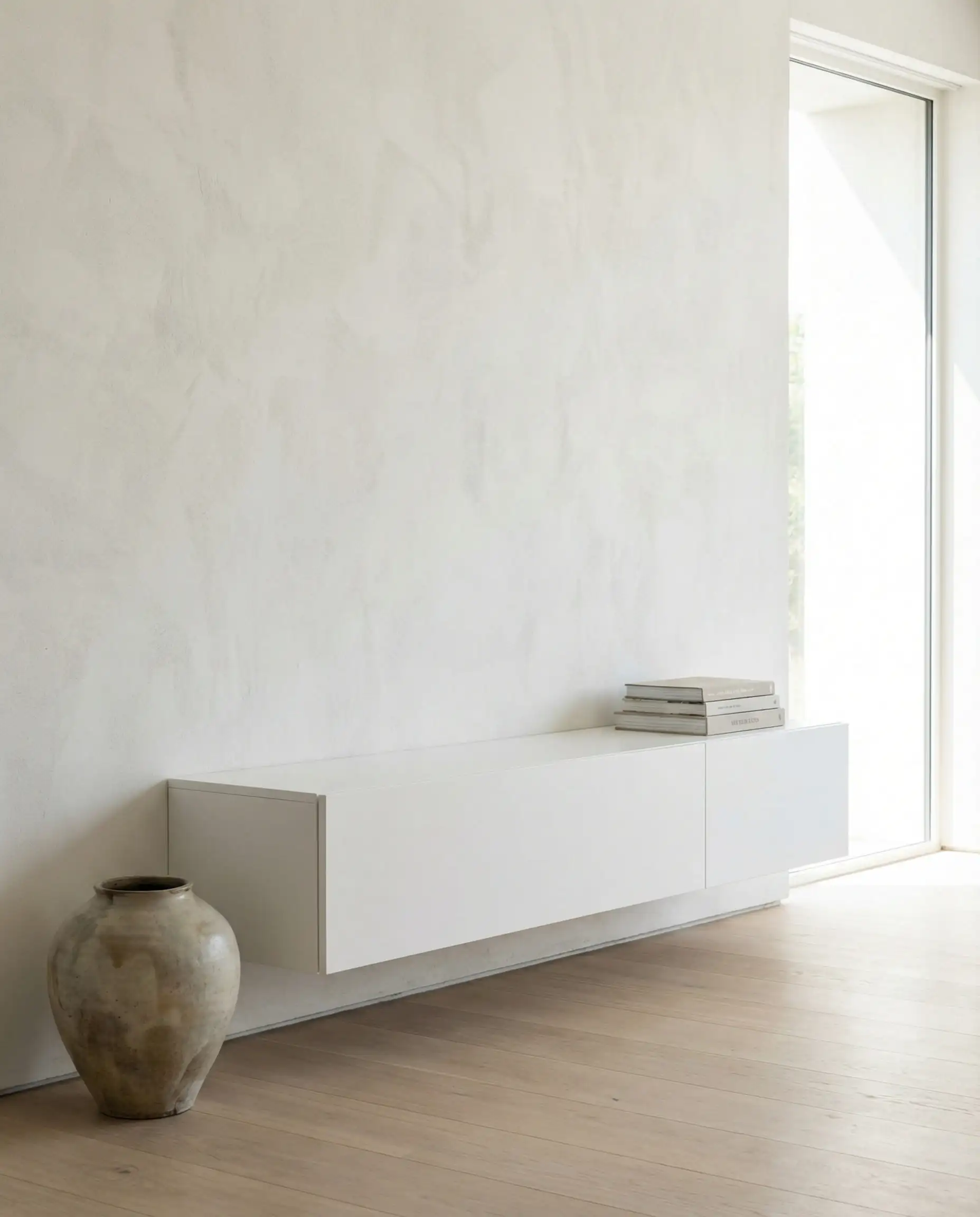
Transform Dead Space: Niches & Alcoves
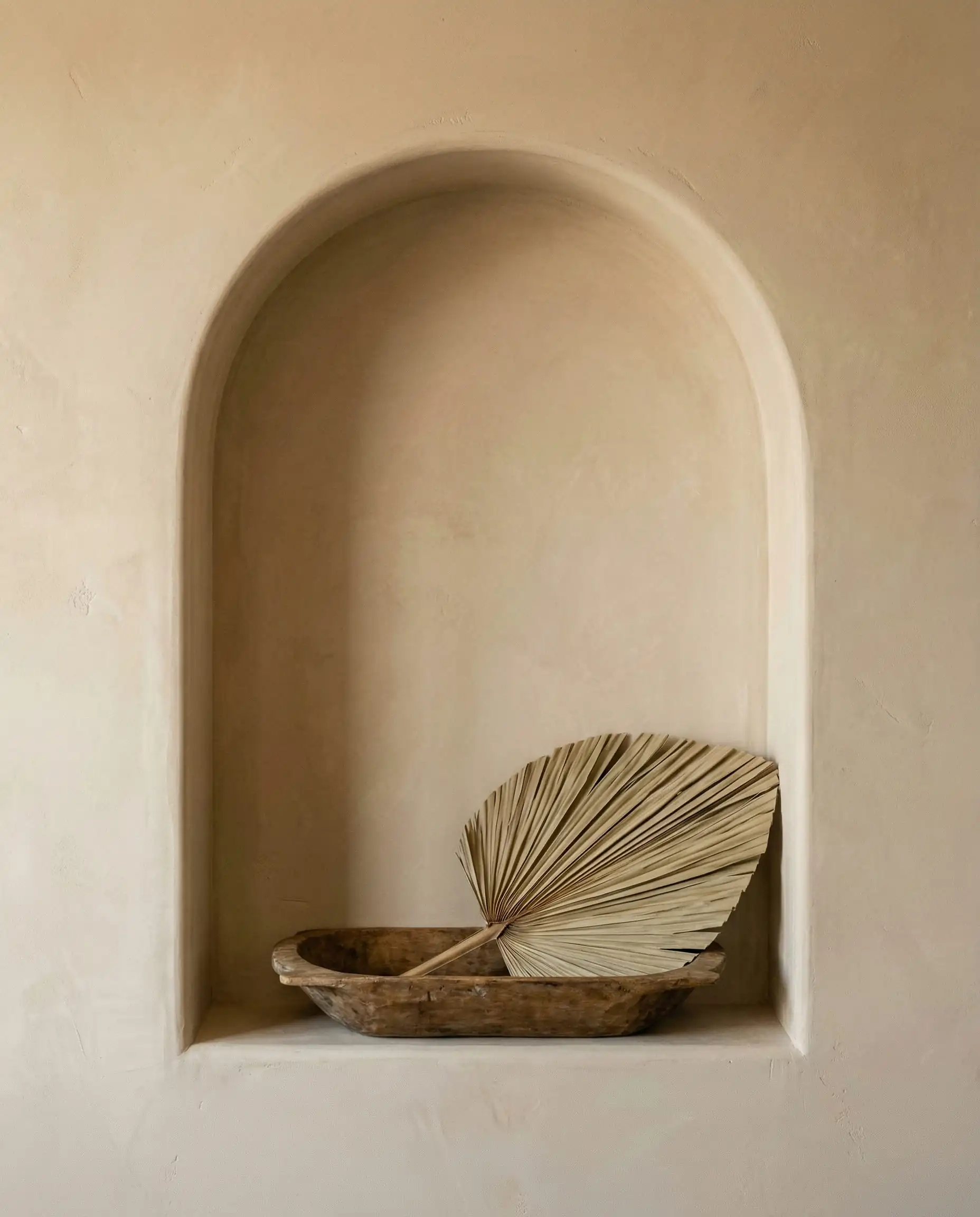
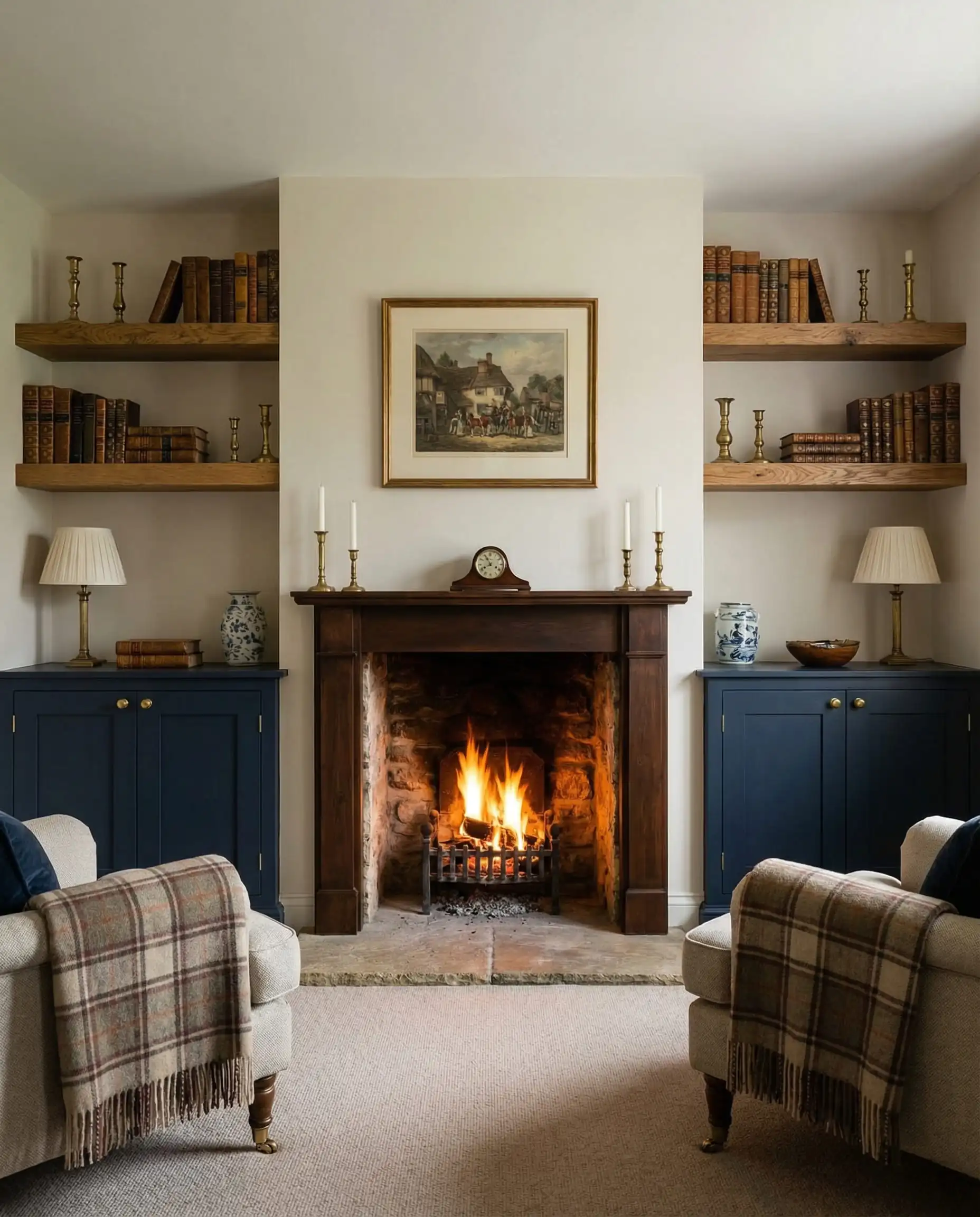
If you have a fireplace, the alcoves on either side are prime real estate. However, the 2026 update to this classic look involves arched niches. Instead of standard floating shelves, homeowners are using drywall to create soft, arched recesses.
Window Seat Storage
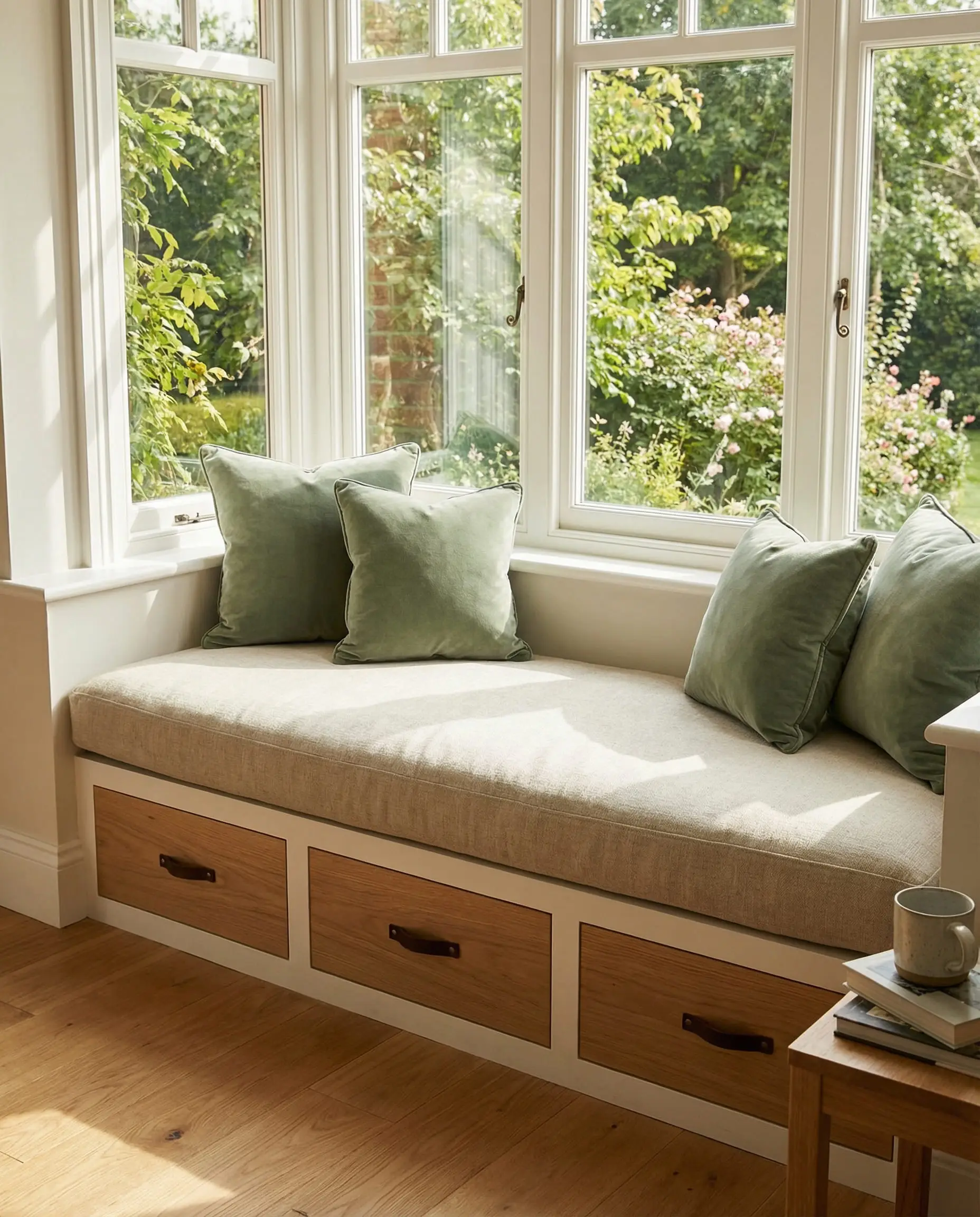
Do you have a bay window or a long wall with a window? A window seat is the ultimate double-duty feature. It provides cozy additional seating for guests and offers deep, cavernous storage underneath.
2. Multifunctional Furniture (No Renovation Required)
Best for: Renters and those who love flexible layouts.
If you can’t build into the walls, your furniture needs to work harder. The era of “single-use” furniture is over.
The Double-Duty Coffee Table
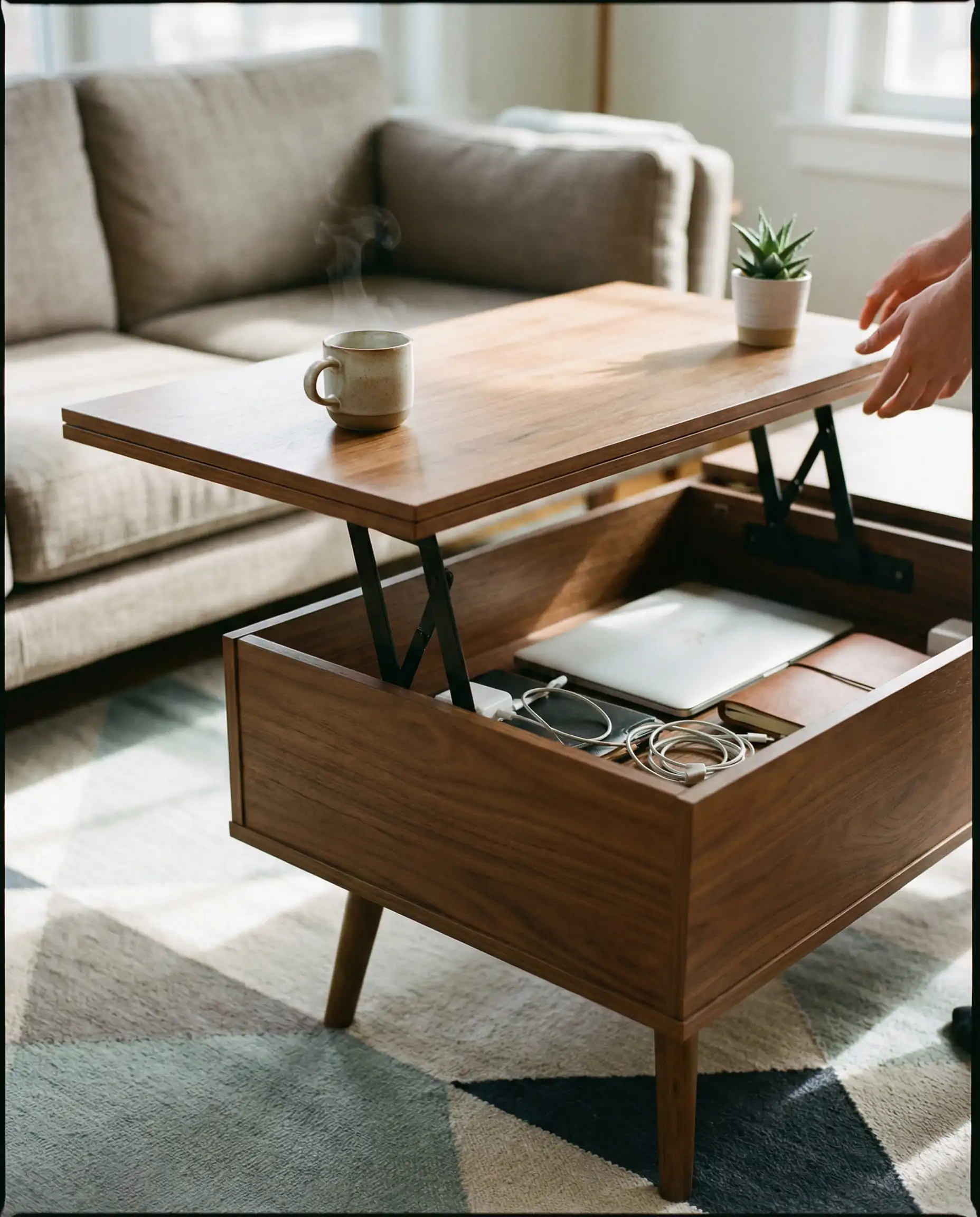
The coffee table is the magnet for living room mess. Swap out your standard table for a lift-top coffee table. These are game-changers for those who eat or work in the living room. The top lifts to desk/dining height, revealing hidden storage underneath for laptops, chargers, and coasters.
Alternatively, look for drum coffee tables made of wood or hammered metal. Their hollow centers are perfect for stashing extra throw blankets that you only need in winter.

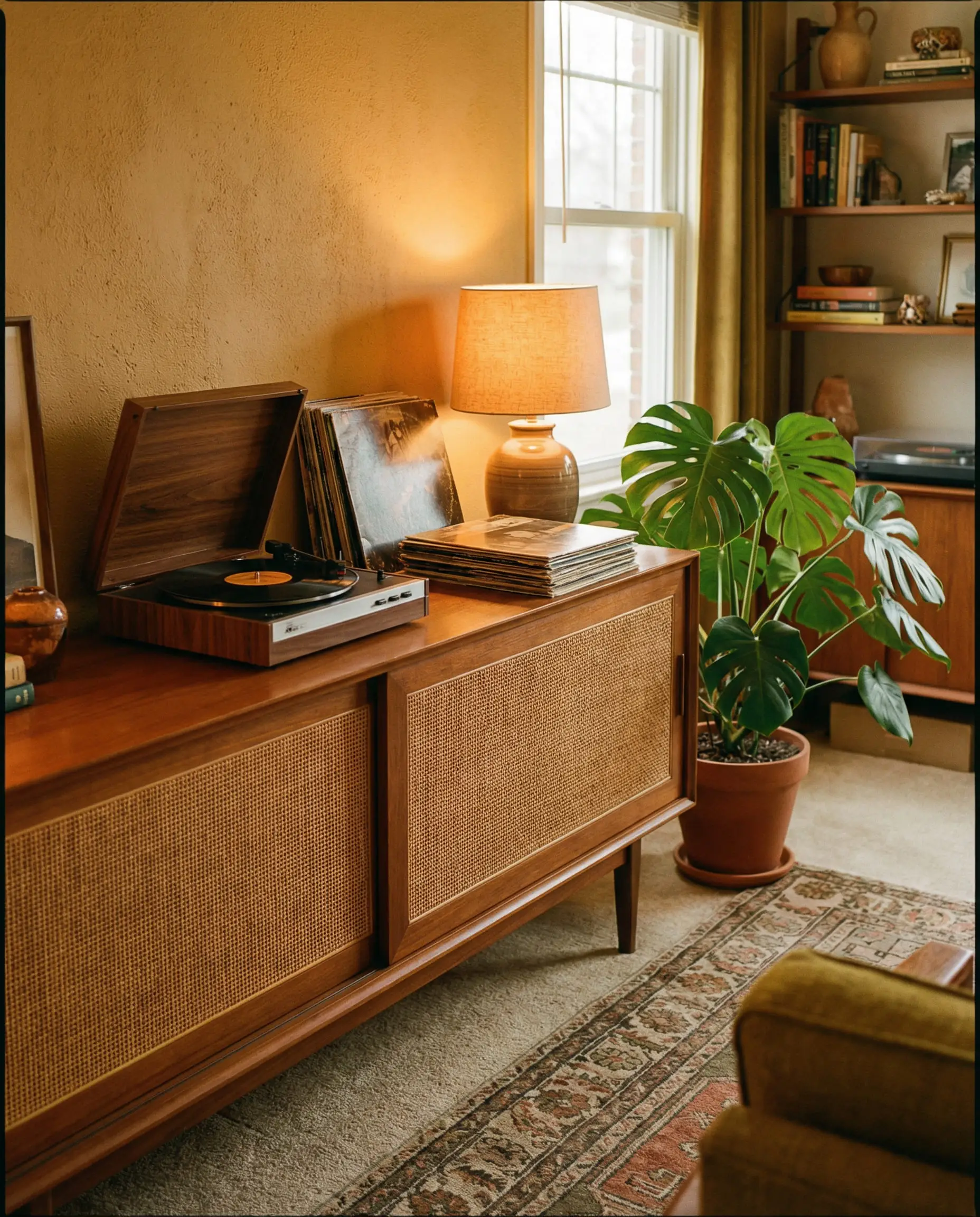
The Return of the Sideboard
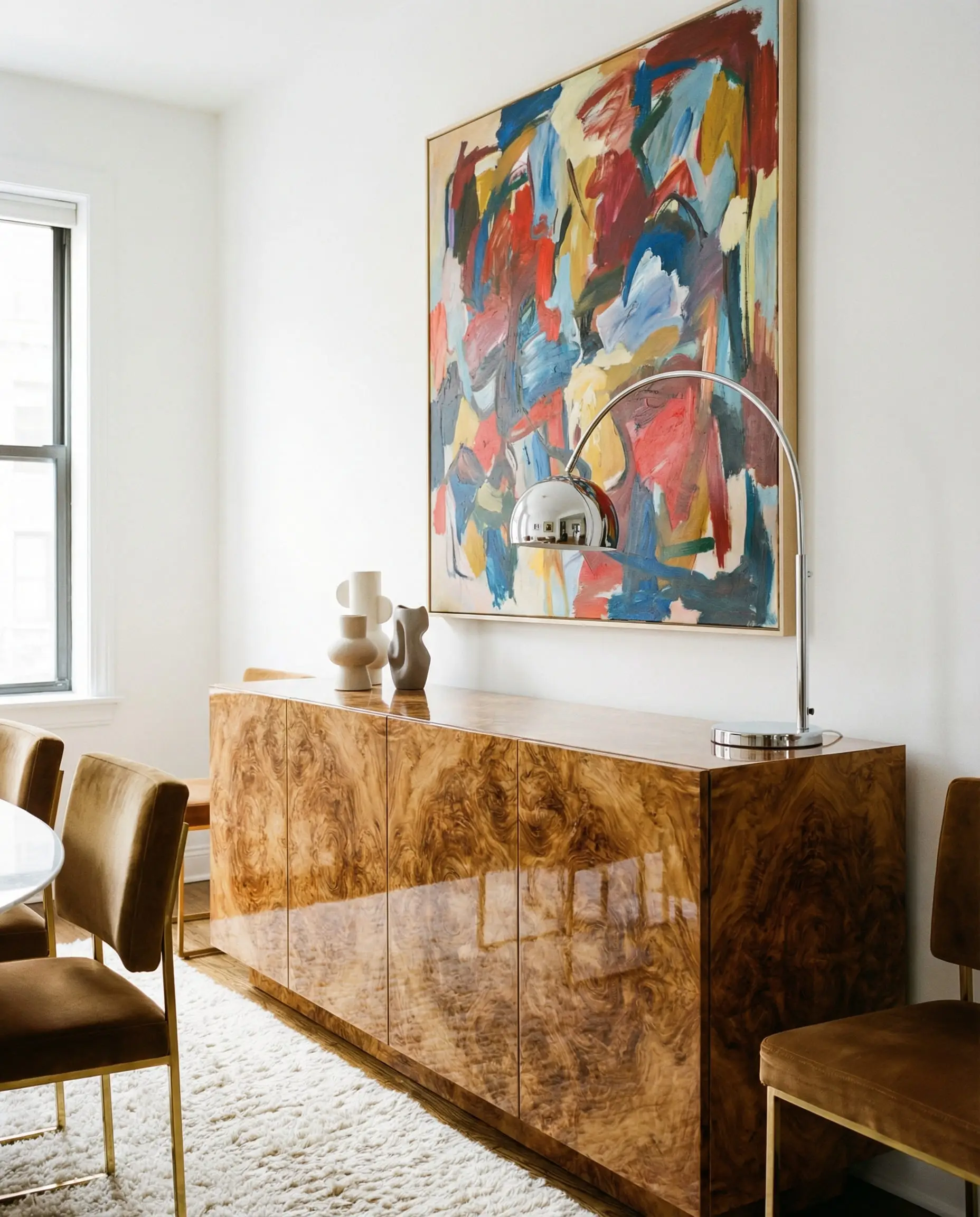
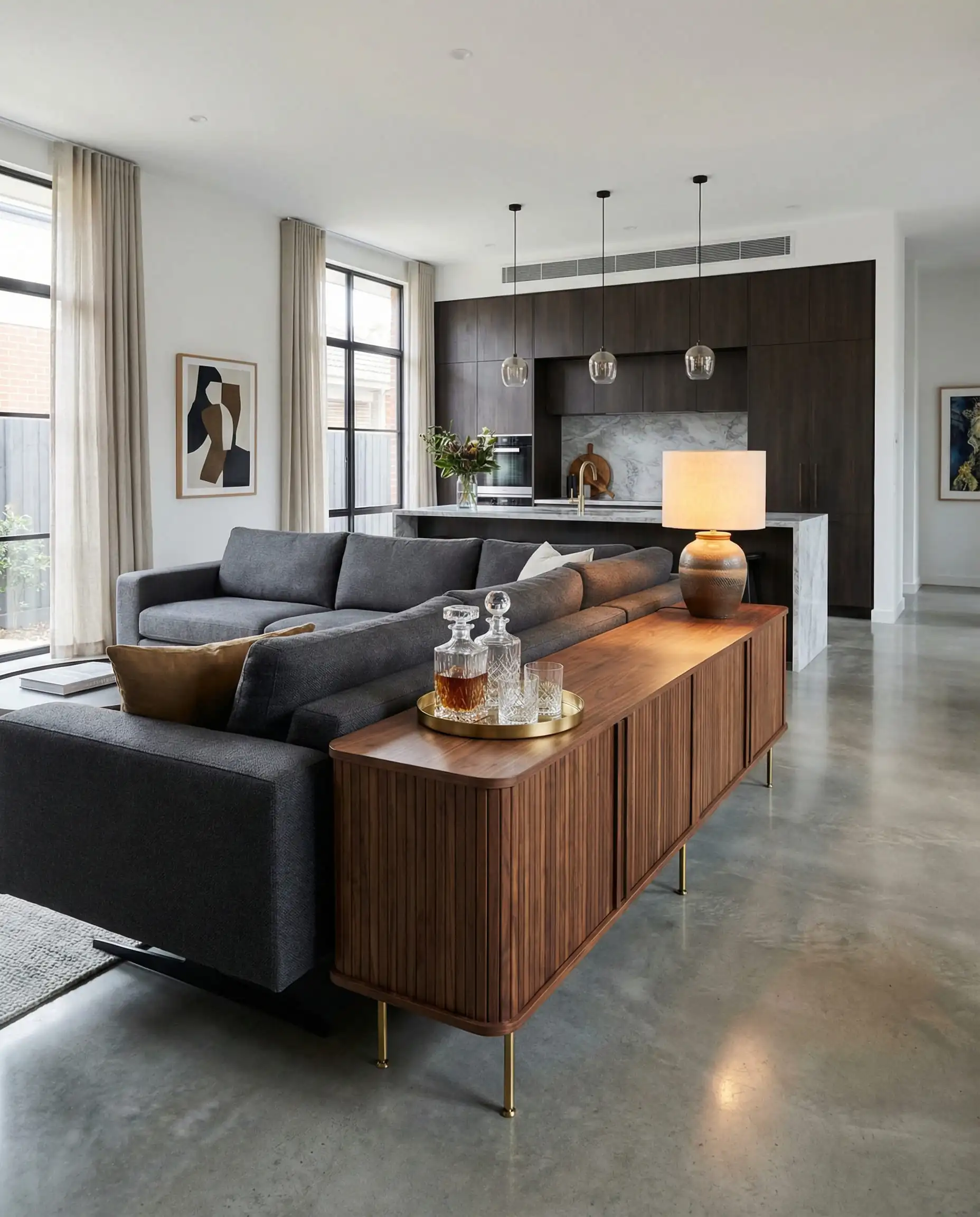
Sideboards and buffets are no longer just for the dining room. A low, long sideboard placed behind a floating sofa or along a main wall is one of the most stylish ways to add storage.
Storage Ottomans & Poufs
Never buy a solid footstool when you can buy a storage ottoman. These are the unsung heroes of quick cleanups. When the doorbell rings, you can sweep toys, magazines, and gym gear into the ottoman in ten seconds flat.
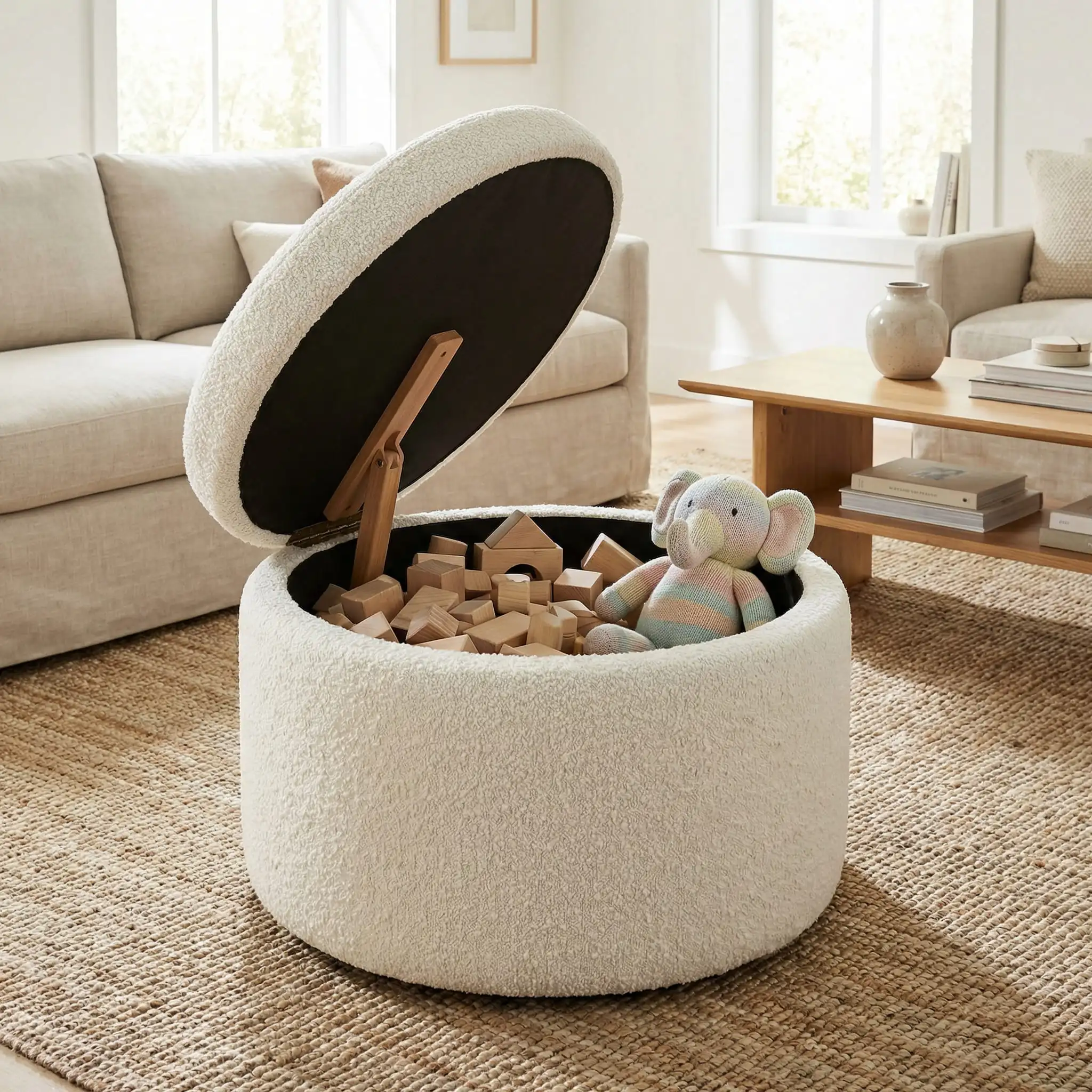
If you have a small living room, swap your coffee table for two large storage ottomans with a tray on top. It’s softer on the knees, provides extra seating, and doubles your storage.
📏 Hackrea Pro Tip
The “Sofa Console” Trick
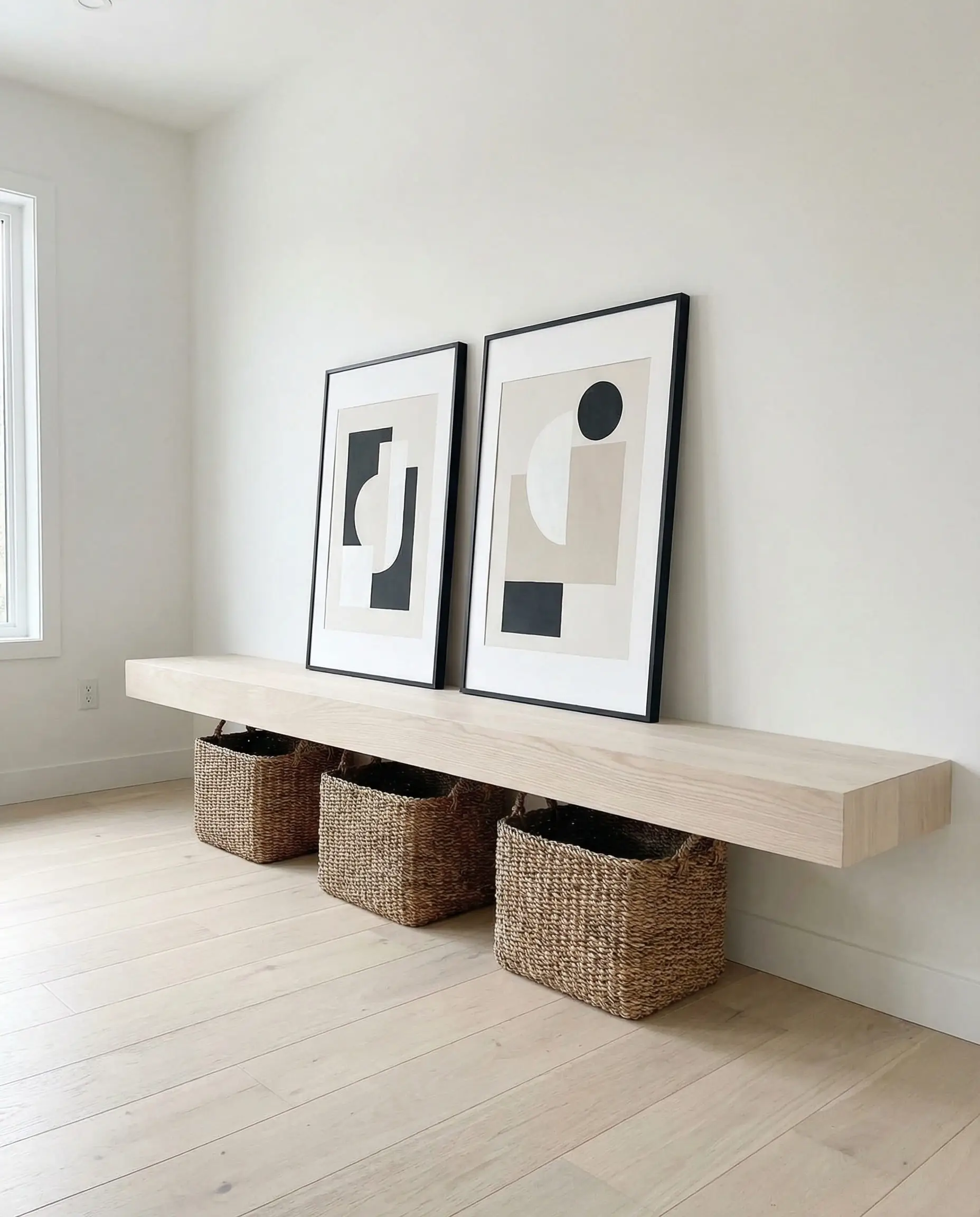
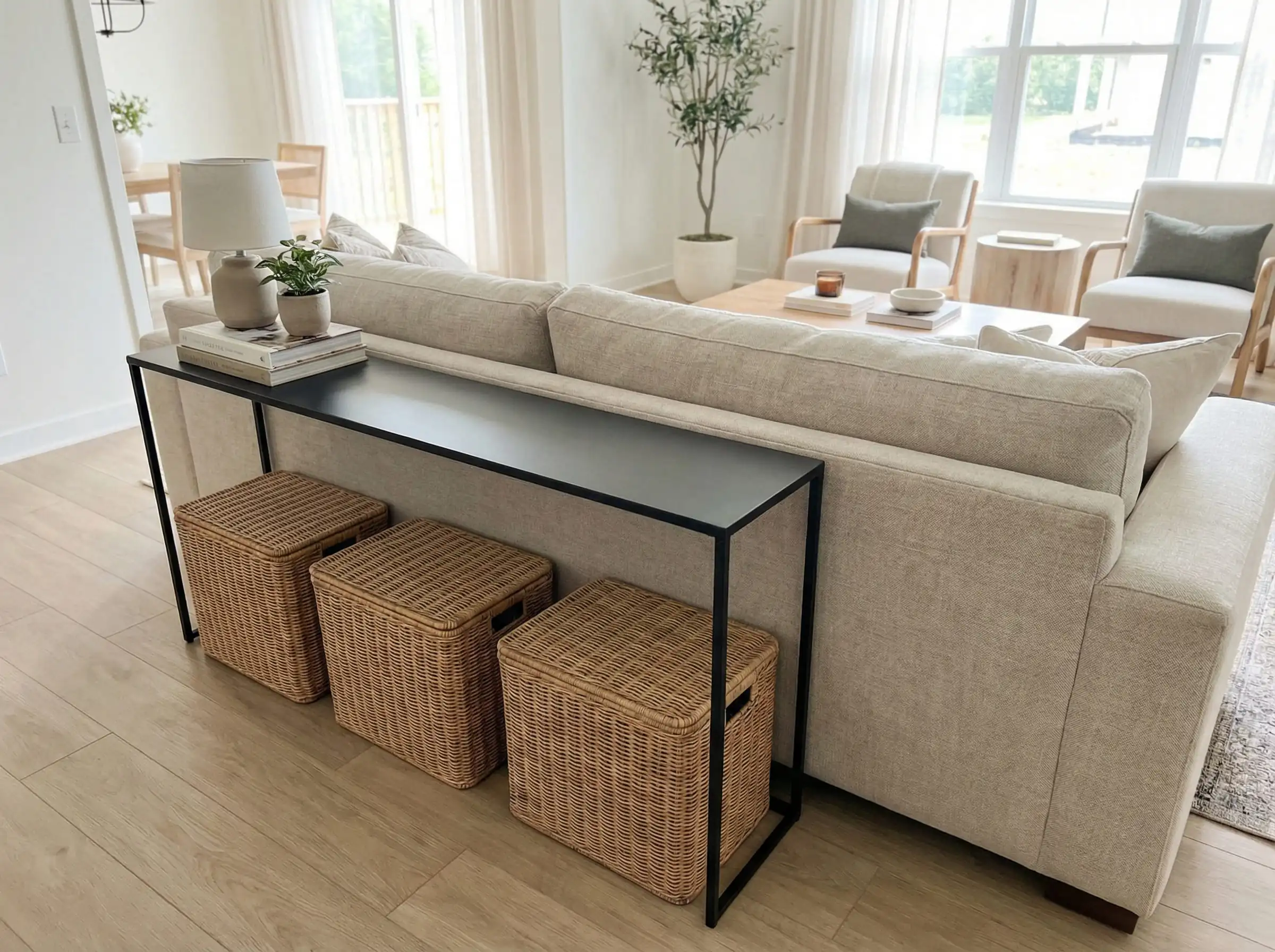
If your sofa “floats” in the room (i.e., it isn’t pushed against a wall), you have a secret storage zone. Place a slim console table directly behind the sofa. It acts as a surface for lamps and drinks, but the space underneath can house three large rattan baskets for toys or shoes, completely hidden from the view of anyone sitting on the couch.
3. Storage Ideas for Small Living Rooms
Best for: Studio apartments and cozy spaces.
In a small footprint, you cannot afford to waste horizontal space. You must think vertically and utilize “dead” zones.
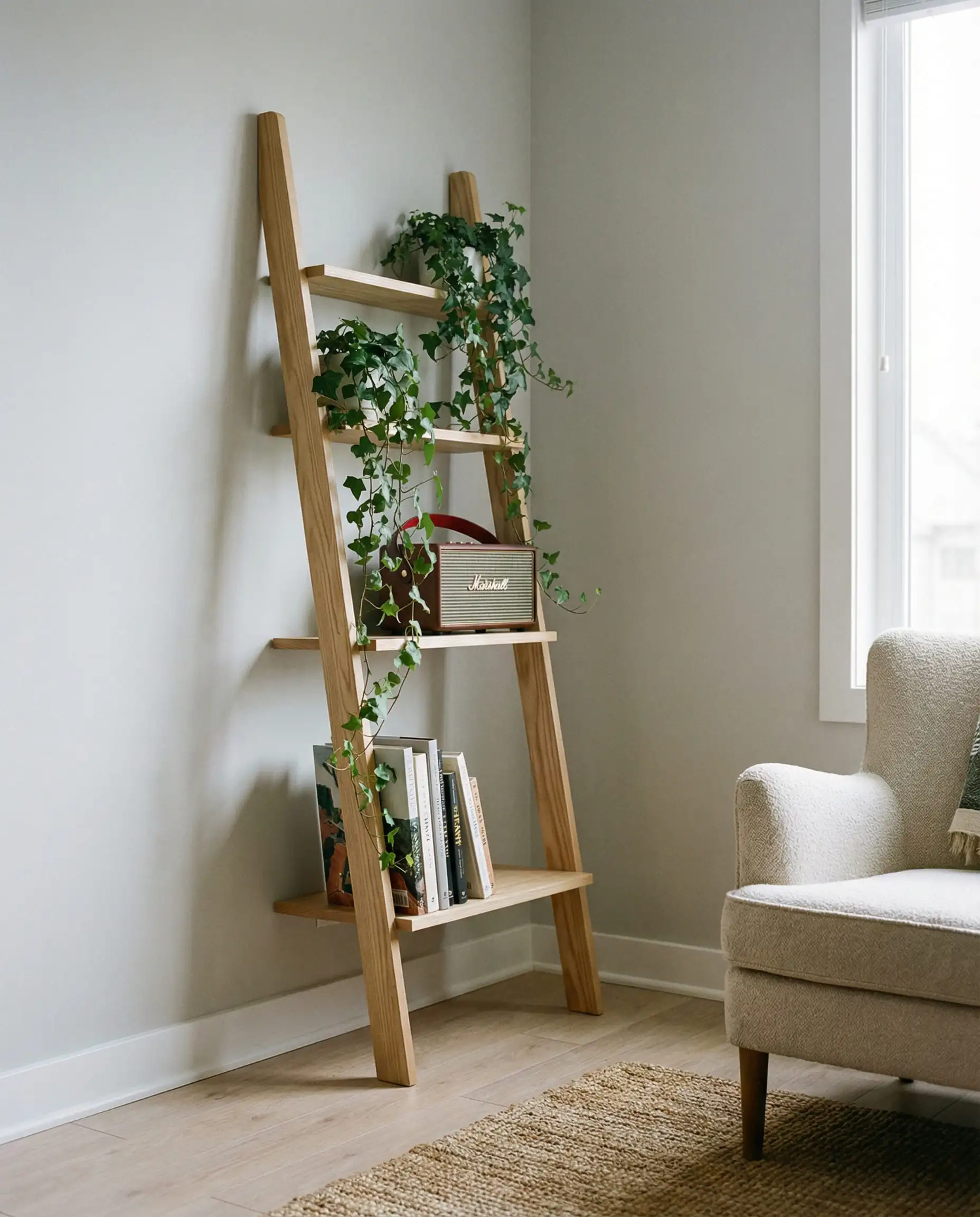
Vertical Ladder Shelving
Bulky bookcases can make a small room feel claustrophobic. Lean-to ladder shelves or open metal shelving units offer height without the visual bulk. Because you can see the wall through the shelves, the room retains its depth.
Over-the-Door Shelves
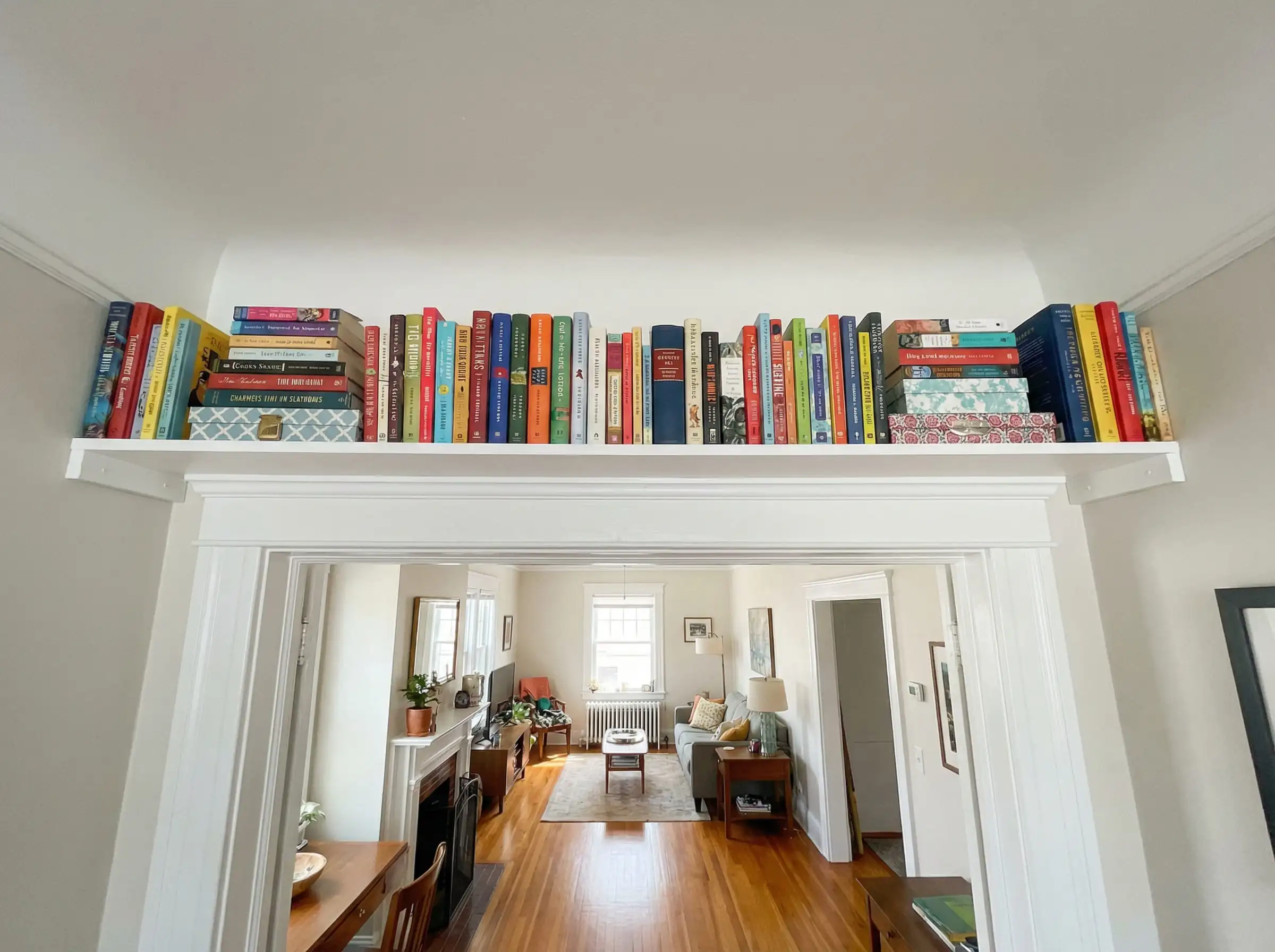
Look at the door to your living room. Is there space above the frame? Installing a single shelf running the length of the wall above the door is a brilliant place to store books you’ve already read or decorative boxes containing seasonal items. It draws the eye up and uses space that is otherwise wasted.
Utilizing the “Dead Corner”
Every living room has that awkward corner where nothing quite fits. Custom or triangular corner shelf decorating ideas can turn this dead zone into a library or a plant sanctuary.
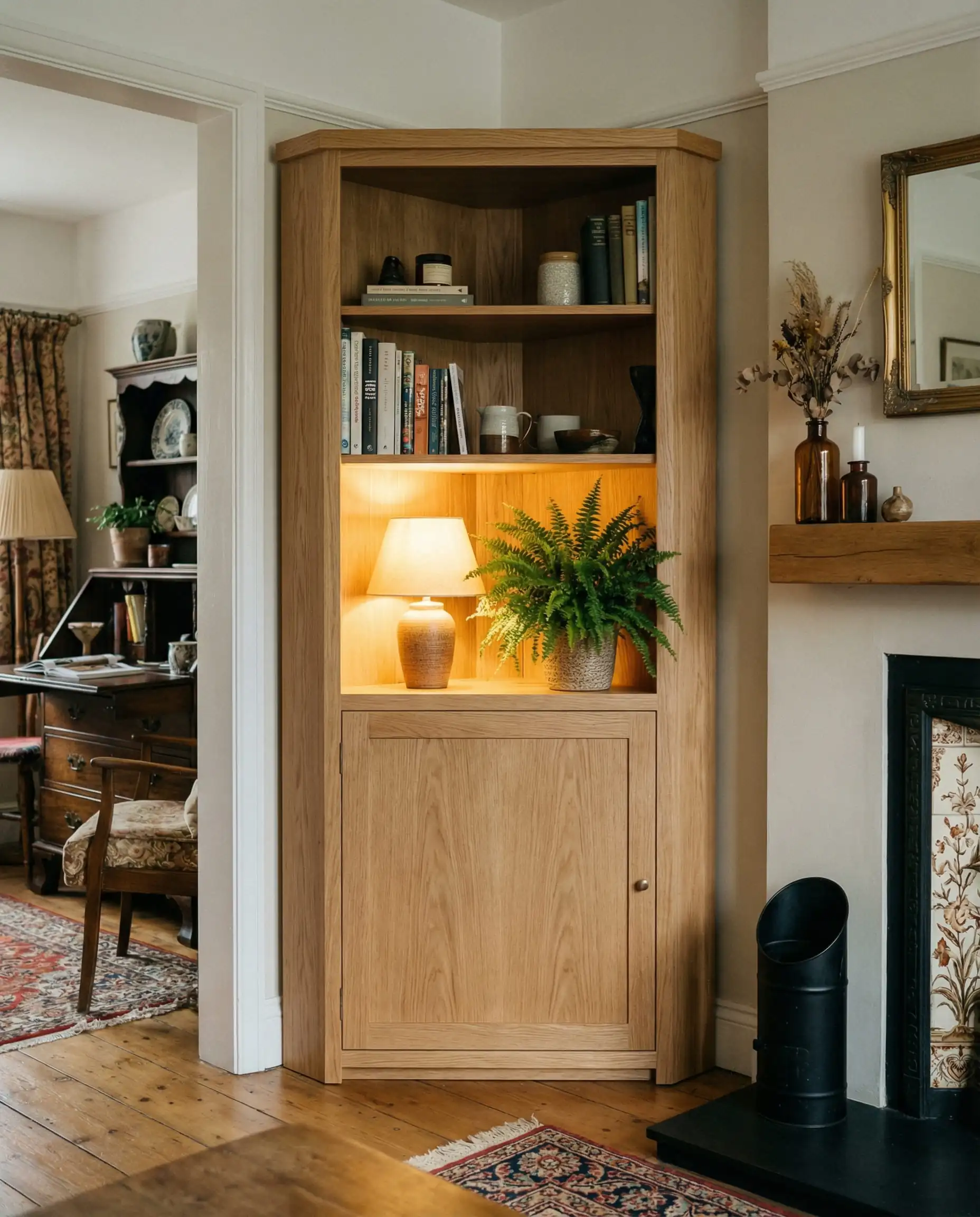
In small spaces, keep the bottom shelves for heavy items (like baskets of electronics) and the top shelves for light items (glassware or plants). This keeps the room feeling grounded but airy.
🛠️ Styling Tip
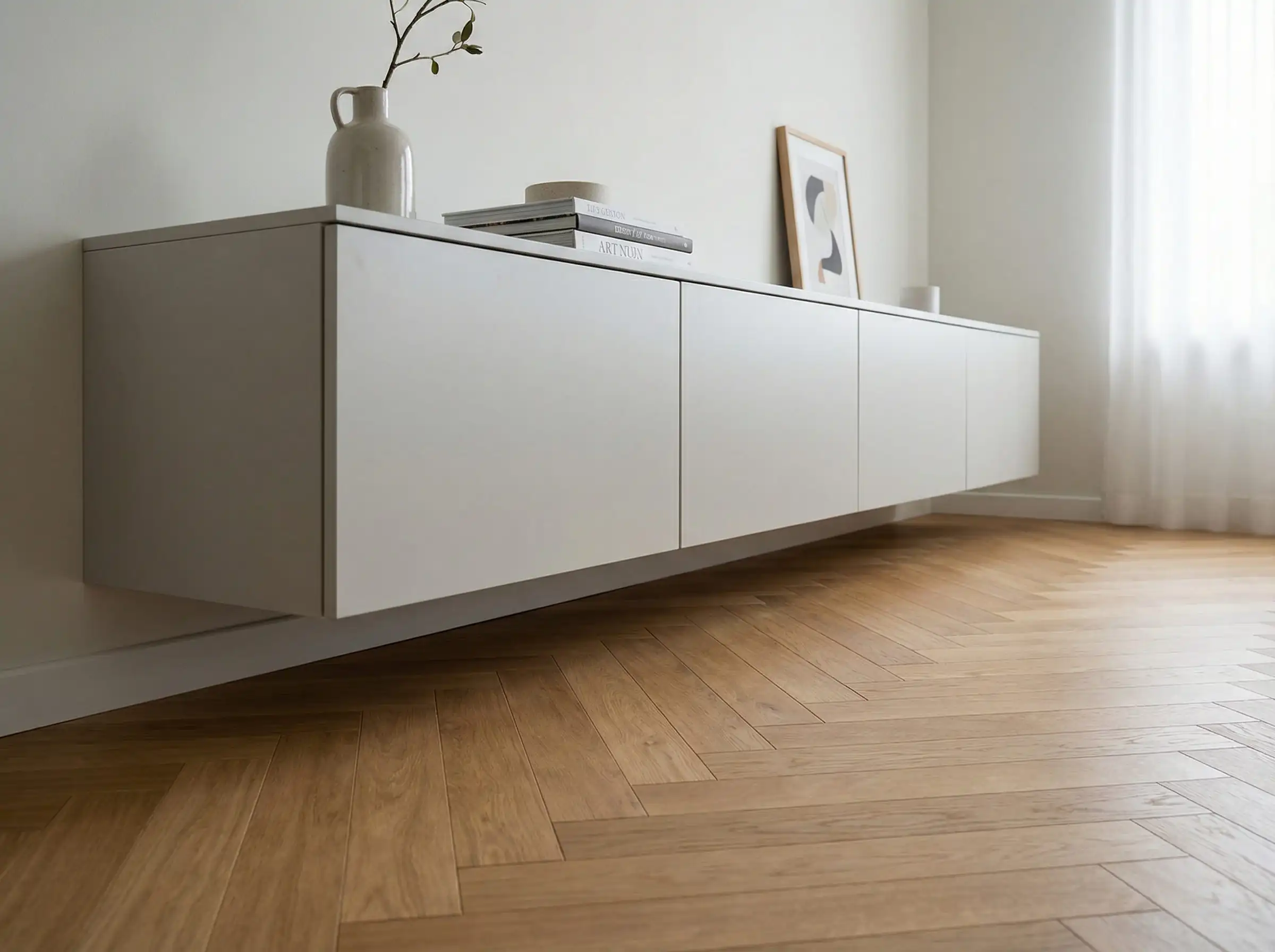
Floating Media Units
Legs on furniture can create visual clutter. A wall-mounted “floating” media console keeps the floor visible underneath. The more floor you can see, the larger the room feels. Plus, it makes vacuuming significantly easier!
4. Zoning & Partitions for Open Plan Spaces
Best for: Large lofts and open-concept living/dining areas.
In 2026, the “Broken Plan” trend is replacing the vast “Open Plan.” We want connection, but we also crave cozy, defined zones. Storage is the perfect way to create these divisions.
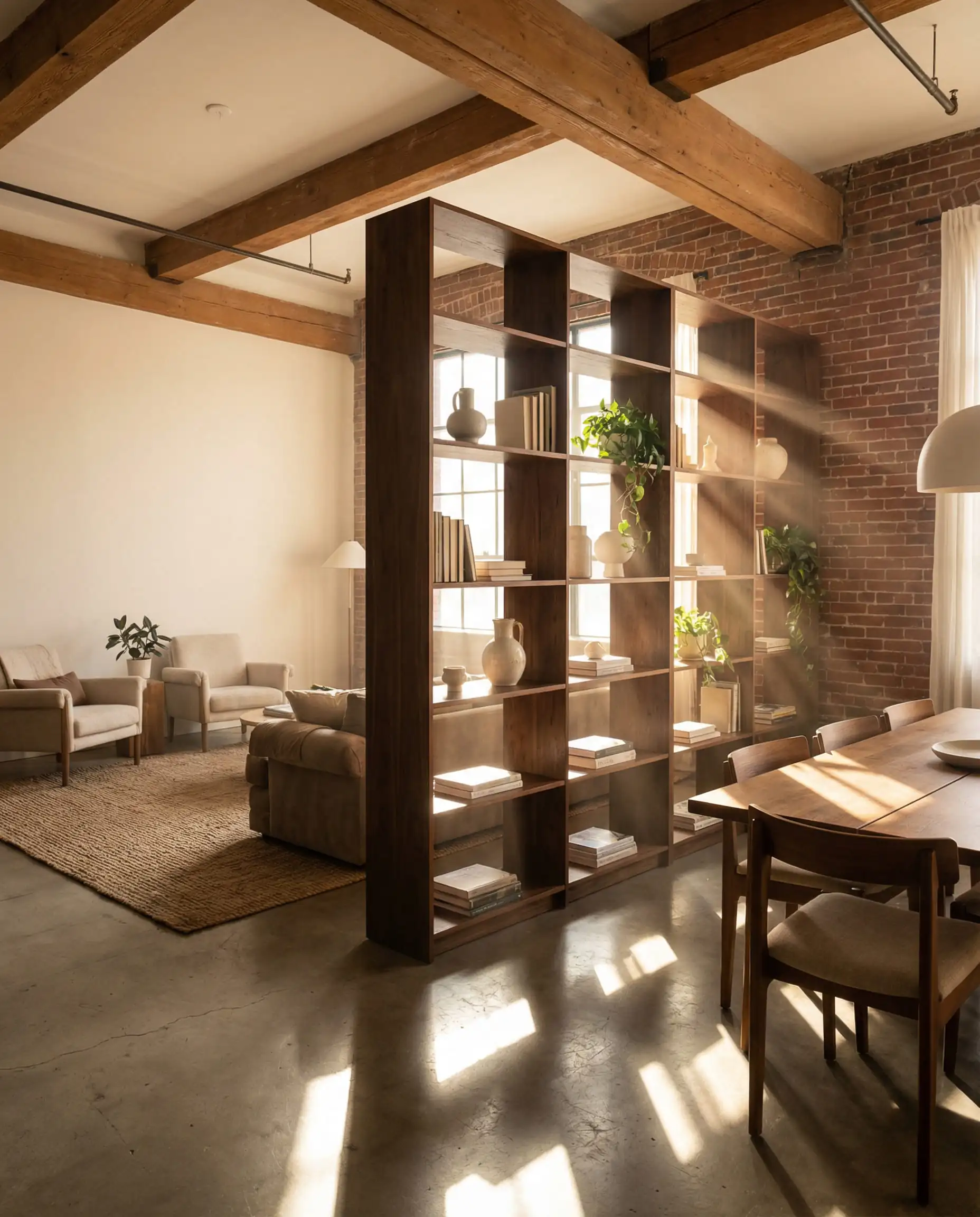
Open Shelving as Room Dividers
Take a sturdy, open-backed shelving unit (like the IKEA Kallax or higher-end equivalents) and place it perpendicular to the wall. This instantly separates your lounge area from your dining area.
Low Cabinets as Borders
If you don’t want to block the light with a tall shelf, use a low sideboard or credenza to mark the back of the living room area. It acts as a “fence” that defines the space while providing drawers for placemats, candles, and games.
5. Decorative Storage: Baskets, Bins & Styling
Best for: Everyday clutter and finishing touches.
Sometimes you don’t need new furniture; you just need better vessels. In 2026, storage vessels are treated as decor objects.
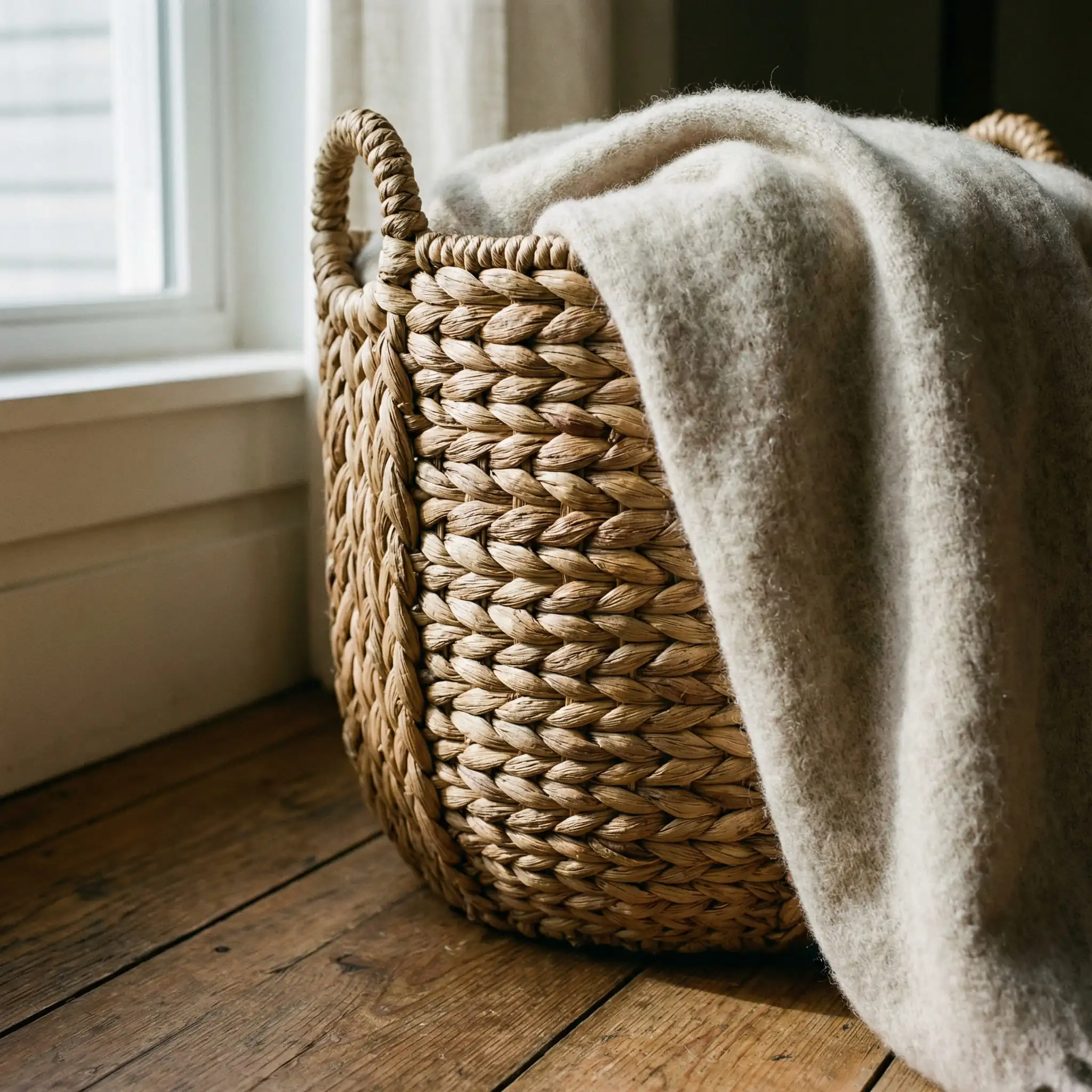
Textural Hiding Spots (Rattan & Wicker)
Plastic bins belong in the garage. In the living room, opt for natural materials. Large woven baskets are perfect for rolling up blankets or hiding dog toys. The texture adds warmth to the room, contrasting beautifully with sleek TVs and glass tables.
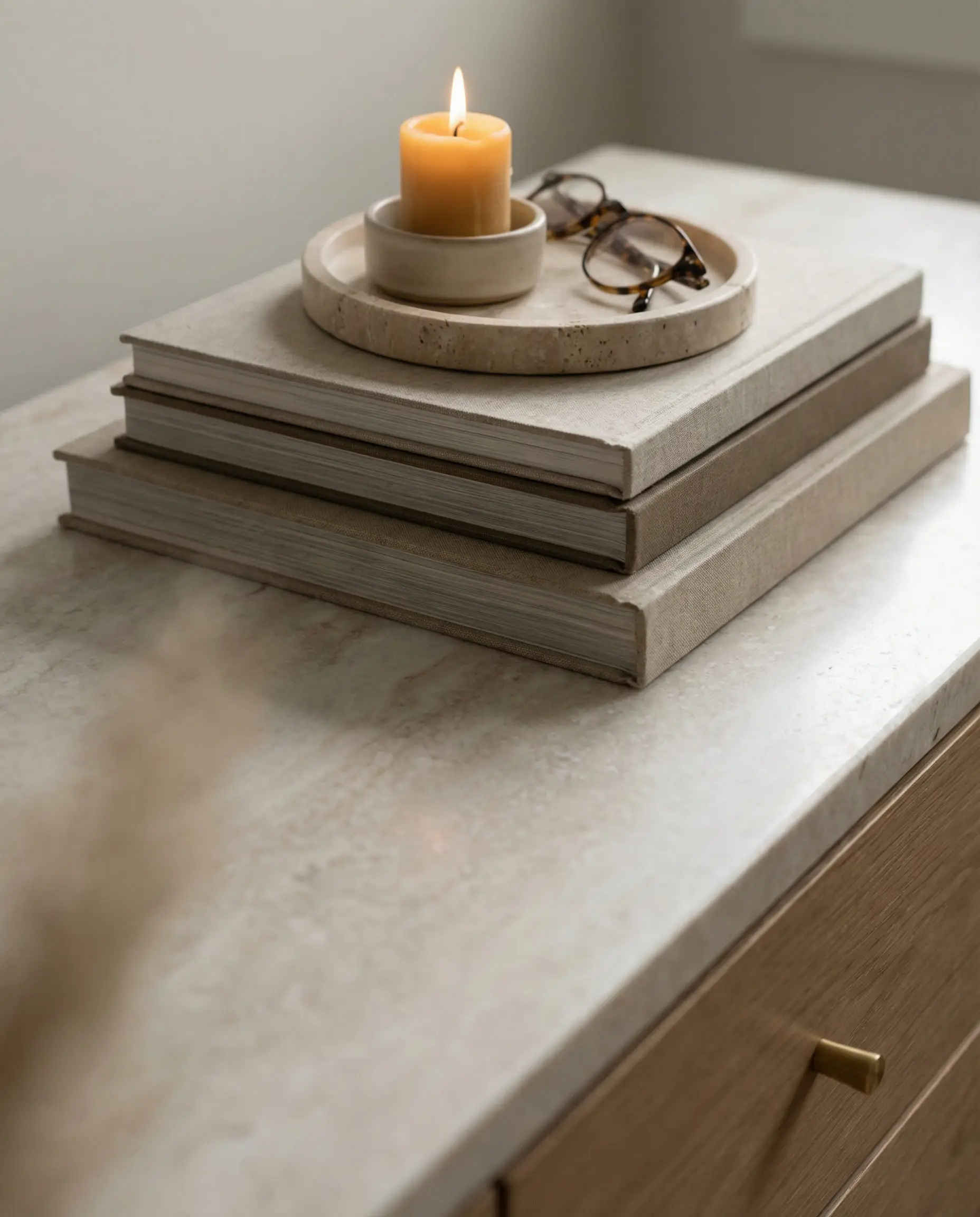
The “Trays” Trick
Why does a coffee table look messy with three remotes, but stylish with three remotes on a tray? It’s all about containment. A tray anchors small items, making them look like a deliberate arrangement rather than accidental clutter.
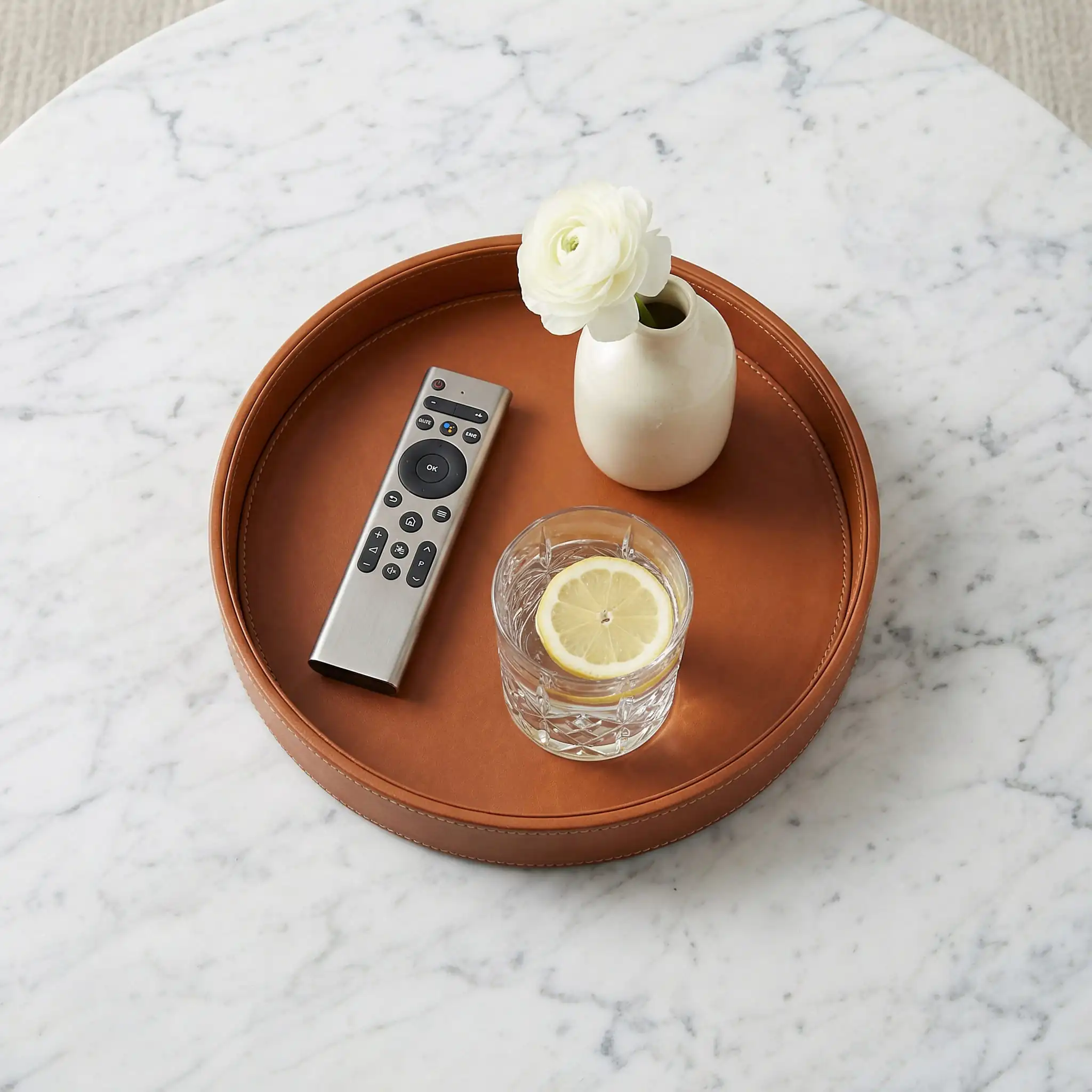
Use the “Rule of Three.” Group items on your tray in odd numbers—for example, a stack of coasters, a candle, and a small decorative bowl for keys.
✨ Hackrea Styling Tip
Decanting for Visual Calm
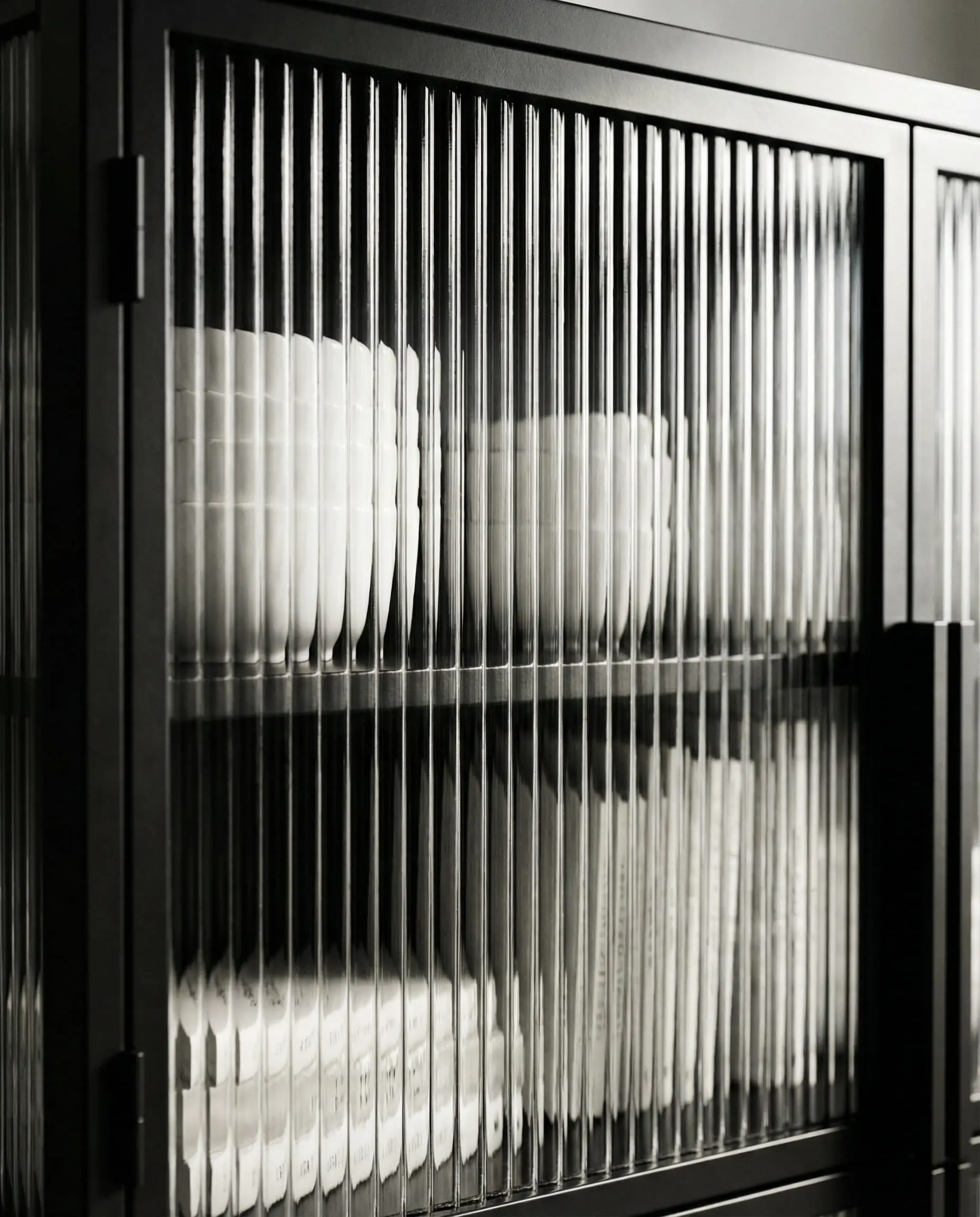
If you have open shelving, visual noise is your enemy. The branded packaging of board games or video games is designed to grab attention—which is exactly what you don’t want in a relaxing living room.
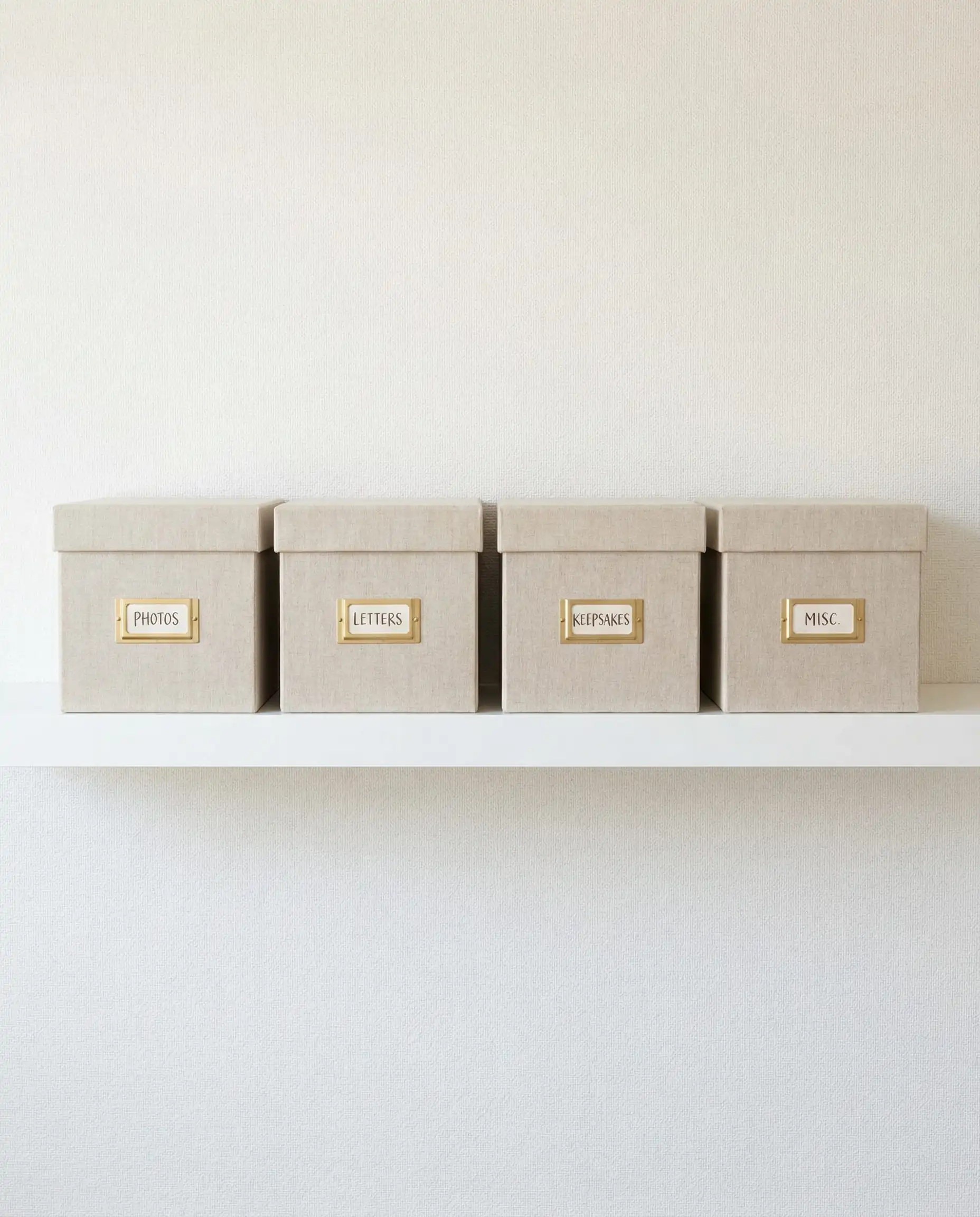
Consider “decanting” these items. Store game pieces in uniform canvas boxes or leather bins that fit your shelves perfectly. Label them discreetly. This creates a uniform, high-end look.
6. FAQs About Living Room Storage
A: When you lack built-in closets, you must create “furniture closets.” Invest in a tall armoire or a highboard with solid doors. Treat the interior like a closet: install hooks on the inside of the doors for bags and use varied shelf heights for bins.
A: The “Dump and Done” method works best for families. Use large, soft baskets (rope or fabric) where kids can easily throw toys at the end of the day. Avoid intricate sorting systems for the living room—they rarely get maintained. A storage ottoman is also excellent for hiding brightly colored toys instantly.
A: For 2026, the trend is heavily leaning toward closed storage (80%) with a small amount of open storage (20%) for display. Closed storage reduces mental load and anxiety by hiding the visual noise, leaving the open surfaces for items that bring you joy, like art or plants.
A: If you can’t run cables behind the wall, use a paintable cable raceway (trunking) that sticks to the wall above your skirting board. Paint it the same color as the wall. For the cables behind the unit itself, use velcro ties to bundle them together and adhere a power strip to the back or underside of your furniture unit so it doesn’t sit on the floor gathering dust.
Conclusion
A clutter-free living room isn’t about minimalism or getting rid of everything you own; it’s about giving everything a home. By mixing architectural solutions like built-ins with hardworking furniture like storage ottomans, you can create a space that feels curated, calm, and ready for living.
Whether you choose to install a full media wall or simply add a few well-placed woven baskets, the result is the same: a home that looks better and functions smoother.
Which of these storage hacks will you try first? Tag us on Instagram @hackrea_en with your transformation—we’d love to see how you styled it!