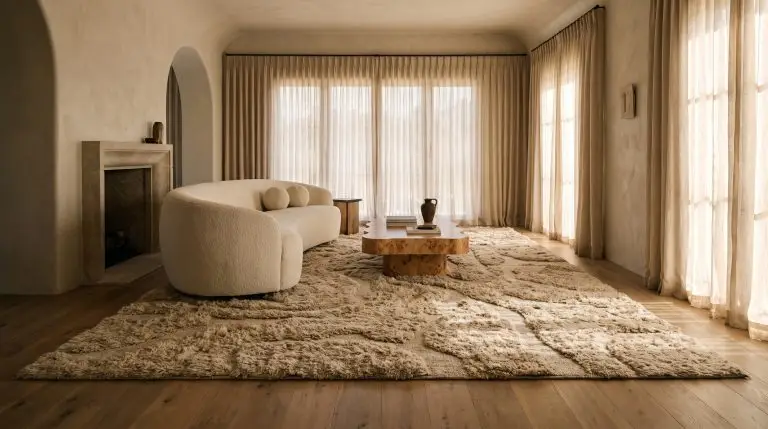
We are officially exhausted by the era of ultra-thin, printed polyester rugs and sterile, echoing hardwood floors. The 2027 flooring forecast represents a massive psychological and aesthetic pivot toward highly tactile, soft architecture. People are craving spaces that feel acoustically muffled and physically grounding underfoot, driving an aggressive return to luxury broadloom and heavily tailored textiles that treat the floor as a foundational, architectural plane.
| What’s Fading in 2026 | What’s Defining 2027 |
|---|---|
| Distressed printed washables | Undyed heavy wool loops |
| Cool gray low-pile shags | Geological cut-outs and 3D topography |
| Perfectly round machine edges | High-contrast leather binding |
| Sterile, echoing bare hardwood | Luxury wall-to-wall acoustic broadloom |
The Textural Shift: Moving Beyond the Flatweave
The reign of the printed flatweave is over, replaced by textiles commanding deep, physical presence. Today’s floors demand a precise balance of heavy visual weight and indulgent barefoot comfort, utilizing sensory materials that physically interact with the light in a room.
High-Low Pile Topography
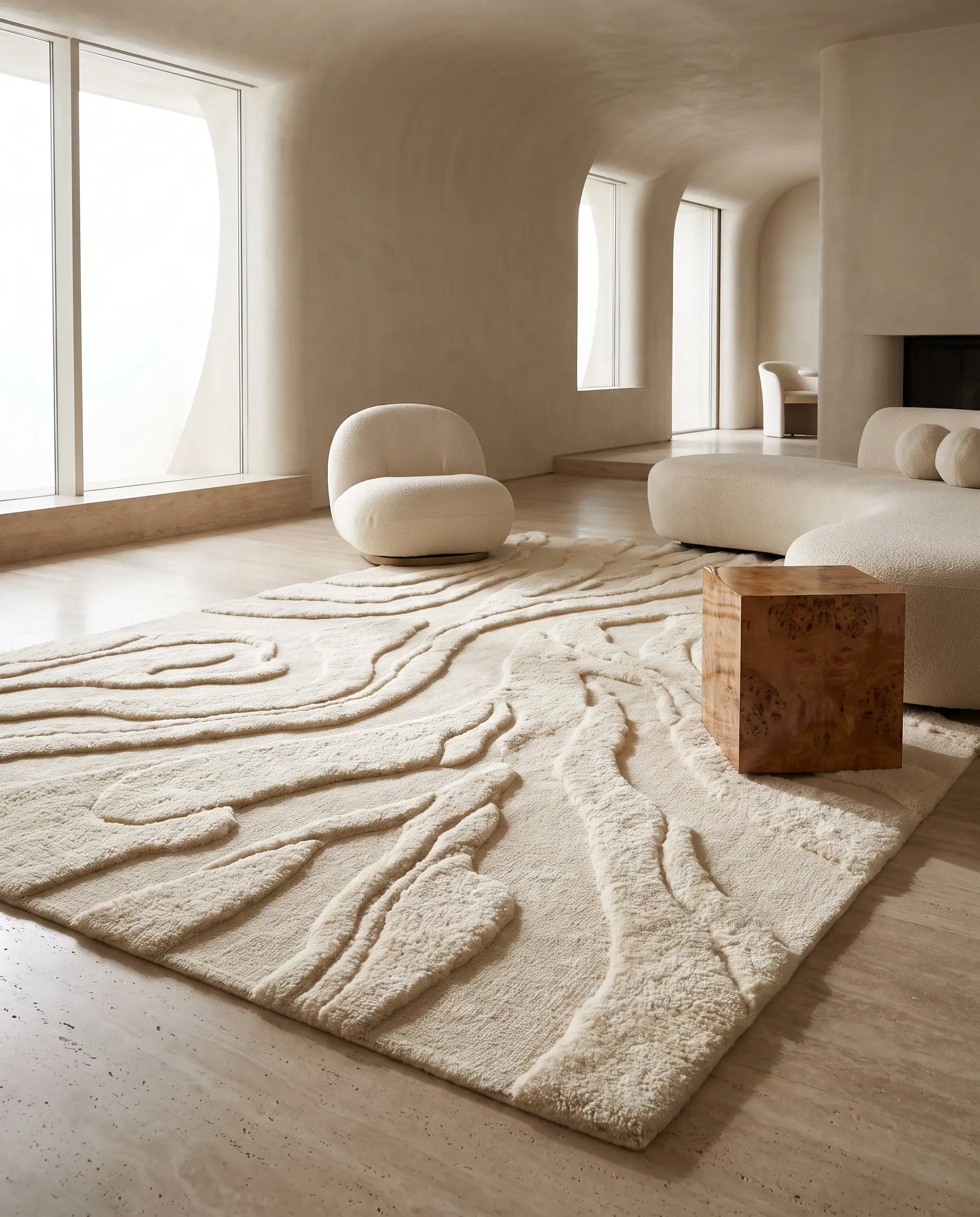
(Lifespan: 5-Year Foundation) Driven by visionaries like Kelly Wearstler, topographical rugs abandon flat color blocking in favor of deep, physically carved patterns created by shearing wool at varying heights. This sculptural approach transforms the floor into a 3D, tactile landscape that adds immense visual weight to a minimalist room.
- Vibe: Sculptural, organic, and highly architectural.
- Key Materials: Hand-tufted wool and silk blends.
- Tactile Pairing: Pair heavily textured high-low wool with smooth, cold travertine or high-gloss burl wood to maximize the textural friction.
The Luxury Broadloom Revival (Modern Wall-to-Wall)
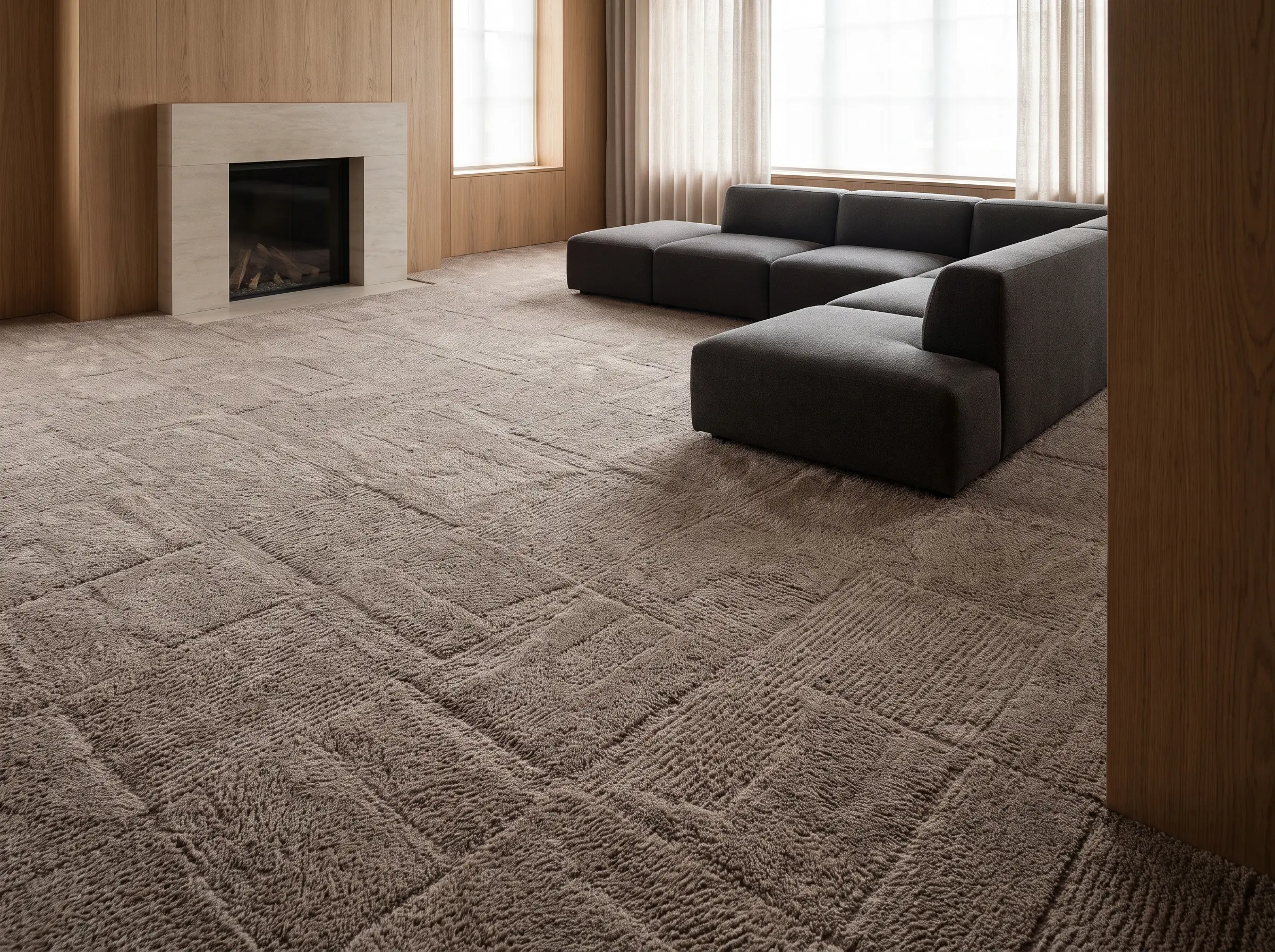
(Lifespan: Decade-Definer) Erase the memory of 1990s builder-grade plush; modern wall-to-wall carpeting is the ultimate quiet luxury statement. Designers are saturating bedrooms and sunken living rooms in tonal wool cut-and-loop patterns, tailored sisal, and heavily constructed Axminster for a bespoke, boutique hotel aesthetic.
- Vibe: Monolithic, acoustic, and deeply immersive.
- Key Materials: Broadloom wool provides unmatched acoustic dampening, but requires professional power-stretching during installation to prevent rippling.
- Styling Pro-Tip: Install over a premium, high-density memory foam pad to guarantee that ultra-plush, sound-dampening hotel feel underfoot.
Undyed and Raw New Zealand Wool
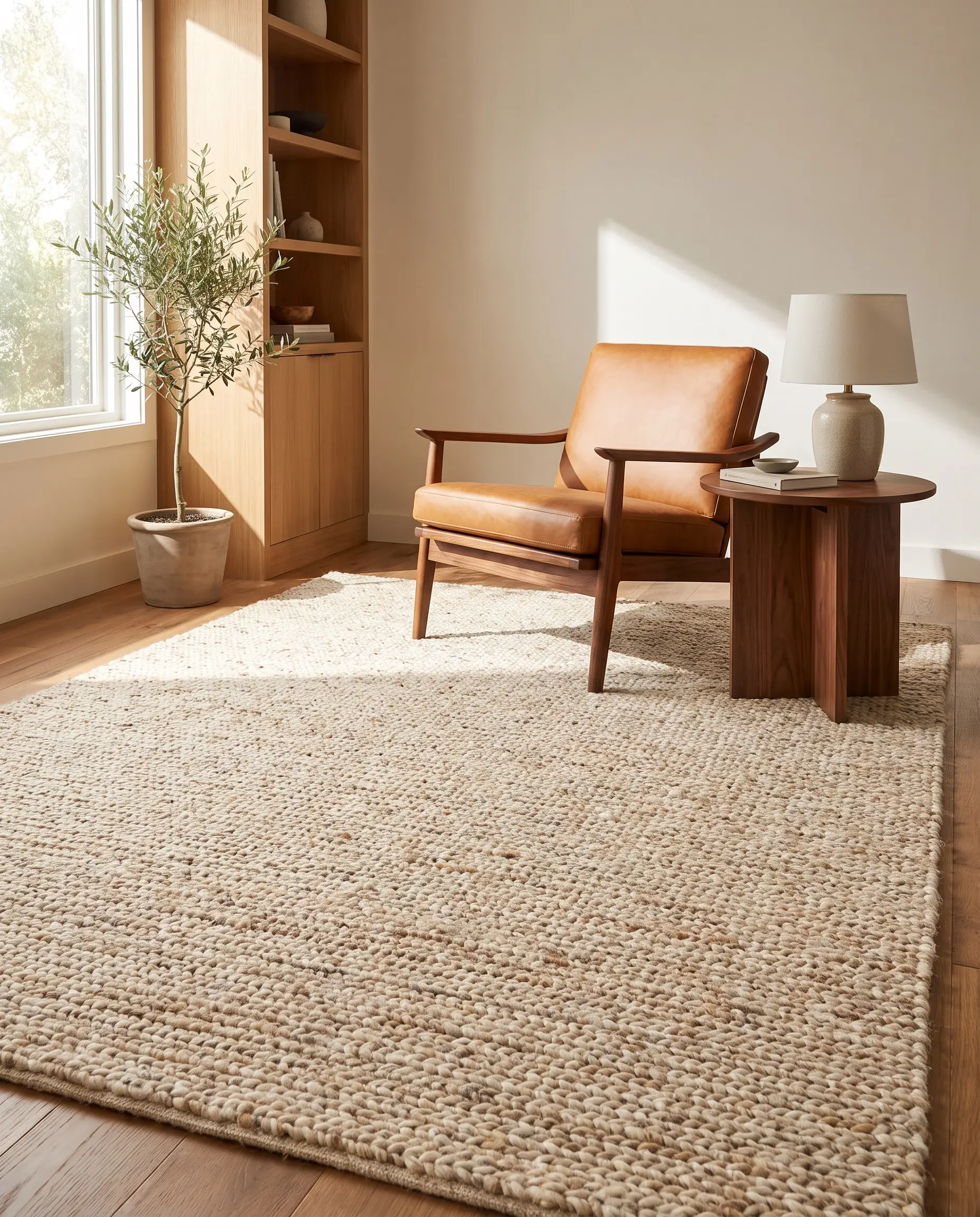
(Lifespan: Decade-Definer) The “sheep-to-floor” movement champions chunky, unbleached, heavily heathered yarns that proudly display the natural color variations of the fleece. Championed by sustainable heavyweights like Armadillo & Co., this warm-minimalist look provides incredible grounding energy while remaining environmentally conscious.
- Vibe: Grounding, earthy, and unapologetically raw.
- Key Materials: Undyed wool is naturally rich in lanolin, making it highly stain-resistant and incredibly durable for high-traffic zones.
- Color Match: Creamy oatmeals, heathered grays, and warm bisques.
Tencel and Silk Blends for Directional Sheen
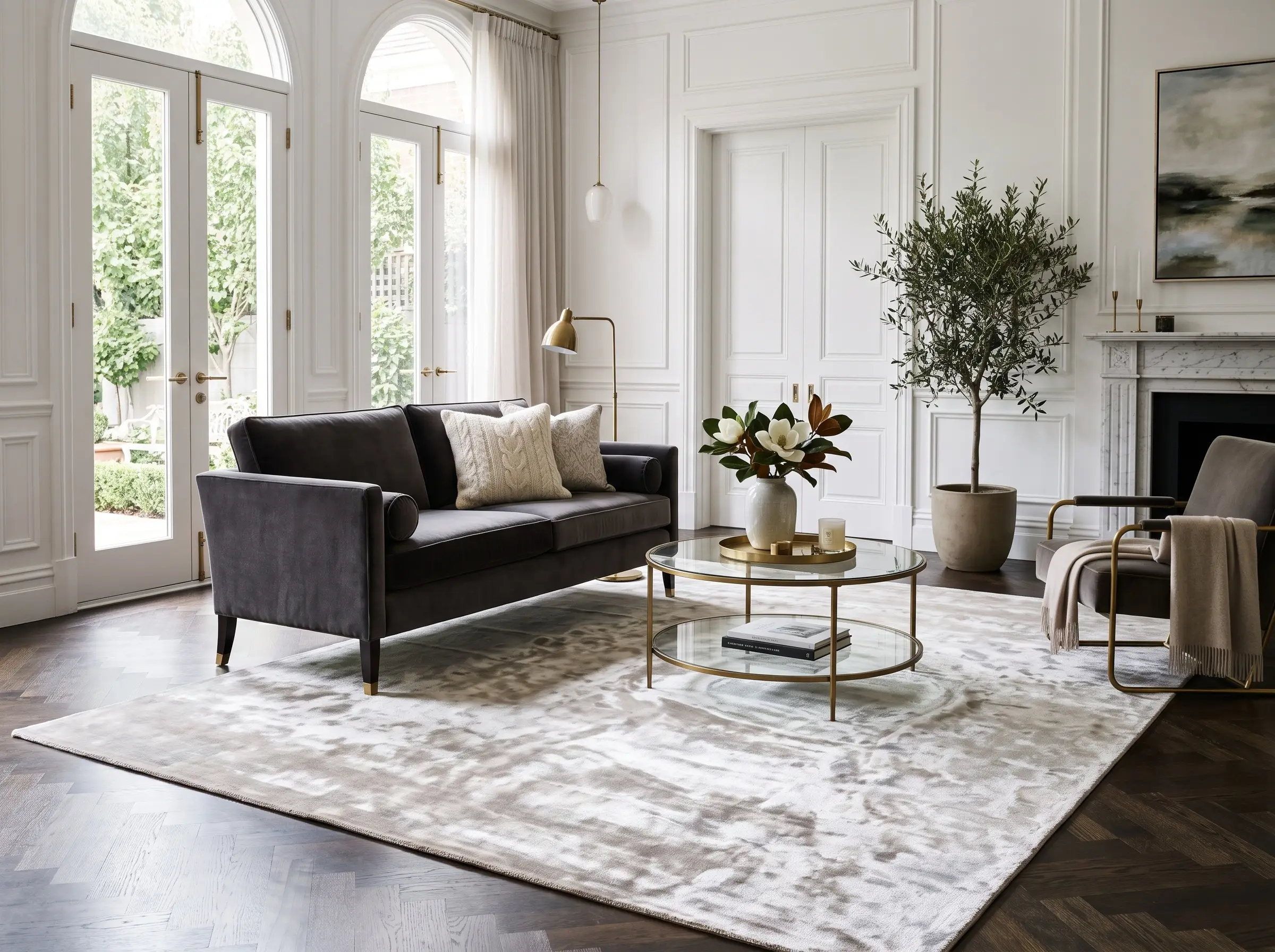
(Lifespan: 1-3 Year Micro-Trend) Woven entirely from silk or botanical fibers, these high-end textiles catch natural light to create a puddle-like, reflective sheen. The color literally shifts and pools depending on where you stand in the room, offering an incredibly dynamic, directional glow.
- Vibe: Glamorous, fluid, and light-responsive.
- Key Materials: Tencel creates a stunning light-reflective puddle, but requires a strictly shoes-off household and zero water exposure.
- Styling Pro-Tip: Place these exclusively in low-traffic areas like formal sitting rooms or primary bedrooms to protect the delicate fibers.
Silhouettes and Borders: The End of the Standard Rectangle
The perimeter of your rug is now a primary design feature. The standard 8×10 rectangle is rapidly losing ground to organic silhouettes and heavily tailored, custom-bound borders that interact directly with a room’s floor plan.
Geological and Asymmetrical Contours
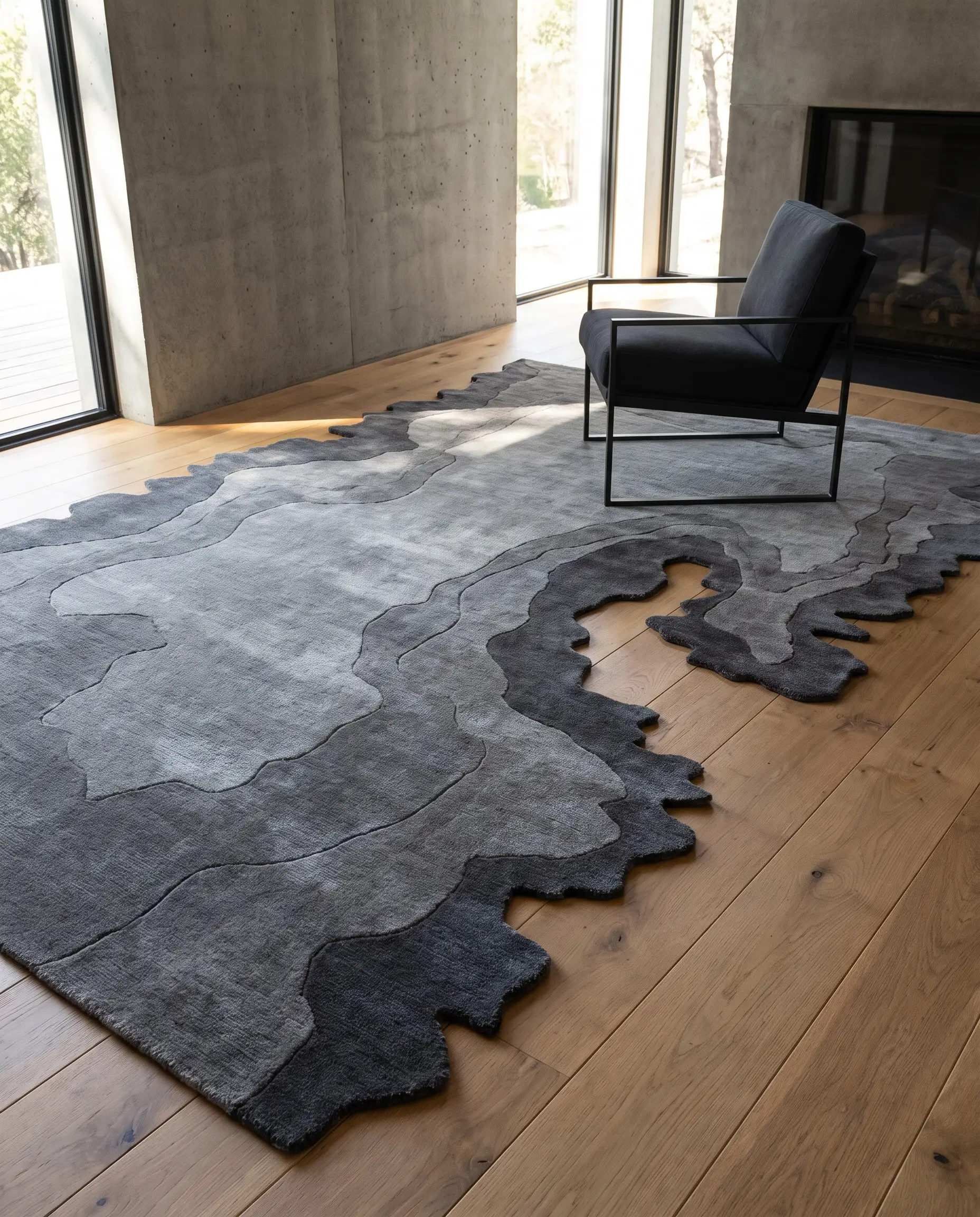
(Lifespan: 5-Year Foundation) We have moved far beyond basic scalloped shapes toward complex, geological forms mimicking melting ice, jagged stone slabs, or fluid puddles. These asymmetrical contours flow organically around the legs of your furniture, effortlessly solving awkward, asymmetrical room layouts.
- Vibe: Avant-garde, fluid, and highly customized.
- Key Materials: Dense, hand-knotted wools that can hold a complex edge without fraying over time.
- Styling Pro-Tip: Allow the asymmetrical curves to dictate the placement of secondary furniture, like pulling an accent chair into the negative space of a jagged cut-out.
High-Contrast Binding and Leather Edges
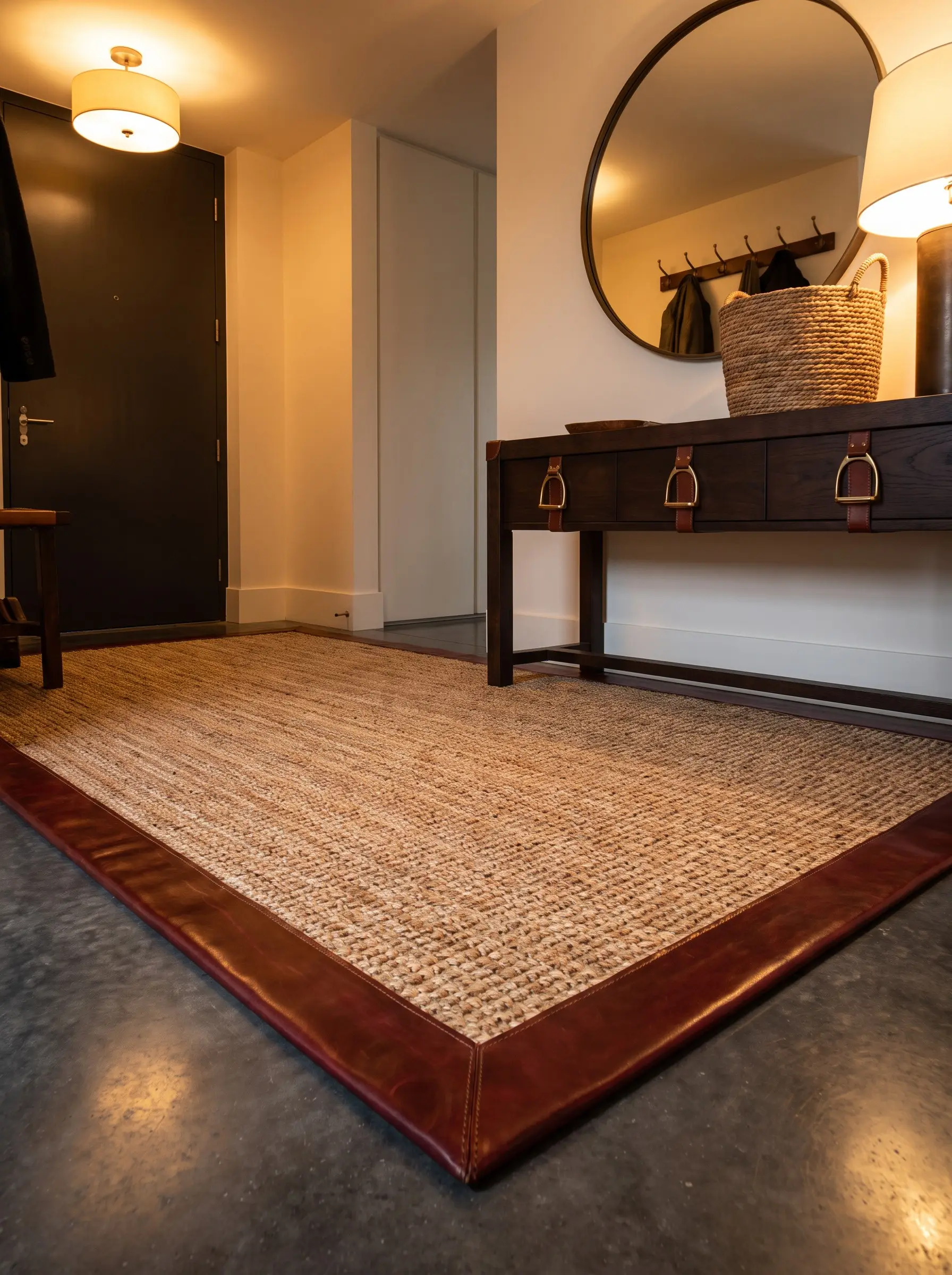
(Lifespan: Decade-Definer) The sharpest tailored look of the year involves taking a neutral textile and finishing the edge with a bold, 2-inch contrasting tape. Whether utilizing a dark olive cotton canvas or a rich saddle leather, this contrast binding acts like a sharp, architectural picture frame for your floor.
- Vibe: Tailored, equestrian, and highly intentional.
- Key Materials: Low-pile sisal or wool broadloom finished with leather or cotton serging.
- Color Match: Natural jute paired with espresso brown or oxblood leather binding.
You do not need to spend $10,000 on a custom area rug. Purchase a high-quality remnant from a local commercial flooring store and have a local workroom apply a custom contrast leather binding to achieve a highly bespoke, tailored look for a fraction of the cost.
Bespoke Hack
Custom Cut-Outs for Architectural Integration
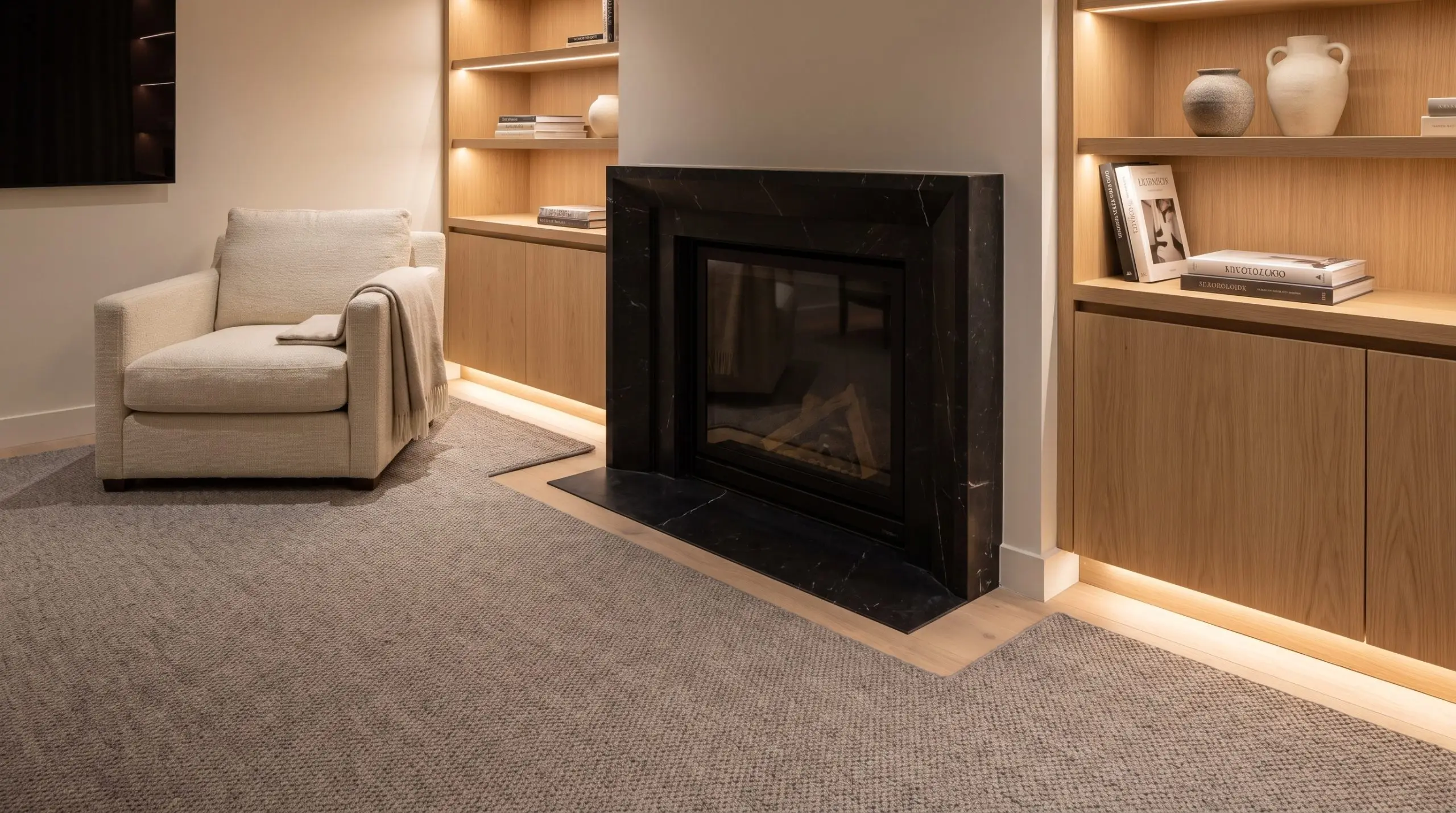
(Lifespan: 5-Year Foundation) High-end spatial planning now treats loose rugs as permanent architectural fixtures. Cutting an area rug to perfectly contour around a fireplace hearth, floor registers, or built-in cabinetry provides an unmatched level of bespoke precision and permanence.
- Vibe: Permanent, precise, and architecturally anchored.
- Key Materials: Dense cut-and-loop wools that hold a sharp, custom-cut corner securely.
- Styling Pro-Tip: Always hire a professional installer to template the room before making these precise cuts, ensuring a flawless, zero-gap fit against the architecture.
The 2027 Palette: Saturation and Heritage
The stark white and cool gray era is fully dead, making way for deep, moody tones and reimagined heritage patterns that anchor a room. If you are exploring this darker aesthetic, cross-reference our guide to moody paint colors to ensure your walls and floors strike the perfect balance.
Deep Earth and Aubergine Anchors
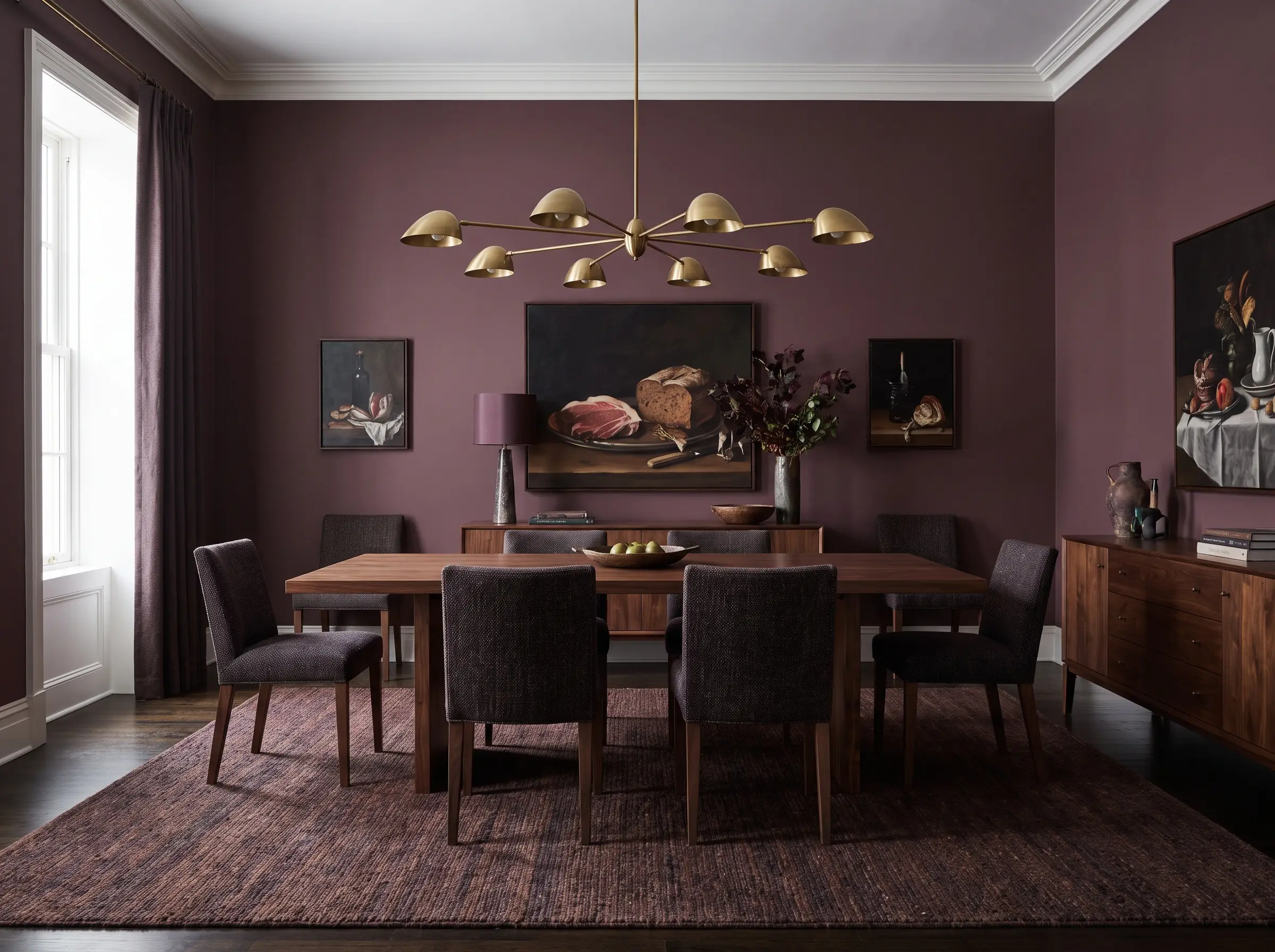
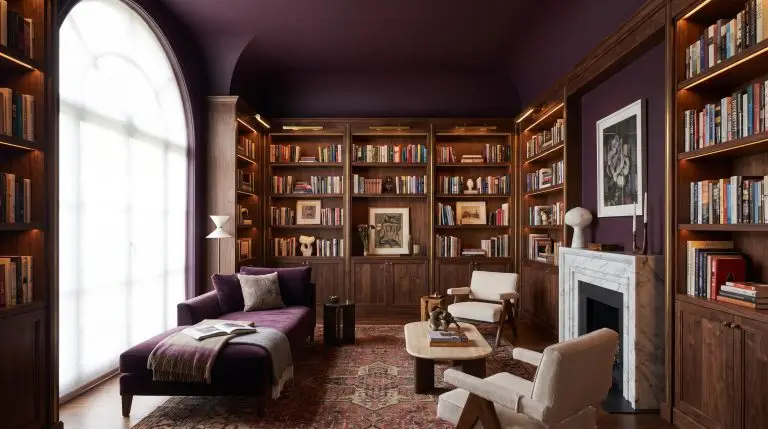
(Lifespan: Decade-Definer) The 2027 palette is heavily saturated in culinary and natural tones like cocoa, espresso, bruised plum, and deep olive. These dark, heavy colors brilliantly ground floating furniture and effortlessly hide daily wear in high-traffic zones.
- Vibe: Moody, rich, and intensely grounding.
- Paint Recommendation: Farrow & Ball Brinjal (Aubergine) or Sherwin-Williams French Roast (Chocolate Brown).
- Styling Pro-Tip: Use a dark, saturated rug to anchor a room with high ceilings; the dark floor prevents the furniture from feeling like it is floating away.
Faded Oushaks with Muted Washes
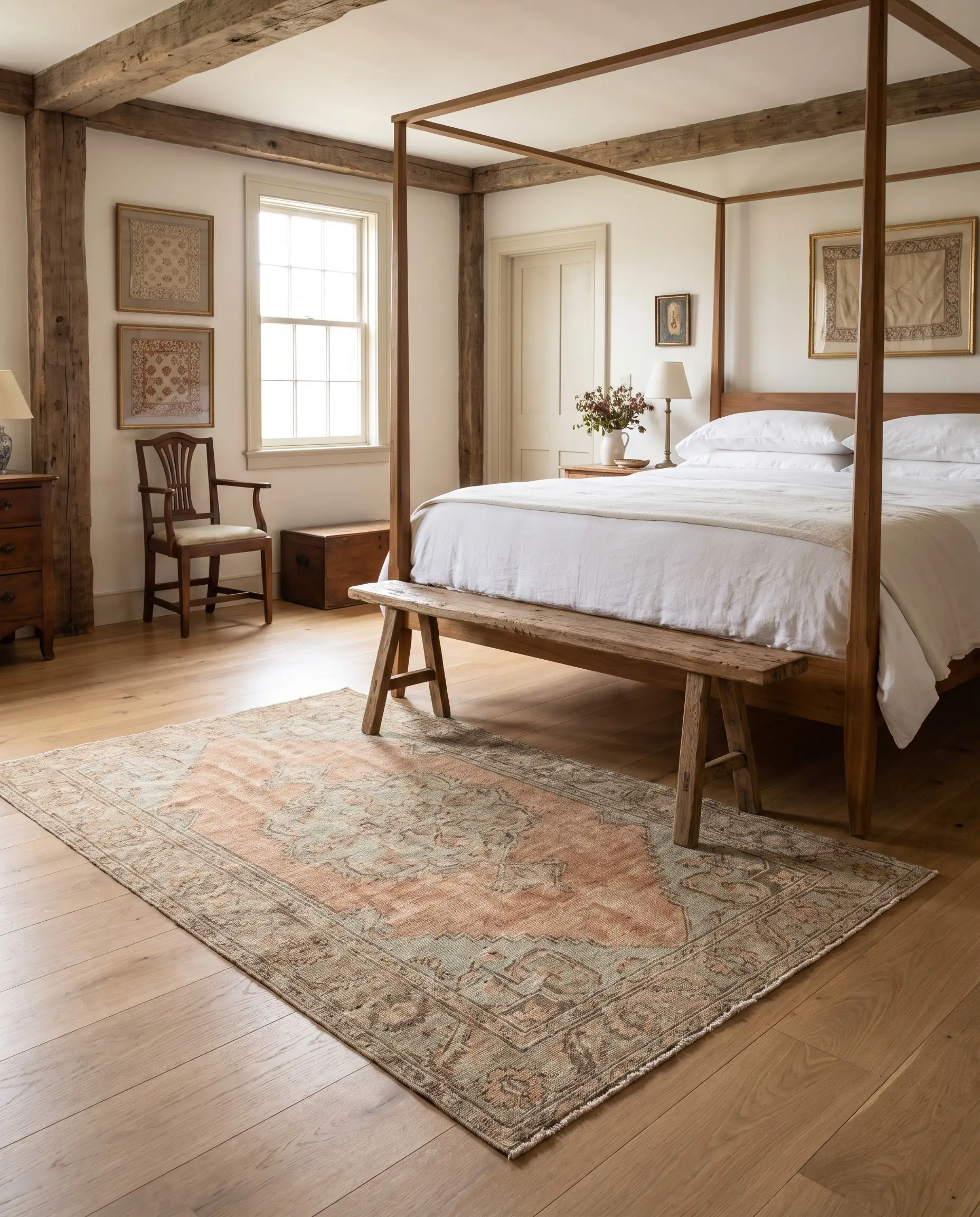
(Lifespan: Decade-Definer) Vintage textiles remain essential, but the high-contrast reds and blues of traditional Persian rugs are stepping aside for heavily muted, sun-faded washes. We are seeing a massive influx of Turkish rugs washed in pale sage, dusty apricot, and taupe, providing the perfect bridge for Transitional and Grandmillennial aesthetics.
- Vibe: Heritage, soft, and historically rich.
- Key Materials: Hand-knotted wool Oushak with low, worn piles provides instant historical gravitas.
- Color Match: Dusty apricot, pale sage green, and warm taupe.
Modern Trompe L’Oeil and Pictorial Motifs
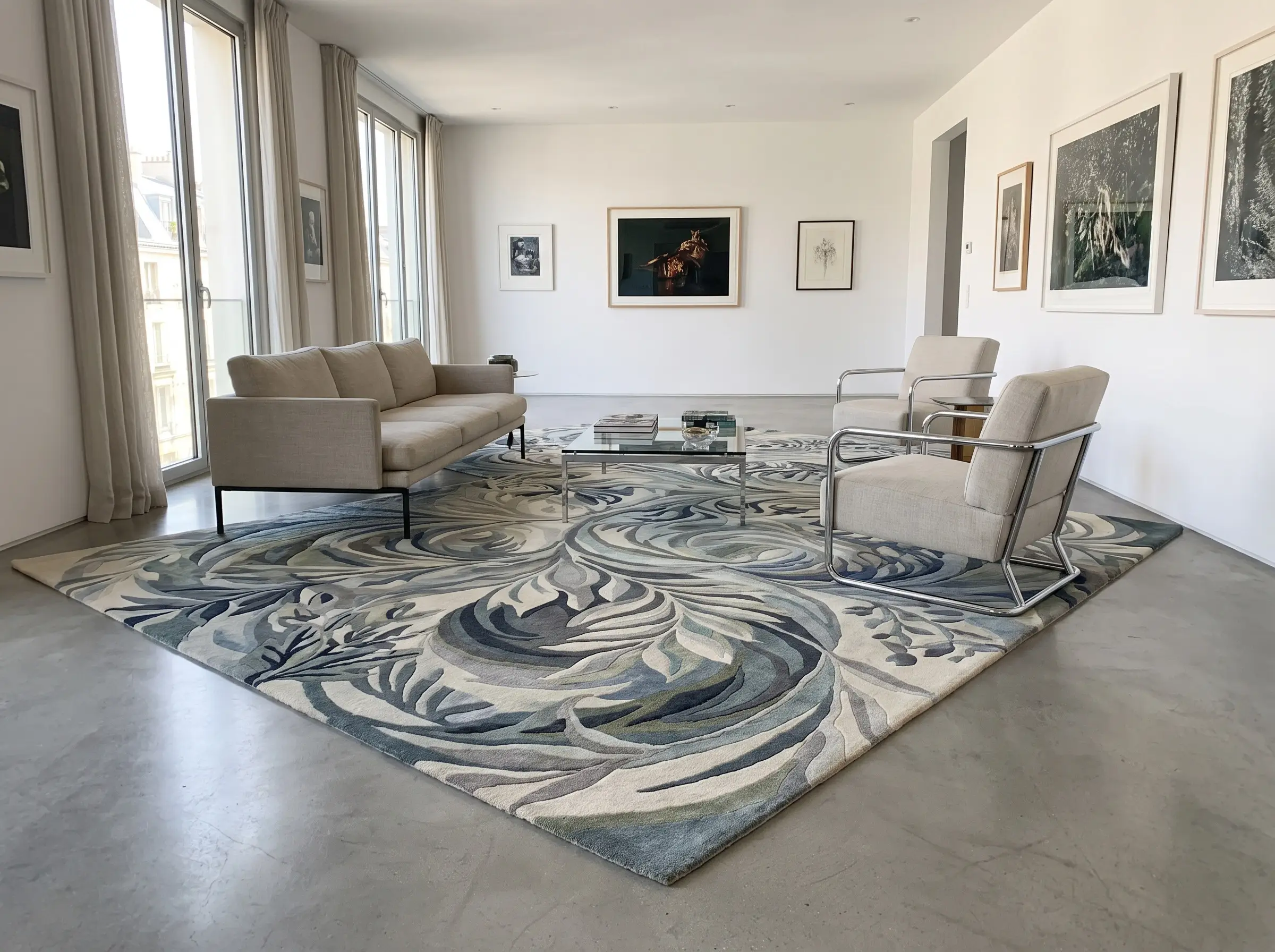
(Lifespan: 1-3 Year Micro-Trend) The “rug as art” movement is bringing optical illusions, woven shadows, and abstract botanical landscapes directly to the floor. These highly pictorial textiles act as sprawling, horizontal canvases that demand attention.
- Vibe: Artistic, illusionary, and gallery-forward.
- Key Materials: High-density wool and silk blends capable of rendering fine, painterly details.
- Styling Pro-Tip: These statement pieces require minimalist furniture with exposed, thin legs (like tubular chrome or thin blackened steel) to ensure the pictorial artwork remains entirely visible.
1980s Deco Revival Geometrics
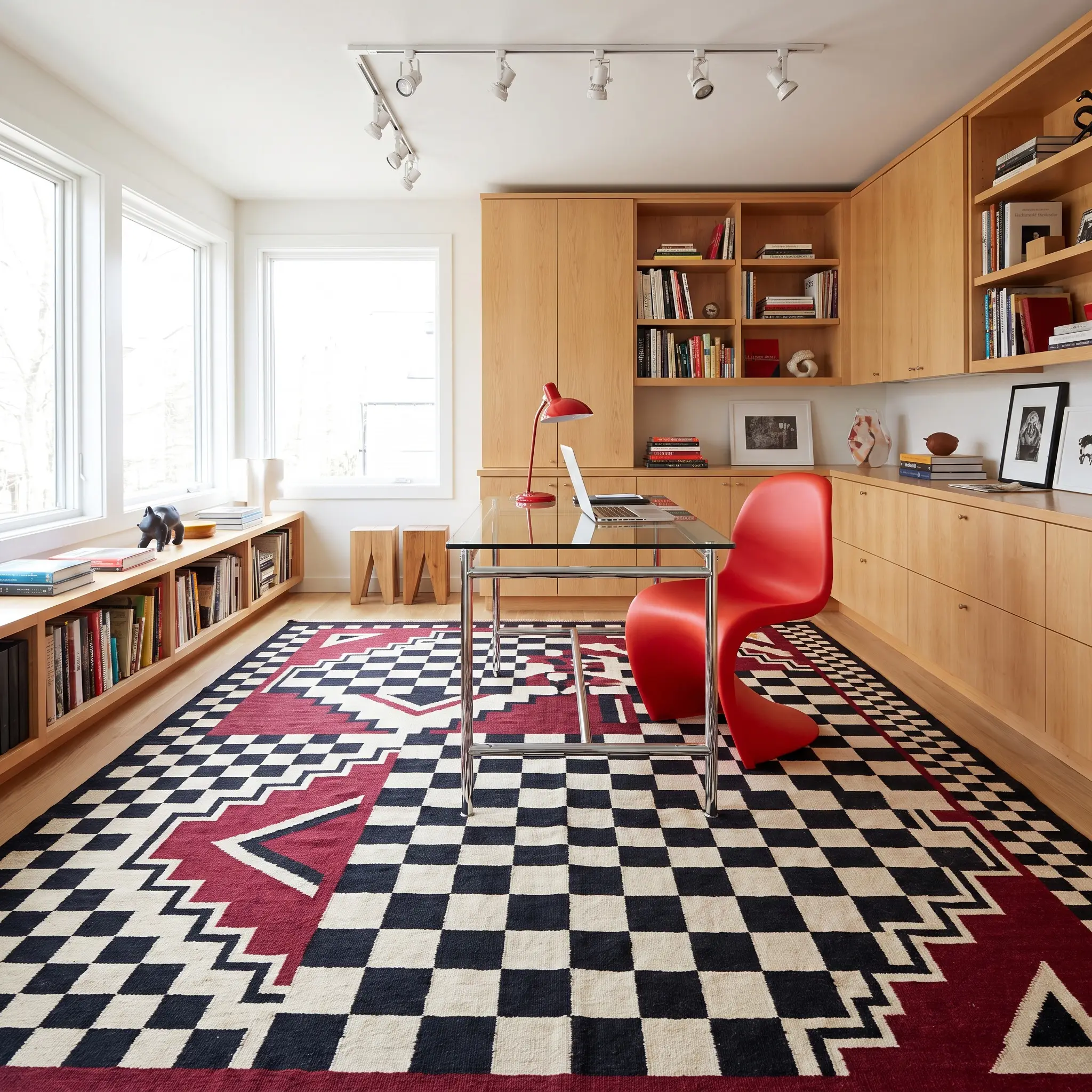
(Lifespan: 1-3 Year Micro-Trend) Stepped borders, stark checkerboard variations, and bold, oversized geometric blocks define this aggressive Postmodern revival. Filtering classic Art Deco motifs through a bold 1980s lens, this is the most confrontational, high-energy aesthetic of the year.
- Vibe: Postmodern, loud, and highly graphic.
- Key Materials: Flatweaves or low-pile wools to maintain crisp, sharp geometric lines.
- Styling Pro-Tip: Deploy these bold geometrics in dining rooms or creative home offices where high-energy, graphic friction is welcomed.
Layering Strategies and Spatial Execution
Sourcing the right textile is only half the battle; the current standard for spatial execution relies on complex layering to build acoustic and visual depth.
The Broadloom Base with an Antique Top
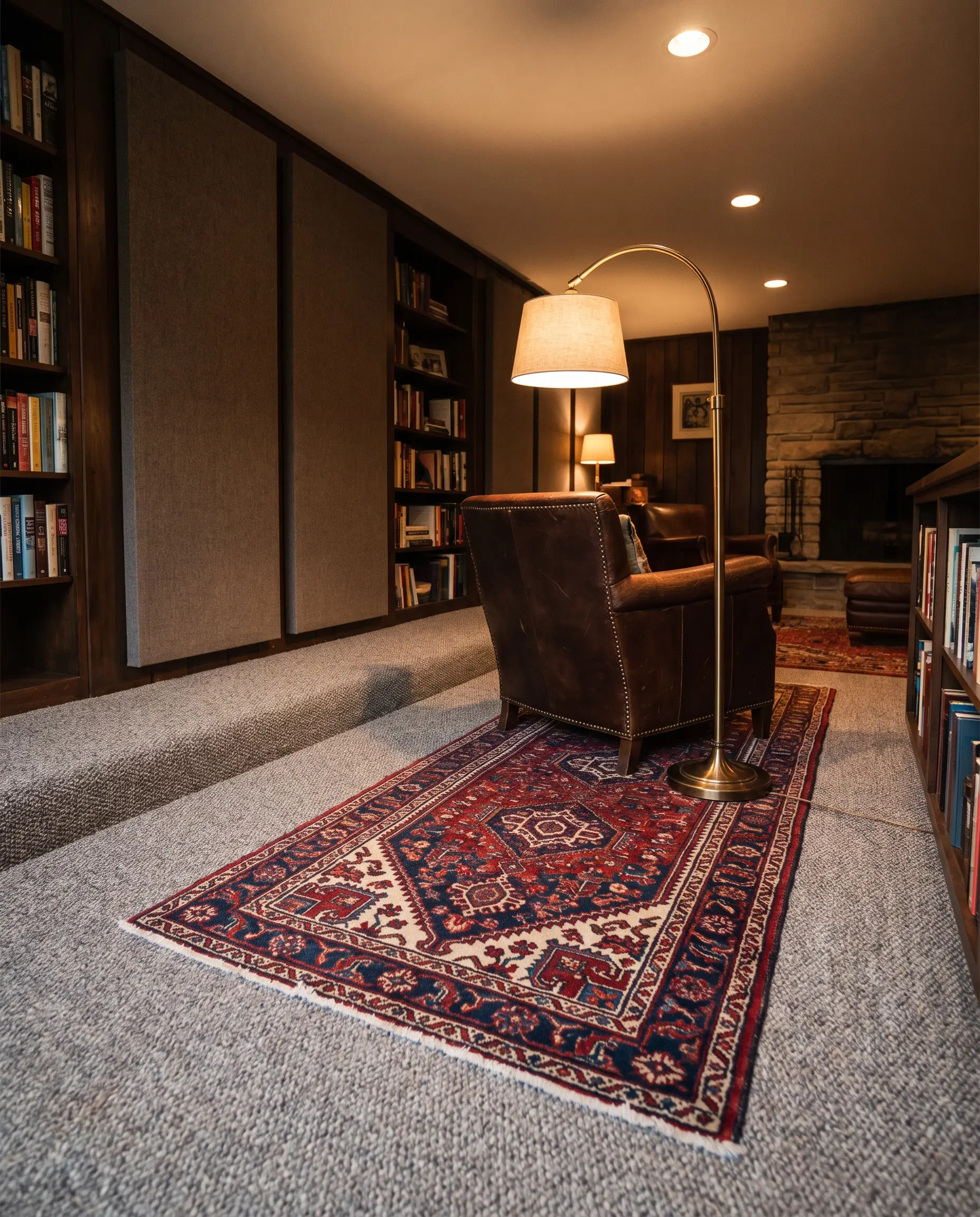
(Lifespan: 5-Year Foundation) Layering a high-value, hand-knotted vintage rug directly over a low-pile wall-to-wall carpet is an exceptional way to define specific zones within a large bedroom or sunken living space. This builds incredible visual richness without requiring hard flooring.
- Vibe: Collected, plush, and heavily textured.
- Key Materials: A vintage hand-knotted runner or area rug placed over a dense, low-pile wool base.
The Do/Don’t Layering Rule:
- Do: Match the pile heights closely; a low-pile vintage rug sits beautifully on a low-pile broadloom.
- Don’t: Layer a thick, heavy shag over a thick plush carpet, which creates a spongy, unstable tripping hazard.
Overlapping Irregular Shapes
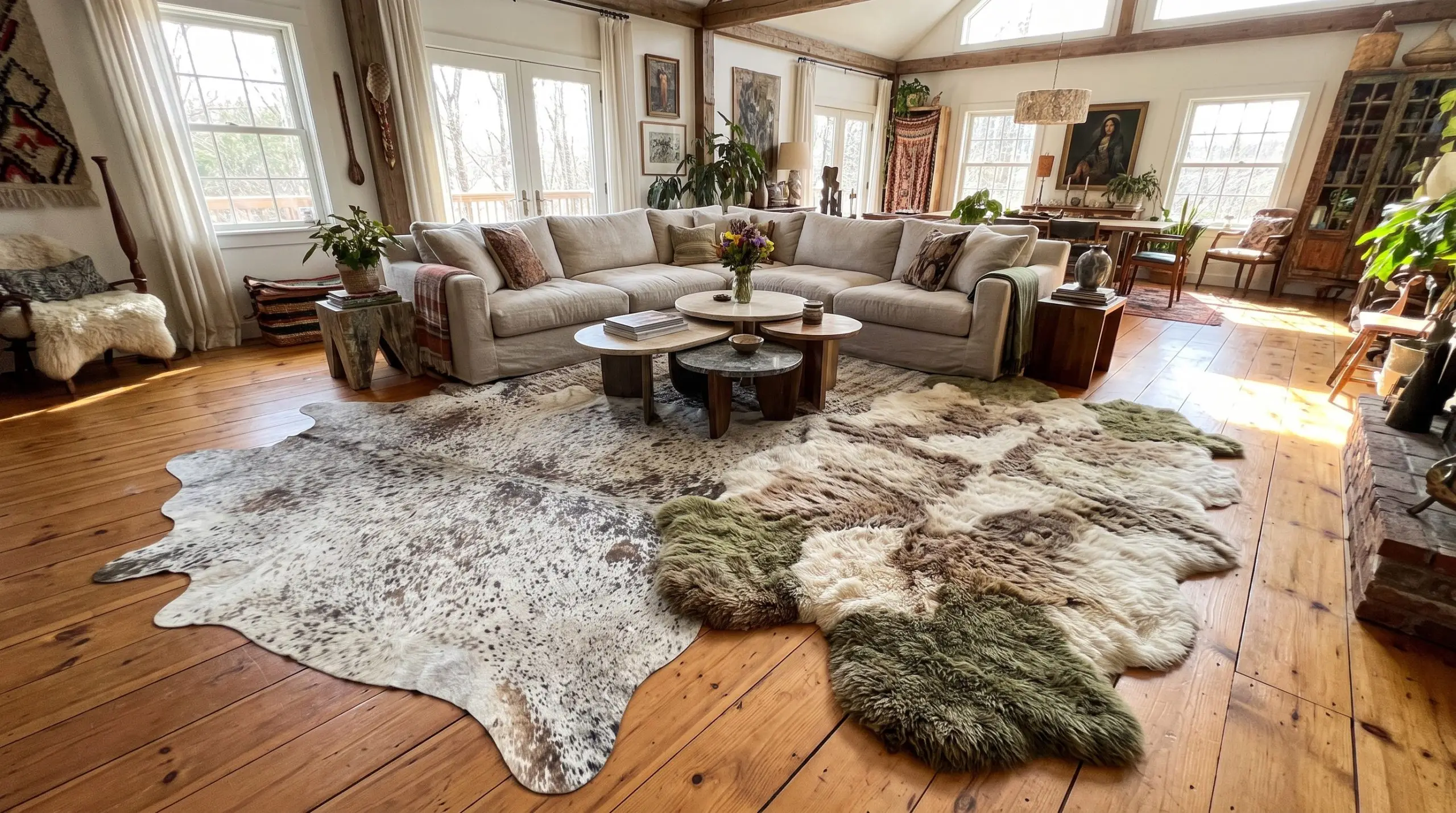
(Lifespan: 1-3 Year Micro-Trend) Maximalist styling dictates taking two distinctly different irregular or hide-shaped rugs and overlapping them by a few feet. This creates a sprawling, highly custom footprint that easily scales to fill massive, open-concept living rooms.
- Vibe: Bohemian, expansive, and unstructured.
- Key Materials: Irregular cowhides, sheepskins, or geological-cut wools.
- Styling Pro-Tip: Always secure the overlap seams with heavy double-sided rug tape to ensure the top layer doesn’t curl and create a tripping hazard.
Hallway Runner Saturation
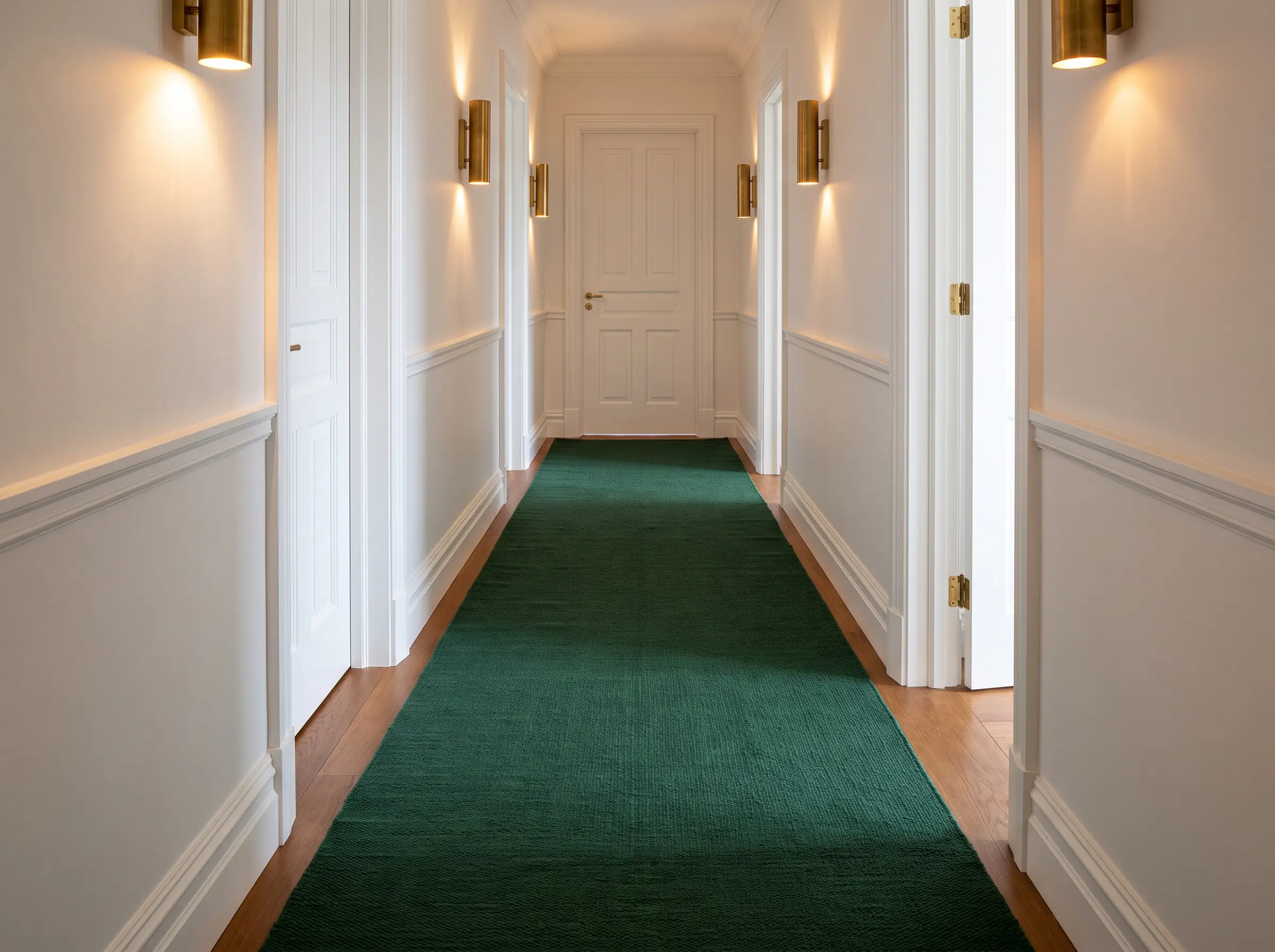
(Lifespan: 5-Year Foundation) We are abandoning short, dinky kitchen runners in favor of ultra-long, wall-to-wall-width custom pieces that achieve total color saturation in transitional corridors. This approach treats the hallway as a deeply saturated, tactile experience rather than a neglected transit zone.
- Vibe: Immersive, continuous, and highly saturated.
- Key Materials: High-durability wool blends or densely woven flatweaves to withstand heavy foot traffic.
- Styling Pro-Tip: Measure the bottom clearance of every single door opening into the hallway before upgrading to a high-pile runner to guarantee smooth door operation.
Securing Your Investment: The Flooring Forecaster’s Verdict
The textiles defining 2027 universally prioritize tactile quality and structural integrity over fleeting, printed gimmicks. Whether you are committing to the acoustic luxury of broadloom or anchoring a room with a jagged-edge accent piece, the goal remains the same: highly intentional, soft architecture that grounds the home.
Which level of texture are you most likely to introduce into your space this year? Subscribe to the Hackrea newsletter for our weekly trend drops to keep your finger on the pulse of modern flooring.
| Material | Average Cost Per Sq. Ft. | Investment Profile |
|---|---|---|
| Bound Remnant (Broadloom/Sisal) | $4 – $8 | High-Low Hack / Budget Friendly |
| Undyed New Zealand Wool | $15 – $25 | Accessible Luxury / Long-Term Durability |
| Tencel / Silk Blends | $30 – $55 | High-End / Low-Traffic Bespoke |
| Hand-Knotted Vintage Oushak | $60 – $120+ | Heirloom / Antique Investment |

The Hackrea Style Desk treats interior decoration as an exact visual science. Rather than focusing on demolition or floor plans, this desk masters the art of color theory, undertone matching, material pairings, and spatial proportion. From balancing the visual weight of mixed metals to finding the perfect bridging tone between disparate wood species, this desk provides the rigorous aesthetic rules needed to achieve high-end, editorial-quality harmony in any space.