The 2027 Hardware Report: Sculptural Pulls, Living Finishes, and the End of the Matchy-Matchy Era
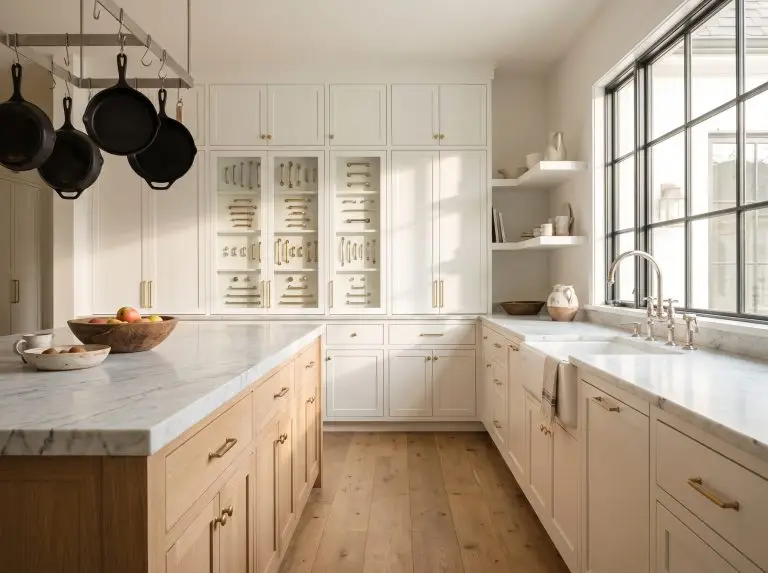
Homeowners planning renovations are often paralyzed by trend anxiety, terrified of investing heavily in fixtures only to watch them age like the rose-gold chevron fads of the past. The 2020s obsession with slapping flat, monochromatic black on every conceivable surface has officially run its course. We are actively shifting focus from rapid consumption to architectural permanence, treating whole-house hardware not as a functional afterthought, but as the defining jewelry of the home.
The 2027 design philosophy demands a curated hardware wardrobe built entirely on tactile, high-quality metals. We are specifying heavy, cast components and living finishes that develop a bespoke patina, rewarding daily interaction rather than degrading from it. This comprehensive forecast breaks down the specific finish applications, sculptural shapes, interior door upgrades, and professional metal-mixing rules that top design firms are utilizing right now.
In 2027, the physical weight, grip, and sensory feel of your hardware is just as important as the visual aesthetic.
The 2027 Finish Forecast: Moving Beyond Flat Metals
The industry is actively moving away from perfectly sealed, static surfaces in favor of dynamic materials that react to their environment. Understanding the application difference between an organic patina and an impenetrable factory seal is the first step in specifying high-end hardware.
| Finish Type | Pros | Cons | Ideal Application |
|---|---|---|---|
| Living Finishes (Patina) | Develops a unique, organic aging profile; scratches blend into the finish; highly bespoke. | Requires maintenance if you want to control the tarnish; spotting is inevitable. | Dry zones, living room built-ins, home offices, primary suites. |
| PVD Coatings (Durability) | Impervious to water spots, tarnishing, and daily wear; maintains a perfect factory appearance. | Lacks the depth and organic warmth of a natural, unsealed metal. | High-moisture wet zones, kitchen sinks, heavily used family bathrooms. |
1. Unlacquered Brass: The Undisputed King of Patina
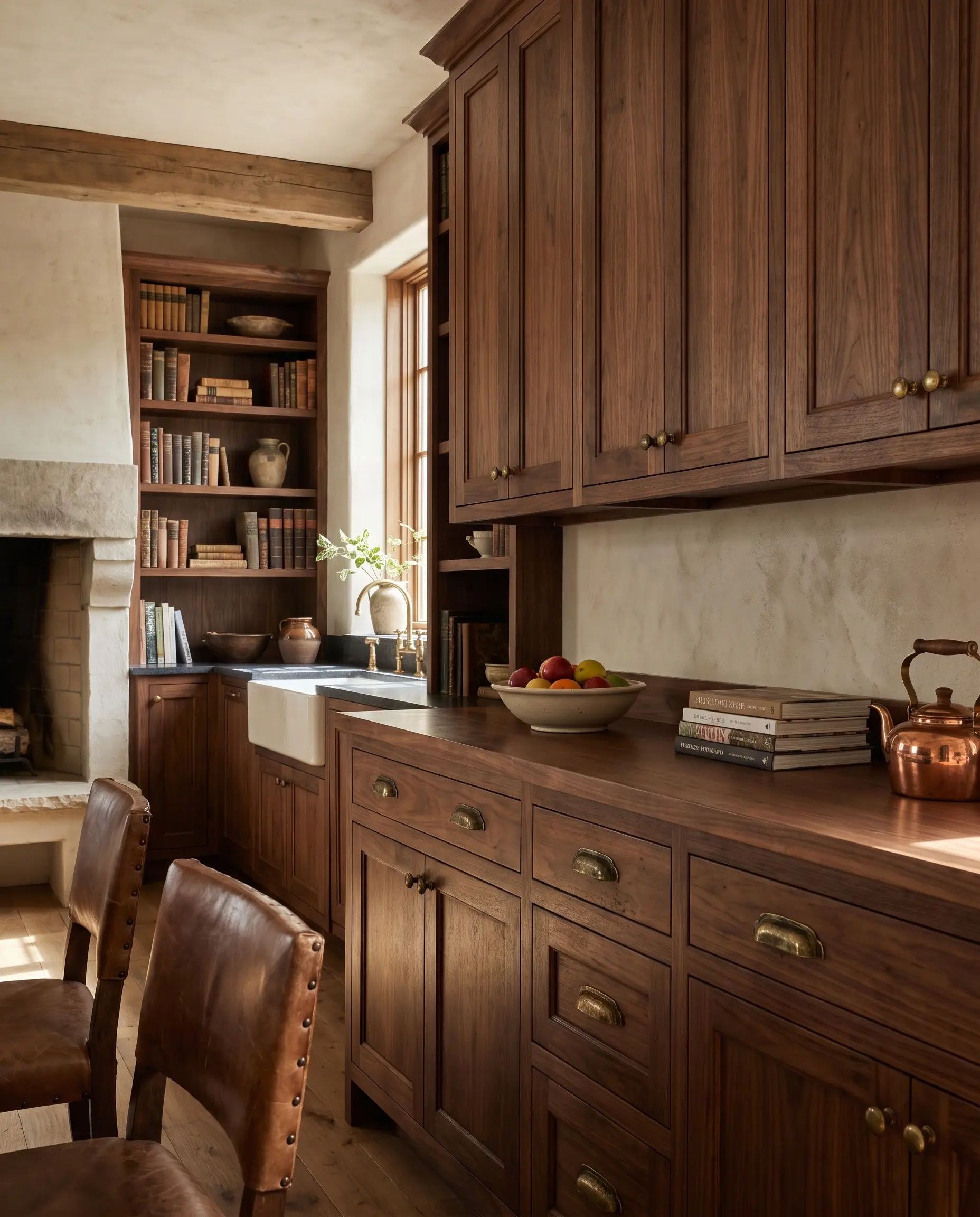
Unlacquered brass dominates high-end Transitional and Organic Modern spaces because it actively ages, darkening and spotting to create a deeply bespoke character. Brands like deVOL and Rejuvenation champion this living finish because it brings an undeniable architectural soul to freshly milled cabinetry.
- Vibe: Heritage luxury, organic warmth.
- Key Material: Solid, unsealed cast brass.
- Best Application: Kitchen perimeters, custom wardrobes, library built-ins.
To intentionally accelerate the patina process on new unlacquered brass, designers often use a specialized aging solution or leave the hardware exposed to natural oils and moisture before installation. Expect unlacquered brass in high-touch zones to darken within six months.
Styling Rule
2. Polished Nickel: The Warm Silver Revival
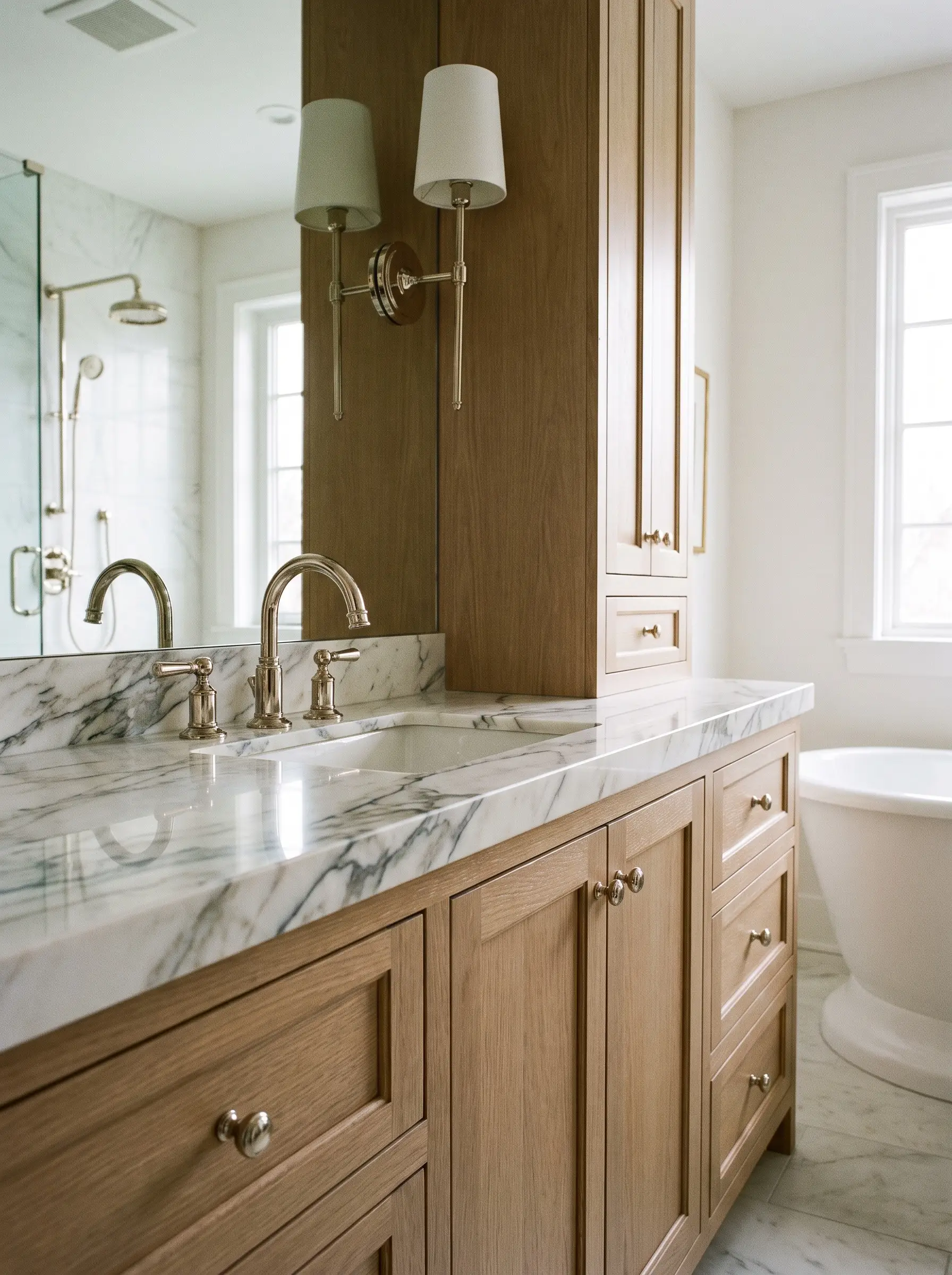
Cool, blue-toned brushed nickel is a relic of the past, decisively replaced by the highly reflective sophistication of polished nickel. This finish features a distinct, champagne-warm undertone that pairs flawlessly with natural white oak and heavily veined marble countertops.
- Vibe: Refined, classic, highly reflective.
- Key Material: Polished nickel over a solid brass core.
- Best Application: Primary bathroom vanities, glass-front upper cabinets.
- The Designer’s Spec: Specify polished nickel for plumbing fixtures and upper cabinetry hardware to bounce natural light around the room while grounding the base cabinets with a heavier metal.
3. Burnished Bronze & Blackened Steel
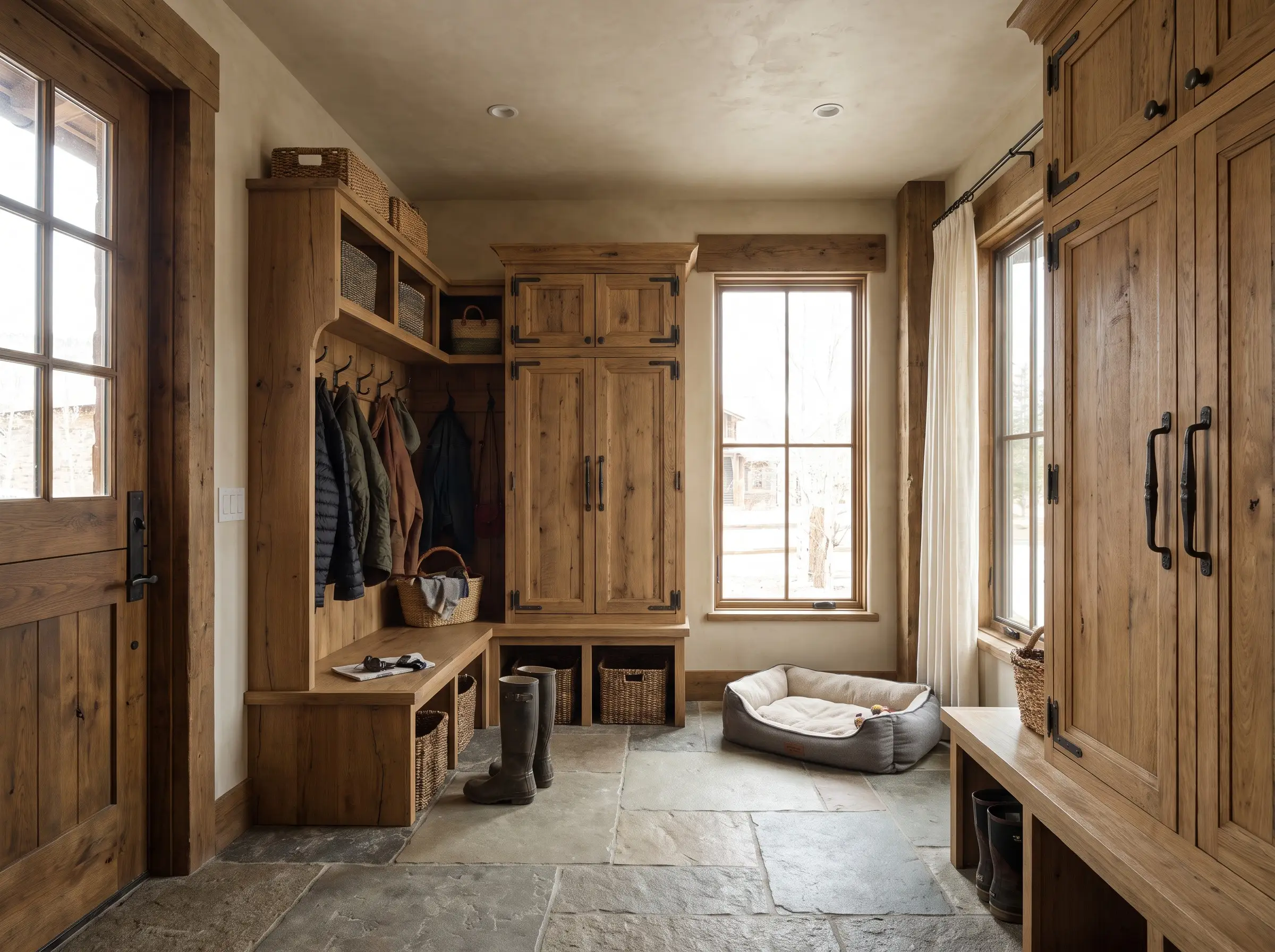
For those drawn to darker tones, burnished bronze and blackened steel offer a sophisticated alternative to standard, flat matte black. These heavy, forged materials provide subtle variations in deep charcoals and rich browns, injecting instant industrial weight into Rustic Modern or Minimalist architecture.
- Vibe: Grounded, industrial, subtly varied.
- Key Material: Hand-forged steel, oil-rubbed cast bronze.
- Best Application: Oversized pantry doors, mudroom built-ins, heavy timber entryways.
4. Mixed-Material Inlays: Wood meets Metal
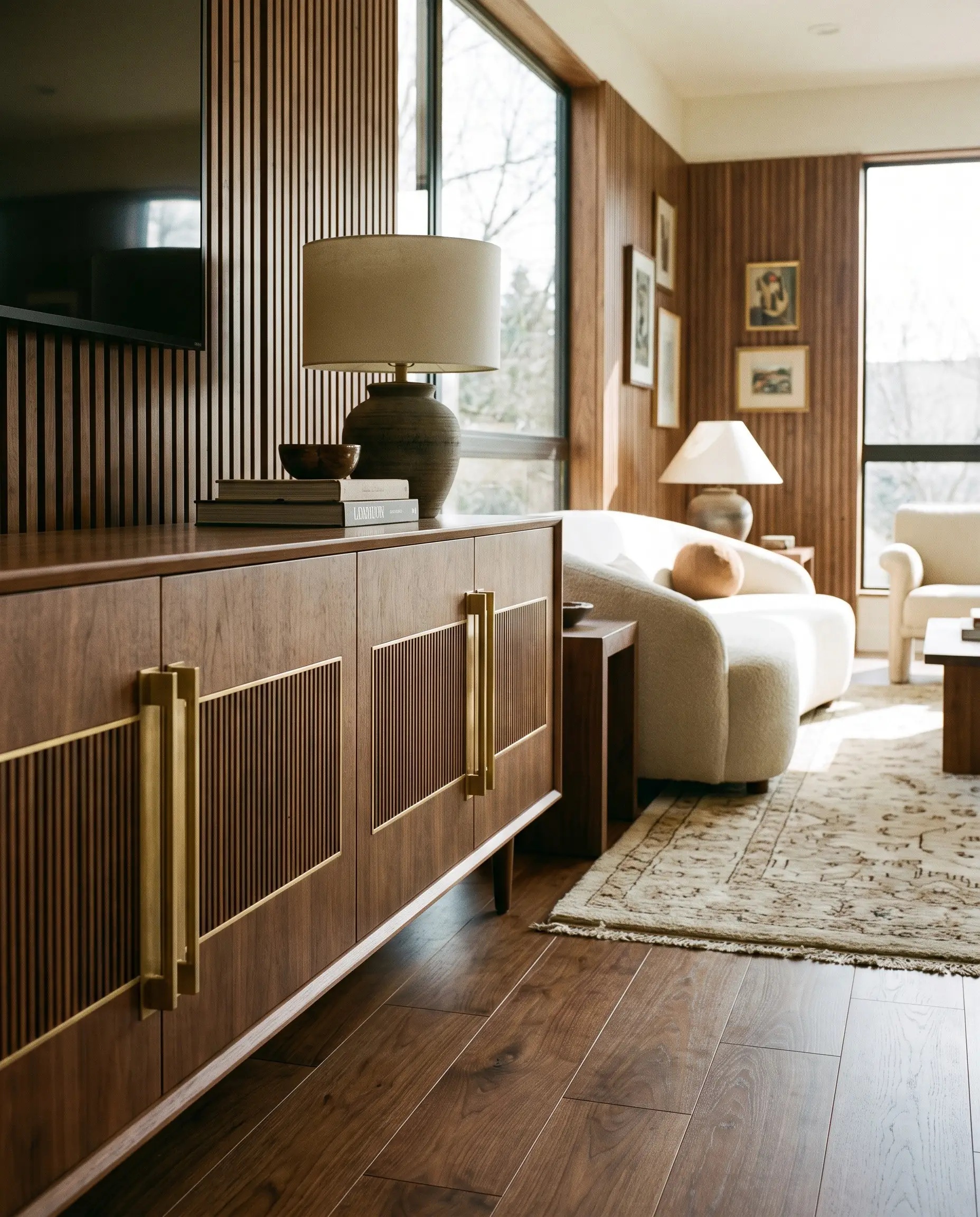
One of the most premium, bespoke details for 2027 involves brass or nickel hardware featuring integrated inlays of reeded walnut, white oak, or blackened ash. This specialized detailing creates a seamless architectural bridge between the wood grain of the cabinetry and the structure of the pull.
- Vibe: Tailored, tactile, hyper-custom.
- Key Material: Machined brass with solid hardwood inlays.
- Best Application: Floating credenzas, custom bathroom vanities, mid-century modern kitchens.
- The Designer’s Spec: When specifying mixed-material hardware, ensure the wood inlay tone perfectly matches the dominant wood species used in the room’s flooring or millwork.
5. Leather-Wrapped Pulls
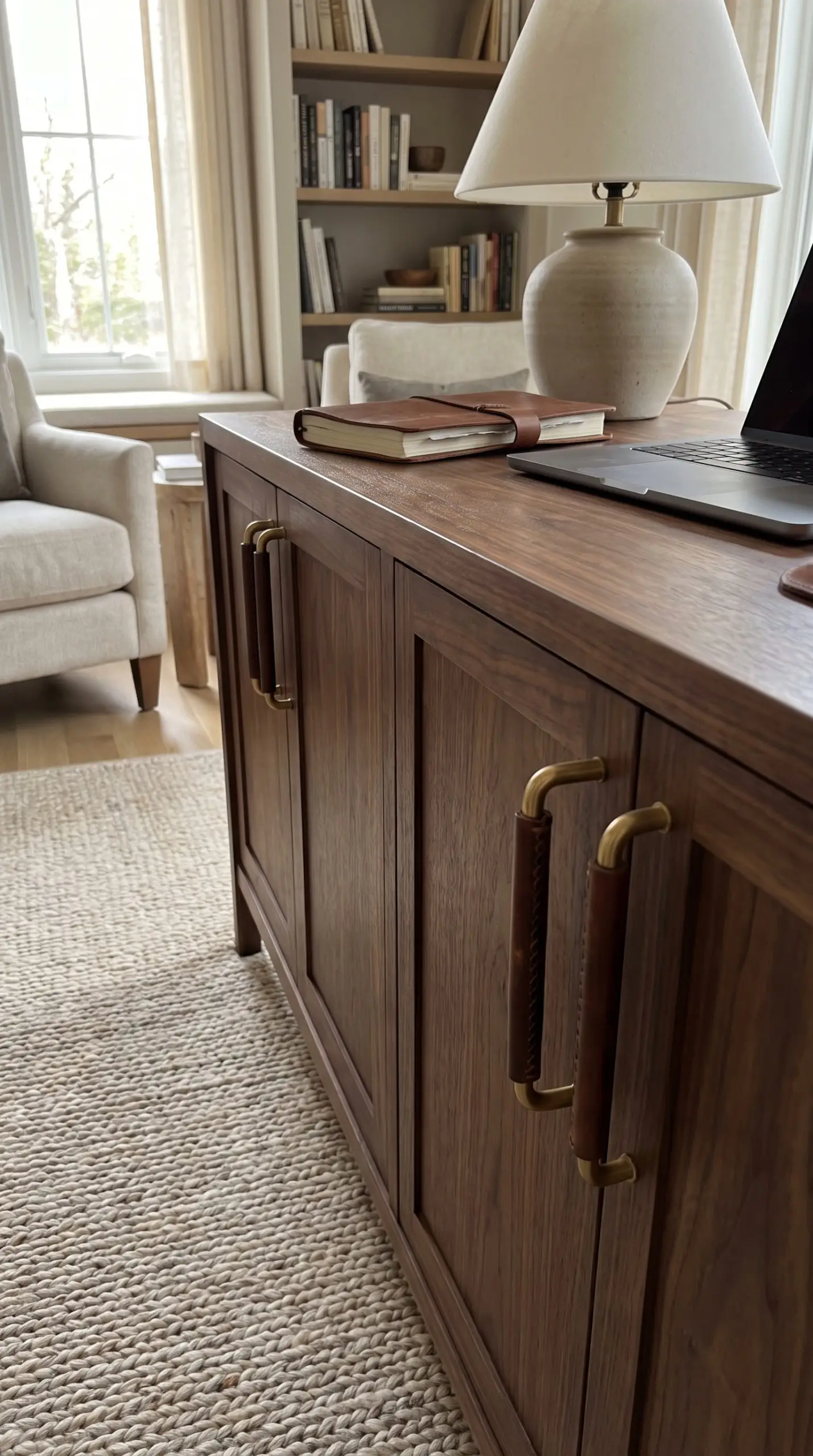
Bringing an equestrian-inspired luxury indoors, saddle-stitched leather wrapped tightly around solid brass cores offers incredible tactile softness. It is an exceptional way to introduce warmth and texture into home offices, built-in wardrobes, and dry-zone butler’s pantries.
- Vibe: Equestrian luxury, soft-touch sophistication.
- Key Material: Full-grain leather over unlacquered brass.
- Best Application: Closet islands, office credenzas, dry bars.
Strictly keep leather hardware out of high-moisture wet zones like kitchen sinks or primary showers, as the leather will warp, stain, and degrade rapidly.
Maintenance Warning
6. Oxblood & Cobalt Powder Coats
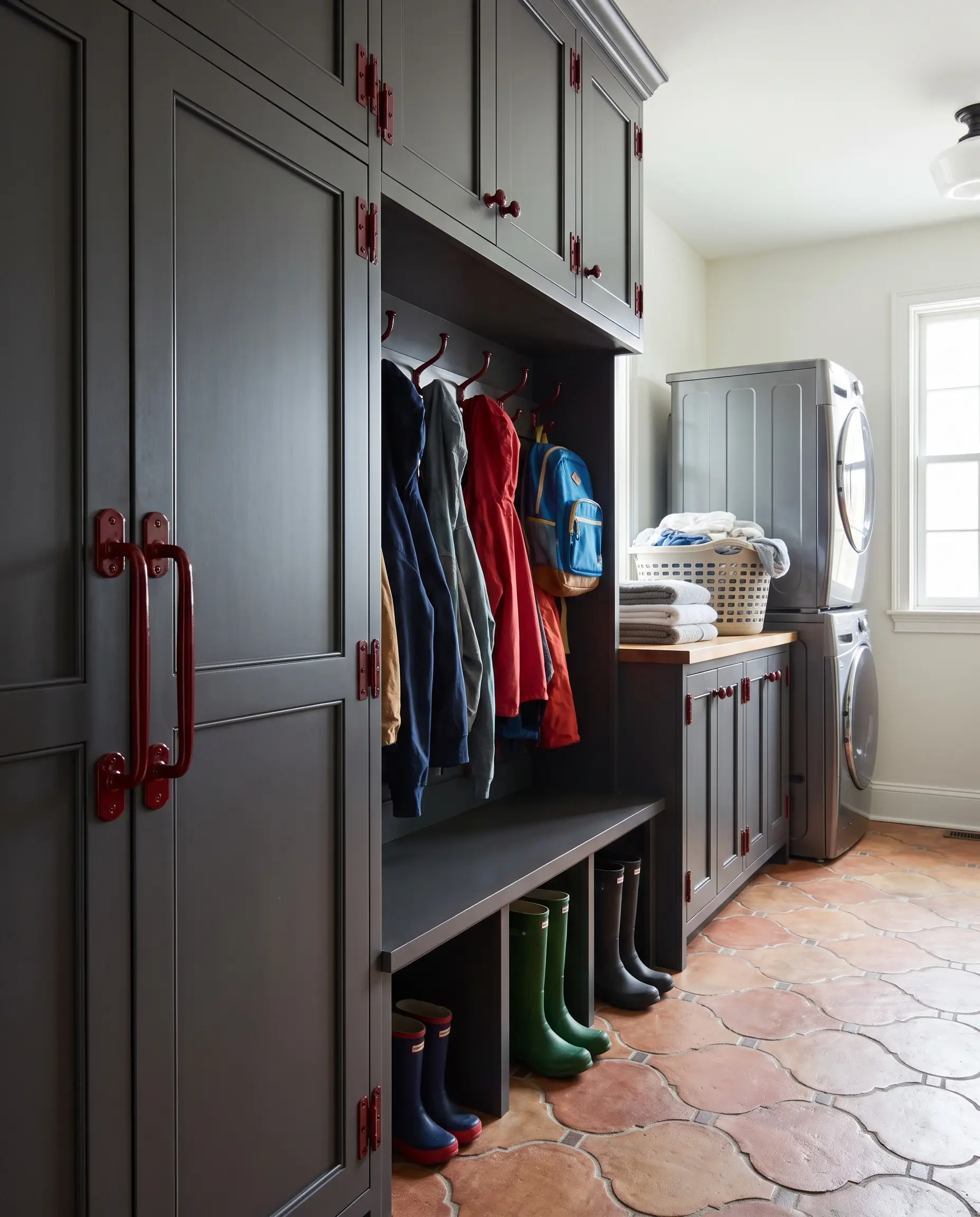
Moving decisively away from stark monochromatic palettes, European designers are injecting high-design color through deep, rich powder-coated tones like oxblood red and cobalt blue. These daring, saturated finishes act as functional art pieces, bringing unexpected architectural energy to secondary spaces.
- Vibe: Daring, European-inspired, saturated.
- Key Material: Heavy-duty powder-coated aluminum or steel.
- Best Application: Mudroom lockers, laundry room cabinetry, children’s bathrooms.
- The Designer’s Spec: Utilize brightly colored hardware against a stark, neutral cabinet color (like flat charcoal or crisp white) to maximize the visual contrast and highlight the hardware’s articulation.
Architectural Shapes & Proportions
Hardware shape dictates the structural era of the room, and in 2027, scale is everything. Standard three-inch pulls are rapidly being replaced by extreme proportions—either seamlessly hidden into the millwork or dramatically oversized for maximum impact.
7. The Oversized Appliance Pull Trick
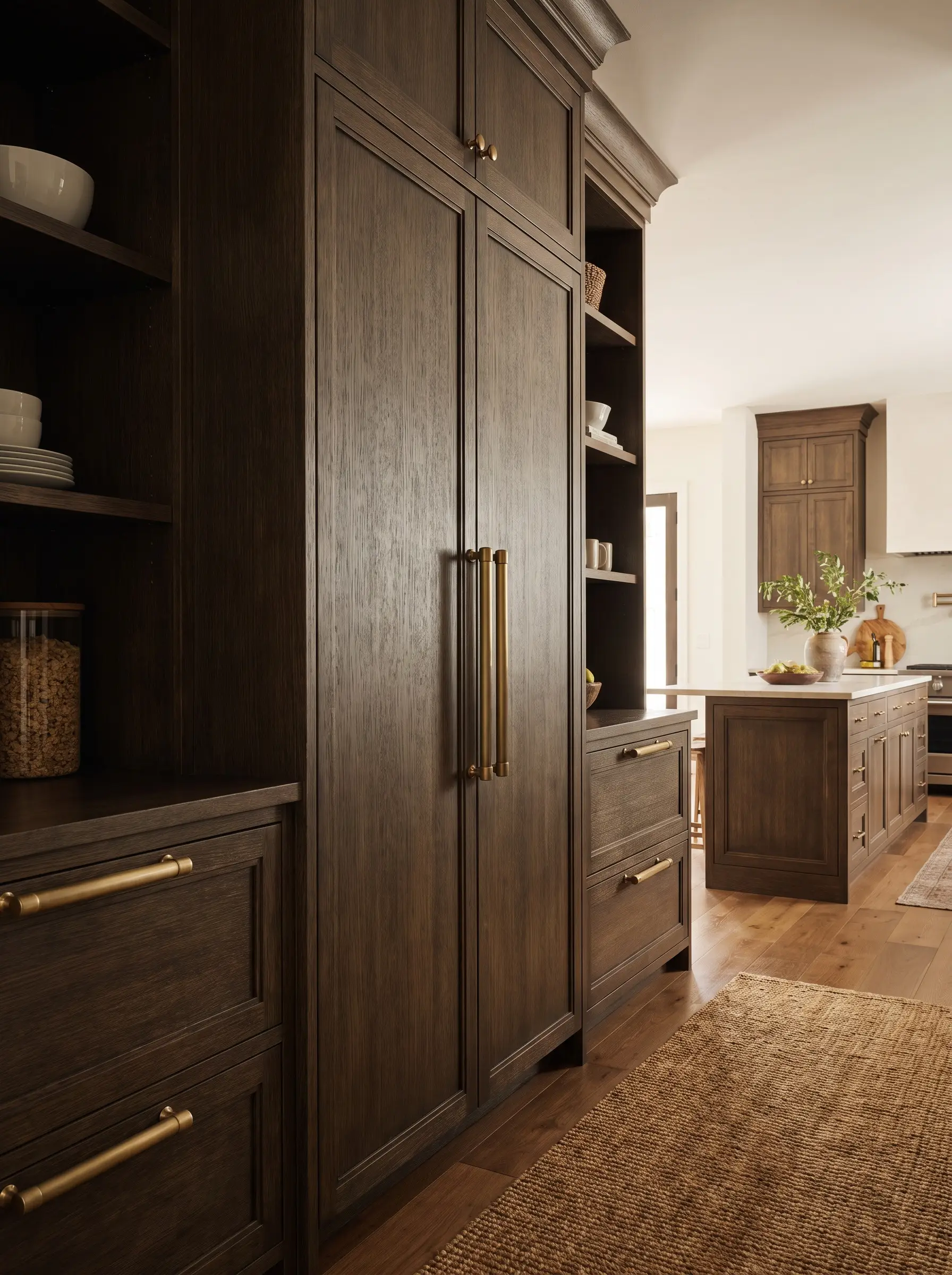
Utilizing massive 12-inch to 18-inch appliance pulls on standard pantry doors or large drawer banks instantly creates a high-end, custom-paneled look. This scaling trick provides necessary structural visual weight and makes standard cabinetry feel like premium, freestanding furniture.
- Vibe: Substantial, custom, structurally grounded.
- Key Application: Floor-to-ceiling pantry doors, heavy pot-and-pan drawers.
- The Designer’s Spec: On a standard 24-inch or 30-inch wide drawer base, specify a pull with a minimum 12-inch center-to-center spread to maintain luxurious proportions.
8. Heavy-Knurled T-Bars
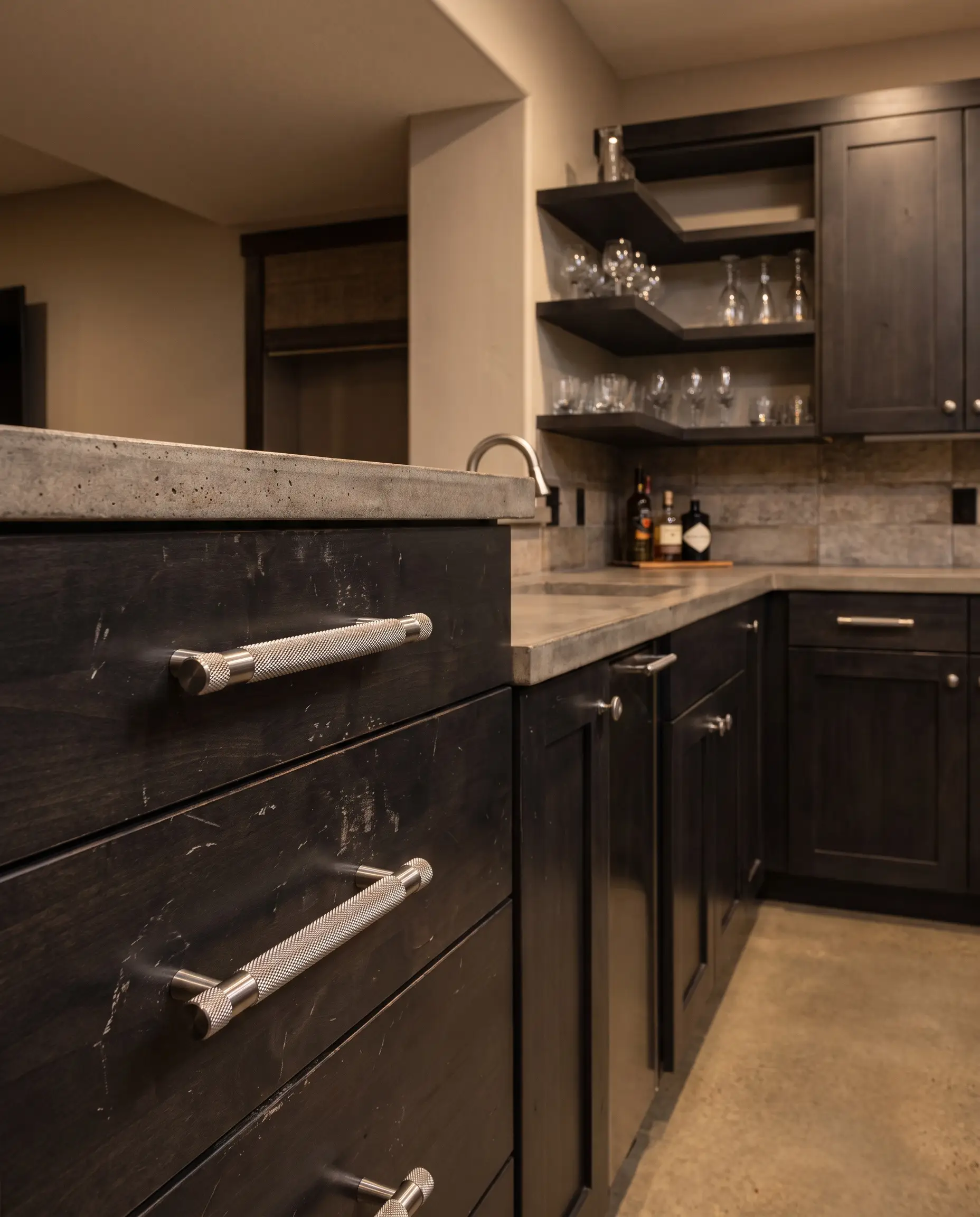
The standard bar pull has evolved into a highly tactile experience, utilizing heavy diamond-cut knurling inspired by motorcycle grips and vintage audio equipment. Brands like Buster + Punch have mastered this aesthetic, offering an incredible grip that feels substantial and engineered in the hand.
- Vibe: Engineered, tactile, industrial-chic.
- Key Feature: Diamond-cut knurled texture for maximum grip.
- Best Application: High-traffic kitchen drawers, modern wet bars.
9. Seamless Edge & Profile Pulls
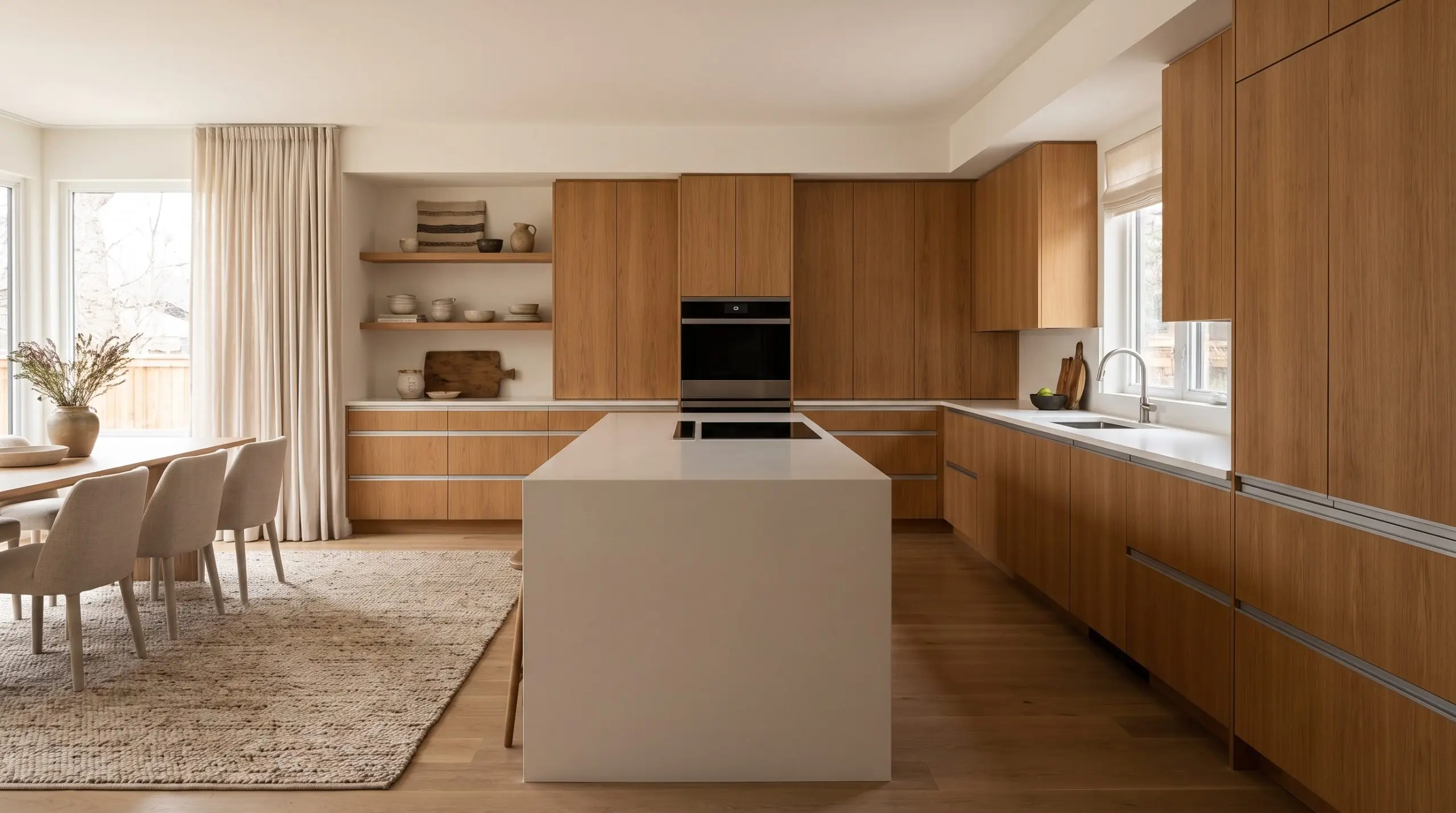
For minimalist and modern kitchens, hardware is disappearing entirely into the millwork via seamless edge pulls. These pieces route directly into the top lip of the drawer or door, providing a completely flush, handle-less look while protecting the cabinet finish from daily fingernail scratches.
- Vibe: Ultra-minimalist, sleek, architectural.
- Key Material: Extruded aluminum or machined brass.
- Best Application: Flat-panel slab cabinetry, modern European kitchens.
- The Designer’s Spec: Specify edge pulls that span the entire width of the drawer face for a continuous, uninterrupted metallic line across the kitchen.
10. Geometric & Scalloped Backplates
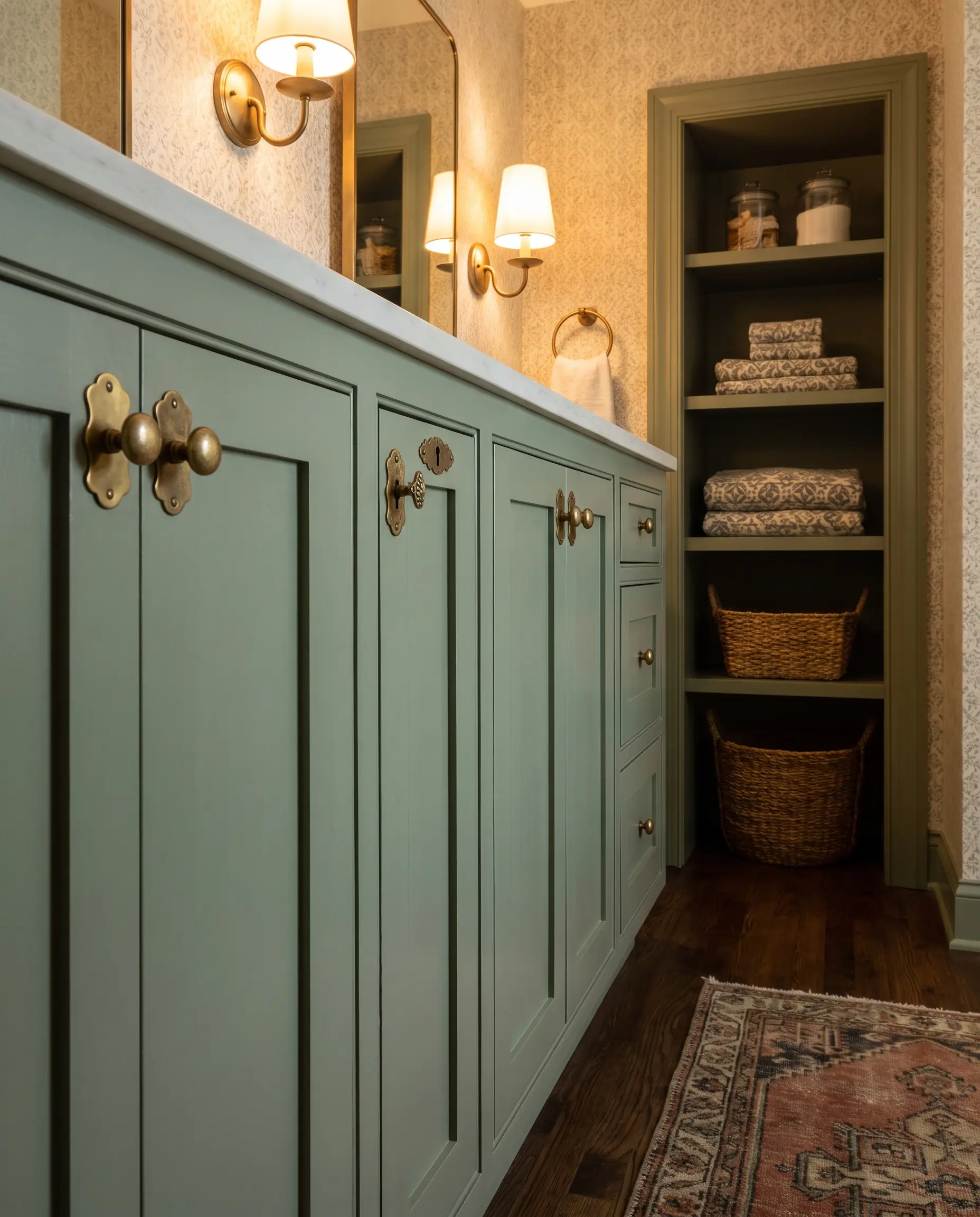
The traditional escutcheon and backplate are making a massive return, layering a brass or nickel plate behind a standard knob to protect the wood and add grandmillennial heritage detailing. This is one of the highest-impact upgrades available for transforming builder-grade doors into custom-looking millwork.
- Vibe: Heritage, layered, grandmillennial.
- Key Feature: Scalloped, rectangular, or starburst backplates.
- Best Application: Narrow shaker doors, bathroom vanity doors, linen closets.
11. Sculptural & Asymmetrical Knobs
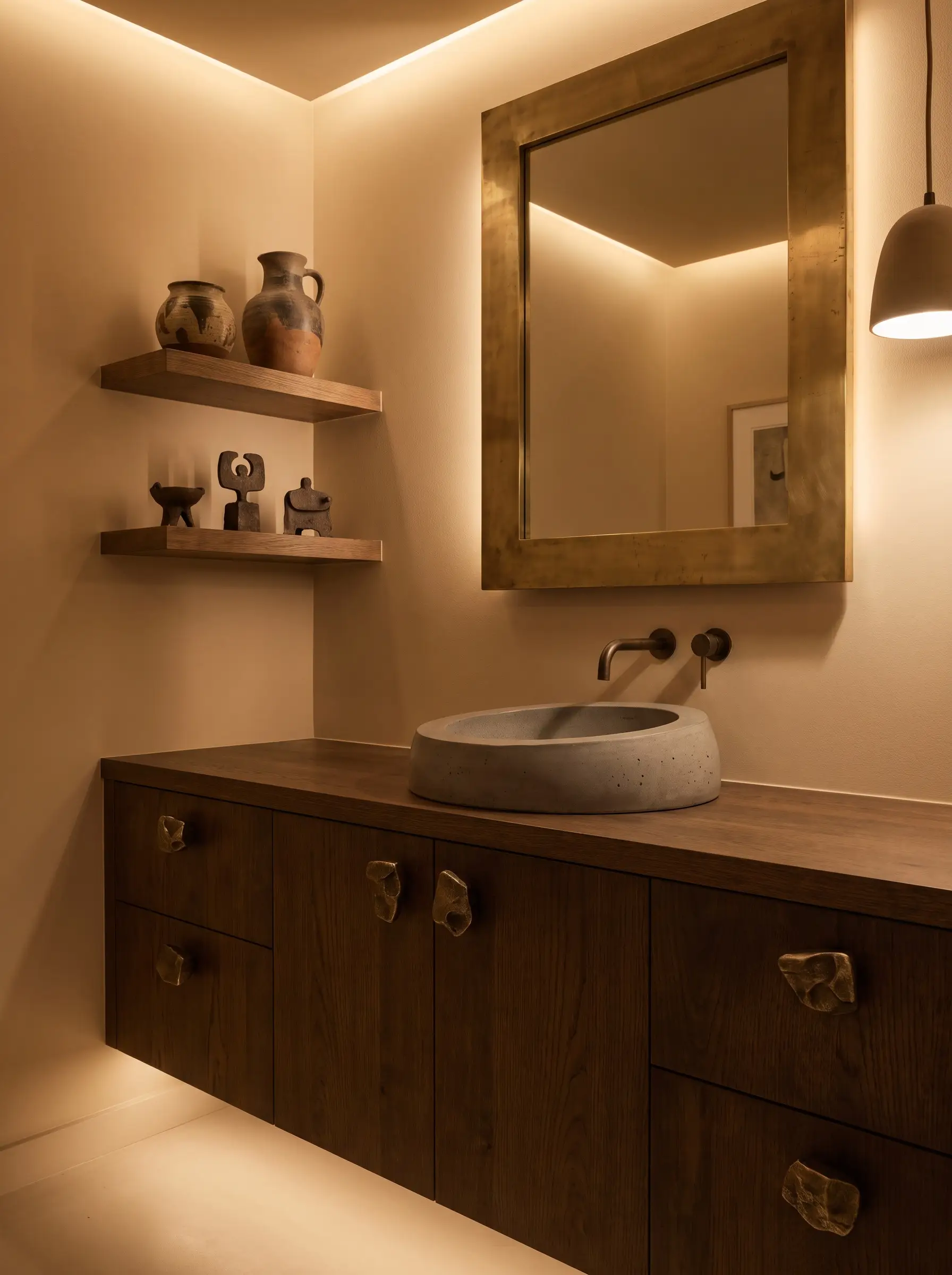
We are moving away from perfect, mass-produced spheres in favor of knobs cast as asymmetrical stones, brutalist blocks, or organic, melted shapes. These pieces act as functional gallery art, commanding attention and requiring the user to engage with the unique articulation of the metal.
- Vibe: Artistic, avant-garde, brutalist.
- Key Material: Cast bronze, raw brass, sculpted iron.
- Best Application: Floating shelves, powder room vanities, statement furniture pieces.
12. The Modernized Dropped Bail Pull
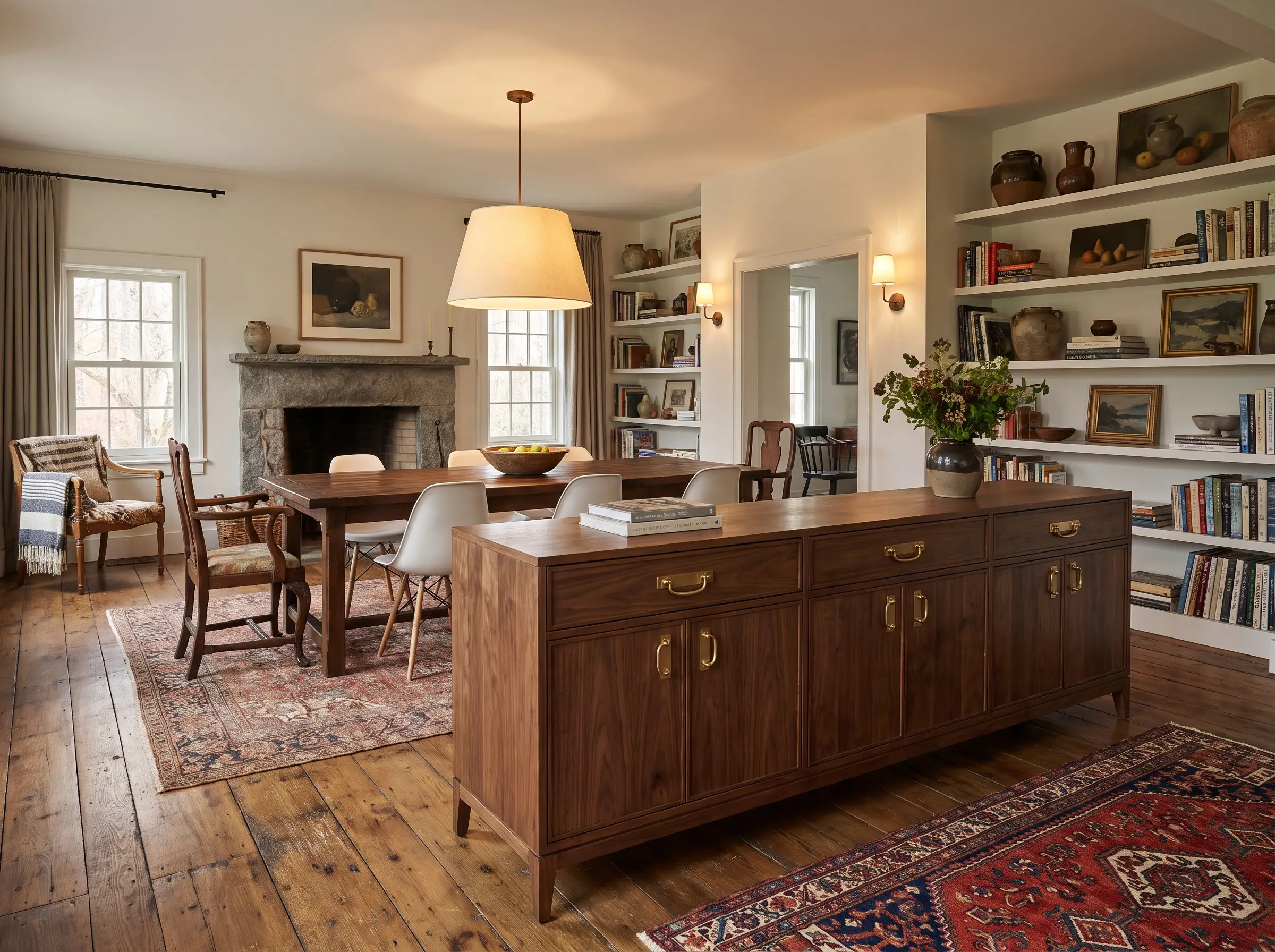
A direct nod to antique furniture, dropped ring or bail pulls traditionally found on historic dressers have been modernized with clean lines and unlacquered finishes for kitchen drawers. This specific piece serves as the definitive Transitional design bridge, marrying old-world craftsmanship with modern spatial layouts.
- Vibe: Transitional, collected, historically rooted.
- Key Feature: A swinging bail or ring attached to a fixed backplate.
- Best Application: Kitchen island drawers, dining room buffets.
13. Fluted & Ribbed Glass Knobs
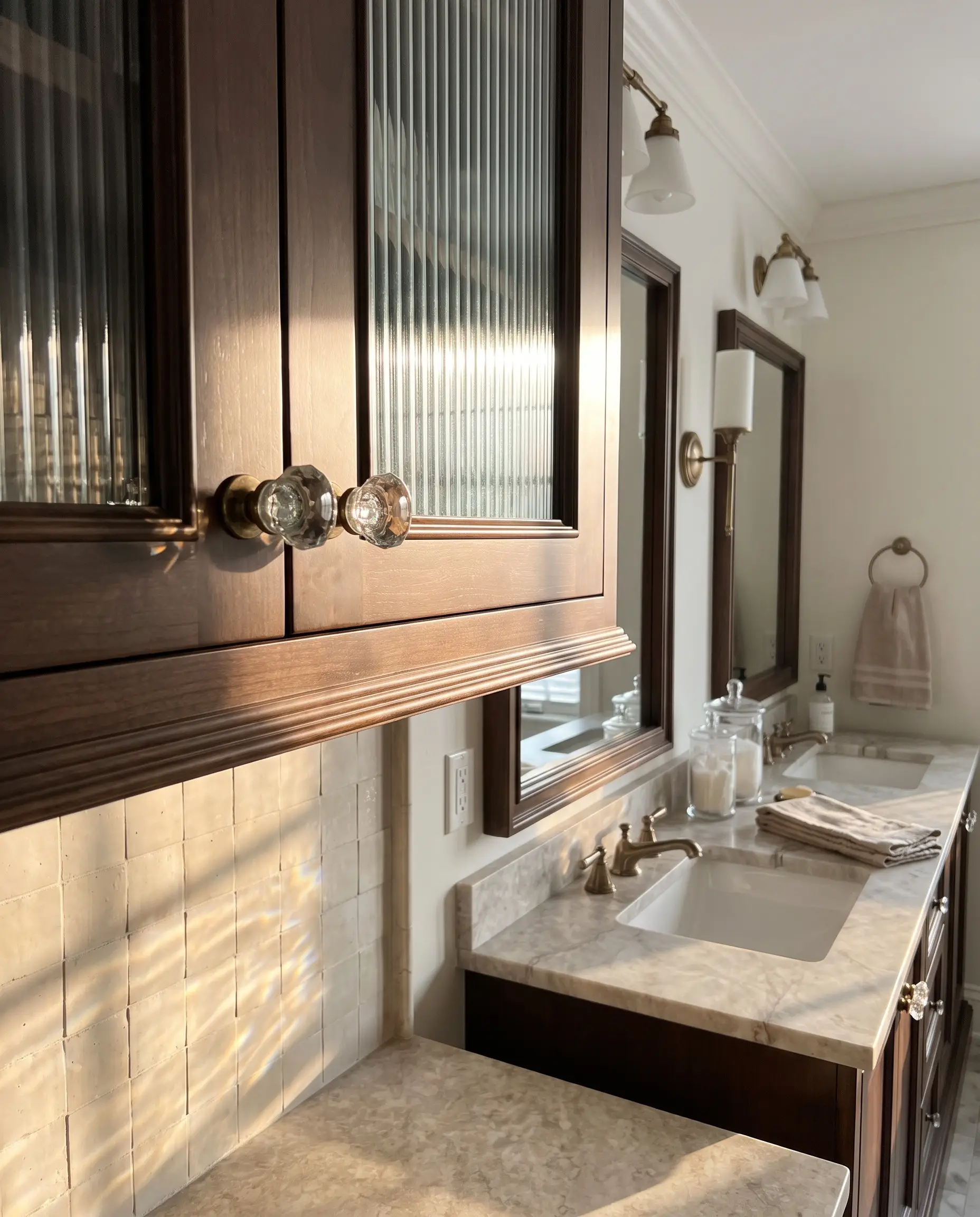
The industry is finally leaving the cheap, hollow acrylics of the 1990s behind, specifying heavy, fluted, and reeded solid glass set into solid brass bases. These pieces provide stunning light refraction and vintage charm, catching the morning sun while offering a heavy, satisfying pull.
- Vibe: Vintage glamour, light-catching, refined.
- Key Material: Solid cast glass and unlacquered brass.
- Best Application: Upper display cabinets, primary bathroom suites.
Always verify the specifications state “solid glass.” Hollow acrylic or cheap resin dupes lack the necessary physical weight and will scratch quickly under daily use.
Sourcing Warning
Interior Doors: The Forgotten Hardware Canvas
Homeowners obsess over kitchen cabinets but routinely leave builder-grade, hollow knobs on their interior doors. In 2027, you must upgrade your door levers and mortise locks; they are primary architectural features that provide an immediate, whole-house return on investment.
14. Slim-Rosette Knurled Levers
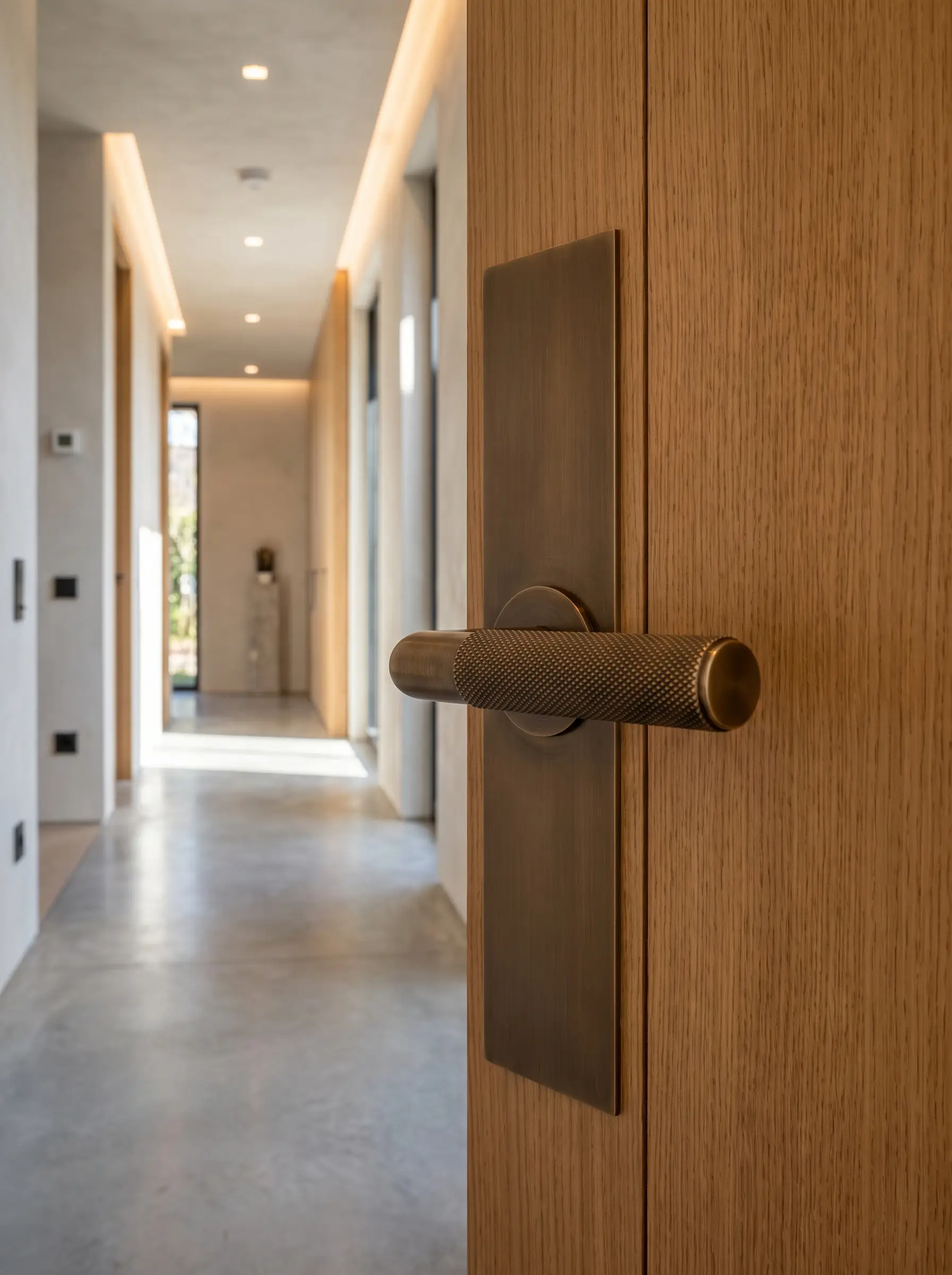
Modern European engineering has allowed designers to minimize the backplate (rosette) to a razor-thin profile, letting the heavy, knurled lever handle take center stage. This creates an incredibly sleek, flush appearance that focuses entirely on the tactile grip of the lever itself.
- Vibe: Modern European, precision-engineered.
- Key Feature: Minimalist 2mm rosettes with heavy knurled levers.
- Best Application: Modern new builds, minimalist renovations.
15. Heavyweight Cast Mortise Knobs
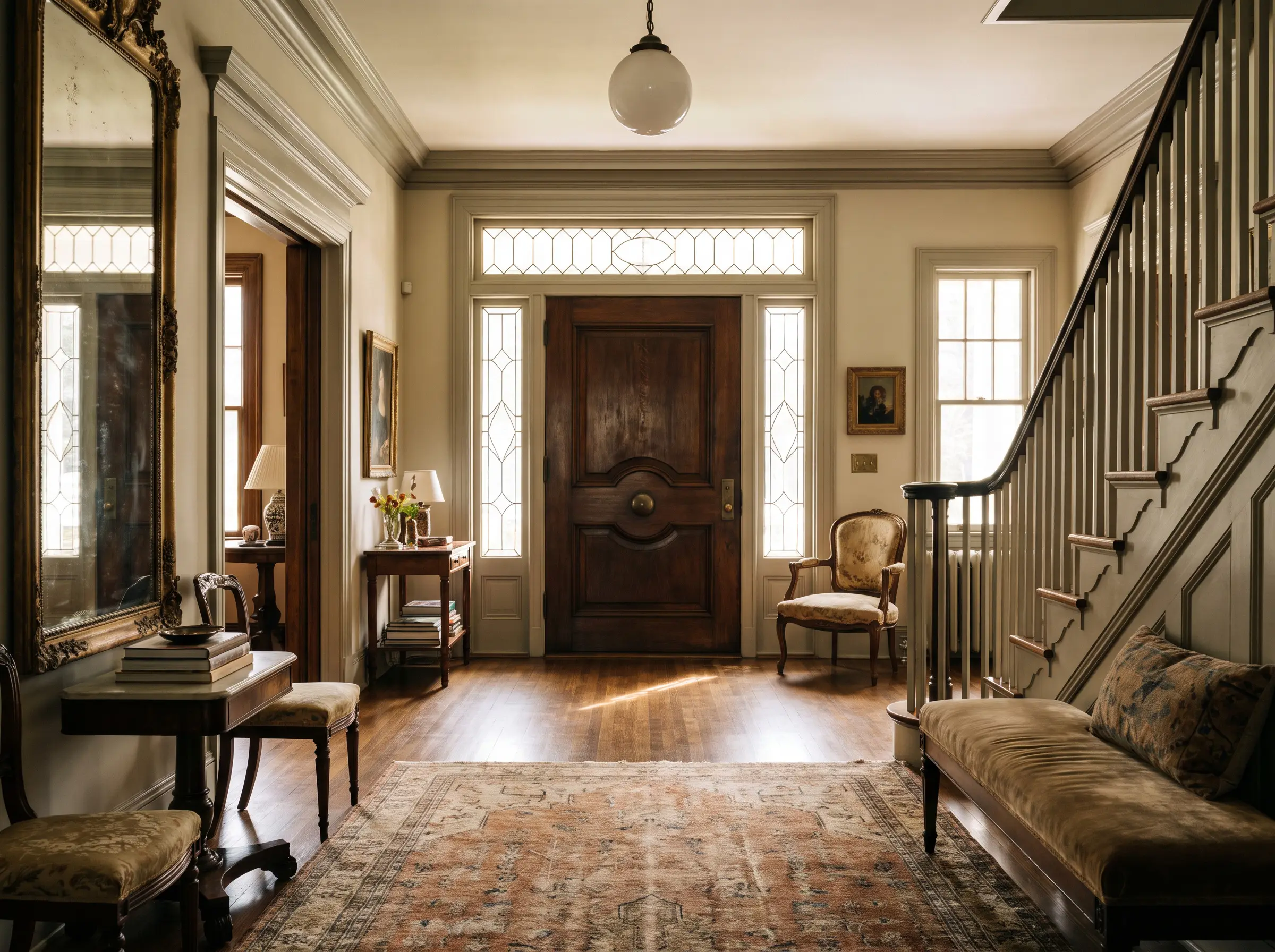
For traditional styling, nothing beats the substantial feel of heavy, egg-shaped or perfectly spherical cast bronze knobs that require a firm, deliberate turn. The satisfying acoustic click of a heavy mortise lock immediately evokes the unmatched quality and permanence of pre-war architecture.
- Vibe: Pre-war architectural, substantial, historic.
- Key Material: Solid cast bronze or unlacquered brass.
- Best Application: Historic renovations, grand primary entryways, heavy solid-core doors.
16. Textured Matte Black for Doors
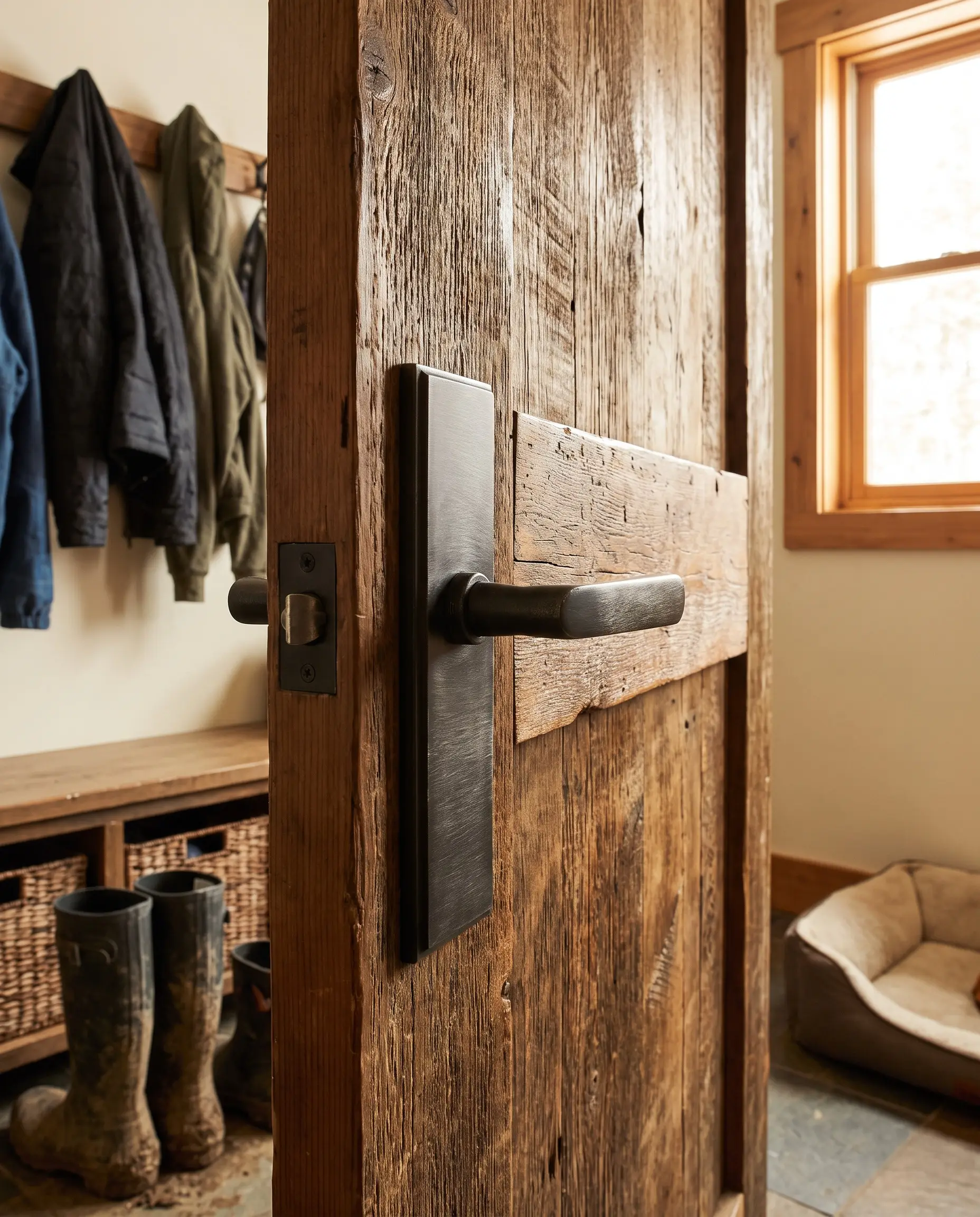
If black is specified for interior doors, it must have texture, as flat powder-coated black levers show oily fingerprints and scratches instantly. The 2027 standard demands sand-cast or heavily brushed black finishes that effortlessly hide wear and tear while offering a rugged, iron-like aesthetic.
- Vibe: Rugged, practical, industrial.
- Key Material: Sand-cast black bronze or brushed blackened steel.
- Best Application: High-traffic family homes, basement doors, mudroom entries.
Never specify flat, matte black powder coats for high-traffic door levers unless you are prepared to wipe them down daily.
Maintenance Rule
17. Integrated Pocket Door Flush Pulls
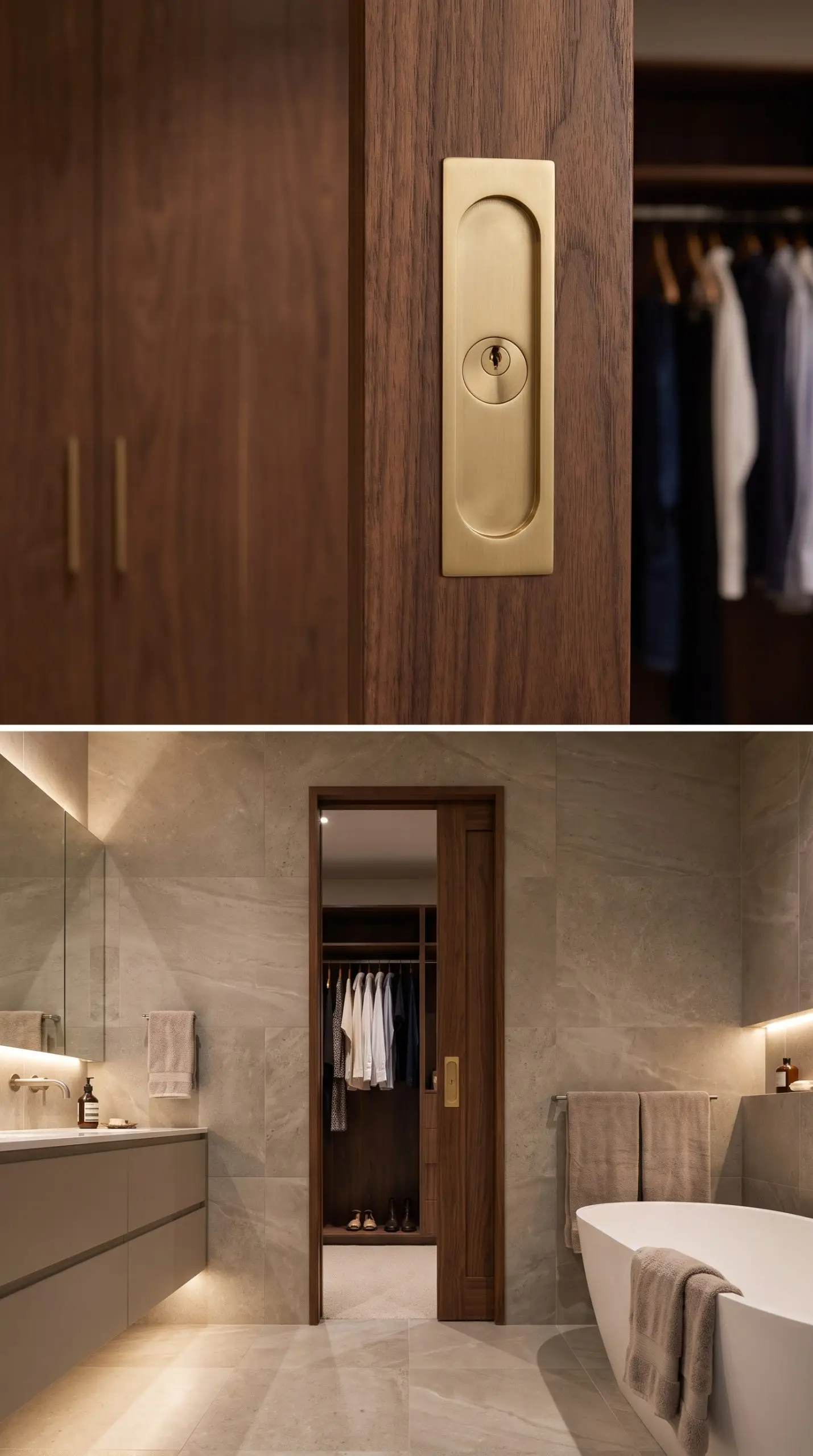
As pocket doors surge in popularity for space-saving layouts, the hardware is graduating from cheap, stamped metal circles to solid, machined brass flush pulls featuring integrated privacy locks. This transforms the pocket door from a functional afterthought into a premium architectural feature.
- Vibe: Flush, premium, highly functional.
- Key Feature: Machined brass with integrated mortise privacy locks.
- Best Application: En-suite bathrooms, hidden sculleries, walk-in closets.
18. Decorative Hinges as Accents
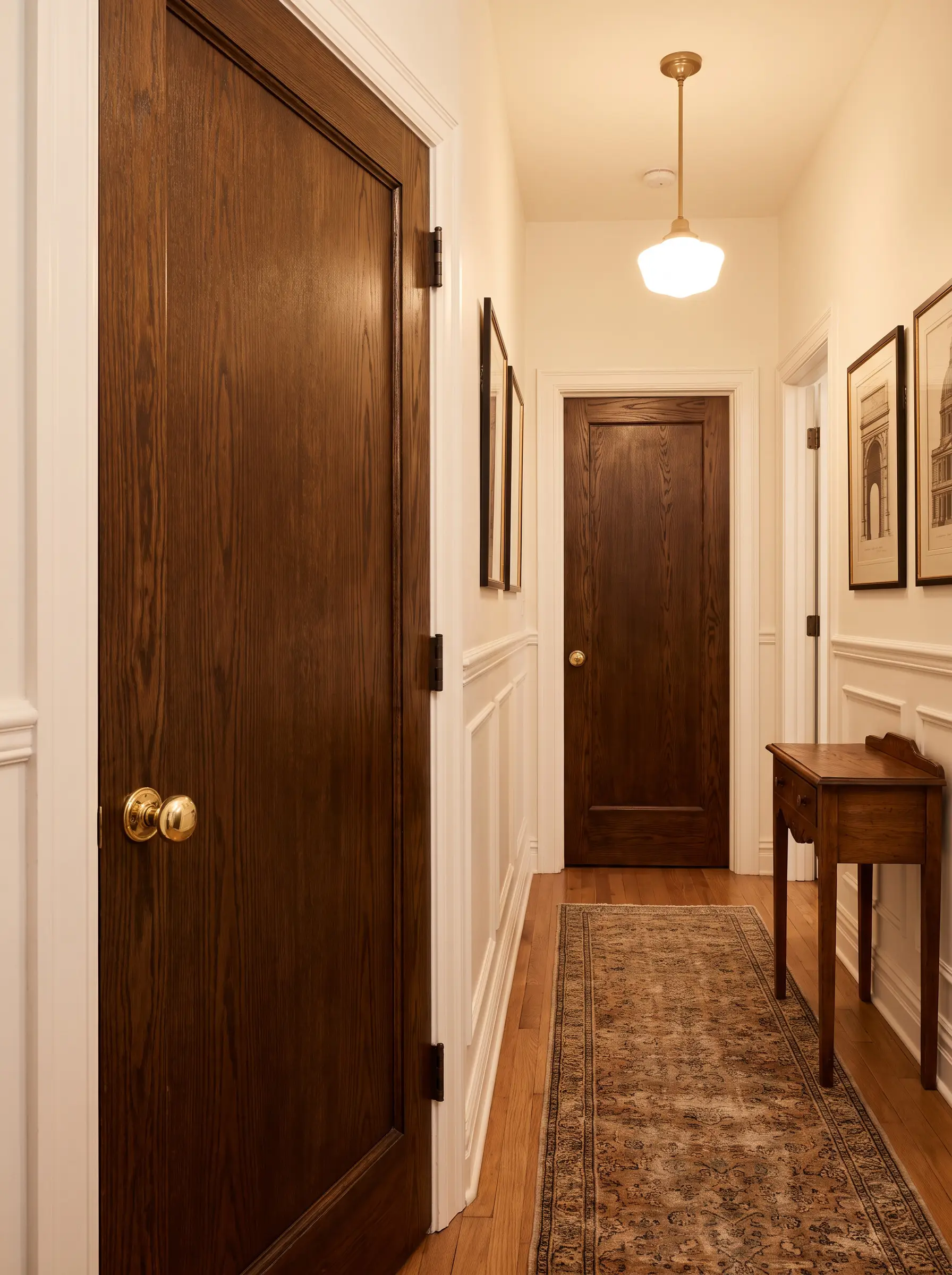
Door hinges are no longer something to hide; they are an opportunity to match the primary hardware finish or intentionally contrast it to highlight the door’s structural construction. Pairing blackened steel hinges with bright brass knobs, for instance, adds an incredibly sophisticated layer of bespoke detailing.
- Vibe: Intentional, detail-oriented, structural.
- Key Feature: Ball-bearing hinges in premium finishes.
- Best Application: Solid core interior doors, heavy front entryways.
- The Designer’s Spec: Do match your hinges to your door hardware if you want a seamless, traditional look. Don’t be afraid to contrast them (e.g., black hinges with brass levers) for a more collected, historic aesthetic.
The “Hardware Wardrobe”: 2027 Metal Mixing Rules
Purchasing a bulk 50-pack of identical pulls for the entire house is a practice of the past. In 2027, curating a layered “wardrobe” of hardware is mandatory, and we rely on professional, mathematical rules for mixing finishes without creating visual chaos.
19. The 80/20 Dominant Metal Rule
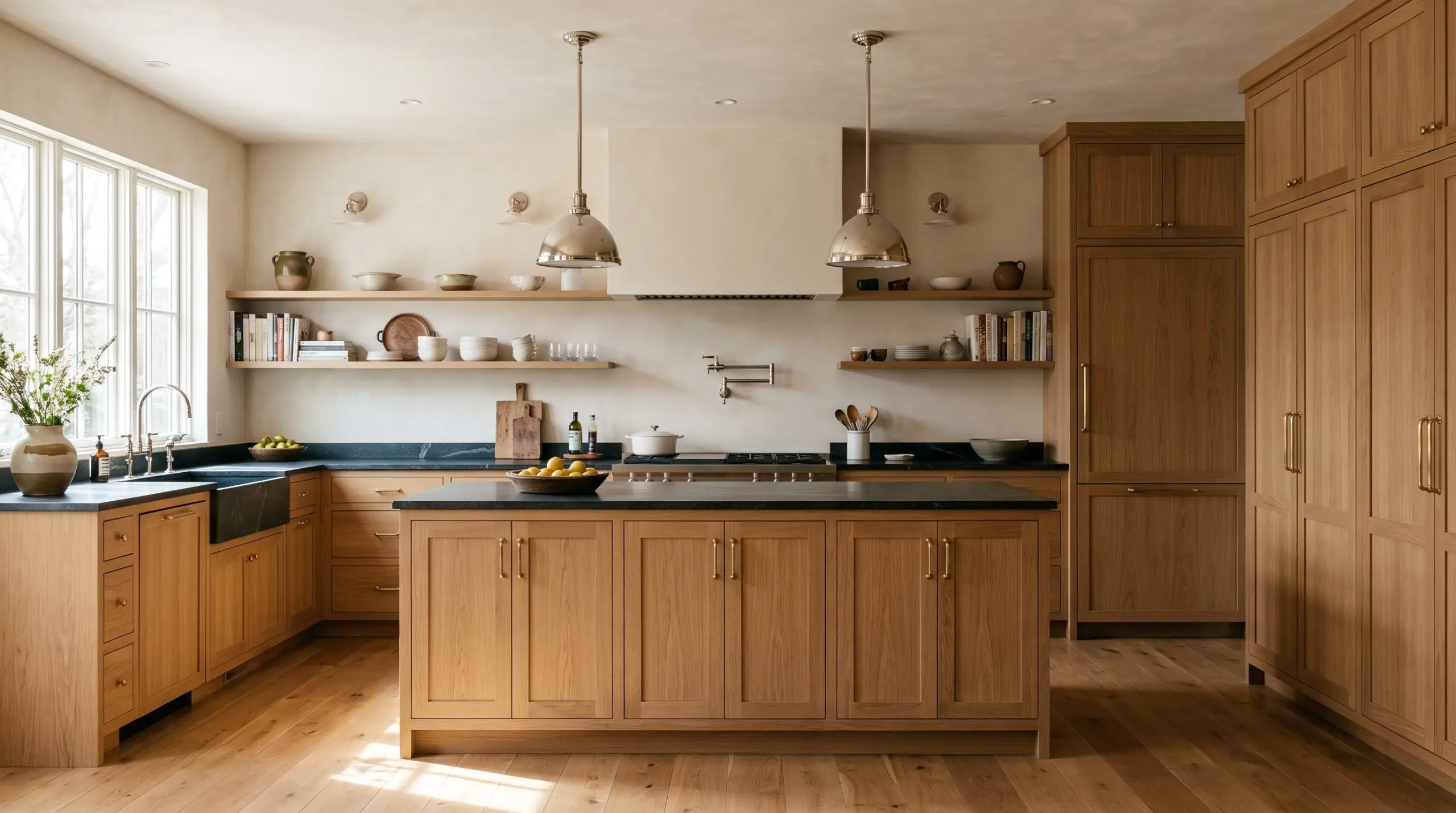
To maintain cohesion, establish one dominant finish for 80% of the room, utilizing a secondary accent finish for the remaining 20%. For example, specify unlacquered brass for all cabinet pulls (80%), while introducing polished nickel exclusively for the plumbing fixtures and kitchen lighting accents (20%).
- Core Principle: Visual hierarchy and intentional imbalance.
- Execution: 80% dominant structural metal, 20% accent metal.
- Best Application: Kitchens and primary bathrooms with multiple fixture types.
20. Bridging Warm and Cool Tones
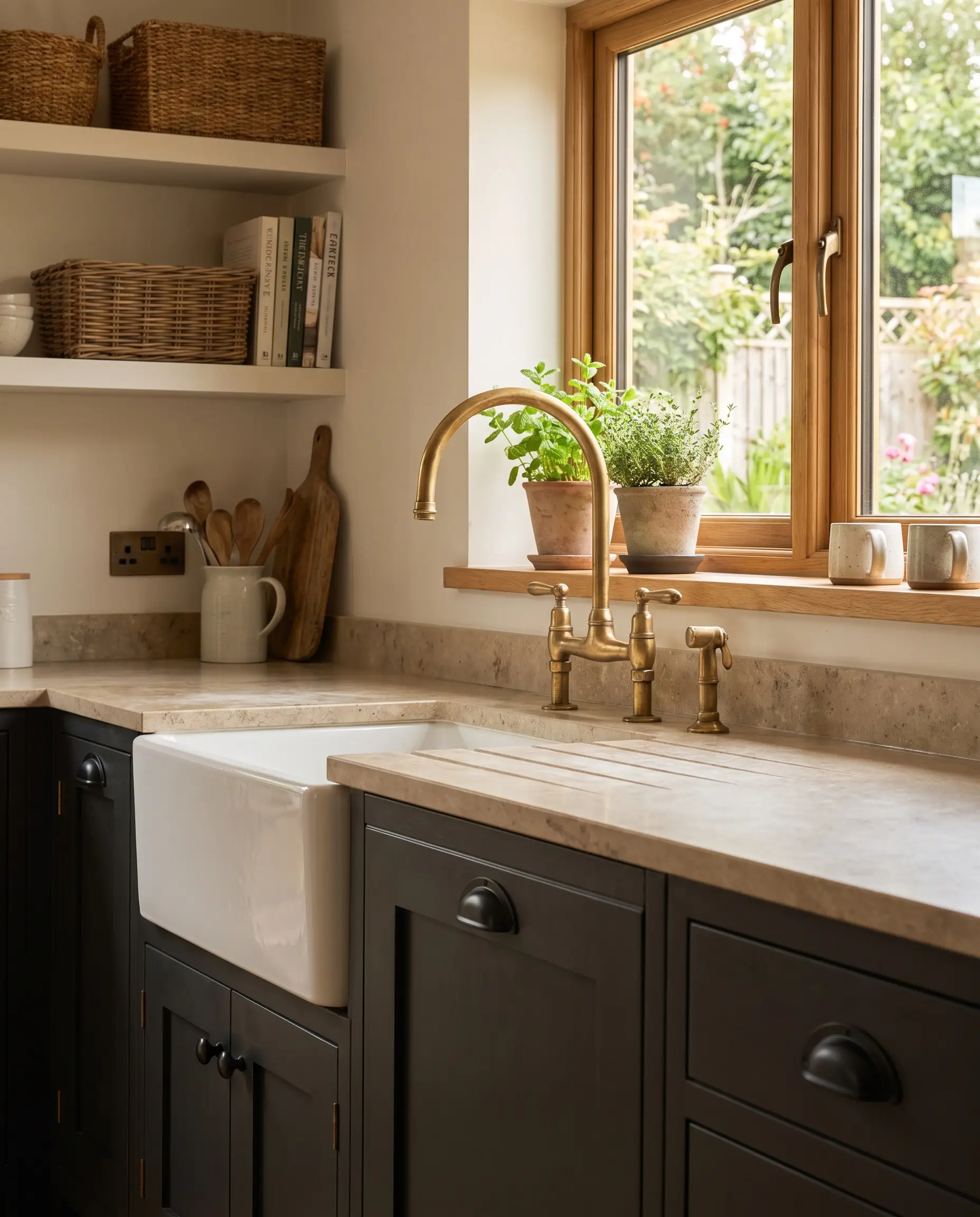
Never mix two cool metals (like chrome and brushed nickel) or two warm metals (like brass and copper), as they will inevitably clash and look like a sourcing mistake. Always intentionally contrast a distinctly warm metal with a distinctly cool or neutral metal for a curated, high-end aesthetic.
Approved 2027 Pairings:
- Unlacquered Brass (Warm) + Polished Nickel (Cool)
- Blackened Steel (Neutral/Dark) + Aged Brass (Warm)
- Burnished Bronze (Warm/Dark) + Polished Chrome (Cool)
- Oxblood Powder Coat (Color) + Unlacquered Brass (Warm)
21. Separating Finishes by Elevation
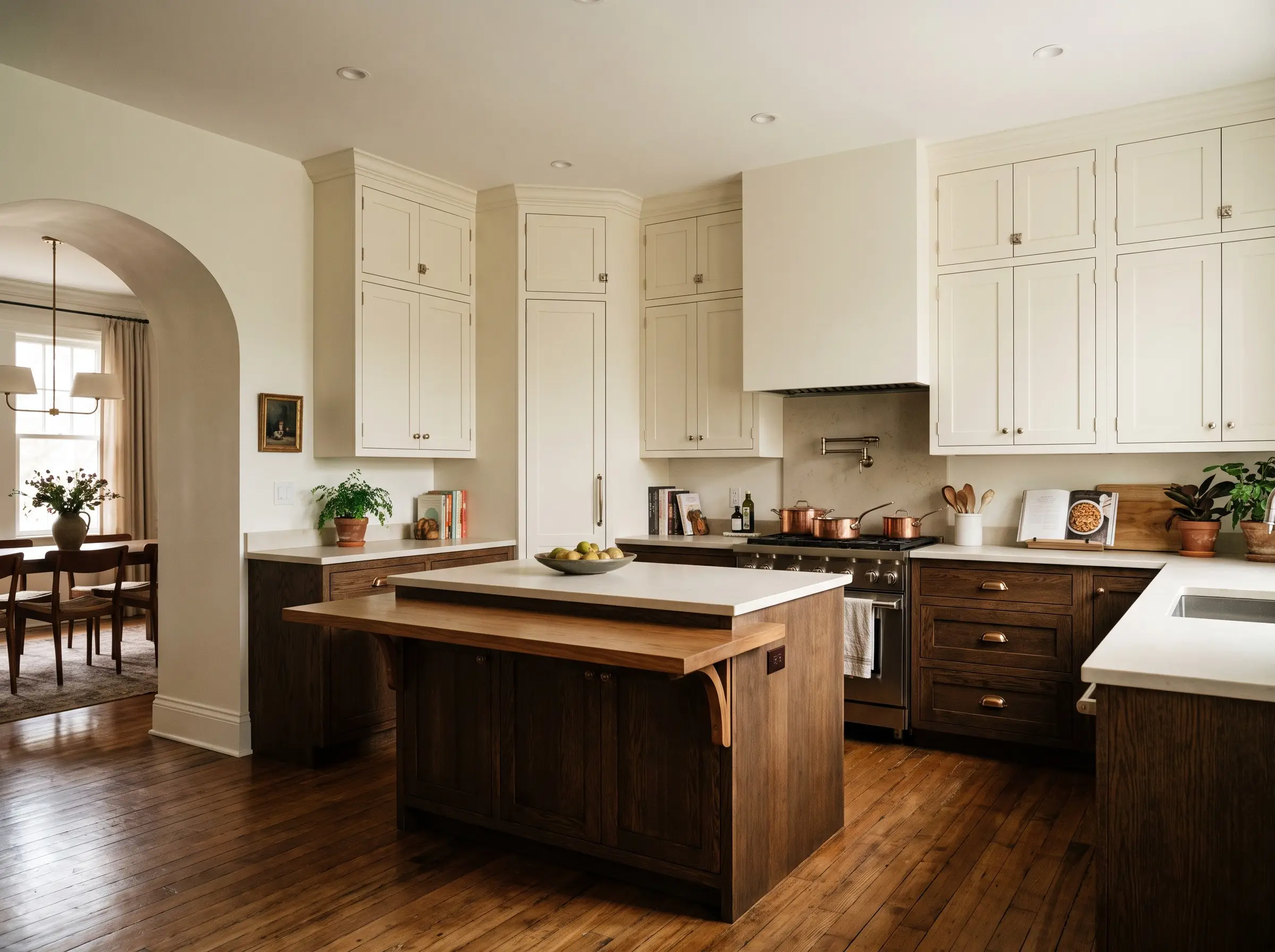
A highly effective spatial trick involves separating your metal finishes based on vertical elevation to ground the room visually. Keep all lower base-cabinet drawers in a heavier, darker finish like burnished bronze, and utilize a lighter, more reflective finish like polished nickel or glass on the upper cabinetry.
- Core Principle: Visual weight distribution.
- Execution: Heavy/dark metals on base cabinets; light/reflective metals on uppers.
- Best Application: Two-toned kitchens, high-ceiling libraries.
22. Appliance vs. Cabinet Contrasts
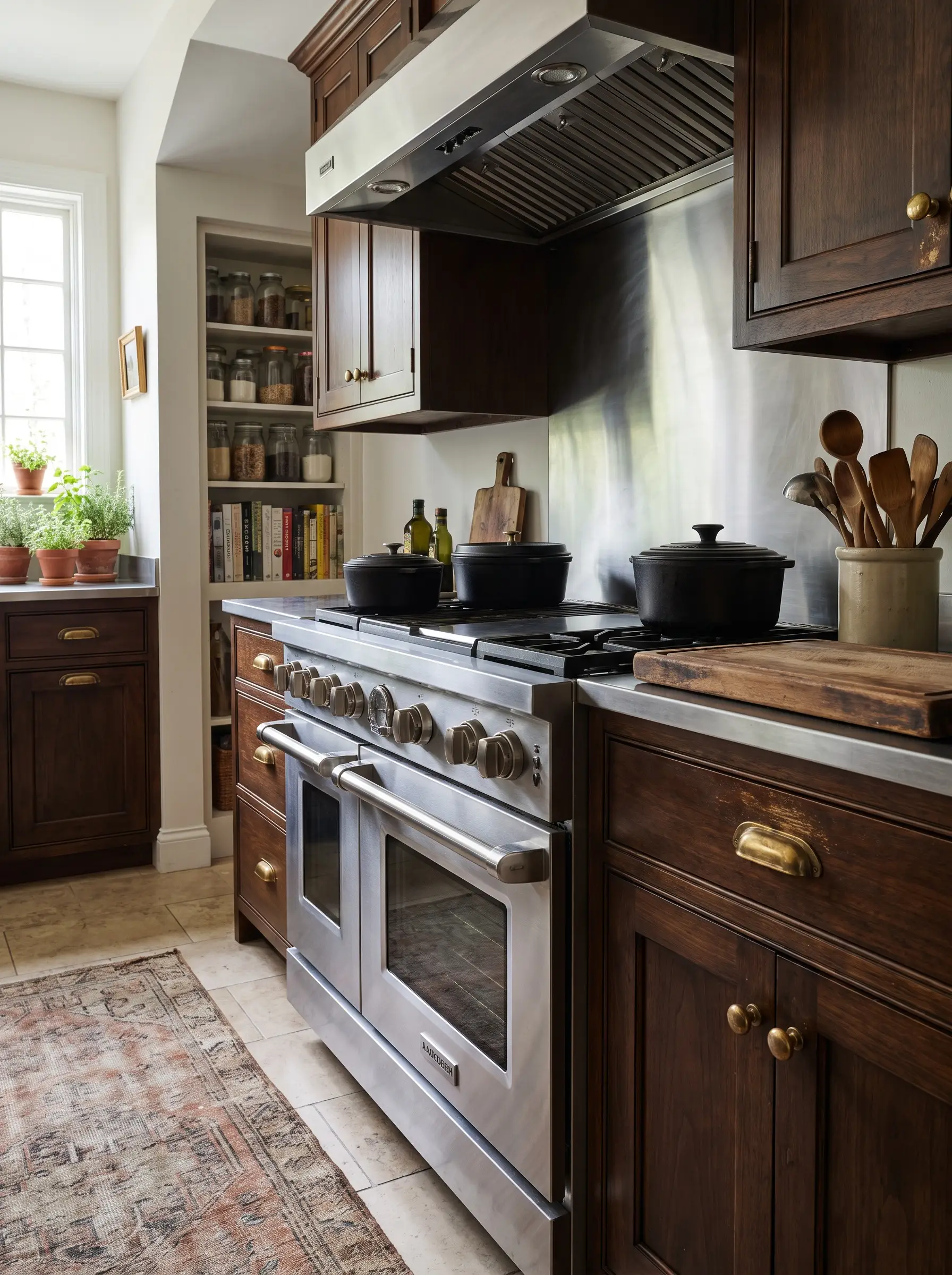
Large appliances, such as commercial ranges or oversized integrated refrigerators, should dictate your secondary metal choice. If your professional range features heavy stainless steel dials and handles, specify a warm brass for the surrounding cabinet hardware to offset the stark industrial feel of the appliance.
- Core Principle: Balancing industrial appliances with residential warmth.
- Execution: Contrast appliance metal with cabinetry metal.
- Best Application: Professional-grade kitchens, sculleries.
23. Wet Zone vs. Dry Zone Finishes
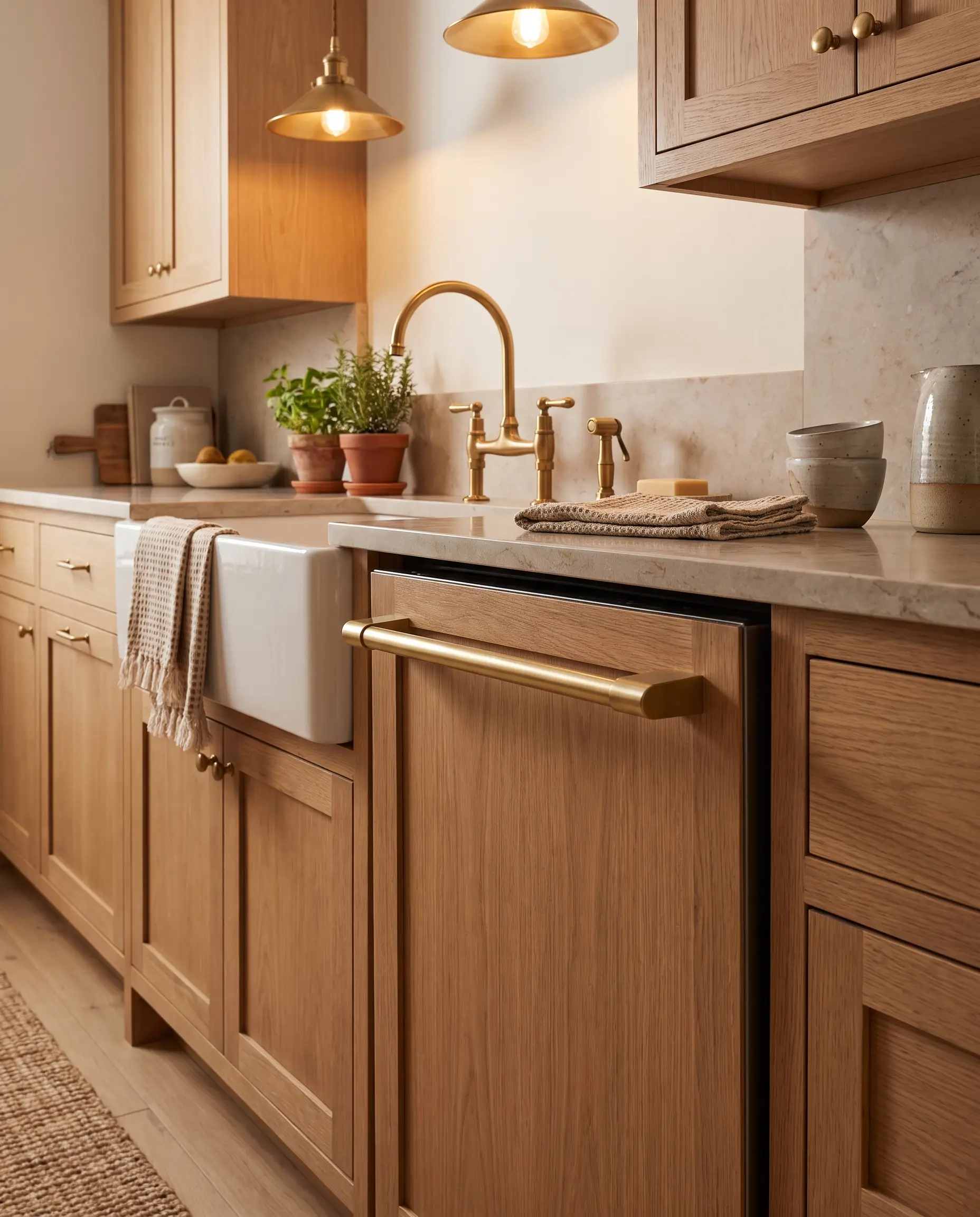
Strategic finish placement is a vital longevity and maintenance strategy, dictating where specific metals can physically survive. Utilize living finishes like brass in dry zones where they age slowly and beautifully, while specifying highly durable PVD coatings or polished nickel near sinks and ranges to prevent water damage or uneven, rapid tarnishing.
- Core Principle: Material science and longevity.
- Dry Zone Metals: Unlacquered brass, leather wraps, wood inlays.
- Wet Zone Metals: PVD coatings, polished nickel, solid glass.
If you love the look of raw brass but hate the idea of maintenance near the kitchen sink, specify a PVD-coated brass appliance pull for the integrated dishwasher to match the aesthetic while providing total water resistance.
The Designer’s Spec
24. Statement Hardware for Built-Ins
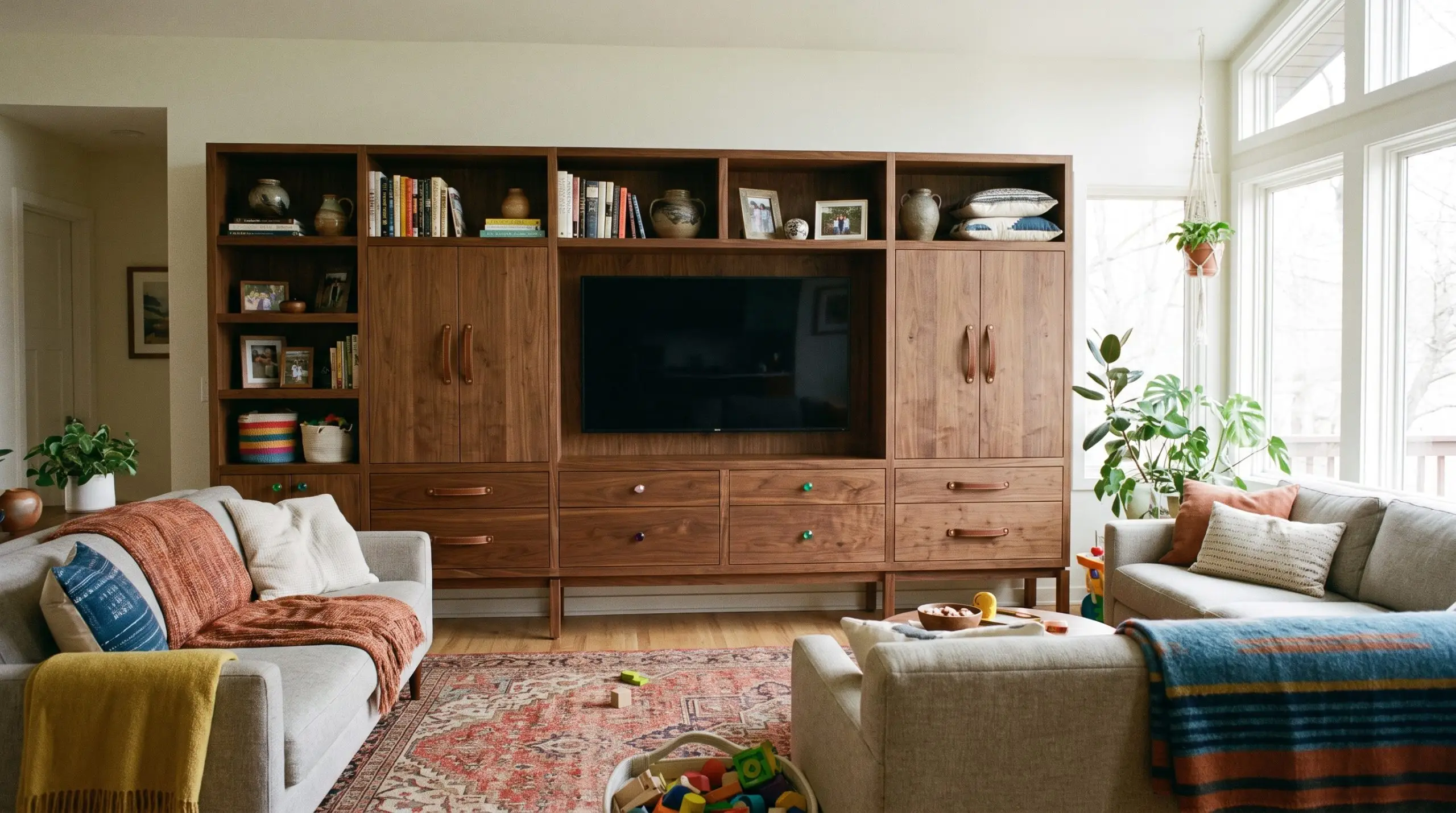
Living room, office, or dining room built-ins must be treated like freestanding, collected furniture rather than an extension of the kitchen cabinetry. Specify completely different, higher-end hardware—like leather-wrapped handles or gemstone knobs—on these units to give them a distinct architectural signature.
- Core Principle: Architectural separation.
- Execution: High-end, bespoke hardware on non-kitchen built-ins.
- Best Application: Living room media walls, dining room buffets, home offices.
Securing Your Home’s Architectural Signature
The 2027 design landscape demands that we move beyond disposable trends and invest in living, heavy, and architecturally significant materials. Hardware is no longer a finishing thought; it is a daily tactile experience that dictates the structural weight and quality of your home. You now have the professional permission and the exact rules required to mix finishes confidently, scale your pulls appropriately, and introduce authentic patina into your spaces. Which living finish are you bold enough to specify in your next renovation?

The Hackrea Style Desk treats interior decoration as an exact visual science. Rather than focusing on demolition or floor plans, this desk masters the art of color theory, undertone matching, material pairings, and spatial proportion. From balancing the visual weight of mixed metals to finding the perfect bridging tone between disparate wood species, this desk provides the rigorous aesthetic rules needed to achieve high-end, editorial-quality harmony in any space.