The New Architectural Millwork: 13 Picture Frame Molding & Wainscoting Trends for 2027
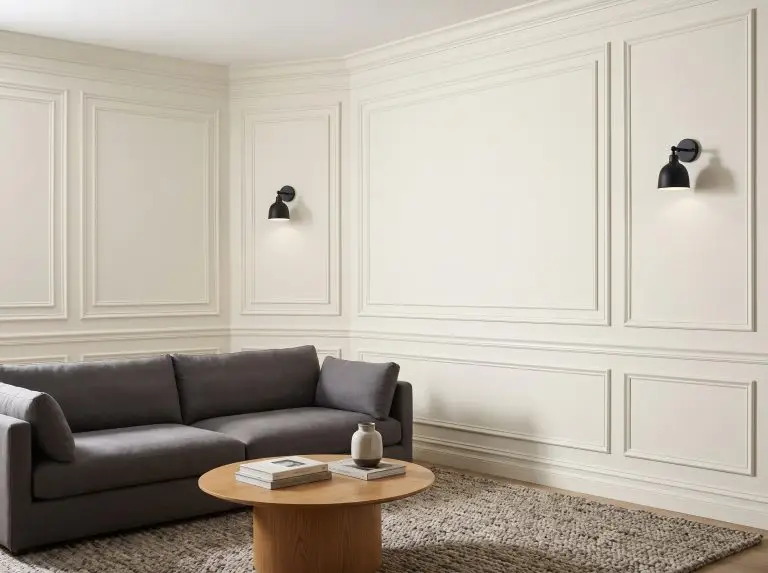
Say goodbye to the flat, uninspired drywall and the basic geometric accent walls that dominated the early 2020s. In 2027, interiors are defined by “dressed” walls—spaces that feel deliberate, layered, and architecturally sound. We are moving decisively toward full-room envelopment, using tailored picture frame molding and modernized wainscoting to inject bespoke character into builder-grade spaces. This is no longer just about slapping up a few boards on a single focal wall; it is about manipulating spatial perception, honoring classic profiles, and demanding flawless execution. When applied with mathematical precision, architectural millwork is the absolute differentiator between a standard room and a meticulously crafted, high-end space.
The 2027 Millwork Shift: Moving Beyond the Basic Accent Wall
The design standard has officially shifted away from isolated, single-wall treatments. Today, continuity is paramount. Wrapping millwork across all four walls establishes an unbroken visual rhythm, grounding the space and instantly giving newer construction the rich, historic character it inherently lacks.
True envelopment means treating the entire room as a cohesive architectural volume. When you wrap picture frame molding or wainscoting continuously around a space, you eliminate the jarring visual stops of an accent wall, creating a seamless, deeply immersive environment.
Design Philosophy
Parisian Modern & Picture Frame Molding Formations
The Parisian Modern influence is reshaping 2027 interiors by stripping traditional box molding of its heavy, ornate past. We are seeing classic profiles manipulated into crisp, contemporary formations that balance historic elegance with sharp, sophisticated restraint.
The Golden Ratio: 4-Inch Spacing & Double-Nested Frames
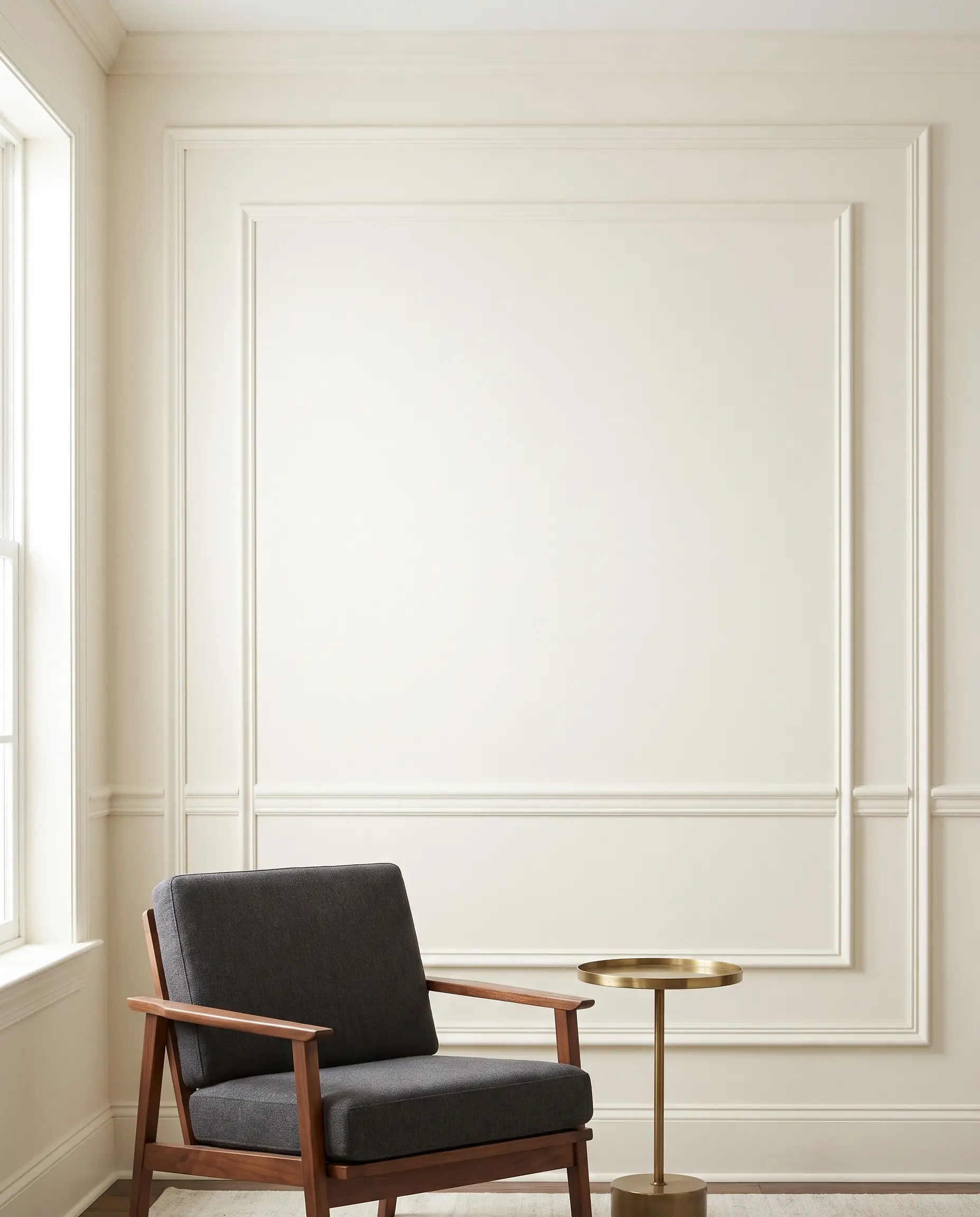
Achieving a high-end look requires absolute mathematical discipline, relying on strict proportional spacing to prevent the wall from feeling cluttered. The double-nested frame—where a smaller shadow box sits perfectly inside a larger outer frame—adds profound dimension when spaced precisely.
Maintain a strict 4-inch gap between the outer edges of your picture frame molding and the chair rail, baseboards, crown molding, and adjacent frames. This negative space is the golden ratio for visual balance.
Proportion Rule
- Vibe: Tailored, historically informed, sharply modern.
- Key Profile: Medium-width polyurethane base cap and cove trim.
- Paint Recommendation: Benjamin Moore White Dove (Satin finish) for a subtle, dimensional glow.
- Material Choice: High-density polyurethane molding for crisp, mitered corners without wood expansion gaps.
Asymmetrical Box Molding for Staircases and Sloped Walls
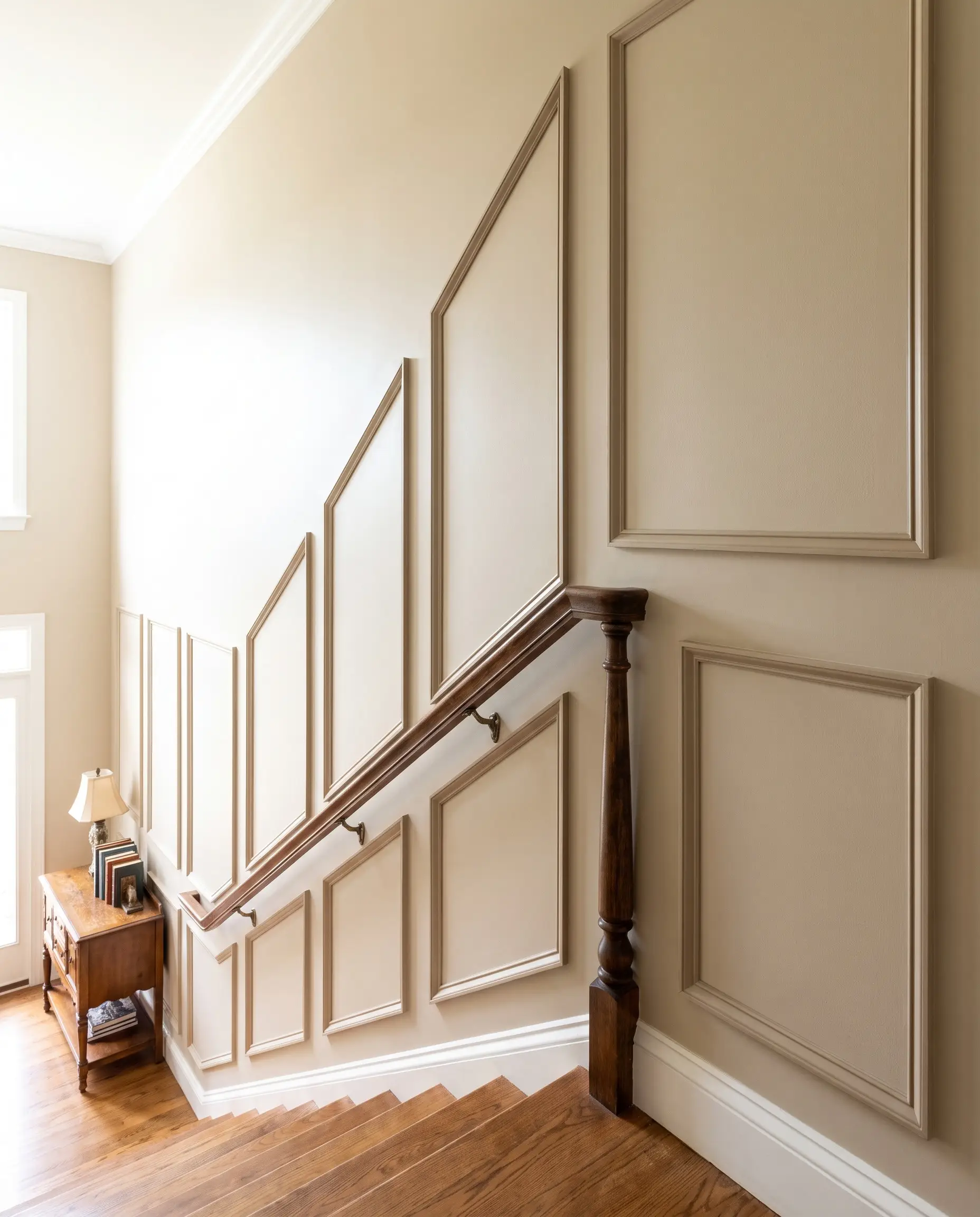
Staircases and vaulted ceilings present structural challenges that demand custom layout solutions rather than forced symmetry. The current standard is to follow the existing lines of the home, angling the bottom rail of the picture frame molding to match the precise pitch of the stairs while ensuring the vertical side pieces remain perfectly plumb.
Never guess the angle of your staircase. Use an angle finder or a bevel gauge resting on the stair skirt board to lock in the exact degree, then transfer that exact angle to your miter saw for a flawless, custom-fit bottom rail.
Pro Execution
- Vibe: Dynamic, structurally integrated, bespoke.
- Key Profile: Low-profile shadow box trim to avoid snagging on high-traffic staircases.
- Paint Recommendation: Farrow & Ball Drop Cloth (Estate Eggshell).
- Styling Pro-Tip: Keep the interior of the asymmetrical frames bare to let the angled geometry act as the primary artwork.
Integrating the “Fifth Wall” with Ceiling Molding Transitions
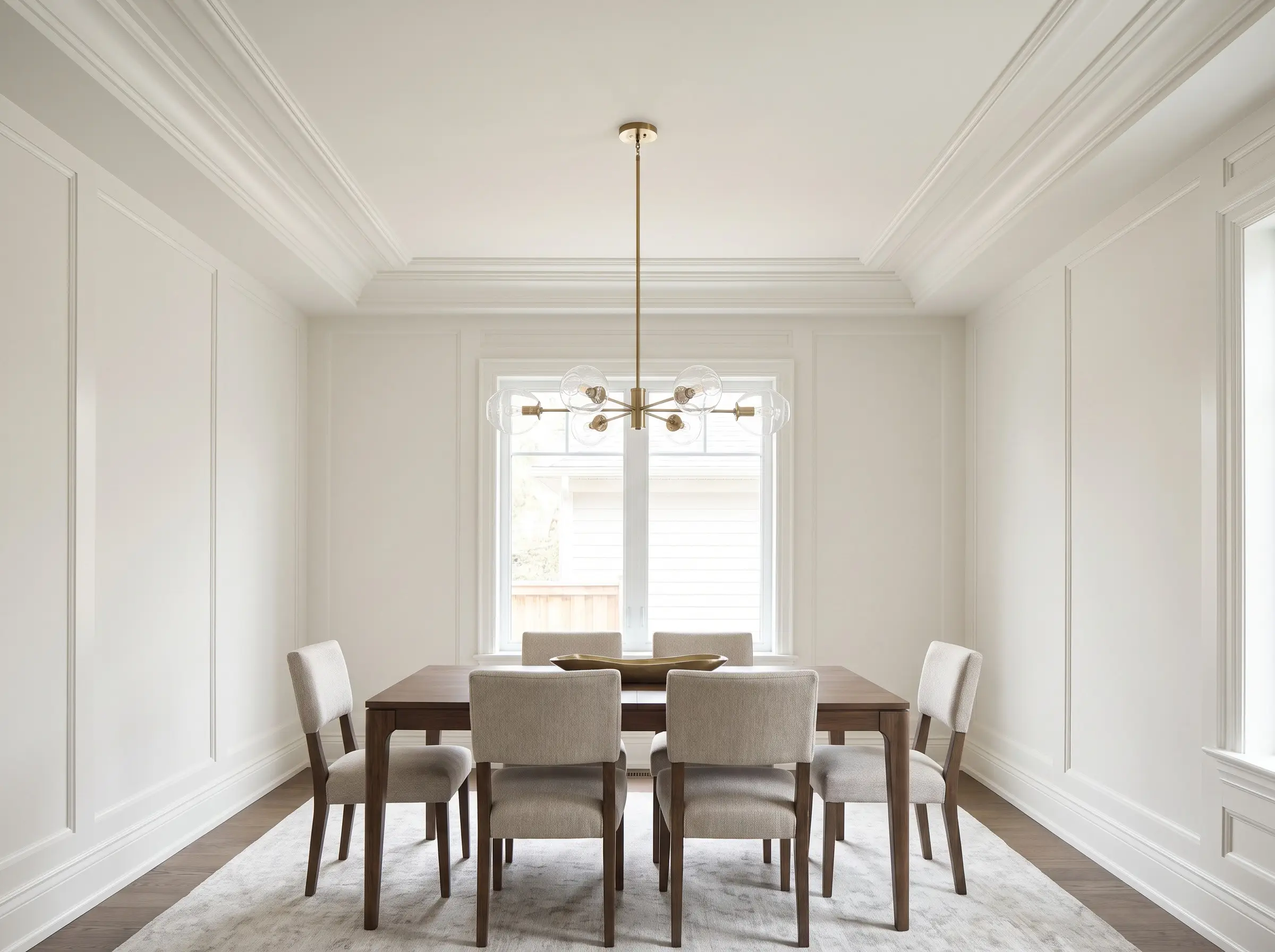
To truly maximize perceived room height, architectural millwork is expanding upward, utilizing the ceiling as a continuation of the wall treatment. Pulling picture frame molding up onto the ceiling or blending the upper wall panels seamlessly into a coffered ceiling structure blurs the boundary lines, creating an incredibly luxurious, towering atmosphere.
- Vibe: Opulent, expansive, architectural.
- Key Profile: Deep crown molding paired with flat stock stiles.
- Paint Recommendation: Sherwin-Williams Alabaster (Matte on ceiling, Satin on trim).
- Visual Weight Match: Ensure the ceiling trim profile is slightly smaller in depth than the wall frames so the room does not feel top-heavy.
The Evolution of Wainscoting: Texture, Scale, and Proportion
Wainscoting is no longer confined to the basic, 36-inch-high dining room applications of the 1990s. The 2027 approach fundamentally alters scale and introduces heavy tactile elements, transforming the lower wall from an afterthought into the primary architectural feature.
The 2/3 Wall Height Rule for Dramatic Scaling
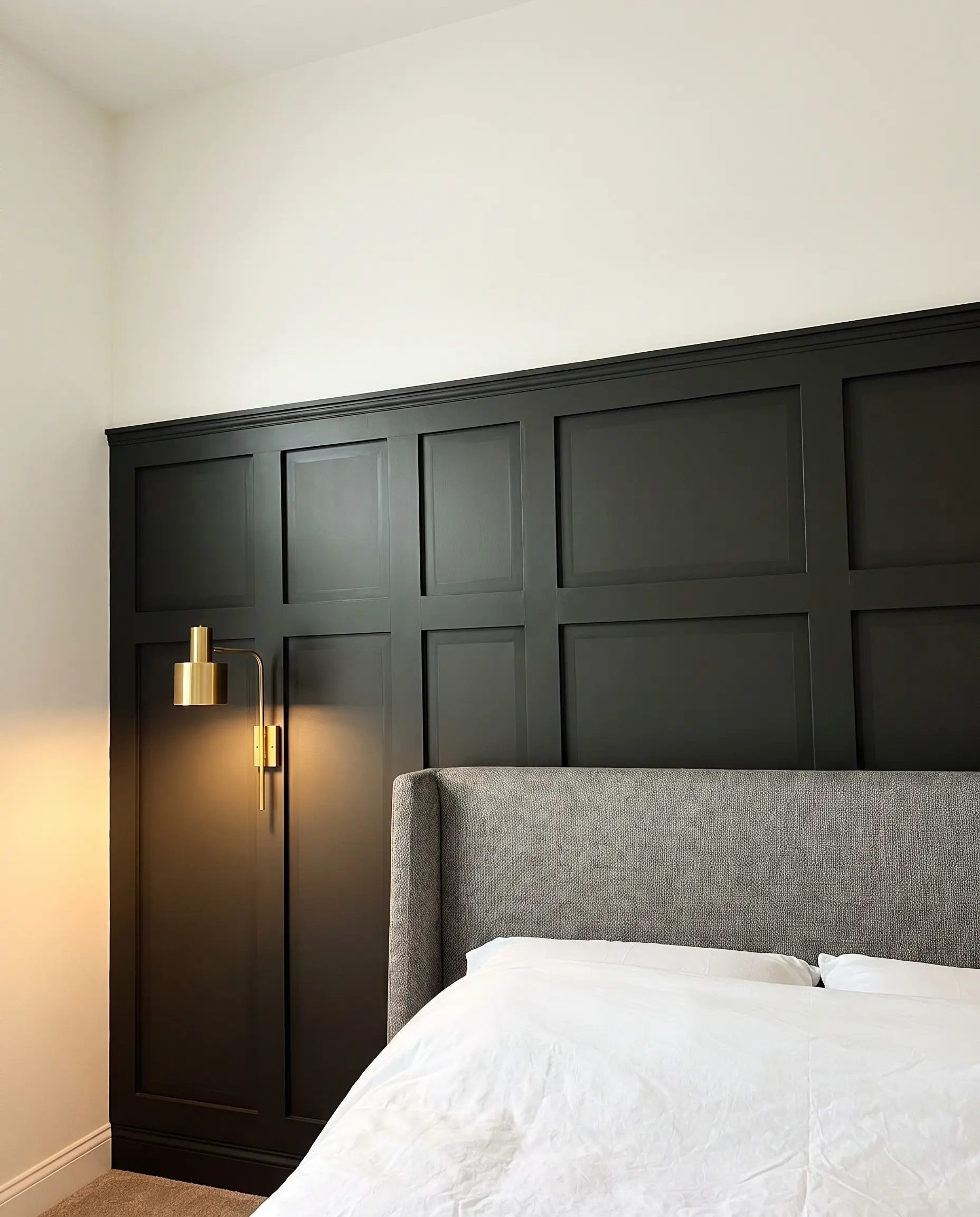
To manipulate the visual perception of a room’s size, standard chair rail heights have been discarded in favor of dramatically taller proportions. Taking the wainscoting up to two-thirds of the total wall height—typically around 60 to 72 inches in a standard room—drags the eye upward, making standard ceilings feel remarkably tall and grand.
If your room has 9-foot ceilings, set your top rail cap directly at the 72-inch mark to lock in that exact 2/3 ratio.
Proportion Rule
- Vibe: Grand, imposing, intentionally dramatic.
- Key Profile: Tall board-and-batten or oversized recessed flat panels.
- Paint Recommendation: Sherwin-Williams Iron Ore (Satin).
- Material Choice: Smooth, premium MDF sheets for the flat recessed panels to guarantee a glass-like paint finish.
Micro-Reeded and Fluted Flat Panels
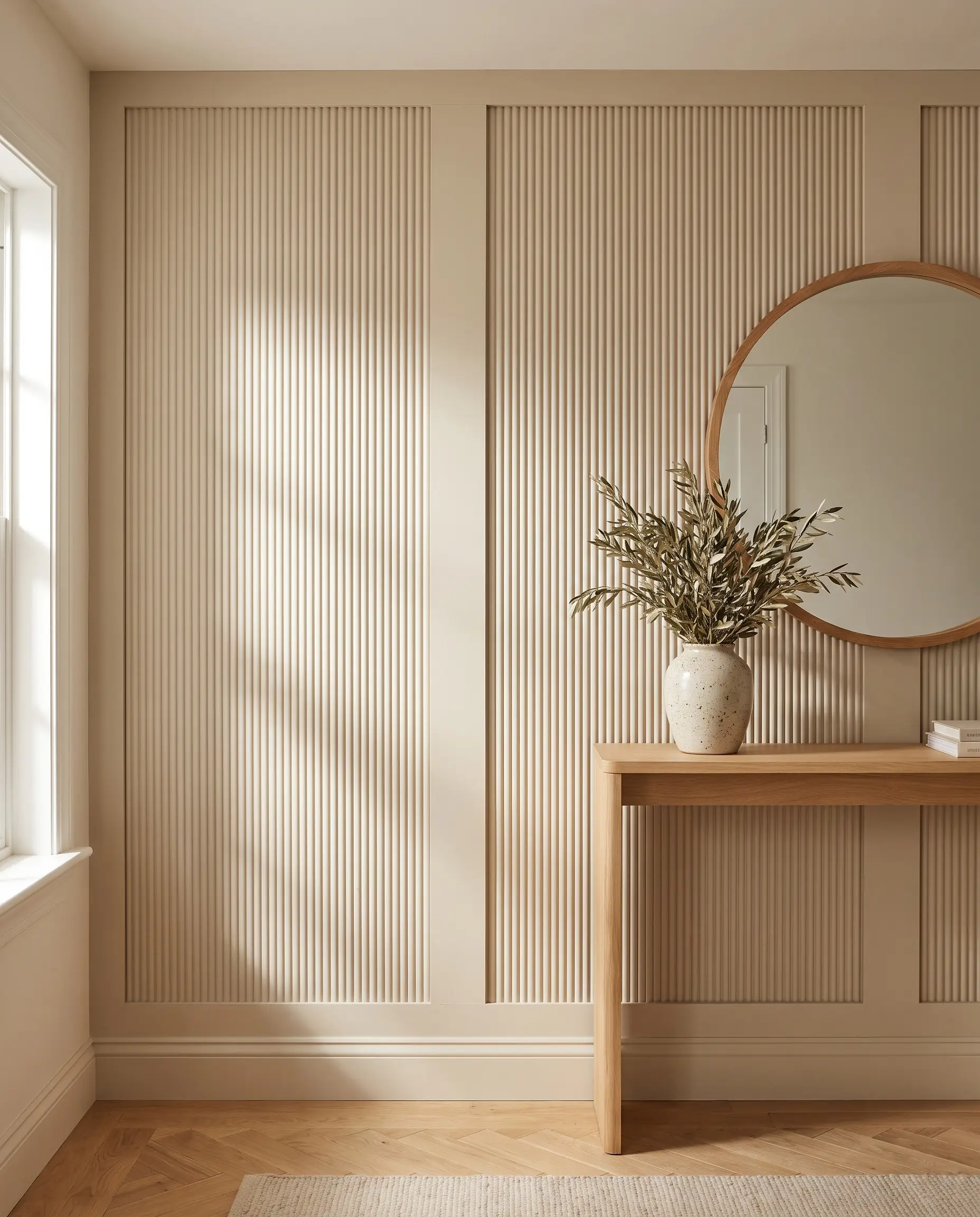
Smooth, plain flat panels are being replaced by highly textured inserts, bringing a deeply tactile experience to modern millwork. Setting micro-reeded or fluted panels inside traditional stiles and rails bridges the gap between classic structure and Organic Modern design.
- Vibe: Organic Modern, Transitional, highly tactile.
- Key Profile: 1/2-inch micro-reeded wood paneling inserts.
- Paint Recommendation: Benjamin Moore Natural Cream.
- Material Choice: Flexible tambour paneling cut to size and glued directly over the drywall before installing the outer framing stiles.
Beadboard Revival in Grandmillennial Spaces
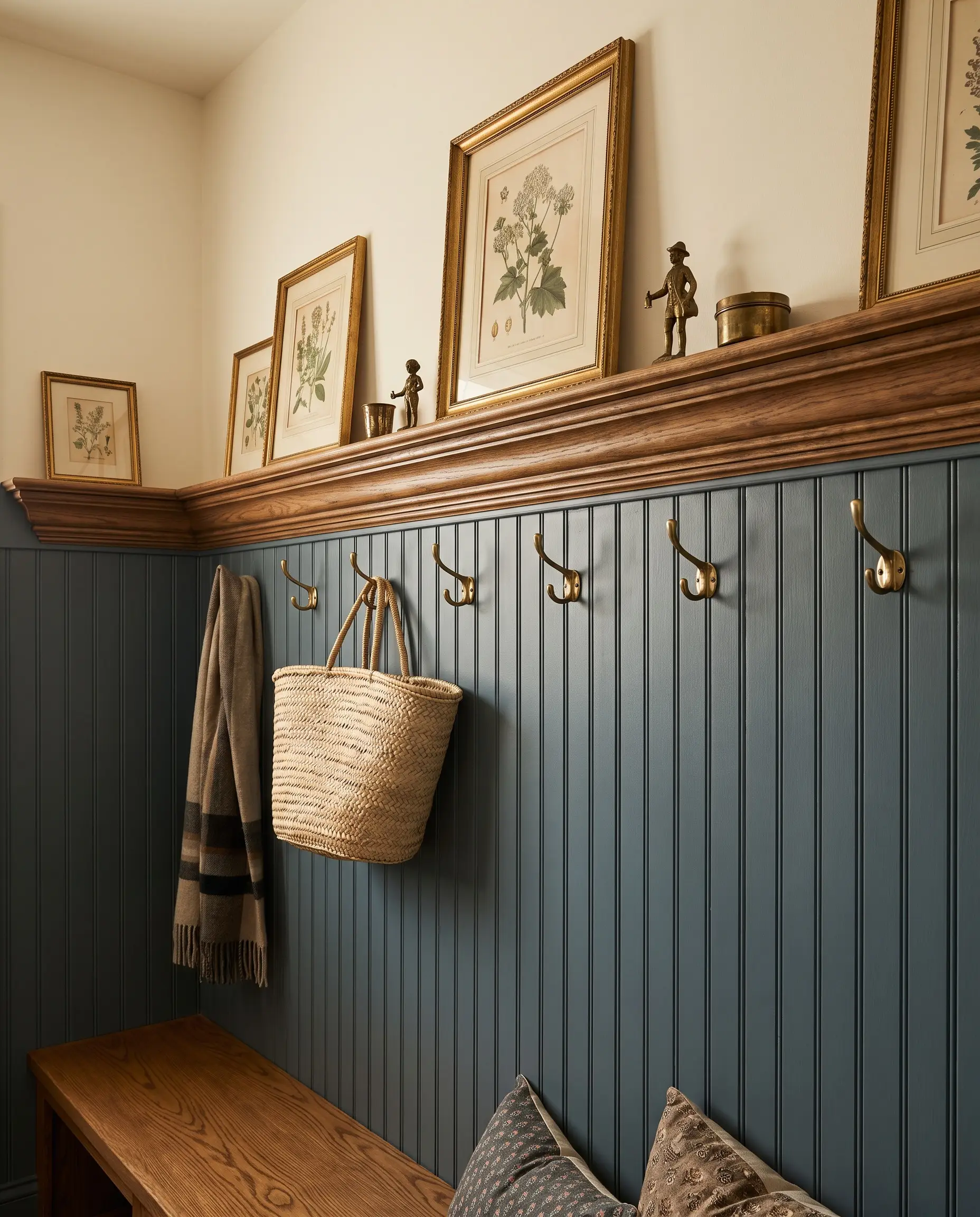
Beadboard has returned, but it has completely shed its simplistic, bright-white farmhouse associations. Applied in richer, moodier applications, this tightly grooved profile is the definitive foundational layer for entryways and mudrooms, powder rooms, and heavily curated Grandmillennial aesthetics.
Cap the beadboard with a chunky, heavily profiled chair rail that features a pronounced lip to support framed art or small decor pieces.
Design Ally Tip
- Vibe: Heritage, Grandmillennial, mood-driven.
- Key Profile: Traditional 1.5-inch V-groove beadboard panels.
- Paint Recommendation: Farrow & Ball Inchyra Blue.
- Material Match: Pair the deep blue beadboard with unlacquered brass hardware for maximum historic character.
Color & Finish Pairings: The 2027 Palette
Even the most flawless millwork requires the correct finish to pull it into the present day. Paint application and finish chemistry are the primary tools used to modernize traditional profiles, dictating how the architecture interacts with natural light.
Complete Color Drenching (Monochromatic Millwork)
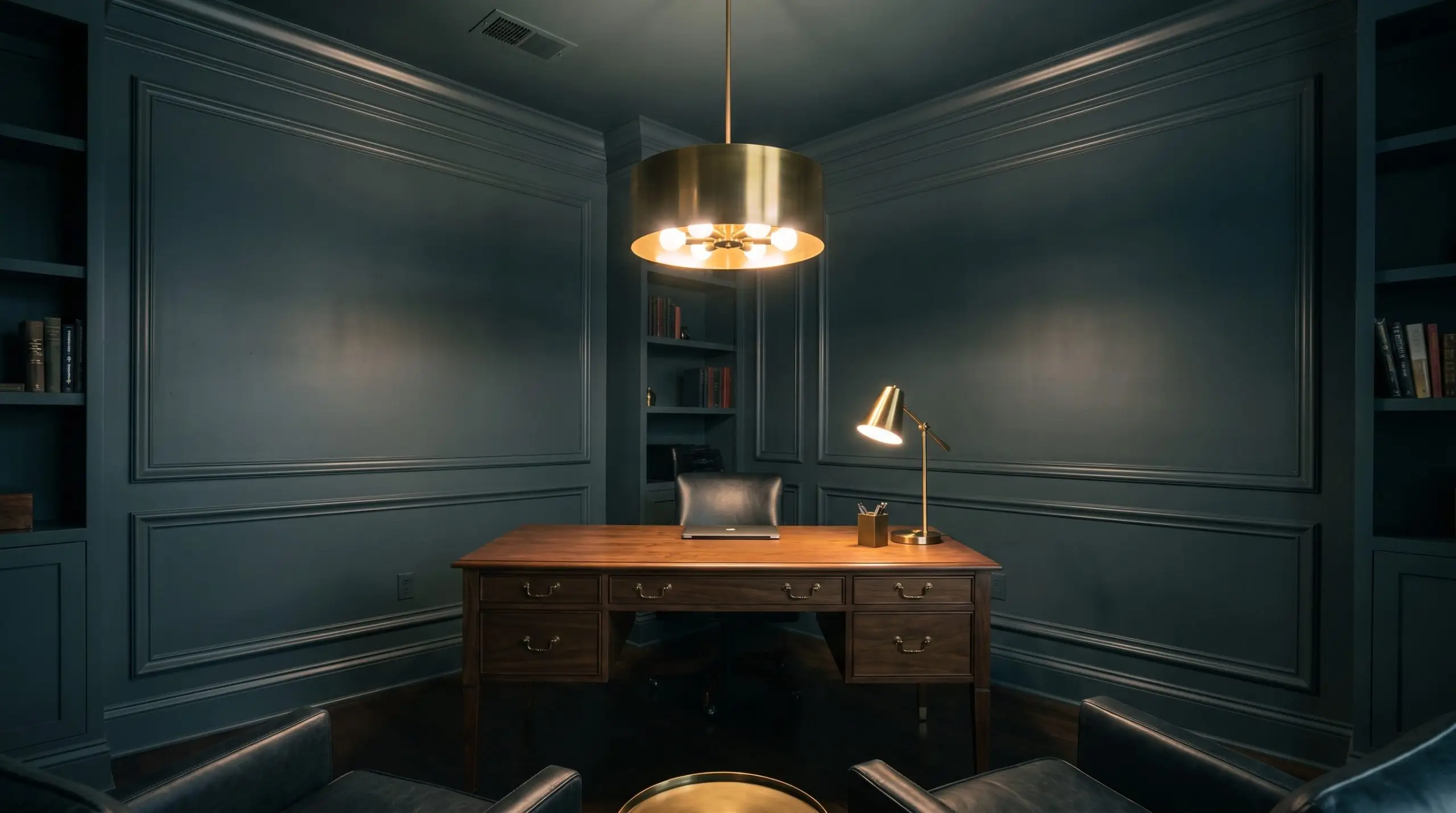
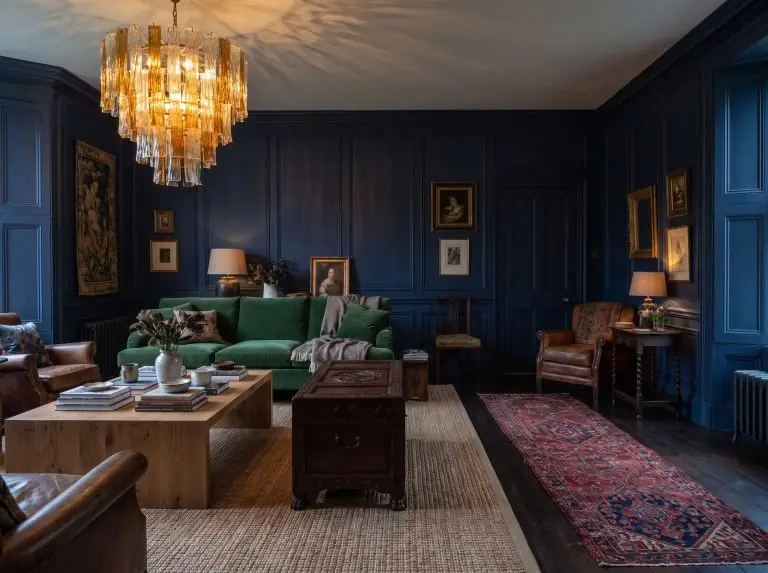
The defining finish trend of 2027 is complete color drenching, where the drywall, picture frame molding, baseboards, and crown are all painted the exact same deep, saturated hue. This singular sweep of color effectively hides minor drywall imperfections and transforms the space into a highly immersive, jewel-box environment.
If your room lacks natural light, lean into the shadows. A dark, color-drenched space feels intentional and rich, whereas white paint in a dark room simply looks dingy and flat.
Designer Secret
- Vibe: Immersive, moody, sophisticated.
- Key Paint Application: Spray application over brushwork to ensure the intricate molding profiles do not lose their sharp details.
- Paint Recommendation: Benjamin Moore Salamander (Matte on walls, Satin on trim).
- Styling Pro-Tip: Contrast the dark, matte millwork with high-shine metallic light fixtures to bounce light around the room.
High-Gloss Lacquered Trim Against Matte Walls
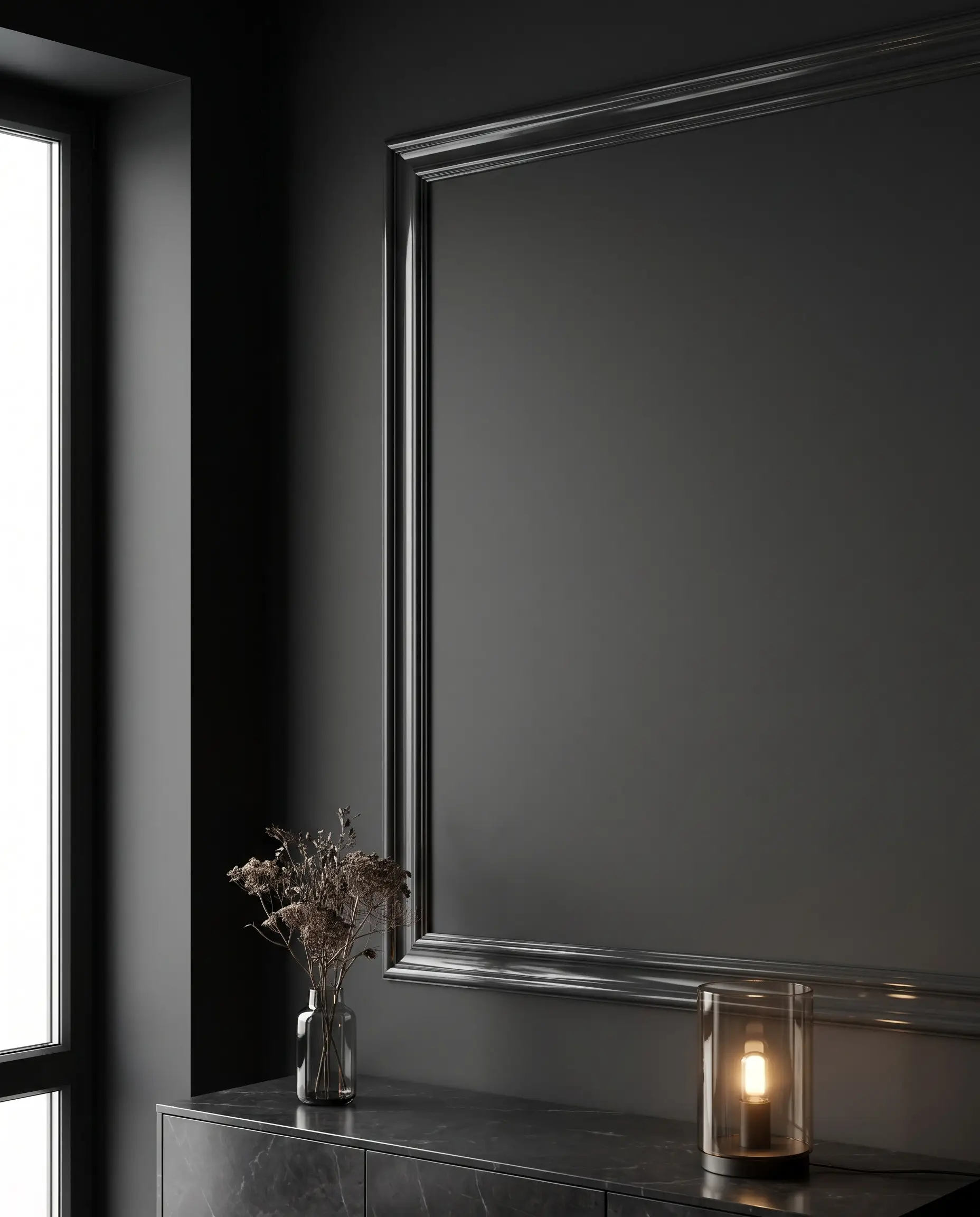
For spaces that demand subtle, light-reflecting contrast without introducing a second color, varying the sheen is the professional solution. Applying a high-gloss enamel lacquer exclusively on the raised picture frame molding while keeping the interior drywall flat creates a brilliant, shifting interaction with the room’s natural light.
High-gloss finishes highlight every single structural flaw. You must sand your mitered joints perfectly flush up to 220-grit and use a premium wood filler before applying the gloss.
Execution Hack
- Vibe: Ultra-luxe, tailored, highly reflective.
- Key Paint Application: Oil-based or advanced waterborne alkyd gloss enamels on the trim.
- Paint Recommendation: Sherwin-Williams Tricorn Black (High-Gloss on trim, Flat on drywall).
- Material Match: Use ultra-smooth, primed polyurethane molding, as it will not show wood grain under the high-gloss finish.
Framing Trending Toile and Botanical Wallpapers
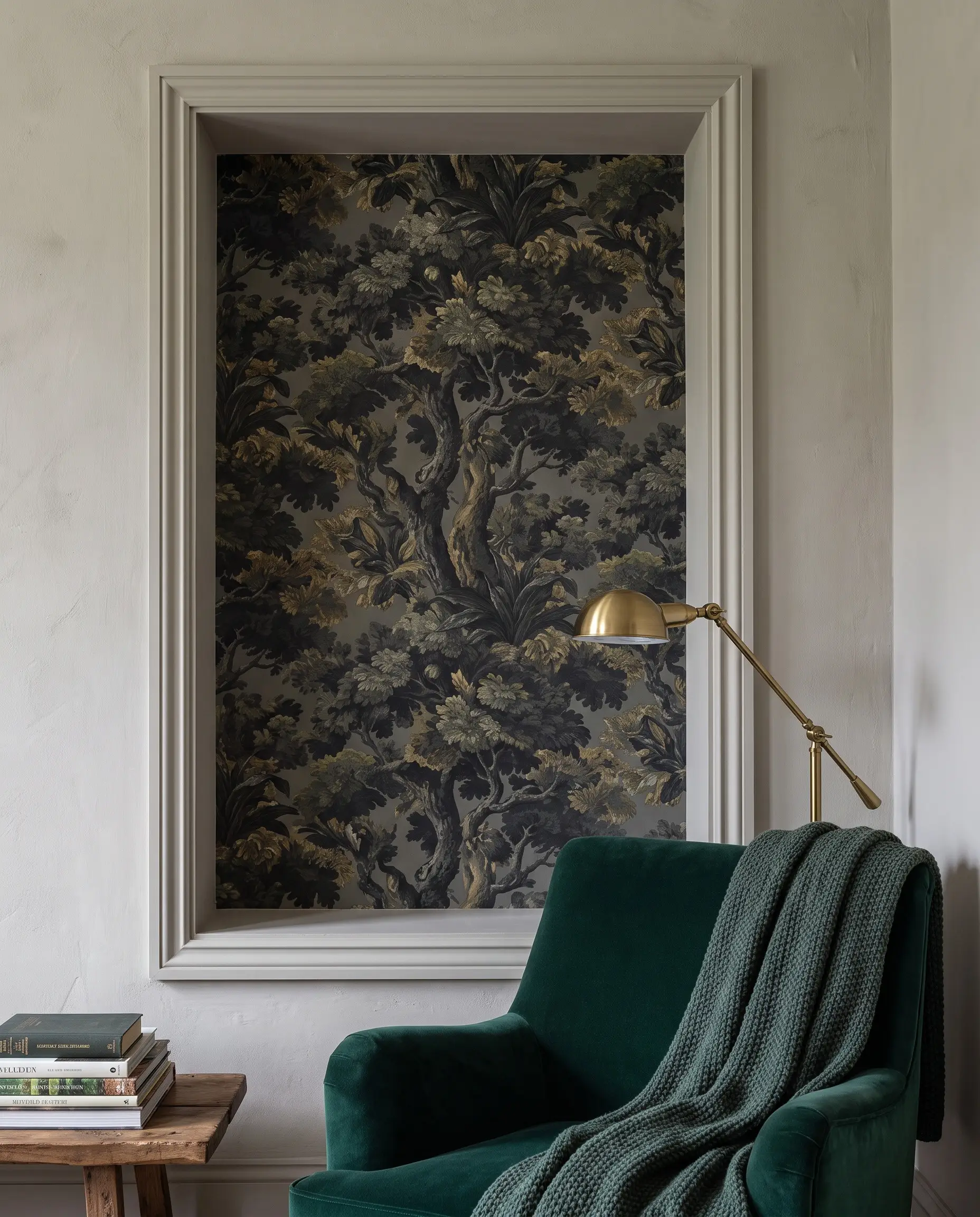
Picture frame molding is increasingly being used for its literal purpose: acting as a structured architectural frame for high-end wallcoverings. Placing oversized botanicals or trending toile patterns exclusively inside the shadow box trim contains the visual chaos of the print while adding massive character.
- Vibe: Curated, artistic, heavily layered.
- Key Profile: Deep shadow box trim to provide a strong visual boundary for the paper.
- Material Match: Use a non-woven, paste-the-wall wallpaper inside the frames to ensure a razor-sharp cut along the inside edge of the molding.
Natural Wood Tones Mixed with Painted Stile and Rail
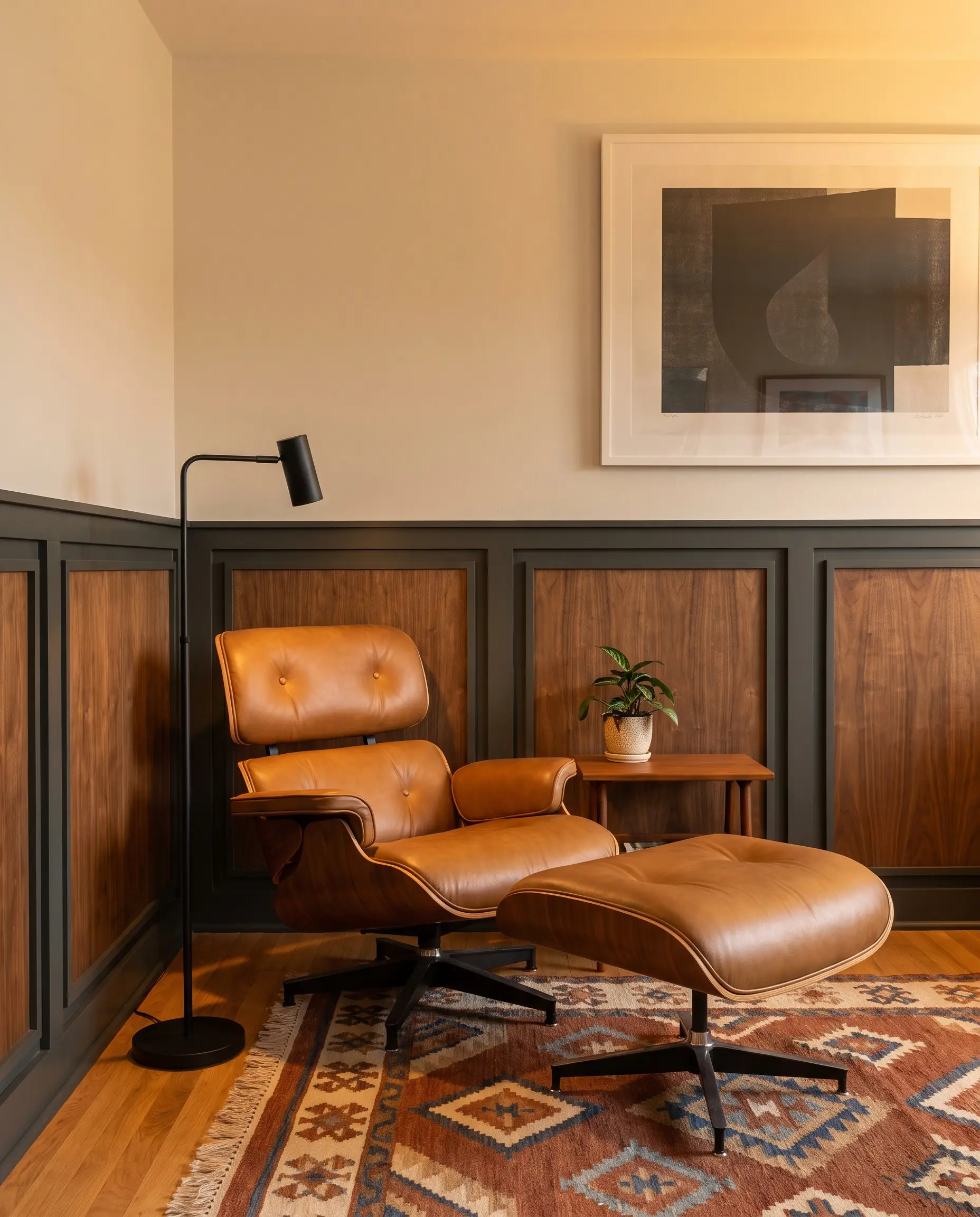
This high-contrast aesthetic mimics the look of bespoke custom cabinetry by mixing organic warmth with structural paint. The raised wainscoting frames are painted in a deep, solid tone, while the interior recessed panels feature a natural wood veneer to warm up the space and highlight the grain profile.
- Vibe: Bespoke, mid-century influenced, incredibly warm.
- Key Profile: Square-edge stile and rail with a flat recessed panel.
- Paint Recommendation: Farrow & Ball Studio Green (on the stiles).
- Material Choice: Premium Walnut or White Oak veneer plywood for the flat interior panels, sealed with a clear, water-based polyurethane.
Material Science & Structural Execution (The Pro’s Guide)
Aesthetic vision means absolutely nothing without structurally sound execution. Selecting the correct substrate for your specific environment is the only way to ensure your intricate millwork does not warp, separate, or fail over time.
MDF vs. Finger-Jointed Pine for Living Spaces
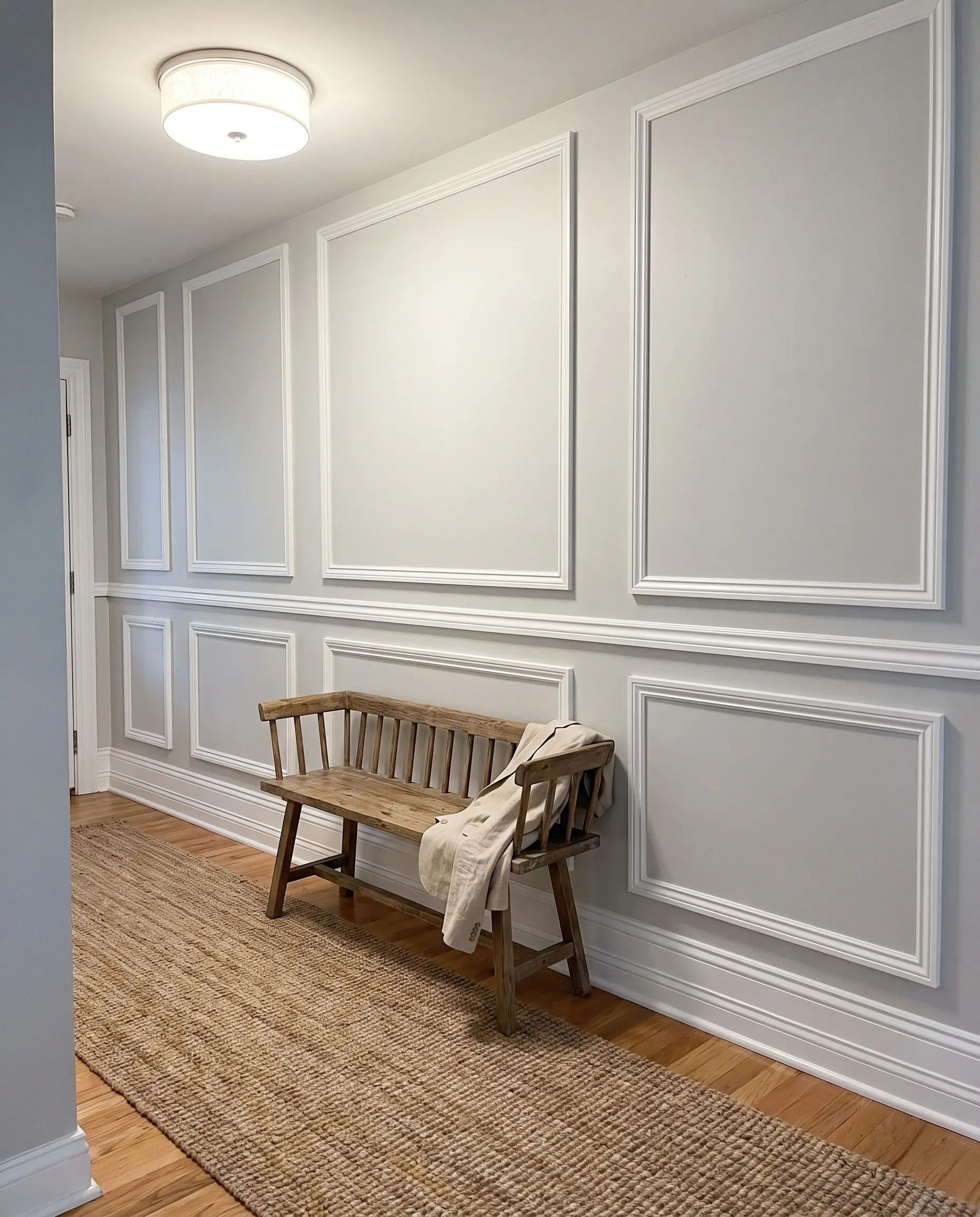
Choosing the right material for dry living spaces comes down to balancing budget, durability, and finishing requirements. While MDF offers a flawlessly smooth surface for paint, it is highly susceptible to impact damage; finger-jointed pine provides superior resilience for high-traffic zones but demands meticulous priming to seal the knots.
- Vibe: Structural, practical, longevity-focused.
- Key Tool Requirement: 18-gauge brad nailer for securing both materials without splitting the profiles.
- Material Choice: Opt for primed finger-jointed pine in hallways and entryways where bumps and scuffs are inevitable.
| Material | Pros | Cons | Best Room Application |
|---|---|---|---|
| MDF (Medium Density Fiberboard) | Highly affordable, completely smooth surface, zero knots to bleed through paint, easy to cut. | Chips easily upon impact, swells instantly if exposed to water, creates fine dust when cut. | Formal dining rooms, primary bedrooms, low-traffic accent walls. |
| Finger-Jointed Pine | Excellent durability, holds nails tightly, stands up well to vacuum bumps and foot traffic. | Requires thorough priming to prevent sap bleed, slight grain texture may show through paint. | Hallways, staircases, mudrooms, living rooms. |
| Polyurethane Molding | Impervious to moisture, lightweight, will not expand or contract with temperature shifts. | More expensive than MDF, requires construction adhesive for installation, cannot be stained. | Historic restorations, intricate ceiling details, high-humidity zones. |
The PVC Mandate for Bathroom Wainscoting
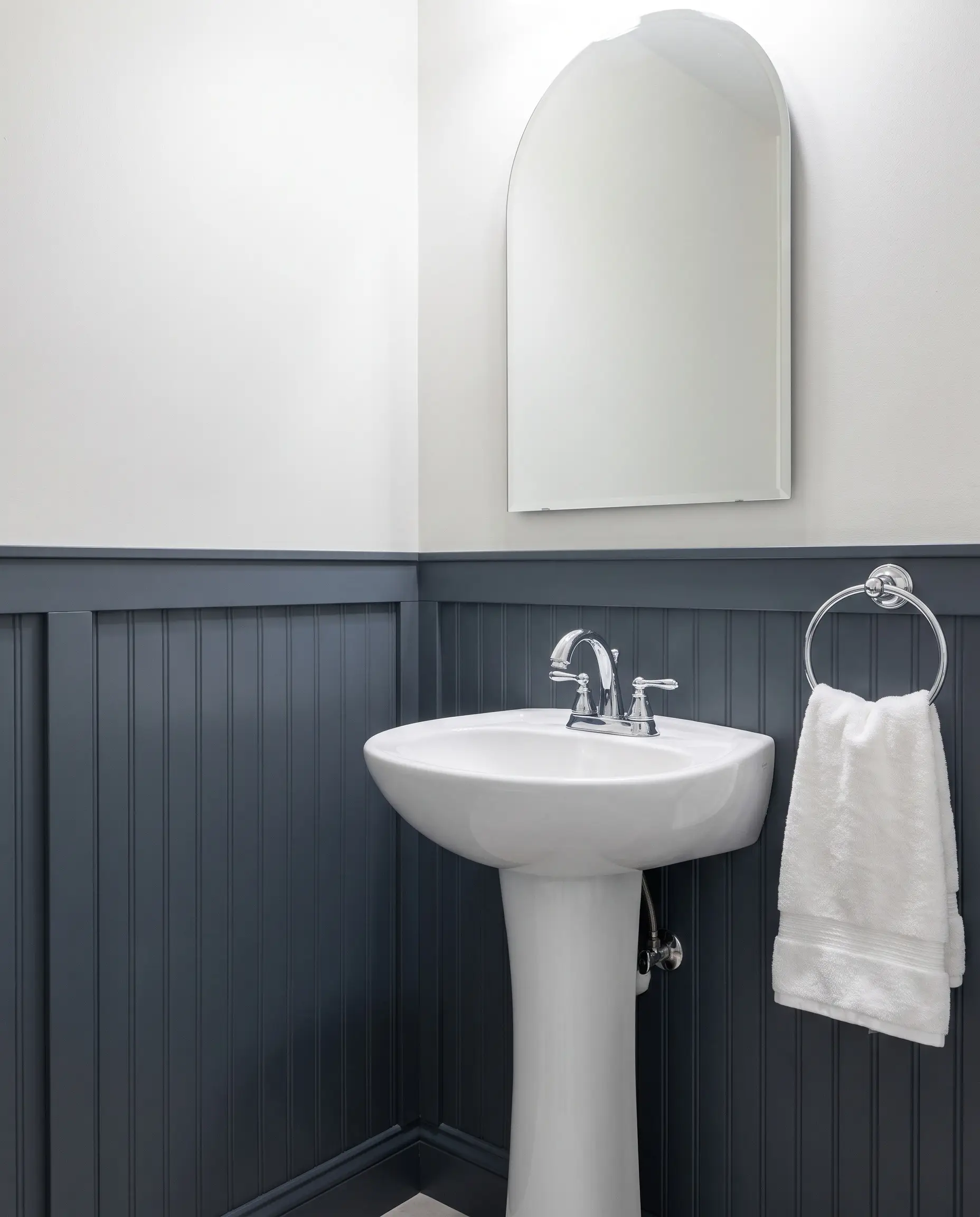
This is an absolute, non-negotiable architectural rule for 2027: You must never install MDF in a bathroom or wet space. To prevent catastrophic swelling, rot, and mold, you are required to use 100% moisture-resistant PVC molding and paneling for any bathroom wainscoting application.
When installing PVC trim, standard wood glue will fail. You must use a specialized PVC cement or a premium polyurethane-based construction adhesive to permanently bond mitered corners together.
Execution Hack
- Vibe: Clinical precision, bulletproof durability.
- Key Profile: PVC beadboard sheets or PVC flat stock stiles.
- Paint Recommendation: Benjamin Moore Hale Navy (Aura Bath & Spa Matte).
- Material Choice: Cellular PVC trim boards (e.g., Azek or Kleer) for all baseboards and rails.
Navigating Electrical Outlets, Vents, and Thermostats
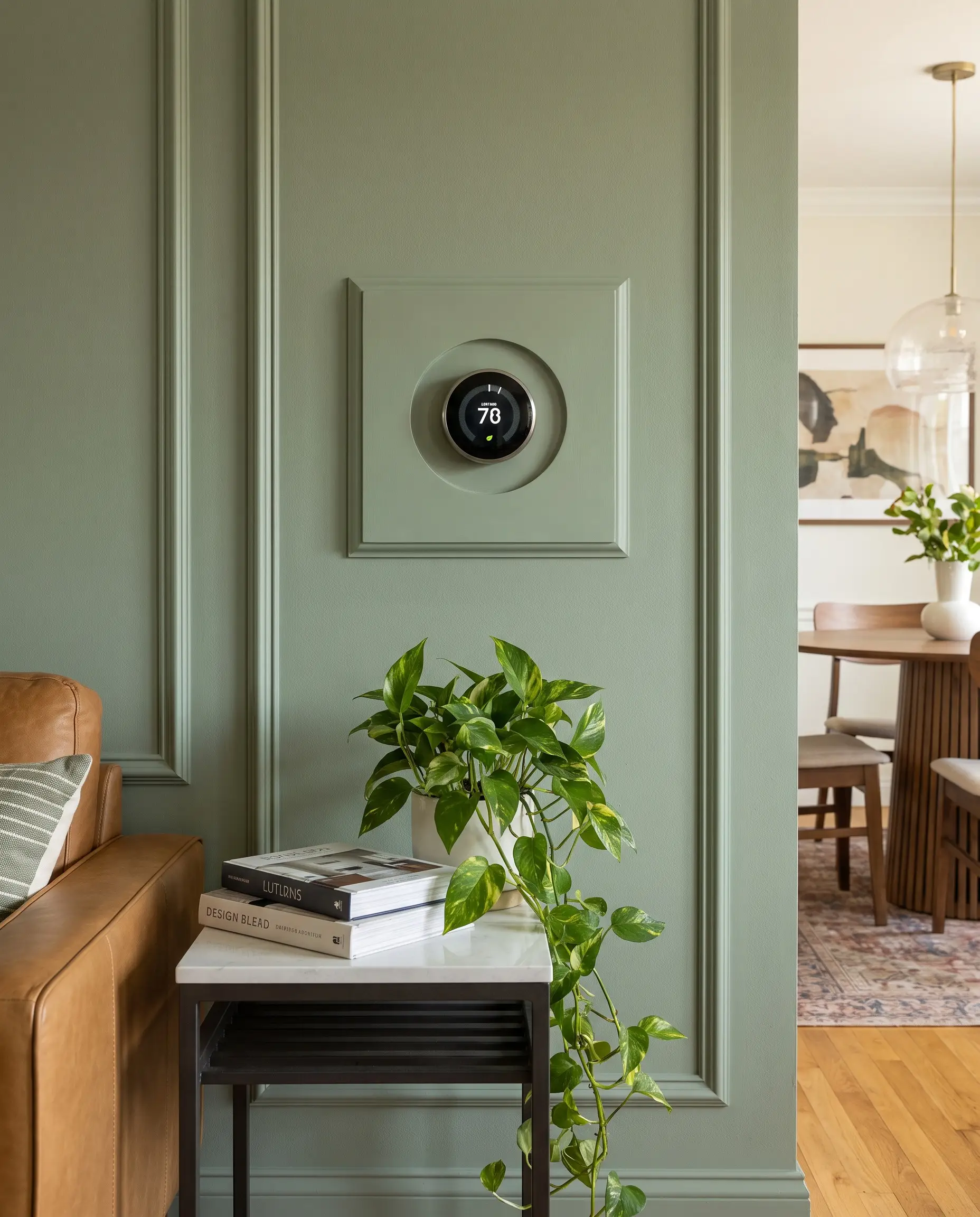
The true mark of a master tradesperson is how they handle the unavoidable obstacles on a wall. Rather than awkwardly notching a piece of trim around an outlet, professionals meticulously plan their 4-inch spacing layout to miss receptacles entirely, or they utilize architectural transitions to make thermostats look intentionally framed.
If a thermostat or light switch falls directly on your planned stile, do not cut a jagged notch into the wood. Instead, install a solid wood plinth block or a custom-routed trim ring around the device, and butt your molding cleanly against the block for a seamless, intentional finish.
Execution Hack
- Vibe: Meticulous, integrated, highly professional.
- Key Profile: Square plinth blocks or custom rosette corners.
- Styling Pro-Tip: Paint your outlet covers and vent grates the exact same color as your millwork to maintain the unbroken illusion of color drenching.
Elevating the Base: Final Architectural Considerations
Adding picture frame molding or wainscoting is a permanent investment in your home’s structural and aesthetic integrity. Before making a single cut on the miter saw, map out every single box and stile directly on your drywall using painter’s tape to verify your proportions and spacing. When you respect the mathematics and select the correct materials, the results speak for themselves, turning flat, lifeless rooms into deeply curated environments. We want to see how you are applying these precise dimensions in your own spaces—share your color-drenched millwork projects with the Hackrea community and show us how you are redefining the modern wall.

The Aesthetics Desk curates the visual direction for Hackrea. Specializing in design history, global architectural movements, and interior styling, this desk focuses on the psychology of space and how to translate high-end, magazine-quality aesthetics into approachable residential design without falling into fleeting micro-trends.