The era of flat, sterile, and perfectly uniform walls is officially behind us. In 2026, high-end interior design is all about returning to the earth, embracing tactile surfaces, and celebrating the beautifully imperfect nature of Wabi-Sabi design.
Looking at the floor plan photos sent to our team on a daily basis, the most common dilemma readers submit to our platform is how to make a newly built, rigid space feel soulful and lived-in. If you are wondering how to elevate builder-grade homes on a budget, the answer lies entirely in your wall treatments. Mineral paints and clays are the absolute top choice for designers right now because they introduce instant architectural depth and a dimensional, suede-like texture that standard latex paint simply cannot replicate.
Limewash is a chalky, mineral-based paint applied with a large masonry brush to create cloudy, matte textures that cure over time. Roman Clay is a thicker, gypsum-based paste applied with a putty knife, resulting in a smooth, mottled finish that closely resembles high-end Venetian plaster.
Whether you are craving a quiet, grounding sanctuary or a moody, dramatic dining room, this guide will walk you through the absolute best limewash and Roman clay paint colors. We are breaking down the top brands, exact application techniques, and realistic cost expectations to help you transform your space.
Limewash vs. Roman Clay: What’s the Difference?
Before you start swatching colors, you need to understand the fundamental differences in material and application. While both finishes offer a stunning, mottled aesthetic, they behave very differently on the wall.
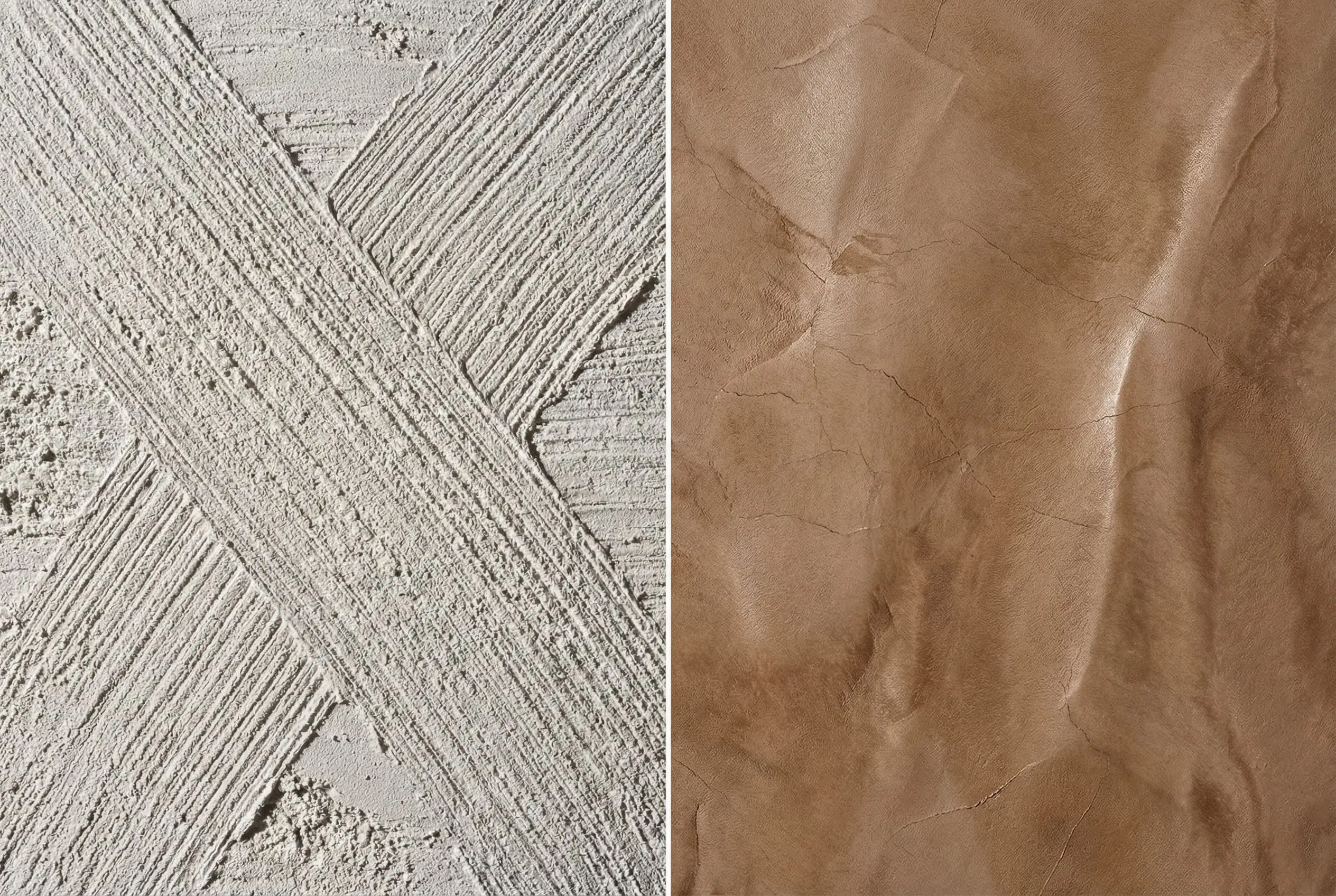
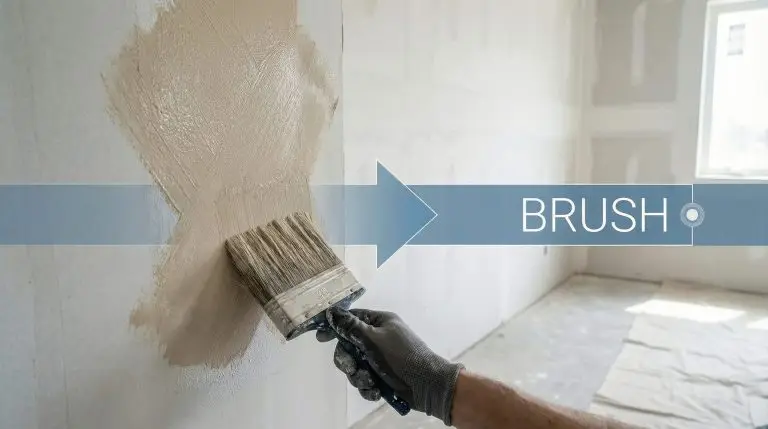
Limewash is an ancient medium made from crushed limestone, water, and natural mineral pigments. It is highly porous, exceptionally chalky, and must be applied with a heavy-duty block brush to achieve its signature cloud-like effect. Because it is brushed on, limewash is incredibly forgiving and ideal for sweeping across large open living spaces, airy hallways, or even exterior brick facades.
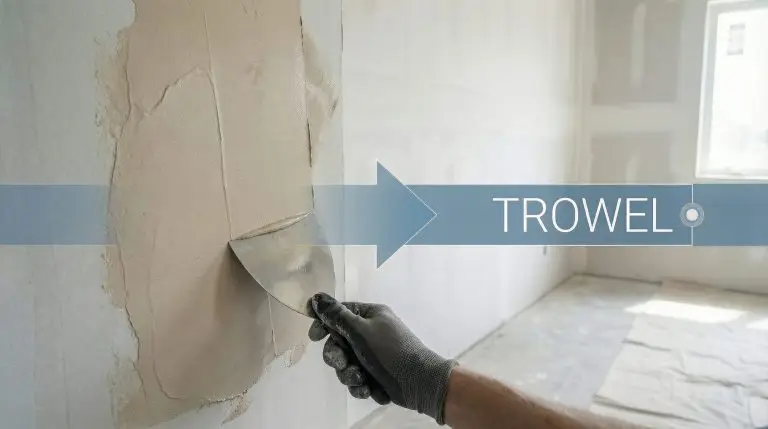
Roman Clay, on the other hand, is a much thicker, plaster-like paste. It is applied using a flexible putty knife or a Japanese trowel, requiring you to scrape and burnish the material into the wall. The result is a buttery smooth, marble-like finish that offers a brilliant alternative when comparing plaster vs. paint. Due to the physical labor involved, Roman Clay is best reserved for intimate rooms, custom range hoods, or striking fireplace surrounds.
| Feature | Limewash | Roman Clay |
|---|---|---|
| Texture | Chalky, porous, and highly matte | Smooth, suede-like, and slightly burnished |
| Application Tool | 4-inch to 6-inch masonry block brush | Flexible metal or plastic putty knife / trowel |
| Finish | Cloudy, sweeping, and organic | Marbled, stone-like, and dimensional |
| Durability | Breathable but prone to water spots | Wipeable only if sealed with a topcoat |
Top Limewash Paint Colors for Every Mood
Choosing a limewash color requires a shift in mindset. Because the material interacts with the light and the underlying wall, the color will shift dramatically throughout the day. Here are the top color families dominating 2026.
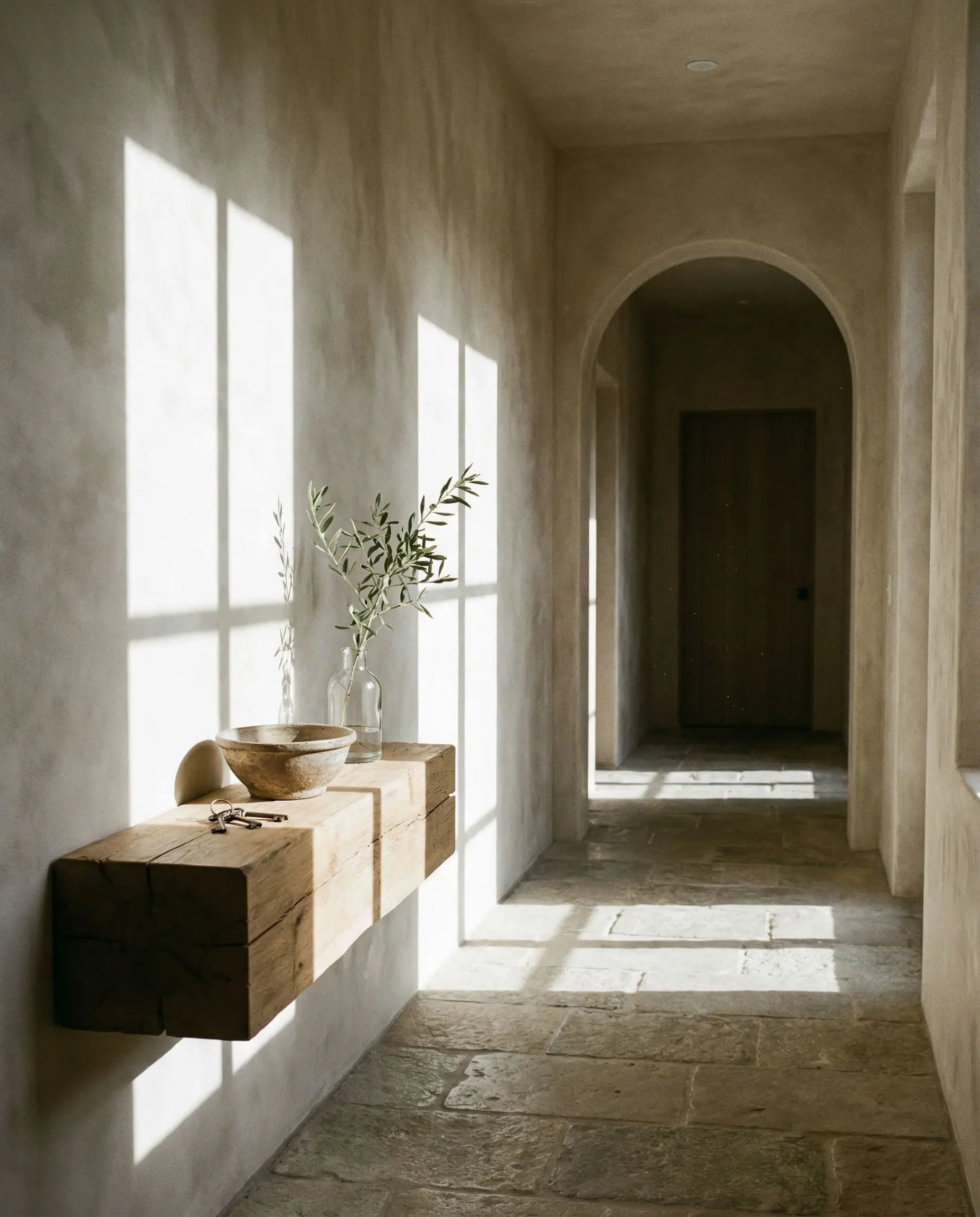
Warm Neutrals & Beiges (The Classic Look)
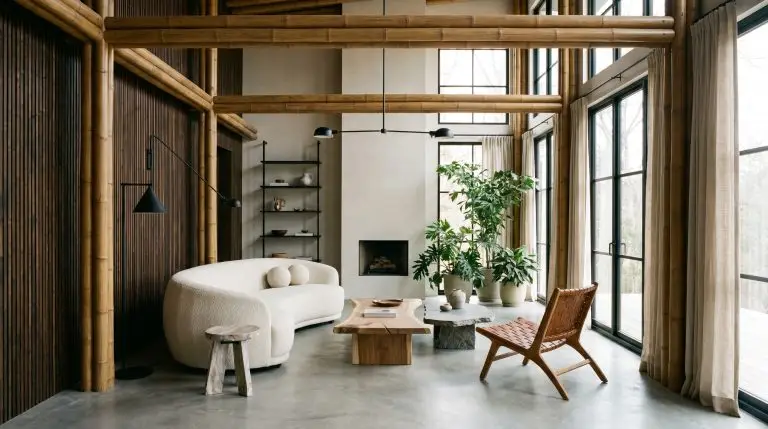
If you are looking for the safest, most timeless entry point into textured walls, warm neutrals are your best friend. These tones provide a soft, glowing backdrop that perfectly complements the Organic Modern Interior Design.
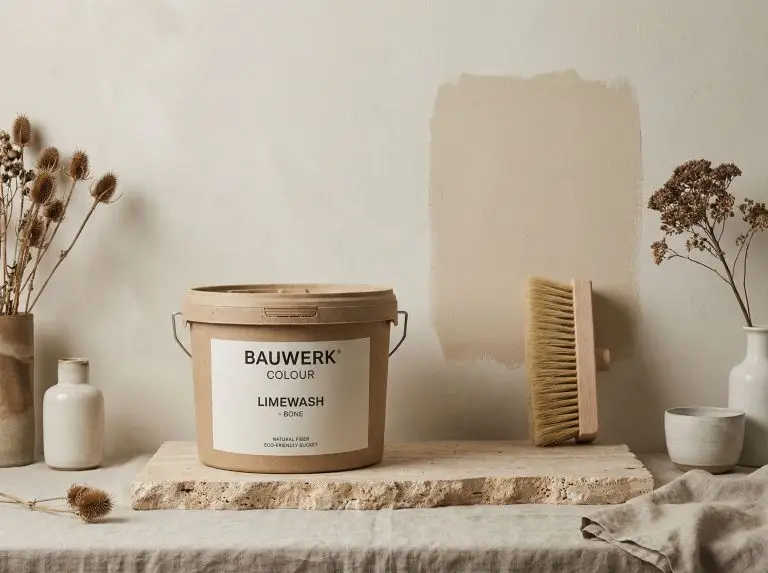
When selecting a beige, you must account for the calcifying process. As limewash cures and hardens on the wall, it naturally dries up to two shades lighter than it appears in the bucket, pulling out the lighter, chalkier undertones. We highly recommend Bauwerk Colour in the shade “Bone” for a perfect, creamy off-white, or Portola Paints in “El Mirage” if you want a slightly deeper, sun-baked sand hue.
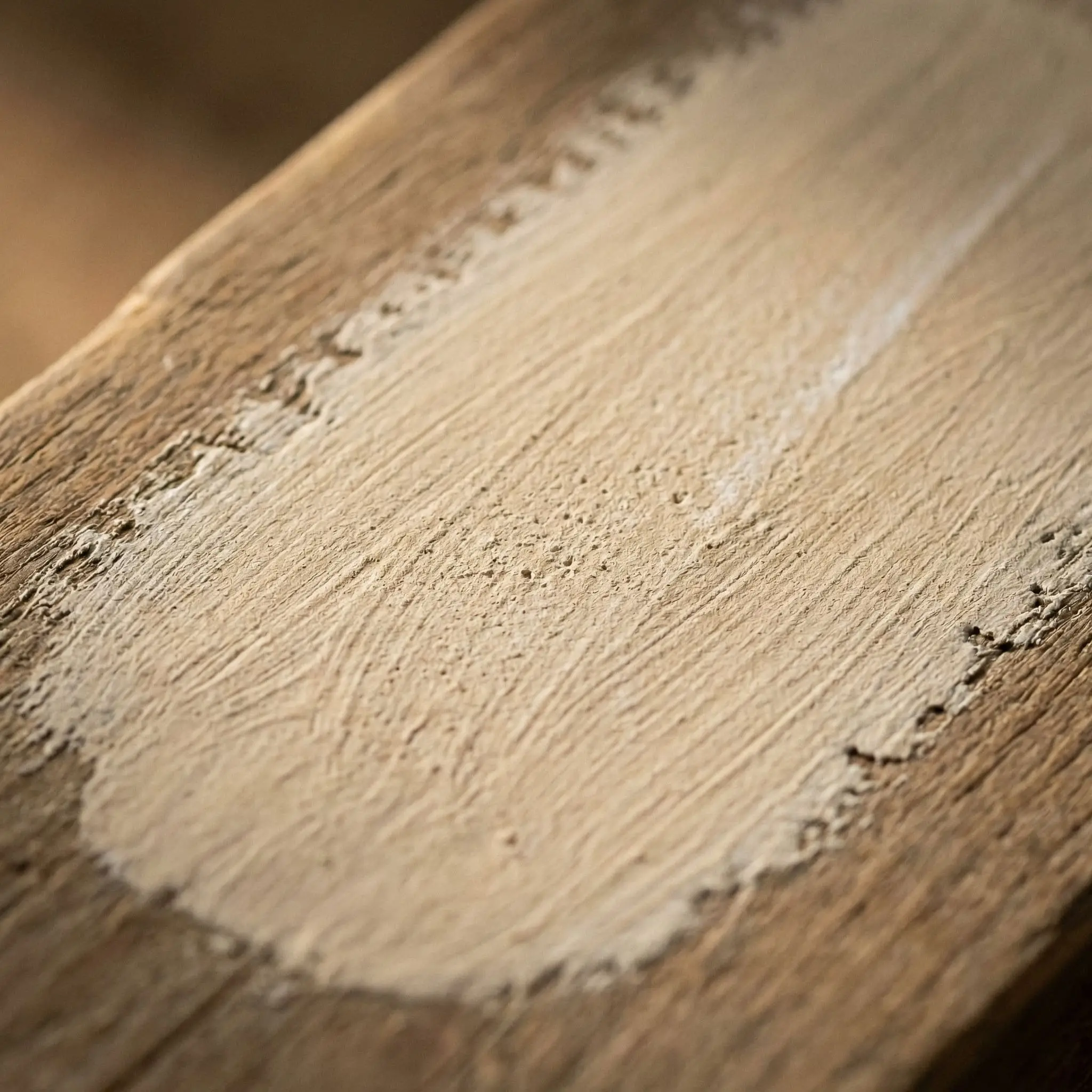
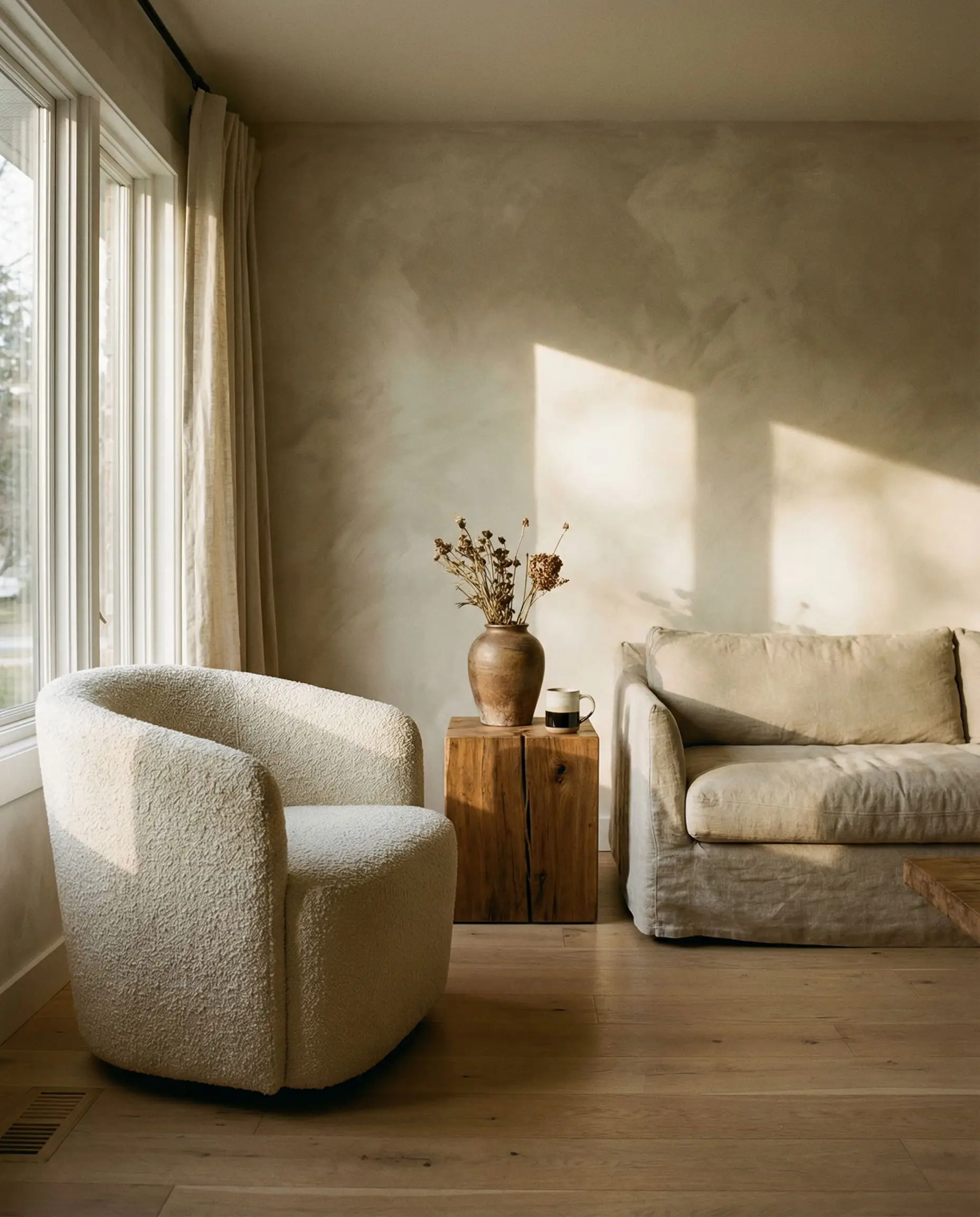
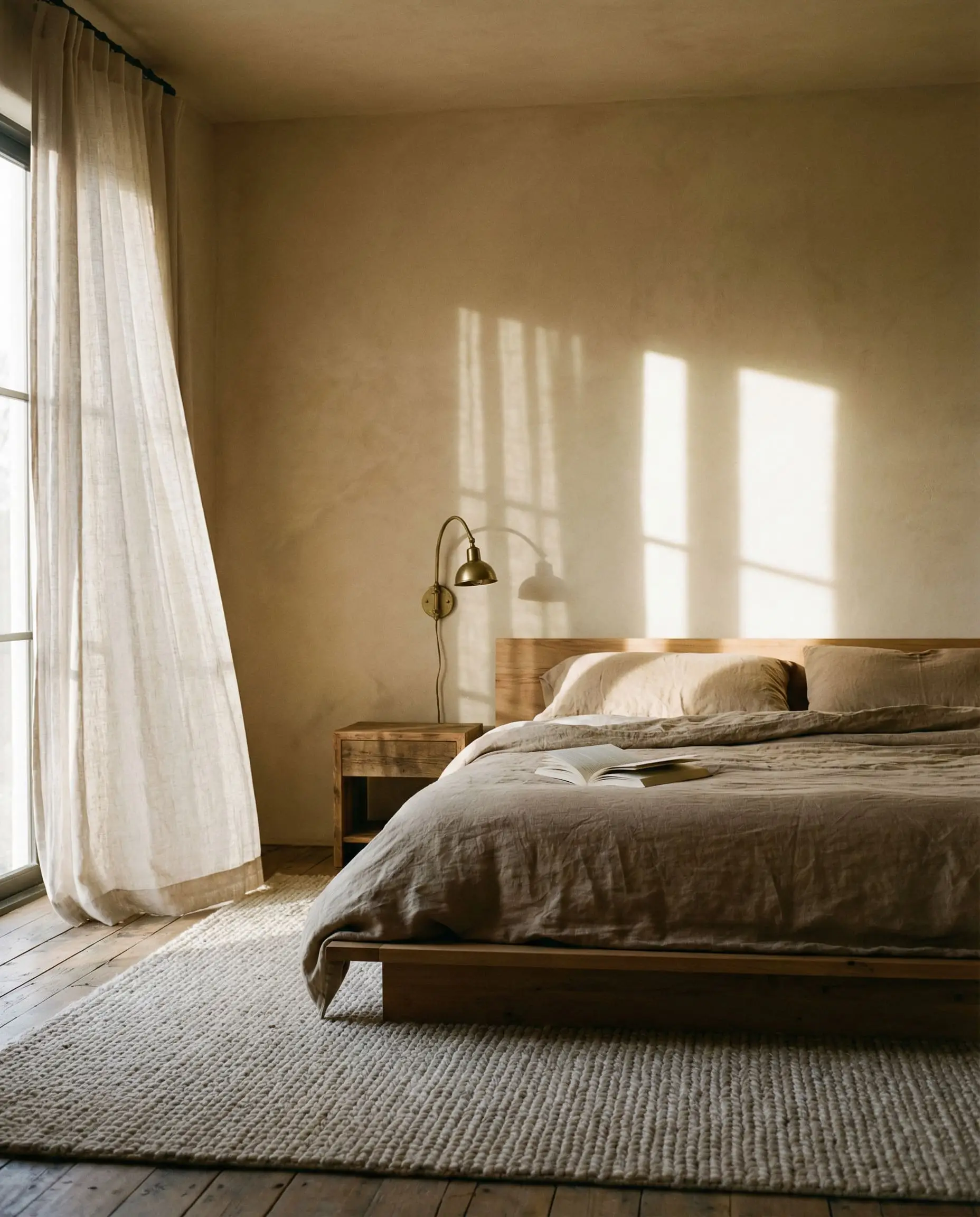
To keep warm neutral walls from looking flat, pair them with highly contrasting textures. Think nubby bouclé armchairs, raw linen drapery, and heavily grained walnut furniture to anchor the airy aesthetic.
💡 Hackrea Styling Tip
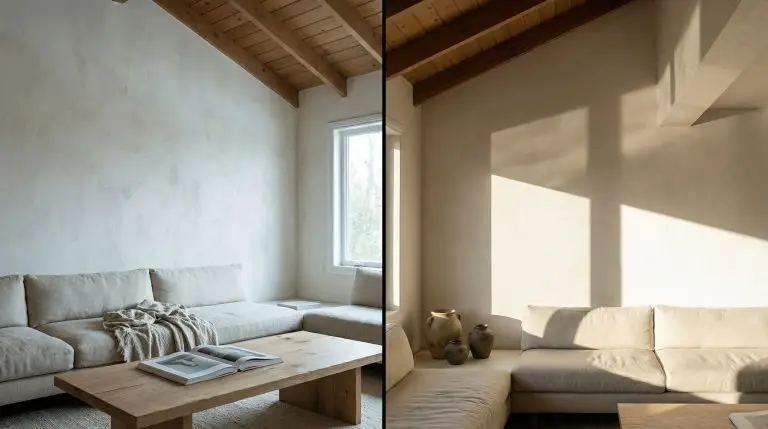
The Setup: For the best visual impact, ensure your room has ample natural light. Warm neutral limewash thrives in south-facing rooms where the golden hour sun can highlight the sweeping, cloudy brushstrokes.
Earthy Terracottas & Warm Browns
Deep, grounding earth tones are having a massive moment, directly mimicking the soulful look of traditional Mediterranean or Southwestern adobe. These rich, clay-baked hues instantly wrap a room in warmth.
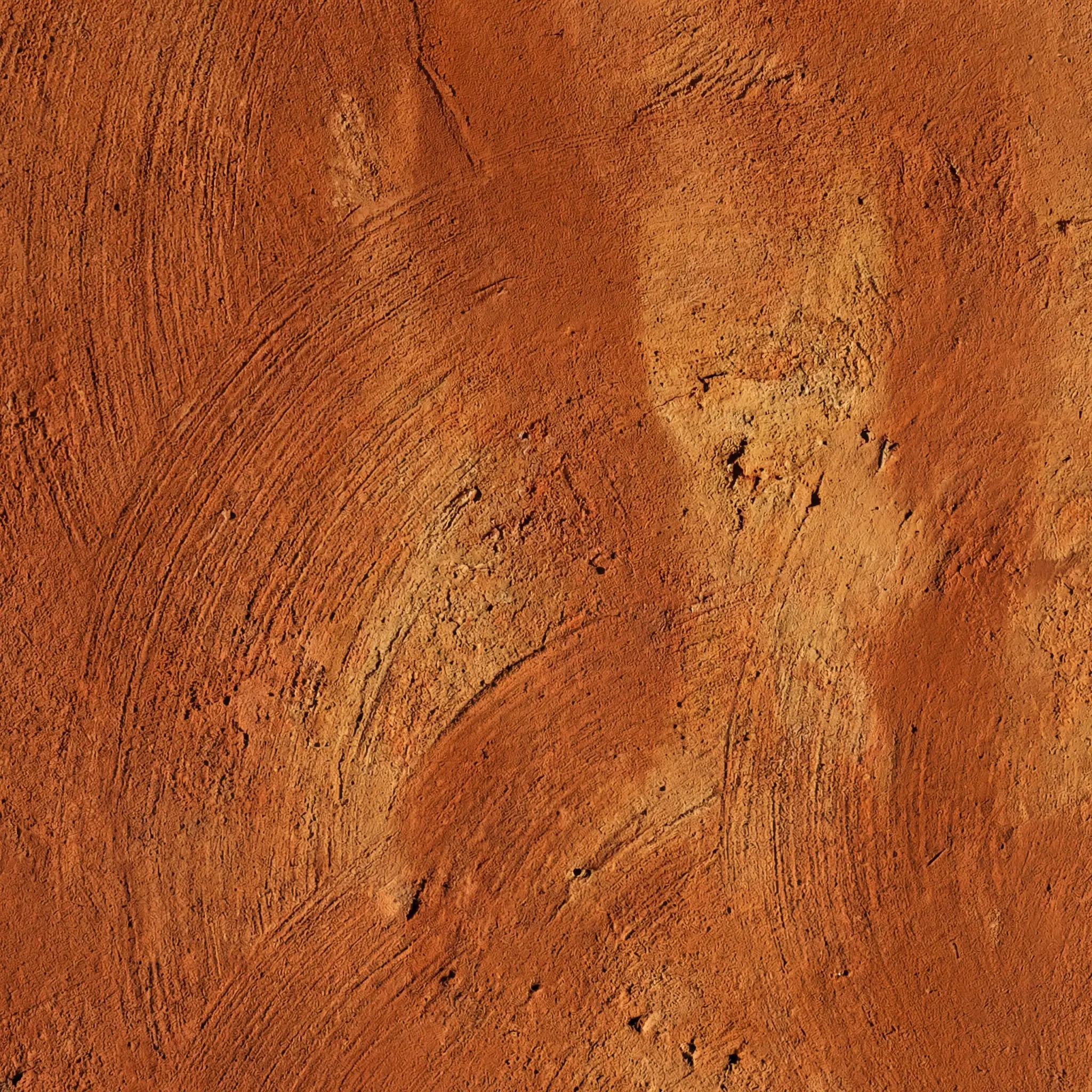
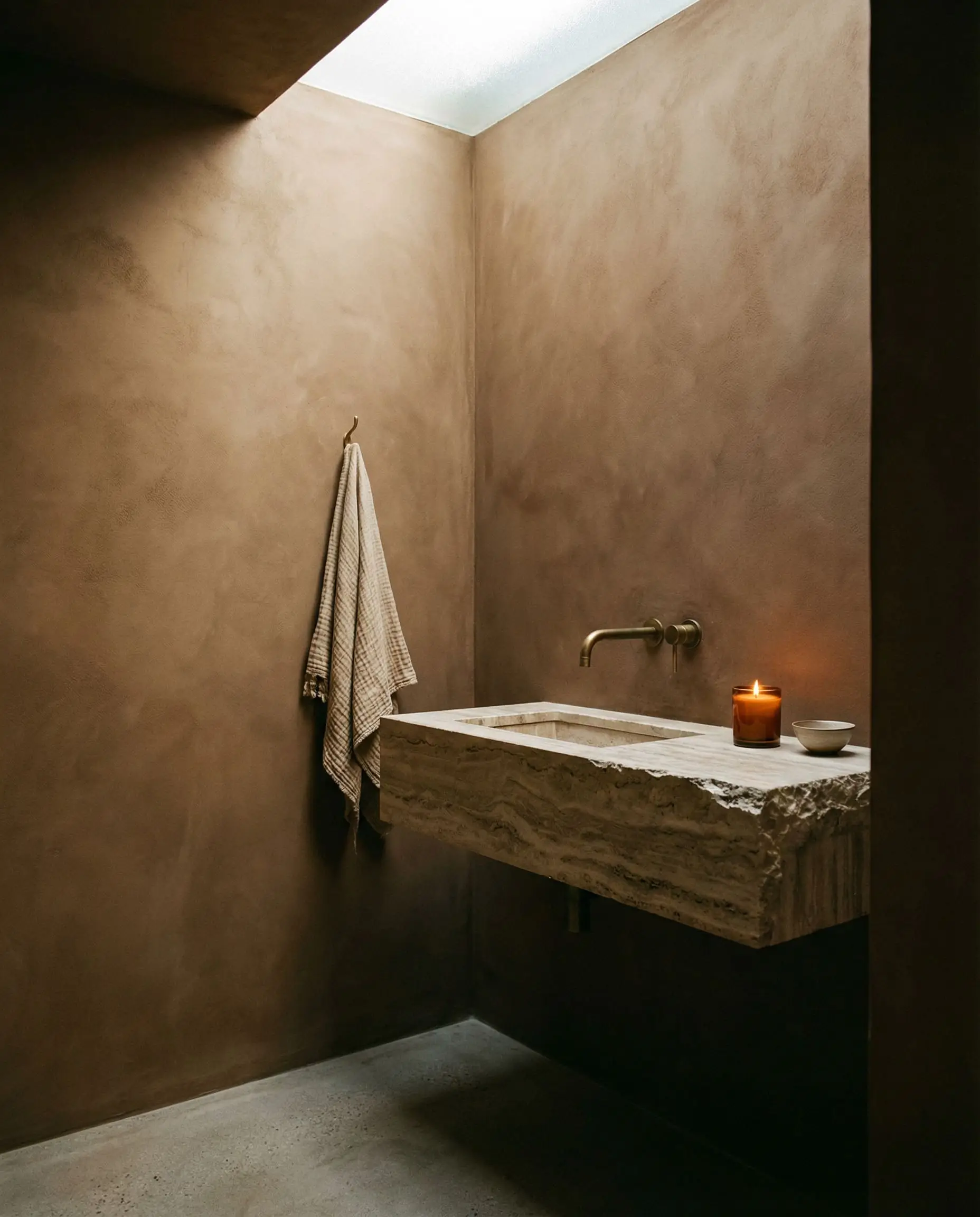
A dusty terracotta or a muted, mocha brown is the ultimate choice for spaces meant for gathering and lingering. We love seeing these colors deployed in formal dining rooms, cozy reading snugs, or even ceiling applications. For more inspiration on grounding your space, check out our guide to the best earth tone paint colors.
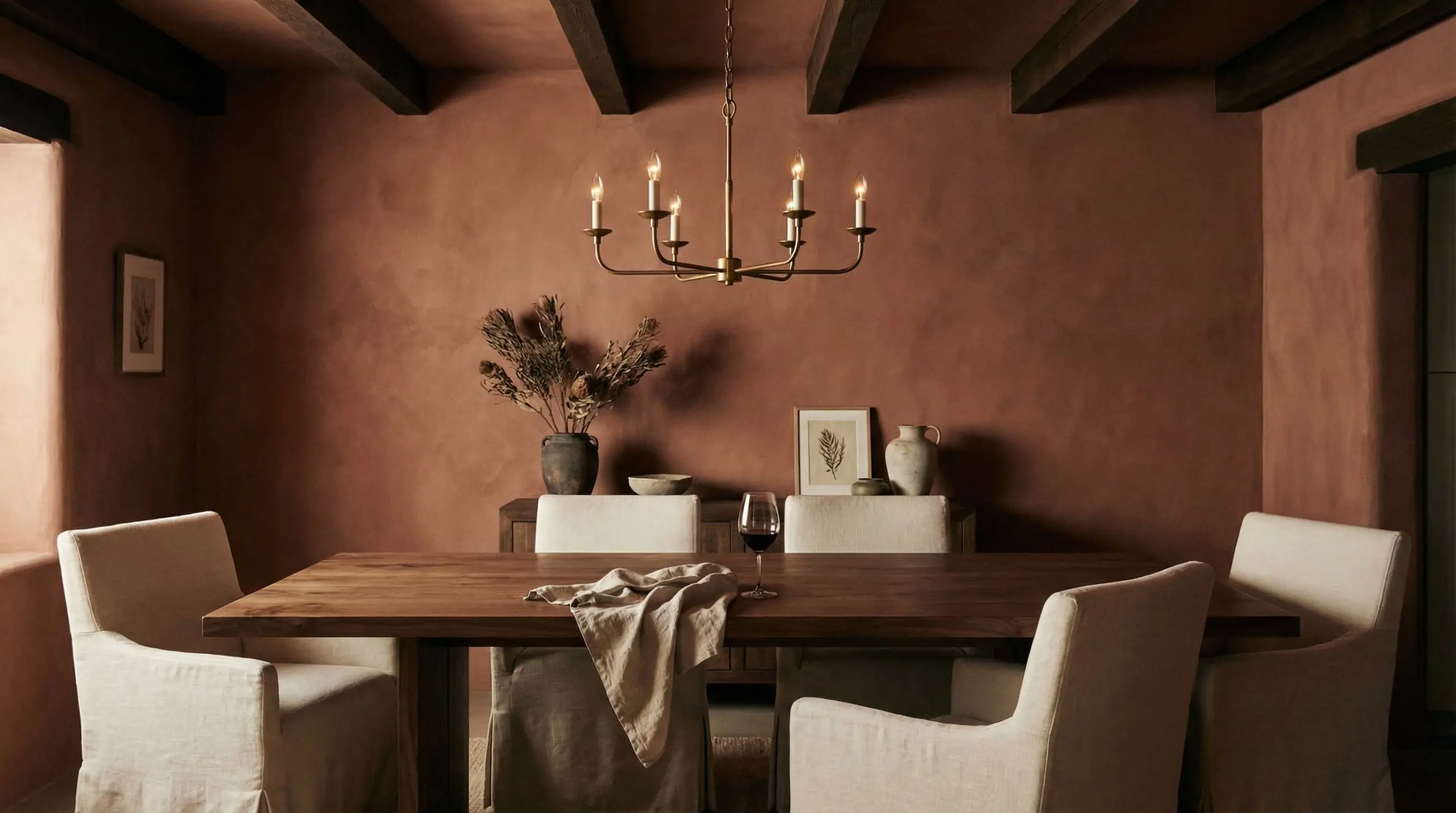
The Rule: When working with heavy, earthy limewash colors, stick to the 80/20 Rule of Contrast. Keep 80% of your decor light and airy (think cream rugs and white oak floors) to balance the visual weight of the 20% dark terracotta walls.
Terracotta limewash can sometimes pull too orange under artificial light. Always swap your lightbulbs to a soft white (2700K to 3000K) to keep the brown undertones looking rich and sophisticated.
🛋️ Hackrea Pro Tip
Moody Greens & Blues
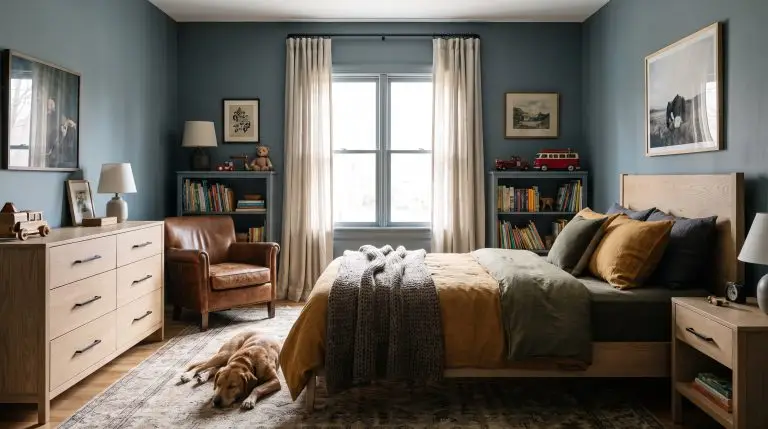
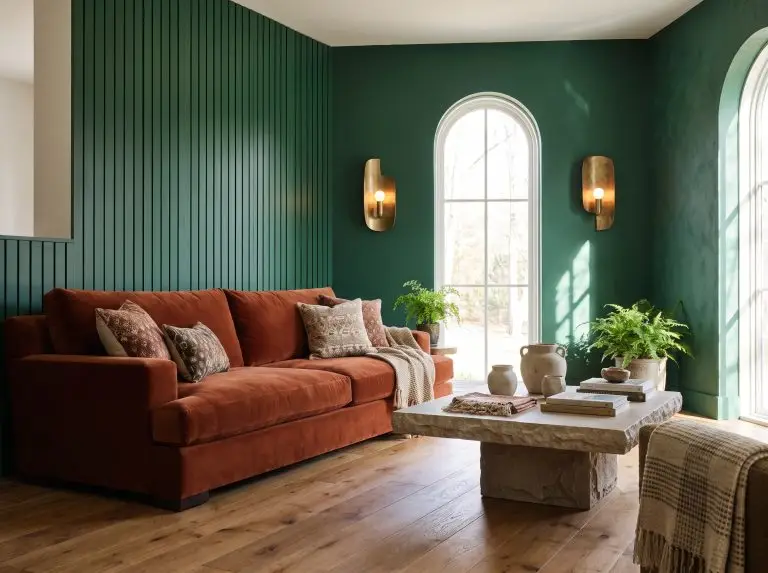
The rise of biophilic design has pushed homeowners to embrace saturated, colorful limewash that mimics the natural world. Instead of bright, primary colors, the trend leans heavily into dusty, muted tones that feel as though they were pulled directly from a forest floor or a stormy coastline.
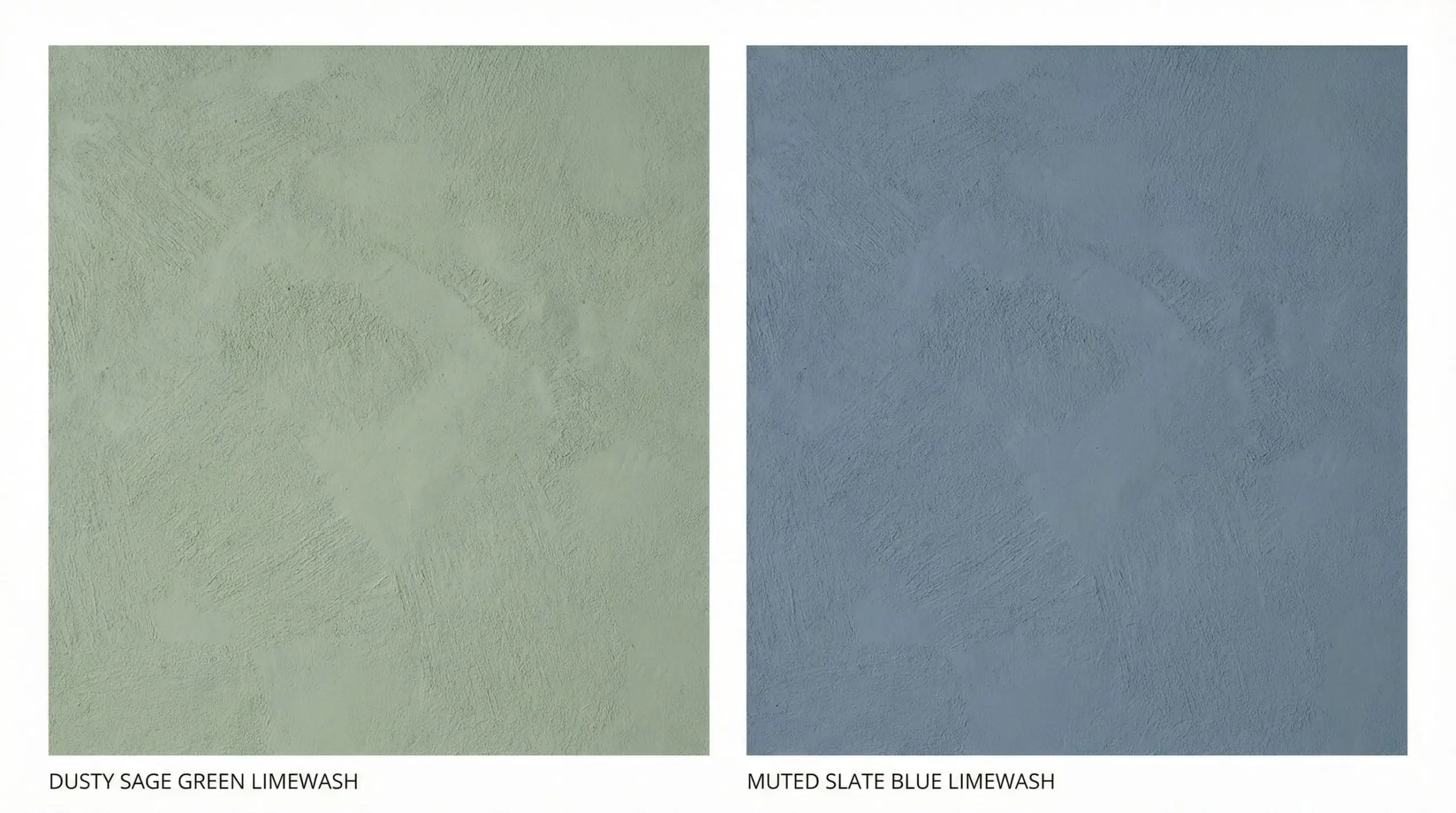
A grounding, dusty sage green or a muted slate blue works wonders in home offices and primary bedrooms. The chalky texture of the limewash softens the dark pigments, creating a calming, enveloping effect rather than a stark, heavy box.
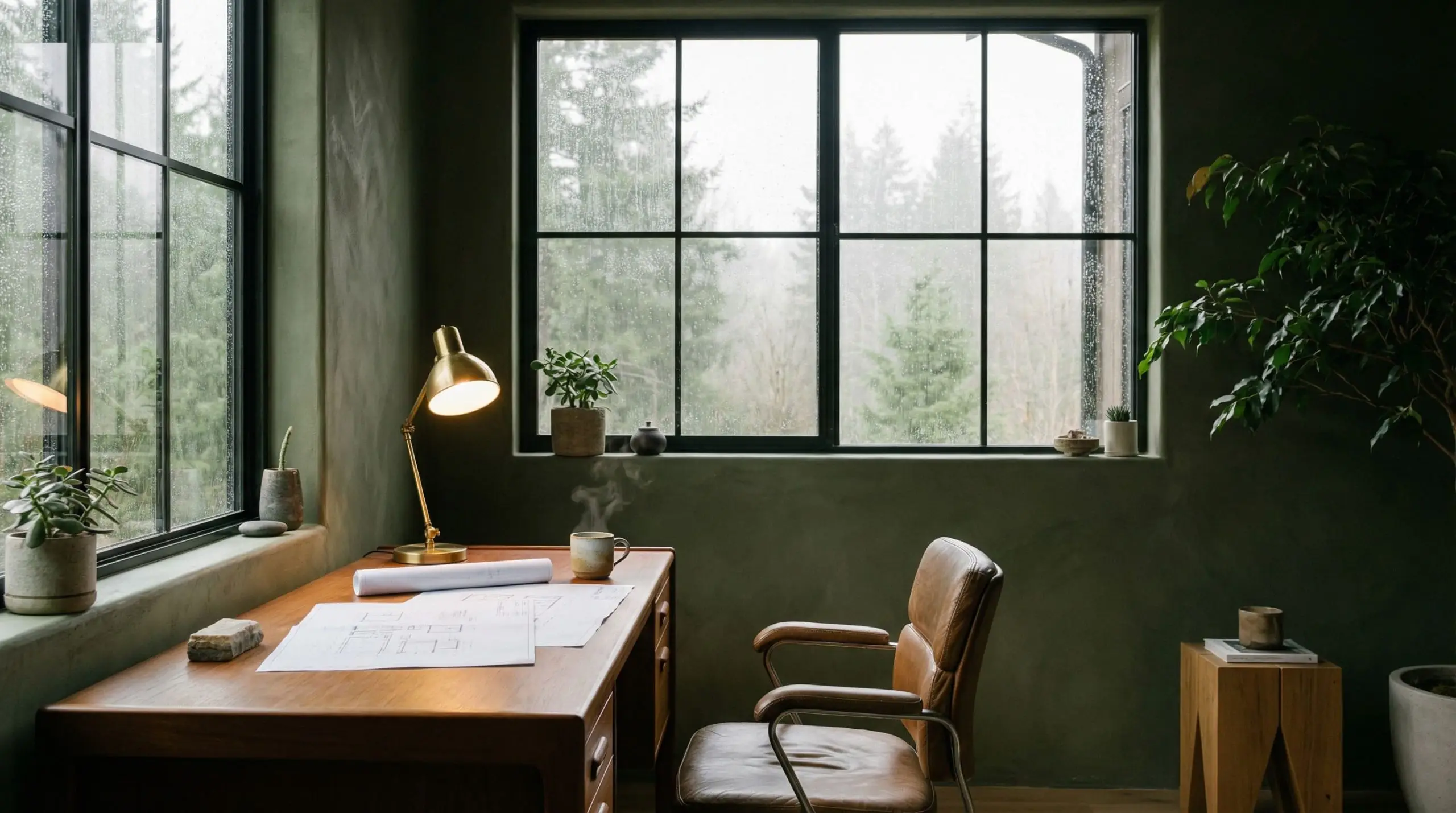
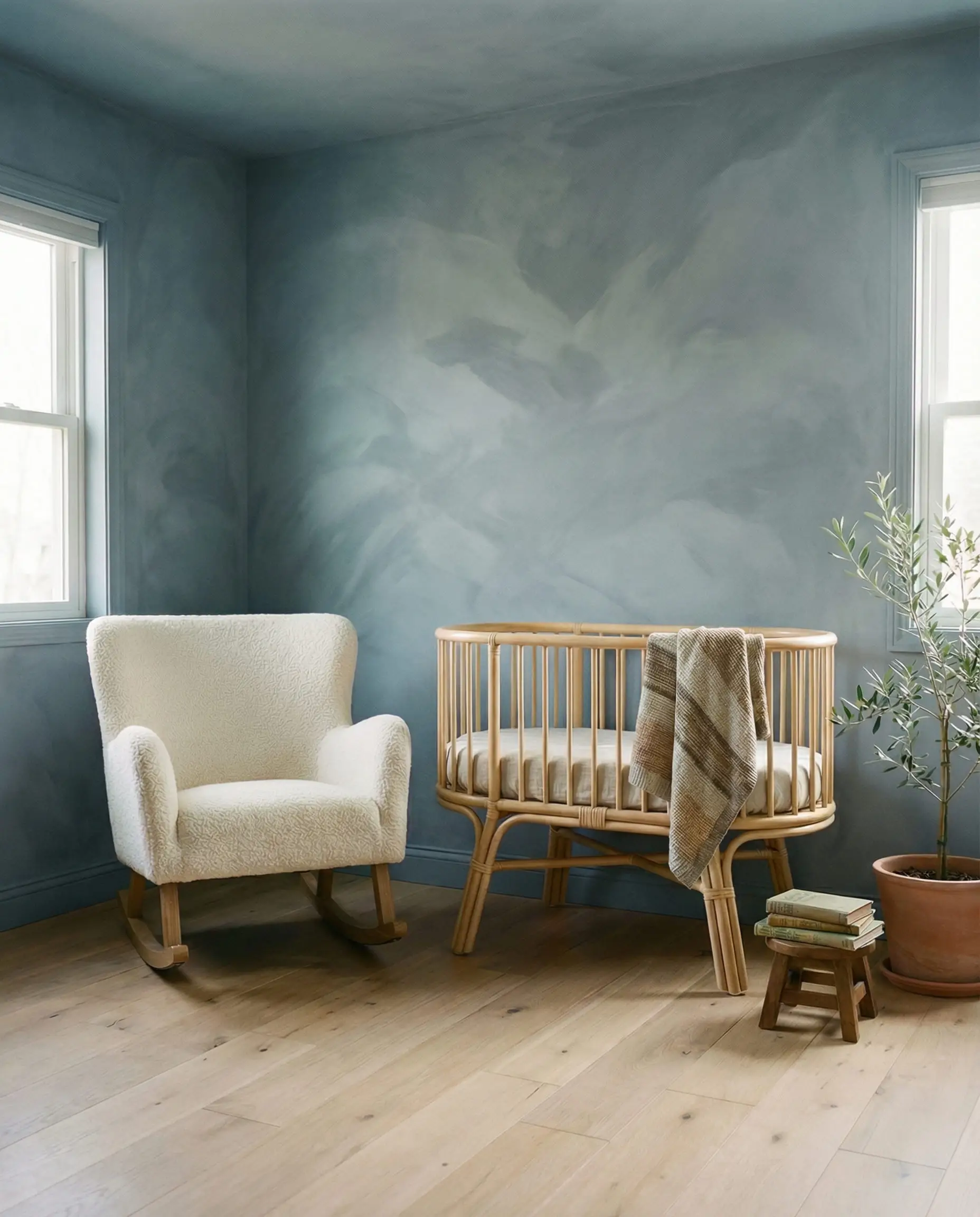
The Fix: If a dark green or blue limewash feels too intense for all four walls, use it as a strategic focal point. Apply it to the wall behind your bed or use it to color-drench a small, windowless powder room for maximum jewel-box drama.
Best Roman Clay Colors for a Plaster Finish
Because Roman Clay is troweled onto the wall, the friction of the blade actually burnishes the material, creating subtle highs and lows that catch the light. Choosing the right color is all about maximizing that gorgeous, stone-like reflection.
Soft Whites & Off-Whites
For the ultimate minimalist luxury look, soft white Roman Clay is entirely unmatched. When applied correctly, a warm white clay is virtually indistinguishable from authentic, high-end Venetian Plaster, but at a fraction of the material cost.
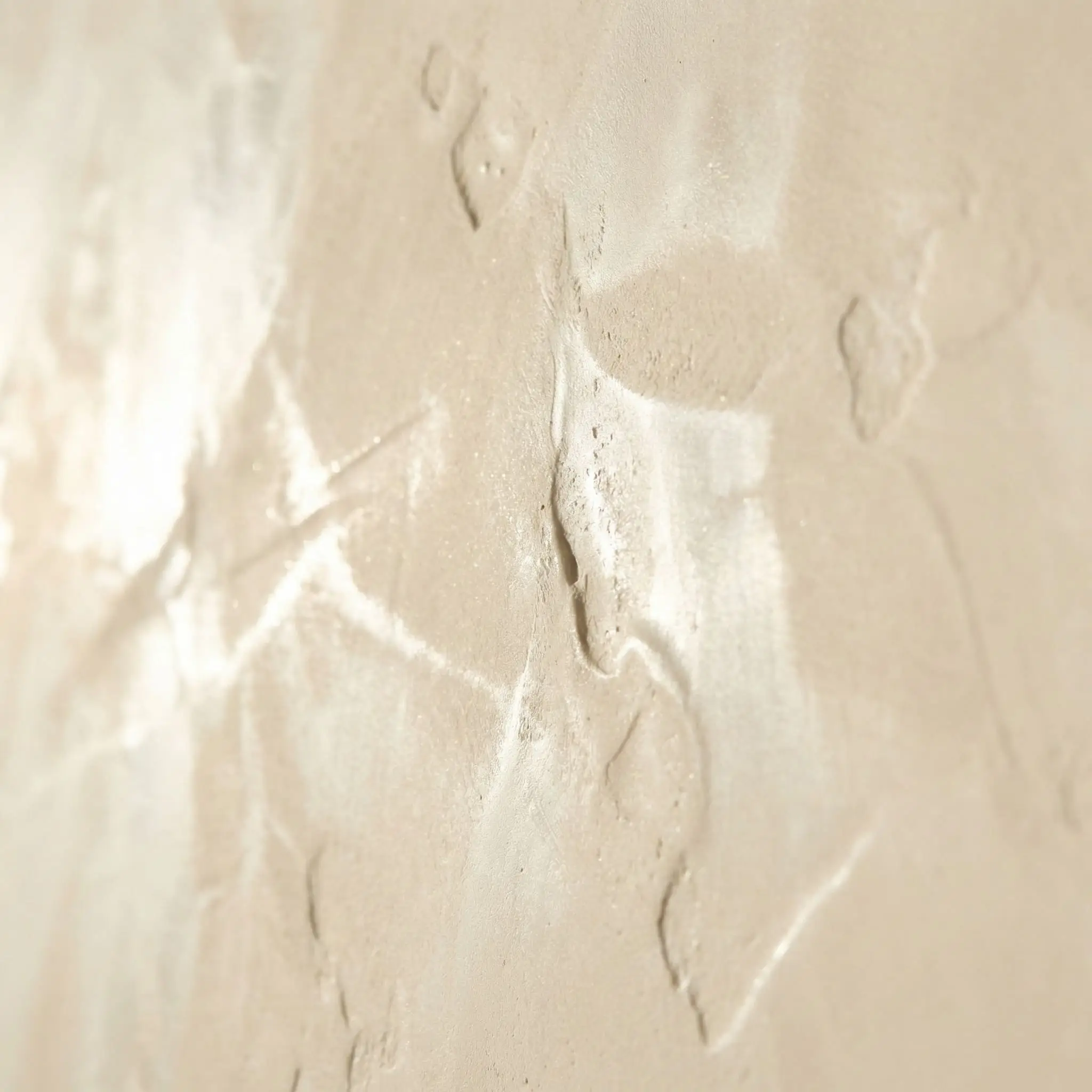
This finish is the secret weapon for modern organic kitchens and striking, floor-to-ceiling fireplace surrounds. The subtle marbling effect of the white clay adds just enough visual interest to keep minimalist spaces from feeling cold or clinical.
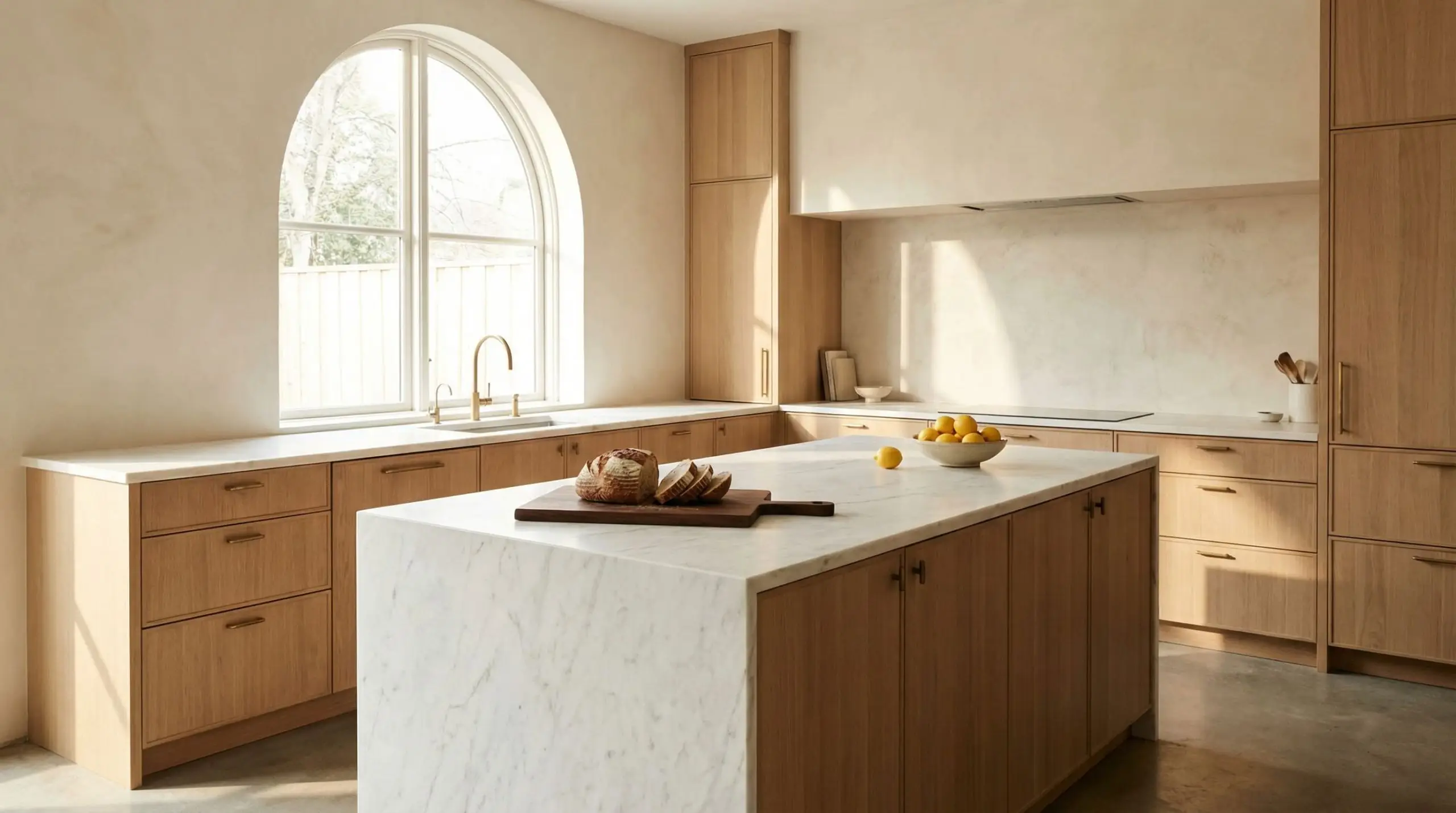
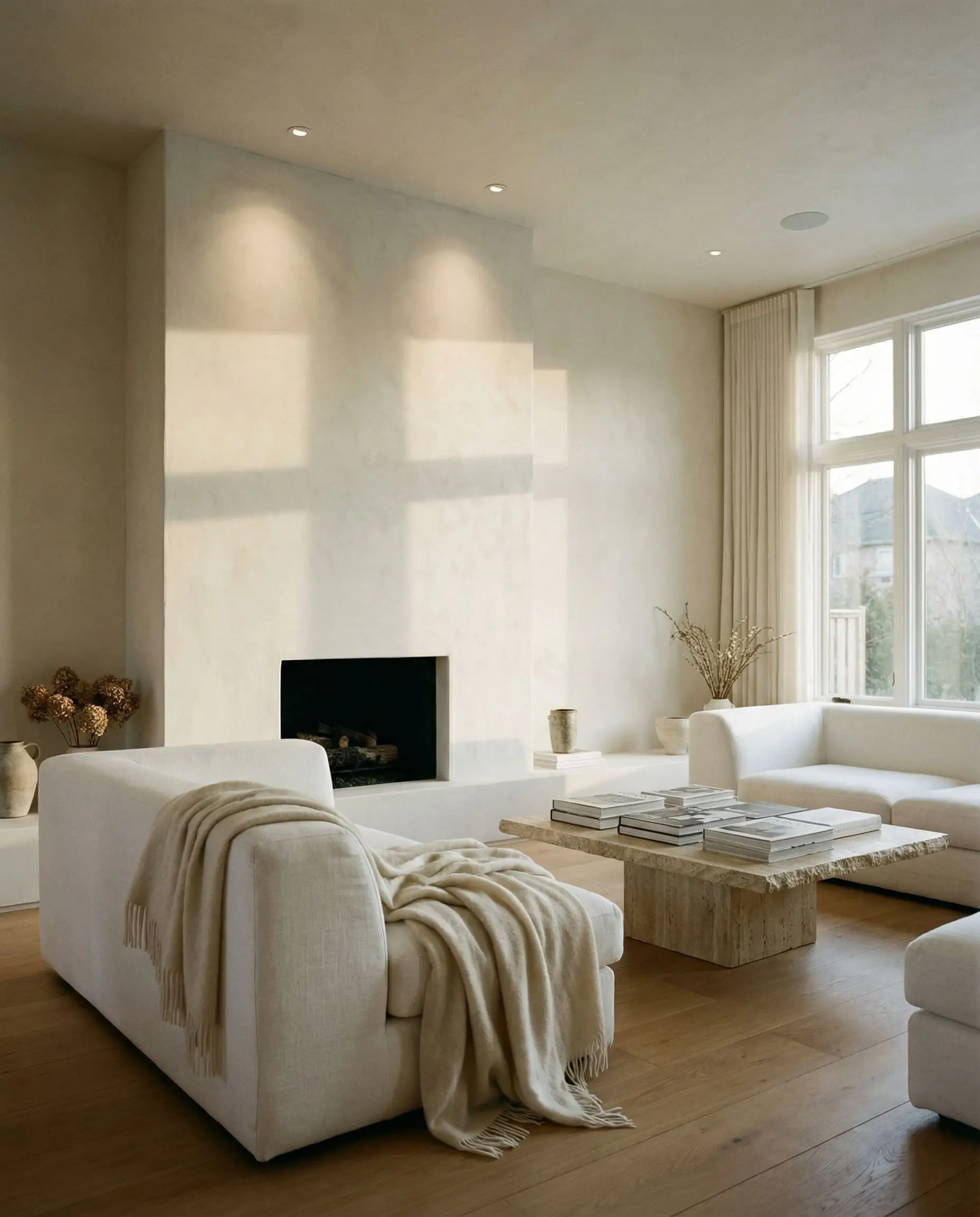
The Setup: To truly show off the suede-like texture of white Roman Clay, you need directional lighting. Install wall sconces or recessed grazing lights positioned close to the wall to cast shadows across the subtle trowel marks.
Deep Charcoals & Black
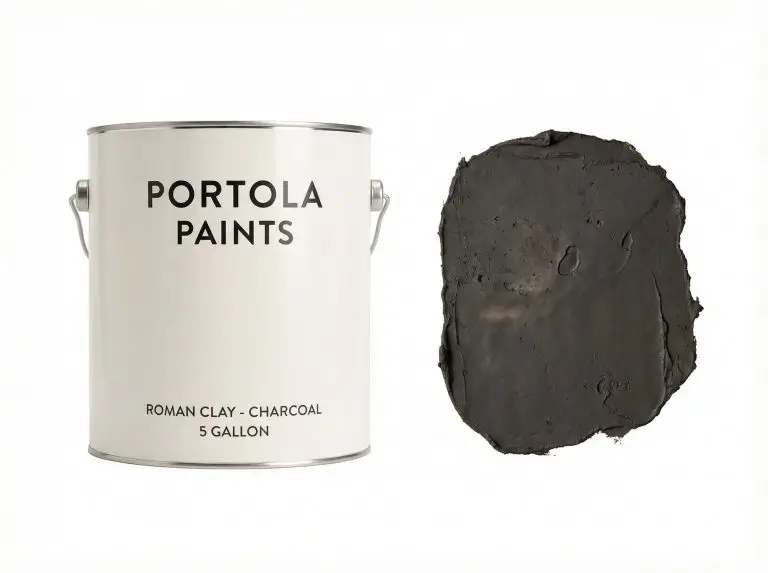
If you want to make a dramatic, high-contrast design statement, dark Roman Clay is the ultimate flex. Unlike standard black latex paint, which can look flat and void-like, black Roman Clay absorbs and reflects light simultaneously.
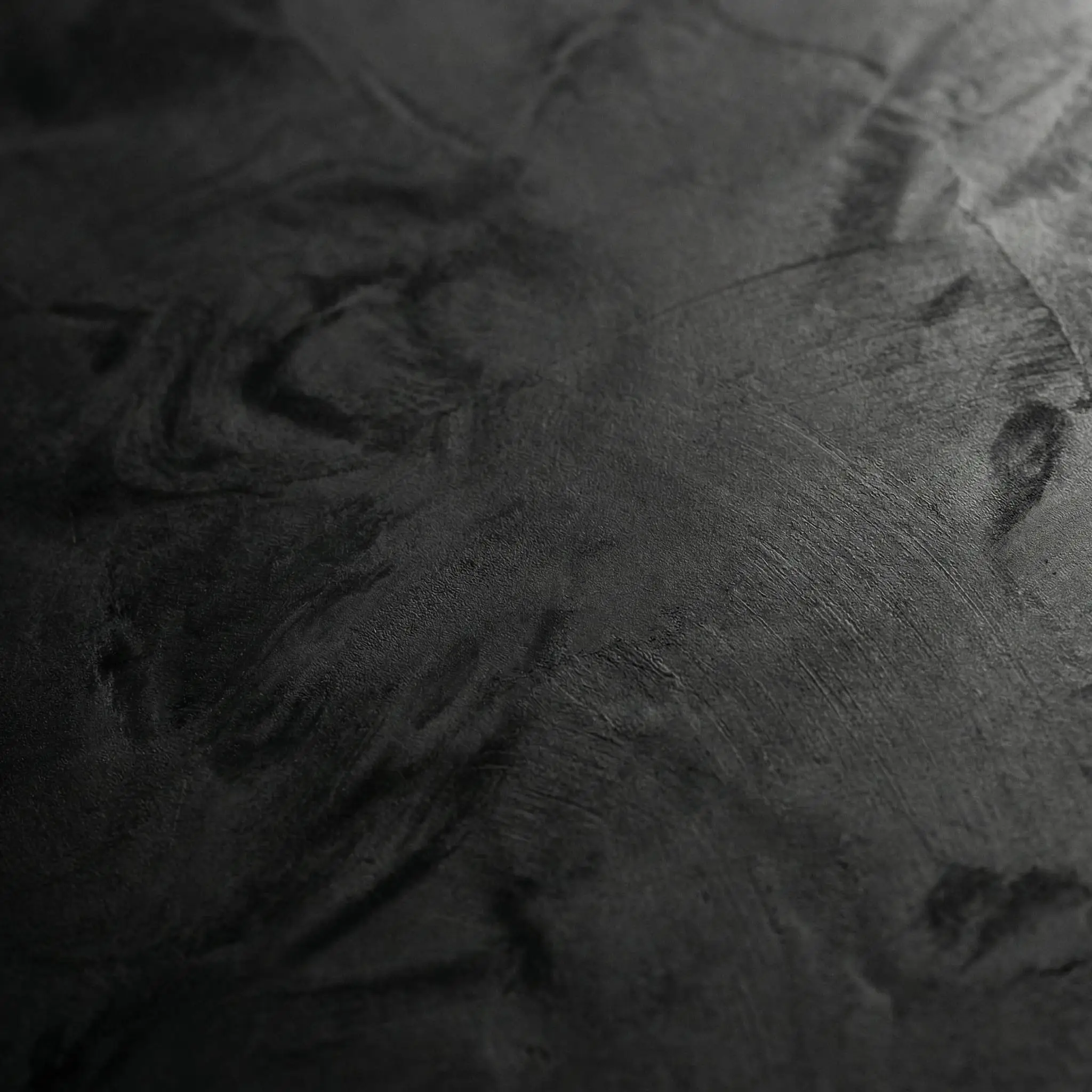
We are completely obsessed with Portola Paints in the shade “Fade to Black”. When troweled onto the wall, it resembles honed slate or perfectly worn-in charcoal suede. It is the ideal application for moody media rooms, sophisticated home bars, or a striking bedroom accent wall.
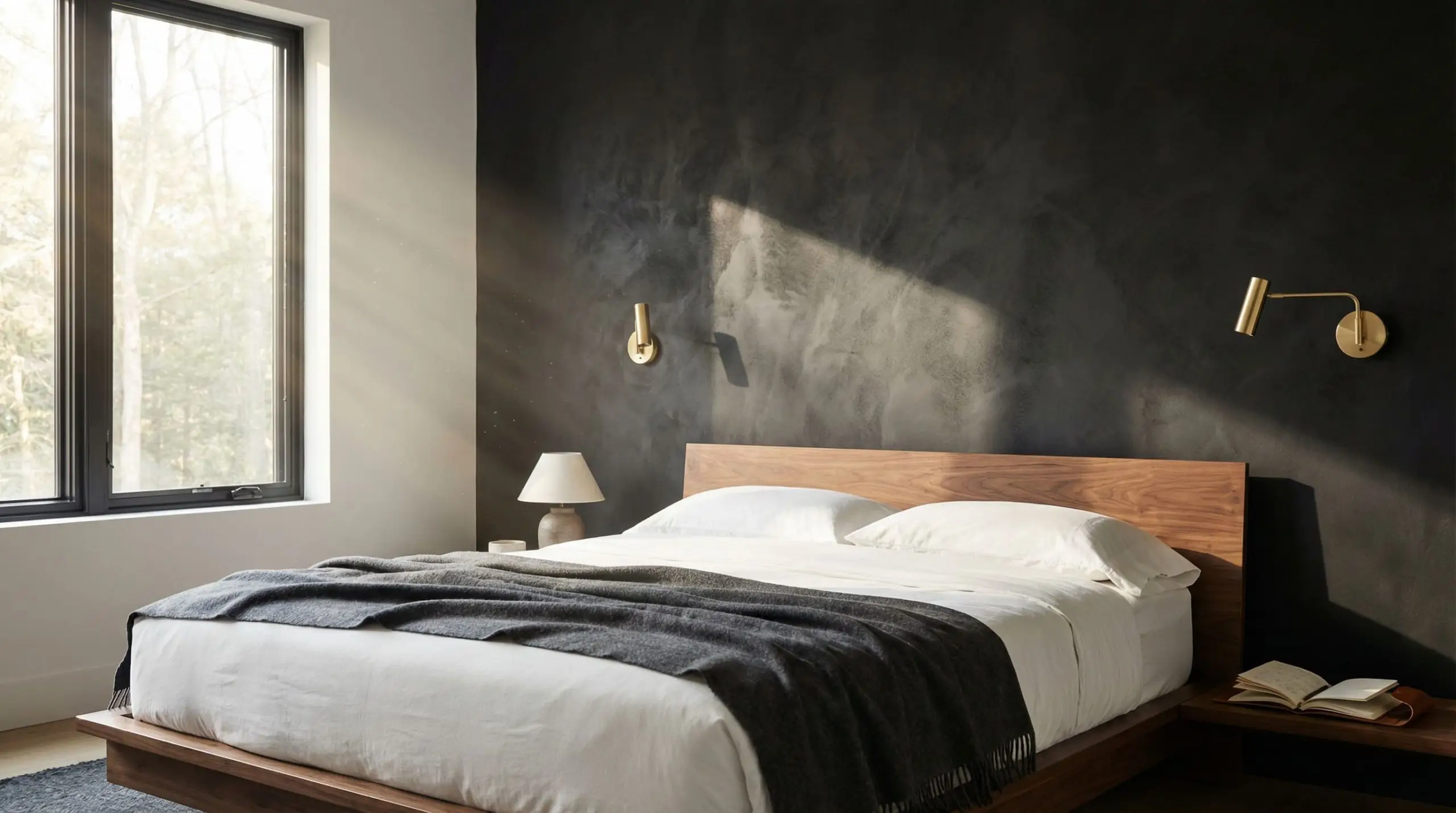
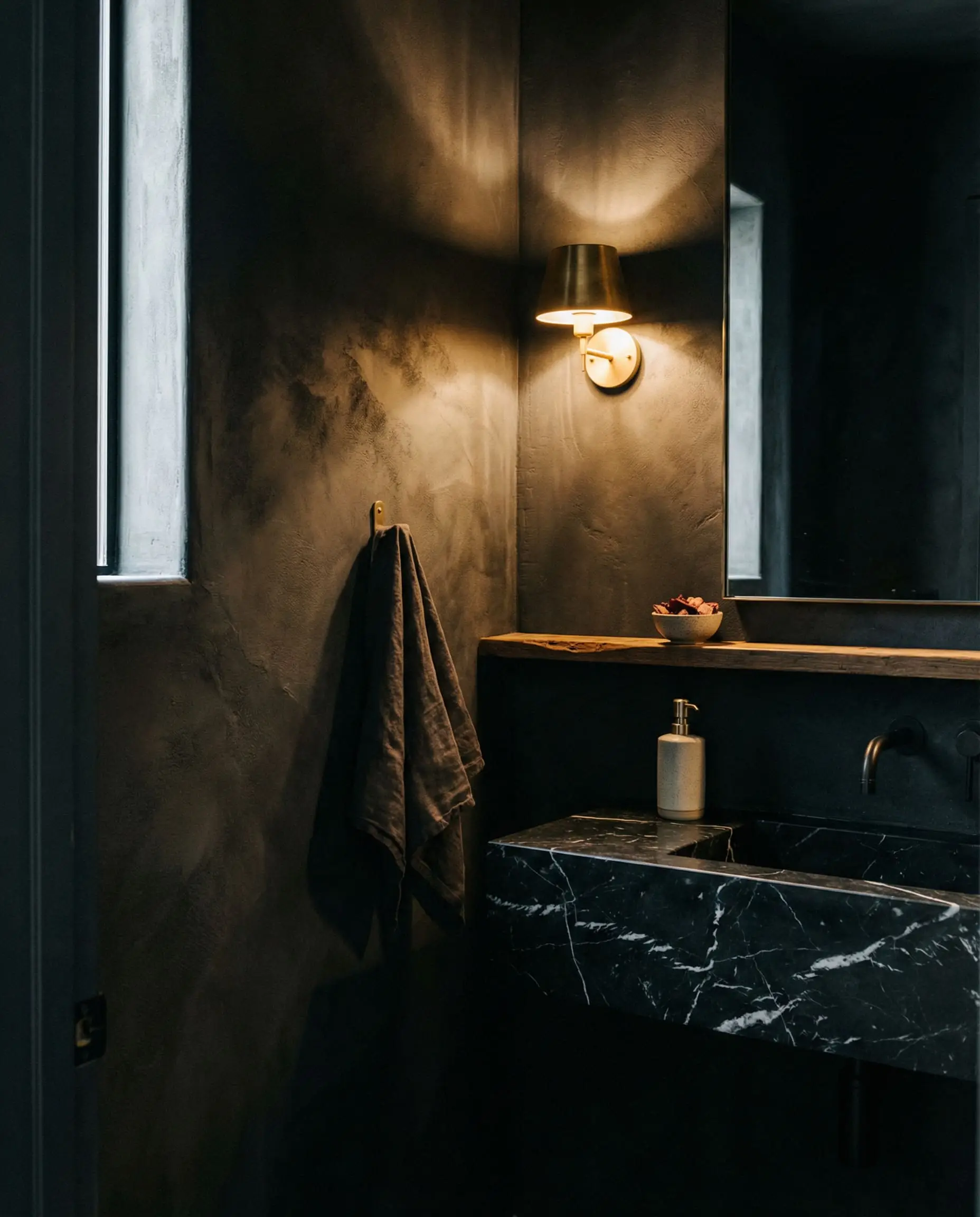
Dark Roman Clay shows the white dust of drywall and daily life very easily. Always seal dark clay walls with a dead-flat protective topcoat to deepen the color and make it gently wipeable.
💡 Hackrea Designer Tip
Muted Blush & Dusty Rose
Muted blush is rapidly becoming the “new neutral” in the interior design world. These soft, romantic hues add an incredible amount of warmth and heartbeat to a space without overpowering the senses or feeling overly juvenile.
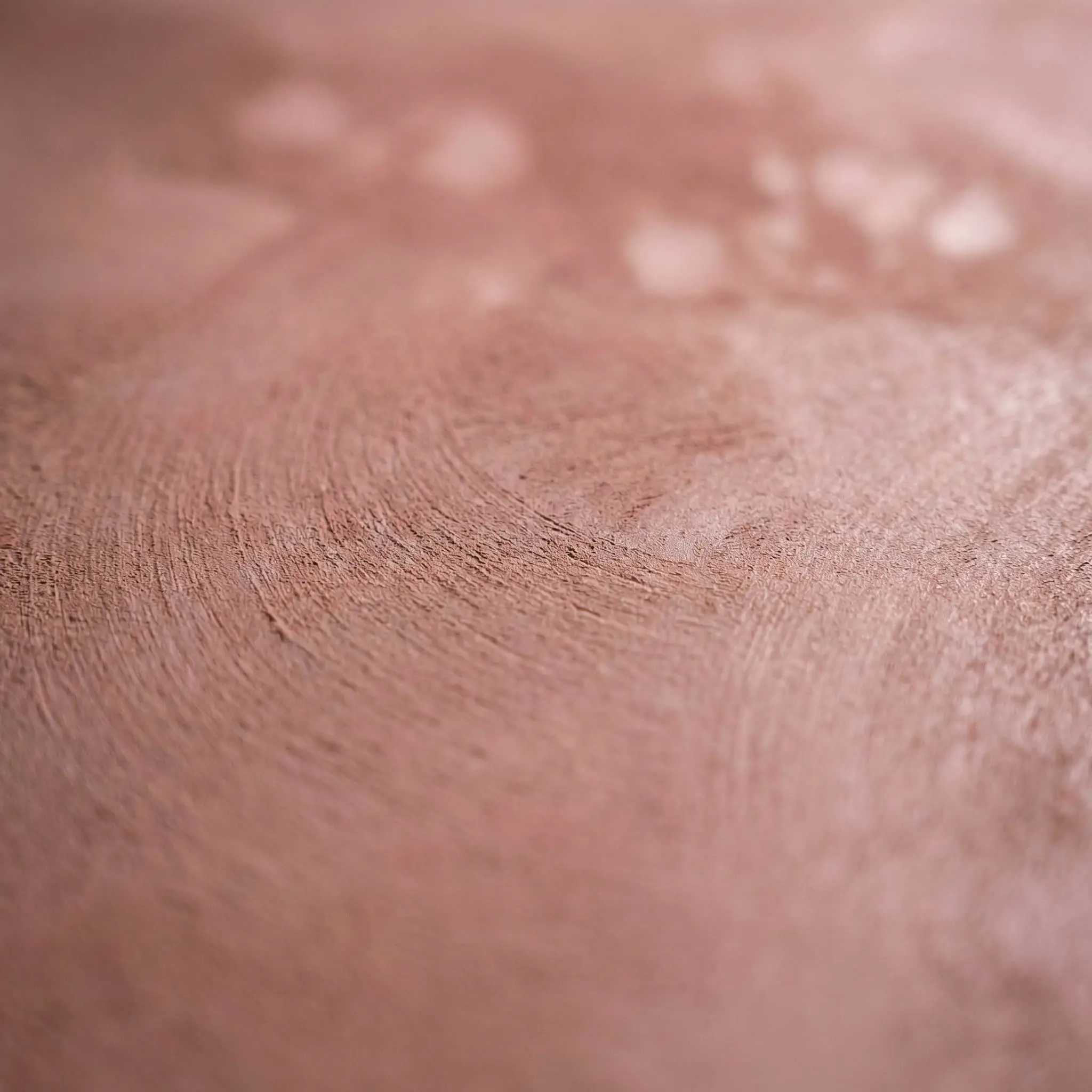
Dusty rose Roman Clay is highly requested in high-end retail boutiques, guest bathrooms, and welcoming entryways. It pairs beautifully with the ethos of Wabi-Sabi decor, as the pinkish-brown undertones mimic raw, unbaked earth.
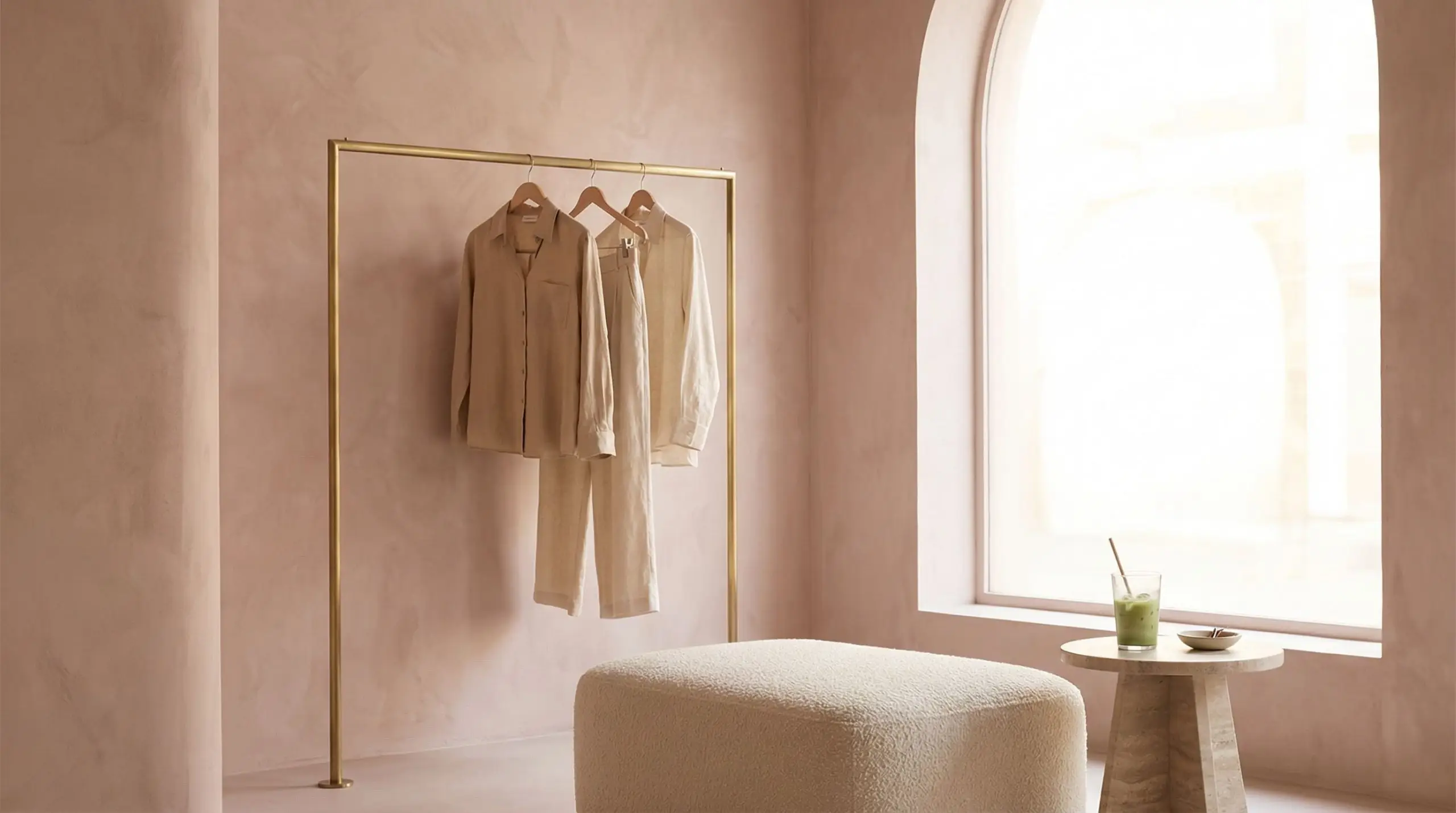
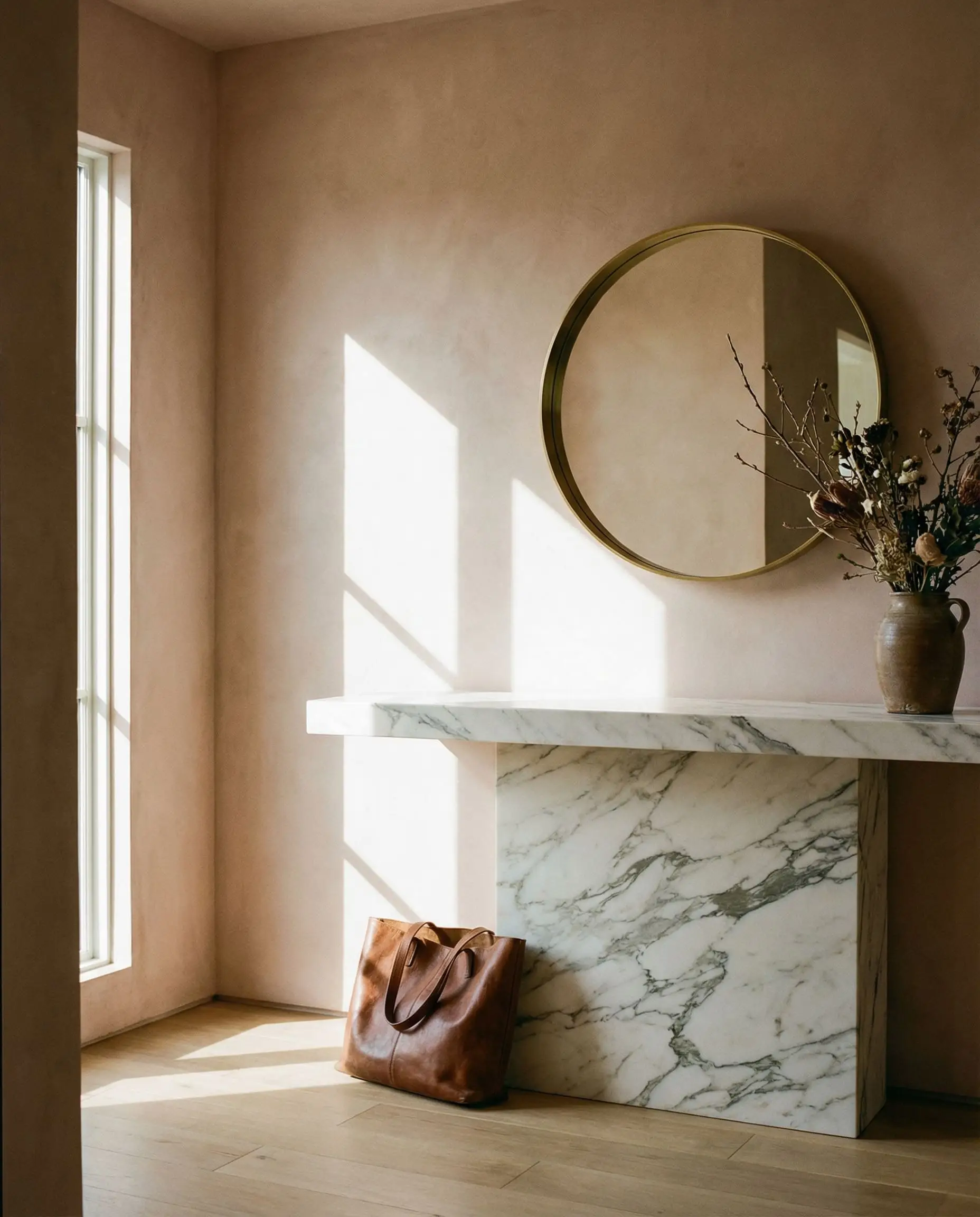
The Rule: Pair muted blush walls with unlacquered brass hardware and heavily veined marble. The cool, rigid nature of the stone and metal perfectly offsets the soft, fleshy tones of the clay.
Top Brands to Shop for Limewash & Roman Clay
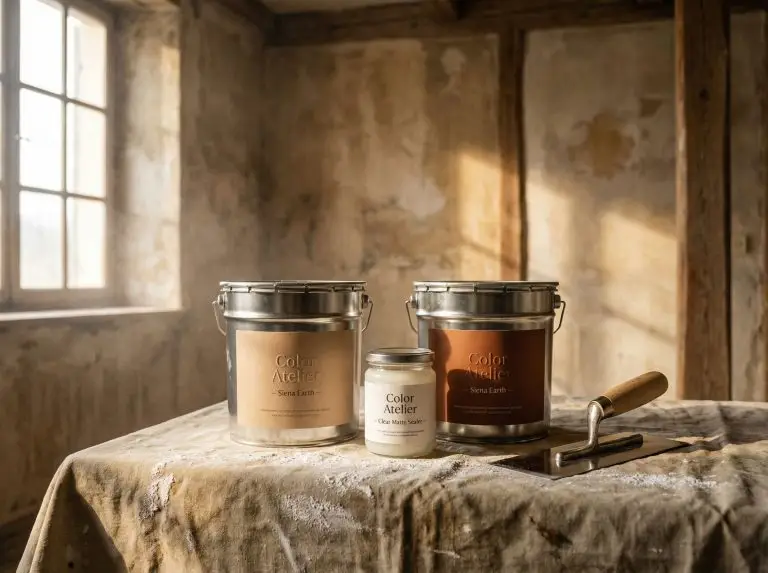
Not all mineral paints are created equal. To achieve that magazine-quality finish, you need to invest in brands that use authentic, high-quality pigments and traditional formulations. Here are the absolute best in the business.
Application Tips: DIY or Hire a Pro?
Applying these finishes is an art form, and it requires a completely different physical approach than rolling on standard latex paint. A collaborating interior designer recently told us, “The biggest mistake homeowners make is treating limewash like a weekend DIY painting project; it is a specialized architectural finish.”
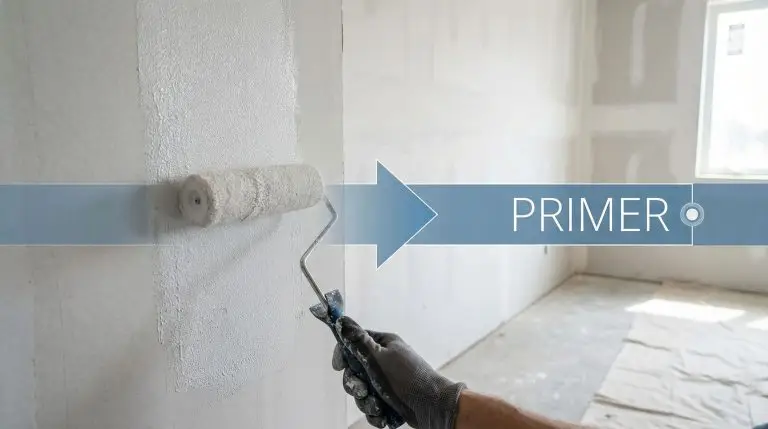
The most critical step in the entire process is the preparation. You absolutely cannot skip the mineral primer. Standard drywall primer will not work; you need a specialized, grit-based mineral primer to give the clay or wash something to physically bite into.
When it comes to the physical toll, Roman Clay requires significant shoulder and wrist strength to continuously scrape the putty knife across the wall. Limewash is less strenuous but requires a strict, continuous “X” or “crow’s foot” brush stroke to avoid harsh, straight lines.
Do’s and Don’ts of Mineral Finishes
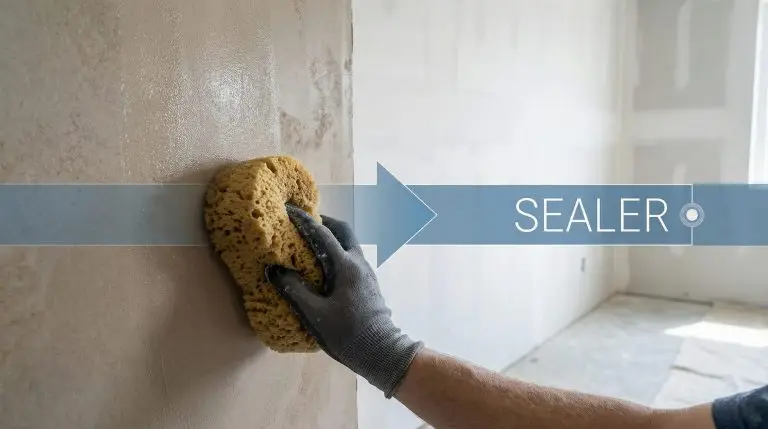
If you are applying Roman Clay in a bathroom or kitchen, a matte sealer is non-negotiable. Without it, a single splash of water or oil will permanently stain the porous clay surface.
💡 Hackrea Pro Tip
Cost Breakdown: How Much Does It Really Cost?
Budgeting for textured walls requires a reality check. While the raw materials are relatively accessible, the specialty primers, specific tools, and intensive labor quickly add up.
If you are tackling this as a DIY project, expect to spend roughly $100 to $150 per gallon for premium limewash or clay, plus the cost of the mandatory mineral primer. You also need to factor in specialty tools, like a $30 masonry block brush or a $40 Japanese trowel.
If you choose to hire a professional, be prepared for sticker shock. Specialty painters charge 2x to 3x more than standard painters because the application is entirely done by hand and cannot be rushed with a roller or sprayer.
| Expense Category | DIY Cost Estimate | Professional Labor Cost |
|---|---|---|
| Material (Paint + Primer) | $1.50 – $3.00 per sq. ft. | Included in pro quote |
| Specialty Tools | $50 – $100 total | N/A |
| Labor & Application | Sweat Equity (Free) | $8 to $15 per sq. ft. |
| Total Estimated Cost | $2.00 – $4.00 per sq. ft. | $10.00 – $18.00 per sq. ft. |
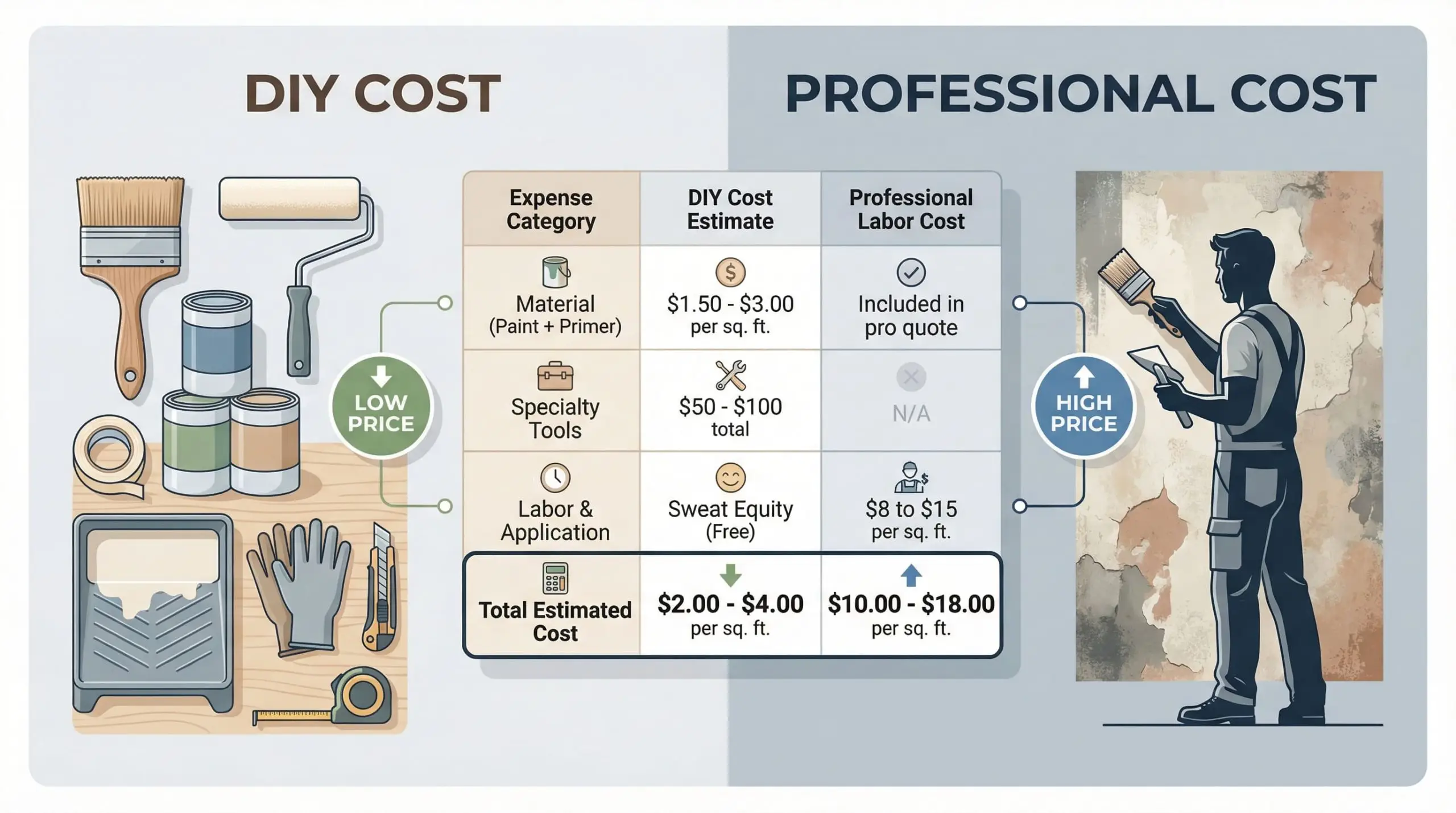
Key Takeaway: If you have the patience and arm strength, limewashing a single bedroom is a highly rewarding DIY. However, for whole-home applications or complex Roman Clay fireplace surrounds, hiring a specialized artisan is worth every penny.
Frequently Asked Questions (FAQ)
A: No. Both finishes require a perfectly flat surface to look their best. If you have orange peel, knockdown, or heavily textured walls, you must hire a drywaller to skim-coat the walls smooth and apply a fresh coat of PVA primer before starting the mineral primer process.
A: In its raw state, Roman Clay is highly porous and will absorb moisture instantly. It is only water-resistant if it is properly sealed with a specialized, dead-flat protective topcoat. Even then, it should never be used inside a shower enclosure.
A: Touching up limewash is notoriously difficult. Because the color variations are created by continuous brushstrokes and the calcifying process, a small patch will almost always stand out as a harsh water mark. Usually, fixing a scuff requires repainting the entire wall from corner to corner.
Final Thoughts
While mineral paints and clays undoubtedly require more effort, patience, and investment than standard latex paint, the architectural depth they provide is completely unmatched. They breathe life into sterile rooms, bounce light in mesmerizing ways, and bring a grounded, earthy luxury to your home that you will appreciate every single day.
Are you team chalky Limewash or team smooth Roman Clay? Let us know which finish you are planning to tackle in the comments below, and be sure to subscribe to the Hackrea newsletter for more weekly deep-dives into the design trends shaping 2026!

The Aesthetics Desk curates the visual direction for Hackrea. Specializing in design history, global architectural movements, and interior styling, this desk focuses on the psychology of space and how to translate high-end, magazine-quality aesthetics into approachable residential design without falling into fleeting micro-trends.