When sustainability is discussed, the focus usually lands on materials, emissions, and certifications. These are important, but they tell only part of the story. There is another factor—rarely measured, rarely marketed, yet deeply influential – that determines whether an object truly deserves to be called sustainable. That factor is emotional value.
Furniture that remains in a home for decades does more for the environment than any short-lived “eco” alternative. The reason is simple: what people love, they keep. What they keep, they don’t replace. And what isn’t replaced never becomes waste.
From Object to Heirloom
Some pieces of furniture quietly cross a line. They stop being objects and become part of a family’s story. A dining table where birthdays were celebrated, difficult conversations unfolded, and everyday meals connected generations slowly transforms into something irreplaceable. This is often how heirlooms are born – not through intention, but through lived experience.
Pieces such as custom wood dining tables often enter homes as functional items, but over time they accumulate meaning. Scratches mark milestones. Wear becomes memory. Once that transformation happens, disposal is no longer an option. The table is no longer furniture—it is history.
Emotional Durability vs. Physical Durability
Physical durability is easy to measure. Thickness of wood, strength of joints, resistance to wear. Emotional durability is less visible, but often more powerful. It answers a different question: Does this object still matter to me?
An emotionally durable piece doesn’t need to be trendy. In fact, trend resistance is one of its strengths. When furniture is chosen for character rather than fashion, it remains relevant long after styles change. This relevance keeps it in use, and longevity is where sustainability truly takes root.
Why We Replace Furniture Too Quickly
Most furniture isn’t replaced because it fails structurally. It’s replaced because it feels disposable. Flat-pack constructions, generic designs, and lightweight materials signal that an item is temporary – even when it technically still works.
This disposability mindset creates a loop:
- buy
- use briefly
- lose attachment
- replace
Each loop adds environmental cost, regardless of how “green” the original purchase claimed to be. Emotional detachment accelerates waste far more efficiently than broken legs or cracked surfaces ever could.
Heirloom Furniture Slows Consumption Naturally
Sustainability efforts often try to convince people to consume less. Heirloom furniture doesn’t require persuasion. It makes reduced consumption the default.
When a table holds emotional significance:
- replacement feels unnecessary
- repair feels worthwhile
- care becomes habitual
These behaviors dramatically extend lifespan without requiring conscious environmental effort. Sustainability becomes a byproduct of attachment, not a forced choice.
Memory Is the Most Renewable Resource
Materials degrade. Certifications expire. Styles shift. Memory, however, compounds.
Every year a piece remains in use, it becomes more valuable emotionally – even as its environmental footprint stays fixed. This creates a rare sustainability dynamic: value increases while impact stays the same.
From an ecological perspective, this is ideal. The most sustainable object is the one whose worth grows without demanding new resources.
Repair as an Act of Respect
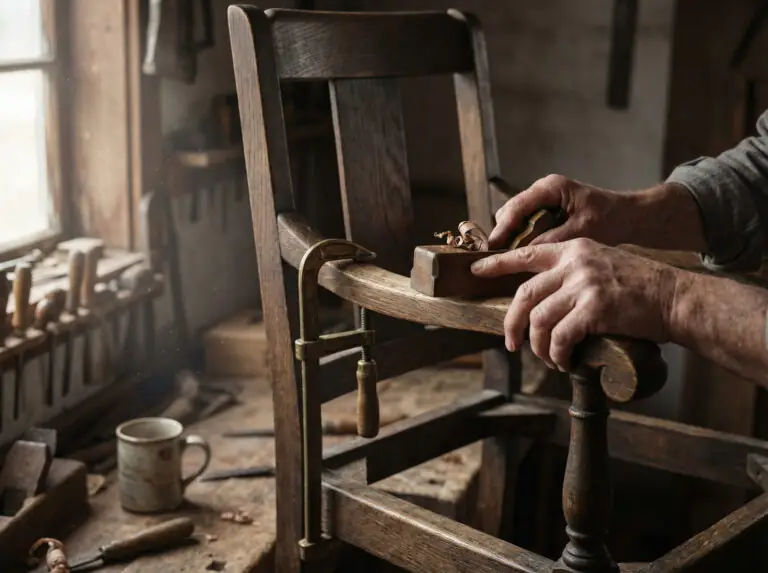
Emotionally valued furniture invites repair rather than replacement. A loose joint is fixed. A surface is refinished. Damage becomes part of the story instead of a reason to discard.
This mindset contrasts sharply with disposable furniture, which is often impossible—or impractical—to repair. Once damaged, it loses both function and meaning. Heirloom pieces resist that fate by design and by perception.
Repair extends life. Life extension reduces waste. And waste reduction is sustainability at its core.
Emotional Value Resists Trends
Trends are one of the most overlooked drivers of environmental damage. Aesthetic obsolescence sends millions of usable items to landfills each year. Furniture designed to impress now often fails to belong later.
Heirloom-style pieces sit outside this cycle. Their relevance comes from personal history, not external validation. When trends fade, meaning remains. This insulation from fashion-driven disposal significantly reduces long-term consumption.
Passing Objects Forward Is Circular Economy in Practice
True circularity isn’t only about recycling materials – it’s about transferring value. Heirloom furniture embodies this idea perfectly.
When a table moves from one generation to the next, its environmental cost doesn’t reset. No new materials are extracted. No new manufacturing occurs. The same object continues its life, enriched by context rather than replaced by novelty.
This is circular economy without infrastructure, logistics, or systems—only care and continuity.
Why Sustainability Metrics Miss Emotional Value
Life-cycle analyses measure carbon, water, and energy. They rarely measure attachment, memory, or intention to keep. Yet these factors determine whether an object will outlive its projected lifespan or be discarded early.
An emotionally significant table can outperform a certified “green” alternative simply by staying in use three times longer. Longevity driven by attachment quietly outperforms optimization driven by metrics.
Choosing for Meaning Changes Consumption Behavior
When people select furniture with the idea that it might stay for decades, their decision-making shifts. They choose more carefully. They buy less frequently. They invest attention, not impulse.
This slower, more intentional approach reduces overconsumption at its source. Sustainability is no longer something added after purchase – it is embedded in the choice itself.
Conclusion: Sustainability Lives Where Stories Accumulate
Furniture becomes sustainable not only through what it’s made of, but through what it becomes. When an object earns emotional value, it exits the disposable economy and enters a different category entirely – one defined by care, repair, and continuity.
Heirloom furniture proves that sustainability isn’t always about innovation. Sometimes it’s about staying. Staying in the same place. Staying in the same family. Staying relevant not because it’s new, but because it matters.
In a world that replaces too quickly, emotional value may be one of the most powerful environmental tools we have – quiet, personal, and profoundly effective.
For readers interested in understanding the philosophy behind creating furniture meant to last beyond trends and generations, you can explore more details.