Modern Family Room Decorating Ideas: The Ultimate 2026 Design Guide
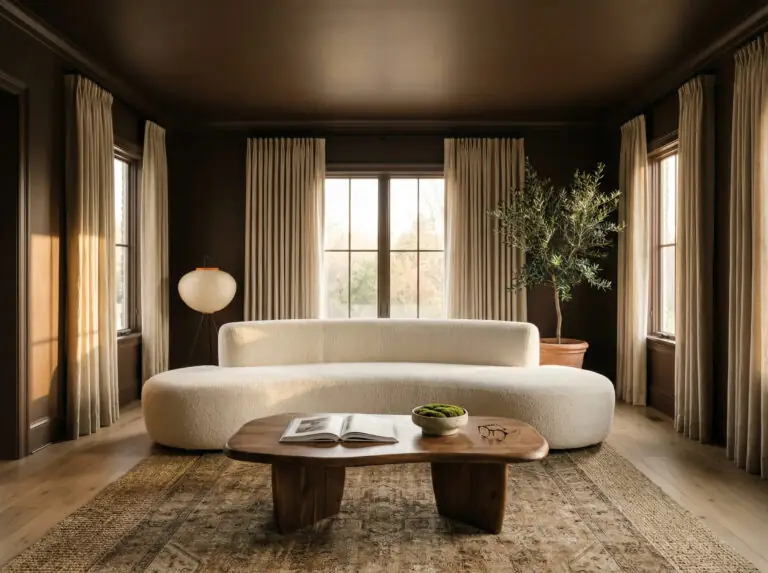
If the early 2020s were defined by pristine, white-on-white “showroom” aesthetics, 2026 is the year the family room finally reclaims its soul. We are witnessing a massive cultural shift away from sterile minimalism toward spaces that feel undeniably human—rooms designed to handle a spilled juice box, a chaotic board game night, and a sophisticated cocktail hour with equal grace.
The modern family room in 2026 is no longer just a casual, neglected step-sibling of the formal living room. It is the “un-showroom.” It is a dedicated sanctuary for connection, defined by warm “coffee” tones, soft curves that encourage psychological flow, and a rebellious move against the domination of screens.
Whether you are planning a gut-renovation or a weekend refresh, this comprehensive guide covers the essential colors, layouts, materials, and sensory details defining the family room of the future.
2026 Trend Report: At a Glance
(Key Takeaways for the Quick Scroller)
Part I: The 2026 Color Palette (It’s All About Brown)
For nearly a decade, gray reigned supreme. It was safe, it was clean, and frankly, it was a little bit cold. In 2026, we are officially entering the era of brown. But fear not—this isn’t the heavy, drab brown of the 1970s shag carpet era. The new palette is rich, appetizing, and grounded in nature.
The “Coffee & Caramel” Spectrum
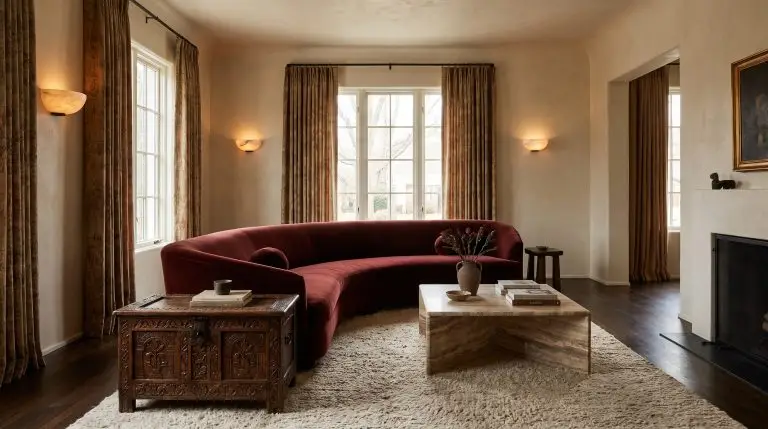
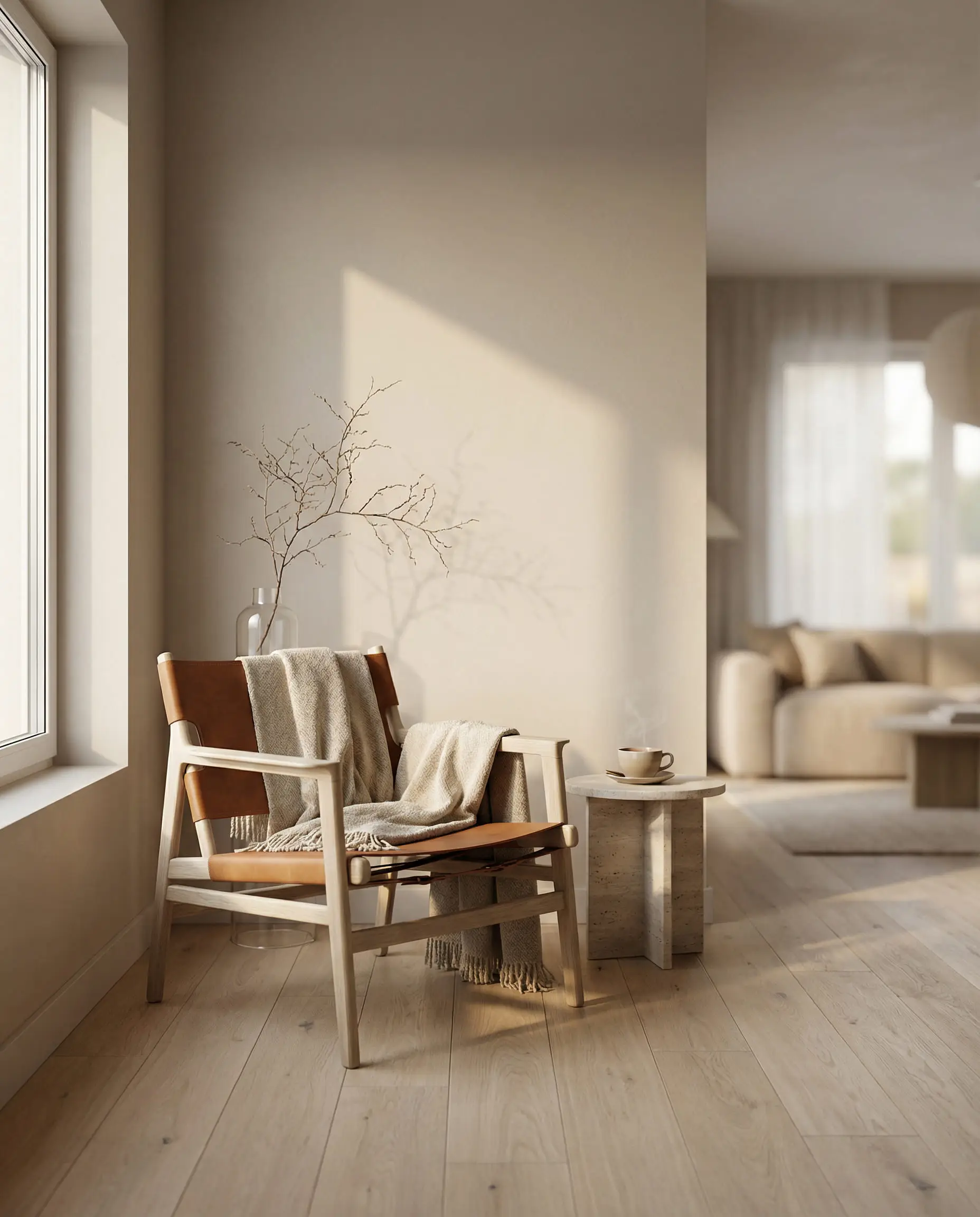
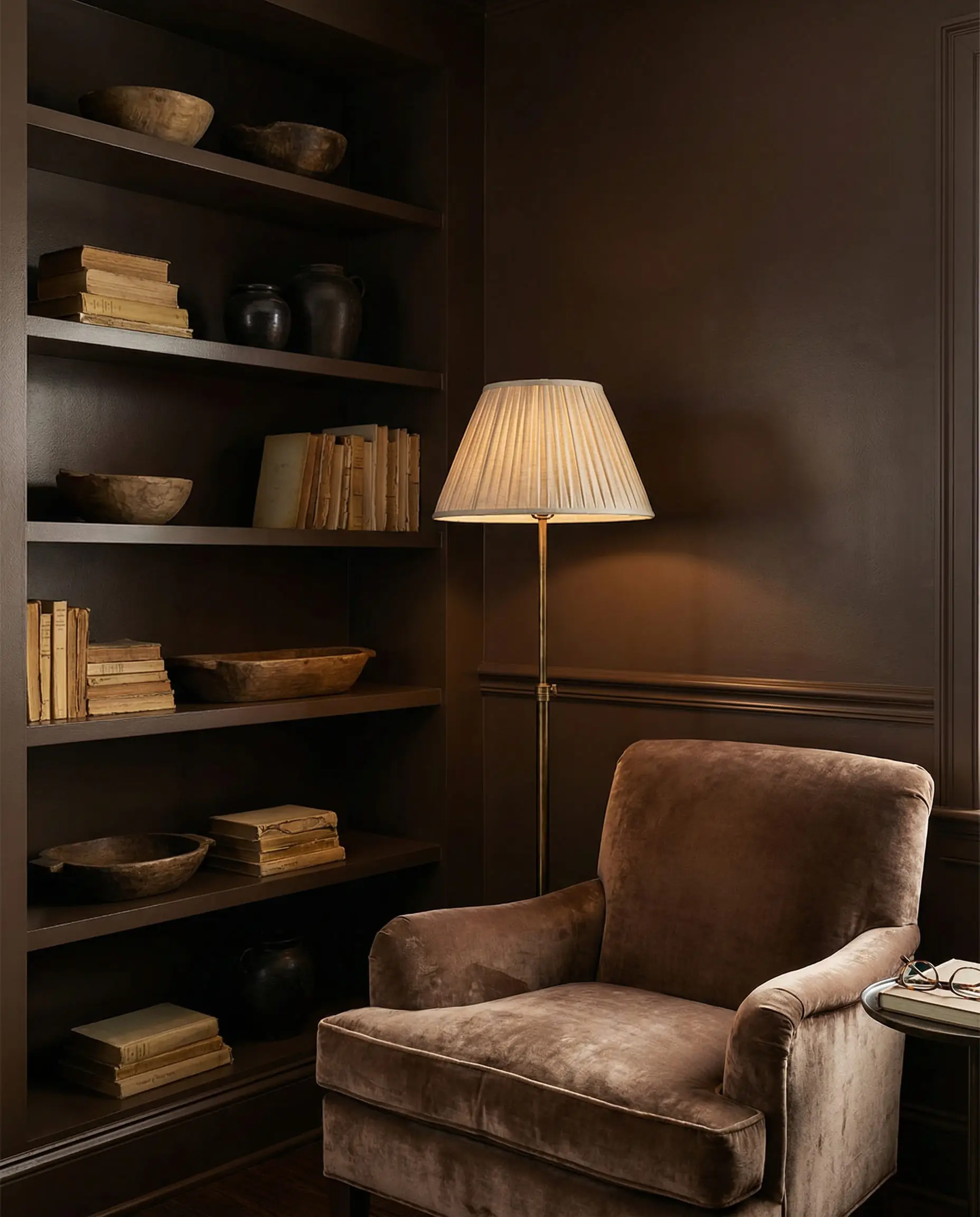
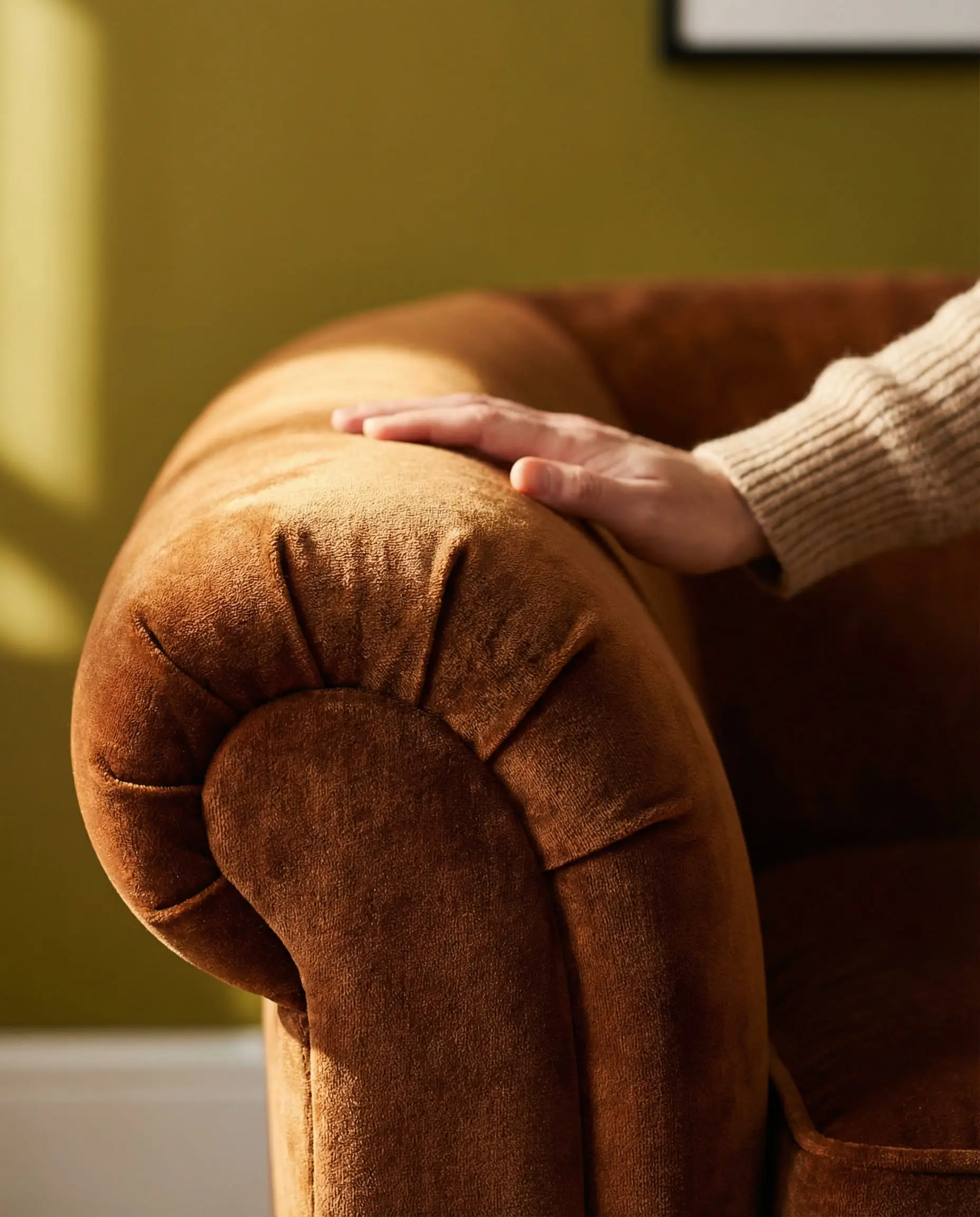
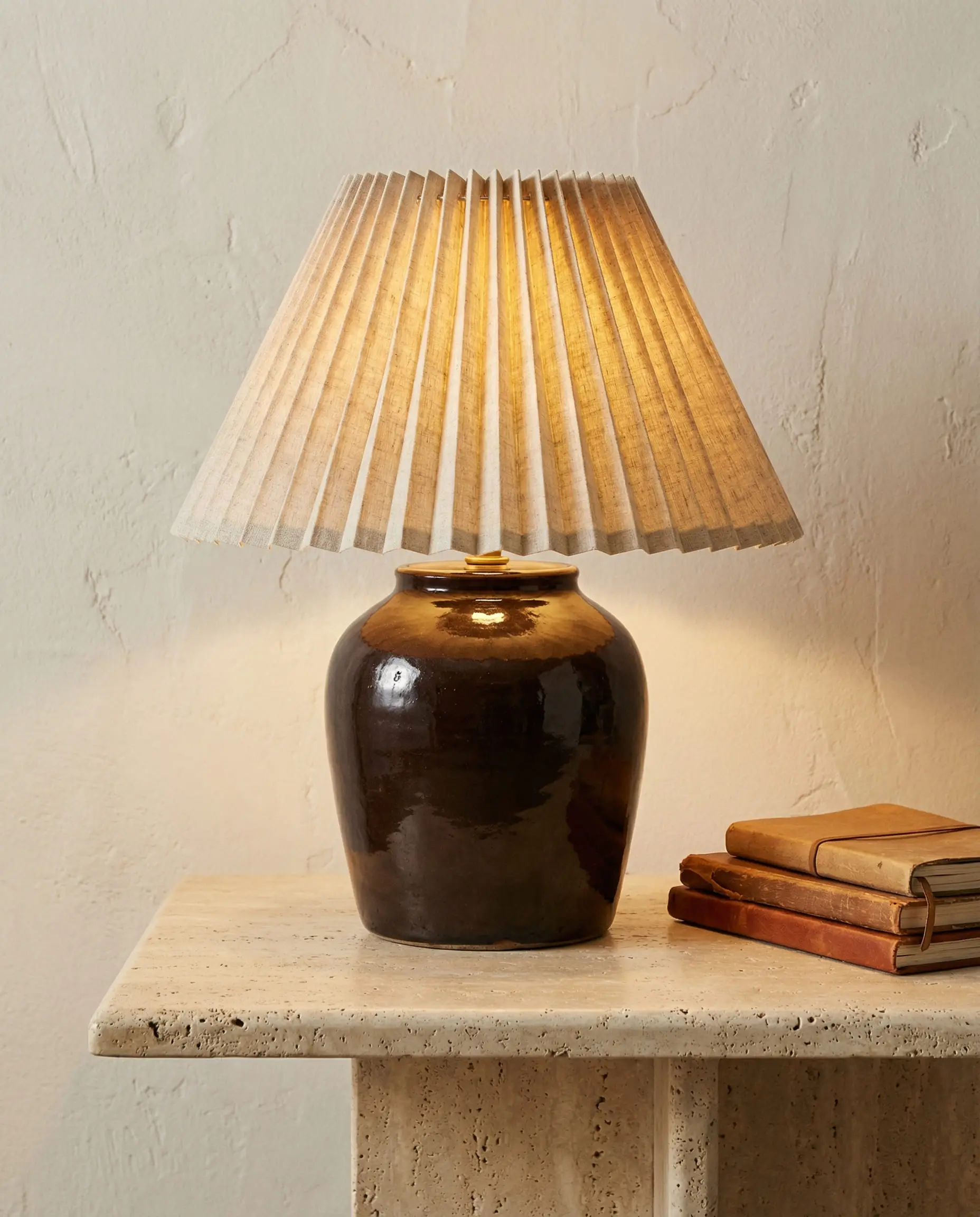
Think of your favorite coffee shop order. The trending shades for family room walls and upholstery include Latte Beige, Deep Mocha, Spiced Caramel, and Cocoa. These colors envelop the room like a warm hug, creating the cozy atmosphere that family rooms demand.
From a practical standpoint, these shades are far superior for families. Unlike stark white or light gray, a deep mocha sofa or a caramel-toned rug hides pet hair, small stains, and general wear and tear significantly better.
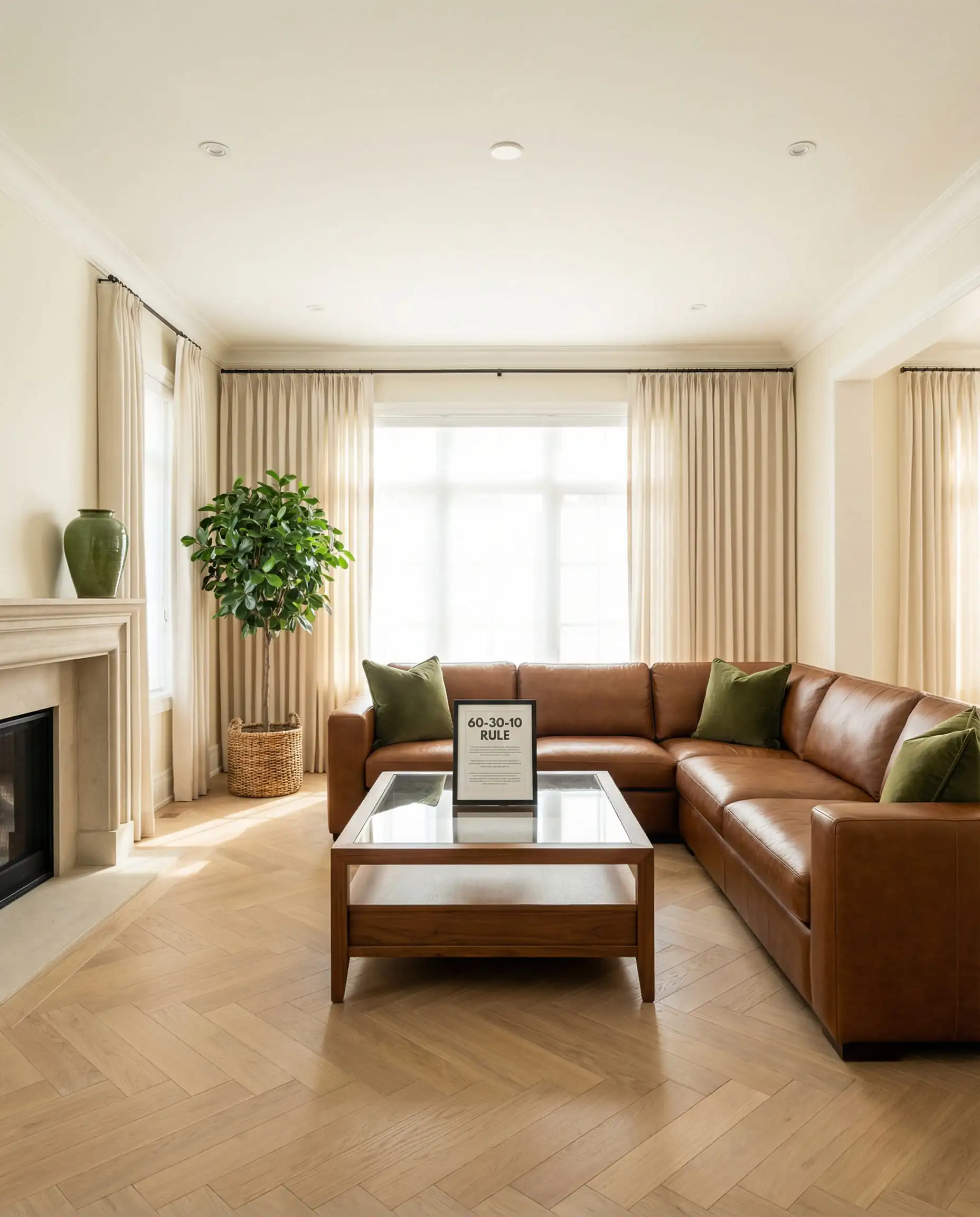
How to Apply Color: The 60-30-10 Rule
To avoid your room looking like a mud pit, use the classic design rule with a 2026 twist:
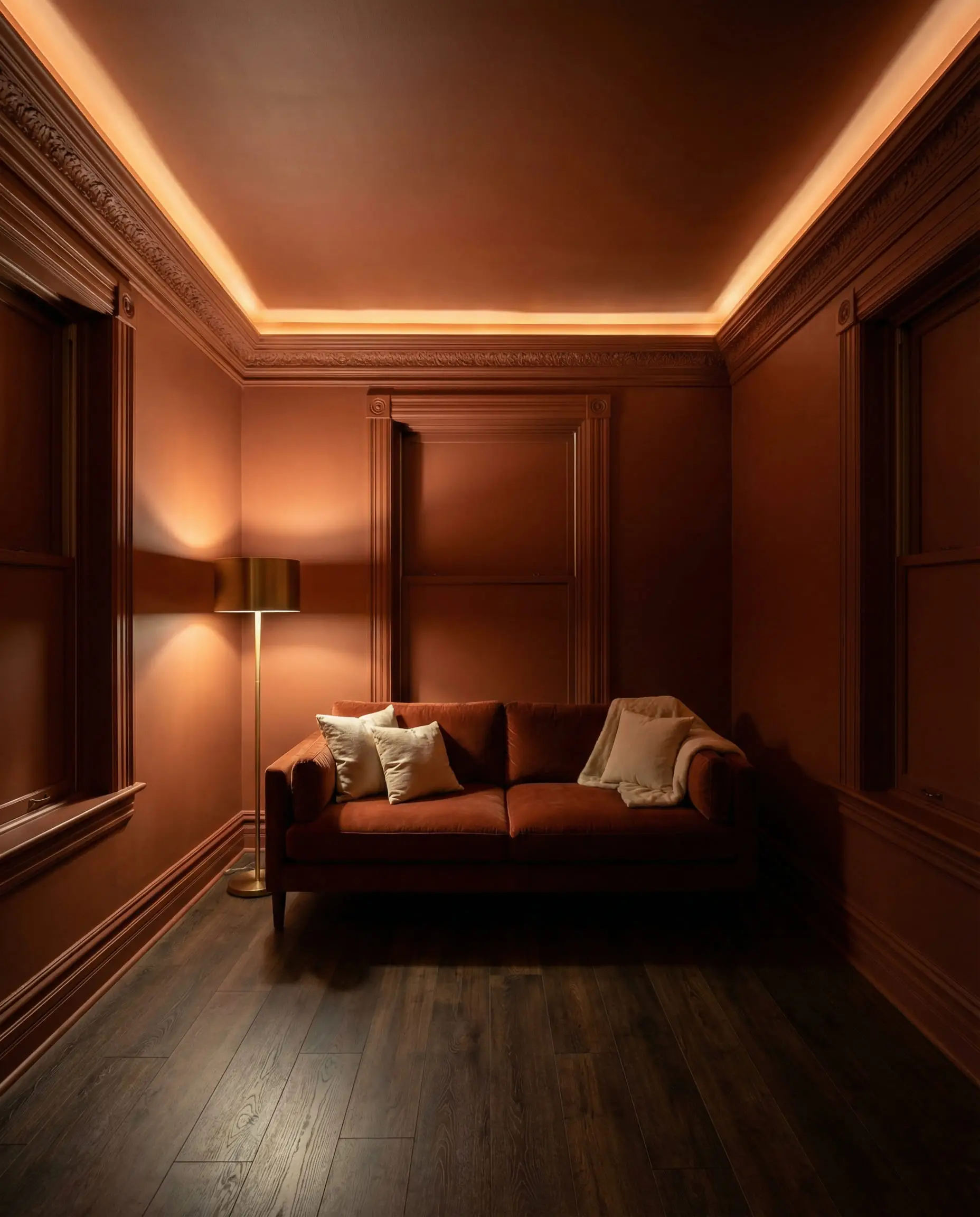
The “Color Drenching” Technique
A major trend for 2026 is “color drenching”—painting your baseboards, trim, crown molding, and even the ceiling the same color as the walls. This technique blurs the boundaries of the room. In smaller family rooms, this optical illusion makes the space feel larger and more cohesive because the eye doesn’t stop at contrasting white trim lines.
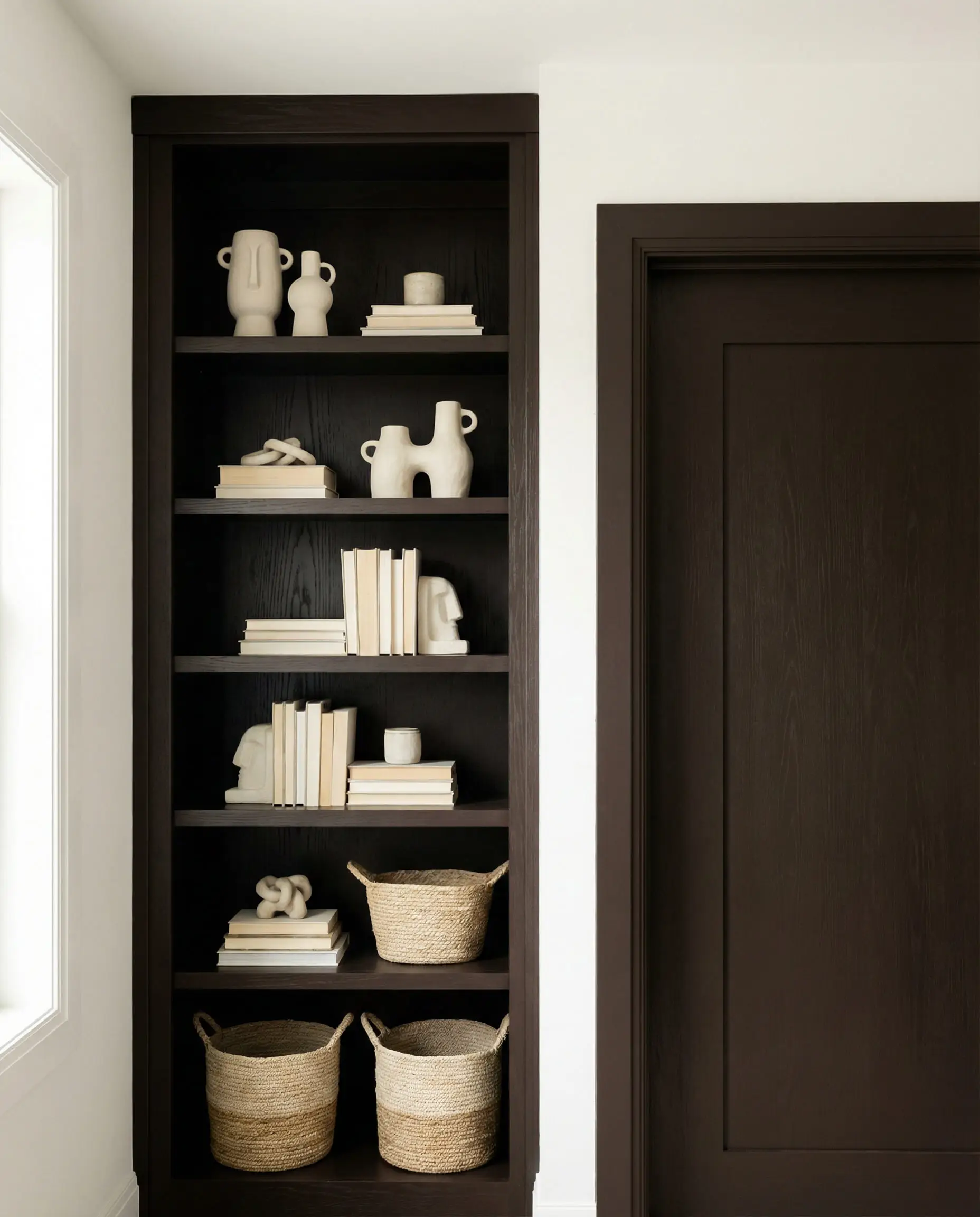
If painting the whole room brown feels too dark, try a “Micro-Drench.” Paint your interior doors and the trim surrounding them in a deep Espresso or Terracotta, leaving the walls light. This turns a functional element into a design feature.
Designer Tip 🎨
Read More: Interior Door Trends 2026
Part II: Biomorphic Furniture & Flow
In a room where kids run, dogs tail-wag, and guests mingle, sharp corners are the enemy. The “Biomorphic” design trend—using shapes inspired by nature—is huge for 2026 family rooms. It’s about fluidity.
The Rise of the Curved Sofa
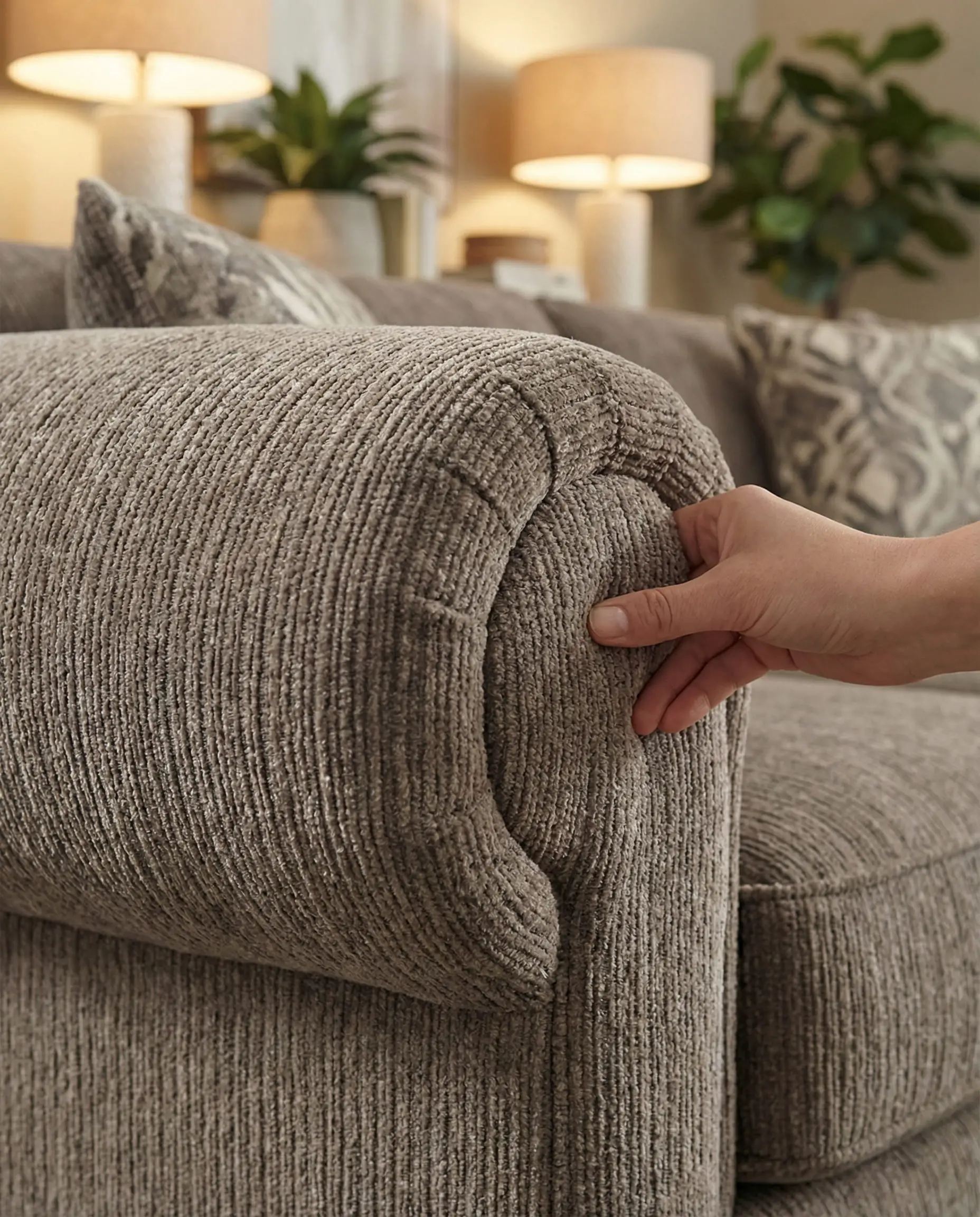
The sharp, rectangular sectional is being softened. 2026 sofas feature curved backs, kidney-bean shapes, and rounded arms. These curved sofas are not just aesthetic; they naturally encourage conversation by angling people toward each other rather than in a straight line.
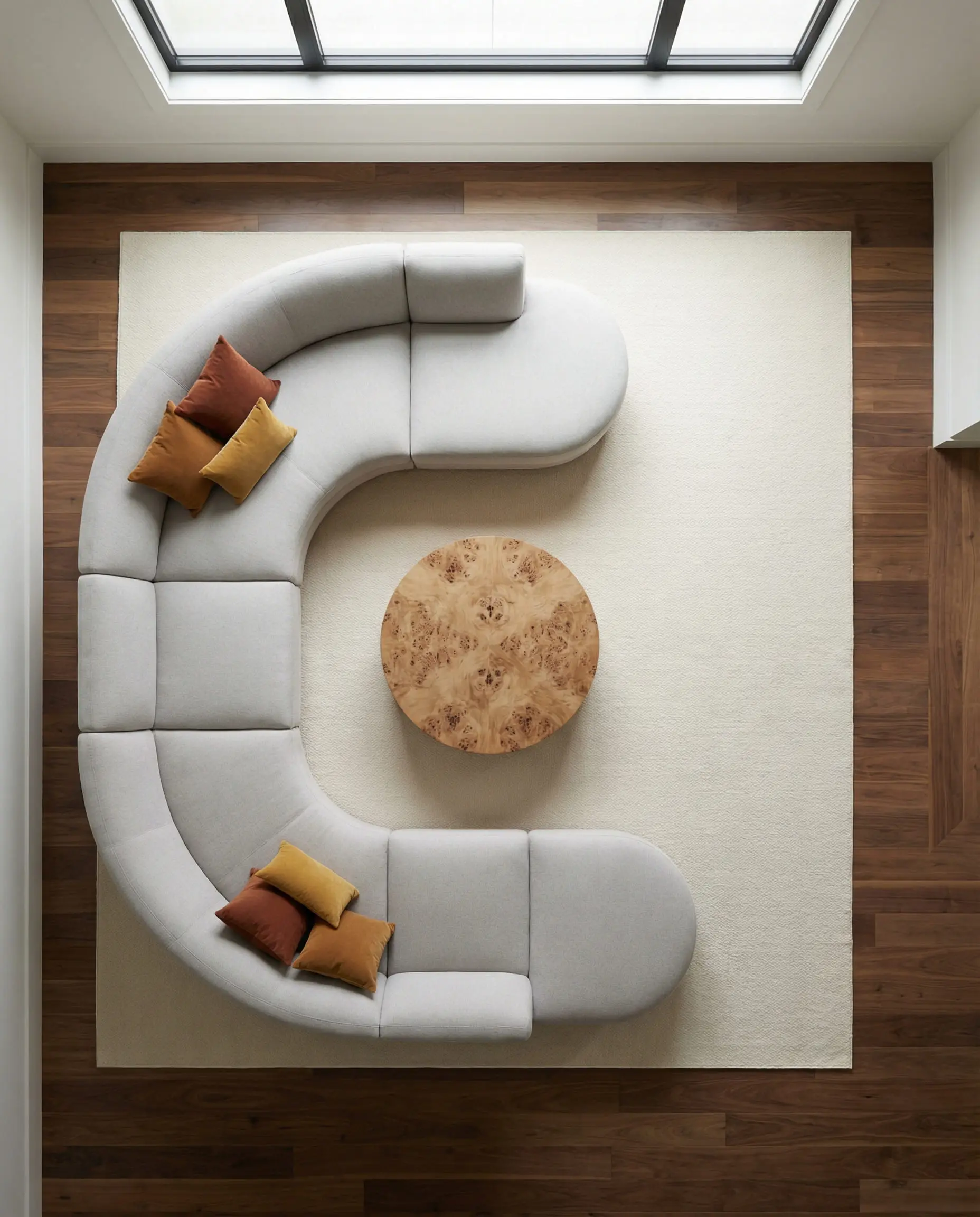
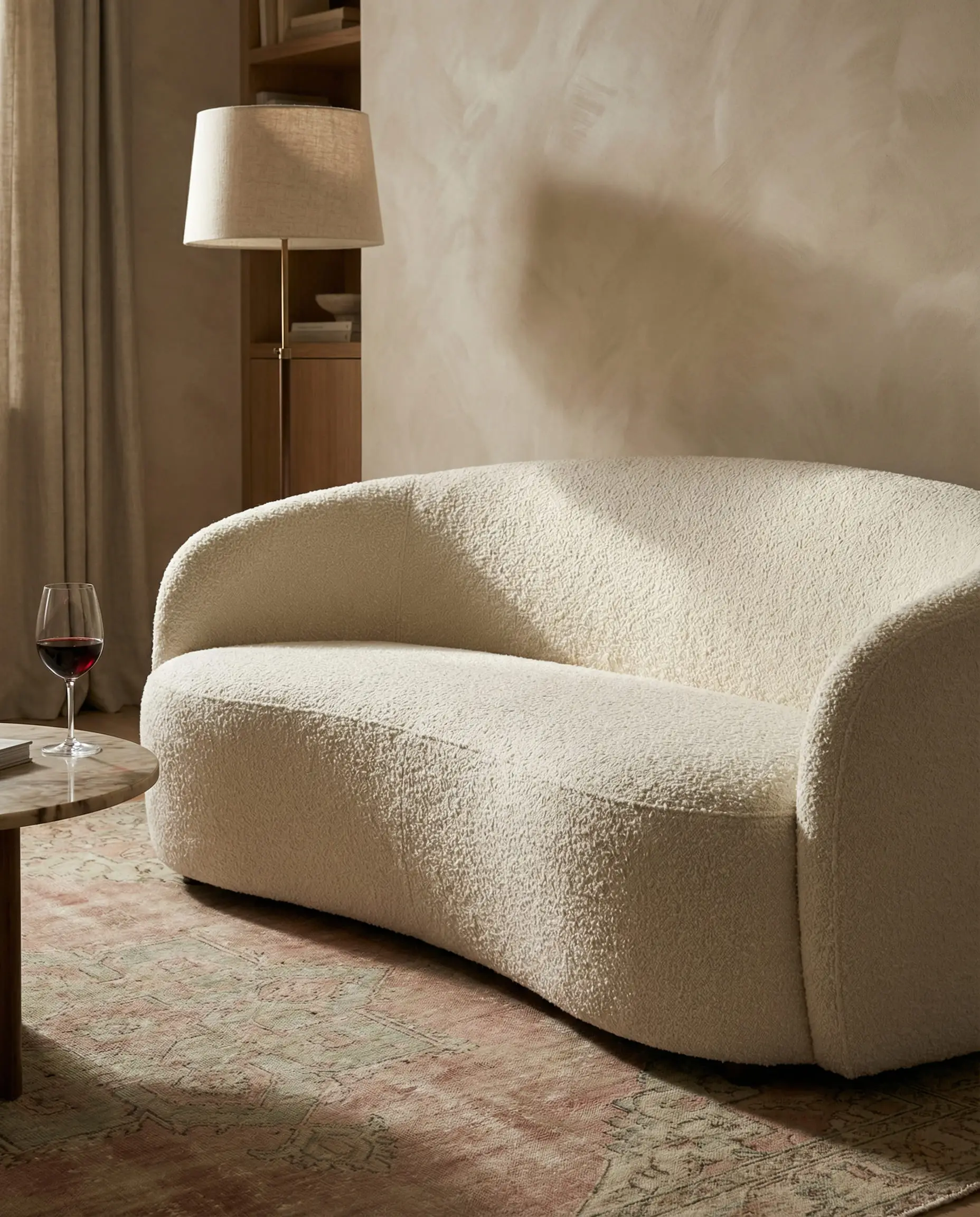
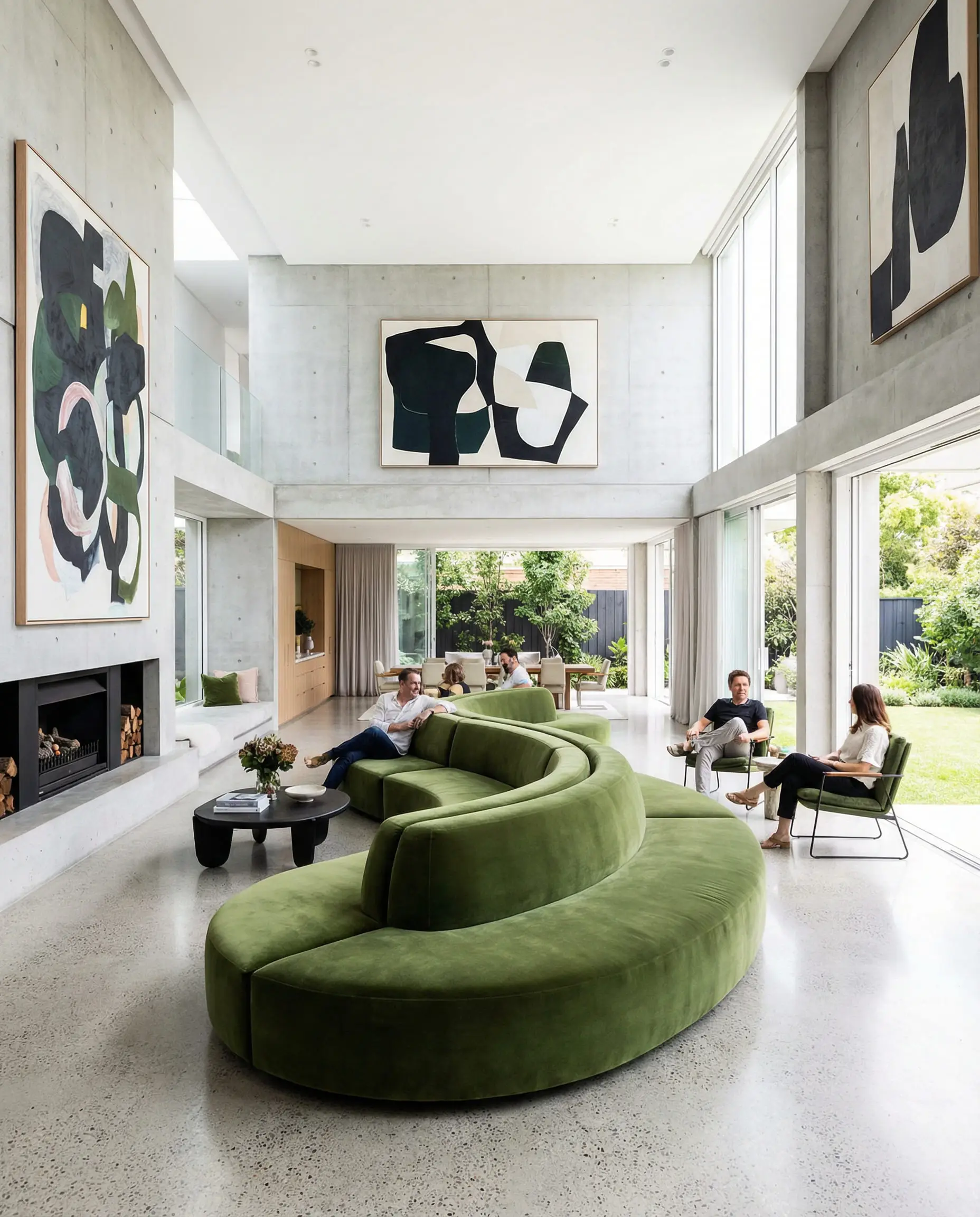
Curved furniture takes up more “visual space” than linear furniture. If you have a small room, ensure you have at least 30 inches of walking path around the curve of the sofa.
Pro-Tip on Sizing
Flexible Seating: Poufs and Ottomans
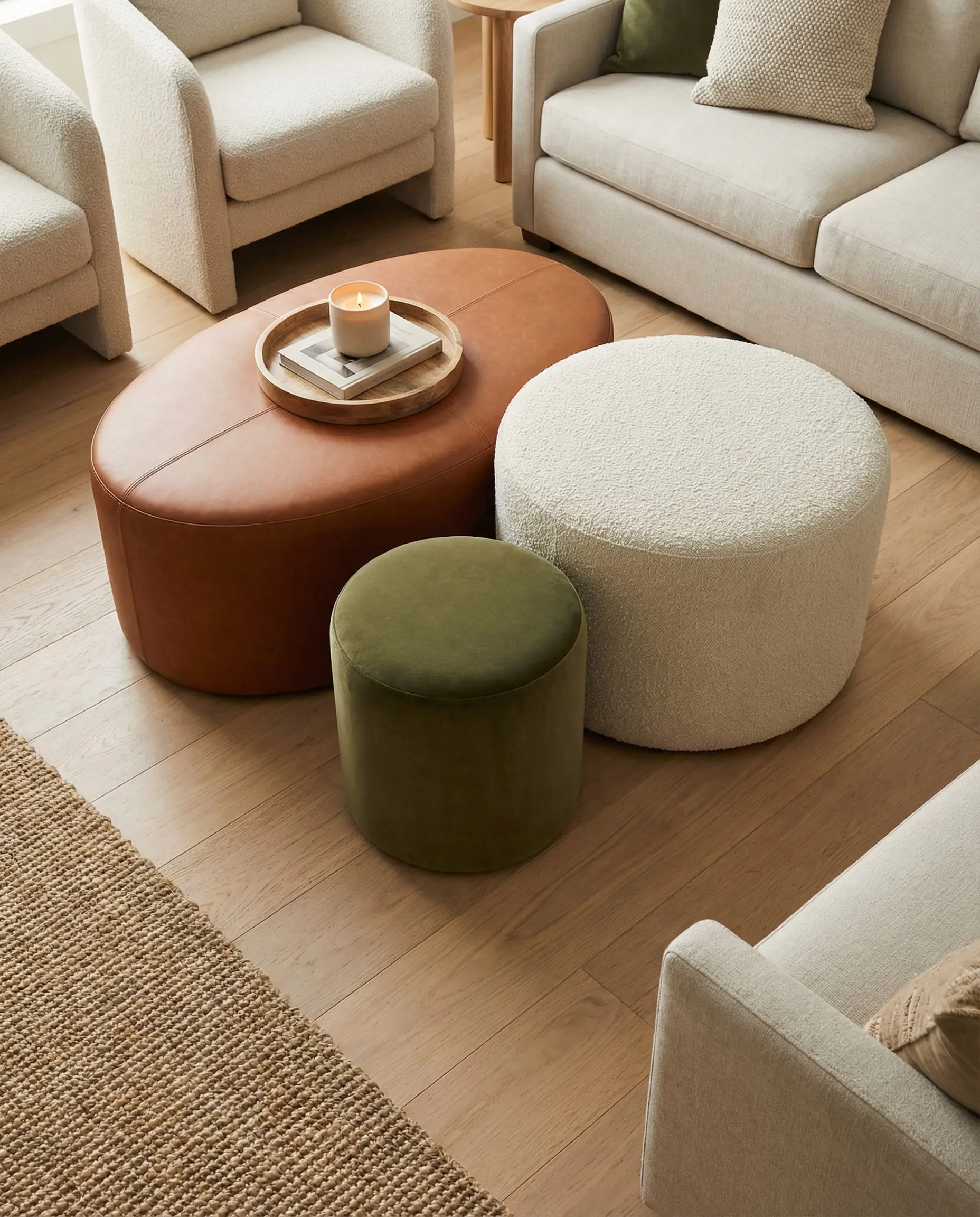
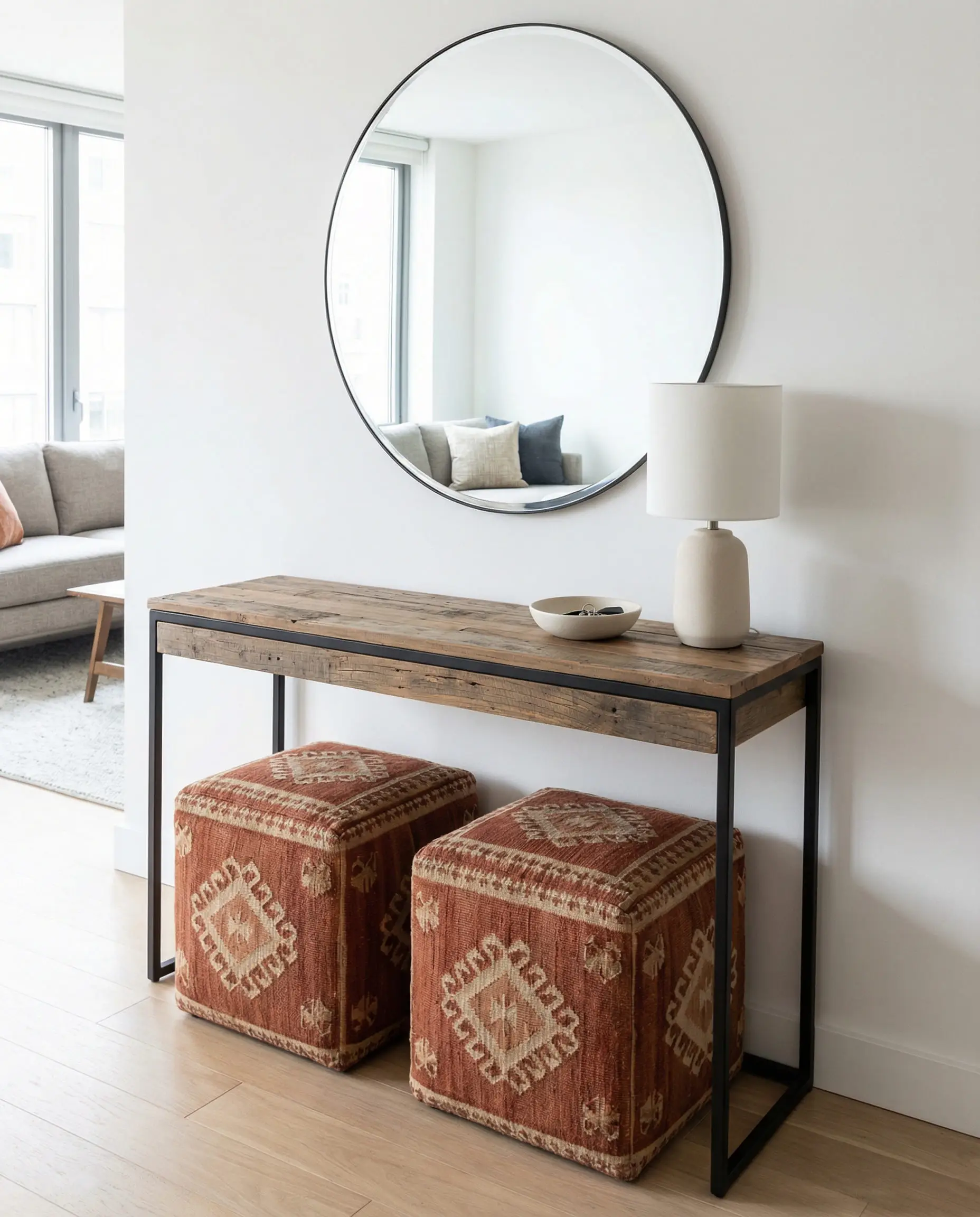
Because the family room is a multi-use zone, static furniture is less desirable. Enter the era of the “moveable feast.” Heavy coffee tables are being swapped for clusters of lighter ottomans or nesting tables that can be pulled apart for board games or pushed aside for a yoga session.
Read More: Modern Poufs and Ottomans Trends
Part III: The Foundation – Flooring and Rugs
You cannot build a cozy room on a cold foundation. In 2026, flooring trends are prioritizing warmth and acoustics, specifically to combat the noise levels of active families.
The Return of Darker Woods
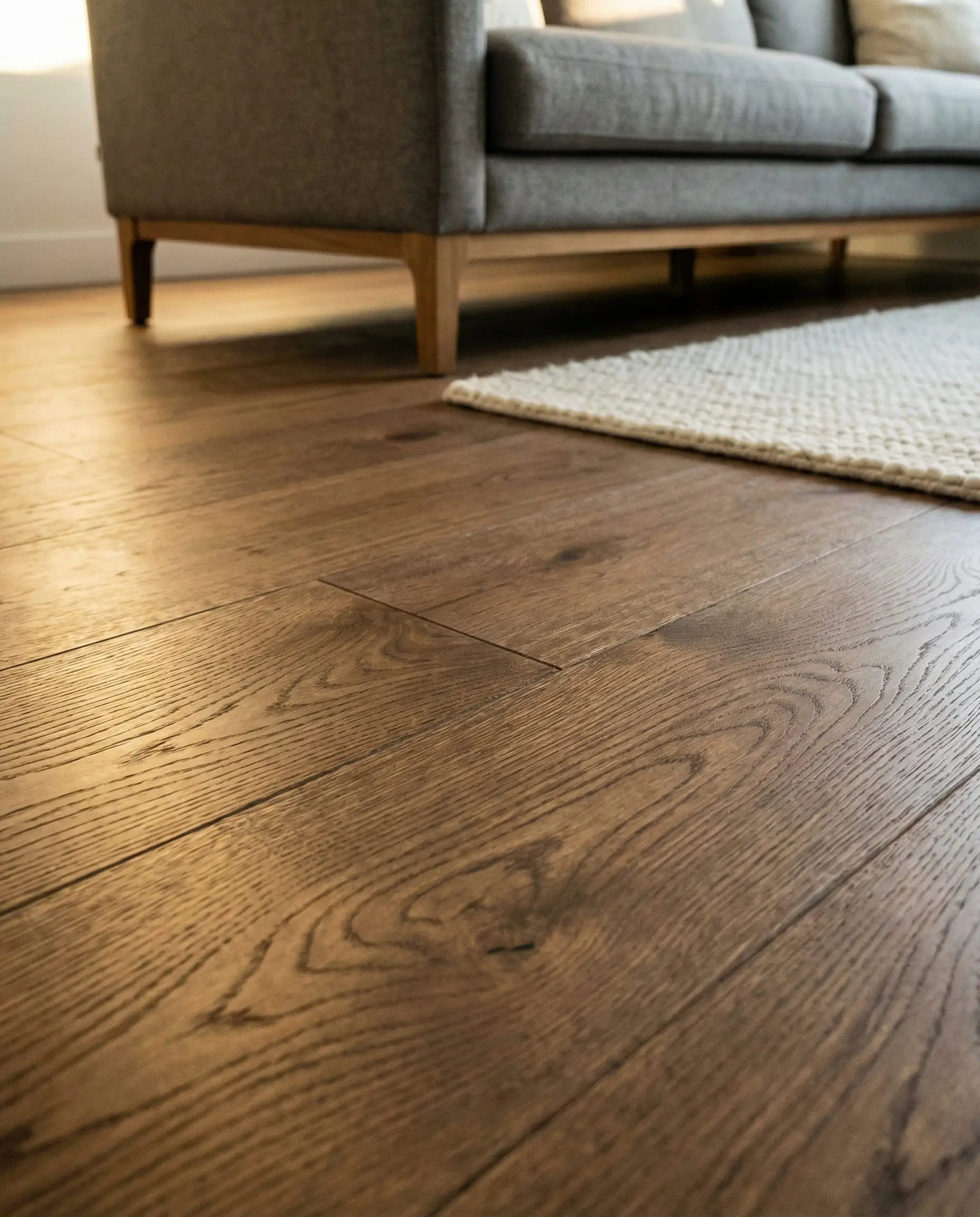
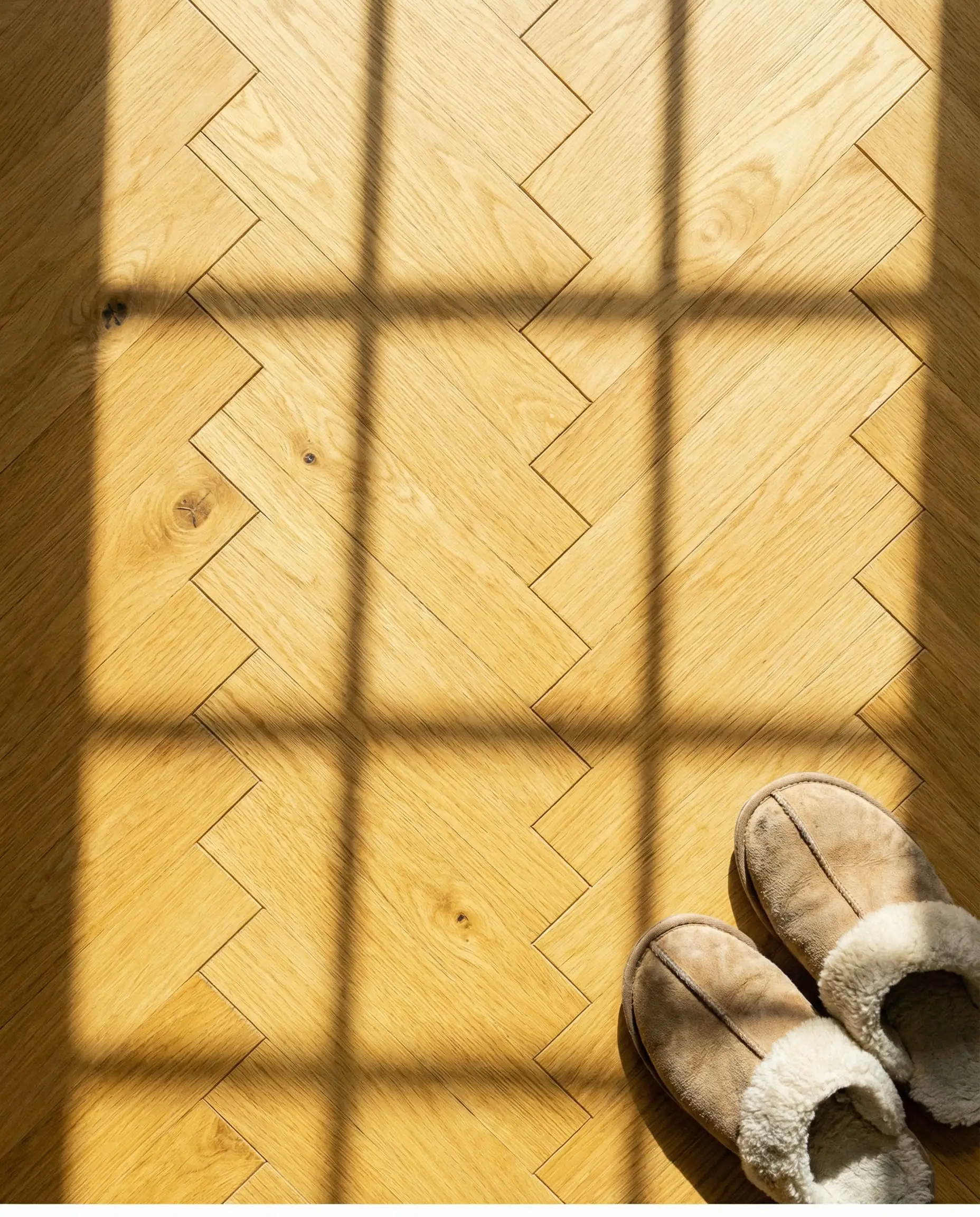
Just as walls are warming up, so are floors. The bleached, white-washed oak of the farmhouse era is giving way to Mid-Tone Walnut and Honey Oak. These tones ground the space and provide a better contrast to the lighter rugs popular this year.
Rug Layering is Essential
A single rug often feels flat. The 2026 look involves layering.
- The Base: A large, durable natural fiber rug (Jute or Sisal) that covers most of the floor.
- The Top Layer: A smaller, softer vintage-style or high-pile wool rug placed in the center (under the coffee table).
This adds instant texture and sound dampening. Plus, it’s a budget hack: you can buy a cheaper large jute rug and splurge on a smaller, high-quality decorative rug.
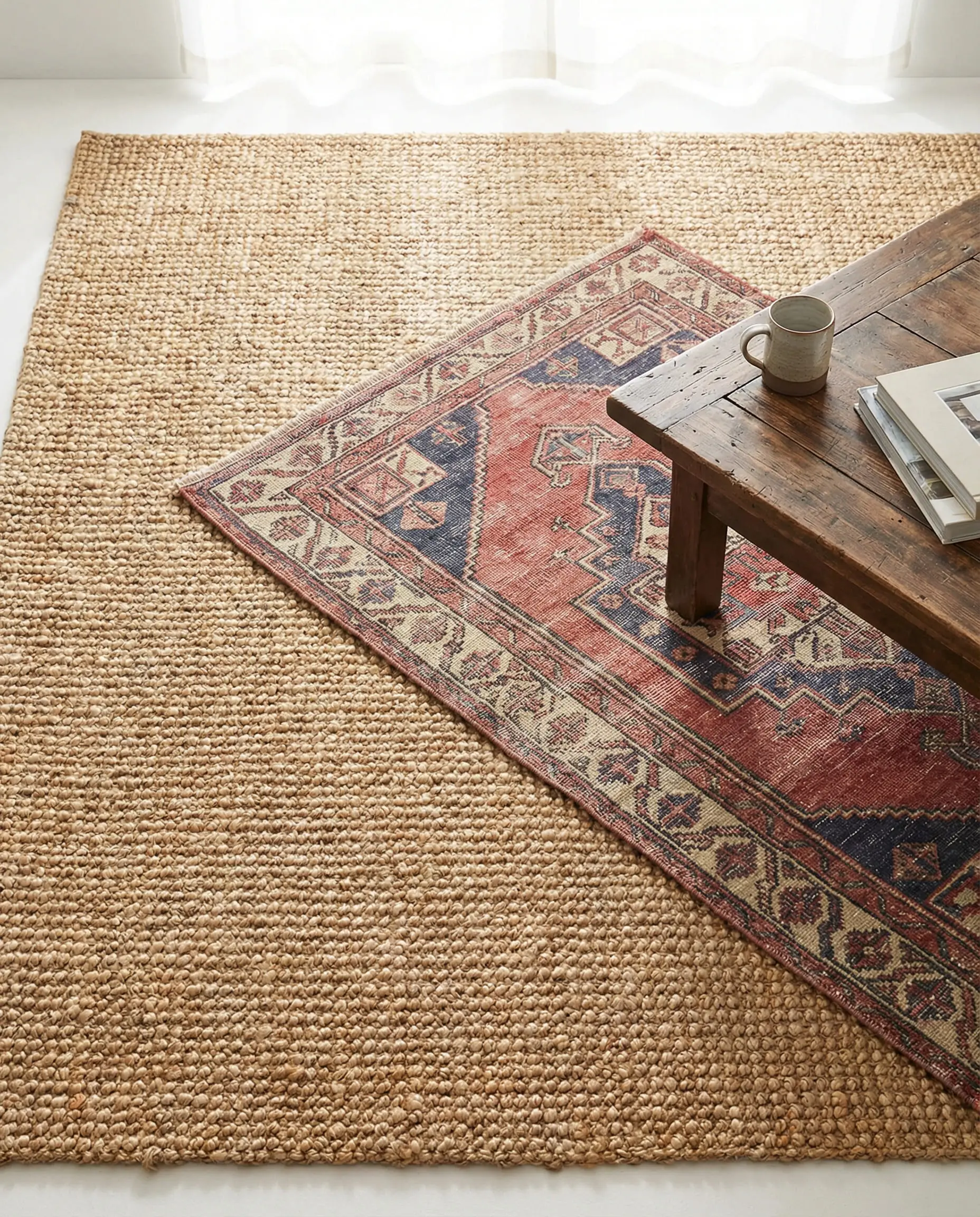
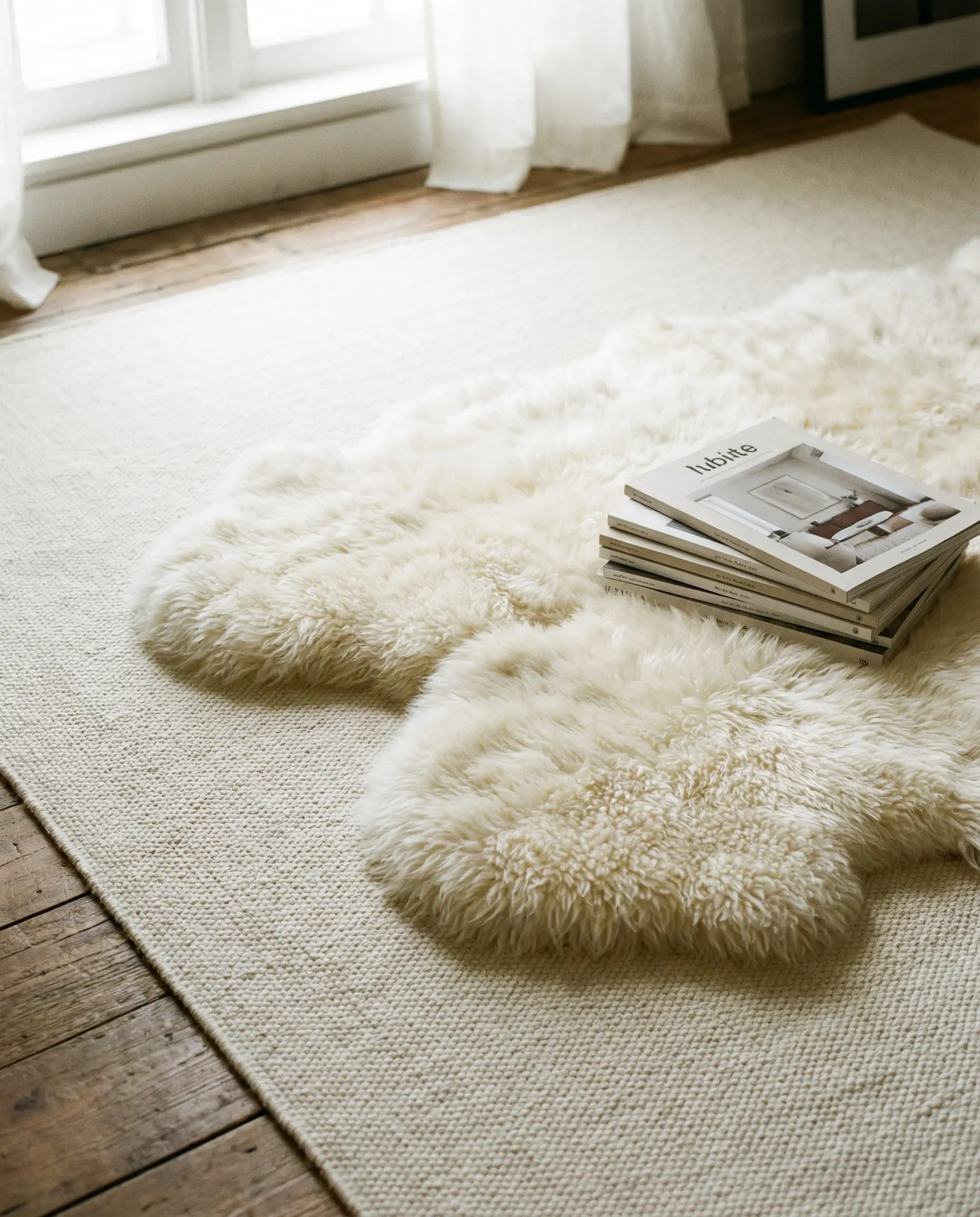
The most common mistake is a rug that is too small. In a family room, the front legs of all furniture (sofa and armchairs) must sit on the rug. If the rug floats in the middle of the room with no furniture touching it, the room will feel disjointed and cheap.
Designer Tip 📏
Read More: 2026 Carpet and Rug Trends
Part IV: Texture is the New Pattern
In 2026, visual interest comes from texture rather than busy patterns. You want guests to walk in and feel the urge to touch everything. This concept is often called “Sensory Interior Design.”
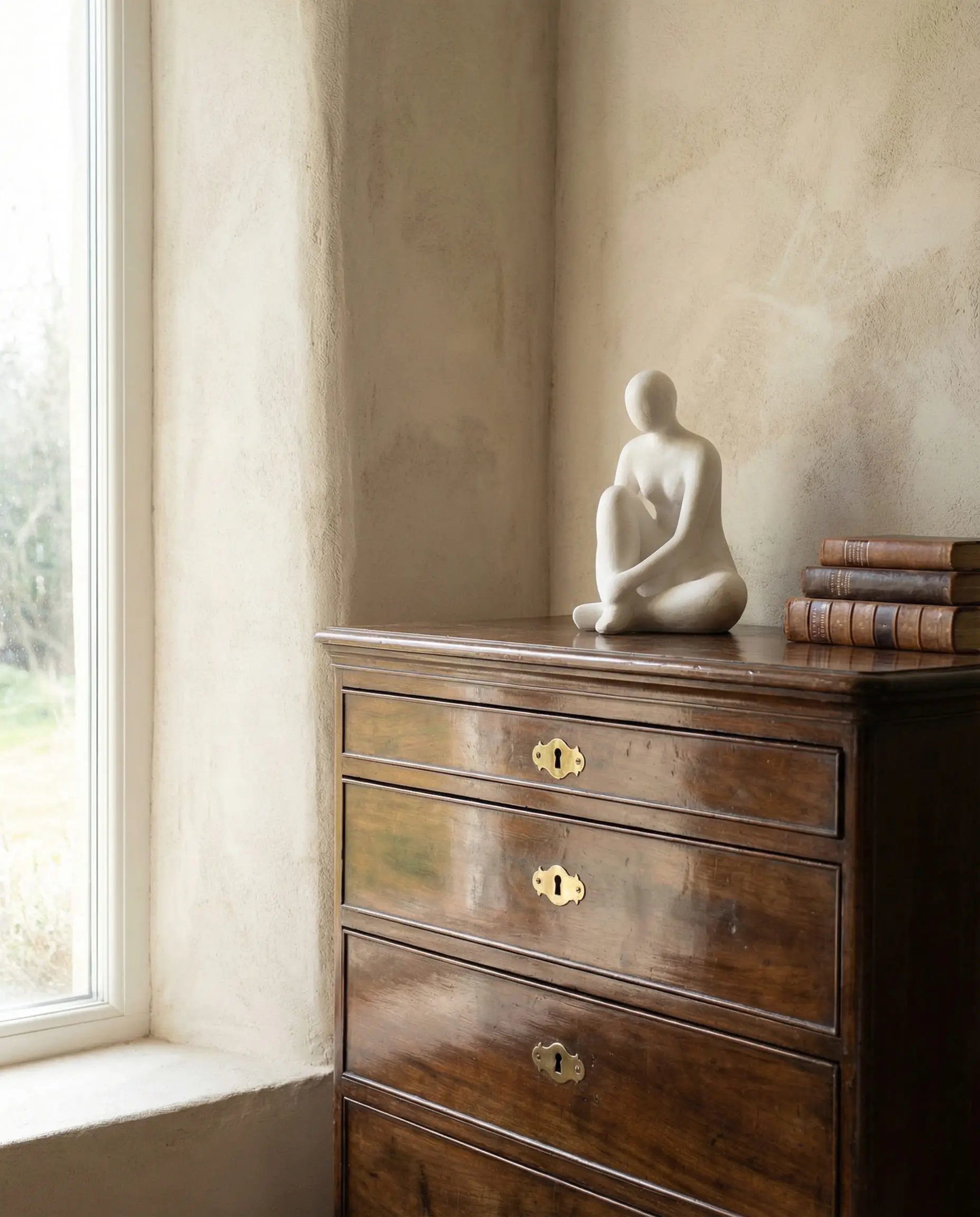
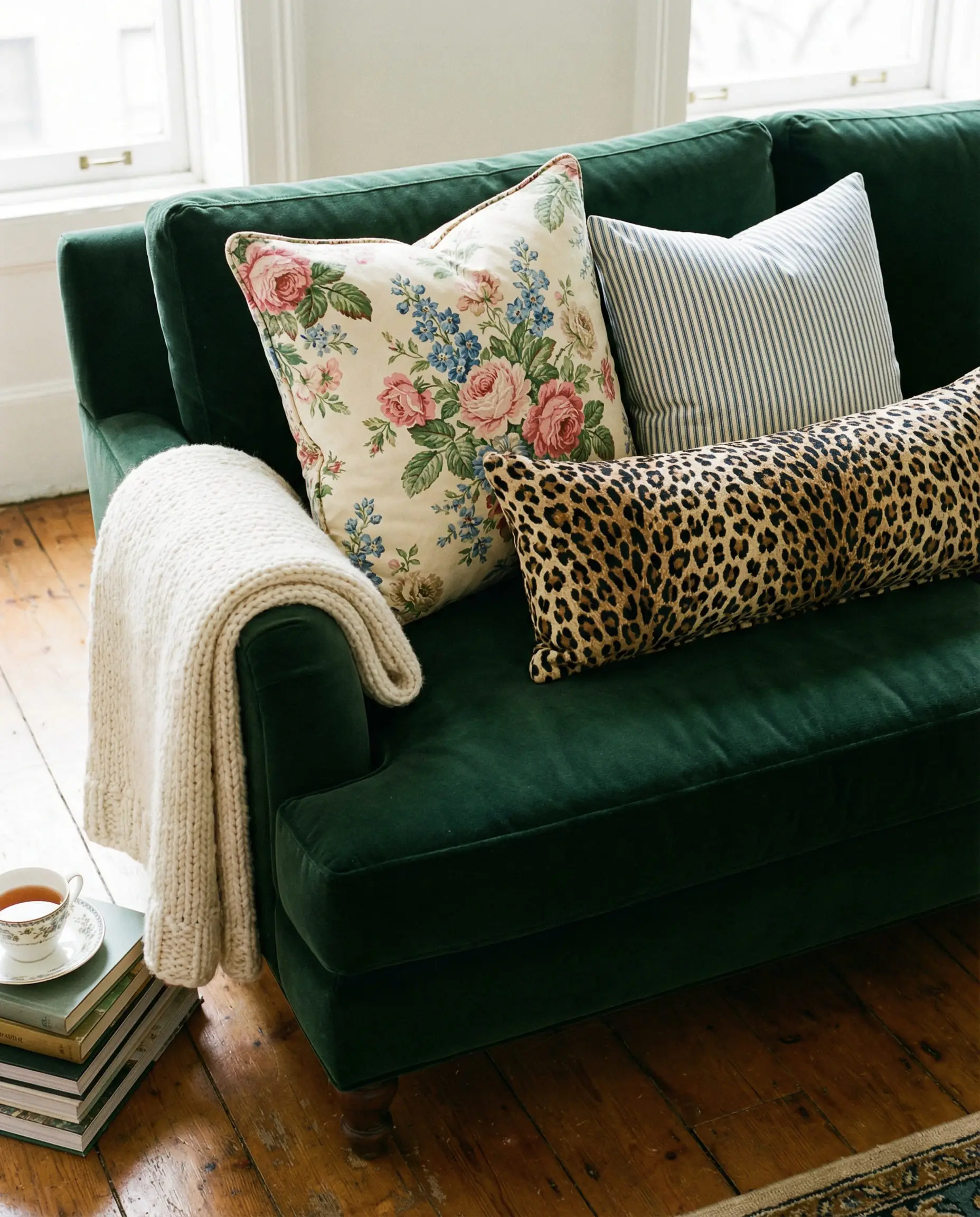
“Grandmillennial 2.0” (The Lived-In Look)
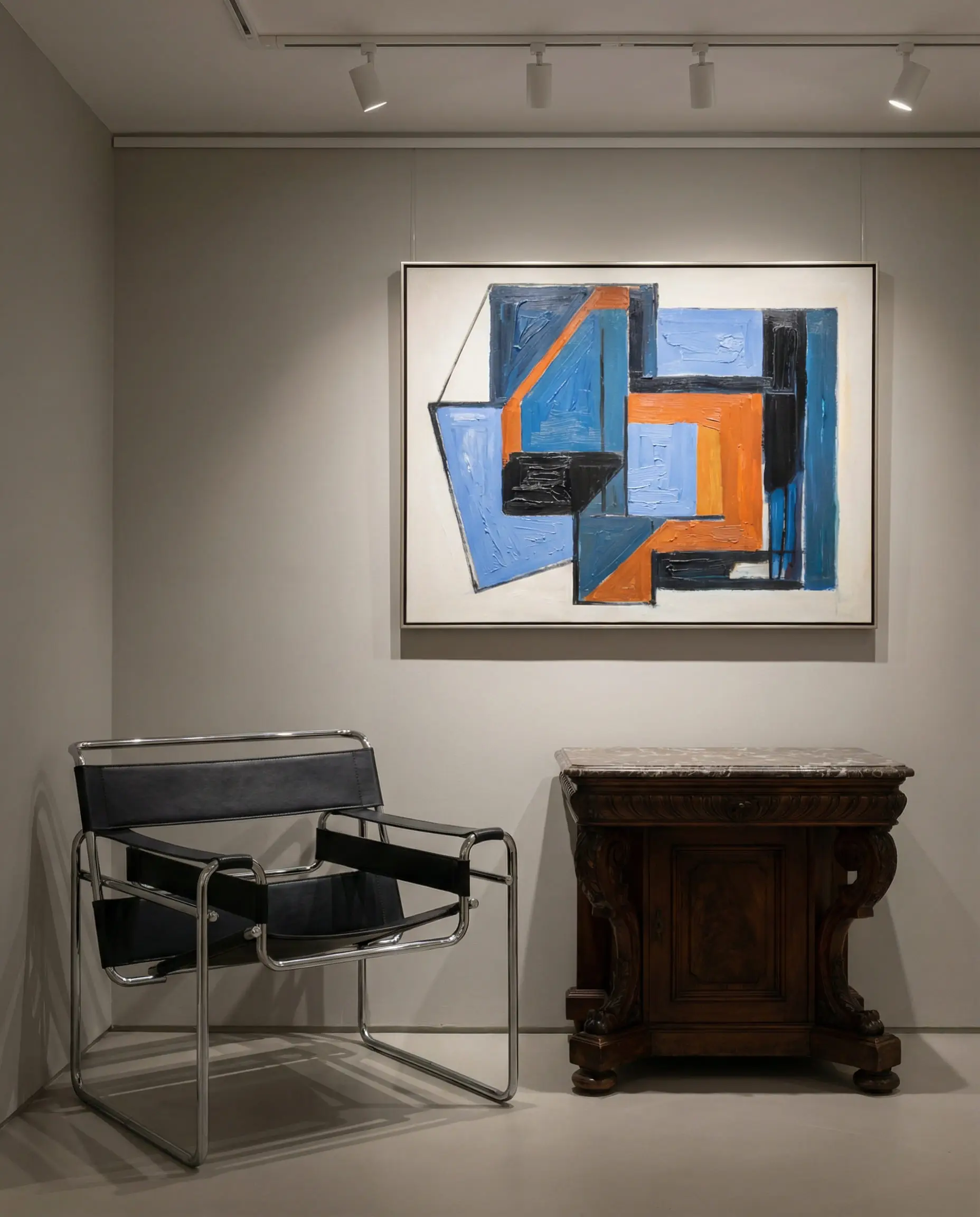
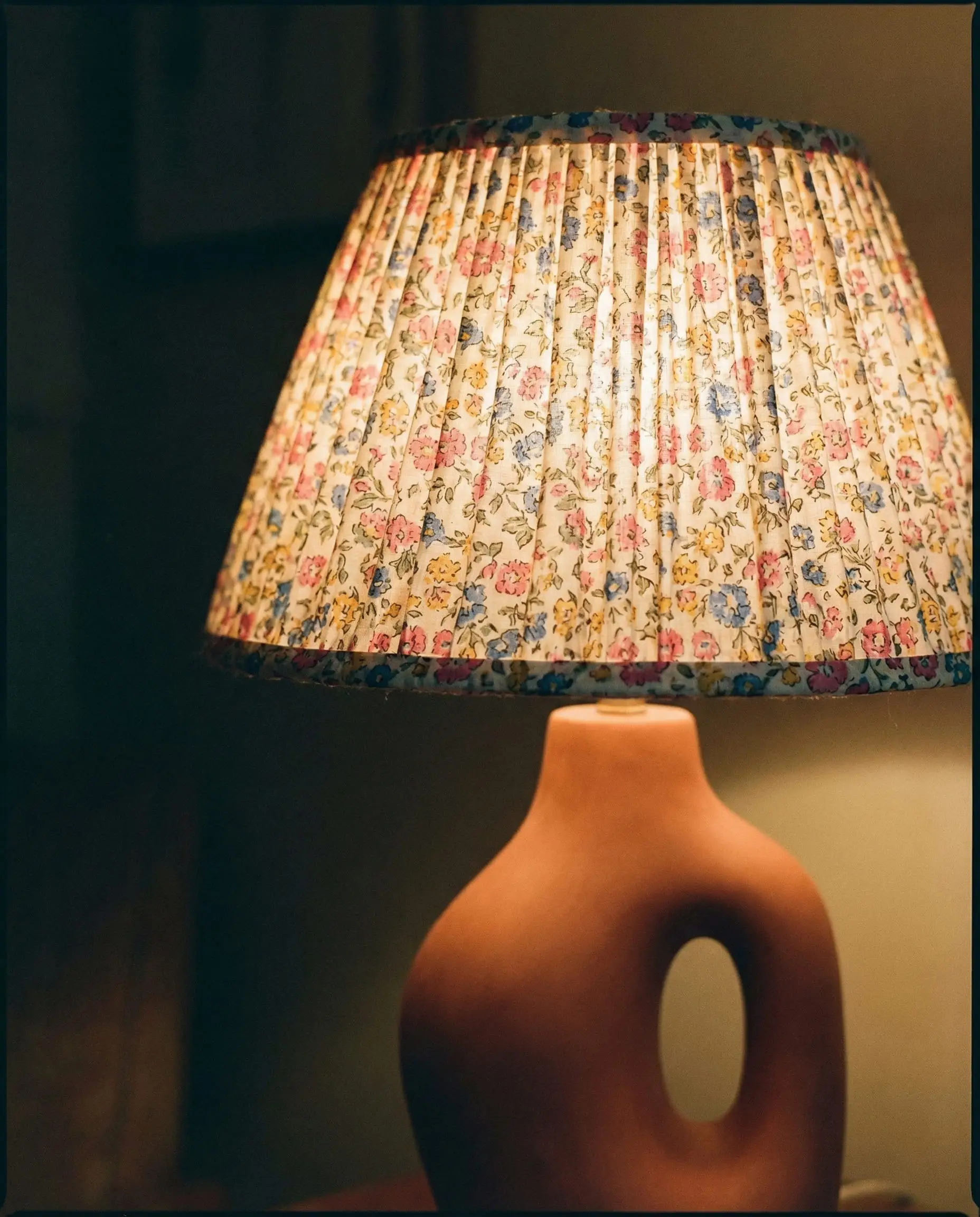
The “Grandmillennial” trend has matured. It’s no longer just about floral prints; it’s about mixing eras to create a room that feels “collected” over time.
Tactile Walls and Acoustics
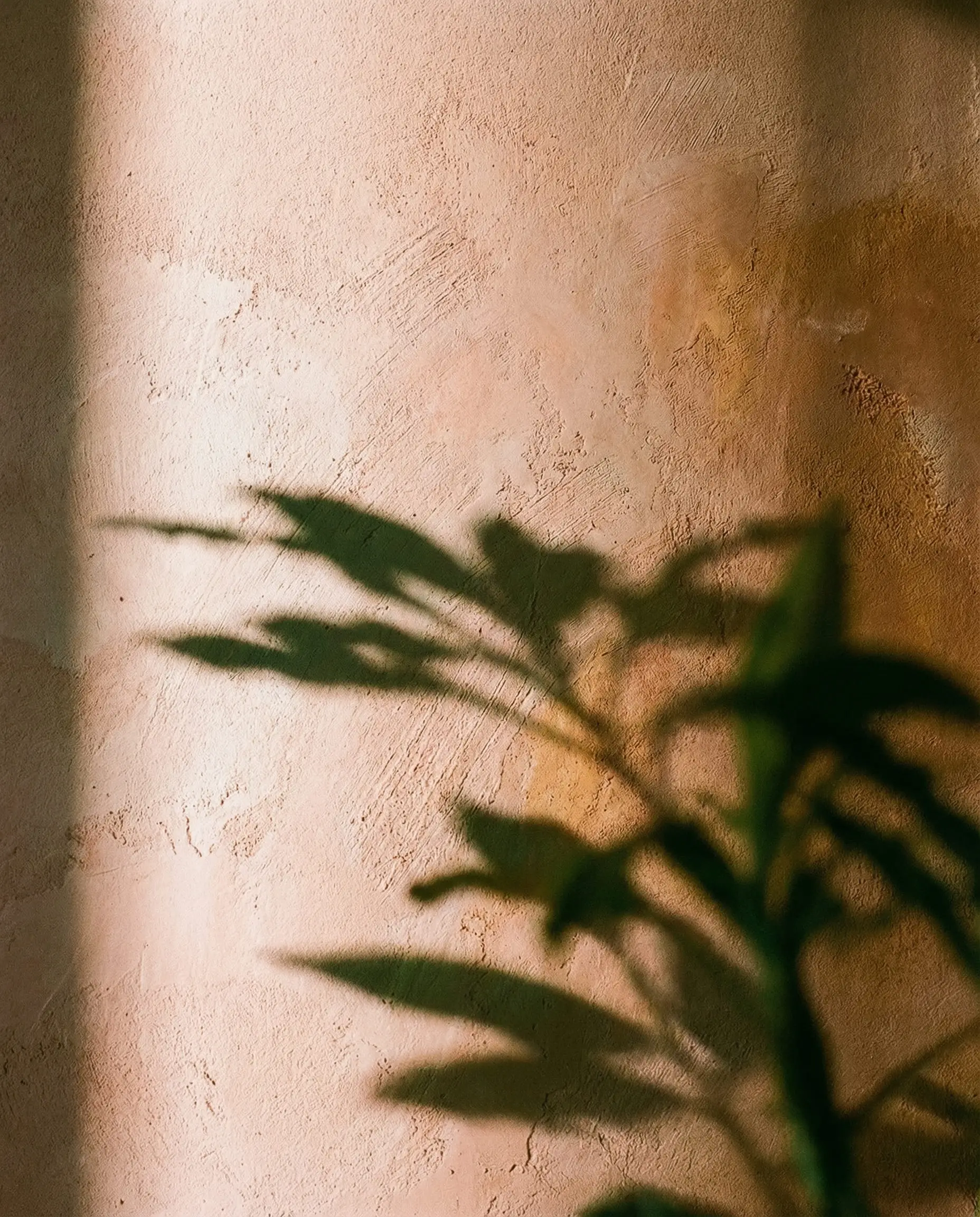
Why settle for flat drywall? Limewash paint is seeing a massive resurgence for its cloudy, suede-like texture that adds depth without overwhelming the eye.
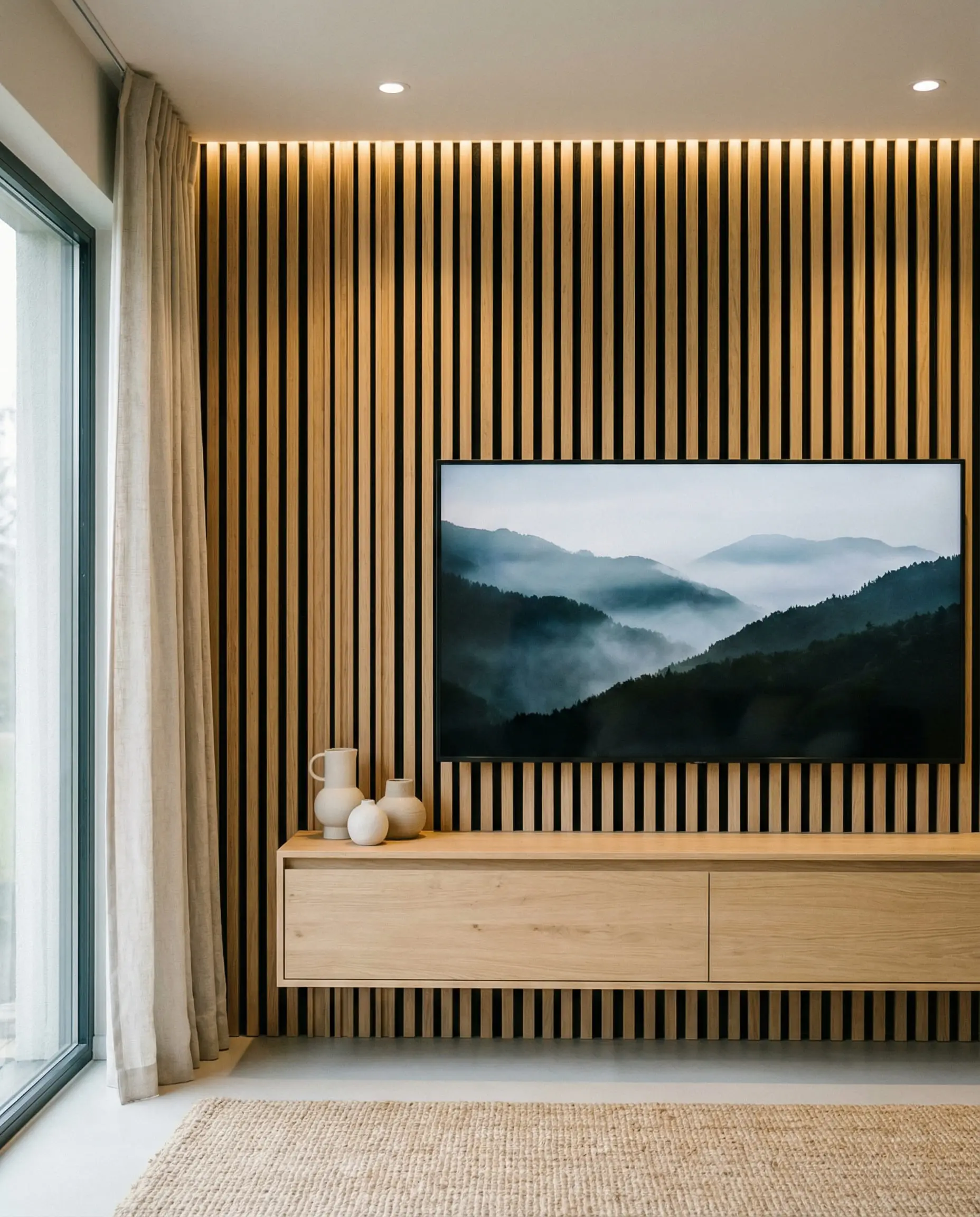
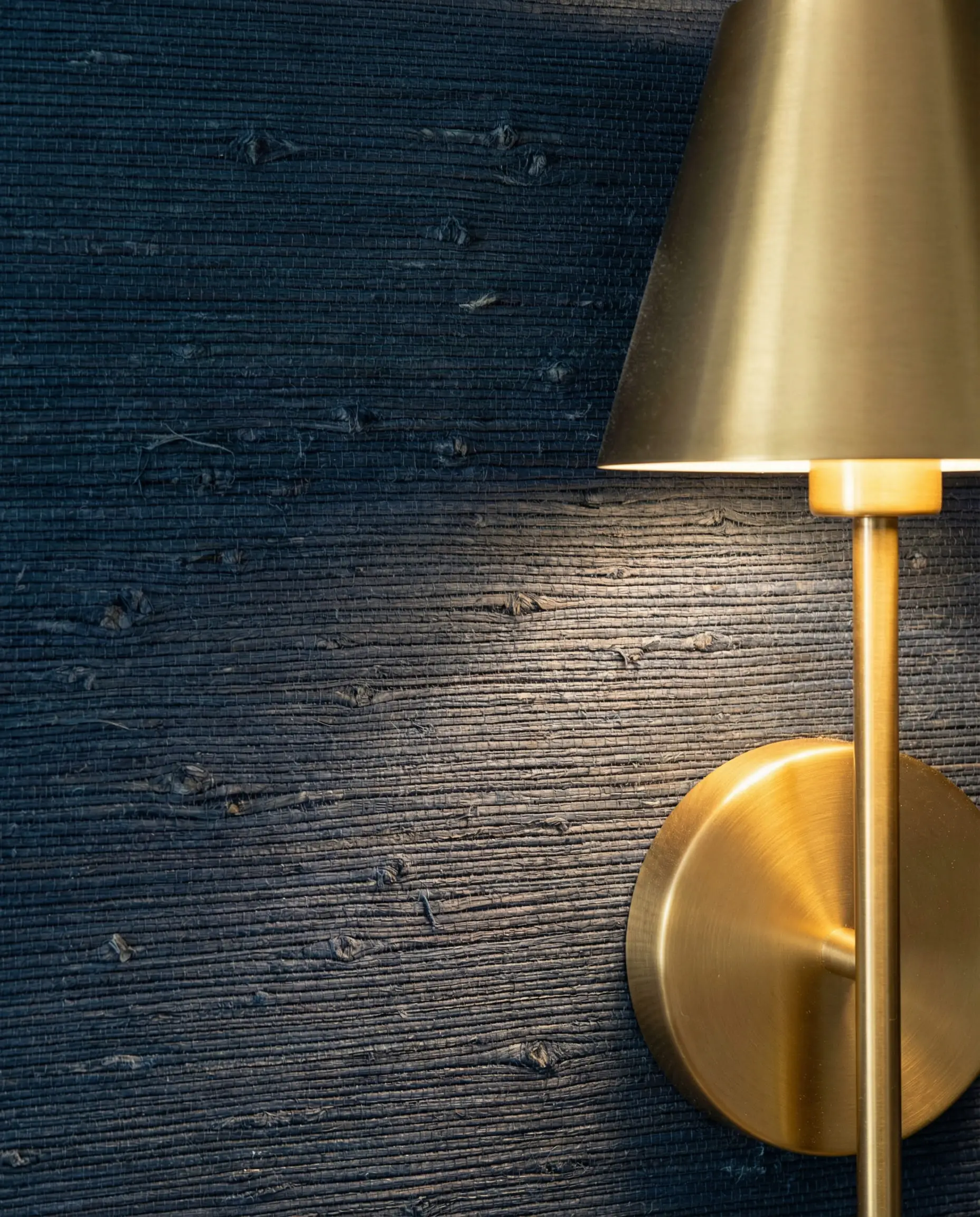
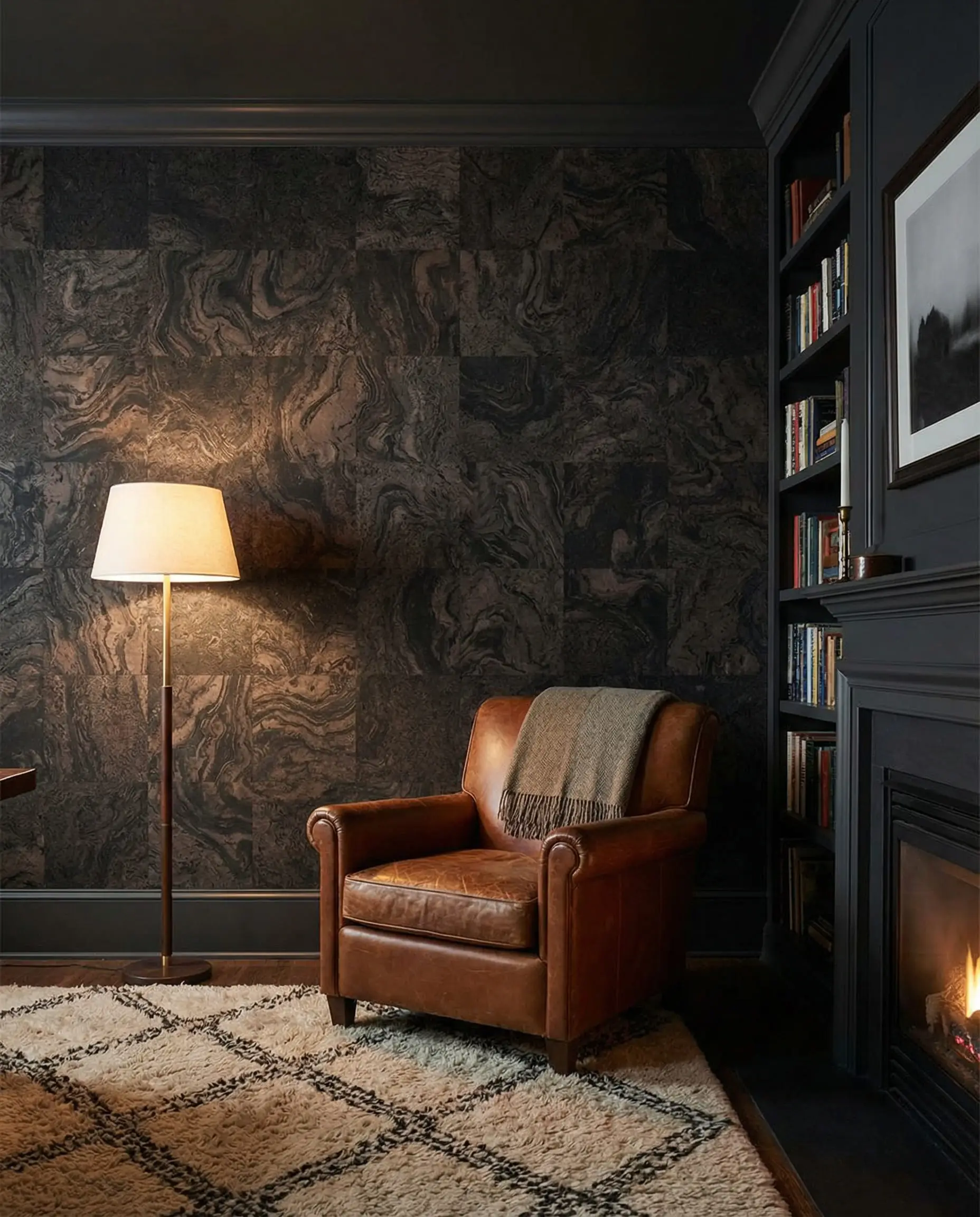
For acoustic benefits (crucial in loud family rooms), consider Wallpaper. Modern textured wallpapers—like grasscloth or cork—act as a slight sound buffer. If you aren’t ready to paper a whole room, treating the wall behind the TV or the fireplace creates a stunning focal point.
Read More: Wallpaper Trends
Part V: The “Midimalism” Approach to Decor
We are moving away from the extreme decluttering of the 2010s. Families have “stuff,” and that’s okay. The 2026 trend is “Midimalism”—a middle ground that embraces personality without descending into chaos.
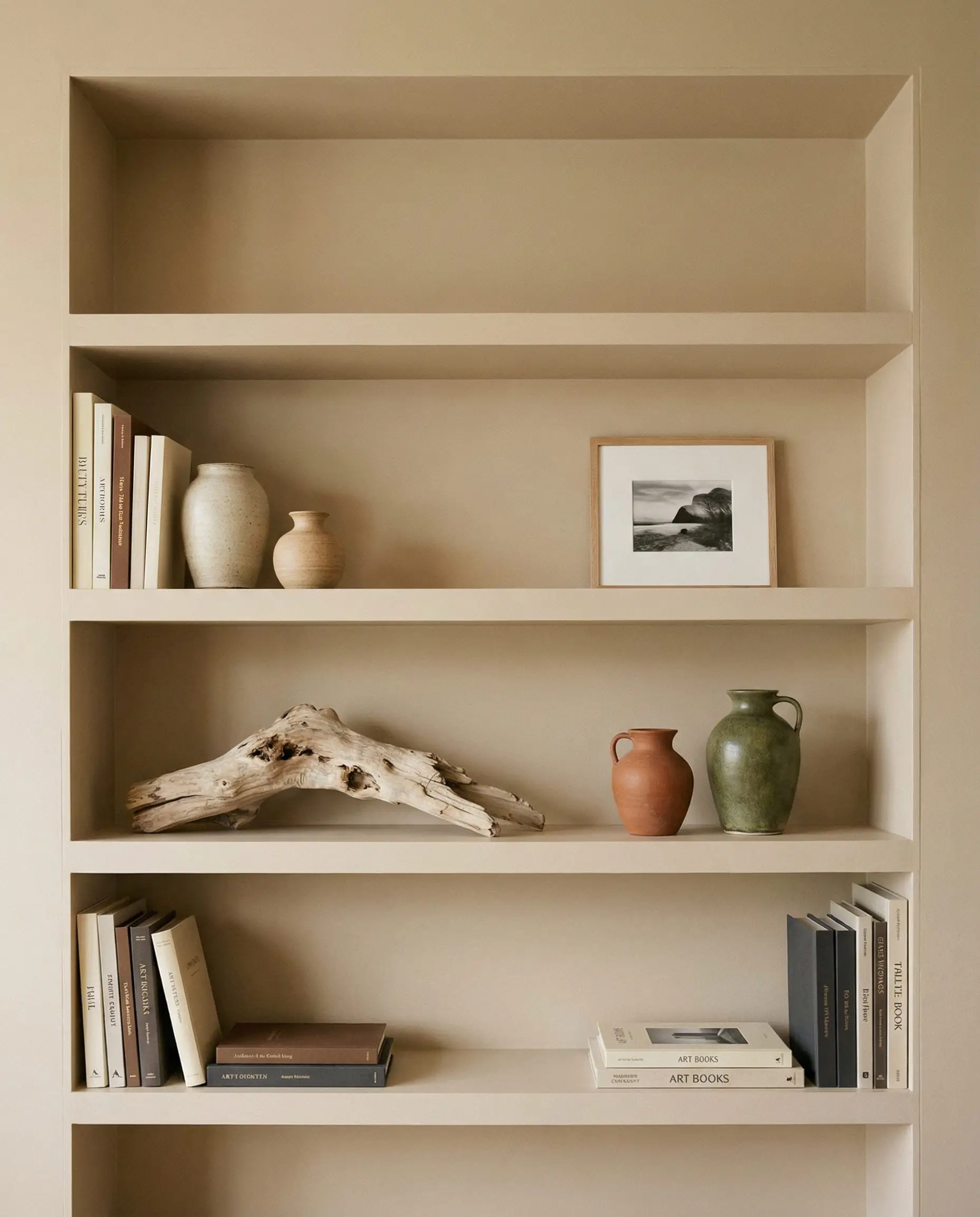
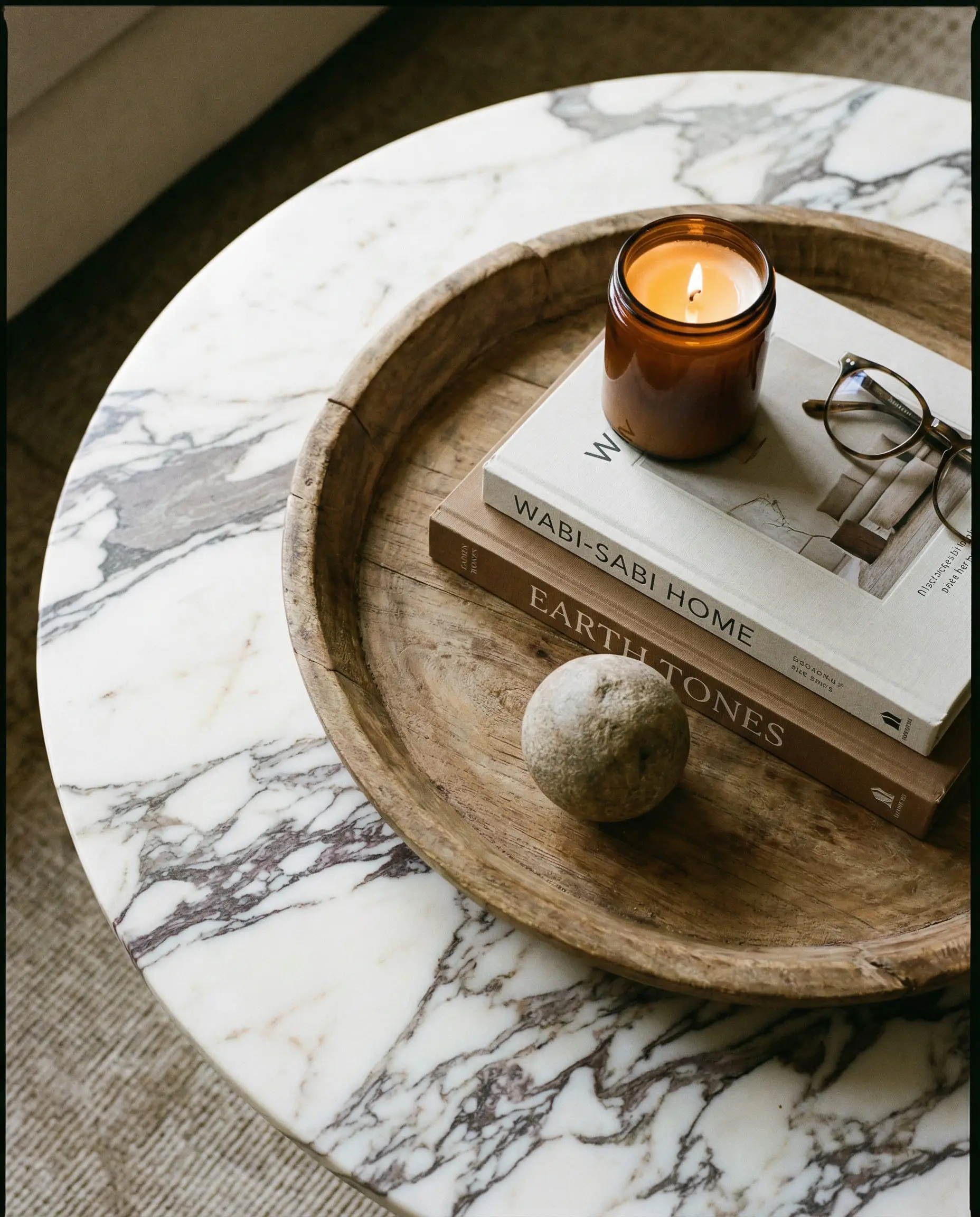
The “Personal Museum” Concept
Shelves shouldn’t look like a store display. They should tell your story.
Biophilic Accents
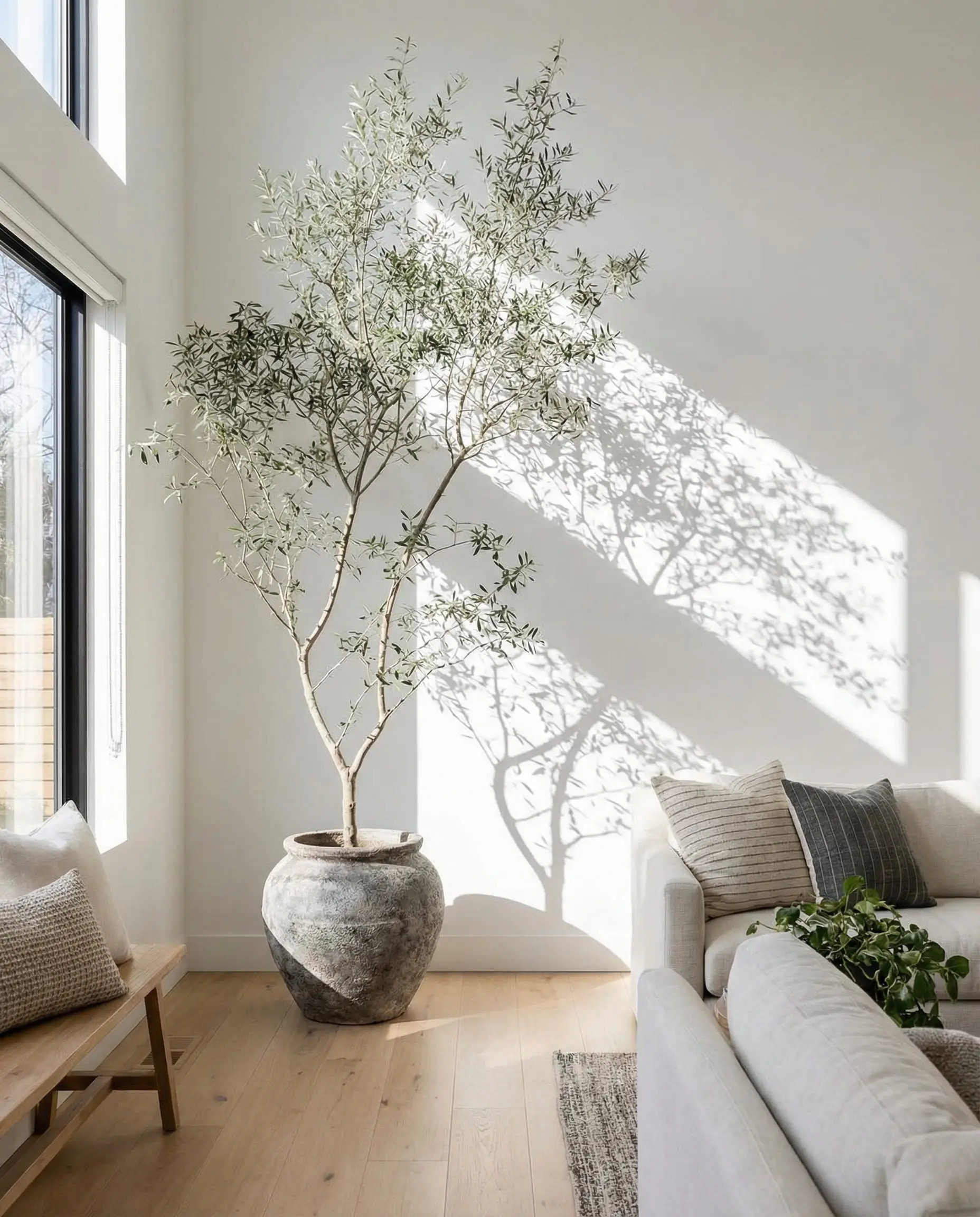
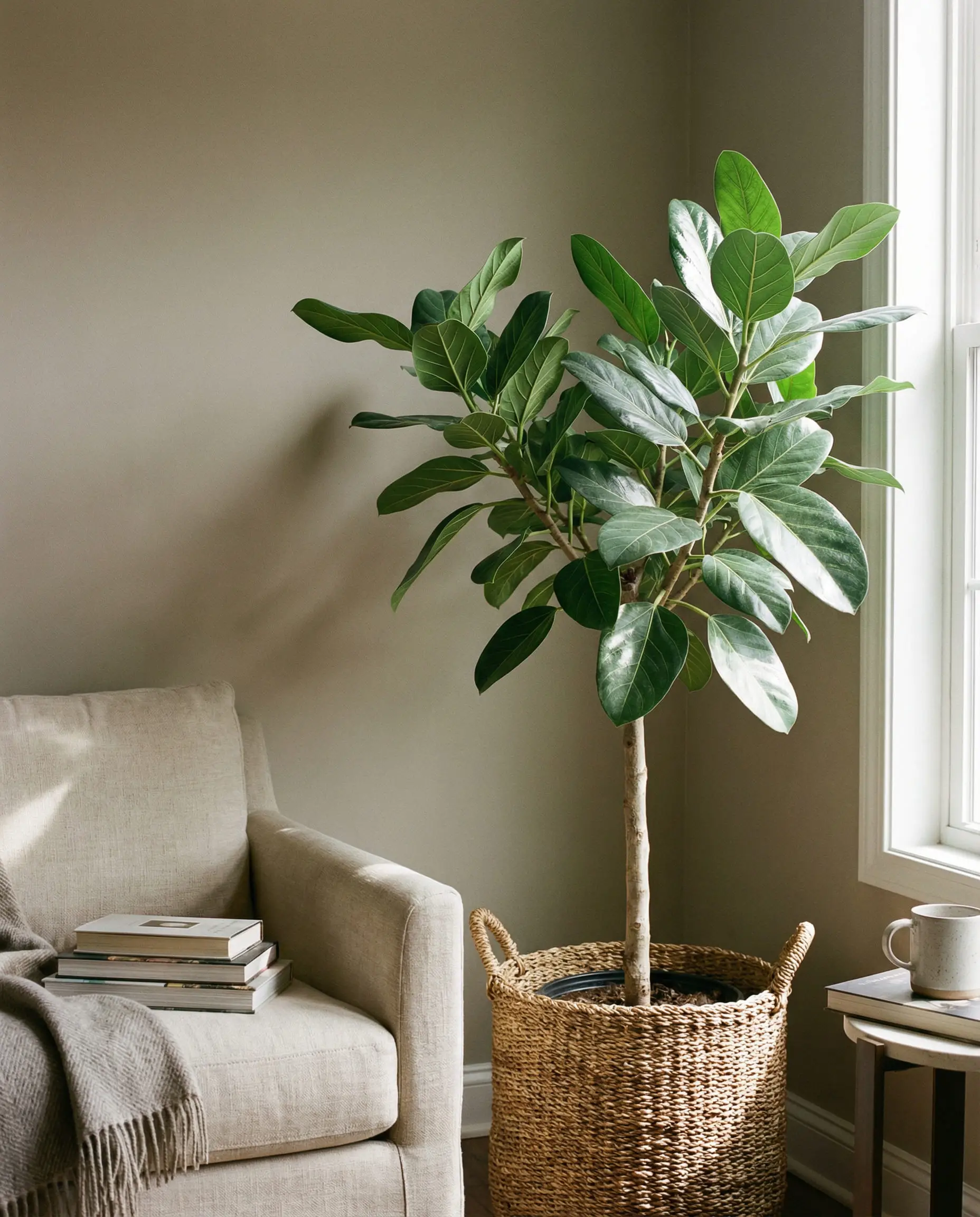
Bring the outdoors in, but go big. Instead of ten tiny succulents cluttering the windowsill (which gather dust), opt for one large statement tree, like a Black Olive or a Ficus, in a textured ceramic pot. This anchors the room vertically and improves air quality.
Read More: DIY Home Decor Trends
Part VI: The Anti-Tech Layout
The most radical trend of 2026 is the “Anti-Tech” movement. We aren’t throwing away our TVs, but we are stopping them from being the dictator of the room’s layout.
The Conversation Pit Revival
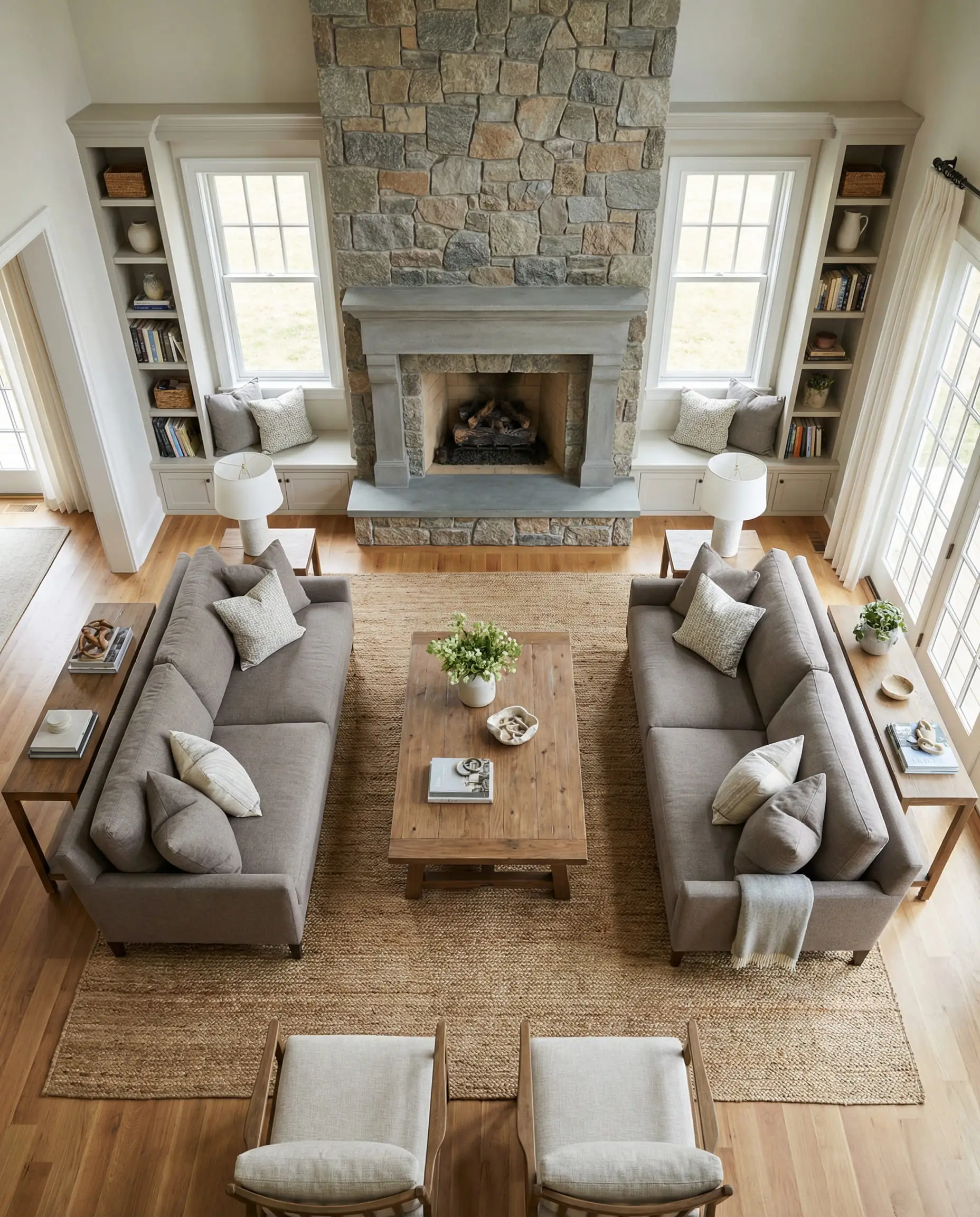
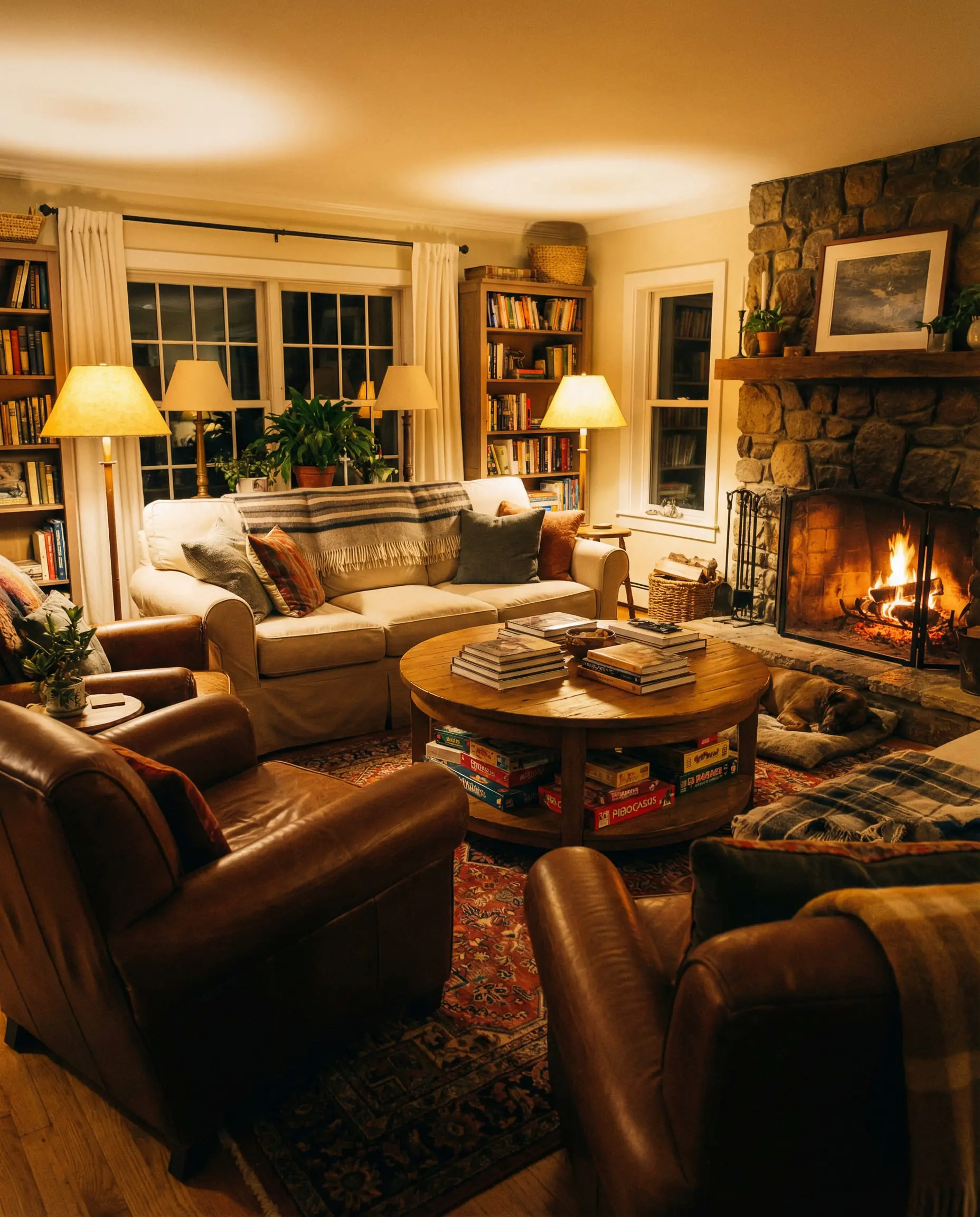
Rather than pointing every single seat at the television, arrange your furniture to prioritize face-to-face interaction.
Hiding the Screen
If the TV must be the focal point, camouflage it. Frame TVs that display art when off are standard now. For a more custom look, consider sliding wooden panels or painting the wall behind the TV a dark color (like Charcoal or Navy) so the black screen disappears into the background when not in use.
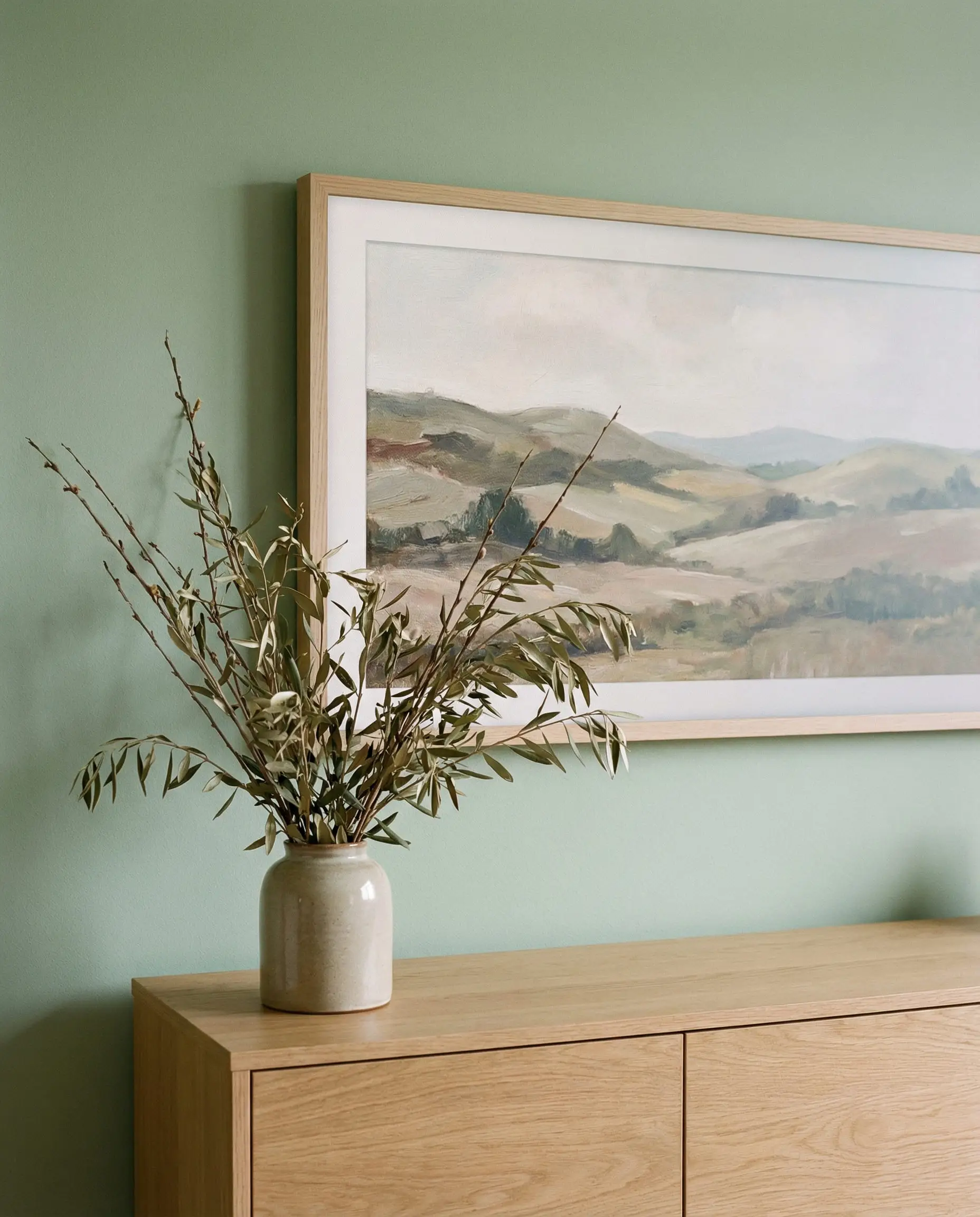
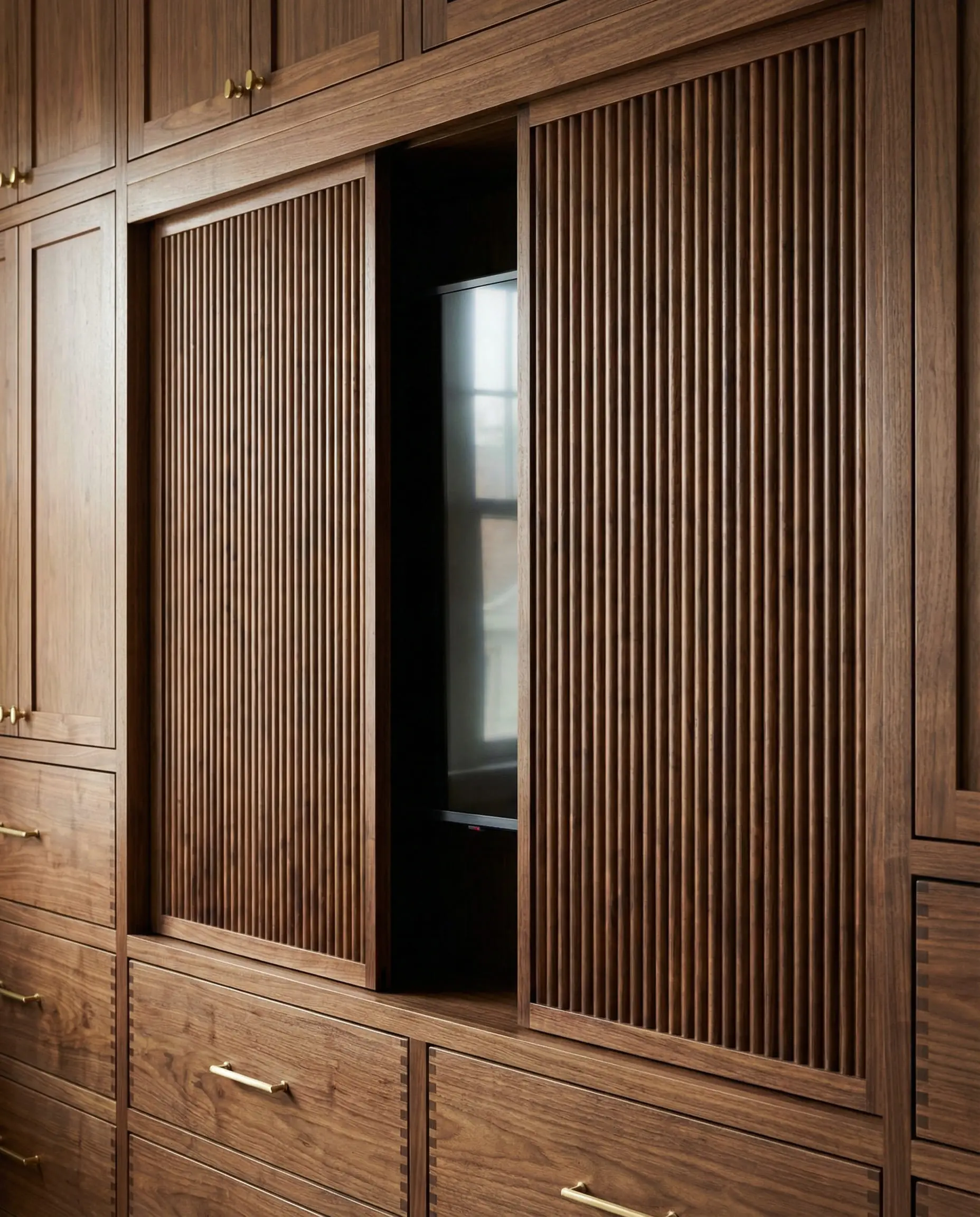
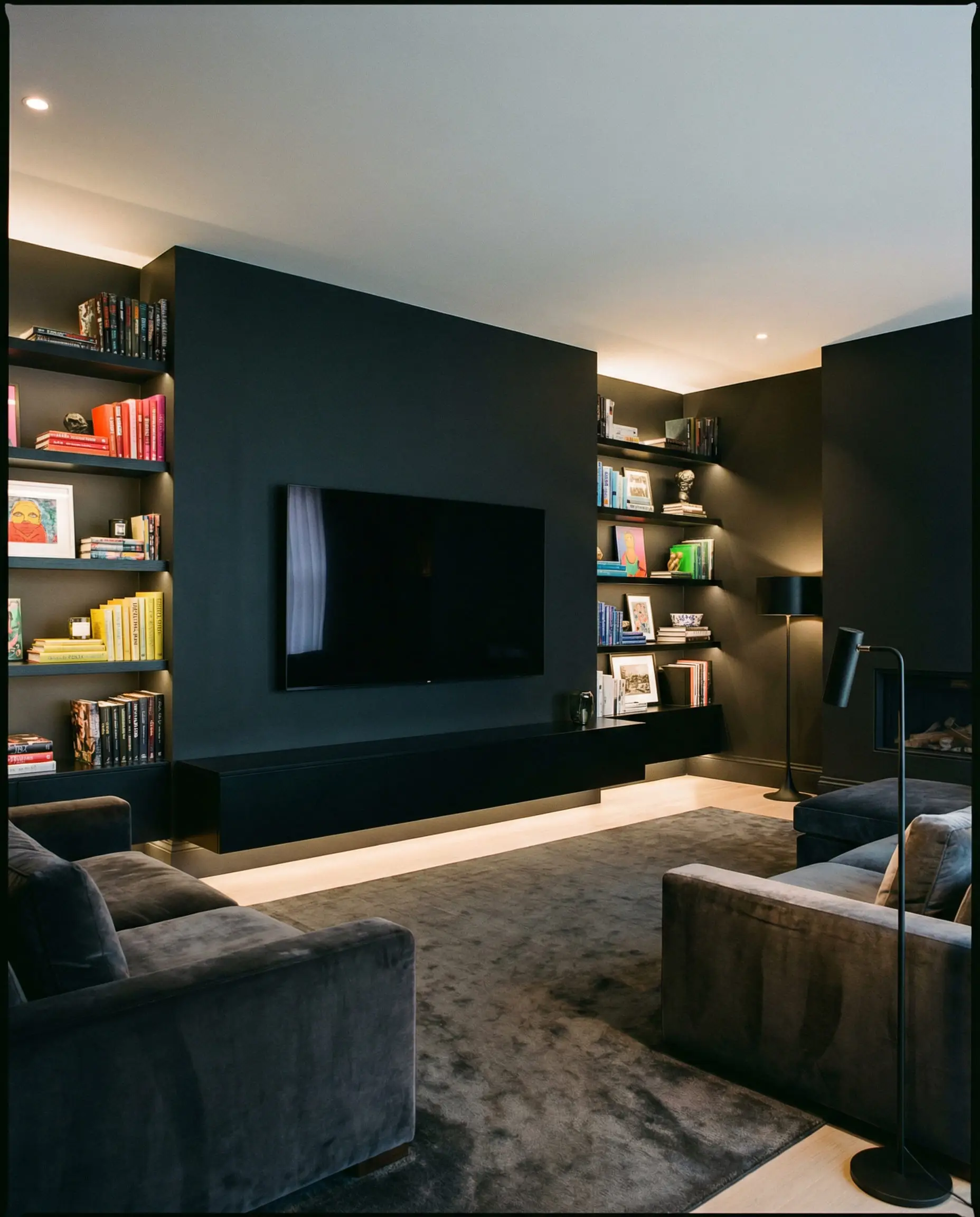
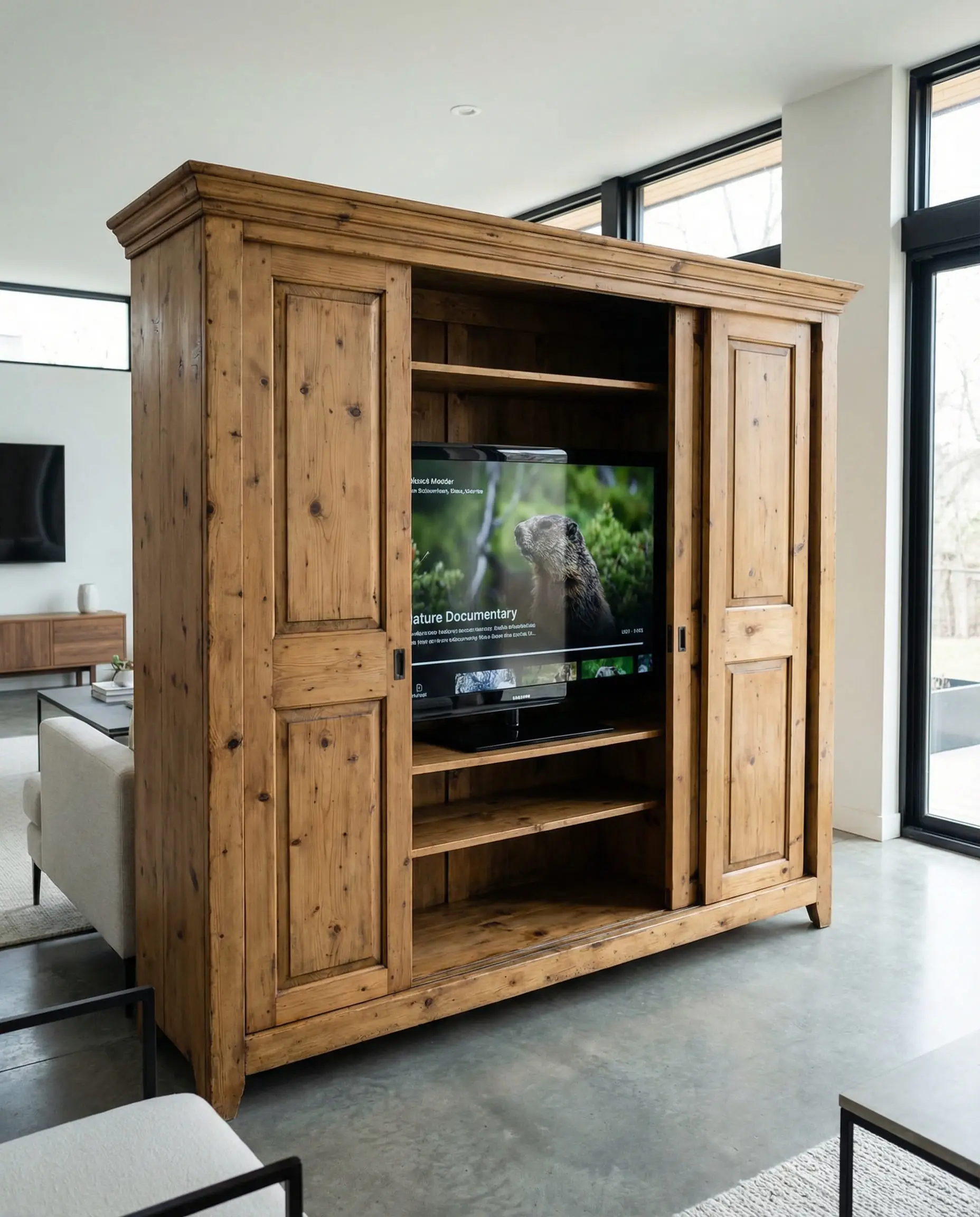
If you have a fireplace, don’t mount the TV above it if you can avoid it. It’s usually too high for comfortable viewing (neck strain!). Instead, place the TV on a low console next to the fireplace to keep the hearth as the true architectural focal point.
Designer Tip 📺
Read More: Fireplace Trends
Part VII: Window Treatments and Lighting
A family room isn’t just about how it looks; it’s about how it feels. Lighting and privacy play a massive role in the “cozy factor.”
Drapes over Blinds
In 2026, we are seeing a return to full, floor-to-ceiling drapery. While blinds are functional, they can feel “office-like.” Soft linen or velvet drapes add a vertical layer of fabric that softens the acoustics of the room and makes the ceiling look higher.
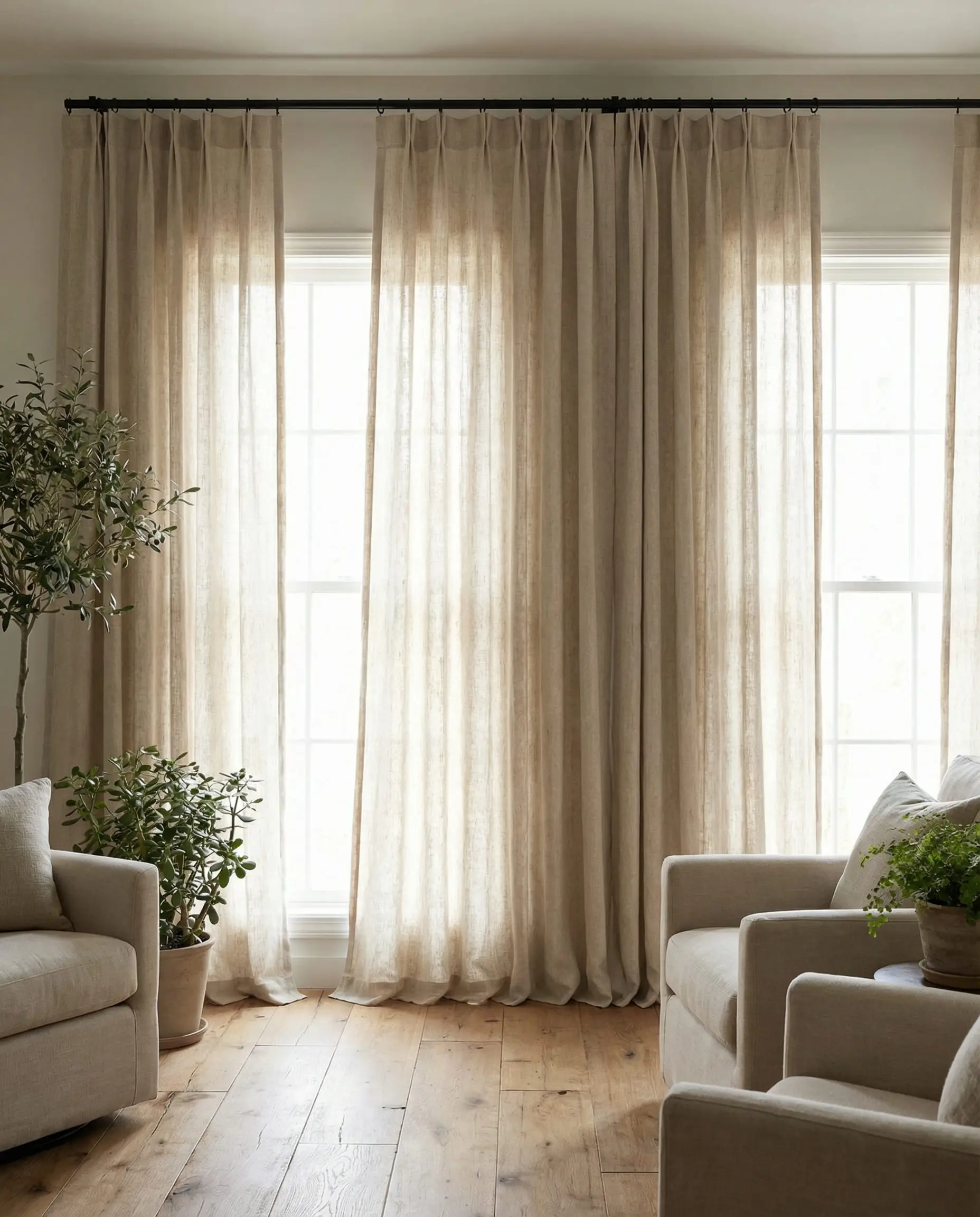
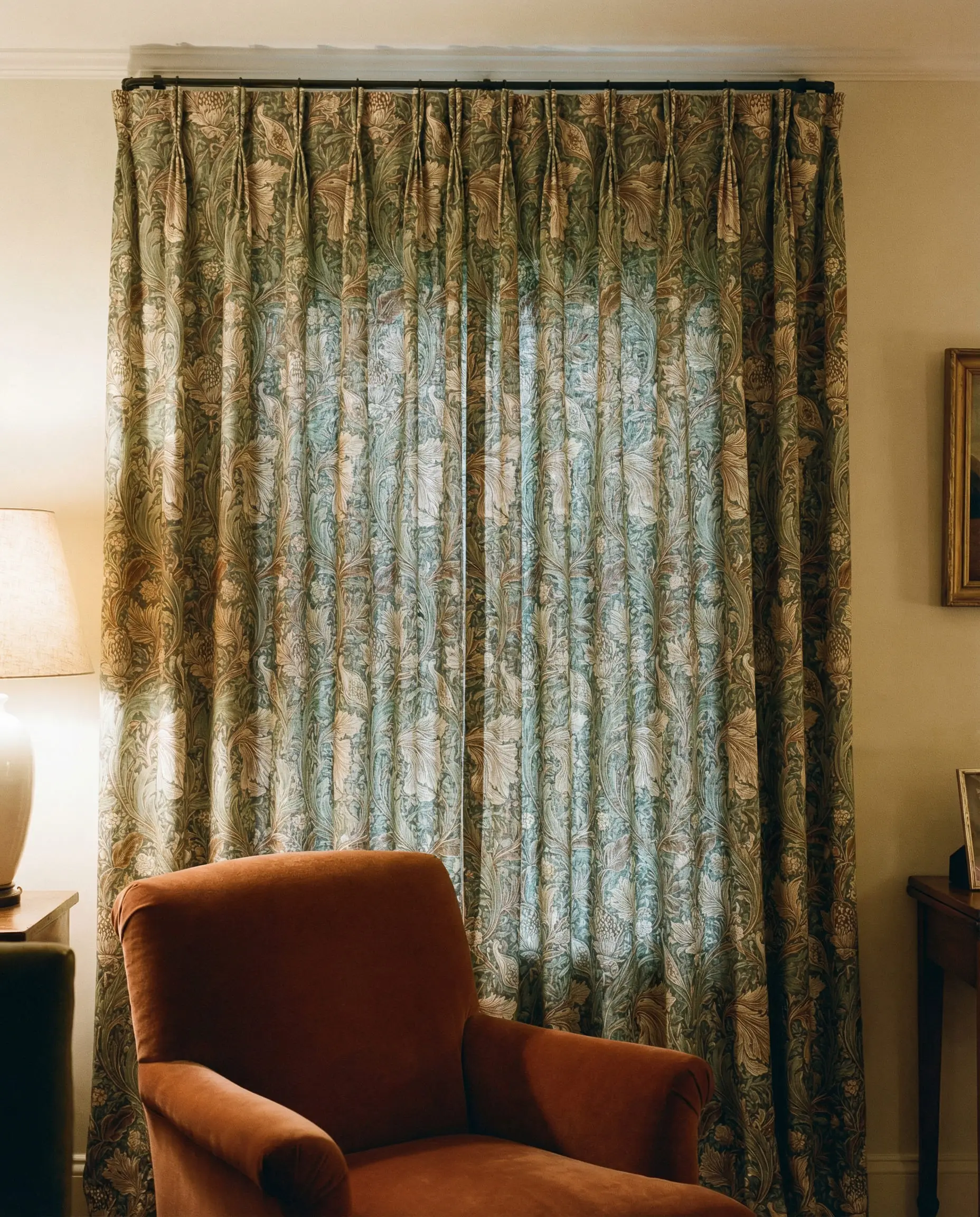
Patterned drapes are back. Think subtle stripes or botanical prints in those warm mocha and sage tones.
Trend Alert
Lighting Layers: The Rule of Three
Never rely on a single overhead light (“The Big Light”). It flattens the room and kills the mood.
- Ambient: Recessed lights on a dimmer (for cleaning or board games).
- Task: A reading lamp by the armchair or a swing-arm sconce over the sofa.
- Accent: LED strips behind the TV or picture lights over art to create a glow.
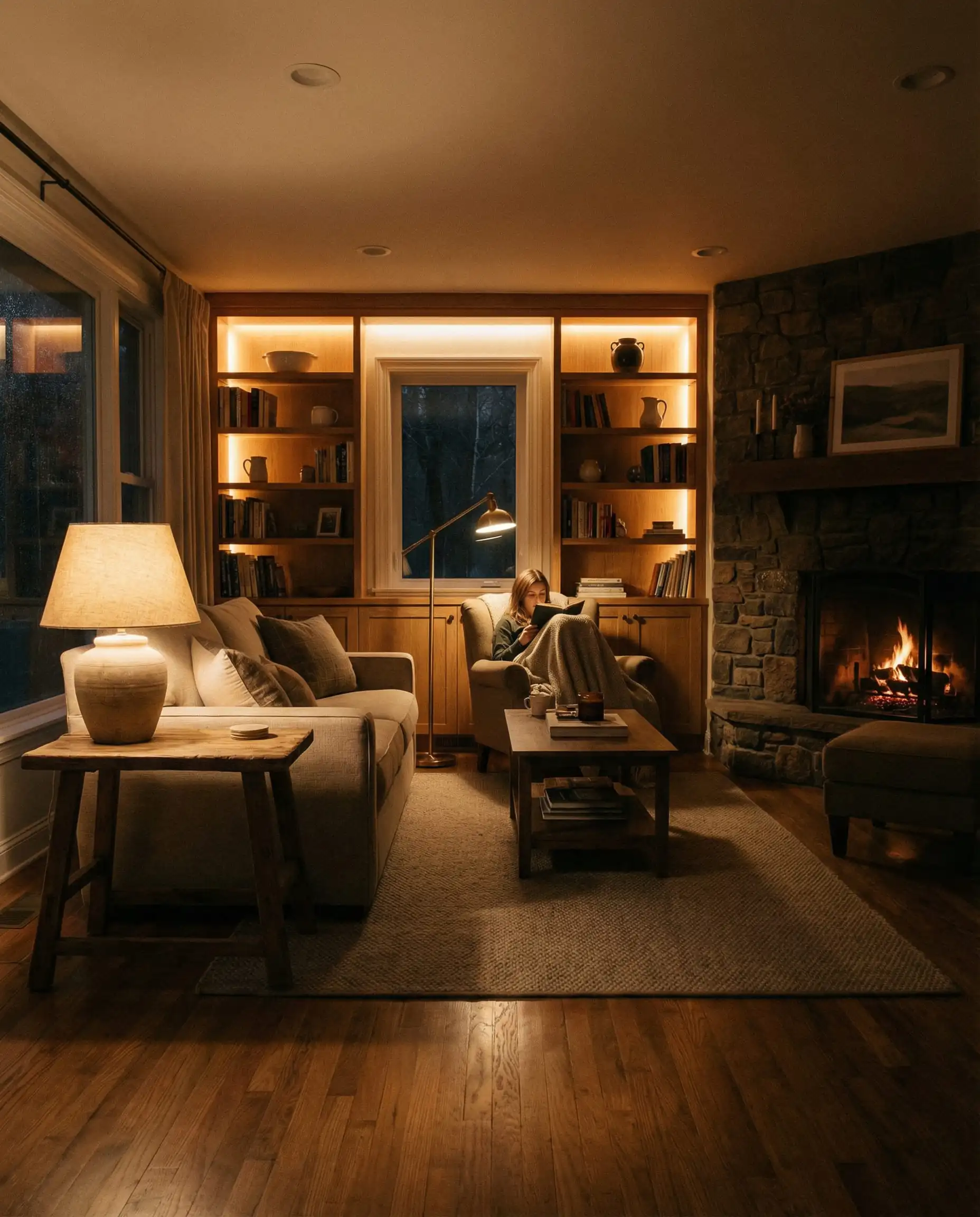
Use warm bulbs only (2700K). Anything cooler (3000K-4000K) will make your cozy brown palette look muddy and clinical.
Crucial Rule for 2026
Read More: Curtain Trends 2026
Part VIII: Sustainable and Eco-Conscious Choices
A key part of the 2026 design ethos is responsibility. “Fast furniture” is losing its appeal in favor of pieces that last.
Vintage is Vimal
Buying second-hand is the most sustainable choice you can make. Facebook Marketplace, estate sales, and antique malls are gold mines for solid wood coffee tables and unique decor that you won’t see in your neighbor’s house.
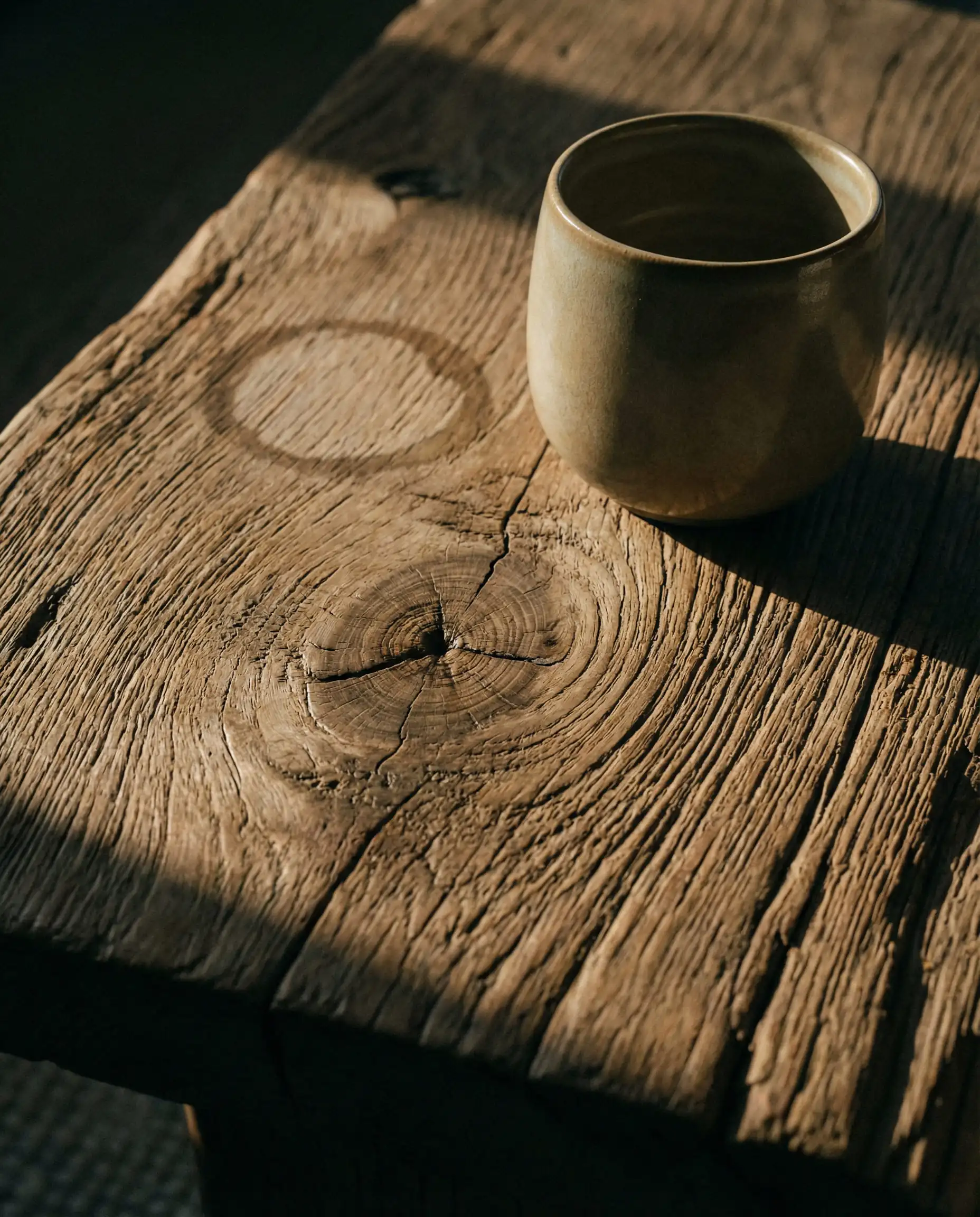
Sustainable Woods
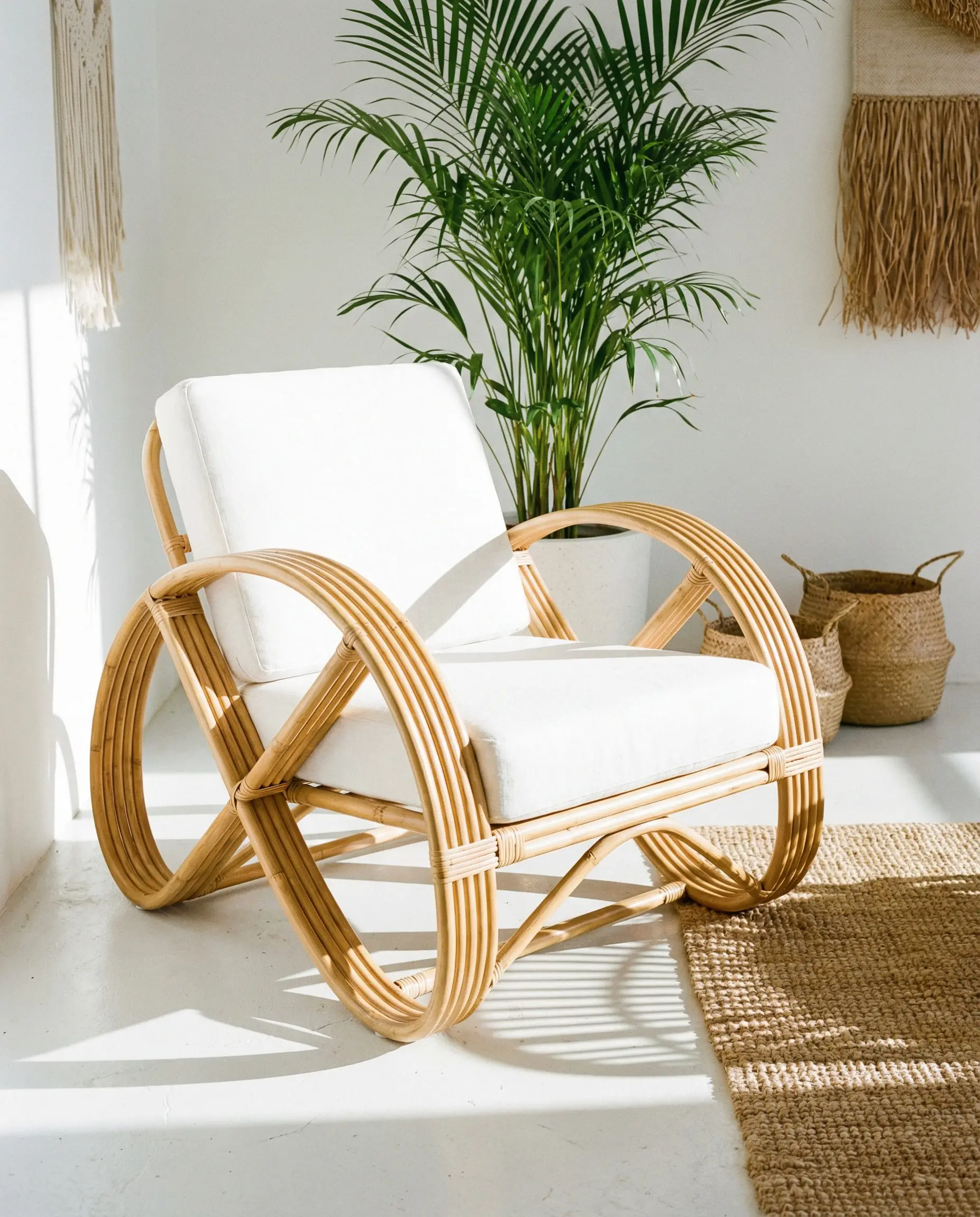
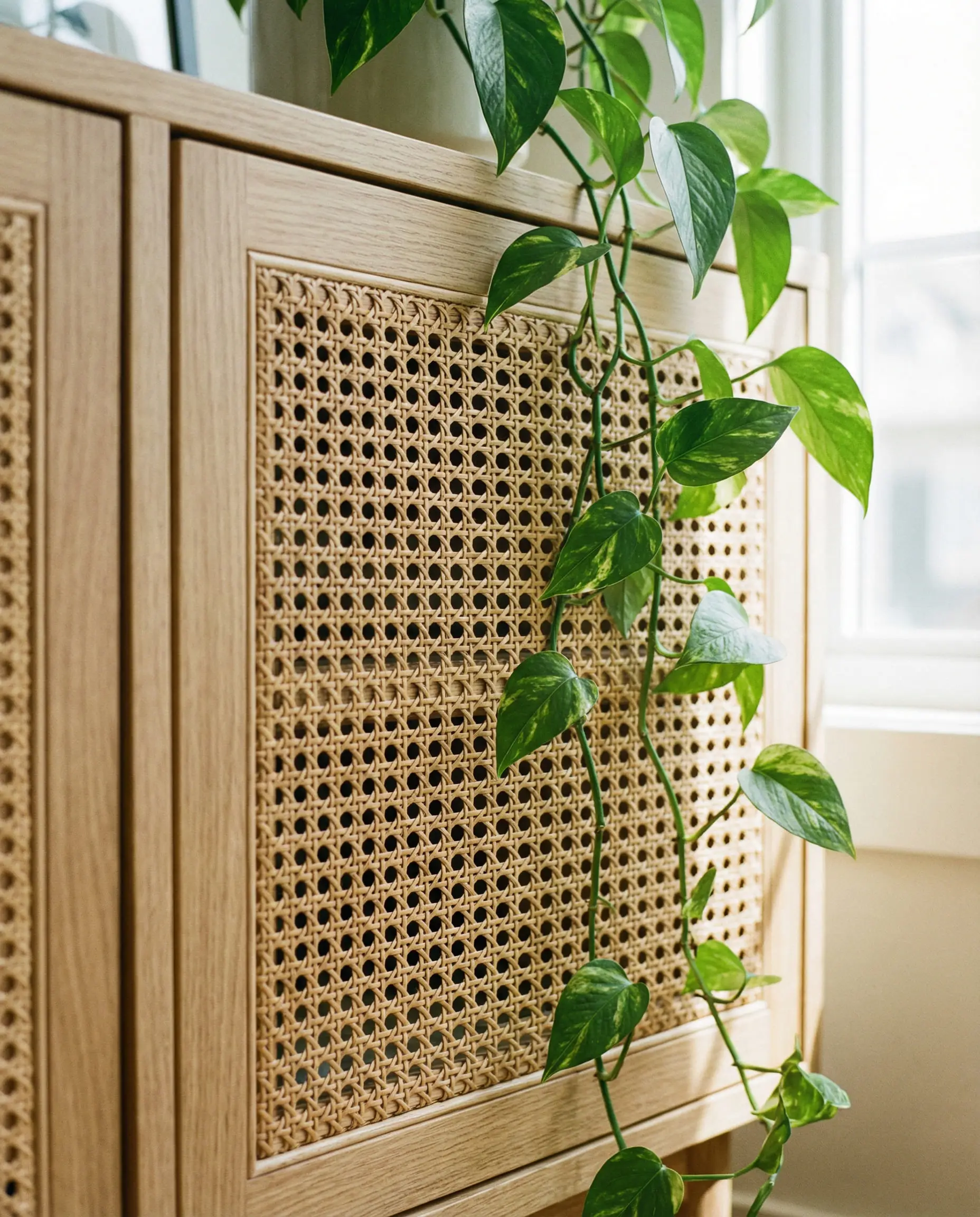
When buying new, look for FSC-certified woods. Bamboo and Rattan are continuing to be popular because they are fast-growing and renewable, adding that desired “organic” texture to the room without the environmental heavy lifting of slow-growth hardwoods.
Read More: Furniture Trends
Frequently Asked Questions
A: While the lines are blurring, the family room is the “high-traffic” zone. It prioritizes durable fabrics (performance velvet, leather) and deep comfort over the formal aesthetics of a living room. In 2026, the family room is where the “mess” of life is allowed to happen, while the living room (if you have one) remains a bit more preserved.
A: Cool, blue-toned steel gray is fading out. However, “greige” (gray-beige) and warm charcoal are still very relevant. If you have a gray sofa you can’t replace, warm it up with rust, mustard, or cream throw pillows. This bridges the gap between the old trend and the new 2026 warmth.
A: Zoning is key. Use rugs to define the “living zone” separate from the “dining zone.” A large area rug anchors the furniture, creating a “room within a room.” You can also use a sofa table (console) behind the couch to visually separate the family room from the kitchen, acting as a low wall.
A: Technology has come a long way. Look for “Performance Velvet” or “Crypton” fabrics. These are woven specifically to repel liquid and resist staining. Surprisingly, velvet is often more durable than linen because it has a tight weave that claws (and little fingers) can’t snag easily.
A: Absolutely. In fact, you should. A room with matching wood furniture looks like a catalog page. The trick is to keep the undertone consistent. If your floor is a warm honey oak, choose walnut or teak furniture (warm undertones). Avoid mixing warm woods with cool, gray-washed woods, as they will clash.
Conclusion
The 2026 family room is a rebellion against perfection. It’s a space that invites you to put your feet up—literally. By embracing warmer colors, softer biomorphic shapes, and a layout that favors human connection over digital consumption, you can create a space that serves your family’s soul, not just your house’s resale value.
The most beautiful family rooms of 2026 will be the ones that look like you. They will have a scratch on the coffee table from a toy car, a stack of books you are actually reading, and a sofa that hugs you back.
Ready to start your update? Whether you swap out a few throw pillows for warm terracottas or paint the walls a daring mocha, the goal is simple: make it yours.
For more inspiration on lighting your new sanctuary, check out our guide on Lighting Trends.