Modern Bathroom Accent Wall Ideas: 2026 Trends, Materials & Design Guide
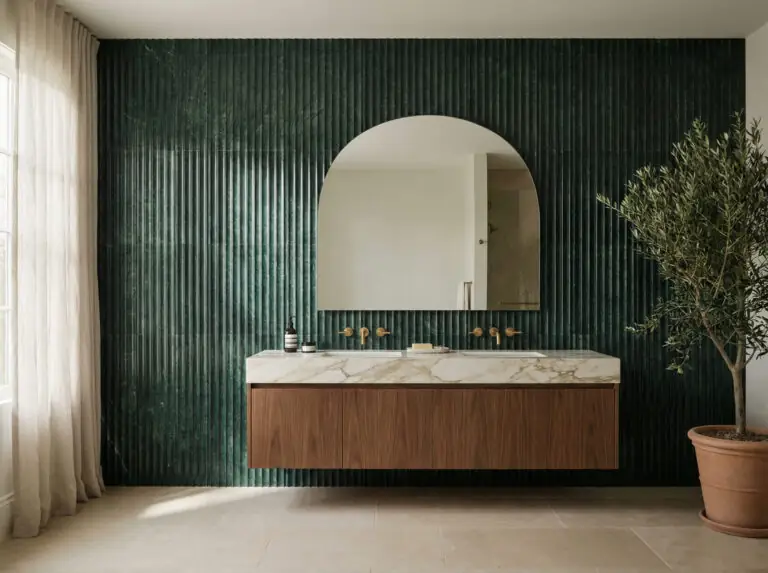
For years, the “spa bathroom” meant one thing: white-on-white-on-white. White subway tiles, white quartz, and perhaps a whisper of gray paint if you were feeling adventurous. But as we settle into 2026, the design barometer has shifted dramatically. We are no longer just washing off the day; we are stepping into immersive, moody, and highly tactile sanctuaries.
The all-white laboratory look is fading, replaced by a desire for depth, character, and “quiet luxury.” The easiest way to bring this energy into your home without a full-gut renovation? The statement accent wall.
Whether you are looking to create a “jewel box” powder room or a grounding master ensuite, this guide covers everything you need to know about the textures, materials, and placement strategies dominating bathroom design this year.
What is the Bathroom Accent Wall Trend for 2026?
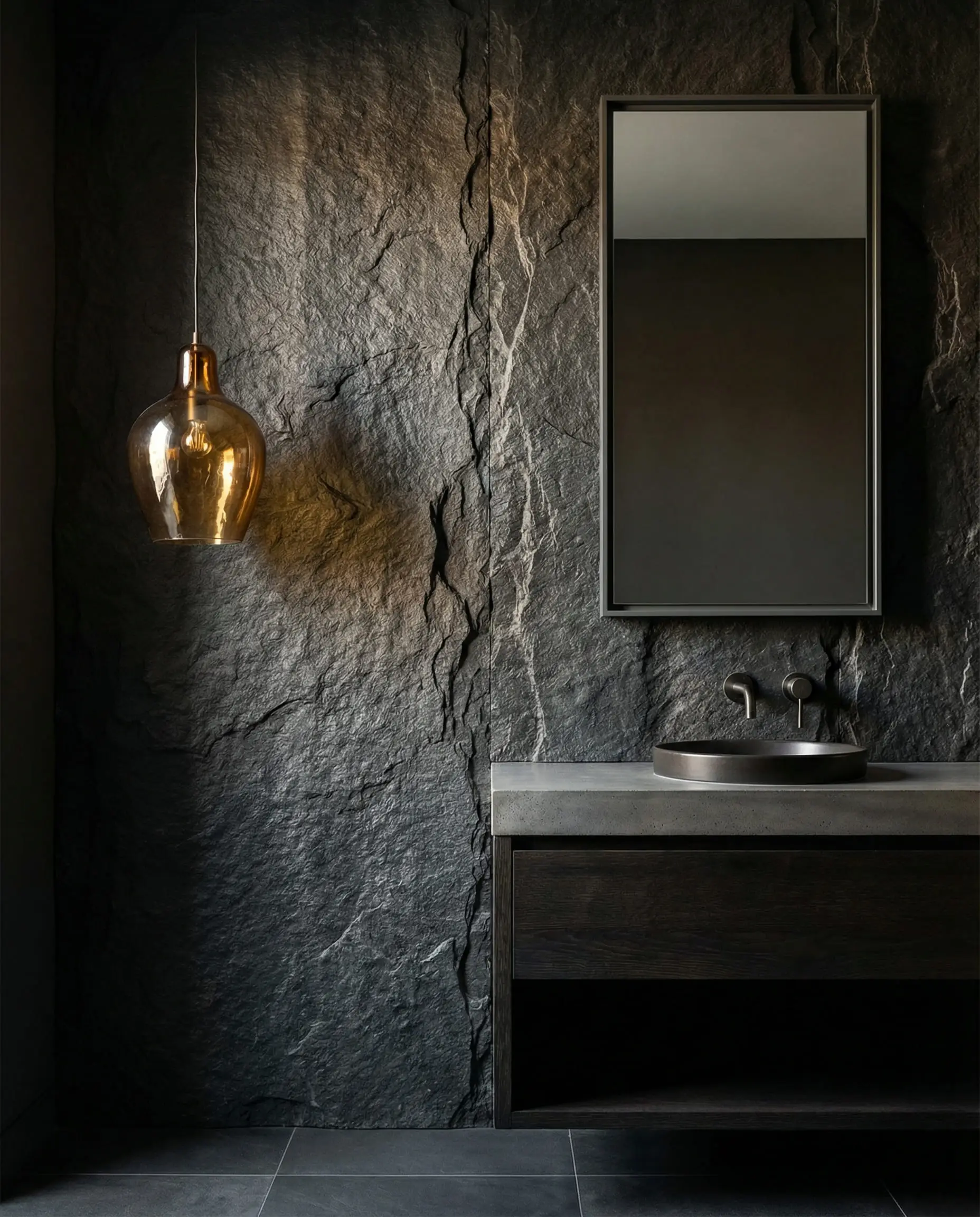
In 2026, bathroom accent walls are moving away from simple painted feature walls toward high-texture materials and biophilic designs. The top trends include “stone drenching” (using the same stone slab on walls and ceilings), fluted wood slats for warmth, and moody, saturated colors like oxblood, forest green, and charcoal. The goal is to create a sensory experience, prioritizing tactile surfaces like Zellige tiles and raw limestone over flat, glossy finishes.
If you are planning a broader renovation, it is essential to look at how these walls fit into the bigger picture. You can explore our full report on 2026 Bathroom Trends to see how lighting and fixtures are evolving alongside these surface changes.
Design Theory: Where Should Your Accent Wall Go?
Before you buy a single tile or roll of wallpaper, you must answer the most critical design question: Which wall deserves the spotlight?
In a living room, it’s usually obvious (behind the TV or sofa). In a bathroom, it’s trickier because you have plumbing fixtures and mirrors breaking up the visual flow. Choosing the wrong wall can make the space feel disjointed or even smaller.
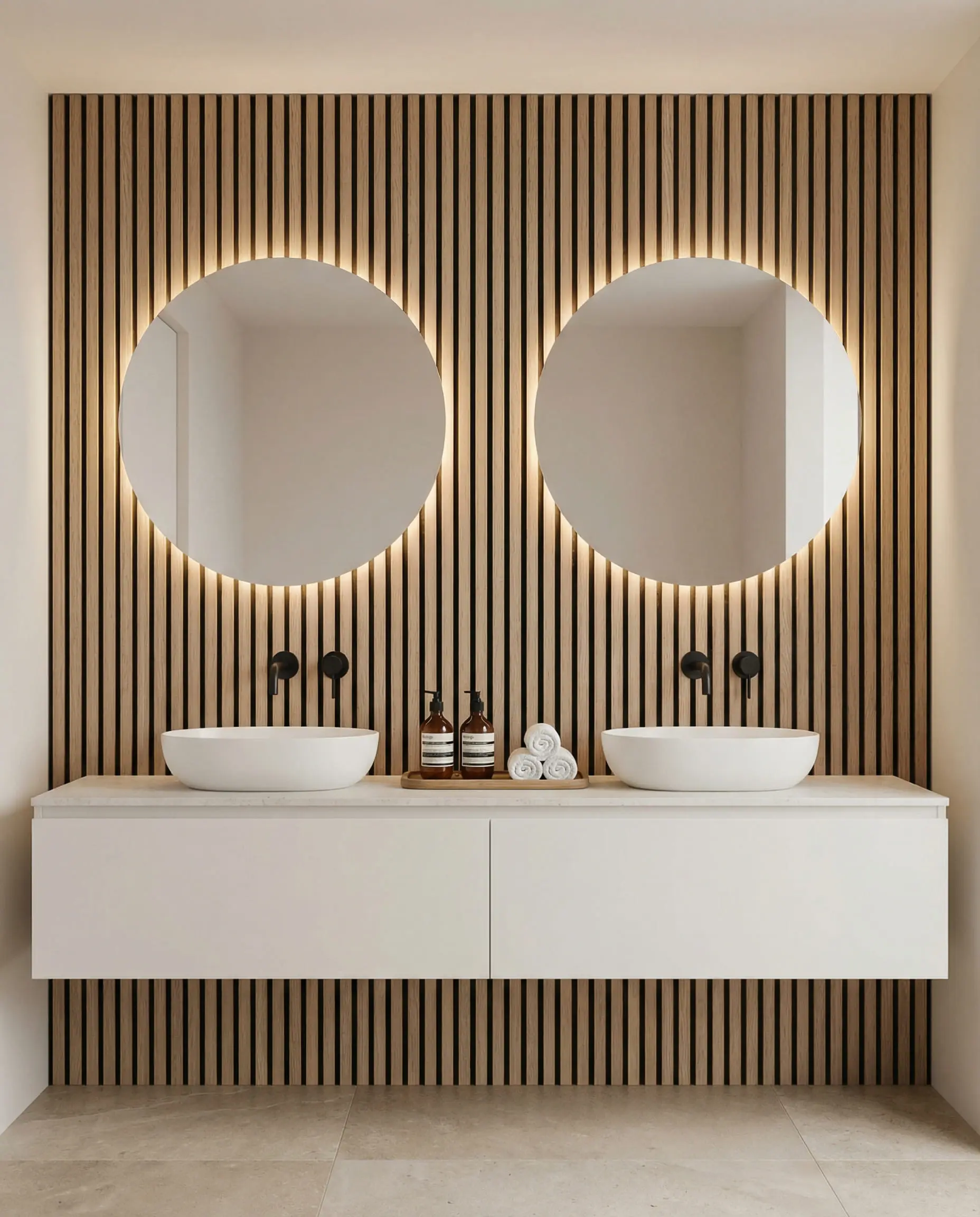
1. Behind the Vanity
This is the classic choice for a reason. Your vanity area is the natural focal point of the room—it’s where your eye goes first, and it’s where you have the best lighting.
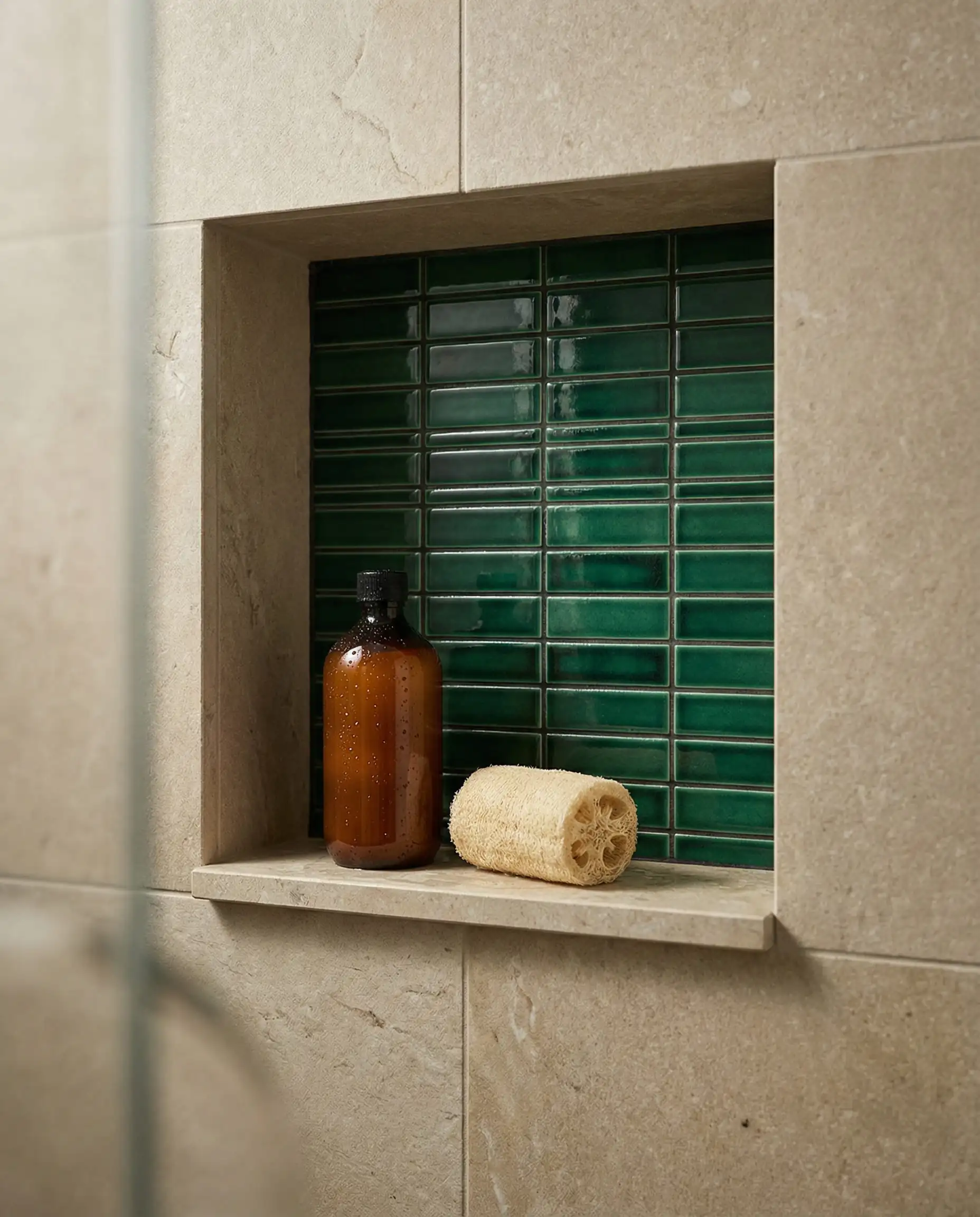
2. The “Destination” Shower
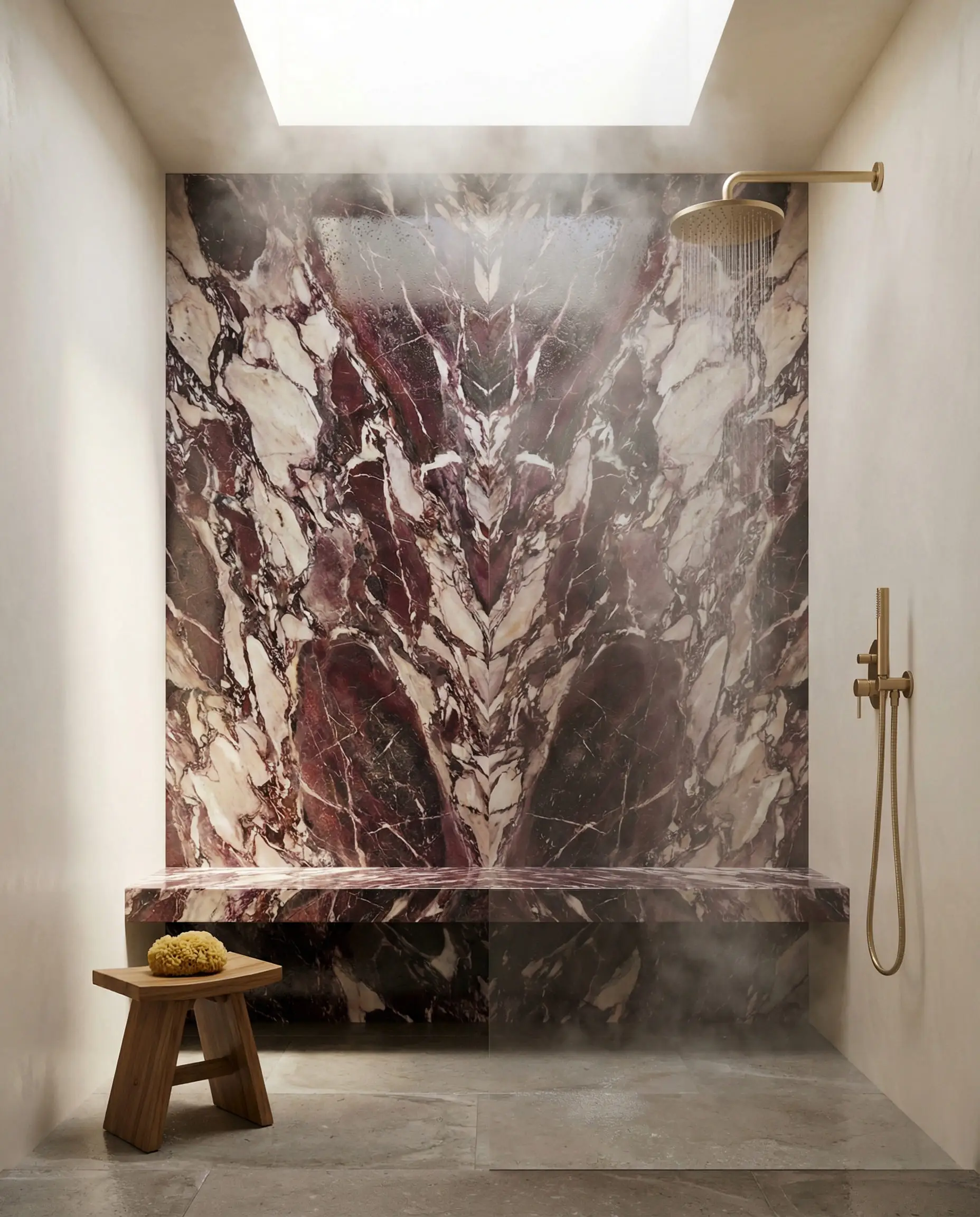
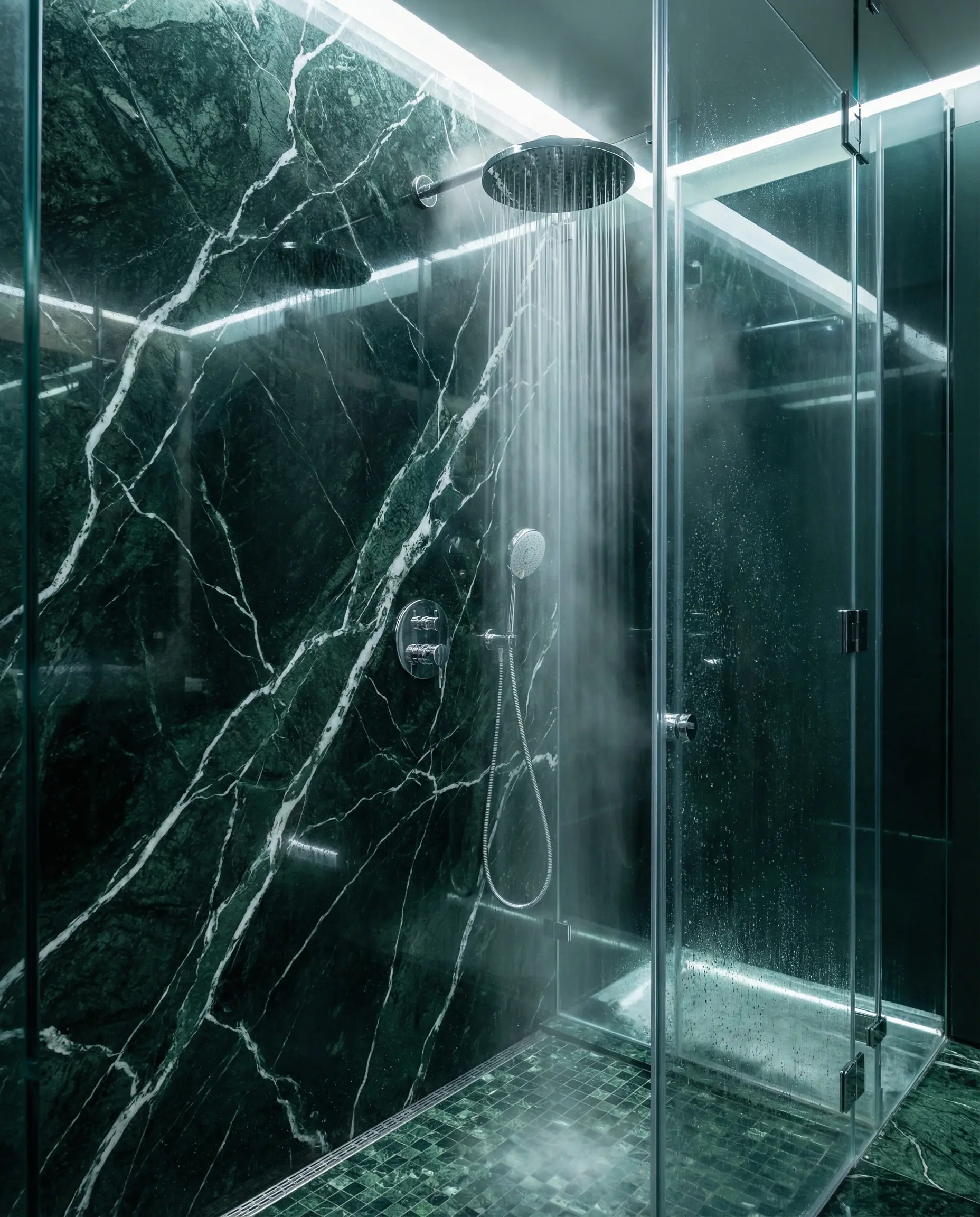
We are seeing a massive shift toward treating the shower not just as a functional utility, but as a destination.
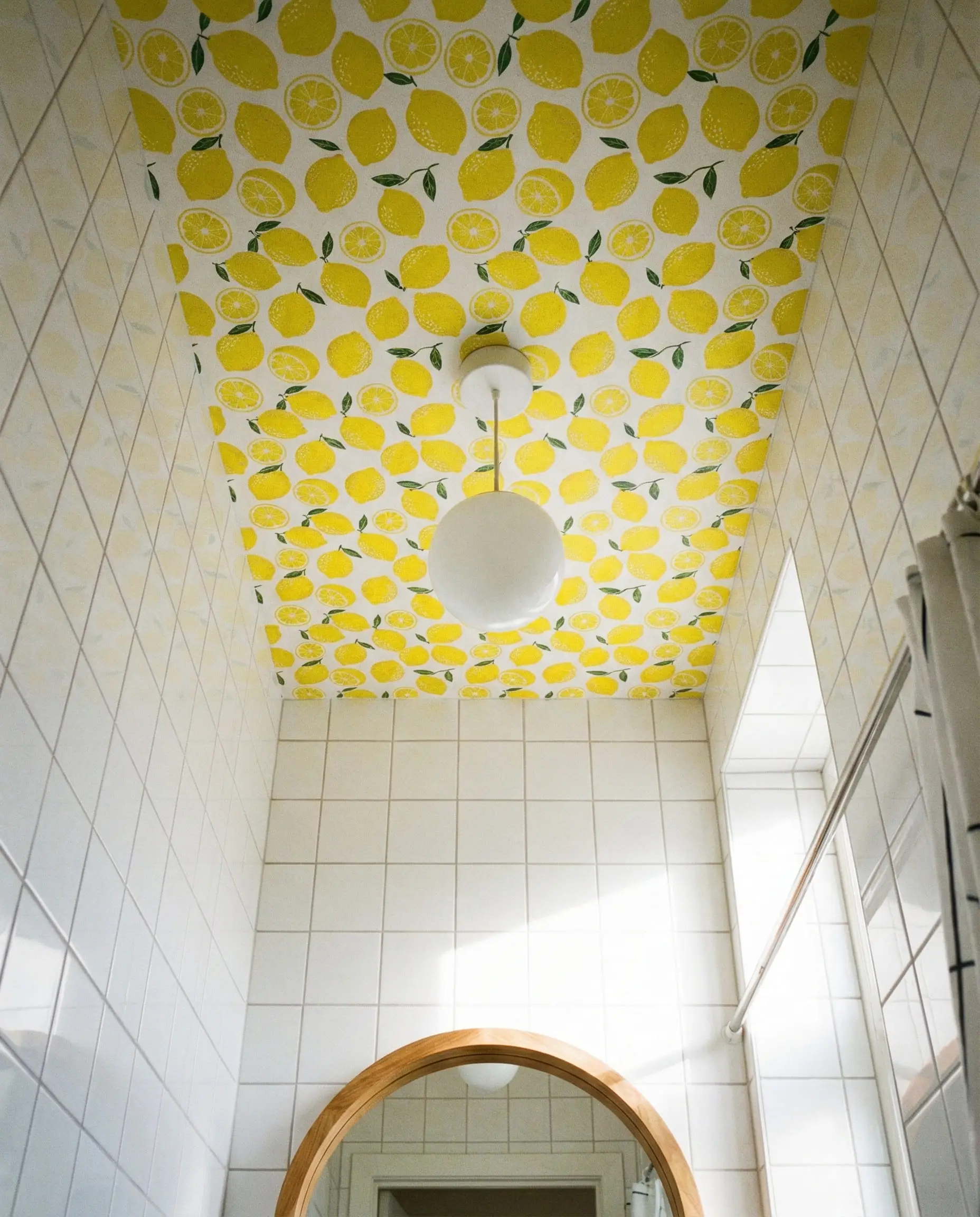
3. The “Fifth Wall” (The Ceiling)
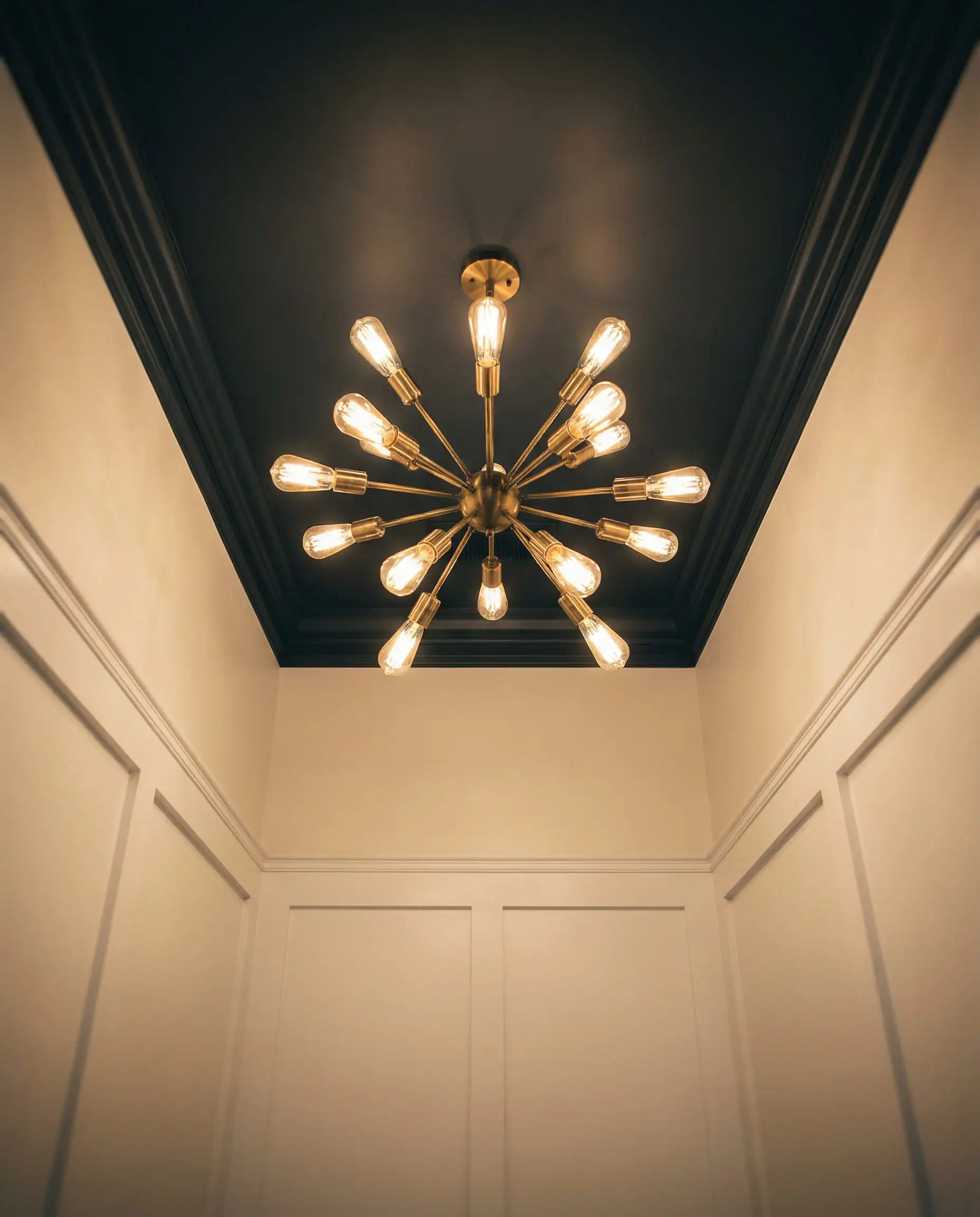
If your walls are occupied by windows, tall cabinets, or doors, look up.
4. Behind the Freestanding Tub
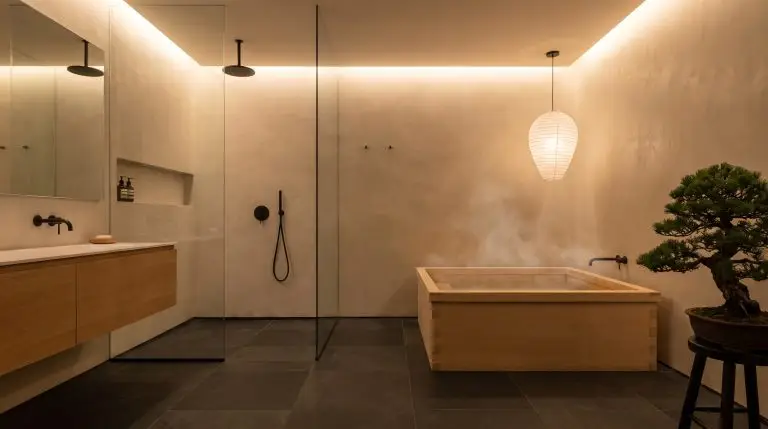
If you are lucky enough to have a soaking tub, this is your prime real estate. A textured wall behind a sculptural white tub creates high contrast and emphasizes the tub’s curves.
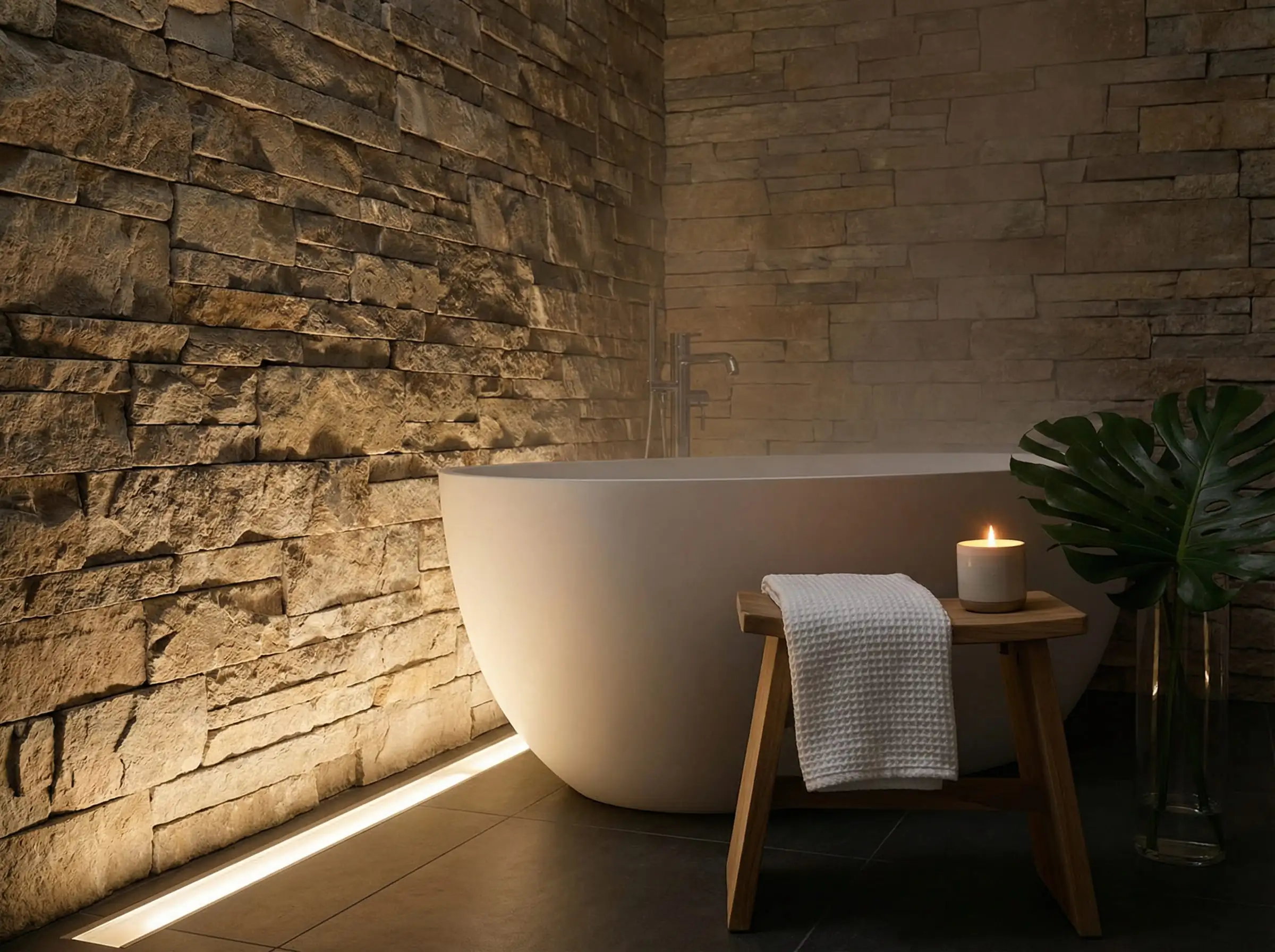
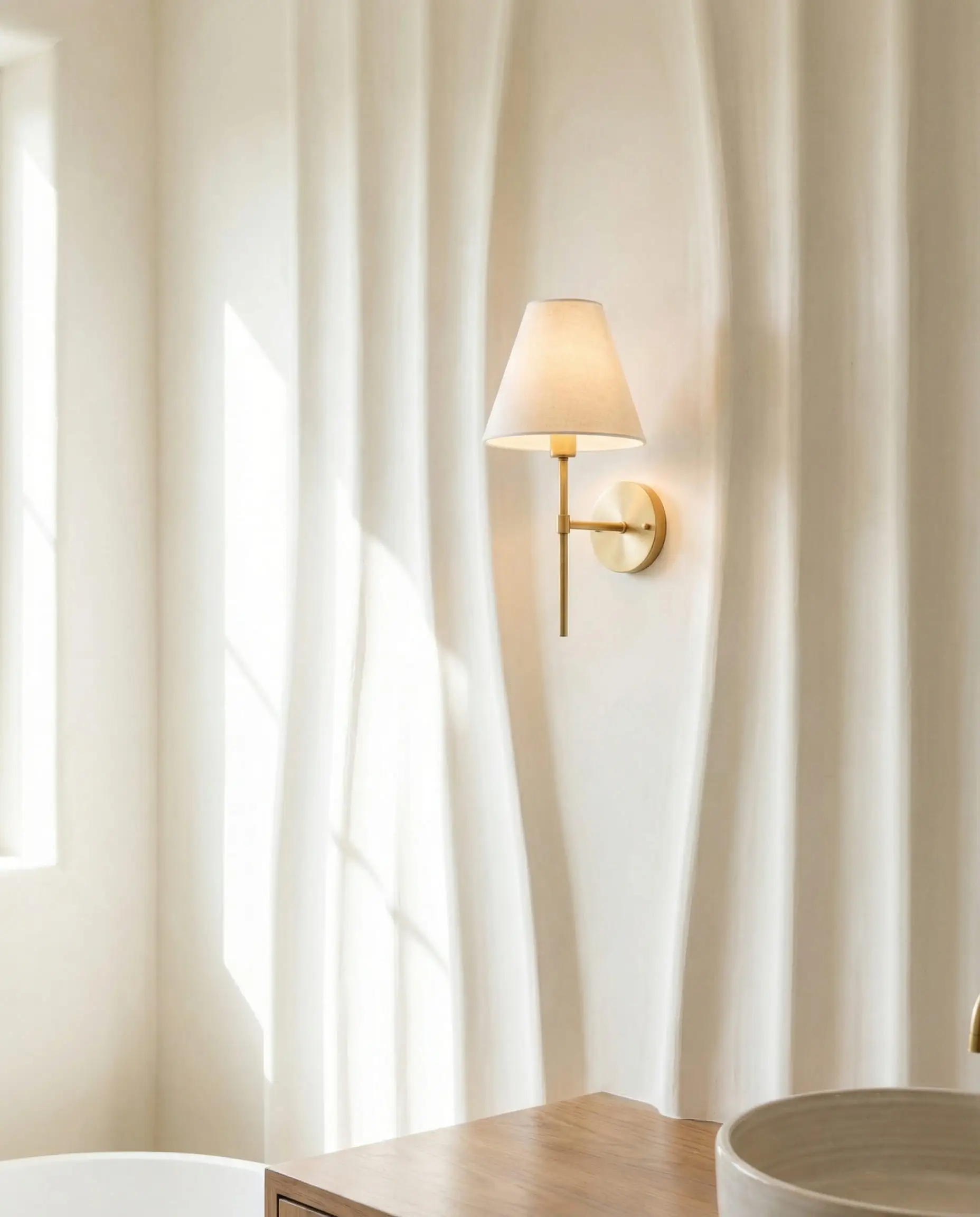
Don’t forget the lighting! A textured accent wall (like stone or wood slats) falls flat without proper illumination. Install LED grazing lights in the ceiling close to the wall, or wall sconces that cast light up and down. The shadows created by the light hitting the texture are what give the wall its “expensive” look.
🎨 Hackrea Styling Tip
Beyond Paint: Trending Materials for 2026
Paint is the easiest DIY, but 2026 is the year of texture. We are seeing a move toward materials that you want to touch. Here are the top contenders dominating the market.
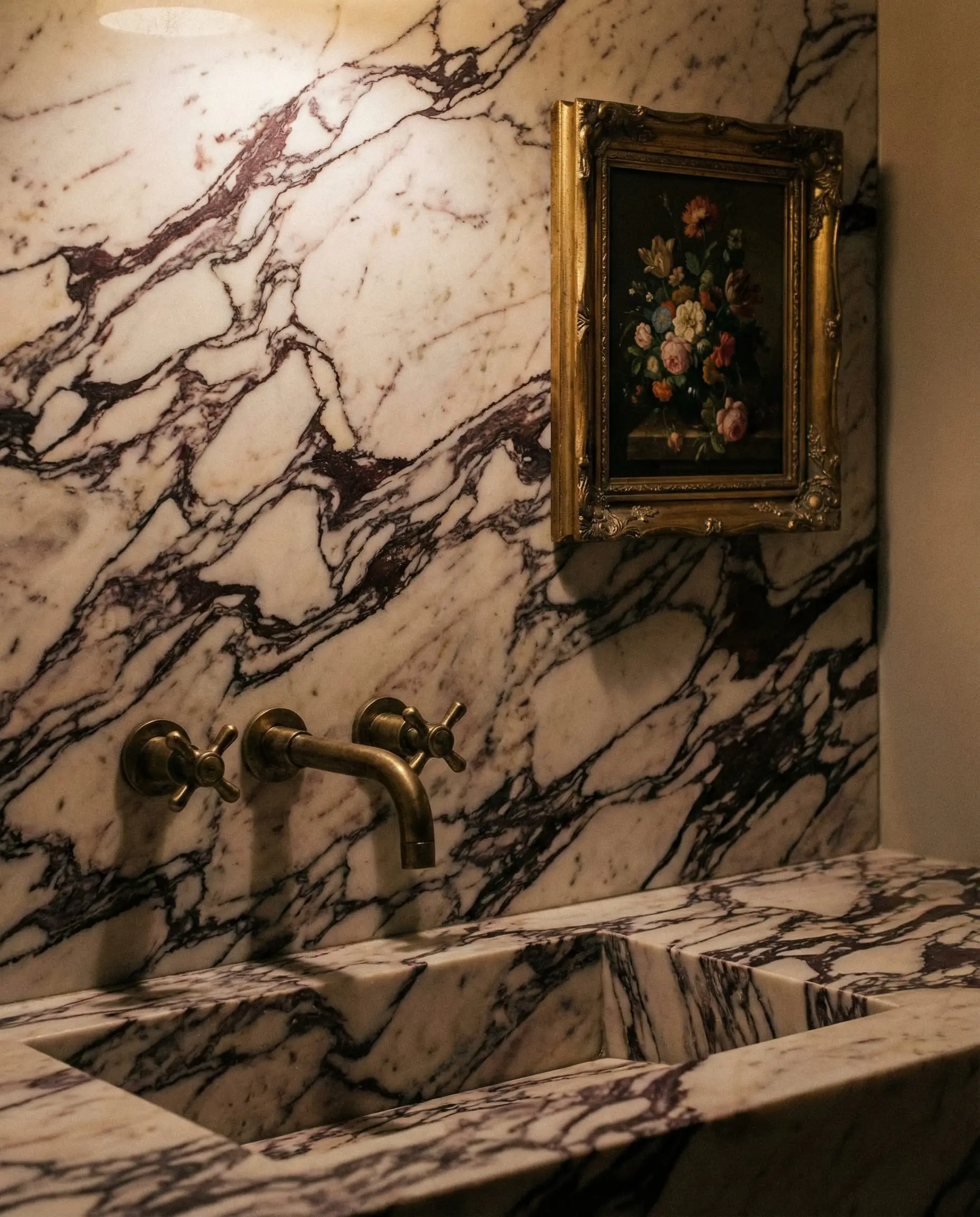
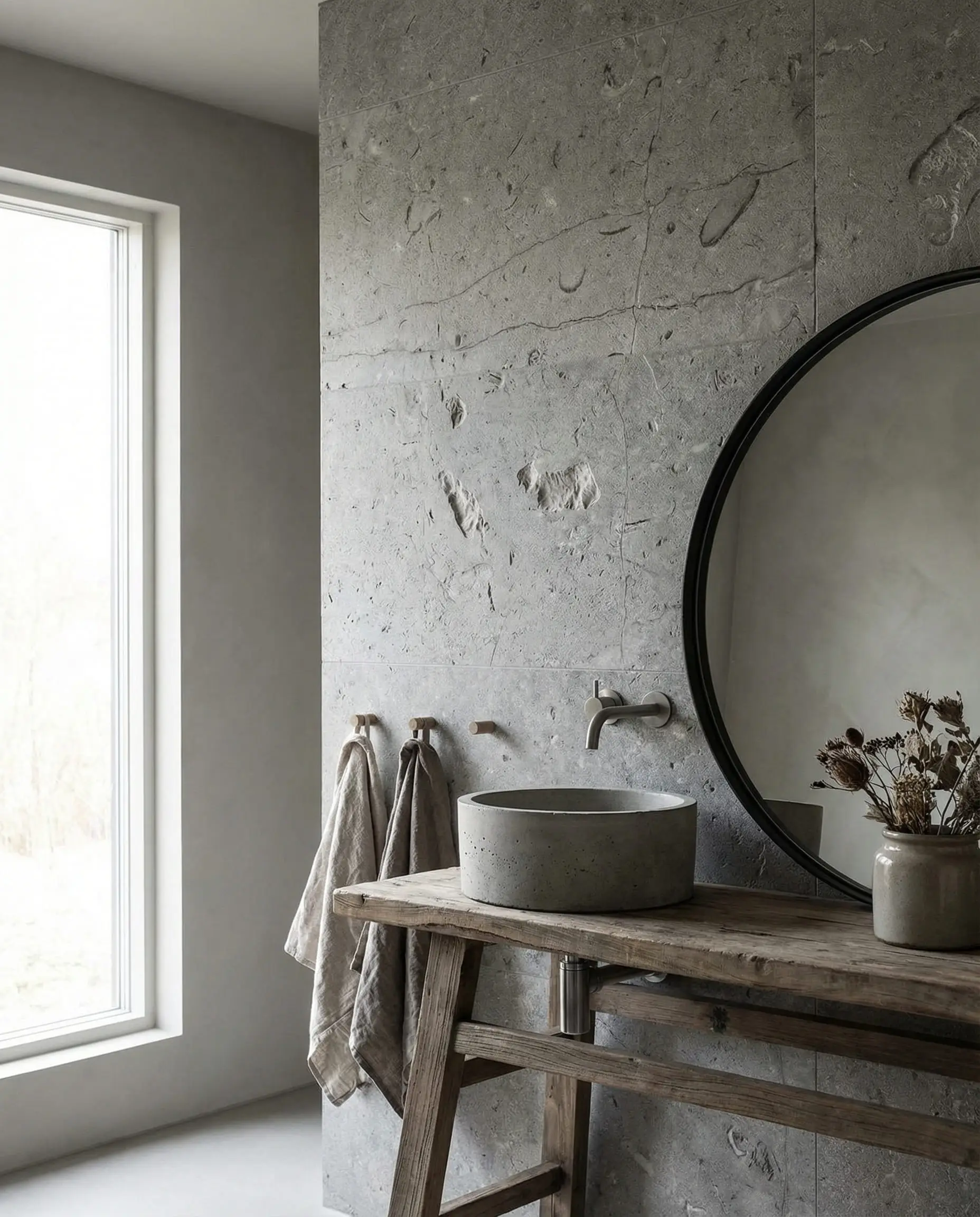
1. Stone Drenching & Raw Slabs
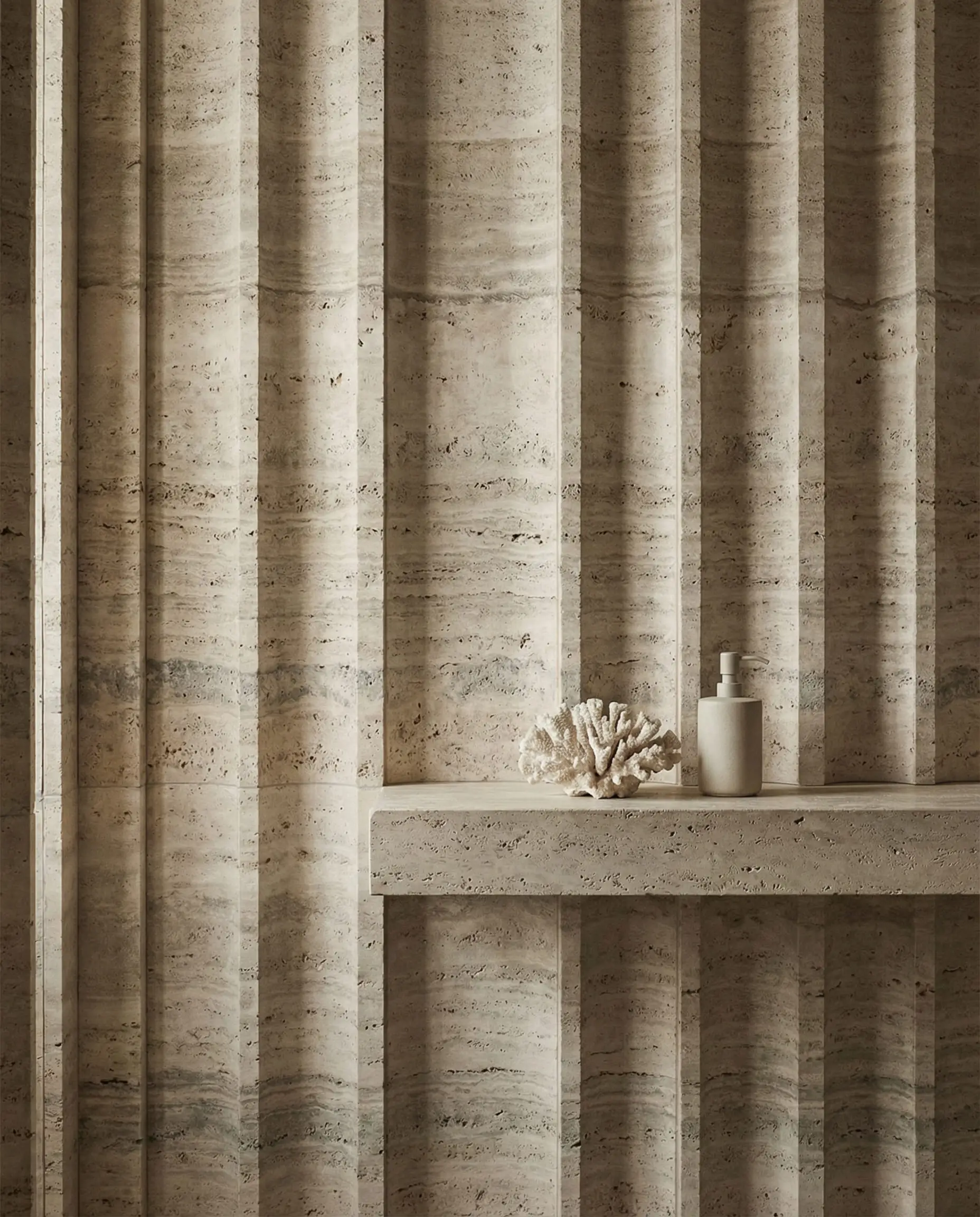
“Stone drenching” is a term you will hear a lot this year. It involves using natural stone (or high-quality porcelain lookalikes) in large, unbroken slabs.
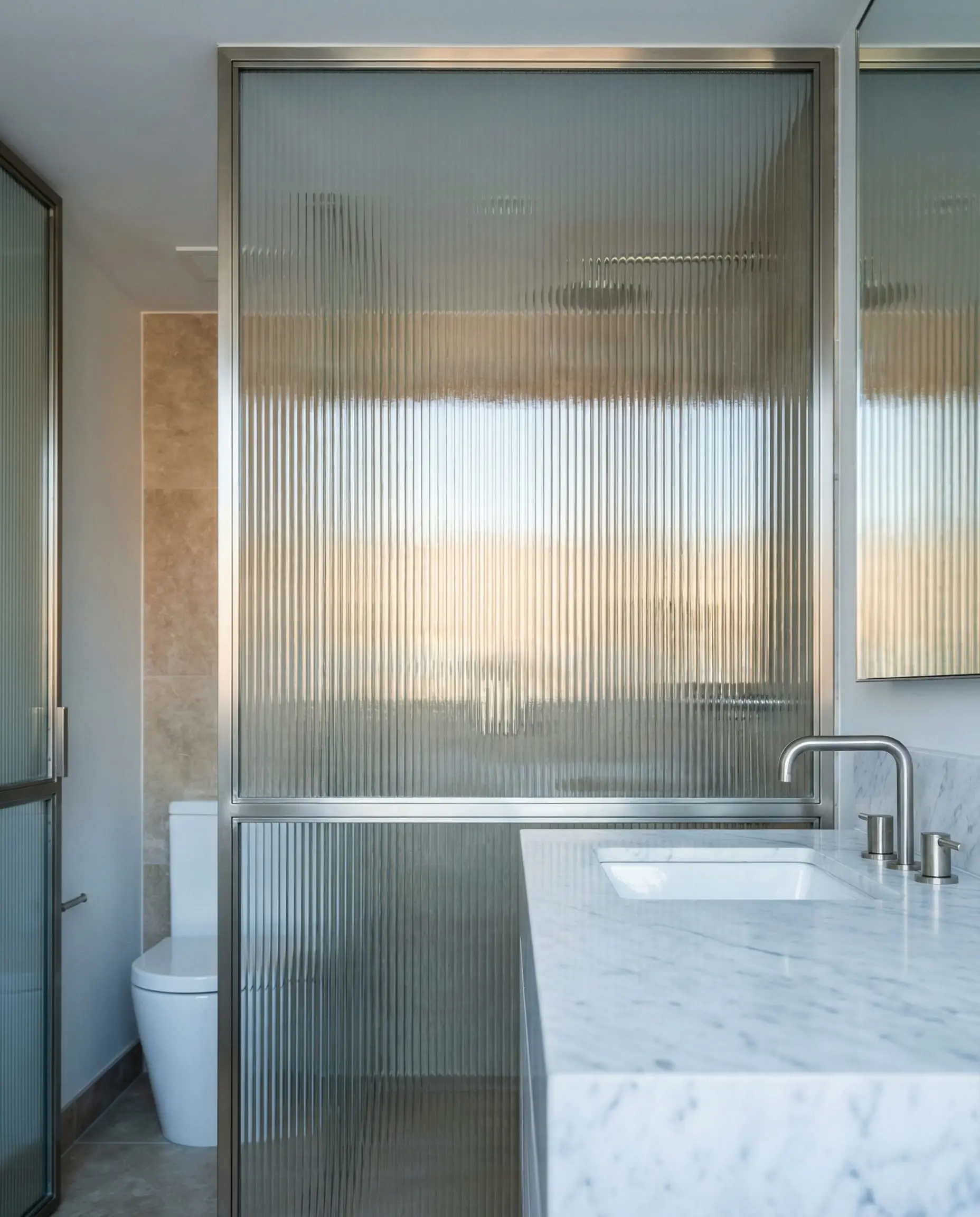
2. Fluted and Ribbed Detailing
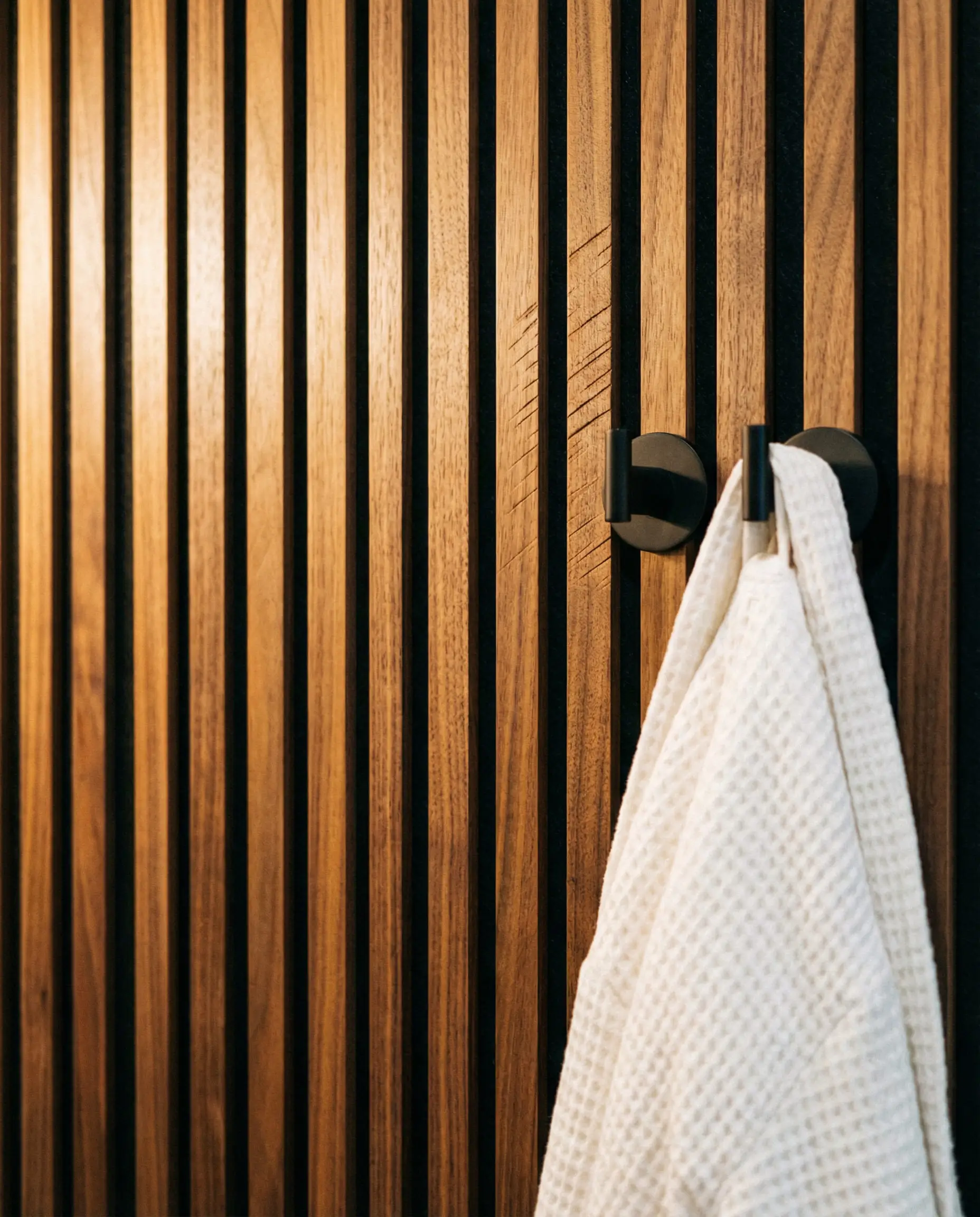
Whether it is wood, concrete, or stone, if it has ridges, it is trending.
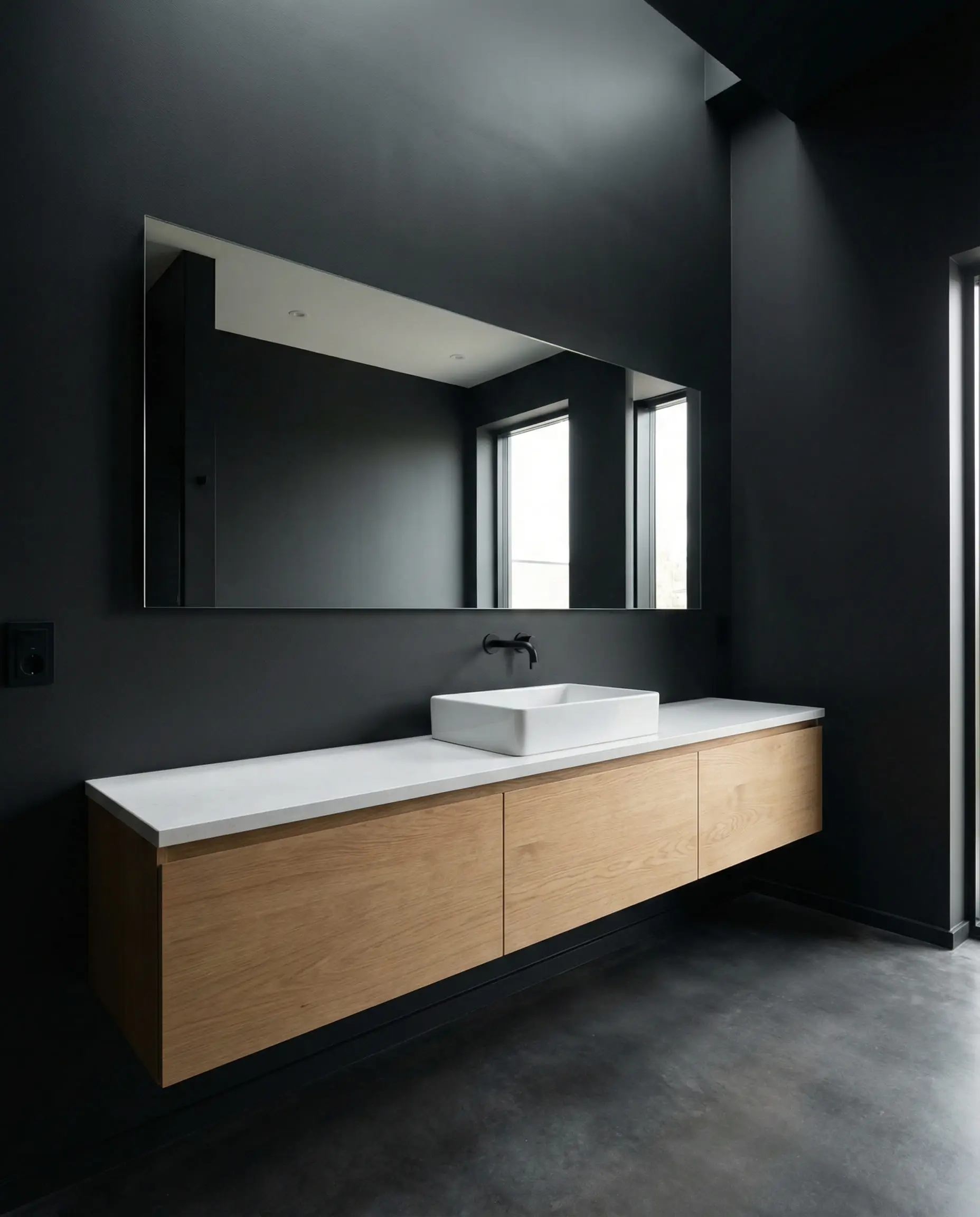
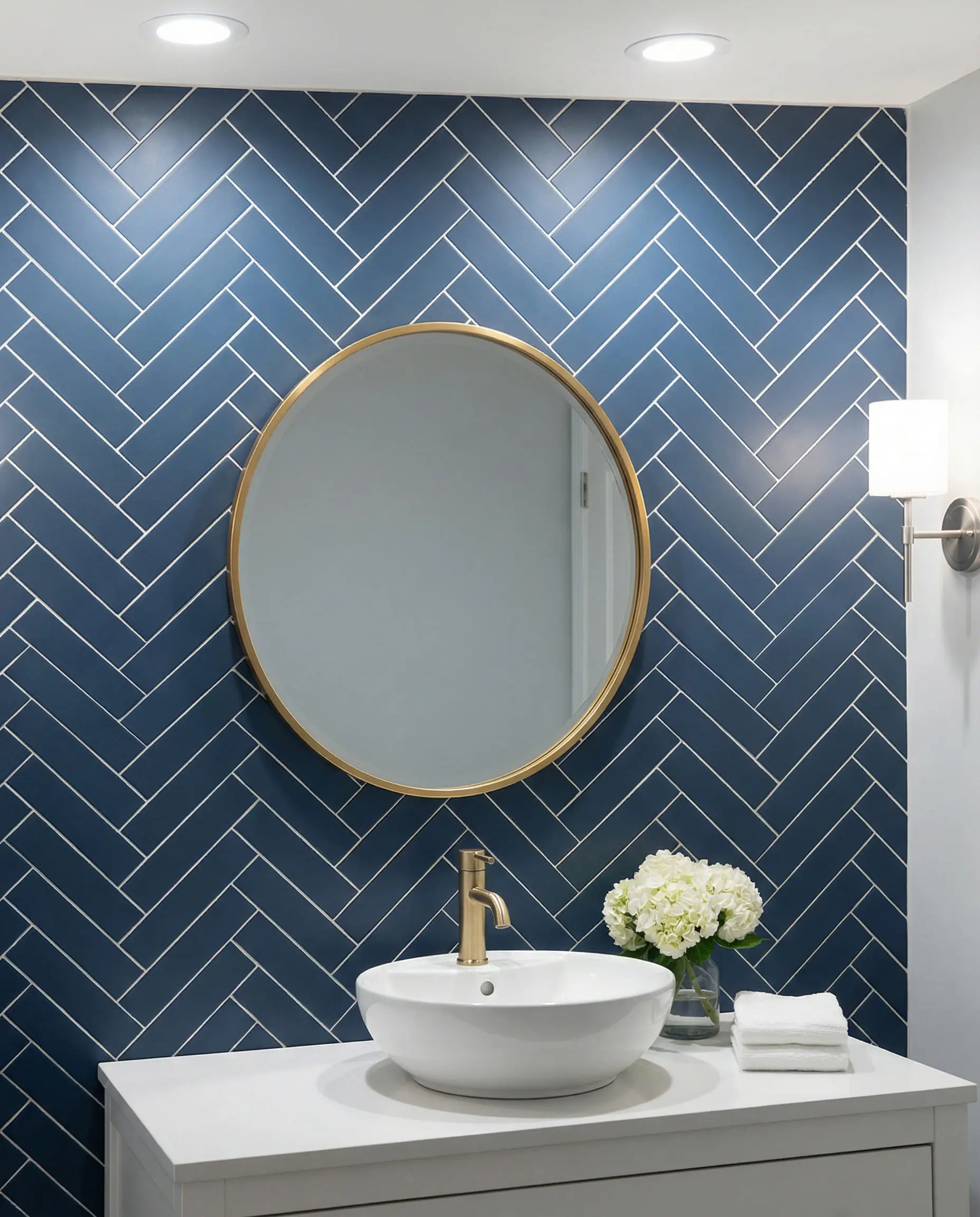
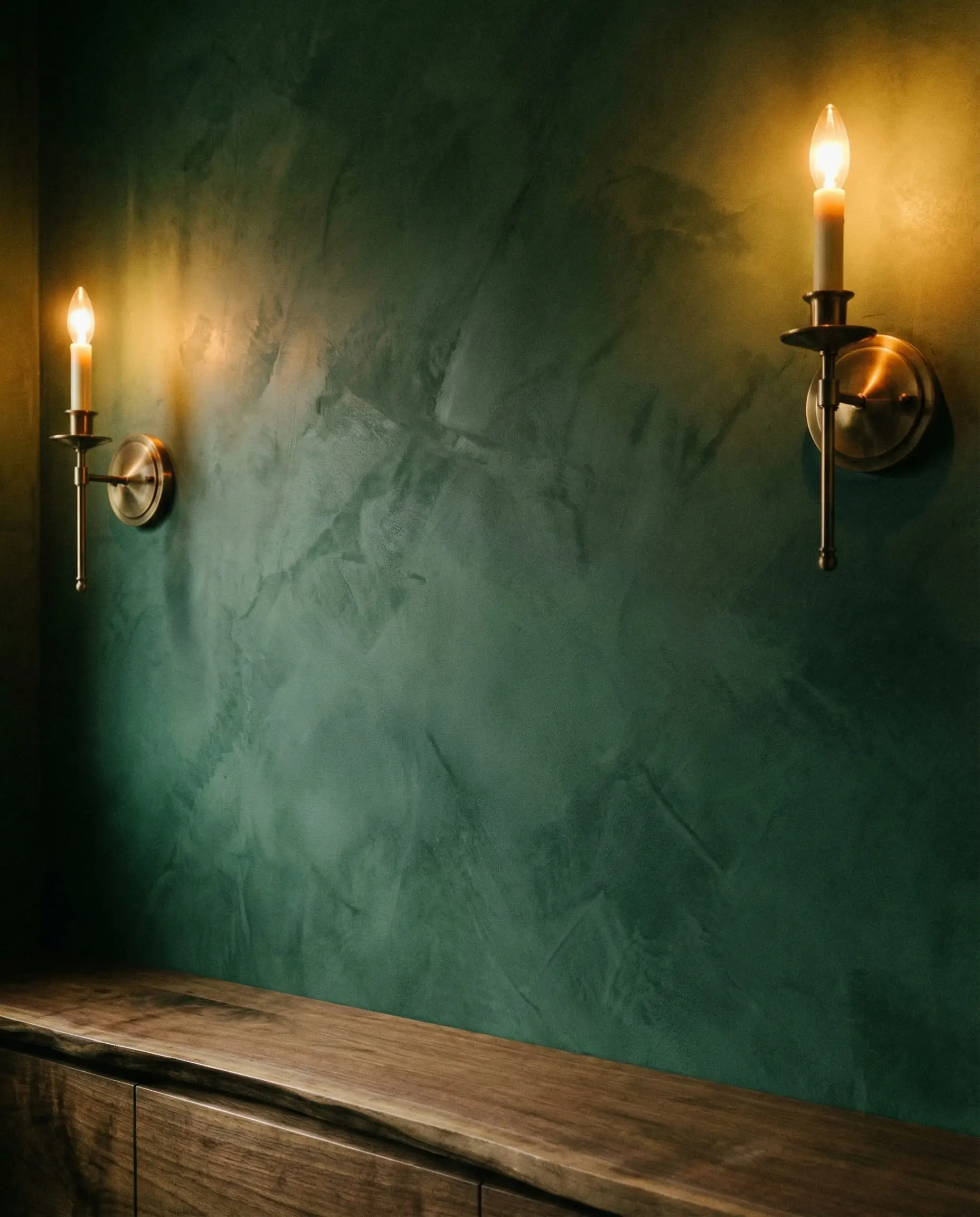
3. The “Dark & Stormy” Palette
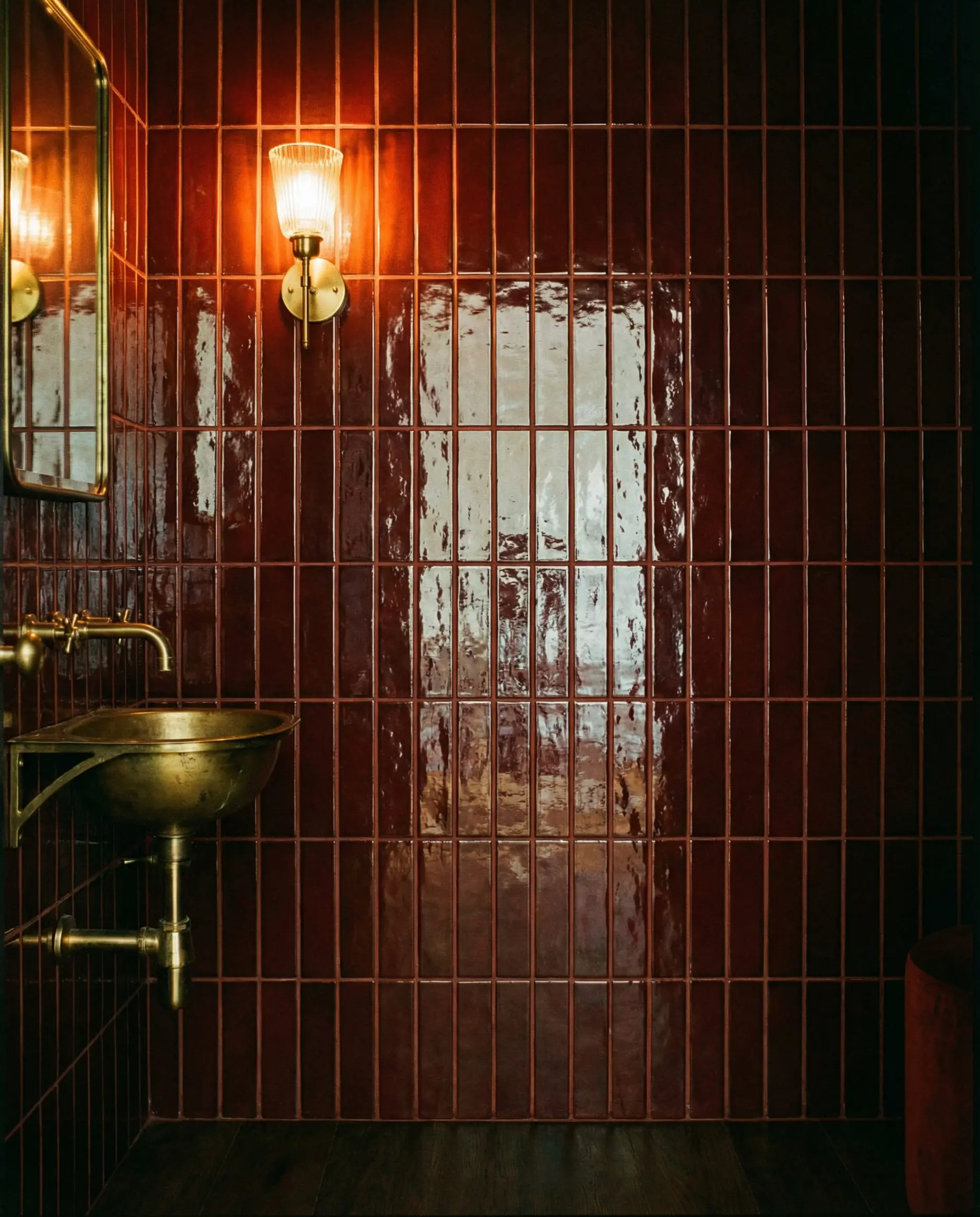
The “Sad Beige” era is waning. 2026 bathrooms are embracing rich, saturated hues that evoke moodiness.
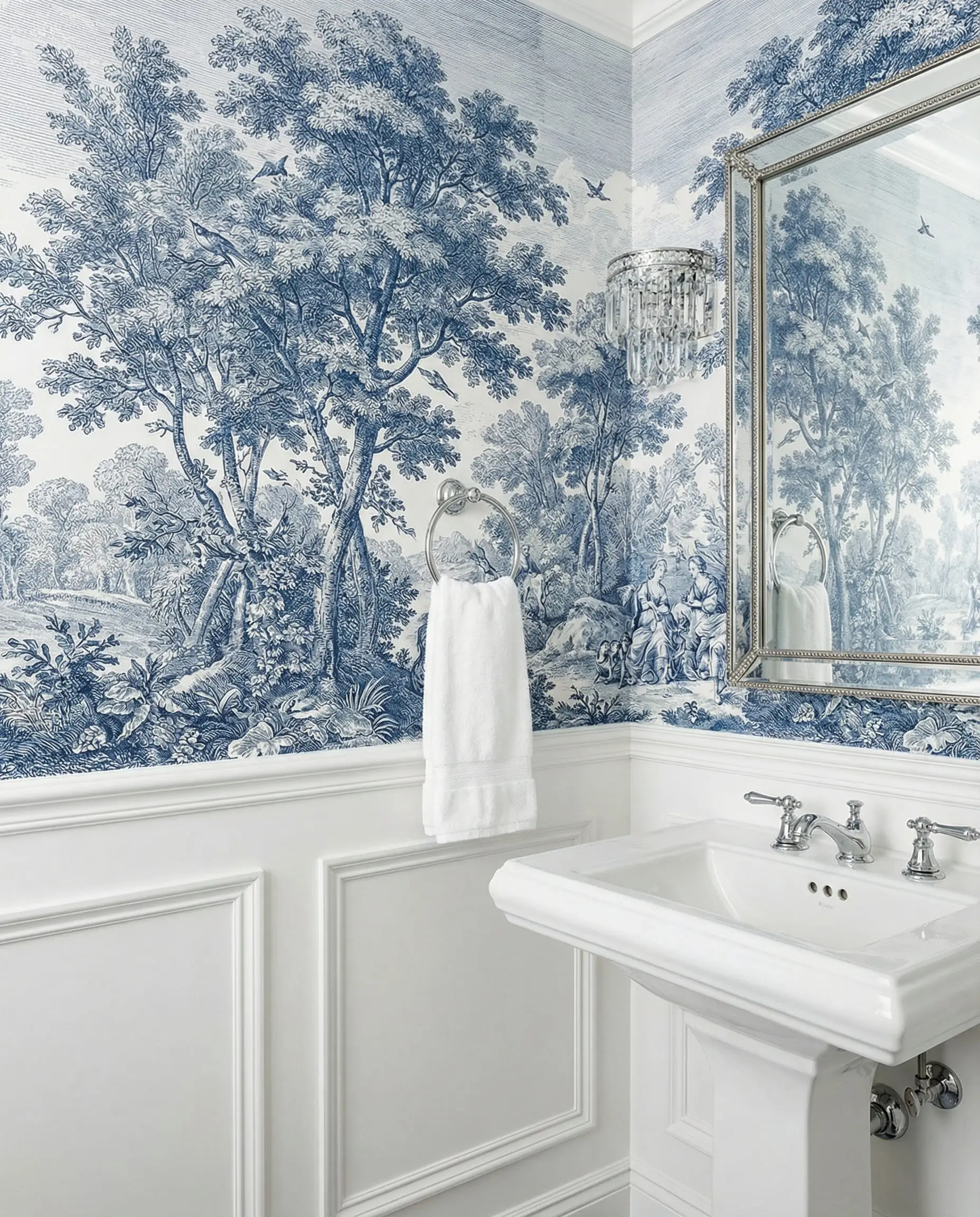
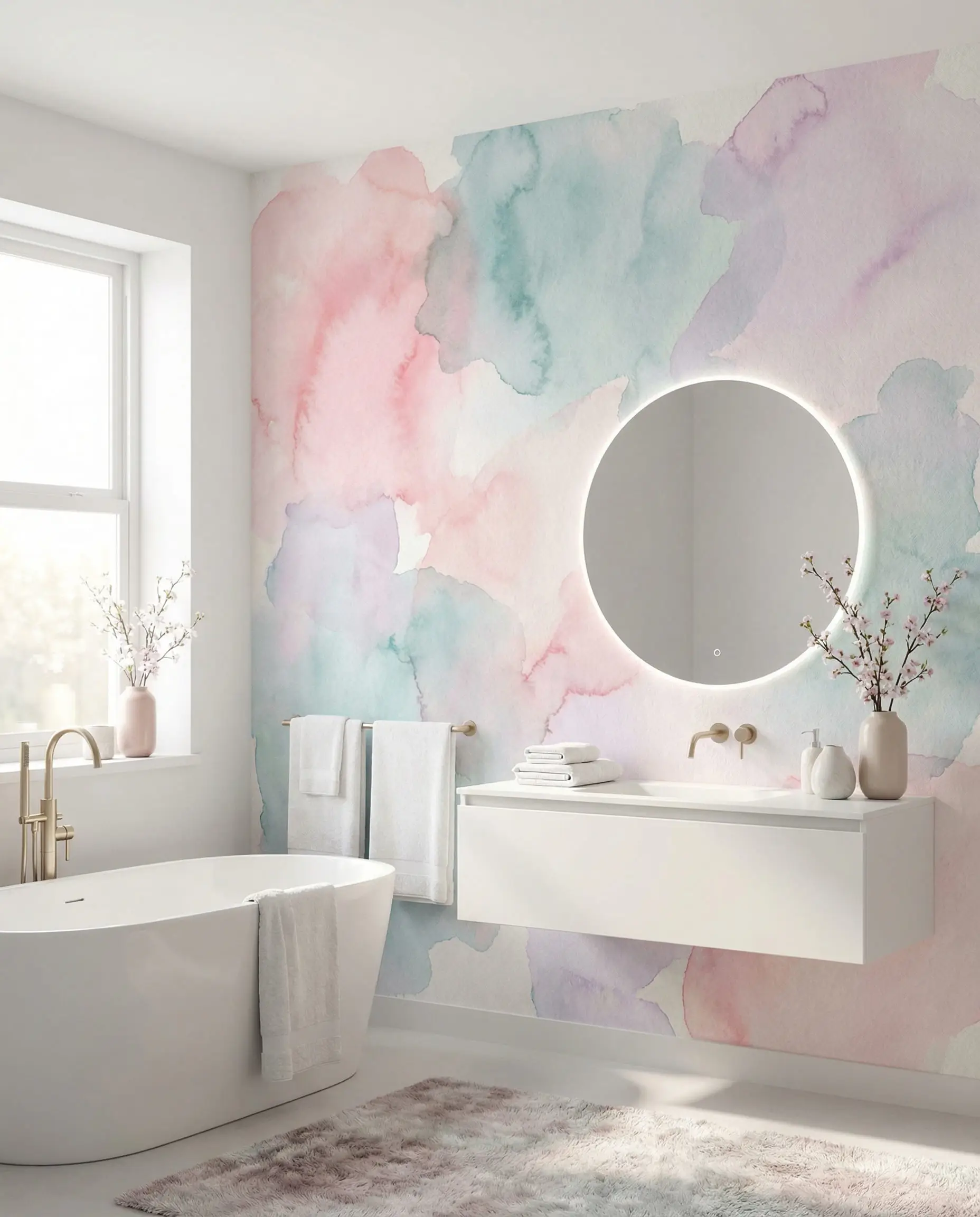
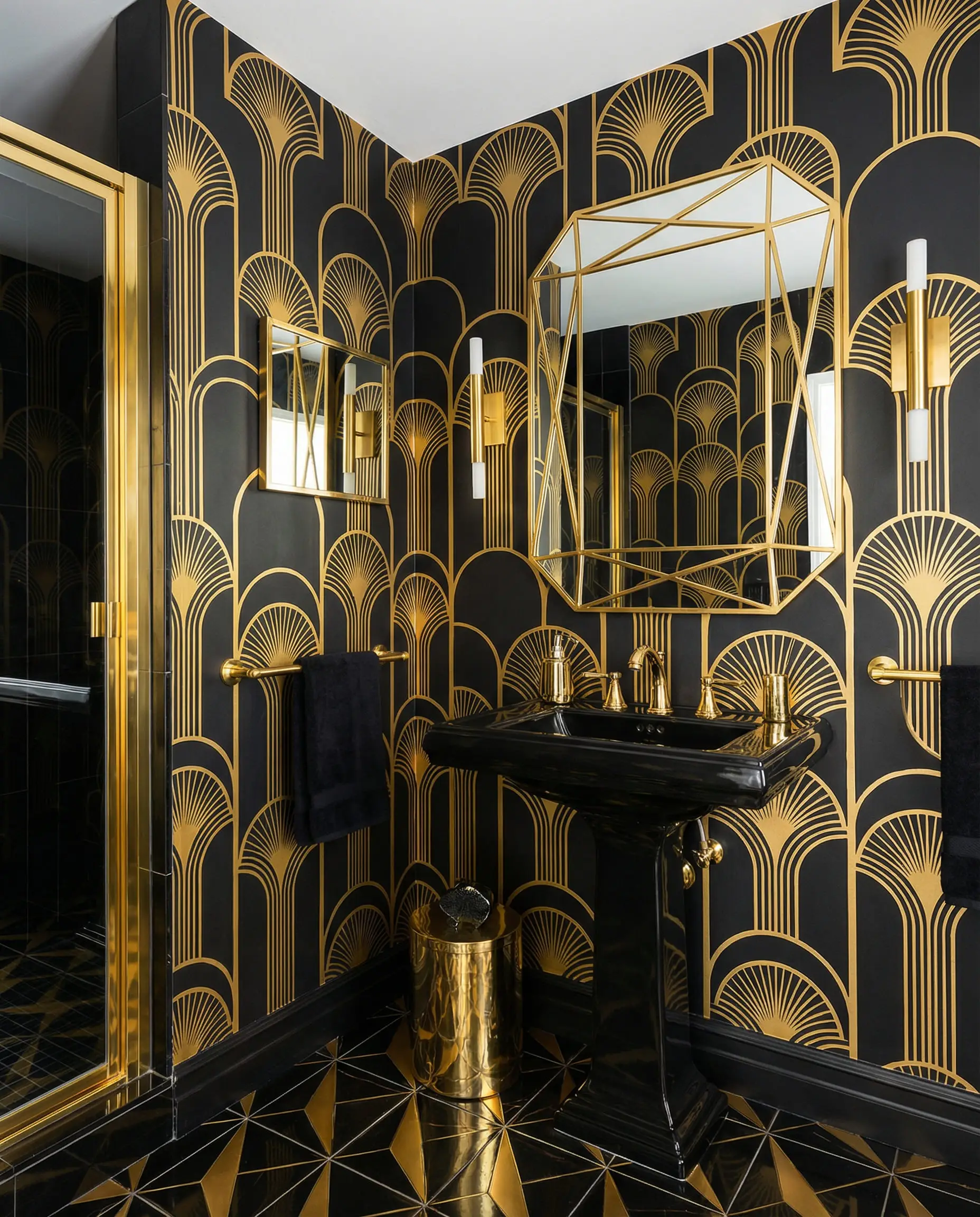
4. The Wallpaper Revival
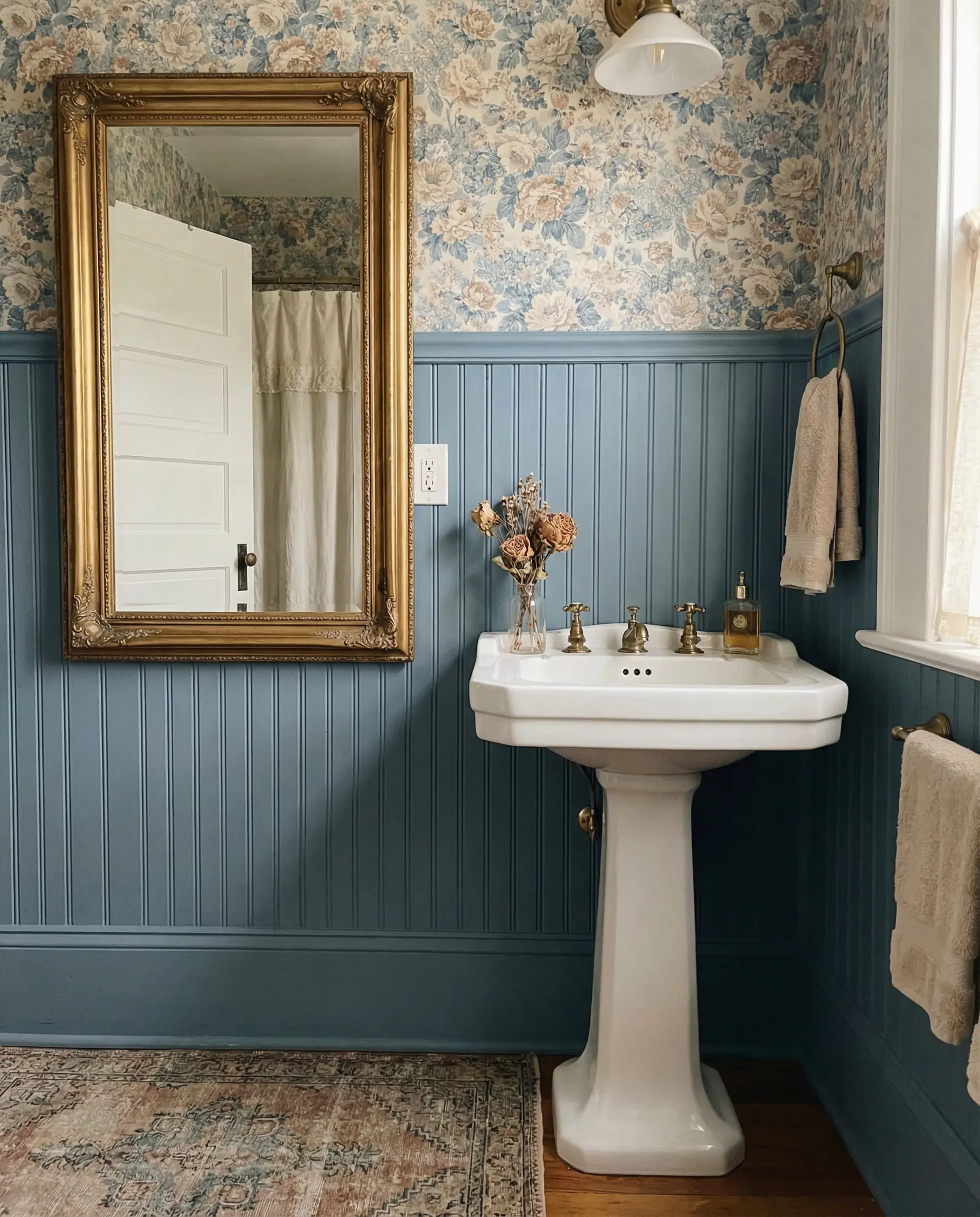
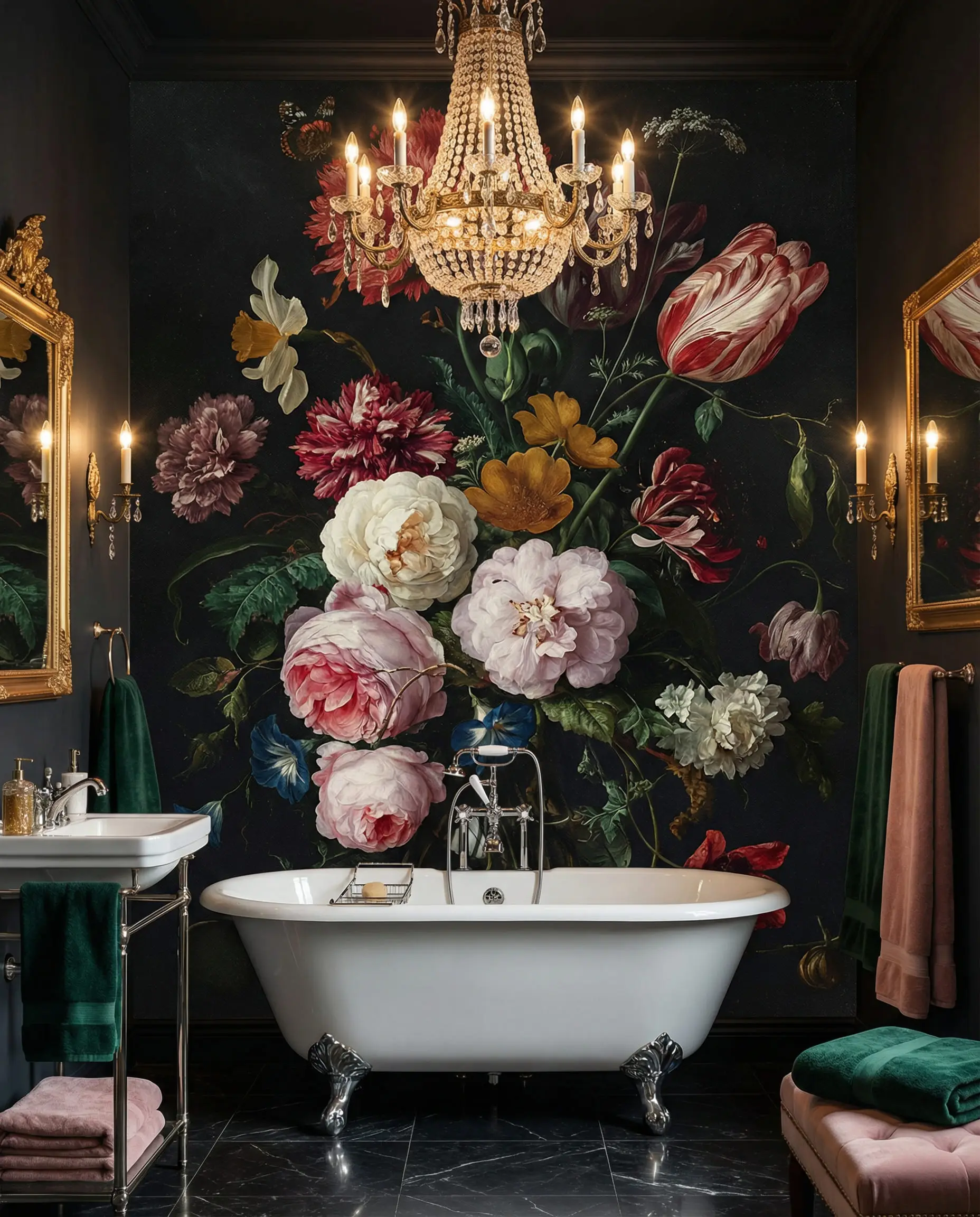
Wallpaper in the bathroom used to be a taboo risk (peeling! mold!). However, modern adhesive technologies and better ventilation systems have brought it back.
5. Zellige and Handcrafted Imperfection
The “perfect” factory-made tile is out. In is the Zellige tile—a Moroccan style tile where no two pieces are exactly alike.
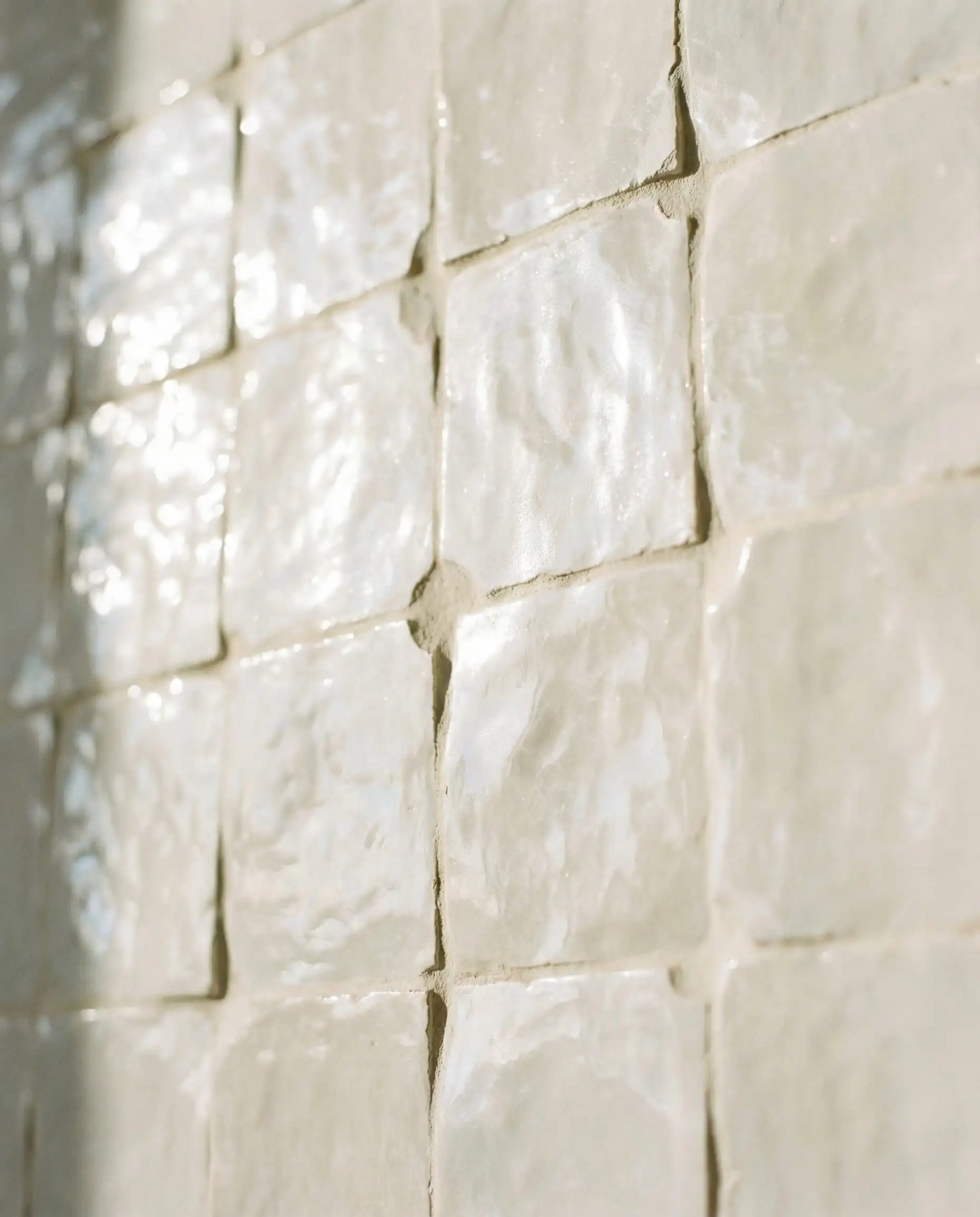
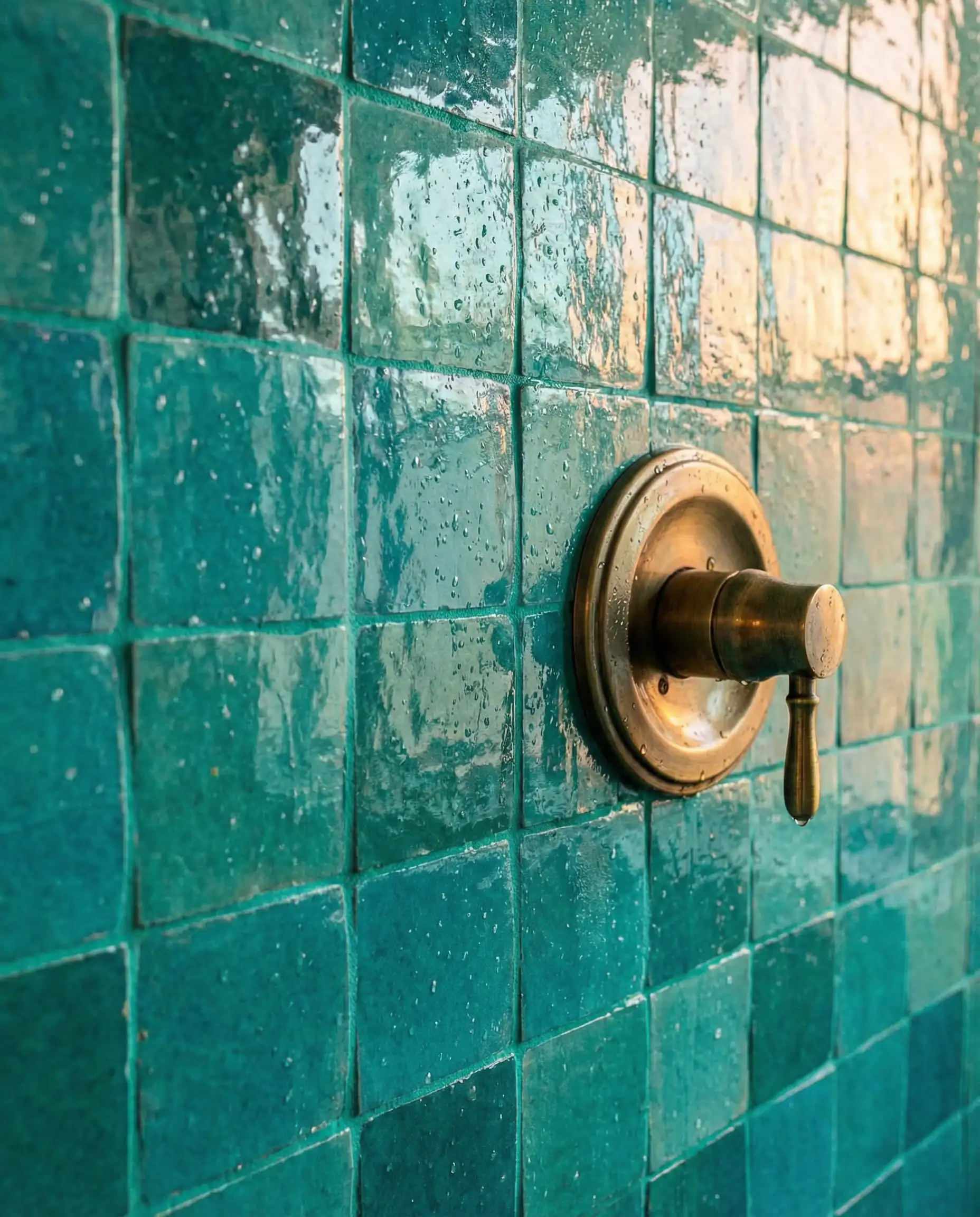
If you choose Zellige or highly textured tiles, be careful with your grout choice. A high-contrast grout can look busy and messy with imperfect tiles. A tonal grout (one that matches the tile color) allows the texture of the tile to stand out without the visual noise of a grid.
🛠️ Pro Tip
Can You Put an Accent Wall in a Small Bathroom?
This is one of the most common fears we hear: “My bathroom is tiny. Won’t an accent wall make it look cluttered?”
The answer is a resounding no—if you do it right. In fact, an accent wall is often the best way to distract from a small footprint.
The “Jewel Box” Effect
Small powder rooms are the perfect place to go wild. Because you don’t spend hours in there, you can afford to be bold. Dark, dramatic walls in a small space blur the corners of the room. When you can’t clearly see where the wall meets the corner, the space feels infinite rather than boxed in.
The Vertical Strategy
If you have a small ensuite with low ceilings, use your accent wall to manipulate the eye.
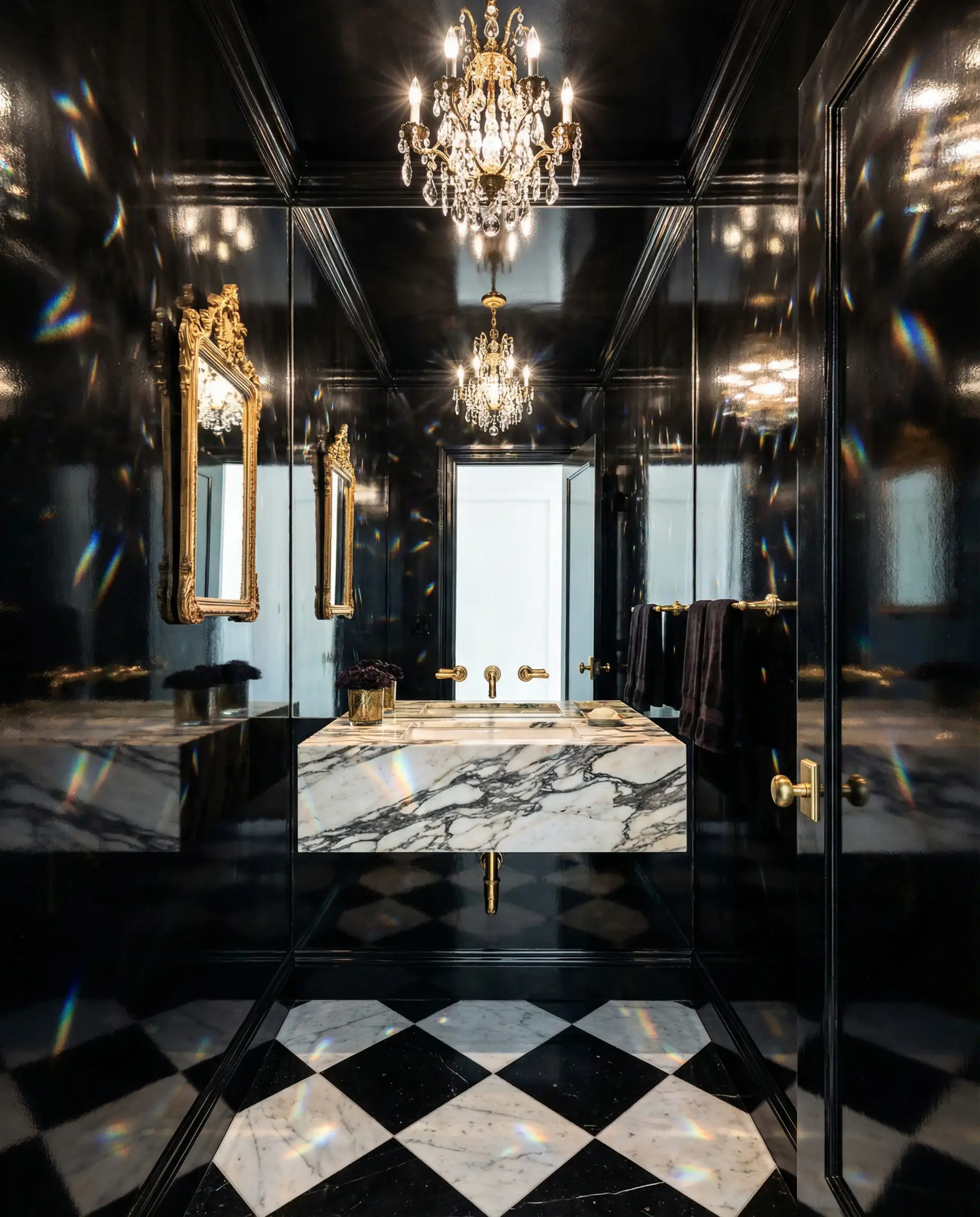
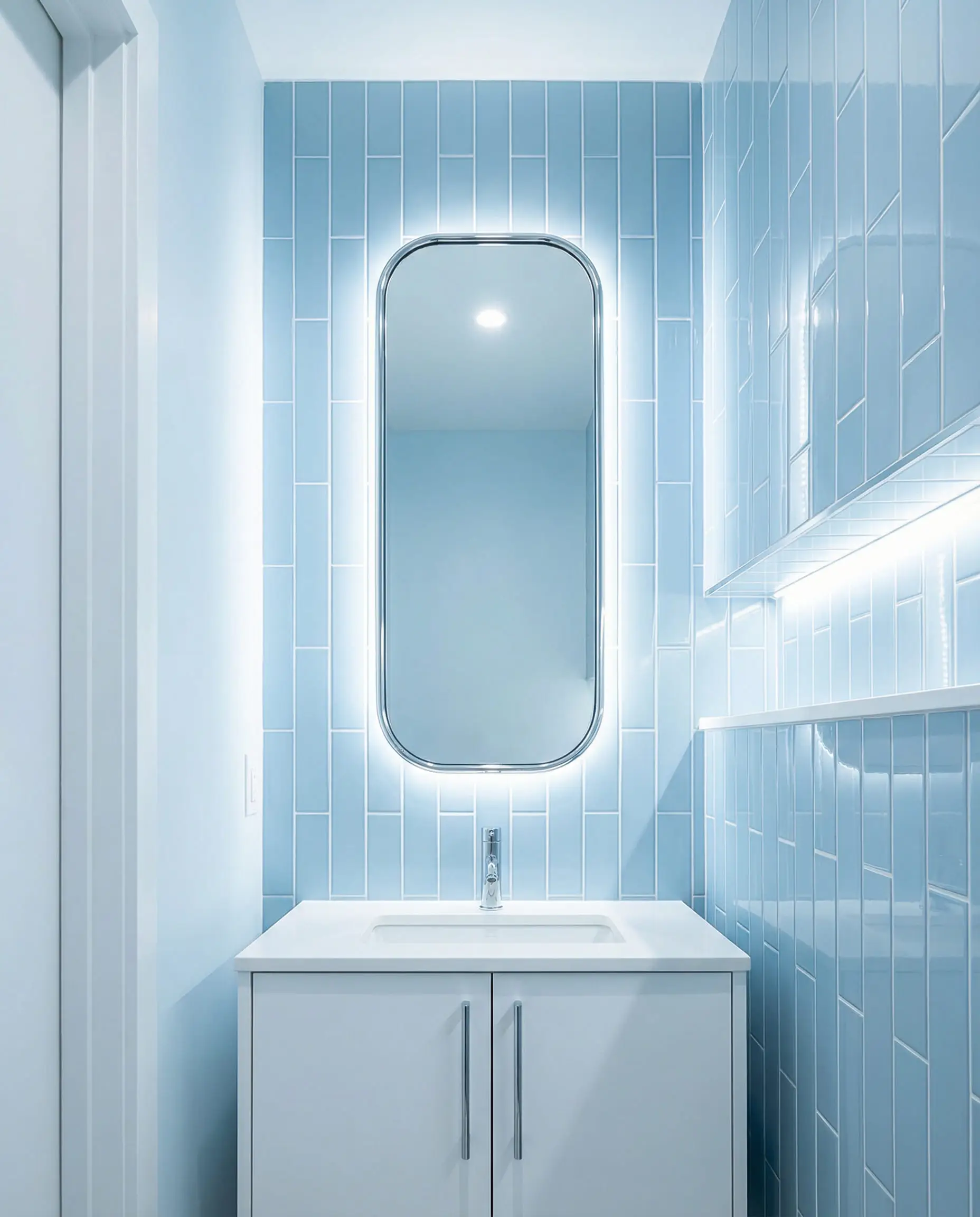
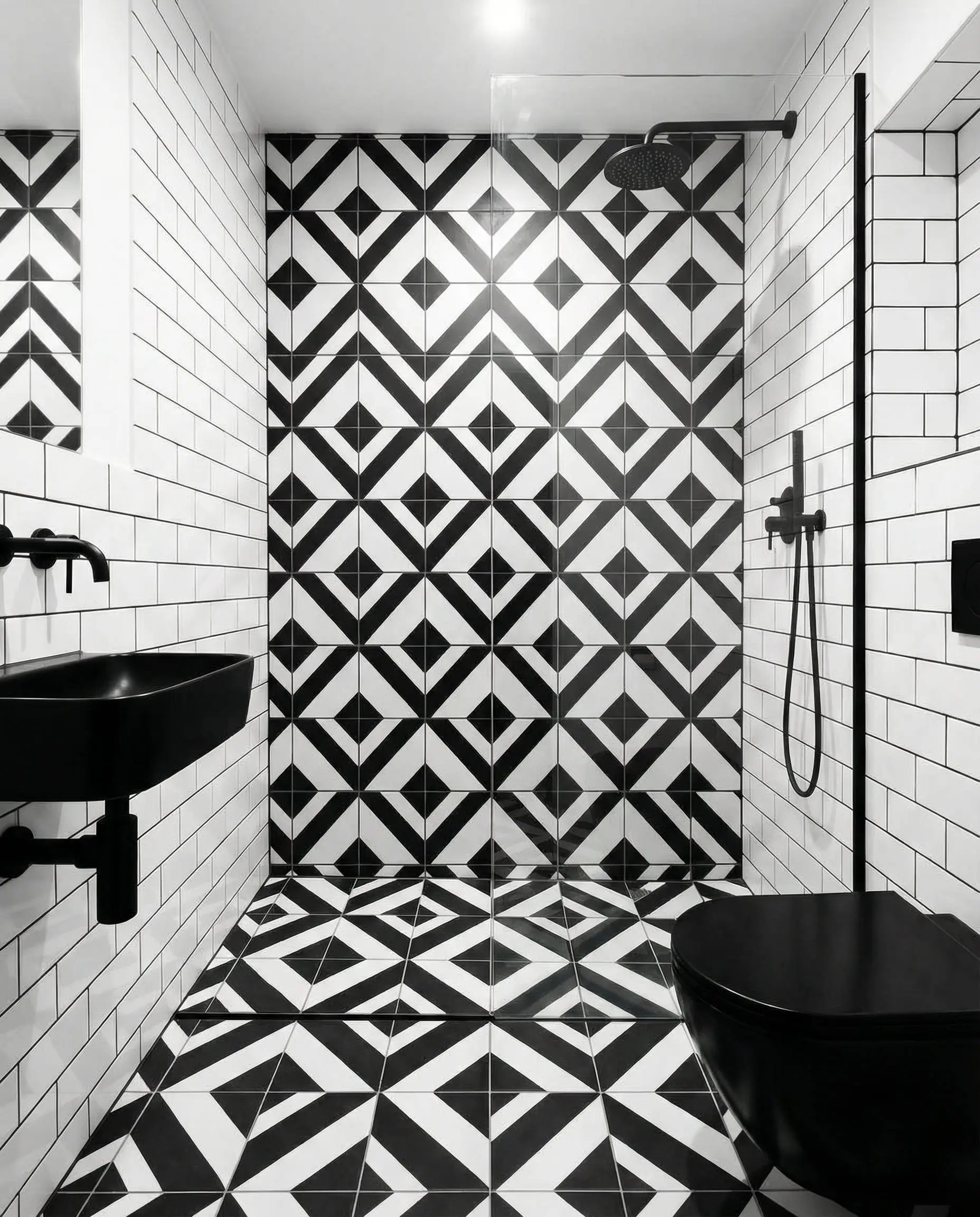
For more layout hacks on tight spaces, refer to our specific guide on small bathroom ideas.
Execution: DIY vs. Hiring a Pro
How achievable are these 2026 trends for the weekend warrior?
DIY-Friendly Options ✅
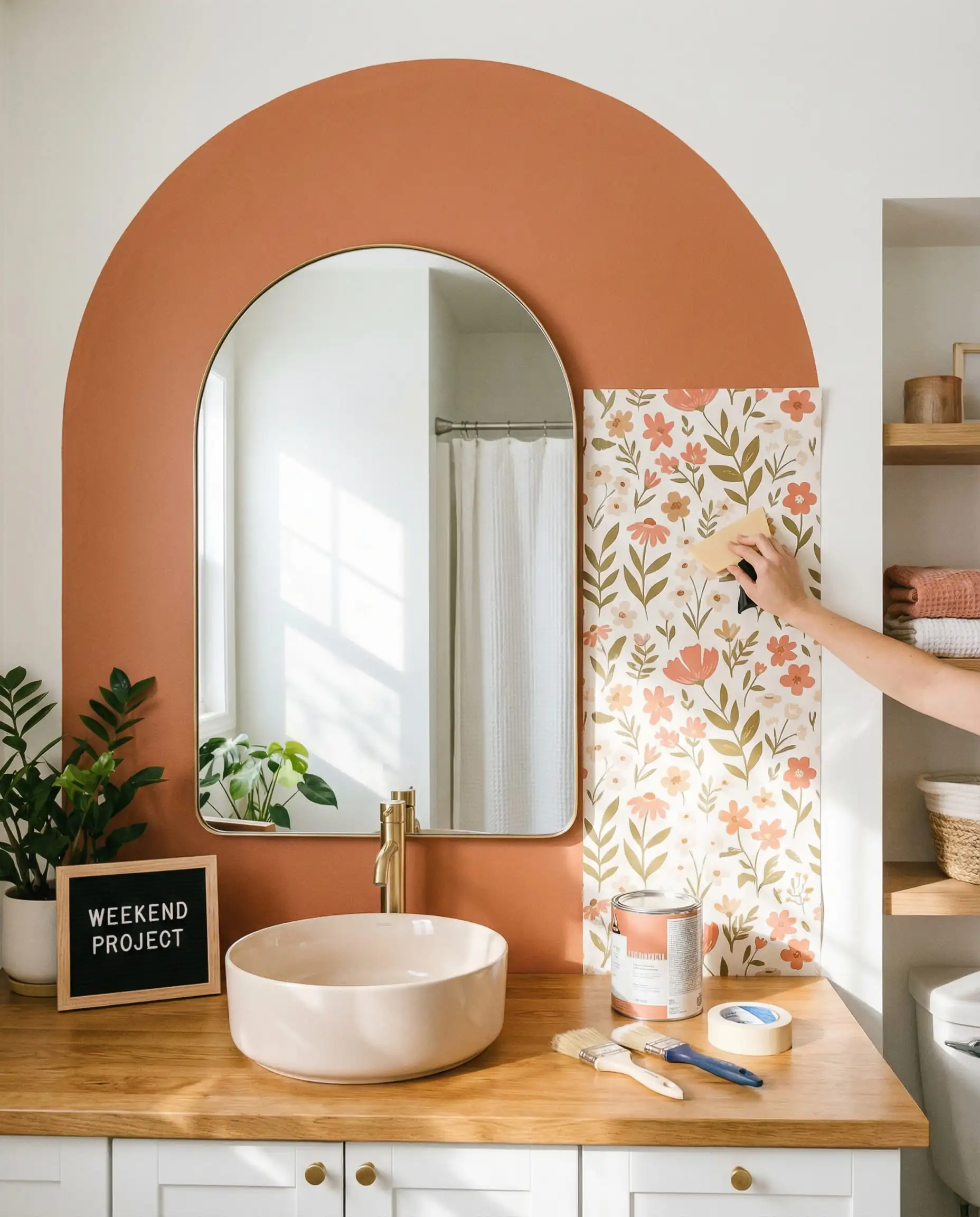
- Paint: The “Color Drenching” technique (painting walls, trim, and door the same color) is high-impact and low-skill.
- Peel-and-Stick Wallpaper: Modern brands have made this incredibly easy. It’s a great way to test a bold pattern without commitment.
- Prefab Wood Slat Panels: You can now buy large sheets of acoustic wood slats that screw directly into the drywall. Instant luxury with just a drill and a saw.
Pro Required ⚠️
- Large Format Slabs: Handling a 5-foot porcelain or stone slab is not a DIY job. One slip and you’ve lost hundreds of dollars (or a toe).
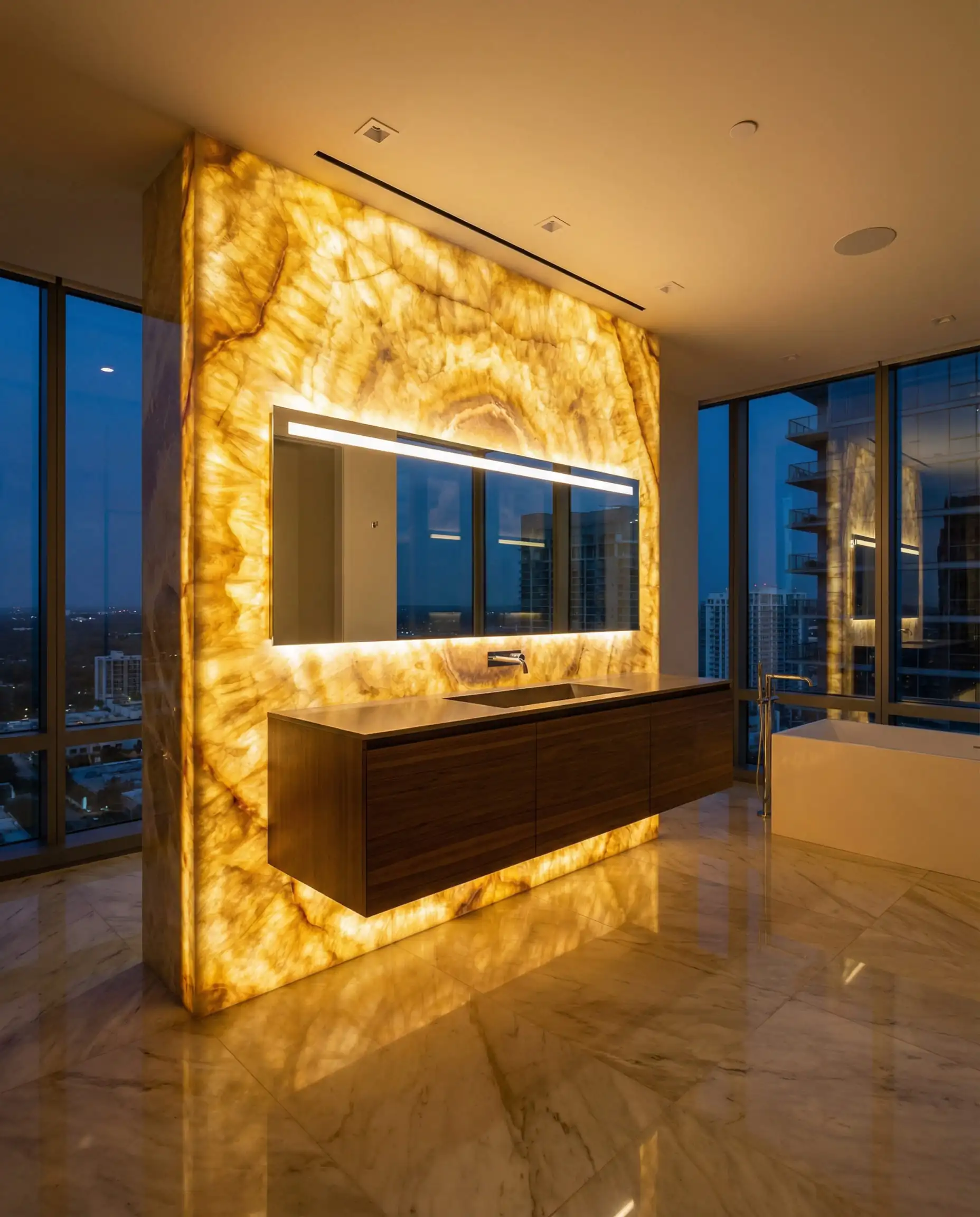
- Backlit Mirrors/Walls: If you want that glowing LED recessed look behind a stone wall, you need an electrician to rough in the wiring before the tile goes up.
- Complex Mosaic/Zellige: Because Zellige tiles are uneven, they require a very skilled hand to float the adhesive properly so the wall ends up flat, even if the tiles aren’t.
If you are DIYing a tiled accent wall, always buy 15% more material than you think you need. Cuts, breaks, and mistakes happen. If you buy a “lot” of tile now and run out, the next batch might be from a different manufacturing run (dye lot) and the colors won’t match perfectly.
🛁 Designer Tip
10 Inspiring Ideas to Steal for 2026
If you are struggling to visualize the final result, here are ten styling concepts currently making waves in the interior design world:
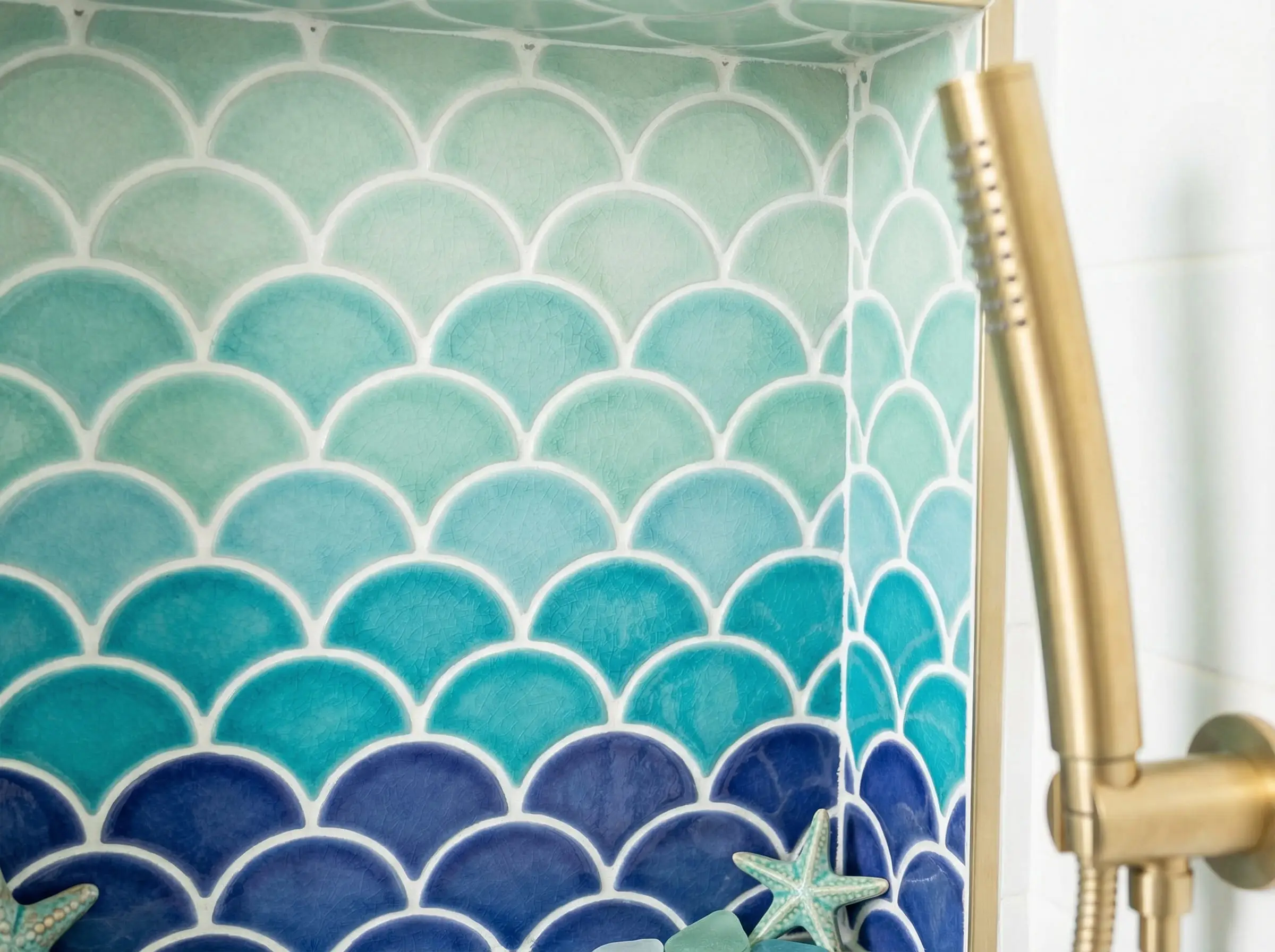
- The “Mermaid” Shower: Dark teal or emerald green fish-scale tiles used exclusively inside the shower niche, paired with gold hardware.
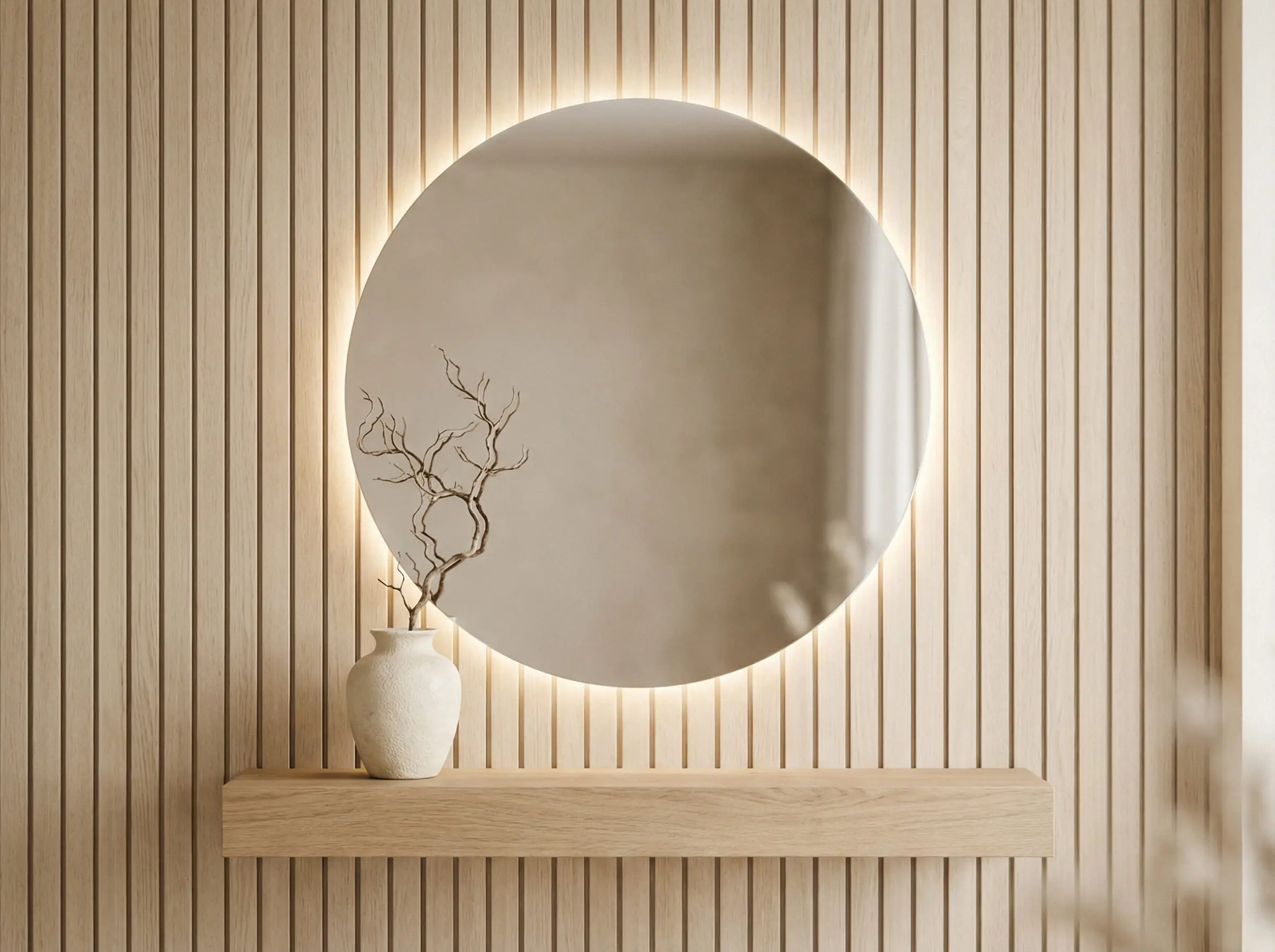
- Japandi Slat Wall: Light oak wood slats behind a round, backlit mirror. Soft, neutral, and incredibly calming.
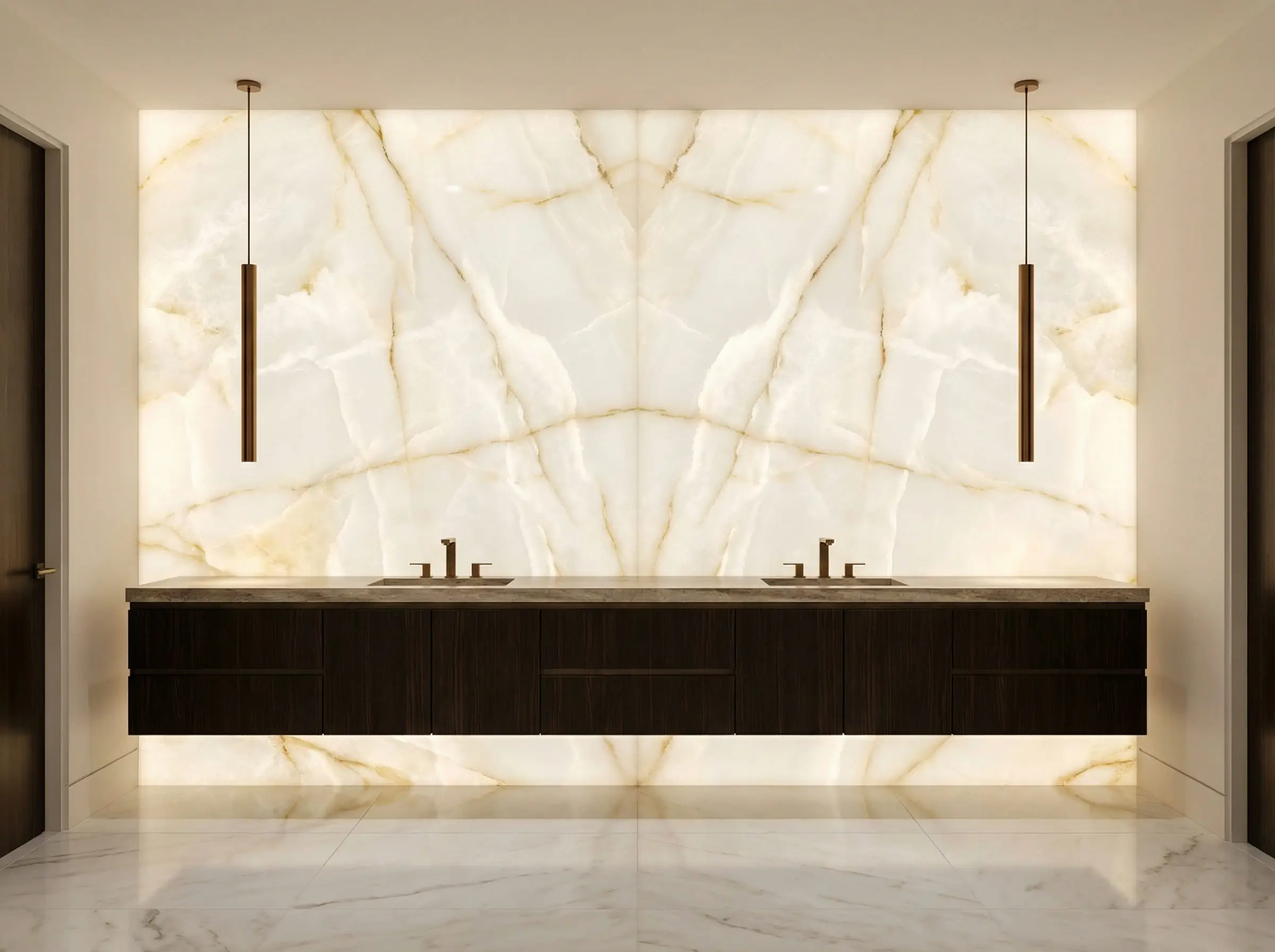
- The Onyx Slab: A single, large-format porcelain slab that mimics backlit onyx (translucent stone) behind the vanity. It glows warm amber when the lights are on.
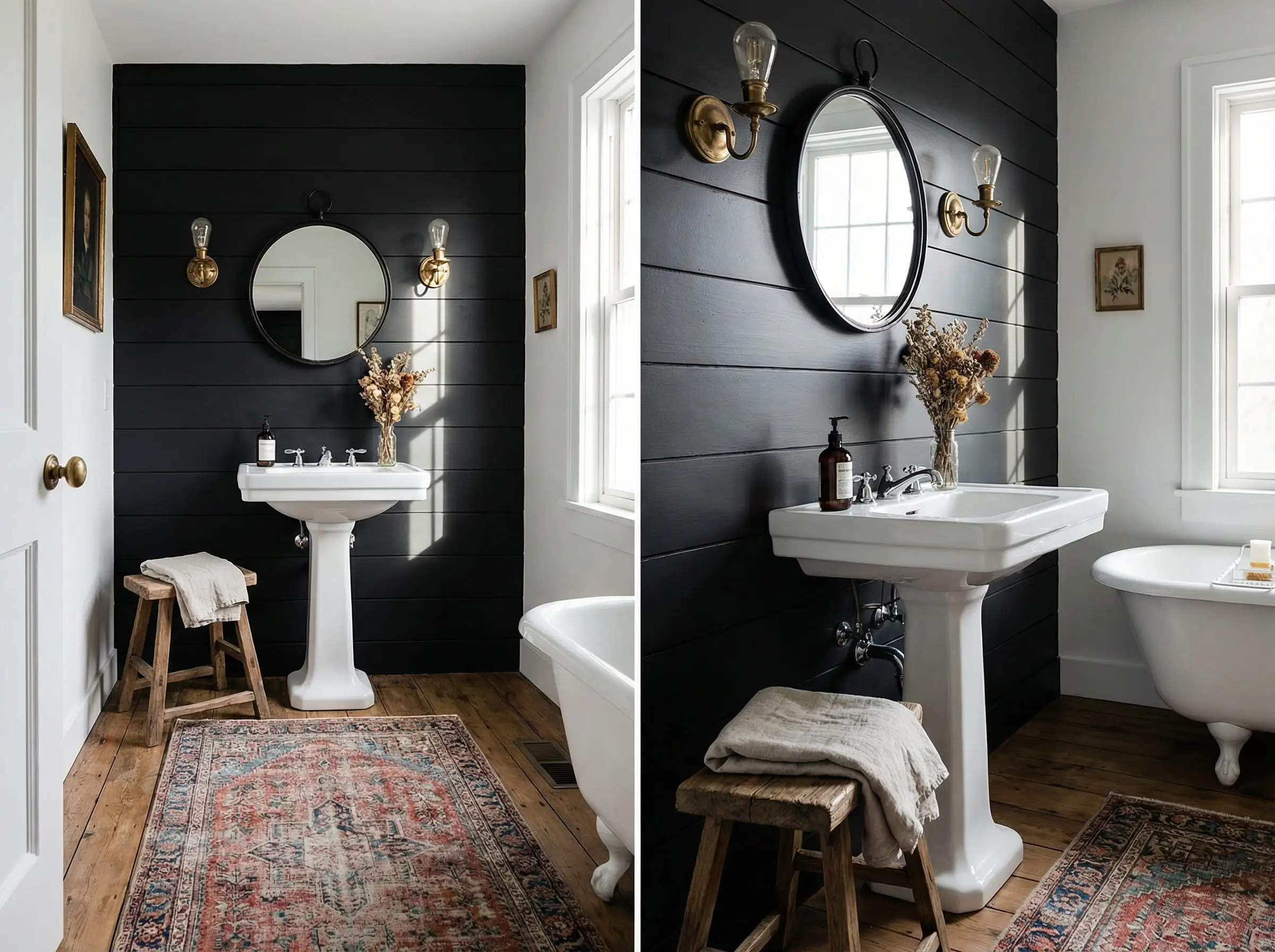
- Black Shiplap: Taking the farmhouse trend and updating it for 2026 by painting the shiplap matte black or charcoal.
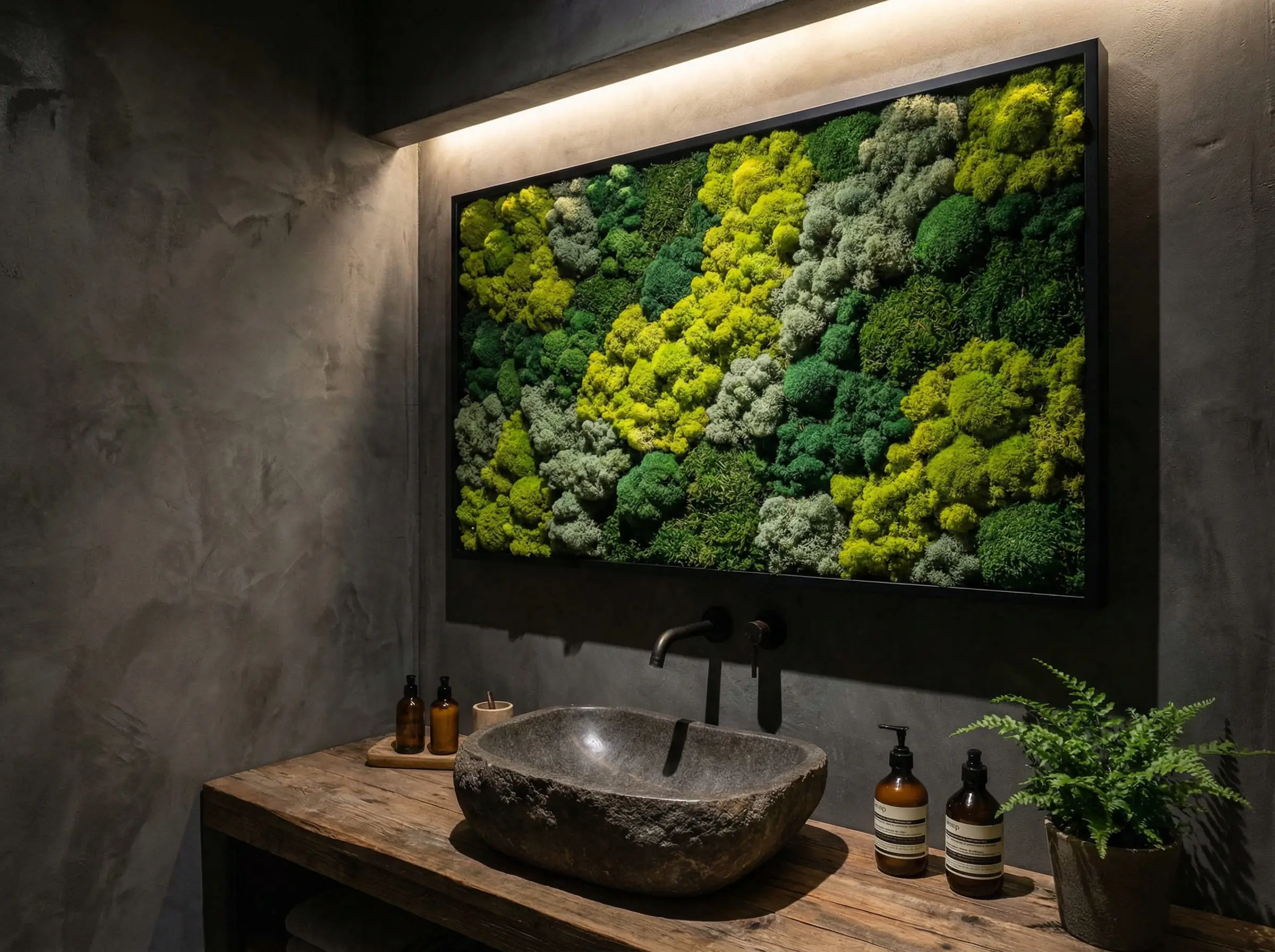
- Biophilic Moss Wall: A preserved moss wall section (framed like art) in a powder room. It brings literal nature inside and requires zero water.
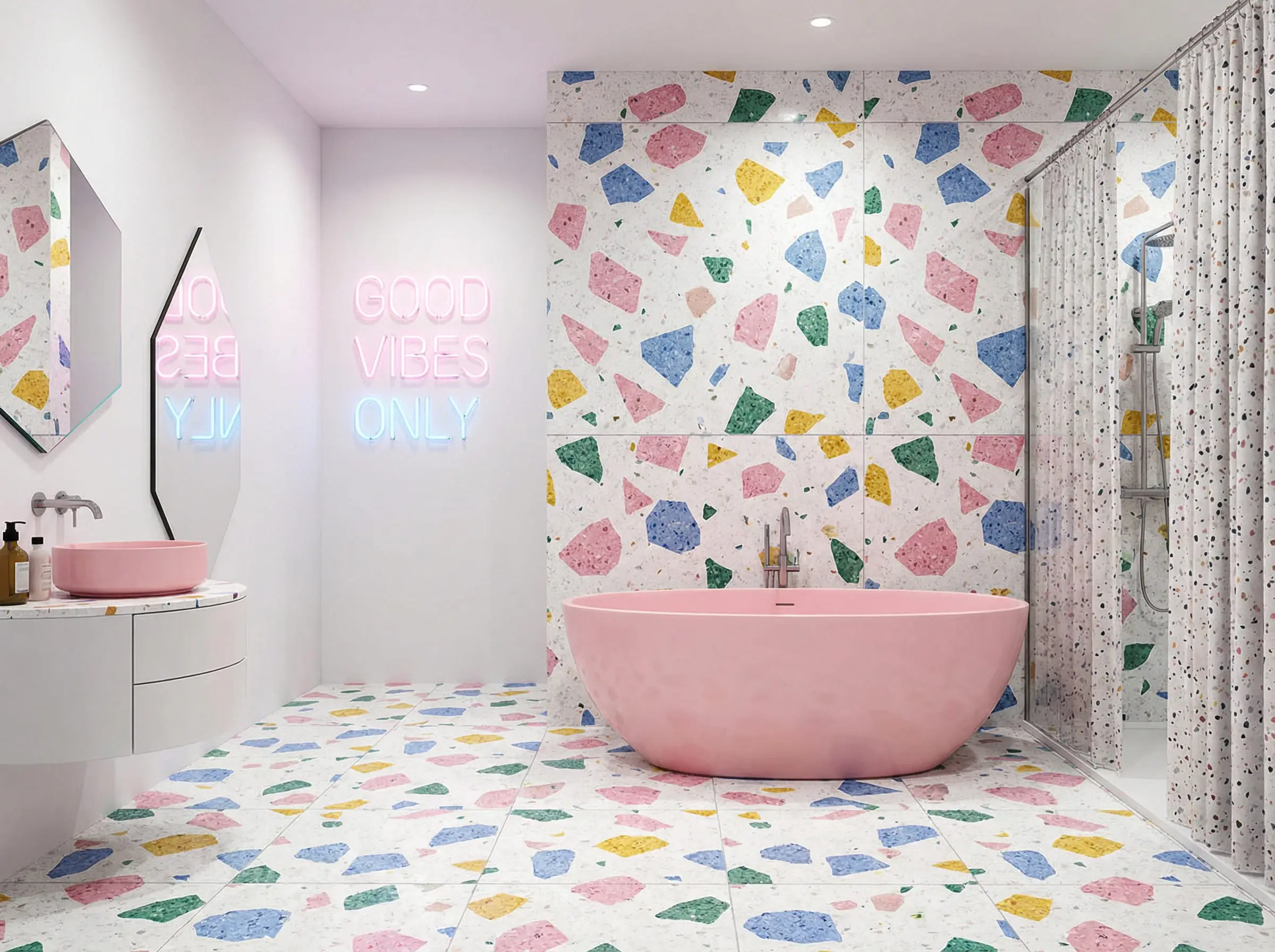
- Terrazzo Takeover: Chunky, colorful terrazzo tile on the floor that travels up the wall behind the bathtub.
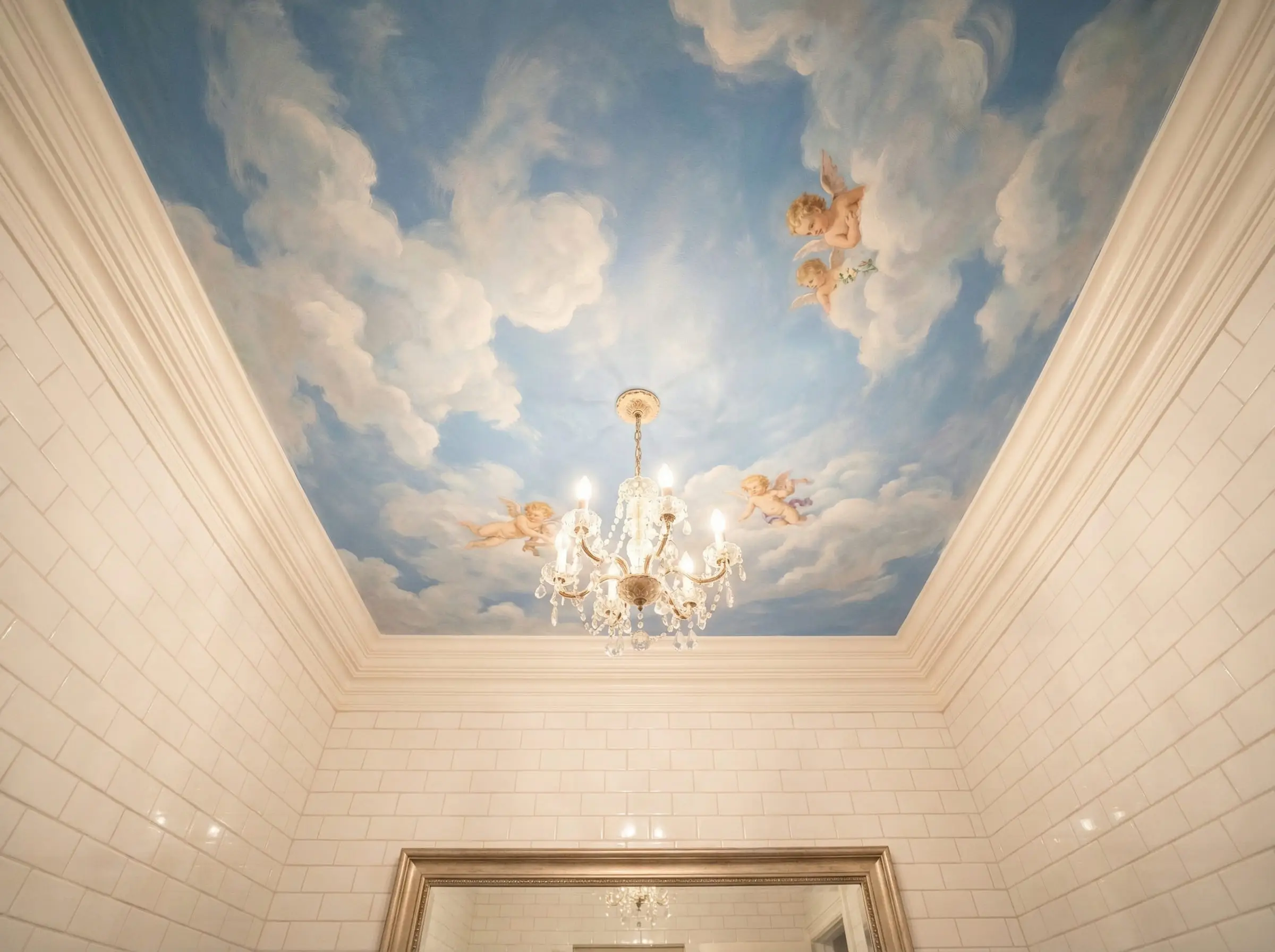
- The Mural Ceiling: Keeping the walls white tile, but putting a renaissance-style cloud or floral mural on the ceiling.
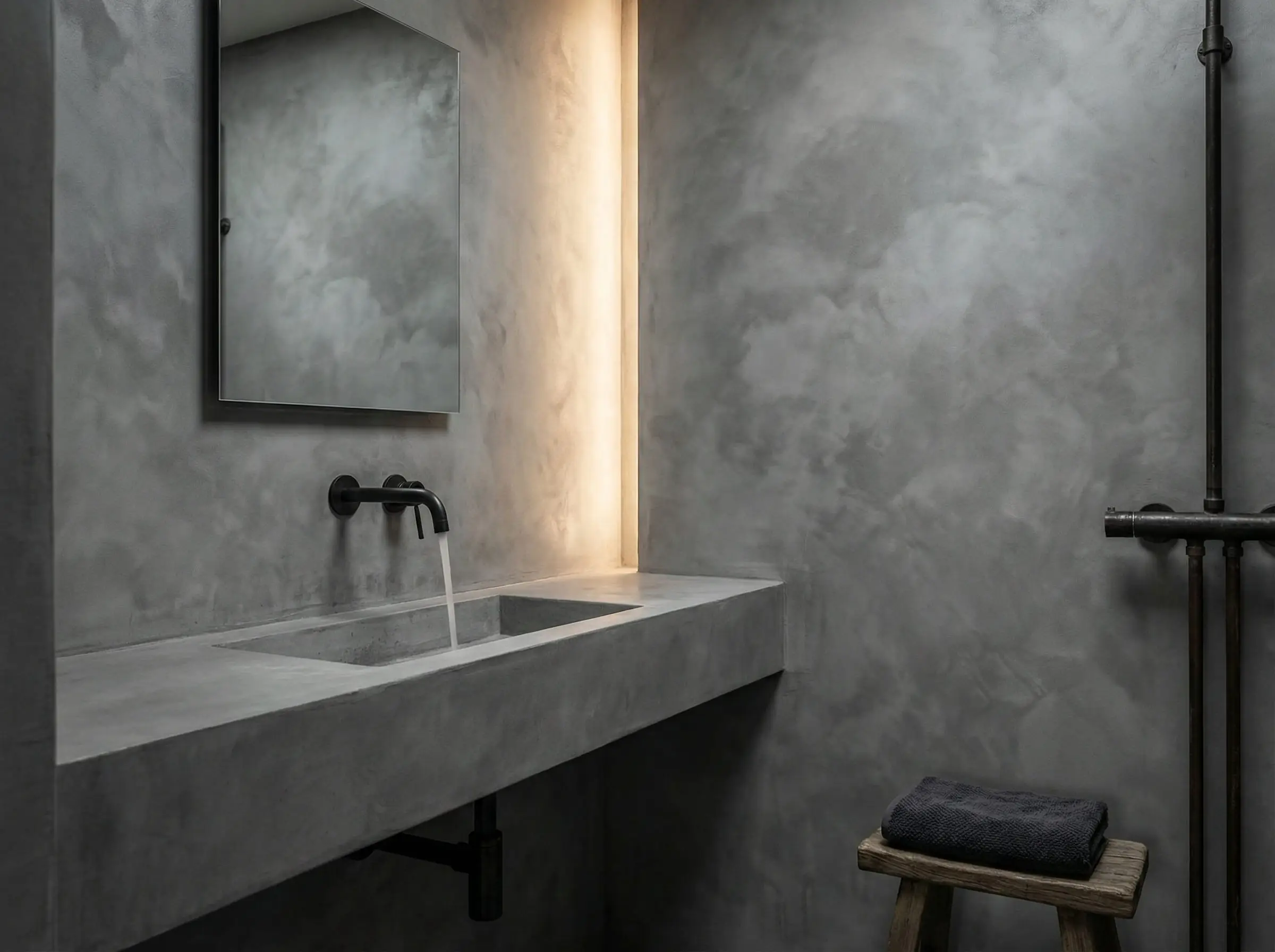
- Industrial Concrete: Using concrete-effect plaster (like Tadelakt or Limewash) for a raw, velvety gray texture that is waterproof and seamless.
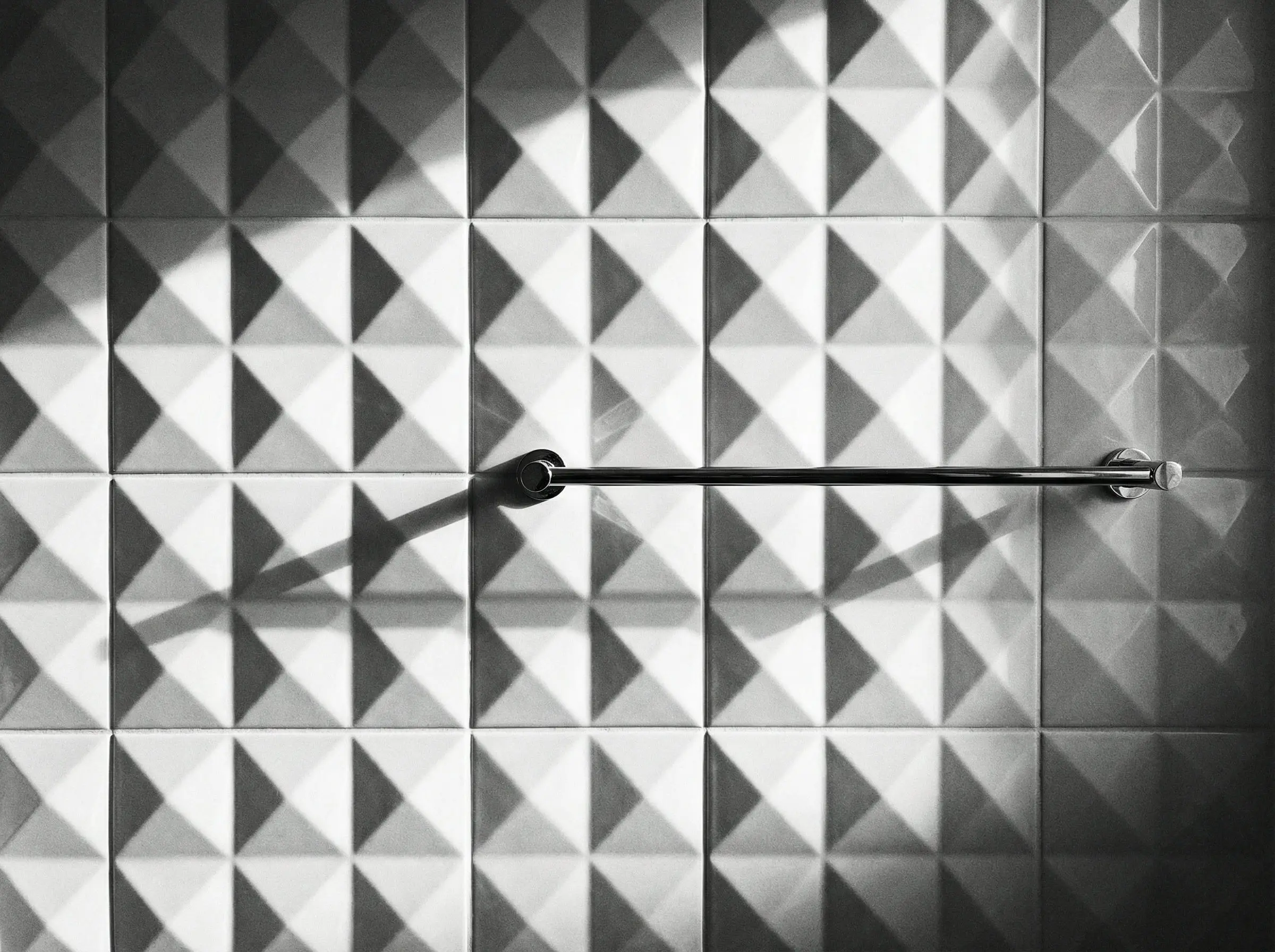
- Geometric 3D: White geometric tiles with raised pyramids or ridges. It looks white-on-white until the light hits it, creating a complex pattern of shadows.
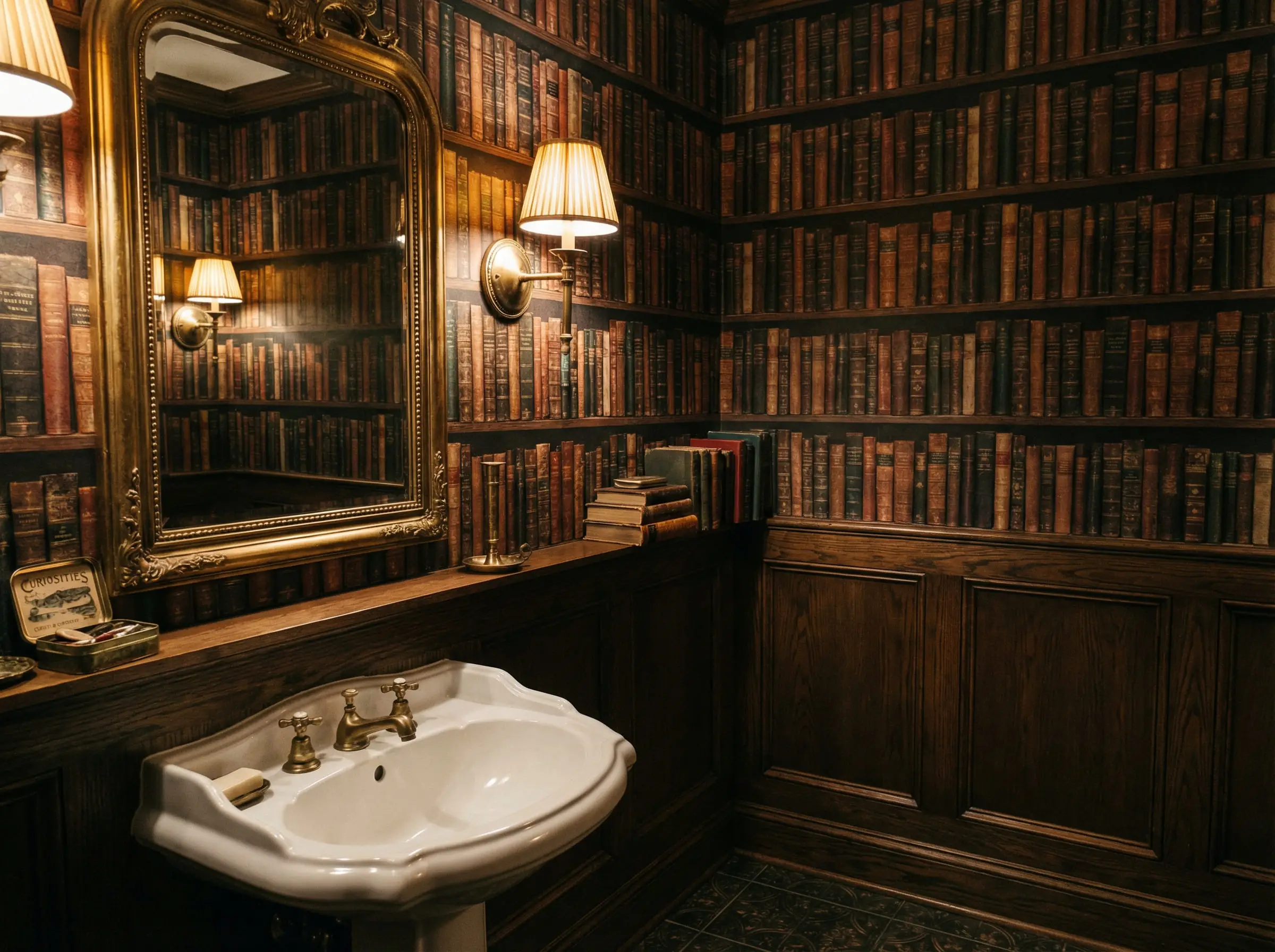
- The Library Bath: In a dry area (away from the tub/shower), using a “bookshelf” wallpaper print to create a cozy, intellectual vibe in a guest bath.
Frequently Asked Questions (FAQ)
Not necessarily. While a dark accent wall adds depth, you can create an accent wall using texture instead of color. A white fluted marble wall is an “accent” wall even though it is light, because its texture distinguishes it from the surrounding smooth walls.
Dark greens (like Forest or Hunter Green) are incredibly popular for small spaces because they feel organic and receding. However, if you have no windows, warm terracottas and clay tones can prevent the room from feeling like a cave.
They can be, but they don’t have to be. To save money, focus on a “feature strip” or smaller zone. Instead of tiling the entire wall floor-to-ceiling, tile a vertical strip exactly the width of your vanity. Or, use expensive decorative tiles only in the shower niche and cheaper white field tiles for the rest of the walls.
Real wood expands and contracts with humidity, which can be risky in a full bathroom with a shower. For 2026, look for porcelain tiles that look like wood, or use specially treated composites/PVC slats that mimic the look of white oak or walnut but are completely waterproof.
Final Thoughts: The Texture Revolution
The biggest takeaway for your 2026 bathroom project is to think in 3D. A coat of blue paint is nice, but a wall of ridged blue tiles, raw slate, or warm wood slats transforms a bathroom from a utility space into a living space.
We spend a significant portion of our lives in the bathroom. It is the first room we see in the morning and the last one we visit before sleep. An accent wall is a relatively small investment of square footage that pays huge dividends in how you feel during those bookends of your day.
Ready to start your project? Whether you are tearing down drywall or just browsing for paint samples, remember that the best trend to follow is the one that makes you exhale the moment you walk through the door.
For more home renovation tips, specific material guides, and weekly design inspiration, follow the Hackrea Home Design Blog.