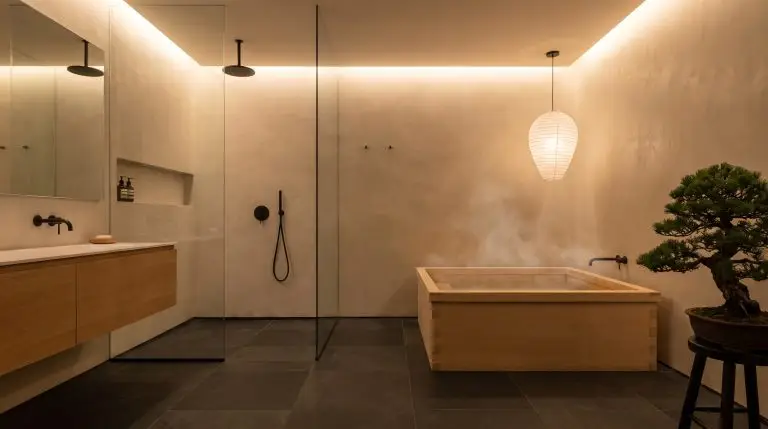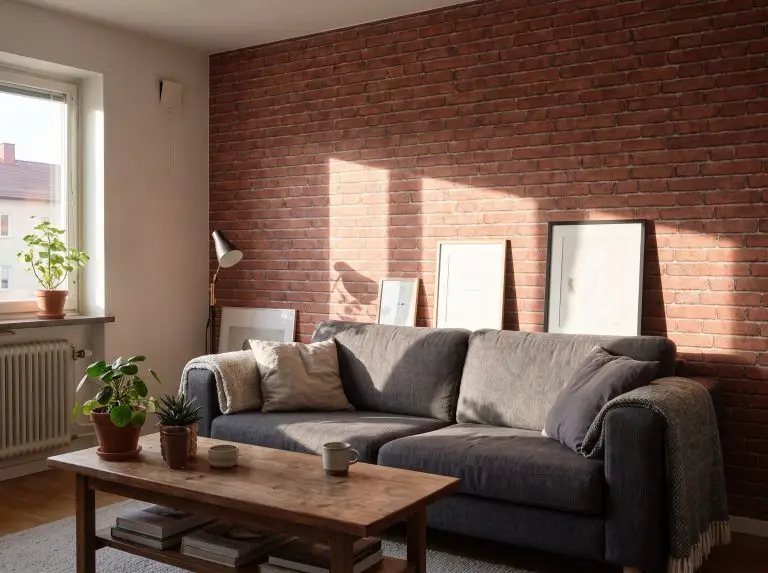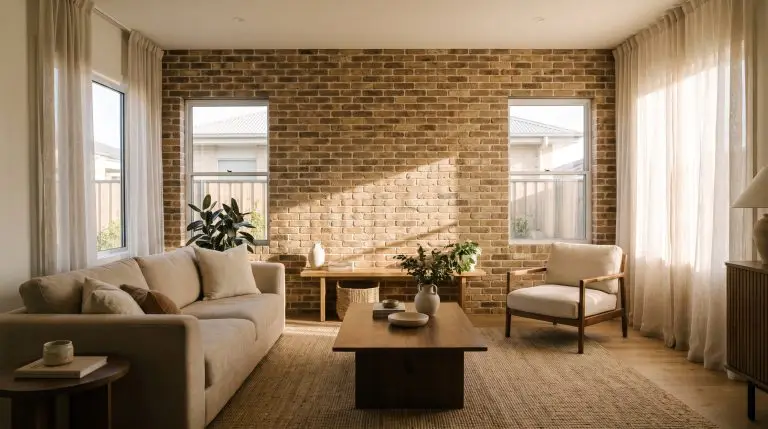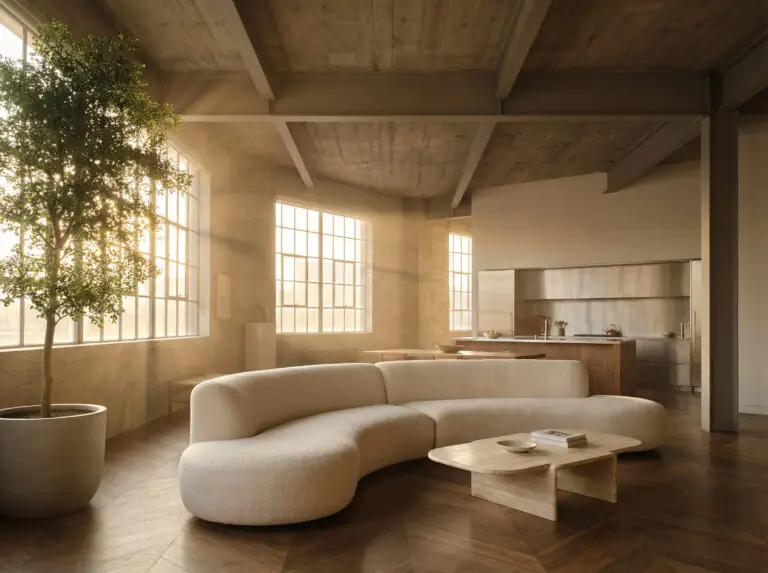
If you close your eyes and picture a “loft,” what do you see? For decades, the image has been practically set in stone (or rather, brick): chilly open spaces, exposed red masonry, black metal pipes, and Edison bulbs hanging precariously over a reclaimed wood table. It was cool. It was edgy. But let’s be honest—it wasn’t always the most comfortable place to call home.
As we step into 2026, the narrative is changing. The era of the “cold” industrial loft is officially over.
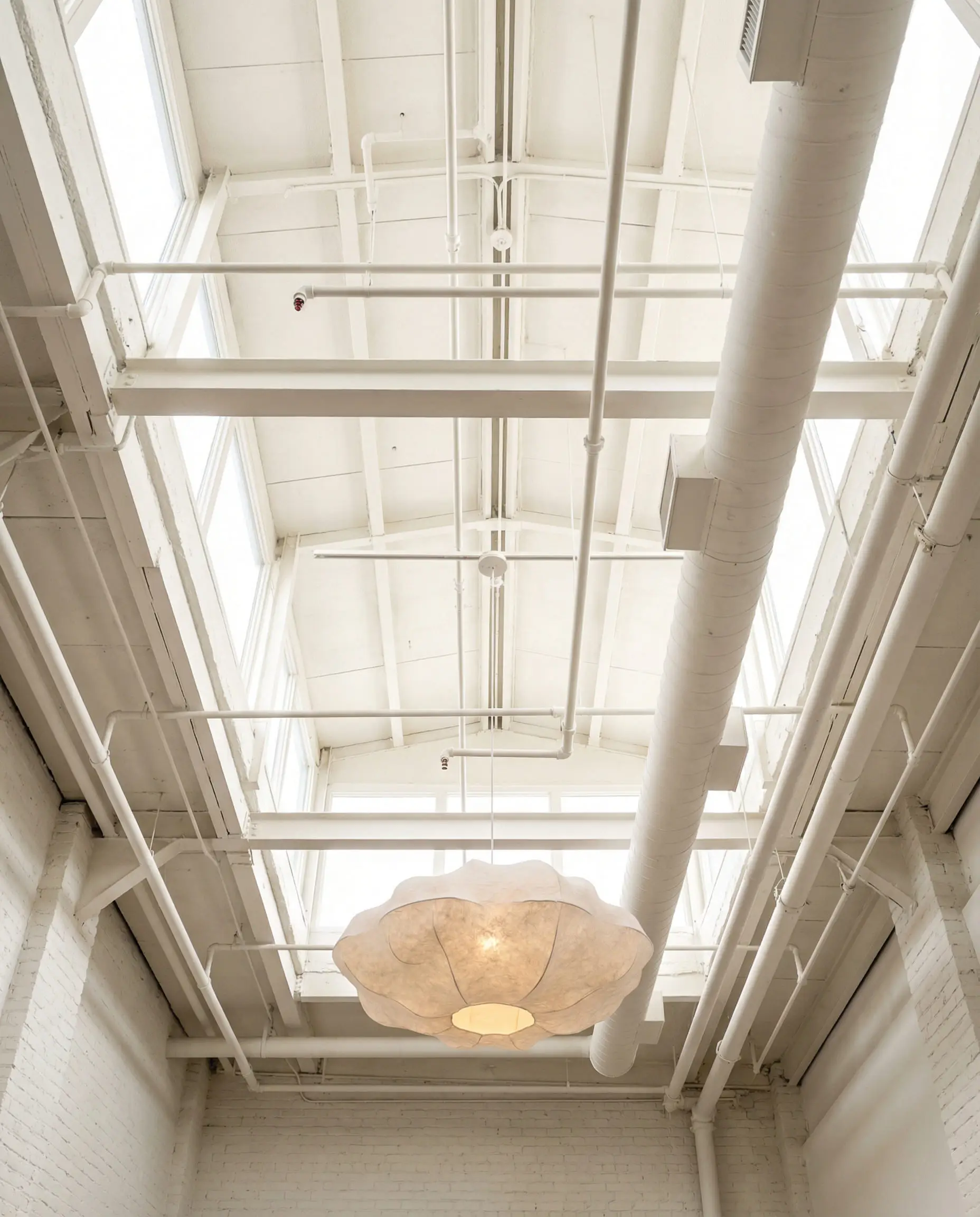
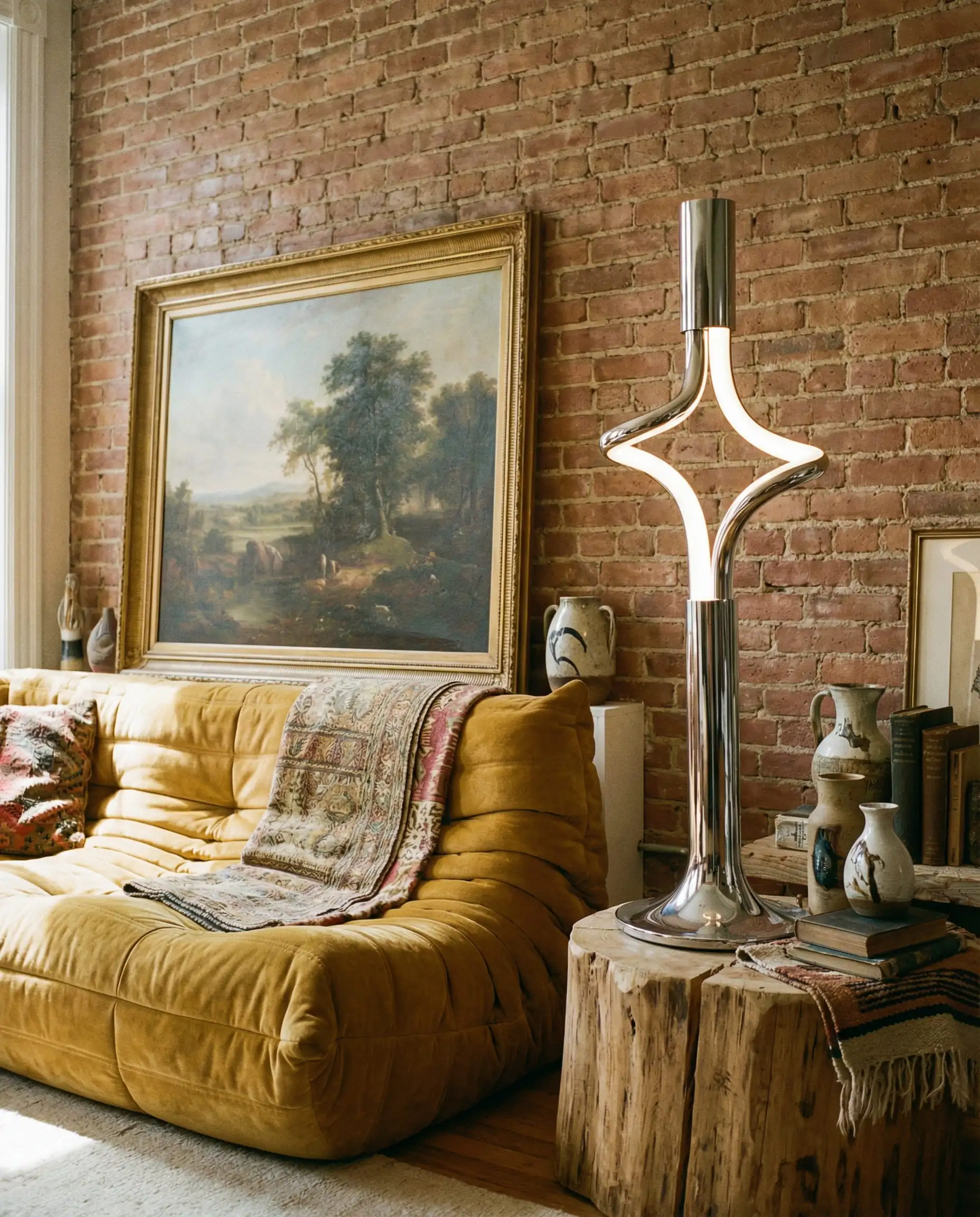
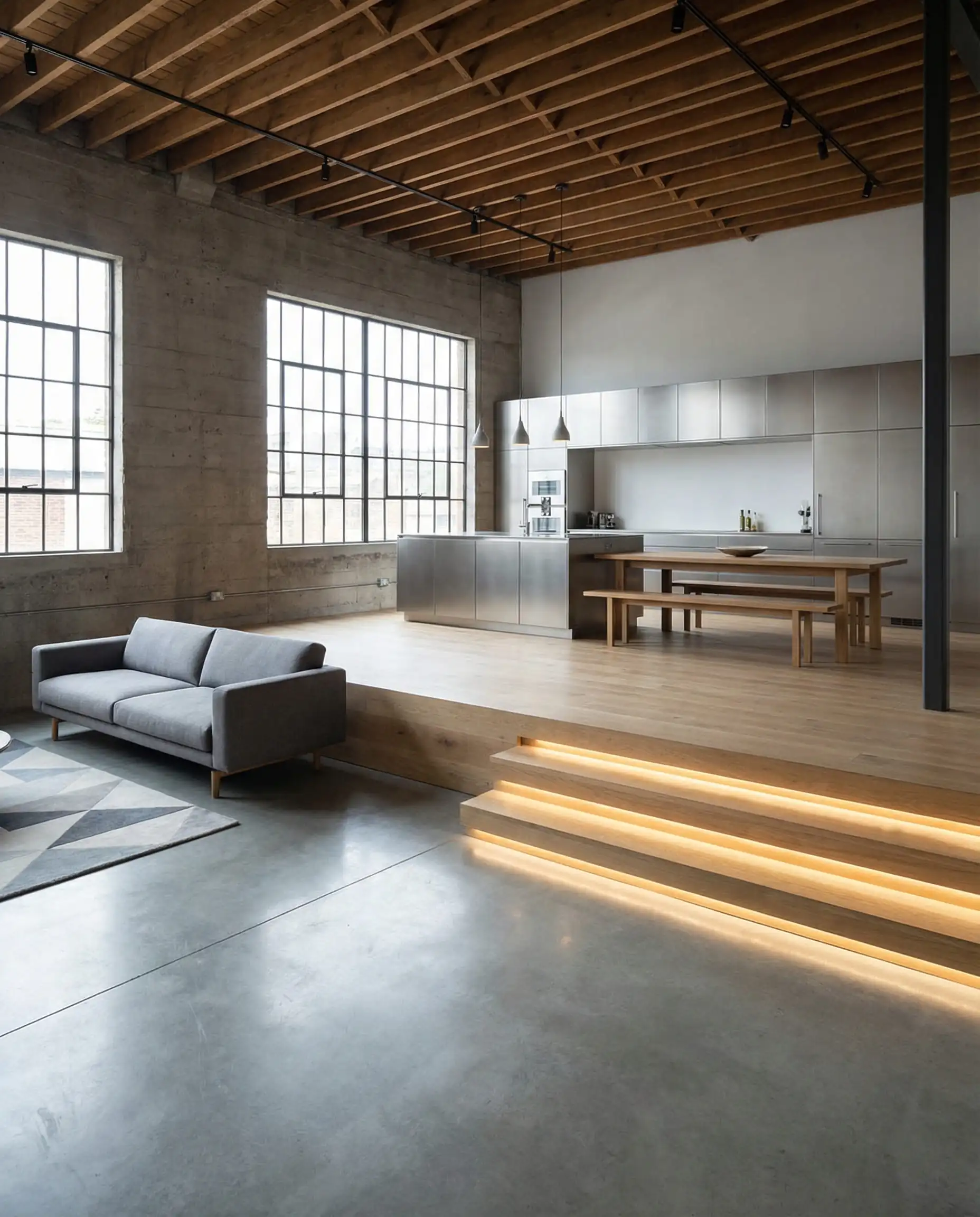
Welcome to the age of “Soft Industrial”—a sophisticated evolution that keeps the architectural soul of the loft (the height, the light, the volume) but wraps it in radical comfort. This year, we are trading the bachelor-pad vibes for high-end tactile luxury, sustainable materials, and a color palette grounded in the earth. If 2025 was about making lofts “friendly,” 2026 is about making them sensory.
📋Key Takeaways: Modern Loft Style Trends 2026
In a hurry? Here is the quick summary of how the industrial aesthetic is evolving this year:
Whether you live in a converted warehouse in Brooklyn, a high-ceilinged apartment in Berlin, or are simply channeling the industrial look in a suburban home, here is your definitive guide to the loft style trends of 2026.
The Core Trend: What is “Soft Industrial”?
The headline for 2026 is the friction between the raw and the refined. “Soft Industrial” (sometimes called Industrial Futurist) is all about smoothing the rough edges. We are no longer trying to replicate a 19th-century factory; we are designing a futuristic sanctuary.
How do you achieve this look? It requires a shift in how you view “hard” materials.
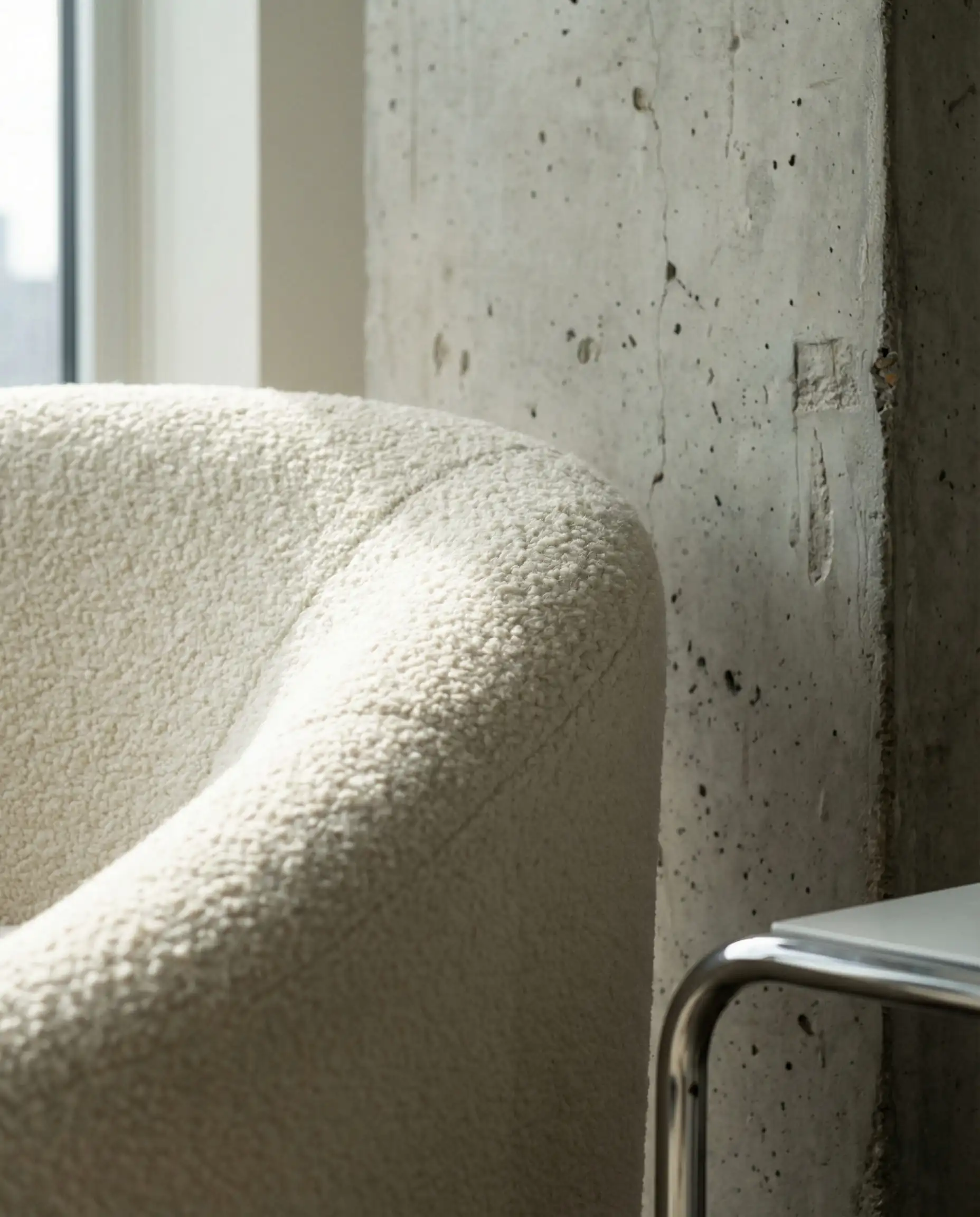
If you are looking to update your furniture to match this softer aesthetic, exploring the latest sofa trends is a great place to start—look for boucle fabrics and rounded silhouettes.
2026 Loft Color Palette: “Deep Earth” & “New Neutrals”
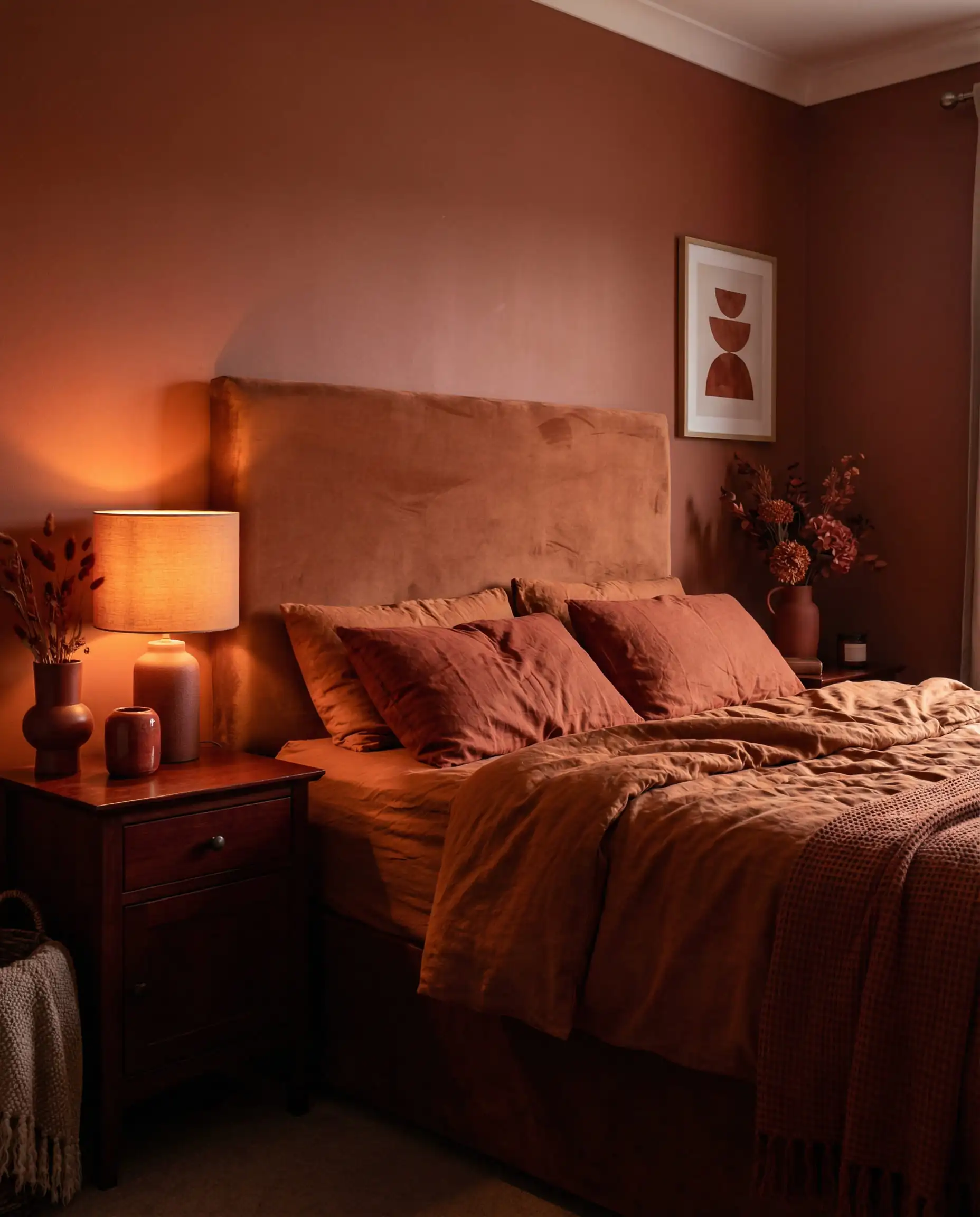
Forget the stark gallery whites or the “pop art” brights (Ultramarine and Peach) that briefly trended in 2025. The 2026 loft is moody, grounding, and sophisticated. The goal is to bring the calm of nature into the vastness of the industrial space.
The “New Neutrals” Base
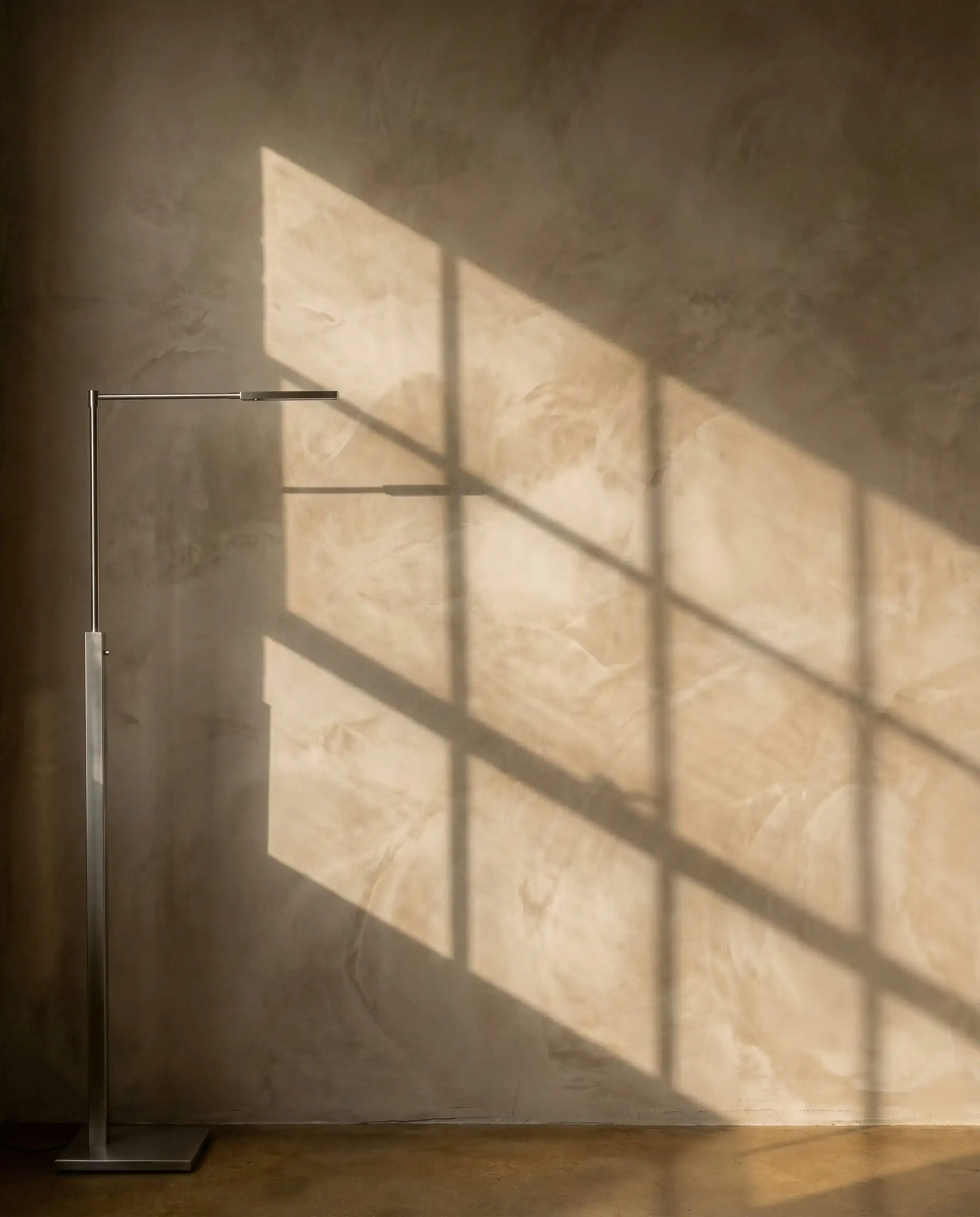
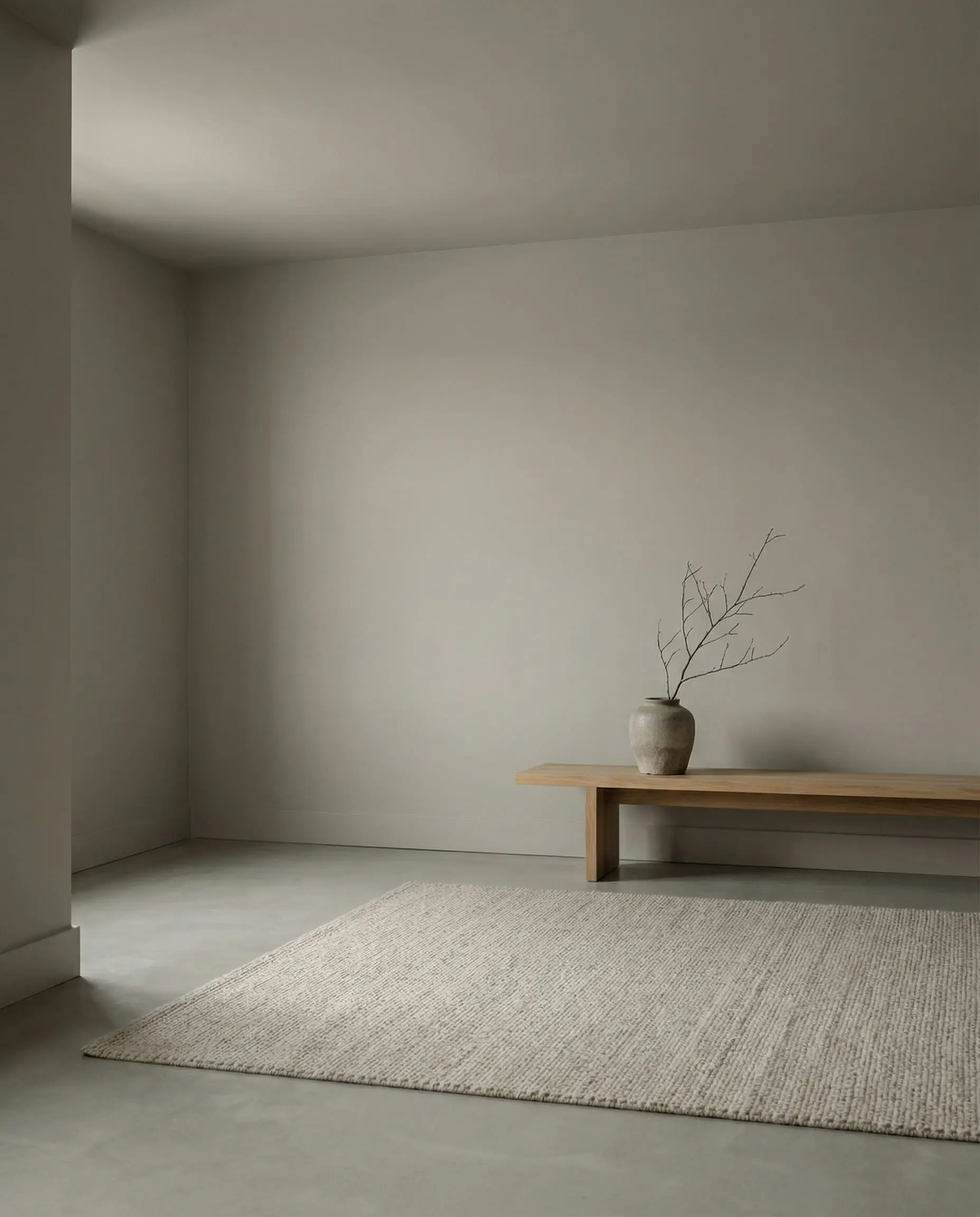
Instead of cool grey, we are seeing a massive shift toward Warm Greige and Plaster White. These shades have yellow or red undertones that instantly warm up concrete ceilings.
The Accent Palette: “Deep Earth”
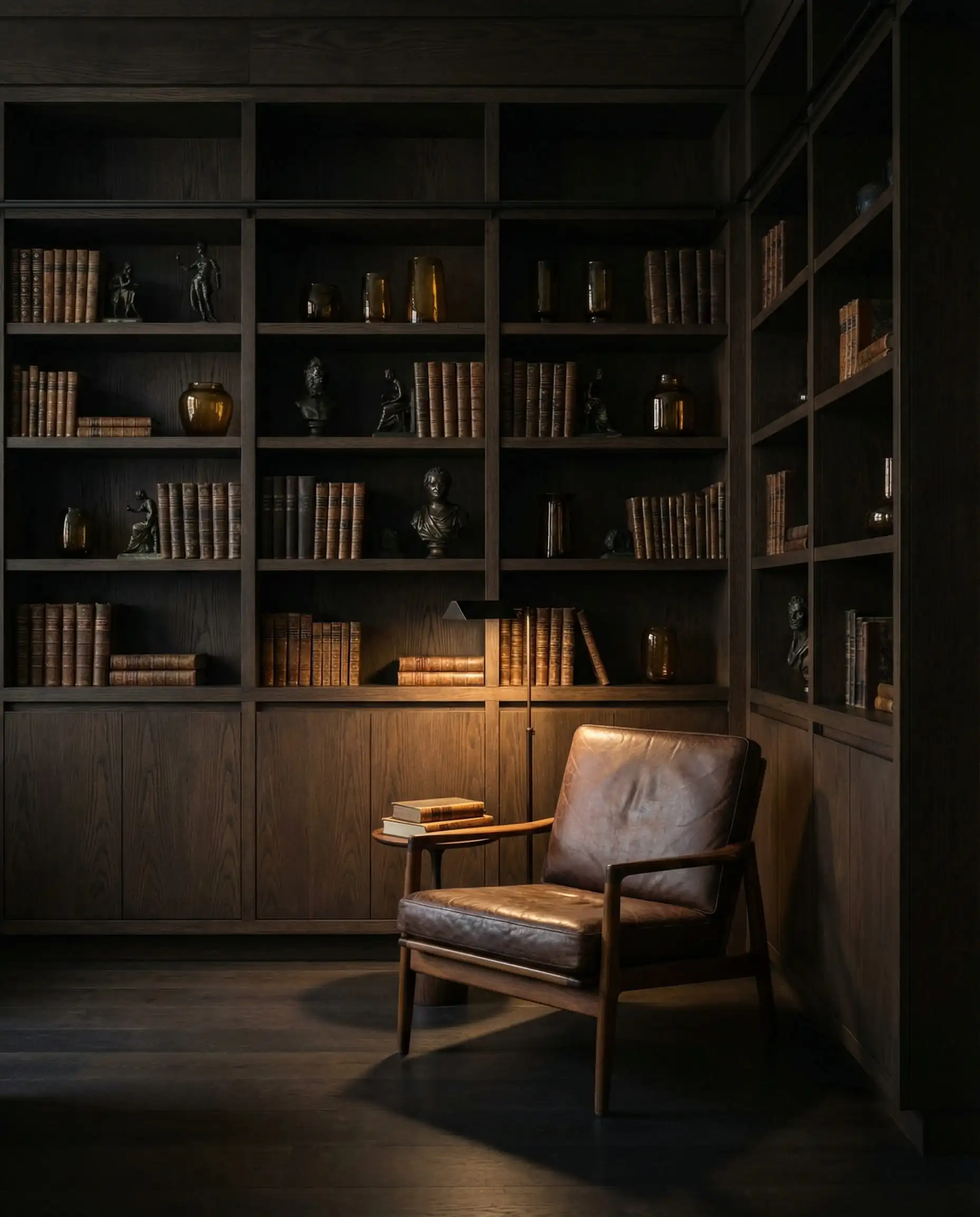
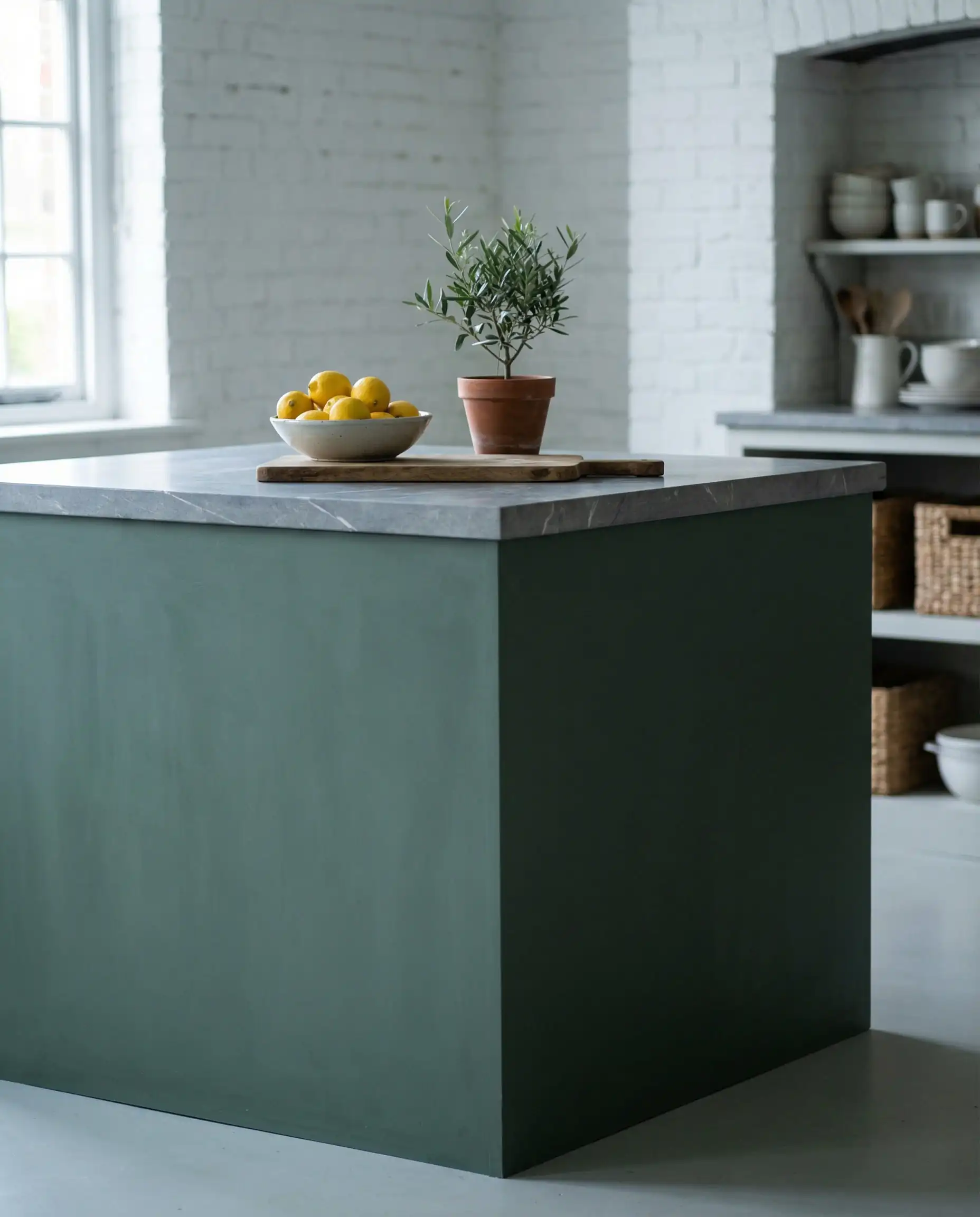
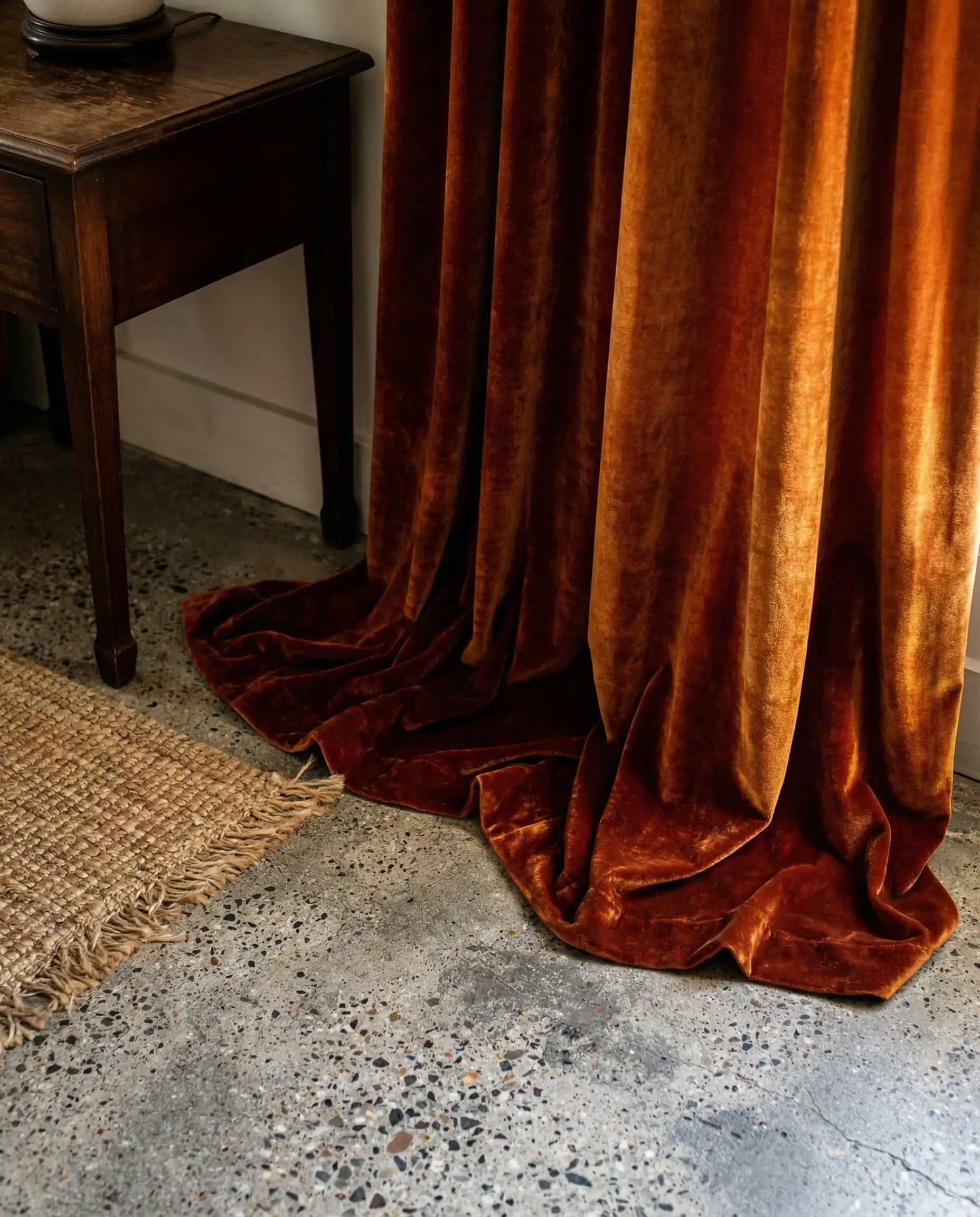
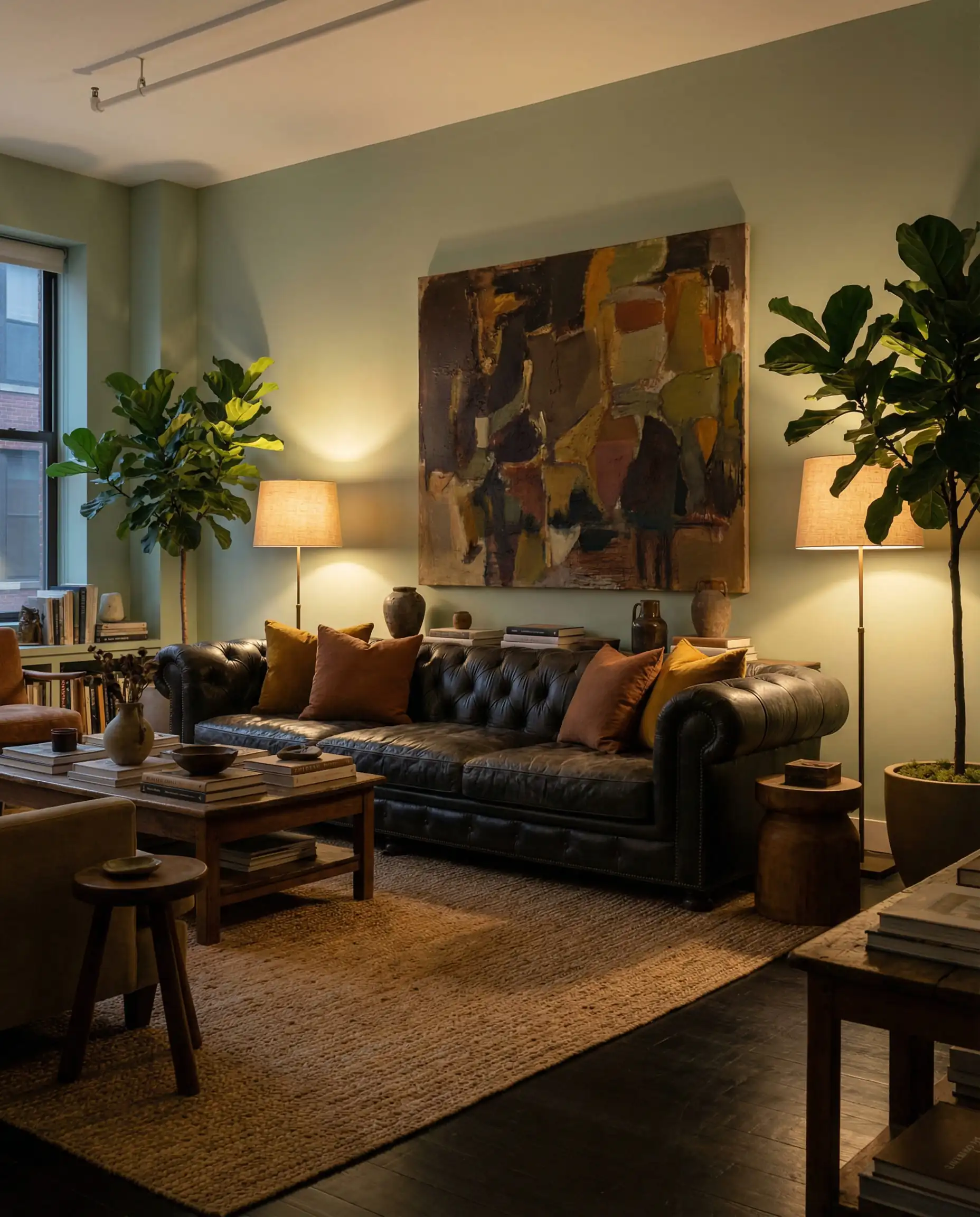
For a deeper dive into how these earthy tones are taking over home design, check our guide on eco-sustainable interior design trends, which heavily features this nature-inspired palette.
Materials: The Return of “Cool” Metals & Honest Textures
Materials in a loft have always been about honesty—showing what the building is made of. In 2026, we are doubling down on that honesty but elevating the finish.
The Stainless Steel Renaissance
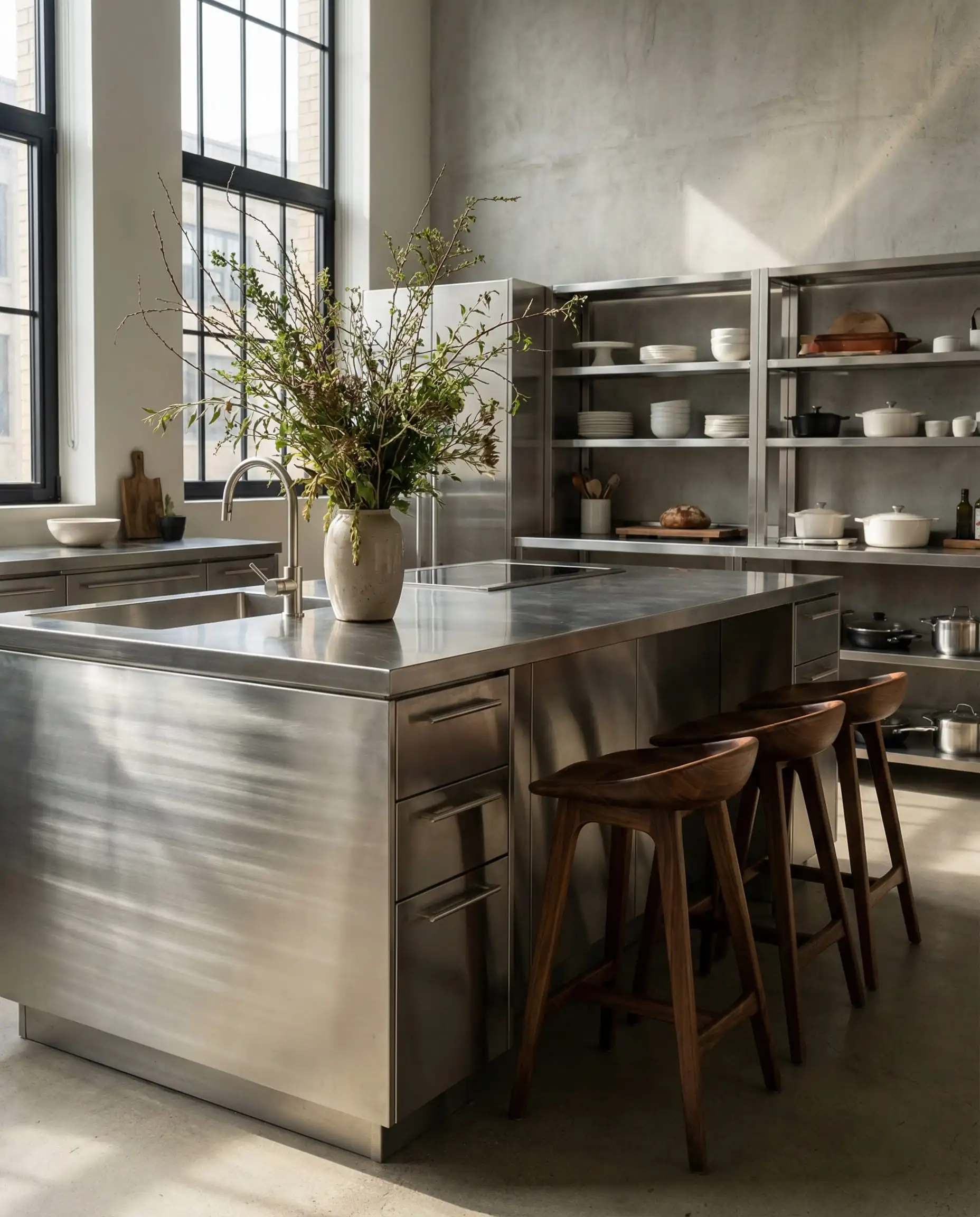
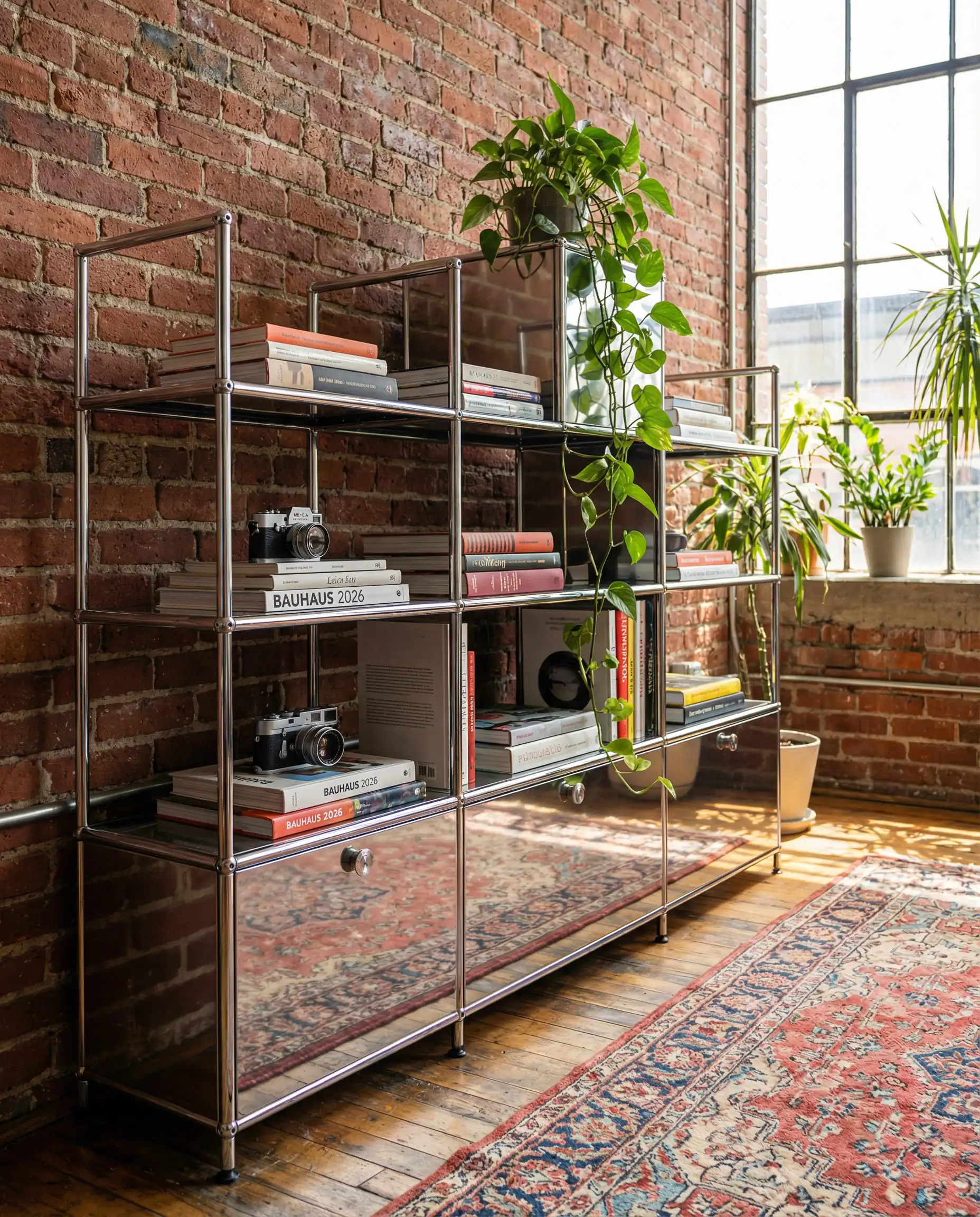
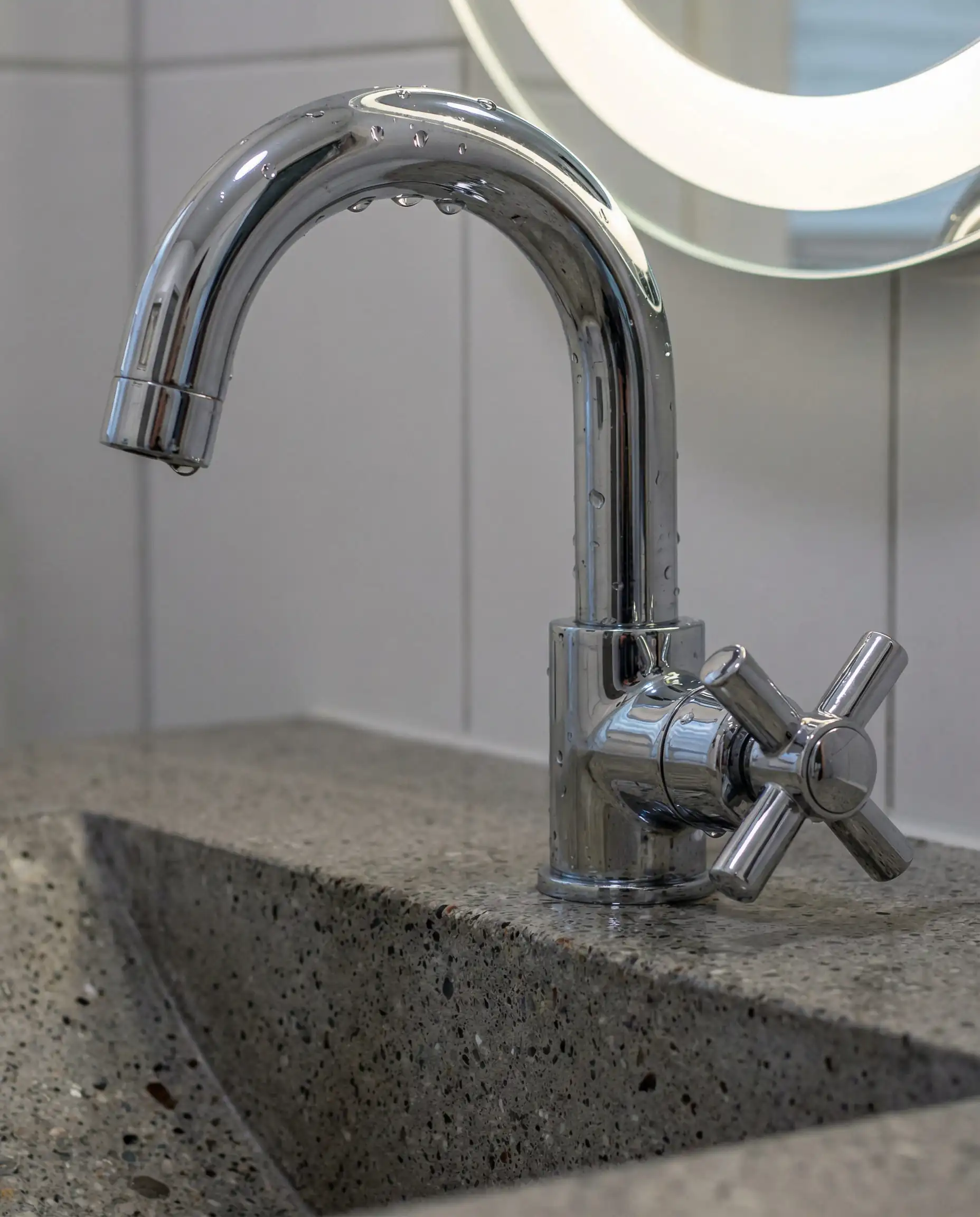
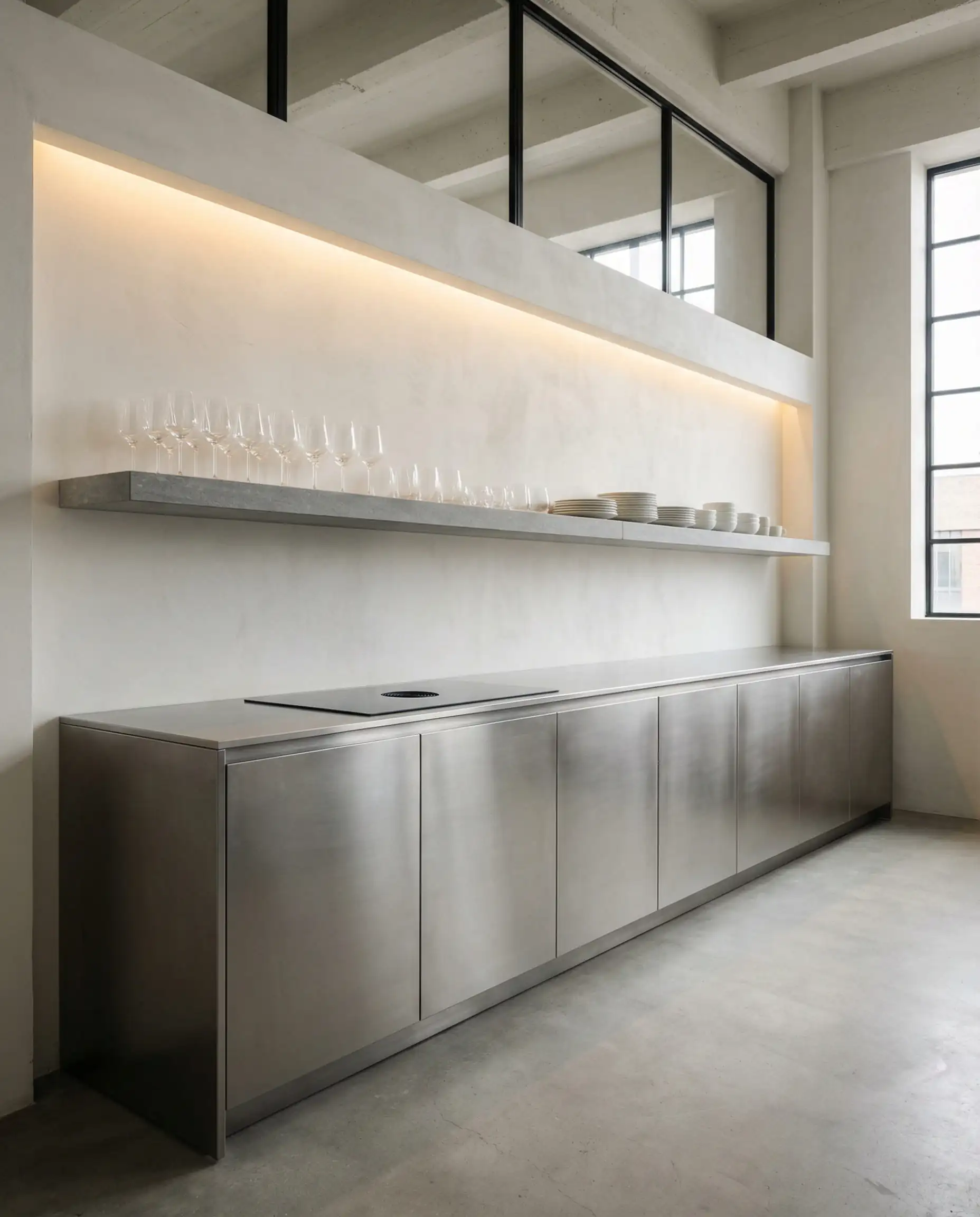
If you only adopt one trend this year, make it this one. Matte black hardware had a long reign, but Stainless Steel and Polished Chrome are back.
This isn’t the sterile, commercial kitchen look of the early 2000s. In 2026, stainless steel is being used for living room joinery, coffee tables, and even shelving units. The secret? You must pair it with warm timber to avoid it feeling clinical. The reflection of steel adds a “high-tech” shimmer that contrasts beautifully with rustic wood.
Statement Stone
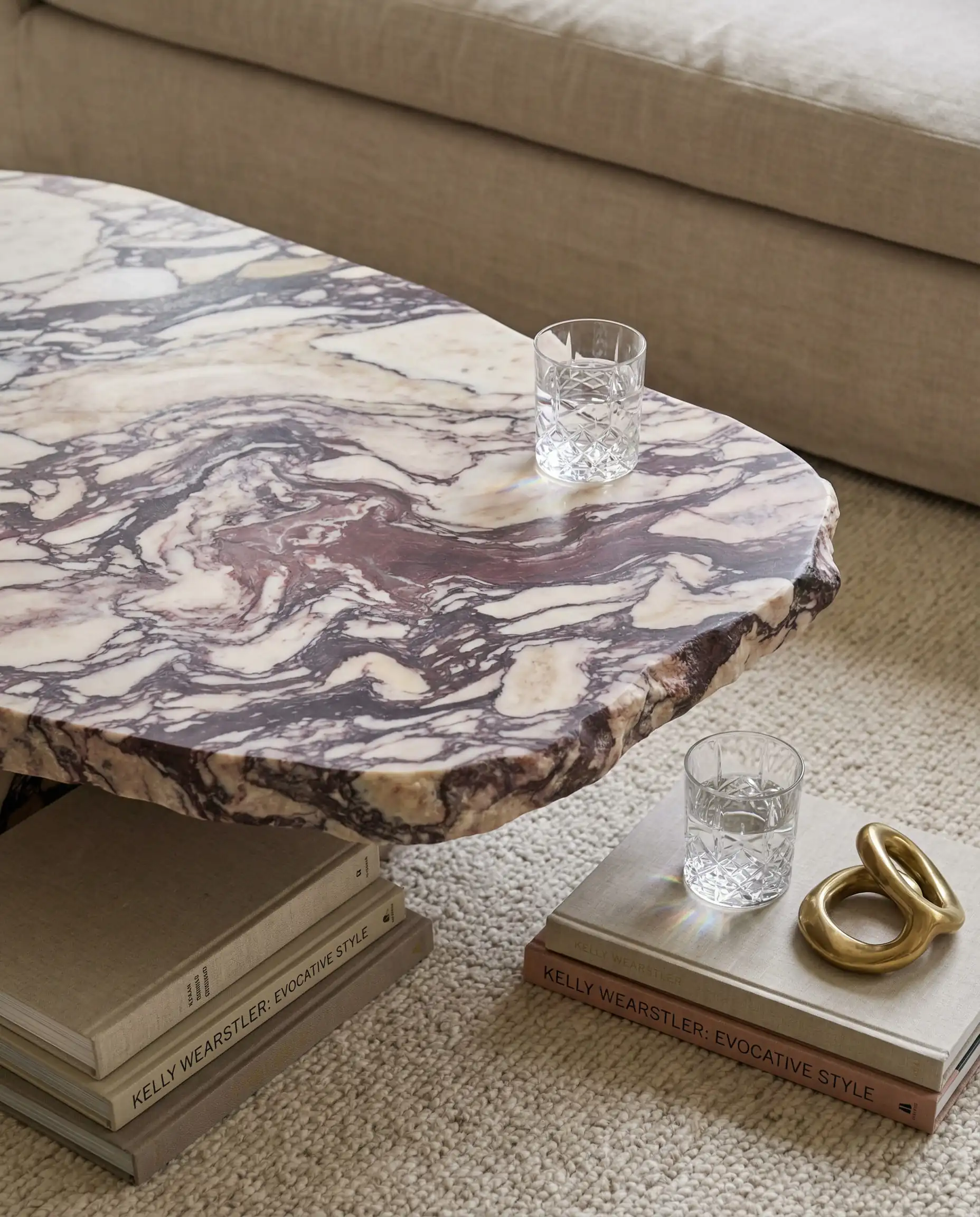
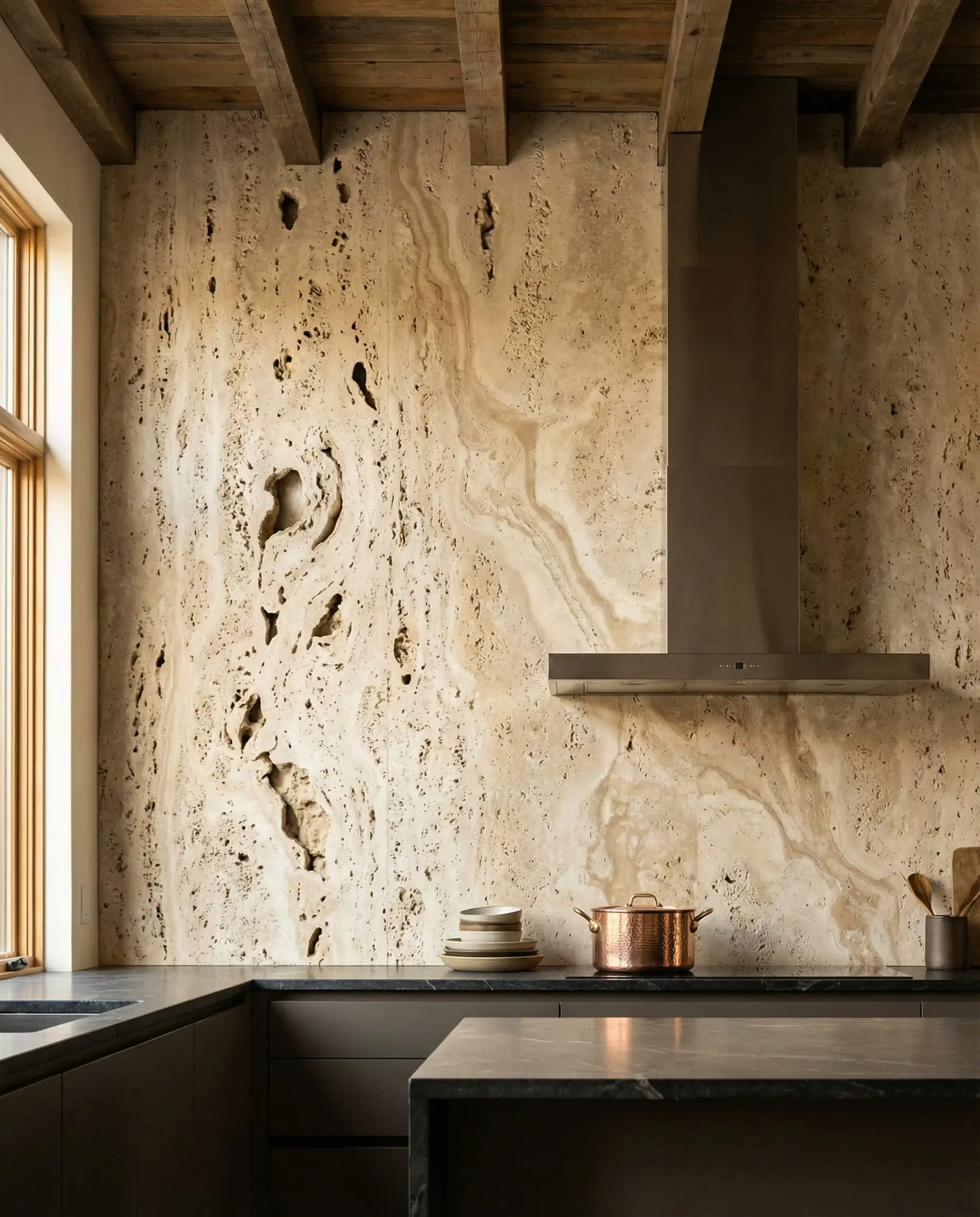
We are moving away from subtle white marble. The 2026 loft demands drama. Look for Travertine (with its porous, earthy texture) and Viola Marble (white with heavy burgundy or purple veining). A chunky travertine coffee table is the perfect centerpiece for a large industrial living area.
Traceable Timber
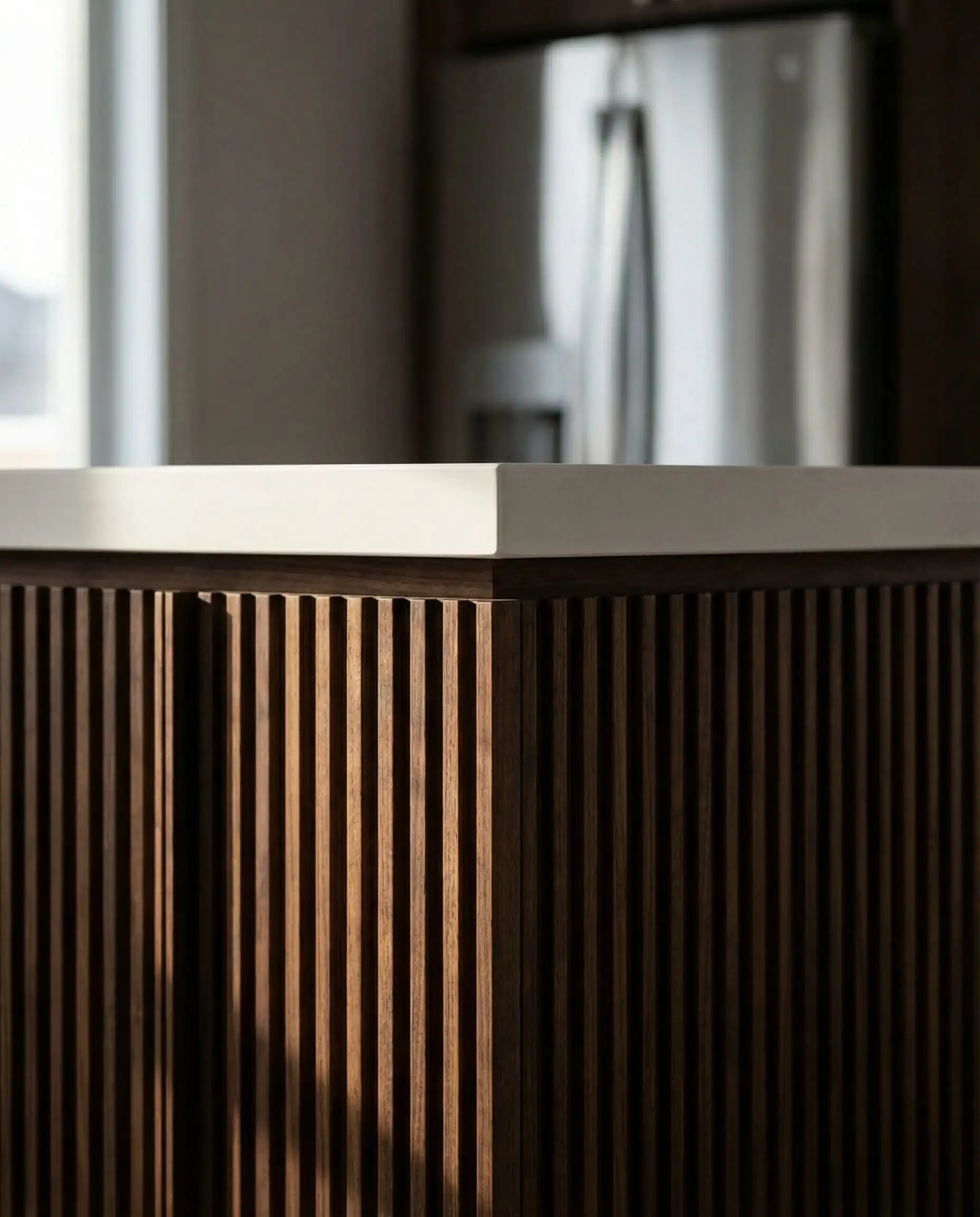
Wood is essential to soften a loft, but the source matters more than ever. The trend is “Traceable Luxury”—knowing exactly where your timber came from. Reclaimed oak floors are still the gold standard, but we are also seeing darker woods like walnut making a comeback to complement the “Espresso” color trend.
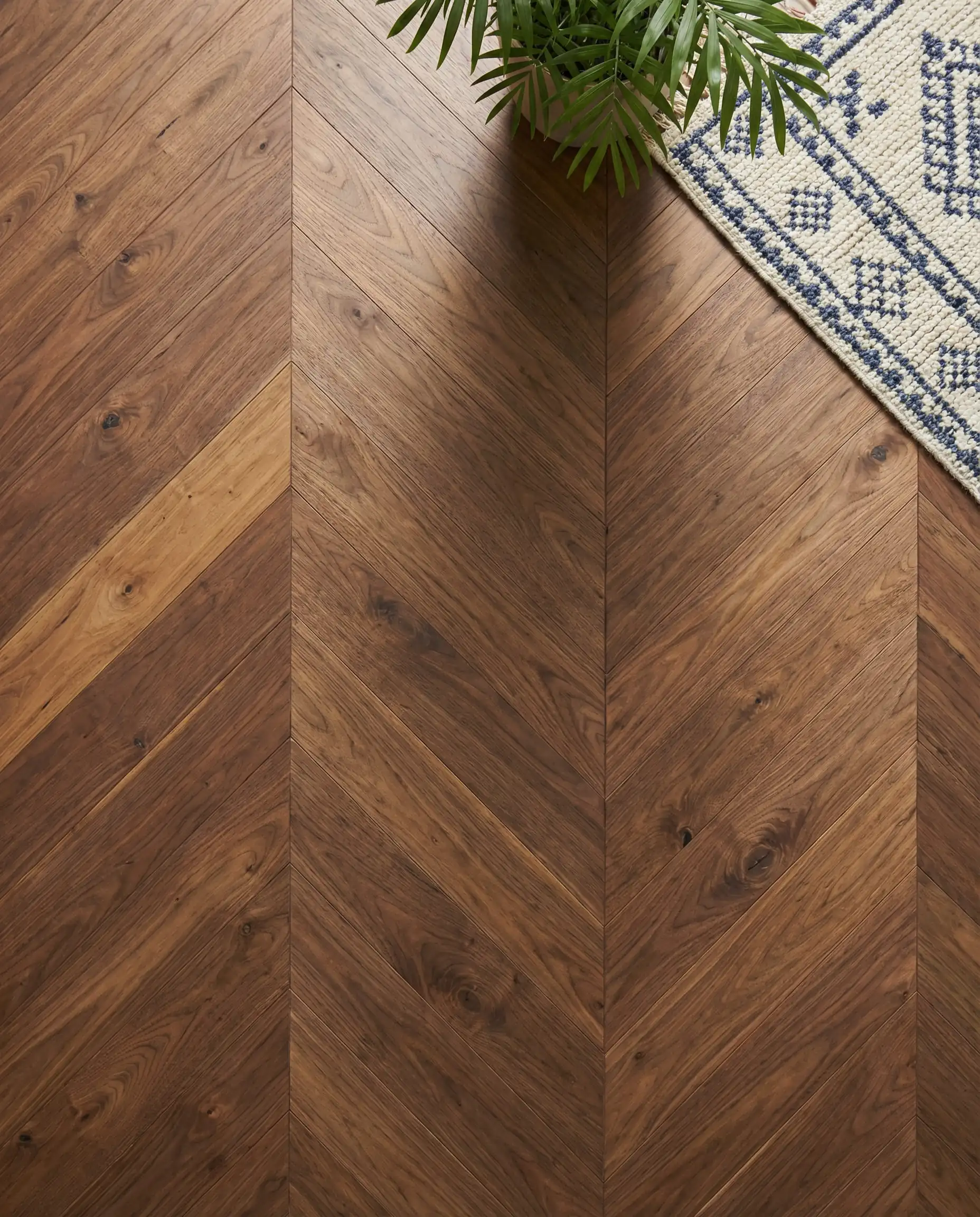
Flooring is arguably the most critical surface in a loft. To see what’s replacing the standard gray laminate, read our forecast on flooring trends for 2026.
In vs. Out: The 2026 Cheat Sheet
Design moves fast. If you are planning a renovation, use this quick reference to ensure your choices are future-proof.
| OUT (So 2024/2025) | IN (The 2026 Standard) |
| Matching “Industrial” Sets (Coffee table matching the TV stand) | Eclectic “Collected” Pieces (Mixing eras and origins) |
| Bright, Pop-Art Accents (Neon signs, bright plastics) | Moody, Monochromatic Layering (Tone-on-tone textures) |
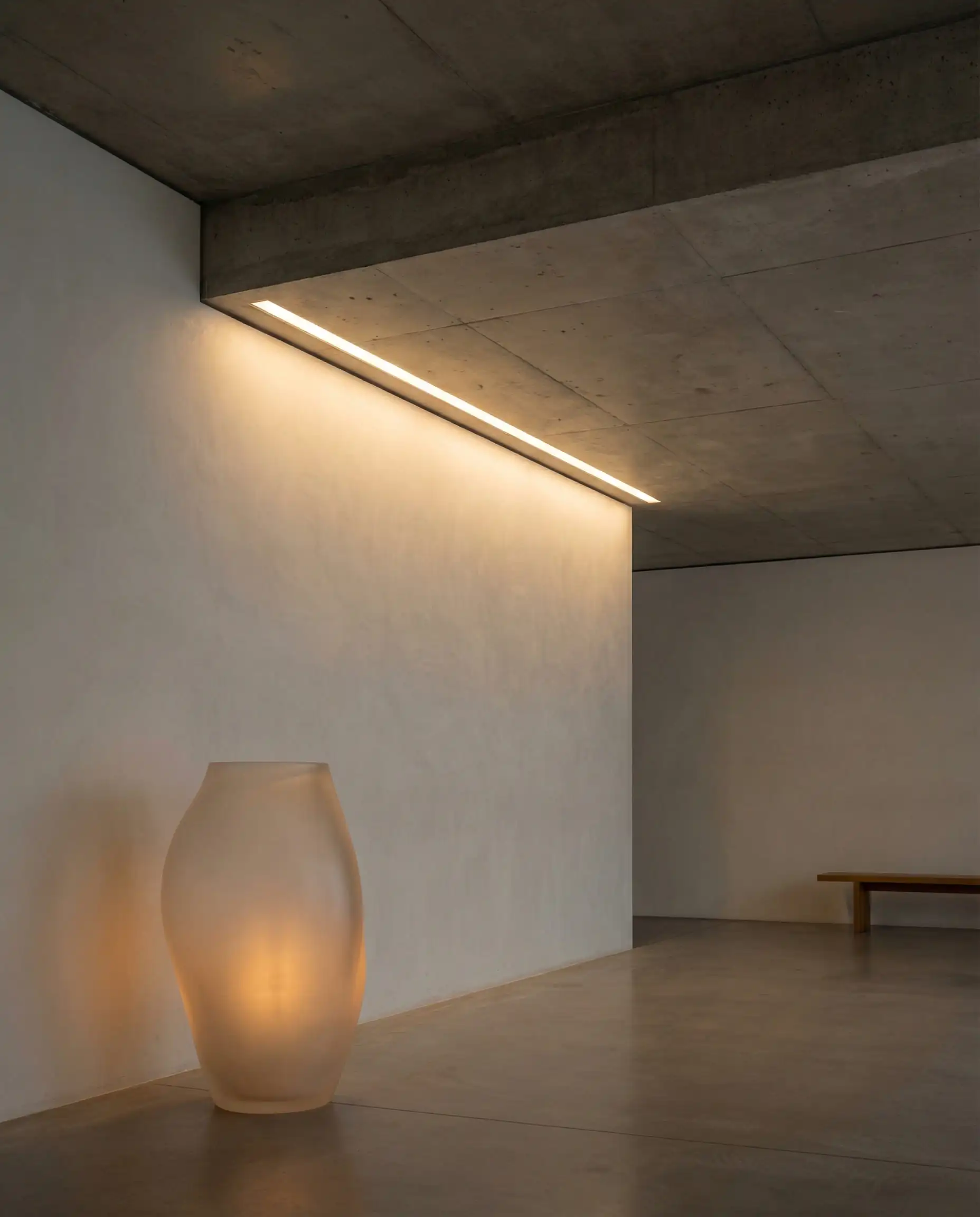
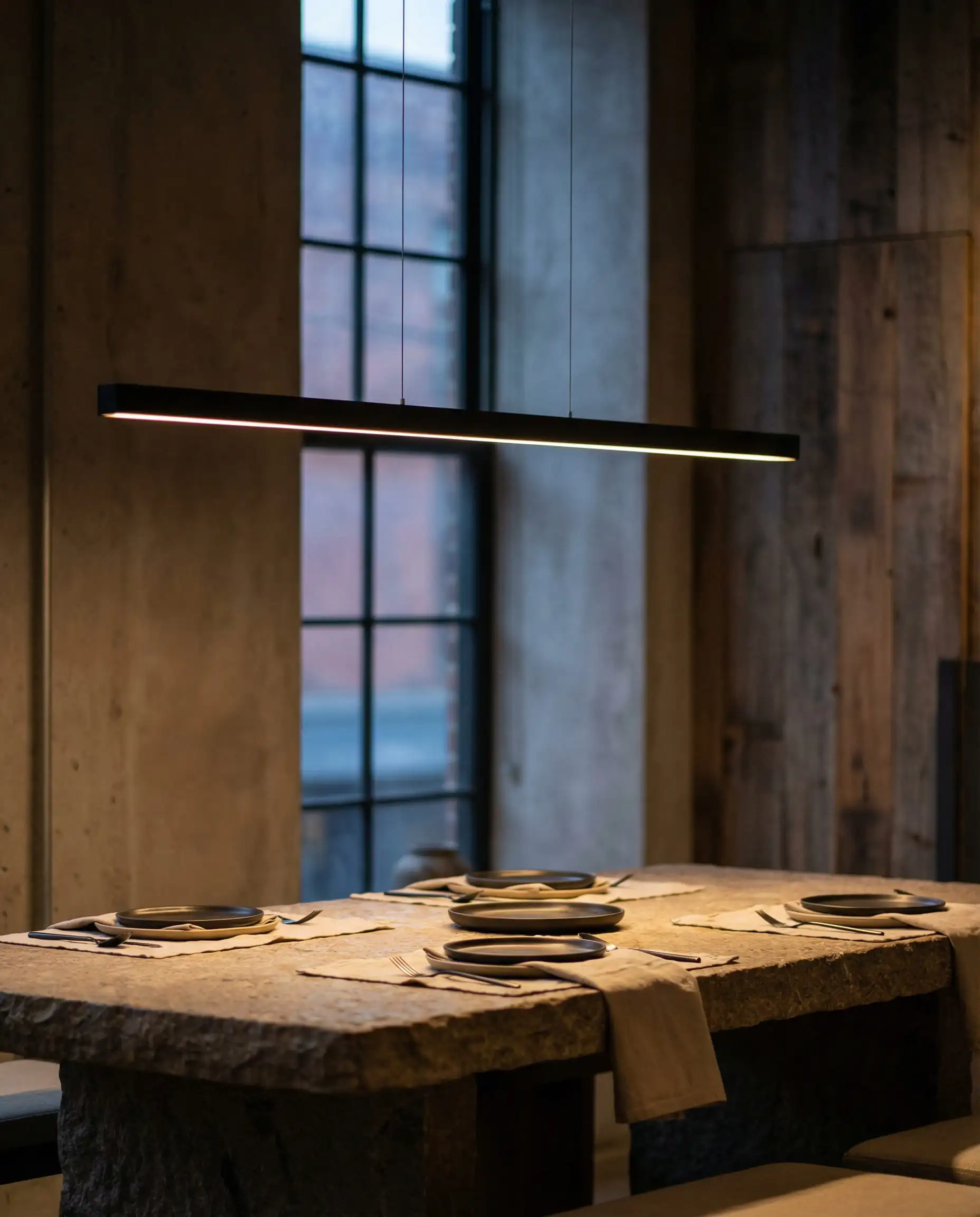
| Exposed Edison Bulbs (The filament look) | Integrated Architectural Lighting (LED strips, sculptural glass) |
| Total Open Plan (One giant room for everything) | “Broken Plan” (Glass partitions, distinct zones) |
| Matte Black Faucets & Hardware | Polished Stainless Steel & Chrome |
| Subway Tiles (The standard white brick tile) | Vertical Stacked Tiles & Zellige (Handcrafted look) |
Architectural Evasion: Zoning the Open Space
The biggest complaint about loft living? The acoustics and the lack of privacy. The “warehouse” vibe is great for a party, but tricky for working from home.
The 2026 solution is “Architectural Evasion”—or the art of hiding in plain sight.
Instead of building solid walls that block the coveted light, designers are using:
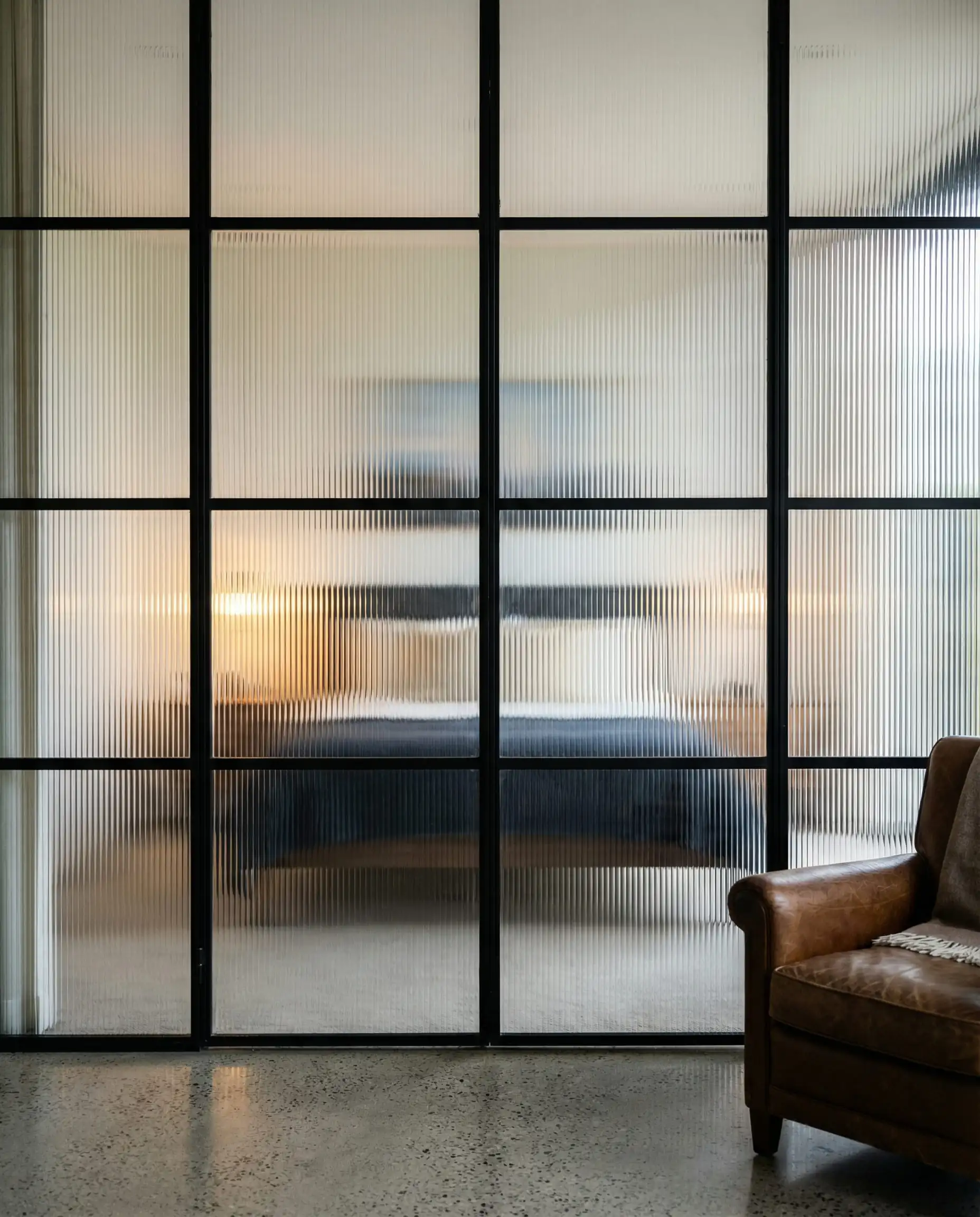
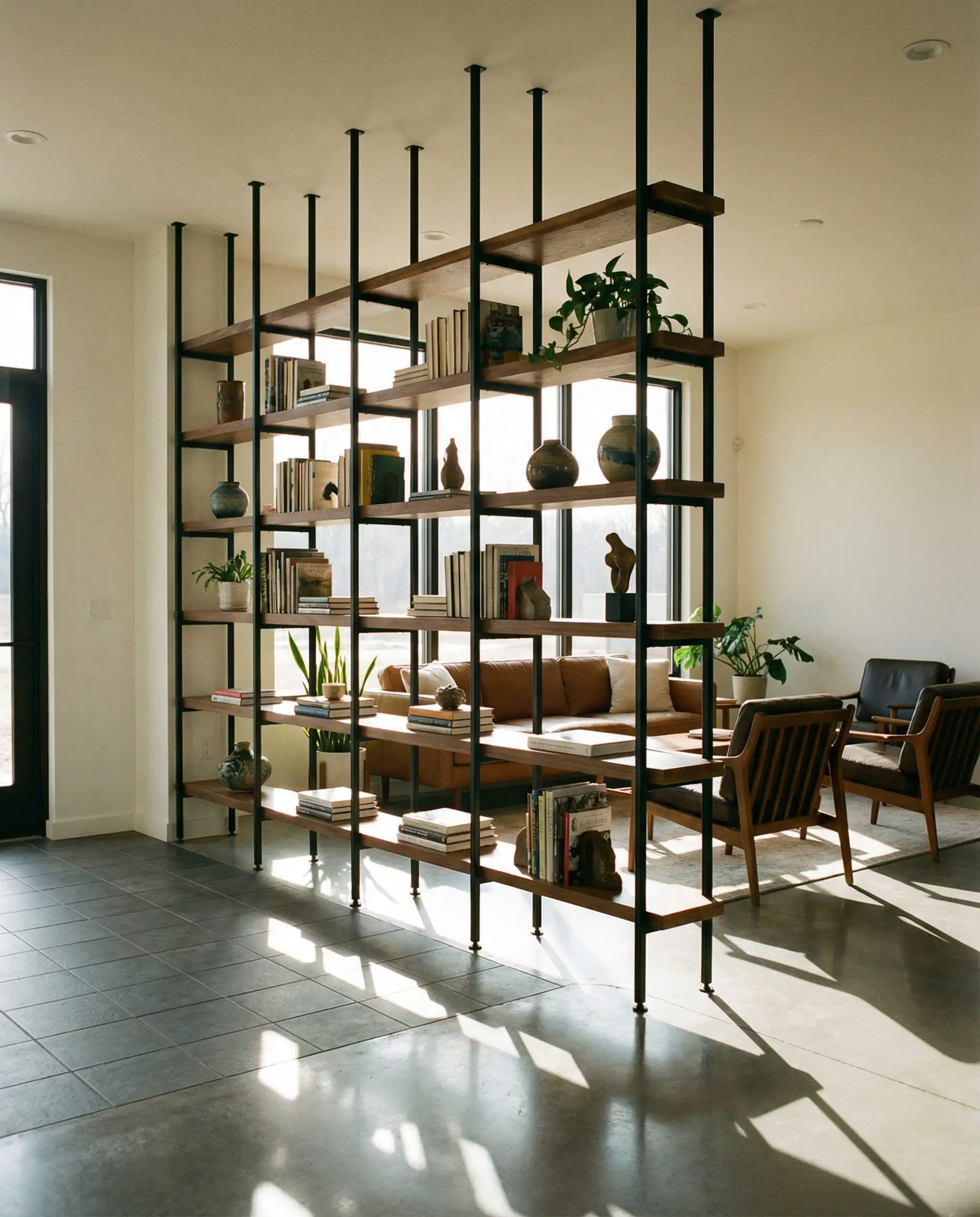
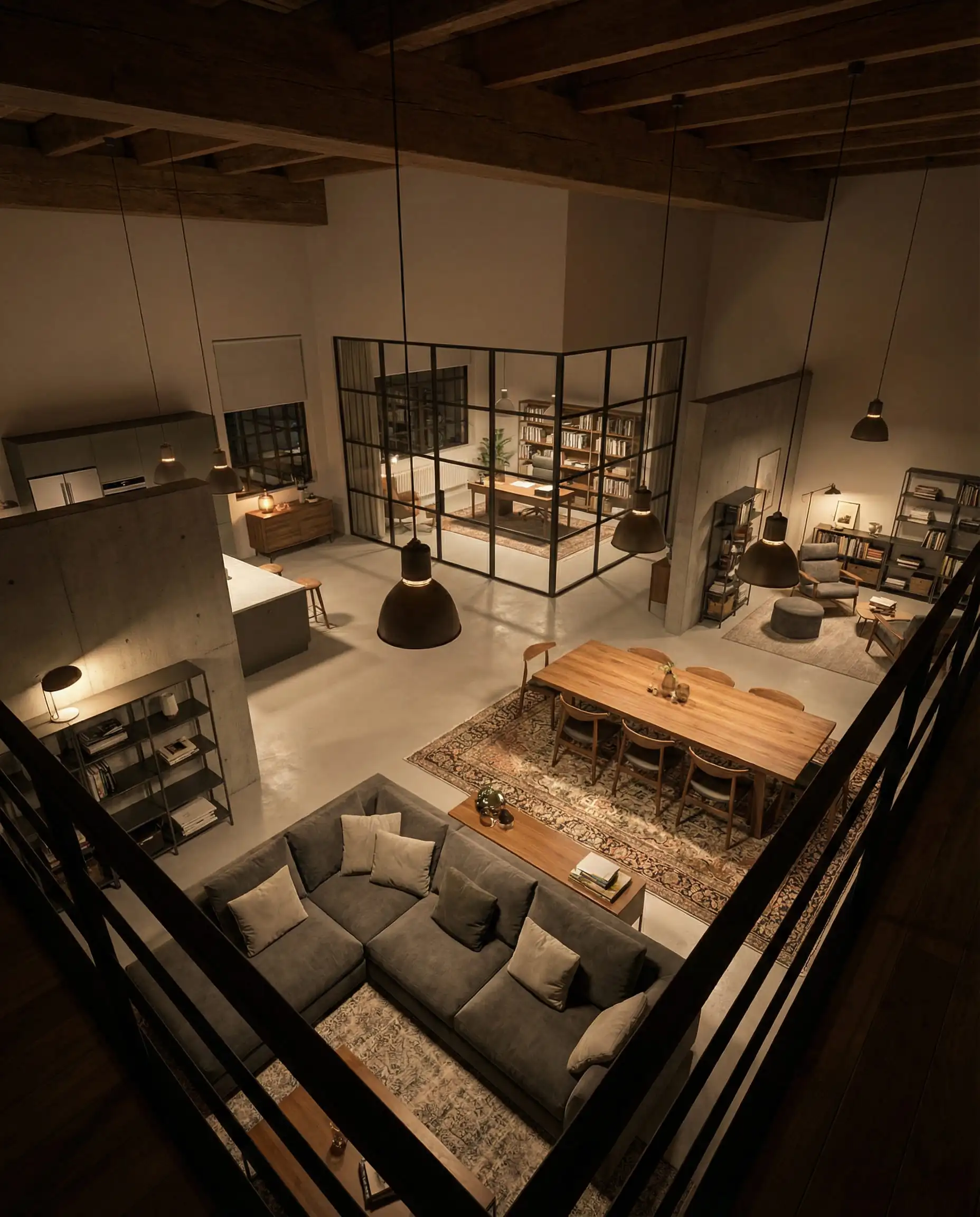
If you are struggling to define spaces in your open layout, our article on interior door trends for 2026 explores new sliding and pivoting systems that are perfect for flexible loft zoning.
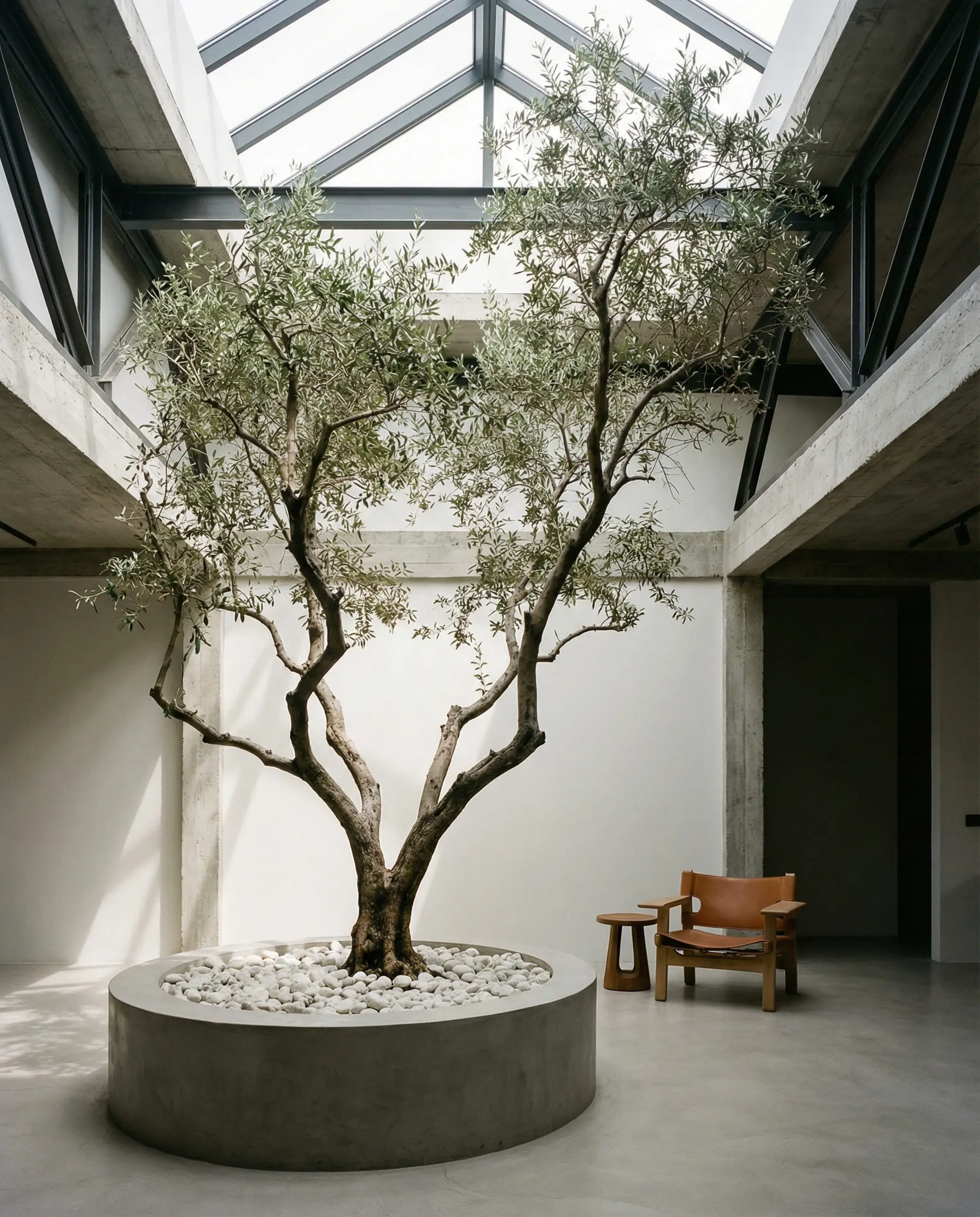
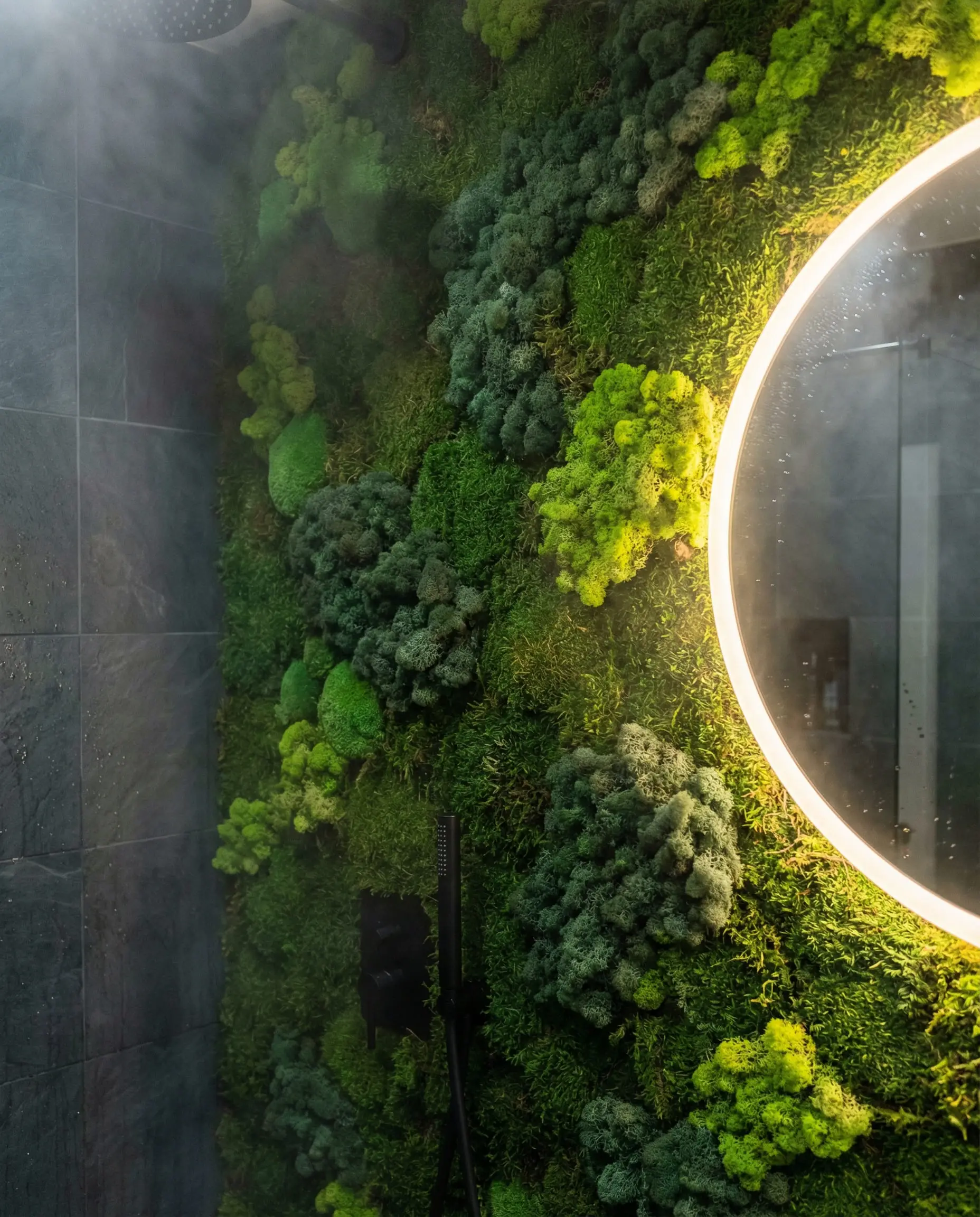
Biophilia 2.0: From “Potted Plants” to “Living Ecosystems”
Biophilia (the love of nature) is not new, but its application in lofts is changing. We are moving past the “jungle look” of cluttering every surface with small pots.
In 2026, the greenery is architectural.
Room-by-Room: Applying the Trends
The 2026 Loft Kitchen
The kitchen is the heart of the “Soft Industrial” home.
Further Reading: For a detailed look at appliances and finishes, see our modern kitchen trends guide.
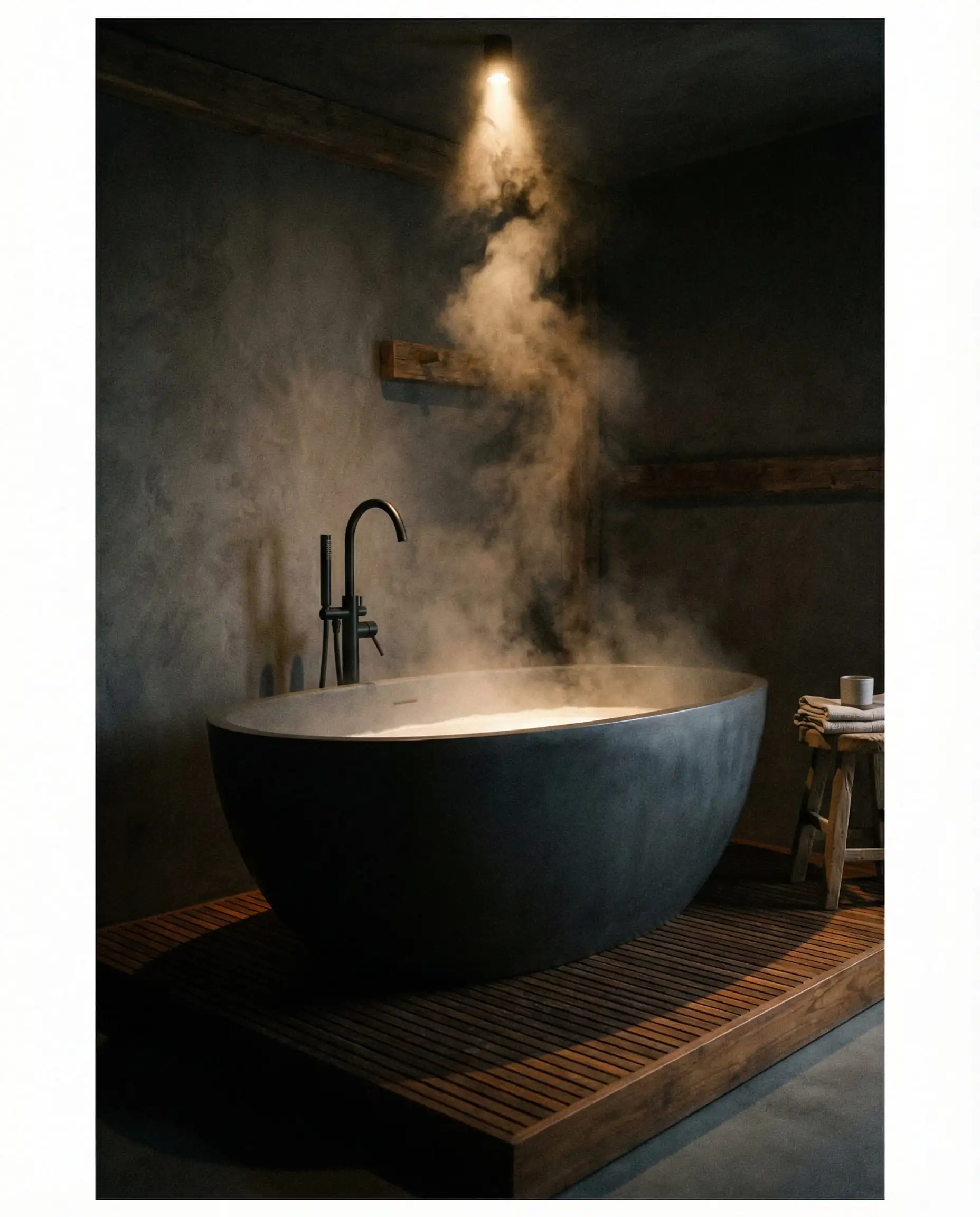
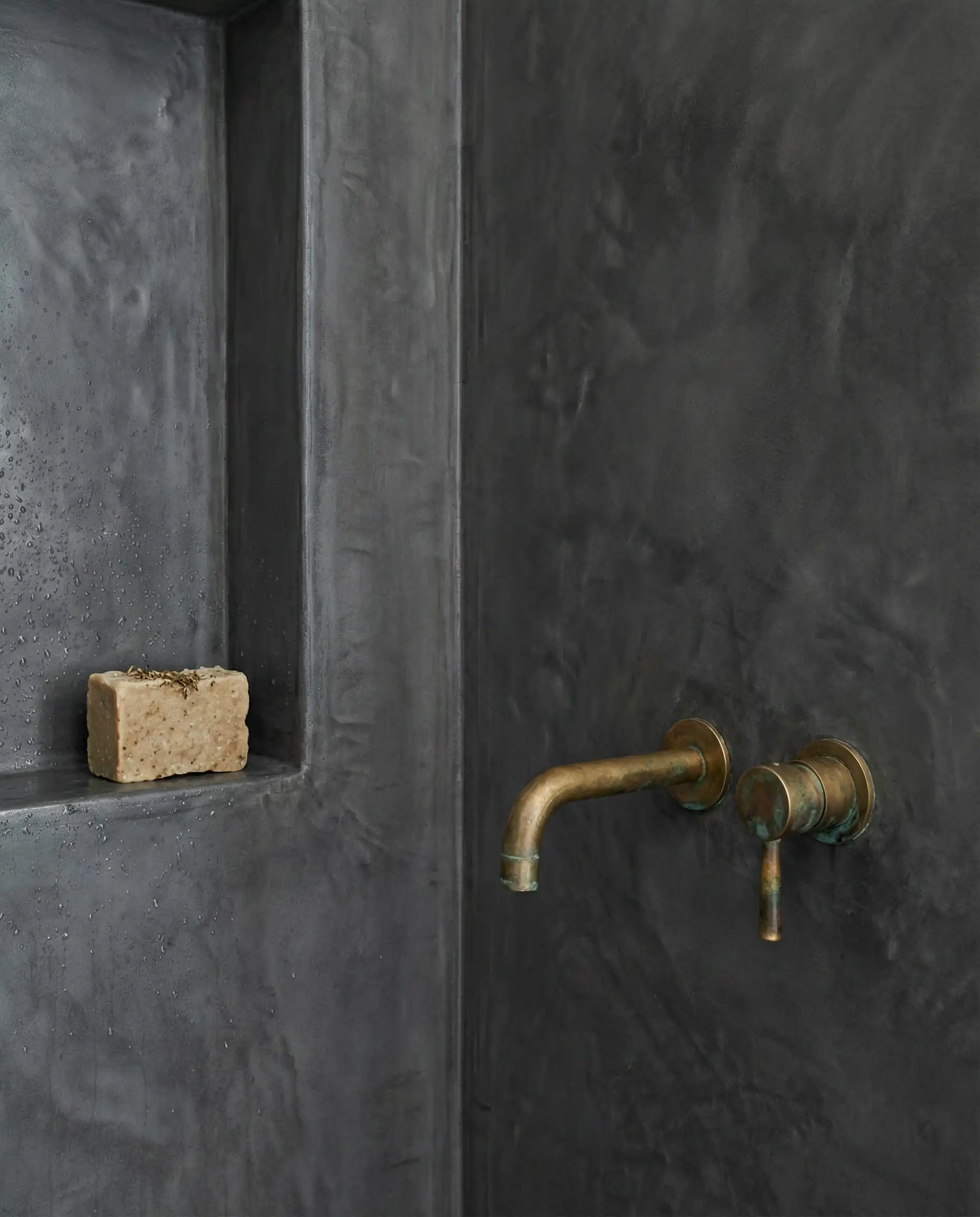
The Spa Bathroom
In a loft, the bathroom is often the only enclosed room, so it must be a sanctuary.
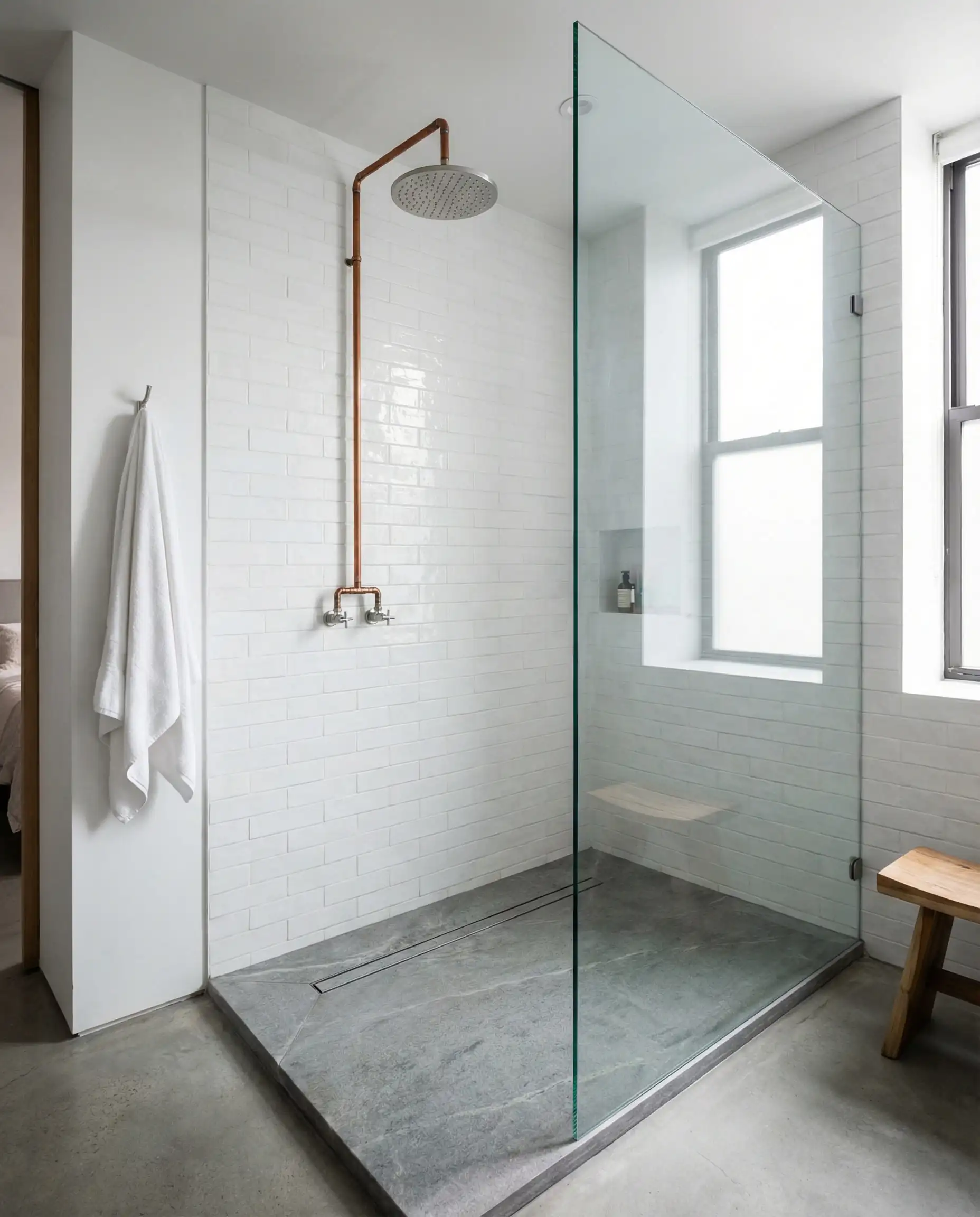
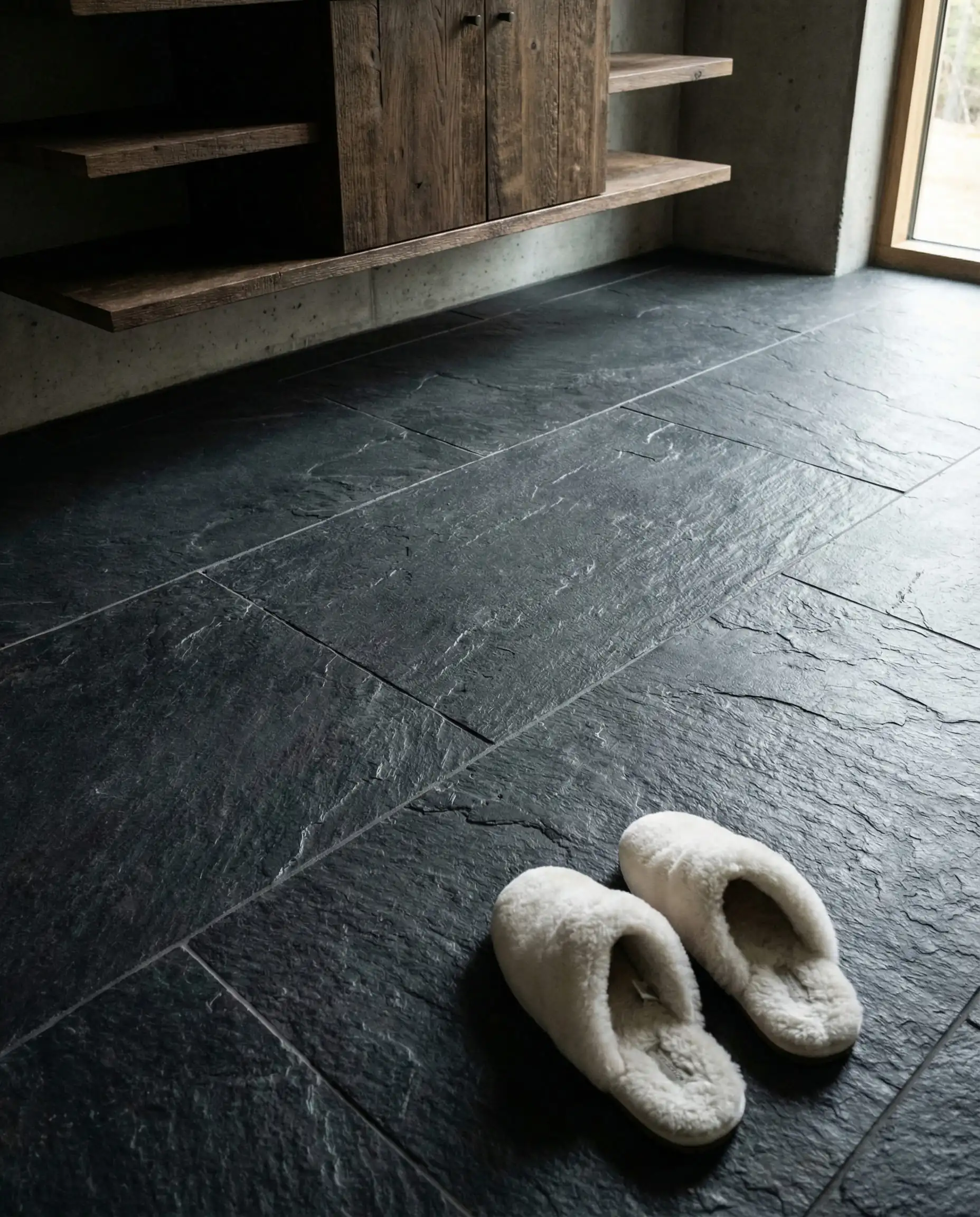
Further Reading: Dive deeper into spa aesthetics with our 2026 bathroom trends analysis.
The Living Area
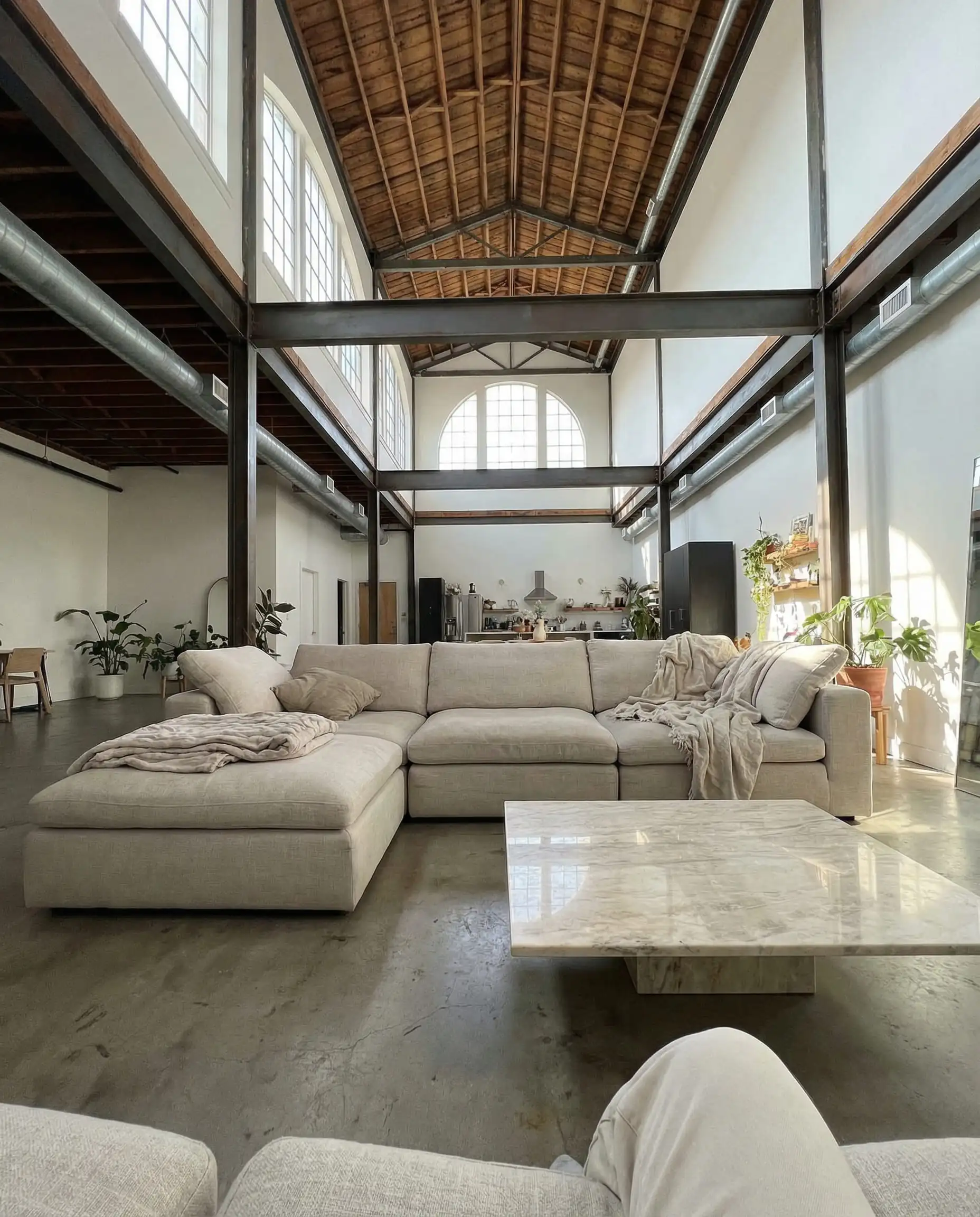
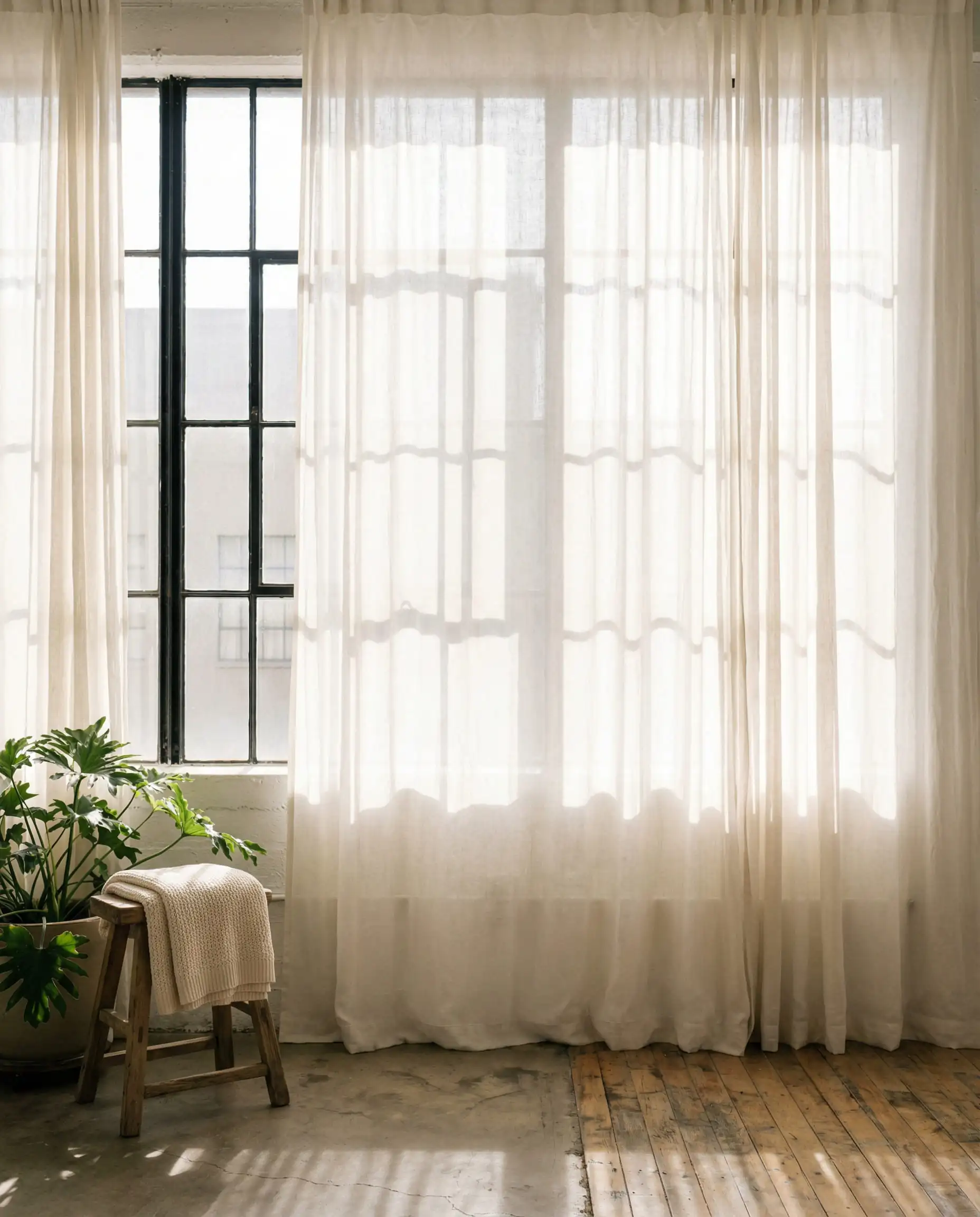
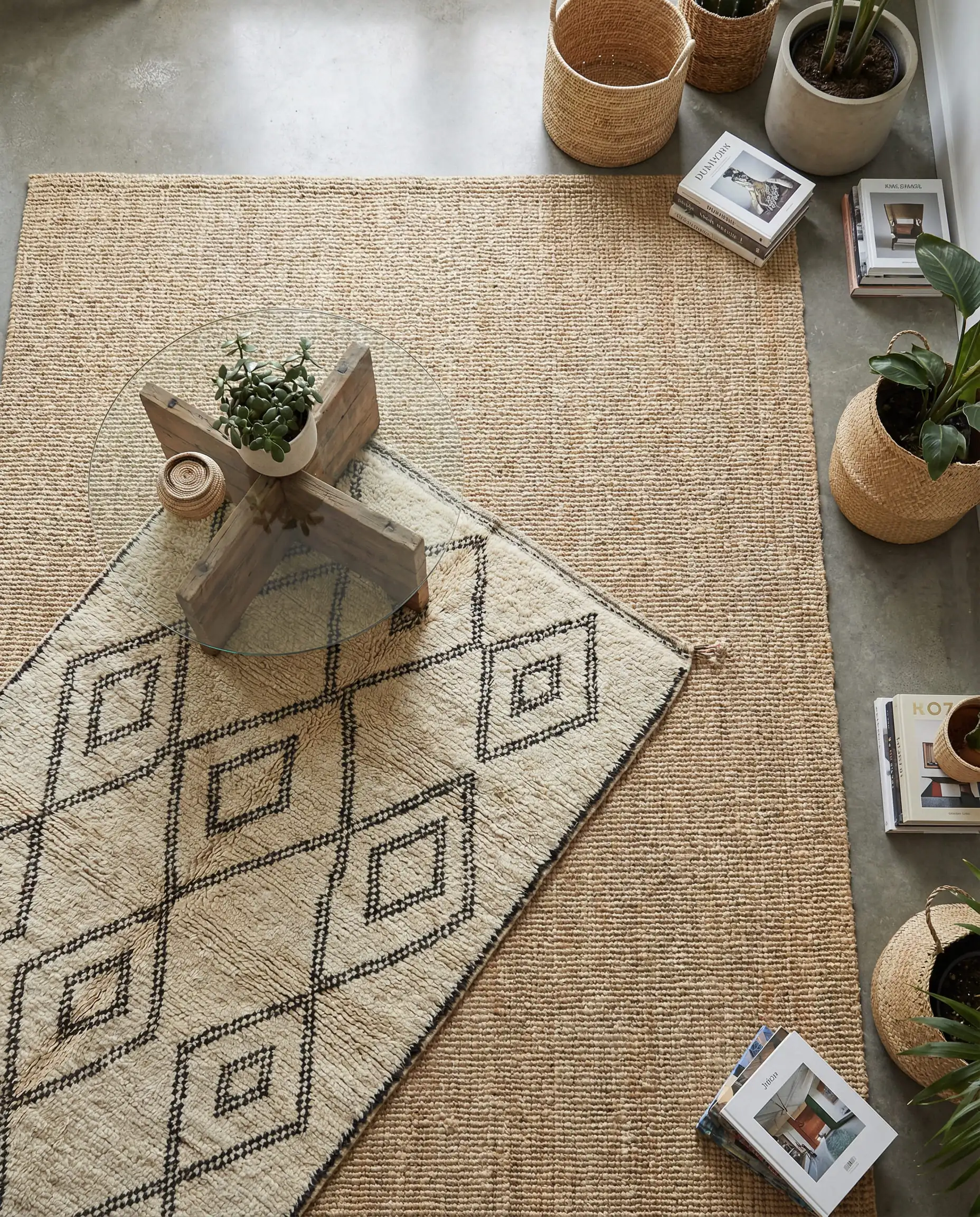
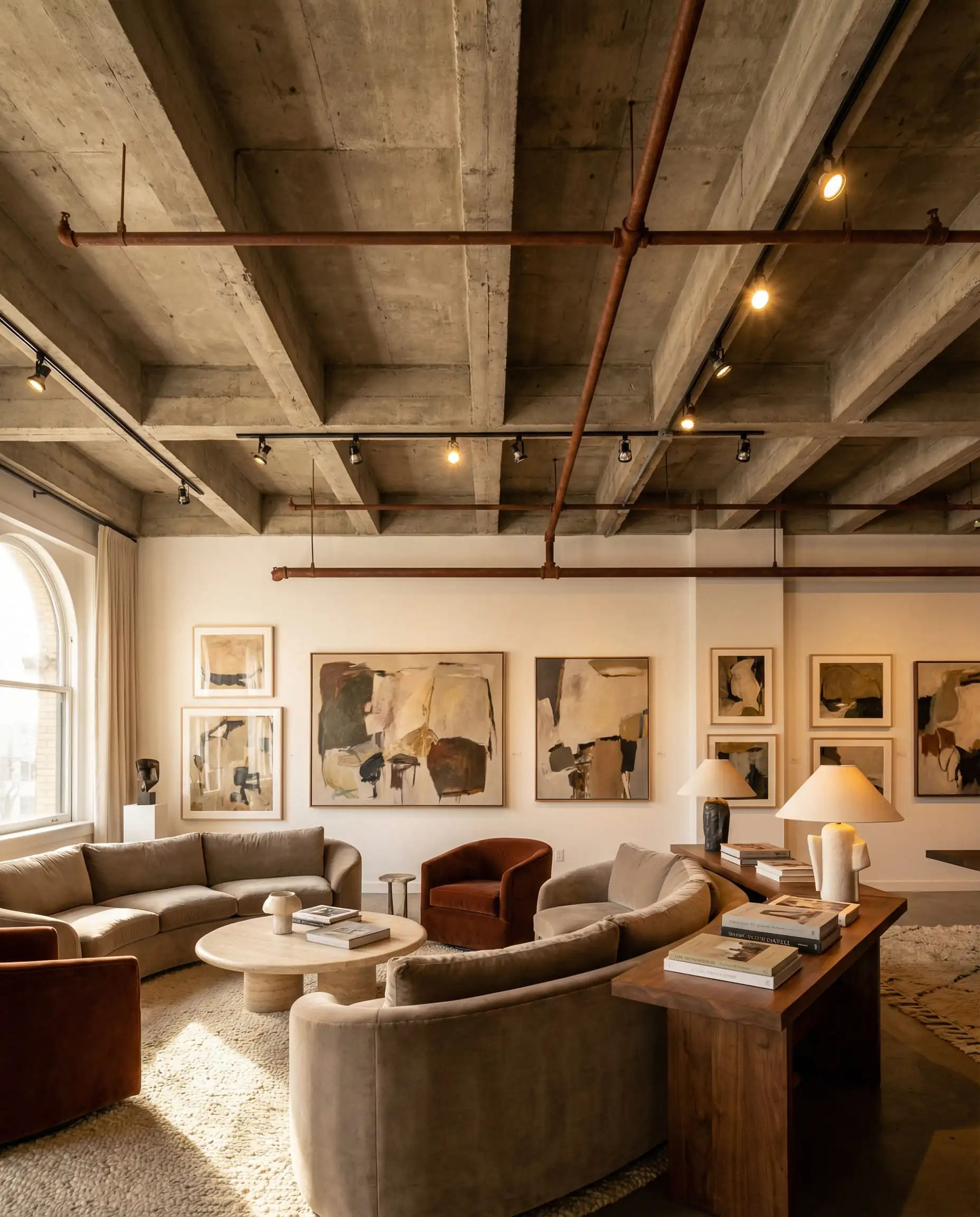
Further Reading: Don’t overlook the windows. Check out the latest curtain trends for 2026 to find the right fabric for your height.
Visualize It: How to Try These Trends
Reading about “Espresso Brown” walls or “Stainless Steel” islands is one thing; seeing them in your actual space is another. Loft transformations can be risky—painting a 15-foot brick wall is a big commitment!
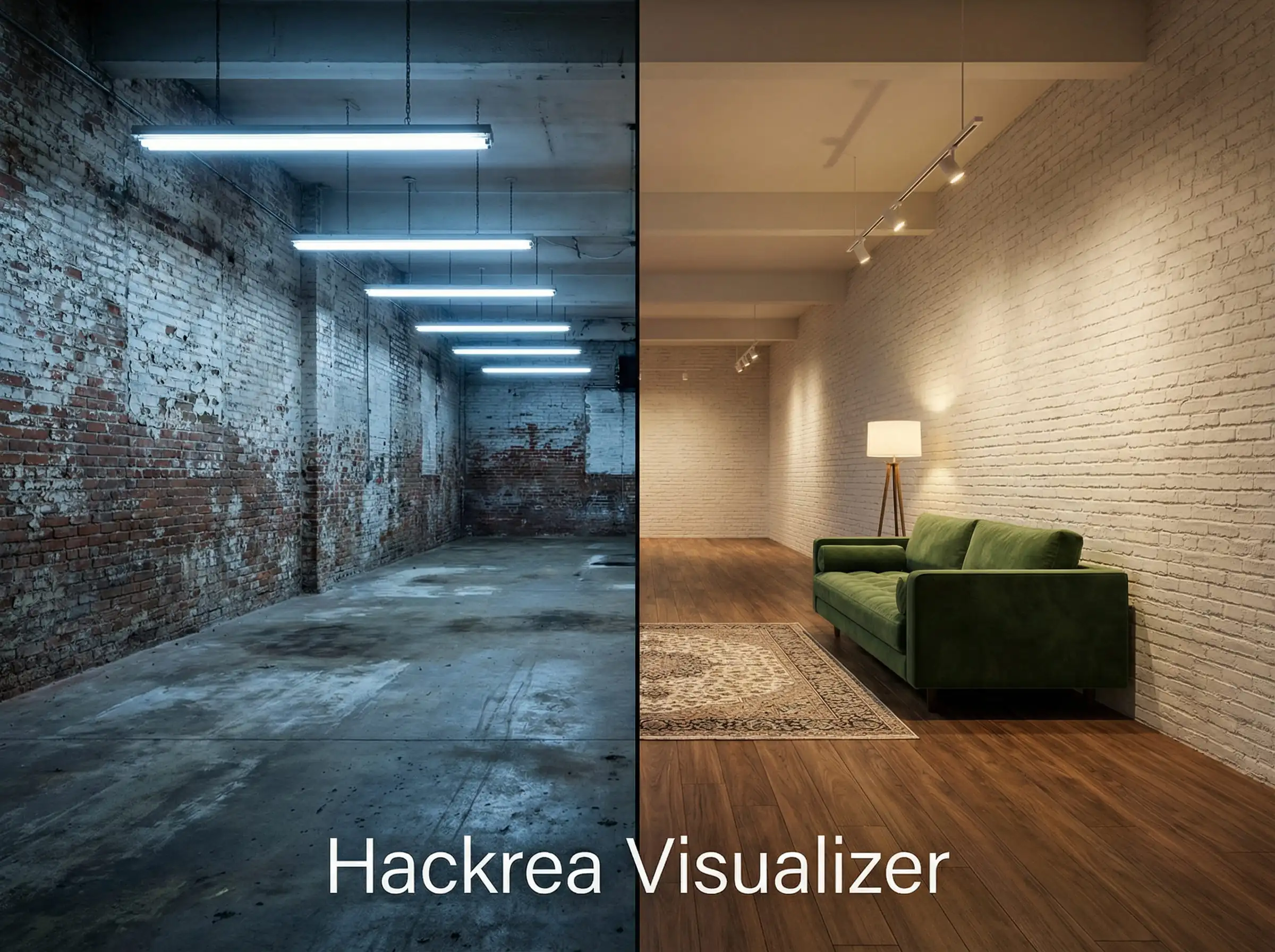
Don’t guess. Use the Hackrea Visualizer.
You can upload a photo of your room and digitally test these 2026 trends. See how a concrete floor looks versus a warm timber one, or check if that moody green paint makes your room feel cozy or just dark.
Frequently Asked Questions (FAQ)
A: Not at all, but it is evolving. The “Hard Industrial” (steampunk, excessive pipes, cold feel) is out. It is being replaced by “Soft Industrial,” which mixes raw structures with high-end, comfortable, and warm elements.
A: While polished concrete remains a staple, wide-plank engineered hardwood in warm tones (walnut or white oak) is trending to add coziness. Terrazzo is also making a strong comeback for a more artistic touch.
A: Texture is your best friend. Use “fat,” curved furniture to break up straight lines. Add large area rugs (layering them helps), install floor-to-ceiling sheer curtains to soften the light, and switch your light bulbs to a warm temperature (2700K).
A: Absolutely. While brick is classic, 2026 trends favor textured wallpapers that mimic plaster, concrete, or woven fabrics. Avoid busy small prints; go for large-scale murals or textures. Check out our wallpaper trends for inspiration.
Conclusion
The loft of 2026 is a study in contrasts. It is where steel meets velvet, where concrete meets greenery, and where the history of a building meets the future of living. It is a style that has grown up—it’s more refined, more sustainable, and infinitely more livable.
Whether you are planning a full renovation or just swapping out a few decor pieces, remember the golden rule of the new Soft Industrial style: Honor the raw, but prioritize the comfort.