Wall Covering Material Trends 2026: The Ultimate Guide to Texture & Warmth
If you’ve been waiting for permission to say goodbye to stark, clinical white walls, 2026 is your year.
For the past decade, we’ve seen a heavy reliance on “flat” design—smooth painted drywall, invisible transitions, and a general fear of visual clutter. But as we move deeper into the mid-2020s, the script is flipping. The Interior Design Trends of 2026 are no longer about emptiness; they are about emotion, tactility, and cocooning.
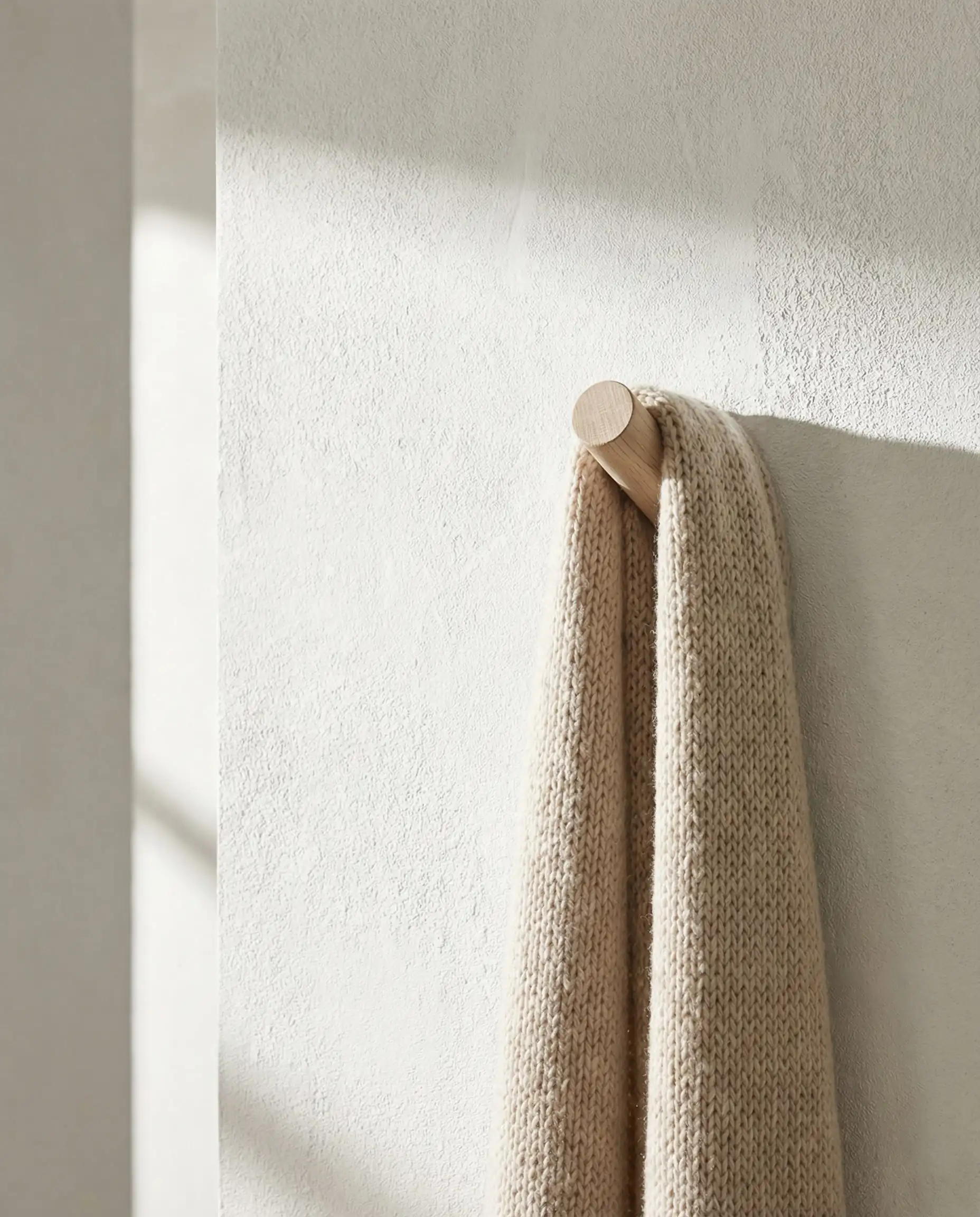
We are seeing a massive shift toward “haptic” interiors—spaces that you almost want to reach out and touch. Wall coverings are evolving from mere backgrounds into the main characters of our rooms. Whether it’s the acoustic softness of felt, the raw imperfection of limewash, or the dramatic depth of 3D fluting, the walls of 2026 are alive with texture.
In this ultimate guide, we’ll explore the newest wall covering trends, color shifts, and sustainable materials that will define homes in 2026. Let’s dive into the texture revolution.
At a Glance: Key 2026 Wall Trends
The Rise of Tactile Walls: It’s All About Texture
The biggest headline for 2026 is the move from visual patterns to physical texture. While a pretty floral print is nice, a wall that offers depth and shadow is transformative. Homeowners are craving environments that feel grounded and substantial, and “flat” walls often feel temporary.
1. 3D Embossed and “Matter Effect” Wallpapers
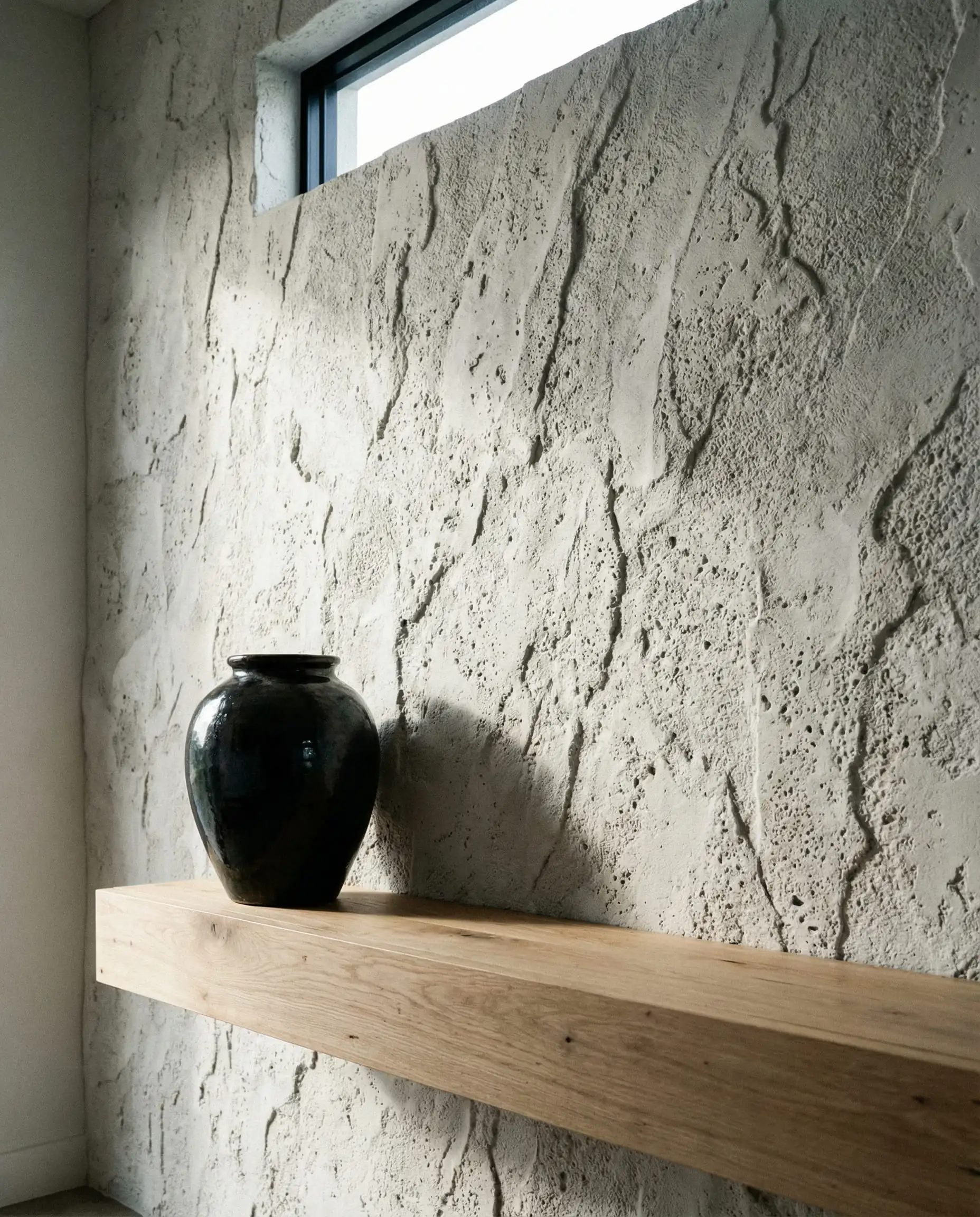
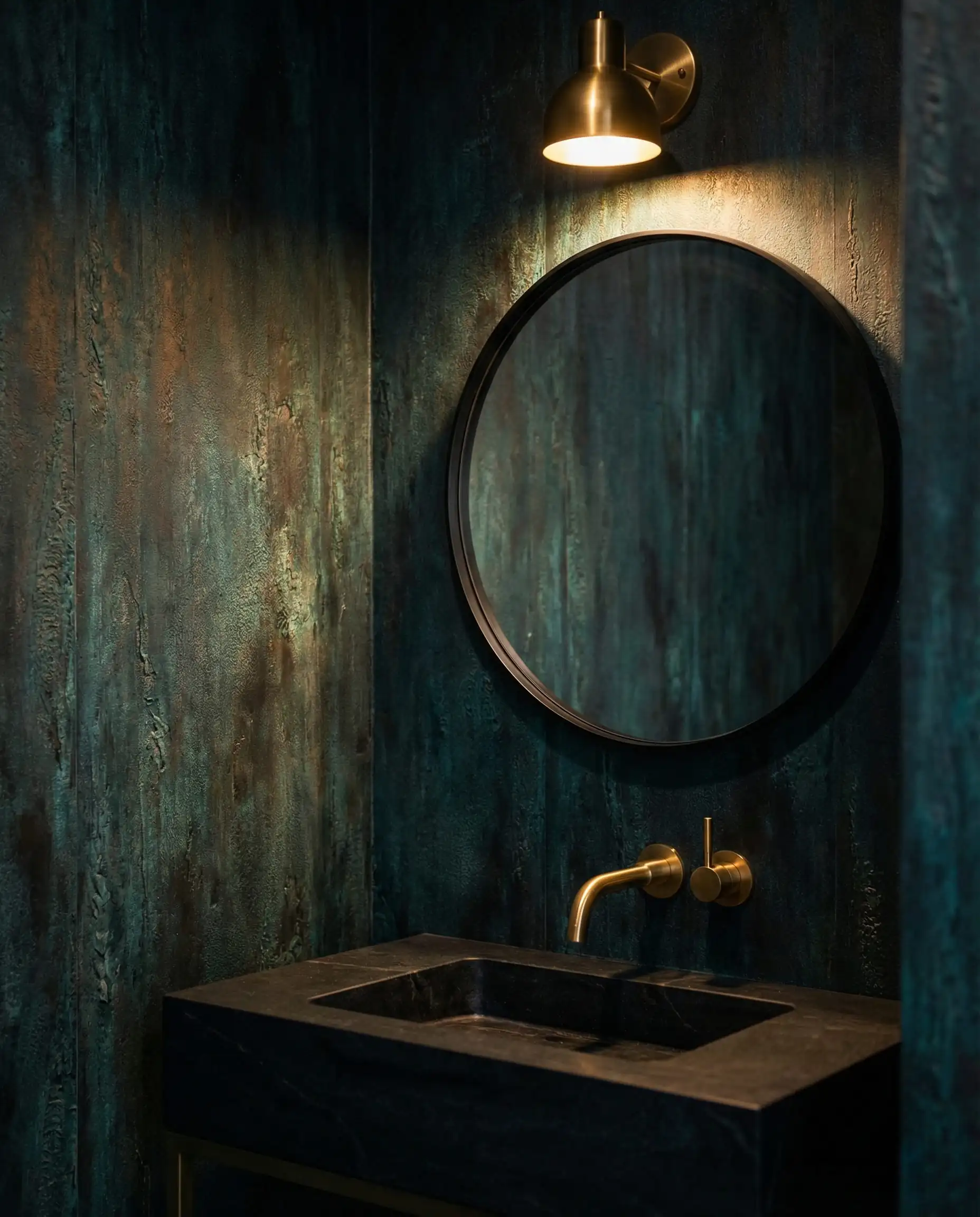
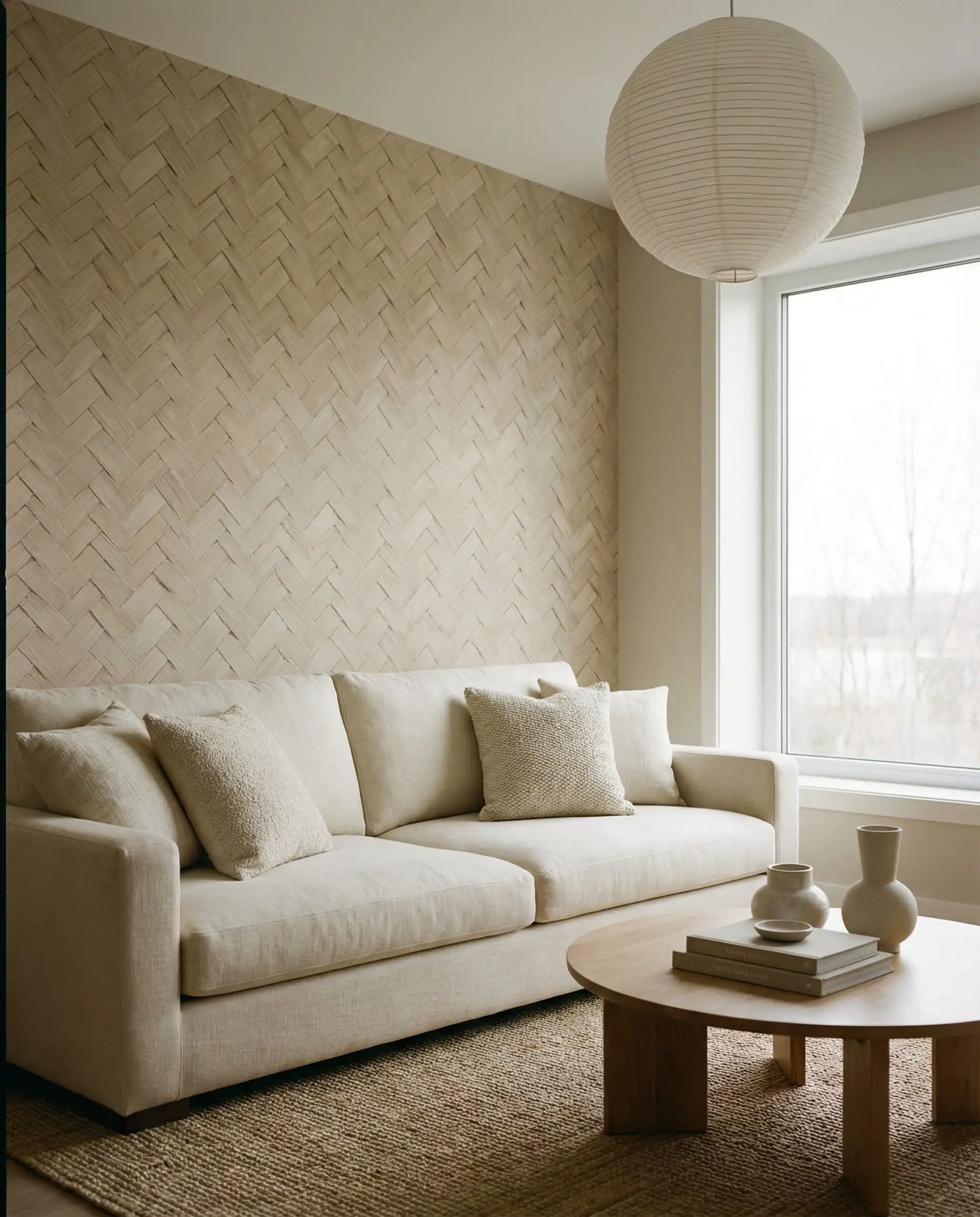
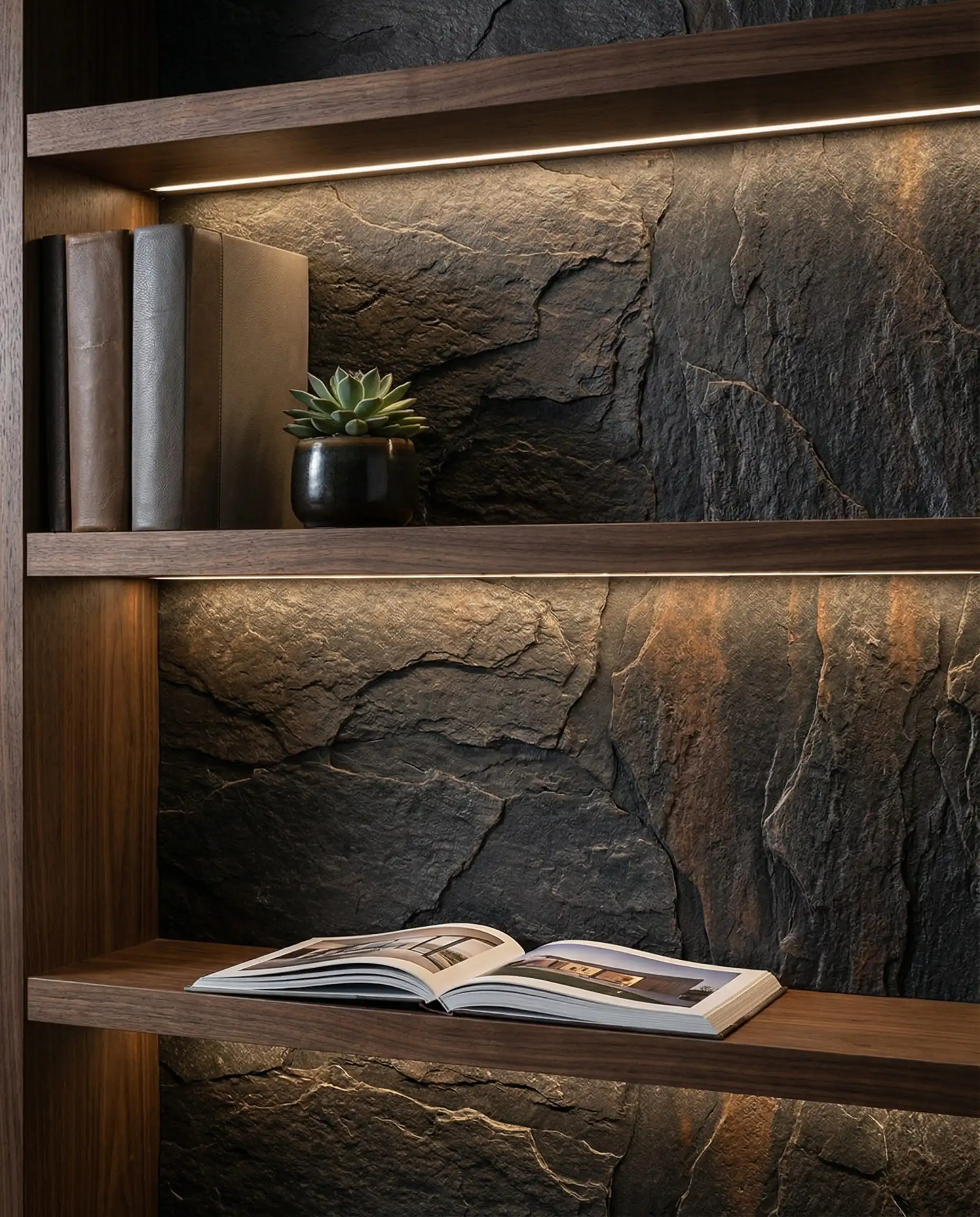
Standard wallpaper is getting a major upgrade. We are seeing a surge in “matter effects”—wallpapers designed to realistically mimic raw materials like concrete, rough-hewn stone, woven rattan, and oxidized metal.
Unlike the “faux finish” trends of the 90s, these 2026 iterations are hyper-realistic. They use high-quality embossing techniques that catch the light, creating genuine shadows. This adds a layer of architectural seriousness to a room without the structural renovation costs.
(See more on this in our deep dive on Wallpaper Trends)
2. Fluted Panels and Architectural Slats
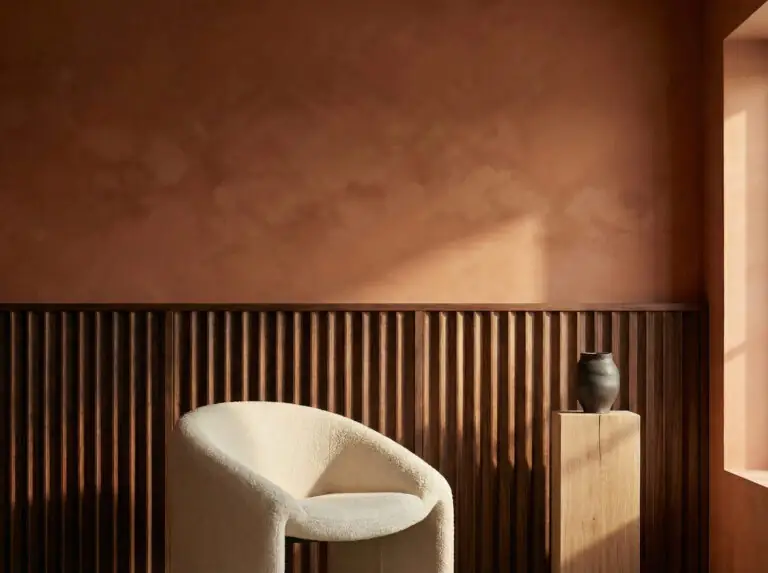
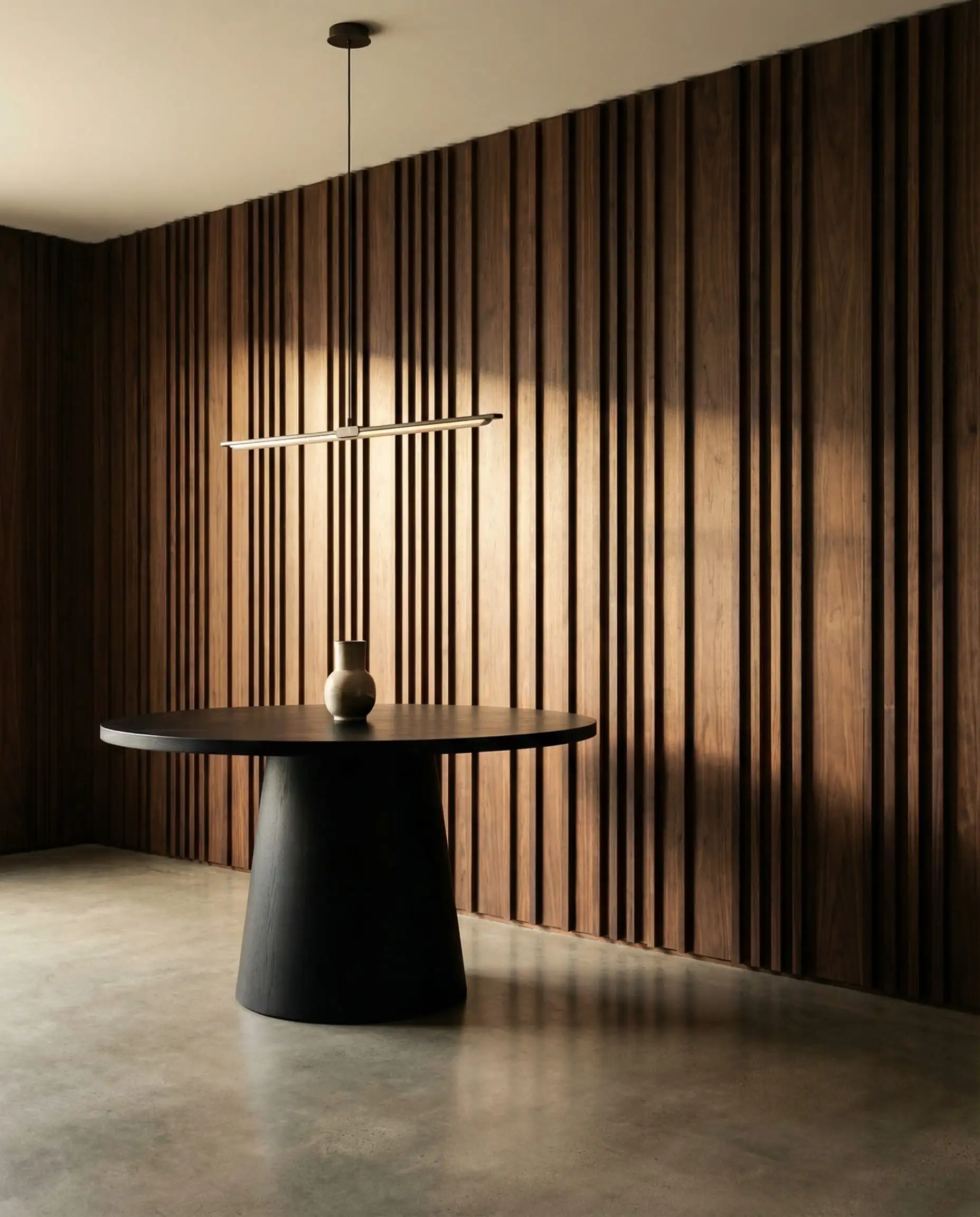
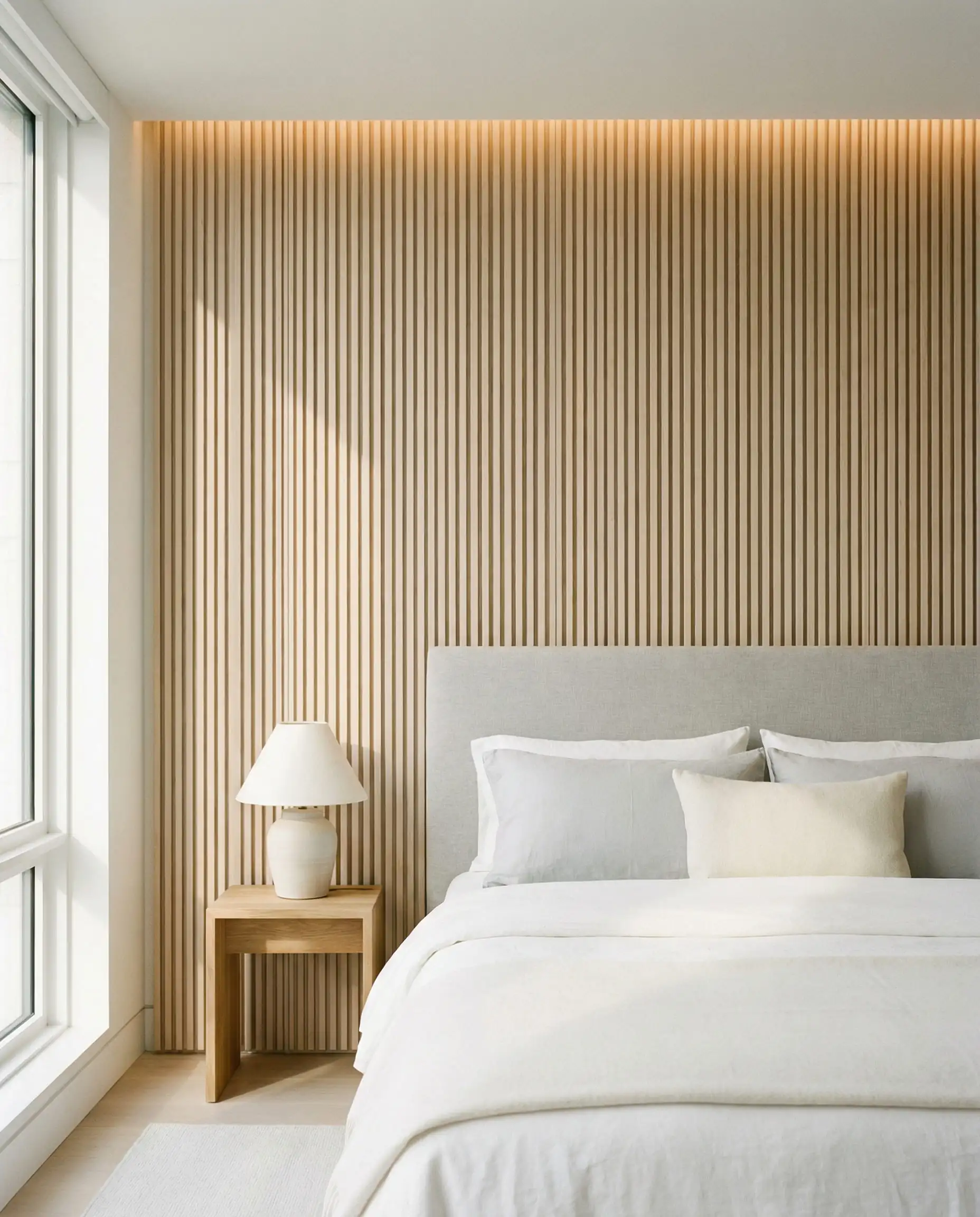
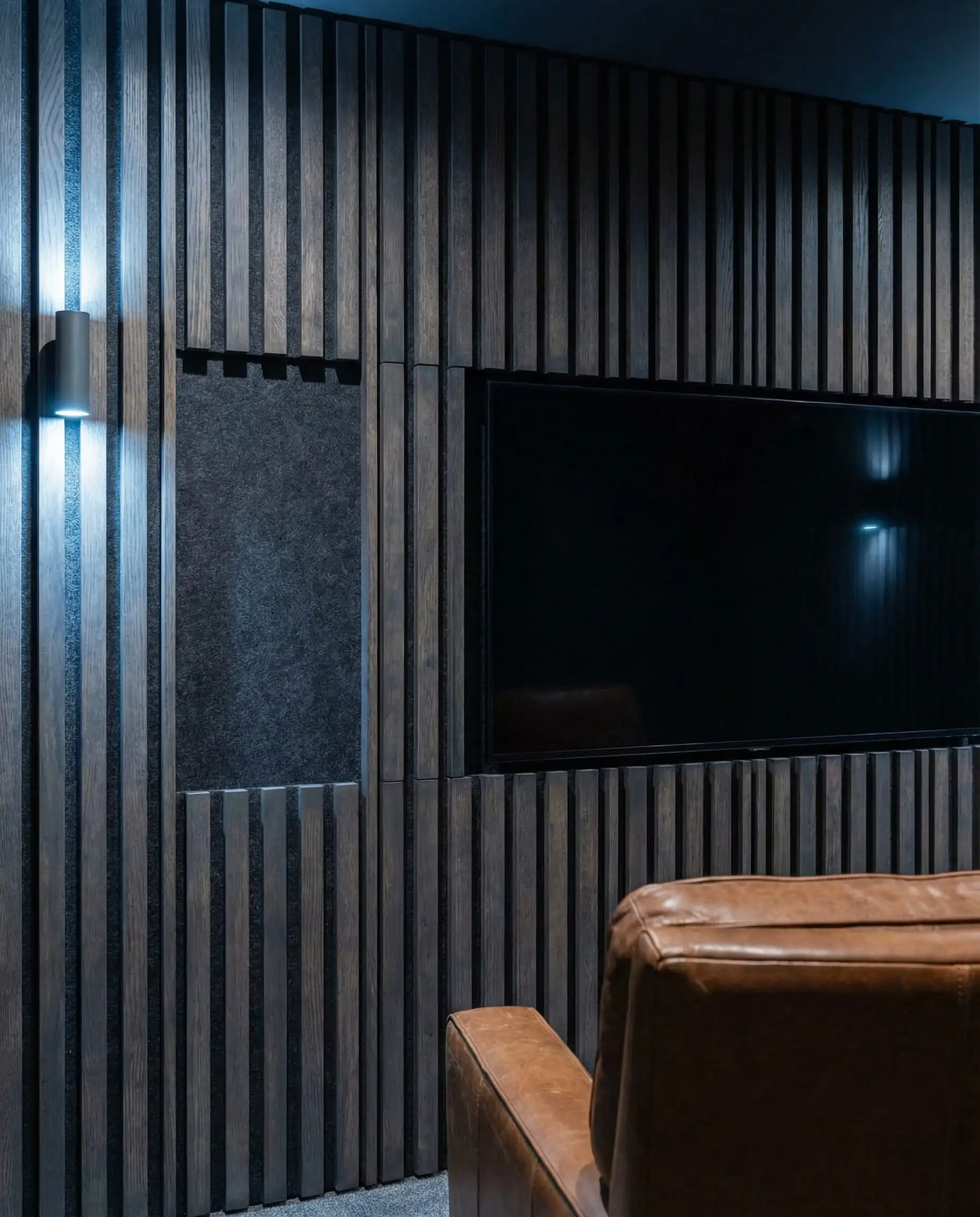
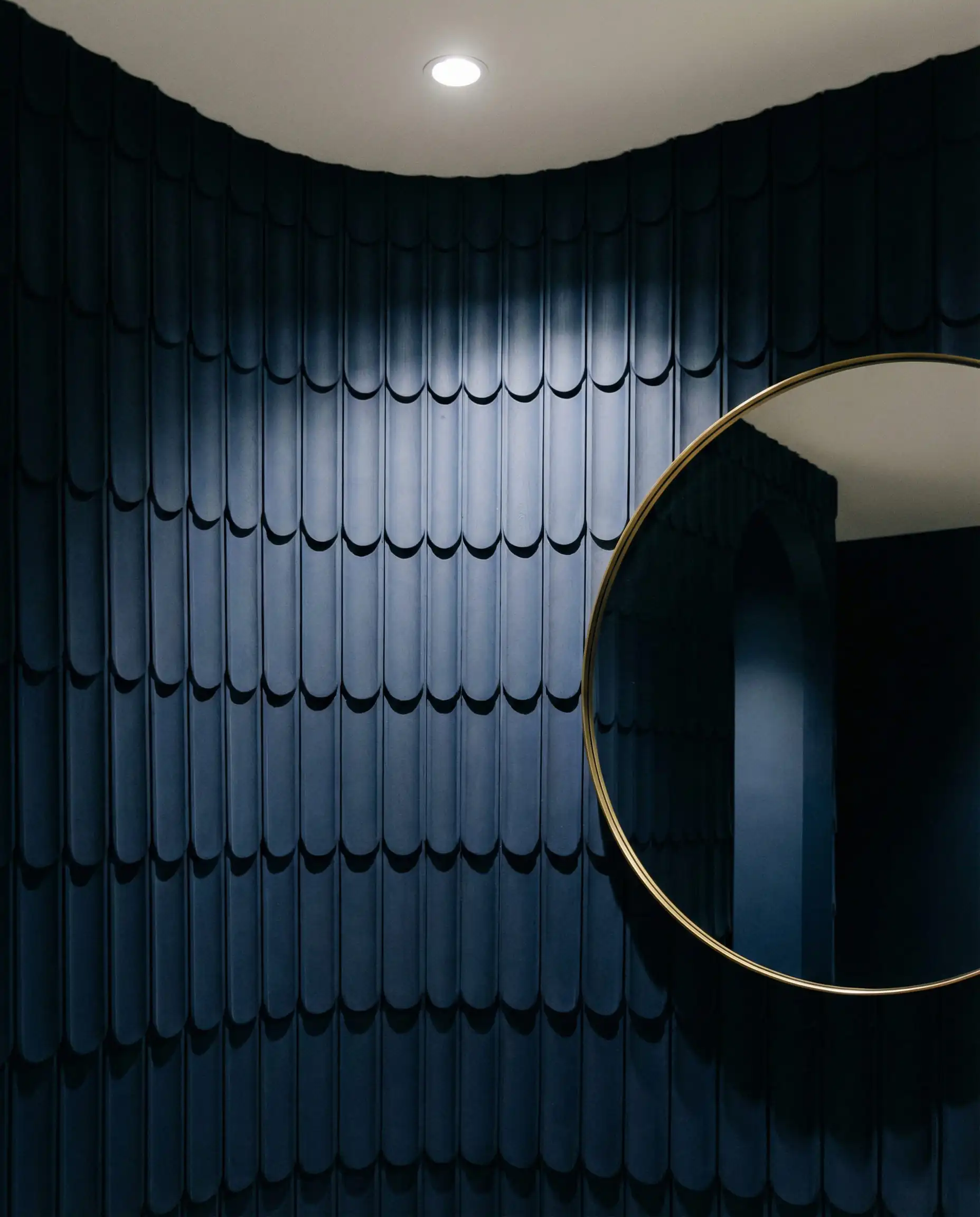
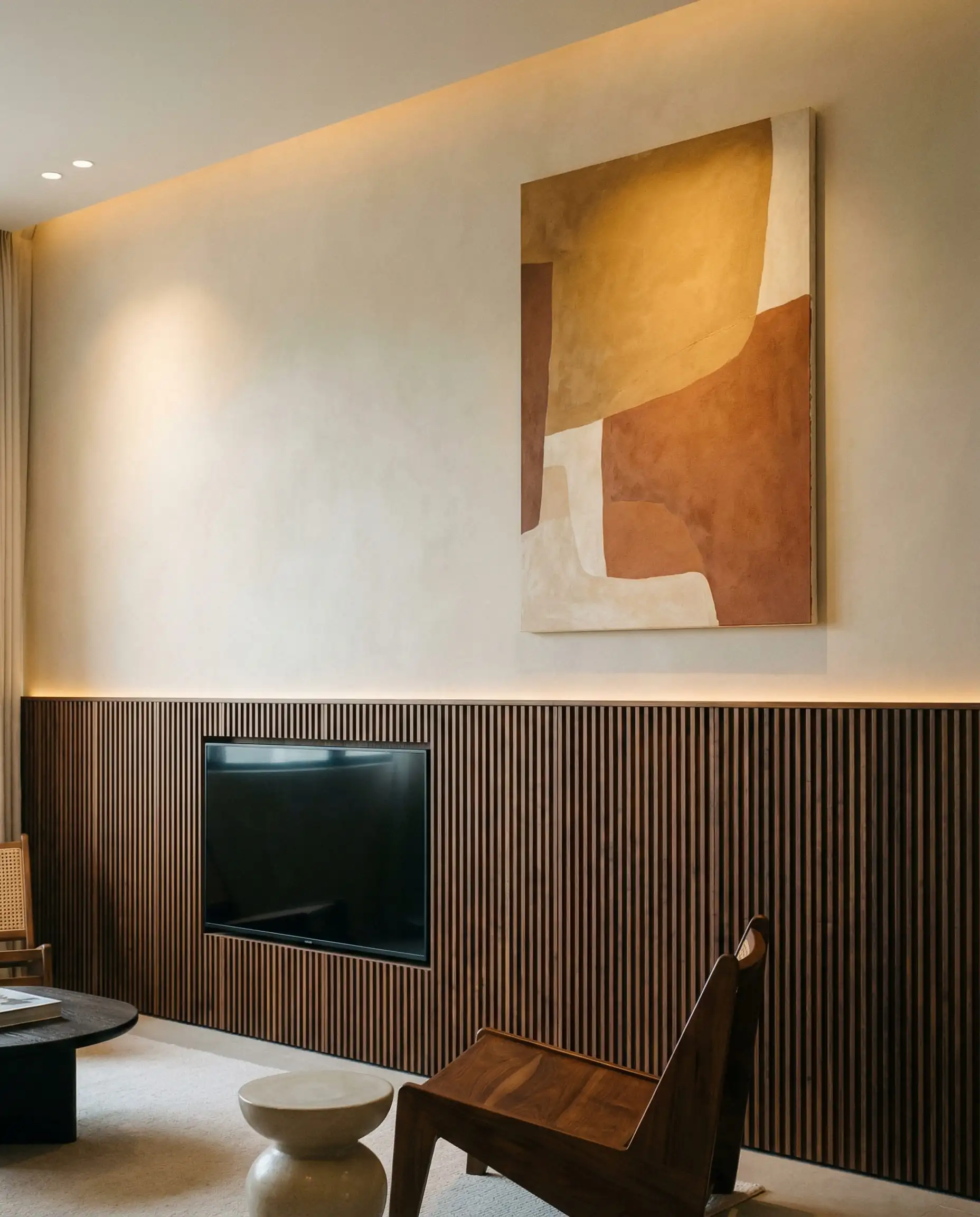
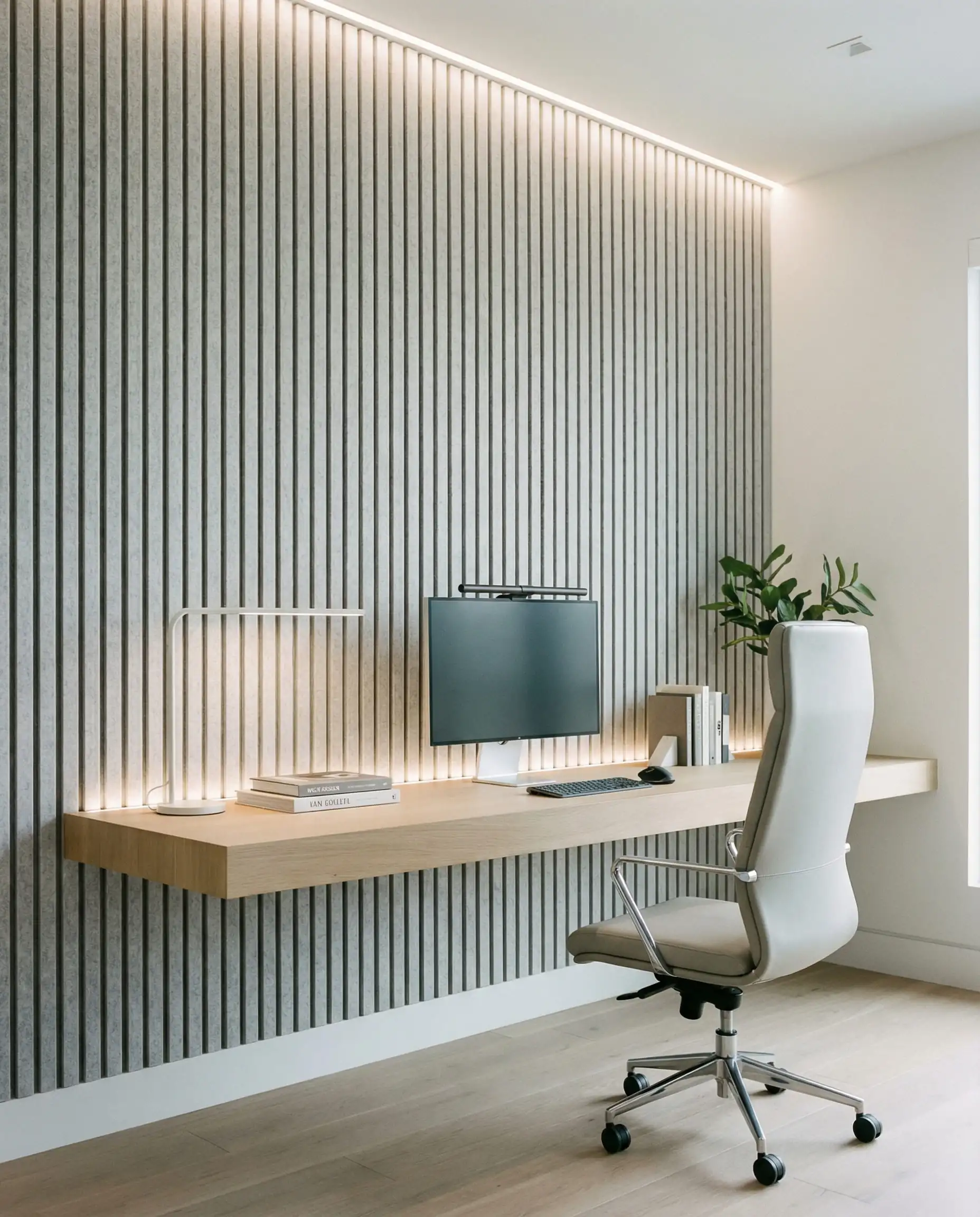
If you thought wood slats were a fleeting fad, think again. In 2026, fluting is evolving. We are moving away from the standard thin, vertical oak slats into more complex, artistic variations. Think wider, asymmetrical spacing, dark-stained walnut or charcoal finishes, and even curved, scalloped profiles rather than sharp edges.
Beyond aesthetics, these panels are a hero for the work-from-home era. Many of the new slat systems come backed with acoustic felt, significantly dampening sound in home offices and media rooms.
3. Limewash and Plaster: The “Perfectly Imperfect” Look
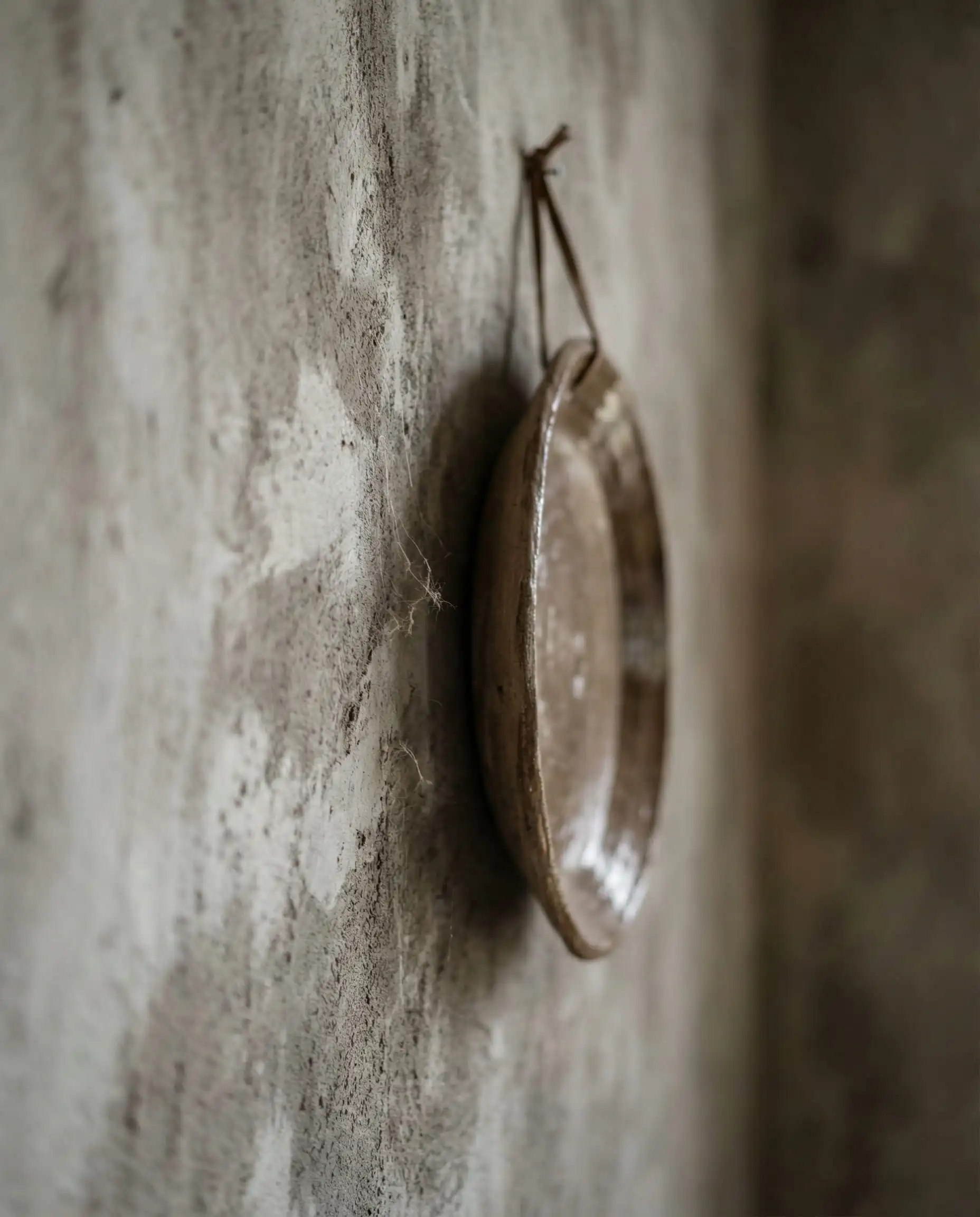
Wabi-sabi—the Japanese art of finding beauty in imperfection—is heavily influencing wall finishes. The glossy, perfect paints of the past are being swapped for chalky, matte textures.
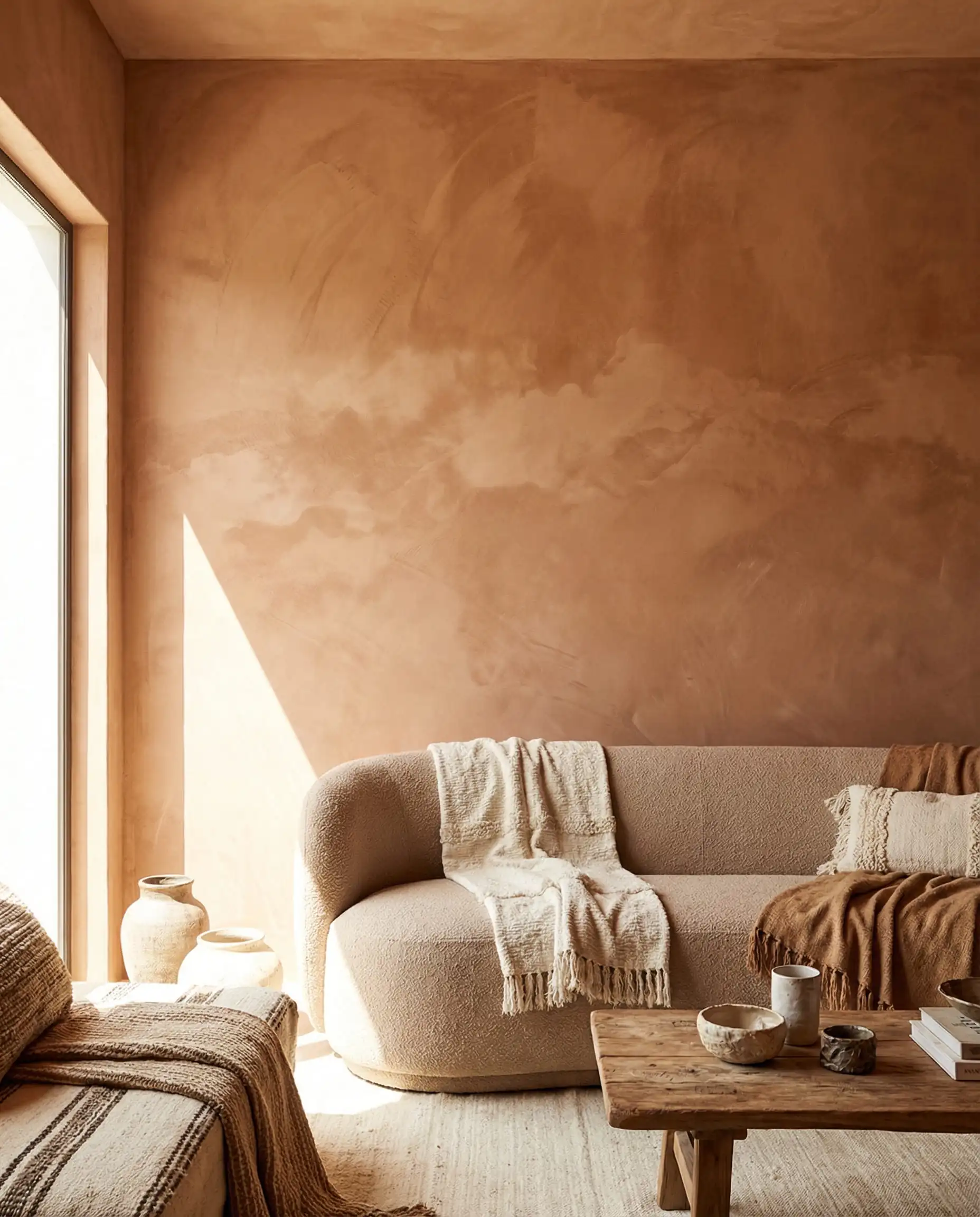
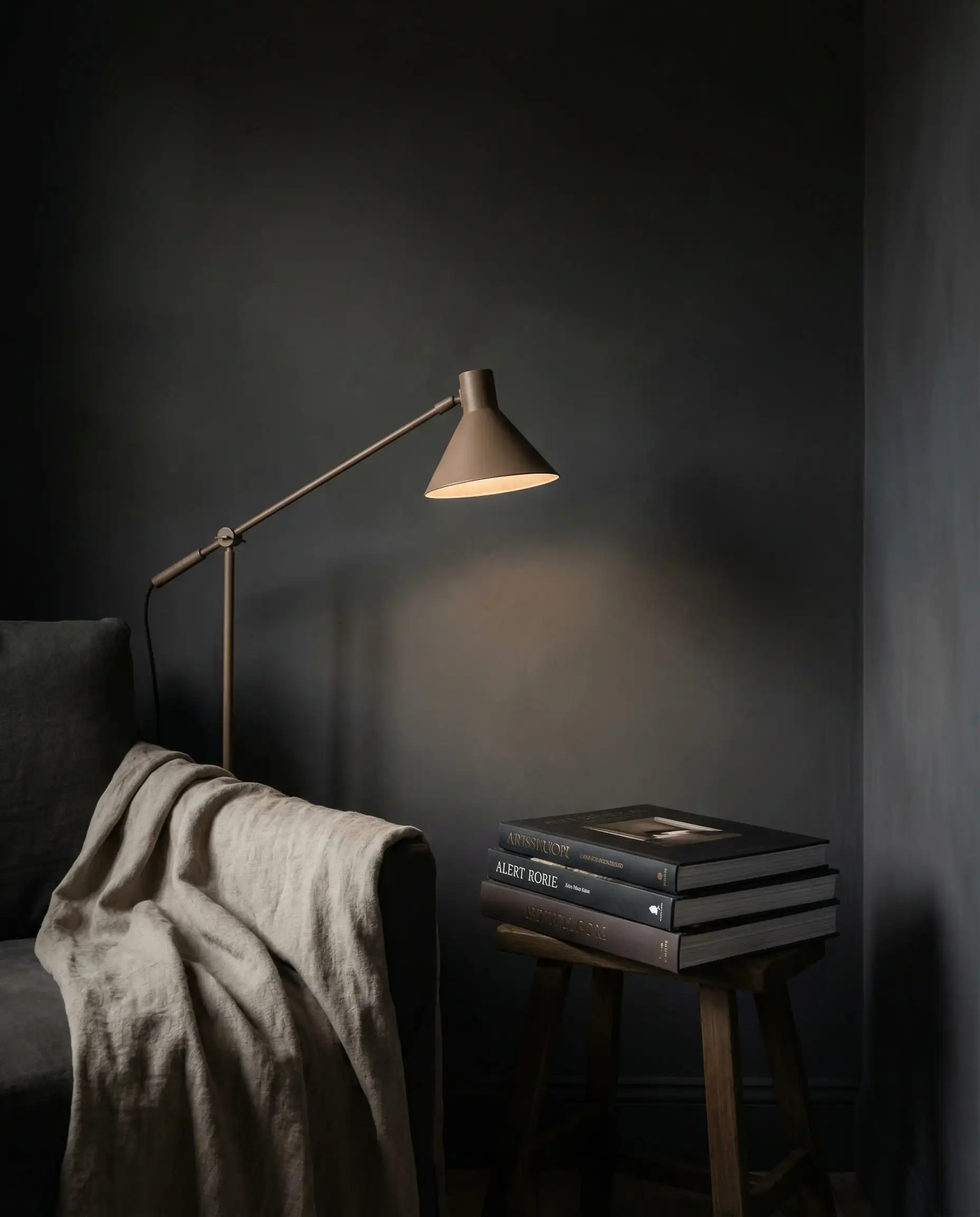
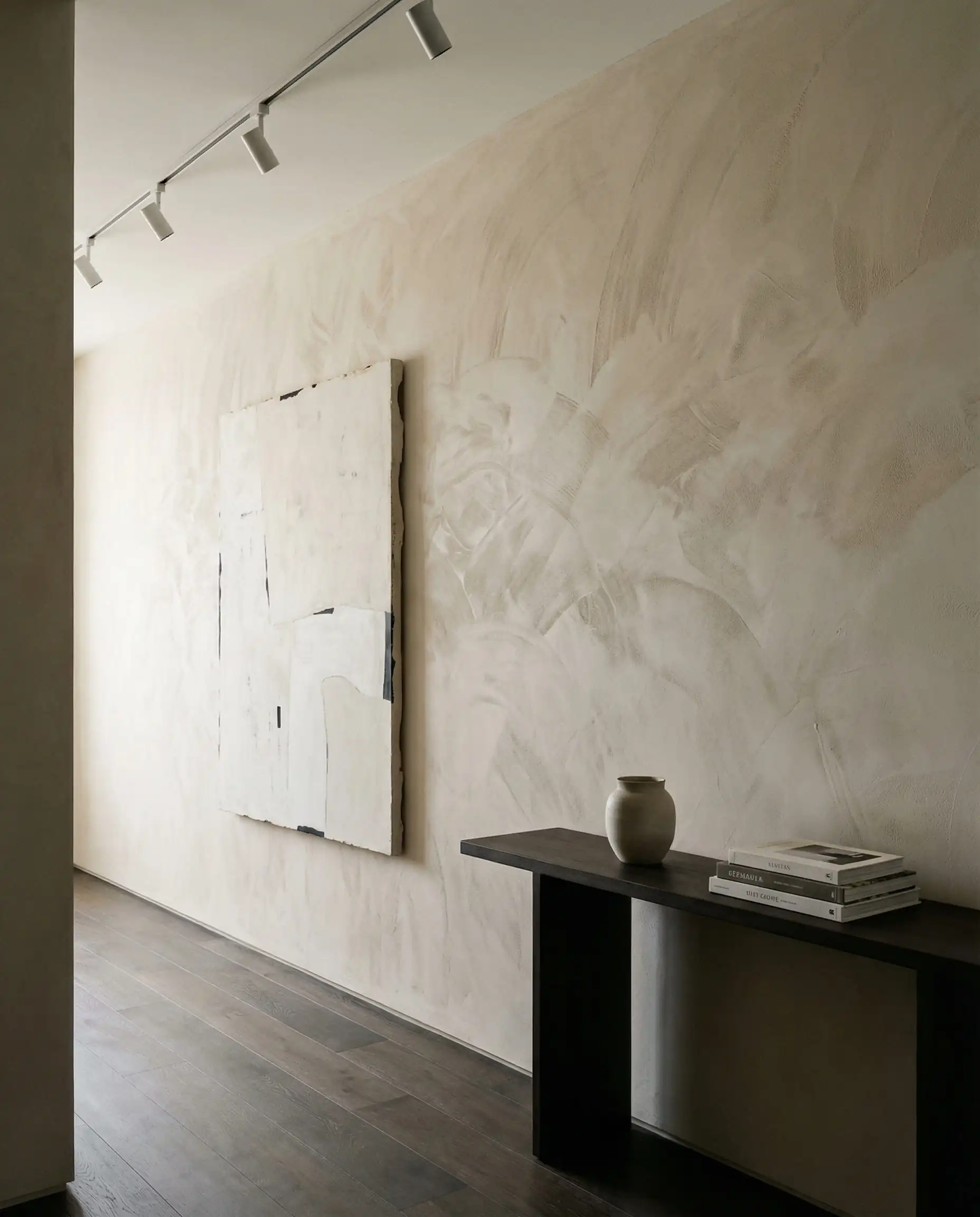
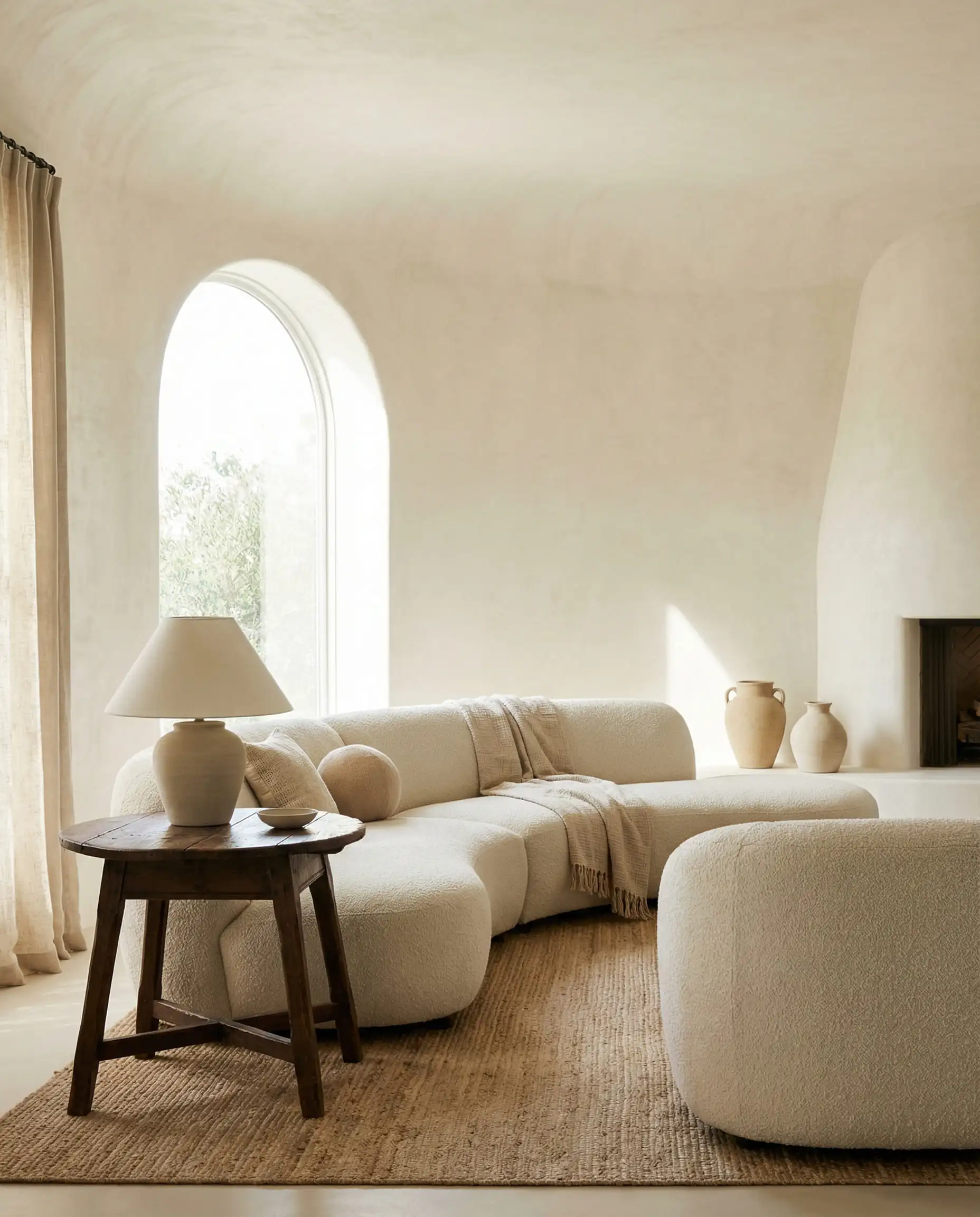
Limewash paint and Roman clay plasters are exploding in popularity. These materials are applied with a brush or trowel in erratic, sweeping motions, leaving visible texture and cloud-like color variations. The result is a wall that feels soft, historical, and deeply calming. It absorbs light rather than reflecting it, which contributes to that “quiet luxury” aesthetic everyone is chasing.
Biophilic Design 2.0: Nature-Inspired Materials
Biophilia (our innate desire to connect with nature) isn’t new, but in 2026, it’s growing up. We are trading the bright, literal “jungle leaf” prints for materials that feel like nature, not just look like it.
1. Cork and Bark Coverings
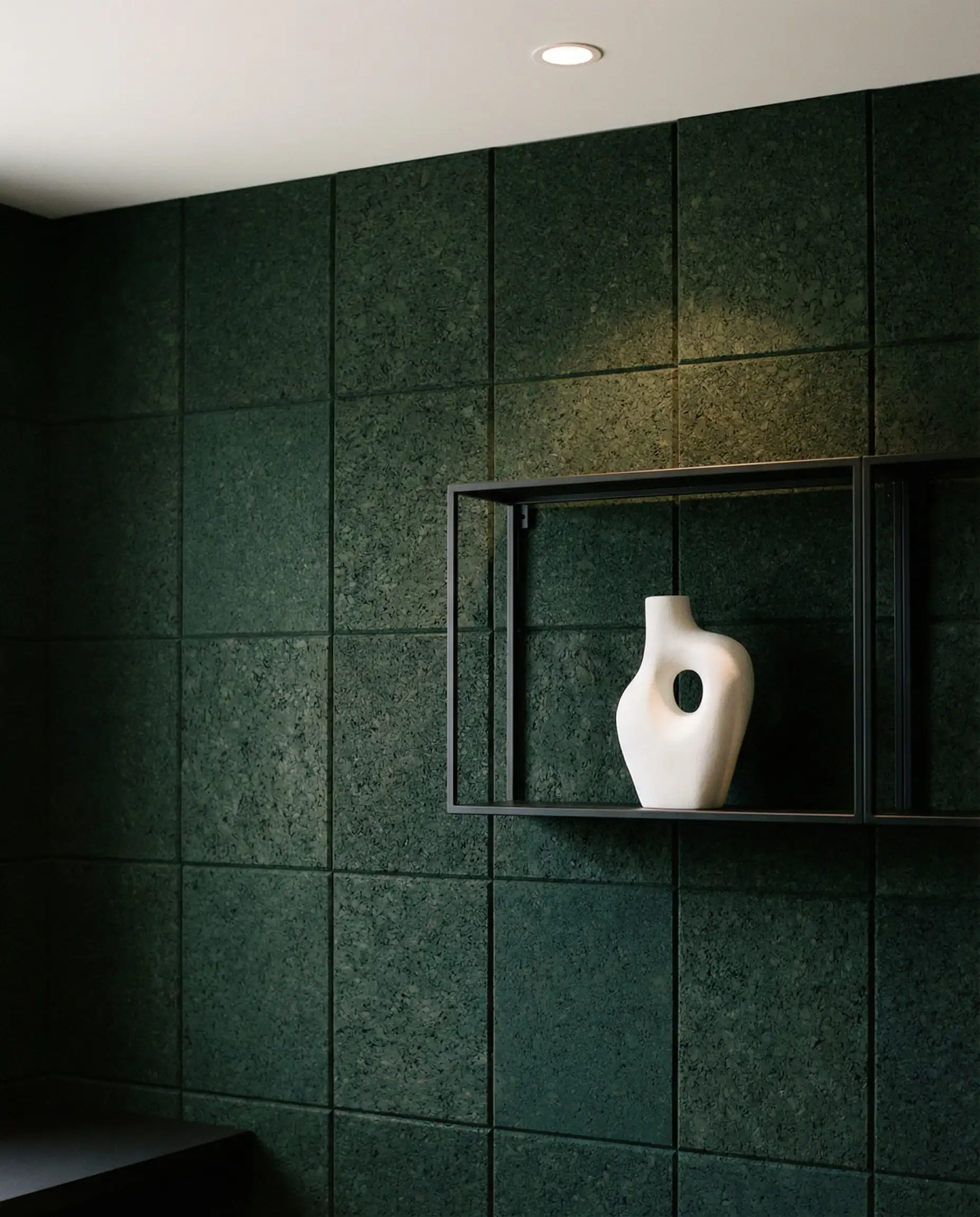
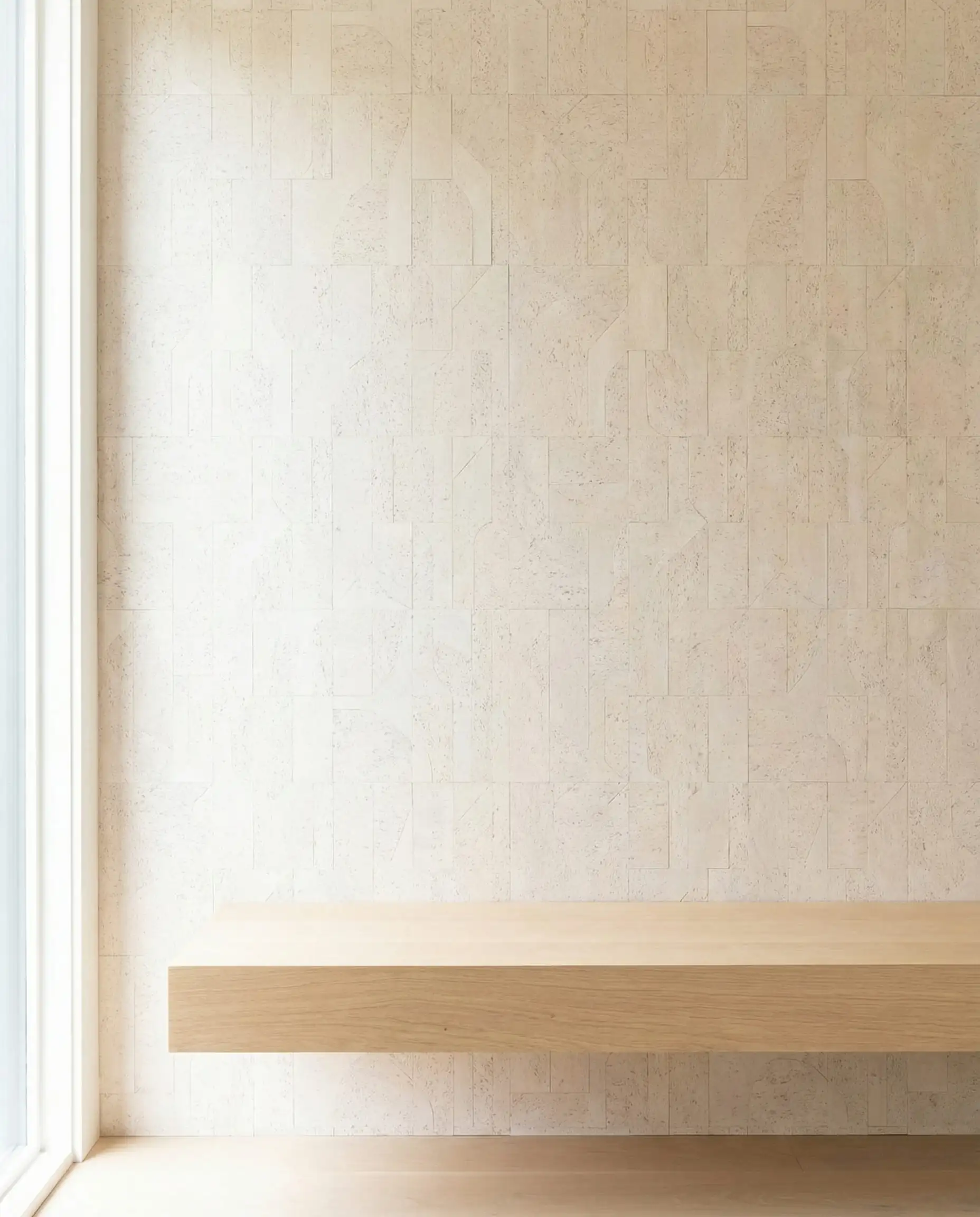
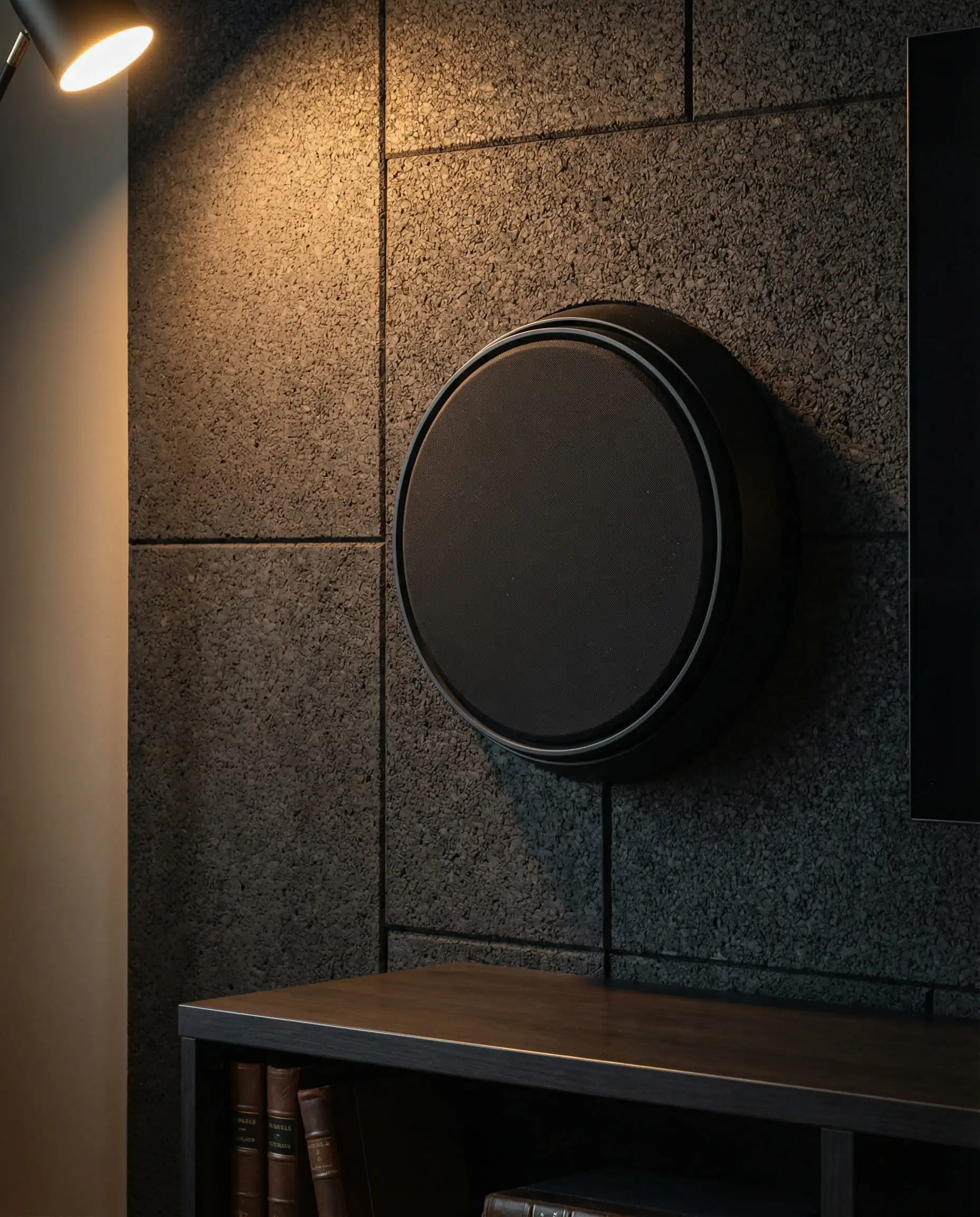
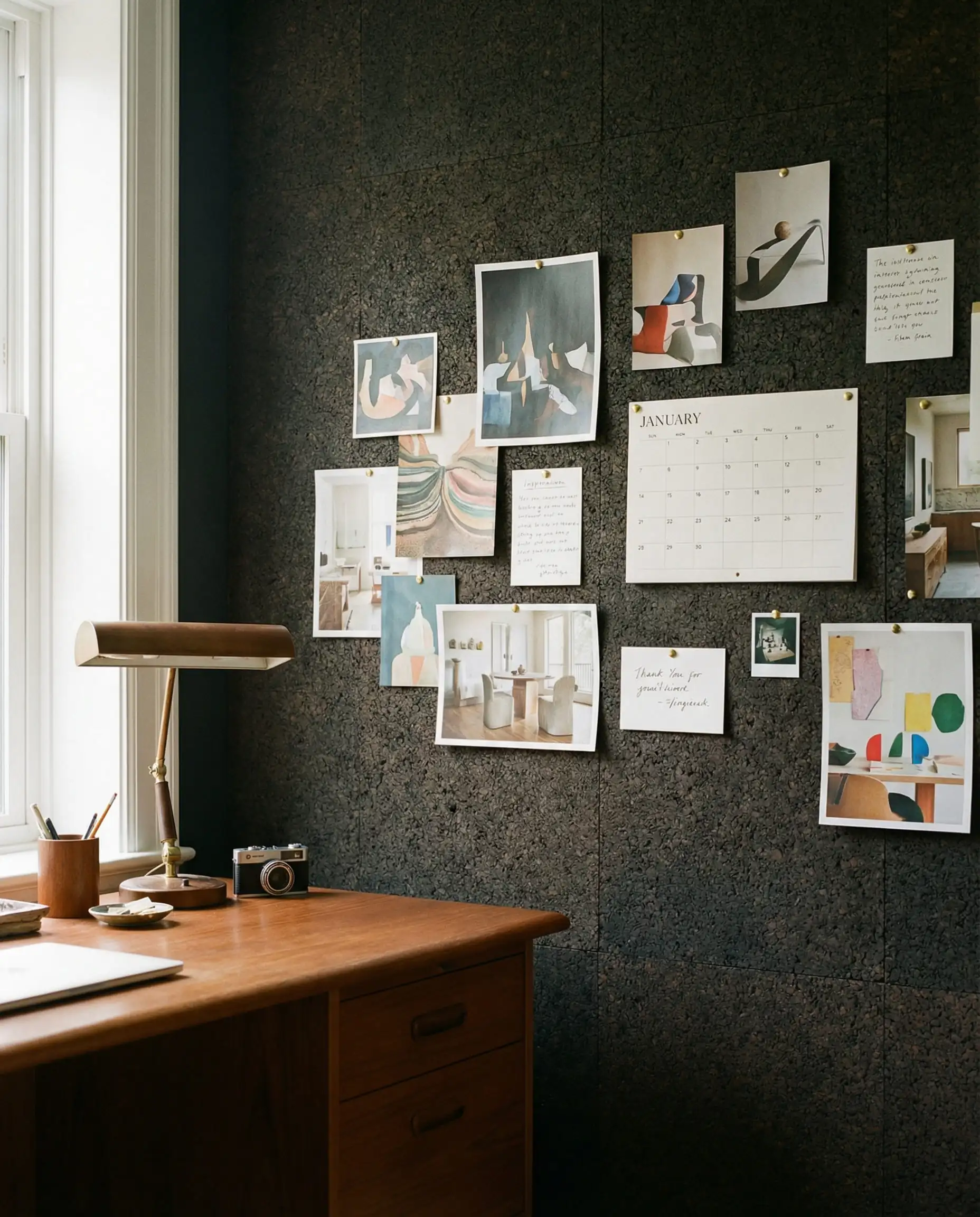
Cork is having a massive renaissance. Once reserved for 1970s basements or office bulletin boards, modern cork wall tiles are sleek, geometric, and stained in rich colors like charcoal, forest green, or bleached birch.
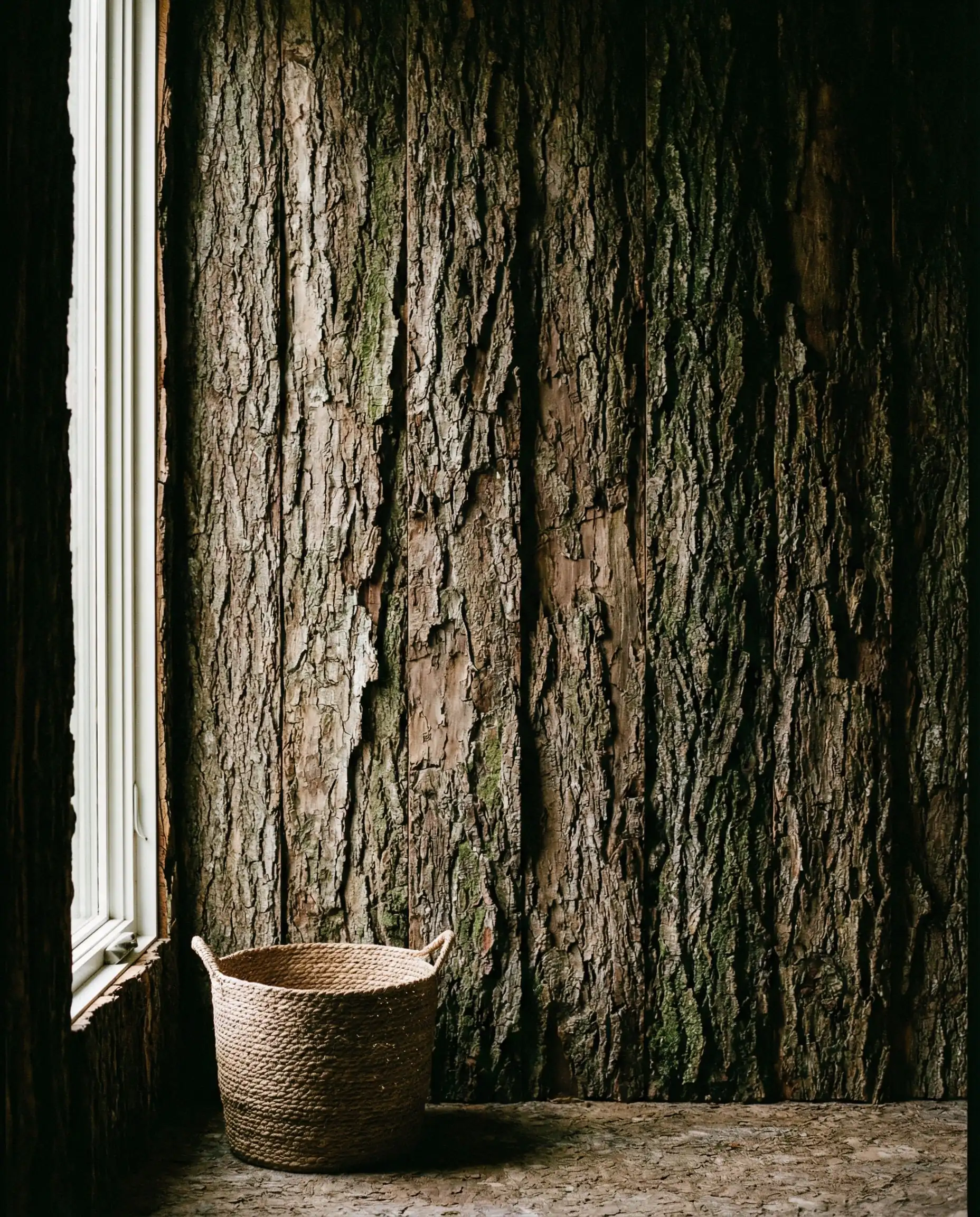
Cork is naturally antimicrobial, insulating (both for heat and sound), and incredibly sustainable. We are also seeing “bark skin” wall coverings—thin veneers of tree bark that retain the craggy, rugged texture of the forest.
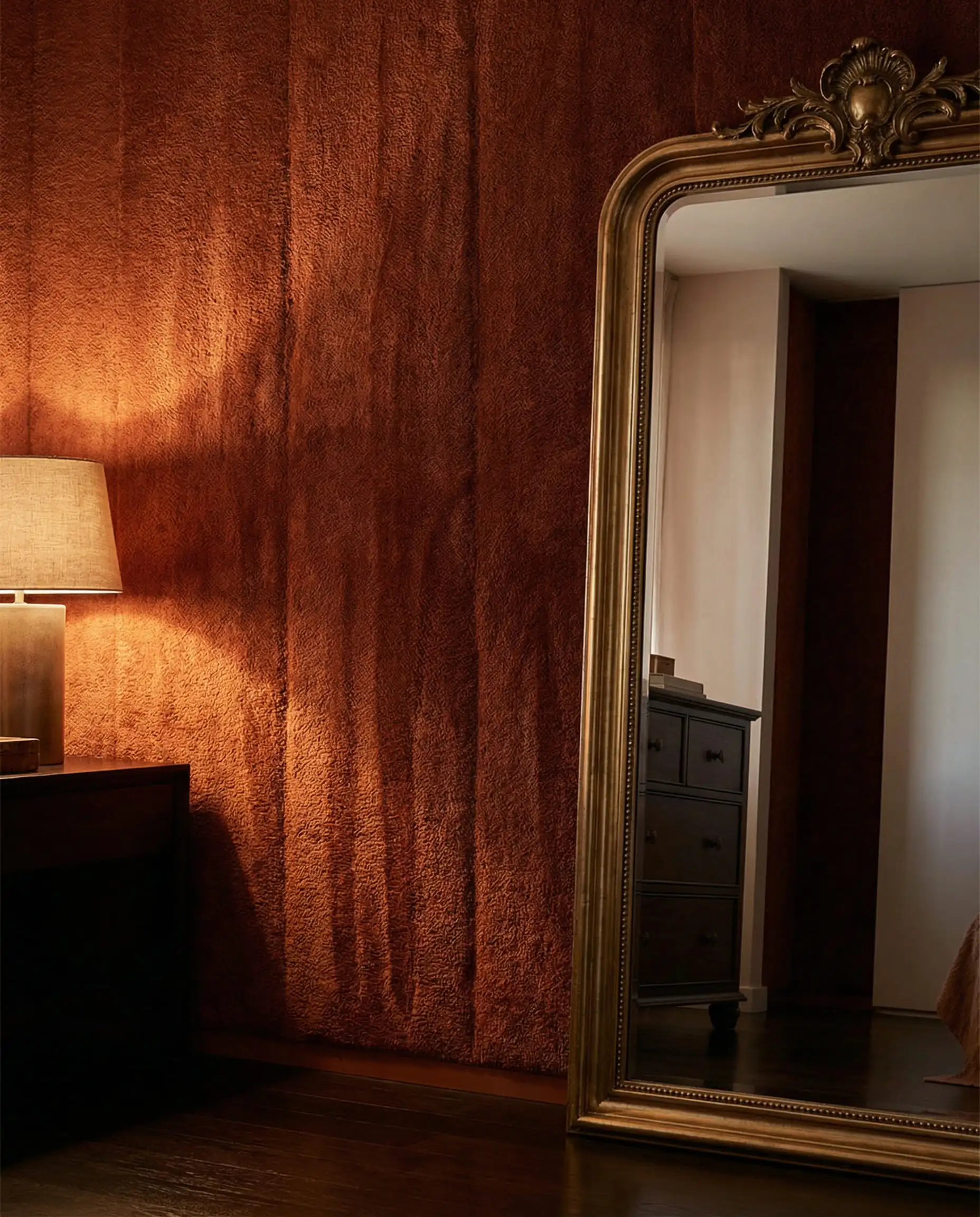
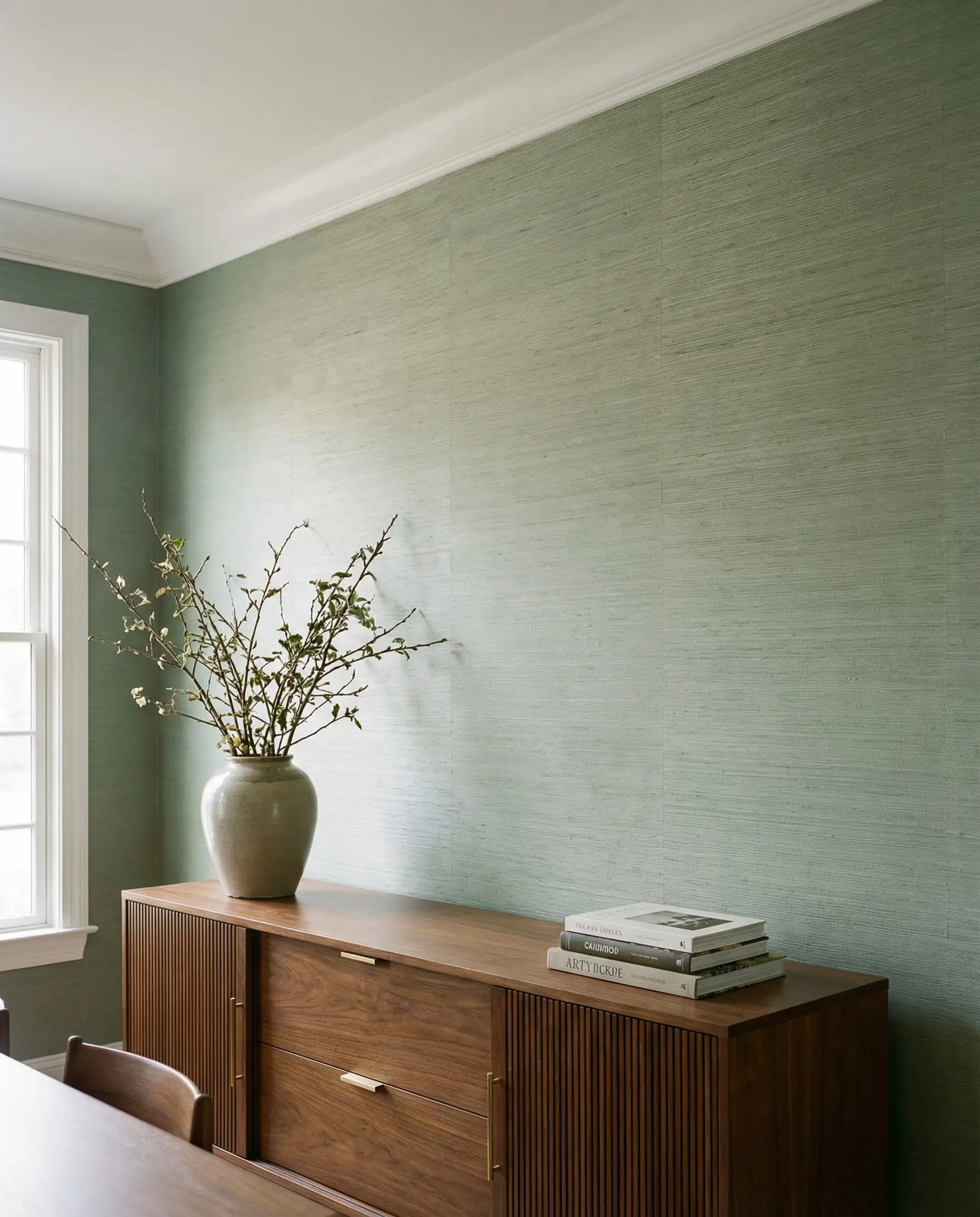
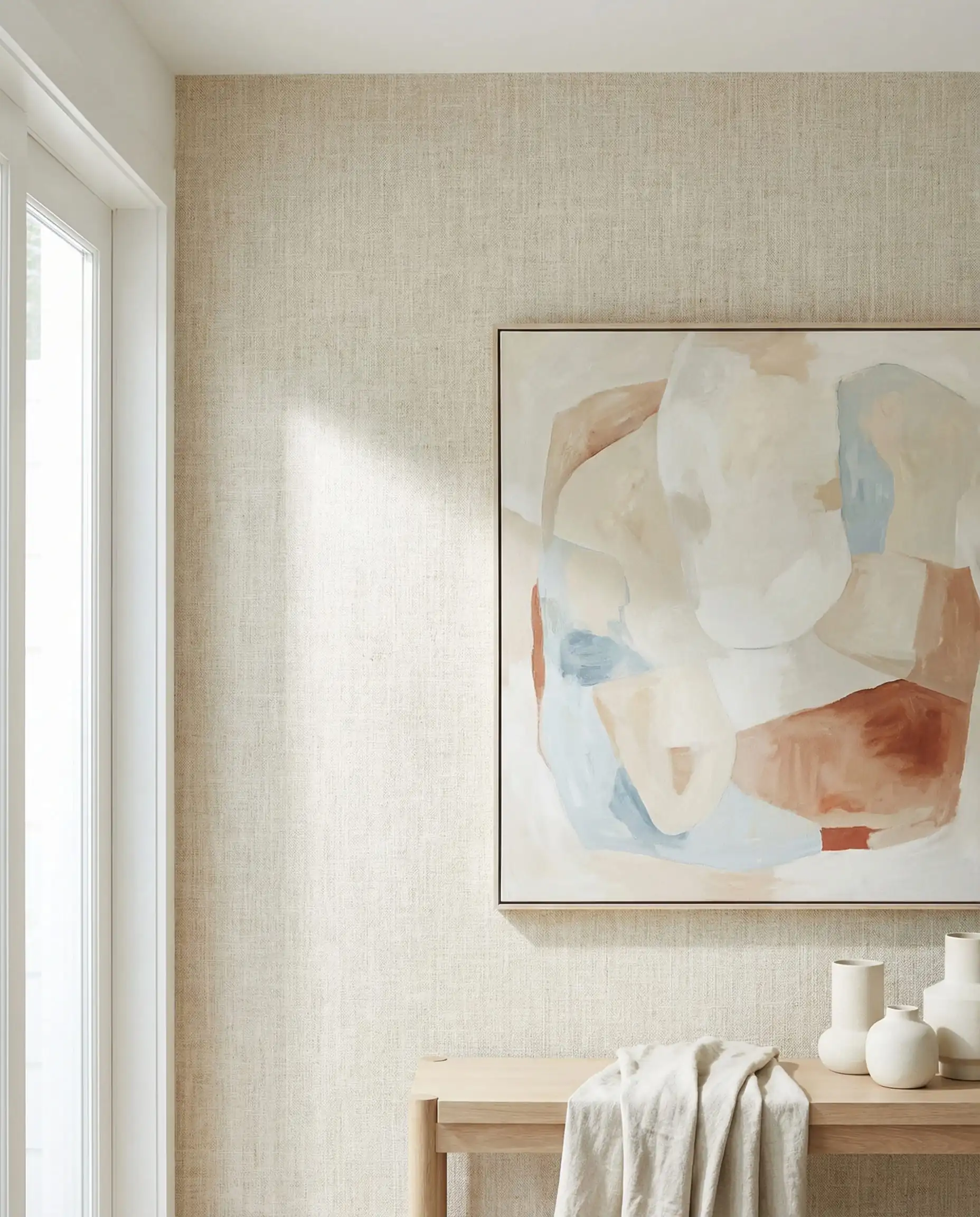
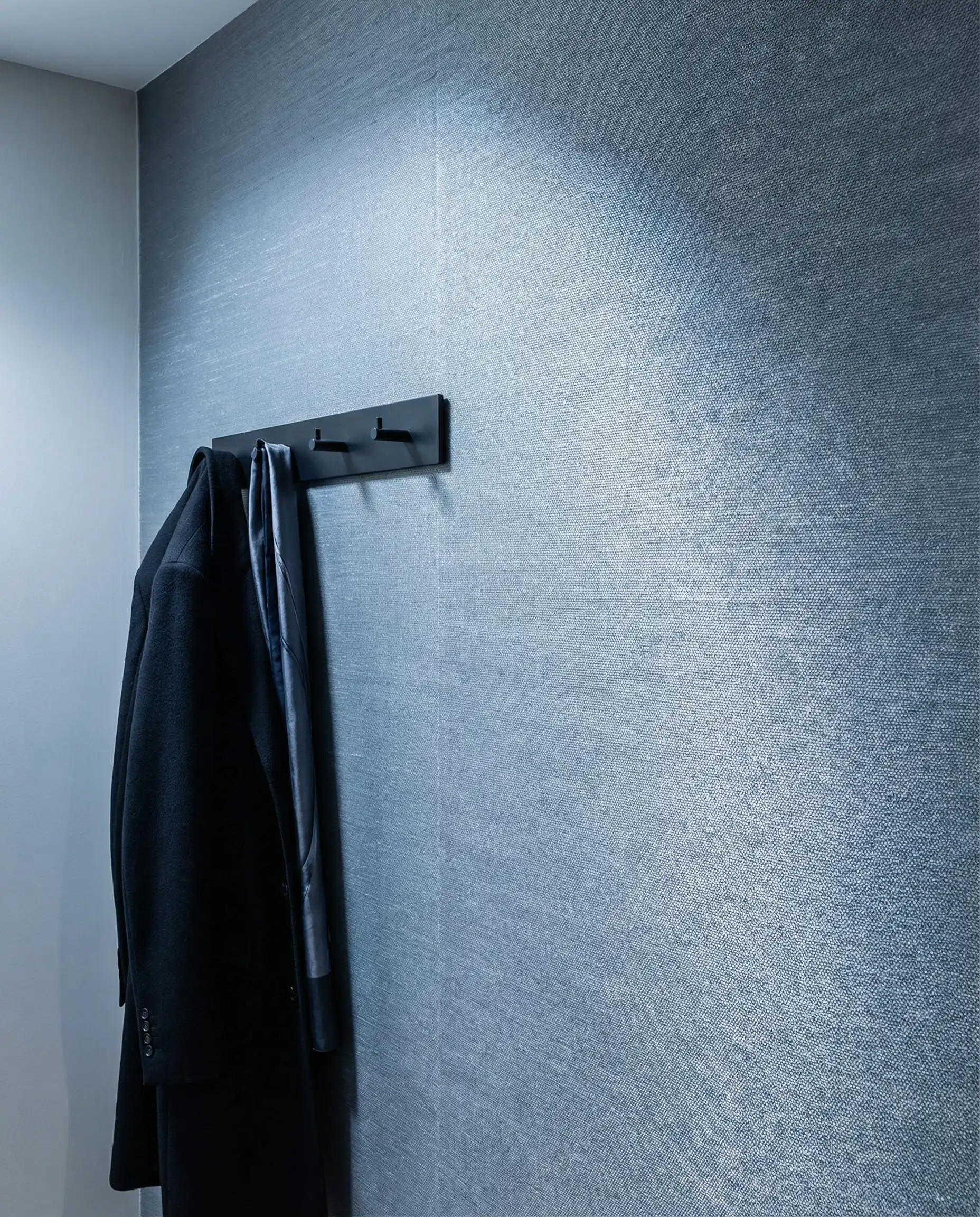
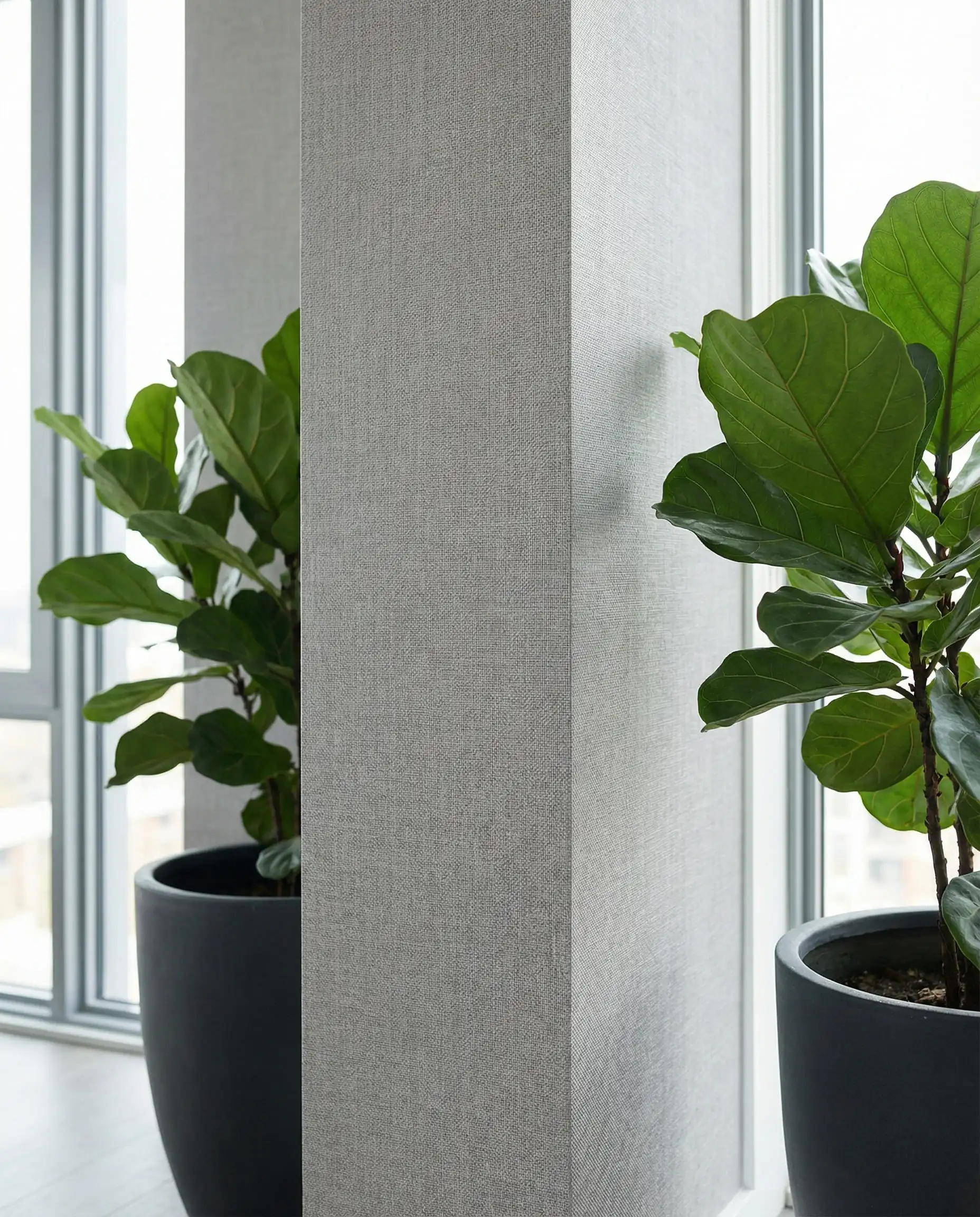
2. Textile Wallpapers: Linen, Silk, and Velvet
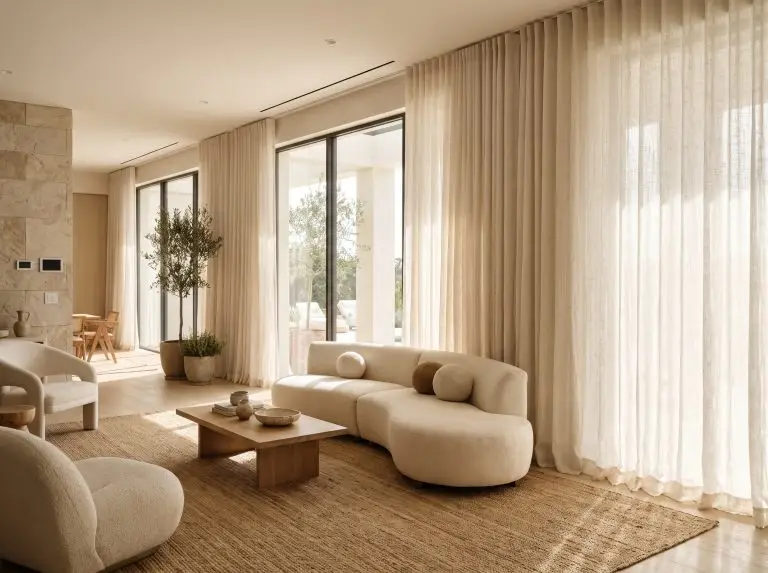
To counter the high-tech, screen-filled nature of our lives, our walls are becoming softer. Textile wall coverings are huge for 2026.
3. “Grown-Up” Murals: Atmospheric Landscapes
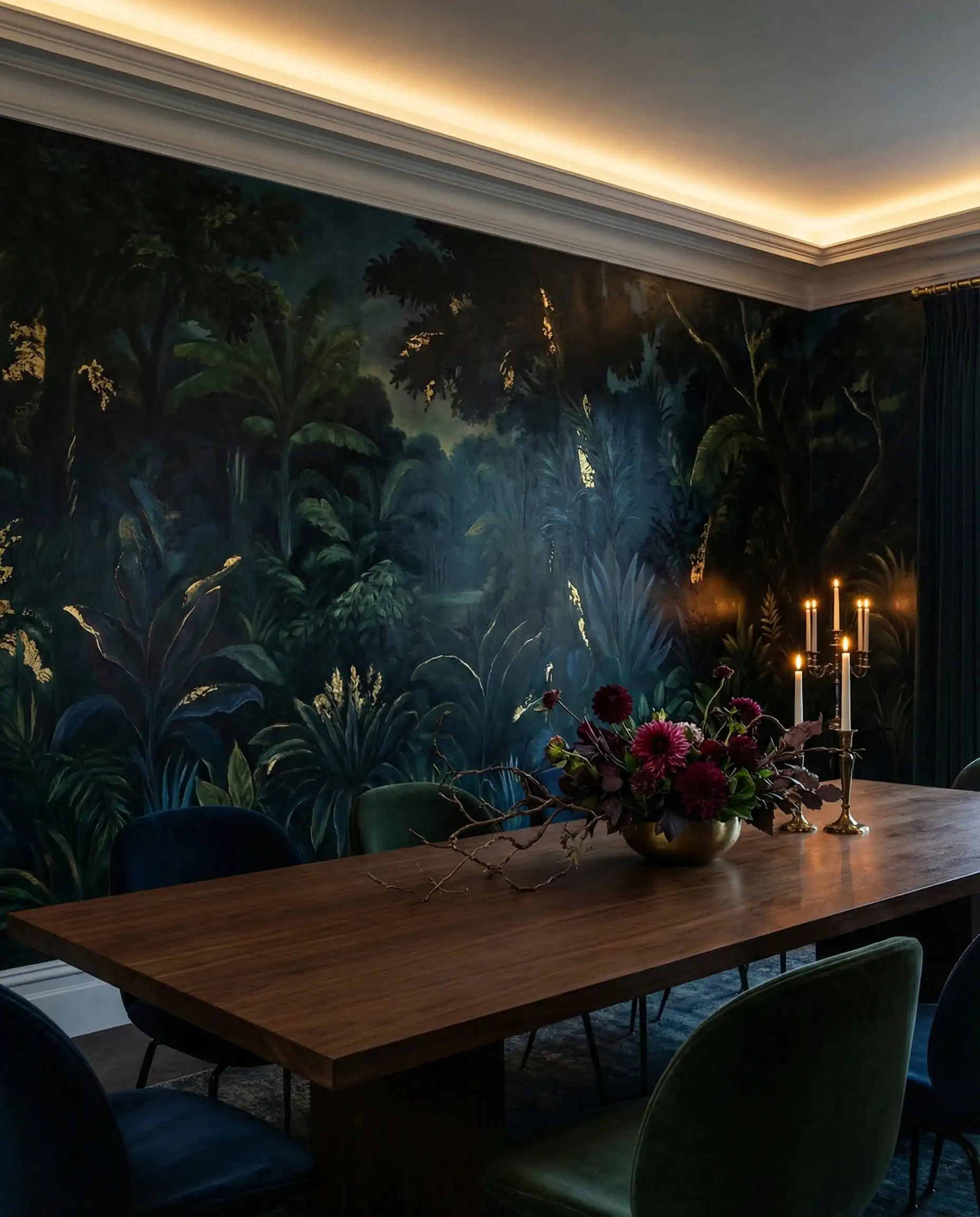
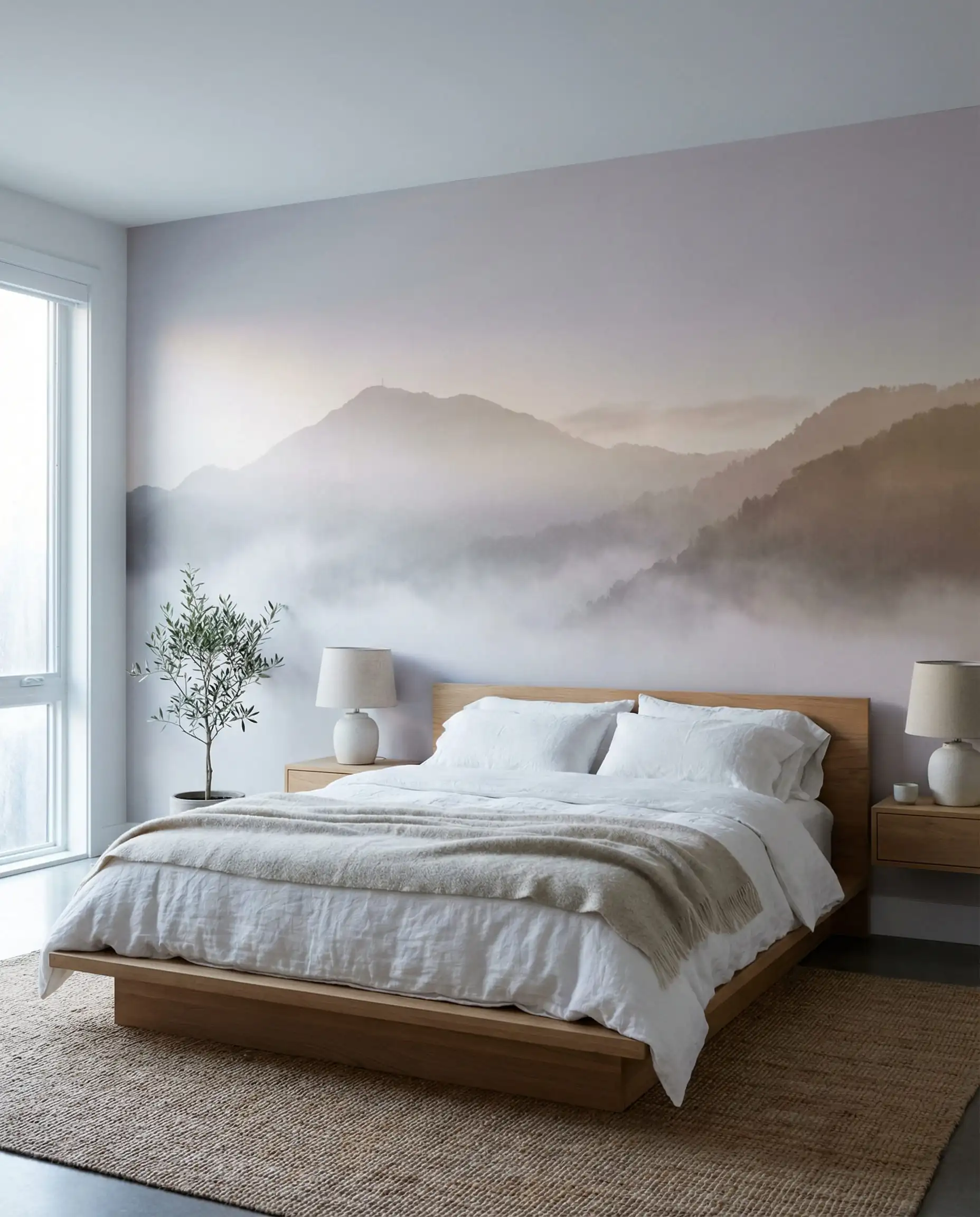
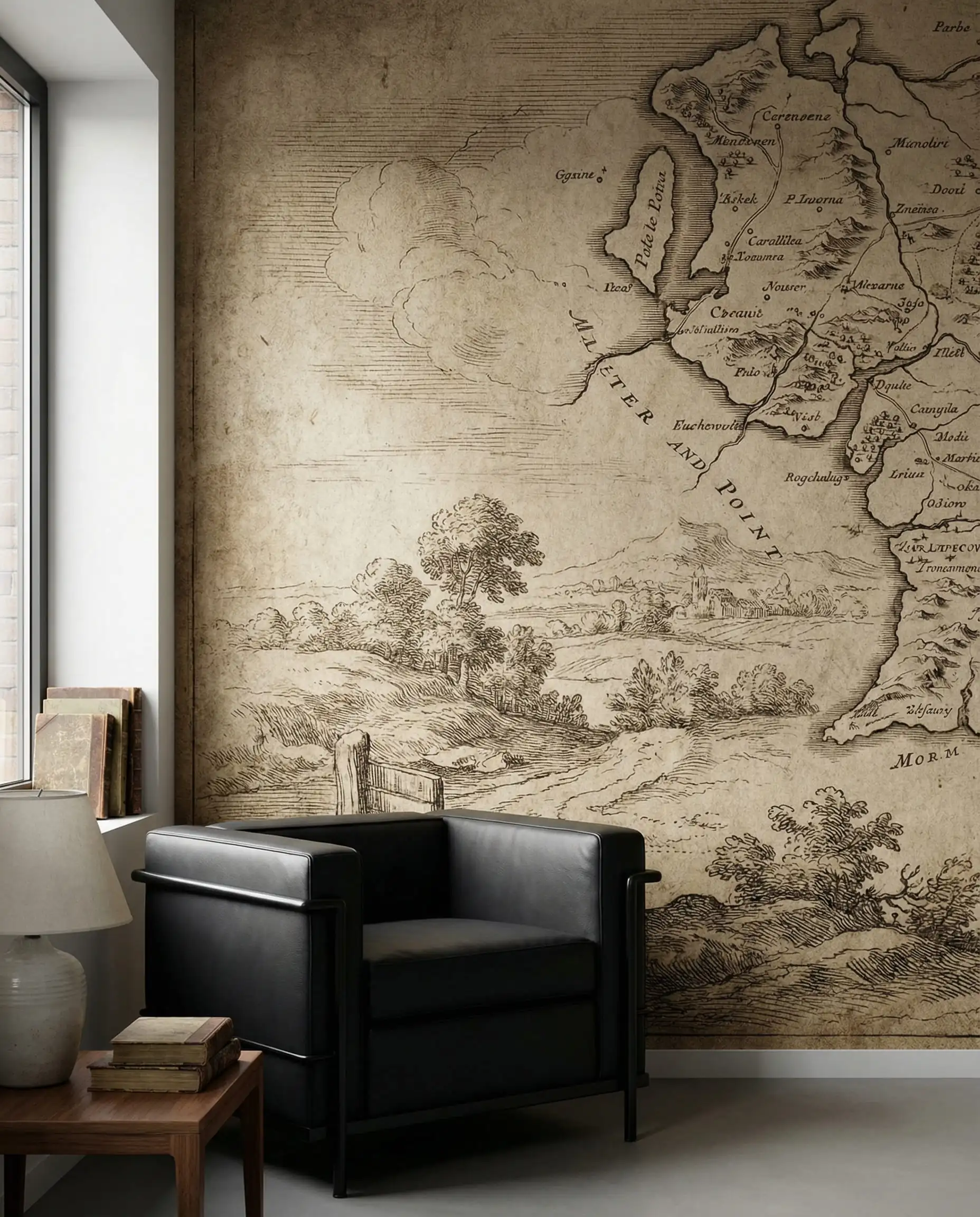
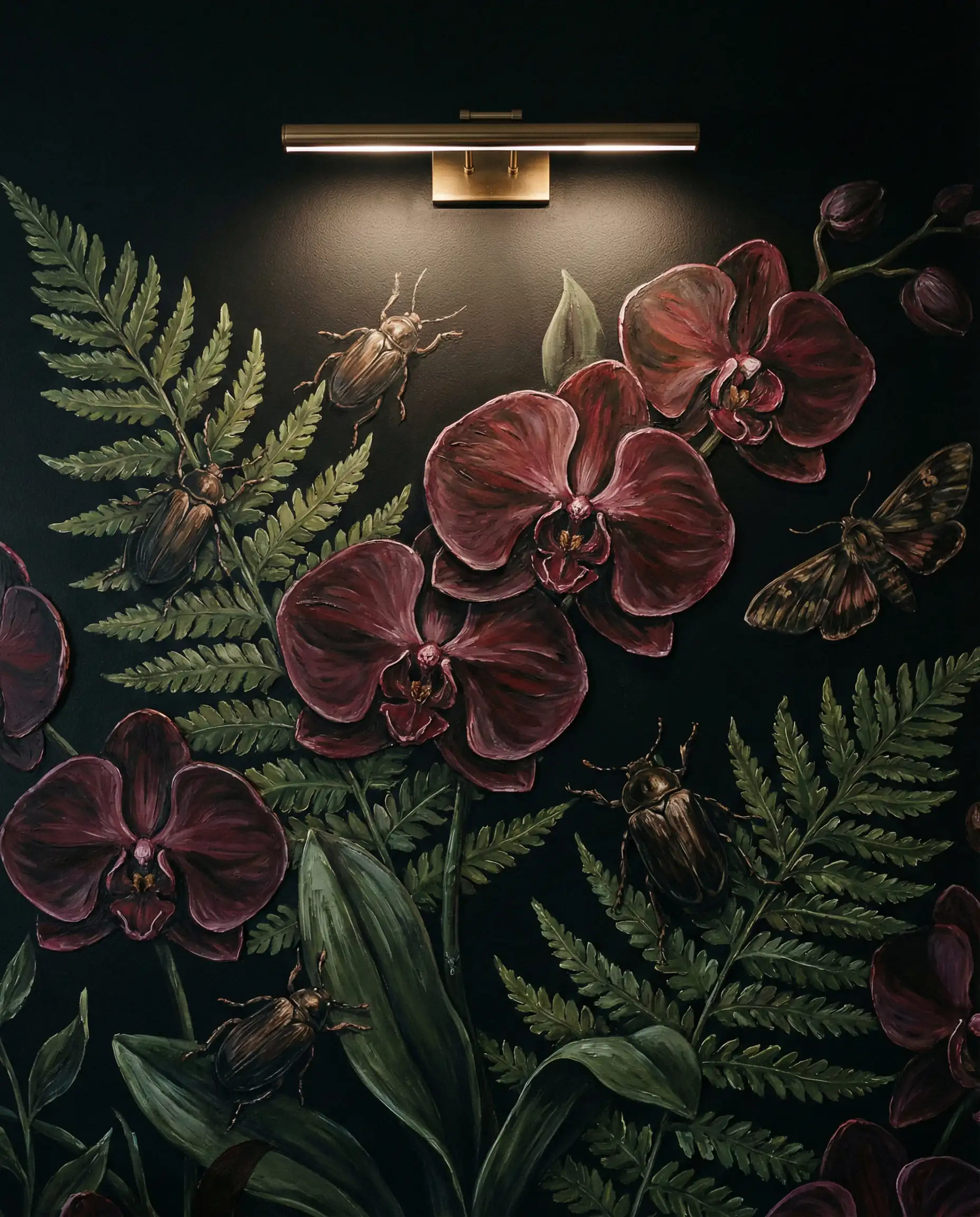
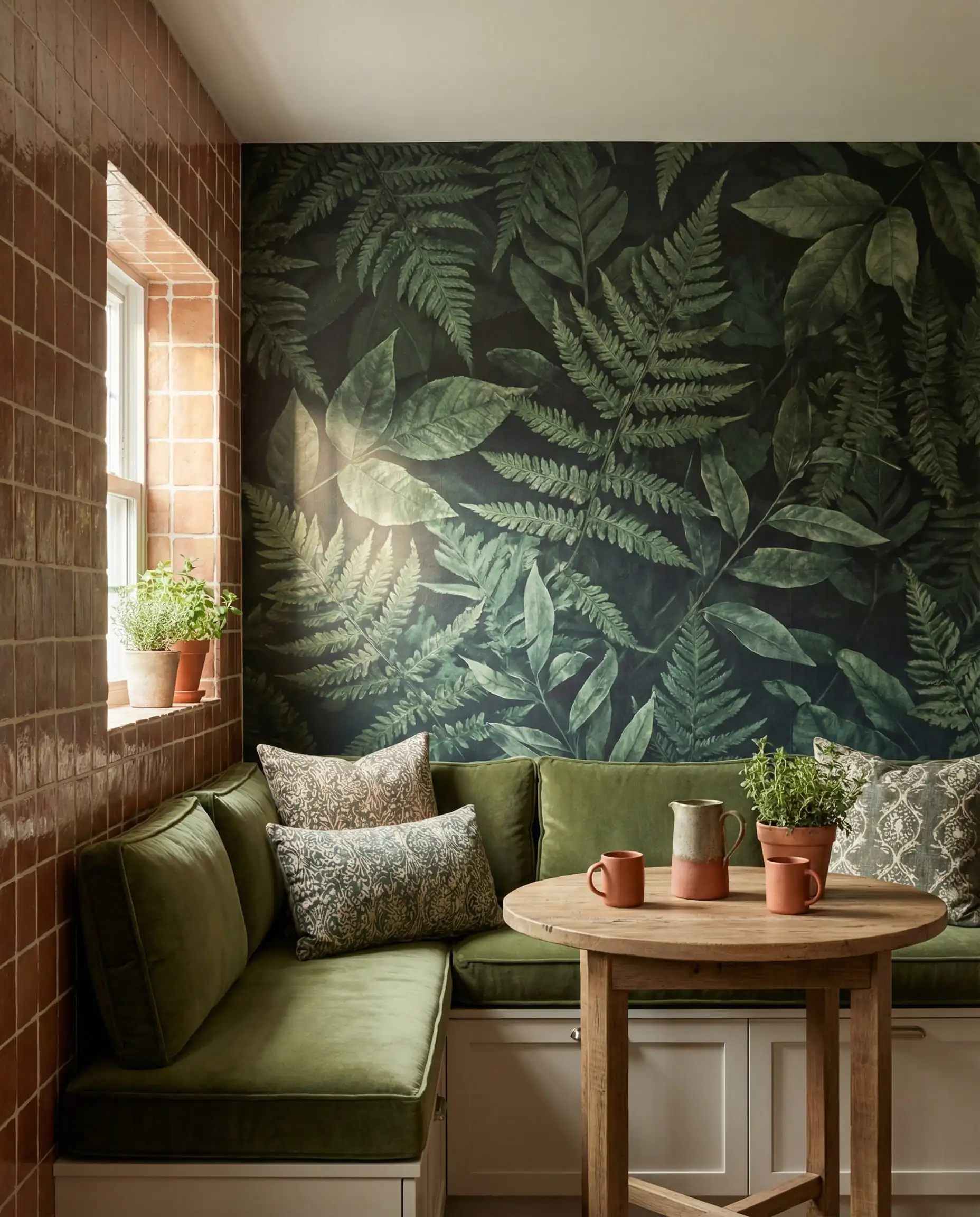
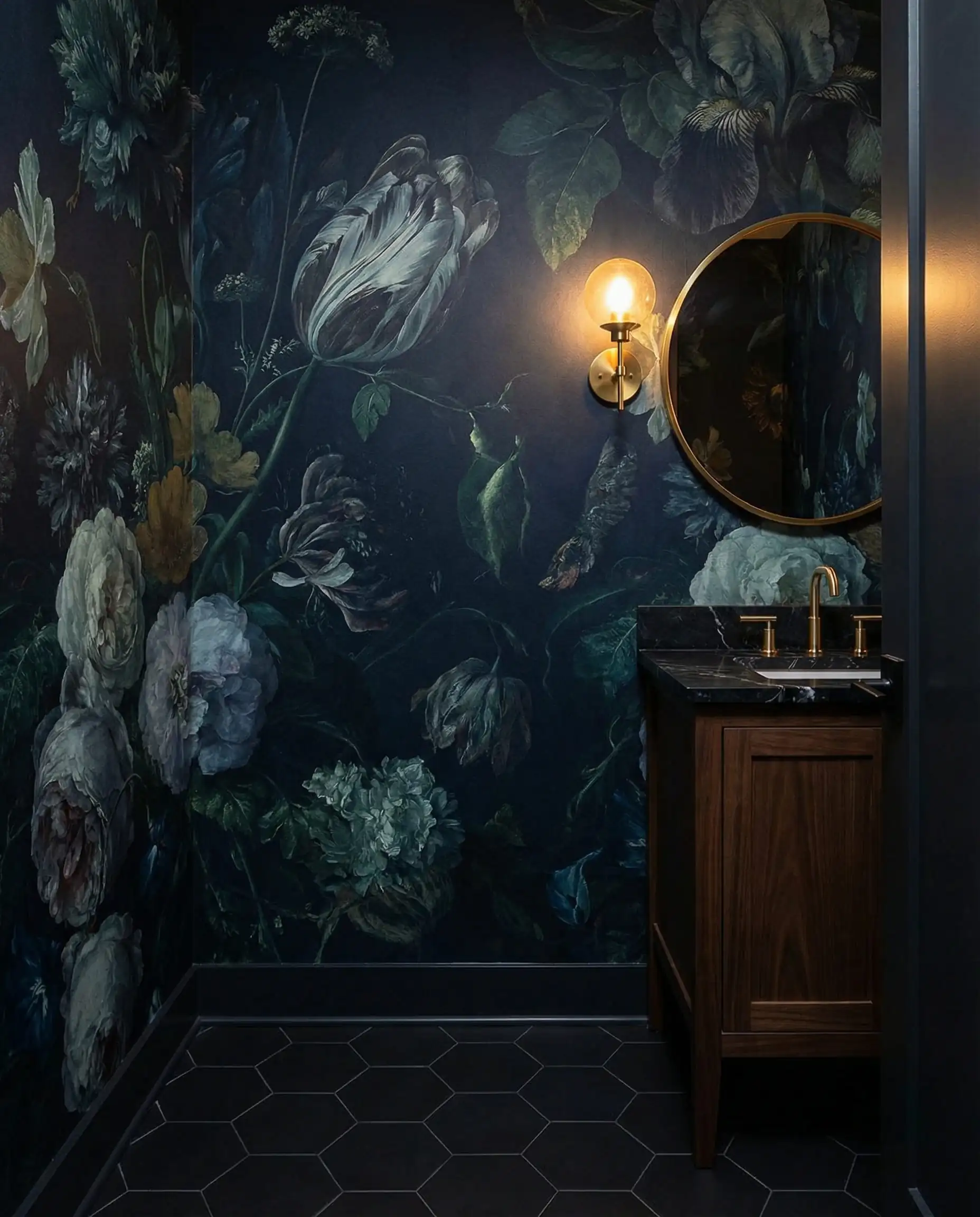
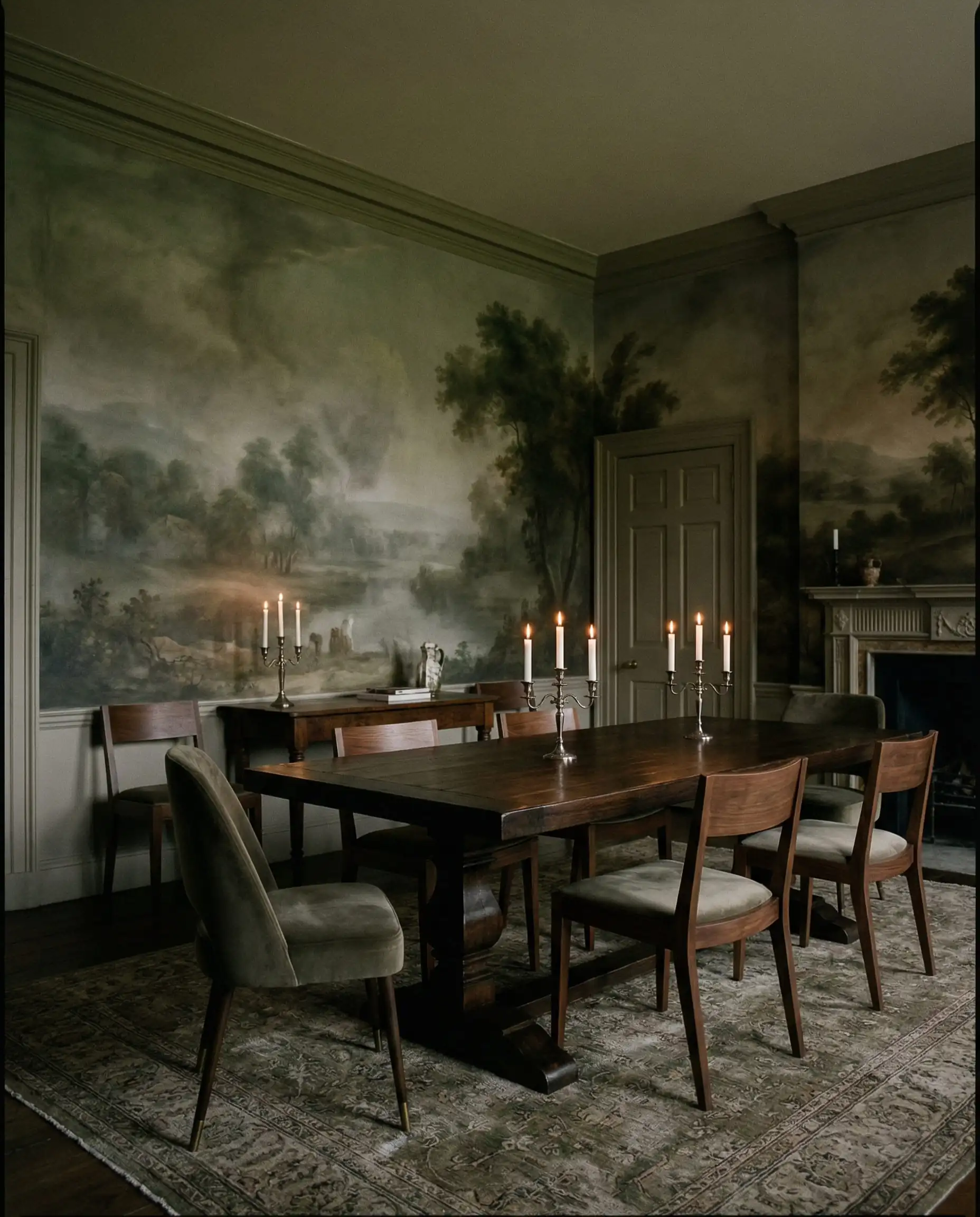
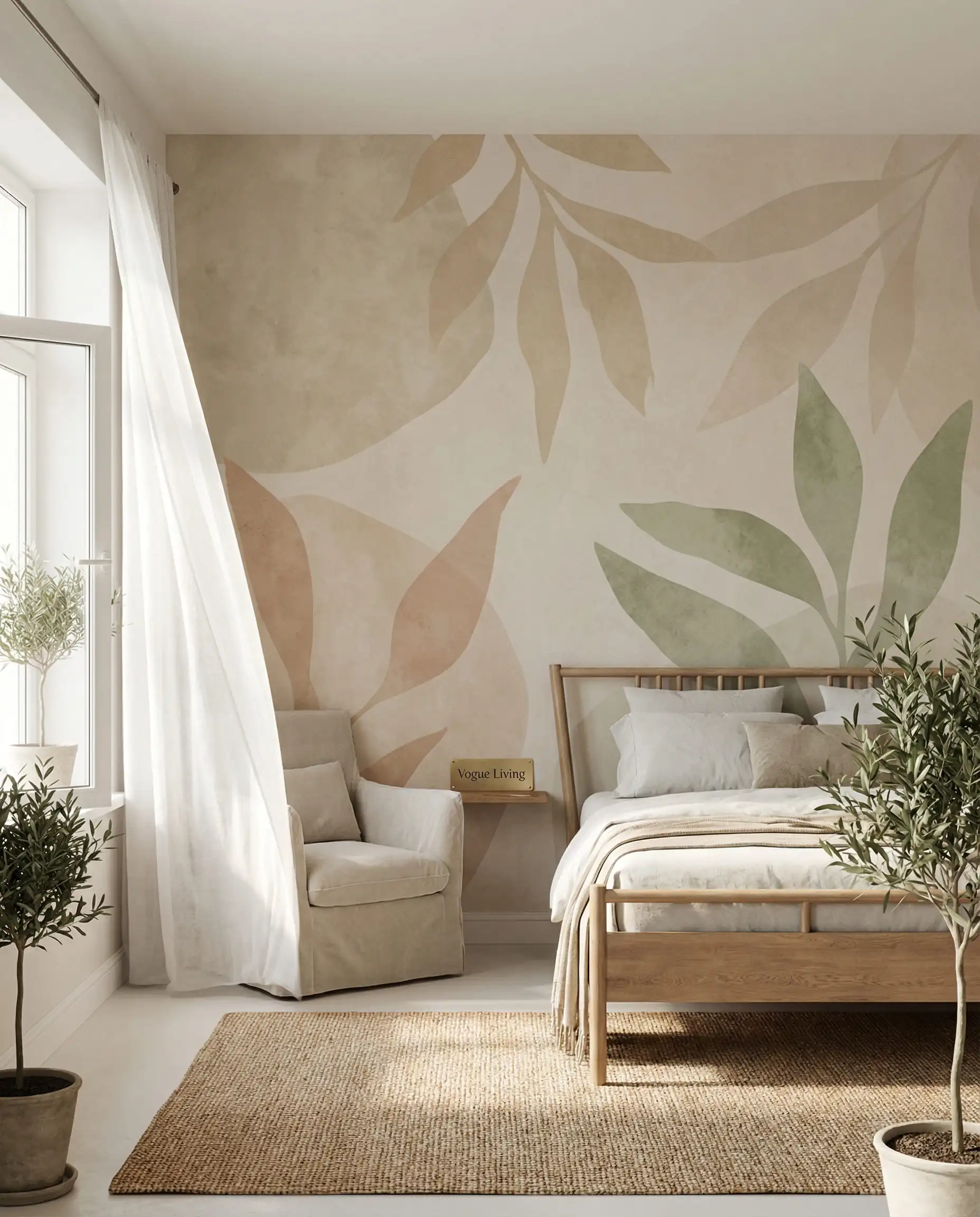
Mural wallpapers are shifting from high-contrast graphics to moody, atmospheric art. The trend is “Botanical Darkness”—misty forests, deep midnight jungles, and large-scale pastoral landscapes that look like oil paintings.
These aren’t repeating patterns; they are full-wall scenes that act as a window to another world. The color palettes are deeper and moodier: think foggy greys, moss greens, and sepia tones.
Trending Colors for Walls in 2026
White walls are taking a backseat. 2026 is the year of Color Drenching—the technique of painting everything (walls, baseboards, door frames, and even the ceiling) in the same color. This blurs the boundaries of the room, making small spaces feel larger and large spaces feel cozier.
But what colors are we drenching with?
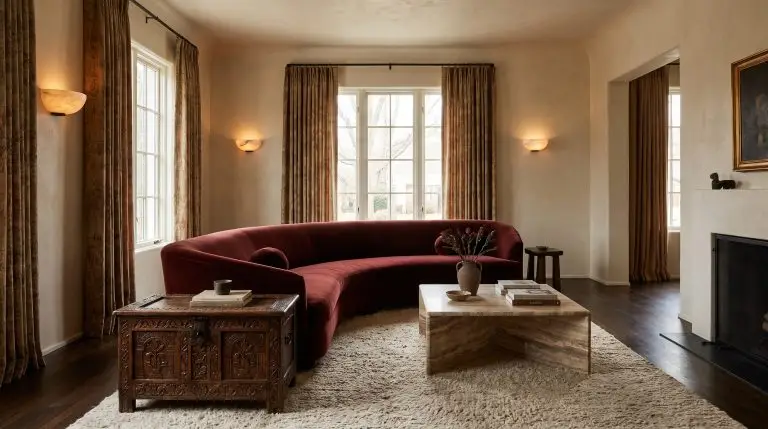
1. Divine Damson & Moody Reds
Red is back, but it’s not the fire-engine red of the mid-2000s. It’s “Damson”—a complex, blackened plum/purple shade that feels regal and introspective. It’s dramatic without being aggressive.
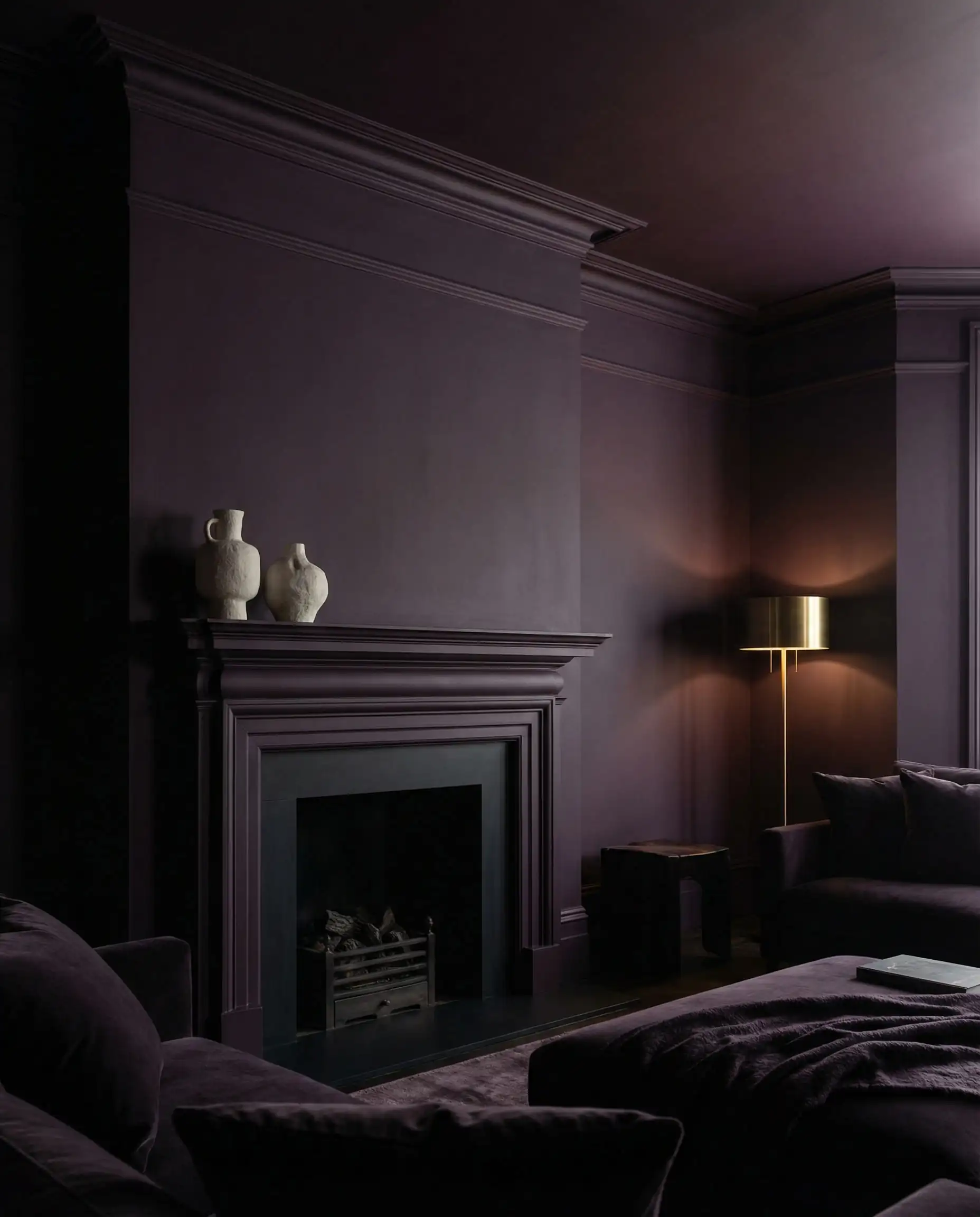
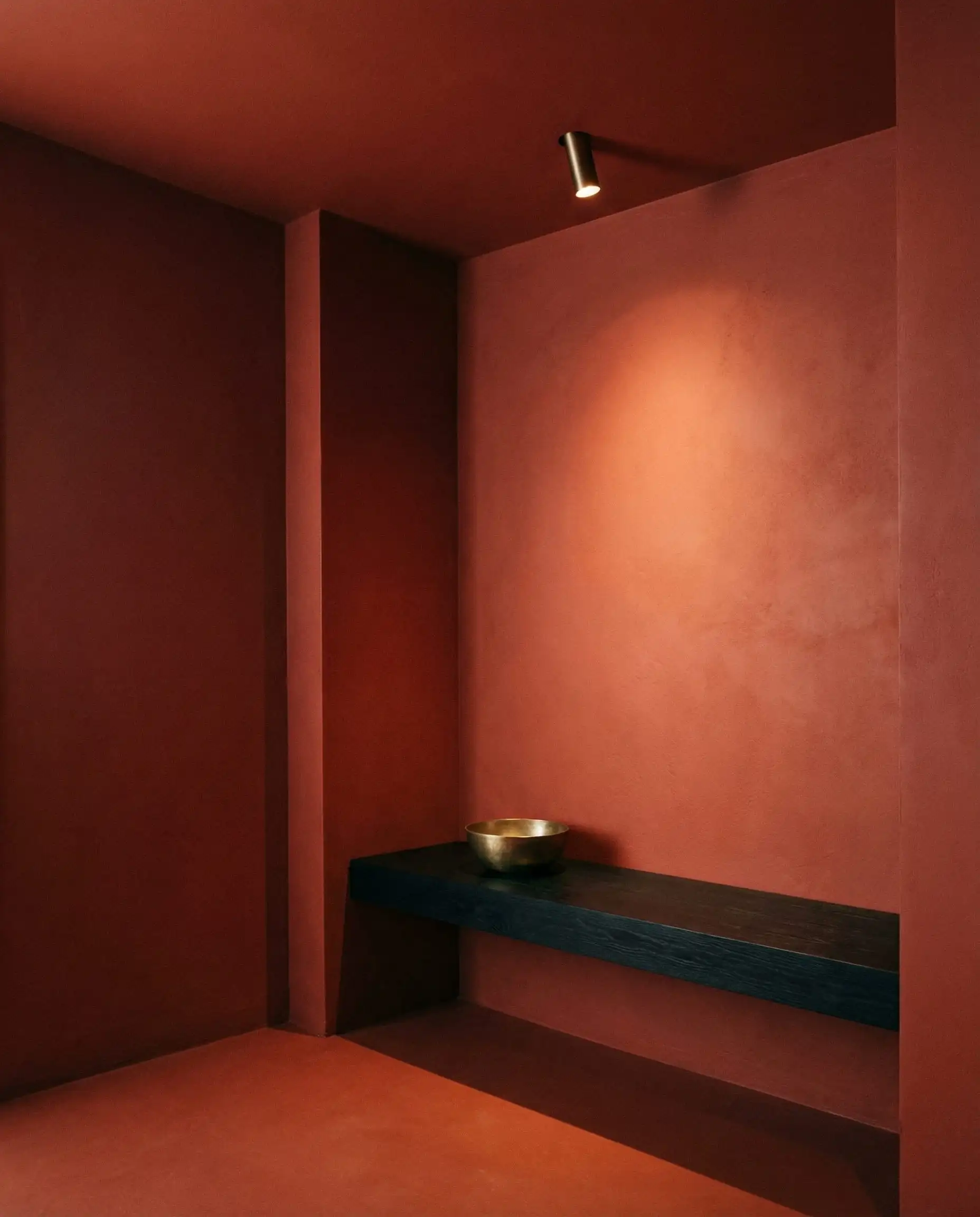
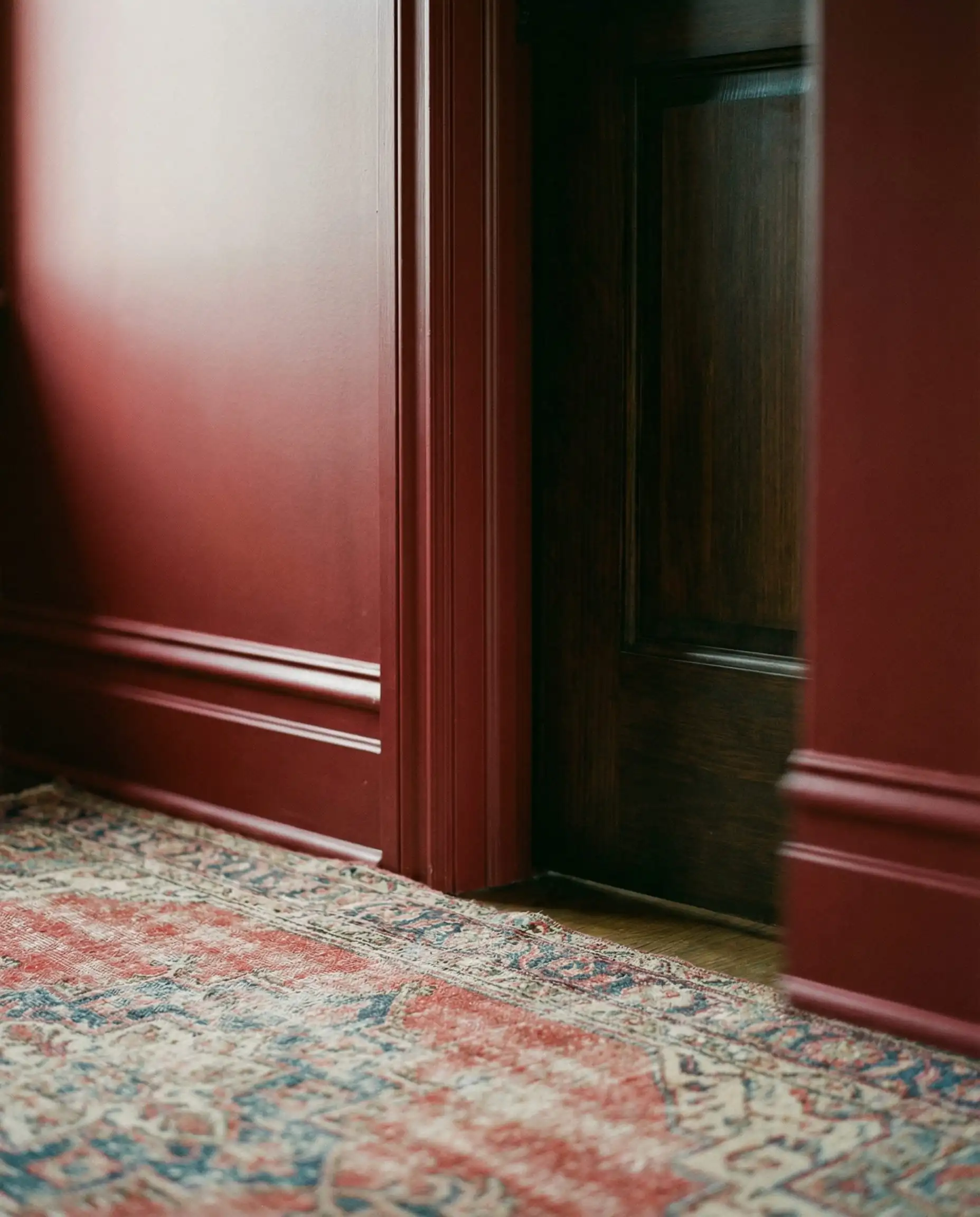
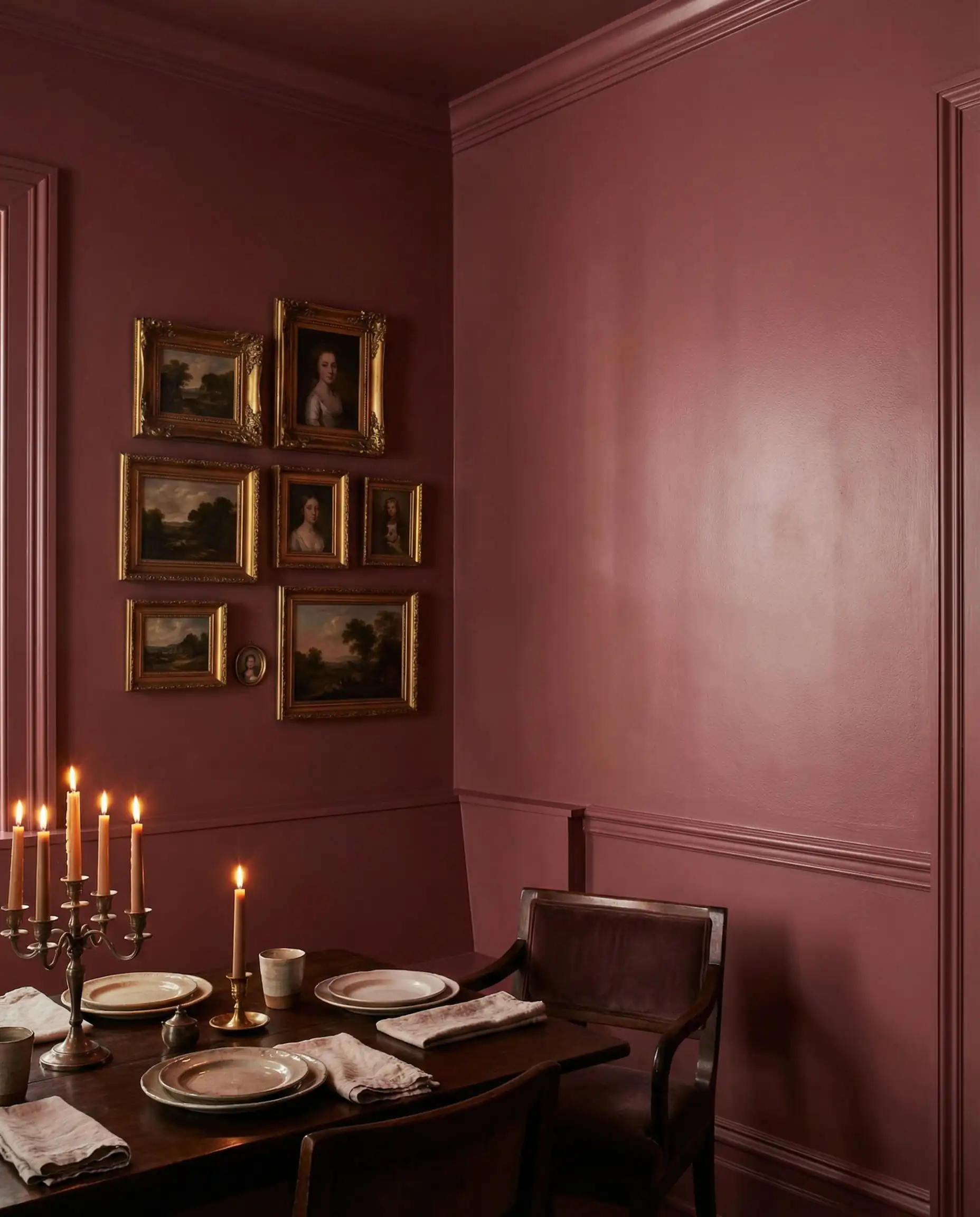
Pair with: Dark woods and brushed gold hardware.
2. Warm Neutrals: Sand, Ochre, and Brown
The “Greige” (gray-beige) era is ending. It is being replaced by true warm neutrals. Think colors that remind you of baking spices: cinnamon, nutmeg, toasted sesame, and rich terracotta. These shades glow under warm light and make a space feel physically warmer.
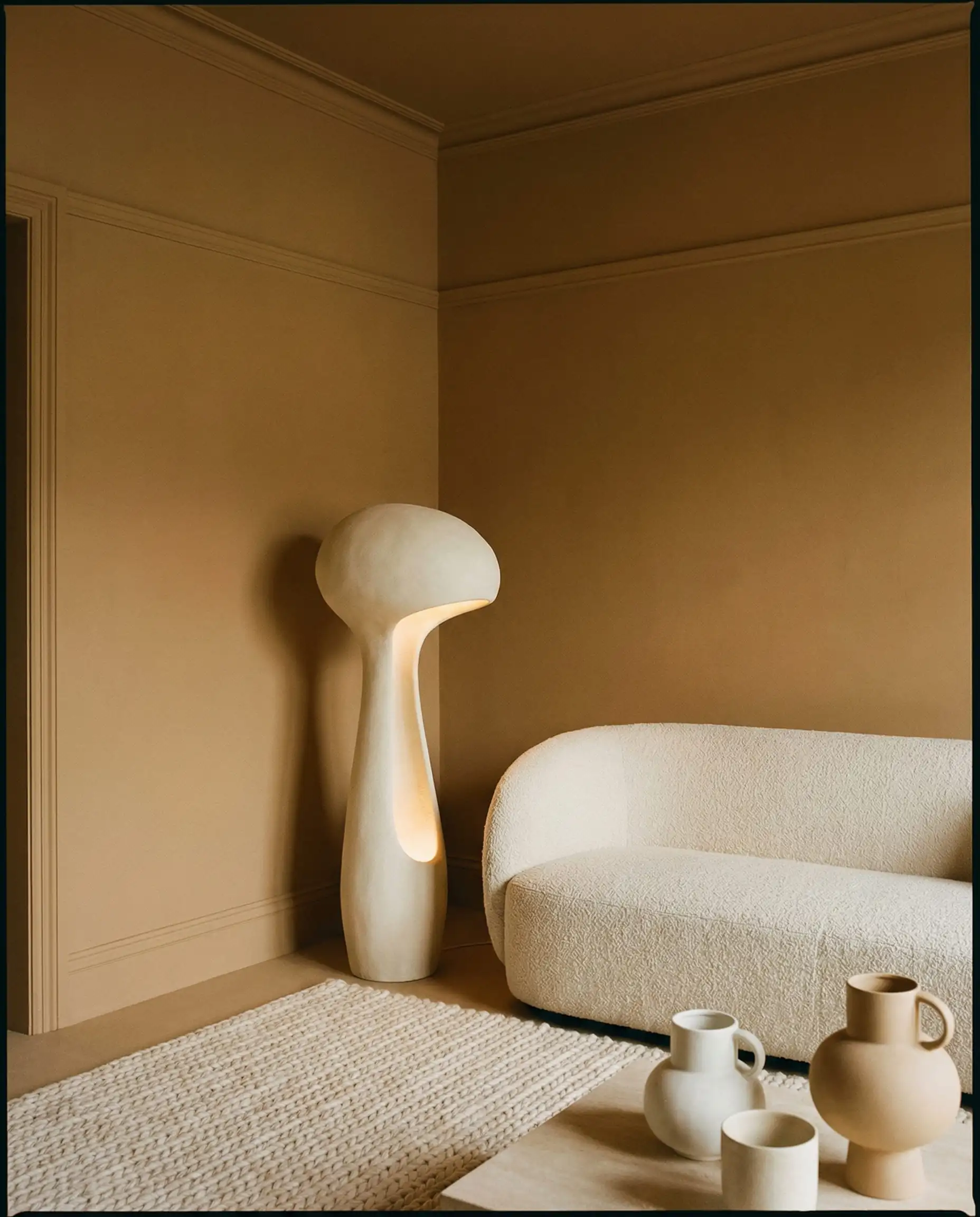
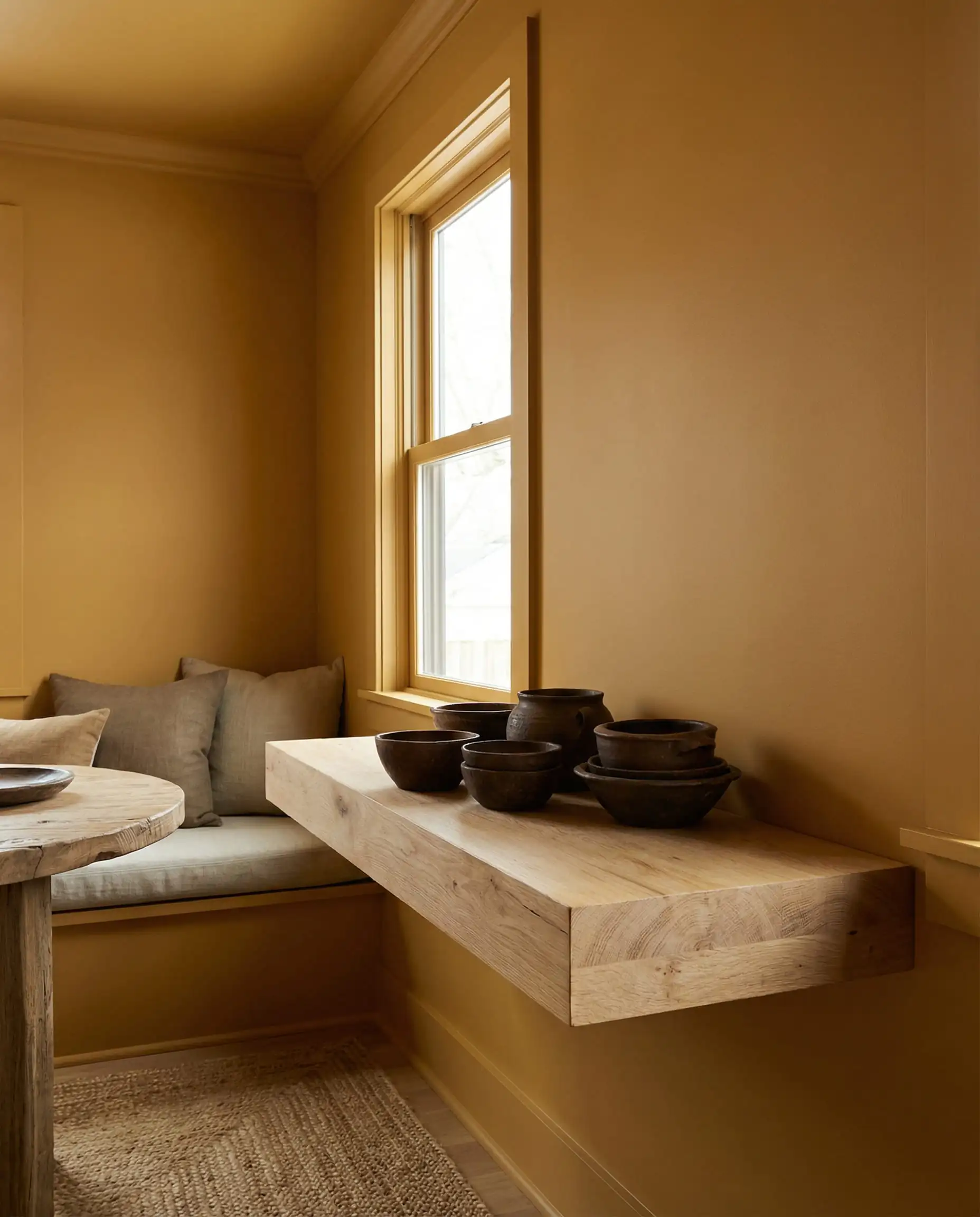
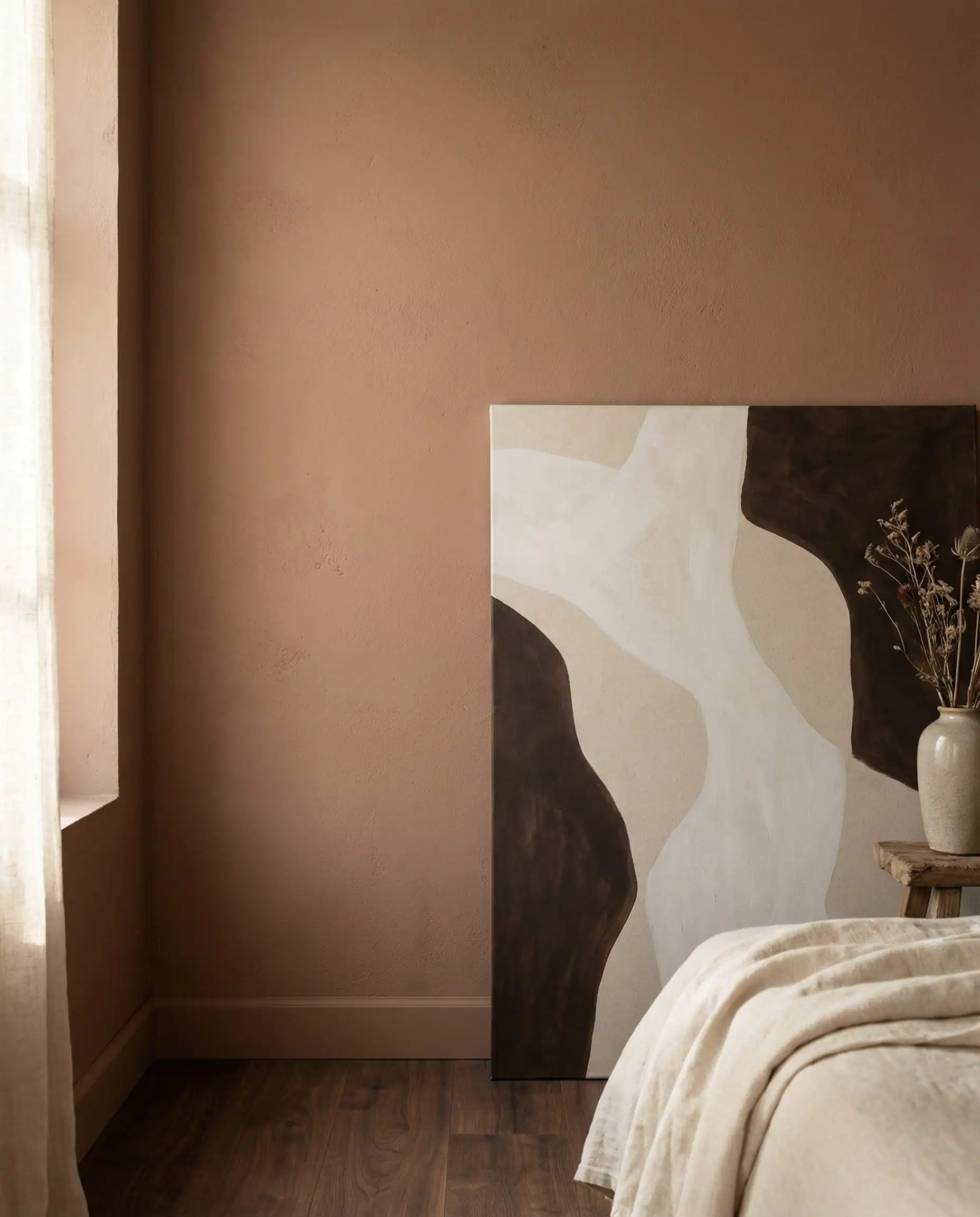
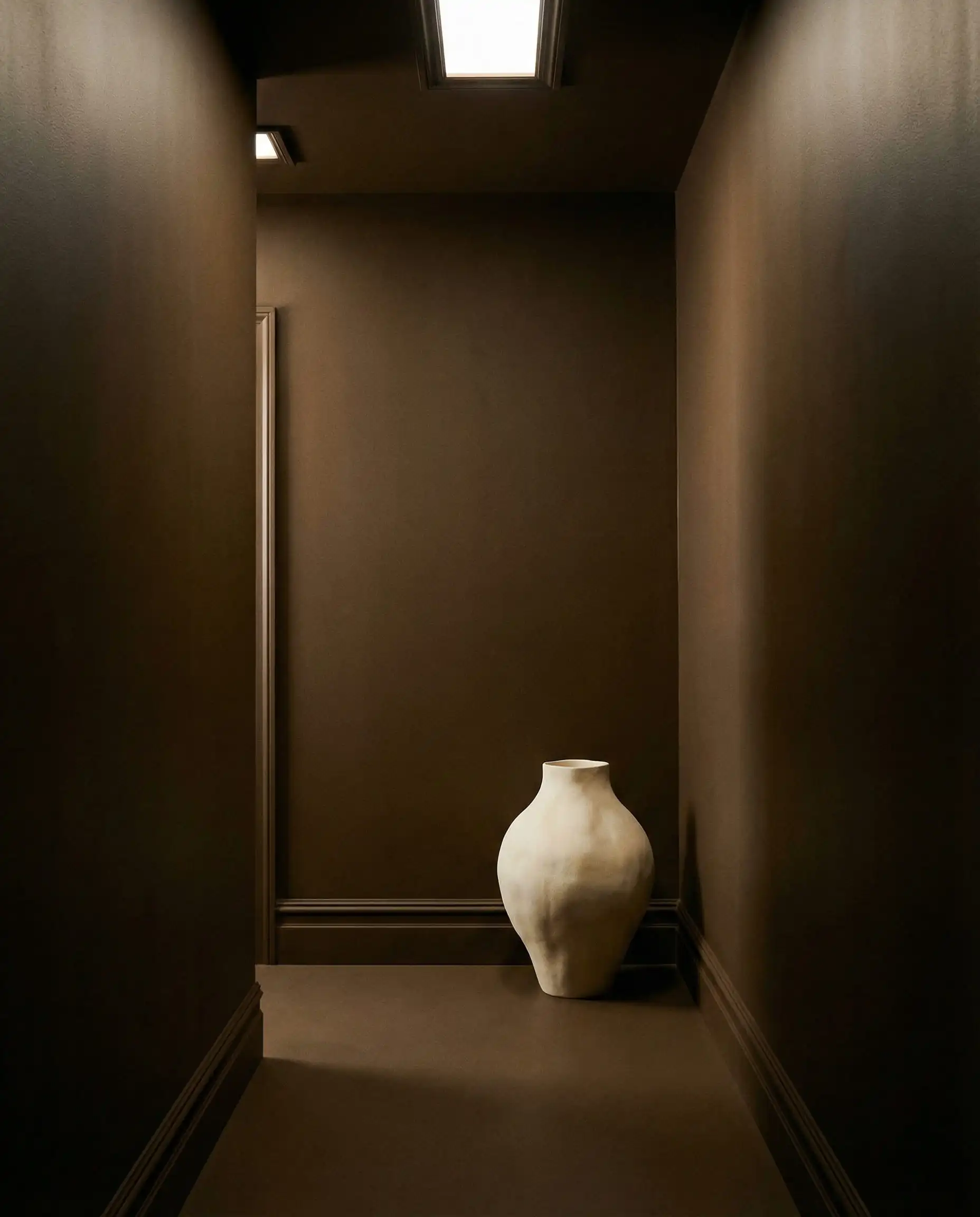
Styling Tip: These earth tones pair exceptionally well with the eco-sustainable interior design trends focusing on raw wood and stone.
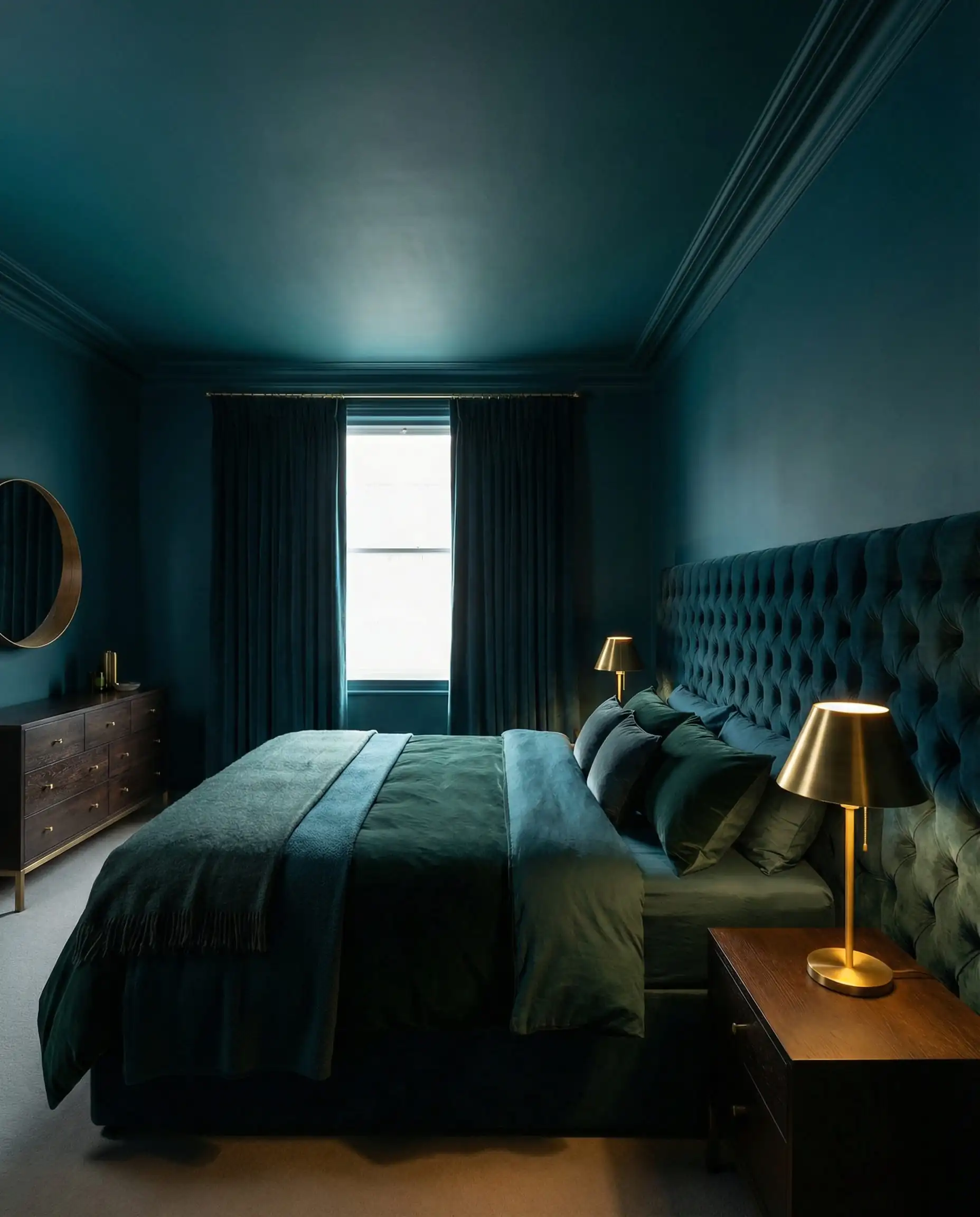
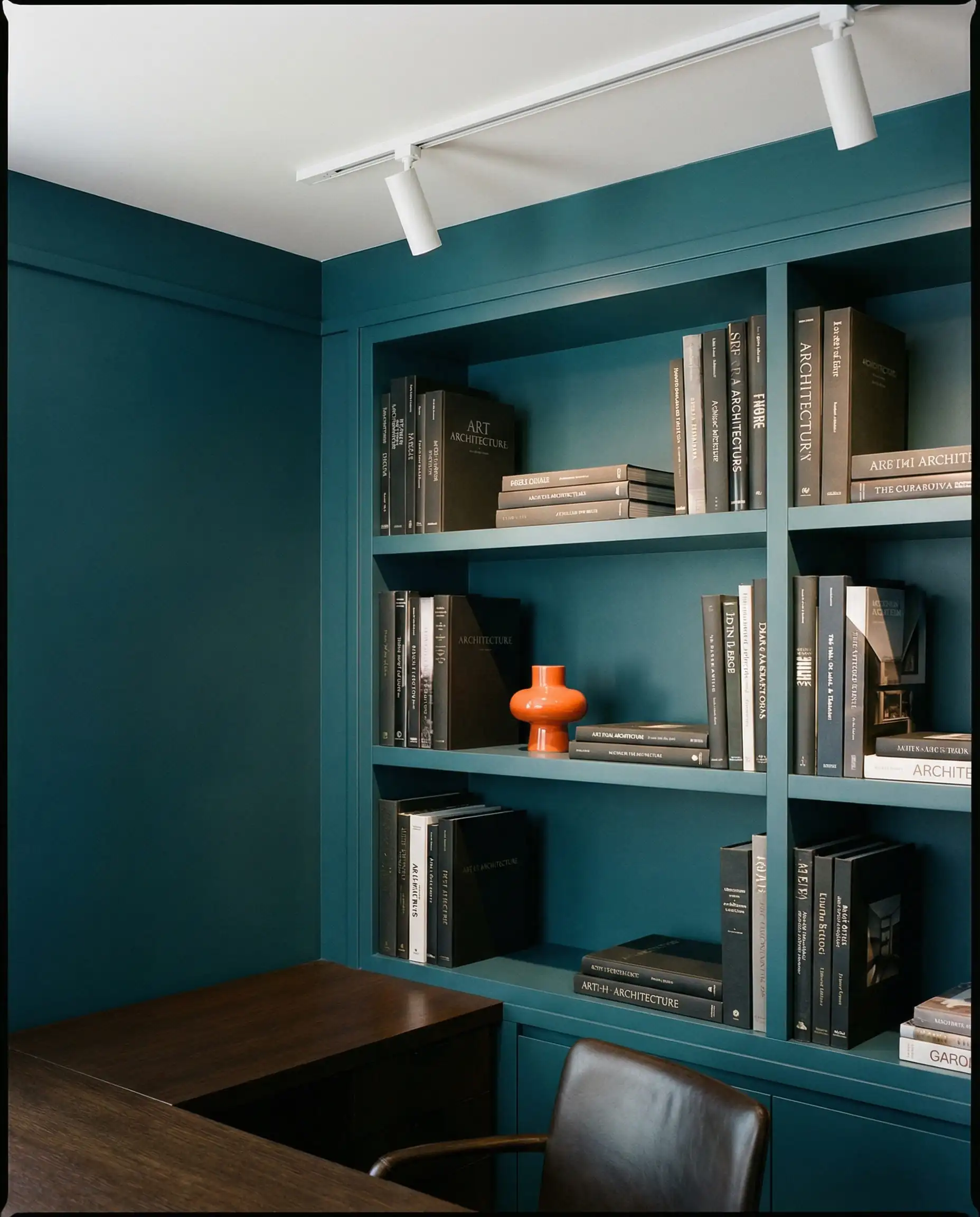
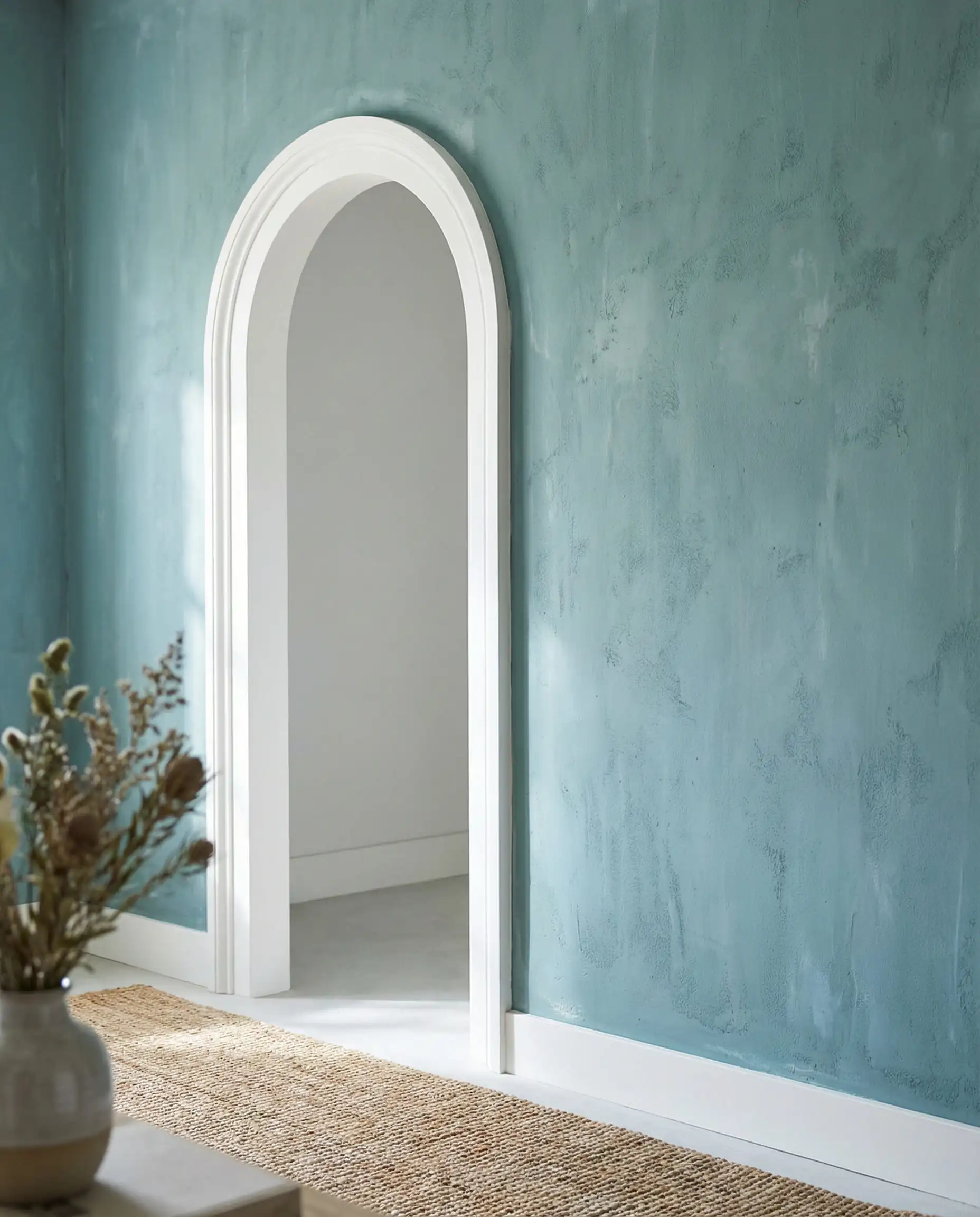
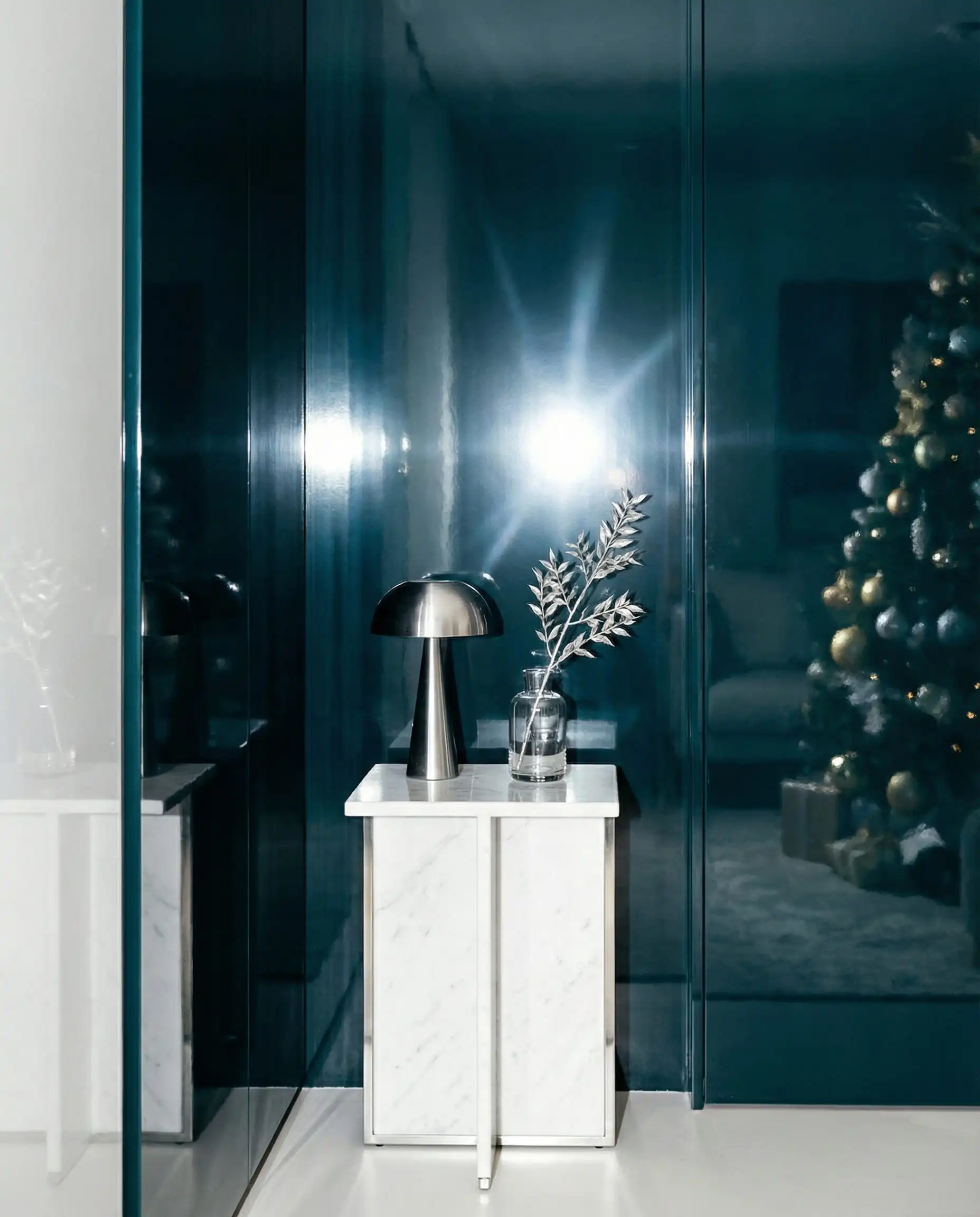
3. Transformative Teal
For those who prefer cool tones, Teal is the anchor color of 2026. It balances the tranquility of blue with the grounding energy of green. In a matte finish, a dark teal wall can make a bedroom feel like a deep-sea sanctuary.
Room-by-Room Guide: Choosing the Perfect Material
One size rarely fits all in interior design. The wall covering that adds acoustic peace to your office might be a disaster in a humid bathroom. Here is your room-by-room breakdown for applying 2026 trends effectively.
1. The Living Room: Social Comfort
The living room in 2026 is less about “showcasing” and more about “gathering.” We are moving away from the single accent wall. Instead, we are wrapping the room in texture to create a cohesive hug.
(Explore more layout ideas in our guide to Living Room Trends)
2. The Kitchen: Durability Meets Drama
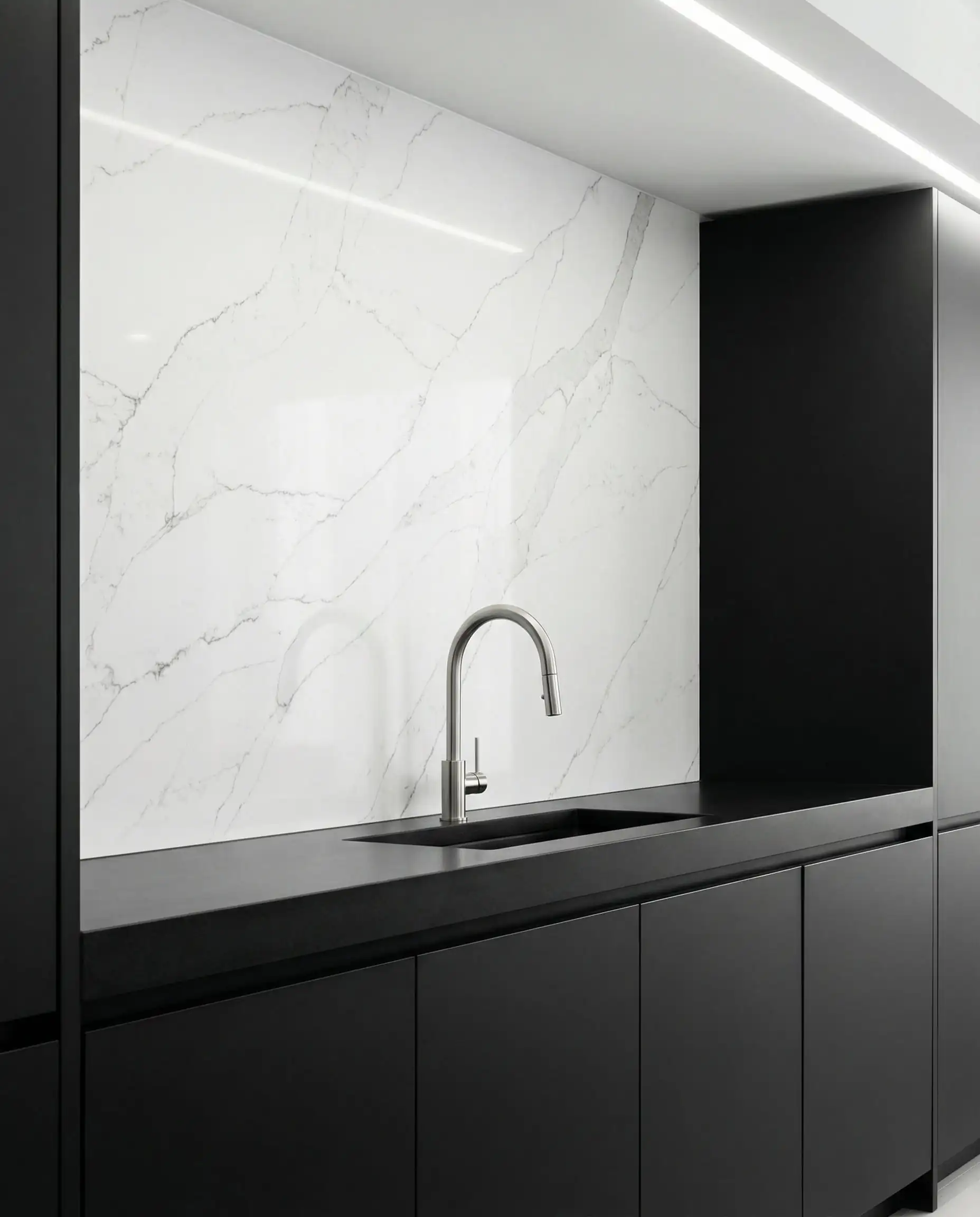
Kitchens are hardworking spaces, so durability is paramount. However, 2026 kitchens are ditching the sterile “laboratory” look for something much earthier.
(For specific material ideas, check our Kitchen Backsplash Trends)
3. The Bedroom: The Ultimate Sanctuary
In the bedroom, acoustics and light control are your top priorities. You want materials that absorb sound and soften the edges of the room.
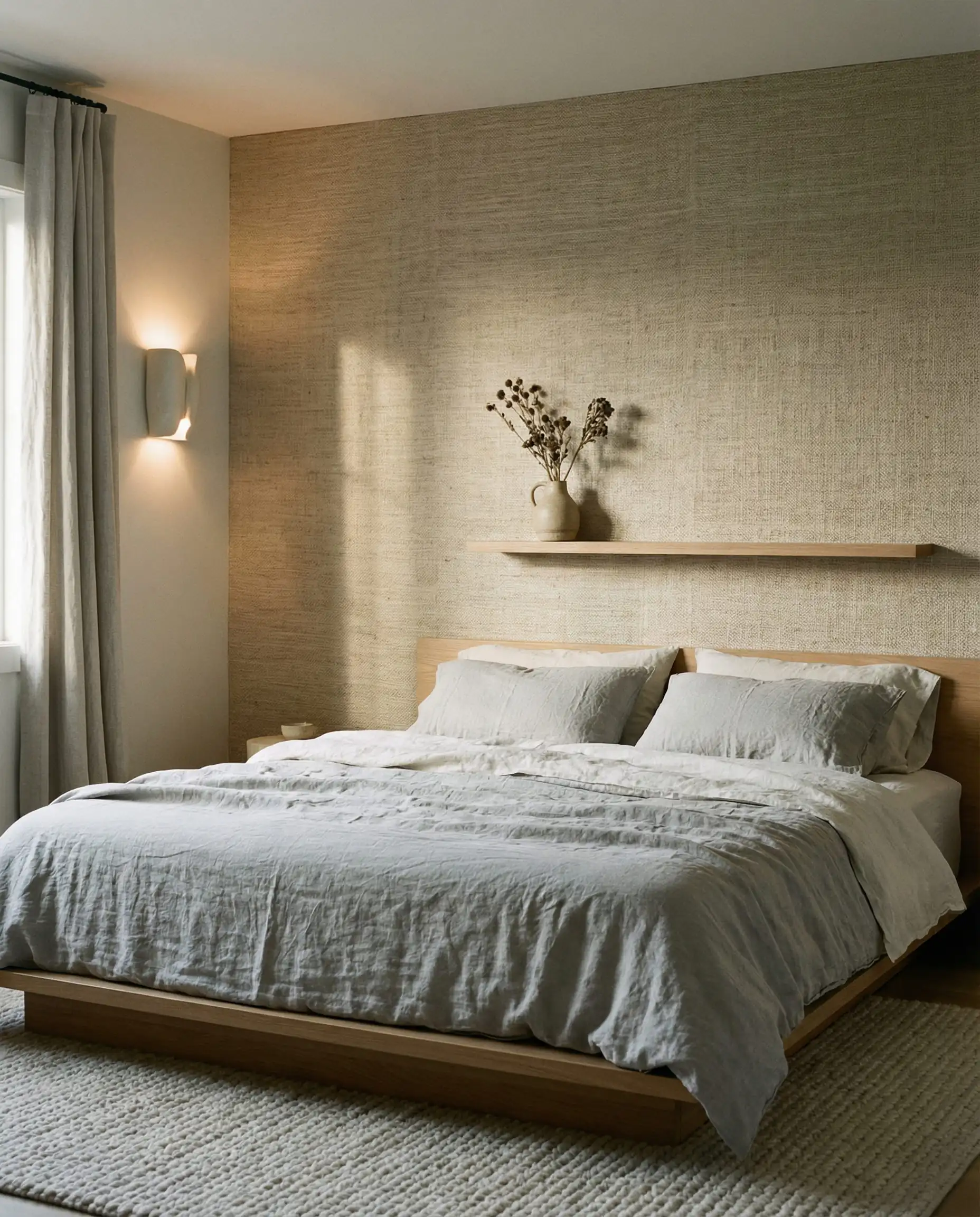
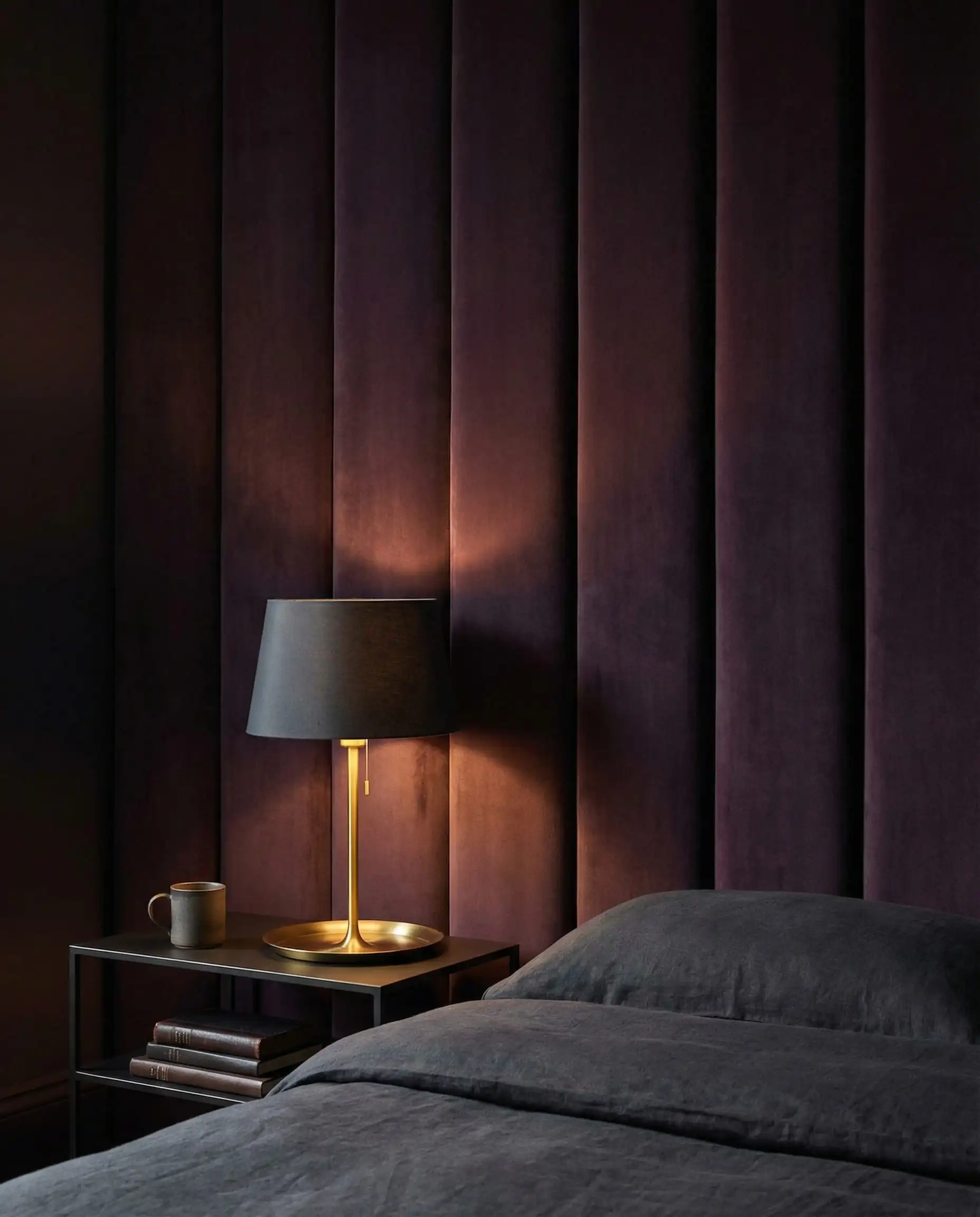
(See specific examples in Master Bedroom Wallpaper Trends)
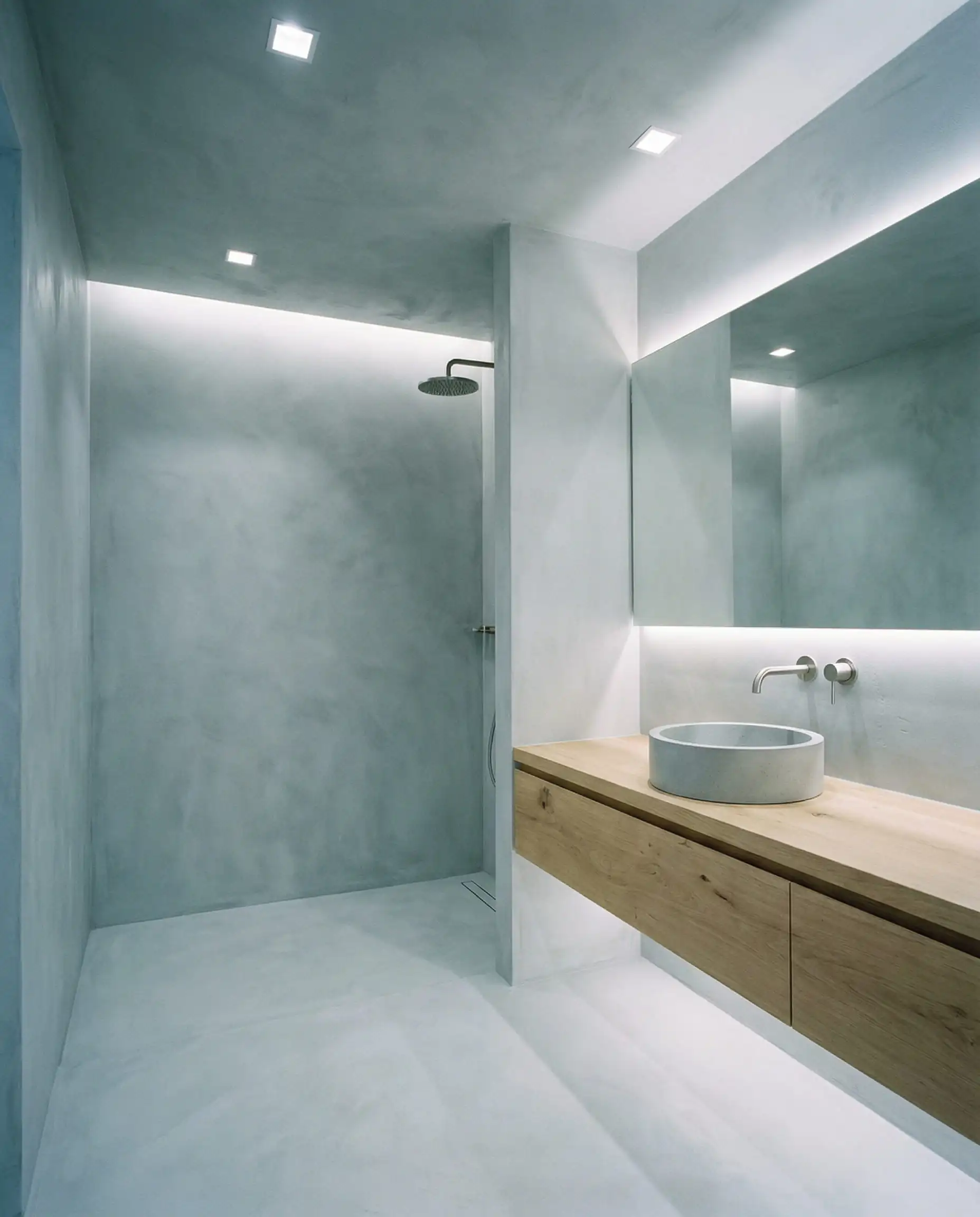
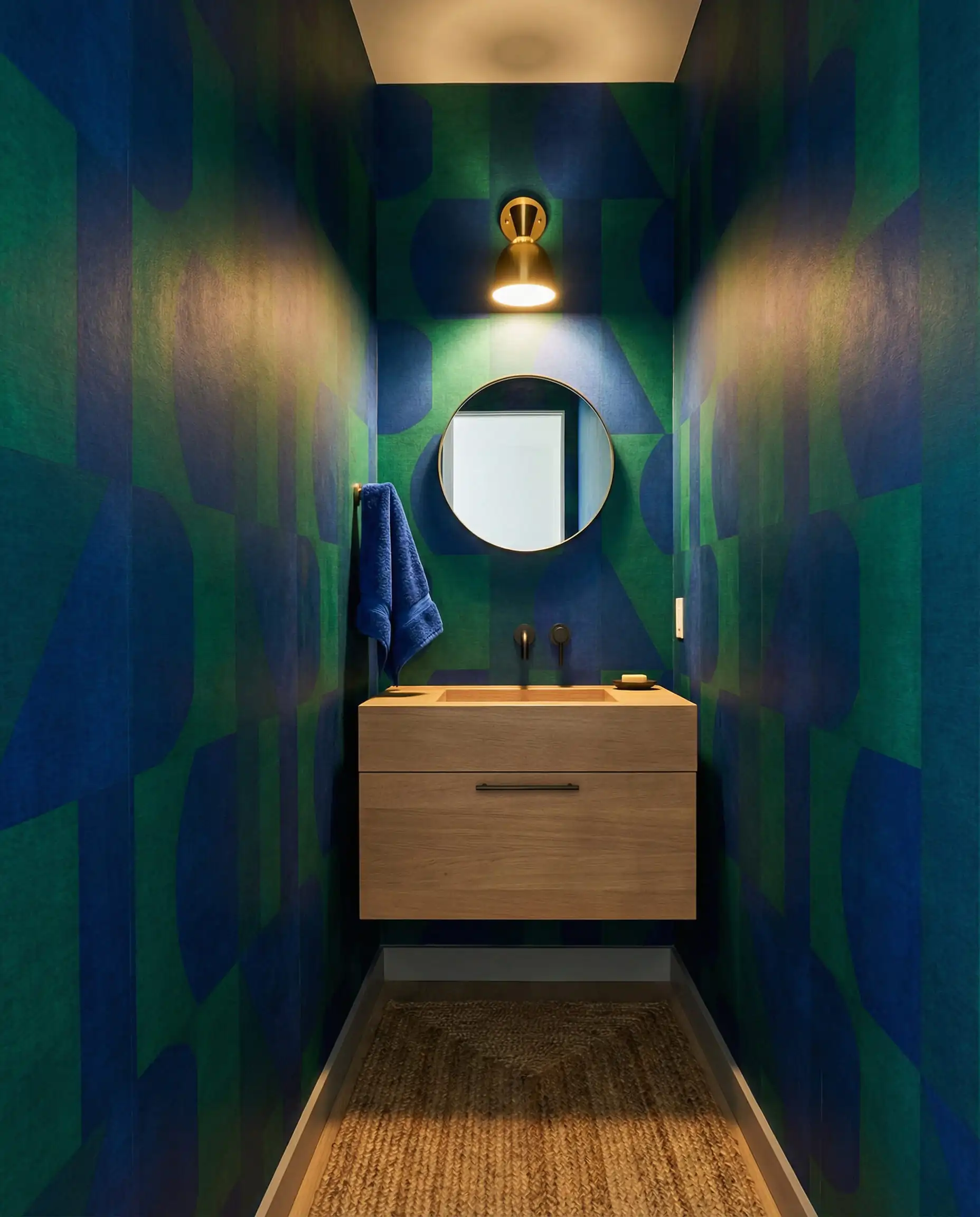
4. The Bathroom: Spa-Like Serenity
Bathrooms are wet zones, which limits some materials, but that doesn’t mean you are stuck with plain white tile.
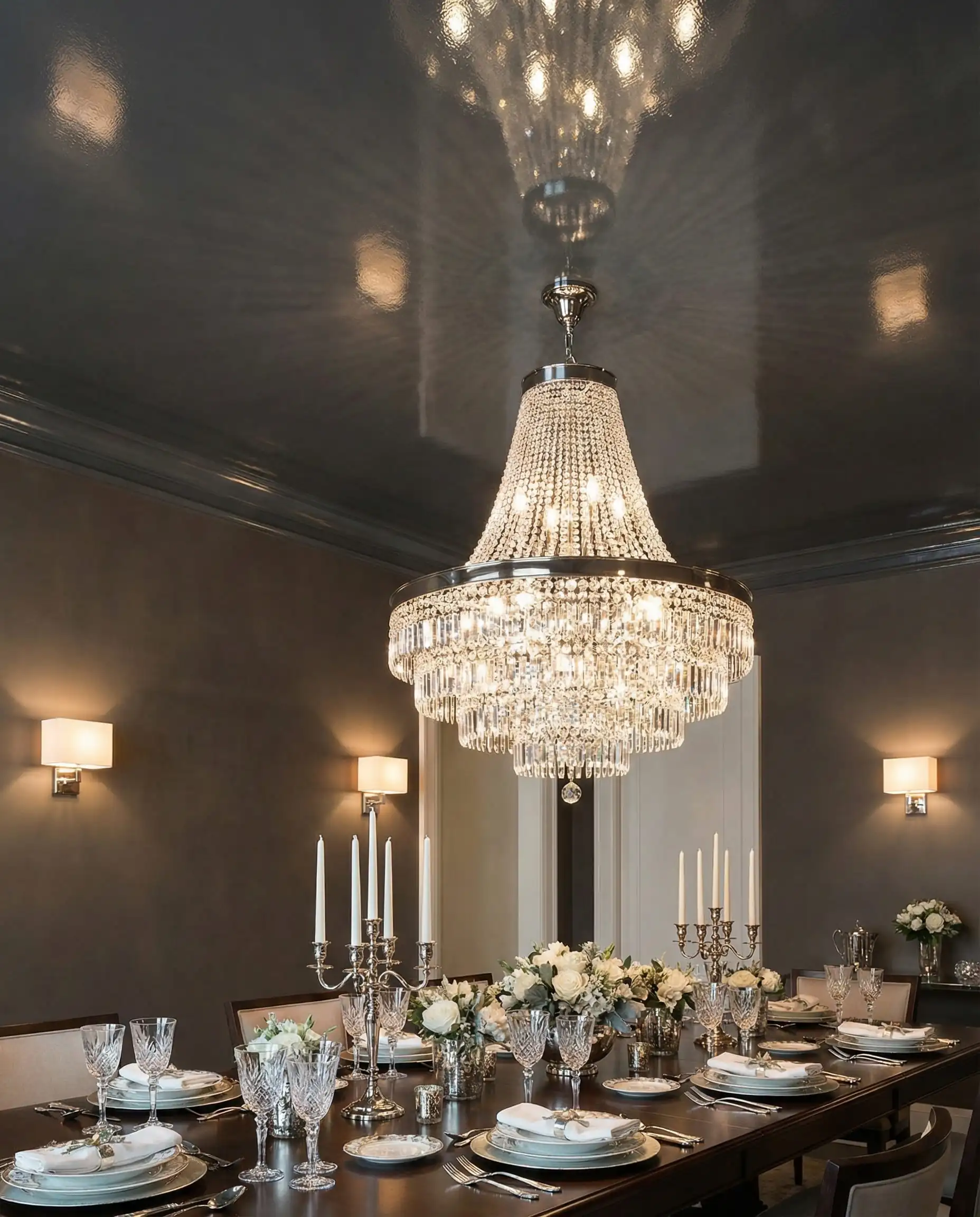
5. The Dining Room: Atmospheric Dining
The dining room is often used in the evening, making it the perfect candidate for darker, moodier experiments.
(Read more on setting the mood in Dining Room Trends)
6. The Home Office: Focus and Function
With hybrid work becoming permanent for many, the home office needs to look professional on camera while sounding professional in reality.
(Find more workspace inspiration in Office Design Trends)
Sustainable & Eco-Friendly Innovations
In 2026, asking “Is it eco-friendly?” is no longer optional; it’s the standard. Manufacturers are responding with wall coverings that are as kind to the planet as they are beautiful.
1. PVC-Free Wallpapers
Traditional vinyl wallpapers are durable but often emit VOCs (Volatile Organic Compounds) and are difficult to recycle. The new standard is non-woven, PVC-free paper printed with water-based inks. They breathe better, preventing mold growth behind the paper, and improve indoor air quality.
2. Recycled Content
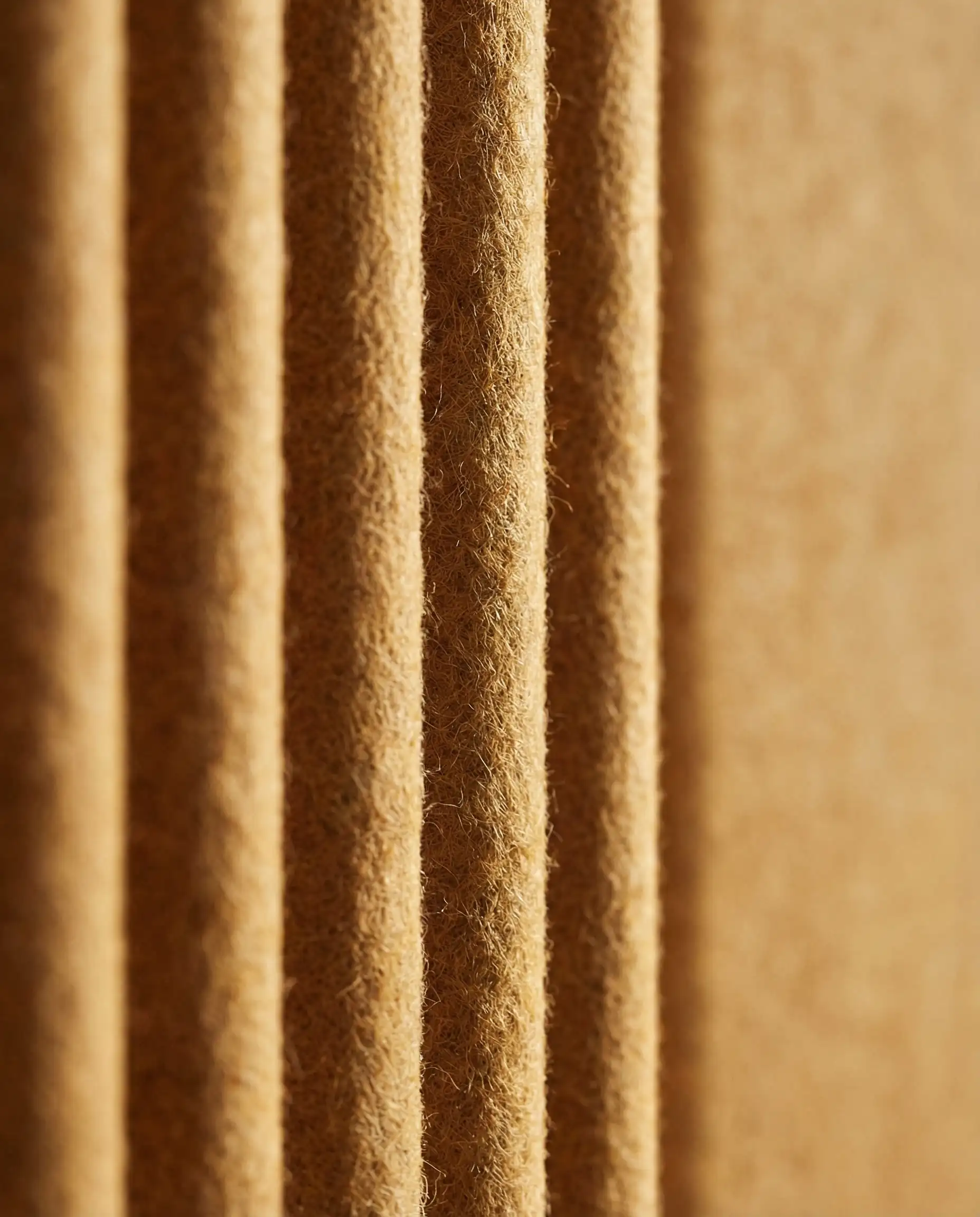
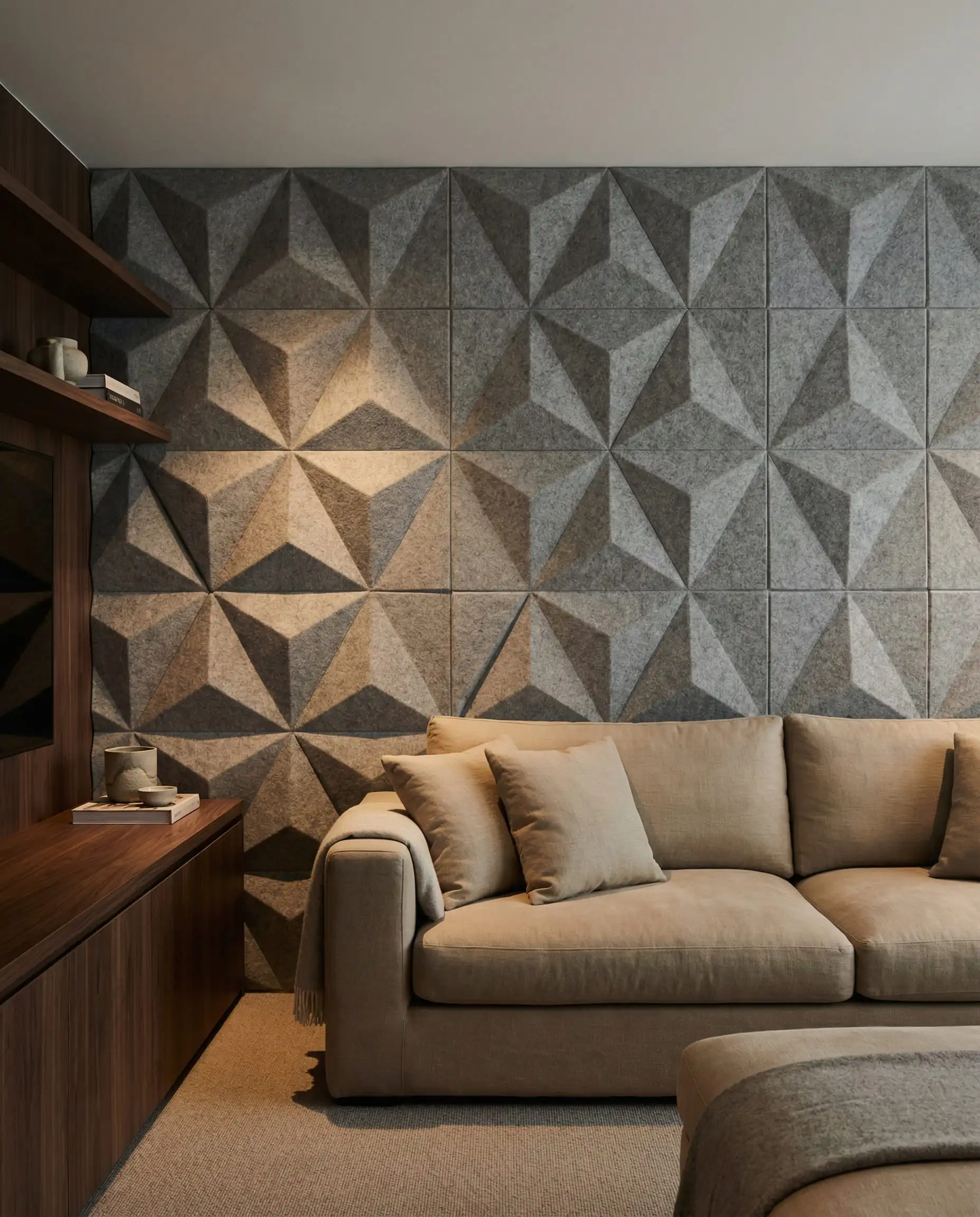
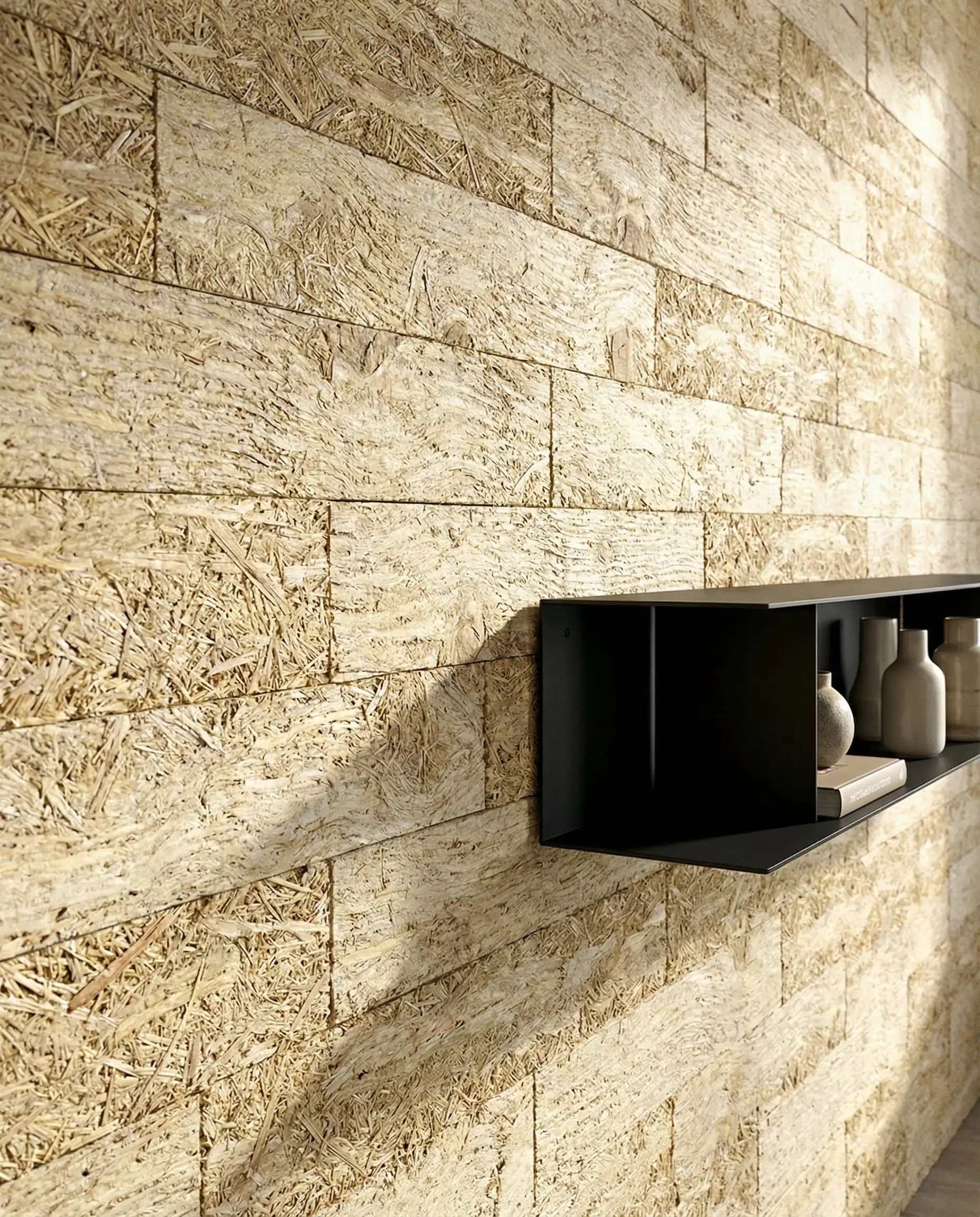
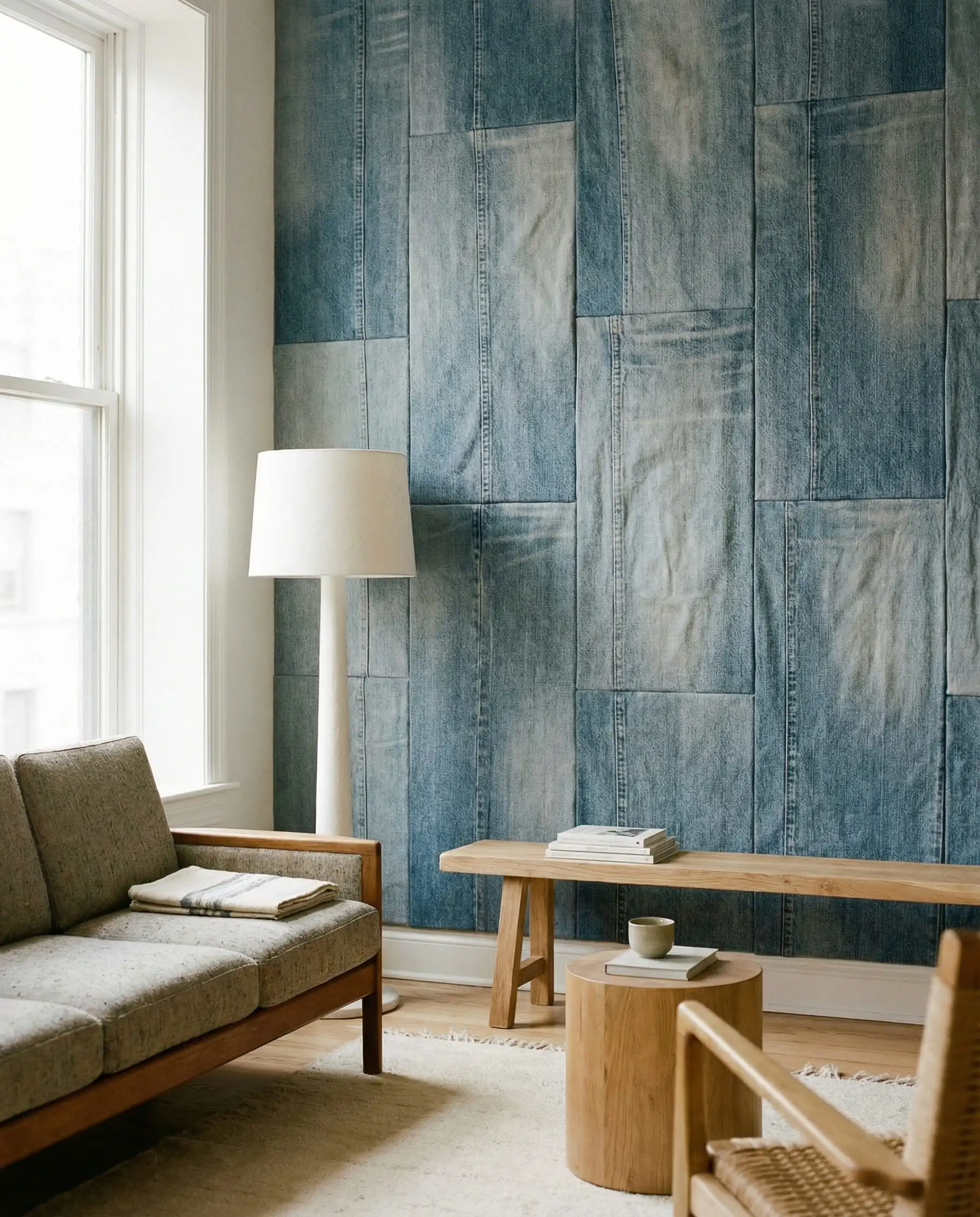
We are seeing high-end wall tiles made from recycled PET felt (plastic bottles), reclaimed agricultural waste, and even recycled denim. These materials often end up in acoustic panels, marrying sustainability with function.
Conclusion: The “Feeling” of Home
The wall covering trends of 2026 are a direct response to our digital, fast-paced lives. When the world outside feels chaotic and virtual, we want our homes to feel solid, real, and hand-crafted.
Whether you choose to color-drench your living room in warm ochre, install acoustic wood slats in your office, or embrace the wabi-sabi beauty of limewash, the goal is the same: to create a space that holds you. Walls are no longer just dividers; they are the canvas for your home’s personality.
So, go ahead—touch the walls. In 2026, they are meant to be felt.
Frequently Asked Questions (FAQ)
The dominant wall trend for 2026 is tactile texture. Instead of flat painted walls, designers are using materials that add depth, such as limewash paint, 3D fluted wood panels, and “matter effect” wallpapers that mimic stone, concrete, or fabric.
No, wallpaper is extremely popular in 2026, but the style has changed. The focus has shifted from busy, small-scale prints to large-scale murals and textured wall coverings (like grasscloth, linen, or embossed 3D papers) that add physical warmth rather than just visual pattern.
Top eco-friendly choices include cork (which is renewable and insulating), bamboo, recycled PET felt panels, and PVC-free wallpapers printed with water-based inks. Limewash paint is also a top choice as it is natural, solvent-free, and improves indoor air quality.
Not the modern version. While 1970s paneling looks dated, 2026 wood paneling features sleek, vertical slats (fluting), acoustic backing, and matte finishes in white oak or walnut. It is used as a feature accent (like behind a TV or headboard) rather than covering an entire room.
Warm, earthy tones are trending. Look for “Divine Damson” (a moody plum), terracotta, sand/beige, and deep teal. The “Color Drenching” technique—painting walls, trim, and ceilings the same shade—is the most popular application method.