Shabby Chic Trends 2026: The “Grandma Chic” & Heirloom Evolution
If you close your eyes and picture “Shabby Chic,” what do you see?
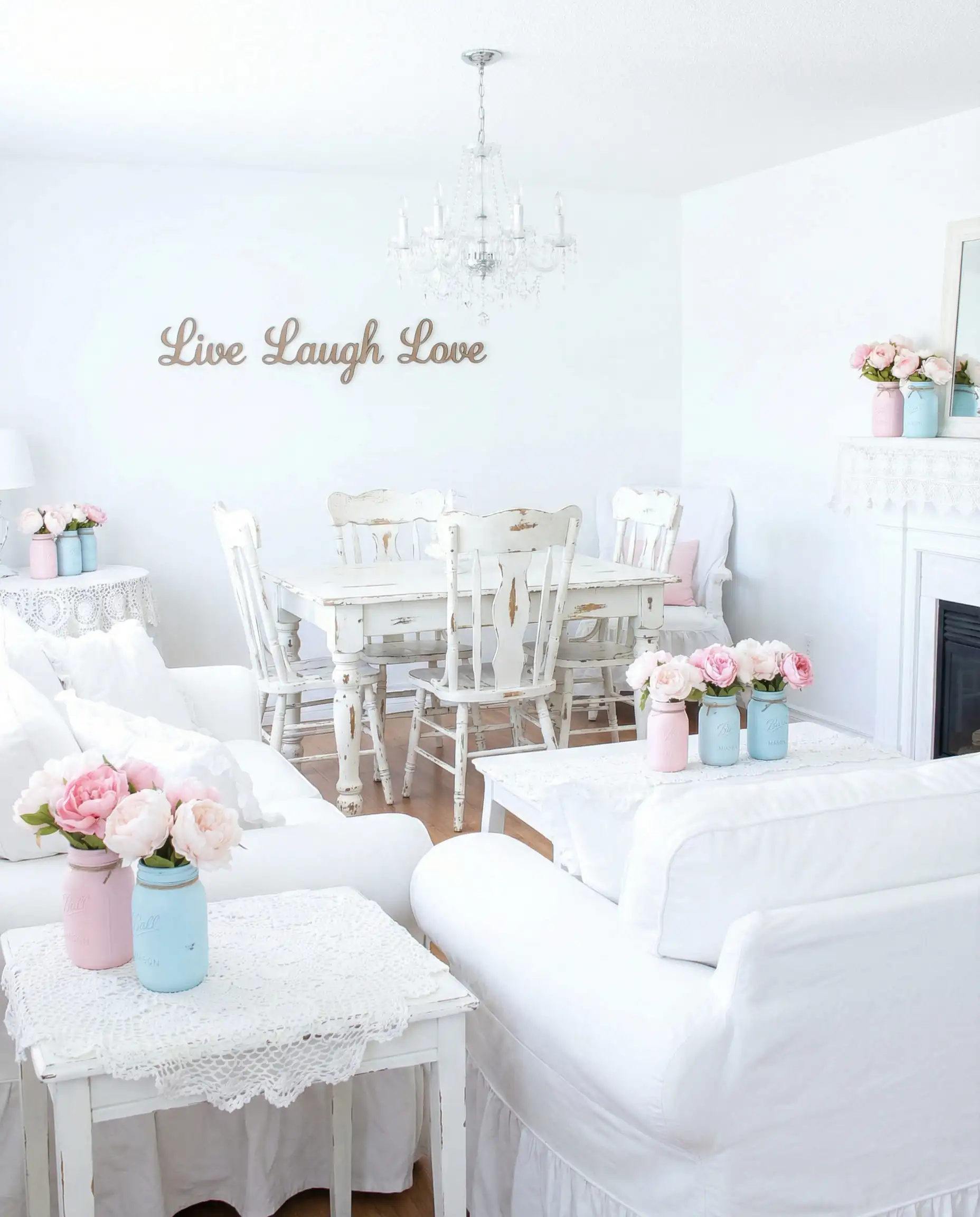
For many of us, the term conjures images from the early 2010s: heavily distressed white furniture, signs declaring “Live Laugh Love” in scrolling script, and an overwhelming amount of burlap and burlap-adjacent accessories. It was a style defined by an intentional, almost forced imperfections.
But if you’ve been scrolling through design feeds or visiting high-end showrooms lately, you know that Shabby Chic has grown up.
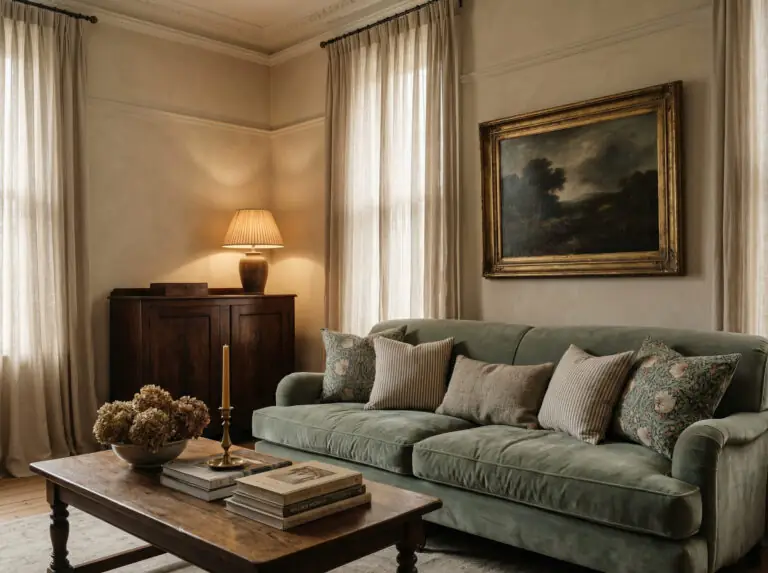
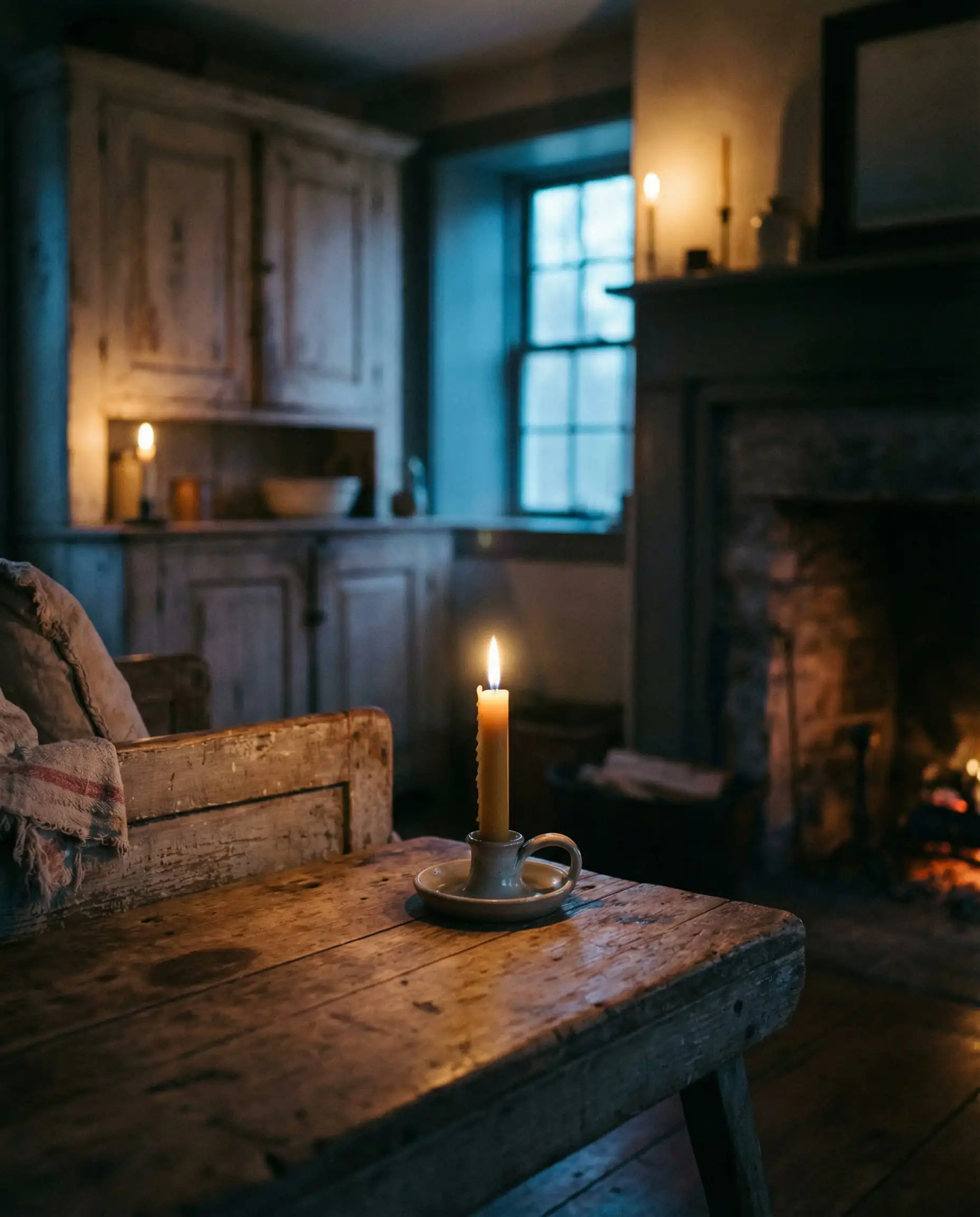
In 2026, this beloved style has undergone a sophisticated renaissance. It has shed its “craft store distressed” skin and emerged as something far more soulful, grounded, and authentic. Often dubbed “Grandma Chic,” “Nostalgia-core,” or “Heirloom Style,” the new Shabby Chic is less about making new things look old, and more about honoring things that actually are old—or at least look like they have a story to tell.
This year, we are trading chipped paint for rich walnut, and stark white lace for moody velvets. Let’s dive into the comfortable, curated world of Shabby Chic in 2026.
📋 Quick Summary: The 2026 Shabby Chic Trend Report
What is the new Shabby Chic? In 2026, Shabby Chic has evolved into “Grandma Chic” or “Heirloom Style.” It moves away from artificially distressed white furniture and towards authentic, time-worn elegance. The goal is a home that feels “collected” over generations, not decorated in a day.
Top 4 Trends to Know:
What Defined Shabby Chic Then vs. Now
To truly master the 2026 look, it’s crucial to understand what we are leaving behind. The “old” Shabby Chic was often performative—it was about creating the illusion of age. The “new” Shabby Chic is about the feeling of heritage. It prioritizes comfort, quality materials, and a slightly cluttered, “more is more” maximalism that feels like a warm hug.
Here is the quick evolution of the style:
| Feature | The “Old” Shabby Chic (c. 2015) | The “New” Shabby Chic (2026) |
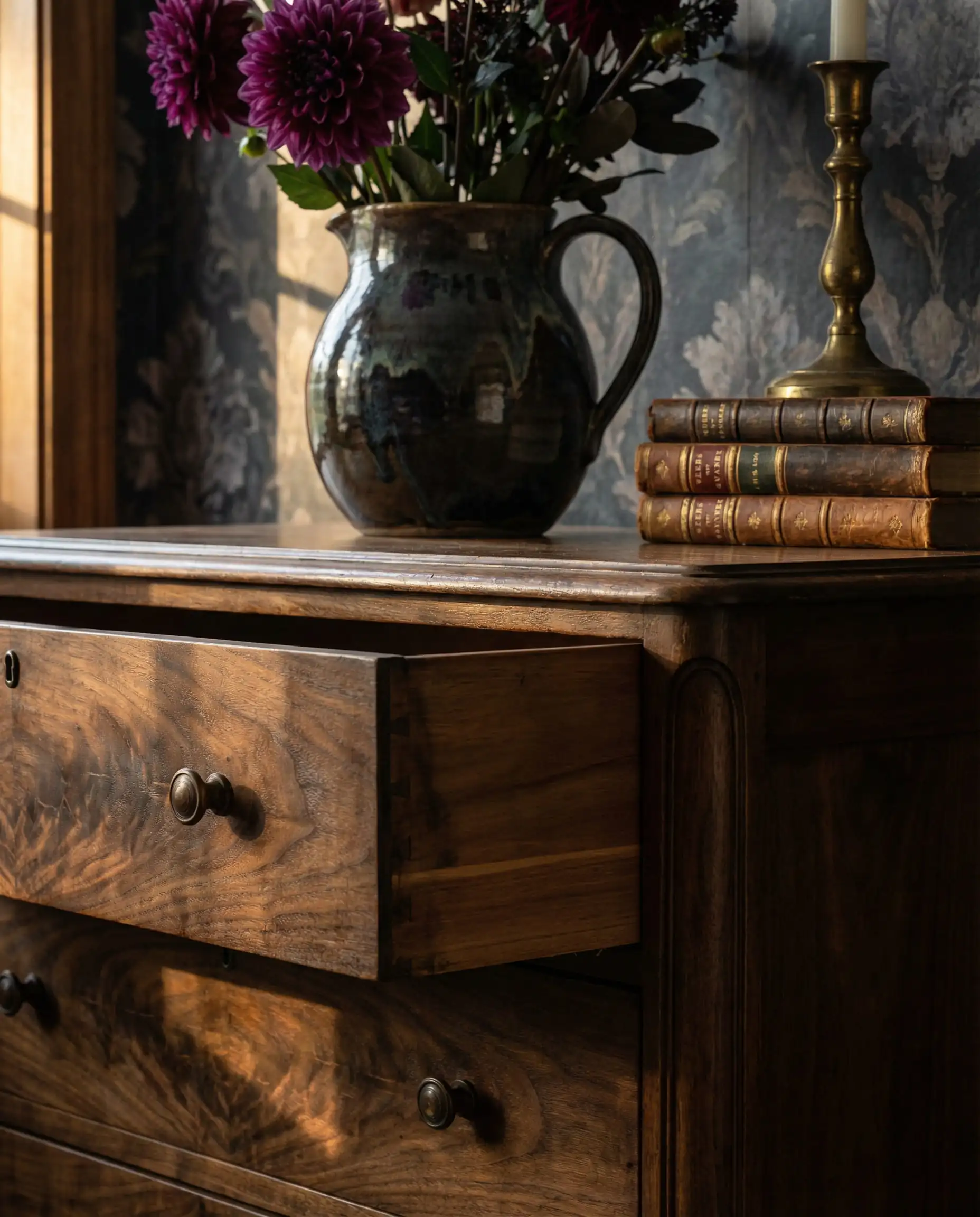
| Wood Finishes | Heavily painted white, sanded to look chipped/worn. | Rich, dark natural woods (Walnut, Mahogany, Oak). |
| Color Palette | Stark White, Baby Pink, Robin’s Egg Blue. | Warm Creams, Terracotta, Sage, Plum, Mustard. |
| Textiles | Burlap, thin cotton lace, ruffles everywhere. | Heavy Velvet, thick Linen, tapestry prints, fringe. |
| Decor | Typography signs, mason jars, faux birdcages. | Oil paintings, brass candlesticks, ceramic collections. |
| Vibe | Airy, cottage-y, slightly chaotic. | Moody, grounded, curated, “Old Money” aesthetic. |
| Philosophy | “Make it look vintage.” | “Buy actual vintage or high-quality heirlooms.” |
The shift is driven by a collective desire for stability. In a fast-paced digital world, we crave homes that feel permanent and rooted in history. This is why Grandma Chic has exploded—it reminds us of a time when furniture was built to last and homes were designed for living, not just for Instagram.
The 2026 Color Palette: Moody & Sunbaked
Gone are the days when Shabby Chic meant painting everything white to reflect light. The 2026 palette is decidedly moodier, embracing “muddy” tones that feel sunbaked and restorative.
Goodbye Stark White, Hello “New Neutrals”
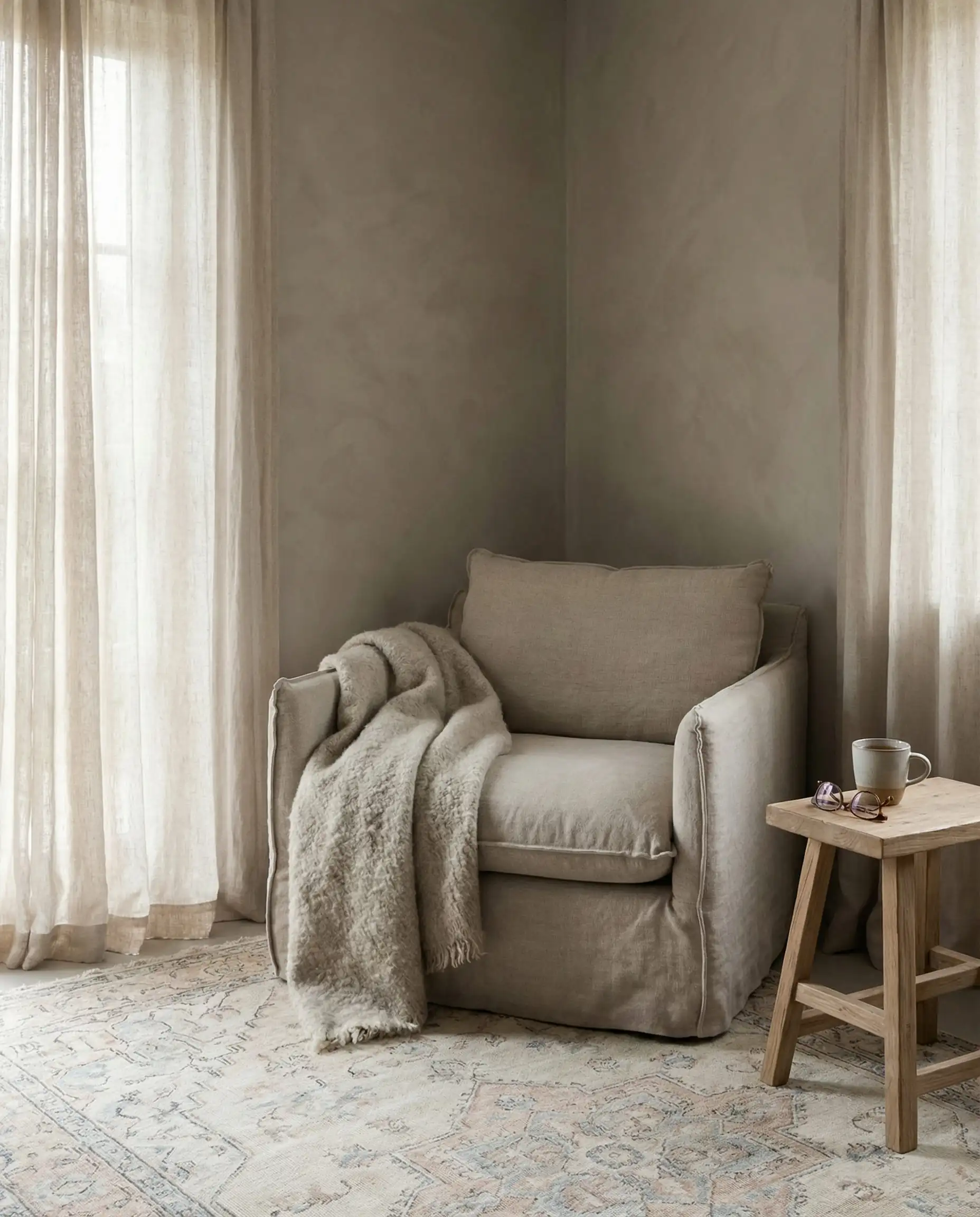
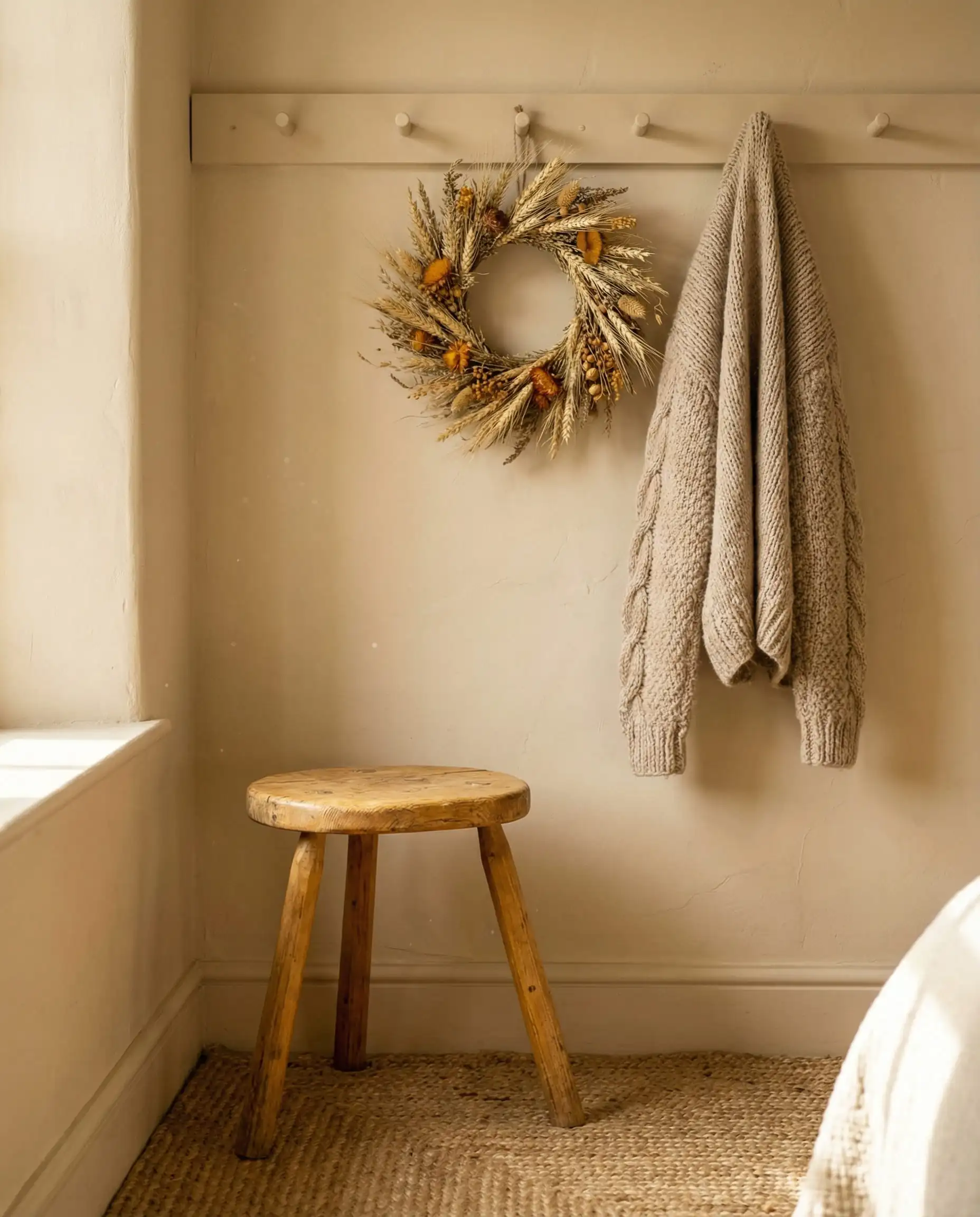
If you love a light room, you don’t have to go dark, but you should go warm. Replace clinical bright whites with Mushroom Grey, Oatmeal, Biscuit, and Parchment. These shades provide a soft, aged backdrop that makes antiques pop.
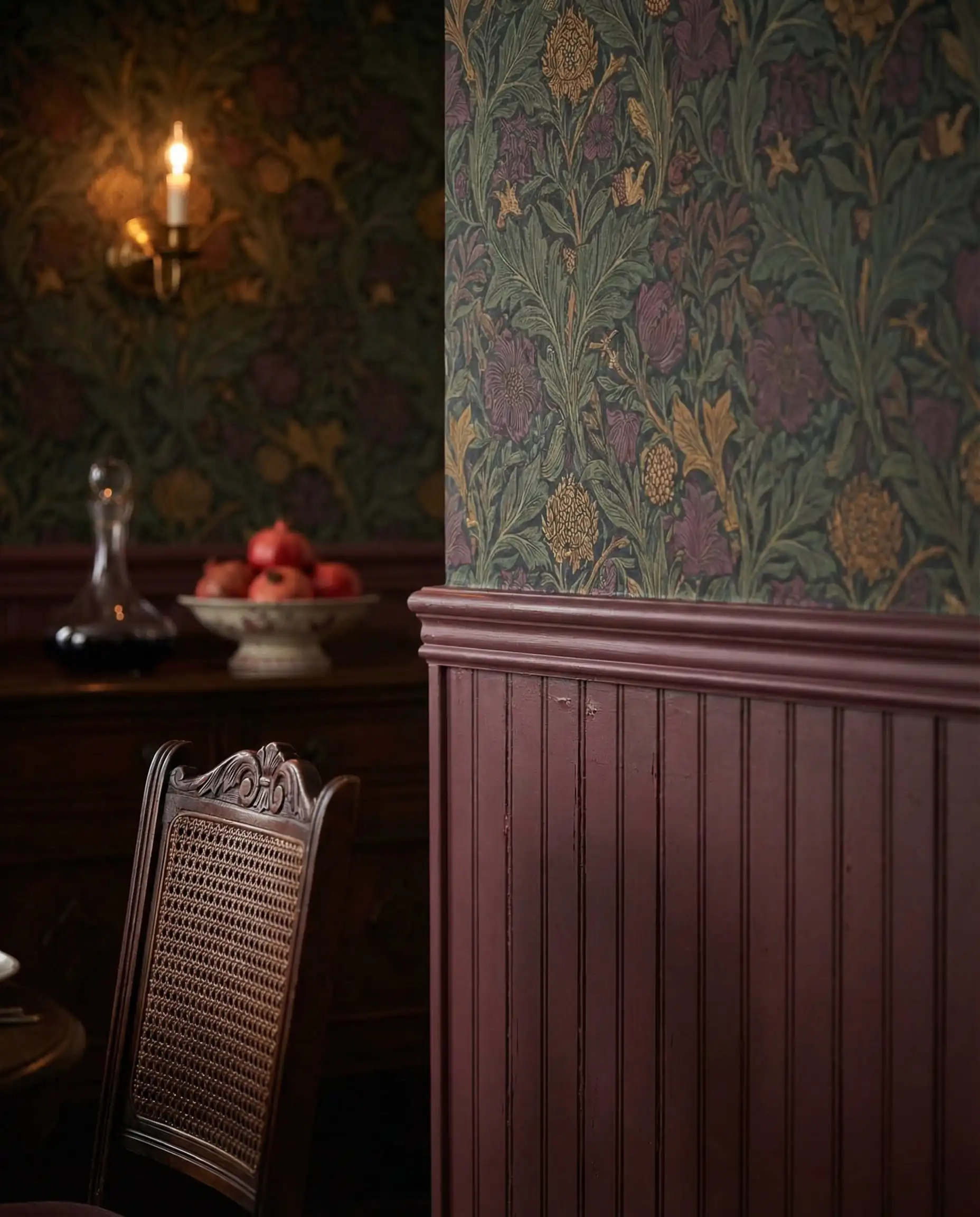
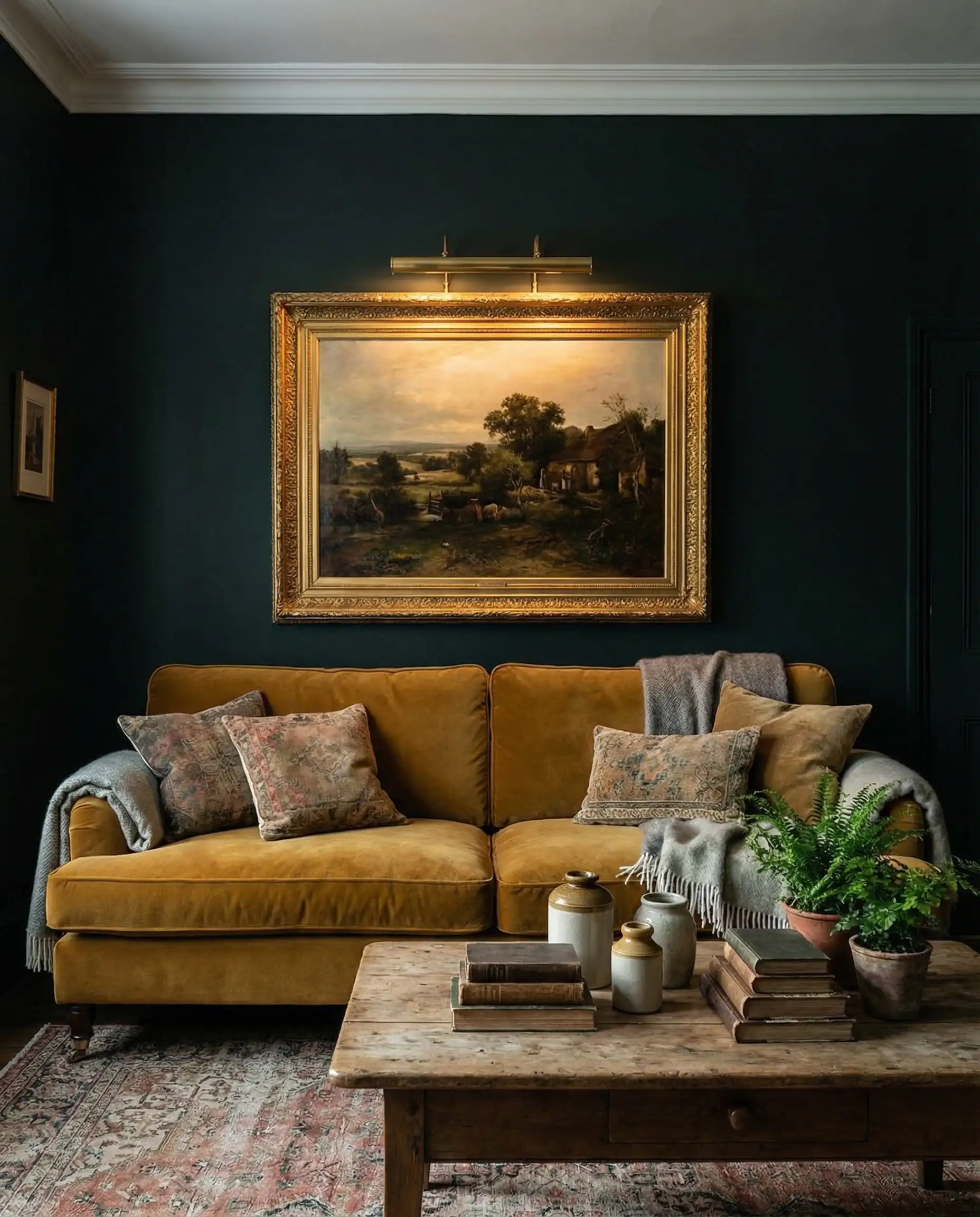
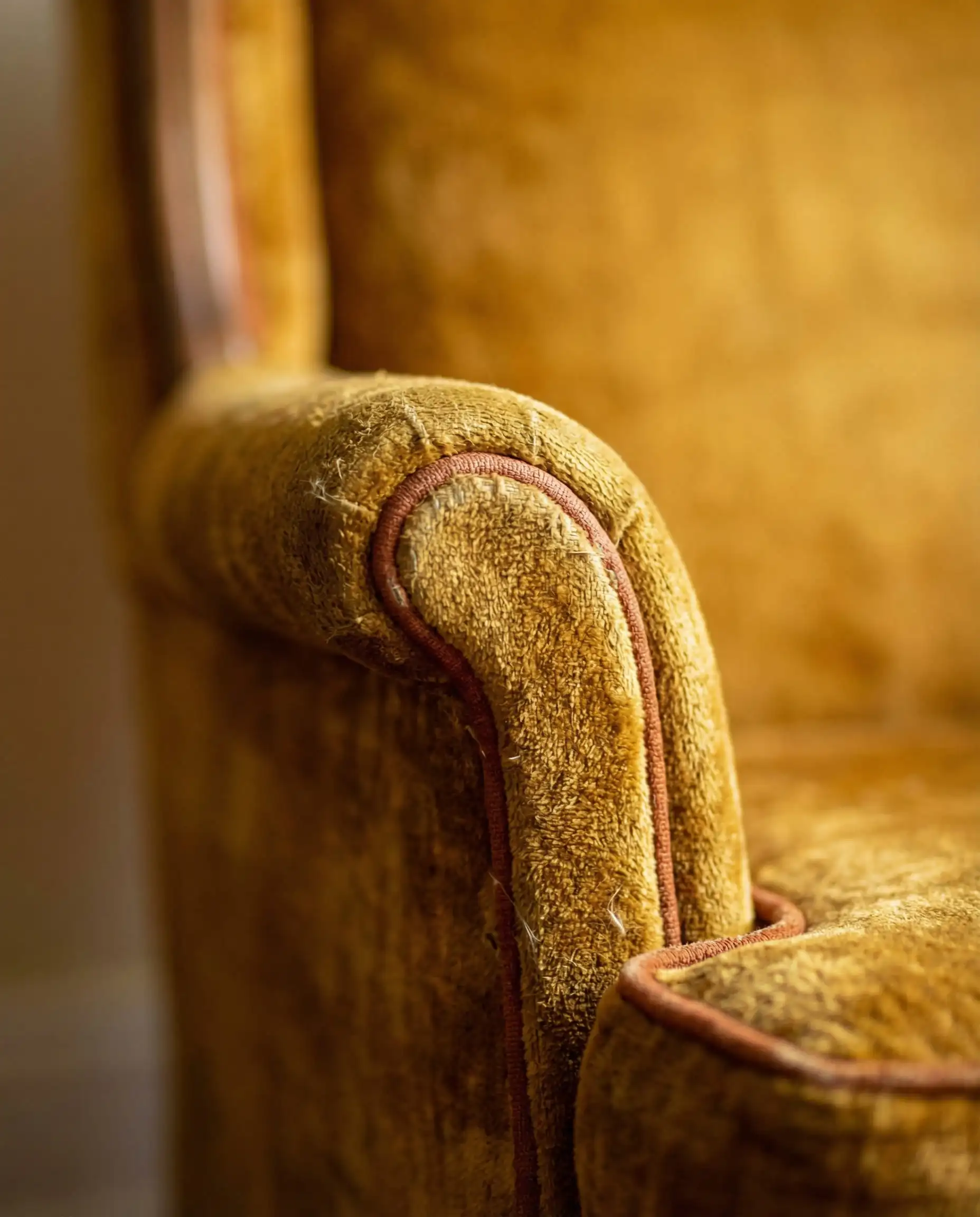
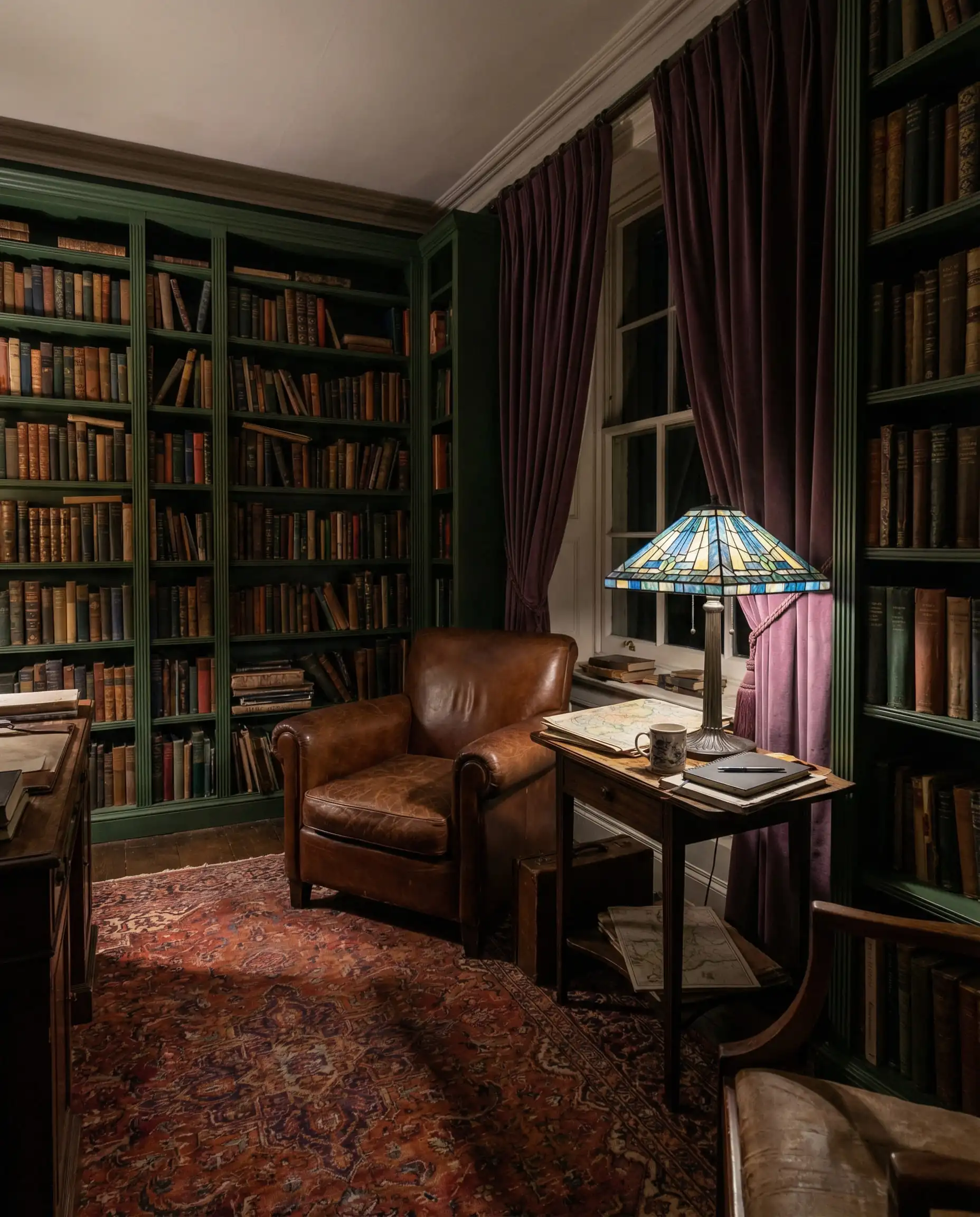
The Rise of “Restorative Darks”
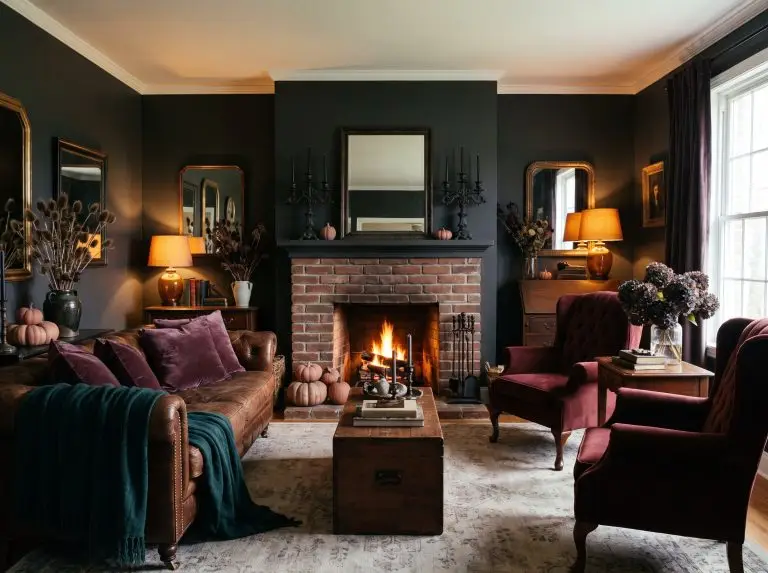
For those ready to embrace the drama of the modern interior design styles, deep, saturated colors are essential accents.
Technique Trend: Color Drenching
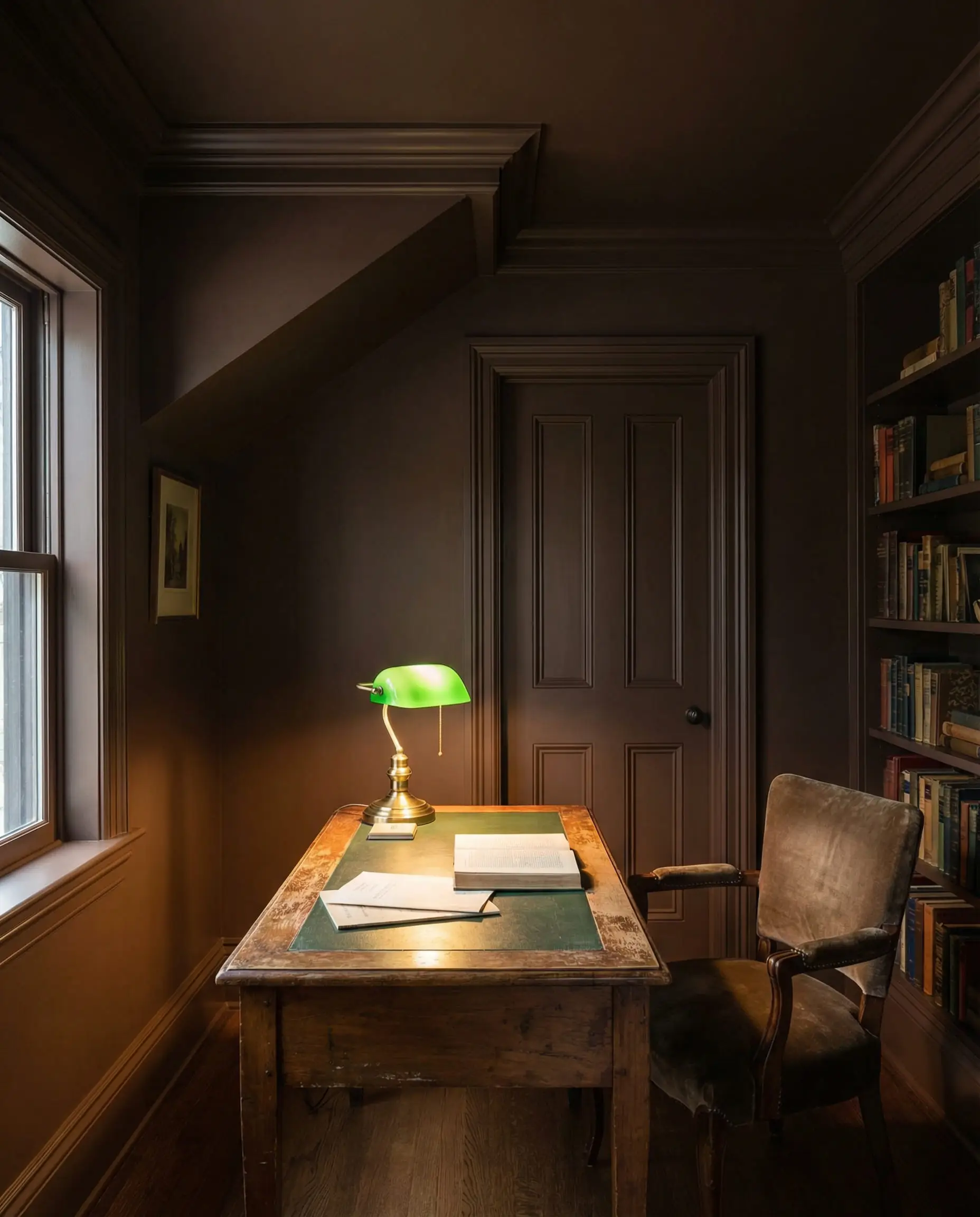
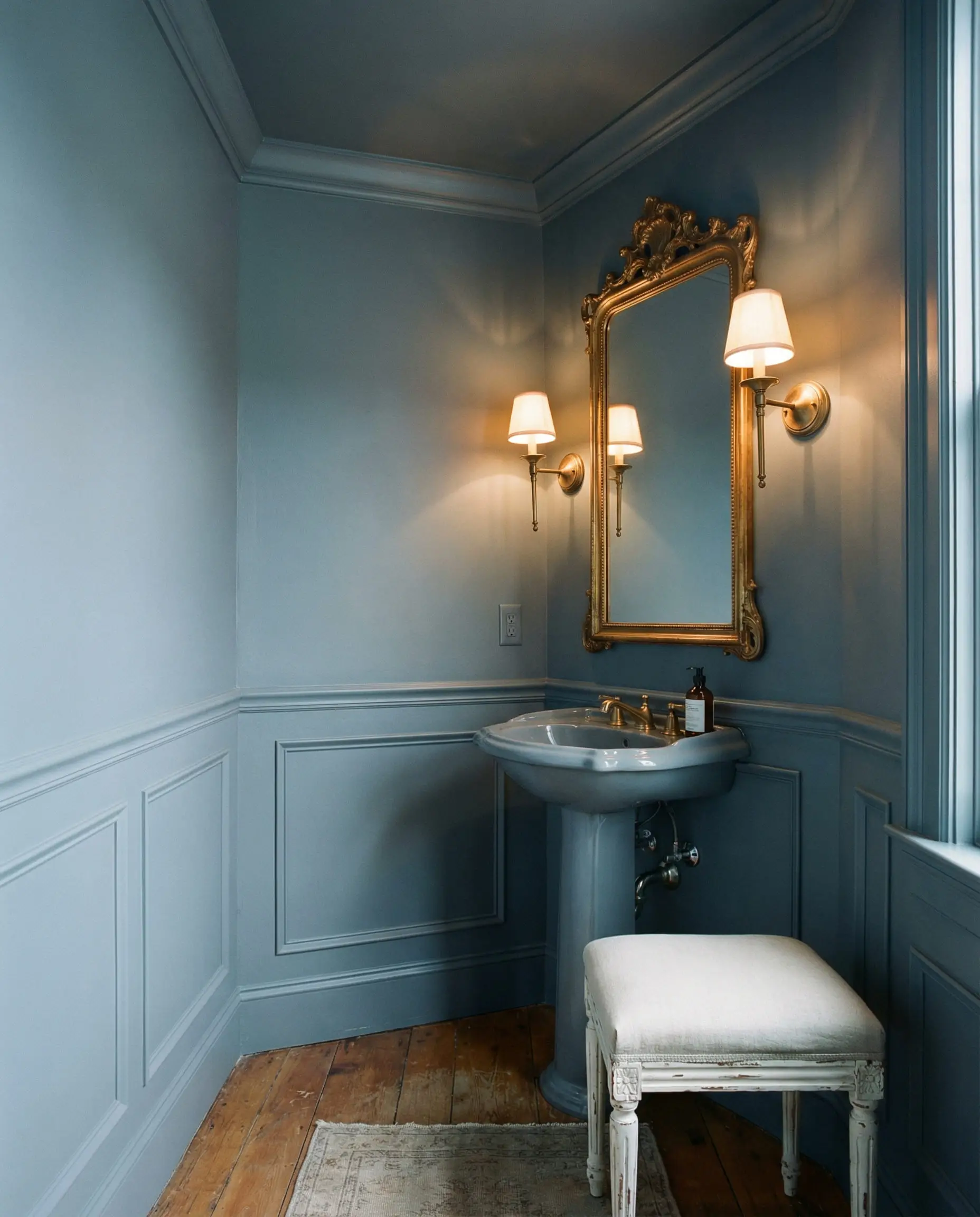
One of the most modern ways to update a Shabby Chic room is through Color Drenching. This involves painting your walls, baseboards, door frames, and even the ceiling in the same hue.
Instead of white trim breaking up the visual flow, color drenching wraps the room in a single cozy tone. Imagine a small library or powder room drenched in a dusty rose or a soft sage green. It instantly modernizes the space while creating the perfect cocoon-like atmosphere for vintage furniture.
Tip: If you are unsure where to start with wall treatments, check our guide on Wall Covering Materials Trends for texture ideas that complement paint.
Key Materials & Textures: The Tactile Shift
In 2026, texture is the love language of interior design. Because we are moving away from “distressed” paint effects, we need other ways to add visual interest.
Wood Trends: Walnut over Whitewash
If there is one rule for 2026, it is this: Put down the sandpaper.
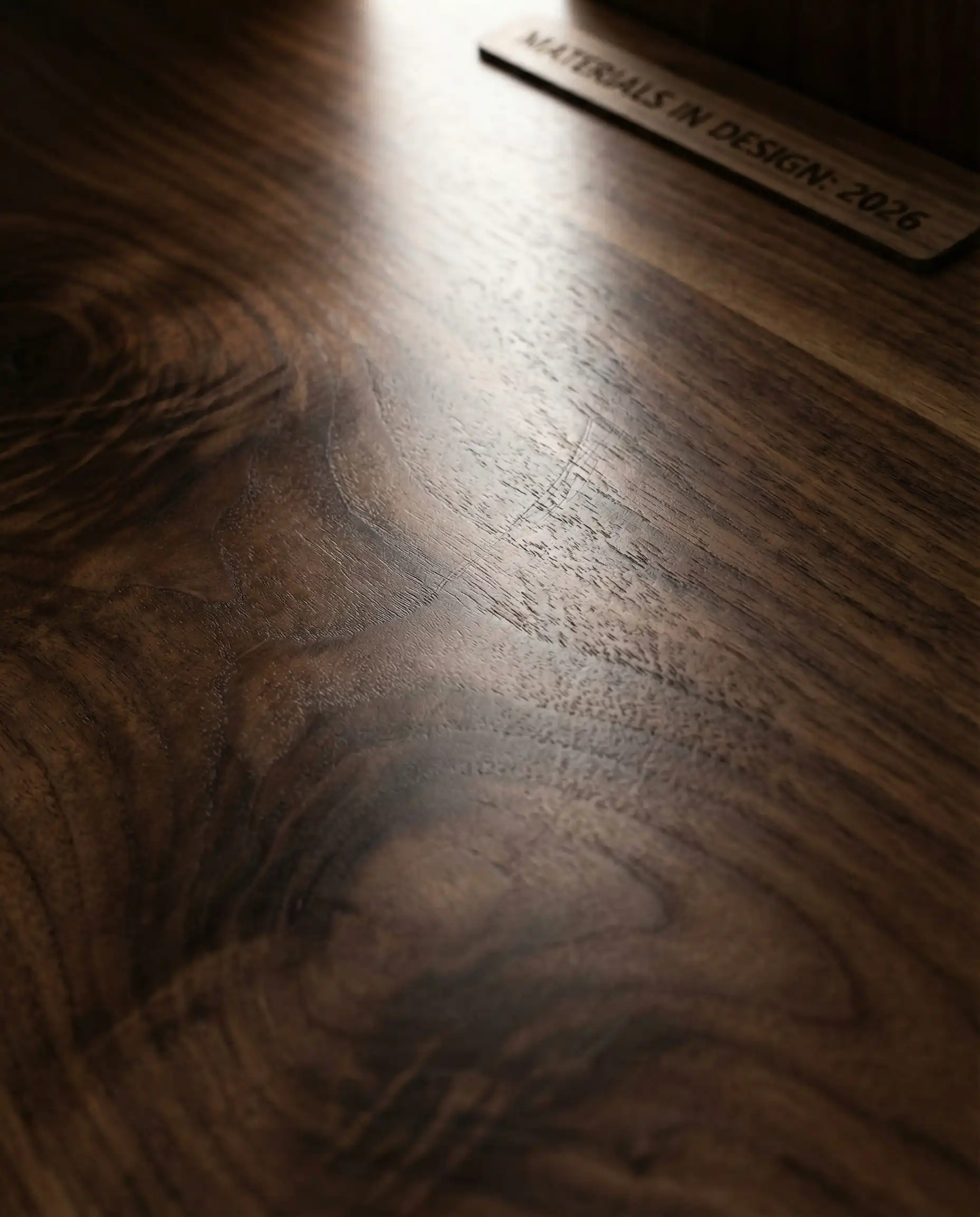
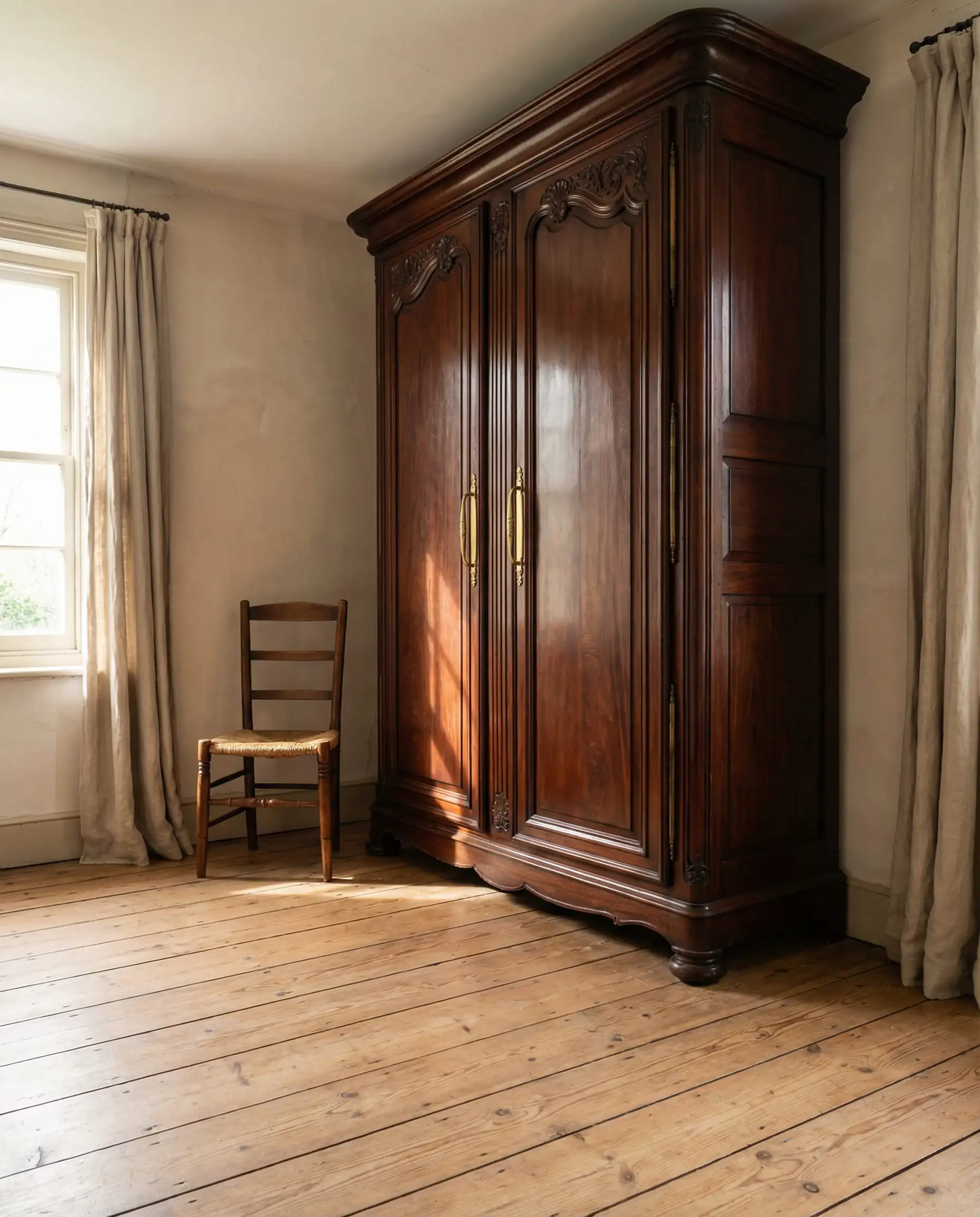
We are no longer buying perfectly good wood furniture and stripping it to look damaged. Instead, the trend leans heavily into Brown Furniture. We are talking about solid walnut chests, mahogany side tables, and oak dining sets. The beauty lies in the natural grain and the genuine patina that comes from decades of use, not an afternoon with a sanding block.
Textiles: The “More is More” Approach
Fabrics in 2026 are heavy, luxurious, and tactile.
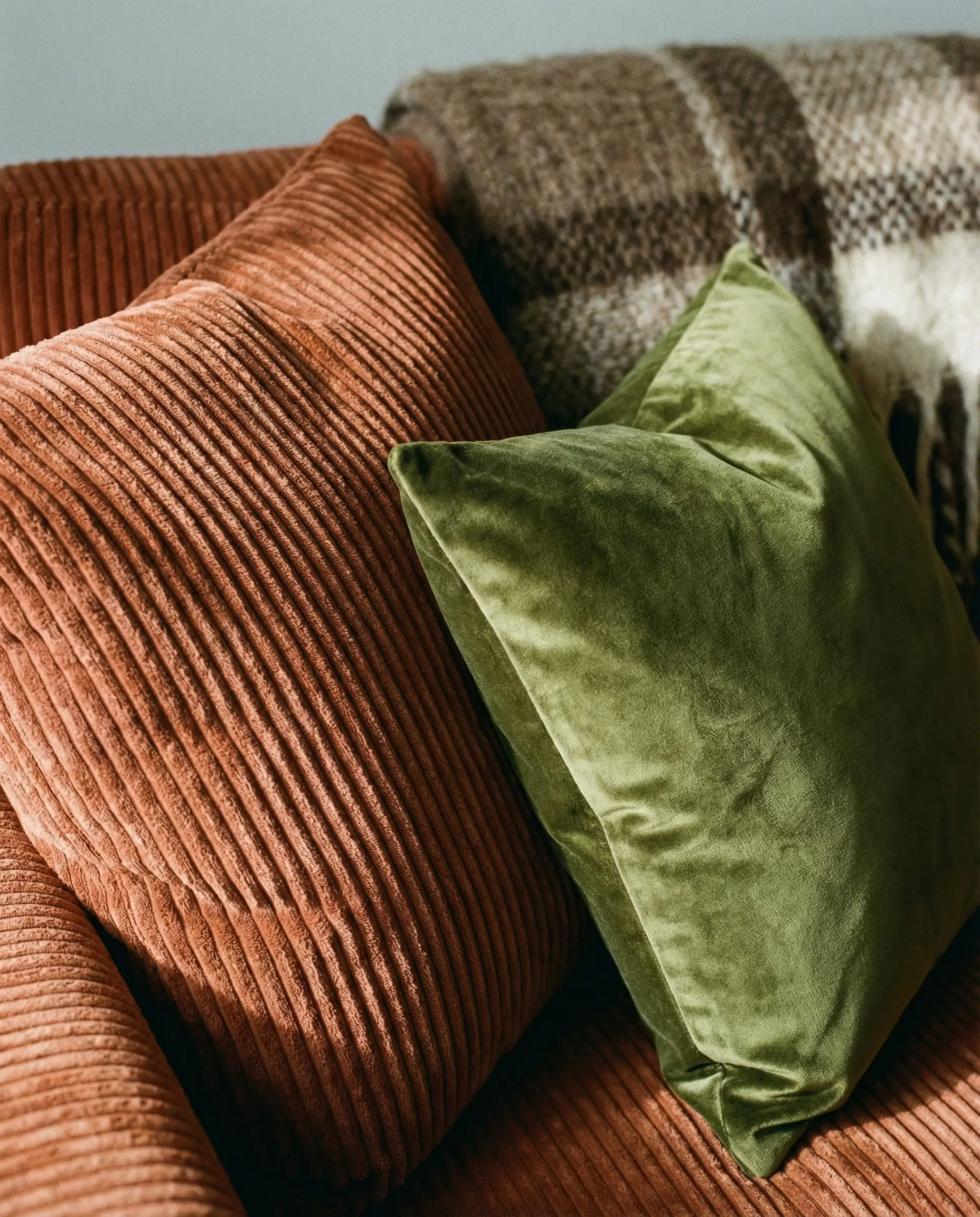
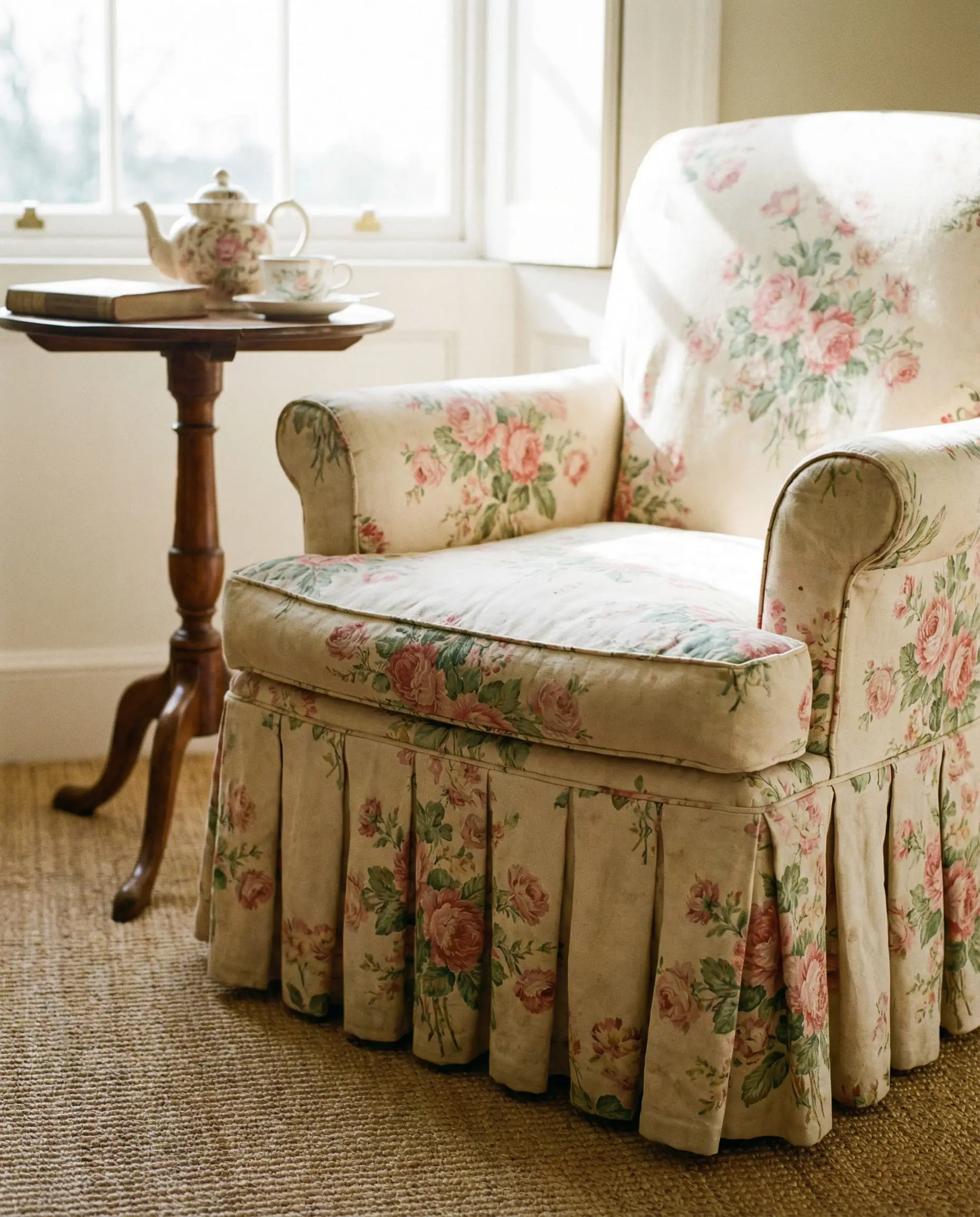
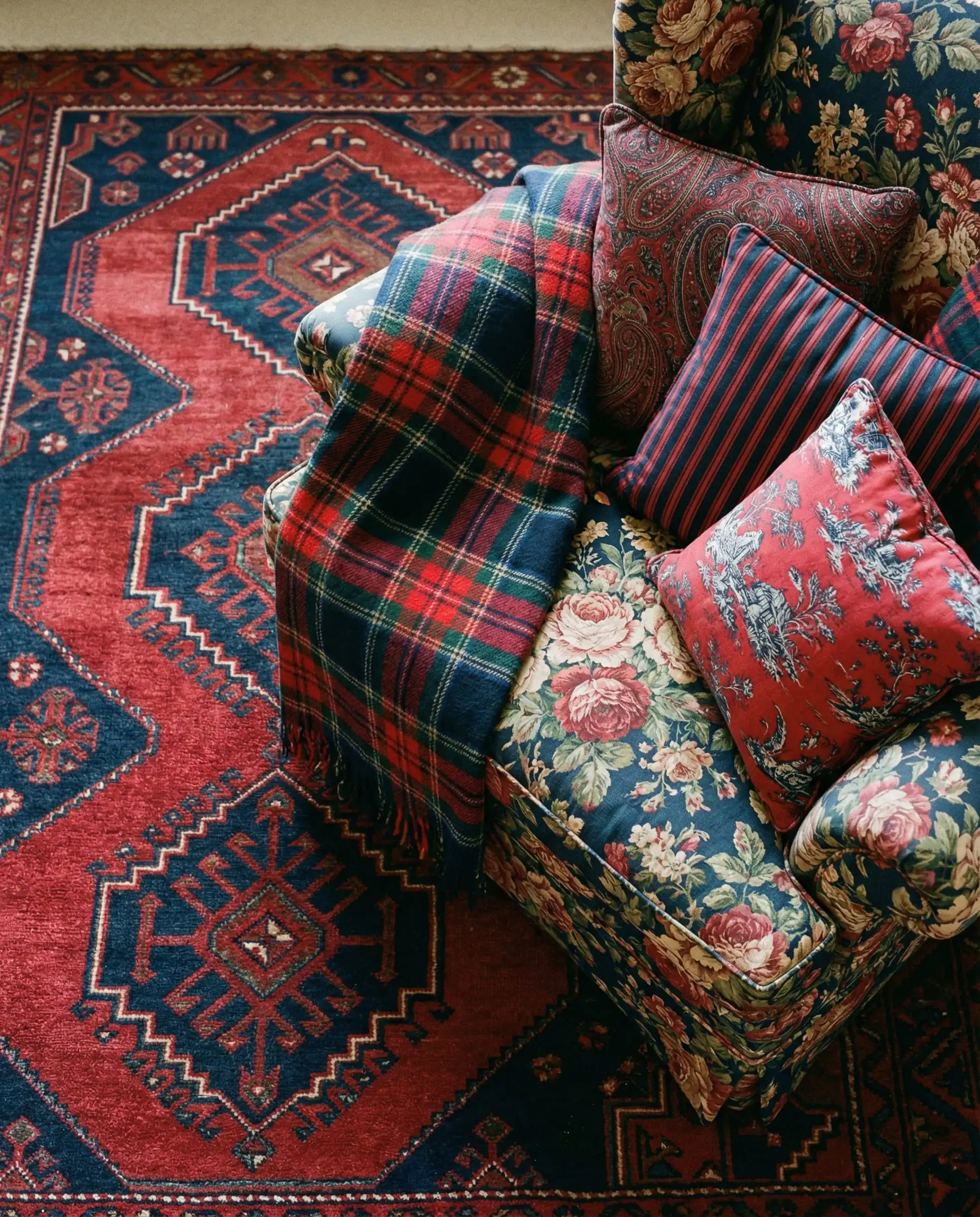
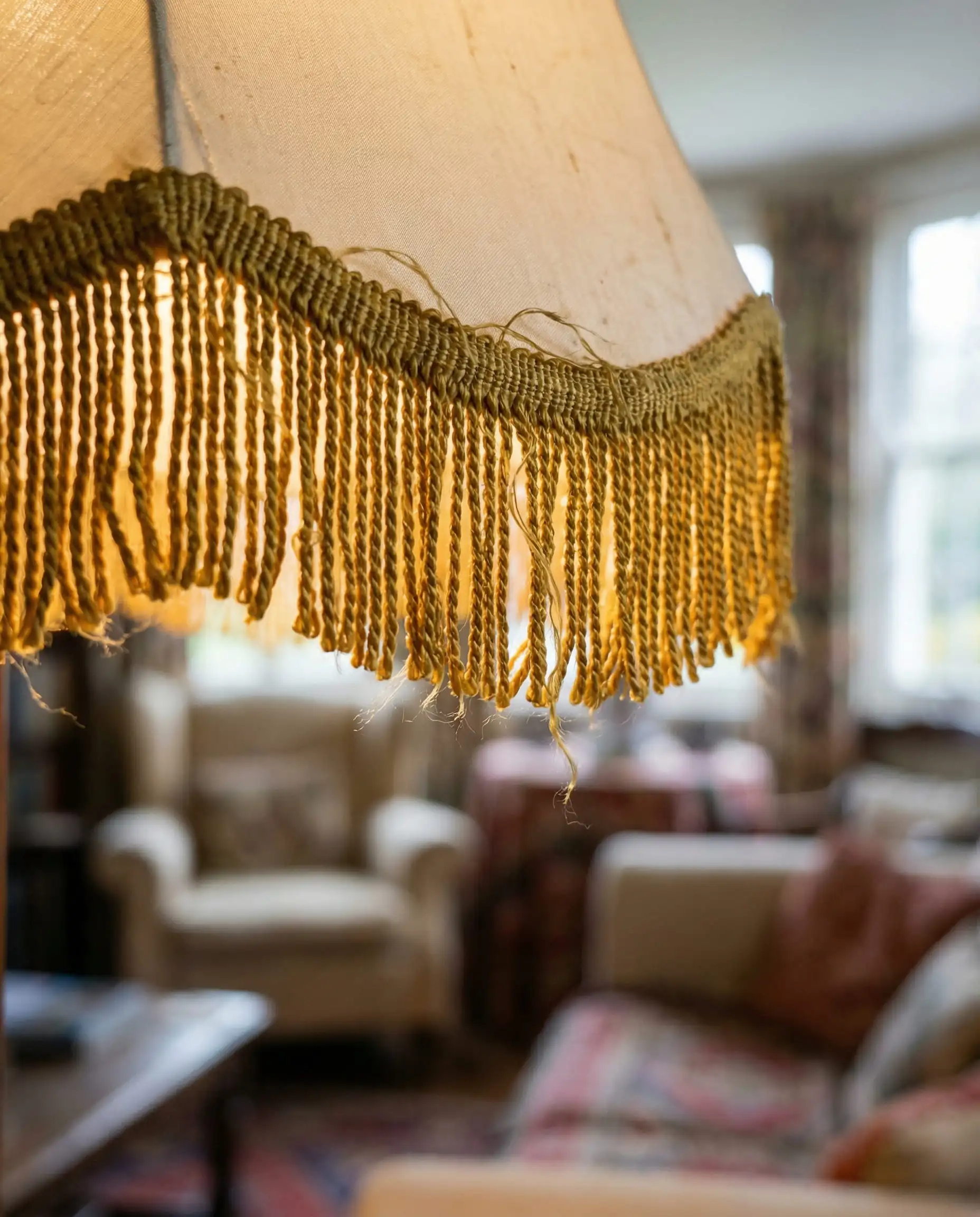
For more inspiration on layering fabrics, explore our Home Decor Fabric Trends report.
Room-by-Room Guide to the 2026 Look
How do you translate these high-level concepts into your actual home? Here is a practical breakdown for the key rooms in your house.
The Living Room: Deep Seating & Conversation
The 2026 Shabby Chic living room is designed for lounging. We are seeing a move away from stiff, formal seating toward deep, squishy sofas that invite you to curl up.
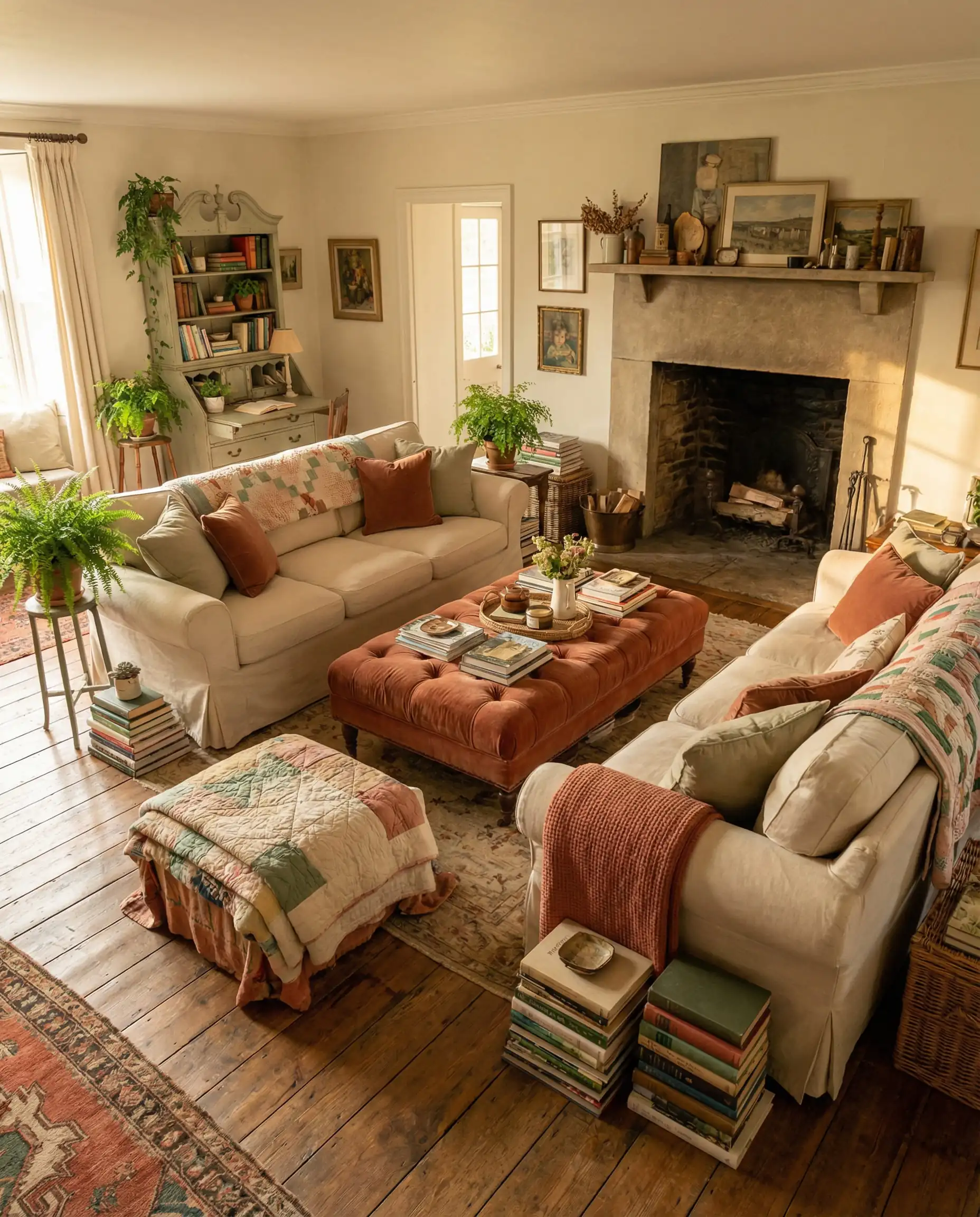
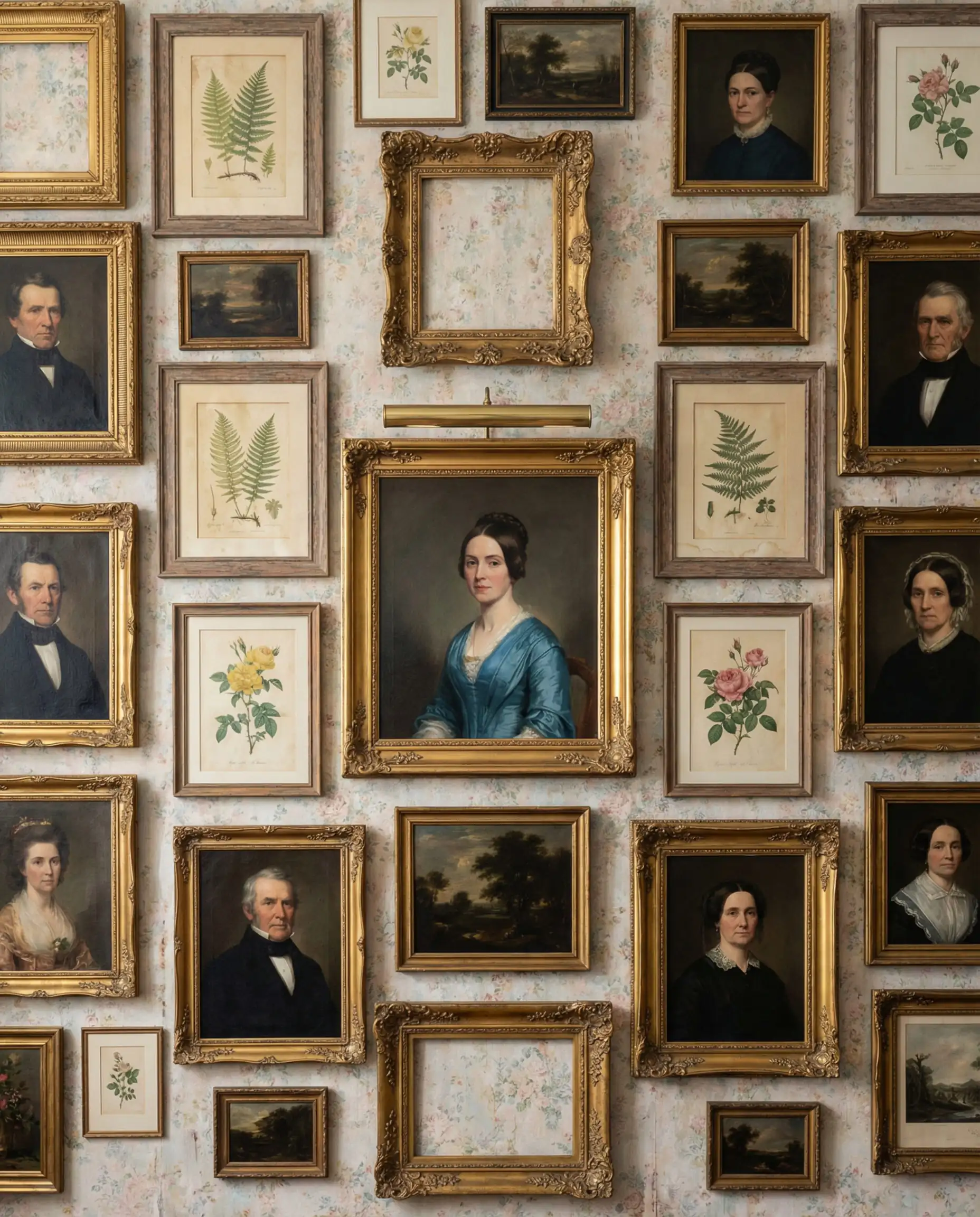
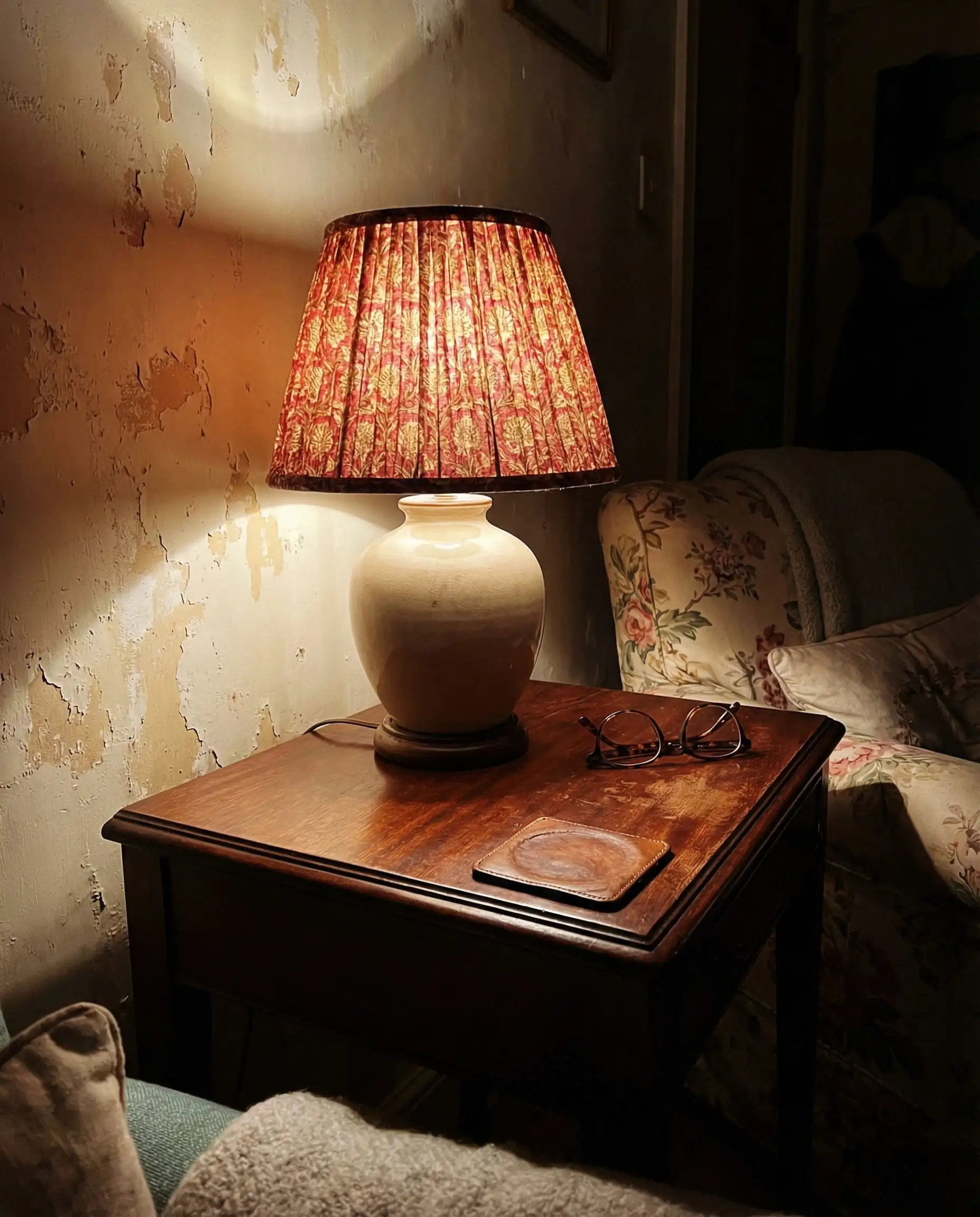
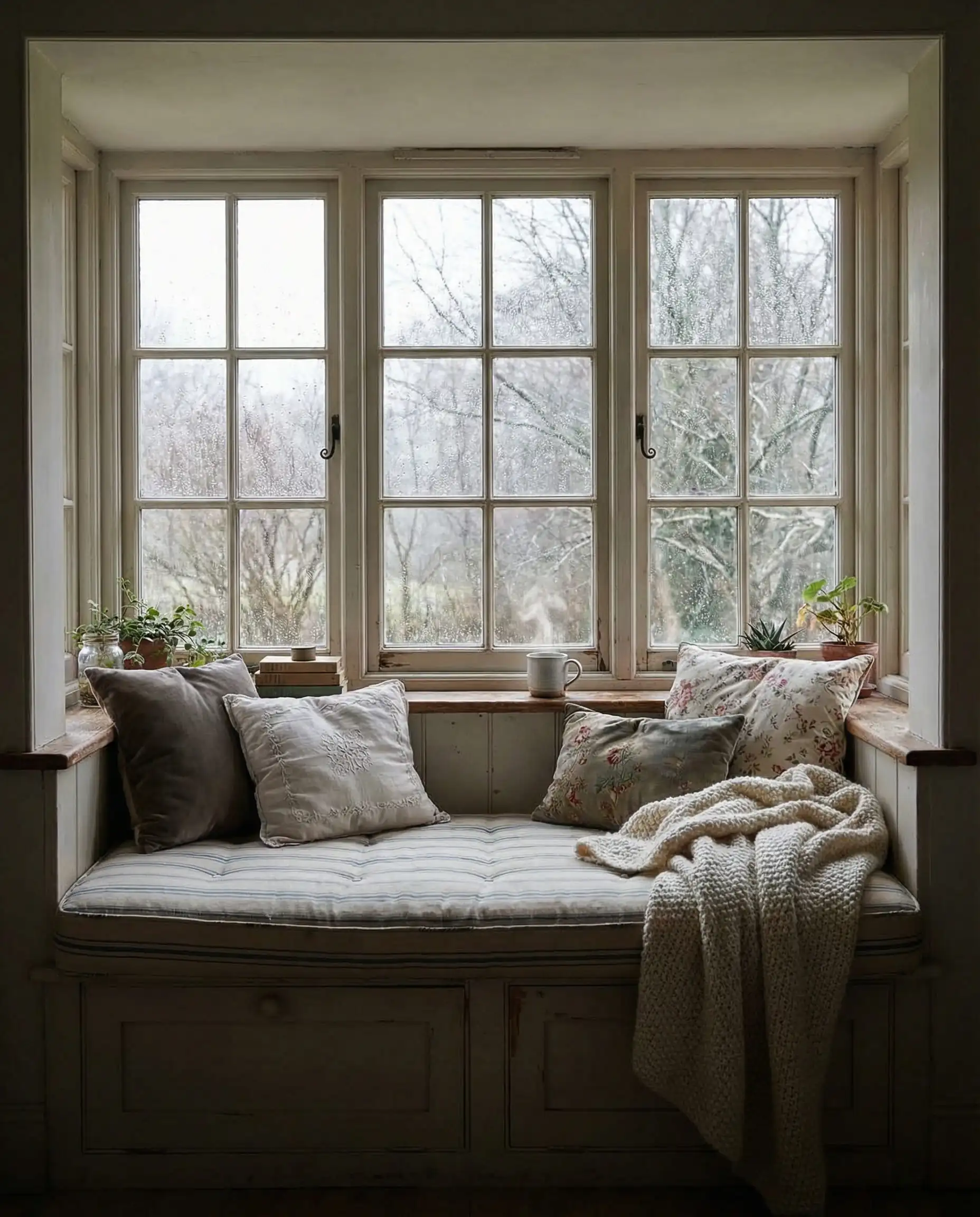
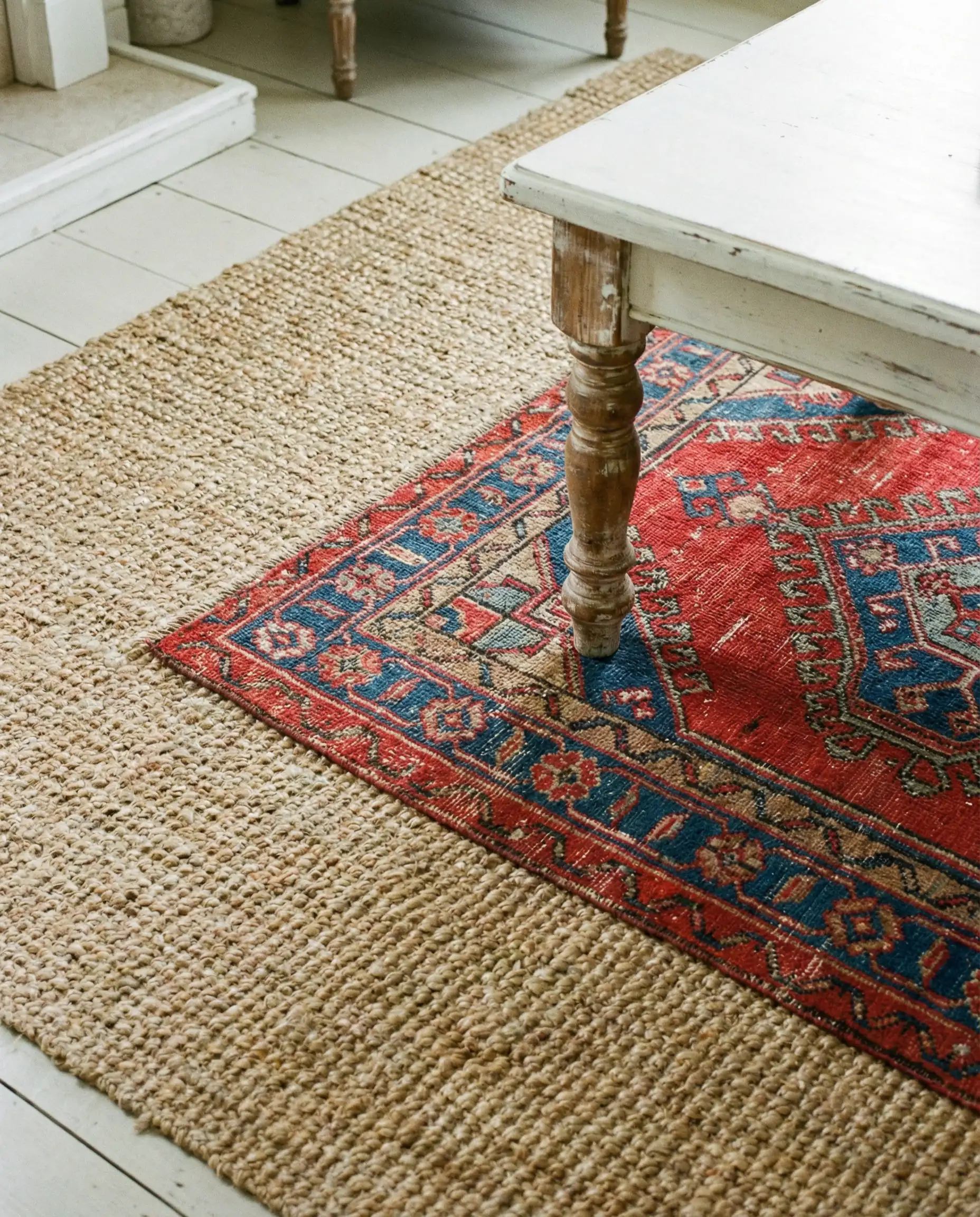
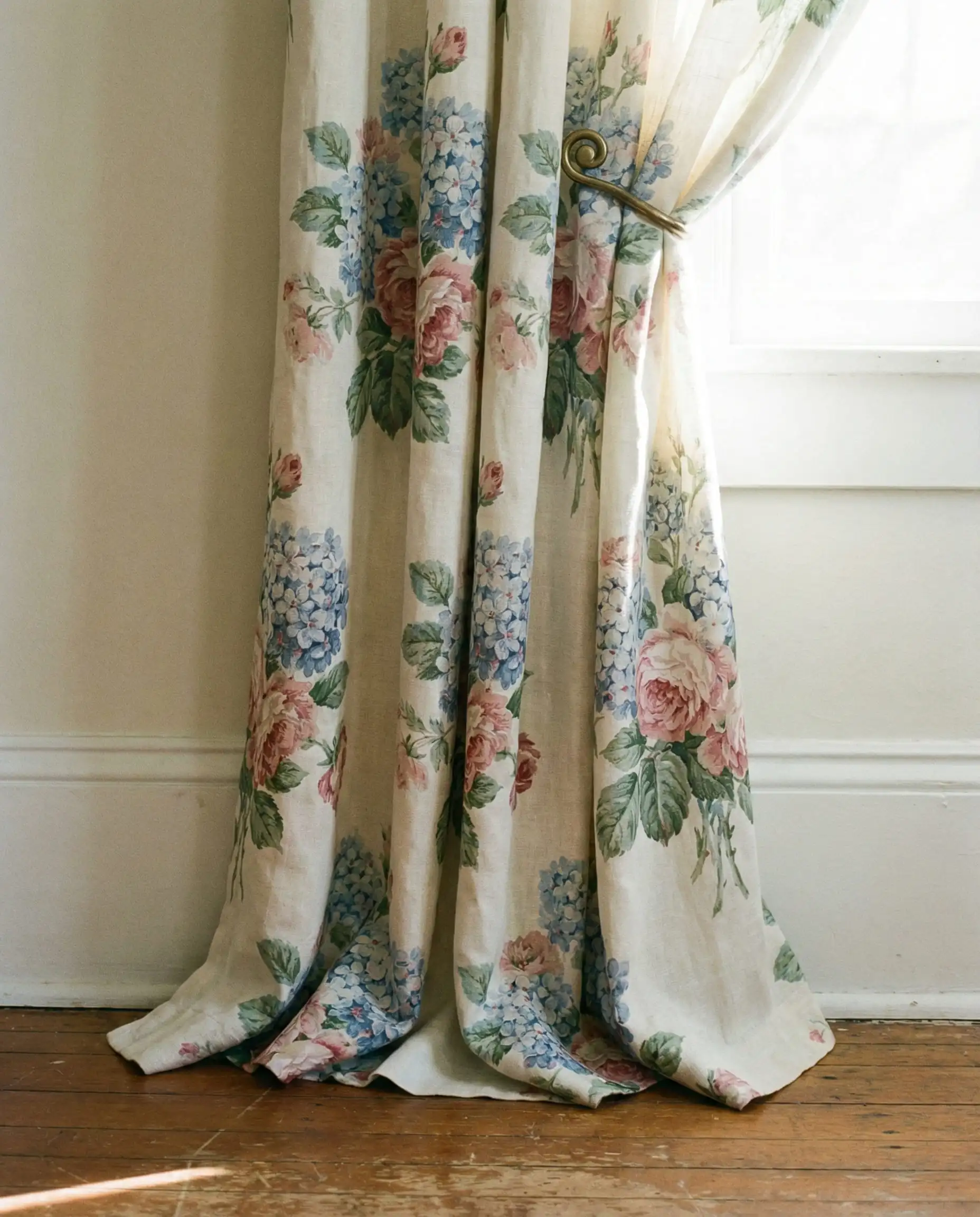
For a broader look at how living spaces are evolving, read our Living Room Trends article.
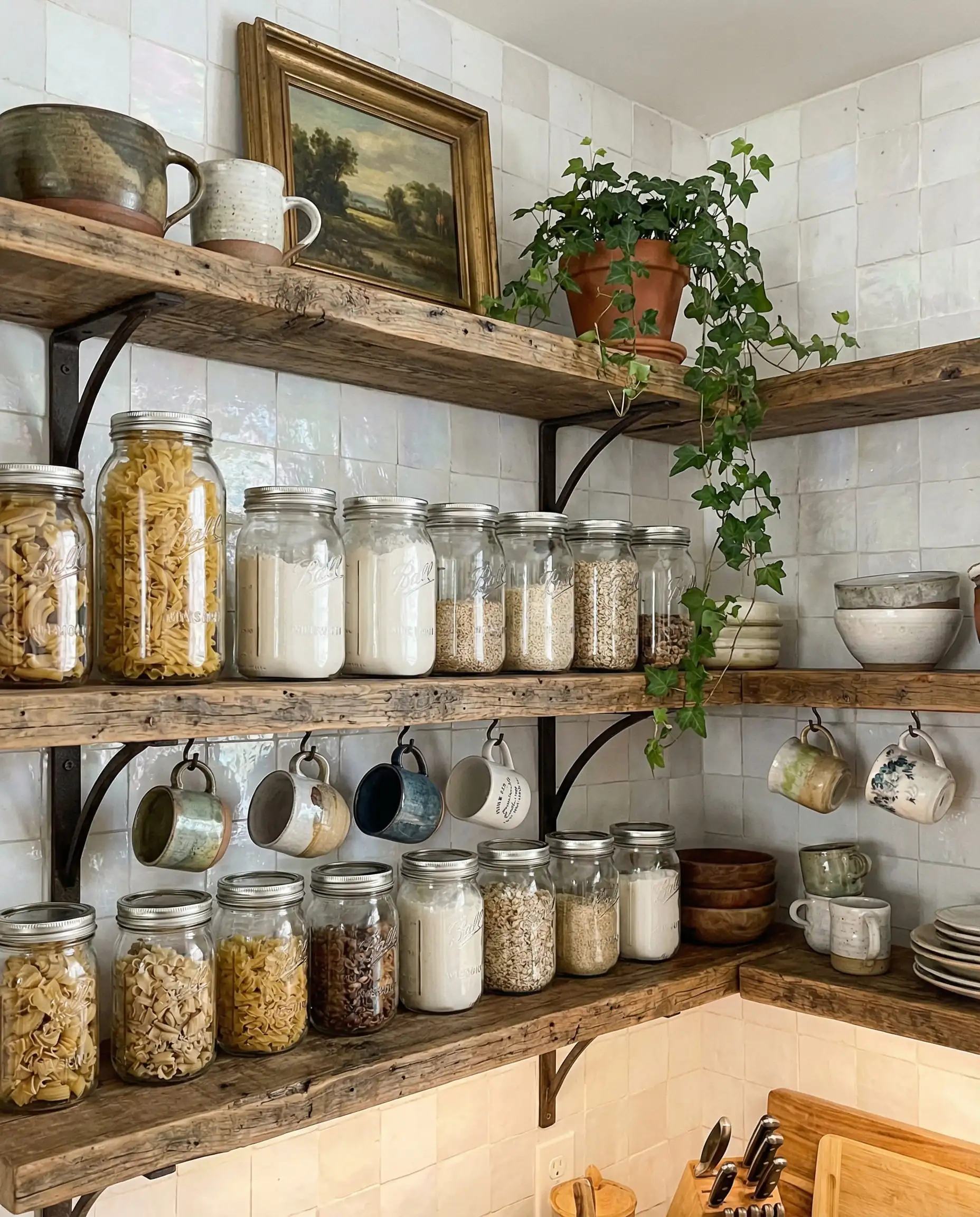
The Kitchen: The “Unfitted” Look
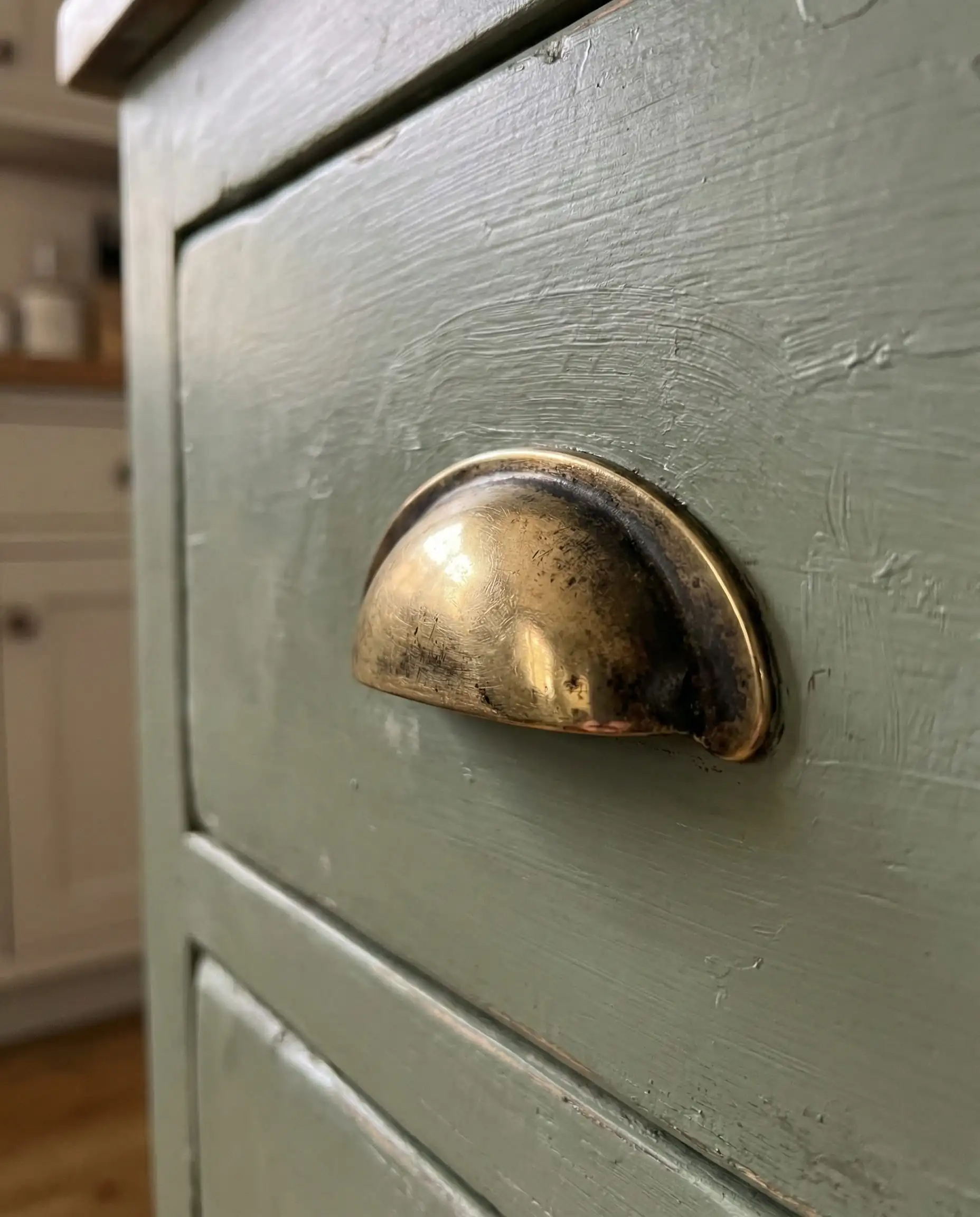
The “Unfitted Kitchen” is the ultimate expression of the new Shabby Chic. It rejects the idea of a seamless, wall-to-wall wall of matching cabinetry.
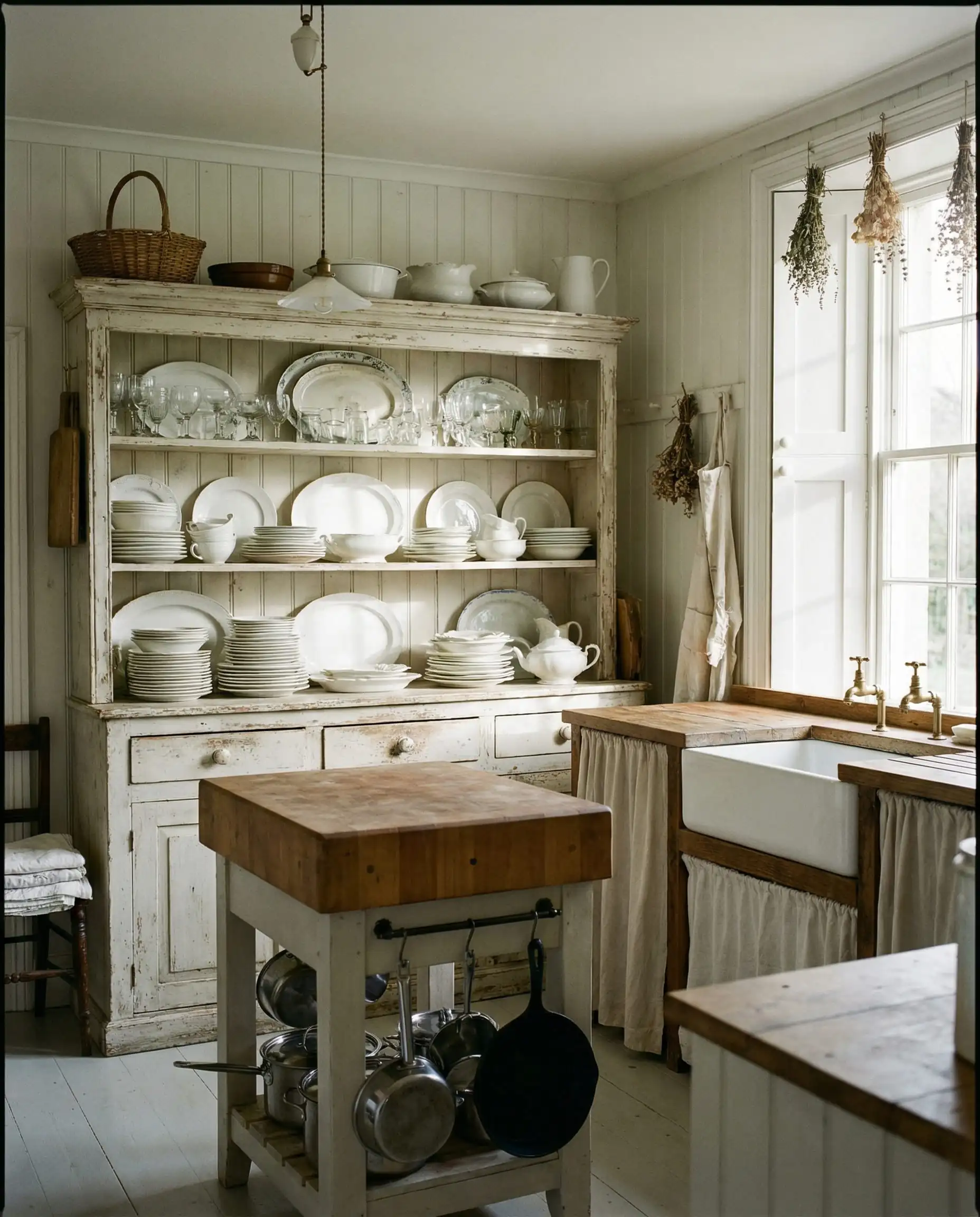
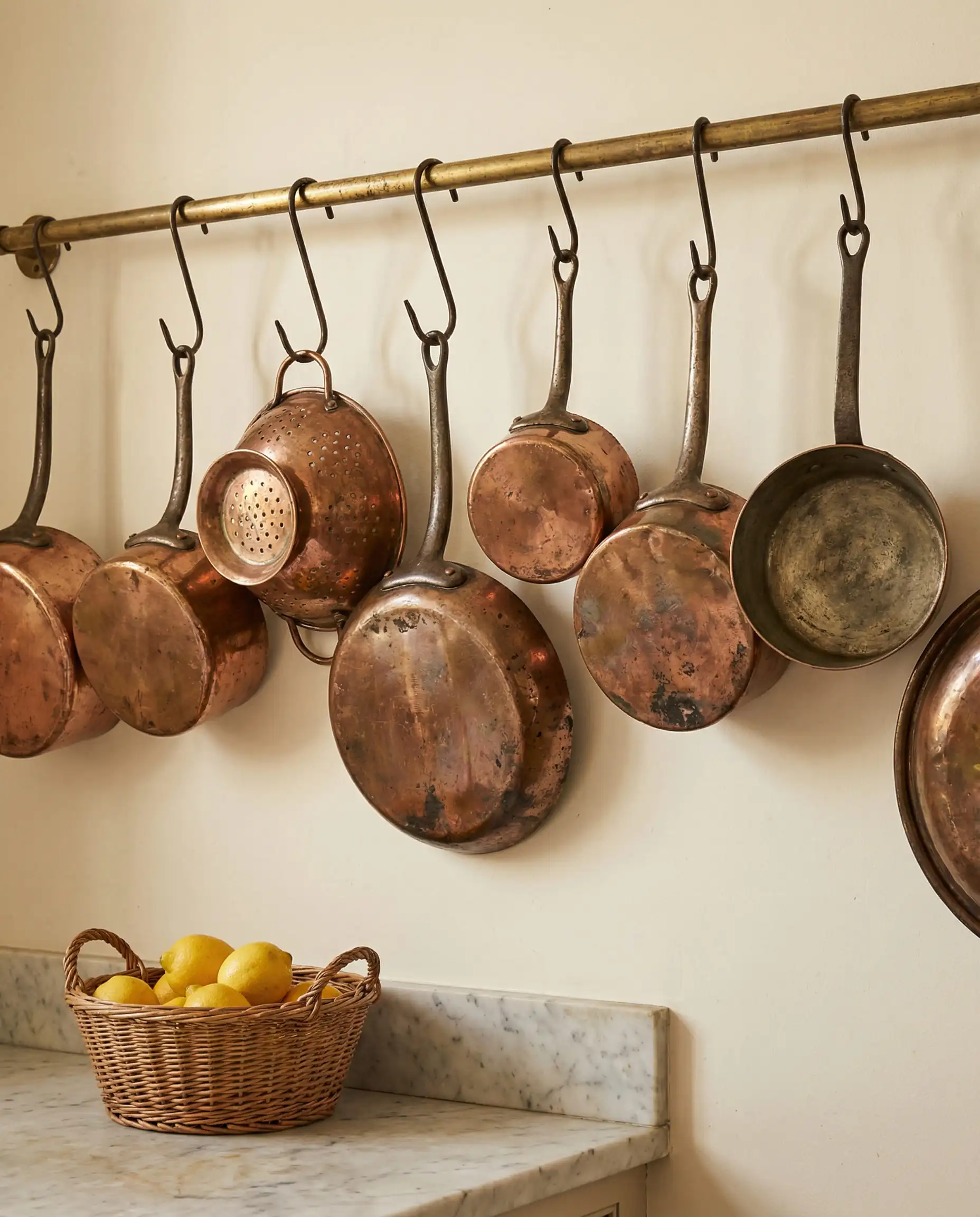
The Bedroom: Romantic Layering
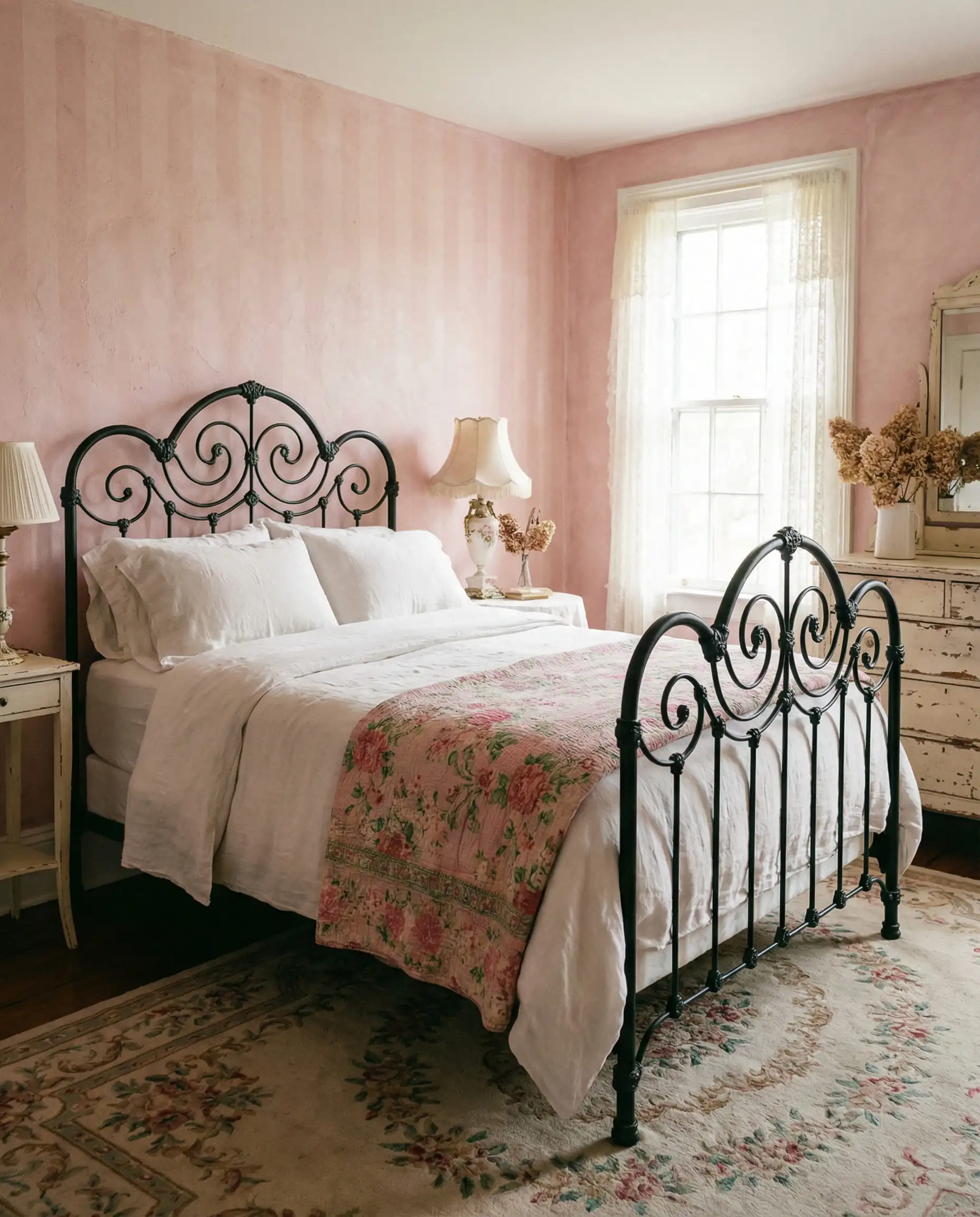
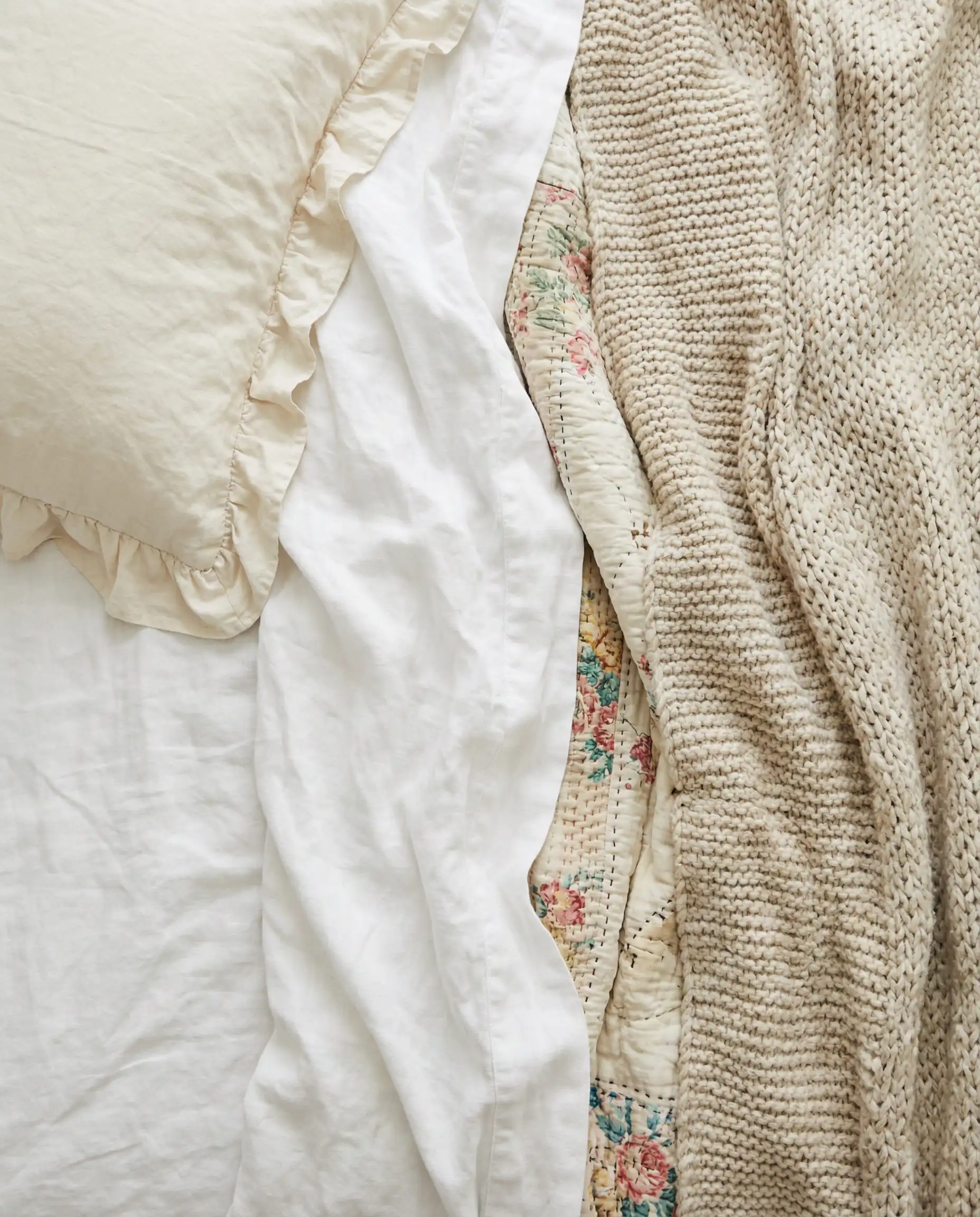
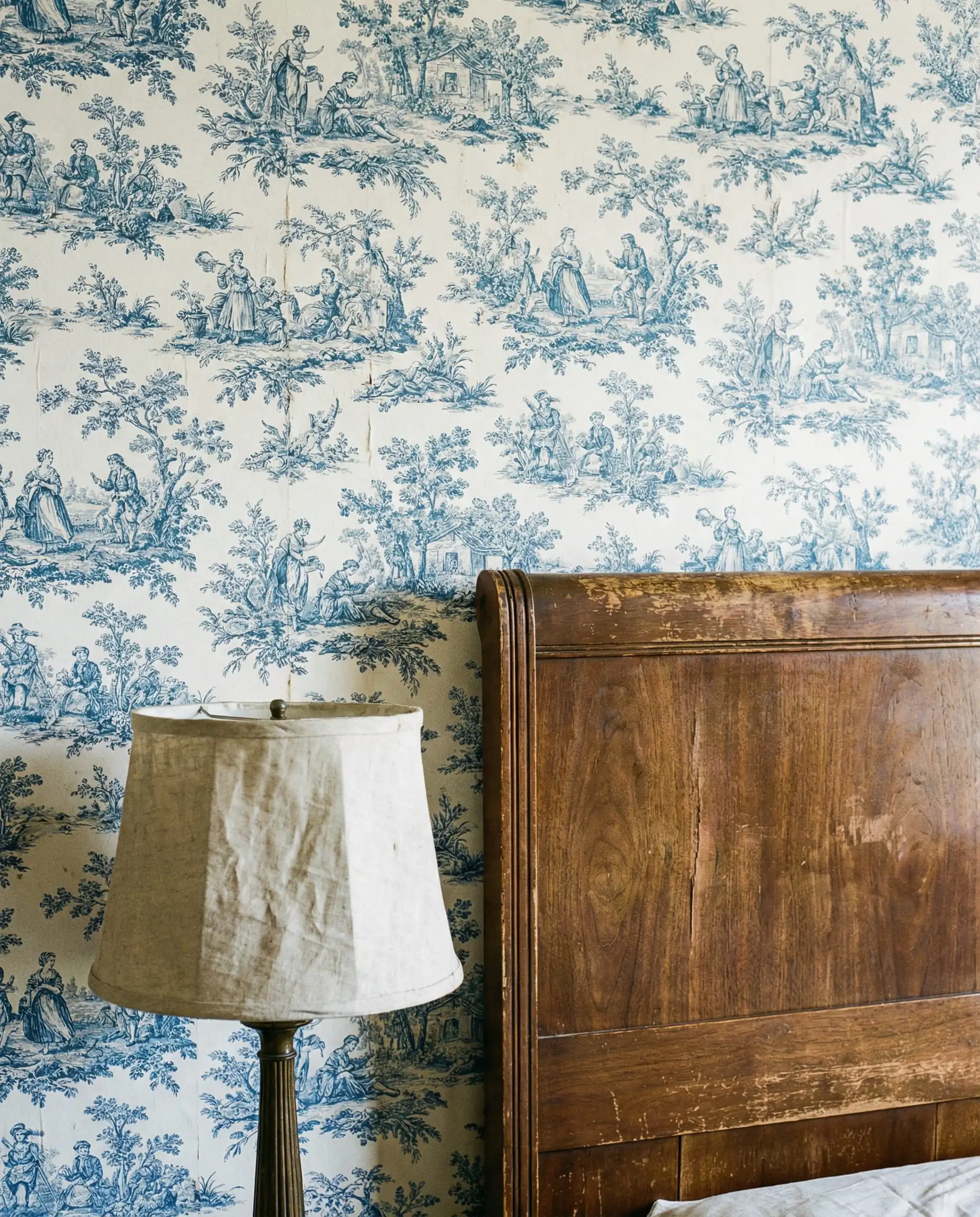
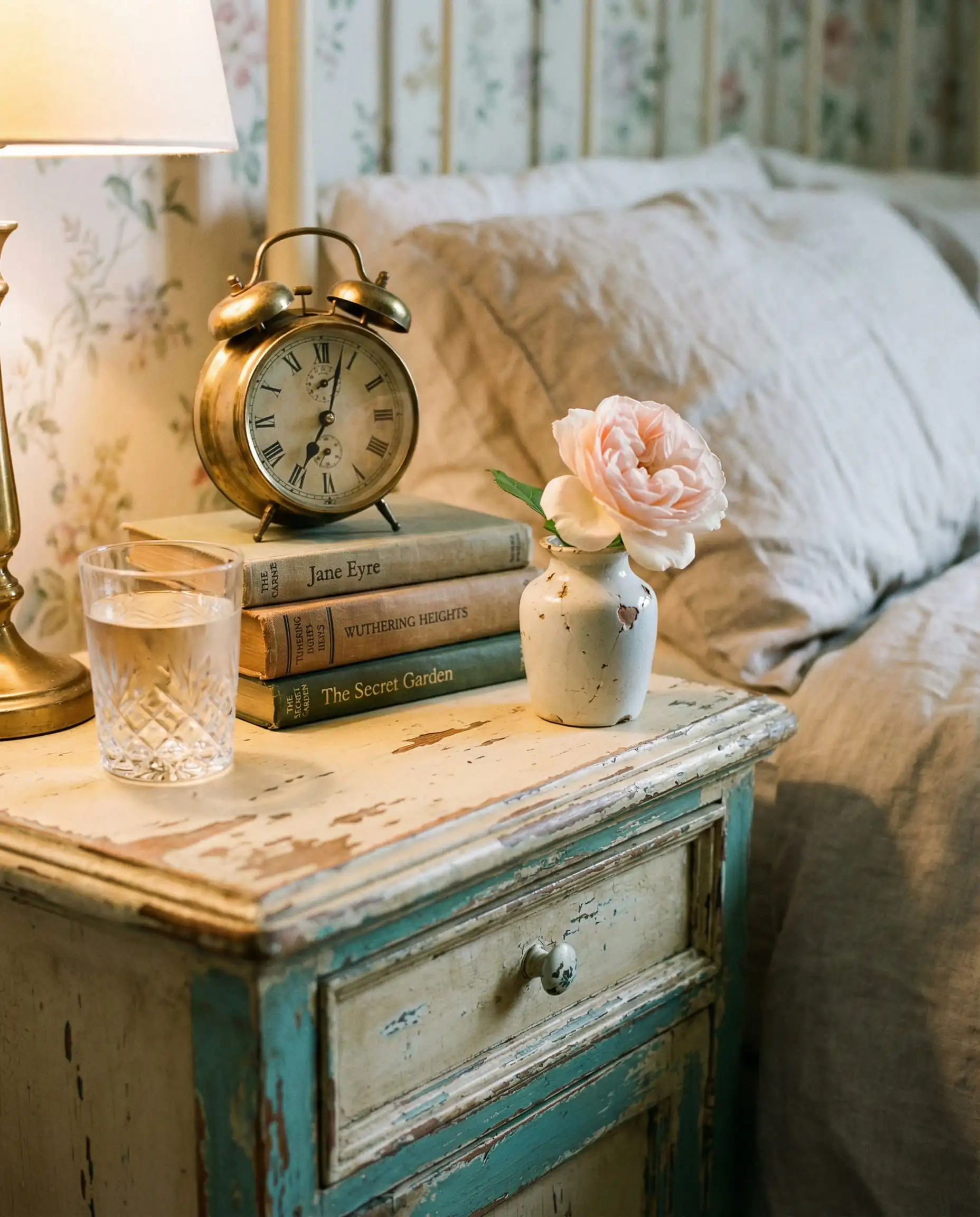
The bedroom is where the “Grandma Chic” aesthetic truly shines. It should feel like a sanctuary.
Budget & Sustainability: Thrifting the Look
One of the best aspects of the 2026 Shabby Chic evolution is its inherent alignment with Sustainable Luxury. Because the look relies on “Brown Furniture” and vintage accessories, it encourages buying second-hand rather than consuming fast furniture.
The Eco-Angle
By choosing a solid wood dresser from 1950 over a particle-board piece from a big-box store, you are reducing landfill waste and carbon emissions. This aligns perfectly with the broader Eco-Sustainable Interior Design Trends we are seeing across the industry.
What to Look For When Thrifting
Ready to hunt? Keep this checklist in mind to ensure you are buying “Heirloom Quality” rather than just “Old Junk.”
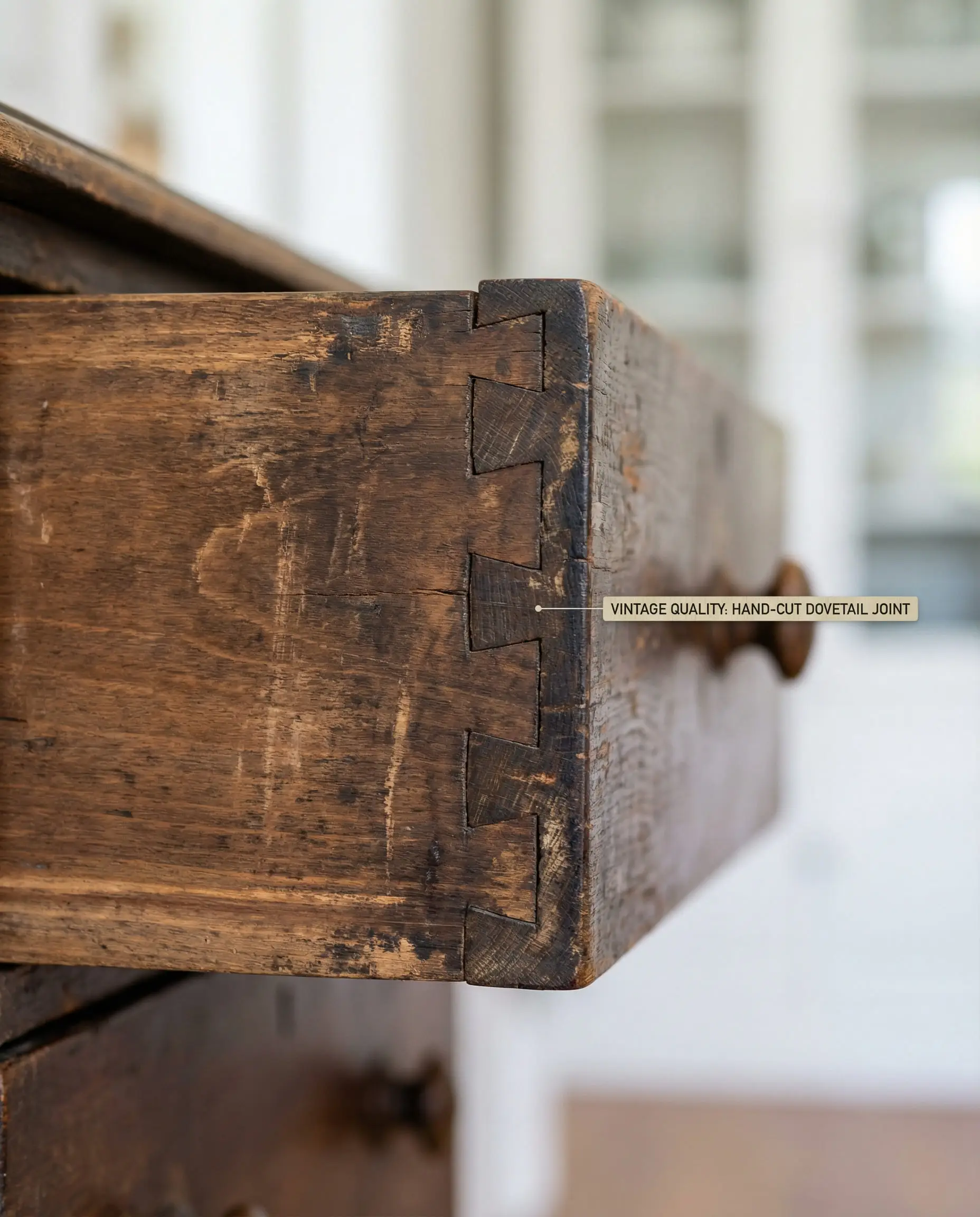
- Dovetail Joints: Check the drawers. If you see interlocking “teeth” at the corners, it’s likely solid wood and well-made.
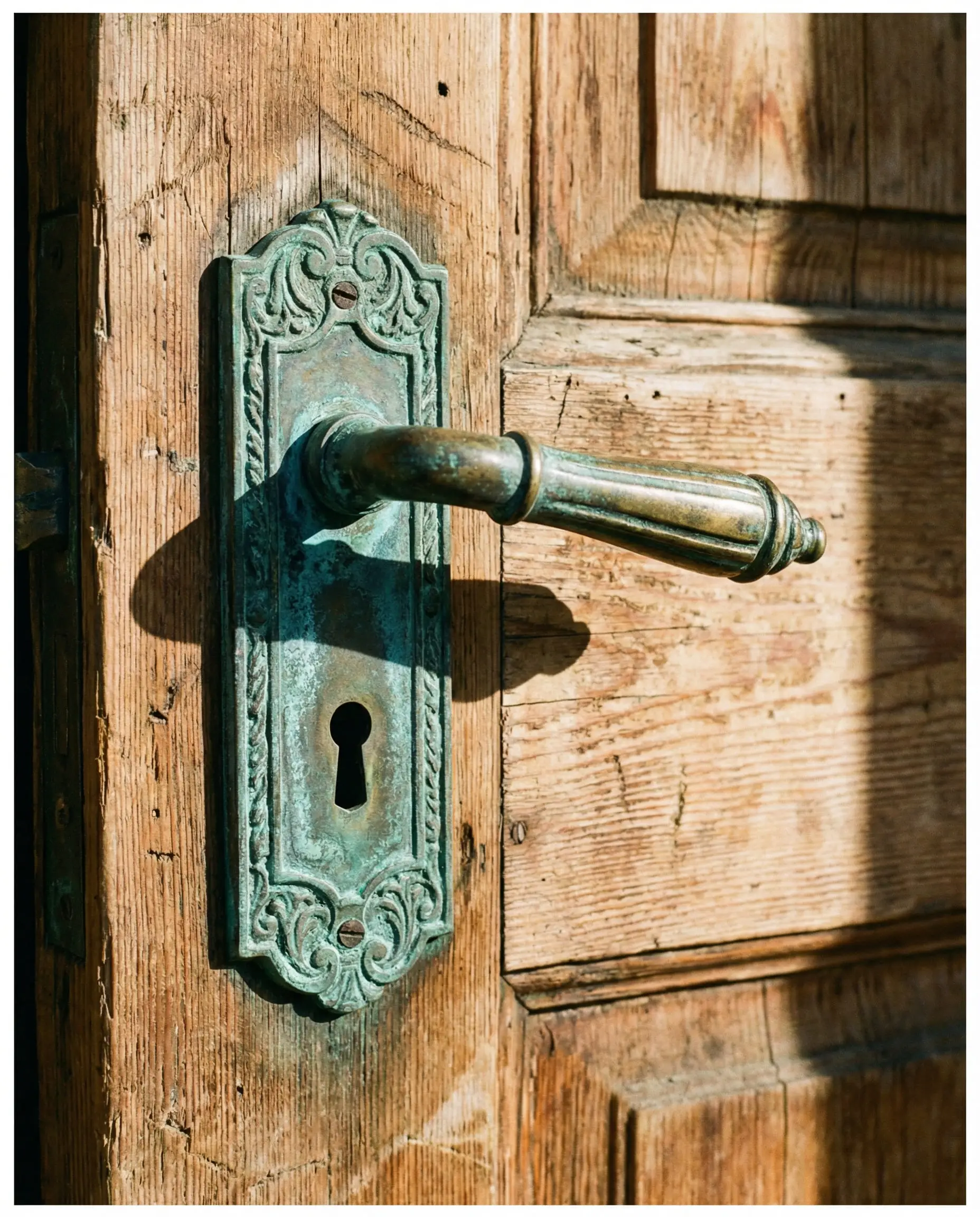
- Real Hardware: Look for heavy brass or glass knobs. Even if the piece itself is damaged, vintage hardware is worth its weight in gold.
- The “Bone Structure”: Don’t worry about scratches or water rings—those can be restored (or embraced as patina). Worry about structural wobbles or severe warping.
- Brand Names: Keep an eye out for heritage brands like Henredon, Drexel, or Ethan Allen. These mid-century giants produced incredible quality that fits the 2026 aesthetic perfectly.
Modern Upcycling
If you do find a piece that needs love, try “restorative upcycling” instead of painting. Use products like Restor-A-Finish or simple hemp oil to revive dry wood. If you must paint, consider deep, historical colors (like the plums and greens mentioned earlier) rather than chalky white.
Frequently Asked Questions
Yes, but it has evolved! The “distressed white” look is out, replaced by “Grandma Chic”—a style that features dark woods, moody colors, and genuine vintage heirlooms. It is more sophisticated and less “crafty” than before.
The palette has warmed up significantly. Expect to see “New Neutrals” like oatmeal and mushroom, accented by deep “Restorative Darks” like plum, burgundy, sage green, and mustard yellow.
Focus on “Curated Maximalism.” Group your collections (like vases or candlesticks) together rather than scattering them everywhere. Choose larger, impactful furniture pieces (like a large armoire) rather than many small, spindly tables.
Grandma Chic (or Grandmillennial style) is a subset of Shabby Chic that embraces traditional design elements like floral prints, needlepoint, skirted furniture, and china collections, mixing them with modern layouts for a nostalgic yet fresh look.
Conclusion: Embracing the “Soul” of Your Home
The Shabby Chic trends of 2026 are a welcome deep breath for the design world. We are moving away from the pressure of perfection and the sterility of minimalism.
This year, your home doesn’t need to look like a showroom. It should look like you. It should hold memories in the scratches on the dining table, comfort in the layers of velvet on the sofa, and personality in the collection of odd plates on the wall.
Whether you call it Grandma Chic, Nostalgia-core, or just “Home,” this evolution is about creating a space that cares for you just as much as you care for it.
Ready to start your update? You don’t have to renovate your whole house at once. Start small—perhaps by hunting for the perfect vintage rug or swapping out your throw pillows for something richer and warmer. For more inspiration on small updates that make a big impact, check out our guide to DIY Home Decor Trends.