Modern Art Nouveau: How to Master the “Retro Nouveau” Trend in 2026
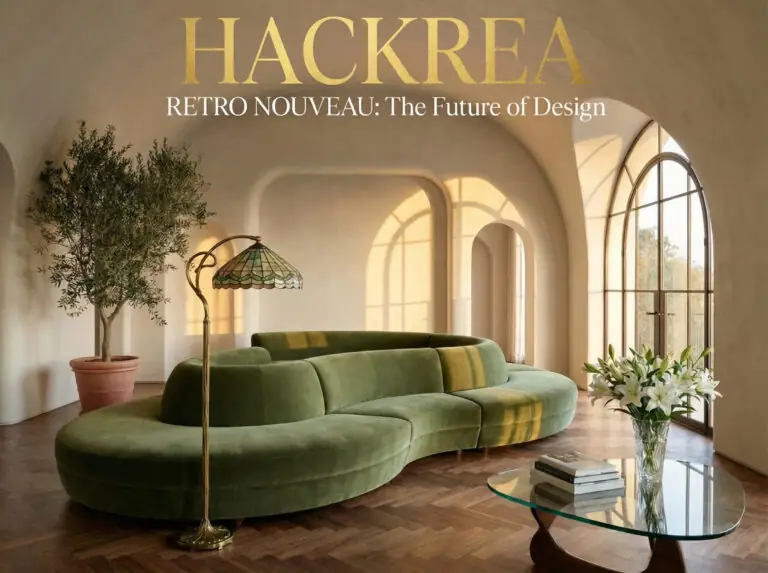
If you’ve been scrolling through design feeds lately, you might have noticed something shifting. The rigid, stark white boxes of ultra-minimalism are softening. Sharp corners are turning into arches, and the “less is more” mantra is quietly being replaced by a desire for romance, nature, and storytelling.
Welcome to the Art Nouveau revival—or as we call it in 2026, “Retro Nouveau.”
This isn’t just about dusting off antiques from the 1890s. It’s a reimagining of one of history’s most dramatic styles for the modern home. It’s about blending the organic, flowing lines of the past with the clean functionality of the present. Whether you are renovating a historic property or just want to add some soul to a new apartment, Art Nouveau offers a way to bring the beauty of the natural world indoors.
In this definitive guide, we will explore the history of this fascinating movement, how it differs from its geometric cousin Art Deco, and most importantly, how you can apply these dreamy, nature-inspired ideas to your home right now.
What is Art Nouveau? The “Total Art” Philosophy
Before we dive into how to style it today, we need to understand the roots. Art Nouveau (French for “New Art”) exploded onto the scene between 1890 and 1910. It was a radical reaction against the dusty, cluttered styles of the Victorian era and the soulless mass production of the Industrial Revolution.
The philosophy was simple yet ambitious: Art should be everywhere. It shouldn’t just be a painting in a gold frame; art should be your spoon, your staircase, your lamp, and your wallpaper.
Key Characteristics of Art Nouveau
If you are trying to spot Art Nouveau in the wild (or in an antique shop), look for these tell-tale signs:
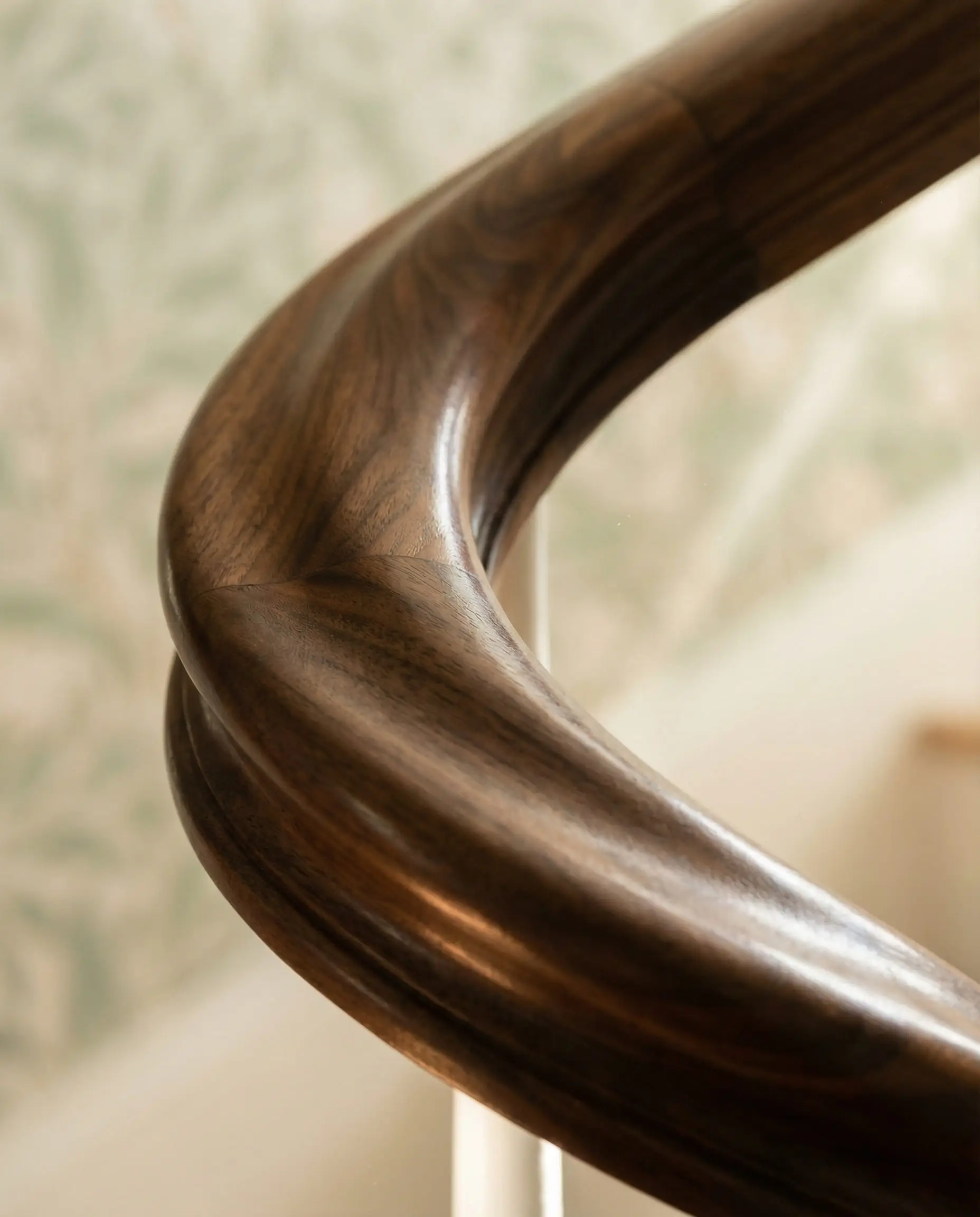
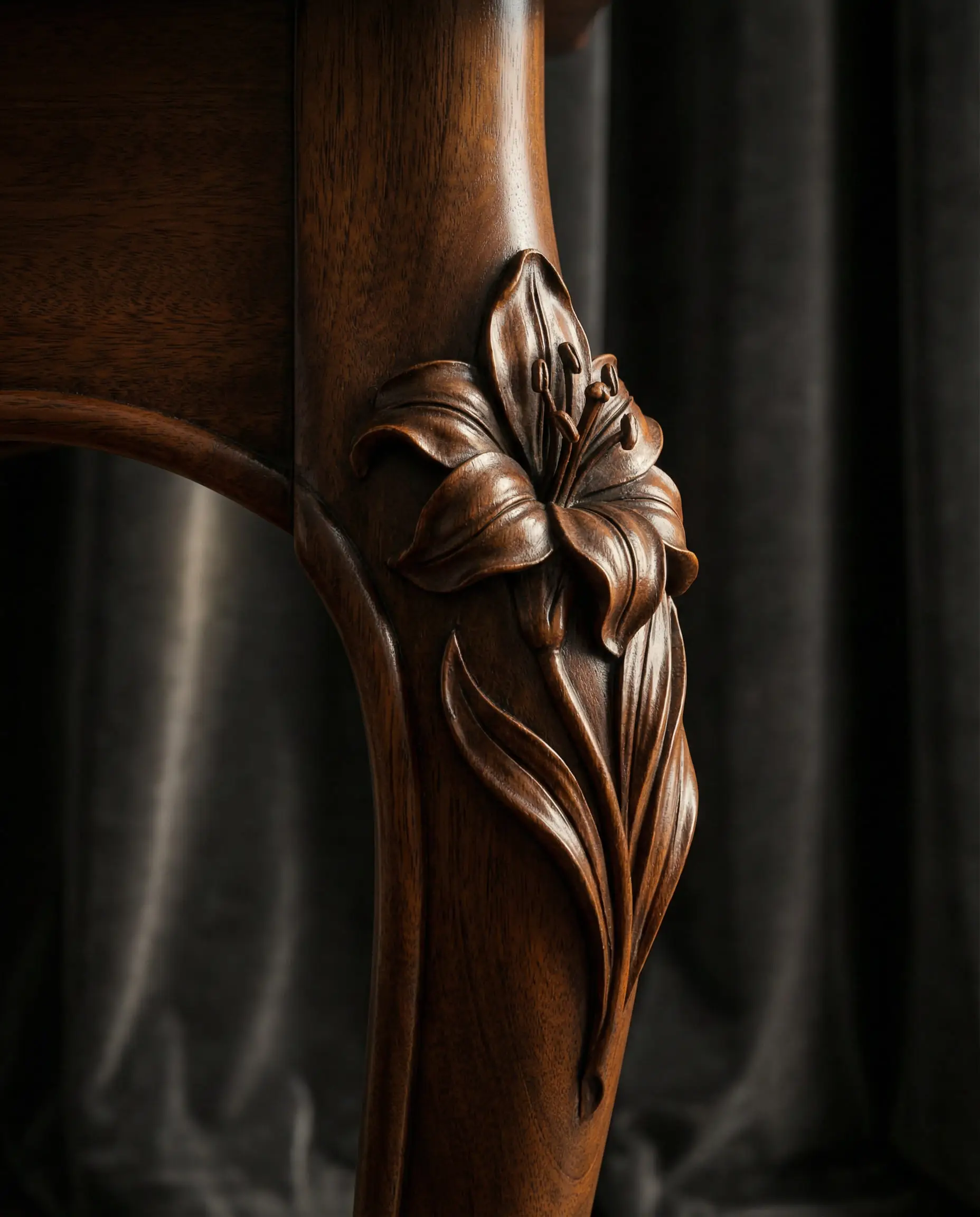
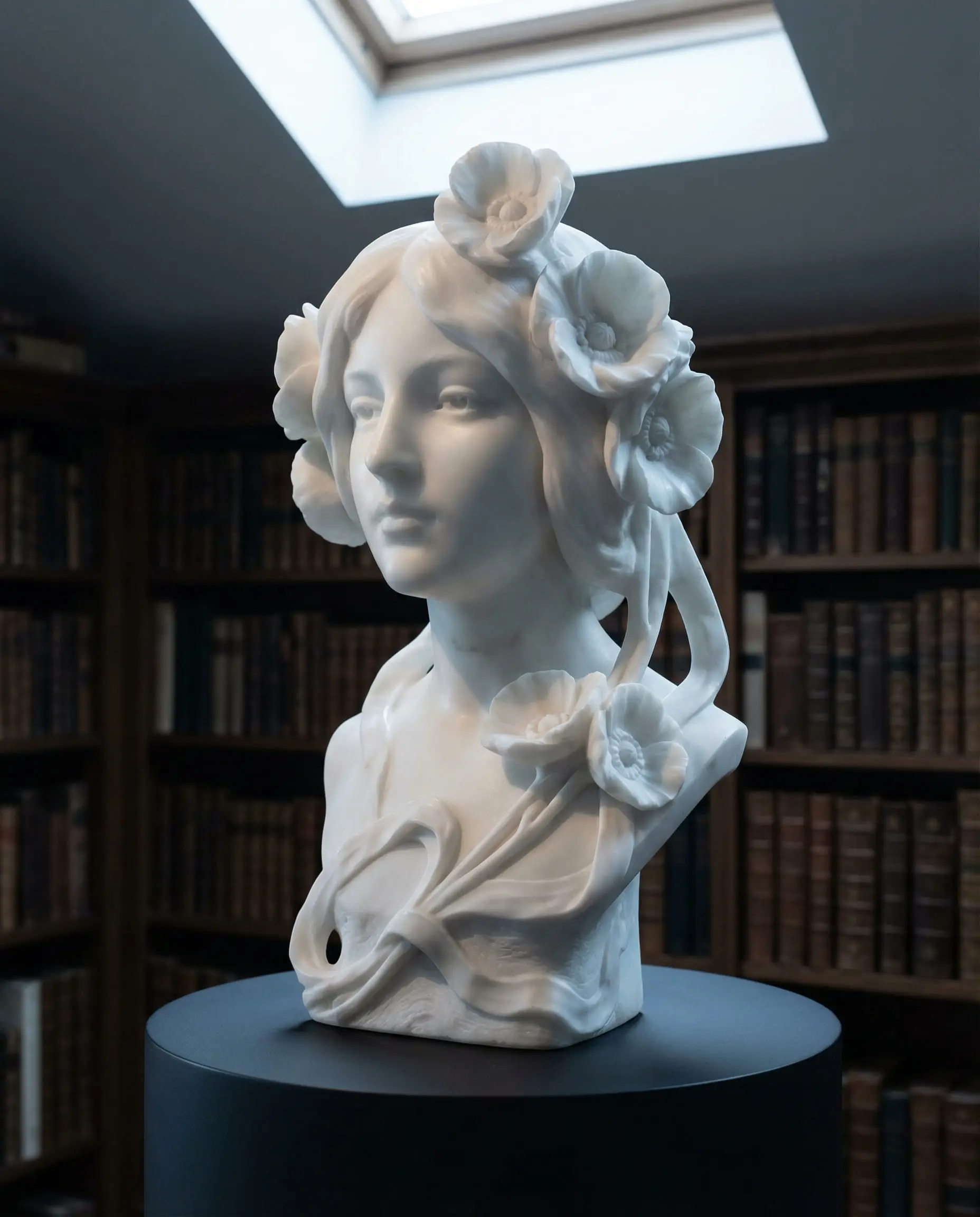
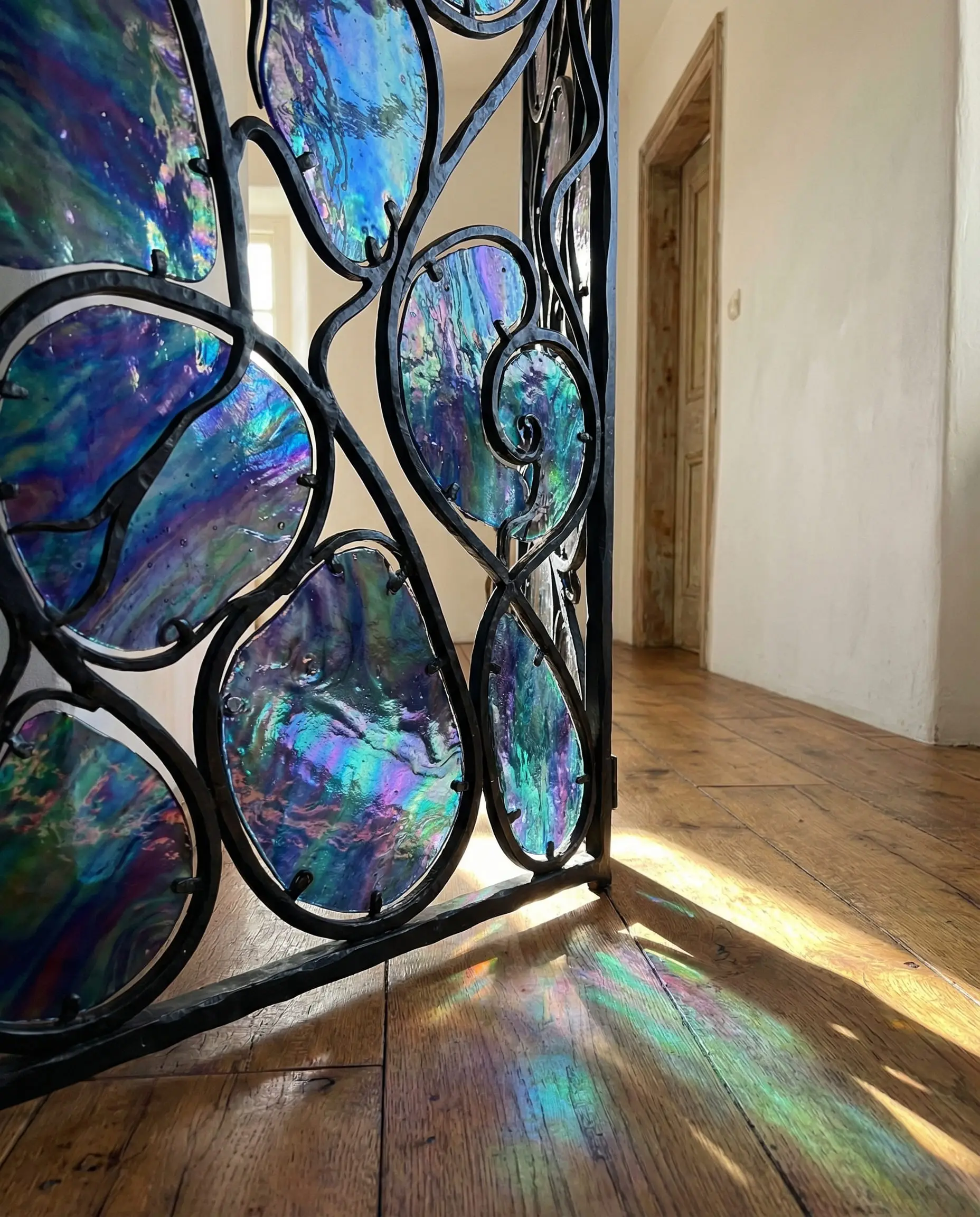
🌿 Don’t confuse “old” with Art Nouveau. A heavy, dark Victorian chair is not Nouveau. Look for movement. If the wood looks like it’s melting or growing like a tree root, you’ve found the real deal.
💡 Hackrea Designer Tip
For a deeper dive into how this fits into the broader history of design, check out our complete list of interior design styles.
The 2026 Shift: Enter “Retro Nouveau”
Why is this century-old style trending now? In 2026, we are seeing a massive shift toward Biophilic Design—the human need to connect with nature. We are tired of “fast furniture” that falls apart in a year. We crave craftsmanship, warmth, and personality.
However, the 2026 version is different. We aren’t recreating a 1900s museum room; we are curating.
1. The “Anti-Grid” Movement
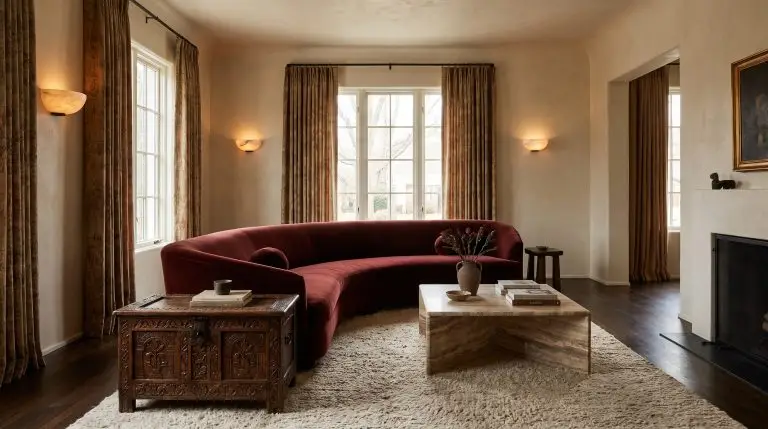
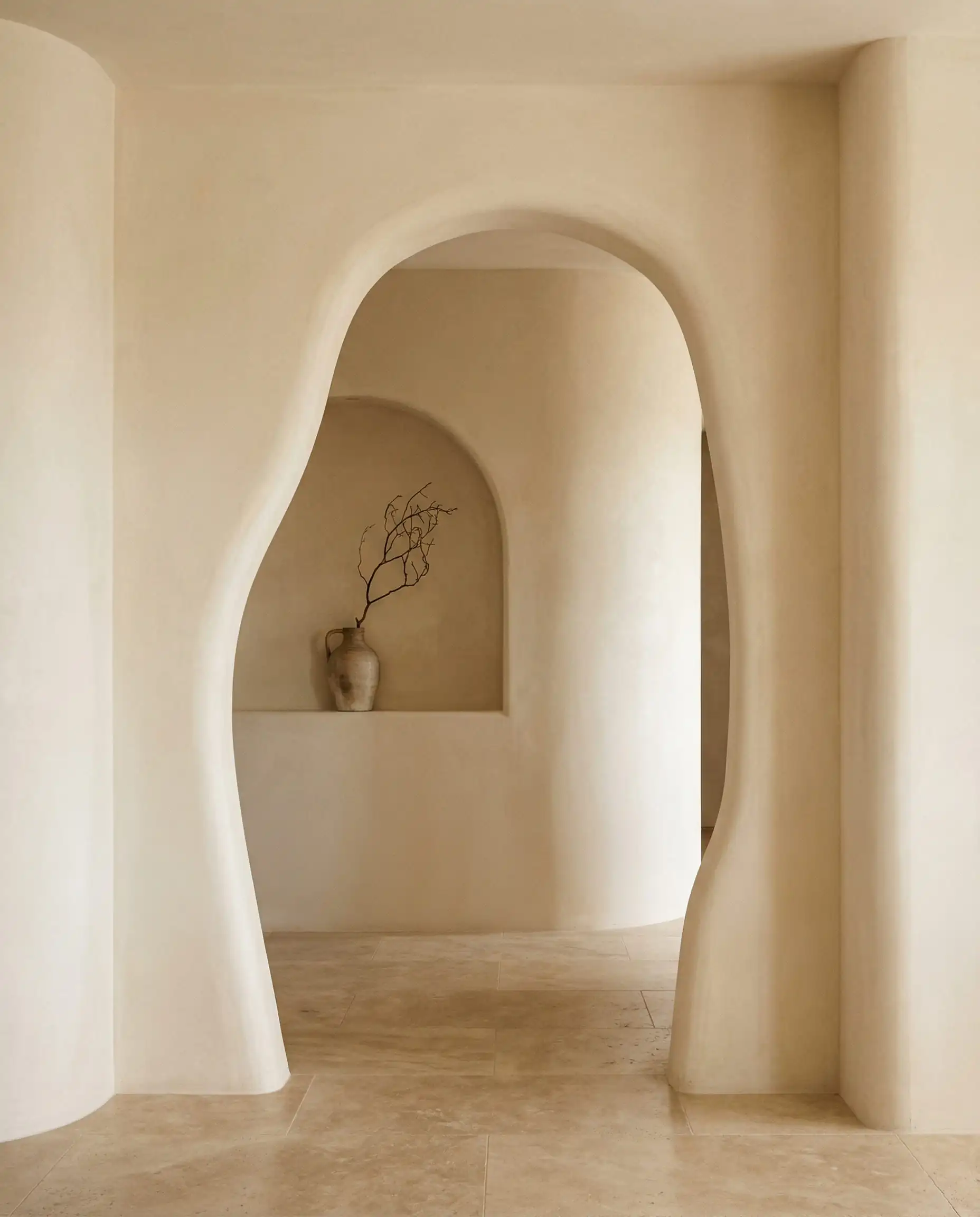
Modern homes are often built on rigid grids—square rooms, square windows, square rugs. Retro Nouveau disrupts this. It introduces the arch, the kidney-bean sofa, and the round rug to break the grid. It’s about softening the edges of modern architecture.
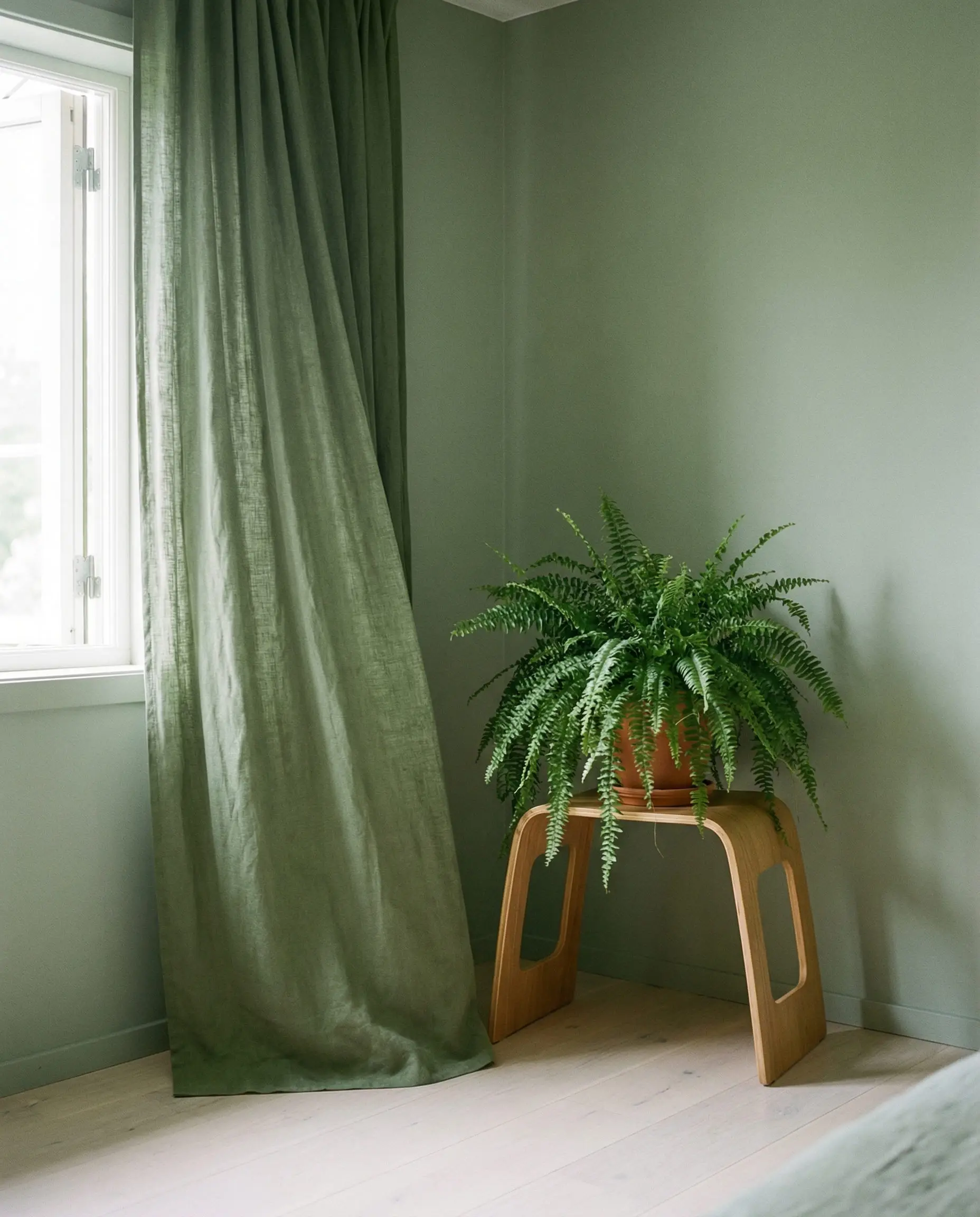
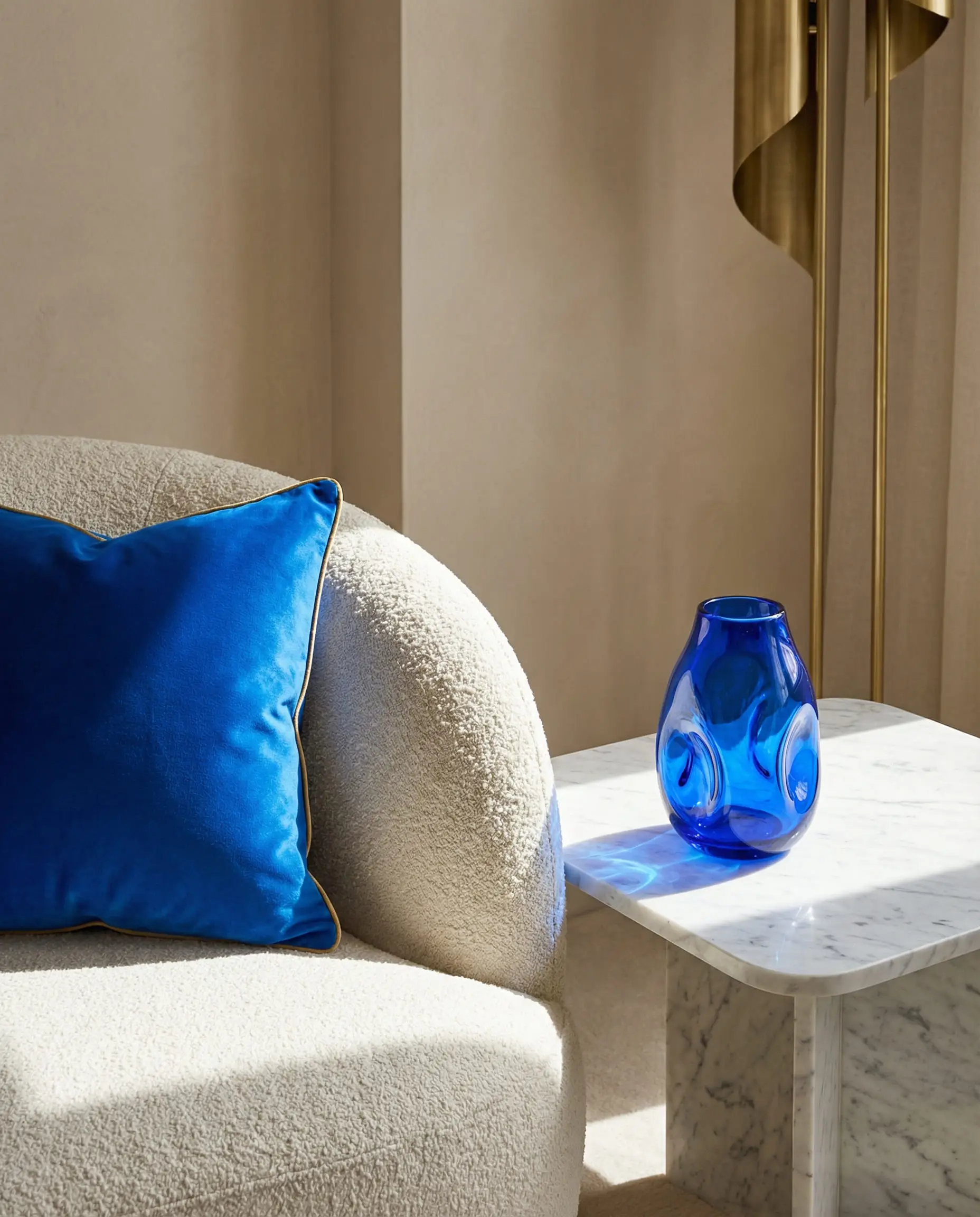
2. The New Color Palette
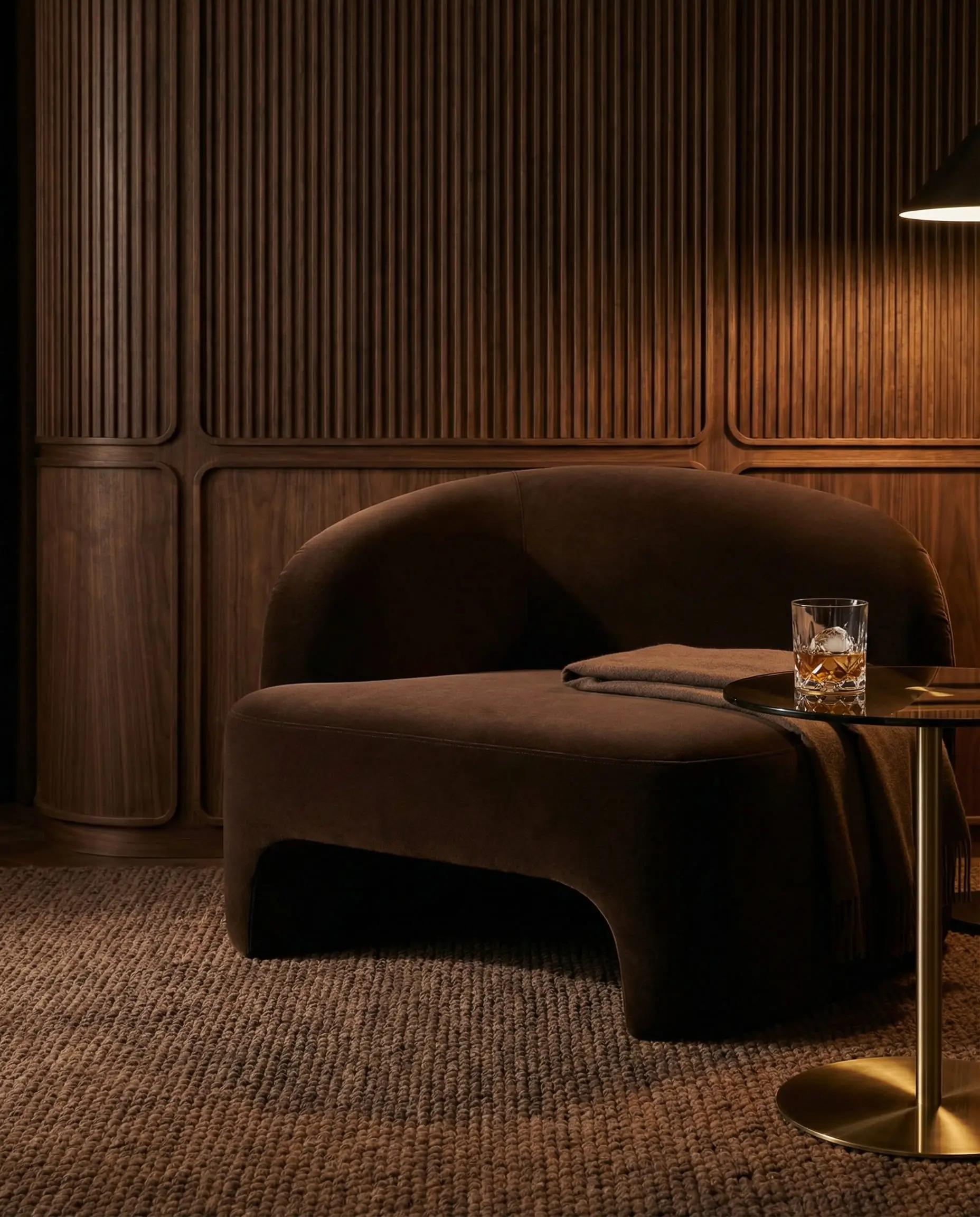
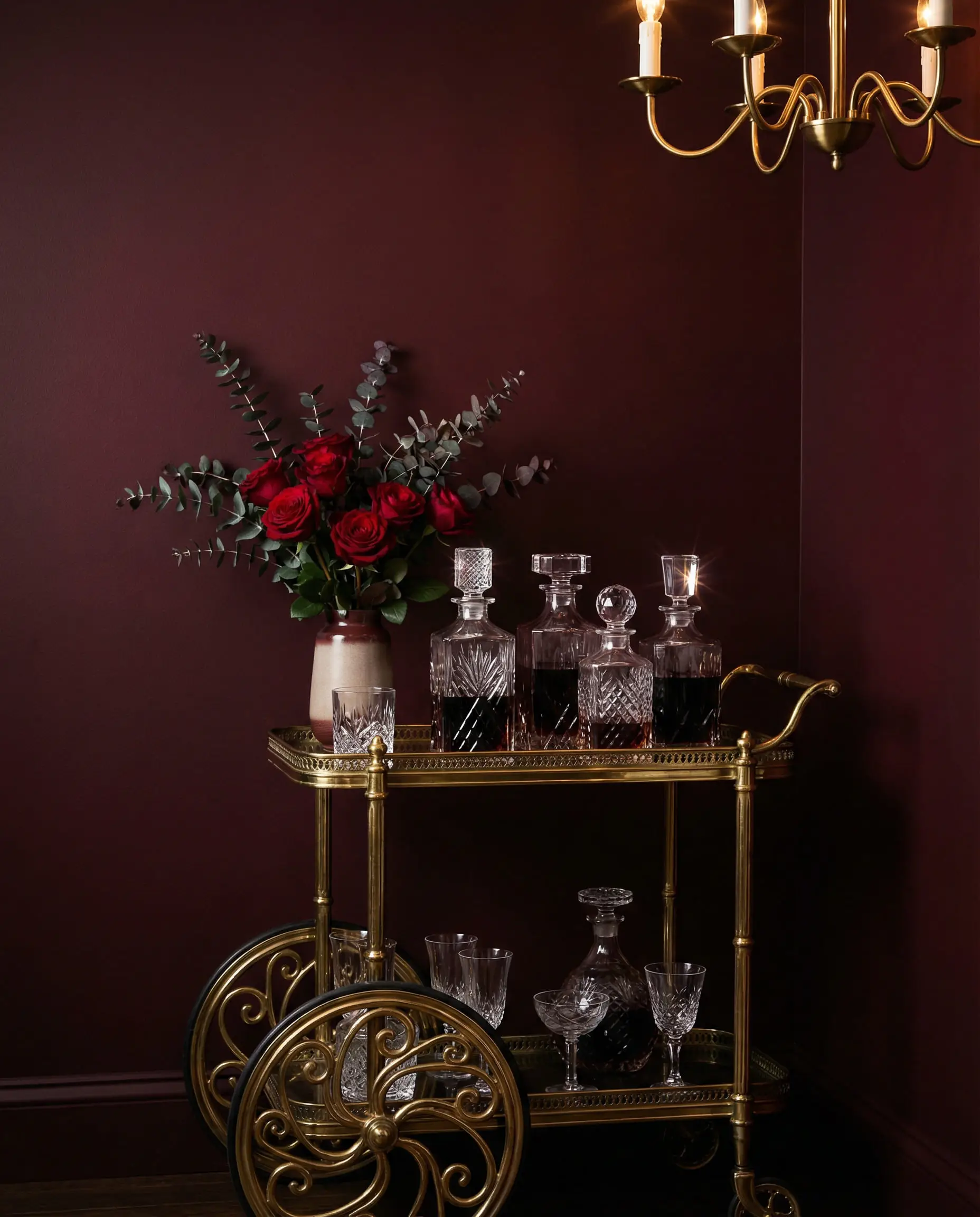
While the original movement loved pale pastels and “faded” colors, the 2026 update is bolder and moodier.
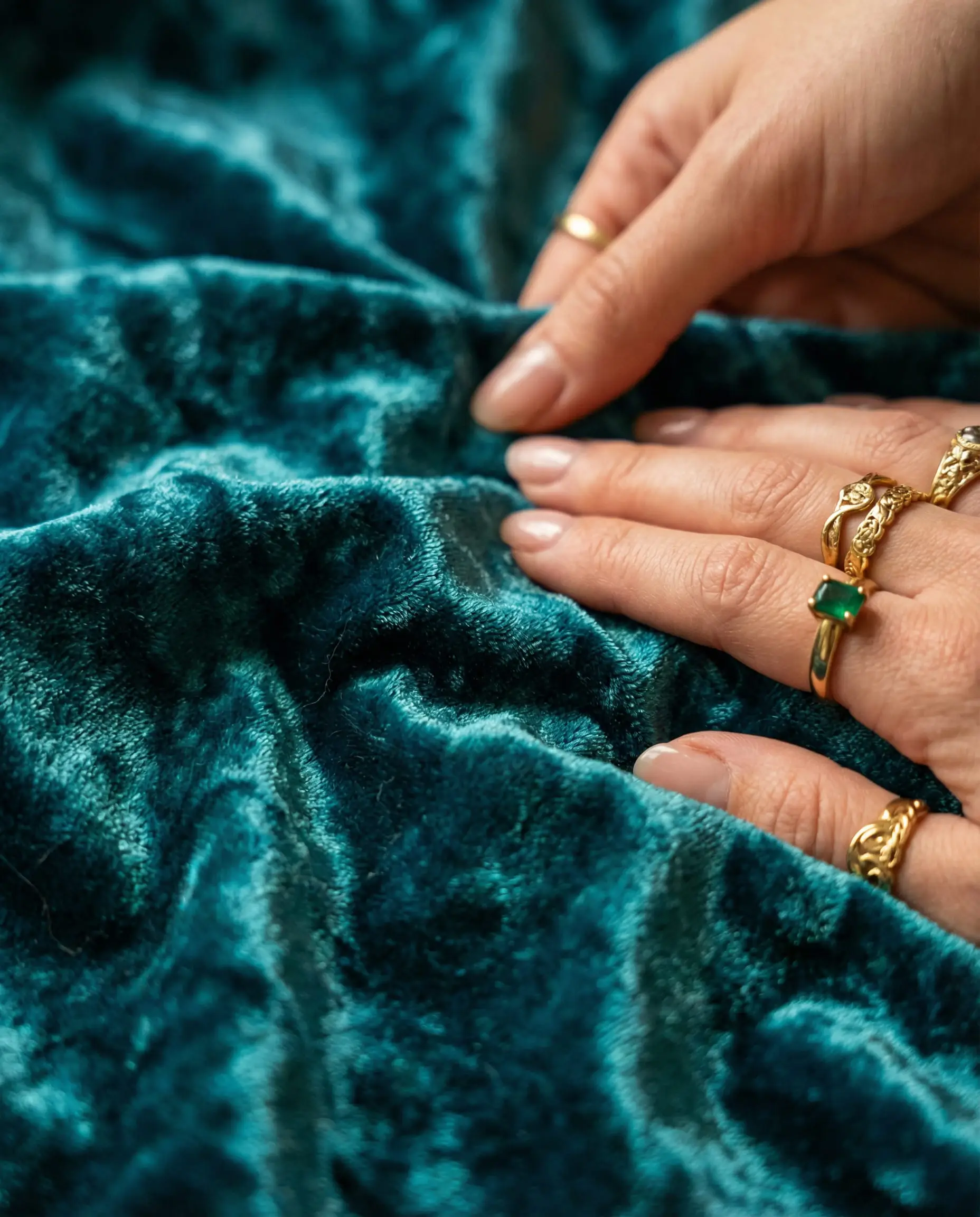
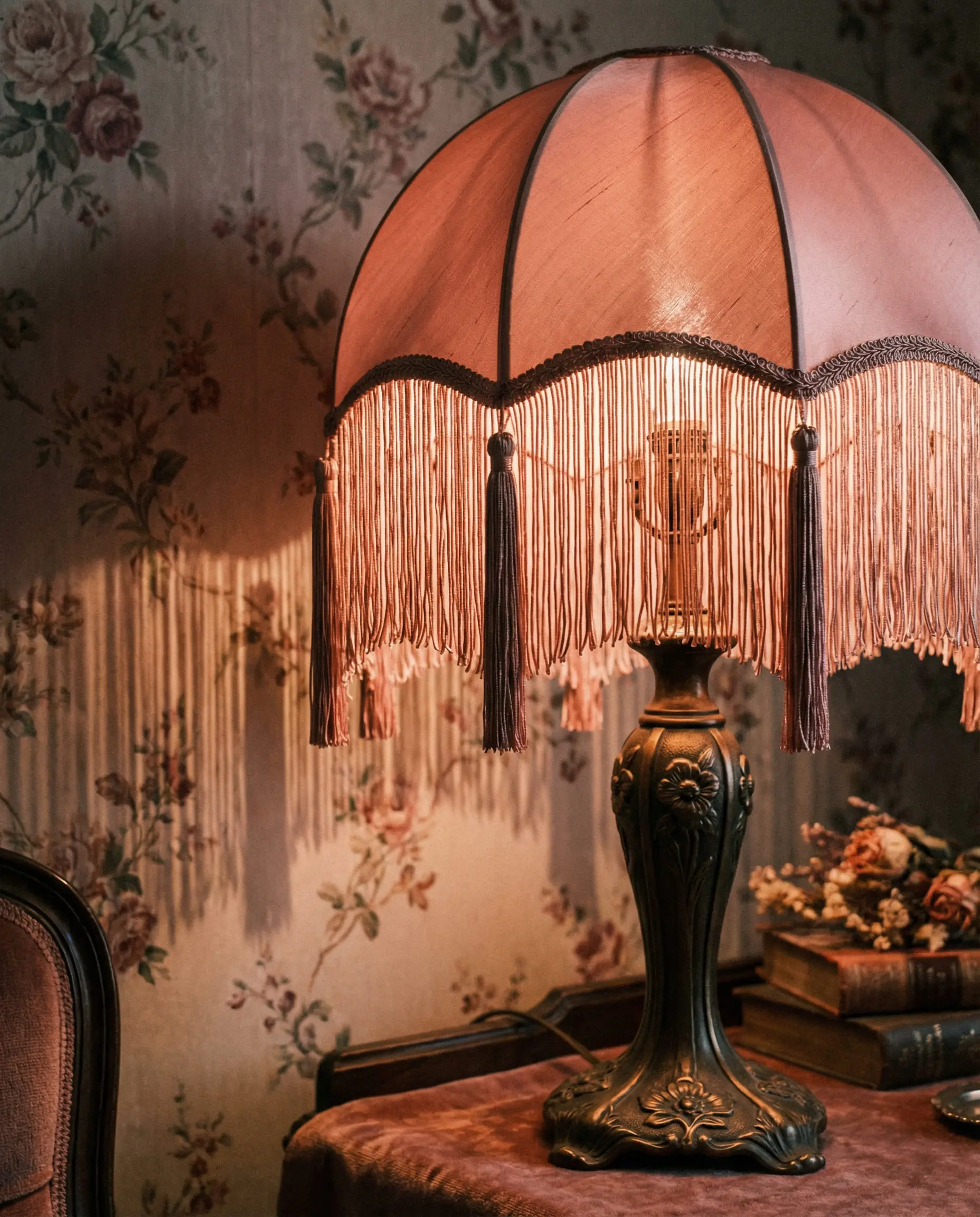
3. “Maximalist” Textures
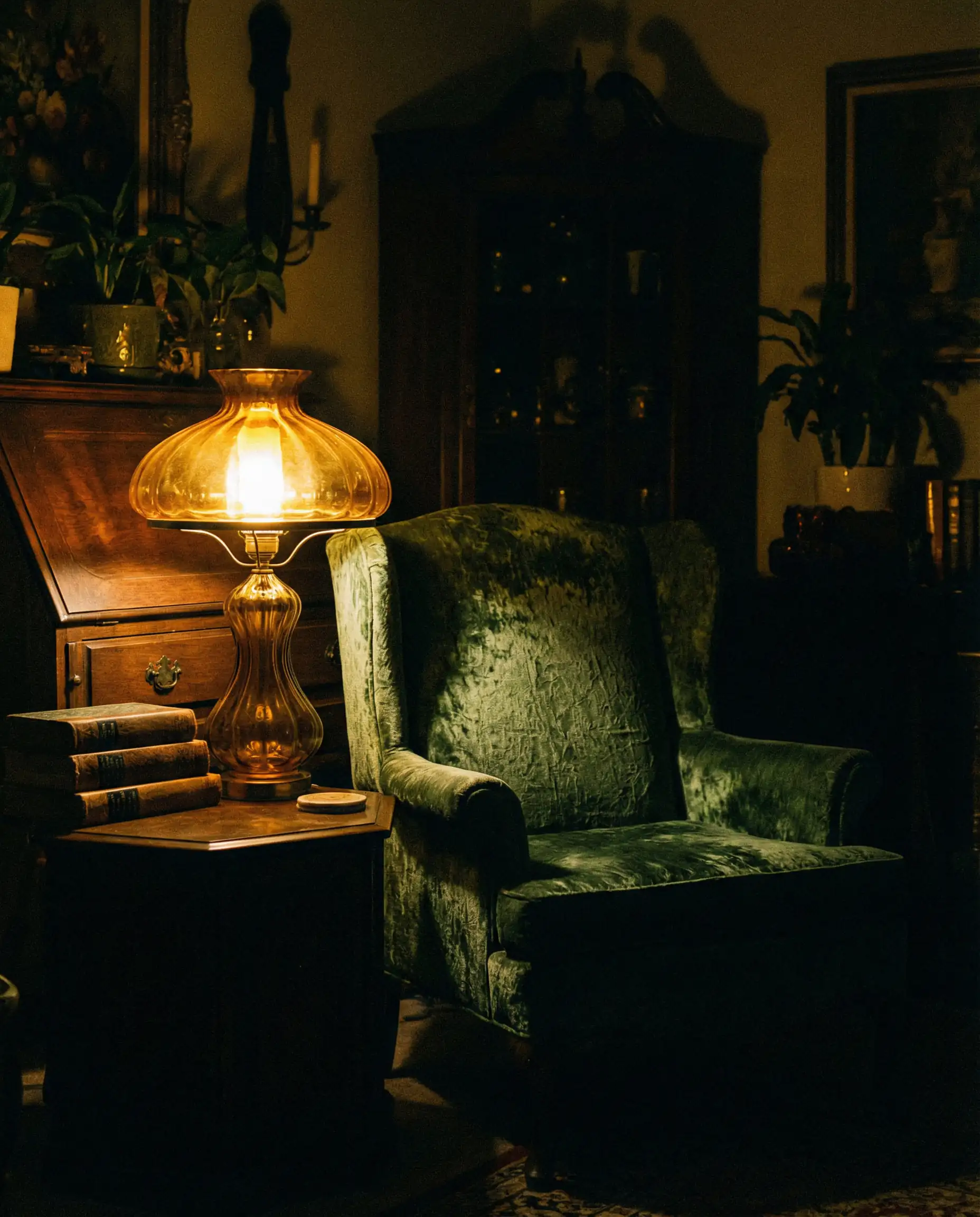
It’s not just about how it looks, but how it feels. We are seeing a surge in crushed velvets, fringed lampshades, and textured wallpapers that beg to be touched.
Art Nouveau vs. Art Deco: What is the Difference?
This is the most common question we get! It is easy to confuse the two because they both sound French and “fancy,” and they happened back-to-back. But visually, they are opposites.
Think of it this way: Art Nouveau is the forest; Art Deco is the machine.
Here is a quick breakdown to help you spot the difference:
| Feature | Art Nouveau (1890–1910) | Art Deco (1920–1940) |
| Inspiration | Nature, biology, the female form | Machines, industry, ancient Egypt |
| Lines | Curved, flowy, asymmetrical (“Whiplash”) | Straight, geometric, symmetrical, jagged |
| Vibe | Romantic, mystical, soft | Glamorous, bold, powerful |
| Materials | Wood, stained glass, wrought iron | Chrome, lacquer, plastic (Bakelite), mirrors |
| Icons | Tiffany Lamps, Gaudi buildings | The Great Gatsby, Chrysler Building |
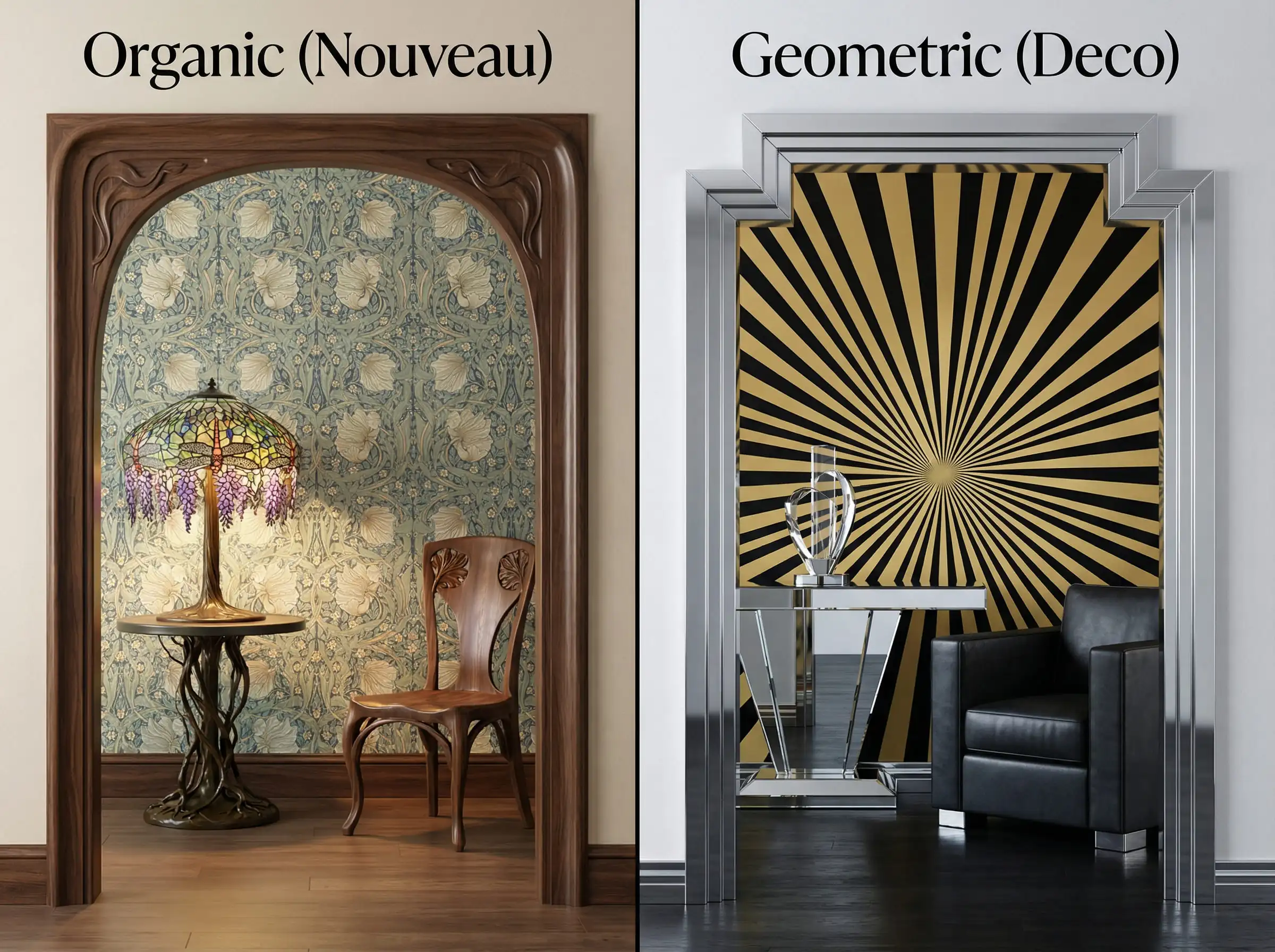
If you love the geometric look more, you might actually be looking for our guide on Art Deco interior design. But if you prefer the flow of the forest, stick with us here!
Room-by-Room: Bringing Retro Nouveau Home
You don’t need to live in a historic Paris apartment to use this style. Here is how to apply these concepts to a modern home, room by room.
1. The Living Room: Curves and Comfort
The living room is the easiest place to start. The centerpiece of the Retro Nouveau living room is the curved sofa. Forget the sharp, low-profile mid-century couches. Look for kidney-bean shapes, serpentine sectionals, or sofas with a rounded camelback.
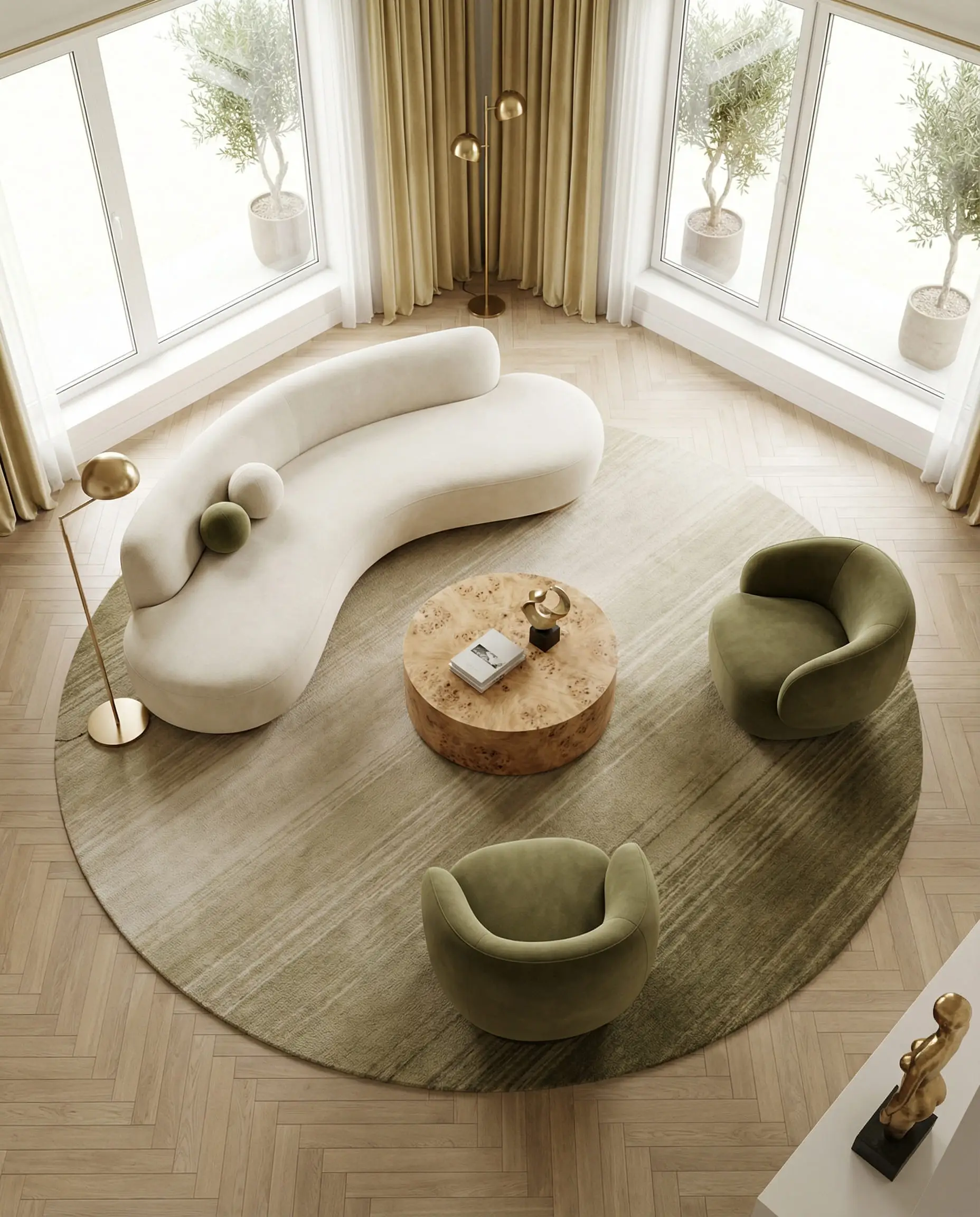
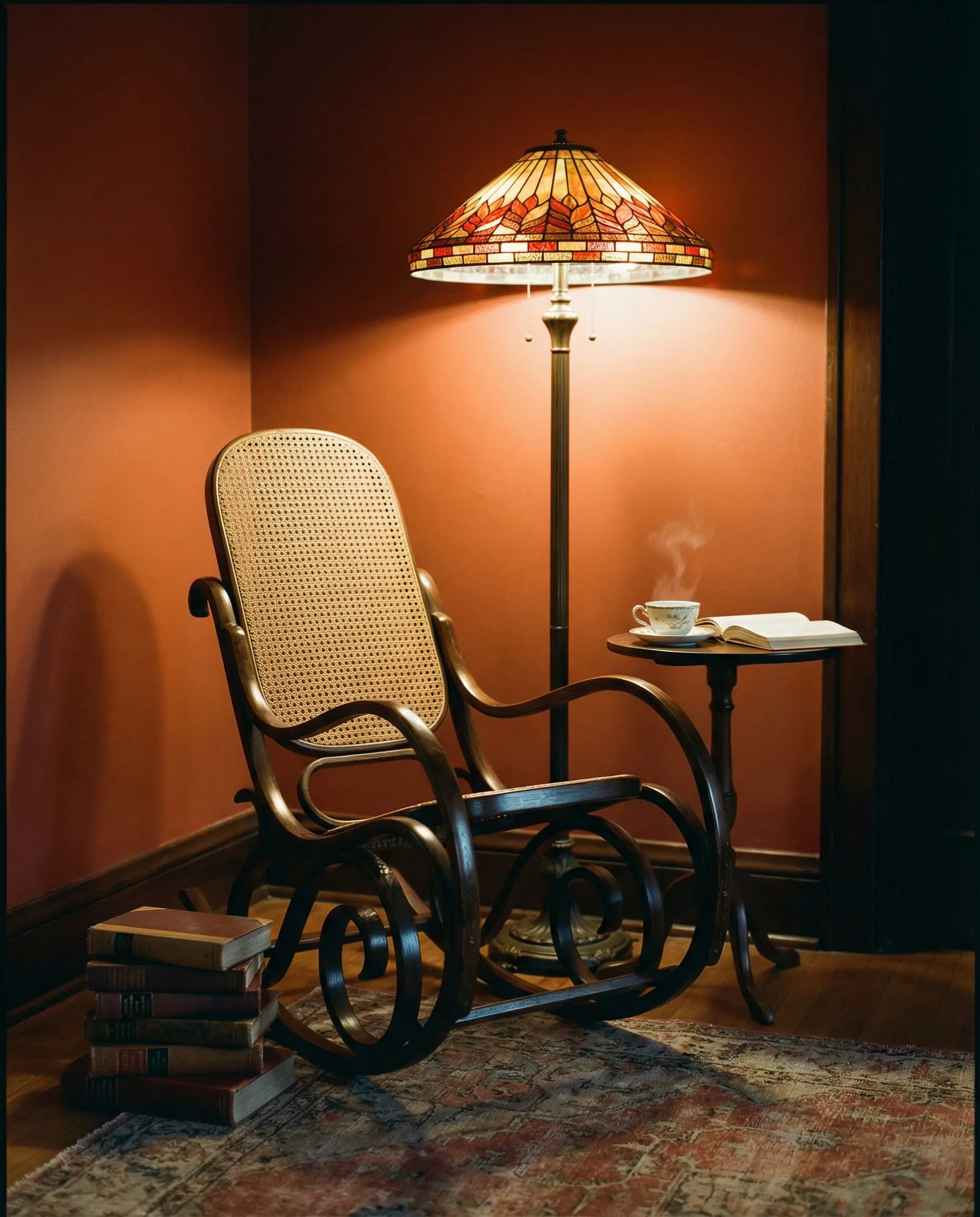
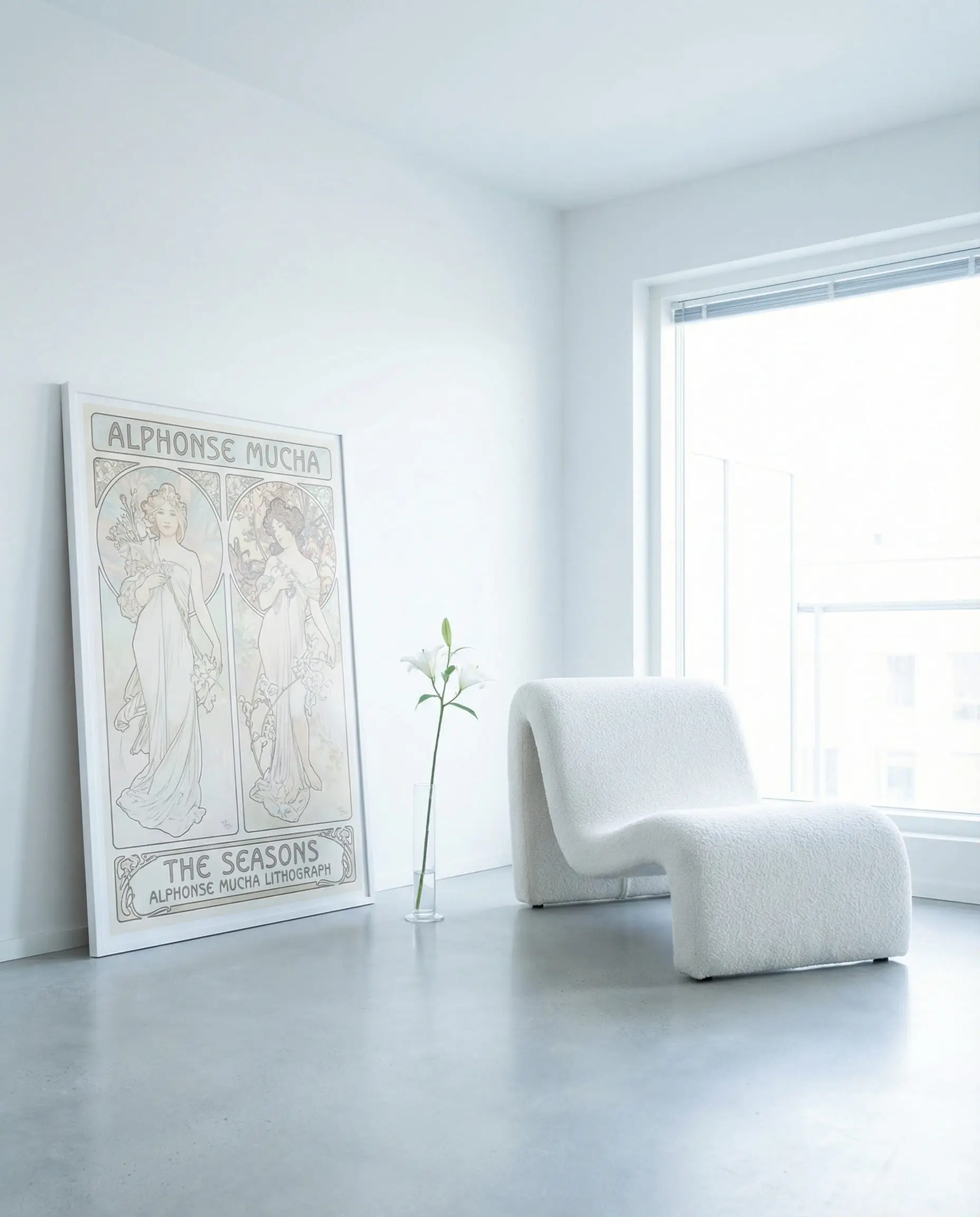
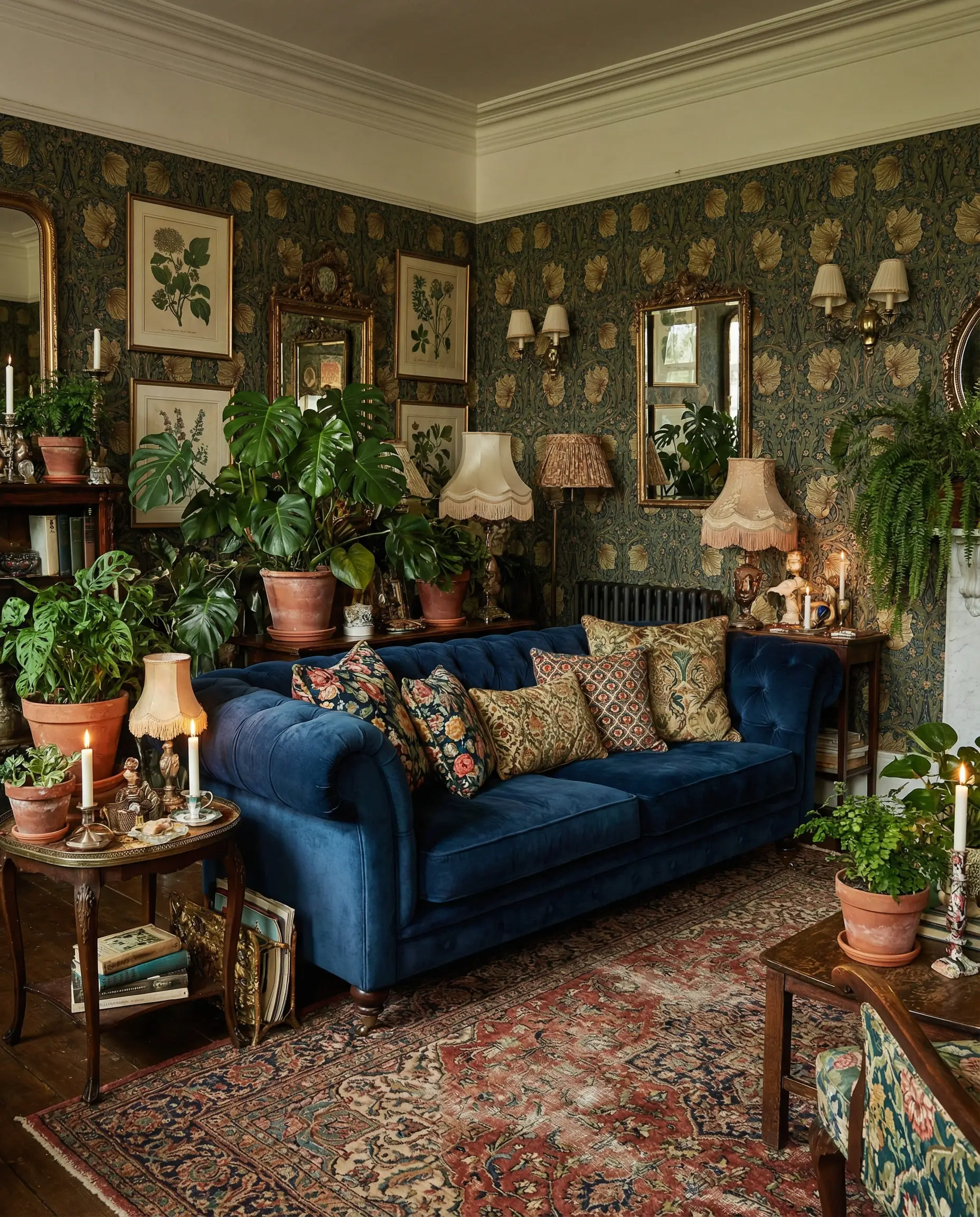
🛋️ If you have a small space, a massive curved sofa might not fit. Instead, try a curved velvet armchair in a jewel tone like emerald or sapphire to act as your statement piece.
💡 Hackrea Pro Tip
2. The Kitchen: The “Unfitted” Look
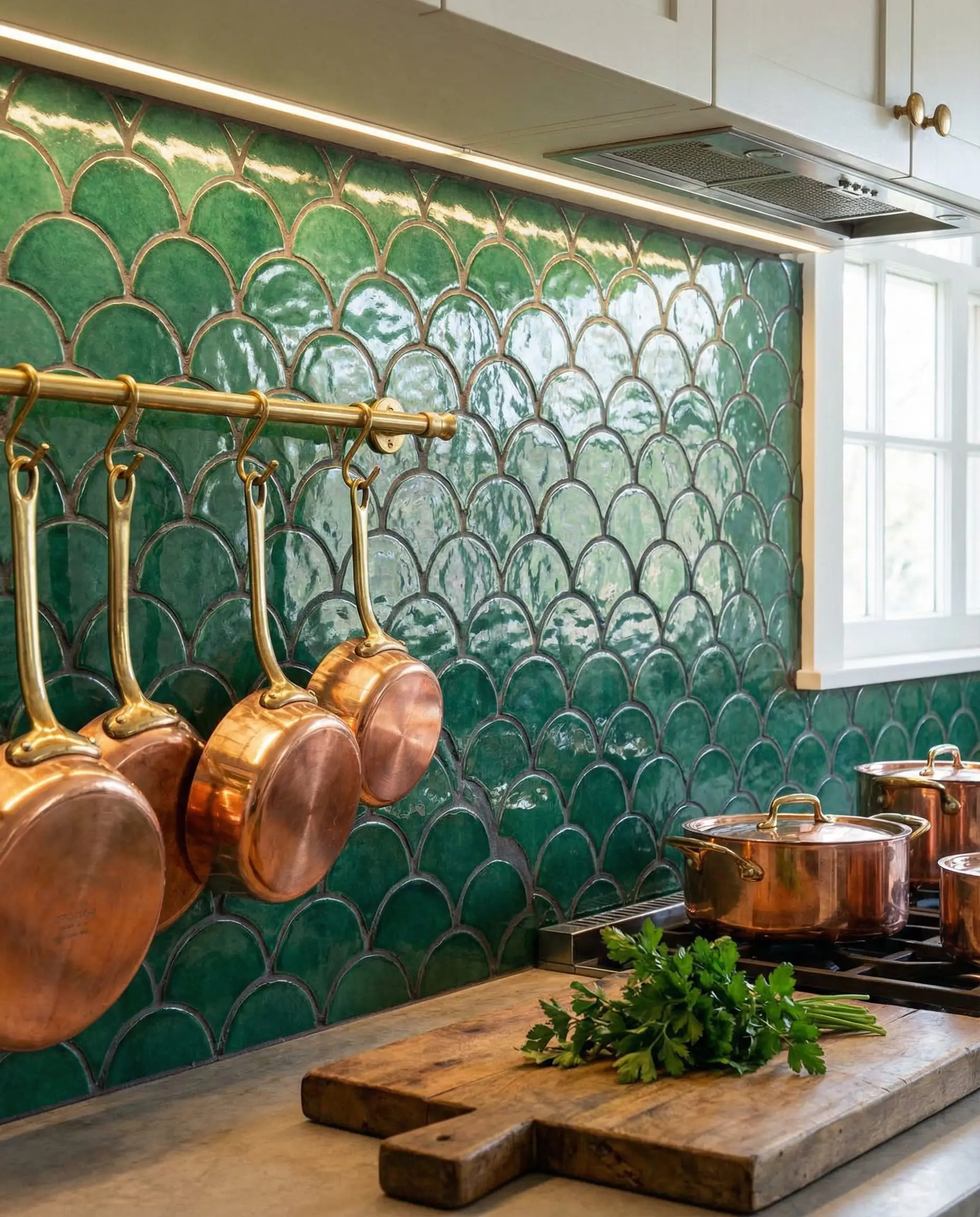
Modern kitchens can feel very sterile. Art Nouveau kitchens are warm and invite you to cook.
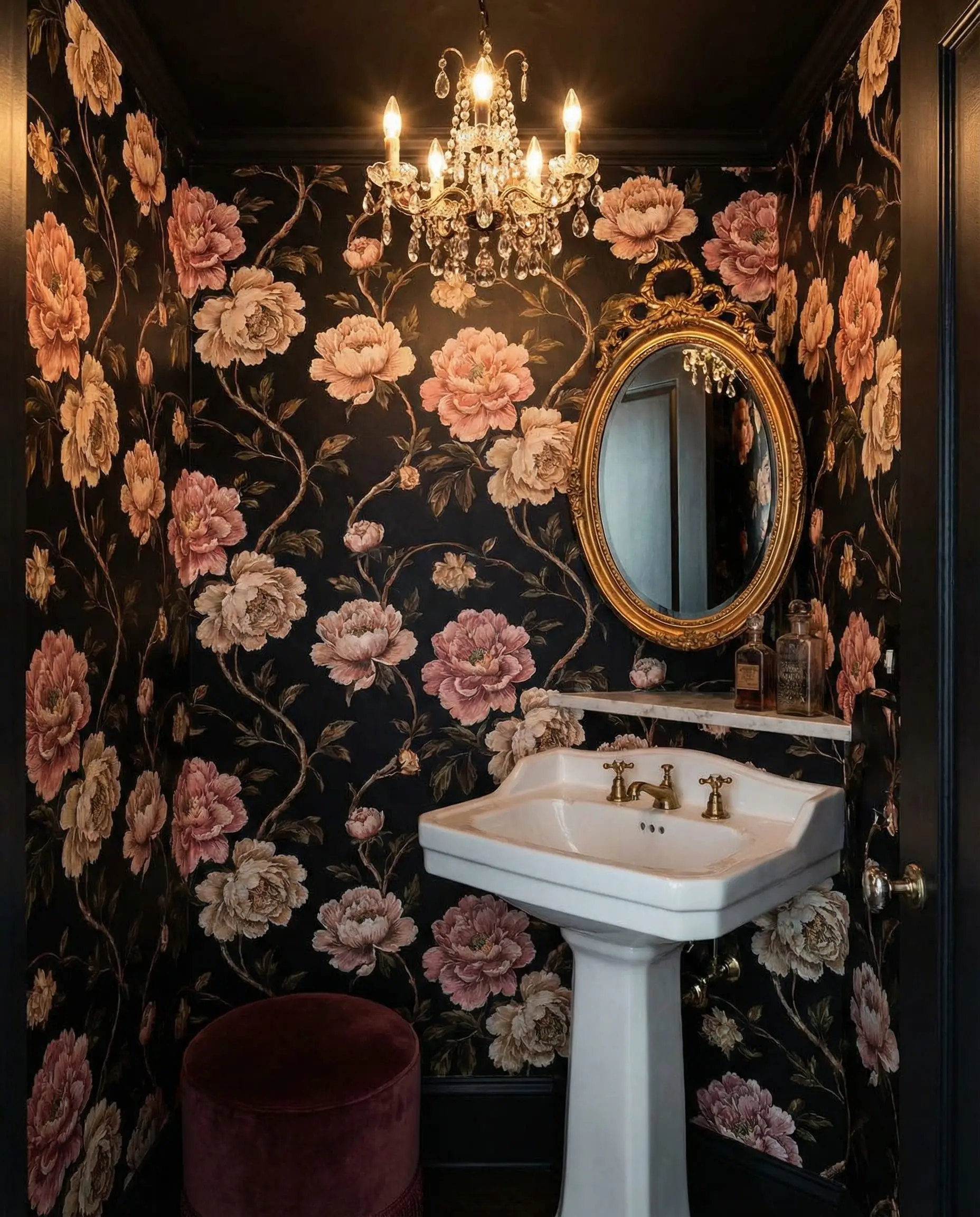
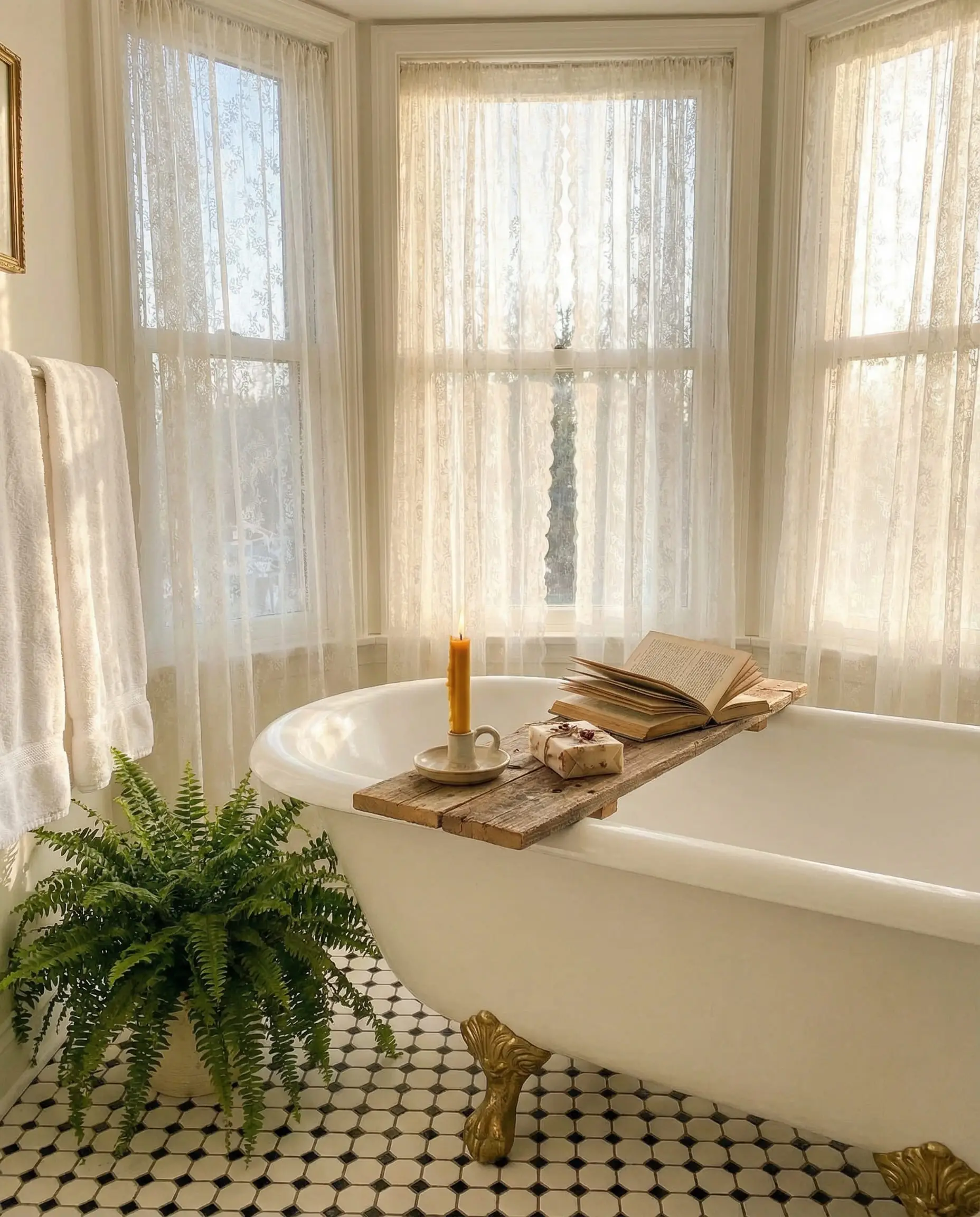
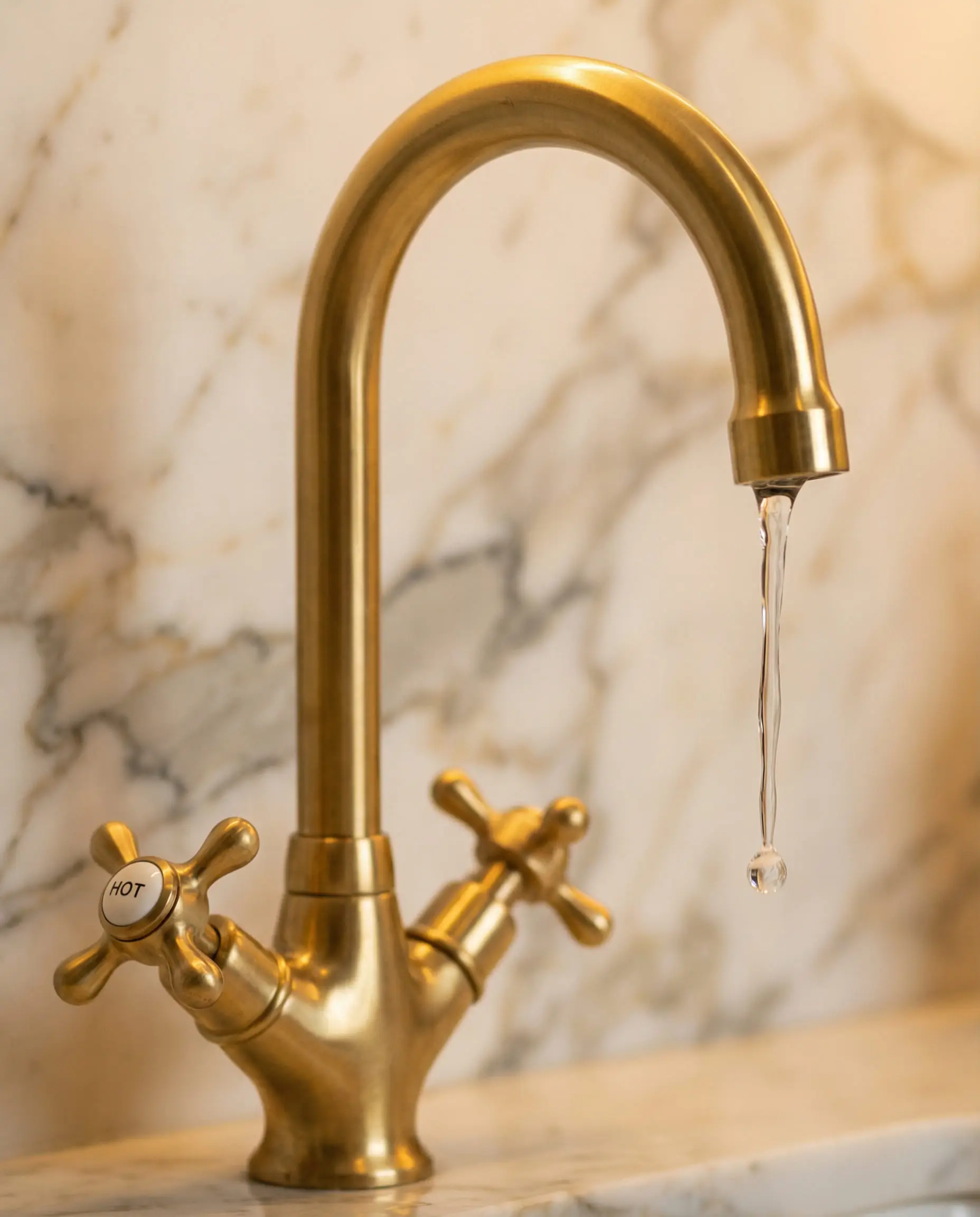
3. The Bathroom: Your Private Sanctuary
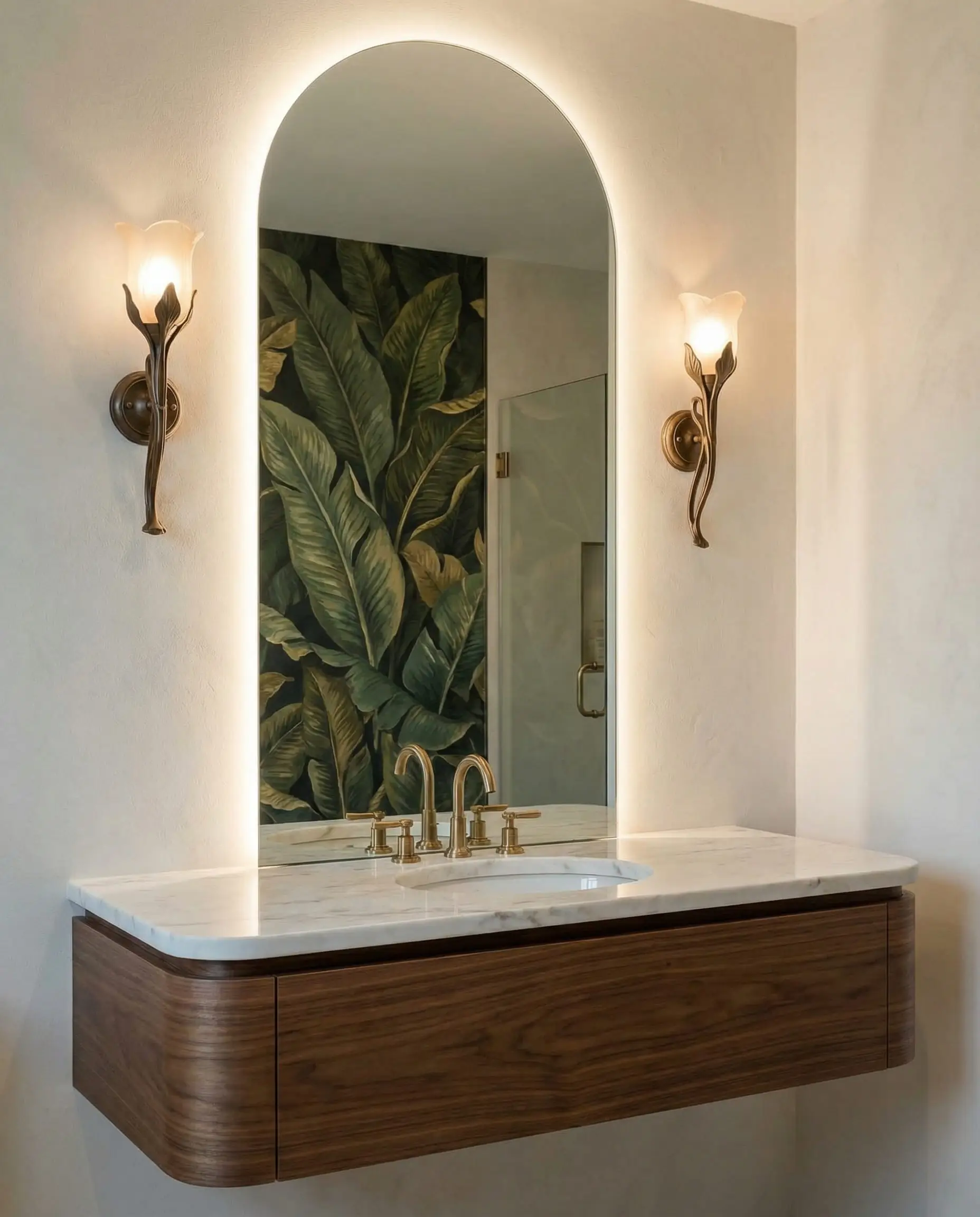
The “Nouveau Bathroom” is one of the biggest trends for 2026. It transforms the bathroom from a utility space into a spa.
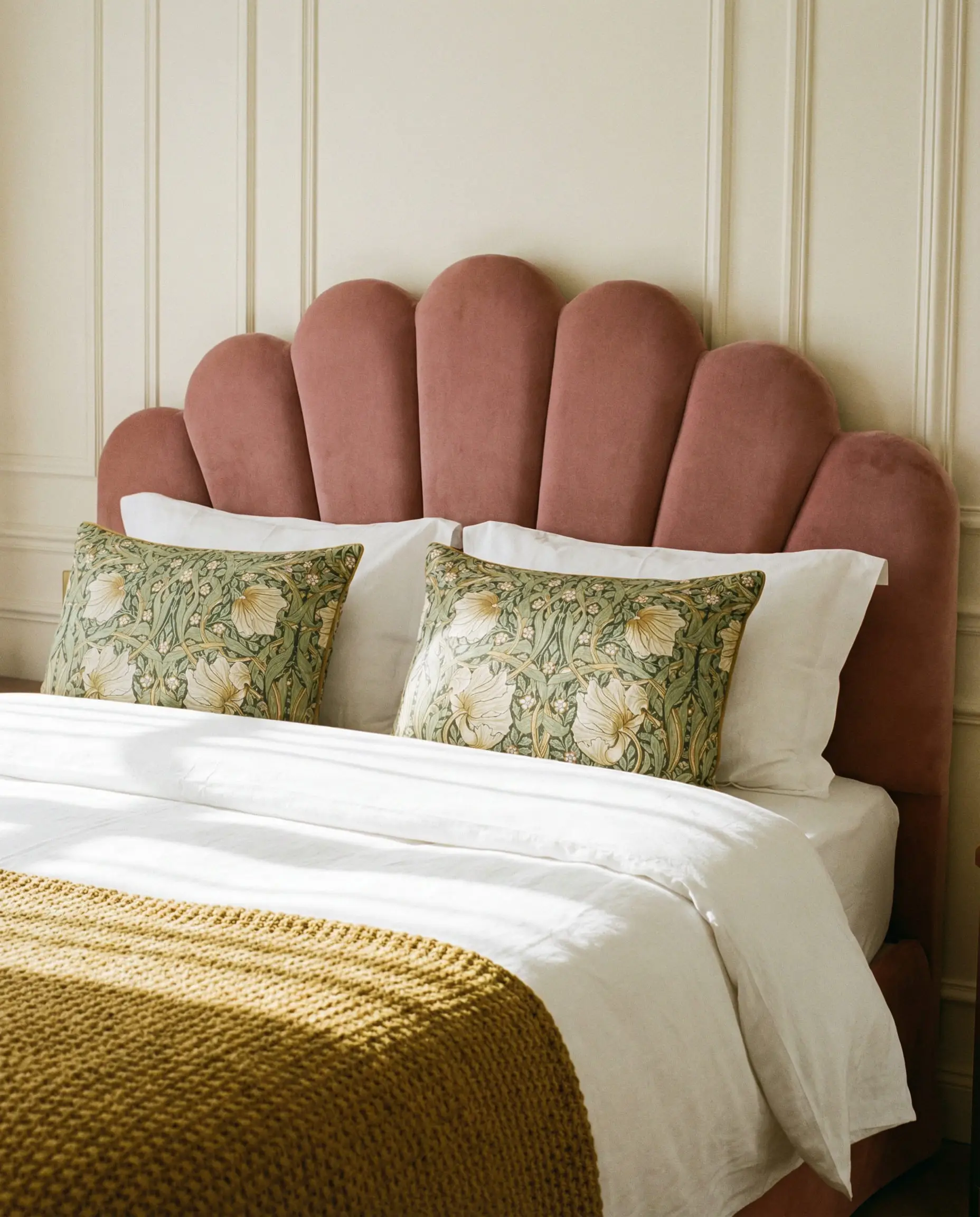
4. The Bedroom: Dreamy and Dramatic
This style was made for bedrooms. It is inherently romantic.
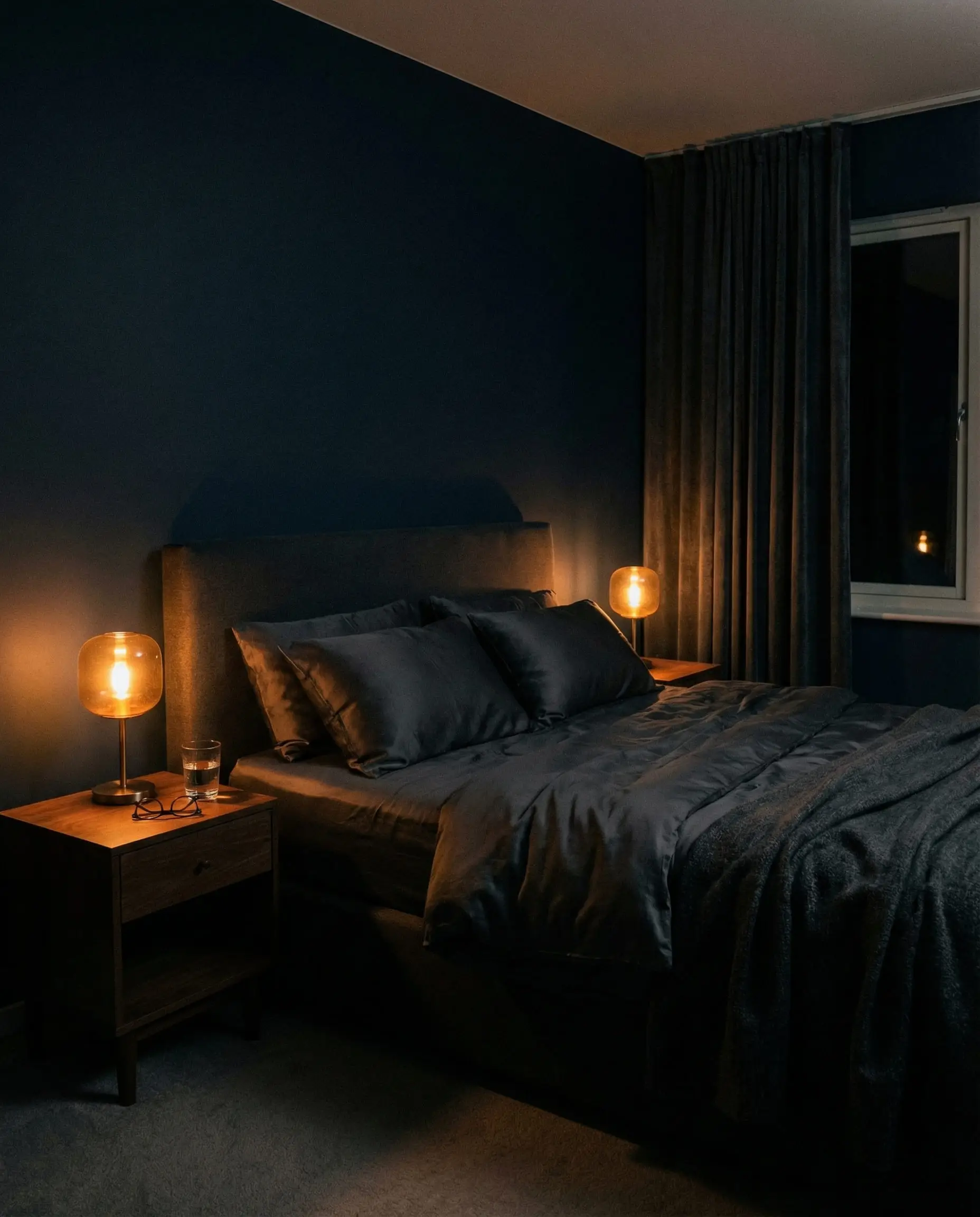
For more inspiration on creating a cozy sleeping space, check out our article on romantic bedroom design ideas.
Key Decor Elements to “Get the Look”
You don’t have to renovate to get the vibe. Here are the specific decor elements that scream Art Nouveau.
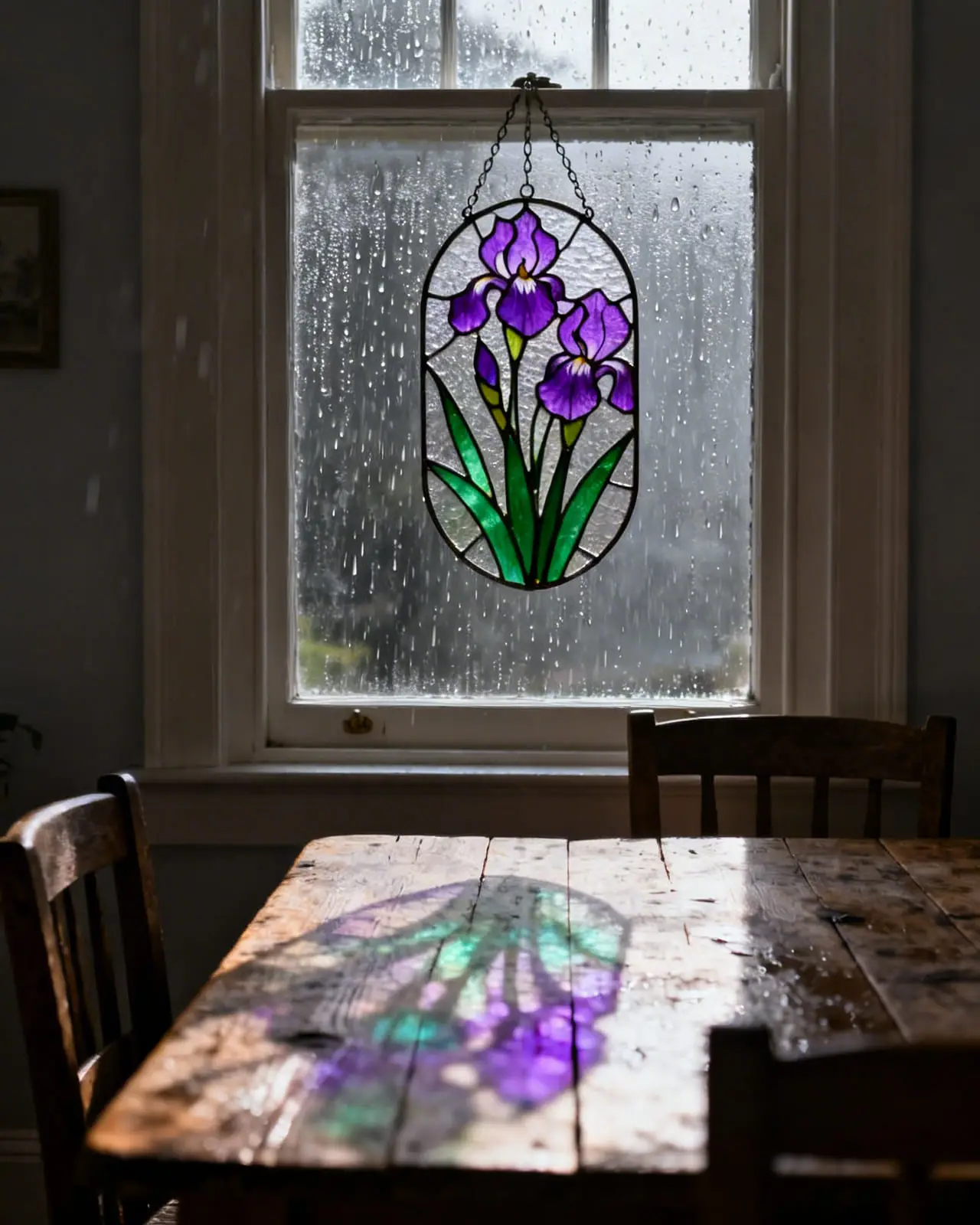
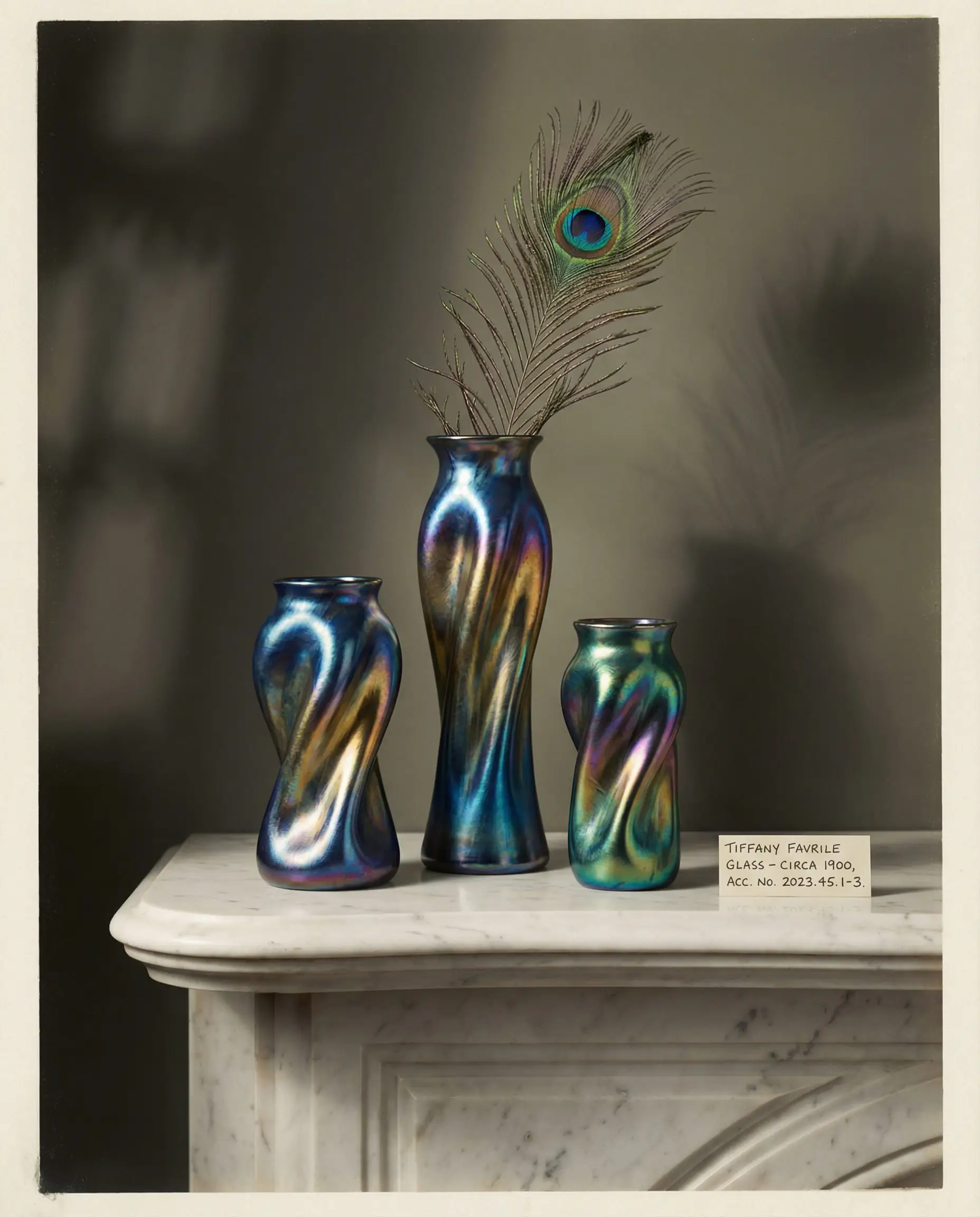
1. Stained Glass and “Art Glass”
You don’t need to replace your windows. You can hang framed panels of stained glass in front of your existing windows to catch the light. Look for “Favrile” glass vases—iridescent, multi-colored glass invented by Louis Comfort Tiffany.
2. Botanical Wallpapers
This is the single most impactful change you can make. Look for patterns that feature:
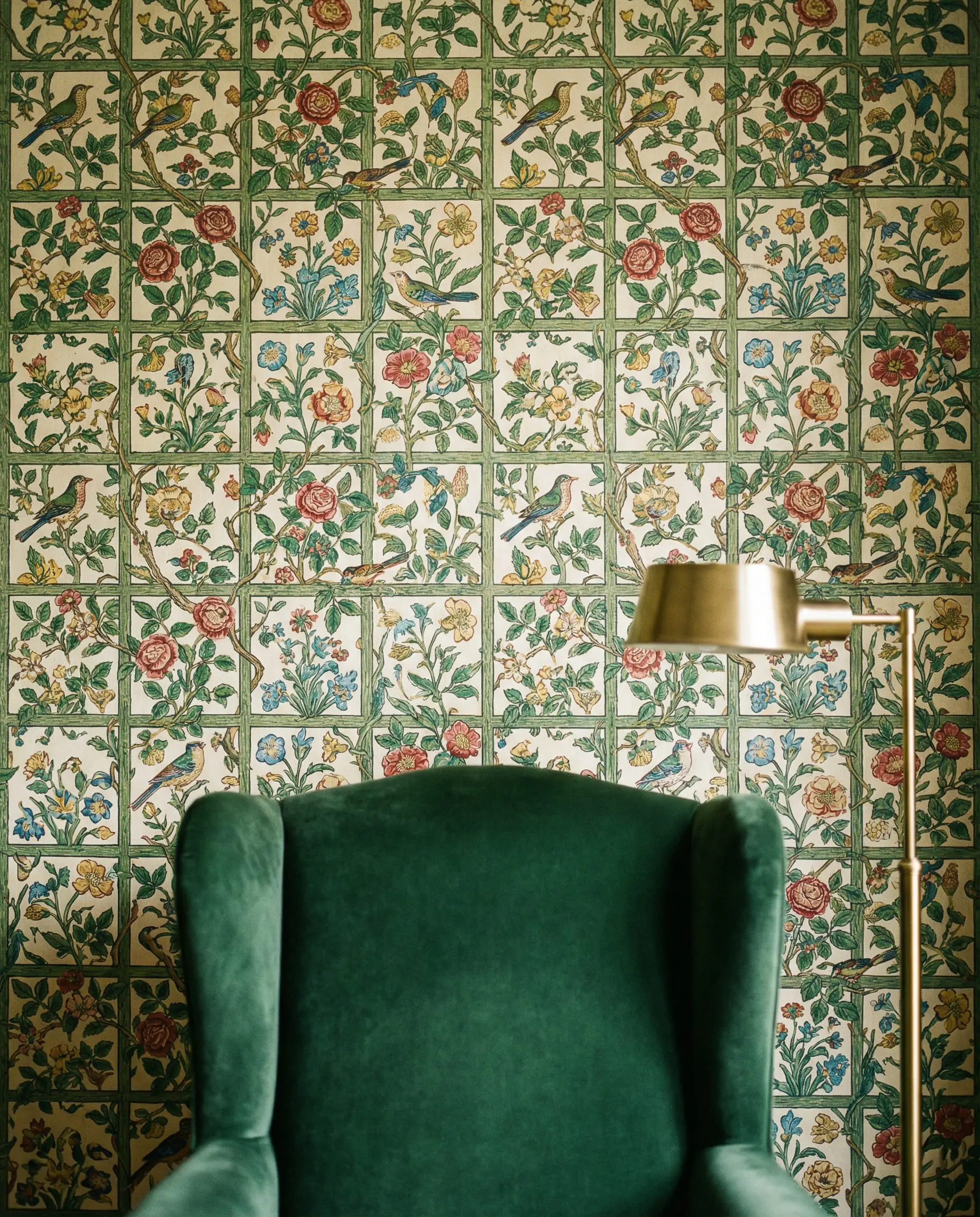
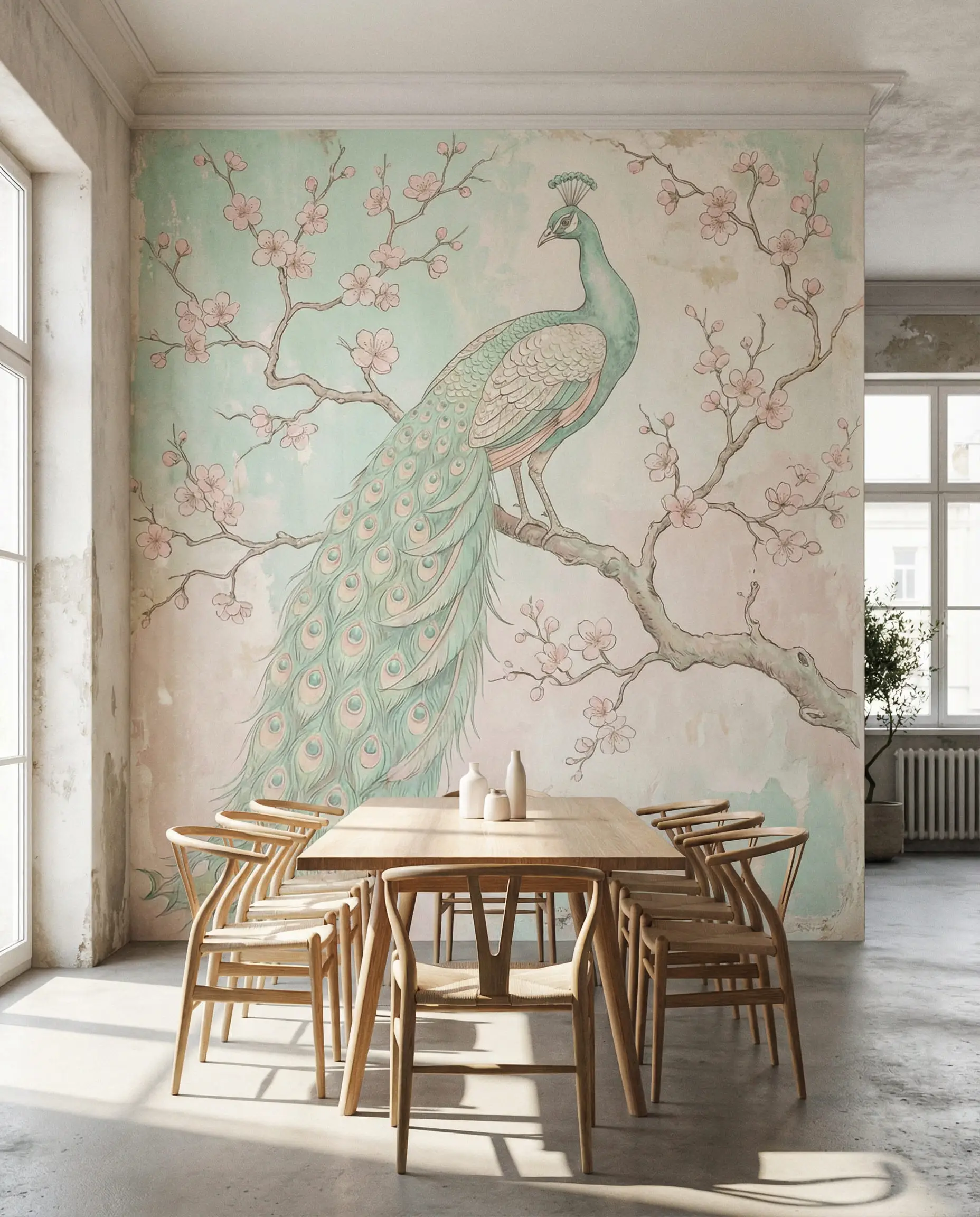
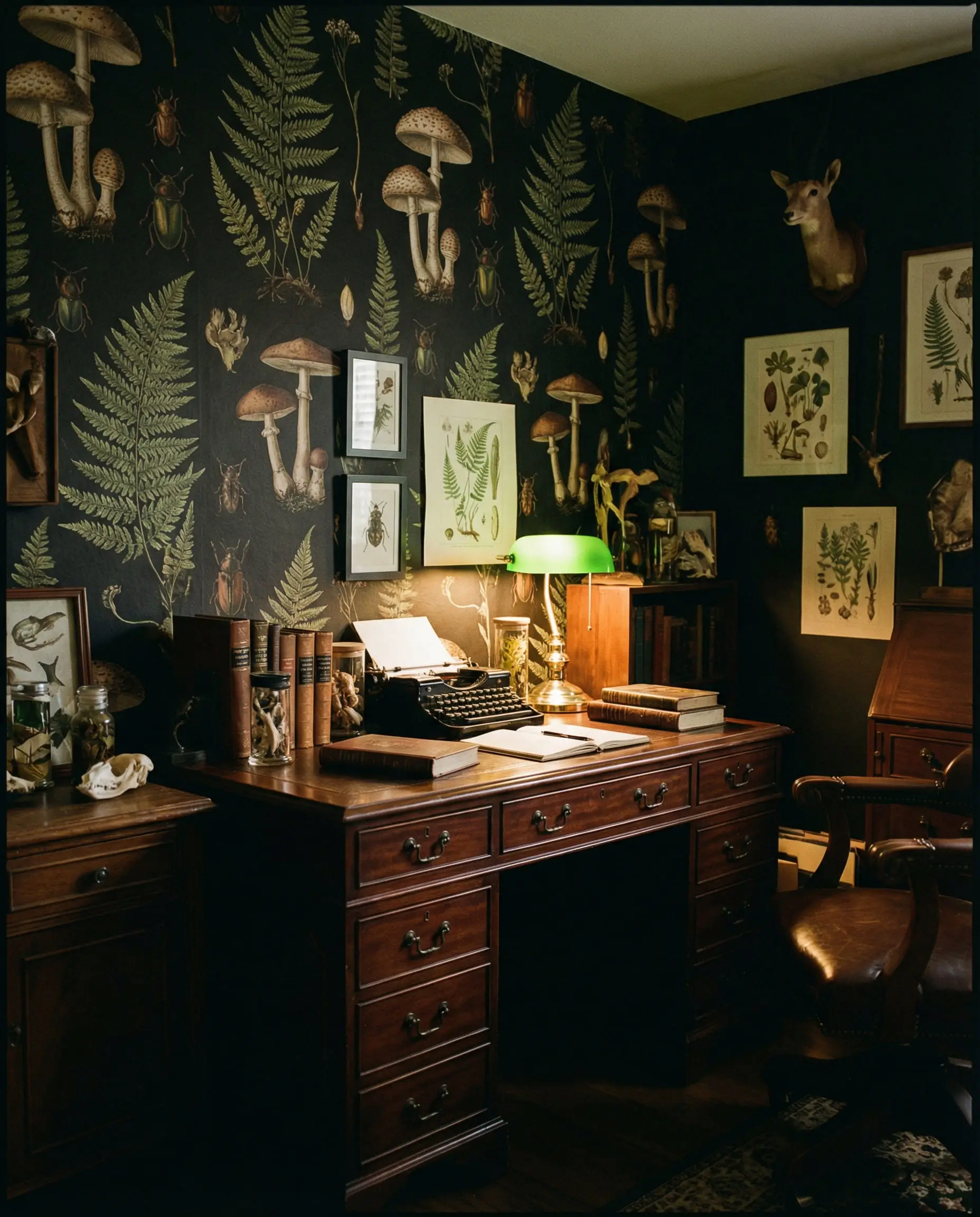
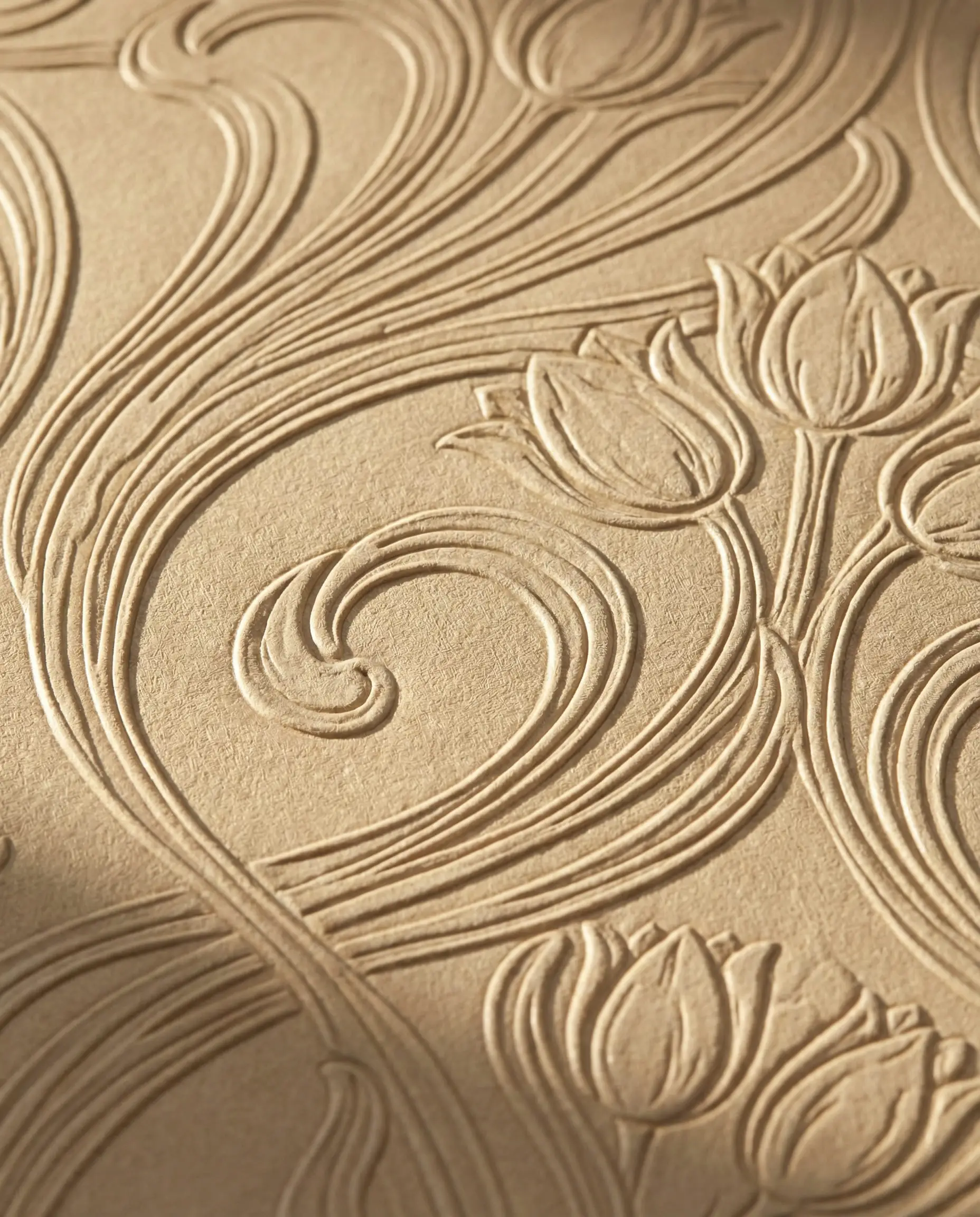
If you are renting, peel-and-stick options are fantastic. We have a whole guide on floral peel and stick wallpaper ideas that fit this look perfectly.
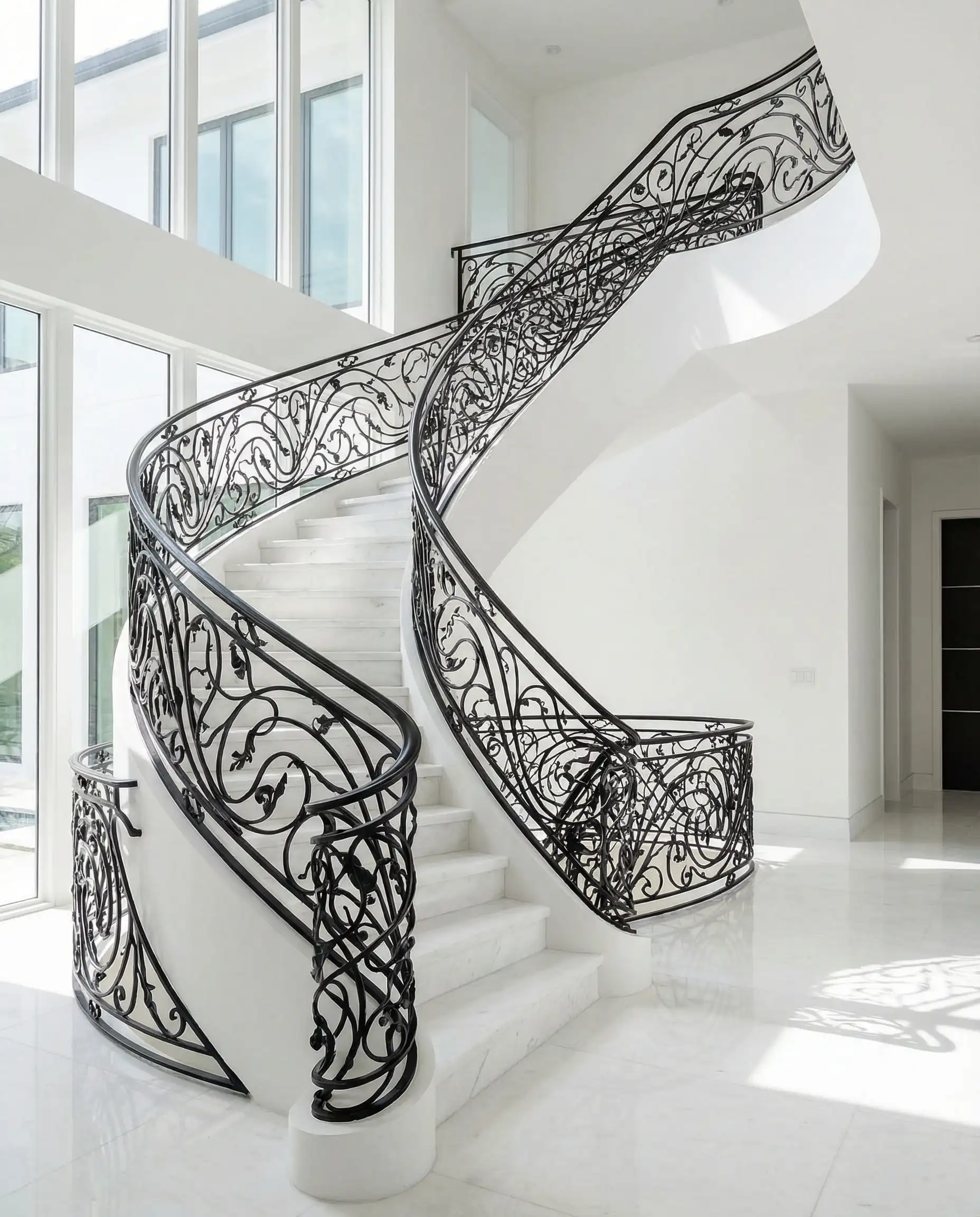
3. Wrought Iron Accents
Ironwork in Art Nouveau isn’t heavy or gothic; it’s airy and lacy. Look for curtain rods, stair railings, or even small picture frames made of black metal with scrolled, vine-like details.
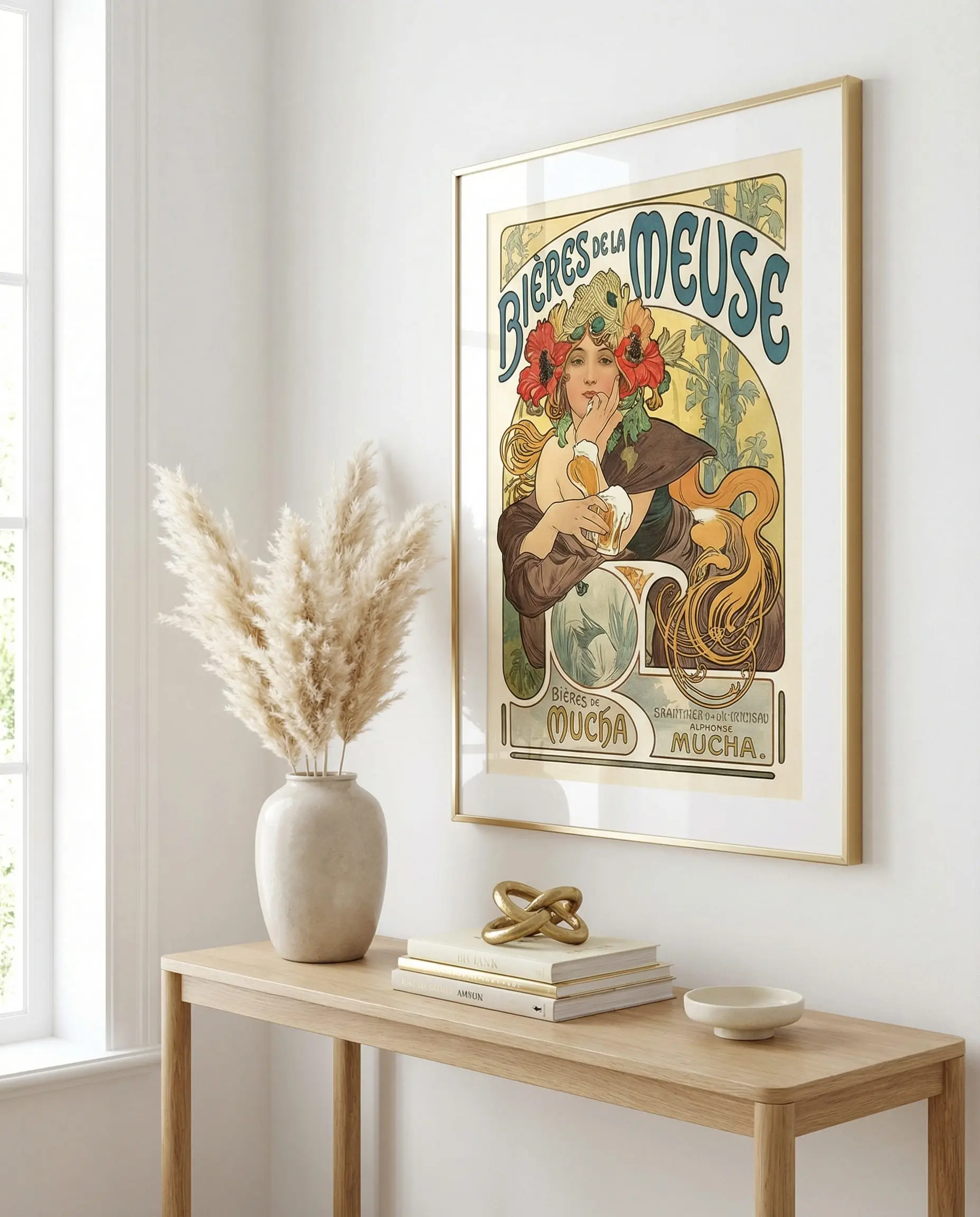
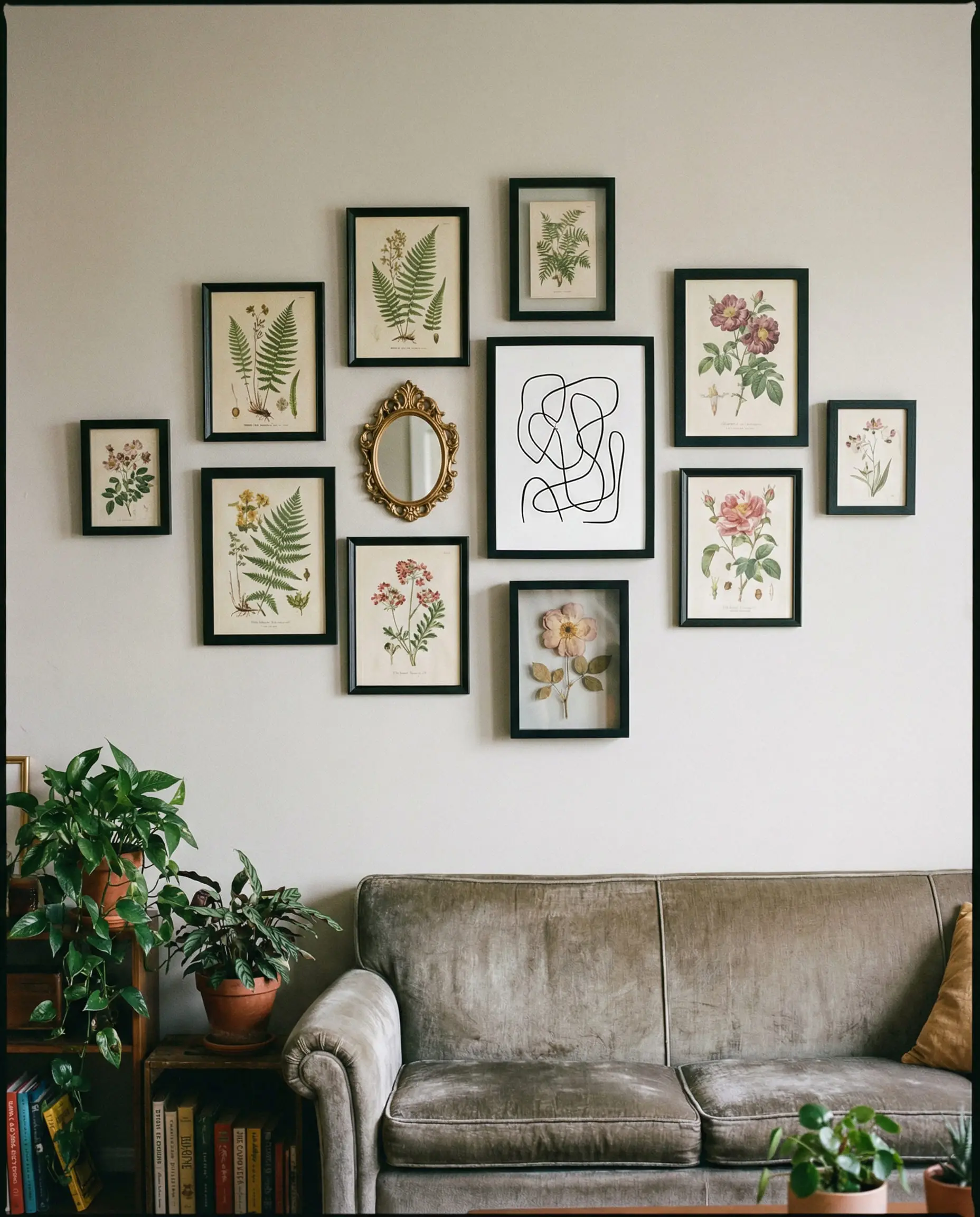
4. Art Prints
If you can’t afford an original Mucha poster (who can?), high-quality prints are affordable and effective. Frame them in simple gold or wood frames. Look for artists like:
Practical Tips: How to Adopt the Style on a Budget
Art Nouveau was originally a luxury style for the wealthy elite in Paris and Brussels. But today, you can achieve the “Retro Nouveau” look without breaking the bank.
1. The “Hardware Hack”
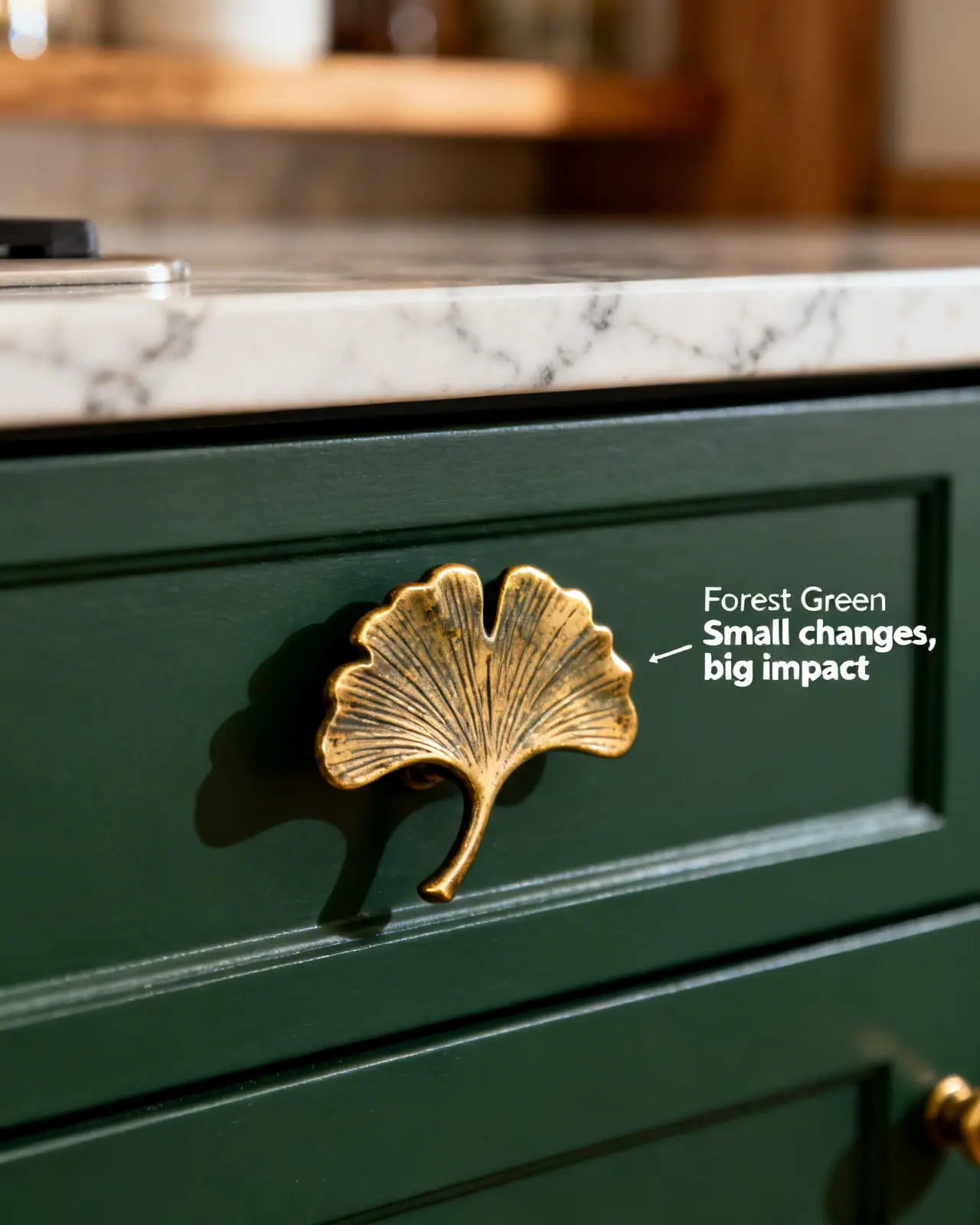
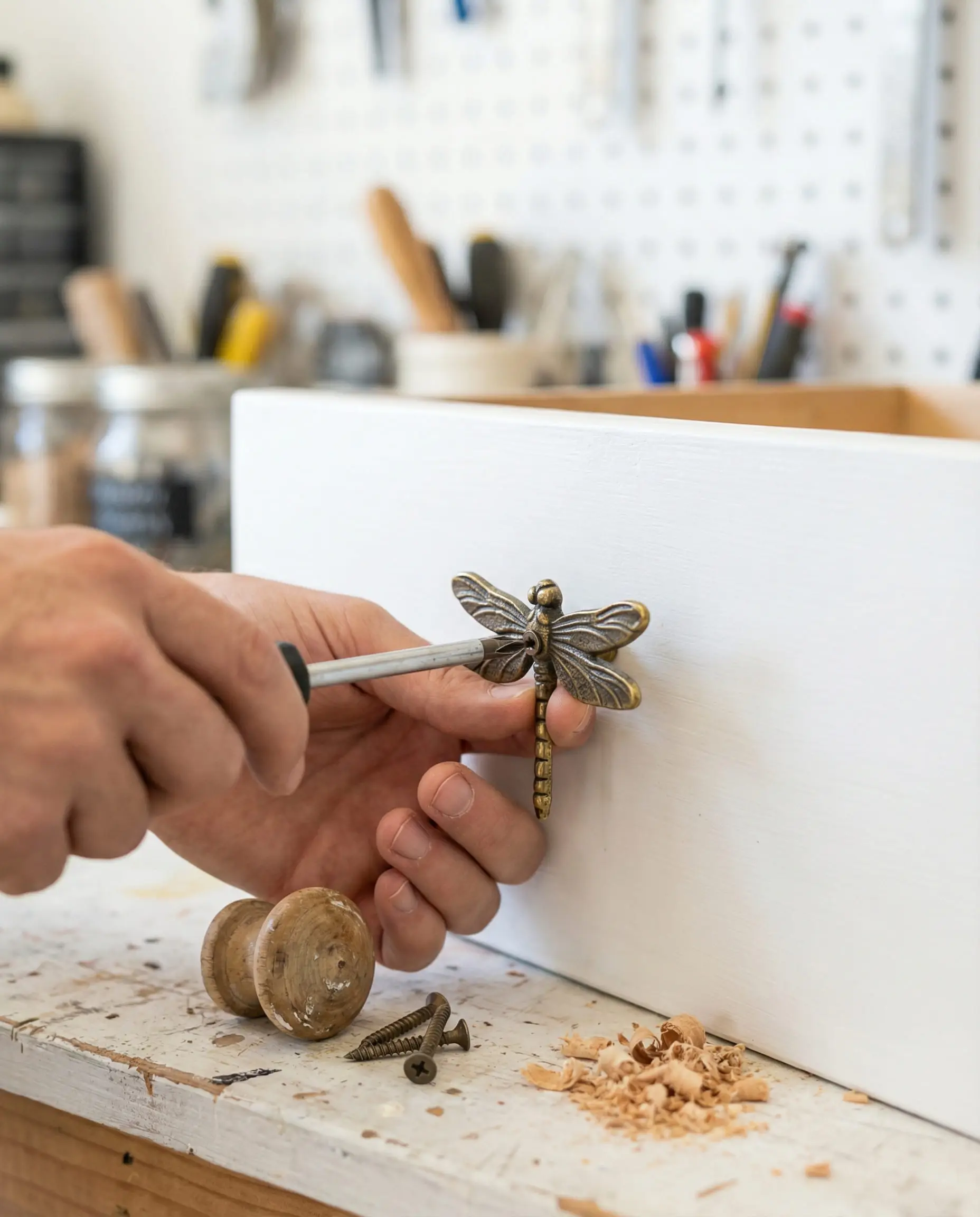
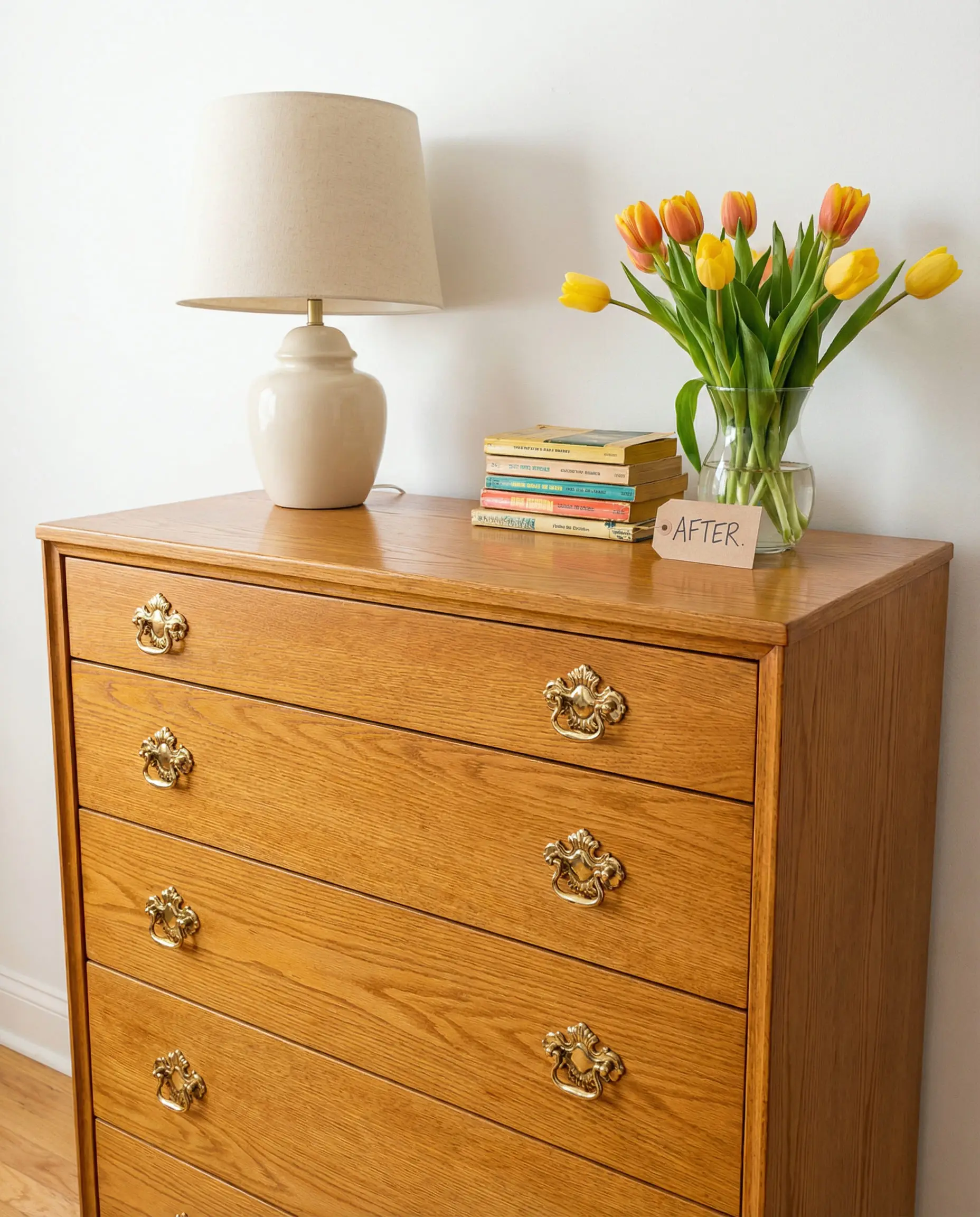
This is the oldest trick in the designer’s book. Go to your IKEA dresser or your standard kitchen cabinets and unscrew the plain knobs. Replace them with antique brass handles shaped like flowers, leaves, or dragonflies. You can find these on Etsy or at flea markets for a few dollars each. It instantly changes the character of the furniture.
2. Thrifting and Upcycling
Keep an eye out for “brown furniture” at thrift stores. Look for wood pieces from the early 1900s (or 1980s reproductions) that have curved legs or carved floral details. A coat of varnish or a new velvet upholstery job can turn a $20 chair into a $500 statement piece.
3. Focus on Lighting
Lighting sets the mood. If you have harsh overhead lighting, switch to warm bulbs (2700K). Then, add a table lamp with a fringed shade or a stained-glass bank lamp. It creates that moody, Parisian evening vibe immediately.
🎨 DIY your own “Nouveau” wall art. Buy a large canvas and paint it a solid moody color (like terracotta). Then, use a gold paint pen to draw simple, flowing, asymmetrical lines or vines. It’s abstract, modern, and fits the theme perfectly.
💡 Hackrea Styling Tip
Frequently Asked Questions (FAQ)
Yes! The style has evolved into “Retro Nouveau,” which blends the historic curves and nature motifs of the original movement with modern color palettes and cleaner layouts. It fits perfectly with the current “biophilic” design trend.
Move away from bright whites. Focus on “earthy but moody” tones: Sage green, olive, terracotta, ochre yellow, chocolate brown, and deep peacock blue. Use gold or brass for accents.
Absolutely. It pairs beautifully with Bohemian (due to the shared love of patterns and plants) and even Mid-Century Modern (both styles love wood and curves). Just avoid mixing it with ultra-industrial or “Tech” styles, as they can clash.
Victorian style is often heavier, darker, and more symmetrical, with a focus on historical revivals (like Gothic). Art Nouveau was a reaction against Victorian clutter; it is lighter, more asymmetrical, and specifically inspired by the movement of nature (vines, smoke, water).
Focus on reversible changes:
Use peel-and-stick botanical wallpaper.
Swap out cabinet knobs for vintage brass ones (keep the old ones to put back later!).
Use large area rugs with floral or curved patterns to cover generic flooring.
Hang curtains with a heavy drape (velvet) to soften rectangular windows.
Conclusion: Letting Nature In
Art Nouveau is more than just a trend; it is a reminder that our homes should feel alive. In a world that is increasingly digital and screen-based, the “Retro Nouveau” movement of 2026 invites us to look at the curves of a flower stem, the color of a dragonfly’s wing, and the warmth of polished wood.
It invites us to slow down.
Whether you go full maximalist with wallpaper and velvet, or just add a single curved mirror to your bathroom, you are inviting a bit of that natural magic into your daily life.
Ready to transform your home?
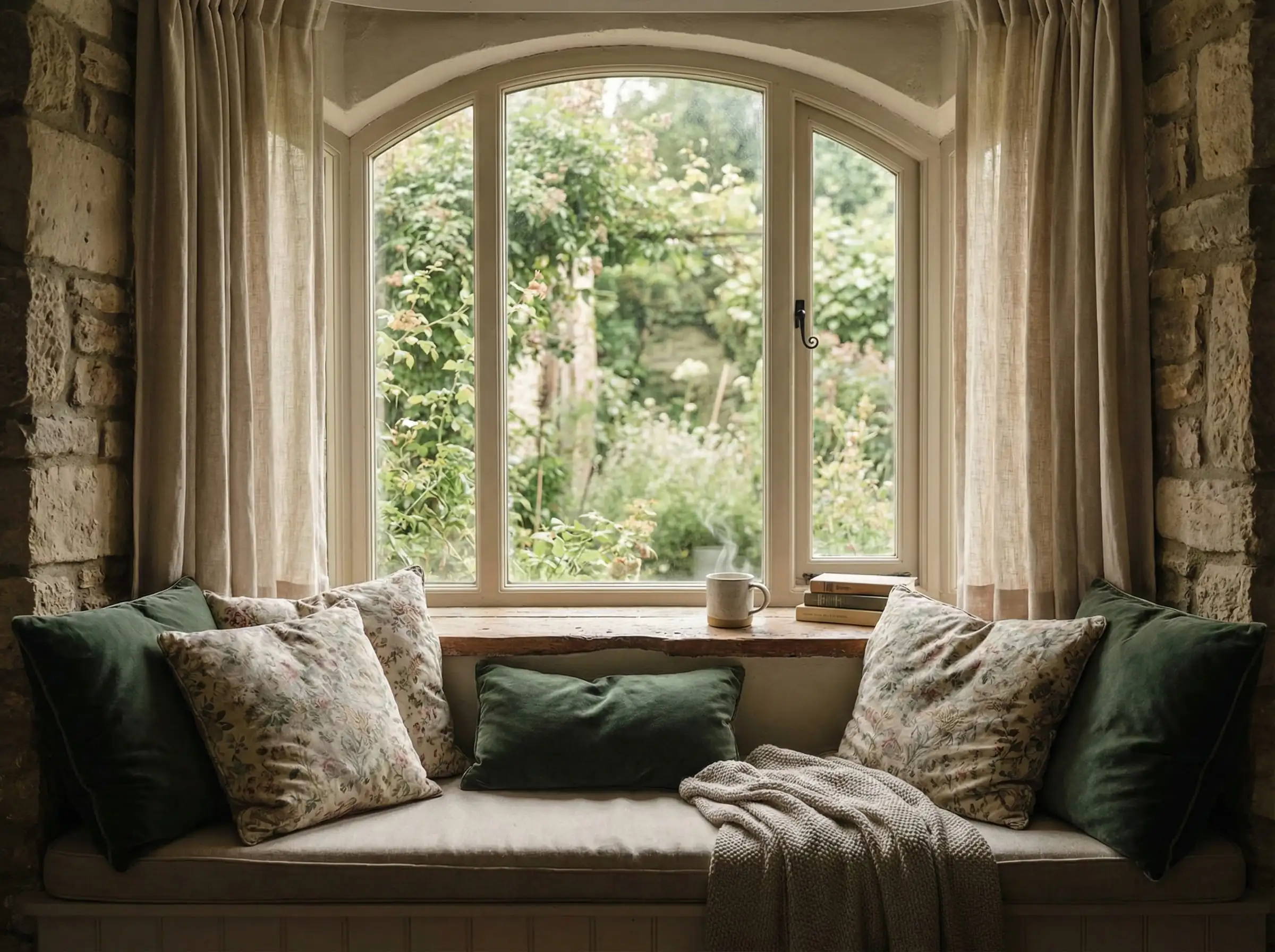
Start with one corner. Maybe it’s a reading nook with a curved armchair and a botanical print. See how it feels to break the grid.
If you are looking for more ways to update your home for the coming year, don’t miss our comprehensive report on trendy interior design styles.