What Every Central Arkansas Homeowner Should Know About Fire Damage Recovery
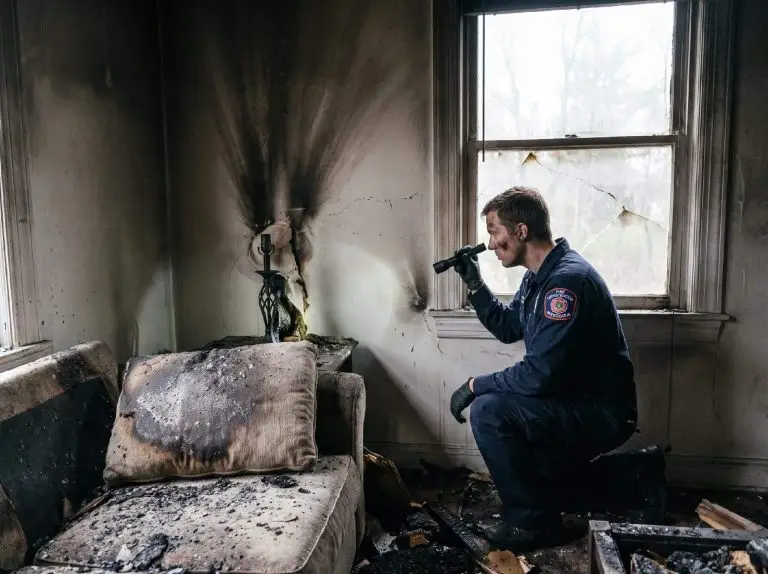
A house fire doesn’t care how long you spent picking the right crown molding or how many weekends you sank into refinishing the fireplace. In minutes, smoke and soot can undo years of work on a home you love. Arkansas just had its worst year for fire deaths since 2016, and that changes how homeowners here should think about prevention and recovery.
In 2025, the state recorded 50 fire deaths by mid-October, according to the Texarkana Gazette’s coverage of the Arkansas State Fire Marshal’s office. That’s the highest annual toll since 2016, when 47 people died, and it reverses a downward trend that had pushed the number to just 27 deaths in 2024. This piece walks through why that risk is concentrated right here in Central Arkansas, what actually happens in the hours after a fire starts, and how homeowners protect both their families and the value of the home they’ve built.
Understanding the real risk in Central Arkansas
Little Rock isn’t a bystander in these statistics. It recorded 762 fire incidents, the most of any Arkansas city, and it also led the state in firefighter-casualty fires with 6 incidents, based on NFIRS data compiled by the U.S. Fire Administration. Statewide, Arkansas sees 10.3 deaths and 11.2 injuries per 1,000 fires, according to the U.S. Fire Administration’s Arkansas profile, nearly five times the national average of 2.1 deaths per 1,000 fires.
Part of the problem is preparation. Only 14% of Arkansas homes involved in fatal fires in 2025 had a working smoke alarm, the Arkansas Division of Emergency Management reported. That single number explains a lot. A working alarm buys the minutes that separate a scare from a tragedy, and most homes in this state simply don’t have one that functions when it matters.
None of this is abstract for anyone living in Pulaski County or the surrounding area. It’s a real, measurable risk that’s climbing, not falling, and it’s worth planning around before a fire ever starts.
That’s why calling for fire damage restoration near me shouldn’t wait until the insurance paperwork is sorted out. A fire damage restoration near me search should be one of the first things a homeowner does, often before the fire department has even finished its final walkthrough, because the difference between a repairable kitchen and a gutted one frequently comes down to hours, not days.
Why the first 24 to 48 hours matter
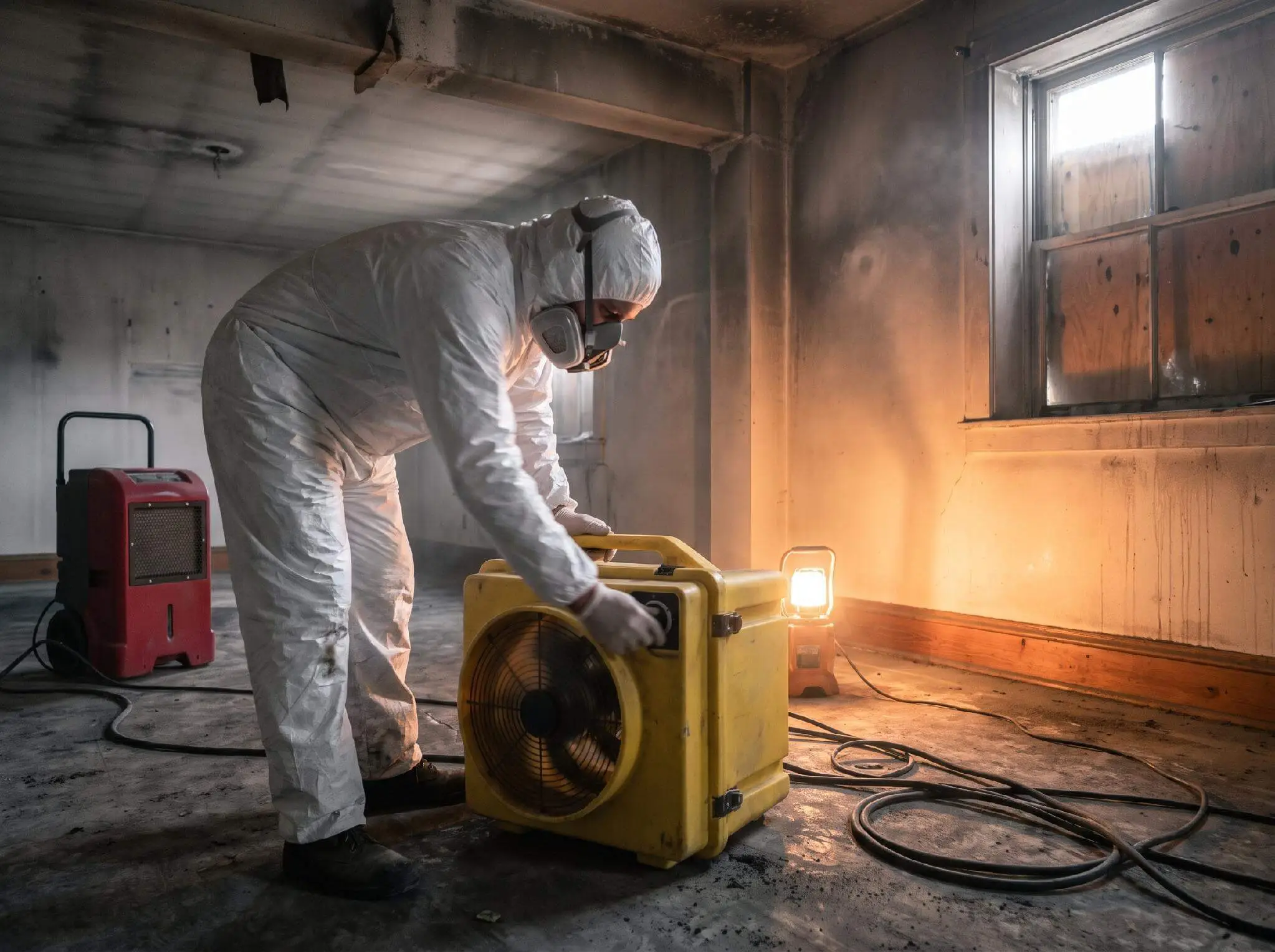
Soot isn’t just dirty. It’s chemically acidic and starts etching finishes, grout, and metal within hours. Smoke residue behaves the same way, soaking into drywall, cabinetry, and flooring until it becomes a permanent stain rather than something you can wipe away. The window to save materials rather than replace them is short and closes quickly.
The scale of this problem nationally puts the urgency in context. The NFPA’s home structure fire research estimates that 329,500 home structure fires occurred in 2024, causing about 2,920 civilian deaths, 8,920 injuries, and $11.4 billion in direct property damage. A fire department responds to a home fire roughly every 96 seconds. Fast professional response isn’t overkill. It’s the standard the data supports.
Homeowners who’ve invested in details like custom trim work have even more reason to move quickly. In our guide on adding fire-safe electrical details to your trim, we cover why hiring a professional to handle wiring behind molding matters for both code compliance and protecting that investment if a fire starts nearby.
What professional restoration actually involves
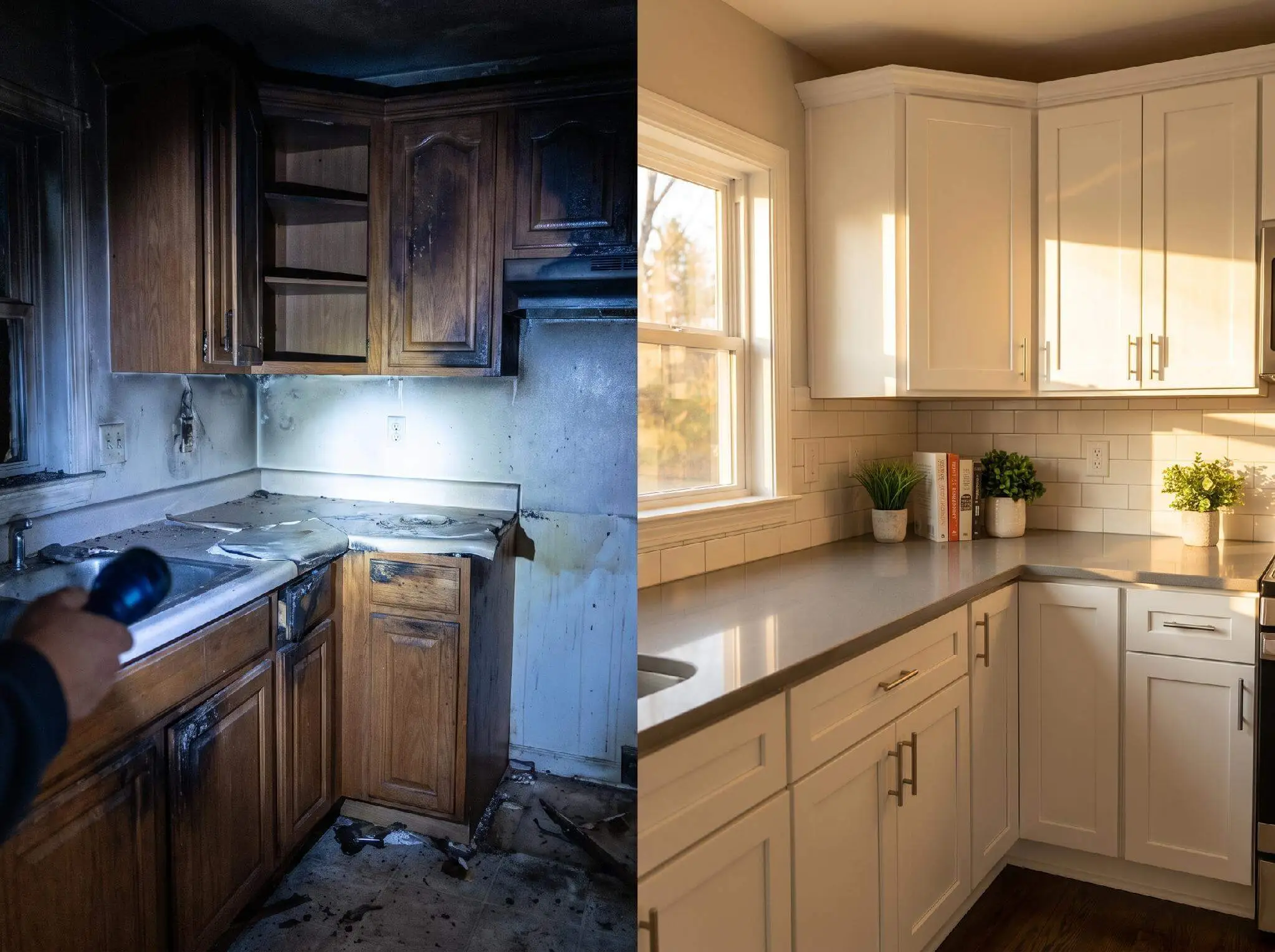
Restoration isn’t just a cleanup with stronger soap. It typically starts with a safety and structural assessment to confirm the home is stable enough to enter. From there, crews usually extract standing water left behind by firefighting efforts, since that water can cause as much long-term damage as the fire itself if it’s not removed quickly.
Next comes soot and smoke odor removal, often with HEPA air scrubbers running for days to pull particulates and odor out of the air and surfaces. Salvageable contents get cleaned and packed out, then the reconstruction phase begins: drywall, flooring, cabinetry, and anything else that didn’t survive get rebuilt.
The American Red Cross’s home fire recovery guide is a solid starting point for the immediate steps after a fire, including how to handle insurance contact and document replacement. It’s also worth knowing that this happens more often than people assume. About 1 in 430 insured U.S. homes files a fire-or-lightning property damage claim in a given year, according to the Insurance Information Institute’s analysis of ISO claims data. This isn’t a rare edge case. It’s common enough that every homeowner should have a restoration contact saved in their phone.
Post-restoration renovation decisions matter, too, especially in rooms where moisture and ventilation are at play. If a bathroom took on smoke damage, our piece on refreshing a smoke-damaged bathroom breaks down whether half-tiled or fully-tiled walls hold up better against future moisture and staining.
Rebuilding and redesigning your home after restoration

Once the structural work is done, homeowners get an unexpected chance to redesign. A fireplace wall that survived the fire but looked dated for years can finally get the update you’d been putting off. Trim, paint, and finishes can all be refreshed as part of the rebuild rather than treated as a separate project down the line.
If your fireplace was the source of the damage or sustained smoke damage, take a look at our roundup on restyling a fireplace after the room is repaired for ideas that pair well with a full room rebuild.
This is also the moment to think about fire-resistant materials for the long term. Roofing, siding, and insulation choices made during reconstruction can meaningfully lower the risk and severity of a future fire. It’s a smart use of insurance dollars already being spent on rebuilding.
The bottom line for Central Arkansas homeowners
Fire risk here is real, and it’s rising, not falling. Little Rock’s fire incident numbers and the state’s death-and-injury rate per 1,000 fires make that clear. What separates a total loss from a repairable home usually isn’t luck. It’s how fast professional help arrives in that first day or two, before soot and smoke turn from a mess into permanent damage.
Save a restoration contact before you need one. It’s a five-minute task now that can save a home’s structure, its finishes, and everything you’ve put into making it yours.