Modern Crown Molding Ideas: The Ultimate Design Guide & Trends for 2026
For decades, crown molding was the hallmark of a “finished” home—a symbol of traditional elegance that smoothed the harsh transition between wall and ceiling. But for a while, as minimalism took over the interior design world, molding took a backseat. It was often ripped out or ignored in favor of bare, sharp angles.
That has changed.
In 2026, crown molding is back, but it looks different. It has evolved from the heavy, ornate plaster of the Victorian era into a versatile architectural tool used to define space, hide technology, and manipulate light. Whether you are renovating a historic property or adding character to a new build, this guide covers everything you need to know about the modern resurgence of crown molding.
Is Crown Molding Still in Style in 2026?
The short answer is yes, absolutely. However, the application has shifted.
In 2026, crown molding is less about decoration and more about cohesion. The days of slapping a generic, white colonial profile into every room are over. Today, designers use molding to visually heighten ceilings, frame views, and even house smart lighting systems.
The biggest shift? Integration. We are seeing molding that blends seamlessly with the architecture rather than standing out as a separate “trim.” It is no longer just a border; it is a bridge that connects your walls to your ceiling, making the entire room feel larger and more intentional.
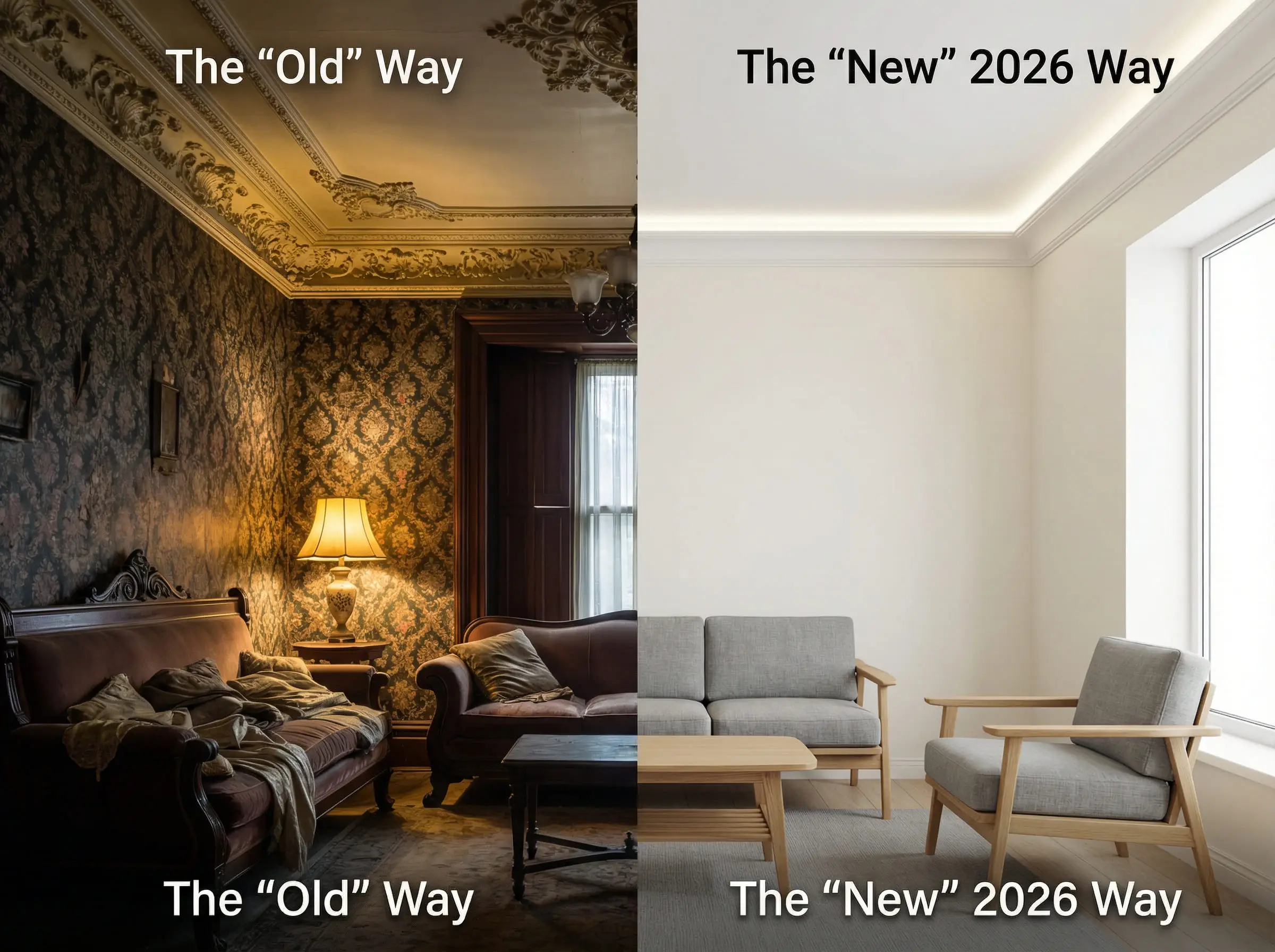
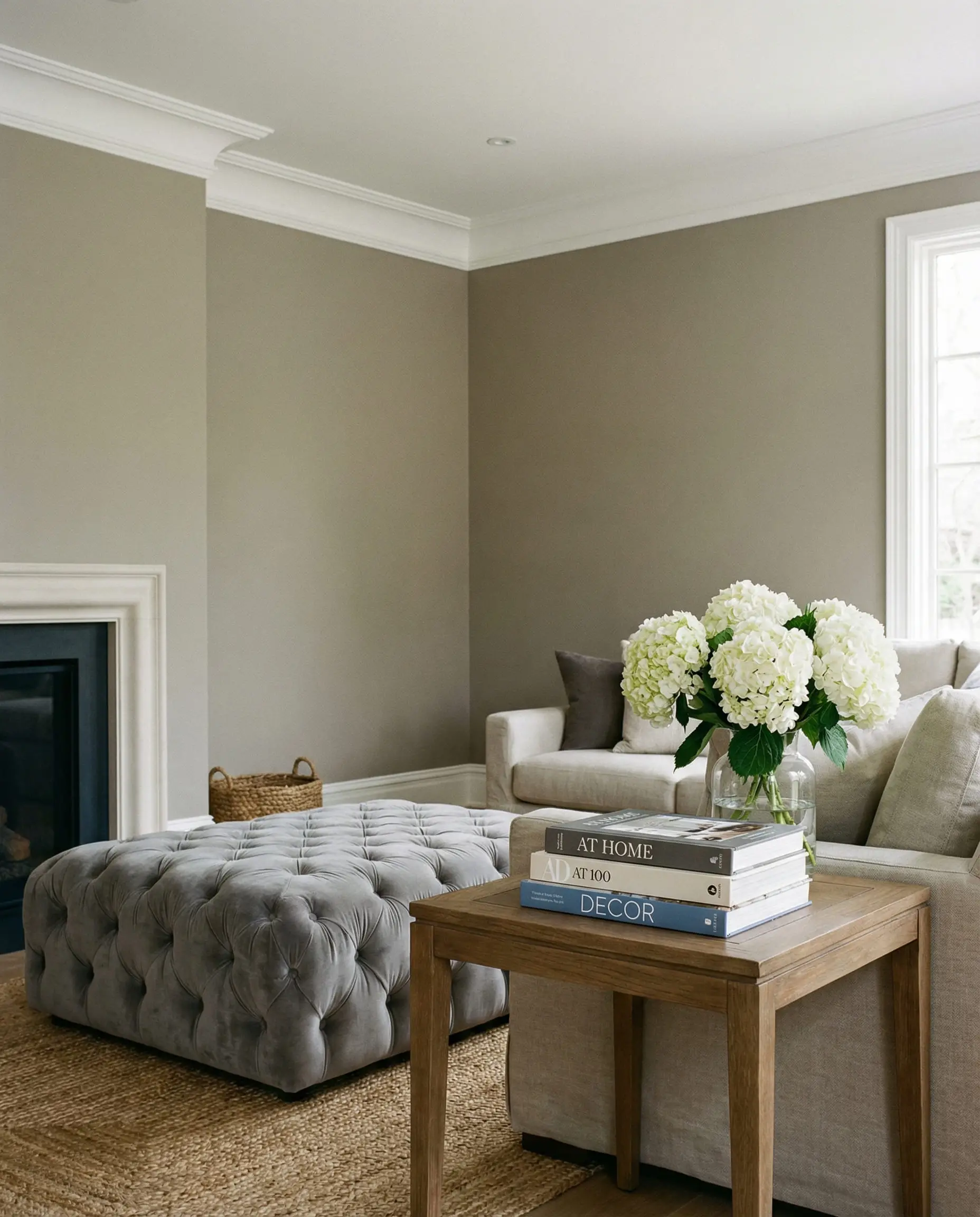
If you are unsure if molding fits your modern home, look at your baseboards. If your baseboards are tall and flat, your crown molding should mimic that simplicity. Harmony between floor and ceiling trim is the golden rule of 2026.
Hackrea Tip 💡
Top Crown Molding Trends & Ideas for 2026
If you are ready to update your space, forget the standard “builder-grade” options. Here are the top design trends dominating the industry this year.
1. The “Color Drenching” Look
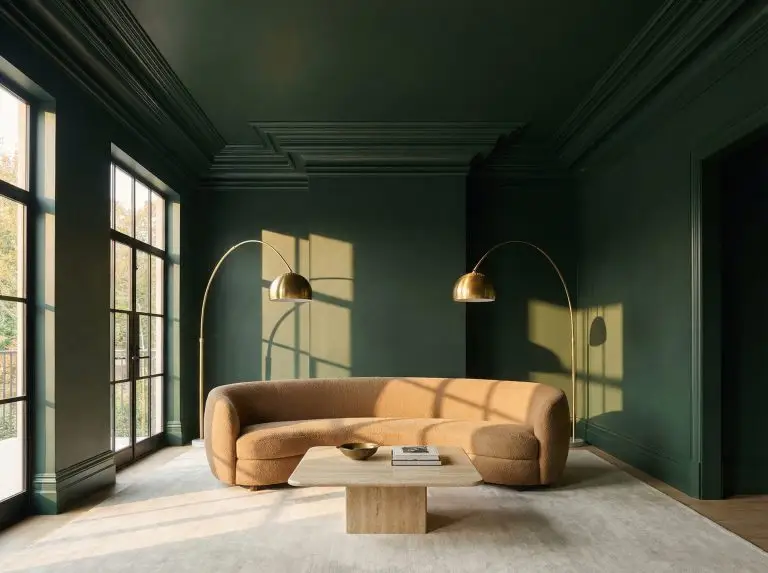
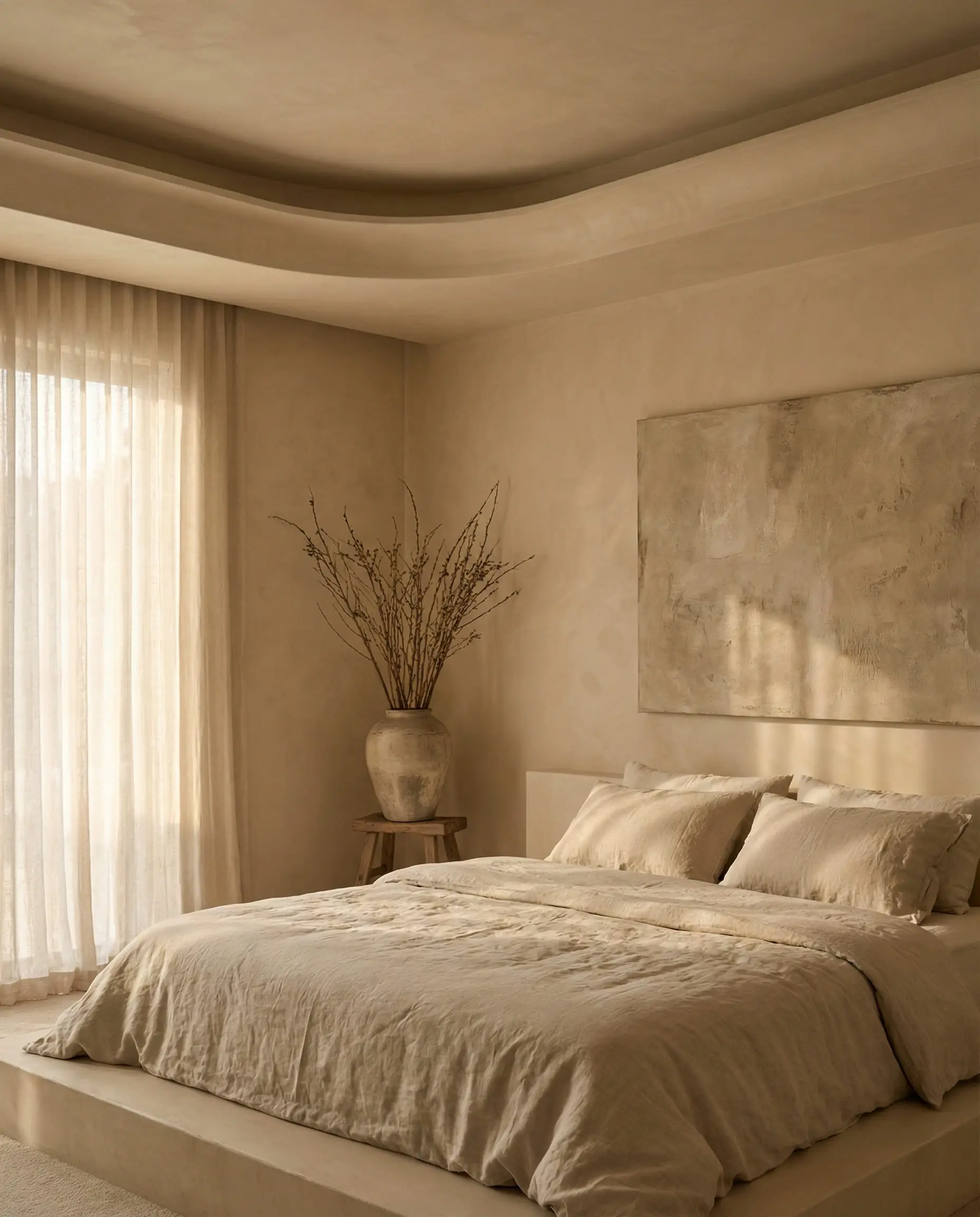
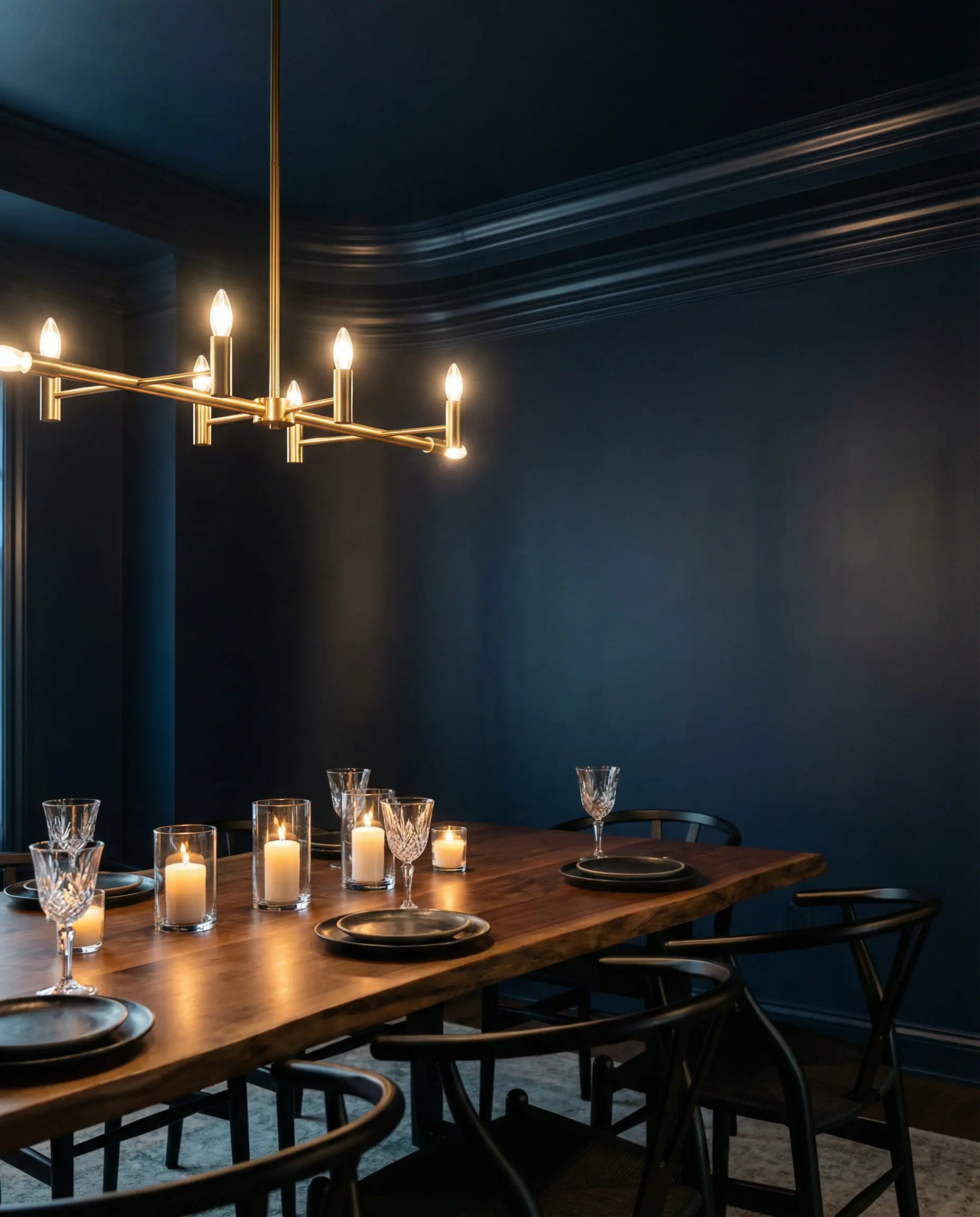
This is arguably the most significant trend in interior design right now. Instead of painting the molding white to contrast with a colored wall, you paint the crown molding, the baseboards, the walls, and sometimes even the ceiling the exact same color.
This monochromatic technique creates a “drenched” look that blurs the boundaries of the room. By removing the harsh white line of the molding, you trick the eye into thinking the walls extend higher than they do. It creates a calm, enveloping atmosphere that is perfect for bedrooms and cozy living spaces.
2. Integrated LED Lighting (“Floating” Molding)
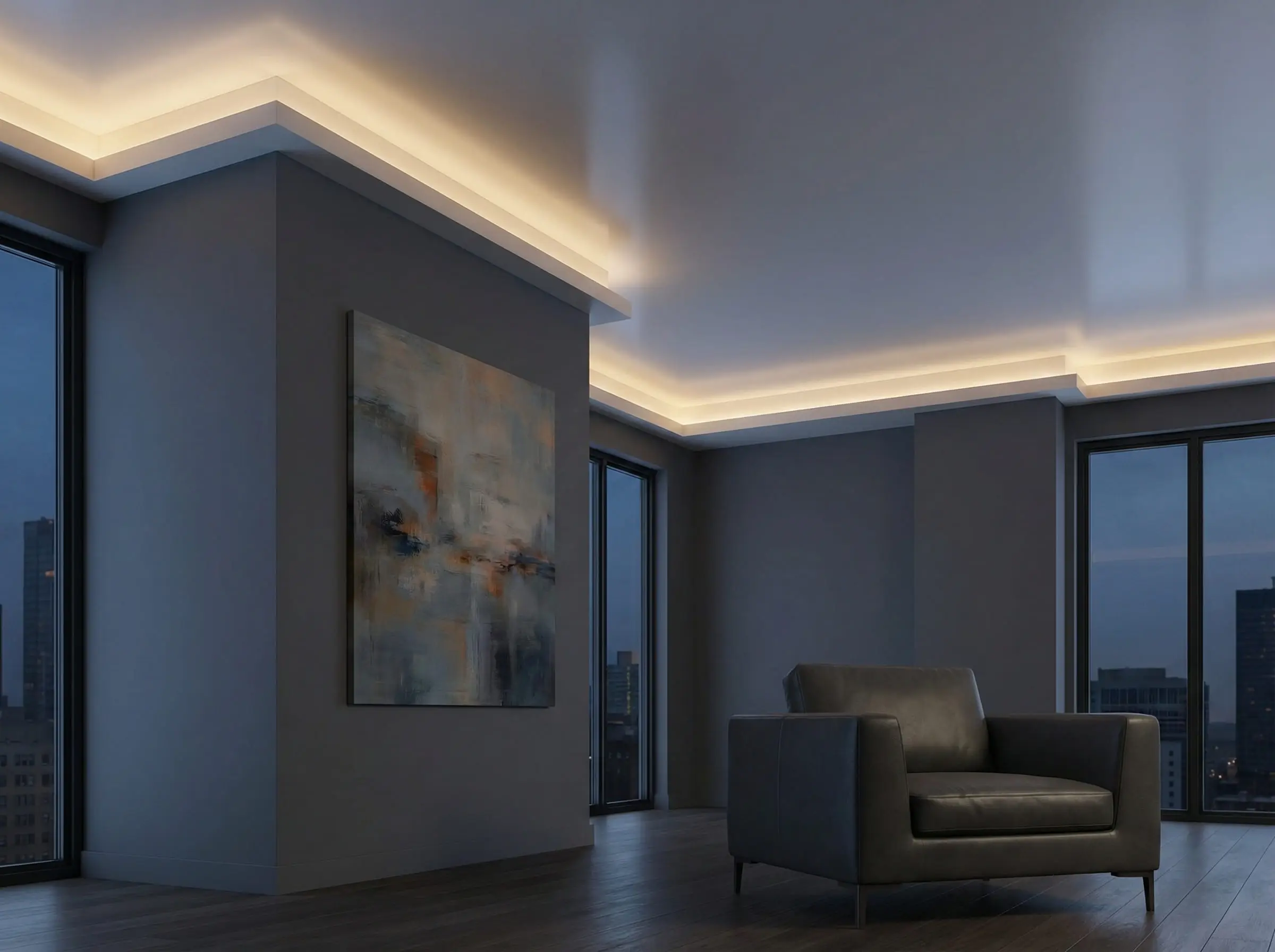
Modern luxury is defined by lighting. A massive trend for 2026 is installing crown molding slightly below the ceiling line (usually 2-3 inches) to create a hidden trough for LED strip lights.
This “floating” effect washes the ceiling with soft, indirect light, adding ambiance without the need for harsh overhead fixtures. It works exceptionally well in media rooms, primary suites, and hallways.
3. Modern Minimalist & Flat Profiles
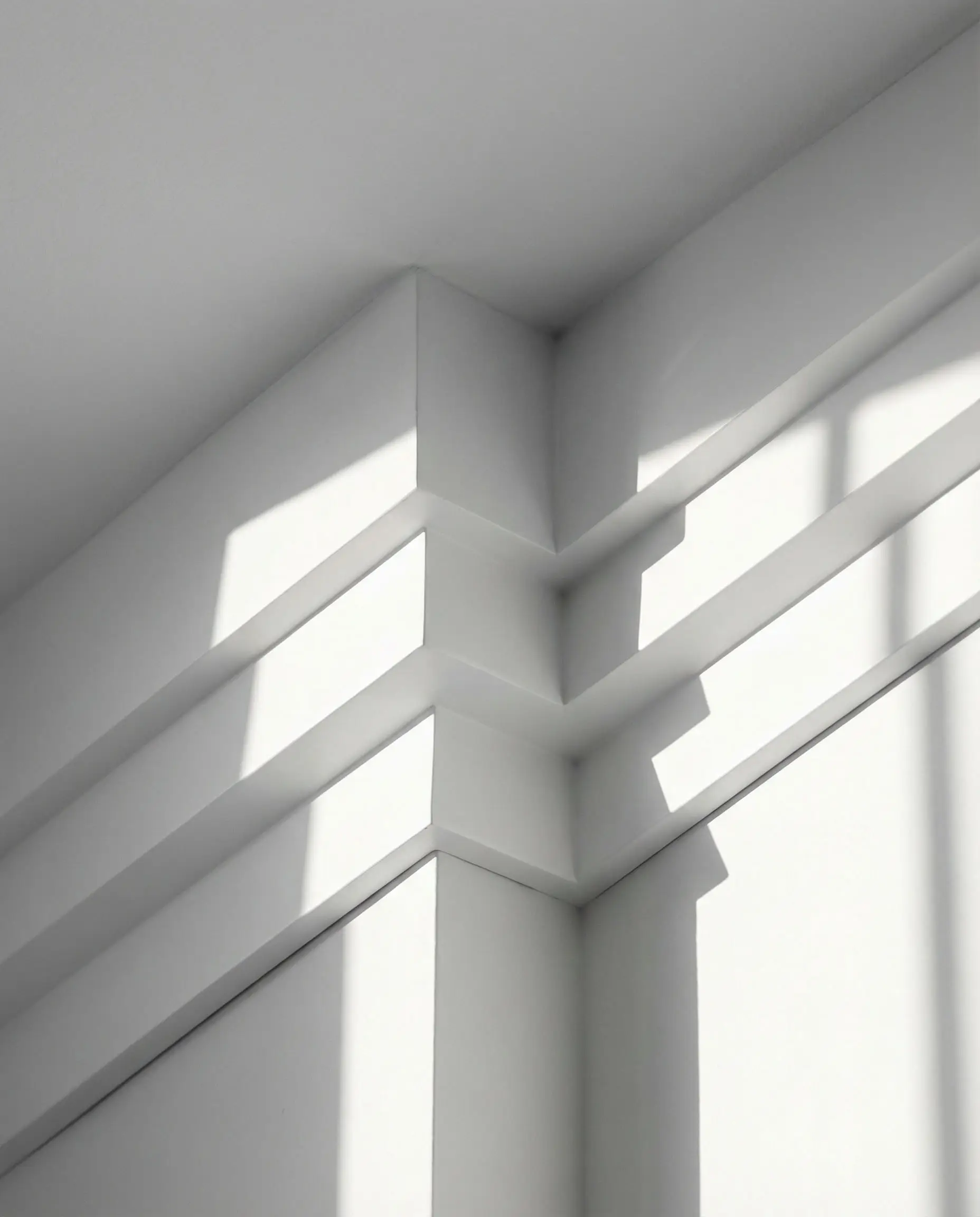
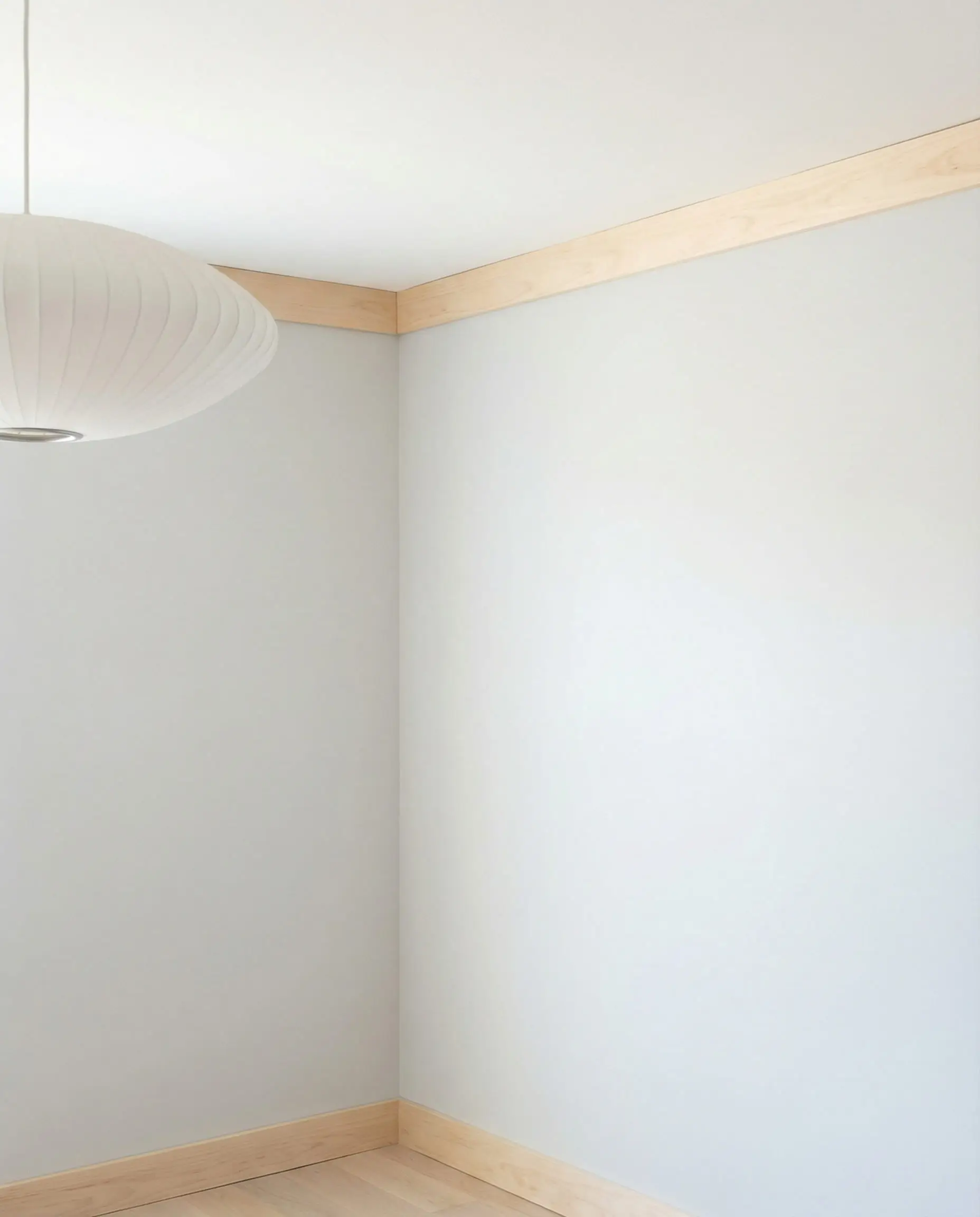
Ornate curves are being replaced by geometric precision. Flat stock molding or simple “stepped” profiles (reminiscent of Art Deco but stripped back) are the go-to for contemporary homes. These profiles cast sharp, clean shadows and add architectural interest without feeling fussy or “old-fashioned.”
4. High-Contrast Black & Charcoal
For those who love drama, the “picture frame” effect is trending. This involves using black, charcoal, or dark bronze molding against white or light neutral walls. It acts like eyeliner for your room, sharply defining the architecture. This looks particularly stunning in rooms with high ceilings or industrial-style lofts.
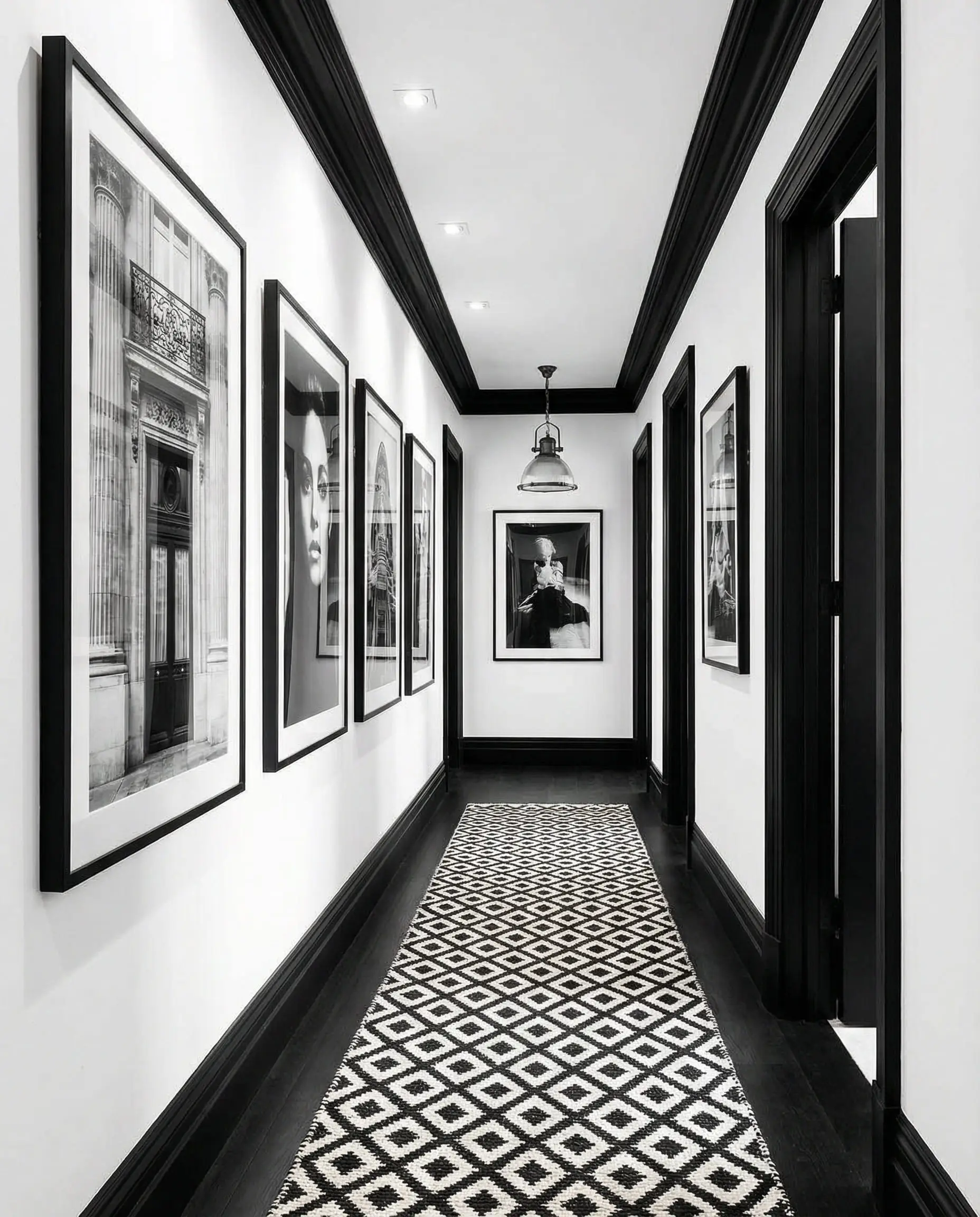
If you choose dark molding, ensure your window casings and door frames match. A disconnected trim color palette can make a room feel chaotic.
Designer Note 🎨
5. Floor-to-Ceiling Cohesion
In 2026, we are seeing a move away from “off-the-shelf” sizing. The scale of your molding must match the scale of your room. A common mistake is using a standard 3-inch molding in a room with 10-foot ceilings—it looks lost.
To explore how these trends fit into broader architectural themes, check out our guide on Modern Ceiling Design Trends.
Choosing the Right Material: A Comparison Guide
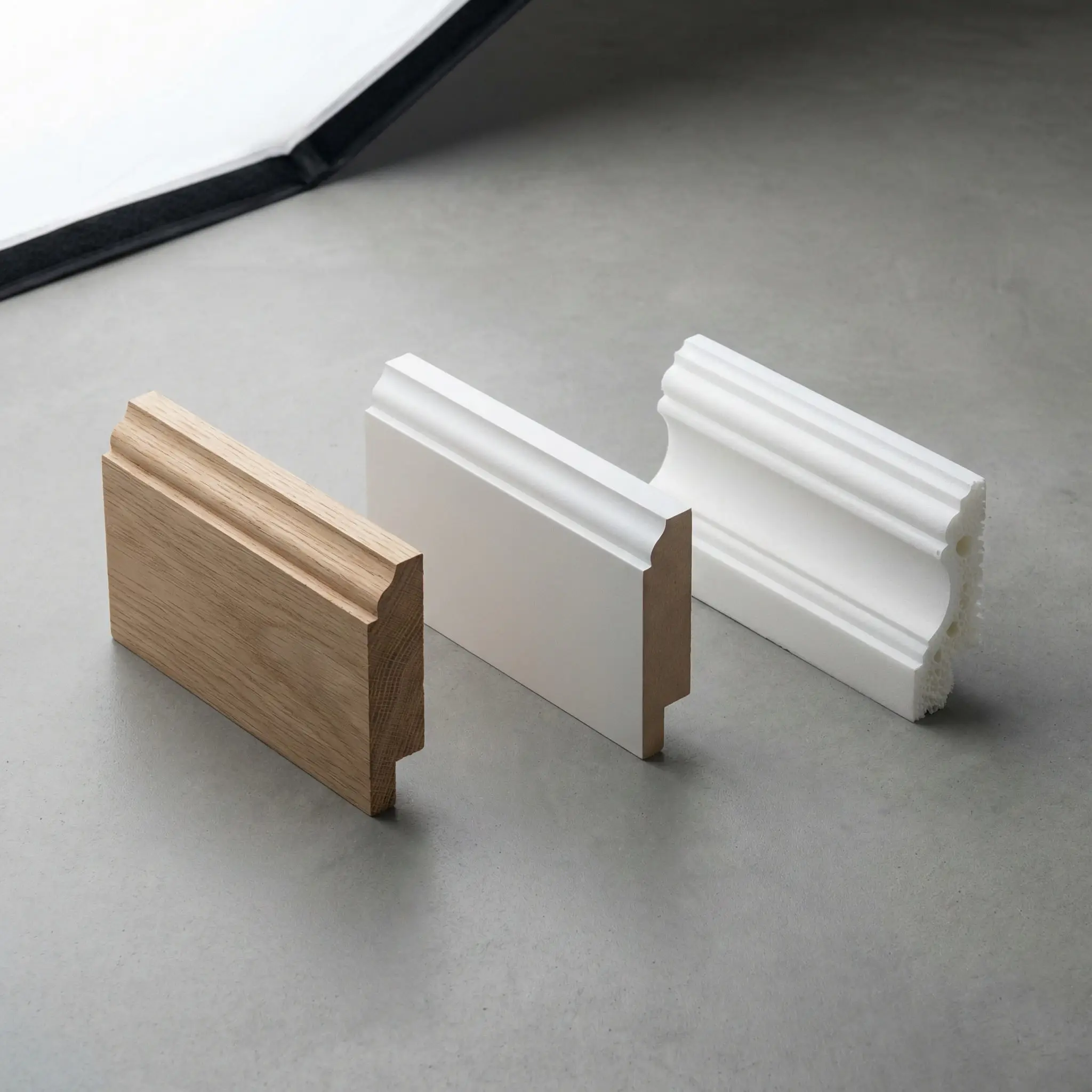
Not all molding is created equal. The material you choose will dictate the cost, durability, and finish of your project. Here is a breakdown to help you decide.
| Material | Cost | Durability | DIY Friendliness | Best Use Case |
| Solid Wood | High | Very High | Medium | Stain-grade finishes; historic homes where authenticity matters. |
| MDF (Composite) | Low | Medium | High | Paint-grade projects; standard living rooms and bedrooms. |
| Polyurethane (High-Density Foam) | Medium | High | Very High | DIY projects; bathrooms (it doesn’t rot); rooms with curves. |
| Plaster | Very High | Very High | Low (Pro only) | Luxury bespoke designs; elaborate curves; high-end restoration. |
| PVC / Vinyl | Low | High | High | Bathrooms, exteriors, or areas with high moisture. |
Wood vs. MDF: The Great Debate
For most homeowners painting their trim, MDF is the superior choice. It doesn’t warp with humidity changes like solid wood, and it has no grain, ensuring a glass-smooth paint finish. However, if you want the natural warmth of timber, solid wood (like oak or mahogany) is the only option.
The Rise of Polyurethane
Don’t let the word “foam” scare you. High-density polyurethane is hard, lightweight, and comes in thousands of intricate profiles that would cost a fortune in wood. It glues up easily and is perfect for uneven walls because it has a slight flex.
Room-by-Room Inspiration
Living Room: Grandeur & Scale
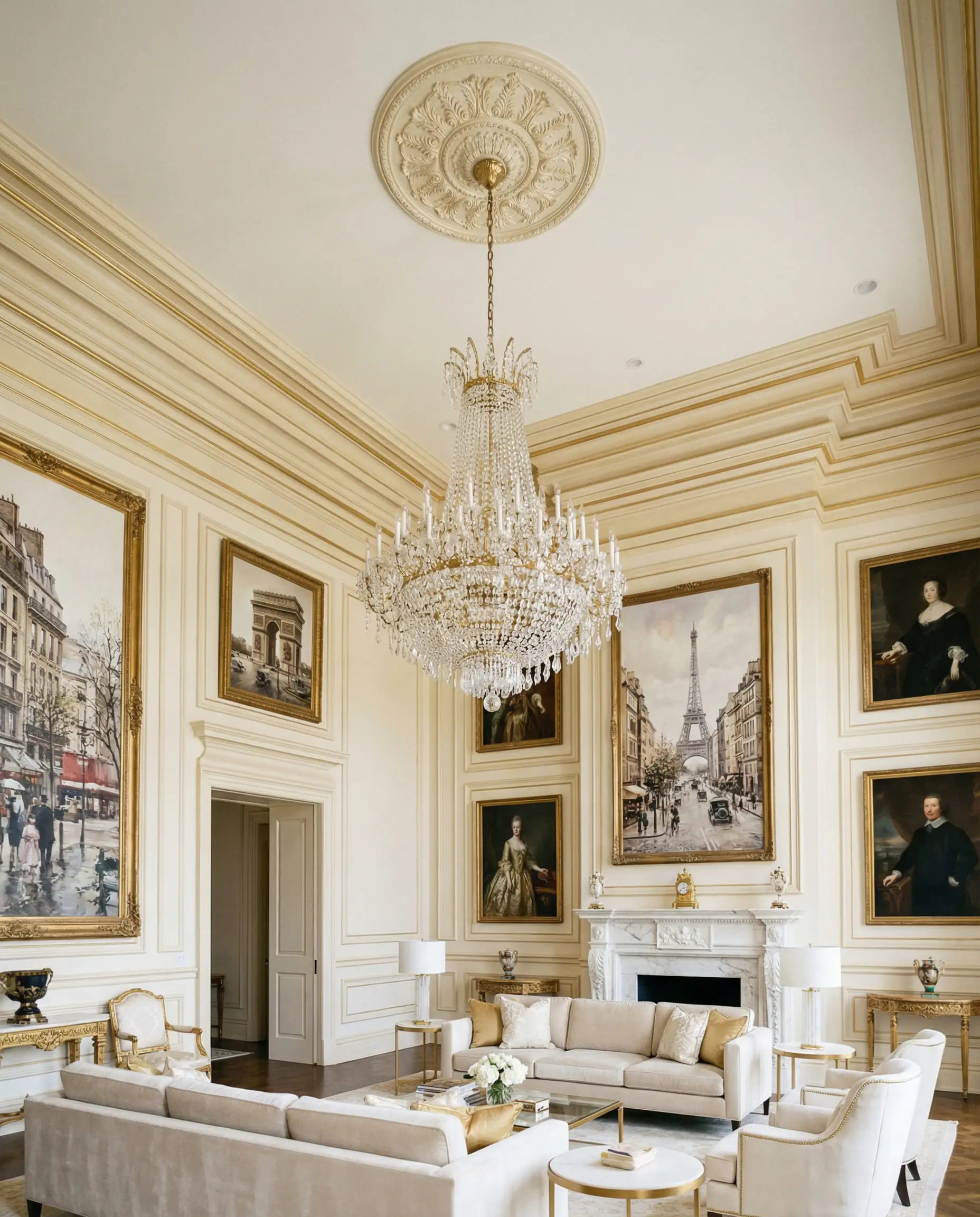
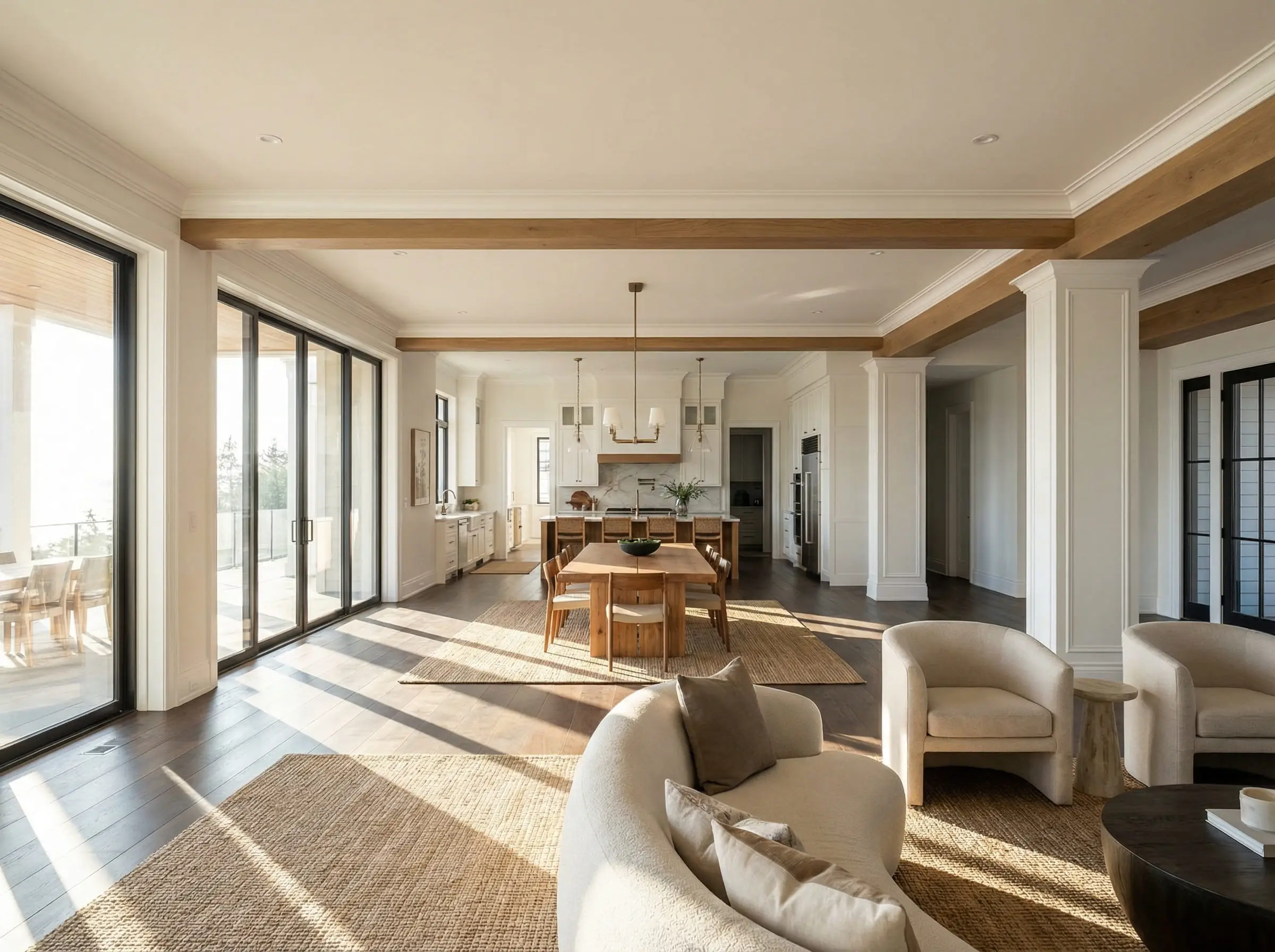
The living room is where you can afford to go big. In 2026, we are seeing “stacked” molding here—combining a baseboard inverted on the wall with a crown piece on top to create a massive, custom look. If you have a fireplace, ensure the molding complements the mantel style.
Kitchen: The Cabinet Connection
In the kitchen, crown molding serves a vital functional role: bridging the gap between your upper cabinets and the ceiling. Taking cabinets all the way to the ceiling (with molding to finish the gap) eliminates that awkward, dusty space on top of cupboards and makes the ceiling feel higher.
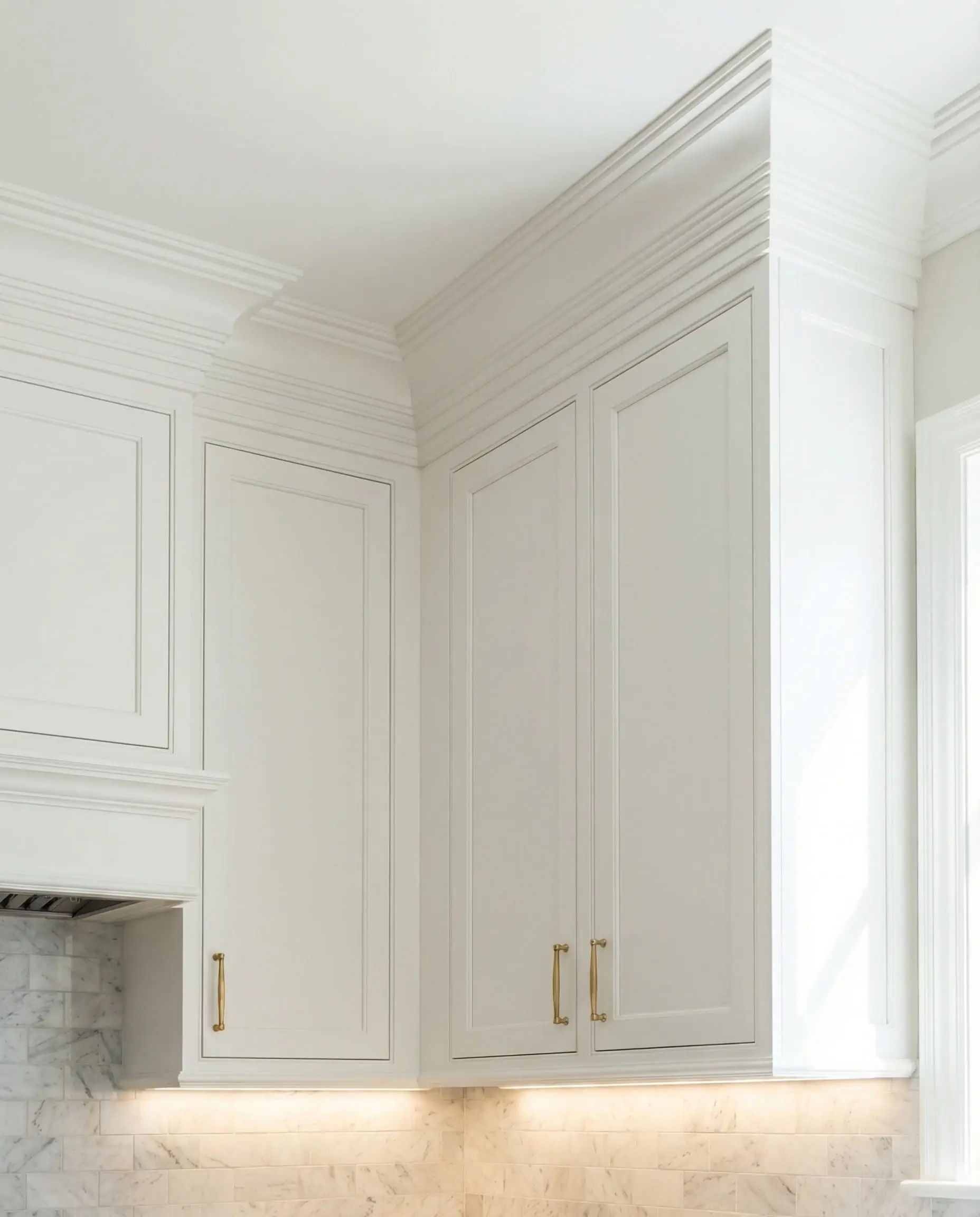
Match the kitchen crown molding to your cabinet finish, not the wall color, for a built-in furniture look.
Hackrea Tip 🛠️
Bedroom: Soft & Ambient
Bedrooms benefit from the “cove” style molding—a concave profile that curves inward. This softness is relaxing to the eye. This is also the best place to utilize the LED indirect lighting trend to create a soothing evening atmosphere.
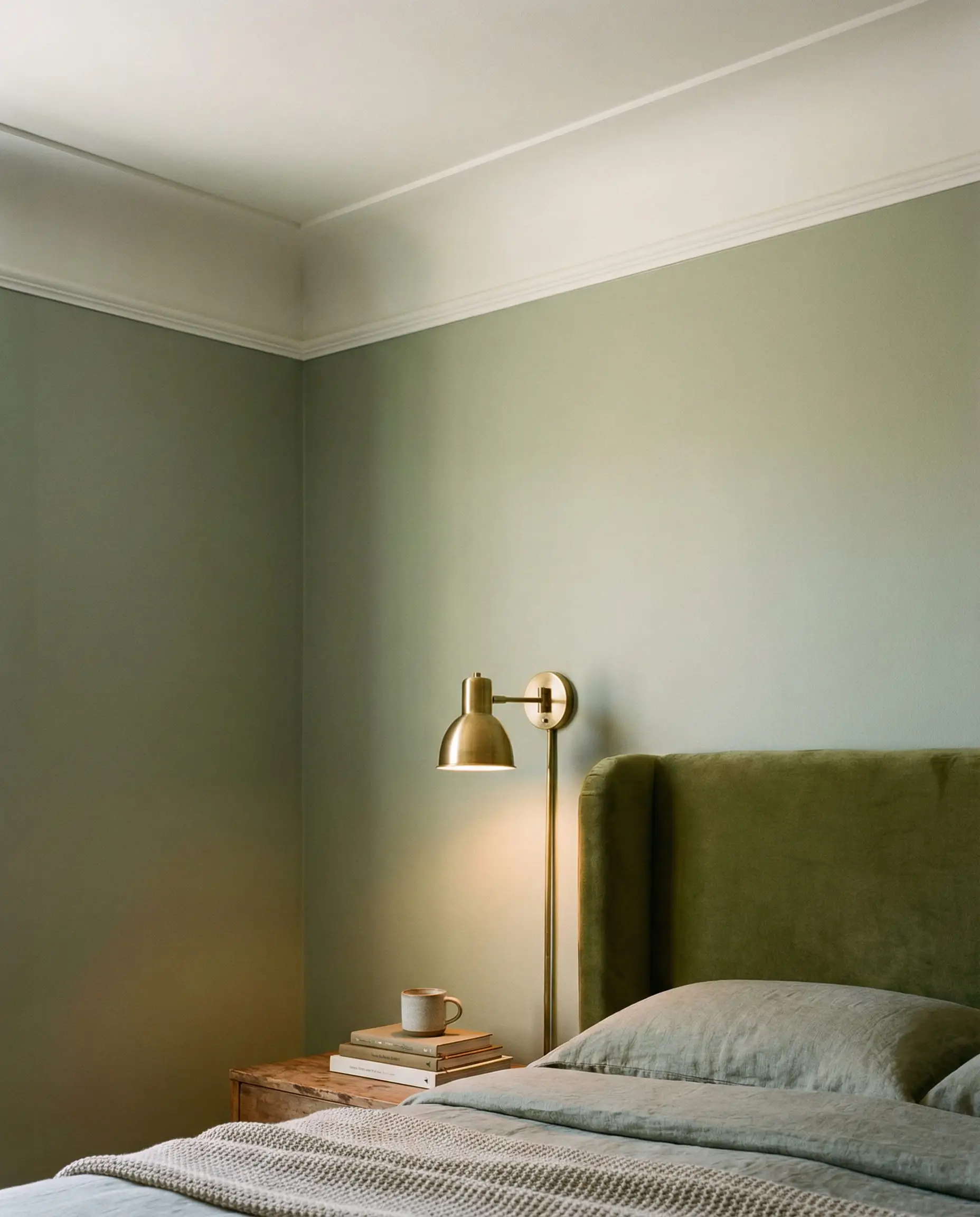
- Inspiration: Modern Bedroom Design Trends and Ideas
Bathroom: Moisture Matters
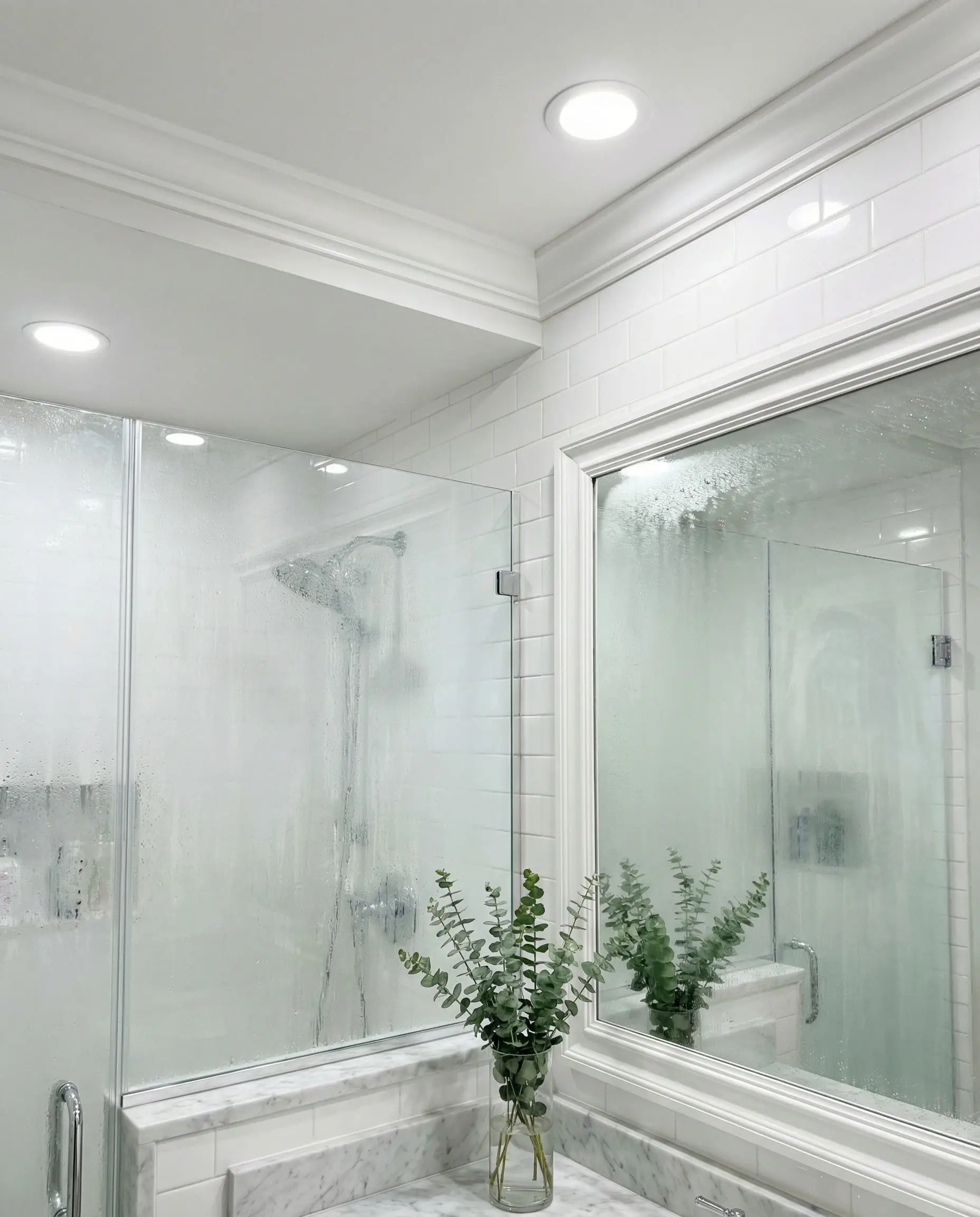
Avoid MDF in the bathroom. Humidity will eventually cause it to swell and crack the paint. Stick to PVC or Polyurethane. In 2026, we are seeing crown molding used in bathrooms to hide shower curtain tracks or frame vanity mirrors.
Installation: DIY vs. Hiring a Professional
Is installing crown molding a DIY project? It depends on your patience and your tools.
The DIY Reality Check
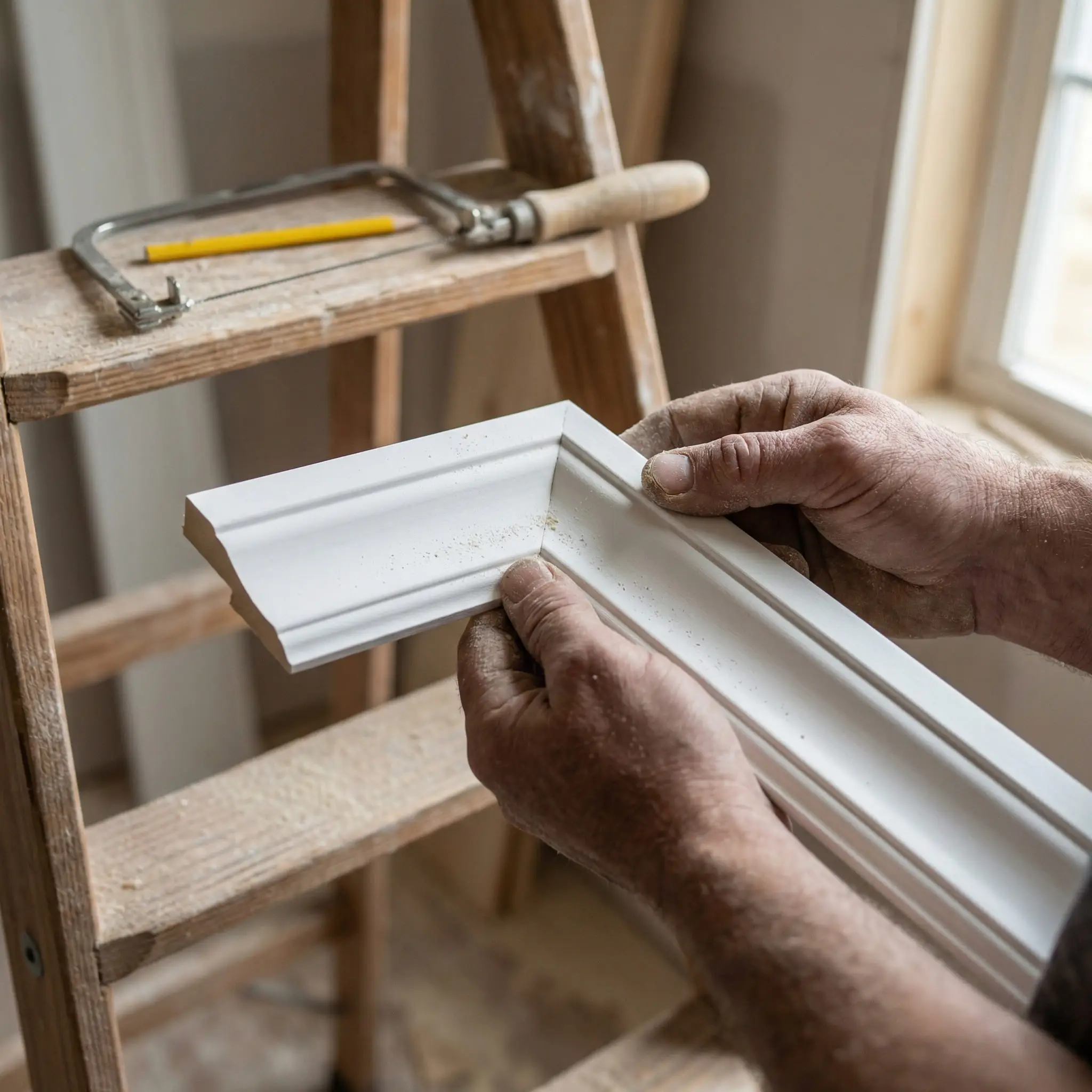
Installing crown molding is deceptively difficult because walls and ceilings are rarely perfectly square.
When to Hire a Pro
If you are DIY-ing, buy 10-15% more material than you think you need. Mistakes happen, and you don’t want to be short one foot of molding at the end of the project.
Hackrea Tip 💡
Cost Breakdown & ROI
In 2026, here is what you can expect to pay for professional installation (materials + labor):
Does it increase home value?
Yes. While it might not add dollar-for-dollar value like a kitchen remodel, crown molding is a “quality signal.” When buyers walk into a home with well-executed trim work, they subconsciously perceive the home as high-end and well-maintained. It separates a “custom” feel from a “basic” feel, which can be the deciding factor in a competitive market.
For more on adding value to your property, read our guide on 6 Ways to Increase Your Home’s Value.
Frequently Asked Questions (FAQ)
Traditionally, it is lighter (usually white). However, the 2026 trend is to match the wall color (monochromatic) or go darker (charcoal/black) for contrast. There is no longer a strict rule—it depends on the vibe you want.
Yes, but be careful. Avoid wide, heavy profiles that will make the room feel like a box. clear Use a simple, vertical-heavy profile (3 inches or less) that draws the eye up without weighing down the room.
They do not need to match exactly in profile (shape), but they should match in visual weight and style. You wouldn’t want a Victorian, floral crown molding paired with a sharp, modern minimalist baseboard.
Absolutely. Look for “knife-edge” profiles, simple coves, or flat stock. Modern design is about clean lines, and a simple piece of molding can make a wall-to-ceiling transition look much cleaner than a drywall tape joint.
Conclusion
Crown molding in 2026 is an exciting blend of tradition and technology. Whether you are “drenching” your room in color, hiding LEDs for a futuristic glow, or simply adding a crisp finish to a renovation, the right molding elevates a house into a home.
It is the final layer of dress—the accessory that ties the outfit together. Don’t overlook it.
Ready to plan your next renovation? Explore our full list of interior design styles to find the perfect match for your new molding.

The Hackrea Style Desk treats interior decoration as an exact visual science. Rather than focusing on demolition or floor plans, this desk masters the art of color theory, undertone matching, material pairings, and spatial proportion. From balancing the visual weight of mixed metals to finding the perfect bridging tone between disparate wood species, this desk provides the rigorous aesthetic rules needed to achieve high-end, editorial-quality harmony in any space.