The Hidden Cost Math of Window Replacement: How to Budget (and Finance) an Upgrade That Actually Pays You Back
An old, drafty window doesn’t announce itself. It just quietly adds a few dollars to every winter bill until, one day, you notice the living room never feels quite warm enough no matter what the thermostat says. Window replacement gets talked about constantly on home decor sites as a design decision: curtains, trim, sightlines. It’s rarely treated as what it actually is for most households: a capital allocation decision with real payback math attached. This guide walks through what a window project actually costs in 2026, how much of that cost you can expect back through energy savings and resale value, and how homeowners are realistically paying for it.
Why Old Windows Quietly Drain Your Energy Bill

Windows account for 25 to 30% of a home’s heating and cooling energy loss, according to the U.S. Department of Energy’s ENERGY STAR program, cited in its 2025 Windows Messaging Document. That’s not a rounding error. It’s the difference between a furnace that runs in short, efficient bursts and one that cycles constantly to keep up with heat sneaking out through single-pane glass. The same document estimates that swapping single-pane windows for ENERGY STAR certified models saves homeowners between $101 and $583 per year on energy bills, depending on climate zone and how many windows are involved.
Picture a family in an older colonial with 12 original single-pane windows. Their winter heating bills have crept up three years running, and a contractor’s estimate for a whole-house replacement lands somewhere between $7,000 and $15,000. Draining savings to cover that in one shot isn’t appealing, so they start researching how other homeowners actually pay for a project this size. Somewhere in that research, they come across the window replacement financing options VistaFi outlines, structured to spread a project like this into fixed monthly payments rather than a lump sum. For many families sitting on the fence between waiting another year and just doing it, seeing the payment broken into manageable monthly chunks is what actually moves the decision forward.
What Window Replacement Actually Costs in 2026
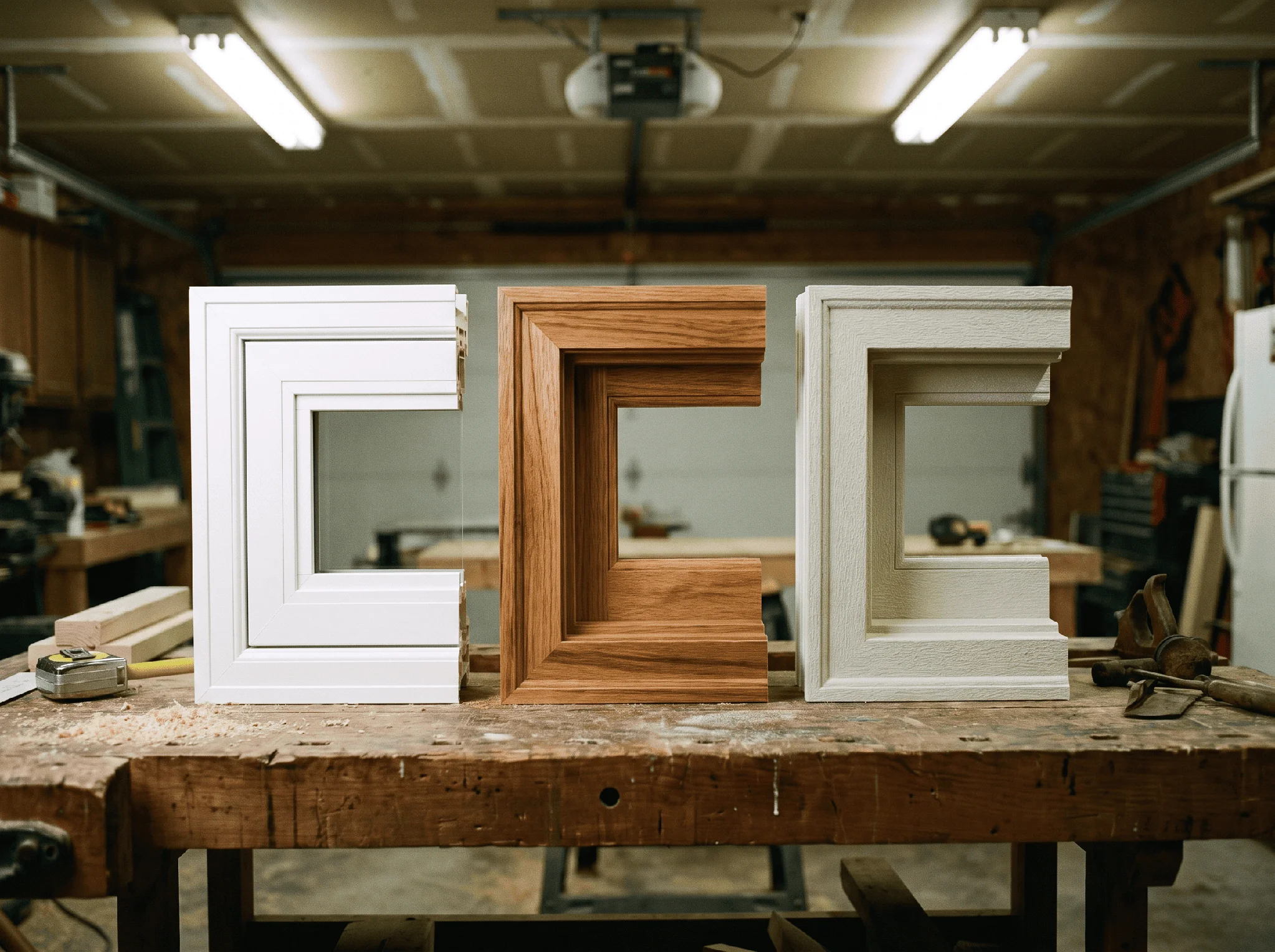
Cost is where most homeowners get surprised, mainly because window pricing swings so widely by material and window count. This Old House’s 2026 survey of 1,000 window replacement customers found an average installed cost of $517 per window, with total project spend landing around $7,183 for a typical job, according to This Old House’s 2026 cost survey. Vinyl frames sit at the affordable end, wood runs noticeably higher for the look many buyers want, and fiberglass splits the difference while offering better long-term durability than either.
None of this is arbitrary pricing. Frame material, glazing type, and installation complexity each move the number independently, which is why two houses with the same window count can end up with estimates thousands of dollars apart. Treating a window project with the same budget discipline as any other major renovation line item, rather than an emotional splurge, keeps the numbers honest from the first quote.
The Payback: Energy Savings and Resale Value
Here’s where windows separate themselves from most cosmetic renovations: they pay you back twice. The 2025 Remodeling Cost vs. Value Report found that a 10-window vinyl replacement project costing an average of $20,091 recoups roughly 68.5% of that cost at resale, adding about $13,766 in resale value on top of the ongoing energy savings homeowners see every month. Few upgrades combine a monthly utility discount with a documented resale bump the way replacement windows do.
There’s also a federal incentive layer worth checking before you sign a contract. The Energy Efficient Home Improvement Credit, commonly referenced as Section 25C, has historically covered a percentage of qualifying window and door upgrades, though the credit’s exact terms shifted under late-2025 legislation, so confirming current eligibility directly with the IRS or a tax professional before budgeting for it matters more than ever this year. A credit that reduces your net cost by even a few hundred dollars changes the math enough to be worth 10 minutes of research, and it reinforces the same principle behind a budget-first renovation strategy: put capital toward the upgrades that pay you back, not just the ones that look good on move-in day.
Comparing Ways to Pay for the Project

Most households fund a window project through one of four routes: cash savings, a home equity line of credit, a personal or home improvement loan, or financing offered directly by the installation contractor. Personal loans tend to close faster and skip the home-as-collateral requirement, which some homeowners prefer even at a somewhat higher rate.
Whichever route you choose, the total loan amount matters just as much as the rate. Cutting a few thousand dollars off the project cost before you even apply, through smarter material choices or bundling purchases, shrinks both your monthly payment and total interest paid; every dollar trimmed from the upfront cost is a dollar you’re not paying interest on for years.
Getting the Most from Your New Windows
Once the new windows are in, a few habits protect the investment. Confirm the installer sealed and flashed each window properly. Poor installation can erase a meaningful chunk of the energy savings you just paid for, even with premium glass. Ask specifically about ENERGY STAR Most Efficient models if your climate zone runs hot or cold for much of the year; the tier above standard ENERGY STAR certification often pays for the price difference within a few winters.
And once the functional side is handled, there’s still the design layer to enjoy. New window openings are also a natural moment to rethink dressing your new windows once they’re installed, since new frame dimensions and glass performance sometimes change what treatments actually work best in a given room.
Conclusion
Window replacement isn’t just a design refresh; it’s a financial decision with a real payback window measured in both monthly savings and resale value. Running the cost math up front, from the true installed price to the financing terms available, keeps a homeowner from overpaying on one of the larger renovation checks they’ll write this decade. Compare financing options before you sign anything, ask about material tradeoffs honestly, and the project pays for itself in more ways than one.