Most people spend roughly 90% of their lives indoors. Yet, we seldom consider the quality of the air we spend so much of our lives breathing in. The Environmental Protection Agency (EPA) reports that indoor pollutant levels can be up to 100 times higher than outdoor levels, potentially leading to health issues.
There are many efficient and proactive ways to improve your home’s air quality, including improving ventilation, reducing moisture, controlling pollutants and allergens, and conducting regular air quality tests. And if you have ever asked yourself whether air purifiers are worth it, experiencing the difference they make to your home’s air quality will quickly provide you with an answer.
Regular Air Quality Tests
It is impossible to maintain healthy indoor air quality if you are unsure of what you are working with. The best place to start is to test the air quality to establish a baseline. This can be done using an air quality test kit found online or by hiring a professional.
While hiring a professional costs more than buying a DIY kit, they can conduct a more comprehensive screening, test for a wider range of pollutants, and provide a full panel of results. Furthermore, they often offer additional services to help you manage any issues that arise during the inspection itself, such as specializing in mold prevention and removal.
Air Purifiers
Have you ever wondered, are air purifiers worth it? Investing in a HEPA air purifier is one of the most effective ways to improve and maintain your home’s air quality. High-efficiency particulate-absorbing (HEPA) filters are the best in the business at removing more than 99% of all harmful particles, pollutants, and allergens from the air.
They can also help remove flu virus particles to keep the entire family healthy throughout the year. Considering regular air purifiers can’t remove all types of pollution, investing in a HEPA air filter will reduce smoke, mold spores, VOCs, and allergens like pet dander and pollen.
Improve Ventilation
Maintaining proper airflow through your home offers a practical, easy, and potentially cost-free way to significantly improve indoor air quality. Simply opening windows and doors to allow fresh air to flow through your home unobstructed can clear out low-quality air, provided the outdoor air is clean and low in pollen.
Additionally, air will naturally enter through vents and other weak spots, typically found in door and window frames. While there is often little that can be done to block these weak spots outside of replacing the entire frame, it is beneficial to ensure that any air funneling into your home via vents isn’t adding to the issue. This means you should regularly replace filters in cooling and heating systems, check filters in appliances that bring air into your home, and clean air ducts to ensure they remain unobstructed and free of dust and other allergens.
Cut Down Pollutants
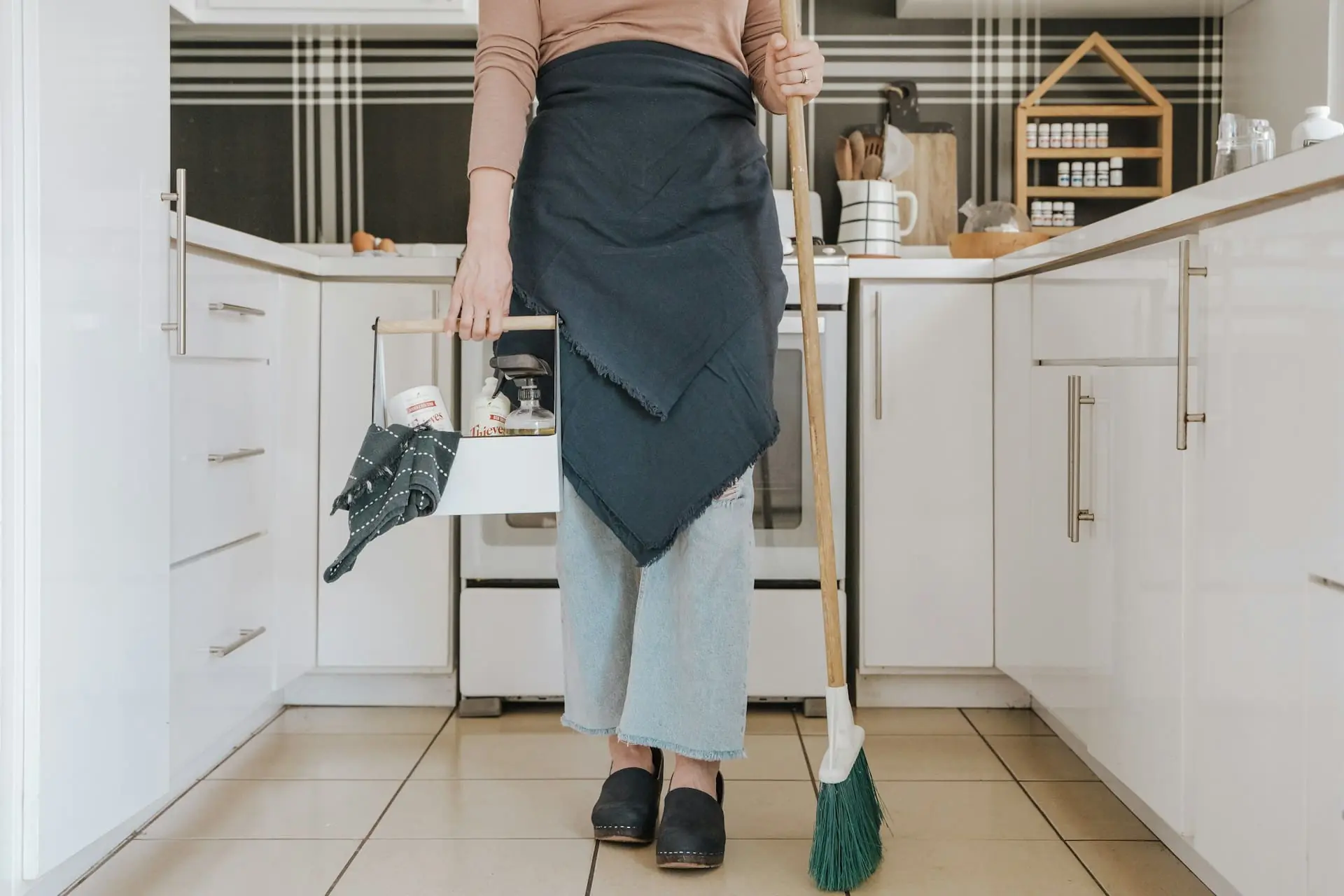
The most common sources of indoor pollutants include secondhand smoke, radon, formaldehyde, and cleaning products. Secondhand smoke refers to exhaled cigarette smoke or the smoke released from wildfires in high-impact zones. Exposure to these risks can potentially lead to the development of various health issues, including certain types of cancer. The best way to address these issues is to avoid smoking indoors and to ensure all windows and doors are closed if wildfires are burning in your vicinity.
Radon, a naturally radioactive gas, seeps up through the cracks in the earth and can build up in your home, leading to various health problems, including lung cancer. Home test kits can be used to detect unsafe radon levels. If high levels are found, you can typically reduce these levels by sealing the foundation of your home to prevent the gas from entering your living spaces.
Assess Heating Systems
Some heating systems can significantly affect your home’s air quality. Options like fireplaces and wood-burning stoves can emit dangerous levels of harmful particles and pollutants into the air, potentially increasing your risk of long-term health issues such as respiratory failure and lung cancer. Other high-risk heating sources include systems with older furnaces and gas-fueled heating appliances.
Gas-powered systems run the risk of releasing deadly carbon monoxide, an odorless gas that can lead to suffocation and death. While experts recommend using solar and electric heating to maintain healthy indoor air quality, direct-vent gas appliances, which prevent gas from mixing with indoor air, can also be an option.
Control Allergens
The most common types of allergens and other irritants found in homes include dust mites, mold, pet dander, pollen, and dust. By reducing their presence, you can significantly improve your home’s air quality and eliminate the risk of unwanted respiratory symptoms, such as sneezing, skin rashes, coughing, watery eyes, sore throat, and runny nose.
To help prevent and control these allergens, it is worthwhile to regularly bathe and groom your pet, choose hypoallergenic pillows and mattresses, and wash bedding and bath towels at least twice a month in hot water to eliminate dust mites.
Additionally, it is essential to remove and replace any carpet, drywall, and wood where mold is growing, washing mold off nonpermeable surfaces using bleach or a soap solution, and vacuuming and dusting your entire home at least once or twice a week.
Reduce Dampness
Unwanted dampness in indoor spaces can lead to many dangerous health hazards, including mold growth. In combination with high humidity, damp areas can also cause VOCs to leach into the air. These damp conditions can result from various factors, including leaky pipes and roofs, pooling water, humid climates, and poor ventilation in rooms with high steam levels, such as kitchens and bathrooms.
You can significantly reduce dampness by investing in a dehumidifier, finding and rectifying areas of pooling water, increasing moisture throughout your home, and ensuring proper ventilation and airflow while cooking or showering.