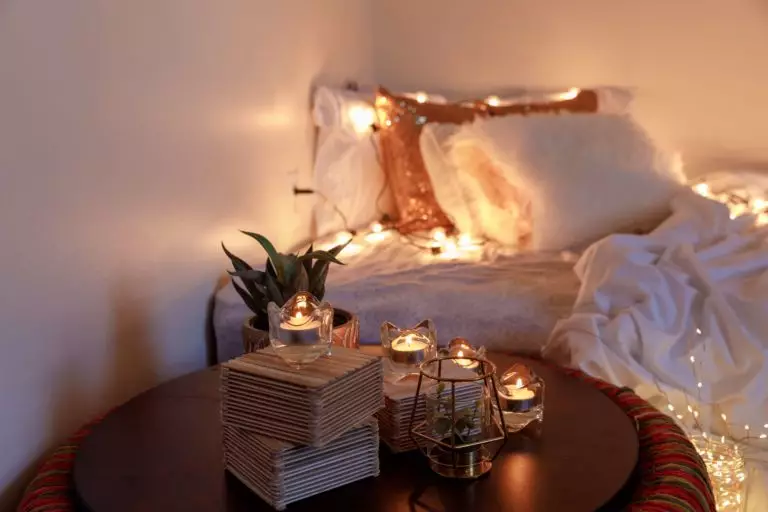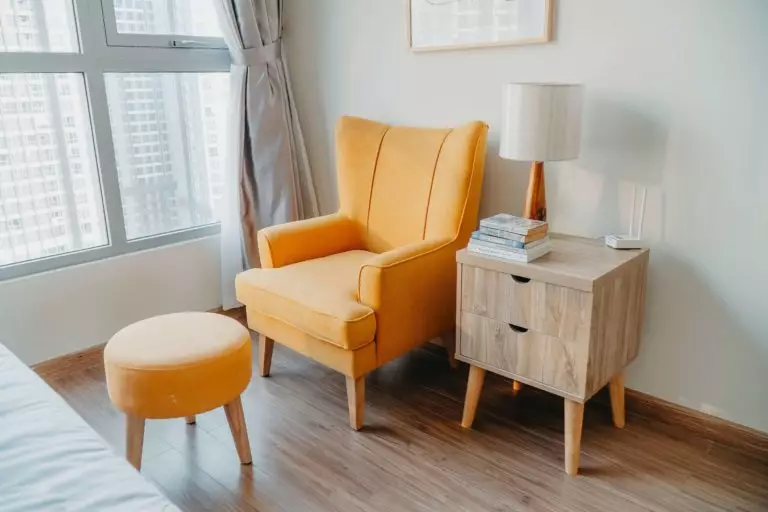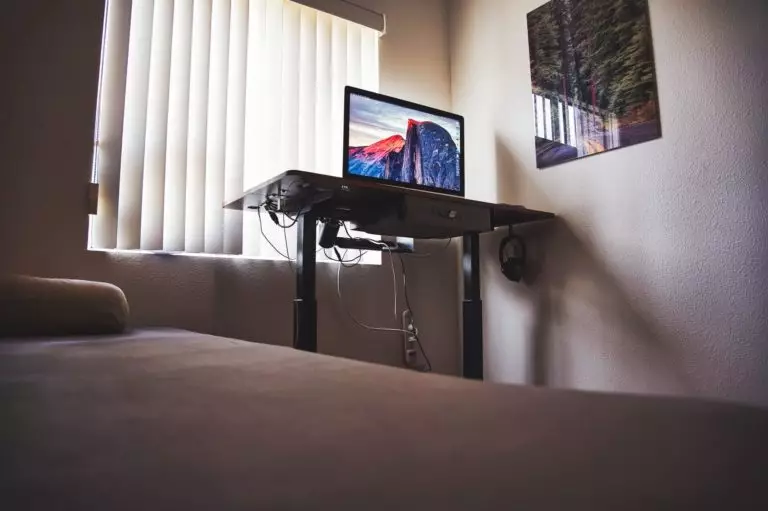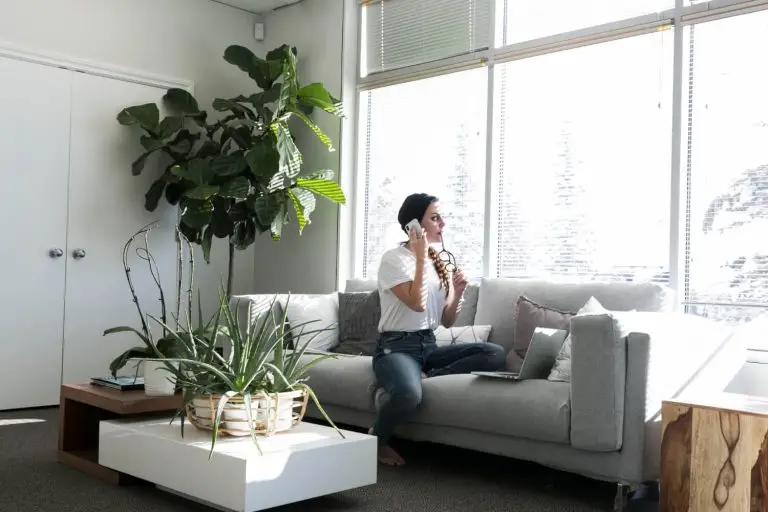
Wellness has become more than a lifestyle goal. It is now a defining influence on how we design and experience our homes. Interior trends are shifting away from purely aesthetic choices toward spaces that actively support physical comfort, mental clarity, and emotional balance. From the way light enters a room to how materials feel underfoot, design decisions shape daily well-being in subtle but powerful ways.
As homes increasingly serve as places to work, rest, and recharge, thoughtful interior planning plays a critical role in healthy living. By blending contemporary design trends with human-centered principles, interiors can foster safer movement, cleaner air, and a deeper sense of ease, proving that good design is not just seen, but felt.
Functional Human-Centered Design: Interiors That Adapt to Real Lives
Human-centered design places people, not trends, at the core of interior planning. In the context of wellness, this approach recognizes that comfort, safety, and independence are essential to a healthy home. Rather than designing for a single moment in time, wellness-focused interiors anticipate change and support long-term livability.
As lifestyles evolve, interiors must respond to shifting physical needs without sacrificing visual cohesion. Flexible layouts, intuitive room arrangements, and clear circulation paths help reduce daily friction and make spaces easier to navigate. These design choices quietly enhance confidence and ease of movement.
In multi-level homes, vertical circulation becomes especially important. Stairs, landings, and connecting spaces should feel intuitive and supportive rather than restrictive. Thoughtful planning can minimize physical strain while preserving openness and flow throughout the home.
Within this framework, a stair lift installation can be part of an adaptability strategy rather than a last-minute solution. When accessibility is planned with intention, it blends naturally into the interior, reinforcing the idea that good design supports well-being at every stage of life.
Natural Lighting as a Wellness-Enhancing Design Element
Natural light plays a central role in creating interiors that feel balanced and restorative. Exposure to daylight supports circadian rhythms, improves mood, and helps regulate sleep patterns. Homes that are designed to welcome natural light tend to feel more open, calm, and connected to the outdoors.
Interior layouts that prioritize daylight often rely on strategic window placement and fewer visual obstructions. Open floor plans, glass partitions, and light-reflective surfaces allow sunlight to travel deeper into living spaces. Even smaller design adjustments, such as choosing lighter finishes or repositioning mirrors, can significantly amplify brightness.
Beyond aesthetics, natural lighting contributes to a healthier indoor environment. Sunlit spaces reduce reliance on artificial lighting and encourage daily movement and engagement. When daylight is treated as a functional design element rather than a decorative afterthought, interiors become more supportive of both physical and emotional well-being.
Airflow and Indoor Comfort: Designing for Breathable Living Spaces
Good airflow is essential for a healthy home, influencing both comfort and indoor air quality. Proper ventilation reduces humidity, prevents the buildup of allergens, and helps regulate temperature, all of which contribute to overall well-being. Interiors that encourage natural air circulation create spaces that feel fresher and more inviting.
Design strategies for effective airflow include open layouts, cross-ventilation through strategically placed windows, and thoughtful use of vents or operable skylights. Even subtle adjustments, like minimizing furniture that blocks pathways or maintaining clear floor space, can enhance air movement throughout a home.
Material choices also impact indoor comfort. Breathable fabrics, low-VOC finishes, and moisture-resistant surfaces help maintain a healthier environment by reducing pollutants and odors.
Biophilic Design and Sensory Balance in Modern Interiors
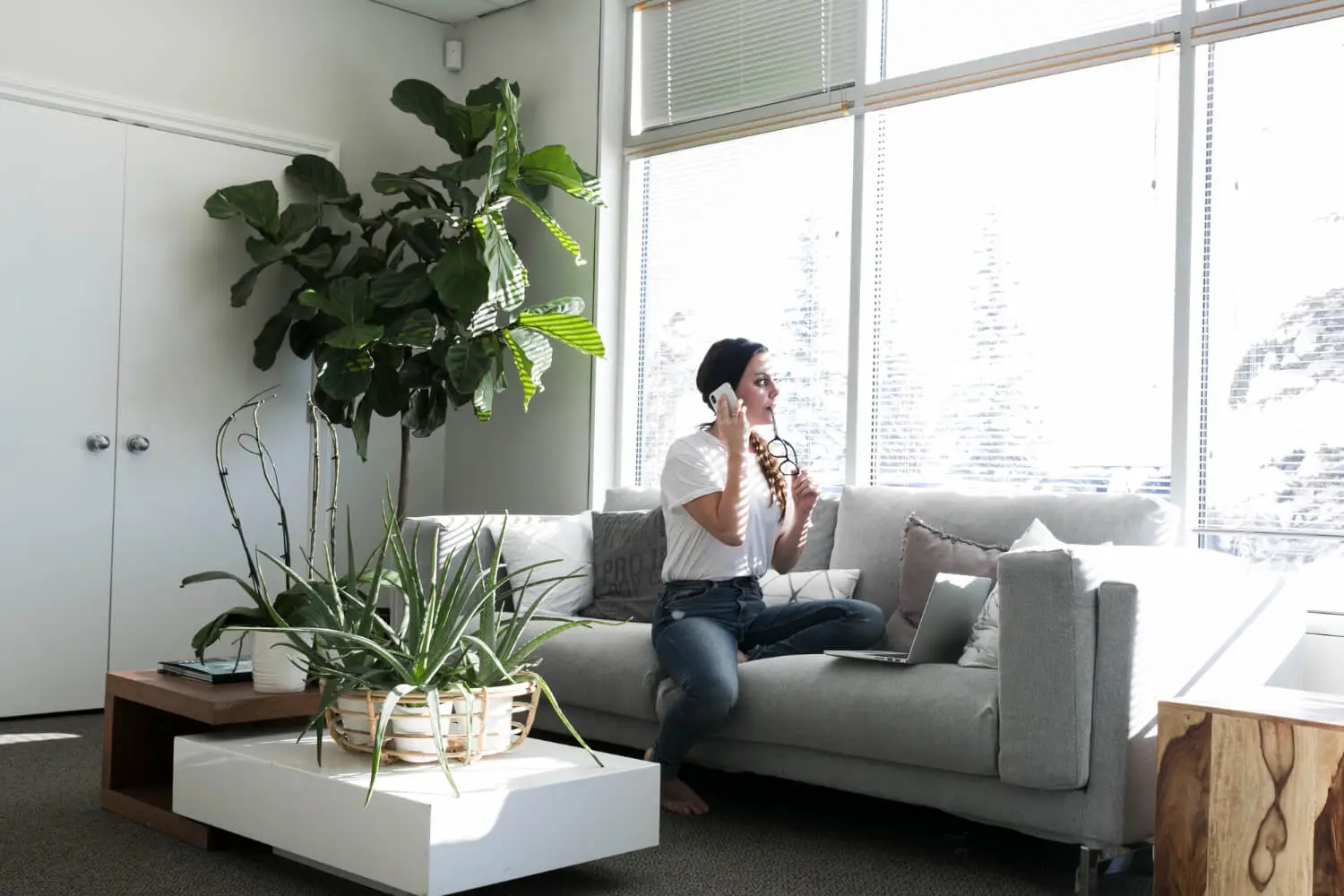
Bringing elements of nature into the home can significantly enhance wellness and emotional well-being. Biophilic design focuses on creating a connection with the natural world, making interiors calming, restorative, and alive. It engages multiple senses, supporting mental clarity and reducing stress in everyday life.
Simple strategies can make a big impact. Indoor plants, green walls, and natural textures like wood or stone introduce tactile and visual richness. Small water features or nature-inspired patterns and colors add auditory and aesthetic layers, reinforcing a sense of balance and calm. Maximizing natural light and views of the outdoors further strengthens this connection.
The benefits of biophilic design extend beyond aesthetics. Residents often experience improved focus, reduced anxiety, and a greater sense of comfort. When thoughtfully integrated, these elements complement other wellness-focused strategies, creating interiors that nurture both mind and body.
Reducing Indoor Pest Triggers Through Thoughtful Design
Maintaining a healthy home goes beyond aesthetics. Pests such as insects and rodents can compromise both comfort and wellness, so designing interiors to minimize their presence is essential. Simple planning, from material choices to ventilation, can significantly reduce conditions that attract unwanted guests.
Effective strategies include controlling moisture through proper ventilation and leak prevention, using smooth, easy-to-clean surfaces, and keeping storage areas organized and sealed. Reducing clutter and maintaining clear pathways not only supports hygiene but also improves daily comfort and safety. Thoughtful material and layout decisions make routine cleaning easier, which in turn helps prevent infestations before they start.
When design measures alone are insufficient, relying on certified exterminators, such as Reliant Pest Management, ensures that any intervention is safe, effective, and aligned with wellness goals. Combining prevention and professional support creates a home environment that is both hygienic and stress-free.
Sustainable Materials That Support Healthy Living
Wellness-focused interiors rely on materials that are both safe and supportive of long-term comfort. Choosing sustainable options helps reduce indoor pollutants, enhances sensory experiences, and aligns with environmentally responsible design. By prioritizing these materials, homeowners can create spaces that feel healthier, more inviting, and easier to maintain.
Key sustainable material choices for a healthy home include:
- Low-VOC Paints: Reduce harmful chemical exposure and improve indoor air quality.
- Natural Fibers: Cotton, wool, and linen for textiles that are breathable and soft to the touch.
- Responsibly Sourced Wood: FSC-certified wood and bamboo provide durability while supporting sustainable forestry.
- Recycled or Reclaimed Materials: Countertops, flooring, and furniture made from recycled content minimize environmental impact.
- Moisture-Resistant and Breathable Surfaces: Help prevent mold and mildew while maintaining comfort.
Wrapping Up
Wellness-driven interior design transforms homes into spaces that nurture both body and mind. By combining thoughtful layouts, sustainable materials, natural elements, and practical strategies for comfort and safety, interiors can support daily well-being. Thoughtful design choices create beautiful homes that are also restorative, adaptable, and truly supportive of the people who live in them.