Some home comfort problems build up slowly. A room feels stuffy, dust seems to return right after cleaning, allergies feel worse indoors, and the HVAC system does not seem to heat or cool the house as evenly as it should. In many homes, the air filter is one of the first things worth checking.
It is easy to treat the filter like a small maintenance detail, but it has a direct effect on airflow, comfort, and indoor air quality. When it becomes clogged, the system has to work harder to move air, and the home can start feeling dustier and less balanced. Catching that early can help prevent a simple issue from turning into a bigger performance problem.
Why Your HVAC Filter Affects Both Airflow and Air Quality
Your HVAC filter has to do two things at once. It needs to trap dust and airborne particles while still allowing enough air to pass through the system. When the filter is clean, that balance is easier to maintain. When it becomes overloaded, airflow drops and the system may struggle to move air efficiently.
That is why a clogged filter can affect both comfort and cleanliness. Rooms may take longer to reach the right temperature, airflow may feel weaker, and dust may seem harder to control. For homeowners, the takeaway is simple: the filter is not just there to catch debris. It also helps the whole system work the way it should.
7 Signs Your HVAC Filter May Be Causing Problems
Weak Airflow Coming From the Vents
One of the clearest signs is weak airflow. If the air coming from your vents feels lighter than usual, a clogged filter may be limiting how much air can move through the system. This does not always mean the filter is the only cause, but it is one of the easiest things to check first.
More Dust Settling Around the Home
If furniture and surfaces seem dusty again soon after cleaning, the filter may no longer be trapping particles effectively. A dirty filter can struggle to manage normal household dust, which can leave the home looking and feeling less clean.
Allergy Symptoms or Stale Indoor Air Feel Worse
A clogged filter can also make indoor air feel heavier or less fresh. In homes where someone is sensitive to dust or other airborne irritants, this may show up as worsening allergy symptoms or a general stale-air feeling indoors.
Uneven Temperatures From Room to Room
Restricted airflow can make some rooms feel warmer or cooler than others. Uneven heating and cooling can have several causes, but a dirty filter is one of the simplest possibilities to rule out before assuming the issue is something bigger.
Energy Bills Start Creeping Up
When the system has to work harder to push air through a clogged filter, efficiency can drop. Over time, that may show up as higher energy bills, especially during seasons when the HVAC system runs often.
The HVAC System Runs Longer Than Usual
If the system seems to stay on longer before the house feels comfortable, reduced airflow may be slowing things down. Longer cycles are often an early sign that the system is working harder than normal.
Musty Smells or a Noticeably Dirty Filter
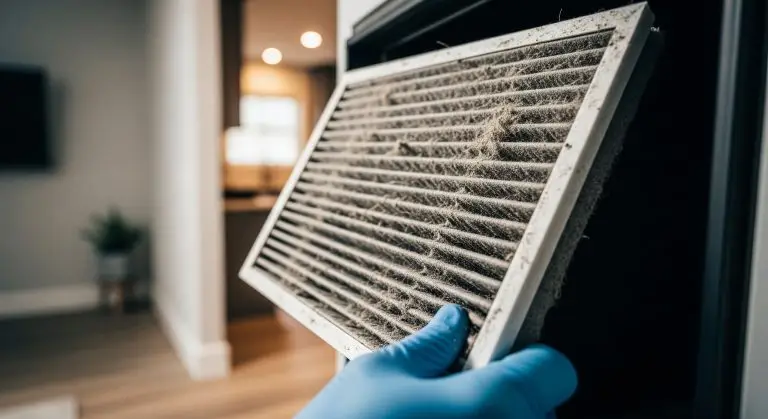
Sometimes the most obvious clue is the filter itself. If you remove it and see heavy dust, discoloration, or trapped debris, it is likely overdue for replacement. A stale or musty smell when the system starts running is another sign the filter deserves attention.
How a Clogged Filter Puts Extra Strain on Your HVAC System
A dirty filter does not just affect comfort. It can also put extra strain on the HVAC system over time. When airflow is restricted, the blower has to work harder, and the system may run longer to deliver the same result.
That added effort can reduce efficiency and increase wear on parts that already handle a heavy workload. The issue is not meant to sound dramatic, but it is worth taking seriously. Replacing a filter is simple and inexpensive compared with dealing with avoidable repair problems later.
How to Check if the Filter Is the Likely Cause
Start with a visual inspection. Remove the current filter and look for dust buildup, discoloration, or obvious debris. Then think about when it was last replaced. If you cannot remember, that is already a useful sign that it may be overdue.
Next, match the filter’s condition with what you are noticing in the house. Is airflow weaker? Is dust building up faster? Are some rooms less comfortable than others? If so, replacing the filter and seeing whether those conditions improve is a simple way to test whether it was part of the problem.
What to Do If Your Filter Is Restricting Airflow
Once a clogged or overused filter is identified, the most practical next step is replacing it.
If reduced airflow, extra dust, or uneven temperatures point to a clogged filter, replacing it with the right HVAC filter is usually the fastest way to improve airflow and reduce strain on the system. It also helps to match the replacement to the correct size and household needs rather than choosing blindly.
How Often Should You Replace an HVAC Filter?
There is no single replacement schedule that works for every home. Timing depends on the type of filter, how often the system runs, whether you have pets, how dusty the home gets, and whether anyone in the household deals with allergies.
A practical habit is to check the filter regularly instead of waiting until comfort problems become obvious. Homes with pets, heavier HVAC use, or higher dust levels often need more frequent replacement than homes with lighter use. Staying ahead of buildup is usually easier than waiting until airflow is already restricted.
Simple Habits That Help Keep Airflow and Air Quality on Track
A few simple habits can help prevent filter problems from building up. Check the filter on a regular schedule, keep vents unobstructed, and pay attention when airflow or dust levels start changing. Those small signs often appear before the system feels seriously affected.
It also helps to replace filters before they become heavily clogged. That keeps airflow steadier, supports indoor comfort, and makes it easier for the HVAC system to do its job without extra strain.
Final Verdict
A dirty HVAC filter can quietly affect airflow, indoor air quality, comfort, and system efficiency long before homeowners realize what is happening. Weak airflow from vents, more dust around the house, worsening stale-air complaints, uneven temperatures, and longer run times are all signs worth noticing.
The good news is that this is one of the easiest maintenance issues to catch early. Checking the filter and replacing it on time is a simple step that can help protect both air quality and HVAC performance.