Best Rugs for a Green Couch: 15 Stylish Ideas for Olive, Sage & Emerald Sofas (2026 Guide)
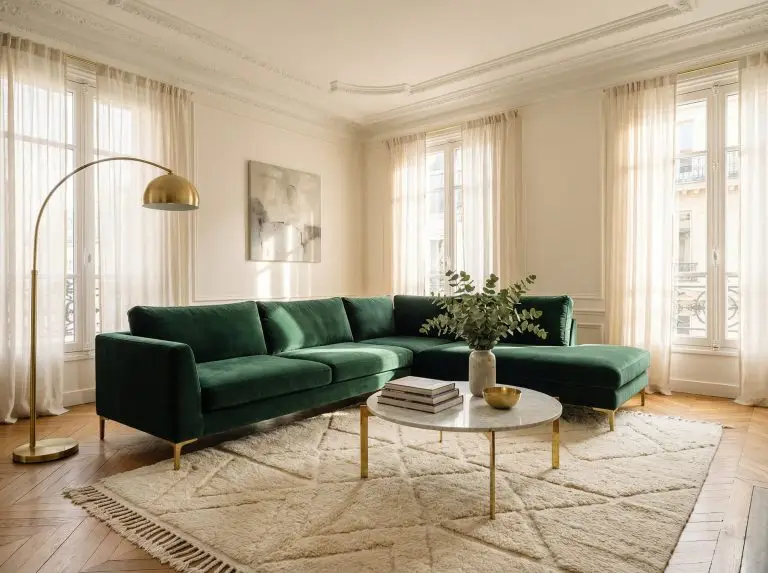
If you have recently scrolled through Instagram or Pinterest, you have likely noticed a massive shift in living room design. The reign of the grey sofa is officially over. In its place, green has established itself as the “new neutral” for 2026.
Whether it is a moody emerald velvet, a calming sage linen, or an earthy olive leather, a green couch brings life, nature, and sophistication into a home. But let’s be honest—it also brings a unique design challenge. Unlike grey or beige, green has strong personality traits. Pair it with the wrong rug, and your chic living room can quickly start to look like a swamp or a chaotic Christmas display.
The secret to nailing this look isn’t just about picking a color; it’s about mastering undertones, textures, and vibes.
In this guide, we are going deep. We aren’t just telling you “beige works.” We are breaking down exactly which rug styles, materials, and patterns pair best with your specific shade of green to create a space that feels curated, not just decorated.
Before you start shopping, take a photo of your couch in natural daylight and artificial night light. Green fabrics are notorious “chameleons”—an olive sofa can look brown at night, while teal can look grey. Knowing how your light changes is step one.
Hackrea Designer Tip 🎨
The “Golden Rule” of Matching: It’s All About Undertones
Most people skip this step, and it is the main reason a rug doesn’t look “quite right” once it is unrolled. Green is rarely just green. It usually leans either warm (yellow-based) or cool (blue-based).
To make your living room look professionally designed, you need to identify your sofa’s temperature.
1. Warm Greens (Olive, Moss, Chartreuse, Lime)
These shades have yellow or brown undertones. They feel earthy, grounded, and cozy.
2. Cool Greens (Emerald, Teal, Forest, Mint)
These shades have blue or black undertones. They feel regal, crisp, and moody.
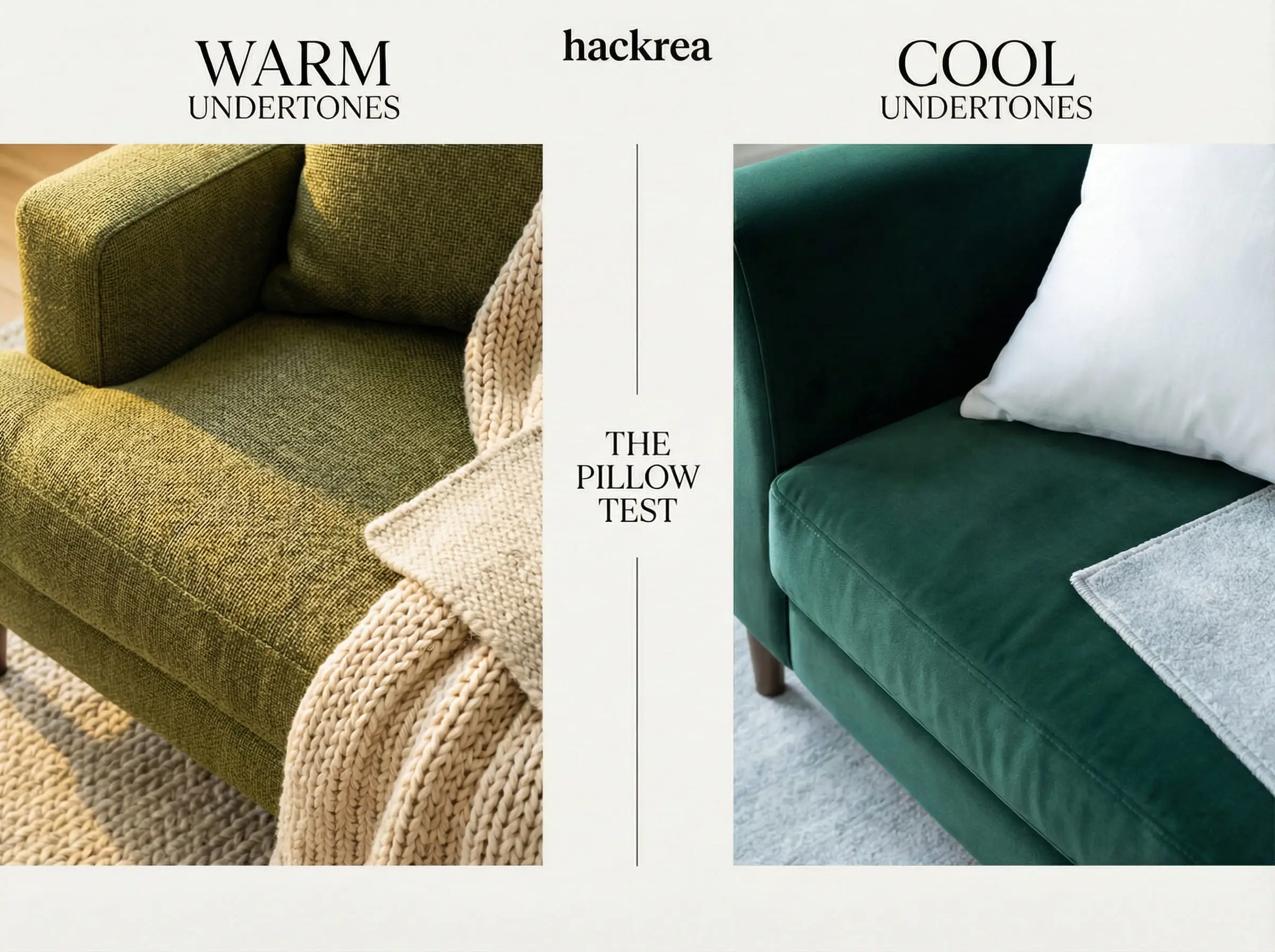
Not sure about your couch’s undertone? Use the “Pillow Test.” Place a pure white piece of paper or pillow next to the fabric. If the green looks brownish or muddy next to the white, it’s warm. If it pops and looks crisp or blueish, it’s cool.
Hackrea Pro Tip 🧠
For a deeper dive into how colors interact, check out our guide on the color wheel in interior design and decorating.
By Vibe: Top Trending Combinations for 2026
In 2026, interior design is moving away from strict color matching and towards “vibe matching.” We are seeing a shift toward texture-heavy spaces and “color drenching.” Here are the four dominant aesthetics for green couches this year.
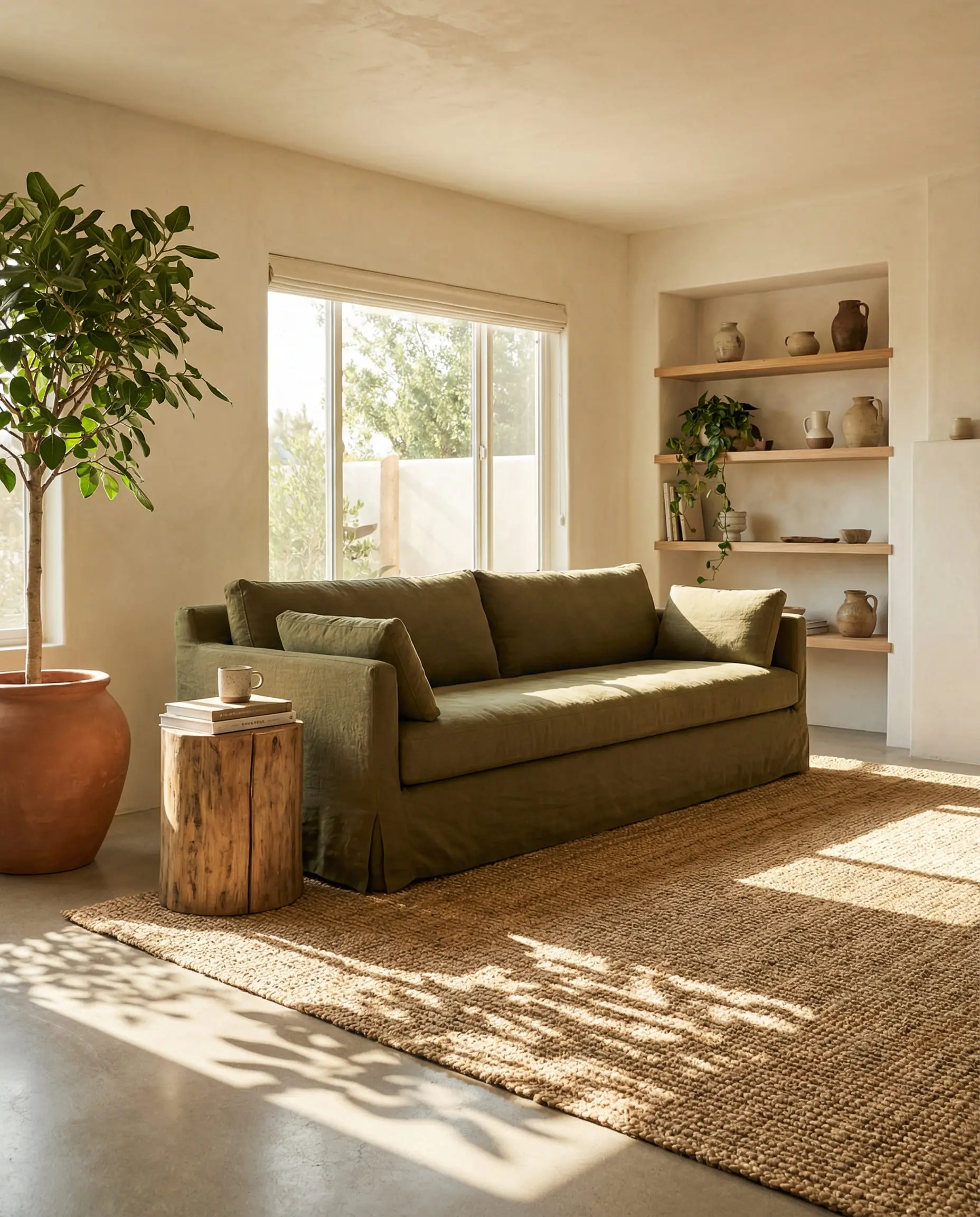
1. The “Organic Modern” Look
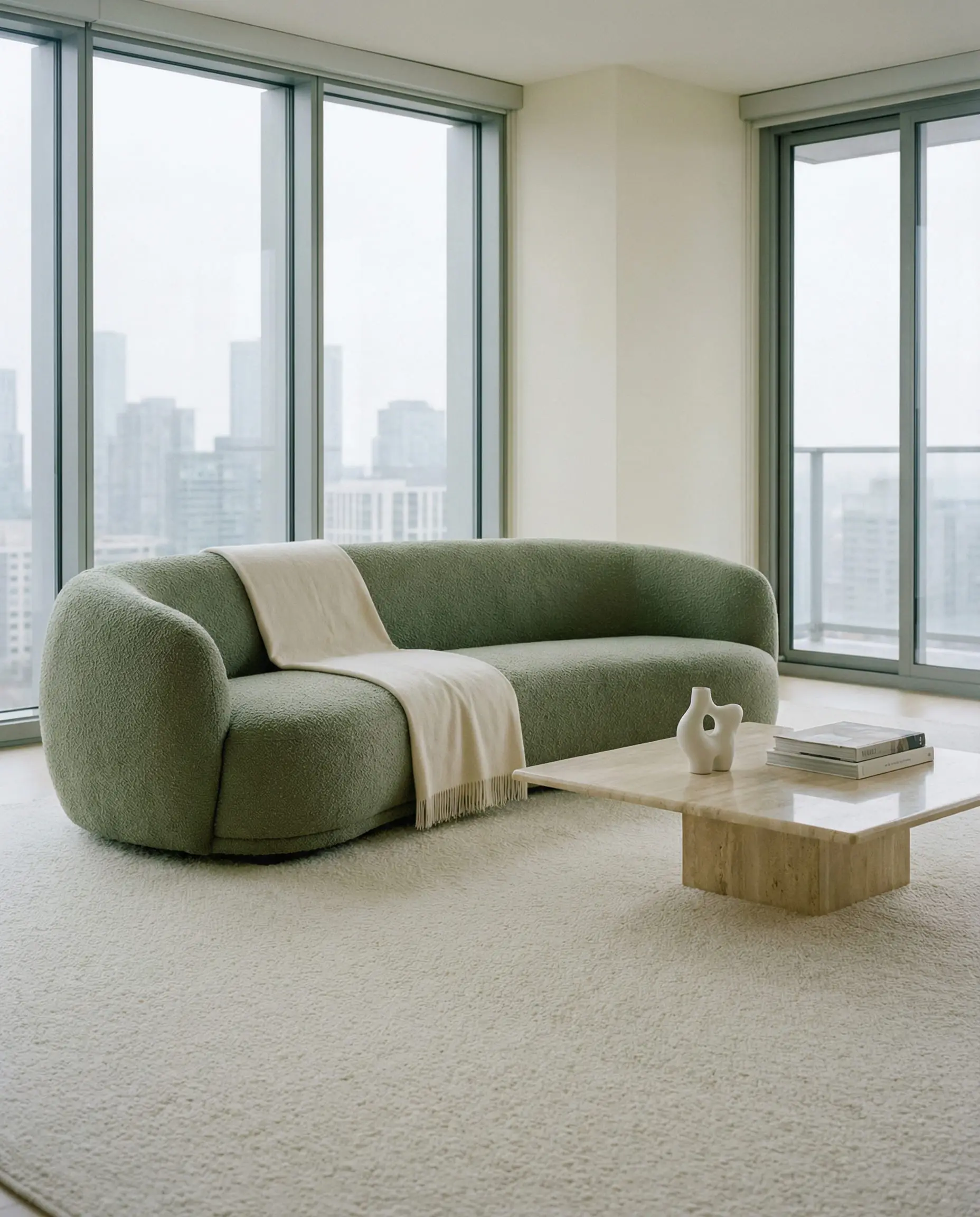
2. The “Quiet Luxury” Look
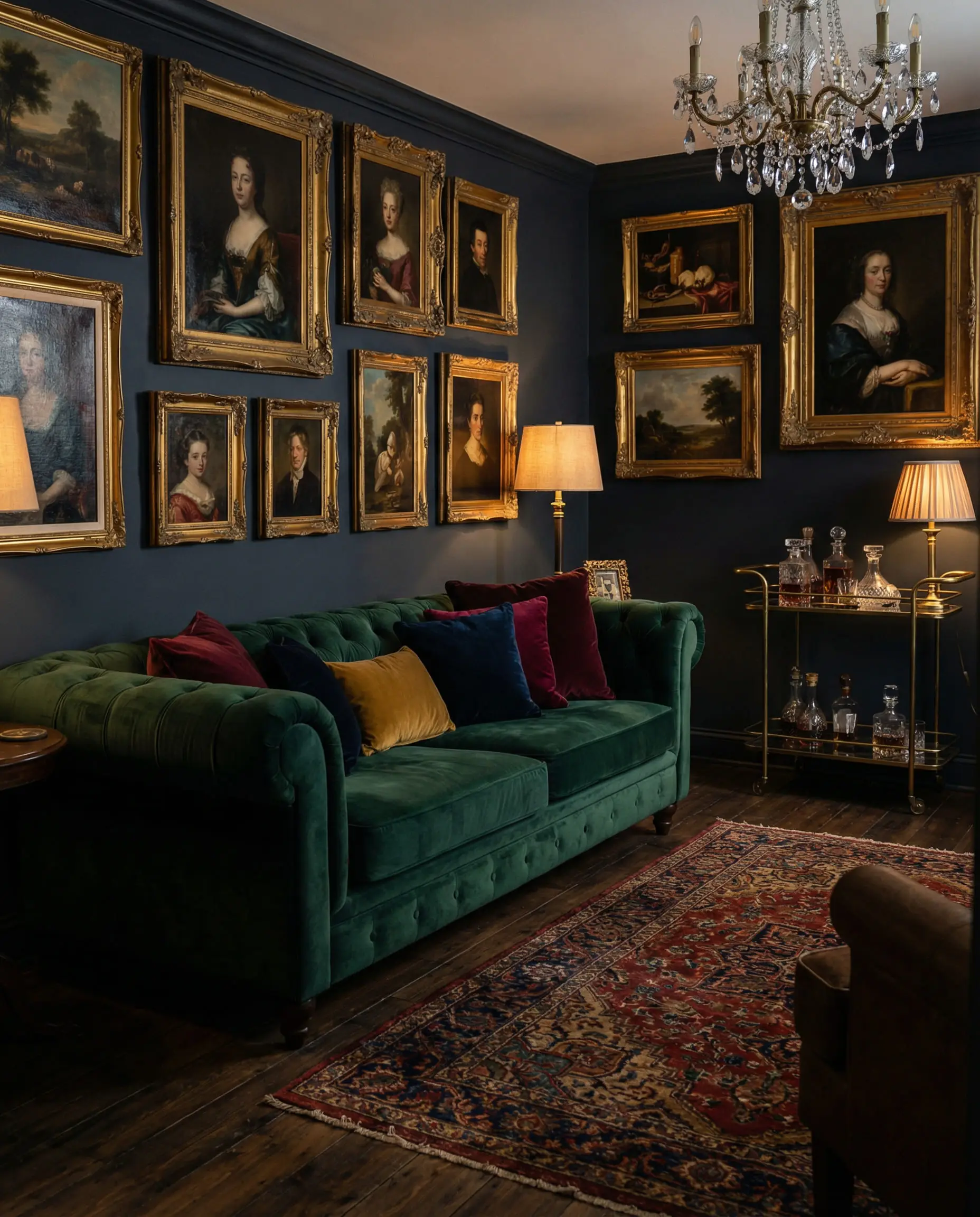
3. The “Moody Maximalist” Look
4. The “Sunset Warmth” Look
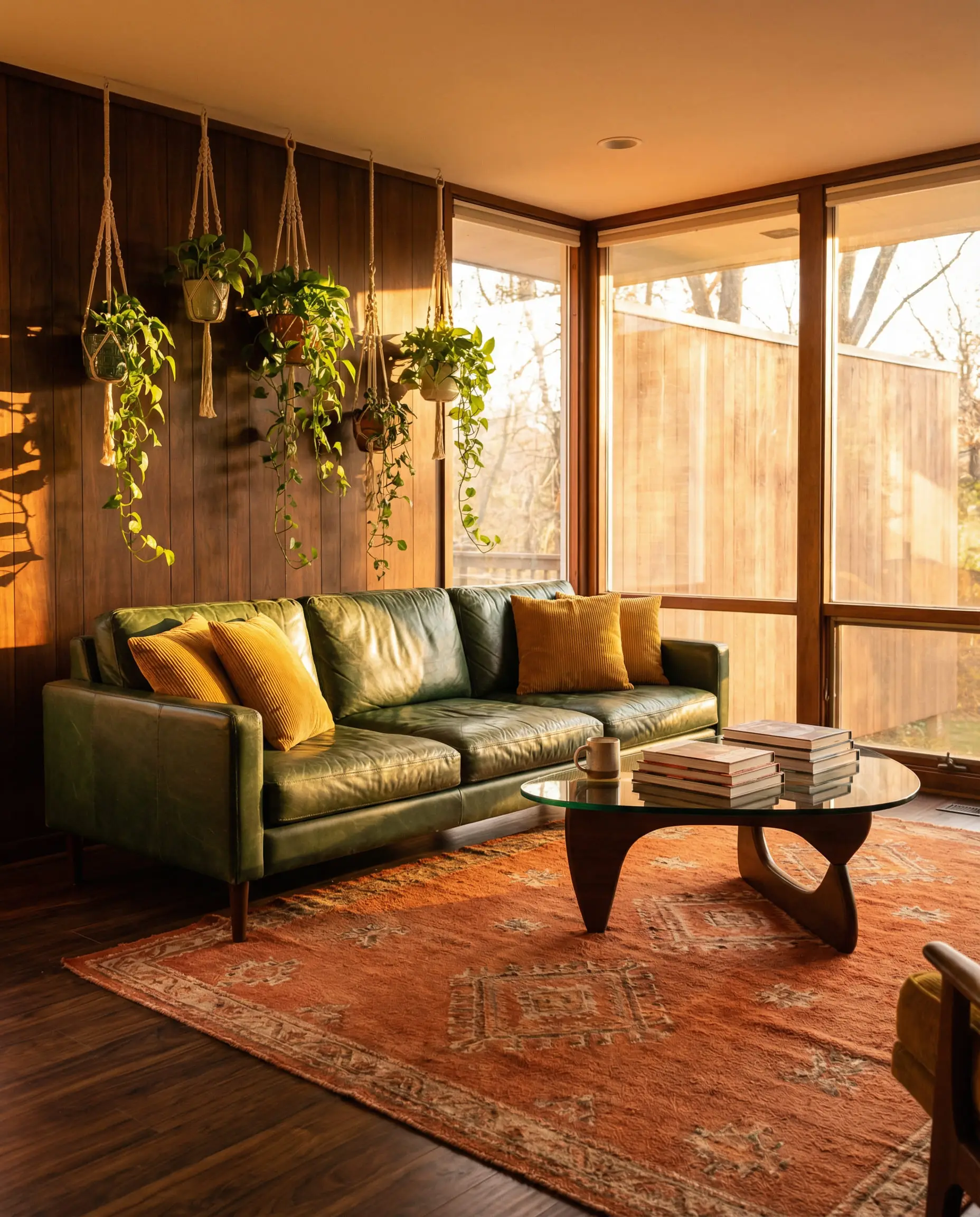
By Shade: The Ultimate Pairing Guide
Let’s get specific. Find your couch shade below to see the exact rug colors that will make it sing.
H2: Best Rugs for an Olive Green Couch
Olive is the darling of the interior design world right now. It is versatile, historical, and deeply comforting. Because olive acts like a neutral, you can treat it almost like a brown leather sofa.
1. Warm Beige or Oatmeal
This is the safest, most timeless choice. A beige rug with a subtle texture allows the olive sofa to remain the star of the show while keeping the room bright.
Best for: Small living rooms that need to feel bigger.
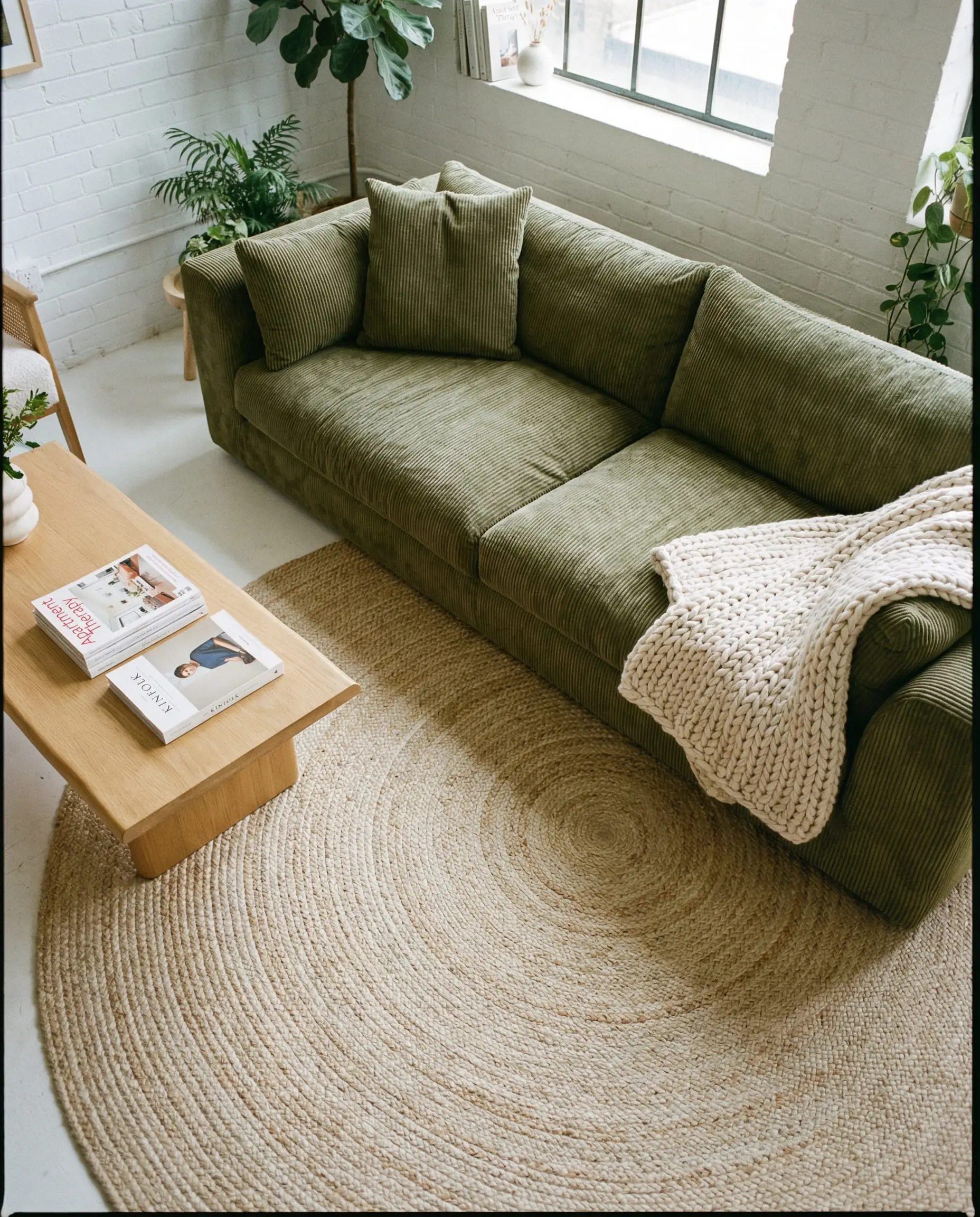
2. Rust or Burnt Orange
If you want to add heat to the room, rust is the answer. The red-orange undertones in rust cancel out the “muddy” quality of olive, making the green appear greener and more vibrant.
Best for: Bohemian or Mid-Century Modern spaces.
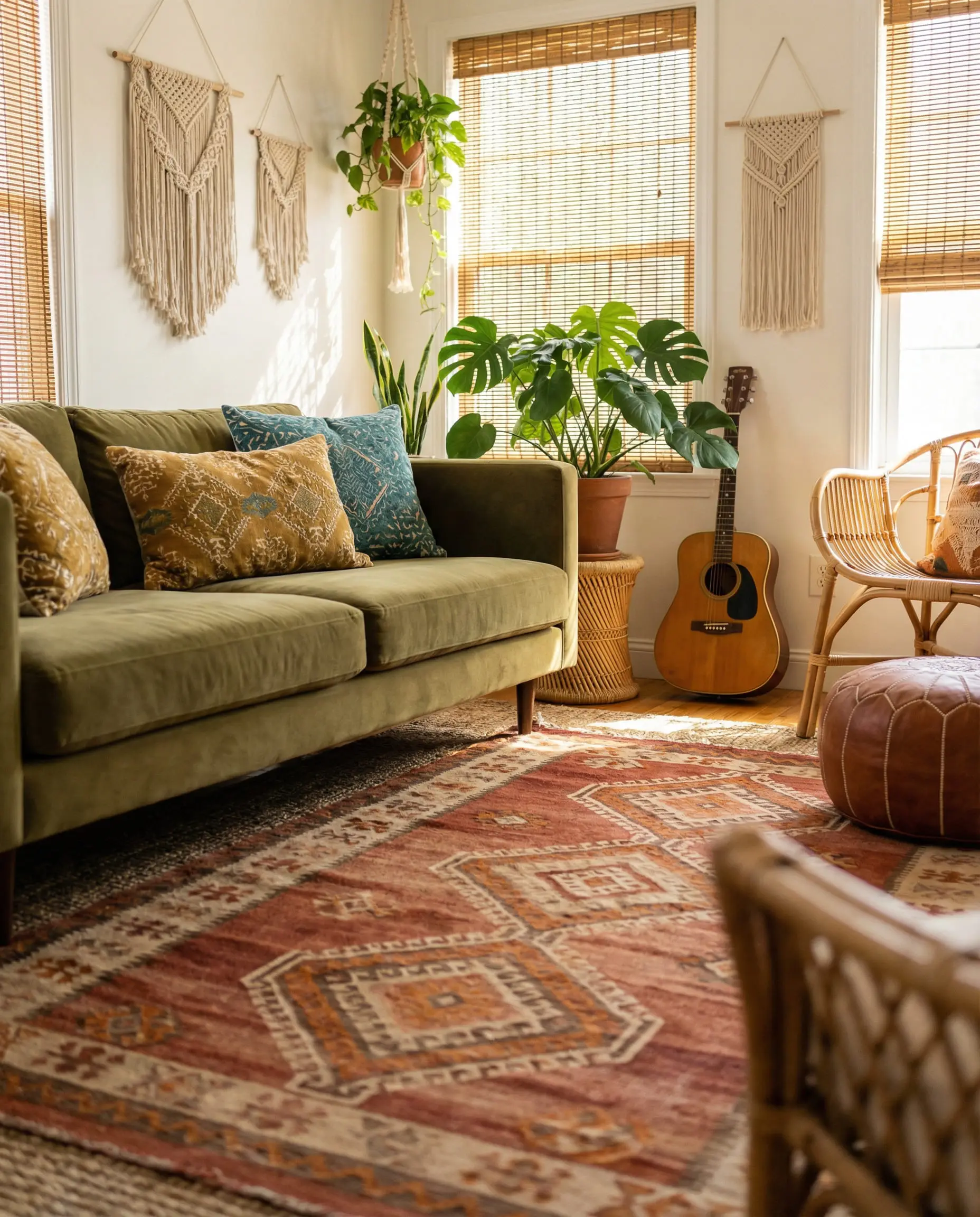
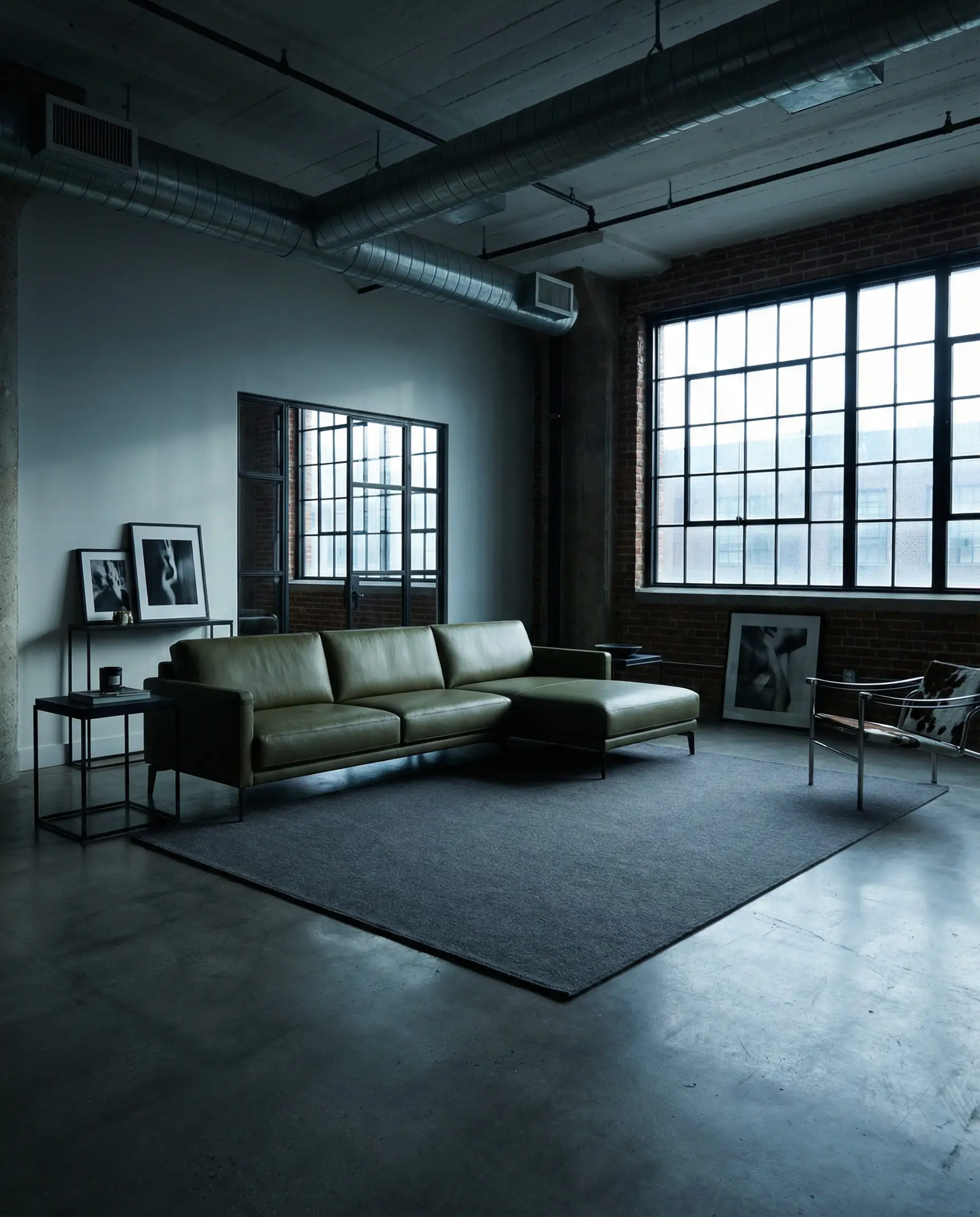
3. Charcoal or Slate Grey
For a more industrial or masculine vibe, skip the lights and go dark. A charcoal rug creates a serious, grounded palette that looks fantastic with metal accents and leather.
Avoid bright, grassy greens with an olive couch. The clash between the “dirty” green (olive) and the “clean” green (grass) is visually jarring.
Hackrea Styling Tip 🌿
H2: Best Rugs for a Sage Green Couch
Sage is soft, silvery, and serene. It is a staple of Scandinavian and Japandi styles. The goal here is usually to maintain that sense of calm.
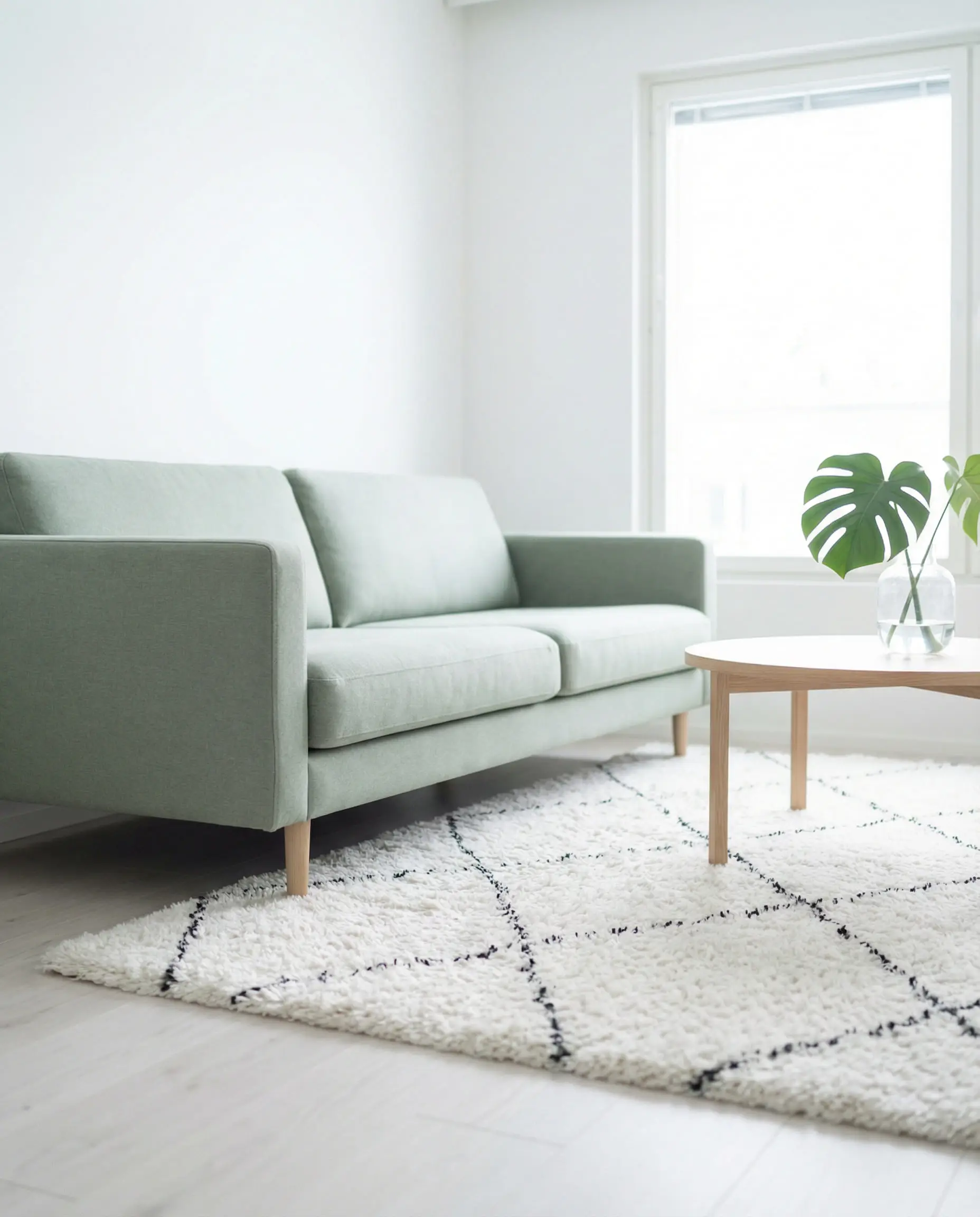
1. Crisp White or Off-White
Nothing beats the freshness of sage and white. It feels like a spa. However, to avoid it looking too clinical, choose a rug with a pattern (like a Moroccan Beni Ourain) or a shag texture.
Best for: Creating a light, airy Scandinavian style living room.
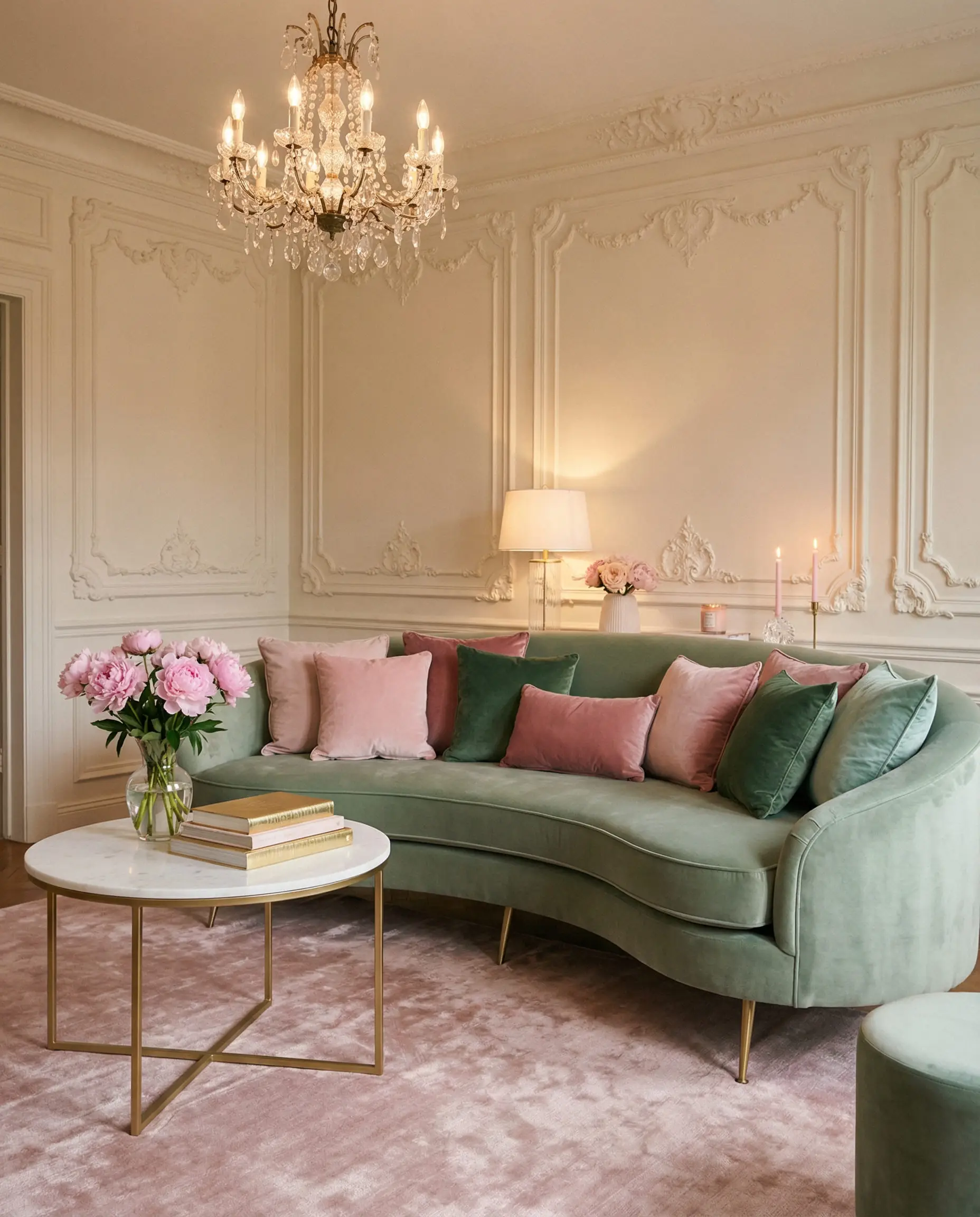
2. Blush Pink
Green and pink are a match made in heaven. With sage, use a dusty rose or blush pink rug. The softness of the pink highlights the silvery tones in the sage.
Best for: Romantic, feminine, or eclectic interiors.
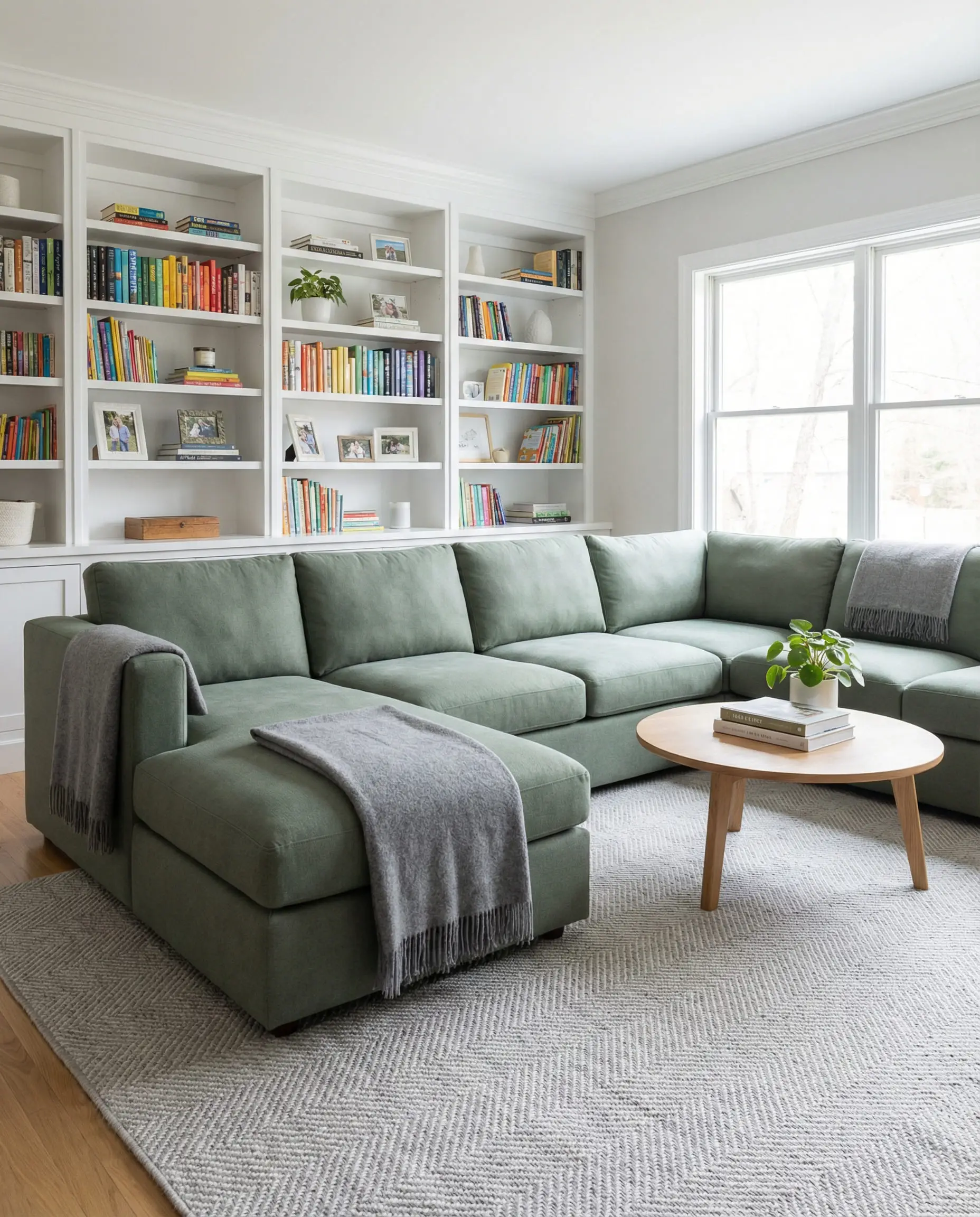
3. Light Grey
If white is too high-maintenance for your household (hello, kids and pets), a light grey rug is the perfect alternative. It harmonizes with the cool undertones of sage without showing every speck of dust.
H2: Best Rugs for an Emerald or Dark Green Couch
Dark green sofas are statement pieces. They command attention. Your rug choice needs to either support that statement or boldly contrast it.
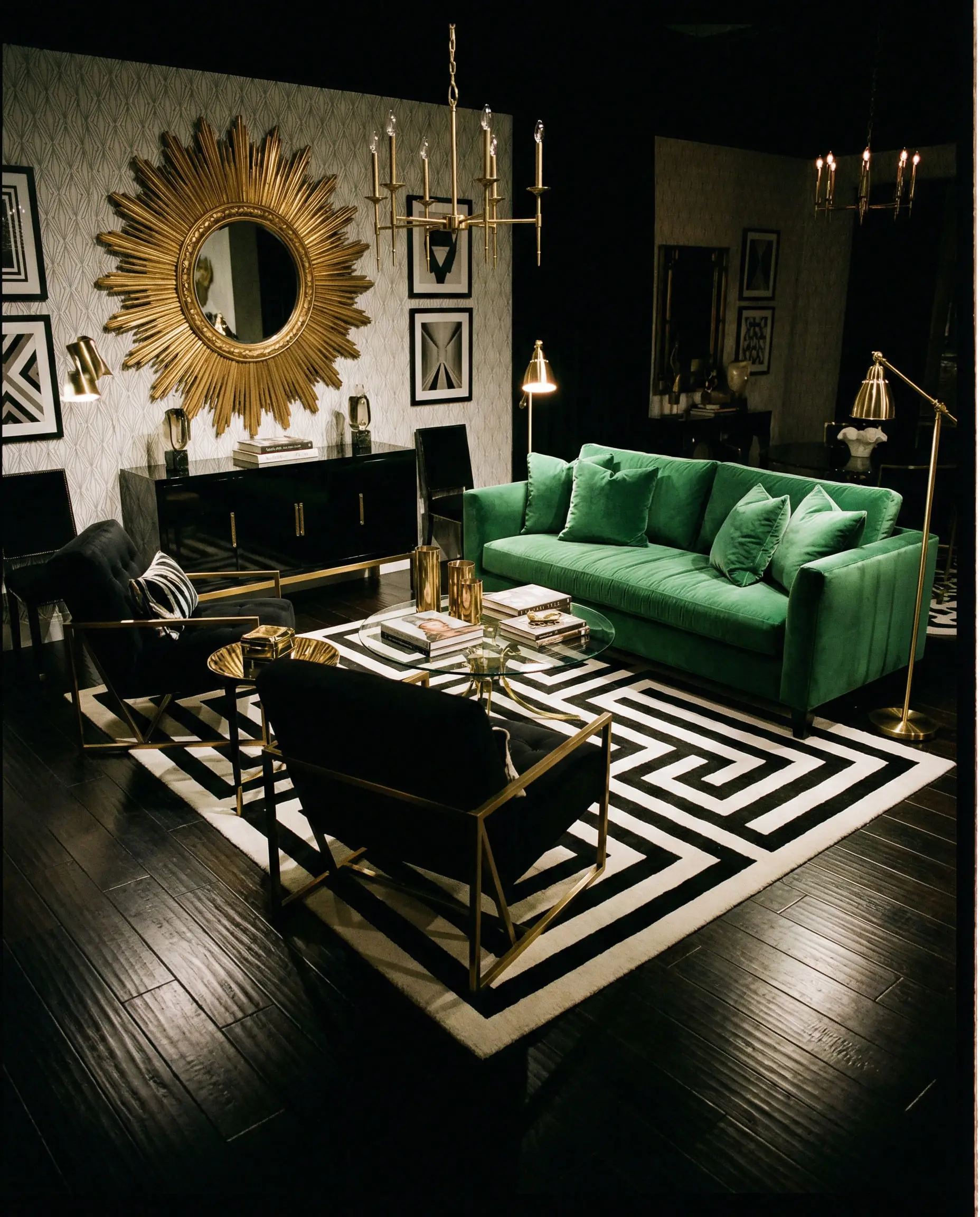
1. Black and White Geometric
A high-contrast checkered rug or a bold geometric print looks incredible against deep green. It gives the room a modern, Art Deco, or Parisian apartment feel.
Best for: Modern, edgy living rooms.
2. Mustard or Gold
Jewel tones love other jewel tones. A deep mustard yellow or gold rug brings out the “regal” quality of emerald green. It’s luxurious and warm.
Best for: Glamorous or vintage-inspired spaces.
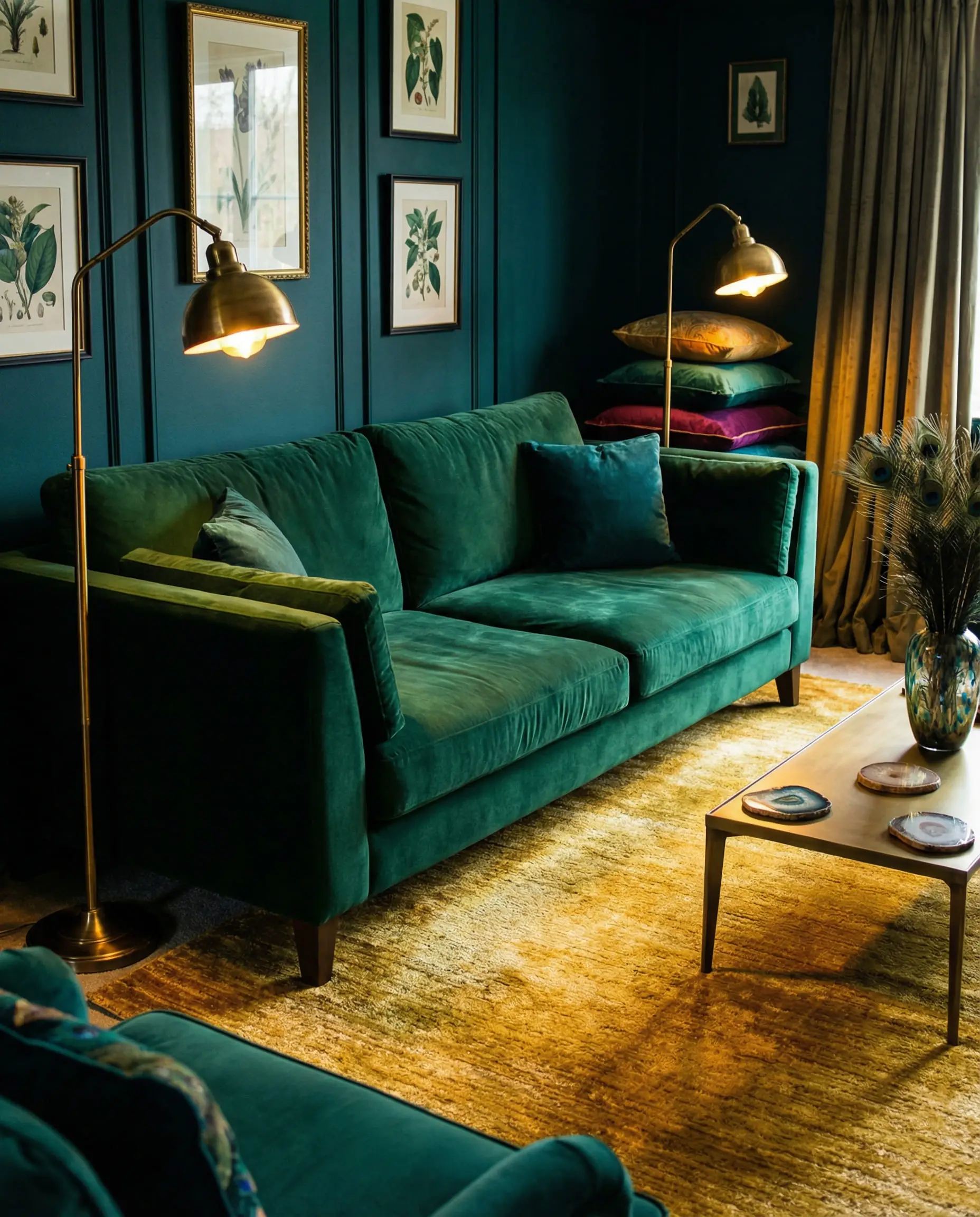
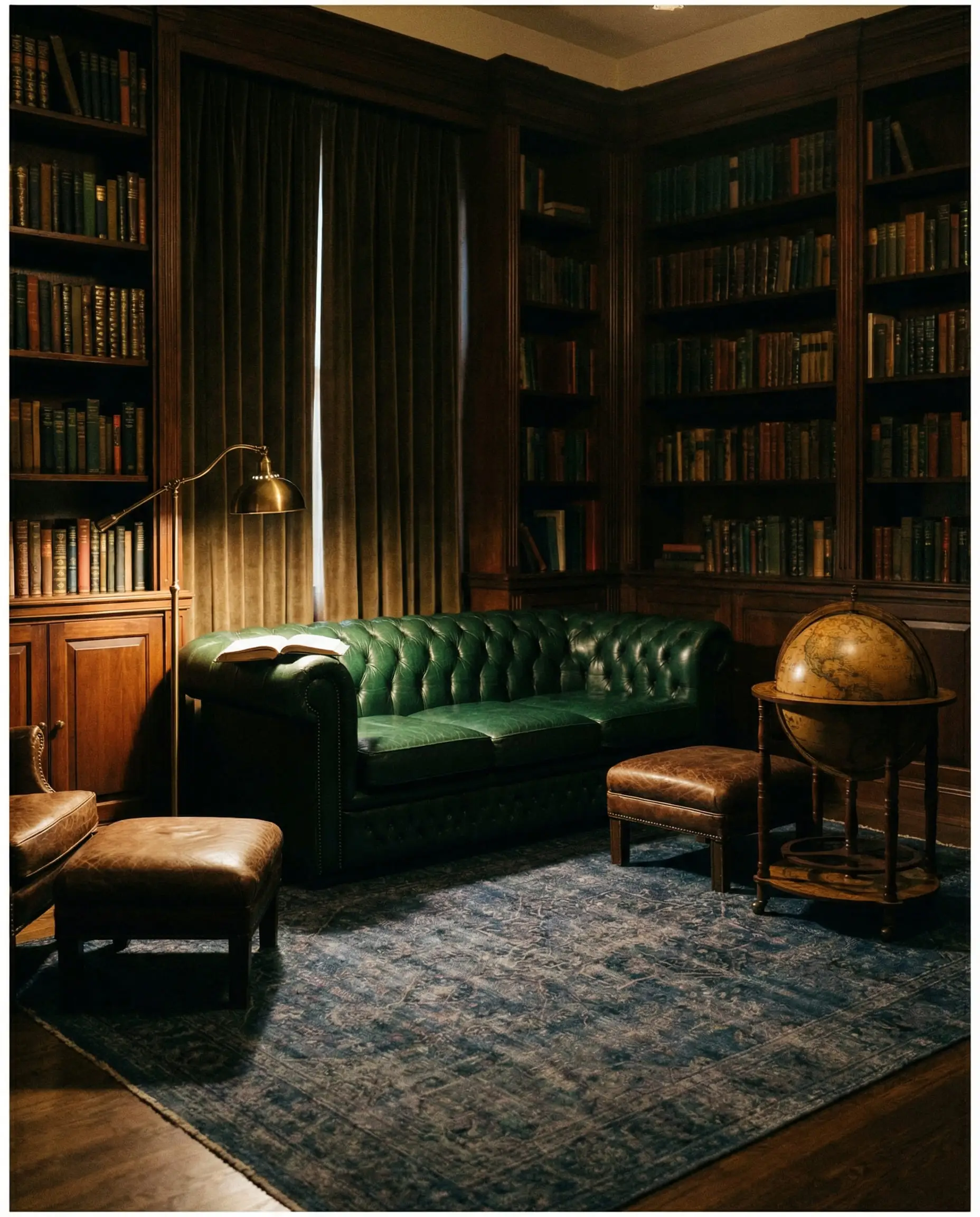
3. Navy Blue
This might sound counterintuitive (dark on dark?), but navy and forest green are analogous colors—they sit next to each other on the color wheel. A navy rug creates a rich, moody, and very cohesive look that feels “drenched” in color.
Best for: Dens, libraries, or media rooms.
Matching by Material: The Texture Factor
You have the color, but what about the material? This is what separates amateur styling from professional design. The texture of your rug should balance the texture of your sofa.
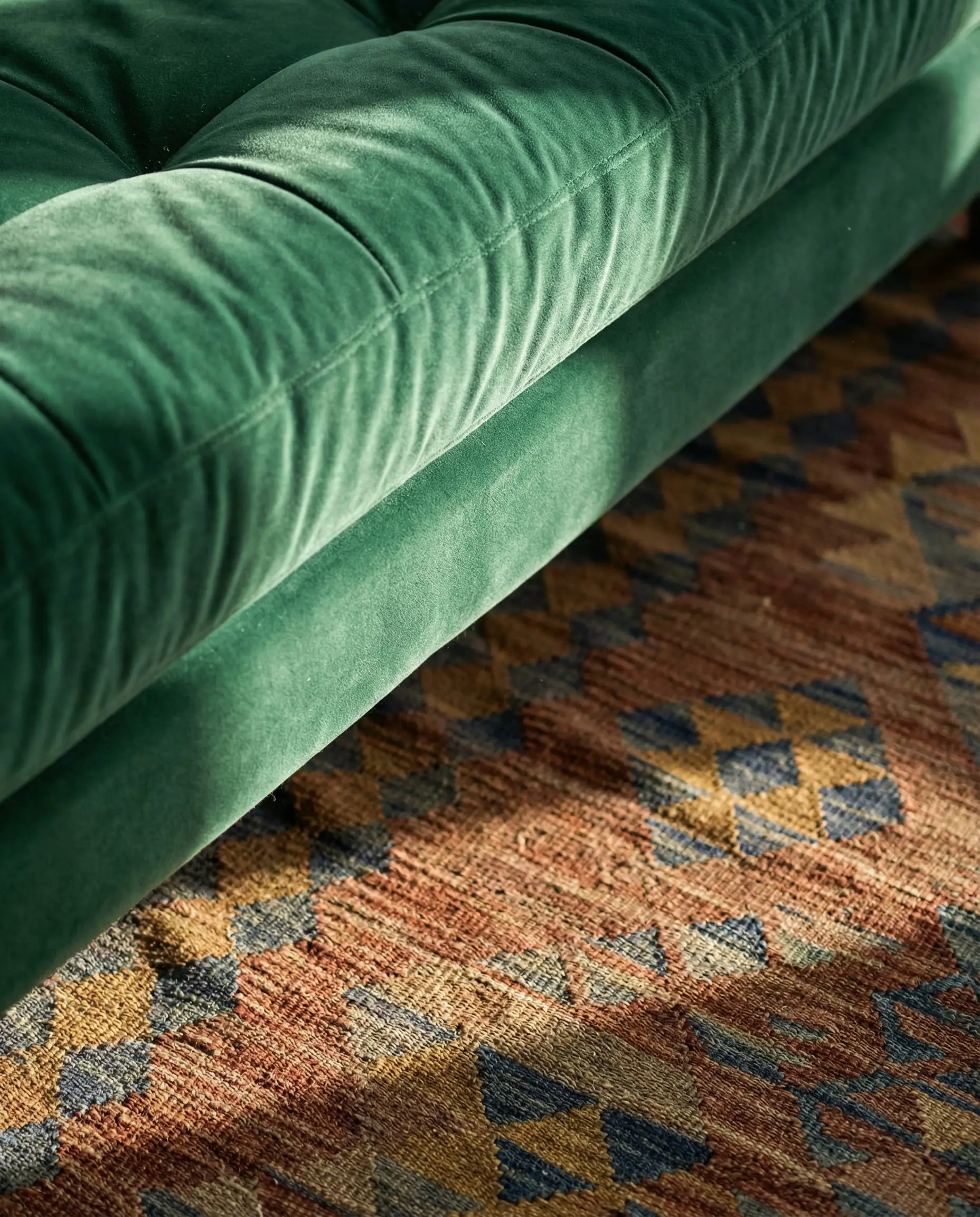
1. For Velvet Sofas (Shiny & Plush)
Velvet absorbs light and has a heavy visual weight.
The Fix: You need contrast. Go for a flatweave, kilim, or low-pile wool rug. These “drier” textures prevent the room from feeling too heavy or stuffy. A vintage distressed rug is perfect here because it adds age to the shiny newness of velvet.
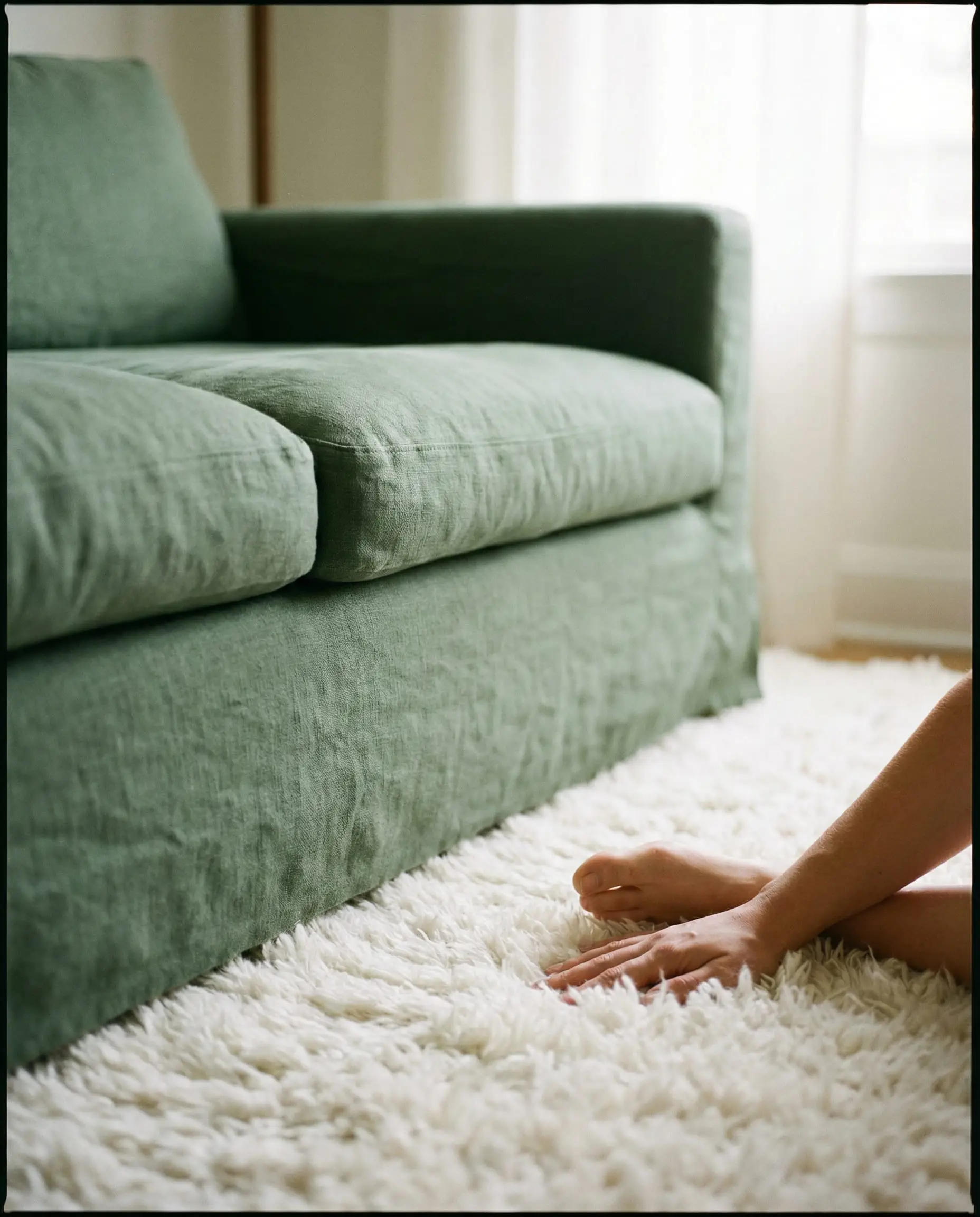
2. For Linen or Cotton Sofas (Matte & Relaxed)
These fabrics are matte and can sometimes look a bit flat.
The Fix: Add dimension with high-pile, shag, or Moroccan rugs. The fluffiness of the rug adds the coziness that the linen fabric might lack. For a trend-forward look, check out our 2026 carpet & rug trends.
3. For Leather Sofas (Slick & Cool)
Leather can feel cold to the touch and slick to the eye.
The Fix: You need softness. A thick wool, faux fur, or layered rug setup works wonders. Layering a cowhide over a jute rug is a classic move that adds instant warmth and prevents the “slippery” feeling of leather-on-flat-rug.
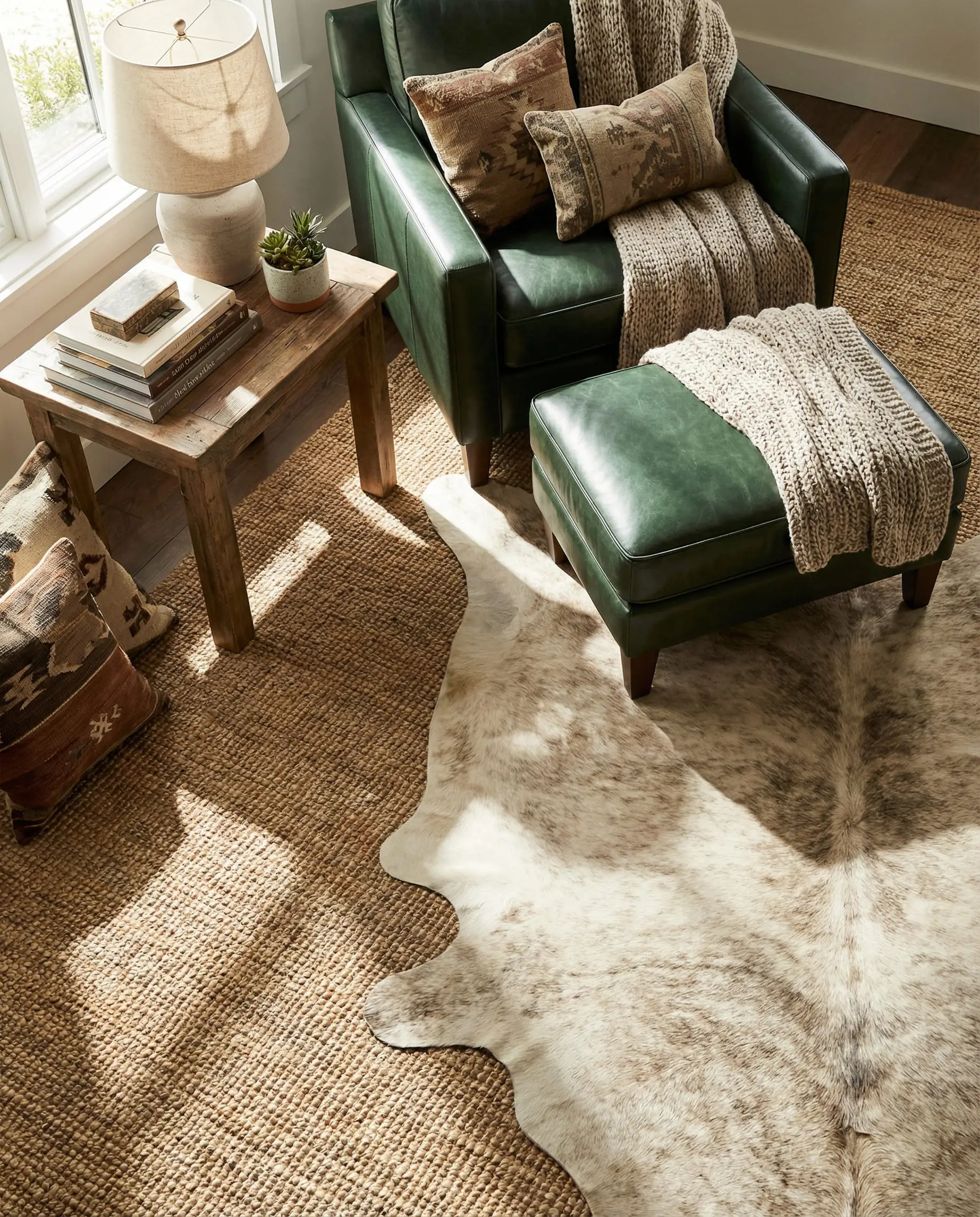
If you have a green velvet sofa, avoid a synthetic shiny rug (like viscose). Shiny on shiny looks cheap. Matte wool or cotton is your best friend.
Hackrea Pro Tip 🧶
Visualizing the Look: 3 Style Boards for 2026
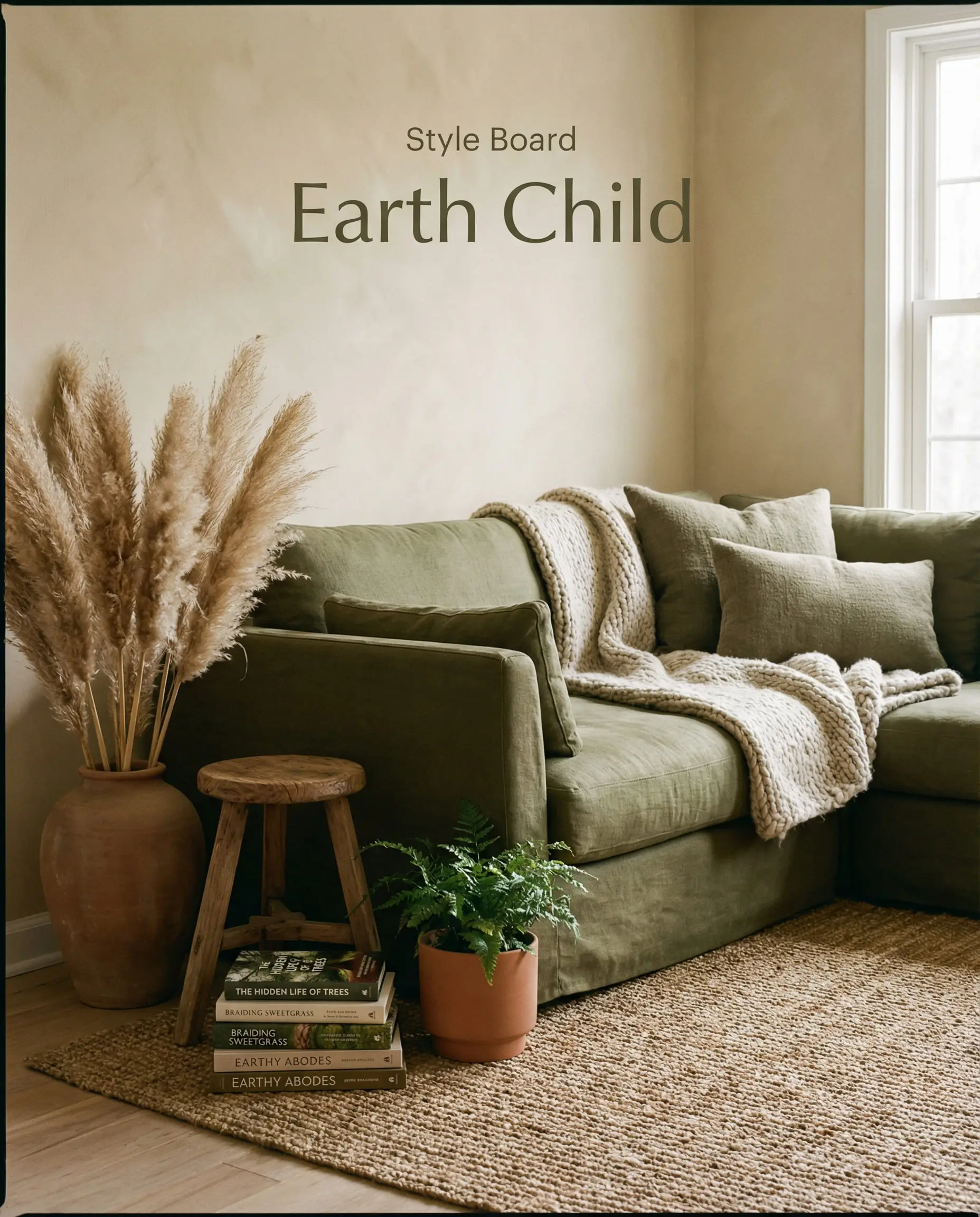
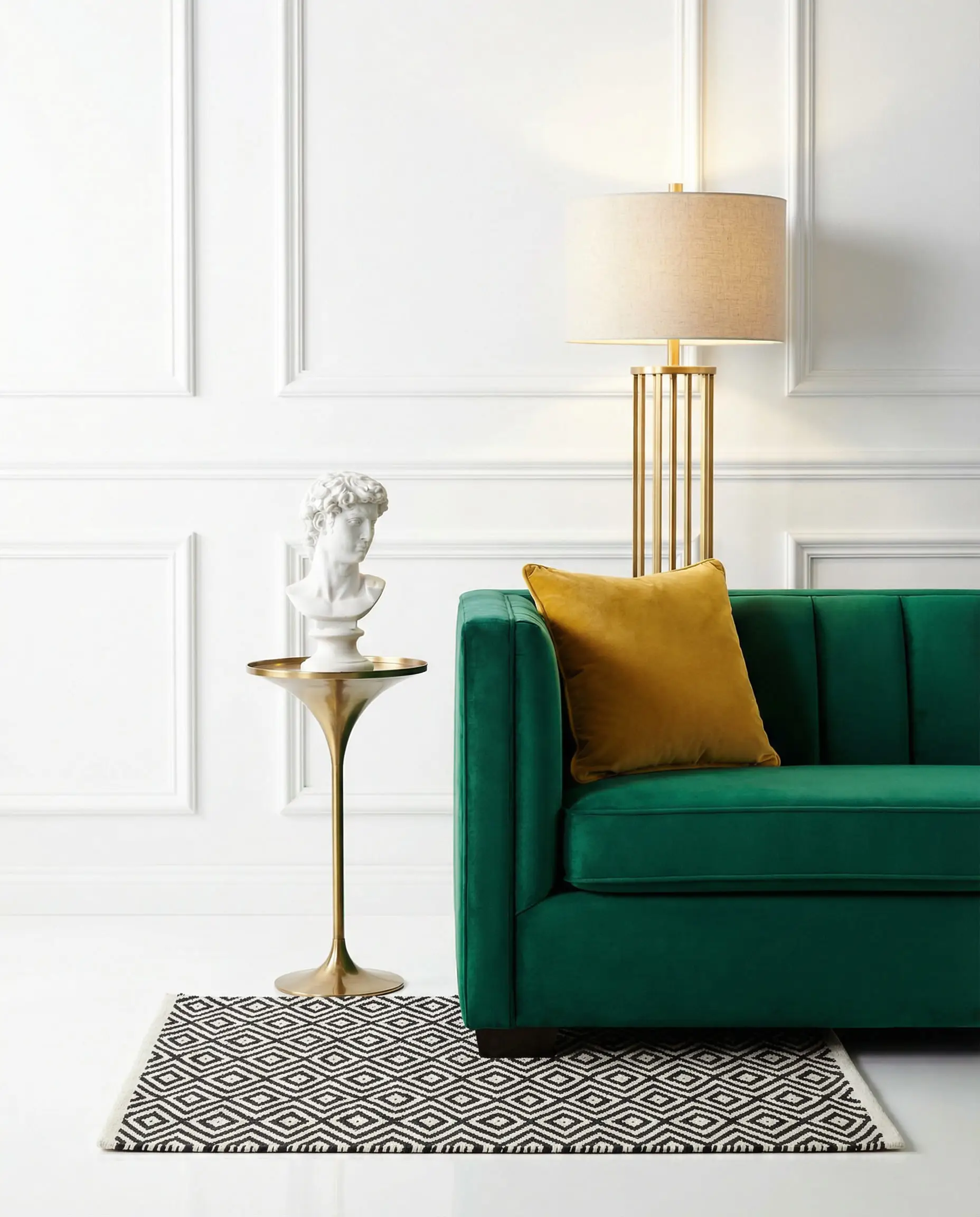
Struggling to picture it? Here are three “recipes” you can copy and paste into your home.
Palette 1: “The Earth Child”
Palette 2: “The Modern Glam”
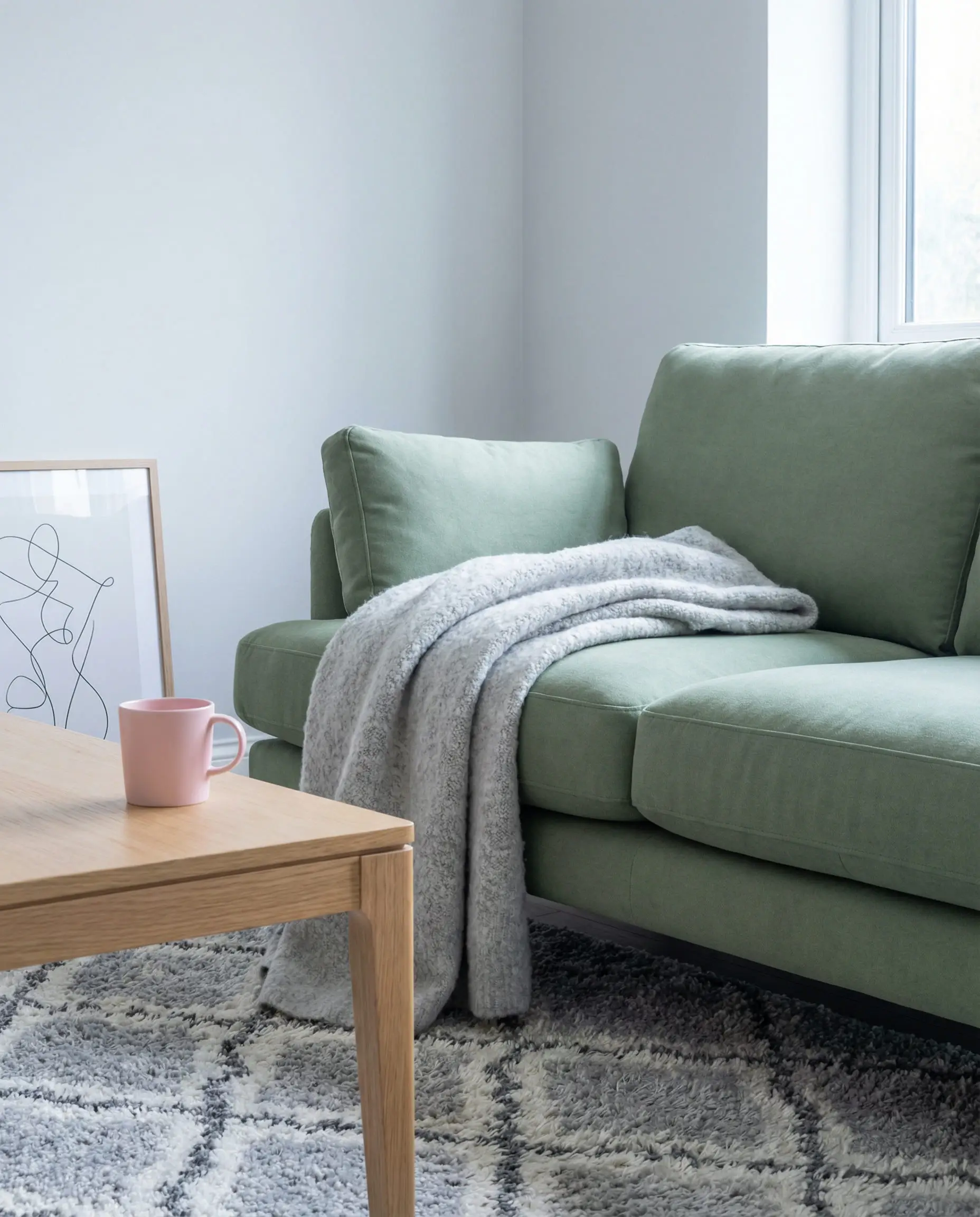
Palette 3: “The Soft Scandi”
Frequently Asked Questions (FAQ)
A: Yes, absolutely. Grey is a fantastic neutral for green. However, you must match the undertones.
Cool Grey: Pairs best with cool greens like Emerald, Teal, and Forest.
Warm Grey (Greige/Taupe): Pairs best with warm greens like Olive, Moss, and Lime.
If you put a cool, icy grey rug next to an olive couch, the couch will look dirty. Stick to greige!
A: In 90% of cases, a rug that is lighter than the couch will make the room feel larger and more open. This creates a “grounding” effect for the furniture. However, if you are aiming for a cozy, moody, or “speakeasy” aesthetic, choosing a rug darker than the couch (like charcoal or navy) is a bold and stylish move.
A: You have three great paths:
High Contrast: A black and white rug (modern).
Warm Balance: A camel or beige leather-toned rug (traditional).
Moody: A vintage Persian rug with deep reds and blues (eclectic).
A: Yes! Since a green couch acts as a solid block of color, a patterned rug is often necessary to break up the visual weight.
If your couch is solid, go for a bold pattern (Floral, Geometric, Oriental).
If your couch has a texture (like corduroy or heavy weave), stick to a larger, simpler pattern or a solid rug to avoid visual clutter.
A: A rug that is too small will make your expensive green couch look cheap. Ensure the front legs of the sofa are resting on the rug, with at least 6-8 inches of rug extending on either side of the sofa. For more detailed sizing rules, read our guide on what size rug for living room.
Conclusion: Texture is the Secret Sauce
Choosing the perfect rug for your green couch isn’t just about finding a color that doesn’t clash. It is about defining the feeling of the room.
If you want energy, go for contrast (Rust, Mustard, Black & White).
If you want peace, go for harmony (Sage on Cream, Olive on Jute).
If you want drama, go for depth (Emerald on Navy, Forest on Charcoal).
Remember, in 2026, we are looking closely at texture. Don’t just buy a “beige rug”—buy a beige rug with a waffle weave, a braided tassel, or a high-low pile. That tactile element is what elevates a room from a showroom display to a home.
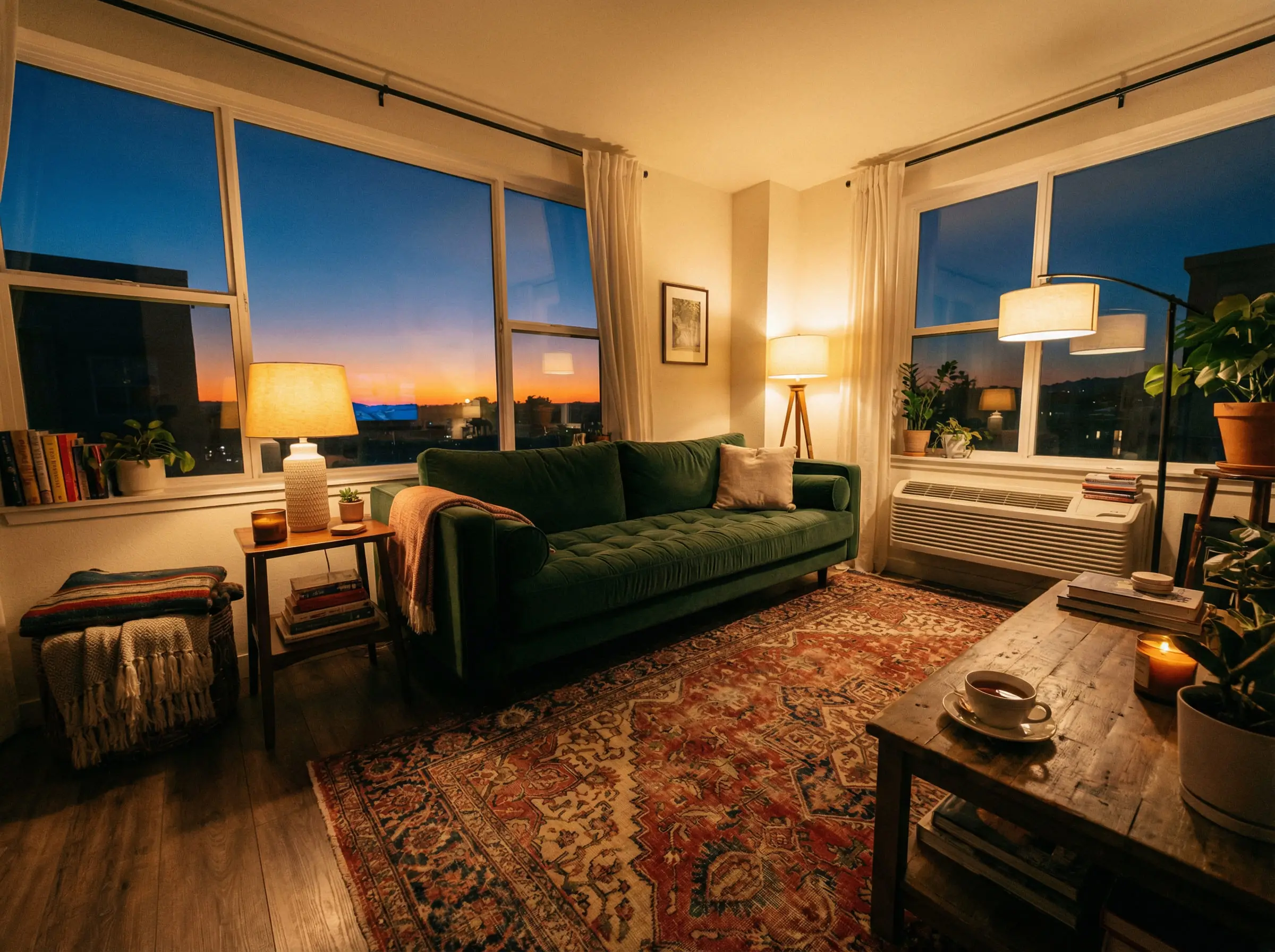
Ready to find the perfect match?
Start by looking at the undertones of your sofa today. Once you know if you are Team Warm or Team Cool, the rest is just having fun with your personal style.
Looking for more living room inspiration? Check out our latest article on living room trends to see what else is big this year.

The Hackrea Style Desk treats interior decoration as an exact visual science. Rather than focusing on demolition or floor plans, this desk masters the art of color theory, undertone matching, material pairings, and spatial proportion. From balancing the visual weight of mixed metals to finding the perfect bridging tone between disparate wood species, this desk provides the rigorous aesthetic rules needed to achieve high-end, editorial-quality harmony in any space.