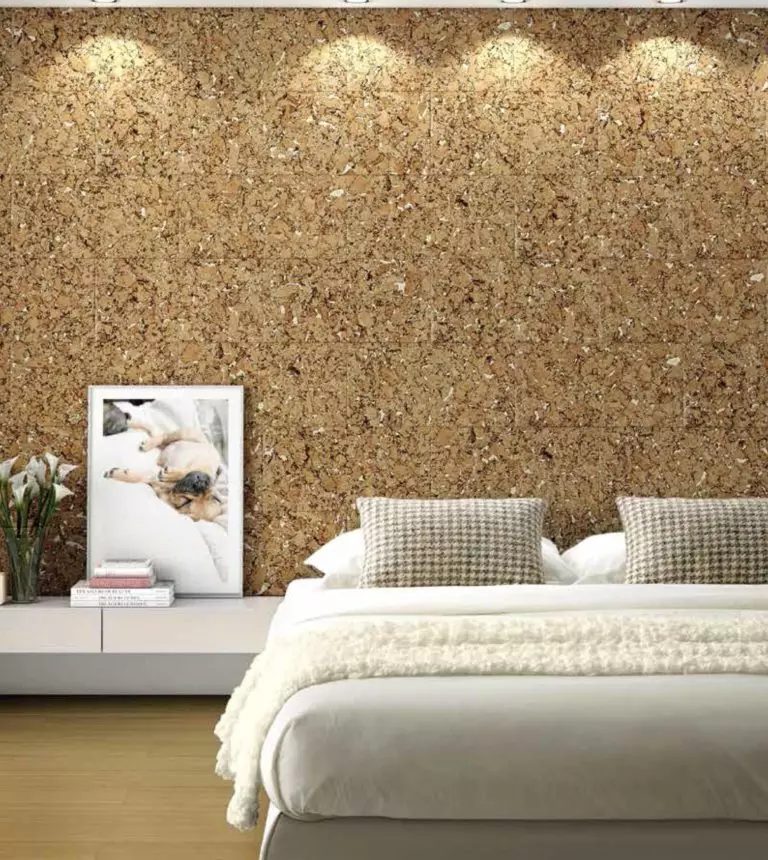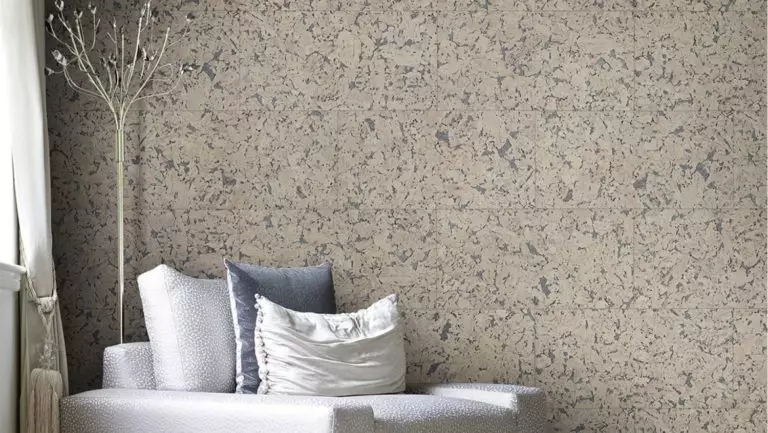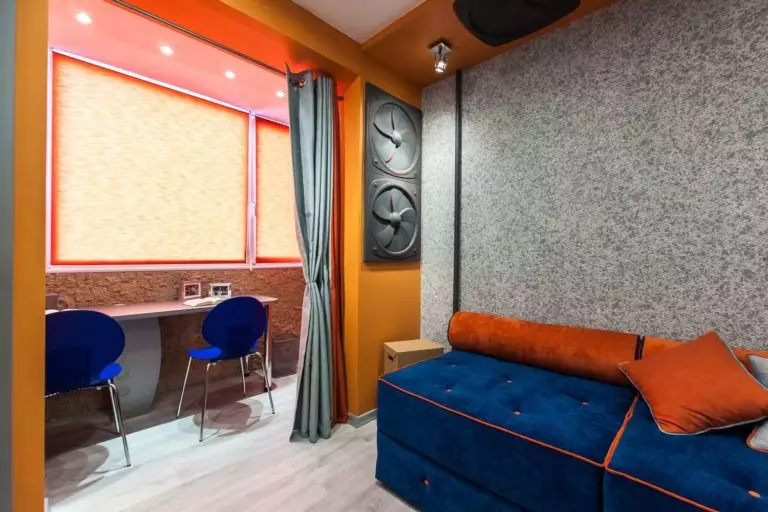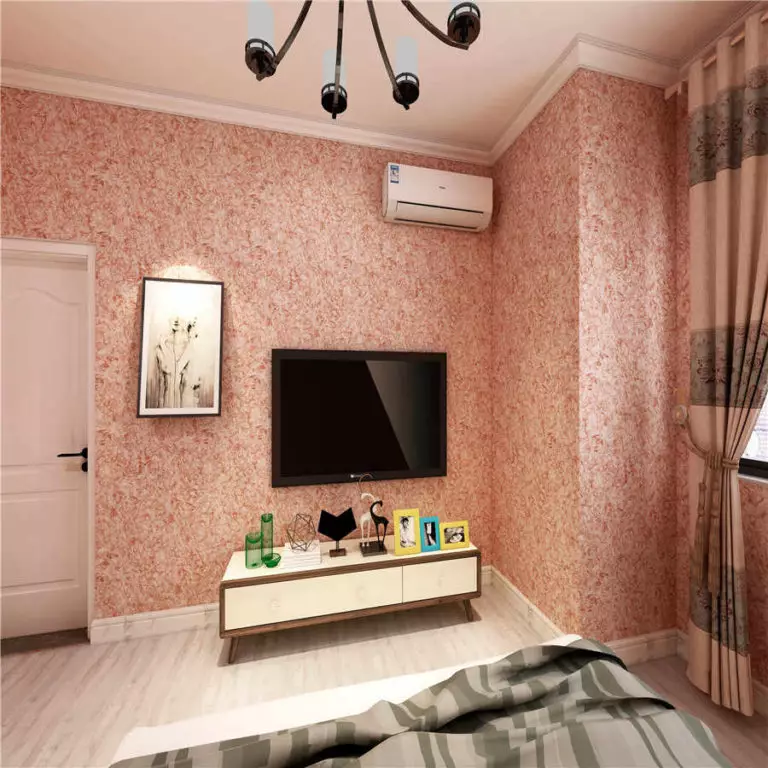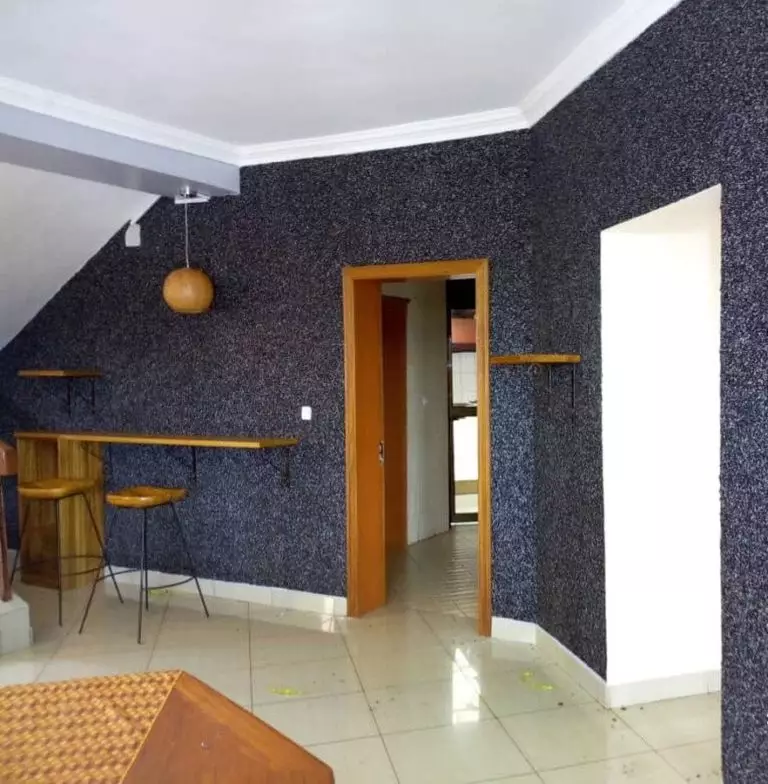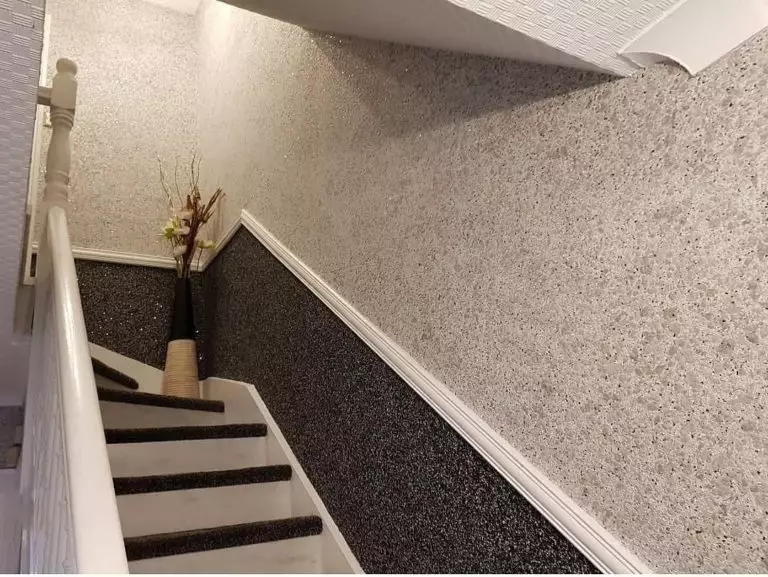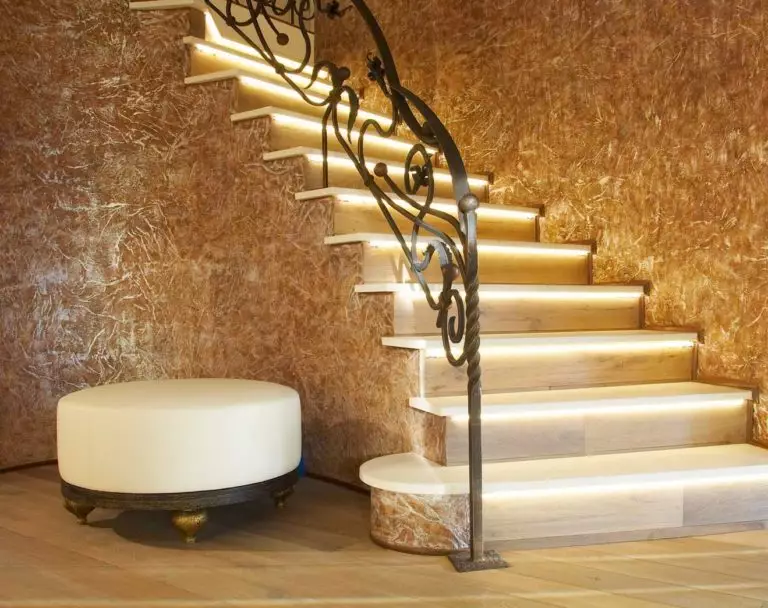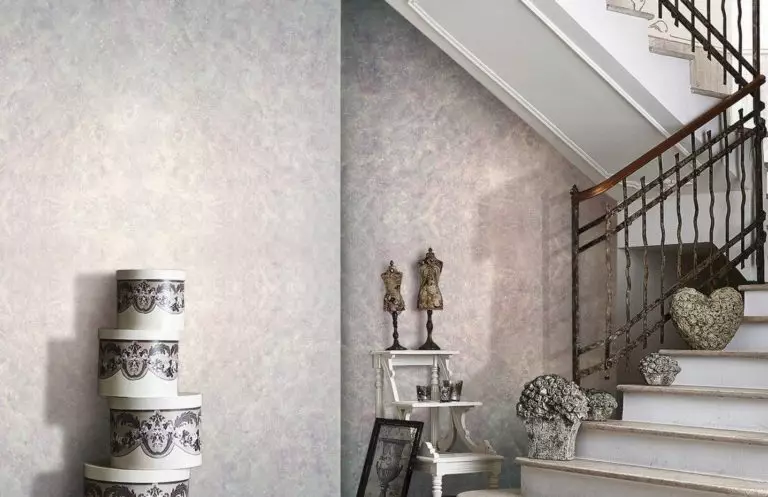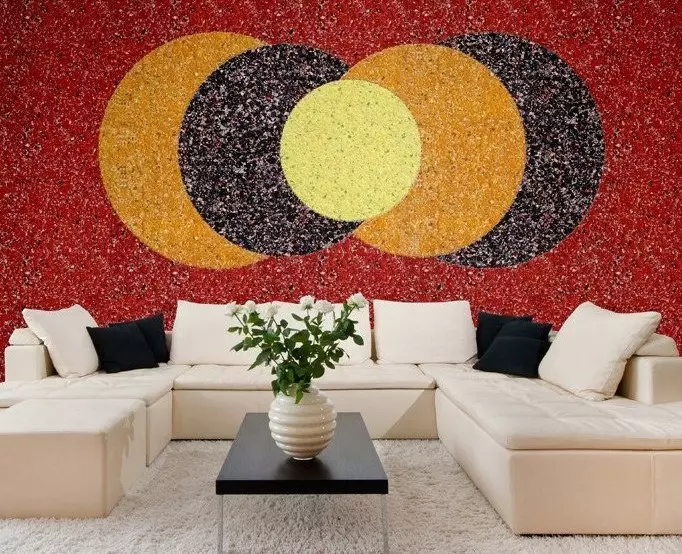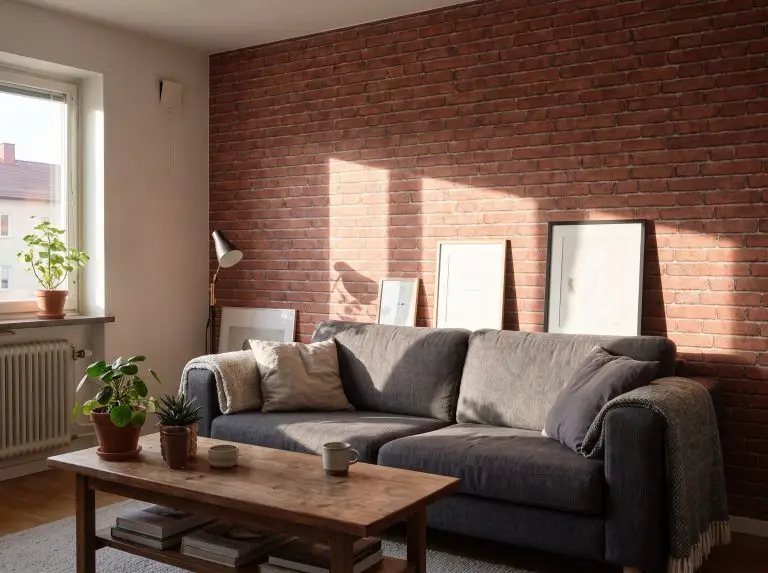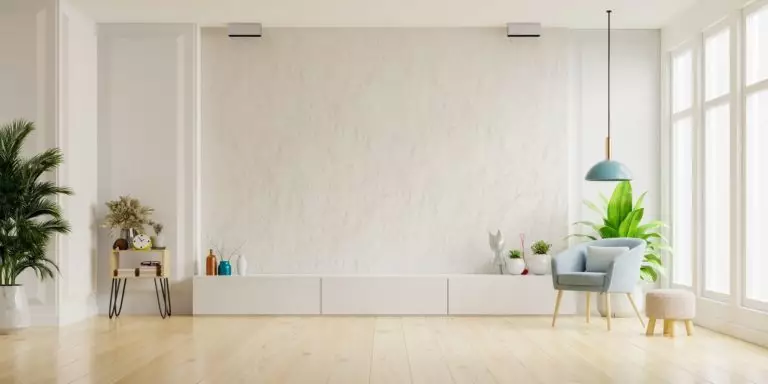
Liquid wallpaper is a type of decorative wall covering. This name is very conditional, liquid wallpaper is sold in dry forms, like a building mixture, and after application, the surface looks like felt or stone. Some manufacturers call this material “decorative plaster”, which is also incorrect – the mixture does not contain sand.
There are two main components in the composition of liquid wallpaper. The first is an adhesive based on cellulose or other natural substance and dye. The second is decorative components, with the help of which liquid wallpapers acquire various types and textures.
This wallcovering is suitable for residential premises. When used on outside walls of the building, it loses its properties.
Liquid wallpaper types
There are various types of liquid wallpaper, the main of which are: silk, cellulose, silk-cellulose. For VIP interiors, you can use wallpapers with natural cotton fibers. But such a product is costly.
Silk liquid wallpaper basically contains natural silk fibers. Therefore, after being applied to the walls, it can visually and tactilely imitate fabric. We can say the same about liquid wallpaper with cotton fibers.
Cellulose liquid wallpaper and silk-cellulose can be similar in texture to parchment or dense fabric.
For the convenience of storage and transportation, liquid wallpaper is handed over for sale in dry form in one of two options. Ready-to-use wallpaper is immediately diluted with water. In this case, you can correctly apply liquid wallpaper by yourself without problems. Therefore, specialists are not required to work with them.
The second type includes wallpaper, for the preparation of which it is necessary to mix various fillers. Such a mixture is best prepared by a professional, who will also tell you how to properly apply liquid wallpaper to obtain a topcoat. It should look like dough before applying.
Benefits of liquid wallpaper
The advantages of liquid wallpaper are as follows:
Disadvantages of liquid wallpaper
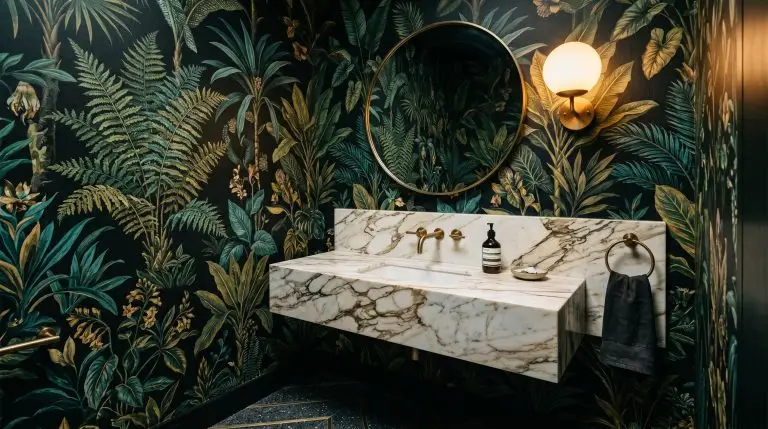
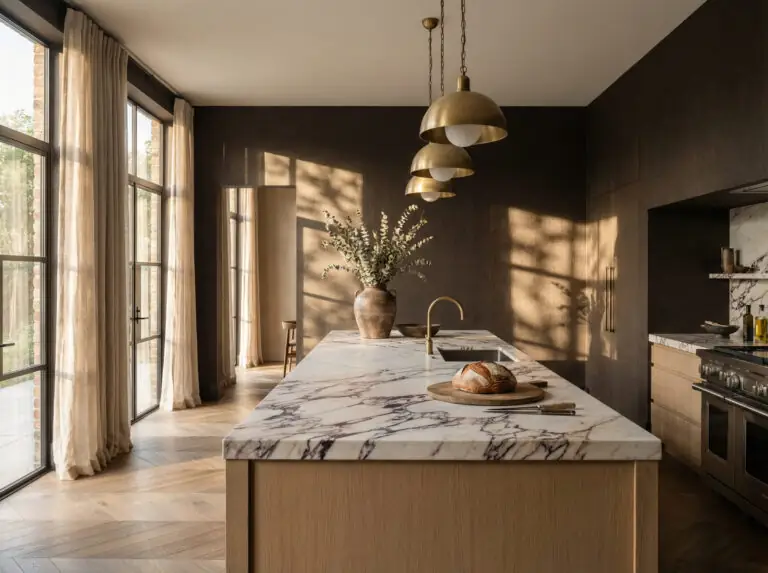
The disadvantages of liquid wallpaper are not as extensive as their advantages, and the main drawback of this coating is its hygroscopicity. Therefore, it is better not to use this wall covering in rooms with high humidity, for example, in the bathroom or the kitchen. Another drawback that liquid wallpaper has is the price, which is several times higher than paper wallpaper.
How to apply liquid wallpaper to the wall
You can apply liquid wallpaper to the wall in two ways – with a spatula or spraying using a compressor. The second method is used for walls with complex relief. Manufacturers recommend working with liquid wallpaper, keeping the temperature above 16 degrees. The coating dries up after 12 hours. However, at high humidity and low temperatures, the wall can dry up to 72 hours. To increase the strength, the wallpaper is coated with acrylic varnish.
Liquid Wallpaper: Conclusions + Photo Gallery
In conclusion, it can be noted that the wall covering made of liquid wallpaper does not require special maintenance. The wall can be vacuumed and cleaned with a damp cloth if varnish is applied.