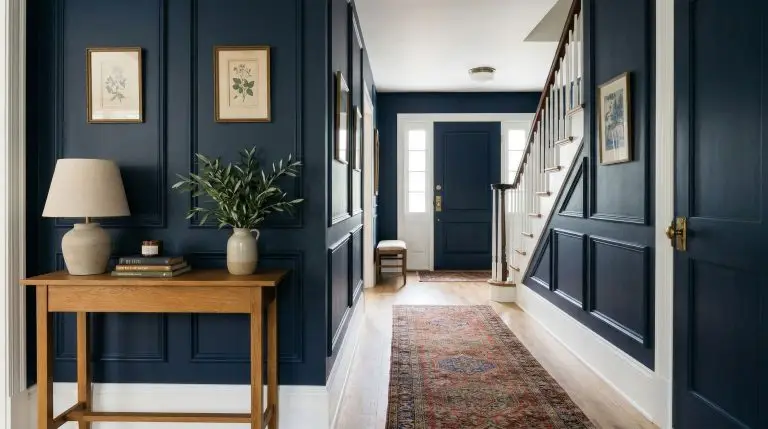
Moving into a new home in Medford offers something most people overlook: a rare window to design a space from scratch, before daily life settles in and furniture lands wherever it happens to fit.
Most homeowners treat interior design as something that happens after the move. The boxes get unpacked, the couch ends up against the nearest wall, and the layout sticks simply because rearranging later feels like too much work. Pre-move planning closes that gap entirely.
The smartest approach starts with a furniture inventory, which is a clear list of what’s coming, what’s being donated, and what simply won’t work in the new space. From there, room measurements and traffic flow determine what can realistically fit, and a rough floor plan turns those numbers into actual placement decisions. The sections ahead break each step down so homeowners can walk into their new Medford space ready to set it up right the first time.
Your Pre-Move Design Game Plan
Getting the design process right in Medford starts well before the moving truck arrives. The three steps below form a practical sequence that turns pre-move preparation into a genuine design advantage.
Start with a Furniture Inventory
A furniture inventory is the first real decision point of any move. Going through every piece and sorting it into what’s staying, what’s being donated, and what simply won’t suit the new home eliminates a lot of guesswork before measurements and layout choices even enter the picture.
Not every familiar piece deserves a spot in the new space, and making that call early saves time, money, and frustration later.
Measure Rooms Before Moving Day
Once the inventory is settled, room measurements become the next essential step. Knowing the exact dimensions of each room, along with its traffic flow patterns, determines what can realistically fit and where.
Trying to force an old layout into a new space is one of the most common mistakes homeowners make, and it almost always comes down to skipping this step. A good space planning guide can help translate raw measurements into practical decisions before anything gets loaded onto a truck.
Sketch a Workable Floor Plan
With measurements in hand, a simple floor plan turns numbers into actual placement decisions. Mapping out where furniture will go before movers arrive means unpacking supports the final setup rather than working against it.
Working with a stress-free relocation team that understands room-by-room staging, labels, and placement instructions makes it far easier to keep that plan intact on moving day, when things tend to move quickly and decisions get made under pressure.
What to Buy Now and What to Wait On
Purchase timing affects both budget and layout more than most homeowners expect. Some items need to be decided before move-in because their dimensions shape the entire room, while others are better chosen after spending a few weeks in the space.
Order Early When Lead Times Affect Layout
Some purchases need to happen before moving day, not after. Custom furniture, rugs, and window treatments often carry lead times of several weeks, and their dimensions directly influence how the rest of a room comes together.
A custom sofa ordered to fit a specific wall, or window treatments sized to a particular ceiling height, cannot be decided on a whim. These pieces shape the room’s proportions, so getting room measurements confirmed early makes the ordering process far less stressful.
Hold Off When You Need to Live in the Space
For everything else, patience pays off. A bedroom might feel larger than expected once the natural light shifts throughout the day, or a living room might reveal a natural traffic pattern that makes a planned furniture arrangement awkward in practice.
Living in a space for even a few weeks sharpens the design aesthetic in ways a floor plan simply cannot. Buying filler pieces just to make rooms feel complete tends to produce clutter rather than intention, and those impulse purchases rarely survive the next edit. Space planning decisions made from real experience almost always outperform those made from impatience.
Pack in a Way That Protects the Design Plan

The connection between packing and design execution is easy to overlook, but how boxes are packed and labeled directly shapes how quickly a home feels organized and intentional after move-in. A little extra thought at this stage pays off considerably once the truck is unloaded.
Label by Room, Priority, and Placement
Packing by room is one of the simplest ways to protect a design plan that is already in motion. When every box is labeled with its destination room, movers and homeowners can direct items immediately rather than sorting through a pile after the fact.
Priority labels take this further. Boxes marked for essential spaces like the bedroom or kitchen mean those areas get functional first, without stalling work on the rest of the home. Adding a placement note to larger items, such as “living room, east wall,” connects the moving timeline directly to the floor plan already mapped out.
Separate Fragile, Custom, and Must-Use Pieces
Custom furniture, art, and delicate accessories need more than bubble wrap. They need clear destination notes so nothing gets staged in the wrong room or stacked where it could be damaged during unloading.
Separating these items also prevents the common frustration of hunting for a specific piece mid-setup. Knowing exactly where a custom furniture item is, and where it belongs, keeps the furniture placement process moving without unnecessary rework.
The Mistakes That Cost Time and Money
Even well-intentioned homeowners run into avoidable errors during a move, particularly in Medford, where older homes often come with tighter rooms and differently proportioned layouts than what people are used to. A short lead-in before diving into specifics is worth it here, because these mistakes tend to compound quickly.
Forcing Old Furniture into New Rooms
A furniture inventory done before the move, as outlined in the first section, should inform what actually comes along, not just document what exists. Not every piece earned its place in the new home, and forcing familiar items into rooms where they do not fit creates layout problems that linger for years.
When proportions are off, the whole design aesthetic suffers, and fixing it usually means starting over.
Spending the Budget Too Early
Budget allocation tends to go wrong in the first few weeks, when the urge to fill empty rooms drives spending toward low-priority purchases. A decorative console bought before the living room layout is settled can easily block a better investment later.
Protecting the budget for higher-impact decisions, like proper lighting or a well-fitted anchor piece, produces more considered results than filling space quickly.
Trying to Finish Every Room at Once
Whole-house rushing is one of the most reliable ways to compromise space planning. Splitting attention across every room at once leads to scattered decisions, inconsistent priorities, and purchases that do not connect.
Working room by room creates cleaner outcomes. Most design missteps trace back to skipped planning, not a lack of style.
Where Your Budget Makes the Biggest Impact
Knowing where to spend first, and where to hold back, is what separates a home that comes together well from one that feels perpetually unfinished. The goal here is a practical spending order, not design theory.
Spend First on Layout, Function, and Fit
Budget allocation works best when it follows a clear order. Pieces that affect scale, flow, and function deserve the first investment, because getting those wrong is expensive to undo.
Room measurements and a working floor plan are the foundation here. Knowing exactly what fits where prevents duplicate purchases and eliminates the cost of returns. An interior designer can help translate those measurements into realistic furniture decisions before a single piece is ordered, which is especially useful for rooms with unusual proportions.
Spending on layout clarity early also protects every purchase that follows.
Save Décor Layers for After Move-In
Decorative accessories, accent pieces, and finishing touches are far easier to refine once a room is lived in. What looks right on a floor plan does not always match how a space actually feels in use.
Holding budget back for this layer means those decisions get made with context rather than guesswork. A clear spending order, structure first and decoration second, consistently produces more cohesive results and far less regret than trying to complete everything at once.
A Smarter Way to Settle into Your Medford Home
The core insight running through every section of this article is straightforward: design decisions made before unpacking begins consistently produce better results than those made under the pressure of empty rooms.
Pre-move planning gives the moving timeline a purpose beyond logistics. When measurements are confirmed, inventory is edited, and purchases are timed around lead times and lived experience, the first few weeks in a new Medford home feel directed rather than reactive.
Working room by room keeps that direction intact. Each space gets the attention it needs, the