Prairie House: On Silence, Nature, and Authentic Visualization
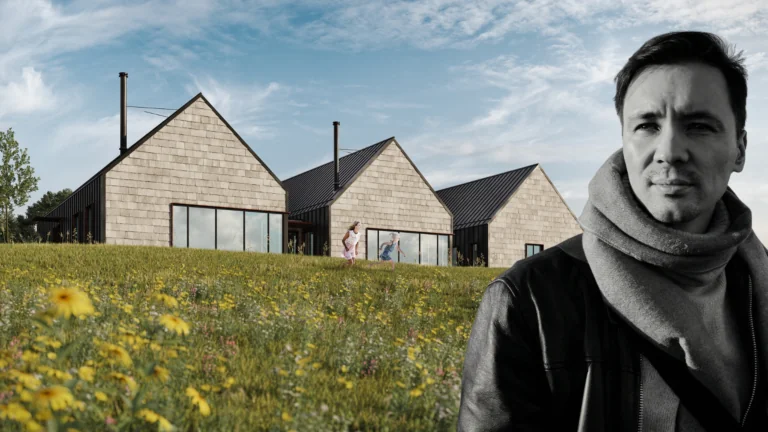
For architectural visualizer Dmitrii Skomorokhov, Lake Geneva House, a prairie in Southern Wisconsin, is not simply an object placed in a landscape. It is an act of withdrawal, a quiet step away from noise, speed, and visual excess. From the beginning, his visual approach was guided by a deeply personal impulse.
“When I started working on this project, the main idea for me was escapism,” Skomorokhov explains. “Complete seclusion and detachment from urban hustle.”
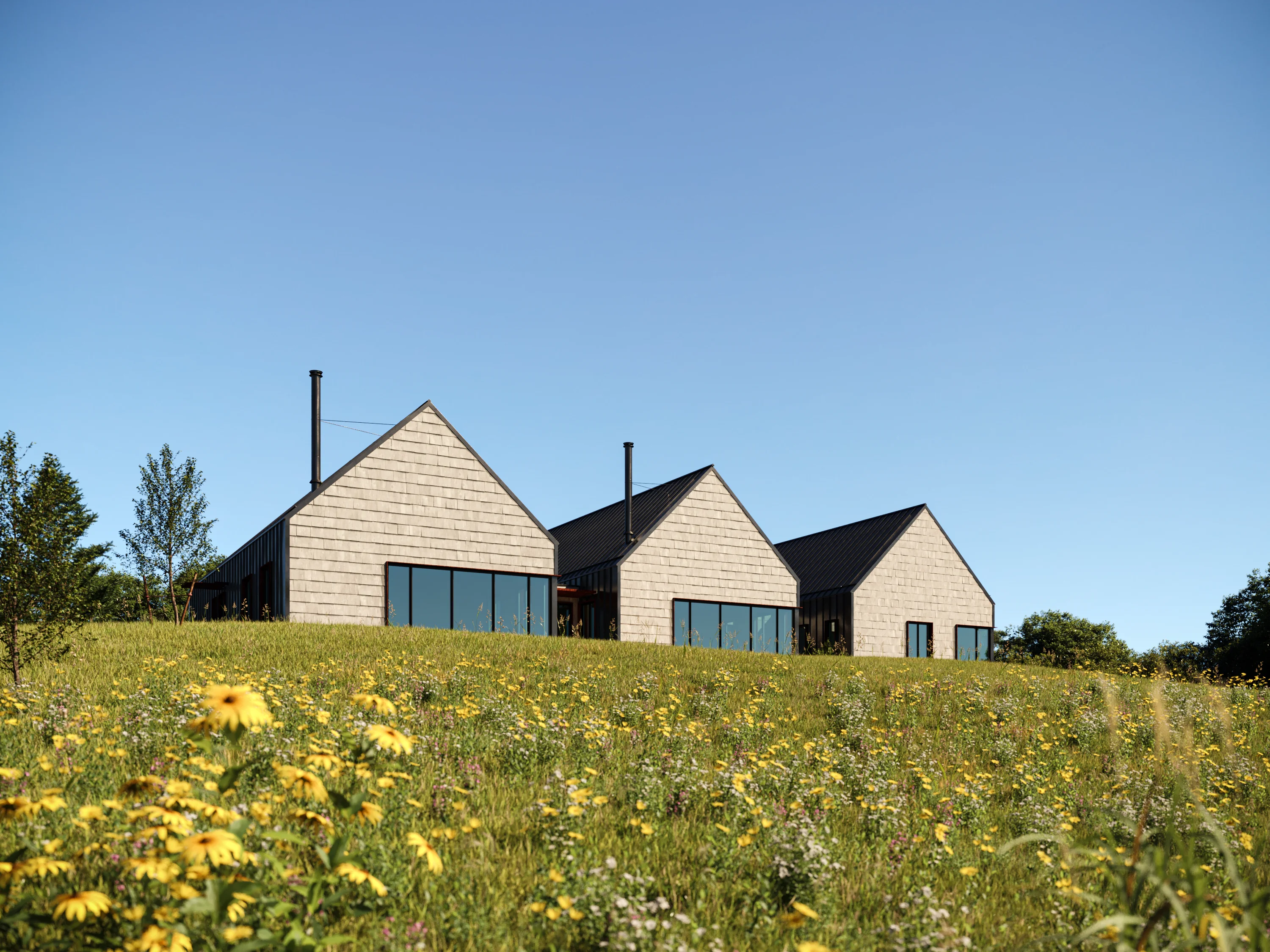
The house, composed of three gabled volumes resting lightly on the prairie, is imagined as a refuge rather than a statement. Silence, openness, and calm are not decorative themes here; they are the very substance of the images. Dmitrii describes the project as something he is instinctively drawn to a place he has long imagined inhabiting himself. “A house that almost dissolves into the landscape,” he says. “Vast open space, and no unnecessary noise around.”
Silence, tranquility, and a sense of unity with nature.
That sense of dissolution guided how the architecture was framed. To communicate the house’s relationship with the land, Skomorokhov avoided elevated or dominant viewpoints. Instead, he placed the camera low, almost at ground level. “Like a photographer crouching on their knees in tall grass,” he notes. From this perspective, the meadow becomes foreground, and the house appears to rise organically from it. The building does not impose itself on the prairie; it grows from it, becoming part of the terrain rather than an interruption.
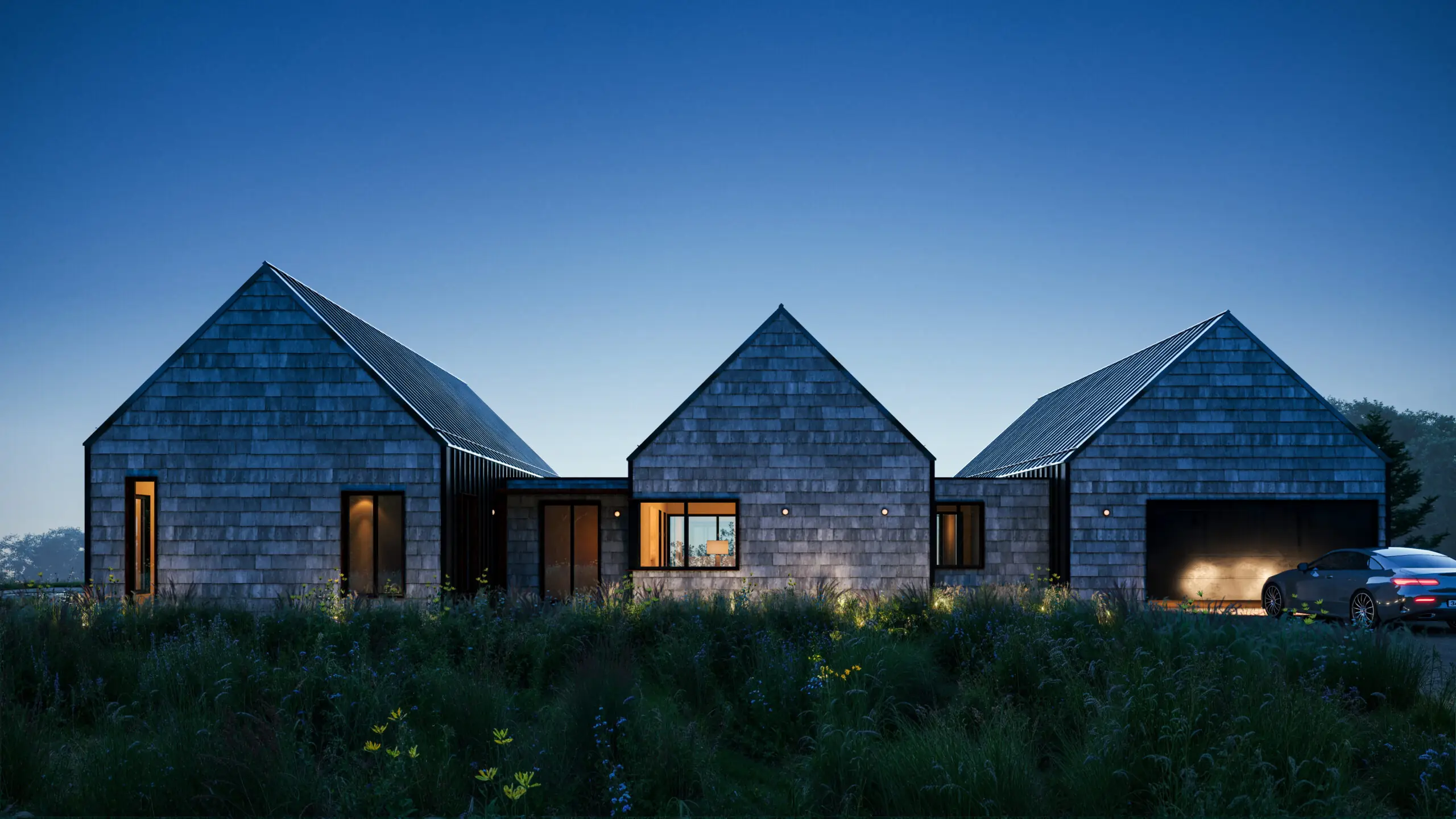
Light plays an equally essential role in reinforcing this grounded atmosphere. Rather than dramatizing the scene, Skomorokhov allowed natural light to remain unforced and uninterrupted. “The project’s architecture is designed so that nothing interferes with natural light freely flooding the spaces,” he says. Choosing a time of day with soft, low sunlight, he let illumination shape the mood quietly, without visual tricks. For him, visualization is not merely technical execution. “A visualizer puts a piece of their soul into every project,” he reflects.
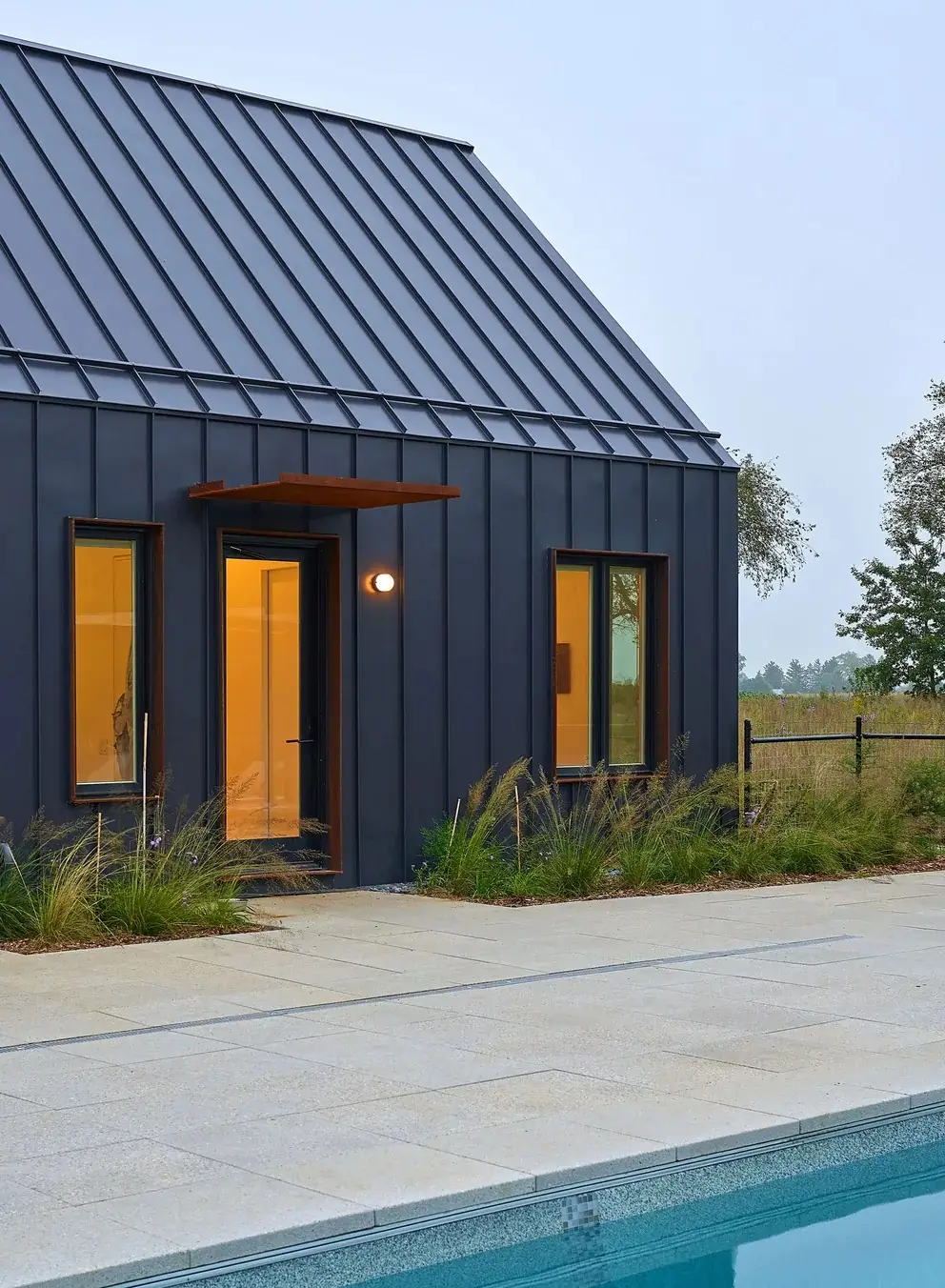
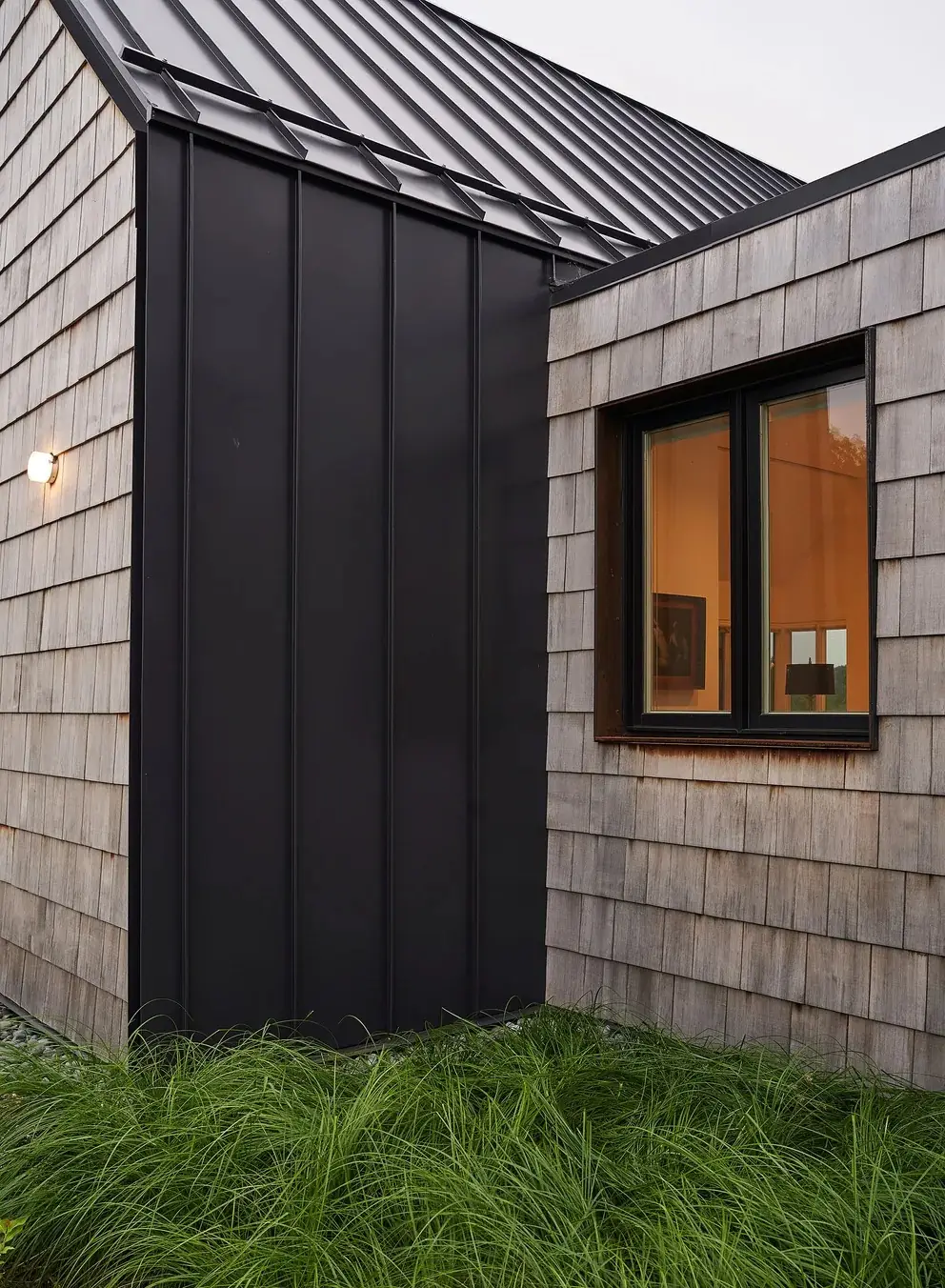
Materiality further deepens this sense of authenticity. Cedar shingles, Corten steel, and metal roofing were not treated as pristine surfaces, but as living elements shaped by time. Skomorokhov is drawn to materials that weather and evolve, and he wanted that quality to be immediately perceptible. “I wanted the viewer to feel that the house has already stood here for several years,” he explains, “and has harmoniously integrated into the environment.” The materials do not freeze the house in a single moment; they suggest duration, exposure, and quiet endurance.
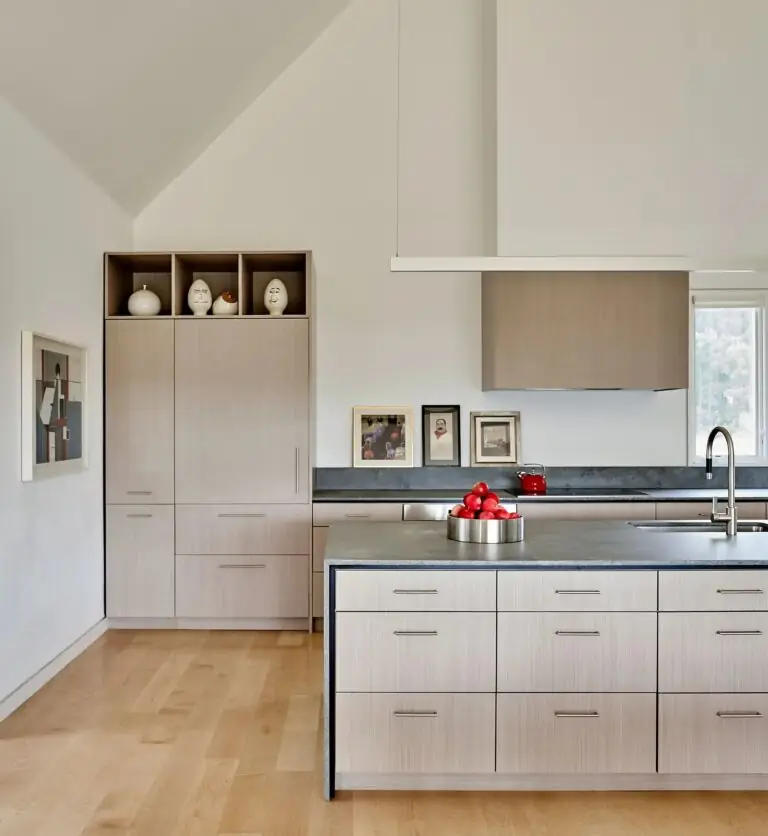
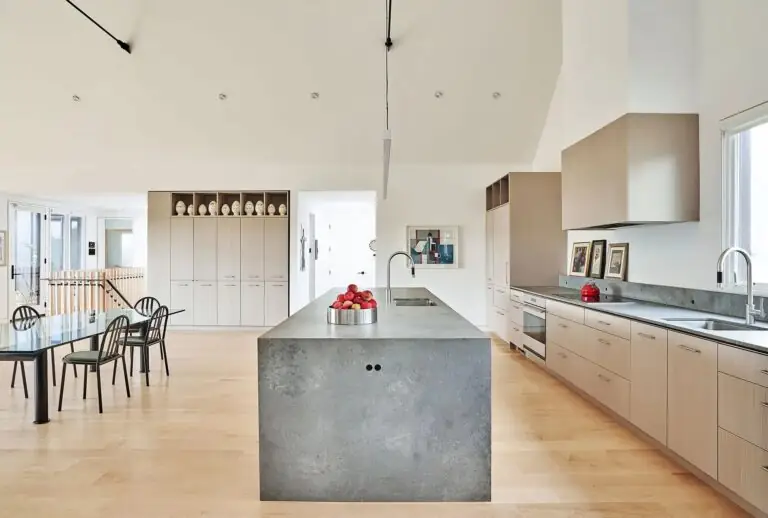
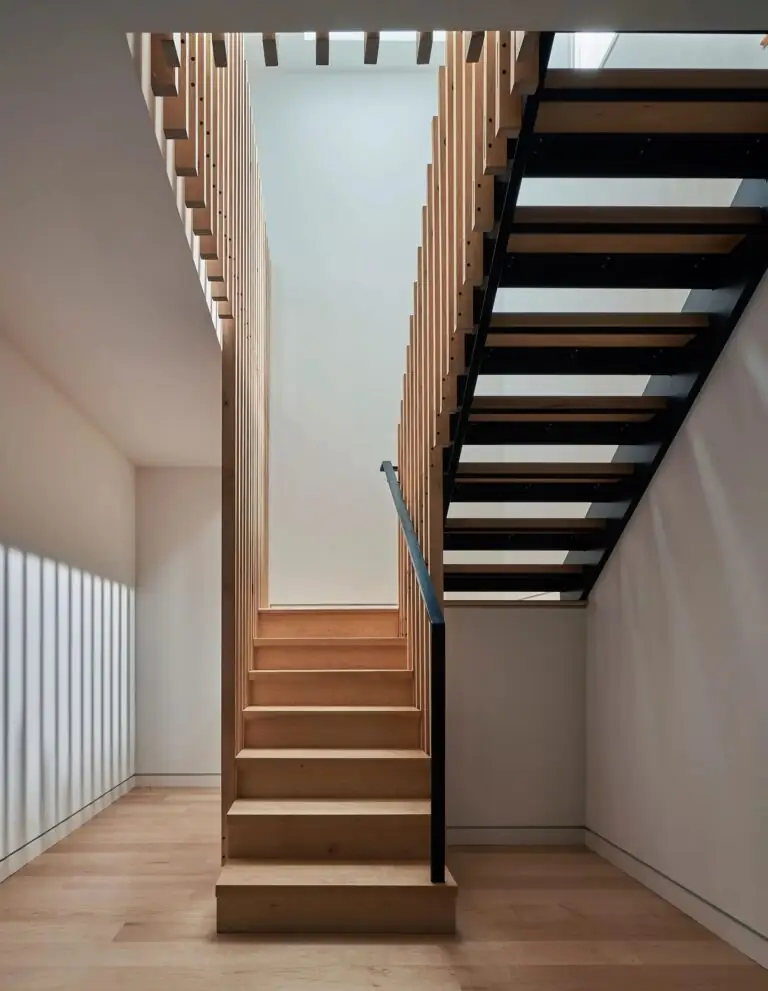
Beyond architectural accuracy, the images aim to communicate a way of life. The house is not portrayed as a protective shell separating its inhabitants from nature, but as a medium through which they experience it. “The house doesn’t conquer the landscape,” Skomorokhov says. “It gently coexists with it.” The human presence is implied rather than asserted, felt through scale, light, and openness. People inside the home are not isolated observers, but participants within a larger natural system.
The house doesn’t conquer the landscape. It gently coexists with it.
This philosophy reflects Skomorokhov’s architectural background and his personal values. “We are part of nature, not its masters,” he says. Visualization, for him, becomes a way to remind viewers of this relationship. Emotional resonance matters as much as realism, and perhaps more. “The work of a visualizer is always about emotions,” he notes. Images are his language, a way to express ideas that words often cannot fully convey.
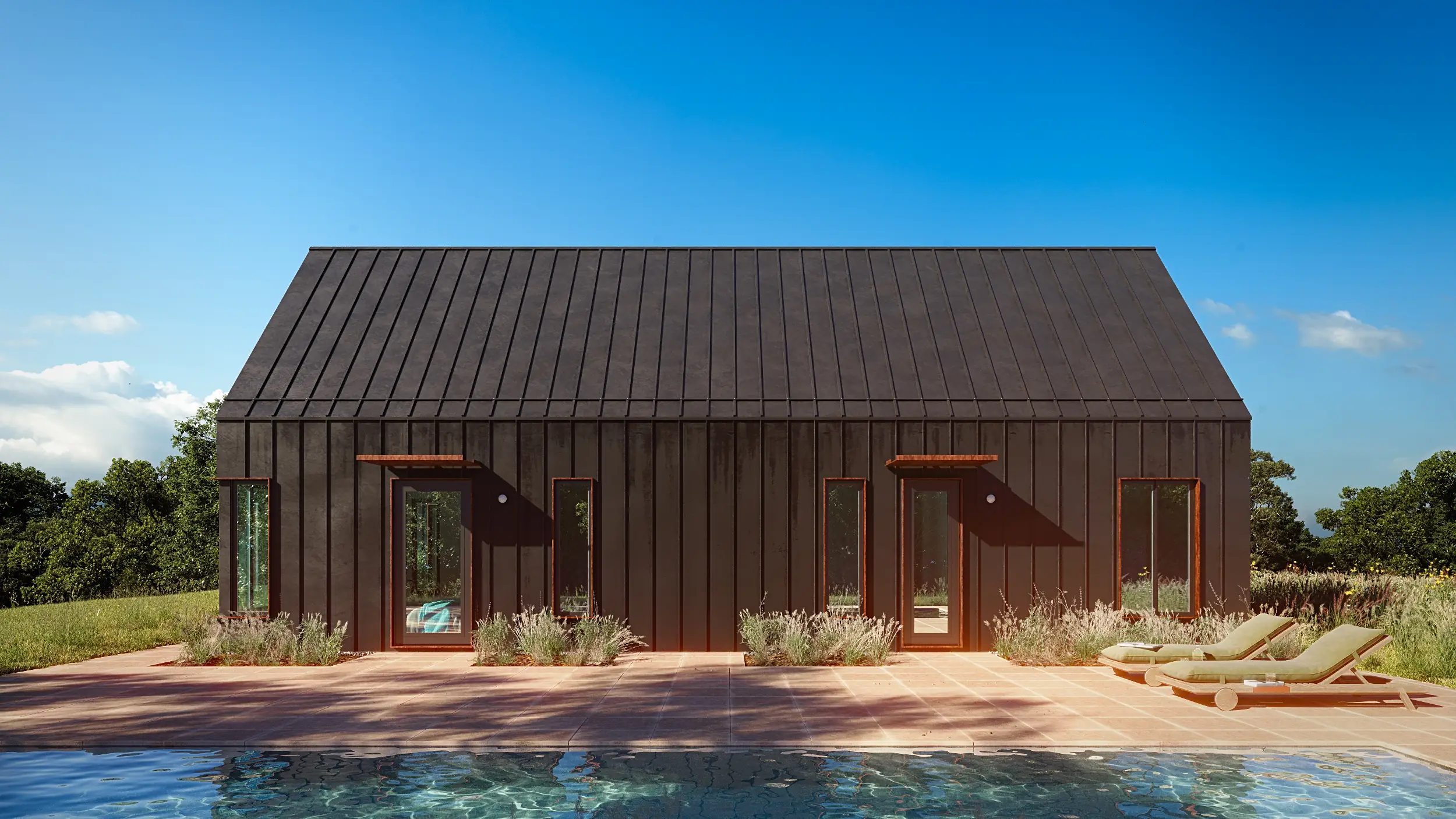
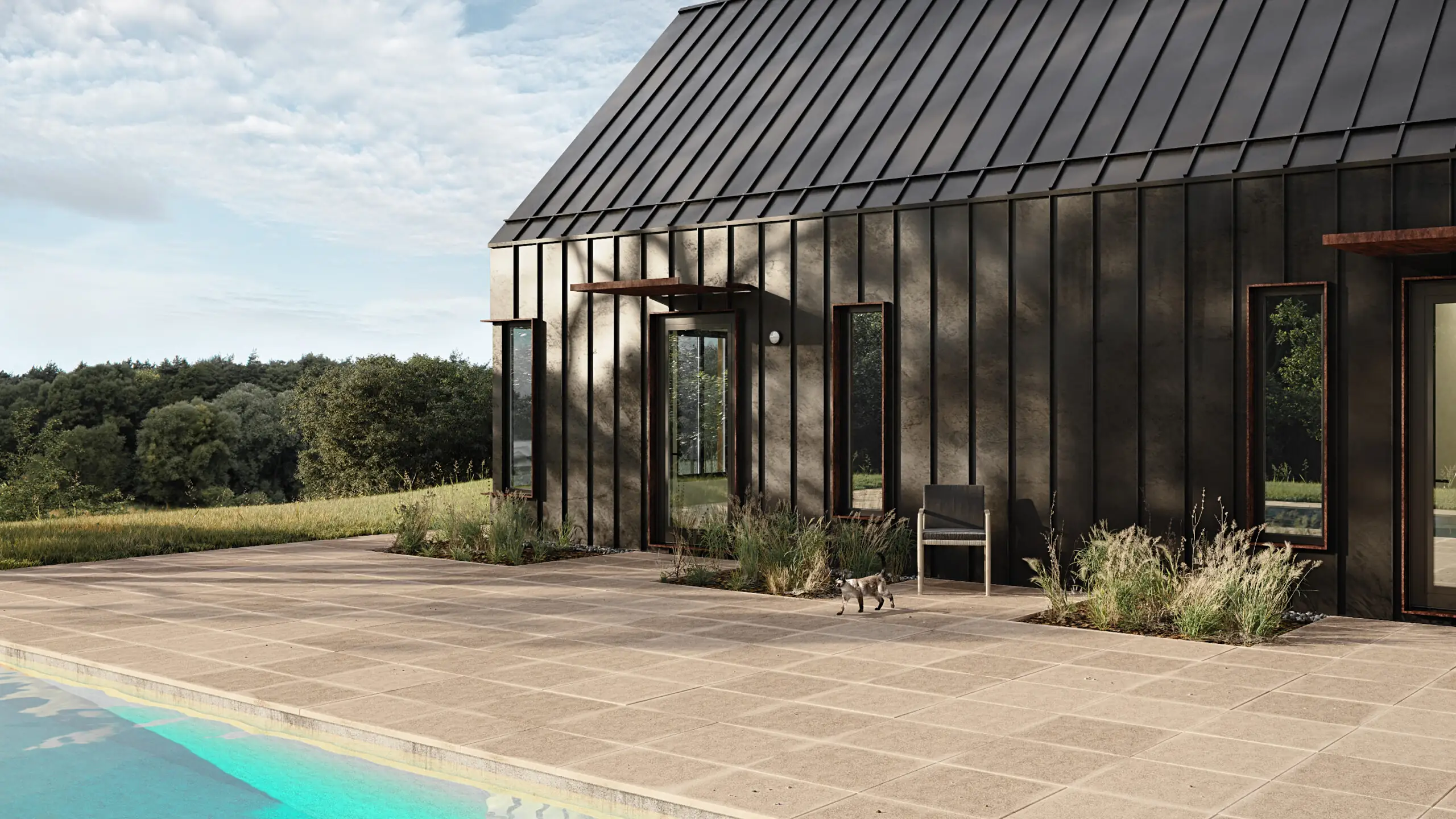
Honesty remains central to his process. While experimentation is part of his personal exploration, professional work is grounded in realism. “I make the light exactly as it would be in reality,” he says, even when this restraint conflicts with more overtly artistic impulses. The goal is not spectacle, but truth, a faithful atmosphere that feels believable and lived-in.
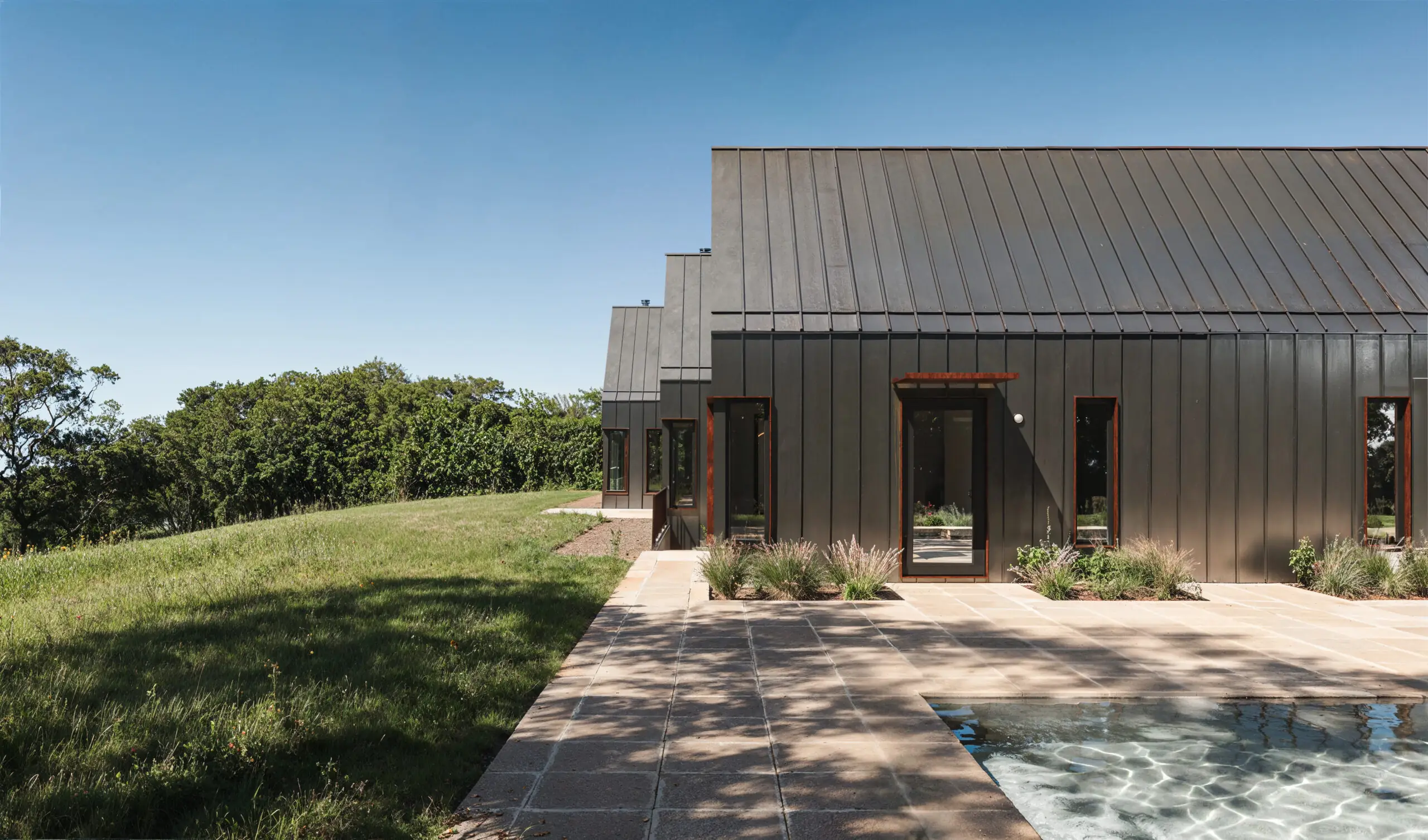
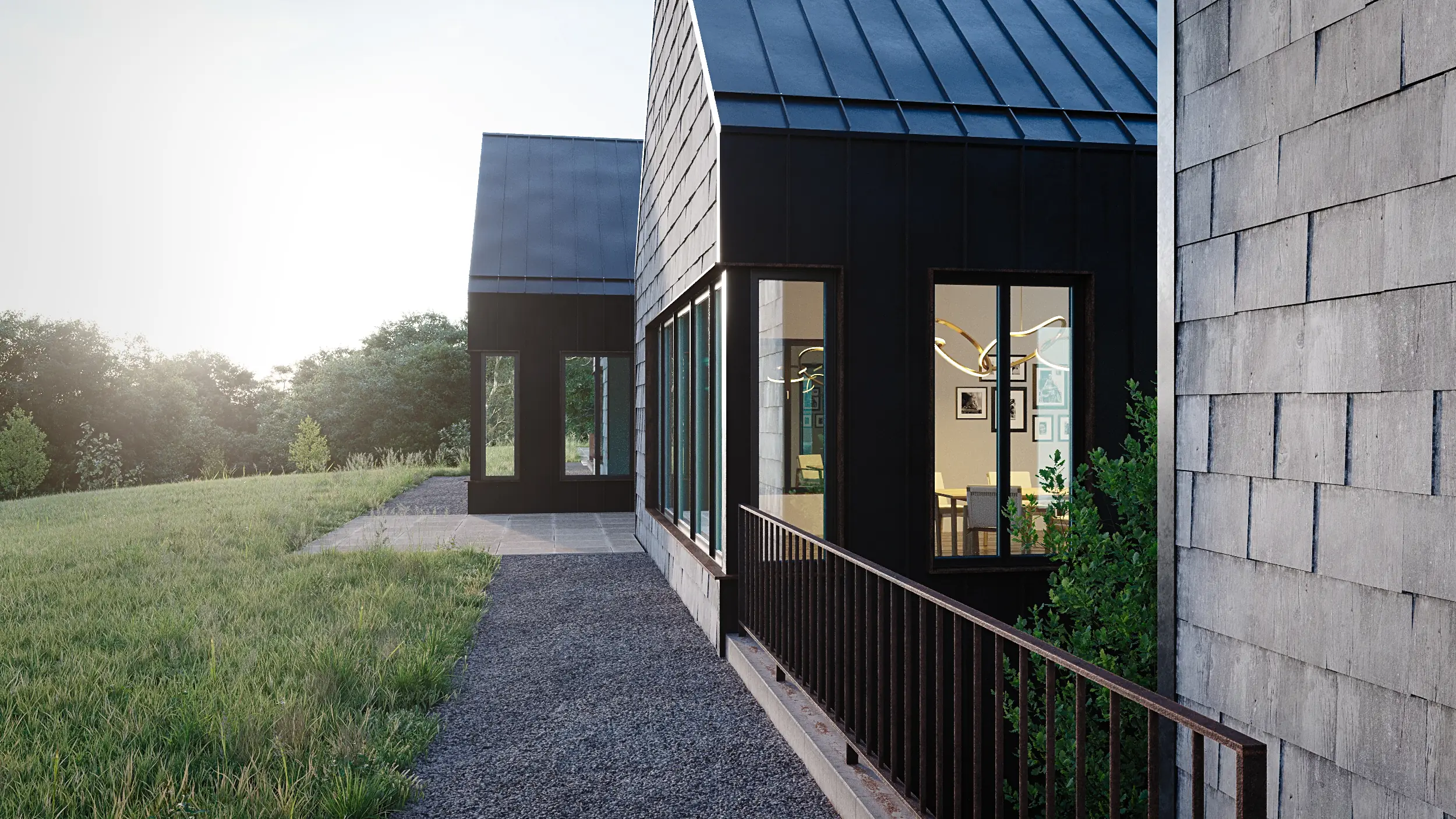
Ultimately, Lake Geneva House becomes a meditation on quietness itself. Through careful framing, natural light, and aging materials, Skomorokhov shares what he feels most strongly when imagining the place: “Silence, tranquility, and a sense of unity with nature.” The images do not demand attention. They invite pause and, in doing so, suggest a more thoughtful way of inhabiting both architecture and landscape.
About the Visual Artist
Dmitrii Skomorokhov is a Senior Architectural 3D Visualizer with a background in architecture and over seven years of professional experience. He works with 3ds Max, Corona Render, and Adobe Photoshop, specializing in photorealistic visualization focused on natural light, aging materials, and emotional atmosphere. His work emphasizes fair representation and architecture’s relationship with landscape and human experience.