A room can have beautiful furniture and still feel unfinished. The problem is often near the windows. Bare edges, poor proportions, harsh light, or visible hardware can weaken the whole design. Small window details help the room feel calmer, cleaner, and more complete.
This matters even more in Scottsdale. Strong sun changes how colors, fabrics, and surfaces look during the day. A treatment must suit the room, but it also needs to handle glare and heat.
Treat the Window as Part of the Architecture
Window coverings should not look pasted onto the wall. Their size, position, and shape should follow the window and the room around it.
A shade mounted too low can make a window look smaller. Short curtains can make the ceiling feel lower. Large gaps around a treatment can also leave the design looking awkward.
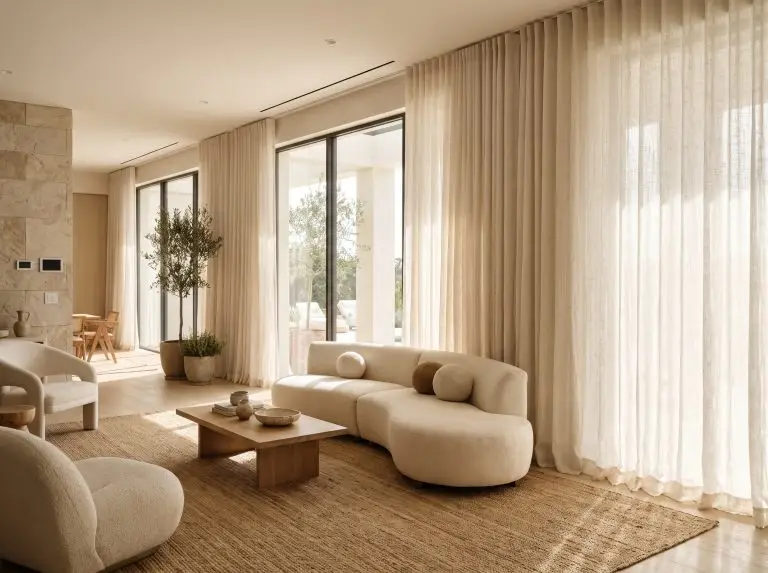
Start by looking at the full wall, not just the glass. A wider treatment may give the window more presence. A ceiling-mounted track can create a cleaner line. An inside-mounted shade may suit simple frames and deep window openings.
Modern rooms usually benefit from fewer visible parts. Hidden brackets and slim headrails keep attention on the space. Well-planned coverings should also meet both functional and aesthetic requirements without making cleaning or daily use harder.
Use Light to Support the Color Scheme
Paint and fabric colors change under strong daylight. A soft beige may look pale in direct sunlight. Deep brown can feel heavier in a darker room. White shades may also appear cooler or warmer as the light changes.
This is why samples should be checked at different hours. Morning light and afternoon sun rarely show color the same way. Place the material near the actual window and watch it for a full day.
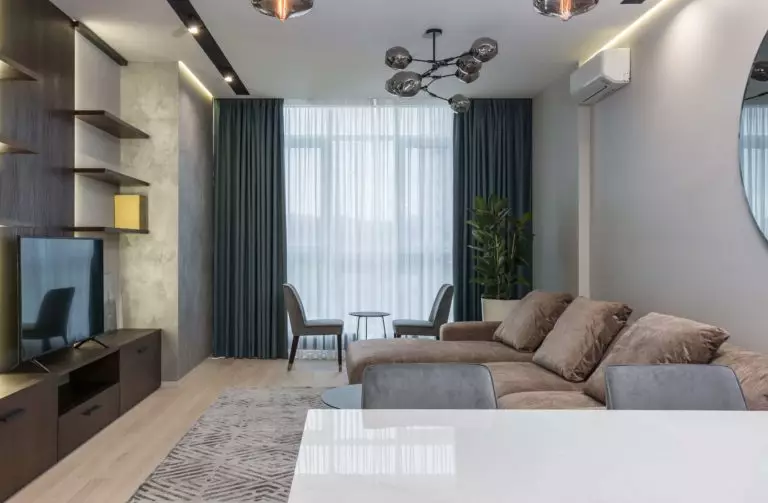
Scottsdale rooms often need more filtering on western exposures. A light-filtering fabric can help to lessen the brightness without dulling the room. Bedrooms and media spaces may need stronger coverage.
Other shading methods can also control unwanted glare and heat while preserving useful natural light.
Large windows need more than a good-looking fabric. The shade also needs to fit the light, privacy, and use requirements of the room. For Scottsdale homeowners, Arizona Window Coverings Center offers modern shade solutions designed for strong sun, glare, and heat without making the interior feel heavy.
Match the Texture to the Rest of the Room
Modern design does not have to feel flat. Texture gives a simple room more depth, especially when the color palette stays quiet.
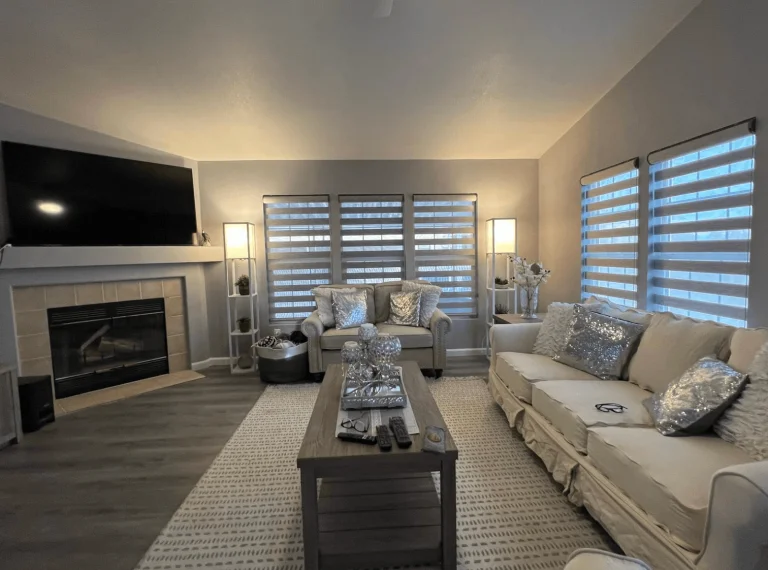
A smooth roller shade works well with clean cabinetry and sharp furniture. Woven materials suit rooms with wood, stone, linen, or handmade pieces. Soft drapery can calm a space filled with glass, tile, and metal.
The texture should connect with something already present. It may repeat the weave of a rug, the tone of oak flooring, or the softness of a sofa. This creates a link without making every item match.
Hackrea’s recent design coverage shows a move toward warm minimalism and natural materials. That look uses simple shapes, but avoids cold or empty rooms. Window fabrics can add warmth without adding more furniture or decoration.
Pay Attention to the Top Edge
The top of a window treatment is easy to ignore. It is also one of the first places where poor finishing becomes clear.
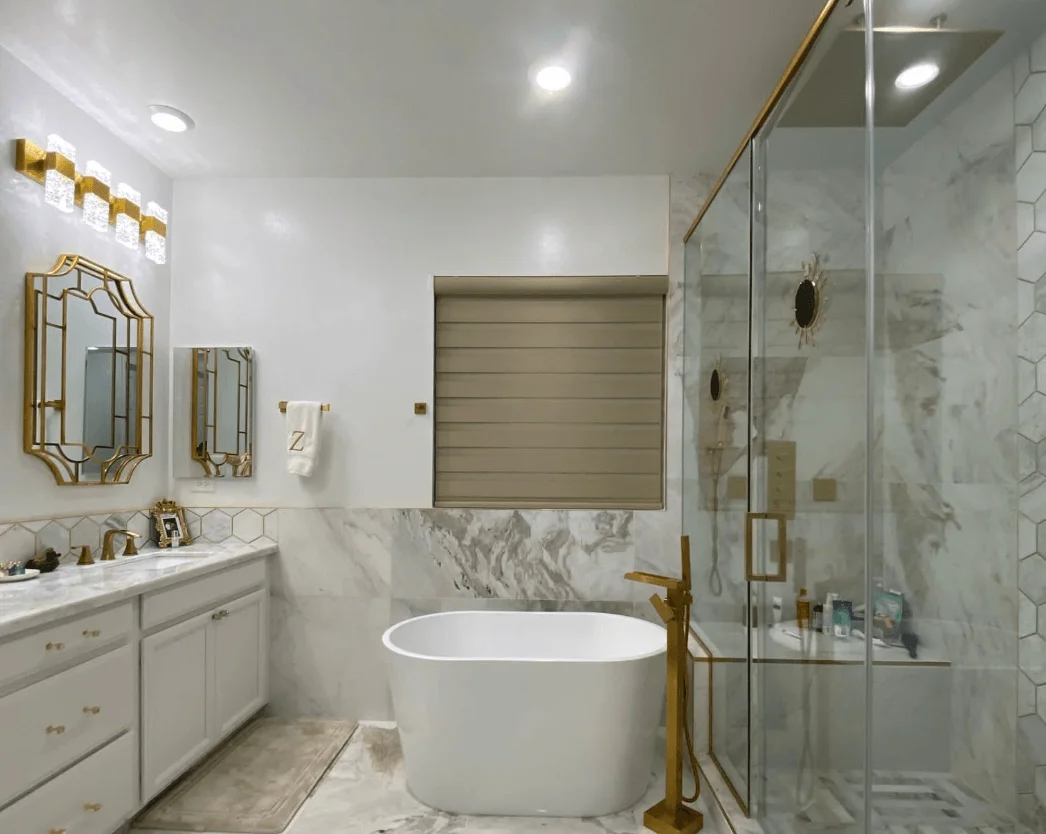
Visible screws, uneven brackets, and bulky covers can distract from a clean room. A neat fascia, recessed pocket, or simple headrail looks far more considered. This detail matters most on wide windows, where small mistakes become easier to see.
Curtain rods also need the right size. A thin rod may look weak above a broad opening. A heavy decorative rod can feel out of place in a minimal room. The hardware should support the design without becoming the main feature.
Let Every Room Have Its Own Answer
Using one treatment across the whole house may sound easy. It can also create poor results. Each room receives different light and serves a different purpose.
A living room may need filtered light and a clear view. A bedroom needs more privacy and stronger darkness. A kitchen treatment should be easy to clean. A home office needs glare control around screens.
The outside of the home should still look consistent. Similar colors or simple backing materials can help. Inside, the fabric and control level can change from room to room.
This approach feels more thoughtful than forcing one product everywhere. It also makes each space easier to use.
Hide Technology Where Possible
Motorized systems suit modern interiors because they remove cords and reduce visual clutter. They are especially useful on tall windows or wide glass doors.
The best setup feels almost invisible. Wires, power points, and control boxes should be planned early. A shade that works from a wall switch or schedule feels cleaner than extra devices sitting around the room.
Do Not Forget the View From Outside
Window treatments are part of the exterior view, too. Different colors and shapes in every window can make the front of a home look uneven.
This does not mean every room needs the same fabric. A common backing color can create a more ordered outside appearance. Similar bottom rails and mounting heights also help.
This detail matters in modern homes with large windows and simple facades. The exterior has fewer decorative features, so uneven treatments stand out faster.
A Finished Room Usually Has Quiet Details
The best window treatment is not always the one people notice first. It is often the one that makes everything else look better.
Good proportions make the walls feel balanced. Soft light improves the colors. Clean hardware protects the modern lines. The right fabric adds warmth without crowding the room.
Those details may seem small during planning. Once they are handled well, the whole interior feels more settled.