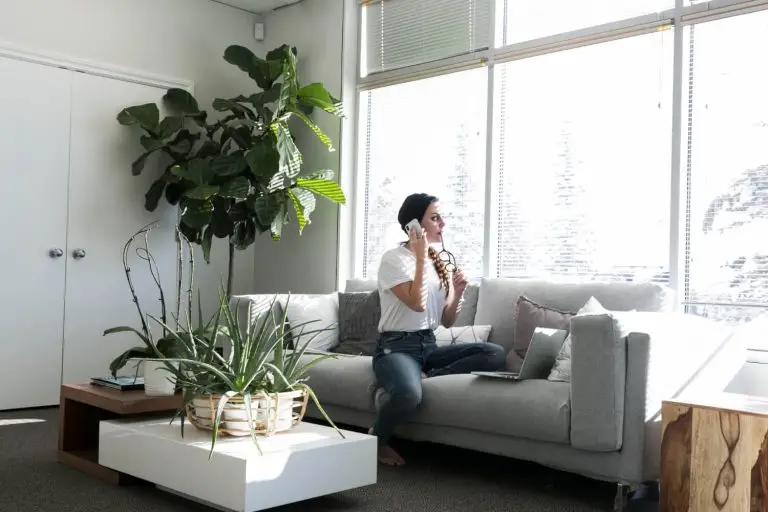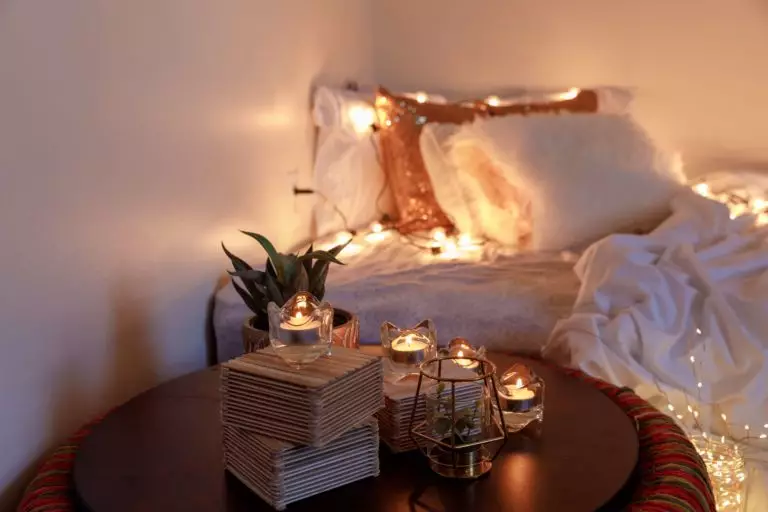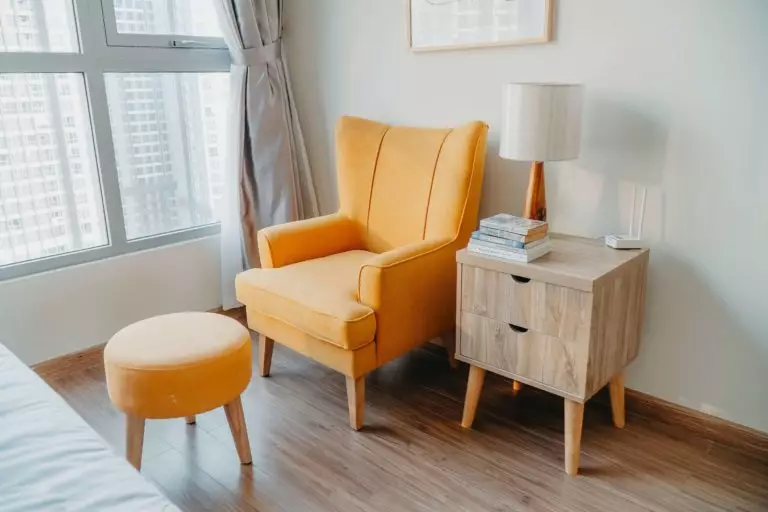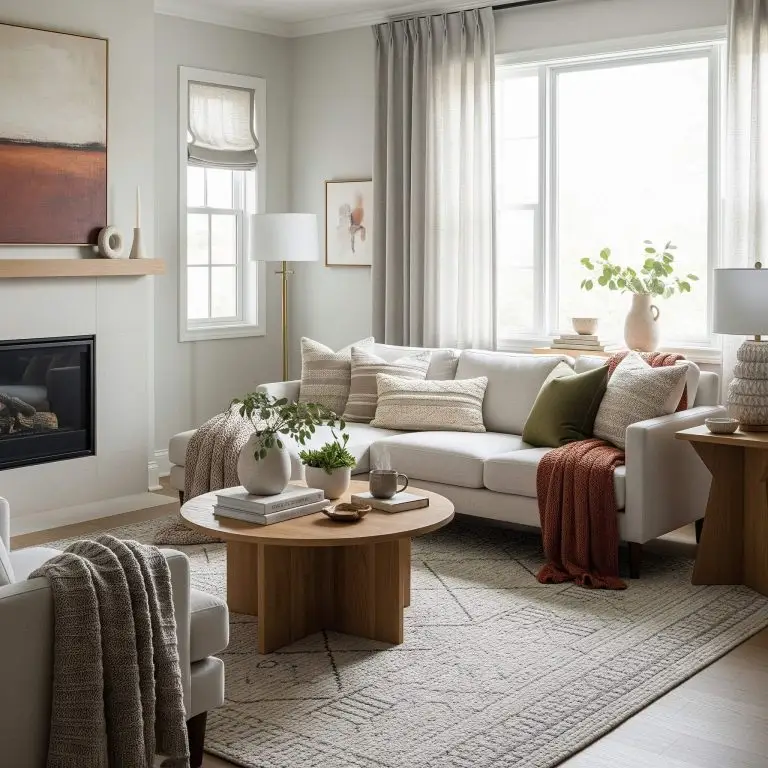
A beautiful space can make a strong first impression, but good interiors need to do more than look appealing. They need to feel comfortable, practical, and easy to live in every day. That is where thoughtful interior design makes the biggest difference. A well designed room should support how people move, rest, work, and gather, not just how the space appears in photos. As expectations around the home continue to change, comfort is becoming just as important as visual appeal.
Why Comfort Deserves a Bigger Role in Interior Design
For many homeowners, design decisions used to focus heavily on appearance. Now, more people want spaces that feel calm, functional, and supportive of daily life. This shift is one reason Miami modern interior designers and other professionals are paying closer attention to comfort from the beginning of the design process. A room can be stylish and still feel uninviting if the furniture is awkward, the lighting is harsh, or the layout does not support real use. Strong interior design should balance beauty with livability so that the space feels good long after the first impression.
Layout Matters More Than People Realize
One of the biggest contributors to comfort is layout. A room may have beautiful finishes and well-chosen furniture, but if the placement feels cramped or circulation is difficult, the space will never feel fully successful. Good interior design services start by thinking about movement. People need enough room to walk comfortably, sit naturally, and use the space without friction. This is true in living rooms, bedrooms, kitchens, and even smaller transitional areas. A thoughtful layout can make a home feel calmer, more open, and much easier to enjoy on a daily basis.
Furniture Should Feel Good to Use
Comfort depends heavily on the furniture people interact with most. A visually striking chair is not much help if it is unpleasant to sit in for more than a few minutes. The same is true for sofas, dining seating, beds, and work areas. A strong interior designer understands that proportion, material, support, and scale all influence how a room feels. Comfortable furniture does not have to look heavy or overly casual. In fact, many modern interior design projects succeed because they combine refined forms with softness, usability, and better support for everyday routines.
Lighting Shapes Mood and Function
Lighting is often treated as a finishing touch, but it plays a major role in comfort. A space with poor lighting can feel cold, tiring, or impractical, even if the design is visually strong. Good lighting should support both mood and function. Natural light helps rooms feel open and welcoming, while layered artificial lighting makes the space more flexible throughout the day. Soft ambient lighting, focused task lighting, and carefully placed accent lighting can work together to create a more balanced environment. Many interior design trends continue to evolve, but well planned lighting remains one of the most important parts of a comfortable home.
Materials and Texture Affect How a Room Feels
The materials used in a room do more than shape style. They affect warmth, softness, acoustics, and the overall sensory experience. Hard, reflective surfaces may look clean and polished, but too many of them can make a space feel cold or harsh. Softer layers such as upholstery, rugs, drapery, wood, and textured finishes help create balance. Different interior design styles use these elements in different ways, but the goal is often similar. A room should feel welcoming, not overly sharp or rigid. Texture adds depth while also improving comfort in subtle but important ways.
Design Should Reflect Real Life, Not Just Trends
Trends can inspire new ideas, but comfort usually comes from designing around real habits instead of temporary looks. A home should reflect how the people in it actually live. That means thinking about storage, maintenance, seating needs, privacy, noise levels, and routines. A family with young children may need something different than a person working from home or someone designing a quiet retirement space. The best interior design is not based only on what is current. It is based on what supports everyday life in a natural and lasting way.
Comfort and Style Work Best Together
There is no need to choose between comfort and appearance. In the strongest interiors, the two work together. A well designed room feels polished without becoming stiff. It feels personal without becoming cluttered. It looks intentional while still supporting real life. This balance is what gives lasting value to a space. A home that only looks good may lose its appeal quickly if it does not function well. A home that feels good to live in every day will usually remain more satisfying over time.
Conclusion
Designing interiors for comfort does not mean giving up style. It means making better decisions about layout, lighting, furniture, materials, and function so the space feels as good as it looks. The most successful interiors support the people who use them every day. When comfort becomes part of the design goal from the beginning, the result is a space that feels more livable, more inviting, and more lasting in every sense.