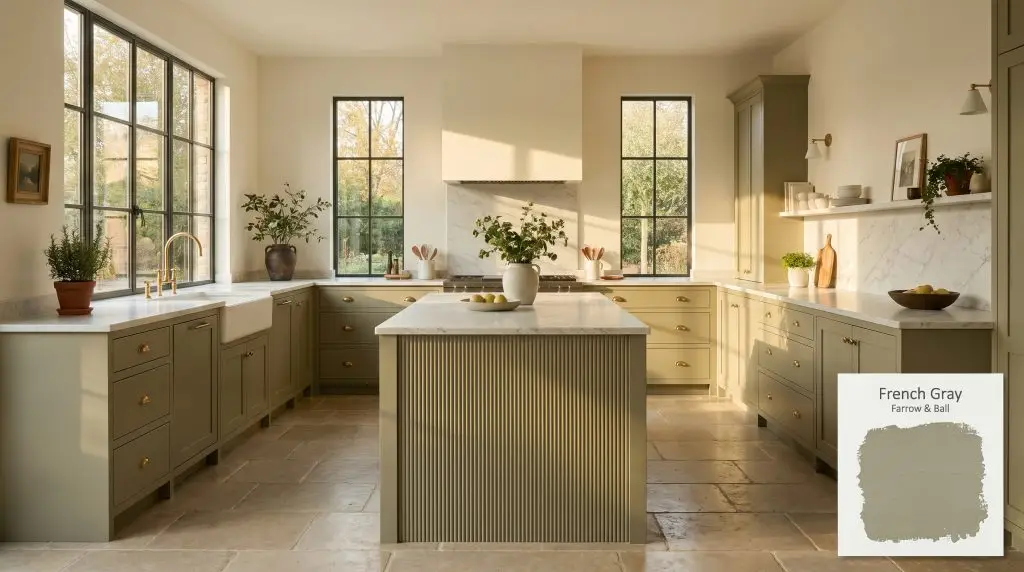
Farrow & Ball's French Gray (No. 18) is a complex, warm green-gray. Despite its name, it reads much more green than a true gray, shifting beautifully between a soft sage and a muted khaki depending on the lighting conditions.
Will French Gray clash with your room?
Paint Technical Profile
| Color ID / SKU | 18 |
| HEX Code | #b0af9b |
| Light Reflectance (LRV) | 43 |
| Use | Interior, Exterior |
| Best Exposures | South, West |
| Best For | Cabinets, Exterior Woodwork, Front Doors, Living Rooms |
Farrow & Ball French Gray: A Grounding Botanical for Intentional Spaces
There is a distinct moment in the renovation process when homeowners realize a stark white simply will not provide the character their space demands. Farrow & Ball French Gray steps into this void, offering a deeply atmospheric, grounded warmth that instantly makes a room feel curated. This rich, earthy hue acts as the ultimate backdrop for elevated tactile materials, effortlessly bridging the gap between polished marble countertops and heavily textured linen drapery.
Despite its name, this iconic Farrow and Ball No. 18 is a brilliant example of a green-gray chameleon. It shifts beautifully throughout the day, bringing a quiet, sophisticated energy to sprawling countryside estates and compact urban apartments alike.
Farrow & Ball French Gray: Undertones & LRV
The most common question we hear from homeowners testing this shade is a simple one: “Why does this gray look so green?” The answer lies in its deeply warm temperature and highly complex pigment structure. It is, fundamentally, a warm neutral that leans heavily into botanical territory.
With a light reflectance value of 43, this shade sits squarely in the mid-tone range. It absorbs a moderate amount of light, meaning it anchors a well-lit room beautifully but will cast deep, moody shadows in spaces lacking natural illumination.
Lighting Effects & The Green-Gray Chameleon
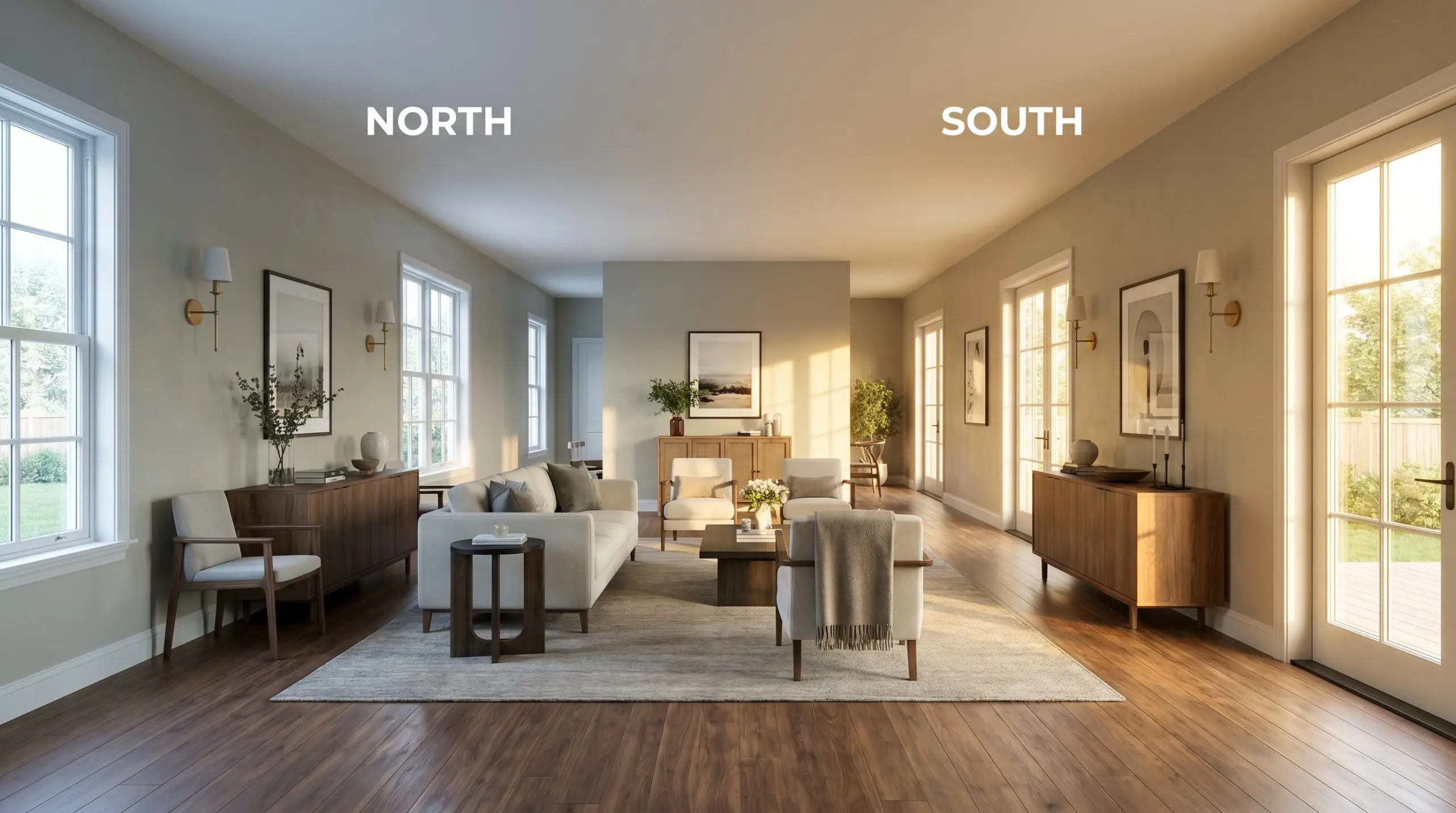
Because of its heavy yellow-gray base, this specific color is highly reactive to its environment. If there is a risk when using this paint, it happens in tightly enclosed, windowless rooms with poor overhead lighting, where the color can quickly collapse into a flat, heavy olive. Always test large swatches to watch how the sun pulls the pigment in different directions throughout the day.
If you love the color but your room faces north, amplify your artificial lighting. Swapping standard bulbs for layered, warm-toned sconce lighting will manually inject the warmth that the sun isn’t providing, keeping the green notes alive.
Hackrea Pro-Tip (Lighting Calibration)
Popular Architectural Applications
This shade possesses a rare, cohesive energy that demands to be used as a foundational architectural layer rather than just an accent. It brings a grounded, restorative atmosphere to the home, adapting beautifully across wildly different design styles.
Kitchen Cabinetry & Islands
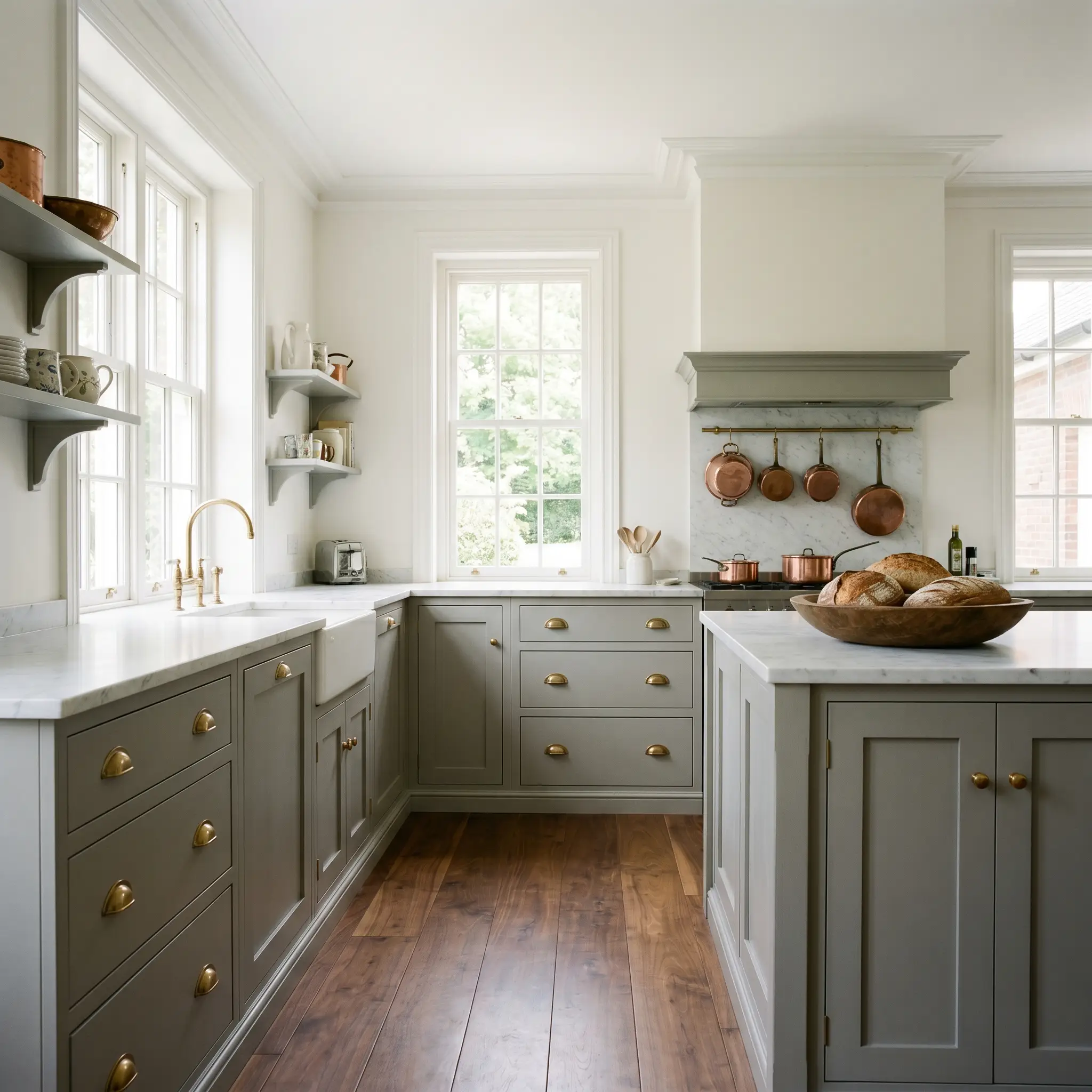
This hue is incredibly effective for grounding the lower half of a kitchen. When exploring the best green-gray cabinet colors, this F&B classic stands out because it anchors organic modern spaces featuring ribbed oak, just as beautifully as it elevates classic English shaker profiles. Pair it with unlacquered brass hardware to pull out its inherent warmth, or use polished nickel for a crisp, tailored contrast.
Front Doors & Exterior Trim
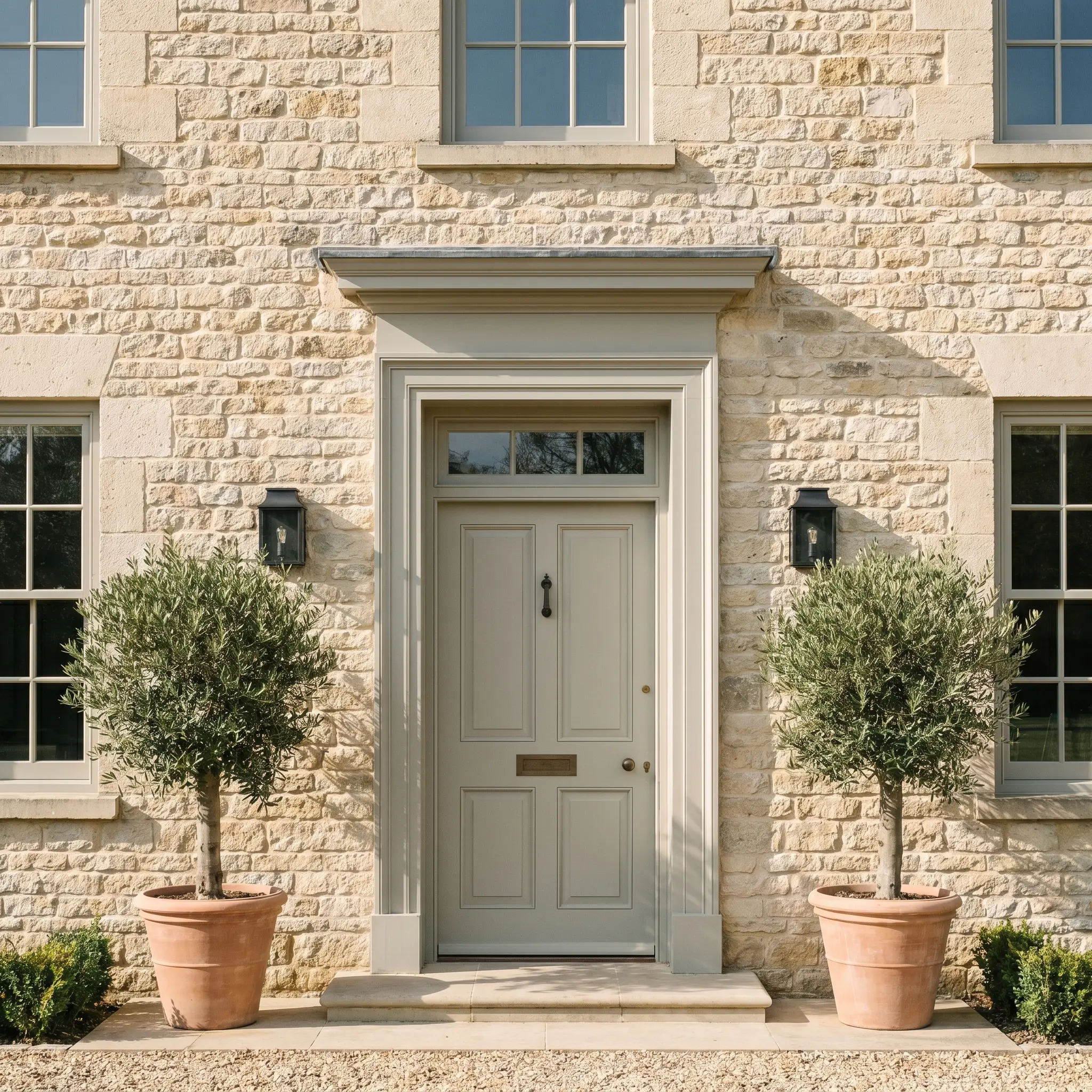
Direct exterior sunlight naturally washes out mid-tone paints, which works entirely in this color’s favor. On a facade, it softens into a highly sophisticated, muted botanical that feels timeless. Utilizing an exterior eggshell finish ensures the color maintains a subtle, elegant sheen while withstanding the elements.
Will French Gray work with your specific lighting, floor, or furniture?
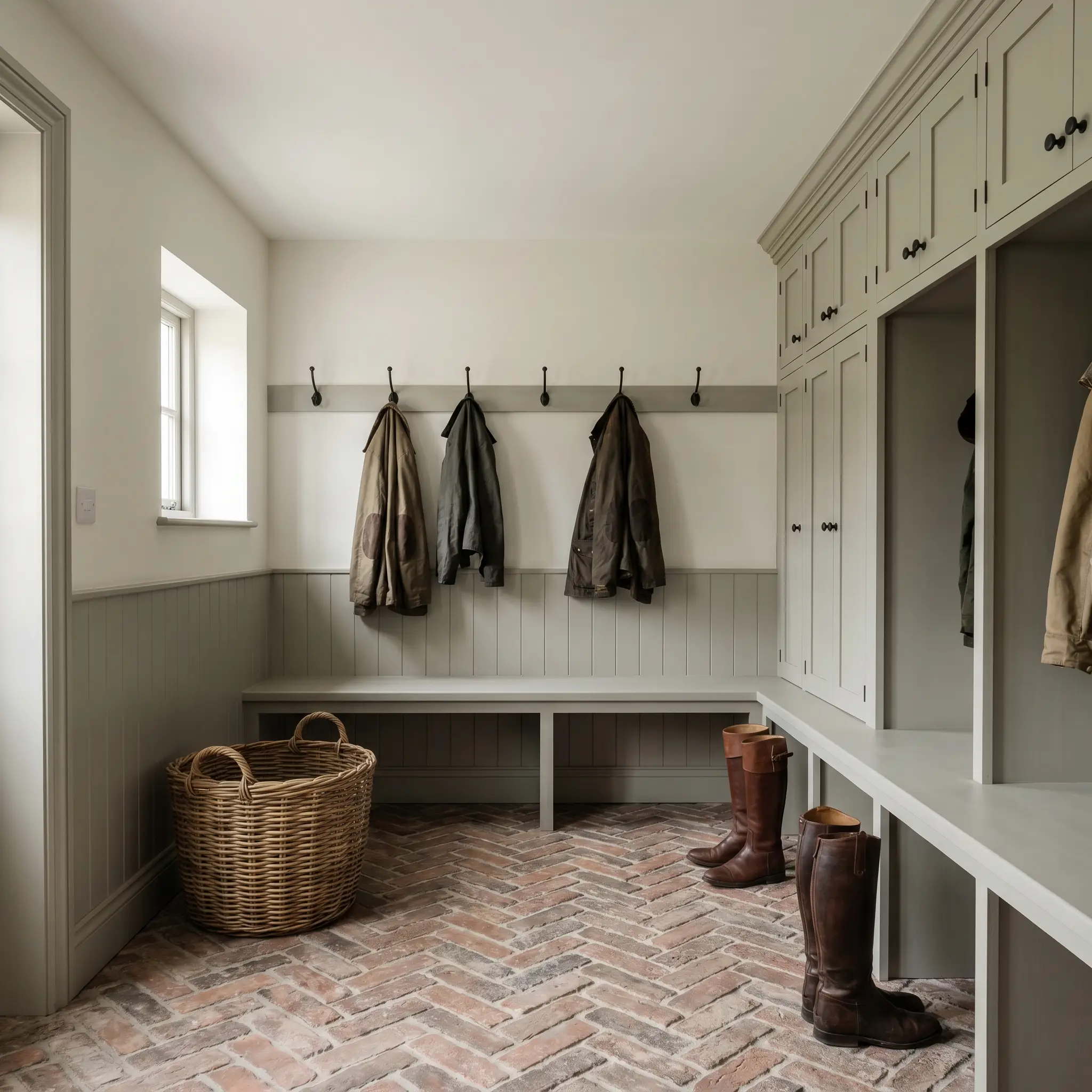
Boot Rooms & Mudrooms
Transitional utility spaces require colors that can handle everyday life while still looking intentional. The earthy undertones here naturally camouflage scuffs, making it a brilliant companion for rugged brick floors or tumbled slate tile. Carry the color across the trim and built-ins to create a seamless, highly functional entry point.
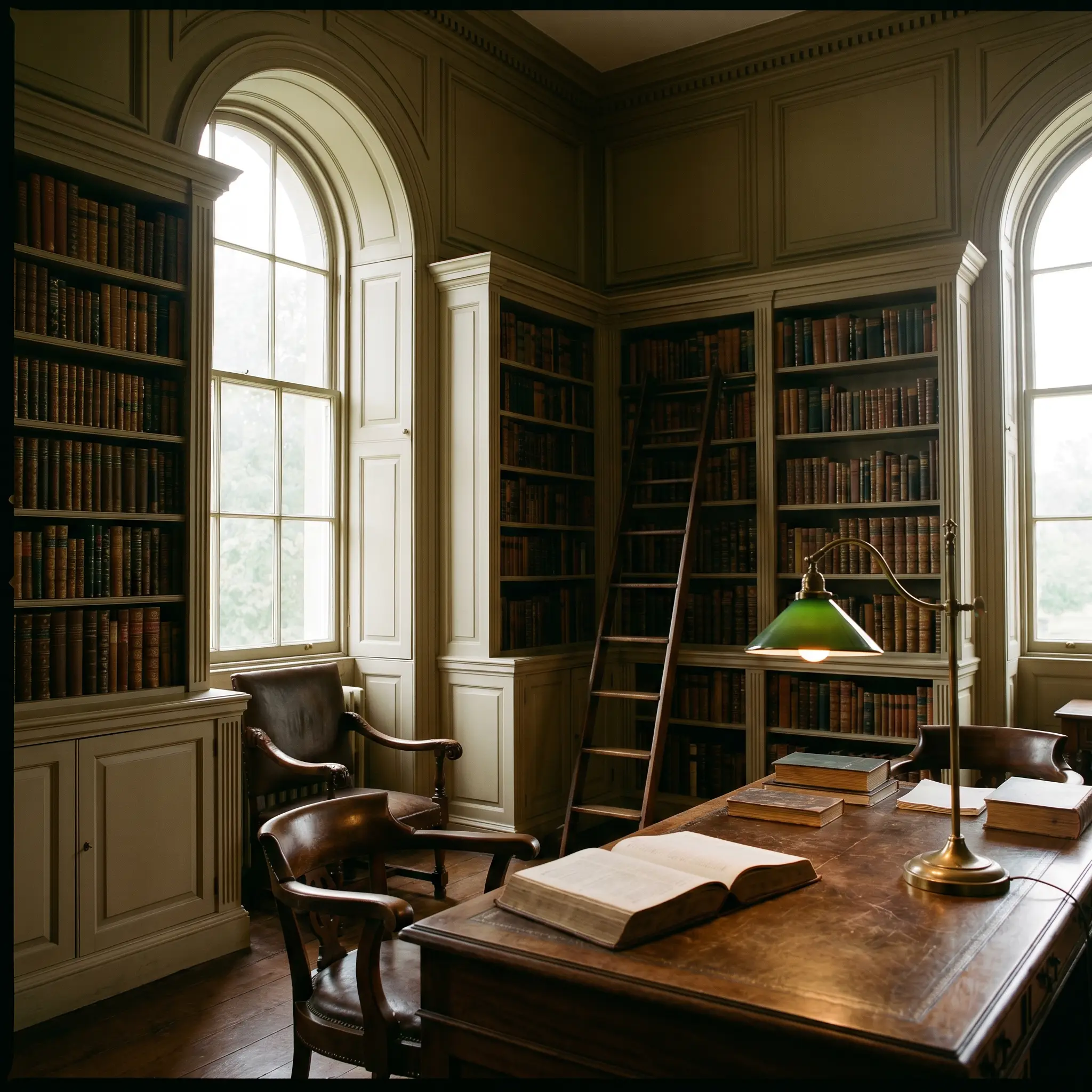
Historic Home Libraries
For rooms dedicated to quiet focus, this color wraps the space in a sophisticated, enveloping warmth. It acts as a stunning nod to 19th-century French decoration, providing a rich, shadowed backdrop that makes vintage leather bindings and brass reading lamps glow.
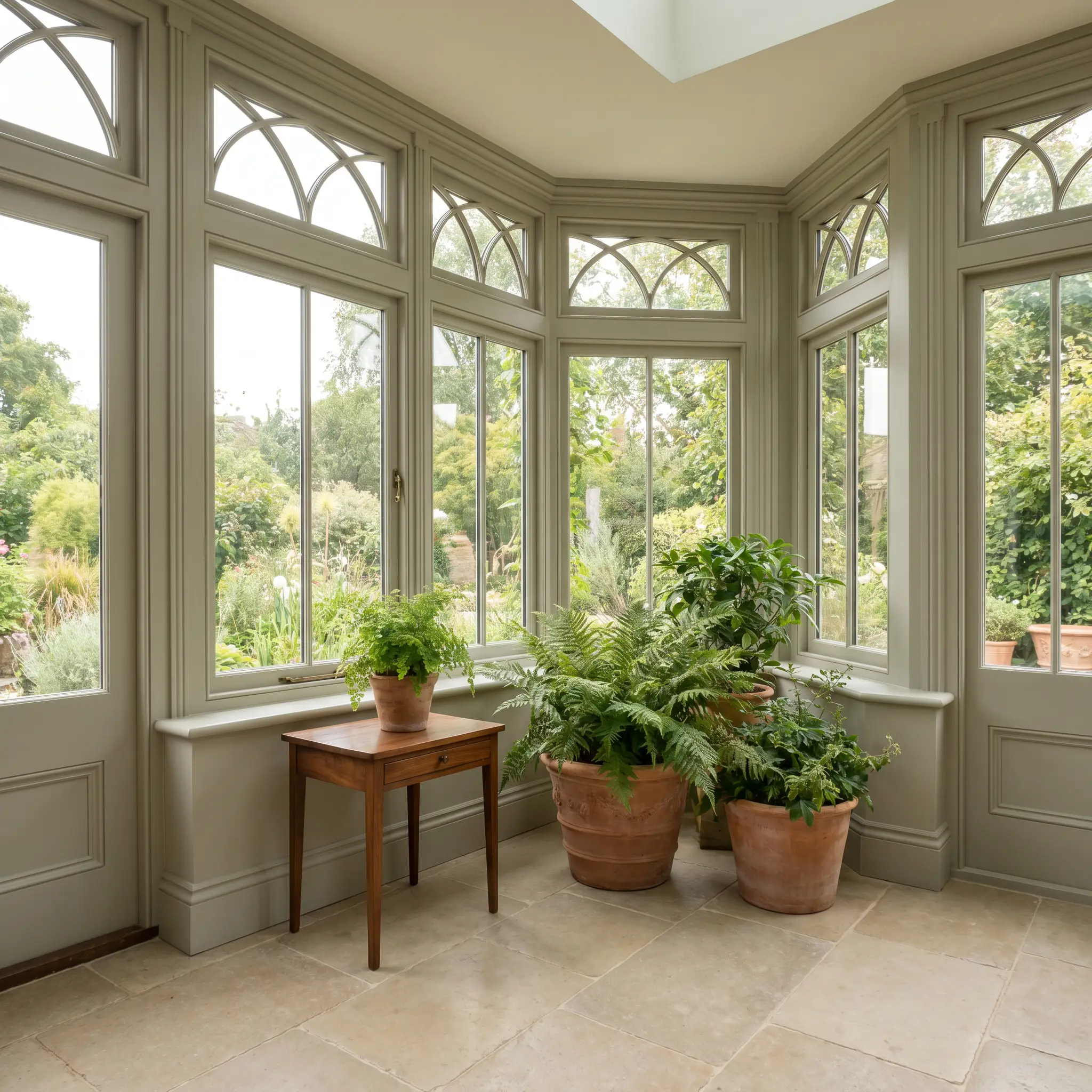
Sunrooms & Conservatories
Because it shares so much visual DNA with the outdoors, it blurs the line between the interior and the garden. In a sun-drenched room, the heavy yellow light amplifies the sage undertones, turning the walls into a vibrant, living extension of the landscape outside.
Will French Gray work with your specific lighting, floor, or furniture?
Unique Design Ideas & Inspiration
Beyond standard wall applications, this specific depth of color excels when used in highly curated, unexpected ways. Think of it as a structural element that can completely redefine the mood of a localized space.
The Fluted Bathroom Vanity
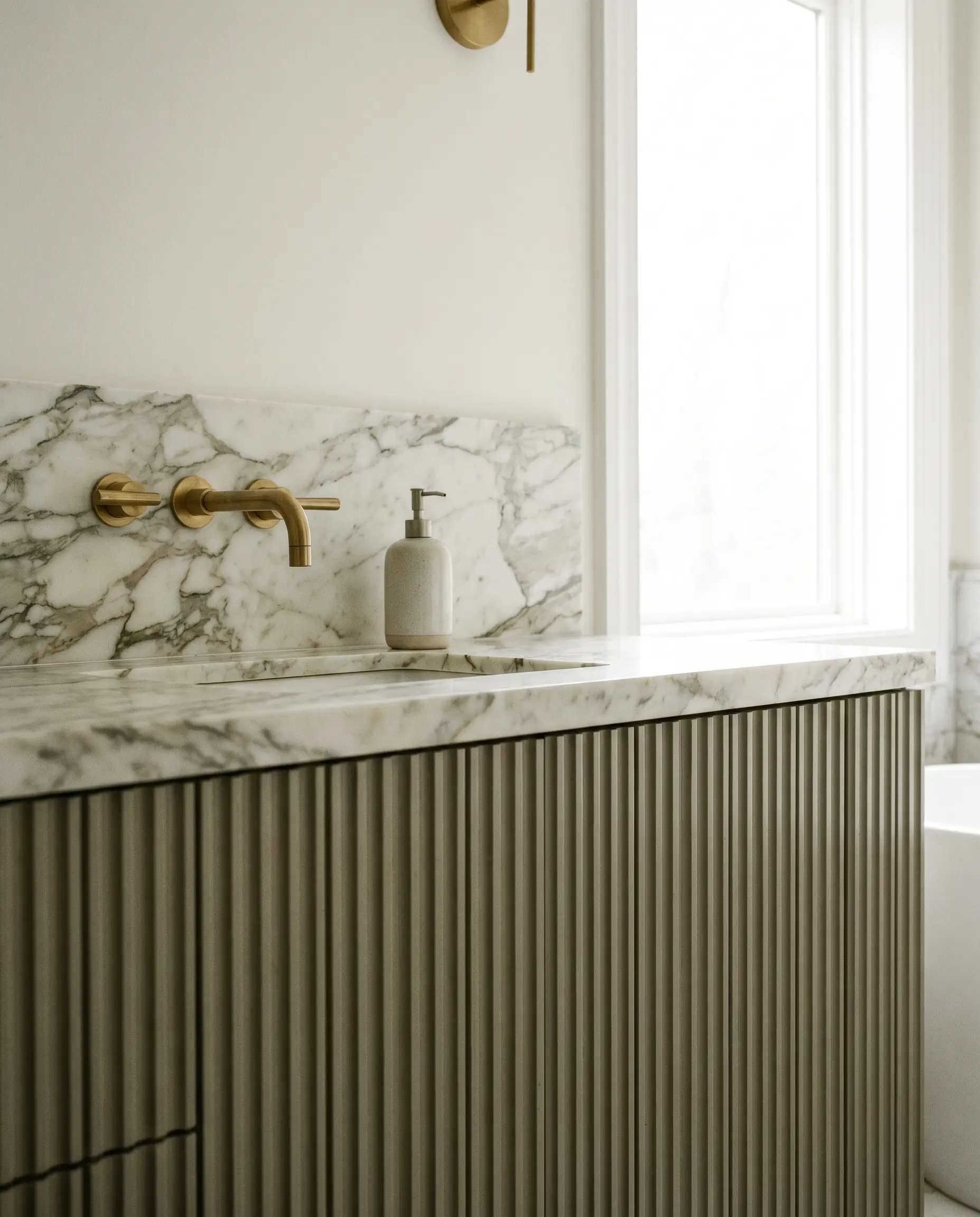
Transform a standard primary bathroom by applying this rich khaki hue to a custom fluted or reeded vanity. The vertical shadows created by the woodwork deepen the green notes, creating a highly tactile focal point. Top it with heavily veined, honed Calacatta marble to balance the earthy warmth with premium, cool-toned stone.
A Color-Drenched Reading Nook
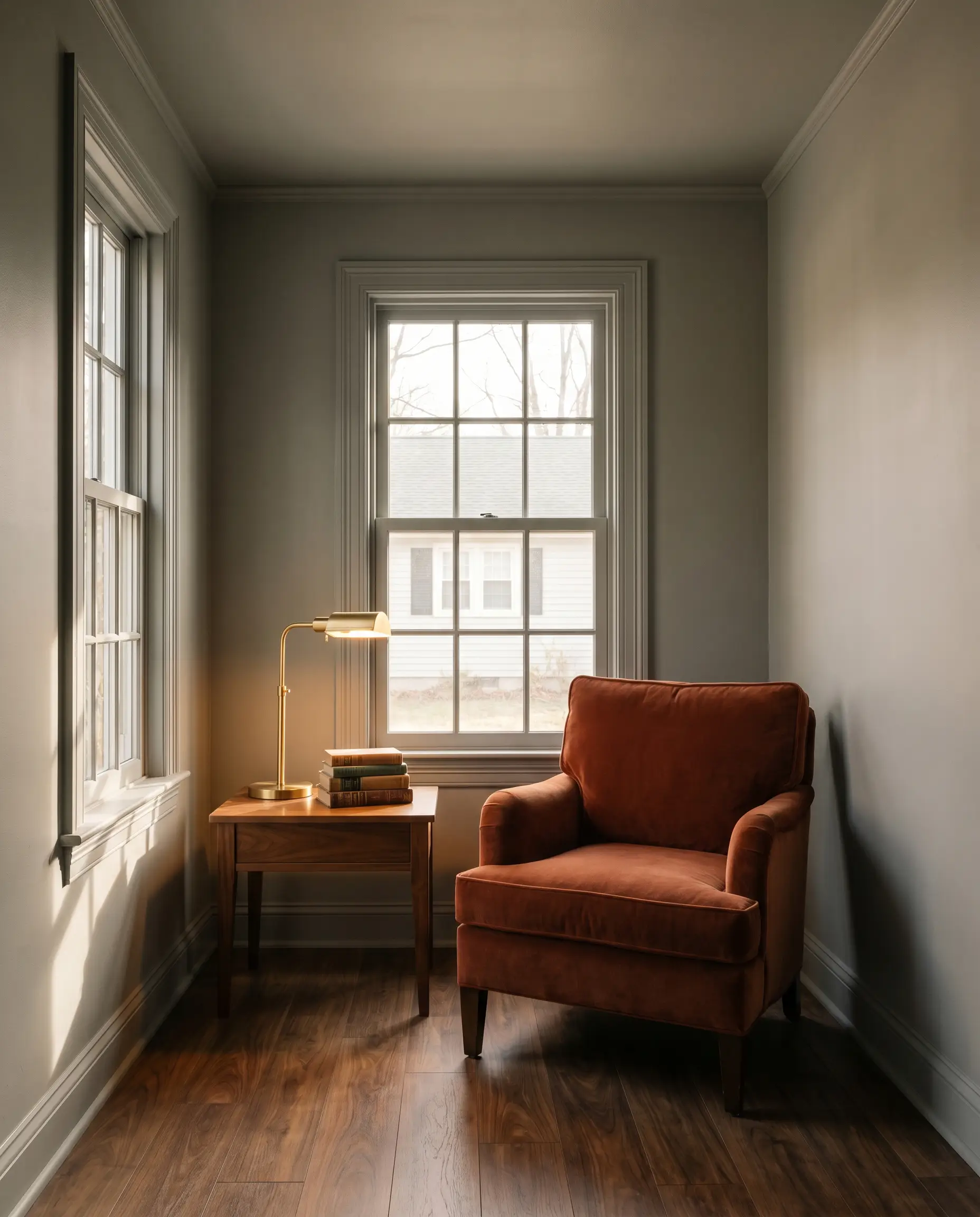
Will French Gray work with your specific lighting, floor, or furniture?
Embrace the concept of color drenching by painting the baseboards, walls, window casings, and ceiling of a small alcove entirely in F&B No. 18. By erasing the visual boundaries of the white trim, the space instantly transforms into an intimate, jewel-box retreat. Add a plush, rust-toned velvet armchair to introduce a striking, complementary contrast.
The Botanical Ceiling Treatment
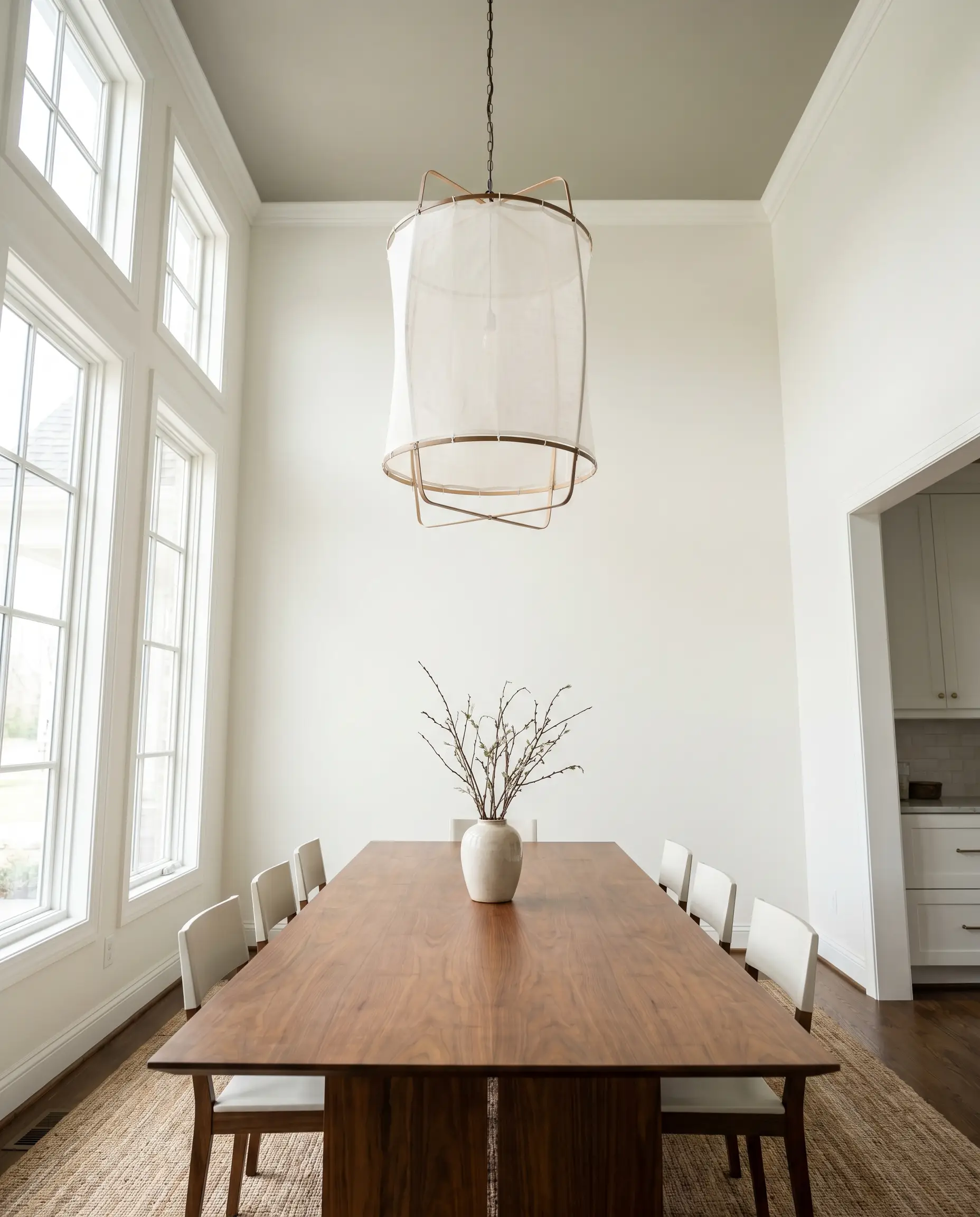
In a dining room with crisp white walls and tall windows, applying this mid-tone to the ceiling visually lowers the height of the room. This technique creates a sense of intimacy over the dining table without darkening the surrounding walls. Suspend a large, airy linen pendant light from the center to bounce warm light directly against the green-gray surface.
Coordinating Colors & Tactile Pairings
To truly elevate this muted botanical, you must surround it with materials that share its earthy, tactile DNA. It thrives on soft, tonal transitions rather than harsh, jarring contrasts.
Trim & Baseboards
Avoid stark, hospital whites, which will make the green feel dirty by comparison. Instead, opt for soft, creamy off-whites that share a touch of yellow warmth.
Hardware, Wood & Material Pairings
The right materials will actively dialogue with the paint, either absorbing its light or reflecting its warmth.
Coordinating Colors
Designer Mood Boards
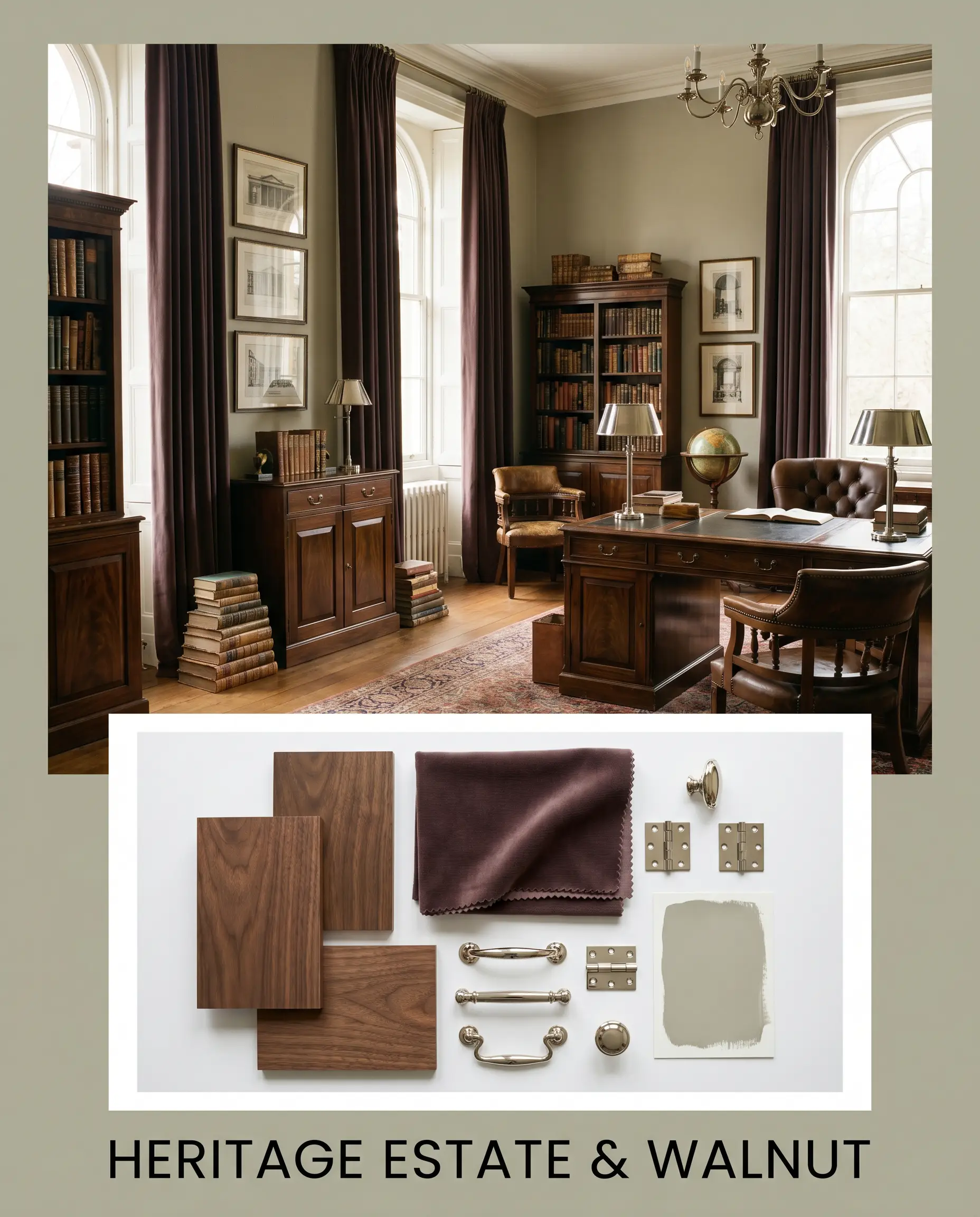
Heritage Estate & Walnut
This palette leans heavily into classic, enveloping luxury. The rich green-gray walls serve as the backdrop for dark walnut antique furniture, heavy Brinjal 222 velvet drapery, and polished nickel accents. The result is a deeply academic, historic atmosphere that feels both curated and comfortable.
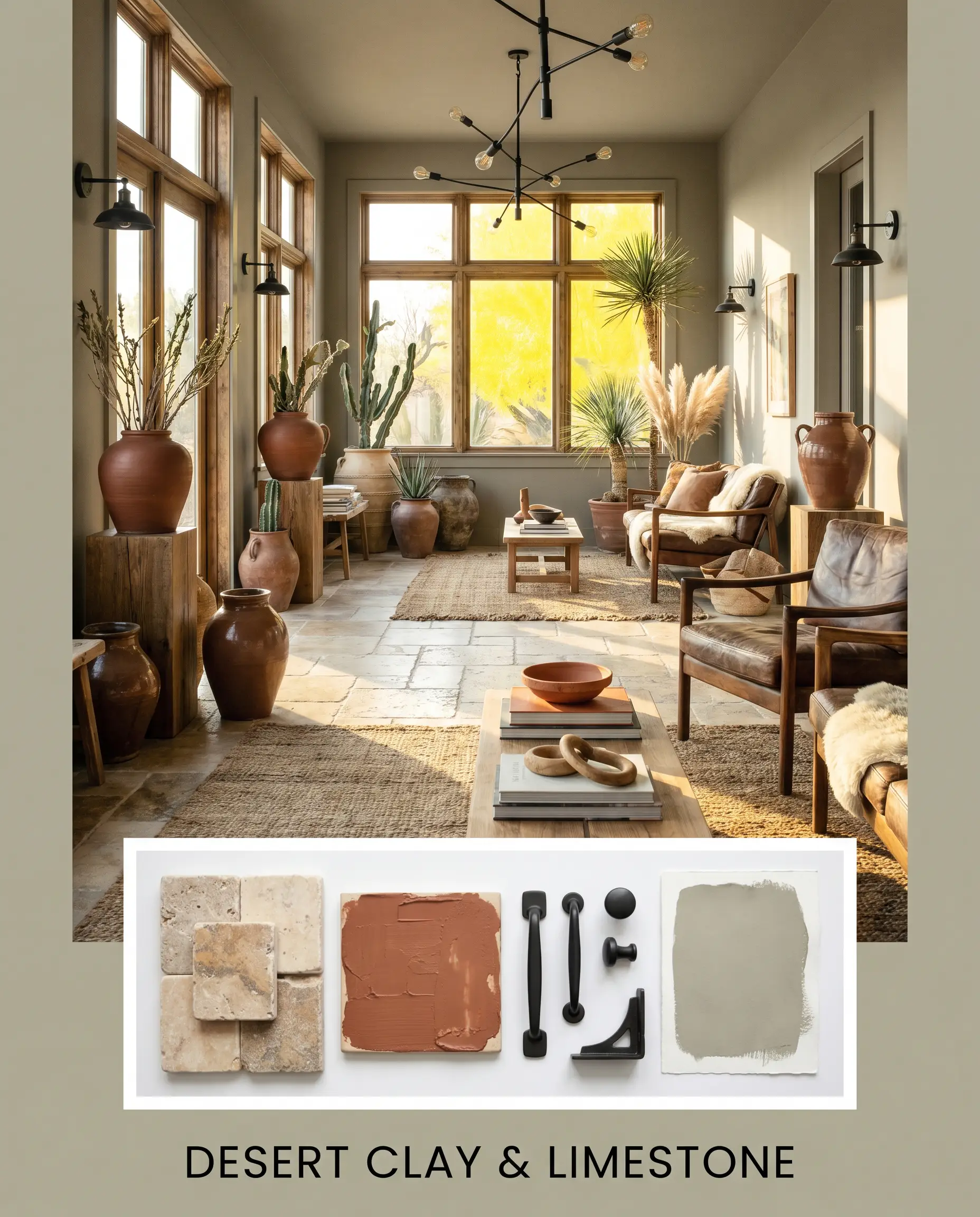
Desert Clay & Limestone
A highly organic, textural approach that feels connected to the earth. Walls painted in this khaki hue meet tumbled limestone floors, while accents of Cavern Clay SW 7701 appear in ceramic vases and woven textiles. Matte black iron lighting fixtures provide just enough visual friction to keep the soft tones from feeling overly muddy.
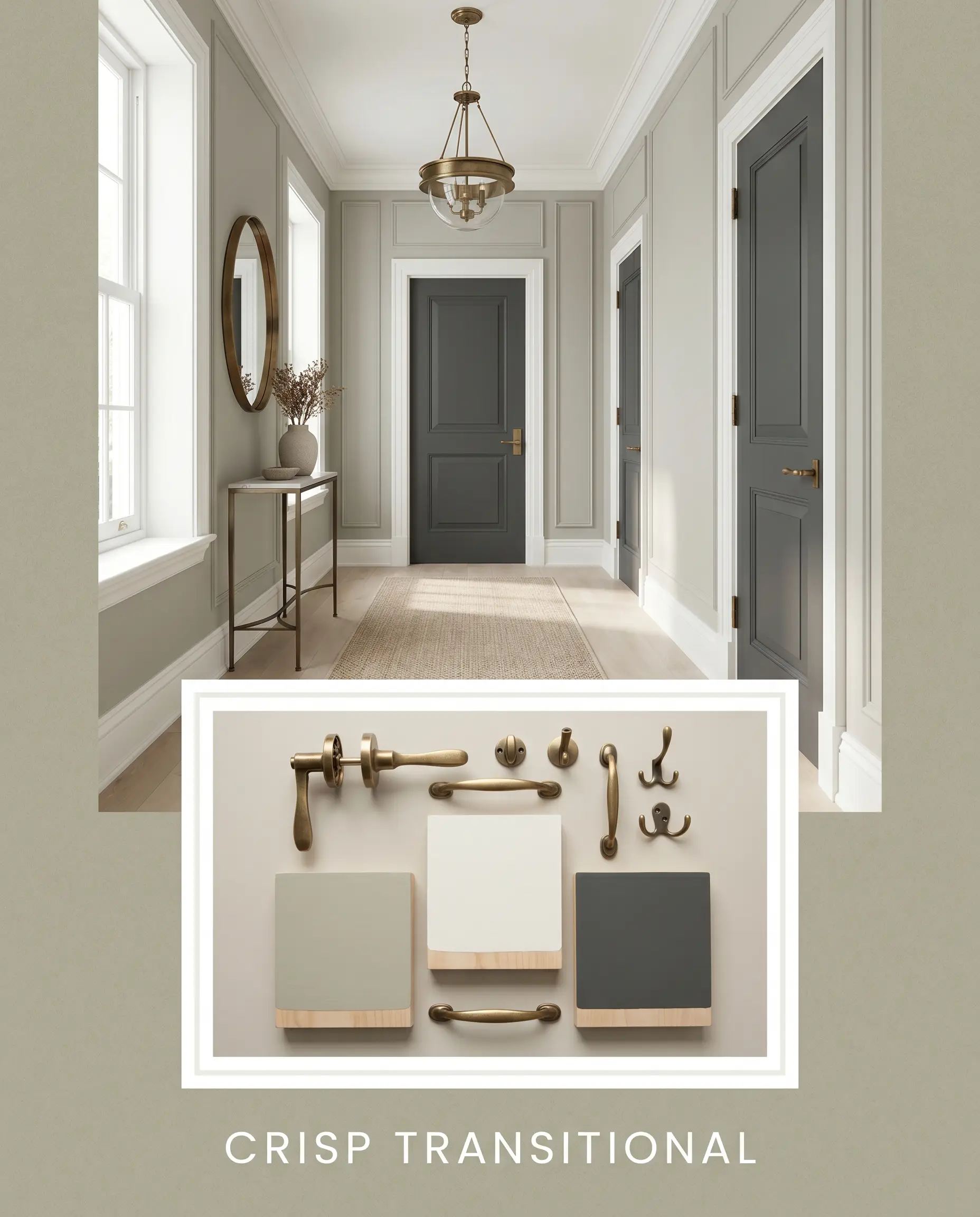
Crisp Transitional
This combination modernizes the botanical hue through sharp, clean lines. Crisp White Dove OC-17 trim frames the green walls, while Cheating Heart 1617 is utilized on interior doors for a bold architectural punch. Antiqued brass hardware warms the entire scheme, ensuring the high contrast remains inviting.
Will French Gray work with your specific lighting, floor, or furniture?
Head-to-Head Comparisons
Choosing the right shade often comes down to analyzing the specific lighting exposure of your room. If your space lacks the natural light to support a mid-tone, or if your fixed elements demand a cooler undertone, you may need to pivot.
Farrow & Ball French Gray 18 vs. Farrow & Ball Pigeon 25
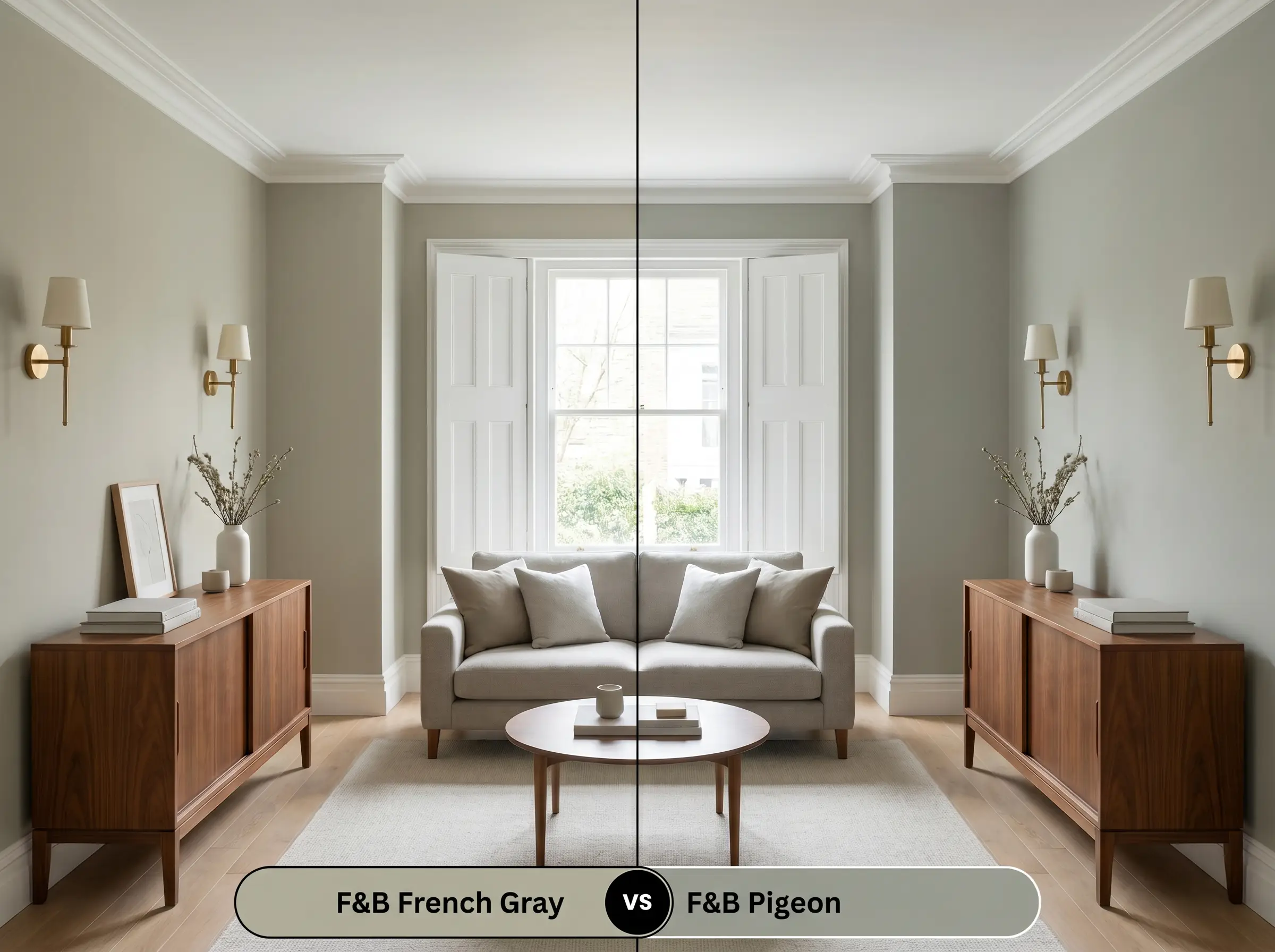
While both are iconic F&B mid-tones, they behave completely differently in the light. If your room faces south and you want a warm, earthy khaki, stick with French Gray. If you prefer a cooler, moodier color that leans heavily into blue-gray and slate, Pigeon 25 is the superior choice.
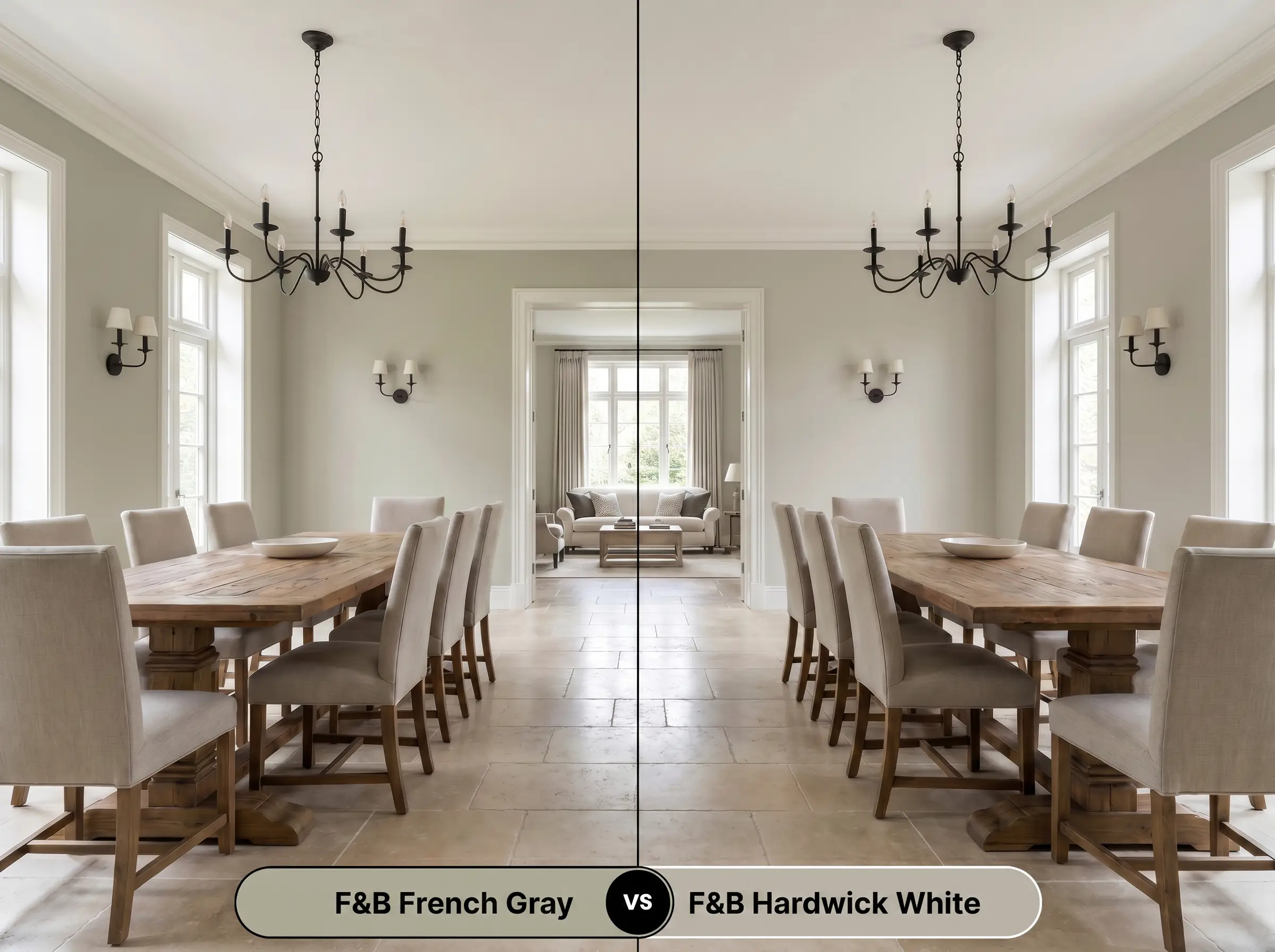
Farrow & Ball French Gray 18 vs. Farrow & Ball Hardwick White 5
Will French Gray work with your specific lighting, floor, or furniture?
Hardwick White 5 is a much truer, traditional gray with subtle green undertones, whereas French Gray is undeniably a green with gray undertones. If you are worried about the walls looking too vibrant or botanical in direct sunlight, Hardwick White offers a safer, more subdued neutral backdrop.
Farrow & Ball French Gray 18 vs. Sherwin-Williams Evergreen Fog SW 9130
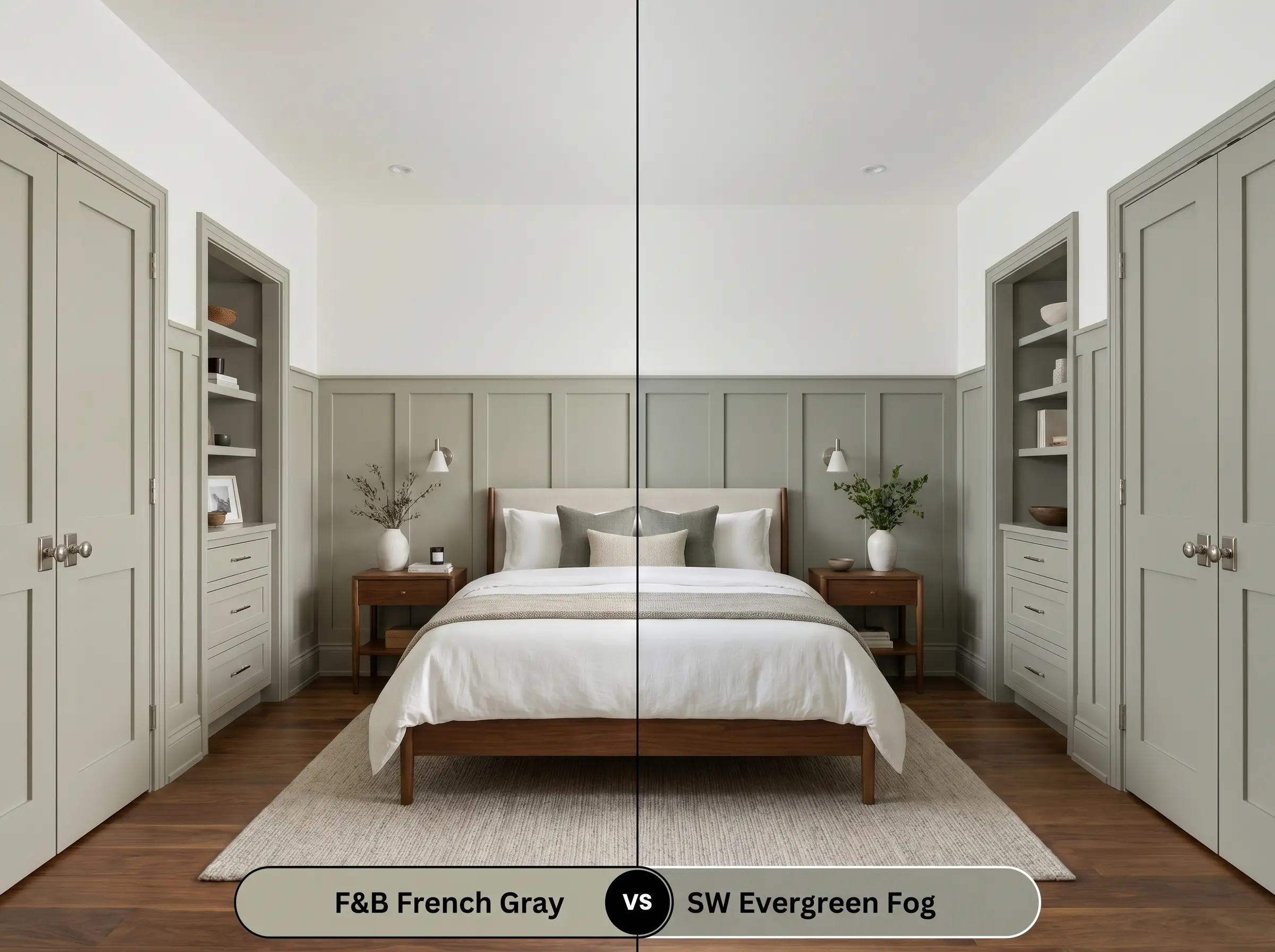
Evergreen Fog SW 9130 carries a slightly lower light reflectance and leans slightly cooler than the F&B option. If you are looking for a highly accessible, slightly deeper green that feels a touch more modern and less yellow-based, the Sherwin-Williams alternative performs beautifully.
Similar Colors & Brand Equivalents
Sometimes a design scheme requires just a subtle shift in brightness, or you need to source a comparable hue for an exterior project.
Same-Brand Alternatives
Cross-Brand Matches
French Gray: Practical Application & DIY Advice
Translating a premium color chip into a flawless architectural finish requires careful planning. The depth of this specific pigment demands respect during the application process.
The Dynamic Sheen Guide
Primer Strategy
To achieve the true depth of this khaki hue, you cannot paint directly over a stark white wall or a dark, existing color without preparation. You must use a mid-tone gray tinted primer. This provides the necessary base layer for the heavy yellow-gray pigments to grip onto, ensuring the final coats look rich rather than washed out.
Coverage & Success Tips
This specific depth of color is notoriously prone to “flashing,” which occurs when uneven roller pressure leaves visible, shiny streaks across the wall. To avoid this, always maintain a wet edge while rolling and commit to two full, even coats. Touch-ups on mid-tone greens are often highly visible, so it is crucial to paint entire walls corner-to-corner rather than attempting to patch small spots later.
When working with complex green-grays, the “cut-in” lines around the ceiling and baseboards will often dry a slightly different shade than the rolled walls if done too far in advance. Cut in small sections and immediately roll the wall while the edges are still wet to ensure a seamless, professional cure.
Hackrea Design Secret (The Cut-In Rule)
Frequently Asked Questions
Direct exterior sunlight is incredibly powerful and will naturally wash out the depth of any mid-tone paint. Because of this, the color actually softens beautifully on stucco, losing its heavy shadows and reading as a highly sophisticated, historic sage rather than a muddy olive.
It is a brilliant pairing, primarily because the room desperately needs the hardware’s help. In a windowless space, the paint will cast heavy, cool shadows; the reflective, golden tones of the brass manually inject warmth and bounce artificial light, keeping the space feeling intentional rather than dreary.
Absolutely. Wrapping the ceiling in this rich hue erases the stark visual boundary of a white ceiling, physically lowering the perceived height of the room. This wraps the homeowner in a cozy, continuous layer of color that feels incredibly authentic to historic, enveloping design.
Because red and green sit opposite each other on the color wheel, they naturally amplify one another. If you pair this paint with deeply warm, red-toned oak floors, the red will aggressively pull the green undertones forward, making the walls look significantly more vibrant and less gray.
Final Verdict & Expert Warnings
Farrow & Ball French Gray is a masterful, deeply restorative color that excels at grounding intentional, curated spaces. It is the perfect choice for homeowners who want to introduce the calming energy of the outdoors into their interiors without relying on vibrant, overwhelming greens. It performs best in rooms with moderate to strong natural light, where its complex earthy, khaki undertones can truly breathe, making it an exceptional candidate for transitional kitchens, historic studies, and sophisticated exterior facades.
However, this deeply warm botanical requires careful material curation to succeed. You must avoid pairing it with stark, cool-toned elements like icy blue-white marbles, bright white trim, or heavily gray-washed luxury vinyl flooring, as these will instantly make the paint look dirty and aged. Furthermore, if your home features extensive cherry wood cabinetry or highly orange-toned trim, the contrasting warm woods will force the walls to look overly vibrant, stripping away the sophisticated gray muting that makes this color so special in the first place. Stick to warm, natural materials and soft off-whites to let this beautiful shade reach its full potential.
Room Compatibility & Clashes Diagnoses
Hackrea's reports evaluating the compatibility of French Gray in real rooms.South-Facing Historic Living Room
"Abundant South-facing daylight awakens the paint's subtle green undertones, while the classic off-white wainscoting and antique woodwork provide ideal architectural grounding for gilded historic decor."
North-Facing Entryway Staircase Hall
"The muted green-drab undertones of French Gray warm up cool northern light gracefully, though high-saturation elements like the crimson runner and emerald vitrine introduce noticeable chromatic competition."