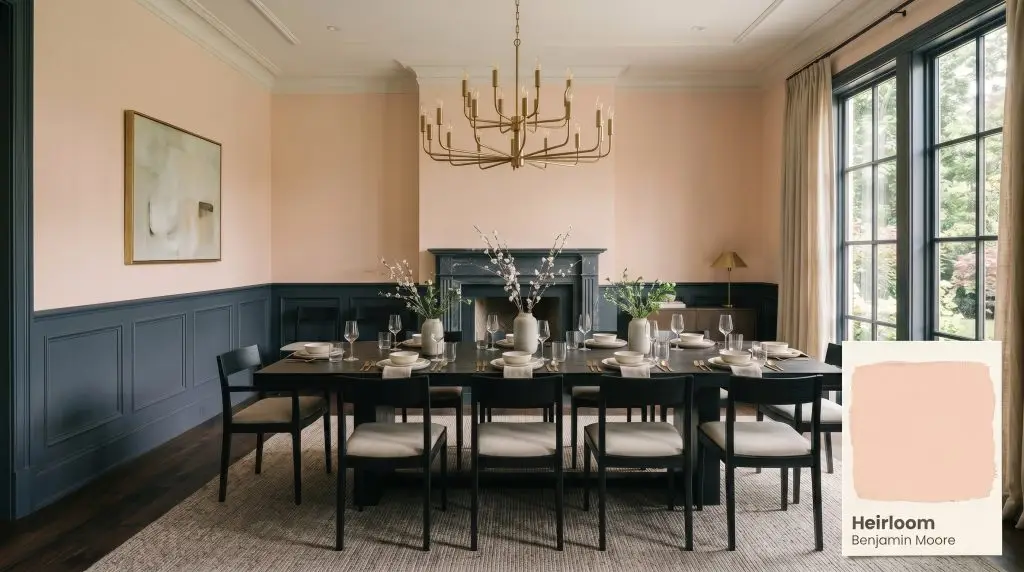
Benjamin Moore Heirloom (023) is an incandescent, light peach paint color with gentle pink undertones. With an LRV of 71.02, it acts as a luminous, warm neutral that brings a soft, cosmetic glow to interior spaces, particularly in north-facing rooms.
Will Heirloom clash with your room?
Paint Technical Profile
| Color ID / SKU | 023 |
| HEX Code | #F5D8C7 |
| Light Reflectance (LRV) | 71.02 |
| Use | Interior, Exterior |
| Best Exposures | North, East |
| Best For | Powder rooms, nurseries, dining rooms, ceiling accents |
Benjamin Moore Heirloom: Mastering the Nostalgic, Incandescent Peach
You want a room that feels like a warm embrace, but you are terrified of accidentally creating a 1980s pediatric waiting room. We understand. Peach is arguably the most intimidating color family in residential architecture because the line between sophisticated nostalgia and cheap bubblegum is razor-thin.
Benjamin Moore Heirloom 023 is the antidote to that fear. This is not a flat, childish pastel. It is a highly engineered, incandescent peach that brings a comforting, elegant warmth to interior spaces.
When manipulated correctly with the right lighting and high-contrast materials, this historic shade casts a highly flattering, ambient glow. But if you pair it with the wrong metals or stone, it will instantly age your home. Here is the exact color science and architectural strategy required to master this complex shade.
Decoding the Heirloom Color DNA
A paint’s success is never about luck; it is dictated entirely by mathematics and chemistry. To understand how this specific warm neutral behaves on a wall, we have to isolate its base pigments.
Because of its Light Reflectance Value of 71.02, this shade reflects a significant amount of light back into the room. It is luminous enough to serve as an all-over wall color in medium-lit spaces without feeling heavy. Crucially, it packs enough color saturation (chroma) that it will never wash out into a plain off-white, even when blasted by direct sunlight.
Lighting Shifts and the Fleshy Fear
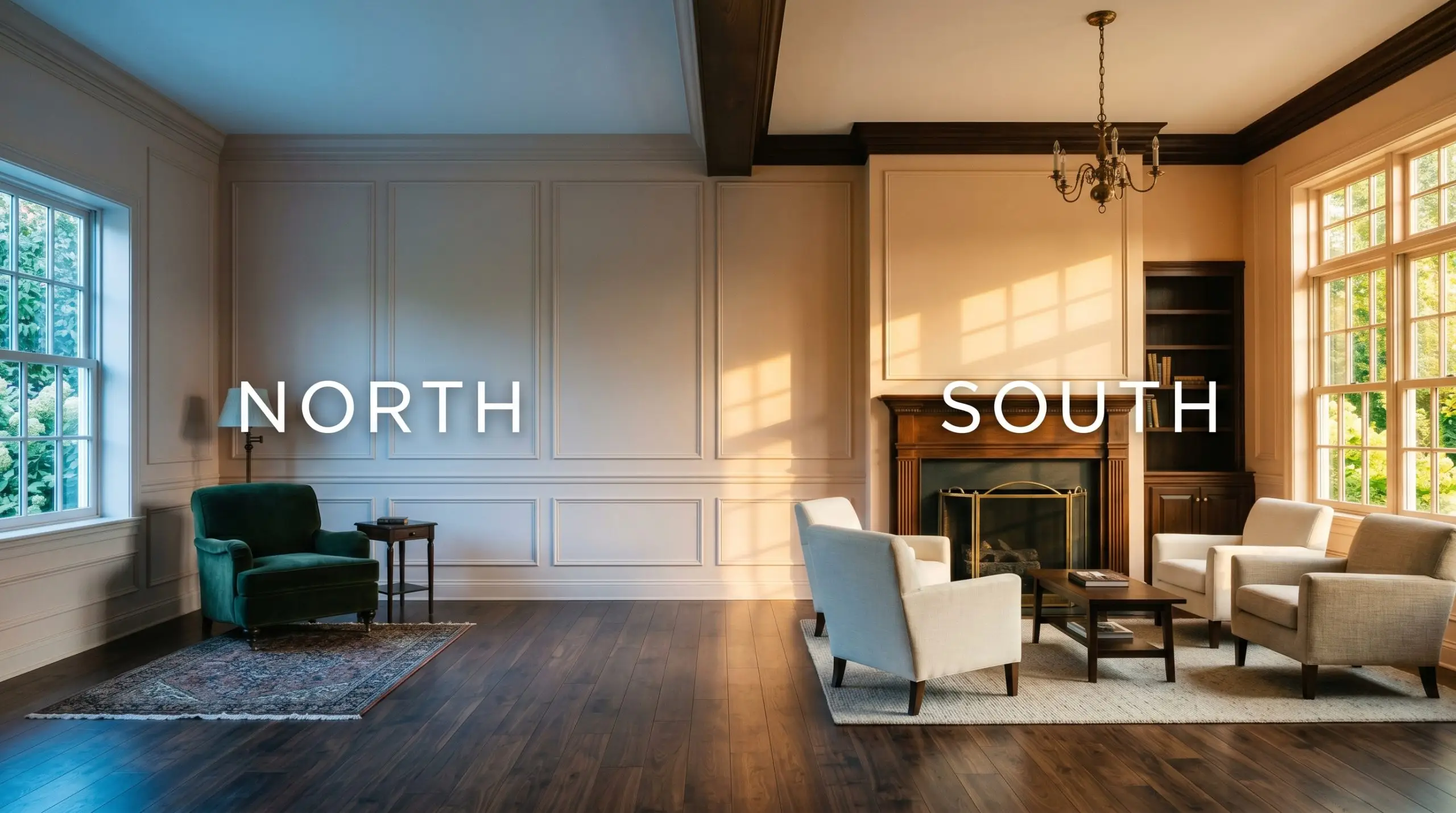
Let us address the core fear immediately: the dreaded “Band-Aid” or calamine lotion effect. This fleshy, cheap appearance happens when a peach paint is starved of the correct color temperature in its lighting environment.
Because it is a highly reactive chameleon, Benjamin Moore 023 requires strict lighting management to maintain its elegance.
Broad Room Applications
Versatility is a myth sold by paint marketers. This muted plum-peach is not meant for every room in your house. It requires specific architectural boundaries and intentional lighting to succeed.
Bathrooms & Dressing Rooms
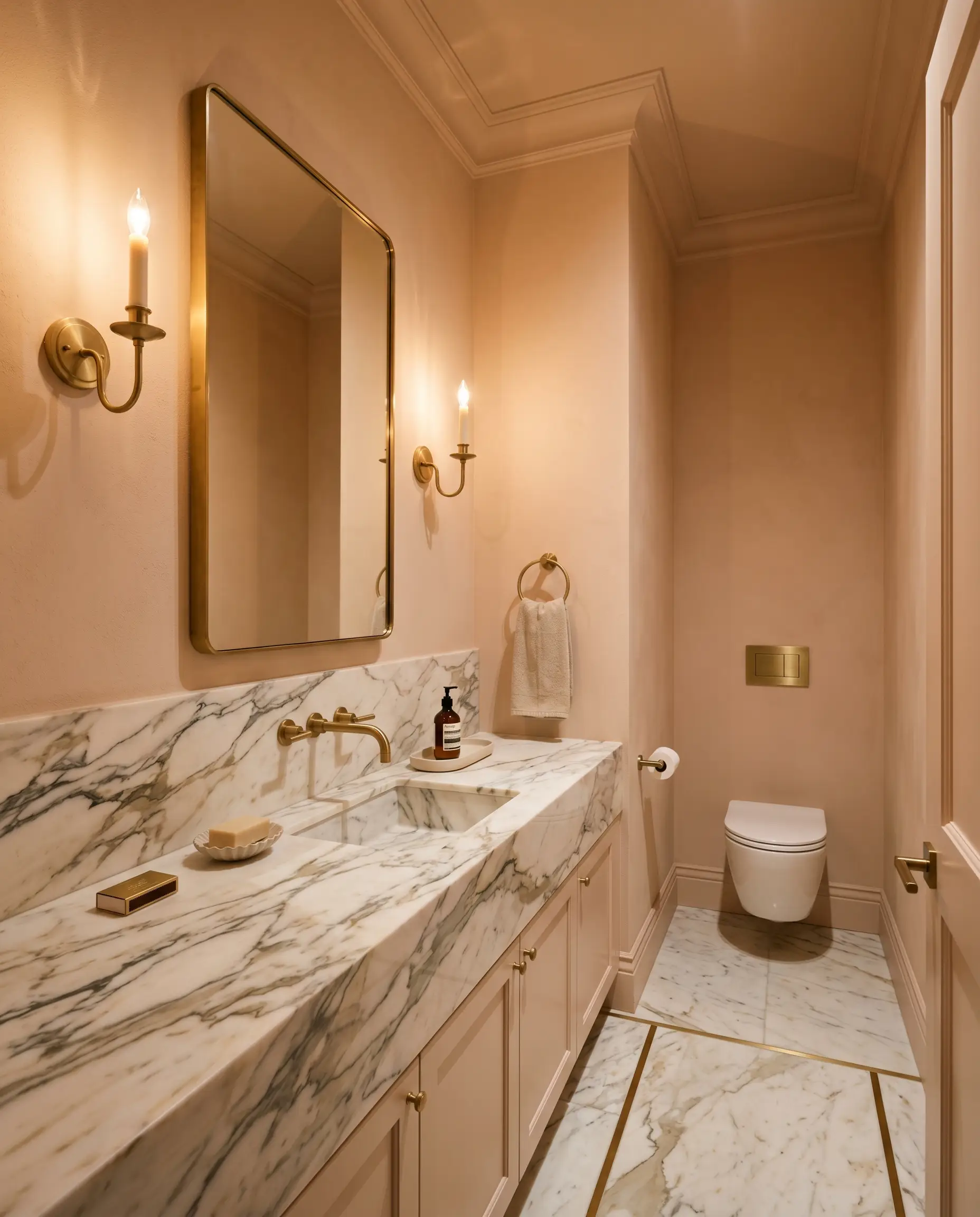
This is where the paint absolutely dominates. Wrapping a windowless or artificially lit bathroom in this color creates a highly flattering, cosmetic glow. Because the undertones mimic a warm blush, the light bouncing off the walls physically alters how skin tones appear in the mirror. It is an instant, architectural beauty filter.
Will Heirloom work with your specific lighting, floor, or furniture?
Ceilings
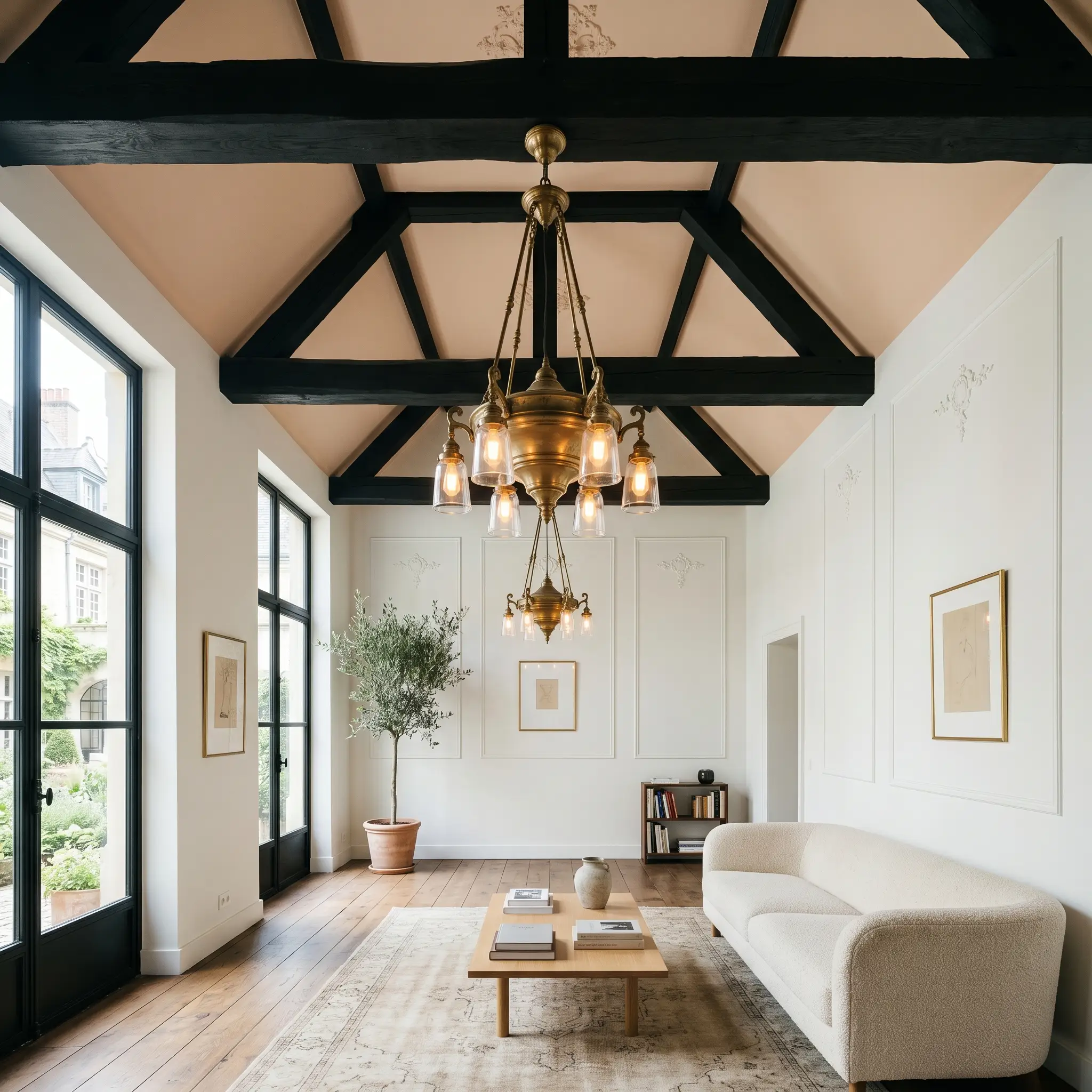
Never default to a stark white ceiling when working with warm, historic palettes. Applying this incandescent peach above crisp white walls draws the eye upward and casts a warm ambient reflection throughout the space. It softens the harsh transition between wall and ceiling, giving the room a subtle, enveloping warmth.
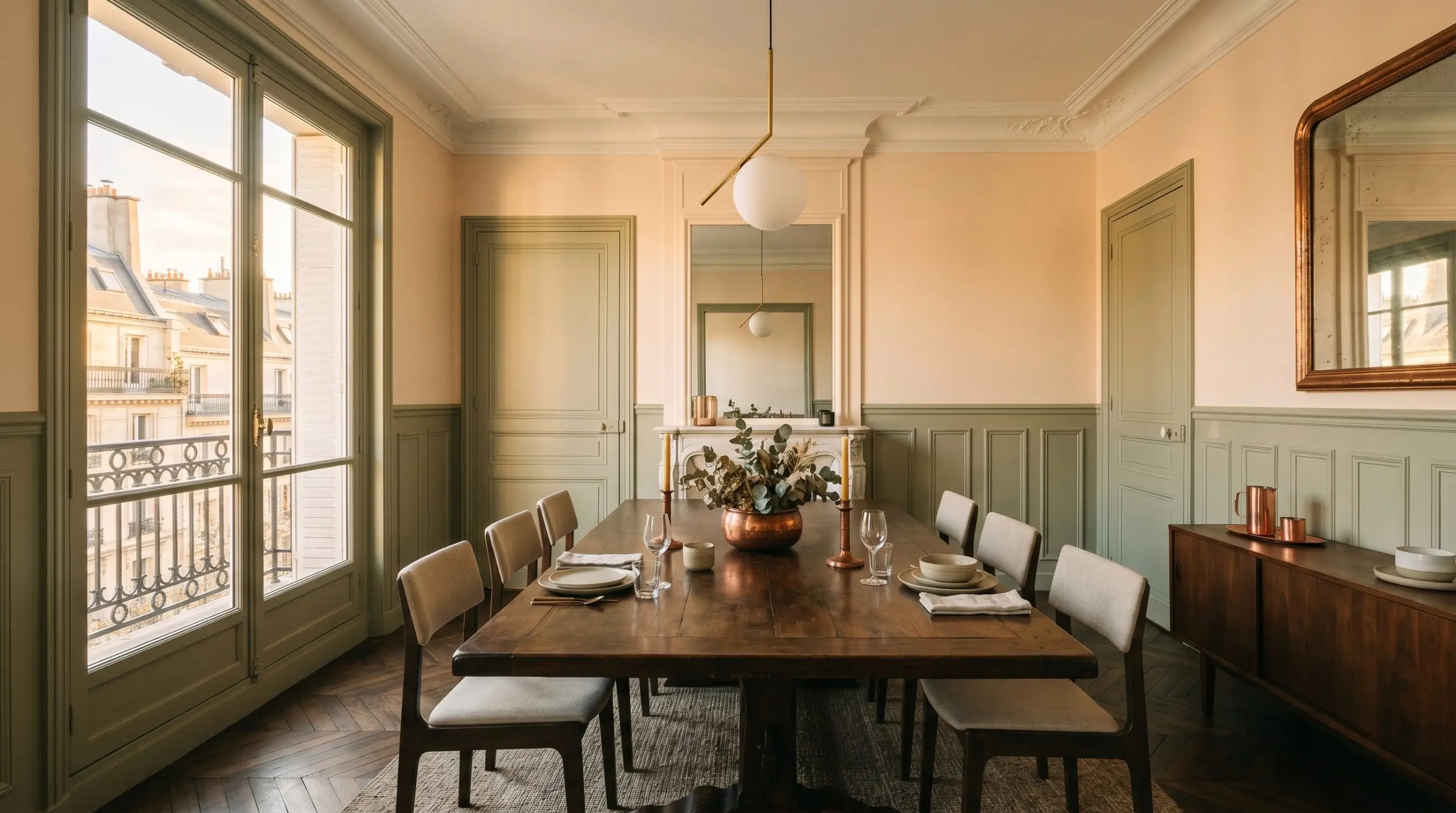
Dining Spaces
This shade thrives in formal dining spaces when grounded by heavy, dark architectural elements. It acts as a brilliant counterbalance to deep, moody millwork or heavy antique furniture. The tension between the light, airy peach and the heavy, dark lower walls creates a sophisticated juxtaposition that feels both historic and highly modern.
Will Heirloom work with your specific lighting, floor, or furniture?
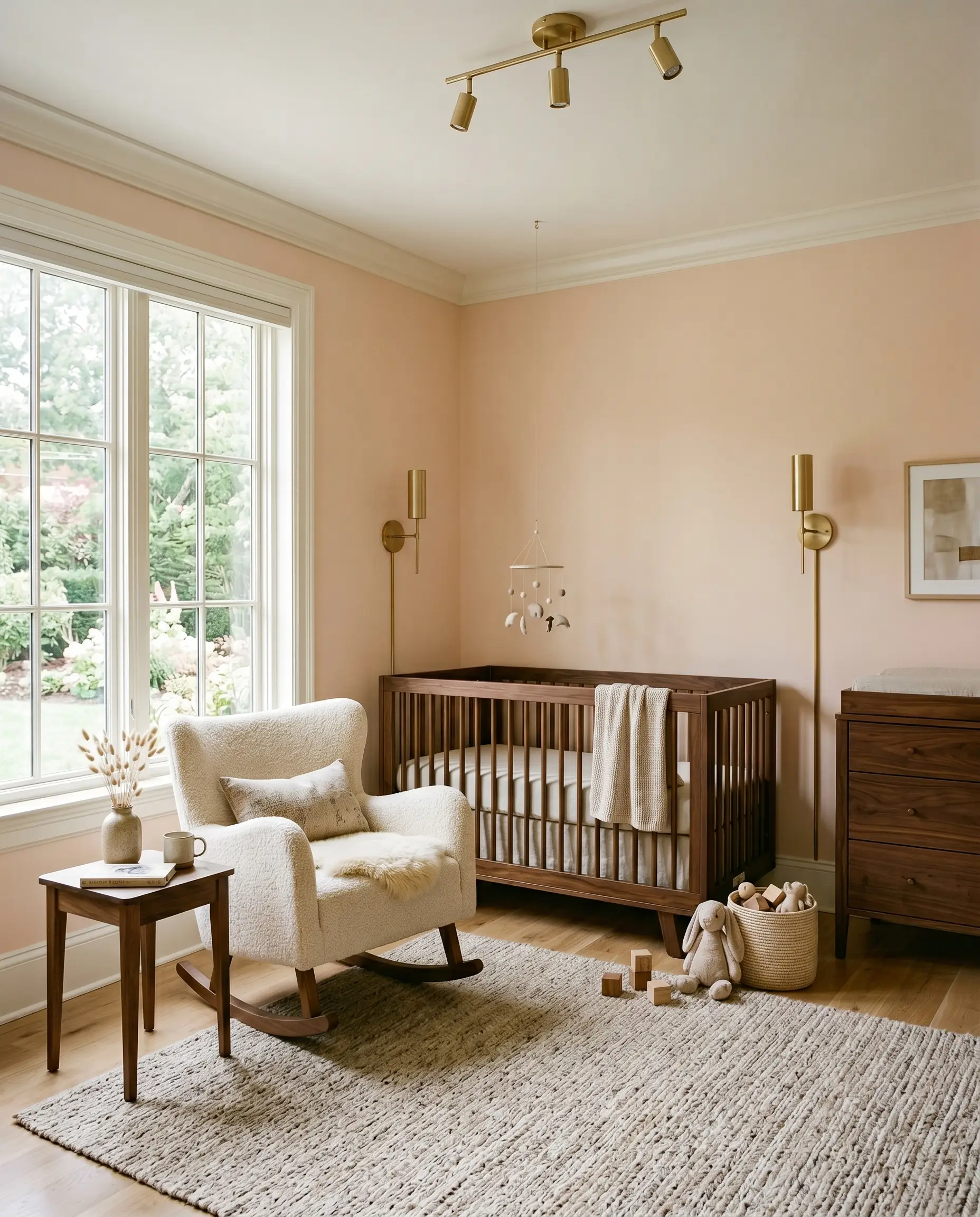
Nurseries & Children’s Spaces
If you want to avoid the predictable, saccharine nature of standard baby pink, this is your solution. It provides a gender-neutral warmth that feels incredibly comforting. More importantly, it possesses enough architectural maturity that the child will not outgrow the color in three years.
Curated Architectural Ideas for Heirloom
To truly harness the power of this color, you must move beyond basic drywall application. Its best use cases involve intentional interaction with physical room features and contrasting textures.
The Monochromatic Powder Room Wrap
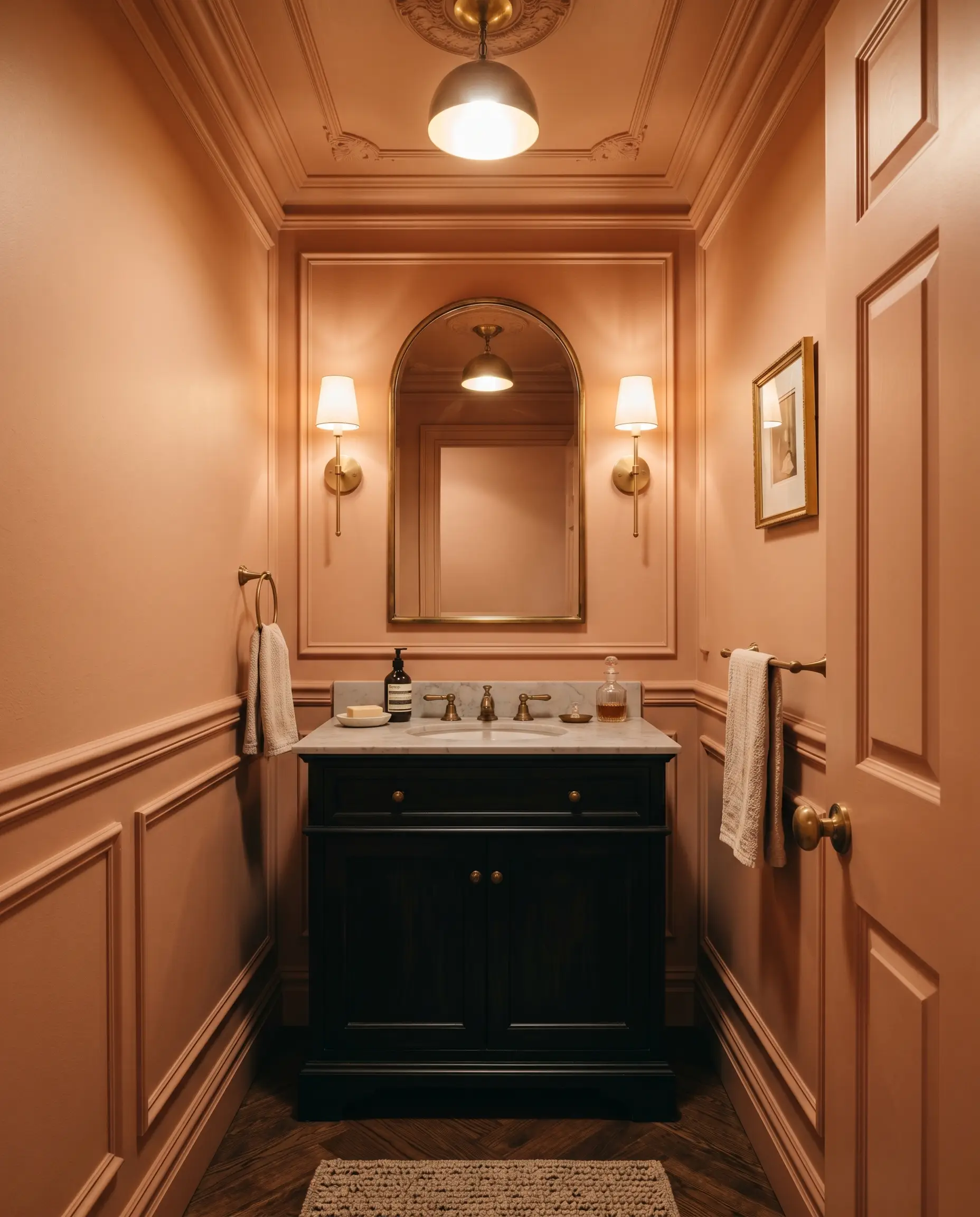
Do not stop at the crown molding. To achieve the true jewel box effect, you must color-drench the entire space.
Hackrea Pro-Tip
Painting the walls, trim, ceiling, and door in the exact same sheen of this peach creates an immersive, sensorial experience. The physical boundaries of the small room blur, making the space feel larger and infinitely more intimate. If you break up the room with bright white trim, you chop the visual height and destroy the enveloping cosmetic glow.
High-Contrast Wainscoting Applications
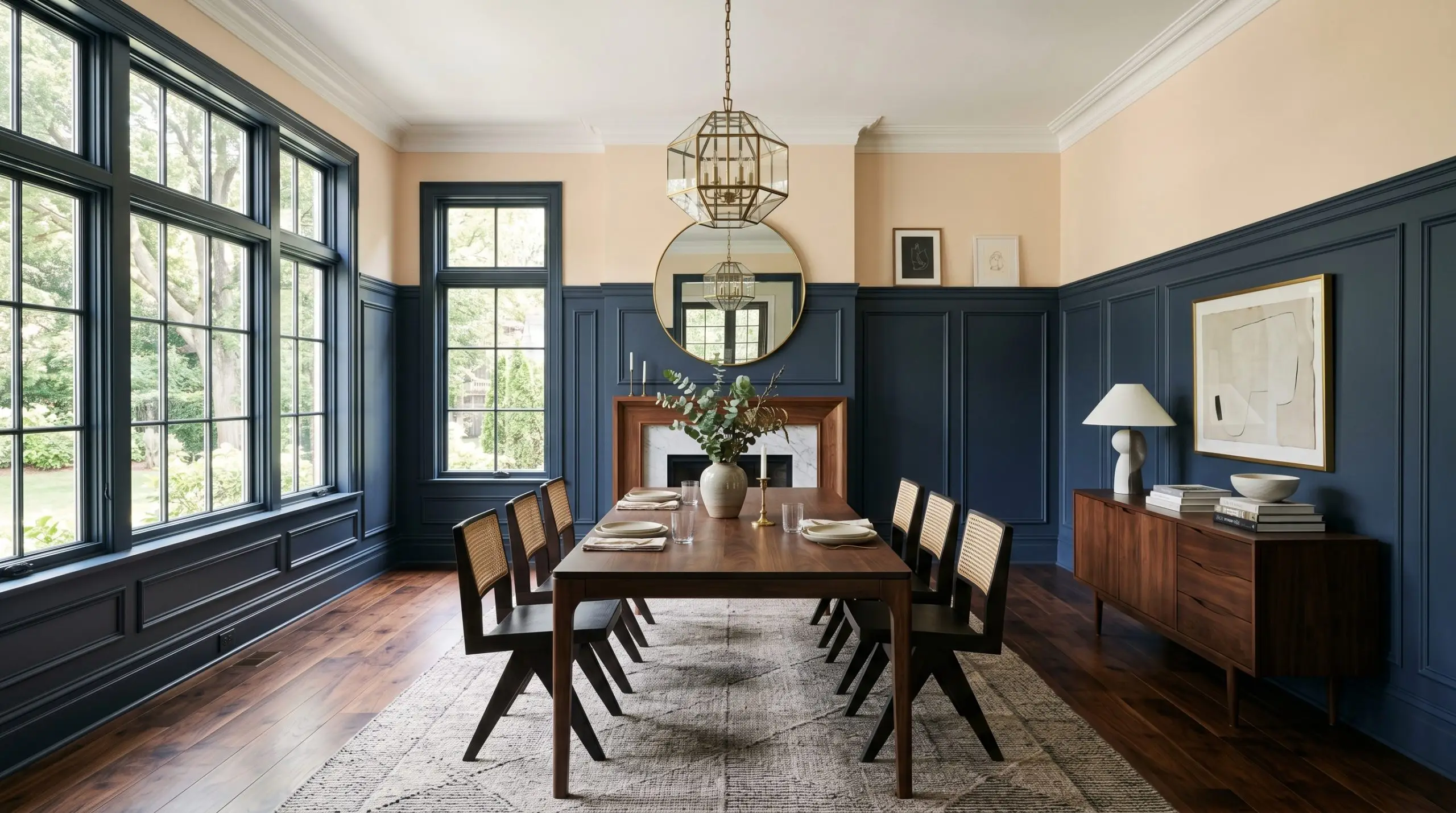
This paint requires visual tension to survive. When applied to the upper third of a dining room wall, directly above deeply saturated, dark wainscoting, the peach physically recedes. The dark lower woodwork anchors the room, preventing the lighter hue from floating away or feeling too sweet. The stark contrast forces the pink undertones to read as a sophisticated, historic plaster rather than a nursery color.
The Fifth Wall Nursery Accent
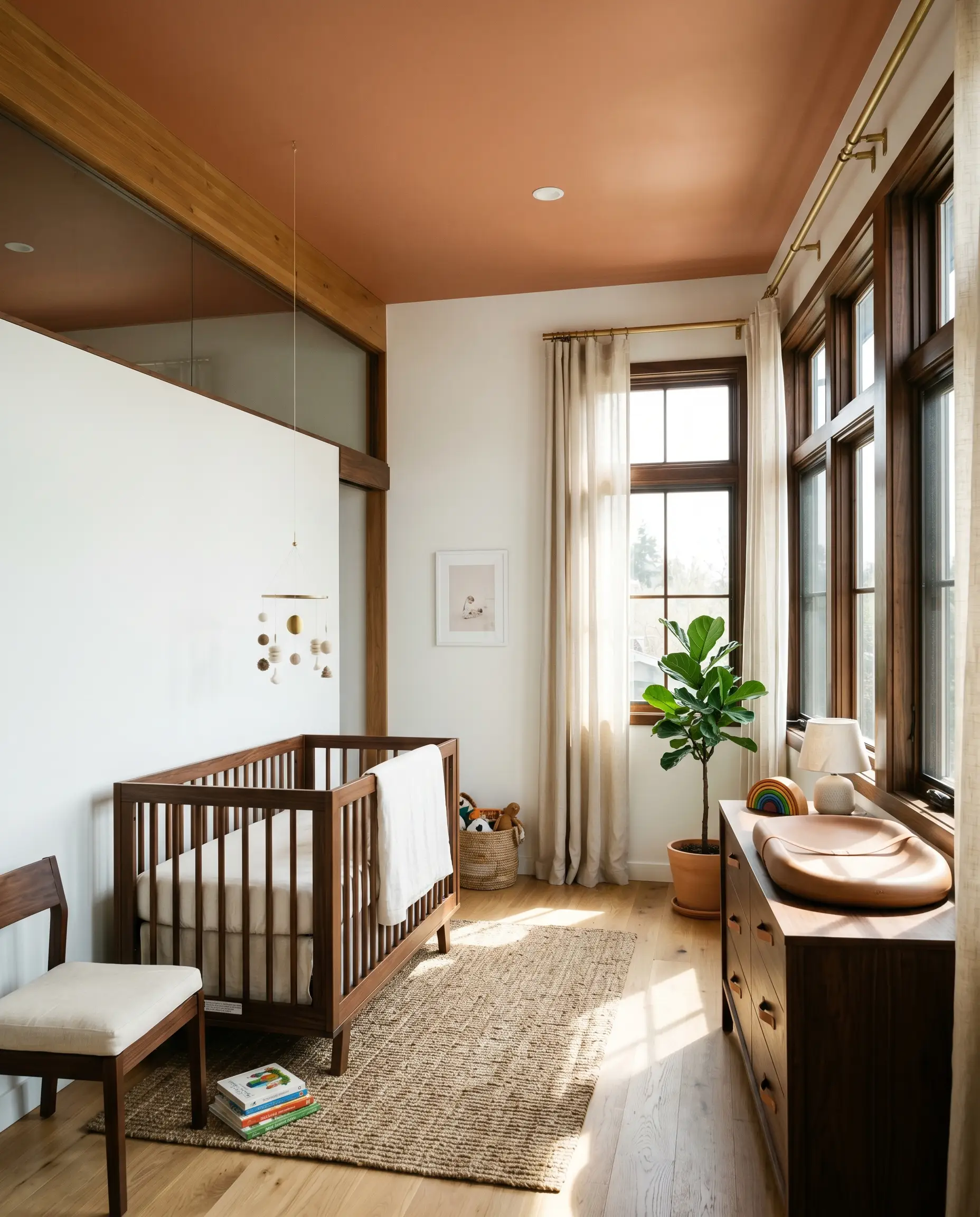
Will Heirloom work with your specific lighting, floor, or furniture?
If you apply this color to the ceiling of a heavily sunlit nursery with bright white walls, you manipulate the room’s perceived temperature. The directional light from the windows hits the ceiling and bounces a softened, diffused warmth down into the crib area. It prevents the stark white walls from feeling clinical, wrapping the room in a nostalgic, comforting atmosphere.
Accents and Materials for Benjamin Moore 023
The fastest way to ruin this paint is through lazy material pairings. The wrong stone or metal will trigger a catastrophic thematic clash.
Trim & Baseboard Pairings
To keep the peach looking crisp, you must pair it with a white that shares a complementary warmth.
Hardware & Architectural Materials
You must strictly avoid the Carrara marble clash. The cool, stark gray veining in Carrara will make the peach look sickly, dated, and incredibly cheap. Furthermore, brushed nickel and chrome are banned. They create a harsh, 1980s dissonance.
Clash Warning
To ground this color, you need heavy, organic contrast. Specify unlacquered brass or aged copper plumbing fixtures to complement the warm undertones. For flooring, deeply stained walnut or ebonized woods are mandatory. You must utilize a honey oak contrast strategy—meaning you strictly avoid honey oak floors or cherry cabinets, which will trigger an overwhelming “orange-on-orange” nightmare. If you must use stone, opt for heavily veined Calacatta Gold marble, which features warm, complementary veining.
Coordinating Colors
Do not guess at accent colors. Use these mathematically proven pairings to balance the room’s light reflectance.
Curated Aesthetic Palettes
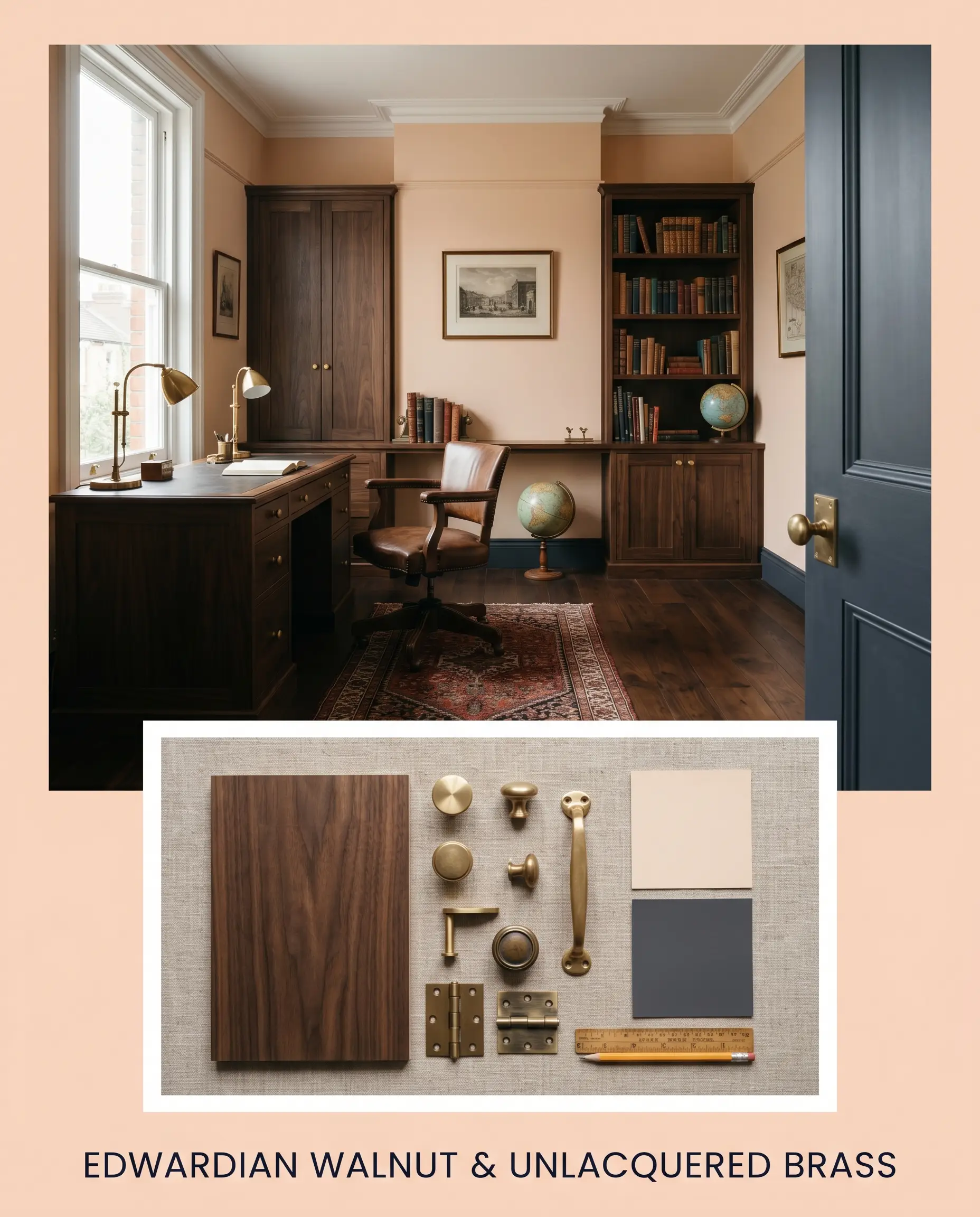
Edwardian Walnut & Unlacquered Brass: This palette is built on historic tension. By pairing the peach walls with rich, dark walnut flooring and raw, living-finish brass hardware, the room instantly feels anchored in the early 1900s. We introduce Benjamin Moore Hale Navy on the doors and window sashes. The dark navy cuts through the sweetness of the peach, while the unlacquered brass catches the ambient lighting, creating a moody, sophisticated study or dining space.
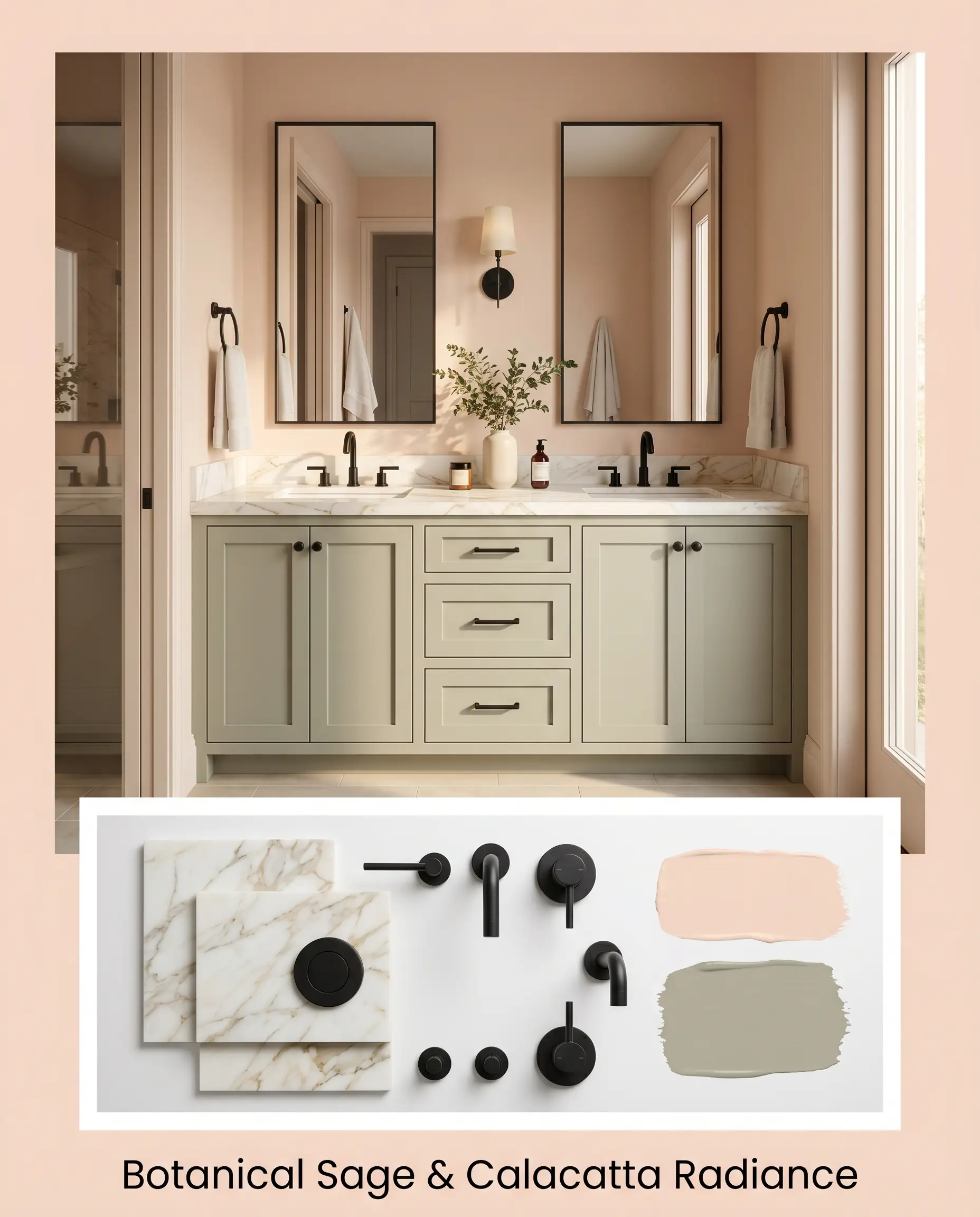
Botanical Sage & Calacatta Radiance: Designed for high-end bathrooms and dressing areas, this palette leans into organic luxury. The walls are wrapped in the soft peach, while the vanity is painted in Sherwin-Williams Clary Sage. The green grounds the space mathematically, allowing the warm gold veining of a Calacatta marble countertop to sing. We finish the space with matte black hardware to provide sharp, modern punctuation against the soft, cosmetic glow of the walls.
Head-to-Head Paint Comparisons
When narrowing down your final selection, you must understand the microscopic chemical differences between direct rivals.
Benjamin Moore Heirloom vs. Sherwin-Williams Romance
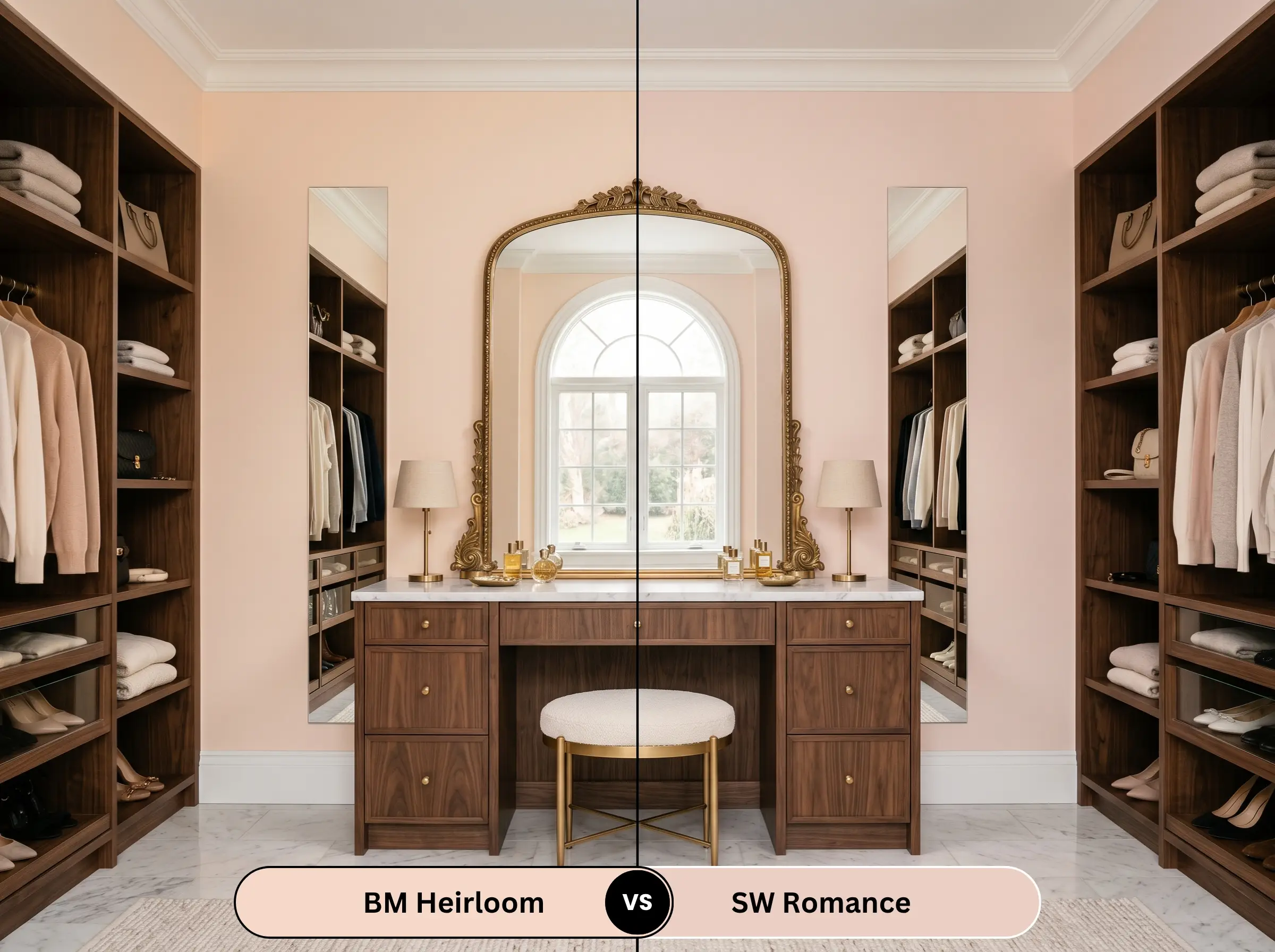
Will Heirloom work with your specific lighting, floor, or furniture?
Sherwin-Williams Romance is noticeably cooler and leans much heavier into a true pastel pink. While Heirloom retains a distinct earthy orange base that keeps it grounded, Romance strips away that dirtiness for a cleaner, sweeter finish. If your room faces North, Romance risks looking like icy bubblegum, whereas the Benjamin Moore option will hold its comforting warmth.
Benjamin Moore Heirloom vs. Farrow & Ball Setting Plaster
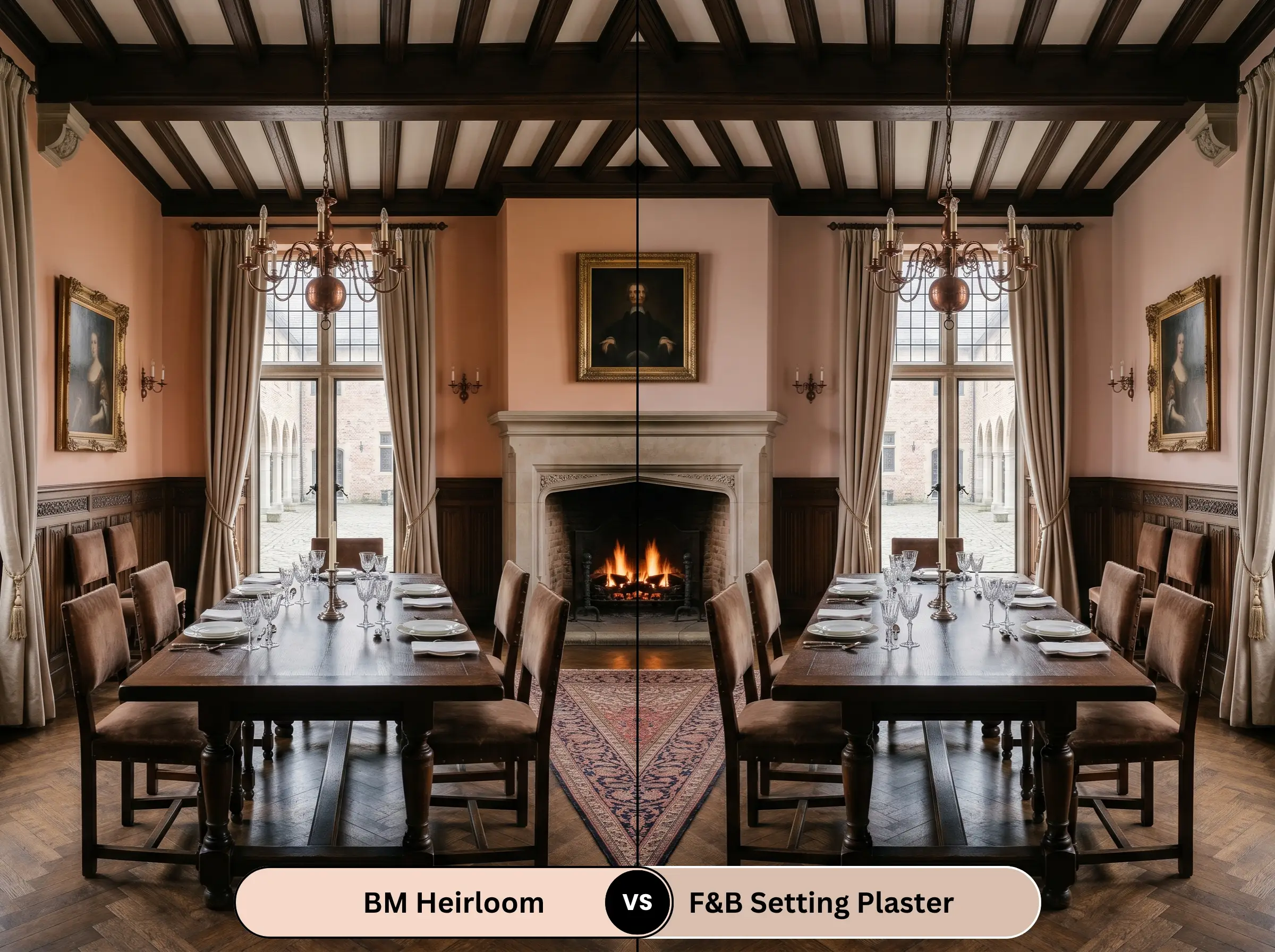
Setting Plaster is an absolute masterwork of dirty, muddy undertones. Compared to the Benjamin Moore shade, Setting Plaster has a significantly lower LRV and a heavy dose of brown/yellow pigment. Heirloom is much cleaner, brighter, and more reflective. If you want a truly aged, historic European look, go with Setting Plaster. If you want a brighter, more cosmetic, and uplifting space, stick with the Benjamin Moore.
Brand Equivalents & Similar Shades
If you are bound to a specific paint supplier, or if this exact shade is just slightly too dark or too light for your specific lighting, here are the mathematically closest alternatives.
Same-Brand Alternatives
Cross-Brand Matches
Contractor Advice for Benjamin Moore 023
Design theory is useless if the physical application fails. Here is how our master painting contractors handle this specific depth of color.
The Dynamic Sheen Matrix
Primer Strategy
Because this color sits at a highly reflective 71.02 LRV, it does not require a tinted gray primer like deep, moody colors do. However, you must use a premium, high-hiding white primer. If you are painting over raw wood or vintage paneling, a stain-blocking primer is non-negotiable. If tannins bleed through the primer, they will react chemically with the pink undertones and turn the wall a sickly, muddy yellow.
Coverage & Touch-Ups
Expect to apply two full coats over a high-quality primer. Because it is a lighter color with complex red pigments, rolling it too thin will result in “flashing”—visible roller marks where the light catches uneven texture. Touch-ups are moderately difficult in a flat finish, but nearly impossible in an eggshell finish without repainting the entire wall corner-to-corner.
Frequently Asked Questions
No. In a south-facing room, the warm, golden afternoon sunlight actually amplifies the orange base of the paint. If anything, it will look more like a radiant, saturated peach rather than a true pink.
It acts as a physical cosmetic filter. Because the paint’s undertones mimic the warmth of human blood flow and blush, the light bouncing off the walls neutralizes harsh shadows and gives skin a radiant, healthy appearance in the mirror.
Yes, this is one of its absolute best applications. Using this warm shade on a ceiling above dark, moody walls (like navy or forest green) draws the eye upward, softens the harsh contrast, and bounces a comforting, ambient warmth back down into the room.
You must stay strictly between 2700K and 3000K. Anything cooler than 3500K will strip away the warm orange base, isolating the pink undertones and creating a flat, cheap, “Band-Aid” effect.
The Final Verdict on This Incandescent Peach
Benjamin Moore Heirloom is a triumph of color engineering, but it is not for the faint of heart. It is the absolute perfect choice for homeowners looking to create a highly flattering, intimate jewel box in a powder room, or those seeking a sophisticated, historic tension above dark wainscoting in a dining space.
However, if your home is filled with honey oak flooring, cherry cabinets, or cool Carrara marble, you must avoid this paint at all costs. The resulting clash will instantly date your home. Treat this color with the architectural respect it demands, pair it with heavy, contrasting materials like unlacquered brass and deep walnut, and it will reward you with a space that feels endlessly warm, nostalgic, and undeniably expensive.
Room Compatibility & Clashes Diagnoses
Hackrea's reports evaluating the compatibility of Heirloom in real rooms.No compatibility tests for Heirloom yet.
Be the first to see how this color reacts to your space. Run a free architectural diagnostic now.