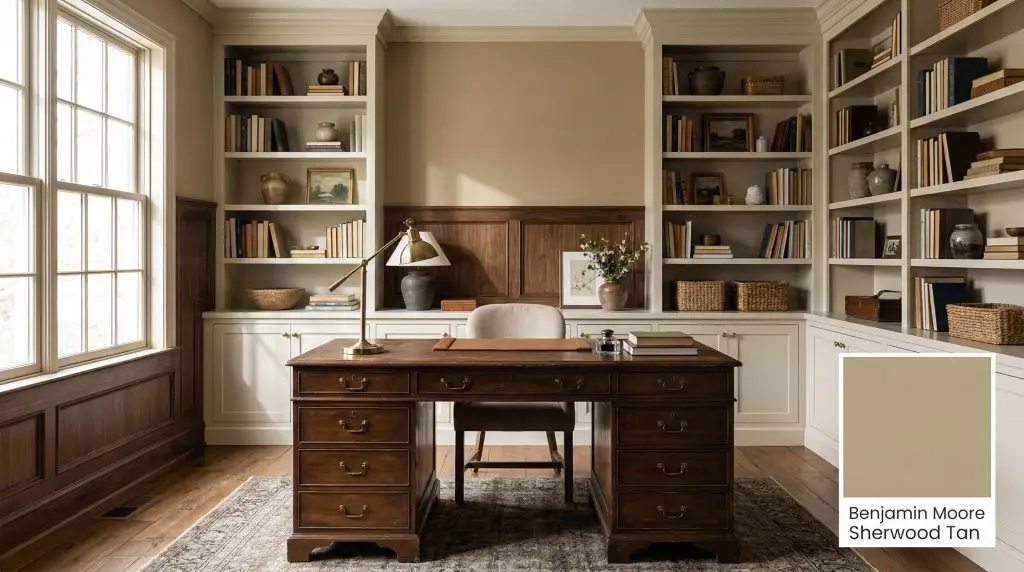
Benjamin Moore Sherwood Tan (1054) is a warm, mid-tone tan infused with earthy brown and golden-orange undertones. With an LRV of 37.31, it provides a cozy, grounded depth that excels in traditional spaces, pairing beautifully with creamy whites, rich woods, and deep navy blues.
Will Sherwood Tan clash with your room?
Paint Technical Profile
| Color ID / SKU | 1054 |
| HEX Code | #b8a183 |
| Light Reflectance (LRV) | 37.31 |
| Use | Interior, Exterior |
| Best Exposures | North, East, or well-lit South |
| Best For | Living rooms, traditional dining rooms, home libraries, and classic exteriors |
Benjamin Moore Sherwood Tan 1054: The Ultimate Warm Tan Review
Homeowners are terrified of the 1990s builder-beige trap. You want a space that feels grounded, cozy, and timeless, but the fear of a muddy, flat wall color or an aggressively orange disaster keeps you paralyzed in the paint aisle.
Let us set the record straight. Benjamin Moore Sherwood Tan 1054 is not your average, lifeless beige.
This is a highly sophisticated, earthy brown that anchors a room with profound architectural warmth. Part of Benjamin Moore’s Classic Color Collection, this shade utilizes their proprietary Gennex Color Technology to maintain its rich depth without fading into a generic backdrop. It is a masterfully formulated mid-tone beige that demands respect, specific lighting, and intentional pairings.
If you want a sterile, icy modern box, look elsewhere. If you are chasing inviting, traditional warmth, you have found your match.
The Color DNA: Undertones & LRV
To understand why this warm tan works, we have to look at the math. Paint is not magic; it is chemistry and light reflection.
Because of its Light Reflectance Value of 37.31, this color absorbs a significant amount of light. It sits firmly in the mid-tone range. This means it provides a luxurious, grounded depth, but it is not a color you can blindly slap onto a windowless wall. It requires adequate natural or artificial lighting to prevent the room from feeling cavernous.
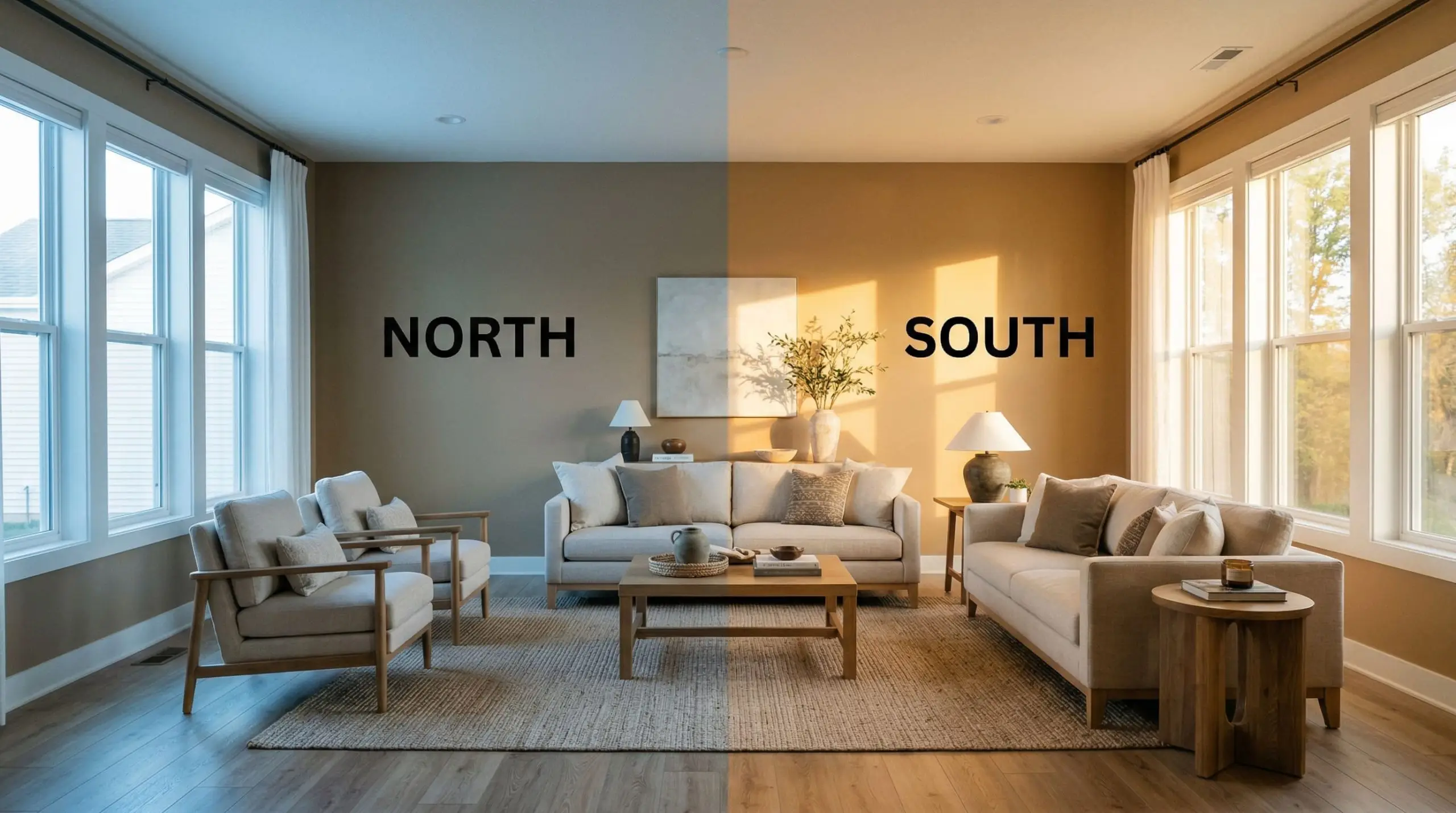
Lighting Effects & The Chameleon Factor
The biggest fear with golden-orange undertones is that they will mutate into a glowing pumpkin. This is entirely controllable if you understand your exposure.
Sherwood Tan shifts dramatically depending on the temperature of the light hitting it.
Popular Room Applications
Do not mistake this shade for a universal neutral. It is highly versatile within its specific lane, but applying it without considering the architectural context is a recipe for a disjointed home.
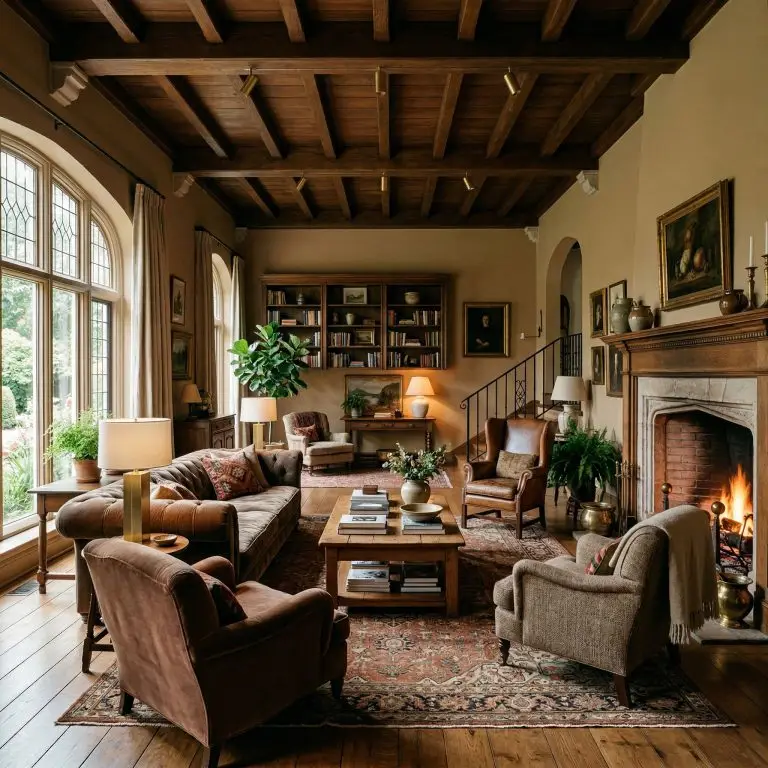
Traditional Living Rooms
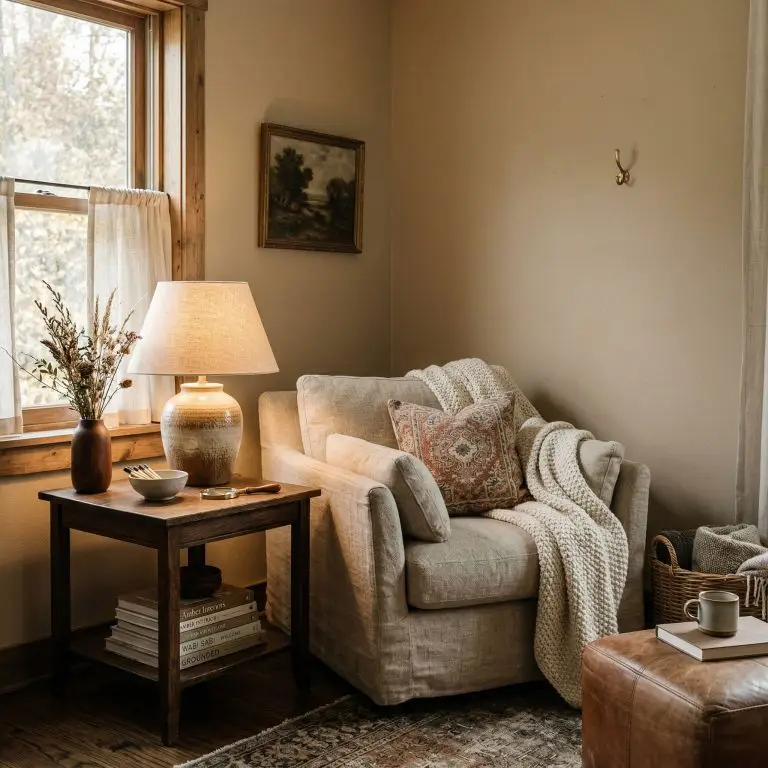
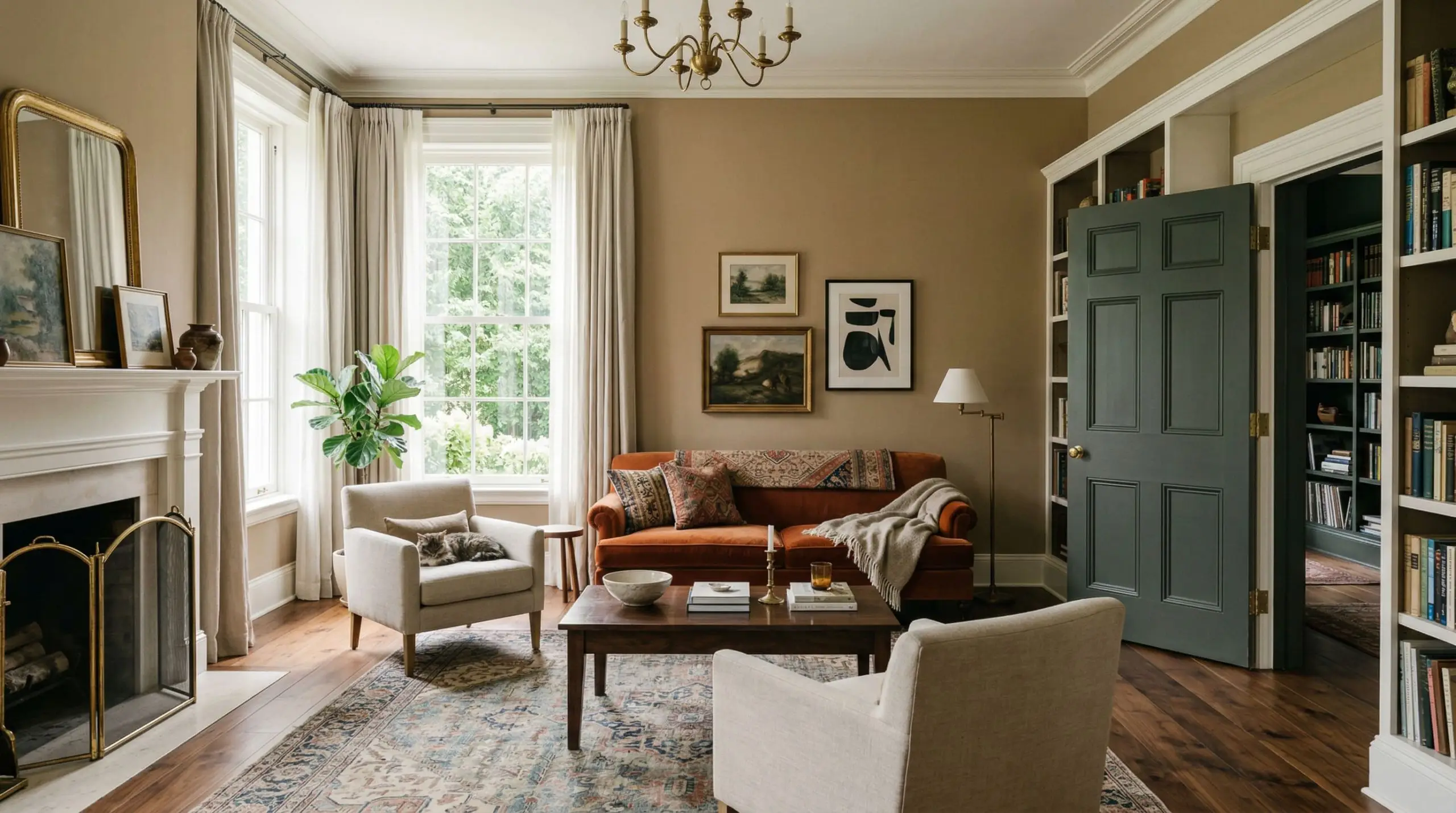
This shade is the ultimate anchor for traditional interior design. When applied to expansive living room walls, it provides a lush backdrop that makes antique furniture and heavy textiles sing.
If you are hunting for the best warm neutrals for living rooms, this color dominates because it holds its own against heavy upholstery. To maximize its potential, ensure the room has layered lighting—recessed overheads paired with warm table lamps—to keep the mid-tone depth from flattening out at night.
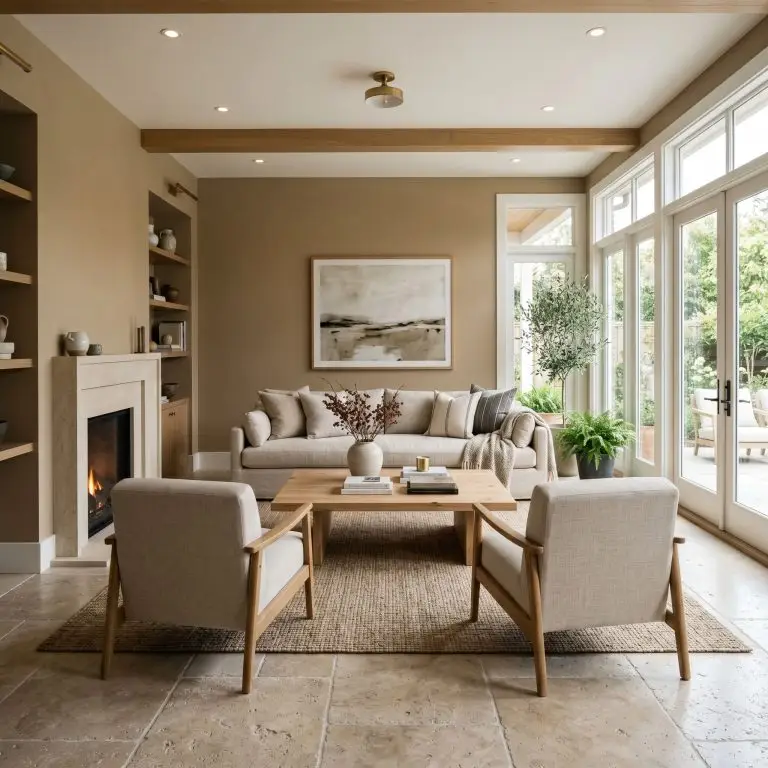
Will Sherwood Tan work with your specific lighting, floor, or furniture?
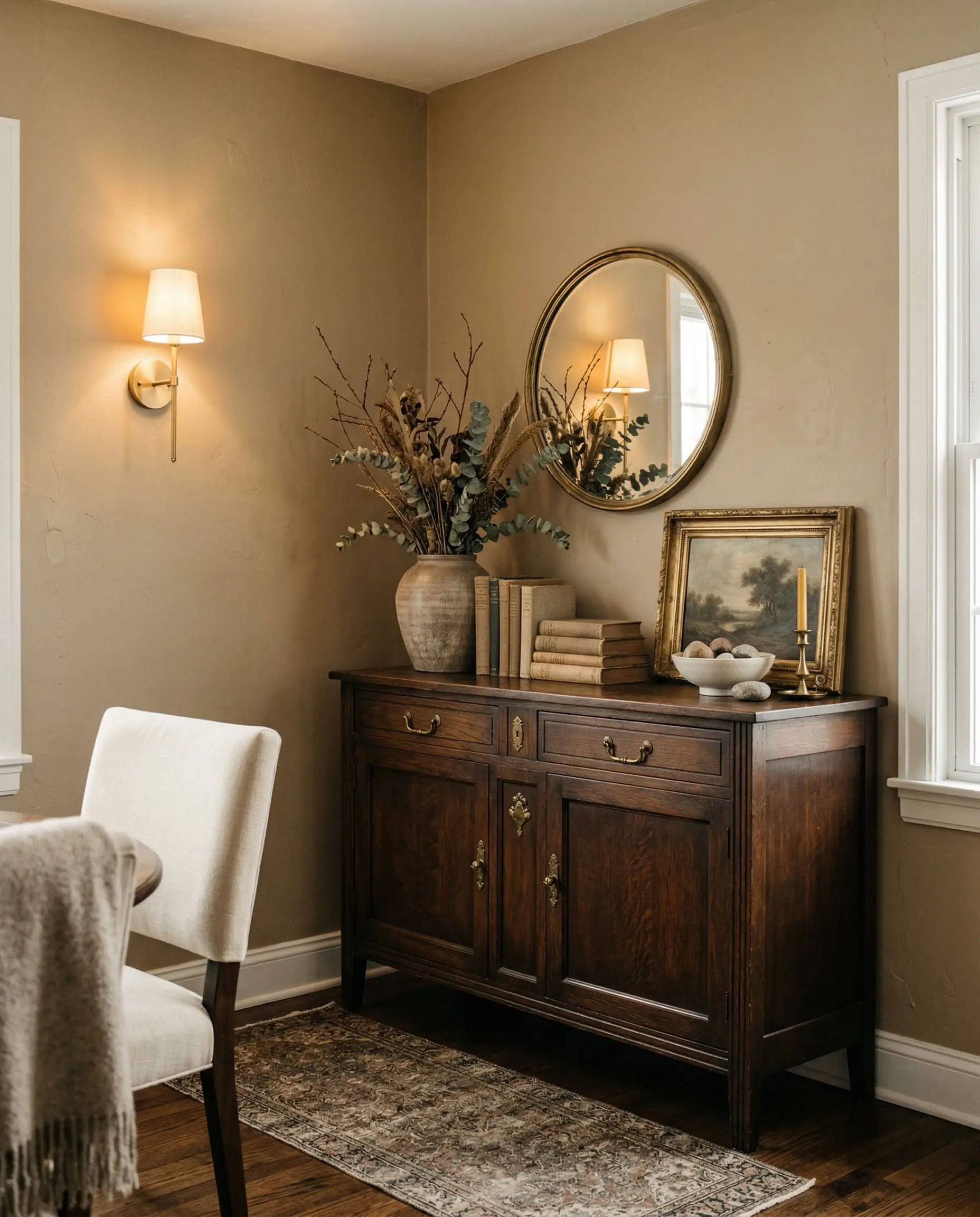
Formal Dining Rooms
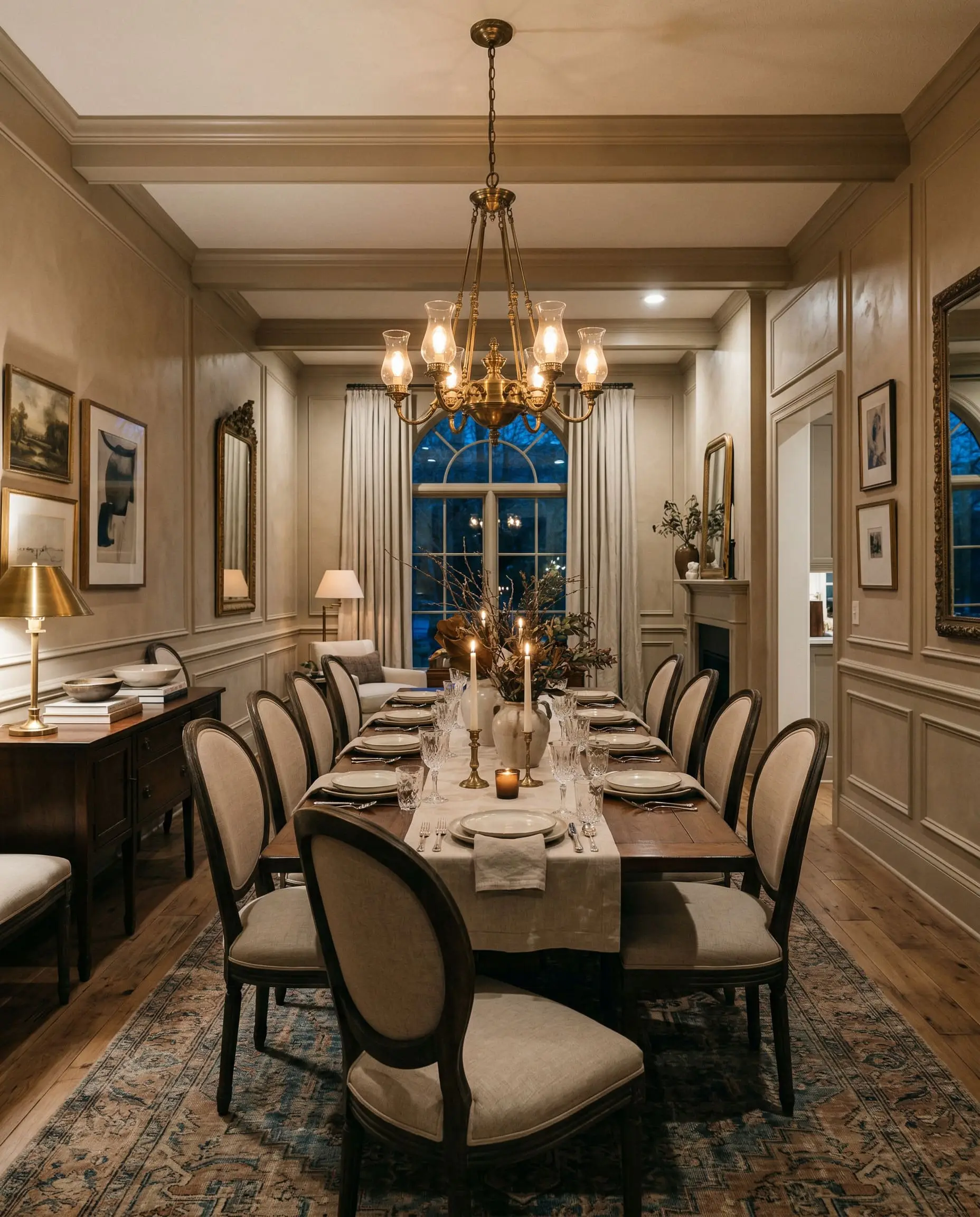
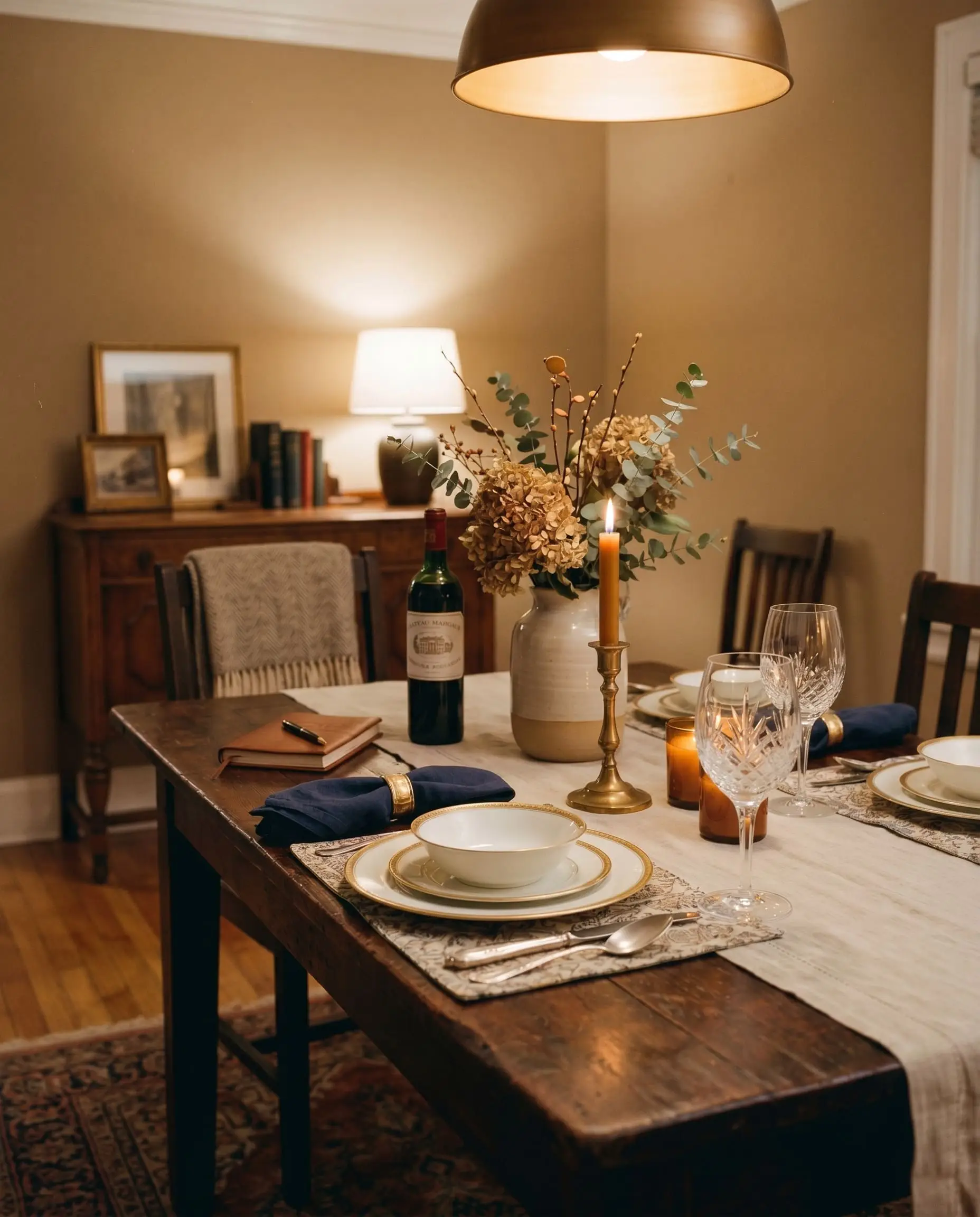
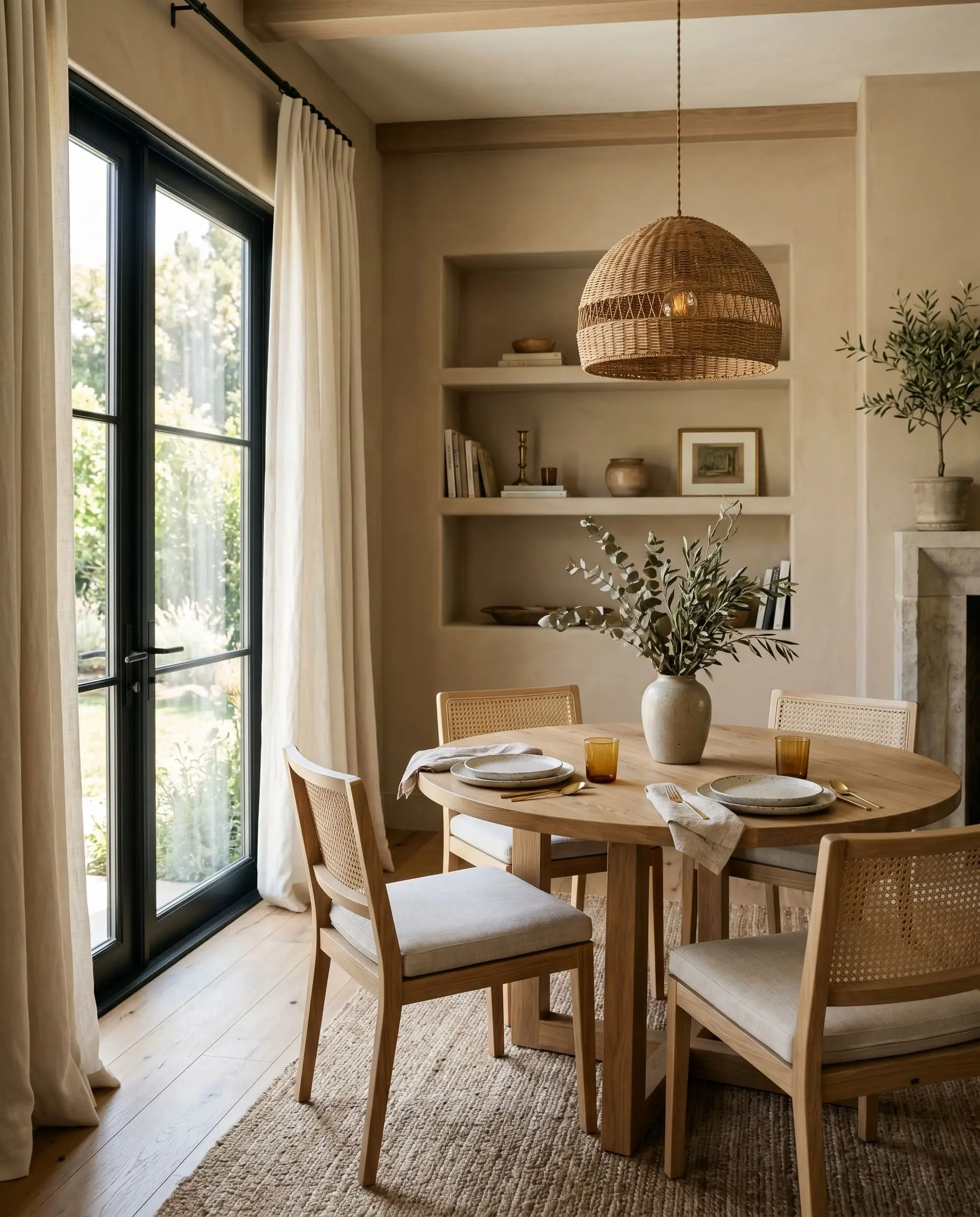
Dining rooms thrive on intimacy. Because of its 37.31 LRV, this earthy brown creates a naturally enclosed, conversational atmosphere.
In a formal dining space, you want the walls to recede slightly while the table and chandelier take center stage. Under the warm glow of evening dining lights, the golden undertones activate, wrapping the room in an elegant, inviting amber hue.
Hallways and Entryways
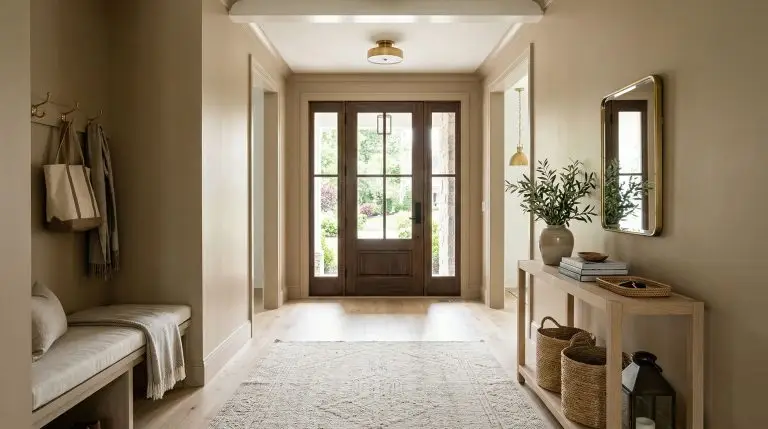
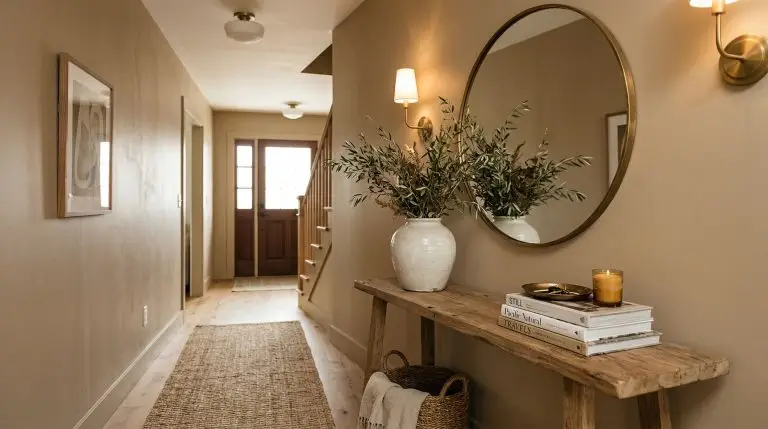
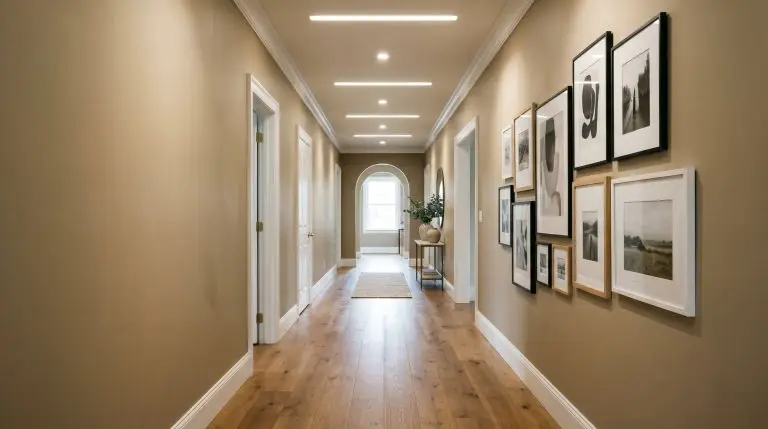
Transition spaces require extreme caution. Because hallways often lack natural light, this mid-tone beige can easily become oppressive.
If you use this in an entryway, you must have ample overhead lighting or a large front door with glass panels. When lit properly, it creates a deeply welcoming first impression. If starved of light, it will feel like a tunnel.
Exterior Siding and Trim
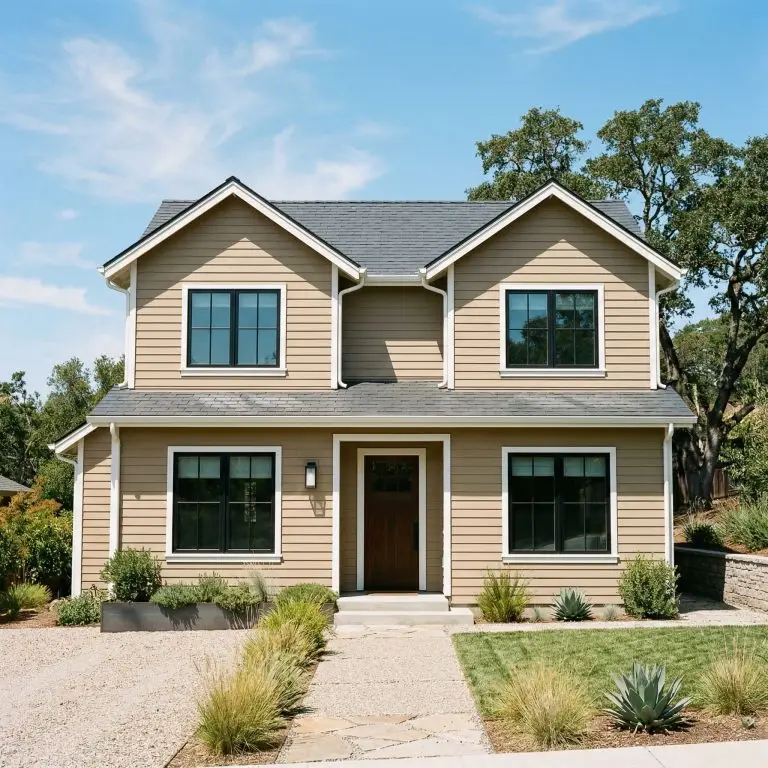
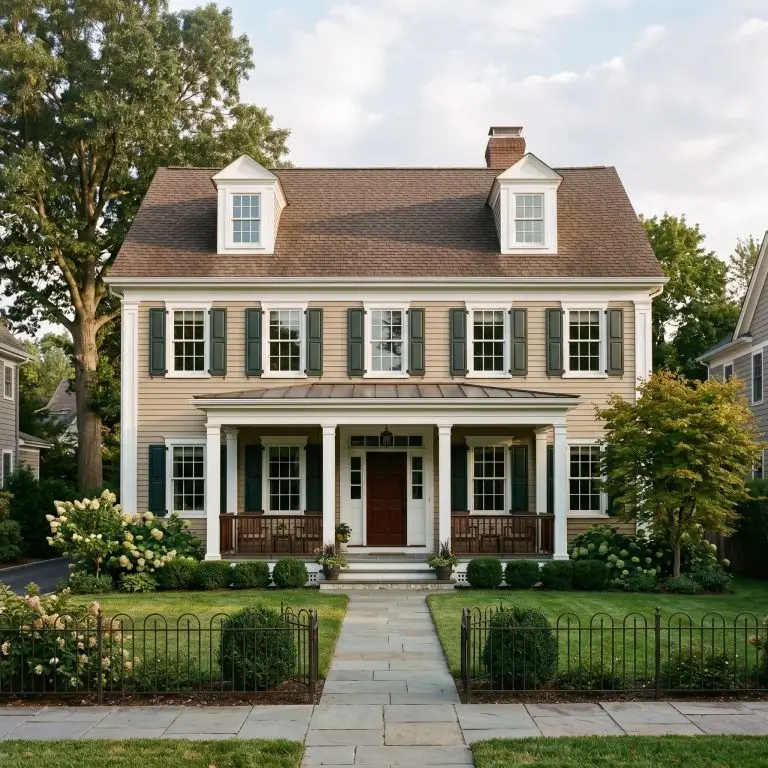
Direct, unadulterated sunlight washes out paint colors by several shades. On an exterior, Sherwood Tan loses its heavy mid-tone density and reads as a beautiful, sun-baked warm tan.
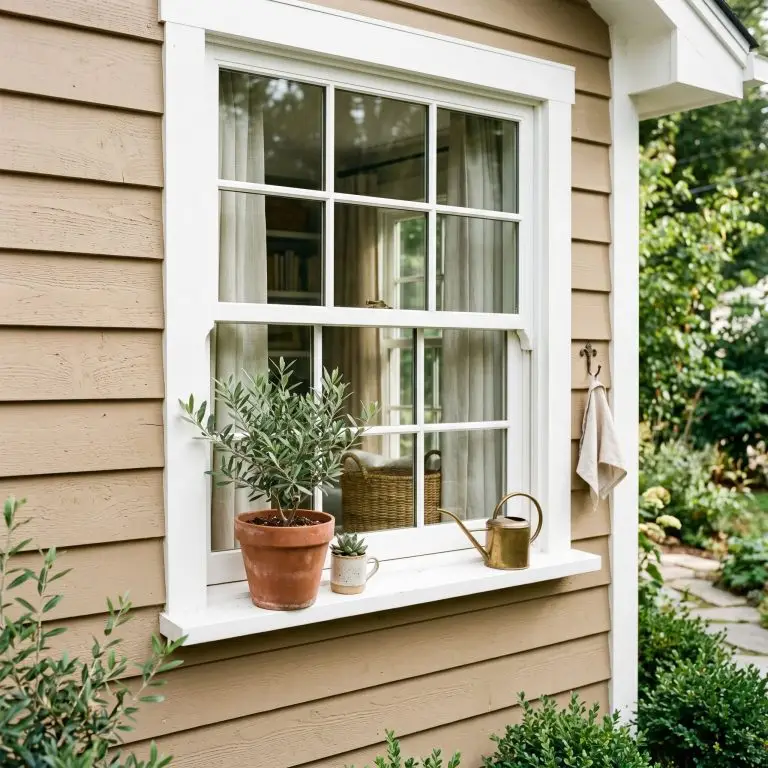
It is an exceptional choice for exterior siding, especially when paired with crisp white trim and dark, architectural roofing materials like charcoal slate or deep brown shingles.
Signature Design Ideas & Inspiration
Broad applications are fine, but this paint truly flexes its architectural muscle when applied to specific, highly curated focal points.
Cozy Home Libraries with Walnut Wainscoting
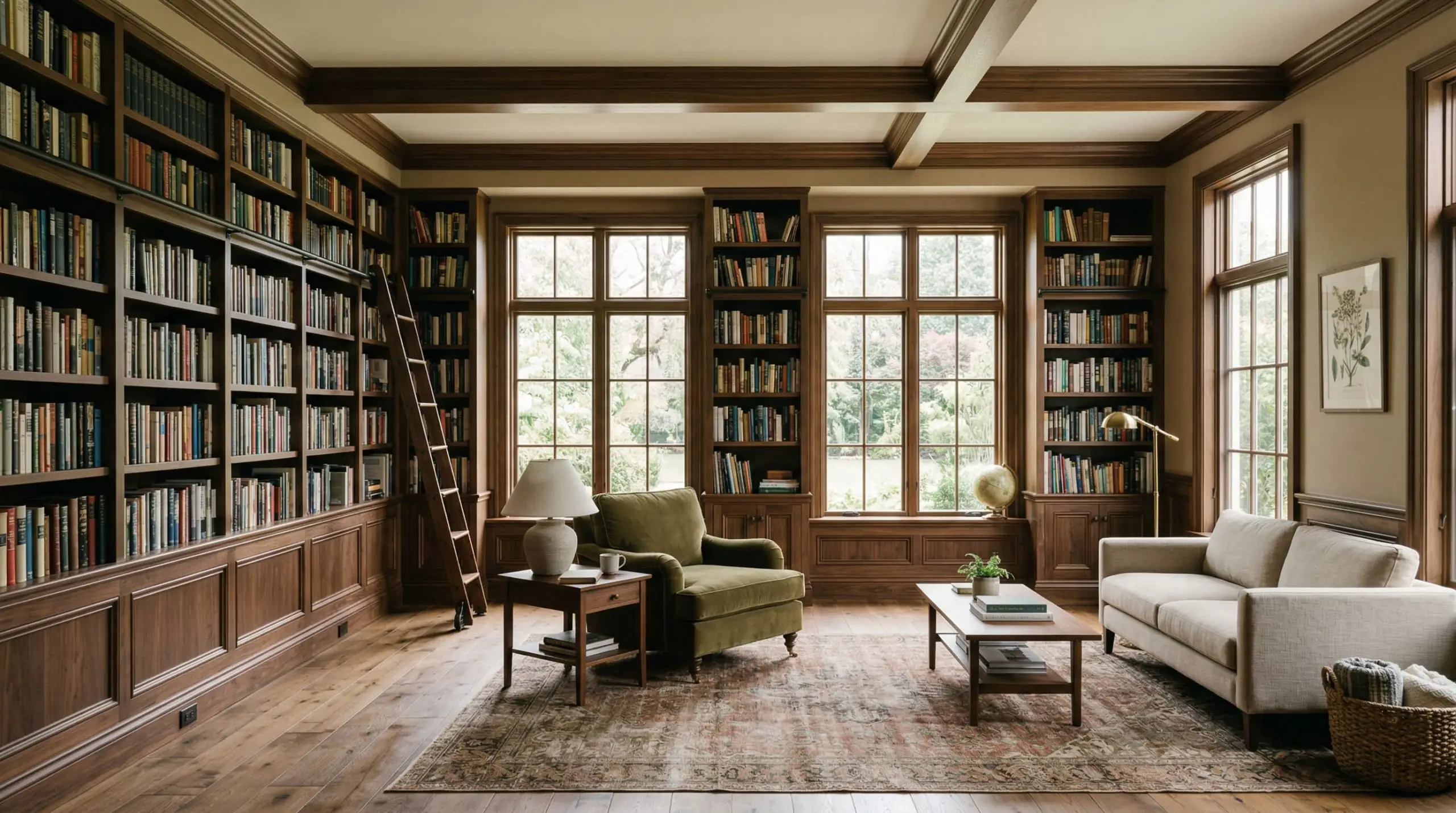
Will Sherwood Tan work with your specific lighting, floor, or furniture?
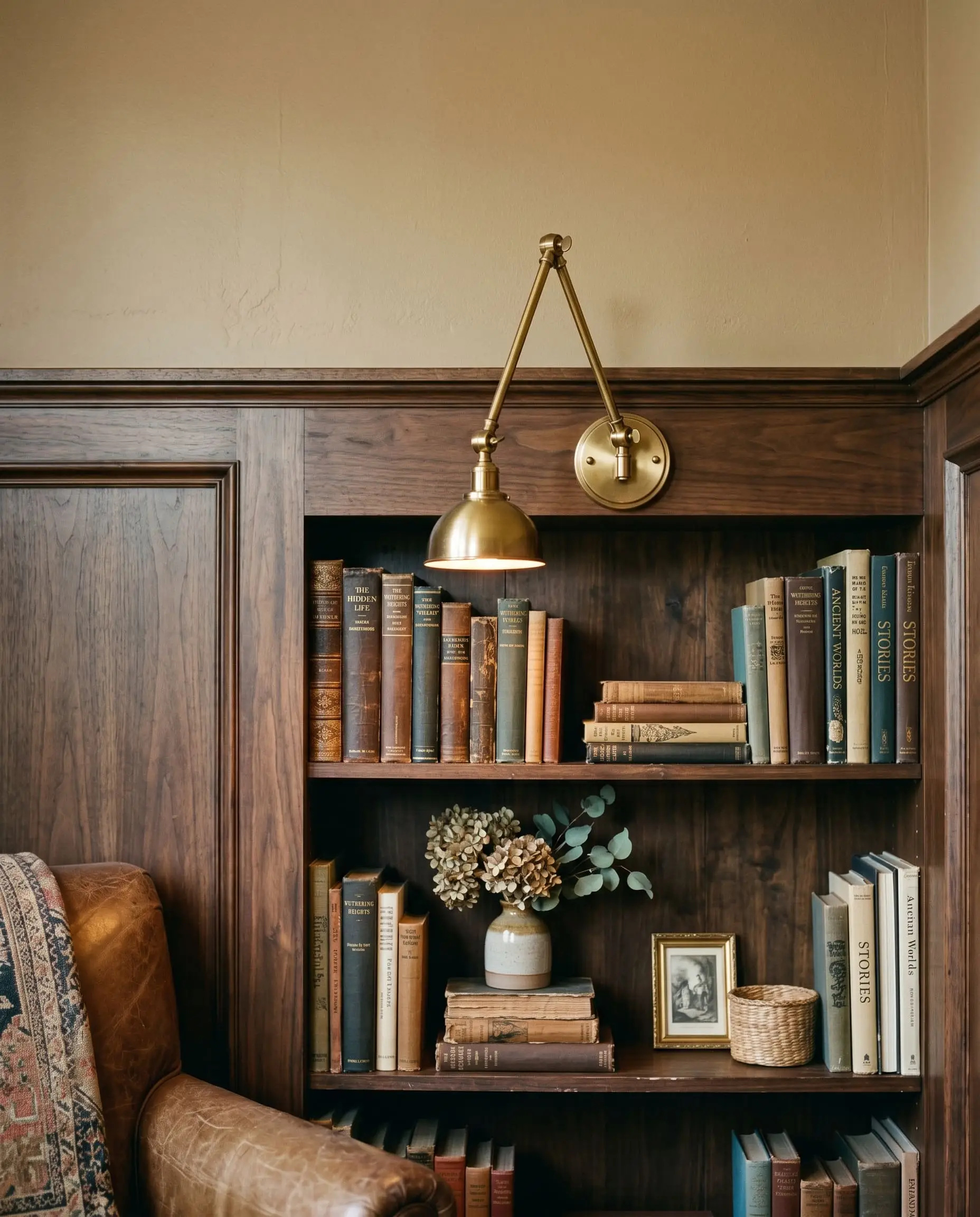
The Architectural Loop: Why does this work? It is all about the physical interaction between the wall and the wood. When you pair this earthy brown above rich, dark walnut wainscoting, the golden undertones in the paint pull the natural warmth out of the timber. The paint acts as a luminous bridge between the heavy, dark wood and the lighter ceiling, framing built-in bookshelves with a scholarly, grounded elegance.
Rustic Kitchens Paired with Creamy Cabinetry
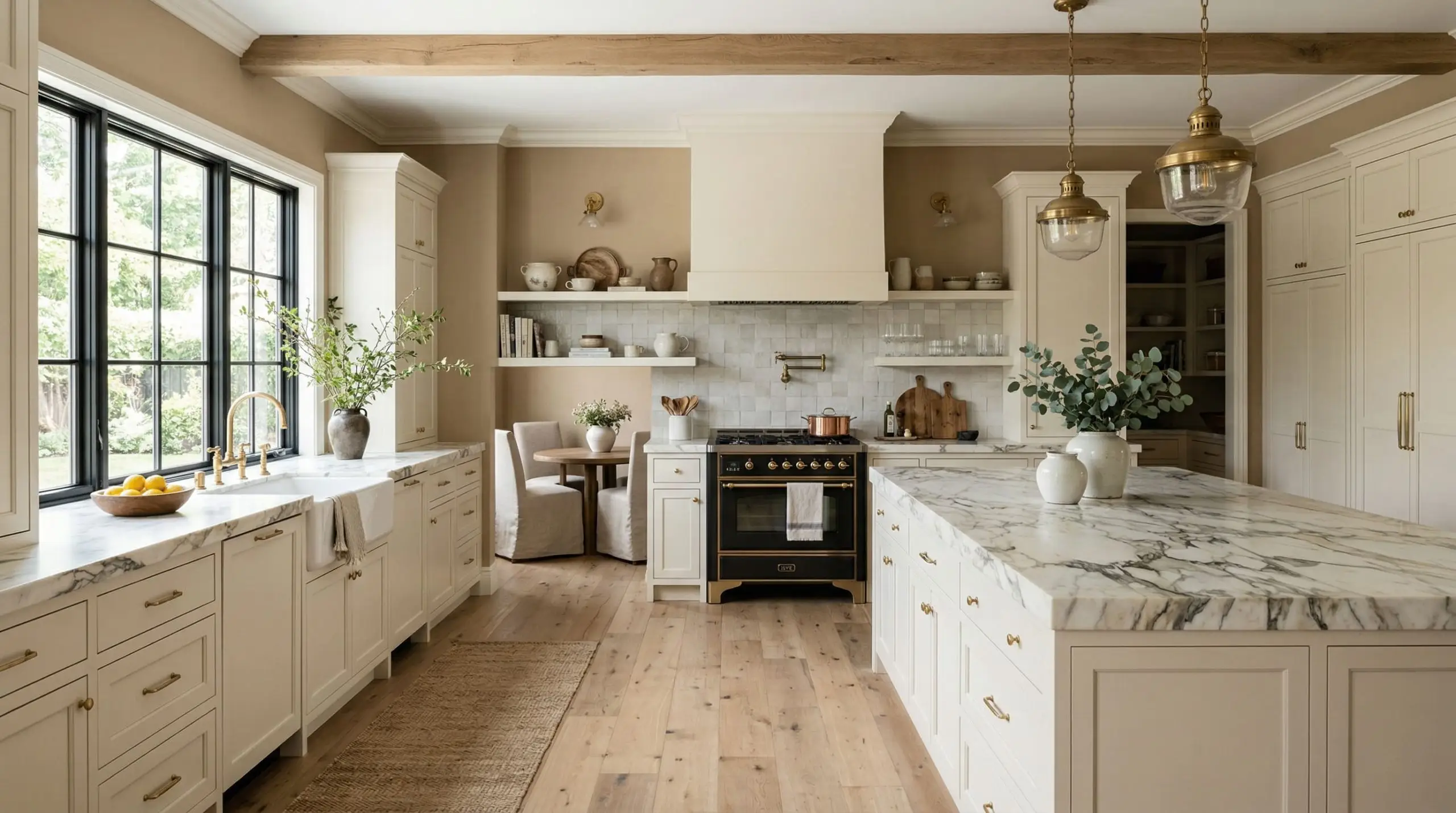
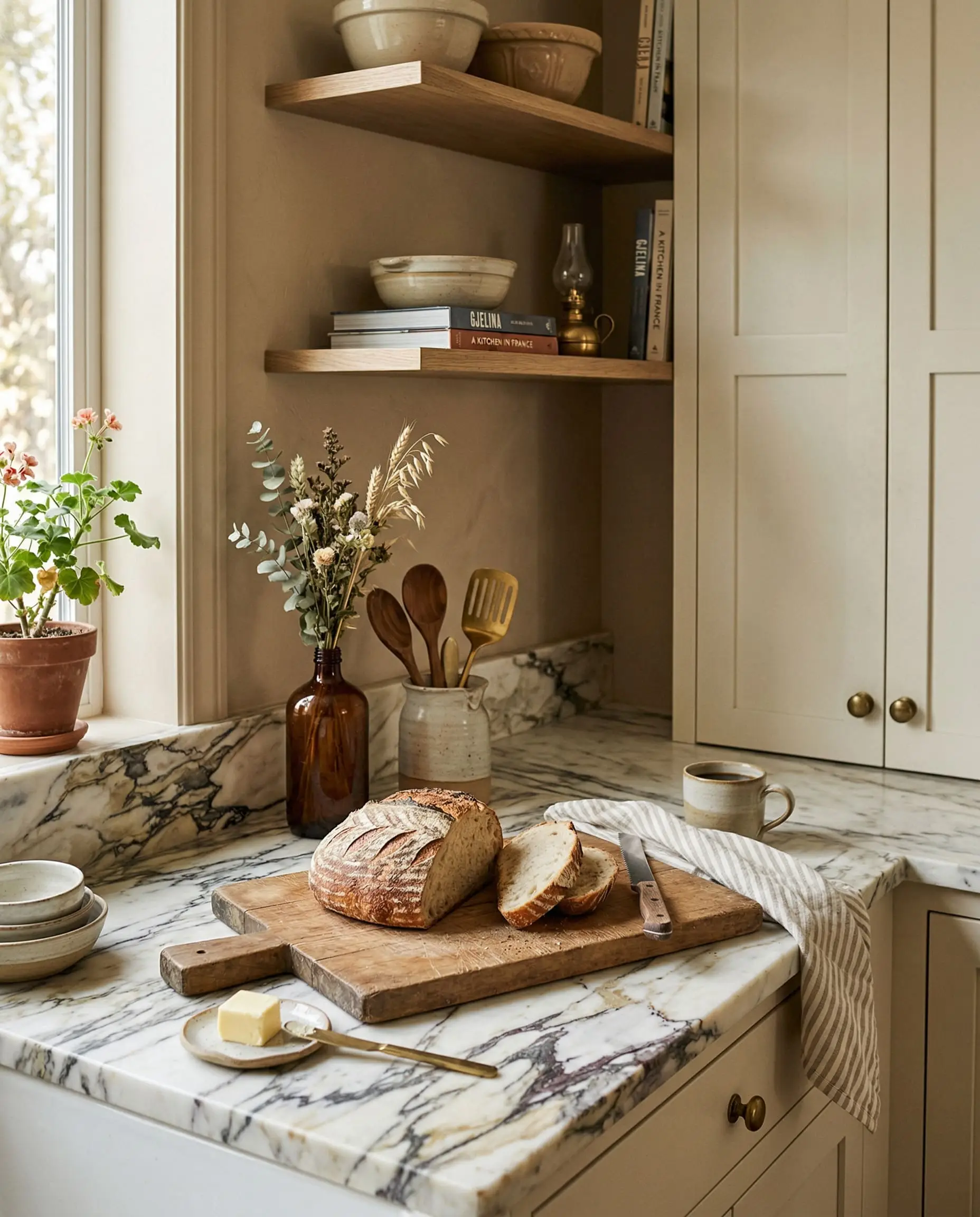
Will Sherwood Tan work with your specific lighting, floor, or furniture?
The Sensorial Loop: This application relies entirely on texture and mood. Imagine walls drenched in this warm tan, set against creamy, off-white cabinetry and heavily veined natural stone countertops. The visual friction between the smooth, creamy cabinets and the deep, earthy walls creates a lived-in, rustic warmth. It feels tactile. It feels like a space where actual cooking happens, far removed from the sterile, high-gloss white kitchens of the last decade.
Vintage Bathroom Vanities and Brass Hardware
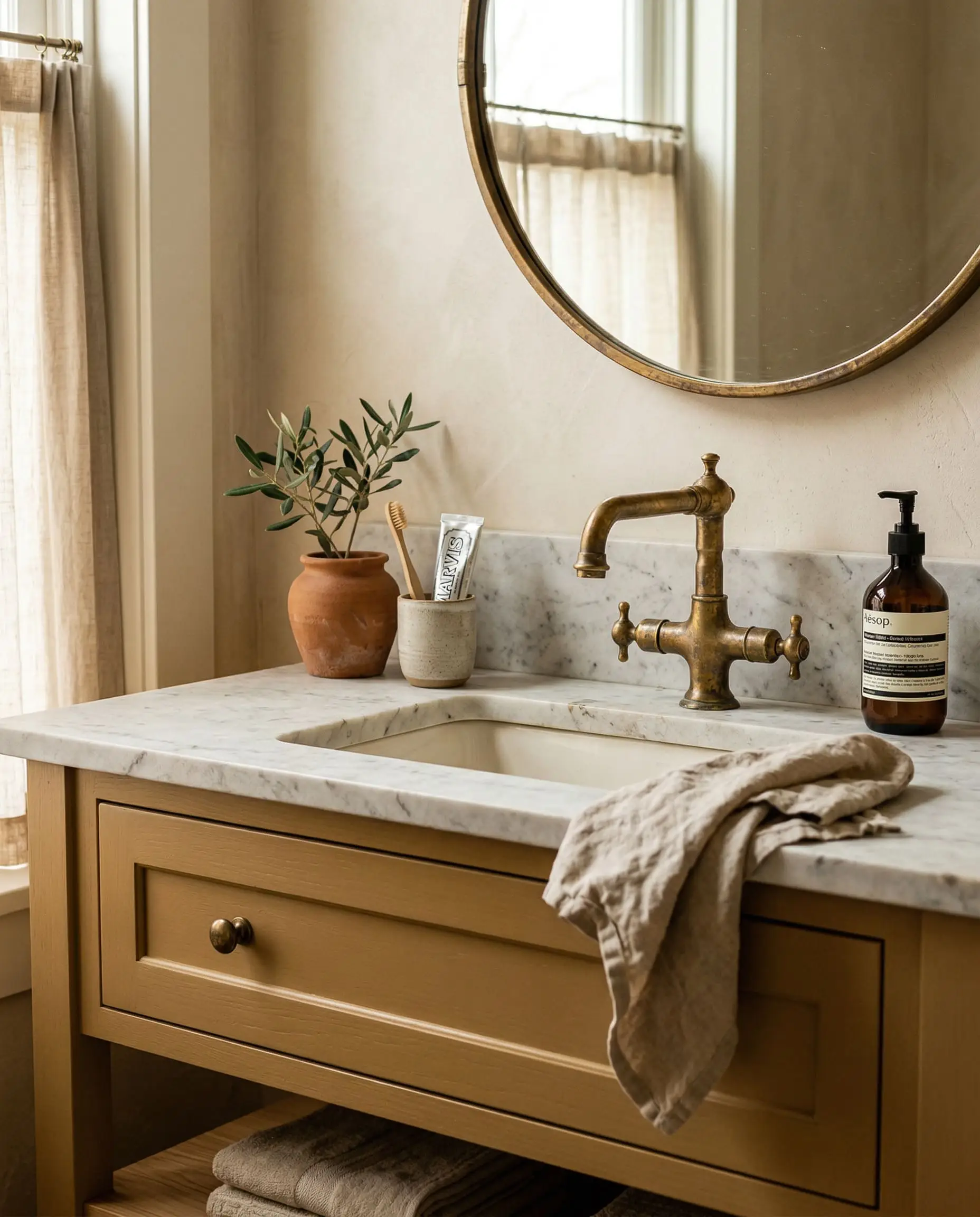
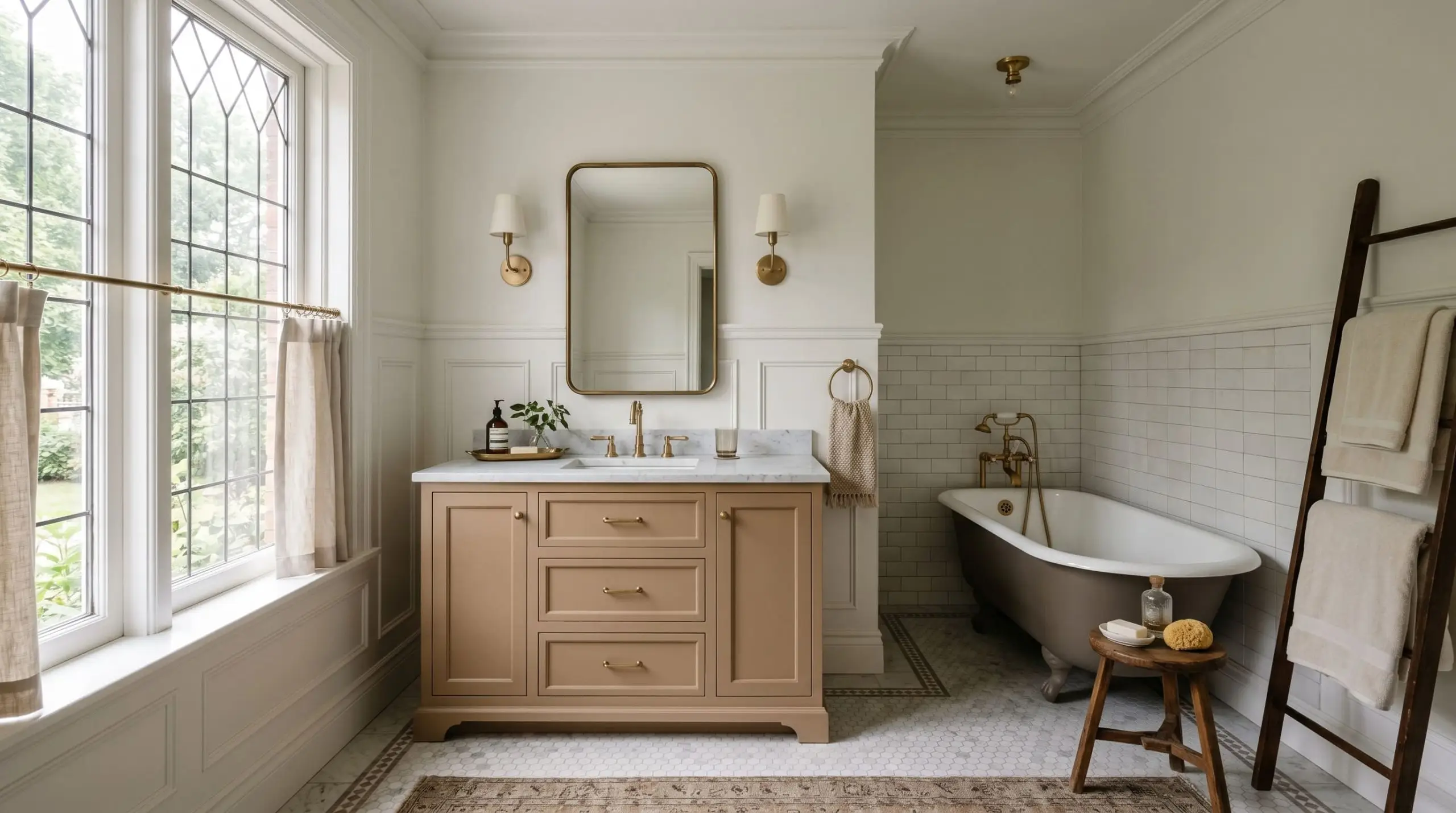
The Historical Loop: This color has an inherent pedigree that begs to be tied to classic architectural eras. Painting a custom bathroom vanity in Sherwood Tan and outfitting it with unlacquered brass hardware instantly evokes a 1920s heritage aesthetic. The brass will naturally patina over time, and its aging golden hues will harmonize perfectly with the paint’s hidden orange undertones, creating a vanity that looks historically significant rather than newly installed.
The Pairings & Accents Guide
You cannot isolate a paint color. Its success depends entirely on the company it keeps.
Sherwood Tan demands strictly warm or starkly contrasting companions. If you pair this with cool, blue-toned grays or pink-leaning carpets, you will trigger a violent undertone clash.
Hackrea Pro-Tip
Flawless Trim Pairings
Do not use a stark, blue-toned white for your trim. It will make the tan look dirty.
Architectural Materials and Hard Finishes
The fixed materials in your room dictate the paint’s success. Tumbled travertine floors are a flawless match, as the stone’s natural earthiness mirrors the paint’s brown anchor.
If you are wondering how to update honey oak cabinets, this paint is a strategic ally. Instead of fighting the orange in the oak, the golden undertones of the paint harmonize with it, making the cabinets feel intentional rather than dated. Finish the space with unlacquered brass hardware and cream linen textiles to soften the visual weight.
The Coordinating Color Palette
Curated Mood Boards
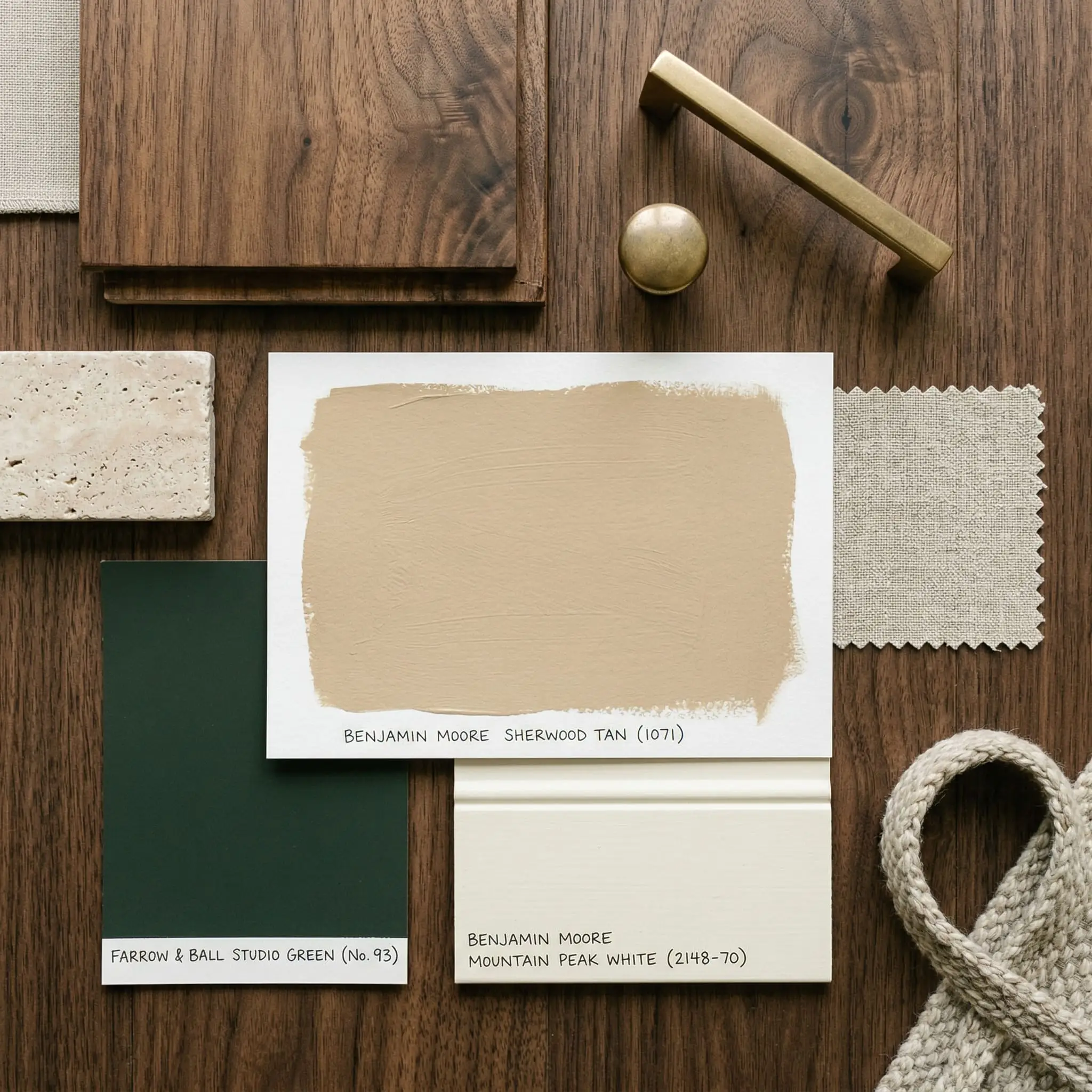
The Modern Heritage Palette: This aesthetic combines Sherwood Tan walls with Mountain Peak White trim, anchored by rich walnut flooring and accents of Studio Green on interior doors. It is heavy, historic, and deeply sophisticated. The dark green provides a visual break from the golden warmth, creating a space that feels curated over decades.
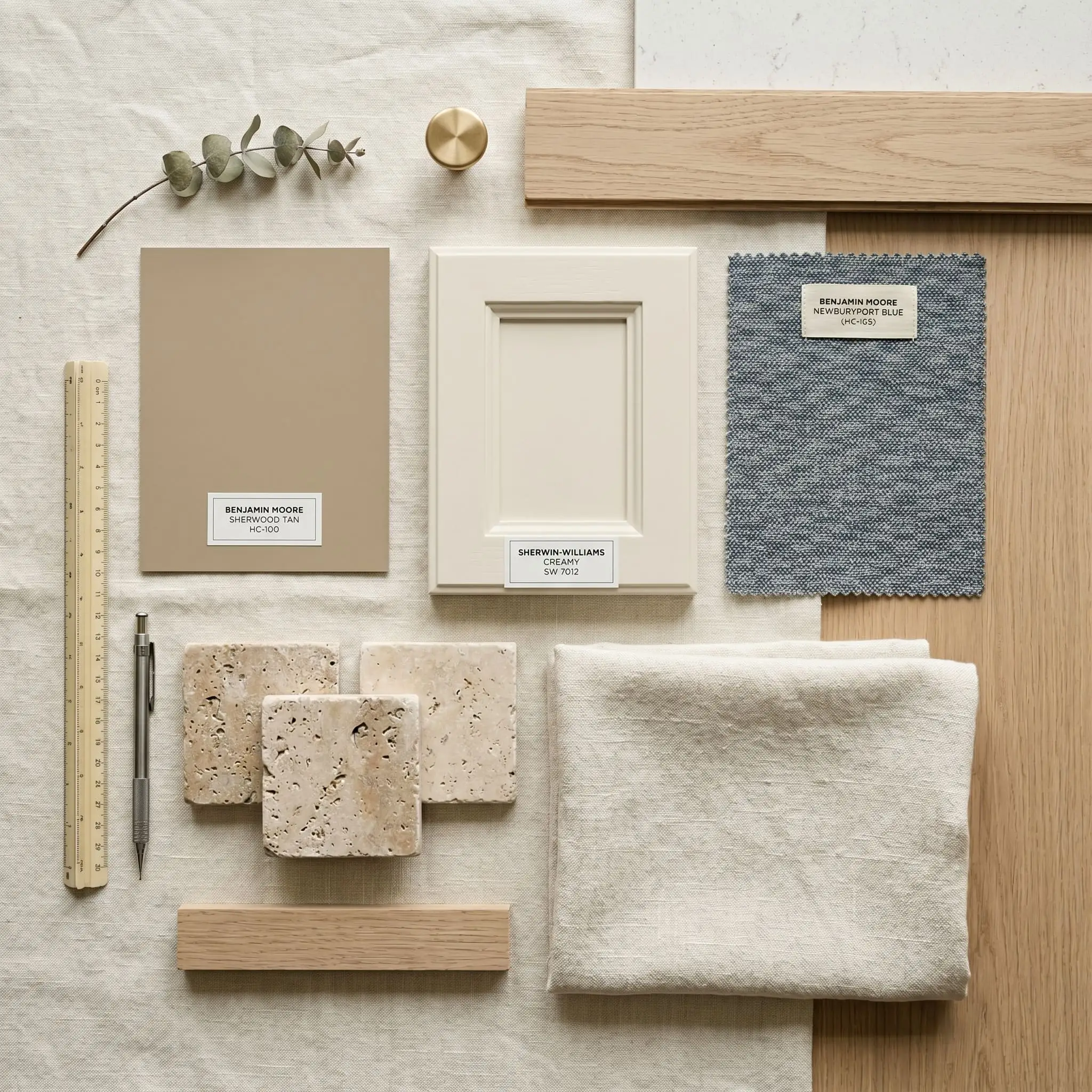
The Organic Traditional Palette: Here, we pair the mid-tone beige with tumbled travertine floors, Creamy off-white cabinetry, and Newburyport Blue accents (like a kitchen island or a velvet sofa). The stark navy blue cuts through the earthy brown, preventing the room from feeling too monotonous while the natural stone adds crucial texture.
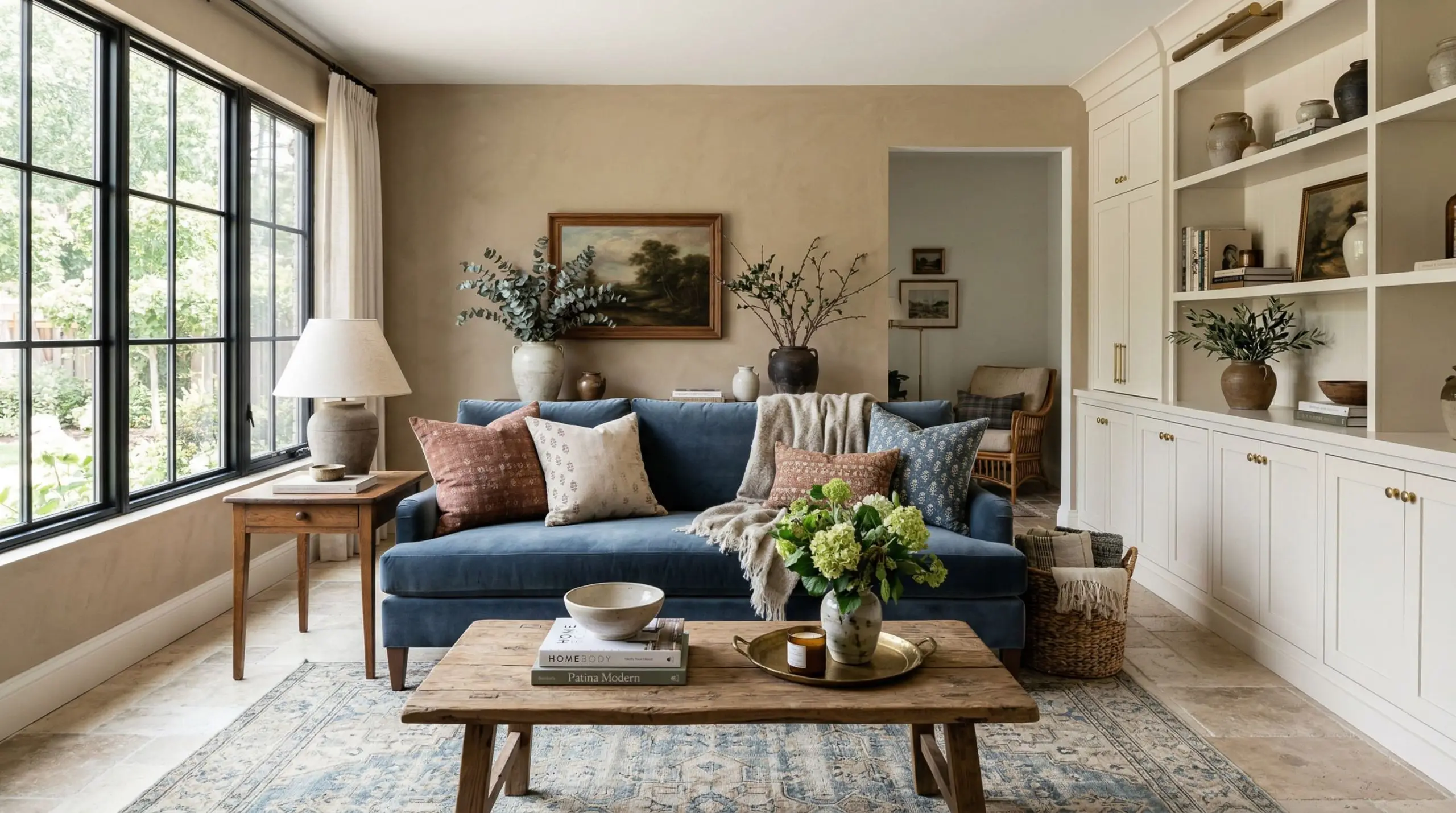
Will Sherwood Tan work with your specific lighting, floor, or furniture?
Head-to-Head Comparisons
When you are staring at a fan deck, the microscopic differences between tans can be maddening. Here is the definitive logic for choosing between the heavy hitters.
Sherwood Tan vs. Benjamin Moore Shaker Beige
Shaker Beige (HC-45) is significantly lighter and reads as a more neutral sand. If you are terrified of the room feeling too dark or too orange, Shaker Beige is the safer, more muted alternative. However, it lacks the dramatic, grounded punch of 1054.
Sherwood Tan vs. Sherwin-Williams Latte
Sherwin-Williams Latte (6108) shares a very similar depth, but its undertones are entirely different. Latte leans heavily into rust and terracotta. If you want a baked-clay look, go with Latte. If you want a true golden-brown, stick with Benjamin Moore.
Sherwood Tan vs. Benjamin Moore Lenox Tan
Lenox Tan (HC-44) is the closest sibling, but it is slightly lighter and leans more toward a yellow-gold khaki than an orange-gold brown. Lenox is easier to use in low-light rooms, but it can occasionally flash a sickly yellow, whereas Sherwood maintains its earthy brown integrity.
Similar Colors & Brand Equivalents
If you love the DNA of this color but need to tweak the depth or switch brands, we have mapped the exact alternatives.
Same-Brand Alternatives
Cross-Brand Matches
Practical Application & DIY Advice
Executing this color requires more than just a roller. You need a structural approach to sheen and coverage.
The Dynamic Sheen Matrix
Primer Strategy
Because this color sits at an LRV of 37.31, you must use a high-quality primer. Do not rely on “paint-and-primer-in-one” gimmicks.
If you are painting over a light white or a dark, saturated color, use a tinted gray primer. This provides a neutral base that allows the golden-orange undertones to cure accurately without bleeding through. If painting over raw wood, a stain-blocking primer is non-negotiable.
Coverage & Touch-Up Warnings
Expect to apply two full coats for true color opacity.
Mid-tone colors with earthy bases are highly susceptible to “flashing”—visible roller marks caused by uneven pressure or painting over semi-dry edges. Keep a wet edge while rolling, and understand that touching up a single spot months later will likely show. You may need to repaint the entire wall corner-to-corner if damage occurs.
Hackrea Pro-Tip
Frequently Asked Questions
Is Benjamin Moore Sherwood Tan warm or cool?
It is definitively warm. It is anchored in an earthy brown base and heavily driven by golden-orange undertones, containing absolutely no cool blue, green, or gray notes.
What colors go well with Sherwood Tan?
It pairs beautifully with warm, creamy whites (like SW Alabaster), stark contrasting dark blues (like BM Newburyport Blue), and historic, blackened greens (like F&B Studio Green).
Does Sherwood Tan look yellow or orange?
It leans distinctly orange rather than yellow. Under warm artificial lighting or afternoon western sun, the golden-orange undertones will amplify, giving the paint a rich, amber-brown glow.
What is the LRV of Sherwood Tan?
The Light Reflectance Value is 37.31. This places it firmly in the mid-tone category, meaning it absorbs a fair amount of light and requires adequate illumination to prevent a space from feeling heavy.
Final Verdict & Expert Warnings
Benjamin Moore Sherwood Tan 1054 is a masterclass in architectural warmth, provided you respect its chemistry.
The Ruling: It is absolutely worth the hype if you are designing a traditional, grounded space. Its absolute best application is in a formal living room or library wrapped in rich walnut wainscoting and layered with warm, ambient lighting.
The Clash Warning: You must explicitly avoid this paint if your home features cool, blue-toned grays, pink-beige carpeting, or red-leaning cherry wood floors. These elements will violently clash with the golden-orange base, making your home feel chaotic and visually disjointed. Embrace the warmth, control your lighting, and let this historic shade do the heavy lifting.
Room Compatibility & Clashes Diagnoses
Hackrea's reports evaluating the compatibility of Sherwood Tan in real rooms.East-Facing Country Kitchen
"The target paint's warm caramel-khaki base harmonizes effortlessly with the black granite counters, but its tonal proximity to the beige travertine floors risks diminishing perimeter definition."
West-Facing Multi-Story Entryway
"Applying a mid-tone tan to the door creates a near-miss undertone clash with the saturated gold wall directly framing it while removing the necessary focal contrast established by the white trim and black accents."
Closest Cross-Brand Equivalents
The absolute closest scientific color matches for Sherwood Tan across top paint brands.