What Landlords Should Know About Water Damage Risks
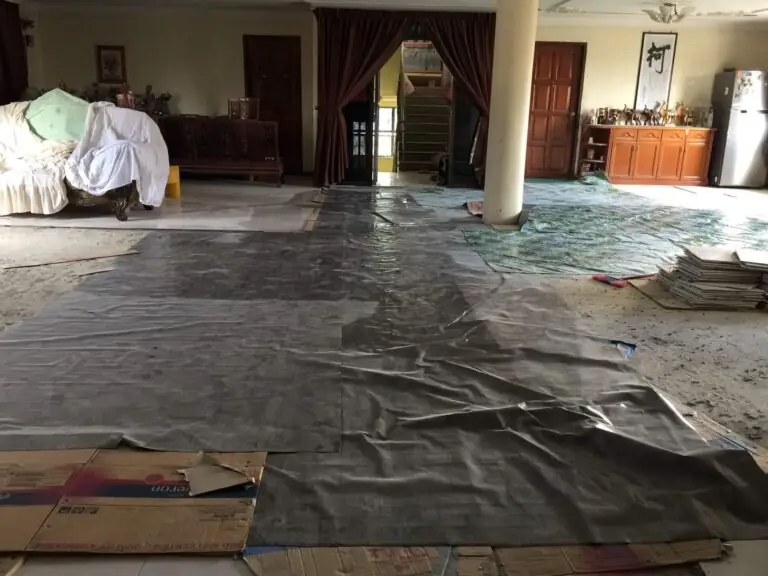
For landlords, protecting a rental property goes beyond collecting rent and keeping up with general maintenance. Water damage is one of the most significant threats to both the structure of a property and its long-term value. While some issues like a leaking tap or a dripping showerhead might appear minor, they can quickly escalate into costly repairs and unhappy tenants. Knowing the risks and understanding when to call a plumber can save landlords from financial strain and disputes.
Why Water Damage Is a Serious Concern
Water is relentless once it finds its way into places it does not belong. Unlike other maintenance issues, water damage does not stop on its own. It spreads, weakens building materials, and creates conditions where mould and bacteria thrive. For landlords, this means higher repair costs, potential legal issues, and even vacancies if tenants are forced to leave while damage is repaired.
A proactive approach to plumbing maintenance reduces these risks. Having reliable plumbers on call ensures that problems are fixed quickly before they grow into larger concerns.
Common Causes of Water Damage in Rental Properties
There are many ways water damage can occur in a property, and most of them relate directly to plumbing. Some of the most common include:
Knowing these common causes helps landlords stay alert to early warning signs and ensures that plumbers are contacted before serious damage occurs.
The Hidden Costs of Water Damage
Water damage is rarely cheap to fix. Even after the source of the leak is repaired, there are often secondary costs that landlords need to consider.
These costs can easily run into thousands of dollars, which is why early detection and calling in plumbers at the first sign of trouble is so important.
Health Risks for Tenants
Water damage is not just about property; it can also impact the well-being of tenants. Damp environments are perfect for mould and mildew growth. Mould exposure can cause respiratory issues, allergies, and other health problems, especially for children or elderly tenants.
If tenants report musty odours, persistent damp patches, or visible mould, landlords should treat these complaints seriously. Plumbers can help identify whether a hidden leak is contributing to the problem, ensuring that both the property and its occupants are protected.
The Role of Regular Plumbing Maintenance
Landlords who wait until an emergency occurs often face higher repair bills. Regular plumbing maintenance is a far more effective strategy. Annual or bi-annual inspections by professional plumbers can uncover small issues like dripping taps, corroded pipes, or slow drains before they become major headaches.
Preventive maintenance also shows tenants that the property is well cared for, encouraging them to take better care of it too. A proactive approach reduces complaints and builds a more positive landlord-tenant relationship.
When to Call a Plumber
Some minor issues can be handled with simple DIY fixes, but landlords should know where to draw the line. A plunger may clear a small blockage, but persistent clogs, leaks, or low water pressure often signal a bigger problem. In these cases, only professional plumbers have the tools and expertise to properly diagnose and resolve the issue.
Signs that it is time to call a plumber include:
Acting quickly ensures that tenants remain comfortable and the property stays in good condition.
Insurance and Legal Responsibilities
Many landlords assume that insurance will cover all water damage, but this is not always the case. Policies often exclude damage that results from neglect or failure to maintain plumbing. This means that if a landlord ignores a reported leak, they may be held financially responsible for all related repairs.
Additionally, landlords have a legal responsibility to provide safe and habitable housing. Ignoring plumbing issues that cause water damage can put landlords in breach of tenancy laws, leading to disputes, fines, or tribunal cases. Keeping plumbers engaged and maintaining good records of repairs is the best defence against these risks.
Protecting Property Value
Rental properties are long-term investments, and water damage can significantly reduce their value. Potential buyers and valuers look closely at the condition of plumbing, walls, and flooring. Evidence of past water damage, even if repaired, can lower confidence and impact property resale value.
Engaging plumbers for regular checks, addressing tenant concerns promptly, and investing in high-quality plumbing fixtures all help preserve property value. Preventive care now avoids costly renovations later.
Final Thoughts
Water damage is one of the most expensive and disruptive problems landlords can face, but it is also one of the most preventable. By recognising the risks, staying alert to warning signs, and working closely with qualified plumbers, landlords can protect both their properties and their tenants.
Early intervention is always cheaper than large-scale repairs, and a proactive approach helps maintain property value, reduce insurance risks, and build better relationships with tenants. For landlords, the message is simple: never ignore a plumbing issue. The sooner you call a plumber, the more you save in the long run.