The Designer’s Guide to Choosing the Right Pro for a Clean Metal Roofline
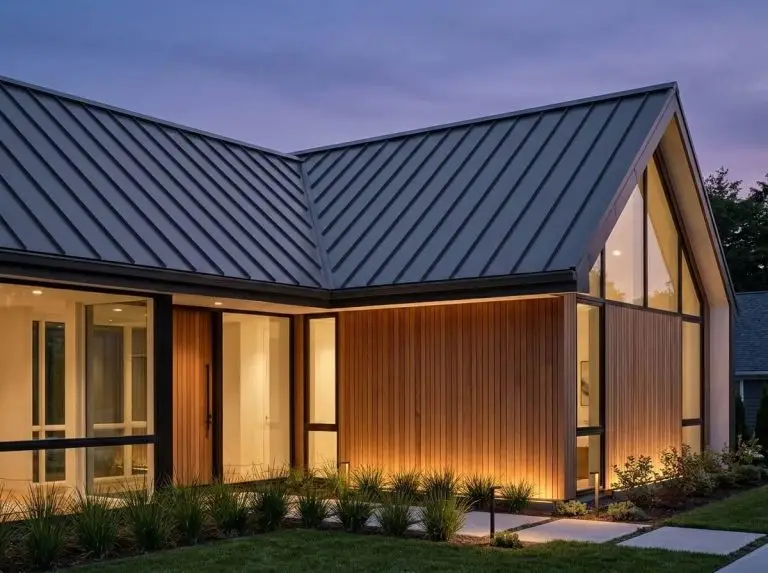
A clean metal roofline can change the character of a home. It can make a farmhouse feel sharper, give a contemporary exterior more structure, or help a traditional house look more refined without losing its original charm. From the street, the effect looks simple. In practice, it depends on precise decisions made before the first panel is installed.
Standing seam metal roofing is often chosen for its crisp vertical lines, concealed fasteners, and long-term durability. Still, the material does not guarantee a polished result. Roof shape, panel layout, flashing, trim, ventilation, and installer experience all influence whether the finished roof looks intentional or awkward.
For homeowners, the key is knowing how to evaluate the professional behind the installation. The right installer should understand how the roof will perform, how it will age, and how it will work with siding, windows, gutters, porches, and landscaping.
Why Precision Matters More Than the Panel Itself
Standing seam roofing has a distinctive look because its seams run vertically from ridge to eave. Those uninterrupted lines can make a roof feel tailored and architectural, but only when spacing, alignment, and transitions are handled with care.
A homeowner comparing installers should look for a standing seam contractor who can explain panel layout, flashing transitions, ventilation, and finish options before installation begins. This system requires careful measurement, specialized fastening methods, and a strong understanding of how metal responds to weather, temperature changes, and roof movement.
The most refined standing seam roofs look controlled. Seams line up evenly, valleys are handled cleanly, trim feels proportionate, and edges appear intentional. Around chimneys, dormers, skylights, and porch roofs, the details should look integrated rather than patched in.
Poor installation can make premium panels look cheap. Uneven seams, wavy panels, oversized trim, and awkward flashing distract from the home’s overall design. Since standing seam roofing is often chosen for its visual impact, installer precision becomes part of the curb appeal.
Read the Roof Shape Before Choosing the System
Before choosing a metal roof system, the roof shape needs careful study. A simple gable roof may allow long, uninterrupted panels and a clean finish. A more complex roof with dormers, valleys, intersecting slopes, chimneys, or additions requires more planning.
Complex roofs can still use standing seam metal successfully, but every break in the roofline must be considered. The installer should know where panels will begin and end, how seams will meet valleys, and whether the visible roof planes will look balanced from the street.
A skilled professional may recommend a specific seam height, panel width, or trim profile based on the home’s architecture. They should also explain how snow, rain, wind, and seasonal movement affect the system.
Some homes need restraint. Others can handle a bolder metal profile. A good installer helps homeowners understand which choices will improve the design and which ones may create visual clutter.
Know Which Details Separate a Clean Finish From a Basic One
The difference between a clean standing seam roof and an average one often appears in the small details. From a distance, many metal roofs look similar. Up close, the quality of the trim, flashing, and edges becomes easier to judge.
Ridge caps should look proportionate, not heavy or oversized. Rake trim should follow the roof edge neatly. Drip edges should protect the roofline without drawing unnecessary attention. Valleys should direct water properly while maintaining a clean appearance. At transitions, the metal should look planned into the roof rather than forced around obstacles.
Gutters also affect the final result. A sleek metal roof can lose visual appeal if paired with gutters that feel too bulky, too bright, or poorly aligned. Downspout placement should be considered early, especially on the front elevation.
Snow guards may be needed in colder regions. They should be selected for function and appearance because the wrong style can interrupt the vertical rhythm of the panels.
Underlayment and ventilation are less visible, but they still matter. A roof that looks beautiful on day one should also be built to manage moisture, temperature shifts, and seasonal expansion.
Balance Style With Heat and Weather Performance
Color is one of the most important design decisions for a standing seam roof. Matte black and dark charcoal create a strong architectural outline. Bronze, deep green, warm gray, and muted brown feel softer and more traditional. Lighter finishes may suit coastal, farmhouse, or sun-exposed homes where reflectivity is part of the plan.
The roof color should relate to the siding, trim, stone, brick, windows, and landscape. A black roof can look elegant on a white farmhouse, but it may feel too severe on a home that already has strong contrast. A warm metal finish can soften natural wood siding, while cool gray may pair well with modern stucco, fiber cement, or pale brick.
Performance should guide the decision as well. Roof color and coating can affect how much heat the surface absorbs, especially in sunny climates. Homeowners comparing finishes should consider cool roof performance when weighing darker colors against lighter or more reflective options.
Local weather should also shape the system. In areas with heavy rain, snow, ice, strong wind, or large temperature swings, the roof must be selected and installed for those conditions. A qualified professional should be able to explain expansion, contraction, water movement, and fastener protection in clear terms.
Ask Better Questions Before Hiring
Choosing the right professional becomes easier when homeowners ask specific questions. Vague questions often lead to vague answers, while targeted questions reveal whether the installer truly understands standing seam roofing.
Start with experience. Ask whether the installer regularly works with standing seam systems and request completed projects with similar roof shapes or home styles. Photos should include detail shots of valleys, ridges, chimneys, porches, and edges, not just wide street views.
Ask how the panels will be laid out. A thoughtful installer should explain where seams will fall and how visible roof planes will be handled. If the answer is unclear, the visual result may not have been fully considered.
Ask about flashing around chimneys, skylights, dormers, and wall intersections. Flashing protects the roof from water intrusion, but it also affects appearance. Sloppy flashing can make a premium roof look unfinished.
Ask about panel gauge, coating type, seam height, underlayment, clips, trim profiles, ventilation, and warranties. Homeowners do not need to become roofing experts, but the installer should explain the options in plain language.
Match the Roofline to the Home’s Exterior Language
A standing seam roof should feel connected to the rest of the exterior. It can look sharp and minimal on a contemporary home, warm and practical on a farmhouse, or refined on a transitional house. The roof’s lines, color, and detailing should support the home’s broader design language.
On modern farmhouse exteriors, standing seam roofing often works well because it reinforces the clean, practical character of the style. It pairs naturally with board and batten siding, white or warm neutral palettes, black windows, wood accents, and simple porch forms. Homeowners studying modern farmhouse exterior details can see how roof material, siding, trim, and proportion work together to create a cohesive look.
On contemporary homes, standing seam roofing can emphasize geometry. Dark panels may strengthen the roof shape, while lighter finishes can make the form feel more subtle.
In rustic homes, warmer metal tones may feel more natural than stark black. Bronze, weathered gray, and muted earth tones can connect with stone, timber, and natural surroundings. Trim choices become especially important because overly modern details may clash with a rustic exterior.
On traditional homes, standing seam roofing should be handled with restraint. A simple roof plane may benefit from a refined metal finish, while complex decorative roofs require extra care to avoid looking busy.
Red Flags That Can Ruin the Look
Some warning signs appear before work begins. A vague estimate is one of them. Homeowners should understand the system being proposed, the type of metal, the finish, the underlayment, the trim approach, and the warranty terms.
Another red flag is a lack of project photos. Standing seam roofing is highly visual, so examples matter. If an installer cannot show similar work, it becomes harder to judge whether they can deliver the desired roofline.
Be cautious if the installer cannot explain panel layout. Seam placement affects the final appearance, especially on visible roof planes. A professional should be able to discuss how the roof will look from the street, driveway, yard, and main outdoor living areas.
Poor communication about flashing is another concern. If flashing is treated as an afterthought, the roof may suffer both visually and functionally.
Exposed fasteners in areas intended for a concealed-fastener system can signal lower-quality detailing. While some accessories may require visible components, the overall system should preserve the clean look that makes standing seam roofing appealing.
Oversized trim, mismatched gutters, uneven edges, and careless transitions can weaken the final design. These details may seem small during planning, but they become highly visible once the roof is complete.
Conclusion
A clean metal roofline depends on planning, proportion, installer skill, and a clear understanding of how the roof connects to the rest of the home.
The right professional should be able to explain the system, study the roof shape, plan the panel layout, recommend appropriate colors and finishes, and handle details with care. Homeowners should expect clear communication, relevant project examples, and practical guidance before installation begins.
When the roof is planned well, the result feels effortless. The seams look balanced, the trim feels refined, the color supports the exterior, and the home gains a stronger architectural presence. That kind of finish comes from choosing the right pro from the start.